




1. Search Result
Search Result
Results for "

Cytotoxic peptide

" in MedChemExpress (MCE) Product Catalog:

125

Inhibitors & Agonists

3

Fluorescent Dyes

1

Biochemical Assay Reagents

105

Peptides

10

Natural
Products

1

Isotope-Labeled Compounds

2

Click Chemistry

1

Oligonucleotides

Cat. No. Product Name Target Research Areas Chemical Structure
  • HY-N2332A
    Methyllycaconitine citrate
    Maximum Cited Publications
    43 Publications Verification

    MLA citrate

    nAChR Neurological Disease
    Methyllycaconitine (MLA) citrate is a potent, selective, CNS-penetrant, competitive α7nAChR antagonist. Methyllycaconitine citrate alleviates amyloid-β peptides-induced cytotoxicity in SH-SY5Y cells. Methyllycaconitine citrate prevents methamphetamine-induced effects in mouse striatum. Methyllycaconitine citrate can be used for neurological disease research, such as Alzheimer’s disease .
    Methyllycaconitine citrate
  • HY-P1388
    β-Amyloid (1-42), (rat/mouse)
    5+ Cited Publications

    Amyloid β-peptide (1-42) (rat/mouse)

    Amyloid-β Neurological Disease
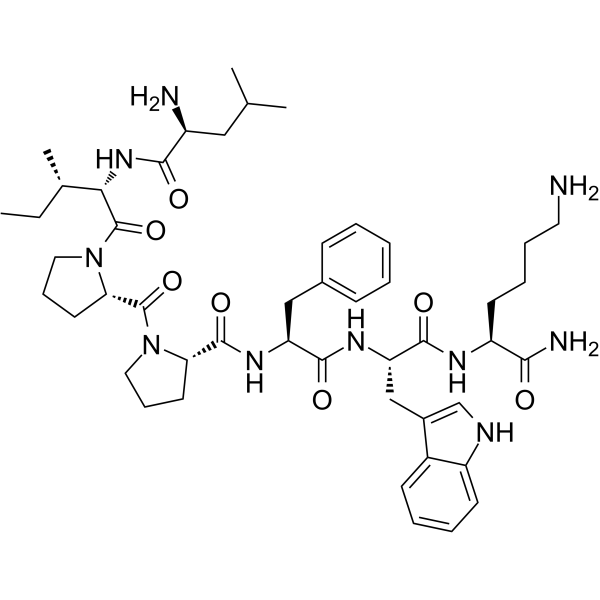
    β-Amyloid (1-42), (rat/mouse) is a 42-aa peptide, shows cytotoxic effect on acute hippocampal slices, and used in the research of Alzheimer's disease.
    β-Amyloid (1-42), (rat/mouse)
  • HY-15582

    Microtubule/Tubulin ADC Payload Cancer
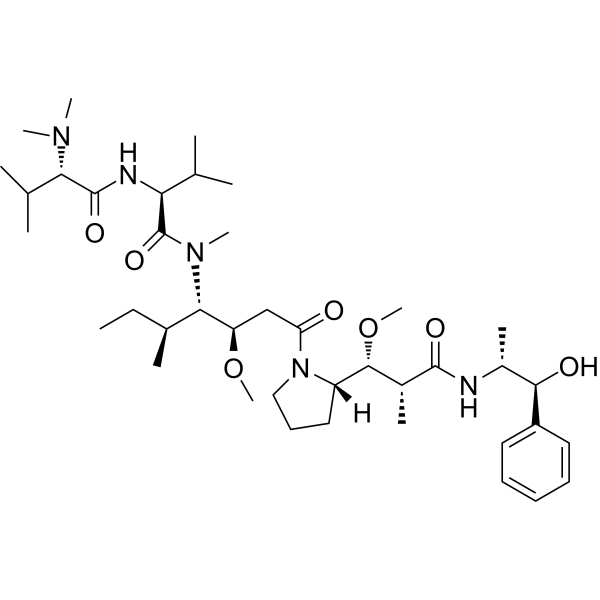
    Auristatin E is a cytotoxic microtubule polymerization inhibitor with potent and selective antitumor activity. Auristatin E is a cytotoxin in antibody-drug conjugates (ADC). Auristatin E inhibits cell division by blocking the polymerisation of tubulin, promising for research in B-cell malignancies. Auristatin E, a synthetic analogue of the Dolastatin 10 (HY-15580), is linear peptides comprised of four amino acids .
    Auristatin E
  • HY-17566
    Capreomycin sulfate
    5 Publications Verification

    Antibiotic Bacterial Infection Neurological Disease Metabolic Disease
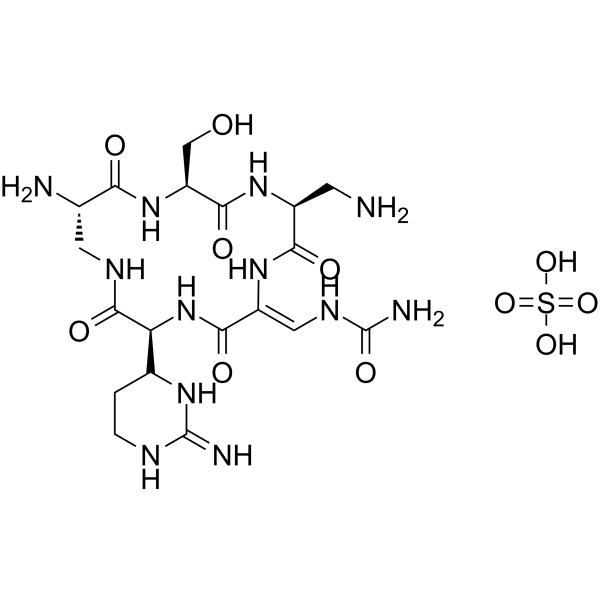
    Capreomycin sulfate is a macrocyclic peptide antibiotic that inhibits phenylalanine synthesis in mycobacterial ribosomal translation. Capreomycin sulfate has anti-amyloidogenic and pro-fibrinolytic activities, reducing amyloid-induced cytotoxicity by inhibiting the occurrence of amyloid fibrillation. Capreomycin sulfate can be used in the study of multidrug-resistant tuberculosis, type 2 diabetes, Alzheimer's disease and Parkinson's disease .
    Capreomycin sulfate
  • HY-125586

    DNA/RNA Synthesis ADC Payload Cancer
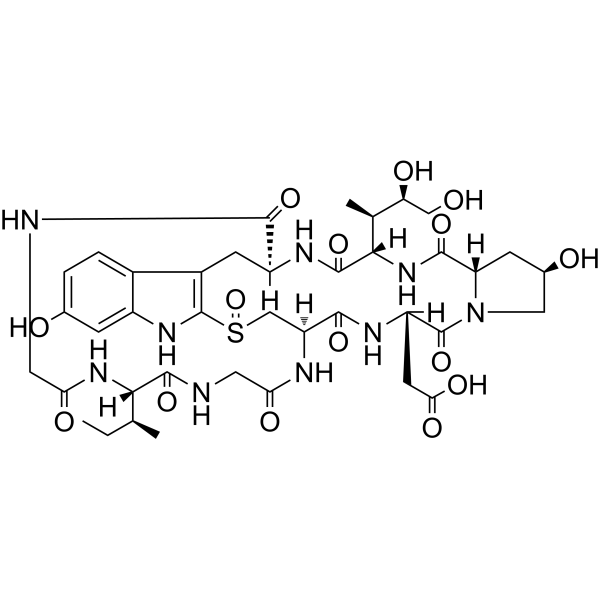
    β-Amanitin is a cyclic peptide toxin in the poisonous Amanita phalloides mushroom. β-Amanitin inhibits inhibits eukaryotic RNA polymerase II and III. β-Amanitin inhibits protein synthesis. β-Amanitin can be used as a cytotoxic component of antibody-drug conjugates (ADCs) .
    β-Amanitin
  • HY-P10408

    EGFR MMP Calcium Channel NOD-like Receptor (NLR) ERK p38 MAPK Infection Inflammation/Immunology
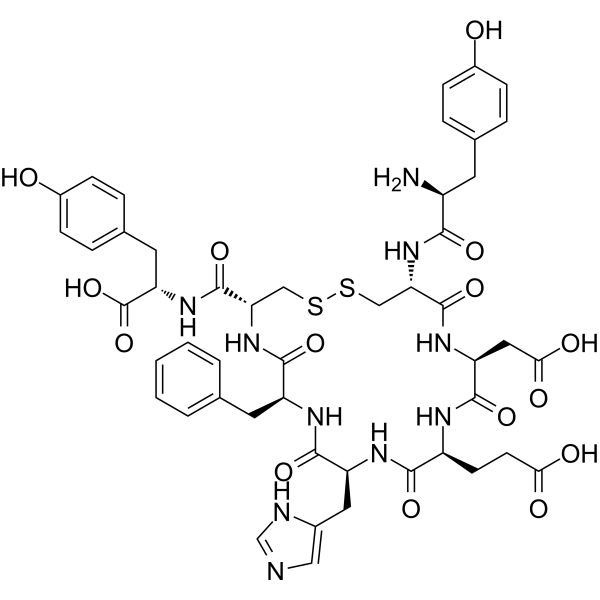
    Candidalysin is a cytolytic peptide toxin secreted by the fungus Candida albicans. Candidalysin drives epithelial immune responses by activating the EGFR-MAPK signaling pathway, inducing MMP expression and calcium influx, and regulating the c-Fos transcription factor and MKP1 via p38 MAPK and ERK1/2 respectively. Candidalysin is essential for mucosal and systemic infections, activating NLRP3 to promote inflammatory responses, neutrophil recruitment, and Th17 immunity. Candidalysin activates LDH causing membrane damage and exhibiting cytotoxicity
    Candidalysin
  • HY-P1569
    LCMV gp33-41
    3 Publications Verification

    LCMV GP(33-41) M-peptide; gp33 epitope

    Arenavirus Infection Inflammation/Immunology
    LCMV gp33-41, the carboxyl-extended 9-aa-long peptide, is an lymphocytic choriomeningitis virus sequence restricted by MHC class I H-2Db molecules and presented to cytotoxic T lymphocytes .
    LCMV gp33-41
  • HY-129225
    WRR139
    2 Publications Verification

    Keap1-Nrf2 Transglutaminase Cancer
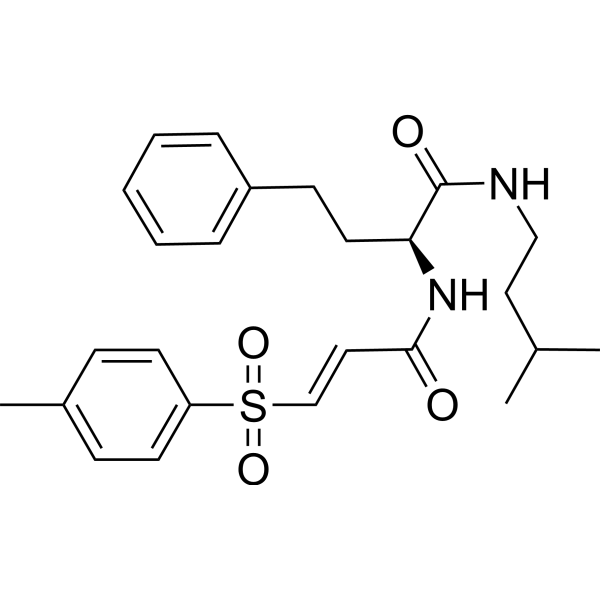
    WRR139 is a peptide vinyl sulfone involving in disease processes such as inflammation and cancer. WRR139 is also a cytosolic enzyme N-glycanase 1 (NGLY1) and Nrf1 inhibitor. WRR139 enhances Carfilzomib cytotoxicity against cancer cells .
    WRR139
  • HY-P0270

    Magainin II

    Bacterial Antibiotic Fungal Infection
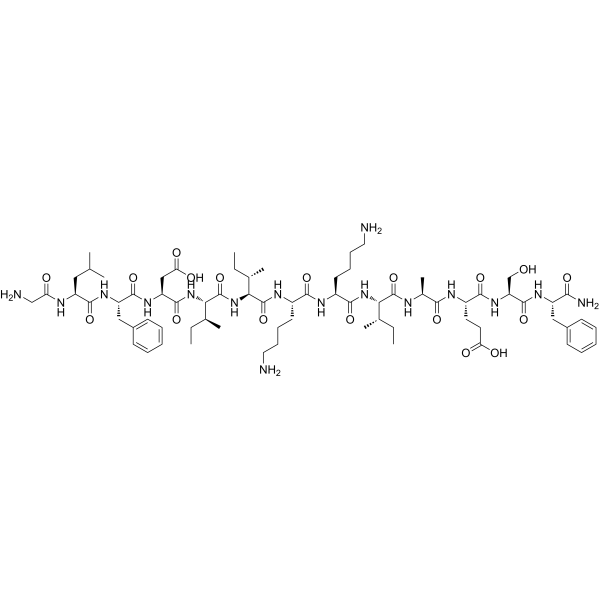
    Magainin 2 (Magainin II) is an antimicrobial peptide (AMP) isolated from the skin of the African clawed frog Xenopus laevis. Magainin 2 displays antibiotic activity against numerous gram-negative and gram-positive bacteria. Magainin 2 also is active against protozoa . Magainin 2 exerts its cytotoxicity effects by preferential interactions with anionic phospholipids abundant in bacterial membranes .
    Magainin 2
  • HY-P4193

    MHC Inflammation/Immunology Cancer
    AH1 is an immunodominant MHC class I-restricted nonamer peptide recognized by CD8 + cytotoxic T lymphocytes. AH1 derives from the envelope protein (gp70) of an endogenous ecotropic murine leukemia virus and is presented by the MHC class I L d molecule. AH1 can be used for the research of colorectal carcinoma .
    AH1
  • HY-P1907

    HPV Cancer
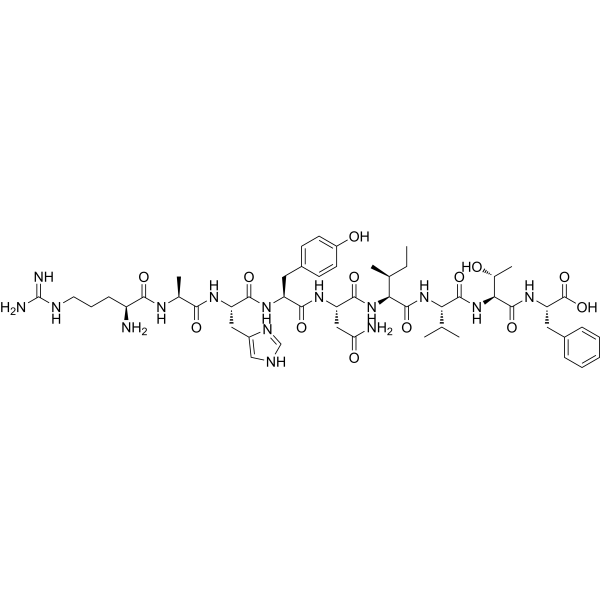
    Human Papillomavirus (HPV) E7 protein (49-57) is a cytotoxic T lymphocyte (CTL) epitope peptide derived from HPV16 E7 protein (sequence: RAHYNIVTF). Human Papillomavirus (HPV) E7 protein (49-57) induces E749-57-specific CTL responses. Human Papillomavirus (HPV) E7 protein (49-57) can be used for the research of cervical cancer .
    Human Papillomavirus (HPV) E7 protein (49-57)
  • HY-P1388A

    Amyloid β-peptide (1-42) (rat/mouse) TFA

    Amyloid-β Neurological Disease
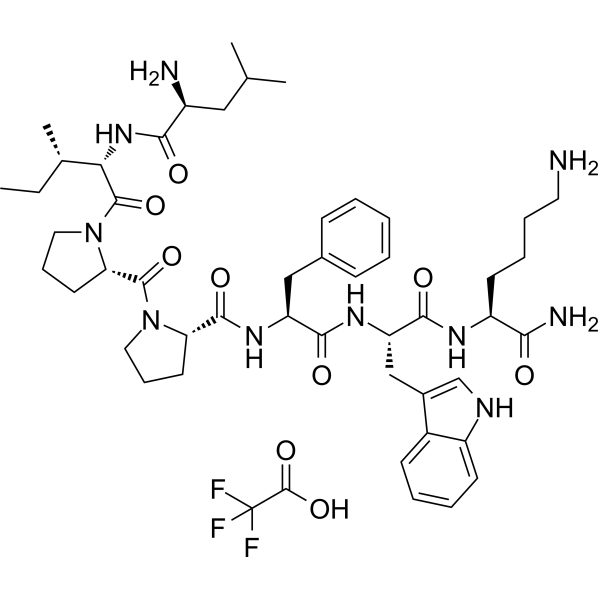
    β-Amyloid (1-42), (rat/mouse) TFA is a 42-aa peptide, shows cytotoxic effect on acute hippocampal slices, and used in the research of Alzheimer's disease.
    β-Amyloid (1-42), (rat/mouse) TFA
  • HY-N1243

    Microtubule/Tubulin Apoptosis Cancer
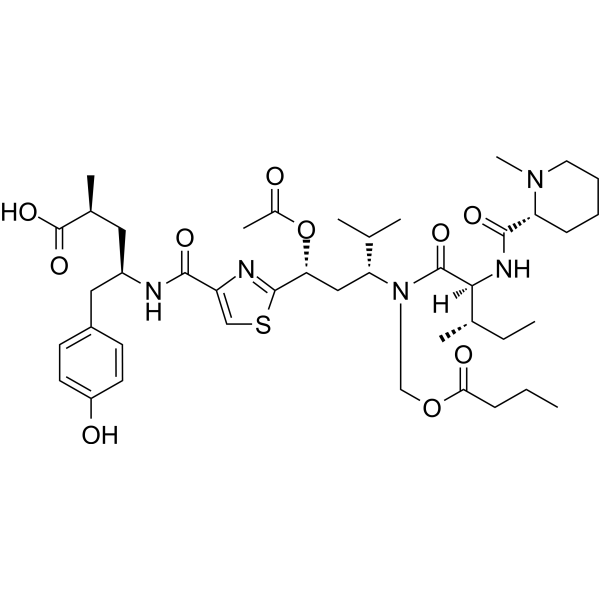
    Tubulysin B is a highly cytotoxic peptide and potent microtubule destabilizing agents isolated from the myxobacteria Archangium geophyra and Angiococcus disciformis. Tubulysin B has IC50 values in the picomolar range against many cancer cell lines, including those with multidrug resistant properties .Tubulysin B is a cytotoxic activity tubulysin which inhibits tubulin polymerization and leads to cell cycle arrest and apoptosis .
    Tubulysin B
  • HY-147008

    Epigenetic Reader Domain Cancer
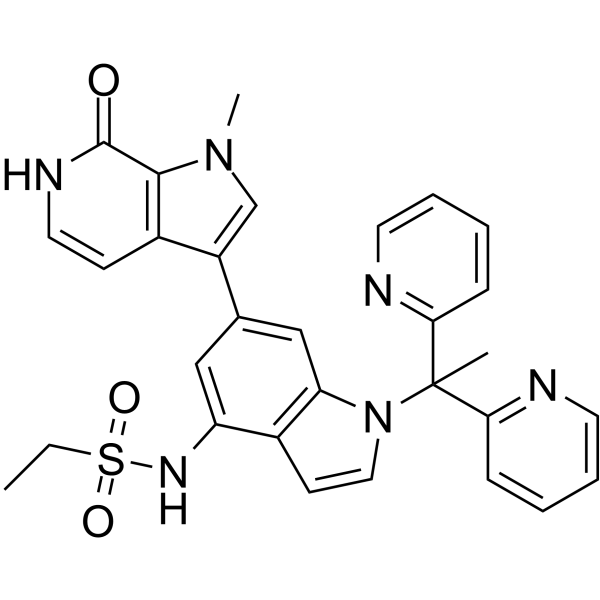
    XP-524 is a potent BET and EP300 inhibitor. XP-524 shows great tumoricidal activity in vivo. XP-524 prevents KRAS-induced, neoplastic transformation in vivo and extends survival in two transgenic mouse models of aggressive PDAC. XP-524 also enhances the presentation of self-peptide and tumor recruitment of cytotoxic T lymphocytes. XP-524 has the potential for the research of pancreatic ductal adenocarcinoma (PDAC) .
    XP-524
  • HY-D2186
    BTD probe-1
    1 Publications Verification

    Biochemical Assay Reagents Others
    BTD probe-1 is a benzothiazine-based chemoproteomic probe and selective protein S-sulfenic acid (Cys-SOH) labeling agent. BTD probe-1 labels protein S-sulfenic acids in vitro in cell and tissue samples, and in situ in intact cells, enabling detection or enrichment of modified proteins/peptides. BTD probe-1 exhibits no cytotoxicity in cells at concentrations ≤1 mM. BTD probe-1 enables global, site-specific mapping and quantification of cysteine S-sulfenylation in complex proteomes with lower input material .
    BTD probe-1
  • HY-P1632

    Bacterial Infection Cancer
    Tachyplesin I is a β-hairpin antimicrobial peptide that contains 17 amino acid residues. Tachyplesin I exhibits cytotoxic properties against various human tumor cell lines acting primarily by impairing the integrity of the outer cell membrane .
    Tachyplesin I
  • HY-P1569A
    LCMV gp33-41 TFA
    3 Publications Verification

    LCMV GP(33-41) M-peptide TFA; gp33 epitope TFA

    Arenavirus Inflammation/Immunology
    LCMV gp33-41 (TFA), the carboxyl-extended 9-aa-long peptide, is an lymphocytic choriomeningitis virus sequence restricted by MHC class I H-2Db molecules and presented to cytotoxic T lymphocytes .
    LCMV gp33-41 TFA
  • HY-14942

    RTA 744 free base; WP 744 free base; WP 769

    NF-κB Apoptosis Caspase Drug Derivative Neurological Disease Cancer
    Berubicin (RTA 744 free base) is a Doxorubicin (HY-15142A) analog that can cross the blood-brain barrier. Berubicin inhibits P-gp and MRP1-mediated efflux and suppresses glioblastoma multiforme (GBM). Berubicin exerts toxic effects on leukemia cells by activating nuclear factor κB (NF-κB) and induces apoptosis in neuroblastoma cells. Berubicin can be used in the study of tumors related to the nervous system .
    Berubicin
  • HY-P11060

    Adpgk peptide

    MHC Cancer
    MC38 SLP Adpgk (Adpgk peptide) is an H-2 K b-restricted colorectal cancer neoantigen peptide. MC38 SLP Adpgk is formulated into PCNP nanocomplexes together with CpG ODN. PCNP vaccines significantly enhance the co-delivery efficiency of neoantigens and adjuvants to lymphoid organs, and activate cytotoxic T cells. PCNP vaccines not only protect mice from MC-38 colorectal tumor invasion, but also exhibit anti-tumor efficacy in established colorectal tumor models and significantly prolong the survival of tumor-bearing mice .
    MC38 SLP Adpgk
  • HY-P11057

    Fluorescent Dye Others
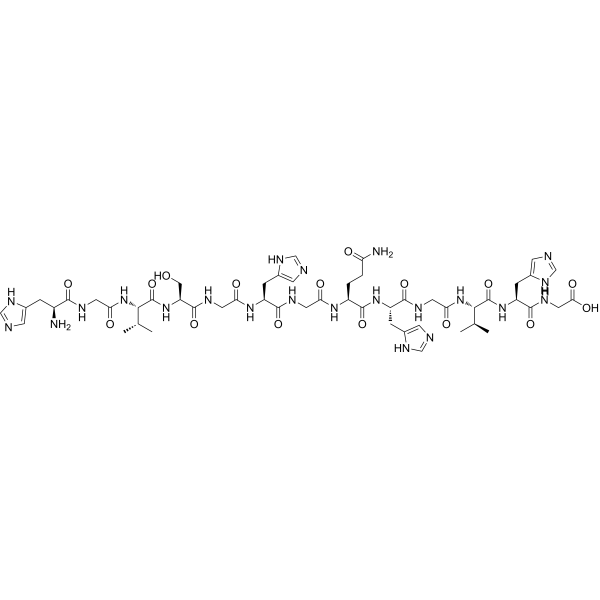
    FGGH is a water-soluble peptide-based probe. FGGH performs the sequential detection of Cu 2+ and S 2- by fluorescence and colorimetry with high sensitivity (LOD: 1.42 and 22.2 nM for Cu 2+ and S 2-, respectively) (Ex=488 nm, Em=525 nm), and images both two ions in living cells and zebrafish models with low cytotoxicity. FGGH can be used for in vivo imaging and environmental pollution monitoring research .
    FGGH
  • HY-15582S

    Isotope-Labeled Compounds Microtubule/Tubulin ADC Payload Cancer
    Auristatin E-d8 is the deuterium labeled Auristatin E (HY-15582). Auristatin E is a cytotoxic microtubule polymerization inhibitor with potent and selective antitumor activity. Auristatin E is a cytotoxin in antibody-drug conjugates (ADC). Auristatin E inhibits cell division by blocking the polymerisation of tubulin, promising for research in B-cell malignancies. Auristatin E, a synthetic analogue of the Dolastatin 10 (HY-15580), is linear peptides comprised of four amino acids .
    Auristatin E-d8
  • HY-P2495A

    Biochemical Assay Reagents Inflammation/Immunology
    OVA (241-270) TFA, a non-specific cytotoxic T lymphocyte (CTL) peptide, is a fragmented peptide of OVA (ovalbumin) antigen .
    OVA (241-270) TFA
  • HY-P11084

    MHC Inflammation/Immunology Cancer
    WT1 126-134 peptide is a Wilms' tumor oncogene protein (WT1) peptide (RMFPNAPYL). WT1 126-134 peptide is presented by HLA-A0201 and induces cytotoxic CD8 T cells capable of killing WT1+ positive tumor cells. WT1 126-134 can form stable complexes with the H-2Db (mouse) or HLA-A0201 (human) molecules. WT1 126-134 peptide/HLA-A0201 complex has an extremely high affinity (Kd = 0.2 nM) with the humanized monoclonal antibody (IgG1). WT1 126-134 peptide can be used as a vaccine for T cells or as a target for antibodies .
    WT1 126-134 peptide
  • HY-P10841

    Amino Acid Derivatives Cancer
    CyPep-1 is a novel cationic lytic peptide with antitumor activity. CyPep-1 is highly cytotoxic by interacting with the negatively charged cell membrane of cancer cells. CyPep-1 has strong cytolytic activity on cancer cells both in vivo and in vitro, and can be used in the study of solid tumors .
    CyPep-1
  • HY-P10772

    Peptide-Drug Conjugates (PDCs) EBV Cancer
    L2P4 is a peptide-based and EBNA1 targeting fluorescent probe, which inhibits the EBNA1 homodimer formation and selectively inhibits EBV+ tumor growth. L2P4 exhibits cytotoxicity in EBV-positive C666-1 cell with LC50 of 46.4 μM .
    L2P4
  • HY-P10772A

    Peptide-Drug Conjugates (PDCs) EBV Cancer
    L2P4 TFA is a peptide-based and EBNA1 targeting fluorescent probe, which inhibits the EBNA1 homodimer formation and selectively inhibits EBV+ tumor growth. L2P4 TFA exhibits cytotoxicity in EBV-positive C666-1 cell with LC50 of 46.4 μM .
    L2P4 TFA
  • HY-115974

    Bombesin Receptor Cancer
    GRPR antagonist-1 is a potent gastrin releasing peptide receptor (GRPR) antagonist, having the cytotoxicity against certain cancer cells (IC50 of 4.97, 4.36 and 3.40 μM in PC3, Pan02 and HGC-27 cells, respectively). GRPR antagonist-1 inhibits HGC-27 cell viability by decreasing the Bcl-2 level and increasing the Bax level, causing apoptosis, with anticancer activity .
    GRPR antagonist-1
  • HY-P11032

    SARS-CoV Virus Protease Infection
    Mp-4D7-pF2, a cell-penetrating bicyclic peptide, is a noncovalent SARS-CoV-2 main protease inhibitor with an IC50 of 4.51 μM. Mp-4D7-pF2 has an antiviral activity against SARS-CoV-2 with no cytotoxicity. Mp-4D7-pF2 can used for COVID-19 infections research .
    Mp-4D7-pF2
  • HY-106374

    VEGFR Cancer
    Elpamotide is an epitope peptide derived from VEGFR2. Elpamotide induces cytotoxic T lymphocytes (CTLs) to kill VEGFR2-expressing endothelial cells. Elpamotide has potential immunostimulatory and antineoplastic activities. Elpamotide can be used in the research of cancer, such as pancreatic cancer .
    Elpamotide
  • HY-P3981

    NP-3A; Corticostatin 1, rabbit

    Bacterial Melanocortin Receptor Neurological Disease
    Defensin NP-3A (NP-3A; Corticostatin 1) is a human granulocyte peptide, with anti-ACTH activity. Defensins are antimicrobial peptides with and cytotoxic activity .
    Defensin NP-3A
  • HY-P10610A

    MDM-2/p53 Cancer
    Peptide 234CM TFA is a peptide containing isoleucine at position 3, corresponding to the sequence of a point mutation in p53 codon 234. Peptide 234CM TFA induces potent cytotoxic T cell (CTL) and antitumor immune responses against mutant p53 .
    Peptide 234CM TFA
  • HY-P11356

    IFNAR Cancer
    KRAS G12V Peptide is a specific peptide derived from the Kirsten rat sarcoma virus (KRAS) gene carrying the G12V oncogenic mutation. KRAS G12V Peptide induces responses like IFN-γ secretion and cytotoxicity. KRAS G12V Peptide can be used for the study of immune responses against KRAS G12V-mutant tumors .
    KRAS G12V Peptide
  • HY-P11357A

    IFNAR Cancer
    KRAS G12C Peptide TFA is the trifluoroacetate salt of KRAS G12C Peptide (HY-P11357). KRAS G12C Peptide is a specific peptide derived from the Kirsten rat sarcoma virus (KRAS) gene carrying the G12C oncogenic mutation. KRAS G12C Peptide induces responses like IFN-γ secretion and cytotoxicity. KRAS G12C Peptide can be used for the study of immune responses against KRAS G12C-mutant tumors .
    KRAS G12C Peptide TFA
  • HY-P11356A

    IFNAR Cancer
    KRAS G12V Peptide TFA is the trifluoroacetate salt of KRAS G12V Peptide (HY-P11355). KRAS G12V Peptide is a specific peptide derived from the Kirsten rat sarcoma virus (KRAS) gene carrying the G12V oncogenic mutation. KRAS G12V Peptide induces responses like IFN-γ secretion and cytotoxicity. KRAS G12V Peptide can be used for the study of immune responses against KRAS G12V-mutant tumors .
    KRAS G12V Peptide TFA
  • HY-P10994

    Eps8(327-335)

    EGFR IFNAR Interleukin Related TNF Receptor Complement System Apoptosis Inflammation/Immunology Cancer
    Eps8 peptide 327 is an HLA-A*2402-restricted peptide antigen derived from Eps8 protein. Eps8 peptide 327 has potent antitumor activity with significant cytotoxicity. Eps8 peptide 327 effectively inhibits cancer cells proliferation, induces apoptosis and disrupts EGFR signal pathway by inhibiting downstream signals (such as IL-2, TNF-α and IFN-γ) expression and the Eps8/EGFR interaction. Eps8 peptide 327 significantly inhibits tumor growth in HT-29 xenograft mcie models .
    Eps8 peptide 327
  • HY-P11170

    Fungal Infection
    D-Cateslytin is an antimicrobial peptide that exhibits potent inhibition activity against Candida albicans (MIC = 2.9 μM). D-Cateslytin can rapidly enter C. albicans, and shows no cytotoxicity to human gingival fibroblasts, and is stable in saliva. D-Cateslytin can be used for research on Candida albicans related diseases, such as oral candidosis .
    D-Cateslytin
  • HY-P1855

    EGFR Cancer
    HER2/neu (654-662) GP2 is a nine amino acid peptide derived from the human epidermal growth factor receptor 2 (HER2/nue, 654–662), induces HLA-A2-restricted cytotoxic T lymphocytes (CTL) reactive to various epithelial cancers .
    HER2/neu (654-662) GP2
  • HY-P10564

    Bacterial Infection
    Pardaxin P 4 is an antimicrobial peptide found in the secretions of Red Sea Moses sole. Pardaxin P 4 acts as a biomembrane perforator that can interact with phospholipid bilayers of different compositions and induce cytotoxicity and pore formation. Pardaxin P 4 can be used in the research of antimicrobial drugs .
    Pardaxin P 4
  • HY-P2495

    Biochemical Assay Reagents Cancer
    OVA (241-270), a non-specific cytotoxic T lymphocyte (CTL) peptide, is a fragmented peptide of OVA (ovalbumin) antigen .
    OVA (241-270)
  • HY-P10610

    MDM-2/p53 Cancer
    Peptide 234CM is a peptide containing isoleucine at position 3, corresponding to the sequence of a point mutation in p53 codon 234. Peptide 234CM induces potent cytotoxic T cell (CTL) and antitumor immune responses against mutant p53 .
    Peptide 234CM
  • HY-P1051

    Amyloid β-Protein (12-28)

    Amyloid-β Neurological Disease
    β-Amyloid (12-28) (Amyloid β-Protein (12-28)) is a peptide fragment of β-amyloid protein (β1-42). β1-42, a 42 amino acid protein , is the major component of senile plaque cores. β-Amyloid (12-28) shows aggregation properties. β-Amyloid (12-28) has the potential for Alzheimer’s disease research .
    β-Amyloid (12-28)
  • HY-P11357

    IFNAR Cancer
    KRAS G12C Peptide is a specific peptide derived from the Kirsten rat sarcoma virus (KRAS) gene carrying the G12C oncogenic mutation. KRAS G12C Peptide induces responses like IFN-γ secretion and cytotoxicity. KRAS G12C Peptide can be used for the study of immune responses against KRAS G12C-mutant tumors .
    KRAS G12C Peptide
  • HY-P5446

    Bacterial Others
    BMAP-18 is a biological active peptide. (BMAP-18 is a truncated form of the antimicrobial peptide BMAP-27. Bovine myeloid antimicrobial peptide-27 (BMAP-27) belongs to the Cathelicidin family of peptides which displays rapid bactericidal activity against Staphylococcus aureus, Streptococcus uberis, and Escherichia coli. BMAP-27 is cytotoxic to human erythrocytes and neutrophils, although at higher than microbicidal concentrations. BMAP-18 displays much higher cell selectivity as compared to parental BMAP-27 because of its decreased hemolytic activity and retained antimicrobial activity.)
    BMAP-18
  • HY-P11494

    CP29 peptide

    DNA/RNA Synthesis Ligands for Target Protein for PROTAC Cancer
    AWWNTEW (CP29) is a FOXM1-DBD peptide ligand with cytotoxicity to cancer cells. AWWNTEW has a strong affinity and binds to the FOXM1 protein. AWWNTEW is a component of FPP29 (HY-P11228) . X
    AWWNTEW
  • HY-P11340

    MHC Infection Inflammation/Immunology
    VMAPRTLFL is a 9-mer peptide derived from the signal peptide of HLA-G and can serve as a peptide ligand for HLA-E. VMAPRTLFL plays a crucial role in regulating the functions of adaptive natural killer (NK) cells. Specifically, VMAPRTLFL enriches FcεRγ - adaptive NK cells, upregulates the expression of CD25, and enhances their proliferative activity, antibody-dependent cellular cytotoxicity (ADCC), and IFN-γ release. VMAPRTLFL can be used in research related to human cytomegalovirus (HCMV) infection, transplant rejection, and pregnancy immunity .
    VMAPRTLFL
  • HY-W440555

    para-Sulfonatocalix[n]arene

    Amyloid-β Neurological Disease
    4-Sulfocalix[4]arene (para-Sulfonatocalix[n]arene) is a amyloid-beta 42 binder with a Kd of 5.39 M. 4-Sulfocalix[4]arene can inhibit amyloid β-peptide fibrillation and reduce amyloid cytotoxicity .
    4-Sulfocalix[4]arene
  • HY-P10782

    Peptide-Drug Conjugates (PDCs) Cancer
    Pt(IV)-M13 is a BBB-penetrable Platinum (IV) prodrug-perfluoroaryl macrocyclic peptide conjugate. Pt(IV)-M13 is cytotoxic to glioma stem cells and increases uptake of platinum in the brain. Pt(IV)-M13 can be used in the study of glioblastoma .
    Pt(IV)-M13
  • HY-P1881

    HPV Cancer
    HPV16-E711-20 epitope is a well-known HLA-A *0201-restricted human cytotoxic T lymphocyte (CTL) epitope of the HPV16 E7 protein that shows high-affinity binding to HLA-A2 in vitro. HPV16 CTL epitopes may be good candidates for the development of an effective peptide-based antitumor vaccine .
    HPV16-E711-20 epitope
  • HY-P10593

    Transmembrane Glycoprotein Influenza Virus Cancer
    Influenza A NP (383-391) (HLA-B27) is a peptide sequence derived from tetanus toxin. Influenza A NP (383-391) (HLA-B27) is a broadly immunogenic CD4+ T helper cell epitope that enhances CD8+ cytotoxic T lymphocyte (CTL) responses. Influenza A NP (383-391) (HLA-B27) can be used in breast cancer research .
    Influenza A NP (383-391) (HLA-B27)
  • HY-P11227

    TGF-β Receptor TGF-beta/Smad Neurological Disease
    Compound 19A8.8 is a cyclic peptide derived from a CD36 protein fragment. Compound 19A8.8 inhibits the TGF-β/Smad3 signaling pathway by suppressing the interaction between TSP1 and CD36. Compound 19A8.8 has no obvious cytotoxicity. Compound 19A8.8 can be used for research on colon injury and fibrosis .
    Compound 19A8.8

Inquiry Online

Your information is safe with us. * Required Fields.

Salutation


Country or Region *

Applicant Name *


Organization Name *

Department *


Email Address *


Product Name *

Cat. No.


Requested quantity *

Phone Number *


Remarks

Inquiry Online

Inquiry Information

Product Name:
Cat. No.:
Quantity:
MCE Japan Authorized Agent:

