1. Search Result
Search Result
Pathways Recommended: Stem Cell/Wnt Cell Cycle/DNA Damage
Results for "

HCT116 colon cancer cells

" in MedChemExpress (MCE) Product Catalog:

81

阻害剤およびアゴニスト

15

天然物

1

同位体標識化合物

1

クリックケミストリー

製品番号 製品名 Target 研究分野 構造式
  • HY-N6002
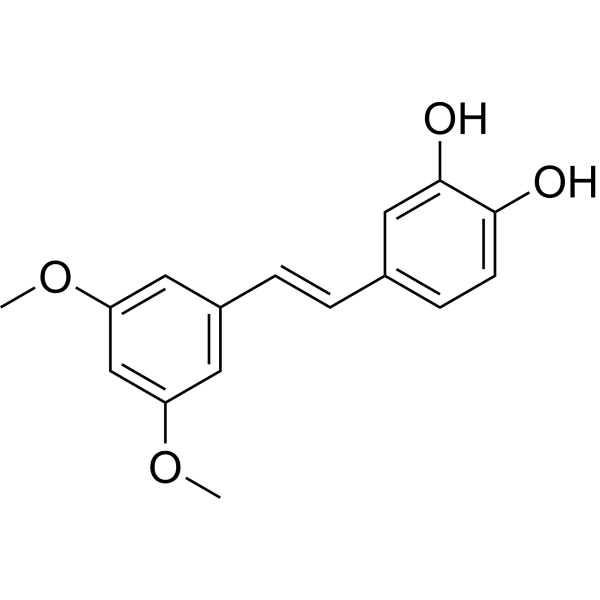
    3'-Hydroxypterostilbene
    1 Publications Verification

    Apoptosis Autophagy Cancer
    3'-Hydroxypterostilbene is a Pterostilbene (HY-N0828) analogue. 3'-Hydroxypterostilbene inhibits the growth of COLO 205, HCT-116 and HT-29 cells with IC50s of 9.0, 40.2 and 70.9 μM, respectively. 3'-Hydroxypterostilbene significantly down-regulates PI3K/Akt and MAPKs signaling pathways and effectively inhibits the growth of human colon cancer cells by inducing apoptosis and autophagy. 3'-Hydroxypterostilbene can be used for the research of cancer .
    3'-Hydroxypterostilbene
  • HY-134978A
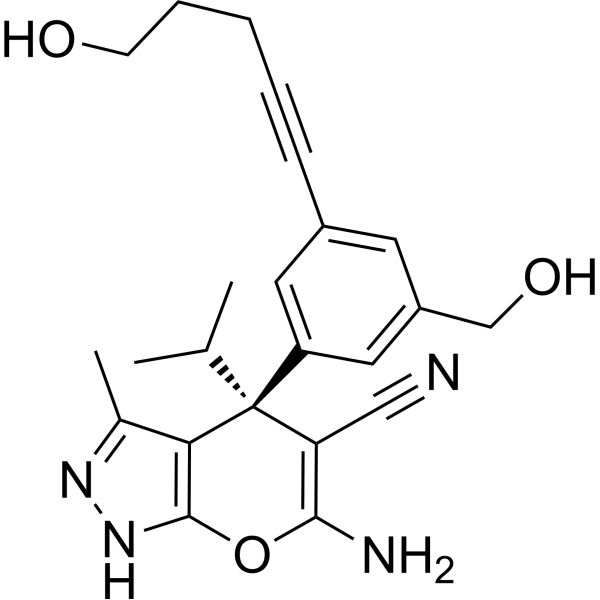
    (+)SHIN2
    2 Publications Verification

    SHMT Cancer
    (+)SHIN2 is a serine hydroxymethyltransferase (SHMT) inhibitor, whose target can be traced with 13C-serine. (+)SHIN2 increases survival in NOTCH1-driven mouse primary acute lymphoblastic leukemia (T-ALL) in vivo with a synergistic effect with Methotrexate (HY-14519) . (+)SHIN2 is a click chemistry reagent, it contains an Alkyne group and can undergo copper-catalyzed azide-alkyne cycloaddition (CuAAc) with molecules containing Azide groups.
    (+)SHIN2
  • HY-N6257
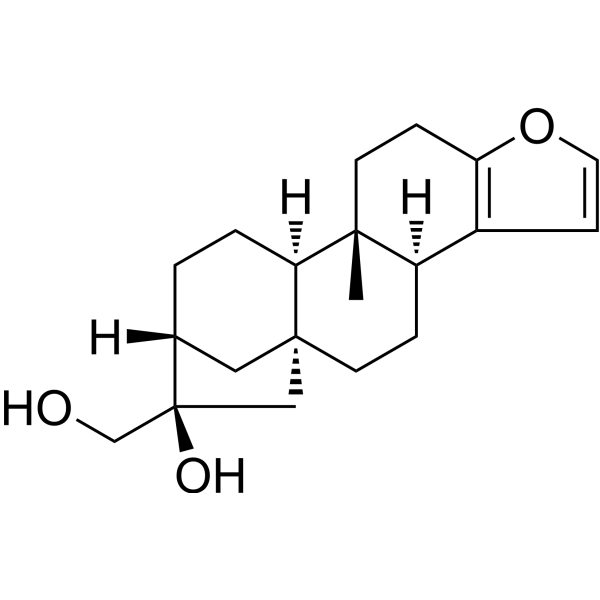
    Cafestol
    2 Publications Verification

    ERK PGE synthase COX NF-κB Apoptosis Autophagy AP-1 FAK Cardiovascular Disease Metabolic Disease Inflammation/Immunology Endocrinology Cancer
    Cafestol is an orally active diterpenoid and an inhibitor of ERK2. Cafestol has elevated blood lipids, anti-inflammatory, anti-angiogenic and anti-diabetic activities. In addition, Cafestol induces tumor cell apoptosis and autophagy, which can be used in the study of cancer .
    Cafestol
  • HY-B1550

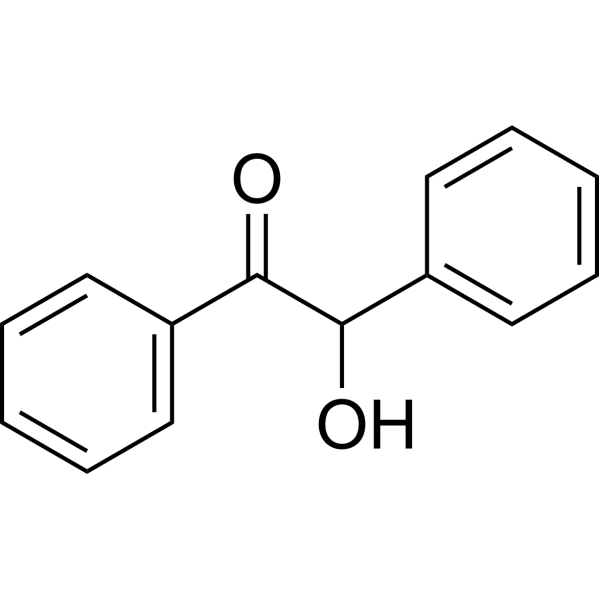
    DL-Benzoin; Desyl alcohol; (±)-2-Hydroxy-2-phenylacetophenone

    PI3K Neurological Disease Metabolic Disease Inflammation/Immunology Cancer
    Benzoin (DL-Benzoin) is a PI3Kα inhibitor with anticancer effects. Benzoin inihits the growth of colon cancer cell line (HCT-116) .
    Benzoin
  • HY-160972

    LXR Neurological Disease Cancer
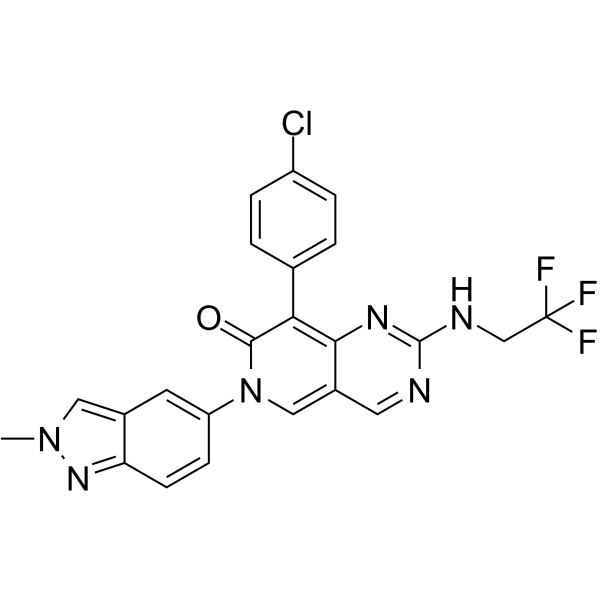
    MM0299 is a selective lanosterol synthase (LSS) inhibitor with an IC50 value of 2.22 μM. MM0299 depletes intracellular cholesterol and acts as a growth inhibitor for glioma stem-like cells. MM0299 exhibits anti-glioblastoma activity. MM0299 is applicable to research related to glioblastoma .
    MM0299
  • HY-145777

    Methionine Adenosyltransferase (MAT) Neurological Disease Cancer
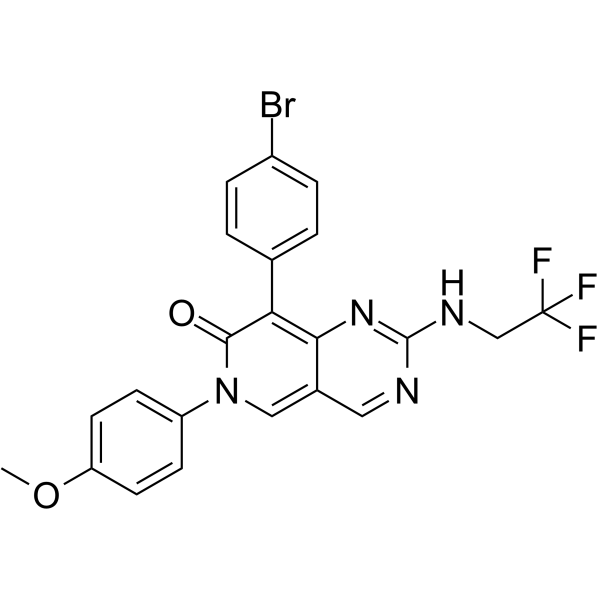
    AGI-43192 is a potent and orally active inhibitor of methionine adenosyltransferase 2A (MAT2A) that limitedly penetrates the blood-brain barrier. AGI-43192 exhibits inhibitory activitity against MAT2A and S-adenosyl methionine (SAM) in HCT-116 MTAP-null cells with IC50s of 32 and 14 nM. AGI-43192 can significantly inhibit the proliferation of HCT-116 cells and tumor growth. AGI-43192 can be used to study the role of SAM regulation in the central nervous system (CNS) and colon cancer .
    AGI-43192
  • HY-145778

    Methionine Adenosyltransferase (MAT) Neurological Disease Cancer
    AGI-41998 is a potent and orally active inhibitor of methionine adenosyltransferase 2A (MAT2A) that effectively penetrates the blood-brain barrier. AGI-41998 exhibits inhibitory activities against MAT2A and S-adenosyl methionine (SAM) in HCT-116 MTAP-null cells with IC50s of 22 nM and 34 nM. AGI-41998 can significantly inhibit the proliferation of HCT-116 cells and tumor growth. AGI-41998 can be used to study the role of SAM regulation in the central nervous system (CNS) and colon cancer .
    AGI-41998
  • HY-170935

    SRPK PARP Caspase Apoptosis Autophagy Cancer
    SRSF1-IN-1 is a SRSF1 inhibitor. SRSF1-IN-1 inhibits SRSF1 expression, thereby modulating the splicing of Bcl-x pre-mRNA. SRSF1-IN-1 inhibits the proliferation of various cancer cells. SRSF1-IN-1 induces apoptosis in gastric cancer cells, reduces Bcl-xl expression, and upregulates cleaved PARP and caspase 3. SRSF1-IN-1 induces autophagy and promotes cell death. SRSF1-IN-1 exhibits anti-tumor activity in a mouse gastric cancer xenograft model. SRSF1-IN-1 can be used for the research of various cancers including liver cancer, gastric cancer, breast cancer, colon cancer, glioma, and melanoma .
    SRSF1-IN-1
  • HY-176761

    Apoptosis Autophagy Caspase mTOR Cancer
    NSC647889 is an apoptosis and autophagy inducer. NSC647889 induces apoptosis, inhibits mTOR pathway and abrogates DNA synthesis. NSC647889 triggers LC3-positive vesicle formation, modulates AKT and 4EBP1 phosphorylation and shows heightened caspase-3 activation in multicellular spheroids. NSC647889 can be used for the research of solid cancer tumour, head-neck carcinoma, and colorectal cancer .
    NSC647889
  • HY-145426

    HDAC Cancer
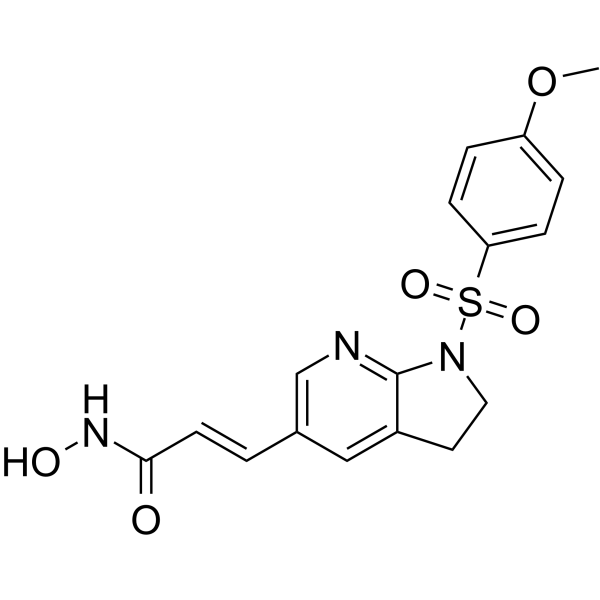
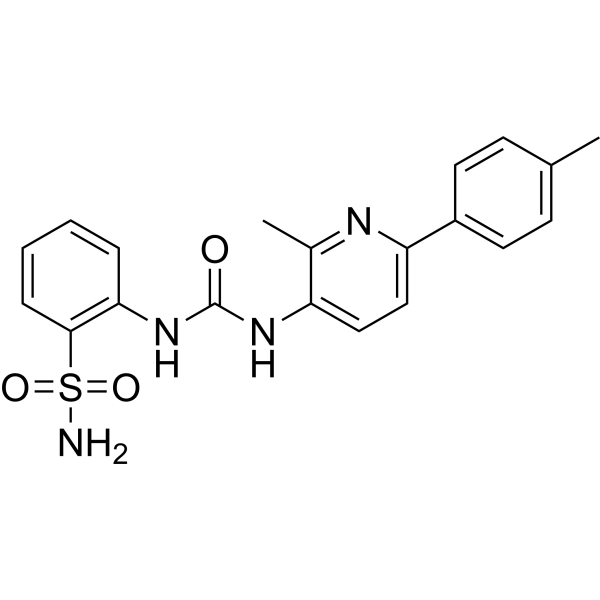
    MPT0B390 is an arylsulfonamide-based derivative with potent HDAC inhibitory ability. MPT0B390, TIMP3 inducer, inhibits tumor growth, metastasis and angiogenesis. MPT0B390 shows antiproliferative activity against human colon cancer cell line HCT116 with the GI50 of 0.03 μM .
    MPT0B390
  • HY-123295

    HDAC Infection Cancer
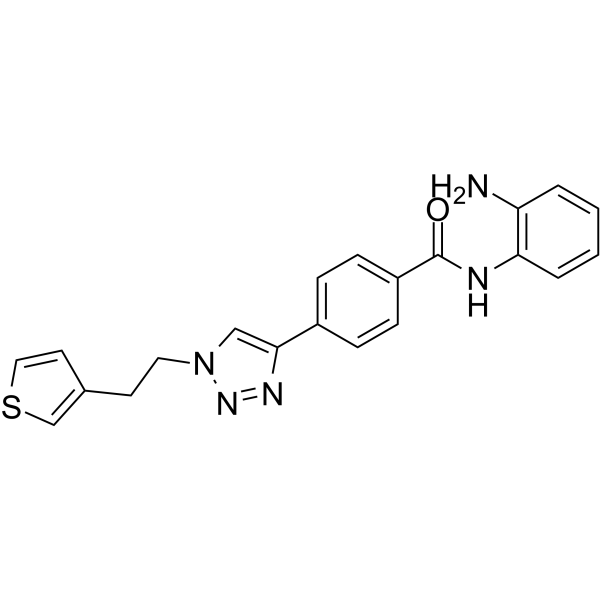
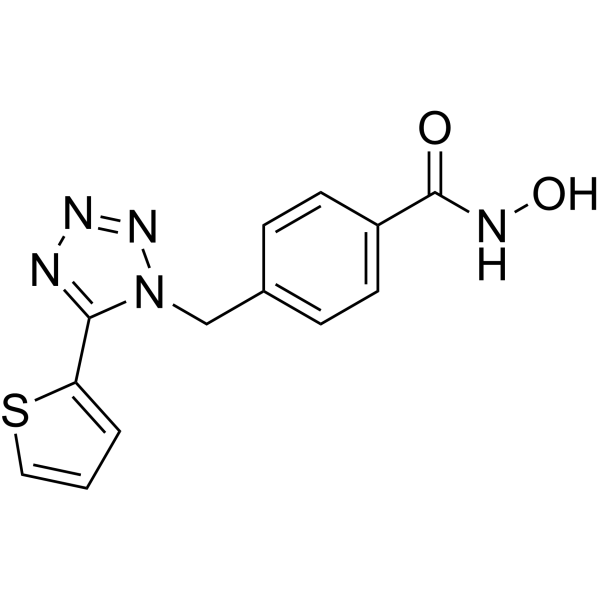
    HDAC3-IN-T247 is a potent and selective HDAC3 (histone deacetylase 3) inhibitor, with an IC50 of 0.24 µM. HDAC3-IN-T247 induces a selective increase of NF-κB acetylation in HCT116 cells. HDAC3-IN-T247 shows anticancer and antiviral activity. HDAC3-IN-T247 inhibits growth of cancer cells, and activates HIV gene expression in latent HIV-infected cells .
    HDAC3-IN-T247
  • HY-119715

    CDK Apoptosis Inflammation/Immunology Cancer
    AG-012986 is a pan-CDK inhibitor with Ki values of 44 nM (CDK1), 9.2 nM (CDK4), 94 nM (CDK2), and IC50 values of 22 nM (CDK5), 4 nM (CDK9). AG-012986 causes apoptosis of T-cells by targeting upstream kinases in the p38 Mitogen-activated protein kinase (MAPK) pathway and impairing cellular survival. AG-012986 induces cell cycle arrest, retinoblastoma protein hypophosphorylation, and reduces Ki-67 expression. AG-012986 exerts antiproliferative activity in tumor cells, demonstrates antitumor efficacy in human xenograft models, and causes retinal and peripheral neurotoxicity, plus immune cell toxicity. AG-012986 can be used for the research of colon carcinoma, non-small cell lung carcinoma, lung carcinoma, breast carcinoma, ovarian tumor, pancreatic carcinoma, osteosarcoma, lymphoma, leukemia, retinotoxicity .
    AG-012986
  • HY-121199

    Apoptosis Cancer
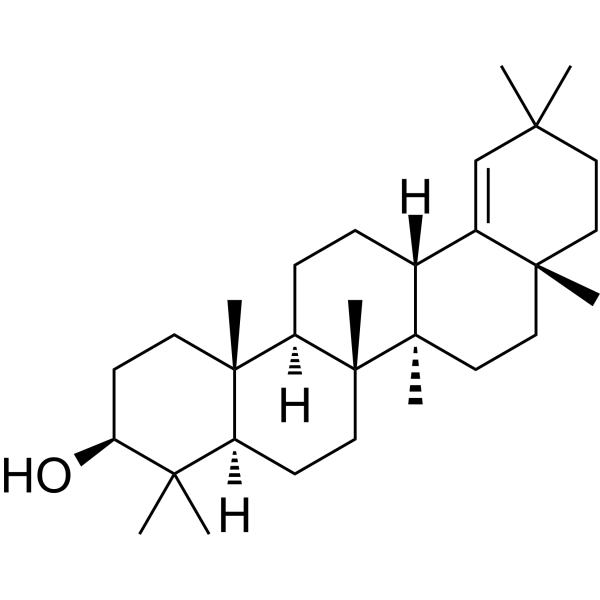
    Germanicol is a selective antineoplastic agent against human colon cancer cell lines HCT-116 and HT29 . Germanicol induces apoptosis via chromatin condensation and DNA damage .
    Germanicol
  • HY-120458
    LCAHA
    1 Publications Verification

    LCA hydroxyamide

    Deubiquitinase Cancer
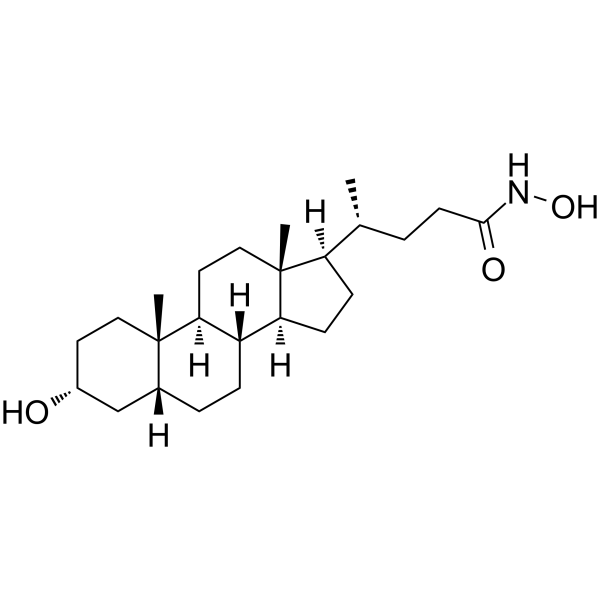
    LCAHA (LCA hydroxyamide) is a deubiquitinase USP2a inhibitor with IC50s of 9.7 μM and 3.7μM in Ub-AMC Assay and Di-Ub Assay, respectively. LCAHA destabilizes Cyclin D1 and induces G0/G1 arrest by inhibiting deubiquitinase USP2a .
    LCAHA
  • HY-N8491

    Others Cancer
    Dihydrocarveol is an anticancer agent. Dihydrocarveol shows inhibitory activity against human colon adenocarcinoma cells (HCT-116, HT-29, COLO320DM) with an IC50 value of 28.31 μM in HCT-116 cells. Dihydrocarveol is promising for research of colon cancer .
    Dihydrocarveol
  • HY-156850

    HDAC NF-κB Cancer
    ITF 3756 is a selective, orally active HDAC6 inhibitor. ITF 3756 antagonizes TNF-α-induced activation of the NF-κB pathway. ITF 3756 reduces PD-L1 expression on human monocytes and CD8 + T cells, and exhibits antitumor activity. ITF 3756 can be used in colon cancer-related research .
    ITF 3756
  • HY-179457

    PI3K mTOR Akt HSP Cancer
    CC-11 is an orally active small molecule drug conjugate (SMDC) that links the PI3K/mTOR inhibitor with the extracellular heat shock protein 90 (EHSP90) targeting ligand through a cleavable linker. CC-11 exhibits strong HSP90 binding activity (IC50 = 15 nM) and inhibits PI3Kα kinase activity (IC50 = 0.54 nM). CC-11 has anti-proliferative activity against colon cancer cells. CC-11 shows significant efficacy in the HCT-116 xenograft tumor model. CC-11 can be used for research on colon cancer .
    CC-11
  • HY-59001

    Apoptosis Cancer
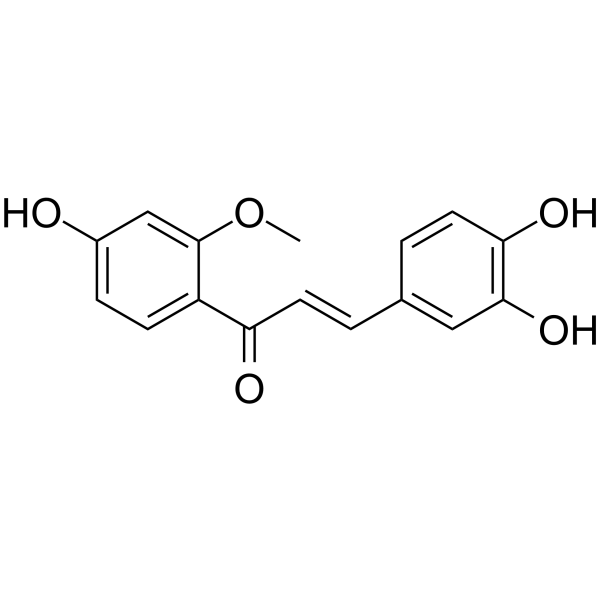
    Sappanchalcone, a flavonoid isolated from Caesalpinia sappan L., induces caspase-dependent and AIF-dependent apoptosis in human colon cancer cells .
    Sappanchalcone
  • HY-N7325

    PTEN Orexin Receptor (OX Receptor) Neurological Disease Cancer
    Valerosidate is an OX2R antagonist. Valerosidate increases expression of tumor suppressor proteins p53 and PTEN, selectively reduces colon cancer cell viability, and suppresses colon cancer cell migration. Valerosidate can be used for the research of colon cancer and insomnia .
    Valerosidate
  • HY-120105

    DNA/RNA Synthesis Apoptosis MDM-2/p53 Bcl-2 Family Caspase PARP Cancer
    NSC666715 is a DNA polymerase β (Pol-β) inhibitor. NSC666715 directly and specifically interacts with Pol-β, interferes with its binding to damaged DNA, blocks its dRP lyase activity, and inhibits Pol-β-mediated SN- and LP-BER. NSC666715 induces AP site accumulation and S-phase cell cycle arrest, and triggers senescence and apoptosis (apoptosis) via the p53/p21 pathway in colorectal cancer cells. NSC666715 enhances TMZ (HY-17364)-induced DNA damage, senescence and apoptosis, and potentiates the cytotoxicity of TMZ. NSC666715 inhibits tumor growth in colon cancer xenograft models. NSC666715 can be used in research related to colorectal cancer .
    NSC666715
  • HY-177501

    CDK Apoptosis Cancer
    Otviciclib (Compound 86) is a CDK inhibitor. Otviciclib has potent anti-proliferative activity against solid tumor cells (such as HCT116, NCIH82 and DU145 cells) with no significant toxicity to normal cells, and effectively induces the G2/M phase cells arrest and apoptosis. Otviciclib has a broad-spectrum anticancer activity, such as colon, pancreatic and lung cancer .
    Otviciclib
  • HY-126596

    Apoptosis Cancer
    Angelylalkannin is a naphthoquinone compound isolated from the root of Alkanna tinctoria. Angelylalkannin showed significant inhibitory effects in the antiproliferative effect test on human colon cancer cells HCT-116 and SW-480. The median inhibitory concentration (IC50) of Angelylalkannin was 4.76 mM for HCT-116 cells and 7.03 mM for SW-480 cells. Like alkannin, Angelylalkannin can arrest the cell cycle in the G1 phase and induce apoptosis at a concentration of 1-10 mM.
    Angelylalkannin
  • HY-125580

    Topoisomerase Cancer
    Makaluvamine A is a member of Makaluvamines. Makaluvamines can be isolated from Fijian sponges of the genus Zyzzya, and possess inhibitory activity toward topoisomerase II along with cytotoxic activity against HCT-116 human colon cancer cells .
    Makaluvamine A
  • HY-178937

    RIP kinase Cancer
    Anticancer agent 284 exhibits cytotoxicity against osteosarcoma cell line (Hos), non-small cell lung cancer cell line (A549), and colon cancer cell line (HCT-116). Anticancer agent 284 can impact the pRIPK3 kinase concentration in the A549 (2.97 pg/mL). Anticancer agent 284 can be used for the study of cancer .
    Anticancer agent 284
  • HY-W278944

    Drug Derivative Cancer
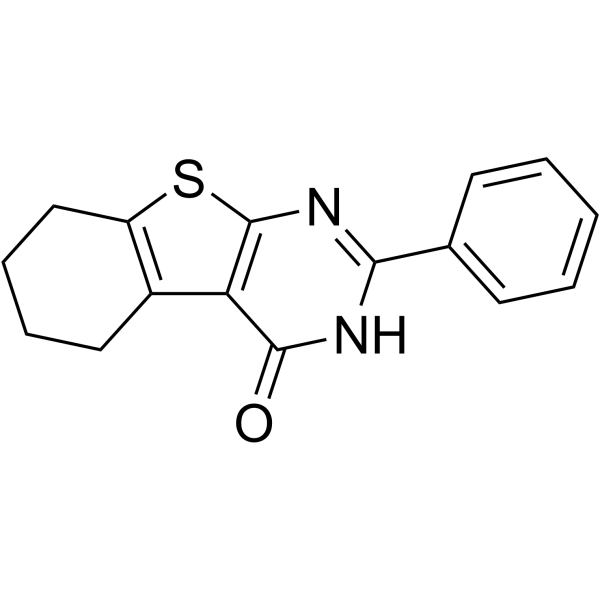
    Antiproliferative agent-15 is an thienopyrimidine derivated anticancer agent. Antiproliferative agent-15 shows antiproliferative activity against human colon (HCT116 and HCT15) and brain (LN-229 and GBM-10) cancer cell lines .
    Antiproliferative agent-15
  • HY-178960

    Microtubule/Tubulin Apoptosis Cancer
    Tubulin-IN-59 (Compound 8g) is an orally active Tubulin inhibitor. Tubulin-IN-59 exhibits potent anti-proliferative activity against HCT116 colorectal cancer, HeLa cervical cancer, and HepG2 liver cancer cell lines, with its IC₅₀ value ranging from 16 to 35 nM. Tubulin-IN-59 arrests HeLa cells in the G2/M phase and induces cell apoptosis. Tubulin-IN-59 demonstrates significant anti-tumor activity in the HT29 human colon cancer mouse xenograft model. Tubulin-IN-59 can be used for the study of colorectal cancer and cervical cancer .
    Tubulin-IN-59
  • HY-170958

    Src Apoptosis Cancer
    Scr-IN-1 (Compound 4e) is a Tyrosine kinase inhibitor. Scr-IN-1 inhibits HCT-116 cells and MIA-PaCa-2 cells with IC50s of 0.16 μM and 1.16 μM, respectively. Scr-IN-1 displays selectivity profile on HCT-116 cells and MIA-PaCa-2 cells with SI > 625 and SI > 86, respectively. Scr-IN-1 induces Apoptosis in HCT-116 colon cancer cell and does not cause any change in the rate of necrotic cells. Scr-IN-1 is a novel SRC kinase inhibitor candidate for HCT-116 cells. Scr-IN-1 is potential for cancer research .
    Scr-IN-1
  • HY-176404

    HSP Cancer
    DDO-6691 is a heat shock protein 90 (HSP90) inhibitor. DDO-6691 has antiproliferative effects on a variety of tumor cells, with HCT-116 colon cancer cells being the most sensitive (IC50: 1.08 μM). DDO-6691 exhibits potent tumor growth inhibition in the HCT-116 xenograft mouse model .
    DDO-6691
  • HY-163896

    β-catenin Cancer
    β-Catenin modulator-7 (Compound 5) is a modulator for β-catenin. β-Catenin modulator-7 inhibits the expression of β-catenin in HCT-116 cytoplasm and nucleus, suppresses the phosphorylation of GSK 3β. β-Catenin modulator-7 promotes NO release in HCT-116, and inhibits the proliferation of cancer cell HCT-116 with IC50 of 0.6-0.9 μM. β-Catenin modulator-7 can be used in reasearch about colon cancer .
    β-Catenin modulator-7
  • HY-172791

    HDAC Cancer
    HDAC6-IN-56 (compound 18d) is an inhibitor of HDAC6 with an IC50 of 1.3 nM. HDAC6-IN-56 suppresses S phase and induces apoptosis in HCT-116 colon cancer cells .
    HDAC6-IN-56
  • HY-139062

    C6 Ceramide (d18:1/6:0) Urea; Cer(d18:1/6:0) Urea; D-erythro-Urea-C6-Ceramide

    Apoptosis Ceramidase Autophagy β-catenin Cancer
    C6 Urea Ceramide (Cer(d18:1/6:0) Urea) is an inhibitor of neutral ceramidase. C6 Urea Ceramide increases total ceramide levels in wild-type mouse embryonic fibroblasts (MEFs) and HT-29 colon cancer cells. C6 Urea Ceramide (5-10 μM) inhibits proliferation of HT-29 cells and induces apoptosis and autophagy, but is not toxic to non-cancerous cells. C6 Urea Ceramide decreases total and phosphorylated β-catenin levels in HT-29 and HCT116 cells, and induces colocalization of β-catenin with the 20S proteasome. C6 Urea Ceramide (1.25, 2.5, and 5 mg/kg) reduced tumor growth and increased C16, C18, C20, and C24 ceramide levels in tumor tissues in the HT-29 mouse xenograft model.
    C6 Urea Ceramide
  • HY-151589

    Virus Protease Infection Cancer
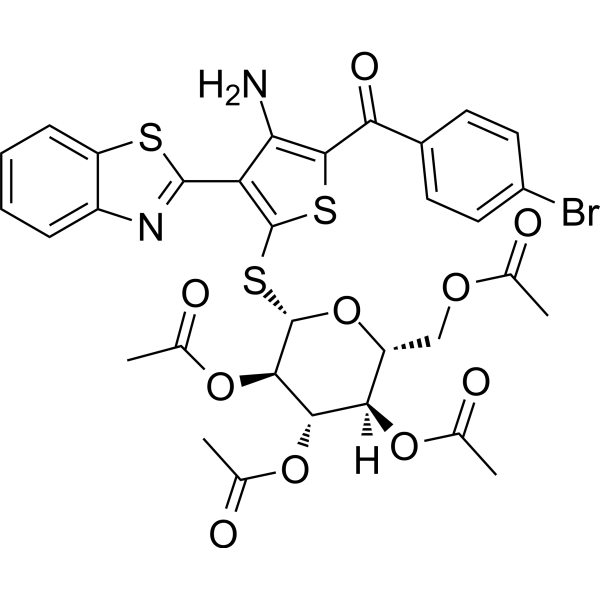
    HCVcc-IN-2 is a benzothiazole-2-thiophene S-glycoside derivative with antitumor and antiviral activity. HCVcc-IN-2 has high inhibition against the three cell line from CNS cancer (SF-539 and SNB-75), colon cancer (HCT-116), and renal cancer (A498) .
    HCVcc-IN-2
  • HY-B1550R

    DL-Benzoin (Standard); Desyl alcohol (Standard); (±)-2-Hydroxy-2-phenylacetophenone (Standard)

    Reference Standards PI3K Cancer
    Benzoin (Standard) (DL-Benzoin (Standard)) is the analytical standard of Benzoin (HY-B1550). This product is intended for research and analytical applications. Benzoin (DL-Benzoin), a natural balsamic resin, is a PI3Kα inhibitor with anticancer effects. Benzoin inihits the growth of colon cancer cell line (HCT-116). Benzoin can be used as a food additive.
    Benzoin (Standard)
  • HY-B1550S

    DL-Benzoin-d10; Desyl alcohol-d10; (±)-2-Hydroxy-2-phenylacetophenone-d10

    Isotope-Labeled Compounds PI3K Cancer
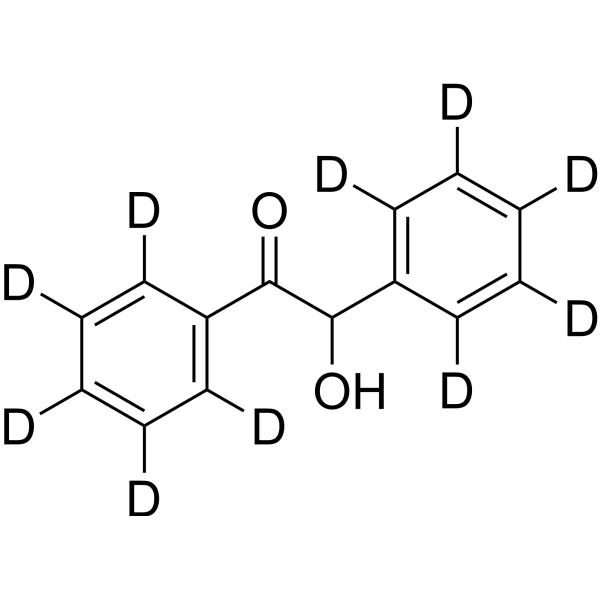
    Benzoin-d10 (DL-Benzoin-d10) is the deuterium labeled Benzoin (HY-B1550). Benzoin (DL-Benzoin), a natural balsamic resin, is a PI3Kα inhibitor with anticancer effects. Benzoin inihits the growth of colon cancer cell line (HCT-116). Benzoin can be used as a food additive .
    Benzoin-d10
  • HY-120607

    Parasite Infection Cancer
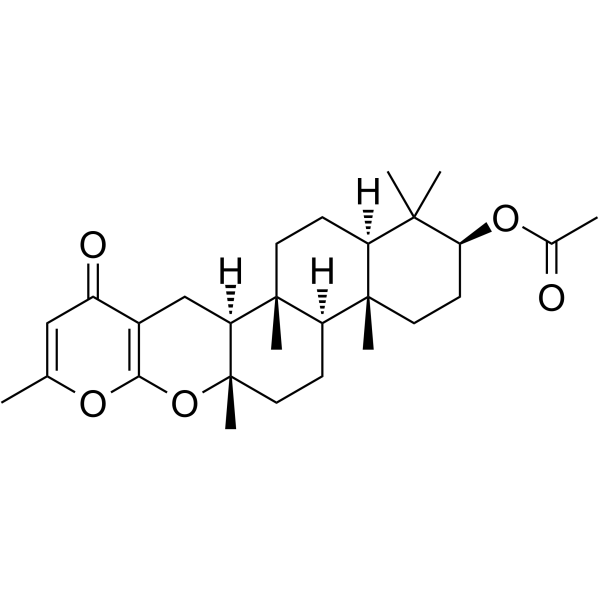
    Chevalone C, a meroterpenoid fungal metabolite, shows antimalarial activity with IC50 value of 25.00 μg/mL. Chevalone C has anti-proliferative activity on colon HCT116, liver HepG2 and melanoma A375 cancer cell lines .
    Chevalone C
  • HY-178038

    Microtubule/Tubulin Reactive Oxygen Species (ROS) Cancer
    Tubulin-IN-56 is a tubulin inhibitor. Tubulin-IN-56 exerts cytotoxic effects against colon cancer cell lines (LS180, HCT116, SW620, LoVo). Tubulin-IN-56 downregulates βIII-tubulin and upregulates βIVa-tubulin in colon cancer cell lines. Tubulin-IN-56 inhibits cell invasiveness and elevates intracellular ROS levels in colon cancer cell lines. Tubulin-IN-56 can be used for the study of colon cancer .
    Tubulin-IN-56
  • HY-156286

    Ferroptosis Cancer
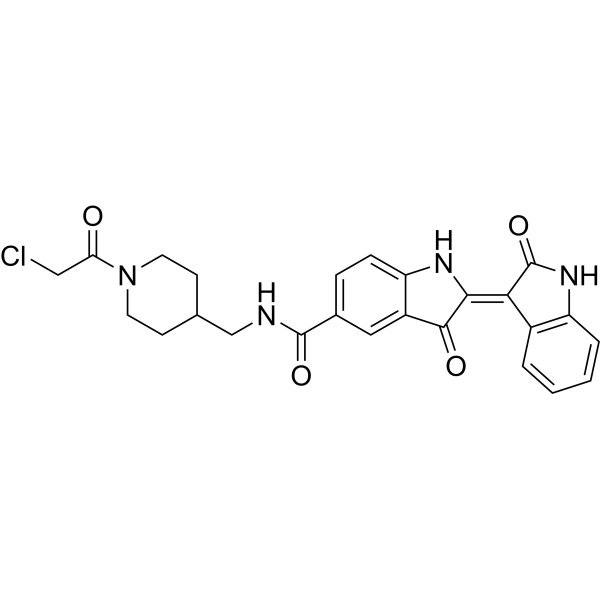
    GPX4-IN-7 (Compound 31), indirubin derivative, is a ferroptosis inducer for colon cancer. GPX4-IN-7 has strong antitumor activity against HCT-116 cells with an IC50 value of 0.49 μM. GPX4-IN-7 can promote the degradation of GPX4, causing the accumulation of lipid ROS to induce ferroptosis .
    GPX4-IN-7
  • HY-147853

    Raf Cancer
    B-Raf IN 8 (compound 7g) is a potent B-Raf inhibitor, with an IC50 of 70.65 nM. B-Raf IN 8 exhibits antitumor activity against hepatocellular carcinoma (HEPG-2), colon carcinoma (HCT-116), mammary gland (MCF-7) and human prostate cancer (PC-3) cells, with IC50 values of 9.78, 13.78, 18.52 and 29.85 µM .
    B-Raf IN 8
  • HY-147852

    Raf Cancer
    B-Raf IN 7 (compound 6a) is a potent B-Raf inhibitor, with an IC50 of 110.23 nM. B-Raf IN 7 exhibits antitumor activity against colon carcinoma (HCT-116), mammary gland (MCF-7), hepatocellular carcinoma (HEPG-2), human cervical carcinoma (Hela) and human prostate cancer (PC-3) cells, with IC50 values of 7.50, 9.87, 10.57, 11.63 and 12.83 µM .
    B-Raf IN 7
  • HY-146442

    Raf Cancer
    BRAF V600E/CRAF-IN-1 (Compound 8b) is a potent inhibitor of BRAF V600E/CRAF. BRAF V600E/CRAF-IN-1 triggers apoptosis and cell cycle arrest at G0/G1 phase in HCT-116 colon cancer cell. BRAF V600E/CRAF-IN-1 has the potential for the research of cancer diseases .
    BRAF V600E/CRAF-IN-1
  • HY-130418

    Adrenergic Receptor Cancer
    (-)-Domesticine is an anti-α-1D-adrenoceptor compound with cytotoxic activity. (-)-Domesticine showed activity in MTS cytotoxicity assays against human colon cancer cell lines HCT-116 and Caco-2. (-)-Domesticine tolerates alkoxy substituents and benzoate functional groups at the C1 position in modifications of its chemical structure. The most potent compounds of (-)-Domesticine have IC50 values in the range of 23-38 μM, similar to the known cytotoxic compound etoposide .
    (-)-Domesticine
  • HY-174160

    TAM Receptor Apoptosis Cancer
    MerTK-IN-2 (compound 15f) is an orally active MerTK inhibitor with an IC50 of 37.5 nM. MerTK-IN-2 can induce apoptosis. MerTK-IN-2 has antitumor activity with IC50 values of 1.79, 18.32, and 2.18 μM for human ovarian cancer cells A2780, breast cancer cells MDA-MB-231, and colon cancer cells HCT116, respectively .
    MerTK-IN-2
  • HY-146443

    Raf Cancer
    BRAF V600E/CRAF-IN-2 (Compound 9c) is a potent inhibitor of BRAF V600E/CRAF with IC50s of 0.888 and 0.229 μM, respectively. BRAF V600E/CRAF-IN-2 triggers apoptosis and cell cycle arrest at G0/G1 phase in HCT-116 colon cancer cell. BRAF V600E/CRAF-IN-2 has the potential for the research of cancer diseases .
    BRAF V600E/CRAF-IN-2
  • HY-175852

    Ferroptosis Glutathione Peroxidase Reactive Oxygen Species (ROS) Cancer
    Ferroptosis inducer-11 is a ferroptosis inducer. Ferroptosis inducer-11 exhibits potent cytotoxicity against HCT-116, NCM-60 and HT-29 cells with IC50 values of 0.43 μM, 3.14 μM and 0.48 μM, respectively. Ferroptosis inducer-11 strongly suppresses GPX4 enzymatic activity with an IC50 of 1.86 μM. Ferroptosis inducer-11 induces ferroptosis, as well as increases intracellular lipid ROS, malondialdehyde (MDA), and Fe 2+ levels, while decreasing glutathione (GSH) levels in colon cancer cells. Ferroptosis inducer-11 can be used for the study of colon cancer .
    Ferroptosis inducer-11
  • HY-173492

    EGFR Apoptosis Cancer
    EGFR-IN-156 (Compound 7f) is an EGFR inhibitor that also has inhibitory activity against mutations EGFRL858R and EGFRT790M (IC50 values are 0.186, 0.131, and 0.107 μM, respectively). EGFR-IN-156 has significant anticancer activity against human cancer cell lines HepG-29 (liver cancer), MCF-7 (breast cancer), and HCT-116 (colon cancer) (IC50 values are 1.67, 5.32, and 6.56 μM, respectively). EGFR-IN-156 inhibits cancer cell proliferation by inducing cell cycle arrest at the G/G1 phase and triggering apoptosis. EGFR-IN-156 shows promise in EGFR-related cancers .
    EGFR-IN-156
  • HY-159512

    EGFR Apoptosis Cancer
    EGFR kinase inhibitor 7 (compound 18i) is an EGFR inhibitor (IC50=42.3 nM) with anticancer activity. EGFR kinase inhibitor 7 has significant in vitro cytotoxicity and apoptosis induction ability. EGFR kinase inhibitor 7 has antiproliferative activity against human colon cancer cell line HCT116 and human non-small cell lung cancer cell line A549, with IC50 values ​​of 4.82 µM and 1.43 µM, respectively .
    EGFR kinase inhibitor 7
  • HY-163770

    Proteasome Cancer
    Anticancer agent 233 (compound 5g) is a 3,5-bis(arylmethylene)-4-piperidinone derivative with anticancer activity, with GI50 of 0.25 and 0.23 μM for cervical cancer (HeLa) and colon cancer (HCT116) cell lines, respectively. The chlorine atom on the aromatic ring of Anticancer agent 233 interacts well with the catalytic site of 20S proteasome, inhibiting the activity of 20S proteasome to exert its anticancer effect .
    Anticancer agent 233
  • HY-175332

    Apoptosis Bcl-2 Family Caspase MDM-2/p53 Cancer
    Apoptosis inducer 43 is an apoptosis inducer. Apoptosis inducer 43 can induce apoptosis, SubG0-G1 cell cycle arrest, secondary necrosis, and upregulate caspase-3, p53, and Bax/Bcl-2 expression in HCT116 cells. Apoptosis inducer 43 can inhibit tumor growth in a solid Ehrlich carcinoma (SEC) mouse model. Apoptosis inducer 43 can be used to study cancers such as colon cancer, leukemia, and non-small cell lung cancer .
    Apoptosis inducer 43
  • HY-170966

    HDAC Cancer
    HDAC1-IN-9 (13c) is a HDAC1 inhibitor. HDAC1-IN-9 inhibits HDAC1 enzyme with an IC50 of 1.07 µM. HDAC1-IN-9 exhibits the highest anti-proliferative effect against HT-29 (human colon adenocarcinoma), with anIC50 of 1.78 μM. HDAC1-IN-9 induces substantial Apoptosis in HCT-116 (human colon cancer) cells. HDAC1-IN-9 possesses antiangiogenic property. HDAC1-IN-9 reduces the expression levels of VEGFR-2 and phosphorylated VEGFR-2 (pVEGFR-2) by approximately 80 % .
    HDAC1-IN-9
  • HY-161688

    Apoptosis HDAC Cancer
    HDAC-IN-73 (compound P-503) is a histone deacetylase (HDAC) inhibitor. HDAC-IN-73 shows IC50s values of 0.17, 0.49 µM for HDAC1 and HDAC6, respectively. Notably, HDAC-IN-73's inhibitory potency against HDAC6 is heightened, exhibiting a 9-fold greater efficacy than PsA (HY-N2150) (IC50=3.9 μM). HDAC-IN-73 shows potent antiproliferative activity, induces apoptosis, and causes cell cycle arrest at G2 / M phase. HDAC-IN-73 has the potential to be used for the research of cancer such as colon cancer .
    HDAC-IN-73

オンラインお問い合わせ

入力情報は安全に管理されます. 必須入力項目.

タイトル


国或いは地域 *

お名前 *


組纖名 *

デパートメント *


メールアドレス *


製品名 *

製品番号


カスタマ需要量 *

電話番号 *


必ず会社名を記載ください。個人への返信は行いません。

備考

バルクお問い合わせ

Inquiry Information

製品名:
製品番号:
数量:
MCE 日本正規代理店: