Search Result
Results for "
P. aeruginosa.
" in MedChemExpress (MCE) Product Catalog:
-
- HY-B1369A
-
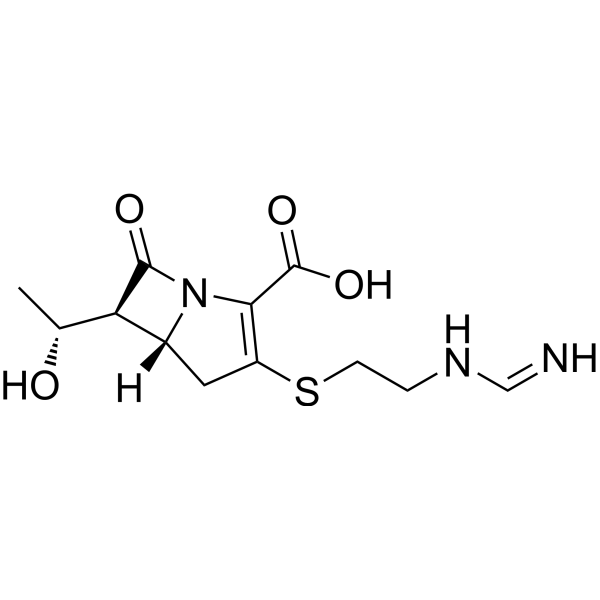
Imipenem
Maximum Cited Publications
35 Publications Verification
N-Formimidoyl thienamycin; MK0787
|
Antibiotic
Bacterial
|
Infection
|
|
Imipenem (MK0787), a stable crystalline derivative of thienamycin, is an antibiotic and has the excellent activity against a broad range of gram-positive and gram-negative aerobic and anaerobic bacteria. Imipenem can be used for the research of carbapenem-nonsusceptible and P. aeruginosa biofilm infections .
|
-
-
- HY-B1369
-
|
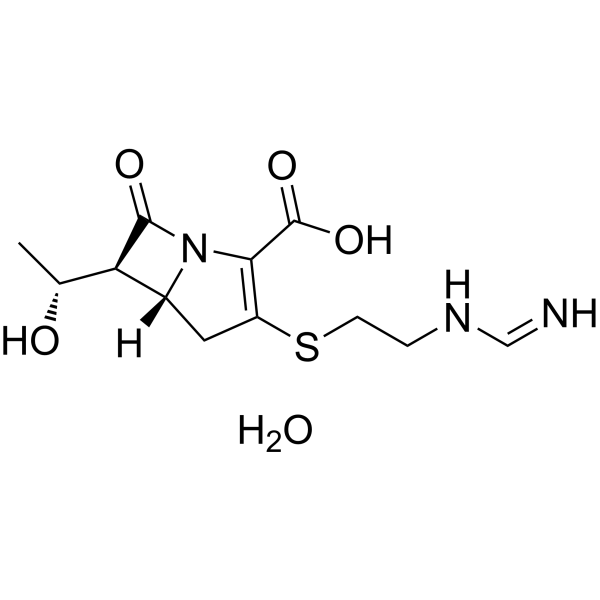
N-Formimidoyl thienamycin monohydrate; MK0787 monohydrate
|
Antibiotic
Bacterial
|
Infection
|
|
Imipenem monohydrate, a stable crystalline derivative of thienamycin, is an antibiotic and has the excellent activity against a broad range of gram-positive and gram-negative aerobic and anaerobic bacteria. Imipenem monohydrate can be used for the research of carbapenem-nonsusceptible and P. aeruginosa biofilm infections .
|
-
-
- HY-19806A
-
|
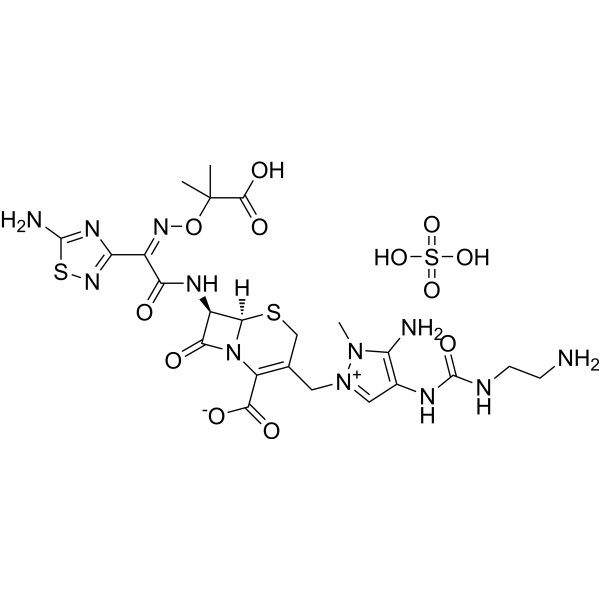
CXA-101; FR264205
|
Bacterial
|
Infection
|
|
Ceftolozane (CXA-101) sulfate is an antipseudomonal cephalosporin. Ceftolozane binds to P. aeruginosa essential PBPs (1b, 1c, 2 and 3) with high affinity. Ceftolozane inhibits cell wall synthesis by binding the PBPs. Ceftolozane sulfate inhibits P. aeruginosa and Enterobacteriaceae .
|
-
-
- HY-130055
-
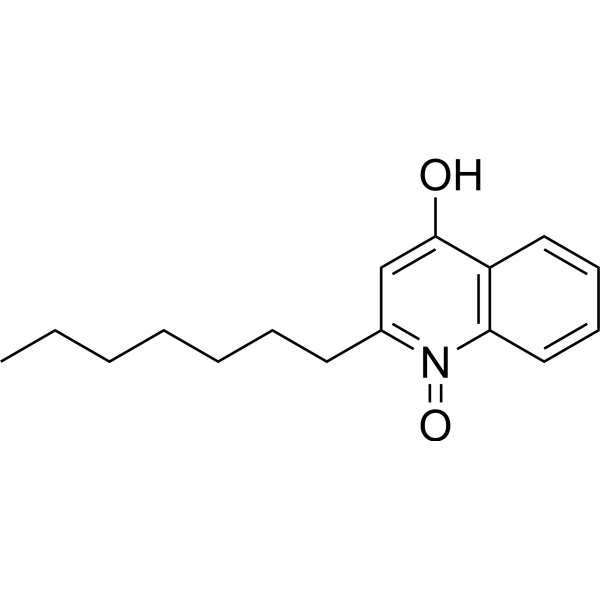
HQNO
2 Publications Verification
|
Mitochondrial Metabolism
|
Infection
|
|
HQNO, secreted by P. aeruginosa, is a potent electron transport chain inhibitor with a Kd of 64 nM for complex III . HQNO is a potent inhibitor of mitochondrial NDH-2 in many species .
|
-
-
- HY-A0214
-
|
Colistimethate sodium
|
Bacterial
Antibiotic
|
Infection
|
|
Colistin methanesulfonate sodium salt exhibits MIC values ranged from 4 to 16 mg/liter against susceptible strains (P. aeruginosa) .
|
-
-
- HY-13212
-
|
cis-2-Decenoic acid
|
Bacterial
|
Cancer
|
|
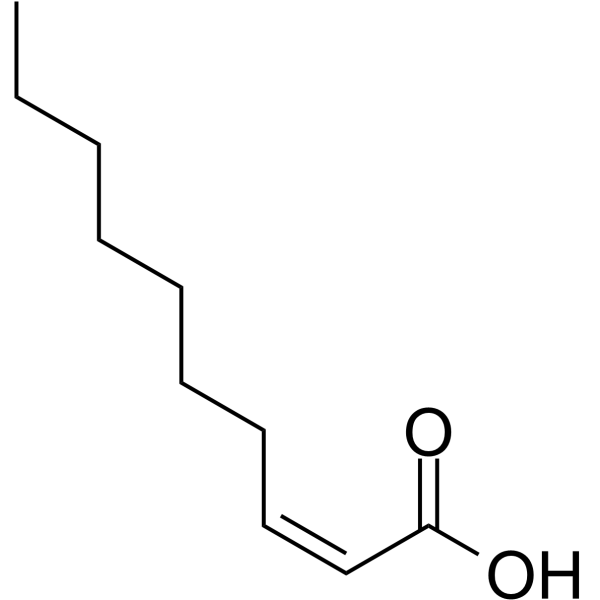
(Z)-2-decenoic acid (cis-2-Decenoic acid) is an unsaturated fatty acid produced by Pseudomonas aeruginosa. (Z)-2-decenoic acid induces a dispersion response in biofilms formed by a range of gram-negative bacteria, including P. aeruginosa, and by gram-positive bacteria. (Z)-2-decenoic acid inhibits biofilm development .
|
-
-
- HY-D1056E
-
|
LPS, from Pseudomonas aeruginosa (10)
|
Toll-like Receptor (TLR)
|
Inflammation/Immunology
|
Lipopolysaccharides from P. aeruginosa (Pseudomonas aeruginosa) 10 are lipopolysaccharide endotoxins and TLR4 activators derived from Pseudomonas aeruginosa 10, and are classified as S-type LPS. Lipopolysaccharides from P. aeruginosa 10 exhibit a typical three-part structure: O-antigen, core oligosaccharide, and lipid A. The lipopolysaccharides of P. aeruginosa 10 have a fatty acid composition distinct from common enterobacteria, an exceptionally high degree of phosphorylation (triphosphate residues have been detected), and a unique outer region of the core oligosaccharide. Additionally, their O-specific side chains are typically rich in novel aminosugars. Lipopolysaccharides from P. aeruginosa 10 demonstrate susceptibility to viruses, with the level of susceptibility determined by the content of high molecular weight polysaccharides in their composition. The absence of high molecular weight polysaccharides increases their sensitivity to bacteriophages .
It is recommended to prepare a solution with concentration ≥2 mg/mL. Vortex thoroughly for more than 10 minutes. Due to the adsorption characteristics of LPS, silanized container or low adsorption centrifuge tubes should be used for aliquoting and storage, and mix thoroughly before use.
|
-

-
- HY-162475
-
-

-
- HY-N5127
-
|
|
Bacterial
|
Infection
|
|
Nonacosane, isolated from Baphia massaiensis, exhibits weak activities against E. coli, B. subtilis, P. aeruginosa and S. aureus .
|
-

-
- HY-W037825
-
|
|
Bacterial
|
Infection
Cancer
|
|
Pterin is a Pteridine with antibacterial activity, which is found in C. croceus. Pterin reduces the proliferation and biofilm production in E. coli, P. aeruginosa, and S. mutans. Pterin is promising for research of cancers and infections .
|
-

-
- HY-N10087
-
|
|
Bacterial
|
Infection
|
|
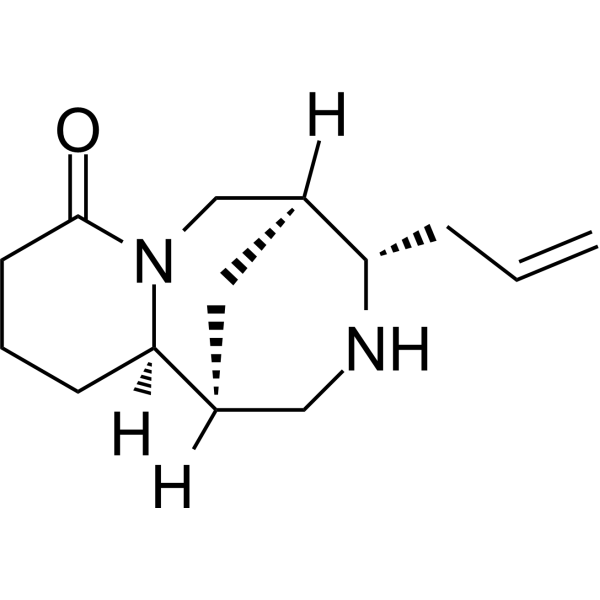
Angustifoline, an alkaloid, can be isolated from Lupinus angustifolius L. alkaloid extract. Angustifoline exhibits antimicrobial activity. Angustifoline could have bacteriostatic effects against S. aureus, B. subtilis, E. coli, P. aeruginosa and B. thuringiensis .
|
-
-
- HY-19882
-
|
|
Bacterial
|
Infection
|
|
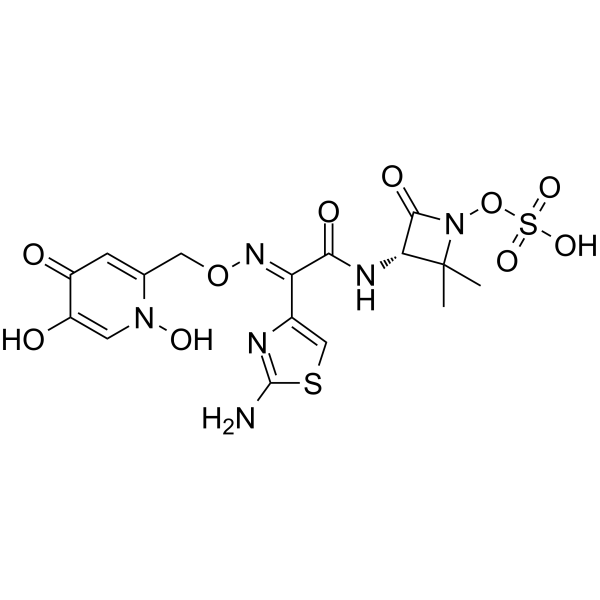
BAL-30072, a siderophore sulfactam, is a monocyclic beta-lactam antibiotic, with activity against multiresistant gram-negative bacilli. BAL30072 shows MIC90 values of 4 μg/mL for MDR Acinetobacter spp. and 8 μg/mL for MDR P. aeruginosa, respectively .
|
-
-
- HY-P99214
-
|
KBPA101
|
Bacterial
|
Infection
|
|
Panobacumab (KBPA101) is a fully human IgM/κ monoclonal antibody generated by immortalizing human B lymphocytes against the LPS O polysaccharide of serotype O11 of P. aeruginosa .
|
-
-
- HY-P5731
-
|
|
Bacterial
|
Infection
|
|
Bac7(1-35) is a proline-rich antimicrobial peptide. Bac7(1-35) efficiently binds to different regions of prokaryote ribosomes, leading to the inhibition of protein synthesis. Bac7(1-35) demonstrates in vitro activity against P. aeruginosa strains .
|
-

-
- HY-P3328A
-
|
|
Bacterial
|
Infection
|
|
MDP1 acetate, a Melittin-derived peptide, alters the integrity of both Gram-positive and Gram-negative bacterial membranes and kills the bacteria via membrane damages. MDP1 acetate has a high-antibacterial activity against multidrug resistant (MDR) and reference strains of S. aureus, E. coli, and P. aeruginosa .
|
-
-
- HY-114818
-
|
|
Bacterial
|
Infection
|
|
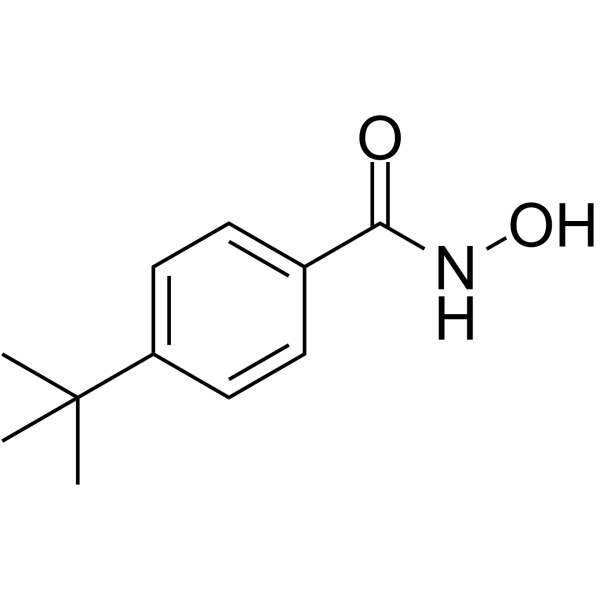
4-(tert-Butyl)-benzhydroxamic Acid is a PqsR antagonist with IC50s of 12.5 μM and 23.6 μM for E. coli and P. aeruginosa, respectively. 4-(tert-Butyl)-benzhydroxamic Acid reduces the production of the virulence factor pyocyanin in P. aeruginosa with an IC50 of 87.2 μM .
|
-
-
- HY-W094847
-
-

-
- HY-P5016A
-
|
|
Antibiotic
Fungal
Bacterial
|
Infection
Cancer
|
|
CRAMP-18 (mouse) acetate is an antibiotic peptide without hemolytic activity. CRAMP-18 (mouse) acetate has good inhibitory activity against Gram-negative bacteria, such as S. typhimurium and P. aeruginosa. CRAMP-18 (mouse) acetate has the potential to study antifungal, antibacterial and antitumor .
|
-

-
- HY-146133
-
|
|
Bacterial
Antibiotic
|
Infection
|
|
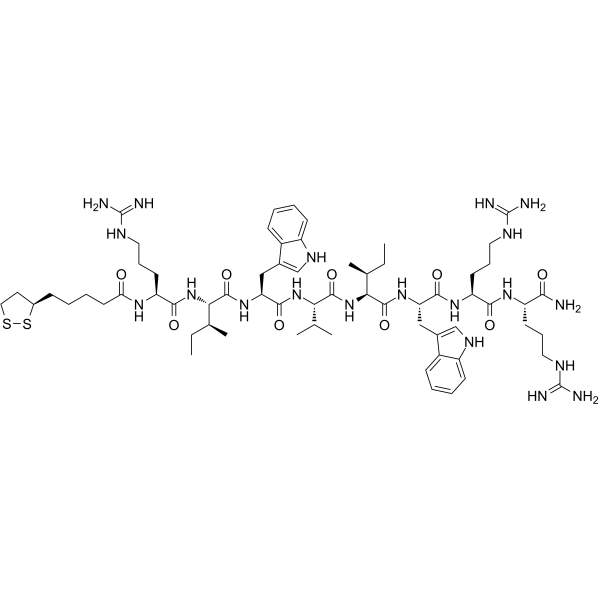
LA-Bac8c is a Lipoic acid modified antimicrobial peptide with enhanced antimicrobial properties. LA-Bac8c inhibits S. aureus, MRSA, S. epidermidis, E. coli, and P. aeruginosa with MICs of 1, 4, 8, 8, and 8 μg/mL .
|
-
-
- HY-P10355
-
|
|
Bacterial
|
Infection
|
|
Succinimide-AFK-AMC acetate is a marker for P. aeruginosa protease activity using cultured reference strains .
|
-

-
- HY-146328
-
|
|
Bacterial
Antibiotic
|
Infection
|
|
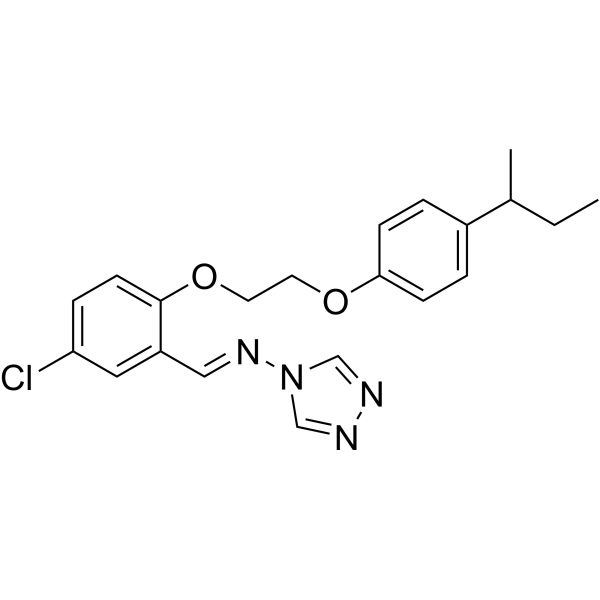
PqsR/LasR-IN-2 (Compound 3) is a potent inhibitor of PqsR and LasR systems in P. aeruginosa. PqsR/LasR-IN-2 also inhibits hERG with the IC50 of 1.408 µM .
|
-
-
- HY-146329
-
|
|
Bacterial
Antibiotic
|
Infection
|
|
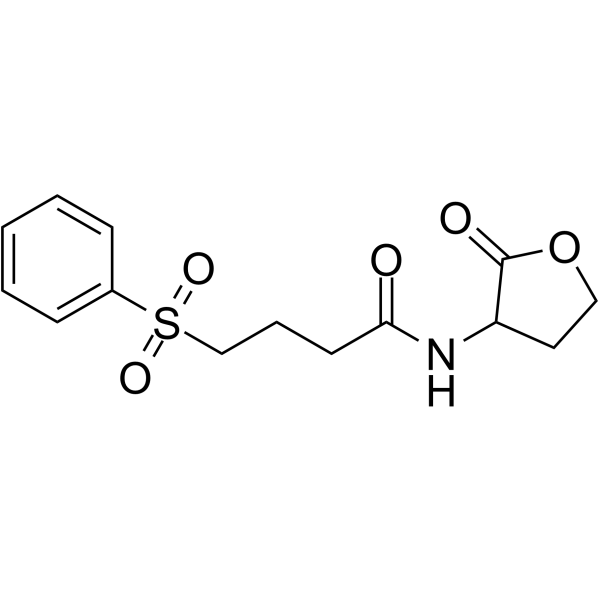
PqsR/LasR-IN-3 (Compound 7a) is a potent inhibitor of PqsR and LasR systems in P. aeruginosa. PqsR/LasR-IN-3 also inhibits hERG with the IC50 of 109.01 µM .
|
-
-
- HY-P10389
-
|
|
Bacterial
|
Infection
|
|
Globomycin derivative G2A (Compound G2A) is an inhibitor for lipoprotein signal peptidase II (LspA), with an IC50 of 604 nM. Globomycin derivative G2A inhibits E. coli, P. aeruginosa and A. baumannii, with MIC ranging from 12.5 to 32 μg/mL .
|
-

-
- HY-128384
-
|
|
Bacterial
|
Infection
|
|
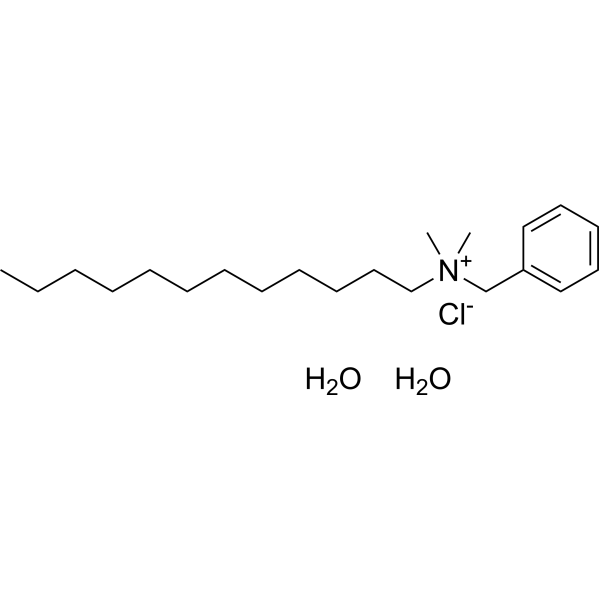
Benzyldodecyldimethylammonium chloride dihydrate is a quaternary ammonium compound (QAC) and can be used as a biocide to target antibiotic-resistant bacteria, such as methicillin-resistant Staphylococcus aureus (MRSA), multidrug-resistant (MDR) P. aeruginosa et. al. Benzyldodecyldimethylammonium chloride dihydrate, an antimicrobial agent, bacteriostatic or bactericidal properties depending on the concentration.
|
-
-
- HY-P5731A
-
|
|
Bacterial
|
Infection
|
|
Bac7(1-35) acetate is a proline-rich antimicrobial peptide. Bac7(1-35) acetate efficiently binds to different regions of prokaryote ribosomes, leading to the inhibition of protein synthesis. Bac7(1-35) acetate demonstrates in vitro activity against P. aeruginosa strains .
|
-

-
- HY-136439
-
|
|
Bacterial
Antibiotic
Apoptosis
|
Infection
|
|
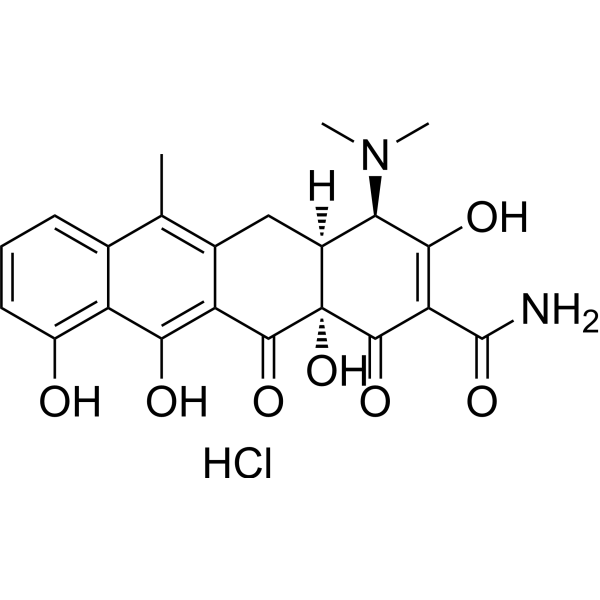
4-Epianhydrotetracycline hydrochloride is a major intermediate product of Tetracycline (HY-A0107). 4-Epianhydrotetracycline hydrochloride shows lethal effects and induces cell apoptosis of zebrafish embryos. 4-Epianhydrotetracycline hydrochloride inhibits Shewanella, E. coli and P. aeruginosa with MIC values of 2, 1 and 64 mg/L, respectively .
|
-
-
- HY-129123
-
|
|
Antibiotic
|
Infection
|
|
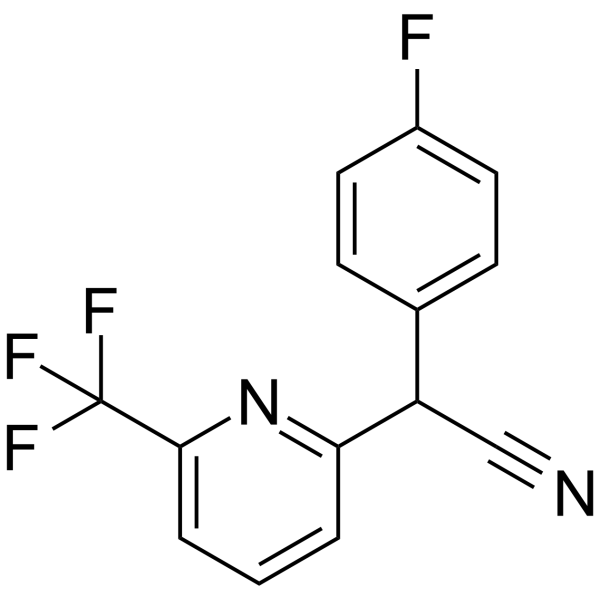
ML318 is a biaryl nitrile inhibitor of PvdQ acylase with an IC50 of 20 nM by binding in the acyl-binding site. ML318 inhibits P. aeruginosa (PAO1) with an IC50 of 19 μM. ML318 prevents pyoverdine production and limits the growth of P. aeruginosa under iron-limiting conditions .
|
-
-
- HY-139982
-
|
|
Bacterial
|
Infection
|
|
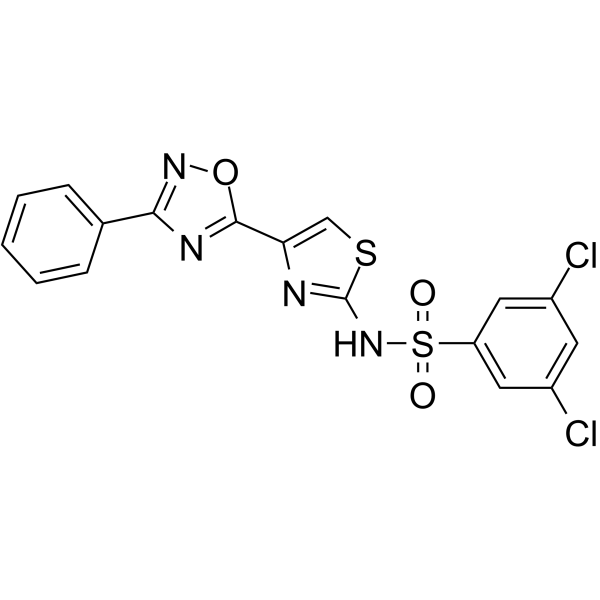
OX11 is a selective inhibitor of S. pneumoniae, P. aeruginosa, and E. coli bacterial strains .
|
-
-
- HY-13588A
-
|
SCE-129
|
Bacterial
Antibiotic
|
Others
|
|
Cefsulodin (SCE-129) showed potent activity against Pseudomonas aeruginosa and strains susceptible to penicillin and gentamicin, with effectiveness comparable to that of gentamicin and debendazole. However, its effectiveness was diminished against penicillin-resistant strains of P. aeruginosa, particularly strains that were also resistant to gentamicin. For P. aeruginosa maltofila, SCE-129 showed similar minimum inhibitory concentrations to penicillin, gentamicin, and debendazole. Pseudomonas cepacia strains generally showed moderate resistance to SCE-129 and penicillin, and high resistance to gentamicin and debendazole .
|
-

-
- HY-120366
-
-

-
- HY-101444
-
|
|
Bacterial
|
Infection
|
|
MC-207110 is a broad-spectrum efflux pump inhibitor. MC-207110 is active against all three known Mex efflux pumps from P. aeruginosa and their close Escherichia coli efflux pump homolog (AcrAB-TolC). MC-207110 can decrease the intrinsic resistance of P. aeruginosa to fluoroquinolones. MC-207110 can be used for the research of infection .
|
-

-
- HY-131907
-
|
|
Bacterial
|
Infection
|
|
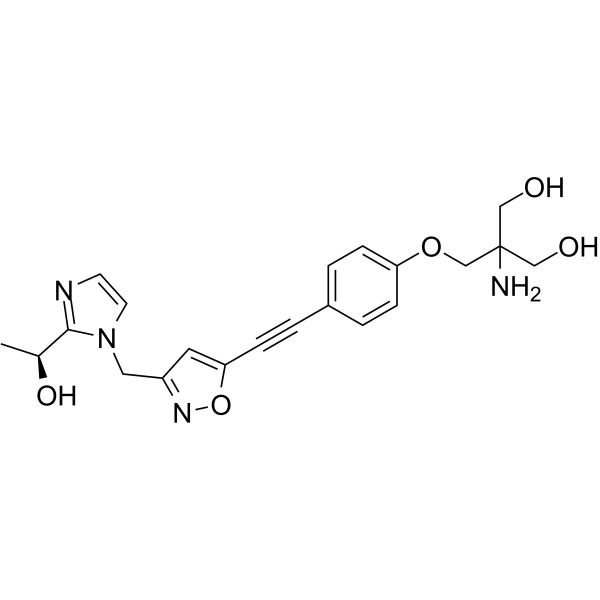
LpxC-IN-5 is a potent non-hydroxamate LpxC (UDP-3-O-acyl-N-acetylglucosamine deacetylase) inhibitor with an IC50 of 20 nM. LpxC-IN-5 shows antibacterial activity against E. coli ATCC25922, P. aeruginosa ATCC27853, K. pneumoniae ATCC13883 and P. aeruginosa 5567 with MIC of 16, 4, 64, and 4 μg/mL, respectively .
|
-
-
- HY-P11091
-
|
|
Bacterial
|
Infection
|
|
PA2-GNU7 is an antimicrobial peptide (AMP). PA2-GNU7 exhibits potent antimicrobial activity with minimal inhibitory concentration (MIC) against P. aeruginosa, E. coli, S. typhimurium, S. aureus, and C. albicans are 2 μM, 1 μM, 2 μM, 2 μM, and 8 μM, respectively. PA2-GNU7 rapidly and selectively kills Pseudomonas aeruginosa without affecting other commensal bacteria. PA2-GNU7 significantly improves survival of mice infected with P. aeruginosa. PA2-GNU7 can be used for the research and development of therapeutic agents against MDR Pseudomonas aeruginosa infections .
|
-

-
- HY-120659
-
|
|
Fluorescent Dye
|
Others
|
|
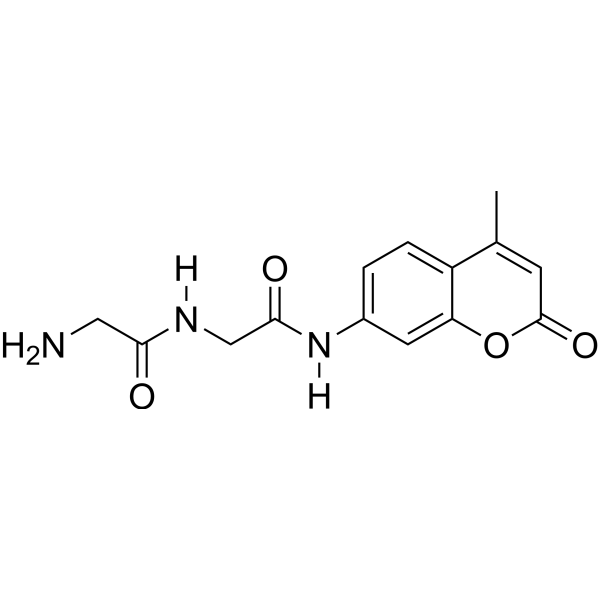
Gly-Gly-AMC is a fluorogenic peptide substrate. Gly-Gly-AMC can be used to assess bacterial protease activity of P. aeruginosa and S. aureus .
|
-
-
- HY-P5552
-
|
|
Bacterial
Parasite
Fungal
|
Infection
|
|
Melimine is a hybrid antimicrobial peptide of Melittin (HY-P0233) and Protamine. Melimine is active against P. aeruginosa and S. aureus. Melimine has broad spectrum activity against bacteria, fungi and protozoa .
|
-

-
- HY-P5486A
-
|
|
Bacterial
|
Infection
|
|
Tet-20 acetate is a broad-spectrum antimicrobial peptide. Tet-20 acetate is promising for research of Gram-negative and Gram-positive bacteria (e.g., P. aeruginosa, S. aureus) .
|
-

-
- HY-139698
-
|
LCB10-0200
|
Antibiotic
Bacterial
|
Infection
|
|
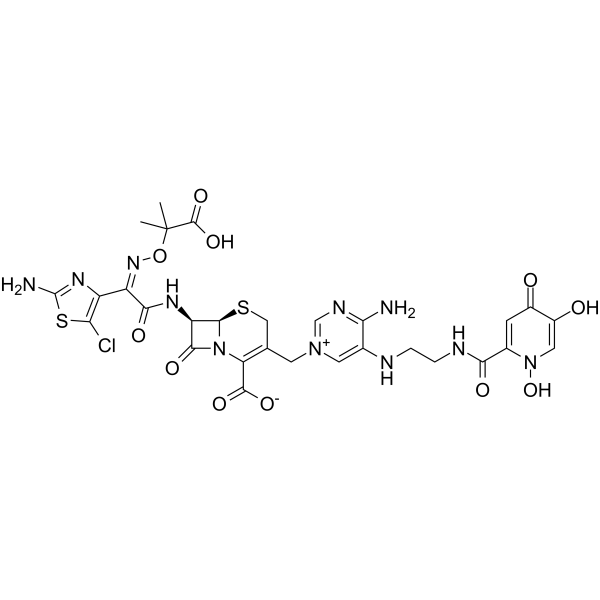
GT-1 (LCB10-0200), a siderophore-linked cephalosporin, is effective against clinical isolates of P. aeruginosa, Klebsiella oxytoca, Proteus spp., Serratia marcescens, and Enterobacter aerogenes.
|
-
-
- HY-P5547
-
|
|
Bacterial
|
Infection
|
|
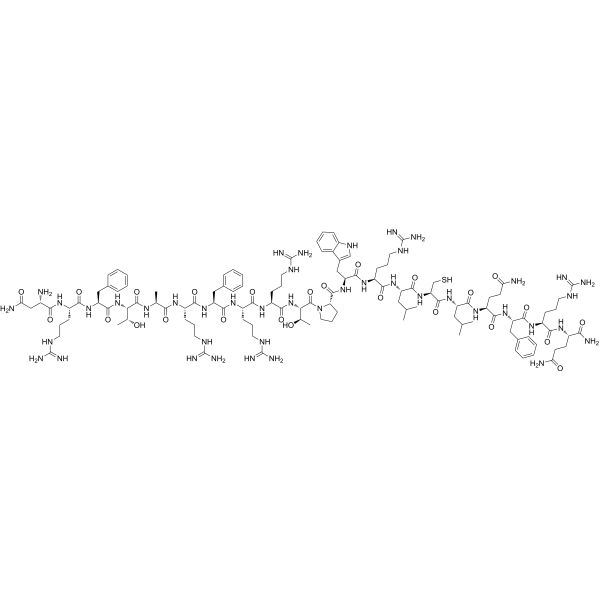
Lynronne-3 is an antimicrobial peptide. Lynronne-1 is active against Gram-positive bacterials, including
MDR strains (MIC: 32-128 μg/mL for methicillin-resistant MRSA strains). Lynronne-3 is also effective against P. aeruginosa infection
|
-
-
- HY-P10695
-
|
|
Bacterial
Antibiotic
|
Infection
|
|
Bac8c is an antimicrobial peptide with strong antibacterial activity against Gram-negative and Gram-positive bacteria. The MIC of Bac8c against S. aureus, MRSA, S. epidermidis, E. coli, and P. aeruginosa are 2, 8, 4, 4, and 4 μg/mL, respectively .
|
-

-
- HY-P5680
-
|
|
Bacterial
|
Inflammation/Immunology
|
|
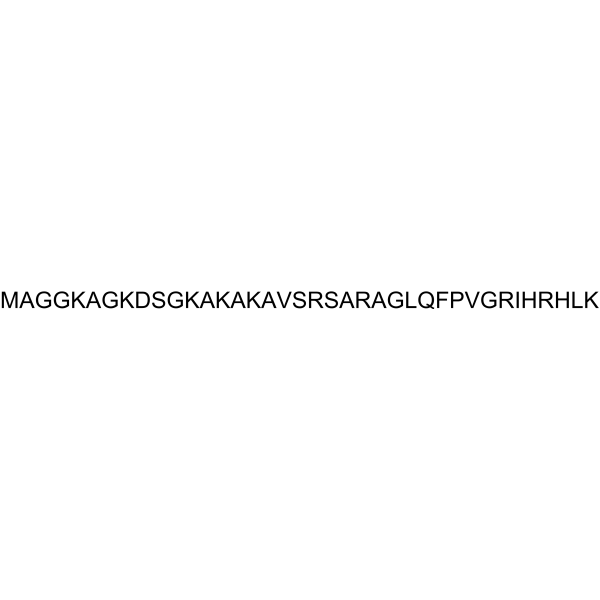
SpHistin is an antimicrobial peptide (AMP). SpHistin can bind to LPS (HY-D1056) and permeabilize the bacterial membrane. SpHistin combined with Rifampicin (HY-B0272) and Azithromycin (HY-17506) promotes the intracellular uptake of the antibiotics and subsequently enhances the bactericidal activity of both agents against P. aeruginosa .
|
-
-
- HY-172895
-
|
|
Bacterial
|
Infection
Inflammation/Immunology
|
|
Quorum sensing-IN-10 (10p), an antibacterial synergist, shows significant inhibition of P. aeruginosa virulence, biofilm, and motility, with low toxicity. Quorum sensing-IN-10 (10p) can be used in the research for drug-resistant Pseudomonas aeruginosa infections .
|
-

-
- HY-117736
-
|
|
Penicillin-binding protein (PBP)
Bacterial
|
Infection
Inflammation/Immunology
|
|
Ro 09-1428 is a broad-spectrum parenteral cephalosporin. Ro 09-1428 has potent antibacterial activities against Pseudomonas aeruginosa and Acinetobacter caloaceticus, with MIC90s of 0.39 and 6.25 μg/mL, respectively, better than Ceftazidime (HY-B0593). Additionally, Ro 09-1428 shows high activity against Escherichia coli, Kkbsielia pneumoniae, Proteus mirabilis, P. aeruginosa, staphylococci, and more. Ro 09-1428 preferentially attacks PBP 3 for target in E. coli and P. aeruginosa, which is promising for research of septicemias and serious P. aeruginosa infections .
|
-

-
- HY-168631
-
|
|
Bacterial
|
Infection
|
|
Antibacterial agent 254 (Compound 2) is a dispersion sensor (DspS) activator that disperses Pseudomonas aeruginosa biofilms. Antibacterial agent 254 can dislodge 7-day P. aeruginosa biofilms at 50 μM. Antibacterial agent 254 also enhances the effects of Ciprofloxacin (HY-B0356) against P. aeruginosa and increases the expression of matrix-degrading enzyme genes pelA, pslG and eddA .
|
-

-
- HY-172945
-
|
|
Bacterial
|
Infection
|
|
LpxC-IN-16 (Compound P-2) is an LpxC inhibitor. LpxC-IN-16 has anti-MDR P. aeruginosa activity .
|
-

-
- HY-P5556
-
|
|
Bacterial
|
Infection
|
|
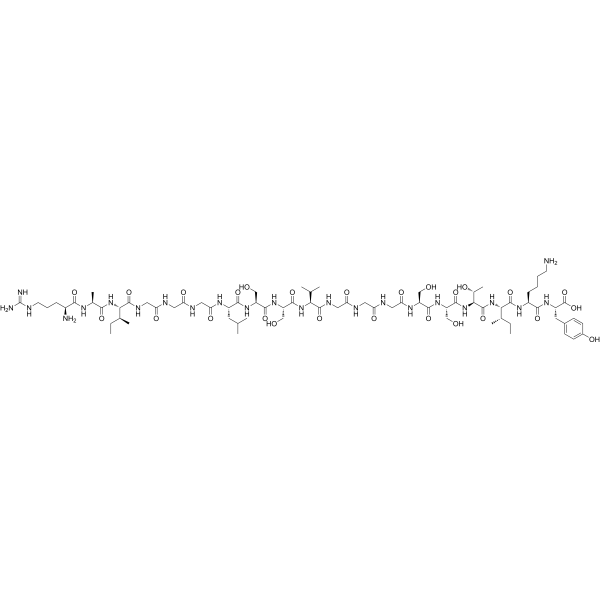
KAMP-19, a keratin-derived antimicrobial peptide, is an antimicrobial peptide against P. aeruginosa. .
|
-
-
- HY-168948
-
|
|
Bacterial
|
Infection
|
|
Quorum sensing-IN-9 (Compound 7d) inhibits quorum sensing in Pseudomonas aeruginosa by binding PqsR proteins. Quorum sensing-IN-9 inhibits the expression of quorum sensing systems related genes lasB, rhlA and pqsA, blocks the generation of virulence factors elastase, pyocyanin and rhamnolipid. Quorum sensing-IN-9 destorys the motility of P. aeruginosa, inhibits the biofilm formation, decreasing the virulence and pathogenicity of P. aeruginosa. Quorum sensing-IN-9 exhibits anti-infectious activity in Galleria mellonella larval model .
|
-

-
- HY-158120
-
-
-
- HY-174263
-
|
|
Bacterial
|
Infection
|
|
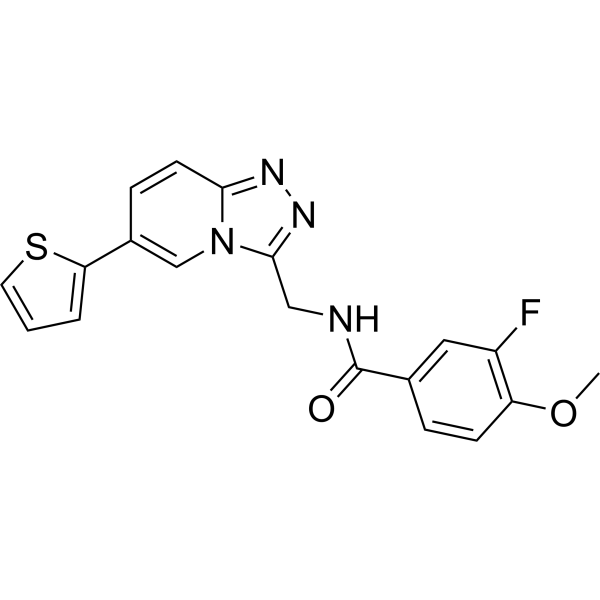
PaFabV-IN-1 (Compound 3e) is a selective Pseudomonas aeruginosa enoyl-acyl carrier protein reductase (PaFabV) inhibitor with an IC50 value of 0.25 μM. PaFabV-IN-1 is promising for research of infections caused by P. aeruginosa and other Gram-negative bacteria .
|
-

-
- HY-P5580
-
|
|
Bacterial
|
Infection
Cancer
|
|
Dermaseptin-B3 inhibits the growth of Gram-positive and Gram-negative bacteria (MIC: 1.3, 2.3, 5.0, 2.6, 2.3 μM for S. aureus, P. aeruginosa, P. aeruginosa, E. (ATCC 25922), E. (54127) respectively). Dermaseptin-B3 also inhibits tumor cell proliferation .
|
-
-
- HY-159960
-
|
|
Antibiotic
Bacterial
Carbonic Anhydrase
|
Infection
|
|
Carbonic anhydrase inhibitor 28 (Compound 11) is a Pseudomonas aeruginosa carbonic anhydrase inhibitor. Carbonic anhydrase inhibitor 28 exhibits antimicrobial activity, with a MIC of 0.5 μg/mL and a MBC of 1 μg/mL against P. aeruginosa. Carbonic anhydrase inhibitor 28 can be used in anti-infection research .
|
-

- HY-N8281
-
|
|
Bacterial
|
Infection
|
|
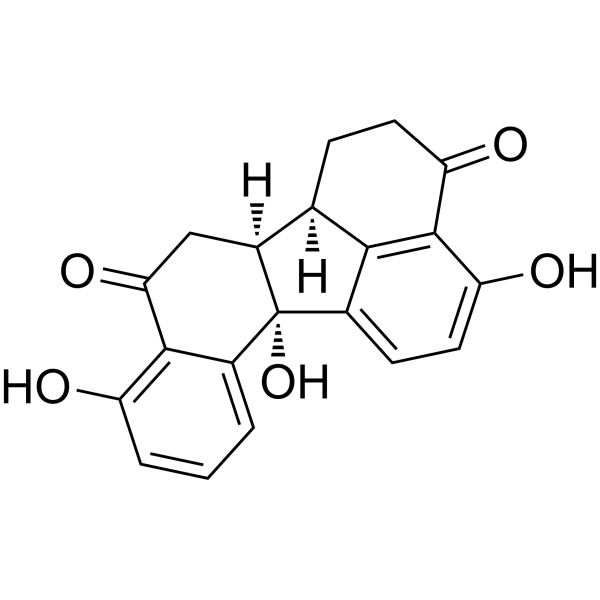
Daldinone A (Compound 4) is an antibacterial agent that can be isolated from Nigrospora oryzae. Daldinone A has antimicrobial potential against P. aeruginosa .
|
-
- HY-P10691
-
|
|
Bacterial
|
Infection
|
|
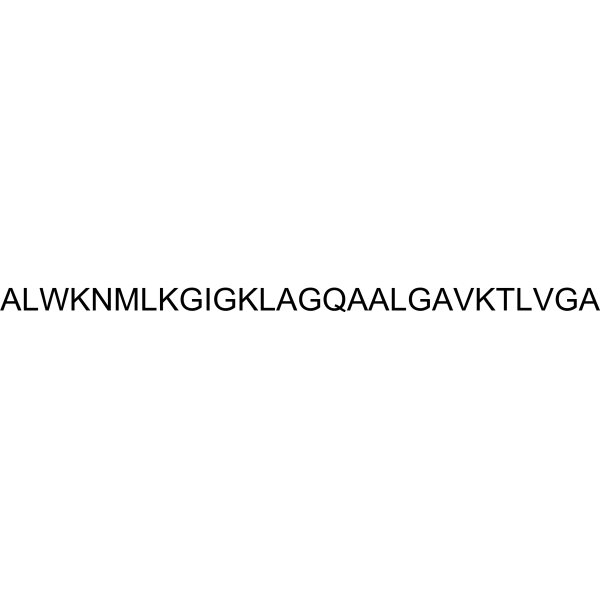
P-113D is an antimicrobial peptide that targets Pseudomonas aeruginosa, showing good antibacterial activity and can be used in cystic fibrosis research, the MIC for P-113D against ATCC 27853 is 3.1 μg/mL .
|
-

- HY-105180
-
|
BO-2727 free acid
|
Bacterial
Antibiotic
|
Infection
|
|
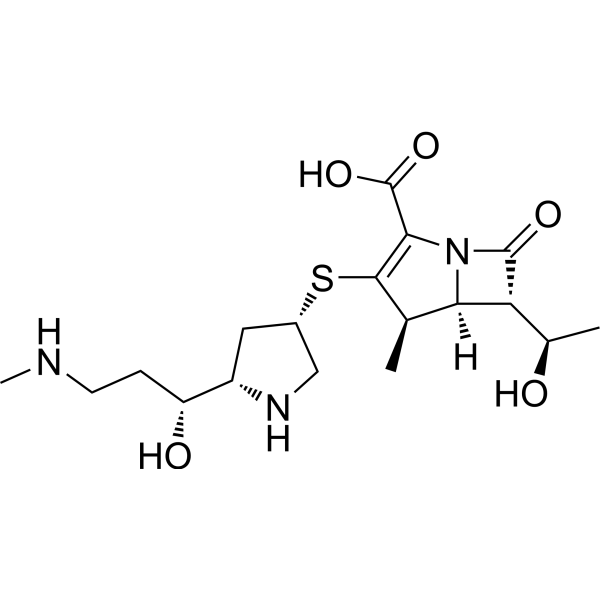
Lenapenem (BO-2727 free acid), a carbapenem antibiotic, has potent antibacterial activity against Gram-positive and Gram-negative bacteria including P. aeruginosa .
|
-
- HY-169338
-
|
|
Bacterial
|
Infection
|
|
Antibacterial agent 253 (compound 7a) is a potent inhibitor of bacterial, with the MIC of 1.562 μg/mL for P. aeruginosa, S. aureus, L. monocytogenes, B. cereus, and S. typhi .
|
-

- HY-139746
-
|
|
Beta-lactamase
Bacterial
|
Infection
|
|
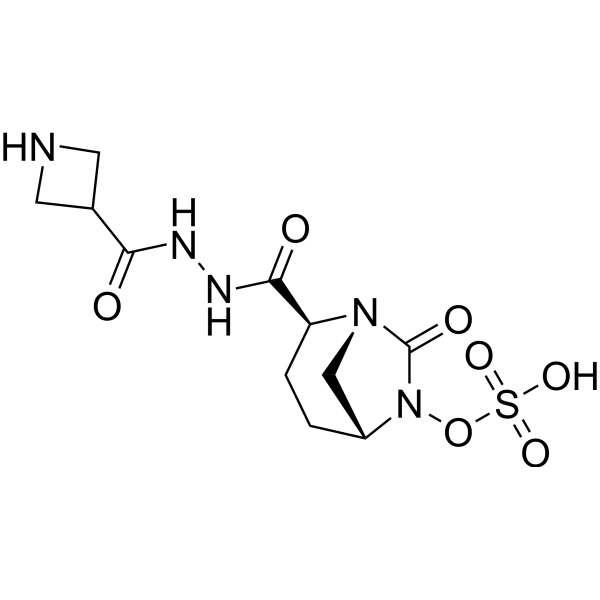
FPI-1602 is a β-lactamase inhibitor. FPI-1602 displays marked antimicrobial activity against P. aeruginosa, E. coli, and Enterobacter spp. .
|
-
- HY-P5555
-
|
|
Bacterial
|
Infection
|
|
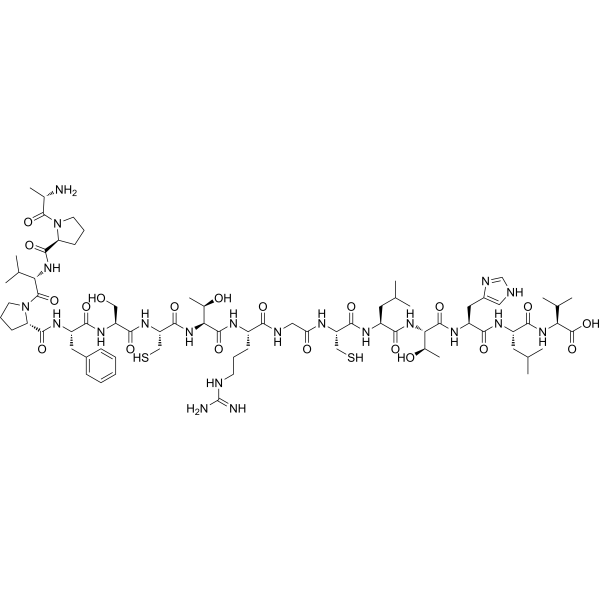
LMW peptide is an antimicrobial peptide. LMW peptide is active against Gram-positive and Gram-negative bacterial, such as B. subtilis, L. monocytogenes, E. coli, P. aeruginosa, V. cholera .
|
-
- HY-144071
-
|
|
Bacterial
|
Infection
|
|
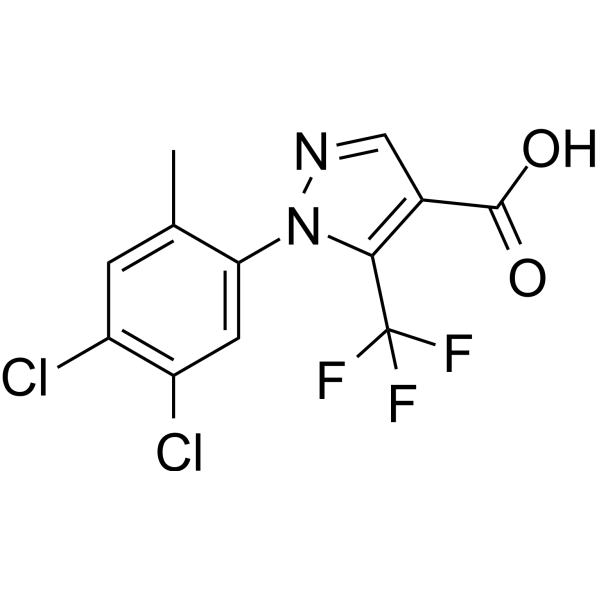
MurB-IN-1 (compound 44) is an inhibitor of uridine diphosphate-N-acetylenolpyruvylglucosamine reductase (MurB), with a Kd 3.57 μM. MurB, a target in P. aeruginosa, is an opportunistic infectious agent causing death .
|
-
- HY-173270
-
|
|
Bacterial
|
Infection
|
|
Antibacterial synergist 3 is a dual-acting inhibitor of biofilm (IC50 of PAO1: 0.40 μM and IC50 of PA14: 1.45 μM). Antibacterial synergist 3 reduces virulence production by inhibiting the quorum sensing (QS) system and induces iron deficiency in P. aeruginosa PAO1. Antibacterial synergist 3 enhances the efficacy of Tobramycin (HY-B0441) and Ciprofloxacin (HY-B0356) in a mouse wound infection model. Antibacterial synergist 3 can be used for the research of P. aeruginosa infections .
|
-

- HY-148831
-
|
|
Bacterial
|
Infection
|
|
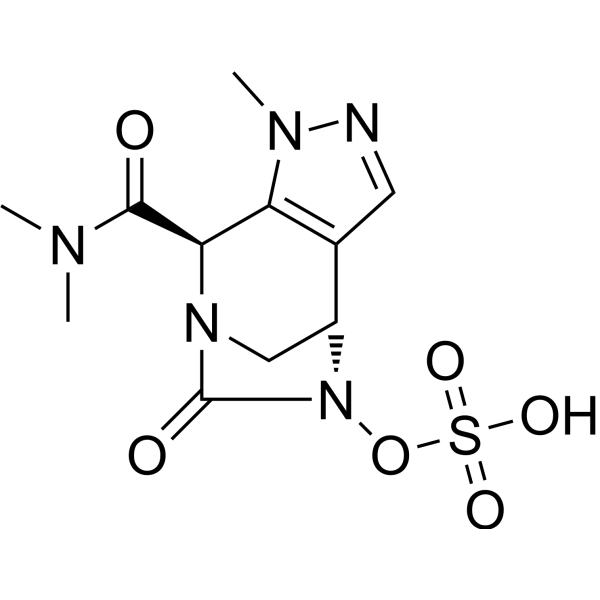
Antibacterial agent 135 (example 7) is a potent antibacterial agent. Antibacterial agent 135 can inhibit P. aeruginosa, A. baumannii, E. coli, and K. pneumoniae, with MIC>64 μg/mL .
|
-
- HY-131337
-
|
|
Bacterial
|
Infection
|
|
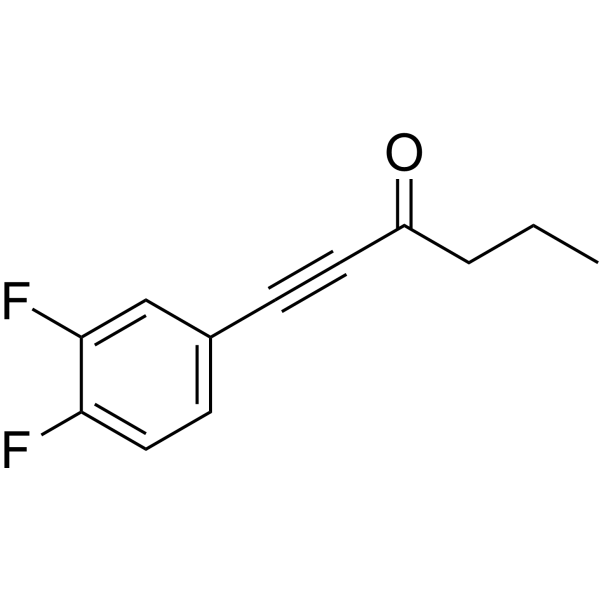
RhlR antagonist 1 is a potent RhlR antagonist with an IC50 of 26 μM. RhlR antagonist 1 displays selective RhlR antagonism over LasR and PqsR, strong inhibition of biofilm formation in static and dynamic settings, and reduces production of virulence factors such as rhamnolipid and pyocyanin in P. aeruginosa. RhlR antagonist 1 can be utilized for developing QS-modulating molecules in the control of P. aeruginosa infections . RhlR antagonist 1 is a click chemistry reagent, it contains an Alkyne group and can undergo copper-catalyzed azide-alkyne cycloaddition (CuAAc) with molecules containing Azide groups.
|
-
- HY-N14354
-
|
|
Antibiotic
Bacterial
|
Infection
|
|
Ferrocin B is an iron-containing cyclic decapeptide antibiotic found in the bacterium Pseudomonas fluorescens YK-310, exhibiting strong antibacterial activity primarily against Gram-negative bacteria, with particularly potent inhibitory effects on Pseudomonas aeruginosa. In a mouse infection model, Ferrocin B shows a half effective dose (ED50) of 0.593 mg/kg against P. aeruginosa. Ferrocin B holds potential for research in the field of anti-infective therapies .
|
-

- HY-131049
-
|
|
Bacterial
|
Infection
|
|
Antimicrobial agent-30 (Compound T10) is an antimicrobial agent, with MIC values of 18.7-21.0 µg/mL for S. aureus, S. epidermidis, E. coli, P. aeruginosa, A. niger, and A. fumigatus .
|
-

- HY-N3199
-
|
|
Bacterial
|
Infection
|
|
Neorauflavene is a phenolic neorautanenia isoflavanoid isolated from Neorautanenia edulis. Neorauflavene shows antibacterial activities against E. faecalis, S. suis, S. agalactiae, P. aeruginosa, B. subtilis, and R. anatipestifer .
|
-
- HY-142695
-
|
|
Bacterial
|
Infection
|
|
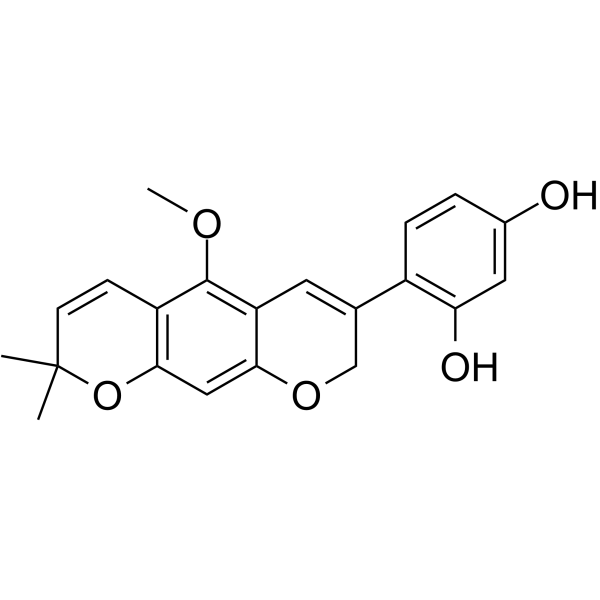
Antibacterial synergist 1 (compound 20P) is a bacterial biofilm inhibitor. Antibacterial synergist 1 inhibits the production of pyocyanin and biofilm formation with IC50s of 8.6 and 4.5 μM, respectively. Antibacterial synergist 1 has the potential for the research of P. aeruginosa infections .
|
-
- HY-N5127R
-
|
|
Reference Standards
Bacterial
|
Infection
|
|
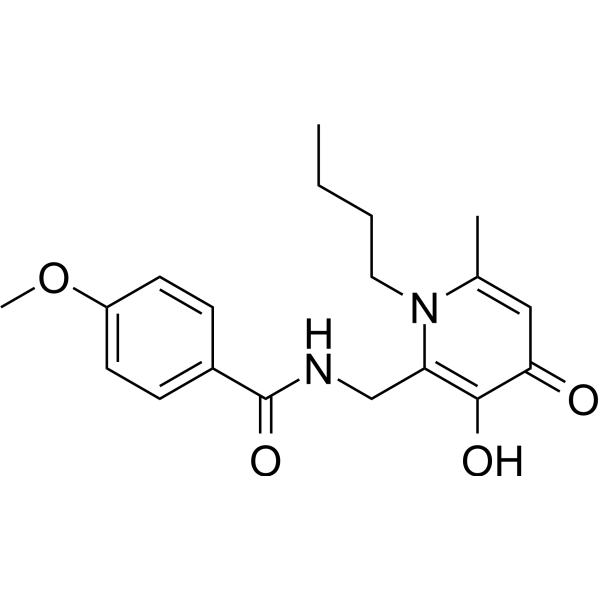
Nonacosane (Standard) is the analytical standard of Nonacosane. This product is intended for research and analytical applications. Nonacosane, isolated from Baphia massaiensis, exhibits weak activities against E. coli, B. subtilis, P. aeruginosa and S. aureus .
|
-

- HY-113687
-
|
|
Bacterial
|
Infection
|
|
T145 is an oxazolidinone with antibacterial activity that inhibits growth of gram negatives (K. pneumoniae, A. baumannii, P. aeruginosa and E. cloacae), gram positives (E. faecalis and S. aureus) and acid fast pathogens (Mab, Mav and Mtb) .
|
-

- HY-W024297
-
|
|
Bacterial
|
Infection
|
|
VP-4509, an anti-methicillin‐resistant Staphylococcus aureus (MRSA) agent, with the MIC of 49.3 µM. VP-4509 also possesses high antibacterial activity towards gram-negative bacteria P. aeruginosa .
|
-
- HY-129454
-
|
Antibiotic TPU-0037-A
|
Antibiotic
|
Infection
|
|
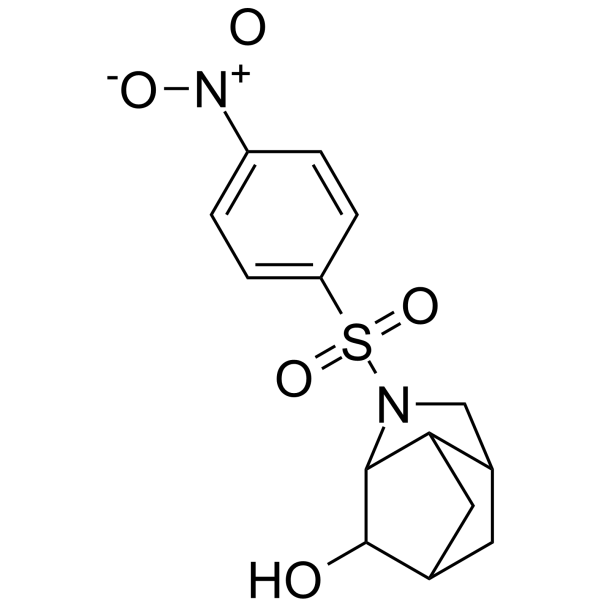
TPU-0037A is an antibiotic and a congener of lydicamycin. It inhibits the growth of Gram-positive bacteria, including methicillin-resistant S. aureus (MRSA), B. subtilis, and M. luteus (MICs=1.56-12.5 μg/mL), but not Gram-negative E. coli, P. mirabilis, P. vulgaris, or P. aeruginosa strains (MICs=>50 μg/mL).
|
-

- HY-144767
-
|
|
Bacterial
|
Infection
|
|
PA3552-IN-1 (compound 15) is an antibiotic adjuvant that restores sensitivity of MDR P. aeruginosa DK2 strain to Polymyxin B. PA3552-IN-1 can reduce PA3552 expression .
|
-
- HY-13212R
-
|
cis-2-Decenoic acid (Standard)
|
Bacterial
Reference Standards
|
Cancer
|
|
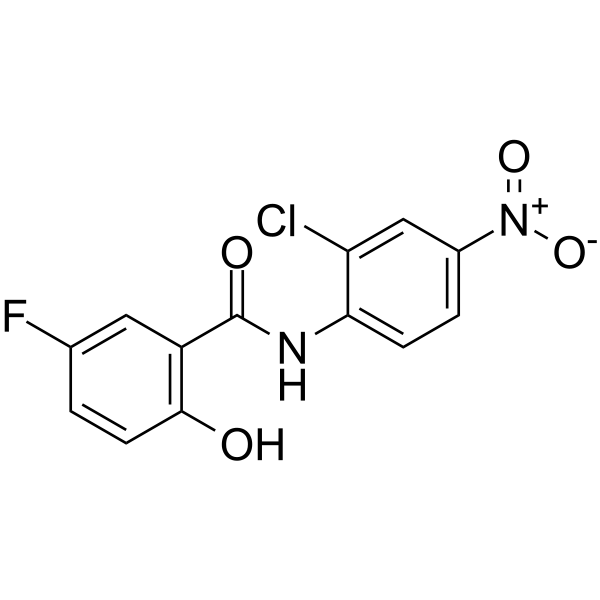
(Z)-2-Decenoic acid (Standard) is the analytical standard of (Z)-2-Decenoic acid. This product is intended for research and analytical applications. (Z)-2-decenoic acid (cis-2-Decenoic acid) is an unsaturated fatty acid produced by Pseudomonas aeruginosa. (Z)-2-decenoic acid induces a dispersion response in biofilms formed by a range of gram-negative bacteria, including P. aeruginosa, and by gram-positive bacteria. (Z)-2-decenoic acid inhibits biofilm development[1].
|
-

- HY-N10087A
-
|
|
Bacterial
|
Infection
|
|
Angustifoline hydrochloride, an alkaloid, can be isolated from Lupinus angustifolius L. alkaloid extract. Angustifoline hydrochloride exhibits antimicrobial activity. Angustifoline hydrochloride could have bacteriostatic effects against S. aureus, B. subtilis, E. coli, P. aeruginosa and B. thuringiensis .
|
-
- HY-153576
-
|
|
Bacterial
|
Infection
|
|
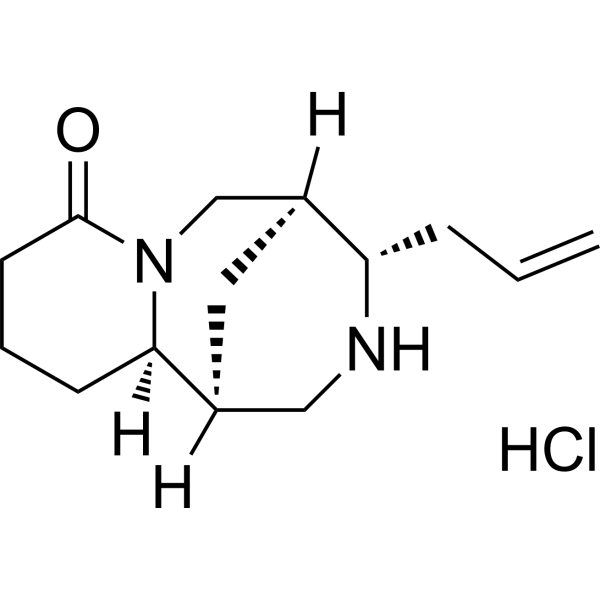
Antibacterial agent 143 (Compound 5a) is an antibacterial agent with MICs of 25, 25, 50 and 50 μg/mL against B. subtilis ATCC6633, S. aureus ATCC6538, P. aeruginosa ATCC13525 and E. coli ATCC35218, respectively .
|
-
- HY-N10572
-
|
|
Bacterial
|
Infection
|
|
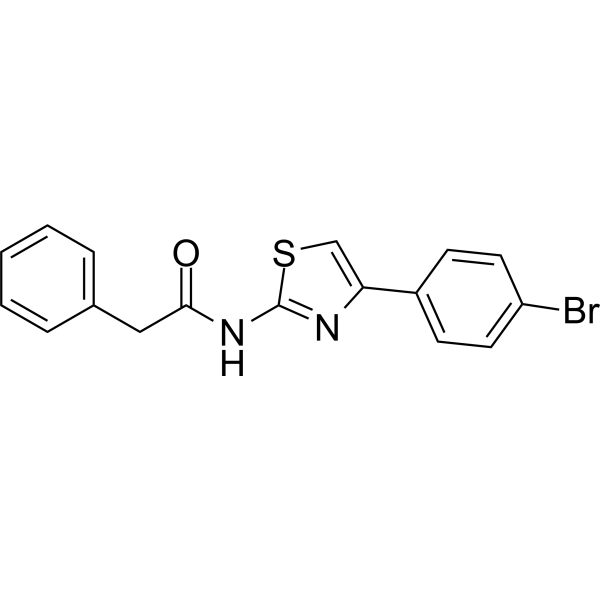
Antibacterial synergist 2 (compound 27) is a biofilm inhibitor. Antibacterial synergist 2 shows inhibitory effects to S. enterica, S. aureus, P. aeruginosa and C. albicans. Antibacterial synergist 2 can be used for the research related to biofilm-forming pathogens .
|
-
- HY-151160
-
|
|
Bacterial
|
Infection
|
|
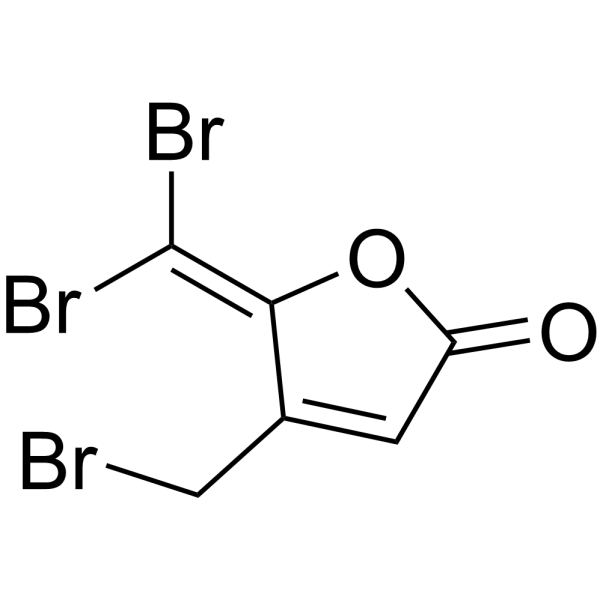
LasR-IN-1 (compound 9g) is a potent LasR inhibitor. LasR-IN-1 has good efficacy toward E. coli. LasR-IN-1 shows anti-bacterial activity, with a MIC of 28.13 μM against P. aeruginosa .
|
-
- HY-P5690
-
|
|
Bacterial
|
Infection
|
|
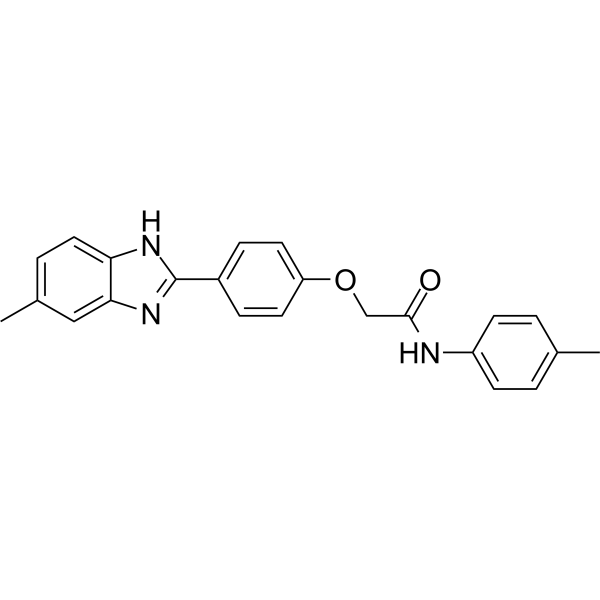
Distinctin is an antimicrobial peptide. Distinctin can be isolated from frog skin. Distinctin has antibacterial activity against E. faecalis, P. aeruginosa, S. aureus and E. coli (MIC: 14.5, 28.0, 28.0, 14.5 μM) .
|
-

- HY-162130
-
|
|
Bacterial
|
Infection
|
|
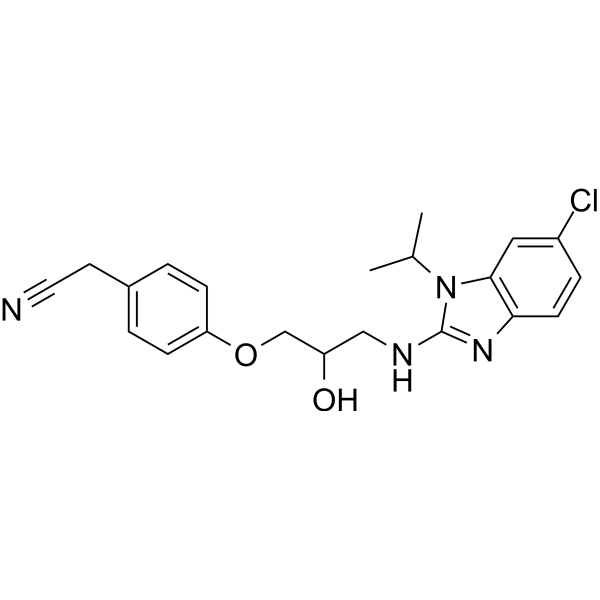
Antibacterial agent 176 (Compound 6f) is a potent PqsR antagonist. Antibacterial agent 176 has a good inhibitory effect on P. aeruginosa CF, and a significant inhibitory effect on the production of pyocyanin, 2-alkyl-4 (1H) -quinolones .
|
-
- HY-P5924A
-
|
|
Bacterial
|
Infection
|
|
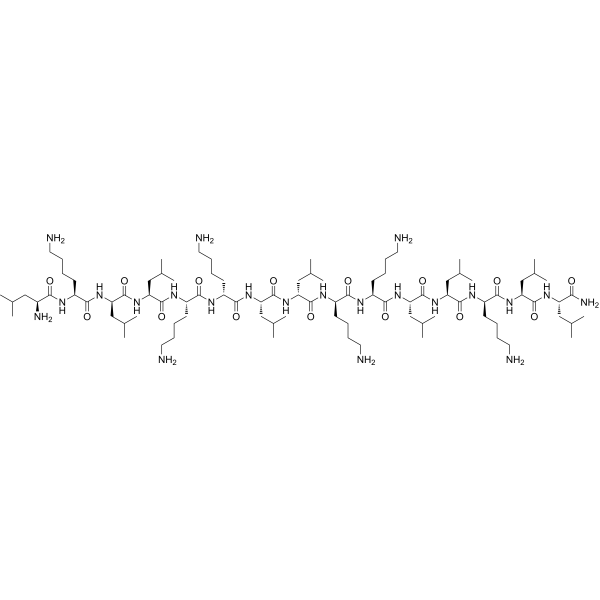
D-K6L9 shows antimicrobial and antibiofilm activities against P. aeruginosa from cystic fibrosis patients. D-K6L9 is stable and resistant to degradation by cystic fibrosis sputum proteases and will not induce bacterial resistance .
|
-
- HY-P5546
-
|
|
Bacterial
|
Infection
|
|
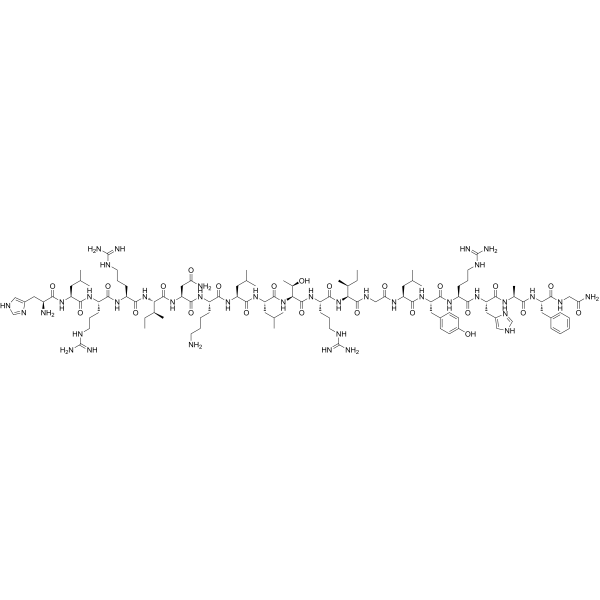
Lynronne-2 is an antimicrobial peptide. Lynronne-1 is active against Gram-positive bacterials, including
MDR strains (MIC: 32-256 μg/mL for methicillin-resistant MRSA strains). Lynronne-2 is also effective against P. aeruginosa infection
|
-
- HY-P5924
-
|
|
Bacterial
|
Infection
|
|
L-K6L9 shows antimicrobial and antibiofilm activities against P. aeruginosa from cystic fibrosis patients. L-K6L9 is stable and resistant to degradation by cystic fibrosis sputum proteases and will not induce bacterial resistance .
|
-
- HY-N3837
-
|
Isotaraxerol; 3α-Taraxerol
|
Bacterial
|
Infection
|
|
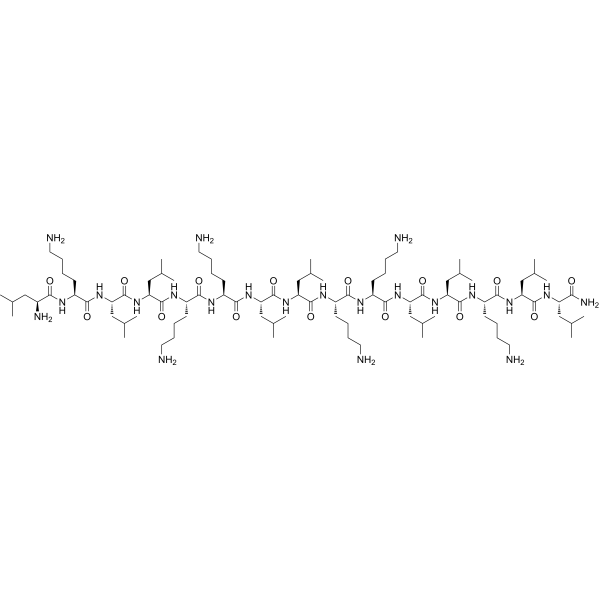
Epitaraxerol (compound 6) is a natural product isolated from the leaves of E. neriifolia. Epitaraxerol shows moderate antifungal activity against C. albicans and low antimicrobial activity against T. mentagrophytes, A. niger, S. aureus, E. coli, P. aeruginosa, and B. subtilis .
|
-
- HY-130055R
-
|
|
Reference Standards
Mitochondrial Metabolism
|
Infection
|
|
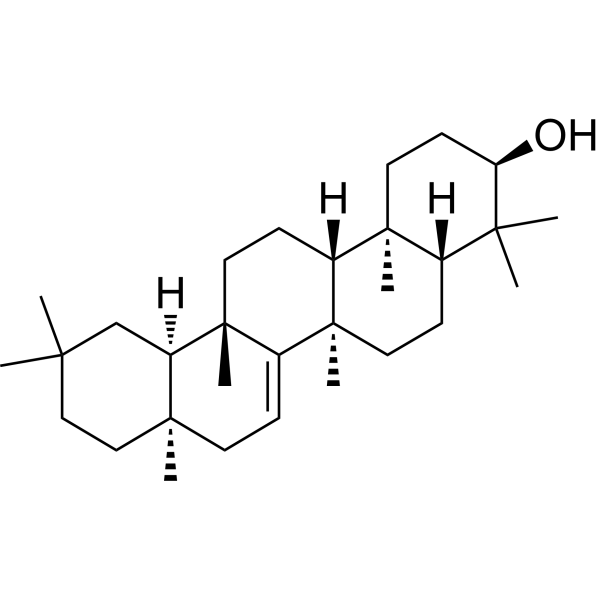
HQNO (Standard) is the analytical standard of HQNO. This product is intended for research and analytical applications. HQNO, secreted by P. aeruginosa, is a potent electron transport chain inhibitor with a Kd of 64 nM for complex III[1]. HQNO is a potent inhibitor of mitochondrial NDH-2 in many species[2].
|
-

- HY-163111
-
|
|
Bacterial
|
Infection
|
|
Antibacterial agent 170 (compound 6b) is a potent antibacterial agent which inhibits the formation of P. aeruginosa PAO1 biofilm. Antibacterial agent 170 exhibits quorum sensing inhibitor effect by the las system. Antibacterial agent 170 can used in study microbial resistance .
|
-
- HY-151944
-
|
|
Bacterial
Antibiotic
|
Infection
|
|
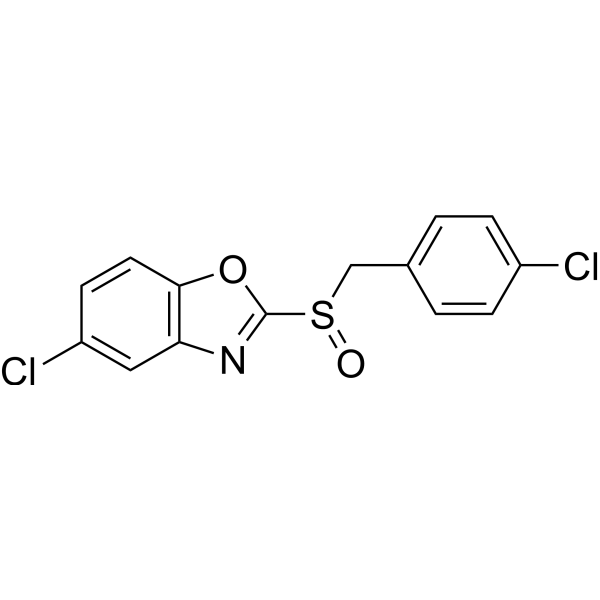
Antibacterial agent 128 is a siderophore analog-Ciprofloxacin (HY-B0356) conjugate with a cleavable linker. Antibacterial agent 128 shows antibiotic activities against P. aeruginosa (MIC values of 0.25-64 μg/mL) and B. pseudomallei (MIC values of 1-32 μg/mL) .
|
-
- HY-121365
-
|
|
Bacterial
|
Infection
|
|
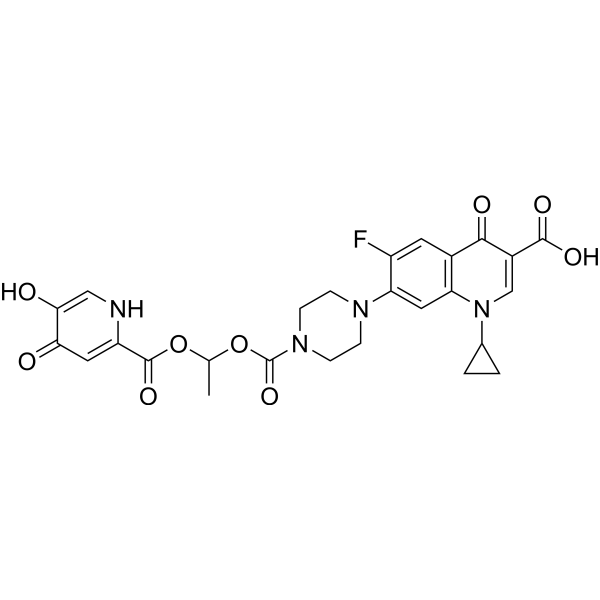
Forphenicinol is an immunomodulator and a derivative of the bacterial metabolite forphenicine. It increases the phagocytosis of yeast by peritoneal macrophages isolated from thioglycolate-stimulated mice. Forphenicinol (100 μg/animal) prevents cyclophosphamide-induced suppression of delayed-type hypersensitivity (DTH), as well as enhances DTH in response to the hapten oxazolone or sheep red blood cells in mice. It enhances the bactericidal activity of macrophages against P. aeruginosa in mice when administered at a dose of 0.5 mg/kg.2 Forphenicinol (15.6-1,000 μg/animal) increases survival in a mouse model of P. aeruginosa infection. It also inhibits tumor growth in S180 sarcoma and IMC carcinoma mouse xenograft models when administered at doses ranging from 0.05 to 5 mg/kg per day.
|
-

- HY-122174
-
|
CP-5609
|
Antibiotic
Bacterial
|
Infection
|
|
ME-1036 (CP-5609) is a carbapenem antibiotic. ME-1036 against resistant Gram-positive organisms, including Methicillin-resistant Staphylococcus aureus (MRSA), and vancomycin-resistant Enterococci (VRE), and ESBL-producing E. coli and K. pneumoniae but is not effective against P. aeruginosa .
|
-

- HY-147958
-
|
|
Bacterial
|
Infection
|
|
Antibacterial agent 113 (compound 3) is a potent antibacterial agent. Antibacterial agent 113 shows antibacterial activity against P.aeruginosa, S.mutans, B.subtilis, E.coli, E.faecalis, S.typhimuriumand, and S.aureus microorganisms, with MIC values all of 156.25 μM .
|
-
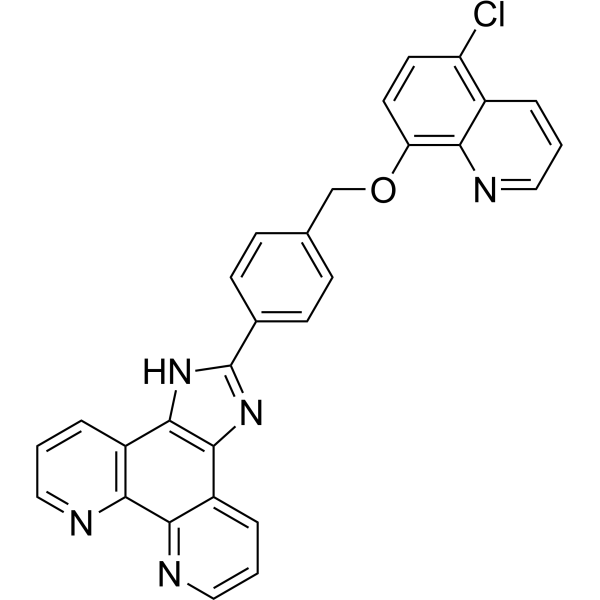
- HY-N2980
-
|
Cabraleone
|
Bacterial
|
Infection
|
|
Ocotillone ((24S)-20,24-Epoxy-25-hydroxydammaran-3-one) is a triterpenoids that can be isolated from the fruits of Dysoxylum richii. Ocotillone has antibacterial activities against P. aeruginosa and S. typhimurium without hemolytic activity .
|
-
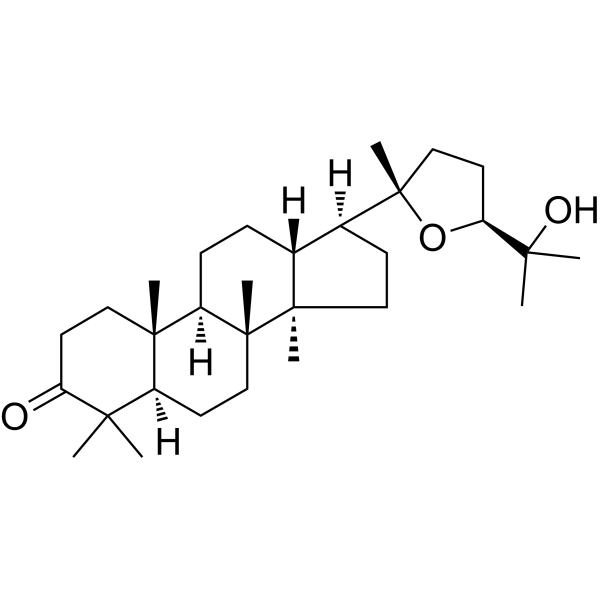
- HY-P5016
-
|
|
Antibiotic
Bacterial
Fungal
|
Infection
Cancer
|
|
CRAMP-18 (mouse) is an antibiotic peptide without hemolytic activity. CRAMP-18 (mouse) has good inhibitory activity against Gram-negative bacteria, such as S. typhimurium and P. aeruginosa. CRAMP-18 (mouse) has the potential to study antifungal, antibacterial and antitumor .
|
-
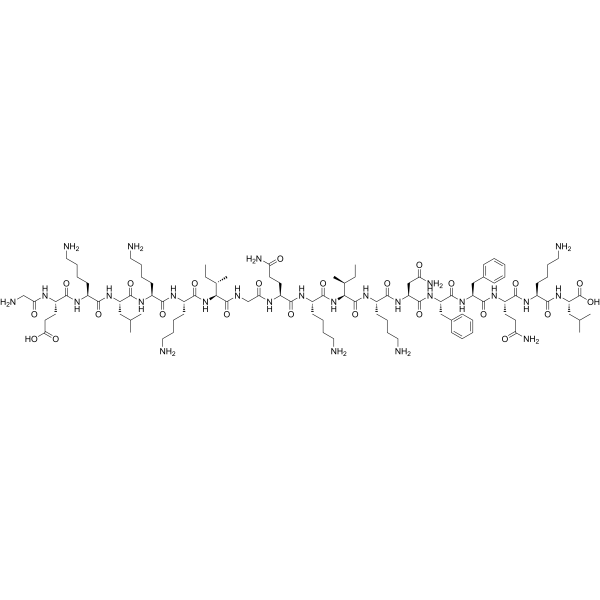
- HY-N9477
-
|
Betulin-28-oxime
|
Drug Derivative
Bacterial
|
Infection
|
|
Betulinic aldehyde oxime (Compound 31) is a betulin (HY-N0083) derivative that has antimicrobial properties against E. aerogenes, E. coli, E. faecalis, P. aeruginosa, S. aureus, and C. albicans. Betulinic aldehyde oxime displays cytotoxicity towards hepatocytes, with an IC50 of 25 μM .
|
-

- HY-P11135
-
|
|
Bacterial
|
Infection
|
|
LDKA is a helical membrane-active antibacterial peptide. LDKA forms an ensemble of pores of different sizes. LDKA has antibacterial activity against both Gram-positive (S. aureus) and Gram-negative (E. coli and P. aeruginosa) bacteria in a nutrient-rich medium, with MICs in the 10-70 μM range .
|
-

- HY-P3328
-
|
|
Bacterial
|
Infection
|
|
MDP1, a Melittin-derived peptide, alters the integrity of both Gram-positive and Gram-negative bacterial membranes and kills the bacteria via membrane damages. MDP1 has a high-antibacterial activity against multidrug resistant (MDR) and reference strains of S. aureus, E. coli, and P. aeruginosa .
|
-

- HY-157360
-
|
|
Biochemical Assay Reagents
|
Others
|
|
Acetamide Agar is a solid culture media for non-fermenting bacteria. Acetamide Agar helps differentiate P. acidovorans from other non-sugar-soluble or weakly sugar-soluble Pseudomonas species. Acetamide Agar can be used to test the ability of microorganisms such as Pseudomonas aeruginosa to utilize acetamide through deamination .
|
-

- HY-19127
-
|
|
Bacterial
|
Infection
|
|
FK-518 is a potent AmpC β-lactamase inhibitor. FK-518 demonstrates strong antimicrobial activity against P. aeruginosa strains overexpressing AmpC β-lactamase. FK-518 is promising for research of P. aeruginosa infections .
|
-

- HY-105180A
-
|
BO-2727 hydrochloride hydrate
|
Antibiotic
Bacterial
|
Infection
|
|
Lenapenem (BO-2727) hydrochloride hydrate, a carbapenem antibiotic, has potent antibacterial activity against Gram-positive and Gram-negative bacteria including P. aeruginosa .
|
-

- HY-180115
-
|
|
Bacterial
MMP
|
Infection
|
|
LP07 is an antibacterial agent targeting Pseudomonas aeruginosa with MIC values for both wild-type and efflux pump-deficient P. aeruginosa PA14 of both 8 μg/mL. LP07 exerts its antibacterial effect by directly disrupting the structural integrity of the bacterial cell membrane. LP07 moderately inhibits MMP-17 and MMP-19, but has no significant inhibitory effect on other MMP subtypes. LP07 does not inhibit the activity of LpxC enzyme. LP07 can be used for research on Pseudomonas aeruginosa infections .
|
-

- HY-106304
-
|
|
Bacterial
Drug Derivative
|
Infection
|
|
ME-1228 is an antibacterial agent and sulfur-containing analogue of OCP 9-176. ME 1228 is generally twofold more active than OCP 9-176 against Escherichia coli, Klebsiella pneumoniae, Klebsiella oxytoca, Providencia stuartii, Proteus vulgaris, and Serratia marcescens. ME-1228 has antibacterial activity against E. coli UB 1005, P. aeruginosa K779K, and P. aeruginosa E4, with MICs of 0.25, 0.25, and 1 μg/mL, respectively .
|
-

- HY-180998
-
|
|
Bacterial
|
Infection
|
|
Antibiofilm agent-18, a tetrahydropyrid derivative is a biofilm inhibitor. Antibiofilm agent-18 can disrupts S. aureus and P. aeruginosa biofilms and has low cytotoxicity. Antibiofilm agent-18 can be used for the research of bacterial infection .
|
-

- HY-170401
-
|
|
Bacterial
Herbicide
|
Infection
|
|
Antibacterial agent 260 (Compound 4r) exhibits board-spectrum antibacterial activity, inhibits P. aeruginosa and S. aureus with MIC of 0.0076 μM. Antibacterial agent 260 acts as a herbicidal agent, that inhibits the root- and stem-growth of Raphanus sativus L. (radish seed) .
|
-

- HY-P11338
-
|
|
Endogenous Metabolite
|
Cancer
|
|
Microcyclamide (Compound 1), a cytotoxic cyclic hexapeptide, is a microbial secondary metabolite. Microcyclamide can be isolated from the cyanobacterium Microcystis aeruginosa. Microcyclamide has moderate cytotoxicity against P388 murine leukemia cells with an IC50 of 1.2 μg/mL. Microcyclamide can be used for cancers research .
|
-

- HY-179670
-
|
|
Bacterial
|
Infection
|
|
Antibacterial agent 304 (Compound 3a) is an antibacterial agent with a minimum inhibitory concentration (MIC) of 8 μg/mL against S. aureus and P. aeruginosa. This antibacterial agent has a bactericidal effect and can disrupt the integrity of the cell wall. Antibacterial agent 304 has the potential to be a sustainable organic photocatalyst .
|
-

- HY-124819
-
|
|
Bacterial
|
Infection
|
|
D13-9001 is a potent AcrB (AcrAB-TolC efflux pump subunit) and MexB (MexAB-OprM efflux pump subunit) inhibitor with the KD values of 1.15 μM and 3.57 μM in E. coli and P. aeruginosa, respectively . D13-9001 exhibits antibiotic activities .
|
-
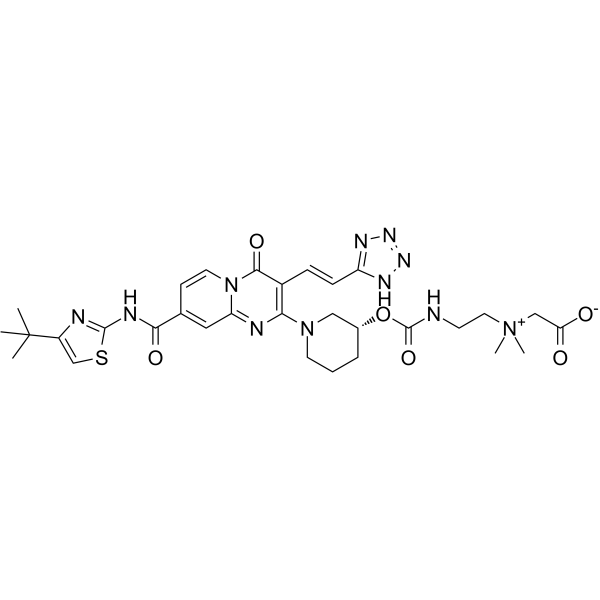
- HY-147945
-
|
|
DNA/RNA Synthesis
Bacterial
|
Infection
|
|
DNA gyrase B-IN-1 (compound 13) is a potent DNA gyrase B inhibitor. DNA gyrase B-IN-1 shows inhibition of P. aeruginosa DNA gyrase B, with an IC50 of 2.2 μM. DNA gyrase B-IN-1 has good binding affinity and stability .
|
-
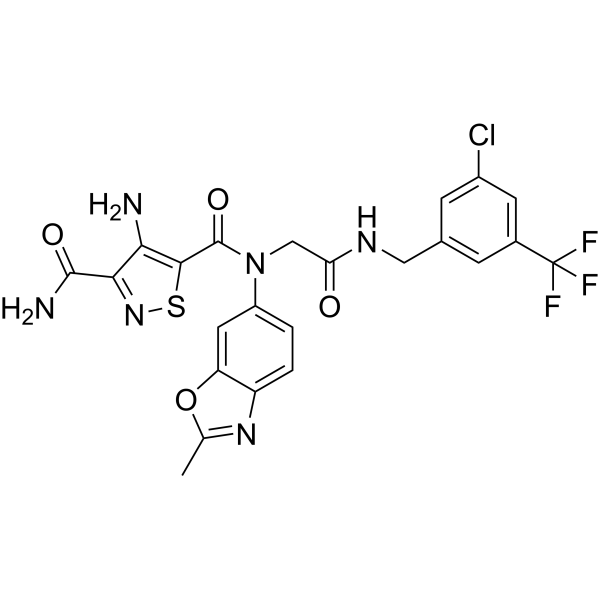
- HY-109785A
-
|
|
Bacterial
|
Infection
|
|
(R)-Gyramide A hydrochloride is a bacterial DNA gyrase inhibitor that disrupts supercoiling activity with an IC50 value of 3.3 µM. (R)-Gyramide A hydrochloride demonstrates antibacterial activity against E. coli, P. aeruginosa, and S. enterica (MICs of 10-80 µM). (R)-Gyramide A hydrochloride does not affect the closely related enzyme topoisomerase IV.
|
-
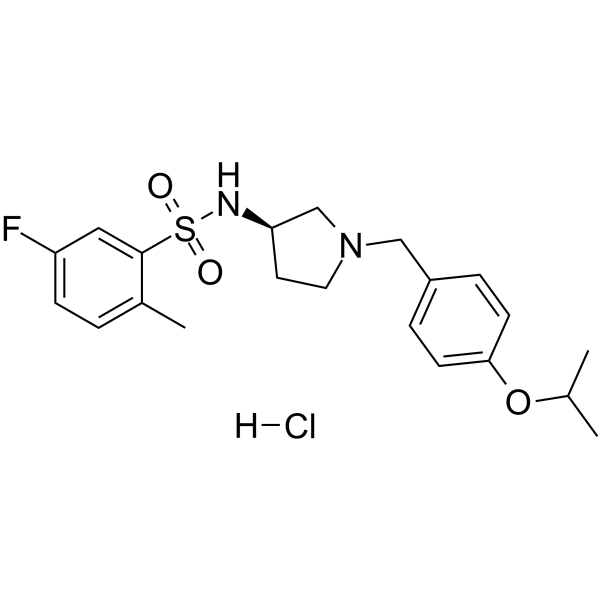
- HY-179389
-
|
|
Bacterial
Glutathione S-transferase
Elastase
|
Infection
|
|
XDS-23 is a selective biofilm inhibitor with an IC50 of 1.26 µM against Pseudomonas aeruginosa. XDS-23 exerts a dual inhibitory effect on the LasI/LasR System (las) and Pseudomonas Quinolone Signal System (pqs). XDS-23 suppress the production of key virulence factors including elastase, pyocyanin, and extracellular polysaccharides. XDS-23 exhibits synergistic antibacterial activity and can enhance the efficacy of multiple antibiotics in both in vitro and in vivo models, while maintaining a favorable safety profile. XDS-23 can be employed for research in combating biofilm-mediated drug-resistant P. aeruginosa infections .
|
-

- HY-P1978
-
|
|
Bacterial
|
Infection
|
|
CysHHC10 is a synthetic antimicrobial peptide (AMP), and exhibits strong anti-microbial properties against both Gram-positive and Gram-negative bacteria. The MIC values of CysHHC10 against E. coli, P. aeruginosa, S. aureus and S. epidermidis are 10.1 mM, 20.2 mM, 2.5 mM and 1.3 mM, respectively .
|
-
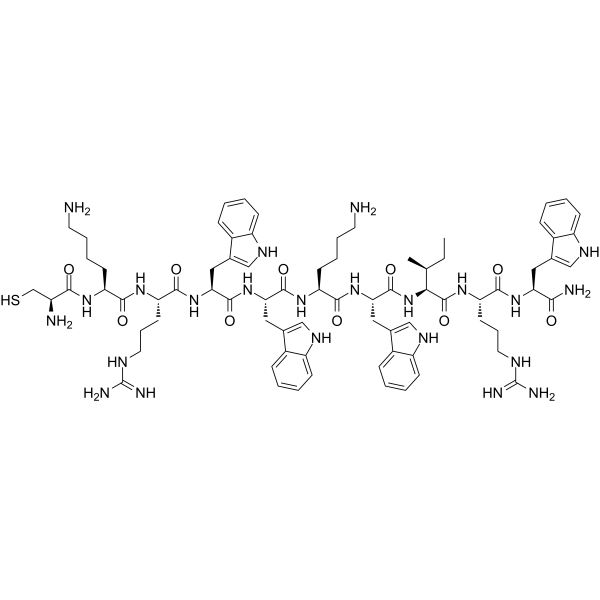
- HY-N8296
-
|
|
Bacterial
|
Infection
|
|
Saccharocarcin A is an antibiotic originally isolated from S. aerocolonigenes subsp. antibiotica. It is active against M. luteus, S. aureus, E. coli, P. aeruginosa, and C. albicans in a disc assay. Saccharocarcin A inhibits C. trachomatis infection by 88% without inducing cytotoxicity in McCoy cells when used at a concentration of 0.5 μg/mL.
|
-

- HY-N2036
-
|
|
TNF Receptor
Enterovirus
Bacterial
|
Infection
|
|
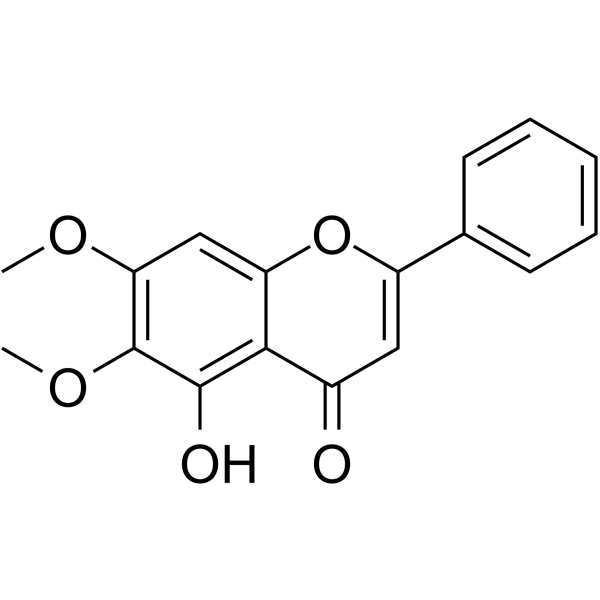
Mosloflavone is a flavonoid isolated from Scutellaria baicalensis Georgi with ?anti-EV71 activity. Mosloflavone? inhibits VP2 virus replication and protein expression during the initial stage of virus infection and inhibits viral VP2 capsid protein synthesis. Mosloflavone is a promising biocide and inhibits P. aeruginosa virulence and biofilm formation.
|
-
- HY-163338
-
|
|
Beta-lactamase
|
Infection
|
|
Metallo-β-lactamase-IN-13 (Compound 13i) is a pan Metallo-β-Lactamase inhibitor. Metallo-β-lactamase-IN-13 provides broader coverage of metallo-β-lactamases expressing Gram-negative (GN) bacteria. Metallo-β-lactamase-IN-13 has antibacterial activity against P. aeruginosa .
|
-
- HY-147866
-
|
|
Bacterial
DNA/RNA Synthesis
ROS Kinase
|
Infection
|
|
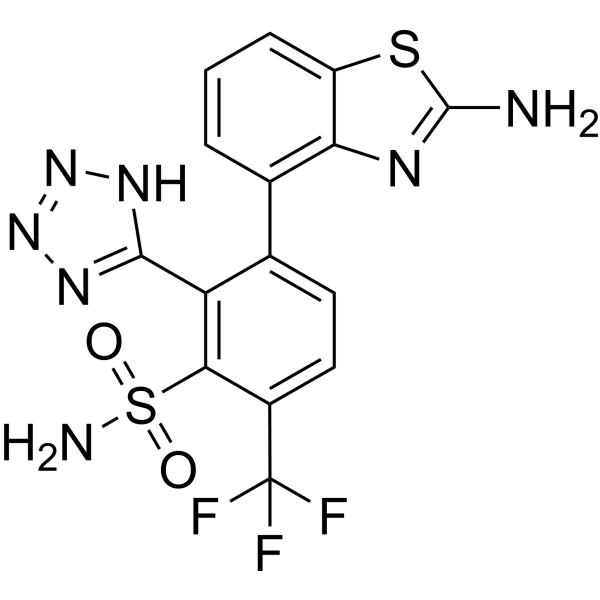
Antibacterial agent 110 (Compound 4e) is a potent antibacterial agent with a MIC value of 1 μg/mL against P. aeruginosa. Antibacterial agent 110 possesses favorable antibiofilm activity and can destroy cell membranes. Antibacterial agent 110 causes metabolic arrest and intracellular oxidative stress, and obstructs DNA replication .
|
-
- HY-N4136
-
|
Veronicastroside
|
Bacterial
Apoptosis
Xanthine Oxidase
Fungal
|
Infection
Neurological Disease
Inflammation/Immunology
|
|
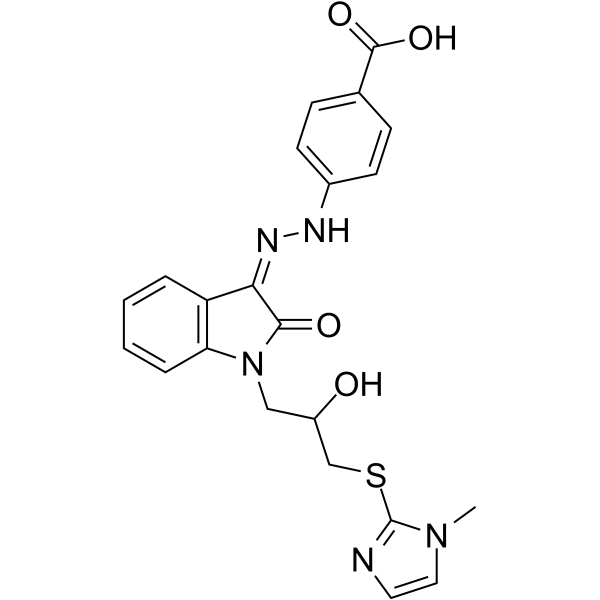
Lonicerin (Veronicastroside) is a flavonoid with multiple biological activities. Lonicerin inhibits xanthine oxidase with an IC50 of 37.4 µg/mL. Lonicerin inhibits alginate secretion protein (AlgE). Lonicerin inhibits P. aeruginosa and C. albicans. Lonicerin has anti-inflammatory, anti-arthritic, antioxidant, antifungal, anti-bacterial, and neuroprotective properties .
|
-
- HY-179632
-
|
|
Bacterial
|
Infection
|
|
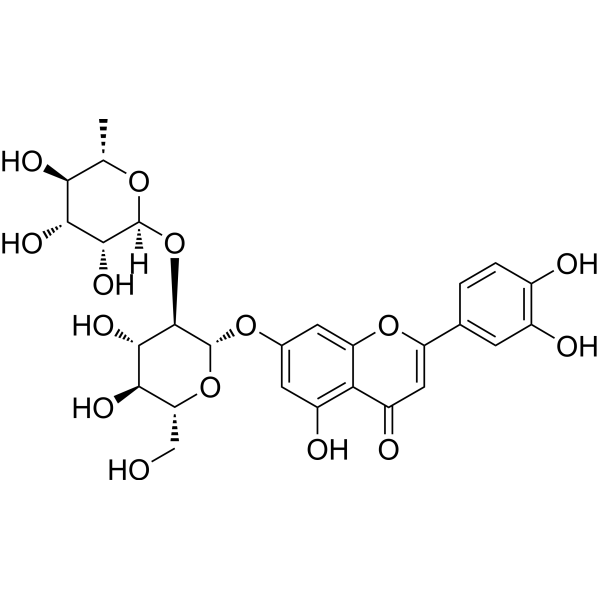
Antibacterial agent 311 (Compound 4f) is an antibacterial agent. Antibacterial agent 311 exhibits antibacterial activities against P. aeruginosa, S. aureus, E. coli, K. pneumonia, E. CTXM1, E. NDM1 with MICs of 0.8, 1, 1, 1, 0.7, 0.7 mg/mL .
|
-

- HY-180118
-
|
|
Bacterial
|
Infection
|
|
Moxifloxacin prodrug-1 TFA (Compound 1e) is a Moxifloxacin (HY-66011A) prodrug and antibacterial agent. Moxifloxacin prodrug-1 TFA exhibits comparable potent activity as Moxifloxacin against E. coli, S. aureus, K. pneumoniae, A. baumannii, and P. aeruginosa. Moxifloxacin prodrug-1 TFA inhibits Mtb .
|
-

- HY-147959
-
|
|
Bacterial
|
Infection
|
|
Antibacterial agent 114 (compound 1) is a potent antibacterial agent. Antibacterial agent 114 shows antibacterial activity against P.aeruginosa, B.subtilis, E.coli, E.faecalis, S.typhimuriumand, S.mutans, and S.aureus microorganisms, with MIC values of 625, 625, 625, 625, 625, 1250 and 1250 μM, respectively .
|
-
- HY-147957
-
|
|
Bacterial
|
Infection
|
|
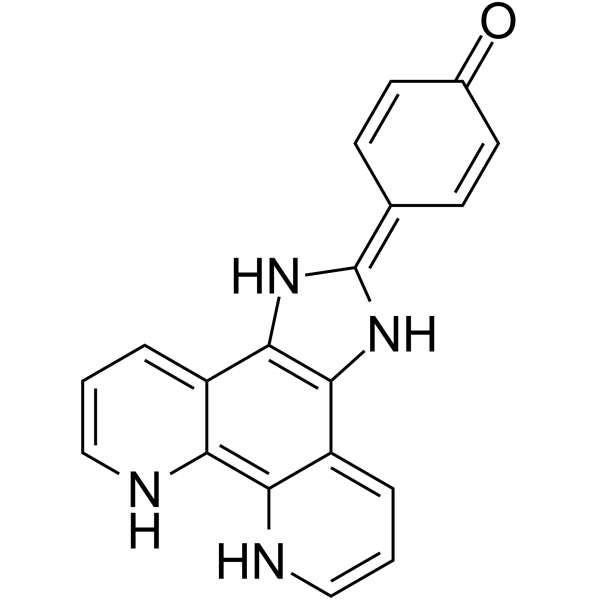
Antibacterial agent 112 (compound 2) is a potent antibacterial agent. Antibacterial agent 112 shows antibacterial activity against P.aeruginosa, S.mutans, B.subtilis, E.coli, E.faecalis, S.typhimuriumand, and S.aureus microorganisms, with MIC values of 625, 625, 1250, 1250, 1250, 1250 and 1250 μM, respectively .
|
-
- HY-106946
-
|
|
Bacterial
|
|
|
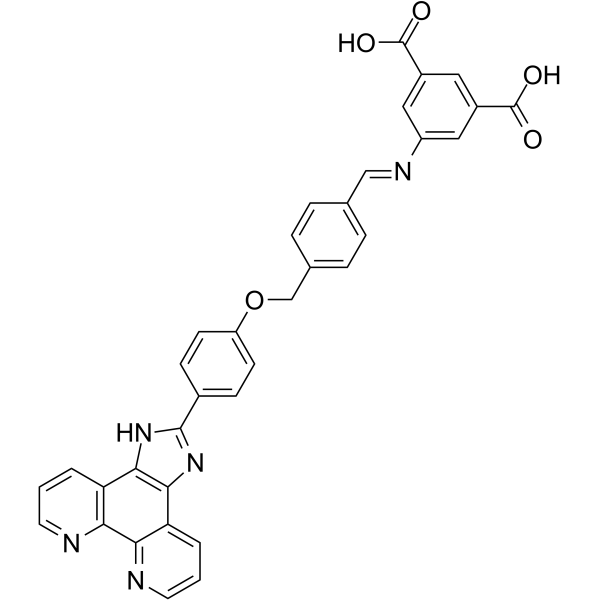
E 5065 is an orally active antibacterial agent. E 5065 exhibits potent in vitro activity against Gram-negative microorganisms, Gram-positive cocci, and anaerobes. E 5065 exhibits an MIC90 of 0.5 μg/mL against Clostridium spp. E 5065 provides protection against experimental infections caused by P. aeruginosa .
|
-

- HY-174756
-
|
|
mRNA
|
Inflammation/Immunology
|
|
Human CCL26 mRNA encodes the human C-C motif chemokine ligand 26 (CCL26) protein, a cytokine that displays chemotactic activity for normal peripheral blood eosinophils and basophils. CCL26 also has antimicrobial activity, displaying an antibacterial effect on S. pneumoniae, S. aureus, Non-typeable H. influenzae, and P. aeruginosa.
|
-

- HY-146328R
-
|
|
Reference Standards
Bacterial
Antibiotic
|
Infection
|
|
PqsR/LasR-IN-2 (Standard) is the analytical standard of PqsR/LasR-IN-2. This product is intended for research and analytical applications. PqsR/LasR-IN-2 (Compound 3) is a potent inhibitor of PqsR and LasR systems in P. aeruginosa. PqsR/LasR-IN-2 also inhibits hERG with the IC50 of 1.408 µM[1].
|
-

- HY-168928
-
|
|
Bacterial
|
Infection
|
|
Antibiofilm agent prodrug 1 (Compound 5c) exhibits antibacterial activity through inhibition of biofilm formation and iron uptake. Antibiofilm agent prodrug 1 inhibits P. aeruginosa PAO1 with a MIC of 1.07 μM. Antibiofilm agent prodrug 1 exhibits anti-infectious efficacy in C. elegans with improved survival rate .
|
-

- HY-B1369R
-
|
N-Formimidoyl thienamycin monohydrate (Standard); MK0787 monohydrate (Standard)
|
Reference Standards
Antibiotic
Bacterial
|
Infection
|
|
Imipenem (monohydrate) (Standard) is the analytical standard of Imipenem (monohydrate). This product is intended for research and analytical applications. Imipenem monohydrate, a stable crystalline derivative of thienamycin, is an antibiotic and has the excellent activity against a broad range of gram-positive and gram-negative aerobic and anaerobic bacteria. Imipenem monohydrate can be used for the research of carbapenem-nonsusceptible and P. aeruginosa biofilm infections .
|
-

- HY-163339
-
|
|
Beta-lactamase
|
Infection
|
|
Metallo-β-lactamase-IN-14 (Compound 17e) is a Metallo-β-Lactamase inhibitor. Metallo-β-lactamase-IN-14 shows inhibition activity against VIM-1 and VIM-2. Metallo-β-lactamase-IN-14 has antibacterial activity against Gram-negative (GN) bacteria and P. aeruginosa .
|
-
- HY-P1978A
-
|
|
Bacterial
|
Infection
|
|
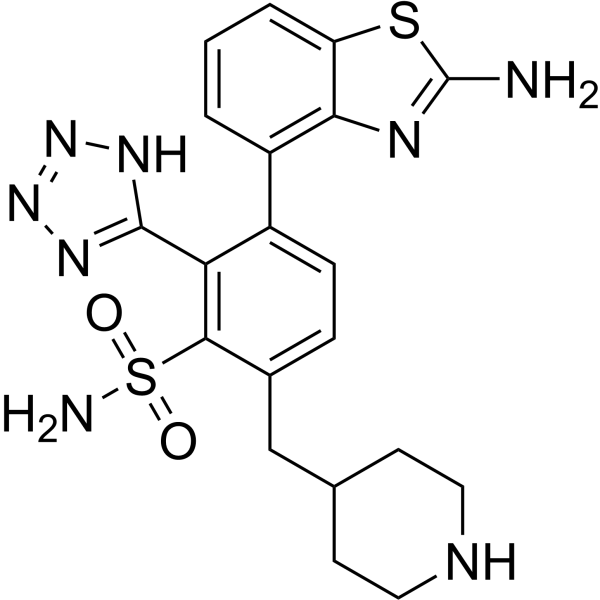
CysHHC10 TFA is a synthetic antimicrobial peptide (AMP), and exhibits strong anti-microbial properties against both Gram-positive and Gram-negative bacteria. The MIC values of CysHHC10 TFA against E. coli, P. aeruginosa, S. aureus and S. epidermidis are 10.1 mM, 20.2 mM, 2.5 mM and 1.3 mM, respectively .
|
-
- HY-P11085
-
|
|
Bacterial
|
Infection
|
|
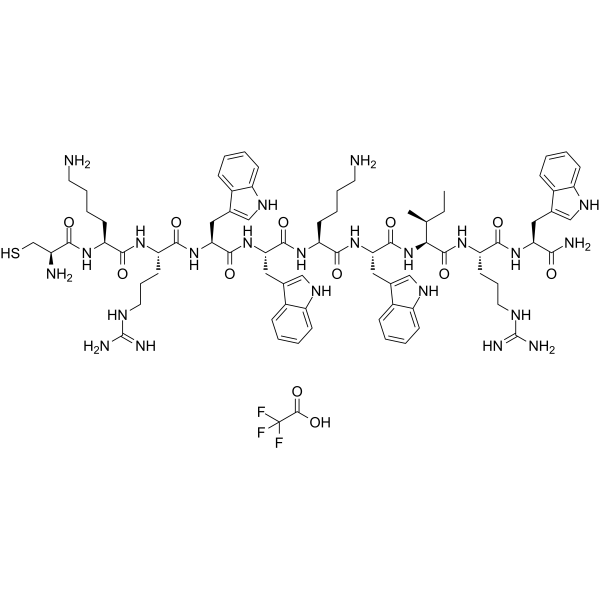
WLBU2 is a engineered cationic antimicrobial peptide (eCAP) that overcomes the environmental sensitivity of natural antimicrobial peptides (AMPs). WLBU2 exhibits rapid bactericidal effect, with the MIC values of ≤ 10 μM against both Gram-negative and Gram-positive bacteria including MRSA, vancomycin-resistant enterococci, K. pneumoniae, E.aerogenes, E. cloacae, Escherichia coli, et, al. WLBU2 prevents P. aeruginosa biofilm growth and retains its activity in an environment rich in mucus, low pH and high salt concentrations without negative effects on human airway epithelial cells. WLBU2 can be used for the studies of cystic fibrosis (CF) and Pseudomonas aeruginosa infections .
|
-

- HY-P11085A
-
|
|
Bacterial
|
Infection
|
|
WLBU2 acetate is a engineered cationic antimicrobial peptide (eCAP) that overcomes the environmental sensitivity of natural antimicrobial peptides (AMPs). WLBU2 acetate exhibits rapid bactericidal effect, with the MIC values of ≤ 10 μM against both Gram-negative and Gram-positive bacteria including MRSA, vancomycin-resistant enterococci, K. pneumoniae, E.aerogenes, E. cloacae, Escherichia coli, et, al. WLBU2 acetate prevents P. aeruginosa biofilm growth and retains its activity in an environment rich in mucus, low pH and high salt concentrations without negative effects on human airway epithelial cells. WLBU2 acetate can be used for the studies of cystic fibrosis (CF) and Pseudomonas aeruginosa infections .
|
-

- HY-P5545
-
|
|
Bacterial
|
Infection
|
|
Lynronne-1 is an antimicrobial peptide. Lynronne-1 is active against Gram-positive bacterials, including MDR strains (MIC: 8-32 μg/mL for methicillin-resistant MRSA strains). Lynronne-1 reduces the bacterial load in MRSA infected wound murine model. Lynronne-1 is also effective against P. aeruginosa infection .
|
-
- HY-P1674A
-
|
POL7080 TFA
|
Bacterial
Antibiotic
|
Infection
|
|
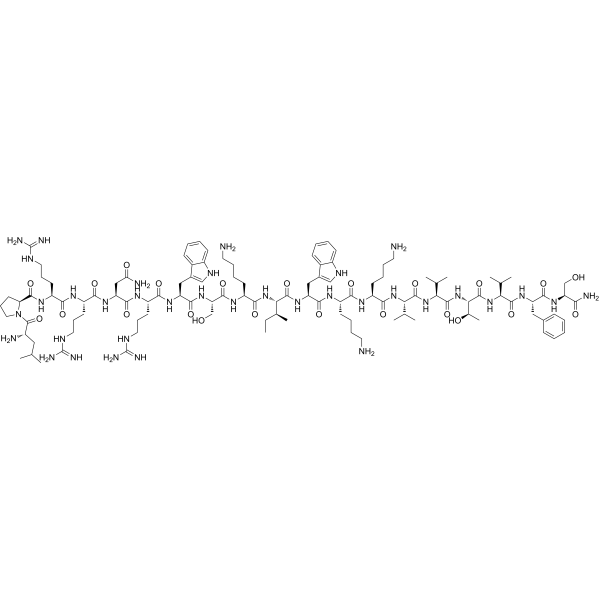
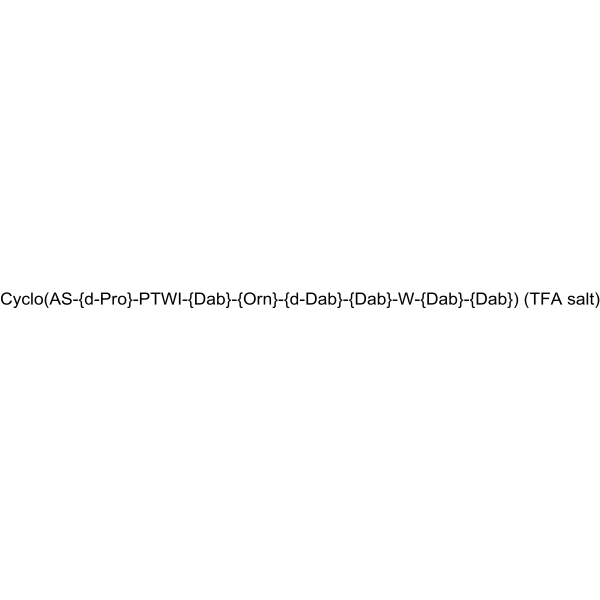
Murepavadin (POL7080) (TFA), a 14-amino-acid cyclic peptide, is a highly potent, specific antibiotic. Murepavadin exhibits a potent antimicrobial activity for P. aeruginosa with MIC50 and MIC90 values both of 0.12 mg/L. Murepavadin also can target the lipopolysaccharide transport portin D. Murepavadin can be used for the research of bacterial resistance .
|
-
- HY-P1674
-
|
POL7080
|
Bacterial
Antibiotic
|
Infection
|
|
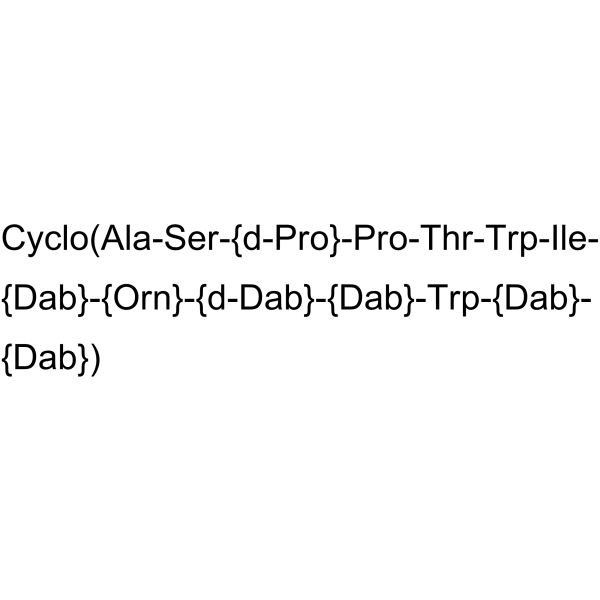
Murepavadin (POL7080), a 14-amino-acid cyclic peptide, is a highly potent, specific antibiotic. Murepavadin exhibits a potent antimicrobial activity for P. aeruginosa with both MIC50 and MIC90 values of 0.12 mg/L. Murepavadin also can target the lipopolysaccharide transport portin D. Murepavadin can be used for the research of bacterial resistance .
|
-
- HY-118906
-
|
|
Antibiotic
Bacterial
|
Infection
|
|
BO-1165 is an antibiotic with good antibacterial activity against Gram-negative bacteria, but almost no activity against Gram-positive bacteria and anaerobic bacteria. BO-1165 has high antibacterial activity against Pseudomonas aeruginosa (MIC50=3.12 mg/L) and P. cepacia (MIC50=1.56 mg/L) .
|
-

- HY-147522
-
|
|
Bacterial
Antibiotic
|
Infection
Cancer
|
|
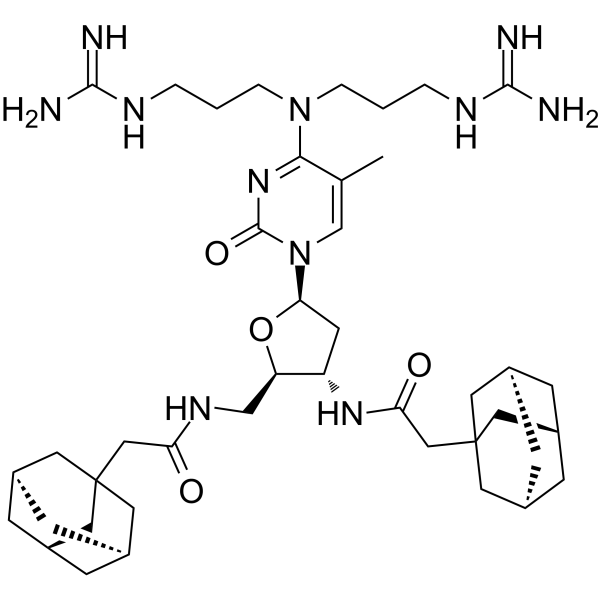
ADG-2e is a potent antibacterial agent with MICs of 16, 4, 2, and 2 μg/mL for E. coli [KCTC 1682], P. aeruginosa [KCTC 1637], B.subtilis [KCTC 3068], and S. aureus [KCTC 1621], respectively. ADG-2e shows anti-metastatic activity against breast cancer cells .
|
-
- HY-W751002
-
|
(+)-Orthosporin
|
Endogenous Metabolite
Bacterial
HIV
Reverse Transcriptase
|
Infection
|
|
Orthosporin ((+)-Orthosporin), a phytotoxic isocoumarin compound, is a microbial secondary metabolite. Orthosporin can be isolated from the endophytic fungus Lasiodiplodia tbeobromae. Orthosporin has potent antibacterial activity against B. subtilis, E. coli and P. aeruginosa. Orthosporin also has antioxidant activity against DPPH radical and antiviral activities with inhibition of HIV-1 reverse transcriptase activity .
|
-

- HY-106940
-
|
|
Bacterial
DNA/RNA Synthesis
|
Infection
|
|
DV-7751A is a new Fluoroquinolone and antibacterial agent. DV-7751A inhibits the supercoiling activity of DNA gyrases. DV-7751A exhibits antimicrobial activity against Streptococcus pneumonae, Streptococcus pyogenes, and Peptostreptococcus spp. DV-7751A has a rapid bactericidal effect against S. aureus, Escherichia coli, and P. aeruginosa .
|
-

- HY-109135
-
|
BisEDT; MBN-101
|
Bacterial
|
Infection
|
|
Pravibismane (BisEDT; MBN-101) is a broad-spectrum topical anti-infective and anti-biofilm agent. Pravibismane disrupts bacterial bioenergetics by reducing bacterial concentrations of ATP in both planktonic and biofilm phenotypes and exhibits potent anti-biofilm activity against diabetic foot infections (DFI)-relevant pathogens, such as S. aureus and P. aeruginosa. Pravibismane can be used for the study of diabetic foot infections .
|
-

- HY-163030
-
|
|
Elastase
NF-κB
p38 MAPK
Bacterial
|
Infection
Inflammation/Immunology
|
|
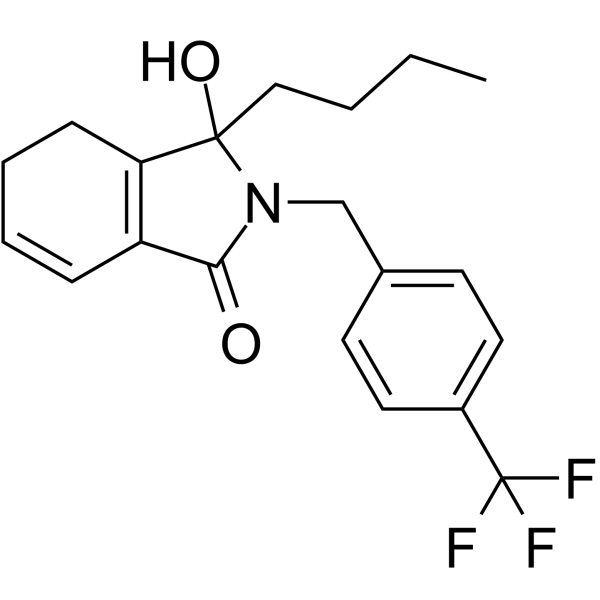
LasB-IN-1 (compound 5f) is a potent and orally active inhibitor of LasB (IC50 = 8.7 μM). LasB-IN-1 effectively attenuates elastase production and biofilm formation by P. aeruginosa while alleviating the inflammatory response through downregulating MAPK and NF-κB pathways. LasB-IN-1 is potential to be a novel anti-infective candidate against drug-resistant infections .
|
-
- HY-N1654
-
|
|
Bacterial
|
Infection
|
|
2',3'-Dehydrosalannol is a potent antibacterial agent. 2',3'-Dehydrosalannol shows antibacterial activity against K. pneumonia ATCC 13883, P. aeruginosa ATCC 27853, S. aureus ATCC 25922, E. coli ATCC 11775, and E. faecalis ATCC 10541, with MIC values of 0.78, 1.56, 1.56, 6.25, and 25 μg/mL, respectively .
|
-
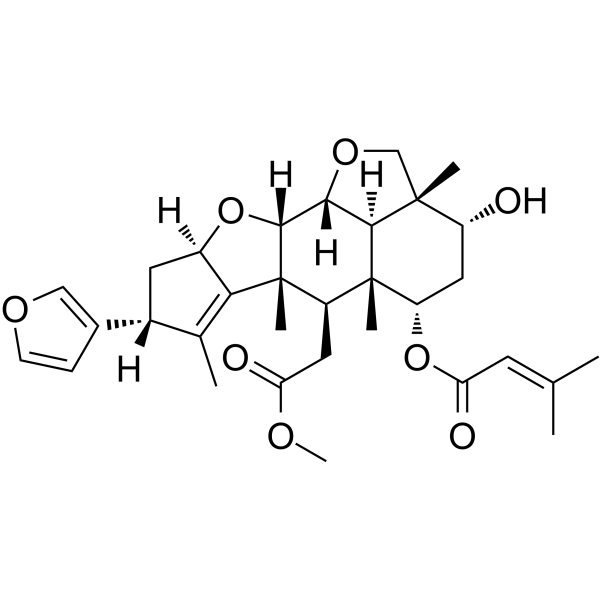
- HY-174758
-
|
|
mRNA
|
Inflammation/Immunology
|
|
Human CCL24 mRNA encodes the human C-C motif chemokine ligand 24 (CCL24) protein, a cytokine that displays chemotactic activity on resting T lymphocytes, a minimal activity on neutrophils, and is negative on monocytes and activated T lymphocytes. CCL24 also has antimicrobial activity, displaying an antibacterial effect on S. pneumoniae, S. aureus, Non-typeable H. influenzae, and P. aeruginosa.
|
-

- HY-149881
-
|
|
Bacterial
|
Infection
|
|
Quorum sensing-IN-2 (compound 23e) is a quorum sensing inhibitor, which can reduce the pathogenicity of bacteria without affecting bacterial growth. Quorum sensing-IN-2 inhibits bacterial infections with little hemolytic activity. Quorum sensing-IN-2 shows synergistic effect with Ciprofloxacin (HY-B0356) in the bacteremia model infected with P. aeruginosa PAO1 .
|
-
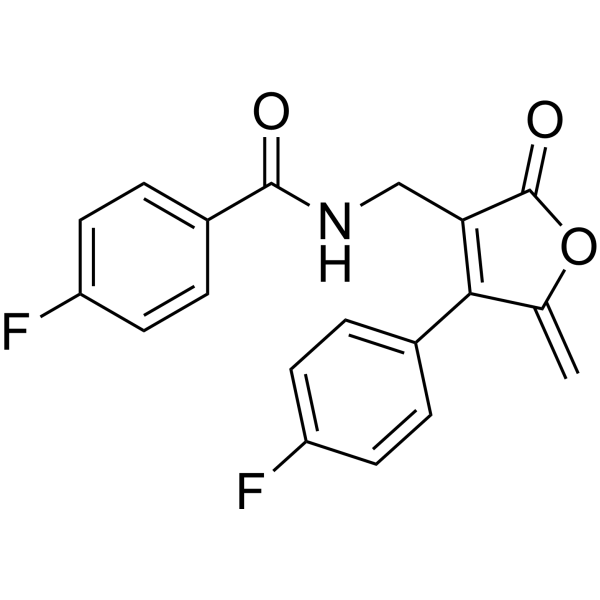
- HY-P10694
-
|
|
Bacterial
|
Infection
Inflammation/Immunology
|
|
IDR-HH2 is an immunomodulatory peptide with the ability to modulate the host cytokine/chemokine environment. IDR-HH2 can promote the adhesion of monocytes and THP-1 cells to fibronectin. Additionally, IDR-HH2 possesses antibacterial activity, inhibiting the activity of both P. aeruginosa and S. aureus with MIC values of 75 µg/mL and 38 µg/mL, respectively .
|
-

- HY-P5632
-
|
|
Bacterial
|
Infection
|
|
Bovine tracheal antimicrobial peptide is a kind of comes from the tracheal mucosa of antimicrobial peptides. Bovine tracheal antimicrobial peptide has activity against E.coli D31, K.pneumoniae 13883, S.aureus 25923, P.aeruginosa 27853 and C.albicans 14053, MIC value 12-25, 12-25, 25-50, 25-50, 6-12 μg/ml, respectively .
|
-
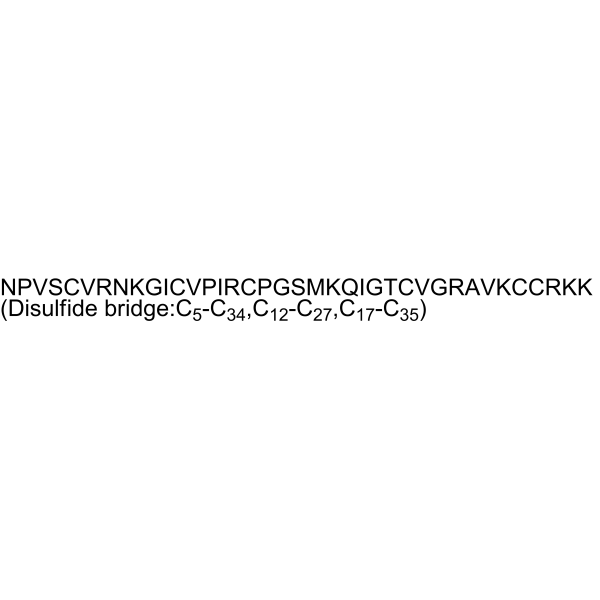
- HY-P3349
-
|
|
Bacterial
|
Infection
|
|
c[Arg-Arg-Arg-Arg-Nal-Nal-Nal] (Compound 9C) shows broad-spectrum activity against drug-resistant Gram-positive and Gram-negative bacteria, with MICs of 3.1, 3,1, 12.5, and 25 μg/mL for MRSA (ATCC BAA-1556), S. aureus (ATCC 29213), P. aeruginosa (ATCC 27883), and E. coli (ATCC 25922), respectively .
|
-
![c[Arg-Arg-Arg-Arg-Nal-Nal-Nal]](//file.medchemexpress.com/product_pic/hy-p3349.gif)
- HY-124352
-
|
|
Bacterial
|
Others
|
|
2-nonyl-3-hydroxy-4-Quinolone (C9-PQS) is a quinolone compound produced by P. aeruginosa and other related bacterias. 2-nonyl-3-hydroxy-4-Quinolone is a quorum sensing (QS) signal molecule that controls the expression of many virulence genes as a function of cell population density .
|
-
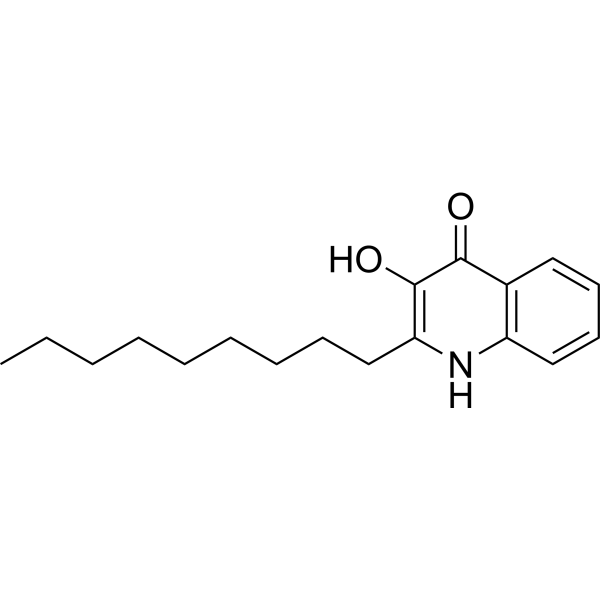
- HY-136439R
-
|
|
Reference Standards
Bacterial
Antibiotic
Apoptosis
|
Infection
|
|
4-Epianhydrotetracycline hydrochloride (Standard) is the analytical standard of 4-Epianhydrotetracycline hydrochloride. This product is intended for research and analytical applications. 4-Epianhydrotetracycline hydrochloride is a major intermediate product of Tetracycline (HY-A0107). 4-Epianhydrotetracycline hydrochloride shows lethal effects and induces cell apoptosis of zebrafish embryos. 4-Epianhydrotetracycline hydrochloride inhibits Shewanella, E. coli and P. aeruginosa with MIC values of 2, 1 and 64 mg/L, respectively .
|
-

- HY-N4136R
-
|
Veronicastroside (Standard)
|
Reference Standards
Bacterial
Apoptosis
Xanthine Oxidase
Fungal
|
Infection
Neurological Disease
Inflammation/Immunology
|
|
Lonicerin (Standard) (Veronicastroside (Standard)) is the analytical standard of Lonicerin (HY-N4136). This product is intended for research and analytical applications. Lonicerin is a flavonoid with multiple biological activities. Lonicerin inhibits xanthine oxidase with an IC50 of 37.4 µg/mL. Lonicerin inhibits alginate secretion protein (AlgE). Lonicerin inhibits P. aeruginosa and C. albicans. Lonicerin has anti-inflammatory, anti-arthritic, antioxidant, antifungal, anti-bacterial, and neuroprotective properties.
|
-

- HY-168932
-
|
|
Bacterial
Antibiotic
|
Infection
Cardiovascular Disease
|
|
Antiangiogenic agent 8 (Compound 3m) is an antibacterial agent with anti-angiogenic activity. The MIC values of Antiangiogenic agent 8 against E. coli, P. aeruginosa, B. subtilis, S. aureus, and C. glabrata are 16, 8, 4, 16, and 8 μg/mL, respectively, with MBC ranging from 32 to 64 μg/mL. Antiangiogenic agent 8 holds promise for applications in anti-infective therapy and cardiovascular disease research .
|
-

- HY-P3348
-
|
|
Bacterial
|
Infection
|
|
c[Arg-Arg-Arg-Arg-Dip-Dip-Dip] (Compound 8C) shows broad-spectrum activity against drug-resistant Gram-positive and Gram-negative bacteria, with MICs of 3.1, 3,1, 12.5, and 12.5 μg/mL for MRSA (ATCC BAA-1556), S. aureus (ATCC 29213), P. aeruginosa (ATCC 27883), and E. coli (ATCC 25922), respectively .
|
-
![c[Arg-Arg-Arg-Arg-Dip-Dip-Dip]](//file.medchemexpress.com/product_pic/hy-p3348.gif)
- HY-N6846
-
|
|
Bacterial
|
Infection
|
|
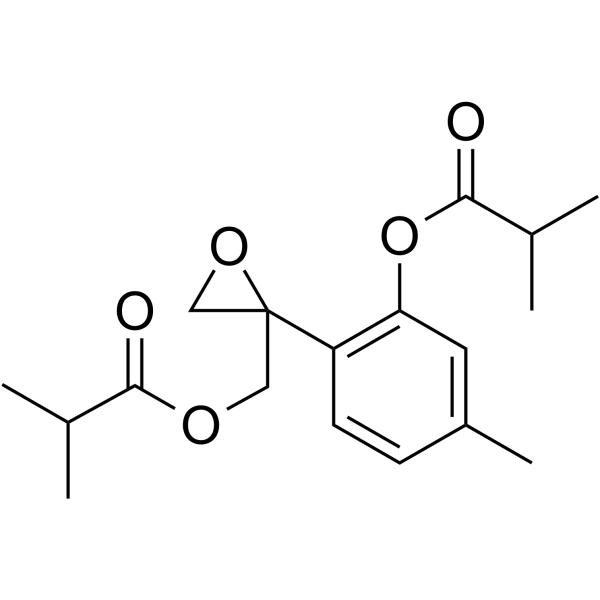
10-Isobutyryloxy-8,9-epoxythymol isobutyrate is a major constituent of Inula helenium and Inula royleana root cultures. 10-Isobutyryloxy-8,9-epoxythymol isobutyrate shows moderate antimicrobial activity against Staphylococcus aureus FDA 209 P, Staphylococcus aureus, Enterococcus faecalis, Candida albicans and Pseudomonas aeruginosa with MICs of 50, 250, 250, 250, and 1000 μg/mL, respectively .
|
-
- HY-125789
-
|
|
Bacterial
|
Infection
|
|
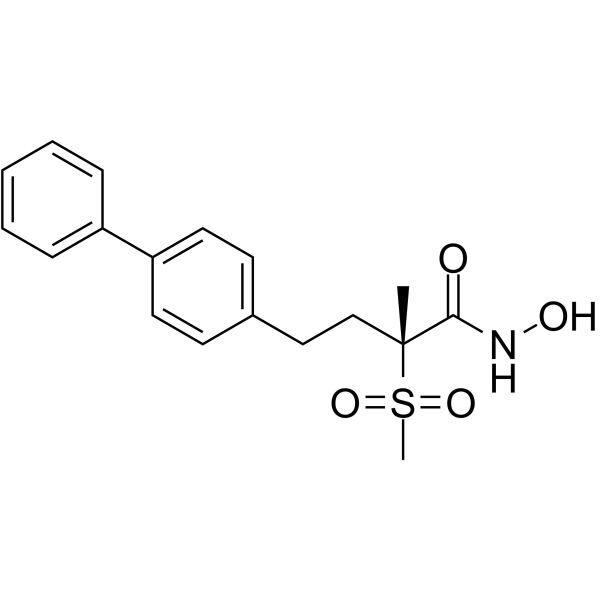
PF-04753299 is a potent and selective UDP-3-O-(R-3-hydroxymyristol)-N-acetylglucosamine deacetylase (LpxC) inhibitor. PF-04753299 is bactericidal for the gonococcal isolates. PF-04753299 inhibits E. coli, P. aeruginosa and K. pneumoniae strains with MIC90 values of 2 μg/ml, 4 μg/ml and 16 μg/ml, respectively. PF-04753299 is used for the study of gram-negative bacteria infection .
|
-
- HY-P1708
-
|
BRN 537924; NSC 657143
|
Bacterial
|
Infection
|
|
Enopeptin A, originally isolated from a culture broth of Streptomyces sp. RK-1051, is a depsipeptide antibiotic that contains two unusual amino acids (N-methylalanine and 4-methylproline) and features a pentaenone side chain. It is effective against Gram-positive bacteria, including methicillin-resistant S. aureus (MIC=25 μg/mL), and Gram-negative bacteria, including mutant forms of E. coli and P. aeruginosa (MICs=200 μg/mL); however, it is not inhibitory to fungi.
|
-

- HY-I0501
-
|
o-aminoacetophenone
|
Bacterial
Apoptosis
Atg8/LC3
p62
Autophagy
|
Infection
Inflammation/Immunology
|
|
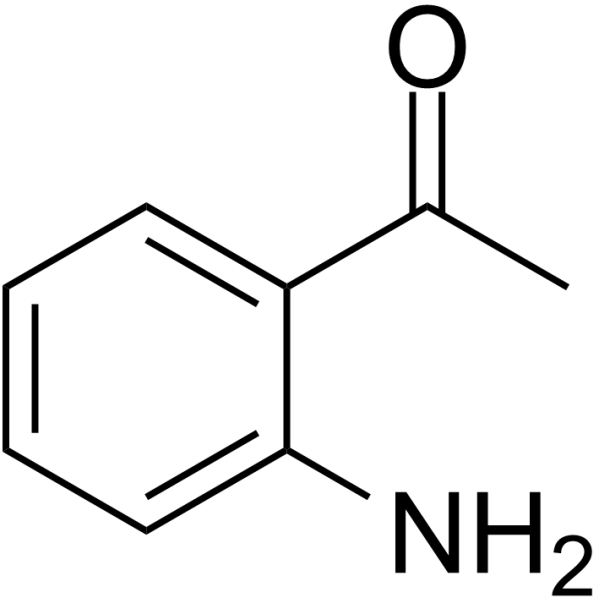
2'-Aminoacetophenone is an orally active inducer of apoptosis and respiratory biomarker. 2'-Aminoacetophenone can be used to detect Pseudomonas aeruginosa infections in the lungs of cystic fibrosis patients. 2'-Aminoacetophenone can inhibit the protein levels of LC3BII and p62 in macrophages infected with pqsA or mvfR and regulate autophagy. 2'-Aminoacetophenone can disrupt mitochondrial function by inducing oxidative stress and apoptosis signaling, leading to dysfunction in mouse skeletal muscle .
|
-
- HY-162273
-
|
|
Bacterial
Smo
Gli
|
Infection
Cancer
|
|
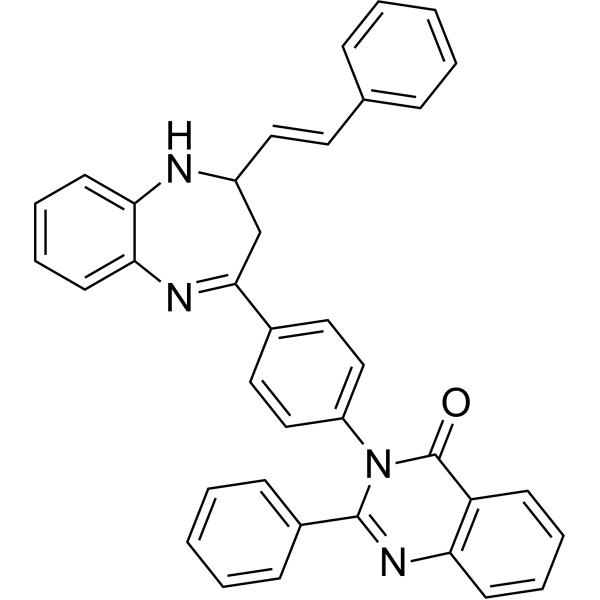
Antibacterial agent 189 (compound 3a) is a potent antimicrobial agent. Antibacterial agent 189 offers high binding energy against the target OMPA/exo-1,3-beta-glucanase proteins. Antibacterial agent 189 exhibits the potent antimicrobial activities against E. coli, P. aeruginosa, S. aureus, B. subtilis, C. Albicans and A. flavus. Antibacterial agent 189 shows high binding energy against target SMO and SUFU/GLI-1 proteins .
|
-
- HY-114544A
-
-
- HY-163481
-
|
|
Bacterial
|
Infection
|
|
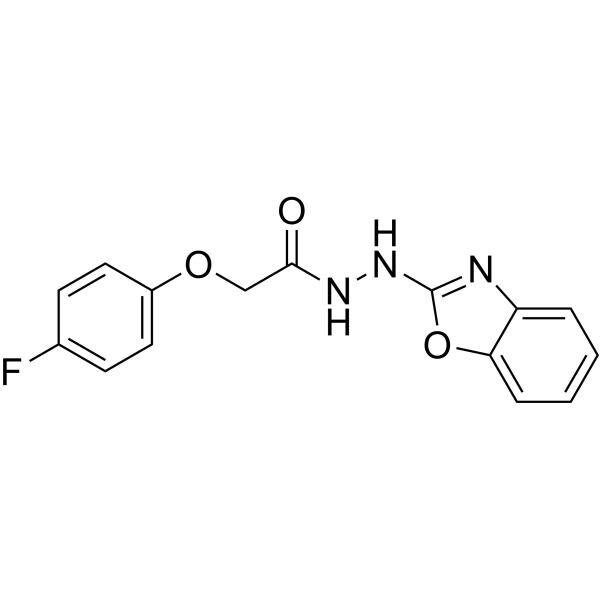
Antibiofilm agent-6 (Compound 26c) is a quorum sensing inhibitor with strong antibiofilm effects that can inhibit the fluorescence intensity of PAO1-lasB-gfp and PAO1-pqsA-gfp in a concentration-dependent manner. Antibiofilm agent-6 can inhibit the production of pyocyanin and rhamnolipid. Antibiofilm agent-6 aids helps ciprofloxacin (HY-B0356) effectively eliminate the living bacteria in a mouse model infected with P. aeruginosa PAO1 .
|
-
- HY-W076794
-
|
|
Bacterial
|
Infection
|
|
3-Bromo-1H-pyrrole-2,5-dione (compound 2c) is a 3-substituted pyrrole-2,5-dione compound with antibacterial activity. 3-Bromo-1H-pyrrole-2,5-dione inhibits pathogenic strains of S. aureus ATCC 25923, E. coli ATCC 25922, P. aeruginosa ATCC 27853, with MIC values of 32 μg/mL, 32 μg/mL, and 64 μg/mL, respectively .
|
-

- HY-B0724A
-
|
T-3762; Pazufloxacin methanesulfonate; Pazufloxacin mesilate
|
Bacterial
DNA/RNA Synthesis
|
Infection
|
|
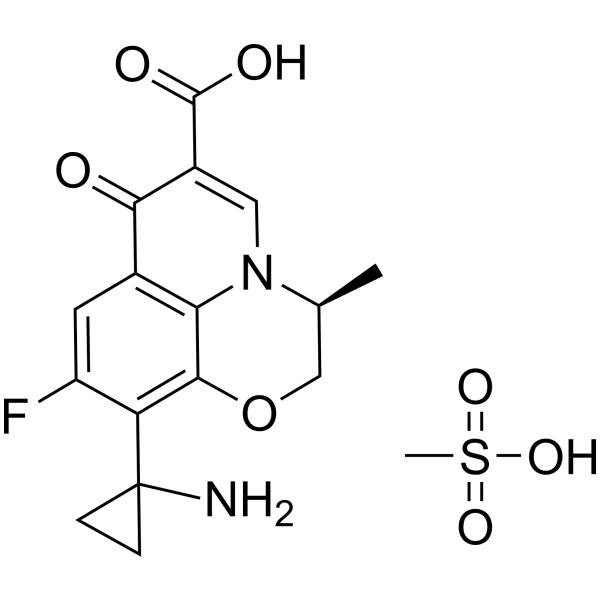
Pazufloxacin mesylate is an orally active fluoroquinolone antimicrobial agent. Pazufloxacin mesylate inhibits DNA gyrase with IC50 values of 0.88 μg/mL (E. coli) and 1.9 μg/mL (P. aeruginosa). Pazufloxacin mesylate exhibits broad-spectrum antimicrobial activity, with MIC90 values ranging from 0.025 to 100 μg/mL against Gram-positive and Gram-negative bacteria, non-fermenting bacteria, Legionella spp., and anaerobic bacteria. Pazufloxacin mesylate is indicated for research on systemic infections, lung infections, urinary tract infections, and Legionella pneumonia .
|
-
- HY-B0724B
-
|
T3761
|
Bacterial
DNA/RNA Synthesis
|
Infection
|
|
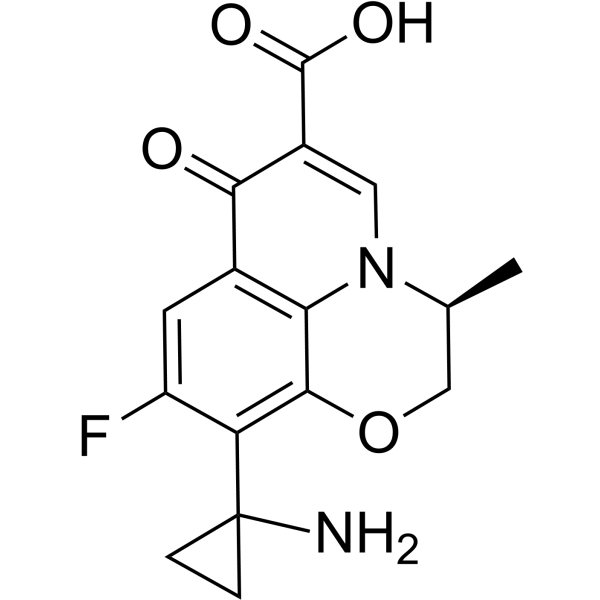
Pazufloxacin is an orally active fluoroquinolone antimicrobial agent. Pazufloxacin inhibits DNA gyrase with IC50 values of 0.88 μg/mL (E. coli) and 1.9 μg/mL (P. aeruginosa). Pazufloxacin exhibits broad-spectrum antimicrobial activity, with MIC90 values ranging from 0.025 to 100 μg/mL against Gram-positive and Gram-negative bacteria, non-fermenting bacteria, Legionella spp., and anaerobic bacteria. Pazufloxacin is indicated for research on systemic infections, lung infections, urinary tract infections, and Legionella pneumonia .
|
-
- HY-W016758
-
|
1-Butyl-3-methylimidazolium chloride
|
Bacterial
|
Infection
|
|
[BMIM]Cl (1-butyl-3-methylimidazolium chloride) is an alkyl-imidazolium chloride compound and a persistent aquatic pollutant. [BMIM]Cl exhibits antimicrobial activity against S. aureus (MIC = 25 mM), E. coli (MIC = 50 mM), and P. aeruginosa (MIC = 100 mM). It possesses moderate membrane permeability and cytotoxicity, directly affecting microorganisms and mammalian cells at high concentrations, but can inhibit the function of complex ecosystems (e.g., anaerobic digestion) even at environmentally relevant low concentrations by disrupting microbial community structures. [BMIM]Cl can be used in research related to bacterial infections .
|
-
![[BMIM]Cl](//file.medchemexpress.com/product_pic/hy-w016758.gif)
- HY-I0501R
-
|
o-aminoacetophenone (Standard)
|
Reference Standards
Bacterial
Apoptosis
Atg8/LC3
p62
Autophagy
|
Infection
Inflammation/Immunology
|
|
2'-Aminoacetophenone (Standard) is the analytical standard of 2'-Aminoacetophenone. This product is intended for research and analytical applications. 2'-Aminoacetophenone is an orally active inducer of apoptosis and respiratory biomarker. 2'-Aminoacetophenone can be used to detect Pseudomonas aeruginosa infections in the lungs of cystic fibrosis patients. 2'-Aminoacetophenone can inhibit the protein levels of LC3BII and p62 in macrophages infected with pqsA or mvfR and regulate autophagy. 2'-Aminoacetophenone can disrupt mitochondrial function by inducing oxidative stress and apoptosis signaling, leading to dysfunction in mouse skeletal muscle .
|
-

- HY-174326
-
|
|
Bacterial
|
Infection
|
|
Antibacterial agent 282 (Compound CP7), a seleno-Ciprofloxacin (HY-B0356) derivative, is an Antibacterial agent. Antibacterial agent 282 has significant antibacterial activity against gram-positive bacterium and gram-negative bacterium with MICs of 0.1-1.56 and 0.1-3.13 μg/mL, respectively (MBCs of 0.2-1.56 and 0.39-12.5 μg/mL). Antibacterial agent 282 potently disrupts and prevents biofilms formation of P. aeruginosa. Antibacterial agent 282 shows significant inhibitory activity towards the DNA gyrase from E. coli .
|
-

- HY-W004782
-
|
|
Bacterial
|
Inflammation/Immunology
|
|
3-Methylthiophene-2-carboxylic acid (compound 3) is a potent Pseudomonas quinolone signal system protein E (PqsE) inhibitor with a Kd of 19.6 µM and an IC50 of 40 µM. 3-Methylthiophene-2-carboxylic acid binds to the active center of PqsE and shows inhibition of the thioesterase activity. Methylthiophene-2-carboxylic acid can permeate into P. aeruginosa and affect 2,4-dihydroxyquinoline (DHQ) levels to a similar extent as deletion of the PqsE gene. 3-Methylthiophene-2-carboxylic acid can be used for cystic fibrosis research .
|
-

- HY-B0724AR
-
|
T-3762 (Standard); Pazufloxacin methanesulfonate (Standard); Pazufloxacin mesilate (Standard)
|
Reference Standards
Bacterial
DNA/RNA Synthesis
|
Infection
|
|
Pazufloxacin (mesylate) (Standard) is the analytical standard of Pazufloxacin mesylate (HY-B0724A). This product is intended for research and analytical applications. Pazufloxacin mesylate is an orally active fluoroquinolone antimicrobial agent. Pazufloxacin mesylate inhibits DNA gyrase with IC50 values of 0.88 μg/mL (E. coli) and 1.9 μg/mL (P. aeruginosa). Pazufloxacin mesylate exhibits broad-spectrum antimicrobial activity, with MIC90 values ranging from 0.025 to 100 μg/mL against Gram-positive and Gram-negative bacteria, non-fermenting bacteria, Legionella spp., and anaerobic bacteria. Pazufloxacin mesylate is indicated for research on systemic infections, lung infections, urinary tract infections, and Legionella pneumonia .
|
-

- HY-B0724BS
-
|
T3761-d4
|
Isotope-Labeled Compounds
Bacterial
DNA/RNA Synthesis
|
Infection
|
|
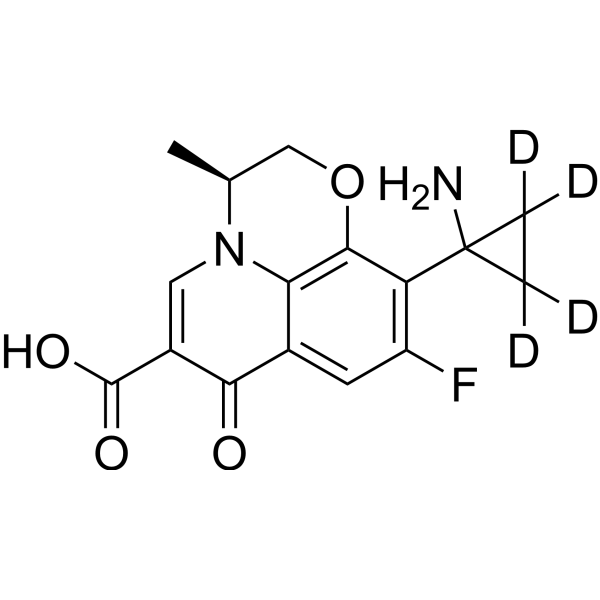
Pazufloxacin-d4 is deuterium labeled Pazufloxacin (HY-B0724B). Pazufloxacin is an orally active fluoroquinolone antimicrobial agent. Pazufloxacin inhibits DNA gyrase with IC50 values of 0.88 μg/mL (E. coli) and 1.9 μg/mL (P. aeruginosa). Pazufloxacin exhibits broad-spectrum antimicrobial activity, with MIC90 values ranging from 0.025 to 100 μg/mL against Gram-positive and Gram-negative bacteria, non-fermenting bacteria, Legionella spp., and anaerobic bacteria. Pazufloxacin is indicated for research on systemic infections, lung infections, urinary tract infections, and Legionella pneumonia .
|
-
- HY-P1633
-
|
PG1
|
Bacterial
ERK
COX
NF-κB
Apoptosis
NO Synthase
Dengue Virus
|
Infection
Inflammation/Immunology
|
|
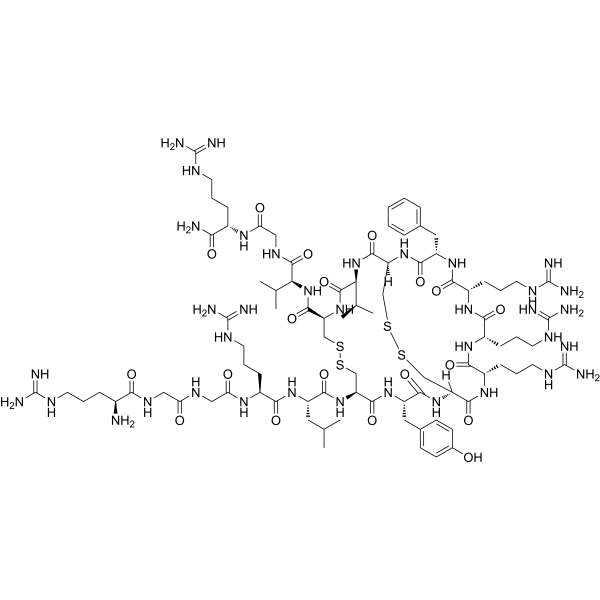
Protegrin-1 is an orally active antibacterial peptide. Protegrin-1 activates ERK, COX2, NFκB, inhibits Apoptosis, and NO production. Protegrin-1 has antibacterial activity against S. aureus, E. faecium, E. coli, P. aeruginosa and K. Pneumoniae, with MBC values between 10 and 20 µM. Protegrin-1 has antiviral activity against dengue NS2B-NS3. Protegrin-1 has anti-inflammatory activity. Protegrin-1 is used in the study of inflammatory diseases and infections .
|
-
- HY-124352S
-
|
C9-PQS-d4
|
Isotope-Labeled Compounds
Bacterial
|
Others
|
|
2-Nonyl-3-hydroxy-4-quinolone-d4 (C9-PQS-d4) is deuterium labeled 2-Nonyl-3-hydroxy-4-quinolone. 2-nonyl-3-hydroxy-4-Quinolone (C9-PQS) is a quinolone compound produced by P. aeruginosa and other related bacterias. 2-nonyl-3-hydroxy-4-Quinolone is a quorum sensing (QS) signal molecule that controls the expression of many virulence genes as a function of cell population density .
|
-

- HY-121362
-
|
|
Bacterial
Endogenous Metabolite
TrxR
|
Infection
Neurological Disease
Inflammation/Immunology
Cancer
|
|
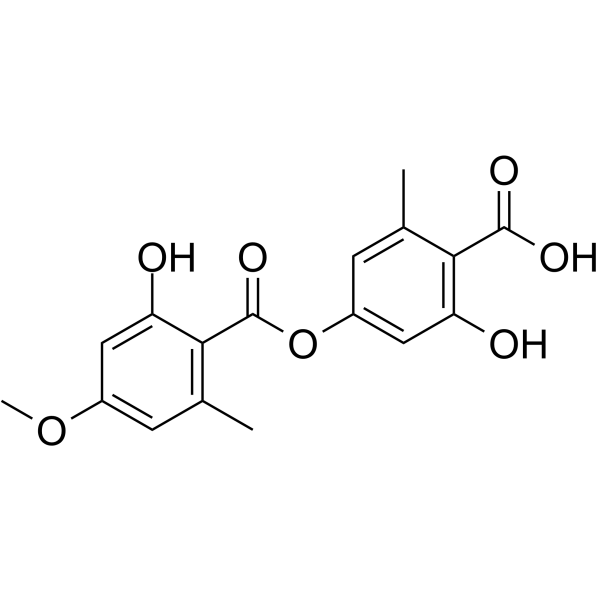
Evernic Acid is an orally active thioredoxin reductase 1 (TrxR1) inhibitor and antiproliferative agent. Evernic Acid inhibits the proliferation and migration of human breast cancer cells. Evernic Acid blocks the NF-κB pathway by inhibiting p65 nuclear translocation and IκBα phosphorylation, thereby suppressing downstream inflammatory mediators. Evernic Acid acts as an antioxidant, anti-inflammatory agent and neuroprotective agent, protects neurons from cell death, mitochondrial dysfunction and oxidative stress damage, reduces astrocyte activation, and ameliorates dopaminergic neuron loss and neuroinflammation. Evernic Acid inhibits enoyl reductases FabI and FabZ of Plasmodium falciparum. Evernic Acid downregulates the expression of lasB and rhlA genes in Pseudomonas aeruginosa, inhibits quorum sensing and biofilm formation, and exerts antibacterial activity against Gram-positive bacteria, Gram-negative bacteria and fungi. Evernic Acid is applicable to research related to breast cancer, Parkinson's disease, bacterial infections and fungal infections .
|
-
- HY-173077
-
|
|
PD-1/PD-L1
Bacterial
|
Infection
Inflammation/Immunology
|
|
PD-L1/LpxC-IN-1 (Conpound 12b) is the inhibitor for PD-L1 and LpxC with IC50 of 5.2 μM and 0.081 μM. PD-L1/LpxC-IN-1 inhibits the biosynthesis of bacterial lipopolysaccharide, causes the lysis and death of bacterial cells. PD-L1/LpxC-IN-1 inhibits Gram-negative bacteria, MIC for K. pneumoniae ATCC 13883, E. coli ATCC 8739, S. typhimurium ATCC 14028 and P. aeruginosa ATCC 9027 is 0.25-0.5 μg/mL. PD-L1/LpxC-IN-1 downregulates the expression of inflammatory factors IL-2 and IFN-γ, upregulates the expression of CD4+ and CD8+ cells, thereby activating the immune system and inhibiting excessive inflammatory responses. PD-L1/LpxC-IN-1 exhibits antibacterial activity in K. pneumoniae ATCC 13883 infected mouse models .
|
-

-
- HY-D1056E
-
|
LPS, from Pseudomonas aeruginosa (10)
|
生化学アッセイ試薬
|
Lipopolysaccharides from P. aeruginosa (Pseudomonas aeruginosa) 10 are lipopolysaccharide endotoxins and TLR4 activators derived from Pseudomonas aeruginosa 10, and are classified as S-type LPS. Lipopolysaccharides from P. aeruginosa 10 exhibit a typical three-part structure: O-antigen, core oligosaccharide, and lipid A. The lipopolysaccharides of P. aeruginosa 10 have a fatty acid composition distinct from common enterobacteria, an exceptionally high degree of phosphorylation (triphosphate residues have been detected), and a unique outer region of the core oligosaccharide. Additionally, their O-specific side chains are typically rich in novel aminosugars. Lipopolysaccharides from P. aeruginosa 10 demonstrate susceptibility to viruses, with the level of susceptibility determined by the content of high molecular weight polysaccharides in their composition. The absence of high molecular weight polysaccharides increases their sensitivity to bacteriophages .
It is recommended to prepare a solution with concentration ≥2 mg/mL. Vortex thoroughly for more than 10 minutes. Due to the adsorption characteristics of LPS, silanized container or low adsorption centrifuge tubes should be used for aliquoting and storage, and mix thoroughly before use.
|
-
- HY-157360
-
|
|
生化学アッセイ試薬
|
|
Acetamide Agar is a solid culture media for non-fermenting bacteria. Acetamide Agar helps differentiate P. acidovorans from other non-sugar-soluble or weakly sugar-soluble Pseudomonas species. Acetamide Agar can be used to test the ability of microorganisms such as Pseudomonas aeruginosa to utilize acetamide through deamination .
|
-
- HY-P1633
-
|
PG1
|
Bacterial
ERK
COX
NF-κB
Apoptosis
NO Synthase
Dengue Virus
|
Infection
Inflammation/Immunology
|
|
Protegrin-1 is an orally active antibacterial peptide. Protegrin-1 activates ERK, COX2, NFκB, inhibits Apoptosis, and NO production. Protegrin-1 has antibacterial activity against S. aureus, E. faecium, E. coli, P. aeruginosa and K. Pneumoniae, with MBC values between 10 and 20 µM. Protegrin-1 has antiviral activity against dengue NS2B-NS3. Protegrin-1 has anti-inflammatory activity. Protegrin-1 is used in the study of inflammatory diseases and infections .
|
-
- HY-P11085
-
|
|
Bacterial
|
Infection
|
|
WLBU2 is a engineered cationic antimicrobial peptide (eCAP) that overcomes the environmental sensitivity of natural antimicrobial peptides (AMPs). WLBU2 exhibits rapid bactericidal effect, with the MIC values of ≤ 10 μM against both Gram-negative and Gram-positive bacteria including MRSA, vancomycin-resistant enterococci, K. pneumoniae, E.aerogenes, E. cloacae, Escherichia coli, et, al. WLBU2 prevents P. aeruginosa biofilm growth and retains its activity in an environment rich in mucus, low pH and high salt concentrations without negative effects on human airway epithelial cells. WLBU2 can be used for the studies of cystic fibrosis (CF) and Pseudomonas aeruginosa infections .
|
-
- HY-P1674A
-
|
POL7080 TFA
|
Bacterial
Antibiotic
|
Infection
|
|
Murepavadin (POL7080) (TFA), a 14-amino-acid cyclic peptide, is a highly potent, specific antibiotic. Murepavadin exhibits a potent antimicrobial activity for P. aeruginosa with MIC50 and MIC90 values both of 0.12 mg/L. Murepavadin also can target the lipopolysaccharide transport portin D. Murepavadin can be used for the research of bacterial resistance .
|
-
- HY-P5731
-
|
|
Bacterial
|
Infection
|
|
Bac7(1-35) is a proline-rich antimicrobial peptide. Bac7(1-35) efficiently binds to different regions of prokaryote ribosomes, leading to the inhibition of protein synthesis. Bac7(1-35) demonstrates in vitro activity against P. aeruginosa strains .
|
-
- HY-P3328A
-
|
|
Bacterial
|
Infection
|
|
MDP1 acetate, a Melittin-derived peptide, alters the integrity of both Gram-positive and Gram-negative bacterial membranes and kills the bacteria via membrane damages. MDP1 acetate has a high-antibacterial activity against multidrug resistant (MDR) and reference strains of S. aureus, E. coli, and P. aeruginosa .
|
-
- HY-P1674
-
|
POL7080
|
Bacterial
Antibiotic
|
Infection
|
|
Murepavadin (POL7080), a 14-amino-acid cyclic peptide, is a highly potent, specific antibiotic. Murepavadin exhibits a potent antimicrobial activity for P. aeruginosa with both MIC50 and MIC90 values of 0.12 mg/L. Murepavadin also can target the lipopolysaccharide transport portin D. Murepavadin can be used for the research of bacterial resistance .
|
-
- HY-P5016A
-
|
|
Antibiotic
Fungal
Bacterial
|
Infection
Cancer
|
|
CRAMP-18 (mouse) acetate is an antibiotic peptide without hemolytic activity. CRAMP-18 (mouse) acetate has good inhibitory activity against Gram-negative bacteria, such as S. typhimurium and P. aeruginosa. CRAMP-18 (mouse) acetate has the potential to study antifungal, antibacterial and antitumor .
|
-
- HY-146133
-
|
|
Bacterial
Antibiotic
|
Infection
|
|
LA-Bac8c is a Lipoic acid modified antimicrobial peptide with enhanced antimicrobial properties. LA-Bac8c inhibits S. aureus, MRSA, S. epidermidis, E. coli, and P. aeruginosa with MICs of 1, 4, 8, 8, and 8 μg/mL .
|
-
- HY-P10355
-
|
|
Bacterial
|
Infection
|
|
Succinimide-AFK-AMC acetate is a marker for P. aeruginosa protease activity using cultured reference strains .
|
-
- HY-P10389
-
|
|
Bacterial
|
Infection
|
|
Globomycin derivative G2A (Compound G2A) is an inhibitor for lipoprotein signal peptidase II (LspA), with an IC50 of 604 nM. Globomycin derivative G2A inhibits E. coli, P. aeruginosa and A. baumannii, with MIC ranging from 12.5 to 32 μg/mL .
|
-
- HY-P5731A
-
|
|
Bacterial
|
Infection
|
|
Bac7(1-35) acetate is a proline-rich antimicrobial peptide. Bac7(1-35) acetate efficiently binds to different regions of prokaryote ribosomes, leading to the inhibition of protein synthesis. Bac7(1-35) acetate demonstrates in vitro activity against P. aeruginosa strains .
|
-
- HY-P1978
-
|
|
Bacterial
|
Infection
|
|
CysHHC10 is a synthetic antimicrobial peptide (AMP), and exhibits strong anti-microbial properties against both Gram-positive and Gram-negative bacteria. The MIC values of CysHHC10 against E. coli, P. aeruginosa, S. aureus and S. epidermidis are 10.1 mM, 20.2 mM, 2.5 mM and 1.3 mM, respectively .
|
-
- HY-P5545
-
|
|
Bacterial
|
Infection
|
|
Lynronne-1 is an antimicrobial peptide. Lynronne-1 is active against Gram-positive bacterials, including MDR strains (MIC: 8-32 μg/mL for methicillin-resistant MRSA strains). Lynronne-1 reduces the bacterial load in MRSA infected wound murine model. Lynronne-1 is also effective against P. aeruginosa infection .
|
-
- HY-P11091
-
|
|
Bacterial
|
Infection
|
|
PA2-GNU7 is an antimicrobial peptide (AMP). PA2-GNU7 exhibits potent antimicrobial activity with minimal inhibitory concentration (MIC) against P. aeruginosa, E. coli, S. typhimurium, S. aureus, and C. albicans are 2 μM, 1 μM, 2 μM, 2 μM, and 8 μM, respectively. PA2-GNU7 rapidly and selectively kills Pseudomonas aeruginosa without affecting other commensal bacteria. PA2-GNU7 significantly improves survival of mice infected with P. aeruginosa. PA2-GNU7 can be used for the research and development of therapeutic agents against MDR Pseudomonas aeruginosa infections .
|
-
- HY-P5552
-
|
|
Bacterial
Parasite
Fungal
|
Infection
|
|
Melimine is a hybrid antimicrobial peptide of Melittin (HY-P0233) and Protamine. Melimine is active against P. aeruginosa and S. aureus. Melimine has broad spectrum activity against bacteria, fungi and protozoa .
|
-
- HY-P5486A
-
|
|
Bacterial
|
Infection
|
|
Tet-20 acetate is a broad-spectrum antimicrobial peptide. Tet-20 acetate is promising for research of Gram-negative and Gram-positive bacteria (e.g., P. aeruginosa, S. aureus) .
|
-
- HY-P5547
-
|
|
Bacterial
|
Infection
|
|
Lynronne-3 is an antimicrobial peptide. Lynronne-1 is active against Gram-positive bacterials, including
MDR strains (MIC: 32-128 μg/mL for methicillin-resistant MRSA strains). Lynronne-3 is also effective against P. aeruginosa infection
|
-
- HY-P10695
-
|
|
Bacterial
Antibiotic
|
Infection
|
|
Bac8c is an antimicrobial peptide with strong antibacterial activity against Gram-negative and Gram-positive bacteria. The MIC of Bac8c against S. aureus, MRSA, S. epidermidis, E. coli, and P. aeruginosa are 2, 8, 4, 4, and 4 μg/mL, respectively .
|
-
- HY-P5680
-
|
|
Bacterial
|
Inflammation/Immunology
|
|
SpHistin is an antimicrobial peptide (AMP). SpHistin can bind to LPS (HY-D1056) and permeabilize the bacterial membrane. SpHistin combined with Rifampicin (HY-B0272) and Azithromycin (HY-17506) promotes the intracellular uptake of the antibiotics and subsequently enhances the bactericidal activity of both agents against P. aeruginosa .
|
-
- HY-P5556
-
|
|
Bacterial
|
Infection
|
|
KAMP-19, a keratin-derived antimicrobial peptide, is an antimicrobial peptide against P. aeruginosa. .
|
-
- HY-P5580
-
|
|
Bacterial
|
Infection
Cancer
|
|
Dermaseptin-B3 inhibits the growth of Gram-positive and Gram-negative bacteria (MIC: 1.3, 2.3, 5.0, 2.6, 2.3 μM for S. aureus, P. aeruginosa, P. aeruginosa, E. (ATCC 25922), E. (54127) respectively). Dermaseptin-B3 also inhibits tumor cell proliferation .
|
-
- HY-P10691
-
|
|
Bacterial
|
Infection
|
|
P-113D is an antimicrobial peptide that targets Pseudomonas aeruginosa, showing good antibacterial activity and can be used in cystic fibrosis research, the MIC for P-113D against ATCC 27853 is 3.1 μg/mL .
|
-
- HY-P5555
-
|
|
Bacterial
|
Infection
|
|
LMW peptide is an antimicrobial peptide. LMW peptide is active against Gram-positive and Gram-negative bacterial, such as B. subtilis, L. monocytogenes, E. coli, P. aeruginosa, V. cholera .
|
-
- HY-P5690
-
|
|
Bacterial
|
Infection
|
|
Distinctin is an antimicrobial peptide. Distinctin can be isolated from frog skin. Distinctin has antibacterial activity against E. faecalis, P. aeruginosa, S. aureus and E. coli (MIC: 14.5, 28.0, 28.0, 14.5 μM) .
|
-
- HY-P5924A
-
|
|
Bacterial
|
Infection
|
|
D-K6L9 shows antimicrobial and antibiofilm activities against P. aeruginosa from cystic fibrosis patients. D-K6L9 is stable and resistant to degradation by cystic fibrosis sputum proteases and will not induce bacterial resistance .
|
-
- HY-P5546
-
|
|
Bacterial
|
Infection
|
|
Lynronne-2 is an antimicrobial peptide. Lynronne-1 is active against Gram-positive bacterials, including
MDR strains (MIC: 32-256 μg/mL for methicillin-resistant MRSA strains). Lynronne-2 is also effective against P. aeruginosa infection
|
-
- HY-P5924
-
|
|
Bacterial
|
Infection
|
|
L-K6L9 shows antimicrobial and antibiofilm activities against P. aeruginosa from cystic fibrosis patients. L-K6L9 is stable and resistant to degradation by cystic fibrosis sputum proteases and will not induce bacterial resistance .
|
-
- HY-P5016
-
|
|
Antibiotic
Bacterial
Fungal
|
Infection
Cancer
|
|
CRAMP-18 (mouse) is an antibiotic peptide without hemolytic activity. CRAMP-18 (mouse) has good inhibitory activity against Gram-negative bacteria, such as S. typhimurium and P. aeruginosa. CRAMP-18 (mouse) has the potential to study antifungal, antibacterial and antitumor .
|
-
- HY-P11135
-
|
|
Bacterial
|
Infection
|
|
LDKA is a helical membrane-active antibacterial peptide. LDKA forms an ensemble of pores of different sizes. LDKA has antibacterial activity against both Gram-positive (S. aureus) and Gram-negative (E. coli and P. aeruginosa) bacteria in a nutrient-rich medium, with MICs in the 10-70 μM range .
|
-
- HY-P3328
-
|
|
Bacterial
|
Infection
|
|
MDP1, a Melittin-derived peptide, alters the integrity of both Gram-positive and Gram-negative bacterial membranes and kills the bacteria via membrane damages. MDP1 has a high-antibacterial activity against multidrug resistant (MDR) and reference strains of S. aureus, E. coli, and P. aeruginosa .
|
-
- HY-P1978A
-
|
|
Bacterial
|
Infection
|
|
CysHHC10 TFA is a synthetic antimicrobial peptide (AMP), and exhibits strong anti-microbial properties against both Gram-positive and Gram-negative bacteria. The MIC values of CysHHC10 TFA against E. coli, P. aeruginosa, S. aureus and S. epidermidis are 10.1 mM, 20.2 mM, 2.5 mM and 1.3 mM, respectively .
|
-
- HY-P10694
-
|
|
Bacterial
|
Infection
Inflammation/Immunology
|
|
IDR-HH2 is an immunomodulatory peptide with the ability to modulate the host cytokine/chemokine environment. IDR-HH2 can promote the adhesion of monocytes and THP-1 cells to fibronectin. Additionally, IDR-HH2 possesses antibacterial activity, inhibiting the activity of both P. aeruginosa and S. aureus with MIC values of 75 µg/mL and 38 µg/mL, respectively .
|
-
- HY-P5632
-
|
|
Bacterial
|
Infection
|
|
Bovine tracheal antimicrobial peptide is a kind of comes from the tracheal mucosa of antimicrobial peptides. Bovine tracheal antimicrobial peptide has activity against E.coli D31, K.pneumoniae 13883, S.aureus 25923, P.aeruginosa 27853 and C.albicans 14053, MIC value 12-25, 12-25, 25-50, 25-50, 6-12 μg/ml, respectively .
|
-
- HY-P3349
-
|
|
Bacterial
|
Infection
|
|
c[Arg-Arg-Arg-Arg-Nal-Nal-Nal] (Compound 9C) shows broad-spectrum activity against drug-resistant Gram-positive and Gram-negative bacteria, with MICs of 3.1, 3,1, 12.5, and 25 μg/mL for MRSA (ATCC BAA-1556), S. aureus (ATCC 29213), P. aeruginosa (ATCC 27883), and E. coli (ATCC 25922), respectively .
|
-
- HY-P3348
-
|
|
Bacterial
|
Infection
|
|
c[Arg-Arg-Arg-Arg-Dip-Dip-Dip] (Compound 8C) shows broad-spectrum activity against drug-resistant Gram-positive and Gram-negative bacteria, with MICs of 3.1, 3,1, 12.5, and 12.5 μg/mL for MRSA (ATCC BAA-1556), S. aureus (ATCC 29213), P. aeruginosa (ATCC 27883), and E. coli (ATCC 25922), respectively .
|
-
- HY-P11338
-
|
|
Endogenous Metabolite
|
Cancer
|
|
Microcyclamide (Compound 1), a cytotoxic cyclic hexapeptide, is a microbial secondary metabolite. Microcyclamide can be isolated from the cyanobacterium Microcystis aeruginosa. Microcyclamide has moderate cytotoxicity against P388 murine leukemia cells with an IC50 of 1.2 μg/mL. Microcyclamide can be used for cancers research .
|
-
- HY-P11085A
-
|
|
Bacterial
|
Infection
|
|
WLBU2 acetate is a engineered cationic antimicrobial peptide (eCAP) that overcomes the environmental sensitivity of natural antimicrobial peptides (AMPs). WLBU2 acetate exhibits rapid bactericidal effect, with the MIC values of ≤ 10 μM against both Gram-negative and Gram-positive bacteria including MRSA, vancomycin-resistant enterococci, K. pneumoniae, E.aerogenes, E. cloacae, Escherichia coli, et, al. WLBU2 acetate prevents P. aeruginosa biofilm growth and retains its activity in an environment rich in mucus, low pH and high salt concentrations without negative effects on human airway epithelial cells. WLBU2 acetate can be used for the studies of cystic fibrosis (CF) and Pseudomonas aeruginosa infections .
|
| 製品番号 |
製品名 |
Target |
研究分野 |
Image |
-
- HY-P99214
-
|
KBPA101
|
Bacterial
|
Infection
|
|
Panobacumab (KBPA101) is a fully human IgM/κ monoclonal antibody generated by immortalizing human B lymphocytes against the LPS O polysaccharide of serotype O11 of P. aeruginosa .
|
-

(5)
| 製品番号 |
製品名 |
Category |
Target |
構造式 |
-
- HY-B1369
-
-
-
- HY-N4136
-
-
-
- HY-130055
-
-
-
- HY-121362
-
|
|
Structural Classification
other families
Classification of Application Fields
Ketones, Aldehydes, Acids
Plants
Inflammation/Immunology
Disease Research Fields
Source Classification
|
Bacterial
Endogenous Metabolite
TrxR
|
|
Evernic Acid is an orally active thioredoxin reductase 1 (TrxR1) inhibitor and antiproliferative agent. Evernic Acid inhibits the proliferation and migration of human breast cancer cells. Evernic Acid blocks the NF-κB pathway by inhibiting p65 nuclear translocation and IκBα phosphorylation, thereby suppressing downstream inflammatory mediators. Evernic Acid acts as an antioxidant, anti-inflammatory agent and neuroprotective agent, protects neurons from cell death, mitochondrial dysfunction and oxidative stress damage, reduces astrocyte activation, and ameliorates dopaminergic neuron loss and neuroinflammation. Evernic Acid inhibits enoyl reductases FabI and FabZ of Plasmodium falciparum. Evernic Acid downregulates the expression of lasB and rhlA genes in Pseudomonas aeruginosa, inhibits quorum sensing and biofilm formation, and exerts antibacterial activity against Gram-positive bacteria, Gram-negative bacteria and fungi. Evernic Acid is applicable to research related to breast cancer, Parkinson's disease, bacterial infections and fungal infections .
|
-
-
- HY-13212
-
-
-
- HY-N2036
-
-
-
- HY-N5127
-
-
-
- HY-B1369R
-
-
-
- HY-I0501
-
-
-
- HY-N10087
-
|
|
Alkaloids
Leguminosae
Lupinus angustifolius L.
Plants
|
Bacterial
|
|
Angustifoline, an alkaloid, can be isolated from Lupinus angustifolius L. alkaloid extract. Angustifoline exhibits antimicrobial activity. Angustifoline could have bacteriostatic effects against S. aureus, B. subtilis, E. coli, P. aeruginosa and B. thuringiensis .
|
-
-
- HY-W094847
-
-
-
- HY-I0501R
-
|
o-aminoacetophenone (Standard)
|
Microorganisms
Ketones, Aldehydes, Acids
Source Classification
|
Reference Standards
Bacterial
Apoptosis
Atg8/LC3
p62
Autophagy
|
|
2'-Aminoacetophenone (Standard) is the analytical standard of 2'-Aminoacetophenone. This product is intended for research and analytical applications. 2'-Aminoacetophenone is an orally active inducer of apoptosis and respiratory biomarker. 2'-Aminoacetophenone can be used to detect Pseudomonas aeruginosa infections in the lungs of cystic fibrosis patients. 2'-Aminoacetophenone can inhibit the protein levels of LC3BII and p62 in macrophages infected with pqsA or mvfR and regulate autophagy. 2'-Aminoacetophenone can disrupt mitochondrial function by inducing oxidative stress and apoptosis signaling, leading to dysfunction in mouse skeletal muscle .
|
-
-
- HY-W751002
-
-
-
- HY-N8281
-
-
-
- HY-N14354
-
|
|
天然物
Microorganisms
Source Classification
|
Antibiotic
Bacterial
|
|
Ferrocin B is an iron-containing cyclic decapeptide antibiotic found in the bacterium Pseudomonas fluorescens YK-310, exhibiting strong antibacterial activity primarily against Gram-negative bacteria, with particularly potent inhibitory effects on Pseudomonas aeruginosa. In a mouse infection model, Ferrocin B shows a half effective dose (ED50) of 0.593 mg/kg against P. aeruginosa. Ferrocin B holds potential for research in the field of anti-infective therapies .
|
-
-
- HY-N3199
-
-
-
- HY-N5127R
-
-
-
- HY-13212R
-
|
cis-2-Decenoic acid (Standard)
|
Structural Classification
Microorganisms
Ketones, Aldehydes, Acids
Source Classification
|
Bacterial
Reference Standards
|
|
(Z)-2-Decenoic acid (Standard) is the analytical standard of (Z)-2-Decenoic acid. This product is intended for research and analytical applications. (Z)-2-decenoic acid (cis-2-Decenoic acid) is an unsaturated fatty acid produced by Pseudomonas aeruginosa. (Z)-2-decenoic acid induces a dispersion response in biofilms formed by a range of gram-negative bacteria, including P. aeruginosa, and by gram-positive bacteria. (Z)-2-decenoic acid inhibits biofilm development[1].
|
-
-
- HY-N10087A
-
-
-
- HY-N10572
-
|
|
Microorganisms
Antibiotics
Antibacterial
Disease Research
|
Bacterial
|
|
Antibacterial synergist 2 (compound 27) is a biofilm inhibitor. Antibacterial synergist 2 shows inhibitory effects to S. enterica, S. aureus, P. aeruginosa and C. albicans. Antibacterial synergist 2 can be used for the research related to biofilm-forming pathogens .
|
-
-
- HY-N3837
-
-
-
- HY-130055R
-
-
-
- HY-N2980
-
-
-
- HY-N9477
-
-
-
- HY-N1654
-
|
|
Infection
天然物
Classification of Application Fields
Azadirachta indica A. Juss.
Plants
Meliaceae
Disease Research Fields
Source Classification
|
Bacterial
|
|
2',3'-Dehydrosalannol is a potent antibacterial agent. 2',3'-Dehydrosalannol shows antibacterial activity against K. pneumonia ATCC 13883, P. aeruginosa ATCC 27853, S. aureus ATCC 25922, E. coli ATCC 11775, and E. faecalis ATCC 10541, with MIC values of 0.78, 1.56, 1.56, 6.25, and 25 μg/mL, respectively .
|
-
-
- HY-N4136R
-
-
-
- HY-N6846
-
|
|
Infection
天然物
Classification of Application Fields
Inula helenium L.
Plants
Compositae
Disease Research Fields
Source Classification
|
Bacterial
|
|
10-Isobutyryloxy-8,9-epoxythymol isobutyrate is a major constituent of Inula helenium and Inula royleana root cultures. 10-Isobutyryloxy-8,9-epoxythymol isobutyrate shows moderate antimicrobial activity against Staphylococcus aureus FDA 209 P, Staphylococcus aureus, Enterococcus faecalis, Candida albicans and Pseudomonas aeruginosa with MICs of 50, 250, 250, 250, and 1000 μg/mL, respectively .
|
-
-
- HY-B0724BS
-
|
|
|
Pazufloxacin-d4 is deuterium labeled Pazufloxacin (HY-B0724B). Pazufloxacin is an orally active fluoroquinolone antimicrobial agent. Pazufloxacin inhibits DNA gyrase with IC50 values of 0.88 μg/mL (E. coli) and 1.9 μg/mL (P. aeruginosa). Pazufloxacin exhibits broad-spectrum antimicrobial activity, with MIC90 values ranging from 0.025 to 100 μg/mL against Gram-positive and Gram-negative bacteria, non-fermenting bacteria, Legionella spp., and anaerobic bacteria. Pazufloxacin is indicated for research on systemic infections, lung infections, urinary tract infections, and Legionella pneumonia .
|
-
-
- HY-124352S
-
|
|
|
2-Nonyl-3-hydroxy-4-quinolone-d4 (C9-PQS-d4) is deuterium labeled 2-Nonyl-3-hydroxy-4-quinolone. 2-nonyl-3-hydroxy-4-Quinolone (C9-PQS) is a quinolone compound produced by P. aeruginosa and other related bacterias. 2-nonyl-3-hydroxy-4-Quinolone is a quorum sensing (QS) signal molecule that controls the expression of many virulence genes as a function of cell population density .
|
-
-
- HY-174756
-
|
|
|
mRNA
Chemokine & Receptors
|
|
Human CCL26 mRNA encodes the human C-C motif chemokine ligand 26 (CCL26) protein, a cytokine that displays chemotactic activity for normal peripheral blood eosinophils and basophils. CCL26 also has antimicrobial activity, displaying an antibacterial effect on S. pneumoniae, S. aureus, Non-typeable H. influenzae, and P. aeruginosa.
|
-
- HY-174758
-
|
|
|
mRNA
Chemokine & Receptors
|
|
Human CCL24 mRNA encodes the human C-C motif chemokine ligand 24 (CCL24) protein, a cytokine that displays chemotactic activity on resting T lymphocytes, a minimal activity on neutrophils, and is negative on monocytes and activated T lymphocytes. CCL24 also has antimicrobial activity, displaying an antibacterial effect on S. pneumoniae, S. aureus, Non-typeable H. influenzae, and P. aeruginosa.
|
入力情報は安全に管理されます. ※ 必須入力項目.
Inquiry Information
- 製品名:
- 製品番号:
- 数量:
- MCE 日本正規代理店:





![c[Arg-Arg-Arg-Arg-Nal-Nal-Nal]](http://file.medchemexpress.com/product_pic/hy-p3349.gif)


![c[Arg-Arg-Arg-Arg-Dip-Dip-Dip]](http://file.medchemexpress.com/product_pic/hy-p3348.gif)


![[BMIM]Cl](http://file.medchemexpress.com/product_pic/hy-w016758.gif)


