Search Result
Results for "
Peptide+Inhibitors
" in MedChemExpress (MCE) Product Catalog:
1
Biochemical Assay Reagents
| Cat. No. |
Product Name |
Target |
Research Areas |
Chemical Structure |
-
- HY-P0069
-
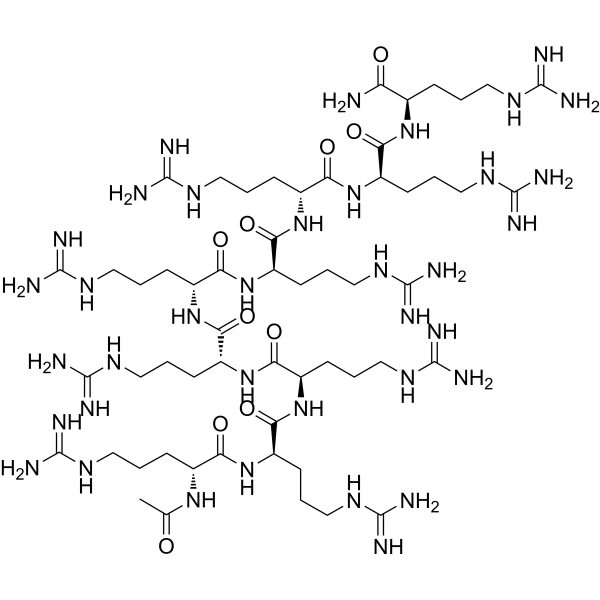
D-JNKI-1
Maximum Cited Publications
11 Publications Verification
AM-111; XG-102
|
JNK
|
Others
|
|
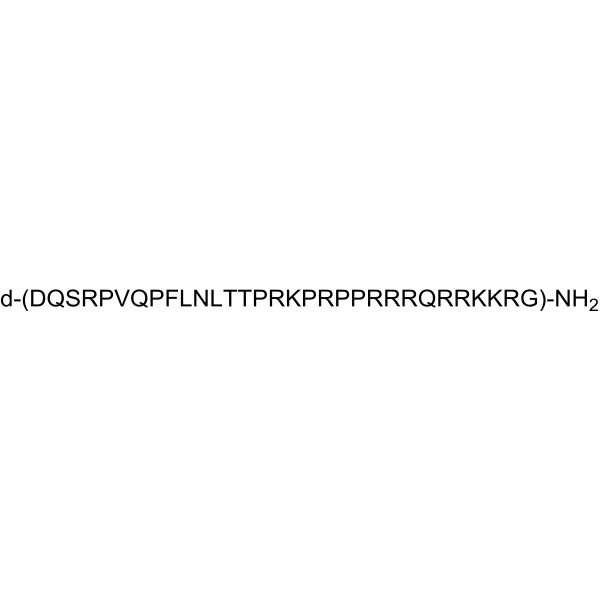
D-JNKI-1 (AM-111) is a highly potent and cell-permeable peptide inhibitor of JNK.
|
-
-
- HY-P3507
-
|
ShK-186
|
Potassium Channel
|
Metabolic Disease
Inflammation/Immunology
|
|
Dalazatide (ShK-186) is a specific Kv1.3 potassium channel peptide inhibitor. Dalazatide can be used in the study of autoimmune diseases such as multiple sclerosis (MS), lupus erythematosus, psoriasis, rheumatoid arthritis, type 1 diabetes and inflammatory bowel disease .
|
-

-
- HY-P1111
-
|
|
Src
Interleukin Related
|
Inflammation/Immunology
|
|
Lyn peptide inhibitor (YGYRLRRKWEEKIPNP-NH2) is a potent, cell-permeable Lyn kinase inhibitor that inhibits Lyn-coupled signaling pathways associated with the IL-5 receptor while preserving the integrity of other signals. Lyn peptide inhibitor blocks the activation of Lyn and inhibits the binding of Lyn tyrosine kinase to the βc subunit of the IL-3/GM-CSF/IL-5 receptor. Lyn peptide inhibitor can be used in the research of eosinophilic diseases such as asthma and allergy .
|
-

-
- HY-P3278
-
|
|
Proton Pump
|
Metabolic Disease
|
|
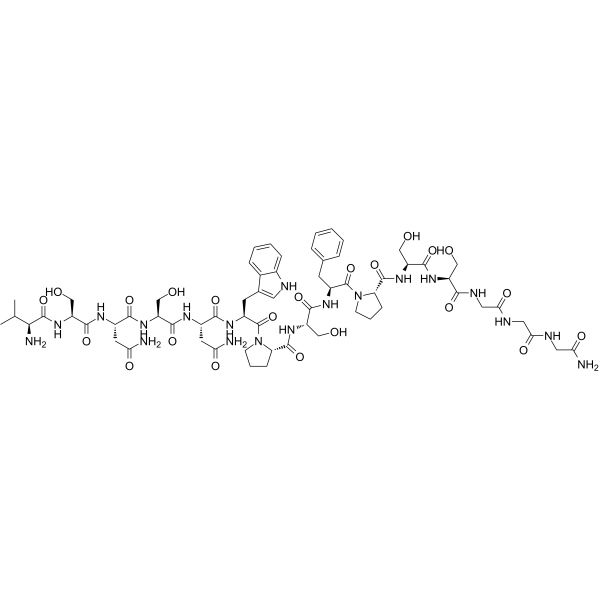
Caloxin 2A1 is an extracellular plasma membrane Ca 2+-ATPase (PMCA) peptide inhibitor. Caloxin 2A1 does not affect basal Mg 2+-ATPase or Na +-K +-ATPase .
|
-
-
- HY-P2280
-
-

-
- HY-P0222
-
|
|
PKA
|
Others
|
|
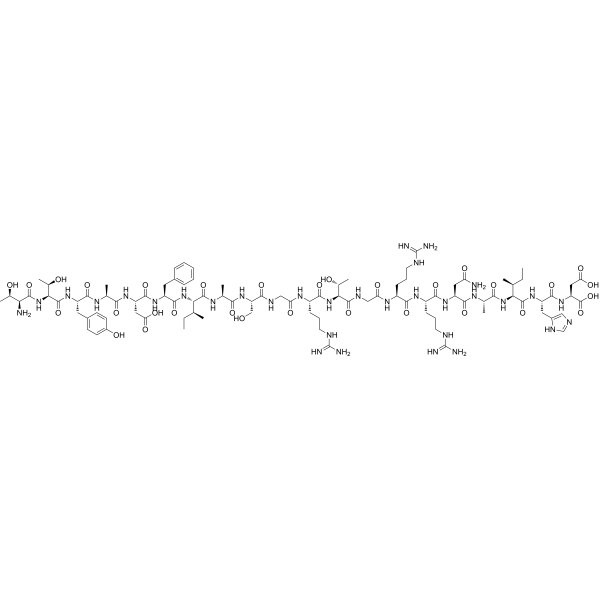
PKI(5-24) is a potent, competitive, and synthetic peptide inhibitor of PKA (cAMP-dependent protein kinase), with a Ki of 2.3 nM. PKI(5-24) corresponds to residues 5-24 in the naturally occurring heat-stable protein kinase inhibitor .
|
-
-
- HY-P1007
-
|
Z-VE(OMe)ID(OMe)-FMK
|
Caspase
Apoptosis
|
Cancer
|
|
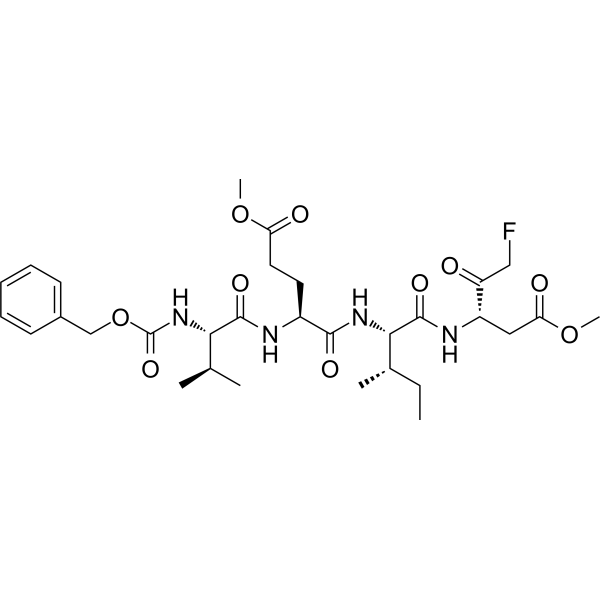
Z-VEID-FMK (Z-VE(OMe)ID(OMe)-FMK) is a selective and irreversible caspase-6 peptide inhibitor. Z-VEID-FMK alleviates the drug-induced augmentation of caspase-6 activity, DNA fragmentation, and cell apoptosis .
|
-
-
- HY-P6437A
-
|
|
Dynamin
|
Cardiovascular Disease
Neurological Disease
|
|
Drp1 peptide inhibitor P110 (Compound P110) TFA is a selective Drp1 peptide inhibitor with neuroprotective properties. Drp1 peptide inhibitor P110 TFA can inhibit the activation of Drp1, prevent MPTP (HY-15608)-induced Drp1 mitochondrial translocation, and alleviate MPTP-induced dopaminergic neuron loss, dopaminergic nerve terminal damage, and behavioral deficits, and can be used in the study of Alzheimer's disease. Additionally, Drp1 peptide inhibitor P110 TFA can reduce mitochondrial damage and organ injury in animal models of Huntington's disease, cerebral ischemic injury, and myocardial infarction .
|
-

-
- HY-141584
-
|
|
MDM-2/p53
|
Cancer
|
|
ATSP-7041, a selective dual peptide inhibitor of MDM2 and MDMX, effectively reactivates the p53 tumor suppressor pathway in a mechanism-dependent manner in p53-positive cancers .
|
-

-
- HY-P6440
-
|
|
Apoptosis
Caspase
|
Others
|
|
Met-12 is a small peptide inhibitor of the Fas receptor. Met-12 can inhibit Fas receptor-mediated photoreceptor cell apoptosis, reduce Caspase activation. Met-12 can be used in the research of photoreceptor .
|
-

-
- HY-P1420
-
|
|
HIF/HIF Prolyl-Hydroxylase
|
Cancer
|
|
TAT-cyclo-CLLFVY is a cyclic peptide inhibitor of HIF-1 heterodimerization that inhibits hypoxia signaling in cancer cells. TAT-cyclo-CLLFVY disrupts HIF-1α/HIF-1β protein-protein interaction with an IC50 of 1.3 μM .
|
-

-
- HY-P3507A
-
|
ShK-186 TFA
|
Potassium Channel
|
Metabolic Disease
Inflammation/Immunology
|
|
Dalazatide (ShK-186) TFA is a specific Kv1.3 potassium channel peptide inhibitor. Dalazatide TFA can be used in the study of autoimmune diseases such as multiple sclerosis (MS), lupus erythematosus, psoriasis, rheumatoid arthritis, type 1 diabetes and inflammatory bowel disease .
|
-
-
- HY-P2244A
-
|
|
YAP
|
Cancer
|
|
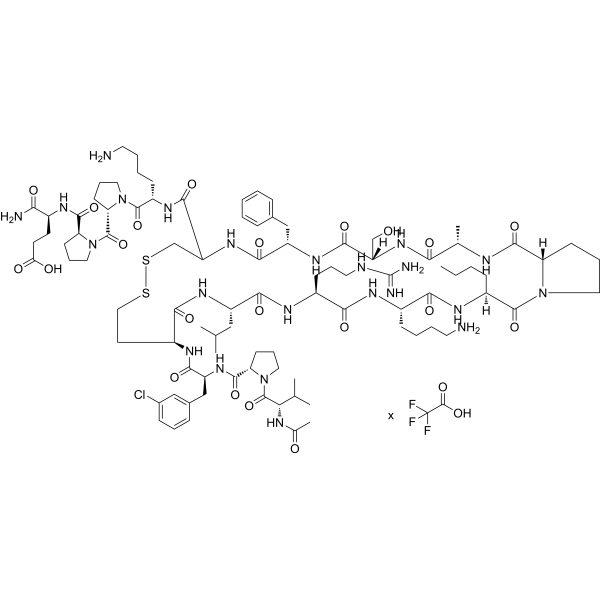
YAP-TEAD-IN-1 TFA is a potent and competitive peptide inhibitor of YAP-TEAD interaction (IC50=25 nM). YAP-TEAD-IN-1 TFA is a 17mer peptide and shows a higher the binding affinity to TEAD1 (Kd=15 nM) than YAP (50-171) (Kd= 40 nM) .
|
-
-
- HY-P6437
-
|
|
Dynamin
|
Cardiovascular Disease
Neurological Disease
|
|
Drp1 peptide inhibitor P110 (Compound P110) is a selective Drp1 peptide inhibitor with neuroprotective properties. Drp1 peptide inhibitor P110 can inhibit the activation of Drp1, prevent MPTP-induced Drp1 mitochondrial translocation, and alleviate MPTP-induced dopaminergic neuron loss, dopaminergic nerve terminal damage, and behavioral deficits, and can be used in the study of Alzheimer's disease. Additionally, Drp1 peptide inhibitor P110 can reduce mitochondrial damage and organ injury in animal models of Huntington's disease, cerebral ischemic injury, and myocardial infarction .
|
-

-
- HY-P10108
-
|
Hxk2VBD peptide, cell-permeable
|
Hexokinase
|
Neurological Disease
|
|
Hexokinase II VDAC binding domain peptide (Hxk2VBD peptide) is a cell-permeable hexokinase II VDAC binding domain. Hexokinase II VDAC binding domain peptide inhibits mitochondrial localization of hexokinase 2 (HXK2). Hexokinase II VDAC binding domain peptide inhibits neurotrophic factor-directed axon outgrowth .
|
-

-
- HY-P1284
-
ZIP
2 Publications Verification
|
PKC
|
Neurological Disease
Cancer
|
|
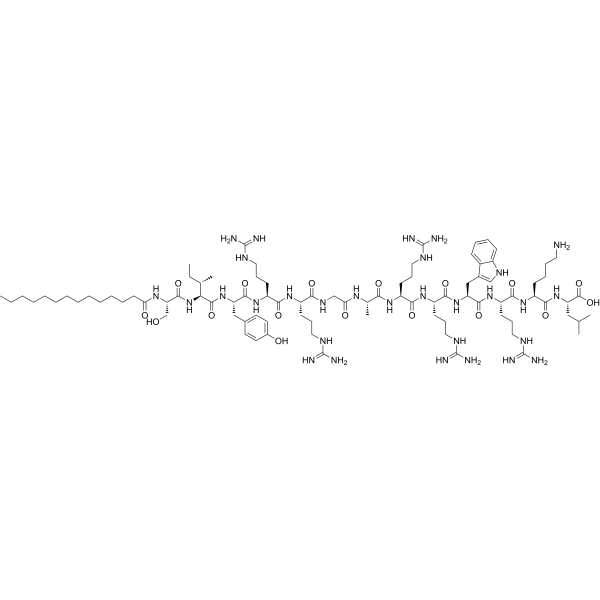
ZIP is a selective peptide inhibitor of PKMζ. ZIP injections can block the impairment in morphine conditioned place preference induced .
|
-
-
- HY-P3293
-
|
POL6014
|
Elastase
|
Inflammation/Immunology
|
|
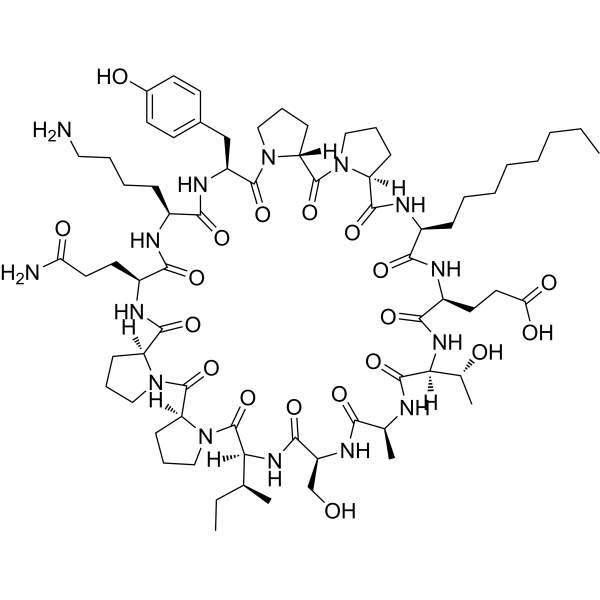
Lonodelestat (POL6014) is a potent, orally active and selective peptide inhibitor of human neutrophil elastase (hNE). Lonodelestat (POL6014) has the potential for the research of cystic fibrosis (CF) .
|
-
-
- HY-P3278A
-
|
|
Proton Pump
|
Metabolic Disease
|
|
Caloxin 2A1 TFA is an extracellular plasma membrane Ca 2+-ATPase (PMCA) peptide inhibitor. Caloxin 2A1 TFA does not affect basal Mg 2+-ATPase or Na +-K +-ATPase .
|
-
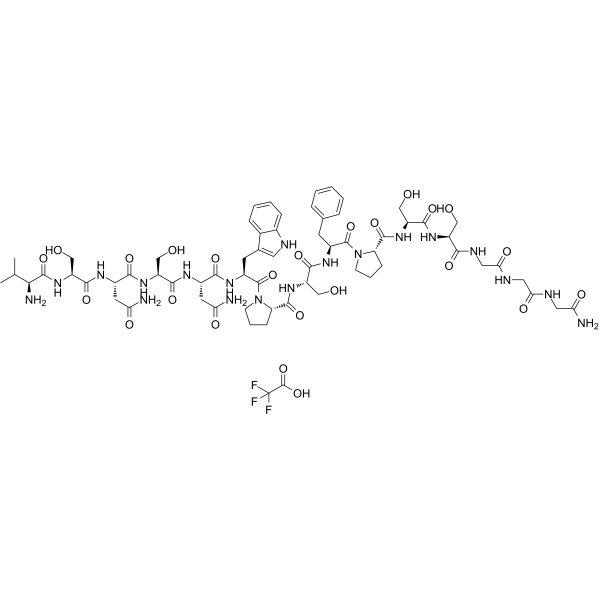
-
- HY-P2282
-
|
|
STAT
|
Cancer
|
|
APTSTAT3-9R, a specific STAT3-binding peptide, inhibits STAT3 activation and downstream signaling by specifically blocking STAT3 phosphorylation. APTSTAT3-9R exerts antiproliferative effects and antitumor activity .
|
-
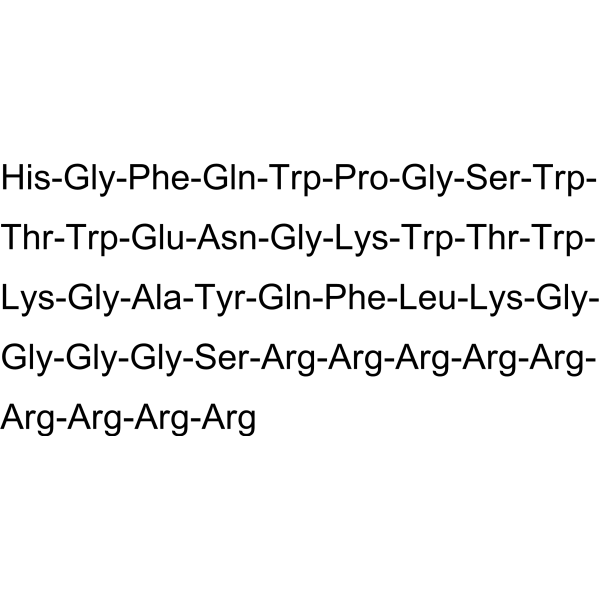
-
- HY-P10114
-
|
PpYLKTK-mts; STAT3 PI
|
STAT
|
Cancer
|
|
STAT3-IN-24, cell-permeable (PpYLKTK-mts) is a STAT3 peptide inhibitor. STAT3-IN-24, cell-permeable inhibits recruitment of STAT3 to Jak2 and phosphorylation of Y705, thus preventing the dimerization and the nuclear translocation of STAT3 .
|
-
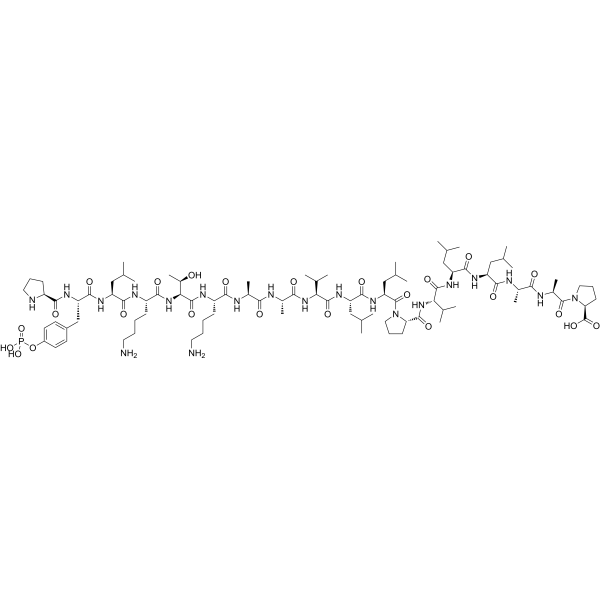
-
- HY-108482
-
-
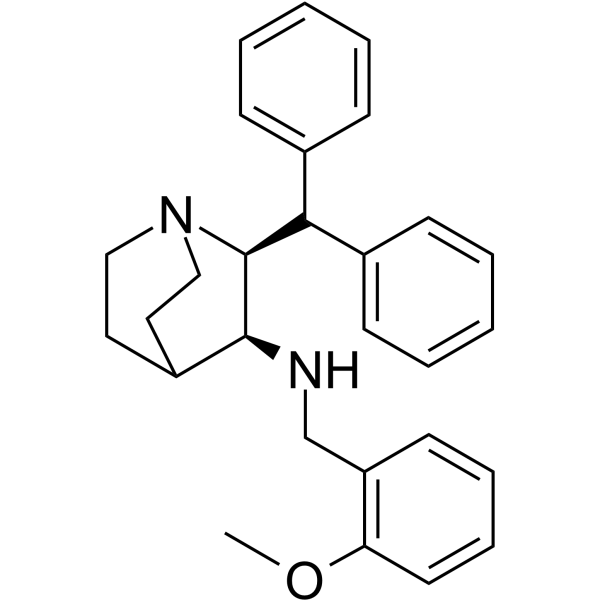
-
- HY-146127A
-
|
|
Src
|
Others
|
|
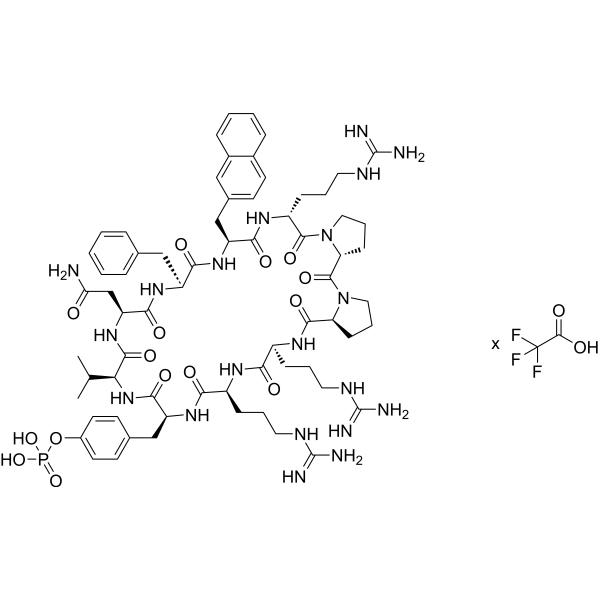
Grb2 SH2 domain inhibitor 1 TFA is a conformationally restricted cyclic cell penetrating peptide (CPP) containing d-pro-l-pro motif ring (AF Φ Rpprrfq) (where Φ It is L-naphthylalanine, R is D-arginine, P is D-proline), which is mainly used as a cyclic peptide inhibitor.
|
-
-
- HY-P1746
-
|
PKC (19-31)
|
PKC
|
Inflammation/Immunology
|
|
Protein Kinase C (19-31), a peptide inhibitor of protein kinase C (PKC), derived from the pseudo-substrate regulatory domain of PKCa (residues 19-31), is used as protein kinase C substrate peptide for testing the protein kinase C activity .
|
-

-
- HY-W008753
-
|
N-Cbz-L-valine
|
Biochemical Assay Reagents
Drug Intermediate
Amino Acid Derivatives
|
Infection
|
|
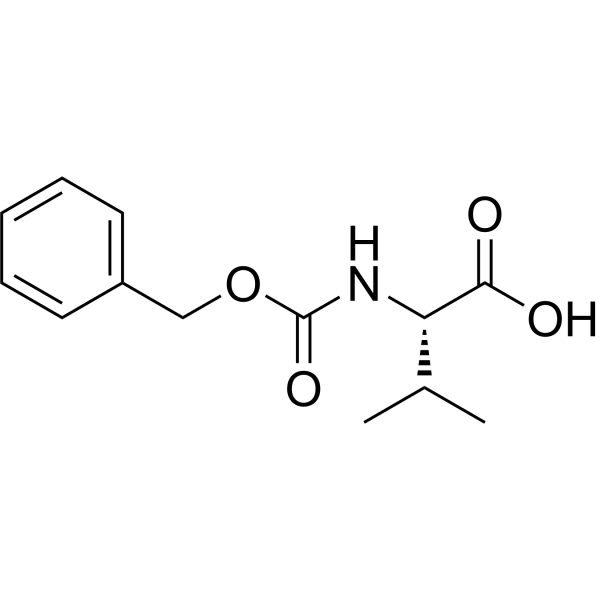
Z-L-Val-OH (N-Cbz-L-valine) is an amino acid derivative and key intermediate in organic synthesis. Z-L-Val-OH can be used in the synthesis of anti-cytomegalovirus compounds and peptide inhibitors of human spleen plasminogen activator (SFP) and human leukocyte elastase-like protease (ELP) .
|
-
-
- HY-P1949A
-
|
|
CXCR
|
Cardiovascular Disease
Cancer
|
|
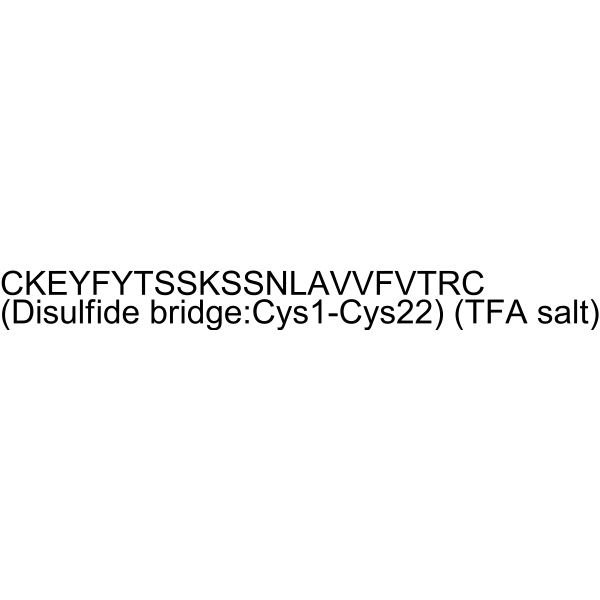
Cyclic MKEY TFA is a synthetic cyclic peptide inhibitor of CXCL4-CCL5 heterodimer formation, which protects against atherosclerosis and aortic aneurysm formation by mediating inflammation. Cyclic MKEY TFA also protects against stroke-induced brain injury in mice .
|
-
-
- HY-P7061A
-
|
|
Apelin Receptor (APJ)
CXCR
|
Infection
Endocrinology
|
|
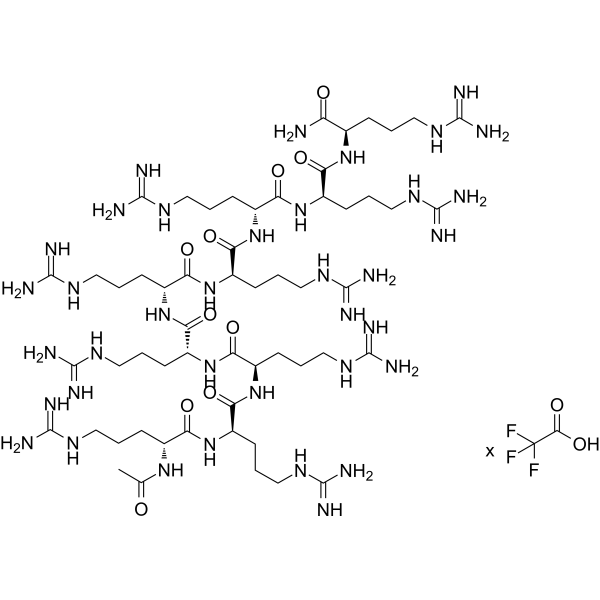
ALX 40-4C Trifluoroacetate is a small peptide inhibitor of the chemokine receptor CXCR4, inhibits SDF-1 from binding CXCR4 with a Ki of 1 μM, and suppresses the replication of X4 strains of HIV-1; ALX 40-4C Trifluoroacetate also acts as an antagonist of the APJ receptor, with an IC50 of 2.9 μM.
|
-
-
- HY-162946
-
|
|
Ligands for Target Protein for PROTAC
|
Cancer
|
|
Alkyne-P60 is a potent 15-mer peptide inhibitor of Foxp3. Alkyne-P60 can bind with Foxp3, hinder its nuclear translocation, and diminish Foxp3-mediated inhibition of NFKB and NFAT functions. Alkyne-P60 is a ligand for target protein for PROTAC (HY-162943).
|
-

-
- HY-P1190
-
|
|
JNK
Apoptosis
|
Inflammation/Immunology
|
|
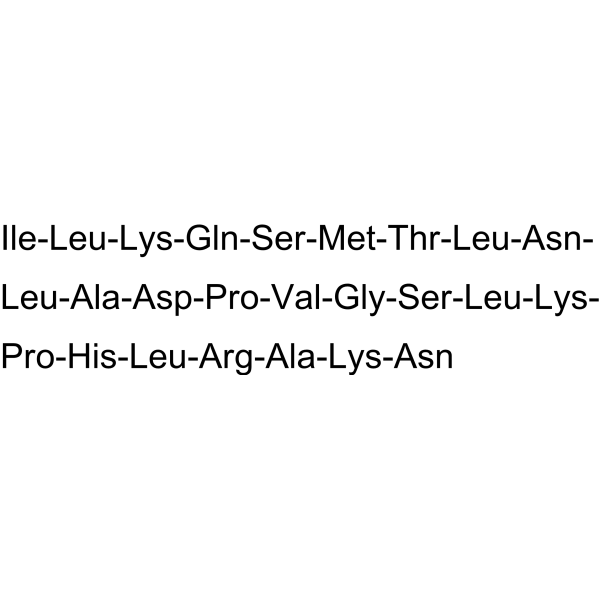
c-JUN peptide is a cell-permeable c-JUN-JNK interaction inhibitor. c-JUN peptide inhibits serum-induced c-Jun phosphorylation. c-JUN peptide induces apoptosis .
|
-
-
- HY-P2246
-
|
|
JNK
|
Cancer
|
|
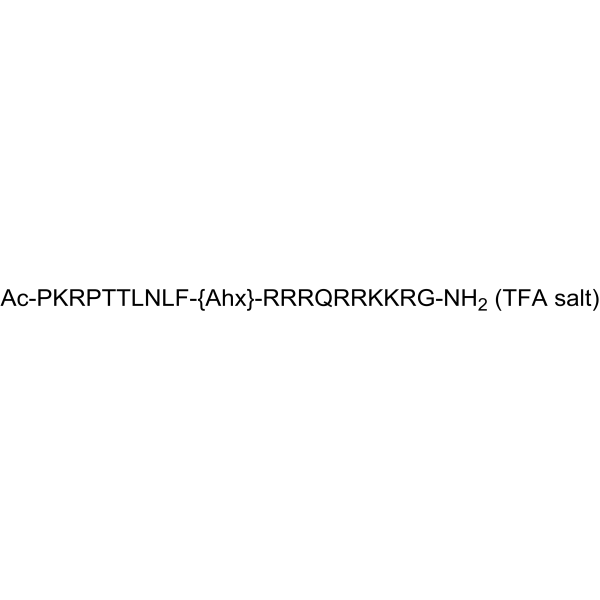
JTP10-△-TATi TFA is a selective JNK2 peptide inhibitor, with an IC50 of 92 nM, exhibiting 10-fold selectivity for JNK2 over JNK1 and JNK3 .
|
-
-
- HY-P3293A
-
|
POL6014 TFA
|
Elastase
|
Inflammation/Immunology
|
|
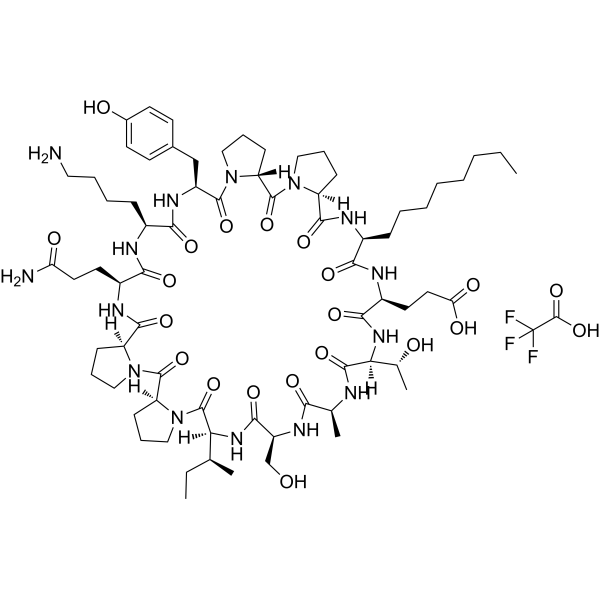
Lonodelestat TFA (POL6014 TFA) is a potent, orally active and selective peptide inhibitor of human neutrophil elastase (hNE). Lonodelestat TFA has the potential for the research of cystic fibrosis (CF) .
|
-
-
- HY-W013123
-
|
|
Amino Acid Derivatives
|
Others
|
|
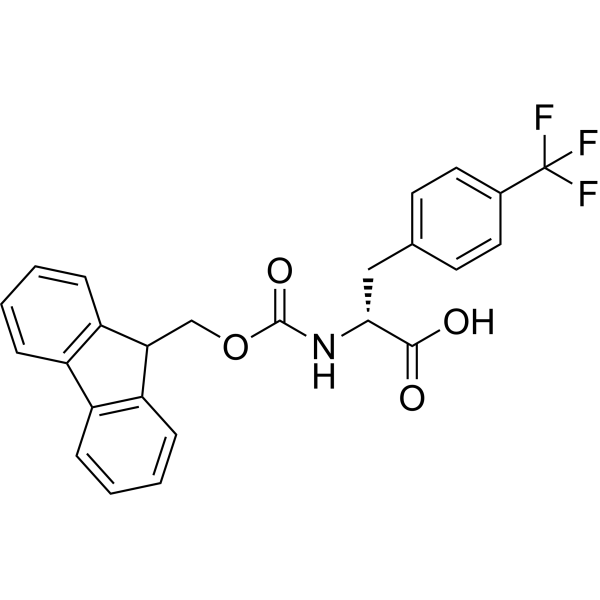
Fmoc-D-Phe(4-CF3)-OH is Phenylalanine derivative. Fmoc-D-Phe(4-CF3)-OH can be used for the research of peptide inhibitors of protein-protein interactions .
|
-
-
- HY-P2624A
-
|
|
PAK
|
Metabolic Disease
|
|
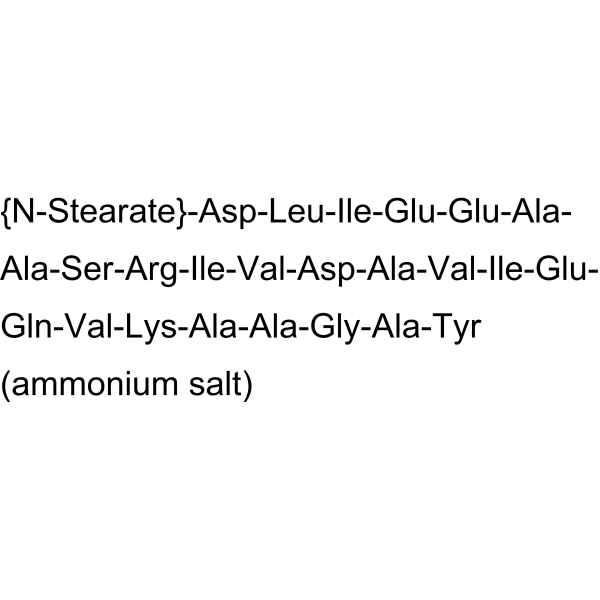
st-Ht31 ammonium is a membrane-permeable peptide inhibitor of?protein kinase A (PKA) anchoring. st-Ht31 ammonium induces robust cholesterol/phospholipid efflux. st-Ht31 ammonium completely reverses foam cell formation and restores the metabolic health of macrophage .
|
-
-
- HY-P4133
-
|
|
ERK
MEK
|
Cancer
|
|
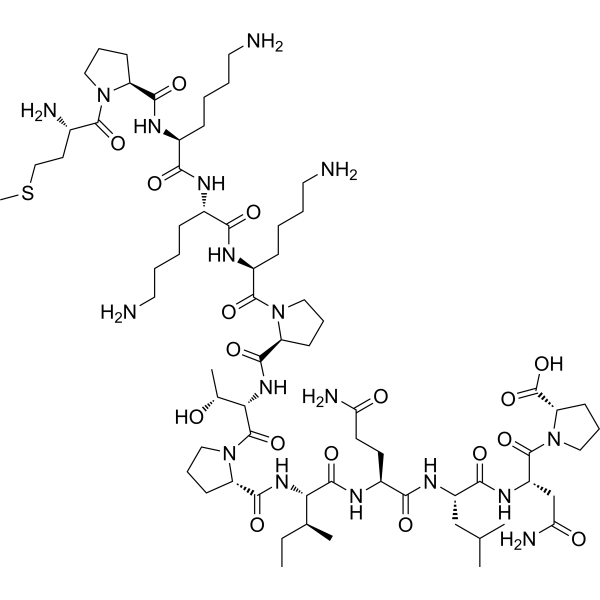
MEK1 Derived Peptide Inhibitor 1 is a peptide inhibitor. MEK1 Derived Peptide Inhibitor 1 can inhibit the in vitro activation of ERK2 by MEK1 with an IC50 value of 30 μM. MEK1 Derived Peptide Inhibitor 1 can be used for the research of cell-permeable .
|
-
-
- HY-P5884A
-
|
|
PKC
|
Others
|
|
PKCθ pseudosubstrate peptide inhibitor, myristoylated TFA is a synthetic peptide that can be used to study the mechanism of action of PKCθ .
|
-

-
- HY-P1789A
-
|
|
MMP
|
Inflammation/Immunology
Cancer
|
|
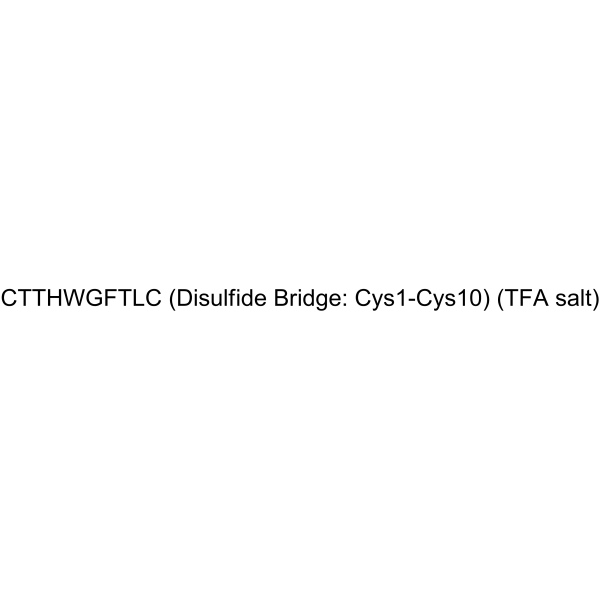
CTTHWGFTLC, CYCLIC TFA is a cyclic peptide inhibitor for matrix metalloproteinases MMP-2 and MMP-9. The IC50 value for MMP-9 is ~8 μM .
|
-
-
- HY-P1402
-
|
|
PKC
|
Others
|
|
[Glu27]-PKC (19-36) is an inactive control for protein kinase C (PKC) (19-36). PKC (19-36) is a pseudosubstrate peptide inhibitor of protein kinase C, it may be responsible for maintaining the enzyme in the inactive form in the absence of allosteric activators such as phospholipids .
|
-
![[Glu27]-PKC (19-36)](//file.medchemexpress.com/product_pic/hy-p1402.gif)
-
- HY-P2624
-
|
|
PAK
|
Metabolic Disease
|
|
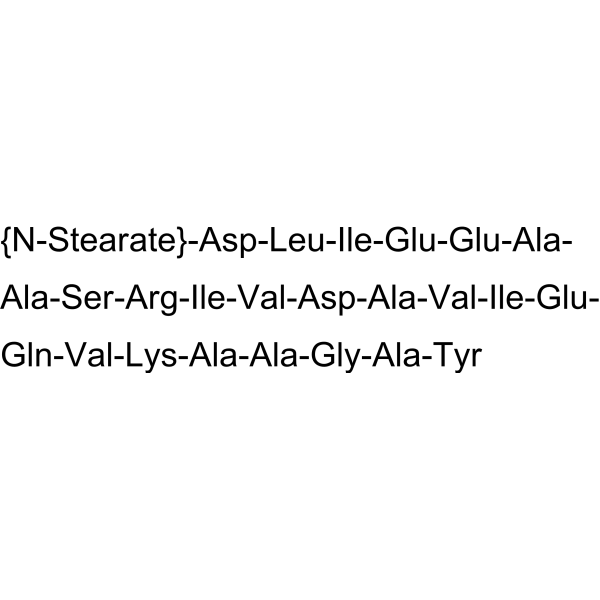
st-Ht31 is a membrane-permeable peptide inhibitor of protein kinase A (PKA) anchoring. st-Ht31 induces robust cholesterol/phospholipid efflux. st-Ht31 completely reverses foam cell formation and restores the metabolic health of macrophage .
|
-
-
- HY-P7061
-
|
|
CXCR
Apelin Receptor (APJ)
|
Infection
Endocrinology
|
|
ALX 40-4C is a small peptide inhibitor of the chemokine receptor CXCR4, inhibits SDF-1 from binding CXCR4 with a Ki of 1 μM, and suppresses the replication of X4 strains of HIV-1; ALX 40-4C Trifluoroacetate also acts as an antagonist of the APJ receptor, with an IC50 of 2.9 μM.
|
-
-
- HY-P3199
-
|
|
PKC
|
Inflammation/Immunology
|
|
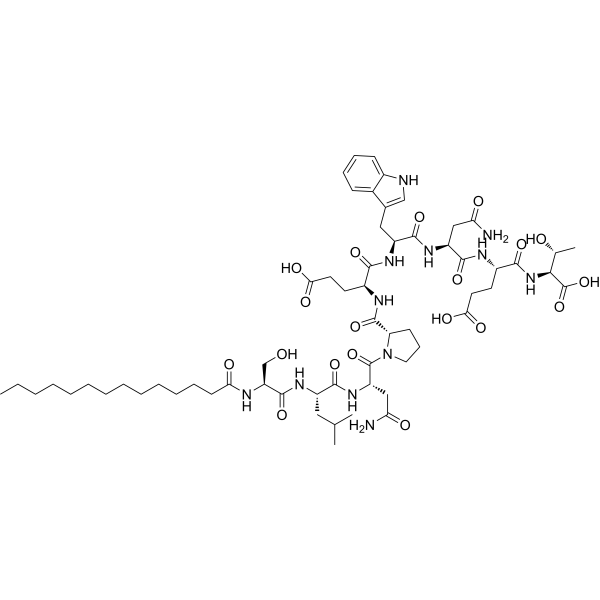
PKCβII Peptide Inhibitor I is a PKCβII inhibitor. PKCβII Peptide Inhibitor I shows cardioprotective effects in rat cardiac Ischemia/reperfusion injury model. PKCβII Peptide Inhibitor I also prevents vascular endothelial dysfunction .
|
-
-
- HY-P10835
-
|
|
LAG-3
|
Cancer
|
|
LAG-3 cyclic peptide inhibitor C25 is a LAG-3 inhibitor. LAG-3 cyclic peptide inhibitor C25 has a high affinity with human LAG-3 protein with a Kd value of 0.66 μM. LAG-3 cyclic peptide inhibitor C25 can block the interaction of LAG-3 with HLA-DR (MHC-II) and activate CD8 + T cells. LAG-3 cyclic peptide inhibitor C25 can be used in the study of cancer .
|
-

-
- HY-P11038
-
|
|
Interleukin Related
|
Inflammation/Immunology
|
|
IL-23 cyclic peptide inhibitor 105, a cyclic peptide, is an IL-23 inhibitor. IL-23 cyclic peptide inhibitor 105 can be used for inflammatory disorders like inflammatory bowel disease (IBD) research .
|
-

-
- HY-P11039
-
|
|
Interleukin Related
|
Inflammation/Immunology
|
|
IL-23 cyclic peptide inhibitor 281, a cyclic peptide, is an IL-23 inhibitor. IL-23 cyclic peptide inhibitor 281 can be used for inflammatory disorders like inflammatory bowel disease (IBD) research .
|
-

-
- HY-P5379
-
|
|
Proteasome
|
Others
|
|
Calpastatin subdomain B is a biological active peptide. (inhibit calpain activity)
|
-

-
- HY-P1111A
-
|
|
Src
Interleukin Related
|
Inflammation/Immunology
|
|
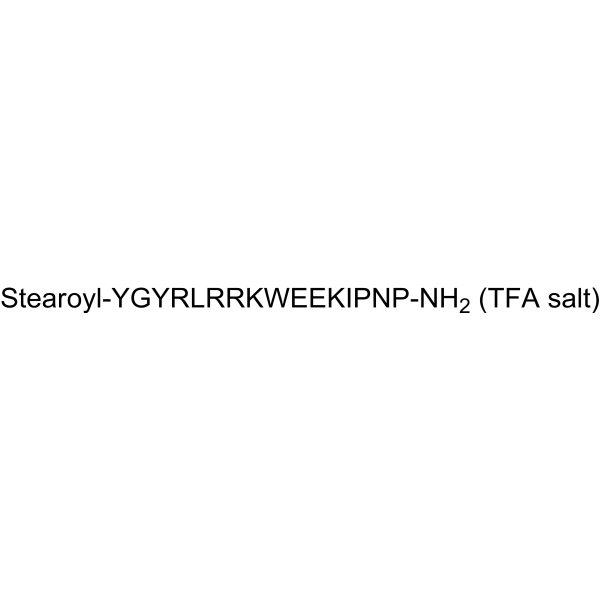
Lyn peptide inhibitor TFA is a potent and cell-permeable inhibitor of Lyn-coupled IL-5 receptor signaling pathway, while keeping other signals intact. Lyn peptide inhibitor TFA blocks Lyn activation and inhibits the binding of Lyn tyrosine kinase to βc subunit of IL-3/GM-CSF/IL-5 receptors. Lyn peptide inhibitor TFA can be used for study of asthma, allergic, and other eosinophilic disorders .
|
-
-
- HY-42649
-
|
|
Bacterial
|
Neurological Disease
|
|
NSC 14699 is a small molecule non-peptide inhibitor of botulinum neurotoxin serotype E. NSC 14699 is promising for research of therapeutic and cosmetic agents .
|
-

-
- HY-P1789
-
|
|
MMP
|
Inflammation/Immunology
Cancer
|
|
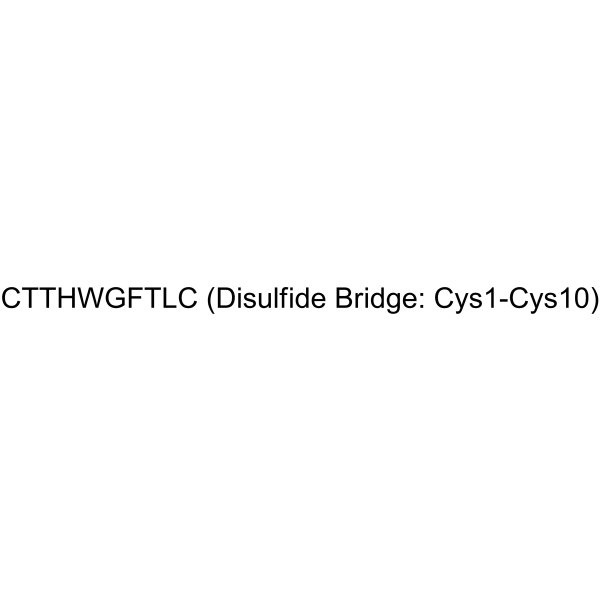
CTTHWGFTLC, CYCLIC is a cyclic peptide inhibitor for matrix metalloproteinases MMP-2 and MMP-9. The IC50 value for MMP-9 is ~8 μM .
|
-
-
- HY-P10837
-
|
|
LAG-3
|
Inflammation/Immunology
Cancer
|
|
LAG-3 cyclic peptide inhibitor 12 (Cyclic peptide 12) is an inhibitor of LAG-3 with an IC50 value of 4.45 μM and a Ki value of 2.66 µM .
|
-

-
- HY-P10818
-
|
|
Huntingtin
|
Neurological Disease
|
|
Polyglutamine binding peptide 1 (QBP1) is a peptide inhibitor of polyglutamine (polyQ). Polyglutamine binding peptide 1 inhibits polyQ protein aggregation in vitro and suppresses polyQ-induced cell death in cell culture .
|
-

-
- HY-P10331
-
|
|
SDCBP
|
Cancer
|
|
KSL 128114, a peptide inhibitor of syntenin, binds the PDZ1 domain of syntenin with nanomolar affinity. KSL 128114 is resistant toward degradation in human plasma and mouse hepatic microsomes and displays a global PDZ domain selectivity for syntenin .
|
-

-
- HY-P1401
-
|
|
PKC
|
Metabolic Disease
|
|
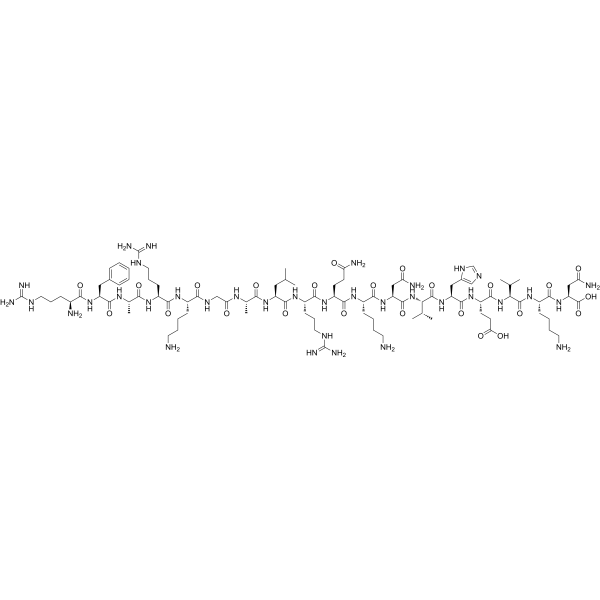
Protein Kinase C (19-36) is a pseudosubstrate peptide inhibitor of protein kinase C (PKC), with an IC50 of 0.18 μM. Protein Kinase C (19-36) markedly attenuated vascular hyperproliferation and hypertrophy as well as glucose-induced suppression of natriuretic peptide receptor response .
|
-
- HY-P1420A
-
|
|
HIF/HIF Prolyl-Hydroxylase
|
Cancer
|
|
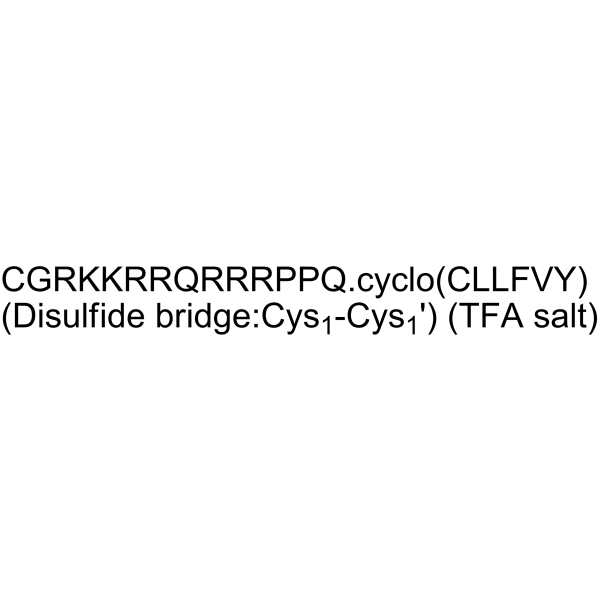
TAT-cyclo-CLLFVY TFA is a cyclic peptide inhibitor of HIF-1 heterodimerization that inhibits hypoxia signaling in cancer cells. TAT-cyclo-CLLFVY TFA disrupts HIF-1α/HIF-1β protein-protein interaction with an IC50 of 1.3 μM .
|
-
- HY-P10889
-
|
|
Phosphatase
|
Inflammation/Immunology
|
|
CNI103 is a highly potent and metabolically stable cell-permeable peptide inhibitor of calcineurin. CNI103 selectively blocks the interaction between calcineurin and NFATc3 (KD=16 nM), thereby preventing NFATc3 activation in vitro and in vivo. CNI103 can be used to study acute respiratory distress syndrome (ARDS) and other inflammatory diseases .
|
-

- HY-P0069A
-
-
- HY-P5884
-
|
|
PKC
|
Others
|
|
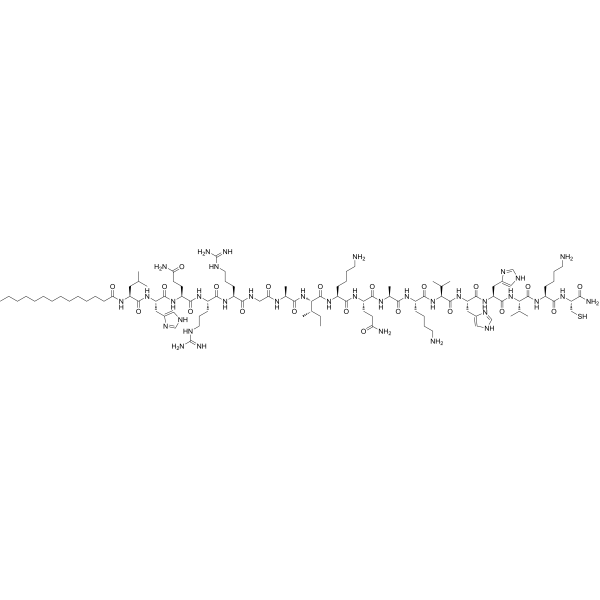
PKCθ pseudosubstrate peptide inhibitor, myristoylated is a synthetic peptide that can be used to study the mechanism of action of PKCθ .
|
-
- HY-P2785
-
-
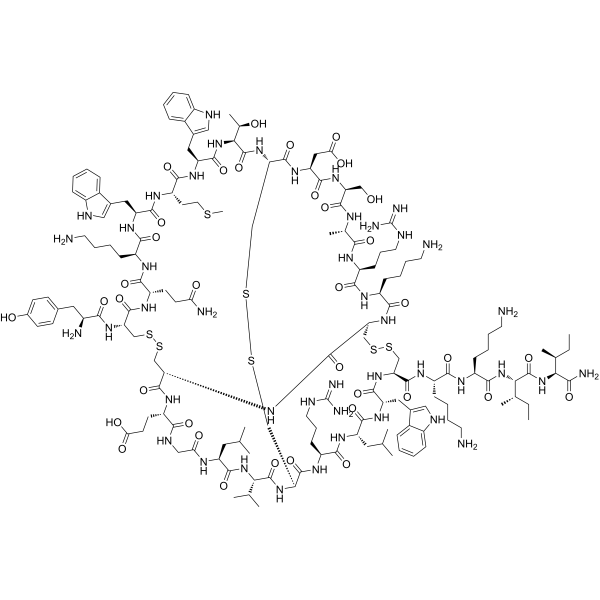
- HY-P10081
-
-

- HY-P1284A
-
|
|
PKC
|
Neurological Disease
Cancer
|
|
ZIP TFA is a selective peptide inhibitor of PKMζ. ZIP TFA injections can block the impairment in morphine conditioned place preference induced .
|
-

- HY-P2785A
-
-
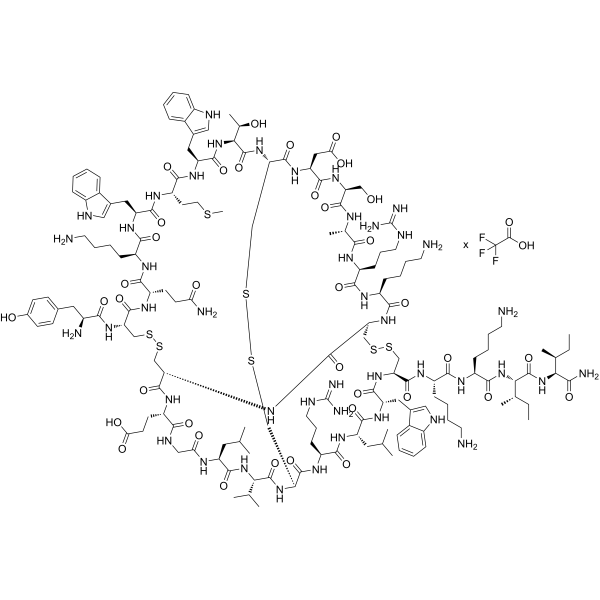
- HY-P2502
-
|
|
HCV Protease
HCV
|
Infection
|
|
Hepatitis Virus C NS3 Protease Inhibitor 2 is a product-based peptide inhibitor of hepatitis C virus (HCV) NS3 protease, with a Ki of 41 nM .
|
-
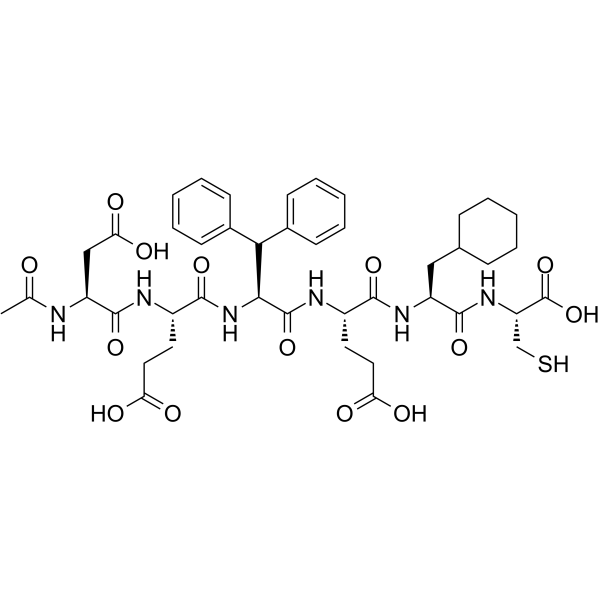
- HY-P10488
-
|
|
Wnt
Others
|
Cancer
|
|
cycFWRPW is a peptide inhibitor of TLE1. TLE1 is an oncogenic transcriptional co‐repressor that exerts its repressive effects through binding of transcription factors, and inhibits Wnt signaling .
|
-

- HY-P1289D
-
|
|
PKC
|
Others
|
|
[Ala107]MBP(104-118) acetate is an noncompetitive peptide inhibitors of protein kinase C (PKC), with IC50s ranging from 46-145 μM .
|
-
![[Ala107]MBP(104-118) acetate](//file.medchemexpress.com/product_pic/hy-p1289d.gif)
- HY-P1289
-
|
|
PKC
|
Others
|
|
[Ala113]MBP(104-118) is an noncompetitive peptide inhibitors of protein kinase C (PKC), with IC50s ranging from 28-62 μM .
|
-
![[Ala113]MBP(104-118)](//file.medchemexpress.com/product_pic/hy-p1289.gif)
- HY-P5888
-
|
Myr‐PKCɛ-
|
PKC
|
Inflammation/Immunology
|
|
PKCε inhibitor peptide,myristoylated (Myr‐PKC -) is a cell permeable myristic acid conjugated PKC peptide inhibitor that attenuates NO release in cultured human umbilical vein endothelial cells (HUVECs) .
|
-
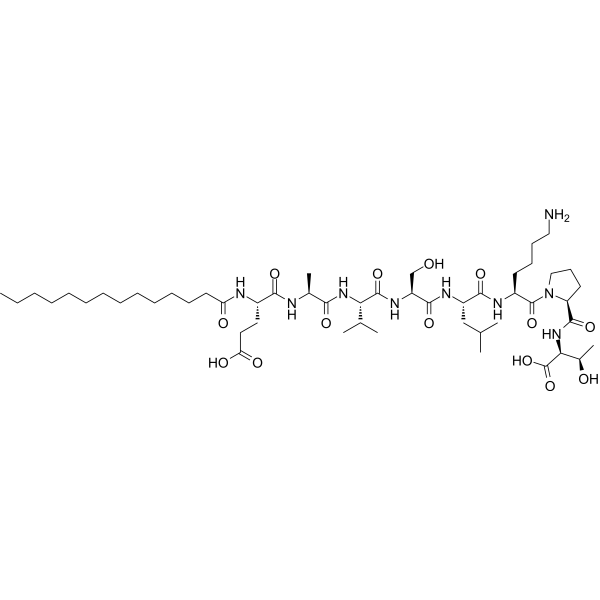
- HY-P1289A
-
|
|
PKC
|
Others
|
|
[Ala107]MBP(104-118) is an noncompetitive peptide inhibitors of protein kinase C (PKC), with IC50s ranging from 46-145 μM .
|
-
![[Ala107]MBP(104-118)](//file.medchemexpress.com/product_pic/hy-p1289a.gif)
- HY-P10093
-
|
|
PI3K
|
Others
|
|
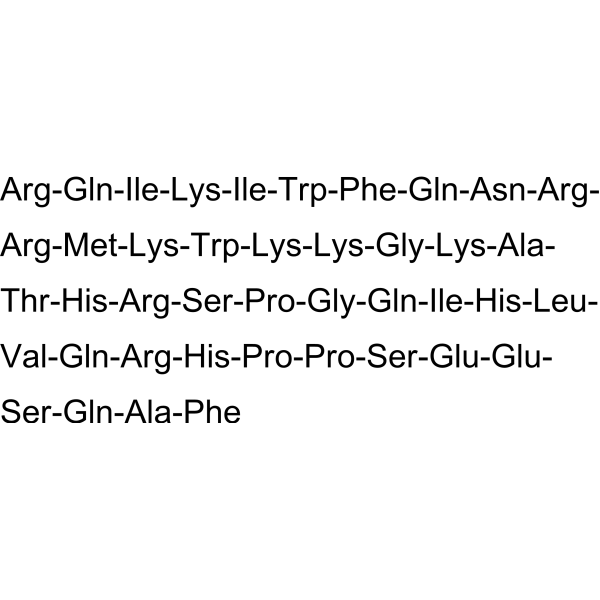
Penetratin-PI3Kγ(126-150) is a peptide inhibitor of ΡI3Κγ that plays an important role in respiratory system diseases .
|
-
- HY-P10850
-
|
|
TNF Receptor
NF-κB
Apoptosis
|
Inflammation/Immunology
|
|
PIYLGGVFQ is a peptide inhibitor for TNF-α. PIYLGGVFQ inhibits TNF-α-mediated apoptosis, NF-κB nuclear translocation and activation. PIYLGGVFQ exhibits anti-arthritic activity in the CIA mouse model .
|
-

- HY-P1289C
-
|
|
PKC
|
Others
|
|
[Ala113]MBP(104-118) TFA is an noncompetitive peptide inhibitors of protein kinase C (PKC), with IC50s ranging from 28-62 μM .
|
-
![[Ala113]MBP(104-118) TFA](//file.medchemexpress.com/product_pic/hy-p1289c.gif)
- HY-P1289B
-
|
|
PKC
|
Others
|
|
[Ala107]MBP(104-118) TFA is an noncompetitive peptide inhibitors of protein kinase C (PKC), with IC50s ranging from 46-145 μM .
|
-
![[Ala107]MBP(104-118) TFA](//file.medchemexpress.com/product_pic/hy-p1289b.gif)
- HY-145263
-
|
|
Ser/Thr Protease
|
Cancer
|
|
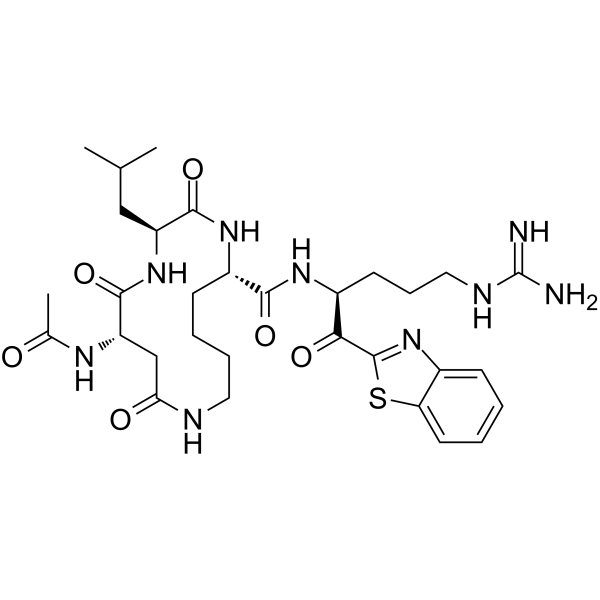
VD2173 is a side chain cyclized macrocyclic peptide inhibitor of HGF-activating serine proteases. VD2173 potently inhibits matriptase and hepsin. VD2173 can be used for the research of lung cancer .
|
-
- HY-107131
-
|
|
Microtubule/Tubulin
|
Cancer
|
|
ALM-201 is a peptide inhibitor of angiogenesis targeting microtubule. ALM-201 can inhibit cells migration, tubule formation and microvessel formation. ALM-201 can be used for the research of cancer .
|
-

- HY-P10076
-
|
L-HIV-TAT(48–57)-PP-JBD20
|
JNK
|
Metabolic Disease
|
|
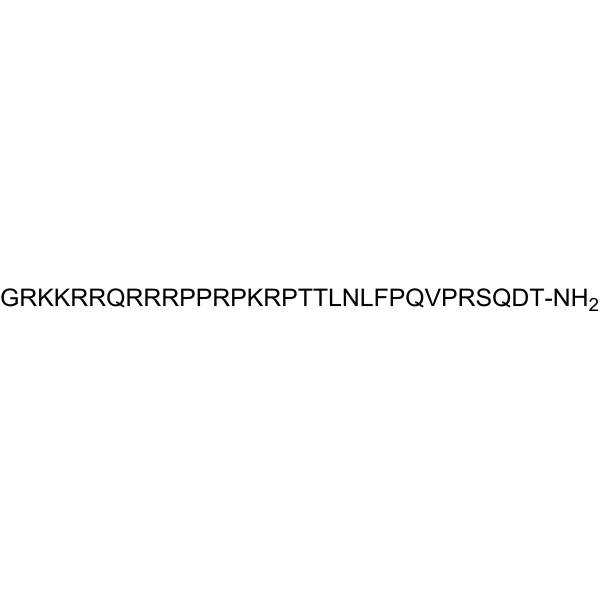
TAT-JBD20 (L-HIV-TAT(48–57)-PP-JBD20) is a JNK peptide inhibitor. TAT-JBD20 can be used for research of diabetes .
|
-
- HY-P2247
-
|
|
JNK
|
Cancer
|
|
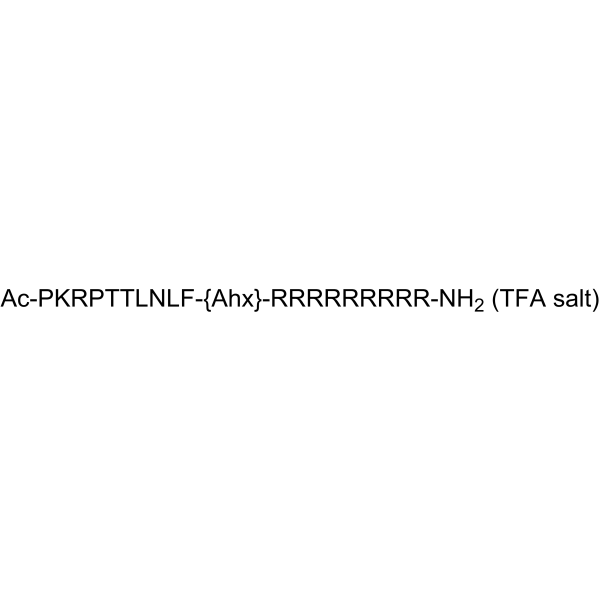
JTP10-△-R9 TFA is a selective JNK2 peptide inhibitor, with an IC50 of 89 nM, exhibiting 10-fold selectivity for JNK2 over JNK1 and JNK3 .
|
-
- HY-48289
-
|
|
PKA
|
Metabolic Disease
|
|
PKA/AKAP-IN-2 (15109) is a non-peptide inhibitor of the interaction between protein kinase A (PKA) and A kinase anchoring proteins (AKAP). PKA/AKAP-IN-2 can be utilized in research related to cAMP disturbance associated diseases .
|
-

- HY-P1191
-
|
TI-JIP; JIP-1 peptide; JIPtide
|
JNK
|
Others
|
|
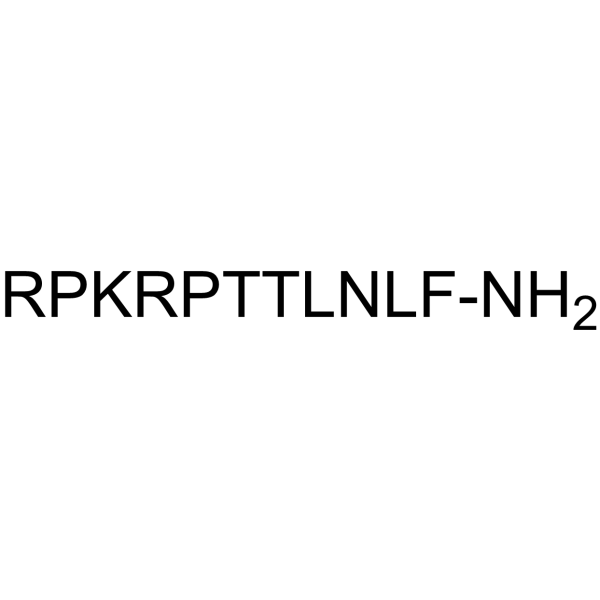
JIP-1(153-163) (TI-JIP) is a peptide inhibitor of c-JNK, based on residues 153-163 of JNK-interacting protein-1 (JIP-1) (Modifications: Phe-11 = C-terminal amide) .
|
-
- HY-156925
-
|
|
PKA
|
Others
|
|
PKA/AKAP-IN-1 (compound 15126) is a non-peptide inhibitor of the interaction between protein kinase A (PKA) and A kinase anchoring proteins (AKAP). PKA/AKAP-IN-1 can be utilized in research related to cAMP disturbance associated diseases .
|
-

- HY-P10821
-
-

- HY-P1191A
-
|
TI-JIP TFA; JIP-1 peptide TFA; JIPtide TFA
|
JNK
|
Others
|
|
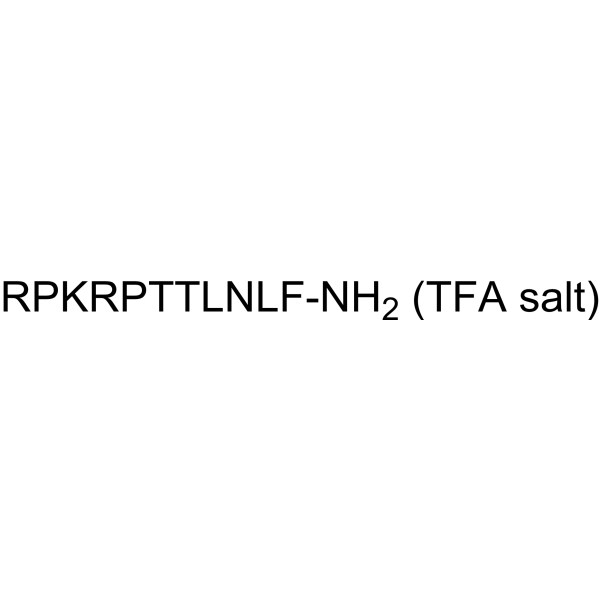
JIP-1(153-163) TFA (TI-JIP TFA) is a peptide inhibitor of c-JNK, based on residues 153-163 of JNK-interacting protein-1 (JIP-1) (Modifications: Phe-11 = C-terminal amide) .
|
-
- HY-P10778
-
|
|
Amino Acid Derivatives
|
Neurological Disease
|
|
me4 Peptide is a synthetic peptide designed based on the microexon me4 sequence of neuronal CPEB4 protein. me4 Peptide inhibits CPEB4 aggregation. me4 Peptide can be used in the study of disorders associated with autism spectrum disorders .
|
-

- HY-P0222A
-
|
|
PKA
|
Others
|
|
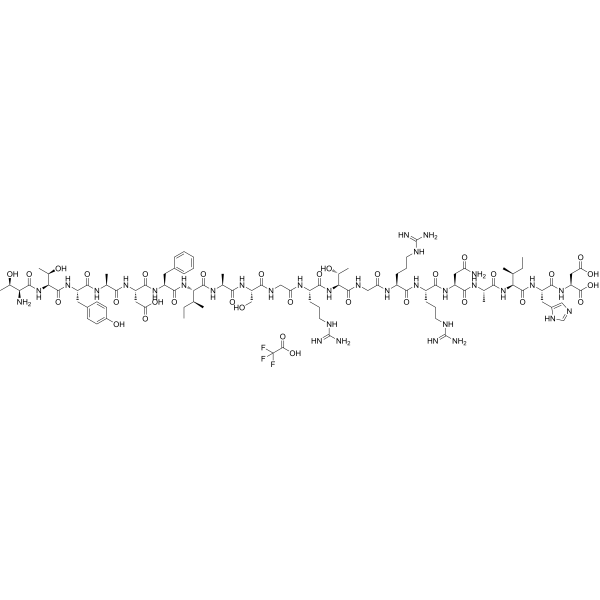
PKI(5-24) TFA is a potent, competitive, and synthetic peptide inhibitor of PKA (cAMP-dependent protein kinase), with a Ki of 2.3 nM. PKI(5-24) TFA corresponds to residues 5-24 in the naturally occurring heat-stable protein kinase inhibitor .
|
-
- HY-P1746A
-
|
PKC (19-31) TFA
|
PKC
|
Inflammation/Immunology
|
|
Protein Kinase C (19-31) TFA, a peptide inhibitor of protein kinase C (PKC), derived from the pseudo-substrate regulatory domain of PKCa (residues 19-31), is used as protein kinase C substrate peptide for testing the protein kinase C activity .
|
-

- HY-P10811
-
|
XIP
|
Na+/Ca2+ Exchanger
|
Neurological Disease
|
|
Na +-Ca 2+ Exchanger inhibitory peptide (XIP) is a Na +-Ca 2+ exchanger inhibitor with a Ki of 200 nM. Na +-Ca 2+ Exchanger inhibitory peptide inhibits the Na +-dependent Ca 2+ uptake and the Na +-dependent Ca 2+ efflux of sarcolemmal vesicles in a noncompetitive manner .
|
-

- HY-P10829
-
|
|
Dengue Virus
|
Infection
|
|
MLH40 is a peptide inhibitor with activity against Dengue virus (DENV) infection, which is found in the conserved ectodomain region of DENV membrane protein. MLH40 inhibits DENV through its N-terminal loop interaction with DENV envelope protein and altering the dimer conformation .
|
-

- HY-P1949
-
|
|
CXCR
|
Cardiovascular Disease
Cancer
|
|
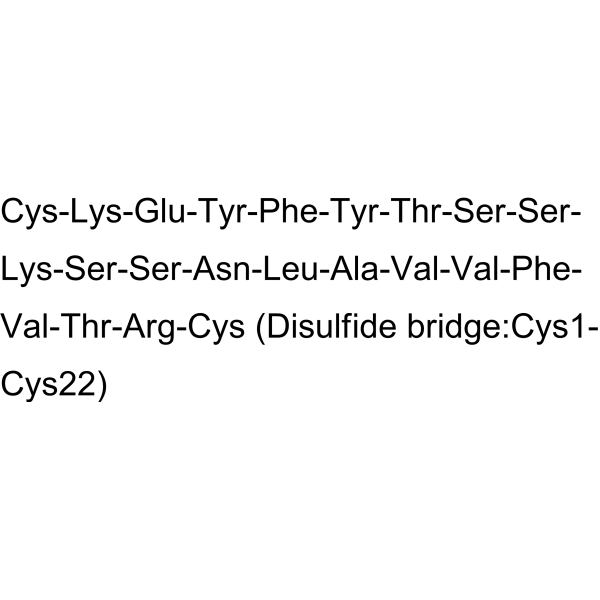
Cyclic MKEY is a synthetic cyclic peptide inhibitor of CXCL4-CCL5 heterodimer formation, which protects against atherosclerosis and aortic aneurysm formation by mediating inflammation. Cyclic MKEY also protects against stroke-induced brain injury in mice .
|
-
- HY-P10860
-
|
|
Factor Xa
|
Cardiovascular Disease
|
|
cMCoFx1 is a potent and selective FXIIa cyclic peptide inhibitor. cMCoFx1 has high binding affinity (KD: 900 pM) and inhibitory activity (Ki: 370 pM) for FXIIa. cMCoFx1 can effectively inhibit endogenous clotting pathways, and cMCoFx1 is stable in serum and non-cytotoxic .
|
-

- HY-P10820
-
|
|
HIV
|
Infection
|
|
N36Mut(e,g) is a gp41-targeted HIV fusion peptide inhibitor. N36Mut(e,g) acts by disrupting the homotrimeric coiled-coil of N-terminal helices in the pre-hairpin intermediate to form heterotrimers .
|
-

- HY-P5207
-
|
|
Bacterial
|
Infection
|
|
Garvicin KS, GakC is a peptide at sizes of 32 amino acids to form bacteriocin garvicin KS (GarKS), with other 2 peptides, GakA, and GakB. Garvicin KS, GakC inhibits fibroblast viability and proliferation. Garvicin KS peptides inhibit MSSA with MIC values in the order GakB >GakC >GakA .
|
-

- HY-P3882
-
|
|
Amino Acid Derivatives
|
Neurological Disease
|
|
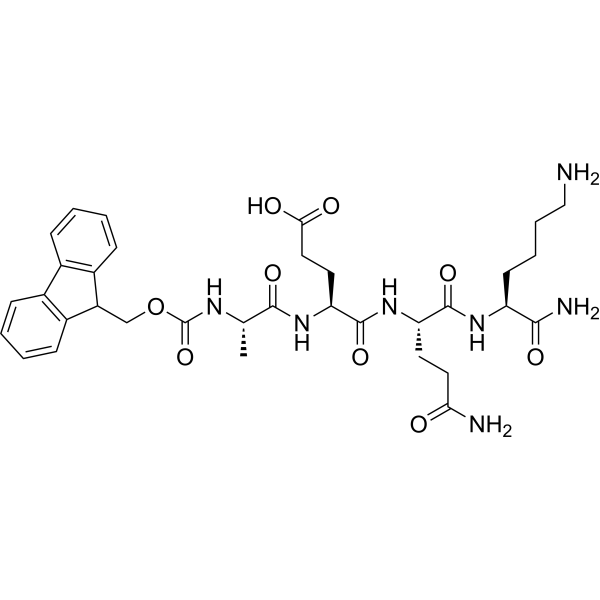
Fmoc-Ala-Glu-Gln-Lys-NH2 (AEQK) is a tetrapeptide. Fmoc-Ala-Glu-Gln-Lys-NH2 is the inactive control for Fmoc-Ala-Glu-Asn-Lys-NH2 (AENK) peptide inhibitor. AENK blocks proteolysis of UNC5C protein .
|
-
- HY-P2298
-
|
|
PKC
|
Neurological Disease
|
|
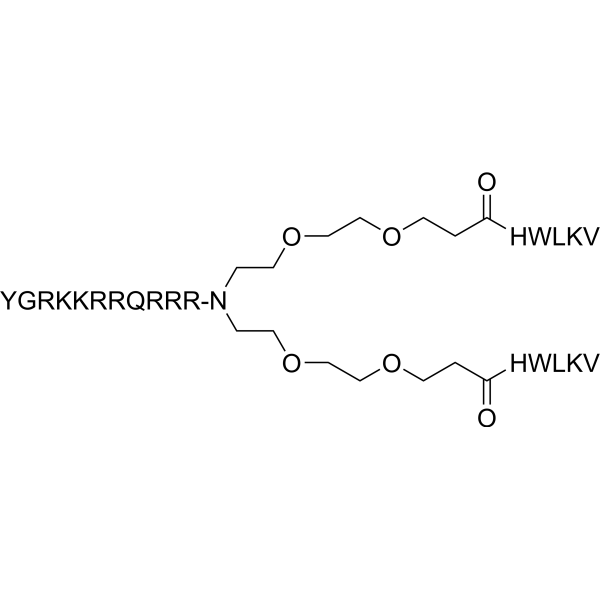
TAT-P4-(DATC5)2 is a high-affinity peptide inhibitor of the PICK1 (protein interacting with C kinase-1) PDZ domain, with a Ki of 1.7 nM. TAT-P4-(DATC5)2 can inhibit addiction in rats .
|
-
- HY-P10858
-
|
|
SARS-CoV
Virus Protease
|
Infection
|
|
UCI-1 is a SARS-CoV-2 main protease (M pro) cyclic peptide inhibitor with an IC50 of 160 μM. UCI-1 shows no obvious cytotoxicity at the concentration of inhibiting M pro. UCI-1 can be used in the study of anti-COVID-19 drugs .
|
-

- HY-P10801
-
|
C46 peptide
|
HIV
|
Infection
|
|
mC46 (C46) peptide is a membrane-associated fusion peptide inhibitor. mC46 peptide potently inhibits HIV-1 replication and entry. mC46 also inhibits CCR5-tropic, CXCR4-tropic, and dual-tropic HIVs, SIV, and SHIV .
|
-

- HY-P2298A
-
|
|
PKC
|
Neurological Disease
|
|
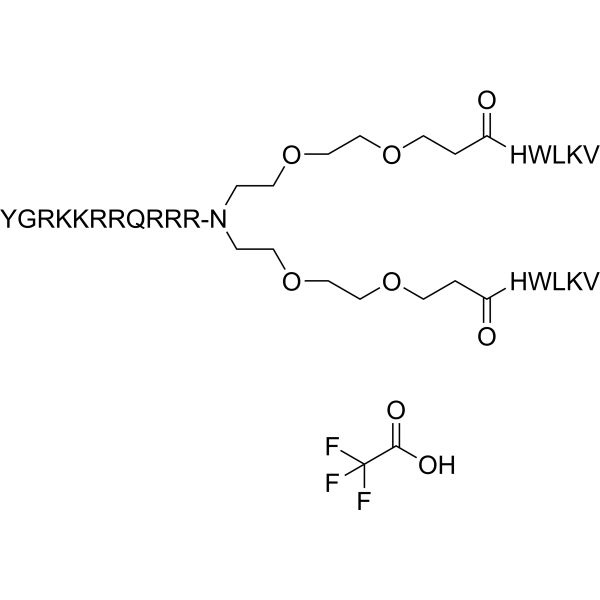
TAT-P4-(DATC5)2 TFA is a high-affinity peptide inhibitor of the PICK1 (protein interacting with C kinase-1) PDZ domain, with a Ki of 1.7 nM. TAT-P4-(DATC5)2 TFA can inhibit addiction in rats .
|
-
- HY-P10802
-
|
|
Enterovirus
Virus Protease
|
Infection
|
|
ER-DRI is a potent peptide inhibitor that tagets EV-A71. ER-DRI directly bounds to 3A and specifically abrogates viral suppressor of RNAi activity, which unlocked the antiviral RNAi response that is suppressed by 3A. ER-DRI also potently inhibits another enterovirus, Coxsackievirus-A16, dependently of RNAi .
|
-

- HY-147734
-
|
|
Calcium Channel
|
Cancer
|
|
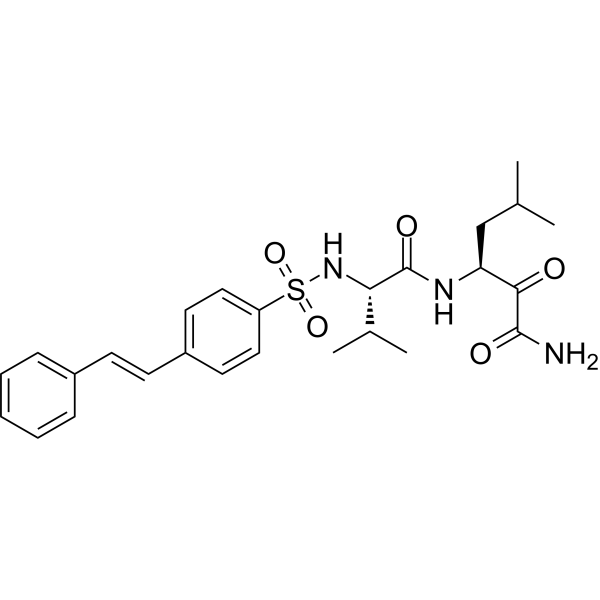
Calpain Inhibitor-2 (compound 5) is a peptide inhibitor of μ-calpain (Ki=9 nM). Calpain Inhibitor-2 exhibits antiproliferative activity against melanoma cell lines (A-375 and B-16F1) and PC-3 prostate cancer cells in vitro .
|
-
- HY-P1001A
-
|
|
Caspase
Apoptosis
|
Neurological Disease
Cancer
|
|
Ac-DEVD-CHO TFA is a peptide inhibitor of caspase-3 (Ki=230 pM) and caspase-7. Ac-DEVD-CHO TFA reduces caspase-3 activity and apoptosis induced by Prostaglandin E2 (HY-101952) in rat cortical neurons. Ac-DEVD-CHO TFA is promising for research of neurodegenerative diseases and cancers .
|
-

- HY-P3355
-
|
|
iGluR
|
Neurological Disease
|
|
p-fin4 is a peptide inhibitor of STEP Phosphatase-GluA2 AMPA receptor interaction with a Ki of 0.4 μM. p-fin4 restores the memory deficits and displays anxiolytic and antidepressant effects in a scopolamine-treated rat model. p-fin4 is a promising lead compound for novel cognitive enhancers and/or behavioral modulators .
|
-

- HY-P4136
-
|
|
ERK
|
Cancer
|
|
Myristoyl-MEK1 Derived Peptide Inhibitor 1 is the myristoylated form of the MEK1 Derived Peptide Inhibitor 1 (HY-P4133). Myristoyl-MEK1 Derived Peptide Inhibitor 1 inhibits ERK activation with an IC50 of 10 μM .
|
-

- HY-P11036
-
|
|
MDM-2/p53
|
Cancer
|
|
p53-hDM2 cyclic peptide inhibitor 16e is a p53-hDM2 cell-permeable peptide inhibitor with an IC50 of 9.24 nM for hDM2. p53-hDM2 cyclic peptide inhibitor 16e can be used for cancers like breast, colorectal and cervical cancers research .
|
-

- HY-P11225
-
|
MAP-04-02
|
Bacterial
|
Infection
|
DRAMP18563 (MAP-04-02) is a linear antimicrobial peptide that can act as a delivery vector to transport dual-ring peptide inhibitors that cannot penetrate the outer membrane of Gram-negative bacteria to their target sites. DRAMP18563 can be used to study the delivery strategies of dual-ring peptide inhibitors .
|
-

- HY-P10814
-
|
|
Bacterial
|
Infection
|
|
MciZ (B. subtilis), a 40-amino-acid peptide, inhibits the GTPase activity of FtsZ that prevents inappropriate Z-ring formation during sporulation .
|
-

- HY-P11394
-
|
|
Bacterial
|
Infection
|
|
Fibronectin binding protein peptide, D3 peptide is a D motif from the S. aureus Fn receptor. Fibronectin binding protein peptide, D3 peptide inhibits the binding of l25I-Fn to S. dysgalactiae .
|
-

- HY-P10839
-
|
|
NF-κB
|
Inflammation/Immunology
|
|
NBD peptide inhibits NF-κB signaling pathway through inhibition of the NEMO-IKK complex combination. NBD peptide exhibits anti-inflammatory efficacy through block of pro-inflammatory cytokines production. NBD peptide exhibits immunosuppressive activity through regulation of immune cells. NBD peptide enhances its transmembrane ability by combining with cell-penetrating peptide HIV-TAT .
|
-

- HY-P3434
-
|
|
Pyroptosis
|
Inflammation/Immunology
|
|
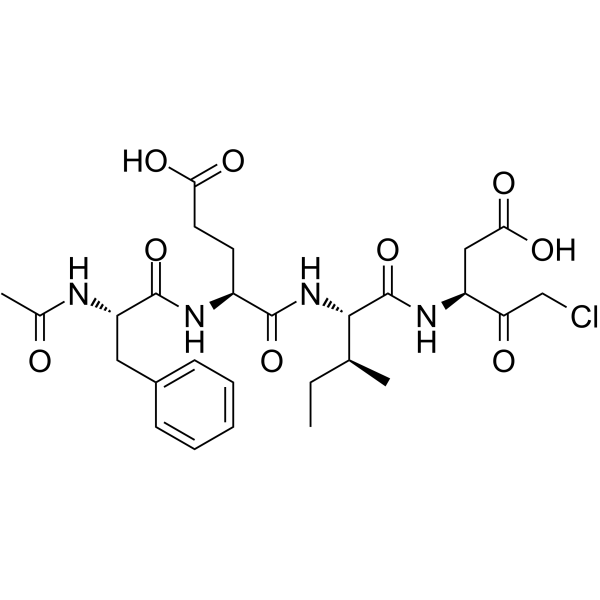
Ac-FEID-CMK is a potent zebrafish-specific GSDMEb-derived peptide inhibitor.
Ac-FEID-CMK can attenuate the mortality and kidney injury during septic shock. Ac-FEID-CMK inhibits pyroptosis and attenuates septic AKI (acute kidney injury) in vivo. Ac-FEID-CMK can suppress the caspy2-mediated noncanonical inflammasome pathway .
|
-
- HY-P11052
-
|
|
HSP
|
Cancer
|
|
A8 peptide is a Hsp72 antagonist. A8 peptide inhibits tumor progression and metastasis as well as enhances the cancer cells' sensitivity to apoptosis induced by chemotherapeutic agents (such as Cisplatin (HY-17394)) by blocking the Hsp72-TLR2 interaction and the subsequent activation of MDSCs. A8 peptide can be used for cancers research .
|
-

- HY-P1173
-
|
Myristoylated L 803; GSK-3β Inhibitor XIII
|
GSK-3
Amyloid-β
|
Neurological Disease
|
|
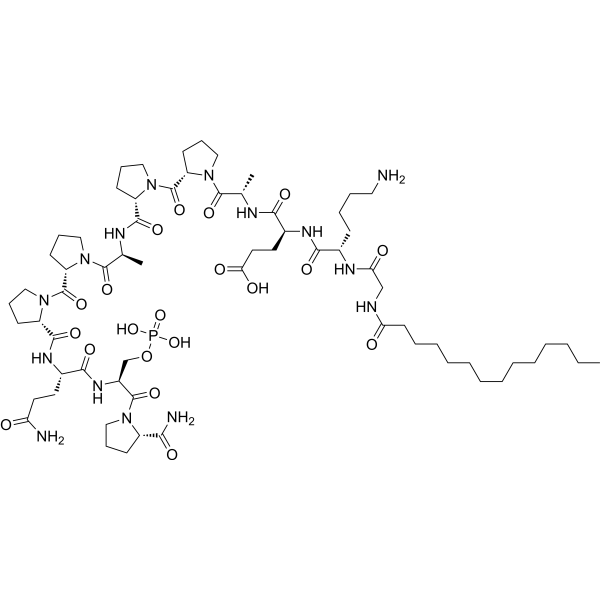
L803-mts (Myristoylated L 803) is a selective and substrate-competitive GSK-3 peptide inhibitor (IC50: 40 μM). L803-mts also reduces Aβ deposits and ameliorates cognitive deficits in 5XFAD mice. L803-mts shows antidepressive effect in the forced swimming test .
|
-
- HY-P5960
-
|
PTBP1 α3-helix derived peptide P6 TFA
|
DNA/RNA Synthesis
|
Others
|
|
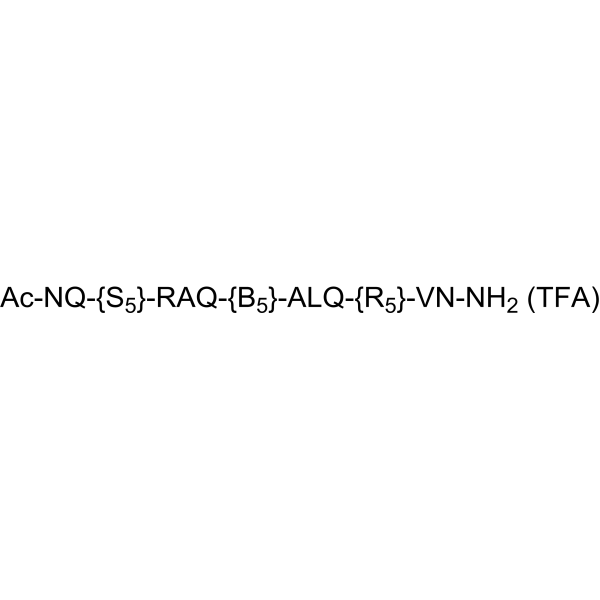
PTBP1-RNA-binding inhibitor P6 (PTBP1 α3-helix derived peptide P6) TFA is a stapled peptide inhibitor of the splicing factor PTBP1, which inhibits alternative splicing events regulated by PTBP1. PTBP1 binds RNA through its RNA recognition motif .
|
-
- HY-P5469
-
|
|
Formyl Peptide Receptor (FPR)
|
Others
|
|
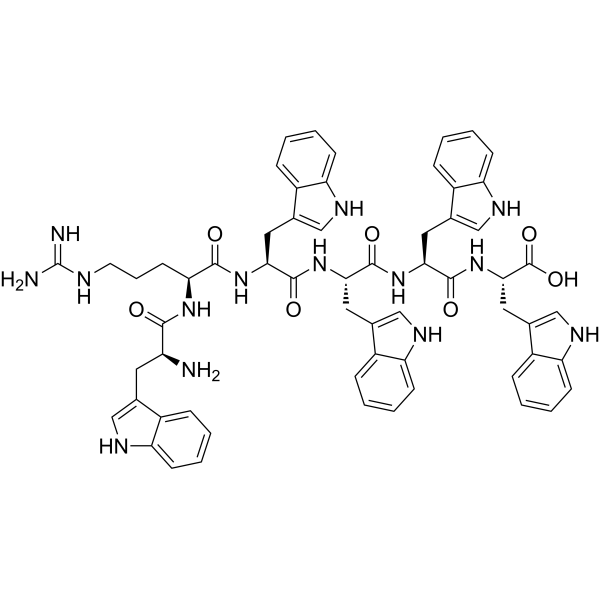
WRW4-OH is a biological active peptide. (This peptide inhibits binding of one of formyl peptide receptor-like 1 (FPRL1) agonists WKYMVm to its specific receptor. FPRL1 is an important classical chemoattractant receptor that is expressed in phagocytic cells in the peripheral blood and brain. Activation of FPRL1 is closely related to inflammatory responses in the host defense mechanism and neurodegenerative disorders.)
|
-
- HY-P10855
-
|
|
SARS-CoV
|
Infection
|
|
S1b3inL1 is a SARS-CoV-2 spike protein macrocyclic peptide inhibitor. S1b3inL1 can bind the conserved site of spike protein with high affinity and inhibit the infection of various SARS-CoV-2 variant strains. S1b3inL1 has antiviral activity .
|
-

- HY-P11621
-
|
|
E1/E2/E3 Enzyme
|
Cancer
|
|
JWP24 is the first cell membrane-permeable peptide inhibitor of MAGE-A4, with an IC50 of 200 nM against human MAGE-A4. JWP24 binds to intracellular targets while retaining binding activity, disrupts the interaction between MAGE-A4 and RAD18, and does not induce cytotoxicity at effective concentrations. JWP24 is applicable for cancer-related research .
|
-

- HY-P10438
-
|
|
Raf
|
Cancer
|
|
TAT-Braftide is a peptide inhibitor designed to block the dimerization of BRAF, thereby inhibiting its kinase activity. The destruction of BRAF dimer by TAT-Braftide makes BRAF protein more susceptible to proteasome degradation, directly inhibits the activity of BRAF kinase, and reduces the activation of MAPK signaling pathway. Tat-braftide can be used for the role of RAF kinase in MAPK signaling pathway and for the study of BRAF mutant cancers .
|
-

- HY-P3412
-
|
|
MAPKAPK2 (MK2)
|
Inflammation/Immunology
|
|
MMI-0100 is a cell-permeant peptide inhibitor of mitogen activated protein kinase activated protein kinase II (MK2). MMI-0100 reduces intimal hyperplasia ex vivo and in vivo. MMI-0100 suppresses IL-6 expression without effect on IL-8 expression. MMI-0100 suppresses fibrotic processes such as vein graft disease .
|
-
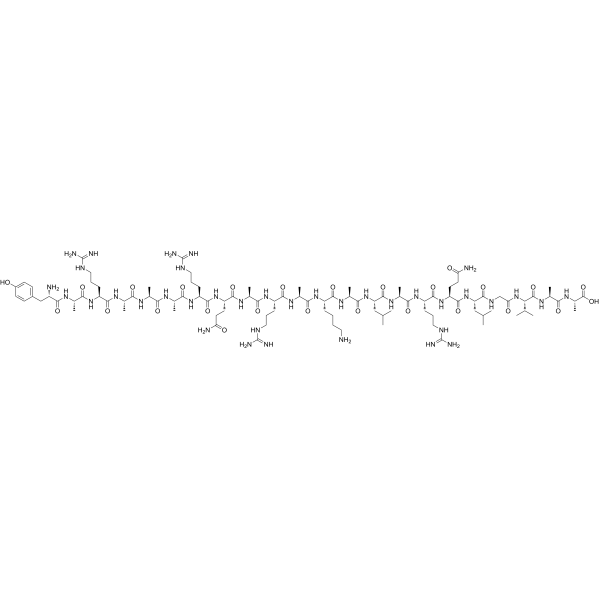
- HY-P10852
-
-

- HY-P3143
-
|
|
PD-1/PD-L1
|
Cancer
|
|
BMSpep-57 is a potent and competitive macrocyclic peptide inhibitor of PD-1/PD-L1 interaction with an IC50 of 7.68 nM. BMSpep-57 binds to PD-L1 with Kds of 19 nM and 19.88 nM in MST and SPR assays, respectively. BMSpep-57 facilitates T cell function by in creasing IL-2 production in PBMCs .
|
-
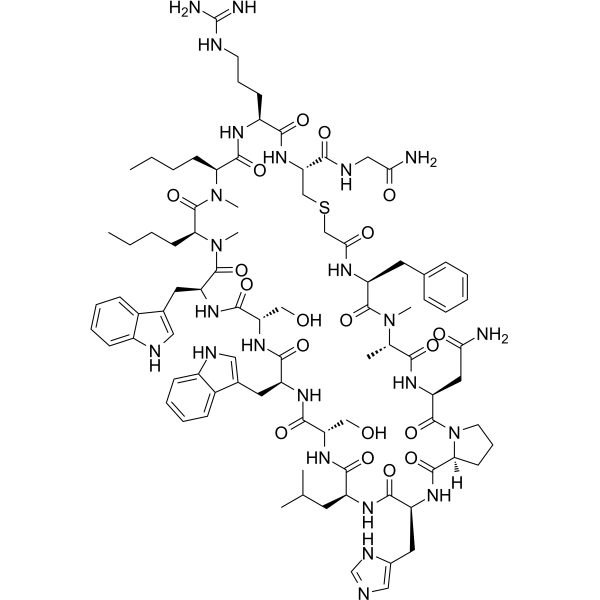
- HY-P10817
-
|
|
Proton Pump
Reactive Oxygen Species (ROS)
|
Metabolic Disease
|
|
Corza6 is a potent and selective human voltage-gated proton channel (hHv1) peptide inhibitor. Corza6 binds to the external voltage sensor domain (VSD) loop in hHv1 with a Kd of ~1 nM at the natural, hyperpolarized resting membrane potential (RMP) of mammalian cells. Corza6 allows capacitation in sperm and permits sustained reactive oxygen species (ROS) production in white blood cells (WBCs) .
|
-

- HY-P10224
-
|
|
EGFR
|
Cancer
|
|
G7-18NATE is a peptide inhibitor of Grb7. HY-P10224 binds to the Grb7-SH2 domain with micromolar affinity (KD = 18.1 μM). G7-18NATE inhibits cell proliferation, motility, cell invasion and 3D culture formation in several cancer cell lines .
|
-
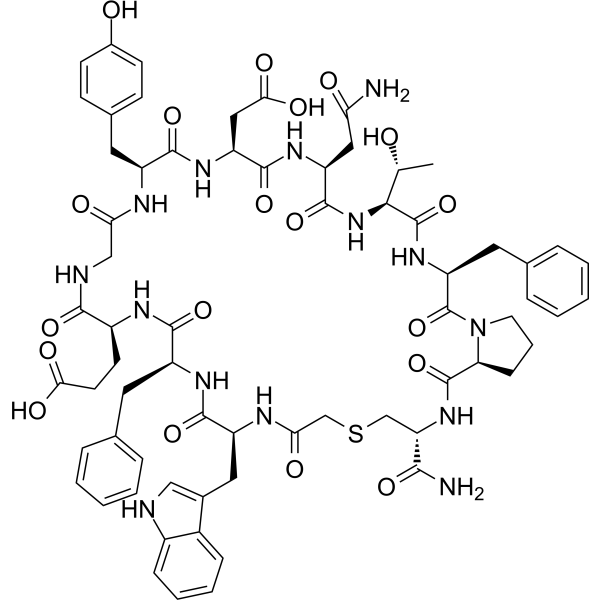
- HY-P3143A
-
|
|
PD-1/PD-L1
|
Cancer
|
|
BMSpep-57 hydrochloride is a potent and competitive macrocyclic peptide inhibitor of PD-1/PD-L1 interaction with an IC50 of 7.68 nM. BMSpep-57 hydrochloride binds to PD-L1 with Kds of 19 nM and 19.88 nM in MST and SPR assays, respectively. BMSpep-57 hydrochloride facilitates T cell function by in creasing IL-2 production in PBMCs .
|
-
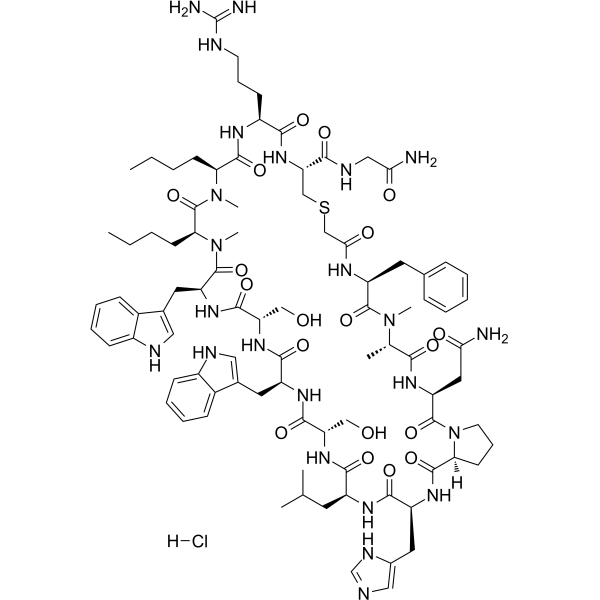
- HY-P10845
-
|
|
HIV
|
Infection
|
|
KRL74 is a cyclic peptide inhibitor for interaction between the p6 domain of the HIV Gag protein and the UEV domain of the human TSG101 protein(p6/UEV) with an IC50 of 5.44 μM and a Kd of 11.9 μM. KRL74 inhibits the budding process of HIV from host cells with an IC50 of 2 μM in virus-like particle (VLP) budding assay .
|
-

- HY-P3434A
-
|
|
Pyroptosis
|
Inflammation/Immunology
|
|
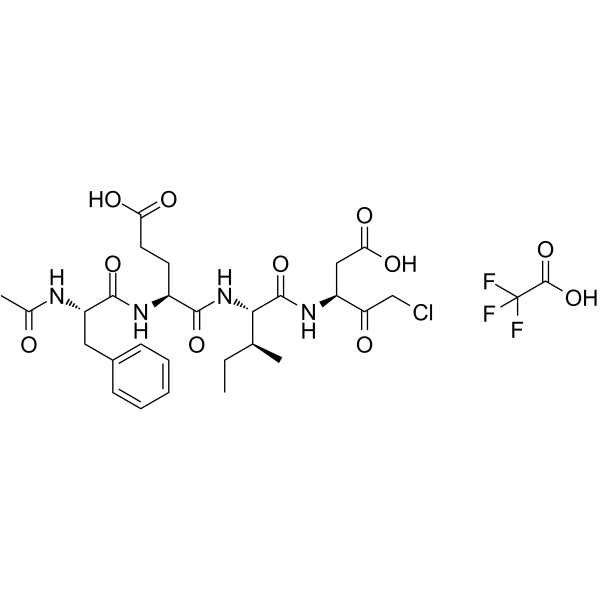
Ac-FEID-CMK TFA is a potent zebrafish-specific GSDMEb-derived peptide inhibitor.
Ac-FEID-CMK TFA can attenuate the mortality and kidney injury during septic shock. Ac-FEID-CMK TFA inhibits pyroptosis and attenuates septic AKI (acute kidney injury) in vivo. Ac-FEID-CMK TFA can suppress the caspy2-mediated noncanonical inflammasome pathway .
|
-
- HY-P5206
-
|
|
Bacterial
|
Infection
|
|
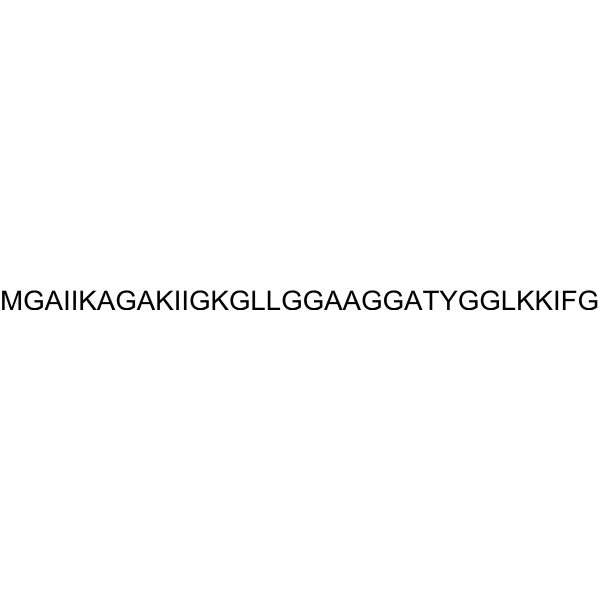
Garvicin KS, GakB is a peptide at sizes of 34 amino acids to form bacteriocin garvicin KS (GarKS), with other 2 peptides, GakA, and GakC. Garvicin KS, GakB inhibits fibroblast viability and proliferation. Garvicin KS, GakB with GakA, is a potent combination with good peptide stability, antimicrobial efficacy, and fibroblast viability/proliferation effects. Garvicin KS peptides inhibit MSSA with MIC values in the order GakB >GakC >GakA .
|
-
- HY-P5205
-
|
|
Bacterial
|
Infection
|
|
Garvicin KS, GakA is a peptide at sizes of 34 amino acids to form bacteriocin garvicin KS (GarKS), with other 2 peptides, GakB, and GakC. Garvicin KS, GakA inhibits fibroblast viability and proliferation. Garvicin KS, GakA with GakB, is a potent combination with good peptide stability, antimicrobial efficacy, and fibroblast viability/proliferation effects. Garvicin KS peptides inhibit MSSA with MIC values in the order GakB >GakC >GakA .
|
-

- HY-P10817A
-
|
|
Proton Pump
Reactive Oxygen Species (ROS)
|
Metabolic Disease
|
|
Corza6 TFA is a potent and selective human voltage-gated proton channel (hHv1) peptide inhibitor. Corza6 TFA binds to the external voltage sensor domain (VSD) loop in hHv1 with a Kd of ~1 nM at the natural, hyperpolarized resting membrane potential (RMP) of mammalian cells. Corza6 TFA allows capacitation in sperm and permits sustained reactive oxygen species (ROS) production in white blood cells (WBCs) .
|
-

- HY-P10368
-
|
|
Dynamin
Reactive Oxygen Species (ROS)
|
Infection
Cardiovascular Disease
Neurological Disease
Inflammation/Immunology
|
|
P110 heptapeptide is a peptide inhibitor of the Drp1-Fis1 interaction. P110 heptapeptide has anti-inflammatory, immunomodulatory, mitochondrial protective, and neuroprotective activities. Without blocking the physiological functions of Drp1, P110 heptapeptide reduces pathological functions in many models of neurodegeneration, ischemia, and sepsis. P110 heptapeptide can be used for research on neurological and inflammatory diseases .
|
-

- HY-P10224A
-
|
|
EGFR
|
Cancer
|
|
G7-18NATE TFA is a peptide inhibitor of Grb7. G7-18NATE TFA binds to the Grb7-SH2 domain with micromolar affinity (Kd = 18.1 μM). G7-18NATE TFA inhibits cell proliferation, motility, cell invasion and 3D culture formation in several cancer cell lines .
|
-

- HY-P11224
-
|
|
DNA/RNA Synthesis
|
Cancer
|
RMI-L4 is an efficient cyclic peptide inhibitor that can specifically disrupt the interaction between FANCM and RMI proteins with an IC50 of 54 nM. RMI-L4 engages the FANCM-binding pocket of RMI1/2 with nanomolar affinity (KD = 2.5 nM). RMI-L4 cannot penetrate the cell membrane and can be used to study the FANCM-RMI pathway targeting cancer with alternate lengthening of telomeres (ALT) .
|
-

- HY-P3354
-
|
|
iGluR
|
Neurological Disease
|
|
p3Ysh-3 is a peptide inhibitor of STEP Phosphatase-GluA2 AMPA receptor interaction with a Ki of 1.09 μM. p3Ysh-3 restores the memory deficits and displays anxiolytic and antidepressant effects in a scopolamine-treated rat model. p3Ysh-3 is a promising lead compound for novel cognitive enhancers and/or behavioral modulators .
|
-
- HY-P10131
-
|
|
Radionuclide-Drug Conjugates (RDCs)
FAP
|
Cancer
|
|
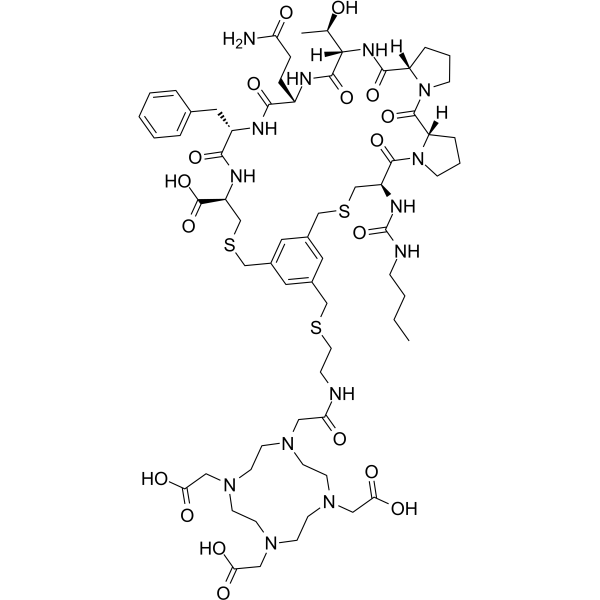
3BP-3940 is a highly potent and selective peptide inhibitor of FAP that targets cancer-associated fibroblasts (CAFs) in the tumor microenvironment. 3BP-3940 can be labeled with radionuclides (such as Ga-68) for precise tumor imaging or Lu-177 for the development of targeted anticancer technologies. 3BP-3940 accumulates in tumor lesions and can be used to diagnose and inhibit various solid cancers and CAFs-related diseases .
|
-
- HY-P1409
-
|
|
Potassium Channel
|
Inflammation/Immunology
|
|
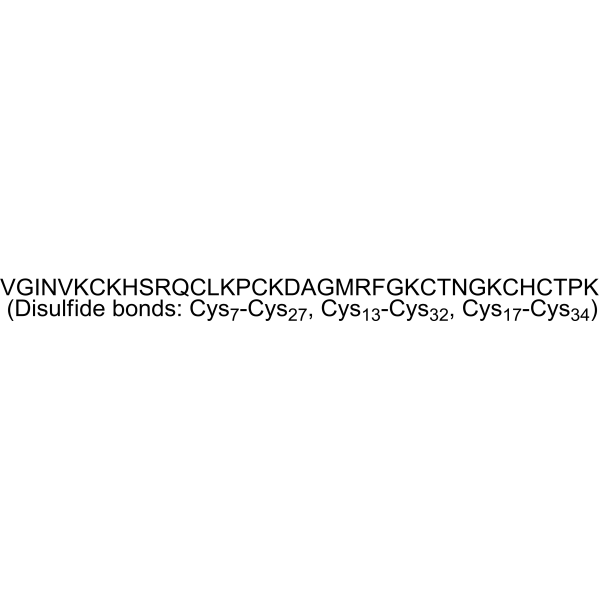
ADWX 1 is a new peptide inhibitor that is potent and selective for Kv1.3 with an IC50 value of 1.89 pM. ADWX 1 inhibits Kv1.3 channel activity specifically to inhibit both the initial calcium signaling and NF-κB activation. ADWX 1 ameliorates the disease in rats of experimental autoimmune encephalomyelitis (EAE) models. ADWX 1 can be used to study T cell-mediated autoimmune diseases .
|
-
- HY-P11442
-
|
Lycotoxin-Pa2a; TBIU041425
|
Bacterial
Toll-like Receptor (TLR)
|
Inflammation/Immunology
|
|
Lytx-Pa2a (Lycotoxin-Pa2a) is a peptide inhibitor against bacterial membranes and TLR4 receptor. Lytx-Pa2a exerts antimicrobial effects via non-competitive disruption of outer/cytoplasmic membranes and suppression of LPS-induced TLR4/NF-κB signaling. Lytx-Pa2a is promising for research of bacterial infection and inflammation-related disease (e.g., sepsis) .
|
-

- HY-P1409A
-
|
|
Potassium Channel
|
Inflammation/Immunology
|
|
ADWX 1 TFA is a new peptide inhibitor that is potent and selective for Kv1.3 with an IC50 value of 1.89 pM. ADWX 1 inhibits Kv1.3 channel activity specifically to inhibit both the initial calcium signaling and NF-κB activation. ADWX 1 TFA ameliorates the disease in rats of experimental autoimmune encephalomyelitis (EAE) models. ADWX 1 TFA can be used to study T cell-mediated autoimmune diseases .
|
-

- HY-P11260
-
|
|
Ser/Thr Protease
Thrombin
|
Metabolic Disease
|
MD5 is a selective TMPRSS6 mimetic peptide inhibitor with an IC50 for recombinant human TMPRSS6 protein of 22 nM and a Ki of 3.4 nM. MD5 exhibits the significantly reduced inhibitory effect on Matriptase, with an IC50 of 352 nM and a Ki of 99.2 nM. MD5 exhibits good target specificity and only has a weak inhibitory effect on thrombin (Thrombin), with Ki of 120 nM. MD5 demonstrates good initial drugability and can be used for the study of iron overload diseases (such as hereditary hemochromatosis, β-thalassemia) .
|
-

- HY-P5910
-
|
|
MDM-2/p53
Apoptosis
|
Cancer
|
|
Azurin p28 peptide is a tumor-penetrated antitumor peptide. Azurin p28 peptide redues proteasomal degradation of p53 through formation of a p28: p53 complex. Azurin p28 peptide induces apoptosis or cell cycle arrest. Azurin p28 peptide inhibits p53-positive tumor growths. Azurin p28 peptide shows antiangiogenic effect by inhibiting phosphorylation of VEGFR-2, FAK and Akt .
|
-

- HY-P11020
-
|
|
E1/E2/E3 Enzyme
|
Cancer
|
|
p27 Analogue CP2 is a macrocyclic peptide inhibitor targeting the Cks1-Skp2-Skp1 complex (Kd = 32 nM). p27 Analogue CP2 blocks SCFSkp2/Cks1-mediated ubiquitylation and degradation of p27, restoring p27 levels and inhibiting cell proliferation. p27 Analogue CP2 is promising for research of cancers dependent on Skp2 overexpression such as breast cancer .
|
-

- HY-P1059
-
|
|
iGluR
|
Neurological Disease
|
|
Pep2-AVKI is a selective peptide inhibitor of the binding of the AMPA receptor subunit (GluR2) at the C-terminal PDZ site to C-kinase (PICK1). Pep2-AVKI does not affect the binding of (AMPA-type glutamate receptor) GluA2 to GRIP or ABP. Pep2-AVKI does not increase the amplitude of AMPA currents. pep2-AVKI can be used to study neurological diseases .
|
-

- HY-P10226
-
|
|
Chloride Channel
CFTR
|
Endocrinology
|
|
PGD97 is a selective cyclic peptide inhibitor against CAL/CFTR interactions, with a KD value of 6 nM towards the CAL PDZ domain for its desulfide cyclized form. PGD97 (desulfide cyclized form) has selectivity ≥ 130-fold compared to NHERF1/2 PDZ domains. PGD97 is capable of stabilizing F508del-CFTR at the cell membrane and improving CFTR function required for proper fluid homeostasis in tne lung. PGD97 can be used for the research of cystic fibrosis .
|
-

- HY-P10404
-
|
|
α-synuclein
|
Others
Neurological Disease
|
|
PDpep1.3 is a peptide inhibitor of α-synuclein that disrupts the direct interaction between α-synuclein and CHarged Multivesicular body Protein 2B (CHMP2B). As a result, PDpep1.3 restores the degradation function of endosomes and lysosomes, reduces the protein level and aggregation of α-synuclei, and protects dopaminergic neurons from α-synuclei-mediated degeneration. PDpep1.3 can be used to study neurodegenerative diseases and protein-protein interactions .
|
-

- HY-P10851
-
|
|
Apoptosis
|
Inflammation/Immunology
Cancer
|
|
HVEM(14-39) is a B- and T-lymphocyte attenuator (BTLA) peptide inhibitor. HVEM (14-39) can be combined with BTLA with a KD of 0.102 μM. HVEM(14-39) enhances the activation and proliferation of T cells by regulating the expression of BTLA and HVEM in T cells, and promotes the transformation of cells into effector memory T cells. HVEM(14-39) inhibits tumor cell proliferation and promotes late apoptosis. HVEM(14-39) has immunomodulatory effects and can be used in the study of cancer .
|
-

- HY-P10533
-
|
|
Tyrosinase
|
Others
|
|
Cysteine peptide is a tyrosinase inhibitor with skin-whitening, antioxidant and multi-regulatory activities. Cysteine peptide inhibits enzyme activity and blocks melanin transport, effectively reducing UV-B-induced skin erythema and pigmentation. Cysteine peptide synergistically maintains skin health by quenching ROS, resisting oxidative stress and promoting pheomelanin production. Cysteine peptide safely prevents daily ultraviolet damage and supports moderate sun exposure for vitamin D synthesis. Cysteine peptide also acts as a plant signaling factor to regulate vegetative growth, development and stress resistance responses .
|
-

- HY-P1056
-
|
|
iGluR
|
Neurological Disease
|
|
pep2-SVKI is a selective peptide inhibitor. pep2-SVKI inhibits the binding of AMPA-type glutamate receptor (GluA2) (C-terminal PDZ site) to glutamate receptor interacting protein (GRIP), AMPA receptor binding protein (ABP), and C-kinase interacting protein (PICK1). pep2-SVKI increases the amplitude of AMPA receptor-mediated currents and blocks long-term depression (LTD). pep2-SVKI can be used to study neurological diseases .
|
-

- HY-10242
-
|
BILN 2061; BILN 2061ZW
|
HCV
HCV Protease
DNA/RNA Synthesis
|
Infection
|
|
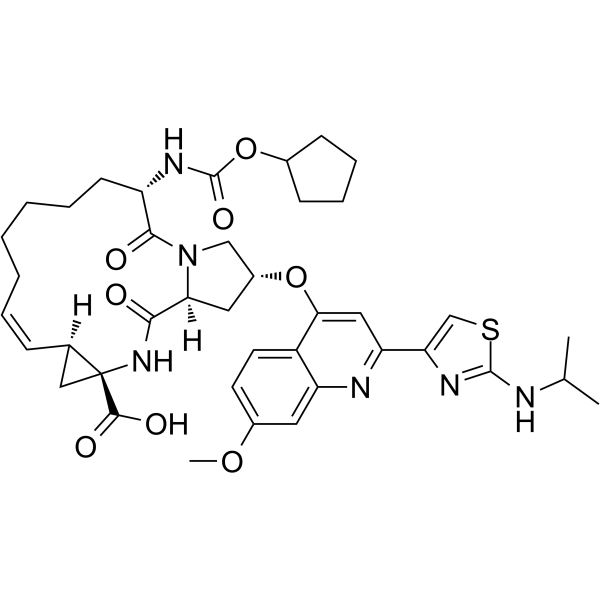
Ciluprevir (BILN 2061; BILN 2061ZW) is an orally active macrocyclic peptide inhibitor of hepatitis C virus (HCV)NS3 protease, with an IC50 of 3 nM. Ciluprevir has Kᵢ values of 0.66 nM and 0.30 nM against genotypes 1b and 1a, respectively. Ciluprevir inhibits HCV RNA replication with an EC50 of 1.2 nM, and its EC50 values against genotypes 1b and 1a are 3 nM and 4 nM, respectively. Ciluprevir shows no significant inhibition against human leukocyte elastase and hepatic cathepsin B. Ciluprevir can be used for genotype 1 HCV infection .
|
-
- HY-P10323
-
|
Tumstatin (74-98), human
|
Integrin
FAK
mTOR
Apoptosis
|
Cancer
|
|
T7 Peptide is a protein synthesis inhibitor and anti-angiogenic agent, with a Kd of 10 nM for human transferrin receptor. T7 Peptide inhibits the phosphorylation of focal adhesion kinase, the activation of phosphatidylinositol 3-kinase and Akt, the kinase activity of mTOR, as well as the phosphorylation of 4E-BP1 in endothelial cells. T7 Peptide induces G0/G1 cell cycle arrest, apoptosis and protective autophagy in hepatocellular carcinoma cells, and suppresses tumor growth in mouse models. T7 Peptide is applicable to research related to cancer, glioblastoma, hepatocellular carcinoma and glioma .
|
-

- HY-P4866
-
|
|
Integrin
Transglutaminase
Akt
p38 MAPK
ERK
Caspase
Apoptosis
|
Cardiovascular Disease
Metabolic Disease
Inflammation/Immunology
|
|
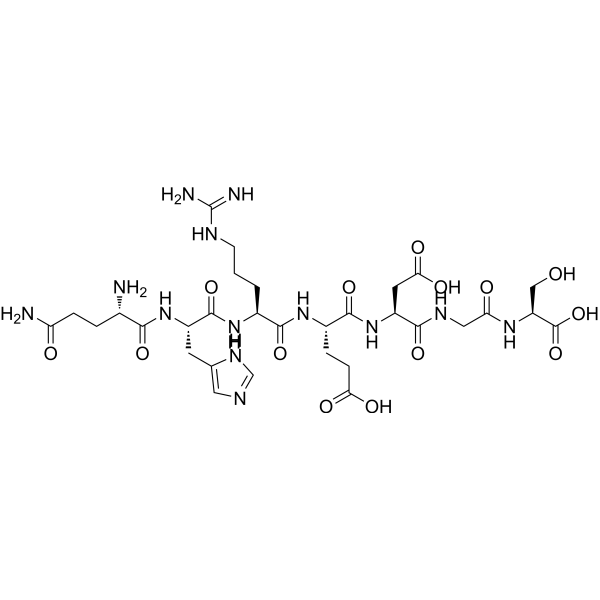
Q-Peptide is an angiopoietin-1 derived peptide (QHREDGS). Q-Peptide interacts with β1-integrin, binds to integrins on the surface of osteoblasts, and serves as an acyl donor substrate for Streptomyces mobaraensis transglutaminase. Q-Peptide activates Akt, MAPKp42/44, ILK, ERK1/2, and downregulates caspase-3/7. Q-Peptide inhibits cell apoptosis, enhances cell adhesion and migration, and promotes osteoblast differentiation, bone matrix deposition and mineralization. Q-Peptide can be used in studies related to myocardial infarction, bone regeneration, diabetic wound repair and human induced pluripotent stem cells .
|
-
- HY-P1073
-
|
|
Calcium Channel
Potassium Channel
Sodium Channel
TRP Channel
|
Neurological Disease
Cancer
|
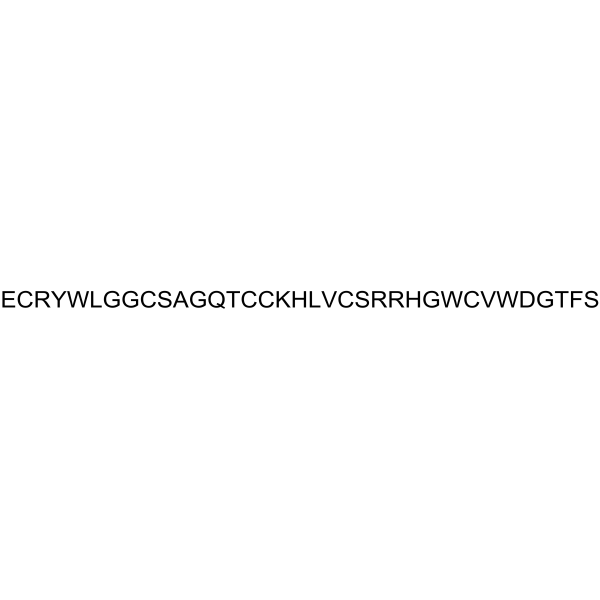
ProTx-I is a toxin derived from Thrixopelma pruriens and a peptide inhibitor targeting TTX-resistant sodium channels. ProTx-I interacts with voltage sensors of multiple domains such as NaV1.7, reduces neuronal excitability through allosteric modulation of channel gating and alteration of voltage dependence. The IC50 values of ProTx-I against human NaV1.7, NaV1.2, NaV1.6, and NaV1.5 are 95 nM, 104 nM, 21 nM, and 358 nM, respectively; ProTx-I also potently inhibits Ba 2+ currents of hCav3.1, while its inhibitory potency against hCav3.2 is approximately 160-fold lower. ProTx-I is applicable to the research of chronic pain .
|
-
- HY-P10862
-
|
|
Exosomes
Virus Protease
|
Infection
Cancer
|
AH-D peptide is a brain-penetrant antiviral agent disrupting highly curved lipid membranes. AH-D peptide exhibits broad-spectrum antiviral activity against ZIKV, Dengue virus, Chikungunya virus, yellow fever virus and Japanese encephalitis virus, with
IC50 values of 11.9, 12.5, 35.7, 206 and 136 nM, respectively. AH-D peptide reduces the viral load in the brain, suppresses inflammation, protects neurons, and does not damage the blood brain barrier. AH-D peptide restores antitumor immunity by decreasing circulating PD-L1 + exosomes, reducing intratumoral immunosuppressive cells (regulatory T cells, myeloid-derived suppressor cells), and enhancing T cell function. AH-D peptide inhibits membrane-enveloped viruses and cancer cell metastasis in vivo. AH-D peptide exhibits no immunogenicity and has negligible effects on normal tissues. AH-D peptide can be used for research in Zika virus and other mosquito-borne viruses, cancer immunotherapy and metastasis .
|
-

| Cat. No. |
Product Name |
Type |
-
- HY-W008753
-
|
N-Cbz-L-valine
|
Biochemical Assay Reagents
|
|
Z-L-Val-OH (N-Cbz-L-valine) is an amino acid derivative and key intermediate in organic synthesis. Z-L-Val-OH can be used in the synthesis of anti-cytomegalovirus compounds and peptide inhibitors of human spleen plasminogen activator (SFP) and human leukocyte elastase-like protease (ELP) .
|
| Cat. No. |
Product Name |
Target |
Research Area |
-
- HY-P0069
-
D-JNKI-1
Maximum Cited Publications
11 Publications Verification
AM-111; XG-102
|
JNK
|
Others
|
|
D-JNKI-1 (AM-111) is a highly potent and cell-permeable peptide inhibitor of JNK.
|
-
- HY-P3507
-
|
ShK-186
|
Potassium Channel
|
Metabolic Disease
Inflammation/Immunology
|
|
Dalazatide (ShK-186) is a specific Kv1.3 potassium channel peptide inhibitor. Dalazatide can be used in the study of autoimmune diseases such as multiple sclerosis (MS), lupus erythematosus, psoriasis, rheumatoid arthritis, type 1 diabetes and inflammatory bowel disease .
|
-
- HY-P1111
-
|
|
Src
Interleukin Related
|
Inflammation/Immunology
|
|
Lyn peptide inhibitor (YGYRLRRKWEEKIPNP-NH2) is a potent, cell-permeable Lyn kinase inhibitor that inhibits Lyn-coupled signaling pathways associated with the IL-5 receptor while preserving the integrity of other signals. Lyn peptide inhibitor blocks the activation of Lyn and inhibits the binding of Lyn tyrosine kinase to the βc subunit of the IL-3/GM-CSF/IL-5 receptor. Lyn peptide inhibitor can be used in the research of eosinophilic diseases such as asthma and allergy .
|
-
- HY-P3278
-
|
|
Proton Pump
|
Metabolic Disease
|
|
Caloxin 2A1 is an extracellular plasma membrane Ca 2+-ATPase (PMCA) peptide inhibitor. Caloxin 2A1 does not affect basal Mg 2+-ATPase or Na +-K +-ATPase .
|
-
- HY-P2280
-
-
- HY-P0222
-
|
|
PKA
|
Others
|
|
PKI(5-24) is a potent, competitive, and synthetic peptide inhibitor of PKA (cAMP-dependent protein kinase), with a Ki of 2.3 nM. PKI(5-24) corresponds to residues 5-24 in the naturally occurring heat-stable protein kinase inhibitor .
|
-
- HY-P1007
-
|
Z-VE(OMe)ID(OMe)-FMK
|
Caspase
Apoptosis
|
Cancer
|
|
Z-VEID-FMK (Z-VE(OMe)ID(OMe)-FMK) is a selective and irreversible caspase-6 peptide inhibitor. Z-VEID-FMK alleviates the drug-induced augmentation of caspase-6 activity, DNA fragmentation, and cell apoptosis .
|
-
- HY-P6437A
-
|
|
Dynamin
|
Cardiovascular Disease
Neurological Disease
|
|
Drp1 peptide inhibitor P110 (Compound P110) TFA is a selective Drp1 peptide inhibitor with neuroprotective properties. Drp1 peptide inhibitor P110 TFA can inhibit the activation of Drp1, prevent MPTP (HY-15608)-induced Drp1 mitochondrial translocation, and alleviate MPTP-induced dopaminergic neuron loss, dopaminergic nerve terminal damage, and behavioral deficits, and can be used in the study of Alzheimer's disease. Additionally, Drp1 peptide inhibitor P110 TFA can reduce mitochondrial damage and organ injury in animal models of Huntington's disease, cerebral ischemic injury, and myocardial infarction .
|
-
- HY-141584
-
|
|
MDM-2/p53
|
Cancer
|
|
ATSP-7041, a selective dual peptide inhibitor of MDM2 and MDMX, effectively reactivates the p53 tumor suppressor pathway in a mechanism-dependent manner in p53-positive cancers .
|
-
- HY-P6440
-
|
|
Apoptosis
Caspase
|
Others
|
|
Met-12 is a small peptide inhibitor of the Fas receptor. Met-12 can inhibit Fas receptor-mediated photoreceptor cell apoptosis, reduce Caspase activation. Met-12 can be used in the research of photoreceptor .
|
-
- HY-P1420
-
|
|
HIF/HIF Prolyl-Hydroxylase
|
Cancer
|
|
TAT-cyclo-CLLFVY is a cyclic peptide inhibitor of HIF-1 heterodimerization that inhibits hypoxia signaling in cancer cells. TAT-cyclo-CLLFVY disrupts HIF-1α/HIF-1β protein-protein interaction with an IC50 of 1.3 μM .
|
-
- HY-P3507A
-
|
ShK-186 TFA
|
Potassium Channel
|
Metabolic Disease
Inflammation/Immunology
|
|
Dalazatide (ShK-186) TFA is a specific Kv1.3 potassium channel peptide inhibitor. Dalazatide TFA can be used in the study of autoimmune diseases such as multiple sclerosis (MS), lupus erythematosus, psoriasis, rheumatoid arthritis, type 1 diabetes and inflammatory bowel disease .
|
-
- HY-P2244A
-
|
|
YAP
|
Cancer
|
|
YAP-TEAD-IN-1 TFA is a potent and competitive peptide inhibitor of YAP-TEAD interaction (IC50=25 nM). YAP-TEAD-IN-1 TFA is a 17mer peptide and shows a higher the binding affinity to TEAD1 (Kd=15 nM) than YAP (50-171) (Kd= 40 nM) .
|
-
- HY-P6437
-
|
|
Dynamin
|
Cardiovascular Disease
Neurological Disease
|
|
Drp1 peptide inhibitor P110 (Compound P110) is a selective Drp1 peptide inhibitor with neuroprotective properties. Drp1 peptide inhibitor P110 can inhibit the activation of Drp1, prevent MPTP-induced Drp1 mitochondrial translocation, and alleviate MPTP-induced dopaminergic neuron loss, dopaminergic nerve terminal damage, and behavioral deficits, and can be used in the study of Alzheimer's disease. Additionally, Drp1 peptide inhibitor P110 can reduce mitochondrial damage and organ injury in animal models of Huntington's disease, cerebral ischemic injury, and myocardial infarction .
|
-
- HY-P10108
-
|
Hxk2VBD peptide, cell-permeable
|
Hexokinase
|
Neurological Disease
|
|
Hexokinase II VDAC binding domain peptide (Hxk2VBD peptide) is a cell-permeable hexokinase II VDAC binding domain. Hexokinase II VDAC binding domain peptide inhibits mitochondrial localization of hexokinase 2 (HXK2). Hexokinase II VDAC binding domain peptide inhibits neurotrophic factor-directed axon outgrowth .
|
-
- HY-P1284
-
ZIP
2 Publications Verification
|
PKC
|
Neurological Disease
Cancer
|
|
ZIP is a selective peptide inhibitor of PKMζ. ZIP injections can block the impairment in morphine conditioned place preference induced .
|
-
- HY-P3293
-
|
POL6014
|
Elastase
|
Inflammation/Immunology
|
|
Lonodelestat (POL6014) is a potent, orally active and selective peptide inhibitor of human neutrophil elastase (hNE). Lonodelestat (POL6014) has the potential for the research of cystic fibrosis (CF) .
|
-
- HY-P3278A
-
|
|
Proton Pump
|
Metabolic Disease
|
|
Caloxin 2A1 TFA is an extracellular plasma membrane Ca 2+-ATPase (PMCA) peptide inhibitor. Caloxin 2A1 TFA does not affect basal Mg 2+-ATPase or Na +-K +-ATPase .
|
-
- HY-P2282
-
|
|
STAT
|
Cancer
|
|
APTSTAT3-9R, a specific STAT3-binding peptide, inhibits STAT3 activation and downstream signaling by specifically blocking STAT3 phosphorylation. APTSTAT3-9R exerts antiproliferative effects and antitumor activity .
|
-
- HY-P10114
-
|
PpYLKTK-mts; STAT3 PI
|
STAT
|
Cancer
|
|
STAT3-IN-24, cell-permeable (PpYLKTK-mts) is a STAT3 peptide inhibitor. STAT3-IN-24, cell-permeable inhibits recruitment of STAT3 to Jak2 and phosphorylation of Y705, thus preventing the dimerization and the nuclear translocation of STAT3 .
|
-
- HY-146127A
-
|
|
Src
|
Others
|
|
Grb2 SH2 domain inhibitor 1 TFA is a conformationally restricted cyclic cell penetrating peptide (CPP) containing d-pro-l-pro motif ring (AF Φ Rpprrfq) (where Φ It is L-naphthylalanine, R is D-arginine, P is D-proline), which is mainly used as a cyclic peptide inhibitor.
|
-
- HY-P1173
-
|
Myristoylated L 803; GSK-3β Inhibitor XIII
|
GSK-3
Amyloid-β
|
Neurological Disease
|
|
L803-mts (Myristoylated L 803) is a selective and substrate-competitive GSK-3 peptide inhibitor (IC50: 40 μM). L803-mts also reduces Aβ deposits and ameliorates cognitive deficits in 5XFAD mice. L803-mts shows antidepressive effect in the forced swimming test .
|
-
- HY-P1746
-
|
PKC (19-31)
|
PKC
|
Inflammation/Immunology
|
|
Protein Kinase C (19-31), a peptide inhibitor of protein kinase C (PKC), derived from the pseudo-substrate regulatory domain of PKCa (residues 19-31), is used as protein kinase C substrate peptide for testing the protein kinase C activity .
|
-
- HY-P1949A
-
|
|
CXCR
|
Cardiovascular Disease
Cancer
|
|
Cyclic MKEY TFA is a synthetic cyclic peptide inhibitor of CXCL4-CCL5 heterodimer formation, which protects against atherosclerosis and aortic aneurysm formation by mediating inflammation. Cyclic MKEY TFA also protects against stroke-induced brain injury in mice .
|
-
- HY-P7061A
-
|
|
Apelin Receptor (APJ)
CXCR
|
Infection
Endocrinology
|
|
ALX 40-4C Trifluoroacetate is a small peptide inhibitor of the chemokine receptor CXCR4, inhibits SDF-1 from binding CXCR4 with a Ki of 1 μM, and suppresses the replication of X4 strains of HIV-1; ALX 40-4C Trifluoroacetate also acts as an antagonist of the APJ receptor, with an IC50 of 2.9 μM.
|
-
- HY-162946
-
|
|
Ligands for Target Protein for PROTAC
|
Cancer
|
|
Alkyne-P60 is a potent 15-mer peptide inhibitor of Foxp3. Alkyne-P60 can bind with Foxp3, hinder its nuclear translocation, and diminish Foxp3-mediated inhibition of NFKB and NFAT functions. Alkyne-P60 is a ligand for target protein for PROTAC (HY-162943).
|
-
- HY-P1190
-
|
|
JNK
Apoptosis
|
Inflammation/Immunology
|
|
c-JUN peptide is a cell-permeable c-JUN-JNK interaction inhibitor. c-JUN peptide inhibits serum-induced c-Jun phosphorylation. c-JUN peptide induces apoptosis .
|
-
- HY-P2246
-
|
|
JNK
|
Cancer
|
|
JTP10-△-TATi TFA is a selective JNK2 peptide inhibitor, with an IC50 of 92 nM, exhibiting 10-fold selectivity for JNK2 over JNK1 and JNK3 .
|
-
- HY-P3293A
-
|
POL6014 TFA
|
Elastase
|
Inflammation/Immunology
|
|
Lonodelestat TFA (POL6014 TFA) is a potent, orally active and selective peptide inhibitor of human neutrophil elastase (hNE). Lonodelestat TFA has the potential for the research of cystic fibrosis (CF) .
|
-
- HY-W013123
-
|
|
Amino Acid Derivatives
|
Others
|
|
Fmoc-D-Phe(4-CF3)-OH is Phenylalanine derivative. Fmoc-D-Phe(4-CF3)-OH can be used for the research of peptide inhibitors of protein-protein interactions .
|
-
- HY-P2624A
-
|
|
PAK
|
Metabolic Disease
|
|
st-Ht31 ammonium is a membrane-permeable peptide inhibitor of?protein kinase A (PKA) anchoring. st-Ht31 ammonium induces robust cholesterol/phospholipid efflux. st-Ht31 ammonium completely reverses foam cell formation and restores the metabolic health of macrophage .
|
-
- HY-P10839
-
|
|
NF-κB
|
Inflammation/Immunology
|
|
NBD peptide inhibits NF-κB signaling pathway through inhibition of the NEMO-IKK complex combination. NBD peptide exhibits anti-inflammatory efficacy through block of pro-inflammatory cytokines production. NBD peptide exhibits immunosuppressive activity through regulation of immune cells. NBD peptide enhances its transmembrane ability by combining with cell-penetrating peptide HIV-TAT .
|
-
- HY-P4133
-
|
|
ERK
MEK
|
Cancer
|
|
MEK1 Derived Peptide Inhibitor 1 is a peptide inhibitor. MEK1 Derived Peptide Inhibitor 1 can inhibit the in vitro activation of ERK2 by MEK1 with an IC50 value of 30 μM. MEK1 Derived Peptide Inhibitor 1 can be used for the research of cell-permeable .
|
-
- HY-P5884A
-
|
|
PKC
|
Others
|
|
PKCθ pseudosubstrate peptide inhibitor, myristoylated TFA is a synthetic peptide that can be used to study the mechanism of action of PKCθ .
|
-
- HY-P1789A
-
|
|
MMP
|
Inflammation/Immunology
Cancer
|
|
CTTHWGFTLC, CYCLIC TFA is a cyclic peptide inhibitor for matrix metalloproteinases MMP-2 and MMP-9. The IC50 value for MMP-9 is ~8 μM .
|
-
- HY-P1402
-
|
|
PKC
|
Others
|
|
[Glu27]-PKC (19-36) is an inactive control for protein kinase C (PKC) (19-36). PKC (19-36) is a pseudosubstrate peptide inhibitor of protein kinase C, it may be responsible for maintaining the enzyme in the inactive form in the absence of allosteric activators such as phospholipids .
|
-
- HY-P2624
-
|
|
PAK
|
Metabolic Disease
|
|
st-Ht31 is a membrane-permeable peptide inhibitor of protein kinase A (PKA) anchoring. st-Ht31 induces robust cholesterol/phospholipid efflux. st-Ht31 completely reverses foam cell formation and restores the metabolic health of macrophage .
|
-
- HY-P7061
-
|
|
CXCR
Apelin Receptor (APJ)
|
Infection
Endocrinology
|
|
ALX 40-4C is a small peptide inhibitor of the chemokine receptor CXCR4, inhibits SDF-1 from binding CXCR4 with a Ki of 1 μM, and suppresses the replication of X4 strains of HIV-1; ALX 40-4C Trifluoroacetate also acts as an antagonist of the APJ receptor, with an IC50 of 2.9 μM.
|
-
- HY-P3199
-
|
|
PKC
|
Inflammation/Immunology
|
|
PKCβII Peptide Inhibitor I is a PKCβII inhibitor. PKCβII Peptide Inhibitor I shows cardioprotective effects in rat cardiac Ischemia/reperfusion injury model. PKCβII Peptide Inhibitor I also prevents vascular endothelial dysfunction .
|
-
- HY-P10835
-
|
|
LAG-3
|
Cancer
|
|
LAG-3 cyclic peptide inhibitor C25 is a LAG-3 inhibitor. LAG-3 cyclic peptide inhibitor C25 has a high affinity with human LAG-3 protein with a Kd value of 0.66 μM. LAG-3 cyclic peptide inhibitor C25 can block the interaction of LAG-3 with HLA-DR (MHC-II) and activate CD8 + T cells. LAG-3 cyclic peptide inhibitor C25 can be used in the study of cancer .
|
-
- HY-P11038
-
|
|
Interleukin Related
|
Inflammation/Immunology
|
|
IL-23 cyclic peptide inhibitor 105, a cyclic peptide, is an IL-23 inhibitor. IL-23 cyclic peptide inhibitor 105 can be used for inflammatory disorders like inflammatory bowel disease (IBD) research .
|
-
- HY-P11039
-
|
|
Interleukin Related
|
Inflammation/Immunology
|
|
IL-23 cyclic peptide inhibitor 281, a cyclic peptide, is an IL-23 inhibitor. IL-23 cyclic peptide inhibitor 281 can be used for inflammatory disorders like inflammatory bowel disease (IBD) research .
|
-
- HY-P5379
-
|
|
Proteasome
|
Others
|
|
Calpastatin subdomain B is a biological active peptide. (inhibit calpain activity)
|
-
- HY-P1111A
-
|
|
Src
Interleukin Related
|
Inflammation/Immunology
|
|
Lyn peptide inhibitor TFA is a potent and cell-permeable inhibitor of Lyn-coupled IL-5 receptor signaling pathway, while keeping other signals intact. Lyn peptide inhibitor TFA blocks Lyn activation and inhibits the binding of Lyn tyrosine kinase to βc subunit of IL-3/GM-CSF/IL-5 receptors. Lyn peptide inhibitor TFA can be used for study of asthma, allergic, and other eosinophilic disorders .
|
-
- HY-P1789
-
|
|
MMP
|
Inflammation/Immunology
Cancer
|
|
CTTHWGFTLC, CYCLIC is a cyclic peptide inhibitor for matrix metalloproteinases MMP-2 and MMP-9. The IC50 value for MMP-9 is ~8 μM .
|
-
- HY-P10837
-
|
|
LAG-3
|
Inflammation/Immunology
Cancer
|
|
LAG-3 cyclic peptide inhibitor 12 (Cyclic peptide 12) is an inhibitor of LAG-3 with an IC50 value of 4.45 μM and a Ki value of 2.66 µM .
|
-
- HY-P10818
-
|
|
Huntingtin
|
Neurological Disease
|
|
Polyglutamine binding peptide 1 (QBP1) is a peptide inhibitor of polyglutamine (polyQ). Polyglutamine binding peptide 1 inhibits polyQ protein aggregation in vitro and suppresses polyQ-induced cell death in cell culture .
|
-
- HY-P10331
-
|
|
SDCBP
|
Cancer
|
|
KSL 128114, a peptide inhibitor of syntenin, binds the PDZ1 domain of syntenin with nanomolar affinity. KSL 128114 is resistant toward degradation in human plasma and mouse hepatic microsomes and displays a global PDZ domain selectivity for syntenin .
|
-
- HY-P1401
-
|
|
PKC
|
Metabolic Disease
|
|
Protein Kinase C (19-36) is a pseudosubstrate peptide inhibitor of protein kinase C (PKC), with an IC50 of 0.18 μM. Protein Kinase C (19-36) markedly attenuated vascular hyperproliferation and hypertrophy as well as glucose-induced suppression of natriuretic peptide receptor response .
|
-
- HY-P1420A
-
|
|
HIF/HIF Prolyl-Hydroxylase
|
Cancer
|
|
TAT-cyclo-CLLFVY TFA is a cyclic peptide inhibitor of HIF-1 heterodimerization that inhibits hypoxia signaling in cancer cells. TAT-cyclo-CLLFVY TFA disrupts HIF-1α/HIF-1β protein-protein interaction with an IC50 of 1.3 μM .
|
- HY-P10889
-
|
|
Phosphatase
|
Inflammation/Immunology
|
|
CNI103 is a highly potent and metabolically stable cell-permeable peptide inhibitor of calcineurin. CNI103 selectively blocks the interaction between calcineurin and NFATc3 (KD=16 nM), thereby preventing NFATc3 activation in vitro and in vivo. CNI103 can be used to study acute respiratory distress syndrome (ARDS) and other inflammatory diseases .
|
- HY-P11052
-
|
|
HSP
|
Cancer
|
|
A8 peptide is a Hsp72 antagonist. A8 peptide inhibits tumor progression and metastasis as well as enhances the cancer cells' sensitivity to apoptosis induced by chemotherapeutic agents (such as Cisplatin (HY-17394)) by blocking the Hsp72-TLR2 interaction and the subsequent activation of MDSCs. A8 peptide can be used for cancers research .
|
- HY-P0069A
-
- HY-P5884
-
|
|
PKC
|
Others
|
|
PKCθ pseudosubstrate peptide inhibitor, myristoylated is a synthetic peptide that can be used to study the mechanism of action of PKCθ .
|
- HY-P2785
-
- HY-P10081
-
- HY-P1284A
-
|
|
PKC
|
Neurological Disease
Cancer
|
|
ZIP TFA is a selective peptide inhibitor of PKMζ. ZIP TFA injections can block the impairment in morphine conditioned place preference induced .
|
- HY-P2785A
-
- HY-P2502
-
|
|
HCV Protease
HCV
|
Infection
|
|
Hepatitis Virus C NS3 Protease Inhibitor 2 is a product-based peptide inhibitor of hepatitis C virus (HCV) NS3 protease, with a Ki of 41 nM .
|
- HY-P10488
-
|
|
Wnt
Peptides
|
Cancer
|
|
cycFWRPW is a peptide inhibitor of TLE1. TLE1 is an oncogenic transcriptional co‐repressor that exerts its repressive effects through binding of transcription factors, and inhibits Wnt signaling .
|
- HY-P1289D
-
|
|
PKC
|
Others
|
|
[Ala107]MBP(104-118) acetate is an noncompetitive peptide inhibitors of protein kinase C (PKC), with IC50s ranging from 46-145 μM .
|
- HY-P1289
-
|
|
PKC
|
Others
|
|
[Ala113]MBP(104-118) is an noncompetitive peptide inhibitors of protein kinase C (PKC), with IC50s ranging from 28-62 μM .
|
- HY-P5888
-
|
Myr‐PKCɛ-
|
PKC
|
Inflammation/Immunology
|
|
PKCε inhibitor peptide,myristoylated (Myr‐PKC -) is a cell permeable myristic acid conjugated PKC peptide inhibitor that attenuates NO release in cultured human umbilical vein endothelial cells (HUVECs) .
|
- HY-P1289A
-
|
|
PKC
|
Others
|
|
[Ala107]MBP(104-118) is an noncompetitive peptide inhibitors of protein kinase C (PKC), with IC50s ranging from 46-145 μM .
|
- HY-P10093
-
|
|
PI3K
|
Others
|
|
Penetratin-PI3Kγ(126-150) is a peptide inhibitor of ΡI3Κγ that plays an important role in respiratory system diseases .
|
- HY-P10850
-
|
|
TNF Receptor
NF-κB
Apoptosis
|
Inflammation/Immunology
|
|
PIYLGGVFQ is a peptide inhibitor for TNF-α. PIYLGGVFQ inhibits TNF-α-mediated apoptosis, NF-κB nuclear translocation and activation. PIYLGGVFQ exhibits anti-arthritic activity in the CIA mouse model .
|
- HY-P1289C
-
|
|
PKC
|
Others
|
|
[Ala113]MBP(104-118) TFA is an noncompetitive peptide inhibitors of protein kinase C (PKC), with IC50s ranging from 28-62 μM .
|
- HY-P1289B
-
|
|
PKC
|
Others
|
|
[Ala107]MBP(104-118) TFA is an noncompetitive peptide inhibitors of protein kinase C (PKC), with IC50s ranging from 46-145 μM .
|
- HY-107131
-
|
|
Microtubule/Tubulin
|
Cancer
|
|
ALM-201 is a peptide inhibitor of angiogenesis targeting microtubule. ALM-201 can inhibit cells migration, tubule formation and microvessel formation. ALM-201 can be used for the research of cancer .
|
- HY-P10076
-
|
L-HIV-TAT(48–57)-PP-JBD20
|
JNK
|
Metabolic Disease
|
|
TAT-JBD20 (L-HIV-TAT(48–57)-PP-JBD20) is a JNK peptide inhibitor. TAT-JBD20 can be used for research of diabetes .
|
- HY-P2247
-
|
|
JNK
|
Cancer
|
|
JTP10-△-R9 TFA is a selective JNK2 peptide inhibitor, with an IC50 of 89 nM, exhibiting 10-fold selectivity for JNK2 over JNK1 and JNK3 .
|
- HY-P1099
-
Ac2-12
1 Publications Verification
|
Peptides
|
Inflammation/Immunology
|
|
Ac2-12, an annexin/lipocortin 1 (LC1)-mimetic peptide, inhibit neutrophil extravasation. Ac2-12 has antimigratory action and inhibits recruitment of neutrophils in experimental inflammation models .
|
- HY-P1191
-
|
TI-JIP; JIP-1 peptide; JIPtide
|
JNK
|
Others
|
|
JIP-1(153-163) (TI-JIP) is a peptide inhibitor of c-JNK, based on residues 153-163 of JNK-interacting protein-1 (JIP-1) (Modifications: Phe-11 = C-terminal amide) .
|
- HY-P10821
-
- HY-P1099A
-
|
|
Peptides
|
Inflammation/Immunology
|
|
Ac2-12 TFA, an annexin/lipocortin 1 (LC1)-mimetic peptide, inhibit neutrophil extravasation. Ac2-12 TFA has antimigratory action and inhibits recruitment of neutrophils in experimental inflammation models .
|
- HY-P1191A
-
|
TI-JIP TFA; JIP-1 peptide TFA; JIPtide TFA
|
JNK
|
Others
|
|
JIP-1(153-163) TFA (TI-JIP TFA) is a peptide inhibitor of c-JNK, based on residues 153-163 of JNK-interacting protein-1 (JIP-1) (Modifications: Phe-11 = C-terminal amide) .
|
- HY-P10778
-
|
|
Amino Acid Derivatives
|
Neurological Disease
|
|
me4 Peptide is a synthetic peptide designed based on the microexon me4 sequence of neuronal CPEB4 protein. me4 Peptide inhibits CPEB4 aggregation. me4 Peptide can be used in the study of disorders associated with autism spectrum disorders .
|
- HY-P10339
-
|
|
Peptides
|
Inflammation/Immunology
|
|
SMCY peptide inhibits the binding of iodinated standard peptide to HLA-B7 with an IC50 of 34 nM. As an epitope of the H-Y antigen, SMCY peptide can be presented by the HLA-B7 molecule and recognized by specific T cells, leading to transplant rejection .
|
- HY-P0222A
-
|
|
PKA
|
Others
|
|
PKI(5-24) TFA is a potent, competitive, and synthetic peptide inhibitor of PKA (cAMP-dependent protein kinase), with a Ki of 2.3 nM. PKI(5-24) TFA corresponds to residues 5-24 in the naturally occurring heat-stable protein kinase inhibitor .
|
- HY-P1746A
-
|
PKC (19-31) TFA
|
PKC
|
Inflammation/Immunology
|
|
Protein Kinase C (19-31) TFA, a peptide inhibitor of protein kinase C (PKC), derived from the pseudo-substrate regulatory domain of PKCa (residues 19-31), is used as protein kinase C substrate peptide for testing the protein kinase C activity .
|
- HY-P10811
-
|
XIP
|
Na+/Ca2+ Exchanger
|
Neurological Disease
|
|
Na +-Ca 2+ Exchanger inhibitory peptide (XIP) is a Na +-Ca 2+ exchanger inhibitor with a Ki of 200 nM. Na +-Ca 2+ Exchanger inhibitory peptide inhibits the Na +-dependent Ca 2+ uptake and the Na +-dependent Ca 2+ efflux of sarcolemmal vesicles in a noncompetitive manner .
|
- HY-P10829
-
|
|
Dengue Virus
|
Infection
|
|
MLH40 is a peptide inhibitor with activity against Dengue virus (DENV) infection, which is found in the conserved ectodomain region of DENV membrane protein. MLH40 inhibits DENV through its N-terminal loop interaction with DENV envelope protein and altering the dimer conformation .
|
- HY-P1949
-
|
|
CXCR
|
Cardiovascular Disease
Cancer
|
|
Cyclic MKEY is a synthetic cyclic peptide inhibitor of CXCL4-CCL5 heterodimer formation, which protects against atherosclerosis and aortic aneurysm formation by mediating inflammation. Cyclic MKEY also protects against stroke-induced brain injury in mice .
|
- HY-P10860
-
|
|
Factor Xa
|
Cardiovascular Disease
|
|
cMCoFx1 is a potent and selective FXIIa cyclic peptide inhibitor. cMCoFx1 has high binding affinity (KD: 900 pM) and inhibitory activity (Ki: 370 pM) for FXIIa. cMCoFx1 can effectively inhibit endogenous clotting pathways, and cMCoFx1 is stable in serum and non-cytotoxic .
|
- HY-P10820
-
|
|
HIV
|
Infection
|
|
N36Mut(e,g) is a gp41-targeted HIV fusion peptide inhibitor. N36Mut(e,g) acts by disrupting the homotrimeric coiled-coil of N-terminal helices in the pre-hairpin intermediate to form heterotrimers .
|
- HY-P5207
-
|
|
Bacterial
|
Infection
|
|
Garvicin KS, GakC is a peptide at sizes of 32 amino acids to form bacteriocin garvicin KS (GarKS), with other 2 peptides, GakA, and GakB. Garvicin KS, GakC inhibits fibroblast viability and proliferation. Garvicin KS peptides inhibit MSSA with MIC values in the order GakB >GakC >GakA .
|
- HY-P3882
-
|
|
Amino Acid Derivatives
|
Neurological Disease
|
|
Fmoc-Ala-Glu-Gln-Lys-NH2 (AEQK) is a tetrapeptide. Fmoc-Ala-Glu-Gln-Lys-NH2 is the inactive control for Fmoc-Ala-Glu-Asn-Lys-NH2 (AENK) peptide inhibitor. AENK blocks proteolysis of UNC5C protein .
|
- HY-P2298
-
|
|
PKC
|
Neurological Disease
|
|
TAT-P4-(DATC5)2 is a high-affinity peptide inhibitor of the PICK1 (protein interacting with C kinase-1) PDZ domain, with a Ki of 1.7 nM. TAT-P4-(DATC5)2 can inhibit addiction in rats .
|
- HY-P10858
-
|
|
SARS-CoV
Virus Protease
|
Infection
|
|
UCI-1 is a SARS-CoV-2 main protease (M pro) cyclic peptide inhibitor with an IC50 of 160 μM. UCI-1 shows no obvious cytotoxicity at the concentration of inhibiting M pro. UCI-1 can be used in the study of anti-COVID-19 drugs .
|
- HY-P10801
-
|
C46 peptide
|
HIV
|
Infection
|
|
mC46 (C46) peptide is a membrane-associated fusion peptide inhibitor. mC46 peptide potently inhibits HIV-1 replication and entry. mC46 also inhibits CCR5-tropic, CXCR4-tropic, and dual-tropic HIVs, SIV, and SHIV .
|
- HY-P2298A
-
|
|
PKC
|
Neurological Disease
|
|
TAT-P4-(DATC5)2 TFA is a high-affinity peptide inhibitor of the PICK1 (protein interacting with C kinase-1) PDZ domain, with a Ki of 1.7 nM. TAT-P4-(DATC5)2 TFA can inhibit addiction in rats .
|
- HY-P10802
-
|
|
Enterovirus
Virus Protease
|
Infection
|
|
ER-DRI is a potent peptide inhibitor that tagets EV-A71. ER-DRI directly bounds to 3A and specifically abrogates viral suppressor of RNAi activity, which unlocked the antiviral RNAi response that is suppressed by 3A. ER-DRI also potently inhibits another enterovirus, Coxsackievirus-A16, dependently of RNAi .
|
- HY-P3434
-
|
|
Pyroptosis
|
Inflammation/Immunology
|
|
Ac-FEID-CMK is a potent zebrafish-specific GSDMEb-derived peptide inhibitor.
Ac-FEID-CMK can attenuate the mortality and kidney injury during septic shock. Ac-FEID-CMK inhibits pyroptosis and attenuates septic AKI (acute kidney injury) in vivo. Ac-FEID-CMK can suppress the caspy2-mediated noncanonical inflammasome pathway .
|
- HY-P3355
-
|
|
iGluR
|
Neurological Disease
|
|
p-fin4 is a peptide inhibitor of STEP Phosphatase-GluA2 AMPA receptor interaction with a Ki of 0.4 μM. p-fin4 restores the memory deficits and displays anxiolytic and antidepressant effects in a scopolamine-treated rat model. p-fin4 is a promising lead compound for novel cognitive enhancers and/or behavioral modulators .
|
- HY-P4136
-
|
|
ERK
|
Cancer
|
|
Myristoyl-MEK1 Derived Peptide Inhibitor 1 is the myristoylated form of the MEK1 Derived Peptide Inhibitor 1 (HY-P4133). Myristoyl-MEK1 Derived Peptide Inhibitor 1 inhibits ERK activation with an IC50 of 10 μM .
|
- HY-P2164
-
- HY-P11036
-
|
|
MDM-2/p53
|
Cancer
|
|
p53-hDM2 cyclic peptide inhibitor 16e is a p53-hDM2 cell-permeable peptide inhibitor with an IC50 of 9.24 nM for hDM2. p53-hDM2 cyclic peptide inhibitor 16e can be used for cancers like breast, colorectal and cervical cancers research .
|
- HY-P11225
-
|
MAP-04-02
|
Bacterial
|
Infection
|
DRAMP18563 (MAP-04-02) is a linear antimicrobial peptide that can act as a delivery vector to transport dual-ring peptide inhibitors that cannot penetrate the outer membrane of Gram-negative bacteria to their target sites. DRAMP18563 can be used to study the delivery strategies of dual-ring peptide inhibitors .
|
- HY-P10814
-
|
|
Bacterial
|
Infection
|
|
MciZ (B. subtilis), a 40-amino-acid peptide, inhibits the GTPase activity of FtsZ that prevents inappropriate Z-ring formation during sporulation .
|
- HY-P11394
-
|
|
Bacterial
|
Infection
|
|
Fibronectin binding protein peptide, D3 peptide is a D motif from the S. aureus Fn receptor. Fibronectin binding protein peptide, D3 peptide inhibits the binding of l25I-Fn to S. dysgalactiae .
|
- HY-P3214
-
|
MLCK(11-19) amide
|
Peptides
|
Cancer
|
|
Myosin light chain kinase fragment 11-19 amide (MLCK(11-19) amide) is a substrate-specific peptide inhibitor of MLCK. Myosin light chain kinase fragment 11-19 amide inhibits hypotonicity-induced Ca 2+ entry. Myosin light chain kinase fragment 11-19 amide can be used in the research of human cervical cancer .
|
- HY-P5960
-
|
PTBP1 α3-helix derived peptide P6 TFA
|
DNA/RNA Synthesis
|
Others
|
|
PTBP1-RNA-binding inhibitor P6 (PTBP1 α3-helix derived peptide P6) TFA is a stapled peptide inhibitor of the splicing factor PTBP1, which inhibits alternative splicing events regulated by PTBP1. PTBP1 binds RNA through its RNA recognition motif .
|
- HY-P5469
-
|
|
Formyl Peptide Receptor (FPR)
|
Others
|
|
WRW4-OH is a biological active peptide. (This peptide inhibits binding of one of formyl peptide receptor-like 1 (FPRL1) agonists WKYMVm to its specific receptor. FPRL1 is an important classical chemoattractant receptor that is expressed in phagocytic cells in the peripheral blood and brain. Activation of FPRL1 is closely related to inflammatory responses in the host defense mechanism and neurodegenerative disorders.)
|
- HY-P10855
-
|
|
SARS-CoV
|
Infection
|
|
S1b3inL1 is a SARS-CoV-2 spike protein macrocyclic peptide inhibitor. S1b3inL1 can bind the conserved site of spike protein with high affinity and inhibit the infection of various SARS-CoV-2 variant strains. S1b3inL1 has antiviral activity .
|
- HY-P11621
-
|
|
E1/E2/E3 Enzyme
|
Cancer
|
|
JWP24 is the first cell membrane-permeable peptide inhibitor of MAGE-A4, with an IC50 of 200 nM against human MAGE-A4. JWP24 binds to intracellular targets while retaining binding activity, disrupts the interaction between MAGE-A4 and RAD18, and does not induce cytotoxicity at effective concentrations. JWP24 is applicable for cancer-related research .
|
- HY-P10438
-
|
|
Raf
|
Cancer
|
|
TAT-Braftide is a peptide inhibitor designed to block the dimerization of BRAF, thereby inhibiting its kinase activity. The destruction of BRAF dimer by TAT-Braftide makes BRAF protein more susceptible to proteasome degradation, directly inhibits the activity of BRAF kinase, and reduces the activation of MAPK signaling pathway. Tat-braftide can be used for the role of RAF kinase in MAPK signaling pathway and for the study of BRAF mutant cancers .
|
- HY-P3412
-
|
|
MAPKAPK2 (MK2)
|
Inflammation/Immunology
|
|
MMI-0100 is a cell-permeant peptide inhibitor of mitogen activated protein kinase activated protein kinase II (MK2). MMI-0100 reduces intimal hyperplasia ex vivo and in vivo. MMI-0100 suppresses IL-6 expression without effect on IL-8 expression. MMI-0100 suppresses fibrotic processes such as vein graft disease .
|
- HY-P10852
-
- HY-P3143
-
|
|
PD-1/PD-L1
|
Cancer
|
|
BMSpep-57 is a potent and competitive macrocyclic peptide inhibitor of PD-1/PD-L1 interaction with an IC50 of 7.68 nM. BMSpep-57 binds to PD-L1 with Kds of 19 nM and 19.88 nM in MST and SPR assays, respectively. BMSpep-57 facilitates T cell function by in creasing IL-2 production in PBMCs .
|
- HY-P10817
-
|
|
Proton Pump
Reactive Oxygen Species (ROS)
|
Metabolic Disease
|
|
Corza6 is a potent and selective human voltage-gated proton channel (hHv1) peptide inhibitor. Corza6 binds to the external voltage sensor domain (VSD) loop in hHv1 with a Kd of ~1 nM at the natural, hyperpolarized resting membrane potential (RMP) of mammalian cells. Corza6 allows capacitation in sperm and permits sustained reactive oxygen species (ROS) production in white blood cells (WBCs) .
|
- HY-P10224
-
|
|
EGFR
|
Cancer
|
|
G7-18NATE is a peptide inhibitor of Grb7. HY-P10224 binds to the Grb7-SH2 domain with micromolar affinity (KD = 18.1 μM). G7-18NATE inhibits cell proliferation, motility, cell invasion and 3D culture formation in several cancer cell lines .
|
- HY-P3143A
-
|
|
PD-1/PD-L1
|
Cancer
|
|
BMSpep-57 hydrochloride is a potent and competitive macrocyclic peptide inhibitor of PD-1/PD-L1 interaction with an IC50 of 7.68 nM. BMSpep-57 hydrochloride binds to PD-L1 with Kds of 19 nM and 19.88 nM in MST and SPR assays, respectively. BMSpep-57 hydrochloride facilitates T cell function by in creasing IL-2 production in PBMCs .
|
- HY-P10845
-
|
|
HIV
|
Infection
|
|
KRL74 is a cyclic peptide inhibitor for interaction between the p6 domain of the HIV Gag protein and the UEV domain of the human TSG101 protein(p6/UEV) with an IC50 of 5.44 μM and a Kd of 11.9 μM. KRL74 inhibits the budding process of HIV from host cells with an IC50 of 2 μM in virus-like particle (VLP) budding assay .
|
- HY-P3434A
-
|
|
Pyroptosis
|
Inflammation/Immunology
|
|
Ac-FEID-CMK TFA is a potent zebrafish-specific GSDMEb-derived peptide inhibitor.
Ac-FEID-CMK TFA can attenuate the mortality and kidney injury during septic shock. Ac-FEID-CMK TFA inhibits pyroptosis and attenuates septic AKI (acute kidney injury) in vivo. Ac-FEID-CMK TFA can suppress the caspy2-mediated noncanonical inflammasome pathway .
|
- HY-P5206
-
|
|
Bacterial
|
Infection
|
|
Garvicin KS, GakB is a peptide at sizes of 34 amino acids to form bacteriocin garvicin KS (GarKS), with other 2 peptides, GakA, and GakC. Garvicin KS, GakB inhibits fibroblast viability and proliferation. Garvicin KS, GakB with GakA, is a potent combination with good peptide stability, antimicrobial efficacy, and fibroblast viability/proliferation effects. Garvicin KS peptides inhibit MSSA with MIC values in the order GakB >GakC >GakA .
|
- HY-P5205
-
|
|
Bacterial
|
Infection
|
|
Garvicin KS, GakA is a peptide at sizes of 34 amino acids to form bacteriocin garvicin KS (GarKS), with other 2 peptides, GakB, and GakC. Garvicin KS, GakA inhibits fibroblast viability and proliferation. Garvicin KS, GakA with GakB, is a potent combination with good peptide stability, antimicrobial efficacy, and fibroblast viability/proliferation effects. Garvicin KS peptides inhibit MSSA with MIC values in the order GakB >GakC >GakA .
|
- HY-P10817A
-
|
|
Proton Pump
Reactive Oxygen Species (ROS)
|
Metabolic Disease
|
|
Corza6 TFA is a potent and selective human voltage-gated proton channel (hHv1) peptide inhibitor. Corza6 TFA binds to the external voltage sensor domain (VSD) loop in hHv1 with a Kd of ~1 nM at the natural, hyperpolarized resting membrane potential (RMP) of mammalian cells. Corza6 TFA allows capacitation in sperm and permits sustained reactive oxygen species (ROS) production in white blood cells (WBCs) .
|
- HY-P11444
-
|
|
Peptides
|
Cancer
|
|
CD9-binding peptide is a CD9-binding peptide. CD9-binding peptide inhibits the binding of EWI-2 to CD9. CD9-binding peptide exhibits selective anti-migratory and anti-invasive activities against cancer cells. CD9-binding peptide can be used for the study of cancer .
|
- HY-P10368
-
|
|
Dynamin
Reactive Oxygen Species (ROS)
|
Infection
Cardiovascular Disease
Neurological Disease
Inflammation/Immunology
|
|
P110 heptapeptide is a peptide inhibitor of the Drp1-Fis1 interaction. P110 heptapeptide has anti-inflammatory, immunomodulatory, mitochondrial protective, and neuroprotective activities. Without blocking the physiological functions of Drp1, P110 heptapeptide reduces pathological functions in many models of neurodegeneration, ischemia, and sepsis. P110 heptapeptide can be used for research on neurological and inflammatory diseases .
|
- HY-P10224A
-
|
|
EGFR
|
Cancer
|
|
G7-18NATE TFA is a peptide inhibitor of Grb7. G7-18NATE TFA binds to the Grb7-SH2 domain with micromolar affinity (Kd = 18.1 μM). G7-18NATE TFA inhibits cell proliferation, motility, cell invasion and 3D culture formation in several cancer cell lines .
|
- HY-P11224
-
|
|
DNA/RNA Synthesis
|
Cancer
|
RMI-L4 is an efficient cyclic peptide inhibitor that can specifically disrupt the interaction between FANCM and RMI proteins with an IC50 of 54 nM. RMI-L4 engages the FANCM-binding pocket of RMI1/2 with nanomolar affinity (KD = 2.5 nM). RMI-L4 cannot penetrate the cell membrane and can be used to study the FANCM-RMI pathway targeting cancer with alternate lengthening of telomeres (ALT) .
|
- HY-P3354
-
|
|
iGluR
|
Neurological Disease
|
|
p3Ysh-3 is a peptide inhibitor of STEP Phosphatase-GluA2 AMPA receptor interaction with a Ki of 1.09 μM. p3Ysh-3 restores the memory deficits and displays anxiolytic and antidepressant effects in a scopolamine-treated rat model. p3Ysh-3 is a promising lead compound for novel cognitive enhancers and/or behavioral modulators .
|
- HY-P10131
-
|
|
Radionuclide-Drug Conjugates (RDCs)
FAP
|
Cancer
|
|
3BP-3940 is a highly potent and selective peptide inhibitor of FAP that targets cancer-associated fibroblasts (CAFs) in the tumor microenvironment. 3BP-3940 can be labeled with radionuclides (such as Ga-68) for precise tumor imaging or Lu-177 for the development of targeted anticancer technologies. 3BP-3940 accumulates in tumor lesions and can be used to diagnose and inhibit various solid cancers and CAFs-related diseases .
|
- HY-P1409
-
|
|
Potassium Channel
|
Inflammation/Immunology
|
|
ADWX 1 is a new peptide inhibitor that is potent and selective for Kv1.3 with an IC50 value of 1.89 pM. ADWX 1 inhibits Kv1.3 channel activity specifically to inhibit both the initial calcium signaling and NF-κB activation. ADWX 1 ameliorates the disease in rats of experimental autoimmune encephalomyelitis (EAE) models. ADWX 1 can be used to study T cell-mediated autoimmune diseases .
|
- HY-P11442
-
|
Lycotoxin-Pa2a; TBIU041425
|
Bacterial
Toll-like Receptor (TLR)
|
Inflammation/Immunology
|
|
Lytx-Pa2a (Lycotoxin-Pa2a) is a peptide inhibitor against bacterial membranes and TLR4 receptor. Lytx-Pa2a exerts antimicrobial effects via non-competitive disruption of outer/cytoplasmic membranes and suppression of LPS-induced TLR4/NF-κB signaling. Lytx-Pa2a is promising for research of bacterial infection and inflammation-related disease (e.g., sepsis) .
|
- HY-P1409A
-
|
|
Potassium Channel
|
Inflammation/Immunology
|
|
ADWX 1 TFA is a new peptide inhibitor that is potent and selective for Kv1.3 with an IC50 value of 1.89 pM. ADWX 1 inhibits Kv1.3 channel activity specifically to inhibit both the initial calcium signaling and NF-κB activation. ADWX 1 TFA ameliorates the disease in rats of experimental autoimmune encephalomyelitis (EAE) models. ADWX 1 TFA can be used to study T cell-mediated autoimmune diseases .
|
- HY-P11260
-
|
|
Ser/Thr Protease
Thrombin
|
Metabolic Disease
|
MD5 is a selective TMPRSS6 mimetic peptide inhibitor with an IC50 for recombinant human TMPRSS6 protein of 22 nM and a Ki of 3.4 nM. MD5 exhibits the significantly reduced inhibitory effect on Matriptase, with an IC50 of 352 nM and a Ki of 99.2 nM. MD5 exhibits good target specificity and only has a weak inhibitory effect on thrombin (Thrombin), with Ki of 120 nM. MD5 demonstrates good initial drugability and can be used for the study of iron overload diseases (such as hereditary hemochromatosis, β-thalassemia) .
|
- HY-P5910
-
|
|
MDM-2/p53
Apoptosis
|
Cancer
|
|
Azurin p28 peptide is a tumor-penetrated antitumor peptide. Azurin p28 peptide redues proteasomal degradation of p53 through formation of a p28: p53 complex. Azurin p28 peptide induces apoptosis or cell cycle arrest. Azurin p28 peptide inhibits p53-positive tumor growths. Azurin p28 peptide shows antiangiogenic effect by inhibiting phosphorylation of VEGFR-2, FAK and Akt .
|
- HY-P11020
-
|
|
E1/E2/E3 Enzyme
|
Cancer
|
|
p27 Analogue CP2 is a macrocyclic peptide inhibitor targeting the Cks1-Skp2-Skp1 complex (Kd = 32 nM). p27 Analogue CP2 blocks SCFSkp2/Cks1-mediated ubiquitylation and degradation of p27, restoring p27 levels and inhibiting cell proliferation. p27 Analogue CP2 is promising for research of cancers dependent on Skp2 overexpression such as breast cancer .
|
- HY-P1059
-
|
|
iGluR
|
Neurological Disease
|
|
Pep2-AVKI is a selective peptide inhibitor of the binding of the AMPA receptor subunit (GluR2) at the C-terminal PDZ site to C-kinase (PICK1). Pep2-AVKI does not affect the binding of (AMPA-type glutamate receptor) GluA2 to GRIP or ABP. Pep2-AVKI does not increase the amplitude of AMPA currents. pep2-AVKI can be used to study neurological diseases .
|
- HY-P10226
-
|
|
Chloride Channel
CFTR
|
Endocrinology
|
|
PGD97 is a selective cyclic peptide inhibitor against CAL/CFTR interactions, with a KD value of 6 nM towards the CAL PDZ domain for its desulfide cyclized form. PGD97 (desulfide cyclized form) has selectivity ≥ 130-fold compared to NHERF1/2 PDZ domains. PGD97 is capable of stabilizing F508del-CFTR at the cell membrane and improving CFTR function required for proper fluid homeostasis in tne lung. PGD97 can be used for the research of cystic fibrosis .
|
- HY-P10404
-
|
|
α-synuclein
|
Others
Neurological Disease
|
|
PDpep1.3 is a peptide inhibitor of α-synuclein that disrupts the direct interaction between α-synuclein and CHarged Multivesicular body Protein 2B (CHMP2B). As a result, PDpep1.3 restores the degradation function of endosomes and lysosomes, reduces the protein level and aggregation of α-synuclei, and protects dopaminergic neurons from α-synuclei-mediated degeneration. PDpep1.3 can be used to study neurodegenerative diseases and protein-protein interactions .
|
- HY-P10851
-
|
|
Apoptosis
|
Inflammation/Immunology
Cancer
|
|
HVEM(14-39) is a B- and T-lymphocyte attenuator (BTLA) peptide inhibitor. HVEM (14-39) can be combined with BTLA with a KD of 0.102 μM. HVEM(14-39) enhances the activation and proliferation of T cells by regulating the expression of BTLA and HVEM in T cells, and promotes the transformation of cells into effector memory T cells. HVEM(14-39) inhibits tumor cell proliferation and promotes late apoptosis. HVEM(14-39) has immunomodulatory effects and can be used in the study of cancer .
|
- HY-P10533
-
|
|
Tyrosinase
|
Others
|
|
Cysteine peptide is a tyrosinase inhibitor with skin-whitening, antioxidant and multi-regulatory activities. Cysteine peptide inhibits enzyme activity and blocks melanin transport, effectively reducing UV-B-induced skin erythema and pigmentation. Cysteine peptide synergistically maintains skin health by quenching ROS, resisting oxidative stress and promoting pheomelanin production. Cysteine peptide safely prevents daily ultraviolet damage and supports moderate sun exposure for vitamin D synthesis. Cysteine peptide also acts as a plant signaling factor to regulate vegetative growth, development and stress resistance responses .
|
- HY-P1056
-
|
|
iGluR
|
Neurological Disease
|
|
pep2-SVKI is a selective peptide inhibitor. pep2-SVKI inhibits the binding of AMPA-type glutamate receptor (GluA2) (C-terminal PDZ site) to glutamate receptor interacting protein (GRIP), AMPA receptor binding protein (ABP), and C-kinase interacting protein (PICK1). pep2-SVKI increases the amplitude of AMPA receptor-mediated currents and blocks long-term depression (LTD). pep2-SVKI can be used to study neurological diseases .
|
- HY-P10323
-
|
Tumstatin (74-98), human
|
Integrin
FAK
mTOR
Apoptosis
|
Cancer
|
|
T7 Peptide is a protein synthesis inhibitor and anti-angiogenic agent, with a Kd of 10 nM for human transferrin receptor. T7 Peptide inhibits the phosphorylation of focal adhesion kinase, the activation of phosphatidylinositol 3-kinase and Akt, the kinase activity of mTOR, as well as the phosphorylation of 4E-BP1 in endothelial cells. T7 Peptide induces G0/G1 cell cycle arrest, apoptosis and protective autophagy in hepatocellular carcinoma cells, and suppresses tumor growth in mouse models. T7 Peptide is applicable to research related to cancer, glioblastoma, hepatocellular carcinoma and glioma .
|
- HY-P4866
-
|
|
Integrin
Transglutaminase
Akt
p38 MAPK
ERK
Caspase
Apoptosis
|
Cardiovascular Disease
Metabolic Disease
Inflammation/Immunology
|
|
Q-Peptide is an angiopoietin-1 derived peptide (QHREDGS). Q-Peptide interacts with β1-integrin, binds to integrins on the surface of osteoblasts, and serves as an acyl donor substrate for Streptomyces mobaraensis transglutaminase. Q-Peptide activates Akt, MAPKp42/44, ILK, ERK1/2, and downregulates caspase-3/7. Q-Peptide inhibits cell apoptosis, enhances cell adhesion and migration, and promotes osteoblast differentiation, bone matrix deposition and mineralization. Q-Peptide can be used in studies related to myocardial infarction, bone regeneration, diabetic wound repair and human induced pluripotent stem cells .
|
- HY-P1073
-
|
|
Calcium Channel
Potassium Channel
Sodium Channel
TRP Channel
|
Neurological Disease
Cancer
|
ProTx-I is a toxin derived from Thrixopelma pruriens and a peptide inhibitor targeting TTX-resistant sodium channels. ProTx-I interacts with voltage sensors of multiple domains such as NaV1.7, reduces neuronal excitability through allosteric modulation of channel gating and alteration of voltage dependence. The IC50 values of ProTx-I against human NaV1.7, NaV1.2, NaV1.6, and NaV1.5 are 95 nM, 104 nM, 21 nM, and 358 nM, respectively; ProTx-I also potently inhibits Ba 2+ currents of hCav3.1, while its inhibitory potency against hCav3.2 is approximately 160-fold lower. ProTx-I is applicable to the research of chronic pain .
|
- HY-P10862
-
|
|
Exosomes
Virus Protease
|
Infection
Cancer
|
AH-D peptide is a brain-penetrant antiviral agent disrupting highly curved lipid membranes. AH-D peptide exhibits broad-spectrum antiviral activity against ZIKV, Dengue virus, Chikungunya virus, yellow fever virus and Japanese encephalitis virus, with
IC50 values of 11.9, 12.5, 35.7, 206 and 136 nM, respectively. AH-D peptide reduces the viral load in the brain, suppresses inflammation, protects neurons, and does not damage the blood brain barrier. AH-D peptide restores antitumor immunity by decreasing circulating PD-L1 + exosomes, reducing intratumoral immunosuppressive cells (regulatory T cells, myeloid-derived suppressor cells), and enhancing T cell function. AH-D peptide inhibits membrane-enveloped viruses and cancer cell metastasis in vivo. AH-D peptide exhibits no immunogenicity and has negligible effects on normal tissues. AH-D peptide can be used for research in Zika virus and other mosquito-borne viruses, cancer immunotherapy and metastasis .
|
| Cat. No. |
Product Name |
|
Classification |
-
- HY-162946
-
|
|
|
Alkynes
|
|
Alkyne-P60 is a potent 15-mer peptide inhibitor of Foxp3. Alkyne-P60 can bind with Foxp3, hinder its nuclear translocation, and diminish Foxp3-mediated inhibition of NFKB and NFAT functions. Alkyne-P60 is a ligand for target protein for PROTAC (HY-162943).
|
Your information is safe with us. * Required Fields.
Inquiry Information
- Product Name:
- Cat. No.:
- Quantity:
- MCE Japan Authorized Agent:





![[Glu27]-PKC (19-36)](http://file.medchemexpress.com/product_pic/hy-p1402.gif)


![[Ala107]MBP(104-118) acetate](http://file.medchemexpress.com/product_pic/hy-p1289d.gif)
![[Ala113]MBP(104-118)](http://file.medchemexpress.com/product_pic/hy-p1289.gif)
![[Ala107]MBP(104-118)](http://file.medchemexpress.com/product_pic/hy-p1289a.gif)

![[Ala113]MBP(104-118) TFA](http://file.medchemexpress.com/product_pic/hy-p1289c.gif)
![[Ala107]MBP(104-118) TFA](http://file.medchemexpress.com/product_pic/hy-p1289b.gif)





