1. Search Result
Search Result
Results for "

Stomach

" in MedChemExpress (MCE) Product Catalog:

104

Inhibitors & Agonists

2

Screening Libraries

2

Fluorescent Dyes

1

Biochemical Assay Reagents

9

Peptides

1

Inhibitory Antibodies

26

Natural
Products

9

Isotope-Labeled Compounds

2

Oligonucleotides

Cat. No. Product Name Target Research Areas Chemical Structure
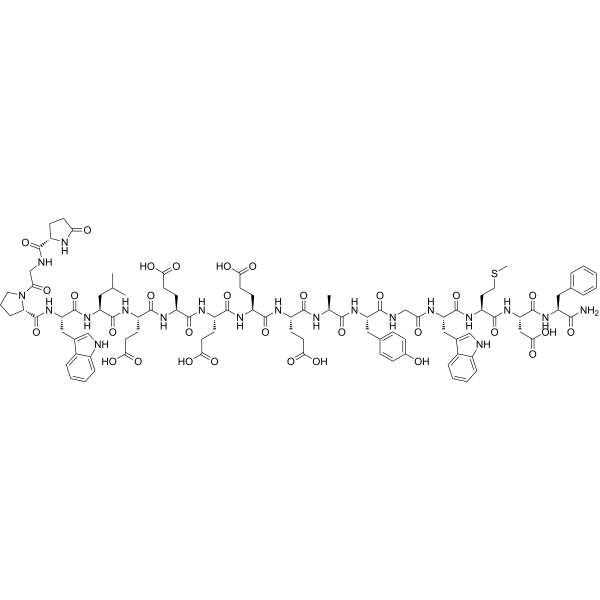
  • HY-P1097
    Gastrin I, human
    15+ Cited Publications

    Cholecystokinin Receptor Endocrinology
    Gastrin I, human is the endogenous peptide produced in the stomach, and increases gastric acid secretion via cholecystokinin 2 (CCK2) receptor.
    Gastrin I, human
  • HY-P1635
    Pepsin
    3 Publications Verification

    EC 3.4.23.1

    Endogenous Metabolite Endocrinology
    Pepsin is the major pig and human gastric proteases, it is a pepsin-like minor gastric proteolytic enzymes. Pepsin contributes to proteolysis of food proteins in the vertebrate stomach .
    Pepsin
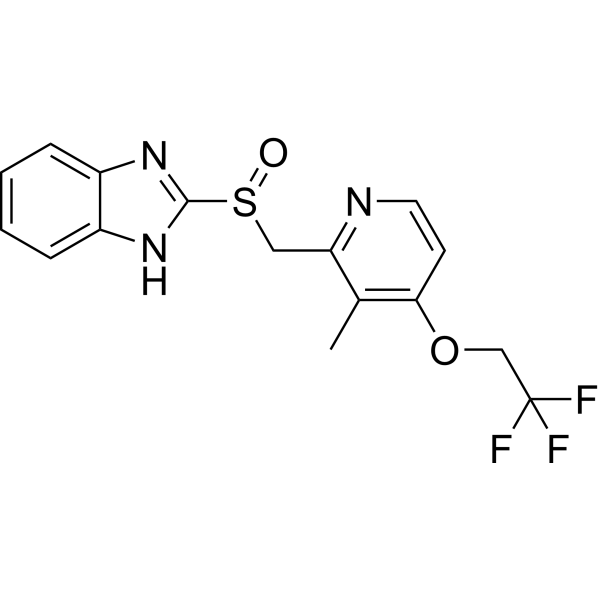
  • HY-13662
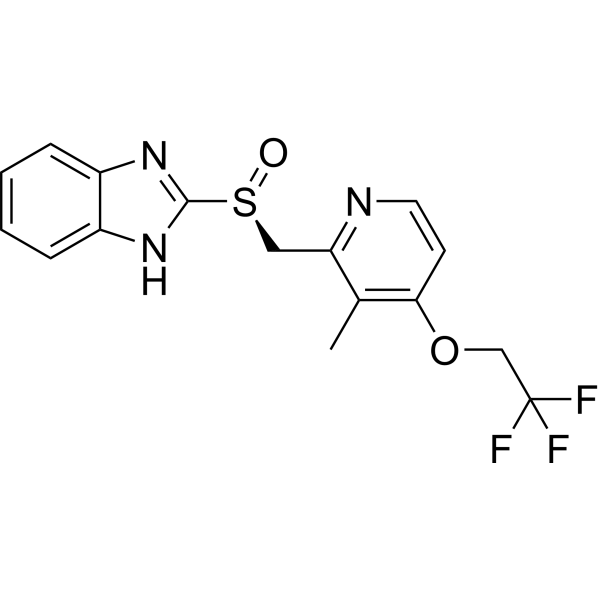
    Lansoprazole
    3 Publications Verification

    AG-1749

    Exosomes Proton Pump Bacterial Phospholipase Inflammation/Immunology Cancer
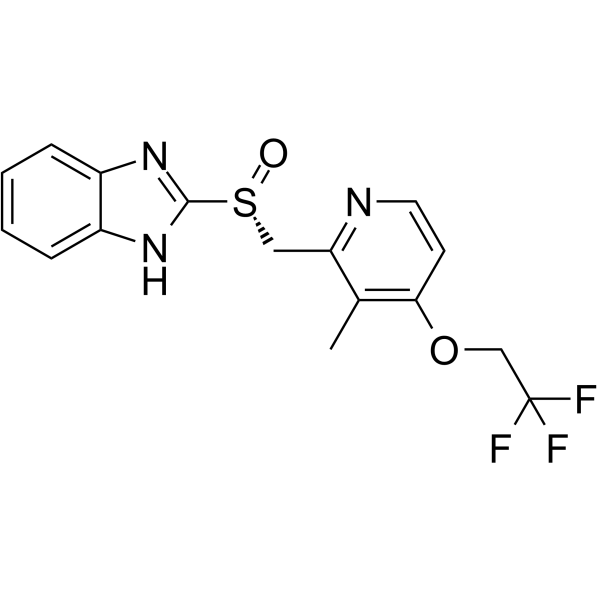
    Lansoprazole (AG 1749) is an orally active proton pump inhibitor which prevents the stomach from producing acid. Lansoprazole (AG 1749) is a potent brain penetrant neutral sphingomyelinase (N-SMase) inhibitor (exosome inhibitor) .
    Lansoprazole
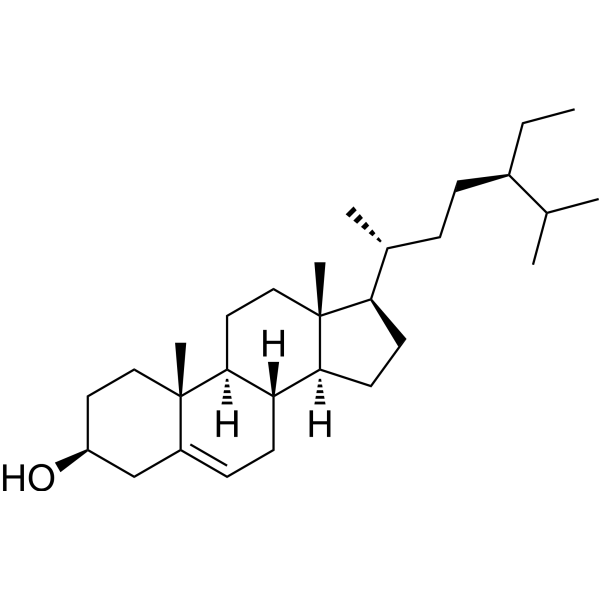
  • HY-N0171
    Beta-Sitosterol (purity>80%)
    20+ Cited Publications

    Apoptosis Endogenous Metabolite Cardiovascular Disease Inflammation/Immunology Cancer
    Beta-Sitosterol (purity≥80%) is orally active. Beta-Sitosterol exhibits multiple activities, including anti-inflammatory, anticancer, antioxidant, antimicrobial, antidiabetic, antioxidant enzyme, and analgesic. Beta-Sitosterol inhibits inflammation and impaired adipogenesis in bovine mammary epithelial cells by reducing levels of ROS, TNF-α, IL-1β, and NF-κB p65 and restoring the activity of the HIF-1α/mTOR signaling pathway. Beta-Sitosterol induces apoptosis in cancer cells through ROS-mediated mitochondrial dysregulation and p53 activation. Beta-Sitosterol exerts its anticancer effects in cancer cells by activating caspase-3, caspase-8, and caspase-9, mediating PARP inactivation, MMP loss, altered Bcl-2-Bax ratio, and cytochrome c release. Beta-Sitosterol modulates macrophage polarization and reduces rheumatoid inflammation in mice. Beta-Sitosterol inhibits tumor growth in multiple mouse cancer models. Beta-Sitosterol can be used in the research of arthritis, lung cancer, breast cancer and other cancers, diabetes, etc .
    Beta-Sitosterol (purity>80%)
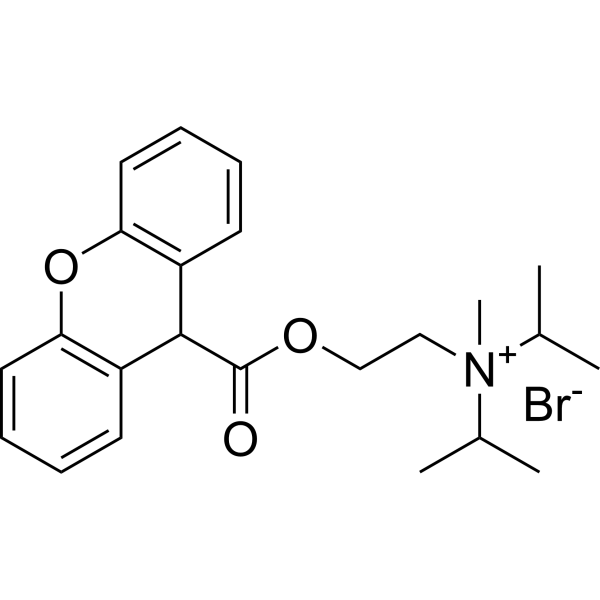
  • HY-B1188

    mAChR Neurological Disease
    Propantheline bromide is an orally active mAChR antagonist. Propantheline bromide can be used in the research of smooth muscle dysfunction, excessive sweating, cramps or spasms of the stomach, intestines or bladder, and involuntary urination. Propantheline bromide can hardly cross the blood-brain barrier .
    Propantheline bromide
  • HY-156002

    Paluratide

    Ras ERK Cancer
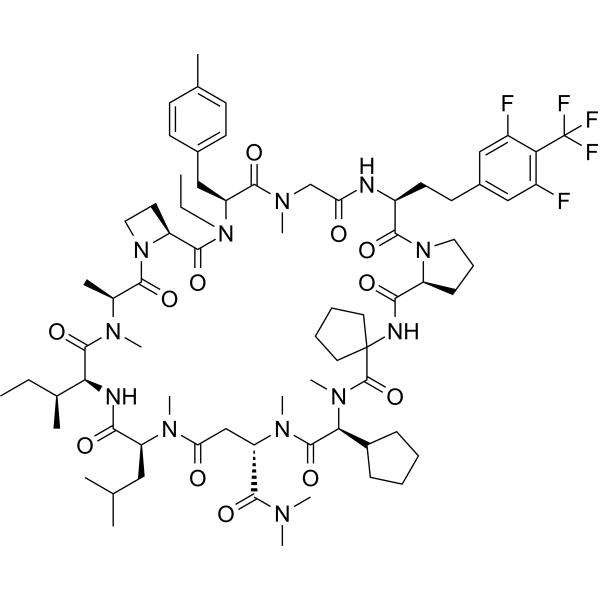
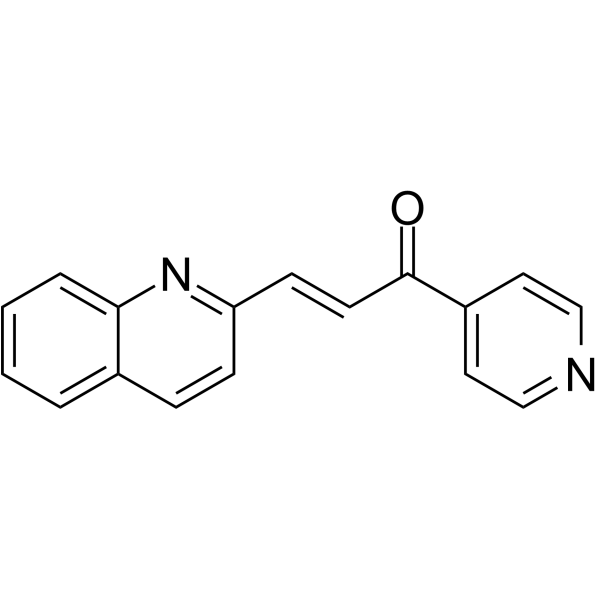
    LUNA18 is an orally-available cyclic peptide KRAS and ERK inhibitor. LUNA18 phosphorylates ERK and AKT and decreases cell proliferation in RAS-mutated cancer cells. LUNA18 exhibits RAS signal inhibition and potent anti-cancer activities through inhibiting interaction between RAS and guanine nucleotide exchange factors (GEFs) in a mouse xenograft model. LUNA18 shows significant cellular efficacy against cell lines with KRAS genetic alterations, such as colon cancer, stomach cancer, non-small cell lung cancer and pancreaticcancer .
    LUNA18
  • HY-B0411
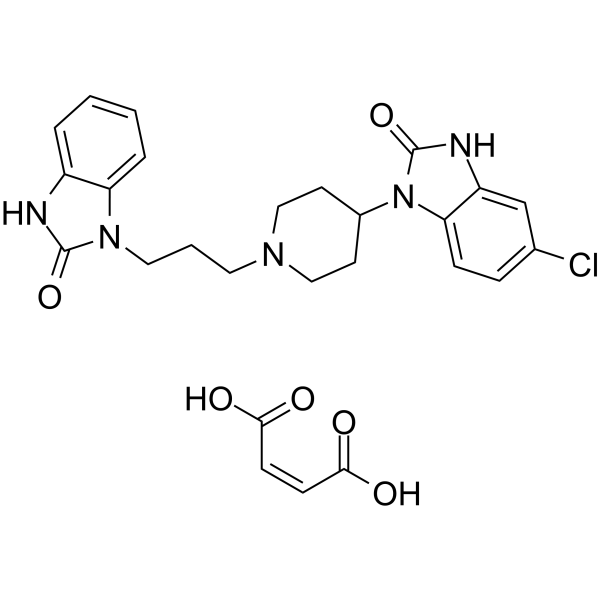
    Domperidone
    5+ Cited Publications

    R33812

    Dopamine Receptor Neurological Disease
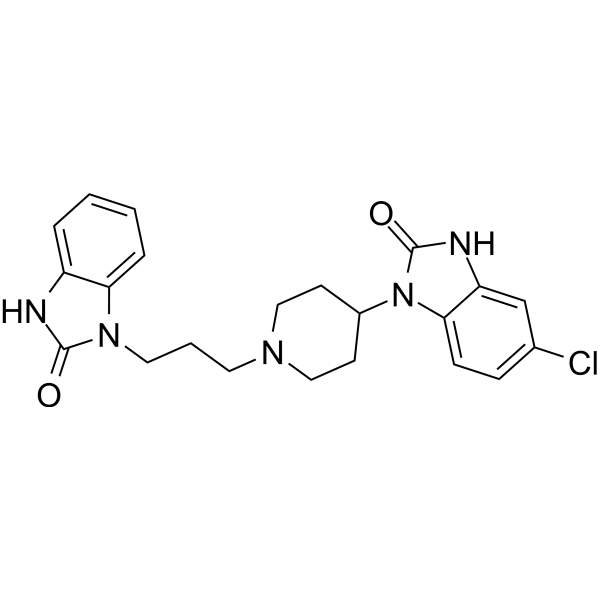
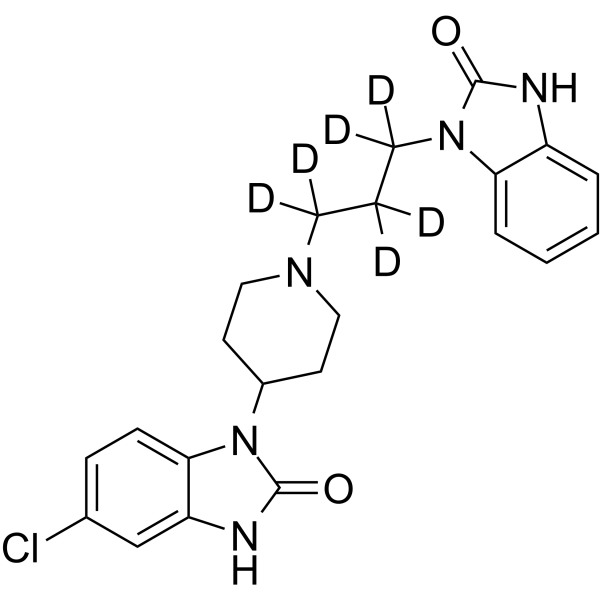
    Domperidone (R33812) is an orally active and selective dopamine-2 receptor antagonist. Domperidone acts as an antiemetic and a prokinetic agent through its effects on the chemoreceptor trigger zone and motor function of the stomach and small intestine .
    Domperidone
  • HY-13625
    Ertapenem sodium
    10+ Cited Publications

    L-749345; MK-826

    Bacterial Antibiotic Infection Cancer
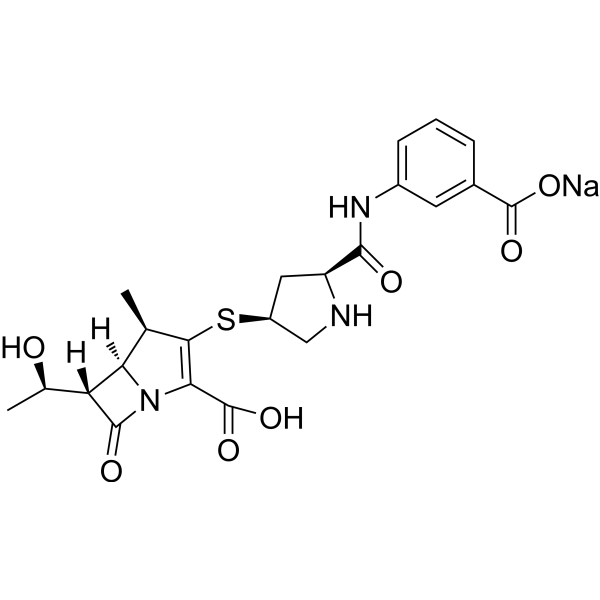
    Ertapenem sodium (L-749345) is a broad spectrum and long acting β-lactam antibiotic. Ertapenem sodium has a broad-spectrum anti-anaerobic activity against a variety of anaerobes with a mode MIC of 0.12 μg/mL. Ertapenem sodium can be used for the research of severe infections caused by bacteria in the skin, lungs, stomach, pelvis, and urinary tract .
    Ertapenem sodium
  • HY-13662B
    (R)-Lansoprazole
    2 Publications Verification

    Dexlansoprazole

    Exosomes Proton Pump Inflammation/Immunology Cancer
    (R)-Lansoprazole is the R enantiomer of Lansoprazole, Lansoprazole (AG 1749) is an orally active proton pump inhibitor which prevents the stomach from producing acid. Lansoprazole (AG 1749) is a potent brain penetrant neutral sphingomyelinase (N-SMase) inhibitor (exosome inhibitor) .
    (R)-Lansoprazole
  • HY-12204
    PFK-015
    3 Publications Verification

    Autophagy Metabolic Disease Inflammation/Immunology Cancer
    PFK-015, a derivative of 3PO, is a specific PFKFB3 inhibitor. PFK-015 inhibits recombinant PFKFB3 with an IC50 value of 110 nM and inhibits PFKFB3 activity in cancer cells with an IC50 value of 20 nM. PFK-015 can be used for the research of multiple cancers such as lung cancer, stomach cancer, colon cancer and esophageal squamous cell carcinoma (ESCC) .
    PFK-015
  • HY-P2810

    EC 3.4.23.4

    Endogenous Metabolite Ser/Thr Protease Metabolic Disease
    Rennin, also known as Chymosin, is a pepsin-related proteolytic enzyme synthesized by cells in the stomach of certain animals that efficiently converts liquid milk into a semi-solid, allowing it to remain in the stomach for longer. The natural substrate of Rennin is K-casein, which is specifically cleaved at the peptide bond between amino acid residues 105 and 106, phenylalanine and methionine, and is widely used in cheese production .
    Rennin
  • HY-E70198
    Pepsin (MS Grade)
    3 Publications Verification

    EC 3.4.23.1 (MS Grade)

    Endogenous Metabolite Others
    Pepsin (MS Grade) is the major pig and human gastric proteases, it is a pepsin-like minor gastric proteolytic enzymes. Pepsin (MS Grade) contributes to proteolysis of food proteins in the vertebrate stomach .
    Pepsin (MS Grade)
  • HY-N2551

    S-Methylmethionine sulfonium chloride

    Others Inflammation/Immunology
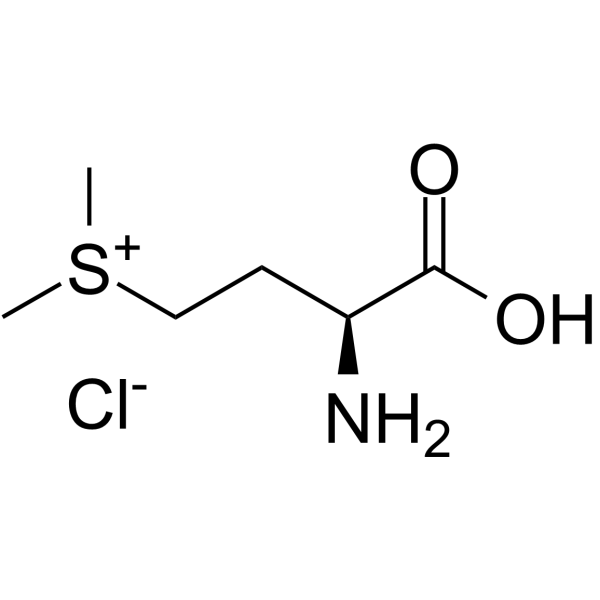
    Vitamin U (S-Methylmethionine sulfonium) chloride is an orally active anti-ulcer agent with antioxidant activity. Vitamin U inhibits adipocyte differentiation. Vitamin U promotes skin wound healing.Vitamin U can be used in the research of gastrointestinal ulceration .
    Vitamin U chloride
  • HY-131498

    Mca-Pro-Leu-Gly-Leu-Dpa-Ala-Arg-NH2

    Fluorescent Dye MMP Cancer
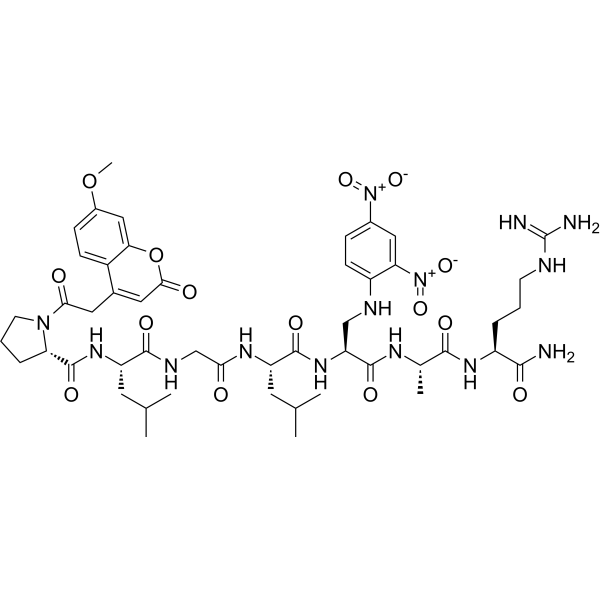
    MOCAc-PLGL (Dpa) AR (Mca-Pro-Leu-Gly-Leu-Dpa-Ala-Arg-NH2) is a synthetic fluorescent substrate mainly used for in vitro enzymatic activity assays of MMP-7 (detection at 393 nm after excitation at 328 nm). MOCAc-PLGL (Dpa) AR is specifically cleaved and hydrolyzed by MMP-7 at the Gly-Leu peptide bond, allowing enzymatic activity to be monitored via fluorometry or HPLC (DMSO is usually added to ensure sufficient dissolution when determining kinetic parameters). MOCAc-PLGL (Dpa) AR is used to accurately evaluate the catalytic activity and pH dependence of recombinant mature human MMP-7 in vitro. MOCAc-PLGL (Dpa) AR is suitable for research on the mechanisms of tumor metastasis and invasion, particularly in fields such as prostate cancer, colon cancer, lung cancer and breast cancer .\n
    MOCAc-PLGL(Dpa)AR
  • HY-N0925
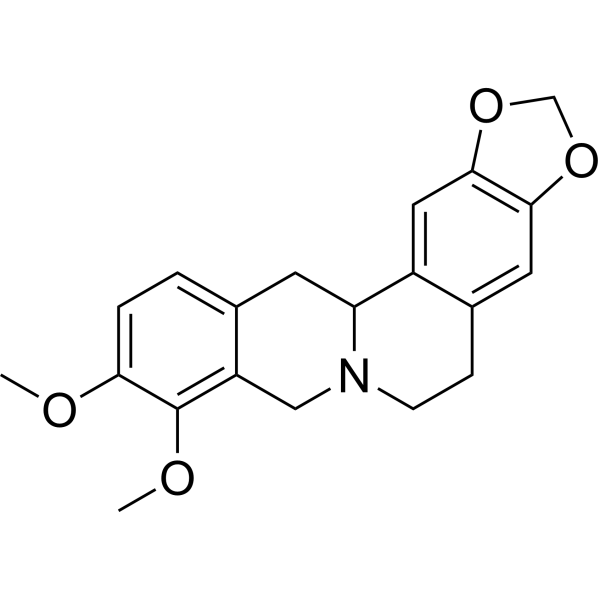
    Tetrahydroberberine
    2 Publications Verification

    Canadine

    Dopamine Receptor Neurological Disease
    Tetrahydroberberine is a different kind of living thing that can be extended and divided into parts. Tetrahydroberberine is a kind of effective D2 receptor antagonistic force. Tetrahydroberberine has the ability to strengthen the stomach and relieve the pressure on the stomach .
    Tetrahydroberberine
  • HY-W116336D

    Biochemical Assay Reagents Fungal Bacterial Infection Cancer
    Zinc oxide, <100 nm particle size is a nitrate reductase modulator and growth promoter with plant stress resistance activity and oral toxicity. Zinc oxide, <100 nm particle size acts as a nutrient source for maize plants. By enhancing nitrate reductase activity and reducing free proline levels, it significantly improves plant height, root length and dry matter weight of maize, and its growth-promoting effect is comparable to that of traditional zinc sulfate fertilizer. Zinc oxide, <100 nm particle size induces anemia-related and persistent tissue inflammatory damage, leading to obvious histopathological adverse reactions in the stomach, pancreas, eyes and prostate of rats. Zinc oxide, <100 nm particle size acts as a non-toxic antibacterial agent and selective cytotoxin against multiple bacteria, fungi and spores .

    Zinc oxide, <100 nm particle size
  • HY-100412

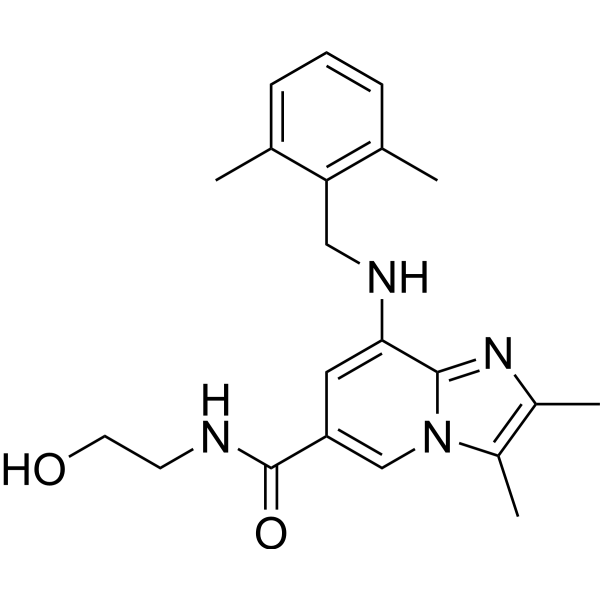
    AZD0865

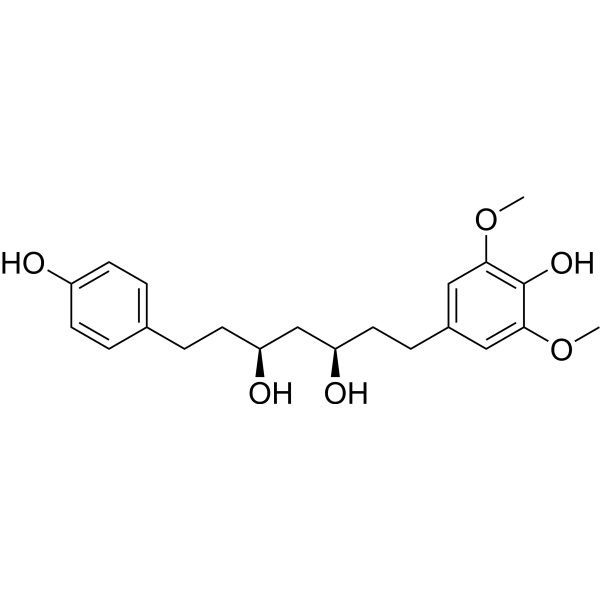
    Proton Pump Cancer
    Linaprazan (AZD0865) can inhibit H+,K+ -ATPase in the stomach through K+ competitive binding, (IC50: 1.0 ± 0.2 μM), it has a strong inhibitory effect on acid. Linaprazan (AZD0865) can be used for research on reflux esophagitis with oral activity .
    Linaprazan
  • HY-N0671
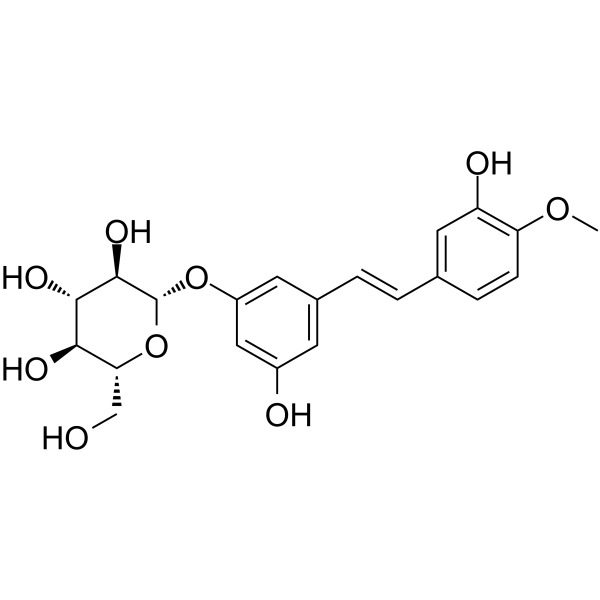
    Rhapontin
    2 Publications Verification

    Rhaponiticin

    Apoptosis Cardiovascular Disease Metabolic Disease Inflammation/Immunology Cancer
    Rhapontin (Rhaponiticin) is an orally aactive SIRT1 agonist and AMPK activator with anti-inflammatory and anti-fibrotic activities. Rhapontin inhibits NLRP3 inflammasome activation by activating SIRT1 and inhibits TGF-β/Smad signaling via the AMPK pathway. Rhapontin reduces intestinal and lung inflammation, inhibits fibroblast differentiation and extracellular matrix deposition, and enhances tight junction protein expression to repair epithelial barriers. Rhapontin can be used in the study of inflammatory bowel diseases (such as ulcerative colitis) and pulmonary fibrosis .
    Rhapontin
  • HY-W116335A

    Environmental Pollutants Biochemical Assay Reagents Inflammation/Immunology
    Dried aluminum hydroxide gel, United States Pharmacopeia (USP) Reference Standard is a commonly used antacid with remarkable compound adhesion and release activity. Dried aluminum hydroxide gel, United States Pharmacopeia (USP) Reference Standard can effectively neutralize gastric acid and relieve stomach discomfort. Dried aluminum hydroxide gel, United States Pharmacopeia (USP) Reference Standard is also often used as an adjuvant in vaccines to enhance immune responses. Dried aluminum hydroxide gel, United States Pharmacopeia (USP) Reference Standard can improve the stability and bioavailability of compounds in preparations .
    Dried aluminum hydroxide gel,United States Pharmacopeia (USP) Reference Standard
  • HY-B0310
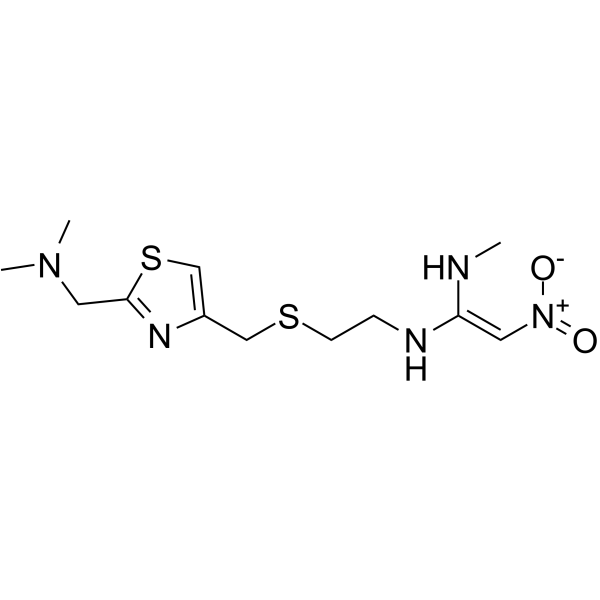
    Nizatidine
    2 Publications Verification

    Histamine Receptor Cardiovascular Disease Inflammation/Immunology Endocrinology Cancer
    Nizatidine is a potent and orally active histamine H2 receptor antagonist, can be used for the research of stomach and intestines ulcers. Nizatidine works by decreasing the secretion of gastric acid the stomach makes and prevent ulcers from coming back after they have healed in animal models .
    Nizatidine
  • HY-P1630

    Bacterial Infection
    Buforin II, derived from buforin I, a protein isolated from the stomach of the Asian toad Bufo bufo gargarizans, is a potent antimicrobial peptide. Buforin II has antimicrobial activity against a broad spectrum of Gram-positive and Gram-negative bacteria .
    Buforin II
  • HY-B1132

    Ro 2-3773

    mAChR Neurological Disease
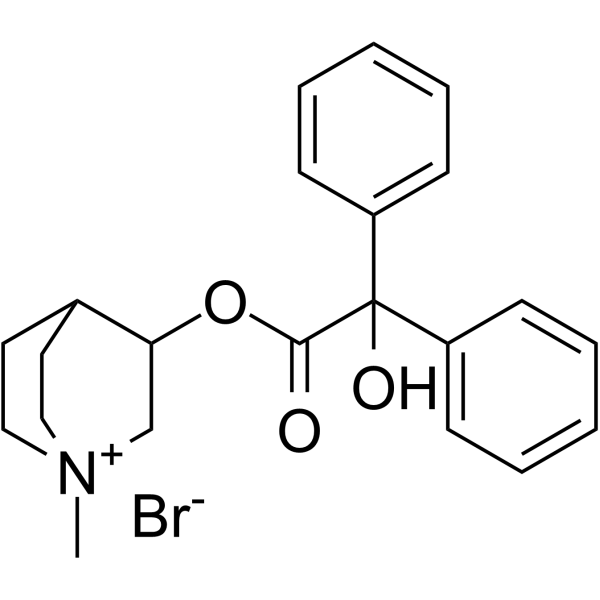
    Clidinium bromide is a quaternary amine antimuscarinic agent. Clidinium bromide may help symptoms of cramping and abdominal/stomach pain by decreasing stomach acid, and slowing the intestines in vivo .
    Clidinium bromide
  • HY-A0294

    MK-0826

    Antibiotic Bacterial Infection Cancer
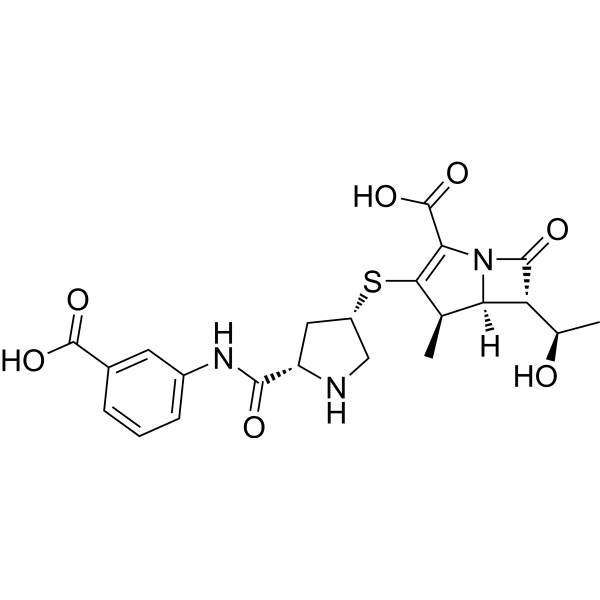
    Ertapenem (MK-0826) is a broad spectrum and long acting β-lactam antibiotic. Ertapenem has a broad-spectrum anti-anaerobic activity against a variety of anaerobes with a mode MIC of 0.12 μg/mL. Ertapenem can be used for the research of severe infections caused by bacteria in the skin, lungs, stomach, pelvis, and urinary tract .
    Ertapenem
  • HY-A0294A
    Ertapenem disodium
    10+ Cited Publications

    MK-0826 disodium

    Bacterial Antibiotic Infection Cancer
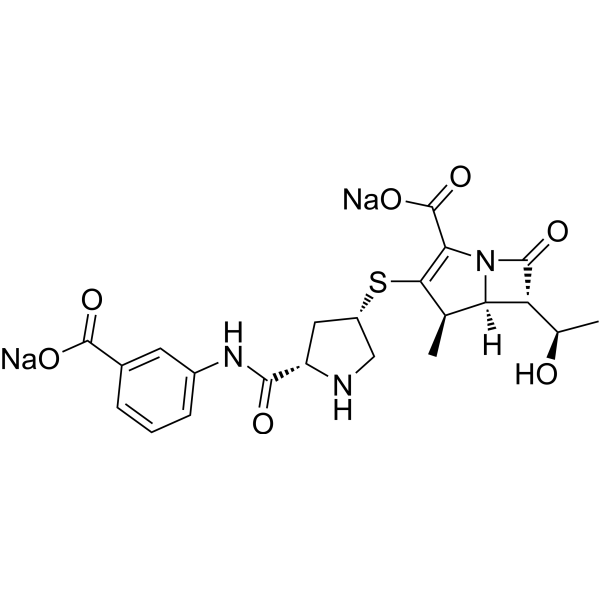
    Ertapenem (MK-0826) disodium is a broad spectrum and long acting β-lactam antibiotic. Ertapenem disodium has a broad-spectrum anti-anaerobic activity against a variety of anaerobes with a mode MIC of 0.12 μg/mL. Ertapenem disodium can be used for the research of severe infections caused by bacteria in the skin, lungs, stomach, pelvis, and urinary tract .
    Ertapenem disodium
  • HY-106840
    L-365260
    2 Publications Verification

    Cholecystokinin Receptor Neurological Disease Metabolic Disease
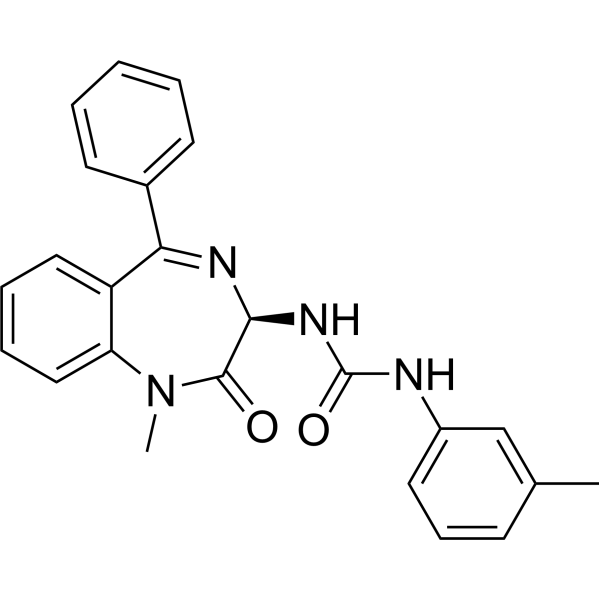
    L-365260 is an orally active and selective antagonist of non-peptide gastrin and brain cholecystokinin receptor (CCK-B), with Kis of 1.9 nM and 2.0 nM, respectively. L-365260 interacts in a stereoselective and competitive manner with guinea pig stomach gastrin and brain CCK receptors. L-365260 can enhance Morphine analgesia and prevents Morphine tolerance .
    L-365260
  • HY-13625R

    L-749345 (Standard); MK-826 (Standard)

    Reference Standards Bacterial Antibiotic Infection Cancer
    Ertapenem sodium (Standard) is the analytical standard of Ertapenem sodium. This product is intended for research and analytical applications. Ertapenem sodium (L-749345) is a broad spectrum and long acting β-lactam antibiotic. Ertapenem sodium has a broad-spectrum anti-anaerobic activity against a variety of anaerobes with a mode MIC of 0.12 μg/mL. Ertapenem sodium can be used for the research of severe infections caused by bacteria in the skin, lungs, stomach, pelvis, and urinary tract[1][2].
    Ertapenem sodium (Standard)
  • HY-13662C

    Levolansoprazole

    Proton Pump Phospholipase Bacterial Exosomes Inflammation/Immunology
    (S)-Lansoprazole (Levolansoprazole) is an isoform of Lansoprazole (HY-13662), which is an orally active proton pump inhibitor which prevents the stomach from producing acid. Lansoprazole (AG 1749) is a potent brain penetrant neutral sphingomyelinase (N-SMase) inhibitor (exosome inhibitor) .
    (S)-Lansoprazole
  • HY-139342

    CDK Cancer
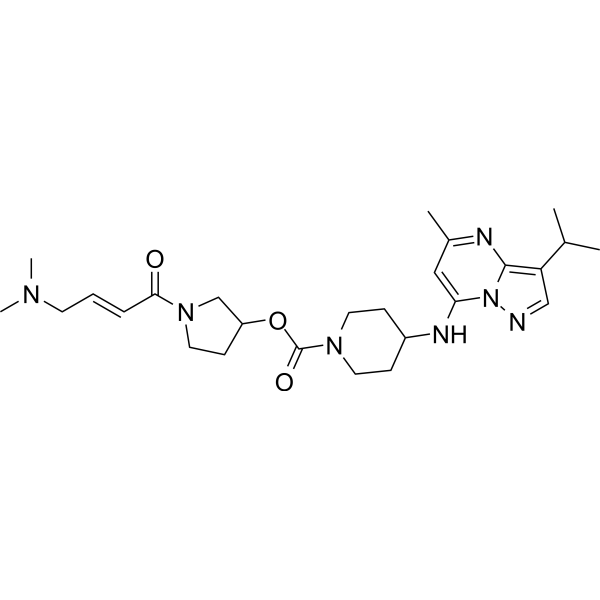
    CDK7-IN-4 (compound I) is a potent CDK7 (Cyclin-dependent kinase 7) inhibitor. CDK7-IN-4 shows anticancer activity. CDK7-IN-4 inhibits the in vitro growth of cancer cell lines from a variety of histologies including colon , breast , lung , ovary and stomach , in a dose dependent manner .
    CDK7-IN-4
  • HY-B0411A
    Domperidone monomaleate
    5+ Cited Publications

    R33812 monomaleate

    Dopamine Receptor Neurological Disease
    Domperidone (R33812) monomaleate is an orally active and selective dopamine-2 receptor antagonist. Domperidone monomaleate acts as an antiemetic and a prokinetic agent through its effects on the chemoreceptor trigger zone and motor function of the stomach and small intestine .
    Domperidone monomaleate
  • HY-137273

    Somatostatin Receptor MMP Inflammation/Immunology
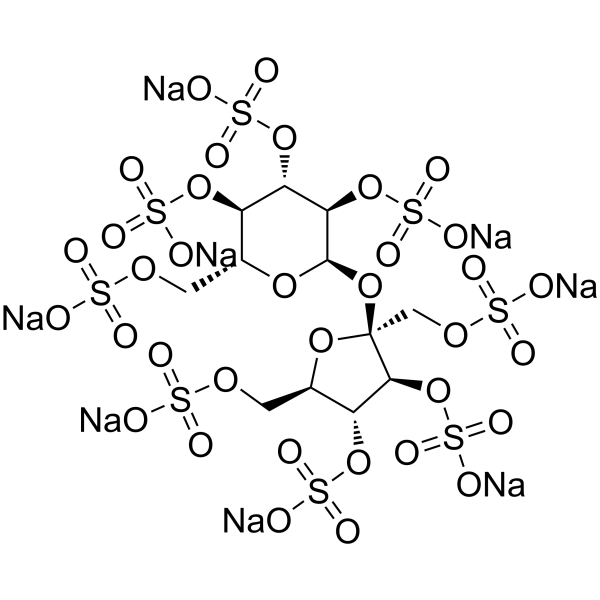
    Sucrose octasulfate sodium, a derivative of sulfated oligosaccharides, is a matrix metalloproteinase (MMP) inhibitor. Sucrose octasulfate sodium stimulates the release of somatostatin-like immunoreactivity (SLI) from the stomach by acting directly on D cells in the gastric mucosa. Sucrose octasulfate sodium exerts its ulcer-healing effect by releasing endogenous gastric somatostatin. Sucrose octasulfate sodium can be used as a pharmaceutical excipient and significantly improves wound closure in diabetic foot ulcers caused by nerve ischemia and venous leg ulcers. Sucrose octasulfate sodium can be used in the study of chronic wound healing .
    Sucrose octasulfate sodium
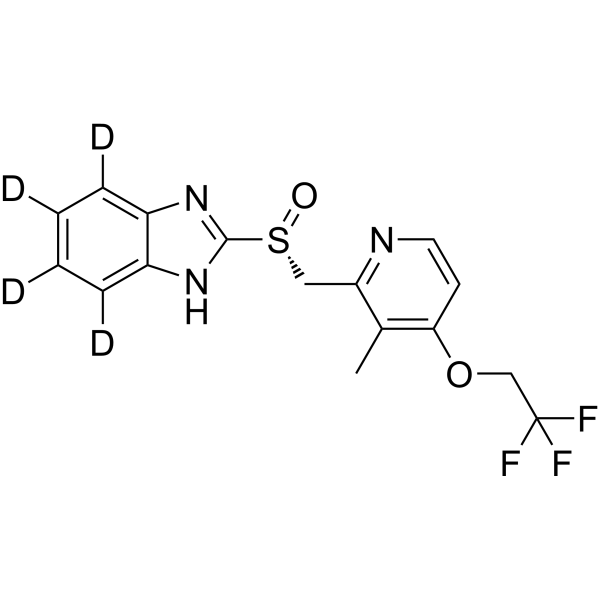
  • HY-13662S

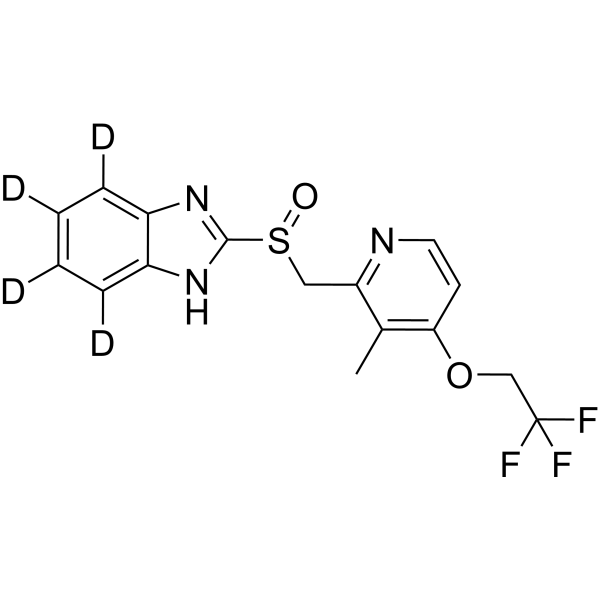
    AG-1749-d4

    Proton Pump Bacterial Inflammation/Immunology Cancer
    Lansoprazole-d4 (AG-1749-d4) is a deuterium labeled Lansoprazole. Lansoprazole is a proton pump inhibitor which prevents the stomach from producing acid .
    Lansoprazole-d4
  • HY-172664

    Drug Derivative Cancer
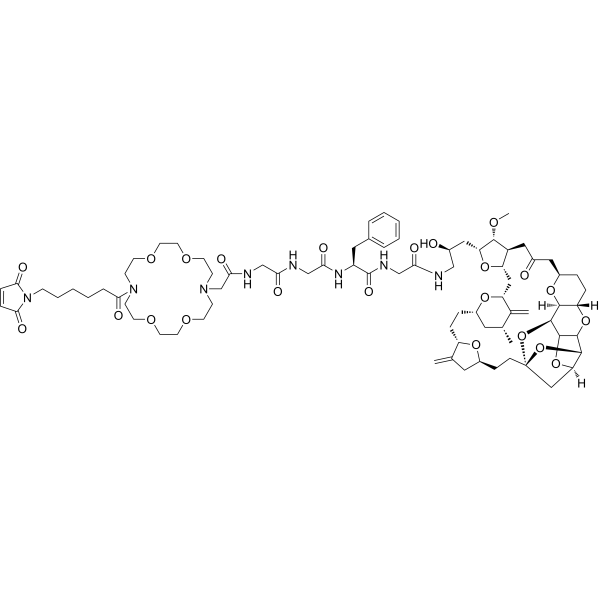
    Trabectedin derivative 2 (compound PL-12) is a trabectedin derivative that can be used in research on ovarian cancer, gastric cancer, and breast cancer .
    Trabectedin derivative 2
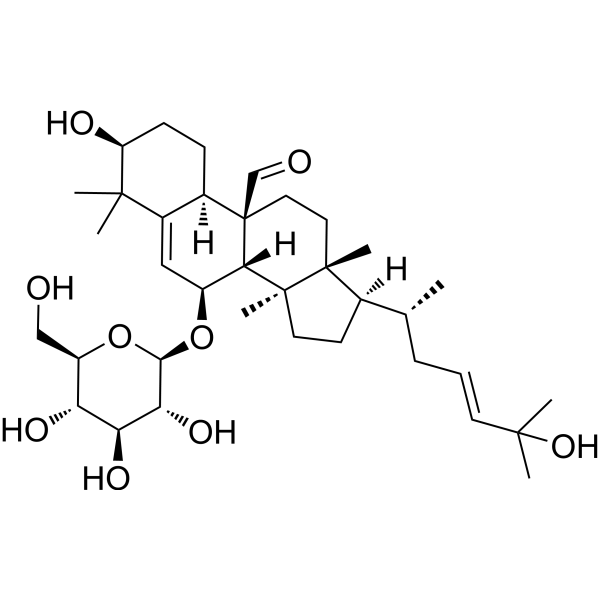
  • HY-122919

    Endogenous Metabolite Cancer
    Momordicoside L is a Cucurbitane Triterpenoid, that can be isolated from the leaves of Momordica charantia. Momordicoside L shows anticancer activity .
    Momordicoside L
  • HY-P2919

    Endogenous Metabolite Inflammation/Immunology
    Rennet is is a mixture of the proteolytic enzymes pepsin and chymosin (rennin), which is found in the fourth stomach of young ruminants. Rennet is promising for research of allergies (e.g., asthma, rhinitis) .
    Rennet
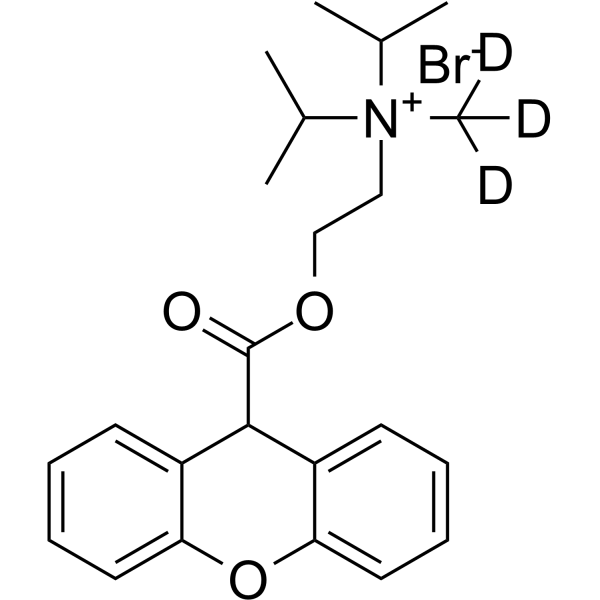
  • HY-B1188S

    mAChR Neurological Disease
    Propantheline-d3 (bromide) is the deuterium labeled Propantheline bromide. Propantheline bromide is an antimuscarinic agent, used for the treatment of hyperhidrosis, cramps or spasms of the stomach, intestines or bladder, and enuresis.
    Propantheline-d3 bromide
  • HY-P3680

    Motilin Receptor Neurological Disease
    [Nle13]-Motilin, a motilin analogue, is a motilin receptor agonist .
    [Nle13]-Motilin
  • HY-W854385A
    Sialyl Lewis A sodium
    1 Publications Verification

    SLeA sodium

    Biochemical Assay Reagents Cancer
    Sialyl Lewis A (SLeA) sodium is a tumor-associated carbohydrate antigen, also known as carbohydrate antigen 19-9 (CA19-9), that binds to E-selectin (ELAM-1) and selectins to mediate cell-endothelium adhesion. Sialyl Lewis A sodium promotes cancer cell-vascular endothelium adhesion, and its surface presence correlates with increased tumorigenicity and invasiveness in cancer cells. Sialyl Lewis A sodium shows elevated expression in human adenocarcinomas of the colon, pancreas, and stomach, with expression levels linked to tumor progression and poor prognosis in colorectal and gastric carcinomas. Sialyl Lewis A sodium can be used for the research of cancers, such as colon, pancreas, stomach, and squamous lung cancer .
    Sialyl Lewis A sodium
  • HY-W854385

    SLeA

    Biochemical Assay Reagents E-Selectin Cancer
    Sialyl Lewis A (SLeA) is a tumor-associated carbohydrate antigen, also known as carbohydrate antigen 19-9 (CA19-9), that binds to E-selectin (ELAM-1) and selectins to mediate cell-endothelium adhesion. Sialyl Lewis A promotes cancer cell-vascular endothelium adhesion, and its surface presence correlates with increased tumorigenicity and invasiveness in cancer cells. Sialyl Lewis A shows elevated expression in human adenocarcinomas of the colon, pancreas, and stomach, with expression levels linked to tumor progression and poor prognosis in colorectal and gastric carcinomas. Sialyl Lewis A can be used for the research of cancers, such as colon, pancreas, stomach, and squamous lung cancer .
    Sialyl Lewis A
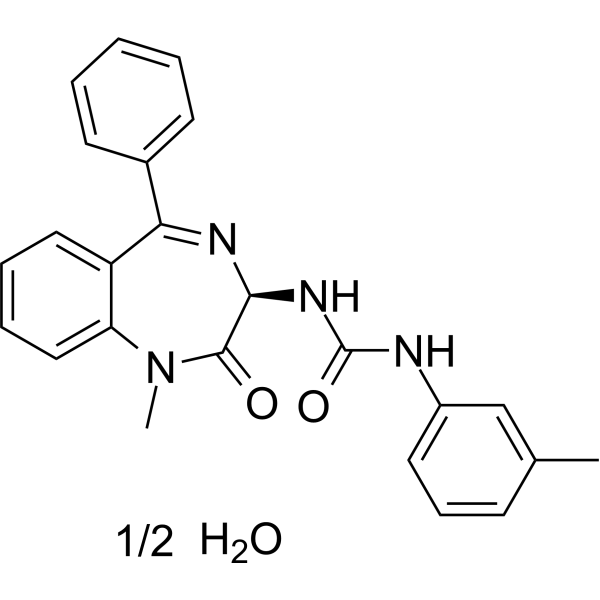
  • HY-106840A
    L-365260 hemihydrate
    2 Publications Verification

    Cholecystokinin Receptor Neurological Disease Metabolic Disease
    L-365260 hemihydrate is an orally active and selective antagonist of non-peptide gastrin and brain cholecystokinin receptor (CCK-B), with Kis of 1.9 nM and 2.0 nM, respectively. L-365260 hemihydrate interacts in a stereoselective and competitive manner with guinea pig stomach gastrin and brain CCK receptors .
    L-365260 hemihydrate
  • HY-N3931

    Others Cardiovascular Disease
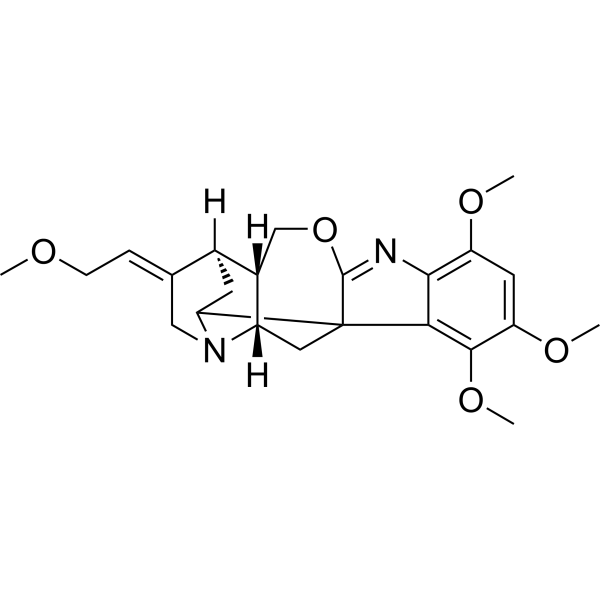
    Gardneramine is an orally active alkaloid that acts like papaverine. Gardneramine has peripheral vascular diastolic effect, direct inhibition on myocardium and central inhibition. Gardneramine showed antihypertensive, vasodilatation and atrial inhibition effects in rabbit, dog and guinea pig models, respectively. Gardneramine also inhibits the movement of smooth muscle organs such as the stomach and intestines .
    Gardneramine
  • HY-E70077

    Endogenous Metabolite Infection Metabolic Disease
    Penicillinase (from calf stomach) is an enzyme that degrades penicillin by hydrolyzing the cyclic amide bonds in the lactam ring of penicillin, which can inactivate penicillin. Penicillinase (from calf stomach) can be isolated from penicillin resistant strains. Penicillinase (from calf stomach) has potential application as a marker for steroid hormone enzyme linked immunosorbent assay .
    Penicillinase (from calf stomach)
  • HY-175321

    PROTACs c-Met/HGFR Apoptosis Cancer
    PROTAC c-Met degrader-6 is a potent and orally active c-Met PROTACdegrader. PROTAC c-Met degrader-6 significantly induces the degradation of the c-Met protein with DC50s of 0.52 nM and 0.45 nM in EBC-1 and Hs746T. PROTAC c-Met degrader-6 almost abrogates the migratory and invasion abilities of tumor cells and significantly induces the apoptosis and blocks the cell cycle in the G0/G1 phase. PROTAC c-Met degrader-6 can be used for the study of various cancers such as non-small cell lung cancer and stomach cancer (Pink: c-Met ligand (HY-W425461); Blue: E3 ligand (HY-14658); Black: Linker (HY-20797)) .
    PROTAC c-Met degrader-6
  • HY-N1219

    (-)-Stephanine; l-Stephanine

    Apoptosis Parasite Infection Inflammation/Immunology Cancer
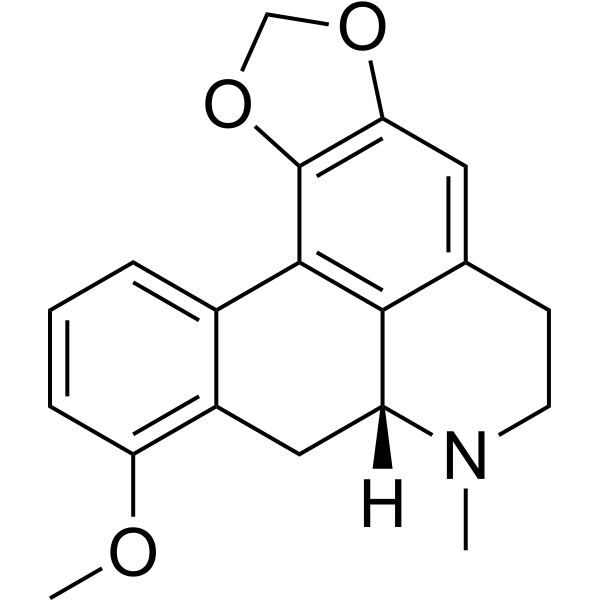
    Stephanine ((-)-Stephanine) is an isoquinoline aporphine-type alkaloid. Stephanine induce apoptosis through the reverse of mitotic exit. Stephanine exhibits Antiplasmodial activity. Stephanine can be used for the research of stomach pain, abdominal pain, arthritis and cancer .
    Stephanine
  • HY-B0310S

    Isotope-Labeled Compounds Histamine Receptor Inflammation/Immunology Endocrinology Cancer
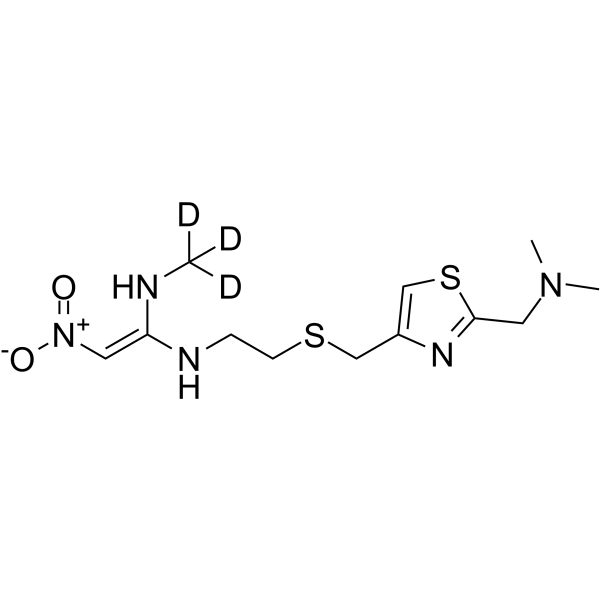
    Nizatidine-d3 is the deuterium labeled Nizatidine. Nizatidine is a potent and orally active histamine H2 receptor antagonist, can be used for the research of stomach?and?intestines ulcers. Nizatidine works by decreasing the secretion of gastric?acid the stomach makes and prevent ulcers from coming back after they have healed in animal models .
    Nizatidine-d3
  • HY-13662A
    Lansoprazole sodium
    3 Publications Verification

    AG-1749 sodium

    Exosomes Proton Pump Phospholipase Bacterial Inflammation/Immunology
    Lansoprazole sodium (AG 1749 sodium) is an orally active proton pump inhibitor which prevents the stomach from producing acid. Lansoprazole sodium (AG 1749 sodium) is a potent brain penetrant neutral sphingomyelinase (N-SMase) inhibitor (exosome inhibitor) .
    Lansoprazole sodium
  • HY-129471

    Endogenous Metabolite Inflammation/Immunology
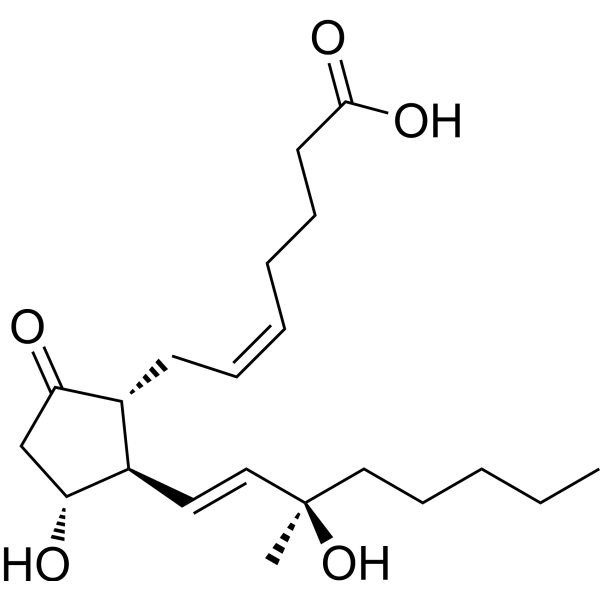
    Arbaprostil is an orally active PGE1 (HY-B0131) analog. Arbaprostil protects the gastrointestinal mucosa from stomach acid and other irritants, promotes healing rate of gastric ucler through the antisecretory effect .
    Arbaprostil
  • HY-P3176

    Motilin Receptor Others
    Motilin, human, porcine is a gastrointestinal hormone, which is released during fasting and after eating, or by drinking water. Motilin, human, porcine promotes enteric cholinergic activity in human stomach with an EC50 of 33 nM, and thus modulates gastrointestinal motility function .
    Motilin, human, porcine
  • HY-100412A

    AZD-0865 mesylate

    Proton Pump Cancer
    Linaprazan mesylate can inhibit H+,K+ -ATPase in the stomach through K+ competitive binding. (IC 50: 1.0 ± 0.2 μM), it has a strong inhibitory effect on acid. Linaprazan (AZD0865) mesylate can be used for research on reflux esophagitis with oral activity .
    Linaprazan mesylate
  • HY-13662R

    AG-1749 (Standard)

    Bacterial Phospholipase Proton Pump Reference Standards Exosomes Inflammation/Immunology Cancer
    Lansoprazole (Standard) is the analytical standard of Lansoprazole. This product is intended for research and analytical applications. Lansoprazole (AG 1749) is an orally active proton pump inhibitor which prevents the stomach from producing acid. Lansoprazole (AG 1749) is a potent brain penetrant neutral sphingomyelinase (N-SMase) inhibitor (exosome inhibitor) .
    Lansoprazole (Standard)
  • HY-13662BS

    Dexlansoprazole-d4

    Isotope-Labeled Compounds Exosomes Proton Pump Inflammation/Immunology
    (R)-Lansoprazole-d4 is deuterium labeled (R)-Lansoprazole. (R)-Lansoprazole is the R enantiomer of Lansoprazole, Lansoprazole (AG 1749) is an orally active proton pump inhibitor which prevents the stomach from producing acid. Lansoprazole (AG 1749) is a potent brain penetrant neutral sphingomyelinase (N-SMase) inhibitor (exosome inhibitor) .
    (R)-Lansoprazole-d4

Inquiry Online

Your information is safe with us. * Required Fields.

Salutation


Country or Region *

Applicant Name *


Organization Name *

Department *


Email Address *


Product Name *

Cat. No.


Requested quantity *

Phone Number *


Remarks

Inquiry Online

Inquiry Information

Product Name:
Cat. No.:
Quantity:
MCE Japan Authorized Agent: