Search Result
Results for "
aldose reductase inhibitor
" in MedChemExpress (MCE) Product Catalog:
2
Isotope-Labeled Compounds
| Cat. No. |
Product Name |
Target |
Research Areas |
Chemical Structure |
-
- HY-66009
-
-
-
- HY-N0102
-
-
-
- HY-N0033
-
|
|
Aldose Reductase
|
Cardiovascular Disease
Metabolic Disease
Inflammation/Immunology
|
|
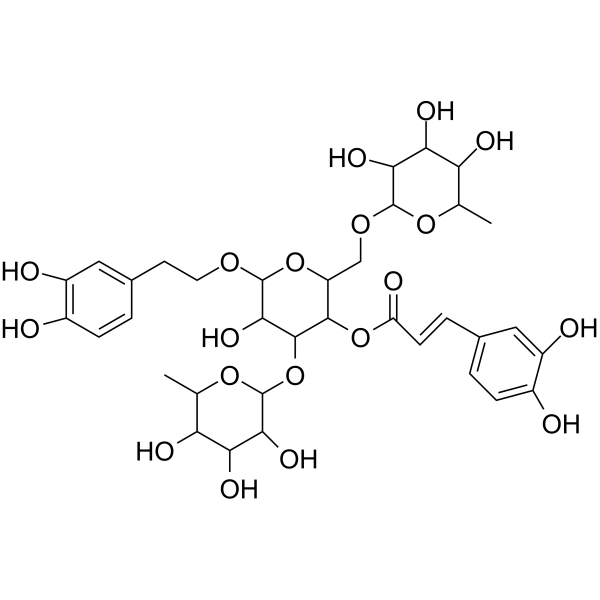
Poliumoside, a caffeoylated phenylpropanoid glycoside, is isolated from Brandisia hancei stems and leaves. Poliumoside is an advanced glycation end product (AGE) formation and rat lens aldose reductase (RLAR) inhibitor, with IC50s of 19.69 and 8.47 μM, respectively. Poliumoside also has antiinflammatory and antioxidant activity .
|
-
-
- HY-133708
-
|
Glucogallin; 1-O-Galloyl-β-D-glucose
|
Aldose Reductase
Reactive Oxygen Species (ROS)
NF-κB
PDGFR
SOD
|
Neurological Disease
Metabolic Disease
|
|
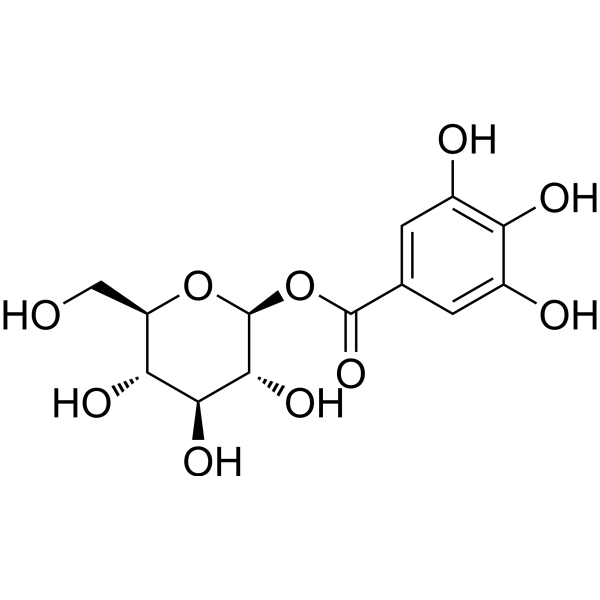
β-Glucogallin is an orally active and selective aldose reductase (AKR1B1) inhibitor with an IC50 value of 58 μM when using Glyceraldehyde (HY-128748) as AKR1B1 substrate. β-Glucogallin reduces ROS, PDGF, RAGE, and NF-κB. β-Glucogallin increases SOD. β-Glucogallin has antioxidant and hepatoprotective effects. β-Glucogallin can be used in retinal research .
|
-
-
- HY-105185
-
|
SNK 860
|
Aldose Reductase
|
Metabolic Disease
|
|
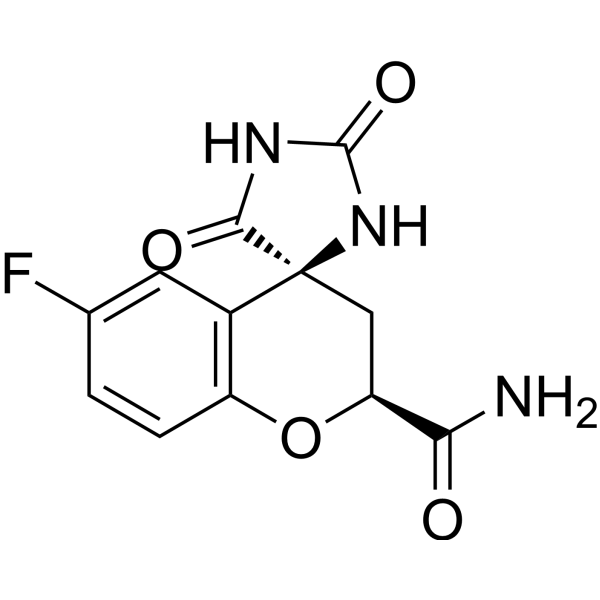
Fidarestat (SNK 860) is an inhibitor of aldose reductase, with IC50s of 26 nM, 33 μM, and 1.8 μM for aldose reductase, AKR1B10 and V301L AKR1B10, respectively; Fidarestat (SNK 860) has the potential to treat diabetic disease.
|
-
-
- HY-106697
-
|
ICI 128436
|
Aldose Reductase
|
Metabolic Disease
|
|
Ponalrestat (ICI 128436) is an orally active, selective and noncompetitive aldose reductase (AKR1B1; ALR) inhibitor. Ponalrestat selectively inhibits ALR2 (Ki=7.7 nM) over ALR1 (Ki=60 μM). Ponalrestat inhibits the conversion of glucose to sorbitol .
|
-
-
- HY-B1392
-
|
|
Adrenergic Receptor
Caspase
Apoptosis
Aldose Reductase
Neurokinin Receptor
|
Cardiovascular Disease
Endocrinology
Cancer
|
|
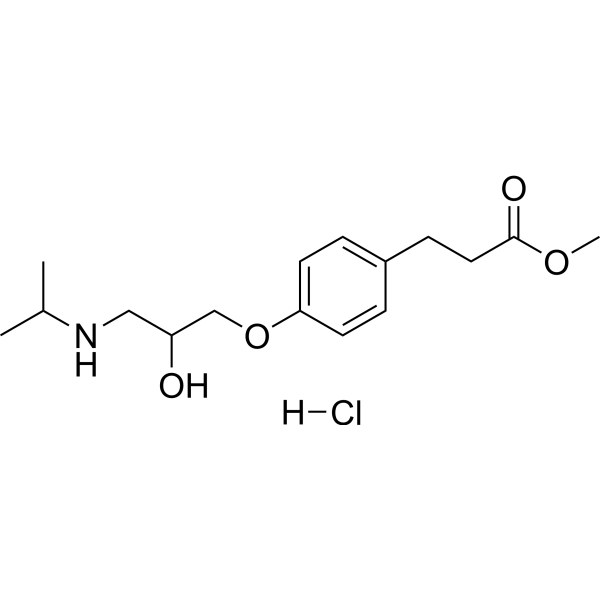
Esmolol hydrochloride is an ultra-short-acting cardioselective β1-adrenergic blocker. Esmolol hydrochloride exerts its antiarrhythmic effect by activating Neurokinin 1 Receptor. Esmolol hydrochloride attenuates post resuscitation myocardial dysfunction. Esmolol hydrochloride improves diabetic wound healing by inhibiting aldose reductase and the production of advanced glycation end products and promoting fibroblast migration. Esmolol hydrochloride can be used to study cardiac diseases such as arrhythmias and diabetic foot ulcers .
|
-
-
- HY-16500
-
|
AY-27773
|
Aldose Reductase
|
Cancer
|
|
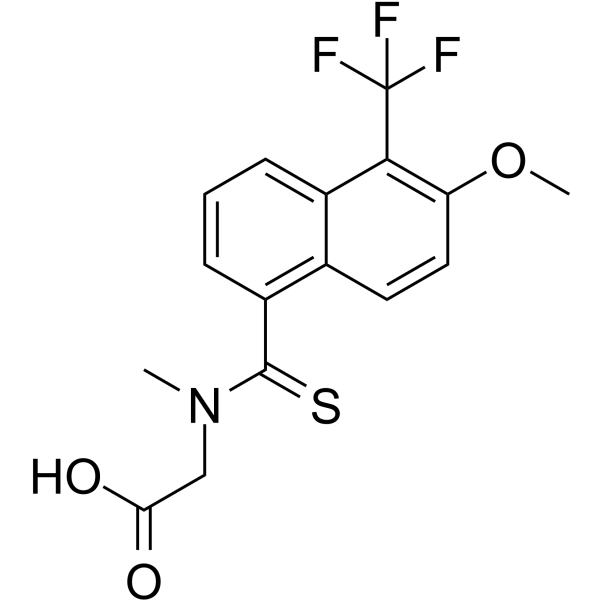
Tolrestat is a potent, orally active aldose reductase inhibitor with IC50 of 35 nM.
|
-
-
- HY-19687
-
|
CP73850
|
Aldose Reductase
|
Metabolic Disease
|
|
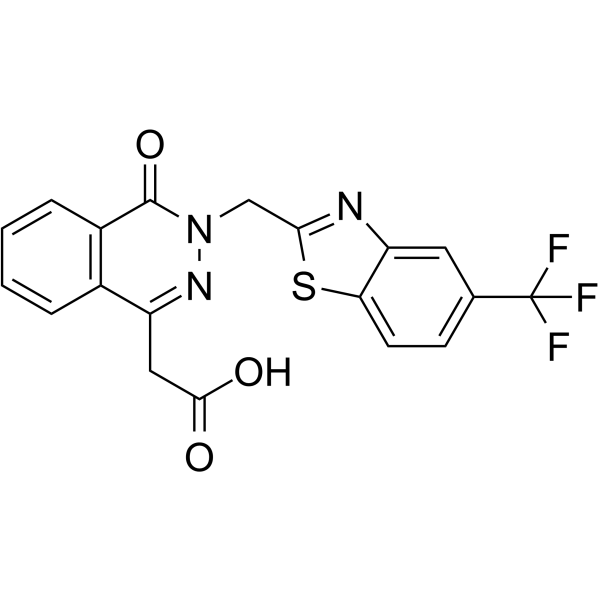
Zopolrestat (CP73850) is a potent, orally active aldose reductase (AR) inhibitor with an IC50 of 3.1 nM. Zopolrestat is used for the research of diabetic complications .
|
-
-
- HY-N0310
-
|
|
Aldose Reductase
Heme Oxygenase (HO)
Reactive Oxygen Species (ROS)
Apoptosis
|
Neurological Disease
Metabolic Disease
|
|
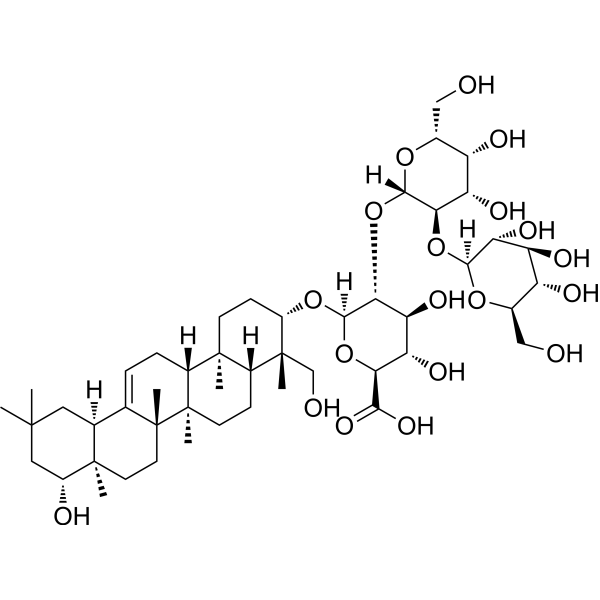
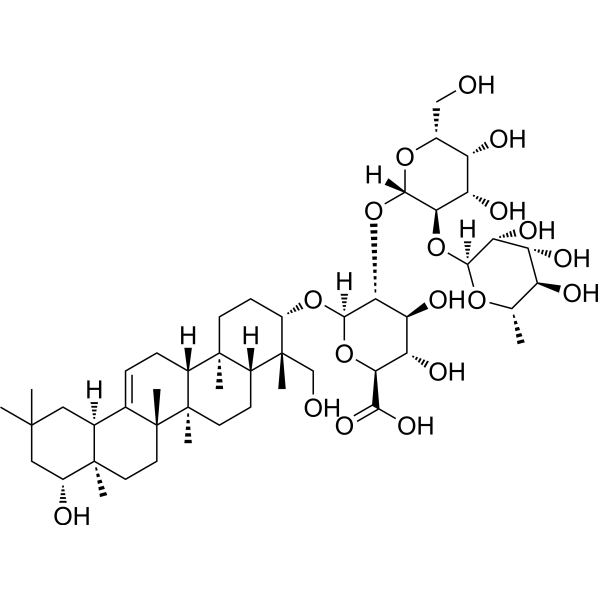
Soyasaponin Bb is an orally active, covalent inducer of heme oxygenase HO-1 and an inhibitor of aldose reductase AKR1B1. Soyasaponin Bb can regulate oxidative stress pathways, enhance antioxidant capacity, reduce reactive oxygen species (ROS) generation, and inhibit lipid peroxidation and hepatocyte apoptosis. Soyasaponin Bb improves alcohol-induced hepatocyte membrane damage and liver function abnormalities, and improves Scopolamine (HY-N0296)-induced memory impairment. Soyasaponin Bb has antioxidant, hepatoprotective, and neuroprotective activities .
|
-
-
- HY-129586
-
|
AT-007
|
Aldose Reductase
|
Metabolic Disease
|
|
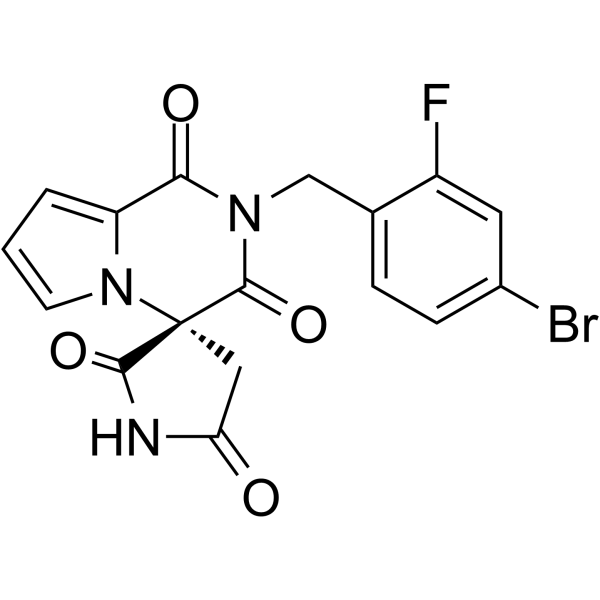
Govorestat (AT-007) is an orally active brain-penetrant aldose reductase inhibitor with an IC50 value of 100 pM. Govorestat has the potential for galactose-1-phosphate uridyl transferase deficiency research .
|
-
-
- HY-N4089
-
|
|
Aldose Reductase
Cytochrome P450
|
Metabolic Disease
Cancer
|
|
Quercetin 3-gentiobioside is a flavonoid found in Artemisia iwayomogi. Quercetin 3-gentiobioside inhibits aromatase with an Ki of 46.77 nM. Quercetin 3-gentiobioside inhibits aldose reductase (AR) and the formation of advanced glycation end products (AGEs), with IC50 values of 10.60 μM and 109.46 μM, respectively. Quercetin 3-gentiobioside inhibits proliferation of cancer cells and fibroblast-like synoviocytes. Quercetin 3-gentiobioside can be used for the research of cancer, such as lung carcinoma .
|
-
-
- HY-Y0790
-
|
p-Isopropylbenzaldehyde
|
Environmental Pollutants
α-synuclein
|
Infection
Neurological Disease
Inflammation/Immunology
Cancer
|
|
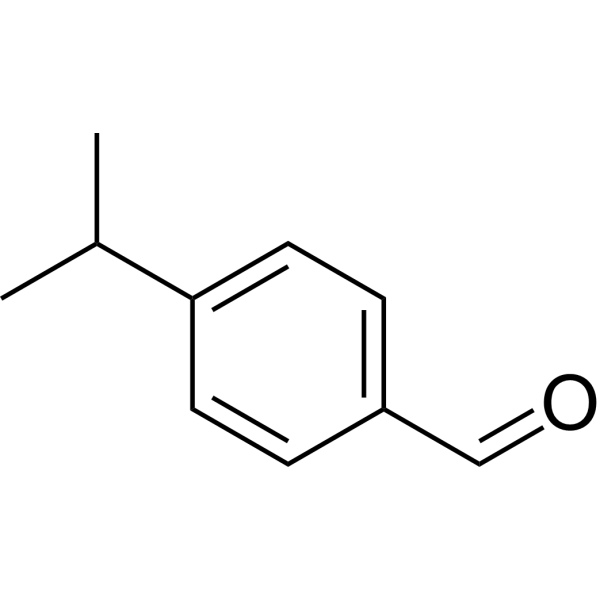
Cuminaldehyde is the main component of Cuminum cyminum and has multiple biological activities, including anti-inflammatory, anti-cancer, anti-diabetic, anti-injury, anti-neuropathy and antibacterial effects. Cuminaldehyde is an inhibitor of aldose reductase (IC50= 0.00085 mg/mL), α-glucosidase (IC50=0.5 mg/mL) and lipoxygenase (IC50=1370 μM). Cuminaldehyde also inhibits the fibrillation of α-synuclein and prevents its aggregation. Cuminaldehyde has potential application value in the research of neurodegenerative diseases, cancer, diabetes and neuropathic pain diseases .
|
-
-
- HY-N1517
-
|
|
Aldose Reductase
|
Inflammation/Immunology
Cancer
|
|
Ganoderic acid C2 is a bioactive triterpenoid in Ganoderma lucidum. Ganoderic acid C2 possesses the potential anti-tumor bioactivity, antihistamine, anti-aging and cytotoxic effects. Ganoderic acid C2 is the inhibitor for aldose reductase with an IC50 of 43.8 µM .
|
-
-
- HY-15314
-
|
AS-3201
|
Aldose Reductase
|
Neurological Disease
Metabolic Disease
|
|
Ranirestat (AS-3201) potent and orally active aldose reductase (AR) inhibitor with IC50s of 11 nM and 15 nM for rat lens AR and recombinant human AR, respectively, and a Ki of 0.38 nM for recombinant human AR. Ranirestat has the potential for diabetic sensorimotor polyneuropathy treatment. Ranirestat also has a neuroprotective effect on diabetic retinas .
|
-
-
- HY-16255
-
-
-
- HY-18967
-
|
AT-001; aldose reductase-IN-1
|
Aldose Reductase
|
Metabolic Disease
|
|
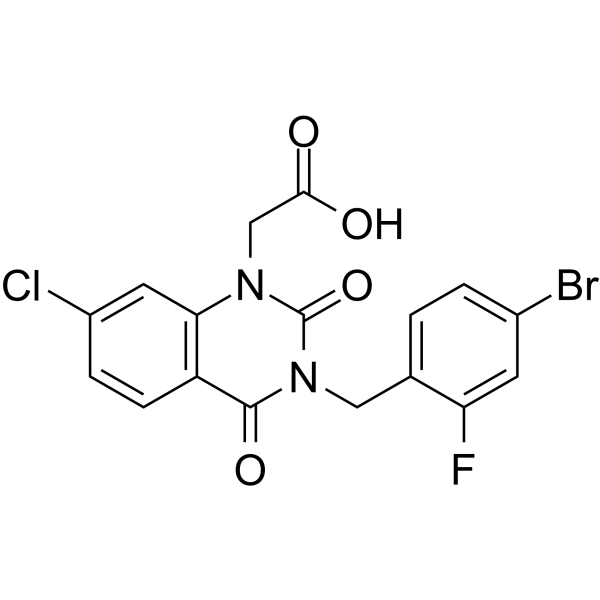
Caficrestat (AT-001) is an orally active aldose reductase inhibitor. Caficrestat can be used in the study of diabetic cardiomyopathy .
|
-
-
- HY-50289
-
|
|
Aldose Reductase
|
Metabolic Disease
|
|
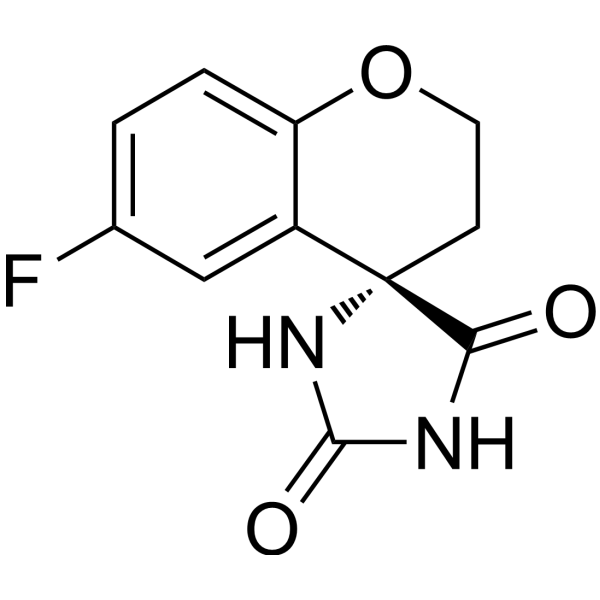
Sorbinil is an aldose reductase inhibitor (ARI) that prevents the accumulation of sorbitol in cells or animals. Sorbinil is useful in studying diabetes and diabetic complications, reducing AR activity and inhibiting the polyol pathway.
|
-
-
- HY-N0309
-
-
-
- HY-151231
-
|
|
Aldose Reductase
|
Neurological Disease
Metabolic Disease
|
|
6-Hydroxyluteolin (Compound 17) is a flavonoid derivative and also an inhibitor of Aldose reductase, with an experimental -log IC50 value of 6.690. 6-Hydroxyluteolin can be isolated from the leaves of multiple plant families, including Plantaginaceae, Globulariaceae and Labiatae. 6-Hydroxyluteolin serves as a phylogenetic marker for higher plants. 6-Hydroxyluteolin can be used in the research of diabetic cataract .
|
-
-
- HY-120208
-
-
-
- HY-13633
-
|
|
Aldose Reductase
|
Metabolic Disease
Cancer
|
|
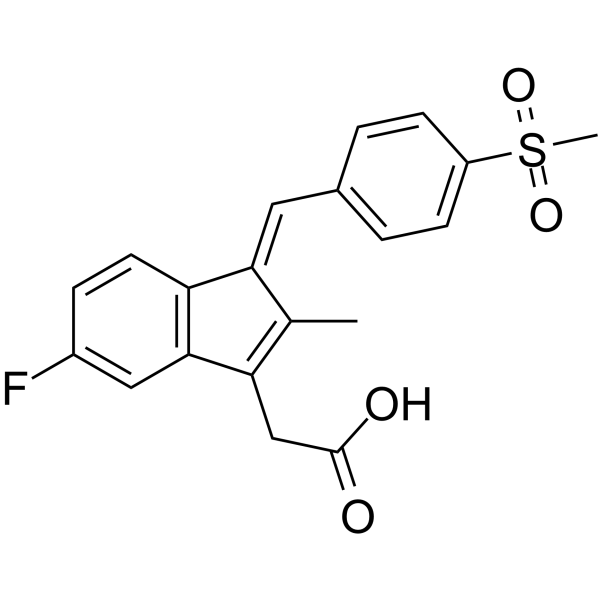
Exisulind is an inactive metabolite of the nonsteroidal, anti-inflammatory agent sulindac . Exisulind inhibits aldose reductase with an IC50 of 367 nM in vitro and may contribute to the beneficial pharmacological effects of sulindac on type 2 diabetic complications .
|
-
-
- HY-122917
-
-
-
- HY-16433
-
-
-
- HY-116239
-
-
-
- HY-N0075
-
|
|
Others
|
Metabolic Disease
|
|
(Rac)-Byakangelicin is a racemate of Byakangelicin mainly isolated from the genus Angelica. Byakangelicin is an aldose-reductase inhibitor with an IC50 value of 6.2 μM .
|
-
-
- HY-B1202
-
|
AY-22284
|
Aldose Reductase
|
Metabolic Disease
|
|
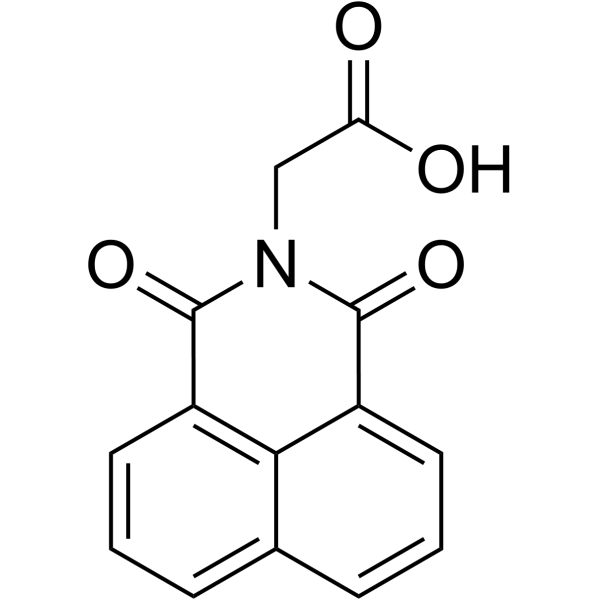
Alrestatin (AY-22284) is an aldose reductase inhibitor. Alrestatin reduces fructose levels in the uterine fluid of mice. Alrestatin interferes with sperm capacitation and impairs fertilization function in mice. Alrestatin decreases basal and tyramine-induced norepinephrine release in rat pancreatic specimens in vitro. Alrestatin enhances glucose- and arginine-stimulated insulin secretion in vivo. Alrestatin can be used in studies related to diabetes and reproductive diseases .
|
-
-
- HY-W601605
-
-
-
- HY-66009R
-
-
-
- HY-162325
-
-
-
- HY-105629
-
|
Salicin 6-benzoate; NSC 128308
|
Drug Derivative
|
Others
|
|
Populin, a Salicin (HY-N0149) derivative, is a glucoside found in the fallen leaves of Populus alba × P. berolinensis .
|
-
-
- HY-W319094
-
|
|
Aldose Reductase
|
|
|
4′-Hydroxyflavone (compound 50) can inhibit aldose reductase, with IC50 12 μM .
|
-
-
- HY-16500R
-
|
AY-27773 (Standard)
|
Reference Standards
Aldose Reductase
|
Cancer
|
|
Tolrestat (Standard) is the analytical standard of Tolrestat. This product is intended for research and analytical applications. Tolrestat is a potent, orally active aldose reductase inhibitor with IC50 of 35 nM.
|
-
-
- HY-106915
-
|
SPR 210
|
Aldose Reductase
|
Neurological Disease
Metabolic Disease
|
|
SG-210 (SPR 210) is an orally active and selective aldose reductase (AR) inhibitor. SG-210 has IC50 values of 9.5 nM and 10 nM for AR from porcine lens and human placenta, respectively. SG-210 can inhibit sorbitol accumulation and ameliorate diabetic neuropathy and retinopathy in Streptozotocin (HY-13753)-induced diabetic rats. SG-210 can be used in the research of diseases such as diabetes-related complications .
|
-
-
- HY-N9898
-
|
|
Others
|
Others
|
|
Sinocrassoside C1 is a natural compound isolated from themethanolic extract of the whole plant ofSinocrassula indica (Crassulaceae) .
|
-
-
- HY-100969
-
-
-
- HY-106877
-
|
ARI-509; WAY-ARI 509
|
Aldose Reductase
|
Metabolic Disease
|
|
Minalrestat (ARI-509) is a potent and orally active aldose reductase inhibitor. Minalrestat can be used in the research of diabetes .
|
-
-
- HY-175854
-
|
|
Aldose Reductase
|
Cancer
|
|
Aldose reductase-IN-9 (Compound 8b) is an Aldose reductase (ALR2) inhibitor with a Ki value of 3.59 nM. Aldose reductase-IN-9 has anti-tumor activity .
|
-
-
- HY-N12313
-
|
|
Aldose Reductase
|
Metabolic Disease
|
|
Corybulbine, an alkaloid that can be isolated from the methanolic extract of Corydalis ternata, is an aldose reductase (ALR2) inhibitor. Corybulbine can be used for diabetic complications research .
|
-
-
- HY-121933
-
|
|
Aldose Reductase
|
Metabolic Disease
|
|
IDD388 is a selective aldose reductase (ALR2) inhibitor with an IC50 of 30 nM. IDD388 displays selectivity for ALR2 over ALR1 (IC50 of 14 μM) .
|
-
-
- HY-119842
-
|
AL1567
|
Aldose Reductase
|
Endocrinology
|
|
ALO1567 (AL1567) is an orally available aldose reductase inhibitor with an IC50 of 27 nM for rat lens aldose reductase. ALO1567 can be used in the research of diabetes .
|
-
-
- HY-N0102R
-
|
GU17 (Standard); ISL (Standard); Isoliquiritigen (Standard); SJ000286237 (Standard)
|
Reference Standards
Aldose Reductase
Influenza Virus
Autophagy
Apoptosis
|
Infection
Inflammation/Immunology
Cancer
|
|
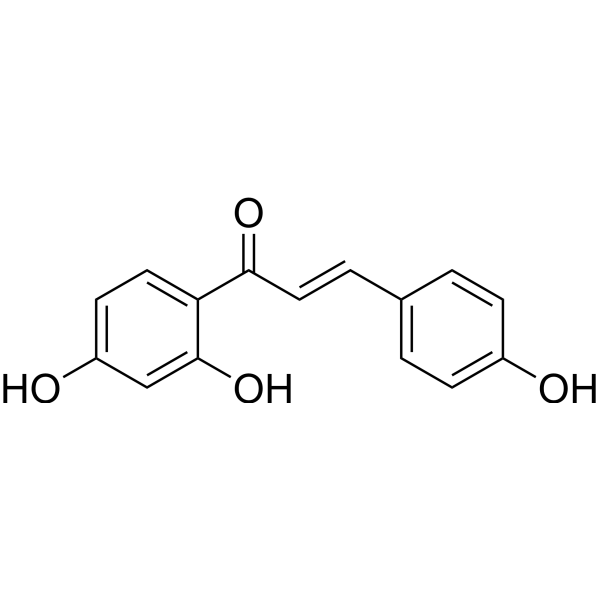
Isoliquiritigenin (Standard) is the analytical standard of Isoliquiritigenin. This product is intended for research and analytical applications. Isoliquiritigenin is an anti-tumor flavonoid from the root of Glycyrrhiza uralensis Fisch., which inhibits aldose reductase with an IC50 of 320 nM. Isoliquiritigenin is a potent inhibitor of influenza virus replication with an EC50 of 24.7 μM.
|
-
-
- HY-113738
-
-
-
- HY-147977
-
|
|
Aldose Reductase
|
Cancer
|
|
ALR1/2-IN-1 (Compound 6e) is an aldehyde reductase (ALR1) and aldose reductase (ALR2) inhibitor with IC50 values of 3.26 μM and 3.06 μM against ALR1 and ALR2, respectively. ALR1/2-IN-1 shows anticancer activity .
|
-
-
- HY-116600
-
|
|
Aldose Reductase
|
Metabolic Disease
|
|
AL-4114 is an aldose reductase inhibitor which can be utilized in research related to the prevention of diabetic cataractogenesis .
|
-
-
- HY-175331
-
|
|
Aldose Reductase
|
Metabolic Disease
Cancer
|
|
ALR2-IN-7 (Compound 5a) is a highly potent and selective aldose reductase (ALR2/AKR1B1) inhibitor (Ki=8.71 nM). ALR2-IN-7 is promising for research of diabetic complications (e.g., retinopathy, nephropathy) and cancers .
|
-
-
- HY-N6883
-
|
|
Aldose Reductase
|
Metabolic Disease
|
|
6-Methoxytricin (Compound 6) is an flavonoid isolated from Artemisia iwayomogi. 6-Methoxytricin (Compound 6) is an inhibitor on aldose reductase (AR) and advanced glycation endproduct (AGE) formation activities with IC50 values of 30.29 μM and 134.88 μM, respectively. 6-Methoxytricin (Compound 6) has potential as an anti-diabetic complications agent .
|
-
-
- HY-116508
-
-
-
- HY-W011786
-
|
|
Aldose Reductase
|
Metabolic Disease
|
|
2-Chloro-1-(4-fluorobenzyl)-1H-benzo[d]imidazole is an inhibitor of larval settlement in marine organisms, demonstrating low toxicity while effectively inhibiting the metamorphosis of species such as barnacles, bryozoans, and polychaetes. 2-Chloro-1-(4-fluorobenzyl)-1H-benzo[d]imidazole also exhibits activity as an aldose reductase (ALR2) inhibitor, indicating potential therapeutic applications in diabetes-related complications.
|
-
-
- HY-122177
-
|
|
Aldose Reductase
|
Cancer
|
|
MK181 is an aldose reductase (AR) inhibitor with IC50s of 0.71 μM and 4.5 μM for aldose reductase and AKR1B10, respectively. MK181 can bind into the external loop A subpocket of AKR1B10 .
|
-
- HY-B1392A
-
|
|
Adrenergic Receptor
Caspase
Apoptosis
Aldose Reductase
Neurokinin Receptor
|
Cardiovascular Disease
Endocrinology
Cancer
|
|
Esmolol is an ultra-short-acting cardioselective β1-adrenergic blocker. Esmolol exerts its antiarrhythmic effect by activating Neurokinin 1 Receptor. Esmolol attenuates post resuscitation myocardial dysfunction. Esmolol improves diabetic wound healing by inhibiting aldose reductase and the production of advanced glycation end products and promoting fibroblast migration. Esmolol can be used to study cardiac diseases such as arrhythmias and diabetic foot ulcers .
|
-
- HY-D0064
-
|
|
Aldose Reductase
|
Metabolic Disease
|
|
6,7-Dihydroxy-4-coumarinylacetic acid is a potent and selective inhibitor of ALR2. 6,7-Dihydroxy-4-coumarinylacetic acid inhibits ALR2, SDH andALR1 with IC50s of 9.6, 288 and 66.3 μM, respectively. 6,7-Dihydroxy-4-coumarinylacetic acid clearly suppresses galactitol accumulation .
|
-
- HY-115940
-
|
|
Aldose Reductase
|
Metabolic Disease
|
|
Aldose reductase-IN-2 (Compound 5f) is a potent inhibitor of aldose reductase (AR). Aldose reductase-IN-2 has antioxidation capacity. Aldose reductase-IN-2 is a promising anti-diabetic complications agent .
|
-
- HY-115977
-
|
|
Aldose Reductase
|
Inflammation/Immunology
|
|
Aldose reductase-IN-3 (Compound 5) is a potent and moderately selective inhibitor of aldose reductase (AR) with an IC50 of 3.99 μM. Aldose reductase has recently emerged as a molecular target that is involved in various inflammatory diseases, including sepsis. Aldose reductase-IN-3 has the potential for the research of sepsis .
|
-
- HY-147875
-
|
|
Aldose Reductase
|
Metabolic Disease
|
|
Aldose reductase-IN-6 (Compound 3) is a competitive aldose reductase (AR) inhibitor with an IC50 of 3.164 μM and a Ki of 0.018 μM. Aldose reductase-IN-6 exhibits no cytotoxicity against healthy cells .
|
-
- HY-N14447
-
-
- HY-N14431
-
-
- HY-N14451
-
-
- HY-N14401
-
-
- HY-N14419
-
-
- HY-N14449
-
-
- HY-N14450
-
-
- HY-146661
-
|
|
Aldose Reductase
|
Cancer
|
|
Aldose reductase-IN-4 (compund IIc) is an aldose reductase inhibitor with IC50s of 11.70 μM and 0.98 μM for aldehyde reductase 1 (ALR1) and ALR2, respectively .
|
-
- HY-N2494
-
-
- HY-155164
-
-
- HY-129685
-
-
- HY-N14186
-
-
- HY-105185B
-
|
(Rac)-SNK 860
|
Aldose Reductase
|
Metabolic Disease
|
|
(Rac)-Fidarestat ((Rac)-SNK 860) is the racemate of Fidarestat (HY-105185). (Rac)-Fidarestat is a potent aldose reductase inhibitor .
|
-
- HY-146129
-
|
|
Aldose Reductase
|
Metabolic Disease
|
|
As an aldose reductase (ALR2) inhibitor, the compound is used to enhance the combination of inhibitory excitability and antioxidant capacity to delay the progress of diabetes complications.
|
-
- HY-16255R
-
|
AL 1576 (Standard); Alcon 1576 (Standard); HOE 843 (Standard)
|
Aldose Reductase
Reference Standards
|
Metabolic Disease
|
|
Imirestat (Standard) is the analytical standard of Imirestat. This product is intended for research and analytical applications. Imirestat (AL 1576) is an aldose reductase inhibitor, used for the treatment of diabetes.
|
-
- HY-W653944
-
-
- HY-N13759
-
|
|
Aldose Reductase
|
Metabolic Disease
|
|
Mumeose K is the inhibitor for aldose reductase with an IC50 of 27 μM. Mumeose K exhibits potential anti-diabetic activity, and can be used in research about diabetes-related complication .
|
-
- HY-117339
-
|
|
Aldose Reductase
|
Metabolic Disease
|
|
AD-5467 is a potent and selective aldose reductase inhibitor. AD-5467 exhibits antidiabetic effect. AD-5467 can be used for the research of metabolic disease, such as diabetes .
|
-
- HY-N11639
-
|
|
Aldose Reductase
|
Metabolic Disease
|
|
Ganoderic acid Df is a lanostane-type triterpenoid, that can be isolated from the fruiting body of Ganoderma lucidum. Ganoderic acid Df potently inhibits aldose reductase, with an IC50 of 22.8 ± 0.6 μM .
|
-
- HY-131542
-
|
|
Aldose Reductase
Apoptosis
|
Metabolic Disease
|
|
APPA is an aldose reductase inhibitor. APPA can effectively prevent apoptosis and the symptoms of Streptozotocin (HY-13753)-induced diabetes by inhibiting the polyol pathway in rats. APPA has the potential for diabetic nephropathy (DN) research .
|
-
- HY-N12871
-
|
|
Aldose Reductase
|
Others
|
|
Floramanoside D is a flavonol glycoside. Floramanoside D inhibits aldose reductase (IC50 is 2.2 μM), scavenges the 2,2-diphenyl-1-picrylhydrazyl (DPPH) (SC50 is 12.5 μM) .
|
-
- HY-50289R
-
|
|
Aldose Reductase
|
Metabolic Disease
|
|
Sorbinil (Standard) is the analytical standard of Sorbinil. This product is intended for research and analytical applications. Sorbinil is an aldose reductase inhibitor (ARI) that prevents the accumulation of sorbitol in cells or animals. Sorbinil is useful in studying diabetes and diabetic complications, reducing AR activity and inhibiting the polyol pathway .
|
-
- HY-106198
-
|
IDD-676
|
Aldose Reductase
|
Metabolic Disease
|
|
Lidorestat (IDD-676) is a potent, selective and orally active aldose reductase inhibitor with an IC50 of 5 nM. Lidorestat can be used for chronic diabetes complications. Lidorestat also improves nerve conduction and reduces cataract formation .
|
-
- HY-N0075R
-
|
|
Reference Standards
Others
|
Metabolic Disease
|
|
(Rac)-Byakangelicin (Standard) is the analytical standard of (Rac)-Byakangelicin. This product is intended for research and analytical applications. (Rac)-Byakangelicin is a racemate of Byakangelicin mainly isolated from the genus Angelica. Byakangelicin is an aldose-reductase inhibitor with an IC50 value of 6.2 μM .
|
-
- HY-W715538
-
|
|
Aldose Reductase
|
Metabolic Disease
|
|
Rhetsinine is an aldose reductase inhibitor isolated from Evodia rutaecarpa, exhibiting an IC50 value of 24.1 μM. At a concentration of 100 μM, rhetsinine significantly inhibits sorbitol accumulation by 79.3%. This compound shows potential for research in diabetic complications, including diabetic neuropathy and retinopathy .
|
-
- HY-151946
-
|
|
Aldose Reductase
|
Metabolic Disease
|
|
ALR2-IN-2 is a potent inhibitor of aldose reductase (ALR2), with IC50s of 27 nM and 228 nM for rat ALR2 and ALR1, respectively. ALR2-IN-2 can be used for the research of diabetic complications .
|
-
- HY-151947
-
|
|
Aldose Reductase
|
Metabolic Disease
|
|
ALR2-IN-2 is a potent inhibitor of aldose reductase (ALR2), with IC50s of 22 nM and 116 nM for rat ALR2 and ALR1, respectively. ALR2-IN-2 can be used for the research of diabetic complications .
|
-
- HY-169283
-
|
|
Carbonic Anhydrase
|
Metabolic Disease
|
|
α-Glycosidase-IN-2 (compound 8b) is a α-Glycosidase inhibitor with the Ki values of 74.16 nM and 6.09 nM for aldose reductase and α-glycosidase,respectively. α-Glycosidase-IN-2 can be used for study of
diabetes mellitus .
|
-
- HY-N1517R
-
|
|
Aldose Reductase
Reference Standards
|
Inflammation/Immunology
Cancer
|
|
Ganoderic acid C2 (Standard) is the analytical standard of Ganoderic acid C2. This product is intended for research and analytical applications. Ganoderic acid C2 is a bioactive triterpenoid in Ganoderma lucidum. Ganoderic acid C2 possesses the potential anti-tumor bioactivity, antihistamine, anti-aging and cytotoxic effects. Ganoderic acid C2 is the inhibitor for aldose reductase with an IC50 of 43.8 µM .
|
-
- HY-N3716
-
|
|
Aldose Reductase
COX
|
Metabolic Disease
Inflammation/Immunology
|
|
Dehydroglyasperin D inhibits rat and human Aldose Reductase (AR) (IC50: 62.4 μM and 176.2 μM respectively). Dehydroglyasperin D has anti-obesity, antioxidant effects. Dehydroglyasperin D shows anti-inflammatory activity by inhibiting COX-2 expression and the MLK3 signaling pathway. Dehydroglyasperin D also inhibits melanin synthesis. Dehydroglyasperin D is a prenylated flavonoid that can be isolated from Glycyrrhiza uralensi .
|
-
- HY-101555
-
|
|
Aldose Reductase
|
Metabolic Disease
|
|
M 16209 is an orally active aldose reductase (AR) inhibitor. M 16209 inhibits partially purified AR from various sources with IC50 values of 0.12, 0.24, 4.5, 1.2 and 9.3 μM for rat lens AR, bovine lens AR, bovine kidney AR, canine lens AR and human placental AR. M 16209 can be used for the research of metabolic disease, such as diabetes .
|
-
- HY-B1202A
-
|
AY-22284A
|
Aldose Reductase
|
Metabolic Disease
|
|
Alrestatin (AY-22284) sodium is an aldose reductase inhibitor. Alrestatin sodium reduces fructose levels in the uterine fluid of mice. Alrestatin sodium interferes with sperm capacitation and impairs fertilization function in mice. Alrestatin sodium decreases basal and tyramine-induced norepinephrine release in rat pancreatic specimens in vitro. Alrestatin sodium enhances glucose- and arginine-stimulated insulin secretion in vivo. Alrestatin sodium can be used in studies related to diabetes and reproductive diseases .
|
-
- HY-N0033R
-
|
|
Reference Standards
Aldose Reductase
|
Cardiovascular Disease
Metabolic Disease
Inflammation/Immunology
|
|
Poliumoside (Standard) is the analytical standard of Poliumoside. This product is intended for research and analytical applications. Poliumoside, a caffeoylated phenylpropanoid glycoside, is isolated from Brandisia hancei stems and leaves. Poliumoside is an advanced glycation end product (AGE) formation and rat lens aldose reductase (RLAR) inhibitor, with IC50s of 19.69 and 8.47 μM, respectively. Poliumoside also has antiinflammatory and antioxidant activity .
|
-
- HY-175639
-
|
|
Aldose Reductase
|
Metabolic Disease
Inflammation/Immunology
|
|
ALR2-IN-8 is a potent aldose reductase (ALR2/AKR1B1) inhibitor with a KI of 7.34 nM. ALR2-IN-8 has extremely low toxicity to normal cells and has a weak direct killing effect on cancer cells. ALR2-IN-8 can used for the studies of diabetic and inflammation-linked disorders .
|
-
- HY-N0309R
-
-
- HY-B1202R
-
|
AY-22284 (Standard)
|
Reference Standards
Aldose Reductase
|
Metabolic Disease
|
|
Alrestatin (AY-22284) Standard is the analytical standard of Alrestatin (HY-B1202). This product is intended for research and analytical applications. Alrestatin (AY-22284) is an aldose reductase inhibitor. Alrestatin reduces fructose levels in the uterine fluid of mice. Alrestatin interferes with sperm capacitation and impairs fertilization function in mice. Alrestatin decreases basal and tyramine-induced norepinephrine release in rat pancreatic specimens in vitro. Alrestatin enhances glucose- and arginine-stimulated insulin secretion in vivo. Alrestatin can be used in studies related to diabetes and reproductive diseases.
|
-
- HY-183855
-
-
- HY-183923
-
-
- HY-105185R
-
|
SNK 860 (Standard)
|
Reference Standards
Aldose Reductase
|
Metabolic Disease
|
|
Fidarestat (Standard) is the analytical standard of Fidarestat (HY-105185). This product is intended for research and analytical applications. Fidarestat (SNK 860) is an inhibitor of aldose reductase, with IC50s of 26 nM, 33 μM, and 1.8 μM for aldose reductase, AKR1B10 and V301L AKR1B10, respectively; Fidarestat (SNK 860) has the potential to treat diabetic disease.
|
-
- HY-W014242
-
|
|
Aldose Reductase
|
Metabolic Disease
|
|
2-(2-Chlorobenzamido)acetic acid is an aldose reductase inhibitor with an IC50 of 31 μM. 2-(2-Chlorobenzamido)acetic acid can be used for the research of chronic diabetes .
|
-
- HY-W283860
-
|
|
Aldose Reductase
|
Metabolic Disease
|
|
ALR2-IN-10 (Compound 23) is a weak Aldose Reductase 2 inhibitor with inhibition rate of 6% at 27 μM. ALR2-IN-10 can be used for the research of diabetic complication .
|
-
- HY-W151897
-
|
CMTI
|
Aldose Reductase
|
Metabolic Disease
|
|
Cemtirestat (CMTI) is a carboxymethylated thiatriazinoindole inhibitor of aldose reductase (ALR2). Cemtirestat potently inhibits rat ocular lens ALR2 with an IC50 of 0.116 μM, and exhibits a 302-fold selectivity for rat kidney ALR1. Cemtirestat is applicable to the research of advanced diabetic complications .
|
-
- HY-106198R
-
|
IDD-676 (Standard)
|
Reference Standards
Aldose Reductase
|
Metabolic Disease
|
|
Lidorestat (Standard) is the analytical standard of Lidorestat (HY-106198). This product is intended for research and analytical applications. Lidorestat (IDD-676) is a potent, selective and orally active aldose reductase inhibitor with an IC50 of 5 nM. Lidorestat can be used for chronic diabetes complications. Lidorestat also improves nerve conduction and reduces cataract formation .
|
-
- HY-106697R
-
|
ICI 128436 (Standard)
|
Reference Standards
Aldose Reductase
|
Metabolic Disease
|
|
Ponalrestat (Standard) (ICI 128436 (Standard)) is the analytical standard of Ponalrestat (HY-106697). This product is intended for research and analytical applications. Ponalrestat (ICI 128436) is an orally active, selective and noncompetitive aldose reductase (AKR1B1; ALR) inhibitor. Ponalrestat selectively inhibits ALR2 (Ki=7.7 nM) over ALR1 (Ki=60 μM). Ponalrestat inhibits the conversion of glucose to sorbitol .
|
-
- HY-119058
-
|
CP-744809
|
Aldose Reductase
|
Metabolic Disease
|
|
ARI-809 (CP-744809) is a highly selective, orally active aldose reductase inhibitor with an IC50 of 1 nM. ARI-809 blocks excessive glucose flux through the polyol pathway. ARI-809 normalizes elevated sorbitol and fructose levels in sciatic nerve tissues of diabetic rat models, inhibits sorbitol accumulation in lens tissues, and brings elevated urinary albumin excretion close to normal. ARI-809 can be used in diabetes research .
|
-
- HY-N4089R
-
|
|
Reference Standards
Aldose Reductase
Cytochrome P450
|
Metabolic Disease
Cancer
|
|
Quercetin 3-gentiobioside (Standard) is the analytical standard of Quercetin 3-gentiobioside (HY-N4089). This product is intended for research and analytical applications. Quercetin 3-gentiobioside is a flavonoid found in Artemisia iwayomogi. Quercetin 3-gentiobioside inhibits aromatase with an Ki of 46.77 nM. Quercetin 3-gentiobioside inhibits aldose reductase (AR) and the formation of advanced glycation end products (AGEs), with IC50 values of 10.60 μM and 109.46 μM, respectively. Quercetin 3-gentiobioside inhibits proliferation of cancer cells and fibroblast-like synoviocytes. Quercetin 3-gentiobioside can be used for the research of cancer, such as lung carcinoma .
|
-
- HY-B1392S
-
|
|
Isotope-Labeled Compounds
Adrenergic Receptor
Autophagy
Mitophagy
|
Cardiovascular Disease
Endocrinology
Cancer
|
|
Esmolol-d7 hydrochloride is the deuterium labeled Esmolol hydrochloride (HY-B1392). Esmolol hydrochloride is an ultra-short-acting cardioselective β1-adrenergic blocker. Esmolol hydrochloride exerts its antiarrhythmic effect by activating Neurokinin 1 Receptorinhibiting (aldose reductase) and the production of advanced glycation end products and promoting fibroblast migration. Esmolol hydrochloride can be used to study cardiac diseases such as arrhythmias and diabetic foot ulcers .
|
-
- HY-B1392R
-
|
|
Reference Standards
Adrenergic Receptor
Autophagy
Mitophagy
|
Cardiovascular Disease
Endocrinology
Cancer
|
|
Esmolol hydrochloride (Standard) is the analytical standard of Esmolol hydrochloride (HY-B1392).This product is intended for research and analytical applications. Esmolol hydrochloride is an ultra-short-acting cardioselective β1-adrenergic blocker. Esmolol hydrochloride exerts its antiarrhythmic effect by activating Neurokinin 1 Receptorinhibiting aldose reductase and the production of advanced glycation end products and promoting fibroblast migration. Esmolol hydrochloride can be used to study cardiac diseases such as arrhythmias and diabetic foot ulcers .
|
-
- HY-N0311
-
|
|
Aldose Reductase
Topoisomerase
SOD
p38 MAPK
|
Neurological Disease
Inflammation/Immunology
|
|
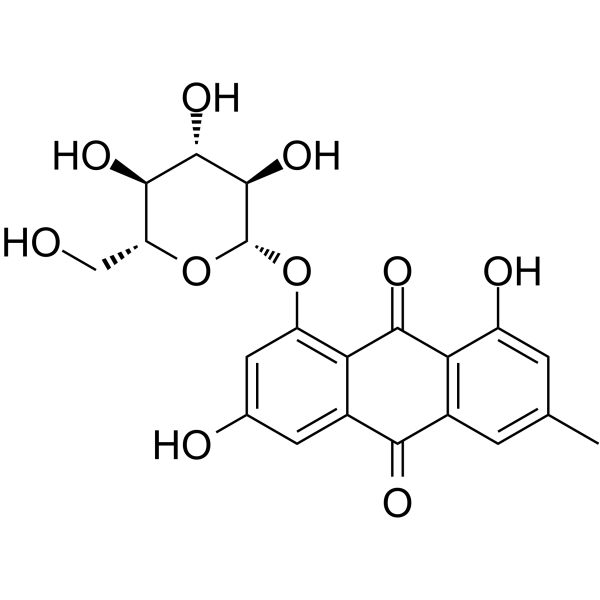
Emodin-8-glucoside is an anthraquinone derivative that can be isolated from Aloe vera. Emodin-8-glucoside is the inhibitor for MAPK with an inhibition constant of 430.14 pM. Emodin-8-glucoside exhibits moderate inhibitory activity against rat lens aldose reductase (ALAR) and topoisomerases II with IC50s of 14.4 μM and 66 μM. Emodin-8-glucoside exhibits antioxidant, anti-inflammatory and anti-fibrotic activities. Emodin-8-glucoside can cross the blood brain barrier .
|
-
- HY-N0310R
-
|
|
Reference Standards
Aldose Reductase
Heme Oxygenase (HO)
Reactive Oxygen Species (ROS)
Apoptosis
|
Neurological Disease
Metabolic Disease
|
|
Soyasaponin Bb (Standard) is the analytical standard of Soyasaponin Bb (HY-N0310). This product is intended for research and analytical applications. Soyasaponin Bb is an orally active, covalent inducer of heme oxygenase HO-1 and an inhibitor of aldose reductase AKR1B1. Soyasaponin Bb can regulate oxidative stress pathways, enhance antioxidant capacity, reduce reactive oxygen species (ROS) generation, and inhibit lipid peroxidation and hepatocyte apoptosis. Soyasaponin Bb improves alcohol-induced hepatocyte membrane damage and liver function abnormalities, and improves Scopolamine (HY-N0296)-induced memory impairment. Soyasaponin Bb has antioxidant, hepatoprotective, and neuroprotective activities .
|
-
- HY-N17737
-
|
|
Fatty Acid Synthase (FASN)
Cytochrome P450
|
Metabolic Disease
Inflammation/Immunology
|
|
Floramanoside F is a type of flavonol glycoside compound. Floramanoside F has a moderate free radical scavenging effect, with a SC₅₀ value of 25.1 μM. Floramanoside F has a relatively weak inhibitory activity on aldose reductase, with a IC₅₀ value greater than 100 μM. Floramanoside F has strong binding affinity with key target enzymes of type 1 diabetic nephropathy (T1DN) (Fasn, Cyp2e1, Cyp4a32), and can inhibit lipid accumulation and oxidative stress, thereby alleviating renal inflammation and fibrosis. Floramanoside F can be used to study type 1 diabetic nephropathy and diabetic complications .
|
-
- HY-181519
-
|
|
DNA Alkylator/Crosslinker
Aldose Reductase
Glycosidase
|
Metabolic Disease
Inflammation/Immunology
|
|
ALR2/α-GLY-IN-1 is a potent dual-target inhibitor that targets aldose reductase ALR2 and α-glucosidase (IC50 values are 0.72 μM and 0.82 μM, respectively; Ki values are 1.67 μM and 1.37 μM, respectively). ALR2/α-GLY-IN-1 also acts as a DNA binder, which stably interacts with calf thymus double-stranded DNA through non-covalent interactions such as groove-binding mode and water-bridged hydrogen bonds. ALR2/α-GLY-IN-1 can be used in studies related to diabetes and its complications .
|
-
- HY-N0311R
-
|
|
Reference Standards
Aldose Reductase
Topoisomerase
SOD
p38 MAPK
|
Neurological Disease
Inflammation/Immunology
|
|
Emodin-8-glucoside (Standard) is the analytical standard of Emodin-8-glucoside. This product is intended for research and analytical applications. Emodin-8-glucoside is an anthraquinone derivative that can be isolated from Aloe vera. Emodin-8-glucoside is the inhibitor for MAPK with an inhibition constant of 430.14 pM. Emodin-8-glucoside exhibits moderate inhibitory activity against rat lens aldose reductase (ALAR) and topoisomerases II with IC50s of 14.4 μM and 66 μM. Emodin-8-glucoside exhibits antioxidant, anti-inflammatory and anti-fibrotic activities. Emodin-8-glucoside can cross the blood brain barrier .
|
-
- HY-149254
-
|
|
Phosphatase
Aldose Reductase
|
Metabolic Disease
|
|
PTP1B/AKR1B1-IN-1 is a dual inhibitor of protein tyrosine phosphatase 1B (PTP1B) and aldose reductase (AKR1B1), with IC50s of 0.06 μM and 4.3 μM, respectively. PTP1B/AKR1B1-IN-1 also inhibits TC-PTP with an IC50 value of 9 μM. PTP1B/AKR1B1-IN-1 serves as an insulin-mimetic agent in murine myoblasts, and reduces AKR1B1-dependent sorbitol accumulation. PTP1B/AKR1B1-IN-1 inhibits development of type 2 diabetes mellitus (T2DM) to control blood glucose levels .
|
-
- HY-Y0790R
-
|
p-Isopropylbenzaldehyde (Standard)
|
α-synuclein
Reference Standards
|
Infection
Neurological Disease
Inflammation/Immunology
Cancer
|
|
Cuminaldehyde Standard is the analytical standard of Cuminaldehyde. This product is intended for research and analytical applications. Cuminaldehyde is the main component of Cuminum cyminum and has multiple biological activities, including anti-inflammatory, anti-cancer, anti-diabetic, anti-injury, anti-neuropathy and antibacterial effects. Cuminaldehyde is an inhibitor of aldose reductase (IC50= 0.00085 mg/mL) and α-glucosidase (IC50=0.5 mg/mL). Cuminaldehyde also inhibits the fibrillation of α-synuclein and prevents its aggregation Cuminaldehyde can induce apoptosis in colon adenocarcinoma cells by targeting topoisomerase I and II. In addition, Cuminaldehyde also exerts anti-inflammatory activity by inhibiting lipoxygenase. Cuminaldehyde has a strong inhibitory effect on the growth of Aspergillus flavus and the biosynthesis of aflatoxin B1 (AFB1). Cuminaldehyde can exert anti-injury and anti-neuropathy effects by participating in opioid receptors, L-arginine/NO/cGMP pathways and anti-inflammatory effects. Cuminaldehyde has potential application value in the research of neurodegenerative diseases, cancer, diabetes and neuropathic pain diseases .
|
-
| Cat. No. |
Product Name |
Type |
-
- HY-D0064
-
|
|
Fluorescent Dyes
|
|
6,7-Dihydroxy-4-coumarinylacetic acid is a potent and selective inhibitor of ALR2. 6,7-Dihydroxy-4-coumarinylacetic acid inhibits ALR2, SDH andALR1 with IC50s of 9.6, 288 and 66.3 μM, respectively. 6,7-Dihydroxy-4-coumarinylacetic acid clearly suppresses galactitol accumulation .
|
| Cat. No. |
Product Name |
Category |
Target |
Chemical Structure |
-
- HY-N0102
-
-
-
- HY-N0033
-
-
-
- HY-133708
-
-
-
- HY-N0310
-
-
-
- HY-N4089
-
-
-
- HY-Y0790
-
|
p-Isopropylbenzaldehyde
|
Structural Classification
Classification of Application Fields
Ketones, Aldehydes, Acids
Rudbeckia laciniata L.
Umbelliferae
Plants
Endogenous metabolite
Disease Research Fields
Source Classification
Cancer
|
Environmental Pollutants
α-synuclein
|
|
Cuminaldehyde is the main component of Cuminum cyminum and has multiple biological activities, including anti-inflammatory, anti-cancer, anti-diabetic, anti-injury, anti-neuropathy and antibacterial effects. Cuminaldehyde is an inhibitor of aldose reductase (IC50= 0.00085 mg/mL), α-glucosidase (IC50=0.5 mg/mL) and lipoxygenase (IC50=1370 μM). Cuminaldehyde also inhibits the fibrillation of α-synuclein and prevents its aggregation. Cuminaldehyde has potential application value in the research of neurodegenerative diseases, cancer, diabetes and neuropathic pain diseases .
|
-
-
- HY-N0311
-
-
-
- HY-N1517
-
-
-
- HY-N0309
-
-
-
- HY-122917
-
-
-
- HY-N0075
-
-
-
- HY-105629
-
-
-
- HY-N9898
-
-
-
- HY-N12313
-
-
-
- HY-N0102R
-
-
-
- HY-N6883
-
-
-
- HY-N0310R
-
-
-
- HY-Y0790R
-
|
p-Isopropylbenzaldehyde (Standard)
|
Structural Classification
Ketones, Aldehydes, Acids
Rudbeckia laciniata L.
Umbelliferae
Plants
Endogenous metabolite
Source Classification
|
α-synuclein
Reference Standards
|
|
Cuminaldehyde Standard is the analytical standard of Cuminaldehyde. This product is intended for research and analytical applications. Cuminaldehyde is the main component of Cuminum cyminum and has multiple biological activities, including anti-inflammatory, anti-cancer, anti-diabetic, anti-injury, anti-neuropathy and antibacterial effects. Cuminaldehyde is an inhibitor of aldose reductase (IC50= 0.00085 mg/mL) and α-glucosidase (IC50=0.5 mg/mL). Cuminaldehyde also inhibits the fibrillation of α-synuclein and prevents its aggregation Cuminaldehyde can induce apoptosis in colon adenocarcinoma cells by targeting topoisomerase I and II. In addition, Cuminaldehyde also exerts anti-inflammatory activity by inhibiting lipoxygenase. Cuminaldehyde has a strong inhibitory effect on the growth of Aspergillus flavus and the biosynthesis of aflatoxin B1 (AFB1). Cuminaldehyde can exert anti-injury and anti-neuropathy effects by participating in opioid receptors, L-arginine/NO/cGMP pathways and anti-inflammatory effects. Cuminaldehyde has potential application value in the research of neurodegenerative diseases, cancer, diabetes and neuropathic pain diseases .
|
-
-
- HY-N14447
-
-
-
- HY-N14431
-
-
-
- HY-N14451
-
-
-
- HY-N14401
-
-
-
- HY-N14419
-
-
-
- HY-N14449
-
-
-
- HY-N14450
-
-
-
- HY-N2494
-
-
-
- HY-N14186
-
-
-
- HY-N13759
-
-
-
- HY-N11639
-
-
-
- HY-N12871
-
-
-
- HY-N0075R
-
-
-
- HY-W715538
-
-
-
- HY-N1517R
-
-
-
- HY-N3716
-
|
|
Leguminosae
Phenols
Polyphenols
Plants
Glycyrrhiza uralensis Fisch.
Source Classification
|
Aldose Reductase
COX
|
|
Dehydroglyasperin D inhibits rat and human Aldose Reductase (AR) (IC50: 62.4 μM and 176.2 μM respectively). Dehydroglyasperin D has anti-obesity, antioxidant effects. Dehydroglyasperin D shows anti-inflammatory activity by inhibiting COX-2 expression and the MLK3 signaling pathway. Dehydroglyasperin D also inhibits melanin synthesis. Dehydroglyasperin D is a prenylated flavonoid that can be isolated from Glycyrrhiza uralensi .
|
-
-
- HY-N0033R
-
-
-
- HY-N0309R
-
-
-
- HY-N4089R
-
|
|
Flavonols
Structural Classification
Flavonoids
other families
Phenols
Polyphenols
Plants
Source Classification
|
Reference Standards
Aldose Reductase
Cytochrome P450
|
|
Quercetin 3-gentiobioside (Standard) is the analytical standard of Quercetin 3-gentiobioside (HY-N4089). This product is intended for research and analytical applications. Quercetin 3-gentiobioside is a flavonoid found in Artemisia iwayomogi. Quercetin 3-gentiobioside inhibits aromatase with an Ki of 46.77 nM. Quercetin 3-gentiobioside inhibits aldose reductase (AR) and the formation of advanced glycation end products (AGEs), with IC50 values of 10.60 μM and 109.46 μM, respectively. Quercetin 3-gentiobioside inhibits proliferation of cancer cells and fibroblast-like synoviocytes. Quercetin 3-gentiobioside can be used for the research of cancer, such as lung carcinoma .
|
-
-
- HY-N0311R
-
-
-
- HY-N17737
-
-
| Cat. No. |
Product Name |
Chemical Structure |
-
- HY-W653944
-
|
|
|
Epalrestat-d5 is deuterium labeled Epalrestat. Epalrestat is an orally active aldose reductase inhibitor that acts on diabetic neuropathy .
|
-
-
- HY-B1392S
-
|
|
|
Esmolol-d7 hydrochloride is the deuterium labeled Esmolol hydrochloride (HY-B1392). Esmolol hydrochloride is an ultra-short-acting cardioselective β1-adrenergic blocker. Esmolol hydrochloride exerts its antiarrhythmic effect by activating Neurokinin 1 Receptorinhibiting (aldose reductase) and the production of advanced glycation end products and promoting fibroblast migration. Esmolol hydrochloride can be used to study cardiac diseases such as arrhythmias and diabetic foot ulcers .
|
-
Your information is safe with us. * Required Fields.
Inquiry Information
- Product Name:
- Cat. No.:
- Quantity:
- MCE Japan Authorized Agent:

