



Epalrestat
Based on 9 publication(s) in Google Scholar
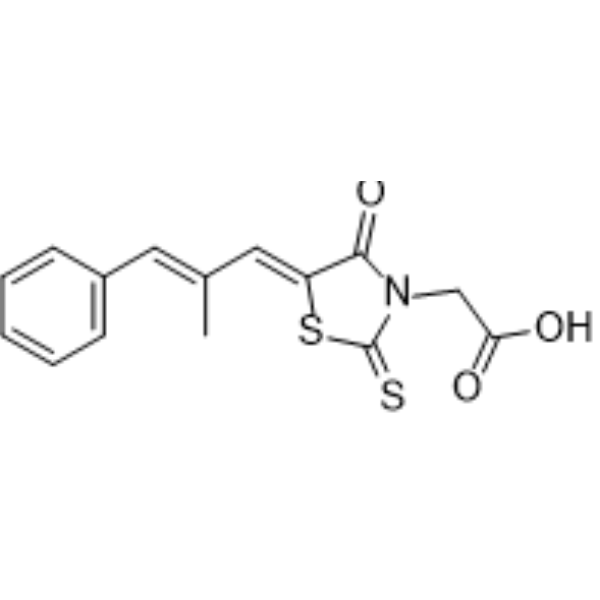
Epalrestat is an orally active aldose reductase inhibitor that acts on diabetic neuropathy.
For research use only. We do not sell to patients.
- Purity : 99.62%
- CAS No.: 82159-09-9
- Formula: C15H13NO3S2
- Molecular Weight:319.40
-
Storage:
-20°C, protect from light
* In solvent : -80°C, 6 months; -20°C, 1 month (protect from light)

To place orders, for customer services and technical support, please contact: MedChemExpress USA
Tel: 609-228-6898 E-mail: [email protected] [email protected]


-
 Biological Activity
-
Chemical Information
-
Solvent & Solubility
- Purity & Documentation
- References
-
 Help & FAQs


-
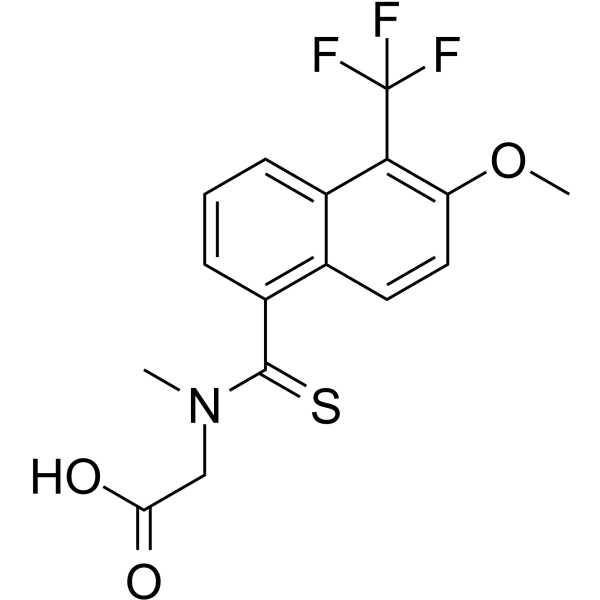
HY-16500
TolrestatAldose Reductase Inhibitor -
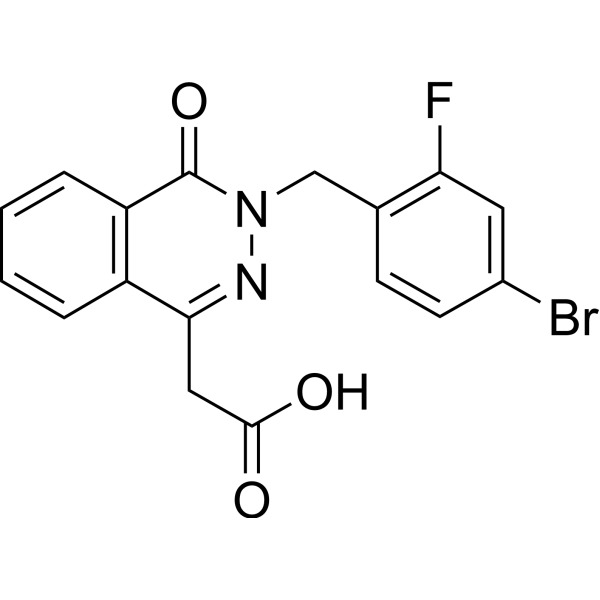
HY-106697
PonalrestatAldose Reductase Inhibitor -
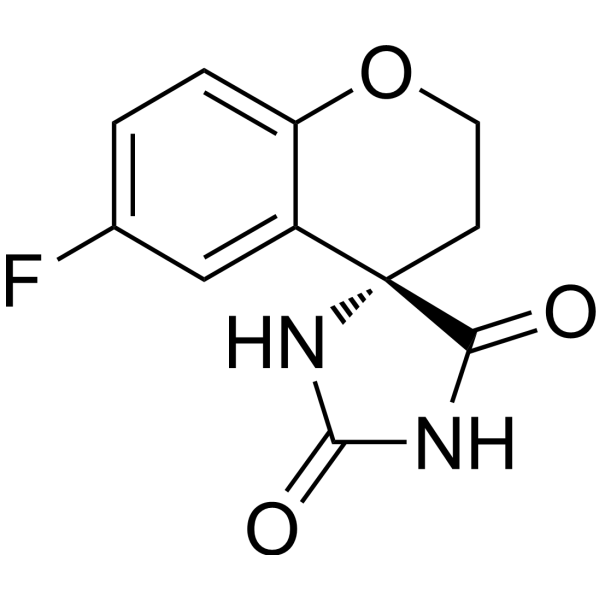
HY-50289
SorbinilAldose Reductase Inhibitor -
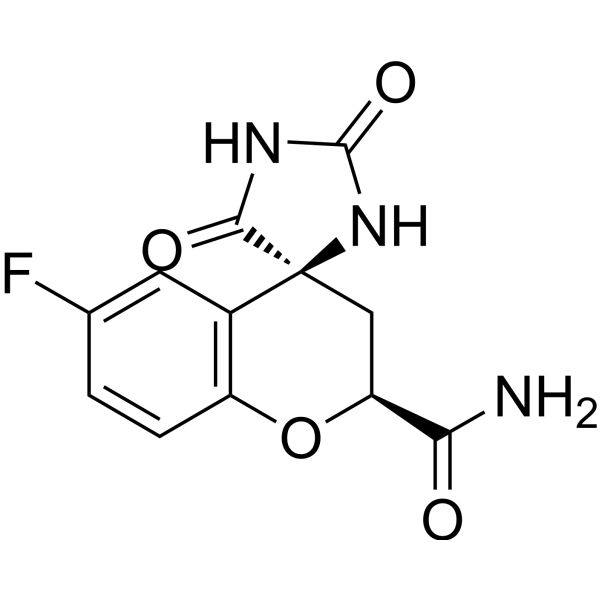
HY-105185
FidarestatAldose Reductase Inhibitor -
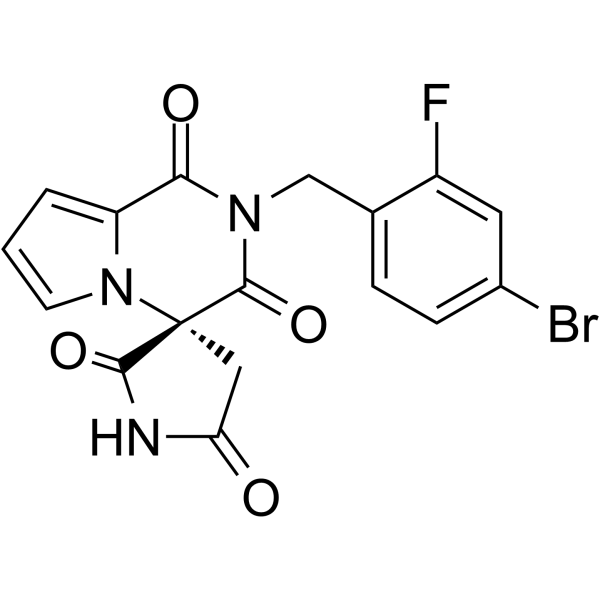
HY-15314
RanirestatAldose Reductase Inhibitor -
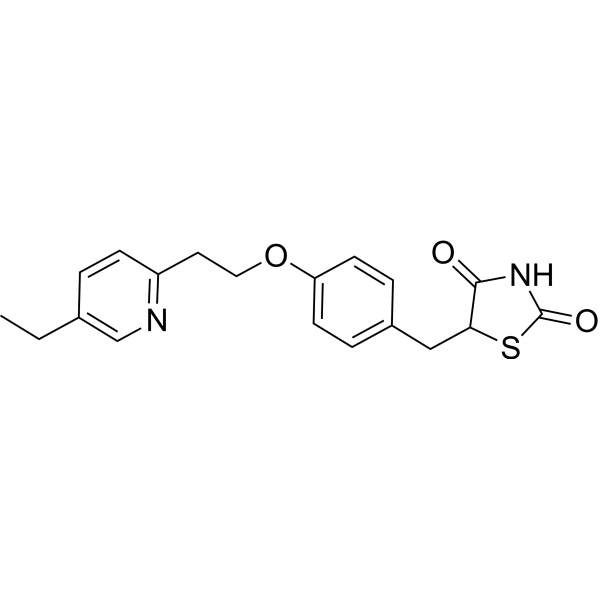
HY-13956
PioglitazonePPARγ Agonist -
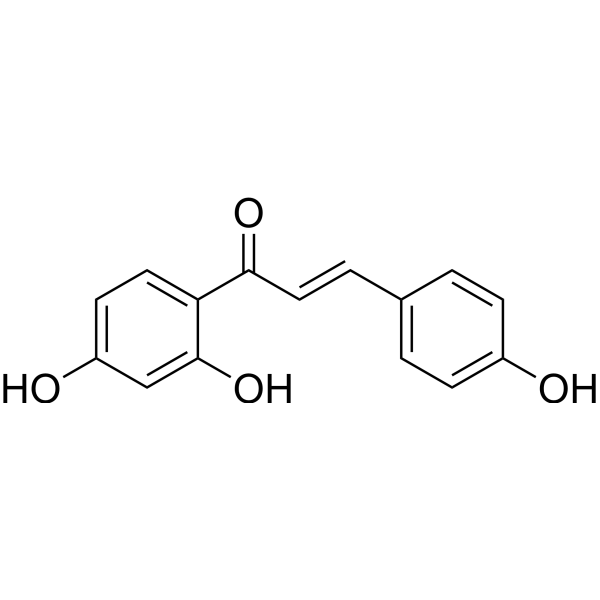
HY-N0102
IsoliquiritigeninAutophagy Inducer -

HY-66009R
Epalrestat (Standard)Aldose Reductase Inhibitor -
HY-15371
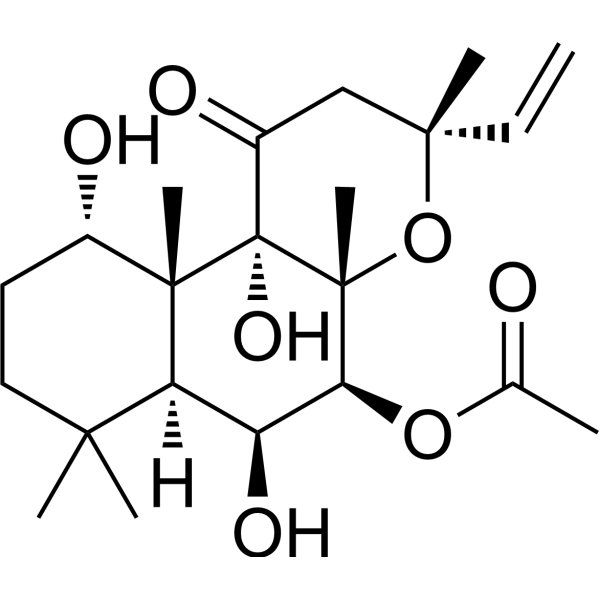
ForskolinAdenylate Cyclase Activator -
HY-19687
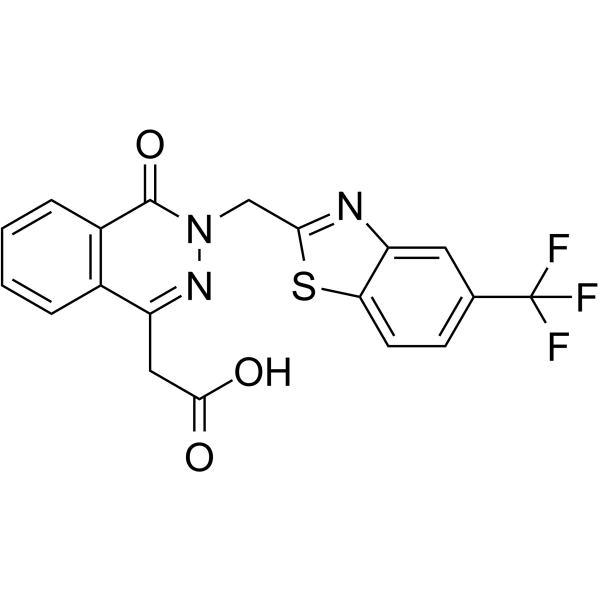
ZopolrestatAldose Reductase Inhibitor -

HY-Y0320C
Dimethyl sulfoxideAprotic Solvent -
HY-13704
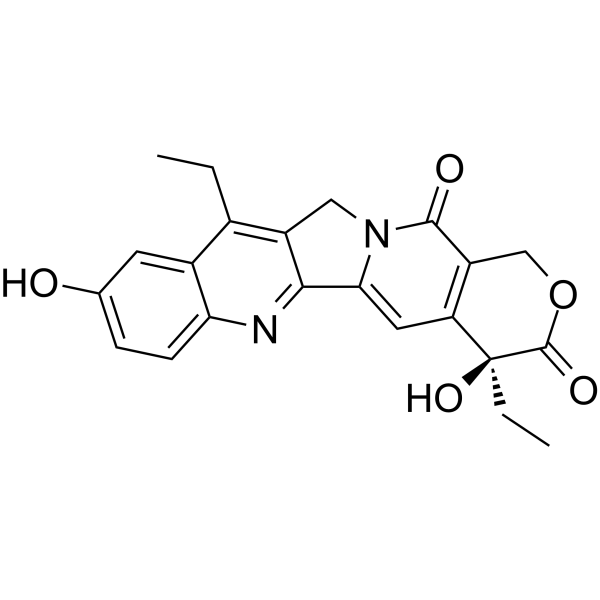
SN-38Topoisomerase I Inhibitor
Publications Citing Use of MedChemExpress (MCE) Epalrestat
More- J Transl Med. 2023 Oct 7;21(1):700. [Abstract]
- Dev Cell. 2024 Aug 5;59(15):1954-1971.e7. [Abstract]
- Int J Biol Macromol. 2025 Dec 9:149590. [Abstract]
- Cell Mol Life Sci. 2025 Jun 27;82(1):257. [Abstract]
- Cell Mol Life Sci. 2025 Jun 27;82(1):257.
- Bioorg Med Chem. 2024 Nov 15:114:117942. [Abstract]
- Hepat Med. 2025 Oct 1:17:141-159. [Abstract]
- NPJ Metab Health Dis. 2026 Jul 1;4(1):24.
- Res Sq. 2026 Jun 11.
 Customer Validation & Images

-
Cell Proliferation/Viability Assay
-
WB
-
ELISA
-
Flow Cytometry
-
Histological Imaging/Staining


Biological Activity
Description
In Vitro
Epalrestat (100 and 200 µM, 24 h) inhibits cell viability and induces cell apoptosis in rat Schwann cells (SCs)[5].
Epalrestat (10 and 50 µM, 24 h) increases intracellular glutathione levels in rat SCs by up-regulating γ-GCS via Nrf2 activation[5].
Epalrestat (50 µM, 16 h) protects SCs from oxidative stress[5].
MedChemExpress (MCE) has not independently confirmed the accuracy of these methods. They are for reference only.
-
Cell Line:rat SCs
-
Concentration:10 or 50 µM
-
Incubation Time:4 h
-
Result:Increased the nuclear level of active Nrf2 by 1.8- and 3.8-fold at 10 and 50 µM, and failed to increase Nrf2 mRNA levels.
In Vivo
Epalrestat (100 mg/kg, i.g., daily for 6 weeks) protects rats from diabetic peripheral nerve injury in diabetic peripheral neuropathy (DPN) model induced by Streptozotocin (HY-13753)[6].
Epalrestat (50 mg/kg, oral gavage, twice a day) reduces cerebral ischemia-induced infarct volume and BBB permeability in mice[7].
MedChemExpress (MCE) has not independently confirmed the accuracy of these methods. They are for reference only.
-
Animal Model:db/db mice[4]
-
Dosage:0.08% (w/w) in fed regular chow
-
Administration:8 weeks
-
Result:Ameliorated GBM thickening and mesangial matrix deposition in kidney tissue.
Reduced the elevated sorbitol and fructose in the plasma, urine, and renal cortex of db/db mice.
Reduced myo-inositol in the plasma and urine, whereas increased myo-inositol in the renal cortex.
-
Animal Model:Rats were treated with high-fat and high-sugar diet for 4 weeks, and injected with Streptozotocin at 4 and 8 weeks[6]
-
Dosage:100 mg/kg/d
-
Administration:i.g. 6 weeks
-
Result:Improved pathological structures of neurites and myelin.
Increased SOD, CAT and GPX protein levels in sciatic nerves.
Decrease aldose reductase level in sciatic nerves.
Clinical Trial
| NCT Number | Sponsor | Condition | Start Date |
Phase

|
|---|---|---|---|---|
| NCT01329991 | Plexxikon| | 2011-05 | PHASE1 |


Chemical Information
-
CAS No. 82159-09-9
-
Appearance Solid
-
Molecular Weight 319.40
-
Formula C15H13NO3S2
-
Color Pink to red
-
SMILES
O=C(O)CN(C/1=O)C(SC1=C/C(C)=C/C2=CC=CC=C2)=S
-
Synonyms
ONO2235
-
Shipping
Room temperature in continental US; may vary elsewhere.
-
Storage
-20°C, protect from light
* In solvent : -80°C, 6 months; -20°C, 1 month (protect from light)


Publications (9)
-
Journal Impact Factor
-
Most Recent
-
J Transl Med
Novel role for epalrestat: protecting against NLRP3 inflammasome-driven NASH by targeting aldose reductase. [Abstract]2023 Oct 7;21(1):700. PMID: 37805545
Epalrestat purchased from MedChemExpress. Usage Cited in: J Transl Med. 2023 Oct 7;21(1):700. [Abstract]
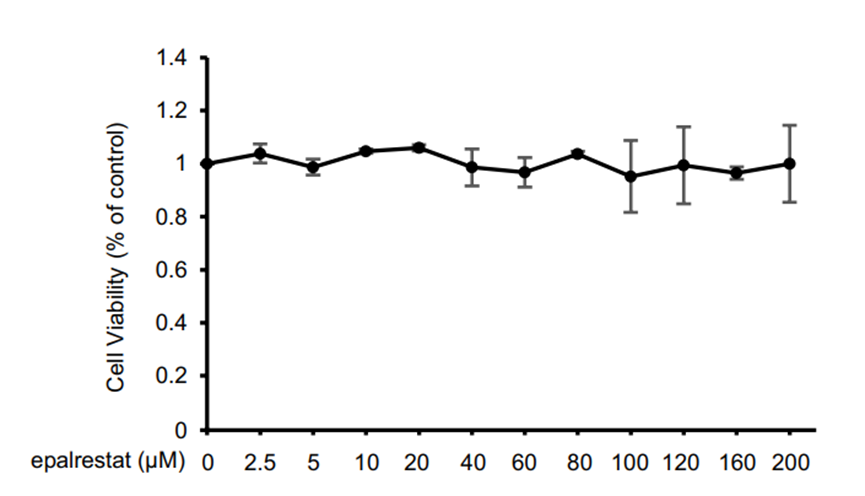
Cell viability of BMDMs treated with Epalrestat (2.5-200 μM) for 24 h as detected using a CCK-8 reagent.
Epalrestat purchased from MedChemExpress. Usage Cited in: J Transl Med. 2023 Oct 7;21(1):700. [Abstract]
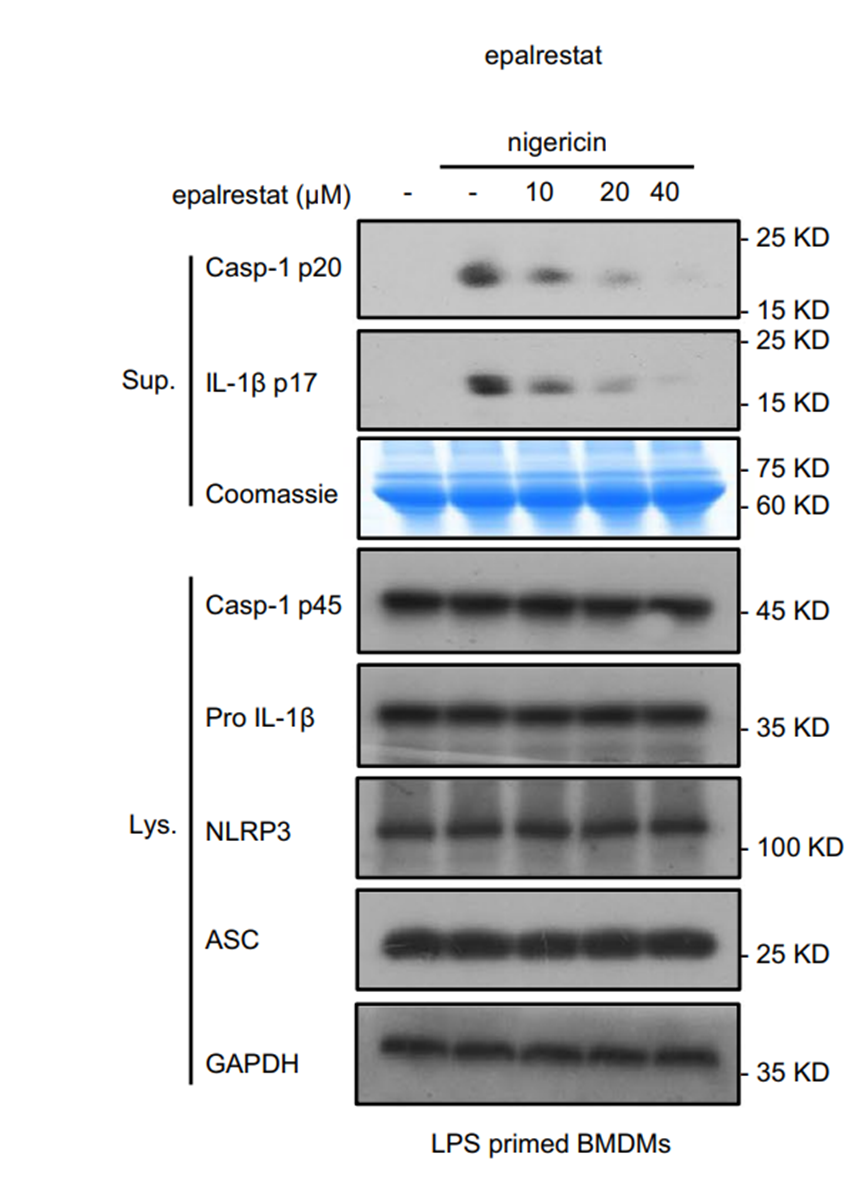
LPS-primed BMDMs were treated with various doses of Epalrestat (10, 20, 40 μM) for 1 h before stimulation with nigericin for 30 min. Immunoblot analysis of epalrestat was used to detect cleaved caspase-1 and IL-1β in the cell supernatants (Sup.) and the expression of NLRP3, caspase-1 p45, pro-IL-1β, and ASC in the cell lysates (Lys.).
Epalrestat purchased from MedChemExpress. Usage Cited in: J Transl Med. 2023 Oct 7;21(1):700. [Abstract]
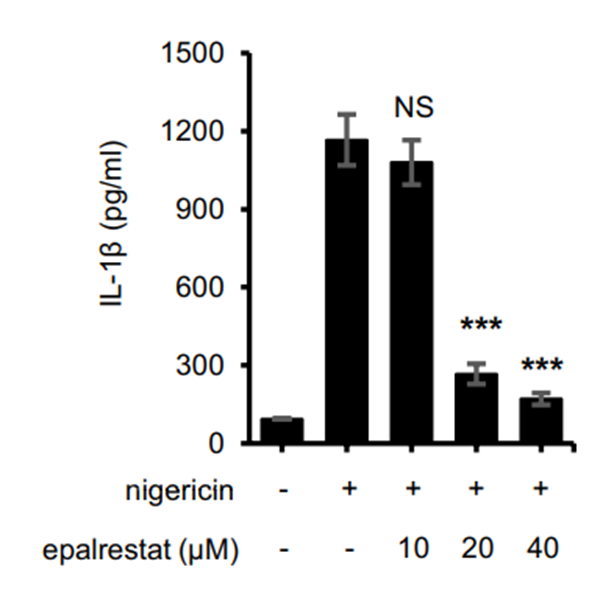
Epalrestat (10, 20, 40 μM) significantly inhibited the production of IL-1β by ELISA.
Epalrestat purchased from MedChemExpress. Usage Cited in: J Transl Med. 2023 Oct 7;21(1):700. [Abstract]
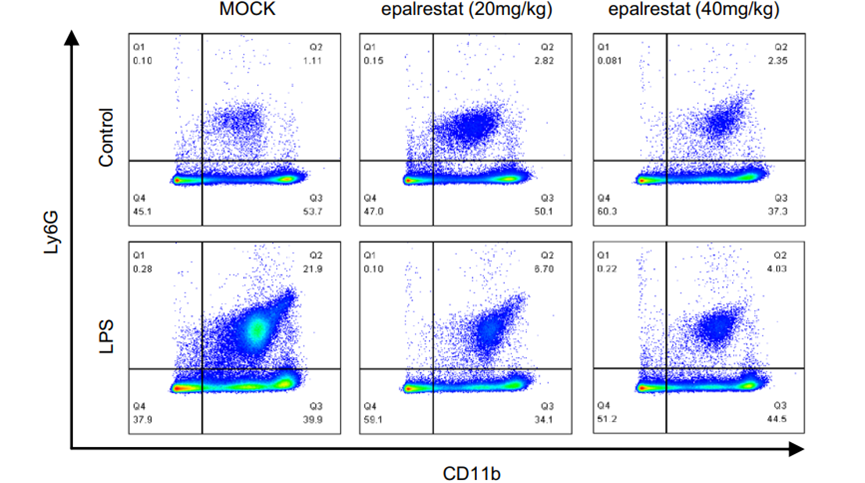
Mice were intraperitoneally injected with LPS or PBS for 6 h after pre-treatment with Epalrestat or vehicle. Peritoneal macrophages pre-treated with Epalrestat (20, 40 mg/kg, i.g.) could also be decrease, as measured via flow cytometry.
Epalrestat purchased from MedChemExpress. Usage Cited in: J Transl Med. 2023 Oct 7;21(1):700. [Abstract]
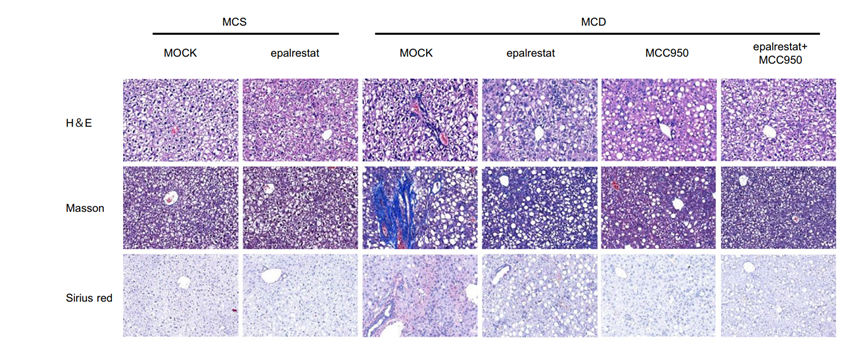
These pathological changes were significantly reduced after Epalrestat (20 mg/kg, i.g.) treatment stained with H&E, Masson stain, and Sirius red.
-
Dev Cell
2024 Aug 5;59(15):1954-1971.e7. PMID: 38776924 -
Int J Biol Macromol
Targeting aldose reductase in pulmonary fibrosis: Blocking de novo fatty acid synthesis halts pro-fibrotic M2 polarization. [Abstract]2025 Dec 9:149590. PMID: 41380895 -
Cell Mol Life Sci
Glycosphingolipid synthesis is impaired in SLC35A2-CDG and improves with galactose supplementation. [Abstract]2025 Jun 27;82(1):257. PMID: 40576648 -
-
Bioorg Med Chem
Inhibition of LPS-induced inflammatory response in RAW264.7 cells by natural Chlorogenic acid isomers involved with AKR1B1 inhibition. [Abstract]2024 Nov 15:114:117942. PMID: 39396466 -
Hepat Med
Aldose Reductase Mediated Mitophagy Promotes Epithelial-Mesenchymal Transition of Hepatocytes. [Abstract]2025 Oct 1:17:141-159. PMID: 41054599 -
-


Solvent & Solubility
In Vitro:
DMSO : 20 mg/mL (62.62 mM; Need ultrasonic; Hygroscopic DMSO has a significant impact on the solubility of product, please use newly opened DMSO)
Please refer to the solubility information to select the appropriate solvent. Once prepared, please aliquot and store the solution to prevent product inactivation from repeated freeze-thaw cycles.
Storage method and period of stock solution: -80°C, 6 months; -20°C, 1 month (protect from light). When stored at -80°C, please use it within 6 months. When stored at -20°C, please use it within 1 month.
Please refer to the solubility information to select the appropriate solvent. Once prepared, please aliquot and store the solution to prevent product inactivation from repeated freeze-thaw cycles.
Storage method and period of stock solution: -80°C, 6 months; -20°C, 1 month (protect from light). When stored at -80°C, please use it within 6 months. When stored at -20°C, please use it within 1 month.
Concentration (start) × Volume (start) = Concentration (final) × Volume (final)
In Vivo:
Select the appropriate dissolution method based on your experimental animal and administration route.
- For the following dissolution methods, please ensure to first prepare a clear stock solution using an In Vitro approach and then sequentially add co-solvents:
- To ensure reliable experimental results, the clarified stock solution can be appropriately stored based on storage conditions. As for the working solution for In Vivo experiments, it is recommended to prepare freshly and use it on the same day.
- The percentages shown for the solvents indicate their volumetric ratio in the final prepared solution. If precipitation or phase separation occurs during preparation, heat and/or sonication can be used to aid dissolution.
For the following dissolution methods, please prepare the working solution directly:
It is recommended to prepare fresh solutions and use them promptly within a short period of time.
The percentages shown for the solvents indicate their volumetric ratio in the final prepared solution. If precipitation or phase separation occurs during preparation, heat and/or sonication can be used to aid dissolution.
Add each solvent one by one: 0.5% CMC-Na/saline water
Solubility: 10 mg/mL (31.31 mM); Suspended solution; Need ultrasonic
In Vivo Dissolution Calculator
Please enter the basic information of animal experiments:
-
-
-
-
Recommended: Prepare an additional quantity of animals to account for potential losses during experiments.
Please enter your animal formula composition:
-
%DMSO +
Recommended: Keep the proportion of DMSO in working solution below 2% if your animal is weak.
-
%+
-
+%Tween-80 + +
-
%Saline +
The co-solvents required include: DMSO, . All of co-solvents are available by MedChemExpress (MCE). , Tween 80. All of co-solvents are available by MedChemExpress (MCE).
Working solution concentration: 0.22 mg/mL
Method for preparing stock solution: mg drug dissolved in μL DMSO. Stock solution concentration: mg/mL. * In solvent : -80°C, 6 months; -20°C, 1 month (protect from light)
1. Take μL DMSO stock solution;
2. Add μL .
μL , mix evenly;
3. Then add μL Tween 80, mix evenly;
4. Then add μL
Please ensure that the stock solution in the first step is dissolved to a clear state, and add co-solvents in sequence. You can use ultrasonic heating (ultrasonic cleaner, recommended frequency 20-40 kHz), vortexing, etc. to assist dissolution.


Purity & Documentation
-
Data Sheet (279 KB)
-
SDS (393 KB)
- English - EN (393 KB)
- Français - FR (393 KB)
- Deutsch - DE (393 KB)
- Norwegian - NO (393 KB)
- Español - ES (393 KB)
- Swedish - SV (393 KB)
- Italian - IT (393 KB)
- Korean - KR (393 KB)
- Portuguese - PT (393 KB)
-
Handling Instructions (2659 KB)
References
[1]. Ramirez, M.A. and N.L. Borja, Epalrestat: an aldose reductase inhibitor for the treatment of diabetic neuropathy. Pharmacotherapy, 2008. 28(5): p. 646-55. [Content Brief]
[2]. Okamoto, H., et al., Effects of epalrestat, an aldose reductase inhibitor, on diabetic neuropathy and gastroparesis. Intern Med, 2003. 42(8): p. 655-64. [Content Brief]
[3]. Hotta, N., et al., Clinical investigation of epalrestat, an aldose reductase inhibitor, on diabetic neuropathy in Japan: multicenter study. Diabetic Neuropathy Study Group in Japan. J Diabetes Complications, 1996. 10(3): p. 168-72. [Content Brief]
[4]. He J, et al. The aldose reductase inhibitor epalrestat exerts nephritic protection on diabetic nephropathy in db/db mice through metabolic modulation. Acta Pharmacol Sin. 2019 Jan;40(1):86-97. [Content Brief]
[5]. Sato K, et al. Epalrestat increases intracellular glutathione levels in Schwann cells through transcription regulation. Redox Biol. 2013 Nov 19;2:15-21. [Content Brief]
[6]. Li QR, et al. Epalrestat protects against diabetic peripheral neuropathy by alleviating oxidative stress and inhibiting polyol pathway. Neural Regen Res. 2016 Feb;11(2):345-51. [Content Brief]
[7]. Zhang T, et al. The Aldose Reductase Inhibitor Epalrestat Maintains Blood-Brain Barrier Integrity by Enhancing Endothelial Cell Function during Cerebral Ischemia. Mol Neurobiol. 2023 Jul;60(7):3741-3757. [Content Brief]


Complete Stock Solution Preparation Table
Please refer to the solubility information to select the appropriate solvent. Once prepared, please aliquot and store the solution to prevent product inactivation from repeated freeze-thaw cycles.
Storage method and period of stock solution: -80°C, 6 months; -20°C, 1 month (protect from light). When stored at -80°C, please use it within 6 months. When stored at -20°C, please use it within 1 month.
| Optional Solvent | Concentration Solvent Mass | 1 mg | 5 mg | 10 mg | 25 mg |
|---|---|---|---|---|---|
| DMSO | 1 mM | 3.1309 mL | 15.6544 mL | 31.3087 mL | 78.2718 mL |
| 5 mM | 0.6262 mL | 3.1309 mL | 6.2617 mL | 15.6544 mL | |
| 10 mM | 0.3131 mL | 1.5654 mL | 3.1309 mL | 7.8272 mL | |
| 15 mM | 0.2087 mL | 1.0436 mL | 2.0872 mL | 5.2181 mL | |
| 20 mM | 0.1565 mL | 0.7827 mL | 1.5654 mL | 3.9136 mL | |
| 25 mM | 0.1252 mL | 0.6262 mL | 1.2523 mL | 3.1309 mL | |
| 30 mM | 0.1044 mL | 0.5218 mL | 1.0436 mL | 2.6091 mL | |
| 40 mM | 0.0783 mL | 0.3914 mL | 0.7827 mL | 1.9568 mL | |
| 50 mM | 0.0626 mL | 0.3131 mL | 0.6262 mL | 1.5654 mL | |
| 60 mM | 0.0522 mL | 0.2609 mL | 0.5218 mL | 1.3045 mL |


Epalrestat Related Classifications
HY-66009 Related Classifications
 Powered by Bioz