
1. Search Result
Search Result
Results for "

cellular oxidation

" in MedChemExpress (MCE) Product Catalog:

108

Inhibitors & Agonists

5

Screening Libraries

4

Fluorescent Dyes

5

Biochemical Assay Reagents

1

Peptides

1

MCE Kits

34

Natural
Products

12

Isotope-Labeled Compounds

1

Oligonucleotides

Cat. No. Product Name Target Research Areas Chemical Structure
  • HY-F0001
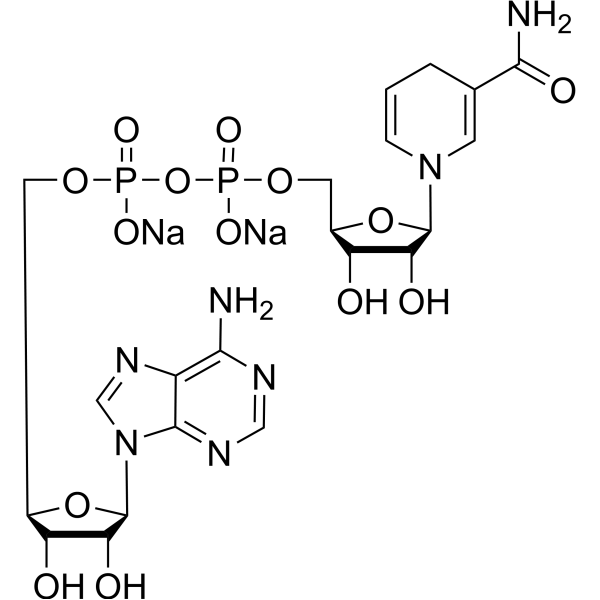
    NADH disodium salt
    5+ Cited Publications

    Disodium NADH

    Endogenous Metabolite Metabolic Disease
    NADH disodium salt (Disodium NADH) is an orally active reduced coenzyme. NADH disodium salt is a donor of ADP-ribose units in ADP-ribosylaton reactions and a precursor of cyclic ADP-ribose. NADH disodium salt plays a role as a regenerative electron donor in cellular energy metabolism, including glycolysis, β-oxidation and the tricarboxylic acid (TCA) cycle .
    NADH disodium salt
  • HY-113596
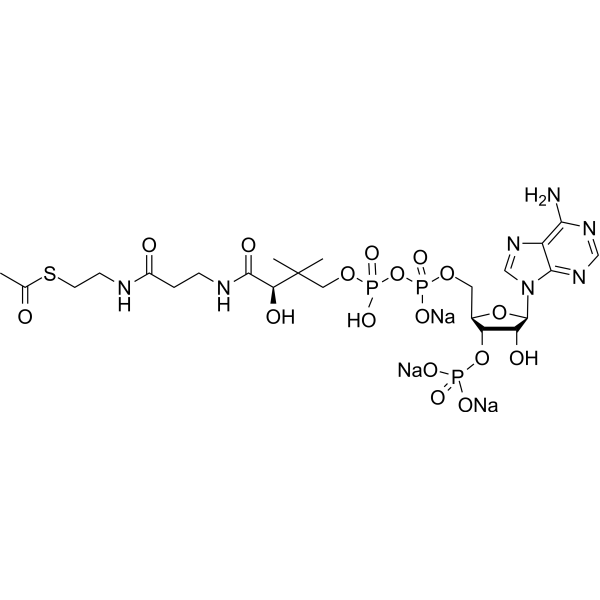
    Acetyl Coenzyme A trisodium
    4 Publications Verification

    Acetyl-CoA trisodium

    Oxidative Phosphorylation Endogenous Metabolite Autophagy Metabolic Disease
    Acetyl-coenzyme A (Acetyl-CoA) trisodium is a membrane-impermeant central metabolic intermediate, participates in the TCA cycle and oxidative phosphorylation metabolism. Acetyl-coenzyme A trisodium, regulates various cellular mechanisms by providing (sole donor) acetyl groups to target amino acid residues for post-translational acetylation reactions of proteins. Acetyl Coenzyme A trisodium is also a key precursor of lipid synthesis .
    Acetyl Coenzyme A trisodium
  • HY-113324
    NADPH
    Maximum Cited Publications
    18 Publications Verification

    Endogenous Metabolite Cancer
    NADPH is a coenzyme of glutathione reductase (GR), thioredoxin reductase (TrxR) and NADPH oxidase (NOX), and participates in redox reactions as a hydrogen donor. NADPH has the characteristic of selectively participating in the regulation of cellular redox homeostasis. NADPH exerts antioxidant activity and resists reactive oxygen species (ROS) damage by providing reducing equivalents for the regeneration of glutathione (GSH) and thioredoxin (Trx); at the same time, it acts as a substrate of NOX to generate superoxide anions, mediating oxidative stress and immune response. NADPH participates in maintaining the intracellular reducing environment, biosynthesis and regulating gene expression (such as the Nrf2 pathway), and is mainly used in the study of oxidative stress-related diseases (such as cardiovascular diseases, neurodegenerative diseases, cancer) and immune regulation mechanisms .
    NADPH
  • HY-113341
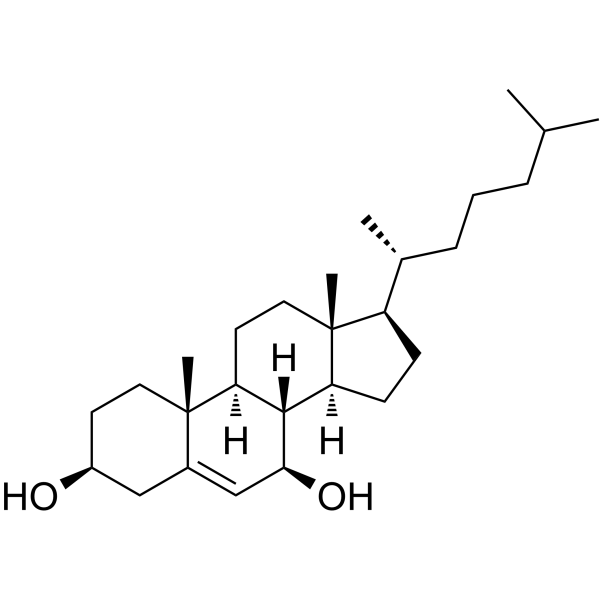
    7β-Hydroxycholesterol
    2 Publications Verification

    Reactive Oxygen Species (ROS) Apoptosis Interleukin Related Cardiovascular Disease Neurological Disease Inflammation/Immunology Cancer
    7β-Hydroxycholesterol is an oxysterol that derived by the oxidation of cholesterol. 7β-hydroxycholesterol can induce cellular oxidative stress, apoptosis, and necrosis, resulting in cytotoxicity. 7β-hydroxycholesterol has antitumor activity .
    7β-Hydroxycholesterol
  • HY-116956

    Biochemical Assay Reagents Others
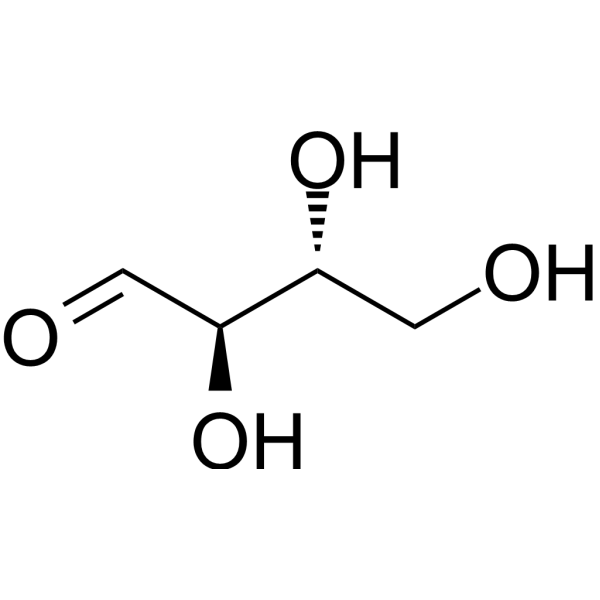
    D-Erythrose is a four-carbon sugar classified as an aldose. D-Erythrose has unique chemical properties that make it an important intermediate in various metabolic pathways, especially in the biosynthesis of amino acids and nucleotides. It also plays a role in the pentose phosphate pathway, which generates reducing equivalents for biosynthetic reactions and cellular defense against oxidative damage.
    D-Erythrose (50% in water)
  • HY-W749411

    Biochemical Assay Reagents Endogenous Metabolite Others
    Malondialdehyde tetrabutylammonium is a quaternary ammonium salt formed by the decomposition of polyunsaturated fatty acids in plant cell membranes. Malondialdehyde tetrabutylammonium can be used for the quantification of malondialdehyde, a biomarker of lipid peroxidation .
    Malondialdehyde tetrabutylammonium
  • HY-114293A

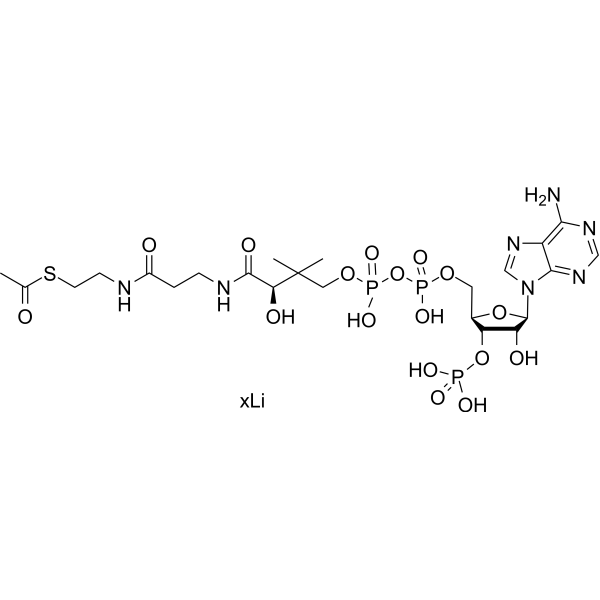
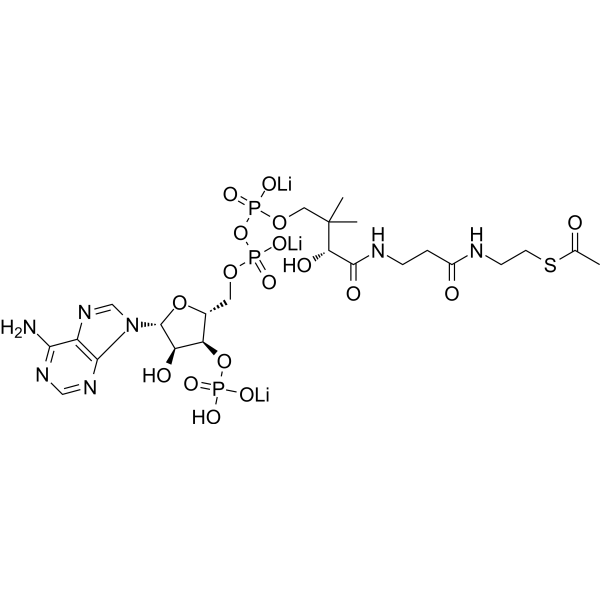
    Acetyl-CoA trilithium

    Oxidative Phosphorylation Endogenous Metabolite Autophagy Cardiovascular Disease Metabolic Disease
    Acetyl-coenzyme A (Acetyl-CoA) trilithium is a membrane-impermeant central metabolic intermediate, participates in the TCA cycle and oxidative phosphorylation metabolism. Acetyl-coenzyme A trilithium regulates various cellular mechanisms by providing (sole donor) acetyl groups to target amino acid residues for post-translational acetylation reactions of proteins. Acetyl Coenzyme A trilithium is also a key precursor of lipid synthesis .
    Acetyl coenzyme A trilithium
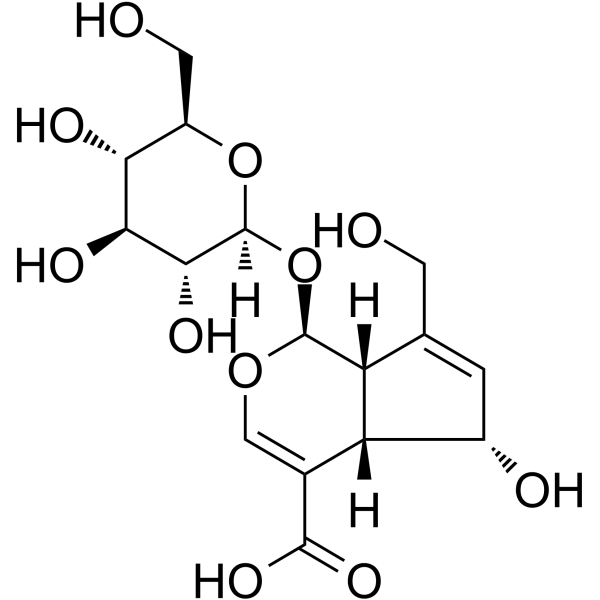
  • HY-N0594

    SOD Interleukin Related TNF Receptor Inflammation/Immunology
    Deacetylasperulosidic Acid is an orally active antioxidant. Deacetylasperulosidic Acid exerts a definite in vivo antioxidant effect and alleviates oxidative stress injury by enhancing SOD activity. In atopic dermatitis models, Deacetylasperulosidic Acid corrects Th2-skewed immune imbalance and reduces allergy-related factors; in immunosuppression models, it activates cellular immunity, enhances NK cell activity and IL-2 production. Deacetylasperulosidic Acid can be used in the research of atopic dermatitis .
    Deacetylasperulosidic Acid
  • HY-125085

    Aldehyde Dehydrogenase (ALDH) Cancer
    ALDH3A1-IN-3 (CB29) is a selective inhibitor of ALDH3A1, with a Ki value of 4.7 μM and an IC50 value of 16 μM. ALDH3A1-IN-3 has no inhibitory potential on the in vitro activity of ALDH1A1, ALDH1A2, ALDH1A3, ALDH1B1, or ALDH2. ALDH3A1-IN-3 can be used in cellular oxidation and cancer research .
    ALDH3A1-IN-3
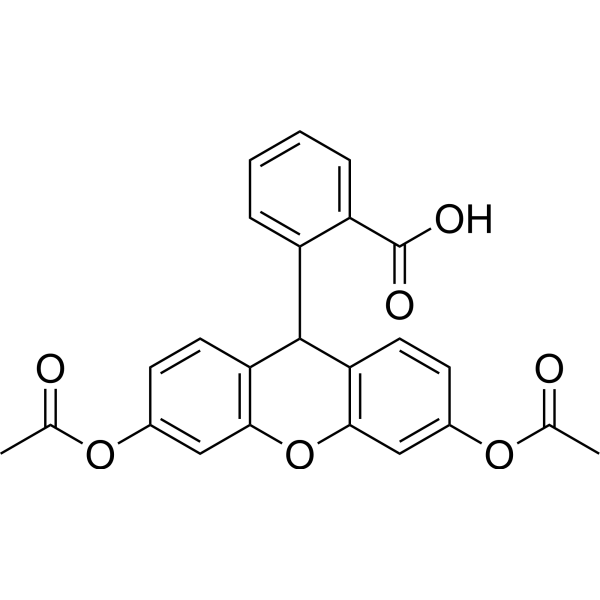
  • HY-101893

    Fluorescent Dye Others
    Dihydrofluorescein diacetate is a fluorimetric probe mainly used for oxidative stress measurements, in both cell-free systems and cellular models.
    Dihydrofluorescein diacetate
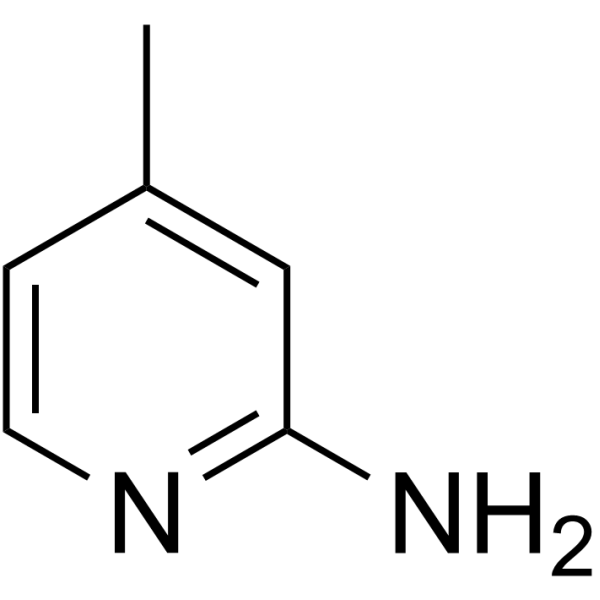
  • HY-W003969

    Ascensil; 2-Amino-4-methylpyridine

    NO Synthase Inflammation/Immunology
    Aminopicoline (Ascensil) is a potent and non-selective inhibitor of nitric oxide synthase (NOS) isoenzymes (iNOS, nNOS, eNOS). Aminopicoline competes with arginine at the substrate-binding site of nitric oxide synthase, reduces cellular nitric oxide production, inhibits the elevation of plasma nitrate, increases mean arterial pressure at high doses, and also serves as a basis for radiolabeled ligands to localize nitric oxide synthase binding sites. Aminopicoline can be used in the research of diseases associated with septic shock, joint inflammation, intestinal inflammation, and CNS inflammation .
    Aminopicoline
  • HY-30267
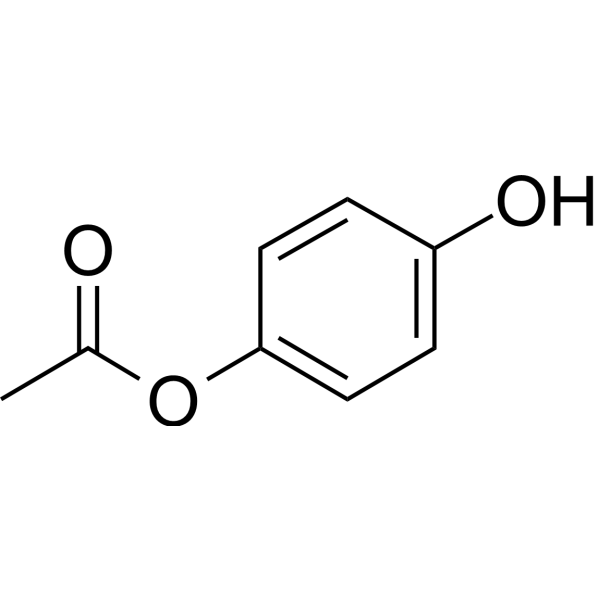
    4-Hydroxyphenyl acetate
    2 Publications Verification

    4-HPA; 4-Acetoxyphenol

    Quinone Reductase Endogenous Metabolite Others
    4-Hydroxyphenyl acetate (4-HPA) is a natural antioxidant and protects cells from oxidative stress-induced necrosis. 4-Hydroxyphenyl acetate blocks the increase of cellular ROS induced by oxidative stress, and up-regulates NQO1 and HO-1 genes by stabilizing and inducing the nuclear translocation of NRF2 transcription factor .
    4-Hydroxyphenyl acetate
  • HY-136341

    Apoptosis NO Synthase Endogenous Metabolite Neurological Disease Inflammation/Immunology
    7,8-Dihydroneopterin, an inflammation marker, induces cellular apoptosis in astrocytes and neurons via enhancement of nitric oxide synthase (iNOS) expression. 7,8-Dihydroneopterin can be used in the research of neurodegenerative diseases .
    7,8-Dihydroneopterin
  • HY-N1967

    PNPLA3 Metabolic Disease
    Dihydrocurcumin, a major metabolites of curcumin, reduces lipid accumulation and oxidative stress. Dihydrocurcumin regulates mRNA and protein expression levels of SREBP-1C, PNPLA3 and PPARα, increases protein expression levels of pAKT and PI3K, and reduced the levels of cellular NO and ROS via Nrf2 signaling pathways .
    Dihydrocurcumin
  • HY-16772

    α-Tocotrienol quinone; PTC-743; Vatiquinone; NCT04378075

    Mitochondrial Metabolism Ferroptosis Neurological Disease
    EPI-743 (Vatiquinone; α-Tocotrienol quinone; PTC-743; NCT04378075) is a potent cellular oxidative stress protectant, inhibits ferroptosis in cells, which could be used for the study for mitochondrial diseases. EPI-743 is a synthetic analog of vitamin E with oral activity, targets repletion of reduced intracellular glutathione .
    EPI-743
  • HY-114293

    Acetyl-CoA

    Oxidative Phosphorylation Endogenous Metabolite Autophagy Cardiovascular Disease Metabolic Disease
    Acetyl-coenzyme A (Acetyl-CoA) is a membrane-impermeant central metabolic intermediate, participates in the TCA cycle and oxidative phosphorylation metabolism. Acetyl-coenzyme A, regulates various cellular mechanisms by providing (sole donor) acetyl groups to target amino acid residues for post-translational acetylation reactions of proteins. Acetyl Coenzyme A is also a key precursor of lipid synthesis .
    Acetyl coenzyme A
  • HY-174216

    DNA/RNA Synthesis Oxidative Phosphorylation Mitochondrial Metabolism Neurological Disease Metabolic Disease
    PZL-A is a activator of mitochondrial DNA (mtDNA) synthesis. PZL-A restores wild-type-like activity to mutant forms of polymerase γ (POLγ) with AC50 s of 160 and 20 nM for A467T and G848S. PZL-A activates mtDNA synthesis in cells, enhancing biogenesis of the oxidative phosphorylation machinery and cellular respiration. PZL-A is promising for relieving POLG disease and other severe conditions linked to depletion of mtDNA .
    PZL-A
  • HY-113355

    Endogenous Metabolite Apoptosis Neurological Disease Inflammation/Immunology Endocrinology
    NADH is an orally active dehydrogenase coenzyme that acts as a crucial electron carrier in cellular respiration and participates in ATP production. NADH promotes metabolism, supports brain function, and counteracts oxidative stress by transferring electrons to the electron transport chain. As a signaling molecule, NADH regulates multiple biological processes, including anti-apoptosis, synaptic plasticity, gene expression, and calcium homeostasis. Redox imbalance of NADH/NAD⁺ is one of the key pathological mechanisms of various diseases, such as diabetic nephropathy, neurodegenerative diseases, and ischemia-reperfusion injury.
    NADH
  • HY-B0315A

    Biotin-Cyanocobalamin B12

    Endogenous Metabolite Metabolic Disease
    Biotin-Vitamin B12 (Biotin-Cyanocobalamin B12) is the biotinylated Vitamin B12 (HY-B0315). Vitamin B12 is a vitamin that can pass through the blood-brain barrier. Vitamin B12 plays a key role in the normal functioning of the brain and nervous system, and for the formation of blood. Vitamin B12 is beneficial for many inflammatory diseases and also provides protection in oxidative-stress-associated pathologies. Biotin-Vitamin B12 can be used in researches on vitamin B12 transport, cellular uptake, targeted delivery, analytical detection, and other areas .
    Biotin-Vitamin B12
  • HY-13568

    LRCL 3794

    Cytochrome P450 COX Lipoxygenase PGE synthase Inflammation/Immunology
    Benoxaprofen (LRCL 3794) is a nonsteroidal anti-inflammatory agent that blocks the biosynthesis of inflammatory mediators such as leukotrienes and prostaglandins by inhibiting 5-LOX, PGH2 synthase and cytochrome P-450. Benoxaprofen exhibits significant toxicity: it not only alters cellular redox status, uncouples oxidative phosphorylation and disrupts calcium ion homeostasis, but also causes liver injury through the formation of covalent adducts between its active metabolites and hepatic proteins. Benoxaprofen shows strong phototoxicity under ultraviolet irradiation, and induces erythrocyte lysis, mast cell degranulation and histamine release. Benoxaprofen is widely used in studies of urticaria and related phototoxic mechanisms .
    Benoxaprofen
  • HY-N2853

    α-Tocopherylquinone

    Reactive Oxygen Species (ROS) Others
    D-α-Tocopherylquinone (α-Tocopherylquinone) is a quinone, can be isolated from Phaeodactylum tricornutum. D-α-Tocopherylquinone is an oxidation product of α-Tocopherol (vitamin E). D-α-Tocopherylquinone can act as an anticoagulant and as an antioxidant. D-α-Tocopherylquinone reduces cellular oxidative damage produced by oxidized lipids. D-α-Tocopherylquinone binds to a liver cytosolic protein with a molecular mass of about 40 kDa. D-α-Tocopherylquinone binds to glurathione-S-transferase (GST) and can be transported to the site of metabolism or excreted in the bile .
    D-α-Tocopherylquinone
  • HY-141452

    Malondialdehyde

    Endogenous Metabolite Neurological Disease
    Propanedial (Malondialdehyde) (13.88 mM in water) is one of the final products of lipid peroxidation. Propanedial causes protein inactivation, DNA damage and cross-linking by forming stable covalent adducts with biological macromolecules, which is the main mechanism for its cytotoxicity and genotoxicity. Propanedial production increases with the elevation of free radicals. Propanedial is a key biomarker for evaluating the level of cellular oxidative stress [1][2][3].
    Propanedial (13.88 mM in water)
  • HY-113596A
    Acetyl coenzyme A lithium
    4 Publications Verification

    Acetyl-CoA lithium

    Oxidative Phosphorylation Endogenous Metabolite Autophagy Cardiovascular Disease Metabolic Disease
    Acetyl-coenzyme A (Acetyl-CoA) lithium is a membrane-impermeant central metabolic intermediate, participates in the TCA cycle and oxidative phosphorylation metabolism. Acetyl-coenzyme A lithium, regulates various cellular mechanisms by providing (sole donor) acetyl groups to target amino acid residues for post-translational acetylation reactions of proteins. Acetyl Coenzyme A lithium is also a key precursor of lipid synthesis .
    Acetyl coenzyme A lithium
  • HY-113225

    GTP

    Endogenous Metabolite DNA/RNA Synthesis Apoptosis Mitosis Cancer
    Guanosine triphosphate (GTP) is a critical nucleotide and regulator of cellular metabolism. Guanosine triphosphate promotes ribosomal DNA localization, pre-rRNA transcription and ribosome biogenesis by binding to RNA polymerase I and GPN proteins (GPN1/3). Guanosine triphosphate links MYC-dependent ribosome biogenesis to nucleotide sufficiency, acts as a metabolic gatekeeper supporting protein synthesis, DNA/RNA synthesis and cellular signal transduction, while also participating in the physiological activities of pancreatic β-cells and serving as an oxidative substrate for reactive oxygen species. In small cell lung cancer with high MYC expression, Guanosine triphosphate accumulates through the IMPDH-driven synthetic pathway, thereby affecting apoptosis and mitotic processes. Guanosine triphosphate is used in the research of small cell lung cancer, hepatoblastoma and cellular metabolism .
    Guanosine triphosphate
  • HY-114293S

    Acetyl-CoA-13C2 lithium

    Isotope-Labeled Compounds Endogenous Metabolite Autophagy Oxidative Phosphorylation Metabolic Disease
    Acetyl coenzyme A- 13C2 lithium is the 13C-labeled Acetyl coenzyme A (HY-114293). Acetyl-coenzyme A (Acetyl-CoA) is a membrane-impermeant central metabolic intermediate, participates in the TCA cycle and oxidative phosphorylation metabolism. Acetyl-coenzyme A, regulates various cellular mechanisms by providing (sole donor) acetyl groups to target amino acid residues for post-translational acetylation reactions of proteins. Acetyl Coenzyme A is also a key precursor of lipid synthesis .
    Acetyl coenzyme A-13C2 lithium
  • HY-Y1366

    Mitochondrial Metabolism Reactive Oxygen Species (ROS) Arp2/3 Complex Apoptosis Inflammation/Immunology
    Hydroxyacetone is a toxic compound. Hydroxyacetone can be isolated from e-cigarette aerosols. Hydroxyacetone reduces the activity of cellular Mitochondrial reductase (with an IC50 of 5.53 mg/mL for mitochondrial reductase in BEAS-2B cells) and increases ROS levels. Hydroxyacetone induces mitochondrial stress and oxidative damage. Hydroxyacetone induces destabilization of F-actin. At high concentrations, Hydroxyacetone promotes cell rounding and Apoptotic body formation. Hydroxyacetone exerts toxic effects on cells including airway epithelial cells and possesses respiratory toxicity potential .\n


    Hydroxyacetone
  • HY-113469
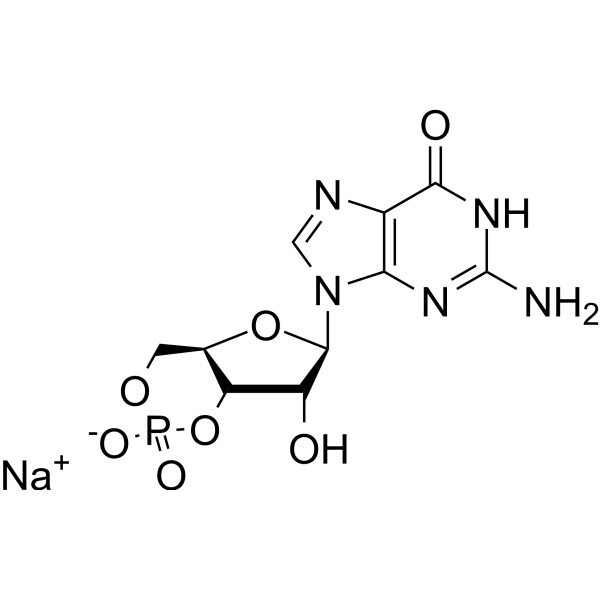
    Cyclic GMP
    1 Publications Verification

    Endogenous Metabolite Infection Cardiovascular Disease Inflammation/Immunology
    Cyclic GMP (cGMP), an important second messenger, is a major intracellular mediator of extracellular signals such as nitric oxide (NO) and natriuretic peptides (NPs). Effects of Cyclic GMP occur through three main groups of cellular targets: cGMP-dependent protein kinases (PKGs), cGMP-gated cation channels, and PDEs. Cyclic GMP can inhibit both platelet adhesion and aggregation. cGAMP (Cyclic-GMP-AMP) (HY-12512), a conjugate of Cyclic GMP and AMP, can induce IRF3 phosphorylation and nuclear translocation, enhancing antiviral immune responses .
    Cyclic GMP
  • HY-A0169A
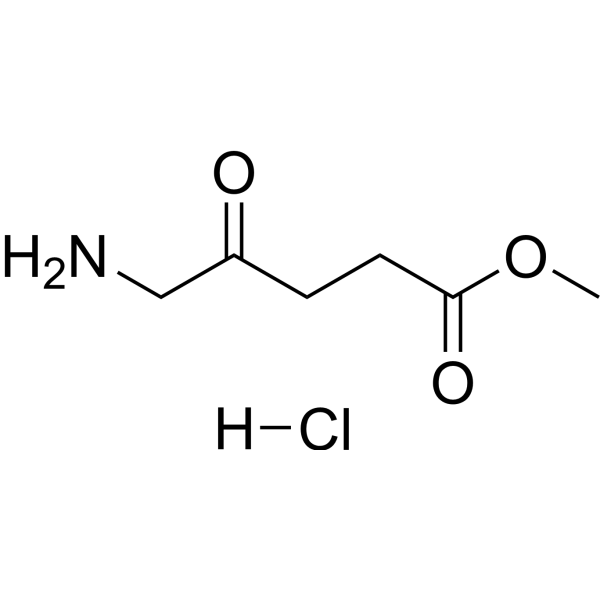
    Methyl aminolevulinate hydrochloride
    1 Publications Verification

    Reactive Oxygen Species (ROS) Photosensitizer Cancer
    Methyl aminolevulinate hydrochloride is a sensitizer used in photodynamic therapy (PDT). Methyl aminolevulinate hydrochloride penetrates the skin and induces the production of photoactive porphyrins including protoporphyrin IX in cells; upon exposure to appropriate light, it generates ROS, which triggers cellular oxidation and cell death. Methyl aminolevulinate hydrochloride acts as a photo-damage reversing agent through epidermal reconstruction, cytokine-mediated activation of dermal fibroblasts, elastin breakdown, new collagen formation, and compression of dilated capillaries. Methyl aminolevulinate hydrochloride reduces the expression of the proliferation marker Ki-67 and the early skin carcinogenesis marker TP53. Methyl aminolevulinate hydrochloride delays the onset of ultraviolet-induced skin tumors and reduces tumor burden in hairless mice. Methyl aminolevulinate hydrochloride is applicable to research related to actinic keratosis and basal cell carcinoma .
    Methyl aminolevulinate hydrochloride
  • HY-131901

    Oxophenylarsine; PhAsO; Arsenosobenzene

    Environmental Pollutants Phosphatase Others
    Phenylarsine oxide (PAO), an inhibitor of endocytosis, inhibits PTPε with an IC50 of 18 μM. Phenylarsine oxide (PAO) inhibits oxygen consumption and decreases cellular ATP content overlap with those used to inhibit protein internalization .
    Phenylarsine oxide
  • HY-P2096

    Reactive Oxygen Species (ROS) ATM/ATR MDM-2/p53 MMP Keap1-Nrf2 HSP Inflammation/Immunology
    Hexapeptide-11 is an anti-aging peptide that can protect fibroblasts from premature cell senescence mediated by oxidative stress. Hexapeptide-11 is also a potential stimulator of hyaluronic acid in keratinocytes, and can enhance skin barrier function by upregulating the expression of HAS2 and EGR3, and downregulating the expression of HYAL2. Hexapeptide-11 can also improve skin elasticity .
    Hexapeptide-11
  • HY-B0993

    MnDPDP

    Apoptosis Neurological Disease Cancer
    Mangafodipir trisodium (MnDPDP), hepatocellular-specific contrast agent, is an efficacious inhibitor of CIPN (chemotherapy-induced peripheral neuropath) and other conditions caused by cellular oxidative stress. Mangafodipir trisodium shows no negative interference with the tumoricidal activity of chemotherapy .
    Mangafodipir trisodium
  • HY-F0001R
    NADH disodium salt (Standard)
    1 Publications Verification

    Disodium NADH (Standard)

    Reference Standards Endogenous Metabolite Metabolic Disease
    NADH (disodium salt) (Standard) is the analytical standard of NADH (disodium salt). This product is intended for research and analytical applications. NADH disodium salt (Disodium NADH) is an orally active reduced coenzyme. NADH disodium salt is a donor of ADP-ribose units in ADP-ribosylaton reactions and a precursor of cyclic ADP-ribose. NADH disodium salt plays a role as a regenerative electron donor in cellular energy metabolism, including glycolysis, β-oxidation and the tricarboxylic acid (TCA) cycle .
    NADH disodium salt (Standard)
  • HY-107802
    Breviscapine
    2 Publications Verification

    Breviscapinun

    NF-κB Interleukin Related TGF-beta/Smad Calcium Channel Cardiovascular Disease Neurological Disease Inflammation/Immunology
    Breviscapine (Breviscapinun) is a flavonoid compound with antioxidant, anti-inflammatory, anti-fibrotic, and neuroprotective activities. Breviscapine ameliorates cerebral ischemia/reperfusion injury and vascular dementia, and inhibits the formation of postoperative abdominal adhesions. The mechanism of action of Breviscapine involves the regulation of oxidative stress, inflammatory cytokines, signaling pathways such as TGF-β/Smad, and cellular calcium overload. Breviscapine is used for research on diseases including cardiovascular and cerebrovascular diseases .
    Breviscapine
  • HY-114293S5

    Acetyl-CoA-d3

    Isotope-Labeled Compounds Oxidative Phosphorylation Endogenous Metabolite Autophagy Cardiovascular Disease Metabolic Disease
    Acetyl coenzyme A-d3 (Acetyl-CoA-d3) is the deuterium labeled Acetyl coenzyme A (HY-114293). Acetyl-coenzyme A (Acetyl-CoA) is a membrane-impermeant central metabolic intermediate, participates in the TCA cycle and oxidative phosphorylation metabolism. Acetyl-coenzyme A, regulates various cellular mechanisms by providing (sole donor) acetyl groups to target amino acid residues for post-translational acetylation reactions of proteins. Acetyl Coenzyme A is also a key precursor of lipid synthesis .
    Acetyl coenzyme A-d3
  • HY-Y1004

    Decyl alcohol

    Environmental Pollutants Biochemical Assay Reagents Parasite Apoptosis Infection
    1-Decanol (Decyl alcohol) is a nematicidal agent derived from Houttuynia cordata, with an LC50 of 31.5 μg/mL against potato cyst nematodes (PCN). 1-decanol directly damages nematode surface structures, induces cellular apoptosis, and disrupts the oxidative stress regulation system, while also downregulating defense-related metabolic pathways in potato, thereby promoting the reallocation of metabolic resources from defense to growth. 1-Decanol can be used for the research of potato cyst nematode infestation .
    1-Decanol
  • HY-113469A
    Cyclic GMP sodium
    1 Publications Verification

    Endogenous Metabolite Infection Cardiovascular Disease Inflammation/Immunology
    Cyclic GMP (cGMP) sodium, an important second messenger, is a major intracellular mediator of extracellular signals such as nitric oxide (NO) and natriuretic peptides (NPs). Effects of Cyclic GMP sodium occur through three main groups of cellular targets: cGMP-dependent protein kinases (PKGs), cGMP-gated cation channels, and PDEs. Cyclic GMP can inhibit both platelet adhesion and aggregation. cGAMP (Cyclic-GMP-AMP) (HY-12512), a conjugate of Cyclic GMP and AMP, can induce IRF3 phosphorylation and nuclear translocation, enhancing antiviral immune responses .
    Cyclic GMP sodium
  • HY-145453

    Interleukin Related Inflammation/Immunology
    Propacetamol is an orally active prodrug of Acetaminophen (HY-66005), which exerts antipyretic and analgesic effects after metabolism. Propacetamol reduces Aspirin (ASA) (HY-14654)-induced elevation of malondialdehyde (MDA) in gastric mucosa and plasma, regulates the levels of gastric mucosal glutathione (GSH and GSSG) to maintain cellular antioxidant defense, and increases gastric mucosal uric acid (UA) levels. Propacetamol exerts a dose-dependent protective effect against ASA-induced gastric mucosal damage in rats. Propacetamol can be used for the study of gastric mucosal injury by interfering with oxidative stress .
    Propacetamol
  • HY-W247098

    DHR 6G

    Reactive Oxygen Species (ROS) Cancer
    Dihydrorhodamine 6G (DHR 6G) is the reduced form of Rhodamine 6G, which is used as fluorescent mitochondrial dye. It is nonfluorescent, but it readily enters most of the cells and is oxidized by oxidative species or by cellular redox systems to the fluorescent rhodamine 6G that accumulates in mitochondrial membranes. Dihydrorhodamine 6G is useful for detecting reactive oxygen species (ROS) including superoxide .
    Dihydrorhodamine 6G
  • HY-113225S2

    GTP-13C dilithium

    Isotope-Labeled Compounds Endogenous Metabolite Mitosis Apoptosis DNA/RNA Synthesis Infection Cancer
    Guanosine triphosphate- 13C (GTP- 13C) dilithium is 13C-labeled Guanosine triphosphate (HY-113225). Guanosine triphosphate (GTP) is a critical nucleotide and regulator of cellular metabolism. Guanosine triphosphate promotes ribosomal DNA localization, pre-rRNA transcription and ribosome biogenesis by binding to RNA polymerase I and GPN proteins (GPN1/3). Guanosine triphosphate links MYC-dependent ribosome biogenesis to nucleotide sufficiency, acts as a metabolic gatekeeper supporting protein synthesis, DNA/RNA synthesis and cellular signal transduction, while also participating in the physiological activities of pancreatic β-cells and serving as an oxidative substrate for reactive oxygen species. In small cell lung cancer with high MYC expression, Guanosine triphosphate accumulates through the IMPDH-driven synthetic pathway, thereby affecting apoptosis and mitotic processes. Guanosine triphosphate is used in the research of small cell lung cancer, hepatoblastoma and cellular metabolism .
    Guanosine triphosphate-13C dilithium
  • HY-161767

    Molecular Glues Oxidative Phosphorylation Ras Cancer
    JWJ-01-306 is a CRBN-recruiting ZBTB11 Molecular Glues degrader. JWJ-01-306 degrades ZBTB11 and reprograms cellular metabolism, thereby reducing the level of Oxidative Phosphorylation and the activity of the tricarboxylic acid cycle. JWJ-01-306 enhances the response of organoids to K-Ras inhibition. JWJ-01-306 inhibits the proliferation of pancreatic ductal adenocarcinoma cells and melanoma cells. JWJ-01-306 can be used in studies related to pancreatic ductal adenocarcinoma and melanoma .
    JWJ-01-306
  • HY-113225S5

    GTP-13C10 dilithium

    Isotope-Labeled Compounds Endogenous Metabolite Mitosis Apoptosis DNA/RNA Synthesis Infection Cancer
    Guanosine triphosphate- 13C10 (GTP- 13C10) dilithium is 13C-labeled Guanosine triphosphate (HY-113225). Guanosine triphosphate dilithium (GTP) is a critical nucleotide and regulator of cellular metabolism. Guanosine triphosphate dilithium promotes ribosomal DNA localization, pre-rRNA transcription and ribosome biogenesis by binding to RNA polymerase I and GPN proteins (GPN1/3). Guanosine triphosphate dilithium links MYC-dependent ribosome biogenesis to nucleotide sufficiency, acts as a metabolic gatekeeper supporting protein synthesis, DNA/RNA synthesis and cellular signal transduction, while also participating in the physiological activities of pancreatic β-cells and serving as an oxidative substrate for reactive oxygen species. In small cell lung cancer with high MYC expression, Guanosine triphosphate dilithium accumulates through the IMPDH-driven synthetic pathway, thereby affecting apoptosis and mitotic processes. Guanosine triphosphate dilithium is used in the research of small cell lung cancer, hepatoblastoma and cellular metabolism .
    Guanosine triphosphate-13C10 dilithium
  • HY-113225S3

    GTP-15N5 dilithium

    Isotope-Labeled Compounds Endogenous Metabolite Mitosis Apoptosis DNA/RNA Synthesis Infection Cancer
    Guanosine triphosphate- 15N5 (GTP- 15N5) dilithium is 15N labeled Guanosine triphosphate (HY-113225). Guanosine triphosphate dilithium (GTP) is a critical nucleotide and regulator of cellular metabolism. Guanosine triphosphate dilithium promotes ribosomal DNA localization, pre-rRNA transcription and ribosome biogenesis by binding to RNA polymerase I and GPN proteins (GPN1/3). Guanosine triphosphate dilithium links MYC-dependent ribosome biogenesis to nucleotide sufficiency, acts as a metabolic gatekeeper supporting protein synthesis, DNA/RNA synthesis and cellular signal transduction, while also participating in the physiological activities of pancreatic β-cells and serving as an oxidative substrate for reactive oxygen species. In small cell lung cancer with high MYC expression, Guanosine triphosphate dilithium accumulates through the IMPDH-driven synthetic pathway, thereby affecting apoptosis and mitotic processes. Guanosine triphosphate dilithium is used in the research of small cell lung cancer, hepatoblastoma and cellular metabolism .
    Guanosine triphosphate-15N5 dilithium
  • HY-171230

    DNA/RNA Synthesis Cancer
    MTH1 activator-1 is an MTH1 activator that enhances endogenous MTH1 activity and significantly reduces 8-oxo-dG levels in cellular DNA. MTH1 activator-1 can be used to probe the cellular and biological effects of upregulated oxidative damage repair in nucleotide pools and to delay or abrogate tumorigenesis .
    MTH1 activator-1
  • HY-P2993

    ICDH; IDH

    Isocitrate Dehydrogenase (IDH) Metabolic Disease Cancer
    Isocitrate dehydrogenase, Porcine heart (ICDH) is a citric acid or tricarboxylic acid cycle enzyme, is often used in biochemical studies. Isocitrate dehydrogenase catalyzes the oxidative decarboxylation of isocitrate to α-ketoglutarate and reduces NAD(P) + to NAD(P)H, it plays important roles in cellular metabolism .
    Isocitrate dehydrogenase, Porcine heart
  • HY-N7526R

    DHNQ (Standard); 5,8-Dihydroxy-1,4-naphthoquinone (Standard)

    Reference Standards Apoptosis Neurological Disease Cancer
    Naphthazarin (DHNQ) is a naturally occurring compound. Naphthazarin is effective by various cellular mechanisms including oxidative stress, activation of mitochondrial apoptosis-inducing factor (AIF), depolymerization of microtubules, interference with lysosomal function and p53-dependent p21 activation. Naphthazarin triggers apoptosis and has anti-tumor effects .
    Naphthazarin (Standard)
  • HY-N3844

    Others Toll-like Receptor (TLR) Others
    Ergosta-7,22-dien-3-on is a lanosterane isolated from the fruiting bodies of Ganoderma lucidum. ent-16-Kaurene-3b,15b,18-triol inhibits platelet aggregation . Ergosta-7,22-dien-3-on is able to stimulate nitric oxide production, induce the expression of genes, and induce the production of TLRs, cytokines, chemokines, and cellular adhesion molecules in vitro .
    Ergosta-7,22-dien-3-one
  • HY-113469B

    Endogenous Metabolite Infection Cardiovascular Disease Inflammation/Immunology
    Cyclic GMP (cGMP) TBAOH, an important second messenger, is a major intracellular mediator of extracellular signals such as nitric oxide (NO) and natriuretic peptides (NPs). Effects of Cyclic GMP TBAOH occur through three main groups of cellular targets: cGMP-dependent protein kinases (PKGs), cGMP-gated cation channels, and PDEs. Cyclic GMP can inhibit both platelet adhesion and aggregation. cGAMP (Cyclic-GMP-AMP) (HY-12512), a conjugate of Cyclic GMP and AMP, can induce IRF3 phosphorylation and nuclear translocation, enhancing antiviral immune responses .
    Cyclic GMP TBAOH
  • HY-113469R

    Endogenous Metabolite Reference Standards Infection Cardiovascular Disease Inflammation/Immunology
    Cyclic GMP (Standard) is the analytical standard of Cyclic GMP (HY-113469). This product is intended for research and analytical applications. Cyclic GMP (cGMP), an important second messenger, is a major intracellular mediator of extracellular signals such as nitric oxide (NO) and natriuretic peptides (NPs). Effects of Cyclic GMP occur through three main groups of cellular targets: cGMP-dependent protein kinases (PKGs), cGMP-gated cation channels, and PDEs. Cyclic GMP can inhibit both platelet adhesion and aggregation. cGAMP (Cyclic-GMP-AMP) (HY-12512), a conjugate of Cyclic GMP and AMP, can induce IRF3 phosphorylation and nuclear translocation, enhancing antiviral immune responses .
    Cyclic GMP (Standard)
  • HY-W250154

    Endogenous Metabolite Metabolic Disease
    β-Nicotinamide adenine dinucleotide reduced dipotassium is an orally active reduced coenzyme. β-Nicotinamide adenine dinucleotide reduced dipotassium is a donor of ADP-ribose units in ADP-ribosylaton reactions and a precursor of cyclic ADP-ribose. β-Nicotinamide adenine dinucleotide reduced dipotassium plays a role as a regenerative electron donor in cellular energy metabolism, including glycolysis, β-oxidation and the tricarboxylic acid (TCA) cycle .
    β-Nicotinamide adenine dinucleotide reduced dipotassium
  • HY-179557

    Glutathione Peroxidase Reactive Oxygen Species (ROS) Apoptosis Ferroptosis PD-1/PD-L1 Cancer
    iMQT_020 is a selective allosteric SLC1A5_var inhibitor. iMQT_020 disrupts the trimeric assembly of SLC1A5_var, causing metabolic crisis in cancer cells and selectively suppressing their growth. iMQT_020 reduces glutamine anaplerosis and oxidative phosphorylation, resulting in a broad disruption of cancer metabolism. iMQT_020 reduces GSH levels and increases cellular ROS and mitochondrial ROS. iMQT_020 induces apoptosis and ferroptosis. iMQT_020 can epigenetically upregulate PD-L1 expression. iMQT_020 can be used for the study of pancreatic cancer, lung cancer, and colon cancer .
    iMQT_020

Inquiry Online

Your information is safe with us. * Required Fields.

Salutation


Country or Region *

Applicant Name *


Organization Name *

Department *


Email Address *


Product Name *

Cat. No.


Requested quantity *

Phone Number *


Remarks

Inquiry Online

Inquiry Information

Product Name:
Cat. No.:
Quantity:
MCE Japan Authorized Agent:

