1. Search Result
Search Result
Results for "

hepatic injury

" in MedChemExpress (MCE) Product Catalog:

72

Inhibitors & Agonists

1

Screening Libraries

1

Biochemical Assay Reagents

7

Peptides

1

Inhibitory Antibodies

18

Natural
Products

5

Isotope-Labeled Compounds

Cat. No. Product Name Target Research Areas Chemical Structure
  • HY-66005
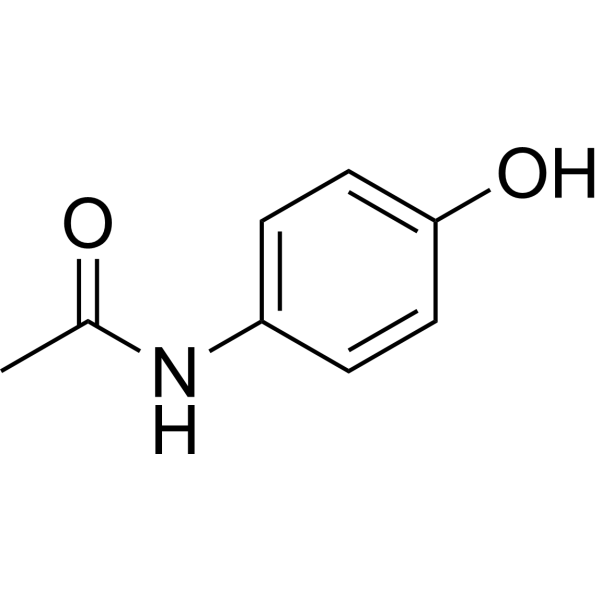
    Acetaminophen
    65+ Cited Publications

    Paracetamol; 4-Acetamidophenol; 4'-Hydroxyacetanilide

    Environmental Pollutants Endogenous Metabolite COX Histone Acetyltransferase Parasite Bacterial Ferroptosis Inflammation/Immunology Cancer
    Acetaminophen (Paracetamol) is a selective cyclooxygenase-2 (COX-2) inhibitor with an IC50 of 25.8 μM; is a widely used antipyretic and analgesic agent. . Acetaminophen is a potent hepatic N-acetyltransferase 2 (NAT2) inhibitor . Acetaminophen induces ferroptosis and leads to acute liver injury in mice model .
    Acetaminophen
  • HY-113402
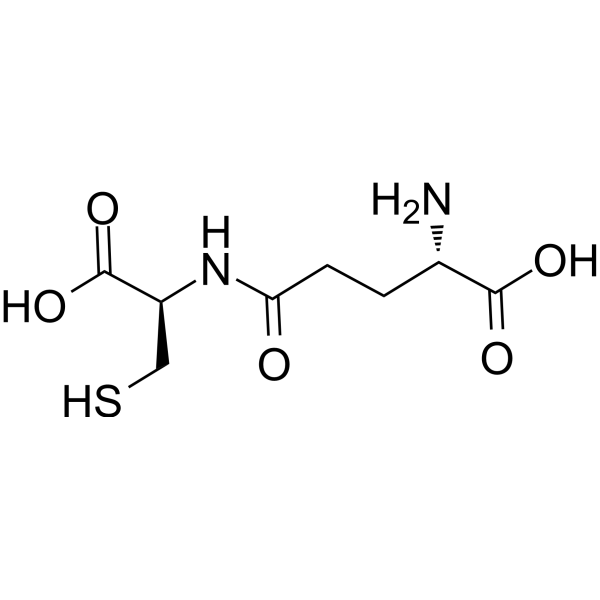
    Gamma-glutamylcysteine
    4 Publications Verification

    γ-Glu-Cys

    Endogenous Metabolite Interleukin Related TNF Receptor AMPK Sirtuin STAT PI3K NF-κB JAK p38 MAPK JNK Akt Apoptosis Ferroptosis Cardiovascular Disease Neurological Disease Inflammation/Immunology
    Gamma-glutamylcysteine (γ-Glu-Cys) is an orally active, blood-brain barrier permeable dipeptide . Gamma-glutamylcysteine activates AMPK, SIRT1, IL-4/STAT6, AC/cAMP/PI3K, IGF-1R/IRS1/PI3K, and Nrf2 signaling pathways; it inhibits NF-κB, JAK1/STAT1/3, MAPKs, cadmium-induced p38 MAPK, JNK, and PI3K/Akt signaling pathways. Gamma-glutamylcysteine regulates macrophage polarization, modulates the trafficking of CD36 and GLUT4, induces glutathione synthesis, improves metabolic dysfunction, reduces lipid deposition, ameliorates glucose homeostasis, inhibits apoptosis (Apoptosis), stabilizes mitochondria, suppresses lipid peroxidation, iron accumulation and ferroptosis (Ferroptosis), reduces ds-HMGB1 levels, reverses mechanical hyperalgesia, and alleviates hepatic lipid droplet formation. Gamma-glutamylcysteine is applicable to research related to inflammatory bowel disease, type 2 diabetes, cadmium-induced neurotoxicity, Alzheimer's disease, cerebral ischemia/reperfusion injury, neuropathy, and alcoholic liver disease .
    Gamma-glutamylcysteine
  • HY-42682
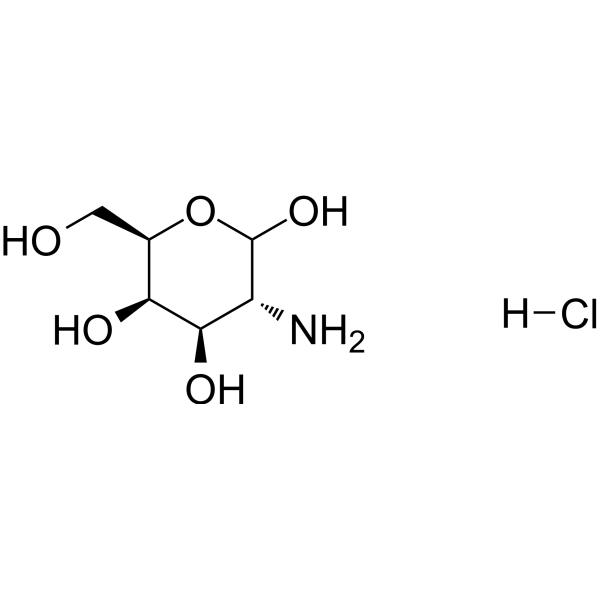
    D(+)-Galactosamine hydrochloride
    3 Publications Verification

    D-Galactosamine HCl

    Drug Derivative Inflammation/Immunology
    D(+)-Galactosamine (D-Galactosamine) hydrochloride, which is an established experimental toxin, primarily causes liver injury by the generation of free radicals and depletion of UTP nucleotides. D(+)-Galactosamine hydrochloride intoxication also induces renal dysfunction thus, renal failure is often associated with the end-stage of the liver damage. Lipopolysaccharide/D(+)-Galactosamine-induced acute liver injury is a known animal model of fulminant hepatic failure .
    D(+)-Galactosamine hydrochloride
  • HY-17464
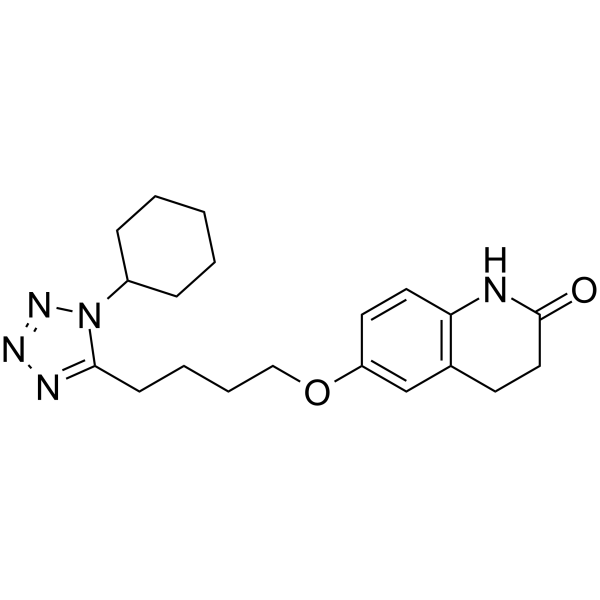
    Cilostazol
    5+ Cited Publications

    OPC 13013

    Phosphodiesterase (PDE) Autophagy Cardiovascular Disease Cancer
    Cilostazol (OPC 13013) is a potent and selective inhibitor of phosphodiesterase (PDE) 3A, the isoform of PDE 3 in the cardiovascular system, with an IC50 of 0.2 μM .
    Cilostazol
  • HY-108467
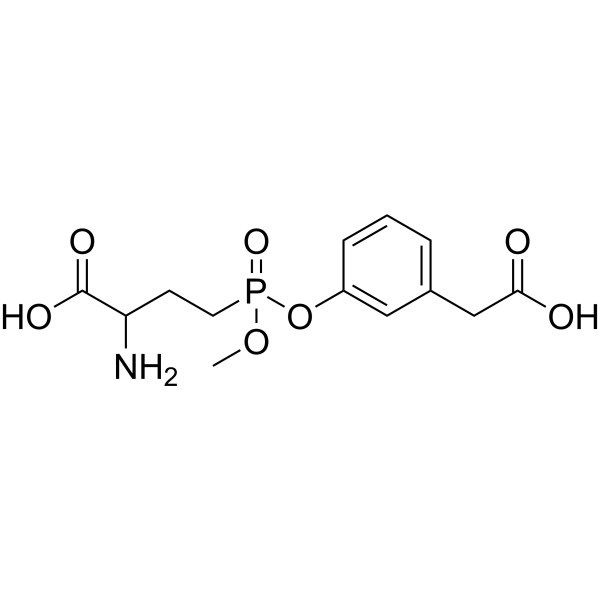
    GGsTop
    5+ Cited Publications

    Nahlsgen

    γ-Glutamyl Transferase (GGT) Cardiovascular Disease
    GGsTop (Nahlsgen) is a potent, non-toxic, highly selective and irreversible γ-GGT inhibitor, with a Ki of 170 μM for Human GGT. GGsTop shows a pKa of 9.71, also exhibits Kons of 150 and 51 M -1 s -1 against E.coli GGT and human GGT, respectively. GGsTop protects hepatic ischemia-reperfusion injury in rat model .
    GGsTop
  • HY-P1624
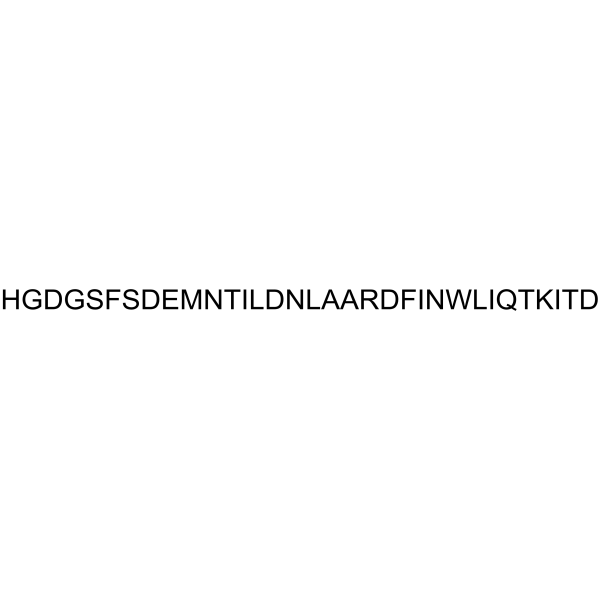
    Teduglutide
    2 Publications Verification

    ALX-0600

    Nuclear Hormone Receptor 4A/NR4A FXR Inflammation/Immunology
    Teduglutide (ALX-0600) is an analog of human glucagon like peptide-2 (GLP-2). Teduglutide can activate the expression of nuclear receptor subfamily 4 group a member 1 (NR4a1)/nur77 and intestinal FXR signaling in human hepatic stellate cells, thereby improving liver inflammation and fibrosis in mice with sclerosing cholangitis. Teduglutide can alleviate intestinal dysfunction in mice, improve lung injury, alleviate obesity related neuroinflammation and cell apoptosis .
    Teduglutide
  • HY-148013
    K284-6111
    1 Publications Verification

    Glycosidase Amyloid-β NF-κB COX ERK NO Synthase Interleukin Related Neurological Disease Inflammation/Immunology
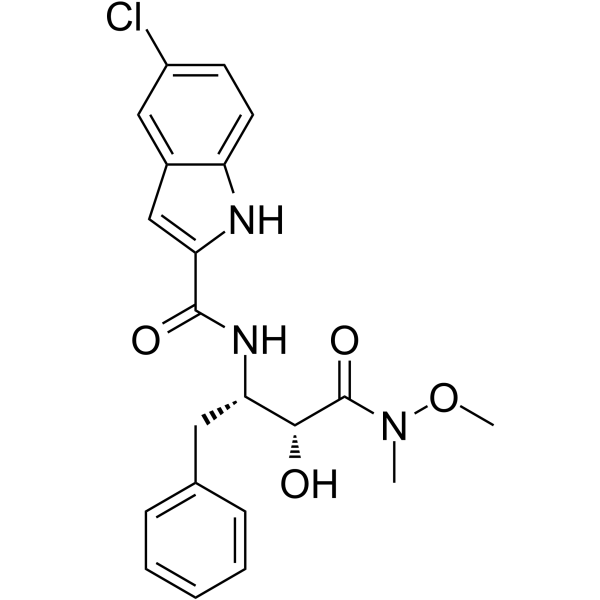
    K284-6111 is a high-affinity and orally active CHI3L1 inhibitor, and inhibits CHI3L1 expression. K284-6111 inhibits ERK and NF-κB pathway. K284-6111 suppresses nuclear translocation of p50 and p65, and phosphorylation of IκB. K284-6111 improves memory dysfunction by alleviating amyloidogenesis and neuroinflammation, with the reduction of inflammatory proteins (eg: iNOS, COX-2, GFAP, and Iba-1). K284-6111 reduces atopic-like skin inflammation and inhibits LPS (HY-D1056) -induced liver injury. K284-6111 can be used for the study of Alzheimer's diseases and sepsis like hepatic injury .
    K284-6111
  • HY-14668
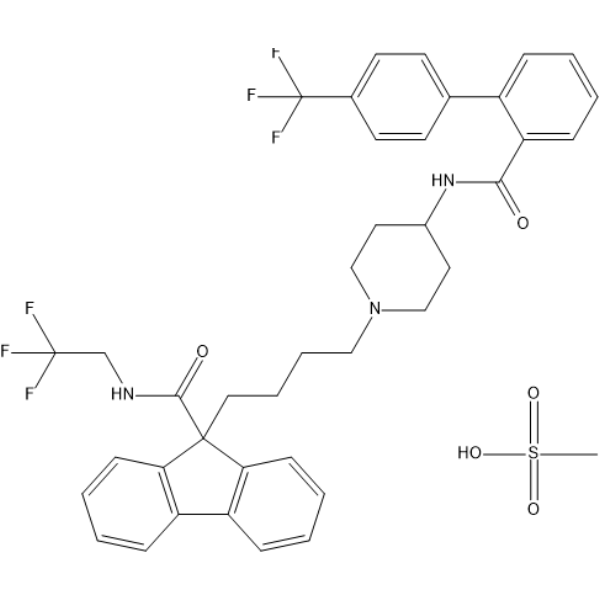
    Lomitapide mesylate
    5+ Cited Publications

    AEGR-733 mesylate; BMS-201038 mesylate

    Microsomal Triglyceride Transfer Protein (MTP) mTOR LDLR Autophagy Apoptosis Cardiovascular Disease Neurological Disease Metabolic Disease Cancer
    Lomitapide (AEGR-733; BMS-201038) mesylate is an orally active microsomal triglyceride transfer protein (MTP) inhibitor and a selective mTORC1 inhibitor with lipid-lowering activity and BBB permeability. Lomitapide mesylate significantly reduces plasma LDL levels by blocking the assembly and secretion of very-low-density lipoprotein (VLDL). Lomitapide mesylate inhibits mTORC1 in an ATP-dependent manner, thereby inducing AMPK-independent autophagic cell death and suppressing cancer cell growth and apoptosis. Lomitapide mesylate also enhances tumor infiltration of CD8 + T cells. In addition, Lomitapide mesylate inhibits HDAC, improves endothelial function, effectively alleviates vascular inflammation and oxidative stress, and exerts neuroprotective effects in a cerebral ischemia/reperfusion injury model. Lomitapide mesylate can be used in research on related diseases such as colorectal cancer, breast cancer, melanoma, ischemic stroke, and familial hypercholesterolemia .
    Lomitapide mesylate
  • HY-113402A
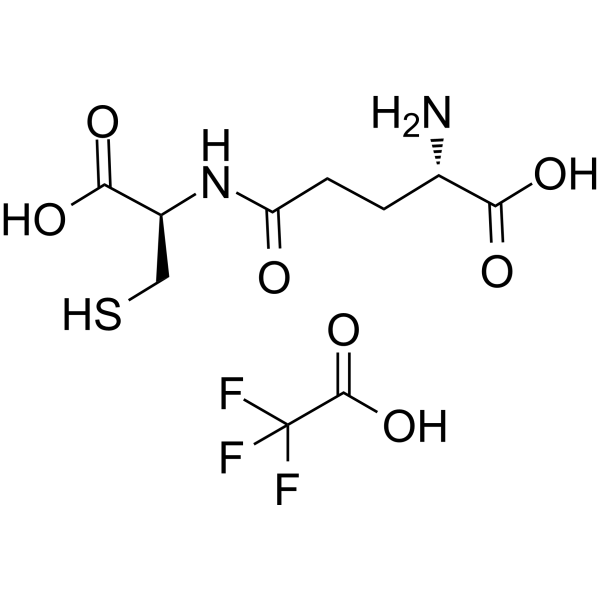
    Gamma-glutamylcysteine TFA
    4 Publications Verification

    γ-Glu-Cys TFA

    Interleukin Related TNF Receptor Endogenous Metabolite AMPK Sirtuin STAT PI3K NF-κB JAK p38 MAPK JNK Akt Apoptosis Ferroptosis Cardiovascular Disease Neurological Disease Inflammation/Immunology
    Gamma-glutamylcysteine TFA (γ-Glu-Cys TFA) is an orally active, blood-brain barrier permeable dipeptide . Gamma-glutamylcysteine TFA activates AMPK, SIRT1, IL-4/STAT6, AC/cAMP/PI3K, IGF-1R/IRS1/PI3K, and Nrf2 signaling pathways; it inhibits NF-κB, JAK1/STAT1/3, MAPKs, cadmium-induced p38 MAPK, JNK, and PI3K/Akt signaling pathways. Gamma-glutamylcysteine TFA regulates macrophage polarization, modulates the trafficking of CD36 and GLUT4, induces glutathione synthesis, improves metabolic dysfunction, reduces lipid deposition, ameliorates glucose homeostasis, inhibits apoptosis (Apoptosis), stabilizes mitochondria, suppresses lipid peroxidation, iron accumulation and ferroptosis (Ferroptosis), reduces ds-HMGB1 levels, reverses mechanical hyperalgesia, and alleviates hepatic lipid droplet formation. Gamma-glutamylcysteine TFA is applicable to research related to inflammatory bowel disease, type 2 diabetes, cadmium-induced neurotoxicity, Alzheimer's disease, cerebral ischemia/reperfusion injury, neuropathy, and alcoholic liver disease .
    Gamma-glutamylcysteine TFA
  • HY-N1990
    Gypenoside XLIX
    2 Publications Verification

    PPAR Sirtuin Keap1-Nrf2 Toll-like Receptor (TLR) NF-κB Reactive Oxygen Species (ROS) NOD-like Receptor (NLR) Apoptosis Pyroptosis Autophagy Cardiovascular Disease Neurological Disease Metabolic Disease Inflammation/Immunology
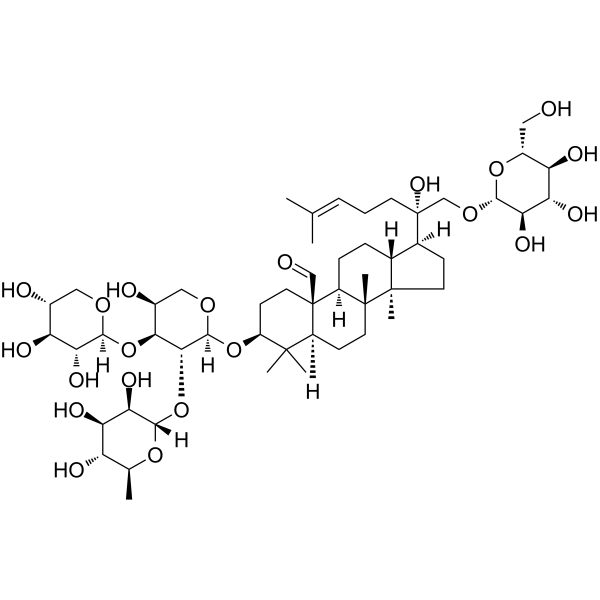
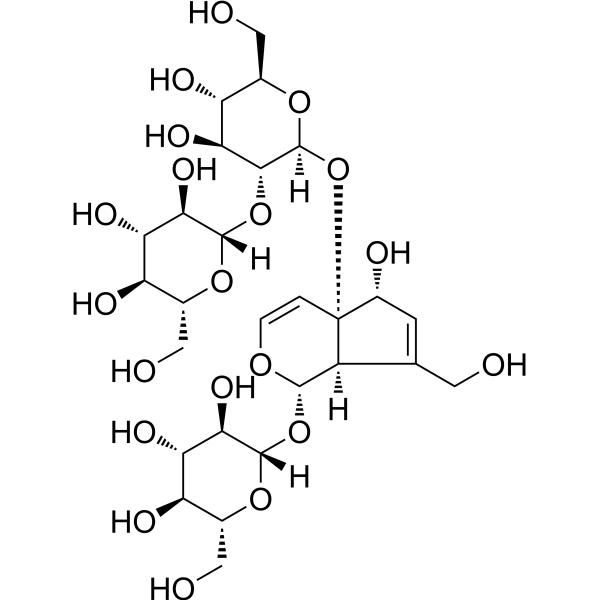
    Gypenoside XLIX is a multifunctional bioactive compound that can be isolated from Gynostemma pentaphyllum, with a Ka value of 1.58 μM for its binding to SIRT1. Gypenoside XLIX acts as a PPAR-α agonist. It inhibits the activation of TLR4-mediated NF-κB signaling pathway by activating the Sirt1/Nrf2 signaling pathway, reduces ROS accumulation, and alleviates hepatic inflammatory injury in mice with sepsis-induced liver disease. Gypenoside XLIX targets SIRT1 to block YAP-NLRP3 activation and improve sepsis-induced cardiomyopathy. Gypenoside XLIX inhibits apoptosis (Apoptosis), pyroptosis (Pyroptosis), autophagy (Autophagy), lipid peroxidation, pro-inflammatory cytokines and anti-inflammatory cytokines. Gypenoside XLIX alleviates sepsis-induced splenic injury by inhibiting inflammation and oxidative stress, and mitigates sepsis-associated encephalopathy by targeting PPAR-α. Gypenoside XLIX prevents acute kidney injury by inhibiting IGFBP7/IGF1R-mediated programmed cell death and inflammation. Gypenoside XLIX inhibits the expression and activity of vascular cell adhesion molecule-1 in cytokine-induced human endothelial cells. Gypenoside XLIX is applicable to research related to acute liver injury, lung injury, cardiomyopathy, acute splenic injury, sepsis-associated encephalopathy, acute kidney injury, atherosclerosis and chronic inflammation .
    Gypenoside XLIX
  • HY-B0378A

    RS-10085

    Angiotensin-converting Enzyme (ACE) Apoptosis Cardiovascular Disease
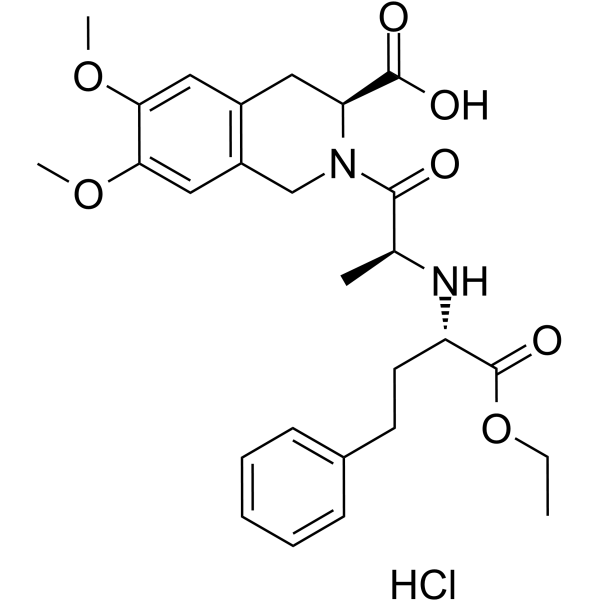
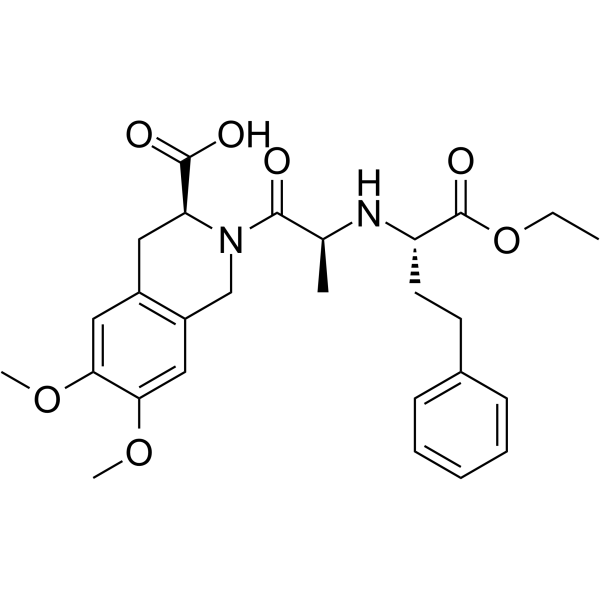
    Moexipril hydrochloride (RS-10085) is an orally active inhibitor of angiotensin-converting enzyme (ACE), and becomes effective by being hydrolyzed to moexiprila (hydrochloride). Moexipril hydrochloride exhibits antihypertensive and neuroprotective effects - .
    Moexipril hydrochloride
  • HY-W018587

    Mitochondrial Metabolism Cytochrome P450 TNF Receptor Interleukin Related HSP LDLR Eukaryotic Initiation Factor (eIF) ClpP Metabolic Disease Inflammation/Immunology
    TBPH is a brominated flame retardant. TBPH enhances hepatic steatosis, inflammation, and fibrosis in mice with nonalcoholic steatohepatitis (NASH). TBPH induces dysregulation of phospholipid metabolism, reducing cardiolipin (CL) and phosphatidylserine (PS) levels. TBPH leads to impaired endoplasmic reticulum-mitochondria (ER-Mito) contacts, subsequently causing mitochondrial dysfunction. TBPH induces lung injury through an inflammatory response mediated by mitochondria-derived ds-DNA. TBPH can be used to study the role of MFN2-mediated ER-mitochondria contacts in lipid metabolism homeostasis .
    TBPH
  • HY-13568

    LRCL 3794

    Cytochrome P450 COX Lipoxygenase PGE synthase Inflammation/Immunology
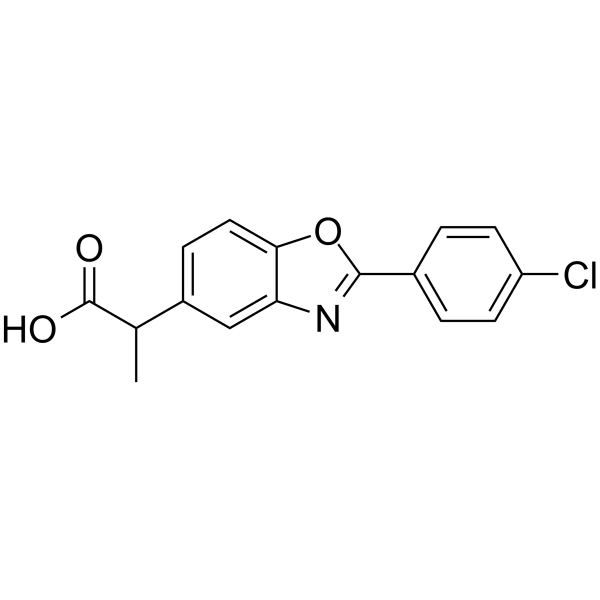
    Benoxaprofen (LRCL 3794) is a nonsteroidal anti-inflammatory agent that blocks the biosynthesis of inflammatory mediators such as leukotrienes and prostaglandins by inhibiting 5-LOX, PGH2 synthase and cytochrome P-450. Benoxaprofen exhibits significant toxicity: it not only alters cellular redox status, uncouples oxidative phosphorylation and disrupts calcium ion homeostasis, but also causes liver injury through the formation of covalent adducts between its active metabolites and hepatic proteins. Benoxaprofen shows strong phototoxicity under ultraviolet irradiation, and induces erythrocyte lysis, mast cell degranulation and histamine release. Benoxaprofen is widely used in studies of urticaria and related phototoxic mechanisms .
    Benoxaprofen
  • HY-19696B
    Tauroursodeoxycholate dihydrate
    Maximum Cited Publications
    104 Publications Verification

    Tauroursodeoxycholic acid dihydrate; TUDCA dihydrate; UR 906 dihydrate

    Caspase Apoptosis Endogenous Metabolite IRE1 NF-κB JNK Reactive Oxygen Species (ROS) Akt Neurological Disease Metabolic Disease Inflammation/Immunology
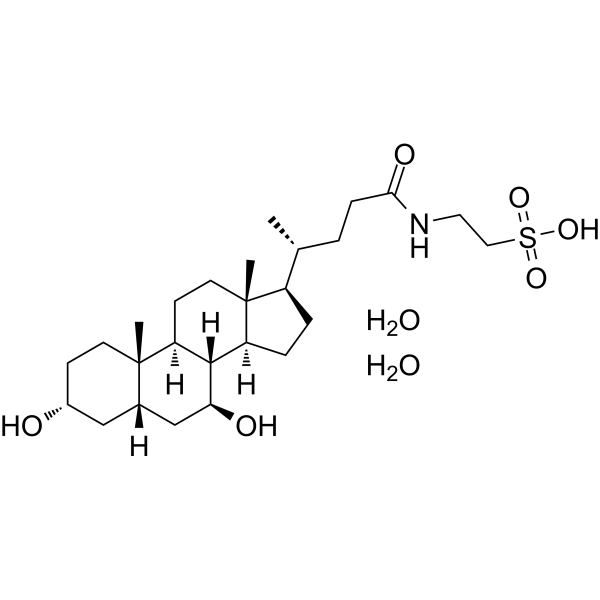
    Tauroursodeoxycholate dehydrate is an orally active taurine conjugate of Ursodeoxycholic acid (HY-13771). Tauroursodeoxycholate dehydrate inhibits caspase-3/7, Apoptosis, IRE1α/TRAF2/NF-κB, prevents JNK phosphorylation, inhibits ROS generation, and activates Akt signaling. Tauroursodeoxycholate dehydrate prevents cataract formation, reduces renal tubular damage in type 2 diabetic mice, reduces I/R injury in liver, and inhibits intestinal inflammation and barrier disruption in nonalcoholic fatty liver disease .
    Tauroursodeoxycholate dihydrate
  • HY-P3016A

    EC 2.6.1.1, porcine heart; GOT, porcine heart; AST, porcine heart

    Aminotransferases (Transaminases) Cardiovascular Disease
    Aspartate aminotransferase (EC 2.6.1.1), porcine heart is a metabolic regulator with the highest activity in the heart, liver and skeletal muscle. Aspartate aminotransferase, porcine heart comprises two isozymes: the cytoplasmic form (AST1) and the mitochondrial form (AST2). By catalyzing reversible transamination reactions between oxaloacetate, L-glutamate and other substances, it is deeply involved in key physiological processes such as amino acid metabolism, the tricarboxylic acid cycle and neurotransmitter synthesis. Aspartate aminotransferase, porcine heart also provides substrate support for the synthesis of urea and purines/pyrimidines. Aspartate aminotransferase, porcine heart is a serum marker reflecting cardiac and hepatic injury, and its abnormal levels are also closely associated with myocardial infarction, cardiovascular diseases and various cancers .
    Aspartate aminotransferase, porcine heart
  • HY-A0060

    NKK 105

    Lipoxygenase Cancer
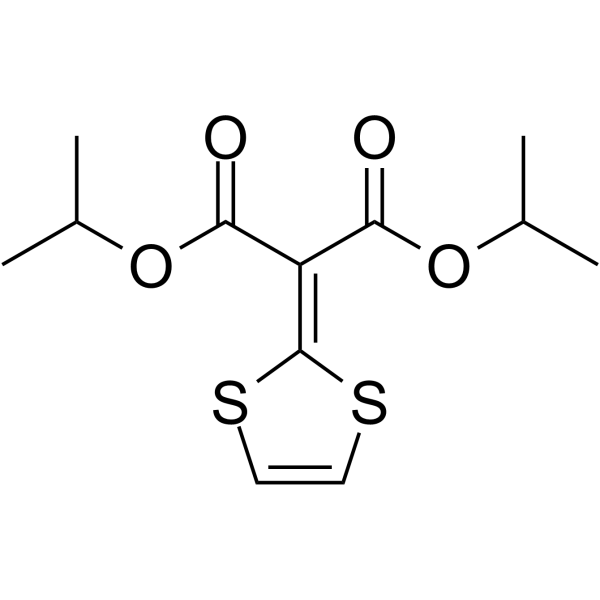
    Malotilate (NKK 105), an orally active hepatotropic agent and an anti-fibrotic substance, selectively inhibits the 5-lipoxygenase (5-LOX) (IC50=4.7 μM). Malotilate prevents the development of hepatocytic injury in alcohol-pyrazole hepatitis by decreasing hepatic acetaldehyde levels and preventing the retention of transferrin in the hepatocytes .
    Malotilate
  • HY-108615

    GPi 819

    Phosphorylase Cardiovascular Disease Neurological Disease Metabolic Disease
    CP-316819 (GPi 819) is a blood-brain barrier permeable glycogen phosphorylase inhibitor. CP-316819 inhibits hepatic glycogenolysis, safely reduces blood glucose in type 2 diabetes, and rarely induces hypoglycemia. CP-316819 increases brain glycogen reserves, protects neurons, alleviates hypoglycemic brain injury, and inhibits excessive platelet activation, exerting both neuroprotective and vasculoprotective effects. CP-316819 can be used in research related to hypoglycemia, thrombosis, autoimmune inflammatory diseases, and type 2 diabetes .
    CP-316819
  • HY-121246
    Fluorofenidone
    1 Publications Verification

    AKF-PD

    ACSL Family NF-κB ERK TGF-beta/Smad Inflammation/Immunology Cancer
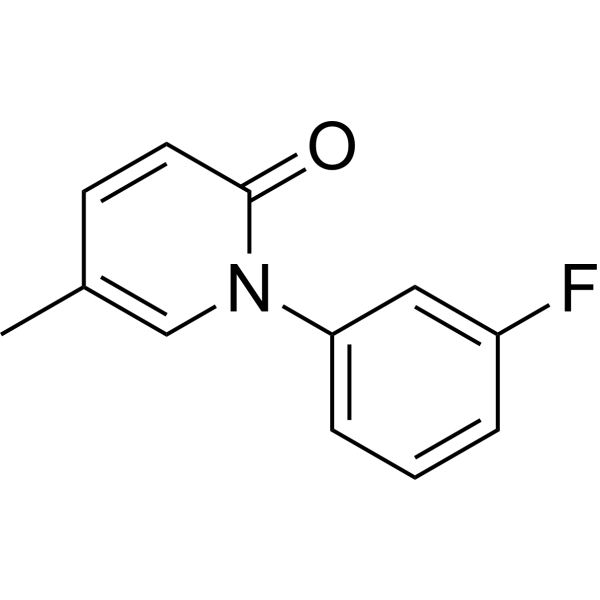
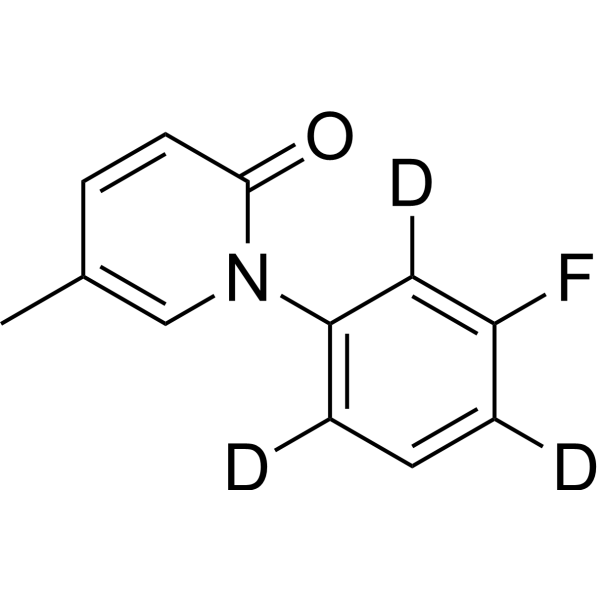
    Fluorofenidone (AKF-PD) is an orally active compound with anti-fibrotic, antioxidant, and anti-inflammatory pharmacological effects. Fluorofenidone downregulates the expression of ACSL4, upregulates GPX4 expression and inhibits the NF-κB signaling pathway to alleviate inflammation and fibrosis. Fluorofenidone ameliorates cholestasis and fibrosis by inhibiting hepatic Erk/-Egr-1 signaling and Tgfβ1/Smad pathway in mice. Fluorofenidone demonstrates protective effects against chronic lung injury in mice. Fluorofenidone can be used for the study of chronic obstructive pulmonary disease (COPD), pulmonary interstitial fibrosis (PIF) and non-small cell lung cancer (NSCLC) .
    Fluorofenidone
  • HY-N7543

    HIV Endothelin Receptor Infection Metabolic Disease
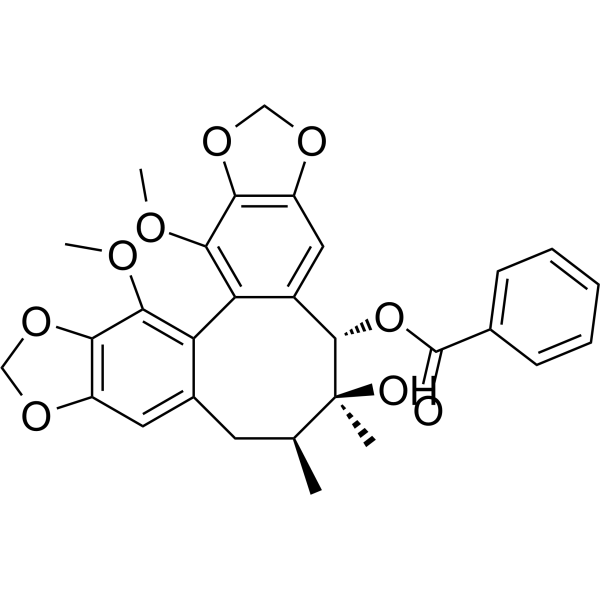
    Schisantherin D is a lignan. Schisantherin D can be isolated from Kadsura interior. Schisantherin D downregulates the expression of ETBR and inhibits the secretion of ECM and ET-1. Schisantherin D alleviates EtOH + ET-1-induced hepatocyte cytotoxicity. Schisantherin D potently inhibits HIV replication in cells .
    Schisantherin D
  • HY-N0912
    Rehmannioside D
    1 Publications Verification

    Sirtuin Apoptosis MDM-2/p53 Reactive Oxygen Species (ROS) Bcl-2 Family Caspase Metabolic Disease Inflammation/Immunology
    Rehmannioside D is an orally active Sirt7 modulator. Rehmannioside D upregulates Sirt7 expression, inhibits the level of acetylated p53, and blocks the activation of the p53 signaling pathway. Rehmannioside D alleviates liver injury, inflammatory response, collagen deposition and hepatocyte apoptosis. Rehmannioside D is applicable to research related to liver fibrosis .
    Rehmannioside D
  • HY-P3023

    Bacterial TNF Receptor Infection Metabolic Disease Inflammation/Immunology
    Mutanolysin is a bacteriolytic agent. Mutanolysin is a muralytic enzyme that can prevent hepatic injury. Mutanolysin can digest the cell wall of S. mutans BHT and shows antibacterial activity. Mutanolysin reduces TNF-α production in isolated Kupffer cells stimulated with peptidoglycan-polysaccharide (PG-APS). Mutanolysin can be used for the researches of infection, inflammation and hepatic injury .
    Mutanolysin
  • HY-N7905

    Others Inflammation/Immunology
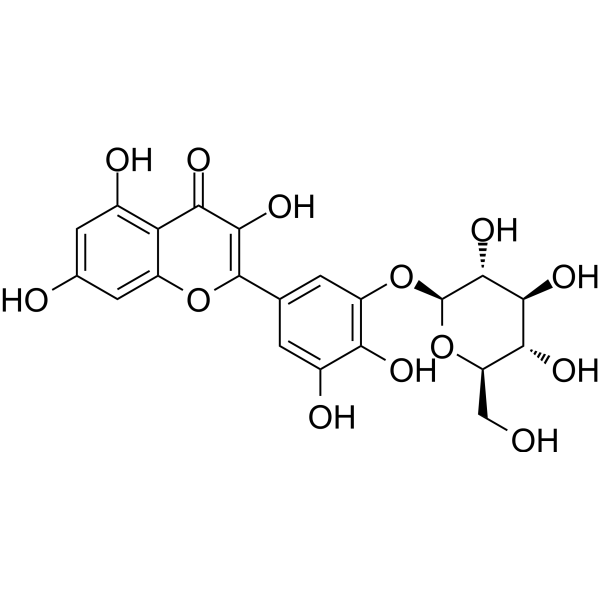
    Myricetin 3'-glucoside is a glycoside derivative of quercetin. Myricetin 3'-glucoside significantly prevents ethanol-induced hepatotoxicity by reducing hepatic transaminase activity and inflammatory response in HepG2 cells. Myricetin 3'-glucoside has a certain protective effect on alcohol-induced liver injury .
    Myricetin 3'-glucoside
  • HY-P3016

    EC 2.6.1.1; GOT; AST

    Aminotransferases (Transaminases) Cardiovascular Disease
    Aspartate aminotransferase (EC 2.6.1.1), Genetically engineered bacteria is a metabolic regulator with the highest activity in the heart, liver and skeletal muscle. Aspartate aminotransferase, Genetically engineered bacteria comprises two isozymes: the cytoplasmic form (AST1) and the mitochondrial form (AST2). By catalyzing reversible transamination reactions between oxaloacetate, L-glutamate and other substances, it is deeply involved in key physiological processes such as amino acid metabolism, the tricarboxylic acid cycle and neurotransmitter synthesis. Aspartate aminotransferase, Genetically engineered bacteria also provides substrate support for the synthesis of urea and purines/pyrimidines. Aspartate aminotransferase, Genetically engineered bacteria is a serum marker reflecting cardiac and hepatic injury, and its abnormal levels are also closely associated with myocardial infarction, cardiovascular diseases and various cancers .
    Aspartate aminotransferase, Genetically engineered bacteria
  • HY-N13250

    Apoptosis AMPK Elastase Bcl-2 Family Interleukin Related Caspase PI3K Akt SOD Cardiovascular Disease
    Hawthorn Extract is an orally active hawthorn extract. Hawthorn Extract decreases Bax expression and increases Bcl-2 expression in the aorta. Hawthorn Extract regulates the AMPK signaling pathway, induces apoptosis, enhances the hepatic antioxidant system, and ameliorates symptoms of liver injury, inflammation and cancer. Hawthorn Extract reduces plasma levels of pro-inflammatory factors, increases plasma levels of anti-inflammatory adiponectin, and alleviates atherosclerotic plaque lesions in the aorta. Hawthorn Extract improves symptoms associated with chronic heart failure . Hawthorn Extract inhibits FMLP-induced superoxide anion production, Elastase release, ILB4 generation and calcium signaling in neutrophils, and also reduces LPS-induced cytokine production in neutrophils. Hawthorn Extract induces autophagy and inhibits the proliferation of intestinal stem cells. Hawthorn Extract can be used in research related to atherosclerosis, hepatitis, alcoholic liver disease, non-alcoholic fatty liver disease, hepatocellular carcinoma, chronic heart failure and hypotension .
    Hawthorn Extract
  • HY-U00051

    Histamine Receptor Dopamine Receptor Neurological Disease
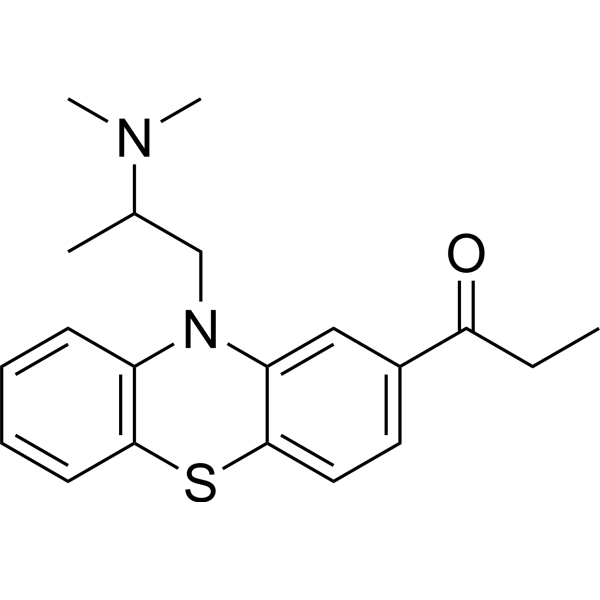
    Propiomazine is an orally active antihistamine agent. Propiomazine is a potent prolactin (PRL) release stimulant, whose effect depends on the antagonism of the dopaminergic system and can inhibit the secretion of luteinizing hormone (LH). Propiomazine is mainly used for anesthesia assistance, mental disorders and anxiety-induced sedation, and can also be used in research related to insomnia .
    Propiomazine
  • HY-N2082
    Isorhamnetin 3-O-galactoside
    1 Publications Verification

    Cacticin

    Thrombin COX ERK JNK Factor Xa Cardiovascular Disease Inflammation/Immunology
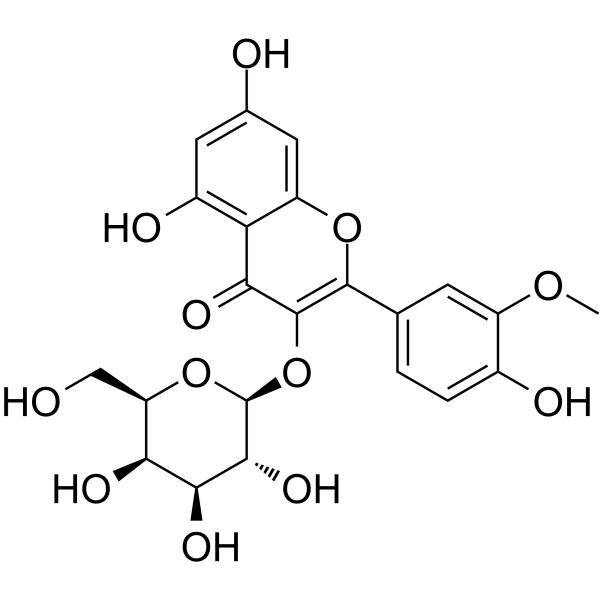
    Isorhamnetin 3-O-galactoside (Cacticin) is a flavonoid glycoside that can be isolated from Oenanthe javanica, with antithrombotic and profibrinolytic activities. Isorhamnetin 3-O-galactoside inhibits the activities of thrombin and factor Xa (FXa) and reduces thrombin-catalyzed fibrin polymerization maximum rate. Isorhamnetin 3-O-galactoside suppresses TNF-α-induced PAI-1 secretion, decreases the PAI-1/tissue-type plasminogen activator (t-PA) ratio, and inhibits FXa production and FVa/FXa-mediated thrombin generation. Isorhamnetin 3-O-galactoside exerts protective effects against Carbon tetrachloride (CCl4) (HY-Y0298)-induced hepatic injury in mice. Isorhamnetin 3-O-galactoside can be used for the study of liver injury-related diseases and thrombotic vascular diseases .
    Isorhamnetin 3-O-galactoside
  • HY-N0853A
    Alisol A 24-acetate
    1 Publications Verification

    Alisol A 24-monoacetate; Alisol A monoacetate

    AMPK Carnitine Palmitoyltransferase (CPT) Acyltransferase Fatty Acid Synthase (FASN) Acetyl-CoA Carboxylase Bcl-2 Family PPAR Nuclear Factor of activated T Cells (NFAT) PI3K Akt PKA ERK Apoptosis Autophagy Cardiovascular Disease Infection Neurological Disease Metabolic Disease Endocrinology

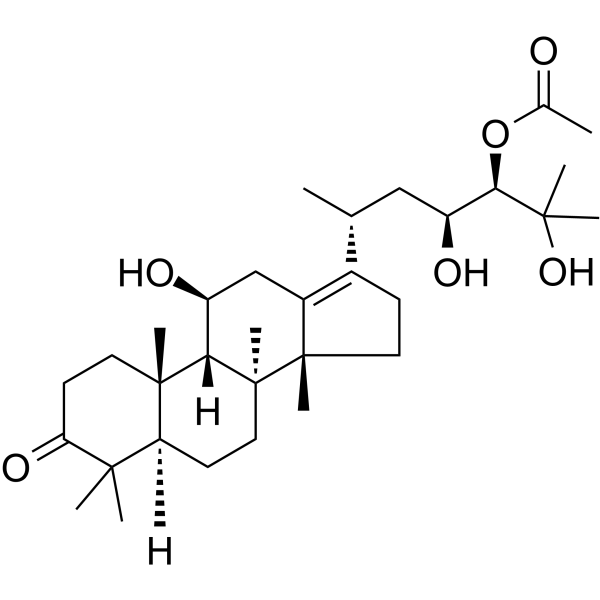
    Alisol A 24-acetate (Alisol A monoacetate) is an orally active derivative of protostane-type tetracyclic triterpenoid. Alisol A 24-acetate upregulates the expression of adiponectin, AMPKα, CPT1, and ACOX1; downregulates the expression of SREBP-1c, ACC, FAS, Bcl-2, Bcl-xl, PPAR-γ, perilipin A, and NFATc1; inhibits the activity of PI3K/Akt/mTOR and HMGR; and activates the PKA and ERK signaling pathways. Alisol A 24-acetate regulates cell apoptosis (apoptosis), autophagy (Autophagy, hepatic lipid accumulation, inflammatory response, neuroprotection, MRSA membrane integrity, and osteoclast differentiation. Alisol A 24-acetate can be used in research related to non-alcoholic fatty liver disease, nephrotoxicity, obesity, global cerebral ischemia-reperfusion injury, bacterial infection, and osteoporosis .
    Alisol A 24-acetate
  • HY-142026

    (+)-Vitisin A

    Caspase ERK NF-κB Influenza Virus PAK LDLR PPAR PCSK9 Androgen Receptor Keap1-Nrf2 Monoamine Oxidase Cholinesterase (ChE) IKK Wnt β-catenin Reactive Oxygen Species (ROS) Apoptosis Cuproptosis Infection Neurological Disease Metabolic Disease Inflammation/Immunology Cancer
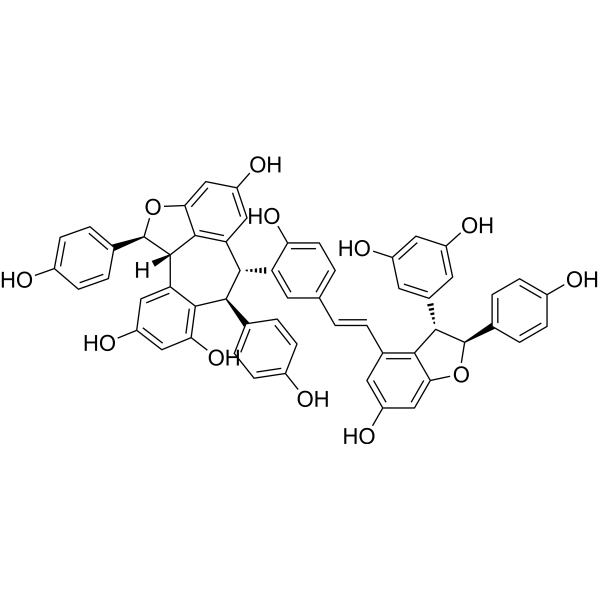
    Vitisin A ((+)-Vitisin A) is an orally active natural product with multiple pharmacological activities including anti-inflammatory, anti-tumor, anti-oxidant, anti-pathogenic microorganism, hypoglycemic and lipid-regulating, anti-osteoporotic, neuroprotective and cardiovascular protective effects. Vitisin A exhibits inhibitory effects on human AChE and MAO-B with IC50 values of 1.29 µM and 4.94 µM, respectively. Vitisin A inhibits the ERK, MAPK, NF-κB, STAT1, HMGCR and TRAF6 pathways, downregulates the related phosphorylation and protein expression, while activates the Nrf2/HO-1 pathway and upregulates p21 expression. Vitisin A induces tumor cell apoptosis and cell cycle arrest, inhibits adipogenesis and lipid accumulation, while alleviates oxidative stress, suppresses inflammatory responses, blocks hepatic fibrosis, Cuproptosis and cholesterol synthesis, and increases the expression levels of central BDNF and TrkB. Vitisin A can be used in the research of tumors, infectious diseases, metabolic diseases, bone and joint diseases, liver diseases, skin injuries, as well as neurodegenerative and cognitive dysfunction-related diseases .
    Vitisin A
  • HY-W996116

    Glutathione Peroxidase Cardiovascular Disease Neurological Disease Inflammation/Immunology
    AZM198 is an orally active myeloperoxidase (MPO) inhibitor. AZM198 irreversibly inactivates MPO (IC50=0.015 μM) via covalent binding to the heme prosthetic group, preferentially targets extracellular MPO activity, and reduces neutrophil extracellular trap formation, reactive oxygen species production and degranulation. AZM198 increases the fibrous cap thickness of atherosclerotic plaques, reduces lesion area, ameliorates hepatic steatosis and fibrosis in non-alcoholic steatohepatitis, and alleviates proteinuria and inflammatory infiltration associated with glomerulonephritis. AZM198 also decreases circulating levels of high-sensitivity Cardiac Troponin I and IL-1β, and mitigates endothelial cell injury. Therefore, AZM198 is suitable for research on various MPO-related diseases, including atherosclerotic cardiovascular disease, myocardial infarction, ischemic stroke, non-alcoholic steatohepatitis and crescentic glomerulonephritis .
    AZM198
  • HY-Y1269D

    Salmiac, for molecular biology

    TGF-beta/Smad Apoptosis Chloride Channel Neurological Disease Cancer
    Ammonium chloride (Salmiac), for molecular biology is an inhibitor of Slc26a4 and SMAD2. Ammonium chloride, for molecular biology reduces the protein expression level of Slc26a4 in lung tissue, and attenuates ozone-induced increases in proinflammatory cytokines, inflammatory cells, pulmonary resistance, goblet cell hyperplasia, peribronchial inflammation and thiocyanate levels in mouse tissues and bronchoalveolar lavage fluid. Ammonium chloride, for molecular biology decreases the level of phosphorylated SMAD2, inhibits autophagy by reducing autophagy-related proteins, and enhances Cisplatin (HY-17394)-induced cancer cell apoptosis and DNA double-strand breaks. Ammonium chloride, for molecular biology also inhibits the TCA cycle, reduces ATP production, increases glucose utilization, regulates the levels of lactic acid, glutamic acid and ATP, and induces morphological degeneration of neuroblastoma cells. Ammonium chloride, for molecular biology can be used in studies related to ozone-induced airway injury, hepatocellular carcinoma, human cervical cancer, hepatic encephalopathy, Reye syndrome, epilepsy and neurodegenerative diseases .
    Ammonium chloride, for molecular biology
  • HY-113402R

    γ-Glu-Cys (Standard)

    Reference Standards Endogenous Metabolite Interleukin Related TNF Receptor AMPK Sirtuin STAT PI3K NF-κB JAK p38 MAPK JNK Akt Apoptosis Ferroptosis Inflammation/Immunology
    Gamma-glutamylcysteine (Standard) is the analytical standard of Gamma-glutamylcysteine. This product is intended for research and analytical applications. Gamma-glutamylcysteine (γ-Glu-Cys) is an orally active, blood-brain barrier permeable dipeptide . Gamma-glutamylcysteine activates AMPK, SIRT1, IL-4/STAT6, AC/cAMP/PI3K, IGF-1R/IRS1/PI3K, and Nrf2 signaling pathways; it inhibits NF-κB, JAK1/STAT1/3, MAPKs, cadmium-induced p38 MAPK, JNK, and PI3K/Akt signaling pathways. Gamma-glutamylcysteine regulates macrophage polarization, modulates the trafficking of CD36 and GLUT4, induces glutathione synthesis, improves metabolic dysfunction, reduces lipid deposition, ameliorates glucose homeostasis, inhibits apoptosis (Apoptosis), stabilizes mitochondria, suppresses lipid peroxidation, iron accumulation and ferroptosis (Ferroptosis), reduces ds-HMGB1 levels, reverses mechanical hyperalgesia, and alleviates hepatic lipid droplet formation. Gamma-glutamylcysteine is applicable to research related to inflammatory bowel disease, type 2 diabetes, cadmium-induced neurotoxicity, Alzheimer's disease, cerebral ischemia/reperfusion injury, neuropathy, and alcoholic liver disease.
    Gamma-glutamylcysteine (Standard)
  • HY-42682R

    D-Galactosamine HCl (Standard)

    Reference Standards Inflammation/Immunology
    D(+)-Galactosamine (hydrochloride) (Standard) is the analytical standard of D(+)-Galactosamine (hydrochloride). This product is intended for research and analytical applications. D(+)-Galactosamine (D-Galactosamine) hydrochloride, which is an established experimental toxin, primarily causes liver injury by the generation of free radicals and depletion of UTP nucleotides. D(+)-Galactosamine hydrochloride intoxication also induces renal dysfunction thus, renal failure is often associated with the end-stage of the liver damage. Lipopolysaccharide/D(+)-Galactosamine-induced acute liver injury is a known animal model of fulminant hepatic failure .
    D(+)-Galactosamine hydrochloride (Standard)
  • HY-P10897

    Toll-like Receptor (TLR) NF-κB Cardiovascular Disease Inflammation/Immunology
    SjDX5-271 is a small 3 kDa peptide. SjDX5-271 inhibits the TLR4/MyD88/NF-κB signaling pathway. SjDX5-271 induces cell polarization. SjDX5-271 alleviats hepatic inflammation. SjDX5-271 protects mice against liver ischemia-reperfusion injury .
    SjDX5-271
  • HY-P3016B

    EC 2.6.1.1, Human liver; GOT, Human liver; AST, Human liver

    Aminotransferases (Transaminases) Cardiovascular Disease
    Aspartate aminotransferase (EC 2.6.1.1), Human liver is a metabolic regulator with the highest activity in the heart, liver and skeletal muscle. Aspartate aminotransferase, Human liver comprises two isozymes: the cytoplasmic form (AST1) and the mitochondrial form (AST2). By catalyzing reversible transamination reactions between oxaloacetate, L-glutamate and other substances, it is deeply involved in key physiological processes such as amino acid metabolism, the tricarboxylic acid cycle and neurotransmitter synthesis. Aspartate aminotransferase, Human liver also provides substrate support for the synthesis of urea and purines/pyrimidines. Aspartate aminotransferase, Human liver is a serum marker reflecting cardiac and hepatic injury, and its abnormal levels are also closely associated with myocardial infarction, cardiovascular diseases and various cancers .
    Aspartate aminotransferase, Human liver
  • HY-P1624S1

    ALX-0600-Leu(13C6,15N) sodium

    Isotope-Labeled Compounds Nuclear Hormone Receptor 4A/NR4A FXR Inflammation/Immunology
    Teduglutide-Leu( 13C6, 15N) (ALX-0600-Leu( 13C6, 15N)) sodium is the 13C- and 15N-labeled Teduglutide (HY-P1624). Teduglutide (ALX-0600) is an analog of human glucagon like peptide-2 (GLP-2). Teduglutide can activate the expression of nuclear receptor subfamily 4 group a member 1 (NR4a1)/nur77 and intestinal FXR signaling in human hepatic stellate cells, thereby improving liver inflammation and fibrosis in mice with sclerosing cholangitis. Teduglutide can alleviate intestinal dysfunction in mice, improve lung injury, alleviate obesity related neuroinflammation and cell apoptosis .
    Teduglutide-Leu(13C6,15N) sodium
  • HY-179473

    Dipeptidyl Peptidase NO Synthase Cardiovascular Disease Metabolic Disease
    MK-0626 is a selective, orally active DPP-4 inhibitor with an IC50 of 6.3 nM. MK-0626 increases endothelial nitric oxide synthetase expression. MK-0626 improves neovascularization, attenuates hepatic steatosis, attenuates pancreatic islet injury. MK-0626 can be used in the research of diabetes and non-alcoholic fatty liver disease .
    MK-0626
  • HY-P1624A

    ALX-0600 TFA

    Nuclear Hormone Receptor 4A/NR4A FXR Inflammation/Immunology
    Teduglutide TFA is a dipeptidyl peptidase IV resistant glucagon-like peptide 2 (GLP-2) analogue. Teduglutide TFA can activate the expression of nuclear receptor subfamily 4 group a member 1 (NR4a1)/nur77 and intestinal FXR signaling in human hepatic stellate cells, thereby improving liver inflammation and fibrosis in mice with sclerosing cholangitis. Teduglutide TFA can alleviate intestinal dysfunction in mice, improve lung injury, alleviate obesity related neuroinflammation and cell apoptosis .
    Teduglutide TFA
  • HY-117281

    Angiotensin-converting Enzyme (ACE) Apoptosis Cardiovascular Disease Neurological Disease
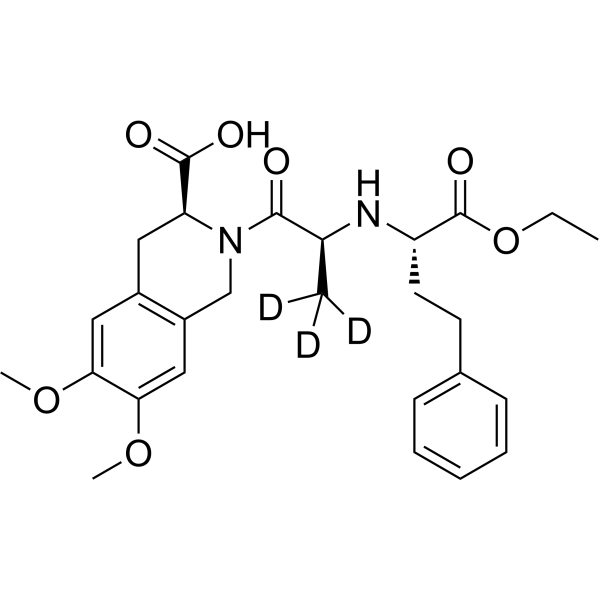
    Moexipril is an orally active inhibitor of angiotensin-converting enzyme (ACE), and becomes effective by being hydrolyzed to moexiprila (hydrochloride). Moexipril exhibits antihypertensive and neuroprotective effects - .
    Moexipril
  • HY-113402AR

    γ-Glu-Cys TFA (Standard)

    Interleukin Related TNF Receptor Endogenous Metabolite Reference Standards AMPK Sirtuin STAT PI3K NF-κB JAK p38 MAPK JNK Akt Apoptosis Ferroptosis Cardiovascular Disease Neurological Disease Inflammation/Immunology
    Gamma-glutamylcysteine (TFA) (Standard) is the analytical standard of Gamma-glutamylcysteine (TFA). This product is intended for research and analytical applications. Gamma-glutamylcysteine TFA (γ-Glu-Cys TFA) is an orally active, blood-brain barrier permeable dipeptide . Gamma-glutamylcysteine TFA activates AMPK, SIRT1, IL-4/STAT6, AC/cAMP/PI3K, IGF-1R/IRS1/PI3K, and Nrf2 signaling pathways; it inhibits NF-κB, JAK1/STAT1/3, MAPKs, cadmium-induced p38 MAPK, JNK, and PI3K/Akt signaling pathways. Gamma-glutamylcysteine TFA regulates macrophage polarization, modulates the trafficking of CD36 and GLUT4, induces glutathione synthesis, improves metabolic dysfunction, reduces lipid deposition, ameliorates glucose homeostasis, inhibits apoptosis (Apoptosis), stabilizes mitochondria, suppresses lipid peroxidation, iron accumulation and ferroptosis (Ferroptosis), reduces ds-HMGB1 levels, reverses mechanical hyperalgesia, and alleviates hepatic lipid droplet formation. Gamma-glutamylcysteine TFA is applicable to research related to inflammatory bowel disease, type 2 diabetes, cadmium-induced neurotoxicity, Alzheimer's disease, cerebral ischemia/reperfusion injury, neuropathy, and alcoholic liver disease.
    Gamma-glutamylcysteine TFA (Standard)
  • HY-N2109R

    Reference Standards Others Metabolic Disease
    Macranthoidin A (Standard) is the analytical standard of Macranthoidin A. This product is intended for research and analytical applications. Macranthoidin A is an orally active saponin from Flos Lonicerae. Macranthoidin A possess protection effects on hepatic injury caused by Acetaminophen, Cd, and CCl4, and conspicuous depressant effects on swelling of ear croton oil .
    Macranthoidin A (Standard)
  • HY-106417

    SA 3443

    Phosphatase Aminotransferases (Transaminases) Metabolic Disease
    Limazocic (SA 3443) is an orally active hepatoprotective agent. Limazocic can inhibit increases in serum transaminase, alkaline phosphatase activity and hepatic lipids, hydroxyproline content induced by CCl4. Limazocic can decrease the degree of hepatic necrosis, fibrosis and steatosis. Limazocic can be used for the research of chronic liver injuries .
    Limazocic
  • HY-17464R

    OPC 13013 (Standard)

    Reference Standards Phosphodiesterase (PDE) Autophagy Cardiovascular Disease Cancer
    Cilostazol (Standard) is the analytical standard of Cilostazol. This product is intended for research and analytical applications. Cilostazol (OPC 13013) is a potent and selective inhibitor of phosphodiesterase (PDE) 3A, the isoform of PDE 3 in the cardiovascular system, with an IC50 of 0.2 μM .
    Cilostazol (Standard)
  • HY-W027126

    Apoptosis Metabolic Disease
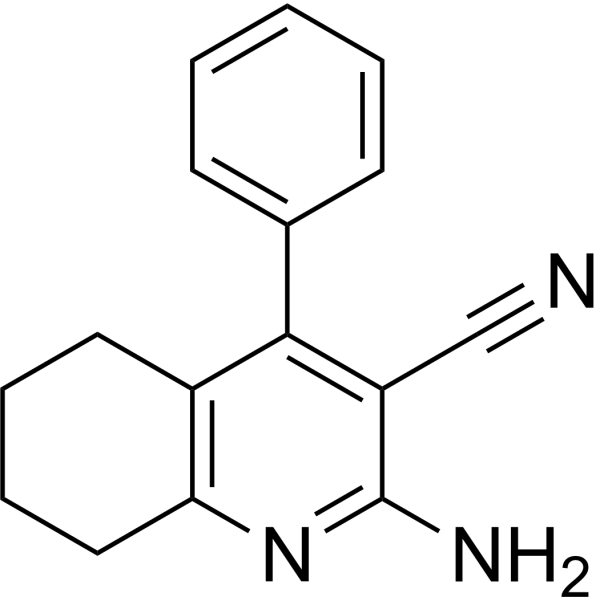
    Hepatoprotective agent-2 (compound 2a), a 4-phenyl-tetrahydroquinoline derivative, displays a remarkable hepatoprotective effect. Hepatoprotective agent-2 has antiapoptotic activity. Hepatoprotective agent-2 notably prevents the chemically induced elevation of hepatic indicators associated with liver injury .
    Hepatoprotective agent-2
  • HY-125350

    Tyrphostin AG1290

    c-Met/HGFR Metabolic Disease
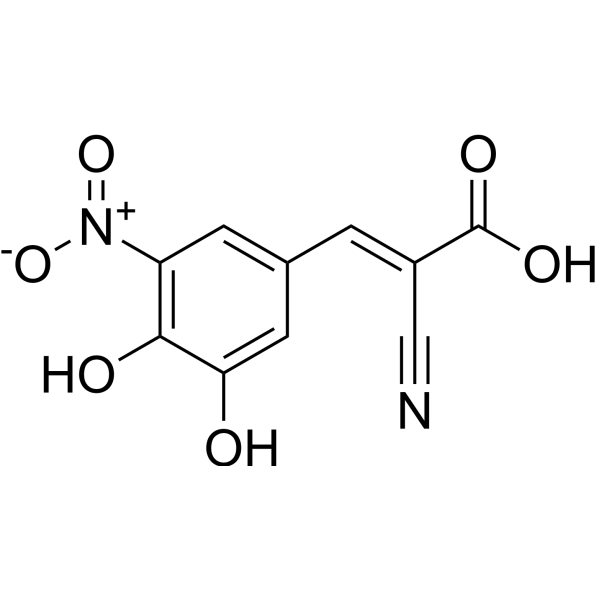
    Entacapone acid (Tyrphostin AG1290) is a tyrosine kinase inhibitor. Entacapone acid reduces hepatic protein synthesis rate (HPS) in vivo .
    Entacapone acid
  • HY-U00051A

    Histamine Receptor Neurological Disease
    Propiomazine hydrochloride is an orally active antihistamine agent. Propiomazine hydrochloride is a potent prolactin (PRL) release stimulant, whose effect depends on the antagonism of the dopaminergic system and can inhibit the secretion of luteinizing hormone (LH). Propiomazine hydrochloride is mainly used for anesthesia assistance, mental disorders and anxiety-induced sedation, and can also be used in research related to insomnia .
    Propiomazine hydrochloride
  • HY-P3148

    p62 Atg8/LC3 Apoptosis Autophagy Reactive Oxygen Species (ROS) JNK Bcl-2 Family Caspase Metabolic Disease
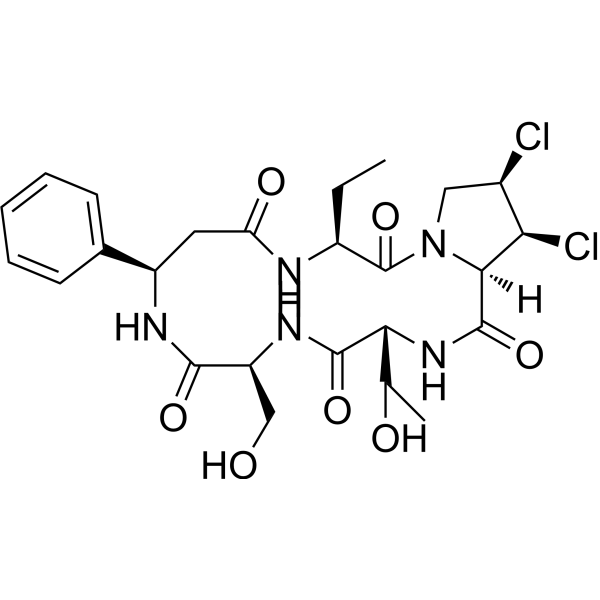
    Astin B is a orally active and potent cyclic pentapeptide, that can be isolated from Aster tataricus. Astin B has hepatotoxic effects in vitro and in vivo and that hepatic injury was primarily mediated by apoptosis in a mitochondria/caspase-dependent manner. Astin B induces autophagy in L-02 cells, increases LC3-II and decreases p62 expression .
    Astin B
  • HY-A0060R

    NKK 105 (Standard)

    Lipoxygenase Reference Standards Cancer
    Malotilate (Standard) is the analytical standard of Malotilate. This product is intended for research and analytical applications. Malotilate (NKK 105), an orally active hepatotropic agent and an anti-fibrotic substance, selectively inhibits the 5-lipoxygenase (5-LOX) (IC50=4.7 μM). Malotilate prevents the development of hepatocytic injury in alcohol-pyrazole hepatitis by decreasing hepatic acetaldehyde levels and preventing the retention of transferrin in the hepatocytes .
    Malotilate (Standard)
  • HY-108467R

    Nahlsgen (Standard)

    γ-Glutamyl Transferase (GGT) Reference Standards Cardiovascular Disease
    GGsTop (Standard) is the analytical standard of GGsTop. This product is intended for research and analytical applications. GGsTop (Nahlsgen) is a potent, non-toxic, highly selective and irreversible γ-GGT inhibitor, with a Ki of 170 μM for Human GGT. GGsTop shows a pKa of 9.71, also exhibits Kons of 150 and 51 M-1 s-1 against E.coli GGT and human GGT, respectively. GGsTop protects hepatic ischemia-reperfusion injury in rat model .
    GGsTop (Standard)
  • HY-P10897A

    Toll-like Receptor (TLR) NF-κB Cardiovascular Disease Inflammation/Immunology
    SjDX5-271v is a negative control of SjDX5-271 (HY-P10897). SjDX5-271 is a small 3 kDa peptide. SjDX5-271 inhibits the TLR4/MyD88/NF-κB signaling pathway. SjDX5-271 induces cell polarization. SjDX5-271 alleviats hepatic inflammation. SjDX5-271 protects mice against liver ischemia-reperfusion injury .
    SjDX5-271v
  • HY-121246R

    ACSL Family Reference Standards NF-κB ERK TGF-beta/Smad Inflammation/Immunology
    Fluorofenidone (Standard) is the analytical standard of Fluorofenidone (AKF-PD) (HY-121246). This product is intended for research and analytical applications. Fluorofenidone is an orally active compound with anti-fibrotic, antioxidant, and anti-inflammatory pharmacological effects. Fluorofenidone downregulates the expression of ACSL4, upregulates GPX4 expression and inhibits the NF-κB signaling pathway to alleviate inflammation and fibrosis. Fluorofenidone ameliorates cholestasis and fibrosis by inhibiting hepatic Erk/-Egr-1 signaling and Tgfβ1/Smad pathway in mice. Fluorofenidone demonstrates protective effects against chronic lung injury in mice. Fluorofenidone can be used for the study of chronic obstructive pulmonary disease (COPD), pulmonary interstitial fibrosis (PIF) and non-small cell lung cancer (NSCLC) .
    Fluorofenidone (Standard)

Inquiry Online

Your information is safe with us. * Required Fields.

Salutation


Country or Region *

Applicant Name *


Organization Name *

Department *


Email Address *


Product Name *

Cat. No.


Requested quantity *

Phone Number *


Remarks

Inquiry Online

Inquiry Information

Product Name:
Cat. No.:
Quantity:
MCE Japan Authorized Agent: