Search Result
Results for "
human breast cancer MCF-7 cells
" in MedChemExpress (MCE) Product Catalog:
| Cat. No. |
Product Name |
Target |
Research Areas |
Chemical Structure |
-
- HY-119358
-
|
|
Reactive Oxygen Species (ROS)
Apoptosis
|
Cardiovascular Disease
Inflammation/Immunology
|
|
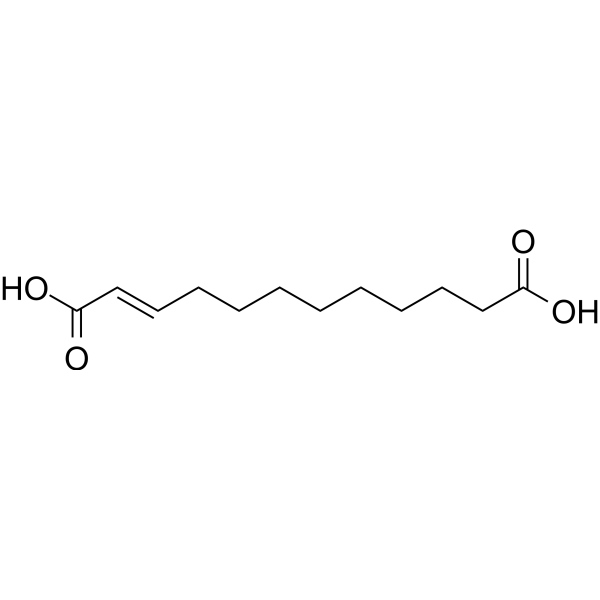
Traumatic Acid is a wound healing agent and a cytokinin (phytohormone). Traumatic Acid enhances the biosynthesis of collagen in cultured human skin fibroblasts. Traumatic Acid inhibits MCF-7 breast cancer cells viability and enhances apoptosis and oxidative stress. Traumatic Acid can be used in studies of cancer, circulatory disorders (including arterial hypertension), and skin diseases associated with oxidative stress and impaired collagen biosynthesis .
|
-
-
- HY-133668
-
|
|
Drug Metabolite
Cytochrome P450
PPAR
|
Endocrinology
Cancer
|
|
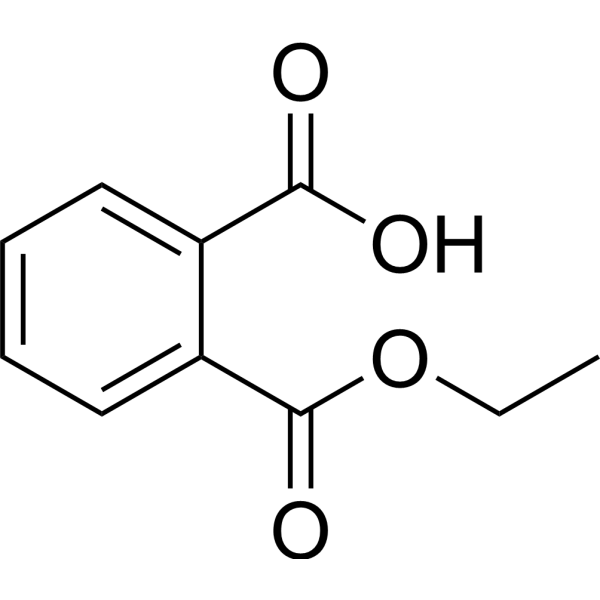
Monoethyl phthalate is an orally active PDX-1 activator and the major hydrolytic metabolite of Diethyl phthalate (HY-Y0284) in vivo, with reproductive toxicity. Monoethyl phthalate targets aromatase (aromatase/CYP19A1) and PPAR to induce cell proliferation. The plasma protein binding rate of Monoethyl phthalate in rats and humans is lower than that of Diethyl phthalate. It exhibits significant enterohepatic circulation in rats and mainly accumulates in liver tissues. Monoethyl phthalate shows no estrogenic activity in estrogen-dependent human breast cancer cells. Monoethyl phthalate can be used in studies of reproductive toxicity and related environmental endocrine disruption mechanisms .
|
-
-
- HY-175465
-
|
|
Interleukin Related
STAT
|
Cancer
|
|
SMI-10B13 is an Oncostatin M (OSM) inhibitor with a KD of 6.6 μM. SMI-10B13 inhibits OSM-mediated STAT3 phosphorylation in T47D and MCF-7 cell lines (IC50 = 136 and 164 nM, respectively). SMI-10B13 shows anti-tumor effect in human breast cancer mice models .
|
-

-
- HY-153468
-
|
TEQ103; Sera2
|
Sodium Channel
TRP Channel
|
Cancer
|
|
ErSO-TFPy (TEQ103) is an ERα+ tumor cell inhibitor with low nanomolar cytotoxic activity against ERα+ breast cancer cells. ErSO-TFPy activates the sodium channel TRPM4, causes an imbalance of intracellular calcium and sodium ions. ErSO-TFPy dysregulates calcium homeostasis in ERα+ tumor cells, triggers the anticipatory unfolded protein response, and induces rapid immune cell-independent necrotic cell death. ErSO-TFPy can be used for the research of estrogen receptor alpha positive breast cancer .
|
-

-
- HY-108964
-
-
-
- HY-N12586
-
|
|
ERK
Reactive Oxygen Species (ROS)
COX
PGE synthase
STAT
HCV
HCV Protease
|
Infection
Neurological Disease
Cancer
|
|
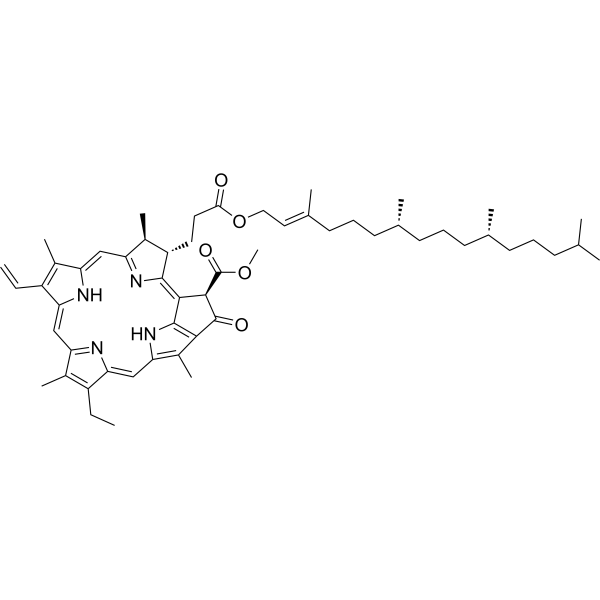
Pheophytin a is a multi-target inhibitor, anticancer agent, antioxidant and antiviral agent. Pheophytin a directly binds to and inhibits HCV-NS3/4A protease (IC50=0.89 μM) to block viral replication. Pheophytin a also scavenges free radicals, reduces ferric ions, and exhibits cytotoxic activity against breast cancer cells. Pheophytin a effectively inhibits LPS-induced production of nitric oxide, prostaglandin E2, NOS2 and COX-2, as well as various pro-inflammatory cytokines, by downregulating the transcription levels of inflammatory mediators and blocking the ERK1/2 and STAT-1 pathways. In a low nerve growth factor environment, Pheophytin a also enhances ERK1/2 phosphorylation and synergistically promotes neurite outgrowth through MAPK pathway. Pheophytin a can be used to investigate the pathogenic mechanisms of diseases including chronic hepatitis C, sepsis, breast cancer and Alzheimer's disease .
|
-
-
- HY-108638
-
|
XI-011 hydrochloride
|
MDM-2/p53
Apoptosis
PARP
|
Cancer
|
|
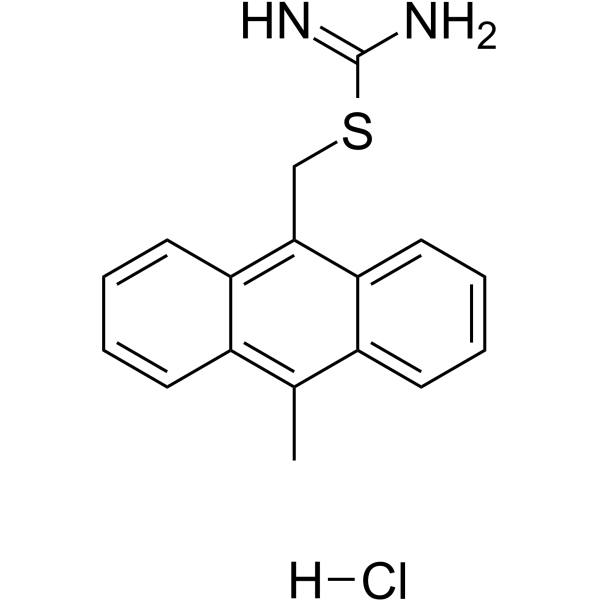
NSC 146109 hydrochloride (XI-011 hydrochloride) is a p53 activator and MDMX inhibitor. NSC 146109 hydrochloride inhibits MDMX gene transcription, downregulates MDMX mRNA and protein levels, stabilizes p53 and activates the transcriptional activity of p53. NSC 146109 hydrochloride induces cancer cell apoptosis (apoptosis) and inhibits the growth of transformed cells. NSC 146109 hydrochloride inhibits the growth of xenograft tumors. NSC 146109 hydrochloride can be used in research related to breast cancer and cervical cancer .
|
-
-
- HY-N1983
-
|
|
Apoptosis
Autophagy
Reactive Oxygen Species (ROS)
Mitochondrial Metabolism
PARP
Caspase
Bcl-2 Family
VEGFR
FAK
WDR5
p38 MAPK
JNK
PPAR
|
Neurological Disease
Inflammation/Immunology
Cancer
|
|
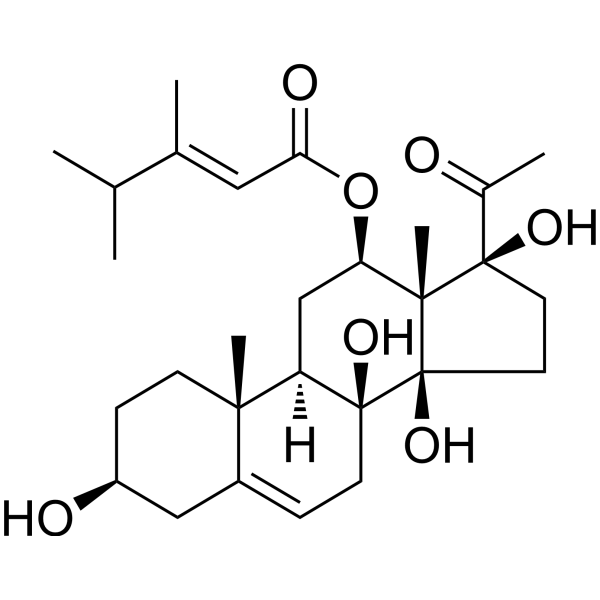
Caudatin is an orally active and brain-penetrant C-21 steroidal found in Cynanchum bungei decne with a variety of biological activities. Caudatin can inhibit cell proliferation, migration, invasion, cause cell phase arrest, induce apoptosis, autophagy, ROS prodution and loss of mitochondrial membrane potential. Caudatin activates PARP, caspase-3, -7, -9, upregulates pro-apoptotic Bad and Bax and downregulates anti-apoptotic Bcl-2 and Bcl-XL. Caudatin suppresses VEGF, FAK phosphorylation, upregulates p21, p27, DR5 protein expression, activates the p38 MAPK, JNK and PPARα/TFEB-mediated autophagy-lysosomal signaling pathways. Caudatin can be used for the research of cancer, inflammation and neurological disease, such as glioma and Alzheimer's disease .
|
-
-
- HY-112589
-
|
|
Bacterial
|
Infection
Cancer
|
|
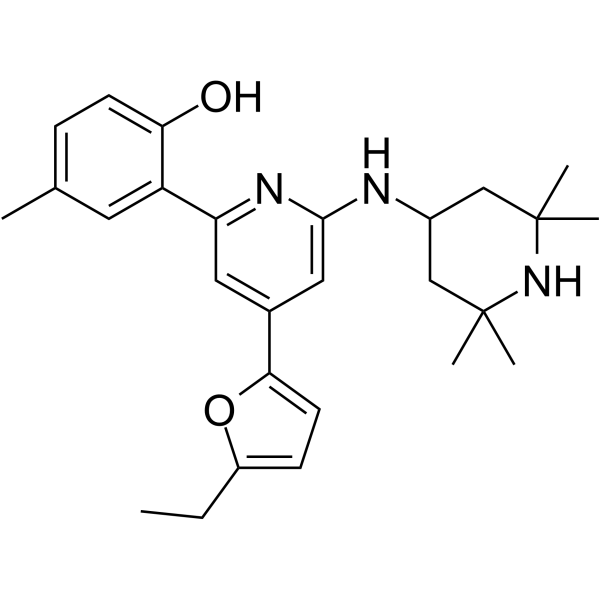
BRITE-338733 is an inhibitor of E. coli RecA ATPase activity (IC50: 4.7 μM). BRITE-338733 also inhibits the ATP hydrolysis activity of RSC chromatin remodeling enzyme by binding to its ATP-binding pocket and DNA (IC50: 0.316 μM). BRITE-338733 exhibits cytotoxicity against MCF-7 and MDA-MB-231 breast cancer cells. BRITE-338733 can be used in studies on antibacterial adjuvants and anticancer research .
|
-
-
- HY-B1309
-
|
AMAP
|
Drug Derivative
Mitochondrial Metabolism
|
Infection
Cancer
|
|
Metacetamol (AMAP) is an analog of Acetaminophen (HY-66005). Metacetamol induces dose-dependent necrosis in primary hepatocytes via glutathione depletion, mitochondrial damage, and formation of mitochondrial protein adducts. Metacetamol derivatives act as anticancer and antibacterial agents. Metacetamol can be used in studies related to breast cancer, bacterial infections, and fungal infections (candidiasis) .
|
-

-
- HY-N0435
-
|
|
DNA/RNA Synthesis
|
Cancer
|
|
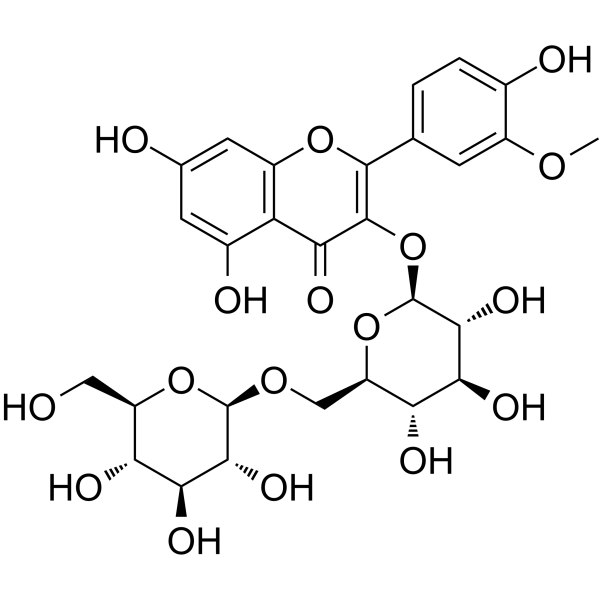
Isorhamnetin 3-gentiobioside is a flavonoid with activity of promoting cancer cell proliferation. Isorhamnetin 3-gentiobioside is an activator of DNA synthesis in MCF-7 human breast cancer cells with an EC50 of 3.1 μg/mL. Isorhamnetin 3-gentiobioside exhibits ABTS radical scavenging activity with an IC50 of 33.43 μg/mL. The compound can be used to study the bidirectional regulatory mechanism of cancer .
|
-
-
- HY-N6005
-
|
|
Bacterial
Fungal
Apoptosis
Bcl-2 Family
|
Infection
Metabolic Disease
Cancer
|
|
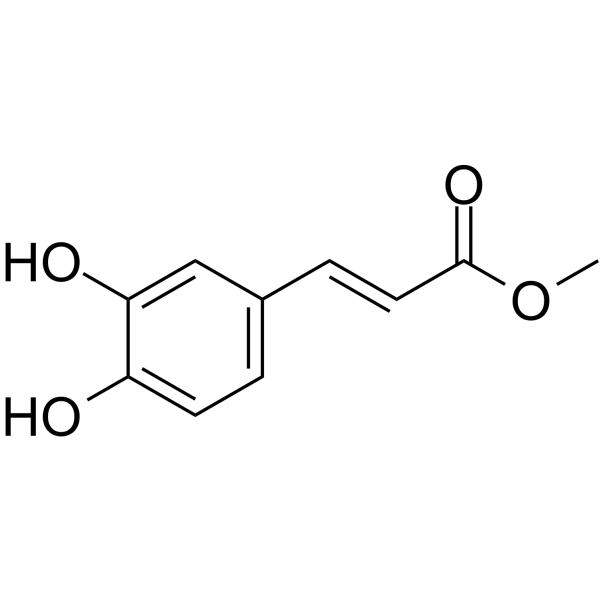
Methyl caffeate is a phenylpropanoid, antibacterial agent, and Apoptosis-inducing agent. Methyl caffeate can be isolated from the flowers of peach Prunus persica (L.). Methyl caffeate upregulates the expression of pro-apoptotic proteins Bid, Bax and p53, and downregulates the expression of anti-apoptotic protein BCL-2. Methyl caffeate downregulates SASP factors. Methyl caffeate enhances glucose-stimulated insulin secretion. Methyl caffeate inhibits the growth of Gram-positive bacteria, Gram-negative bacteria, fungi, and Mycobacterium tuberculosis strains. Methyl caffeate can be used in studies related to breast cancer, type 2 diabetes, and tuberculosis .
|
-
-
- HY-N6990
-
|
|
Others
|
Cancer
|
|
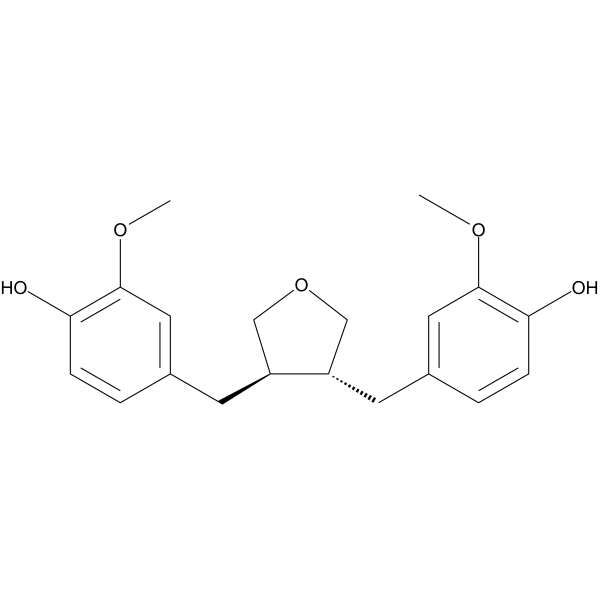
Anhydrosecoisolariciresinol is from the flower of Wedelia biflora, has anti-tumor activities .
Anhydrosecoisolariciresinol decreases the growth of human breast cancer MCF-7 and MDA-MB-231 cell lines .
|
-
-
- HY-160062
-
|
|
Mucin
|
Cancer
|
|
S2.2 aptamer sodium is a nucleic acid-based MUC1-binding aptamer with high affinity and low toxicity. Upon binding to its target, S2.2 aptamer sodium undergoes a conformational switch and restores fluorescence signal, serving as a targeted imaging agent for MUC1-positive cancer cells. S2.2 aptamer sodium enables targeted delivery to breast cancer cells with overexpressed MUC1. When formulated as the S2.2-PEG-MZF molecular probe, S2.2 aptamer sodium possesses the functions of T2 signal inhibition, magnetic field-induced hyperthermia and targeted magnetic resonance molecular imaging. In the S2.2-PEG-MZF/DOX nanoliposome, S2.2 aptamer sodium supports targeted thermochemotherapy, effectively inhibiting cancer cell proliferation and invasion as well as inducing apoptosis, and is widely used in studies related to breast cancer .
|
-
-
- HY-W012352
-
|
|
Glutathione Peroxidase
Ferroptosis
Wnt
β-catenin
Apoptosis
|
Cardiovascular Disease
Neurological Disease
|
|
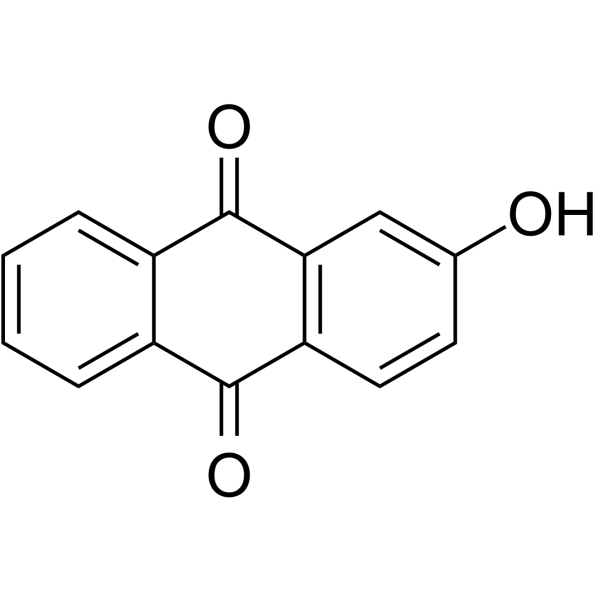
2-Hydroxyanthraquinone is a product generated by the photochemical oxidation of Anthracene (ANT) (HY-Y0299). 2-Hydroxyanthraquinone induces ferroptosis in cardiomyocytes by depleting GSH and inhibiting GPX4, leading to cardiac developmental malformations. 2-Hydroxyanthraquinone causes damage to the cerebrovascular system and blood-brain barrier in zebrafish by downregulating the Wnt/β-catenin signaling pathway, as well as inducing inflammation and neuronal apoptosis. 2-Hydroxyanthraquinone can be used in studies related to cerebrovascular diseases and cardiotoxicity .
|
-
-
- HY-N4010
-
|
|
Others
|
Cancer
|
|
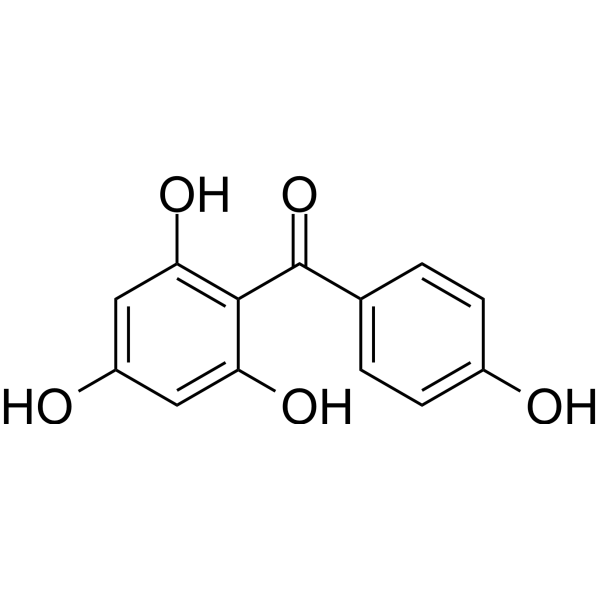
Iriflophenone, isolated from Aquilaria sinensis, stimulates MCF-7 and T-47D human breast cancer cells proliferation .
|
-
-
- HY-107835
-
|
FCR 2769
|
Environmental Pollutants
Apoptosis
Bcl-2 Family
Parasite
Insecticide
|
Infection
Cancer
|
|
Flumethrin (FCR 2769) is a pyrethroid insecticide and acaricide . Flumethrin targets voltage-gated sodium channels and estrogen receptor α (ERα). Flumethrin induces cytotoxicity, apoptosis, genotoxicity and DNA damage in breast cancer cells by regulating the expression of BCL2, BAX, TP53 and P21 genes. Flumethrin is applicable to relevant studies on ectoparasite infections (tick and flea burdens) in dogs and cats, as well as breast cancer .
|
-

-
- HY-119358R
-
|
|
Reference Standards
Reactive Oxygen Species (ROS)
Apoptosis
|
Cardiovascular Disease
Inflammation/Immunology
|
|
Traumatic Acid (Standard) is the analytical standard of Traumatic Acid. This product is intended for research and analytical applications. Traumatic Acid is a wound healing agent and a cytokinin (phytohormone). Traumatic Acid enhances the biosynthesis of collagen in cultured human skin fibroblasts. Traumatic Acid inhibits MCF-7 breast cancer cells viability and enhances apoptosis and oxidative stress. Traumatic Acid can be used in studies of cancer, circulatory disorders (including arterial hypertension), and skin diseases associated with oxidative stress and impaired collagen biosynthesis[1][2].
|
-

-
- HY-121255
-
|
(R)-Cryptopleurine; NSC 19912
|
TMV
|
Cancer
|
|
(–)-Cryptopleurine is an alkaloid that has been found in Lauraceae and has diverse biological activities. It inhibits the growth of human A375 melanoma, A431 epidermoid carcinoma, A549 lung, MES-SA uterine sarcoma, and MCF-7 breast cancer cells (IC50=3 nM for all).2 (–)-Cryptopleurine inhibits hypoxia-induced gene expression in a hypoxia response element (HRE) reporter assay (IC50=8.7 nM).3 (–)-Cryptopleurine (500 μg/mL) prevents lesion formation in tobacco (N. tabacum) plants infected with tobacco mosaic virus (TMV). It also inhibits protein synthesis by yeast and mammalian ribosomes.
|
-

-
- HY-164548
-
|
|
HSP
Apoptosis
PI3K
Akt
NF-κB
|
Inflammation/Immunology
Cancer
|
|
WK88-1 is an apoptosis inducer and Hsp90 client protein inhibitor with antiproliferative and immunomodulatory activities. WK88-1 inhibits signaling pathways such as PI3K/Akt and NF-κB, and induces mitochondrial dysfunction and cell cycle arrest. WK88-1 effectively suppresses cancer cell migration and invasion, and reverses various EGFR mutations and resistance to Gefitinib (HY-50895). WK88-1 also regulates the differentiation of monocytes and dendritic cells, blocks the expression of multiple chemokines, inhibits immune cell migration and M1 marker transcription, and restores impaired endocytic activity. WK88-1 has been used in studies of breast cancer, non-small cell lung cancer with various EGFR mutations or Met amplification, and atherosclerosis and other related diseases .
|
-

-
- HY-123656
-
|
|
Apoptosis
|
Cancer
|
|
Antiproliferative agent-61 is a synthetic β-carlinyl chalcone with significant antiproliferative activity. Antiproliferative agent-61 showed significant effects in a range of solid tumor cell lines, with the most prominent effects in breast cancer. Antiproliferative agent-61 showed IC50 values of 2.25 and 3.29 μM in the human breast cancer MCF-7 cell line. Antiproliferative agent-61 significantly induced DNA fragmentation and apoptosis in breast cancer cells. Antiproliferative agent-61 inhibited the interaction of MDM2 with p53 and promoted the degradation of MDM2 .
|
-

-
- HY-175003
-
|
|
Proton Pump
|
Cancer
|
|
HV1-IN-2 (Compound 14c) is a human voltage-gated proton channel (HV1) inhibitor with an IC50 of 2.14 μM. HV1-IN-2 has a potent anticancer activity with significant antiproliferative effects against THP-1 and MCF-7 cells. HV1-IN-2 can be used for cancers research, such as colorectal tumours, leukaemia, and breast cancer .
|
-

-
- HY-108999A
-
|
BWA770U
|
DNA/RNA Synthesis
|
Cancer
|
|
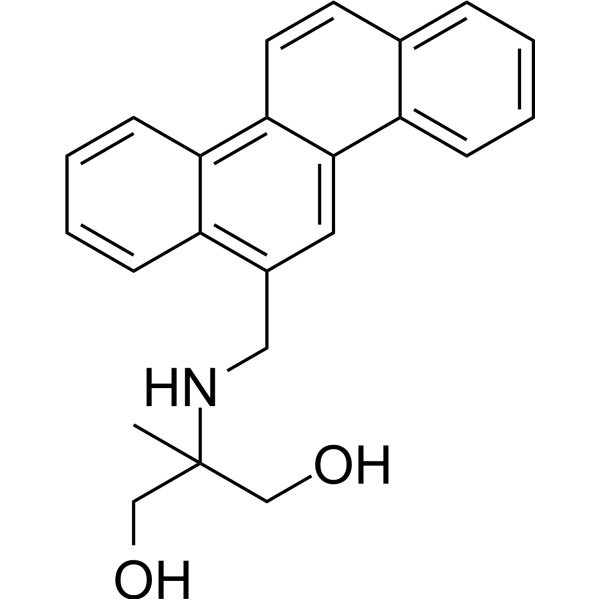
Crisnatol (BWA770U) is an orally active and anticancer agent, and a member of the arylmethylaminopropanediol class of DNA intercalators. Crisnatol shows in vitro cytotoxicity against human breast cancer cells, but not normal human skin fibroblasts .
|
-
-
- HY-W288480
-
|
|
Apoptosis
|
Cancer
|
|
Trihexyl phosphate is an organophosphate flame retardant. Trihexyl phosphate causes mitochondrial impairment and induces cell apoptosis in CHO cells. Trihexyl phosphate promotes the proliferation of human breast cancer cells (MCF-7) in a dose-dependent manner and exerts estrogenicity via ERα-independent pathways .
|
-

-
- HY-N10777
-
|
|
Others
|
Cancer
|
|
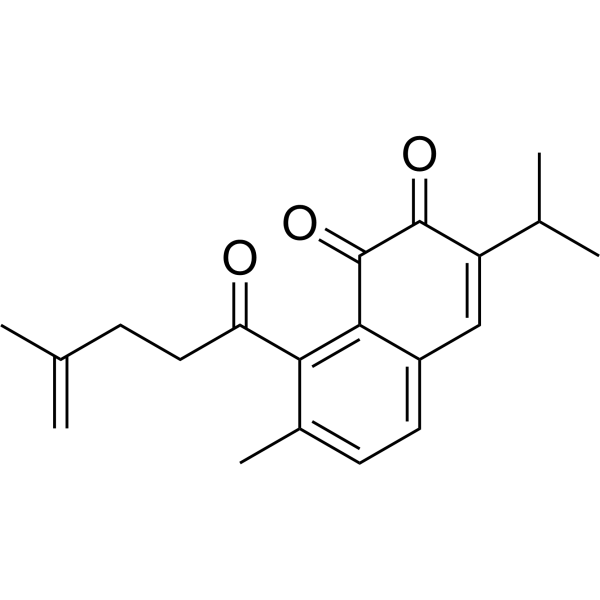
1-Ketoaethiopinone is an abietane-diterpenoid. 1-Ketoaethiopinone has an α, β-unsaturated carbonyl function. 1-Ketoaethiopinone shows cytotoxic activity against human cancer cell lines MOLT-4 (human lymphoblastic leukemia) and MCF-7 (human breast adenocarcinoma) .
|
-
-
- HY-174336
-
|
|
Survivin
Apoptosis
|
Cancer
|
|
Survivin-IN-1 (Compound II₃) is a potent Survivin (a member of the Inhibitor of Apoptosis Protein family) inhibitor with an IC50 value of 8.1 μM against human lung cancer A549 cells and 9.0 μM against breast cancer MCF-7 cells. Survivin-IN-1 reduces Survivin protein levels and induces tumor cell apoptosis. Survivin-IN-1 is promising for research of malignant tumors such as lung cancer and breast cancer .
|
-

-
- HY-N15577
-
|
|
Drug Derivative
|
Cancer
|
|
Antiproliferative agent-69 (Compound 1) is a prenylated kaempferol derivative found in the fresh bud’s fur of Platanus acerifolia. Antiproliferative agent-69 shows significant antiproliferative effects against human breast cancer cells (MCF-7) and human hepatocellular carcinoma cells (Hep-G2) with IC50 values of 38.2 μM and 39.5 μM, respectively. Antiproliferative agent-69 is promising for research of breast cancer and liver cancer .
|
-

-
- HY-N4010R
-
-

-
- HY-N10305
-
|
|
Autophagy
|
Cancer
|
|
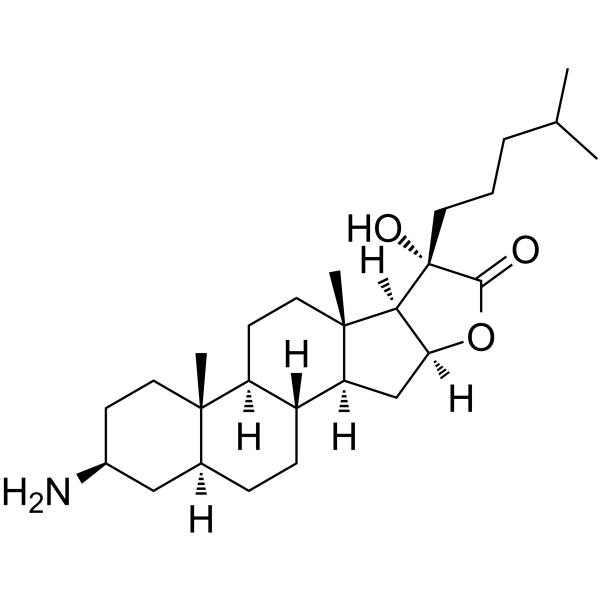
Clionamine B is an autophagy stimulating aminosteroid isolated from the sponge Cliona celata. Clionamine B strongly stimulates autophagy in human breast cancer MCF-7 cells .
|
-
-
- HY-118129
-
|
Ganwuweizic acid
|
PARP
Apoptosis
|
Cancer
|
|
Schisandronic acid is a triterpenoid antioxidant and anticancer agent extracted from Schisandra chinensis, which has potent cytotoxicity against human breast cancer cells, especially MCF-7. Schisandronic acid induces apoptosis and reduces cell viability in a time-dependent manner (MCF-7, IC50=8.06 μM). Schisandronic acid can upregulate active caspase-3 expression and cleave PARP, reduce the generation of reactive oxygen species and exhibit antioxidant effects .
|
-

-
- HY-126803
-
|
|
Antibiotic
|
Infection
Cancer
|
|
Saquayamycin B (compound 3) is a new angucycline antibiotic. Saquayamycin B has antitumor activities against a human lung (H-460) and a human breast cancer cell line (MCF-7) with GI50 values of 12.2 and 15.2 µM respectively .
|
-

-
- HY-N15584
-
|
Isoheraclenin
|
Others
|
Cancer
|
|
Pabularinone is a compound found in the plant Clausena lansium. Pabularinone has potent cytotoxic activity, and its activity showed inhibitory effects in human breast cancer (MCF-7) cells (IC50: 33.74 μg/mL). Pabularinone can be used in anti-tumor research .
|
-

-
- HY-N10959
-
|
|
Others
|
Cancer
|
|
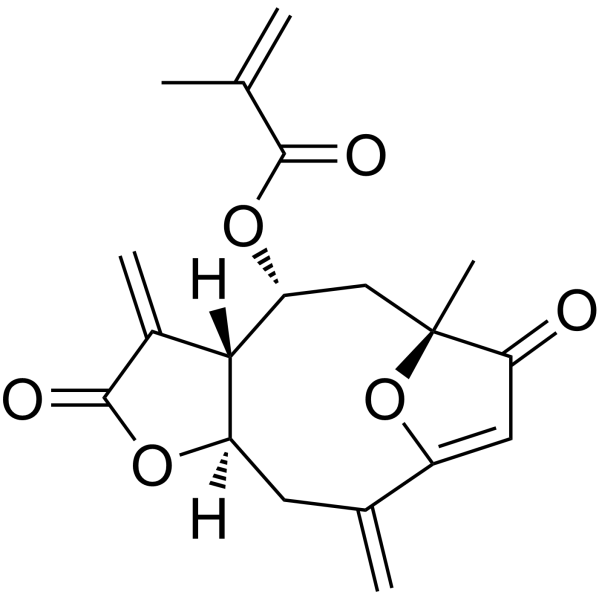
4,15-Isoatriplicolide methylacrylate is a germacrane-type sesquiterpene lactone. 4,15-Isoatriplicolide methylacrylate also is a cytotoxic agent. 4,15-Isoatriplicolide methylacrylate has cytotoxic activity for MCF-7 human breast cancer cell line .
|
-
-
- HY-116904
-
|
|
Apoptosis
Akt
|
Cancer
|
|
Anticancer agent 253 (Compound 26) has anti-cancer activity against breast cancer cells, with IC50s of 6 μM (MCF-7), 10 μM (MDA-MB-231) and 6.4 μM (4T1 cells). Anticancer agent 253 arrests cell cycle and induces mitochondria-mediated apoptosis in cancer cells. Anticancer agent 253 inhibits Akt phosphorylation in human breast and prostate cancer .
|
-

-
- HY-N3210
-
|
|
Others
|
Cancer
|
|
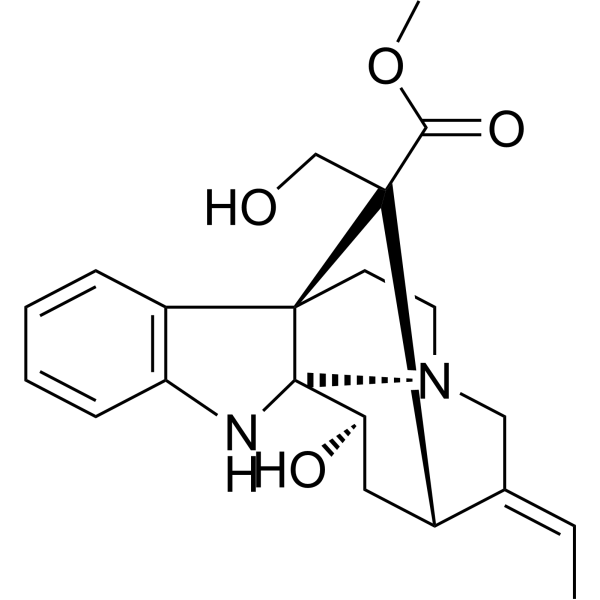
Nb-Demethylechitamine is an alkaloid isolated from the methanol extract of Alstonia rostrata twigs. Nb-Demethylechitamine has in vitro cytotoxic activity against several human cancer cell lines, including human myeloid leukemia HL-60, liver cancer SMMC-7721, lung cancer A-549, breast cancer MCF-7, and colon cancer SW480 cells .
|
-
-
- HY-W778423
-
|
Dihydroxy Oxaliplatin-Pt(IV)
|
Drug Intermediate
|
Cancer
|
|
[Pt(DACH)(OH)2(ox)] is a Pt(IV) derivative of Oxaliplatin (HY-17371) with two axial hydroxido ligands, used as a precursor for synthesizing Pt(IV)-HDAC inhibitor prodrugs. [Pt(DACH)(OH)2(ox)] exerts cytotoxic activity against human cancer cells and accumulates in cancer cells for nuclear internalization and nuclear DNA platination. [Pt(DACH)(OH)2(ox)] can be used for the research of lung carcinoma, breast carcinoma, pancreatic carcinoma, colon carcinoma .
|
-
![[Pt(DACH)(OH)2(ox)]](//file.medchemexpress.com/product_pic/hy-w778423.gif)
-
- HY-171477
-
|
|
Estrogen Receptor/ERR
|
Cancer
|
|
Metahexestrol is an estrogen receptor (E2R) inhibitor with antitumor activity. It significantly inhibits the proliferation of estrogen receptor-positive MCF-7 human breast cancer cells (ED50 = 1.0 μM). Additionally, Metahexestrol also exhibits inhibitory effects in estrogen receptor-negative MDA-MB-231 cells, and its antiproliferative activity cannot be reversed by estrogen, suggesting that its mechanism of action may be partially independent of the E2R pathway. Metahexestrol can be used in research on estrogen-dependent breast cancer .
|
-

-
- HY-175174
-
|
|
Glutaminase
|
Cancer
|
|
Antiproliferative agent-73 (Compound 7) is an antiproliferative agent. Antiproliferative agent-73 significantly inhibits proliferation of human cancer cells with excellent cytotoxicity. Antiproliferative agent-73 has potent anticancer activity with IC50s of 15.20, 18.18, 20.20 and 13.23 μM for HepG2, MCF-7, HCT-116 and WI38 cells, respectively. Antiproliferative agent-73 can be used for cancers research, such as breast, colorectal and liver cancer .
|
-

-
- HY-175512
-
|
|
Microtubule/Tubulin
Apoptosis
Reactive Oxygen Species (ROS)
|
Cancer
|
|
Tubulin-IN-53 is a potent Tubulin inhibitor with an IC50 of 6.06 μM. Tubulin-IN-53 inhibits the polymerization of tubulin by targeting the colchicine binding site of tubulin and destroys the microtubule network. Tubulin-IN-53 induces MCF-7 cell cycle arrest in the G2/M phase and apoptosis, and inhibits cell migration accompanied by the decrease of mitochondrial membrane potential and increase the accumulation of ROS. Tubulin-IN-53 destroys the angiogenesis of human umbilical vein endothelial cells.Tubulin-IN-53 can used for the study of cancers such as breast cancer and lung cancer .
|
-

-
- HY-162805
-
|
|
NO Synthase
Topoisomerase
Apoptosis
NF-κB
|
Inflammation/Immunology
Cancer
|
|
iNOS/TopoI-IN-1 (compound AuL9) is a multi-target hybrid molecule with anti-tumor, anti-inflammatory and antioxidant activities. iNOS/TopoI-IN-1 inhibits the growth of breast cancer cells MCF-7 and MDA MB-231 in vitro with IC50 of 3.5 μM and 6.3 μM, respectively, and induces DNA damage and apoptosis of breast cancer cells by inhibiting human topoisomerase I (TopoI) (Ki=2.72 μM). In addition, NOS/TopoI-IN-1 inhibits the expression of iNOS by inhibiting the activation of NF-kB (Ki=1.49 μM) .
|
-

-
- HY-173492
-
|
|
EGFR
Apoptosis
|
Cancer
|
|
EGFR-IN-156 (Compound 7f) is an EGFR inhibitor that also has inhibitory activity against mutations EGFRL858R and EGFRT790M (IC50 values are 0.186, 0.131, and 0.107 μM, respectively). EGFR-IN-156 has significant anticancer activity against human cancer cell lines HepG-29 (liver cancer), MCF-7 (breast cancer), and HCT-116 (colon cancer) (IC50 values are 1.67, 5.32, and 6.56 μM, respectively). EGFR-IN-156 inhibits cancer cell proliferation by inducing cell cycle arrest at the G/G1 phase and triggering apoptosis. EGFR-IN-156 shows promise in EGFR-related cancers .
|
-

-
- HY-121149B
-
|
(E/Z)-3-Hydroxytamoxifen
|
Estrogen Receptor/ERR
Apoptosis
|
Cancer
|
|
(E/Z)-Droloxifene is a mixture of (E)-droloxifene (a selective estrogen receptor modulator) and (Z)-droloxifene. (E)-Droloxifene binds to the estrogen receptor (ER) with an IC50 value of 24 nM in rabbit uterine homogenates. (E)-Droloxifene increases uterine weight in immature rats, and reduces estradiol-induced increases in uterine weight in juvenile rats. (E)-Droloxifene also inhibits 17β-estradiol-stimulated growth of MCF-7, ZR-75-1, and T47D human breast cancer cells. (Z)-Droloxifene binds weakly to ER and has no estrogenic or antiestrogenic activity .
|
-

-
- HY-139090
-
|
28-O-Acetyl-3-Oxobetulin; 3-oxo-28-O-Acetylbetulin
|
Bacterial
HIV
Drug Derivative
|
Cancer
|
|
3-Oxobetulin acetate (28-O-Acetyl-3-Oxobetulin; 3-oxo-28-O-Acetylbetulin) is a derivative of betulin (HY-N0083), a cholesterol biosynthesis inhibitor. 3-Oxobetulin acetate inhibits the growth of P388 murine lymphocytic leukemia cells (EC50=0.12 μg/mL) and human MCF-7 breast cancer, SF-268 CNS cancer, H460 lung cancer, and KM20L2 colon cancer cells (GI50s=8, 10.6, 5.2, and 12.7 μg/mL), but not BxPC-3 pancreatic cancer cells or DU145 prostate cancer cells (GI50s=>10 μg/mL for both). 3-Oxobetulin acetate inhibits the replication of X4-tropic recombinant HIV (NL4.3-Ren) in MT-2 lymphoblastoid cells (IC50=13.4 μM). 3-Oxobetulin acetate is also effective against Listeria donovani amastigotes.
|
-

-
- HY-108999
-
|
BWA770U mesylate
|
DNA/RNA Synthesis
|
Cancer
|
|
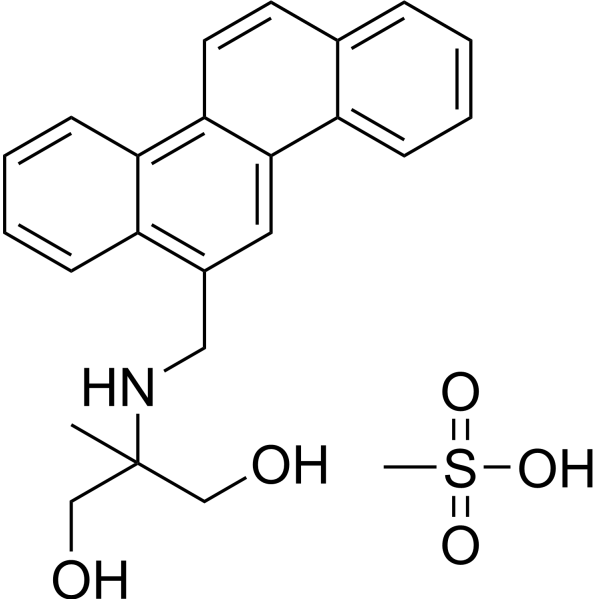
Crisnatol (BWA770U) mesylate is an orally active and anticancer agent, and a member of the arylmethylaminopropanediol class of DNA intercalators. Crisnatol mesylate shows in vitro cytotoxicity against human breast cancer cells, but not normal human skin fibroblasts .
|
-
-
- HY-108999AR
-
|
BWA770U (Standard)
|
DNA/RNA Synthesis
Reference Standards
|
Cancer
|
|
Crisnatol (Standard) is the analytical standard of Crisnatol. This product is intended for research and analytical applications. Crisnatol (BWA770U) is an orally active and anticancer agent, and a member of the arylmethylaminopropanediol class of DNA intercalators. Crisnatol shows in vitro cytotoxicity against human breast cancer cells, but not normal human skin fibroblasts .
|
-

-
- HY-N16759
-
|
|
Others
|
Cancer
|
|
Apparicine is a monoterpene indole alkaloid that can be naturally extracted from the stems of Tabernaemontana divaricata. Apparicine shows no cytotoxicity against MCF-7 human breast cancer cells and A-549 human lung cancer cells .
|
-

-
- HY-W702106
-
|
|
Endogenous Metabolite
|
Cancer
|
2-Methyl estradiol, an endogenous metabolite of Estradiol (HY-B0141), inhibits cell proliferation and angiogenesis, with IC50 values of 3 and 2.39 μM for HUVEC and MCF-7 human breast cancer cell proliferation, respectively .
|
-

-
- HY-121706
-
|
|
HSP
|
Cancer
|
|
PU-20F is a Hsp90 inhibitor with an EC50 of 6.8 μM. PU-20F competes with Geldanamycin (HY-15230) for binding to Hsp90 and regulates the function of this molecular chaperone. PU-20F induces the degradation of oncogenic Her2 tyrosine kinase. PU-20F blocks the growth of breast cancer cells. PU-20F can be used in breast cancer-related research .
|
-

-
- HY-181893
-
|
|
Apoptosis
|
Cancer
|
|
Apoptosis inducer 60 (Compound 4a) is an Apoptosis inducer. Apoptosis inducer 60 induces concentration-dependent apoptosis in cells. Apoptosis inducer 60 exhibits moderate cytotoxicity against breast cancer cell lines .
|
-

-
- HY-N18186
-
|
|
Others
|
Cancer
|
|
Neojiangyouaconitine is a diterpenoid alkaloid cytotoxin isolated from Aconitum soongaricum var. pubescens. Neojiangyouaconitine exhibits cytotoxic activity against human breast cancer, prostate cancer and lung cancer cells, with weak inhibitory effect on HeLa cells. Neojiangyouaconitine has the ability to kill specific tumor cell lines and can be applied to the research on the mechanisms of related cancers such as breast cancer, prostate cancer and lung cancer .
|
-

- HY-183804
-
|
|
PROTACs
Estrogen Receptor/ERR
|
Cancer
|
|
PROTAC ER Degrader-16 is an orally active ERα PROTAC degrader with a DC50 of 1.4 nM and an IC50 of 1.9 nM. PROTAC ER Degrader-16 inhibits ER-dependent breast cancer cell proliferation and exerts anti-tumor effects in mouse models. PROTAC ER Degrader-16 can be used for breast cancer research .
|
-

- HY-182695
-
|
|
5-HT Receptor
|
Neurological Disease
Cancer
|
|
AS2030680 is a blood-brain barrier-permeable, orally active 5-HT5A receptor antagonist. AS2030680 regulates 5-HT5A-related downstream signaling pathways, reduces the frequency of tumorsphere-initiating cells in breast cancer cells, and exerts procognitive activity in animal models. AS2030680 can be used to study cognitive impairments associated with dementia and schizophrenia, as well as breast cancer .
|
-

- HY-N18047
-
|
|
Others
|
Cancer
|
|
Quinquefoloside Lc is a dammarane-type saponin that can be isolated from the leaves of Panax quinquefolium. Quinquefoloside Lc exhibits no significant inhibitory activity against human breast cancer cells. Quinquefoloside Lc can be used in studies related to human breast cancer .
|
-

- HY-183716
-
|
|
Drug Derivative
|
Cancer
|
|
Mito-TP-2 is a triptolide (HY-32735) derivative. Mito-TP-2 exhibits concentration-dependent cytotoxicity in cancer cells. Mito-TP-2 is selectively driven and accumulated into the mitochondria of tumor cells by mitochondrial transmembrane potential and exerts specific mitochondrial toxicity. Mito-TP-2 can be used for the research of liver cancer, breast cancer, and non-small cell lung cancer .
|
-

- HY-N18272
-
|
|
Others
|
Cancer
|
|
1α-Benzoyloxy-3α-acetoxyl-7α-hydroxy-12β-ethoxynimbolinin is a nimbolinin-type limonoid and cytotoxin, found in the fruits of Melia toosendan. 1α-Benzoyloxy-3α-acetoxyl-7α-hydroxy-12β-ethoxynimbolinin exhibits in vitro cytotoxicity against human hepatocellular carcinoma, human lung cancer, and human breast cancer cells. 1α-Benzoyloxy-3α-acetoxyl-7α-hydroxy-12β-ethoxynimbolinin can be used for the research of hepatocellular carcinoma, lung cancer, breast cancer .
|
-

- HY-183327
-
|
|
PI3K
mTOR
Akt
Apoptosis
Reactive Oxygen Species (ROS)
Mitochondrial Metabolism
Bcl-2 Family
Caspase
|
Cancer
|
|
PI3K/mTOR-IN-22 is an orally active PI3K/mTOR kinase dual inhibitor with IC50 values of 400.5 nM and 8.2 nM. PI3K/mTOR-IN-22 downregulates phosphorylation of the AKT and mTOR, upregulates pro-apoptotic proteins Bax and caspase-3 and downregulates anti-apoptotic protein Bcl-2. PI3K/mTOR-IN-22 exhibits antiproliferative activity against cancer cells, induces apoptosis and ROS production, and reduces mitochondrial membrane potential. PI3K/mTOR-IN-22 exhibits antitumor activity in breast cancer mice models .
|
-

- HY-124627
-
|
|
Estrogen Receptor/ERR
|
Cancer
|
|
THIQ-40 is a tetrahydroisoquinoline-based, orally active, and selective estrogen receptor ERα degrader (SERD) (IC50=17 nM), with antitumor efficacy. THIQ-40 possesses functional ERα antagonistic activity, promotes ERα degradation and forms stable ERαLBD complexes. THIQ-40 shows the characteristic of rapid racemization in multi-species plasma. THIQ-40 can be widely applied to studies on the relevant mechanisms and drug development of ERα-positive breast cancer .
|
-

- HY-N19113
-
|
|
Endogenous Metabolite
|
Infection
Cancer
|
|
Emindole SB is an anticancer agent. Emindole SB can be isolated from Penicillium species. Emindole SB exerts anticancer effects against ovarian cancer, breast cancer and lymphoma. Emindole SB shows no toxicity to Caenorhabditis elegans. Emindole SB can be used in studies related to ovarian cancer, lymphoma and breast cancer .
|
-

- HY-W743094
-
|
|
Drug Derivative
|
Inflammation/Immunology
Cancer
|
|
Methylstenbolone is a steroid and an anti-inflammatory agent. Methylstenbolone inhibits nitric oxide production in macrophages and exhibits cytotoxicity against breast cancer cells and normal fibroblasts. Methylstenbolone can be used for the research of inflammation and breast cancer .
|
-

- HY-181060
-
|
|
Apoptosis
DNA/RNA Synthesis
Caspase
Bcl-2 Family
MDM-2/p53
|
Cancer
|
|
Apoptosis inducer 56 is an apoptosis inducer. Apoptosis inducer 56 induces DNA damage (upregulation of γH2AX and p-ATM expression) by minor groove binding. Apoptosis inducer 56 induces intrinsic apoptosis (upregulation of p53 and Bax/Bcl-2 ratio, cleaved caspase-7) via S-phase cell cycle arrest. Apoptosis inducer 56 shows selectivity for cancer cells over normal breast epithelial cells. Apoptosis inducer 56 can be used for the research of breast cancer .
|
-

- HY-182275
-
|
|
PROTACs
Histone Methyltransferase
|
Cancer
|
|
PROTAC PRMT1 degrader-1 (compound 4) is a PRMT1 PROTAC degrader, with a DC50 of 0.77 μM (MCF-7 cells). PROTAC PRMT1 degrader-1 recruits the CRBN E3 ubiquitin ligase to induce proteasome-dependent degradation of PRMT1; it also forms a ternary complex with PRMT1 and CRBN, promoting ubiquitination and subsequent proteasomal degradation of PRMT1. PROTAC PRMT1 degrader-1 reduces the level of asymmetric dimethylarginine in cancer cells, as well as the level of asymmetric dimethylation of arginine 3 on histone H4, while inhibiting the growth of various cancer cells. PROTAC PRMT1 degrader-1 can be used in the research of breast cancer and melanoma .
|
-

- HY-183980
-
|
|
RIBOTAC
G-quadruplex
DNA/RNA Synthesis
|
Cancer
|
MJ-NR-27 is a bifunctional small molecule of ribonuclease-targeting chimera (RIBOTAC) that targets NRAS mRNA containing a G-quadruplex structure. MJ-NR-27 uses RNase L ligand 3 (HY-177030) as the RNase L ligand, RNA binder 4 (HY-183981) as the RNA binder, and Bis-PEG3-acid (HY-126891) as the linker. MJ-NR-27 achieves target RNA degradation by recruiting ribonuclease RNase L, and significantly induces morphological changes in tumor cells. MJ-NR-27 can be used in cancer research .
|
-

- HY-181232
-
|
|
ERK
|
Cancer
|
|
Anticancer agent 301 is an anticancer agent. Anticancer agent 301 selectively downregulates the phosphorylation level of ERK1/2 without affecting the NF-κB p65 subunit. Anticancer agent 301 exhibits antiproliferative activity against breast cancer cells and can be used in breast cancer-related research .
|
-

- HY-183784
-
|
|
P2X Receptor
FAK
MMP
|
Cancer
|
|
P2X7R antagonist-1 is an orally active P2X7 receptor antagonist with an IC50 of 3.57 μM. P2X7R antagonist-1 inhibits the proliferation, invasion and metastasis abilities of cancer cells. P2X7R antagonist-1 downregulates the expression of FAK and MMP-9. P2X7R antagonist-1 suppresses tumor growth and metastasis in a mouse breast cancer model. P2X7R antagonist-1 promotes the activation of CD4 and CD8 T cells. P2X7R antagonist-1 can be used in breast cancer-related research .
|
-

- HY-182383
-
|
|
CDK
Apoptosis
|
Cancer
|
|
VMY-1-101 is a fluorescent cyclin-dependent kinase (CDK) inhibitor, with an excitation of 410 nm and emission of 512 nm. VMY-1-101 competitively inhibits ATP binding to CDKs. VMY-1-101 induces G2/M cell cycle arrest in human breast cancer cells. VMY-1-101 induces modest apoptosis in human breast cancer cells. VMY-1-101 blocks proliferation of human breast cancer cells, including multidrug resistance-positive cells, and is not a substrate for p-glycoprotein. VMY-1-101 localizes to the cytoplasm of human breast cancer cells. VMY-1-101 shows increased binding to human breast cancer tissue compared to fluorophore alone. VMY-1-101 can be used for the research of breast cancer .
|
-

- HY-182260
-
|
|
Apoptosis
|
Cancer
|
|
Apoptotic agent-5 is an apoptosis inducer that releases large amounts of nitric oxide to induce cell apoptosis. Apoptotic agent-5 can be used in research related to triple-negative breast cancer .
|
-

- HY-W778375
-
|
|
Apoptosis
|
Inflammation/Immunology
Cancer
|
|
Hesperetin triacetate is an active compound with anti-inflammatory and anti-tumor activities. Hesperetin triacetate inhibits bovine serum albumin denaturation in vitro. Hesperetin triacetate inhibits carrageenan-induced paw swelling in mice in vivo. Hesperetin triacetate exhibits anti-proliferative activity against breast cancer cells. Hesperetin triacetate induces DNA degradation and apoptosis in breast cancer cells. Hesperetin triacetate can be used in studies related to breast cancer and inflammation .
|
-

- HY-P11792
-
|
|
E1/E2/E3 Enzyme
|
Cancer
|
|
CP2-CPP is a conjugate of p27 Analogue CP2 (HY-P11020) and Antennapedia Peptide (HY-P0307). CP2-CPP crosses cell membranes and localizes to live cell cytosol. CP2-CPP blocks SCF Skp2/Cks1-p27 interaction to inhibit p27 ubiquitination and degradation, restoring p27 levels and inhibiting cell proliferation. CP2-CPP can be used for the research of cancer, such as breast cancer .
|
-

- HY-126756
-
|
|
Phosphorylase
|
Metabolic Disease
Cancer
|
|
Amorphin is a phosphorylase b with glycogen metabolism activity. Amorphin binds directly to alpha-actinin, with alpha-actinin mediating its binding to actin filaments. Amorphin can be used for the research of McArdle’s disease and breast cancer .
|
-

- HY-181940
-
|
|
Proteasome
|
Cancer
|
|
Berberine-amide-m-PhBA chloride (Compound 8b) is a selective anti-breast cancer agent. Berberine-amide-m-PhBA chloride may inhibit the proteasome by interacting with the 20S proteasome β5 subunit. Berberine-amide-m-PhBA chloride can be used in the research of breast cancer .
|
-

- HY-181493
-
|
|
VEGFR
Reactive Oxygen Species (ROS)
Apoptosis
|
Cancer
|
|
VEGFR-2-IN-81 is a thiazole-based isoquinolin-1(2H)-one derivative and an VEGFR-2 inhibitor with IC50 of 1.94 μM. VEGFR-2-IN-81 exhibits significant selective cytotoxicity against colorectal cancer cells (IC50 = 7.75 μM). VEGFR-2-IN-81 exerts anti-colorectal cancer effects by inducing apoptosis, elevating intracellular ROS levels and reducing mitochondrial transmembrane potential. VEGFR-2-IN-81 can be used for the research of colorectal cancer, lung cancer, breast cancer, liver cancer .
|
-

- HY-182245
-
|
|
Microtubule/Tubulin
Carbonic Anhydrase
Apoptosis
MDM-2/p53
|
Cancer
|
|
Anticancer agent 314 is a multi-target anticancer agent with tubulin polymerization inhibitory activity (IC50 = 6.35 μM) and human carbonic anhydrase IX (Ki = 27.1 nM) and XII (Ki 20.9 = nM) inhibitory activity. Anticancer agent 314 binds to the colchicine-binding pocket of tubulin and inhibits tumor-associated carbonic anhydrase isoforms via zinc coordination within enzyme active sites. Anticancer agent 314 induces G2/M phase cell cycle arrest, apoptosis via p53-dependent signaling, and broad-spectrum antiproliferative activity across multiple cancer cells. Anticancer agent 314 can be used for the research of cancer, such as leukemia, melanoma, ovarian cancer .
|
-

- HY-P11828
-
|
|
Survivin
Caspase
Apoptosis
|
Cancer
|
|
Anticancer agent 324 is a Survivin inhibitor. Anticancer agent 324 competitively binds to Survivin’s linker region and triggers proteasomal IAP degradation. Anticancer agent 324 blocks Borealin binding and chromosomal passenger complex formation, and inhibits Survivin-CRM1 nuclear-cytoplasmic transport. Anticancer agent 324 activates extrinsic (caspase-8) and intrinsic (caspase-9) apoptotic pathways, activates executioner caspases-3 and caspases-7, and arrests cell cycle. Anticancer agent 324 can be used for the research of breast cancer .
|
-

- HY-D3419
-
|
|
Fluorescent Dye
|
Neurological Disease
|
|
Neuro-DiO 4-chlorobenzenesulfonate is a hydrophobic C18 alkyl chain carbocyanine dye with green fluorescence, commonly used as a vascular marker, cell internalizer and deposition agent. Neuro-DiO 4-chlorobenzenesulfonate inserts its alkyl chain into the endothelial plasma membrane via liposome-mediated perfusion to achieve vascular labeling. Neuro-DiO chlorobenzenesulfonate can also stain the cell membrane and cytoplasm of cancer cells to assist in confocal microscopy observations. Neuro-DiO chlorobenzenesulfonate can be released from nanosponges and accumulate on the surface of mouse retina, then internalize into retinal ganglion cells, which is applicable to researches related to glaucoma and other diseases. It should be noted that during liposome-mediated vascular staining in mice, Neuro-DiO 4-chlorobenzenesulfonate may cause leakage of airway lavage fluid .
|
-

| Cat. No. |
Product Name |
Type |
-
- HY-D3419
-
|
|
Fluorescent Dyes
|
|
Neuro-DiO 4-chlorobenzenesulfonate is a hydrophobic C18 alkyl chain carbocyanine dye with green fluorescence, commonly used as a vascular marker, cell internalizer and deposition agent. Neuro-DiO 4-chlorobenzenesulfonate inserts its alkyl chain into the endothelial plasma membrane via liposome-mediated perfusion to achieve vascular labeling. Neuro-DiO chlorobenzenesulfonate can also stain the cell membrane and cytoplasm of cancer cells to assist in confocal microscopy observations. Neuro-DiO chlorobenzenesulfonate can be released from nanosponges and accumulate on the surface of mouse retina, then internalize into retinal ganglion cells, which is applicable to researches related to glaucoma and other diseases. It should be noted that during liposome-mediated vascular staining in mice, Neuro-DiO 4-chlorobenzenesulfonate may cause leakage of airway lavage fluid .
|
| Cat. No. |
Product Name |
Target |
Research Area |
-
- HY-P11792
-
|
|
E1/E2/E3 Enzyme
|
Cancer
|
|
CP2-CPP is a conjugate of p27 Analogue CP2 (HY-P11020) and Antennapedia Peptide (HY-P0307). CP2-CPP crosses cell membranes and localizes to live cell cytosol. CP2-CPP blocks SCF Skp2/Cks1-p27 interaction to inhibit p27 ubiquitination and degradation, restoring p27 levels and inhibiting cell proliferation. CP2-CPP can be used for the research of cancer, such as breast cancer .
|
-
- HY-P11828
-
|
|
Survivin
Caspase
Apoptosis
|
Cancer
|
|
Anticancer agent 324 is a Survivin inhibitor. Anticancer agent 324 competitively binds to Survivin’s linker region and triggers proteasomal IAP degradation. Anticancer agent 324 blocks Borealin binding and chromosomal passenger complex formation, and inhibits Survivin-CRM1 nuclear-cytoplasmic transport. Anticancer agent 324 activates extrinsic (caspase-8) and intrinsic (caspase-9) apoptotic pathways, activates executioner caspases-3 and caspases-7, and arrests cell cycle. Anticancer agent 324 can be used for the research of breast cancer .
|
| Cat. No. |
Product Name |
Category |
Target |
Chemical Structure |
-
- HY-119358
-
-
-
- HY-133668
-
|
|
Other disease
Disease markers
Endogenous metabolite
|
Drug Metabolite
Cytochrome P450
PPAR
|
|
Monoethyl phthalate is an orally active PDX-1 activator and the major hydrolytic metabolite of Diethyl phthalate (HY-Y0284) in vivo, with reproductive toxicity. Monoethyl phthalate targets aromatase (aromatase/CYP19A1) and PPAR to induce cell proliferation. The plasma protein binding rate of Monoethyl phthalate in rats and humans is lower than that of Diethyl phthalate. It exhibits significant enterohepatic circulation in rats and mainly accumulates in liver tissues. Monoethyl phthalate shows no estrogenic activity in estrogen-dependent human breast cancer cells. Monoethyl phthalate can be used in studies of reproductive toxicity and related environmental endocrine disruption mechanisms .
|
-
-
- HY-108964
-
-
-
- HY-N12586
-
|
|
Suaeda vermiculata Forssk. ex J.F.Gmel.
Structural Classification
Alkaloids
Other Alkaloids
Amaranthaceae
Plants
Source Classification
|
ERK
Reactive Oxygen Species (ROS)
COX
PGE synthase
STAT
HCV
HCV Protease
|
|
Pheophytin a is a multi-target inhibitor, anticancer agent, antioxidant and antiviral agent. Pheophytin a directly binds to and inhibits HCV-NS3/4A protease (IC50=0.89 μM) to block viral replication. Pheophytin a also scavenges free radicals, reduces ferric ions, and exhibits cytotoxic activity against breast cancer cells. Pheophytin a effectively inhibits LPS-induced production of nitric oxide, prostaglandin E2, NOS2 and COX-2, as well as various pro-inflammatory cytokines, by downregulating the transcription levels of inflammatory mediators and blocking the ERK1/2 and STAT-1 pathways. In a low nerve growth factor environment, Pheophytin a also enhances ERK1/2 phosphorylation and synergistically promotes neurite outgrowth through MAPK pathway. Pheophytin a can be used to investigate the pathogenic mechanisms of diseases including chronic hepatitis C, sepsis, breast cancer and Alzheimer's disease .
|
-
-
- HY-N1983
-
|
|
Structural Classification
Classification of Application Fields
Asclepiadaceae
Cynanchum otophyllum Schneid.
Cynanchum auriculatum Royle ex Wight
Plants
Disease Research Fields
Steroids
Source Classification
Cancer
|
Apoptosis
Autophagy
Reactive Oxygen Species (ROS)
Mitochondrial Metabolism
PARP
Caspase
Bcl-2 Family
VEGFR
FAK
WDR5
p38 MAPK
JNK
PPAR
|
|
Caudatin is an orally active and brain-penetrant C-21 steroidal found in Cynanchum bungei decne with a variety of biological activities. Caudatin can inhibit cell proliferation, migration, invasion, cause cell phase arrest, induce apoptosis, autophagy, ROS prodution and loss of mitochondrial membrane potential. Caudatin activates PARP, caspase-3, -7, -9, upregulates pro-apoptotic Bad and Bax and downregulates anti-apoptotic Bcl-2 and Bcl-XL. Caudatin suppresses VEGF, FAK phosphorylation, upregulates p21, p27, DR5 protein expression, activates the p38 MAPK, JNK and PPARα/TFEB-mediated autophagy-lysosomal signaling pathways. Caudatin can be used for the research of cancer, inflammation and neurological disease, such as glioma and Alzheimer's disease .
|
-
-
- HY-B1309
-
-
-
- HY-N0435
-
-
-
- HY-N6005
-
-
-
- HY-N6990
-
-
-
- HY-W012352
-
-
-
- HY-N4010
-
-
-
- HY-119358R
-
-
-
- HY-N10777
-
-
-
- HY-N15577
-
|
|
Flavonols
Platanus acerifolia Aiton) Willd.
Flavonoids
Platanaceae
Plants
Source Classification
|
Drug Derivative
|
|
Antiproliferative agent-69 (Compound 1) is a prenylated kaempferol derivative found in the fresh bud’s fur of Platanus acerifolia. Antiproliferative agent-69 shows significant antiproliferative effects against human breast cancer cells (MCF-7) and human hepatocellular carcinoma cells (Hep-G2) with IC50 values of 38.2 μM and 39.5 μM, respectively. Antiproliferative agent-69 is promising for research of breast cancer and liver cancer .
|
-
-
- HY-N4010R
-
-
-
- HY-N10305
-
-
-
- HY-126803
-
-
-
- HY-N15584
-
-
-
- HY-N10959
-
-
-
- HY-N3210
-
-
-
- HY-N16759
-
-
-
- HY-N18186
-
-
-
- HY-N18047
-
-
-
- HY-N18272
-
|
|
Structural Classification
Natural Products
Melia azedarach Linn.
Plants
Meliaceae
Source Classification
|
Others
|
|
1α-Benzoyloxy-3α-acetoxyl-7α-hydroxy-12β-ethoxynimbolinin is a nimbolinin-type limonoid and cytotoxin, found in the fruits of Melia toosendan. 1α-Benzoyloxy-3α-acetoxyl-7α-hydroxy-12β-ethoxynimbolinin exhibits in vitro cytotoxicity against human hepatocellular carcinoma, human lung cancer, and human breast cancer cells. 1α-Benzoyloxy-3α-acetoxyl-7α-hydroxy-12β-ethoxynimbolinin can be used for the research of hepatocellular carcinoma, lung cancer, breast cancer .
|
-
-
- HY-N19113
-
-
-
- HY-126756
-
-
| Cat. No. |
Product Name |
|
Classification |
-
- HY-160062
-
|
|
|
Aptamers
|
|
S2.2 aptamer sodium is a nucleic acid-based MUC1-binding aptamer with high affinity and low toxicity. Upon binding to its target, S2.2 aptamer sodium undergoes a conformational switch and restores fluorescence signal, serving as a targeted imaging agent for MUC1-positive cancer cells. S2.2 aptamer sodium enables targeted delivery to breast cancer cells with overexpressed MUC1. When formulated as the S2.2-PEG-MZF molecular probe, S2.2 aptamer sodium possesses the functions of T2 signal inhibition, magnetic field-induced hyperthermia and targeted magnetic resonance molecular imaging. In the S2.2-PEG-MZF/DOX nanoliposome, S2.2 aptamer sodium supports targeted thermochemotherapy, effectively inhibiting cancer cell proliferation and invasion as well as inducing apoptosis, and is widely used in studies related to breast cancer .
|
Your information is safe with us. * Required Fields.
Inquiry Information
- Product Name:
- Cat. No.:
- Quantity:
- MCE Japan Authorized Agent:





![[Pt(DACH)(OH)2(ox)]](http://file.medchemexpress.com/product_pic/hy-w778423.gif)





