Search Result
Results for "
ovarian+cancer+cell
" in MedChemExpress (MCE) Product Catalog:
| Cat. No. |
상품명 |
Target |
연구분야 |
Chemical Structure |
-
- HY-150231
-
SU056
2 Publications Verification
|
YB-1
|
Cancer
|
|
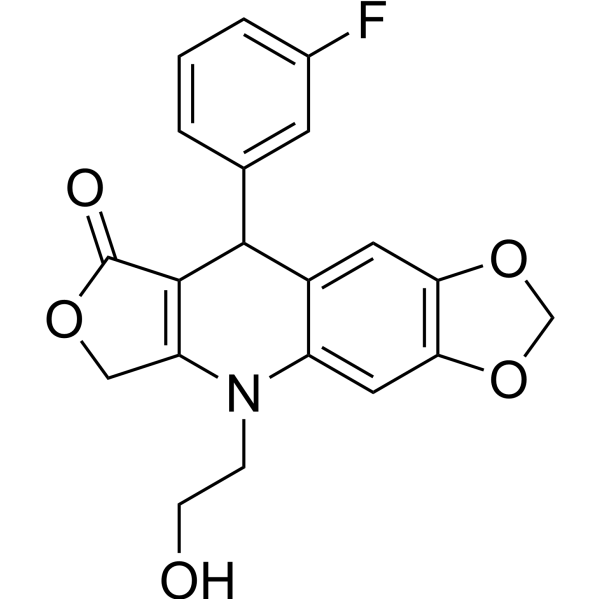
SU056 is a YB-1 inhibitor. SU056 induces cell-cycle arrest, apoptosis, and inhibits cell migration in ovarian cancer cells. SU056 interacts with YB-1 and inhibits and its associated downstream proteins and pathways. SU056 can enhance the cytotoxic effects of Paclitaxel (HY-B0015) .
|
-
-
- HY-15614
-
SC144
Maximum Cited Publications
10 Publications Verification
|
Interleukin Related
Apoptosis
|
Cancer
|
|
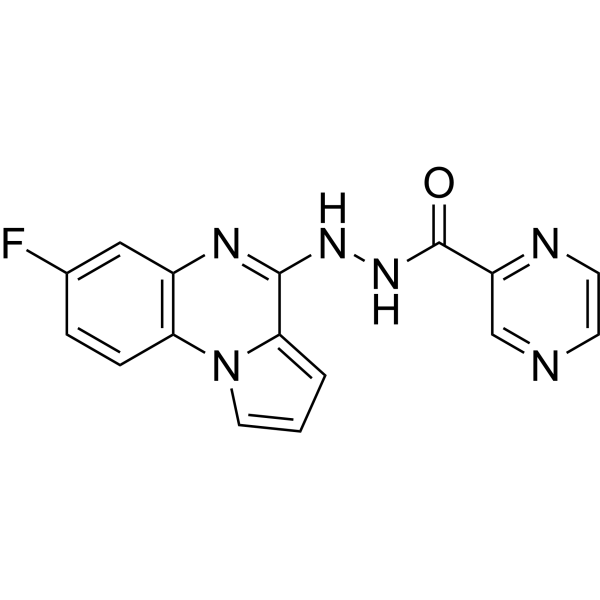
SC144 is a first-in-class, orally active gp130 (IL6-beta) inhibitor. SC144 binds gp130, induces gp130 phosphorylation (S782) and deglycosylation, abrogates Stat3 phosphorylation and nuclear translocation, and further inhibits the expression of downstream target genes. SC144 shows potent inhibition of gp130 ligand-triggered signaling. SC144 induces apoptosis in human ovarian cancer cells .
|
-
-
- HY-175603
-
|
|
Amine N-methyltransferase
|
Cancer
|
|
NCGC00685960 is a Nicotinamide N-methyltransferase (NNMT) inhibitor with an IC50 <10 nM. NCGC00685960 has potent antitumor activity. NCGC00685960 increases H3K27 trimethylation levels in ovarian cancer cells and inhibits α-SMA expression in NNMT-expressing ovarian fibroblasts. NCGC00685960 reduces 1-MNA levels, reverses SAM and H3K27 hypomethylation and significantly impairs collagen contractility in cancer-associated fibroblasts (CAFs). NCGC00685960 can be used for cancers research, such as ovarian cancer, breast cancer, colon cancer .
|
-

-
- HY-112234
-
|
Sepiapterin
|
Endogenous Metabolite
|
Cancer
|
|
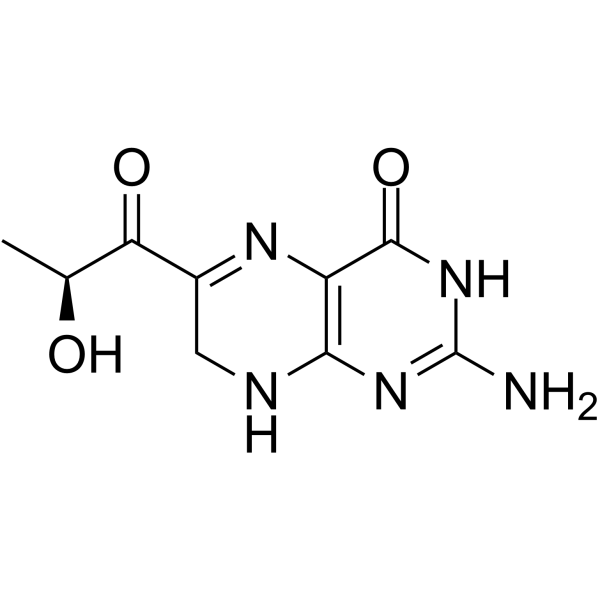
L-Sepiapterin (Sepiapterin), is a phenylalanine hydroxylase activator, is a precursor of the endothelial nitric oxide synthase (eNOS) cofactor tetrahydrobiopterin (BH4). L-Sepiapterin improves endothelial dysfunction in small mesenteric arteries from db/db mice, and induces angiogenesis. L-Sepiapterin inhibits cell proliferation and migration of ovarian cancer cells via down-regulation of p70 S6K-dependent VEGFR-2 expression. L-Sepiapterin can be used for the study of hyperphenylalaninemia .
|
-
-
- HY-19536
-
LLL12
1 Publications Verification
|
STAT
|
Cancer
|
|
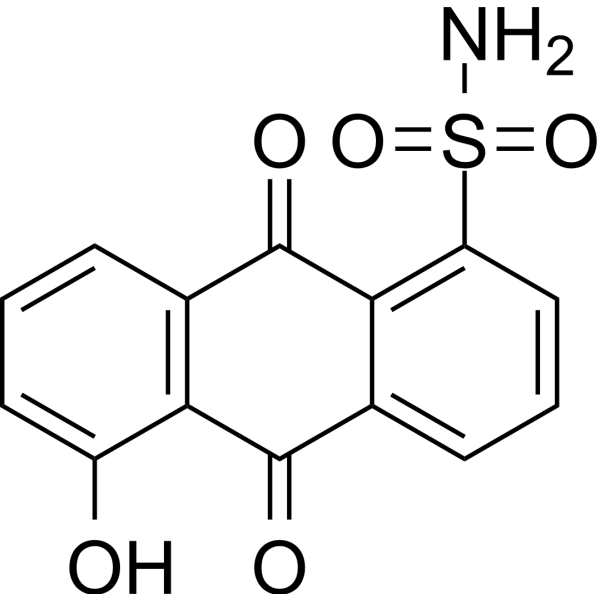
LLL12 is a small molecule inhibitor of STAT3 that inhibits STAT3 phosphorylation. LLL12 enhanced the inhibitory effect of Cisplatin (HY-17394) and Paclitaxel (HY-B0015) on ovarian cancer cell formation, migration, and growth .
|
-
-
- HY-12496
-
NS-1619
4 Publications Verification
|
Potassium Channel
Apoptosis
|
Cardiovascular Disease
Cancer
|
|
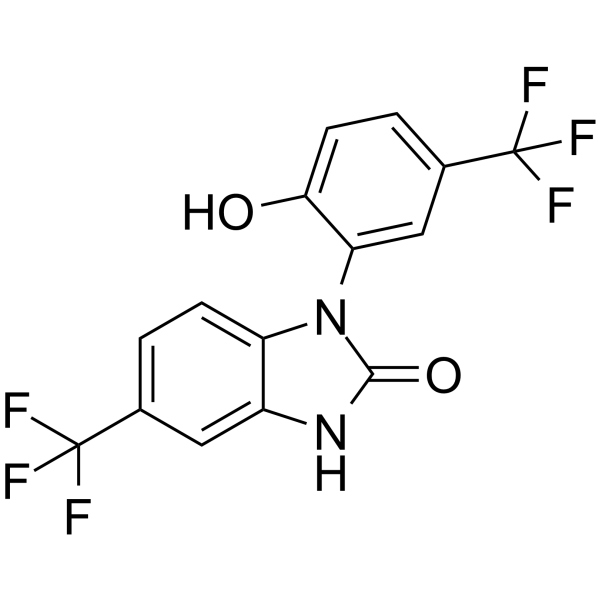
NS-1619 is an opener of large conductance Ca 2+-activated K + (BK) channel. NS-1619 is a highly effective relaxant with an EC50 of about 10 – 30 μM in several smooth muscles of blood vessels and other tissues . NS1619 inhibits proliferation and induces apoptosis in A2780 ovarian cancer cells .
|
-
-
- HY-122639
-
|
|
NEKs
|
Cancer
|
|
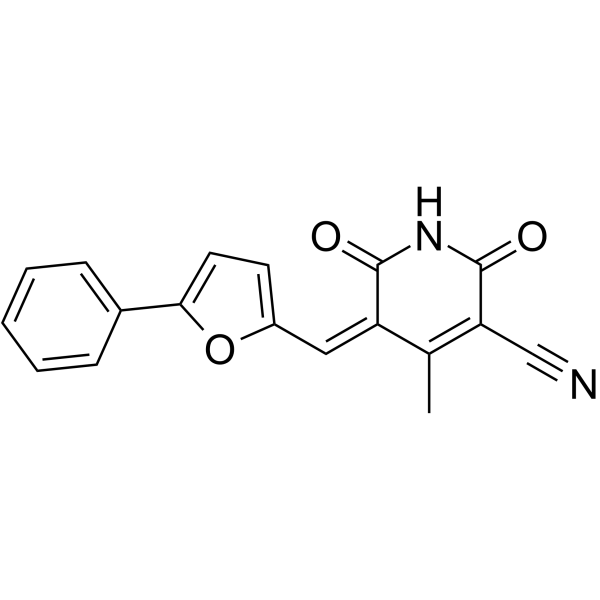
ZINC05007751 is a potent NIMA-related kinase NEK6 inhibitor with an IC50 of 3.4 μM. ZINC05007751 shows antiproliferative activity against a panel of human cancer cell lines, and displays a synergistic effect with Cisplatin and Paclitaxel in a BRCA2 mutated ovarian cancer cell line. ZINC05007751 is very selective against NEK1 and NEK6 with no significant activity was observed against NEK2, NEK7, and NEK9 .
|
-
-
- HY-P99828
-
|
PF-06523435; hu24
|
ADC Antibody
RET
PERK
ROR
|
Cancer
|
|
Cofetuzumab (PF-06523435) is a humanized IgG1-κ monoclonal antibody targeting PTK7. The expression system of Cofetuzumab is typically CHO (Chinese hamster ovary) cells. Cofetuzumab downregulates PTK7 expression, modulates its downstream signaling pathways, and inhibits tumor sphere formation of ovarian cancer cells. Cofetuzumab can be used to synthesize the ADC molecule Cofetuzumab pelidotin (HY-P99829). Cofetuzumab is applicable to the research of tumors such as ovarian cancer .
|
-

-
- HY-15614A
-
|
|
Interleukin Related
Apoptosis
|
Cancer
|
|
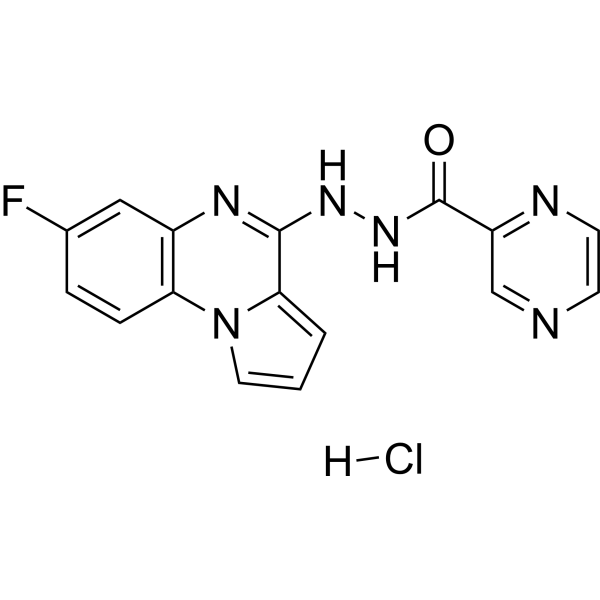
SC144 hydrochloride is a first-in-class, orally active gp130 (IL6-beta) inhibitor. SC144 hydrochloride binds gp130, induces gp130 phosphorylation (S782) and deglycosylation, abrogates Stat3 phosphorylation and nuclear translocation, and further inhibits the expression of downstream target genes. SC144 hydrochloride shows potent inhibition of gp130 ligand-triggered signaling. SC144 hydrochloride induces apoptosis in human ovarian cancer cells .
|
-
-
- HY-N2877
-
|
|
Potassium Channel
Sodium Channel
Na+/K+ ATPase
Calcium Channel
Apoptosis
|
Neurological Disease
Cancer
|
|
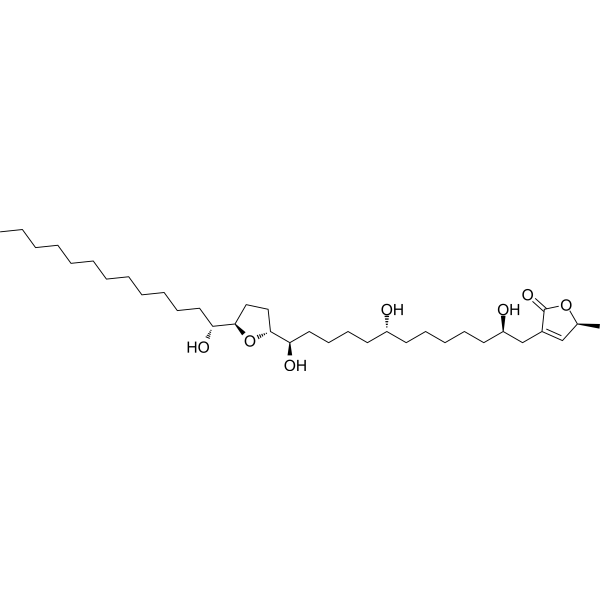
Annonacin is an acetylgenin that is toxic by inhibiting the pathway of the mitochondrial complex. Annonacin increases tau phosphorylation in R406W +/+ mice. Annonacin acts as an inhibitor of the sodium/potassium and sarcoplasmic reticulum (SERCA) ATPase pumps. Annonacin has significant killing effect on ovarian cancer cell, cervical cancer cell, breast cancer cell, bladder cancer cell and skin cancer cell. Annonacin induces apoptosis through Bax and Caspase-3-related pathways .
|
-
-
- HY-N3415
-
|
|
Apoptosis
Autophagy
Caspase
Ferroptosis
SARS-CoV
|
Neurological Disease
Inflammation/Immunology
Cancer
|
|
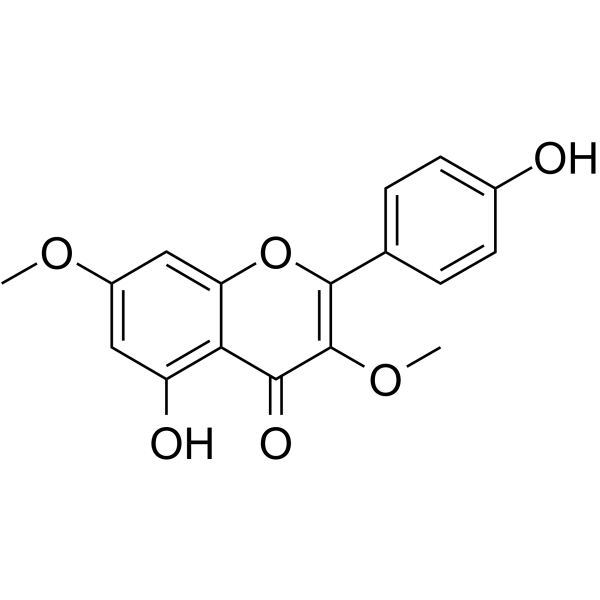
Kumatakenin is an orally active apoptosis inducer and autophagy inhibitor, with a Kd value of 2.94 μM for mouse ATG5. Kumatakenin increases the activities of caspase-3, caspase-8 and caspase-9, thereby inducing caspase-dependent apoptosis in ovarian cancer cells. Kumatakenin reduces the expression of chemokines and pro-oncogenic factors in ovarian cancer cells, and inhibits M2 macrophage polarization. Kumatakenin inactivates TRIM65 function, reduces the expression and stability of FASN, and thus inhibits the proliferation, migration, invasion and tumor progression of esophageal cancer cells. Kumatakenin interacts with ATG5 to reduce its protein level, decrease LC3 level, and reduce the number of autophagosomes in the hippocampus. Kumatakenin binds to Eno3 to upregulate its expression, reduce the stability and expression level of IRP1 mRNA, inhibit ferroptosis, alleviate intestinal inflammation, and restore epithelial barrier function. Kumatakenin enhances the efficacy of antibiotics against pathogenic bacteria, inhibits SARS-CoV-2 replication, and reduces cytokine production. Kumatakenin is applicable to research related to ovarian cancer, esophageal cancer, depression and colitis .
|
-
-
- HY-15184
-
|
Azalomycin B; Gopalamicin; Efomycin E
|
Autophagy
Antibiotic
|
Cancer
|
|
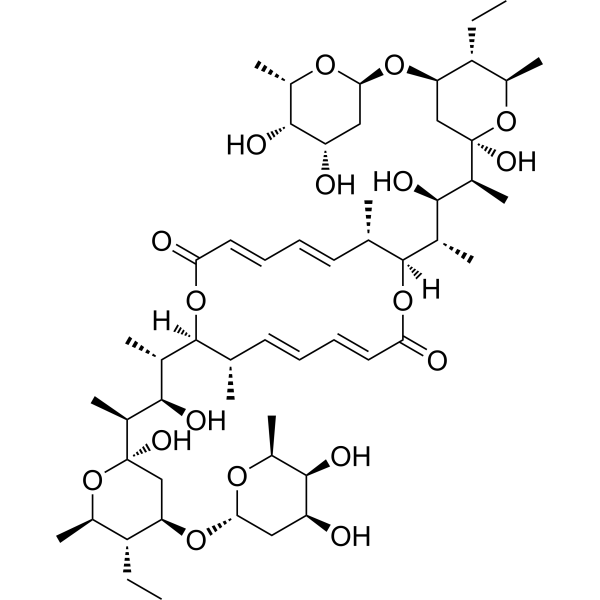
Elaiophylin (Azalomycin B; Gopalamicin; Efomycin E) is an autophagy inhibitor, exerts antitumor activity as a single agent in ovarian cancer cells .
|
-
-
- HY-136528
-
|
|
Deubiquitinase
Apoptosis
|
Cancer
|
|
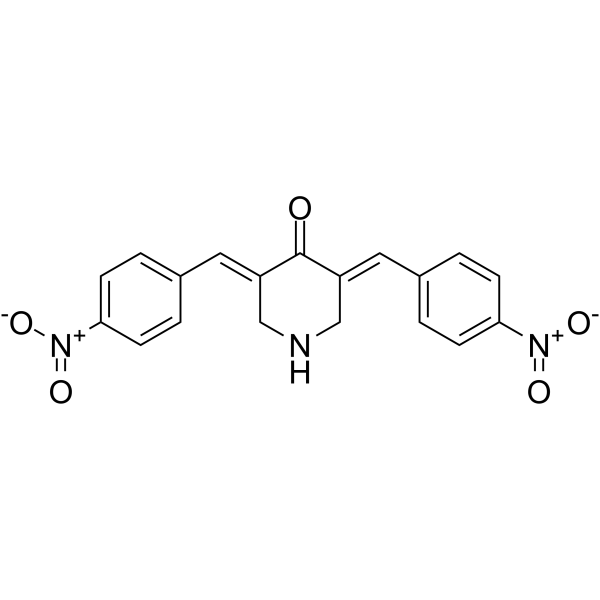
RA-9 is a potent and selective proteasome-associated deubiquitinating enzymes (DUBs) inhibitor with favorable toxicity profile and anticancer activity. RA-9 blocks ubiquitin-dependent protein degradation without impacting 20S proteasome proteolytic activity. RA-9 selectively induces onset of apoptosis in ovarian cancer cell lines and primary cultures derived from donors. RA-9 induces endoplasmic reticulum (ER)-stress responses in ovarian cancer cells .
|
-
-
- HY-P1103
-
|
|
CXCR
|
Cancer
|
|
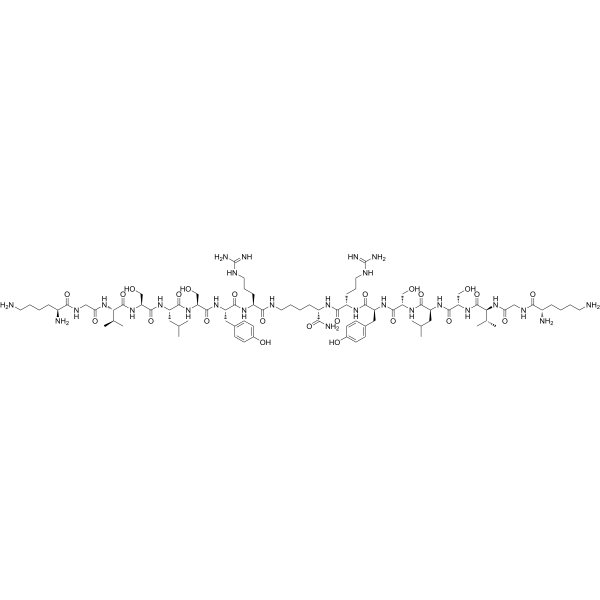
CTCE-9908 is a potent and selective CXCR4 antagonist. CTCE-9908 induces mitotic catastrophe, cytotoxicity and inhibits migration in CXCR4-expressing ovarian cancer cells .
|
-
-
- HY-B0580B
-
|
(+)-Ketorolac
|
Ras
|
Cancer
|
|
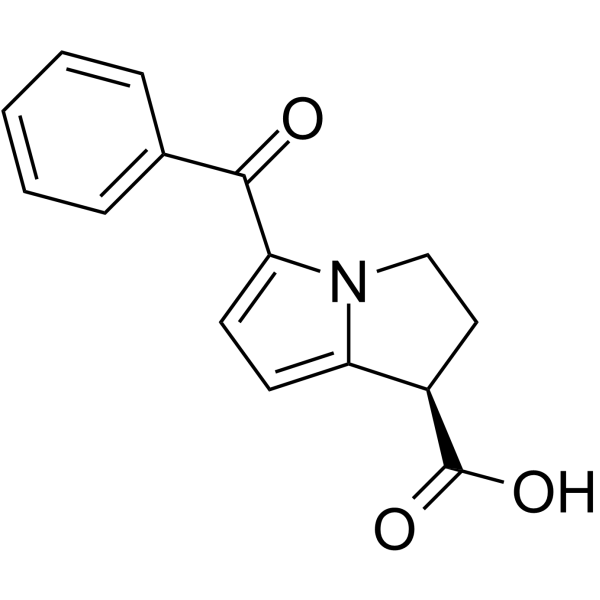
(R)-Ketorolac is an orally active Cdc42 and Rac1 inhibitor. (R)-Ketorolac inhibits GTPase. (R)-Ketorolac alters ovarian cancer cell behaviors critical for invasion and metastasis. (R)-Ketorolac ameliorates cancer-associated cachexia .
|
-
-
- HY-103359
-
|
|
Ceramidase
|
Cancer
|
|
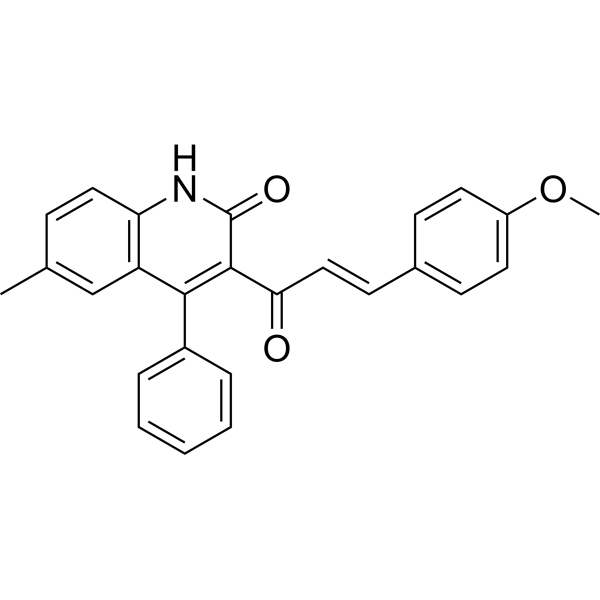
Ceranib1 is a ceramidase inhibitor. Ceranib1 inhibits ceramidase activity toward an exogenous ceramide analog, induces the accumulation of multiple ceramide species, decreases levels of sphingosine and S1P. Ceranib1 inhibits the proliferation of ovarian cancer cells .
|
-
-
- HY-173350
-
|
|
Arf Family GTPase
Apoptosis
|
Cancer
|
|
Ran-IN-1 is a specific inhibitor of Ran GTPase. Ran-IN-1 selectively induces cytotoxicity and apoptosis in aneuploid ovarian cancer cells and also inhibits DNA repair. Ran-IN-1 exhibits antitumor activity and is useful for research on tumors such as epithelial ovarian cancer .
|
-

-
- HY-12929
-
|
SU093
|
Pim
Apoptosis
|
Cancer
|
|
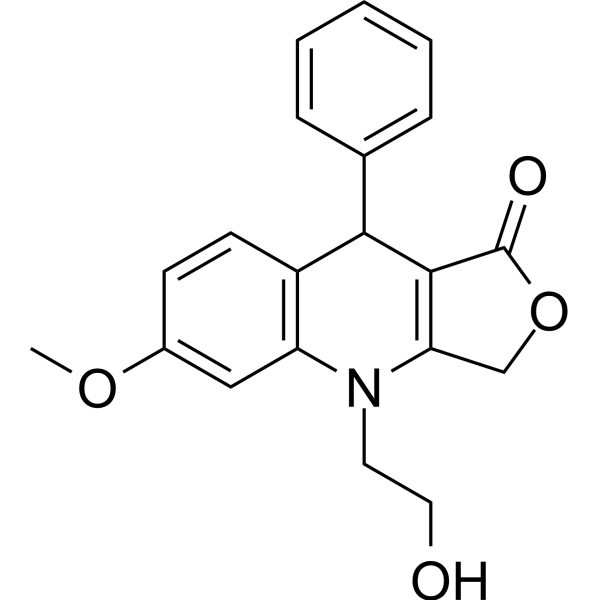
NSC756093 (SU093) is a GBP1:PIM1 interaction inhibitor. NSC756093 binds to GBP1-PIM1 with a Kd of 38 nM. NSC756093 suppresses proliferation, reduces migration, induces G1 phase cell-cycle arrest, and increases apoptotic cell death in ovarian cancer cells. NSC756093 reduces cellular proteasomal activity, induces accumulation of ubiquitinated proteins, and restrains tumor progression and lung metastasis in murine ovarian cancer xenograft models. NSC756093 increases sensitivity of prostate cancer cells to Docetaxel (HY-B0011) and sensitizes GBP1-overexpressing ovarian cancer cells to Paclitaxel (HY-B0015). NSC756093 can be used for the research of prostate cancer and ovarian cancer .
|
-
-
- HY-127079
-
|
|
Microtubule/Tubulin
|
Cancer
|
|
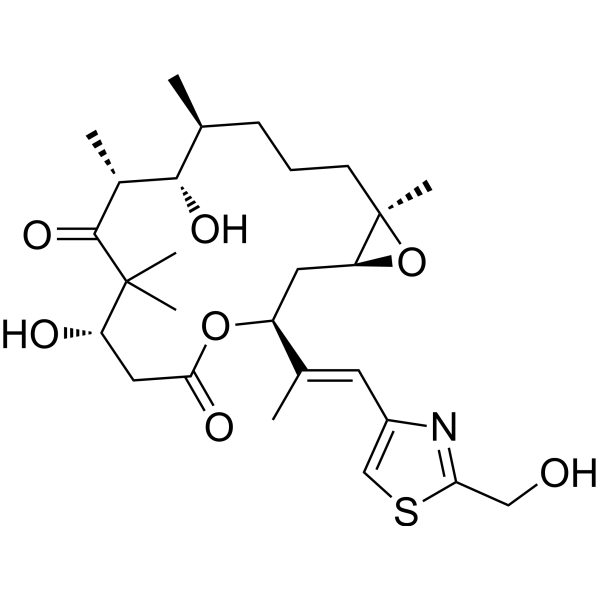
Epothilone F is a 16-membered macrolide microtubule-targeting agent. Epothilone F exhibits significant anticancer activity, and it particularly exerts effective inhibitory effects on paclitaxel-resistant cancer cells. Epothilone F inhibits the proliferation of breast cancer cells, non-small cell lung cancer cells and drug-resistant ovarian cancer cells, and it has been widely used in cancer-related research .
|
-
-
- HY-159805
-
|
|
CDK
|
Cancer
|
|
CDK2-IN-31 is a CCNE1:CDK2 complex inhibitor with an IC50 of 0.13 μM. CDK2-IN-31 binds to a cryptic allosteric pocket at the CCNE1:CDK2 interface, inducing structural rearrangements of the CDK2 A-loop that disrupt the kinase's active conformation and interfere with substrate binding. CDK2-IN-31 inhibits phosphorylation of retinoblastoma protein 1 (RB1) in CCNE1-dependent ovarian cancer cells. CDK2-IN-31 impairs coenrichment of protein PRC1 with CCNE1-N112C:CDK2 complexes. CDK2-IN-31 can be used for the research of ovarian cancer .
|
-

-
- HY-N1050
-
|
|
mTOR
Ribosomal S6 Kinase (RSK)
Bacterial
|
Infection
Neurological Disease
Cancer
|
|
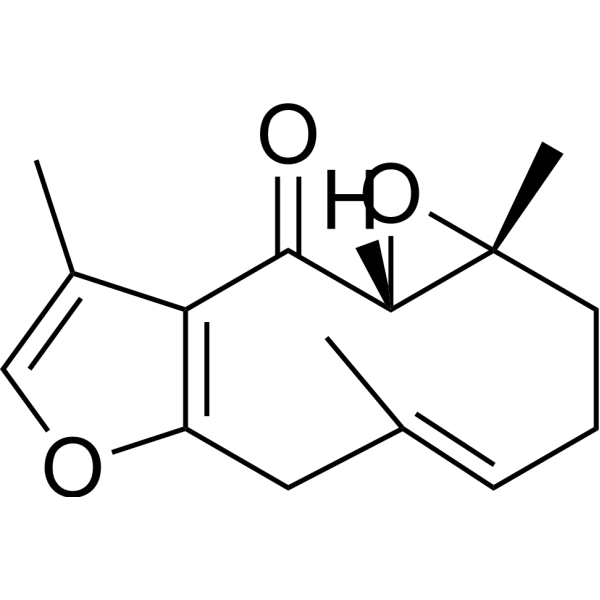
Zederone is a sesquiterpene. Zederone inhibits ovarian cancer cell proliferation through mTOR/p70s6K signalling pathway. Zederone inhibits CYP activities with IC50s of 2.9 μM (CYP2B6), 9.2 μM (CYP2C9), 11,2 μM (CYP2C19) and >30 μM (CYP1A2 and CYP2D6). Zederone is hepatotoxic with LD50 value at 24 hours in mice of approximately 223 mg/kg and cytotoxic against the KG1a cell line. Zederone shows antibacterial activity against a number of multi-drug resistant and Methicillin (HY-121544)-resistant Staphylococcus aureus strain. Zederone shows cognition improving capacity and assists in the modulation of gut bacterial dysbiosis .
|
-
-
- HY-111538
-
|
|
MAGL
|
Cancer
|
|
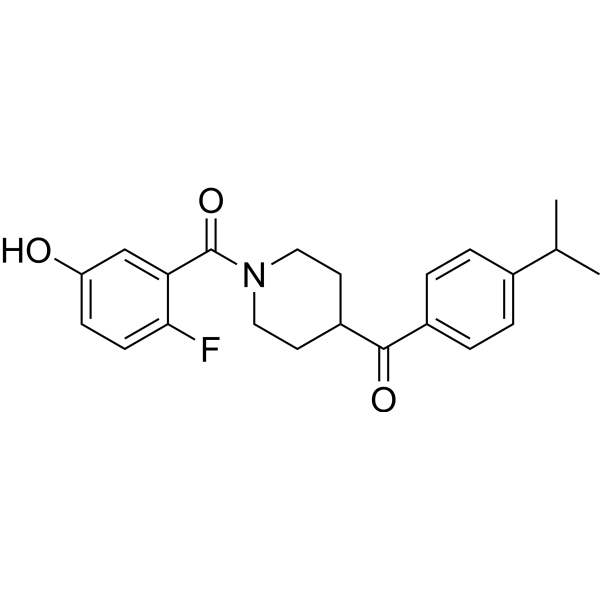
MAGL-IN-1 is a potent, selective, reversible and competitive inhibitor of MAGL, with an IC50 of 80 nM. MAGL-IN-1 exhibits anti-proliferative effects against human breast, colorectal, and ovarian cancer cells. MAGL-IN-1 blocks MAGL in cell-based as well as in vivo assays .
|
-
-
- HY-149075
-
|
|
Salt-inducible Kinase (SIK)
|
Cancer
|
|
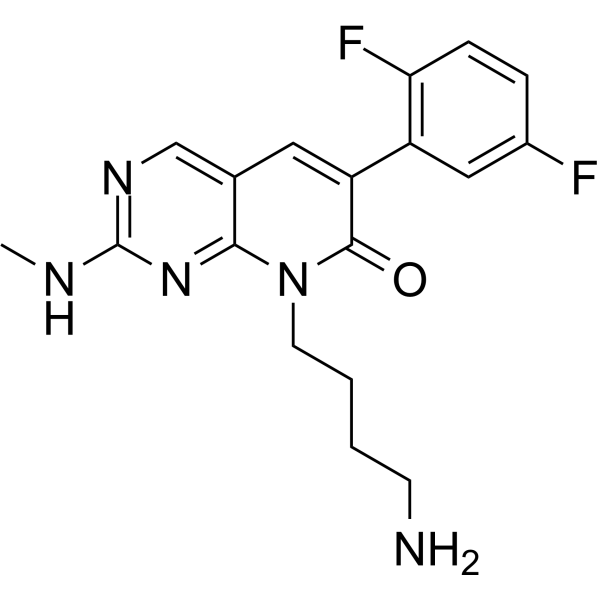
MR22 is a potent pan-SIK (salt-inducible kinase) inhibitor. MR22 no longer exhibits activity on STE group kinases and displays excellent selectivity in a representative kinase panel. MR22-dependent SIK inhibition led to centrosome dissociation and subsequent cell-cycle arrest in ovarian cancer cells .
|
-
-
- HY-114250
-
|
TRX-E-002-1
|
Apoptosis
|
Cancer
|
|
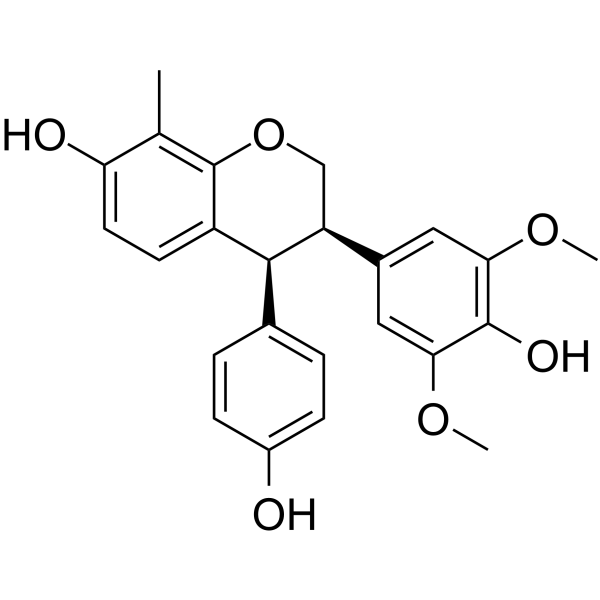
Cantrixil (TRX-E-002-1), an active enantiomer of TRX-E-002, is a second-generation super-benzopyran (SBP) compound. Cantrixil increases phosphorylated c-Jun levels resulting in caspase-mediated apoptosis in ovarian cancer cells. Cantrixil has potent pan anti-cancer activity against a broad range of cancer phenotypes .
|
-
-
- HY-134061
-
|
|
Apoptosis
Mitosis
|
Cancer
|
|
Arecaidine propargyl ester hydrobromide is an agonist of M2 muscarinic acetylcholine receptors and has the activity of inhibiting tumor cell proliferation. The application of arecaidine propargyl ester hydrobromide has shown that it can reduce the number of ovarian cancer cells in vitro and induce apoptosis and the production of reactive oxygen species (ROS) at specific concentrations. Arecaidine propargyl ester hydrobromide can also arrest cells at the G2/M phase of the cell cycle and increase the percentage of abnormal mitosis. Arecaidine propargyl ester hydrobromide is more sensitizing to ovarian surface epithelial cells with higher M2 receptor levels than to cancer cells. Arecaidine propargyl ester hydrobromide exhibits the effect of lowering arterial blood pressure when interacting with the cardiovascular system in a natural physiological state, indicating its potential pharmacological application .
|
-

-
- HY-N11709
-
|
|
Apoptosis
VEGFR
ATM/ATR
PTEN
Akt
mTOR
HIF/HIF Prolyl-Hydroxylase
NF-κB
Notch
Cholinesterase (ChE)
Amyloid-β
γ-secretase
Ferroptosis
Fungal
|
Infection
Neurological Disease
Metabolic Disease
Cancer
|
|
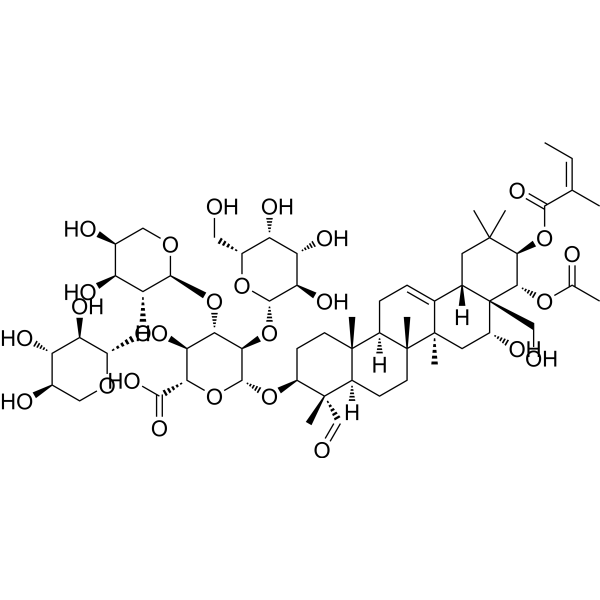
Theasaponin E1 is an orally effective tea saponin. Theasaponin E1 inhibits the proliferation of cancer cells by activating apoptosis. Theasaponin E1 inhibits angiogenesis in ovarian cancer cells and HUVECs by reducing the expression of VEGF. Theasaponin E1 upregulates the phosphorylation level of ATM protein and the expression level of PTEN protein in cancer cells, decreases the phosphorylation levels of Akt, mTOR, p70S6K and 4E-BP1 proteins, downregulates the expression of HIF-1α and NF-κB, and reduces the protein expression of Notch ligands Dll4 and Jagged1. Theasaponin E1 exerts neuroprotective effects by inhibiting the activity of acetylcholinesterase, activating α-secretase and neprilysin, reducing the concentration of Aβ, and inhibiting the activities of β-secretase and γ-secretase. Theasaponin E1 exhibits toxic effects on cancer cells and quinone reductase-inducing activity, and inhibits tumor growth in vivo. Theasaponin E1 induces ferroptosis in Pomacea canaliculata by synergistically disrupting cholesterol homeostasis and sphingolipid metabolism. Theasaponin E1 possesses anti-biofilm activity against Candida albicans. Theasaponin E1 can be used in the research of ovarian cancer, obesity, Alzheimer's disease and fungal infections .
|
-
-
- HY-15519
-
|
|
IAP
FLT3
|
Cancer
|
|
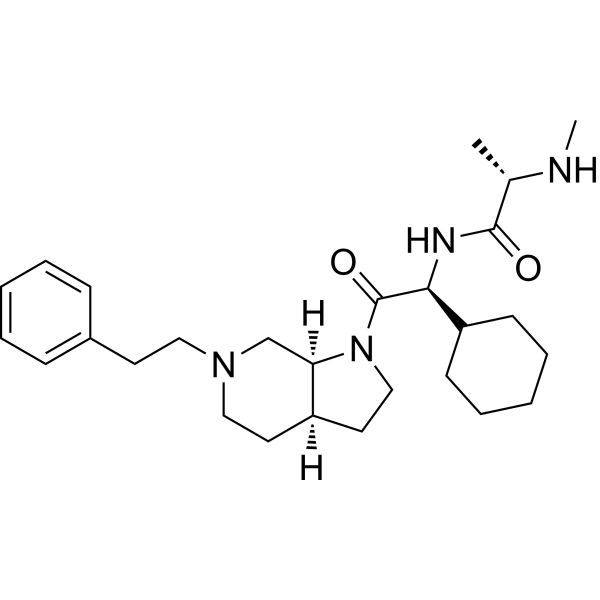
LBW242, a 3-mer and Smac mimetic, is a potent and orally active proapoptotic IAP inhibitor. LBW242 shows effects on mutant FLT3-expressing cells. LBW242 has activity against multiple myeloma, and potentiates TRAIL- and anticancer agent-mediated cell death of ovarian cancer cells .
|
-
-
- HY-123888
-
|
|
E1/E2/E3 Enzyme
Bacterial
|
Cancer
|
|
Viomellein is a SUMOylation inhibitor with antibacterial and anticancer activities. Viomellein inhibits biofilm formation of strains produced from the fungus Aspergillus ochraceus from the Mediterranean sponge Agelas oroides. Viomellein exhibits cytotoxicity against A2780 human ovarian cancer cells with an IC50 value of 5.0 μM. Viomellein also inhibits SUMOylation of RanGAP1 (GTPase activating protein) with an IC50 of 10.2 μM .
|
-

-
- HY-150184
-
|
|
DNA/RNA Synthesis
|
Cancer
|
|
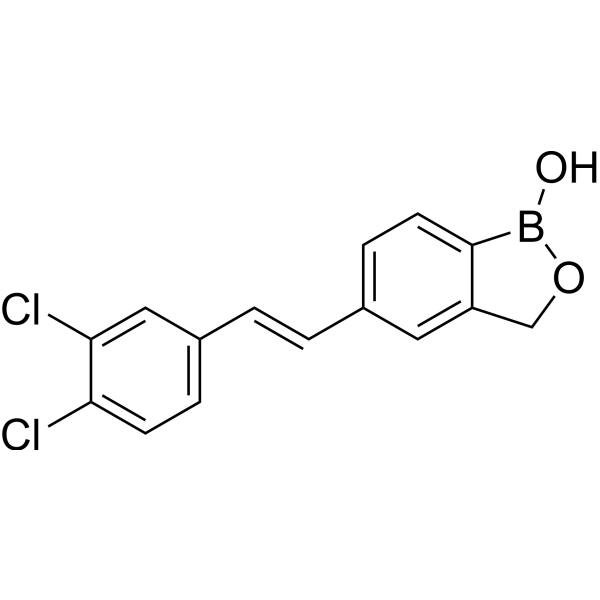
And1-IN-1 is a potent And1 inhibitor with an IC50 of 2.08 μM. And1-IN-1 binds to the N-terminus of And-1 and induces a conformational change in And-1, which promotes the interaction of And-1 with E3 ligase CUL4B for ubiquitin-mediated degradation. And1-IN-1 suppresses the growth of a broad range of cancers and resensitizes platinum-resistant ovarian cancer cells to platinum agents. And1-IN-1 can be used for the studies of ovarian cancer and breast cancer .
|
-
-
- HY-N6926
-
|
|
HIV
Apoptosis
Caspase
VEGFR
ERK
PI3K
Akt
mTOR
PARP
|
Infection
Cancer
|
|
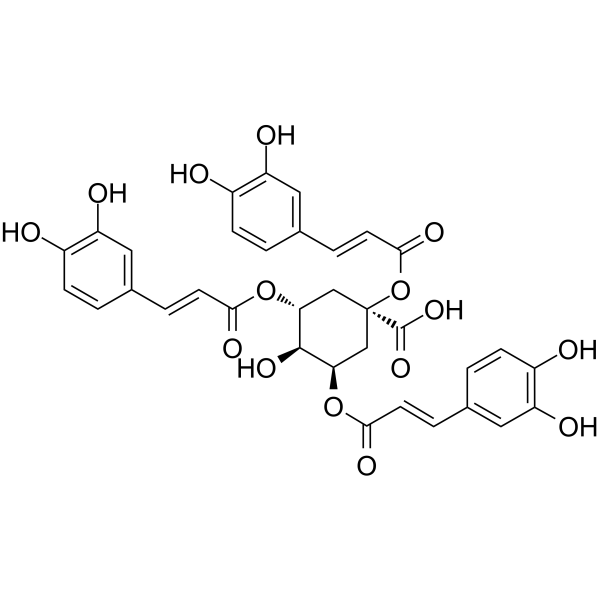
1,3,5-Tricaffeoylquinic acid acts as an angiogenesis inhibitor and apoptosis inducer, and exhibits anti-HIV activity. 1,3,5-Tricaffeoylquinic acid inhibits the phosphorylation of VEGFR2, ERK, PI3K, Akt and mTOR in the angiogenesis signaling pathway. 1,3,5-Tricaffeoylquinic acid regulates apoptosis-related proteins, upregulates the levels of activated caspase-8, Bax, activated PARP and caspase-3/9, while downregulates the level of Bcl-2. 1,3,5-Tricaffeoylquinic acid inhibits tube formation and shows cytotoxicity against ovarian cancer cells. 1,3,5-Tricaffeoylquinic acid can be used in studies related to ovarian cancer .
|
-
-
- HY-P99121
-
|
|
Integrin
|
Inflammation/Immunology
Cancer
|
|
Anti-Mouse/Human CD11b Antibody (M1/70) is an anti-mouse CD11b IgG2b monoclonal antibody. Anti-Mouse/Human CD11b Antibody (M1/70) can significantly inhibit the adhesion between dendritic cells (DCs) and platelets. Anti-Mouse/Human CD11b Antibody (M1/70) can kill ovarian cancer cells and inhibit their migration. Anti-Mouse/Human CD11b Antibody (M1/70) can alleviate renal fibrosis and inflammation. Anti-Mouse/Human CD11b Antibody (M1/70) can be used for researches on inflammation conditions and cancer such as ischemia-reperfusion injury (IRI), thrombotic inflammatory conditions and ovarian cancer .
|
-
-
- HY-N16573
-
|
|
Others
|
Cancer
|
|
19-epi-Voacristine is an indole alkaloid. 19-epi-Voacristine exhibits cytotoxic activity against the A2780 ovarian cancer cell line .
|
-

-
- HY-155102
-
|
|
PROTACs
Glutaminase
|
Cancer
|
|
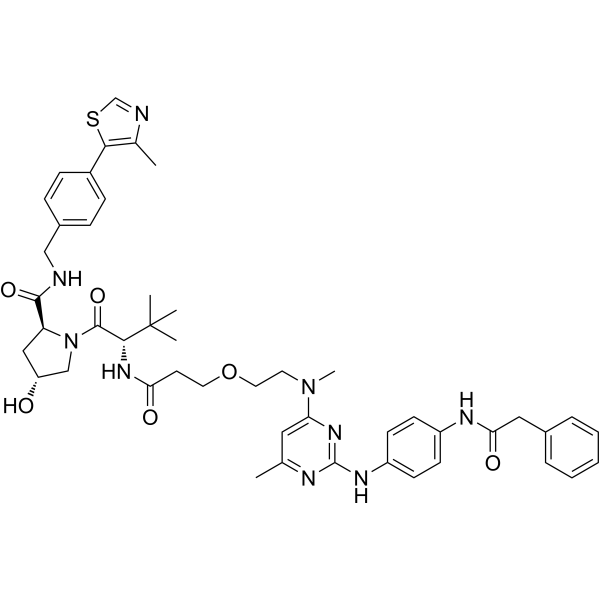
PROTAC TG2 degrader-2 (compound 7) is a selective, competitive degrader targeting Transglutaminase 2 (TG2), with Kd > 100 μM. PROTAC TG2 degrader-2 inhibits the cell migration and decreases the level of TG2 in ovarian cancer cells. PROTAC TG2 degrader-2 can be used for ovarian cancer study .
|
-
-
- HY-123823
-
|
NCX 4016
|
COX
Apoptosis
|
Cancer
|
|
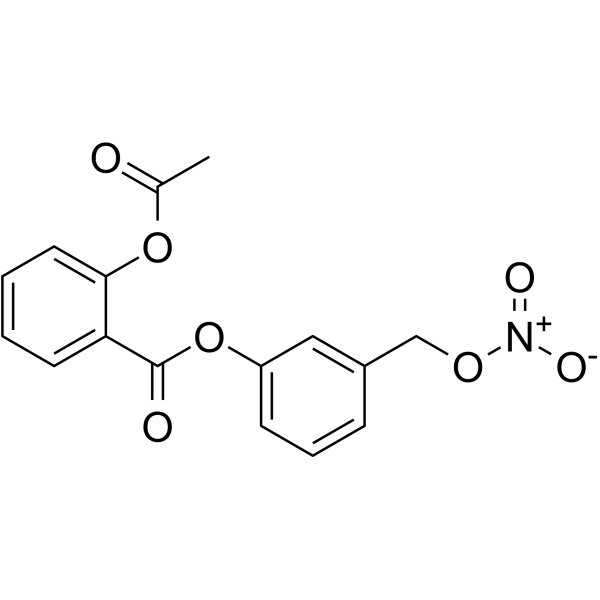
Nitroaspirin (NCX 4016) is a nitric oxide (NO) donor and a nitro-derivative of Aspirin, which combines with Nitroaspirin to inhibit cyclooxygenase. Nitroaspirin (NCX 4016) has antithrombotic and anti-platelet properties and acts as a direct and irreversible inhibitor of COX-1. Nitroaspirin (NCX 4016) causes significant induction of cell cycle arrest and apoptosis in Cisplatin-resistant human ovarian cancer cells via down-regulation of EGFR/PI3K/STAT3 signaling and modulation of Bcl-2 family proteins .
|
-
-
- HY-179228
-
|
|
CTLA-4
TGF-beta/Smad
|
Cancer
|
|
AN02 is a derivative of Curcumin (HY-N0005). AN02 inhibits the proliferation and clonogenicity, migration and invasion of ovarian cancer cells. AN02 dose-dependently upregulates the expression of APC and mediates the degradation of CTLA-4 through SMAD4. In the small xenograft model, AN02 significantly inhibits tumor growth and reverses the tumor immune-suppressive microenvironment. AN02, when combined with Ipilimumab (HY-P9901), can enhance efficacy and inhibit epithelial-mesenchymal transition. AN02 can be used for the study of ovarian cancer .
|
-

-
- HY-P1103A
-
|
|
CXCR
|
Cancer
|
|
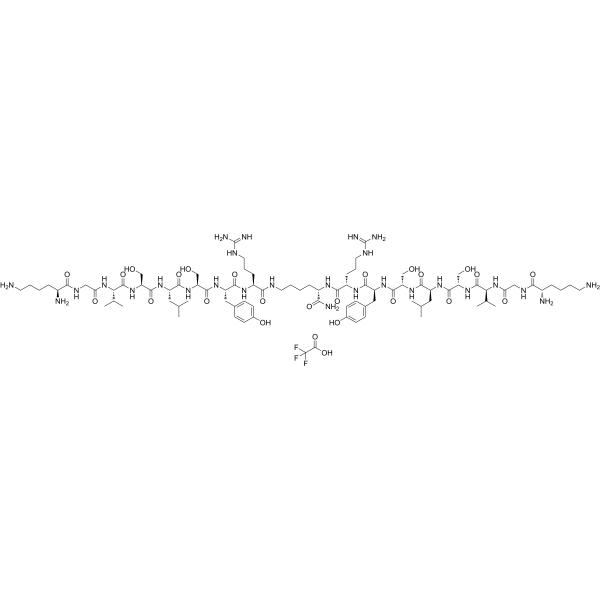
CTCE-9908 TFA is a potent and selective CXCR4 antagonist. CTCE-9908 TFA induces mitotic catastrophe, cytotoxicity and inhibits migration in CXCR4-expressing ovarian cancer cells .
|
-
-
- HY-N1306
-
|
|
Bacterial
Reactive Oxygen Species (ROS)
Apoptosis
|
Infection
Cancer
|
|
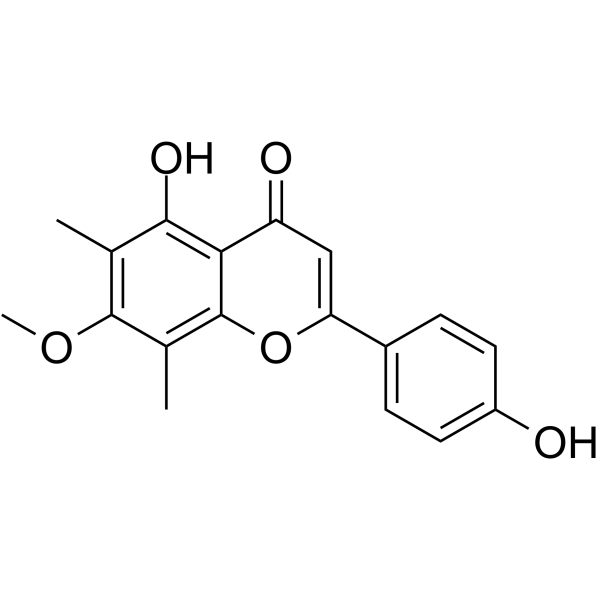
Sideroxylin is a C-methylated flavone isolated from Callistemon lanceolatus and exerts antimicrobial activity against Staphylococcus aureus. Sideroxylin inhibits ovarian cancer cell proliferation and induces apoptosis, causing DNA fragmentation, depolarization of the mitochondrial membrane, the generation of reactive oxygen species (ROS) .
|
-
-
- HY-155643
-
|
|
PROTACs
Glutaminase
|
Cancer
|
|
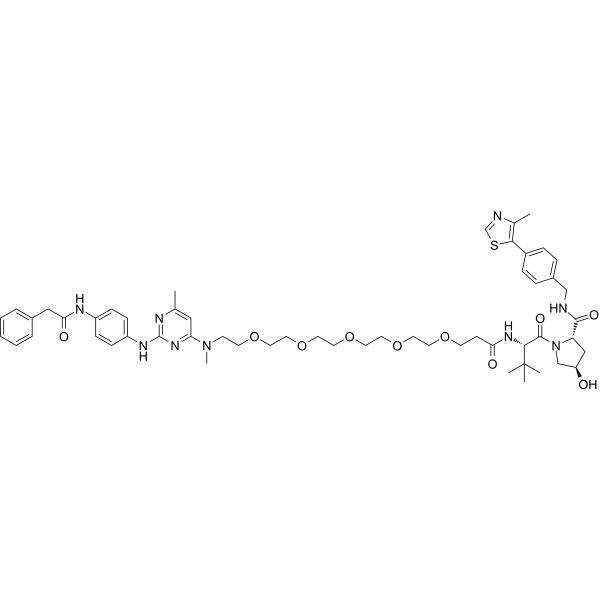
PROTAC TG2 degrader-1 (compound 11) is a von Hippel-Lindau (VHL)-based PROTAC targeting tissue transglutaminase (TG2) with a KD of 68.9 μM. PROTAC TG2 degrader-1 reduces TG2 in ovarian cancer cells in a proteasome-dependent manner .
|
-
-
- HY-134779
-
|
|
PD-1/PD-L1
|
Cancer
|
|
BMS-142 is a PDL1 inhibitor (IC50 = 96.7 nM) (kd = 13.2 nM). BMS-142 can reduce the survival rate of acute T-lymphoblastic leukemia cells and ovarian cancer cells. BMS-142 can be used in research on cancers such as acute T-lymphoblastic leukemia and ovarian cancer .
|
-

-
- HY-107595
-
SD-1008
1 Publications Verification
|
JAK
STAT
Apoptosis
|
Cancer
|
|
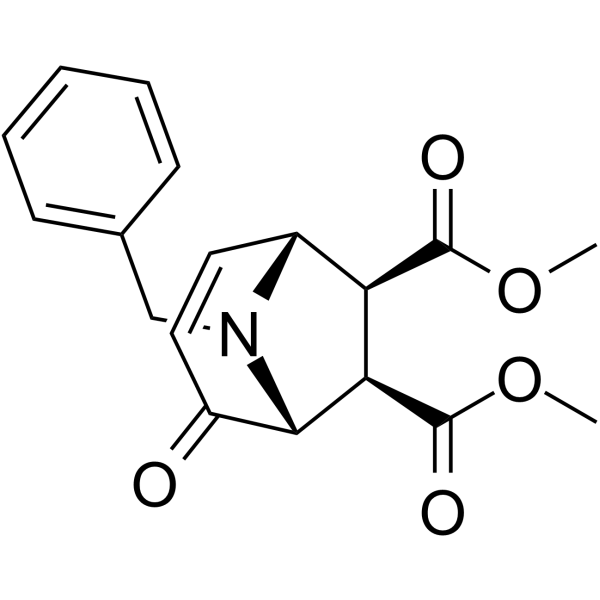
SD-1008 is a potent JAK inhibitor. SD-1008 inhibits tyrosyl phosphorylation of STAT3, JAK2 and Src. SD-1008 also reduces STAT3-dependent luciferase activity. SD-1008 enhances apoptosis induced by Paclitaxel in ovarian cancer cells via directly blocking the JAK-STAT3 signaling pathway .
|
-
-
- HY-163456
-
|
|
Apoptosis
|
Cancer
|
|
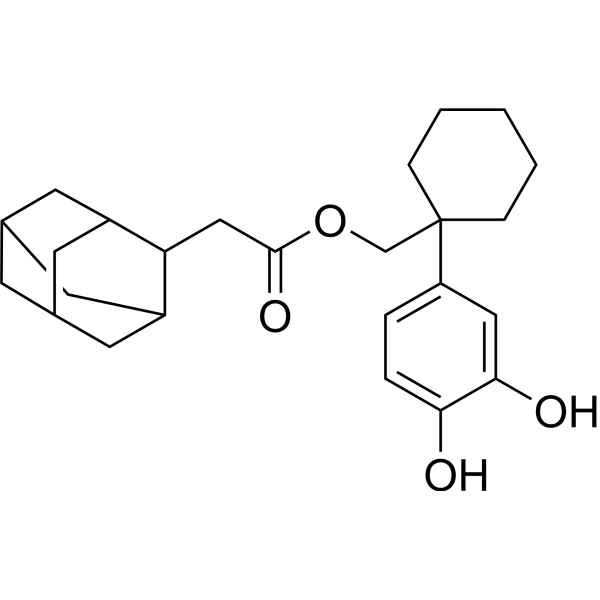
Chx-HT has an anti-proliferation activity and promotes apoptosis on ovarian cancer cells .
|
-
-
- HY-N3446
-
|
|
Apoptosis
|
Cancer
|
|
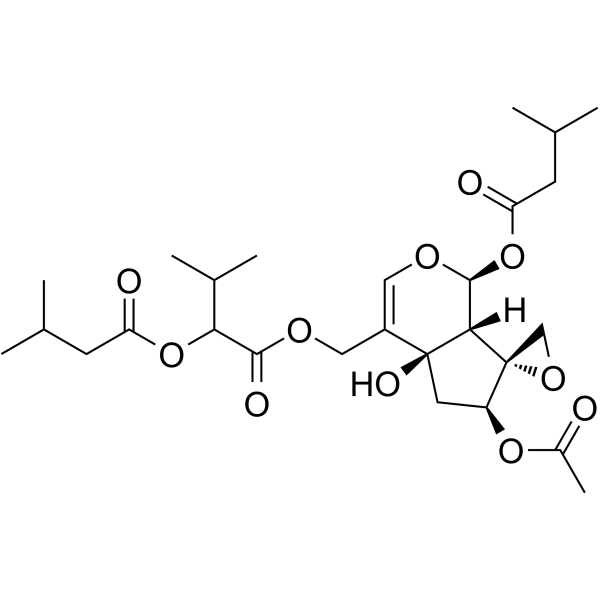
IVHD-valtrate, an active Valeriana jatamansi derivative, is against human ovarian cancer cells in vitro and in vivo. IVHD-valtrate induces cancer cells apoptosis and arrests the ovarian cancer cells in the G2/M phase. IVHD-valtrate has the potential to be a novel chemotherapeutic agent for the human ovarian cancer research .
|
-
-
- HY-N11010
-
|
|
Others
|
Cancer
|
|
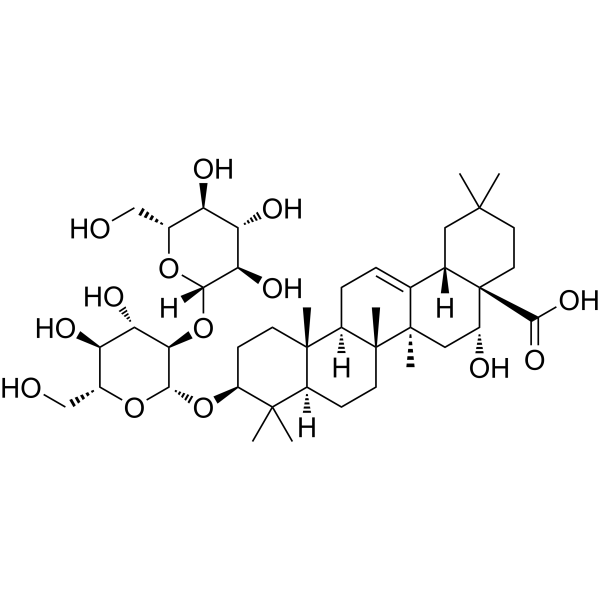
Eclalbasaponin IV is a triterpenoid that can be isolate from the aerial parts of Eclipta prostrata. Eclalbasaponin IV shows antitumor activity in human ovarian cancer cells .
|
-
-
- HY-143253
-
|
|
Estrogen Receptor/ERR
|
Cancer
|
|
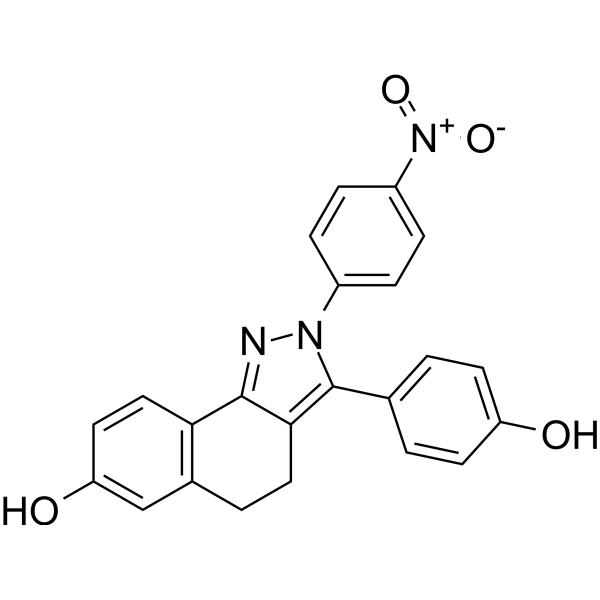
Estrogen receptor antagonist 7 (compound 13) is a potent estrogen receptors (ER) antagonist. Estrogen receptor antagonist 7 has antiproliferative activity against breast and ovarian cancer cells. Anticancer and anti-uterotrophic activities .
|
-
-
- HY-167868
-
|
|
TRP Channel
Apoptosis
|
Neurological Disease
Cancer
|
|
DWP-05195 is a TRPV1 antagonist that can inhibit the pain signal transduction. DWP-05195 induces ER stress-dependent apoptosis through the ROS-p38-CHOP pathway in human ovarian cancer cells .
|
-

-
- HY-E70295
-
|
GALNT14
|
Endogenous Metabolite
|
Cancer
|
|
N-Acetylgalactosaminyltransferase 14 (GALNT14) is a mucin-type glycosylating enzyme polypeptide that promotes the migration of ovarian cancer by modifying mucin 13 (MUC13). GALNT14 can regulate the O-glycosylation and stability of MUC13, thereby mediating the malignant behavior of ovarian cancer cells .
|
-
-
- HY-156920
-
|
|
Necroptosis
RIP kinase
|
Inflammation/Immunology
Cancer
|
|
VDX-111 is an analog of vitamin D. VDX-111 exhibits cytotoxicity in ovarian cancer cells through upregulation of RIPK1/RIPK3 pathway and induction of necroptosis. VDX-111 promotes expressions of cytokines and exhibits antitumor activity in mouse model .
|
-

-
- HY-N15346
-
|
|
Others
|
Cancer
|
|
Menominin B is a cyclic peptide found in the freshwater sponge-associated cyanobacterium Nostoc sp. with cytotoxic properties. Menominin B exhibits antiproliferative activity against the ovarian cancer cell line OVCAR3 (with IC50 of 2.4 μM). Menominin B holds promise for research in the field of anticancer therapy .
|
-

-
- HY-16483
-
|
CDB-4124
|
Progesterone Receptor
Apoptosis
PARP
CDK
|
Metabolic Disease
Cancer
|
|
Telapristone acetate (CDB-4124) is a potent progesterone receptor (PR) modulator. Telapristone acetate inhibits the proliferation of ovarian cancer cells by inducing cell cycle arrest and apoptosis. Telapristone effectively inhibits the occurrence and development of spontaneous and chemically induced mammary tumors in rats. Telapristone acetate can be used for breast and ovarian cancer research .
|
-

-
- HY-124242
-
|
|
Drug Derivative
|
Cancer
|
|
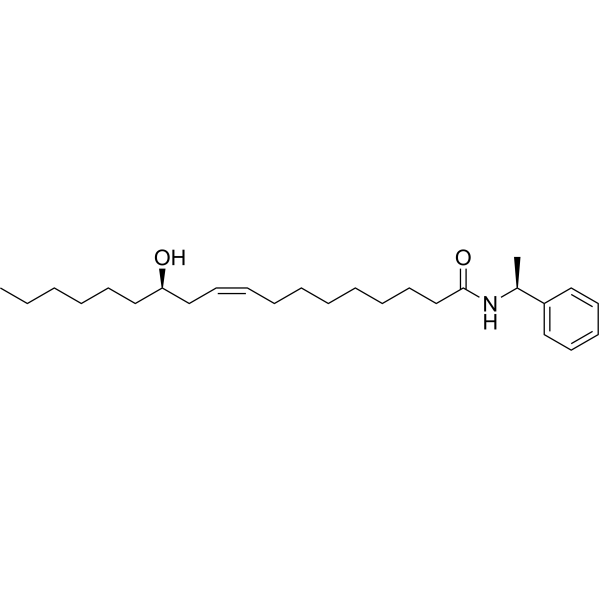
(S)-α-Methylbenzyl ricinoleamide (compound (R,S)-3d) is a fatty acid amide. (S)-α-Methylbenzyl ricinoleamide shows antiproliferative activity, inhibits the growth of human ovarian cancer cells NCI-ADR/RES and glioma cells U251 with GI50s of 1.9 μg/mL and 3.6 μg/mL, respectively .
|
-
- HY-162879
-
|
|
FAK
Src
Akt
Autophagy
|
Cancer
|
FAK inhibitor 7 is a type of FAK inhibitor with an IC50 value of 3.58 nM. FAK inhibitor 7 can inhibit the downstream signaling cascades of FAK (like Src and AKT), causing ovarian cancer cells to stall in the G0/G1 phase and induce cytotoxic autophagy. FAK inhibitor 7 can also suppress tumor metastasis and growth in ovarian cancer mice .
|
-

- HY-151972
-
|
|
Epigenetic Reader Domain
|
Cardiovascular Disease
Inflammation/Immunology
Cancer
|
|
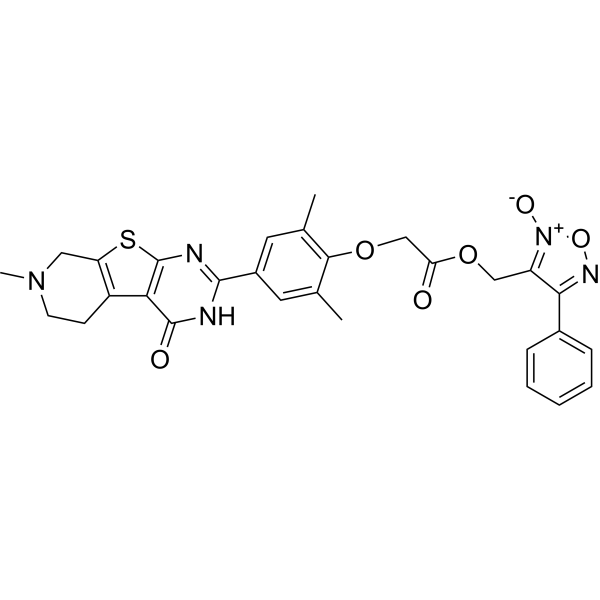
BRD4 Inhibitor-25 is a BRD4 inhibitor with IC50s of 0.82 μM, 1.94 μM for BD1 and BD2 domains of BRD4. BRD4 Inhibitor-25 induces apoptotic and autophagy cell death in ovarian cancer cells. BRD4 Inhibitor-25 can be used in the research of cancers, cardiovascular, neuromuscular and inflammatory disorders.
|
-
- HY-169477
-
|
|
Biochemical Assay Reagents
|
Cancer
|
|
PAMAM Dendrimer G0.5 Carboxylate sodium is a polyamidoamine (PAMAM) dendrimer with carboxylate termini. PAMAM Dendrimer G0.5 Carboxylate sodium conjugated with DACHPt is cytotoxic to A2780 ovarian cancer cells, MCF-7 breast cancer cells, Caco-2 colon cancer cells and BJ fibroblasts with IC50 values of 0.03, 1.6, 0.18 and 3 µM, respectively .
|
-

- HY-174160
-
|
|
TAM Receptor
Apoptosis
|
Cancer
|
|
MerTK-IN-2 (compound 15f) is an orally active MerTK inhibitor with an IC50 of 37.5 nM. MerTK-IN-2 can induce apoptosis. MerTK-IN-2 has antitumor activity with IC50 values of 1.79, 18.32, and 2.18 μM for human ovarian cancer cells A2780, breast cancer cells MDA-MB-231, and colon cancer cells HCT116, respectively .
|
-

- HY-12496R
-
|
|
Potassium Channel
Apoptosis
|
Cardiovascular Disease
Cancer
|
|
NS-1619 (Standard) is the analytical standard of NS-1619. This product is intended for research and analytical applications. NS-1619 is an opener of large conductance Ca2+-activated K+ (BK) channel. NS-1619 is a highly effective relaxant with an EC50 of about 10-30 μM in several smooth muscles of blood vessels and other tissues . NS1619 inhibits proliferation and induces apoptosis in A2780 ovarian cancer cells .
|
-

- HY-145533A
-
|
KDN sodium
|
Endogenous Metabolite
|
Others
|
|
3-Deoxy-D-glycero-D-galacto-2-nonulosonic acid (KDN) sodium is a sialic acid. 3-Deoxy-D-glycero-D-galacto-2-nonulosonic acid sodium protects the oligo/(poly)sialyl chains from exosialidases at nonreducing terminal, and plays a role in egg activation of salmonid fish. 3-Deoxy-D-glycero-D-galacto-2-nonulosonic acid sodium is abundant in fetal cord red blood cells and malignant human ovarian cancer cells .
|
-

- HY-178325
-
|
|
Microtubule/Tubulin
Apoptosis
|
Cancer
|
|
Tubulin-IN-57 is a Tubulin inhibitor. Tubulin-IN-57 is a potent antiproliferative agent that inhibits clonogenic formation, migration, and invasion of ovarian cancer cells. Tubulin-IN-57 inhibits tubulin polymerization, which in turn induces G2/M arrest and apoptosis in SKOV3 cells. Tubulin-IN-57 demonstrates potent antitumor activity without observable toxicity in an SKOV3 xenograft model. Y60S can be used for the study of ovarian cancer .
|
-

- HY-122224
-
|
|
Sigma Receptor
|
Cancer
|
|
SW43 is a Sigma-2 selective ligand and agonist. SW43 is an ideal molecule for the development of cancer-targeted drug compounds. SW43 conjugated with DOX-L-NETA ( 89Y) exhibits antitumor activity in a VX2 cancer liver tumor allograft rabbit model. SW 43 conjugated with SW IV-52s to form SW III-123 activates the NF-κB pathway, has potent cytotoxicity against ovarian cancer cell lines, and induces apoptosis .
|
-

- HY-177497
-
|
|
Histone Methyltransferase
Apoptosis
|
Cancer
|
|
SKLB-03220 is a selective and orally active EZH2 covalent inhibitor with an IC50 of 1.72 nM for EZH2 MUT. SKLB-03220 exhibits weak activities against other tested histone methyltransferases (HMTs) and kinases. SKLB-03220 displays noteworthy potency against ovarian cancer cell lines and induces cell apoptosis. SKLB-03220 significantly inhibits tumor growth in PA-1 xenograft model. SKLB-03220 can be used for the study of ovarian cancer .
|
-

- HY-E70298
-
|
ST3GAL1
|
Endogenous Metabolite
|
Cancer
|
|
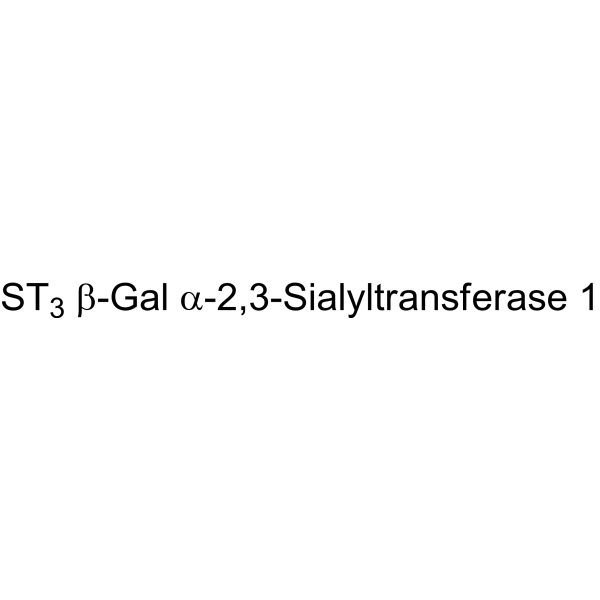
ST3 β-Gal α-2,3-Sialyltransferase 1 (ST3GAL1) is a sialyltransferase whose overexpression in ovarian cancer cell lines enhances cell growth, migration, and invasion capabilities, as well as increases tumorigenicity and resistance to paclitaxel in vivo. ST3 β-Gal α-2,3-Sialyltransferase 1 catalyzes the transfer of sialic acid from cytidine monophosphate-sialic acid to galactose-containing substrates and can be utilized in studies of cancer progression and chemotherapy resistance .
|
-
- HY-123034
-
|
|
CDK
Bcl-2 Family
Apoptosis
|
Cancer
|
|
CDKI-83 is a potent CDK9 and CDK1 inhibitor with Ki values of 21 nM and 72 nM for CDK9/T1 and CDK1/B, respectively. CDKI-83 demonstrates effective anti-proliferative activity in human tumour cell lines with a GI50<1 μM. CDKI-83 effectively induces apoptosis in A2780 human ovarian cancer cells. CDKI-83 reduces phosphorylation at Ser-2 of RNA polymerase II (RNAPII) by inhibiting cellular CDK9 activity, and down-regulates Mcl-1 and Bcl-2. CDKI-83 has the potential for anti-cancer research .
|
-

- HY-136893
-
|
|
Microtubule/Tubulin
Apoptosis
Caspase
Bcl-2 Family
|
Cancer
|
|
SP-6-27 is a tubulin depolymerizing agent that binds to the colchicine site of β-tubulin. SP-6-27 induces G2/M cell cycle arrest in ovarian cancer cells. SP-6-27 enhances intrinsic apoptosis in ovarian cancer cells through upregulation of Bax, Apaf-1, caspase-6, caspase-9, and caspase-3. SP-6-27 reduces ovarian cancer cell migration. SP-6-27 inhibits capillary tube formation by human umbilical vein endothelial cells. SP-6-27 shows minimum cytotoxicity to normal ovarian epithelia. SP-6-27 shows enhanced cytotoxicity in chemo-sensitive/resistant ovarian cancer cells when combined with Cisplatin (HY-17394). SP-6-27 can be used for the research of ovarian cancer .
|
-

- HY-181688
-
|
|
Reactive Oxygen Species (ROS)
|
Cancer
|
|
2α-Ferrocenylmethyl-DHT is a dihydrotestosterone-derived ferrocene-steroid conjugate. 2α-Ferrocenylmethyl-DHT inhibits the growth of various cancer cells. 2α-Ferrocenylmethyl-DHT induces S-phase cell cycle arrest in ovarian cancer cells, elevates intracellular iron levels, triggers ROS-dependent cell death, and disrupts the integrity of multicellular tumor spheroids of ovarian cancer cells. 2α-Ferrocenylmethyl-DHT can be used in the research of prostate cancer and ovarian cancer .
|
-

- HY-P992004
-
|
RA15-7, HuRA15-7Acc
|
Folate Receptor (FR)
|
Cancer
|
|
KHK2805 (RA15-7) is a humanized antibody against folate receptor α (FOLR1), with a Kd of 0.647 nM for human FOLR1. KHK2805 binds to a unique epitope of FOLR1 and mediates antibody-dependent cellular cytotoxicity and complement-dependent cytotoxicity against FOLR1-expressing cells. KHK2805 exhibits cytotoxicity against both ovarian cancer cells and Platinum (HY-W096169D)-resistant ovarian cancer cells. KHK2805 can be used for the research of tumors such as ovarian cancer .
|
-

- HY-N18228
-
|
|
Others
|
Cancer
|
|
Stauntoside Ⅱ is a 14,15-secopregnane-type C21 steroidal glycoside found in the roots of Cynanchum stauntonii. Stauntoside Ⅱ does not exhibit cytotoxic activity against human colon, hepatoma, gastric, lung, and ovarian cancer cells .
|
-

- HY-130451
-
|
|
Fungal
|
Infection
Cancer
|
|
Misakimycin is a naphthoquinone compound. Misakimycin exhibits cytotoxicity against human melanoma, breast cancer and ovarian cancer cells. Misakimycin can be found in strains of the genus Pyrenochaetopsis (strain MSX63693). Misakimycin can be used in research related to melanoma, breast cancer and ovarian cancer .
|
-

- HY-181732
-
|
|
PROTACs
Transglutaminase
FAK
Src
Akt
|
Cancer
|
|
PROTAC TG2 Degrader-3 is a TG2 (TGM2) PROTAC degrader. PROTAC TG2 Degrader-3 inhibits the adhesion and migration of ovarian cancer cells. PROTAC TG2 Degrader-3 can be used for the research of ovarian cancer .
|
-

- HY-N15345
-
|
|
Others
|
Cancer
|
|
Menominin A is a cyclic peptide identified from the freshwater sponge-associated cyanobacterium Nostoc sp., exhibiting cytotoxic properties. It displays antiproliferative activity against the ovarian cancer cell line OVCAR3, with an IC50 value of 3.1 μM. Menominin A holds promise for research in the field of anticancer therapeutics .
|
-

- HY-N18168
-
|
|
Others
|
Cancer
|
|
Esculentoside L is a triterpene saponin present in the roots of Phytolacca americana. Esculentoside L increases the intracellular accumulation of calcein in multidrug-resistant human ovarian cancer cells. Esculentoside L exerts no significant cytotoxic activity against non-cancerous cells and hepatocytes. Esculentoside L can be used in studies related to multidrug-resistant human ovarian cancer .
|
-

- HY-N17684
-
|
|
Others
|
Cancer
|
|
Abietatriene-3β-ol is an anticancer agent. Abietatriene-3β-ol can be isolated from leaves of Thuja orientalis L. Abietatriene-3β-ol exhibits anticancer activity against non-small cell lung adenocarcinoma, ovarian cancer cells,
skin melanoma, and colon cancer .
|
-

- HY-182397
-
|
|
Cyclophilin
|
Cancer
|
|
ZX-J-19L is a CyPJ inhibitor with inhibitory activity against a variety of tumor cell lines. ZX-J-19L inhibits the growth of human liver cancer cells, human breast cancer cells, ovarian cancer cells and prostate cancer cells in vitro. ZX-J-19L can be used for tumor research .
|
-

- HY-Z15805
-
|
|
Drug Isomer
HSP
TrxR
|
Cancer
|
|
Teprenone Impurity 5 (5Z-GGA) is the cis-isomer of Teprenone (HY-B0779). Teprenone Impurity 5 has inhibitory activity on the proliferation of human ovarian cancer cells Caov-3, and can block the invasion process of cancer cells. Teprenone Impurity 5 can induce the expression of heat shock protein 70 (HSP70) and thioredoxin (Trx). Teprenone Impurity 5 can be used for the research of ovarian cancer .
|
-

- HY-P992151
-
|
LT1002
|
LPL Receptor
Interleukin Related
|
Cardiovascular Disease
Neurological Disease
Inflammation/Immunology
Cancer
|
|
Sphingomab (LT1002) is a mouse-derived IgG1 κ monoclonal antibody and also an inhibitor targeting S1P, with high affinity for S1P and a Kd value of 0.03 ± 0.002 nM. Sphingomab blocks S1P-mediated IL-8 release in ovarian cancer cells. Sphingomab exhibits anti-angiogenic activity in a mouse model of choroidal neovascularization. Sphingomab reduces peripheral blood lymphocyte counts. Sphingomab can be used in the research of ovarian cancer and age-related macular degeneration .
|
-

- HY-N15168
-
|
|
Parasite
|
Infection
Cancer
|
|
3,4,5'-Trihydroxy-3'-methoxy-trans-stilbene (Compound 3) is a stilbenoid compound found in Stuhlmannia moavi. 3,4,5'-Trihydroxy-3'-methoxy-trans-stilbene exerts weak proliferative inhibitory activity and antimalarial activity with IC50 values of 54 and 27 μM against A2780 human ovarian cancer cells and Plasmodium falciparum. 3,4,5'-Trihydroxy-3'-methoxy-trans-stilbene can be used for researches of ovarian cancer and malaria .
|
-

- HY-180781
-
|
|
ADAMTS
|
Inflammation/Immunology
Cancer
|
|
ADAMTS-5-IN-4 (Compound 4b) is a selective ADAMTS5 inhibitor with an IC₅₀ of 9.4 μM. ADAMTS-5-IN-4 significantly inhibits the degradation of Aggrecan in the implants of the osteoarthritis model. ADAMTS-5-IN-4 effectively inhibits the pseudopod elongation and directional migration of ovarian cancer cells. ADAMTS-5-IN-4 shows significant cytotoxicity to HEK293T cells, human chondrocytes, and porcine chondrocyte implants. ADAMTS-5-IN-4 can be used for the study of osteoarthritis and ovarian cancer .
|
-

- HY-P11678
-
|
|
HDAC
Apoptosis
Caspase
|
Cancer
|
|
HDAC-IN-100 is a histone deacetylase inhibitor with an IC50 of 0.038 μM against HDAC1, 0.283 μM against HDAC2, and 0.586 μM against HDAC3. HDAC-IN-100 acts as a chemosensitizer and apoptosis inducer, activates caspase 3/7, and reverses Cisplatin (HY-17394) resistance. HDAC-IN-100 exerts antiproliferative effects in ovarian cancer cells and squamous cancer cells. HDAC-IN-100 is applicable for research related to ovarian cancer, squamous cell carcinoma, and Cisplatin (HY-17394)-resistant squamous cell carcinoma .
|
-

- HY-13774
-
|
|
P-glycoprotein
BCRP
|
Cancer
|
|
WK-X-34 is a low-toxicity, highly effective multidrug resistance reversal agent. By potently inhibiting the transport functions of P-glycoprotein (P-gp, ABCB1) and breast cancer resistance protein (BCRP), WK-X-34 significantly increases the intracellular accumulation of anticancer drugs and radiotracers in drug-resistant cells. WK-X-34 exerts no significant effect on MRP transporters. WK-X-34 not only restores the chemosensitivity of multidrug-resistant ovarian cancer cells, but also significantly enhances the uptake of 99mTc-Sestamibi in P-gp-positive xenograft tumors, brain and intestinal tissues. WK-X-34 exhibits extremely low toxicity and favorable safety profiles both in vitro and in mice (at doses up to 50 mg/kg), and can be used for research on overcoming multidrug resistance in ovarian cancer .
|
-

| Cat. No. |
상품명 |
Target |
Research Area |
-
- HY-P1103
-
|
|
CXCR
|
Cancer
|
|
CTCE-9908 is a potent and selective CXCR4 antagonist. CTCE-9908 induces mitotic catastrophe, cytotoxicity and inhibits migration in CXCR4-expressing ovarian cancer cells .
|
-
- HY-P1103A
-
|
|
CXCR
|
Cancer
|
|
CTCE-9908 TFA is a potent and selective CXCR4 antagonist. CTCE-9908 TFA induces mitotic catastrophe, cytotoxicity and inhibits migration in CXCR4-expressing ovarian cancer cells .
|
-
- HY-P11678
-
|
|
HDAC
Apoptosis
Caspase
|
Cancer
|
|
HDAC-IN-100 is a histone deacetylase inhibitor with an IC50 of 0.038 μM against HDAC1, 0.283 μM against HDAC2, and 0.586 μM against HDAC3. HDAC-IN-100 acts as a chemosensitizer and apoptosis inducer, activates caspase 3/7, and reverses Cisplatin (HY-17394) resistance. HDAC-IN-100 exerts antiproliferative effects in ovarian cancer cells and squamous cancer cells. HDAC-IN-100 is applicable for research related to ovarian cancer, squamous cell carcinoma, and Cisplatin (HY-17394)-resistant squamous cell carcinoma .
|
| Cat. No. |
상품명 |
Target |
Research Area |
Image |
-
- HY-P99828
-
|
PF-06523435; hu24
|
ADC Antibody
RET
PERK
ROR
|
Cancer
|
|
Cofetuzumab (PF-06523435) is a humanized IgG1-κ monoclonal antibody targeting PTK7. The expression system of Cofetuzumab is typically CHO (Chinese hamster ovary) cells. Cofetuzumab downregulates PTK7 expression, modulates its downstream signaling pathways, and inhibits tumor sphere formation of ovarian cancer cells. Cofetuzumab can be used to synthesize the ADC molecule Cofetuzumab pelidotin (HY-P99829). Cofetuzumab is applicable to the research of tumors such as ovarian cancer .
|
-

(5)
-
- HY-P99121
-
|
|
Integrin
|
Inflammation/Immunology
Cancer
|
|
Anti-Mouse/Human CD11b Antibody (M1/70) is an anti-mouse CD11b IgG2b monoclonal antibody. Anti-Mouse/Human CD11b Antibody (M1/70) can significantly inhibit the adhesion between dendritic cells (DCs) and platelets. Anti-Mouse/Human CD11b Antibody (M1/70) can kill ovarian cancer cells and inhibit their migration. Anti-Mouse/Human CD11b Antibody (M1/70) can alleviate renal fibrosis and inflammation. Anti-Mouse/Human CD11b Antibody (M1/70) can be used for researches on inflammation conditions and cancer such as ischemia-reperfusion injury (IRI), thrombotic inflammatory conditions and ovarian cancer .
|
-
(5)
-
- HY-P992004
-
|
RA15-7, HuRA15-7Acc
|
Folate Receptor (FR)
|
Cancer
|
|
KHK2805 (RA15-7) is a humanized antibody against folate receptor α (FOLR1), with a Kd of 0.647 nM for human FOLR1. KHK2805 binds to a unique epitope of FOLR1 and mediates antibody-dependent cellular cytotoxicity and complement-dependent cytotoxicity against FOLR1-expressing cells. KHK2805 exhibits cytotoxicity against both ovarian cancer cells and Platinum (HY-W096169D)-resistant ovarian cancer cells. KHK2805 can be used for the research of tumors such as ovarian cancer .
|
-
(5)
-
- HY-P992151
-
|
LT1002
|
LPL Receptor
Interleukin Related
|
Cardiovascular Disease
Neurological Disease
Inflammation/Immunology
Cancer
|
|
Sphingomab (LT1002) is a mouse-derived IgG1 κ monoclonal antibody and also an inhibitor targeting S1P, with high affinity for S1P and a Kd value of 0.03 ± 0.002 nM. Sphingomab blocks S1P-mediated IL-8 release in ovarian cancer cells. Sphingomab exhibits anti-angiogenic activity in a mouse model of choroidal neovascularization. Sphingomab reduces peripheral blood lymphocyte counts. Sphingomab can be used in the research of ovarian cancer and age-related macular degeneration .
|
-
(5)
| Cat. No. |
상품명 |
Category |
Target |
Chemical Structure |
-
- HY-112234
-
-
-
- HY-N2877
-
-
-
- HY-N3415
-
|
|
Flavonols
Structural Classification
Flavonoids
Classification of Application Fields
Phenols
Polyphenols
Myrtaceae
Plants
Syzygium aromaticum
Disease Research Fields
Source Classification
Cancer
|
Apoptosis
Autophagy
Caspase
Ferroptosis
SARS-CoV
|
|
Kumatakenin is an orally active apoptosis inducer and autophagy inhibitor, with a Kd value of 2.94 μM for mouse ATG5. Kumatakenin increases the activities of caspase-3, caspase-8 and caspase-9, thereby inducing caspase-dependent apoptosis in ovarian cancer cells. Kumatakenin reduces the expression of chemokines and pro-oncogenic factors in ovarian cancer cells, and inhibits M2 macrophage polarization. Kumatakenin inactivates TRIM65 function, reduces the expression and stability of FASN, and thus inhibits the proliferation, migration, invasion and tumor progression of esophageal cancer cells. Kumatakenin interacts with ATG5 to reduce its protein level, decrease LC3 level, and reduce the number of autophagosomes in the hippocampus. Kumatakenin binds to Eno3 to upregulate its expression, reduce the stability and expression level of IRP1 mRNA, inhibit ferroptosis, alleviate intestinal inflammation, and restore epithelial barrier function. Kumatakenin enhances the efficacy of antibiotics against pathogenic bacteria, inhibits SARS-CoV-2 replication, and reduces cytokine production. Kumatakenin is applicable to research related to ovarian cancer, esophageal cancer, depression and colitis .
|
-
-
- HY-N1050
-
|
|
Terpenoids
Sesquiterpenes
Plants
Curcuma elata Roxb.
Source Classification
Zingiberaceae
|
mTOR
Ribosomal S6 Kinase (RSK)
Bacterial
|
|
Zederone is a sesquiterpene. Zederone inhibits ovarian cancer cell proliferation through mTOR/p70s6K signalling pathway. Zederone inhibits CYP activities with IC50s of 2.9 μM (CYP2B6), 9.2 μM (CYP2C9), 11,2 μM (CYP2C19) and >30 μM (CYP1A2 and CYP2D6). Zederone is hepatotoxic with LD50 value at 24 hours in mice of approximately 223 mg/kg and cytotoxic against the KG1a cell line. Zederone shows antibacterial activity against a number of multi-drug resistant and Methicillin (HY-121544)-resistant Staphylococcus aureus strain. Zederone shows cognition improving capacity and assists in the modulation of gut bacterial dysbiosis .
|
-
-
- HY-N11709
-
|
|
Triterpenes
Structural Classification
Terpenoids
Camellia sinensis (L.) O. Ktze.
Plants
Source Classification
Theaceae
|
Apoptosis
VEGFR
ATM/ATR
PTEN
Akt
mTOR
HIF/HIF Prolyl-Hydroxylase
NF-κB
Notch
Cholinesterase (ChE)
Amyloid-β
γ-secretase
Ferroptosis
Fungal
|
|
Theasaponin E1 is an orally effective tea saponin. Theasaponin E1 inhibits the proliferation of cancer cells by activating apoptosis. Theasaponin E1 inhibits angiogenesis in ovarian cancer cells and HUVECs by reducing the expression of VEGF. Theasaponin E1 upregulates the phosphorylation level of ATM protein and the expression level of PTEN protein in cancer cells, decreases the phosphorylation levels of Akt, mTOR, p70S6K and 4E-BP1 proteins, downregulates the expression of HIF-1α and NF-κB, and reduces the protein expression of Notch ligands Dll4 and Jagged1. Theasaponin E1 exerts neuroprotective effects by inhibiting the activity of acetylcholinesterase, activating α-secretase and neprilysin, reducing the concentration of Aβ, and inhibiting the activities of β-secretase and γ-secretase. Theasaponin E1 exhibits toxic effects on cancer cells and quinone reductase-inducing activity, and inhibits tumor growth in vivo. Theasaponin E1 induces ferroptosis in Pomacea canaliculata by synergistically disrupting cholesterol homeostasis and sphingolipid metabolism. Theasaponin E1 possesses anti-biofilm activity against Candida albicans. Theasaponin E1 can be used in the research of ovarian cancer, obesity, Alzheimer's disease and fungal infections .
|
-
-
- HY-123888
-
|
|
Microorganisms
Phenols
Polyphenols
Source Classification
|
E1/E2/E3 Enzyme
Bacterial
|
|
Viomellein is a SUMOylation inhibitor with antibacterial and anticancer activities. Viomellein inhibits biofilm formation of strains produced from the fungus Aspergillus ochraceus from the Mediterranean sponge Agelas oroides. Viomellein exhibits cytotoxicity against A2780 human ovarian cancer cells with an IC50 value of 5.0 μM. Viomellein also inhibits SUMOylation of RanGAP1 (GTPase activating protein) with an IC50 of 10.2 μM .
|
-
-
- HY-N6926
-
|
|
Infection
Structural Classification
other families
Classification of Application Fields
Ketones, Aldehydes, Acids
Phenols
Polyphenols
Plants
Disease Research Fields
Source Classification
|
HIV
Apoptosis
Caspase
VEGFR
ERK
PI3K
Akt
mTOR
PARP
|
|
1,3,5-Tricaffeoylquinic acid acts as an angiogenesis inhibitor and apoptosis inducer, and exhibits anti-HIV activity. 1,3,5-Tricaffeoylquinic acid inhibits the phosphorylation of VEGFR2, ERK, PI3K, Akt and mTOR in the angiogenesis signaling pathway. 1,3,5-Tricaffeoylquinic acid regulates apoptosis-related proteins, upregulates the levels of activated caspase-8, Bax, activated PARP and caspase-3/9, while downregulates the level of Bcl-2. 1,3,5-Tricaffeoylquinic acid inhibits tube formation and shows cytotoxicity against ovarian cancer cells. 1,3,5-Tricaffeoylquinic acid can be used in studies related to ovarian cancer .
|
-
-
- HY-N16573
-
-
-
- HY-N1306
-
-
-
- HY-N3446
-
-
-
- HY-N11010
-
-
-
- HY-N15346
-
|
|
Natural Products
Microorganisms
Source Classification
|
Others
|
|
Menominin B is a cyclic peptide found in the freshwater sponge-associated cyanobacterium Nostoc sp. with cytotoxic properties. Menominin B exhibits antiproliferative activity against the ovarian cancer cell line OVCAR3 (with IC50 of 2.4 μM). Menominin B holds promise for research in the field of anticancer therapy .
|
-
-
- HY-N18228
-
-
-
- HY-N15345
-
|
|
Microorganisms
Cyclopeptides
Source Classification
|
Others
|
|
Menominin A is a cyclic peptide identified from the freshwater sponge-associated cyanobacterium Nostoc sp., exhibiting cytotoxic properties. It displays antiproliferative activity against the ovarian cancer cell line OVCAR3, with an IC50 value of 3.1 μM. Menominin A holds promise for research in the field of anticancer therapeutics .
|
-
-
- HY-N18168
-
-
-
- HY-N17684
-
-
-
- HY-N15168
-
-
| Cat. No. |
상품명 |
|
Classification |
-
- HY-134061
-
|
|
|
Alkynes
|
|
Arecaidine propargyl ester hydrobromide is an agonist of M2 muscarinic acetylcholine receptors and has the activity of inhibiting tumor cell proliferation. The application of arecaidine propargyl ester hydrobromide has shown that it can reduce the number of ovarian cancer cells in vitro and induce apoptosis and the production of reactive oxygen species (ROS) at specific concentrations. Arecaidine propargyl ester hydrobromide can also arrest cells at the G2/M phase of the cell cycle and increase the percentage of abnormal mitosis. Arecaidine propargyl ester hydrobromide is more sensitizing to ovarian surface epithelial cells with higher M2 receptor levels than to cancer cells. Arecaidine propargyl ester hydrobromide exhibits the effect of lowering arterial blood pressure when interacting with the cardiovascular system in a natural physiological state, indicating its potential pharmacological application .
|
Your information is safe with us. * Required Fields.
Inquiry Information
- 상품명:
- Cat. No.:
- 수량:
- MCE Japan Authorized Agent:








