Search Result
Results for "
rat+liver
" in MedChemExpress (MCE) Product Catalog:
-
- HY-18347A
-
-
-
- HY-107410
-
-
-
- HY-14394
-
|
NSC 231634; Casein Kinase II Inhibitor I
|
Casein Kinase
|
Cancer
|
|
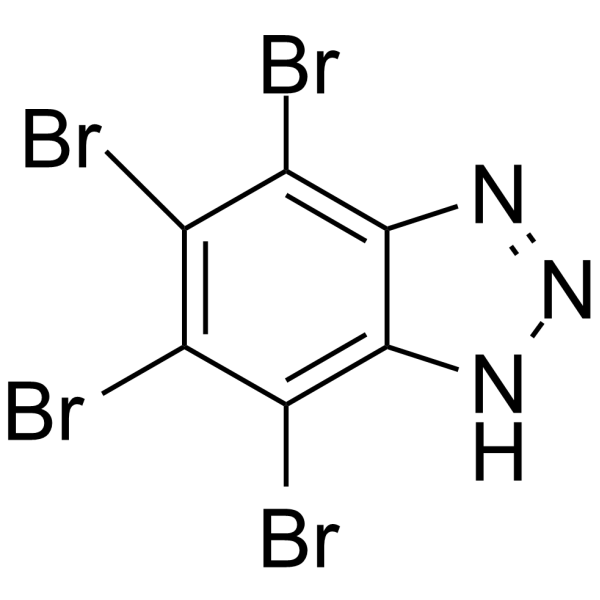
TBB is a cell-permeable and ATP-competitive CK2 inhibitor with an IC50 of 0.15 μM for rat liver CK2.
|
-
-
- HY-W010450
-
Thymine
1 Publications Verification
|
Endogenous Metabolite
|
Metabolic Disease
Cancer
|
|
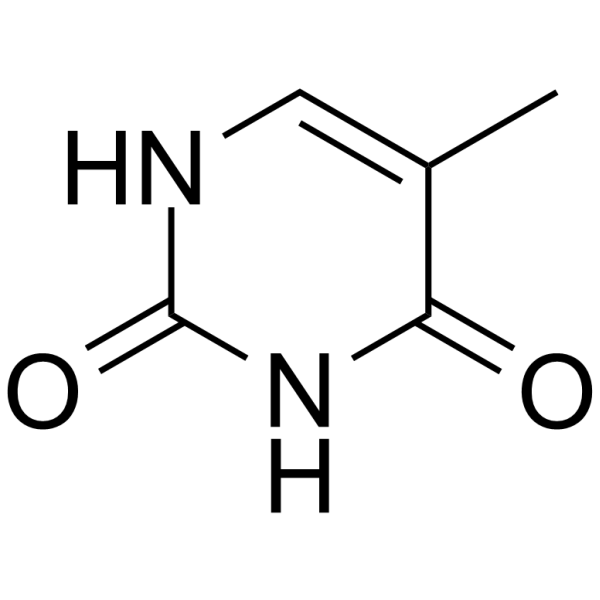
Thymine, one of the four bases of DNA, is a substrate for rat liver dihydropyrimidine dehydrogenase (DPD), with a Km value of 2.2 μM, Ki of 24 μM (using 5-FU as the DPD substrate), and a specific activity of 0.68 nmol/min/mg .
|
-
-
- HY-N4193
-
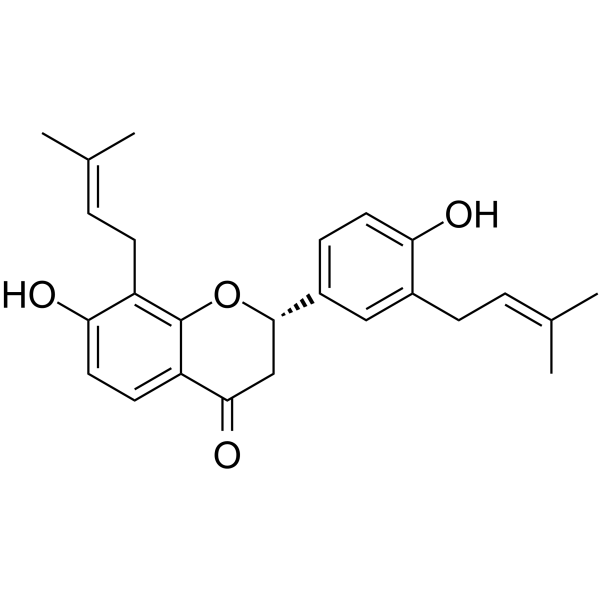
Glabrol
3 Publications Verification
|
Acyltransferase
|
Cardiovascular Disease
|
|
Glabrol (Compound 1), One isoprenyl flavonoid was isolated from ethanol extract of licorice roots, is a potent and non-competitive Acyl-coenzyme A: cholesterol acyltransferase (ACAT) inhibitor with an IC50 value of 24.6 μM for rat liver microsomal ACAT activity .
|
-
-
- HY-N7056
-
|
|
Oxidative Phosphorylation
Proteasome
|
Inflammation/Immunology
Cancer
|
|
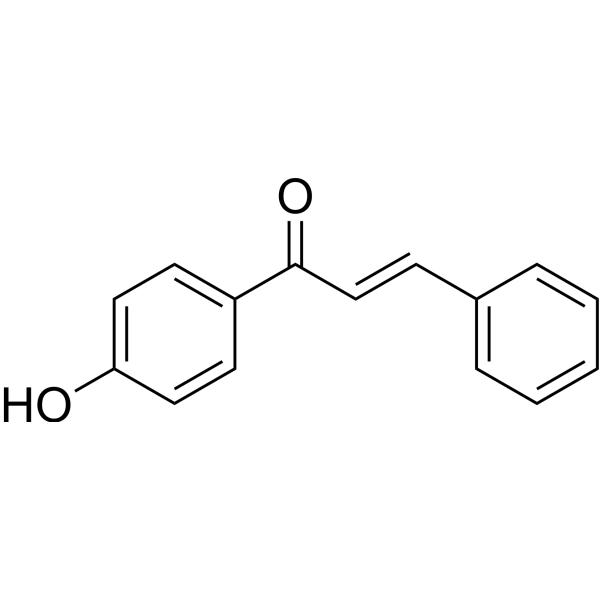
4'-Hydroxychalcone is a chalcone isolated from licorice root, with hepatoprotective activity. 4'-Hydroxychalcone inhibits TNFα-induced NF-κB activation via proteasome inhibition. 4'-Hydroxychalcone induces a rapid potassium release from mitochondrial vesicles and causes deterioration of respiratory control and oxidative phosphorylation of isolated rat liver mitochondria .
|
-
-
- HY-154831
-
|
N-Behenoyl-D-erythro-sphingosine; C22-Ceramide; Cer d18:1/22:0
|
Liposome
|
Metabolic Disease
|
|
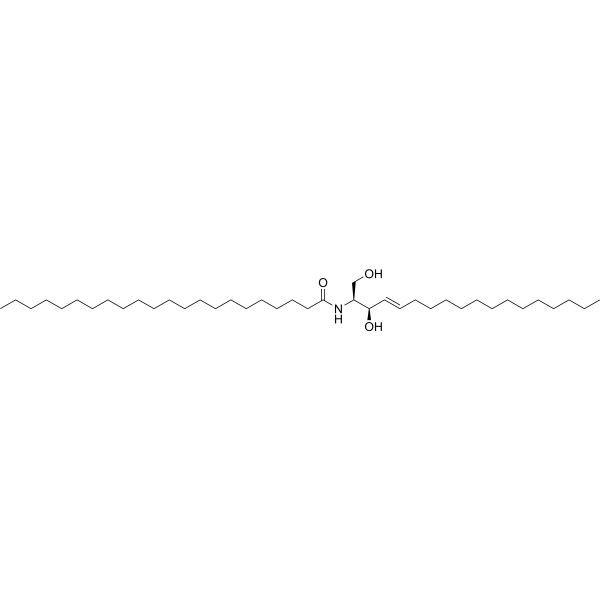
C22-Ceramide (d18:1/22:0) (Cer d18:1/22:0) is an endogenous bioactive sphingolipid. C22-Ceramide (d18:1/22:0) reduces the propensity of C16-ceramide channel formation in isolated rat liver mitochondria and in liposomes .
|
-
-
- HY-15259
-
|
|
Acetyl-CoA Carboxylase
|
Metabolic Disease
|
|
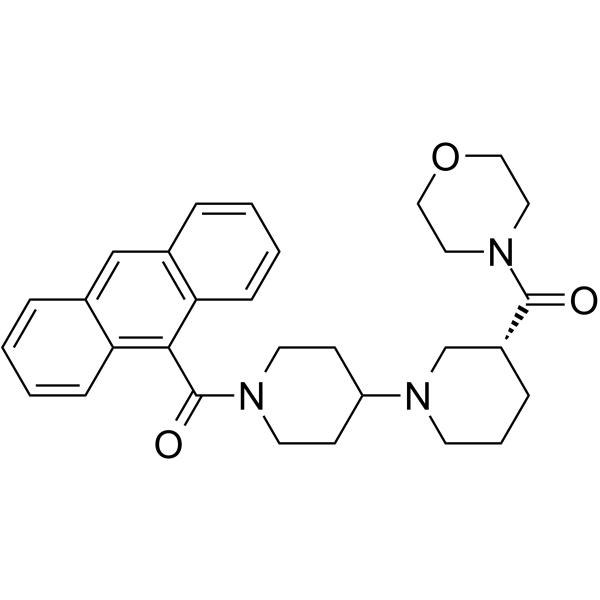
CP-640186 is an orally active and cell-permeable Acetyl-CoA carboxylase (ACC) inhibitor with IC50s of 53 nM and 61 nM for rat liver ACC1 and rat skeletal muscle ACC2 respectively. Acetyl-CoA carboxylase (ACC) is a key enzyme of fatty acid metabolism that enables the synthesis of malonyl-CoA. CP-640186 can also stimulate muscle fatty acid oxidation .
|
-
-
- HY-W015608
-
|
|
Endogenous Metabolite
|
Metabolic Disease
|
|
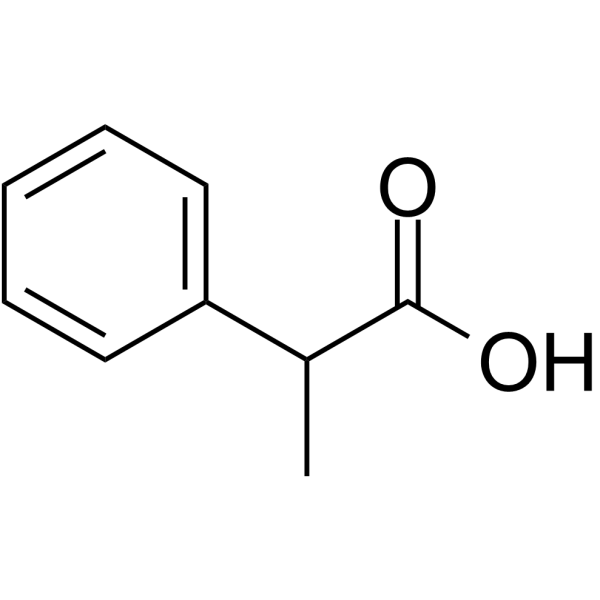
2-Phenylpropionic acid is an intermediate in the metabolism of alpha-Methylstyrene. 2-Phenylpropionic acid covalently binds to rat liver protein. 2-Phenylpropionic acid can be used in the research of nonsteroidal anti-inflammatory agents .
|
-
-
- HY-NP181
-
|
|
Biochemical Assay Reagents
|
Others
|
|
Testosterone/BSA, a conjugate of Testosterone (HY-113415) and bovine serum albumin (BSA), acts as a nuclear transporter and cytoplasmic accumulator. Testosterone/BSA can enter the nuclei of rat testicular spermatocytes, spermatids and rat liver endothelial cells, while the antigenicity of BSA remains intact. Testosterone/BSA accumulates in the cytoplasm of rat hepatocytes in granular form. Testosterone/BSA can be used to investigate the membrane-initiated or non-genomic activities of steroid hormones .
|
-

-
- HY-114296
-
|
Squalene oxide
|
Drug Intermediate
Endogenous Metabolite
|
Others
|
|
2,3-Oxidosqualene (Squalene oxide) is a sterol biosynthesis precursor intermediate.2,3-Oxidosqualene participates in cyclization pathways that form sterols and triterpenes, and contributes to introduction of their characteristic 3-hydroxyl group.2,3-Oxidosqualene forms metabolically from squalene in rat liver homogenates under sterol synthesis conditions.2,3-Oxidosqualene converts to sterols including cholesterol, lathosterol, and lanost-8-en-3β-ol in rat liver homogenates under anaerobic conditions .
|
-

-
- HY-B0817
-
|
|
Environmental Pollutants
Parasite
|
Infection
|
|
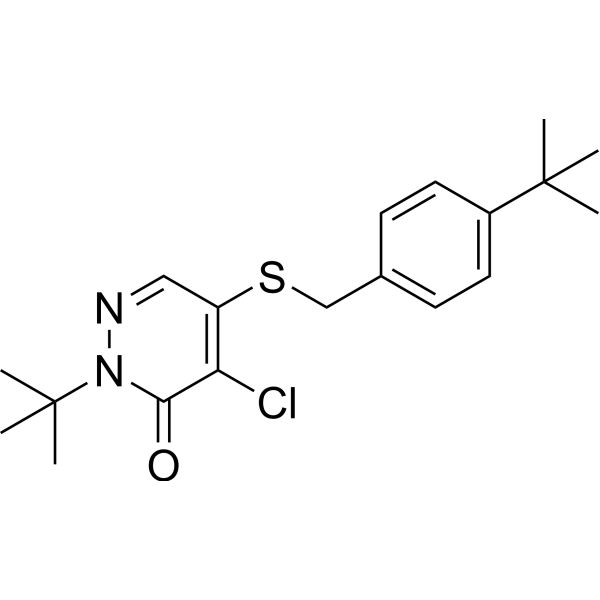
Pyridaben is a mitochondrial electron transport inhibitor (METI) acaricide that promotes the formation of damaging oxygen and nitrogen radicals. Pyridaben selectively inhibits complex I (NADH dehydrogenase) with an IC50 value of 2.4 nM (assay sites: rat liver and bovine heart mitochondria). Pyridaben also significantly inhibits rat mitochondrial mtNOS function .
|
-
-
- HY-15259A
-
|
|
Acetyl-CoA Carboxylase
|
Metabolic Disease
|
|
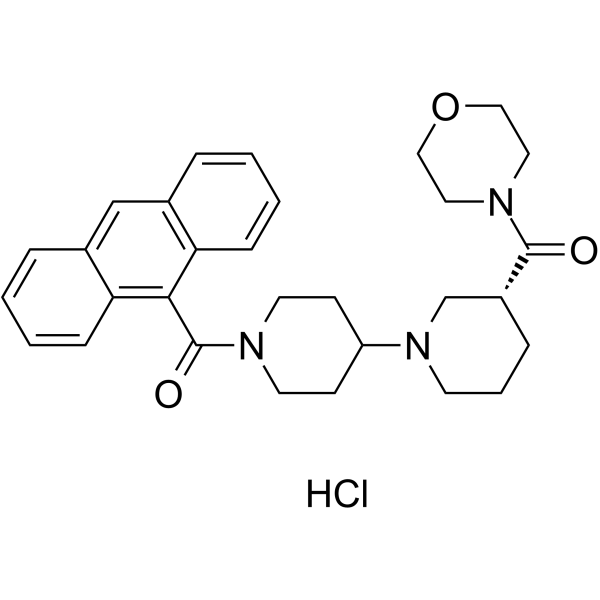
CP-640186 hydrochloride is an orally active and cell-permeable Acetyl-CoA carboxylase (ACC) inhibitor with IC50s of 53 nM and 61 nM for rat liver ACC1 and rat skeletal muscle ACC2 respectively. Acetyl-CoA carboxylase (ACC) is a key enzyme of fatty acid metabolism that enables the synthesis of malonyl-CoA. CP-640186 hydrochloride can also stimulate muscle fatty acid oxidation .
|
-
-
- HY-164093
-
|
Isovaleryl-coenzyme A
|
Acetyl-CoA synthetase
|
Metabolic Disease
|
|
Isovaleryl-CoA sodium is a branched-chain acyl-CoA and an inhibitor of succinate-CoA ligase (SCL), with an IC50 of 273 μM in rat liver mitochondria .
|
-

-
- HY-124098
-
|
Lidocaine N-oxide
|
Drug Metabolite
|
Others
|
|
Lignocaine N-oxide (Lidocaine N-oxide) is a compound derived from the metabolism of lidocaine. Lidocaine can be metabolized to its N-oxide in rat liver microsomes.
|
-

-
- HY-122373
-
|
|
Aldehyde Dehydrogenase (ALDH)
Drug Derivative
|
Metabolic Disease
|
|
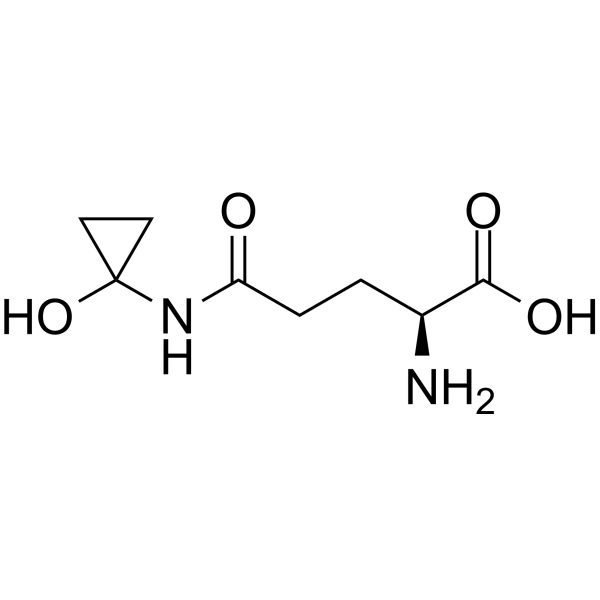
Coprine is an orally active disulfiram (HY-B0240)-like component and an inhibitor of aldehyde dehydrogenase. Coprine is isolated from Coprinus atranentarius. Coprine inhibits low Km aldehyde dehydrogenase in rat liver and increases blood acetaldehyde levels during in vivo ethanol metabolism. Coprine does not inhibit semi-purified low Km aldehyde dehydrogenase from rat liver in vitro. Coprine can be used in studies related to alcoholism .
|
-
-
- HY-D0075
-
|
|
Fluorescent Dye
|
Others
|
|
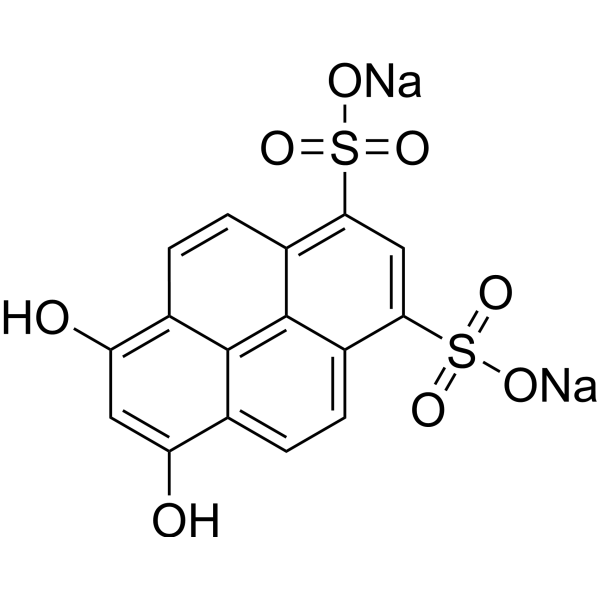
DHPDS disodium salt is a pH-sensitive fluorescent dye. DHPDS disodium salt is used to measure intracellular pH (pHi) from the surface fluorescence of the isolated perfused rat liver .
|
-
-
- HY-108315
-
|
6-Chrysenamine
|
Drug Derivative
|
Inflammation/Immunology
Cancer
|
|
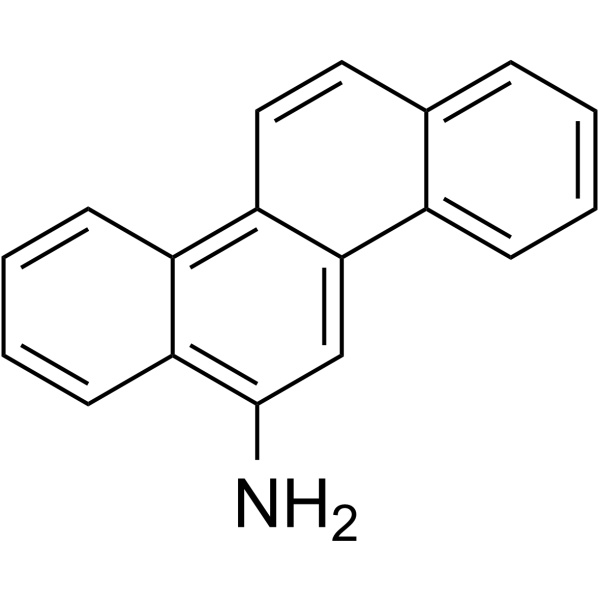
6-Aminochrysene (6-Aminochrysene) is an aromatic amine used as a chemotherapeutic agent in the treatment of splenomegaly, myeloid leukemia, and breast cancer. 6-Aminochrysene is activated by CYP450 in rat liver .
|
-
-
- HY-W104477
-
|
|
Others
|
Metabolic Disease
|
|
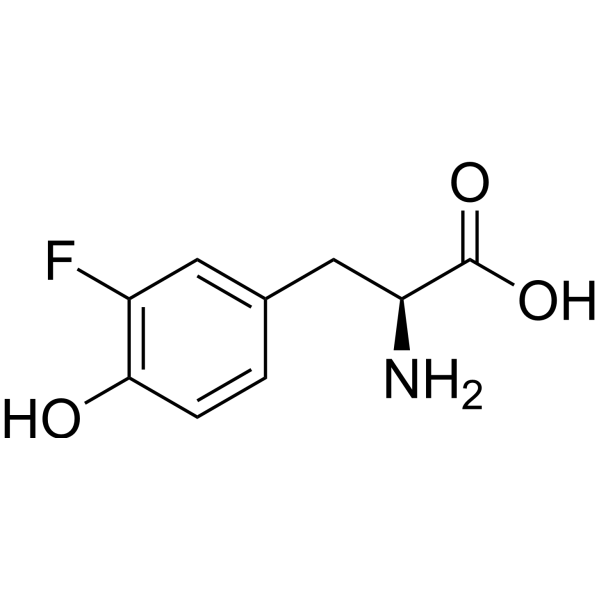
3-Fluoro-L-tyrosine is a tyrosine analogue, inhibits transamination by tyrosine aminotransferase (TAT). And 3-FluoroL-tyrosine has been shown to be biologically incorporated into proteins in place of tyrosine. 3-Fluoro-L-tyrosine pretends to be the substrate of rat liver tyrosine aminotransferase, markedly disturbs the Tyr-TAT association .
|
-
-
- HY-153508
-
|
|
Chloride Channel
|
Others
|
|
ANO1-IN-4 (Compound 10bm) is a reversible inhibitor for calcium-activated chloride channel transmembrane protein 16A (TMEM16A, also known as ANO1) with an IC50 of 0.030 µM. ANO1-IN-4 exhibits good metabolic stability in rat liver microsomes. ANO1-IN-4 inhibits spontaneous contraction in mouse isolated ileum .
|
-

-
- HY-N7327
-
|
|
Phospholipase
|
Inflammation/Immunology
|
|
Ochnaflavone is an inhibitor of IIA-type secretory phospholipase A2 (sPLA2-IIA) with an IC50 of 3.45 µM. Ochnaflavone exhibits significant anti-inflammatory and liver-protective effects, capable of inhibiting the degradation of phosphatidylethanolamine (PE) and lipid peroxidation induced by carbon tetrachloride (CCl4) in rat liver, with an IC50 of 7.16 µM for lipid peroxidation. Ochnaflavone can be used in research on liver damage and inflammatory diseases .
|
-

-
- HY-164093A
-
|
|
Acetyl-CoA synthetase
|
Others
|
|
Isovaleryl-CoA sodium, a branched-chain acyl CoA, is a succinate:CoA ligase (SCL) inhibitor with an IC50 of 273 μM in rat liver mitochondria .
|
-

-
- HY-W003561
-
|
|
Antifolate
Parasite
|
Infection
|
|
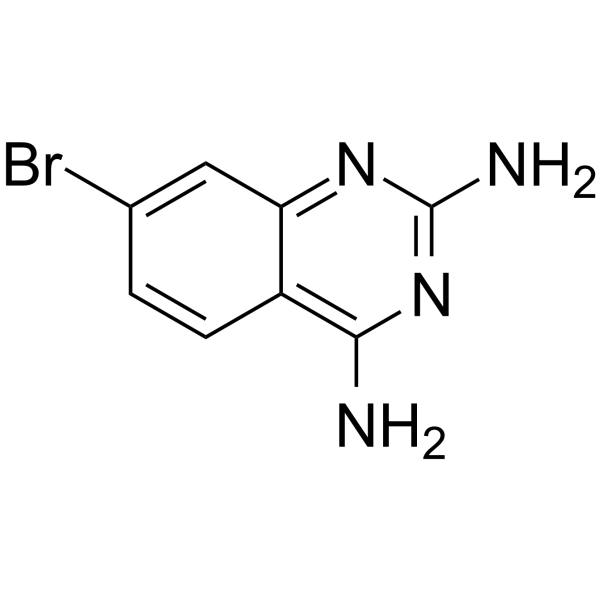
DHFR-IN-3 is a dihydrofolate reductase (DHFR) inhibitor with the IC50 values of 19 μM and 12 μM in rat liver and P. carinii DHFR, respectively .
|
-
-
- HY-W015806
-
|
|
Endogenous Metabolite
|
Metabolic Disease
|
|
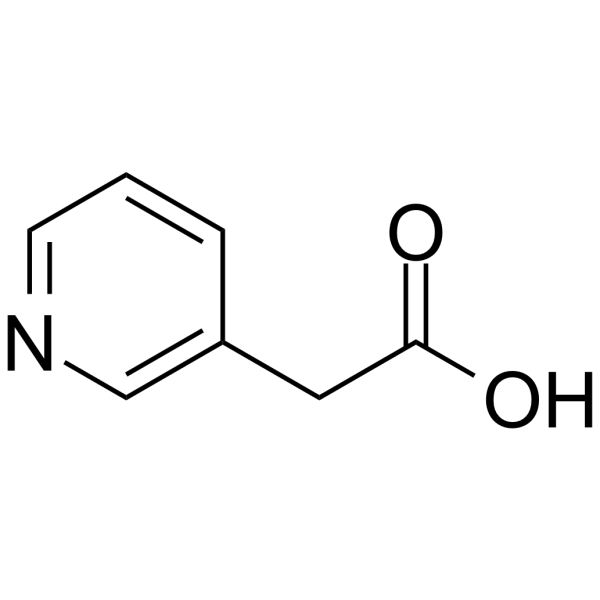
3-Pyridineacetic acid is an orally active nicotinic acid analog. 3-Pyridineacetic acid enhances cholesterol oxidation in rat liver mitochondria. 3-Pyridineacetic acid inhibits Triton-induced hypercholesterolemia in rats. 3-Pyridineacetic acid can be used in research related to hypercholesterolemia .
|
-
-
- HY-N3806
-
|
|
Acyltransferase
ERK
|
Infection
Cardiovascular Disease
Cancer
|
|
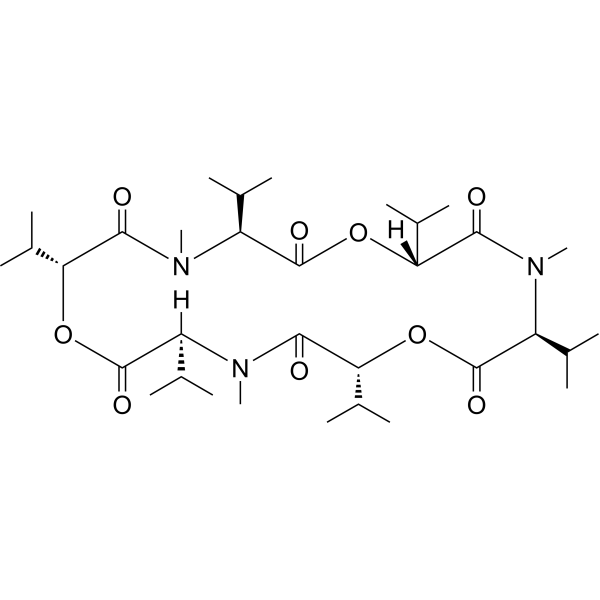
Enniatin B is a Fusarium mycotoxin. Enniatin B inhibits acyl-CoA: cholesterol acyltransferase (ACAT) activity with an IC50 of 113 μM in an enzyme assay using rat liver microsomes . Enniatins B decreases the activation of ERK (p44/p42) .
|
-
-
- HY-152118
-
|
|
Cytochrome P450
|
Cancer
|
|
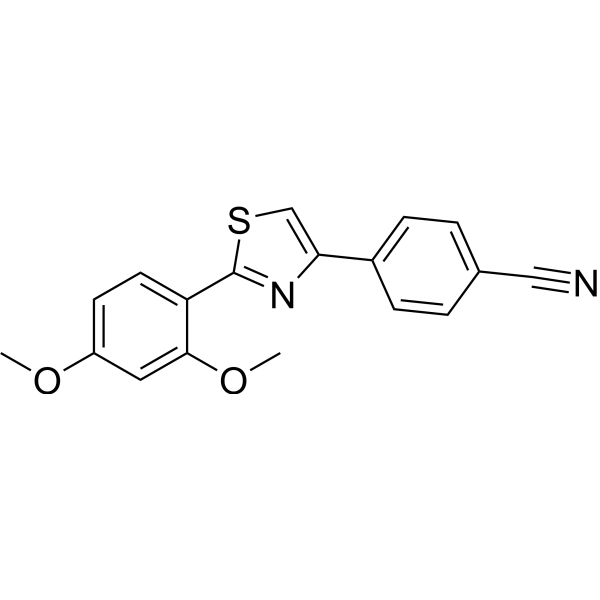
CYP1B1-IN-4 is a 2,4-diarylthiazole compound with selectively CYP1B1 inhibition (IC50=0.2 nM). CYP1B1-IN-4 has little cytotoxicity and high stability in both human and rat liver microsomes .
|
-
-
- HY-N4071
-
|
|
Others
|
Others
|
|
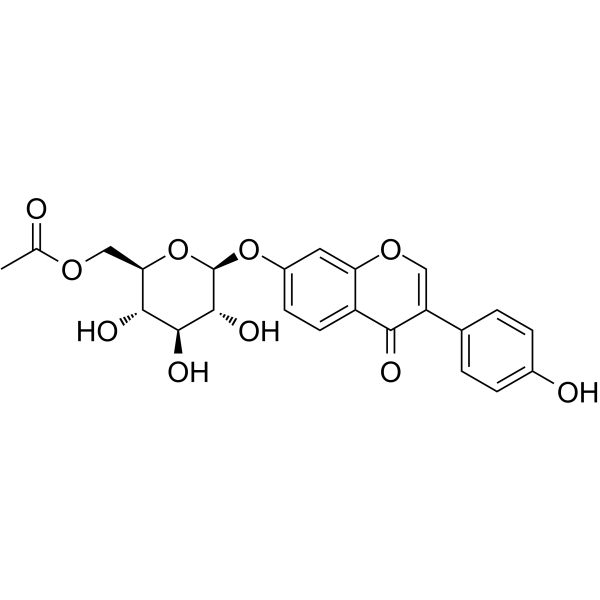
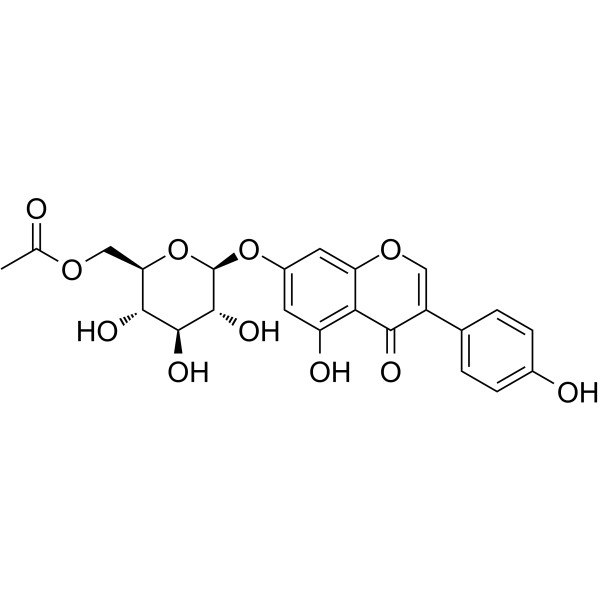
6"-O-Acetyldaidzin is an isoflavone glycoside isolated from soybeans. 6"-O-Acetyldaidzin significantly inhibits lipid peroxidation in rat liver microsome with an IC50 of 8.2 μM .
|
-
-
- HY-N4070
-
|
|
Others
|
Others
|
|
6"-O-Acetylgenistin is an isoflavone glycoside isolated from soybeans. 6"-O-Acetylgenistin significantly inhibits lipid peroxidation in rat liver microsome with an IC50 of 10.6 μM .
|
-
-
- HY-W040705
-
|
N-Methylanthranilic acid
|
Drug Metabolite
|
Others
|
|
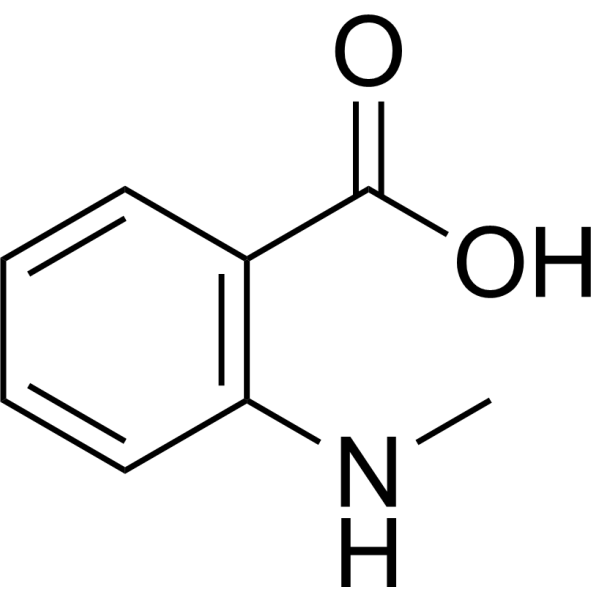
2-(Methylamino)benzoic acid is the main metabolite of methyl-N-methylanthranilates (MMA) (HY-76705) and is the compound in which the ester group is converted. MMA can be isolated from citrus fruits and has potential analgesic activity. 2-(Methylamino)benzoic acid was used to detect the metabolic levels of MMA in rat liver .
|
-
-
- HY-N7436
-
|
|
Glutathione S-transferase
|
Cancer
|
|
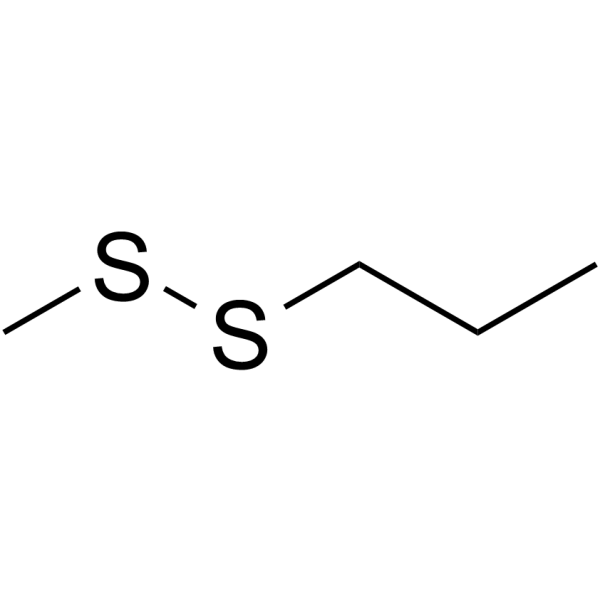
Methyl propyl disulfide is an orally administrable volatile sulfide present in onions. Methyl propyl disulfide reduces the activity of spermine N'1-acetyltransferase (SAT), inhibits cell proliferation, and decreases the induction of placental glutathione S-transferase (GST-P)-positive hepatocyte foci in rat livers. Methyl propyl disulfide can be used in studies related to the mechanism of hepatocarcinogenesis .
|
-
-
- HY-173084
-
|
|
Phosphatase
MDM-2/p53
|
Cancer
|
|
BRD6257 is an orally active inhibitor for protein phosphatase, Mg2+/Mn2+ dependent 1D PPM1D with an IC50 of 5 nM. BRD6257 activates p53 signaling pathway with an EC50 of 51 nM, increases the p21 expression, inhibits the proliferation of cancer cell MOLM13 (IC50=2.8 μM). BRD6257 exhibits good metabolic stability in human and rat liver microsomes .
|
-

-
- HY-123179
-
|
|
Carbonic Anhydrase
|
Cardiovascular Disease
|
|
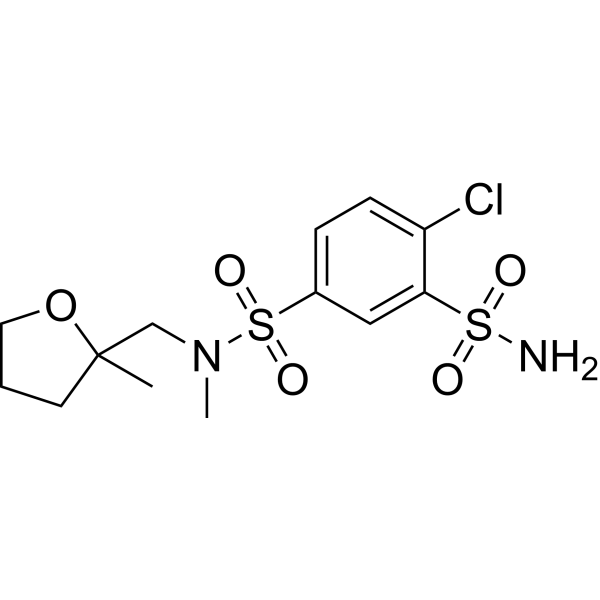
Mefruside is an orally active diuretic and has a mild hypotensive effect. Mefruside inhibits the synthesis of urea in an isolated rat liver perfusion model. Mefruside can be used in studies of oedema and hypertension .
|
-
-
- HY-W003371
-
|
|
Drug Metabolite
|
Others
|
|
CGP 44 645 is the methanol metabolite of Letrozole (HY-14248) and is a molecular indicator for evaluating its metabolic kinetics in microsomes in vitro. Levels of CGP 44 645 in rat liver microsomes may be sex-specific .
|
-
-
- HY-135678
-
-
-
- HY-109690
-
|
|
Endogenous Metabolite
|
Cancer
|
|
1-(2-Amino-3-hydroxyphenyl)ethanone is the kynuridine metabolite, which could be extracted from rat liver mitochondrium. 1-(2-Amino-3-hydroxyphenyl)ethanone is associated with tryptophan metabolism disturbances, and can be used in bladder cancer, leukemia and anemia researches .
|
-

-
- HY-N6702
-
-
-
- HY-113767
-
|
|
DNA/RNA Synthesis
|
Metabolic Disease
|
|
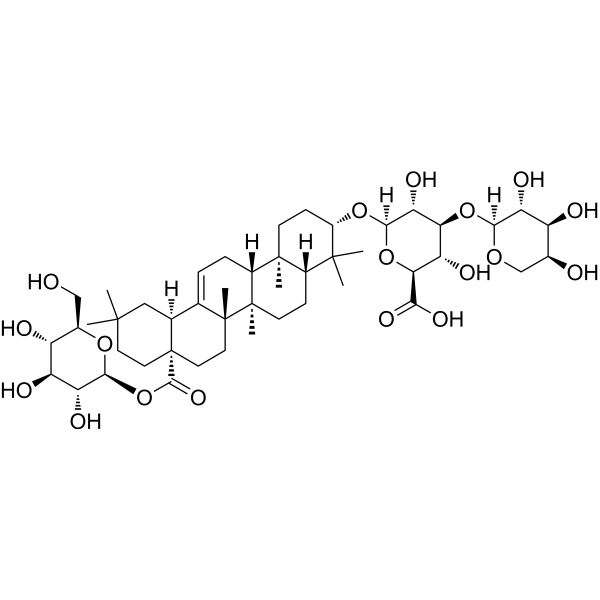
Momordin II, an oleanane-type triterpene glycoside, is a ribosome inactivating protein. Momordin II inhibits cell-free protein synthesis, releases adenine from rat liver ribosomes and from DNA, and has no RNase activity .
|
-
-
- HY-130238
-
|
(±)8-HDoHE; 8-hydroxy Docosahexaenoic acid; (±)8-HDoHE
|
Endogenous Metabolite
|
Metabolic Disease
|
|
(±)8-HDHA is an autoxidation product of docosahexaenoic acid (DHA) in vitro. It is also produced from incubations of DHA in rat liver, brain, and intestinal microsomes. (±)8-HDHA is a potential marker of oxidative stress in brain and retina where DHA is an abundant polyunsaturated fatty acid.
|
-

-
- HY-114296S
-
|
Squalene oxide-d6
|
Isotope-Labeled Compounds
Drug Intermediate
Endogenous Metabolite
|
Others
|
|
2,3-Oxidosqualene-d6 (Squalene oxide-d6) is a deuterium labeled 2,3-Oxidosqualene (HY-114296). 2,3-Oxidosqualene (Squalene oxide) is a sterol biosynthesis precursor intermediate.2,3-Oxidosqualene participates in cyclization pathways that form sterols and triterpenes, and contributes to introduction of their characteristic 3-hydroxyl group.2,3-Oxidosqualene forms metabolically from squalene in rat liver homogenates under sterol synthesis conditions.2,3-Oxidosqualene converts to sterols including cholesterol, lathosterol, and lanost-8-en-3β-ol in rat liver homogenates under anaerobic conditions.
|
-

-
- HY-19165
-
|
|
Angiotensin Receptor
|
Cardiovascular Disease
|
|
CI-996 is a potent, selective, orally active angiotensin II (Ang II) type 1 (AT1) receptor antagonist. In rat liver membranes CI-996 displaces specifically bind [ 125I]Ang II with an IC50 of 0.8 nM. CI-996 has blood pressure-lowering activity .
|
-

-
- HY-130288
-
|
(±)13-HDoHE; 13-hydroxy Docosahexaenoic acid; (±)13-HDoHE
|
Lipoxygenase
|
Inflammation/Immunology
|
|
(±)13-HDHA is an autoxidation product of docosahexaenoic acid (DHA) in vitro. It is also produced from incubations of DHA in rat liver, brain, and intestinal microsomes. Fresh water hydra is shown to metabolize DHA to 13(R)-HDHA, presumably via the 11R-lipoxygenase activity. (±)13-HDHA is a potential marker of oxidative stress in brain and retina where DHA is an abundant polyunsaturated fatty acid.
|
-

-
- HY-W726392
-
|
|
Adrenergic Receptor
|
Endocrinology
|
|
N-Nitrosometoprolol is an N-nitroso derivative formed by the in vitro reaction of β-adrenergic blockers with sodium nitrite. N-Nitrosometoprolol can induce micronuclei in rat liver, bone marrow and spleen .
|
-

-
- HY-W009934
-
|
α-Phenyl-2-pyridineacetonitrile
|
Drug Metabolite
|
Endocrinology
|
|
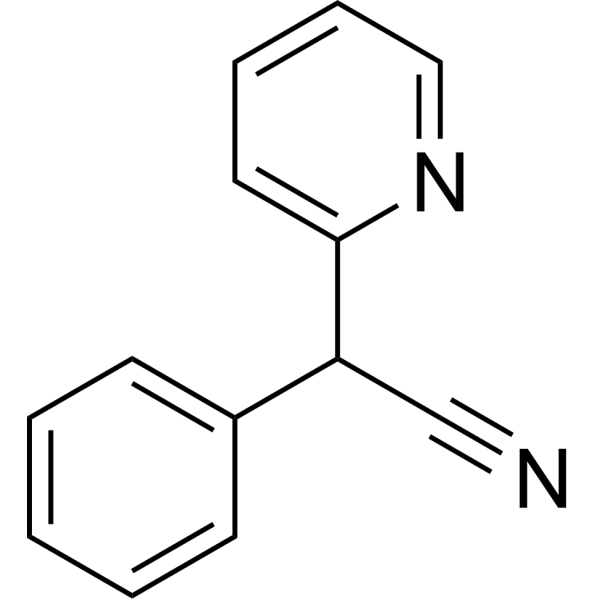
2-Phenyl-2-(2-pyridyl)acetonitrile is the major metabolite of SC 15396 metabolized by the supernatant fraction of rat liver homogenate. SC 15396 is an antigastrin that inhibits gastric secretion .
|
-
-
- HY-172147
-
|
|
Somatostatin Receptor
|
Neurological Disease
|
|
SSTR4 agonist 5 (Compound 5) is the orally active agonist for somatostatin receptor 4 (SSTR4) with an EC50 of 0.228 nM. SSTR4 agonist 5 exhibits good stability in human/rat liver microsomes. SSTR4 agonist 5 inhibits mechanical hyperalgesia in rat models .
|
-

-
- HY-N15640
-
|
(-)-Filiformin
|
Bacterial
|
Infection
Inflammation/Immunology
Cancer
|
|
Filiformin ((-)-Filiformin) is a sesquiterpene compound that can be isolated from Laurencia filiformis forma heteroclada. Filiformin exhibits certain cytotoxicity against P388 and BSC-1 cells. Filiformin has antimicrobial activity against Bacillus subtilis, Trichophyton mentagrophytes and Candida albicans. In addition, Filiformin can inhibit oxygen uptake in isolated rat liver mitochondria at a concentration of 150 μM .
|
-

-
- HY-108614
-
|
|
Phosphorylase
|
Metabolic Disease
|
|
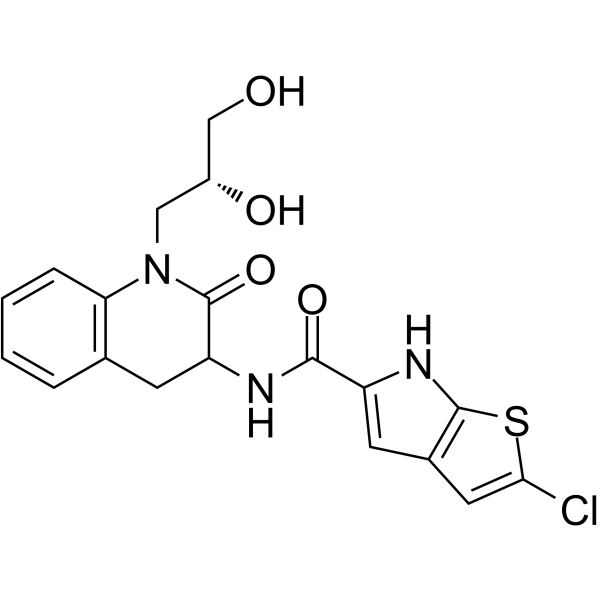
GPi688 is a potent and orally active glycogen phosphorylase (GPa) inhibitor with IC50s of 19 nM, 61 nM and 12 nM for human liver GPa, rat liver GPa and human skeletal muscle GPa, respectively . GPi688 can inhibit glucagons-mediated glucose output in rat primary hepatocytes. GPi688 can be used for researching glucagon-mediated hyperglycaemia .
|
-
-
- HY-16121
-
|
|
Cathepsin
|
Others
|
|
CAA-0225 is a tissue protease L inhibitor that inhibits rat liver tissue protease L with a IC50 value of 1.9 nM. CAA-0225 can participate in the degradation of autophagosome membrane markers LC3-II and GABARAP (HY-P72639), improve cardiac function in mice with reperfusion injury, and kill and eliminate Trypanosoma brucei parasites [1][2][3].
|
-

-
- HY-173391
-
|
4-HNE-GSH TFA
|
Drug Metabolite
|
Metabolic Disease
|
|
4-Hydroxy nonenal glutathione (4-HNE-GSH) TFA is the primary metabolite of 4-Hydroxy-2-nonenal. 4-Hydroxy nonenal glutathionea TFA is a marker of oxidative stress in rat liver and hepatocytes. 4-Hydroxy nonenal glutathione TFA efficiently prevents formation of DNA adducts with 4-Hydroxy-2-nonenal in human cells .
|
-

-
- HY-W741611
-
-

-
- HY-115759
-
-
- HY-175078
-
|
19(20)-DHDP; (±)19,20-DiHDoPE
|
Endogenous Metabolite
|
Others
|
|
(±)19(20)-DiHDPA is one of the major metabolites produces when docosahexaenoic acid is incubated with NADPH-supplemented rat liver microsomes .
|
-

- HY-122099
-
|
|
DNA/RNA Synthesis
|
Others
|
|
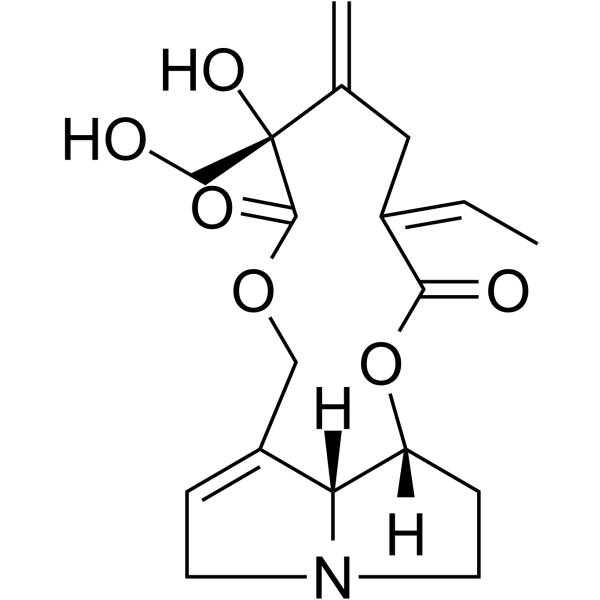
Riddelline, a pyrrolizidine alkaloid, is a potent genotoxic agent. Riddelline induces significant elevations in unscheduled DNA synthesis and S-phase synthesis in rat liver .
|
-
- HY-N12432
-
|
|
Others
|
Metabolic Disease
|
|
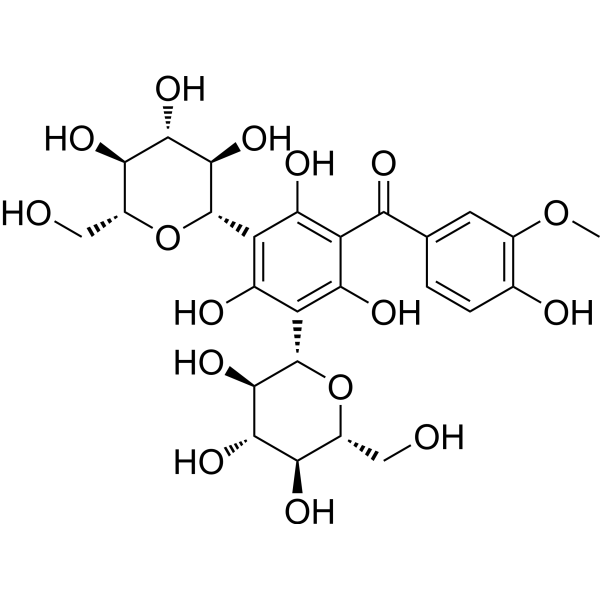
Glomeratide A is a benzophenone C-glucoside with hepatoprotective effects. Glomeratide A has a protective effect against d-galactosamine-induced hepatotoxicity in rat liver epithelial stem-like cells.
|
-
- HY-115731
-
|
Desmethyltocopherol; DL-Tocol; rac-Tocol
|
Endogenous Metabolite
|
Metabolic Disease
|
|
(±)-Tocol is a synthetic vitamin E derivative.nlike (±)-α-tocopherol, (±)-tocol does not suppress retinol-induced erythrocyte hemolysis or increase microviscosity of rat liver phosphatidylcholine (PC) liposomes.
|
-

- HY-117581
-
|
6-Oxo Simvastatin; Iso-simvastatin-6-one
|
HMG-CoA Reductase (HMGCR)
|
Metabolic Disease
|
|
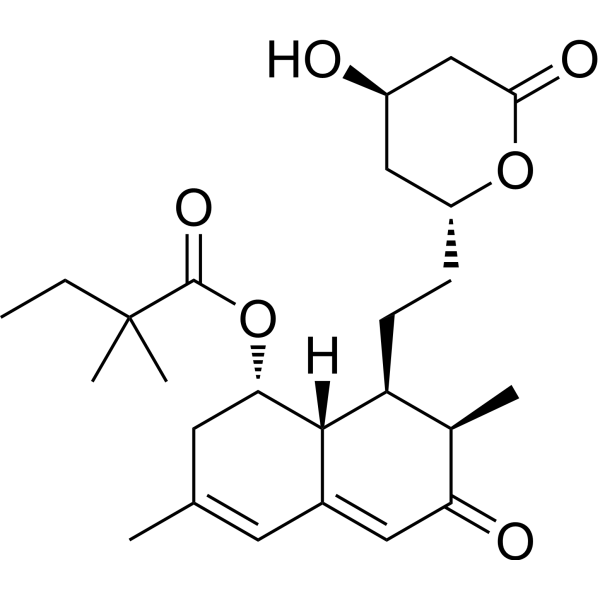
L-669,262, a potent inhibitor of 3-hydroxy-3-methylglutaryl coenzyme A (HMG-CoA) reductase, with an IC50 of 0.10 ng/mL for rat liver HMG-CoA .
|
-
- HY-162586
-
|
|
PDHK
|
Cancer
|
|
PDHK-IN-7 (compound 32) is an inhibitor of pyruvate dehydrogenase kinase with an IC50 value of 17 nM.PDHK-IN-7 activates PDH in rat livers and has a glucose-lowering effect in Zucker fatty rats .
|
-

- HY-123368
-
|
|
Adrenergic Receptor
|
Cardiovascular Disease
|
|
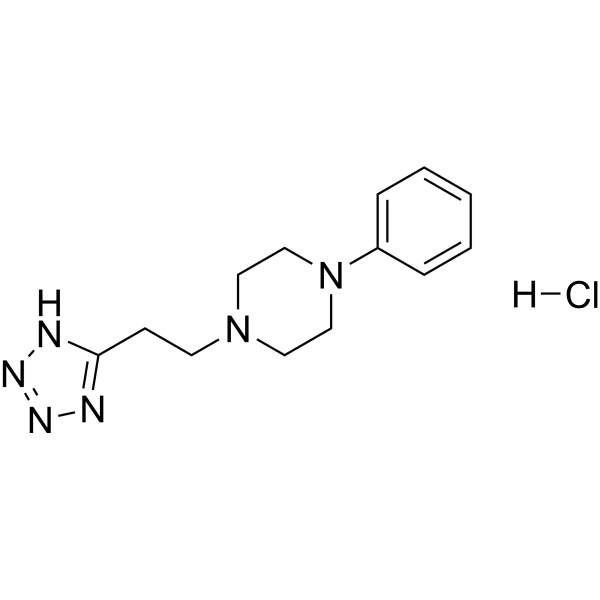
Zolertine hydrochloride is an α-adrenoceptor antagonist with a pKi of 6.81 in rat liver (α1B-adrenoceptors) and 6.35 in rabbit liver (α1A-adrenoceptors) membranes .
|
-
- HY-135677
-
-
- HY-N10272
-
|
|
Fungal
Bacterial
|
Infection
|
|
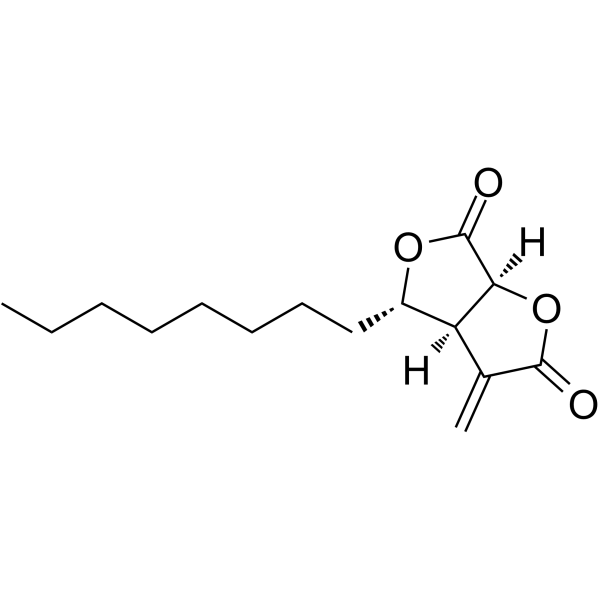
Avenaciolide is an antifungal bis-γ-lactone found in Aspergillus avenaceus. Avenaciolide has also antibacterial action. Avenaciolide is a specific inhibitor of glutamate transport in rat liver mitochondria. Avenaciolide interferes with the ability of ADP to stimulate the rate of glutamate oxidation .
|
-
- HY-N15411
-
|
|
Acyltransferase
Phytohormone
|
Metabolic Disease
|
|
Helminthosporol is a natural plant growth-regulator that can promote the growth of rice and lettuce seedlings. Helminthosporol can also inhibit the activity of acyl-CoA: cholesterol acyltransferase (ACAT) in rat liver microsomes and the synthesis of cholesterol esters in macrophages .
|
-

- HY-135679
-
-
- HY-125568
-
|
|
MMP
|
Others
|
|
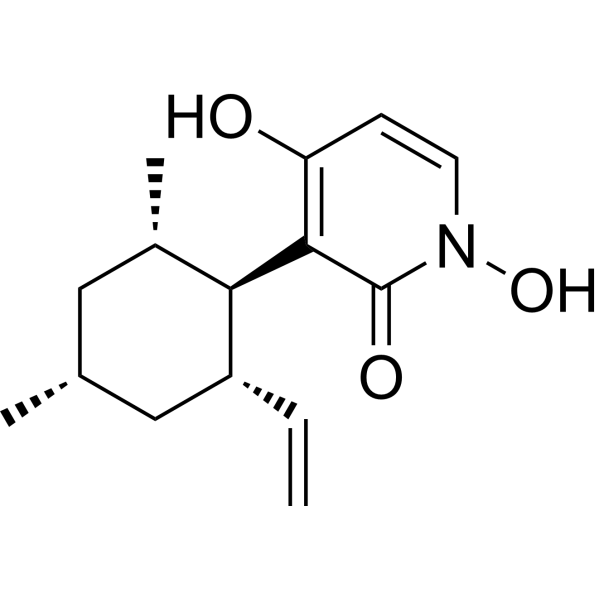
Pyridoxatin is a free radical scavenger of microbial origin. Pyridoxatin is isolated from a fungus culture identified as Acremonium sp. BX86. Pyridoxatin inhibits lipid peroxidation induced by free radicals in rat liver microsomes free from vitamin E .
|
-
- HY-130287
-
|
(±)16-HDoHE; 16-hydroxy Docosahexaenoic acid; (±)16-HDoHE
|
Endogenous Metabolite
|
Metabolic Disease
|
|
(±)16-HDHA is an autoxidation product of docosahexaenoic acid (DHA) in vitro. It is also produced from incubations of DHA in rat liver, brain, and intestinal microsomes. (±)16-HDHA is a potential marker of oxidative stress in brain and retina where DHA is an abundant polyunsaturated fatty acid.
|
-

- HY-18347AR
-
|
YM 087 (Standard)
|
Reference Standards
Vasopressin Receptor
|
Cardiovascular Disease
Endocrinology
|
|
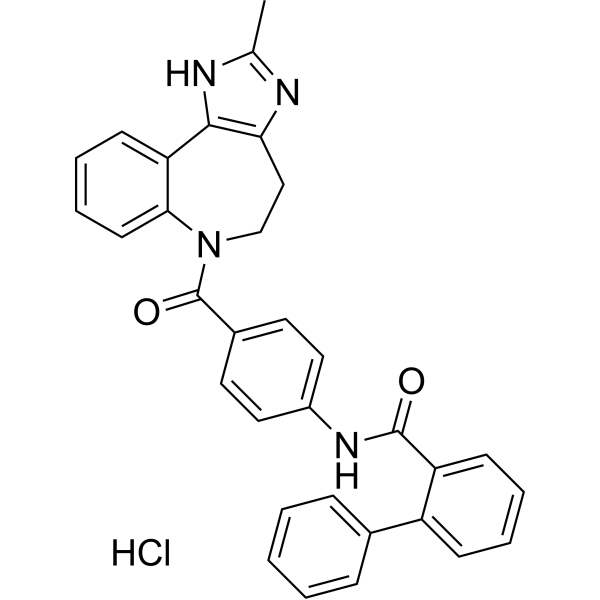
Conivaptan (hydrochloride) (Standard) is the analytical standard of Conivaptan (hydrochloride). This product is intended for research and analytical applications. Conivaptan (hydrochloride) is a non-peptide antagonist of vasopressin receptor, with Ki values of 0.48 and 3.04 nM for rat liver V1A receptor and rat kidney V2 receptor respectively.
|
-

- HY-E70252
-
|
S-1-Pyrenebutanoate-CoA; Coenzyme A,S-1-pyrenebutanoate
|
Endogenous Metabolite
|
Cardiovascular Disease
|
|
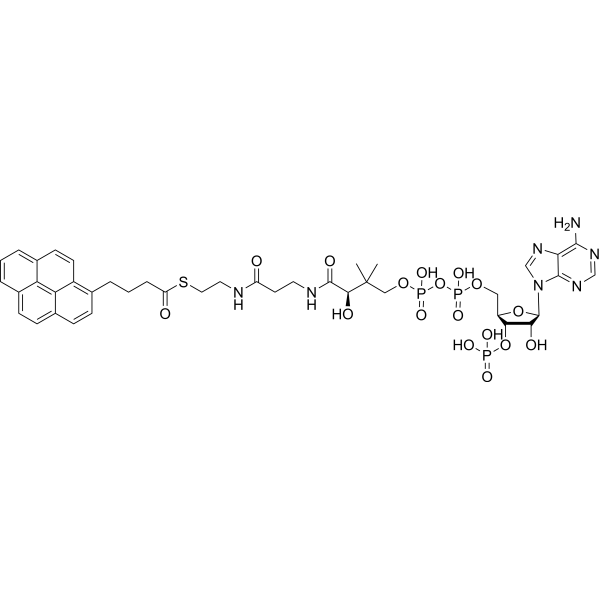
1-Pyrenebutanoyl-CoA is a type of coenzyme A that can non-competitively inhibit (Ki = 2 μM) phosphorylating (ADP-stimulated) respiration in rat liver mitochondria, and competitively inhibit (Ki = 2.1 μM and 15 μM) carnitine palmitoyl-CoA transferase and octanoyl-CoA transferase .
|
-
- HY-177148
-
|
|
Biochemical Assay Reagents
|
Cardiovascular Disease
|
|
G256 (Compound 1) is an amidinohydrazone. G256 can also be considered as a Schiff’s base of aminoguanidine. G256 exhibits antiarrhythmic activity. G256 is the reduced form of NOH-G256 by microsomal enzyme preparation from rabbit and rat liver homogenates in the presence of NADPH and NADH .
|
-

- HY-171462
-
-

- HY-N14715
-
|
|
Acyltransferase
|
Metabolic Disease
|
|
Gypsetin can inhibit acylcoenzyme A, cholesterol acyltransferase (ACAT) activity, inhibit rat liver microbody ACAT with an IC50 of 18 μM, and its action is competitive with oleoyl-COA substrate, Ki value is 5.5 μM. Gypsetin also inhibits Oleic acid from forming cholesterol esters with an IC50 of 0.65 μM .
|
-

- HY-177148A
-
|
|
Biochemical Assay Reagents
|
Cardiovascular Disease
|
|
G256 (Compound 1) (dihydrochloride) is an amidinohydrazone. G256 (dihydrochloride) can also be considered as a Schiff’s base of aminoguanidine. G256 (dihydrochloride) exhibits antiarrhythmic activity. G256 (dihydrochloride) is the reduced form of NOH-G256 by microsomal enzyme preparation from rabbit and rat liver homogenates in the presence of NADPH and NADH .
|
-

- HY-157931
-
|
|
Histamine Receptor
|
Neurological Disease
|
|
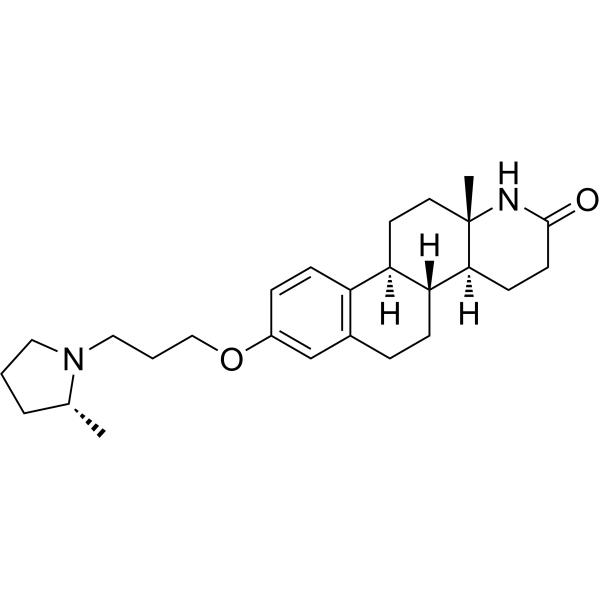
Anticancer agent 192 (compound XXI) is a steroid-based histamine H3 receptor antagonist with no affinity for muscarinics and hERG. Anticancer agent 192 is quite stable in human and rat liver microsomes. Anticancer agent 192 can improve the cognitive level and reduce the degree of addiction in rats in the in vivo addiction test .
|
-
- HY-122076
-
|
|
Antibiotic
Bacterial
Fungal
|
Infection
|
|
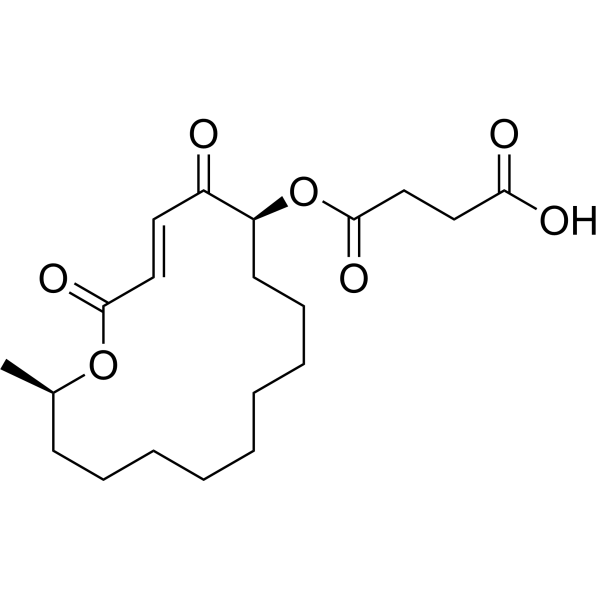
A-26771B is an antibiotic can be obtained from Penicillium turbatum. A-26771B exhibits moderate antimicrobial activity against Gram-positive bacteria, mycoplasma, and fungi. A-26771B also inhibits potassium-dependent ATPase in rat liver mitochondria .
|
-
- HY-W017785
-
|
Diisopropylidene acetone
|
Glutathione S-transferase
|
Metabolic Disease
Cancer
|
|
Phorone (Diisopropylidene acetone) is a glutathione (GSH) depletor. Phorone specifically and reversibly depletes free GSH through enzymatic binding (Glutathione S-transferase) (Km = 0.9 mM). Phorone reversibly reduces the binding and nuclear uptake of glucocorticoid receptors in rat liver, and this effect is related to the temporal changes in GSH levels. Phorone can be used for studying liver toxicity.
|
-

- HY-N6704
-
|
|
ERK
Apoptosis
|
Cancer
|
|
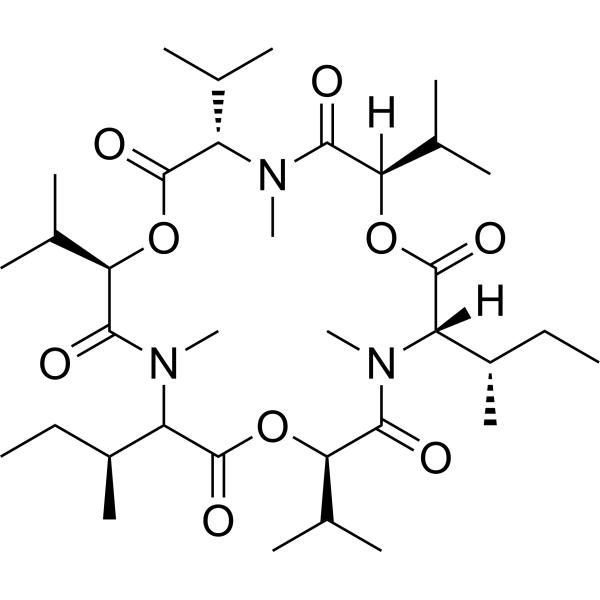
Enniatin A1 isolated from Fusarium mycotoxins is a cyclic hexadepsipeptide consisting of alternating D-α-hydroxyisovaleric acids and N-methyl-L-amino acids. Enniatin A1 possesses anticarcinogenic properties by induction of apoptosis and disruption of ERK signalling pathway. Enniatin A1 inhibits ACAT with an IC50 of 49 μM in rat liver microsomes .
|
-
- HY-W015608R
-
|
|
Reference Standards
Endogenous Metabolite
|
Metabolic Disease
|
|
2-Phenylpropionic acid (Standard) is the analytical standard of 2-Phenylpropionic acid (HY-W015608). This product is intended for research and analytical applications. 2-Phenylpropionic acid is an intermediate in the metabolism of alpha-Methylstyrene. 2-Phenylpropionic acid covalently binds to rat liver protein. 2-Phenylpropionic acid can be used in the research of nonsteroidal anti-inflammatory agents .
|
-

- HY-40156A
-
|
|
Bacterial
|
Infection
|
|
Mycobacterium Tuberculosis-IN-5 (Compound 11) is the HCl salt form of 5-Fluoroindole (HY-40156). Mycobacterium Tuberculosis-IN-5 is an antibacterial agent, that inhibits Mycobacterium tuberculosis with a MIC of 29.1 μM. Mycobacterium Tuberculosis-IN-5 exhibits metabolic stability in rat liver microsomes. Mycobacterium Tuberculosis-IN-5 exhibits anti-tuberculosis efficacy in mice .
|
-

- HY-126182
-
|
|
Endogenous Metabolite
|
Cardiovascular Disease
|
|
Deacetyldiltiazem is a metabolite with coronary vasodilator activity. Deacetyldiltiazem is present in the plasma of individuals taking Diltiazem. The deacetylase activity of deacetyldiltiazem is mainly catalyzed by the rat Ces2a enzyme. In vitro experiments of deacetyldiltiazem showed that its Km value was similar to that of rat liver microsomes, showing efficient deacetylase activity. The study of deacetyldiltiazem helps to understand the differences in the metabolic kinetics of compounds between different species .
|
-

- HY-B0817S
-
|
|
Parasite
|
Infection
|
|
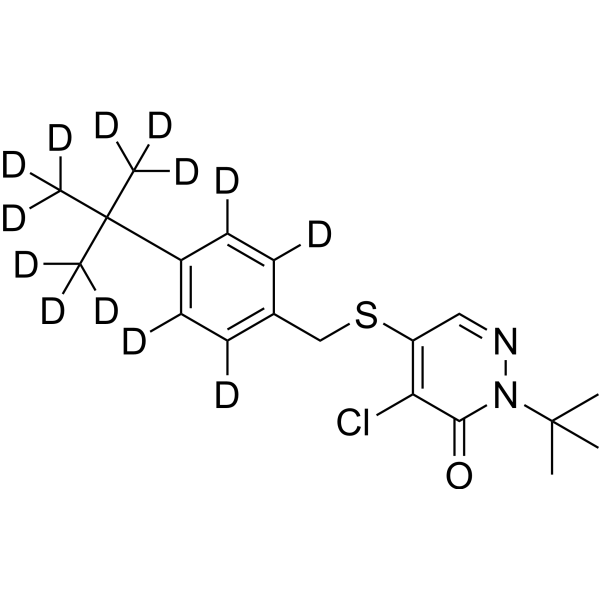
Pyridaben-d13 is the deuterium labeled Pyridaben . Pyridaben is a mitochondrial electron transport inhibitor (METI) acaricide that promotes the formation of damaging oxygen and nitrogen radicals. Pyridaben selectively inhibits complex I (NADH dehydrogenase) with an IC50 value of 2.4 nM (assay sites: rat liver and bovine heart mitochondria). Pyridaben also significantly inhibits rat mitochondrial mtNOS function .
|
-
- HY-106808
-
|
IOS-1.1212
|
Calcium Channel
Chloride Channel
|
Neurological Disease
|
|
Cerebrocrast (IOS-1.1212) is a 1,4-dihydropyridine (DHP) derivative. Cerebrocrast has a high affinity for the membrane lipid bilayer and it can easily penetrate the blood-brain barrier and incorporate into the plasma and organelle membranes, including those of mitochondria. Cerebrocrast promotes the cotransport of H+ and Cl- in rat liver mitochondria. Cerebrocrast also exhibits neuroprotective and cognition enhancer properties .
|
-

- HY-165154
-
|
Desdanine; Pyracrimycin A
|
Antibiotic
Bacterial
Fungal
Pyruvate Kinase
Oxidative Phosphorylation
|
Infection
Inflammation/Immunology
|
|
Cyclamidomycin (Desdanine) is an acrylamide antibiotic with antibacterial activity. Cyclamidomycin inhibits nucleoside diphosphate kinase and pyruvate kinase (in E. coli) and oxidative phosphorylation in rat liver mitochondria. Cyclamidomycin is active against S. aureus, M. flavus, S. lutea, B. subtilis, E. coli, S. flexneri, S. typhosa, P. vulgaris, and K. pneumoniae (MICs=3.12-25 mg/ml) .
|
-

- HY-113725
-
|
|
HMG-CoA Reductase (HMGCR)
|
Others
|
|
L 668411 is a β-lactone inhibitor with activity against 3-hydroxy-3-methylglutaryl-CoA synthase and cholesterol biosynthesis. L 668411 inhibits rat liver cytosolic 3-hydroxy-3-methylglutaryl-CoA synthase and [14C] acetate incorporation into sterols in cultured Hep G2 cells, and the inhibition appears to be irreversible in cells but reversible in cultured cells and animals.
|
-

- HY-B0817R
-
|
|
Reference Standards
Parasite
|
Infection
|
|
Pyridaben (Standard) is the analytical standard of Pyridaben. This product is intended for research and analytical applications. Pyridaben is a mitochondrial electron transport inhibitor (METI) acaricide that promotes the formation of damaging oxygen and nitrogen radicals. Pyridaben selectively inhibits complex I (NADH dehydrogenase) with an IC50 value of 2.4 nM (assay sites: rat liver and bovine heart mitochondria). Pyridaben also significantly inhibits rat mitochondrial mtNOS function .
|
-

- HY-16442
-
|
|
Phosphatase
|
Metabolic Disease
|
|
S-3483, a Chlorogenic acid (HY-N0055) derivative, is a reversible, linear competitive glucose-6-phosphatase (Glc-6-Pase) system inhibitor. S-3483 inhibits Glc-6-Pase with a Ki 129 nM in rat liver microsomes. S-3483 specifically inhibits Glc-6-P transporter of renal and liver microsomes .
|
-

- HY-113777
-
|
22-Hydroxy Docosahexaenoic acid; 22-OH DHA
|
Cytochrome P450
|
Metabolic Disease
|
|
22-HDHA (22-Hydroxy Docosahexaenoic acid) is an oxidation product of docosahexaenoic acid. In vitro, it is formed upon incubation of rat liver microsomes with DHA and NADPH and also by the human cytochrome P450 (CYP) isoform CYP4F3B in BTI-TN-5B1-4 microsomes. Serum levels of 22-HDHA increase following dietary DHA supplementation in humans.
|
-

- HY-W009934R
-
|
α-Phenyl-2-pyridineacetonitrile (Standard)
|
Drug Metabolite
Reference Standards
|
Endocrinology
|
|
2-Phenyl-2-(2-pyridyl)acetonitrile (Standard) is the analytical standard of 2-Phenyl-2-(2-pyridyl)acetonitrile. This product is intended for research and analytical applications. 2-Phenyl-2-(2-pyridyl)acetonitrile is the major metabolite of SC 15396 metabolized by the supernatant fraction of rat liver homogenate. SC 15396 is an antigastrin that inhibits gastric secretion[1].
|
-

- HY-100299A
-
|
|
Farnesyl Transferase
|
Cardiovascular Disease
Metabolic Disease
|
|
RPR107393 is an orally active potent selective squalene synthase (SQS) inhibitor. RPR107393 inhibits rat liver microsomal squalene synthase with an IC50 value of 0.8 nM. RPR107393 reduces triglyceride biosynthesis by suppressing fatty acid biosynthesis via an increase in intracellular farnesol and its derivatives. RPR107393 reduces plasma cholesterol in rats and marmosets. RPR107393 can be used for metabolic disease research, such as hypercholesterolemia, hypertriglyceridemia and atherosclerosis .
|
-

- HY-182251
-
|
GSOAN
|
Drug Derivative
|
Others
|
|
Glutathione sulfinanilide (GSOAN) is a derivative of Nitrosobenzene (HY-121641). Glutathione sulfinanilide can be generated by the reaction of Nitrosobenzene with GSH. Glutathione sulfinanilide is degradable in rat liver homogenate .
|
-

- HY-W842446
-
|
|
Glyoxalase (GLO)
|
Infection
|
|
Enzyme-IN-4 is a competitive inhibitor of glyoxalase I that can be found in Stereum hirsutum. Enzyme-IN-4 has a Ki value of 4.6 μM against rat liver glyoxalase I .
|
-

- HY-182578
-
|
|
Tryptophan Hydroxylase
|
Cardiovascular Disease
|
|
Mimosinamine is a hydroxylase inhibitor with Fe 2+ chelating activity. Mimosinamine inhibits bovine adrenal tyrosine hydroxylase, rat liver phenylalanine hydroxylase, and rat brainstem tryptophan hydroxylase. Mimosinamine can be used in the research of hypertension .
|
-

- HY-N17823
-
|
|
Others
|
Inflammation/Immunology
|
|
Plantagoside A (Compound 3) is a phenylethanoid glycoside found in Plantago asiatica. Plantagoside A has antioxidant activity and can inhibit lipid peroxidation in rat liver microsomes induced by ADP and NADPH with an IC50 of 0.54 μM .
|
-

- HY-182255
-
|
|
Endogenous Metabolite
|
Others
|
|
ED-594 is the glucuronide form of NB-506. ED-594 is one of the major metabolites of NB-506 in rat bile, mouse liver microsomes, rat liver microsomes and human liver microsomes .
|
-

- HY-169258
-
|
|
Phosphodiesterase (PDE)
|
Metabolic Disease
|
|
PDE4-IN-21 (Compound L19) is a poetent PDE4 inhibitor, with an IC50 of 0.48 μM. PDE4-IN-21 exhibits good inhibitory activity and remarkable metabolic stability in rat liver microsomes .
|
-

- HY-N6702S
-
|
|
Isotope-Labeled Compounds
Acyltransferase
|
Infection
|
|
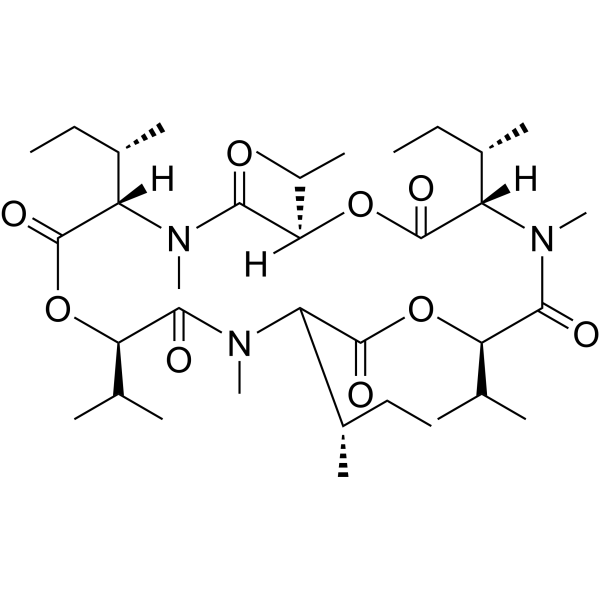
Enniatin A- 13C36 is the 13C-labeled Enniatin A (HY-N6702). Enniatin A is a Fusarium mycotoxin. Enniatin A inhibits acyl-CoA: cholesterol acyltransferase (ACAT) activity with an IC50 of 22 μM in an enzyme assay using rat liver microsomes .
|
-

- HY-16620
-
|
|
Endogenous Metabolite
|
Metabolic Disease
|
|
DF 461 is a sterol synthase inhibitor with significant inhibitory activity. DF 461 shows high selectivity for the liver and can effectively inhibit cholesterol synthesis in rat liver. DF 461 has shown the effect of lowering plasma lipids in repeated dosing studies in non-rodents .
|
-

- HY-181721
-
|
|
Dopamine Receptor
|
Neurological Disease
|
|
Dopamine D3 receptor agonist 1 is a dopamine D3 Receptor agonist with a Ki value of 0.268 nM. Dopamine D3 receptor agonist 1 exhibits metabolic stability in rat liver microsomes. Dopamine D3 receptor agonist 1 can be used to study severe mental disorders comorbid with substance use disorders .
|
-

- HY-W003371R
-
|
|
Drug Metabolite
Reference Standards
|
Others
|
|
CGP 44 645 (Standard) is the analytical standard of CGP 44 645. This product is intended for research and analytical applications. CGP 44 645 is the methanol metabolite of Letrozole (HY-14248) and is a molecular indicator for evaluating its metabolic kinetics in microsomes in vitro. Levels of CGP 44 645 in rat liver microsomes may be sex-specific .
|
-

- HY-108315R
-
|
6-Chrysenamine (Standard)
|
Reference Standards
Others
|
Inflammation/Immunology
Cancer
|
|
6-Aminochrysene (Standard) is the analytical standard of 6-Aminochrysene (HY-108315). This product is intended for research and analytical applications. 6-Aminochrysene (6-Aminochrysene) is an aromatic amine used as a chemotherapeutic agent in the treatment of splenomegaly, myeloid leukemia, and breast cancer. 6-Aminochrysene is activated by CYP450 in rat liver .
|
-

- HY-107410R
-
|
|
Reference Standards
Stearoyl-CoA Desaturase (SCD)
|
Inflammation/Immunology
|
|
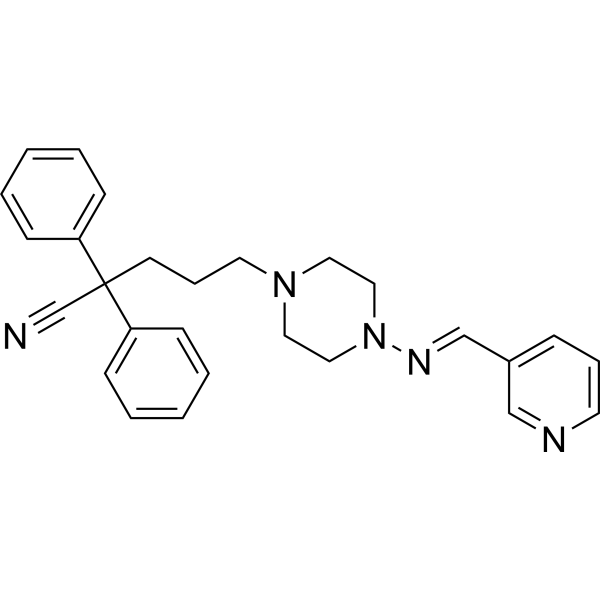
SC-26196 (Standard) is the analytical standard of SC-26196 (HY-107410). This product is intended for research and analytical applications. SC-26196 is a potent, orally active Delta6 desaturase (D6D, FADS2) inhibitor (IC50=0.2 μM in a rat liver microsomal assay). Antiinflammatory properties .
|
-

- HY-W015806R
-
|
|
Reference Standards
Endogenous Metabolite
|
Metabolic Disease
|
|
3-Pyridineacetic acid (Standard) is an analytical standard for 3-Pyridineacetic acid (HY-W015806). This product is for research and analytical applications. 3-Pyridineacetic acid is an orally active nicotinic acid analog. 3-Pyridineacetic acid enhances cholesterol oxidation in rat liver mitochondria. 3-Pyridineacetic acid inhibits Triton-induced hypercholesterolemia in rats. 3-Pyridineacetic acid can be used in research related to hypercholesterolemia.
|
-

- HY-N3806S
-
|
|
Isotope-Labeled Compounds
Acyltransferase
ERK
|
Infection
|
|
Enniatin B- 13C33 is the 13C-labeled Enniatin B (HY-N3806). Enniatin B is a Fusarium mycotoxin. Enniatin B inhibits acyl-CoA: cholesterol acyltransferase (ACAT) activity with an IC50 of 113 μM in an enzyme assay using rat liver microsomes . Enniatins B decreases the activation of ERK (p44/p42) .
|
-

- HY-N12571A
-
-

- HY-118918
-
|
|
Vasopressin Receptor
|
Endocrinology
|
|
YM218 free base is an orally active non-peptide vasopressin (AVP) receptor antagonist. YM218 free base has a high affinity for rat liver V1A receptors with a Ki value of 0.50 nM; it has a lower affinity for rat pituitary V1B, kidney V2, and uterine oxytocin receptors with Ki values of 1510 nM, 72.2 nM, and 150 nM, respectively. YM218 free base can be used in the study of diabetes and kidney disease .
|
-

- HY-169402
-
-

- HY-N3807
-
|
|
Acyltransferase
ERK
NF-κB
|
Infection
Cardiovascular Disease
Cancer
|
|
Enniatin B1 is a Fusarium mycotoxin. Enniatin B1 inhibits acyl-CoA: cholesterol acyltransferase (ACAT) activity with an IC50 of 73 μM in an enzyme assay using rat liver microsomes . Enniatin B1 crosss the blood-brain barrier . Enniatin B1 decreases the activation of ERK (p44/p42). Enniatin B1 inhibits moderately TNF-α-induced NF-κB activation .
|
-
- HY-10819
-
|
|
Antifolate
|
Cancer
|
|
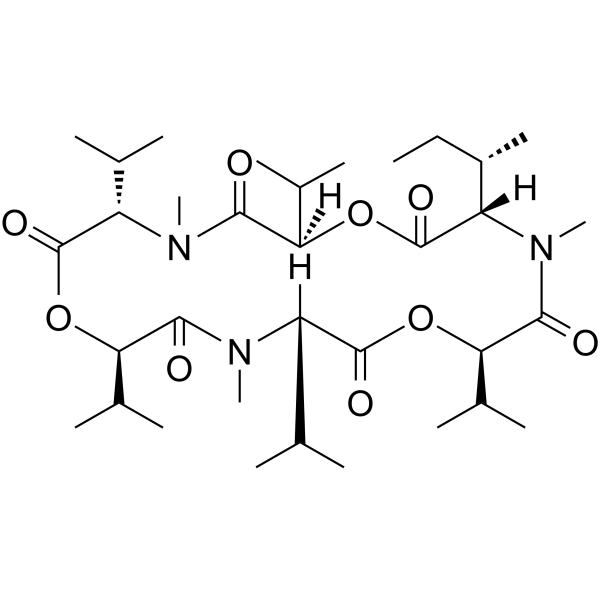
AG2034 is an inhibitor of glycinamide ribonucleotide formyltransferase (GARFT), with a Ki of 28 nM against human GARFT, and it binds with high affinity to the folate receptor (Kd of 0.0042 nM). Additionally, AG2034 is a substrate for rat liver folylpolyglutamate synthetase, with a Km of 6.4 µM. AG2034 inhibits the growth of L1210 and CCRF-CEM cells, with IC50 values of 4 nM and 2.9 nM, respectively, and it has demonstrated antitumor activity in xenograft models such as 6C3HED .
|
-

- HY-W040705R
-
|
N-Methylanthranilic acid (Standard)
|
Drug Metabolite
Reference Standards
|
Others
|
|
2-(Methylamino)benzoic acid (Standard) is the analytical standard of 2-(Methylamino)benzoic acid. This product is intended for research and analytical applications. 2-(Methylamino)benzoic acid is the main metabolite of methyl-N-methylanthranilates (MMA) (HY-76705) and is the compound in which the ester group is converted. MMA can be isolated from citrus fruits and has potential analgesic activity. 2-(Methylamino)benzoic acid was used to detect the metabolic levels of MMA in rat liver[1].
|
-

- HY-174413
-
|
|
Adenosine Receptor
|
Cancer
|
|
A2AAR antagonist 3 is a selective and potent A2A adenosine receptor (A2A AR) antagonist with an IC50 of 1.57 nM. A2AAR antagonist 3 demonstrates high and selective binding affinities to the A2A AR. A2AAR antagonist 3 demonstrates favorable stability in rat liver microsomes in vitro and acceptable pharmacokinetic profiles in vivo. A2AAR antagonist 3 can be used in cancer research.
|
-

- HY-169402A
-
-

- HY-50662
-
A-769662
Maximum Cited Publications
42 Publications Verification
|
AMPK
|
Metabolic Disease
|
|
A-769662 is a AMP-activated protein kinase (AMPK) activator. A-769662 inhibits the function of the 26S proteasome by an AMPK-independent mechanism and leads to cell cycle arrest. A-769662 directly stimulates partially purified rat liver AMPK (EC50 = 0.8 μM) and inhibits fatty acid synthesis in primary rat hepatocytes (IC50 = 3.2 μM). A-769662 can alleviate the symptoms of metabolic diseases such as type 2 diabetes .
|
-
- HY-W040305
-
|
|
Environmental Pollutants
Fungal
Mitochondrial Metabolism
Herbicide
|
Infection
|
|
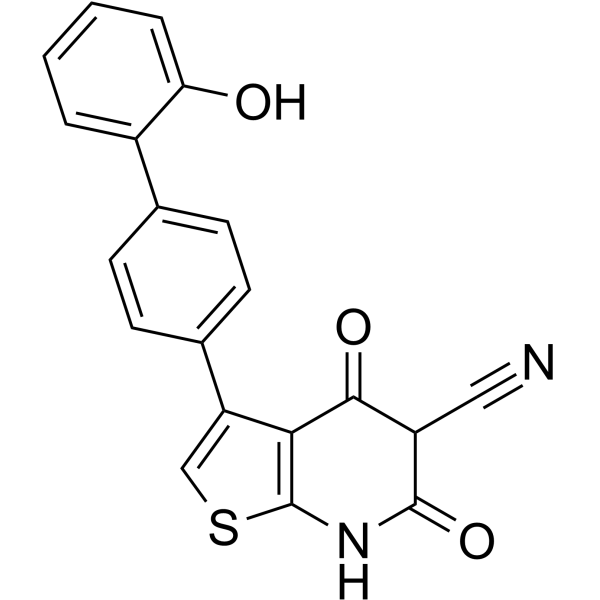
2,6-Dichloro-4-nitroaniline is an orally active Herbicide, Fungicide and uncoupler. 2,6-Dichloro-4-nitroaniline uncouples oxidative phosphorylation and inhibits electron transport. 2,6-Dichloro-4-nitroaniline induces biphenyl hydroxylase activity in rat liver. 2,6-Dichloro-4-nitroaniline increases the relative liver weight of rats via hepatomegaly without altering their body weight .
|
-

- HY-N6704S
-
|
|
Isotope-Labeled Compounds
ERK
Apoptosis
|
Cancer
|
|
Enniatin A1- 13C35 is the 13C-labeled Enniatin A1 (HY-N6704). Enniatin A1 isolated from Fusarium mycotoxins is a cyclic hexadepsipeptide consisting of alternating D-α-hydroxyisovaleric acids and N-methyl-L-amino acids. Enniatin A1 possesses anticarcinogenic properties by induction of apoptosis and disruption of ERK signalling pathway. Enniatin A1 inhibits ACAT with an IC50 of 49 μM in rat liver microsomes .
|
-

- HY-B2097
-
|
YM 175; Bisphonal
|
Farnesyl Transferase
|
Metabolic Disease
|
|
Incadronate disodium (YM 175) is a bisphosphonate with strong inhibitory activity on bone resorption. Incadronate disodium indirectly stimulates renal 25-hydroxyvitamin D-1-hydroxylase by increasing circulating parathyroid hormone. Incadronate disodium, a cholesterol-lowering agent, is a potent inhibitor of rat liver microsomal squalene synthase (Ki=57 nM). Incadronate disodium inhibits sterol biosynthesis in mouse macrophage J774 cells (IC50=64 μM). Incadronate disodium has the potential for malignant tumors research .
|
-

- HY-N7056R
-
|
|
Reference Standards
Proteasome
Oxidative Phosphorylation
|
Inflammation/Immunology
Cancer
|
|
4'-Hydroxychalcone (Standard) is the analytical standard of 4'-Hydroxychalcone (HY-N7056). This product is intended for research and analytical applications. 4'-Hydroxychalcone is a chalcone isolated from licorice root, with hepatoprotective activity. 4'-Hydroxychalcone inhibits TNFα-induced NF-κB activation via proteasome inhibition. 4'-Hydroxychalcone induces a rapid potassium release from mitochondrial vesicles and causes deterioration of respiratory control and oxidative phosphorylation of isolated rat liver mitochondria .
|
-

- HY-100299
-
|
|
Farnesyl Transferase
|
Cardiovascular Disease
Metabolic Disease
|
|
RPR107393 free base is an orally active potent selective squalene synthase (SQS) inhibitor. RPR107393 free base inhibits rat liver microsomal squalene synthase with an IC50 value of 0.8 nM. RPR107393 free base reduces triglyceride biosynthesis by suppressing fatty acid biosynthesis via an increase in intracellular farnesol and its derivatives. RPR107393 free base reduces plasma cholesterol in rats and marmosets. RPR107393 free base can be used for metabolic disease research, such as hypercholesterolemia, hypertriglyceridemia and atherosclerosis [1][2].
|
-
- HY-101823A
-
|
Abbott 81282
|
Angiotensin Receptor
|
Cardiovascular Disease
|
|
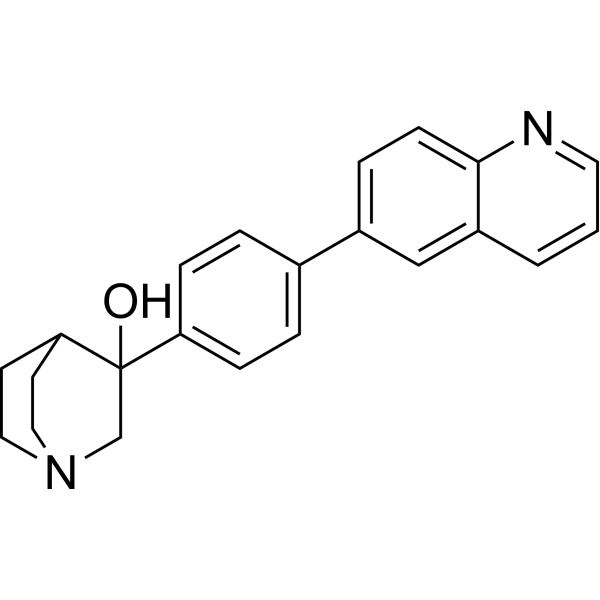
A-81282 (Abbott 81282) is an antagonist of angiotensin II's AT1 receptor, with a pA2 value of 9.64 at the AT1 receptor in rabbit aorta. A-81282 also demonstrates significant inhibitory action on the binding of [125i]_Sar1_lle8_Angiotensin_ll to rat liver membranes, with a pKI value of 8.505. A-81282 has antihypertensive activity and can effectively lower blood pressure in renal artery-ligated rats .
|
-

- HY-105572
-
|
MC-838 calcium
|
Angiotensin-converting Enzyme (ACE)
|
Cardiovascular Disease
|
|
Moveltipril calcium (MC-838 calcium) is an orally active angiotensin converting enzyme (ACE) inhibitor with antihypertensive activity. Moveltipril calcium binds via a stable thioester bond and exhibits relative resistance to enzymatic hydrolysis in rat liver homogenate. Moveltipril calcium effectively inhibits ACE extracted from rabbit lung in a concentration-dependent manner. Moveltipril calcium is able to highly specifically inhibit the contractile response to angiotensin-I (AI) in free rat aortic rings and guinea pig ileum preparations, while enhancing the contractile response to calcitonin .
|
-

- HY-122144
-
|
Teroxirone
|
Endogenous Metabolite
|
Cancer
|
|
α-Triglycidyl isocyanurate (Teroxirone) is an antitumor compound with activity to inhibit DNA replication. α-Triglycidyl isocyanurate exerts its anticancer effect by alkylating and cross-linking DNA. α-Triglycidyl isocyanurate is relatively stable in fresh human plasma and whole blood, showing good biocompatibility. The metabolism of α-Triglycidyl isocyanurate mainly occurs in rat liver and is metabolized through an NADPH-independent pathway. The cytotoxicity of α-Triglycidyl isocyanurate can be partially restored under specific conditions, suggesting the complexity of its metabolic pathway .
|
-

- HY-B0847S1
-
|
|
Fungal
Reactive Oxygen Species (ROS)
|
Infection
|
|
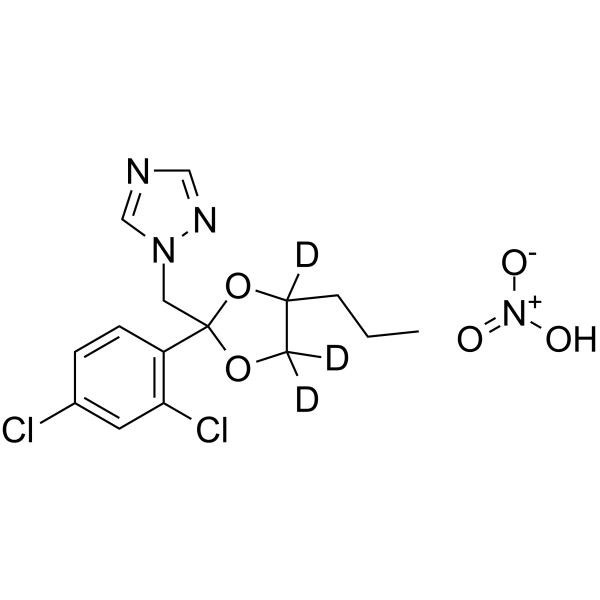
Propiconazole-d3 (nitrate) is the deuterium labeled Propiconazole nitrate. Propiconazole is a broad-spectrum triazole fungicide that inhibits the conversion of lanosterol to ergosterol, leading to fungal cell membrane disruption. Propiconazole inhibits S. cerevisiae, but not rat liver, microsomal cytochrome P450 (IC50s=0.04 and >200 µM, respectively). Propiconazole inhibits the growth of T. deformans and R. stolonifer (ED50s=0.073 and 4.6 µg/mL, respectively). Propiconazole increases production of reactive oxygen species (ROS).
|
-
- HY-N9515
-
|
|
Apoptosis
Reactive Oxygen Species (ROS)
|
Neurological Disease
Metabolic Disease
|
|
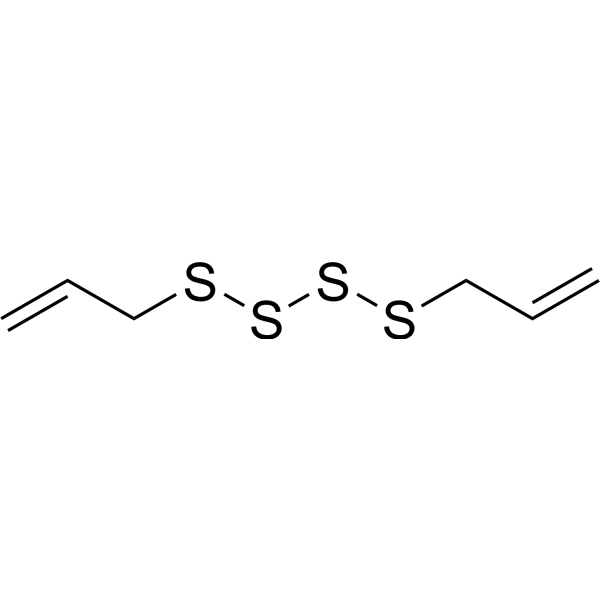
Diallyl tetrasulfide is an orally active diallyl tetrasulfide. Diallyl tetrasulfide ameliorates cadmium-induced changes in acetylcholinesterase and adenosine triphosphatase activities as well as oxidative stress injury in the brain of rats . Diallyl tetrasulfide inhibits lipid peroxidation in rat liver microsomes . Diallyl tetrasulfide ameliorates cadmium-induced oxidative liver injury in rats . Diallyl tetrasulfide protects cells against cadmium-induced loss of cell viability, reduces apoptosis rate and ROS production. Diallyl tetrasulfide is applicable to research related to cadmium-induced neurotoxicity and cadmium-induced oxidative liver injury .
|
-
- HY-B0847S
-
|
|
Isotope-Labeled Compounds
Fungal
Reactive Oxygen Species (ROS)
|
Infection
|
|
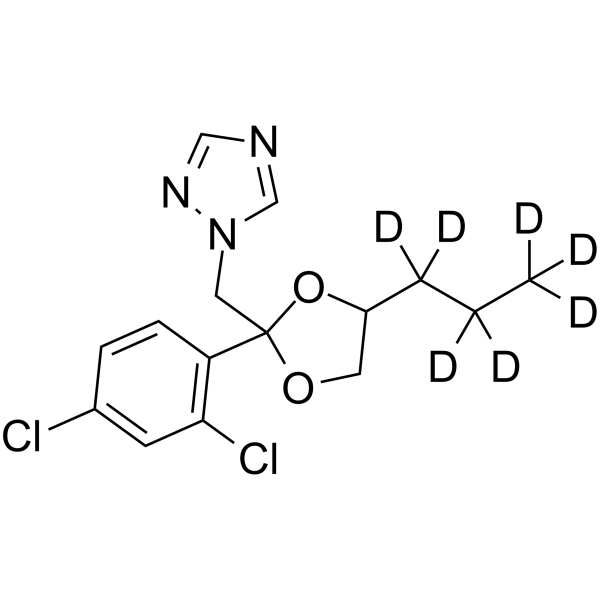
Propiconazole-d7 is the deuterium labeled Propiconazole. Propiconazole is a broad-spectrum triazole fungicide that inhibits the conversion of lanosterol to ergosterol, leading to fungal cell membrane disruption. Propiconazole inhibits S. cerevisiae, but not rat liver, microsomal cytochrome P450 (IC50s=0.04 and >200 μM, respectively). Propiconazole inhibits the growth of T. deformans and R. stolonifer (ED50s=0.073 and 4.6 μg/mL, respectively). Propiconazole increases production of reactive oxygen species (ROS) .
|
-
- HY-151229
-
|
DETC-Me; DDTC-Me; Diethyldithiocarbamic acid methyl ester
|
Aldehyde Dehydrogenase (ALDH)
|
Metabolic Disease
|
|
S-Methyl-N,N-diethylthiolcarbamate (DETC-Me; DDTC-Me) is the active metabolite of the aldehyde dehydrogenase inhibitor disulfiram (HY-B0240). It is produced by the methylation of the disulfiram metabolite diethyldithiocarbamate in mouse liver microsomes. S-Methyl-N,N-diethylthiolcarbamate (DETC-Me; DDTC-Me) inhibits rat liver low Km aldehyde dehydrogenase (ALDH) (ID50=15.5 mg/kg). When administered at a dose of 20.6 mg/kg, it decreases mean arterial pressure (MAP) and increases heart rate in rats during ethanol stimulation.
|
-

- HY-N3807S
-
|
|
Isotope-Labeled Compounds
Acyltransferase
ERK
NF-κB
|
Infection
|
|
Enniatin B1- 13C34 is the 13C-labeled Enniatin B1 (HY-N3807). Enniatin B1 is a Fusarium mycotoxin. Enniatin B1 inhibits acyl-CoA: cholesterol acyltransferase (ACAT) activity with an IC50 of 73 μM in an enzyme assay using rat liver microsomes . Enniatin B1 crosss the blood-brain barrier . Enniatin B1 decreases the activation of ERK (p44/p42). Enniatin B1 inhibits moderately TNF-α-induced NF-κB activation .
|
-

- HY-155051
-
|
|
Apoptosis
Histone Methyltransferase
|
Cancer
|
|
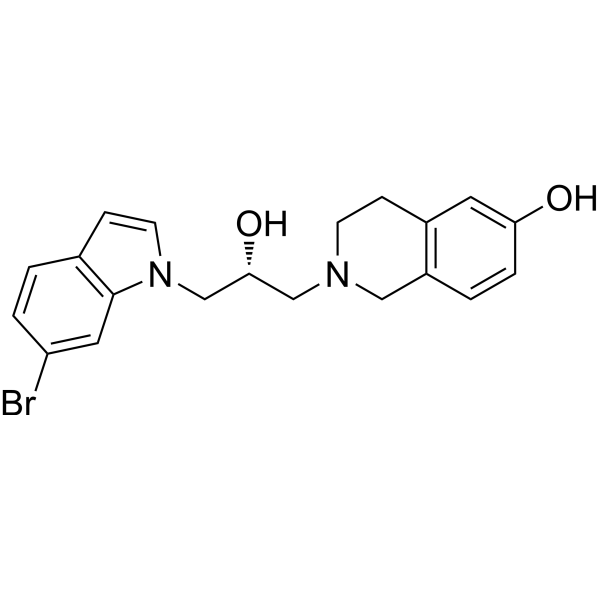
Antiproliferative agent-25 (Compound 3s4) is a selective PRMT5 inhibitor (IC50: 0.11 μM). Antiproliferative agent-25 up-regulates hnRNP E1 protein level. Antiproliferative agent-25 forms H-bond interactions with SAM and E444 residue of PRMT5. Antiproliferative agent-25 has antiproliferative effects against A549 cells by inducing apoptosis and inhibiting cell migration. Antiproliferative agent-25 has high clearances with T1/2 of only 21.8 and 4.7 min in human and rat liver microsomes .
|
-
- HY-N0807
-
|
|
MMP
NF-κB
JAK
Keap1-Nrf2
|
Metabolic Disease
Inflammation/Immunology
Cancer
|
|
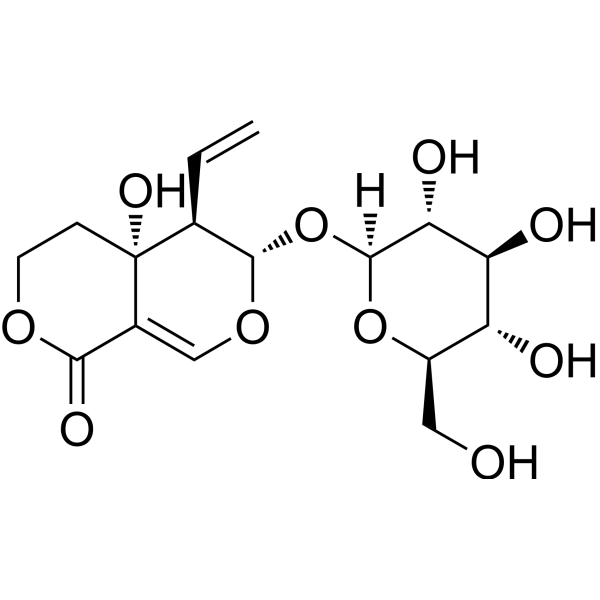
Swertiamarin is an orally active natural product with hypoglycemic, lipid-lowering, anti-rheumatic, and antioxidant activities. Swertiamarin can regulate the levels of pro-inflammatory cytokines, MMP, and NF-κB, and promote osteoblast proliferation. Swertiamarin has antioxidant and hepatoprotective effects against carbon tetrachloride induced rat liver toxicity through the Nrf2/HO-1 pathway. Swertiamarin can attenuate inflammatory mediators by regulating JAK2/STAT3 transcription factors in adjuvant induced arthritis rats. Swertiamarin can be used in the research of diabetes and arthritis .
|
-
- HY-182800
-
|
|
Molecular Glues
Casein Kinase
|
Cancer
|
|
IBA-11 is a selective CRBN-dependented CK1α molecular glue degrader. IBA-11 binds to the canonical tri-tryptophan pocket of CRBN, forming a ternary complex with CK1α to mediate its degradation. IBA-11 induces CRBN-dependent ubiquitin-proteasome system-mediated degradation of CK1α. IBA-11 exhibits cytotoxicity against cancer cells. IBA-11 demonstrates in vitro metabolic stability in rat liver microsomes and minimal hERG inhibition. IBA-11 can be used for the research of cancer, such as acute myeloid leukemia .
|
-

- HY-B0822S1
-
|
|
GABA Receptor
Cytochrome P450
|
Inflammation/Immunology
|
|
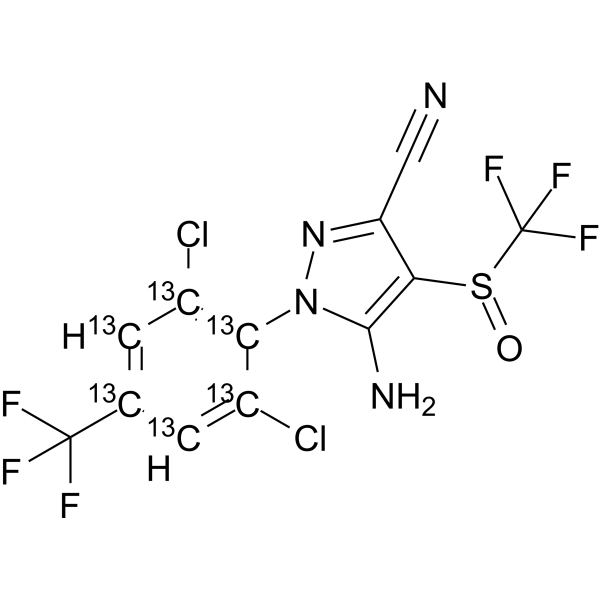
Fipronil- 13C6 is the 13C-labeled Fipronil. Fipronil is an insecticide that acts as a selective antagonist of insect GABA receptors (IC50s = 30 nM and 1,600 nM for cockroach and rat receptors, respectively). Fipronil also inhibits desensitizing and non-desensitizing glutamate-induced chloride currents in cockroach neurons (IC50s = 800 nM and 10 nM, respectively). Fipronil induces activity of the cytochrome P450 (CYP) isoforms CYP1A1/2, CYP2B1/2, and CYP3A1/2 in isolated rat liver microsomes.
|
-
- HY-124211
-
|
|
Environmental Pollutants
MDM-2/p53
Aryl Hydrocarbon Receptor
|
Cancer
|
|
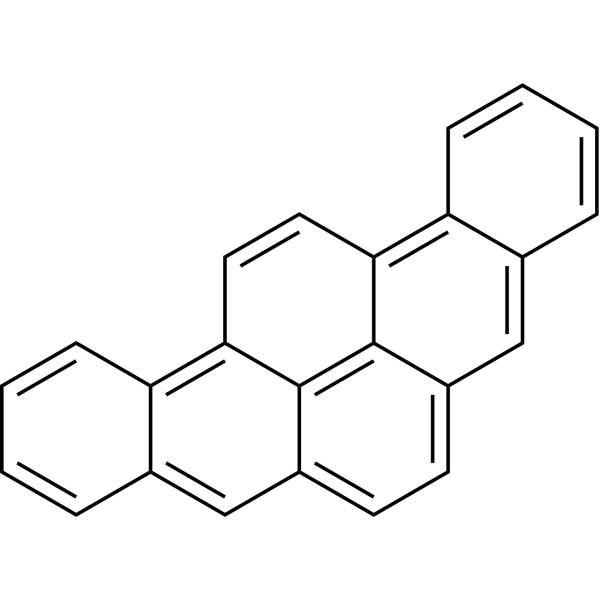
Dibenzo (a,i) pyrene is a polycyclic aromatic hydrocarbon and also a carcinogenic ligand of the TCDD (Ah) receptor. Dibenzo (a,i) pyrene binds to the TCDD (Ah) receptor in rat liver. Dibenzo (a,i) pyrene induces DNA adduct formation and upregulates the protein levels of p53 and p21 WAF1 in diploid lung fibroblasts. Dibenzo (a,i) pyrene alters the cell cycle distribution of diploid lung fibroblasts, increasing the proportion of cells in the S phase, decreasing the proportions of cells in the G0/G1 and G2/M phases, and causing S phase delay/arrest. Dibenzo (a,i) pyrene is applicable for cancer research .
|
-
- HY-B1341
-
|
Enidrel; SC-4642; NSC 15432
|
Endogenous Metabolite
Progesterone Receptor
|
Cancer
|
|
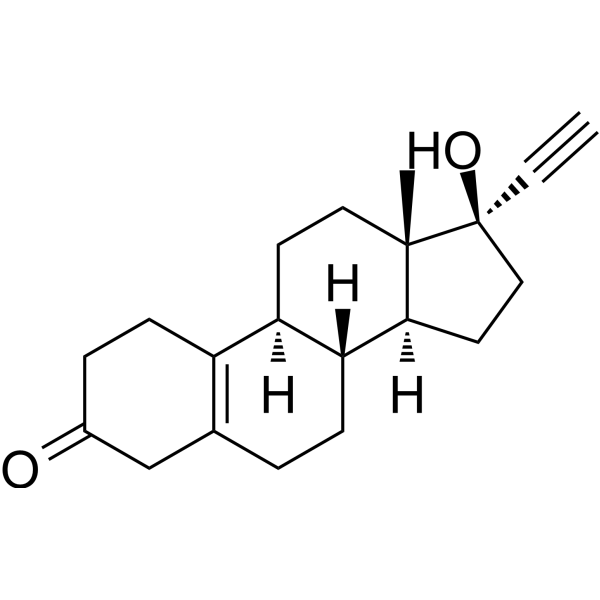
Norethynodrel (Enidrel; SC-4642) is an orally active progestogen analog that reduces estrogen-like effects and enhances progestogen-like responses in endometrial stromal cells. Norethynodrel also promotes cell maturation and predecidual cell formation by inducing organelle hyperplasia and glycogen accumulation. Norethynodrel competitively inhibits drug-metabolizing enzymes in rat liver microsomes, thereby prolonging Pentobarbital sleep time, while exhibiting multiple effects including reduced body weight gain, attenuated heart rate elevation and ovulation inhibition. In mouse models, Norethynodrel significantly increases the incidence of mammary adenocarcinoma, cervical cancer and pituitary tumors. Norethynodrel can be used for mechanism research on related diseases such as mammary adenocarcinoma, cervical cancer, ovarian tubular adenoma and pituitary adenoma .
|
-
- HY-181710
-
|
|
mTOR
PI3K
|
Cancer
|
|
LASSBio-2337 is a dual pan-PI3K/mTOR inhibitor with an mTOR IC50 of 5.8 μM.LASSBio-2337 functionally modulates mTOR and all PI3K isoforms.LASSBio-2337 acts as a cytotoxic agent in leukemia cells, including multidrug-resistant populations.LASSBio-2337 spares nontumor human peripheral blood mononuclear cells.LASSBio-2337 displays moderate PAMPA-GIT permeability.LASSBio-2337 shows low metabolic stability in rat liver microsomes.LASSBio-2337 is aqueous insoluble.LASSBio-2337 can be used for the research of acute lymphoblastic leukemia, chronic myelogenous leukemia, breast cancer .
|
-

- HY-N4031
-
|
|
Anaplastic lymphoma kinase (ALK)
METTL3
|
Inflammation/Immunology
|
|
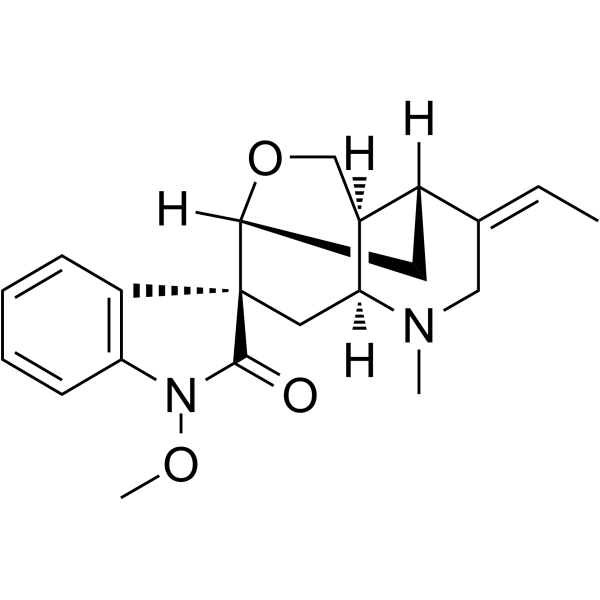
Humantenine is a highly toxic indole alkaloid from Gelsemium elegans (Gardn. & Champ.) Benth. that binds to RNA m6A modification regulatory proteins (ALKBH5, METTL). Humantenine stably binds via hydrogen bonding and hydrophobic interactions and disrupts the m6A methylation level of target genes, thereby impairing the expression of intestinal epithelial cell tight junction and cytoskeleton-related genes, causing intestinal barrier dysfunction and significant intestinal cytotoxicity. The intraperitoneal injection LD50 values of Humantenine are <1 mg/kg in mice, 1.2 mg/kg in male rats and 1.5 mg/kg in female rats, respectively. Species differences exist in the metabolism of Humantenine in human, porcine, goat and rat liver microsomes, and demethylation, dehydrogenation and oxidation occur in liver microsomes .
|
-
-
- HY-D0075
-
|
|
蛍光色素
|
|
DHPDS disodium salt is a pH-sensitive fluorescent dye. DHPDS disodium salt is used to measure intracellular pH (pHi) from the surface fluorescence of the isolated perfused rat liver .
|
-
- HY-154831
-
|
N-Behenoyl-D-erythro-sphingosine; C22-Ceramide; Cer d18:1/22:0
|
生化学アッセイ試薬
|
|
C22-Ceramide (d18:1/22:0) (Cer d18:1/22:0) is an endogenous bioactive sphingolipid. C22-Ceramide (d18:1/22:0) reduces the propensity of C16-ceramide channel formation in isolated rat liver mitochondria and in liposomes .
|
-
- HY-NP181
-
|
|
生化学アッセイ試薬
|
|
Testosterone/BSA, a conjugate of Testosterone (HY-113415) and bovine serum albumin (BSA), acts as a nuclear transporter and cytoplasmic accumulator. Testosterone/BSA can enter the nuclei of rat testicular spermatocytes, spermatids and rat liver endothelial cells, while the antigenicity of BSA remains intact. Testosterone/BSA accumulates in the cytoplasm of rat hepatocytes in granular form. Testosterone/BSA can be used to investigate the membrane-initiated or non-genomic activities of steroid hormones .
|
-
- HY-N10272
-
|
|
生化学アッセイ試薬
|
|
Avenaciolide is an antifungal bis-γ-lactone found in Aspergillus avenaceus. Avenaciolide has also antibacterial action. Avenaciolide is a specific inhibitor of glutamate transport in rat liver mitochondria. Avenaciolide interferes with the ability of ADP to stimulate the rate of glutamate oxidation .
|
-
- HY-W040705
-
|
N-Methylanthranilic acid
|
Drug Metabolite
|
Others
|
|
2-(Methylamino)benzoic acid is the main metabolite of methyl-N-methylanthranilates (MMA) (HY-76705) and is the compound in which the ester group is converted. MMA can be isolated from citrus fruits and has potential analgesic activity. 2-(Methylamino)benzoic acid was used to detect the metabolic levels of MMA in rat liver .
|
-
- HY-W040705R
-
|
N-Methylanthranilic acid (Standard)
|
Drug Metabolite
Reference Standards
|
Others
|
|
2-(Methylamino)benzoic acid (Standard) is the analytical standard of 2-(Methylamino)benzoic acid. This product is intended for research and analytical applications. 2-(Methylamino)benzoic acid is the main metabolite of methyl-N-methylanthranilates (MMA) (HY-76705) and is the compound in which the ester group is converted. MMA can be isolated from citrus fruits and has potential analgesic activity. 2-(Methylamino)benzoic acid was used to detect the metabolic levels of MMA in rat liver[1].
|
| 製品番号 |
製品名 |
Category |
Target |
構造式 |
-
- HY-N4193
-
-
-
- HY-N7056
-
-
-
- HY-N0807
-
-
-
- HY-W015608
-
-
-
- HY-N7327
-
|
|
Structural Classification
Flavonoids
Ochna atropurpurea DC.
Plants
Biflavones
Source Classification
|
Phospholipase
|
|
Ochnaflavone is an inhibitor of IIA-type secretory phospholipase A2 (sPLA2-IIA) with an IC50 of 3.45 µM. Ochnaflavone exhibits significant anti-inflammatory and liver-protective effects, capable of inhibiting the degradation of phosphatidylethanolamine (PE) and lipid peroxidation induced by carbon tetrachloride (CCl4) in rat liver, with an IC50 of 7.16 µM for lipid peroxidation. Ochnaflavone can be used in research on liver damage and inflammatory diseases .
|
-
-
- HY-N3807
-
-
-
- HY-W015806
-
-
-
- HY-N3806
-
-
-
- HY-N4031
-
-
-
- HY-N4071
-
-
-
- HY-N4070
-
-
-
- HY-W040705
-
|
N-Methylanthranilic acid
|
Ketones, Aldehydes, Acids
Endogenous metabolite
Source Classification
|
Drug Metabolite
|
|
2-(Methylamino)benzoic acid is the main metabolite of methyl-N-methylanthranilates (MMA) (HY-76705) and is the compound in which the ester group is converted. MMA can be isolated from citrus fruits and has potential analgesic activity. 2-(Methylamino)benzoic acid was used to detect the metabolic levels of MMA in rat liver .
|
-
-
- HY-N7436
-
-
-
- HY-B1341
-
|
Enidrel; SC-4642; NSC 15432
|
Structural Classification
Classification of Application Fields
Endogenous metabolite
Disease Research Fields
Endocrinology
Steroids
Source Classification
|
Endogenous Metabolite
Progesterone Receptor
|
|
Norethynodrel (Enidrel; SC-4642) is an orally active progestogen analog that reduces estrogen-like effects and enhances progestogen-like responses in endometrial stromal cells. Norethynodrel also promotes cell maturation and predecidual cell formation by inducing organelle hyperplasia and glycogen accumulation. Norethynodrel competitively inhibits drug-metabolizing enzymes in rat liver microsomes, thereby prolonging Pentobarbital sleep time, while exhibiting multiple effects including reduced body weight gain, attenuated heart rate elevation and ovulation inhibition. In mouse models, Norethynodrel significantly increases the incidence of mammary adenocarcinoma, cervical cancer and pituitary tumors. Norethynodrel can be used for mechanism research on related diseases such as mammary adenocarcinoma, cervical cancer, ovarian tubular adenoma and pituitary adenoma .
|
-
-
- HY-N6702
-
-
-
- HY-113767
-
-
-
- HY-N15640
-
-
-
- HY-N9515
-
|
|
Structural Classification
天然物
Allium sativum L.
Plants
Amaryllidaceae
Source Classification
|
Apoptosis
Reactive Oxygen Species (ROS)
|
|
Diallyl tetrasulfide is an orally active diallyl tetrasulfide. Diallyl tetrasulfide ameliorates cadmium-induced changes in acetylcholinesterase and adenosine triphosphatase activities as well as oxidative stress injury in the brain of rats . Diallyl tetrasulfide inhibits lipid peroxidation in rat liver microsomes . Diallyl tetrasulfide ameliorates cadmium-induced oxidative liver injury in rats . Diallyl tetrasulfide protects cells against cadmium-induced loss of cell viability, reduces apoptosis rate and ROS production. Diallyl tetrasulfide is applicable to research related to cadmium-induced neurotoxicity and cadmium-induced oxidative liver injury .
|
-
-
- HY-122099
-
-
-
- HY-N12432
-
-
-
- HY-N10272
-
-
-
- HY-N15411
-
-
-
- HY-125568
-
-
-
- HY-N14715
-
|
|
天然物
Microorganisms
Source Classification
|
Acyltransferase
|
|
Gypsetin can inhibit acylcoenzyme A, cholesterol acyltransferase (ACAT) activity, inhibit rat liver microbody ACAT with an IC50 of 18 μM, and its action is competitive with oleoyl-COA substrate, Ki value is 5.5 μM. Gypsetin also inhibits Oleic acid from forming cholesterol esters with an IC50 of 0.65 μM .
|
-
-
- HY-W017785
-
-
-
- HY-N6704
-
-
-
- HY-W015608R
-
-
-
- HY-165154
-
|
Desdanine; Pyracrimycin A
|
天然物
Microorganisms
Source Classification
|
Antibiotic
Bacterial
Fungal
Pyruvate Kinase
Oxidative Phosphorylation
|
|
Cyclamidomycin (Desdanine) is an acrylamide antibiotic with antibacterial activity. Cyclamidomycin inhibits nucleoside diphosphate kinase and pyruvate kinase (in E. coli) and oxidative phosphorylation in rat liver mitochondria. Cyclamidomycin is active against S. aureus, M. flavus, S. lutea, B. subtilis, E. coli, S. flexneri, S. typhosa, P. vulgaris, and K. pneumoniae (MICs=3.12-25 mg/ml) .
|
-
-
- HY-W842446
-
-
-
- HY-182578
-
-
-
- HY-N17823
-
-
-
- HY-W015806R
-
-
-
- HY-N12571A
-
-
-
- HY-W040705R
-
|
N-Methylanthranilic acid (Standard)
|
Structural Classification
Ketones, Aldehydes, Acids
Endogenous metabolite
Source Classification
|
Drug Metabolite
Reference Standards
|
|
2-(Methylamino)benzoic acid (Standard) is the analytical standard of 2-(Methylamino)benzoic acid. This product is intended for research and analytical applications. 2-(Methylamino)benzoic acid is the main metabolite of methyl-N-methylanthranilates (MMA) (HY-76705) and is the compound in which the ester group is converted. MMA can be isolated from citrus fruits and has potential analgesic activity. 2-(Methylamino)benzoic acid was used to detect the metabolic levels of MMA in rat liver[1].
|
-
-
- HY-N7056R
-
-
-
- HY-114296S
-
|
|
|
2,3-Oxidosqualene-d6 (Squalene oxide-d6) is a deuterium labeled 2,3-Oxidosqualene (HY-114296). 2,3-Oxidosqualene (Squalene oxide) is a sterol biosynthesis precursor intermediate.2,3-Oxidosqualene participates in cyclization pathways that form sterols and triterpenes, and contributes to introduction of their characteristic 3-hydroxyl group.2,3-Oxidosqualene forms metabolically from squalene in rat liver homogenates under sterol synthesis conditions.2,3-Oxidosqualene converts to sterols including cholesterol, lathosterol, and lanost-8-en-3β-ol in rat liver homogenates under anaerobic conditions.
|
-
-
- HY-B0822S1
-
|
|
|
Fipronil- 13C6 is the 13C-labeled Fipronil. Fipronil is an insecticide that acts as a selective antagonist of insect GABA receptors (IC50s = 30 nM and 1,600 nM for cockroach and rat receptors, respectively). Fipronil also inhibits desensitizing and non-desensitizing glutamate-induced chloride currents in cockroach neurons (IC50s = 800 nM and 10 nM, respectively). Fipronil induces activity of the cytochrome P450 (CYP) isoforms CYP1A1/2, CYP2B1/2, and CYP3A1/2 in isolated rat liver microsomes.
|
-
-
- HY-B0817S
-
|
|
|
Pyridaben-d13 is the deuterium labeled Pyridaben . Pyridaben is a mitochondrial electron transport inhibitor (METI) acaricide that promotes the formation of damaging oxygen and nitrogen radicals. Pyridaben selectively inhibits complex I (NADH dehydrogenase) with an IC50 value of 2.4 nM (assay sites: rat liver and bovine heart mitochondria). Pyridaben also significantly inhibits rat mitochondrial mtNOS function .
|
-
-
- HY-B0847S1
-
|
|
|
Propiconazole-d3 (nitrate) is the deuterium labeled Propiconazole nitrate. Propiconazole is a broad-spectrum triazole fungicide that inhibits the conversion of lanosterol to ergosterol, leading to fungal cell membrane disruption. Propiconazole inhibits S. cerevisiae, but not rat liver, microsomal cytochrome P450 (IC50s=0.04 and >200 µM, respectively). Propiconazole inhibits the growth of T. deformans and R. stolonifer (ED50s=0.073 and 4.6 µg/mL, respectively). Propiconazole increases production of reactive oxygen species (ROS).
|
-
-
- HY-B0847S
-
|
|
|
Propiconazole-d7 is the deuterium labeled Propiconazole. Propiconazole is a broad-spectrum triazole fungicide that inhibits the conversion of lanosterol to ergosterol, leading to fungal cell membrane disruption. Propiconazole inhibits S. cerevisiae, but not rat liver, microsomal cytochrome P450 (IC50s=0.04 and >200 μM, respectively). Propiconazole inhibits the growth of T. deformans and R. stolonifer (ED50s=0.073 and 4.6 μg/mL, respectively). Propiconazole increases production of reactive oxygen species (ROS) .
|
-
-
- HY-N6702S
-
|
|
|
Enniatin A- 13C36 is the 13C-labeled Enniatin A (HY-N6702). Enniatin A is a Fusarium mycotoxin. Enniatin A inhibits acyl-CoA: cholesterol acyltransferase (ACAT) activity with an IC50 of 22 μM in an enzyme assay using rat liver microsomes .
|
-
-
- HY-N3806S
-
|
|
|
Enniatin B- 13C33 is the 13C-labeled Enniatin B (HY-N3806). Enniatin B is a Fusarium mycotoxin. Enniatin B inhibits acyl-CoA: cholesterol acyltransferase (ACAT) activity with an IC50 of 113 μM in an enzyme assay using rat liver microsomes . Enniatins B decreases the activation of ERK (p44/p42) .
|
-
-
- HY-N6704S
-
|
|
|
Enniatin A1- 13C35 is the 13C-labeled Enniatin A1 (HY-N6704). Enniatin A1 isolated from Fusarium mycotoxins is a cyclic hexadepsipeptide consisting of alternating D-α-hydroxyisovaleric acids and N-methyl-L-amino acids. Enniatin A1 possesses anticarcinogenic properties by induction of apoptosis and disruption of ERK signalling pathway. Enniatin A1 inhibits ACAT with an IC50 of 49 μM in rat liver microsomes .
|
-
-
- HY-N3807S
-
|
|
|
Enniatin B1- 13C34 is the 13C-labeled Enniatin B1 (HY-N3807). Enniatin B1 is a Fusarium mycotoxin. Enniatin B1 inhibits acyl-CoA: cholesterol acyltransferase (ACAT) activity with an IC50 of 73 μM in an enzyme assay using rat liver microsomes . Enniatin B1 crosss the blood-brain barrier . Enniatin B1 decreases the activation of ERK (p44/p42). Enniatin B1 inhibits moderately TNF-α-induced NF-κB activation .
|
-
-
- HY-B1341
-
|
Enidrel; SC-4642; NSC 15432
|
|
Alkynes
|
|
Norethynodrel (Enidrel; SC-4642) is an orally active progestogen analog that reduces estrogen-like effects and enhances progestogen-like responses in endometrial stromal cells. Norethynodrel also promotes cell maturation and predecidual cell formation by inducing organelle hyperplasia and glycogen accumulation. Norethynodrel competitively inhibits drug-metabolizing enzymes in rat liver microsomes, thereby prolonging Pentobarbital sleep time, while exhibiting multiple effects including reduced body weight gain, attenuated heart rate elevation and ovulation inhibition. In mouse models, Norethynodrel significantly increases the incidence of mammary adenocarcinoma, cervical cancer and pituitary tumors. Norethynodrel can be used for mechanism research on related diseases such as mammary adenocarcinoma, cervical cancer, ovarian tubular adenoma and pituitary adenoma .
|
-
- HY-W010450
-
Thymine
1 Publications Verification
|
|
Nucleoside Analogs
Thymidine
|
|
Thymine, one of the four bases of DNA, is a substrate for rat liver dihydropyrimidine dehydrogenase (DPD), with a Km value of 2.2 μM, Ki of 24 μM (using 5-FU as the DPD substrate), and a specific activity of 0.68 nmol/min/mg .
|
入力情報は安全に管理されます. ※ 必須入力項目.
Inquiry Information
- 製品名:
- 製品番号:
- 数量:
- MCE 日本正規代理店:





