
Search Result
Results for "
MRC-5
" in MedChemExpress (MCE) Product Catalog:
1
Biochemical Assay Reagents
1
Isotope-Labeled Compounds
| Cat. No. |
Product Name |
Target |
Research Areas |
Chemical Structure |
-
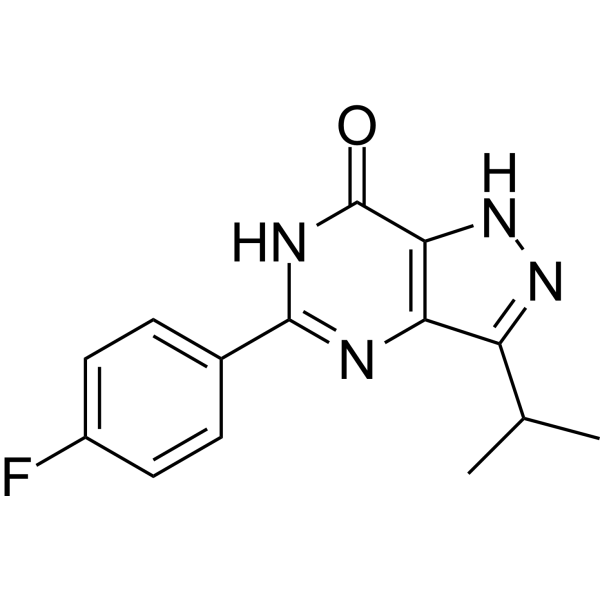
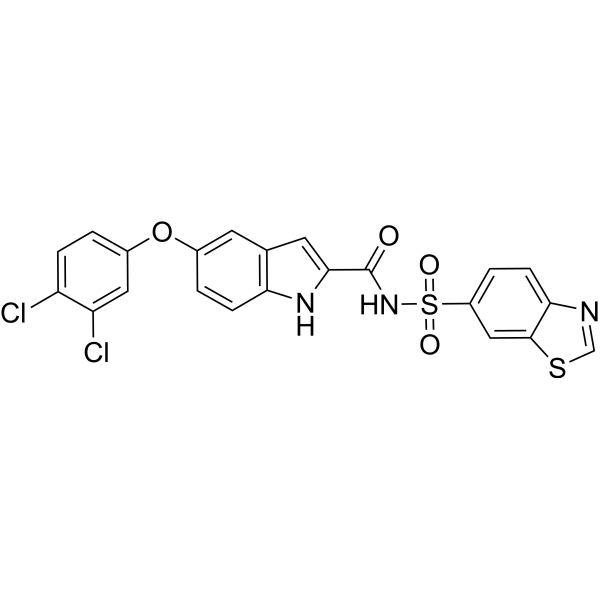
- HY-160623
-
-
-
- HY-106161
-
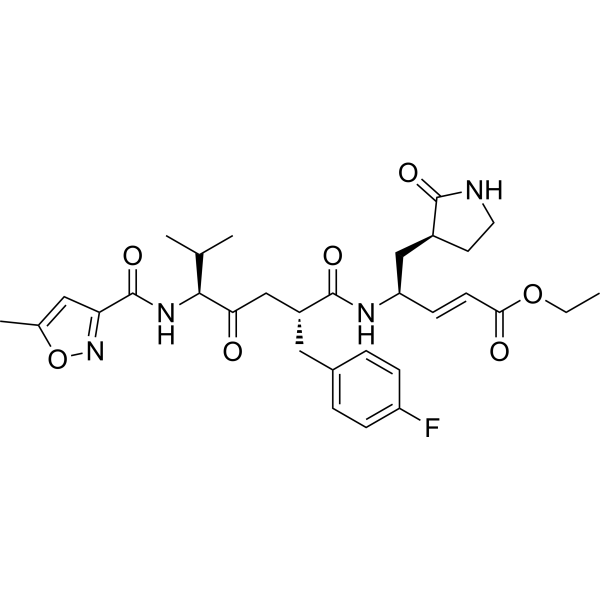
Rupintrivir
Maximum Cited Publications
7 Publications Verification
AG7088
|
Virus Protease
Enterovirus
|
Infection
Inflammation/Immunology
|
|
Rupintrivirvr (AG7088), an antiviral agent, is a potent, selective and irreversible inhibitor of human rhinovirus (HRV) 3C protease. Rupintrivirvr inhibits replication of a panel of 48 different HRV serotypes in H1-HeLA and MRC-5 cell protection assays, with a mean EC50 of 0.023 μM. Rupintrivirvr shows immune-modulatory effect .
|
-
-
- HY-14930
-
-
-
- HY-103058
-
-
-
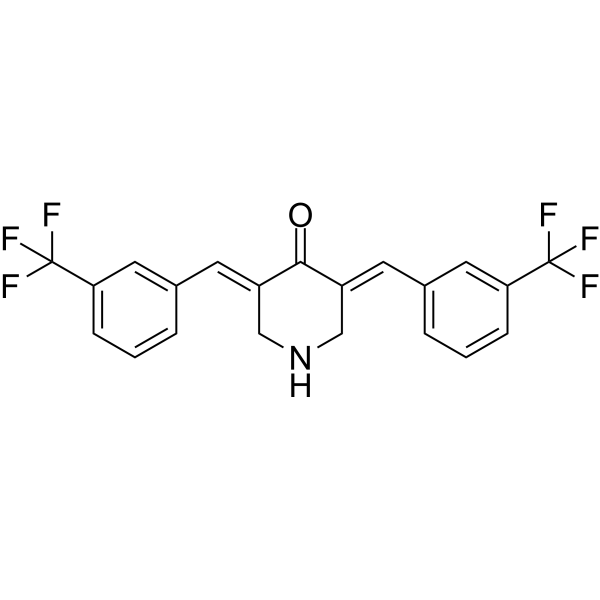
- HY-168034
-
|
|
STING
Integrin
NF-κB
SARS-CoV
|
Infection
Inflammation/Immunology
|
|
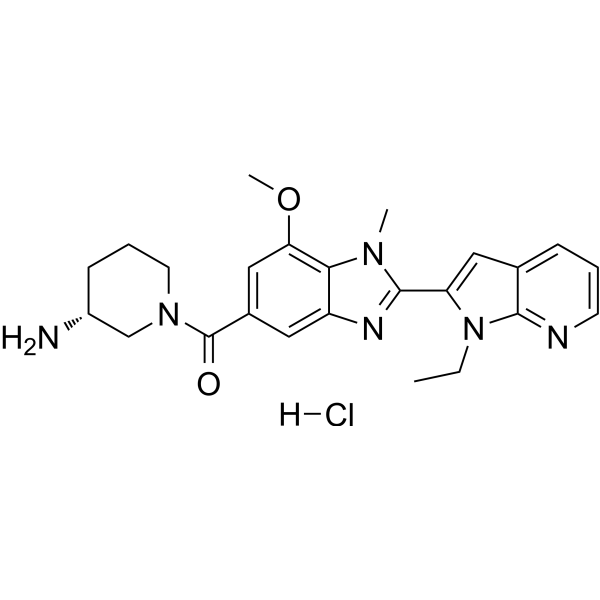
diABZI-4 is a STING activator and broad-spectrum antiviral agent with immunostimulatory activity. diABZI-4 triggers the TBK1-IRF3 and NF-κB signaling cascades by inducing STING oligomerization, thereby promoting the production of type I/III interferons and various proinflammatory cytokines. diABZI-4 exhibits broad-spectrum antiviral activity and effectively inhibits the replication of influenza A virus, SARS-CoV-2, herpes simplex virus, and other viruses. diABZI-4 also activates lymphocytes and macrophages to provide significant pre- and post-exposure protection in viral disease models. diABZI-4 can be used to study COVID-19, respiratory viral infections, and related immunopathological mechanisms .
|
-
-
- HY-W008469
-
|
|
DNA/RNA Synthesis
|
Cancer
|
|
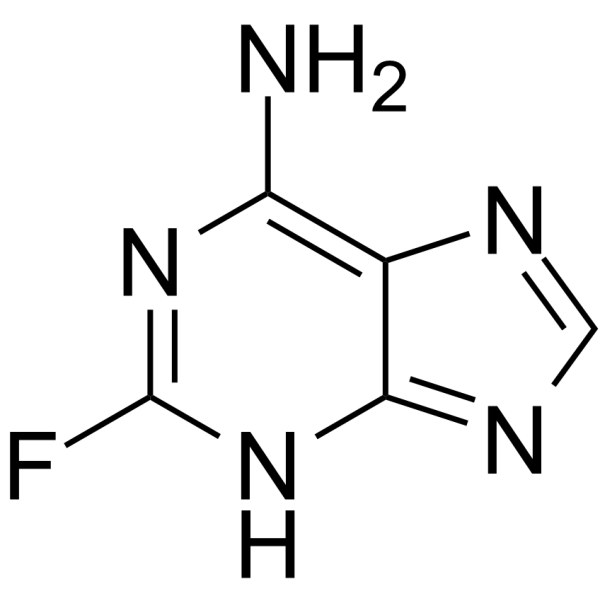
2-Fluoroadenine is a toxic purine bases. 2-Fluoroadenine has toxicity in nonproliferating and proliferating tumor cells. 2-Fluoroadenine can be used for researching anticancer .
|
-
-
- HY-N3442
-
|
|
JNK
Apoptosis
Autophagy
|
Inflammation/Immunology
Cancer
|
|
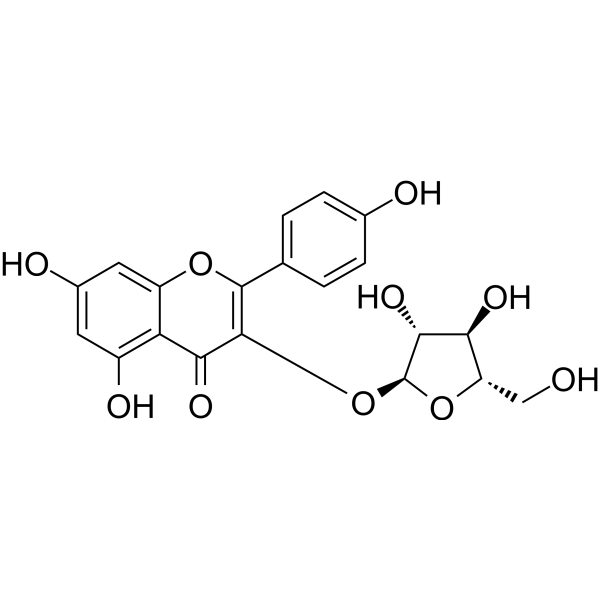
Juglanin, a occurring flavonoid that can be isolated from crude Polygonum aviculare, is a JNK acticator, with anti-inflammatory, anti-oxidant and anti-tumor activities. Juglanin can induce apoptosis and autophagy on human breast cancer cells .
|
-
-
- HY-14930A
-
-
-
- HY-15039
-
|
|
Bradykinin Receptor
|
Metabolic Disease
Inflammation/Immunology
Endocrinology
|
|
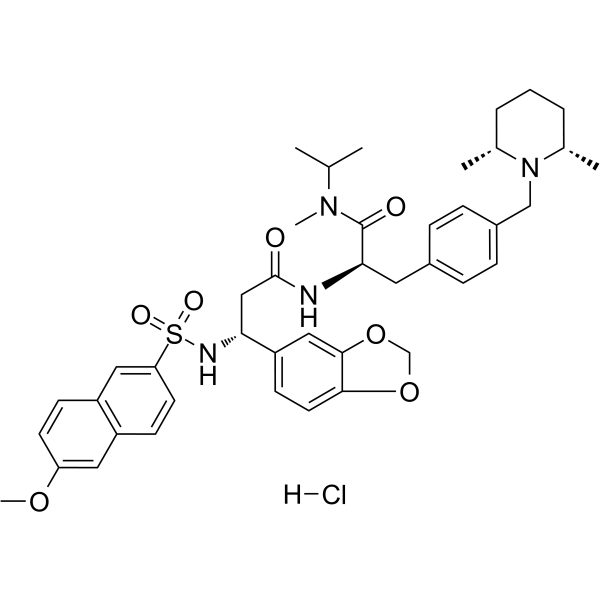
SSR240612 is a potent, and orally active specific non-peptide bradykinin B1 receptor antagonist, with Kis of 0.48 nM and 0.73 nM for B1 kinin receptors of human fibroblast MRC5 and HEK cells expressing human B1 receptors, 481 nM and 358 nM for B2 receptors of guinea pig ileum membranes and CHO cells expressing human B1 receptor, respectively.
|
-
-
- HY-107367A
-
|
S-22611 hydrochloride
|
EGFR
|
Cancer
|
|
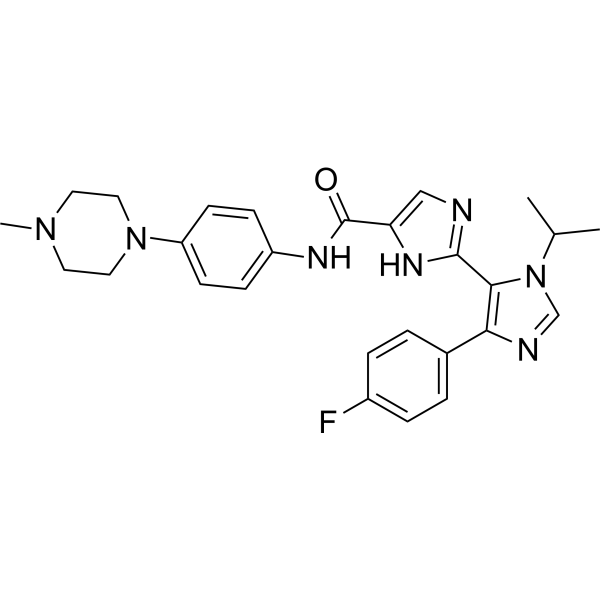
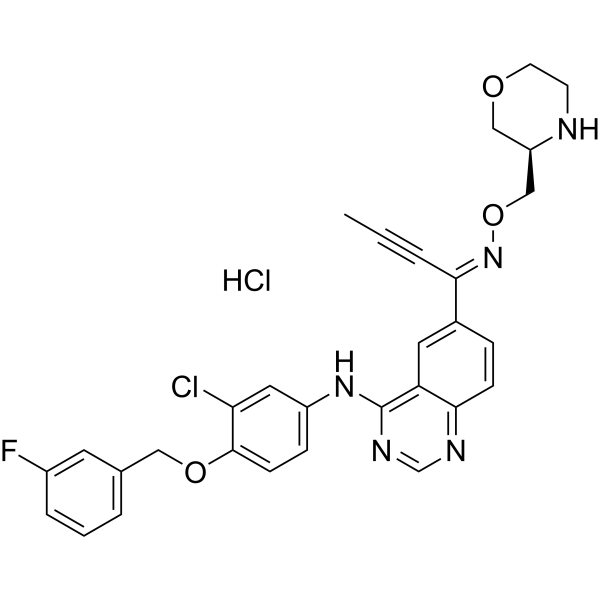
Epertinib (S-22611) hydrochloride is a potent, orally active, reversible, and selective tyrosine kinase inhibitor of EGFR, HER4 and HER2, with IC50s of 1.48 nM, 2.49 nM and 7.15 nM, respectively. Epertinib hydrochloride shows potent antitumor activity . Epertinib (hydrochloride) is a click chemistry reagent, it contains an Alkyne group and can undergo copper-catalyzed azide-alkyne cycloaddition (CuAAc) with molecules containing Azide groups.
|
-
-
- HY-P991400
-
|
|
TNF Receptor
Apoptosis
Interleukin Related
NF-κB
JNK
p38 MAPK
|
Inflammation/Immunology
|
|
GSK1995057 is a human monoclonal antibody (mAb) targeting TNFRSF1A. GSK1995057 selectively binds to TNFR1, blocks the binding of TNF-α and LT-α, and does not interfere with TNFR2 signaling. GSK1995057 inhibits the activation of NF-κB, JNK and MAPK pathways, alleviates apoptosis (apoptosis) and inflammatory responses (inhibiting IL-1β, IL-6, IL-10, TNF-α), and prevents viability loss of human nucleus pulposus cells. GSK1995057 inhibits the expression of cytokines and neutrophil adhesion molecules in human pulmonary microvascular endothelial cell monolayers, and reduces inflammatory responses and lung injury symptoms in non-human primates. GSK1995057 forms complexes with HAVH autoantibodies, thereby activating TNFR1 and triggering the release of cytokines and IL-8 in human cells. GSK1995057 can be used in research related to intervertebral disc degeneration and acute lung injury [5].
|
-
-
- HY-W020955
-
|
Chloro(triphenylphosphine)gold(I)
|
Biochemical Assay Reagents
Apoptosis
DNA Alkylator/Crosslinker
Lipoxygenase
|
Cancer
|
|
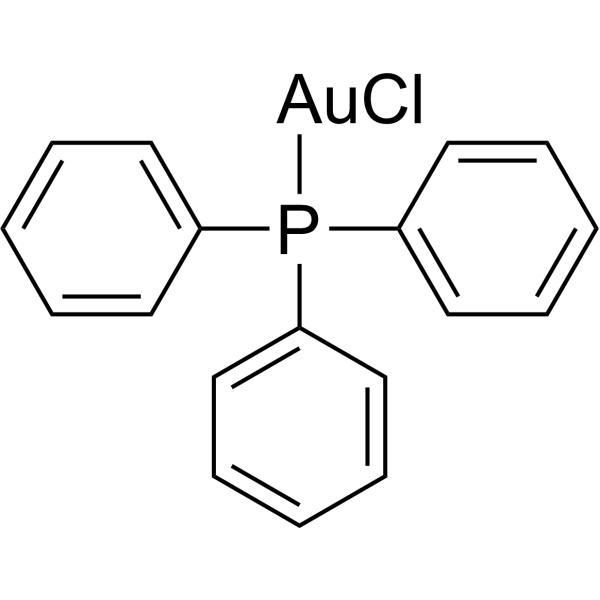
Triphenylphosphinechlorogold (Chloro(triphenylphosphine)gold(I)) is a gold complex, Apoptosis inducer, and catalyst. Triphenylphosphinechlorogold exhibits high LOX inhibitory activity. Triphenylphosphinechlorogold induces cell cycle arrest and apoptosis. Triphenylphosphinechlorogold catalyzes the peroxidation of linoleic acid. A weak interaction exists between Triphenylphosphinechlorogold and DNA. Triphenylphosphinechlorogold displays antiproliferative activity against breast cancer cells .
|
-
-
- HY-172815
-
|
|
JNK
Eukaryotic Initiation Factor (eIF)
p38 MAPK
|
Cancer
|
|
IDB-001 is a human ribosomal peptidyl transferase center (PTC) inhibitor that induces conformational changes and blocks translational elongation in specific sequence contexts through complementary interactions with Asp/Glu residues in nascent polypeptides. IDB-001 preferentially stalls ribosomes at positions containing acidic peptide motifs, thereby inhibiting cancer cell proliferation, and activates the integrated stress response via eIF2α phosphorylation at high concentrations. In addition, IDB-001 mildly triggers ribotoxic stress responses through phosphorylation of JNK and p38. IDB-001 has been applied to mechanistic studies of triple-negative breast cancer .
|
-
-
- HY-Y0030
-
|
3-hydroxypyridine-2-carboxylic acid
|
Biochemical Assay Reagents
|
Infection
Cancer
|
|
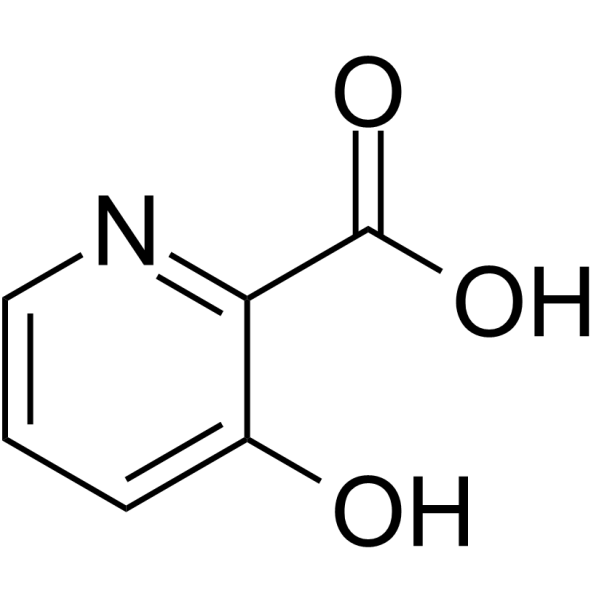
3-Hydroxypicolinic acid is a heterocyclic carboxylic acid ligand and cytotoxin, with a MIC90 of >25 μg/mL against Mycobacterium tuberculosis H37Rv. 3-Hydroxypicolinic acid inhibits the growth of cancer cells and normal fibroblasts. 3-Hydroxypicolinic acid is applicable to research related to chronic myeloid leukemia, human lung adenocarcinoma, and tuberculosis .
|
-
-
- HY-149265
-
|
|
Reactive Oxygen Species (ROS)
TrxR
Ferroptosis
Apoptosis
Caspase
Bcl-2 Family
|
Cancer
|
|
ROS-generating agent 1 is a selective ROS-generating agent. ROS-generating agent 1 inhibits TrxR activity and expression in cancer cells. ROS-generating agent 1 induces ROS-dependent apoptosis and ferroptosis in cancer cells. ROS-generating agent 1 selectively kills lung cancer cells and inhibits the growth of cancer cell xenograft tumors in nude mice. ROS-generating agent 1 can be used for the research of non-small cell lung cancer .
|
-
-
- HY-12607
-
|
|
Parasite
|
Infection
|
|
ML251, a potent nanomolar T. brucei and T. cruzi phosphofructokinase (PFK) inhibitor, inhibits T. brucei PFK (IC50=0.37 μM) and T. cruzi PFK (IC50=0.13 μM). ML251 can be used for the research of parasite .
|
-
-
- HY-P2317
-
|
|
Bacterial
Endogenous Metabolite
|
Infection
|
|
Cecropin P1, porcine is an antibacterial peptide that can be isolated from the upper part of the small intestine of the pig. Cecropin P1, porcine shows antibacterial activity against Gram-negative bacteria. Cecropin P1, porcine shows antiviral activity and inhibits PRRSV infection .
|
-
-
- HY-144665
-
|
|
Bacterial
Thymidylate Synthase
|
Infection
|
|
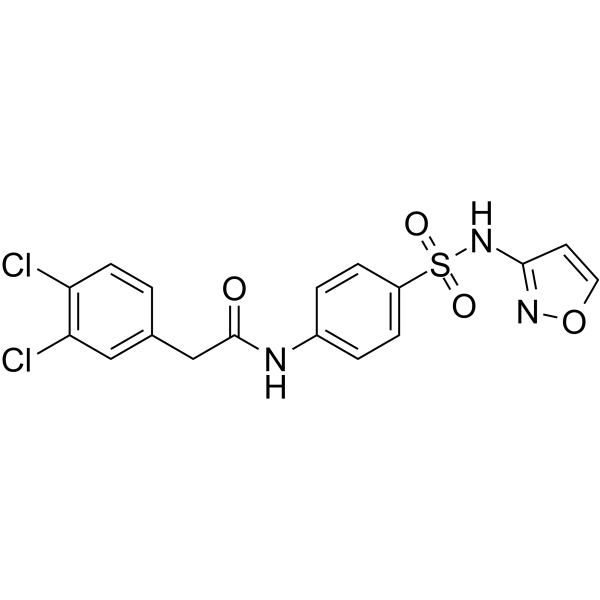
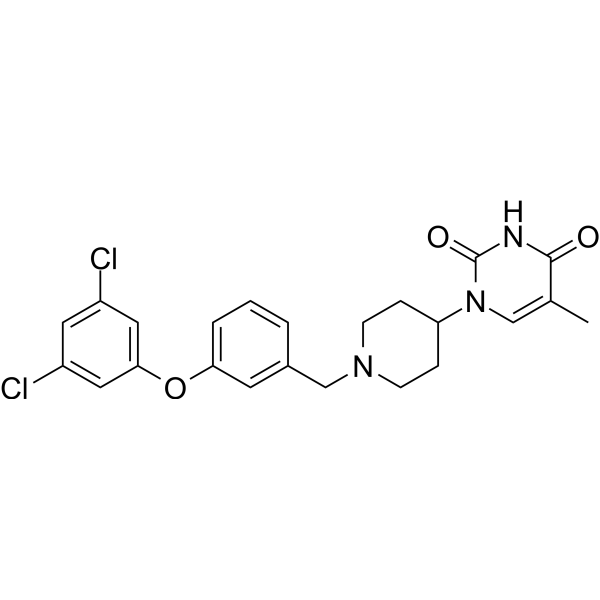
MtTMPK-IN-3 (compound 25) is a potent Mycobacterium tuberculosis thymidylate kinase (MtTMPK) inhibitor with an IC50 value of 0.12 μM. MtTMPK-IN-3 has inhibitory activity against Mtb H37Rv (MIC = 12.5 μM). MtTMPK-IN-3 exhibits certain cytotoxicity in human fibroblast cells MRC-5 (EC50 = 12.5 μM). MtTMPK-IN-3 can be used for researching tuberculosis .
|
-
-
- HY-155732
-
|
|
Parasite
|
Infection
|
|
NPD-2975 (compound 30) is an orally active antitrypanosomal agent, against Human African Trypanosomiasis (HAT). NPD-2975 has low toxicity potential against human MRC-5 lung fibroblasts, and acute mouse model of T. b. brucei infection. NPD-2975 shows acceptable metabolic stability, inhibits T. b. brucei with IC500 of 70 nM in vitro. NPD-2975 also inhibits CYP enzymes resulted in IC50 values of 0.16 and 0.42 μM against CYP1A2 and CYP2C19, respectively .
|
-
-
- HY-155191
-
|
|
Galectin
|
Inflammation/Immunology
Cancer
|
|
Galectin-3/galectin-8-IN-1 (Compound 53) is a dual Galectin-3 and galectin-8 C-terminal domain inhibitor, with Kd values of 4.12 μM and 6.04 μM respectively. Galectin-3/galectin-8-IN-1 inhibits the MRC-5 lung fibroblast cells migration. Galectin-3/galectin-8-IN-1 can be used for research of cancer and tissue fibrosis .
|
-
-
- HY-155192
-
|
|
Galectin
|
Inflammation/Immunology
Cancer
|
|
Galectin-3/galectin-8-IN-2 (Compound 57) is a dual Galectin-3 and galectin-8 C-terminal domain inhibitor, with Kd values of 12.8 μM and 2.06 μM respectively. Galectin-3/galectin-8-IN-2 inhibits the MRC-5 lung fibroblast cells migration. Galectin-3/galectin-8-IN-2 can be used for research of cancer and tissue fibrosis .
|
-
-
- HY-170547
-
|
|
DNA/RNA Synthesis
HSV
EBV
CMV
|
Infection
|
|
DNA polymerase-IN-6 is an antiviral agent and a DNA polymerase inhibitor. DNA polymerase-IN-6 inhibits the replication of HCMV, HSV-1, HSV-2 and EBV. DNA polymerase-IN-6 exhibits low cytotoxicity in mammalian cells. DNA polymerase-IN-6 can be used in research related to viral infections .
|
-
-
- HY-107367
-
|
S-22611
|
EGFR
|
Cancer
|
|
Epertinib (S-22611) is a potent, orally active, reversible, and selective tyrosine kinase inhibitor of EGFR, HER4 and HER2, with IC50s of 1.48 nM, 2.49 nM and 7.15 nM, respectively. Epertinib shows potent antitumor activity . Epertinib is a click chemistry reagent, it contains an Alkyne group and can undergo copper-catalyzed azide-alkyne cycloaddition (CuAAc) with molecules containing Azide groups.
|
-
-
- HY-122668
-
|
|
SARS-CoV
DNA/RNA Synthesis
|
Infection
|
|
K22 is an anti-Coronaviral compound. K22 reduces double-stranded RNA. K22 displays antiviral activity beyond the Coronavirinae subfamily, namely against nidoviruses of the Torovirinae subfamily (EToV and WBV) and members of the Arteriviridae family (PRRSV, EAV). K22 displays antiviral activity against HCoV-229E .
|
-
-
- HY-W669548
-
|
|
Drug Derivative
|
Cancer
|
|
Antitumor agent-193 (Compound 13) has antitumor effect, but has no activity against normal cell line MRC-5 .
|
-
-
- HY-168923
-
|
|
Enterovirus
|
Infection
|
|
HR-568 exhibits broad-spectrum anti-enterovirus activity. HR-568 inhibits enterovirus species EV-A71, E30 and CVA24 in cell MRC-5 with EC50 of 1.53 μM, 0.4 μM and 1.22 μM. HR-568 targets hydrophobic canyon pocket on the enterovirus capsid protein, and inhibits the virus replication .
|
-
-
- HY-144663
-
|
|
Bacterial
Thymidylate Synthase
|
Infection
|
|
MtTMPK-IN-1 (compound 3) is a potent Mycobacterium tuberculosis thymidylate kinase (MtTMPK) inhibitor with an IC50 value of 2.5 μM. MtTMPK-IN-1 has moderate to weak activity against Mtb H37Rv and low cytotoxicity in human fibroblast cells MRC-5. MtTMPK-IN-1 can be used for researching tuberculosis .
|
-
-
- HY-N16437
-
|
|
Parasite
|
Infection
|
|
Panowamycin A is an isochroman compound that can be produced by Streptomyces sp. K07-0010. Panowamycin A exhibits antitrypanosomal activity against the Trypanosoma brucei brucei GUTat 3.1 strain (IC50: 0.40 μg/mL). Panowamycin A shows weak cytotoxicity towards human fetal lung fibroblast MRC-5 cells (IC50: 2.95 μg/mL). Panowamycin A can be used for research in the field of antitrypanosomal studies .
|
-
-
- HY-N8374
-
|
|
Parasite
|
Infection
|
|
Pheanthine (Compound 2) is an antiplasmodial agent, that inhibits chloroquine-resistant Plasmodium falciparum K-1 (IC50 is 0.8 μM) and chloroquine-sensitive P. falciparum strain NF54 A19A (IC50 of 0.03 μM). Pheanthine exhibits low cytotoxicity in human lung fibrosblast (MRC-5, IC50 is 11.2 μM) and macrophages (PMM, IC50 is 8 μM) .
|
-
-
- HY-144664
-
|
|
Bacterial
Thymidylate Synthase
|
Infection
|
|
MtTMPK-IN-2 (compound 15) is a potent Mycobacterium tuberculosis thymidylate kinase (MtTMPK) inhibitor with an IC50 value of 1.1 μM. MtTMPK-IN-2 has inhibitory activity against Mtb H37Rv (MIC = 12.5 μM). MtTMPK-IN-2 exhibits certain cytotoxicity in human fibroblast cells MRC-5 (EC50 = 6.1 μM). MtTMPK-IN-2 can be used for researching tuberculosis .
|
-
-
- HY-178023
-
|
|
HDAC
|
Cancer
|
|
HDAC6-IN-64 (Compound 8) is a HDAC6 inhibitor with an IC50 of 11.9 nM. HDAC6-IN-64 has poor cell permeability. HDAC6-IN-64 can be used for chemotherapy of cancers like NSCLC research .
|
-
-
- HY-174314
-
|
|
Ligands for Target Protein for PROTAC
Anaplastic lymphoma kinase (ALK)
|
Cancer
|
|
WZH-15-125 is a potent ALK inhibitor. WZH-15-125 can effectively overcome drug resistance, especially compound ALK mutations. WZH-15-125 has an IC50 of 101.7 nM for the highly refractory G1202R/L1196M mutation that is resistant to Lorlatinib (HY-12215). WZH-15-125 can be used as a PROTAC target protein ligand to synthesize PROTAC WZH-17-002 (HY-174315). WZH-15-125 can be used in the research of non-small cell lung cancer .
|
-
-
- HY-14930R
-
-
-
- HY-178021
-
|
|
HDAC
DNA/RNA Synthesis
Apoptosis
RAD51
Caspase
|
Cancer
|
|
HDAC1-IN-11 (Compound 6) is a HDAC1 inhibitor with an IC50 of 106.6 nM. HDAC1-IN-11 inhibits the expression of Sp1 and RAD51, thereby inducing Caspase-dependent apoptosis. HDAC1-IN-11 has antitumor activity and sensitizes Etoposide (HY-13629) and Gemcitabine (HY-17026), promoting synergistic death of NSCLC cells through the inhibition of homologous recombination and non-homologous end joining (NHEJ) pathways involved in DNA DSB repair. HDAC1-IN-11 can be used for chemotherapy of cancers like NSCLC research .
|
-
-
- HY-178022
-
|
|
HDAC
Apoptosis
Caspase
RAD51
DNA/RNA Synthesis
|
Cancer
|
|
HDAC6-IN-63 (Compound 7) is an orally active HDAC6 inhibitor with an IC50 of 145 nM. HDAC6-IN-63 inhibits the expression of Sp1 and RAD51, thereby inducing Caspase-dependent apoptosis. HDAC6-IN-63 has antitumor activity and sensitizes Etoposide (HY-13629) and Gemcitabine (HY-17026), promoting synergistic death of NSCLC cells through the inhibition of homologous recombination and non-homologous end joining (NHEJ) pathways involved in DNA DSB repair. HDAC6-IN-63 can be used for chemotherapy of cancers like NSCLC research .
|
-
-
- HY-175184
-
|
|
Histone Demethylase
|
Infection
|
|
LSD1-IN-44 (Compound 19) is a LSD1 inhibitor with an IC50 of 0.02 μM for LSD1-CoREST enzymatic complex. LSD1-IN-44 has significant antischistosomal activity against transformed schistosomula (NTS) and Schistosoma mansoni adult worms while showing a delayed onset of action towards juvenile forms. LSD1-IN-44 has no significant toxicity to human cells. LSD1-IN-44 can be used for schistosomiasis research .
|
-
-
- HY-163532
-
|
|
Sirtuin
|
Infection
|
|
FLS-359 is a selective, orally active allosteric modulator for sirtuin 2, with the IC50 of 3 μM. FLS-359 exhibits antiviral activity against RNA and DNA virus, through inhibition of DNA/RNA replication .
|
-
-
- HY-174405
-
|
|
PROTACs
Phosphodiesterase (PDE)
TNF Receptor
Interleukin Related
|
Inflammation/Immunology
|
|
PROTAC PDE4 degrader-1 (Compound 9m) is a selective and orally active PDE4 PROTAC degrader with a DC50 of 41.98 μM. PROTAC PDE4 degrader-1 potently inhibits the secretion of pro-inflammatory cytokines such as TNF-α and IL-6. PROTAC PDE4 degrader-1 significantly alleviates pulmonary inflammation in LPS (HY-D1056)-induced acute lung injury (ALI) mice Model .
|
-
-
- HY-Y0030R
-
|
3-hydroxypyridine-2-carboxylic acid (Standard)
|
Reference Standards
Biochemical Assay Reagents
Drug Intermediate
|
Infection
|
|
3-Hydroxypicolinic acid (Standard) is an analytical standard for 3-Hydroxypicolinic acid. This product is for research and analytical applications. 3-Hydroxypicolinic acid is a heterocyclic carboxylic acid ligand and cytotoxin, with a MIC90 of >25 μg/mL against Mycobacterium tuberculosis H37Rv. 3-Hydroxypicolinic acid inhibits the growth of cancer cells and normal fibroblasts. 3-Hydroxypicolinic acid is applicable to research related to chronic myeloid leukemia, human lung adenocarcinoma, and tuberculosis .
|
-
-
- HY-N1031
-
|
12-epi-Vitexolide D; Curcucomosin C
|
Bacterial
|
Cancer
|
|
Vitexolide E is a diterpenoid compound isolated from the leaves of the Malaysian species Vitex vestita. Vitexolide E shows cytotoxic activities against the HCT-116 cancer cell line and human fetal lung fibroblast MRC5 cell line .
|
-
-
- HY-106161S1
-
|
AG7088-d7
|
Isotope-Labeled Compounds
Enterovirus
Virus Protease
|
Infection
|
|
Rupintrivir-d7 is a deuterated labeled Rupintrivir . Rupintrivirvr (AG7088), an antiviral agent, is a potent, selective and irreversible inhibitor of human rhinovirus (HRV) 3C protease. Rupintrivirvr inhibits replication of a panel of 48 different HRV serotypes in H1-HeLA and MRC-5 cell protection assays, with a mean EC50 of 0.023 μM. Rupintrivirvr shows immune-modulatory effect .
|
-
-
- HY-169923
-
|
|
HDAC
|
Cancer
|
|
HDAC-IN-83 (compound 9D) is an inhibitor of deacetylases (HDACs) (IC50=0.01 μM/0.44 μM HDAC1/HDAC6) with anticancer, antiproliferative and caspase 3/7 activation activities. HDAC-IN-83 inhibits Cal27, HepG2 and MRC-5 with IC50s of 0.693 μM, 0.427 μM and 3.19 μM, respectively .
|
-
-
- HY-178513
-
|
|
Bacterial
Reactive Oxygen Species (ROS)
|
Infection
|
|
Anti-MRSA agent 38 is a broad-spectrum antibacterial agent (MIC = 0.0625-2 µg/mL). Anti-MRSA agent 38 can inhibit ribosomal protein synthesis. Anti-MRSA agent 38 exerts multiple bactericidal effects by disrupting bacterial membrane structure and inducing ROS accumulation. Anti-MRSA agent 38 can selectively kill tumor cells, such as HGC-27 (IC50 = 0.86 µM), MRC-5 (IC50 = 5.52 µM), and RPC (IC50 = 6.09 µM) cells. Anti-MRSA agent 38 can be used to study infectious diseases such as bacterial infection .
|
-
-
- HY-162715
-
|
|
Enterovirus
|
Infection
|
|
EV-A71-IN-2 (compound 6c) is a anti-EV-A71 agent with the EC50 values of 0.29 μM and 1.66 μM aganist of EV-A71-MRC-5 cells and EV-A71-RD cells, respectively. EV-A71-IN-2 can be used for study of enterovirus infection .
|
-
-
- HY-181145
-
|
|
Parasite
|
Infection
|
|
Antitrypanosomal agent 29 is an antileishmanial agent against Leishmania donovani. Antitrypanosomal agent 29 shows no inhibitory activity against Trypanosoma cruzi and exhibits no significant cytotoxicity toward human fibroblast MRC-5 cells. Antitrypanosomal agent 29 can be used in research on leishmaniasis .
|
-
-
- HY-173056
-
|
|
Lipoxygenase
|
Inflammation/Immunology
|
|
Ruthenoleuton is a 5-lipoxygenase (5-LOX) inhibitor with an IC50 of 3.49 μM and a Ki of 0.80 μM. Ruthenoleuton has antioxidant activity and can be used in the research of inflammatory diseases .
|
-
-
- HY-168957
-
|
|
MMP
Reactive Oxygen Species (ROS)
|
Others
|
|
RuDiOBn scanvages DPPH and ABTS free radicals (13.2% and 5.9% clearance at 100 μg/mL), exhibits low antioxidant activity. RuDiOBn inhibits the collagen glycation, reduces the formation of advanced glycation end products (AGEs) with an IC50 of 2.45 μg/mL. RuDiOBn enhances the proliferation and migration of fibroblasts, stimulates the synthesis of collagen, promoting the skin repair and regeneration. RuDiOBn also inhibits collagenase .
|
-
-
- HY-173055
-
|
|
Lipoxygenase
|
Inflammation/Immunology
|
|
Ferroleuton is a competitive, selective inhibitor for 5-lipoxygenase with an IC50 of 0.21 μM. Ferroleuton exhibits antioxidant activity in DPPH (scavenges 86% DPPH-H at 50 μM), ABTS (EC50=19.42 μM) and FRAP (EC50=3.32 μM) assays .
|
-
-
- HY-159936
-
|
|
HDAC
PPAR
Apoptosis
|
Cancer
|
|
CS4 is a selective HDAC inhibitor with the IC50 values of 38 nM, 12 nM, 5.8 μM, 19 μM and 61 μM against of HDAC1, HDAC6, HDAC8, HDAC4 and HDAC11, respectively. CS4 promotes α-tubulin and histone 3 acetylation. CS4 activates PPARγ and blocks glycolysis. CS4 induces cell cycle arrest at G2 phase and apoptosis, and shows anticancer effect both in vivo and in vitro .
|
-
-
- HY-169963
-
|
|
Phosphodiesterase (PDE)
|
Others
|
|
PDE1-IN-8 (Compound 3f) is the inhibitor for PDE1 with an IC50 of 11 nM. PDE1-IN-8 inhibits cAMP and cGMP signaling pathway, inhibits the differentiation and proliferation of cells into myofibroblast, and exhibits anti-fibrotic efficacy in Bleomycin (HY-17565)-induced rat pulmonary fibrosis model .
|
-
- HY-133828
-
|
|
5-HT Receptor
SARS-CoV
|
Infection
|
|
Cinanserin (SQ 10643) is a potent and selective 5-HT2 antagonist with Ki values of 41, 3500 nM for 5-HT2, 5-HT1, respectively. Cinanserin also is a SARS-CoV 3CL pro inhibitor with an KD value of 49.4, 18.2 µM for SARS-CoV 3CL pro, HCoV-229E 3CL pro, respectively. Cinanserin reduces systemic burn edema levels .
|
-
- HY-169006
-
|
|
Apoptosis
PKC
|
Cancer
|
|
Evo312 is a dose-dependent inhibitor of protein kinase CβⅠ (PKCβⅠ) (IC50 is 117.34 nM). Evo312 induces PANC-GR (acquired gemcitabine-resistant PC cells) cell cycle arrest and apoptosis by inhibiting PKCβ1 protein expression. Evo312 has antiproliferative effects in pancreatic cancer cells PANC-1 and PANC-GR cells with IC50 of 0.08 μM and 0.07 μM, and in human normal pancreatic ductal epithelial cells HPDE6-c7 with IC50 of 2.95 μM. Evo312 exhibits antitumor activity in a PANC-GR cell transplantation mouse model .
|
-
- HY-W008469R
-
|
|
Reference Standards
DNA/RNA Synthesis
|
Cancer
|
|
2-Fluoroadenine is a toxic purine bases. 2-Fluoroadenine has toxicity in nonproliferating and proliferating tumor cells. 2-Fluoroadenine can be used for researching anticancer .
|
-
- HY-N11550
-
|
|
Parasite
|
Infection
|
|
Salviandulin E is a diterpenoid compound that can be isolated from Salvia leucantha CAV.. Salviandulin E shows antitrypanosomal activity against T. b. brucei GUTat 3.1 parasites with an IC50 value of 0.72 µg/mL .
|
-
- HY-161153
-
|
|
Apoptosis
|
Cancer
|
|
Microtubule inhibitor 9 (Compound O-7) is a 2-Aryl-1H-benzo [d] imidazole derivative with in vitro anticancer activity. Microtubule inhibitor 9 can induce cell cycle arrest at the G2/M phase and early apoptosis. Microtubule inhibitor 9 inhibits cancer cell migration by inhibiting wound healing and colony formation .
|
-
- HY-N10624
-
|
|
Parasite
|
Infection
|
|
Koshidacin B is an antiplasmodial cyclic tetrapeptide with antiplasmodial activity against P. falciparum FCR3 and K1 strain with IC50 values of 0.89 and 0.83 μM, respectively. Koshidacin B suppresses malaria parasites in vivo, it can be used for the research of parasites infection .
|
-
- HY-128222
-
|
Hydrazinecarboselenoamide
|
Bacterial
|
Infection
Cancer
|
|
Selenosemicarbazide (Hydrazinecarboselenoamide) exhibits antimicrobial activity, that inhibits B. subtilis, S. aureus, Klebsiella pneumoniae, Sarcina lutea and Mycobacterium tuberculosis. Selenosemicarbazide forms complex with metal ions, and exhibits antitumor efficacy against cancer cells
|
-
- HY-N14116
-
|
|
Apoptosis
Reactive Oxygen Species (ROS)
|
Cancer
|
|
Garlic oil contains various organosulfur compounds with anticancer activities. Garlic oil can significantly activate apoptosis in lung tissue induced by NNK (HY-126477). Furthermore, Garlic oil can markedly reduce NNK-induced DNA damage and prevent the occurrence of lung cancer by inducing the expression of phase II drug-metabolizing enzymes (HO-1, NQO-1, and GSTA1) .
|
-
- HY-175971
-
-
- HY-14930AR
-
|
SK-3530 dihydrochloride (Standard)
|
Phosphodiesterase (PDE)
Glucocorticoid Receptor
Wnt
β-catenin
Apoptosis
Reference Standards
|
Neurological Disease
Inflammation/Immunology
Endocrinology
|
|
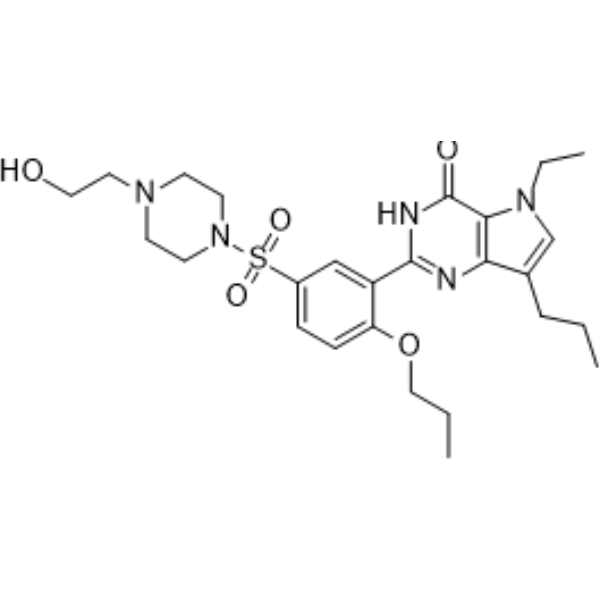
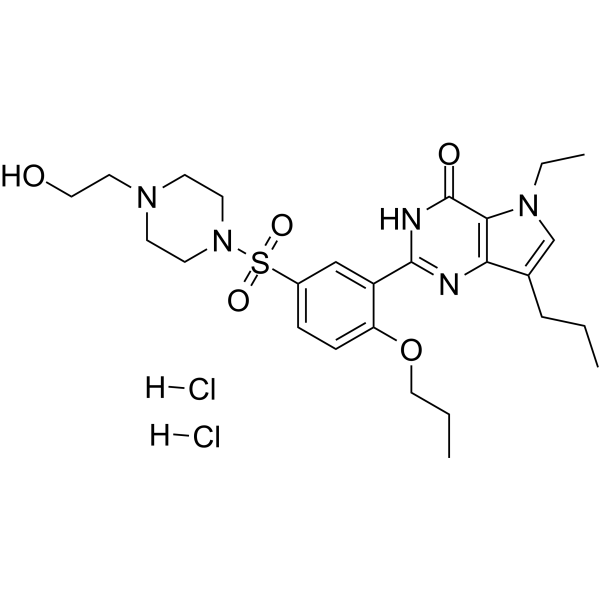
Mirodenafil (dihydrochloride) (Standard) is the analytical standard of Mirodenafil (dihydrochloride). This product is intended for research and analytical applications. Mirodenafil (SK3530) dihydrochloride is an orally active, potent, reversible, and selective phosphodiesterase 5 (PDE5) inhibitor. Mirodenafil dihydrochloride is a glucocorticoid receptor (GR) modulator Mirodenafil dihydrochloride activates the Wnt/β-catenin signaling pathway by downregulating Dkk1 expression. Mirodenafil dihydrochloride can be used for the research of erectile dysfunction (ED), Alzheimer’s disease (AD) and systemic sclerosis (SSc) .
|
-
- HY-175185
-
|
|
Histone Demethylase
|
Infection
|
|
MC3935 is a LSD1 inhibitor with an IC50 of 0.52 μM for LSD1-CoREST enzymatic complex. MC3935 has significant antischistosomal activity against transformed schistosomula (NTS) and Schistosoma mansoni adult worms while showing a delayed onset of action towards juvenile forms. MC3935 has no significant toxicity to human cells. MC3935 can be used for schistosomiasis research .
|
-
- HY-118965
-
|
|
Antibiotic
Parasite
|
Infection
Cancer
|
|
Alazopeptin is a non-ribosomal tripeptide azoamino acid antibiotic isolated from various Streptomyces species, with significant anti-tumor, antibacterial and trypanocidal activities. Alazopeptin exhibits cytotoxicity against mouse leukemia cells and S-180 tumor cells, inhibits the growth of Bacillus subtilis, and shows activity against Trypanosoma brucei. Alazopeptin can be widely used in studies related to mouse leukemia, S-180 tumor, human African trypanosomiasis and nagana .
|
-
- HY-N16437A
-
|
|
Parasite
|
Infection
|
|
Panowamycin B is an isochroman compound that can be produced by Streptomyces sp. K07-0010. Panowamycin B exhibits antitrypanosomal activity against the Trypanosoma brucei brucei GUTat 3.1 strain (IC50: 3.30 μg/mL). Panowamycin B shows weak cytotoxicity towards human fetal lung fibroblast MRC-5 cells (IC50: 13 μg/mL). Panowamycin B can be used for research in the field of antitrypanosomal studies .
|
-
- HY-106161R
-
|
AG7088 (Standard)
|
Reference Standards
Virus Protease
Enterovirus
|
Infection
Inflammation/Immunology
|
|
Rupintrivir (Standard) is the analytical standard of Rupintrivir (HY-106161). This product is intended for research and analytical applications. Rupintrivirvr (AG7088), an antiviral agent, is a potent, selective and irreversible inhibitor of human rhinovirus (HRV) 3C protease. Rupintrivirvr inhibits replication of a panel of 48 different HRV serotypes in H1-HeLA and MRC-5 cell protection assays, with a mean EC50 of 0.023 μM. Rupintrivirvr shows immune-modulatory effect .
|
-
- HY-N17718
-
|
3-[8'(Z), 11'(Z), 14'-Pentadecatrienyl] catechol
|
HIV
Reverse Transcriptase
|
Infection
Cancer
|
|
Ursolic acid (15:3) (Compound 4) is a type of resiniferatoxin compound that can be found in the leaves of the tree Rhus verniciflua. Ursolic acid (15:3) exhibits moderate inhibitory activity against HIV-1 reverse transcriptase (b HIV-1 reverse transcriptase), with an IC50 value of 55.36 μM. Ursolic acid (15:3) shows strong cytotoxicity against both PC-3 and MRC-5 cells. Ursolic acid (15:3) can be used in the research of anti-HIV-1 infection and prostate cancer .
|
-
- HY-180556
-
|
|
mTOR
PI3K
|
Inflammation/Immunology
|
PI3K/mTOR-IN-20 is a selective dual PI3K/mTOR inhibitor. PI3K/mTOR-IN-20 demonstrates nanomolar antiproliferative effects with IC50s of 0.380 and 0.090 μM for MRC-5 and Mlg2908 cells. PI3K/mTOR-IN-20 reduces Ashcroft scores, hydroxyproline content, collagen deposition, and downregulates fibrosis-related proteins, while restoring lung architecture in a Bleomycin-induced pulmonary fibrosis model. PI3K/mTOR-IN-20 shows a favorable safety profile with steady weight recovery and no distinct liver or kidney toxicity. PI3K/mTOR-IN-20 can be used for fetal lung fibroblasts research .
|
-
- HY-180282
-
|
|
P-glycoprotein
|
Cancer
|
|
P-gp-IN-33 (Compound 17a) is a P-gp inhibitor. P-gp-IN-33 binds the Verapamil (HY-14275)-binding pocket of P-gp. P-gp-IN-33 shows higher cytotoxicity against resistant non-small cell lung carcinoma cells than against non-resistant non-small cell lung carcinoma cells .
|
-
- HY-N16702
-
-
- HY-181604
-
|
|
Malate Dehydrogenase (MDH)
|
Inflammation/Immunology
|
|
MDH2-IN-2 is an orally active MDH2 inhibitor with an IC50 of 5.9 μM. MDH2-IN-2 reduces the levels of senescence markers and senescence-associated secretory phenotype (SASP) factors in mammalian cell models. MDH2-IN-2 extends the lifespan and improves the healthspan of Caenorhabditis elegans. MDH2-IN-2 alleviates tissue senescence in aged mice, inhibits SASP factors, and restores liver and kidney functions. MDH2-IN-2 is applicable for senescence-related research .
|
-
- HY-183319
-
|
|
Apoptosis
Mitochondrial Metabolism
|
Cancer
|
|
Anticancer agent 320 is a potent broad-spectrum anticancer agent, with low toxicity toward noncancerous cells. Anticancer agent 320 induces cell cycle arrest, DNA double-strand breaks, and early apoptosis. Anticancer agent 320 disrupts mitochondrial function in cancer cells. Anticancer agent 320 inhibits proliferation of lung, colon, and breast cancer cells. Anticancer agent 320 can be used for the research of lung carcinoma, colon carcinoma, breast carcinoma .
|
-
- HY-N18316
-
|
|
Others
|
Cancer
|
|
(2''S)-6''-Methyl-2'',3''-Dihydrodelicaflavone is a biflavonoid compound present in the whole herb of Selaginella doederleinii. (2''S)-6''-Methyl-2'',3''-Dihydrodelicaflavone exhibits antiproliferative activity against non-small cell lung cancer cells (IC50 = 3.1-6.8 μM) with low cytotoxicity toward normal cells. (2''S)-6''-Methyl-2'',3''-Dihydrodelicaflavone can be used in studies related to non-small cell lung cancer .
|
-
- HY-P1758A
-
|
IRRP1 acetate
|
IFNAR
STAT
Influenza Virus
|
Infection
|
|
IFN-α Receptor Recognition Peptide 1 acetate (IRRP1 acetate) is an amino acid synthetic peptide and also a regulator of IFN-α Receptor. IFN-α Receptor Recognition Peptide 1 acetate binds to IFNAR2, enhances the binding capacity of IFN-α receptor, and slightly increases the IFN-α-induced growth inhibitory activity. IFN-α Receptor Recognition Peptide 1 acetate inhibits IFN-α-induced STAT1 phosphorylation and STAT-DNA binding by blocking the activation of IFNAR by IFN-α. IFN-α Receptor Recognition Peptide 1 acetate increases the occupancy of IFN-α on cell surface receptors, enhances the phosphorylation activation of ISGF3, and elevates IFN-α-induced antiviral activity. IFN-α Receptor Recognition Peptide 1 acetate can be used in studies related to encephalomyocarditis virus infection .
|
-
- HY-107367AR
-
|
S-22611 hydrochloride (Standard)
|
Reference Standards
EGFR
|
Cancer
|
|
Epertinib hydrochloride (Standard) (S-22611 hydrochloride (Standard)) is the analytical standard of Epertinib (hydrochloride) (HY-107367A). This product is intended for research and analytical applications. Epertinib (S-22611) hydrochloride is a potent, orally active, reversible, and selective tyrosine Kinase inhibitor of EGFR, HER4 and HER2, with IC50s of 1.48 nM, 2.49 nM and 7.15 nM, respectively. Epertinib hydrochloride shows potent antitumor activity . Epertinib (hydrochloride) is a click chemistry reagent, it contains an Alkyne group and can undergo copper-catalyzed azide-alkyne cycloaddition (CuAAc) with molecules containing Azide groups.
|
-
- HY-N19464
-
|
|
PDI
|
Inflammation/Immunology
Cancer
|
|
Dicentrinone is an orally active PDI inhibitor with an IC50 value of 43.95 μM. Dicentrinone directly binds to PDI and suppresses cell proliferation and reduces cancer cell viability. Dicentrinone elicits anti-inflammatory and antioxidant effects by suppressing leukocyte migration, plasma leakage and paw edema, and scavenging free radicals. Dicentrinone can be used in the research of hepatoma, rheumatism and arthritis .
|
-
- HY-P992024
-
|
|
Interleukin Related
|
Inflammation/Immunology
|
|
SK48-E26 is a human interleukin-1β (IL-1β) inhibitor, with a IC50 of 400 pM against human IL-1β, a IC50 of 185 pM against cynomolgus monkey IL-1β, and a Ka value ranging from 0.048 nM to 3 nM for human IL-1β. SK48-E26 binds to the conformational epitope of human IL-1β spanning amino acid residues 95-101, and blocks the biological activity of IL-1β. SK48-E26 can be used in research related to IL-1β-mediated inflammatory diseases and osteoarthritis .
|
-
- HY-N18315
-
|
|
Apoptosis
Caspase
IAP
Survivin
|
Cancer
|
|
(2''S)-2'',3''-Dihydrodelicaflavone is a biflavonoid compound present in the whole herb of Selaginella doederleinii, which exhibits antiproliferative and apoptosis-inducing activities against non-small cell lung cancer cells. (2''S)-2'',3''-Dihydrodelicaflavone can be used in the research of non-small cell lung cancer .
|
-
- HY-183295
-
|
|
Fungal
Reactive Oxygen Species (ROS)
|
Infection
|
|
Antifungal agent 160 is a cytochrome bc1 complex inhibitor with activity against Alternaria solani, Gibberella zeae, Colletotrichum gloeosporioides, and Fusarium oxysporum f. sp. melonis. Antifungal agent 160 impairs ATP synthesis, suppresses ATPase activity, induces ROS bursts, compromises plasma membrane integrity, and suppresses fungal growth. Antifungal agent 160 can be used for the research of fungal infection .
|
-
- HY-182586
-
|
|
Fungal
Bcl-2 Family
|
Infection
|
|
Decyl gallate is an antifungal (fungal) agent. Decyl gallate downregulates the expression of the pro-apoptotic (apoptosis) protein Bak, upregulates the expression of the anti-apoptotic protein Bcl-2, and inhibits DNA damage. Decyl gallate disrupts ALG12-mediated N-glycosylation, overactivates the UPR pathway, and simultaneously reduces fungal cell wall enzyme activity, chitin levels, mitochondrial activity, budding ability, cell viability, and host cell adhesion capacity. Decyl gallate reduces inflammatory responses induced by fungal infection and disrupts fungal membrane structure. Decyl gallate can be used in studies related to paracoccidioidomycosis and invasive fungal infections .
|
-
- HY-182780
-
|
|
Drug Derivative
|
Cancer
|
|
LSPN925 is an anticancer agent. LSPN925 exhibits cytotoxic and antiproliferative activities against tumor cells. LSPN925 has predicted oral bioavailability, low risks of hepatotoxicity and acute toxicity, and no risk of cardiotoxicity. LSPN925 can be used for the research of ovarian cancer, melanoma and breast cancer .
|
-
- HY-N18878
-
|
|
Bacterial
Endogenous Metabolite
Parasite
|
Infection
|
|
Ambigol C is an ambigol, Antibacterial agent and Antimalarial agent. Ambigol C is isolated from Fischerella ambigua 108b. Ambigol C exhibits selective antibacterial activity against Gram-positive Staphylococcus aureus strains (including MRSA) with MIC values of 0.98-3.91 μg/mL. Ambigol C also shows potent antibacterial activity against B. megaterium, and possesses weak antimalarial and trypanocidal effects. Ambigol C can be used in the research of bacterial infections, plasmodial infections and trypanosomal infections .
|
-
- HY-170547A
-
|
|
HSV
CMV
EBV
DNA/RNA Synthesis
|
Infection
|
|
DNA polymerase-IN-6 formic is an antiviral agent and a DNA polymerase inhibitor. DNA polymerase-IN-6 formic inhibits the replication of HCMV, HSV-1, HSV-2 and EBV. DNA polymerase-IN-6 formic exhibits low cytotoxicity in mammalian cells. DNA polymerase-IN-6 formic can be used in research related to viral infections .
|
-
- HY-W701798
-
|
(S)-Tritopin; D-Laudanine
|
Drug Derivative
|
Others
|
(+)-Laudanidine ((S)-Tritopin) is a benzyltetrahydroisoquinoline alkaloid found in Stephania species .
|
-
- HY-184202
-
|
|
Parasite
|
Infection
|
|
Antitrypanosomal agent 33 is a potent antitrypanosomal agent with activity against Trypanosoma cruzi intracellular amastigotes, Trypanosoma brucei brucei, and Trypanosoma brucei rhodesiense. Antitrypanosomal agent 33 can be used for the research of trypanosomiasis, chagas disease .
|
-
- HY-186120A
-
|
|
Amino Acid Derivatives
|
Cancer
|
|
N-(Aminoiminomethyl)-N-methyl-L-alanine is an Amino acid analog. N-(Aminoiminomethyl)-N-methyl-L-alanine can be used in cancer-related research .
|
-
- HY-181174
-
|
|
SOD
Glutathione Peroxidase
Caspase
Interleukin Related
Bcl-2 Family
Apoptosis
|
Cancer
|
|
Antioxidant agent-22 is a paraben derivative tetracyclic spermine cyclotriphosphazene compound. Antioxidant agent-22 exhibits antioxidant, anti-Inflammatory, and apoptotic activities. Antioxidant agent-22 significantly upregulates CAT, SOD, caspase-3 and IL-6 expression, suppresses GSH, IL-1β, and reduces BCL-2 and BAX levels. Antioxidant agent-22 can be used for the research of cancer, such as lung cancer .
|
-
- HY-184149
-
|
|
ROCK
TGF-beta/Smad
STAT
|
Inflammation/Immunology
|
|
ROCK2-IN-17 is an orally active and selective ROCK2 inhibitor with an IC50 of 8.1 nM. ROCK2-IN-17 achieves its antifibrotic effect by inhibiting the TGF-β/Smad and ROCK2/STAT3 signaling pathways. ROCK2-IN-17 can be used for pulmonary fibrosis research .
|
-
| Cat. No. |
Product Name |
Type |
-
- HY-W020955
-
|
Chloro(triphenylphosphine)gold(I)
|
Biochemical Assay Reagents
|
|
Triphenylphosphinechlorogold (Chloro(triphenylphosphine)gold(I)) is a gold complex, Apoptosis inducer, and catalyst. Triphenylphosphinechlorogold exhibits high LOX inhibitory activity. Triphenylphosphinechlorogold induces cell cycle arrest and apoptosis. Triphenylphosphinechlorogold catalyzes the peroxidation of linoleic acid. A weak interaction exists between Triphenylphosphinechlorogold and DNA. Triphenylphosphinechlorogold displays antiproliferative activity against breast cancer cells .
|
| Cat. No. |
Product Name |
Target |
Research Area |
-
- HY-P2317
-
|
|
Bacterial
Endogenous Metabolite
|
Infection
|
|
Cecropin P1, porcine is an antibacterial peptide that can be isolated from the upper part of the small intestine of the pig. Cecropin P1, porcine shows antibacterial activity against Gram-negative bacteria. Cecropin P1, porcine shows antiviral activity and inhibits PRRSV infection .
|
-
- HY-P1758A
-
|
IRRP1 acetate
|
IFNAR
STAT
Influenza Virus
|
Infection
|
|
IFN-α Receptor Recognition Peptide 1 acetate (IRRP1 acetate) is an amino acid synthetic peptide and also a regulator of IFN-α Receptor. IFN-α Receptor Recognition Peptide 1 acetate binds to IFNAR2, enhances the binding capacity of IFN-α receptor, and slightly increases the IFN-α-induced growth inhibitory activity. IFN-α Receptor Recognition Peptide 1 acetate inhibits IFN-α-induced STAT1 phosphorylation and STAT-DNA binding by blocking the activation of IFNAR by IFN-α. IFN-α Receptor Recognition Peptide 1 acetate increases the occupancy of IFN-α on cell surface receptors, enhances the phosphorylation activation of ISGF3, and elevates IFN-α-induced antiviral activity. IFN-α Receptor Recognition Peptide 1 acetate can be used in studies related to encephalomyocarditis virus infection .
|
-
- HY-P11658
-
|
Peptoid 1
|
Peptides
|
Cancer
|
|
Anticancer peptoid 1 (Peptoid 1) is a peptoid with antitumor activity. Anticancer peptoid 1 exerts cytotoxicity primarily via plasma membrane damage. Anticancer peptoid 1 exerts cytotoxicity against a broad range of cancer cell lines, including those with multidrug resistance. Anticancer peptoid 1 inhibits tumor growth in a human breast cancer xenotransplantation mouse model without noticeable acute adverse effects. Anticancer peptoid 1 can be used for the research of cancer, such as breast cancer, and prostate cancer .
|
| Cat. No. |
Product Name |
Target |
Research Area |
Image |
-
- HY-P991400
-
|
|
TNF Receptor
Apoptosis
Interleukin Related
NF-κB
JNK
p38 MAPK
|
Inflammation/Immunology
|
|
GSK1995057 is a human monoclonal antibody (mAb) targeting TNFRSF1A. GSK1995057 selectively binds to TNFR1, blocks the binding of TNF-α and LT-α, and does not interfere with TNFR2 signaling. GSK1995057 inhibits the activation of NF-κB, JNK and MAPK pathways, alleviates apoptosis (apoptosis) and inflammatory responses (inhibiting IL-1β, IL-6, IL-10, TNF-α), and prevents viability loss of human nucleus pulposus cells. GSK1995057 inhibits the expression of cytokines and neutrophil adhesion molecules in human pulmonary microvascular endothelial cell monolayers, and reduces inflammatory responses and lung injury symptoms in non-human primates. GSK1995057 forms complexes with HAVH autoantibodies, thereby activating TNFR1 and triggering the release of cytokines and IL-8 in human cells. GSK1995057 can be used in research related to intervertebral disc degeneration and acute lung injury [5].
|
-
(5)
-
- HY-P992024
-
|
|
Interleukin Related
|
Inflammation/Immunology
|
|
SK48-E26 is a human interleukin-1β (IL-1β) inhibitor, with a IC50 of 400 pM against human IL-1β, a IC50 of 185 pM against cynomolgus monkey IL-1β, and a Ka value ranging from 0.048 nM to 3 nM for human IL-1β. SK48-E26 binds to the conformational epitope of human IL-1β spanning amino acid residues 95-101, and blocks the biological activity of IL-1β. SK48-E26 can be used in research related to IL-1β-mediated inflammatory diseases and osteoarthritis .
|
-
(5)
| Cat. No. |
Product Name |
Category |
Target |
Chemical Structure |
| Cat. No. |
Product Name |
Chemical Structure |
-
- HY-106161S1
-
|
|
|
Rupintrivir-d7 is a deuterated labeled Rupintrivir . Rupintrivirvr (AG7088), an antiviral agent, is a potent, selective and irreversible inhibitor of human rhinovirus (HRV) 3C protease. Rupintrivirvr inhibits replication of a panel of 48 different HRV serotypes in H1-HeLA and MRC-5 cell protection assays, with a mean EC50 of 0.023 μM. Rupintrivirvr shows immune-modulatory effect .
|
-
| Cat. No. |
Product Name |
|
Classification |
-
- HY-175185
-
|
|
|
Alkynes
|
|
MC3935 is a LSD1 inhibitor with an IC50 of 0.52 μM for LSD1-CoREST enzymatic complex. MC3935 has significant antischistosomal activity against transformed schistosomula (NTS) and Schistosoma mansoni adult worms while showing a delayed onset of action towards juvenile forms. MC3935 has no significant toxicity to human cells. MC3935 can be used for schistosomiasis research .
|
-
- HY-118965
-
|
|
|
Azide
|
|
Alazopeptin is a non-ribosomal tripeptide azoamino acid antibiotic isolated from various Streptomyces species, with significant anti-tumor, antibacterial and trypanocidal activities. Alazopeptin exhibits cytotoxicity against mouse leukemia cells and S-180 tumor cells, inhibits the growth of Bacillus subtilis, and shows activity against Trypanosoma brucei. Alazopeptin can be widely used in studies related to mouse leukemia, S-180 tumor, human African trypanosomiasis and nagana .
|
Your information is safe with us. * Required Fields.
Inquiry Information
- Product Name:
- Cat. No.:
- Quantity:
- MCE Japan Authorized Agent:

