Search Result
Results for "
PI3K+inhibitor
" in MedChemExpress (MCE) Product Catalog:
2
Biochemical Assay Reagents
5
Isotope-Labeled Compounds
| Cat. No. |
Product Name |
Target |
Research Areas |
Chemical Structure |
-
- HY-19312
-
-
-
- HY-18085
-
-
-
- HY-10197
-
|
SL-2052; KY-12420
|
Organoid
PI3K
Polo-like Kinase (PLK)
Autophagy
Antibiotic
|
Cancer
|
|
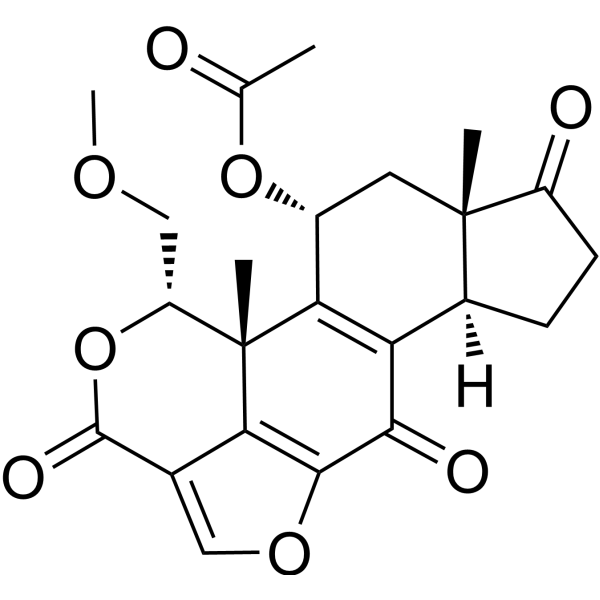
Wortmannin (SL-2052; KY-12420) is a potent, selective and irreversible PI3K inhibitor with an IC50 of 3 nM. Wortmannin also blocks autophagy formation, and potently inhibits Polo-like kinase 1 (PlK1) and Plk3 with IC50s of 5.8 and 48 nM, respectively [3].
|
-
-
- HY-110171
-
iMDK
5 Publications Verification
|
PI3K
|
Cancer
|
|
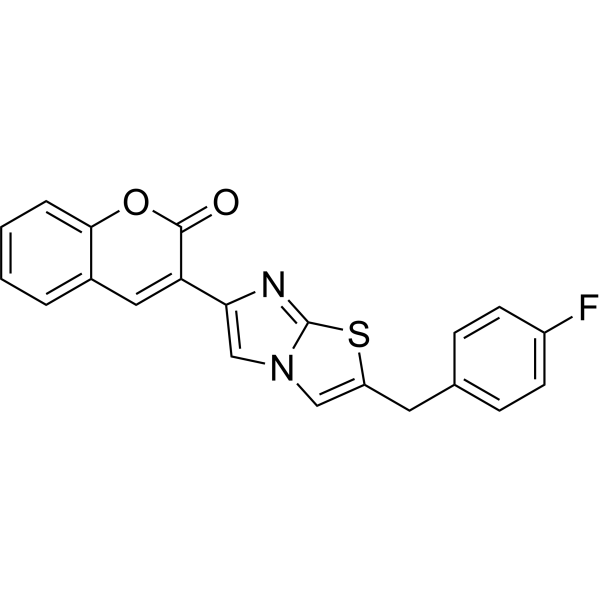
iMDK is a potent PI3K inhibitor and inhibits the growth factor MDK (also known as midkine or MK). iMDK suppresses non-small cell lung cancer (NSCLC) cooperatively with A MEK inhibitor without harming normal cells and mice .
|
-
-
- HY-18085A
-
-
-
- HY-70063
-
|
BKM120; NVP-BKM120
|
PI3K
Apoptosis
|
Cancer
|
|
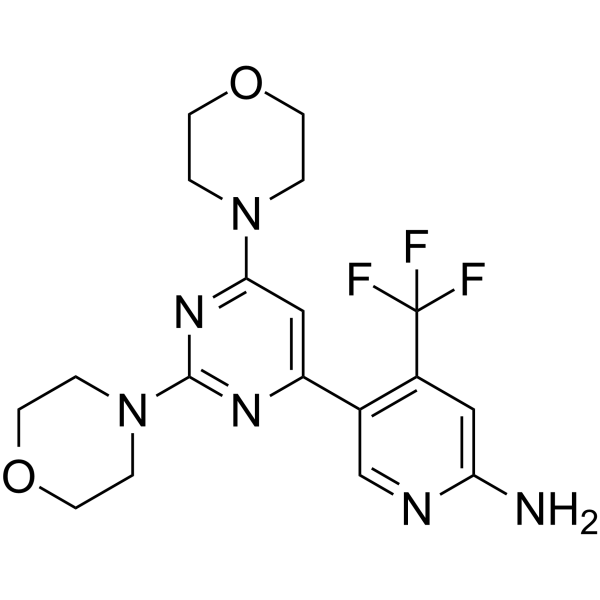
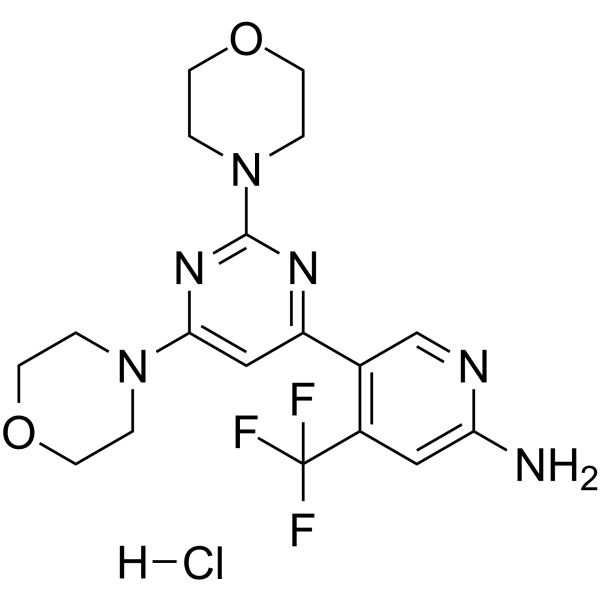
Buparlisib (BKM120; NVP-BKM120) is a pan-class I PI3K inhibitor, with blood-brain barrier permeability. Buparlisib has IC50s of 52, 166, 116 and 262 nM for p110α, p110β, p110δ and p110γ, respectively [3] .
|
-
-
- HY-15346
-
|
BAY 80-6946
|
PI3K
Apoptosis
|
Cancer
|
|
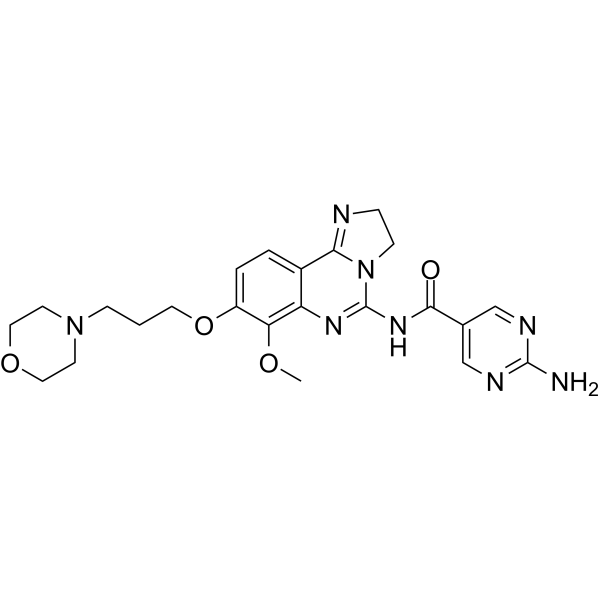
Copanlisib (BAY 80-6946) is a potent, selective and ATP-competitive pan-class I PI3K inhibitor, with IC50s of 0.5 nM, 0.7 nM, 3.7 nM and 6.4 nM for PI3Kα, PI3Kδ, PI3Kβ and PI3Kγ, respectively. Copanlisib has more than 2,000-fold selectivity against other lipid and protein kinases, except for mTOR. Copanlisib has superior antitumor activity .
|
-
-
- HY-15346A
-
|
BAY 80-6946 dihydrochloride
|
PI3K
Apoptosis
|
Cancer
|
|
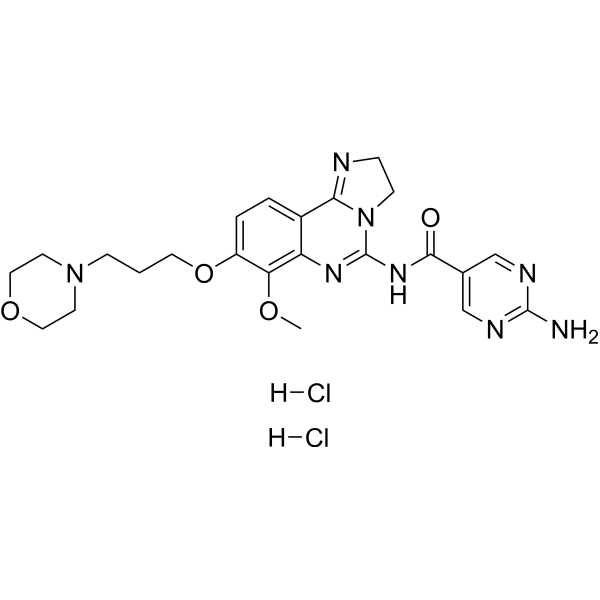
Copanlisib dihydrochloride (BAY 80-6946 dihydrochloride) is a potent, selective and ATP-competitive pan-class I PI3K inhibitor, with IC50s of 0.5 nM, 0.7 nM, 3.7 nM and 6.4 nM for PI3Kα, PI3Kδ, PI3Kβ and PI3Kγ, respectively. Copanlisib dihydrochloride has more than 2,000-fold selectivity against other lipid and protein kinases, except for mTOR. Copanlisib dihydrochloride has superior antitumor activity .
|
-
-
- HY-10108A
-
|
|
PI3K
Casein Kinase
DNA-PK
Apoptosis
|
Cancer
|
|
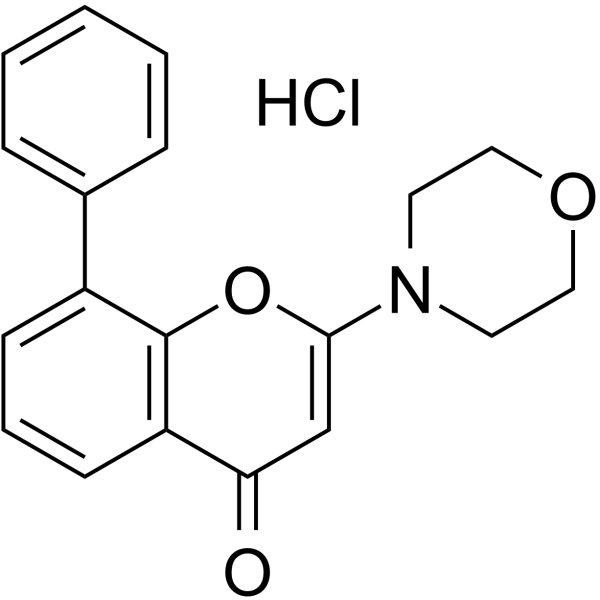
LY294002 hydrochloride is a potent and broad-spectrum PI3K inhibitor, with IC50 values of 0.5, 0.57, and 0.97 μM for P110α, P110δ and P110β, respectively. LY294002 hydrochloride also inhibits CK2 with an IC50 of 98 nM. LY294002 hydrochloride can be used for pancreatic cancer research [3].
|
-
-
- HY-13898
-
|
GDC-0032; RG-7604
|
PI3K
|
Cancer
|
|
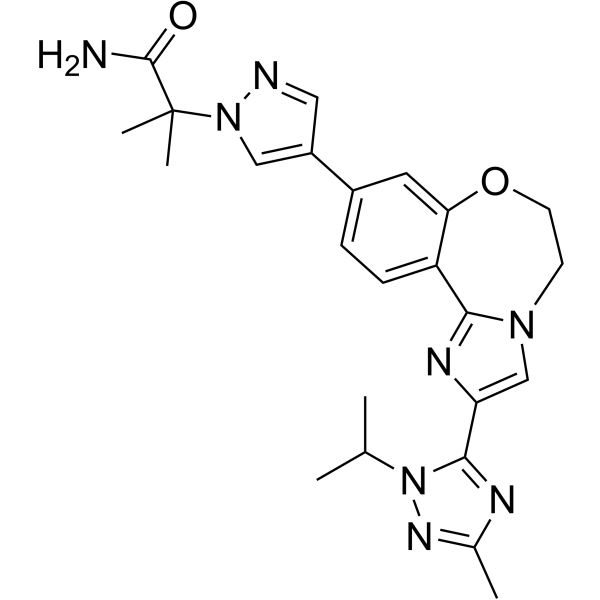
Taselisib (GDC-0032) is a potent PI3K inhibitor targets PIK3CA mutations, with Kis of 0.12 nM, 0.29 nM, 0.97 nM, and 9.1 nM for PI3Kδ, PI3Kα, PI3Kγ and PI3Kβ, respectively.
|
-
-
- HY-15900
-
|
XL765; SAR245409
|
PI3K
mTOR
|
Cancer
|
|
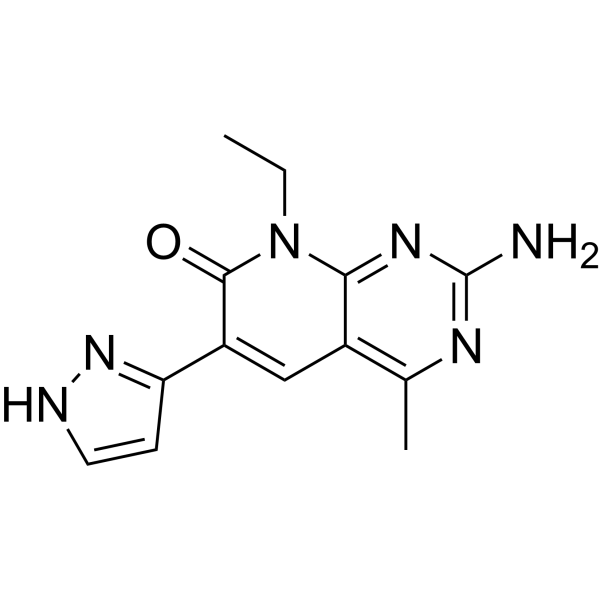
Voxtalisib (XL765) is a potent PI3K inhibitor, which has a similar activity toward class I PI3K (IC50s=39, 113, 9 and 43?nM for p110α, p110β, p110γ and p110δ, respectively), also inhibits DNA-PK (IC50=150?nM) and mTOR (IC50=157?nM). Voxtalisib (XL765) inhibits mTORC1 and mTORC2 with IC50s of 160 and 910 nM, respectively.
|
-
-
- HY-P0118B
-
|
P144 diammonium
|
TGF-beta/Smad
PI3K
Apoptosis
|
Cancer
|
|
Disitertide (P144) diammonium is a peptidic transforming growth factor-beta 1 (TGF-β1) inhibitor specifically designed to block the interaction with its receptor. Disitertide diammonium is also a PI3K inhibitor and an apoptosis inducer [3] .
|
-

-
- HY-N0146
-
|
|
PI3K
Apoptosis
|
Inflammation/Immunology
Cancer
|
|
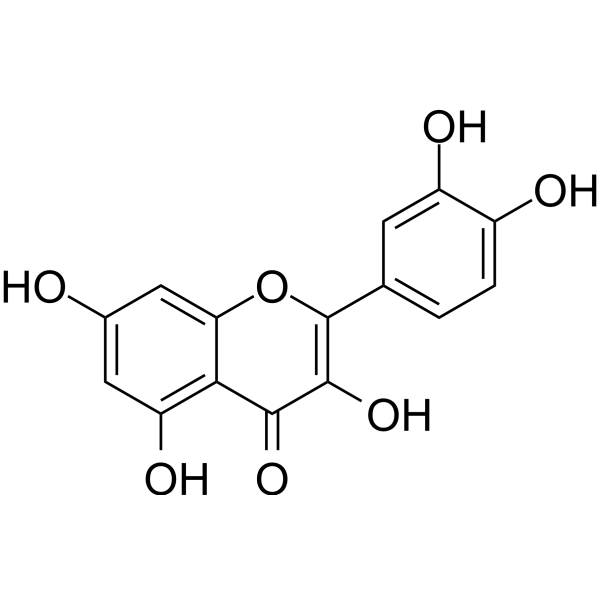
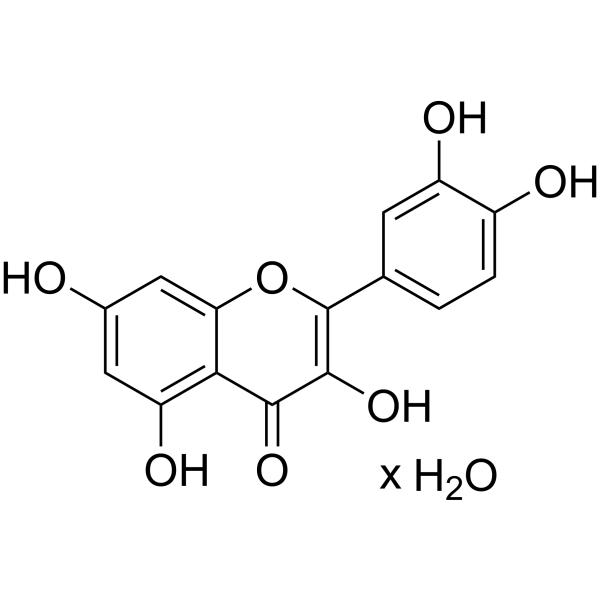
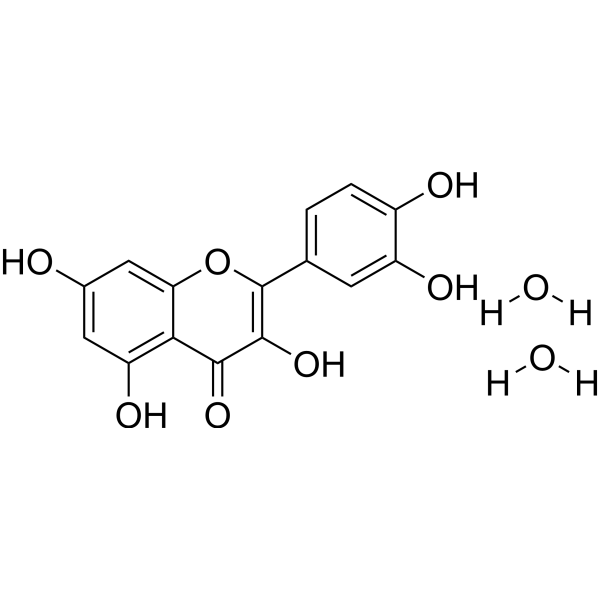
Quercetin dihydrate, a natural flavonoid, is a stimulator of recombinant SIRT1 and a PI3K inhibitor with IC50s of 2.4 μM, 3.0 μM and 5.4 μM for PI3K γ, PI3K δ and PI3K β, respectively .
|
-
-
- HY-18085R
-
-

-
- HY-12030
-
PIK-90
5 Publications Verification
|
PI3K
DNA-PK
|
Cancer
|
|
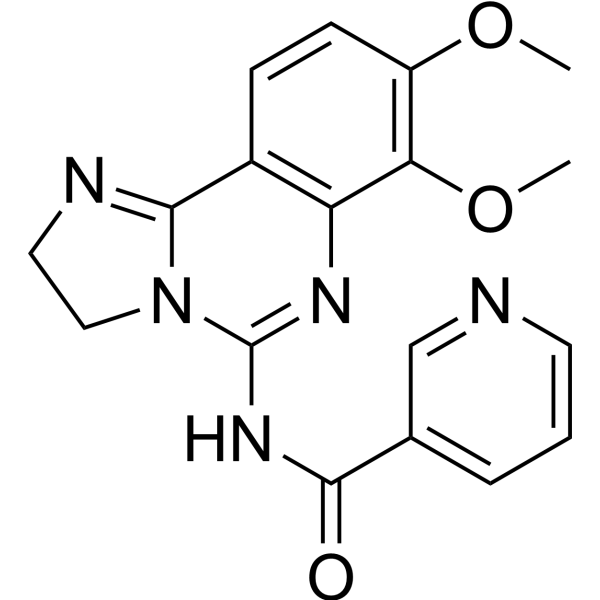
PIK-90 is a DNA-PK and PI3K inhibitor, which inhibits p110α, p110γ and DNA-PK with IC50s of 11, 18 and 13 nM, respectively.
|
-
-
- HY-50847
-
|
|
PI3K
Autophagy
|
Cancer
|
|
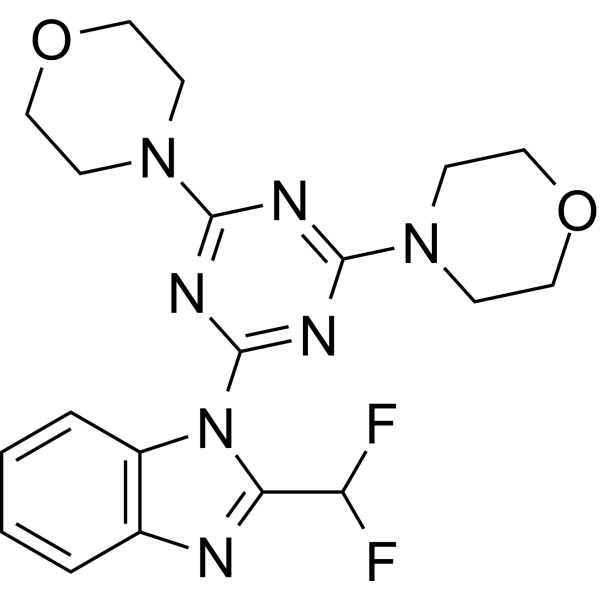
ZSTK474 is an ATP-competitive pan-class I PI3K inhibitor with IC50s of 16 nM, 44 nM, 4.6 nM and 49 nM for PΙ3Κα, PI3Kβ, PI3Kδ and PI3Kγ, respectively.
|
-
-
- HY-12330
-
|
|
PI3K
|
Cancer
|
|
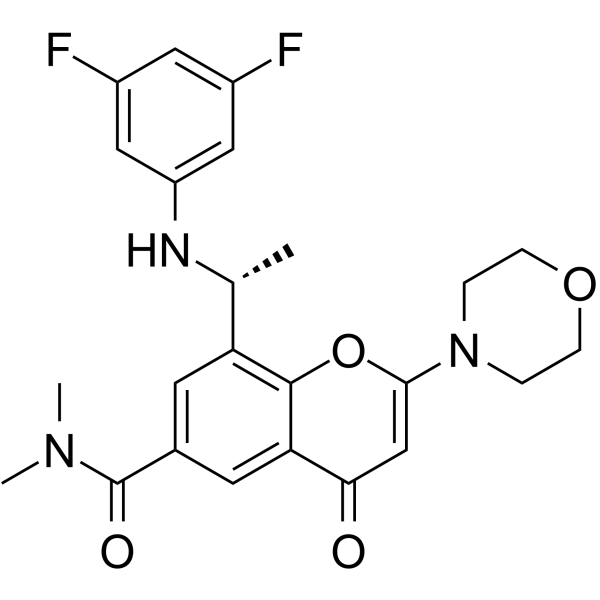
AZD8186 is a PI3K inhibitor, which potently inhibits PI3Kβ (IC50=4 nM) and PI3Kδ (IC5050=12 nM) with selectivity over PI3Kα (IC50=35 nM) and PI3Kγ (IC50=675 nM).
|
-
-
- HY-12794
-
|
|
PI3K
Autophagy
|
Neurological Disease
Cancer
|
|
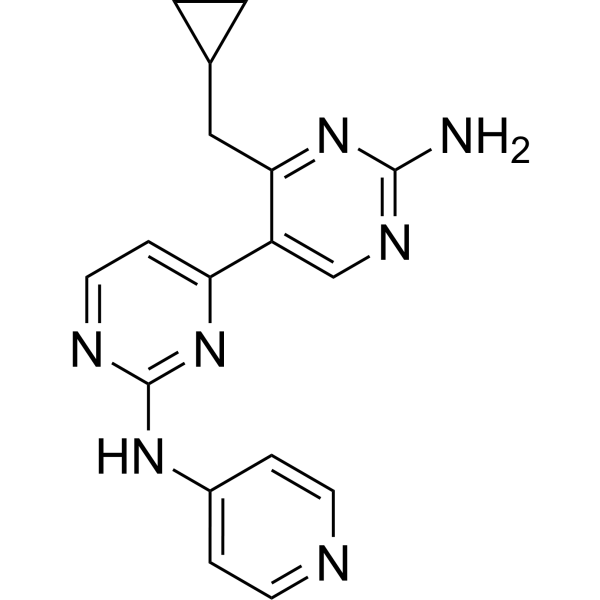
Vps34-PIK-III is an orally active and selective VPS34 inhibitor (IC50=18 nM). Vps34-PIK-III effectively inhibits autophagy and can be used as a molecular tool. vps34-PIK-III is also a PI3K inhibitor that inhibits the expression of genes in liver cancer stem cells (CSCs) [3].
|
-
-
- HY-P0118
-
|
P144
|
TGF-beta/Smad
PI3K
Apoptosis
|
Cancer
|
Disitertide (P144) is a peptidic transforming growth factor-beta 1 (TGF-β1) inhibitor specifically designed to block the interaction with its receptor. Disitertide (P144) is also a PI3K inhibitor and an apoptosis inducer [3] .
|
-

-
- HY-15856B
-
|
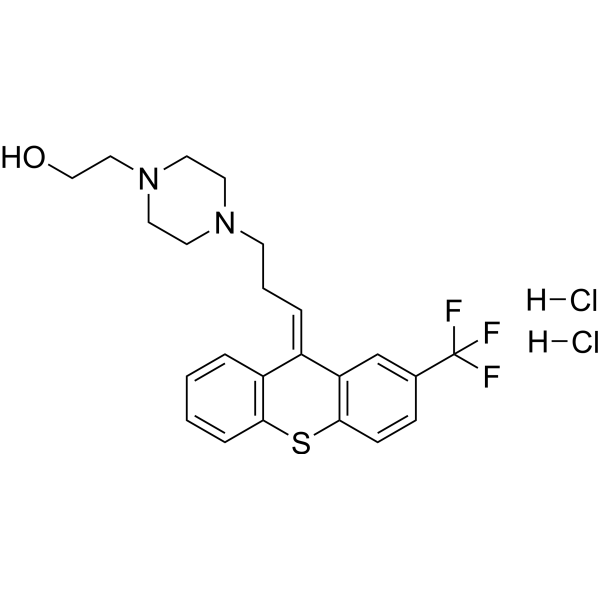
Flupenthixol dihydrochloride
|
Dopamine Receptor
PI3K
Apoptosis
|
Neurological Disease
Cancer
|
|
Flupentixol is an orally active D1/D2 dopamine receptor antagonist and new PI3K inhibitor (PI3Kα IC50=127 nM). Flupentixol shows anti-proliferative activity to cancer cells and induces apoptosis. Flupentixol can also be used in schizophrenia, anxiolytic and depressive research [3].
|
-
-
- HY-15466
-
|
CH5132799
|
PI3K
|
Cancer
|
|
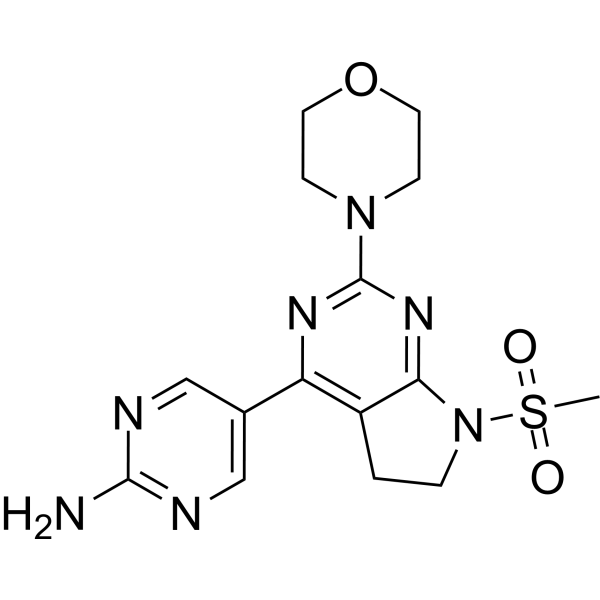
Izorlisib (CH5132799) is a selective class I PI3K inhibitor. Izorlisib inhibits class I PI3Ks, particularly PI3Kα, with an IC50 of 14 nM.
|
-
-
- HY-15180
-
-
-
- HY-17044A
-
|
IPI-145 R enantiomer; INK1197 R enantiomer
|
PI3K
|
Cancer
|
|
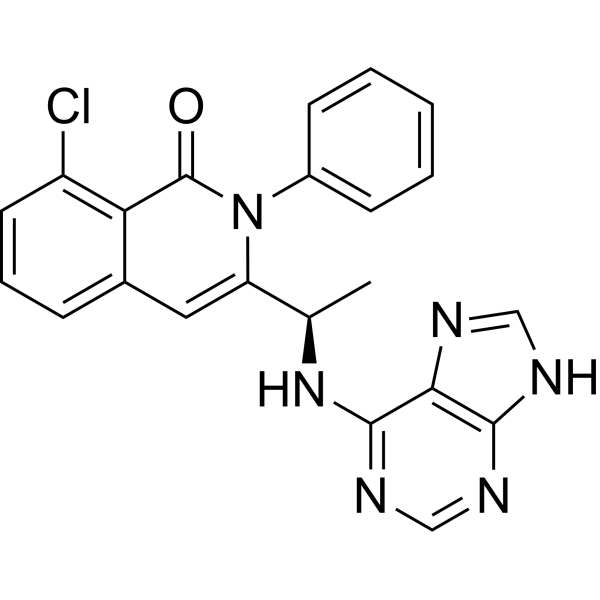
Duvelisib R enantiomer is a PI3K inhibitor, which is the less active enantiomer of Duvelisib.
|
-
-
- HY-15868
-
-
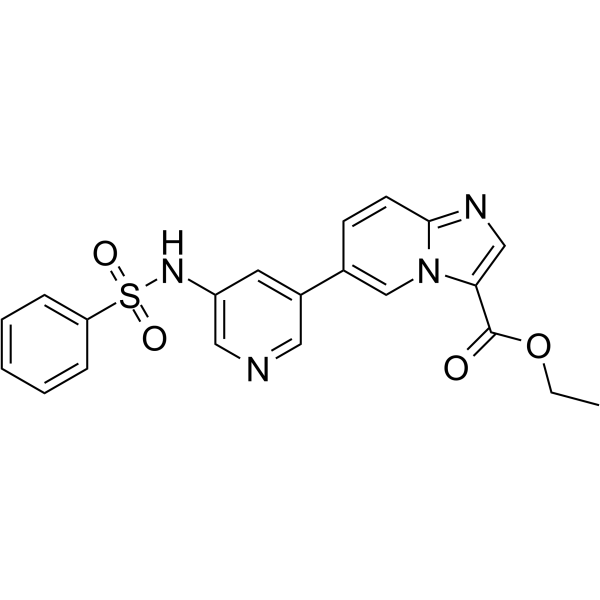
-
- HY-18085G
-
-
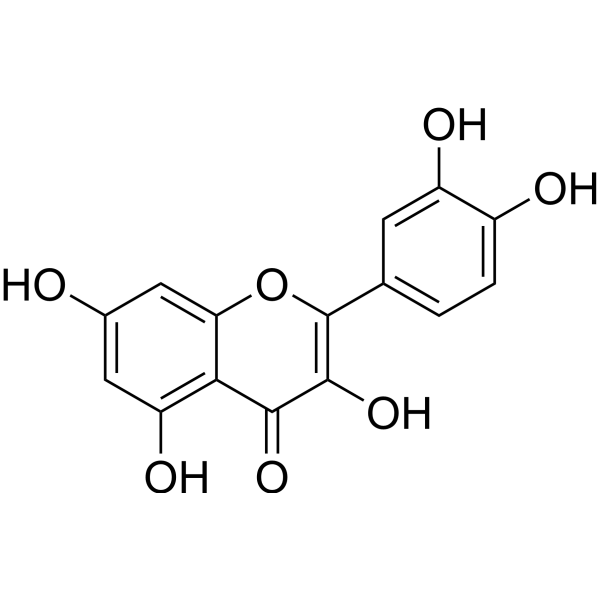
-
- HY-13333
-
|
BAG 956
|
PI3K
|
Cancer
|
|
NVP-BAG956 is an ATP-competitive PI3K inhibitor with IC50s of 34, 56, 112 and 444 nM for PI3Kδ, PI3Kα, PI3Kγ and PI3Kβ, respectively.
|
-
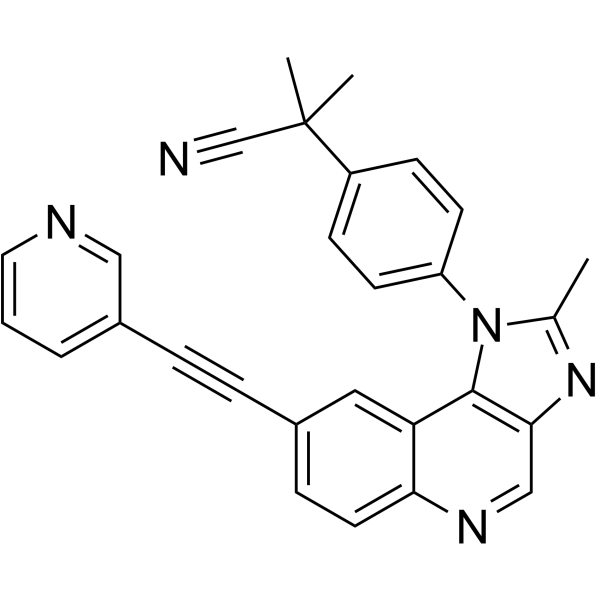
-
- HY-18085S1
-
-
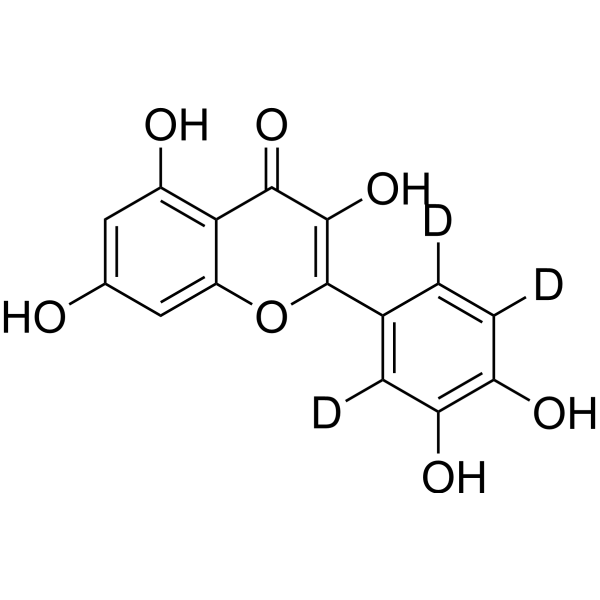
-
- HY-162713
-
|
|
EGFR
PI3K
PPAR
|
Cancer
|
|
MTX-531 is an oral drug that inhibits EGFR (with an IC50 of 14.7 nM) and PI3K (with IC50 values of 6.4, 233, 8.3, and 1.1 nM for PI3Kα, PI3Kβ, PI3Kγ, and PI3Kδ respectively), and it has anti-tumor effects. MTX-531 also acts as a weak agonist of PPARγ, with an IC50 of 2.5 µM, helping to alleviate hyperglycemia induced by PI3K inhibitors .
|
-

-
- HY-60298
-
-
-
- HY-136198
-
|
|
Syk
PI3K
|
Cancer
|
|
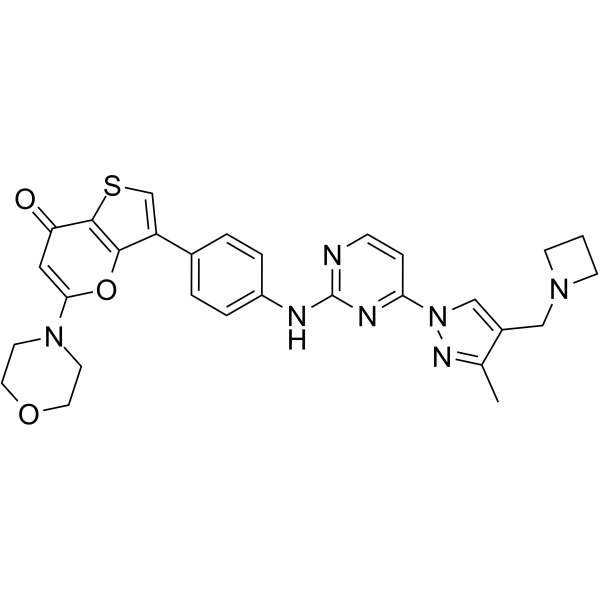
SRX3207 is an orally active and first-in-class dual Syk/PI3K inhibitor, with IC50 values of 10.7 nM and 861 nM for Syk and PI3Kα, respectively. SRX3207 relieves tumor immunosuppression .
|
-
-
- HY-143404
-
|
|
PI3K
|
Cancer
|
|
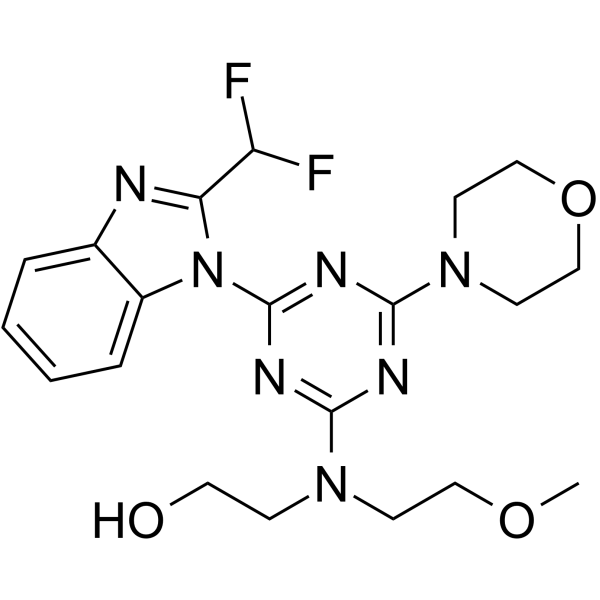
PI3K-IN-30 (compound 6d) is a potent PI3K inhibitor with IC50s of 5.1, 136, 30.7 and 8.9 nM for PI3Kα, PI3Kβ, PI3Kγ and PI3Kδ, respectively .
|
-
-
- HY-110109
-
|
|
PI3K
DNA-PK
mTOR
|
Cancer
|
|
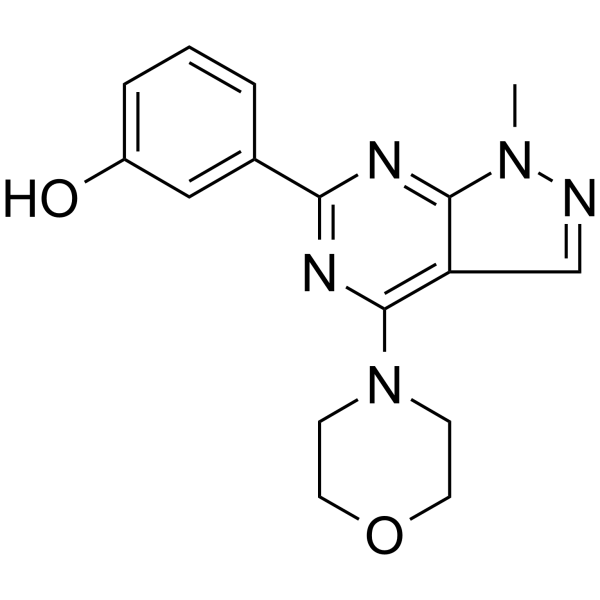
ETP-45658 is a potent PI3K inhibitor, with IC50s of 22.0 nM, 39.8 nM, 129.0 nM and 717.3 nM for PI3Kα, PI3Kδ, PI3Kβ and PI3Kγ, respectively. ETP-45658 also can inhibit DNA-PK (IC50=70.6 nM) and mTOR (IC50=152.0 nM). ETP-45658 can be used for the research of cancer .
|
-
-
- HY-110171A
-
|
|
PI3K
|
Cancer
|
|
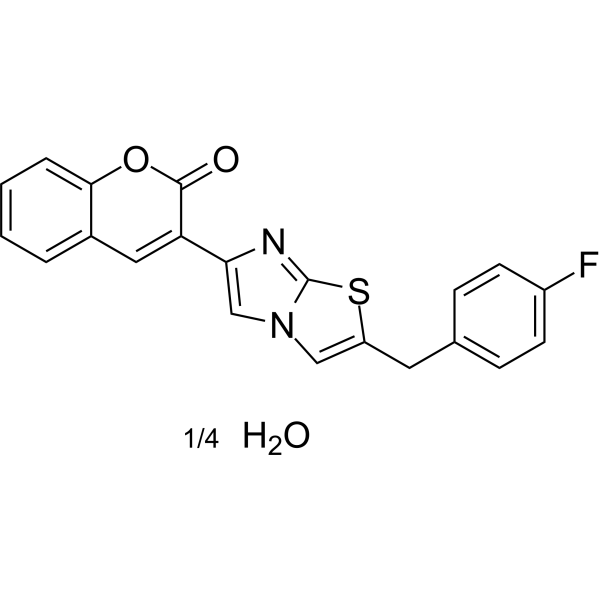
iMDK quarterhydrate is a potent PI3K inhibitor and inhibits the growth factor MDK (also known as midkine or MK). iMDK quarterhydrate suppresses non-small cell lung cancer (NSCLC) cooperatively with A MEK inhibitor without harming normal cells and mice .
|
-
-
- HY-111383
-
-
-
- HY-19312S
-
|
|
PI3K
Autophagy
Mitophagy
Endogenous Metabolite
|
Cancer
|
|
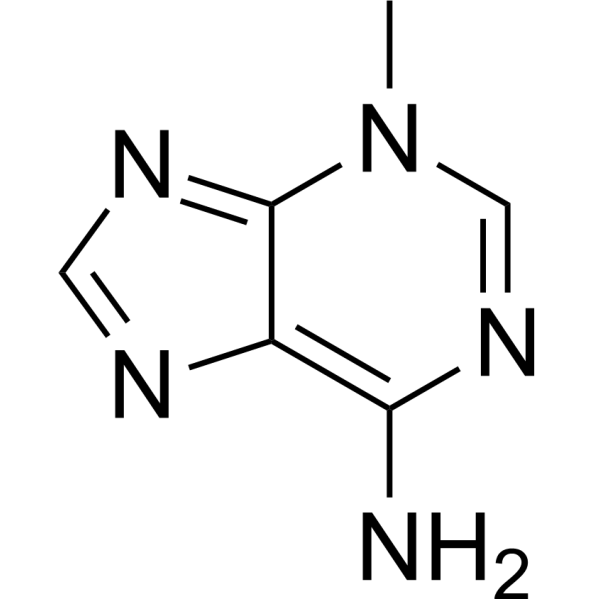
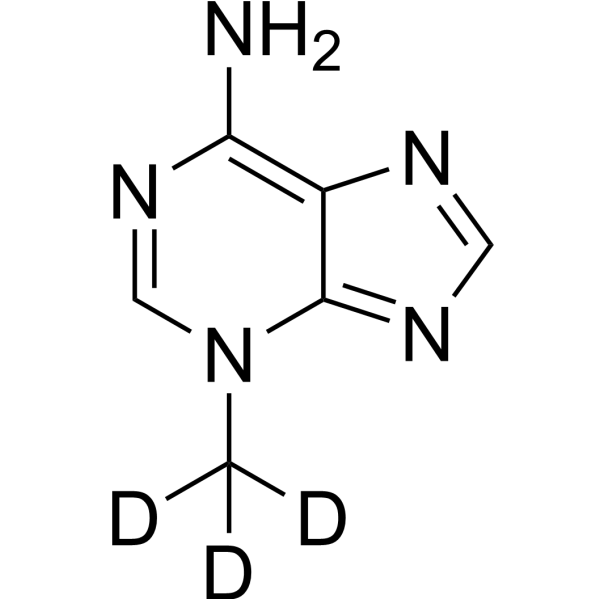
3-Methyladenine-d3 is the deuterium labeled 3-Methyladenine . 3-Methyladenine (3-MA) is a PI3K inhibitor. 3-Methyladenine is a widely used inhibitor of autophagy via its inhibitory effect on class III PI3K .
|
-
-
- HY-19312R
-
|
3-MA (Standard)
|
Reference Standards
PI3K
Autophagy
Mitophagy
Endogenous Metabolite
|
Cancer
|
|
3-Methyladenine (Standard) is the analytical standard of 3-Methyladenine. This product is intended for research and analytical applications. 3-Methyladenine (3-MA) is a PI3K inhibitor. 3-Methyladenine is a widely used inhibitor of autophagy via its inhibitory effect on class III PI3K .
|
-

-
- HY-147419
-
|
|
PI3K
|
Cancer
|
|
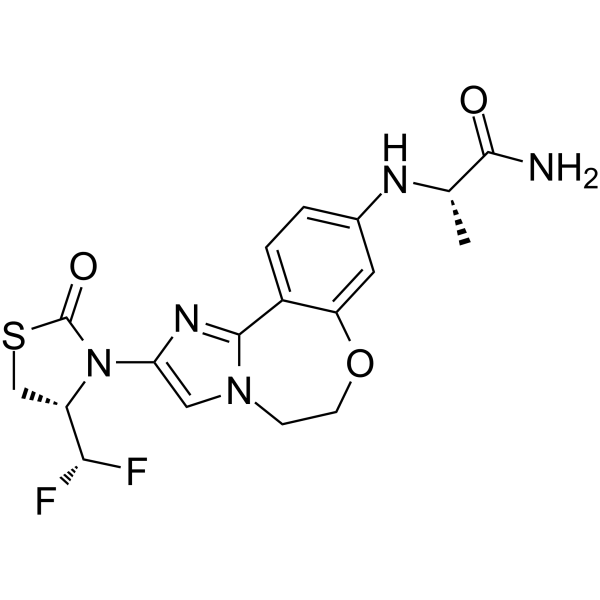
Vulolisib is a potent and orally active phosphatidylinositol 3-kinase (PI3K) inhibitor, with IC50 values of 0.2 nM, 168 nM, 90 nM and 49 nM for PI3Kα, PI3Kβ, PI3Kγ and PI3Kδ, respectively. Antiproliferative and antineoplastic activity .
|
-
-
- HY-162382
-
|
|
PI3K
Akt
mTOR
|
Cancer
|
|
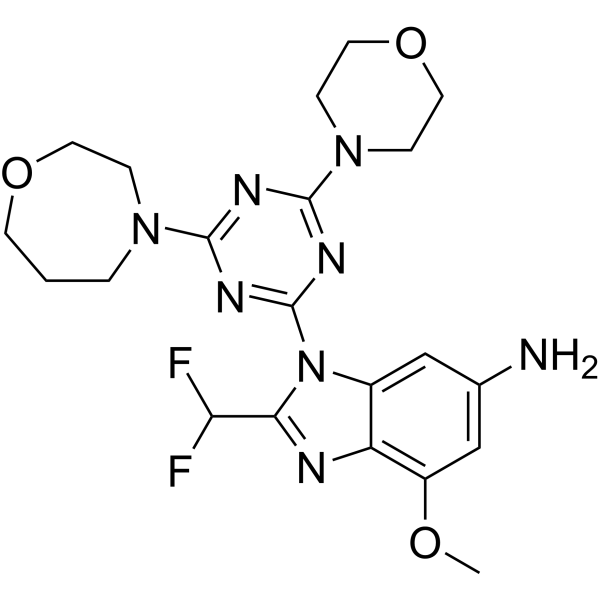
KTC1101 is an orally active pan-PI3K inhibitor. KTC1101 can inhibit the PI3K signaling pathway, reduce downstream AKT and mTOR phosphorylation, and reduces the expression of Ki67. The anti-tumor effect of KTC1101 has a dual mechanism of action: directly inhibiting tumor cell growth and dynamically enhancing immune response .
|
-
-
- HY-167876
-
|
|
PI3K
|
Cancer
|
|
PQR514 is a potent PI3K inhibitor with anticancer activity. PQR514 is able to inhibit cancer cell proliferation. PQR514 showed significant antitumor activity in the OVCAR-3 xenograft model, with the required concentration being approximately one-eighth that of PQR309. PQR514 has good pharmacokinetic properties and minimal brain penetration, making it an optimized candidate compound for inhibiting systemic tumors .
|
-

-
- HY-17457
-
|
Levosalbutamol hemitartrate
|
Adrenergic Receptor
PI3K
|
Inflammation/Immunology
|
|
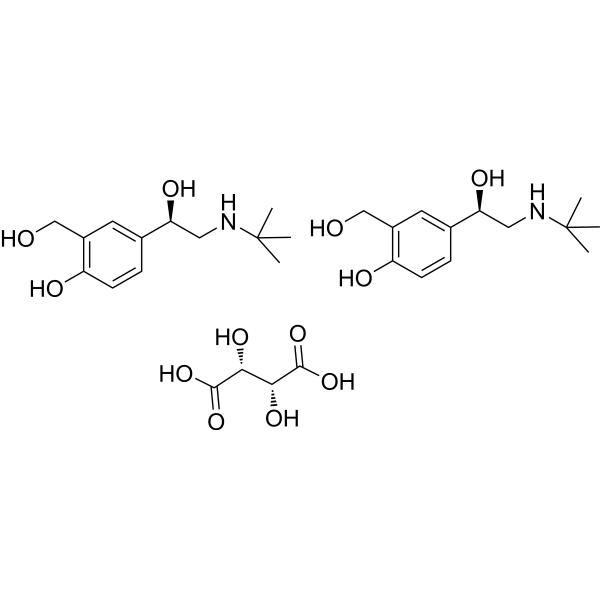
Levalbuterol (Levosalbutamol) hemitartrate is a β2-adrenergic receptor agonist and PI3K inhibitor. Levalbuterol hemitartrate inhibits PI3K activity, reduces NF-κB and Rb protein expression, activates the cAMP/PKA pathway, and stimulates cAMP release. Levalbuterol hemitartrate relaxes airway smooth muscle, reduces intracellular calcium levels, and inhibits spasmogen-induced contractions. Levalbuterol hemitartrate can be used for the research of moderate-to-severe asthma [3].
|
-
-
- HY-10812
-
|
|
PI3K
mTOR
|
Cancer
|
|
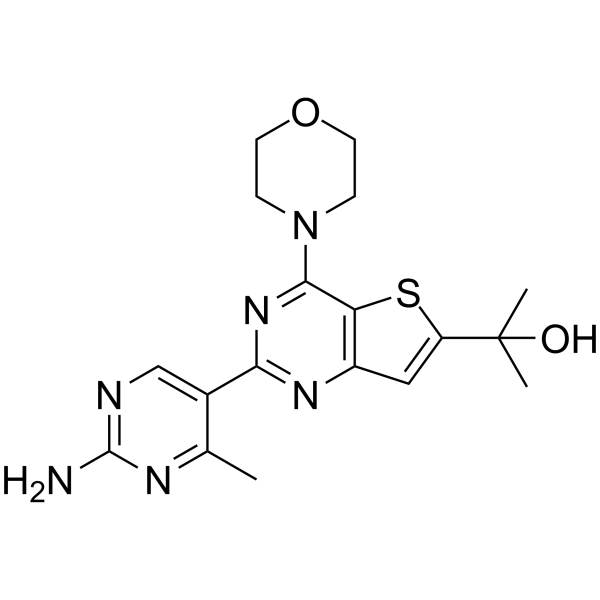
GNE-490, a (thienopyrimidin-2-yl)aminopyrimidine, is a potent pan-PI3K inhibitor with IC50s of 3.5 nM, 25 nM, 5.2 nM, 15 nM for PI3Kα, PI3Kβ, PI3Kδ and PI3Kγ, respectively. GNE-490 has >200 fold selectivity for mTOR (IC50=750 nM). GNE-490 shows potent suppression efficacy profile against MCF7.1 breast cancer xenograft model .
|
-
-
- HY-15856A
-
|
Flupenthixol
|
Dopamine Receptor
PI3K
Apoptosis
|
Neurological Disease
|
|
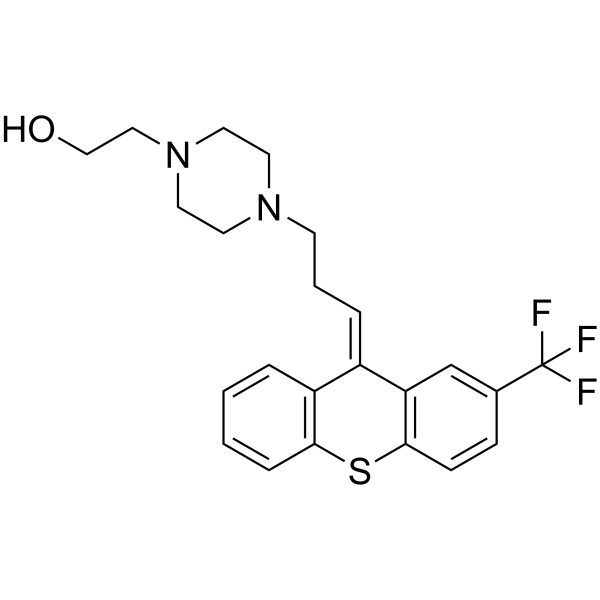
Flupentixol is an orally active D1/D2 dopamine receptor antagonist and new PI3K inhibitor (PI3Kα IC50=127 nM). Flupentixol shows anti-proliferative activity to cancer cells and induces apoptosis. Flupentixol can also be used in schizophrenia, anxiolytic and depressive research [3].
|
-
-
- HY-18085S2
-
-
-
- HY-124535
-
|
|
PI3K
|
Metabolic Disease
|
|
TGX-115 is a p110β/p110δ-selective, PI3-K inhibitor. TGX-115 blocks p110β-mediated Akt phosphorylation induced by lysophosphatidic acid (LPA) in L6 myotubes, reduces insulin-stimulated PI(3,4)P2 and PIP3 levels in 3T3-L1 adipocytes. TGX-115 can be used for the study of diabetes mellitus .
|
-

-
- HY-16355
-
|
|
PI3K
|
Cancer
|
|
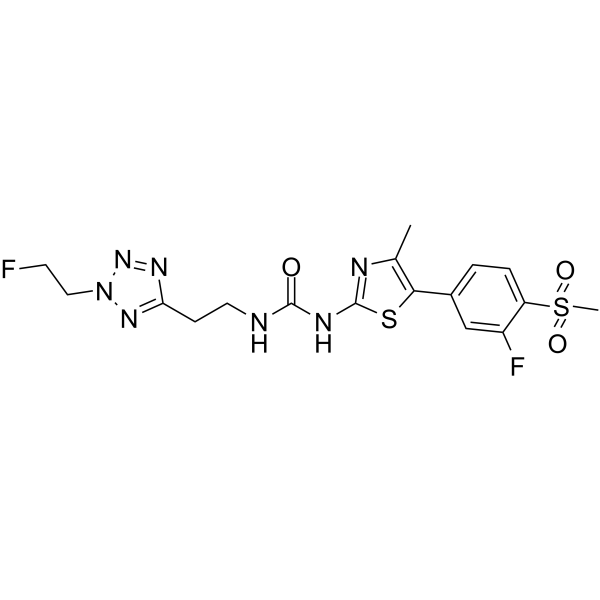
NVP-QAV-572 is a PI3K inhibitor extracted from patent US7998990B2, Compound Example 8, has an IC50 of 10 nM.
|
-
-
- HY-111209
-
|
S14161
|
PI3K
|
Cancer
|
|
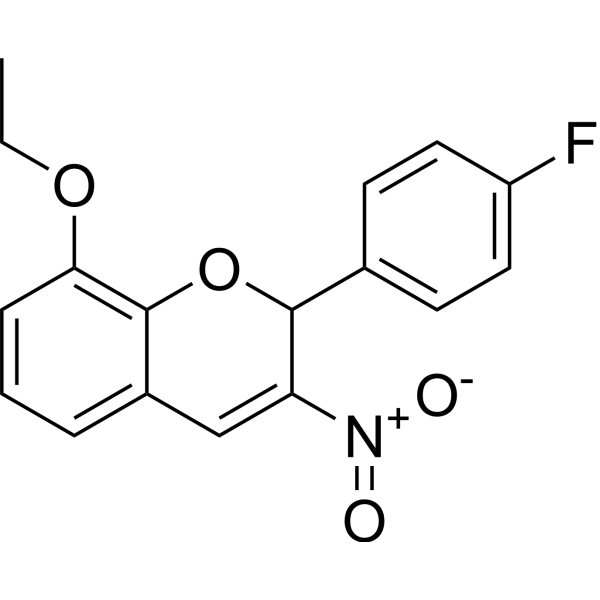
Pichromene (S14161) is an anticancer agent and weak PI3K inhibitor. Pichromene can effectively inhibit tumor growth in leukemia mouse models and can be used in cancer research .
|
-
-
- HY-142676
-
-
-
- HY-145358
-
|
|
PI3K
|
Cancer
|
|
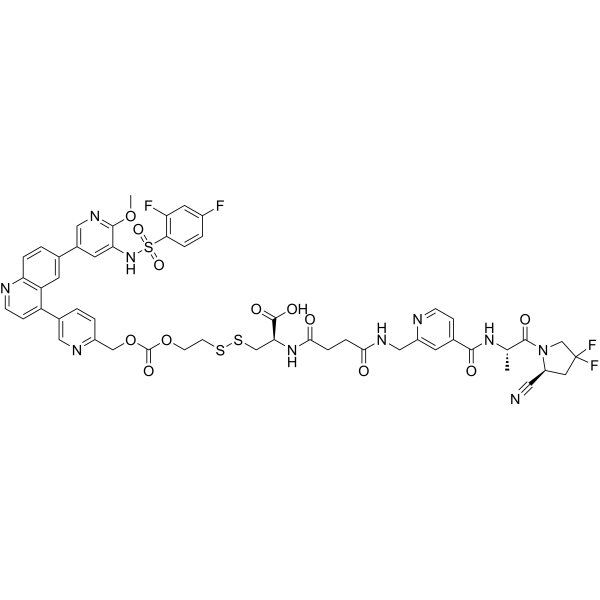
FAP-PI3KI1 is a fibroblast-activated protein (FAP)-targeted PI3K inhibitor that selectively targets FAP-expressing human idiopathic pulmonary fibrosis (IPF) cells and effectively inhibits collagen synthesis and reduces collagen deposition .
|
-
-
- HY-146260
-
|
|
PI3K
|
Cancer
|
|
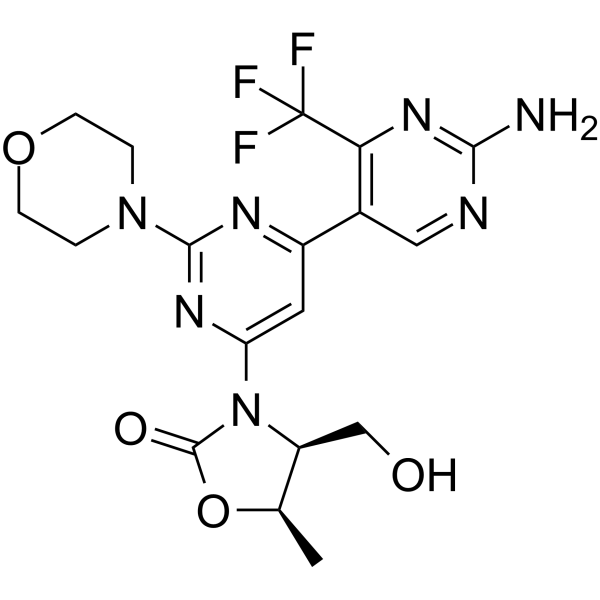
NVP-CLR457 (compound 40) is an orally active, potent and balanced pan-class I PI3K inhibitor. NVP-CLR457 shows a clear dose-dependent PK/PD/efficacy relationship. NVP-CLR457 has antitumor activity .
|
-
-
- HY-18085S
-
|
|
PI3K
Autophagy
Mitophagy
Apoptosis
|
Cancer
|
|
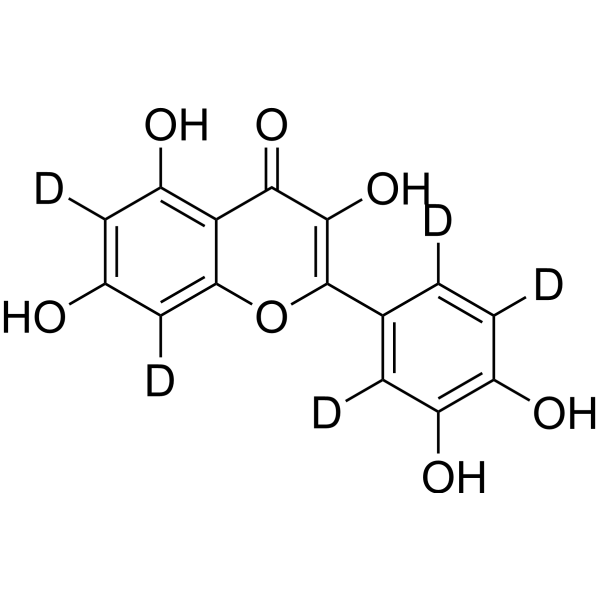
Quercetin-d5 is a deuterium labeled Quercetin. Quercetin, a natural flavonoid, is a stimulator of recombinant SIRT1 and also a PI3K inhibitor with IC50 of 2.4 μM, 3.0 μM and 5.4 μM for PI3K γ, PI3K δ and PI3K β, respectively .
|
-
- HY-N0146R
-
|
|
Reference Standards
PI3K
Apoptosis
|
Inflammation/Immunology
Cancer
|
|
Quercetin (dihydrate) (Standard) is the analytical standard of Quercetin (dihydrate). This product is intended for research and analytical applications. Quercetin dihydrate, a natural flavonoid, is a stimulator of recombinant SIRT1 and a PI3K inhibitor with IC50s of 2.4 μM, 3.0 μM and 5.4 μM for PI3K γ, PI3K δ and PI3K β, respectively .
|
-

- HY-143403
-
|
|
PI3K
|
Cancer
|
|
PI3K-IN-31 (Compound 6b) is a potent PI3K inhibitor with IC50s of 3.7 nM, 74 nM, 14.6 nM, and 9.9 nM for PI3Kα, PI3Kβ, PI3Kγ, and PI3Kδ, respectively. PI3K-IN-31 has anticancer effects .
|
-
- HY-133124
-
|
|
PARP
PI3K
Apoptosis
|
Cancer
|
|
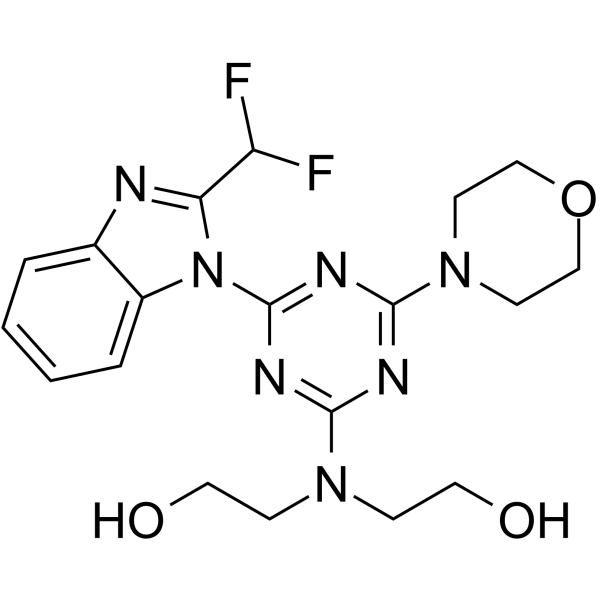
PARP/PI3K-IN-1 (compound 15) is a potent PARP/PI3K inhibitor with pIC50 values of 8.22, 8.44, 8.25, 6.54, 8.13, 6.08 for PARP-1, PARP-2, PI3Kα, PI3Kβ, PI3Kδ, and PI3Kγ, respectively. PARP/PI3K-IN-1 is a highly effective anticancer compound targeted against a wide range of oncologic diseases .
|
-
- HY-132807
-
|
HMPL-689
|
PI3K
|
Inflammation/Immunology
Cancer
|
|
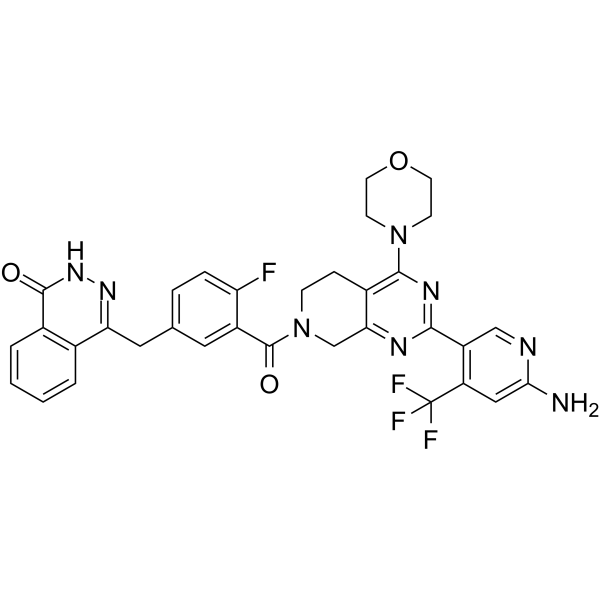
Amdizalisib (HMPL-689) is a PI3K inhibitor and used for the research of inflammatory disease, autoimmune disease or cancer .
|
-
- HY-13504
-
PIK-293
1 Publications Verification
|
PI3K
|
Metabolic Disease
Cancer
|
|
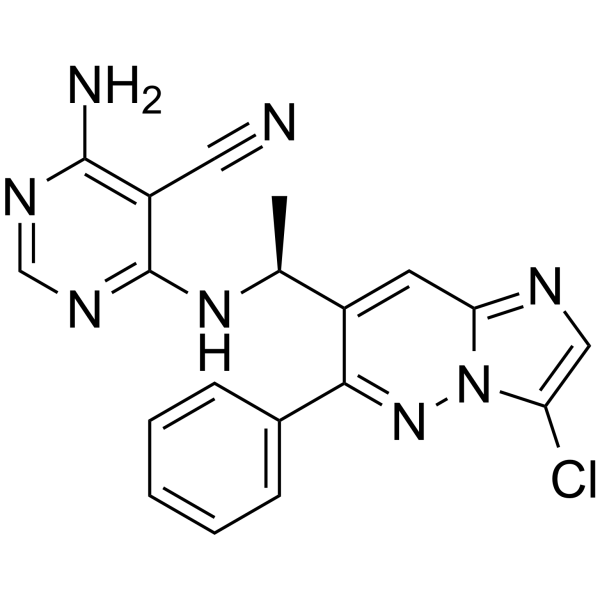
PIK-293, an analog of IC87114, is a PI3K inhibitor, with IC50 values of 0.24 μM, 10 μM, 25 μM and 100 μM for p110δ, p110β, p110γ and p110α, respectively .
|
-
- HY-P0118A
-
|
P144 TFA
|
TGF-beta/Smad
PI3K
Apoptosis
|
Cancer
|
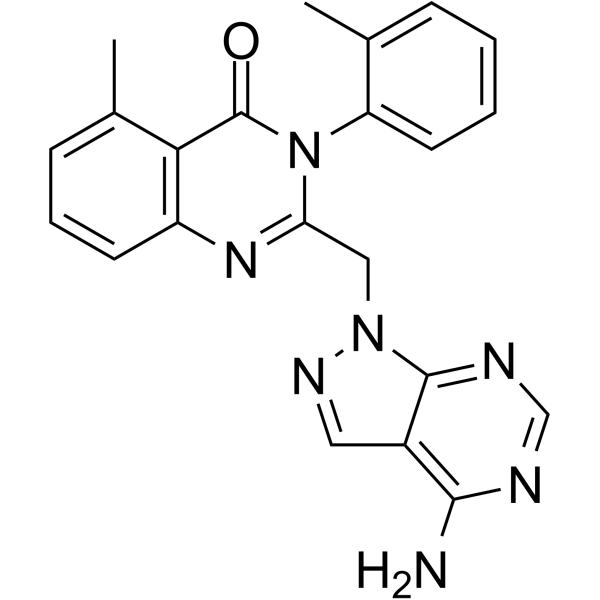
Disitertide (P144) TFA is a peptidic transforming growth factor-beta 1 (TGF-β1) inhibitor specifically designed to block the interaction with its receptor. Disitertide TFA is also a PI3K inhibitor and an apoptosis inducer [3] .
|
-

- HY-10197R
-
|
SL-2052 (Standard); KY-12420 (Standard)
|
Organoid
Reference Standards
PI3K
Polo-like Kinase (PLK)
Autophagy
Antibiotic
|
Cancer
|
|
Wortmannin (Standard) is the analytical standard of Wortmannin. This product is intended for research and analytical applications. Wortmannin (SL-2052; KY-12420) is a potent, selective and irreversible PI3K inhibitor with an IC50 of 3 nM. Wortmannin also blocks autophagy formation, and potently inhibits Polo-like kinase 1 (PlK1) and Plk3 with IC50s of 5.8 and 48 nM, respectively [3].
|
-

- HY-15856BR
-
|
Flupenthixol dihydrochloride (Standard)
|
Reference Standards
Dopamine Receptor
PI3K
Apoptosis
|
Neurological Disease
Cancer
|
|
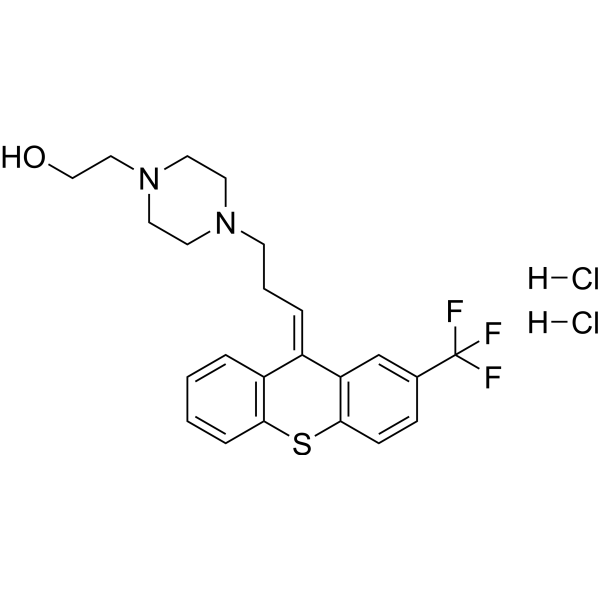
Flupentixol (dihydrochloride) (Standard) is the analytical standard of Flupentixol (dihydrochloride). This product is intended for research and analytical applications. Flupentixol is an orally active D1/D2 dopamine receptor antagonist and new PI3K inhibitor (PI3Kα IC50=127 nM). Flupentixol shows anti-proliferative activity to cancer cells and induces apoptosis. Flupentixol can also be used in schizophrenia, anxiolytic and depressive research [3].
|
-
- HY-150309
-
|
|
PI3K
|
Cancer
|
|
PI3K-IN-54 (compound 10w) is a pan-PI3K inhibitor. The IC50 values of PI3K-IN-54 for p110α, p110β, and p110δ are 0.22 nM, 1.4 nM, and 0.38 nM, respectively. PI3K-IN-54 can be used in cancer research .
|
-

- HY-15346R
-
|
BAY 80-6946 (Standard)
|
Reference Standards
PI3K
Apoptosis
|
Cancer
|
|
Copanlisib (Standard) is the analytical standard of Copanlisib. This product is intended for research and analytical applications. Copanlisib (BAY 80-6946) is a potent, selective and ATP-competitive pan-class I PI3K inhibitor, with IC50s of 0.5 nM, 0.7 nM, 3.7 nM and 6.4 nM for PI3Kα, PI3Kδ, PI3Kβ and PI3Kγ, respectively. Copanlisib has more than 2,000-fold selectivity against other lipid and protein kinases, except for mTOR. Copanlisib has superior antitumor activity .
|
-

- HY-136806
-
|
|
PI3K
|
Cancer
|
|
PI3K-IN-12 (comp 76) is a PI3K inhibitor .
|
-
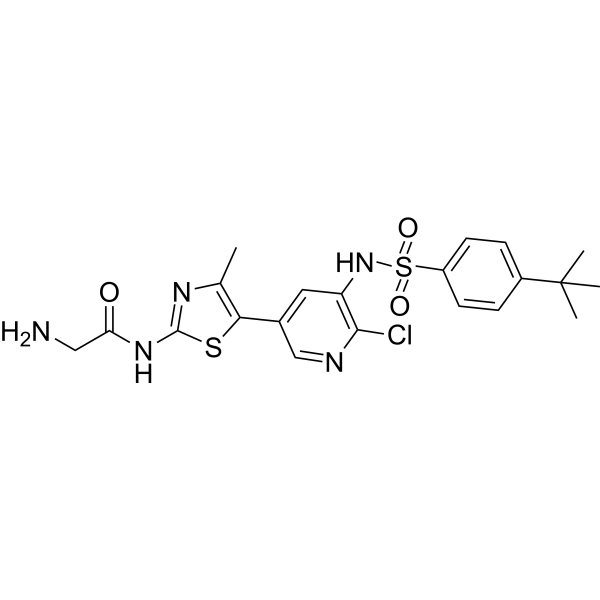
- HY-18310
-
|
|
PI3K
|
Cancer
|
|
NIBR-17 is a pan-class I PI3K inhibitor with suitable pharmacokinetic properties and inhibits tumor growth .
|
-
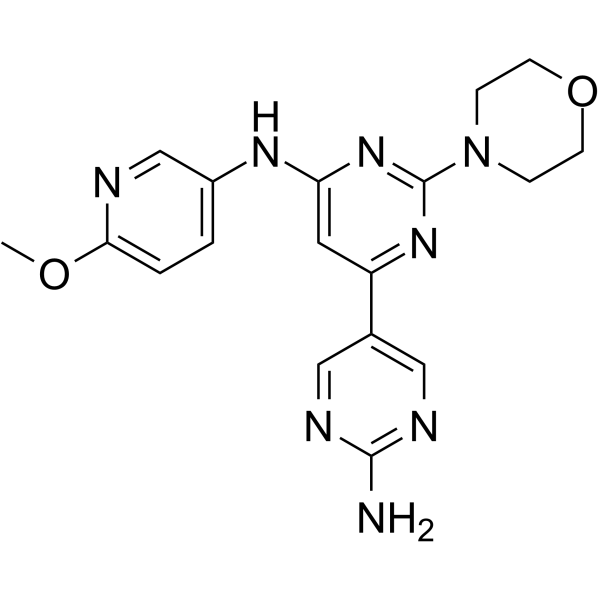
- HY-141690A
-
|
|
PI3K
|
Cancer
|
|
PI3K-IN-19 hydrochloride is a phosphotidylinositol-3-kinase (PI3K) inhibitor extracted from patent WO2017153220, step 5 .
|
-
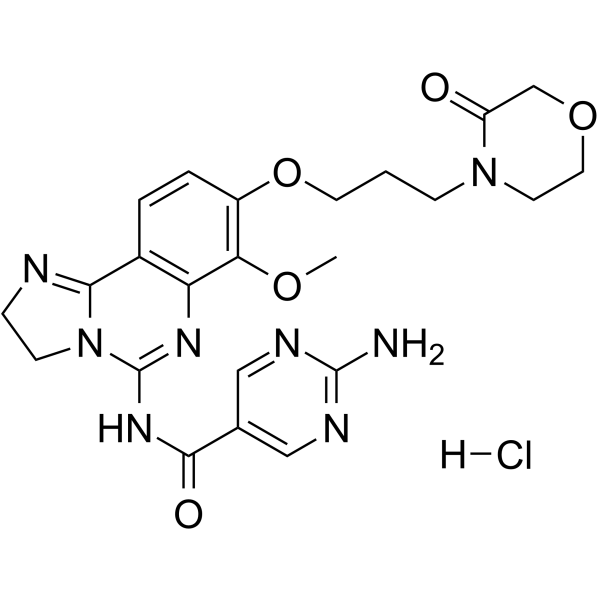
- HY-160283
-
|
|
PI3K
|
Cancer
|
|
PI3K-IN-50 is a phosphotidylinositol-3-kinase (PI3K) inhibitor extracted from patent WO2023239710A1, example 35 .
|
-
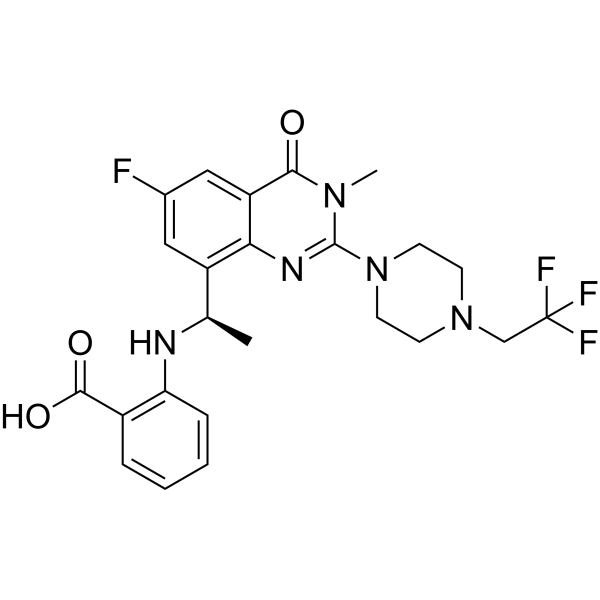
- HY-112191
-
|
|
PI3K
|
Cancer
|
|
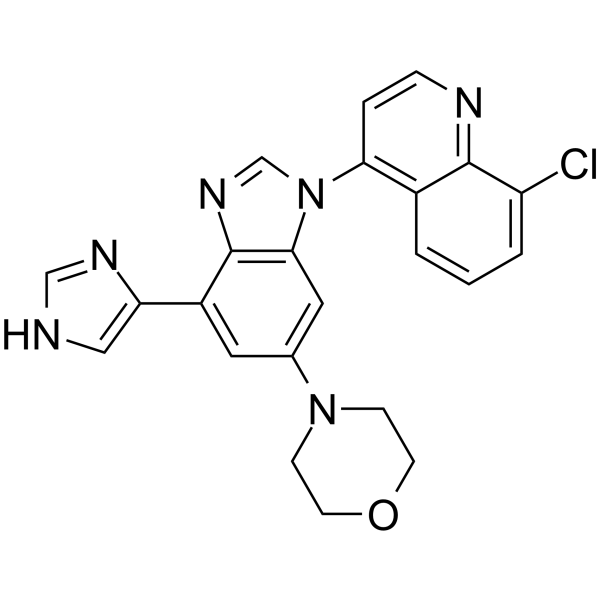
PI3K-IN-10 is a potent pan-PI3K inhibitor as a benzimidazole derivative, compound 332, extracted from patent WO2018057808A1 .
|
-
- HY-150019
-
-
- HY-120135
-
|
|
PI3K
|
Cancer
|
|
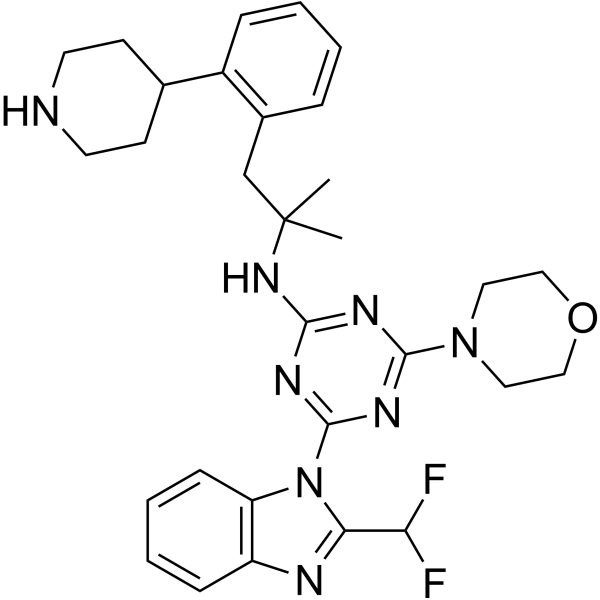
LTURM 36 (20i) is a PI3K inhibitor, with IC50 values of 0.64 μM and 5.0 μM for PI3Kδ and PI3Kβ, respectively. LTURM 36 can be used in anticancer research .
|
-

- HY-48869
-
-
- HY-160418
-
|
|
PI3K
|
Cancer
|
|
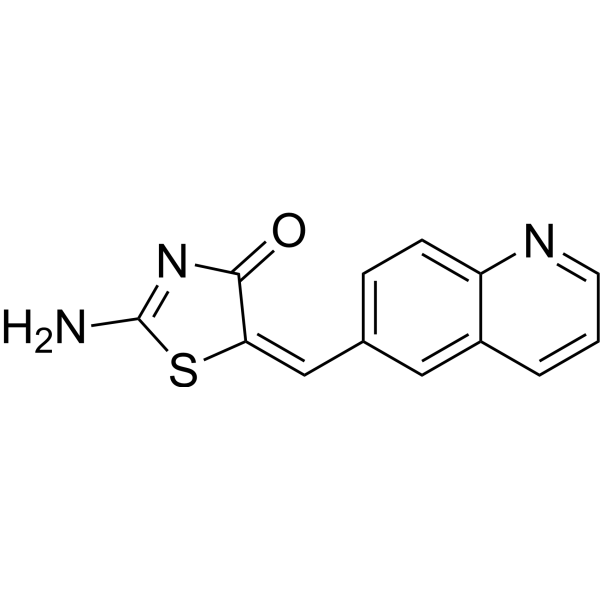
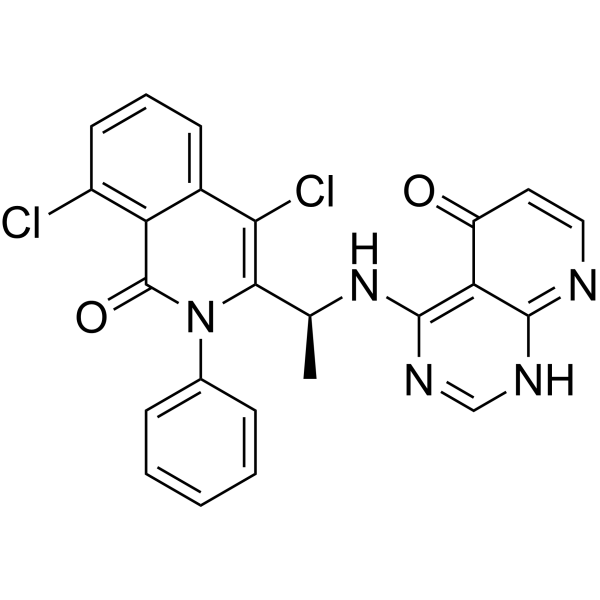
PI3K-IN-51 is a PI3K inhibitor with IC50 values <500 nM for p120γ and p110δ/p85α (WO2016204429A1; Example 10) .
|
-
- HY-113472R
-
|
|
Reference Standards
Drug Metabolite
|
Others
|
|
3-Methyladenine (Standard) is the analytical standard of 3-Methyladenine. This product is intended for research and analytical applications. 3-Methyladenine (3-MA) is a PI3K inhibitor. 3-Methyladenine is a widely used inhibitor of autophagy via its inhibitory effect on class III PI3K .
|
-

- HY-160282
-
|
|
PI3K
|
Cancer
|
|
PI3K-IN-49 is a potent PI3K inhibitor. PI3K-IN-49 shows antiproliferative activity for Avg T-47D and Avg SKBR3 cells (WO2023239710A1; example 29) .
|
-
- HY-70063R
-
|
BKM120 (Standard); NVP-BKM120 (Standard)
|
PI3K
Apoptosis
Reference Standards
|
Cancer
|
|
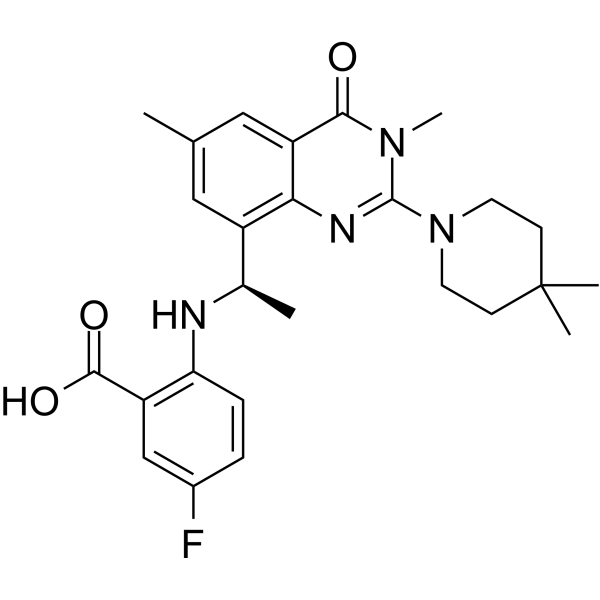
Buparlisib (Standard) is the analytical standard of Buparlisib. This product is intended for research and analytical applications. Buparlisib (BKM120; NVP-BKM120) is a pan-class I PI3K inhibitor, with IC50s of 52, 166, 116 and 262 nM for p110α, p110β, p110δ and p110γ, respectively.
|
-

- HY-155570
-
|
|
PI3K
Apoptosis
Caspase
PARP
|
Cancer
|
|
Anticancer agent 137 (8q) is a potent PI3k inhibitor. Anticancer agent 137 has broad-spectrum anticancer activity. Anticancer agent 137 induces G2/M cell cycle arrest and apoptosis. Anticancer agent 137 increases cleaved PARP, caspase 3, and 7. Anticancer agent 137 can be used in research of cancer .
|
-
- HY-150034
-
|
|
PI3K
|
Inflammation/Immunology
Cancer
|
|
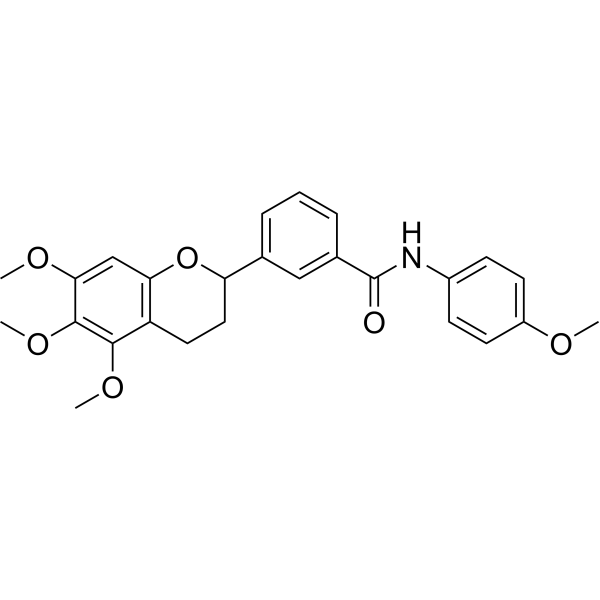
PI3K-IN-38 (compound 123) is an orally active PI3K inhibitor with IC50 of 0.541 µM (PI3K-α). PI3K-IN-38 shows activities of anticancer and anti-inflammatory, which inhibis tumor growth in vivo .
|
-
- HY-18085AS
-
-

- HY-144876
-
|
|
Reactive Oxygen Species (ROS)
|
Cancer
|
|
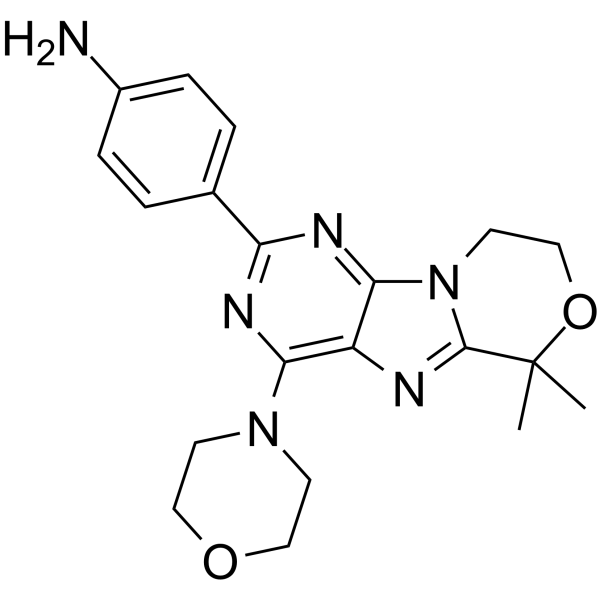
RIDR-PI-103 is a reactive oxygen species (ROS)-induced agent release proagent with a self-cyclizing moiety linked to a pan-PI3K inhibitor (PI-103). Doxorubicin and RIDR-PI-103 shows a synergistic effect in MDA-MB-361 and MDA-MB-231 cells to inhibit cancer cell proliferation .
|
-
- HY-15180R
-
|
BKM120 Hydrochloride (Standard); NVP-BKM120 Hydrochloride (Standard)
|
PI3K
Apoptosis
Reference Standards
|
Cancer
|
|
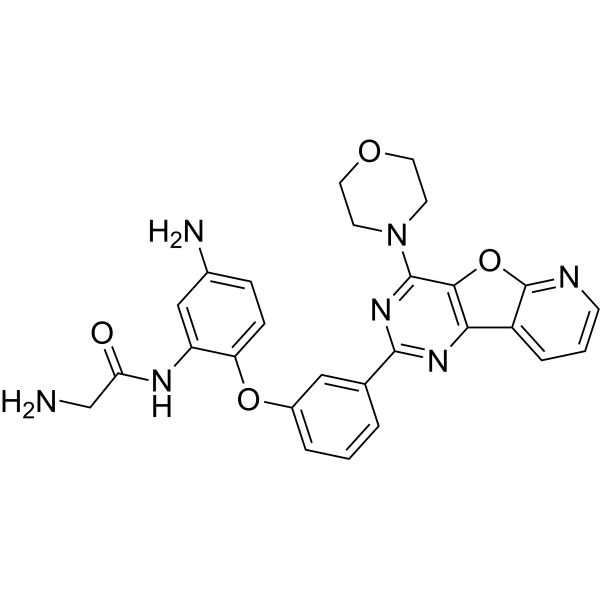
Buparlisib (Hydrochloride) (Standard) is the analytical standard of Buparlisib (Hydrochloride). This product is intended for research and analytical applications. Buparlisib Hydrochloride (BKM120 Hydrochloride) is a pan-class I PI3K inhibitor, with IC50 of 52 nM/166 nM/116 nM/262 nM for p110α/p110β/p110δ/p110γ, respectively.
|
-

- HY-155996
-
|
|
PI3K
Apoptosis
|
Cancer
|
|
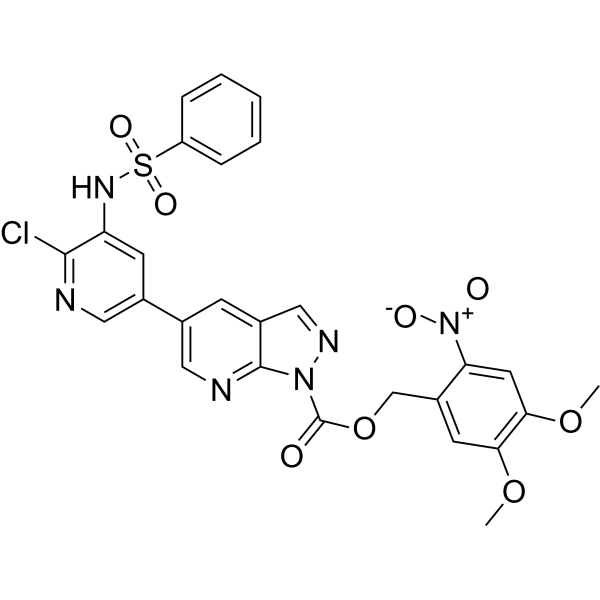
FD2157 is a photosensitive PI3K inhibitor, with IC50s of 43 nM, 83 nM, 84 nM, 14 nM for PI3Kα, PI3Kβ, PI3Kγ, PI3Kδ respectively. FD2157 potently inhibits cancer cell proliferation and induces cell apoptosis when exposed to 365 nm UV light .
|
-
- HY-108958
-
|
|
PI3K
|
Cancer
|
|
Rac)-AZD8186 is the racemate of AZD8186 (HY-12330), a PI3K inhibitor that inhibits PI3Kβ (IC50=4 nM), PI3Kδ (IC50=12 nM), PI3Kα (IC50=35 nM) and PI3Kγ (IC50=675 nM) .
|
-

- HY-147285
-
|
|
mTOR
PI3K
|
Neurological Disease
|
|
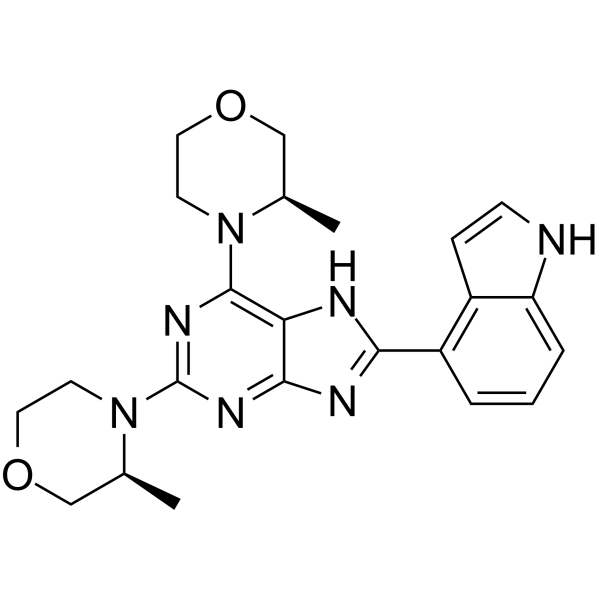
PI3K/mTOR Inhibitor-9 (Compound 1) is a potent mTOR and PI3K inhibitor with IC50 values of 38 nM, 6.6 μM, 6.6 μM and 0.8 μM against mTOR (phospho-S6 cellular assay), PI3Kα, PI3Kγ and PI3Kδ, respectively .
|
-
- HY-10108AR
-
|
|
Reference Standards
PI3K
Casein Kinase
DNA-PK
Apoptosis
|
Cancer
|
|
LY294002 (hydrochloride) (Standard) is the analytical standard of LY294002 (hydrochloride). This product is intended for research and analytical applications. LY294002 hydrochloride is a potent and broad-spectrum PI3K inhibitor, with IC50 values of 0.5, 0.57, and 0.97 μM for P110α, P110δ and P110β, respectively. LY294002 hydrochloride also inhibits CK2 with an IC50 of 98 nM. LY294002 hydrochloride can be used for pancreatic cancer research [3].
|
-

- HY-147911
-
|
|
PI3K
COX
|
Inflammation/Immunology
Cancer
|
|
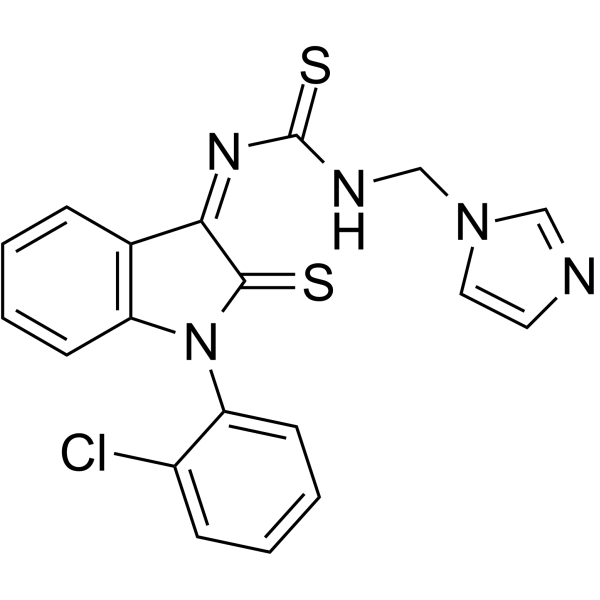
COX-2/PI3K-IN-1 (compound 5d) is a potent PI3K inhibitor with IC50 value of 1.14 nM. COX-2/PI3K-IN-1 is a selective COX-2 inhibitor with Ki value of 3.24 nM. COX-2/PI3K-IN-1 has anti-inflammatory and anti-cancer properties.
|
-
- HY-155730
-
|
|
PI3K
|
Cancer
|
|
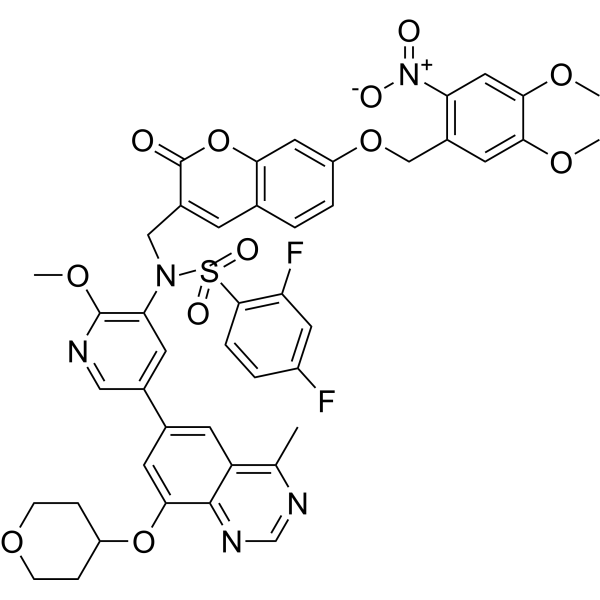
PI3K-IN-41 (compound 2) is a photocaged compound, as well as a photocaged PI3K inhibitor (IC50=18.92 nM) with anticancer properties. PI3K-IN-41 has potential to be used in precisely controlled cancer therapeutics. PI3K-IN-41 exhibits potent PI3K ihibition upon UV light irradiation, and enhances antitumor effect .
|
-
- HY-147912
-
|
|
PI3K
COX
|
Inflammation/Immunology
Cancer
|
|
COX-2/PI3K-IN-2 (compound 5f) is a potent PI3K inhibitor with IC50 value of 2.78 nM. COX-2/PI3K-IN-2 is a selective COX-2 inhibitor with Ki value of 3.02 nM. COX-2/PI3K-IN-2 shows anti-inflammatory and anti-cancer properties .
|
-
- HY-156080
-
|
|
PI3K
Akt
|
Cancer
|
|
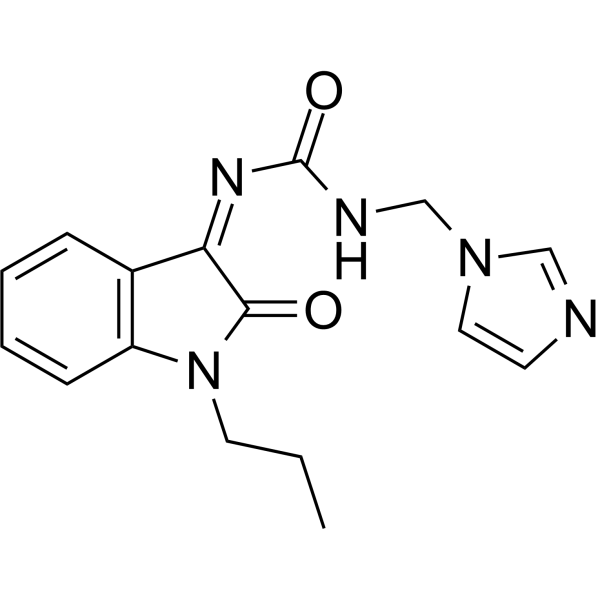
PI3K-IN-48 is a PI3K inhibitor with IC50 value of 1.55 ± 0.18 μM for A549 cells. PI3K-IN-48 can induce G0/G1 phase arrest, cell apoptosis, and down-regulate expression of p-PI3K and p-Akt. PI3K-IN-48 can be used for human lung cancers diseases research .
|
-
- HY-144693
-
|
|
MEK
PI3K
PERK
|
Cancer
|
|
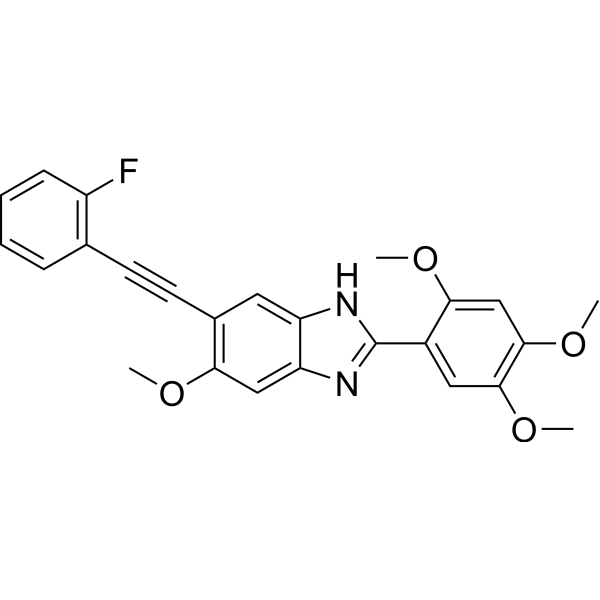
MEK/PI3K-IN-2 (compound 6s) is a potent MEK/PI3K inhibitor, with IC50 values of 352 nM (MEK1), 107 nM (PI3Kα), and 137 nM (PI3Kδ), respectively. MEK/PI3K-IN-2 suppresses pAKT and pERK1/2 levels. MEK/PI3K-IN-2 shows anti-proliferative activity against tumor cell lines .
|
-
- HY-144692
-
|
|
MEK
PI3K
PERK
|
Cancer
|
|
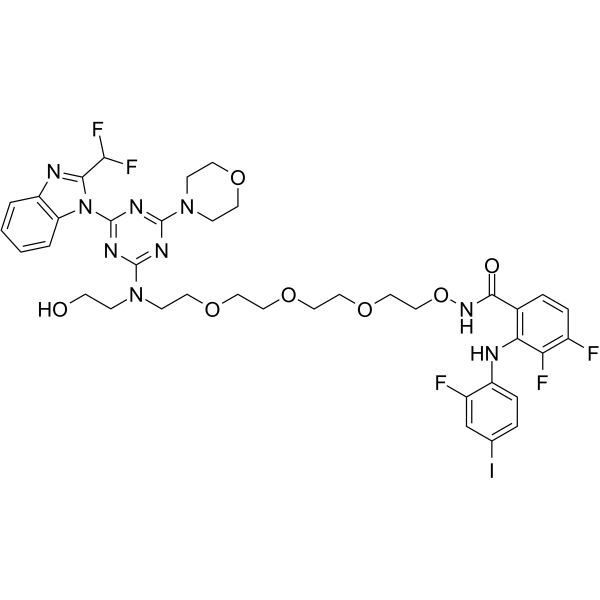
MEK/PI3K-IN-1 (compound 6r) is a potent MEK/PI3K inhibitor, with IC50 values of 124 nM (MEK1), 130 nM (PI3Kα), and 236 nM (PI3Kδ), respectively. MEK/PI3K-IN-1 suppresses pAKT and pERK1/2 levels. MEK/PI3K-IN-1 shows anti-proliferative activity against tumor cell lines .
|
-
- HY-144450
-
|
|
PI3K
Akt
|
Cancer
|
|
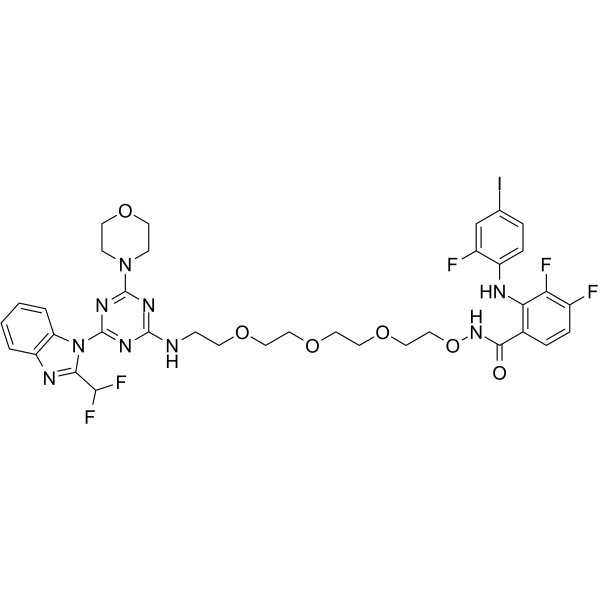
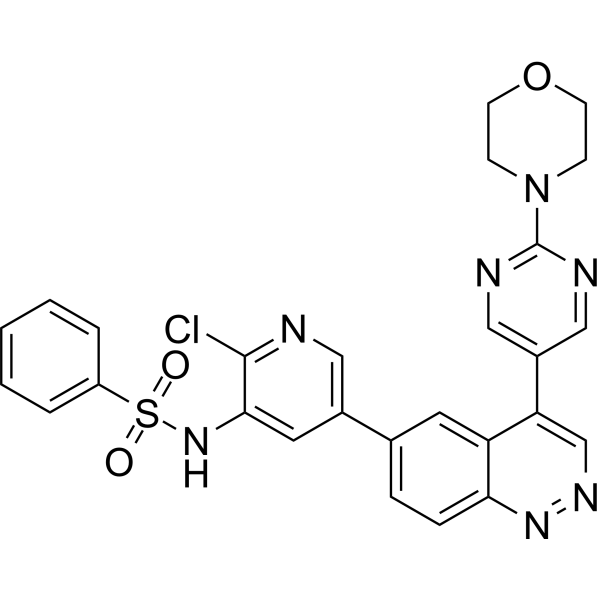
PI3K-IN-29 is a potent PI3K inhibitor. PI3K-IN-29 displays good inhibition potencies against U87MG, HeLa and HL60 cells with IC50 values of 0.264, 2.04 and 1.14 µM, respectively. PI3K-IN-29 inhibits PI3K/Akt pathway by inhibiting phosphorylation of Akt that is catalyzed by PI3K .
|
-
- HY-121672
-
|
|
PI3K
Akt
Apoptosis
|
Cancer
|
|
PI3K-IN-7 (Compound C96) is a PI3K inhibitor. PI3K-IN-7 inhibits phosphorylation of AKT and the activation of an AKT downstream protein. PI3K-IN-7 induces apoptosis of the tumor cells. PI3K-IN-7 has low toxicity for normal cells. PI3K-IN-7 can be used for research of acute and chronic leukemia, multiple myeloma, lymphoma .
|
-

- HY-10116
-
|
|
PI3K
mTOR
|
Cancer
|
|
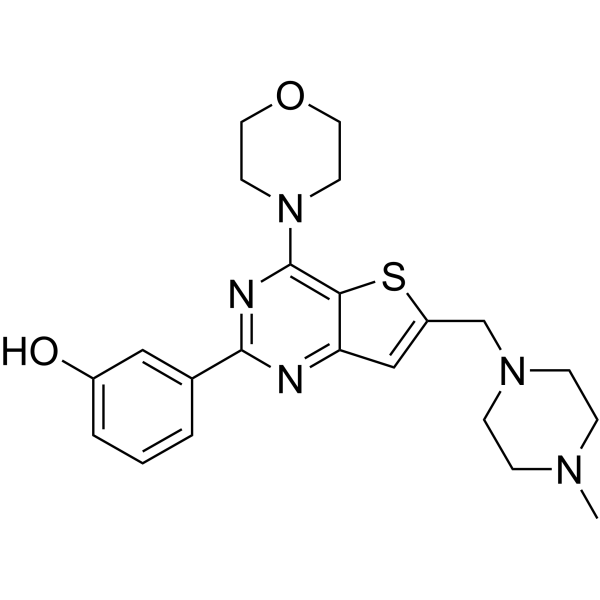
PI-540 is a bicyclic thienopyrimidine derivative and an orally active PI3K inhibitor. PI-540 has anti-cancer cell proliferation properties and high tissue distribution. PI-540 can inhibit different isoforms of PI3K, with IC50s of 10 nM (P110α), 3510 nM (P110β), 410 nM (P110δ), and 33110 nM (P110γ). PI-540 also inhibits mTOR (IC50: 61 nM) and DNA-PK (IC50: 525 nM) .
|
-
- HY-15900R
-
|
XL765 (Standard); SAR245409 (Standard)
|
PI3K
mTOR
Reference Standards
|
Cancer
|
|
Voxtalisib (Standard) is the analytical standard of Voxtalisib. This product is intended for research and analytical applications. Voxtalisib (XL765) is a potent PI3K inhibitor, which has a similar activity toward class I PI3K (IC50s=39, 113, 9 and 43 nM for p110α, p110β, p110γ and p110δ, respectively), also inhibits DNA-PK (IC50=150 nM) and mTOR (IC50=157 nM). Voxtalisib (XL765) inhibits mTORC1 and mTORC2 with IC50s of 160 and 910 nM, respectively.
|
-

- HY-147898
-
|
|
PI3K
Apoptosis
|
Cancer
|
|
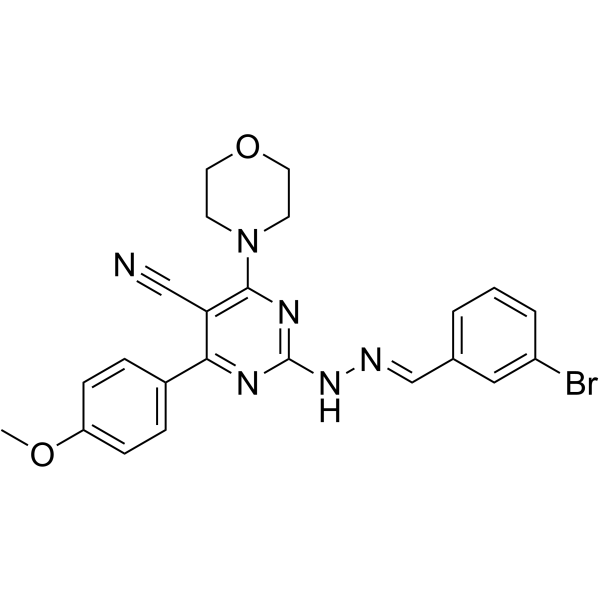
PI3K-IN-33 (Compound 6e) is a highly selective PI3K inhibitor with IC50 values of 11.73, 6.09 and 11.18 μM for PI3K-α、PI3K-β and PI3K-δ , respectively. PI3K-IN-33 arrests cell cycle at G2/M phase and induces apoptosis. PI3K-IN-33 can be used in leukemia research .
|
-
- HY-N18161
-
|
|
PI3K
Cytochrome P450
|
Others
|
|
Isopsoralidin is a phosphatidylinositol 3-kinase (PI3K) inhibitor with potential hepatotoxicity and CYP2D6 inhibitory activity .
|
-

- HY-177277A
-
-

- HY-172785
-
|
|
PI3K
|
Cancer
|
|
PI3K-IN-57 (Compound 4a) is a PI3K inhibitor that has a strong inhibitory effect on the proliferation of HeLa tumor heterotopic xenografts in vivo. PI3K-IN-57 is promising for research of anti-cancer agent .
|
-

- HY-181581
-
|
|
PI3K
|
Cancer
|
|
IMM-H012 is a specific PI3K inhibitor with an IC50 of 0.80 nM against PI3Kα. IMM-H012 combined with [ 177Lu]Lu-P4 shows synergistic antitumor effects against stomach cancer and lung cancer .
|
-

- HY-173368
-
|
|
PI3K
|
Cancer
|
|
Antiproliferative agent-67 (Compound 5g) is a PI3K inhibitor with a selectivity index SI of 7.72 for breast cancer cells (MCF-7). Antiproliferative agent-67 inhibits the activity of PI3K protein by forming hydrogen bonds and intermolecular hydrophobic forces with it, exerting anti - proliferative activity against breast cancer cells (MCF-7), and can be used in the research of breast cancer .
|
-

- HY-107387
-
|
|
PI3K
|
Metabolic Disease
Inflammation/Immunology
|
|
PF-376304 is an orally active non-specific class I phosphoinositide 3-kinase (PI3K) inhibitor with an IC50 of 0.197 μM against PI3Kγ. PF-376304 induces dose-dependent glucose and lipid metabolic disorders in rats, causes rapid death at high doses, and leads to metabolic abnormalities that are self-reversible at low doses. PF-376304 is applicable to the research of metabolic and inflammatory diseases .
|
-

- HY-118903
-
|
|
PI3K
|
Cancer
|
|
PIK-124 is a thiazolidinone-based PI3Kγ-biased PI3K inhibitor, with an IC50 of 3 nM against PI3Kγ. PIK-124 exhibits cross-reactivity with PI3Kα (IC50 = 23 nM), PI3Kδ (IC50 = 340 nM), PI3KC2α (IC50 = 140 nM) and PI3KC2β (IC50 = 370 nM). PIK-124 is applicable to breast cancer-related research .
|
-

- HY-181741
-
|
|
Cathepsin
|
Inflammation/Immunology
|
|
PI3K-001 is a cathepsin B-responsive prodrug and antifibrotic agent. PI3K-001 undergoes cathepsin B-mediated cleavage of the Val-Ala linker in fibrotic lung lesions to release an active PI3K inhibitor payload, while it remains stable in healthy tissues. PI3K-001 improves collagen deposition, tissue collapse and alveolar injury in fibrotic lung tissues. PI3K-001 is applicable for the research of pulmonary fibrosis .
|
-

- HY-147899
-
|
|
PI3K
Apoptosis
|
Cancer
|
|
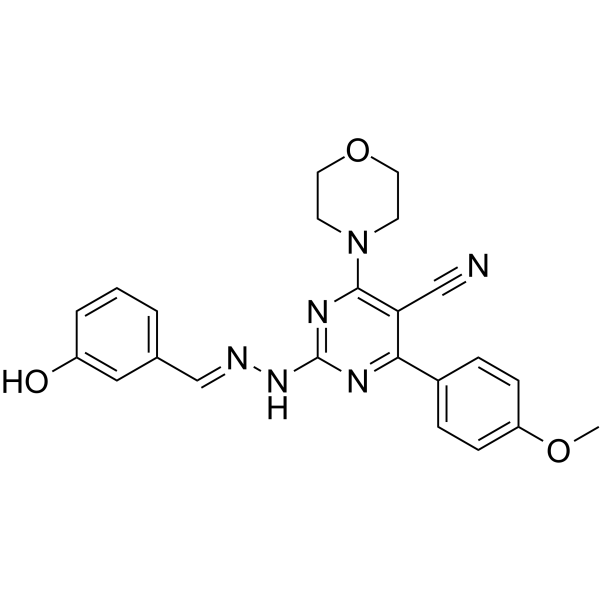
PI3K-IN-34 (Compound 6g) is a highly selective PI3K inhibitor with IC50 values of 11.73, 6.09 and 11.18 μM for PI3K-α、PI3K-β and PI3K-δ , respectively. PI3K-IN-34 arrests cell cycle at G2/M phase and induces apoptosis. PI3K-IN-34 can be used in leukemia research .
|
-
- HY-149521
-
|
|
PI3K
|
Cancer
|
|
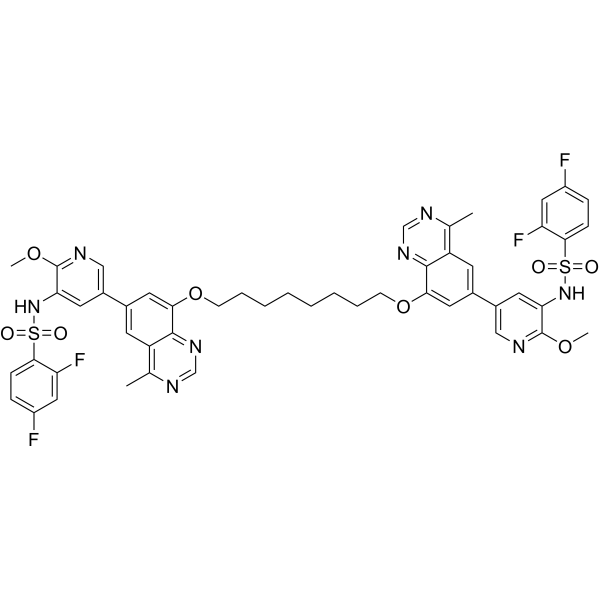
PI3K-IN-47 (Compound 27) is a bivalent PI3K inhibitor (IC50: 0.44 nM for PI3Kα, 7.18 nM, 13.92 nM, 22.83 nM for PI3Kβ, PI3Kγ, PI3Kδ). PI3K-IN-47 induces cell cycle arrest in G1 phase, inhibits colony formation and cell migration. PI3K-IN-47 inhibits tumor growth in HGC-27 xenograft mice .
|
-
- HY-147900
-
|
|
PI3K
Apoptosis
|
Cancer
|
|
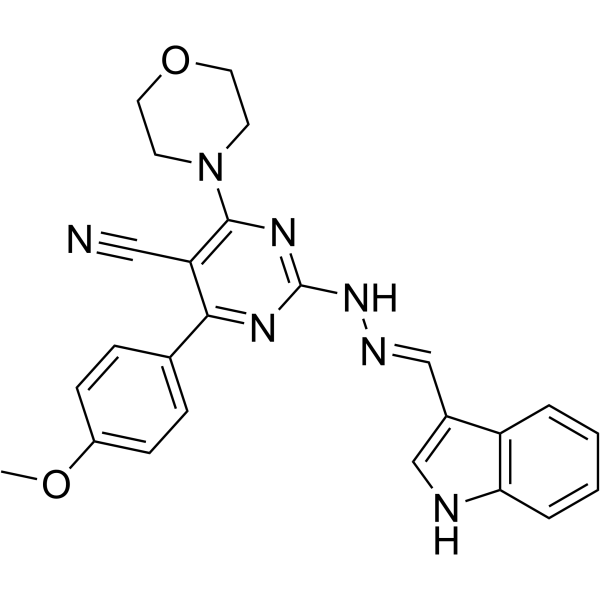
PI3K-IN-35 (Compound 6l) is a highly selective PI3K inhibitor with IC50 values of 13.98, 7.22 and 10.94 μM for PI3K-α、PI3K-β and PI3K-δ, respectively. PI3K-IN-35 arrests cell cycle at G2/M phase and induces apoptosis. PI3K-IN-35 can be used in leukemia research .
|
-
- HY-12491
-
|
|
PI3K
Apoptosis
|
Cancer
|
|
PIK-C98 is a potent and selective PI3K inhibitor, with IC50s of 0.59, 1.64, 3.65, and 0.74 μM for α, β, δ, and γ isoforms, respectively. PIK-C98 inhibits all class I PI3Ks but has no effects on AKT or mTOR activity. PIK-C98 interferes with the ATP-binding pockets of PI3Ks by forming H-bonds and arene-H interactions with specific amino acid residues. PIK-C98 induces apoptosis by inhibiting PI3K. PIK-C98 can be used for the research of multiple myeloma .
|
-

- HY-120281
-
|
|
MEK
PI3K
Akt
Apoptosis
Caspase
|
Cancer
|
|
ST-168 is an orally active MEK/PI3K inhibitor with an IC50 of 182 nM against MEK1 and IC50 values of 69.2, 41.7, 1482 and 2293 nM against PI3Kα, PI3Kδ, PI3Kβ and PI3Kγ respectively. ST-168 completely inhibits the phosphorylation of ERK1/2 and AKT and induces cancer cell death in a 3D tumor sphere model. ST-168 demonstrates significant antitumor effects in the A375 melanoma mouse model. ST-168 improves the ocular toxicity profile of MEK inhibitors, showing lower caspase activation levels, indicating reduced apoptosis induction. ST-168 can be used in melanoma research .
|
-

- HY-155180
-
|
|
PI3K
|
Cancer
|
|
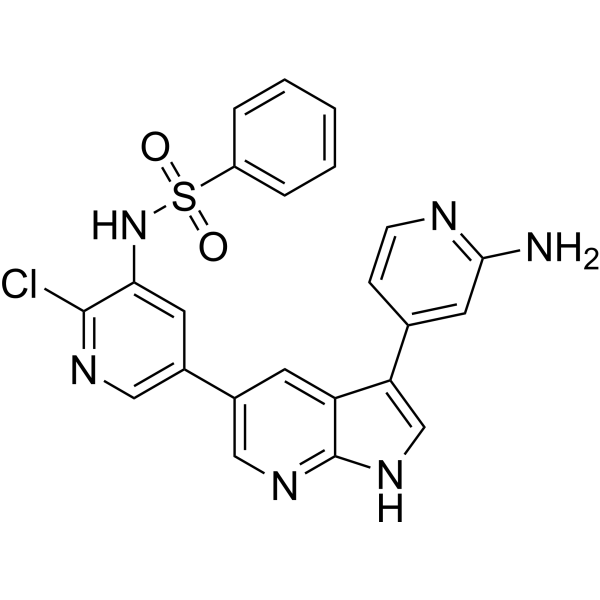
FD2056 is a potent and orally active PI3K inhibitor. FD2056 inhibits PI3Kα/PI3Kβ/PI3Kγ/PI3Kδ with IC50s of 0.30, 0.80, 1.10, 0.42 nM. FD2056 also inhibits CDK2-CyclinA2 and CDK4-CyclinD3 with IC50 of 115.95 and 2782.15 nM. FD2056 inhibits breast cancer cell proliferation with IC50s of 1.06, 0.04, 1.40 μM for MDA-MB-231, MDA-MB-468, MCF-7 cells. FD2056 also induces cancer apoptosis and inhibits tumor growth .
|
-
- HY-N10342
-
|
|
Apoptosis
Bcl-2 Family
Caspase
PARP
Reactive Oxygen Species (ROS)
Bacterial
PI3K
Akt
NF-κB
P-glycoprotein
|
Infection
Cancer
|
|
Cajanol is an isoflavanone that can be isolated from the roots of Cajanus cajan (L.) Millsp. . Cajanol inhibits cancer cell proliferation and induces cancer cell apoptosis. Cajanol promotes the expression of Bax, inhibits the expression of Bcl-2, activates caspase-9 and caspase-3, induces PARP cleavage, arrests the cell cycle at the G2/M phase, generates ROS, disrupts mitochondrial membrane potential and triggers cytochrome c release. Cajanol induces bacterial DNA damage, disrupts bacterial cell membranes, and exerts antibacterial activity in vitro. Cajanol reduces the expression of PI3K, inhibits the phosphorylation of Akt and NF-κB, downregulates the expression and transport function of P-gp, restores the sensitivity of drug-resistant cancer cells to Paclitaxel, and inhibits the growth of Paclitaxel-resistant metastatic ovarian tumors. Cajanol is applicable to research related to breast cancer, ovarian cancer and bacterial infections [3] .
|
-

- HY-136765
-
|
|
PI3K
|
Cancer
|
|
PI3K-IN-11 (compound 13) is a PI3K inhibitor, which selectively inhibits PI3Kα, PI3Kβ, PI3K, and PI3Kδ (IC50s=6.4, 13, 8, and 11 nM, respectively) over mTOR (IC50=2.9 μM). PX-13-17OH is greater than 420-fold selective for PI3K in a panel of 20 lipid and protein kinases. PX-13-17OH inhibits phosphorylation of Akt and S6 kinase (S6K) in PTEN-negative U87MG cells when used at concentrations ranging from 0.03 to 1 μg/mL. It inhibits tumor growth in a U87MG mouse xenograft model when administered at doses ranging from 2.5 to 10 mg/kg.
|
-

- HY-172892
-
|
|
PI3K
Reactive Oxygen Species (ROS)
|
Cancer
|
|
PI3K-IN-59 (Compound 3d) is a PI3K inhibitor (IC50: 17.44 μM). PI3K-IN-59 has significant antiproliferative activity and exhibits potent inhibitory effects on breast cancer 4T1 cells (IC50: 3.70 μM) and colon cancer CT26 cells (IC50: 1.98 μM) as well as human breast cancer cells (IC50: 19.72 μM). PI3K-IN-59 exerts a dual anti-tumor mechanism by inhibiting PI3Kα enzymatic activity and triggering the Fenton reaction to generate hydroxyl radicals (•OH). PI3K-IN-59 shows promising anti-4T1 tumor effects and is suitable for synergistic targeting studies in breast and colon cancers .
|
-

- HY-128633
-
|
|
PI3K
Akt
Apoptosis
|
Cancer
|
|
PI3K-IN-4 is a potent Pan-PI3K inhibitor. PI3K-IN-4 has high activity for three PI3K isoforms with the IC50 values of picomole. PI3K-IN-4 shows superior inhibitory activity against PI3Kα (IC50 = 0.20 nM), PI3Kβ (IC50 = 2.99 nM), PI3Kδ (IC50 = 0.48 nM) and PI3Kγ (IC50 = 0.58 nM) and has no significant activity against EGFR. PI3K-IN-4 inhibits cancer cell growth though PI3K/Akt signaling pathway, leading to the inhibition of colony formation and the induction of apoptosis. PI3K-IN-4 can be used for lung, colon and breast cancer research .
|
-

| Cat. No. |
Product Name |
Type |
-
- HY-18085G
-
|
|
Fluorescent Dyes
|
|
Quercetin GMP is Quercetin (HY-18085) produced by using GMP guidelines. GMP small molecules works appropriately as an auxiliary reagent for cell therapy manufacture. Quercetin is a flavonoid antioxidant, a PI3K inhibitor and a SIRT1 Activator [3] .
|
| Cat. No. |
Product Name |
Type |
-
- HY-18085G
-
|
|
Biochemical Assay Reagents
|
|
Quercetin GMP is Quercetin (HY-18085) produced by using GMP guidelines. GMP small molecules works appropriately as an auxiliary reagent for cell therapy manufacture. Quercetin is a flavonoid antioxidant, a PI3K inhibitor and a SIRT1 Activator [3] .
|
-
- HY-60298
-
|
|
Biochemical Assay Reagents
|
|
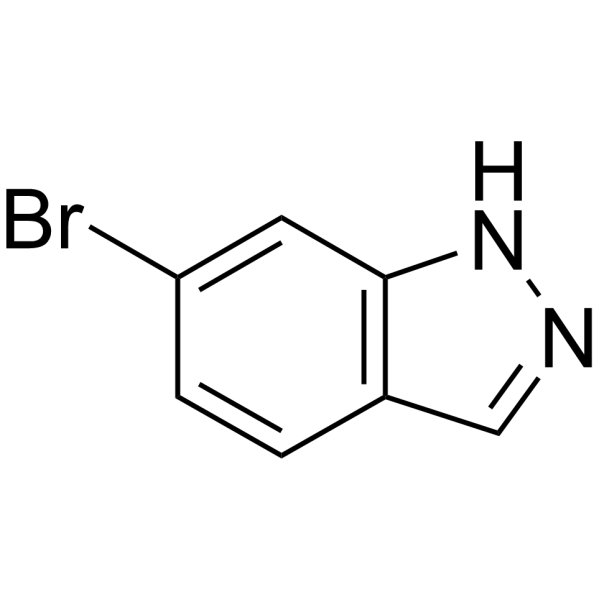
6-Bromo-1H-indazole is a PI3K inhibitor intermediate. 6-Bromo-1H-indazole can be used in the research of respiratory diseases .
|
| Cat. No. |
Product Name |
Target |
Research Area |
-
- HY-P0118B
-
|
P144 diammonium
|
TGF-beta/Smad
PI3K
Apoptosis
|
Cancer
|
|
Disitertide (P144) diammonium is a peptidic transforming growth factor-beta 1 (TGF-β1) inhibitor specifically designed to block the interaction with its receptor. Disitertide diammonium is also a PI3K inhibitor and an apoptosis inducer [3] .
|
-
- HY-P0118
-
|
P144
|
TGF-beta/Smad
PI3K
Apoptosis
|
Cancer
|
Disitertide (P144) is a peptidic transforming growth factor-beta 1 (TGF-β1) inhibitor specifically designed to block the interaction with its receptor. Disitertide (P144) is also a PI3K inhibitor and an apoptosis inducer [3] .
|
-
- HY-P0118A
-
|
P144 TFA
|
TGF-beta/Smad
PI3K
Apoptosis
|
Cancer
|
Disitertide (P144) TFA is a peptidic transforming growth factor-beta 1 (TGF-β1) inhibitor specifically designed to block the interaction with its receptor. Disitertide TFA is also a PI3K inhibitor and an apoptosis inducer [3] .
|
| Cat. No. |
Product Name |
Category |
Target |
Chemical Structure |
-
- HY-19312
-
-
-
- HY-18085
-
-
-
- HY-10197
-
-
-
- HY-N0146
-
-
-
- HY-18085R
-
-
-
- HY-19312R
-
-
-
- HY-N0146R
-
-
-
- HY-10197R
-
-
-
- HY-N18161
-
-
-
- HY-N10342
-
|
|
Structural Classification
Flavonoids
Leguminosae
Phenols
Polyphenols
Plants
Isoflavones
Cajanus cajan (L.) Millsp.
Source Classification
|
Apoptosis
Bcl-2 Family
Caspase
PARP
Reactive Oxygen Species (ROS)
Bacterial
PI3K
Akt
NF-κB
P-glycoprotein
|
|
Cajanol is an isoflavanone that can be isolated from the roots of Cajanus cajan (L.) Millsp. . Cajanol inhibits cancer cell proliferation and induces cancer cell apoptosis. Cajanol promotes the expression of Bax, inhibits the expression of Bcl-2, activates caspase-9 and caspase-3, induces PARP cleavage, arrests the cell cycle at the G2/M phase, generates ROS, disrupts mitochondrial membrane potential and triggers cytochrome c release. Cajanol induces bacterial DNA damage, disrupts bacterial cell membranes, and exerts antibacterial activity in vitro. Cajanol reduces the expression of PI3K, inhibits the phosphorylation of Akt and NF-κB, downregulates the expression and transport function of P-gp, restores the sensitivity of drug-resistant cancer cells to Paclitaxel, and inhibits the growth of Paclitaxel-resistant metastatic ovarian tumors. Cajanol is applicable to research related to breast cancer, ovarian cancer and bacterial infections [3] .
|
-
| Cat. No. |
Product Name |
Chemical Structure |
-
- HY-18085S1
-
1 Publications Verification
|
|
Quercetin-d3 is the deuterium labeled Quercetin. Quercetin, a natural flavonoid, is a stimulator of recombinant SIRT1 and also a PI3K inhibitor with IC50 of 2.4 μM, 3.0 μM and 5.4 μM for PI3K γ, PI3K δ and PI3K β, respectively .
|
-
-
- HY-19312S
-
|
|
|
3-Methyladenine-d3 is the deuterium labeled 3-Methyladenine . 3-Methyladenine (3-MA) is a PI3K inhibitor. 3-Methyladenine is a widely used inhibitor of autophagy via its inhibitory effect on class III PI3K .
|
-
-
- HY-18085S2
-
|
|
|
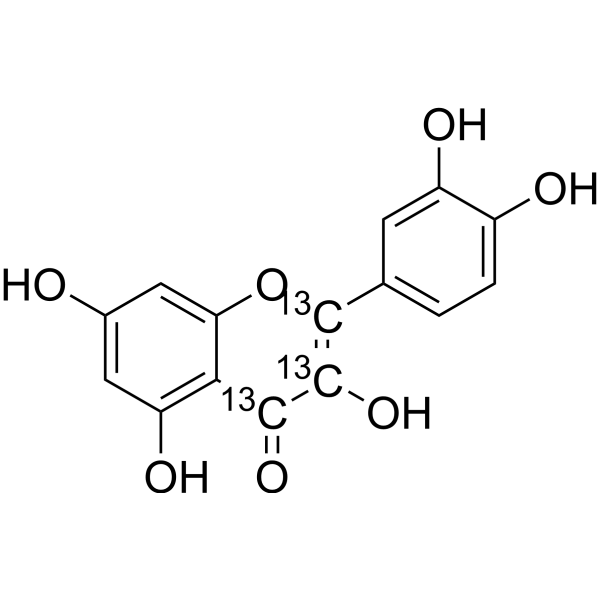
Quercetin- 13C3 is the 13C-labeled Quercetin. Quercetin, a natural flavonoid, is a stimulator of recombinant SIRT1 and also a PI3K inhibitor with IC50 of 2.4 μM, 3.0 μM and 5.4 μM for PI3K γ, PI3K δ and PI3K β, respectively .
|
-
-
- HY-18085S
-
|
|
|
Quercetin-d5 is a deuterium labeled Quercetin. Quercetin, a natural flavonoid, is a stimulator of recombinant SIRT1 and also a PI3K inhibitor with IC50 of 2.4 μM, 3.0 μM and 5.4 μM for PI3K γ, PI3K δ and PI3K β, respectively .
|
-
-
- HY-18085AS
-
1 Publications Verification
|
|
Quercetin-d3 hydrate is a deuterium labeled Quercetin hydrate (HY-18085A), a flavonoid which can stimulate recombinant SIRT1 and also a PI3K inhibitor with IC50s of 2.4 μM, 3.0 μM and 5.4 μM for PI3K γ, PI3K δ and PI3K β, respectively .
|
-
| Cat. No. |
Product Name |
Target |
Research Areas |
Chemical Structure |
Your information is safe with us. * Required Fields.
Inquiry Information
- Product Name:
- Cat. No.:
- Quantity:
- MCE Japan Authorized Agent:








