1. Search Result
Search Result
Pathways Recommended: Anti-infection
Results for "

Resistant bacterial infections

" in MedChemExpress (MCE) Product Catalog:

129

Inhibitors & Agonists

1

Screening Libraries

3

Fluorescent Dyes

2

Biochemical Assay Reagents

18

Peptides

1

Inhibitory Antibodies

16

Natural
Products

4

Isotope-Labeled Compounds

1

Oligonucleotides

Targets Recommended:
Cat. No. Product Name Target Research Areas Chemical Structure
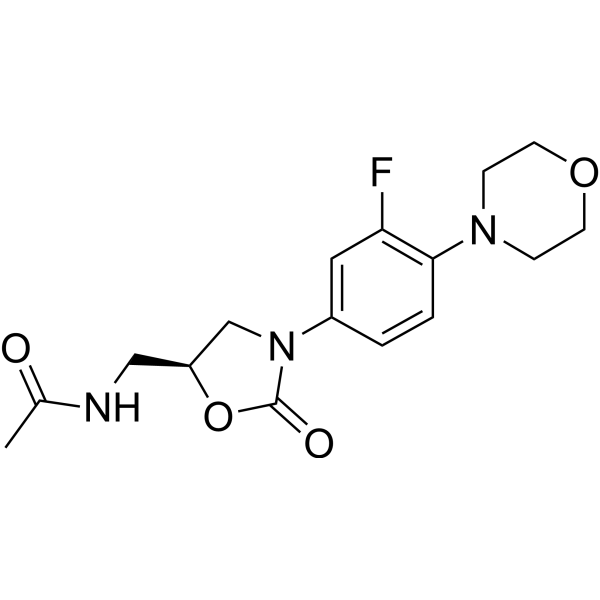
  • HY-10394
    Linezolid
    Maximum Cited Publications
    52 Publications Verification

    PNU-100766

    Bacterial Antibiotic Infection Cancer
    Linezolid (PNU-100766) is the first member of the class of oxazolidinone synthetic antibiotic. Linezolid acts by inhibiting the initiation of bacterial protein synthesis. Linezolid is used for the treatment of serious infections caused by Gram-positive bacteria that are resistant to several other antibiotics .
    Linezolid
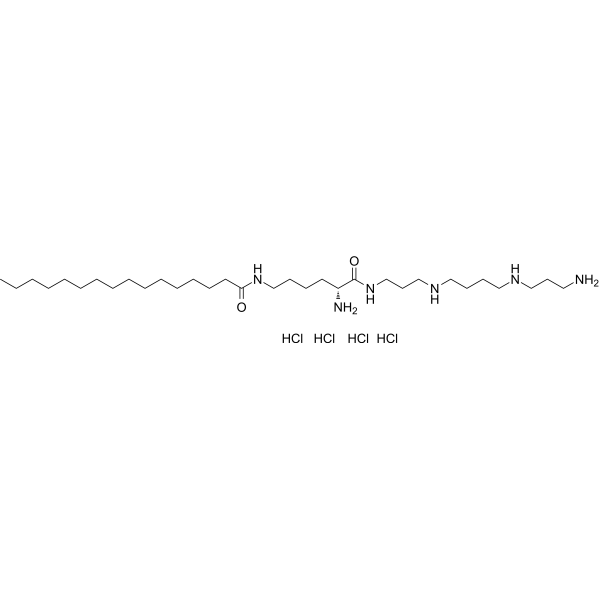
  • HY-124617A
    AMXT-1501 tetrahydrochloride
    5+ Cited Publications

    Apoptosis Bacterial Infection Inflammation/Immunology Cancer
    AMXT-1501 tetrahydrochloride is a Bacterial agent and polyamine transport system inhibitor. AMXT-1501 tetrahydrochloride targets membrane phospholipids and exhibits antibacterial activity against a variety of Gram-positive and Gram-negative multidrug-resistant bacteria . AMXT-1501 tetrahydrochloride inhibits capsular biosynthesis in Streptococcus pneumoniae . AMXT-1501 tetrahydrochloride targets ornithine decarboxylase and polyamines to inhibit the proliferation of neuroblastoma cells . AMXT-1501 tetrahydrochloride in combination with DFMO (HY-B0744) induces Apoptosis in neuroblastoma cells. AMXT-1501 tetrahydrochloride is applicable to research related to multidrug-resistant bacterial infections, pneumococcal infections, Streptococcus pneumoniae infections, and neuroblastoma .
    AMXT-1501 tetrahydrochloride
  • HY-128780B
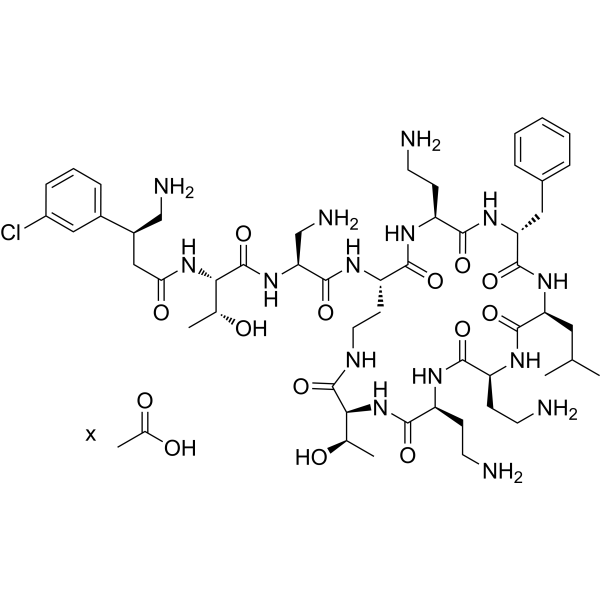
    SPR206 acetate
    1 Publications Verification

    Bacterial Antibiotic Infection
    SPR206 acetate is a polymyxin analog with antibiotic activity against Gram-negative pathogens, including multidrug-resistant (MDR) variants. SPR206 acetate has an anti-bacterial infection effect by interacting with the bacterium’s outer membrane. The MIC values of SPR206 acetate against Pseudomonas aeruginosa Pa14 and Acinetobacter baumannii NCTC13301 are both 0.125 mg/L .
    SPR206 acetate
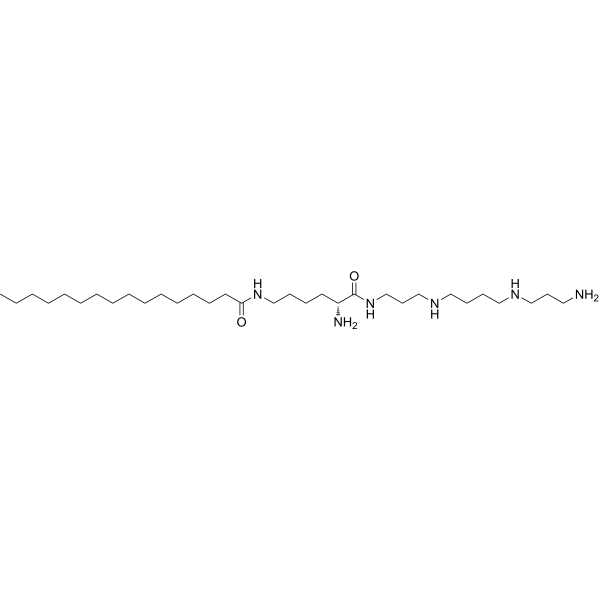
  • HY-124617
    AMXT-1501
    5+ Cited Publications

    Apoptosis Bacterial Infection Cancer
    AMXT-1501 is a Bacterial agent and polyamine transport system inhibitor. AMXT-1501 targets membrane phospholipids and exhibits antibacterial activity against a variety of Gram-positive and Gram-negative multidrug-resistant bacteria . AMXT-1501 inhibits capsular biosynthesis in Streptococcus pneumoniae . AMXT-1501 targets ornithine decarboxylase and polyamines to inhibit the proliferation of neuroblastoma cells . AMXT-1501 in combination with DFMO (HY-B0744) induces Apoptosis in neuroblastoma cells. AMXT-1501 is applicable to research related to multidrug-resistant bacterial infections, pneumococcal infections, Streptococcus pneumoniae infections, and neuroblastoma .
    AMXT-1501
  • HY-A0248A
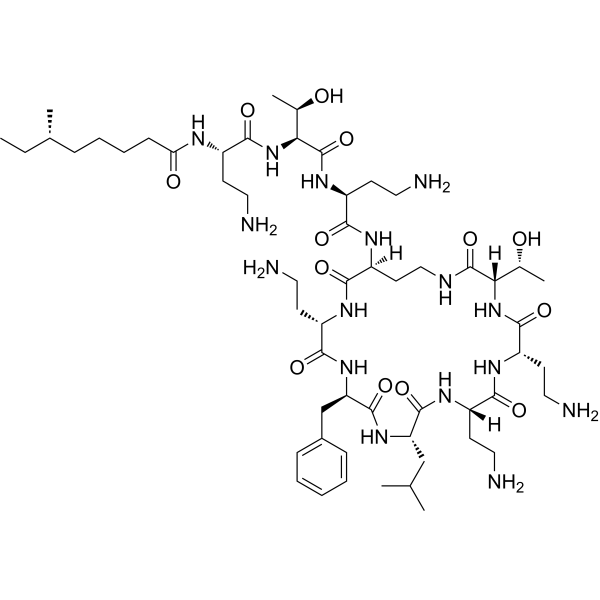
    Polymyxin B1
    1 Publications Verification

    Bacterial Infection
    Polymyxin B1 is a potent antimicrobial lipopeptide first derived from Bacilus polymyxa. Polymyxin B1 is the major component in Polymyxin B (HY-A0248). Polymyxin B1 can induce lysis of bacterial cells through interaction with their membranes. Polymyxin B1 has the potential for multidrug-resistant Gram-negative bacterial infections treatment .
    Polymyxin B1
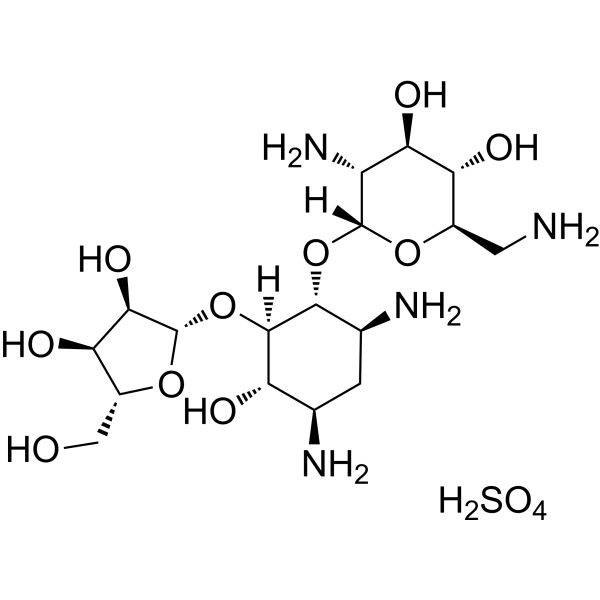
  • HY-B1228
    Ribostamycin sulfate
    1 Publications Verification

    Vistamycin sulfate

    Antibiotic PDI Infection
    Ribostamycin sulfate (Vistamycin sulfate) is a broad-spectrum aminoglycoside Antibiotic with bactericidal activity against Gram-positive cocci, Gram-negative cocci, bacilli, and drug-resistant strains. Ribostamycin sulfate also acts as an inhibitor of protein disulfide isomerase (PDI), with a binding constant KD of 319 μM for bovine PDI. Ribostamycin sulfate targets bacterial 16S ribosomal RNA and the 30S ribosomal subunit, causing translational misreading and thereby inhibiting bacterial protein synthesis. Ribostamycin sulfate disrupts the integrity of bacterial cell membranes, induces membrane pore formation, and leads to bacterial death. Ribostamycin sulfate can be used in studies related to bacterial infections .
    Ribostamycin sulfate
  • HY-146331

    Bacterial Infection
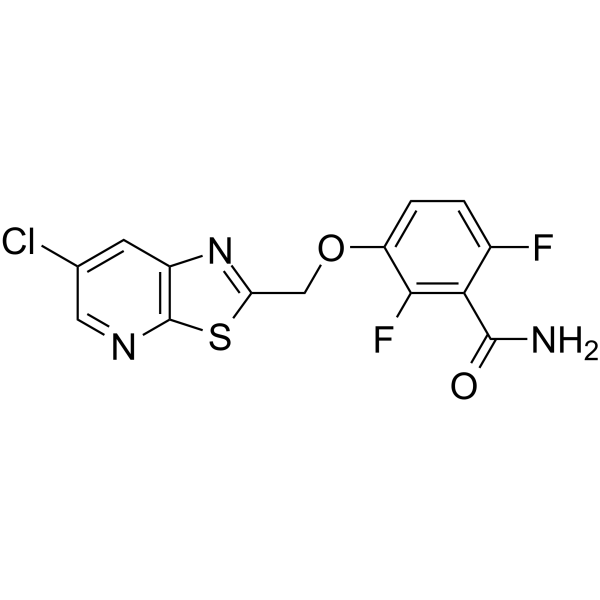
    PC190723 is a bacterial cell division protein FtsZ inhibitor (IC50 = 55 nM). PC 190723 prevents cell division. PC190723 has potent and selective bactericidal activity against staphylococci, including methicillin- and multi-drug-resistant Staphylococcus aureus. PC190723 induces nucleated assembly of Bs-FtsZ into single-stranded coiled protofilaments and polymorphic condensates. PC190723 can be studied in anti-bacterial infection research .
    PC190723
  • HY-12638
    Dichlorophen
    1 Publications Verification

    DDM

    Environmental Pollutants Fungal Parasite Bacterial Infection
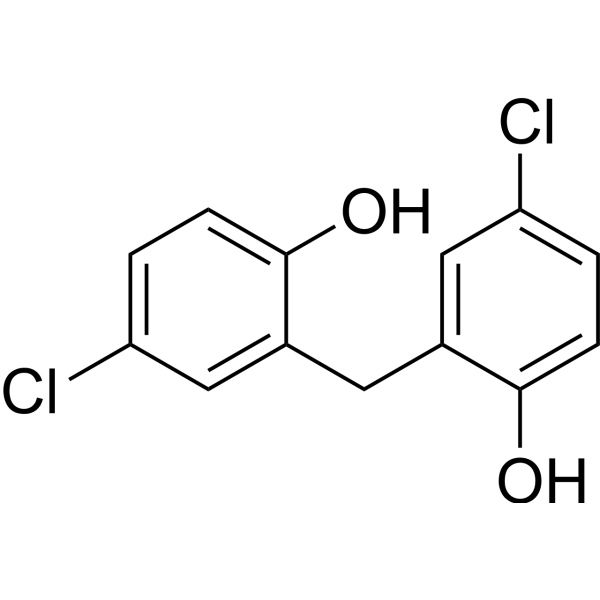
    Dichlorophen is a chlorophenol antimicrobial agent that can destroy the integrity of microbial cell membranes and interfere with the activity of metabolic enzymes. Dichlorophen can covalently bind to the thiol groups of microbial proteins and has broad-spectrum antibacterial, antifungal and anthelmintic activity. Dichlorophen can be used as an antimicrobial agent in the study of drug-resistant bacterial infections .
    Dichlorophen
  • HY-16764

    JNJ-Q2

    Bacterial Antibiotic Infection Inflammation/Immunology
    Avarofloxacin (JNJ-Q2) is a broad-spectrum fluoroquinolone antibacterial agent being developed for the treatment of acute bacterial skin and skin-structure infections and community-acquired pneumonia with oral activity. Avarofloxacin (JNJ-Q2) is an aminoethylidenylpiperidine fluoroquinolone that demonstrates antibacterial effect against numerous Gram-positive bacteria with a mean 0.12 mg/L MIC90 value. Avarofloxacin (JNJ-Q2) has potential for treatment of methicillin-resistant Staphylococcus aureus (MRSA) infections .
    Avarofloxacin
  • HY-B1924
    Norvancomycin monohydrochloride
    1 Publications Verification

    N-Demethylvancomycin monohydrochloride; NVCM monohydrochloride

    Bacterial Infection
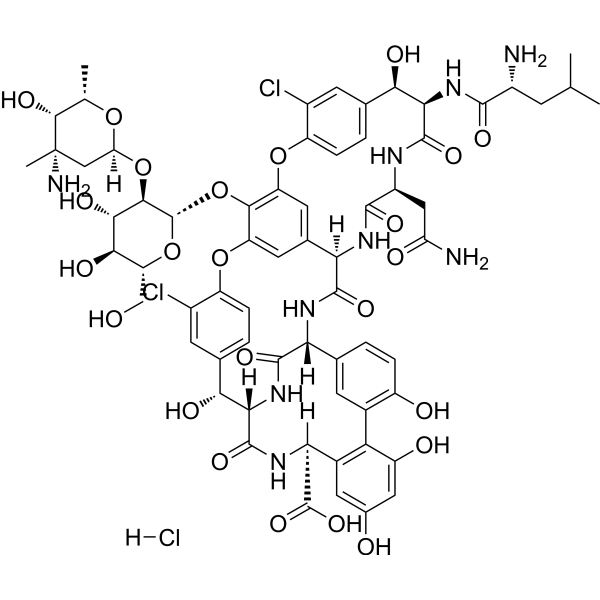
    Norvancomycin hydrochloride is a cell wall synthesis inhibitor targeting peptidoglycan precursors of Gram-positive bacteria and cannot pass the blood-brain barrier. Norvancomycin hydrochloride can competitively bind to peptidoglycan precursors, irreversibly inhibit bacterial cell wall synthesis, and exert antibacterial activity. Norvancomycin hydrochloride is mainly used in the study of Gram-positive bacterial infections, especially infections caused by methicillin-resistant Staphylococcus aureus (MRSA) and methicillin-resistant Staphylococcus epidermidis (MRSE). Norvancomycin hydrochloride can also be incorporated into the bionic calcium phosphate coating of titanium implants to enhance antibacterial activity and inhibit postoperative orthopedic infections .
    Norvancomycin monohydrochloride
  • HY-112959

    TD-6424

    Antibiotic Bacterial Infection
    Telavancin (TD-6424) is a semisynthetic lipoglycopeptide vancomycin-derivative, is a novel antimicrobial agent developed by Theravance for overcoming resistant Gram-positive bacterial infections, specifically methicillin-resistant Staphylococcus aureus (MRSA). Telavancin disrupts cell membrane integrity, can be used for research of complicated skin and skin structure infections (cSSSIs) caused by Gram-positive bacteria .
    Telavancin
  • HY-P2460

    Bacterial Fungal Interleukin Related TNF Receptor Infection Inflammation/Immunology
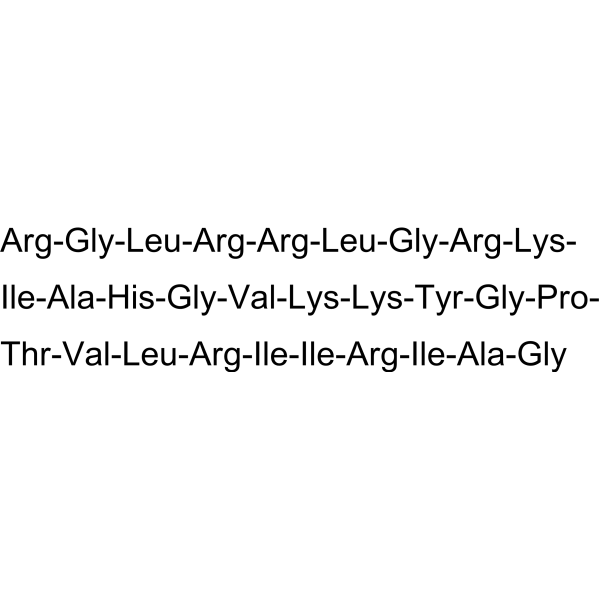
    SMAP‑29 is a cathelicidin antimicrobial peptide with LPS‑binding and anti‑inflammatory properties. SMAP‑29 exerts broad‑spectrum antimicrobial activity against bacteria, fungi and multidrug‑resistant isolates. SMAP‑29 kills pathogens by permeabilizing bacterial membranes, inducing depolarization and cell lysis, and also inhibits inflammatory cytokines while reducing lethality in septic shock and pneumonia models. SMAP-29 can be used for research on bacterial infections, drug-resistant infections, septic shock .
    SMAP-29
  • HY-19487

    Bacterial Infection
    Ribocil is a selective inhibitor targeting the bacterial FMN riboswitch, regulating the bacterial riboflavin riboswitch. Ribocil competitively binds to the FMN binding site, mimicking the natural ligand FMN to induce conformational changes in the riboswitch, inhibiting ribB gene expression, reducing riboflavin synthesis, and thus inhibiting bacterial growth. Ribocil strongly inhibits GFP expression (EC50=0.3 μM). Ribocil exhibits in vivo antibacterial activity in a mouse model and can be used to study antibacterial drugs related to drug-resistant bacterial infections and bacterial riboflavin metabolic pathways[1][2].
    Ribocil
  • HY-N1136

    Bacterial Infection
    (+)-Totarol is a diterpenoid membrane-disrupting agent and membrane structure regulator found in plants of the genus Podocarpus spp. (+)-Totarol inserts into phospholipid model membranes, disrupts phospholipid packing, and impairs the functional integrity of membranes. (+)-Totarol exhibits antibacterial activity against a variety of bacterial species and β-lactam-resistant strains, and its action is associated with changes in membrane physical properties. (+)-Totarol can be used in studies related to bacterial infections .
    (+)-Totarol
  • HY-147349

    ANT3310 sodium

    Beta-lactamase Bacterial Infection
    Pilabactam (ANT3310) sodium is a broad-spectrum covalent Serine β-Lactamase inhibitor, with IC50 values ranging from 1 nM to 175 nM (a panel of Serine β-Lactamase). Pilabactam sodium potentiates activity of β-lactam antibiotics against Carbapenem-Resistant Enterobacterales (CRE) and Acinetobacter baumannii (CRAB). Pilabactam sodium can be used in the research of bacterial infection .
    Pilabactam sodium
  • HY-10393

    PNU-100592

    Bacterial Antibiotic Infection
    Eperezolid (PNU-100592) is an orally active protein synthesis inhibitor that targets the bacterial 50S ribosomal subunit. Eperezolid competitively binds to a specific site on the ribosomal 50S subunit (overlapping with the binding sites of chloramphenicol (HY-B0239) and lincomycin (HY-117660)) to inhibit the translation initiation stage and exert antibacterial activity. Eperezolid can induce host cell autophagy to enhance the clearance of intracellular mycobacteria, and its MIC90 for Staphylococcus aureus and Enterococcus is 1-4 μg/mL. Eperezolid is mainly used for antibacterial research on infections with Gram-positive bacteria such as methicillin-resistant (HY-121544) Staphylococci and vancomycin-resistant (HY-B0671) Enterococci, as well as infections with intracellular bacteria such as Mycobacterium tuberculosis .
    Eperezolid
  • HY-P10233A

    Bacterial Infection
    SAAP 148 TFA is a synthetic antimicrobial peptide (bacteria) that interacts with and disrupts the lipid bilayer of bacterial cytoplasmic membranes, thereby inducing changes in membrane permeability and bacterial death. SAAP 148 TFA kills drug-resistant, multidrug-resistant and persister bacterial strains, inhibits biofilm formation, eliminates established biofilms, and blocks bacterial colonization on implant surfaces. SAAP 148 TFA retains its activity after modification or immobilization, exhibits variable cytotoxicity in different human cell models, and shows reduced efficacy in protein-rich environments. SAAP 148 TFA can be used in infection-related research .
    SAAP 148 TFA
  • HY-N6680
    Virginiamycin S1
    1 Publications Verification

    Bacterial Antibiotic Infection
    Virginiamycin S1 is a cyclic hexadepsipeptide antibiotic, inhibits bacterial protein synthesis at the level of aminoacyl-tRNA binding and peptide bond formation. Virginiamycin S1 belongs to the type B compounds in the streptogramin family and is produced by Streptomyces virginiae, shows a strong bactericidal activity against a wide range of Gram-positive bacteria. Virginiamycin S1 together with virginiamycin M1 is more effective in treat multidrug-resistant bacterial infections [1][2].
    Virginiamycin S1
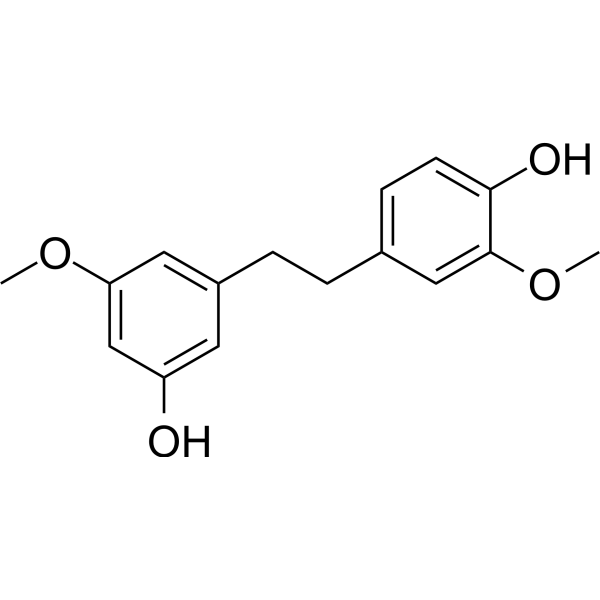
  • HY-134635

    Bacterial Fungal HIV CDK Infection Cancer
    Dehydrozingerone is a ginger-derived component and cyclin D1 inhibitor that downregulates cyclin D1 expression and induces cell cycle G1 phase arrest. Dehydrozingerone reduces the proliferative capacity of castration-resistant prostate cancer cells under in vitro conditions. Dehydrozingerone reduces subcutaneous tumor growth by inhibiting cell proliferation and angiogenesis. Dehydrozingerone exerts antibacterial and antifungal activities via its α,β-unsaturated carbonyl conjugated system. Dehydrozingerone can be used in studies related to castration-resistant prostate cancer, bacterial infections, and food spoilage fungal infections .
    Dehydrozingerone
  • HY-W984782

    GLUT Bacterial Fungal AMPK PPAR Reactive Oxygen Species (ROS) Apoptosis SOD Infection Metabolic Disease Cancer
    Flindersine is an alkaloid with multiple activities including antibacterial, antifungal, antitumor, and antidiabetic properties. Flindersine increases the activity of antioxidant enzymes, restores the levels of renal biomarkers, and reduces blood glucose, blood lipid, and insulin levels in diabetic rats. Flindersine inhibits the growth of Gram-positive bacteria, Gram-negative bacteria, drug-resistant bacteria, as well as dermatophytes, filamentous fungi, and yeasts. Flindersine reduces the viability of cancer cells and induces apoptosis. Flindersine can be used in research related to breast cancer, type 2 diabetes, bacterial infections, and fungal infections .
    Flindersine
  • HY-116228

    Caderofloxacin; CS-940

    Bacterial Infection
    Cadrofloxacin (Caderofloxacin; CS-940) is an orally active antibacterial agent with significant bactericidal activity against quinolone-resistant Staphylococcus aureus, Gram-positive bacteria, Gram-negative bacteria and anaerobic bacteria. Cadrofloxacin effectively improves systemic infection and experimental Klebsiella pneumoniae pneumonia in mice. Cadrofloxacin can be widely used in research related to systemic bacterial infections and bacterial pneumonia .
    Cadrofloxacin
  • HY-152296

    Nucleoside Antimetabolite/Analog Bacterial Infection
    8-Methyladenosine is a modified adenosine nucleoside. Through methylation at the 8-position, 8-Methyladenosine confers bacterial resistance to five classes of antibiotics that bind to the ribosomal peptidyl transferase center. 8-Methyladenosine can be used in studies of antibiotic-resistant bacterial infections .
    8-Methyladenosine
  • HY-19964
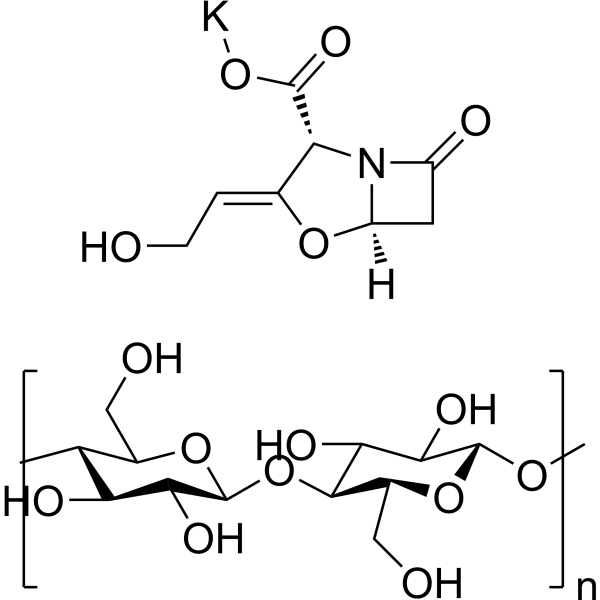
    Potassium clavulanate cellulose
    2 Publications Verification

    Potassium clavulanate:cellulose (1:1)

    Beta-lactamase Bacterial Antibiotic Infection
    Potassium clavulanate cellulose (Potassium clavulanate:cellulose (1:1)) is a mixture of potassium clavulanate and cellulose, is a bacterial β-lactamase inhibitor. Clavulanate potassium is a form of Clavulanic acid. Clavulanate potassium fights bacteria that resistant to penicillins and other antibiotics. Potassium clavulanate with the combination of amoxicillin can be used for the research of different infections caused by bacteria, such as sinusitis, pneumonia, ear infections, bronchitis, urinary tract infections, and infections of the skin .
    Potassium clavulanate cellulose
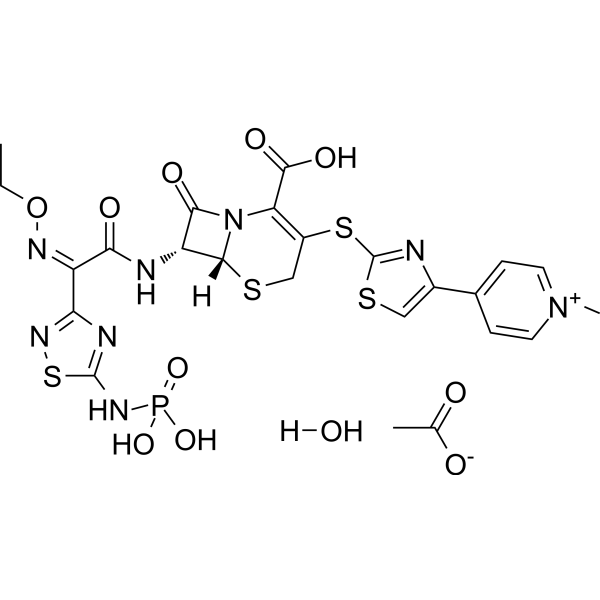
  • HY-14737A
    Ceftaroline fosamil hydrate
    2 Publications Verification

    TAK-599 hydrate; PPI0903 hydrate

    Antibiotic Bacterial Infection
    Ceftaroline fosamil hydrate is a potent cephalosporin antibiotic. Ceftaroline fosamil hydrateshows broad-spectrum activity against Gram-positive pathogens, including methicillin-resistant Staphylococcus aureus (MRSA) and multidrug-resistant Streptococcus pneumoniae, and common Gram-negative organisms. Ceftaroline fosamil hydrate has anti-infective activity, and can be used for the research of complicated skin and skin structure infections (cSSSIs) and community-acquired bacterial pneumonia (CABP) .
    Ceftaroline fosamil hydrate
  • HY-10394R

    PNU-100766 (Standard)

    Reference Standards Bacterial Antibiotic Infection
    Linezolid (Standard) is the analytical standard of Linezolid. This product is intended for research and analytical applications. Linezolid (PNU-100766) is the first member of the class of oxazolidinone synthetic antibiotic. Linezolid acts by inhibiting the initiation of bacterial protein synthesis. Linezolid is used for the treatment of serious infections caused by Gram-positive bacteria that are resistant to several other antibiotics .
    Linezolid (Standard)
  • HY-A0248AS

    Isotope-Labeled Compounds Bacterial Infection
    Polymyxin B1-d7 TFA is the deuterium labeled Polymyxin B1 TFA (HY-A0248A). Polymyxin B1 is a potent antimicrobial lipopeptide first derived from Bacilus polymyxa. Polymyxin B1 is the major component in Polymyxin B (HY-A0248). Polymyxin B1 can induce lysis of bacterial cells through interaction with their membranes. Polymyxin B1 has the potential for multidrug-resistant Gram-negative bacterial infections treatment .
    Polymyxin B1-d7 TFA
  • HY-P10233

    Bacterial Infection
    SAAP 148 is a synthetic antimicrobial peptide (bacteria) that interacts with and disrupts the lipid bilayer of bacterial cytoplasmic membranes, thereby inducing changes in membrane permeability and bacterial death. SAAP 148 kills drug-resistant, multidrug-resistant and persister bacterial strains, inhibits biofilm formation, eliminates established biofilms, and blocks bacterial colonization on implant surfaces. SAAP 148 retains its activity after modification or immobilization, exhibits variable cytotoxicity in different human cell models, and shows reduced efficacy in protein-rich environments. SAAP 148 can be used in infection-related research .
    SAAP 148
  • HY-108988

    Antibiotic Bacterial Topoisomerase DNA/RNA Synthesis Infection
    Albicidin is a peptide antibiotic with phytotoxic activity. Albicidin potently inhibits bacterial and plant DNA gyrase at nanomolar concentrations, blocks DNA replication, and exhibits excellent antibacterial efficacy against multidrug-resistant bacteria. Albicidin possesses bactericidal activity against Gram-positive and Gram-negative microorganisms, and acts as a virulence factor for the systemic plant infection by Xanthomonas albilineans. Albicidin can be used in studies related to bacterial infections and sugarcane leaf blight .
    Albicidin
  • HY-125604

    Beta-lactamase Bacterial Infection Inflammation/Immunology
    WCK-4234 is a diazabicyclooctane β-lactamase inhibitor and susceptibility restorer. WCK-4234 lacks direct antibacterial activity. WCK-4234 inhibits class A, C, D β-lactamases and extended-spectrum β-lactamases to potentiate Imipenem (HY-B1369A) and Meropenem (HY-13678) activity against Gram-negative pathogens. WCK-4234 can be used for the research of gram-negative bacterial infections and β-lactamase-mediated carbapenem-resistant bacterial infections .
    WCK-4234
  • HY-127072

    Antibiotic Bacterial Infection Inflammation/Immunology Cancer
    Amicoumacin A is an orally active antibiotic. Amicoumacin A targets bacterial ribosomes and inhibits bacterial translation by stabilizing the interaction between mRNA and ribosomes. Amicoumacin A induces cancer cell death by targeting eukaryotic ribosomes. Amicoumacin A exhibits anti-inflammatory and anti-ulcer activities, inhibits carrageenan-induced paw edema, and prevents stress-induced gastric ulcers. Amicoumacin A inhibits the growth of Gram-positive bacteria, Salmonella spp., Shigella spp., Helicobacter pylori, and methicillin-resistant Staphylococcus aureus. Amicoumacin A can be used in the research of lung cancer, breast cancer, bacterial infections, inflammatory edema and gastric ulcers [2] .
    Amicoumacin A
  • HY-139554

    KBP-7072

    Antibiotic Bacterial Infection
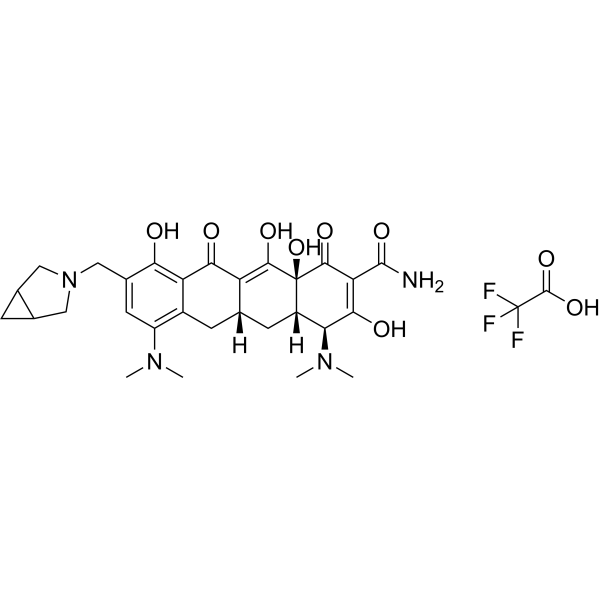
    Zifanocycline (KBP-7072) is a semisynthetic third-generation aminomethylcycline antibiotic that inhibits the normal function of the bacterial ribosome. Zifanocycline exhibits a broad spectrum of in vitro antibacterial activity against Gram-positive and Gram-negative bacteria, including many multidrug-resistant pathogens. Zifanocycline is available in both oral and injectable formulations. Zifanocycline can be used for the research of acute bacterial skin and skin structure infections, community-acquired bacterial pneumonia, and complicated intra-abdominal infections .
    Zifanocycline
  • HY-150699

    Bacterial Infection
    TXA6101 is a bacterial protein FtsZ (filamentous temperature-sensitive protein Z) inhibitor that inhibits bacterial division. TXA6101 has antimicrobial activity against MRSA isolates expressing either the G193D or G196S mutant FtsZ with the MIC value of 1 μg/mL, retains significant activity against the TXA707-resistant FtsZ mutant. TXA6101 can be used as a potential method against Gram-negative bacterial infections .
    TXA6101
  • HY-P5545

    Bacterial Infection
    Lynronne-1 is an antimicrobial peptide. Lynronne-1 is active against Gram-positive bacterials, including MDR strains (MIC: 8-32 μg/mL for methicillin-resistant MRSA strains). Lynronne-1 reduces the bacterial load in MRSA infected wound murine model. Lynronne-1 is also effective against P. aeruginosa infection .
    Lynronne-1
  • HY-172734

    Bacterial Infection
    FG-2101 is a selective and orally active non-hydroxamate LpxC inhibitor with an IC50 of ~1 nM. FG-2101 exhibits exquisite selectivity over other bacterial and human metalloenzymes. FG-2101 can be used for the study of Gram-negative bacteria infections including drug-resistant strains .
    FG-2101
  • HY-W023331

    Glutathione Peroxidase Bacterial Infection
    (R)-β-Aminoisobutyric acid is a β-amino acid. (R)-β-Aminoisobutyric acid boosts myeloperoxidase microbicidal activity against susceptible microorganisms. (R)-β-Aminoisobutyric acid can be used for the research of bacterial infections .
    (R)-b-Aminoisobutyric acid
  • HY-147349A

    ANT3310

    Bacterial Beta-lactamase Infection
    Pilabactam (ANT3310) is a broad-spectrum covalent Serine β-Lactamase inhibitor, with IC50 values ranging from 1 nM to 175 nM (a panel of Serine β-Lactamase). Pilabactam potentiates activity of β-lactam antibiotics against Carbapenem-Resistant Enterobacterales (CRE) and Acinetobacter baumannii (CRAB). Pilabactam can be used in the research of bacterial infection .
    Pilabactam
  • HY-10394S1

    PNU-100766-d8

    Antibiotic Bacterial Isotope-Labeled Compounds Infection
    PNU-100766-d8 is deuterated labeled Linezolid (HY-10394). Linezolid (PNU-100766) is the first member of the class of oxazolidinone synthetic antibiotic. Linezolid acts by inhibiting the initiation of bacterial protein synthesis. Linezolid is used for the treatment of serious infections caused by Gram-positive bacteria that are resistant to several other antibiotics .
    Linezolid-d8
  • HY-113640

    Bacterial Infection
    BC-7013 is a novel semi-synthetic pleuromutilin derivative. BC-7013 has excellent activity against Gram-positive pathogenic bacteria. BC-7013 exhibits potent antibacterial properties against both Staphylococcus, Streptococcus and penicillin-resistant Streptococcus pneumoniae. BC-7013 has activity against Gram-positive pathogenic bacteria, BC-7013 is useful in the research of acute bacterial skin and skin structure infection (ABSSSI) .
    BC-7013
  • HY-139982

    Bacterial Infection
    OX11 is a selective inhibitor of S. pneumoniae, P. aeruginosa, and E. coli bacterial strains .
    OX11
  • HY-173478

    Topoisomerase Bacterial Antibiotic Infection
    OSUAB-0284 is a bacterial topoisomerase inhibitor. OSUAB-0284 has significant anti-staphylococcal activity, especially against methicillin-resistant Staphylococcus aureus (MRSA). OSUAB-0284 exerts its antibacterial effect by inhibiting bacterial topoisomerase. OSUAB-0284 can be used to study infections caused by drug-resistant bacteria such as MRSA .
    OSUAB-0284
  • HY-175301

    Bacterial Reactive Oxygen Species (ROS) Infection
    TH16 is an antibacterial agent (MIC=2 μg/mL against methicillin-resistant Staphylococcus aureus, MRSA). TH16 disrupts bacterial cytoplasmic membrane integrity, elevating intracellular reactive oxygen species (ROS) levels to induce bacterial death. TH16 is promising for research of bacterial infection .
    TH16
  • HY-155283

    Beta-lactamase Bacterial Infection
    Zndm19 is a New Delhi Metallo-β-lactamase-1 (NDM-1) inhibitor. Zndm19 can be used for the research of drug-resistant bacterial infections .
    Zndm19
  • HY-W354203

    1,2-Diisonicotinoylhydrazine

    MOFs Reactive Oxygen Species (ROS) Bacterial Infection
    N'-Isonicotinoylisonicotinohydrazide (Compound 7, 1,2-Diisonicotinoylhydrazine) is a competitive inhibitor (IC50=5-30 μM) of bacterial heme oxygenase (HO). N'-Isonicotinoylisonicotinohydrazide inhibits iron release and bacterial iron acquisition. N'-Isonicotinoylisonicotinohydrazide exhibits selective activity against HO enzymes from Pseudomonas aeruginosa and Neisseria meningitidis. N'-Isonicotinoylisonicotinohydrazide is promising for research of multidrug-resistant Gram-negative bacterial infections .
    N'-Isonicotinoylisonicotinohydrazide
  • HY-P5547

    Bacterial Infection
    Lynronne-3 is an antimicrobial peptide. Lynronne-1 is active against Gram-positive bacterials, including MDR strains (MIC: 32-128 μg/mL for methicillin-resistant MRSA strains). Lynronne-3 is also effective against P. aeruginosa infection
    Lynronne-3
  • HY-178504

    Bacterial Infection
    Lug-15 is a rapid bactericidal agent. Lug-15 exhibits strong antibacterial activity against both Gram-positive and Gram-negative bacteria, including drug-resistant strains. Lug-15 rapidly kills bacteria primarily through membrane disruption and had a very low propensity to induce bacterial resistance. Lug-15 demonstrates low hemolytic toxicity and significant therapeutic potential in various infection models. Lug-15 can be used for research on combating infections caused by multi-drug resistant bacteria .
    Lug-15
  • HY-105048A

    Bacterial Infection
    Omiganan pentahydrochloride is a cationic peptide compound with a broad antibacterial profile. Omiganan pentahydrochloride is capable of inhibiting a variety of bacteria, including yeast, and is active against both gram-positive and gram-negative bacteria. Omiganan pentahydrochloride is able to interact with the bacterial cell membrane, causing the destruction of the cell membrane and the death of the bacteria. Omiganan pentahydrochloride can be used for the study of antimicrobial activity against pathogens commonly associated with catheter-associated infections, including strains with drug-resistant phenotypes .
    Omiganan pentahydrochloride
  • HY-175228

    RNA MTase Bacterial Infection
    RNA MTase-IN-1 (Compound 47) is a RNA methyltransferase (RNA MTase) inhibitor with an IC50 of 68  μM for 16S rRNA (m 1A1408) methyltransferase (NpmA). RNA MTase-IN-1 has a significant inhibitory activity against pathogen-associated aminoglycoside-resistance. RNA MTase-IN-1 can be used for resistant bacterial infections research .
    RNA MTase-IN-1
  • HY-144252

    ROS Kinase Infection
    Antimicrobial agent 69 is a novel structural antimicrobial regulator and has been used to fight deadly multidrug-resistant bacterial infections, and its MICs value is 2.978 μM.
    Antibacterial agent 69
  • HY-157482

    Bacterial Infection
    EBP-59 is a bacterial inhibitor with antibiofilm activity against Gram-positive bacteria. EBP-59 is effective against Staphylococcus aureus and MRSA (methicillin–resistant staphylococcus aureus). EBP-59 can be used to study bacterial infections .
    EBP-59
  • HY-P991273

    Antibiotic Bacterial Infection
    MP196 is a cationic hexapeptide antibiotic targeting the bacterial cytoplasmic membrane, which exerts rapid bactericidal activity by disrupting membrane integrity, inhibiting cell respiration and cell wall synthesis. MP196 is promising for research of drug-resistant bacterial infections .
    MP196

Inquiry Online

Your information is safe with us. * Required Fields.

Salutation


Country or Region *

Applicant Name *


Organization Name *

Department *


Email Address *


Product Name *

Cat. No.


Requested quantity *

Phone Number *


Remarks

Inquiry Online

Inquiry Information

Product Name:
Cat. No.:
Quantity:
MCE Japan Authorized Agent:

