Search Result
Results for "
TNBC,. triple-negative breast cancer
" in MedChemExpress (MCE) Product Catalog:
| Cat. No. |
Product Name |
Target |
Research Areas |
Chemical Structure |
-
- HY-130250
-
SR-4835
Maximum Cited Publications
17 Publications Verification
|
CDK
Apoptosis
|
Cancer
|
|
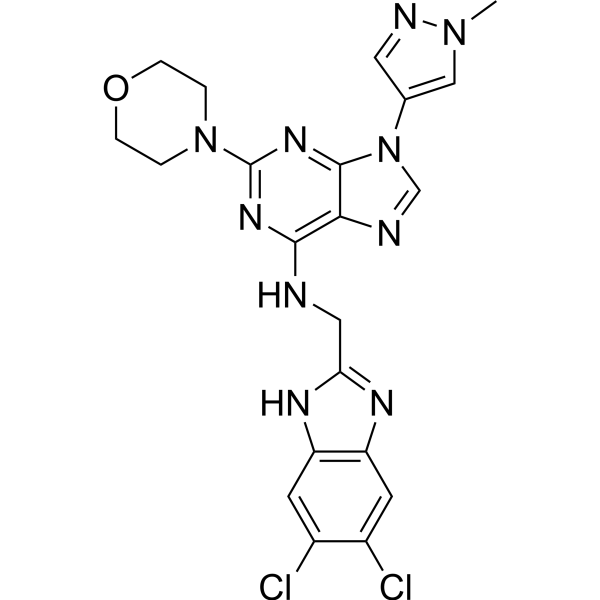
SR-4835 is a potent, highly selective and ATP competitive dual inhibitor of CDK12/CDK13 (CDK12: IC50=99 nM, Kd=98 nM; CDK13: Kd=4.9 nM). SR-4835 acts in synergy with DNA-damaging chemotherapy and PARP inhibitors and provokes triple-negative breast cancer (TNBC) cell death .
|
-
-
- HY-155663
-
|
|
Glutathione Peroxidase
Ferroptosis
|
Cancer
|
|
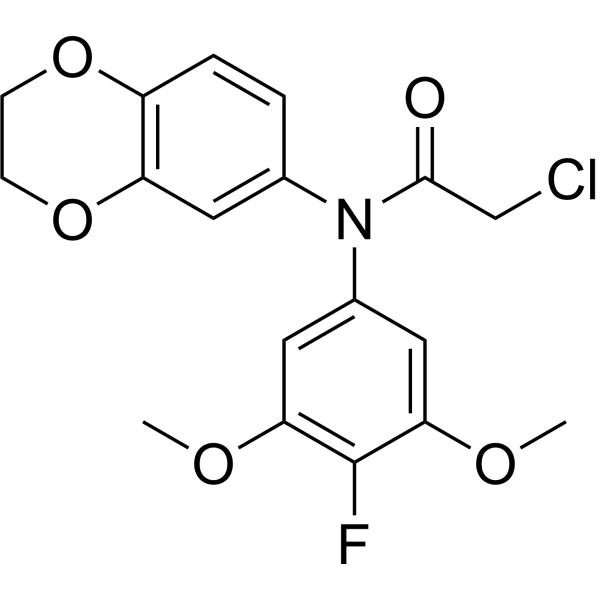
GPX4-IN-5 is a covalent inhibitor of GPX4 (IC50: 0.12 μM). GPX4-IN-5 can induce ferroptosis and has anti-tumor effects. GPX4-IN-5 can be used in the study of triple-negative breast cancer (TNBC) .
|
-
-
- HY-N0554
-
|
|
HIV Protease
Monoamine Oxidase
|
Infection
Inflammation/Immunology
Cancer
|
|
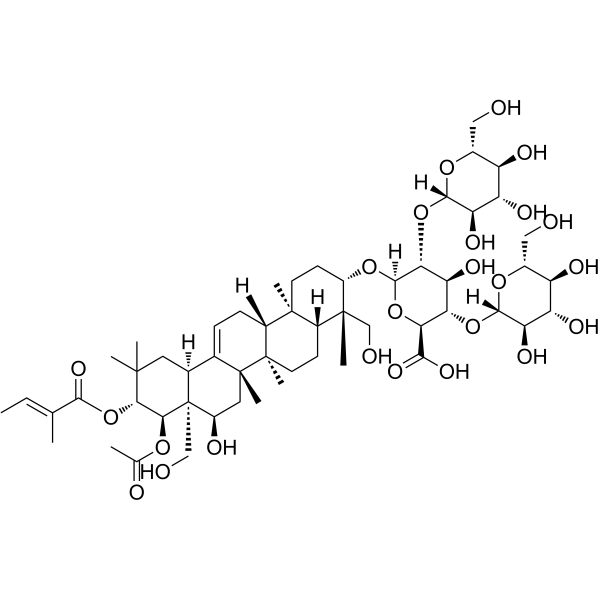
Escin IA is an oral LOXL2 inhibitor and EMT inhibitor, with selectivity for LOXL2-expressing cells. Escin IA suppresses invasion, migration, and metastasis of breast cancer cells, and acts as the primary anti-TNBC metastasis constituent of Aesculus chinensis Bunge fruit saponin fraction. Escin IA can be used for the research of triple-negative breast cancer, acute inflammation, and ethanol-induced gastric mucosal lesions .
|
-
-
- HY-101923
-
|
|
ULK
Autophagy
Apoptosis
|
Cancer
|
|
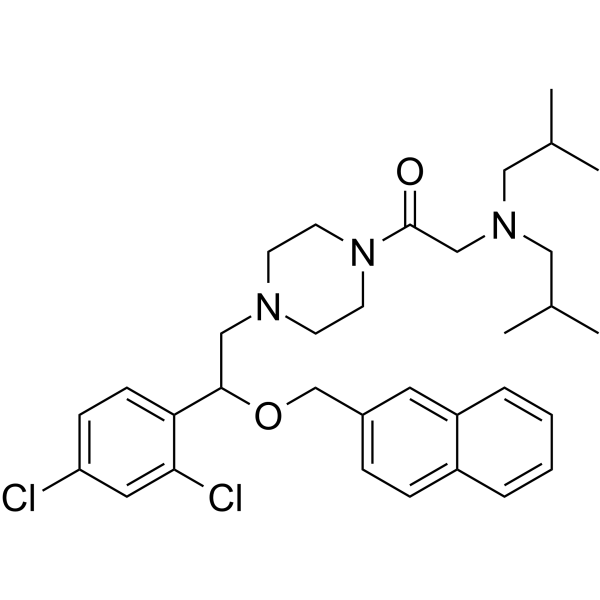
LYN-1604 is a potent UNC-51-like kinase 1 (ULK1) activator (EC50=18.94 nM) for the research of triple negative breast cancer (TNBC) .
|
-
-
- HY-101567
-
|
|
Epigenetic Reader Domain
|
Cancer
|
|
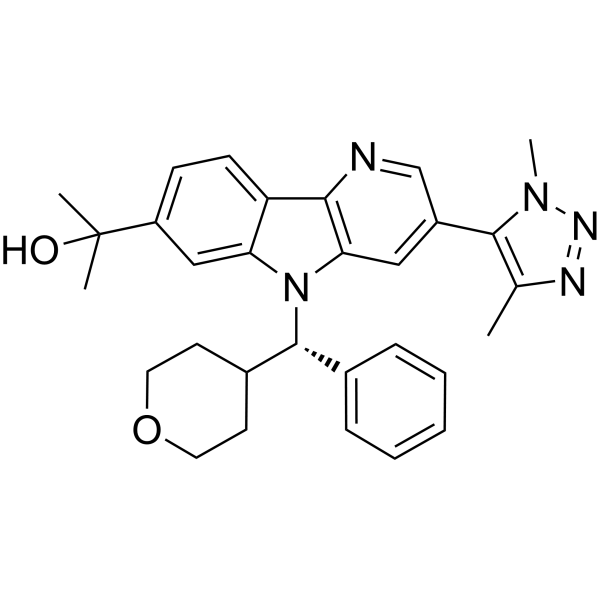
BMS-986158 is a potent BET inhibitor with IC50s of 6.6 and 5 nM in NCI-H211 small cell lung cancer (SCLC) cells and MDA-MB231 triple negative breast cancer (TNBC) cells, respectively .
|
-
-
- HY-P11051
-
|
|
Biochemical Assay Reagents
|
Cancer
|
|
GE11, Cys Conjugated is a peptide conjugate. GE11, Cys Conjugated consists of GE11 (HY-P10128) conjugated to a GGGGC sequence. GE11, Cys Conjugated can be used to synthesize stimulus-responsive peptide nanomaterials (SRPNs) for photoacoustic imaging and cancer research, such as studies on triple-negative breast cancer (TNBC) .
|
-

-
- HY-N0331
-
|
|
MDM-2/p53
Apoptosis
|
Cancer
|
|
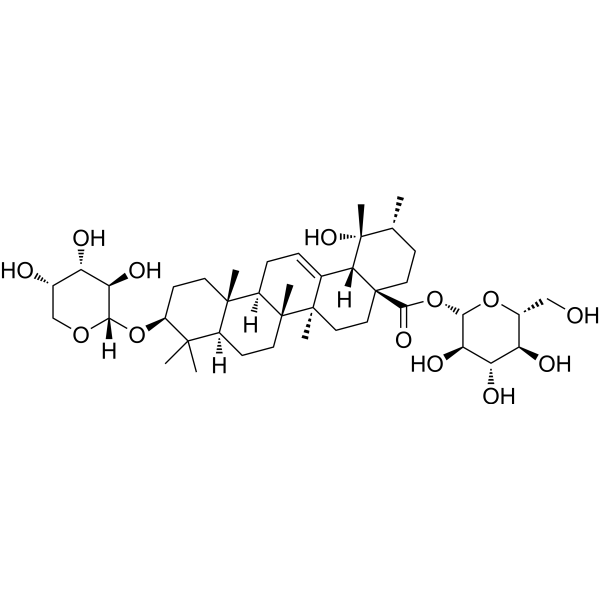
Ziyuglycoside I isolated from S. officinalis root, has anti-wrinkle activity, and increases the expression of type I collagen. Ziyuglycoside I could be used as an active ingredient for cosmetics . Ziyuglycoside I triggers cell cycle arrest and apoptosis mediated by p53, it can be a potential agent candidate for treating triple-negative breast cancer (TNBC) .
|
-
-
- HY-137742
-
|
|
ULK
Autophagy
|
Cancer
|
|
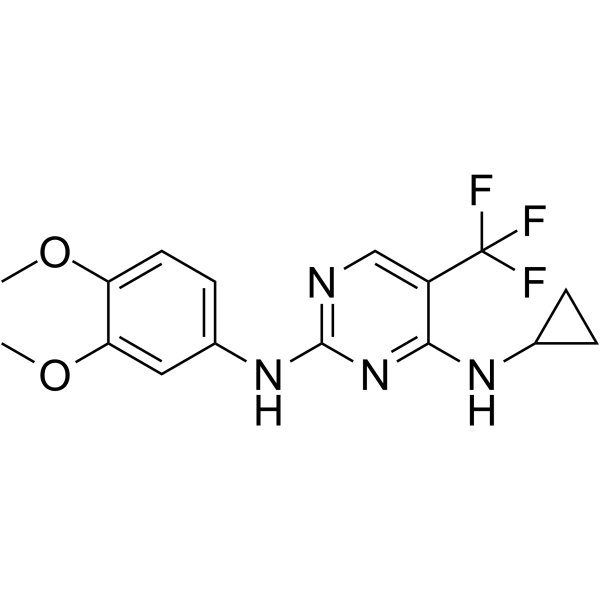
SBP-7455 is a potent, high affinity and orally active dual ULK1/ULK2 autophagy inhibitor with IC50s of 13 nM and 476 nM in the ADP-Glo assays, respectively. SBP-7455 potently inhibits ULK1/2 enzymatic activity and can be used for triple-negative breast cancer (TNBC) research .
|
-
-
- HY-101923B
-
|
|
ULK
Autophagy
Apoptosis
|
Cancer
|
|
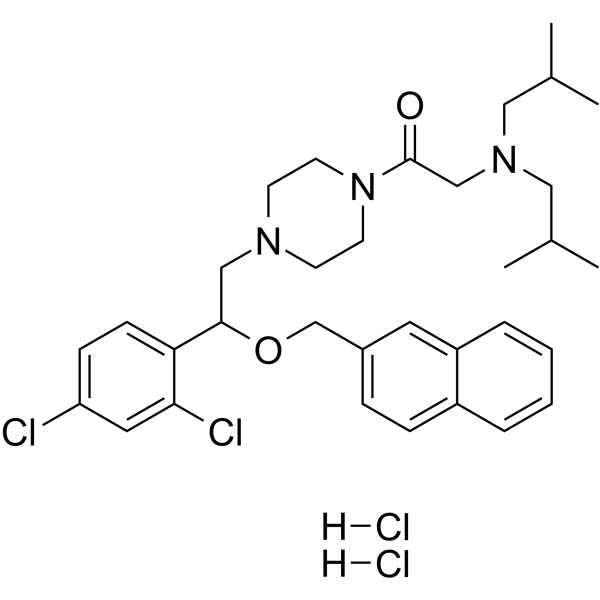
LYN-1604 dihydrochloride is a potent UNC-51-like kinase 1 (ULK1) activator (EC50=18.94 nM) for the research of triple negative breast cancer (TNBC) .
|
-
-
- HY-N0858
-
|
|
HIV
|
Infection
|
|
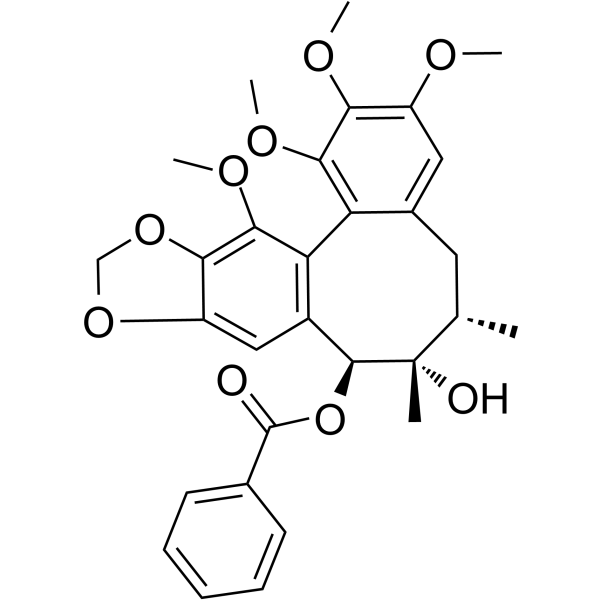
Gomisin G is a lignin from S. chinesis with anti-HIV (EC50 = 0.006 μg/mL), anti-liver cancer and anti-inflammatory activities. Gomisin G has an AKT-cyclin D1 dependent mechanism against triple-negative breast cancer (TNBC) cells through suppressing phosphorylation rather than inducing apoptosis. Gomisin G can inhibit AKT phosphorylation. Gomisin G can cause cell cycle arrest in the G1 phase. Gomisin G can be studied in research for diseases such as HIV, breast and liver cancers .
|
-
-
- HY-148334
-
|
|
PROTACs
Histone Methyltransferase
|
Cancer
|
|
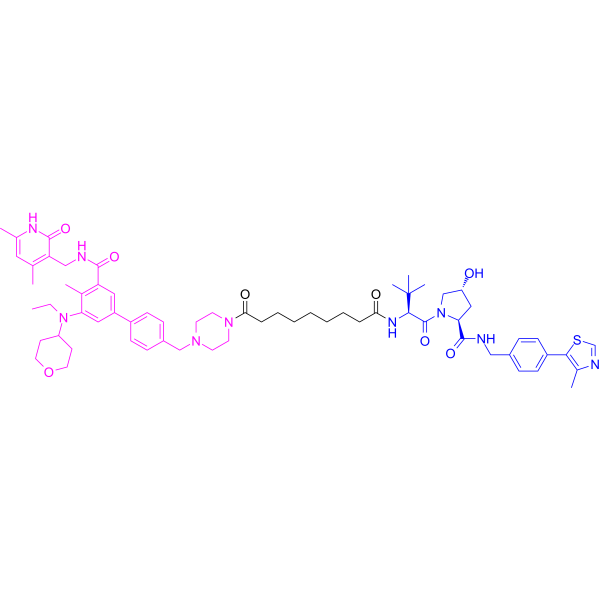
MS8815 is a selective enhancer of zeste homolog 2 (EZH2) PROTAC degrader. MS8815 has inhibition activity for EZH2 with an IC50 value of 8.6 nM. MS8815 can be used for the research of triple-negative breast cancer (TNBC) .
|
-
-
- HY-173020
-
|
|
Anaplastic lymphoma kinase (ALK)
Apoptosis
|
Cancer
|
|
W23-1006 is a selective and covalent ALKBH5 inhibitor. W23-1006 binds to the ALKBH5 C200 residue with an IC50 value of 3.848 μM. W23-1006 shows ~30- and 8-fold stronger inhibitory activity than that against FTO and ALKBH3, respectively. W23-1006 can be used for the study of triple-negative breast cancer (TNBC) .
|
-

-
- HY-171955
-
|
|
Lipoxygenase
Apoptosis
Reactive Oxygen Species (ROS)
FAK
|
Cancer
|
|
LXG6403 is an orally active and irreversible LOX inhibitor (IC50 = 1.3 μM). LXG6403 is ~3.5-fold more specific for LOX than LOXL2 and does not inhibit LOXL1. LXG6403 inhibits FAK signaling and induces ROS generation and DNA damage, leading to G1 arrest and apoptosis in chemoresistant triple-negative breast cancer (TNBC) cell lines. LXG6403 alters the extracellular matrix (ECM) and collagen structure, reducing collagen cross-linking and deposition, thereby increasing drug penetration and reducing tumor stiffness. LXG6403 overcomes Doxorubicin (HY-15142) resistance in chemoresistant TNBC PDX in vivo and can be used to study high-stiffness resistant tumors .
|
-

-
- HY-22445
-
|
|
c-Myc
|
Cancer
|
MY05 selectively targets c-MYC in cells and disrupts MYC-MAX interaction. MY05 engages intracellular c-MYC, modulates c-MYC thermal stability, reduces c-MYC transcriptional targets, and possesses anticancer activity (TNBC, Triple-Negative Breast Cancer) .
|
-

-
- HY-144691
-
|
|
PROTACs
CDK
|
Cancer
|
|
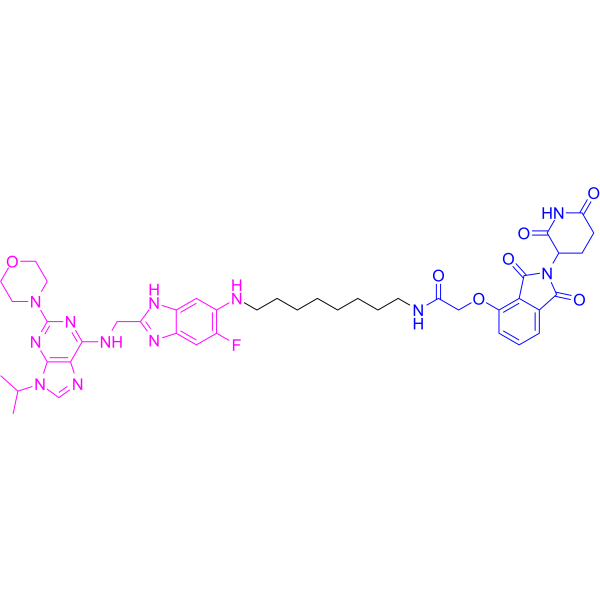
PP-C8 is a potent and selective PROTAC CDK12-Cyclin K degrader. PP-C8 induces CDK12-Cyclin K degradation with DC50s of 416 and 412 nM for CDK12 and Cyclin K, respectively. PP-C8 demonstrates profound synergistic antiproliferative effects with PARP inhibitor in triple-negative breast cancer (TNBC) .
|
-
-
- HY-178164
-
|
|
Apoptosis
Akt
mTOR
STAT
NF-κB
|
Cancer
|
|
HBS-101 is a selectively, orally active, brain-penetrant, Midkine (MDK) inhibitor (KD = 38.4 nM). HBS-101 significantly reduces cell viability, clonogenic survival, and invasiveness and increases apoptosis. HBS-101 involves suppression of the Akt/mTOR, STAT3, and NF-κB pathways. HBS-101 can be used for the study of Triple-negative breast cancer (TNBC) .
|
-

-
- HY-156285
-
|
|
Histone Methyltransferase
Apoptosis
|
Cancer
|
|
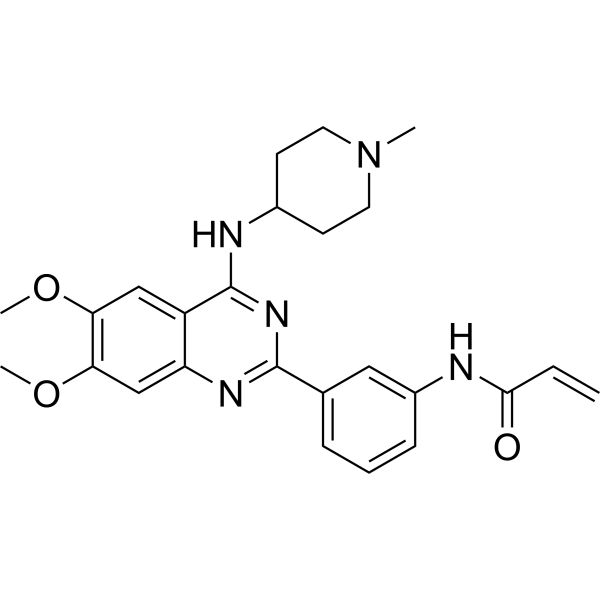
ZZM-1220 is a histone lysine methyltransferase G9a/GLP covalent inhibitor with IC50s of of 458 nM and 924 nM, respectively. ZZM-1220 inhibits H3K9me2 in cells and significantly induces apoptosis of triple-negative breast cancer (TNBC) cells and blocks the cell cycle in the G2/M phase .
|
-
-
- HY-N7694
-
|
|
TGF-β Receptor
JAK
STAT
Apoptosis
|
Inflammation/Immunology
Cancer
|
|
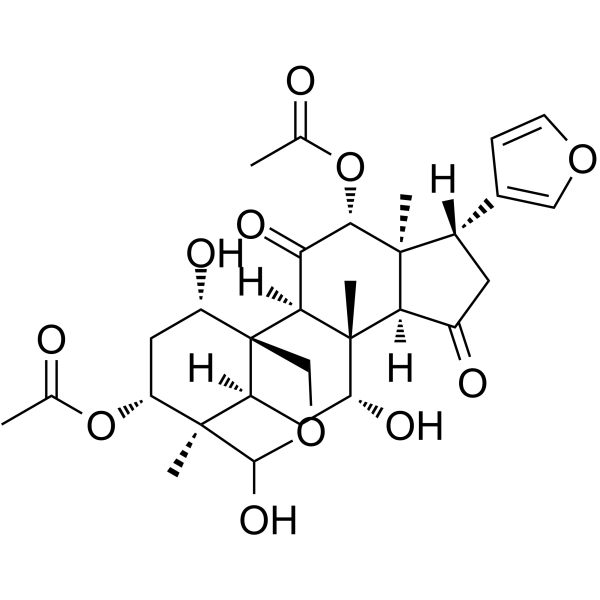
Isotoosendanin is an orally active TGFβR1 inhibitor and abrogating its kinase activity (IC50 = 6732 nM). Isotoosendanin inhibits the JAK/STAT3 signaling pathway by directly targeting SHP-2, enhancing its stability, and reducing its ubiquitination. Isotoosendanin inhibits TGF-β-induced reduces the migration, invasion, and metastasis in triple-negative breast cancer (TNBC) cells. Isotoosendanin exhibits anti-tumor efficacy in TNBC xenograft models and A549 xenograft tumors. Isotoosendanin exhibits significant anti-inflammatory effects in acetic acid-induced vascular permeability and λ-carrageenan-induced hind paw edema tests. Isotoosendanin can be used for the study of non-small cell lung cancer (NSCLC), TNBC and inflammation .
|
-
-
- HY-112591
-
|
XMH95
|
Apoptosis
HIV
Wnt
Bcl-2 Family
|
Cancer
|
|
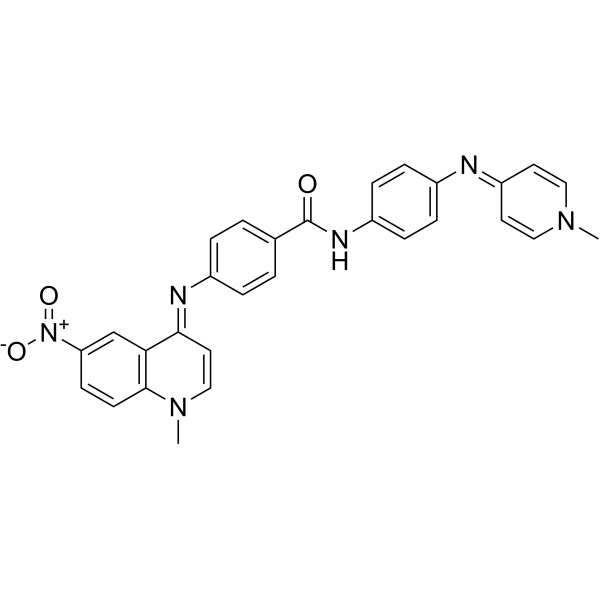
NSC260594 induces Apoptosis. NSC260594 binds the shallow groove of the Mcl-1 protein, and inhibits Mcl-1 expression through down-regulation of Wnt signaling proteins. NSC260594 can also recognize G9-G10-A11-G12 RNA tetraloop of HIV and prevent the binding of the Gag protein within the 5’-UTR. NSC260594 inhibits tumor growth, and can be used for research of Triple-negative breast cancers (TNBCs) .
|
-
-
- HY-168950
-
|
|
Annexin A
|
Cancer
|
|
ANXA3 degrader 1 (Compound 18a5) is a highly selective ANXA3 degrader with cancer cell inhibition activity. ANXA3 degrader 1 displays excellent inhibitory effect in a triple-negative breast cancer (TNBC) tumor xenograft model (TGI=96%) .
|
-

-
- HY-155664
-
|
|
Glutathione Peroxidase
Ferroptosis
|
Cancer
|
|
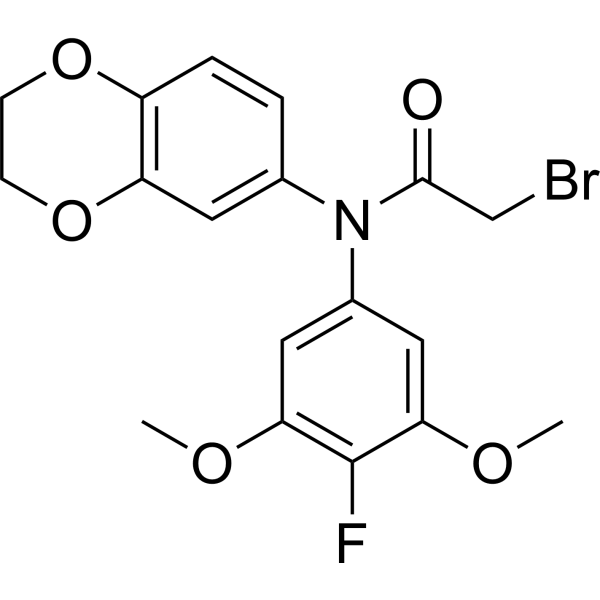
GPX4-IN-6 (Compound C25) is a GPX4 covalent inhibitor with an IC50 value of 0.13 μM. GPX4-IN-6 (Compound C25) can induce ferroptosis for the research of triple-negative breast cancer (TNBC) .
|
-
-
- HY-P991664
-
|
|
Src
Akt
ERK
TAM Receptor
c-Met/HGFR
MMP
HIF/HIF Prolyl-Hydroxylase
VEGFR
|
Cancer
|
|
AG01 is a monoclonal antibody against progranulin (GP88). AG01 inhibits triple-negative breast cancer (TNBC) cell proliferation and migration, reduces the expression of phosphorylated protein kinases p-Src, p-AKT, and p-ERK, and reduces the expression of oncogenic proteins such as Axl, c-MET, HIF-1α, and VEGF. AG01 inhibits tumor growth and Ki67 expression in a TNBC xenograft mouse model. AG01 can be used in the research of TNBC and other cancers .
|
-

-
- HY-W338764
-
|
|
Apoptosis
Aryl Hydrocarbon Receptor
|
Cancer
|
|
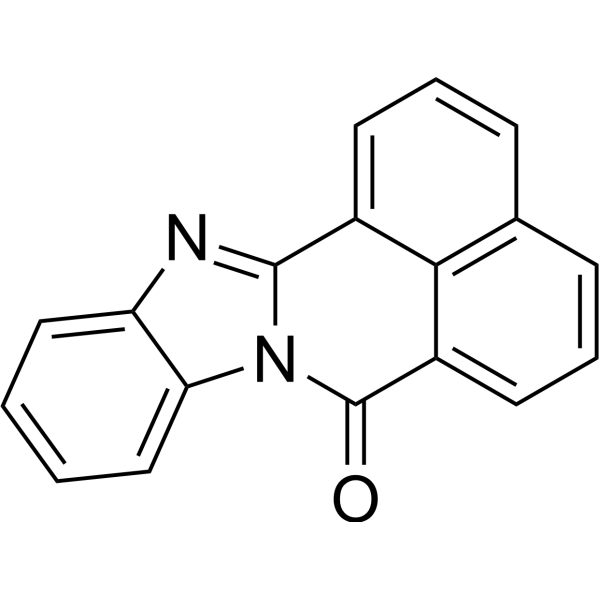
AHR agonist 3 is an aryl hydrocarbon receptor (AhR) agonist, that can induces cell cycle arrest or apoptosis via activation of tumor-suppressive transcriptional programs. AHR agonist 3 inhibits triple-negative breast cancer (TNBC) stem cell growth via AhR while exhibits minimal cytotoxicity against normal human primary cells and can be used for cancer research .
|
-
-
- HY-161659
-
|
|
Apoptosis
Bcl-2 Family
Caspase
Reactive Oxygen Species (ROS)
|
Cancer
|
|
Apoptosis inducer 19 (Compound 7g) is an Apoptosis inducer. Apoptosis inducer 19 elevates expression of pro-apoptotic proteins (Bax and caspase-3) and downregulates anti-apoptotic protein (Bcl-2). Apoptosis inducer 19 upregulates cellular reactive oxygen species (ROS) levels and disrupts mitochondrial membrane potential (MMP). Apoptosis inducer 19 can be used for triple-negative breast cancer (TNBC) research .
|
-

-
- HY-125209A
-
|
|
Apoptosis
PARP
DNA/RNA Synthesis
|
Cancer
|
|
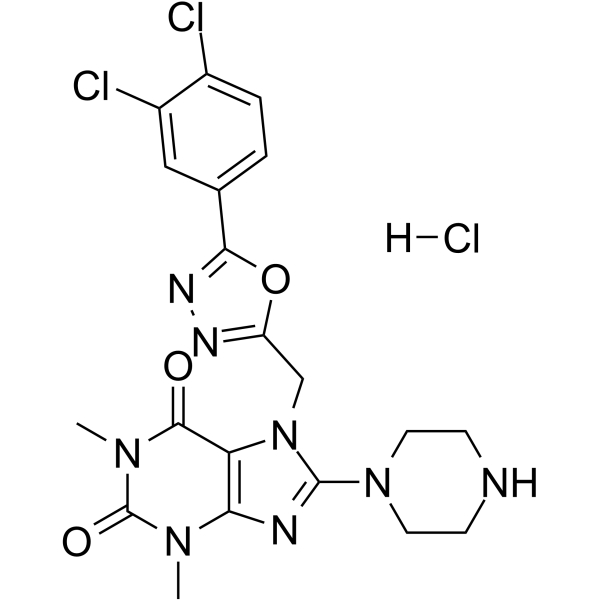
TH5427 hydrochloride is a NUDT5 inhibitor with a human target IC50 of 29 nM, ~690-fold selectivity over MTH1 in vitro, and selective functional inhibition over other NUDIX hydrolases including NUDT9 .TH5427 hydrochloride binds to the active site of NUDT5, blocking enzymatic activity related to ADP-ribose metabolism and PAR-derived ATP synthesis .TH5427 hydrochloride blocks progestin-dependent nuclear ATP synthesis, impairs progestin-induced chromatin remodeling, inhibits histone H1 displacement, disrupts progestin-dependent gene regulation, and abrogates progestin-dependent proliferation in breast cancer cells .TH5427 hydrochloride functions as a versatile probe to study nuclear ATP dynamics and ADP-ribose-related metabolism in cells .TH5427 hydrochloride engages NUDT5 at physiological temperatures, as demonstrated by Drug Affinity Responsive Target Stability (DARTS) assay .TH5427 hydrochloride stabilizes NUDT5 against thermal denaturation in cell lysates and intact cells, as shown by cellular thermal shift assay (CETSA) .TH5427 hydrochloride functionally inhibits NUDT5 activity, leading to downstream effects on oxidative DNA damage and DNA replication in triple-negative breast cancer (TNBC) cells .TH5427 hydrochloride suppresses proliferation of TNBC cells without inducing cell death or apoptosis, slows DNA replication in TNBC cells, promotes accumulation of oxidative DNA lesions, and triggers DNA damage response in TNBC cells .TH5427 hydrochloride suppresses growth of TNBC cells in vitro, inhibits growth of TNBC xenograft tumors in nude mice in vivo, and shows greater potency against TNBC cell lines compared to ER-positive and normal-like breast cell lines .TH5427 hydrochloride can be used for the research of breast cancer and triple-negative breast cancer .
|
-
-
- HY-118618
-
|
Hiyodorilactone A; Schkuhrin I
|
STAT
|
Cancer
|
|
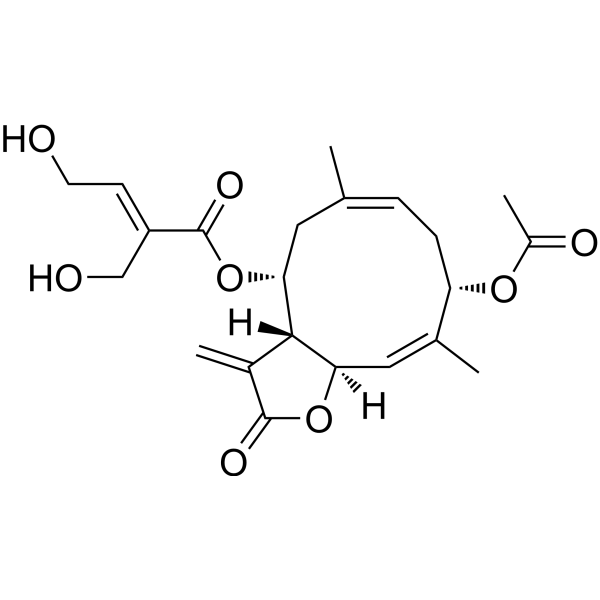
Eucannabinolide is a STAT3 inhibitor. Eucannabinolide suppresses STAT3 activation at tyrosine 705, inhibiteds its translocation to nucleus, and decreases its DNA binding capacity. Eucannabinolide can be used for triple negative breast cancer (TNBC) diseases research .
|
-
-
- HY-174366
-
|
|
c-Fms
PI3K
|
Cancer
|
|
JMC14 is a selective and orally active PI3Kδ and CSF1R inhibitor with IC50 values of 12 nM and 143 nM, respectively. JMC14 preferentially inhibits PI3Kδ-mediated signaling at the cellular level. JMC14 demonstrates potent antitumor activity against B-cell lymphomas and triple-negative breast cancer (TNBC) in both in vitro and vivo studies. JMC14 can be used for the study of antitumor immunity .
|
-

-
- HY-176252
-
|
|
Apoptosis
|
Cancer
|
|
CALR ligand 1 (Compound 2a) is a calreticulin (CALR) ligand. CALR ligand 1 shows antitumor activity against triple-negative breast cancer (TNBC) cells (IC50=0.1 μM). CALR ligand 1 induces intracellular calcium overloading and triggers apoptosis in TNBC cells. CALR ligand 1 is promising for research of TNBC .
|
-

-
- HY-161601
-
|
|
Ferroptosis
Reactive Oxygen Species (ROS)
|
Cancer
|
|
Ferroptosis inducer-2 (Compound 24) is an inducer for heme oxygenase-1 (HO-1). Ferroptosis inducer-2 exhibits anticancer activity against triple-negative breast cancer (TNBC) cells through induction of ferroptosis .
|
-

-
- HY-178452
-
|
|
PROTACs
CDK
Apoptosis
|
Cancer
|
|
PROTAC CDK4/6/9 degrader 1 is a CDK4/6/9 PROTAC degrader. PROTAC CDK4/6/9 degrader 1 degrades CDK4, CDK6, and CDK9 in TNBC cells and inhibits TNBC cell proliferation. PROTAC CDK4/6/9 degrader 1 induces G1 phase arrest, promotes apoptosis, and suppresses cell migration and invasion in TNBC cells. PROTAC CDK4/6/9 degrader 1 can be used for the study of triple-negative breast cancer (TNBC). (Pink: CDK4/6/9 ligand (HY-168440), Blue: CRBN Ligand (HY-14658), Black: Linker (HY-178512), E3 ligase ligand-linker conjugate (HY-178515)) .
|
-

-
- HY-149847
-
|
|
Ras
|
Cancer
|
|
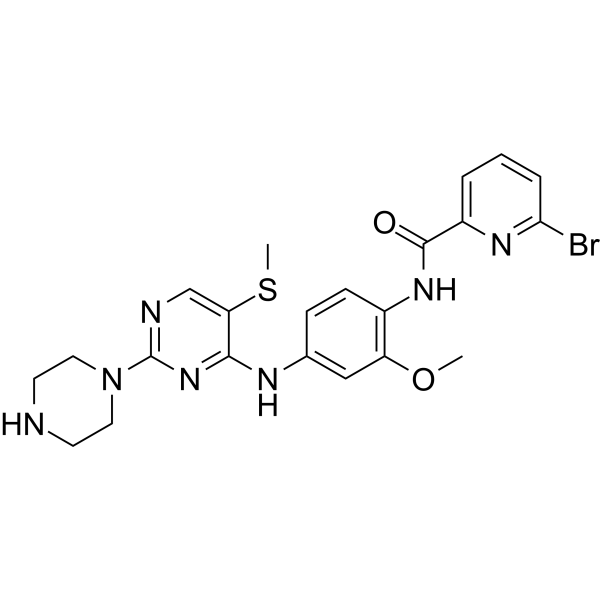
JH530 is an effective methuosis inducer that inhibits the triple-negative breast cancer (TNBC) cells proliferation by causing intracellular complete vacuolization. JH530 has anti-tumor activity and can be used for cancer research .
|
-
-
- HY-122703
-
|
|
Epigenetic Reader Domain
|
Cancer
|
|
BETi-211 is an orally active BET inhibitor (Ki: <1 nM). BETi-211 inhibits growth of triple-negative breast cancers (TNBC) cell lines with IC50 < 1 μM. BETi-211 degrades BET proteins and suppress tumor growth in xenograft breast tumors .
|
-

-
- HY-161774
-
|
|
CD73
|
Cancer
|
|
ST80 is an inhibitor for interaction of OTUD4 and CD73. ST80 decreases CD73 protein level, increases CD73 protein turnover, reduces immune evasion of tumor cells, and thus exhibits antitumor efficacy against immunosuppressive triple-negative breast cancer (TNBC) .
|
-

-
- HY-163535
-
|
|
HDAC
DNA Methyltransferase
Apoptosis
|
Inflammation/Immunology
Cancer
|
|
J208 is a dual inhibitor for histone deacetylase (HDAC) and DNA methyltransferase (DNMT). J208 inhibits proliferation of cancer cells, as well as the migration/invasion of triple-negative breast cancer (TNBC) cells. J208 induces apoptosis, arrests the cell cycle at G0/G1 phase. J2008 activates the innate immune signalling pathway in TNBC, by inducing the expression of endogenous retroviruses (ERVs) .
|
-

-
- HY-179180
-
|
|
PD-1/PD-L1
|
Cancer
|
|
PD-1/PD-L1-IN-59 (Compound MZ51) is a PD-1/PD-L1 inhibitor with an IC50 of 183 nM. PD-1/PD-L1-IN-59 can be used for the study of triple-negative breast cancer (TNBC) .
|
-

-
- HY-178132
-
|
|
Apoptosis
NF-κB
|
Cancer
|
|
Apoptosis inducer 46 is an apoptosis inducer. Apoptosis inducer 46 exhibits potent and selective growth inhibitory effects on metastatic triple-negative breast cancer (TNBC) cells. Apoptosis inducer 46 induces G2/M phase cell cycle arrest and apoptotic cell death in MDA-MB-231 cells, and blocks NF-κB nuclear translocation. Apoptosis inducer 46 can be used for the study of TNBC .
|
-

-
- HY-157210
-
|
|
CDK
|
Cancer
|
|
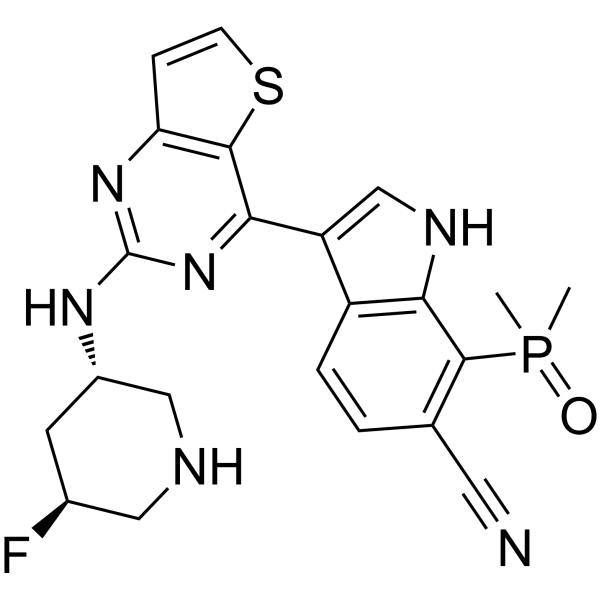
CDK7-IN-26 (compound 36) is an orally active CDK7 inhibitor (IC50: 7.4 nM). CDK7-IN-26 potently inhibits the growth of triple-negative breast cancer (TNBC) cell line-derived xenograft (CDX) tumors in vivo and inhibits MDA-MB-453 cells in vitro with an IC50 of 0.15 μM .
|
-
-
- HY-145143
-
|
|
Apoptosis
|
Cancer
|
|
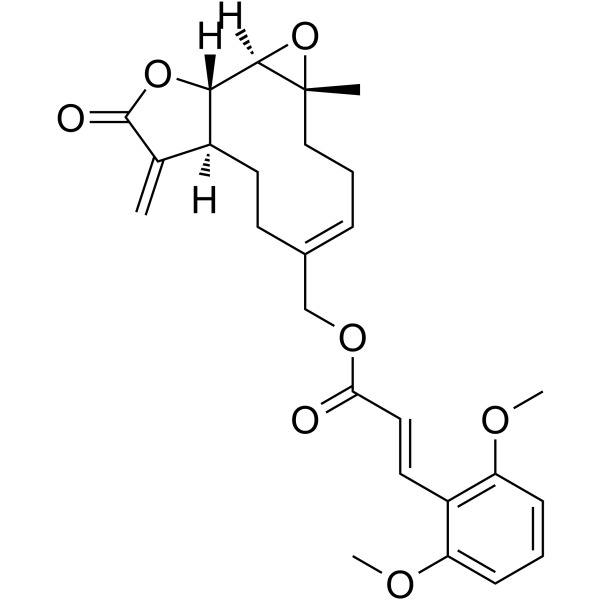
anti-TNBC agent-1 is a potent anti-triple-negative breast cancer (TNBC) agent. anti-TNBC agent-1 exhibits potent activity against different breast cancer cells with IC50 values ranging from 0.20 μM to 0.27 μM. anti-TNBC agent-1 induces apoptosis of SUM-159 cells through mitochondria pathway and causes G1 phase arrest of SUM-159 cells .
|
-
-
- HY-144449
-
|
|
mTOR
HDAC
Apoptosis
Autophagy
|
Cancer
|
|
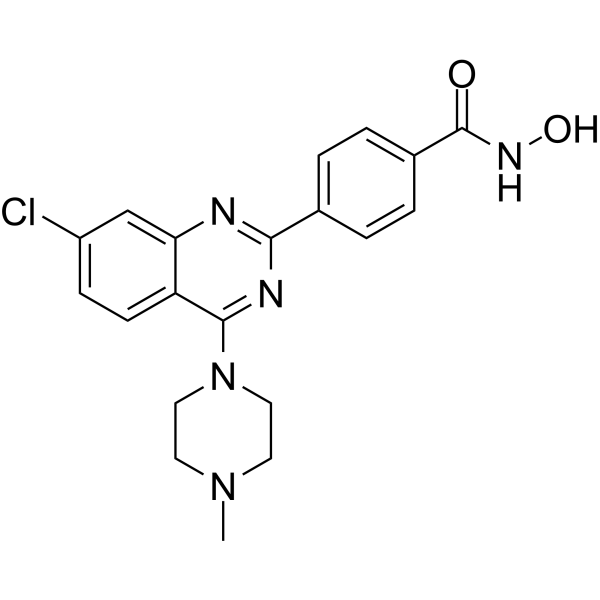
mTOR/HDAC6-IN-1 is a potent mTOR and HDAC6 dual inhibitor (IC50s of 133.7 nM and 56 nM for mTOR and HDAC6, respectively). mTOR/HDAC6-IN-1 can induce significant autophagy, apoptosis and suppress migration. mTOR/HDAC6-IN-1 has potential to research Triple-negative breast cancer (TNBC) .
|
-
-
- HY-179386
-
|
|
PARP
Histone Methyltransferase
Apoptosis
Pyroptosis
Necroptosis
Reactive Oxygen Species (ROS)
PANoptosis
|
Cancer
|
|
PARP1/EZH2-IN-1 is a selective PARP1 and EZH2 dual inhibitor. PARP1/EZH2-IN-1 has IC50s of 28 nM, 414 nM and 74 nM for PARP1, PARP2 and EZH2, respectively. PARP1/EZH2-IN-1 inhibits the proliferation and migration of TNBC cells (triple-negative breast Cancer cells). PARP1/EZH2-IN-1 induces PANoptosis (Apoptosis, Pyroptosis and Necroptosis), increases the level of reactive oxygen species (ROS), and activates related inflammatory pathways. PARP1/EZH2-IN-1 can be used in triple-negative breast cancer research .
|
-

-
- HY-101923A
-
|
|
ULK
Autophagy
Apoptosis
|
Cancer
|
|
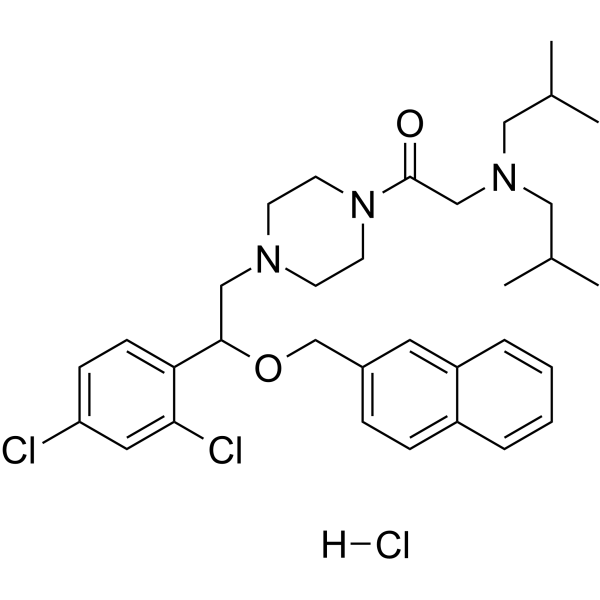
LYN-1604 hydrochloride is a potent UNC-51-like kinase 1 (ULK1) activator (EC50=18.94 nM) for the research of triple negative breast cancer (TNBC) .
|
-
-
- HY-177345A
-
|
|
Sigma Receptor
Apoptosis
|
Cancer
|
|
SV119 hydrochloride is a sigma-2 ligand with a Ki value of 5.2 nM. SV119 hydrochloride enhances the efficient transport of drugs across the plasma membrane of cancer cells. The conjugation of dm-Erastin with SV119 hydrochloride successfully overcomes the internalization barrier observed in pancreatic cancer, while preserving the inherent anti-tumor activity of Erastin (HY-15763). Additionally, SV119 hydrochloride demonstrates cytotoxic effects on triple-negative breast cancer (TNBC) cells and induces apoptosis .
|
-

-
- HY-179468
-
|
|
STAT
|
Cancer
|
|
STAT3-IN-49 (compound B16) is a potent and selective STAT3 inhibitor. STAT3-IN-49 binds to the SH2 domain of STAT3, thereby suppressing its phosphorylation and nuclear translocation. STAT3-IN-49 inhibits triple-negative breast cancer (TNBC) cell migration, invasion, and colony formation. STAT3-IN-49 inhibits tumor growth in an MDA-MB-231 xenograft mouse model. STAT3-IN-49 can be used for TNBC research .
|
-

-
- HY-175030
-
|
|
HDAC
Apoptosis
Pyroptosis
Necroptosis
PANoptosis
|
Cancer
|
|
TNI-97 is a selective and orally active HDAC6 inhibitor, with an IC50 of 0.2 nM. TNI-97 potently inhibited TNBC cell MDA-MB-453 growth and clonogenicity. TNI-97 induces PANoptosis including apoptosis, necroptosis and pyroptosis in MDA-MB-453 cells. TNI-97 shows antitumor activity in the mice carrying the MDA-MB-453 xenograft or carrying murine-derived TNBC cell allografts. TNI-97 can be used for the study of triple-negative breast cancer .
|
-

-
- HY-174345
-
|
|
ACSL Family
Ferroptosis
Glutathione Peroxidase
Reactive Oxygen Species (ROS)
|
Cancer
|
|
Ferroptosis inducer-8 is a ferroptosis inducer with high selectivity for other cell death mechanism. Ferroptosis inducer-8 induces ferroptosis by affecting ACSL4, GPX4, and FTH1, thereby disrupting intracellular iron homeostasis and the GSH/GPX4 antioxidant defense system, ultimately leading to the accumulation of lipid peroxidation. Ferroptosis inducer-8 also induces ROS production. Ferroptosis inducer-8 inhibits tumor growth and can be used for research of triple-negative breast cancer (TNBC) .
|
-

-
- HY-175497
-
|
|
ROR
Apoptosis
Bcl-2 Family
PARP
|
Cancer
|
|
ROR1-IN-4 is a selective ROR1 inhibitor with a Kd of 52 nM. ROR1-IN-4 shows potent anti-proliferative activity against TNBC cell line MDA-MB-231 (IC50 = 75 nM). ROR1-IN-4 reduces colony formation, induces apoptosis and inhibits the phosphorylation of ROR1 (Tyr786) in MDA-MB-231 cells. ROR1-IN-4 demonstrates superior anti-tumor efficacy in nude mice bearing MDA-MB-231 subcutaneous xenografts. ROR1-IN-4 can be used for the study of triple-negative breast cancer (TNBC) .
|
-

-
- HY-P10947
-
|
|
Epigenetic Reader Domain
YAP
|
Cancer
|
|
MACTIDE-V is an orally active and selective peptide-drug conjugate targeting CD206. MACTIDE-V delivers Verteporfin (HY-B0146) to CD206 + tumor-associated macrophages (TAM) to inhibit the YAP/TAZ signaling pathway, prompting YAP exclusion from the nucleus, inducing TAM polarization toward an anti-tumoral phenotype with enhanced phagocytosis and antigen presentation, and boosting T cell infiltration and NK cell activity. MACTIDE-V suppresses primary tumor growth and lung metastasis in triple-negative breast cancer (TNBC) mouse models .
|
-

-
- HY-125465
-
|
|
Autophagy
|
Cancer
|
|
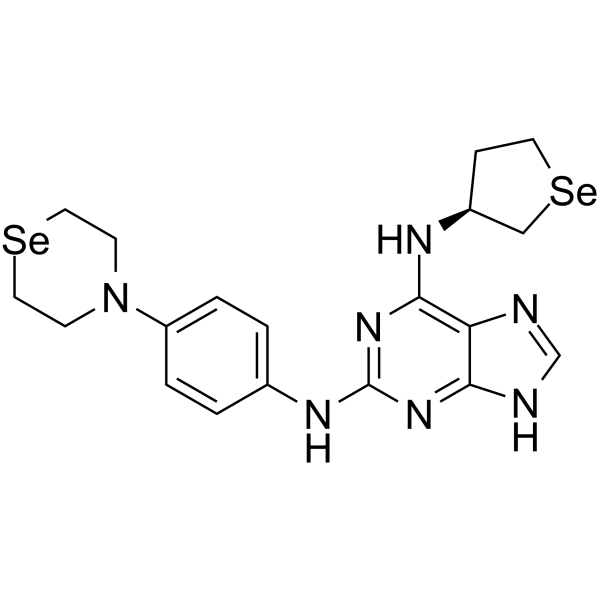
SLLN-15 is an oral active, selective and potent enhancer of autophagy that activates cytostatic macroautophagy/autophagy in triple-negative breast cancer (TNBC) .
|
-
-
- HY-155251
-
|
|
Apoptosis
Bcl-2 Family
|
Cancer
|
|
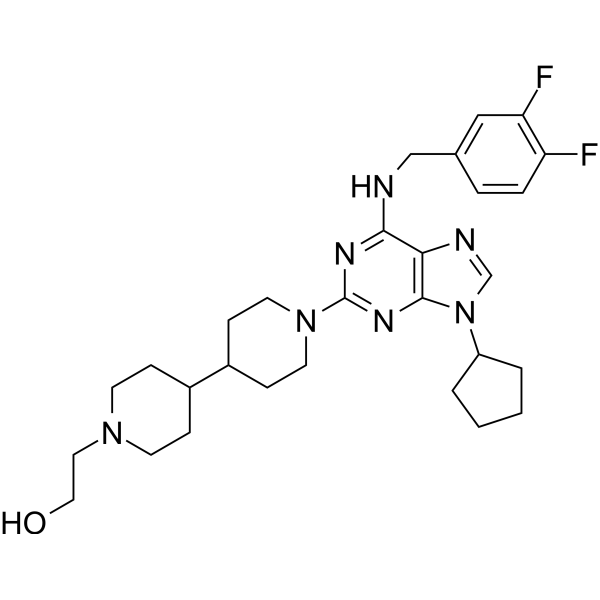
anti-TNBC agent-3 (compound 3g) is an apoptosis inducer with anti-cancer cell proliferation activity. anti-TNBC agent-3 inhibits tumor growth and metastasis in triple-negative breast cancer (TNBC) xenograft models .
|
-
-
- HY-163381
-
|
|
Drug Intermediate
|
Cancer
|
|
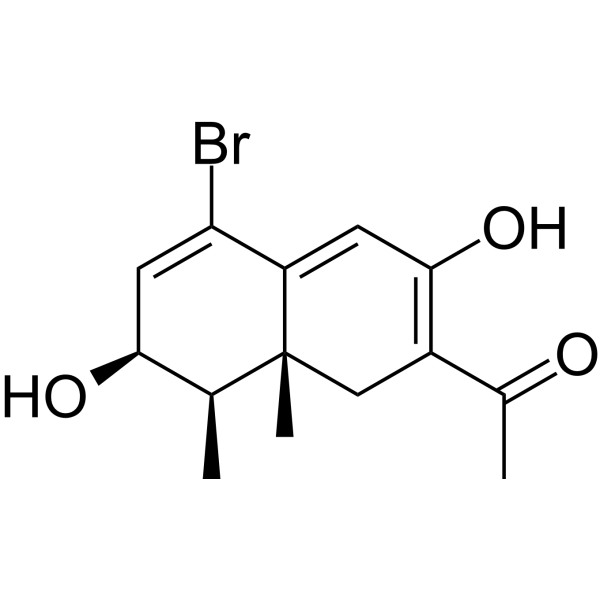
Antiproliferative agent-48 (compound PC-A1) shows selective antiproliferative activity against triple-negative breast cancer (TNBC) cells .
|
-
- HY-161831
-
|
|
Reactive Oxygen Species (ROS)
|
Cancer
|
|
Antitumor agent-175 (Compound Ru2) is an antitumor agent with photocytotoxicity, demonstrating selective antitumor effects against triple-negative breast cancer (TNBC) cells .
|
-

- HY-149259
-
|
|
FAK
|
Cancer
|
|
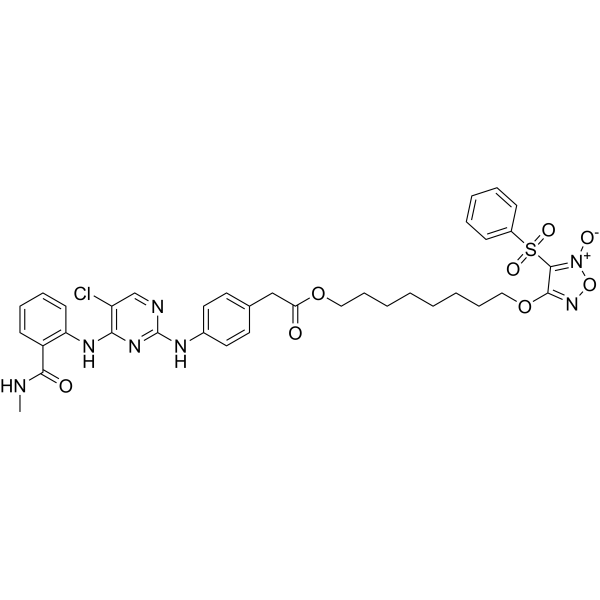
FAK-IN-9 (Compound 8f) is a potent and orally active FAK inhibitor with an IC50 of 27.44 nM. FAK-IN-9 induces triple-negative breast cancer (TNBC) cell apoptosis .
|
-
- HY-174836
-
|
|
PARP
|
Cancer
|
|
ZINC000081009201 is a potent poly(ADP-ribose) polymerase 1 (PARP1) inhibitor with an IC50 value of 1.4767 μM. ZINC000081009201 is promising for research of triple-negative breast cancer (TNBC) .
|
-

- HY-163275
-
|
|
MDM-2/p53
Apoptosis
|
Cancer
|
|
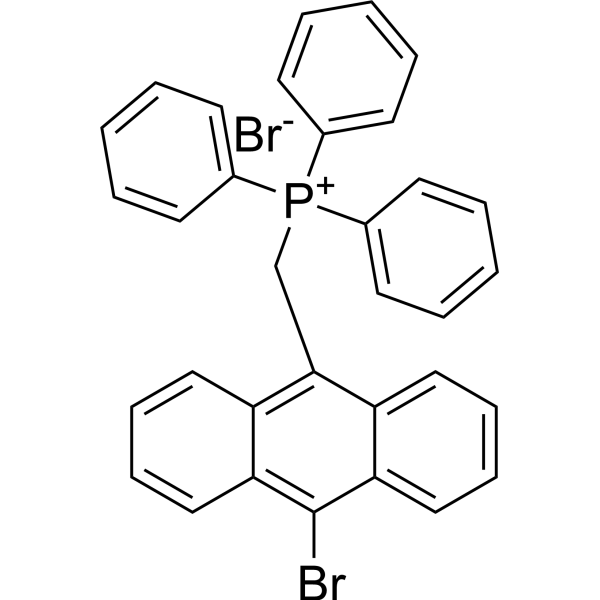
MDM2-IN-24 (compound A3f) exhibits MDM2-inhibiting and MDMX-activating properties in triple-negative breast cancer (TNBC) cells, with apoptotic and anti-proliferative activities .
|
-
- HY-155490
-
|
|
Nuclear Hormone Receptor 4A/NR4A
Apoptosis
|
Cancer
|
|
Nur77 antagonist 1(Compound ja) is a selective Nur77 antagonist(KD SPRNur77 = 91 nM). Nur77 antagonist 1 induces cancer cell apoptosis. ja displays excellent antitumor against triple-negative breast cancer (TNBC) cells .
|
-
- HY-178274
-
|
|
Histone Methyltransferase
Apoptosis
|
Cancer
|
|
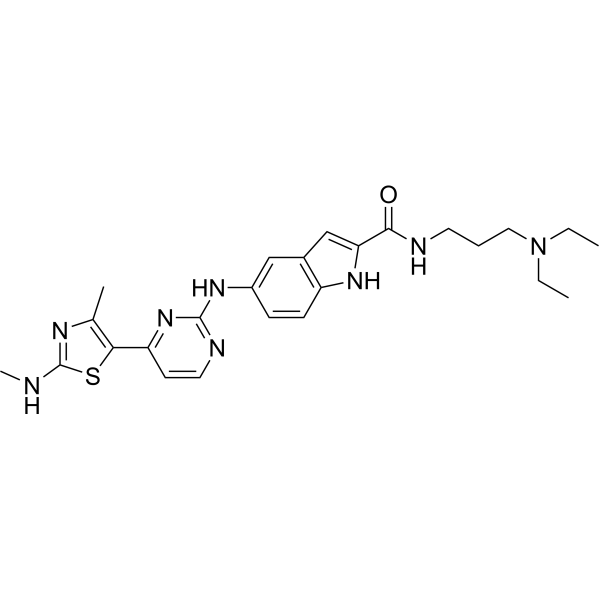
SKLB06329 is a potent selective Type I PRMTs inhibitor. SKLB06329 shows good selectivity for PRMT6 (IC50 = 3.86 nM) over Type II/III PRMTs (PRMT5/7) and shows no significant inhibition against various lysine methyltransferases (PKMTs). SKLB06329 significantly inhibits the proliferation of triple-negative breast cancer (TNBC) cells, induces apoptosis, and suppresses the expression of asymmetric dimethylarginine (ADMA) within cells. SKLB06329 can be used for triple-negative breast cancer research .
|
-

- HY-178487
-
|
|
HDAC
DNA/RNA Synthesis
NO Synthase
Apoptosis
|
Cancer
|
|
anti-TNBC agent-12 (Compound 23a) is a multi-target antitumor agent targeting HDAC6 (IC50=30.3 nM), DNA, and inducing nitric oxide (NO) release. anti-TNBC agent-12 induces tumor cell apoptosis and G2/M phase cell cycle arrest. anti-TNBC agent-12 is promising for research of triple-negative breast cancer (TNBC) .
|
-

- HY-156077
-
|
|
Apoptosis
DNA/RNA Synthesis
|
Cancer
|
|
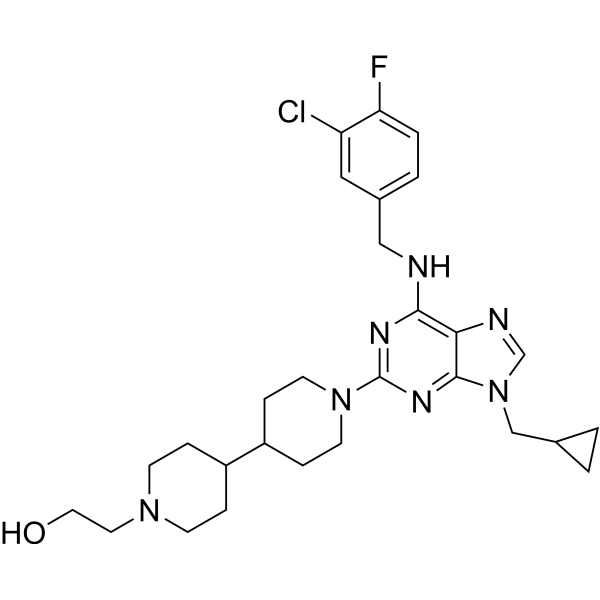
anti-TNBC agent-2 (3j) an anti-Triple negative breast cancer (TNBC) purine derivative. anti-TNBC agent-2 induces MDA-MB-231 cells apoptosis, and inhibits its migration and angiogenesis. anti-TNBC agent-2 inhibits tumor growth and metastasis and reduces the expression of Ki67 and CD31 protein in TNBC xenograft models. anti-TNBC agent-2 can be used for Triple negative breast cancer (TNBC) research .
|
-
- HY-168043
-
|
|
STAT
|
Cancer
|
|
STAT3-IN-35 is a STAT3 inhibitor that binds to SH2 domain. STAT3-IN-35 inhibits the phosphorylation of STAT3 and possesses antiproliferative activities against triple-negative breast cancer (TNBC) cell lines. STAT3-IN-35 also has a toxicity and potent antitumor activity in a TNBC xenograft model .
|
-

- HY-158439
-
|
|
JAK
STAT
|
Cancer
|
|
anti-TNBC agent-7 (Compound 13c) possesses anticancer activity, serving as a molecular probe to recognize and regulate the signal transduction of the USP21/JAK2/STAT3 axis, exhibiting nanomolar-level cytotoxicity against MDA-MB-231 and HCC-1806 cancer cells, effectively combating triple-negative breast cancer (TNBC) .
|
-

- HY-164550
-
|
|
HDAC
|
Cancer
|
|
YF438 is an HDAC inhibitor with effective anticancer activity both in vitro and in vivo. YF438 inhibits the growth and metastasis of triple-negative breast cancer (TNBC) cells by blocking the interaction between HDAC and MDM2, inducing the dissociation of MDM2-MDMX, and promoting the degradation of MDM2 .
|
-

- HY-175544
-
|
|
Drug Derivative
|
Cancer
|
|
anti-TNBC agent-10 is an anti-TNBC agent. anti-TNBC agent-10 shows potent anti-TNBC activity against BT549 cells (IC50 = 0.018 μM) and maintains activity against MDA-MB-231 cells (IC50 = 4.16 μM). anti-TNBC agent-10 9 demonstrates significant anti-tumor efficacy in mice bearing subcutaneous MDA-MB-231 TNBC xenografts. anti-TNBC agent-10 can be used for the study of triple-negative breast cancer (TNBC) .
|
-

- HY-155246
-
|
|
Apoptosis
PARP
|
Cancer
|
|
PARP1-IN-15 (Compound 6) is a PARP1 inhibitor. PARP1-IN-15 inhibits tankyrase (TNKS) and facilitates DNA double-strand breaks damage. PARP1-IN-15 induces tumor cell apoptosis. PARP1-IN-15 has anti-cancer activity in triple-negative breast cancer (TNBC) cells and TNBC patient-derived organoids. PARP1-IN-15 can be used for research of TNBC with or without BRCA1 mutations .
|
-
- HY-123870
-
|
|
Survivin
IAP
NF-κB
|
Inflammation/Immunology
Cancer
|
|
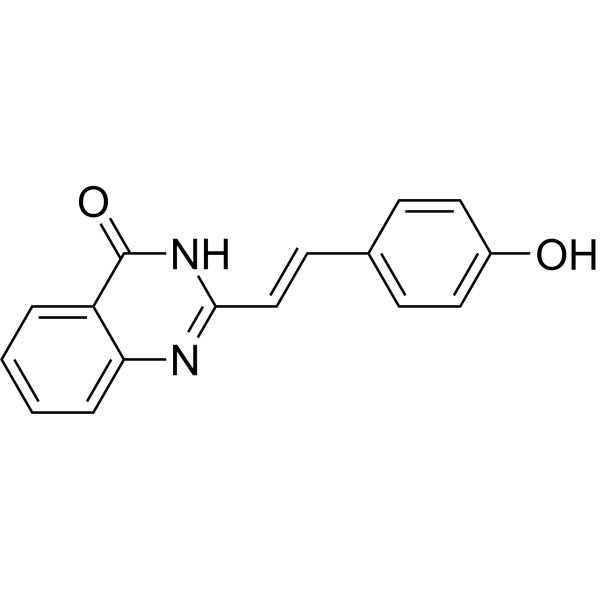
MX107 is a selective and potent survivin inhibitor that suppresses triple-negative breast cancer (TNBC) cell proliferation. MX107 induces degradation of survivin and inhibitor-of-apoptosis proteins (IAPs), which inhibits nuclear factor κB (NF-κB) activation induced by DNA damage. MX107 enhances tumoricidal efficacy of genotoxic treatments synergized with chemotherapeutic drugs .
|
-

- HY-172966
-
|
|
EGFR
|
Cancer
|
|
EG31 is an EGFR inhibitor. EG31 effectively inhibits the proliferation of triple-negative breast cancer (TNBC) cells (GI50 values of MDA-MB-231 and Hs578T cells are 498.90 nM and 740.73 nM, respectively) and induces apoptosis by inhibiting the EGFR signaling pathway. EG31 still maintains antiproliferative activity against 5-fluorouracil (5-FU)-resistant TNBC cells (GI50: 519.5 nM). EG31 can be used to study TNBC resistance .
|
-

- HY-172551
-
|
|
Apoptosis
Cadherin
MMP
Bcl-2 Family
|
Cancer
|
|
anti-TNBC agent-9 (Compound 3as) is an anti-cancer agent for triple-negative breast cancer (TNBC). anti-TNBC agent-9 exhibits significant inhibitory activity against MDA-MB-453 cells with an IC50 value of 8.5 μM. anti-TNBC agent-9 inhibits tumor cell migration by upregulating E-cadherin and downregulating N-cadherin, matrix metalloproteinase 2 (MMP2), and MMP9. anti-TNBC agent-9 induces apoptosis by increasing the expression of the pro-apoptotic protein BAX and decreasing the expression of the anti-apoptotic protein BCL-2, thereby inhibiting tumor cell proliferation .
|
-

- HY-175805
-
|
|
EGFR
HDAC
Apoptosis
|
Cancer
|
|
EGFR/HDAC-IN-2 (Compound 38) is dual-functional inhibitor of EGFR and HDAC3 with IC50s of 20.34 and 1.09 nM for CDK9 and HDAC3, respectively. EGFR/HDAC-IN-2 has superior anti-proliferative activity against cancer cells, inhibits cell migration and induces late-stage cell apoptosis. EGFR/HDAC-IN-2 significantly inhibits triple-negative breast cancer (TNBC) tumor growth in xenograft mouse models. EGFR/HDAC-IN-2 can be used for cancers like TNBC research .
|
-

- HY-158378
-
|
R-AST-OH
|
Glutaminase
|
Cancer
|
|
Trivalent hydroxyarsinothricn (R-AST-OH) is a covalent and irreversible kidney-type glutaminase (KGA) inhibitor. Trivalent hydroxyarsinothricn binds to the glutamine binding site and forms a covalent bond with an active site cysteine residue. Trivalent hydroxyarsinothricn selectively kills triple-negative breast cancer (TNBC) cells and is not cytotoxic to the control cell line. KGA is the enzyme that controls glutamine metabolism and is correlated with tumor malignancy .
|
-

- HY-176418
-
|
|
Mitochondrial Metabolism
|
Cancer
|
|
BBOX-IN-1 (compound 58) is a potent BBOX inhibitor with an IC50 of 0.02 μM. BBOX-IN-1 can be used in the study of triple negative breast cancer (TNBC) .
|
-

- HY-172900
-
|
|
Akt
Apoptosis
|
Cancer
|
|
AKT-IN-27 (4a) is a potential anticancer agent through selective therapeutic targeting of Akt-driven pathways. AKT-IN-27 (4a) induces apoptosis via caspase-3 activation, G2/M cell cycle arrest, and mitochondrial membrane potential disruption. AKT-IN-27 (4a) can be used in the research for TNBC (triple-negative breast cancer) .
|
-

- HY-179062
-
|
|
Apoptosis
|
Cancer
|
Anticancer agent 280 (Compound 65) is an anti-cancer agent targeting triple-negative breast cancer (TNBC). Anticancer agent 280 exhibits IC50 values of Anticancer agent 280 for MDA-MB-231, MDA-MB-231/LM2-4, Jurkat, and MCF-7 of 7.1, 11.65, 6.99, and 21.51 μM respectively. Anticancer agent 280 can cause significant arrest of cells in the S phase and induce cell apoptosis. Anticancer agent 280 can be used for the study of TNBC .
|
-

- HY-155179
-
|
|
PAK
HDAC
|
Cancer
|
|
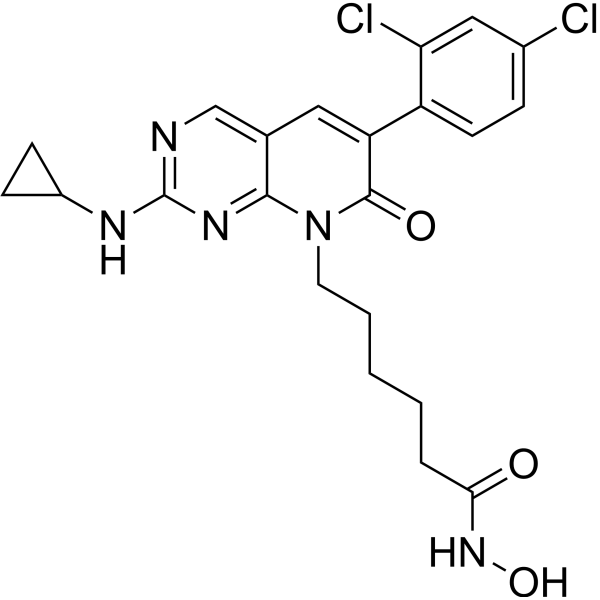
ZMF-23 is a PAK1/HDAC6 dual inhibitor. ZMF-23 inhibits PAK1 and HDAC6 regulated aerobic glycolysis and migration. ZMF-23 induces TNF-α-regulated necroptosis, and further enhances apoptosis. ZMF-23 inhibits the Warburg effect and cell migration. ZMF-23 can be used for research of triple-negative breast cancer (TNBC) .
|
-
- HY-175221
-
|
|
Apoptosis
Autophagy
|
Cancer
|
|
WHN-11 is an amino-Artemisinin (HY-B0094) derivative with anti-cancer activity against various cancer cell lines. WHN-11 deprives the cell of ATP, activates autophagy, and causes subsequent cell death by apoptosis. WHN-11 alters cellular protein homeostasis pathways to induce mitochondrial fission and dysfunction. WHN-11's anti-cancer activity is independent of substantive ROS production. WHN-11 can be used for the study of triple-negative breast cancer (TNBC) .
|
-

- HY-172177
-
|
|
Apoptosis
HDAC
ROCK
|
Cancer
|
|
ROCK/HDAC-IN-2 (Compound C-9) is a ROCK/HDAC inhibitor, with IC50 values of 0.185 µM, 0.8 µM, and 0.7 µM for HDAC6, ROCK1, and ROCK2, respectively. ROCK/HDAC-IN-2 can induce apoptosis and changes in mitochondrial membrane potential in cancer cells, demonstrating significant antitumor activity. ROCK/HDAC-IN-2 can be used in the research of pancreatic ductal adenocarcinoma (PDAC) and triple-negative breast cancer (TNBC) .
|
-

- HY-N0331R
-
|
|
Reference Standards
MDM-2/p53
Apoptosis
|
Cancer
|
|
Ziyuglycoside I (Standard) is the analytical standard of Ziyuglycoside I. This product is intended for research and analytical applications. Ziyuglycoside I isolated from S. officinalis root, has anti-wrinkle activity, and increases the expression of type I collagen. Ziyuglycoside I could be used as an active ingredient for cosmetics . Ziyuglycoside I triggers cell cycle arrest and apoptosis mediated by p53, it can be a potential agent candidate for treating triple-negative breast cancer (TNBC) .
|
-

- HY-179070
-
|
|
Apoptosis
|
Cancer
|
Anticancer agent 280 TFA (Compound 65) is an anti-cancer agent targeting triple-negative breast cancer (TNBC). Anticancer agent 280 TFA exhibits IC50 values of Anticancer agent 280 TFA for MDA-MB-231, MDA-MB-231/LM2-4, Jurkat, and MCF-7 of 7.1, 11.65, 6.99, and 21.51 μM respectively. Anticancer agent 280 TFA can cause significant arrest of cells in the S phase and induce cell apoptosis. Anticancer agent 280 TFA can be used for the study of TNBC .
|
-

- HY-172392
-
|
|
MNK
Ribosomal S6 Kinase (RSK)
|
Cancer
|
|
HSND80 (Compound 1) is an orally active inhibitor of MNK/p70S6K, with Kd values of 44 nM against MNK1 and 4 nM against MNK2. HSND80 has a longer target residence time of 45 mins and 58 mins against MNK1 and MNK2 respectively. HSND80 can suppress non-small cell lung cancer (NSCLC) both in vitro and in vivo, and suppress Triple-Negative Breast Cancer (TNBC) in vitro .
|
-

- HY-162575
-
|
|
ERK
|
Cancer
|
|
Anticancer agent 231 (Compound P5) is a tyrosine protein kinase inhibitor with a IC50 value of 3.95 μM. Anticancer agent 231 inhibits the cell viability, cell proliferation, cell migration and cancer dryness of triple negative breast cancer (TNBC) cells by targeting EGFR-ERK 1/2 signaling pathway, and is expected to play an important role in the field of TNBC disease therapy .
|
-

- HY-150597
-
|
|
HDAC
Apoptosis
|
Cancer
|
|
HDAC-IN-46 (compound 12c) is a potent HDAC inhibitor with an IC50 value of 0.21 μM and 0.021 μM for HDAC1 and HDAC6, respectively. HDAC-IN-46 upregulates p-p38, and downregulates Bcl-xL and cyclin D1 in MDA-MB-231 cells. HDAC-IN-46 induces significant G2 phase arrest and apoptosis. HDAC-IN-46 can be used for researching triple-negative breast cancer (TNBC) .
|
-
- HY-N0858R
-
|
|
Reference Standards
HIV
|
Infection
Inflammation/Immunology
Cancer
|
|
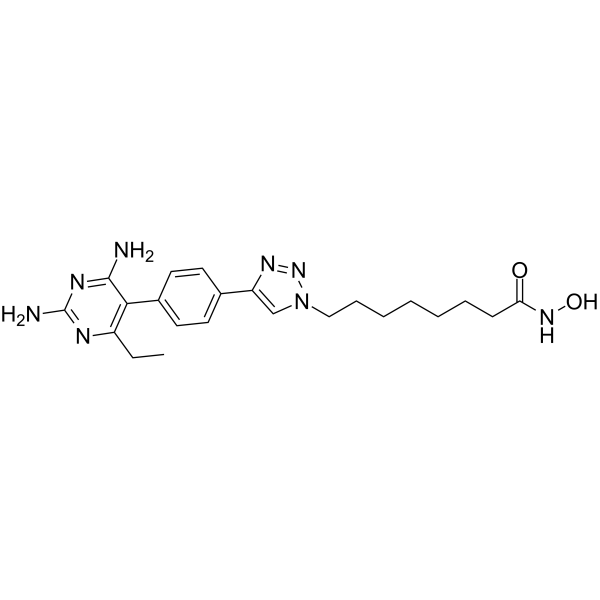
Gomisin G (Standard) is the analytical standard of Gomisin G. This product is intended for research and analytical applications. Gomisin G is a lignin from S. chinesis with anti-HIV (EC50 = 0.006 μg/mL), anti-liver cancer and anti-inflammatory activities. Gomisin G has an AKT-cyclin D1 dependent mechanism against triple-negative breast cancer (TNBC) cells through suppressing phosphorylation rather than inducing apoptosis. Gomisin G can inhibit AKT phosphorylation. Gomisin G can cause cell cycle arrest in the G1 phase. Gomisin G can be studied in research for diseases such as HIV, breast and liver cancers .
|
-

- HY-161778
-
|
|
HDAC
VD/VDR
|
Inflammation/Immunology
Cancer
|
|
ZG-126 is an agonist for vitamin D receptor (VDR) and an inhibitor for histone deacetylase (HDAC) (IC50=0.63-67.6 μM). ZG-126 exhibits cytotoxicity in cancer cells MDA-MB-231 and 4T1. ZG-126 exhibits antitumor and anti-metastatic efficacy against melanoma and triple-negative breast cancer (TNBC) in mouse models. ZG-126 also exhibits anti-inflammatory activity, through the reduction of macrophage infiltration and immunosuppressive M2-polarization .
|
-

- HY-163726
-
|
|
GLUT
EGFR
Apoptosis
|
Cancer
|
|
GLUT1/EGFR-IN-1 (compound H) is a potent inhibitor of GLUT1 and EGFR. GLUT1/EGFR-IN-1 can simultaneously act on the EGFR tyrosine kinase ATP-binding site and inhibit GLUT1-mediated energy metabolism, resulting in reductions in ATP, MMP, intra-cellular lactic acid, and EGFR nuclear transfer. GLUT1/EGFR-IN-1 can be used for nasopharyngeal carcinoma (NPC) and triple-negative breast cancer (TNBC) research .
|
-

- HY-167854
-
|
|
Aurora Kinase
Apoptosis
IGF-1R
|
Cancer
|
|
KW-2450 Free base is a potent multikinase inhibitor targeting Aurora A and B kinases, demonstrating significant antitumor activity against triple-negative breast cancer (TNBC). KW-2450 Free base effectively reduces cell viability, promotes apoptosis, and inhibits colony formation and mammosphere formation in TNBC cells. KW-2450 Free base significantly suppresses the growth of TNBC xenografts, leading to tetraploid accumulation followed by apoptosis or the survival of octaploid cells. KW-2450 Free base enhances the efficacy of combination therapy with the MEK inhibitor selumetinib, resulting in a synergistic antitumor effect in TNBC models. KW-2450 Free base also acts as an orally bioavailable inhibitor of IGF-1R and IR tyrosine kinases, contributing to its potential antineoplastic activity by inhibiting tumor cell proliferation and inducing apoptosis.
|
-

- HY-150609
-
|
|
SHP2
Phosphatase
CDK
|
Cancer
|
|
SHP2/CDK4-IN-1 (compound 10) is an orally active and potent SHP2 and CDK4 dual inhibitor, with IC50 values of 4.3 and 18.2 nM, respectively. SHP2/CDK4-IN-1 effectively induces G0/G1 arrest to prevent the proliferation of TNBC cell lines. SHP2/CDK4-IN-1 shows significant antitumor efficacy in the EMT6 syngeneic mouse model. SHP2/CDK4-IN-1 can be used for triple-negative breast cancer (TNBC) research .
|
-
- HY-182067
-
|
|
Reactive Oxygen Species (ROS)
Apoptosis
Ferroptosis
|
Cancer
|
|
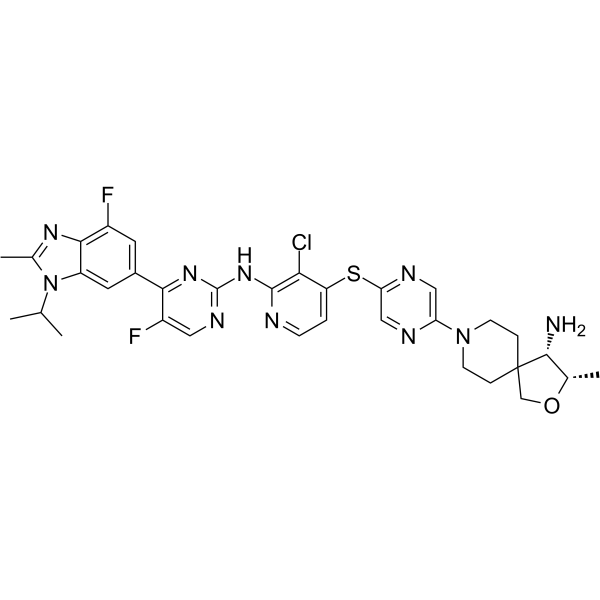
anti-TNBC agent-15 is a platinum (IV) complex with anti-triple-negative breast cancer activity. anti-TNBC agent-15 inhibits cancer cell viability. anti-TNBC agent-15 reverses the resistance of triple-negative breast cancer cells to Cisplatin (HY-17394), increases intracellular uptake, and effectively triggers apoptosis by inducing DNA damage, enhancing intracellular ROS accumulation and activating the mitochondrial pathway. anti-TNBC agent-15 enhances lipid peroxidation, interferes with the signal transduction of the cystine/glutamate transporter-glutathione peroxidase axis, and induces ferroptosis. anti-TNBC agent-15 significantly inhibits tumor growth in triple-negative breast cancer/Cisplatin xenograft models. anti-TNBC agent-15 can be used for the research of triple-negative breast cancer .
|
-

- HY-164109
-
|
|
Parasite
|
Infection
Cancer
|
|
Tafuramycin A, a Duocarmycin derivative, is a potent anticancer and parasite attenuating agent. Tafuramycin A can be used for triple-negative breast cancer (TNBC) and malaria infection research .
|
-

- HY-182639
-
|
|
Exosomes
MAGL
Interleukin Related
VEGFR
|
Cancer
|
|
AM9928 is a monoacylglycerol lipase (MAGL) inhibitor with IC50 and Ki values of 8.9 nM and 7.3 nM, respectively. AM9928 blocks the adhesion and migration of triple-negative breast cancer (TNBC) cells, and inhibits the secretion of IL-6, IL-8 and VEGF-A by TNBC cells. AM9928 suppresses the activation of human brain microvascular endothelial cells (HBMECs) induced by TNBC-derived exosomes, and reduces the secretion of IL-8 and VEGF-A by HBMECs. AM9928 attenuates changes in blood-brain barrier permeability, inhibits tumor growth in the mammary fat pad, and reduces brain colonization of TNBC. AM9928 can be used in studies related to triple-negative breast cancer .
|
-

- HY-173211
-
|
|
Photosensitizer
|
Cancer
|
|
anti-TNBC agent-8 (Compound TP2) is a photodynamic therapeutic agent targeting mitochondrial DNA G4 (mtG4). Under white light irradiation, its IC50 against 4T1 cells is 0.42 μM. anti-TNBC agent-8 binds tightly to mtG4 and generates a large amount of reactive oxygen species (ROS) under white light irradiation, leading to the loss of mitochondrial membrane potential (MMP), a decrease in ATP production, and an increase in the ROS level. This, in turn, induces significant apoptosis in triple-negative breast cancer (TNBC) cells, exerting the activity of inhibiting tumor cell growth. anti-TNBC agent-8 can be used in the research of triple-negative breast cancer.
|
-

- HY-117435
-
|
|
mTOR
|
Cancer
|
|
CIDD-0067106 is a selective mTORC1 pathway inhibitor targeting androgen receptor-positive (AR+) triple-negative breast cancer (TNBC). CIDD-0067106 demonstrates potent inhibition of AR+ TNBC cell lines with an GI50 value of 0.8 μM. CIDD-0067106 is promising for research of AR+ TNBC .
|
-

- HY-181999
-
|
|
PARP
CDK
Protease Activated Receptor (PAR)
Wnt
β-catenin
Reactive Oxygen Species (ROS)
DNA/RNA Synthesis
|
Cancer
|
|
PC8 is a selective dual inhibitor of PARP1/CDK6, with an IC50 of 0.126 μM for PARP1 and 0.197 μM for CDK6. PC8 does not alter PARP1 expression, but reduces the expression of its downstream target PAR. PC8 inhibits the canonical Wnt/β-catenin signaling pathway. PC8 induces intracellular ROS accumulation and exacerbates DNA damage. PC8 inhibits the proliferation of triple-negative breast cancer (TNBC) cells. PC8 can be used for the research of triple-negative breast cancer .
|
-

- HY-160423
-
|
|
PROTACs
Histone Methyltransferase
|
Cancer
|
|
MS8815N is a negative control of EZH2 PROTAC degrader MS8815 (HY-148334). MS8815N is incapable of recruiting the VHL E3 ligase but retains the same EZH2 binding moiety and linker. MS8815N can be used for triple-negative breast cancer (TNBC) research .
|
-

- HY-120120
-
|
|
Microtubule/Tubulin
|
Cancer
|
|
DZ-2384 is a potent microtubule-targeting agent. DZ-2384 increases the rescue frequency and preserves the microtubule network in nonmitotic cells and primary neurons. DZ-2384 acts synergistically with anti-CTLA-4 immunotherapy in Taxane-sensitive and Taxane-resistant xenograft murine models of triple-negative breast cancer (TNBC). DZ-2384 exhibits potent antitumor activity in adult acute lymphocytic leukemia (ALL) models. DZ-2384 can be used for cancer research, such as TNBC and ALL [1][2].
|
-

- HY-179480
-
|
|
Drug Derivative
G-quadruplex
Apoptosis
Telomerase
Ras
Bcl-2 Family
|
Cancer
|
|
G-quadruplex ligand 4 is a chromenone derivative and is a human telomerase reverse transcriptase (hTERT) G4 ligand. G-quadruplex ligand 4 downregulates hTERT expression and exhibits notable cytotoxicity towards triple-negative breast cancer (TNBC) cell lines. G-quadruplex ligand 4 can cause S/G2 cell cycle arrest and induce apoptosis. G-quadruplex ligand 4 downregulates the expression of hTERT, KRAS, and BCL-2. G-quadruplex ligand 4 can be used for the research of TNBC .
|
-

- HY-180893
-
|
|
Wee1
Apoptosis
|
Cancer
|
|
XH-30 is a potent, selective, and orally active PKMYT1 inhibitor, with an IC50 of 4.1 nM. XH-30 suppresses the proliferation of P53-mutated triple-negative breast cancer (TNBC) cells by inducing G2/M phase release, DNA damage, and apoptosis. XH-30 demonstrates antitumor effects in an MDA-MB-231 mouse model. XH-30 can be used for P53-mutated TNBC research .
|
-

- HY-173172
-
|
|
Eukaryotic Initiation Factor (eIF)
Apoptosis
c-Myc
CDK
|
Cancer
|
|
MG-002 is an orally active eIF4A inhibitor. MG-002 non-productively traps the eukaryotic translation initiation factor 4A (eIF4A) onto RNA, hindering the recruitment and scanning of ribosomes, thereby inhibiting mRNA translation. MG-002 selectively inhibits the growth and metastasis formation of triple-negative breast cancer (TNBC) tumors and induces cell apoptosis. MG-002 significantly inhibits the protein expression of c-MYC and cyclin D1. MG-002 can be used for research on TNBC .
|
-

- HY-180260
-
|
|
Reactive Oxygen Species (ROS)
|
Cancer
|
|
Anticancer agent 289 is a H2O2-responsive anticancer prodrug. Anticancer agent 289 exhibits H2O2-inducible DNA-alkylating activity, selectively inhibits the proliferation of high ROS-expressing cancer cells over nonmalignant cells, markedly suppresses tumor growth without observable toxicity in vivo. Anticancer agent 289 can be used for triple-negative breast cancer (TNBC) research .
|
-

- HY-181051
-
|
|
Polo-like Kinase (PLK)
Apoptosis
|
Cancer
|
|
PLK1-IN-16 is a selective polo-like kinase 1 (PLK1) inhibitor with an IC50 of 0.25 nM. PLK1-IN-16 exhibits lower inhibitory potency against PLK2 and PLK3, induces G2 phase cell cycle arrest, induces apoptosis, and exhibits antiproliferative activity against tumor cells. PLK1-IN-16 can be stable under simulated gastric acid environmental conditions, and acceptable CYP 450 inhibition. PLK1-IN-16 can be used for the study of triple-negative breast cancer (TNBC), breast cancer, leukemia .
|
-

- HY-181254
-
|
|
PARP
NAMPT
DNA/RNA Synthesis
Apoptosis
|
Cancer
|
|
PARP1/NAMPT-IN-1 is a potent and dual PARP1 and NAMPT inhibitor with IC50 values of 1.2 nM and 6.7 nM, respectively. PARP1/NAMPT-IN-1 can disrupt the homologous recombination repair (HRR) pathway, leading to the accumulation of DNA double-strand breaks (DSBs), inducing cell cycle arrest and apoptosis, and also has antimigratory effects. PARP1/NAMPT-IN-1 exhibits excellent antitumor effects in a breast cancer xenograft model. PARP1/NAMPT-IN-1 can be used for the study of triple-negative breast cancer (TNBC) .
|
-

- HY-179570
-
|
|
E1/E2/E3 Enzyme
|
Cancer
|
|
XMU-MP-10 is a selective NEDD4 inhibitor with a KD of 43.92 nM. XMU-MP-10 selectively inhibits NEDD4 auto-ubiquitination without affecting other ubiquitination activity, upregulates of β-TrCP and results YAP degradation without affecting NEDD4 protein expression. XMU-MP-10 exhibits significant in vivo efficacy in inhibiting TNBC tumor growth by enhancing CD8 + T cell infiltration. XMU-MP-10 enhances antitumor immune responses through the β-TrCP/YAP/ECM axis. XMU-MP-10 can be used for Triple-Negative Breast Cancer (TNBC) research .
|
-

- HY-D3311
-
|
|
Fluorescent Dye
|
Cancer
|
|
M1219 is a GSH/ATP dual near-infrared activated fluorescent probe that enables independent real-time monitoring of dynamic changes in intracellular GSH and ATP without spectral crosstalk (GSH: Ex=640 nm, Em=740~800 nm; ATP: Ex=594 nm/610 nm, Em=650~700 nm). M1219 not only visualizes the metabolic regulatory mechanism of TNBC under single/dual-target inhibition of SLC7A11/GLUT1 and accurately evaluates its in vivo efficacy, but also achieves precise localization of the TNBC tumor invasion boundary. M1219 can be used for the research of triple-negative breast cancer .
|
-

- HY-178364
-
|
|
Glutathione Peroxidase
Ferroptosis
Lipoxygenase
Reactive Oxygen Species (ROS)
DNA/RNA Synthesis
|
Cancer
|
|
GPX4-IN-19 is an effective GPX4 inhibitor (IC50 = 0.311 μM), covalently binds to the Sec 46 site of GPX4. GPX4-IN-19 shows strong anti-proliferative activity with high ferroptosis selectivity. GPX4-IN-19 causes intracellular Fe 2+ accumulation, leading to increased levels of lipid peroxides (LPOs) and reactive oxygen species (ROS), which induces ferroptosis and subsequently results in DNA damage. GPX4-IN-19 can be used for the study of Triple-Negative Breast Cancer (TNBC) .
|
-

- HY-171992
-
|
|
VEGFR
Caspase
Calcium Channel
|
Cancer
|
|
COX-2-IN-55 (compound 1) is an orally active, Celecoxib (HY-14398)-based analog with broad-spectrum anticancer activity and weak COX-2 inhibition. COX-2-IN-55 specifically inhibits SERCA2, increases caspase-3 cleavage and DR5 levels, thereby activating GRP78 and inhibiting the development of triple-negative breast cancer (TNBC). COX-2-IN-55 can also downregulate the levels of angiogenic markers VEGF-α and IL-8, inhibiting the formation of microvessels .
|
-

- HY-174457
-
|
|
STAT
Carbonic Anhydrase
Ferroptosis
Apoptosis
Reactive Oxygen Species (ROS)
Caspase
Bcl-2 Family
|
Cancer
|
|
STAT3/CAIX-IN-1 is a dual-target inhibitor of STAT3 (Kd: 60.03 μM) and CAIX (IC50: 80.45 nM). STAT3/CAIX-IN-1 induces ferroptosis by increases the levels of reactive oxygen species (ROS) and lipid peroxides. STAT3/CAIX-IN-1 inhibits cell migration, induces apoptosis, and causes cell cycle arrest in MDA-MB-231 cells. STAT3/CAIX-IN-1 can be used for the study of triple-negative breast cancer (TNBC) .
|
-

- HY-174828
-
|
|
PARP
ATM/ATR
Apoptosis
|
Cancer
|
|
ATR/PARP1-IN-1 is a potent ATR and PARP1 dual inhibitor with IC50s of 17.3 nM and 0.38 nM, respectively. ATR/PARP1-IN-1 effectively reduces cell viability, induces apoptosis and DNA damage. ATR/PARP1-IN-1 significantly impairs triple-negative breast cancer (TNBC) colony formation, migration, and invasion. ATR/PARP1-IN-1 suppresses tumor growth effectively in MDA-MB-468 xenografted mice, with no significant body weight change .
|
-

- HY-158049
-
|
|
Apoptosis
Ferroptosis
|
Cancer
|
|
Anticancer agent 199 (Compound G-4) induces apoptosis in triple negative breast cancer (TNBC) cells via the mitochondrial pathway through inhibiting EGFR, AKT and MAPK pathways. Anticancer agent 199 also induces Ferroptosis by down-regulating LCN2. Anticancer agent 199 inhibits TNBC cell viability and migration, and induces S phase cell cycle arrest. Anticancer agent 199 is a derivate of cyclin-dependent kinase inhibitor Rocovitine .
|
-
- HY-101923R
-
|
|
Reference Standards
ULK
Autophagy
Apoptosis
|
Cancer
|
|
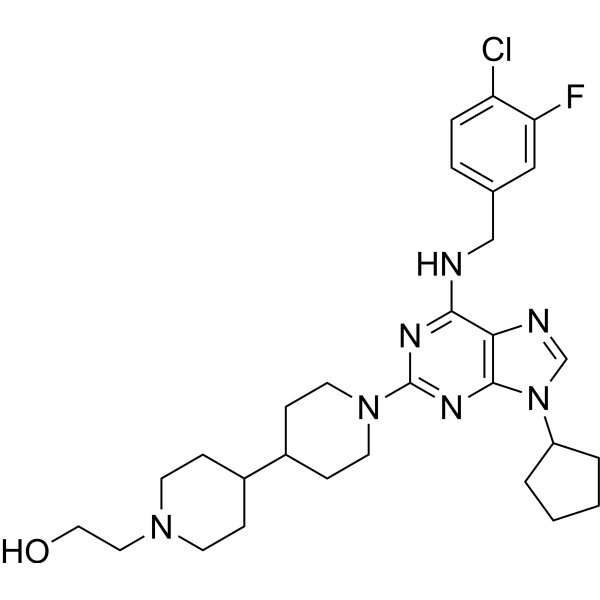
LYN-1604 (Standard) is the analytical standard of LYN-1604 (HY-101923). This product is intended for research and analytical applications. LYN-1604 is a potent UNC-51-like kinase 1 (ULK1) activator (EC50=18.94 nM) for the research of triple negative breast cancer (TNBC) .
|
-

- HY-P991620
-
|
|
Transmembrane Glycoprotein
|
Cancer
|
|
JS006 is a humanized IgG4κ monoclonal antibody inhibitor targeting TIGIT/CD155. JS006 can be used to study advanced and/or metastatic cancers with resistance to PD-1/PD-L1 inhibitor such as non-small cell lung cancer (NSCLC), advanced lymphoma and advanced/metastatic triple negative breast cancer (TNBC) .
|
-

- HY-177720
-
|
|
Molecular Glues
CaMK
Apoptosis
|
Cancer
|
|
eEF2K degrader-2 (Compound C1) is a molecular glucose degrading agent that targets the eEF2K protein. eEF2K degrader-2 can significantly inhibit the proliferation, migration, invasion and induce apoptosis of triple negative breast cancer (TNBC) cells. eEF2K degrader-2 has no obvious organ toxicity or pathological damage. eEF2K degrader-2 can be used in the research of cancer such as breast cancer .
|
-

- HY-176149
-
|
|
CaMK
MMP
AMPK
Apoptosis
Autophagy
|
Cancer
|
|
Fluoxetine-Conjugated Platinum(IV) prodrug-1 (Compound 8) is an eEF2K inhibitor. Fluoxetine-Conjugated Platinum(IV) prodrug-1 inhibits cancer cell proliferation, induces DNA damage, cell cycle arrest at S phase and apoptosis. Fluoxetine-Conjugated Platinum(IV) prodrug-1 induces ROS accumulation and mitochondrial dysfunction. Fluoxetine-Conjugated Platinum(IV) prodrug-1 inhibits TNBC cell migration and invasion by inhibiting MMP-2 activity. Fluoxetine-Conjugated Platinum(IV) prodrug-1 induces autophagy in TNBC cells by activating AMPK. Fluoxetine-Conjugated Platinum(IV) prodrug-1 has antitumor activity and activates immunosuppression in the 4T1-Luc mouse model. Fluoxetine-Conjugated Platinum(IV) prodrug-1 can be used in triple-negative breast cancer (TNBC) research .
|
-

- HY-101923BR
-
|
|
Reference Standards
ULK
Autophagy
Apoptosis
|
Cancer
|
|
LYN-1604 dihydrochloride (Standard) is the analytical standard of LYN-1604 dihydrochloride (HY-101923B). This product is intended for research and analytical applications. LYN-1604 dihydrochloride is a potent UNC-51-like kinase 1 (ULK1) activator (EC50=18.94 nM) for the research of triple negative breast cancer (TNBC) .
|
-

- HY-179631
-
|
|
Apoptosis
|
Cancer
|
|
2DG-ODDA is a 2-deoxyglucose (2-DG) (HY-13966) derivative with potent antitumor activity. 2DG-ODDA induces apoptosis, and reduces ATP production. 2DG-ODDA is taken up through both fatty acid and glucose transporters and is cleaved by α-Mannosidase (HY-P2950), releases 2DG to inhibit N-glycosylation and disrupt cellular metabolism. 2DG-ODDA inhibits tumor growth in a 4T1 mouse model. 2DG-ODDA can be used for the research of triple-negative breast cancer (TNBC) .
|
-

- HY-145260
-
|
|
Epigenetic Reader Domain
Casein Kinase
Apoptosis
Autophagy
|
Cancer
|
|
BRD4/CK2-IN-1 is the first highly effective and oral active dual-target inhibitor of BRD4/CK2 (bromodomain-containing protein 4/casein kinase 2), with IC50s of 180 nM and 230 nM for BRD4 and CK2, respectively. BRD4/CK2-IN-1 has strong anticancer activity without obvious toxicities. BRD4/CK2-IN-1 induces apoptosis and autophagy-associated cell death in triple-negative breast cancer (TNBC)
|
-
- HY-101567R
-
|
|
Epigenetic Reader Domain
Reference Standards
|
Cancer
|
|
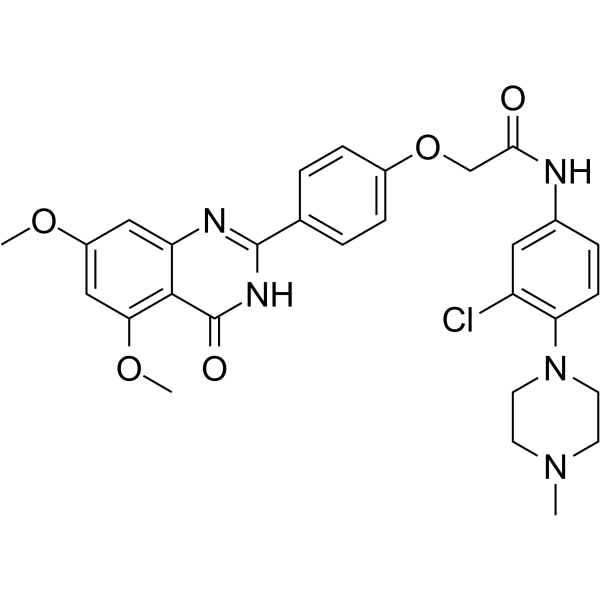
BMS-986158 (Standard) is the analytical standard of BMS-986158 (HY-101567). This product is intended for research and analytical applications. BMS-986158 is a potent BET inhibitor with IC50s of 6.6 and 5 nM in NCI-H211 small cell lung cancer (SCLC) cells and MDA-MB231 triple negative breast cancer (TNBC) cells, respectively .
|
-

- HY-186045
-
|
|
Histone Methyltransferase
Apoptosis
DNA/RNA Synthesis
ATP-binding cassette (ABC) transporters
|
Cancer
|
|
SKLB06489 is a selective and orally active inhibitor of type I PRMT enzymes, with IC50 values of 64.55 nM (PRMT1), 4.21 nM (PRMT6), and 51.27 nM (PRMT8). SKLB06489 inhibits cell proliferation, colony formation, DNA replication, and DNA damage repair in cancer cells. SKLB06489 induces G0/G1-phase cell cycle arrest and apoptosis in cancer cells. SKLB06489 enhances intracellular cholesterol efflux via ABCA1 and ABCG1 upregulation, disrupts cholesterol metabolic homeostasis, and suppresses tumor growth in subcutaneous xenograft models. SKLB06489 can be used for the research of triple-negative breast cancer (TNBC) .
|
-

- HY-175821
-
|
|
Histone Methyltransferase
Apoptosis
|
Cancer
|
|
PRMT1-IN-3 is a potent protein arginine methyltransferase 1 (PRMT1) inhibitor with an IC50 of 4.11 μM. PRMT1-IN-3 inhibits PRMT6 and PRMT8 with IC50s of 23.3 and 30.1 μM. PRMT1-IN-3 suppresses asymmetric dimethylarginine (ADMA) levels and histone H4R3me2a modification in triple-negative breast cancer (TNBC) cells. PRMT1-IN-3 induces cell cycle arrest, apoptosis, and inhibits migration and colony formation in MDA-MB-231 cells. PRMT1-IN-3 acts as chemotherapeutic sensitizers for Paclitaxel (HY-B0015). PRMT1-IN-3 can be used for the study of TNBC .
|
-

- HY-179578
-
|
|
Enolase
AMPK
Autophagy
Apoptosis
mTOR
Caspase
|
Metabolic Disease
Cancer
|
|
SU212 is a podophyllotoxin-derived ENO1 inhibitor and AMPK activator. SU212 can selectively induce oxidative phosphorylation, reduce glycolysis activity and glucose uptake in tumor cells, and directly bind to ENO1 without affecting these pathways in normal cells. SU212 induces apoptosis and promotes ENO1 degradation via proteasomal and autophagic pathways without inhibiting the catalytic activity. SU212 leads to mitotic arrest and apoptosis in TNBC (triple-negative breast cancer) cells by activating AMPK, demonstrating potent anti-tumor activity in vitro. SU212 inhibits tumor growth and metastasis in syngeneic, xenograft, and diabetic mouse models, exhibiting an excellent safety profile. SU212 can be used in research on t TNBC, diabetes, and fatty liver disease .
|
-

- HY-120929
-
BI8622
4 Publications Verification
|
E1/E2/E3 Enzyme
c-Myc
|
Inflammation/Immunology
Cancer
|
|
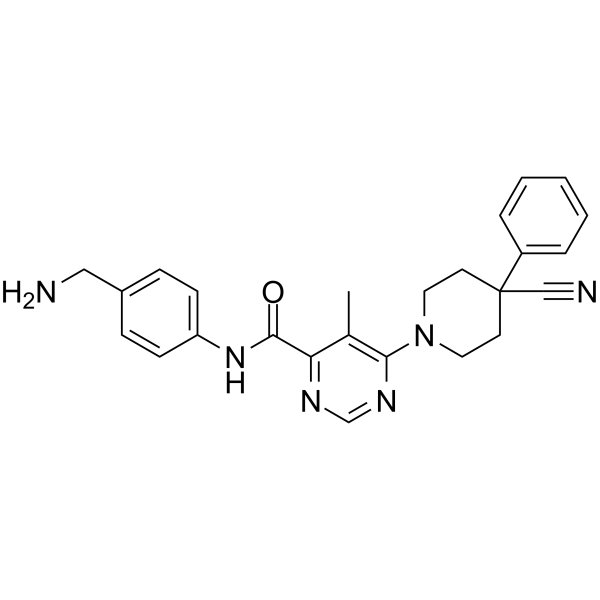
BI8622 is a specific inhibitor of the ubiquitin ligase HUWE1 with an IC50 of 3.1 μM. BI8622 can decrease the protein expression levels of c-myc and glycolytic markers as well as immune modulatory markers after HUWE1 inhibition in triple-negative breast cancer (TNBC) cell lines. BI8622 significantly protects against cisplatin (HY-17394)-induced acute kidney injury (AKI). BI8622 significantly reduces the growth of multiple myeloma (MM) cell lines and induces cell cycle arrest. BI8622 can prevent HUWE1-dependent TTBK2 ubiquitination. BI8622 can be studied in research for various diseases including medulloblastoma, acute kidney injury, breast cancer and MM .
|
-
- HY-177306
-
|
|
Dynamin
|
Cancer
|
|
Opitor-0 is a potent and selective inhibitor of mitochondrial dynamin-related protein Optic Atrophy 1 (OPA1) guanosine triphosphatase (GTPase) with an IC50 of 3 μM. Opitor-0 can induce fragmentation of mitochondria and remodeling of cristae, disrupt the stability of OPA1 oligomers, and significantly enhance the release of cytochrome c and induce apoptosis. Opitor-0 has a synergistic antitumor effect with Bcl-2 inhibitors, such as ABT-737 (HY-50907) and Venetoclax (HY-15531). Opitor-0 can be used for the research of malignant tumors that are resistant to Bcl-2 inhibitors, such as triple-negative breast cancer (TNBC) .
|
-

- HY-150613
-
|
|
Epigenetic Reader Domain
PARP
Apoptosis
|
Cancer
|
|
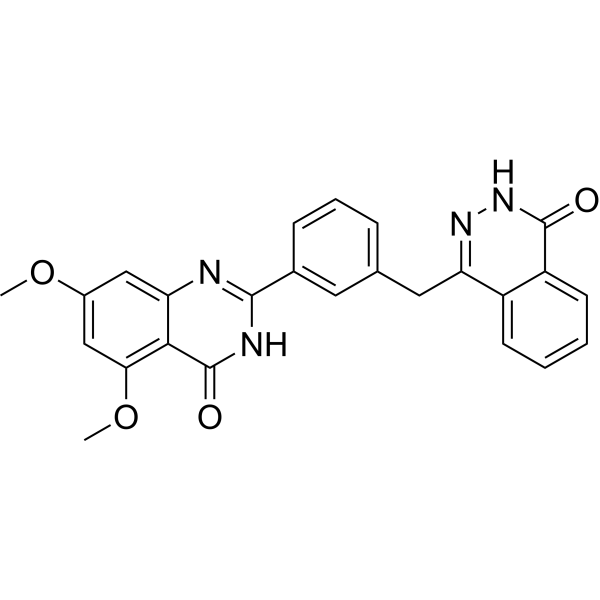
PARP1/BRD4-IN-2 is a potent and selective PARP1 and BRD4 inhibitor with IC50 values of 197 nM and 238 nM, respectively. PARP1/BRD4-IN-2 inhibits DNA damage repair, arrests G0/G1 transition and induces apoptosis. PARP1/BRD4-IN-2 has anti-tumor activity in MDA-MB-468 xenograft mouse model. PARP1/BRD4-IN-2 can be used for researching triple-negative breast cancer (TNBC) .
|
-
- HY-180355
-
|
|
CDK
Ser/Thr Kinase
c-Myc
Apoptosis
|
Cancer
|
|
SY-5102 is a potent, selective and orally active cyclin-dependent kinase (CDK7) inhibitor with a Kd of 0.03 nM. SY-5102 shows anti-proliferative activity against HCC70 cells with an EC50 of 9 nM. SY-5102 can inhibit CDK7-mediated CAK function (downregulate CDK2 Thr160 phosphorylation) and TFIIH transcription function (downregulate RNA polymerase II Ser5 phosphorylation). SY-5102 can induce G2/M cell cycle arrest, downregulate the expression of the oncogene c-Myc, and ultimately trigger cancer cell apoptosis. SY-5102 can be used for the research of triple-negative breast cancer (TNBC) .
|
-

- HY-135699
-
TD52
2 Publications Verification
|
Apoptosis
Phosphatase
Akt
|
Cancer
|
|
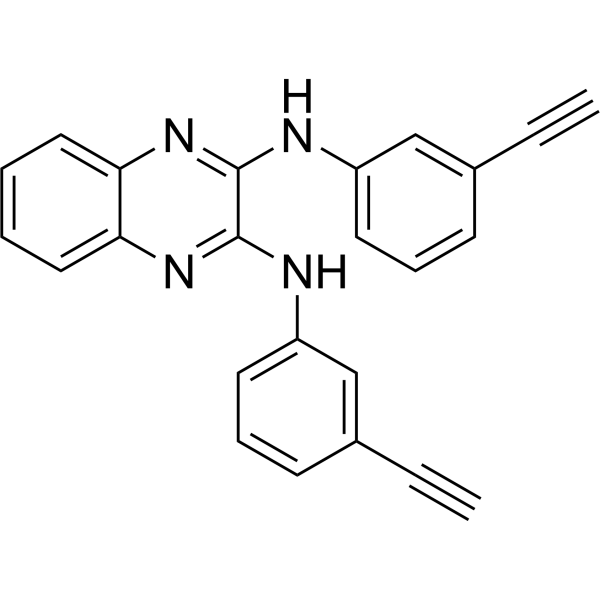
TD52, an Erlotinib (HY-50896) derivative, is an orally active, potent cancerous inhibitor of protein phosphatase 2A (CIP2A) inhibitor. TD52 mediates the apoptotic effect in triple-negative breast cancer (TNBC) cells via regulating the CIP2A/PP2A/p-Akt signalling pathway. TD52 indirectly reduced CIP2A by disturbing Elk1 binding to the CIP2A promoter. TD52 has less p-EGFR inhibition and has potent anti-cancer activity . TD52 is a click chemistry reagent, it contains an Alkyne group and can undergo copper-catalyzed azide-alkyne cycloaddition (CuAAc) with molecules containing Azide groups.
|
-
- HY-135699A
-
|
|
Akt
Phosphatase
Apoptosis
|
Cancer
|
|
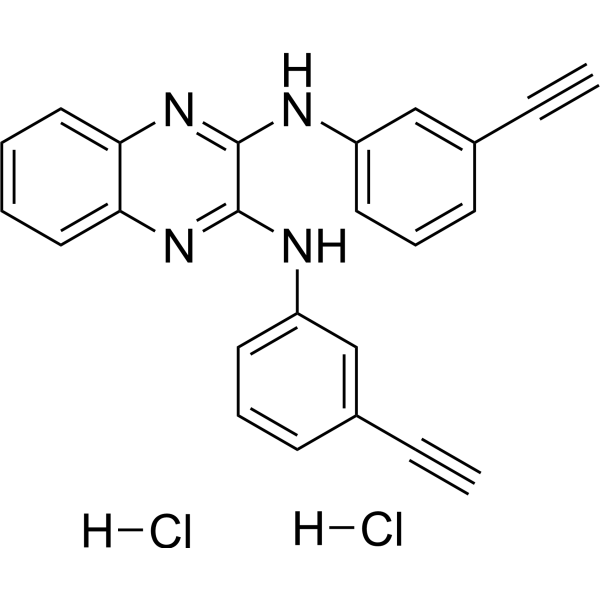
TD52 dihydrochloride, an Erlotinib (HY-50896) derivative, is an orally active, potent cancerous inhibitor of protein phosphatase 2A (CIP2A) inhibitor. TD52 dihydrochloride mediates the apoptotic effect in triple-negative breast cancer (TNBC) cells via regulating the CIP2A/PP2A/p-Akt signalling pathway. TD52 dihydrochloride indirectly reduced CIP2A by disturbing Elk1 binding to the CIP2A promoter. TD52 dihydrochloride has less p-EGFR inhibition and has potent anti-cancer activity . TD52 (dihydrochloride) is a click chemistry reagent, it contains an Alkyne group and can undergo copper-catalyzed azide-alkyne cycloaddition (CuAAc) with molecules containing Azide groups.
|
-
- HY-175834
-
|
|
Topoisomerase
Reactive Oxygen Species (ROS)
Apoptosis
Microtubule/Tubulin
|
Cancer
|
|
DNA/TOP2A-IN-1 is an inhibitor of DNA and TOP2A. DNA/TOP2A-IN-1 selectively binds to TOP2A, not TOP2B, and interacts with DNA and TOP2A to form a stable DM1-TOP2A-DNA ternary complex. DNA/TOP2A-IN-1 induces DNA damage, increases reactive oxygen species (ROS) and triggers apoptosis in triple-negative breast cancer (TNBC) cells. DNA/TOP2A-IN-1 disrupts microtubule distribution and induces cell cycle arrest. DNA/TOP2A-IN-1 shows strong antiproliferative activity and inhibits cell migration. DNA/TOP2A-IN-1 inhibits tumor growth and can be used for TNBC research .
|
-

- HY-168996
-
|
|
CDK
Apoptosis
|
Cancer
|
|
LA-CB1 is an Abemaciclib (HY-16297A) derivative that targets CDK4/6 and promotes its degradation via the ubiquitin-proteasome pathway, thereby disrupting the CDK4/6-Cyclin D1-Rb-E2F axis and inducing G0/G1 cell cycle arrest and apoptosis. LA-CB1 exhibits antiproliferative activity against MDA-MB-231 cells, with an IC50 of 0.27 µM, and effectively inhibits epithelial-mesenchymal transition (EMT), cell migration, invasion, and angiogenesis. In highly aggressive models such as triple-negative breast cancer (TNBC), LA-CB1 significantly suppresses tumor growth in a dose-dependent manner. LA-CB1 holds potential for research in the field of breast cancer .
|
-

- HY-179044
-
|
|
p38 MAPK
JNK
Caspase
Apoptosis
|
Cancer
|
|
MKK7-JNK activator 1 (Compound 10) is a MKK7-JNK pathway activator. MKK7-JNK activator 1 effectively inhibits the proliferation and migration of MDA-MB-468 cells, induces G2/M phase arrest and caspase -dependent apoptosis (independent of ROS production). MKK7-JNK activator 1 significantly increases the levels of p-MKK7 and p-JNK, but does not affect p-ERK or p-p38. MKK7-JNK activator 1 can be used for the study of triple-negative breast cancer (TNBC) .
|
-

- HY-E70716
-
|
|
FAK
|
Cancer
|
|
Focal adhesion kinase (FAK), a non-receptor tyrosine kinase in the cytoplasm, couples with integrins and growth factor receptors to regulate cell adhesion, proliferation, migration, invasion, and metastasis. FAK is overexpressed and aberrantly activated in many cancer types, including triple negative breast cancer (TNBC). FAK aa411-686 Recombinant Human Active Protein Kinase is a recombinant FAK aa411-686 protein that can be used to study FAK aa411-686-related functions .
|
-

- HY-173522
-
|
|
Kinesin
Microtubule/Tubulin
|
Cancer
|
|
KIF2C-IN-1 is a cell-penetrating, selective KIF2C inhibitor with fluorescent properties (Ex/Em = 410/510 nm). KIF2C-IN-1 exhibits notable cytotoxicity and weak inhibitory effects on KIF2A/B. KIF2C-IN-1 prohibits the dissociation of KIF2C from microtubules. KIF2C-IN-1 inhibiting KIF2C reverses cross-resistance to microtubule-targeting agents. KIF2C-IN-1 reduces tumorigenesis in chemoresistant triple-negative breast cancer (TNBC) model in mice with the combination of Paclitaxel (HY-B0015) .
|
-

- HY-145601
-
|
TT 00420
|
Aurora Kinase
FGFR
VEGFR
|
Cancer
|
|
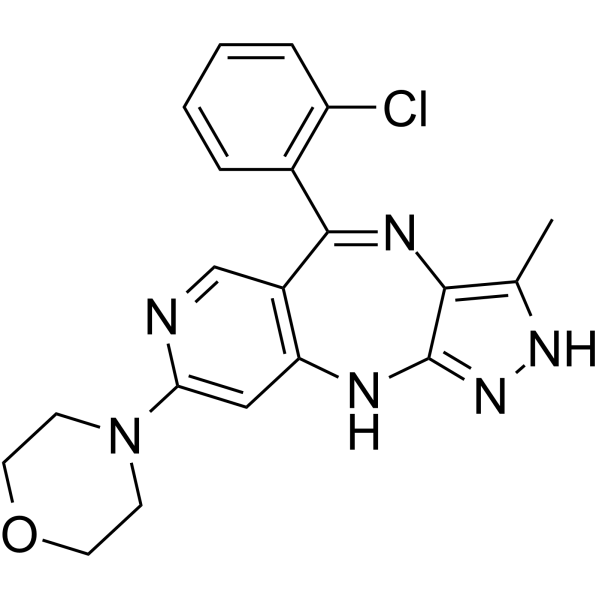
Tinengotinib (TT00420) is an orally active, spectrally selective small molecule kinase inhibitor targeting Aurora A/B (IC50=1.2-3.3 nM), FGFR1/2/3 (IC50=1.5-3.5 nM), VEGFRs, JAK1/2 and CSF1R. Tinengotinib blocks Aurora kinase-mediated cell cycle progression (inducing G2/M arrest), inhibits FGFR/JNK-JUN signaling pathway and activates MEK/ERK-dependent apoptotic pathway. Tinengotinib has the activity of anti-tumor proliferation, inducing apoptosis, inhibiting angiogenesis and regulating tumor microenvironment. Tinengotinib can be used in the study of triple-negative breast cancer (TNBC), gallbladder cancer and tumor immune microenvironment .
|
-
- HY-149354
-
|
|
Aurora Kinase
|
Cancer
|
|
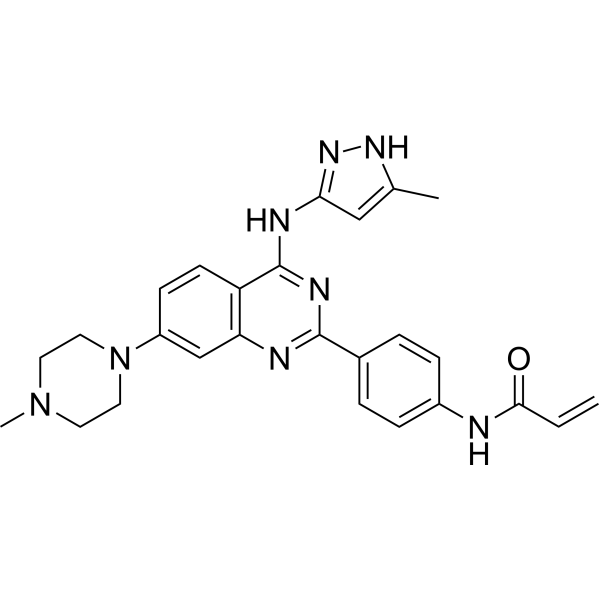
Aurora kinase-IN-4 (Compound 11c) is a covalent and ATP competitive aurora kinase A inhibitor (IC50: 1.7 nM). Aurora kinase-IN-4 inhibits cell proliferation in SJSA-1, MDA-MB-231, A54, HeLa cells with IC50s of 4.27, 1.54, 3.08, 6.99 μM. Aurora kinase-IN-4 can be used for research of triple negative breast cancer (TNBC) .
|
-
- HY-131339
-
SP-96
2 Publications Verification
|
Aurora Kinase
|
Cancer
|
|
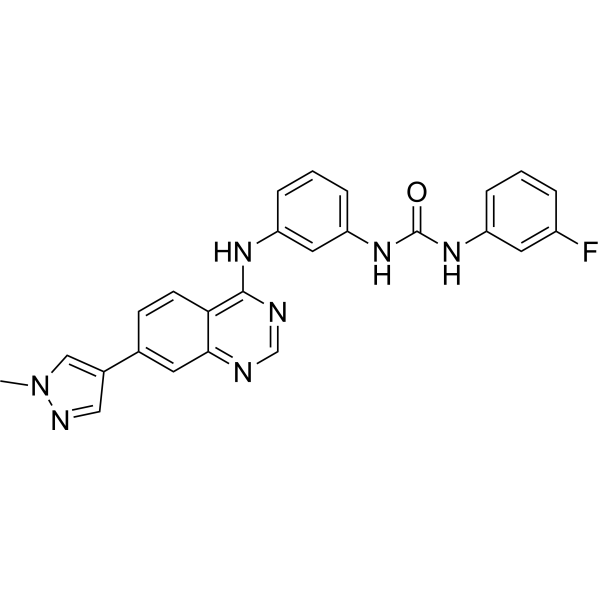
SP-96 is a highly potent, selective and non-ATP-competitive Aurora B (IC50=0.316 nM) inhibitor and shows >2000 fold selectivity against FLT3 and KIT. SP-96 shows selective growth inhibition in NCI60 screening, incluing MDA-MD-468 (GI50=107 nM). SP-96 can be used for the research of triple negative breast cancer (TNBC) .
|
-
- HY-146452
-
|
|
Apoptosis
|
Cancer
|
|
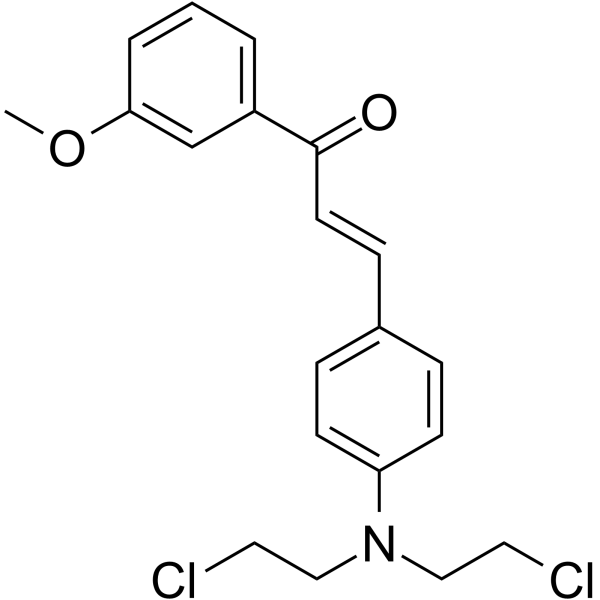
Anticancer agent 57 (compound 14) potently inhibits MDA-MB-231, MDA-MB-468, and MCF-7 cell lines, with IC50s of 6.43 ~ 8.00 μM. Anticancer agent 57 induces cell cycle arrest and significantly promotes apoptosis. Anticancer agent 57 inhibits tumor growth in nude mice xenografted with MADMB-231 cells. Anticancer agent 57 can be used for researching triple negative breast cancer (TNBC) .
|
-
- HY-115590
-
|
|
Pim
Caspase
Apoptosis
Necroptosis
PARP
NF-κB
|
Cancer
|
|
JP-11646 is a pan-PIM inhibitor with increased potency against PIM2 (IC50 = 0.5 nM). JP11646 is freely reversible and ATP non-competitive. JP-11646 results in a decrease of PIM1, 2, and 3 mRNA. JP-11646 can effectively inhibit cell viability in small cell lung cancer (SCLC) and large cell neuroendocrine carcinomas of the lung (LCNEC). JP-11646 can cause a decrease in p-4EBP-1 protein, increasing the cleavage of caspases while decreasing caspase-3. JP-11646 induces apoptosis or necroptosis in cells. JP-11646 leads to reductions in MYC paralogs. JP-11646 can be used for the study of SCLC, LCNEC, human acute leukemia (AML), multiple myeloma (MM), and triple-negative breast cancer (TNBC) .
|
-

- HY-164530
-
|
|
Src
VEGFR
Raf
p38 MAPK
|
Cancer
|
|
SKLB646 is an orally active multi-target kinase inhibitor. SKLB646 shows significant inhibitory effects on SRC and VEGFR2 with IC50 values ??of 0.002 μmol/L and 0.012 μmol/L, respectively. SKLB646 also shows significant inhibitory effects on B-Raf and C-Raf with IC50 values ??of 0.022 μmol/L and 0.019 μmol/L, respectively. SKLB646 inhibits the activation of the SRC signaling pathway and blocks the MAPK signaling pathway by inhibiting Raf kinase. In addition, SKLB646 can inhibit the proliferation, migration and invasion of human umbilical vein endothelial cells (HUVEC) to inhibit tumor-induced angiopoietic formation. SKLB646 shows significant anti-proliferative and anti-survival activities against triple-negative breast cancer (TNBC) cell lines .
|
-

- HY-170946
-
|
|
STAT
Bcl-2 Family
|
Cancer
|
|
WR-S-462 is a STAT3 inhibitor. WR-S-462 effectively suppresses STAT3 phosphorylation and biological functions in vitro. WR-S-462 inhibits MDA-MB-231 cells with an IC50 of 0.03 μM. WR-S-462 displays a strong binding affinity towards the STAT3 protein with a Kd of 58 nM. WR-S-462 inhibits the nuclear translocation of p-STAT3, selectively inhibits the expression of p-STAT3 Tyr705 and downstream target genes regulated by STAT3 in MDA-MB-231 cells such as Cyclin D1, Bcl-2, and Bcl-xl. WR-S-462 inhibits TNBC (triple-negative breast cancer) growth and metastasis .
|
-

- HY-180261
-
|
|
PROTACs
mTOR
PI3K
Apoptosis
|
Cancer
|
GP262 is a PI3K/mTOR PROTAC degrader targeting PI3Kγ, PI3Kα and mTOR with DC50 values of 42.23 nM, 227.4 nM and 45.4 nM, respectively in MDA-MB-231 cells. GP262 induces degradation of p110α and p110γ with a DC50 of 227.4 and 42.23 nM. GP262 efficient modulates the PI3K/AKT/mTOR pathway, achieving degradation through the ubiquitin-proteasome system (UPS). GP262 also exhibits robust antiproliferative activity and induces apoptosis in vitro. GP262 exhibits tumor growth suppression capability and biosafety profile. GP262 can be used for leukemia and triple-negative breast cancer (TNBC) .
|
-

- HY-12875
-
|
|
Ras
|
Cancer
|
|
BQU57 is a selective inhibitor of RalA/RalB small GTPases, with a binding potency (Kb) of 7.7 μM for RalB-GDP. BQU57 can block its interaction with effector proteins (such as SEC5 and EXO84), inhibiting tumor cell migration, invasion and non-adherent growth. BQU57 downregulates the NF-κB signaling pathway, reduces the expression of IL-6, IL-8 and MMP-13, and inhibits apoptosis by regulating the Bcl-2/Bax balance. BQU57 also protects the extracellular matrix by inhibiting the Ral/NF-κB pathway and can be used for the study of degenerative diseases. BQU57 exhibits significant antitumor activity in triple-negative breast cancer (TNBC) models, inhibiting orthotopic tumor growth and lung metastasis and enhancing paclitaxel chemotherapy sensitivity .
|
-
- HY-173496
-
|
|
Sialyltransferase
Integrin
VEGFR
Akt
|
Cancer
|
|
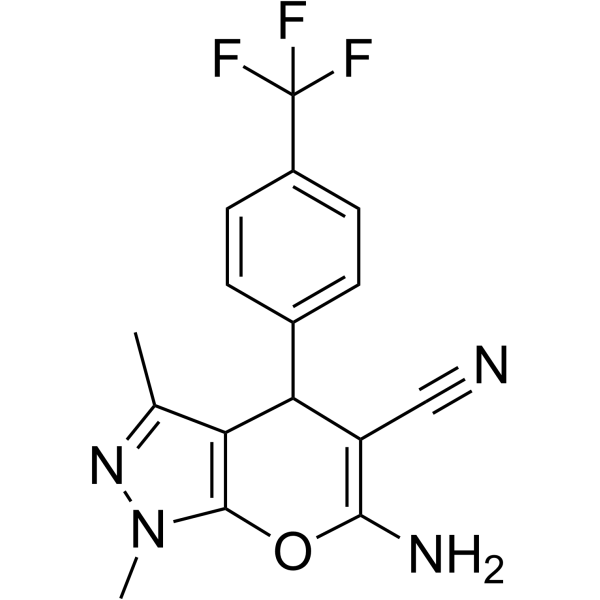
ST6GAL1-IN-1 is an orally active selective ST6GAL1 inhibitor (IC50 = 20 μM). ST6GAL1-IN-1 exhibits high antimetastatic potential, effectively inhibiting the migration of MDA-MB-231 cells at noncytotoxic concentrations. ST6GAL1-IN-1 can disrupt integrin sialylation in MDA-MB-231 cells. ST6GAL1-IN-1 inhibits tumor angiogenesis and cancer metastasis via the Integrin/VEGFR2-mediated signaling pathway. ST6GAL1-IN-1 effectively suppresses both tumor growth and cancer metastasis on the MDA-MB-231 xenograft model. ST6GAL1-IN-1 can be used for the study of Triple-negative breast cancer (TNBC) .
|
-

- HY-148450
-
|
|
Eukaryotic Initiation Factor (eIF)
|
Cancer
|
|
eIF4A3-IN-16 (compound 60) is a Silvestrol (HY-13251) analogue. eIF4A3-IN-16 inhibits MBA-MB-231cell growth with an EC50 value of 1 nM. eIF4A3-IN-16 interferes the assembling of eIF4F translation complex with a myc-LUC EC50 value of 1 nM and a tub-LUC EC50 value of 30 nM. eIF4A3-IN-16 can be used for triple negative breast cancer (TNBC) research .
|
-
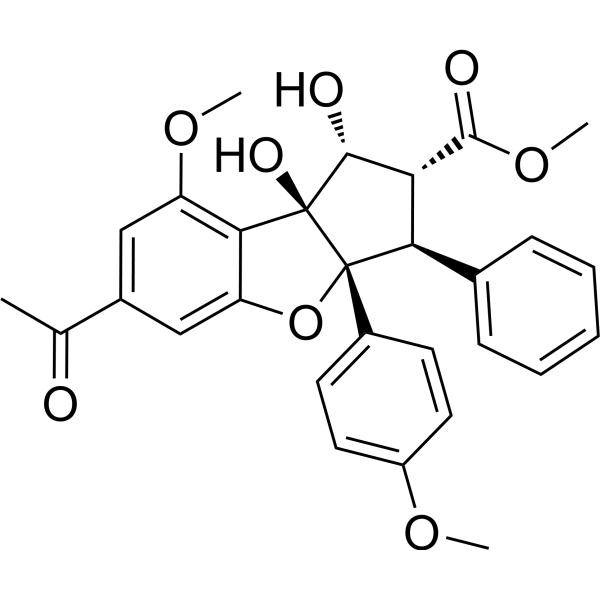
- HY-175698
-
|
|
ACSL Family
Ferroptosis
Microtubule/Tubulin
COX
Glutathione Peroxidase
|
Cancer
|
|
Ferroptosis inducer-9 is a ferroptosis inducer and colchicine site tubulin polymerization inhibitor. Ferroptosis inducer-9 inhibits MCF-7 cell growth with an IC50 of 14 nM and inhibits [ 3H]colchicine binding. Ferroptosis inducer-9 reduces expression of GPX4 and FTH, increases COX2 and ACSL4, lowers GSH, NADP+, and NADPH levels, increases LPO, MDA, and Fe(II) levels, and decreases SOD concentrations. Ferroptosis inducer-9 demonstrates significant anti-tumor efficacy in HCT116 CRC xenograft model. Ferroptosis inducer-9 can be used for the study of triple negative breast cancer (TNBC) and colorectal cancer (CRC) .
|
-

- HY-149209
-
|
|
PROTACs
CDK
STAT
Early 2 Factor (E2F)
|
Cancer
|
|
LL-K8-22 is a potent, selective and durable PROTAC CDK8-cyclin C dual degrader, with DC50 values of 2.52 and 2.64 μM, respectively. LL-K8-22 also suppresses STAT1 Ser 727 phosphorylation. LL-K8-22 inhibits E2F- and MYC-driven carcinogenic transcriptional programs. LL-K8-22 can be used for triplenegative breast cancer (TNBC) research. (Pink: Ligand for target protein (HY-168683); Black: Linker (HY-Y0340); Blue: Ligand for E3 ligase (HY-N2427)) .
|
-
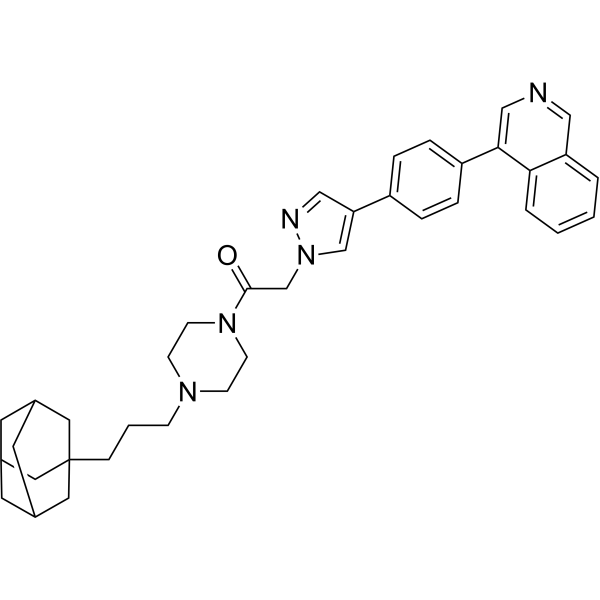
| Cat. No. |
Product Name |
Type |
-
- HY-D3311
-
|
|
Fluorescent Dyes
|
|
M1219 is a GSH/ATP dual near-infrared activated fluorescent probe that enables independent real-time monitoring of dynamic changes in intracellular GSH and ATP without spectral crosstalk (GSH: Ex=640 nm, Em=740~800 nm; ATP: Ex=594 nm/610 nm, Em=650~700 nm). M1219 not only visualizes the metabolic regulatory mechanism of TNBC under single/dual-target inhibition of SLC7A11/GLUT1 and accurately evaluates its in vivo efficacy, but also achieves precise localization of the TNBC tumor invasion boundary. M1219 can be used for the research of triple-negative breast cancer .
|
| Cat. No. |
Product Name |
Target |
Research Area |
-
- HY-P11051
-
|
|
Biochemical Assay Reagents
|
Cancer
|
|
GE11, Cys Conjugated is a peptide conjugate. GE11, Cys Conjugated consists of GE11 (HY-P10128) conjugated to a GGGGC sequence. GE11, Cys Conjugated can be used to synthesize stimulus-responsive peptide nanomaterials (SRPNs) for photoacoustic imaging and cancer research, such as studies on triple-negative breast cancer (TNBC) .
|
-
- HY-P10947
-
|
|
Epigenetic Reader Domain
YAP
|
Cancer
|
|
MACTIDE-V is an orally active and selective peptide-drug conjugate targeting CD206. MACTIDE-V delivers Verteporfin (HY-B0146) to CD206 + tumor-associated macrophages (TAM) to inhibit the YAP/TAZ signaling pathway, prompting YAP exclusion from the nucleus, inducing TAM polarization toward an anti-tumoral phenotype with enhanced phagocytosis and antigen presentation, and boosting T cell infiltration and NK cell activity. MACTIDE-V suppresses primary tumor growth and lung metastasis in triple-negative breast cancer (TNBC) mouse models .
|
| Cat. No. |
Product Name |
Target |
Research Area |
Image |
-
- HY-P991664
-
|
|
Src
Akt
ERK
TAM Receptor
c-Met/HGFR
MMP
HIF/HIF Prolyl-Hydroxylase
VEGFR
|
Cancer
|
|
AG01 is a monoclonal antibody against progranulin (GP88). AG01 inhibits triple-negative breast cancer (TNBC) cell proliferation and migration, reduces the expression of phosphorylated protein kinases p-Src, p-AKT, and p-ERK, and reduces the expression of oncogenic proteins such as Axl, c-MET, HIF-1α, and VEGF. AG01 inhibits tumor growth and Ki67 expression in a TNBC xenograft mouse model. AG01 can be used in the research of TNBC and other cancers .
|
-

(5)
-
- HY-P991620
-
|
|
Transmembrane Glycoprotein
|
Cancer
|
|
JS006 is a humanized IgG4κ monoclonal antibody inhibitor targeting TIGIT/CD155. JS006 can be used to study advanced and/or metastatic cancers with resistance to PD-1/PD-L1 inhibitor such as non-small cell lung cancer (NSCLC), advanced lymphoma and advanced/metastatic triple negative breast cancer (TNBC) .
|
-
(5)
| Cat. No. |
Product Name |
Category |
Target |
Chemical Structure |
| Cat. No. |
Product Name |
|
Classification |
-
- HY-135699
-
TD52
2 Publications Verification
|
|
Alkynes
|
|
TD52, an Erlotinib (HY-50896) derivative, is an orally active, potent cancerous inhibitor of protein phosphatase 2A (CIP2A) inhibitor. TD52 mediates the apoptotic effect in triple-negative breast cancer (TNBC) cells via regulating the CIP2A/PP2A/p-Akt signalling pathway. TD52 indirectly reduced CIP2A by disturbing Elk1 binding to the CIP2A promoter. TD52 has less p-EGFR inhibition and has potent anti-cancer activity . TD52 is a click chemistry reagent, it contains an Alkyne group and can undergo copper-catalyzed azide-alkyne cycloaddition (CuAAc) with molecules containing Azide groups.
|
-
- HY-178164
-
|
|
|
Alkynes
|
|
HBS-101 is a selectively, orally active, brain-penetrant, Midkine (MDK) inhibitor (KD = 38.4 nM). HBS-101 significantly reduces cell viability, clonogenic survival, and invasiveness and increases apoptosis. HBS-101 involves suppression of the Akt/mTOR, STAT3, and NF-κB pathways. HBS-101 can be used for the study of Triple-negative breast cancer (TNBC) .
|
-
- HY-135699A
-
|
|
|
Alkynes
|
|
TD52 dihydrochloride, an Erlotinib (HY-50896) derivative, is an orally active, potent cancerous inhibitor of protein phosphatase 2A (CIP2A) inhibitor. TD52 dihydrochloride mediates the apoptotic effect in triple-negative breast cancer (TNBC) cells via regulating the CIP2A/PP2A/p-Akt signalling pathway. TD52 dihydrochloride indirectly reduced CIP2A by disturbing Elk1 binding to the CIP2A promoter. TD52 dihydrochloride has less p-EGFR inhibition and has potent anti-cancer activity . TD52 (dihydrochloride) is a click chemistry reagent, it contains an Alkyne group and can undergo copper-catalyzed azide-alkyne cycloaddition (CuAAc) with molecules containing Azide groups.
|
-
- HY-157411
-
|
|
|
Alkynes
|
|
anti-TNBC agent-5 (compound 10C) is a triple-negative breast cancer (TNBC) inhibitor with good stability and pharmacokinetic properties. anti-TNBC agent-5 exhibits antiproliferative activity against a variety of cancer cells. anti-TNBC agent-5 can also effectively inhibit TNBC lung metastasis activity in the MDA-MB-231 xenograft model. anti-TNBC agent-5 can be used in cancer research .
|
Your information is safe with us. * Required Fields.
Inquiry Information
- Product Name:
- Cat. No.:
- Quantity:
- MCE Japan Authorized Agent:








