Search Result
Results for "
compound+21
" in MedChemExpress (MCE) Product Catalog:
| Cat. No. |
Product Name |
Target |
Research Areas |
Chemical Structure |
-
- HY-147090
-
-
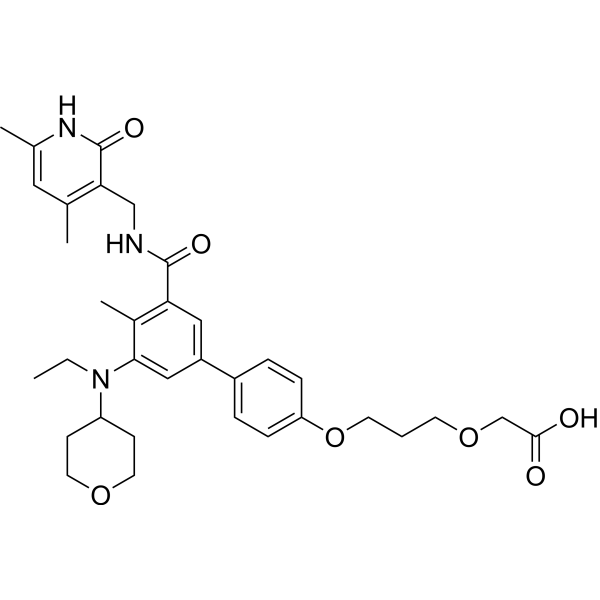
-
- HY-158201
-
-
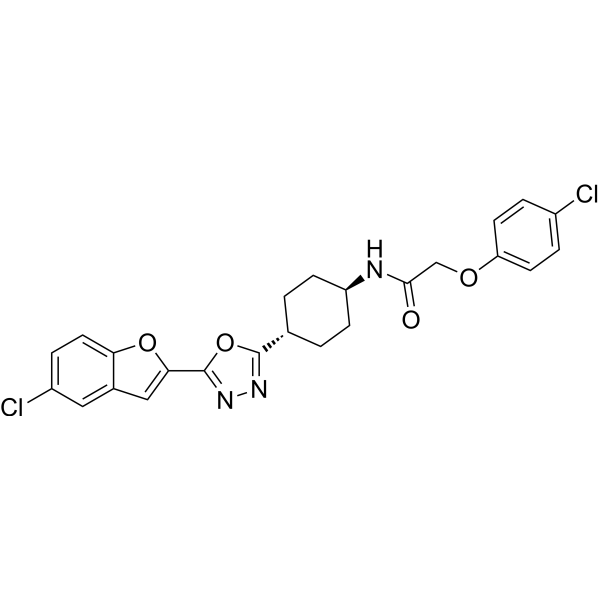
-
- HY-148949
-
|
|
Kallikrein
|
Others
|
|
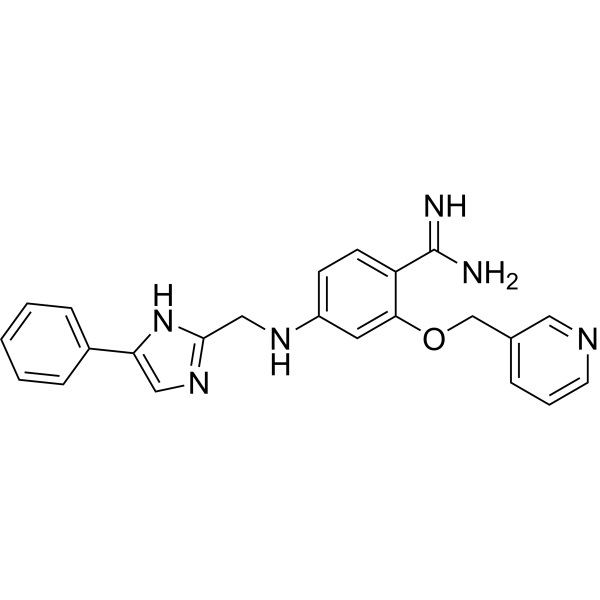
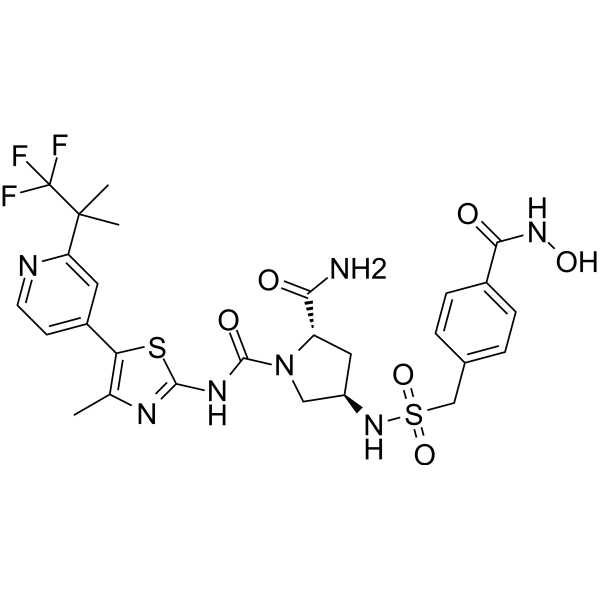
Kallikrein 5-IN-2 (compound 21) is a selective Kallikrein KLK5 inhibitor (pIC50=7.1). KLK5 inhibition may normalise epidermal shedding and reduce the associated inflammation and itching .
|
-
-
- HY-128133
-
|
MMP8-I
|
MMP
|
Cancer
|
|
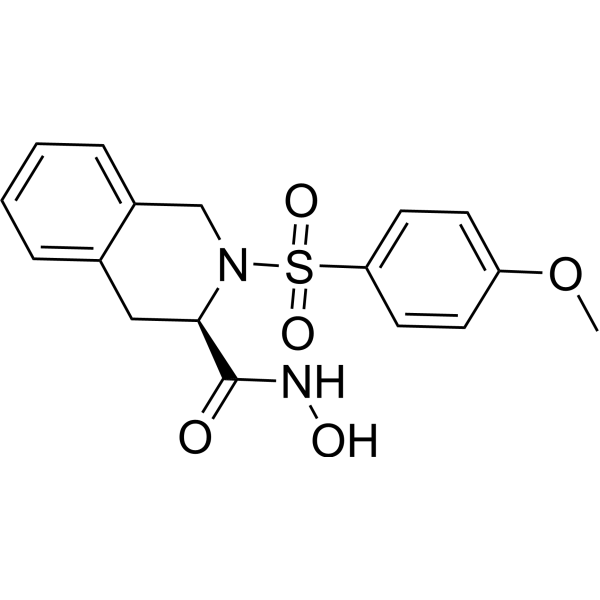
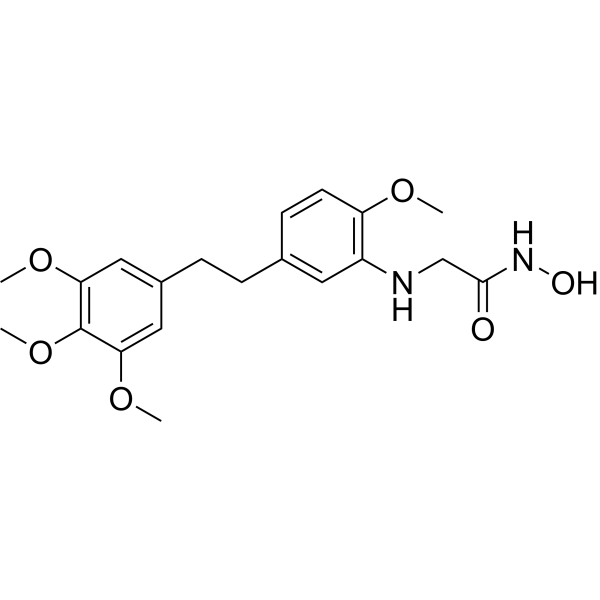
MMP-8 inhibitor-1 (compound 21), a hydroxamic acid derivative, is a potent MMP-8 inhibitor without significant oral bioavailability .
|
-
-
- HY-111040
-
|
|
Hedgehog
|
Neurological Disease
|
|
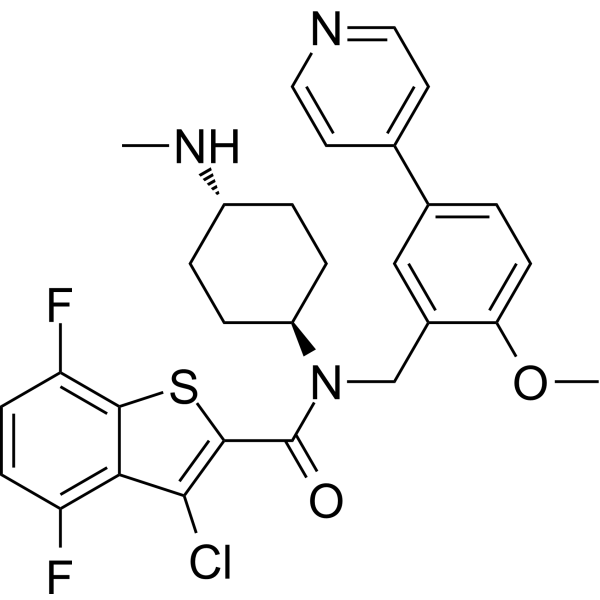
Hh agonist 1 (compound 21k) is a potent Hedgehog (Hh) agonist, with an EC50 0.3 nM. Hh agonist 1 can be used for the research of stroke and other neurological disorders .
|
-
-
- HY-148435
-
|
|
Glucocorticoid Receptor
ADC Payload
|
Inflammation/Immunology
|
|
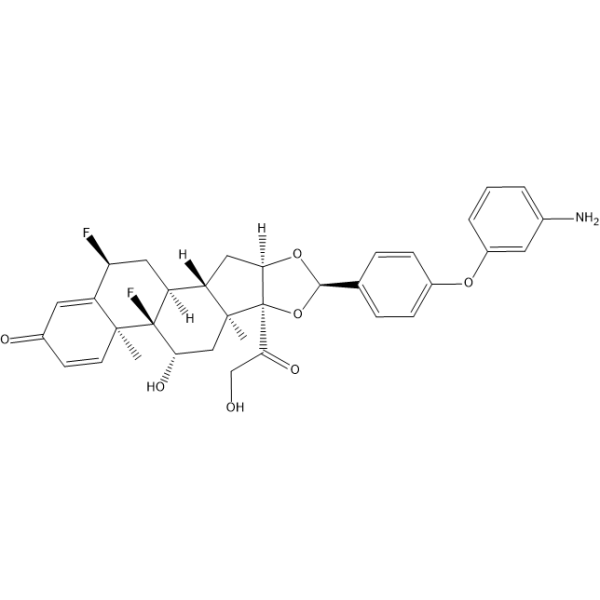
Glucocorticoid receptor agonist-2 (compound 21) is an glucocorticoid receptor agonist with an IC50 value of 6.6 nM. Glucocorticoid receptor agonist-2 can be used to synthesize anti-inflammatory ADC molecules. Glucocorticoid receptor agonist-2 is an active reference of ABBV-3373 .
|
-
-
- HY-132158
-
|
|
Drug-Linker Conjugates for ADC
|
Cancer
|
|
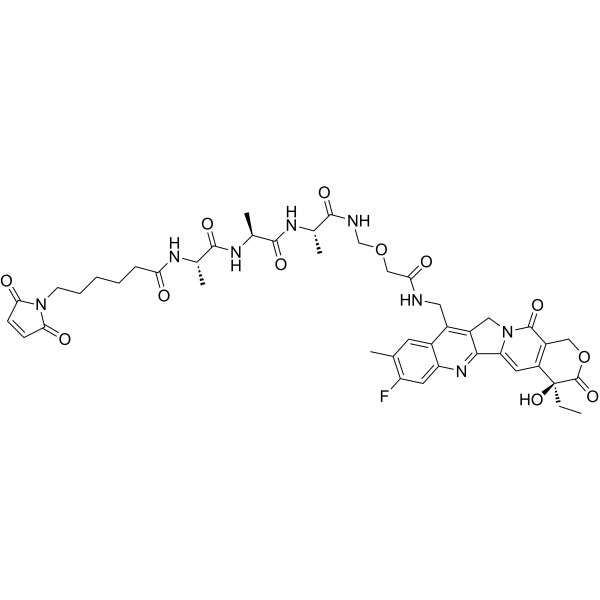
MC-AAA-NHCH2OCH2COO-7-aminomethyl-10-methyl-11-fluoro camptothecin (compound 21a), a camptothecin payload, can be conjugated to a monoclonal antibody (mAb) for the synthesis of camptothecin antibody-drug conjugate (ADC) .
|
-
-
- HY-112262
-
-
-
- HY-156280
-
|
|
RAR/RXR
|
Endocrinology
|
|
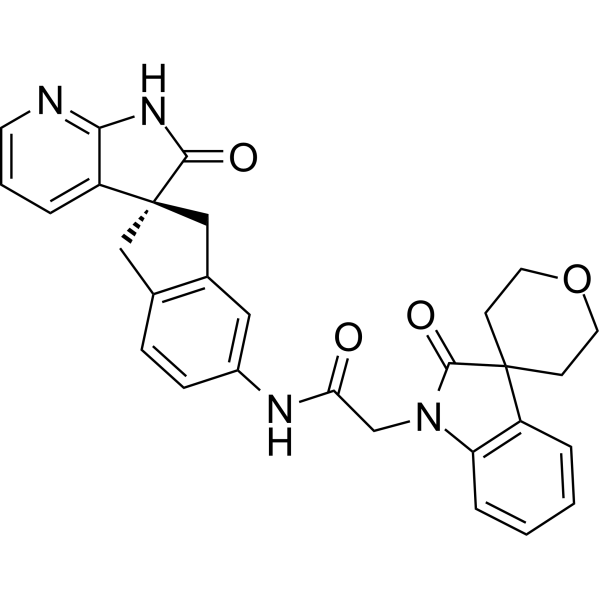
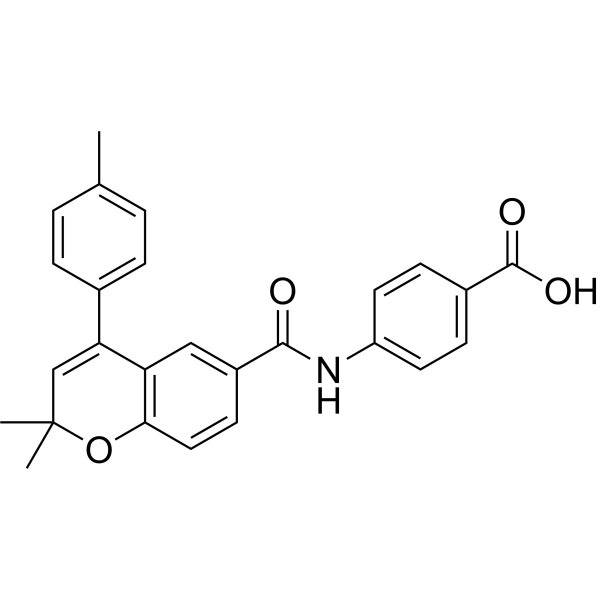
RARα antagonist 1 (compound 21) is an orally active and selective retinoic acid receptor α(RARα) antagonist, with the IC50 of 4.6nM .
|
-
-
- HY-135570
-
-
-
- HY-149406
-
|
|
AMPK
|
Cancer
|
|
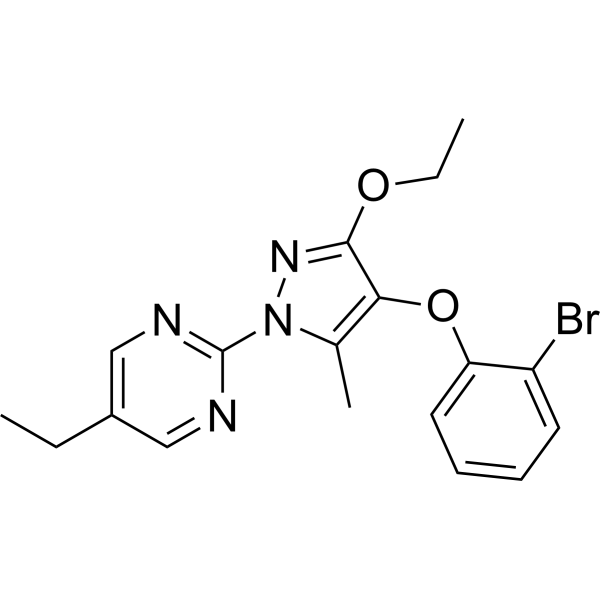
AMPK activator 12 (compound 21) is a potent AMPK activator and GDF15 inducer. AMPK activator 12 increases GDF15 protein levels in human hepatic cells .
|
-
-
- HY-W130025
-
|
|
Cholinesterase (ChE)
|
Neurological Disease
|
|
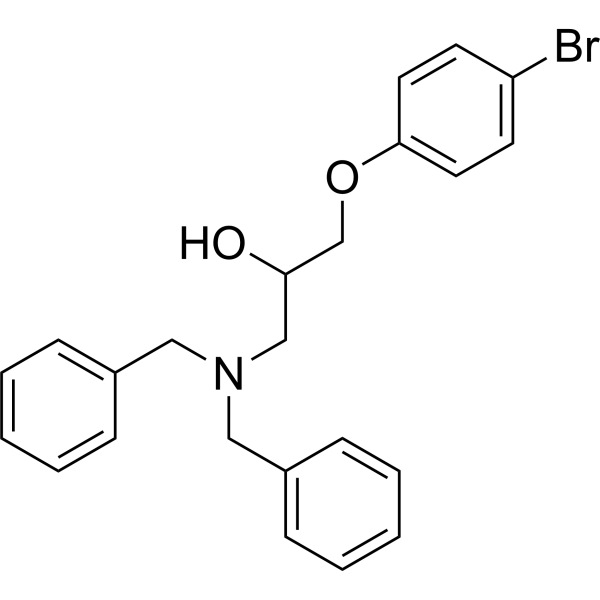
p-Xylene bis(pyridinium bromide) (compound 21), a cationic charged quencher, is a week bisquaternary AChE and BChE inhibitor with IC50s of 1540 μM and 529 μM, respectively .
|
-

-
- HY-W009431
-
-

-
- HY-161050
-
|
|
HDAC
Apoptosis
|
Cancer
|
|
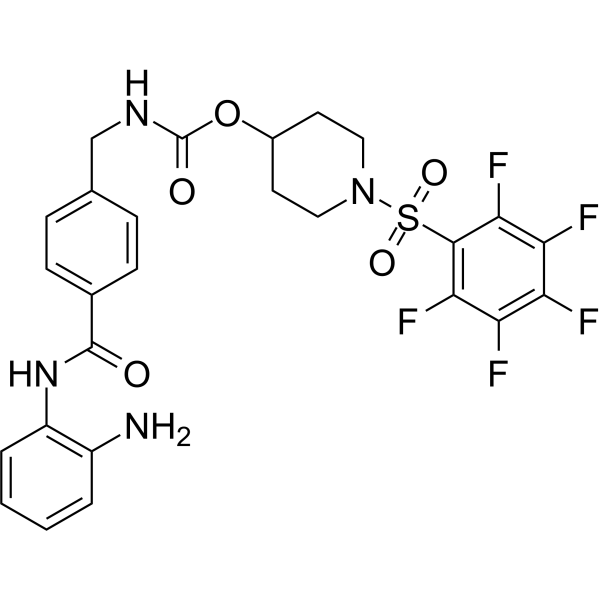
YSR734 (Compound 21) is a covalent HDAC inhibitor with IC50 values of 110 nM, 154 nM, and 143 nM for HDAC1, HDAC2, and HDAC3, respectively. YSR734 can induce apoptosis in leukemia cells. YSR734 can induce myoblast differentiation and is used in the study of Duchenne muscular dystrophy .
|
-
-
- HY-117865
-
|
|
Epigenetic Reader Domain
|
Cancer
|
|
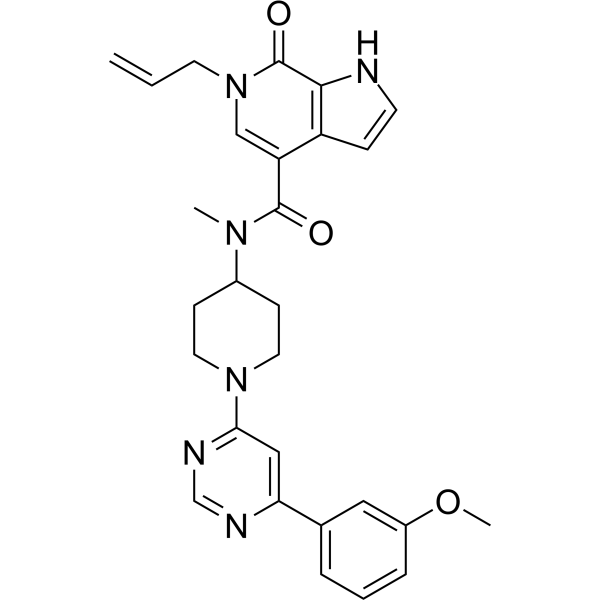
GNE-886 (Compound 21) is a potent and selective inhibitor of Cat eye syndrome chromosome region candidate 2 bromodomain (CECR2) (BRD) with an IC50 value of 0.016 µM and an EC50 value of 370 nM. GNE-886 also inhibits BRD9 with an IC50 value of 1.6 µM .
|
-
-
- HY-149397
-
|
|
Thrombin
|
Cardiovascular Disease
|
|
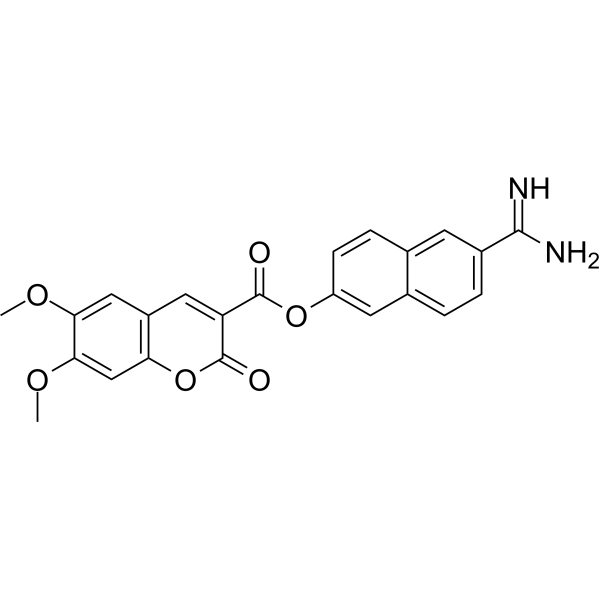
FXIIa-IN-1-IN-2 (Compound 21) is a Factor XIIa inhibitor (Ki app: 62.2 nM). FXIIa-IN-1-IN-2 can be used for research of thrombosis .
|
-
-
- HY-134597
-
|
|
E1/E2/E3 Enzyme
|
Cancer
|
|
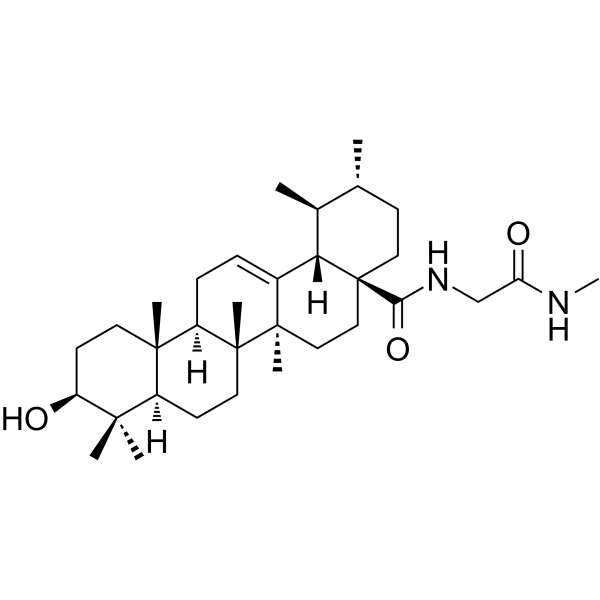
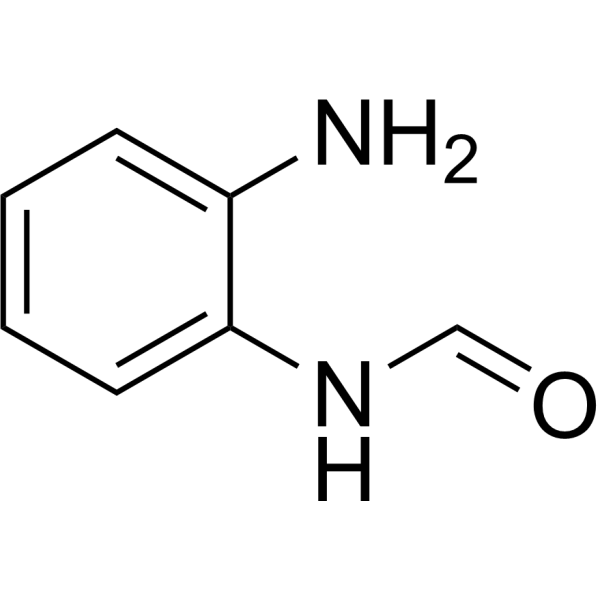
SENP1-IN-4 is a specific deSUMOylation protease 1 (SENP1) inhibitor extracted from patent CN110627860, Compound 21. SENP1-IN-4 is developed for tumor radiosensitivity enhancement .
|
-
-
- HY-146206
-
|
|
Carbonic Anhydrase
|
Cancer
|
|
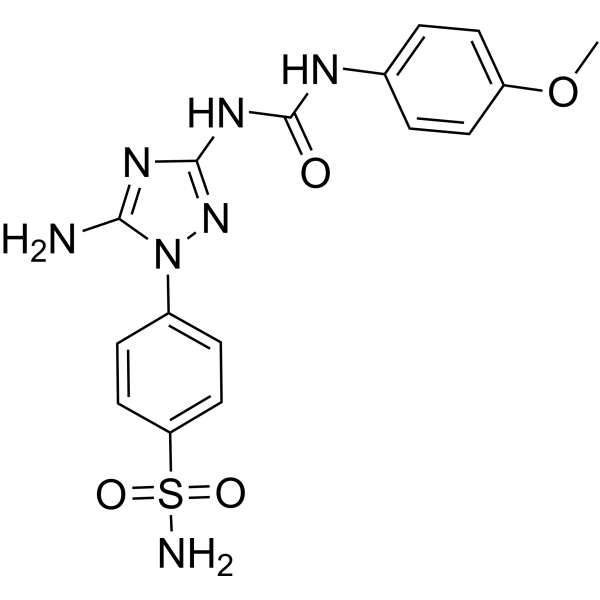
HCAIX-IN-1 (compound 21e) is a potent and selective HCAIX inhibitor with KIs of 694.9, 126.6, 3.3, 9.8 nM for hCA I, hCA II, hCA IX, hCA XII, respectively .
|
-
-
- HY-W013852
-
|
|
Ser/Thr Kinase
Tyrosinase
PKA
PKC
EGFR
|
Cancer
|
|
PKC-IN-6 (Compound 21) is a selective inhibitor of tyrosine and serine kinases. PKC-IN-6 shows inhibitory activity against PKC-α, PKC-δ, PKA, EGF-R with IC50 values of 240, >500, >500, >100 μM, respectively. PKC-IN-6 is promising for research of cancers .
|
-

-
- HY-103461
-
|
|
FAAH
|
Neurological Disease
|
|
FAAH-IN-6 (compound 21d) is a potent, orally active and cross the blood-brain barrier fatty acid amide hydrolase (FAAH) inhibitor with IC50s of 0.72, 0.28 nM for hFAAH, rFAAH, respectively. FAAH-IN-6 shows dose-dependent analgesic efficacy in animal models of both neuropathic and inflammatory pain .
|
-
-
- HY-146413
-
|
|
CXCR
HIV
|
Infection
Cancer
|
|
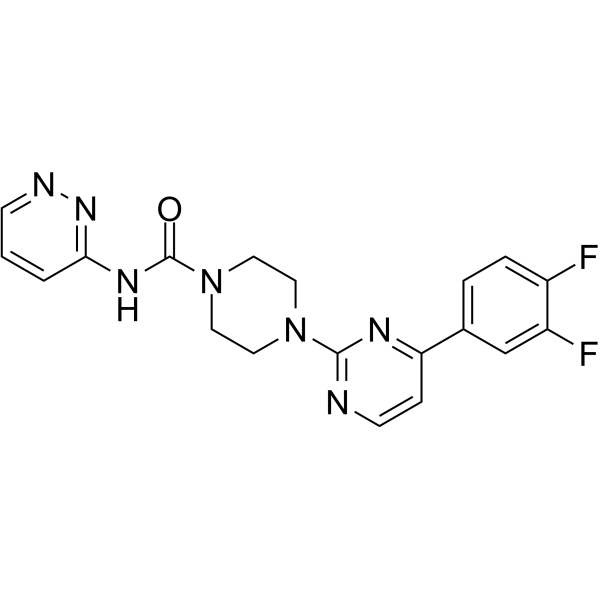
HF50731 (compound 21) is a potent CXCR4 antagonist. HF50731 shows strong CXCR4 binding affinity, with IC50 of 19.8 nM. HF50731 effectively inhibits calcium mobilization, cell migration, and HIV-1 infection via CXCR4 coreceptor, with IC50 values of 119.2 nM, 621.4 nM and 1.5 μM .
|
-
-
- HY-144394
-
|
|
Apoptosis
c-Met/HGFR
|
Cancer
|
|
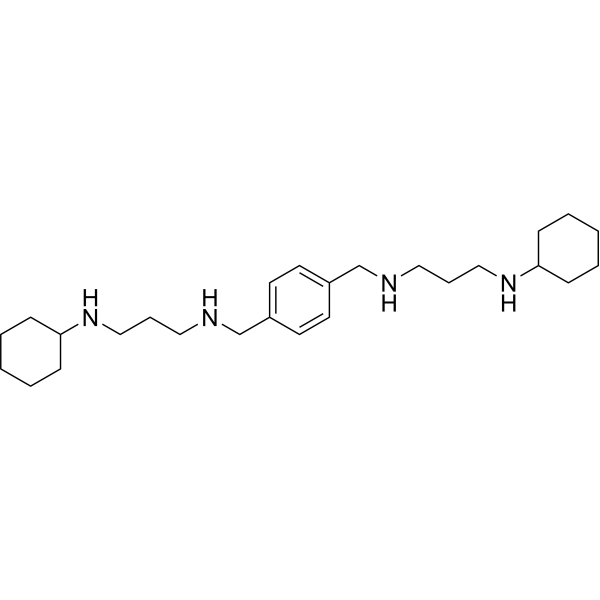
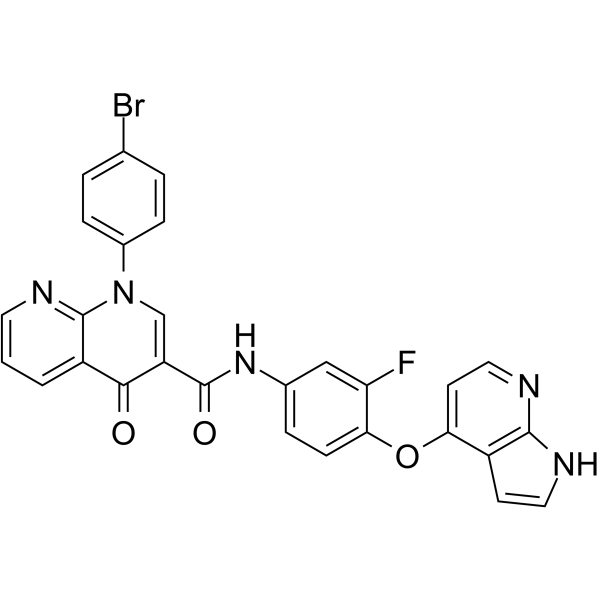
Antitumor agent-45 (Compound 21) could induce and stimulate A549 cells apoptosis in G0/G1 and G2/M phase. Antitumor agent-45 (Compound 21) inhibits c-Met expression to regulate the growth of tumor cells .
|
-
-
- HY-45131
-
-

-
- HY-168095
-
|
|
CXCR
|
Cancer
|
|
CXCR4 antagonist 10 (compound 21) is a potent antagonist of CXCR4, with the IC50 of 7.8 nM. CXCR4 antagonist 10 plays an important role in cancer research .
|
-

-
- HY-159633
-
|
|
SARS-CoV
|
Infection
|
|
PLpro-IN-5 (compound 21) is a PLPro protease inhibitor with an IC50 value of 91.14 nM. PLpro-IN-5 shows broad-spectrum antivirus, especially for SARS-CoV, MERS-CoV, SARS-CoV-2 .
|
-

-
- HY-155519
-
|
|
IRAK
|
Inflammation/Immunology
|
|
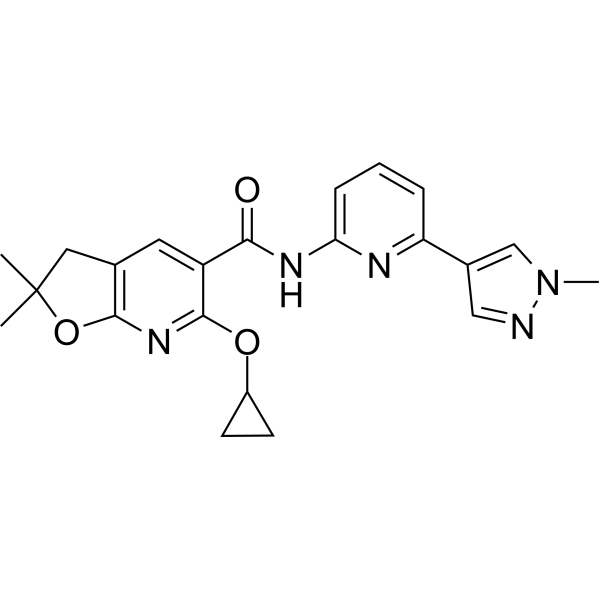
IRAK4-IN-26 (Compound 21) is a IRAK4 inhibitor (IC50: 6.2 nM). IRAK4-IN-26 displays an oral bioavailability of 21%. IRAK4-IN-26 can be used for research of inflammatory and autoimmune disorders .
|
-
-
- HY-120652
-
|
|
Adenosine Receptor
|
Inflammation/Immunology
|
|
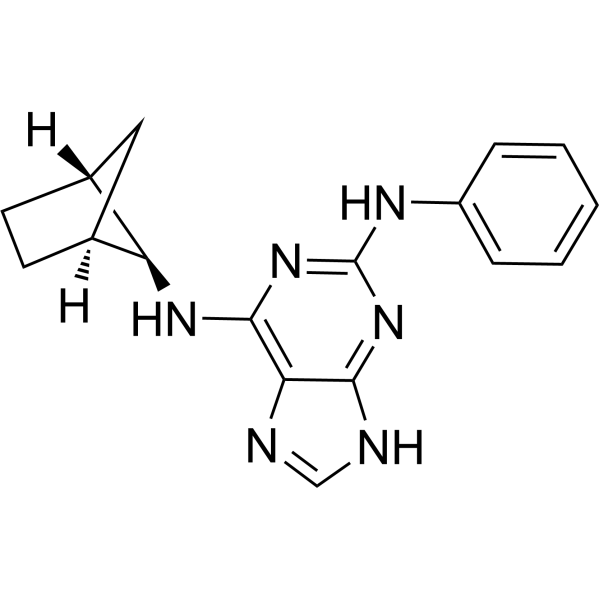
A3AR antagonist 3 (compound 21) is a selective A3 adenosine receptor (A3AR) antagonist with a Ki of 37 nM. A3AR antagonist 3 shows >60-fold selectivity in comparison to A1 and A2A adenosine receptors .
|
-
-
- HY-148132
-
|
|
GSK-3
|
Neurological Disease
|
|
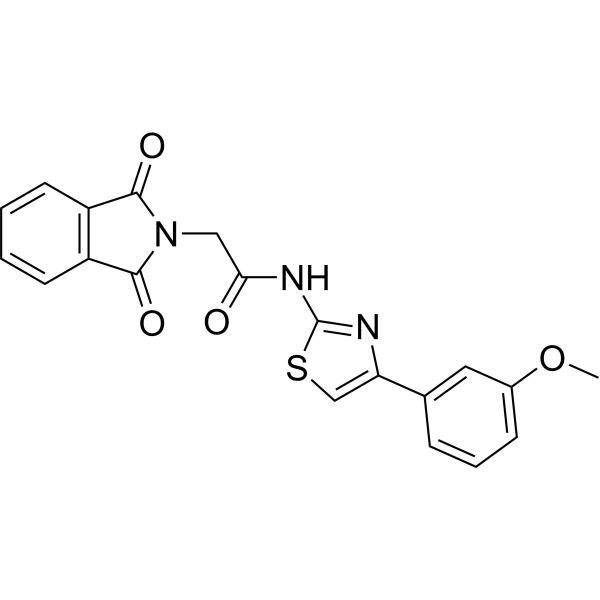
GSK-3β inhibitor 11 (compound 21) is a glycogen synthase kinase-3β (GSK-3β) inhibitor (IC50=10.02 μM). GSK-3β inhibitor 11 can be used in neurodegenerative disease research .
|
-
-
- HY-175330
-
|
|
FAP
|
Cancer
|
|
FAP-IN-6 (Compound 21) is a selectivity FAP inhibitor with an IC50 of 13 pM. FAP-IN-6 has a high metabolic stability. FAP-IN-6 labeled with 18F can be used as a positron emission tomography (PET) tracer. FAP-IN-6 can be used for microenvironment of cancers research .
|
-

-
- HY-151247
-
|
|
GnRH Receptor
|
Cancer
|
|
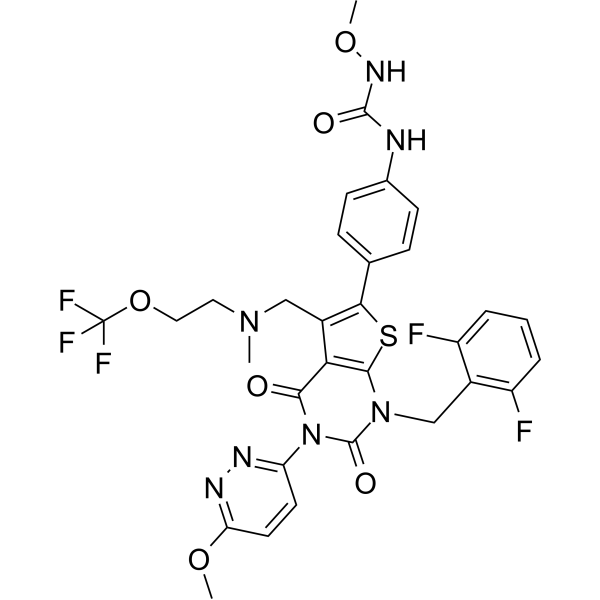
GnRH-R antagonist 1 (compound 21a) is an orally safe and membrane-permeable GnRH-R antagonist with high binding affinity (IC50=0.57 nM) and potent in vitro antagonistic activity (IC50=2.18 nM). GnRH-R antagonist 1 can be used in studies of advanced prostate cancer and premature LH peaks preventing .
|
-
-
- HY-152199
-
|
|
Adenosine Deaminase
|
Metabolic Disease
|
|
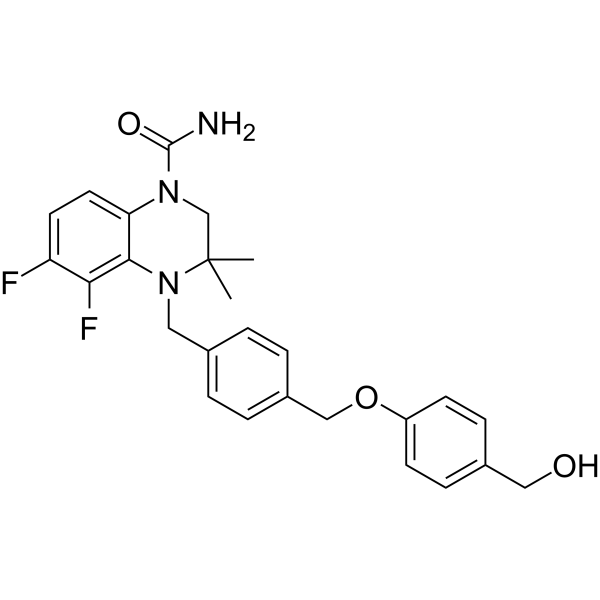
AMPD2 inhibitor 2 (compound 21) is a potent AMP deaminase 2 (AMPD2) inhibitor with IC50s of 0.1 μM and 0.28μM for hAMPD2 and mAMPD2, respectively. AMPD2 inhibitor 2 has the potential for evaluating the physiological role of AMPD2 in mice maintained on a high fat diet .
|
-
-
- HY-172788
-
|
|
Pyroptosis
NF-κB
|
Inflammation/Immunology
|
|
NLRP3-IN-78 (compound 21) is a NLRP3 inhibitor with the inhibition rate of 46.72% in GSDMD-induced pyroptosis at 5 μM. NLRP3-IN-78 binds to the NLRP3 protein and inhibits GSDMD-NT oligomerization. NLRP3-IN-78 also inhibits GSDMD cleavage, and upstream NF-κB signaling, demonstrating its anti-inflammatory activity .
|
-

-
- HY-163157
-
|
|
Parasite
|
Others
|
|
Insecticidal agent 7 (Compound 21m) is an insecticide that targets the insect ryanodine receptors (RyRs) with a LC50 of 0.0937 mg/L for the Plutella xylostella. Insecticidal agent 7 (Compound 21m) exhibits good selectivity and low toxicity towards non-target organisms .
|
-
-
- HY-D1901
-
|
|
Fluorescent Dye
|
Others
|
|
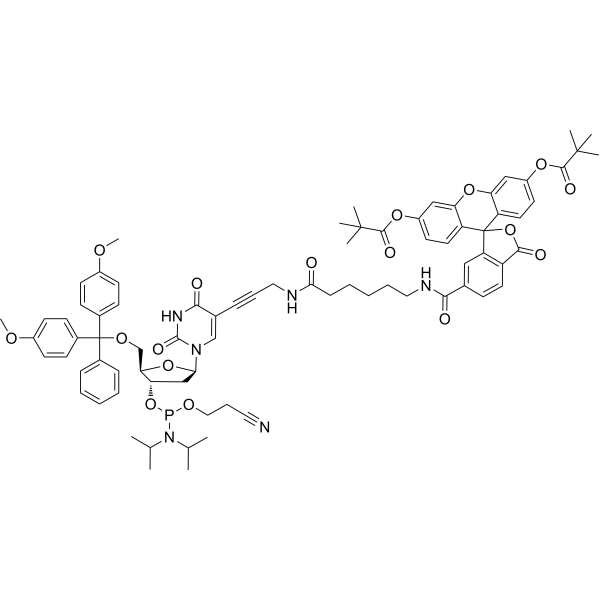
FAM-dT phosphoramidite (Compound 21) is a fully protected labelled nucleoside phosphoramidite that can be incorporated into oligonucleotides .
|
-
-
- HY-157110
-
|
|
ICMT
|
Cancer
|
|
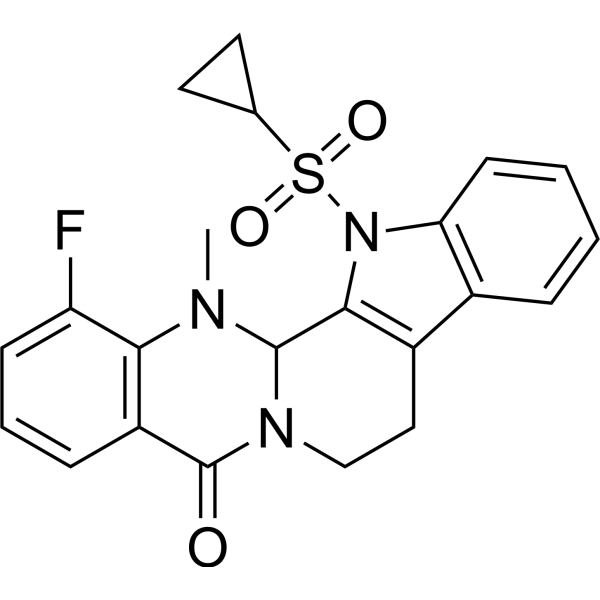
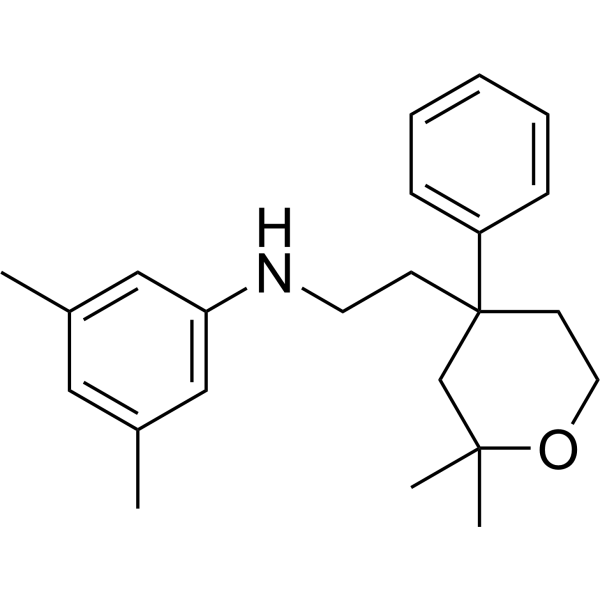
ICMT-IN-42 (compound 21) is an inhibitor of ICMT (IC50=0.054 μM) .
|
-
-
- HY-153577
-
-
-
- HY-150859
-
-
-
- HY-168984
-
|
|
JAK
|
Inflammation/Immunology
Cancer
|
|
Milpecitinib (Compound 21a) is a potent, selective Janus tyrosine kinase (JAK) inhibitor with anti-inflammatory activity. Milpecitinib is promising for research of cancers and inflammatory disorders .
|
-

-
- HY-122721
-
|
|
Bcl-2 Family
|
Cancer
|
|
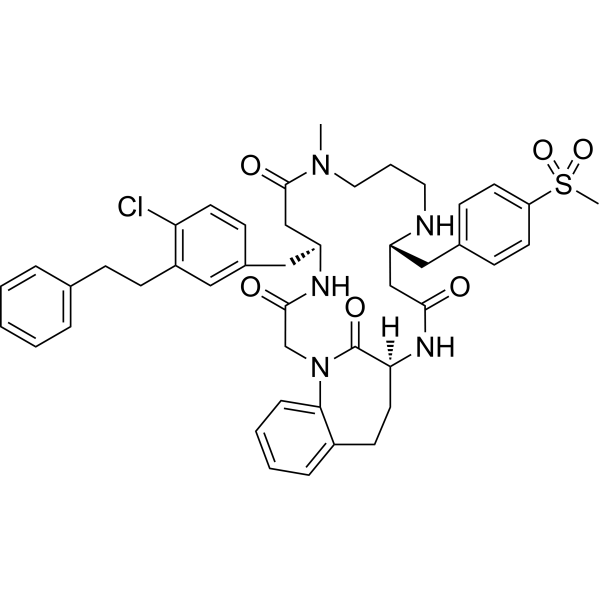
Mcl1-IN-5 (compound 21) is a MCL-1 inhibitor. Mcl1-IN-5 can be used for the research of cancers .
|
-
-
- HY-162629
-
|
|
Lactate Dehydrogenase
|
Cancer
|
|
LDHA-IN-7 (compound 21) is an oral bioactive inhibitor of lactate dehydrogenase-A (LDHA) and LDHB, with the IC50s of 72 nM and 1.2 Μm, respectively .
|
-

-
- HY-149997
-
-
-
- HY-401757
-
|
|
Bacterial
|
Infection
|
|
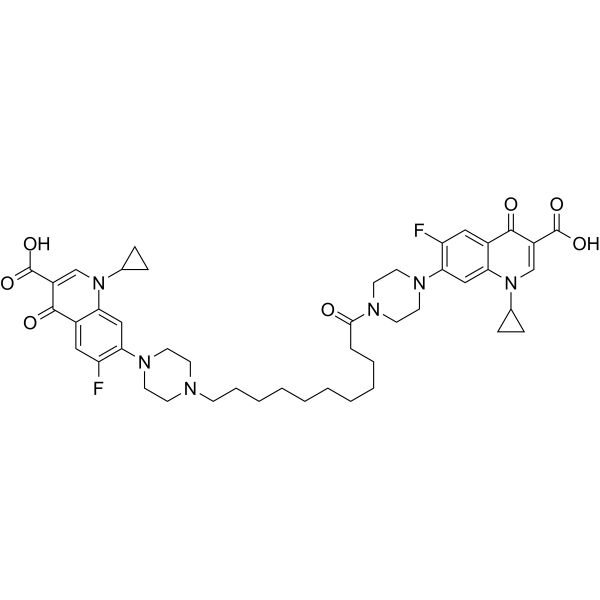
Anticaries agent-1 (Compound 21b) is an anticaries agent. Anticaries agent-1 inhibits biofilm formation (IC50: 77 μM) and S. mutans growth .
|
-

-
- HY-139421
-
|
|
Drug Isomer
|
Cardiovascular Disease
|
|
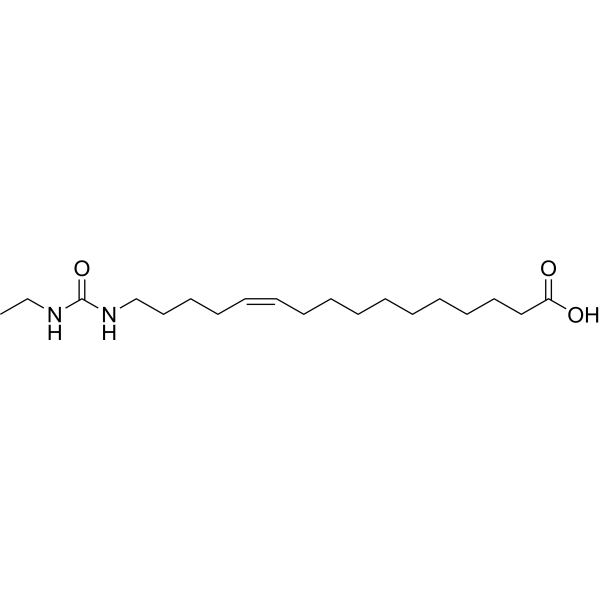
(Z)-16-(Ethylcarbamoylamino)hexadec-11-enoic acid (Compound 21) is a vasorelaxant (EC50=5.7 μM) that can be used in cardiovascular disease research .
|
-
-
- HY-13590
-
|
|
VEGFR
|
Cancer
|
|
CEP-7055 (compound 21) is a novel vascular endothelial growth factor R2 (VEGF-R2) tyrosine kinase inhibitor with potent inhibitory activity. Studies have found that the inhibitor activity can be significantly improved by optimizing the R9 substituent. Compound 21 has potent low nanomolar inhibition of human VEGF-R tyrosine kinase and shows good selectivity against multiple tyrosine and serine/threonine kinases. N,N-dimethylglycine ester 40 was prepared to improve its water solubility and oral bioavailability. In animal pharmacokinetic studies, a significant increase in the plasma level of 21 was observed after oral administration of 40. Compound 21 showed significant in vivo antitumor activity in multiple tumor models and has entered phase I clinical trials as a water-soluble N,N-dimethylglycine ester proagent of 40 (CEP-7055).
|
-

-
- HY-W275220
-
|
|
Aminoacyl-tRNA Synthetase
|
Infection
|
|
PEA-NBOMe hydrochloride (Compound 21) is a competitive phenylalanyl-tRNA synthetase (PRS) inhibitor (Ki=0.92 μM), which is found in Escherichia coli. PEA-NBOMe hydrochloride is promising for research of antibacterial or antiviral agents .
|
-

-
- HY-173471
-
|
|
TRP Channel
|
Neurological Disease
|
|
TRPA1 agonist-1 (compound 21) is a potent and selective TAAR1 agonist with an EC50 of 25.47 μM. TRPA1 agonist-1 shows effective analgesic properties without irritation in mice .
|
-

-
- HY-149870
-
|
|
PROTACs
CDK
|
Cancer
|
|
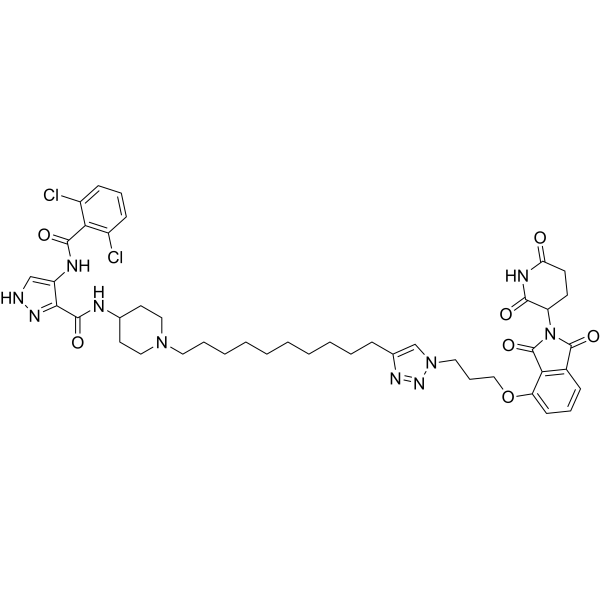
PROTAC CDK9 degrader-8 (compound 21) is a potent PROTAC CDK9 degrader with an IC50 value of 0.01 μM. PROTAC CDK9 degrader-8 can be used in research of cancer .
|
-
-
- HY-162164
-
|
|
Others
|
Neurological Disease
|
|
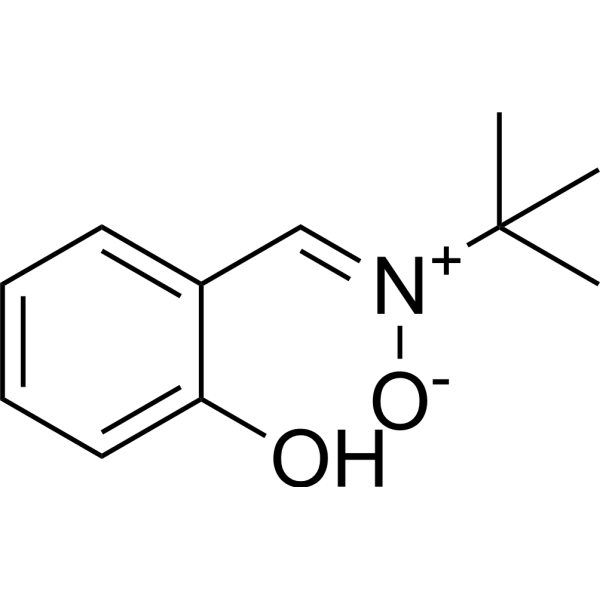
Neuroprotective agent 3 (Compound 21a) is an antioxidant that exhibits neuroprotective effects. Neuroprotective agent 3 significantly increases neuronal viability and induces neuroprotection, as well as improves neurological deficit scores in an in vivo model of transient cerebral ischemia .
|
-
-
- HY-117754
-
|
|
Cannabinoid Receptor
|
Neurological Disease
|
|
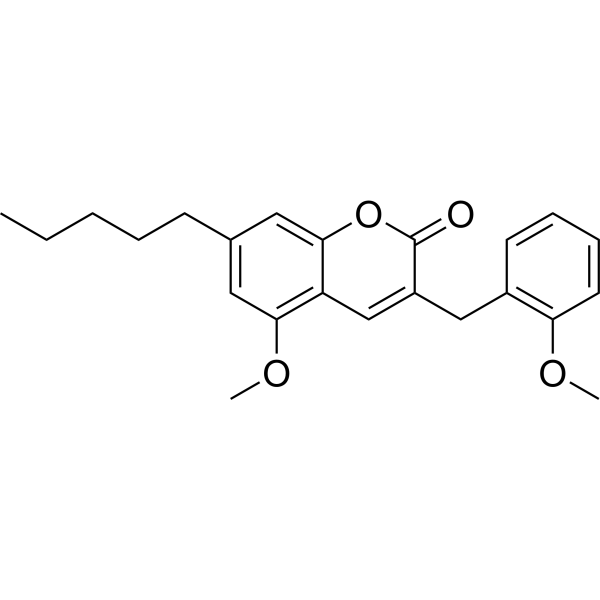
PSB-SB1202 (Compound 21a) is a phenyl coumarin compound. PSB-SB1202 is a CB1/CB2 agonist with EC50 values of 56 and 14 nM, and Ki values of 32 and 49 nM, respectively .
|
-
-
- HY-151981
-
|
|
EGFR
|
Cancer
|
|
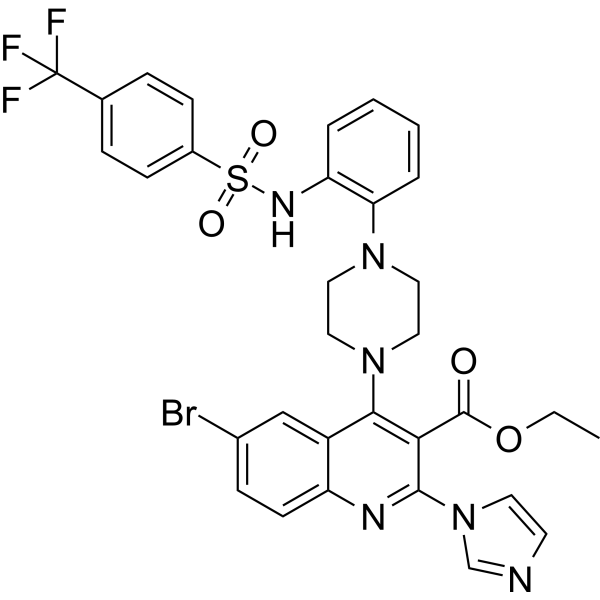
EGFR-IN-74 (Compound 21) is a potent EGFR inhibitor with an IC50 of 138 nM against EGFR L858R/T790M. EGFR-IN-74 induces cancer cell apoptosis .
|
-
- HY-147231
-
|
|
Drug-Linker Conjugates for ADC
|
Cancer
|
|
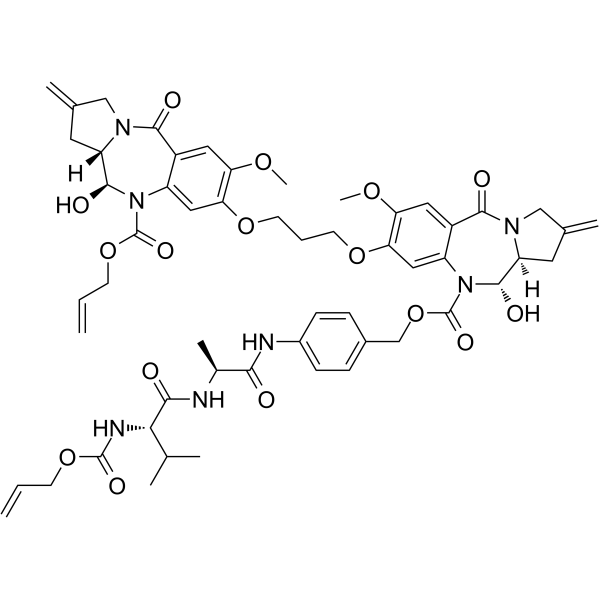
SG3400 delate (Mal-amido-PEG8) (compound 21) is an intermediate for the synthesis of ADC molecules. SG3400 delete is an effective toxin molecule with anticancer activity. SG3400 delete can be used in cancer research .
|
-
- HY-119057
-
|
|
Parasite
|
Infection
|
|
DSM74 (compound 21) is an orally active and potent antimalarial inhibitor of PfDHODH (IC50=0.28 μM) and PbDHODH (IC50=0.38 μM). DSM74 inhibits the growth of Plasmodium in animals .
|
-

- HY-124827
-
|
|
Tyrosinase
|
Cancer
|
|
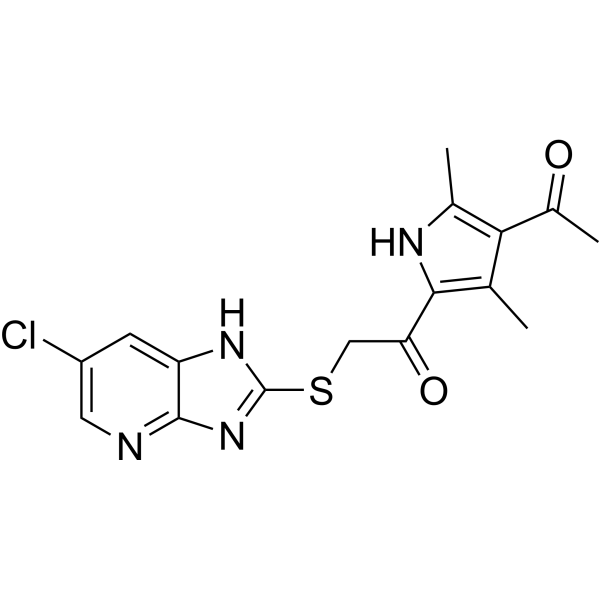
Tec-IN-1 (Compound 21) is a Tec inhibitor (IC50s of 11.7 μM). Tec-IN-1 inhibits Tec-mediated tyrosine phosphorylation of FGF2, and inhibits FGF2 secretion from cells .
|
-
- HY-170315
-
|
|
PROTAC Linkers
|
Cancer
|
|
Ethyne-C2-Pip-CO-Pip-Boc (Compound 21) is a PROTAC linker. Ethyne-C2-Pip-CO-Pip-Boc can be used to synthesize QA-68 (HY-150797) .
|
-

- HY-172105
-
|
|
PPAR
|
Metabolic Disease
Inflammation/Immunology
|
|
Anti-NASH agent 2 (compound 21) is an inhibitor of de novo adipogenesis activity and α-SMA gene expression. Anti-NASH agent 2 improves hepatic steatosis, edema, inflammatory infiltrates, and liver fibrosis in NASH mouse models .
|
-

- HY-156398
-
|
|
NO Synthase
β-catenin
NF-κB
|
Inflammation/Immunology
|
|
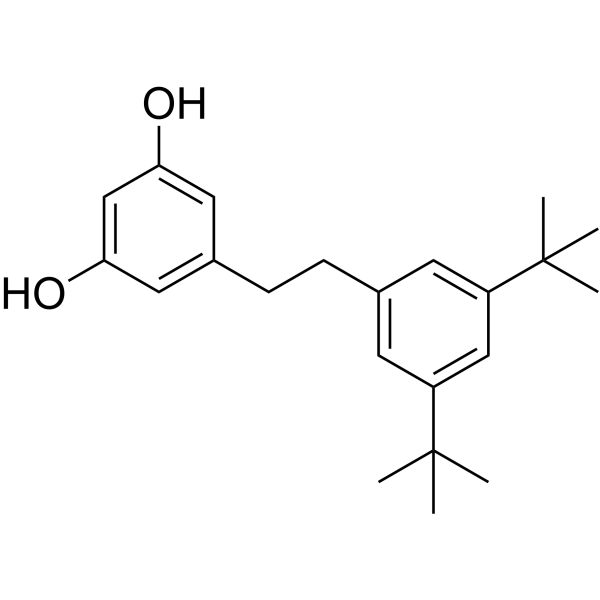
Anti-inflammatory agent 60(compound 21) inhibitsnitric oxide production, with anIC50value of 12.95 μM.Anti-inflammatory agent 60reducesiNOS,phosphorylated p65, andβ-cateninexpression in a concentration-dependent manner .
|
-
- HY-151387
-
|
|
Adenosine Receptor
|
Neurological Disease
|
|
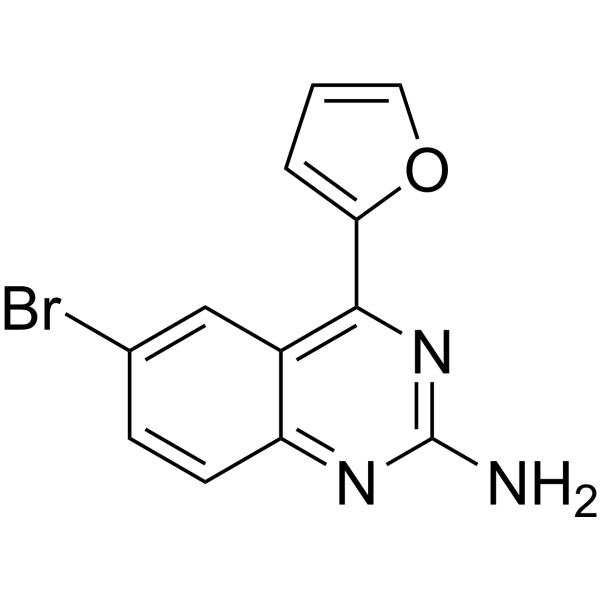
A2AAR antagonist 1 (compound 21a) is an A2AAR (adenosine A2A receptor) antagonist with a Ki value of 20 nM. A2AAR antagonist 1 shows high ligand efficiency, and it can be used for the research of neurodegenerative diseases .
|
-
- HY-172096
-
|
|
Bcr-Abl
Src
|
Cancer
|
|
cSRC/BCR-ABL-IN-1 (compound 21b) is a potent Bcr-Abl and C-Src inhibitor with IC50 values of 56.2, 101 nM for Bcr-Abl, C-Src, respectively. cSRC/BCR-ABL-IN-1 shows cytotoxicity activity .
|
-

- HY-152537
-
|
|
G-quadruplex
|
Cancer
|
|
Antitumor agent-84 (compound 21a) is a G-quadruplex (G4)-ligand with the ability to stabilize different G4-DNA structures. Antitumor agent-84 has highly effective anti-tumor properties .
|
-
- HY-156244
-
|
|
PROTACs
|
Cancer
|
|
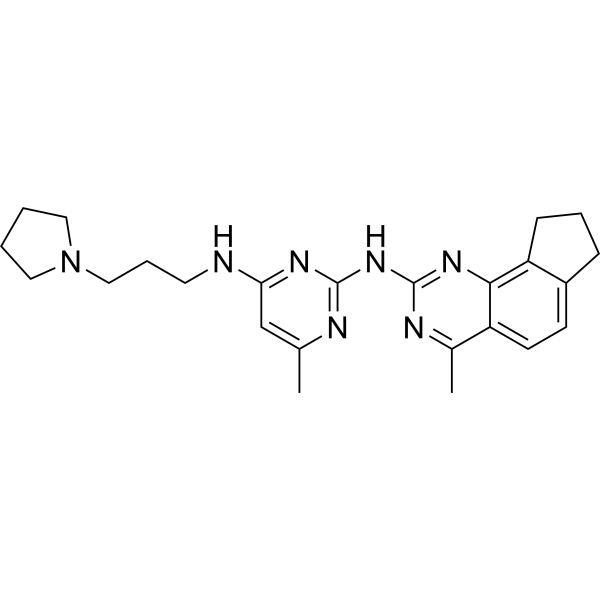
PROTAC GDI2 Degrader-1 (compound 21) is a potent PROTAC GDI2 degrader. PROTAC GDI2 Degrader-1 exhibits excellent in vivo antitumor activity in the GDI2-overexpressing pancreatic xenograft models .
|
-
- HY-146111
-
|
|
IRAK
|
Cancer
|
|
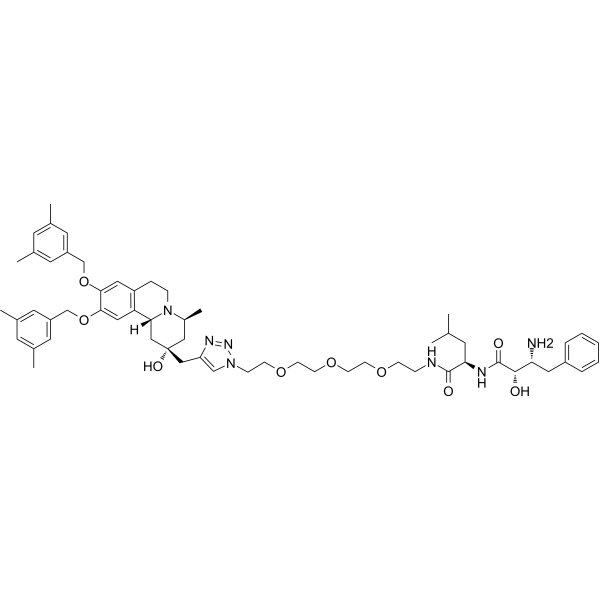
IRAK4-IN-13 (compound 21) is a potent and selective IRAK4 inhibitor with an IC50 of 0.6 nM. IRAK4-IN-13 shows high metabolic clearance with human liver microsomes (HLM) intrinsic clearance is 96 µL/min/mg .
|
-
- HY-172120
-
|
|
GPR119
|
Metabolic Disease
|
|
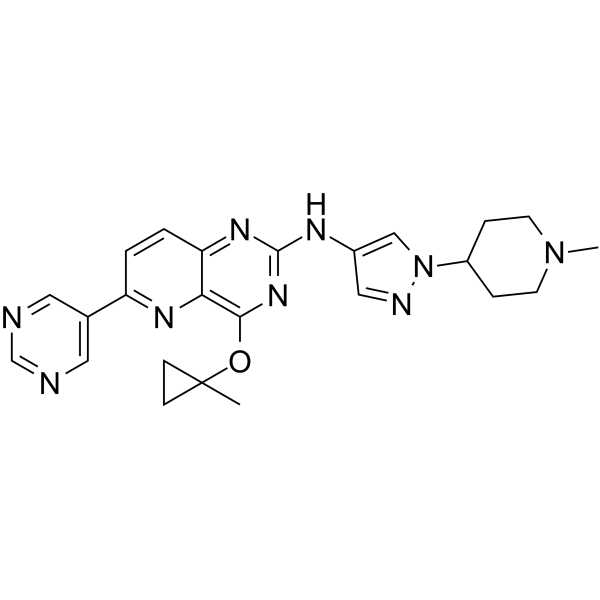
GPR119 agonist 3 (Compound 21b) is an orally active agonist of GPR119 with an EC50 value of 3.8 nM for hGPR119. Additionally, GPR119 agonist 3 exhibits hypoglycemic effects and can be used in research on type 2 diabetes and obesity .
|
-

- HY-161747
-
|
|
Microtubule/Tubulin
|
Cancer
|
|
Tubulin inhibitor 46 (Compound 21) is a potent tubulin assembly inhibitor. Tubulin inhibitor 46 has antiproliferative activities, with GI50 values of 0.0095-33 μM for cancer and non-cancerous cells. Tubulin inhibitor 46 can be used for the reserch of cancer .
|
-

- HY-149954
-
|
|
SARS-CoV
|
Infection
|
|
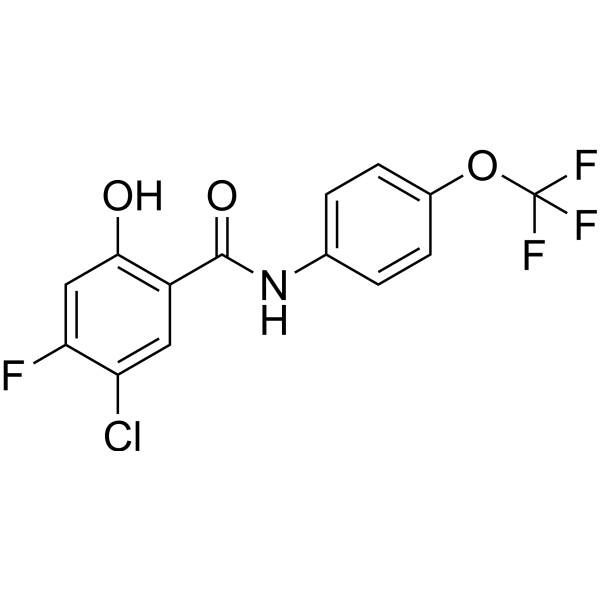
SARS-CoV-2-IN-39 (compound 21) is a SARS-CoV-2 inhibitor with an EC50 of 1 μM. SARS-CoV-2-IN-39 against SARS-CoV-2 by inhibiting of SKP2 protein and stabilizing BECN1 .
|
-
- HY-154832
-
|
|
Calcium Channel
|
Cardiovascular Disease
|
|
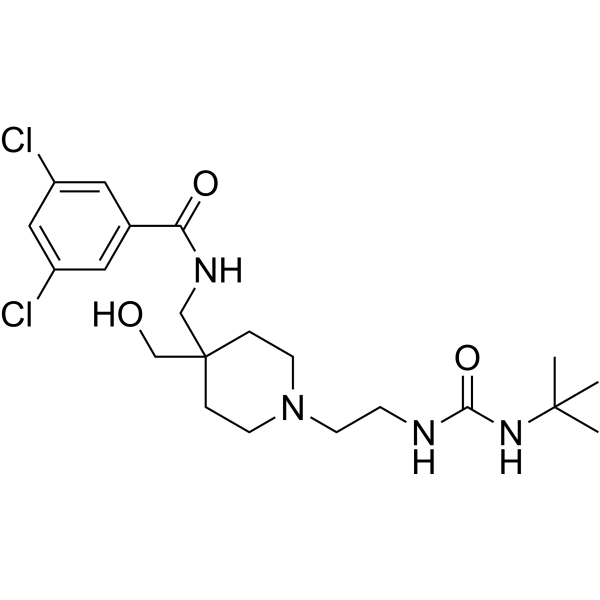
Cav 3.2 inhibitor 4 (compound 21) is a potent, peripherally restricted, selective T-type calcium channel (Cav3.2) inhibitor, with an IC50 of 0.6 μM. Cav 3.2 inhibitor 4 can be used for the research of atrial fibrillation .
|
-
- HY-175514
-
|
|
5-HT Receptor
|
Neurological Disease
|
|
5-HT2C agonist-10 (Compound 21) is a 5-HT2C activator with an EC50 of <10 nM. 5-HT2C agonist-10 is used in the research of psychiatric disorders .
|
-

- HY-146085
-
|
|
PCSK9
|
Metabolic Disease
|
|
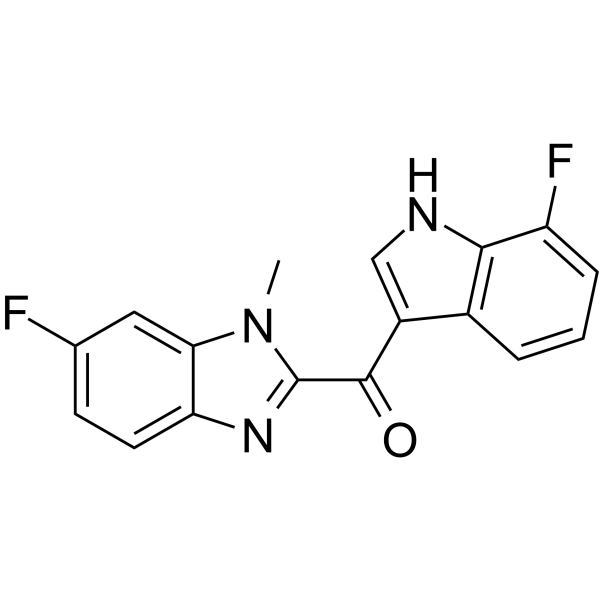
PCSK9 modulator-4 (Compound 21) is a potent modulator of PCSK9 with an EC50 value of 0.15 nM. PCSK9 is a recently validated target for lowering low-density lipoprotein cholesterol (LDL-C). PCSK9 modulator-4 has the potential for the research of hyperlipidemia .
|
-
- HY-162695
-
|
|
Microtubule/Tubulin
|
Cancer
|
|
Antitumor agent-168 (compound 21b) disrupts the microtubule network in tumor cells leading to G2/M cell cycle arrest and apoptosis induction. Antitumor agent-168 inhibits MCF-7 growth with an IC50 value of 1.4 nM .
|
-

- HY-156008
-
|
|
SARS-CoV
Virus Protease
|
Infection
|
|
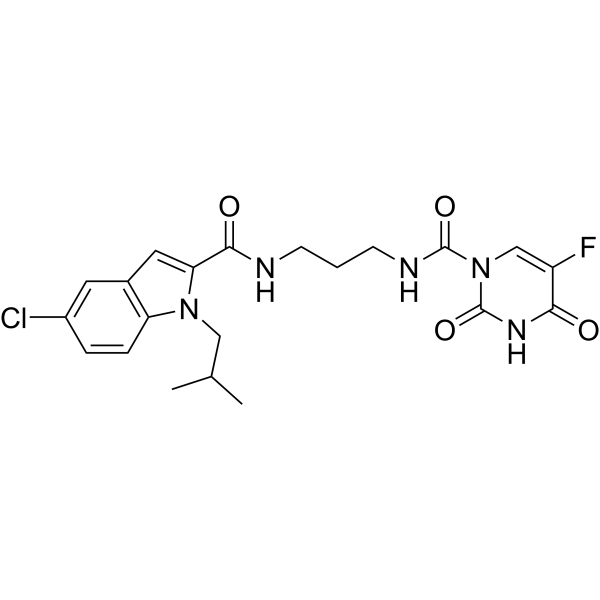
SARS-CoV-2-IN-58 (Compound 21H) is an antiviral agent against SARS-CoV-2 (EC50: 18 μM). SARS-CoV-2-IN-58 inhibits SARS-CoV-2 M pro with an IC50 of 0.35 μM .
|
-
- HY-149429
-
|
|
PPAR
|
Metabolic Disease
|
|
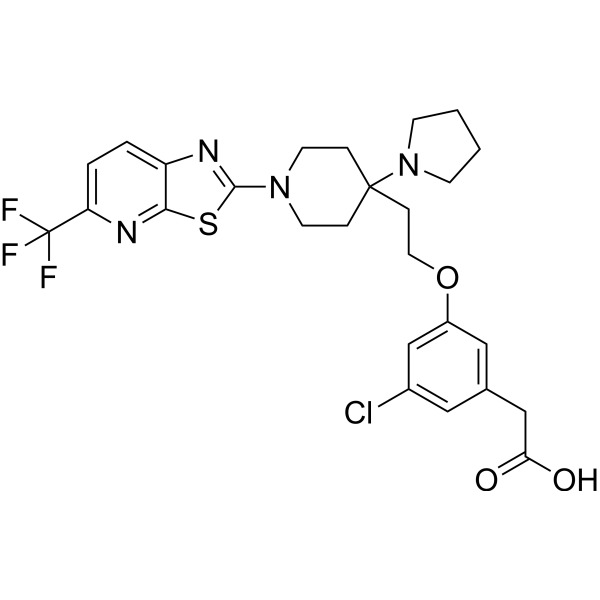
PPARδ agonist 9 (compound 21) is a PPARδ agonist (EC50: 3.6 nM). PPARδ agonist 9 has in vivo efficacy, reducing serum levels of MCP-1 in mice and significantly inhibiting atherosclerosis progression in the LDLr-KO model (inhibition rate: 50-60%) .
|
-
- HY-149370
-
|
|
HDAC
Apoptosis
|
Cancer
|
|
HDAC-IN-60 (compound 21a) is a potent histone deacetylase (HDAC) inhibitor. HDAC-IN-60 can promote the intracellular generation of ROS, cause DNA damage, block the cell cycle at G2/M phase, and activate the mitochondria-related apoptotic pathway to induce cell apoptosis .
|
-
- HY-159605
-
|
|
Autophagy
JNK
Reactive Oxygen Species (ROS)
|
Cancer
|
|
Autophagy inducer 5 (compound 21o) is a potent MCF-7 inhibitor (IC50: 2 μM), and a potential breast cancer inhibitor. Autophagy inducer 5 induces cellular autophagy by activating the ROS/JNK signaling pathway, which increases ROS generation and JNK phosphorylation, exerting cytotoxic effects .
|
-

- HY-155153
-
|
|
Apoptosis
CDK
|
Others
|
|
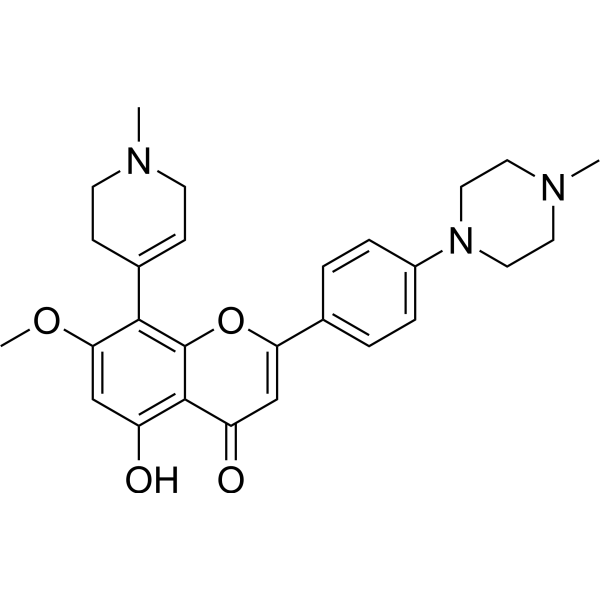
CDK9-IN-24 (compound 21a) is a highly selective CDK9 inhibitor with significant inhibitory effect on tumor growth. CDK9-IN-24 effectively blocks cell proliferation and induces apoptosis by downregulating Mcl-1 and c-Myc, and can be used in acute myeloid leukemia research .
|
-
- HY-162725
-
|
|
Toll-like Receptor (TLR)
|
Infection
Inflammation/Immunology
|
|
TLR7 agonist 24 (Compound 21) is an agonist for TLR7 with EC50 of 3.72 μM. TLR7 agonist 24 can be used as a vaccine adjuvant when combined with Aluminum Hydroxide (HY-B1521), that enhances the immune response against SARS-CoV-2 and hepatitis B antigens .
|
-

- HY-163085
-
|
|
HIV
|
Infection
|
|
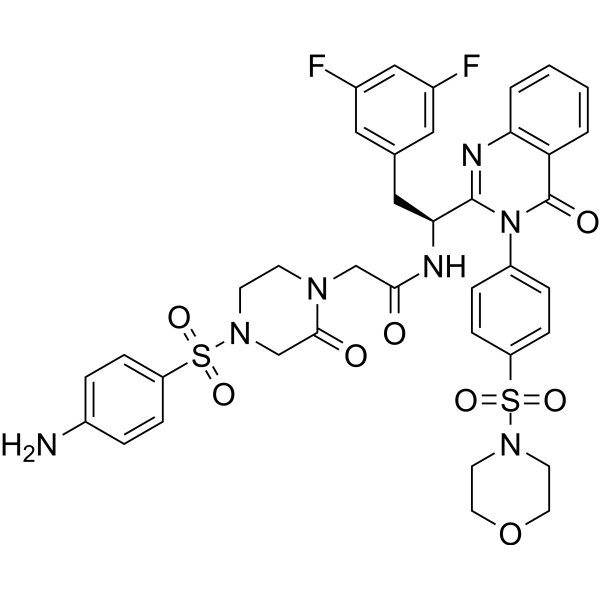
HIV capsid modulator 1(compound 21a2) is a potent HIV capsid modulator. HIV capsid modulator 1 is a quinazolin-4-one-bearing phenylalanine derivative. HIV capsid modulator 1 has antiviral activities against both HIV-1 and HIV-2 .
|
-
- HY-142935
-
|
|
ROR
|
Neurological Disease
Inflammation/Immunology
Cancer
|
|
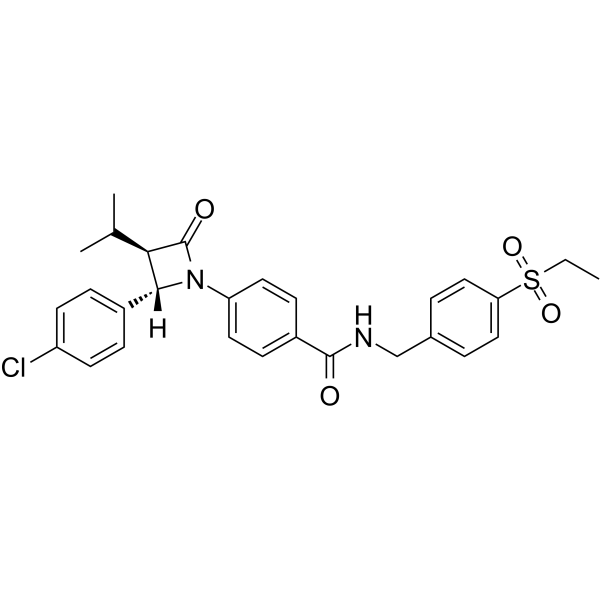
RORγt modulator 2 (Compound 21) is a modulator of retinoid-related orphan receptor γt (RORγt) with the IC50 of <50 nM. RORγt modulator 2 can be used for the research of RORyt mediated diseases such as, e.g., pain, inflammation, COPD, asthma, rheumatoid arthritis, colitis, multiple sclerosis, psoriasis, neurodegenerative diseases and cancer .
|
-
- HY-171033
-
|
|
Phospholipase
|
Neurological Disease
|
|
ASM-IN-3 (Compound 21b) is a selective and BBB-penetrating acid sphingomyelinase (ASM) inhibitor (IC50: 3.37 μM for pure human ASM). ASM-IN-3 improves depression-like behaviors by inhibiting ASM activity and increasing neurogenesis in hippocampus in Reserpine (HY-N0480)-induced depressed rats .
|
-

- HY-163325A
-
|
|
DNA/RNA Synthesis
|
Cancer
|
|
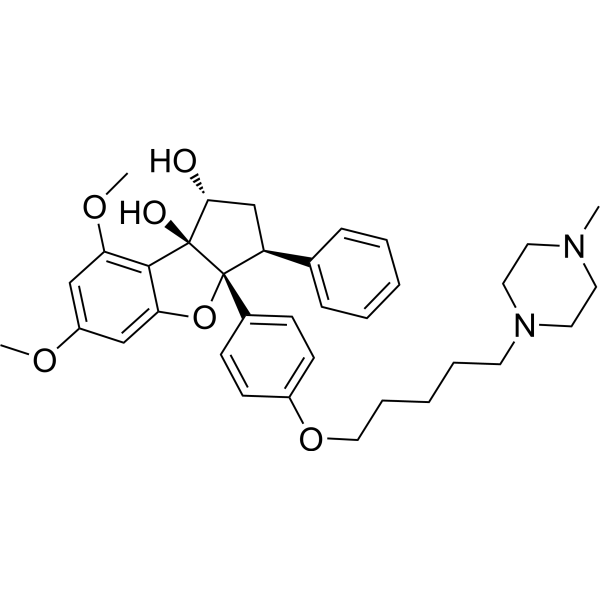
Fli-1-IN-1 (compound 21) is a FLI1 targeting agent that directly binds to and inhibits the EWS-FLI1 protein interaction. EWS-FLI1 can bind to RNA helicase A, and Fli-1-IN-1 inhibits EWS-FLI1 and has potential anticancer activity .
|
-
- HY-163325
-
|
|
DNA/RNA Synthesis
|
Cancer
|
|
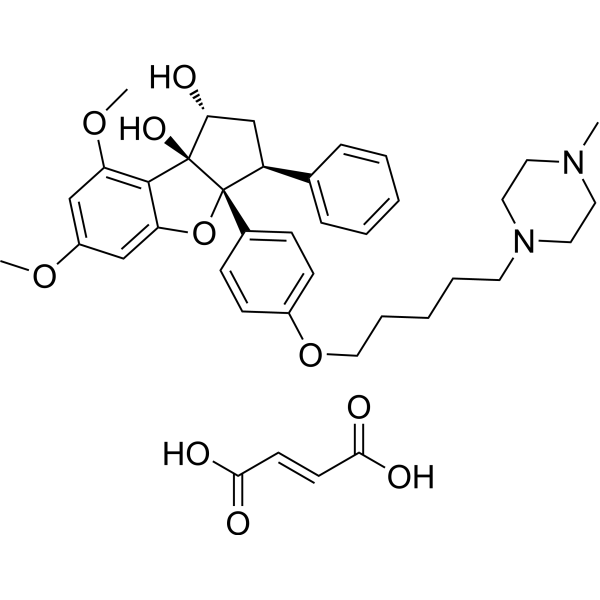
Fli-1-IN-1 (compound 21) fumarate is a FLI1 targeting agent that directly binds to and inhibits the EWS-FLI1 protein interaction. EWS-FLI1 can bind to RNA helicase A, and Fli-1-IN-1 fumarate inhibits EWS-FLI1 and has potential anticancer activity .
|
-
- HY-145889
-
|
|
Biochemical Assay Reagents
|
Others
|
|
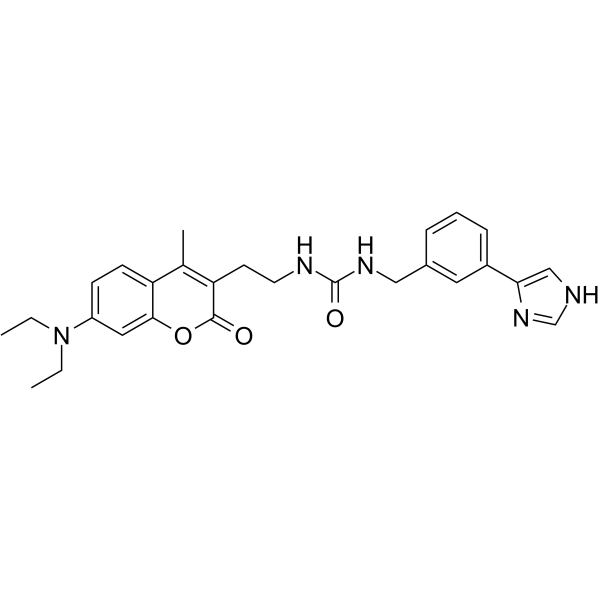
LC kinetic stabilizer-1 (compound 21) is a potent and selective amyloidogenic immunoglobulin light chain kinetic stabilizer with EC50s of 140 and 74.1 nM for WIL-FL * and WIL-FL * T46L/F49Y, respectively. WIL-FL is an amyloidogenic FL LC dimer .
|
-
- HY-149206
-
|
|
MAP4K
|
Cancer
|
|
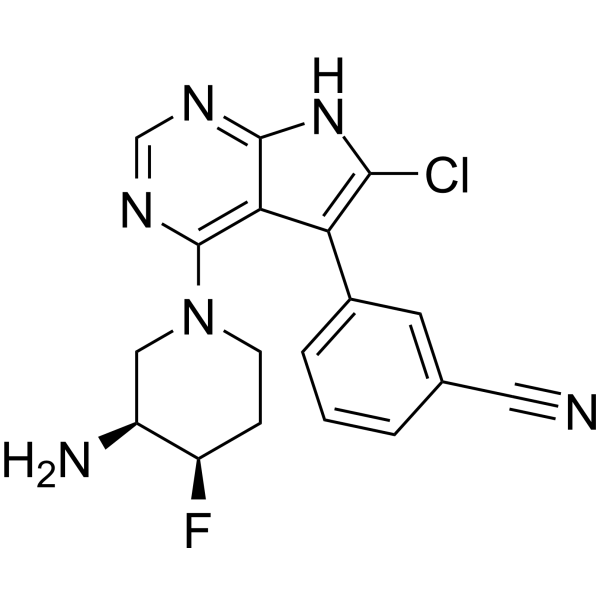
HPK1-IN-33 (compound 21) is a potent Hematopoietic Progenitor Kinase 1 (HPK1) inhibitor with a Ki value of 1.7 nM. HPK1-IN-33 inhibits the produce of IL-2 with EC50s of 286, >10000 nM in Jurkat WT and Jurkat HPK1 KO cells, respectively .
|
-
- HY-175170
-
|
|
Glycosidase
|
Metabolic Disease
|
|
α-Glucosidase-IN-95 (Compound 21c) is a competitive α-Glucosidase inhibitor with an IC50 of 0.44 μM. α-Glucosidase-IN-95 has a significant inhibitory potency without cytotoxicity to normal cells. α-Glucosidase-IN-95 can be used for metabolic disorders like diabetes mellitus research .
|
-

- HY-163337
-
|
|
Fungal
|
Infection
|
|
Antifungal agent 92 (Compound 21) is a potent antifungal agent with an EC50 of 4.4 μM against Sclerotinia sclerotiorum. Antifungal agent 92 can induce abnormal mitochondrial morphology, loss of mitochondrial membrane potential, and reactive oxygen species (ROS) accumulation in Sclerotinia sclerotiorum. Antifungal agent 92 is a moderate promiscuous inhibitor of mitochondrial complexes II and III .
|
-
- HY-155074
-
|
|
EGFR
|
Cancer
|
|
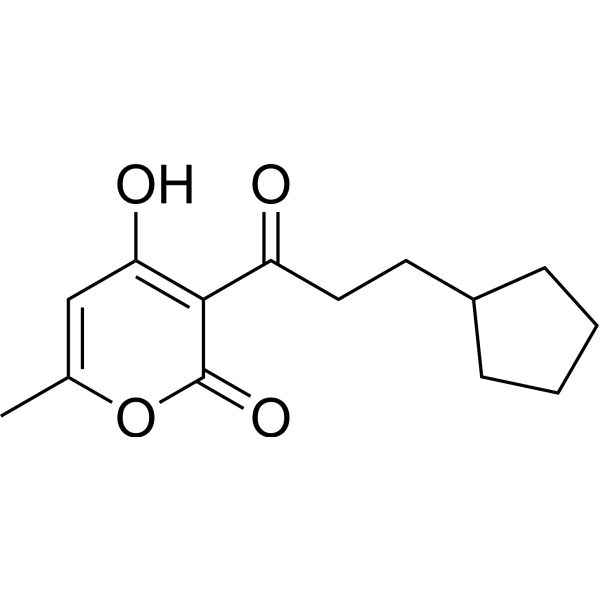
EGFR-IN-79 (compound 21) is an EGFR inhibior with antitumor activity. EGFR-IN-79 induces ROS-independent apoptosis and EGFR/AKT/mTOR-mediated autophagy. EGFR-IN-79 induces cell death at both proliferating and quiescent zones of EJ28 spheroids. EGFR-IN-79 exhibits safety profile in the zebrafish-based model .
|
-
- HY-156098
-
|
|
c-Met/HGFR
|
Cancer
|
|
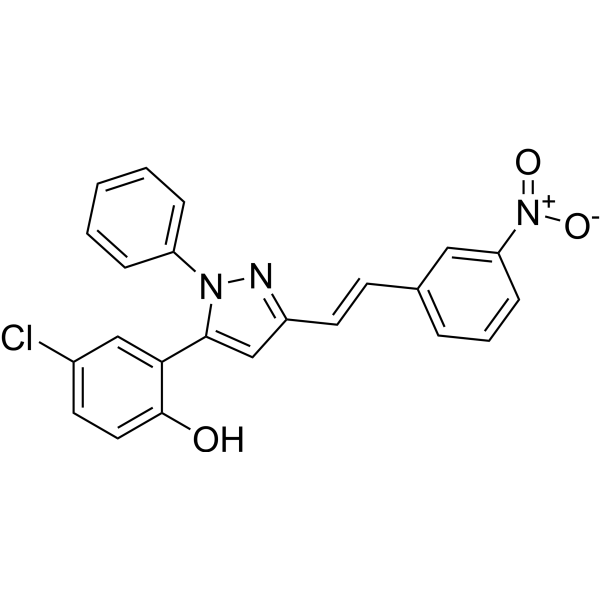
c-Met-IN-19 (Compound 21j) is a c-Met inhibitor (IC50: 1.99 nM). c-Met-IN-19 shows cytotoxicity against A549, HT-29, SGC-7901, MDA-MB-231 cells with IC50s of 0.25, 0.36, 0.98, 0.76 μM .
|
-
- HY-144732
-
|
|
Trk Receptor
Anaplastic lymphoma kinase (ALK)
|
Cancer
|
|
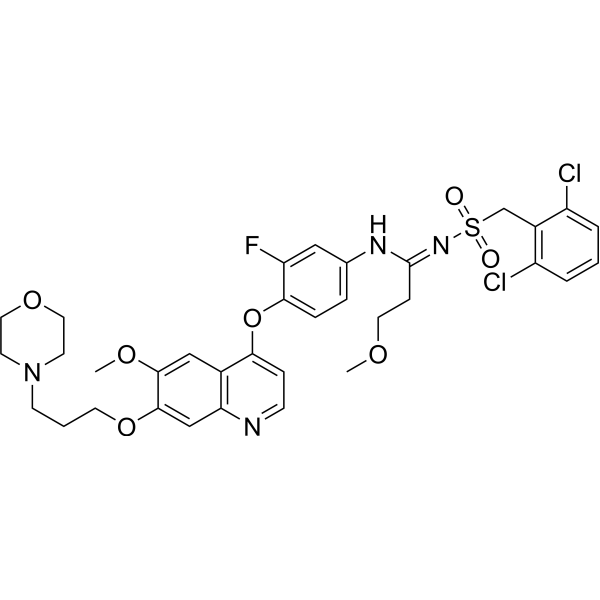
TRK/ALK-IN-1 (compound 21) is a potent and dual inhibitor of TRK and ALK. TRK/ALK-IN-1 in the enzymatic assays is in good accordance with anti-proliferative activity with IC50 values of 2.2, 9.3 and 38 nM towards TRKA, ALK WT and ALK L1196M, respectively. TRK/ALK-IN-1 has the potential for the research of cancer diseases .
|
-
- HY-103105
-
|
|
5-HT Receptor
|
Neurological Disease
|
|
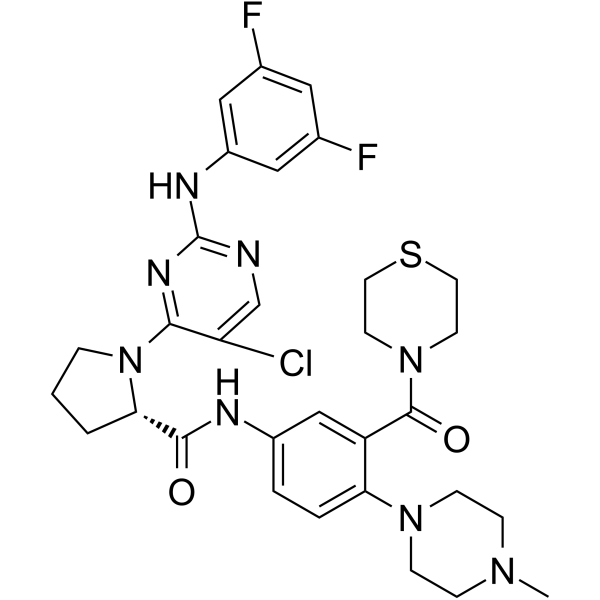
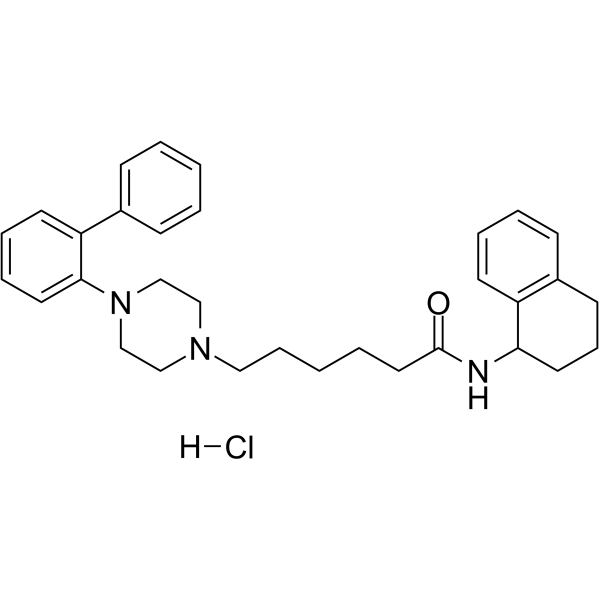
LP 12 hydrochloride (compound 21) is a potent and selective 5-HT7 receptor agonist with a Ki of 0.13 nM. LP 12 hydrochloride displays selectivity for 5-HT7 over D2, 5-HT1A and 5-HT2A receptors (Ki values are 224 nM, 60.9 nM and >1000 nM, respectively) .
|
-
- HY-147816
-
|
|
Mitochondrial Metabolism
|
Cancer
|
|
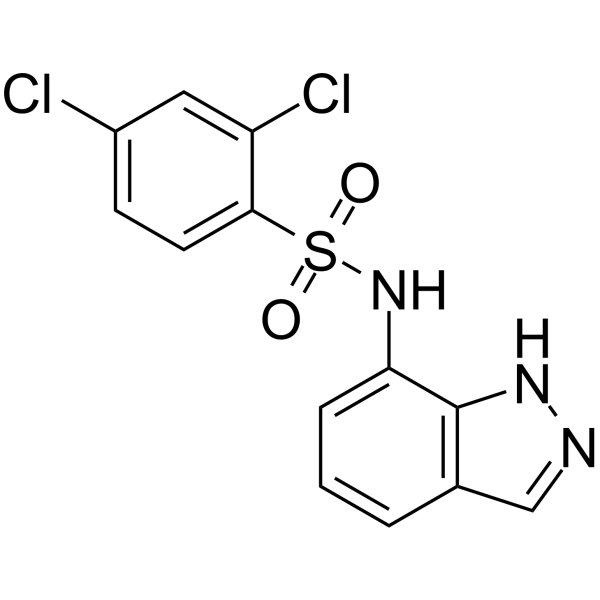
Anticancer agent 70 (Compound 21), an anticancer agent, exhibits remarkable cytotoxic activity against numerous human cancer cell lines. Anticancer agent 70 results in the G0/G1-cell cycle arrest with a concomitant increase in p53 and p21 protein levels. Anticancer agent 70 leads to ATP depletion and disruption of the mitochondrial membrane potential .
|
-
- HY-115933
-
|
|
EGFR
Raf
|
Cancer
|
|
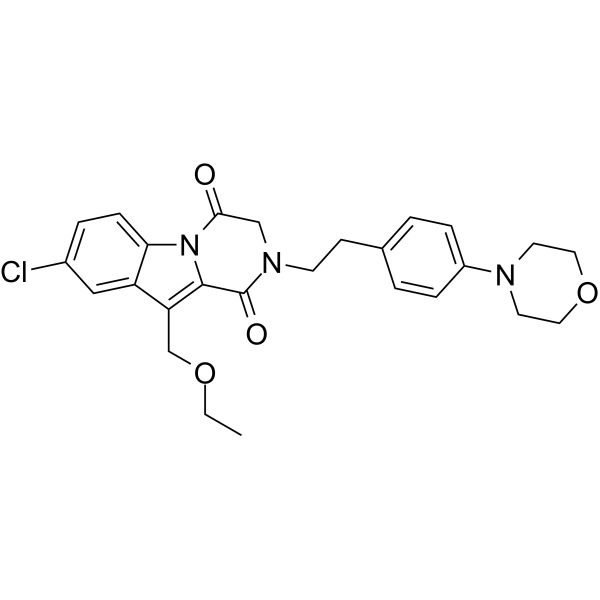
EGFR/BRAF-IN-1 (compound 21), a 2,3-dihydropyrazino[1,2-a]indole-1,4-dione derivative, is a potent EGFR/BRAF inhibitor with an IC50 of 45 nM for BRAF V600E. EGFR/BRAF-IN-1 inhibits cancer cell proliferation (GI50=35 nM). EGFR/BRAF-IN-1 shows good antioxidant activity .
|
-
- HY-181449
-
-

- HY-118625
-
|
|
GABA Receptor
|
Neurological Disease
|
|
CP-457920 (Compound 21) is a GABA receptor inhibitor (Ki ≈ 1 ng/mL). CP-457920 can be used in research on neurological diseases such as Alzheimer's disease .
|
-

- HY-N11560
-
-

- HY-W1011921
-
-

- HY-135662
-
|
|
Dihydroorotate Dehydrogenase
|
Infection
|
|
DHODH-IN-34 (Compound 21q) is a potent human dihydroorotate dehydrogenase (DHODH) inhibitor with an IC50 value of 13 nM. DHODH-IN-34 is promising for research of RNA viruses such as measles virus and chikungunya virus .
|
-

- HY-178742
-
|
|
Glycosidase
|
Metabolic Disease
|
|
α-Glucosidase-IN-99 (Compound 21) is an α-Glucosidase inhibitor, with an IC50 of 52.79 μM. α-Glucosidase-IN-99 can be used for the study of type 2 diabetes .
|
-

- HY-181226
-
|
|
LXR
|
Metabolic Disease
|
|
LXR modulator-1 (Compound 21/3) is a LXR modulator with an EC50 of less than 100 nM. LXR modulator-1 can be used for studying LXR-mediated diseases such as non-alcoholic fatty liver disease .
|
-

- HY-11024
-
|
|
P2Y Receptor
|
Cardiovascular Disease
|
|
ADP receptor-IN-1 (compound 21) is a platelet ADP receptor inhibitor. ADP receptor-IN-1 shows both IC50 values <10 μM at a platelet ADP receptor binding assay and aggregation using a platelet-rich plasma assay .
|
-

- HY-171441
-
|
|
STAT
|
Inflammation/Immunology
Cancer
|
|
STAT6 degrader-1 (Compound 21) is a bifunctional molecular glue degrader of STAT6 that recruits E3 ubiquitin ligase. STAT6 degrader-1 induces proteasomal degradation of STAT6. STAT6 degrader-1 is applicable to the research of cancer, inflammatory diseases and colorectal cancer .
|
-

- HY-180813
-
|
|
ROR
Interleukin Related
|
Inflammation/Immunology
|
|
RORγ-IN-3 (Compound 21) is a potent and highly selective RORγ inhibitor with an EC50 of 84 nM. RORγ-IN-3 can effectively inhibit the production of IL-17, with an IC₅₀ value of 1.0 μM. RORγ-IN-3 can be used for the study of autoimmune diseases .
|
-

- HY-W779743
-
|
|
Drug Derivative
|
Infection
Cancer
|
|
NE58043 (Compound 21) is a nitrogen-containing bisphosphonate compound. NE58043 has no significant inhibitory activity against Entamoeba histolytica and Plasmodium falciparum with IC50 > 200 μM. NE58043 shows a LD50 of 171 μM for human nasopharyngeal carcinoma KB cells. NE58043 can be used for the research of cancer and infection, such as nasopharyngeal carcinoma .
|
-

- HY-185554
-
|
|
HDAC
|
Cancer
|
|
HDAC-IN-102 (Compound 21) is a histone deacetylase (HDAC) inhibitor with an IC50 of 58 μM. HDAC-IN-102 inhibits total HDAC activity and exhibits partial subtype selectivity, with the R-isomer targeting HDAC2 and the S-isomer targeting HDAC8. HDAC-IN-102 exerts antioxidant effects by scavenging DPPH free radicals. HDAC-IN-102 can be used in cancer-related research .
|
-

- HY-169982
-
|
|
EGFR
|
Cancer
|
|
EGFR-IN-136 (compound 21v) is a potent EGFR inhibitor with IC50 values of 20.2, 1.2, 2.3, 12.5 nM for EGFR WT, EGFR LR/TM, EGFR 19D/TM/CS, EGFR LR/TM/CS, respectively. EGFR-IN-136 shows antiproliferative activity. EGFR-IN-136 shows antitumor activity and has the potential for the research of NSCLC .
|
-

- HY-159097
-
|
|
Parasite
|
Infection
|
|
T.cruzi-IN-4 (Compound 21) is an anti-parasitic agent. T.cruzi-IN-4 inhibits the trypomastigote and amastigote form of Trypanosoma cruzi with IC50 of 0.033 μM (120 h), T.cruzi-IN-4 inhibits the promastigote and amastigote form of Leishmania infantum with IC50 of 28.74 and 61.82 μM. T.cruzi-IN-4 inhibits Leishmania amazonensis promastigote form with IC50 of 18.38 μM .
|
-

- HY-161230
-
|
|
17β-HSD
|
Metabolic Disease
|
|
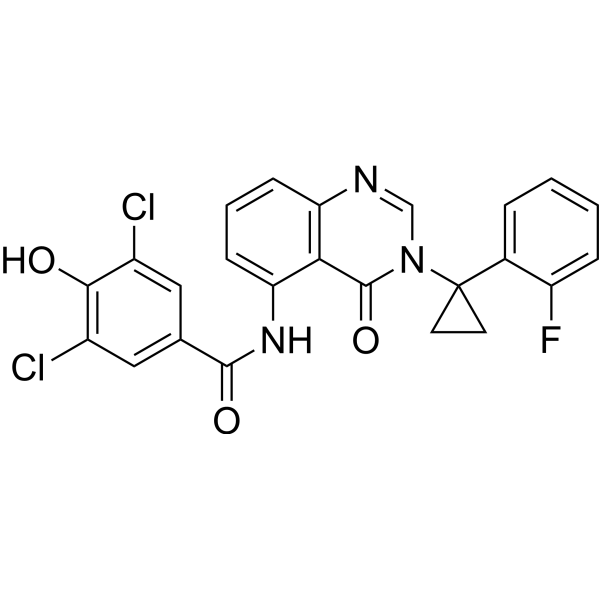
HSD17B13-IN-75 (Compound 21) is an inhibitor of hydroxysteroid 17β-dehydrogenase 13 (HSD17B13) with an IC50 value of ≤ 0.1 μM for estradiol. HSD17B13-IN-75 can be used for research on liver diseases, metabolic diseases, or cardiovascular diseases, such as NAFLD or NASH, as well as drug-induced liver injury (DILI) .
|
-
- HY-177298
-
|
|
Phosphodiesterase (PDE)
|
Others
|
|
PDE5-IN-15 (compound 21) is a xanthine derivative and PDE5 inhibitor, with IC50 values of 0.002, 0.180, 2.85 and 2.22 μM against hPDE5, bPDE6, bPDE1 and hPDE3, respectively. PDE5-IN-15 has good oral bioavailability in dogs. PDE5-IN-15 can be used in research on male erectile dysfunction .
|
-

- HY-146410
-
|
|
Angiotensin Receptor
|
Others
|
|
AT2R antagonist 1 (compound 21) is a potent and high selective AT2R (angiotensin II AT2 receptor) ligand. AT2R antagonist 1 exhibits a fair AT2R affinity, with a Ki of 29 nM. AT2R antagonist 1 also inhibits common agent-metabolizing CYP enzymes. AT2R antagonist 1 shows high stability in human, rat and mouse liver microsomes .
|
-
- HY-170688
-
|
|
Bacterial
Reactive Oxygen Species (ROS)
|
Infection
|
|
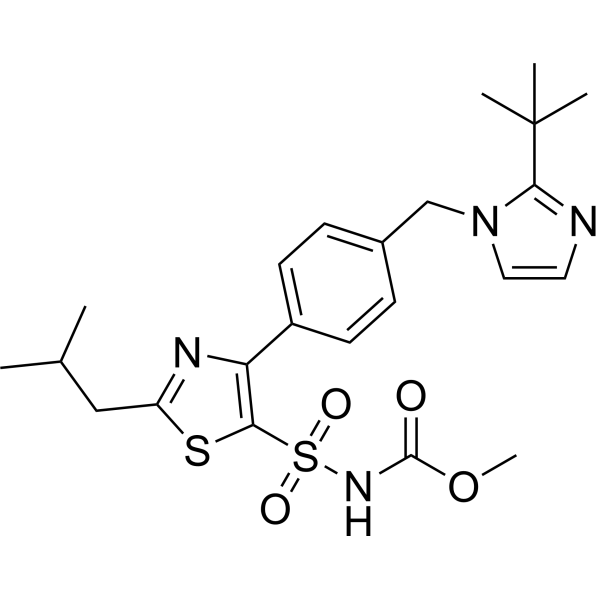
Antibacterial agent 119 (Compound 21 g) is an antibacterial candidate against Methicillin (HY-121544)-resistant Staphylococcus aureus (MICs less than 1 μg/mL against tested strains). Antibacterial agent 119 induces ROS production. Antibacterial agent 119 also acts on the bacterial cell membrane to cause membrane breakage. Antibacterial agent 119 exhibits potent antibacterial activity with low cytotoxicity, rapid bactericidal ability, and good in vivo antibacterial activity .
|
-

- HY-160558
-
|
|
Epigenetic Reader Domain
Polo-like Kinase (PLK)
|
Cancer
|
|
PLK1/BRD4-IN-3 (Compound 21) is a selective dual inhibitor for bromodomain 4 (BRD4) and polo-like kinase 1 (PLK1). PLK1/BRD4-IN-3 inhibits BRD4-BD1, PLK1 and BRDT-BD1, with IC50s of 0.059, 0.127 and 0.245 μM, respectively .
|
-

- HY-163368
-
|
|
HDAC
|
Inflammation/Immunology
|
|
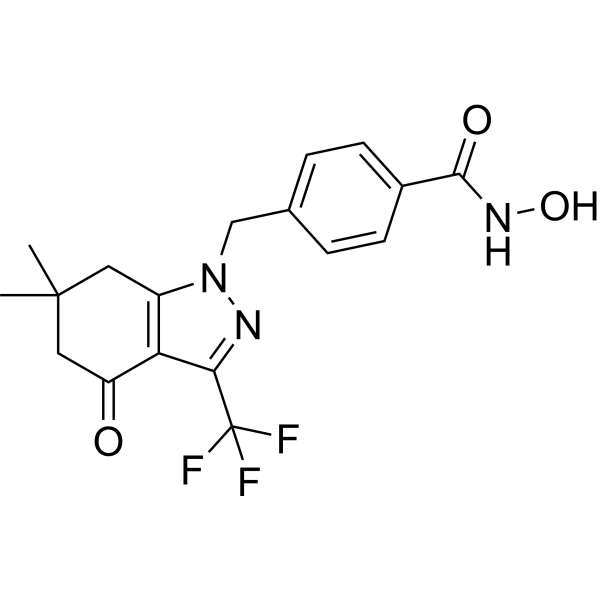
HDAC6-IN-34 (compound 21) is an oral active and selective HDAC6 inhibitor with the IC50 of 18 nM. HDAC6-IN-34 increases the acetylation level of tubulin without affecting histone acetylation in cutaneous T-cell lymphoma cells and inhibits TNF-α secretion in LPS (HY-D1056)-stimulated macrophage cells. HDAC6-IN-34 shows excellent anti-arthritic efficacy in rat .
|
-
- HY-173451
-
-

- HY-179683
-
|
|
P-glycoprotein
|
Cancer
|
|
MRP1-IN-2 (Compound 21) is a selective MRP1 inhibitor with a relatively weak inhibitory effect on P-gp. MRP1-IN-2 exhibits a strong accumulation effect of calcein, with its EC50 value being 177 nM. MRP1-IN-2 enhances the activity of Doxorubicin (HY-15142A) on drug-resistant cells. MRP1-IN-2 can be used for the study of multidrug-resistant cancers .
|
-

- HY-179444
-
|
|
Bacterial
|
Inflammation/Immunology
|
|
Antituberculosis agent-17 (compound 21) is a potent and selective antituberculosis agent. Antituberculosis agent-17 displays excellent anti-Tuberculosis (TB) activity against H37Rv, MDR and XDR strains of TB (MIC = 0.2-0.78 μM). Antituberculosis agent-17 exhibits selectivity for Mycobacterium tuberculosis over selected non-TB forming mycobacteria and bacteria. Antituberculosis agent-17 can be used for TB research .
|
-

- HY-153259
-
|
|
TNK1
PARP
|
Cancer
|
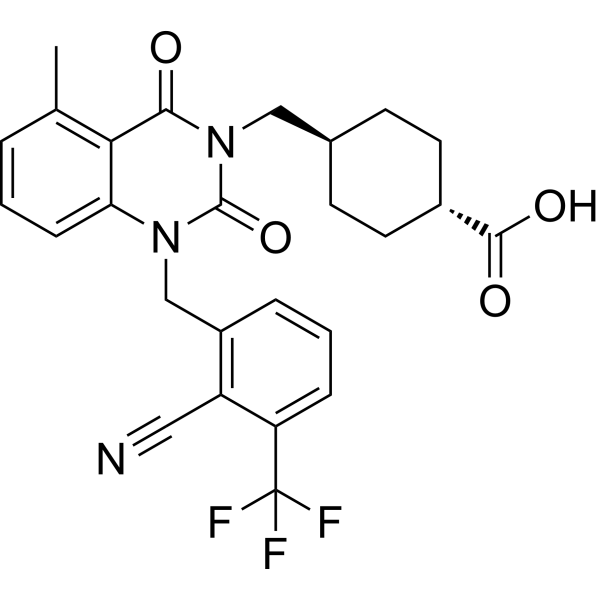
TNKS1/2-IN-2 (Compound 21) is a potent and selective tankyrases inhibitor. TNKS1/2-IN-2 exhibits IC50 values of 4 nM and 63 nM against TNK1 and TNK2 in the enzymatic assay, respectively. TNKS1/2-IN-2 inhibits proliferation of A549 and H292 cell lines with IC50 values of 39.5 nM and 12.8 nM, respectively. TNKS1/2-IN-2 can be used for the research of cancer .
|
-
- HY-155311
-
|
|
C-type Lectin-like Receptors (CTLRs)
|
Inflammation/Immunology
|
|
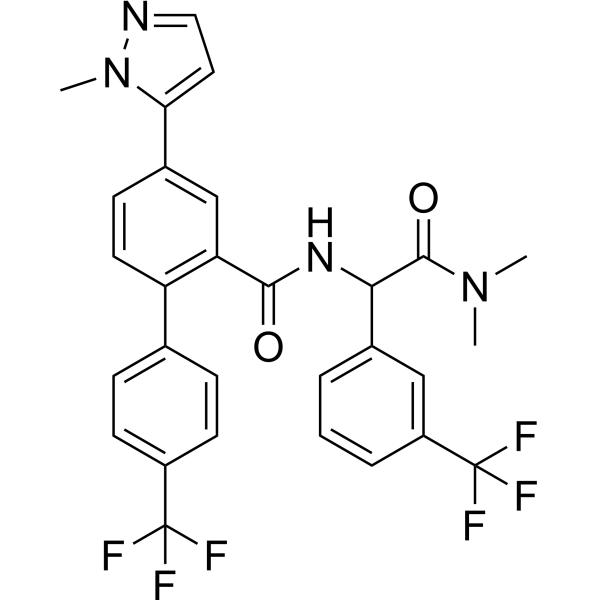
NKG2D-IN-1 (compound 21) is a natural killer group 2D receptor (NKG2D) inhibitor. NKG2D-IN-1 inhibits the protein-protein interaction between NKG2D and its ligands MICA and ULBP6, with IC50 values of 0.3 μM and 0.7 μM. NKG2D-IN-1 can be used in the research of autoimmune diseases .
|
-
- HY-168481
-
|
|
GLP Receptor
|
Metabolic Disease
|
|
GLP-1R agonist 27 (compound 21) is a potent and orally active GLP-1R agonist. GLP-1R agonist 27 promots cyclic adenosine monophosphate (cAMP) accumulation. GLP-1R agonist 27 reduces blood glucose levels and food intake. GLP-1R agonist 27 has the potential for the research of obesity and type 2 diabetes mellitus (T2DM) .
|
-

- HY-151253
-
|
|
Cytochrome P450
Virus Protease
|
Infection
|
|
CYP2C1/CYP2C19-IN-2 (compound 21d) is a potent CYP2C9/CYP2C19 inhibitor, possessing no hepatotoxicity and ames toxicity. CYP2C1/CYP2C19-IN-2 can be used in study of anti-ZIKV .
|
-
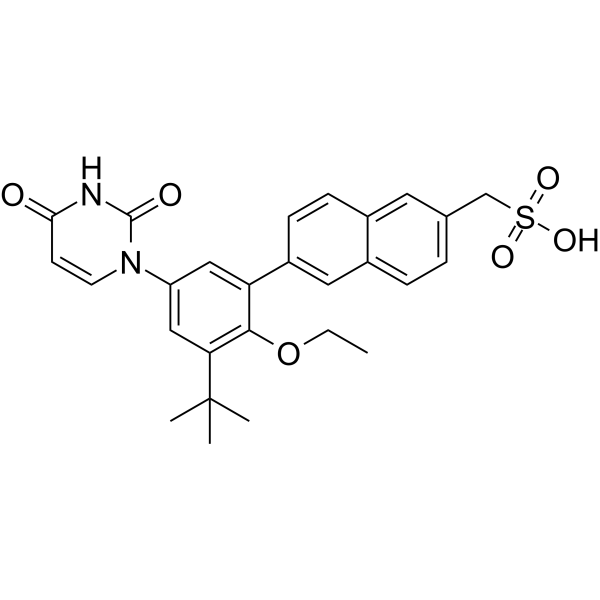
- HY-139990
-
|
|
c-Fms
|
Cancer
|
|
CSF1R-IN-3 (compound 21) is a potent and orally active CSF-1R inhibitor (IC50=2.1 nM). CSF1R-IN-3 is a potent antiproliferative activity against colorectal cancer cells. CSF1R-IN-3 inhibits the progression of colorectal cancer by suppressing the migration of macrophages, reprograming M2-like macrophages to the M1 phenotype, and enhancing the antitumor immunity .
|
-
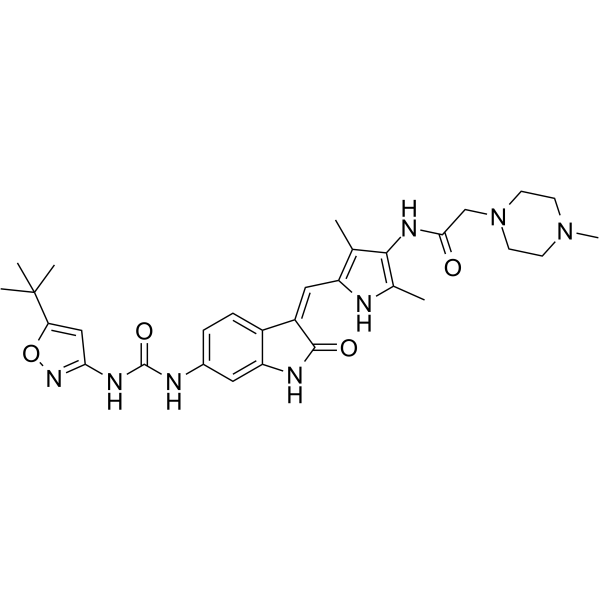
- HY-162116
-
|
|
Toll-like Receptor (TLR)
|
Inflammation/Immunology
Cancer
|
|
TLR7 agonist 18 (Compound 21a) is a selective Toll-like receptor 7 (TLR7) agonist with an EC50 of 7.8 μM. TLR7 agonist 18 is not cytotoxic to hTLR7 cotransfected HEK293 cell lines and can induce the secretion of several cytokines, including IL-1β, IL-12p70, IL-8, and TNF-α. TLR7 agonist 18 can be used in vaccine, asthma, allergy and anti-cancer research .
|
-
- HY-175678
-
|
|
PROTACs
Epigenetic Reader Domain
|
Cancer
|
|
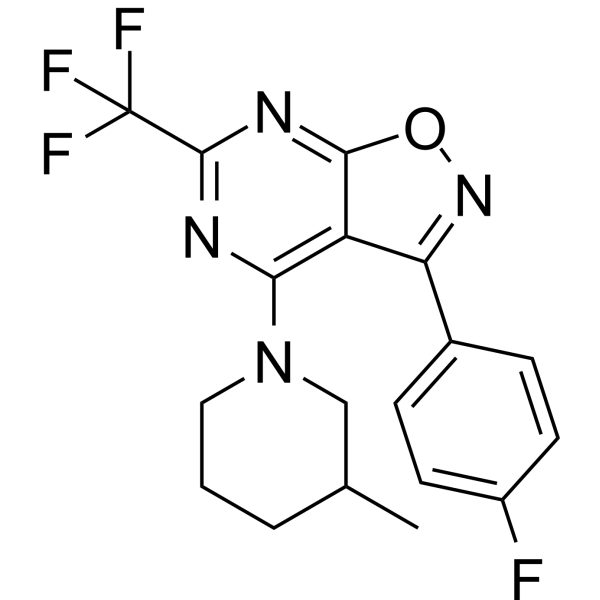
PROTAC BRD2 BD1 Degrader-1 (compound 21-1) is a potent and selective BRD2 BD1 PROTAC degrader. PROTAC BRD2 BD1 Degrader-1 induces the association of BRD2 BD1 and von Hippel–Lindau-elongin C-elongin B (VCB). (Pink: BRD2-BD1 Ligand (HY-175679); Blue: E3 ligase ligand (HY-125845); Black: Linker (HY-W069332)) .
|
-

- HY-175226
-
|
|
Dipeptidyl Peptidase
Calcium Channel
Sodium Channel
Potassium Channel
|
Cancer
|
|
DPP8/9-IN-2 (Compound 21) is a DPP8/9 inhibitor with IC50 values of 0.22 nM and 3 nM, respectively, and Ki values of 2.9 nM and 6 nM, respectively . DPP8/9-IN-2 has certain cardiotoxicity, with IC50 values of 0.7 μM, 29.0 μM and 27.7 μM for hERG potassium channel, Nav1.5 sodium channel and Cav1.2 calcium channel, respectively. DPP8/9-IN-2 can be used in the research of diseases such as tumors .
|
-

- HY-179376
-
|
|
Bacterial
|
Infection
|
|
Anti-virulence factor-IN-3 (Compound 21) is a covalent β-aminosulfinyl type anthrax edema factor (EF) inhibitor, with a Ki value of 0.44 μM. Anti-virulence factor-IN-3 generates an active ethylene sulfinyl intermediate, which forms an irreversible covalent bond with the Lys residue at the active center of EF, permanently inhibiting the adenylate cyclase activity of EF. Anti-virulence factor-IN-3 effectively inhibits the cAMP production induced by EF, with an EC50 value of 0.15 μM. Anti-virulence factor-IN-3 can be used for research on anthrax Infection .
|
-

- HY-126251
-
|
|
CDK
Apoptosis
|
Cancer
|
|
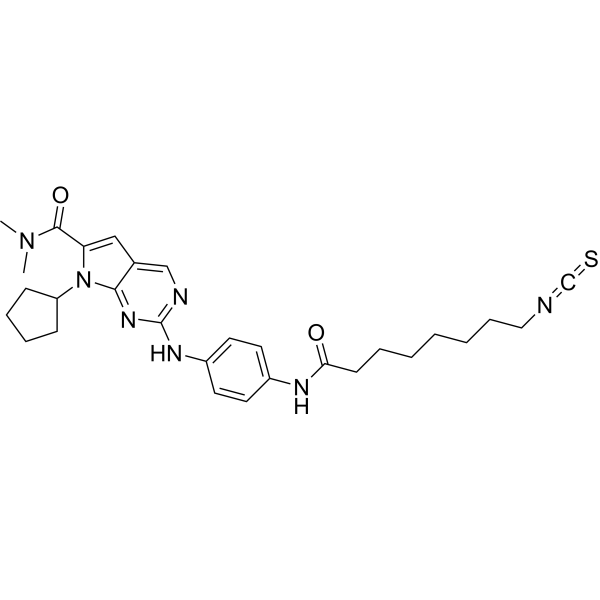
CDK9-IN-7 (compound 21e) is a selective, highly potent, and orally active CDK9/cyclin T inhibitor (IC50=11 nM), which exhibits more potent over other CDKs (CDK4/cyclinD=148 nM; CDK6/cyclinD=145 nM). CDK9-IN-7 shows antitumor activity without obvious toxicity. CDK9-IN-7 induces NSCLC cell apoptosis, arrests the cell cycle in the G2 phase, and suppresses the stemness properties of NSCLC .
|
-
- HY-173047
-
|
|
Ras
ERK
|
Cancer
|
|
KRASG12C IN-15 (Compound 21) is the orally active inhibitor for KRAS G12C, and inhibits SOS1-mediated GDP/GTP exchange with an IC50 of 19 nM. KRASG12C IN-15 inhibits the phosphorylation of ERK with IC50 of 0.051 μM. KRASG12C IN-15 inhibits the cell viability of KRAS G12C mutated MIA PaCa-2 with IC50 of 0.023 μM. KRASG12C IN-15 exhibits antitumor effect in MIA PaCa-2 xenograft mouse models .
|
-

- HY-159891
-
|
|
Microtubule/Tubulin
Apoptosis
Caspase
|
Cancer
|
|
Microtubule destabilizing agent-2 (Compound 21) is an orally active and selective antitumor compound targeting microtubule protein. Microtubule destabilizing agent-2 destabilizes microtubule proteins and inhibits microtubule polymers. Microtubule destabilizing agent-2 arrests the G0/G1 phase in human tumor cells. Microtubule destabilizing agent-2 induces Apoptosis by activating the cascade pathway of caspases. Microtubule destabilizing agent-2 has anti-inflammatory activity, as inhibiting TNF-α and IL-6 in vitro. Microtubule destabilizing agent-2 reduces tumors growth in xenograft mice .
|
-

- HY-173060
-
|
|
ERK
Apoptosis
Autophagy
|
Cancer
|
|
ERK1/2 inhibitor 13 (Compound 21y) is the orally active inhibitor for ERK that inhibits ERK1 and ERK2 with IC50 of 91.71 nM and 97.87 nM. ERK1/2 inhibitor 13 inhibits the proliferation of MCF-7, 4T1, MDA-MB-468, and HCC1970 (IC50 of 0.67, 2.76, 2.15 and 1.68 μM), inhibits the cancer cell migration, induces apoptosis and autophagy in MCF-7. ERK1/2 inhibitor 13 exhibits antitumor and anti-metastatic effect in 4T1 xenograft mouse model .
|
-

- HY-170595
-
|
|
PROTACs
MDM-2/p53
c-Myc
MAP3K
|
Cancer
|
|
PROTAC LZK degrader 1 (Compound 21A) is a PROTAC that targets the degradation of LZK (Leucine Zipper Kinase, encoded by MAP3K13). PROTAC LZK degrader 1 (10 μM) promotes the degradation of LZK and inhibits the expression of p53 and c-MYC, leading to reduced viability of global head and neck squamous cell carcinoma (HNSCC) cell lines. PROTAC LZK degrader 1 can be used in cancer research. PROTAC LZK degrader 1 consists of an E3 ligase ligand (blue part, HY-112078), a target protein ligand (red part, HY-170596), and a linker (black part, HY-W019543)[1].
|
-

- HY-168725
-
|
|
PROTACs
Kinesin
Apoptosis
|
Cancer
|
|
PROTAC KSP degrader 1 (Compound 21) is a PROTAC Degrader for kinesin spindle protein (KSP), that degrades KSP in HCT-116 with DC50 of 114.8 nM. PROTAC KSP degrader 1 inhibits the proliferation of HCT-116 with IC50 of 10 nM, arrests the cell cycle of HCT-116 at G2/M phase, and induces apoptosis in HCT-116. PROTAC KSP degrader 1 exhibits antitumor efficacy in mouse model . (Blue: Ligand for E3 Ligase Cereblon (HY-103596); Blank: Linker (HY-168726); Pink: Target Protein Ligand (HY-168727))
|
-

- HY-156091
-
|
|
PI3K
HDAC
|
Cancer
|
|
PI3Kα/HDAC6-IN-1 (compound 21j) is a dual PI3Kα/HDAC6 inhibitor with IC50 of 2.9 and 26 nM, respectively. PI3Kα/HDAC6-IN-1 also inhibits AKT(Ser473) phosphorylation and induces the accumulation of acetylated α-tubulin without affecting acetylated histones H3 and H4. PI3Kα/HDAC6-IN-1 efficiently inhibits L-363 cell line (IC50=0.17 μM) and has good anti-cancer activity .
|
-
- HY-15334
-
|
|
VEGFR
|
Cancer
|
|
CEP-5214, derived from a new indenopyrrolocarbazole template, is a potent inhibitor of vascular endothelial growth factor R2 (VEGF-R2) tyrosine kinase. Structurally, it features optimal substitutions at positions 9 (ethoxymethyl) and 12 (hydroxypropyl) on the indeno[2,1-a]pyrrolo[3,4-c]carbazole-5-one scaffold, leading to high potency against VEGF-R2 (IC50 8 nM). Compound 21 (CEP-5214) exhibits low-nanomolar inhibition of human VEGF-R tyrosine kinases (IC50 4 nM for VEGF-R2/KDR), with good selectivity over other kinases. The compound demonstrated significant cellular and in vivo antitumor activity across various models and advanced into phase I clinical trials as a water-soluble prodrug (CEP-7055) to enhance oral bioavailability .
|
-

| Cat. No. |
Product Name |
Target |
Research Area |
-
- HY-168095
-
|
|
CXCR
|
Cancer
|
|
CXCR4 antagonist 10 (compound 21) is a potent antagonist of CXCR4, with the IC50 of 7.8 nM. CXCR4 antagonist 10 plays an important role in cancer research .
|
| Cat. No. |
Product Name |
Category |
Target |
Chemical Structure |
| Cat. No. |
Product Name |
|
Classification |
-
- HY-170315
-
|
|
|
Alkynes
|
|
Ethyne-C2-Pip-CO-Pip-Boc (Compound 21) is a PROTAC linker. Ethyne-C2-Pip-CO-Pip-Boc can be used to synthesize QA-68 (HY-150797) .
|
Your information is safe with us. * Required Fields.
Inquiry Information
- Product Name:
- Cat. No.:
- Quantity:
- MCE Japan Authorized Agent:








