Search Result
Results for "
intracellular reactive oxygen species
" in MedChemExpress (MCE) Product Catalog:
4
Biochemical Assay Reagents
3
Isotope-Labeled Compounds
| Cat. No. |
Product Name |
Target |
Research Areas |
Chemical Structure |
-
- HY-D0940
-
-
-
- HY-16658B
-
|
Z-VAD(OH)-FMK
|
Caspase
Apoptosis
RIP kinase
Glutathione Peroxidase
Reactive Oxygen Species (ROS)
|
Inflammation/Immunology
Cancer
|
|
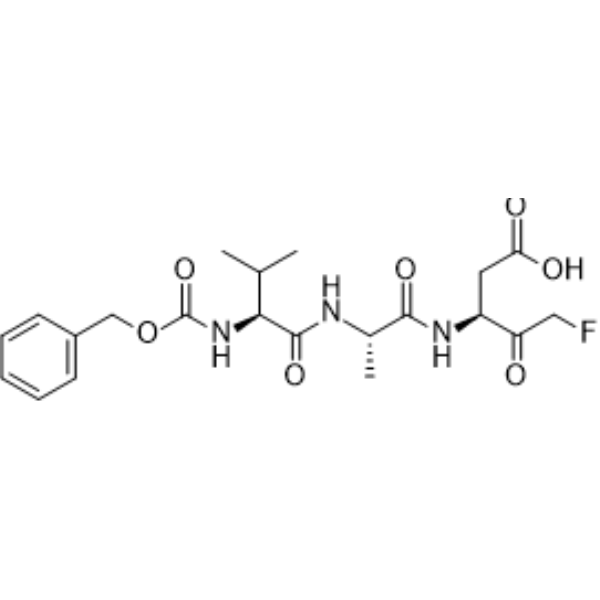
Z-VAD-FMK is a pan-caspase inhibitor and also an ICE-like protease inhibitor, which inhibits apoptosis by preventing the processing of CPP32 to its active form. Z-VAD-FMK sensitivity varies primarily due to differential expression of receptor-interacting protein 1 (RIP1). Z-VAD-FMK limits the cryopreservation-induced apoptosis by reducing caspase-3 activity of in vitro produced bovine embryos. Z-VAD-FMK is immunosuppressive in vitro and inhibits T cell proliferation without blocking the processing of caspase-8 and caspase-3. Z-VAD-FMK leads to a decrease in intracellular glutathione (GSH) with a concomitant increase in reactive oxygen species (ROS) levels in activated T cells. Z-VAD-FMK is due to oxidative stress via the depletion of GSH. Z-VAD-FMK can be used for the study of acute pancreatitis .
|
-
-
- HY-100965
-
-
-
- HY-113324
-
NADPH
Maximum Cited Publications
18 Publications Verification
|
Endogenous Metabolite
|
Cancer
|
|
NADPH is a coenzyme of glutathione reductase (GR), thioredoxin reductase (TrxR) and NADPH oxidase (NOX), and participates in redox reactions as a hydrogen donor. NADPH has the characteristic of selectively participating in the regulation of cellular redox homeostasis. NADPH exerts antioxidant activity and resists reactive oxygen species (ROS) damage by providing reducing equivalents for the regeneration of glutathione (GSH) and thioredoxin (Trx); at the same time, it acts as a substrate of NOX to generate superoxide anions, mediating oxidative stress and immune response. NADPH participates in maintaining the intracellular reducing environment, biosynthesis and regulating gene expression (such as the Nrf2 pathway), and is mainly used in the study of oxidative stress-related diseases (such as cardiovascular diseases, neurodegenerative diseases, cancer) and immune regulation mechanisms .
|
-

-
- HY-P99241
-
|
PF 06946860
|
TGF-beta/Smad
|
Cancer
|
|
Ponsegromab is a Growth differentiation factor 15 (GDF15) inhibitor with human, cynomolgus monkey, and mouse target IC50 values of 0.123 nM, 0.053 nM, and 0.102 nM, respectively . Ponsegromab acts as a chemosensitizer, increases intracellular reactive oxygen species, reduces glutathione levels . Ponsegromab can be used for the research of oxaliplatin-resistant colorectal cancer .
|
-

-
- HY-N0502
-
|
|
Reactive Oxygen Species (ROS)
|
Metabolic Disease
Cancer
|
|
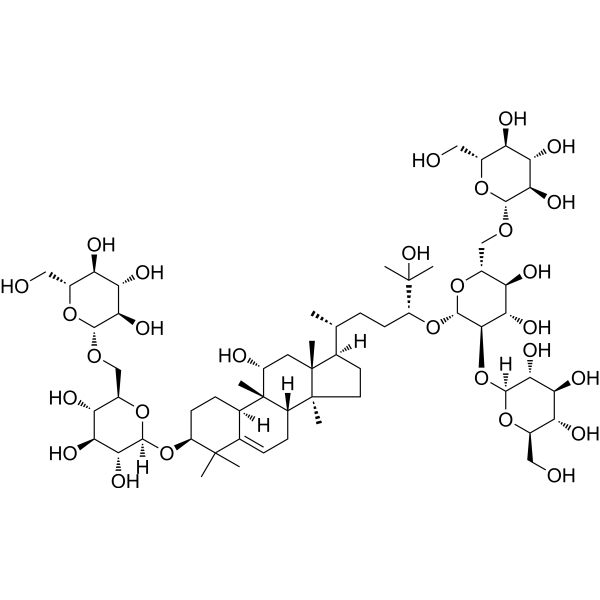
Mogroside V is a the major active constituent of a traditional Chinese medicine Siraitiae Fructus. Mogroside V reduces the intracellular reactive oxygen species (ROS) levels and enhances mitochondrial function. Mogroside V has anti-oxidative, anti-diabetic and anti-carcinogenic effects. Mogroside V can be used for diabetic diseases research .
|
-
-
- HY-119977
-
APF
1 Publications Verification
|
Fluorescent Dye
Reactive Oxygen Species (ROS)
|
Others
|
|
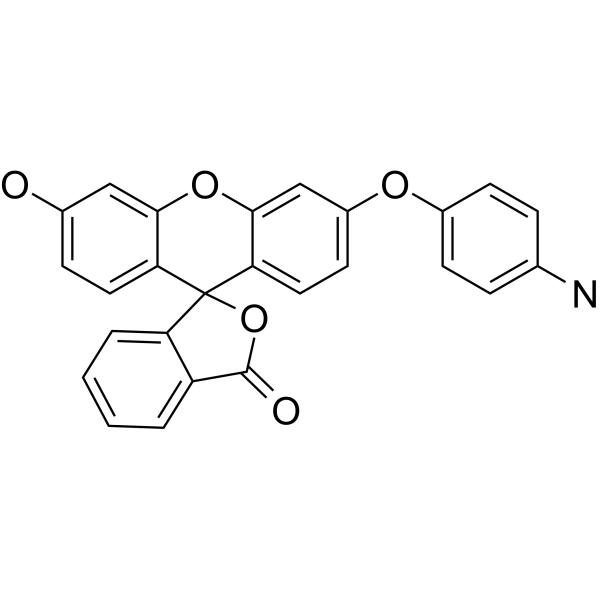
APF is a cell-permeable fluorogenic probe to measure hydroxyly radical of ROS. APF is nonfluorescent and produces bright green fluorescence upon reaction with hydroxyl radical. APF can be used to detect intracellular reactive oxygen species (ROS) (Ex/Em=490/525 nm) .
|
-
-
- HY-N2515
-
|
|
NF-κB
PI3K
JAK
Apoptosis
|
Inflammation/Immunology
Cancer
|
|
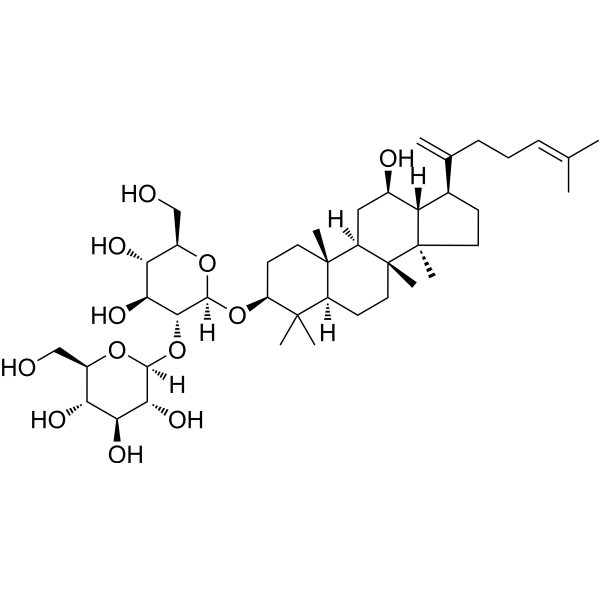
Ginsenoside Rk1 is a unique component created by processing the ginseng plant (mainly Sung Ginseng, SG) at high temperatures .
Ginsenoside Rk1 has anti-inflammatory effect, suppresses the activation of Jak2/Stat3 signaling pathway and NF-κB .
Ginsenoside Rk1 has anti-tumor effect, antiplatelet aggregation activities, anti-insulin resistance, nephroprotective effect, antimicrobial effect, cognitive function enhancement, lipid accumulation reduction and prevents osteoporosis .
Ginsenoside Rk1 induces cell apoptosis by triggering intracellular reactive oxygen species (ROS) generation and blocking PI3K/Akt pathway .
|
-
-
- HY-121360
-
|
|
DNA/RNA Synthesis
Reactive Oxygen Species (ROS)
|
Cancer
|
|
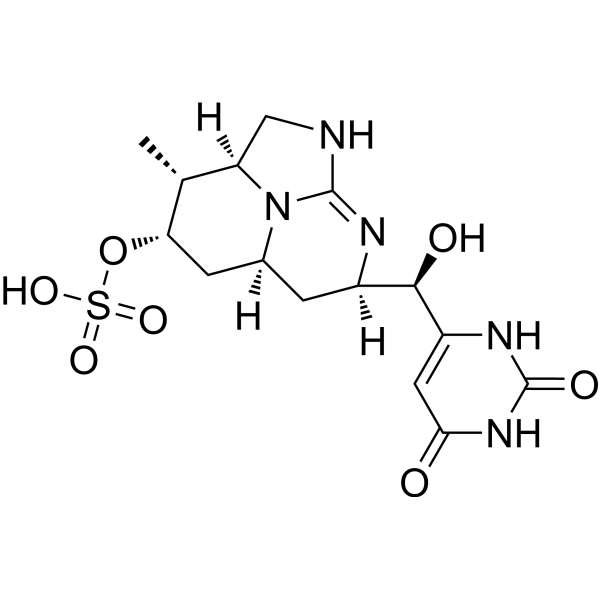
Cylindrospermopsin, a cyanotoxin, is a polycyclic uracil derivative containing guanidine and sulfate groups, which can inhibit protein synthesis and covalently modify DNA or RNA. Cylindrospermopsin induces hepatocellular hypertrophy, renal cellular hypertrophy, intracellular reactive oxygen species (ROS), DNA strand breaks, mitochondrial hyperpolarisation, ultrastructural damage, and altered gene expression in liver, kidney, and intestinal cells. Cylindrospermopsin can be used in research including hepatocellular carcinoma and water quality testing .
|
-
-
- HY-N0316
-
|
|
JAK
NF-κB
Reactive Oxygen Species (ROS)
Apoptosis
VEGFR
c-Myc
|
Cancer
|
|
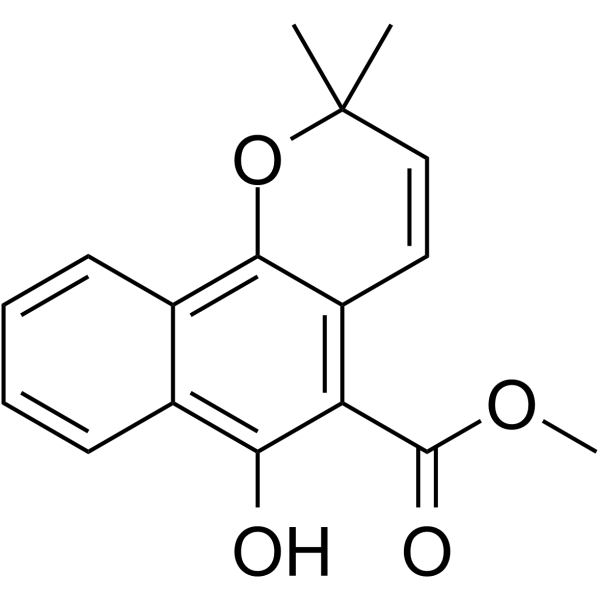
Mollugin is an orally active and potent NF-κB inhibitor. Mollugin induces S-phase arrest of HepG2 cells, and increased intracellular reactive oxygen species (ROS) levels. Mollugin induces DNA damage in HepG2 cells, as well as an increase in the expression of p-H2AX. Mollugin shows anti-cancer effect by inhibiting TNF-α-induced NF-κB activation. Mollugin enhances the osteogenic action of BMP-2 (bone morphogenetic protein 2) via the p38-Smad signaling pathway .
|
-
-
- HY-N2593
-
|
|
Carnitine Palmitoyltransferase (CPT)
Reactive Oxygen Species (ROS)
Autophagy
Apoptosis
NF-κB
PI3K
Akt
MMP
Keap1-Nrf2
|
Metabolic Disease
Inflammation/Immunology
Cancer
|
|
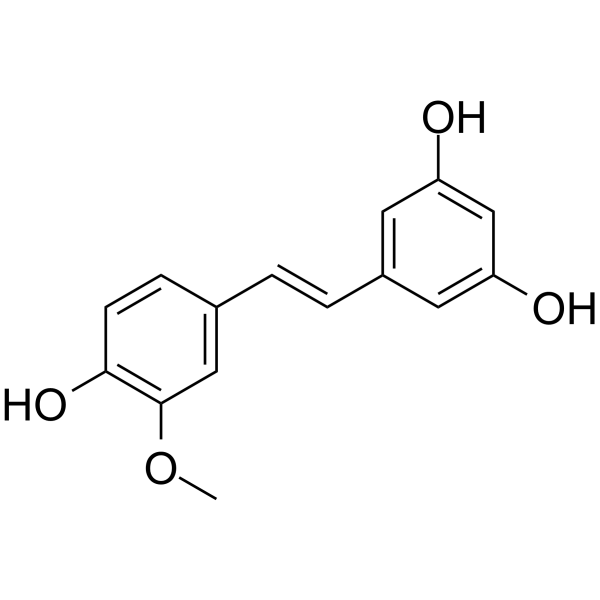
Isorhapontigenin is an orally active dietary polyphenol. Isorhapontigenin acts as a potent antioxidant that reduces the production of reactive oxygen species (ROS). Isorhapontigenin promotes the binding of JUN to the AP-1 site on the SESN2 promoter, induces SESN2 transcription, triggers MAPK8-dependent JUN activation, and upregulates the expression of PPAR-α, PGC-1α and CPT-1A to facilitate fatty acid oxidation. Isorhapontigenin induces autophagy, apoptosis and preadipocyte differentiation; it inhibits tumor growth, cell invasion, NF-κB transcriptional activity, the PI3K/Akt signaling pathway, STAT1 phosphorylation and MMP-2 expression. Isorhapontigenin alleviates oxidative stress, inflammatory cytokine release and triglyceride accumulation; it increases intracellular ATP levels and promotes Nrf2 nuclear translocation. Isorhapontigenin improves insulin sensitivity in adipose tissue and glucose tolerance, and reduces postprandial blood glucose, insulin and free fatty acid levels. Isorhapontigenin is applicable to research on bladder cancer, liver injury, chronic obstructive pulmonary disease, acute lung injury and type 2 diabetes .
|
-
-
- HY-133968
-
|
Ostreasterol
|
Acyltransferase
Reactive Oxygen Species (ROS)
|
Inflammation/Immunology
|
|
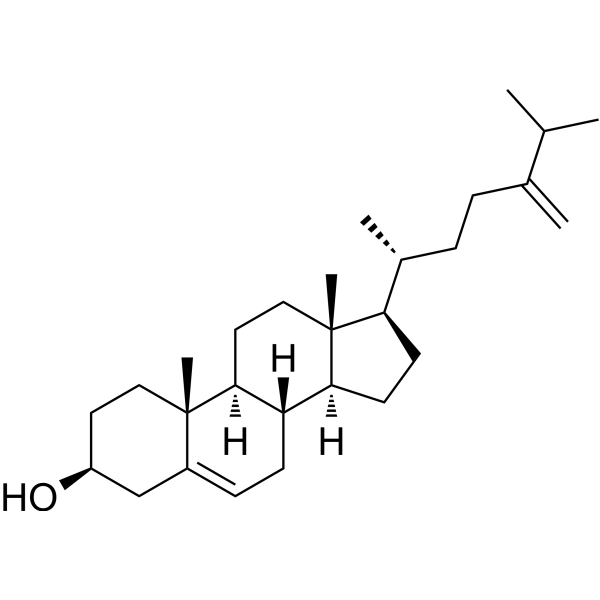
24-Methylenecholesterol (Ostreasterol) is a regulator targeting acyl-CoA cholesterol acyltransferase (ACAT) with anti-aging and neuroprotective effects. 24-Methylenecholesterol mimics the effects of nerve growth factor (NGF), can extend yeast lifespan through an anti-oxidative stress mechanism, and exhibits neuroprotective activity in PC12 cells. 24-Methylenecholesterol can reduce intracellular reactive oxygen species (ROS) and malondialdehyde (MDA) levels, activate anti-oxidative stress pathways (such as UTH1, SOD-related genes), and promote synaptic growth .
|
-
-
- HY-153006
-
|
DCFH2
|
Biochemical Assay Reagents
|
Others
|
|
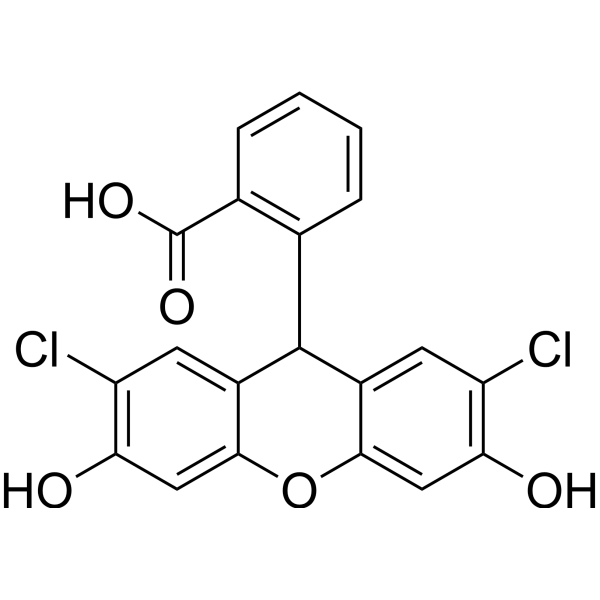
2,7-Dichlorodihydrofluorescein (DCFH2) is a non-fluorescent reactive oxygen species (ROS) probe with an excitation wavelength of 485-500 nm and an emission wavelength of 515-530 nm. 2,7-Dichlorodihydrofluorescein is first hydrolyzed by intracellular esterases and then oxidized by ROS to generate non-biomembrane-permeable, highly fluorescent 2,7-dichlorofluorescein (DCF). The fluorescence intensity of DCF is positively correlated with the ROS concentration. 2,7-Dichlorodihydrofluorescein can undergo oxidation reactions with a variety of ROS (such as ·OH, H2O2, ONOO -, etc.) and is used to quantitatively detect the level of oxidative stress inside and outside cells. It is suitable for oxidative stress analysis in in vitro cell models and in vivo targeted delivery (such as liver-targeted liposomes) .
|
-
-
- HY-W015551
-
|
(E)-Dec-2-enal
|
Bacterial
Reactive Oxygen Species (ROS)
|
Infection
|
|
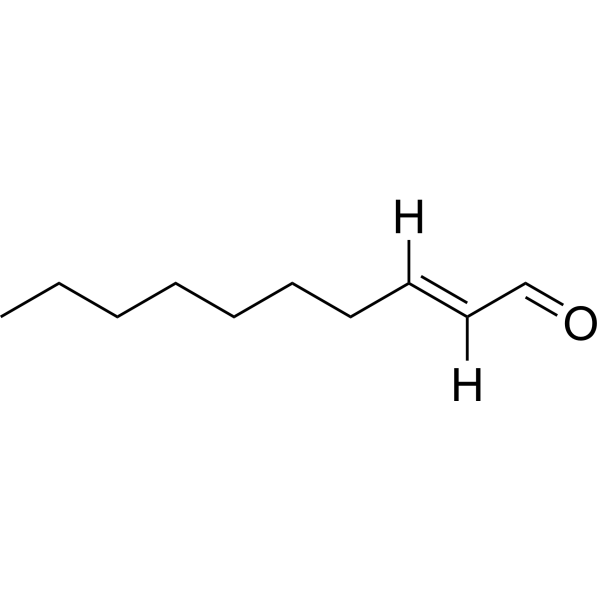
trans-2-Decenal ((E)-Dec-2-enal) acts as a urease inhibitor and antibacterial agent against Helicobacter pylori, with an IC50 of 9.484 μg/mL against Helicobacter pylori urease. trans-2-Decenal reduces the urease activity of Helicobacter pylori, and possesses antibacterial, bactericidal, anti-biofilm and anti-migratory activities. It alters the morphology of Helicobacter pylori, induces bacterial rupture, inhibits biofilm formation, reduces the number of mature biofilms and impairs the migratory capacity of Helicobacter pylori. trans-2-Decenal disrupts the cell wall integrity of Phytophthora capsici, damages membrane integrity and permeability, triggers intracellular reactive oxygen species (ROS) accumulation, decreases glutathione levels and disrupts the mitochondrial membrane potential of Phytophthora capsici. trans-2-Decenal is applicable to studies related to Helicobacter pylori and plant diseases induced by and Phytophthora capsici .
|
-
-
- HY-N6929
-
|
|
Ferroptosis
Keap1-Nrf2
Reactive Oxygen Species (ROS)
|
Neurological Disease
Cancer
|
|
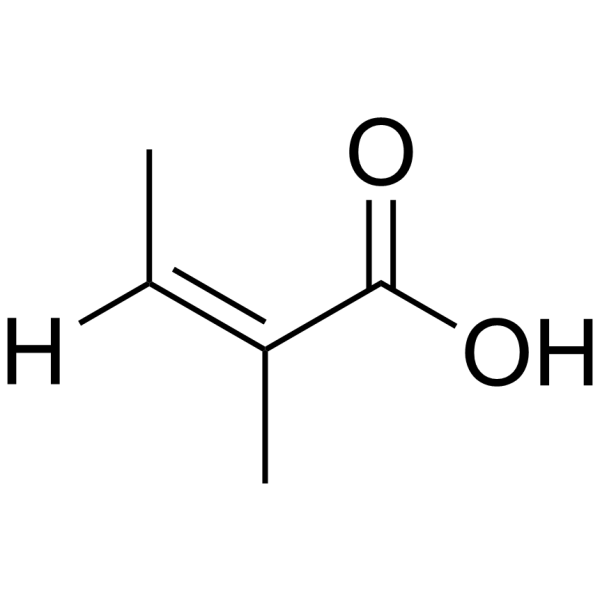
Angelic acid is a ferroptosis inducer, targeting NRF2 degradation. Angelic acid binds to NRF2 protein and promotes NRF2 degradation via ubiquitination-proteasome pathway, relieves the inhibitory effect of NRF2 on oxidative stress and lipid peroxidation. Then, Angelic acid induces ferroptosis in tumor cells. Angelic acid can enhance the accumulation of intracellular reactive oxygen species (ROS), upregulate ferroptosis-related markers CHAC1 and PTGS2, and synergize with ferroptosis inducers to enhance anti-tumor effects. Angelic acid also has the activity of scavenging UVA-induced ROS in vitro, inhibiting skin fibroblast senescence and extracellular matrix degradation. Angelic Acid helps wound healing with sedative activity .
|
-
-
- HY-N0859
-
|
Schizanhenol; Gomisin-K3
|
UGT
Cholinesterase (ChE)
Tau Protein
SOD
Sirtuin
|
Neurological Disease
Inflammation/Immunology
Cancer
|
|
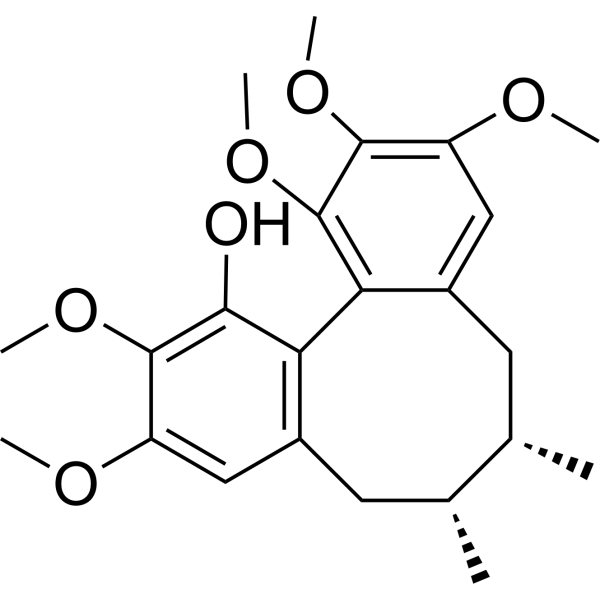
Schisanhenol (Schizanhenol), a lignan, is an orally active antioxidant. Schisanhenol reduces AChE activity, increases SIRT1 and PGC-1α expression, and decreases phosphorylated Tau (Ser 396) levels. Schisanhenol increases SOD and glutathione peroxidase activity, decreases malondialdehyde (MDA) content, and inhibits UGT2B7 activitY. Schisanhenol attenuates ox-LDL-induced apoptosis, intracellular reactive oxygen species generation, and cytotoxicity in endothelial cells. Schisanhenol inhibits LDL oxidation, brain mitochondrial and membrane peroxidative damage, and brain mitochondrial swelling and disintegration. Schisanhenol can be used for the research of Alzheimer’s disease, atherosclerosis, brain ischemia, and age-related brain deterioration .
|
-
-
- HY-W015600
-
|
Orthocetamol
|
Ferroptosis
Glutathione Peroxidase
Reactive Oxygen Species (ROS)
LDLR
|
Cardiovascular Disease
Inflammation/Immunology
|
|
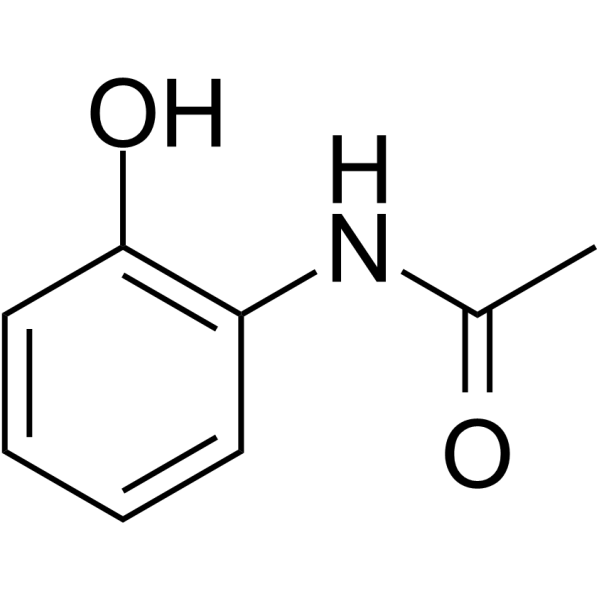
2-Acetamidophenol (Orthocetamol) is a regulator that targets ferroptosis and glutathione metabolic pathways, is the ortho-regioisomer of Paracetamol (HY-66005). 2-Acetamidophenol has anti-atherosclerotic activity, and inhibiting total cholesterol (TC) and triglyceride (TG) in a zebrafish hyperlipidemia model with IC50s for 30 μM and 40 μM, respectively. 2-Acetamidophenol upregulates the expression of glutathione synthesis-related genes (such as GCLC, GCLM, GSS) and iron ion transport genes (such as FPN1, FTH), reduces the accumulation of intracellular reactive oxygen species (ROS) and ferrous ions (Fe 2+), and enhances the activity of glutathione peroxidase GPX4, thereby inhibiting macrophage phagocytosis of oxidized low-density lipoprotein (ox-LDL) and foam cell formation .
|
-
-
- HY-D1078
-
|
|
Fluorescent Dye
Reactive Oxygen Species (ROS)
P-glycoprotein
|
Others
|
|
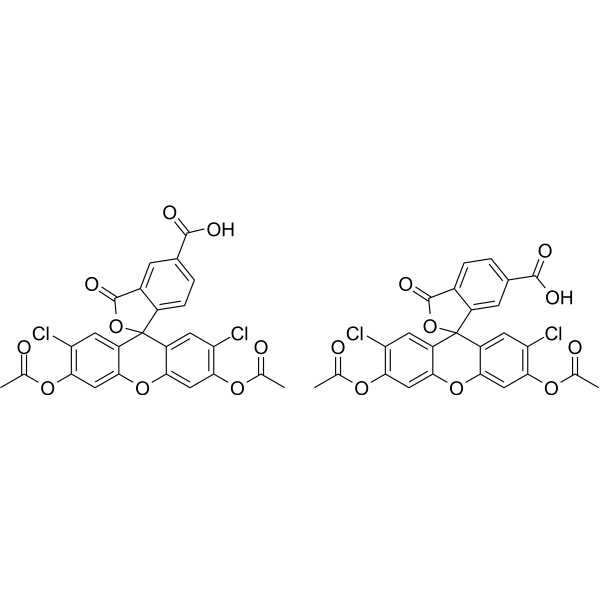
5 (6)-Carboxy-2',7'-dichlorofluorescein diacetate is a fluorescein-based reactive oxygen species (ROS) probe and also a MRP2 substrate. 5 (6)-Carboxy-2',7'-dichlorofluorescein diacetate serves as a substrate for intracellular esterases, which cleave its acetate groups to generate a fluorescent product capable of detecting intracellular ROS. 5 (6)-Carboxy-2',7'-dichlorofluorescein diacetate is ATP-dependent and is transported via a single MRP2 binding site; it competes with LTC4 for MRP2 binding sites and inhibits MRP2-mediated LTC4 transport (Ex/Em = 496/525 nm) .
|
-
-
- HY-113285
-
|
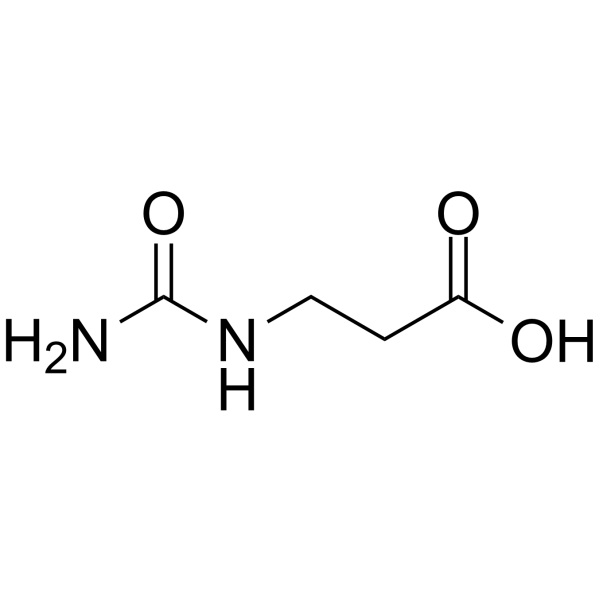
3-Ureidopropionic acid
|
Oxidative Phosphorylation
Reactive Oxygen Species (ROS)
|
Metabolic Disease
|
|
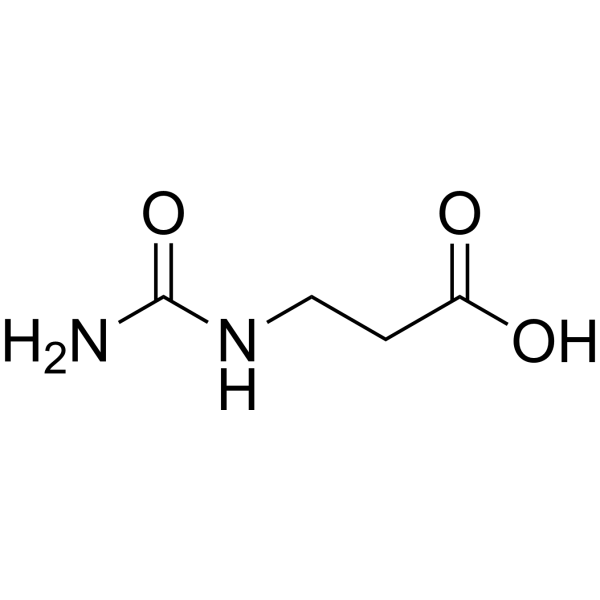
Ureidopropionic acid (3-Ureidopropionic acid) is a selective mitochondrial respiratory chain complex V inhibitor. Ureidopropionic acid induces the production of reactive oxygen species, delayed elevation of intracellular calcium concentration, secondary energy-dependent excitotoxicity and neurodegeneration in neurons. Ureidopropionic acid promotes neuropathological changes by impairing mitochondrial energy metabolism, oxidative stress and excitotoxicity pathways. Ureidopropionic acid can be used in studies related to 3-ureidopropionase deficiency and severe propionic aciduria .
|
-
-
- HY-108894
-
|
|
Ferroptosis
Reactive Oxygen Species (ROS)
|
Cardiovascular Disease
Inflammation/Immunology
Cancer
|
|
Ferumoxytol is an FDA-approved ultrasmall superparamagnetic iron oxide preparation and iron replacement agent that exerts selective activity against leukemia cells with low ferroportin expression. Ferumoxytol increases intracellular iron levels, induces reactive oxygen species (ROS) production via the Fenton reaction, and triggers oxidative stress and cell death. Ferumoxytol reduces disease burden in mouse models and patient-derived leukemia models. As an MRI contrast agent, Ferumoxytol enables imaging of vascular lesions, tumors and lymph nodes. Ferumoxytol can be used in research related to acute myeloid leukemia and blast-phase chronic myeloid leukemia .
|
-

-
- HY-121204
-
|
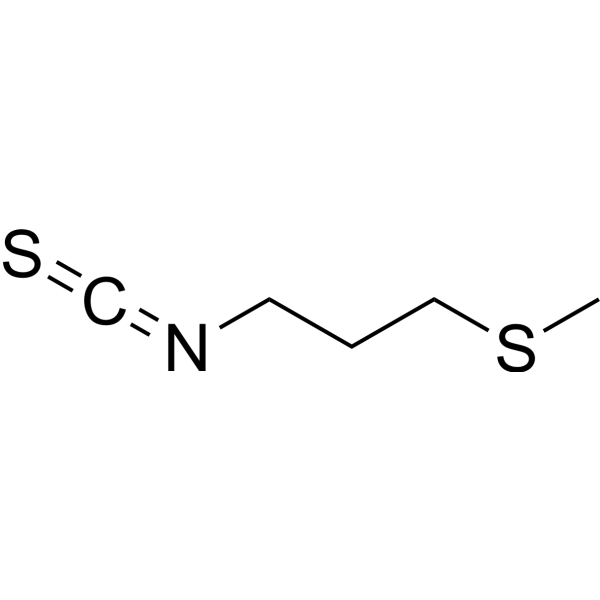
3-Methylthiopropyl isothiocyanate
|
Apoptosis
Reactive Oxygen Species (ROS)
|
Cancer
|
|
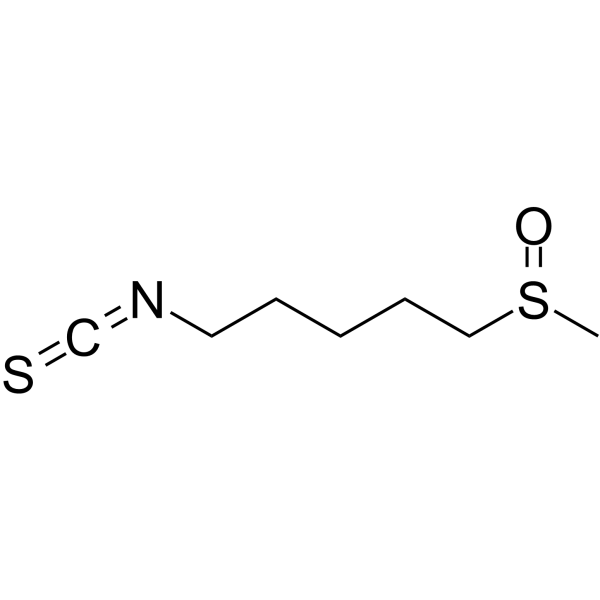
Iberverin (-Methylthiopropyl isothiocyanate) is a sulforaphane homolog. Iberverin has anticancer activity. Iberverin inhibits cell proliferation and migration. Iberverin induces mitochondrial-related apoptosis and intracellular reactive oxygen species .
|
-
-
- HY-N1195
-
|
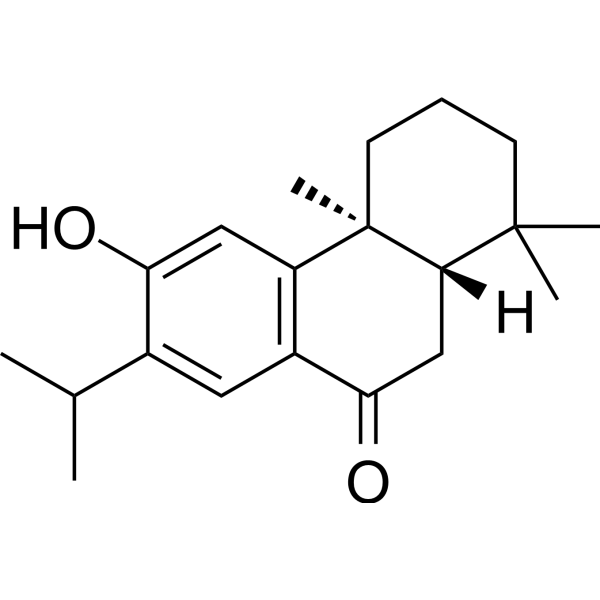
(+)-Sugiol; 10-Deoxoxanthoperol
|
p38 MAPK
ERK
JNK
Interleukin Related
TNF Receptor
|
Inflammation/Immunology
|
|
Sugiol is an abietane diterpenoid, can be isolated from Calocedrus formosana bark. Sugiol has anti-inflammatory activity, could effectively reduce intracellular reactive oxygen species (ROS) production in lipopolysaccharide (LPS)-stimulated macrophages .
|
-
-
- HY-DY1002
-
|
|
Reactive Oxygen Species (ROS)
Fluorescent Dye
|
Others
|
H2DCFDA (DCFH-DA) (solution) is a cell-permeable probe used to detect intracellular reactive oxygen species (ROS) (Ex/Em=488/525 nm) .
Solvent and concentration: DMSO: 10 mM.
The 1 mL volume is defined as the base specification. All larger sizes correspond to incremental volumes of this base.
|
-

-
- HY-139369
-
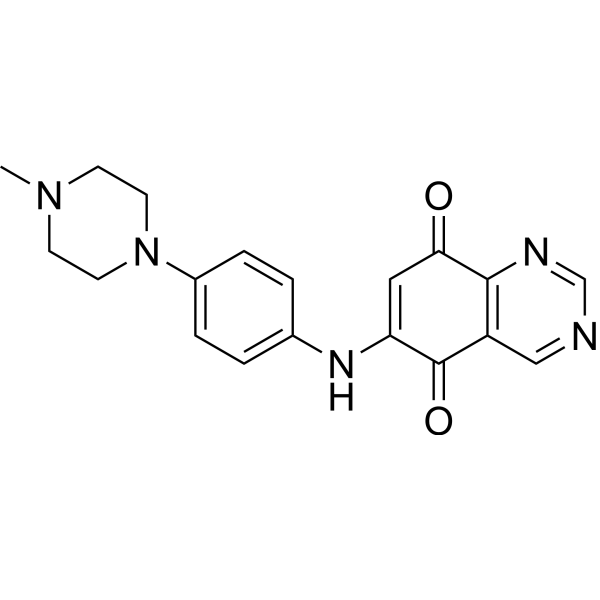
QD394
1 Publications Verification
|
Reactive Oxygen Species (ROS)
|
Cancer
|
|
QD394 is a reactive oxygen species (ROS) inducer that can induce lipid peroxidation, increase intracellular ROS accumulation, inhibit STAT3 phosphorylation, and induce ferroptosis .
|
-
-
- HY-W014684
-
|
|
Environmental Pollutants
Keap1-Nrf2
Mitochondrial Metabolism
Reactive Oxygen Species (ROS)
|
Endocrinology
|
|
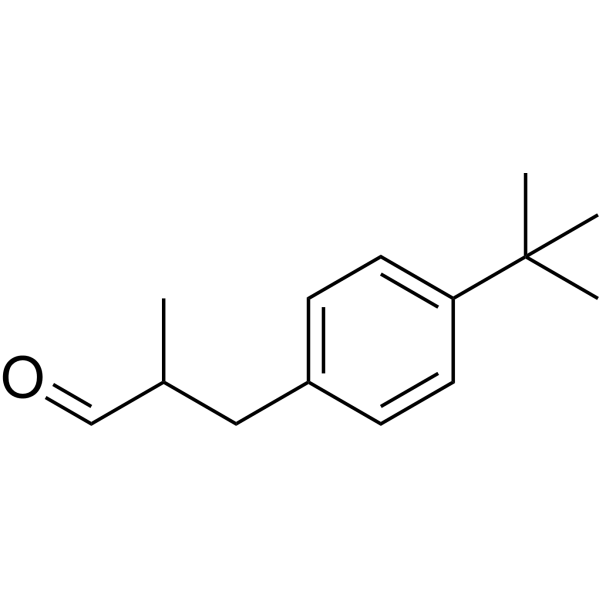
Lilial is a widely used synthetic fragrance and ester in consumer products. Lilial possesses estrogenic activity in vitro. Lilial can induce a toxic effect on mitochondria that causes a decrease in the viability of HaCaT cells. Lilial can increase NRF2 protein level in vitro. Lilial is able to target respiratory chain complexes, inhibit complexes I and II of the electron transport chain, increase the generation of reactive oxygen species, and decrease the level of intracellular ATP. Lilial can induce systemic toxicity in vivo. Lilial induces significant DNA strand breaks .
|
-
-
- HY-128431
-
|
|
Reactive Oxygen Species (ROS)
|
Neurological Disease
Metabolic Disease
|
|
Arochlor 1254 is a polychlorinated biphenyl (PCB) mixture with biphenyl and 54% chlorine. Aroclor 1254 reduced cell viability and induced overproduction of intracellular reactive oxygen species in a dose-dependent manner. Arochlor 1254 exposure reduces calcium homeostasis, osteoblast differentiation and bone formation .
|
-

-
- HY-178239
-
|
|
Drug Metabolite
AMPK
Reactive Oxygen Species (ROS)
|
Inflammation/Immunology
|
|
DX-8951 Hydroxy-acid is a prodrug of phosphoramide. ProAX can effectively increase intracellular ATP levels. DX-8951 Hydroxy-acid activates the AMPK signaling pathway by increasing the AMP/ATP ratio. DX-8951 Hydroxy-acid can enhance mitochondrial function and antioxidant capacity while reducing reactive oxygen species (ROS) levels. DX-8951 Hydroxy-acid has shown significant anti-aging and longevity effects in both human fibroblast and nematode models .
|
-

-
- HY-N1989
-
|
|
Na+/K+ ATPase
CaMK
Apoptosis
Cholinesterase (ChE)
NO Synthase
NF-κB
|
Neurological Disease
Cancer
|
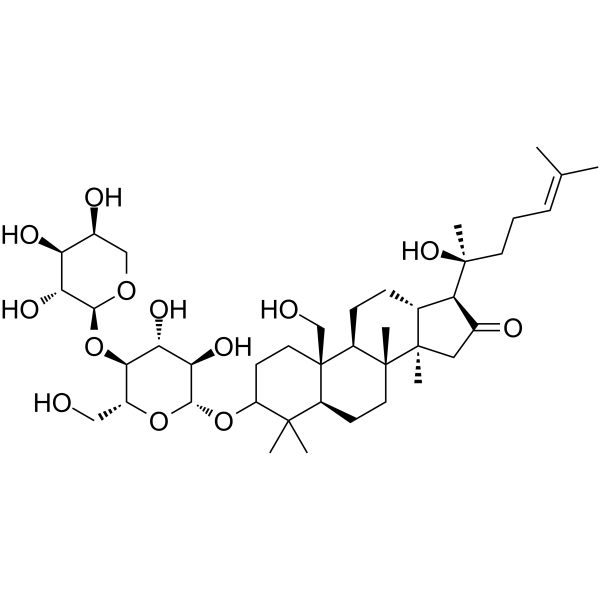
Bacoside A is an orally active, blood-brain barrier-permeable triterpenoid saponin that modulates the activities of ATPases, AChE, CaMK2A and iNOS. Derived from Bacopa monniera. Bacoside A exerts significant antioxidant, anti-inflammatory and anti-apoptotic effects by maintaining ion balance, scavenging reactive oxygen species, stabilizing cell membranes, and regulating the expression of NF-κB and apoptosis-related proteins. Bacoside A counteracts morphine-induced reductions in Na +/K +-ATPase, Ca 2+-ATPase and Mg 2+-ATPase activities, increases mitochondrial membrane potential, and decreases intracellular reactive oxygen species levels. Bacoside A specifically binds to calcium/calmodulin-dependent protein kinase IIA to trigger endoplasmic reticulum calcium release. Bacoside A exhibits non-apoptotic cytotoxicity against glioblastoma cells while protecting normal nerve cells from stress-induced damage. Bacoside A is applicable to the research of Parkinson's disease and glioblastoma multiforme .
|
-
-
- HY-178364
-
|
|
Glutathione Peroxidase
Ferroptosis
Lipoxygenase
Reactive Oxygen Species (ROS)
DNA/RNA Synthesis
|
Cancer
|
|
GPX4-IN-19 is an effective GPX4 inhibitor (IC50 = 0.311 μM), covalently binds to the Sec 46 site of GPX4. GPX4-IN-19 shows strong anti-proliferative activity with high ferroptosis selectivity. GPX4-IN-19 causes intracellular Fe 2+ accumulation, leading to increased levels of lipid peroxides (LPOs) and reactive oxygen species (ROS), which induces ferroptosis and subsequently results in DNA damage. GPX4-IN-19 can be used for the study of Triple-Negative Breast Cancer (TNBC) .
|
-

-
- HY-162424
-
|
|
RIP kinase
Mixed Lineage Kinase
Necroptosis
|
Cancer
|
|
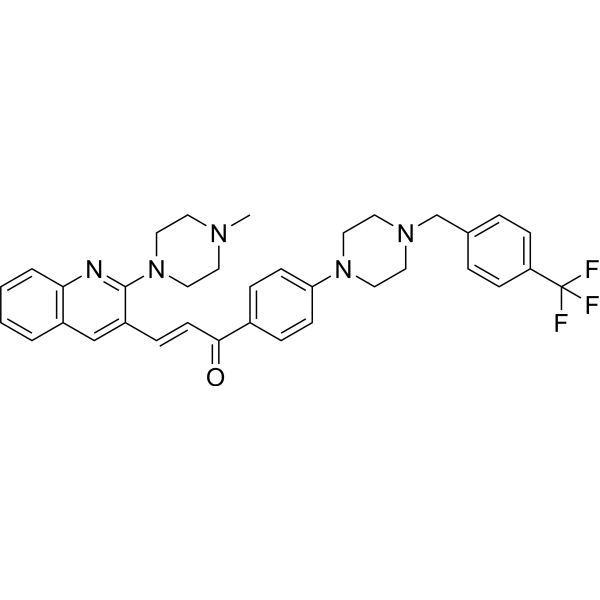
ZBP1/RIP3/MLKL activator 1 (compound 3a) is a synthetically derived quinoline compound. ZBP1/RIP3/MLKL Activator 1 induces DNA damage, enhances intracellular levels of reactive oxygen species (ROS), and triggers apoptosis via the caspase pathway. Furthermore, when apoptosis is inhibited, ZBP1/RIP3/MLKL Activator 1 promotes necroptotic cell death through the ZBP1-RIP3-MLKL pathway. ZBP1/RIP3/MLKL Activator 1 is utilized in oncological research, particularly in the selective targeting of cells with impaired apoptotic function .
|
-

-
- HY-W015600R
-
|
Orthocetamol (Standard)
|
Reference Standards
Ferroptosis
Glutathione Peroxidase
Reactive Oxygen Species (ROS)
LDLR
|
Cardiovascular Disease
Inflammation/Immunology
|
|
2-Acetamidophenol (Standard) is the analytical standard of 2-Acetamidophenol. This product is intended for research and analytical applications. 2-Acetamidophenol (Orthocetamol) is a regulator that targets ferroptosis and glutathione metabolic pathways, is the ortho-regioisomer of Paracetamol (HY-66005). 2-Acetamidophenol has anti-atherosclerotic activity, and inhibiting total cholesterol (TC) and triglyceride (TG) in a zebrafish hyperlipidemia model with IC50s for 30 μM and 40 μM, respectively. 2-Acetamidophenol upregulates the expression of glutathione synthesis-related genes (such as GCLC, GCLM, GSS) and iron ion transport genes (such as FPN1, FTH), reduces the accumulation of intracellular reactive oxygen species (ROS) and ferrous ions (Fe 2+), and enhances the activity of glutathione peroxidase GPX4, thereby inhibiting macrophage phagocytosis of oxidized low-density lipoprotein (ox-LDL) and foam cell formation .
|
-

-
- HY-W748509
-
|
|
Caspase
Apoptosis
|
Cancer
|
|
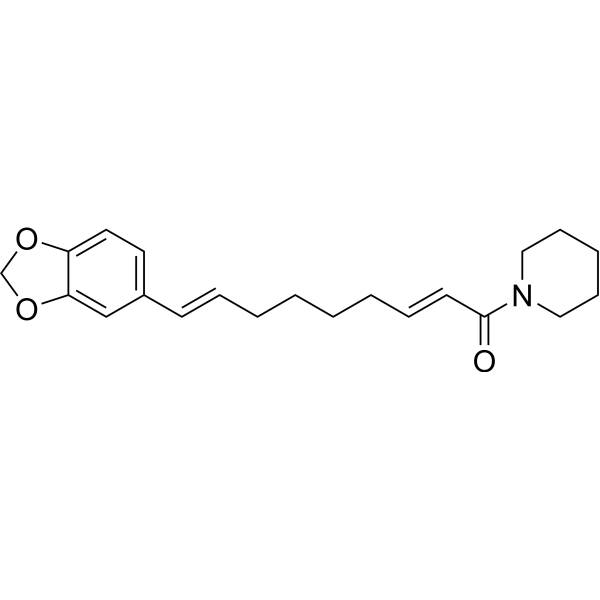
Pipernonaline is a piperine derivative with antiprostate cancer activity. Pipernonaline inhibits the proliferation of androgen-dependent/independent LNCaP/PC-3 prostate cells. Pipernonaline activates caspase-3 and promotes procaspase-3/PARP cleavage. Pipernonaline also mediates reactive oxygen species (ROS) production, increased intracellular Ca(2+), and mitochondrial membrane depolarization .
|
-
-
- HY-W015600S
-
|
Orthocetamol-d3
|
Isotope-Labeled Compounds
Ferroptosis
Glutathione Peroxidase
Reactive Oxygen Species (ROS)
LDLR
|
Cardiovascular Disease
Inflammation/Immunology
|
|
2-Acetamidophenol-d3 (Orthocetamol-d3) is the deuterium labeled 2-Acetamidophenol (HY-W015600). 2-Acetamidophenol (Orthocetamol) is a regulator that targets ferroptosis and glutathione metabolic pathways, is the ortho-regioisomer of Paracetamol (HY-66005). 2-Acetamidophenol has anti-atherosclerotic activity, and inhibiting total cholesterol (TC) and triglyceride (TG) in a zebrafish hyperlipidemia model with IC50s for 30 μM and 40 μM, respectively. 2-Acetamidophenol upregulates the expression of glutathione synthesis-related genes (such as GCLC, GCLM, GSS) and iron ion transport genes (such as FPN1, FTH), reduces the accumulation of intracellular reactive oxygen species (ROS) and ferrous ions (Fe2+), and enhances the activity of glutathione peroxidase GPX4, thereby inhibiting macrophage phagocytosis of oxidized low-density lipoprotein (ox-LDL) and foam cell formation .
|
-

-
- HY-113285R
-
|
3-Ureidopropionic acid (Standard)
|
Reference Standards
Oxidative Phosphorylation
Reactive Oxygen Species (ROS)
|
Others
|
|
Ureidopropionic acid (Standard) is the analytical standard of Ureidopropionic acid. This product is intended for research and analytical applications. Ureidopropionic acid (3-Ureidopropionic acid) is a selective mitochondrial respiratory chain complex V inhibitor. Ureidopropionic acid induces the production of reactive oxygen species, delayed elevation of intracellular calcium concentration, secondary energy-dependent excitotoxicity and neurodegeneration in neurons. Ureidopropionic acid promotes neuropathological changes by impairing mitochondrial energy metabolism, oxidative stress and excitotoxicity pathways. Ureidopropionic acid can be used in studies related to 3-ureidopropionase deficiency and severe propionic aciduria .
|
-
-
- HY-116920
-
-
-
- HY-W724853
-
|
1,4-Dimethyltetrasulfane
|
Apoptosis
Caspase
Reactive Oxygen Species (ROS)
|
Cancer
|
|
Dimethyl tetrasulfide (1,4-Dimethyltetrasulfane) is an apoptosis inducer targeting leukemia cells. Dimethyl tetrasulfide exerts cytotoxic effects through the induction of intracellular reactive oxygen species (ROS) production and activation of caspase-3 enzyme. Dimethyl tetrasulfide is promising for research of cancers, such as leukemia .
|
-

-
- HY-173403
-
|
|
TrxR
Reactive Oxygen Species (ROS)
Apoptosis
|
Cancer
|
|
TrxR-IN-8 (Compound 6f) is a selective TrxR inhibitor (IC50: 10.2 μM). TrxR-IN-8 induces apoptosis through oxidative stress by stimulating the production of reactive oxygen species (ROS), reducing intracellular thiols, and lowering the glutathione/glutathione ratio. TrxR-IN-8 exhibits significant cytotoxicity against non-small cell lung cancer (NSCLC) cells .
|
-

-
- HY-P10519
-
|
|
Bacterial
Reactive Oxygen Species (ROS)
|
Infection
|
|
Brevicidine is an antimicrobial peptide with selective bactericidal activity against Gram-negative pathogens. Brevicidine disrupts bacterial morphology by binding to lipopolysaccharide (LPS) on the bacterial cell membrane to form pores. Brevicidine causes dissipation of intracellular proton motive force, outer membrane damage, inhibition of ATP biosynthesis and reactive oxygen species accumulation in bacterial cells. As a sensitizer, Brevicidine exerts synergistic activity when combined with a variety of conventional antibiotics .
|
-

-
- HY-136778
-
|
|
PARP
Reactive Oxygen Species (ROS)
Bcl-2 Family
Caspase
ERK
p38 MAPK
|
Cardiovascular Disease
|
|
INH2BP is a poly(ADP-ribose) polymerase (PARP) inhibitor with antioxidant and anti-apoptotic activities. INH2BP reduces the production of intracellular reactive oxygen species (ROS), modulates the expression of apoptosis-related proteins such as Bax, Bcl-2 and cleaved caspase-3 and enhances cell survival through the activation of the ERK1/2 and p38 MAPK signaling pathways. INH2BP is promising for research of cardiovascular diseases .
|
-

-
- HY-178239A
-
|
|
Drug Metabolite
AMPK
Reactive Oxygen Species (ROS)
|
Inflammation/Immunology
|
|
DX-8951 Hydroxy-acid sodium is a prodrug of phosphoramide. DX-8951 Hydroxy-acid sodium can effectively increase intracellular ATP levels. DX-8951 Hydroxy-acid sodium activates the AMPK signaling pathway by increasing the AMP/ATP ratio. DX-8951 Hydroxy-acid sodium can enhance mitochondrial function and antioxidant capacity while reducing reactive oxygen species (ROS) levels. DX-8951 Hydroxy-acid sodium has shown significant anti-aging and longevity effects in both human fibroblast and nematode models .
|
-

-
- HY-126876
-
GL-V9
1 Publications Verification
|
Apoptosis
AMPK
Reactive Oxygen Species (ROS)
|
Cancer
|
|
GL-V9 inhibits proliferation of HepG2 cell (IC50 is 35.2 μM) through induction of apoptosis and cell cycle arrest at G2/M phase. GL-V9 regulates mitochondrial membrane potential and increases the production of intracellular reactive oxygen species. GL-V9 inhibits the pentose phosphate pathway (PPP), enhances fatty acid oxidation (FAO) through activation of AMPK, and thus inhibits the metastasis of cancer cells. GL-V9 exhibits antitumor efficacy in mouse model .
|
-

-
- HY-W014684R
-
|
|
Reference Standards
Keap1-Nrf2
Reactive Oxygen Species (ROS)
Mitochondrial Metabolism
|
Endocrinology
|
|
Lilial (Standard) is the analytical standard of Lilial. This product is intended for research and analytical applications. Lilial is a widely used synthetic fragrance and ester in consumer products. Lilial possesses estrogenic activity in vitro. Lilial can induce a toxic effect on mitochondria that causes a decrease in the viability of HaCaT cells. Lilial can increase NRF2 protein level in vitro. Lilial is able to target respiratory chain complexes, inhibit complexes I and II of the electron transport chain, increase the generation of reactive oxygen species, and decrease the level of intracellular ATP. Lilial can induce systemic toxicity in vivo. Lilial induces significant DNA strand breaks .
|
-

-
- HY-155474
-
|
|
Apoptosis
|
Cancer
|
|
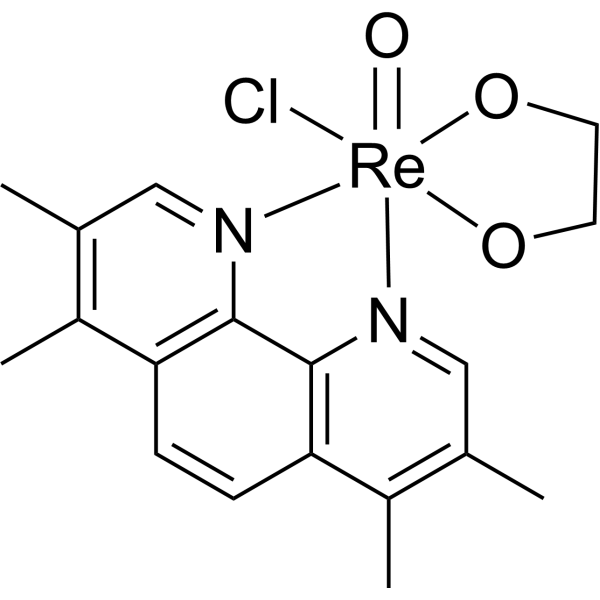
Me4Phen (compound 3) is an oxygen rhenium (V) complex that depletes mitochondrial membrane potential and upregulates intracellular reactive oxygen species (ROS), leading to endoplasmic reticulum stress-mediated necrosis of cancer cells. Me4Phen is highly lipophilic and effectively overcomes Cisplatin (HY-17394) resistance in a variety of cancer cells .
|
-
-
- HY-175301
-
|
|
Bacterial
Reactive Oxygen Species (ROS)
|
Infection
|
|
TH16 is an antibacterial agent (MIC=2 μg/mL against methicillin-resistant Staphylococcus aureus, MRSA). TH16 disrupts bacterial cytoplasmic membrane integrity, elevating intracellular reactive oxygen species (ROS) levels to induce bacterial death. TH16 is promising for research of bacterial infection .
|
-

-
- HY-156090
-
|
|
Mitochondrial Metabolism
Fungal
|
Infection
|
|
PK-10 is a synergistic antibacterial agent of Fluconazole (HY-B0101) and has strong antifungal activity against a variety of Fluconazole-resistant Candida albicans strains. PK-10 combined with Fluconazole can inhibit hyphae formation and induce the accumulation of reactive oxygen species. It further causes damage to mitochondrial membrane potential, reduces intracellular ATP content, and leads to mitochondrial dysfunction .
|
-
-
- HY-N0502R
-
|
|
Reactive Oxygen Species (ROS)
Reference Standards
|
Metabolic Disease
Cancer
|
|
Mogroside V (Standard) is the analytical standard of Mogroside V. This product is intended for research and analytical applications. Mogroside V is a the major active constituent of a traditional Chinese medicine Siraitiae Fructus. Mogroside V reduces the intracellular reactive oxygen species (ROS) levels and enhances mitochondrial function. Mogroside V has anti-oxidative, anti-diabetic and anti-carcinogenic effects. Mogroside V can be used for diabetic diseases research .
|
-

-
- HY-149837
-
|
|
Fluorescent Dye
|
Inflammation/Immunology
|
|
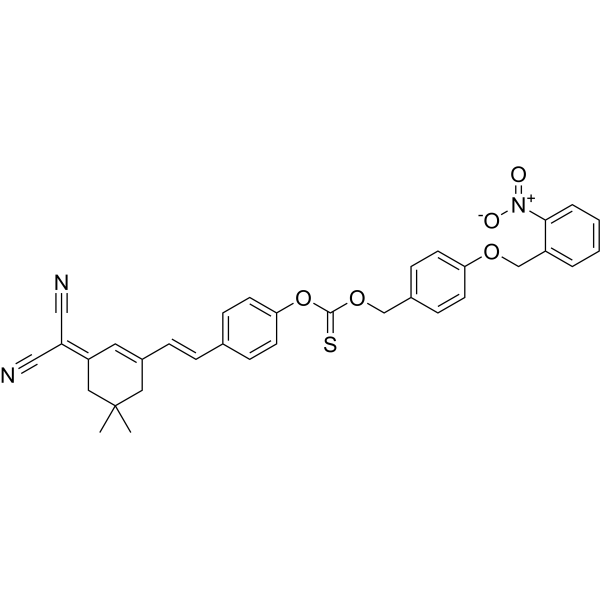
PRO-F is a photoactivable H2S donor with ROS scavenging ability. PRO-F can be activated by light to produce fluorescent signal, for real-time tracking of released H2S. PRO-F activation doesn’t consume endogenous substances. deliver H2S in an intracellular environment to protect cells from excessive reactive oxygen species (ROS) induced damage. PRO-F shows enhancement on chronic wound healing, researched in diabetic models as well .
|
-
-
- HY-N0316R
-
|
|
JAK
Reference Standards
NF-κB
Reactive Oxygen Species (ROS)
Apoptosis
VEGFR
c-Myc
|
Cancer
|
|
Mollugin (Standard) is the analytical standard of Mollugin. This product is intended for research and analytical applications. Mollugin is an orally active and potent NF-κB inhibitor. Mollugin induces S-phase arrest of HepG2 cells, and increased intracellular reactive oxygen species (ROS) levels. Mollugin induces DNA damage in HepG2 cells, as well as an increase in the expression of p-H2AX. Mollugin shows anti-cancer effect by inhibiting TNF-α-induced NF-κB activation. Mollugin enhances the osteogenic action of BMP-2 (bone morphogenetic protein 2) via the p38-Smad signaling pathway .
|
-

-
- HY-178373
-
|
|
Topoisomerase
DNA/RNA Synthesis
Reactive Oxygen Species (ROS)
MDM-2/p53
Caspase
|
Cancer
|
|
Topoisomerase I-IN-18, a derivative of Thiosemicarbazide (HY-Y0032), is a Topoisomerase I inhibitor. Topoisomerase I-IN-18 can disrupt DNA synthesis and transcription. Topoisomerase I-IN-18 inhibits tumor cell proliferation by inducing S-phase cell cycle arrest. Topoisomerase I-IN-18 can enhance mitochondria-mediated apoptosis, suppress cell migration, and increase intracellular Reactive Oxygen Species (ROS) levels. Topoisomerase I-IN-18 can increase p53 protein expression, γH2AX phosphorylation, upregulate Bax expression, downregulate Bcl-2 expression, and activate the caspase cascade. Topoisomerase I-IN-18 can be used for the study of lung cancer .
|
-

-
- HY-N6929R
-
|
|
Reference Standards
Ferroptosis
Keap1-Nrf2
Reactive Oxygen Species (ROS)
|
Neurological Disease
Cancer
|
|
Angelic acid (Standard)) is the analytical standard of Angelic acid (HY-N6929). This product is intended for research and analytical applications. Angelic acid is a ferroptosis inducer, targeting NRF2 degradation. Angelic acid binds to NRF2 protein and promotes NRF2 degradation via ubiquitination-proteasome pathway, relieves the inhibitory effect of NRF2 on oxidative stress and lipid peroxidation. Then, Angelic acid induces ferroptosis in tumor cells. Angelic acid can enhance the accumulation of intracellular reactive oxygen species (ROS), upregulate ferroptosis-related markers CHAC1 and PTGS2, and synergize with ferroptosis inducers to enhance anti-tumor effects. Angelic acid also has the activity of scavenging UVA-induced ROS in vitro, inhibiting skin fibroblast senescence and extracellular matrix degradation. Angelic Acid helps wound healing with sedative activity .
|
-

- HY-16658BG
-
|
|
Caspase
Apoptosis
|
Cancer
|
|
Z-VAD-FMK is a pan-caspase inhibitor and also an ICE-like protease inhibitor, which inhibits apoptosis by preventing the processing of CPP32 to its active form. Z-VAD-FMK sensitivity varies primarily due to differential expression of receptor-interacting protein 1 (RIP1). Z-VAD-FMK limits the cryopreservation-induced apoptosis by reducing caspase-3 activity of in vitro produced bovine embryos. Z-VAD-FMK is immunosuppressive in vitro and inhibits T cell proliferation without blocking the processing of caspase-8 and caspase-3. Z-VAD-FMK leads to a decrease in intracellular glutathione (GSH) with a concomitant increase in reactive oxygen species (ROS) levels in activated T cells. Z-VAD-FMK is due to oxidative stress via the depletion of GSH. Z-VAD-FMK can be used for the study of acute pancreatitis .
|
-

- HY-116920A
-
-

- HY-116920B
-
-

- HY-162131
-
-
- HY-170416
-
|
|
Reactive Oxygen Species (ROS)
|
Cancer
|
|
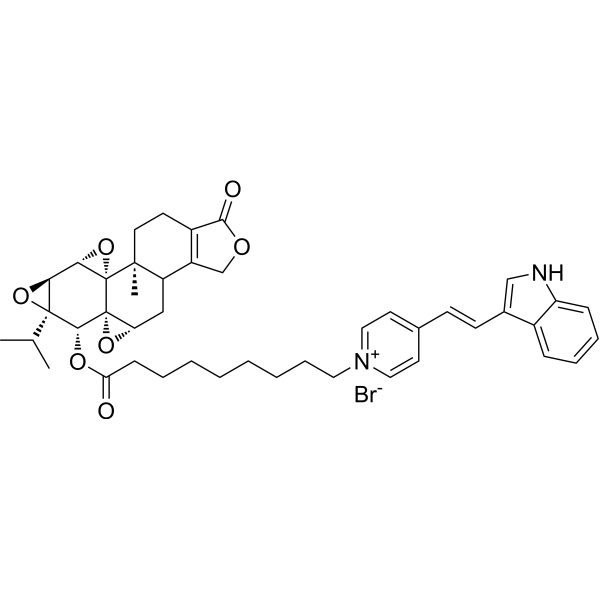
ROS inducer 6 (compound 9) is a reactive oxygen species (ROS) inducer. ROS inducer 6 (compound 9) acts as an anticancer agent by inducing ROS generation through the depletion of intracellular glutathione .
|
-

- HY-121204R
-
|
3-Methylthiopropyl isothiocyanate (Standard)
|
Reference Standards
Apoptosis
Reactive Oxygen Species (ROS)
|
Cancer
|
|
Iberverin (Standard) is the analytical standard of Iberverin. This product is intended for research and analytical applications. Iberverin (-Methylthiopropyl isothiocyanate) is a sulforaphane homolog. Iberverin has anticancer activity. Iberverin inhibits cell proliferation and migration. Iberverin induces mitochondrial-related apoptosis and intracellular reactive oxygen species[1].
|
-

- HY-N11887
-
|
|
Reactive Oxygen Species (ROS)
|
Inflammation/Immunology
|
|
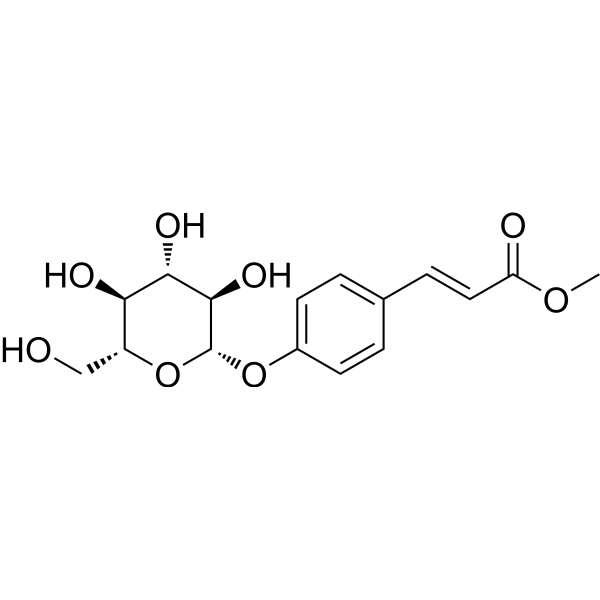
Linocinnamarin is a nature product that could be isolated from Fragaria ananassa Duch. Linocinnamarin has anti-inflammatory activity. Linocinnamarin inhibits antigen-stimulated elevation of intracellular free Ca 2+ concentration and reactive oxygen species (ROS) .
|
-
- HY-155568
-
-
- HY-157296
-
|
|
Cholinesterase (ChE)
|
Neurological Disease
|
|
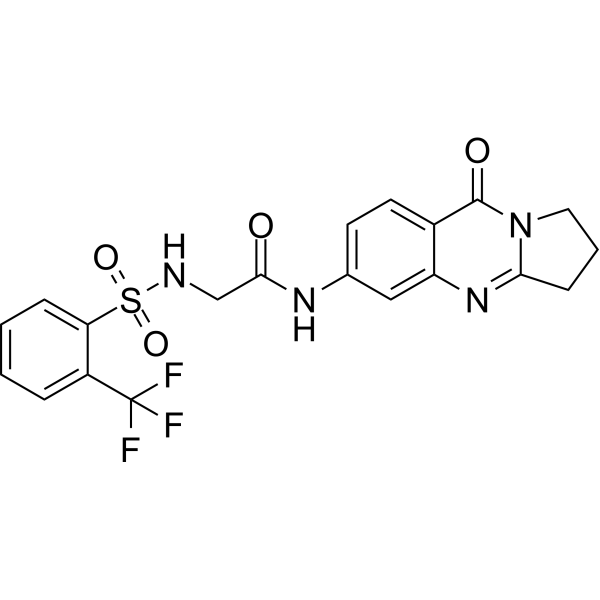
AChE-IN-47 (compound g17) is a AChE inhibitor with the IC50 of 0.24 μM. AChE-IN-47 inhibits amyloid β peptides self-aggregation. AChE-IN-47 displays neuroprotective effects and effectively suppresses the intracellular accumulation of reactive oxygen species .
|
-
- HY-146367
-
|
|
VEGFR
Apoptosis
Reactive Oxygen Species (ROS)
|
Cancer
|
|
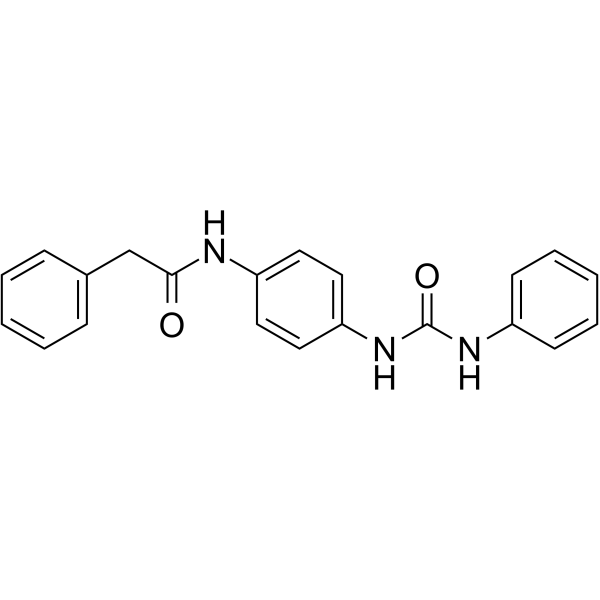
VEGFR-2-IN-19 (Compound 15b) is a potent VEGFR2 inhibitor. VEGFR-2-IN-19 induces cell apoptosis and increases intracellular reactive oxygen species level. VEGFR-2-IN-19 can be used as an anticancer agent .
|
-
- HY-155348
-
|
|
PARP
|
Cancer
|
|
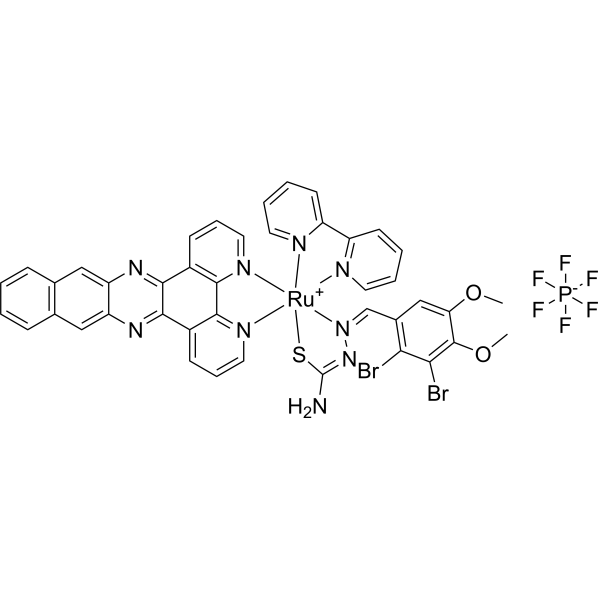
Ru3 is a poly(ADP-ribose) polymerase 1 inhibitor. Ru3 induces apoptosisin MCF-7 cells by multiple modes, inclusive of inducing DNA damage, suppressing DNA damage repair, disturbing cell cycle distribution, decreasing the mitochondrial membrane potential, and increasing the intracellular reactive oxygen species levels .
|
-
- HY-172793
-
|
|
Bacterial
Reactive Oxygen Species (ROS)
Apoptosis
|
Infection
|
|
Antibacterial agent 276 (compound B3) is an antibacterial agent with EC50 values of 1.32 μg/mL and 2.80 μg/mL against Xanthomonas oryzae pv.oryzae and Xanthomonas axonopodis pv.citri,respectively. Antibacterial agent 276 disrupts the intracellular redox balance, and results in the accumulation of reactive oxygen species (ROS) and subsequent induction of apoptosis .
|
-

- HY-155137
-
|
|
Monoamine Oxidase
Reactive Oxygen Species (ROS)
|
Neurological Disease
|
|
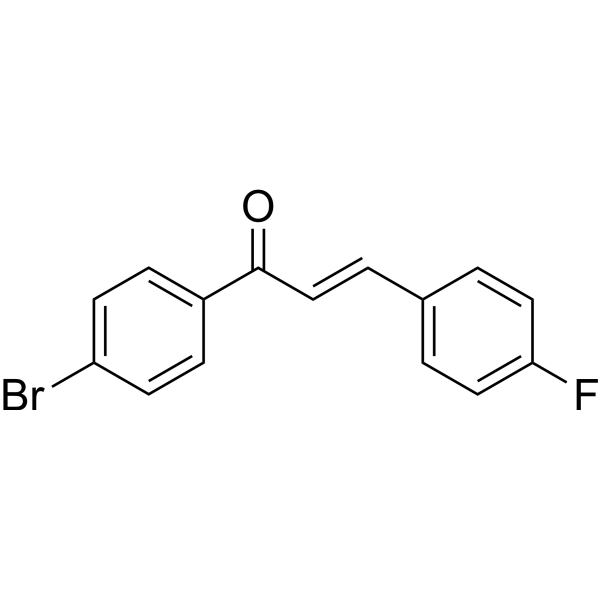
CHBO4 is a potent, reversible, competitive, and selective hMAO-B inhibitor with an IC50 value of 0.031 μM in CHBO subseries and an Ki value of 0.010 ± 0.005 μM. CHBO4 reduce cell damage by scavenging intracellular reactive oxygen species (ROS). CHBO4 can be used for Parkinson's Disease (PD) research .
|
-
- HY-147983
-
|
|
PI3K
Reactive Oxygen Species (ROS)
Apoptosis
|
Cancer
|
|
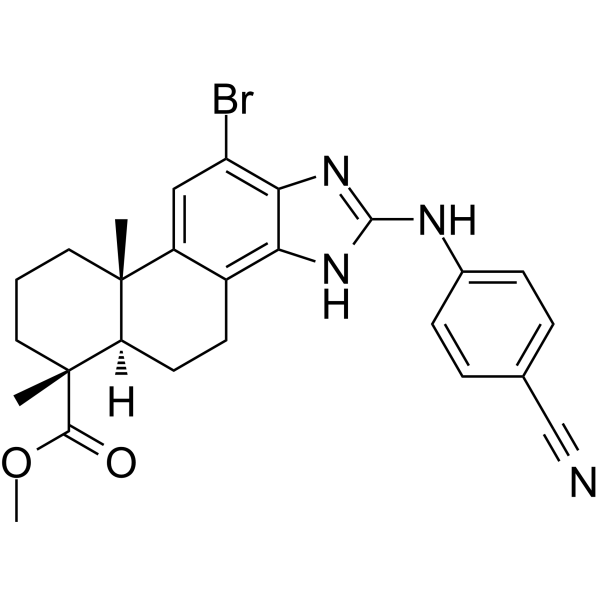
PI3Kα-IN-8 (Compound 9g) is a selective PI3Kα inhibitor with an IC50 of 0.012 μM. PI3Kα-IN-8 increases intracellular reactive oxygen species level, decreases mitochondrial membrane potential and induces apoptosis .
|
-
- HY-169060
-
|
|
Lactate Dehydrogenase
|
Cancer
|
|
LDHA-IN-8 (Compound 6) is a lactate dehydrogenase (LDHA) inhibitor. LDHA-IN-8 inhibits LDHA catalysis of pyruvate in a dose-dependent manner (EC50 value of 14.54 μM), reduces intracellular lactate levels, and increases intracellular reactive oxygen species (ROS) levels, thereby inhibiting the proliferation of pancreatic cancer cells and lung cancer cells. LDHA-IN-8 holds promise for research in the field of LDHA-related antitumor therapies .
|
-

- HY-N0025
-
|
|
Reactive Oxygen Species (ROS)
Apoptosis
|
Metabolic Disease
|
|
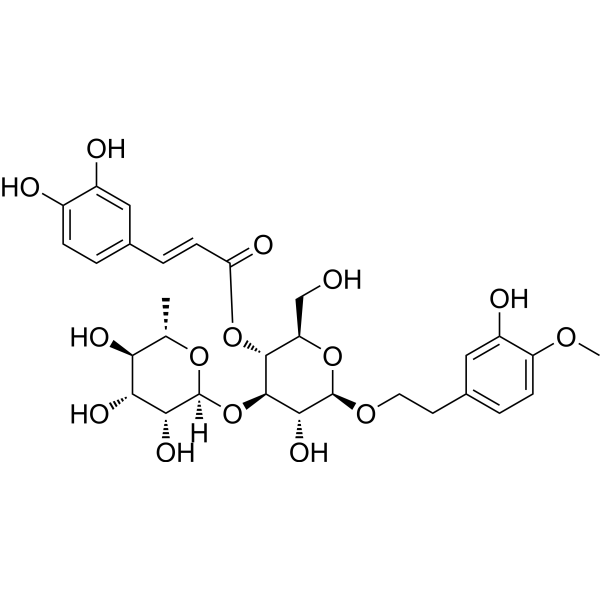
Jionoside D is a hydroxycinnamic acid ester with antioxidant property. Jionoside D has scavenging activity of intracellular reactive oxygen species (ROS) and of DPPH radical, and lipid peroxidation inhibitory activity. Jionoside D reduces the apoptotic cells induced by H2O2 in V79-4 cells. Jionoside D increases the activities of cellular antioxidant enzymes, SOD and catalase .
|
-
- HY-174854
-
|
|
HDAC
Reactive Oxygen Species (ROS)
Apoptosis
|
Cancer
|
|
PySAHA is a multifunctional HDAC inhibitor. PySAHA can degrade intracellular HDAC via a hydrophobic tagging mechanism. PySAHA also possesses photodynamic therapeutic activity and can generate reactive oxygen species under light irradiation. PySAHA can inhibit the proliferation, migration and induce cell apoptosis of breast cancer cells. PySAHA has antitumor activity and can be used in breast cancer research .
|
-

- HY-173238
-
|
|
Bacterial
Reactive Oxygen Species (ROS)
|
Infection
|
|
Antibacterial Agent 273 (Compound 15e) is a membrane-targeting antimicrobial agent that disrupts bacterial cell membranes, exhibiting a MIC of 4 μg/mL against Staphylococcus aureus. By compromising membrane integrity, it induces leakage of intracellular nucleic acids and proteins, suppresses bacterial metabolic activity, and triggers the accumulation of reactive oxygen species (ROS). Antibacterial Agent 273 is suitable for research on infections caused by Staphylococcus aureus .
|
-

- HY-155158
-
|
|
Ferroptosis
|
Cancer
|
|
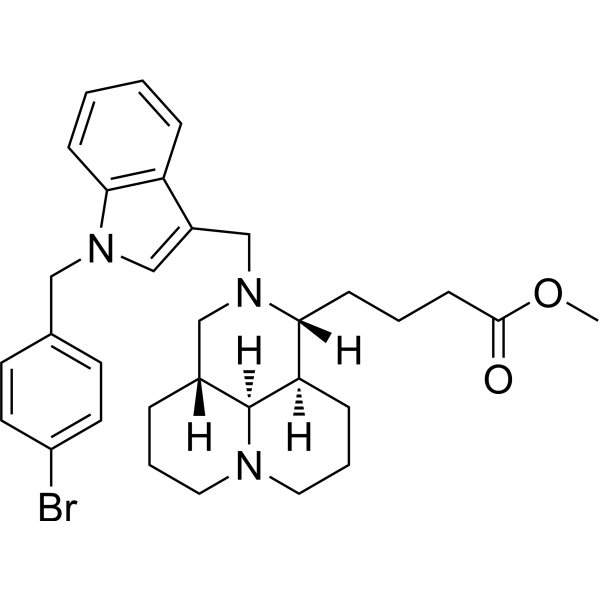
Anticancer agent 147 (compound 6j) is a derivative of sophoridine (HY-N1373) and is a ferroptosis inducer. Anticancer agent 147 can promote the accumulation of intracellular Fe 2+, reactive oxygen species (ROS) and MDA, increase ER stress, and upregulate the expression of the activating transcription factor ATF3. Anticancer agent 147 has good anti-liver cancer effects in vitro and in vivo .
|
-
- HY-168011
-
|
|
Ferroptosis
Glutathione Peroxidase
Reactive Oxygen Species (ROS)
|
Cancer
|
|
GPX4-IN-14 (compound 2c) is an inhibitor of GPX4, with free radical scavenging activity (maximum scavenging rate is 72.52%) and anti-tumor proliferation activity in vitro. GPX4-IN-14 inhibits GPX4 protein, increases lipid peroxide levels and intracellular Reactive Oxygen Species (ROS) levels, thereby inducing ferroptosis and exerting anti-tumor proliferation effects .
|
-

- HY-116619
-
|
(E/Z)-NVP-LAQ824; (E/Z)-LAQ824
|
HDAC
Apoptosis
|
Others
|
|
(E/Z)-Dacinostat ((E/Z)-NVP-LAQ824) is a histone deacetylase inhibitor that has the ability to induce apoptosis and enhance the activity of fludarabine in killing leukemia cells. (E/Z)-Dacinostat can trigger the production of reactive oxygen species (ROS) and DNA damage, enhance the killing effect of fludarabine on leukemia cells, and induce apoptosis. Its mechanism is related to the regulation of DNA repair processes and intracellular signaling pathways.
|
-

- HY-167701
-
|
|
Ligands for Target Protein for PROTAC
Apoptosis
Estrogen Receptor/ERR
|
Cancer
|
|
OBHSA is a selective estrogen receptor (ERα) degrader. OBHSA blocks the cell cycle by degrading cyclin D1, thereby overcoming Tamoxifen (HY-13757A) resistance. OBHSA also triggers excessive activation of the unfolded protein response (UPR) by inducing an increase in intracellular reactive oxygen species, ultimately leading to cell apoptosis. In addition, OBHSA can also be used as an ERα ligand to synthesize PROTAC degraders .
|
-

- HY-168300
-
|
|
Reactive Oxygen Species (ROS)
Apoptosis
|
Inflammation/Immunology
Cancer
|
|
Antiangiogenic agent 7 (Compound 1) can induce cell apoptosis, increase Reactive Oxygen Species, and inhibit the intracellular enzyme thioredoxin reductase. Antiangiogenic agent 7 has anti-cancer activity, with an IC50 of 0.08-3.5 μM against cervical cancer cells HeLa, prostate cancer cells PC-3, and non-small cell lung cancer A549. Antiangiogenic agent 7 inhibits tumor growth in mouse xenograft models .
|
-

- HY-168589
-
|
|
Apoptosis
Cytochrome P450
Caspase
Reactive Oxygen Species (ROS)
|
Cancer
|
|
Apoptosis inducer 30 (Compound 15a) is an anticancer agent. Apoptosis inducer 30 induces MCF-7 cells apoptosis through mitochondrial pathway. Apoptosis inducer 30 induces intracellular reactive oxygen species levels and decreases mitochondrial membrane potential, and blocks the cell cycle in the G0/G1 phase. Apoptosis inducer 30 inhibits cell growth, with an IC50 value of 0.32 μM against MCF-7 cells, and inhibits tumor growth in a mouse model of breast cancer .
|
-

- HY-123647
-
|
|
Endogenous Metabolite
p38 MAPK
JNK
Caspase
PARP
ERK
Apoptosis
Reactive Oxygen Species (ROS)
|
Infection
Cancer
|
|
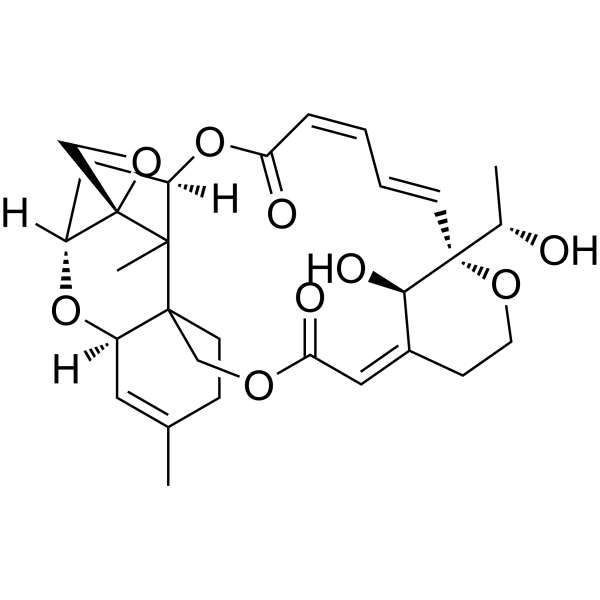
Satratoxin H is a toxic metabolite of Stachybotrys atra. Satratoxin H induces caspase-3 and PARP cleavage via p38 MAPK and JNK pathways, stimulates JNK, ERK, and p38 MAPK phosphorylation, and activates JNK and p38 MAPK in a glutathione-sensitive manner. Satratoxin H induces DNA double-stranded breaks, apoptotic body formation, intracellular reactive oxygen species generation, and endoplasmic reticulum stress via ATF6, PERK, and IRE1 pathways. Satratoxin H can be used for the research of central nervous system disorders and melanoma .
|
-
- HY-178911
-
|
|
Thymidylate Synthase
Apoptosis
Reactive Oxygen Species (ROS)
Bcl-2 Family
Caspase
|
Cancer
|
|
TS-IN-8 is a potent thymidylate synthase (TS) inhibitor. TS-IN-8 can induce apoptosis and cause cell cycle arrest at the G2/M in MCF-7 cells. TS-IN-8 can induce nuclear morphological changes. TS-IN-8 can increase intracellular reactive oxygen species (ROS) levels. TS-IN-8 can activate intrinsic apoptosis pathways by regulating apoptosis-related proteins such as the bax/bcl-2 ratio and caspase activation. TS-IN-8 can be used for the study of breast cancer .
|
-

- HY-N3055
-
|
|
Apoptosis
AMPK
Platelet-activating Factor Receptor (PAFR)
Caspase
|
Neurological Disease
Metabolic Disease
Cancer
|
|
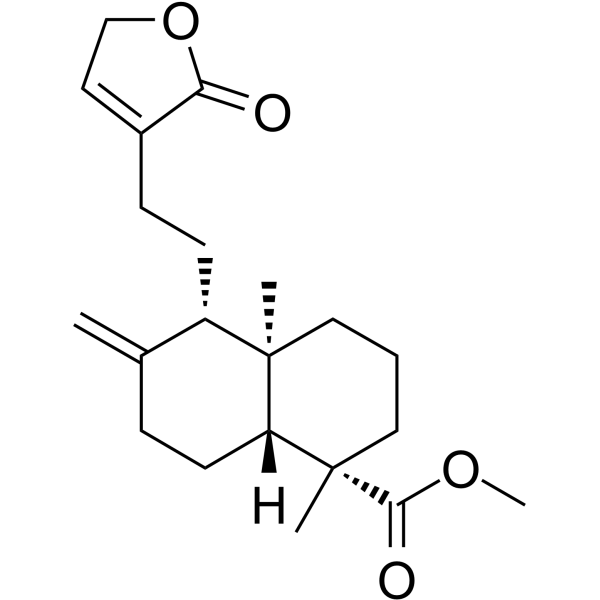
Pinusolide is an AMPK activator and PAF receptor antagonist. Pinusolide activates AMPK, phosphorylates ACC, enhances IRS-1 tyrosine phosphorylation, boosts glucose uptake, and modulates insulin signaling. Pinusolide inhibits caspase-3/7 activation, intracellular calcium elevation, reactive oxygen species overproduction, lipid peroxidation, and tumor cell proliferation. Pinusolide stabilizes superoxide dismutase activity, reduces apoptotic hallmarks, induces mitochondrial pathway apoptosis, and triggers DNA fragmentation. Pinusolide can be used for the research of type 2 diabetes, neurodegenerative diseases, acute lymphoblastic leukemia, acute myeloid leukemia, and Burkitt lymphoma .
|
-
- HY-161988
-
|
|
Bacterial
|
Infection
Inflammation/Immunology
|
|
Antimicrobial agent-34 (compound 4h) is an antibacterial agent (MIC = 1–4 μg/mL), with a clogP value of 9.14. Antimicrobial agent-34 has good plasma stability (HC50 of 131.1 μg/mL) and good membrane selectivity (HC50/MIC is 65.6), with rapid sterilization capability. Antimicrobial agent-34 destroys the integrity of bacterial cell membranes, induces an increase in intracellular reactive oxygen species, and leaks protein and DNA, ultimately leading to bacterial death. Antimicrobial agent-34 demonstrates significant in vivo antibacterial potency in a mouse sepsis model infected with Staphylococcus aureus ATCC43300 .
|
-

- HY-133968S1
-
|
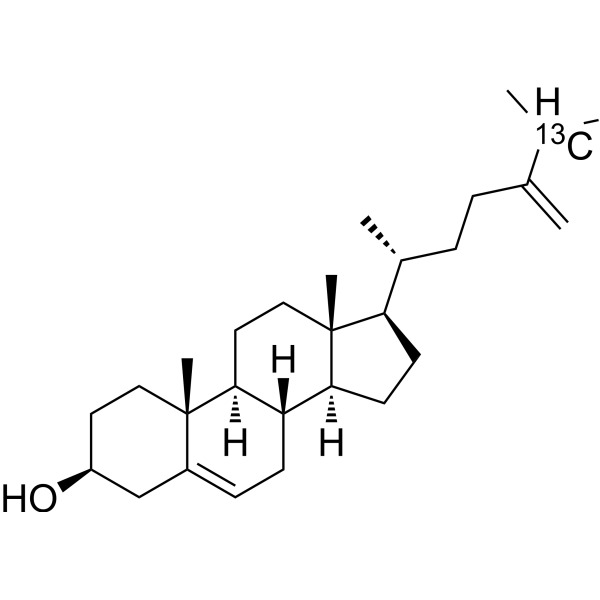
Ostreasterol-13C
|
Isotope-Labeled Compounds
Acyltransferase
Reactive Oxygen Species (ROS)
|
Inflammation/Immunology
|
|
24-Methylenecholesterol- 13C (Ostreasterol- 13C) is the 13C labeled 24-Methylenecholesterol (HY-133968) . 24-Methylenecholesterol (Ostreasterol) is a regulator targeting acyl-CoA cholesterol acyltransferase (ACAT) with anti-aging and neuroprotective effects. 24-Methylenecholesterol mimics the effects of nerve growth factor (NGF), can extend yeast lifespan through an anti-oxidative stress mechanism, and exhibits neuroprotective activity in PC12 cells. 24-Methylenecholesterol can reduce intracellular reactive oxygen species (ROS) and malondialdehyde (MDA) levels, activate anti-oxidative stress pathways (such as UTH1, SOD-related genes), and promote synaptic growth .
|
-
- HY-133968R
-
|
Ostreasterol (Standard)
|
Reference Standards
Acyltransferase
Reactive Oxygen Species (ROS)
|
Inflammation/Immunology
|
|
24-Methylenecholesterol (Ostreasterol) (Standard) is the analytical standard of 24-Methylenecholesterol (HY-133968). This product is intended for research and analytical applications. 24-Methylenecholesterol (Ostreasterol) is a regulator targeting acyl-CoA cholesterol acyltransferase (ACAT) with anti-aging and neuroprotective effects. 24-Methylenecholesterol mimics the effects of nerve growth factor (NGF), can extend yeast lifespan through an anti-oxidative stress mechanism, and exhibits neuroprotective activity in PC12 cells. 24-Methylenecholesterol can reduce intracellular reactive oxygen species (ROS) and malondialdehyde (MDA) levels, activate anti-oxidative stress pathways (such as UTH1, SOD-related genes), and promote synaptic growth .
|
-

- HY-174399
-
|
|
Cholinesterase (ChE)
Reactive Oxygen Species (ROS)
|
Neurological Disease
|
|
AChE/BChE-IN-27 is a blood-brain barrier-permeable mixed inhibitor (Pe = 4.12) of AChE and BChE, with IC50 values of 3.72 μM and 9.65 μM, respectively. AChE/BChE-IN-27 has potent antioxidant activity with an IC50 value of 6.32 μM in the DPPH (HY-112053) assay and also exhibits potent in vitro antioxidant activity. AChE/BChE-IN-27 exhibits metal chelating properties. AChE/BChE-IN-27 has neuroprotective potential against oxidative stress. AChE/BChE-IN-27 significantly reduces intracellular reactive oxygen species (ROS). In in vivo experiments, AChE/BChE-IN-27 effectively restored AChE and BChE levels, improved cognition, and can be used for Alzheimer's disease (AD) .
|
-

- HY-N0859R
-
|
Schizanhenol (Standard); Gomisin-K3 (Standard)
|
UGT
Reference Standards
Cholinesterase (ChE)
Tau Protein
SOD
Sirtuin
|
Neurological Disease
Inflammation/Immunology
Cancer
|
|
Schisanhenol (Standard) (Schizanhenol (Standard)) is the analytical standard of Schisanhenol (HY-N0859). This product is intended for research and analytical applications. Schisanhenol, a lignan, is an orally active antioxidant. Schisanhenol reduces AChE activity, increases SIRT1 and PGC-1α expression, and decreases phosphorylated Tau (Ser 396) levels. Schisanhenol increases SOD and glutathione peroxidase activity, decreases malondialdehyde (MDA) content, and inhibits UGT2B7 activitY. Schisanhenol attenuates ox-LDL-induced apoptosis, intracellular reactive oxygen species generation, and cytotoxicity in endothelial cells. Schisanhenol inhibits LDL oxidation, brain mitochondrial and membrane peroxidative damage, and brain mitochondrial swelling and disintegration. Schisanhenol can be used for the research of Alzheimer’s disease, atherosclerosis, brain ischemia, and age-related brain deterioration.
|
-

- HY-N2515R
-
|
|
Reference Standards
NF-κB
PI3K
JAK
Apoptosis
|
Inflammation/Immunology
Cancer
|
|
Ginsenoside Rk1 (Standard) is the analytical standard of Ginsenoside Rk1. This product is intended for research and analytical applications. Ginsenoside Rk1 is a unique component created by processing the ginseng plant (mainly Sung Ginseng, SG) at high temperatures .
Ginsenoside Rk1 has anti-inflammatory effect, suppresses the activation of Jak2/Stat3 signaling pathway and NF-κB .
Ginsenoside Rk1 has anti-tumor effect, antiplatelet aggregation activities, anti-insulin resistance, nephroprotective effect, antimicrobial effect, cognitive function enhancement, lipid accumulation reduction and prevents osteoporosis .
Ginsenoside Rk1 induces cell apoptosis by triggering intracellular reactive oxygen species (ROS) generation and blocking PI3K/Akt pathway .
|
-

- HY-W015551R
-
|
(E)-Dec-2-enal (Standard)
|
Biochemical Assay Reagents
Reference Standards
|
Infection
|
|
trans-2-Decenal ((E)-Dec-2-enal)) Standard is the analytical standard of trans-2-Decenal (HY-W015551). This product is intended for research and analytical applications. trans-2-Decenal ((E)-Dec-2-enal) acts as a urease inhibitor and antibacterial agent against Helicobacter pylori, with an IC50 of 9.484 μg/mL against Helicobacter pylori urease. trans-2-Decenal reduces the urease activity of Helicobacter pylori, and possesses antibacterial, bactericidal, anti-biofilm and anti-migratory activities. It alters the morphology of Helicobacter pylori, induces bacterial rupture, inhibits biofilm formation, reduces the number of mature biofilms and impairs the migratory capacity of Helicobacter pylori. trans-2-Decenal disrupts the cell wall integrity of Phytophthora capsici, damages membrane integrity and permeability, triggers intracellular reactive oxygen species (ROS) accumulation, decreases glutathione levels and disrupts the mitochondrial membrane potential of Phytophthora capsici. trans-2-Decenal is applicable to studies related to Helicobacter pylori and plant diseases induced by and Phytophthora capsici.
|
-

- HY-W015551S
-
|
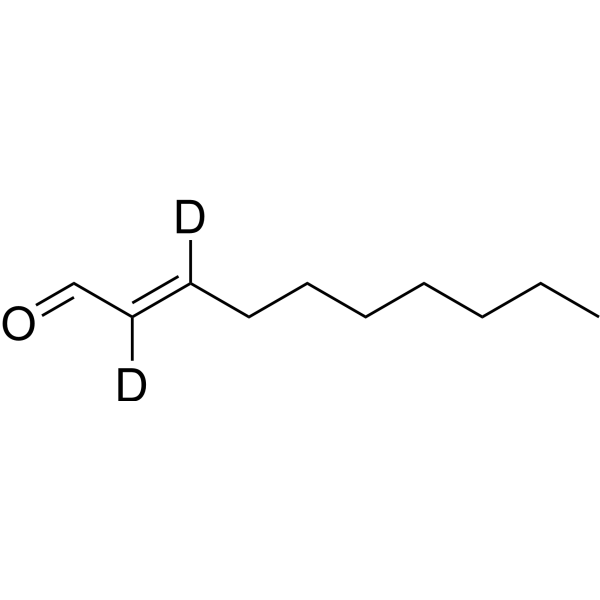
(E)-Dec-2-enal-d2
|
Biochemical Assay Reagents
Isotope-Labeled Compounds
|
Infection
|
|
trans-2-Decenal-d2 ((E)-Dec-2-enal-d2) is deuterated labeled trans-2-Decenal (HY-W015551). trans-2-Decenal ((E)-Dec-2-enal) acts as a urease inhibitor and antibacterial agent against Helicobacter pylori, with an IC50 of 9.484 μg/mL against Helicobacter pylori urease. trans-2-Decenal reduces the urease activity of Helicobacter pylori, and possesses antibacterial, bactericidal, anti-biofilm and anti-migratory activities. It alters the morphology of Helicobacter pylori, induces bacterial rupture, inhibits biofilm formation, reduces the number of mature biofilms and impairs the migratory capacity of Helicobacter pylori. trans-2-Decenal disrupts the cell wall integrity of Phytophthora capsici, damages membrane integrity and permeability, triggers intracellular reactive oxygen species (ROS) accumulation, decreases glutathione levels and disrupts the mitochondrial membrane potential of Phytophthora capsici. trans-2-Decenal is applicable to studies related to Helicobacter pylori and plant diseases induced by and Phytophthora capsici .
|
-
- HY-N2593R
-
|
|
Reference Standards
Carnitine Palmitoyltransferase (CPT)
Reactive Oxygen Species (ROS)
Autophagy
Apoptosis
NF-κB
PI3K
Akt
MMP
Keap1-Nrf2
|
Inflammation/Immunology
Cancer
|
|
Isorhapontigenin (Standard) is the analytical standard of Isorhapontigenin (HY-N2593). This product is intended for research and analytical applications. Isorhapontigenin is an orally active dietary polyphenol. Isorhapontigenin acts as a potent antioxidant that reduces the production of reactive oxygen species (ROS). Isorhapontigenin promotes the binding of JUN to the AP-1 site on the SESN2 promoter, induces SESN2 transcription, triggers MAPK8-dependent JUN activation, and upregulates the expression of PPAR-α, PGC-1α and CPT-1A to facilitate fatty acid oxidation. Isorhapontigenin induces autophagy, apoptosis and preadipocyte differentiation; it inhibits tumor growth, cell invasion, NF-κB transcriptional activity, the PI3K/Akt signaling pathway, STAT1 phosphorylation and MMP-2 expression. Isorhapontigenin alleviates oxidative stress, inflammatory cytokine release and triglyceride accumulation; it increases intracellular ATP levels and promotes Nrf2 nuclear translocation. Isorhapontigenin improves insulin sensitivity in adipose tissue and glucose tolerance, and reduces postprandial blood glucose, insulin and free fatty acid levels. Isorhapontigenin is applicable to research on bladder cancer, liver injury, chronic obstructive pulmonary disease, acute lung injury and type 2 diabetes.
|
-

- HY-100965R
-
-

- HY-P10519A
-
|
|
Bacterial
Reactive Oxygen Species (ROS)
|
Infection
|
|
Brevicidine TFA is an antimicrobial peptide with selective bactericidal activity against Gram-negative pathogens. Brevicidine TFA disrupts bacterial morphology by binding to lipopolysaccharide (LPS) on the bacterial cell membrane to form pores. Brevicidine TFA causes dissipation of intracellular proton motive force, outer membrane damage, inhibition of ATP biosynthesis and reactive oxygen species accumulation in bacterial cells. As a sensitizer, Brevicidine TFA exerts synergistic activity when combined with a variety of conventional antibiotics .
|
-

- HY-183262
-
|
|
Parasite
Reactive Oxygen Species (ROS)
|
Infection
|
|
Antileishmanial agent-40 is an orally active and selective antileishmanial agent. Antileishmanial agent-40 elevates intracellular reactive oxygen species (ROS) levels in Leishmania donovani promastigotes. Antileishmanial agent-40 induces cell cycle arrest at the sub-G0/G1 phase in Leishmania donovani promastigotes, indicative of programmed-like parasite death. Antileishmanial agent-40 can be used for the research of leishmaniasis .
|
-

- HY-183767
-
-

- HY-181087
-
|
|
PERK
Apoptosis
Autophagy
Reactive Oxygen Species (ROS)
Caspase
Bcl-2 Family
|
Cancer
|
|
Anticancer agent 296 is a potent anticancer agent that activates the PERK-eIF2α-CHOP signaling pathway to induce endoplasmic reticulum stress, thereby regulating caspase and Bcl-2 family proteins, ultimately leading to apoptosis. Anticancer agent 296 increases intracellular levels of reactive oxygen species (ROS), reduces mitochondrial membrane potential, and promotes Ca 2+ release. Anticancer agent 296 suppresses cell colony formation and S-phase cell proliferation, and induces autophagy. Anticancer agent 296 is applicable for research on non-small cell lung cancer (NSCLC) .
|
-

- HY-D3376
-
|
6-Carboxy-2',7'-dichlorodihydrofluorescein
|
Fluorescent Dye
Reactive Oxygen Species (ROS)
|
Others
|
|
6-Carboxy-H2DCFDA (6-Carboxy-2',7'-dichlorodihydrofluorescein) is a non-fluorescent, cell-permeable intracellular ROS indicator. 6-Carboxy-H2DCFDA undergoes oxidation to highly fluorescent carboxy-dichlorofluorescein (Ex/Em = 488/520 nm) .
|
-

- HY-182072
-
|
|
Glutathione Peroxidase
Ferroptosis
Reactive Oxygen Species (ROS)
|
Neurological Disease
|
|
GPX4-IN-23 (Compound 3e) is a GPX4 inhibitor with an IC50 of 0.27 μM. GPX4-IN-23 induces Ferroptosis by enhancing lipid peroxidation, ROS production, and intracellular GSH depletion. GPX4-IN-23 exhibits antiproliferative activity against central nervous system cancer cells. GPX4-IN-23 can be used in studies related to central nervous system cancers .
|
-

- HY-124487
-
|
|
NADPH Oxidase
TGF-β Receptor
Reactive Oxygen Species (ROS)
p38 MAPK
|
Cardiovascular Disease
Metabolic Disease
Inflammation/Immunology
|
|
GK-136901 is an orally active, dual Nox1/Nox4 NADPH oxidase inhibitor with a Ki of 160 nM for Nox1 and 165 nM for Nox4. GK-136901 potently blocks high glucose-induced intracellular reactive oxygen species production, p38-MAPK phosphorylation, and upregulation of TGF-β1/2 and fibronectin (fibronectin) in renal cells. GK-136901 also inhibits the proliferation of mouse pulmonary vascular cells under hypoxic conditions. GK-136901 is applicable to the research on the pathogenesis of type 2 diabetic nephropathy, high glucose-related renal lesions and pulmonary hypertension .
|
-

- HY-181075
-
|
|
Bacterial
Reactive Oxygen Species (ROS)
|
Infection
|
|
Antibacterial agent 318 is an antibacterial agent that binds to bacterial DNA, blocks its replication, and forms supramolecular complexes. Antibacterial agent 318 acts as an oxidative stress inducer, elevating intracellular reactive oxygen species (ROS) levels, oxidizing glutathione (GSH) to glutathione disulfide (GSSG), depleting cellular GSH reserves, and inducing bacterial cell death through oxidative damage. Antibacterial agent 318 disrupts the bacterial cell membrane and reduces bacterial metabolic activity. Antibacterial agent 318 exhibits rapid bactericidal activity, inhibits bacterial biofilm formation, and displays minimal cytotoxicity toward non-cancerous mammalian cells. Antibacterial agent 318 is applicable in research on drug-resistant bacterial infections .
|
-

- HY-183290
-
|
|
Parasite
Reactive Oxygen Species (ROS)
|
Infection
|
|
Antileishmanial agent-41 (Compound 20k) is a selective Antileishmanial agent with a IC50 of 1.51 μg/mL against Leishmania donovani. Antileishmanial agent-41 increases ROS levels. Antileishmanial agent-41 can be used for the research of leishmaniasis .
|
-

- HY-183621
-
|
|
Parasite
Reactive Oxygen Species (ROS)
Autophagy
|
Infection
|
|
Antileishmanial agent-43 is a 3,4,5‑trisubstituted isoxazole with selective antileishmanial activity. Antileishmanial agent-43 shows IC50 values of 12.7 μM against Leishmania amazonensis promastigotes and 0.96 μM against intracellular amastigotes. Antileishmanial agent-43 induces ROS elevation, oxidative stress and mitochondrial dysfunction, resulting in lipid peroxidation, mitochondrial depolarization and ATP imbalance. Antileishmanial agent-43 causes cell shrinkage, phosphatidylserine externalization, plasma membrane permeabilization, and promotes autophagy. Antileishmanial agent-43 can be used for the research of leishmaniasis .
|
-

- HY-182816
-
|
|
Topoisomerase
DNA/RNA Synthesis
Bacterial
|
Infection
|
|
Topoisomerase I-IN-22 is an inhibitor of MRSA DNA Topoisomerase I with an IC50 of 0.85 μg/mL. Topoisomerase I-IN-22 can specifically disrupt the cell membrane structure of MRSA, enter the interior of bacteria and inhibit the activity of DNA Topoisomerase I, thereby interfering with the processes of DNA replication and transcription. Topoisomerase I-IN-22 can be used for the research of MRSA infection .
|
-

| Cat. No. |
Product Name |
Type |
-
- HY-D0940
-
|
DCFH-DA; 2',7'-Dichlorodihydrofluorescein diacetate
|
Fluorescent Dyes
|
|
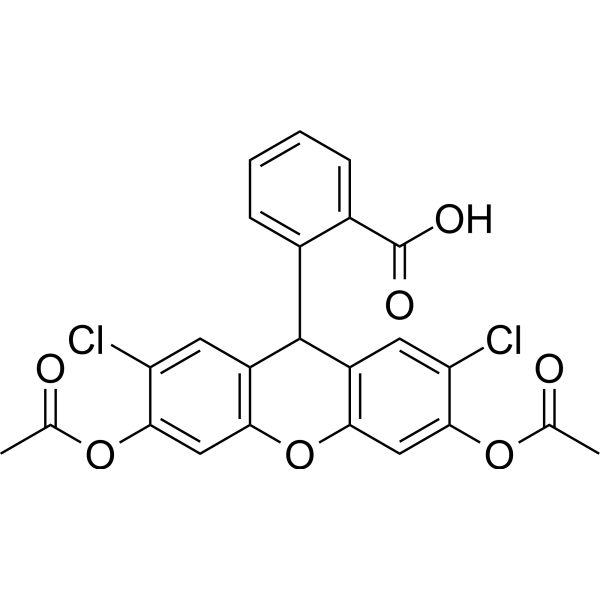
H2DCFDA (DCFH-DA) is a cell-permeable probe used to detect intracellular reactive oxygen species (ROS) (Ex/Em=488/525 nm) .
|
-
- HY-D1078
-
|
|
Fluorescent Dyes
|
|
5 (6)-Carboxy-2',7'-dichlorofluorescein diacetate is a fluorescein-based reactive oxygen species (ROS) probe and also a MRP2 substrate. 5 (6)-Carboxy-2',7'-dichlorofluorescein diacetate serves as a substrate for intracellular esterases, which cleave its acetate groups to generate a fluorescent product capable of detecting intracellular ROS. 5 (6)-Carboxy-2',7'-dichlorofluorescein diacetate is ATP-dependent and is transported via a single MRP2 binding site; it competes with LTC4 for MRP2 binding sites and inhibits MRP2-mediated LTC4 transport (Ex/Em = 496/525 nm) .
|
-
- HY-DY1002
-
|
|
Fluorescent Dyes
|
H2DCFDA (DCFH-DA) (solution) is a cell-permeable probe used to detect intracellular reactive oxygen species (ROS) (Ex/Em=488/525 nm) .
Solvent and concentration: DMSO: 10 mM.
The 1 mL volume is defined as the base specification. All larger sizes correspond to incremental volumes of this base.
|
-
- HY-16658BG
-
|
|
Fluorescent Dyes
|
|
Z-VAD-FMK is a pan-caspase inhibitor and also an ICE-like protease inhibitor, which inhibits apoptosis by preventing the processing of CPP32 to its active form. Z-VAD-FMK sensitivity varies primarily due to differential expression of receptor-interacting protein 1 (RIP1). Z-VAD-FMK limits the cryopreservation-induced apoptosis by reducing caspase-3 activity of in vitro produced bovine embryos. Z-VAD-FMK is immunosuppressive in vitro and inhibits T cell proliferation without blocking the processing of caspase-8 and caspase-3. Z-VAD-FMK leads to a decrease in intracellular glutathione (GSH) with a concomitant increase in reactive oxygen species (ROS) levels in activated T cells. Z-VAD-FMK is due to oxidative stress via the depletion of GSH. Z-VAD-FMK can be used for the study of acute pancreatitis .
|
-
- HY-D3376
-
|
6-Carboxy-2',7'-dichlorodihydrofluorescein
|
Fluorescent Dyes
|
|
6-Carboxy-H2DCFDA (6-Carboxy-2',7'-dichlorodihydrofluorescein) is a non-fluorescent, cell-permeable intracellular ROS indicator. 6-Carboxy-H2DCFDA undergoes oxidation to highly fluorescent carboxy-dichlorofluorescein (Ex/Em = 488/520 nm) .
|
| Cat. No. |
Product Name |
Type |
-
- HY-W015551
-
|
(E)-Dec-2-enal
|
Biochemical Assay Reagents
|
|
trans-2-Decenal ((E)-Dec-2-enal) acts as a urease inhibitor and antibacterial agent against Helicobacter pylori, with an IC50 of 9.484 μg/mL against Helicobacter pylori urease. trans-2-Decenal reduces the urease activity of Helicobacter pylori, and possesses antibacterial, bactericidal, anti-biofilm and anti-migratory activities. It alters the morphology of Helicobacter pylori, induces bacterial rupture, inhibits biofilm formation, reduces the number of mature biofilms and impairs the migratory capacity of Helicobacter pylori. trans-2-Decenal disrupts the cell wall integrity of Phytophthora capsici, damages membrane integrity and permeability, triggers intracellular reactive oxygen species (ROS) accumulation, decreases glutathione levels and disrupts the mitochondrial membrane potential of Phytophthora capsici. trans-2-Decenal is applicable to studies related to Helicobacter pylori and plant diseases induced by and Phytophthora capsici .
|
-
- HY-D1078
-
|
|
Biochemical Assay Reagents
|
|
5 (6)-Carboxy-2',7'-dichlorofluorescein diacetate is a fluorescein-based reactive oxygen species (ROS) probe and also a MRP2 substrate. 5 (6)-Carboxy-2',7'-dichlorofluorescein diacetate serves as a substrate for intracellular esterases, which cleave its acetate groups to generate a fluorescent product capable of detecting intracellular ROS. 5 (6)-Carboxy-2',7'-dichlorofluorescein diacetate is ATP-dependent and is transported via a single MRP2 binding site; it competes with LTC4 for MRP2 binding sites and inhibits MRP2-mediated LTC4 transport (Ex/Em = 496/525 nm) .
|
-
- HY-16658BG
-
|
|
Biochemical Assay Reagents
|
|
Z-VAD-FMK is a pan-caspase inhibitor and also an ICE-like protease inhibitor, which inhibits apoptosis by preventing the processing of CPP32 to its active form. Z-VAD-FMK sensitivity varies primarily due to differential expression of receptor-interacting protein 1 (RIP1). Z-VAD-FMK limits the cryopreservation-induced apoptosis by reducing caspase-3 activity of in vitro produced bovine embryos. Z-VAD-FMK is immunosuppressive in vitro and inhibits T cell proliferation without blocking the processing of caspase-8 and caspase-3. Z-VAD-FMK leads to a decrease in intracellular glutathione (GSH) with a concomitant increase in reactive oxygen species (ROS) levels in activated T cells. Z-VAD-FMK is due to oxidative stress via the depletion of GSH. Z-VAD-FMK can be used for the study of acute pancreatitis .
|
-
- HY-W015551R
-
|
(E)-Dec-2-enal (Standard)
|
Biochemical Assay Reagents
|
|
trans-2-Decenal ((E)-Dec-2-enal)) Standard is the analytical standard of trans-2-Decenal (HY-W015551). This product is intended for research and analytical applications. trans-2-Decenal ((E)-Dec-2-enal) acts as a urease inhibitor and antibacterial agent against Helicobacter pylori, with an IC50 of 9.484 μg/mL against Helicobacter pylori urease. trans-2-Decenal reduces the urease activity of Helicobacter pylori, and possesses antibacterial, bactericidal, anti-biofilm and anti-migratory activities. It alters the morphology of Helicobacter pylori, induces bacterial rupture, inhibits biofilm formation, reduces the number of mature biofilms and impairs the migratory capacity of Helicobacter pylori. trans-2-Decenal disrupts the cell wall integrity of Phytophthora capsici, damages membrane integrity and permeability, triggers intracellular reactive oxygen species (ROS) accumulation, decreases glutathione levels and disrupts the mitochondrial membrane potential of Phytophthora capsici. trans-2-Decenal is applicable to studies related to Helicobacter pylori and plant diseases induced by and Phytophthora capsici.
|
| Cat. No. |
Product Name |
Target |
Research Area |
-
- HY-P10519
-
|
|
Bacterial
Reactive Oxygen Species (ROS)
|
Infection
|
|
Brevicidine is an antimicrobial peptide with selective bactericidal activity against Gram-negative pathogens. Brevicidine disrupts bacterial morphology by binding to lipopolysaccharide (LPS) on the bacterial cell membrane to form pores. Brevicidine causes dissipation of intracellular proton motive force, outer membrane damage, inhibition of ATP biosynthesis and reactive oxygen species accumulation in bacterial cells. As a sensitizer, Brevicidine exerts synergistic activity when combined with a variety of conventional antibiotics .
|
-
- HY-P10519A
-
|
|
Bacterial
Reactive Oxygen Species (ROS)
|
Infection
|
|
Brevicidine TFA is an antimicrobial peptide with selective bactericidal activity against Gram-negative pathogens. Brevicidine TFA disrupts bacterial morphology by binding to lipopolysaccharide (LPS) on the bacterial cell membrane to form pores. Brevicidine TFA causes dissipation of intracellular proton motive force, outer membrane damage, inhibition of ATP biosynthesis and reactive oxygen species accumulation in bacterial cells. As a sensitizer, Brevicidine TFA exerts synergistic activity when combined with a variety of conventional antibiotics .
|
| Cat. No. |
Product Name |
Target |
Research Area |
Image |
-
- HY-P99241
-
|
PF 06946860
|
TGF-beta/Smad
|
Cancer
|
|
Ponsegromab is a Growth differentiation factor 15 (GDF15) inhibitor with human, cynomolgus monkey, and mouse target IC50 values of 0.123 nM, 0.053 nM, and 0.102 nM, respectively . Ponsegromab acts as a chemosensitizer, increases intracellular reactive oxygen species, reduces glutathione levels . Ponsegromab can be used for the research of oxaliplatin-resistant colorectal cancer .
|
-

(5)
| Cat. No. |
Product Name |
Category |
Target |
Chemical Structure |
-
- HY-113324
-
NADPH
Maximum Cited Publications
18 Publications Verification
|
Human Gut Microbiota Metabolites
Microorganisms
Ketones, Aldehydes, Acids
Endogenous metabolite
Source Classification
|
Endogenous Metabolite
|
|
NADPH is a coenzyme of glutathione reductase (GR), thioredoxin reductase (TrxR) and NADPH oxidase (NOX), and participates in redox reactions as a hydrogen donor. NADPH has the characteristic of selectively participating in the regulation of cellular redox homeostasis. NADPH exerts antioxidant activity and resists reactive oxygen species (ROS) damage by providing reducing equivalents for the regeneration of glutathione (GSH) and thioredoxin (Trx); at the same time, it acts as a substrate of NOX to generate superoxide anions, mediating oxidative stress and immune response. NADPH participates in maintaining the intracellular reducing environment, biosynthesis and regulating gene expression (such as the Nrf2 pathway), and is mainly used in the study of oxidative stress-related diseases (such as cardiovascular diseases, neurodegenerative diseases, cancer) and immune regulation mechanisms .
|
-
-
- HY-N0502
-
-
-
- HY-N2515
-
-
-
- HY-121360
-
|
|
Microorganisms
Source Classification
|
DNA/RNA Synthesis
Reactive Oxygen Species (ROS)
|
|
Cylindrospermopsin, a cyanotoxin, is a polycyclic uracil derivative containing guanidine and sulfate groups, which can inhibit protein synthesis and covalently modify DNA or RNA. Cylindrospermopsin induces hepatocellular hypertrophy, renal cellular hypertrophy, intracellular reactive oxygen species (ROS), DNA strand breaks, mitochondrial hyperpolarisation, ultrastructural damage, and altered gene expression in liver, kidney, and intestinal cells. Cylindrospermopsin can be used in research including hepatocellular carcinoma and water quality testing .
|
-
-
- HY-N0316
-
-
-
- HY-N2593
-
|
|
Structural Classification
Stilbenes
Classification of Application Fields
Gnetum cleistostachyum C. Y. Cheng
Phenols
Polyphenols
Gnetaceae
Plants
Inflammation/Immunology
Disease Research Fields
Source Classification
|
Carnitine Palmitoyltransferase (CPT)
Reactive Oxygen Species (ROS)
Autophagy
Apoptosis
NF-κB
PI3K
Akt
MMP
Keap1-Nrf2
|
|
Isorhapontigenin is an orally active dietary polyphenol. Isorhapontigenin acts as a potent antioxidant that reduces the production of reactive oxygen species (ROS). Isorhapontigenin promotes the binding of JUN to the AP-1 site on the SESN2 promoter, induces SESN2 transcription, triggers MAPK8-dependent JUN activation, and upregulates the expression of PPAR-α, PGC-1α and CPT-1A to facilitate fatty acid oxidation. Isorhapontigenin induces autophagy, apoptosis and preadipocyte differentiation; it inhibits tumor growth, cell invasion, NF-κB transcriptional activity, the PI3K/Akt signaling pathway, STAT1 phosphorylation and MMP-2 expression. Isorhapontigenin alleviates oxidative stress, inflammatory cytokine release and triglyceride accumulation; it increases intracellular ATP levels and promotes Nrf2 nuclear translocation. Isorhapontigenin improves insulin sensitivity in adipose tissue and glucose tolerance, and reduces postprandial blood glucose, insulin and free fatty acid levels. Isorhapontigenin is applicable to research on bladder cancer, liver injury, chronic obstructive pulmonary disease, acute lung injury and type 2 diabetes .
|
-
-
- HY-133968
-
-
-
- HY-W015551
-
|
(E)-Dec-2-enal
|
Structural Classification
Natural Products
Vaccinium vitis-idaea L.
Ericaceae
Plants
Source Classification
|
Bacterial
Reactive Oxygen Species (ROS)
|
|
trans-2-Decenal ((E)-Dec-2-enal) acts as a urease inhibitor and antibacterial agent against Helicobacter pylori, with an IC50 of 9.484 μg/mL against Helicobacter pylori urease. trans-2-Decenal reduces the urease activity of Helicobacter pylori, and possesses antibacterial, bactericidal, anti-biofilm and anti-migratory activities. It alters the morphology of Helicobacter pylori, induces bacterial rupture, inhibits biofilm formation, reduces the number of mature biofilms and impairs the migratory capacity of Helicobacter pylori. trans-2-Decenal disrupts the cell wall integrity of Phytophthora capsici, damages membrane integrity and permeability, triggers intracellular reactive oxygen species (ROS) accumulation, decreases glutathione levels and disrupts the mitochondrial membrane potential of Phytophthora capsici. trans-2-Decenal is applicable to studies related to Helicobacter pylori and plant diseases induced by and Phytophthora capsici .
|
-
-
- HY-N6929
-
|
|
Structural Classification
Ketones, Aldehydes, Acids
Umbelliferae
Plants
Echinacea angustifolia DC.
Source Classification
|
Ferroptosis
Keap1-Nrf2
Reactive Oxygen Species (ROS)
|
|
Angelic acid is a ferroptosis inducer, targeting NRF2 degradation. Angelic acid binds to NRF2 protein and promotes NRF2 degradation via ubiquitination-proteasome pathway, relieves the inhibitory effect of NRF2 on oxidative stress and lipid peroxidation. Then, Angelic acid induces ferroptosis in tumor cells. Angelic acid can enhance the accumulation of intracellular reactive oxygen species (ROS), upregulate ferroptosis-related markers CHAC1 and PTGS2, and synergize with ferroptosis inducers to enhance anti-tumor effects. Angelic acid also has the activity of scavenging UVA-induced ROS in vitro, inhibiting skin fibroblast senescence and extracellular matrix degradation. Angelic Acid helps wound healing with sedative activity .
|
-
-
- HY-N0859
-
|
Schizanhenol; Gomisin-K3
|
Structural Classification
Monophenols
Classification of Application Fields
Lignans
Phenols
Phenylpropanoids
Plants
Schisandraceae
Schisandra chinensis (Turcz.) Baill.
Disease Research Fields
Source Classification
Cancer
|
UGT
Cholinesterase (ChE)
Tau Protein
SOD
Sirtuin
|
|
Schisanhenol (Schizanhenol), a lignan, is an orally active antioxidant. Schisanhenol reduces AChE activity, increases SIRT1 and PGC-1α expression, and decreases phosphorylated Tau (Ser 396) levels. Schisanhenol increases SOD and glutathione peroxidase activity, decreases malondialdehyde (MDA) content, and inhibits UGT2B7 activitY. Schisanhenol attenuates ox-LDL-induced apoptosis, intracellular reactive oxygen species generation, and cytotoxicity in endothelial cells. Schisanhenol inhibits LDL oxidation, brain mitochondrial and membrane peroxidative damage, and brain mitochondrial swelling and disintegration. Schisanhenol can be used for the research of Alzheimer’s disease, atherosclerosis, brain ischemia, and age-related brain deterioration .
|
-
-
- HY-113285
-
-
-
- HY-121204
-
-
-
- HY-N1195
-
-
-
- HY-N1989
-
|
|
Triterpenes
Structural Classification
Classification of Application Fields
Terpenoids
Scrophulariaceae
Metabolic Disease
Plants
Disease Research Fields
Bacopa monnieri (Linn.) Wettst.
Source Classification
|
Na+/K+ ATPase
CaMK
Apoptosis
Cholinesterase (ChE)
NO Synthase
NF-κB
|
Bacoside A is an orally active, blood-brain barrier-permeable triterpenoid saponin that modulates the activities of ATPases, AChE, CaMK2A and iNOS. Derived from Bacopa monniera. Bacoside A exerts significant antioxidant, anti-inflammatory and anti-apoptotic effects by maintaining ion balance, scavenging reactive oxygen species, stabilizing cell membranes, and regulating the expression of NF-κB and apoptosis-related proteins. Bacoside A counteracts morphine-induced reductions in Na +/K +-ATPase, Ca 2+-ATPase and Mg 2+-ATPase activities, increases mitochondrial membrane potential, and decreases intracellular reactive oxygen species levels. Bacoside A specifically binds to calcium/calmodulin-dependent protein kinase IIA to trigger endoplasmic reticulum calcium release. Bacoside A exhibits non-apoptotic cytotoxicity against glioblastoma cells while protecting normal nerve cells from stress-induced damage. Bacoside A is applicable to the research of Parkinson's disease and glioblastoma multiforme .
|
-
-
- HY-W748509
-
|
|
Piper longum Linn.
Alkaloids
Piperidine Alkaloids
Piperaceae
Plants
Source Classification
|
Caspase
Apoptosis
|
|
Pipernonaline is a piperine derivative with antiprostate cancer activity. Pipernonaline inhibits the proliferation of androgen-dependent/independent LNCaP/PC-3 prostate cells. Pipernonaline activates caspase-3 and promotes procaspase-3/PARP cleavage. Pipernonaline also mediates reactive oxygen species (ROS) production, increased intracellular Ca(2+), and mitochondrial membrane depolarization .
|
-
-
- HY-113285R
-
|
3-Ureidopropionic acid (Standard)
|
Structural Classification
Ketones, Aldehydes, Acids
Endogenous metabolite
|
Reference Standards
Oxidative Phosphorylation
Reactive Oxygen Species (ROS)
|
|
Ureidopropionic acid (Standard) is the analytical standard of Ureidopropionic acid. This product is intended for research and analytical applications. Ureidopropionic acid (3-Ureidopropionic acid) is a selective mitochondrial respiratory chain complex V inhibitor. Ureidopropionic acid induces the production of reactive oxygen species, delayed elevation of intracellular calcium concentration, secondary energy-dependent excitotoxicity and neurodegeneration in neurons. Ureidopropionic acid promotes neuropathological changes by impairing mitochondrial energy metabolism, oxidative stress and excitotoxicity pathways. Ureidopropionic acid can be used in studies related to 3-ureidopropionase deficiency and severe propionic aciduria .
|
-
-
- HY-N0502R
-
-
-
- HY-N0316R
-
-
-
- HY-N6929R
-
|
|
Structural Classification
Ketones, Aldehydes, Acids
Umbelliferae
Plants
Echinacea angustifolia DC.
Source Classification
|
Reference Standards
Ferroptosis
Keap1-Nrf2
Reactive Oxygen Species (ROS)
|
|
Angelic acid (Standard)) is the analytical standard of Angelic acid (HY-N6929). This product is intended for research and analytical applications. Angelic acid is a ferroptosis inducer, targeting NRF2 degradation. Angelic acid binds to NRF2 protein and promotes NRF2 degradation via ubiquitination-proteasome pathway, relieves the inhibitory effect of NRF2 on oxidative stress and lipid peroxidation. Then, Angelic acid induces ferroptosis in tumor cells. Angelic acid can enhance the accumulation of intracellular reactive oxygen species (ROS), upregulate ferroptosis-related markers CHAC1 and PTGS2, and synergize with ferroptosis inducers to enhance anti-tumor effects. Angelic acid also has the activity of scavenging UVA-induced ROS in vitro, inhibiting skin fibroblast senescence and extracellular matrix degradation. Angelic Acid helps wound healing with sedative activity .
|
-
-
- HY-121204R
-
-
-
- HY-N11887
-
-
-
- HY-N0025
-
-
-
- HY-123647
-
-
-
- HY-N3055
-
|
|
Cupressaceae
Classification of Application Fields
Terpenoids
Diterpenoids
Plants
Disease Research Fields
Calocedrus decurrens (Torr.) Florin
Source Classification
Cancer
|
Apoptosis
AMPK
Platelet-activating Factor Receptor (PAFR)
Caspase
|
|
Pinusolide is an AMPK activator and PAF receptor antagonist. Pinusolide activates AMPK, phosphorylates ACC, enhances IRS-1 tyrosine phosphorylation, boosts glucose uptake, and modulates insulin signaling. Pinusolide inhibits caspase-3/7 activation, intracellular calcium elevation, reactive oxygen species overproduction, lipid peroxidation, and tumor cell proliferation. Pinusolide stabilizes superoxide dismutase activity, reduces apoptotic hallmarks, induces mitochondrial pathway apoptosis, and triggers DNA fragmentation. Pinusolide can be used for the research of type 2 diabetes, neurodegenerative diseases, acute lymphoblastic leukemia, acute myeloid leukemia, and Burkitt lymphoma .
|
-
-
- HY-133968R
-
-
-
- HY-N0859R
-
|
Schizanhenol (Standard); Gomisin-K3 (Standard)
|
Structural Classification
Monophenols
Lignans
Phenols
Phenylpropanoids
Plants
Schisandraceae
Schisandra chinensis (Turcz.) Baill.
Source Classification
|
UGT
Reference Standards
Cholinesterase (ChE)
Tau Protein
SOD
Sirtuin
|
|
Schisanhenol (Standard) (Schizanhenol (Standard)) is the analytical standard of Schisanhenol (HY-N0859). This product is intended for research and analytical applications. Schisanhenol, a lignan, is an orally active antioxidant. Schisanhenol reduces AChE activity, increases SIRT1 and PGC-1α expression, and decreases phosphorylated Tau (Ser 396) levels. Schisanhenol increases SOD and glutathione peroxidase activity, decreases malondialdehyde (MDA) content, and inhibits UGT2B7 activitY. Schisanhenol attenuates ox-LDL-induced apoptosis, intracellular reactive oxygen species generation, and cytotoxicity in endothelial cells. Schisanhenol inhibits LDL oxidation, brain mitochondrial and membrane peroxidative damage, and brain mitochondrial swelling and disintegration. Schisanhenol can be used for the research of Alzheimer’s disease, atherosclerosis, brain ischemia, and age-related brain deterioration.
|
-
-
- HY-N2515R
-
|
|
Panax ginseng C. A. Meyer
Triterpenes
Structural Classification
Terpenoids
Plants
Araliaceae
Source Classification
|
Reference Standards
NF-κB
PI3K
JAK
Apoptosis
|
|
Ginsenoside Rk1 (Standard) is the analytical standard of Ginsenoside Rk1. This product is intended for research and analytical applications. Ginsenoside Rk1 is a unique component created by processing the ginseng plant (mainly Sung Ginseng, SG) at high temperatures .
Ginsenoside Rk1 has anti-inflammatory effect, suppresses the activation of Jak2/Stat3 signaling pathway and NF-κB .
Ginsenoside Rk1 has anti-tumor effect, antiplatelet aggregation activities, anti-insulin resistance, nephroprotective effect, antimicrobial effect, cognitive function enhancement, lipid accumulation reduction and prevents osteoporosis .
Ginsenoside Rk1 induces cell apoptosis by triggering intracellular reactive oxygen species (ROS) generation and blocking PI3K/Akt pathway .
|
-
-
- HY-W015551R
-
|
(E)-Dec-2-enal (Standard)
|
Structural Classification
Natural Products
Vaccinium vitis-idaea L.
Ericaceae
Plants
Source Classification
|
Biochemical Assay Reagents
Reference Standards
|
|
trans-2-Decenal ((E)-Dec-2-enal)) Standard is the analytical standard of trans-2-Decenal (HY-W015551). This product is intended for research and analytical applications. trans-2-Decenal ((E)-Dec-2-enal) acts as a urease inhibitor and antibacterial agent against Helicobacter pylori, with an IC50 of 9.484 μg/mL against Helicobacter pylori urease. trans-2-Decenal reduces the urease activity of Helicobacter pylori, and possesses antibacterial, bactericidal, anti-biofilm and anti-migratory activities. It alters the morphology of Helicobacter pylori, induces bacterial rupture, inhibits biofilm formation, reduces the number of mature biofilms and impairs the migratory capacity of Helicobacter pylori. trans-2-Decenal disrupts the cell wall integrity of Phytophthora capsici, damages membrane integrity and permeability, triggers intracellular reactive oxygen species (ROS) accumulation, decreases glutathione levels and disrupts the mitochondrial membrane potential of Phytophthora capsici. trans-2-Decenal is applicable to studies related to Helicobacter pylori and plant diseases induced by and Phytophthora capsici.
|
-
-
- HY-N2593R
-
|
|
Structural Classification
Stilbenes
Gnetum cleistostachyum C. Y. Cheng
Phenols
Polyphenols
Gnetaceae
Plants
Source Classification
|
Reference Standards
Carnitine Palmitoyltransferase (CPT)
Reactive Oxygen Species (ROS)
Autophagy
Apoptosis
NF-κB
PI3K
Akt
MMP
Keap1-Nrf2
|
|
Isorhapontigenin (Standard) is the analytical standard of Isorhapontigenin (HY-N2593). This product is intended for research and analytical applications. Isorhapontigenin is an orally active dietary polyphenol. Isorhapontigenin acts as a potent antioxidant that reduces the production of reactive oxygen species (ROS). Isorhapontigenin promotes the binding of JUN to the AP-1 site on the SESN2 promoter, induces SESN2 transcription, triggers MAPK8-dependent JUN activation, and upregulates the expression of PPAR-α, PGC-1α and CPT-1A to facilitate fatty acid oxidation. Isorhapontigenin induces autophagy, apoptosis and preadipocyte differentiation; it inhibits tumor growth, cell invasion, NF-κB transcriptional activity, the PI3K/Akt signaling pathway, STAT1 phosphorylation and MMP-2 expression. Isorhapontigenin alleviates oxidative stress, inflammatory cytokine release and triglyceride accumulation; it increases intracellular ATP levels and promotes Nrf2 nuclear translocation. Isorhapontigenin improves insulin sensitivity in adipose tissue and glucose tolerance, and reduces postprandial blood glucose, insulin and free fatty acid levels. Isorhapontigenin is applicable to research on bladder cancer, liver injury, chronic obstructive pulmonary disease, acute lung injury and type 2 diabetes.
|
-
| Cat. No. |
Product Name |
Chemical Structure |
-
- HY-W015600S
-
|
|
|
2-Acetamidophenol-d3 (Orthocetamol-d3) is the deuterium labeled 2-Acetamidophenol (HY-W015600). 2-Acetamidophenol (Orthocetamol) is a regulator that targets ferroptosis and glutathione metabolic pathways, is the ortho-regioisomer of Paracetamol (HY-66005). 2-Acetamidophenol has anti-atherosclerotic activity, and inhibiting total cholesterol (TC) and triglyceride (TG) in a zebrafish hyperlipidemia model with IC50s for 30 μM and 40 μM, respectively. 2-Acetamidophenol upregulates the expression of glutathione synthesis-related genes (such as GCLC, GCLM, GSS) and iron ion transport genes (such as FPN1, FTH), reduces the accumulation of intracellular reactive oxygen species (ROS) and ferrous ions (Fe2+), and enhances the activity of glutathione peroxidase GPX4, thereby inhibiting macrophage phagocytosis of oxidized low-density lipoprotein (ox-LDL) and foam cell formation .
|
-
-
- HY-133968S1
-
|
|
|
24-Methylenecholesterol- 13C (Ostreasterol- 13C) is the 13C labeled 24-Methylenecholesterol (HY-133968) . 24-Methylenecholesterol (Ostreasterol) is a regulator targeting acyl-CoA cholesterol acyltransferase (ACAT) with anti-aging and neuroprotective effects. 24-Methylenecholesterol mimics the effects of nerve growth factor (NGF), can extend yeast lifespan through an anti-oxidative stress mechanism, and exhibits neuroprotective activity in PC12 cells. 24-Methylenecholesterol can reduce intracellular reactive oxygen species (ROS) and malondialdehyde (MDA) levels, activate anti-oxidative stress pathways (such as UTH1, SOD-related genes), and promote synaptic growth .
|
-
-
- HY-W015551S
-
|
|
|
trans-2-Decenal-d2 ((E)-Dec-2-enal-d2) is deuterated labeled trans-2-Decenal (HY-W015551). trans-2-Decenal ((E)-Dec-2-enal) acts as a urease inhibitor and antibacterial agent against Helicobacter pylori, with an IC50 of 9.484 μg/mL against Helicobacter pylori urease. trans-2-Decenal reduces the urease activity of Helicobacter pylori, and possesses antibacterial, bactericidal, anti-biofilm and anti-migratory activities. It alters the morphology of Helicobacter pylori, induces bacterial rupture, inhibits biofilm formation, reduces the number of mature biofilms and impairs the migratory capacity of Helicobacter pylori. trans-2-Decenal disrupts the cell wall integrity of Phytophthora capsici, damages membrane integrity and permeability, triggers intracellular reactive oxygen species (ROS) accumulation, decreases glutathione levels and disrupts the mitochondrial membrane potential of Phytophthora capsici. trans-2-Decenal is applicable to studies related to Helicobacter pylori and plant diseases induced by and Phytophthora capsici .
|
-
| Cat. No. |
Product Name |
Target |
Research Areas |
Chemical Structure |
-
- HY-16658BG
-
|
|
Caspase
Apoptosis
|
Cancer
|
|
Z-VAD-FMK is a pan-caspase inhibitor and also an ICE-like protease inhibitor, which inhibits apoptosis by preventing the processing of CPP32 to its active form. Z-VAD-FMK sensitivity varies primarily due to differential expression of receptor-interacting protein 1 (RIP1). Z-VAD-FMK limits the cryopreservation-induced apoptosis by reducing caspase-3 activity of in vitro produced bovine embryos. Z-VAD-FMK is immunosuppressive in vitro and inhibits T cell proliferation without blocking the processing of caspase-8 and caspase-3. Z-VAD-FMK leads to a decrease in intracellular glutathione (GSH) with a concomitant increase in reactive oxygen species (ROS) levels in activated T cells. Z-VAD-FMK is due to oxidative stress via the depletion of GSH. Z-VAD-FMK can be used for the study of acute pancreatitis .
|
-
Your information is safe with us. * Required Fields.
Inquiry Information
- Product Name:
- Cat. No.:
- Quantity:
- MCE Japan Authorized Agent:








