1. Search Result
Search Result
Pathways Recommended: Metabolic Enzyme/Protease
Results for "

lipid metabolic disease

" in MedChemExpress (MCE) Product Catalog:

82

Inhibitors & Agonists

8

Bibliotecas de Screening

1

Fluorescent Dyes

1

Biochemical Assay Reagents

18

Peptides

31

Natural
Products

9

Isotope-Labeled Compounds

1

Oligonucleotides

Cat. No. Nombre del producto Target Áreas de investigación Chemical Structure
  • HY-114118
    Semaglutide
    Maximum Cited Publications
    35 Publications Verification
    GLP Receptor Insulin Receptor α-synuclein Apoptosis p38 MAPK Autophagy Bcl-2 Family Neurological Disease Metabolic Disease Cancer

    Semaglutide is a long-acting, selective, competitive GLP-1R agonist that can penetrate the blood-brain barrier. After activating GLP-1R, Semaglutide promotes insulin secretion, inhibits gastric emptying and appetite, and at the same time enhances autophagy, inhibits oxidative stress and apoptosis. Semaglutide also regulates mitochondrial function and lipid metabolism (such as reducing de novo lipogenesis in the liver). Semaglutide has activities such as lowering blood sugar, reducing weight, neuroprotection (such as improving motor function in Parkinson's disease models, reducing α-synuclein aggregation) and improving hepatic steatosis. Semaglutide can be used for the study of neurodegenerative diseases and liver diseases such as type 2 diabetes, obesity, Parkinson's disease, metabolic associated fatty liver disease (MASLD), and cancer .
    Semaglutide
  • HY-D1168
    Oil Red O
    10+ Cited Publications

    Environmental Pollutants Fluorescent Dye Metabolic Disease
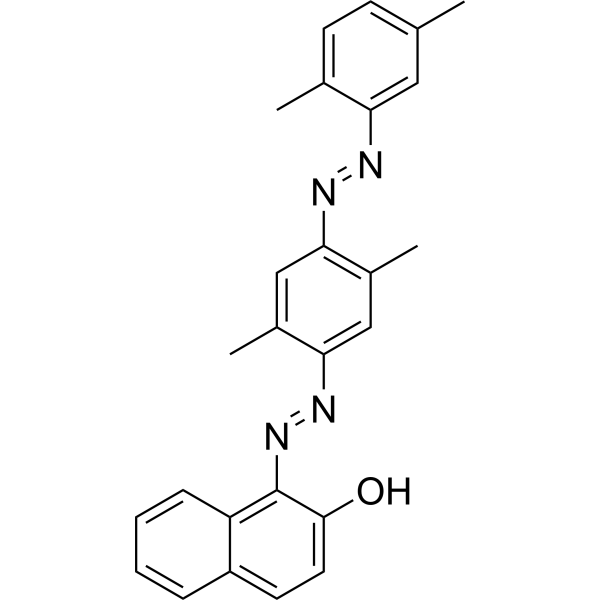
    Oil Red O is a fat-soluble diazol dye, with a maximum absorption at 518 nm. Oil Red O stains neutral lipids and cholesteryl esters but not biological membranes. Oil Red O can be used for detecting and quantifying hepatic steatosis in mouse liver biopsies. Oil Red O staining efficiently helps to visualize the radical changes that occur in tissues as metabolic disease occurs and progresses .
    Oil Red O
  • HY-113402
    Gamma-glutamylcysteine
    4 Publications Verification

    γ-Glu-Cys

    Endogenous Metabolite Interleukin Related TNF Receptor AMPK Sirtuin STAT PI3K NF-κB JAK p38 MAPK JNK Akt Apoptosis Ferroptosis Cardiovascular Disease Neurological Disease Inflammation/Immunology
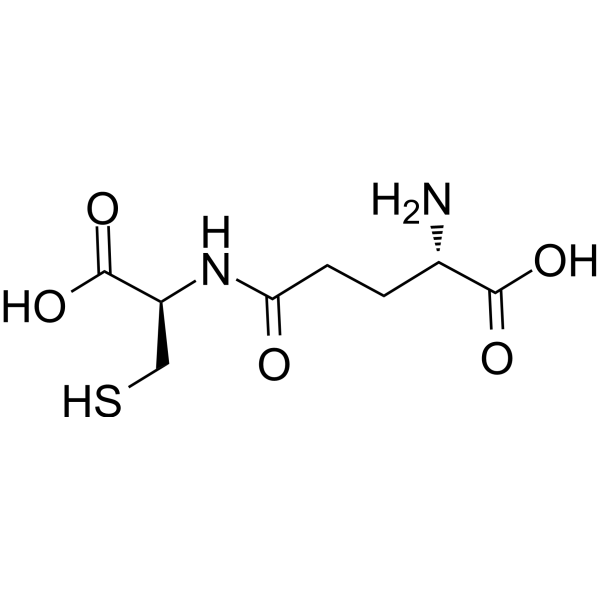
    Gamma-glutamylcysteine (γ-Glu-Cys) is an orally active, blood-brain barrier permeable dipeptide . Gamma-glutamylcysteine activates AMPK, SIRT1, IL-4/STAT6, AC/cAMP/PI3K, IGF-1R/IRS1/PI3K, and Nrf2 signaling pathways; it inhibits NF-κB, JAK1/STAT1/3, MAPKs, cadmium-induced p38 MAPK, JNK, and PI3K/Akt signaling pathways. Gamma-glutamylcysteine regulates macrophage polarization, modulates the trafficking of CD36 and GLUT4, induces glutathione synthesis, improves metabolic dysfunction, reduces lipid deposition, ameliorates glucose homeostasis, inhibits apoptosis (Apoptosis), stabilizes mitochondria, suppresses lipid peroxidation, iron accumulation and ferroptosis (Ferroptosis), reduces ds-HMGB1 levels, reverses mechanical hyperalgesia, and alleviates hepatic lipid droplet formation. Gamma-glutamylcysteine is applicable to research related to inflammatory bowel disease, type 2 diabetes, cadmium-induced neurotoxicity, Alzheimer's disease, cerebral ischemia/reperfusion injury, neuropathy, and alcoholic liver disease .
    Gamma-glutamylcysteine
  • HY-W001171
    3-Hydroxyanthranilic acid
    1 Publications Verification

    Endogenous Metabolite Cardiovascular Disease Neurological Disease Metabolic Disease Inflammation/Immunology Endocrinology Cancer
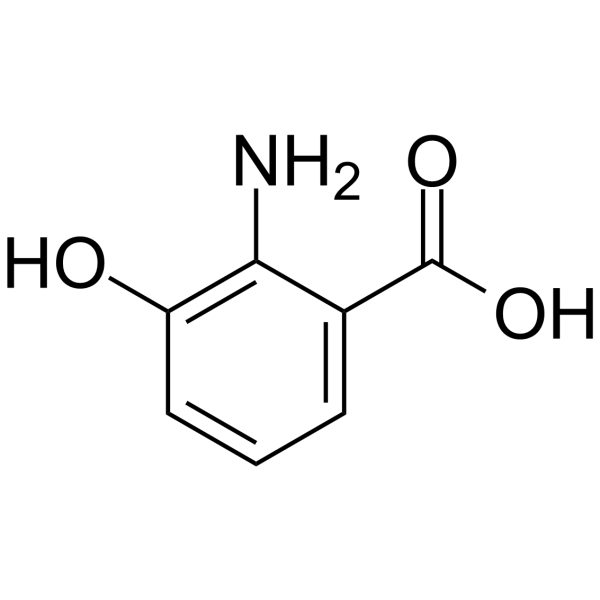
    3-Hydroxyanthranilic acid is a tryptophan metabolite in the kynurenine pathway.3-hydroxyanthranilic acid has anti-inflammatory, neuroprotective, and lipid-lowering effects. 3-hydroxyanthranilic acid can be used for researches of cardiovascular diseases, tumors, and metabolic diseases .
    3-Hydroxyanthranilic acid
  • HY-N7075
    Inulin
    4 Publications Verification

    Endogenous Metabolite Infection Neurological Disease Metabolic Disease Cancer
    Inulin is an orally active prebiotic targeting the intestinal microbiota, selectively promoting the proliferation and activity of beneficial bacteria such as bifidobacteria and lactic acid bacteria, and playing a role in regulating the intestinal microecology. The functions of Inulin include: Fermentation by probiotics in the colon to produce short-chain fatty acids (such as butyrate and propionate), lowering the intestinal pH and inhibiting the overgrowth of harmful bacteria; Enhancing the intestinal barrier function and reducing endotoxin translocation; Directly scavenging free radicals (such as superoxide free radicals, hydroxyl free radicals) and activating antioxidant enzymes (SOD, CAT) to reduce oxidative stress. Inulin can also be used in the study of intestinal diseases (constipation, IBD), metabolic syndrome (diabetes, obesity) and liver damage by regulating glucose and lipid metabolism (such as reducing triglycerides, improving insulin sensitivity) and immune response (enhancing NK cell activity, inhibiting inflammatory factors)[1][2][3][4].
    Inulin
  • HY-135425
    10,12-Tricosadiynoic acid
    5+ Cited Publications

    Acyltransferase Metabolic Disease
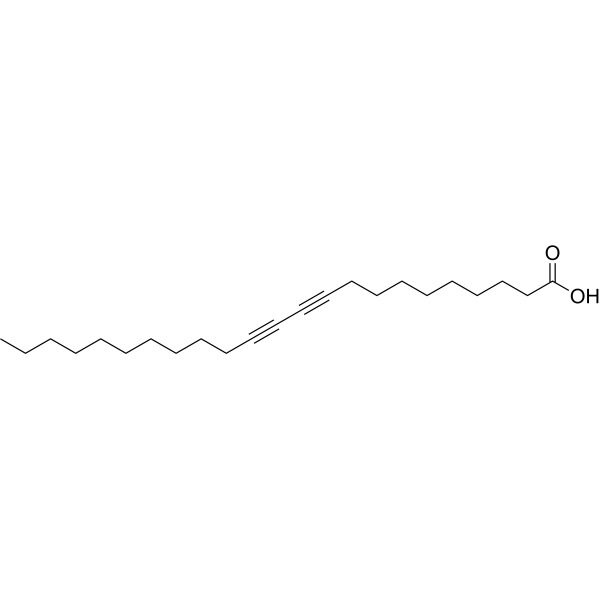
    10,12-Tricosadiynoic acid is a highly specific, selective, high affinity and orally active acyl-CoA oxidase-1 (ACOX1) inhibitor. 10,12-Tricosadiynoic acid can treat high fat diet- or obesity-induced metabolic diseases by improving mitochondrial lipid and ROS metabolism . 10,12-Tricosadiynoic acid is a click chemistry reagent, it contains an Alkyne group and can undergo copper-catalyzed azide-alkyne cycloaddition (CuAAc) with molecules containing Azide groups.
    10,12-Tricosadiynoic acid
  • HY-114118B
    Semaglutide acetate
    Maximum Cited Publications
    35 Publications Verification

    GLP Receptor Insulin Receptor α-synuclein Apoptosis p38 MAPK Autophagy Bcl-2 Family Neurological Disease Metabolic Disease Cancer
    Semaglutide acetate is a long-acting, selective, competitive GLP-1R agonist that can penetrate the blood-brain barrier. After activating GLP-1R, Semaglutide acetate promotes insulin secretion, inhibits gastric emptying and appetite, and at the same time enhances autophagy, inhibits oxidative stress and apoptosis. Semaglutide acetate also regulates mitochondrial function and lipid metabolism (such as reducing de novo lipogenesis in the liver). Semaglutide acetate has activities such as lowering blood sugar, reducing weight, neuroprotection (such as improving motor function in Parkinson's disease models, reducing α-synuclein aggregation) and improving hepatic steatosis. Semaglutide acetate can be used for the study of neurodegenerative diseases and liver diseases such as type 2 diabetes, obesity, Parkinson's disease, metabolic associated fatty liver disease (MASLD), and cancer .
    Semaglutide acetate
  • HY-114118A
    Semaglutide TFA
    Maximum Cited Publications
    35 Publications Verification

    GLP Receptor Insulin Receptor α-synuclein Apoptosis p38 MAPK Autophagy Bcl-2 Family Neurological Disease Metabolic Disease Cancer
    Semaglutide TFA is a long-acting, selective, competitive GLP-1R agonist that can penetrate the blood-brain barrier. After activating GLP-1R, Semaglutide TFA promotes insulin secretion, inhibits gastric emptying and appetite, and at the same time enhances autophagy, inhibits oxidative stress and apoptosis. Semaglutide TFA also regulates mitochondrial function and lipid metabolism (such as reducing de novo lipogenesis in the liver). Semaglutide TFA has activities such as lowering blood sugar, reducing weight, neuroprotection (such as improving motor function in Parkinson's disease models, reducing α-synuclein aggregation) and improving hepatic steatosis. Semaglutide TFA can be used for the study of neurodegenerative diseases and liver diseases such as type 2 diabetes, obesity, Parkinson's disease, metabolic associated fatty liver disease (MASLD), and cancer .
    Semaglutide TFA
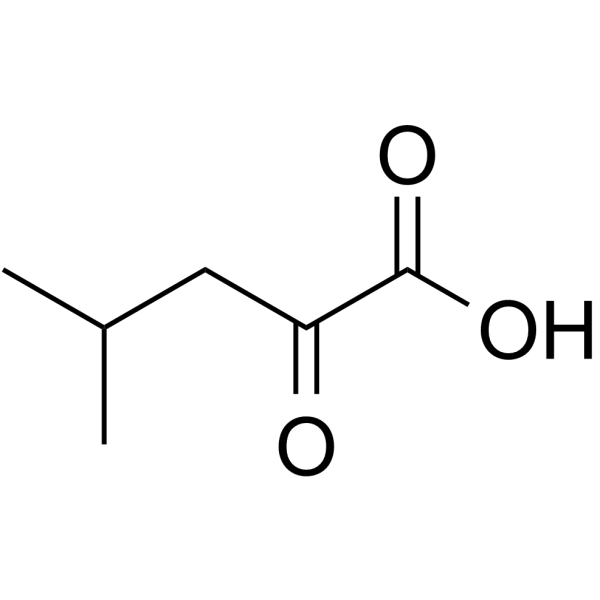
  • HY-W012722
    4-Methyl-2-oxopentanoic acid
    1 Publications Verification

    α-Ketoisocaproic acid

    Endogenous Metabolite Autophagy mTOR SOD Neurological Disease Metabolic Disease
    4-Methyl-2-oxopentanoic acid (α-Ketoisocaproic acid) is a metabolite of L-leucine and is involved in energy metabolism. 4-Methyl-2-oxopentanoic acid increases endoplasmic reticulum stress, promotes lipid accumulation in preadipocytes and insulin resistance by impairing mTOR and autophagy signaling pathways. 4-Methyl-2-oxopentanoic acid also causes oxidative damage, leading to cognitive deficits, inhibits α-ketoglutarate dehydrogenase activity, acts as an oxidative phosphorylation uncoupler and metabolic inhibitor. 4-Methyl-2-oxopentanoic acid acts as a nutrient signal and stimulates skeletal muscle protein synthesis. 4-Methyl-2-oxopentanoic acid can be used in the study of maple syrup urine disease .
    4-Methyl-2-oxopentanoic acid
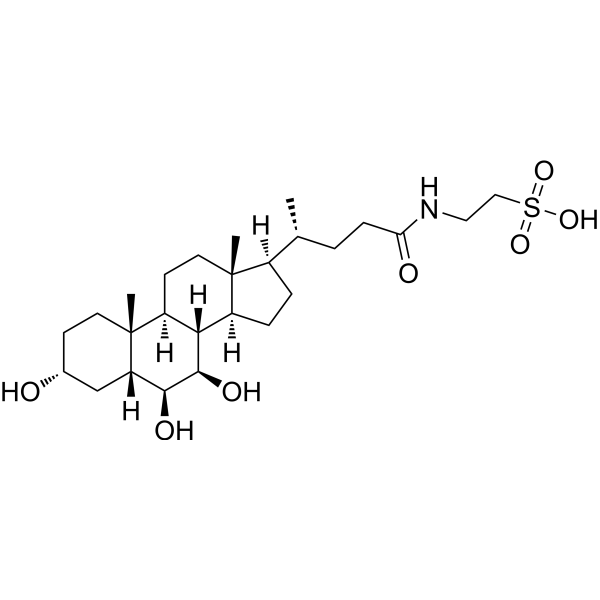
  • HY-N9933
    Tauro-β-muricholic acid
    4 Publications Verification

    TβMCA

    FXR Apoptosis Neurological Disease Metabolic Disease Inflammation/Immunology Cancer
    Tauro-β-muricholic acid (TβMCA) is an orally active trihydroxylated bile acid and a competitive, reversible FXR antagonist (IC50=40 μM). Tauro-β-muricholic acid inhibits bile acid-induced hepatocyte apoptosis by maintaining mitochondrial membrane potential, while simultaneously inhibiting intestinal FXR signaling, affecting bile acid synthesis, hepatic lipid metabolism, and insulin sensitivity. Accumulation of tauro-β-muricholic acid disrupts metabolic homeostasis, promoting cancer stem cell proliferation and tumor progression. The mechanisms of tauro-β-muricholic acid involve two aspects: first, inhibiting the translocation of the pro-apoptotic protein Bax to mitochondria and maintaining mitochondrial membrane potential (MMP); and second, blocking the FXR signaling pathway to regulate bile acid metabolism, reduce serum ceramide production, and downregulate the hepatic SREBP1C/CIDEA pathway. Tauro-β-muricholic acid possesses anti-hepatocyte apoptosis, bile acid homeostasis regulation, and liver fat accumulation reduction properties, and also functions as a biomarker, making it useful in the study of diseases such as bile acid metabolism disorders, non-alcoholic fatty liver disease, colorectal cancer, and liver fibrosis .
    Tauro-β-muricholic acid
  • HY-Y1422

    Alkaline lipase

    Environmental Pollutants Lipase Metabolic Disease
    Triacylglycerol lipase is an enzyme catalyzing the hydrolysis of triacylglycerol. Triacylglycerol lipase promotes fat decomposition, providing energy and lipid precursors for cells. Triacylglycerol lipase is used in the research of metabolic diseases such as diabetes and obesity .
    Triacylglycerol lipase
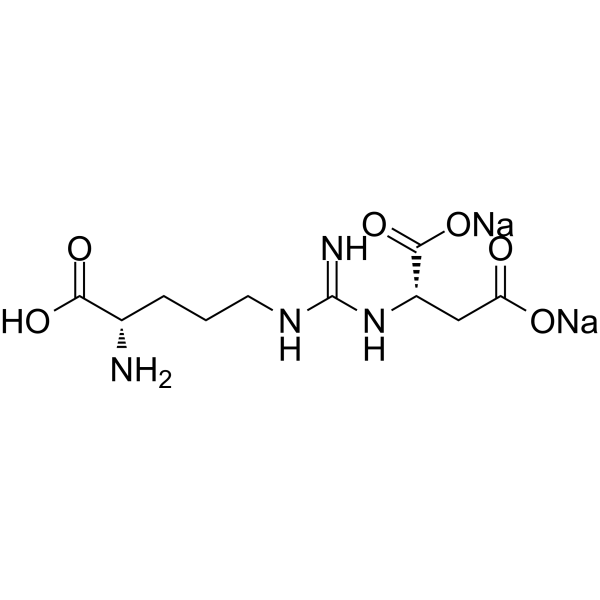
  • HY-113149A

    Endogenous Metabolite Reactive Oxygen Species (ROS) Neurological Disease Metabolic Disease Inflammation/Immunology
    Argininosuccinic acid disodium is an intermediate metabolite in the urea cycle, and its level is associated with argininosuccinic aciduria. Argininosuccinic acid disodium can induce oxidative stress, leading to lipid and protein oxidation, reduction of glutathione, and decrease in antioxidant enzyme activity. Argininosuccinic acid disodium can be converted into guanidinosuccinic acid, a nitric oxide mimic, under the action of nitric oxide-derived free radicals. Argininosuccinic acid disodium can be used in the research of metabolic diseases, renal failure, nervous system diseases, etc .
    Argininosuccinic acid disodium
  • HY-P11274A

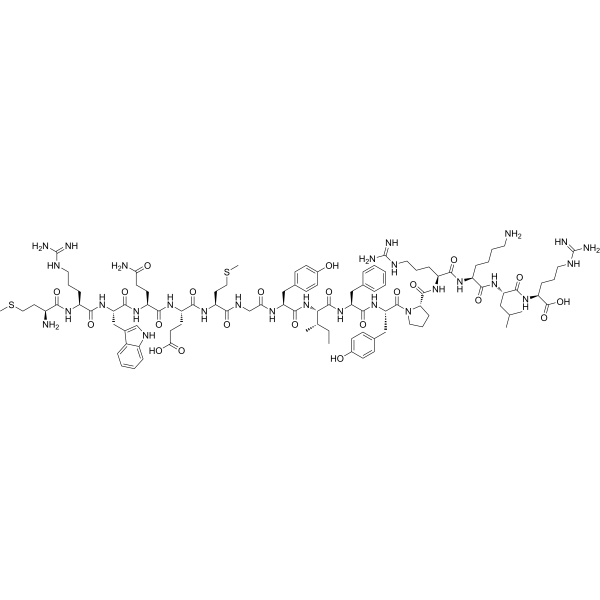
    Amycretin sodium; NN 9487 sodium

    Amylin Receptor Insulin Receptor GCGR Metabolic Disease
    Zenagamtide (Amycretin; NN 9487) sodium is an orally active, blood-brain barrier permeable triple agonist that targets GLP-1, amylin (Amylin Receptor) and calcitonin receptor (Calcitonin Receptor). Zenagamtide sodium is a single peptide consisting of 68 amino acids that can target brain regions regulating food intake, significantly suppress appetite and reduce energy intake. Therefore, Zenagamtide sodium improves body weight, waist circumference, glycated hemoglobin and lipid profile, and also alleviates the histological features of metabolic dysfunction-associated steatotic liver disease (MASLD) and enhances insulin sensitivity. Zenagamtide sodium may cause transient increases in heart rate and fluctuations in serum calcium levels, but it is an important compound for the study of overweight, obesity, insulin resistance and related metabolic diseases .
    Zenagamtide sodium
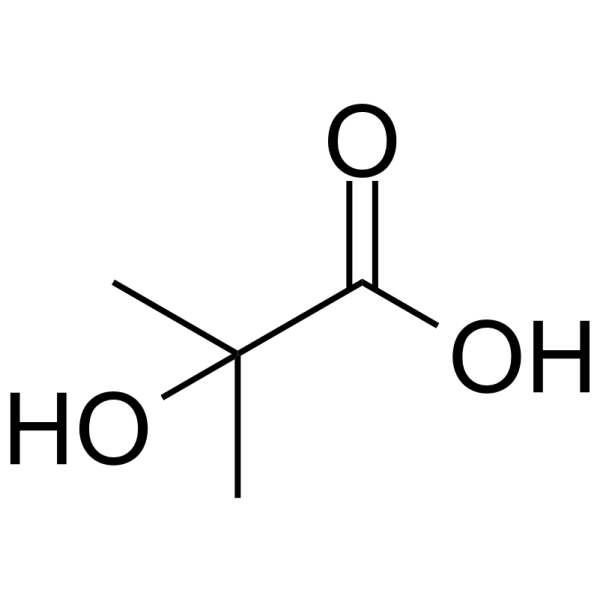
  • HY-W015924

    Endogenous Metabolite Metabolic Disease
    2-Hydroxyisobutyric acid (2-HIBA) is a selective modulator of the Insulin/IGF-1 pathway and the p38 MAPK pathway, which reduces reactive oxygen species (ROS) and fat accumulation in Caenorhabditis elegans. 2-Hydroxyisobutyric acid promotes β-oxidation and inhibits fatty acid synthesis by upregulating SKN-1/NRF2 and downregulating SREBP-1c transcription factors. 2-Hydroxyisobutyric acid has anti-aging and lipid-lowering effects, and can be used to study metabolic diseases such as obesity and diabetes. 2-Hydroxyisobutyric acid is also a renewable precursor of methacrylate through 2-HIB-CoA mutase-mediated biosynthesis[1][2].
    2-Hydroxyisobutyric acid
  • HY-P2048
    MOTS-c (human)
    1 Publications Verification

    Apoptosis GLUT AMPK Neurological Disease Metabolic Disease Inflammation/Immunology Endocrinology
    MOTS-c (human) is a blood-brain barrier-penetrating, mitochondrial-derived peptide that modulates the AMPK/PGC-1α pathway to enhance insulin sensitivity. MOTS-c (human) inhibits the folate cycle and de novo purine synthesis, increases AICAR levels to activate AMPK, and then regulates the Nrf2/Keap1 antioxidant pathway and inhibits the NF-κB inflammatory pathway, while promoting mitochondrial biogenesis and energy metabolism. MOTS-c (human) has the effects of improving glucose and lipid metabolism, anti-oxidative stress, anti-inflammatory and neuroprotection, and can be used in the study of type 2 diabetes, traumatic brain injury, inflammatory diseases and aging-related metabolic disorders .
    MOTS-c (human)
  • HY-101036
    Choline bitartrate
    4 Publications Verification

    mAChR Endogenous Metabolite Neurological Disease Cancer
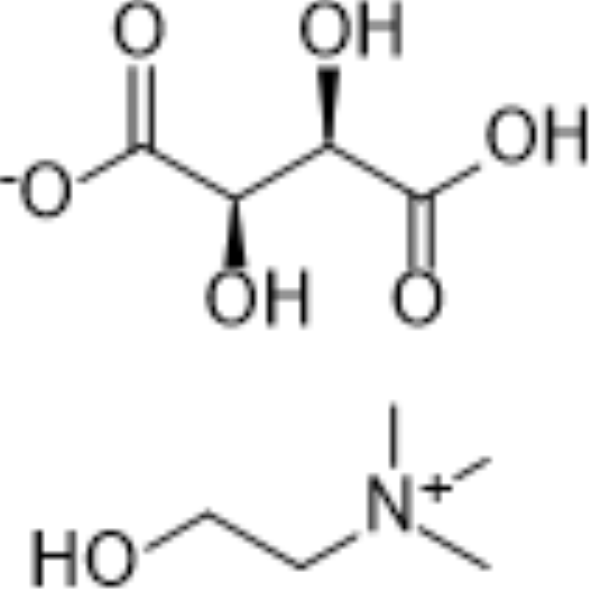
    Choline bitartrate is a vitamin-like essential nutrient, can affect diseases such as liver disease, atherosclerosis and neurological disorders . Choline bitartrate is a precursor for the neurotransmitter acetylcholine, as a methyl donor in various metabolic processes, and in lipid metabolism .
    Choline bitartrate
  • HY-143712
    Allolithocholic acid
    1 Publications Verification

    Drug Metabolite G protein-coupled Bile Acid Receptor 1 ROR Metabolic Disease Inflammation/Immunology Cancer
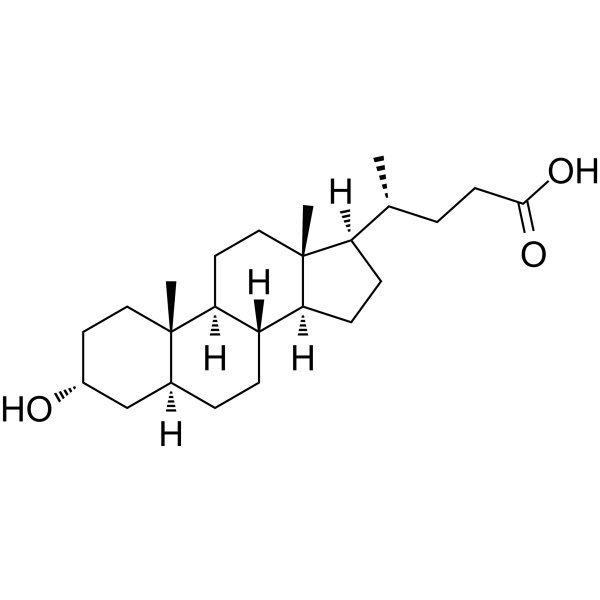
    Allolithocholic acid is an orally active metabolite of Lithocholic acid (HY-B0172). Allolithocholic acid is a dual GPBAR1 agonist (EC50 = 2.7 μM) and RORγt inverse agonist (IC50 = 3.4 μM). Allolithocholic acid modulates immune and metabolic pathways, regulates immune cell polarization, prevents M1 macrophage and Th17 CD4 cell polarization. Allolithocholic acid improves insulin sensitivity, reduces liver lipid accumulation, reverses liver immunological, inflammatory and metabolic signaling dysregulation, restores bile acid homeostasis, adipose tissue histopathology/function, and intestinal microbiota composition, modulates intestinal immunity. Allolithocholic acid can be used for the researches of cancer, inflammayion, immunology and metabolic disease .
    Allolithocholic acid
  • HY-114118CP

    GLP Receptor Insulin Receptor α-synuclein Apoptosis p38 MAPK Autophagy Bcl-2 Family Neurological Disease Metabolic Disease Cancer
    Semaglutide (crude) is the crude form of Semaglutide (HY-114118). Semaglutide is a long-acting, selective, competitive GLP-1R agonist that can penetrate the blood-brain barrier. After activating GLP-1R, Semaglutide promotes insulin secretion, inhibits gastric emptying and appetite, and at the same time enhances Autophagy, inhibits oxidative stress and Apoptosis. Semaglutide also regulates mitochondrial function and lipid metabolism (such as reducing de novo lipogenesis in the liver). Semaglutide has activities such as lowering blood sugar, reducing weight, neuroprotection (such as improving motor function in Parkinson's disease models, reducing α-synuclein aggregation) and improving hepatic steatosis. Semaglutide can be used for the study of neurodegenerative diseases and liver diseases such as type 2 diabetes, obesity, Parkinson's disease, metabolic associated fatty liver disease (MASLD), and cancer .
    Semaglutide (crude)
  • HY-113110

    L-Cysteinylglycine; Cys-Gly; H-Cys-Gly-OH

    Endogenous Metabolite Reactive Oxygen Species (ROS) DNA/RNA Synthesis Cardiovascular Disease Cancer
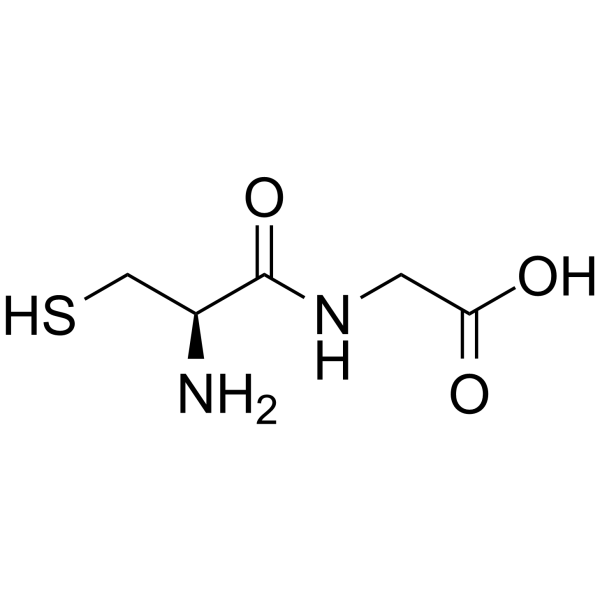
    Cysteinylglycine (L-Cysteinylglycine; Cys-Gly) is a dipeptide formed by the peptide bond linkage between cysteine (Cysteine) and glycine (Glycine). Cysteinylglycine is an important metabolic intermediate in the human body, mainly derived from the degradation of glutathione (GSH). Cysteinylglycine reduces ferric iron to ferrous iron, drives the redox cycle of iron, generates reactive oxygen species (ROS), stimulates oxidative reactions, induces lipid peroxidation of human plasma LDL lipoproteins, and causes oxidative damage to DNA bases. Cysteinylglycine can be used as a biomarker to evaluate ischemic heart disease, breast cancer and other conditions .
    Cysteinylglycine
  • HY-114118S3

    Isotope-Labeled Compounds GLP Receptor Insulin Receptor α-synuclein Apoptosis p38 MAPK Autophagy Bcl-2 Family Metabolic Disease
    Semaglutide- 13C6, 15N TFA is the 13C- and 15N-labeled Semaglutide TFA (HY-114118A). Semaglutide TFA is a long-acting, selective, competitive GLP-1R agonist that can penetrate the blood-brain barrier. After activating GLP-1R, Semaglutide TFA promotes insulin secretion, inhibits gastric emptying and appetite, and at the same time enhances autophagy, inhibits oxidative stress and apoptosis. Semaglutide TFA also regulates mitochondrial function and lipid metabolism (such as reducing de novo lipogenesis in the liver). Semaglutide TFA has activities such as lowering blood sugar, reducing weight, neuroprotection (such as improving motor function in Parkinson's disease models, reducing α-synuclein aggregation) and improving hepatic steatosis. Semaglutide TFA can be used for the study of neurodegenerative diseases and liver diseases such as type 2 diabetes, obesity, Parkinson's disease, metabolic associated fatty liver disease (MASLD), and cancer .
    Semaglutide-13C6,15N TFA
  • HY-113402A
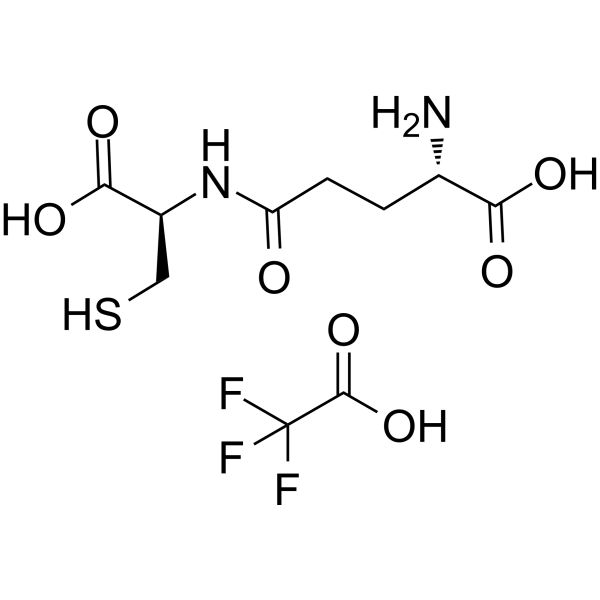
    Gamma-glutamylcysteine TFA
    4 Publications Verification

    γ-Glu-Cys TFA

    Interleukin Related TNF Receptor Endogenous Metabolite AMPK Sirtuin STAT PI3K NF-κB JAK p38 MAPK JNK Akt Apoptosis Ferroptosis Cardiovascular Disease Neurological Disease Inflammation/Immunology
    Gamma-glutamylcysteine TFA (γ-Glu-Cys TFA) is an orally active, blood-brain barrier permeable dipeptide . Gamma-glutamylcysteine TFA activates AMPK, SIRT1, IL-4/STAT6, AC/cAMP/PI3K, IGF-1R/IRS1/PI3K, and Nrf2 signaling pathways; it inhibits NF-κB, JAK1/STAT1/3, MAPKs, cadmium-induced p38 MAPK, JNK, and PI3K/Akt signaling pathways. Gamma-glutamylcysteine TFA regulates macrophage polarization, modulates the trafficking of CD36 and GLUT4, induces glutathione synthesis, improves metabolic dysfunction, reduces lipid deposition, ameliorates glucose homeostasis, inhibits apoptosis (Apoptosis), stabilizes mitochondria, suppresses lipid peroxidation, iron accumulation and ferroptosis (Ferroptosis), reduces ds-HMGB1 levels, reverses mechanical hyperalgesia, and alleviates hepatic lipid droplet formation. Gamma-glutamylcysteine TFA is applicable to research related to inflammatory bowel disease, type 2 diabetes, cadmium-induced neurotoxicity, Alzheimer's disease, cerebral ischemia/reperfusion injury, neuropathy, and alcoholic liver disease .
    Gamma-glutamylcysteine TFA
  • HY-50683
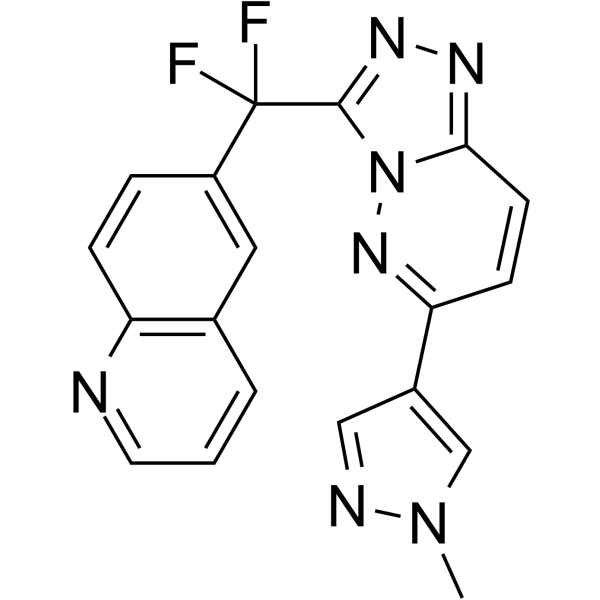
    JNJ-38877605
    5+ Cited Publications

    c-Met/HGFR Metabolic Disease Cancer
    JNJ-38877605 is an orally active ATP-competitive inhibitor of c-Met with an IC50 of 4 nM, 600-fold selective for c-Met than 200 other tyrosine and serine-threonine kinases . JNJ-38877605 inhibits c-Met phosphorylation and regulates lipid accumulation. JNJ-38877605 can be used for tumor and metabolic disease reseach .
    JNJ-38877605
  • HY-N6677

    Apocarotenal

    Cytochrome P450 DNA/RNA Synthesis Metabolic Disease Cancer
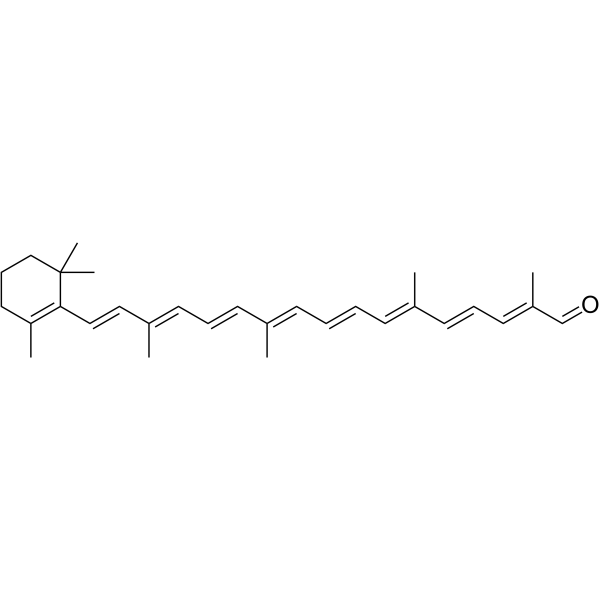
    β-Apo-8'-carotenal (Apocarotenal), an orally active provitamin A carotenoid. β-Apo-8'-carotenal can induce the expression of CYP1A through the Ah receptor-dependent pathway. β-Apo-8'-carotenal can induce cancer cells DNA strand breaks and lipid peroxidation. β-Apo-8'-carotenal can be used for the researches of cancer and metabolic disease .
    β-​Apo-​8'-​carotenal
  • HY-N2392
    Kukoamine A
    1 Publications Verification

    Parasite Lipoxygenase Opioid Receptor Apoptosis Autophagy Reactive Oxygen Species (ROS) Interleukin Related TNF Receptor PGE synthase COX Infection Neurological Disease Metabolic Disease Inflammation/Immunology Cancer
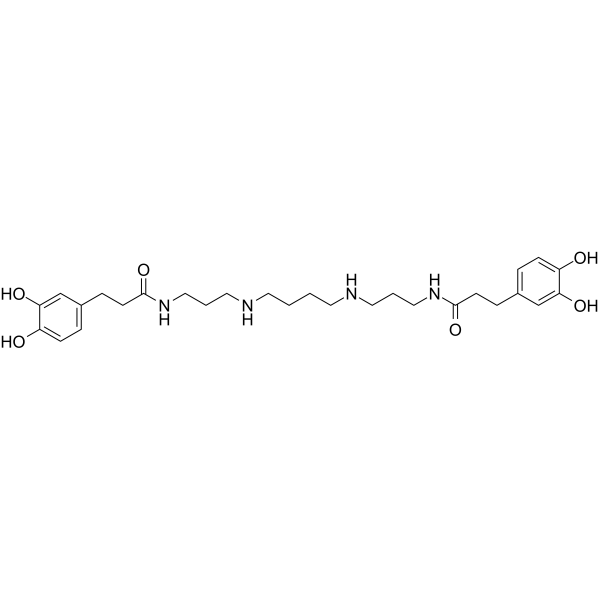
    Kukoamine A, a spermine alkaloid, is an orally active and brain-penetrant component found in the root barks of Lycium chinense (L. chinense) Miller. Kukoamine A inhibits purified Crithidia fasciculata trypanothione reductase and soybean lipoxygenase, activates μ-opioid receptor. Kukoamine A can inhibt cancer cell proliferation, migration and invasion, cause G0/G1 phase cell cycle arrest and induce apoptosis. Kukoamine A exerts neuroprotective effect and can induce autophagy . Kukoamine A inhibits LPS (HY-D1056)-induced NO, ROS, PGE2, TNF-α, IL-1β, IL-6 production and COX-2 activity. Kukoamine A reverses palmitic acid-induced insulin resistance, lipid accumulation, and oxidative stress via downregulation of Srebp-1c. Kukoamine A can be used for the research of cancer, infection, inflammation, metabolic and neurological disease, such as glioblastoma and Parkinson's disease .
    Kukoamine A
  • HY-B1189

    Dicrotalic acid; 3-Hydroxy-3-methylglutaric acid

    HMG-CoA Reductase (HMGCR) Autophagy Endogenous Metabolite Cardiovascular Disease Metabolic Disease
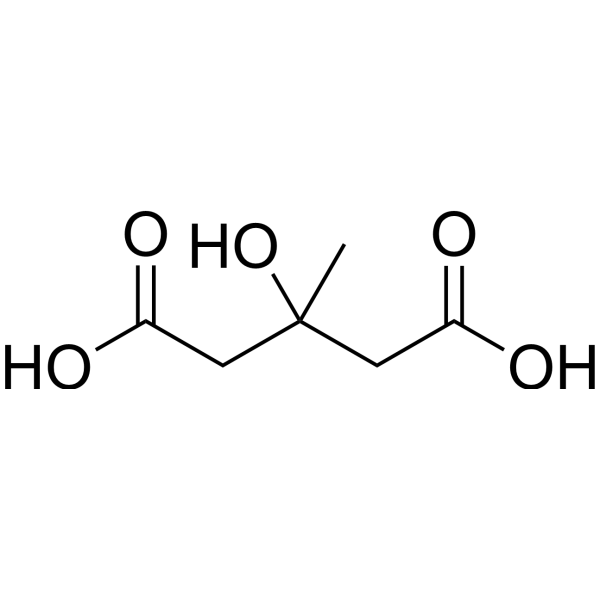
    Meglutol is a lipid-lowering agent. Meglutol can reduces cholesterol, triglycerides, serum β-lipoprotein, and phospholipids, and inhibits the activity of HMG-CoA reductase (a rate-limiting enzyme in cholesterol biosynthesis). Meglutol can induce significant lipid oxidative damage in brain tissue. It is promising for research in the field of cardiovascular diseases and metabolic diseases .
    Meglutol
  • HY-113149

    Endogenous Metabolite Reactive Oxygen Species (ROS) Neurological Disease Metabolic Disease Inflammation/Immunology
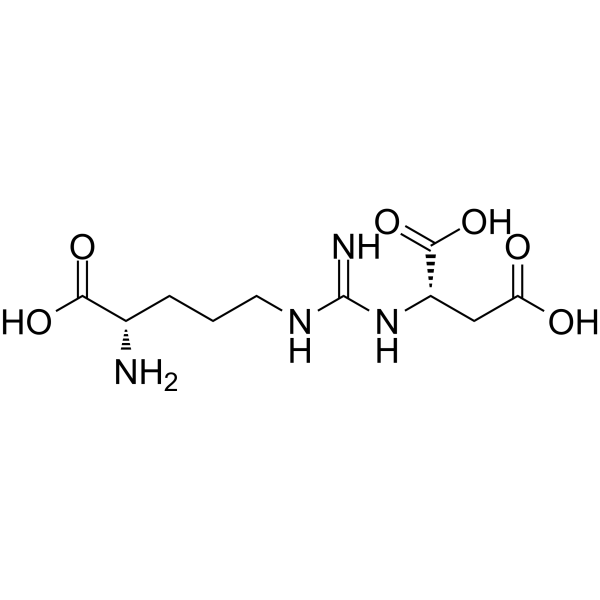
    Argininosuccinic acid is an intermediate metabolite in the urea cycle, and its level is associated with argininosuccinic aciduria. Argininosuccinic acid can induce oxidative stress, leading to lipid and protein oxidation, reduction of glutathione, and decrease in antioxidant enzyme activity. Argininosuccinic acid can be converted into guanidinosuccinic acid, a nitric oxide mimic, under the action of nitric oxide-derived free radicals. Argininosuccinic acid can be used in the research of metabolic diseases, renal failure, nervous system diseases, etc .
    Argininosuccinic acid
  • HY-P11274

    Amycretin; NN 9487

    Amylin Receptor GCGR Insulin Receptor Metabolic Disease
    Zenagamtide (Amycretin; NN 9487) is an orally active, blood-brain barrier permeable triple agonist that targets GLP-1, amylin (Amylin Receptor) and calcitonin receptor (Calcitonin Receptor). Zenagamtide is a single peptide consisting of 68 amino acids that can target brain regions regulating food intake, significantly suppress appetite and reduce energy intake. Therefore, Zenagamtide improves body weight, waist circumference, glycated hemoglobin and lipid profile, and also alleviates the histological features of metabolic dysfunction-associated steatotic liver disease (MASLD) and enhances insulin sensitivity. Zenagamtide may cause transient increases in heart rate and fluctuations in serum calcium levels, but it is an important compound for the study of overweight, obesity, insulin resistance and related metabolic diseases .
    Zenagamtide
  • HY-W355700

    Drug Metabolite Infection
    1-oleoyl-sn-glycero-3-phosphoethanolamine (LysoPE 18:1) is a lysophosphatidylethanolamine molecule involved in phospholipid metabolism, targeting cell membrane receptors (such as G protein-coupled receptors) to regulate cell signaling pathways. 1-oleoyl-sn-glycero-3-phosphoethanolamine may activate mitogen-activated protein kinase (MAPK) signaling, promote cell migration, regulate inflammatory responses and lipid metabolism, and has both pro-inflammatory and anti-inflammatory activities. 1-oleoyl-sn-glycero-3-phosphoethanolamine is mainly used in the screening of biomarkers for metabolic diseases (such as non-alcoholic fatty liver disease and obesity), as well as the study of the mechanism of lysophospholipids in cell membrane homeostasis and signal transduction .
    1-Oleoyl-2-hydroxy-sn-glycero-3-phosphoethanolamine
  • HY-160912

    ELOVL Metabolic Disease
    ELOVL6-IN-5 is an orally active and selective elongase enzyme of long-chain fatty acid family 6 (ELOVL6) inhibitor with IC50 values of 85 nM and 38 nM for human and mouse ELOVL6, respectively. ELOVL6-IN-5 shows >60-fold selectivity over other ELOVL family enzymes (ELOVL1, 2, 3, 5) and no effect on other lipid synthesis enzymes like ACC1, ACC2. ELOVL6-IN-5 reduces hepatic fatty acid composition ratio of C18 to C16 in diet-induced obesity (DIO) and KKAy mice. ELOVL6 inhibition by ELOVL6-IN-5 does not improve insulin resistance. ELOVL6-IN-5 can be used for the research of metabolic disease .
    ELOVL6-IN-5
  • HY-114118S1

    Isotope-Labeled Compounds GLP Receptor Insulin Receptor α-synuclein Apoptosis p38 MAPK Autophagy Bcl-2 Family Neurological Disease Metabolic Disease Cancer
    Semaglutide-d8 tetraTFA is the deuterium labeled Semaglutide (HY-114118). Semaglutide is a long-acting, selective, competitive GLP-1R agonist that can penetrate the blood-brain barrier. After activating GLP-1R, Semaglutide promotes insulin secretion, inhibits gastric emptying and appetite, and at the same time enhances autophagy, inhibits oxidative stress and apoptosis. Semaglutide also regulates mitochondrial function and lipid metabolism (such as reducing de novo lipogenesis in the liver). Semaglutide has activities such as lowering blood sugar, reducing weight, neuroprotection (such as improving motor function in Parkinson's disease models, reducing α-synuclein aggregation) and improving hepatic steatosis. Semaglutide can be used for the study of neurodegenerative diseases and liver diseases such as type 2 diabetes, obesity, Parkinson's disease, metabolic associated fatty liver disease (MASLD), and cancer .
    Semaglutide-d8 tetraTFA
  • HY-114118S

    Isotope-Labeled Compounds GLP Receptor Insulin Receptor α-synuclein Apoptosis p38 MAPK Autophagy Bcl-2 Family Neurological Disease Metabolic Disease Cancer
    Semaglutide-d8 is the deuterium labeled Semaglutide (HY-114118). Semaglutide is a long-acting, selective, competitive GLP-1R agonist that can penetrate the blood-brain barrier. After activating GLP-1R, Semaglutide promotes insulin secretion, inhibits gastric emptying and appetite, and at the same time enhances autophagy, inhibits oxidative stress and apoptosis. Semaglutide also regulates mitochondrial function and lipid metabolism (such as reducing de novo lipogenesis in the liver). Semaglutide has activities such as lowering blood sugar, reducing weight, neuroprotection (such as improving motor function in Parkinson's disease models, reducing α-synuclein aggregation) and improving hepatic steatosis. Semaglutide can be used for the study of neurodegenerative diseases and liver diseases such as type 2 diabetes, obesity, Parkinson's disease, metabolic associated fatty liver disease (MASLD), and cancer .
    Semaglutide-d8
  • HY-P1723
    Spexin
    2 Publications Verification

    Neuropeptide Q

    Neuropeptide Y Receptor Apoptosis Ferroptosis Autophagy Cardiovascular Disease Neurological Disease
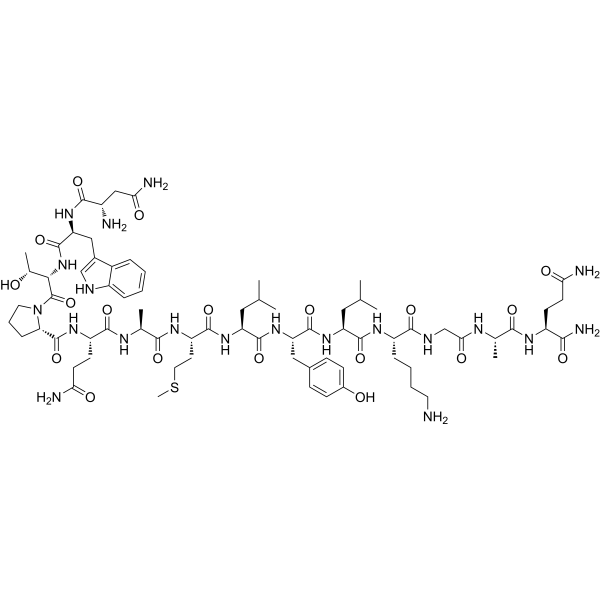
    Spexin (Neuropeptide Q) is a selective agonist of galanin receptors GAL2 and GAL3, and is a conserved peptide that functions as a neurotransmitter/neuromodulator and endocrine factor. Spexin can function through both central and peripheral actions. Spexin upregulates Beclin 1 to inhibit ferroptosis induced by excessive autophagy, reduces the uptake of long-chain fatty acids by adipocytes, and regulates energy metabolism by increasing lipid oxidation (e.g., reducing the respiratory exchange ratio in rodents). Spexin improves cardiac function in the Doxorubicin hydrochloride (HY-15142)-induced cardiotoxicity model, protects mitochondrial membrane potential, and reduces iron accumulation and lipid peroxidation. Spexin can be used to study obesity and its related metabolic disorders, cardiovascular diseases (e.g., cardioprotection), and side effects of tumor chemotherapy .
    Spexin
  • HY-126359

    SLPC; 18:0-18:2 PC

    Endogenous Metabolite Cardiovascular Disease Metabolic Disease
    1-Stearoyl-2-linoleoyl-sn-glycero-3-phosphocholine (SLPC; 18:0-18:2 PC) is an endogenous phospholipid marker molecule in the glycerophospholipid metabolic pathway. 1-Stearoyl-2-linoleoyl-sn-glycero-3-phosphocholine is a core component of the phospholipid bilayer of biological membranes and a key responsive lipid for radiation injury and cardiometabolic diseases. 1-Stearoyl-2-linoleoyl-sn-glycero-3-phosphocholine constitutes the phospholipid bilayers of cell membranes and high-density lipoprotein (HDL), and regulates the core activity of lipoprotein functional homeostasis. The content of 1-Stearoyl-2-linoleoyl-sn-glycero-3-phosphocholine in mouse serum shows a significant dose-dependent decrease with increasing ionizing radiation dose, and its level in human HDL also decreases significantly in metabolic syndrome. 1-Stearoyl-2-linoleoyl-sn-glycero-3-phosphocholine can serve as a biological dosimeter marker for ionizing radiation injury, and is used for rapid and accurate assessment of radiation absorbed dose in exposed individuals. 1-Stearoyl-2-linoleoyl-sn-glycero-3-phosphocholine can also act as a lipidomics research target for cardiometabolic diseases such as lipid metabolic syndrome and early-onset coronary heart disease .
    1-Stearoyl-2-linoleoyl-sn-glycero-3-phosphocholine
  • HY-N0899

    JAK STAT Wnt β-catenin Inflammation/Immunology Cancer
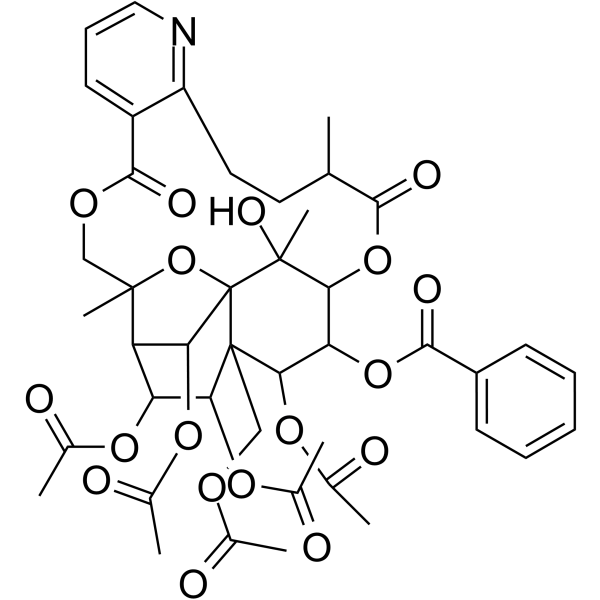
    Wilforine is an orally active JAK-STAT pathway inhibitor with immunomodulatory effects and the ability to inhibit osteoclast fusion. Wilforine disrupts lipid raft integrity, reprograms cholesterol and glycosphingolipid metabolic pathways, regulates NF-κB and the complement system, and modulates the expression of various interleukins. Wilforine also inhibits the Wnt11/β-catenin signaling pathway and suppresses the proliferation of fibroblast-like synoviocytes. Wilforine can serve as a quality and pharmacokinetic marker for Tripterygium glycoside tablets, and can be applied to research on related diseases such as rheumatoid arthritis, inflammatory osteolysis, and SAPHO syndrome .
    Wilforine
  • HY-P2048A
    MOTS-c(human) acetate
    1 Publications Verification

    AMPK GLUT Neurological Disease Metabolic Disease Inflammation/Immunology Endocrinology
    MOTS-c (human) acetate is a blood-brain barrier-penetrating, mitochondrial-derived peptide that modulates the AMPK/PGC-1α pathway to enhance insulin sensitivity. MOTS-c (human) acetate inhibits the folate cycle and de novo purine synthesis, increases AICAR levels to activate AMPK, and then regulates the Nrf2/Keap1 antioxidant pathway and inhibits the NF-κB inflammatory pathway, while promoting mitochondrial biogenesis and energy metabolism. MOTS-c (human) acetate has the effects of improving glucose and lipid metabolism, anti-oxidative stress, anti-inflammatory and neuroprotection, and can be used in the study of type 2 diabetes, traumatic brain injury, inflammatory diseases and aging-related metabolic disorders .
    MOTS-c(human) acetate
  • HY-120657

    CGRP Receptor NF-κB Neurological Disease Metabolic Disease Inflammation/Immunology
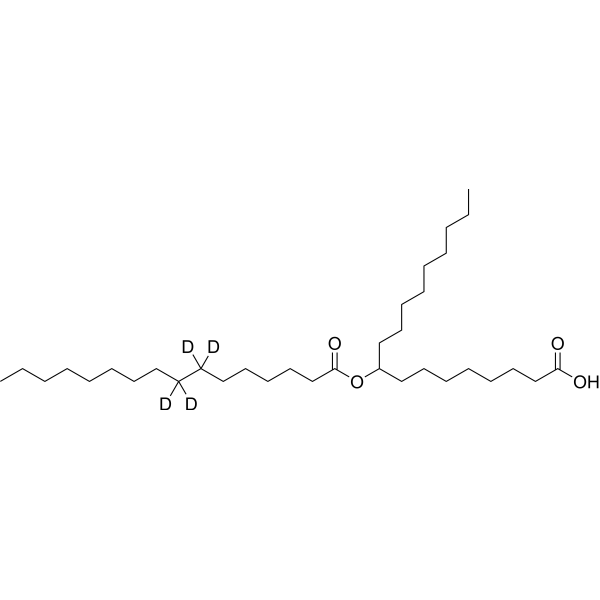
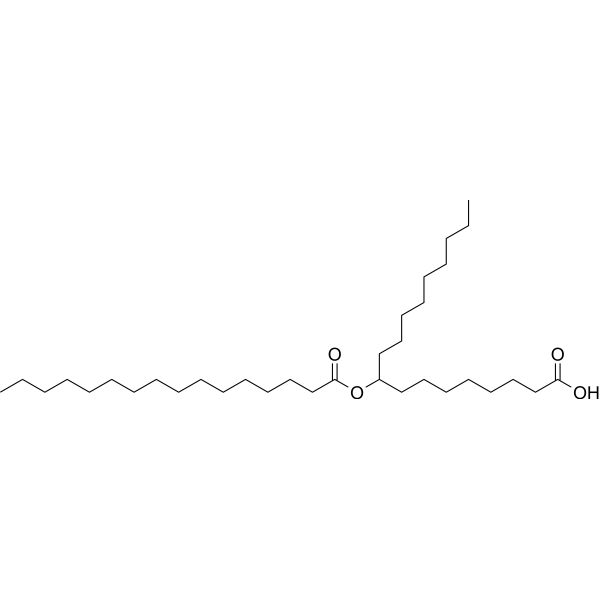
    9-PAHSA is an orally active endogenous GPR120 agonist (EC50=18 μM). 9-PAHSA significantly inhibits LPS-induced inflammatory responses by blocking the NF-κB pathway. 9-PAHSA induces adipocyte browning, enhances glucose uptake and reduces lipid accumulation, while improving mitochondrial function and the survival rate of steatotic hepatocytes. In terms of neuroprotection, 9-PAHSA regulates the expression of REST and BDNF in the prefrontal cortex of diabetic mice, and effectively prevents spatial working memory deficits and abnormal social behaviors. 9-PAHSA does not directly regulate insulin secretion or improve systemic insulin sensitivity, and possesses specific anti-inflammatory, metabolic regulatory and neuroprotective properties. 9-PAHSA can be used in the research of diabetes-related cognitive impairment, obesity and non-alcoholic fatty liver disease .
    9-PAHSA
  • HY-W012865

    Carnitine Palmitoyltransferase (CPT) Endogenous Metabolite FABP PPAR Metabolic Disease
    Tartronic acid, a dicarboxylic acid derive, is an inhibitor of the transformation of carbohydrates into fat under fat-deficient diet conditions. Tartronic acid promotes 3T3-L1 adipocyte differentiation by increasing the protein expression of FABP-4, PPARγ and SREBP-1. Tartronic acid promotes de novo lipogenesis and inhibits CPT-1β by upregulating acetyl-CoA and malonyl-CoA. Tartronic acid promotes weight gain and induces adipocyte hypertrophy in epididymal white adipose tissue and lipid accumulation in the livers of high-fat diet induced obese mice. Tartronic acid can be used for lipid metabolic disease research .
    Tartronic acid
  • HY-N4124

    NO Synthase TNF Receptor Interleukin Related Metabolic Disease Inflammation/Immunology
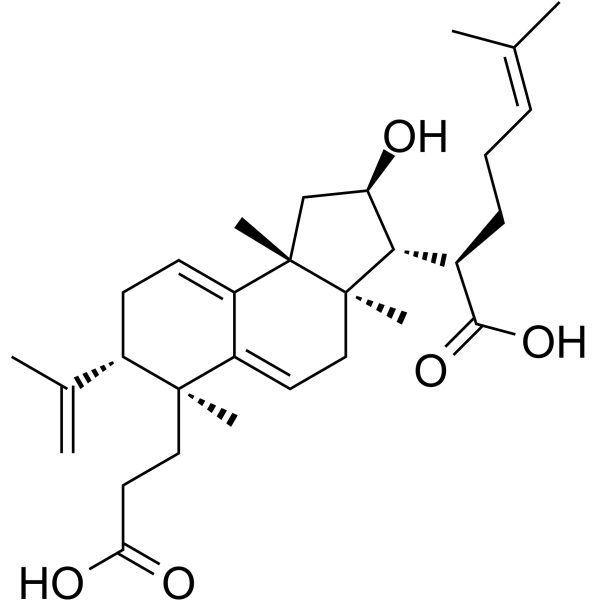
    Poricoic acid B is a triterpenoid compound that can be isolated from Poria cocos. Poricoic acid B inhibits intracellular lipid accumulation and reduces the levels of hepatocyte injury markers. Poricoic acid B inhibits the production of NO, TNF-α, IL-1β and IL-6, thereby exerting anti-inflammatory activity. Poricoic acid B can be used in the research of metabolic dysfunction-associated fatty liver disease and inflammatory diseases [3].
    Poricoic acid B
  • HY-142026

    (+)-Vitisin A

    Caspase ERK NF-κB Influenza Virus PAK LDLR PPAR PCSK9 Androgen Receptor Keap1-Nrf2 Monoamine Oxidase Cholinesterase (ChE) IKK Wnt β-catenin Reactive Oxygen Species (ROS) Apoptosis Cuproptosis Infection Neurological Disease Metabolic Disease Inflammation/Immunology Cancer
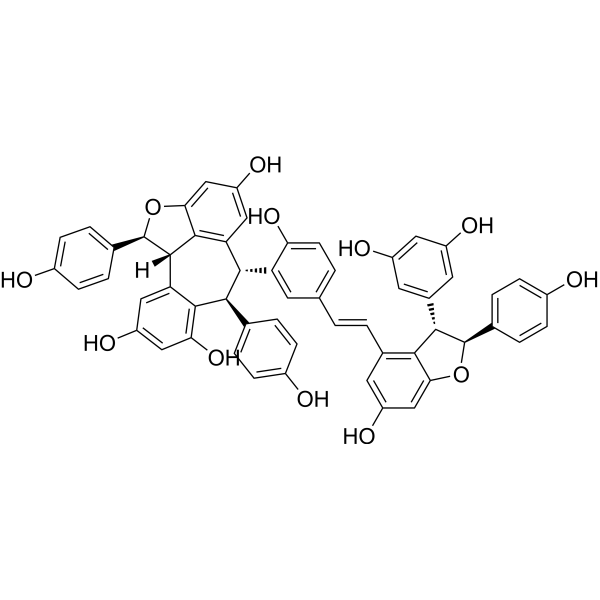
    Vitisin A ((+)-Vitisin A) is an orally active natural product with multiple pharmacological activities including anti-inflammatory, anti-tumor, anti-oxidant, anti-pathogenic microorganism, hypoglycemic and lipid-regulating, anti-osteoporotic, neuroprotective and cardiovascular protective effects. Vitisin A exhibits inhibitory effects on human AChE and MAO-B with IC50 values of 1.29 µM and 4.94 µM, respectively. Vitisin A inhibits the ERK, MAPK, NF-κB, STAT1, HMGCR and TRAF6 pathways, downregulates the related phosphorylation and protein expression, while activates the Nrf2/HO-1 pathway and upregulates p21 expression. Vitisin A induces tumor cell apoptosis and cell cycle arrest, inhibits adipogenesis and lipid accumulation, while alleviates oxidative stress, suppresses inflammatory responses, blocks hepatic fibrosis, Cuproptosis and cholesterol synthesis, and increases the expression levels of central BDNF and TrkB. Vitisin A can be used in the research of tumors, infectious diseases, metabolic diseases, bone and joint diseases, liver diseases, skin injuries, as well as neurodegenerative and cognitive dysfunction-related diseases .
    Vitisin A
  • HY-106281

    PPD 10558

    HMG-CoA Reductase (HMGCR) Metabolic Disease
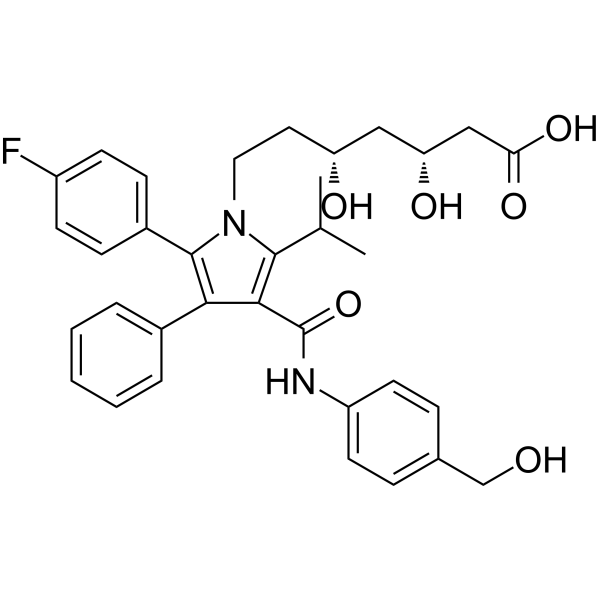
    Bemfivastatin (PPD 10558) is an orally active HMG-CoA Reductase (HMGCR) inhibitor. Bemfivastatin enhances the activity of liver extraction and reduces blood lipid levels. Bemfivastatin can be used for research of metabolic disease, such as hypercholesterolemia .
    Bemfivastatin
  • HY-163436

    FXR Cytochrome P450 RAR/RXR PPAR ROR Metabolic Disease
    F44-A13 is an orally active and highly selective farnesoid X receptor (FXR) antagonist with an IC50 value of 1.1 μM. F44-A13 can optimize cholesterol metabolism and reduce its activity by inducing CYP7A1 expression. F44-A13 reduces levels of cholesterol, triglycerides, and low-density lipoprotein cholesterol (LDL-C) in mouse models. F44-A13 can be used in the study of metabolic diseases associated with lipid disorders .
    F44-A13
  • HY-N15841

    Ceramidase Others
    C25 Ceramide (d18:1/25:0) is an endogenous ultra-long-chain ceramide that antagonizes the detrimental effects of long-chain ceramides on insulin sensitivity. C25 Ceramide (d18:1/25:0) is specifically enriched in oxidative skeletal muscle fibers, where it serves dual roles in providing structural support to cell membranes and regulating cellular signaling. By participating in the regulation of lipid homeostasis within muscle fibers, C25 Ceramide (d18:1/25:0) helps maintain normal insulin signaling. C25 Ceramide (d18:1/25:0) is primarily utilized in research concerning metabolic diseases—particularly in mechanistic studies investigating the muscle fiber type-specific aspects of insulin resistance .
    C25 Ceramide (d18:1/25:0)
  • HY-101036R

    Reference Standards mAChR Endogenous Metabolite Neurological Disease Cancer
    Choline (bitartrate) (Standard) is the analytical standard of Choline (bitartrate). This product is intended for research and analytical applications. Choline bitartrate is a vitamin-like essential nutrient, can affect diseases such as liver disease, atherosclerosis and neurological disorders . Choline bitartrate is a precursor for the neurotransmitter acetylcholine, as a methyl donor in various metabolic processes, and in lipid metabolism .
    Choline bitartrate (Standard)
  • HY-113402R

    γ-Glu-Cys (Standard)

    Reference Standards Endogenous Metabolite Interleukin Related TNF Receptor AMPK Sirtuin STAT PI3K NF-κB JAK p38 MAPK JNK Akt Apoptosis Ferroptosis Inflammation/Immunology
    Gamma-glutamylcysteine (Standard) is the analytical standard of Gamma-glutamylcysteine. This product is intended for research and analytical applications. Gamma-glutamylcysteine (γ-Glu-Cys) is an orally active, blood-brain barrier permeable dipeptide . Gamma-glutamylcysteine activates AMPK, SIRT1, IL-4/STAT6, AC/cAMP/PI3K, IGF-1R/IRS1/PI3K, and Nrf2 signaling pathways; it inhibits NF-κB, JAK1/STAT1/3, MAPKs, cadmium-induced p38 MAPK, JNK, and PI3K/Akt signaling pathways. Gamma-glutamylcysteine regulates macrophage polarization, modulates the trafficking of CD36 and GLUT4, induces glutathione synthesis, improves metabolic dysfunction, reduces lipid deposition, ameliorates glucose homeostasis, inhibits apoptosis (Apoptosis), stabilizes mitochondria, suppresses lipid peroxidation, iron accumulation and ferroptosis (Ferroptosis), reduces ds-HMGB1 levels, reverses mechanical hyperalgesia, and alleviates hepatic lipid droplet formation. Gamma-glutamylcysteine is applicable to research related to inflammatory bowel disease, type 2 diabetes, cadmium-induced neurotoxicity, Alzheimer's disease, cerebral ischemia/reperfusion injury, neuropathy, and alcoholic liver disease.
    Gamma-glutamylcysteine (Standard)
  • HY-W015924R

    Reference Standards Endogenous Metabolite Metabolic Disease
    2-Hydroxyisobutyric acid (Standard) is the analytical standard of 2-Hydroxyisobutyric acid. This product is intended for research and analytical applications. 2-Hydroxyisobutyric acid (2-HIBA) is a selective modulator of the Insulin/IGF-1 pathway and the p38 MAPK pathway, which reduces reactive oxygen species (ROS) and fat accumulation in Caenorhabditis elegans. 2-Hydroxyisobutyric acid promotes β-oxidation and inhibits fatty acid synthesis by upregulating SKN-1/NRF2 and downregulating SREBP-1c transcription factors. 2-Hydroxyisobutyric acid has anti-aging and lipid-lowering effects, and can be used to study metabolic diseases such as obesity and diabetes. 2-Hydroxyisobutyric acid is also a renewable precursor of methacrylate through 2-HIB-CoA mutase-mediated biosynthesis[1][2].
    2-Hydroxyisobutyric acid (Standard)
  • HY-170509

    Ferroptosis Glutathione Peroxidase Cardiovascular Disease Neurological Disease Cancer
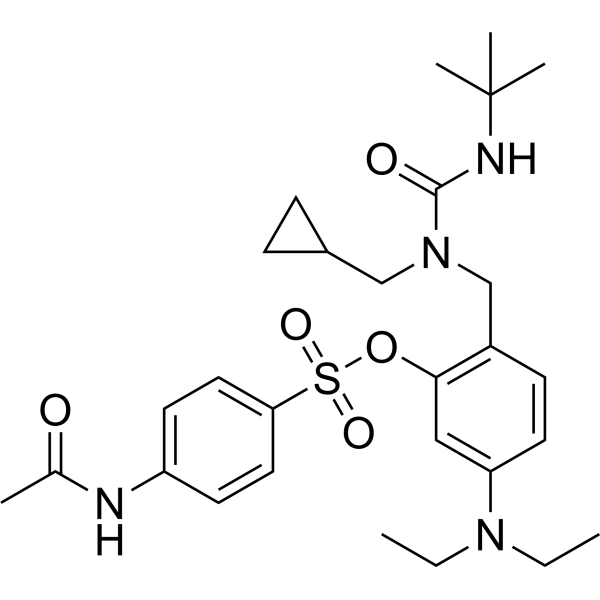
    Ferroptosis-IN-17 (Compound 18) is a ferroptosis (Ferroptosis) inhibitor with an EC50 value of 0.57 μM. Ferroptosis-IN-17 reduces intracellular ferrous ion accumulation, lipid peroxidation, and effectively restores the levels of glutathione (GSH) and glutathione peroxidase 4 (GPX4). Ferroptosis-IN-17 shows good solubility and significant metabolic stability in rat plasma. Ferroptosis-IN-17 is promising for research in tumor suppression, neurodegenerative diseases, and cardiovascular diseases .
    Ferroptosis-IN-17
  • HY-178192

    mTOR Autophagy Neurological Disease Metabolic Disease Inflammation/Immunology Cancer
    mTORC1-IN-3 is a potent and selective mTORC1 inhibitor with an IC50 of 26.38 μM . mTORC1-IN-3 selectively inhibits the phosphorylation of mTORC1 substrates and does not without affect the phosphorylation of mTORC2 substrate. mTORC1-IN-3 can reduce cellular lipid accumulation and induce autophagy. mTORC1-IN-3 can be used for the researches of cancer, immunology, metabolic and neurological disease, such as diabetes and Alzheimer’s disease .
    mTORC1-IN-3
  • HY-113110A

    L-Cysteinylglycine TFA; Cys-Gly TFA; H-Cys-Gly-OH TFA

    Endogenous Metabolite Reactive Oxygen Species (ROS) DNA/RNA Synthesis Cardiovascular Disease Cancer
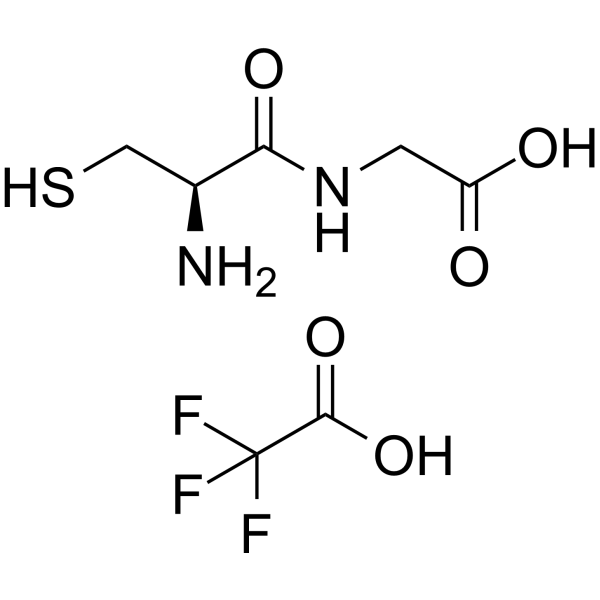
    Cysteinylglycine (L-Cysteinylglycine; Cys-Gly) TFA is a dipeptide formed by the peptide bond connection of cysteine and glycine. Cysteinylglycine TFA is an important metabolic intermediate in the human body, mainly derived from the degradation of glutathione (GSH). Cysteinylglycine TFA can reduce trivalent iron to divalent iron, driving the redox cycle of iron, generating reactive oxygen species (ROS), stimulating oxidative reactions, inducing lipid peroxidation in human plasma LDL lipoproteins, and causing oxidative damage to DNA base. Cysteinylglycine TFA can be used as a biomarker to assess ischemic heart disease and breast cancer, etc [1][2][3][4].
    Cysteinylglycine TFA
  • HY-P5081

    TGF-β Receptor Collagen Inflammation/Immunology
    Endotrophin (Mus musculus) is an adipokine, a cleavage fragment derived from Collagen VI, whose levels are elevated in adipose tissue and breast tumors of obese mice. Endotrophin (Mus musculus) activates the TGF-β signaling pathway and reduces the expression of hormone-sensitive lipase. Endotrophin (Mus musculus) induces adipogenesis, lipid accumulation, fibrosis, inflammation, angiogenesis, adipose tissue expansion, epithelial-mesenchymal transition, and insulin resistance; it also induces Cisplatin (HY-17394) resistance in cancer cells. Endotrophin (Mus musculus) can be used in research related to metabolic diseases such as obesity and type 2 diabetes, as well as cancers such as breast cancer .
    Endotrophin (Mus musculus)
  • HY-W770410

    Isotope-Labeled Compounds CGRP Receptor NF-κB Others
    9-PAHSA- 13C4 is 13C-labeled 9-PAHSA. 9-PAHSAis an orally active endogenous GPR120 agonist (EC50=18 μM). 9-PAHSAsignificantly inhibits LPS-induced inflammatory responses by blocking the NF-κB pathway. 9-PAHSAinduces adipocyte browning, enhances glucose uptake and reduces lipid accumulation, while improving mitochondrial function and the survival rate of steatotic hepatocytes. In terms of neuroprotection, 9-PAHSAregulates the expression of REST and BDNF in the prefrontal cortex of diabetic mice, and effectively prevents spatial working memory deficits and abnormal social behaviors. 9-PAHSAdoes not directly regulate insulin secretion or improve systemic insulin sensitivity, and possesses specific anti-inflammatory, metabolic regulatory and neuroprotective properties. 9-PAHSAcan be used in the research of diabetes-related cognitive impairment, obesity and non-alcoholic fatty liver disease .
    9-PAHSA-13C4

Consulta en línea

Your information is safe with us. * Required Fields.

Saludo


Country or Region *

Nombre del solicitante *


Nombre de la Organizaciòn *

Department *


Direcciòn del E-mail *


Nombre del producto *

Cat. No.


Requested quantity *

Número de teléfono *


Observaciones

Consulta en línea

Inquiry Information

Nombre del producto:
Cat. No.:
Cantidad:
MCE Japan Authorized Agent: