



Search Result
Results for "
peptide ligand
" in MedChemExpress (MCE) Product Catalog:
20
Biochemical Assay Reagents
| Cat. No. |
Product Name |
Target |
Research Areas |
Chemical Structure |
-
- HY-P0224
-
|
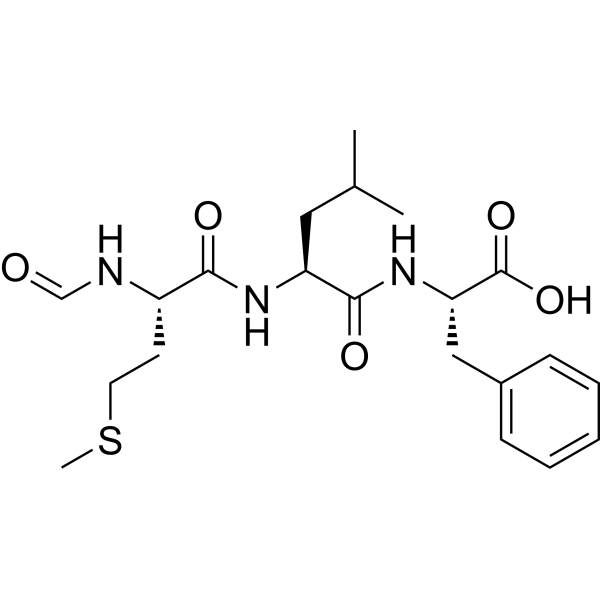
fMLP; N-Formyl-MLF
|
TNF Receptor
|
Inflammation/Immunology
|
|
N-Formyl-Met-Leu-Phe (fMLP; N-Formyl-MLF) is a chemotactic peptide and a specific ligand of N-formyl peptide receptor (FPR). N-Formyl-Met-Leu-Ph is reported to inhibit TNF-alpha secretion.
|
-
-
- HY-P1740
-
|
|
Integrin
Apoptosis
Caspase
|
Inflammation/Immunology
|
|
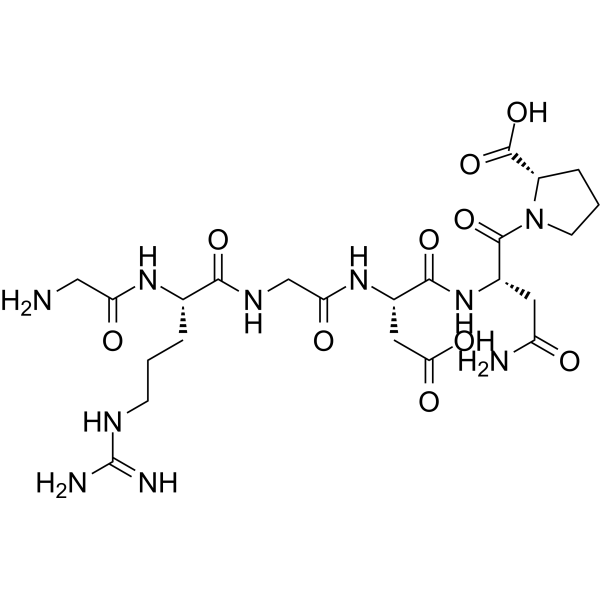
RGD peptide (GRGDNP) is an inhibitor of integrin-ligand interactions. RGD peptide (GRGDNP) competitively inhibits α5β1 binding with extracellular matrice (ECM). RGD peptide (GRGDNP) promotes apoptosis through activation of conformation changes that enhance pro-caspase-3 activation and autoprocessing. RGD peptide (GRGDNP) plays an important role in cell adhesion, migration, growth, and differentiation .
|
-
-
- HY-43869
-
|
PSMA-617 ligand-Linker Conjugate
|
ADC Linker
|
Cancer
|
|
Vipivotide tetraxetan Ligand-Linker Conjugate (PSMA-617 Ligand-Linker Conjugate) is a complex composed of pharmacophore group Glutamate-urea-Lysine peptide coupling linker, which can be used to synthesize Vipivotide tetraxetan (PSMA-617). Glutamate-urea-Lysine selectively binds to prostate-specific membrane antigen (PSMA) .
|
-
-
- HY-P3108
-
-
-
- HY-P10945
-
-
-
- HY-P10709
-
|
|
Collagen
|
Cardiovascular Disease
Cancer
|
|
CREKA peptide is a selective non-covalent binding agent targeting fibrin, type IV collagen, and fibronectin, often used as a targeting ligand to modify delivery carriers. CREKA peptide specifically recognizes fibrin, fibronectin, and type IV collagen that are excessively deposited in the tumor microenvironment or fibrotic tissue, mediating the targeted accumulation of the carrier at the lesion site and promoting drug internalization into target cells (such as cancer cells and activated hepatic stellate cells). CREKA peptide can enhance targeted delivery efficiency, increase drug concentration at the lesion site, and reduce systemic side effects .
|
-
-
- HY-P99017
-
|
ALD-403
|
CGRP Receptor
|
Neurological Disease
|
|
Eptinezumab (ALD-403) is a human monoclonal antibody targeting the α and β subtypes of human calcitonin gene-related peptide (CGRP). Eptinezumab binds to the CGRP ligand and blocks its binding to endogenous CGRP receptors, thereby inhibiting receptor activation. Eptinezumab can be used in research related to migraine .
|
-
-
- HY-P2268
-
|
|
Amyloid-β
|
Inflammation/Immunology
Cancer
|
|
RAGE antagonist peptide is an advanced glycation end products (RAGE) antagonist. RAGE antagonist peptide prevents RAGE from binding with several of its most important ligands, including HMGB-1, S100P, and S100A4. RAGE antagonist peptide (RAP) possesses anti-tumor and anti-inflammatory activities .
|
-
-
- HY-P11328
-
|
|
Integrin
|
Others
|
|
GFOGER peptide is an artificially synthesized collagen-mimetic sequence. GFOGER peptide acts as a ligand for α2β1, α11β1 and α1β1 integrins, thereby supporting integrin-mediated cell adhesion to collagen. GFOGER peptide triggers signaling pathways mediated by the α2β1 integrin receptor and upregulates osteoblast differentiation. GFOGER peptide accelerates and enhances bone formation at sites of refractory femoral defects. GFOGER peptide can be passively adsorbed onto polymer scaffolds for cell-free/growth factor-free bone formation. GFOGER peptide is used in biomaterials such as hydrogels and 3D bioinks for tissue engineering research including bone formation .
|
-
-
- HY-P11099
-
|
|
Transferrin Receptor
|
Neurological Disease
Cancer
|
|
Cys-LT7 is a transferrin receptor (TfR)-targeting peptide ligand. Cys-LT7 binds to a TfR site distinct from endogenous transferrin, mediates conjugated Doxorubicin (HY-15142A) delivery to TfR-overexpressed tumor cells, and exhibits low toxicity to TfR-low-expressed normal cells. Cys-LT7 is an L-configuration peptide susceptible to proteolytic enzymes, leading to poor biostability in peptide-drug conjugates. Cys-LT7 can be used for the research of glioblastoma, hepatocellular carcinoma, lung carcinoma .
|
-
-
- HY-P3732
-
|
|
Integrin
|
Cancer
|
|
RGD-4C is a arginine-glycine-aspartic acid peptide (ACDCRGDCFC) with integrin binding activity. The Arg-Gly-Asp (RGD) sequence serves as the primary integrin recognition site in extracellular matrix proteins, and peptides containing this sequence can mimic the recognition specificity of the matrix proteins. RGD-4C is a αv-integrin ligand, can conjugate with bioactive molecule to exert antitumor effects in animal models .
|
-
-
- HY-P1868
-
|
DGEA peptide
|
Integrin
|
Infection
|
|
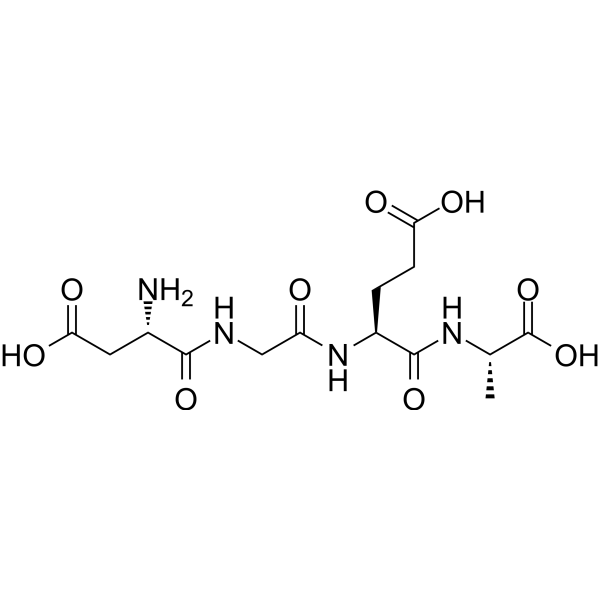
α2β1 Integrin Ligand Peptide interacts with the α2β1 integrin receptor on the cell membrane and mediates extracellular signals into cells. It is a potential antagonist of collagen receptors .
|
-
-
- HY-P0272
-
|
|
HIV
|
Infection
|
|
Peptide T is an octapeptide from the V2 region of HIV-1 gp120. Peptide T is a ligand for the CD4 receptor and prevents binding of HIV to the CD4 receptor.
|
-
-
- HY-164166
-
-
-
- HY-P2268A
-
|
|
Amyloid-β
|
Inflammation/Immunology
Cancer
|
|
RAGE antagonist peptide TFA is an advanced glycation end products (RAGE) antagonist. RAGE antagonist peptide TFA prevents RAGE from binding with several of its most important ligands, including HMGB-1, S100P, and S100A4. RAGE antagonist peptide TFA possesses anti-tumor and anti-inflammatory activities .
|
-
-
- HY-P1740A
-
|
|
Integrin
Apoptosis
|
Inflammation/Immunology
Cancer
|
|
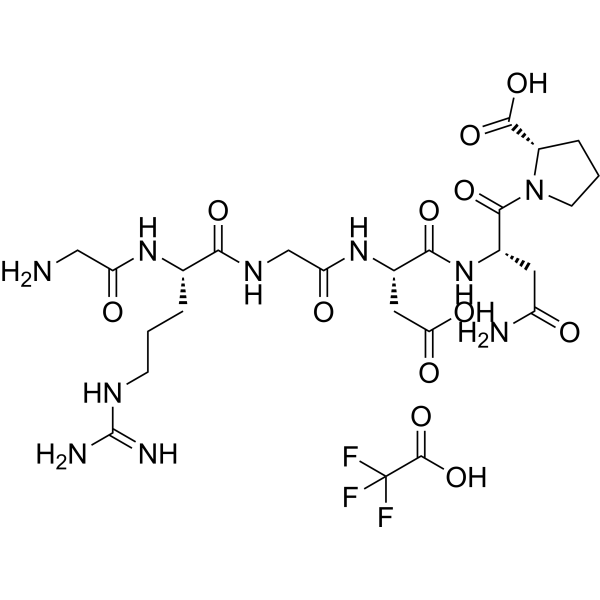
RGD peptide (GRGDNP) TFA is an inhibitor of integrin-ligand interactions. RGD peptide (GRGDNP) TFA competitively inhibits α5β1 binding with extracellular matrice (ECM). RGD peptide (GRGDNP) TFA promotes apoptosis through activation of conformation changes that enhance pro-caspase-3 activation and autoprocessing. RGD peptide (GRGDNP) TFA plays an important role in cell adhesion, migration, growth, and differentiation .
|
-
-
- HY-P11228
-
|
|
PROTACs
Apoptosis
DNA/RNA Synthesis
|
Cancer
|
|
FPP29 is a potent peptide-based FOXM1 PROTAC degrader. FPP29 induces ubiquitination and degradation of FOXM1. FPP29 inhibits FOXM1 via the ubiquitin-proteasome degradation pathway. FPP29 induces Apoptosis. FPP29 suppresses tumor growth in hepatocellular carcinoma xenograft models. FPP29 can be used in the research of hepatocellular carcinoma (cell-penetrating peptide: (HY-P0133); VHL ligase ligand: (HY-P11493); linker: (HY-W013664); FOXM1 ligand: (HY-P11494)) .
|
-
-
- HY-P3440
-
|
|
Radionuclide-Drug Conjugates (RDCs)
PD-1/PD-L1
|
Cancer
|
|
WL12 is a specifically targeting programmed death ligand 1 (PD-L1) binding peptide. WL12 can be radiolabeled by different radionuclides, generating radiotracers, which can assess the tumor PD-L1 expression .
|
-
-
- HY-P3436
-
|
|
Exosomes
|
Cardiovascular Disease
|
|
WLSEAGPVVTVRALRGTGSW is a cardiomyocyte-targeting peptide that specifically recognizes tenascin X on the surface of cardiomyocytes. WLSEAGPVVTVRALRGTGSW can serve as a targeting ligand to conjugate with various therapeutic carriers (drugs, genes, exosomes, nanoparticles, etc.) for research on cardiovascular diseases (such as myocardial infarction, heart failure) .
|
-
-
- HY-155788
-
|
|
Biochemical Assay Reagents
|
Others
|
|
DSPE-PEG-DBCO ammonium is the ammonium salt form of DSPE-PEG-DBCO. DSPE-PEG-DBCO ammonium is utilized in copper-free click chemistry through SPAAC conjugation with an azido-functionalized peptide ligand. DSPE-PEG-DBCO ammonium is applied in drug-delivery and nanoparticle research .
|
-
-
- HY-P5832
-
|
|
TGF-beta/Smad
RUNX
|
Metabolic Disease
|
|
BMP2-derived peptide is an osteogenic inducer and BMP receptor ligand. BMP2-derived peptide binds to BMP receptors on the cell surface to form a complex, activates the downstream Smad signaling pathway, and regulates the expression of osteogenic transcription factors. BMP2-derived peptide effectively promotes the adhesion, proliferation, osteogenic differentiation and mineralization of bone marrow mesenchymal stem cells, significantly up-regulates the mRNA levels of OCN, Runx2 and type I collagen, and increases alkaline phosphatase activity and calcium deposition. BMP2-derived peptide induces osteoblast differentiation and ectopic bone regeneration, and improves cranial bone defect repair. Meanwhile, BMP2-derived peptide enhances the cytocompatibility of mesoporous silica nanoparticles, synergistically increases osteogenic activity with Dexamethasone (HY-14648), serving as an important tool for bone defect repair research .
|
-
-
- HY-P1868A
-
|
DGEA peptide TFA
|
Integrin
|
Others
|
|
α2β1 Integrin Ligand Peptide TFA interacts with the α2β1 integrin receptor on the cell membrane and mediates extracellular signals into cells. It is a potential antagonist of collagen receptors .
|
-
-
- HY-P4803
-
-
-
- HY-P10950A
-
|
|
PD-1/PD-L1
|
Inflammation/Immunology
Cancer
|
|
PD-L1 inhibitory peptide TFA is an inhibitor peptide targeting programmed cell death ligand 1 (PD-L1). PD-L1 inhibitory peptide TFA binds to PD-L1, relieving immunosuppression and restoring the antitumor activity of T cells. PD-L1 inhibitory peptide TFA is promising for research of cancers .
|
-
-
- HY-P2264
-
|
|
Ephrin Receptor
|
Inflammation/Immunology
|
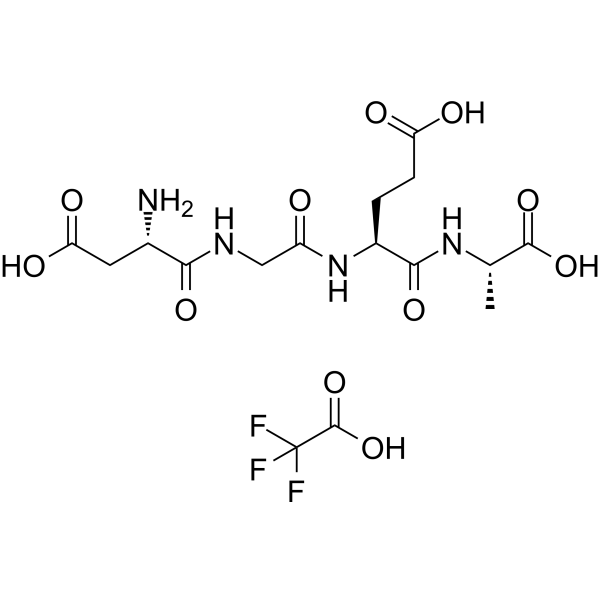
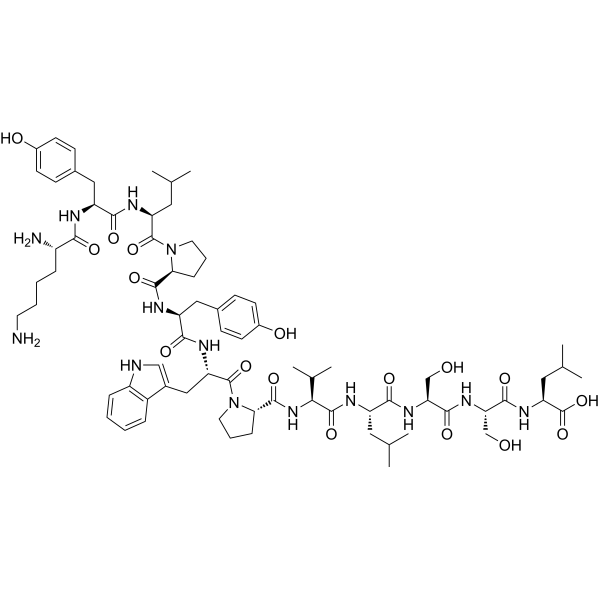
|
KYL peptide, an antagonistic peptide, selectively targets EphA4 receptor (IC50:4.22 μM, Kd:1.3 μM). KYL peptide binds to the ligand-binding domain of EphA4, effectively alleviates Aβ-induced synaptic dysfunction and synaptic plasticity defects in AD mice. KYL peptide can promote nerve regeneration after injury and modulating immune responses .
|
-
-
- HY-P1039A
-
|
PHCVPRDLSWLDLEANMCLP TFA
|
Raf
|
Cancer
|
|
R18 TFA is a peptide antagonists of 14-3-3, with a KD of 70-90 nM. R18 efficiently blocks the binding of 14-3-3 to the kinase Raf-1, a physiological ligand of 14-3-3, and effectively abolished the protective role of 14-3-3 against phosphatase-induced inactivation of Raf-1 .
|
-
-
- HY-P5464
-
|
|
Estrogen Receptor/ERR
|
Others
|
|
SRC-1 NR box peptide is a biological active peptide (This peptide is a 14-amino acid fragment from the steroid receptor cofactor SRC-1 NR II). SRC-1 NR box peptide can be used to study the regulatory mechanisms of estrogen receptor ligands .
|
-
-
- HY-P10501A
-
|
|
Antifolate
|
Cancer
|
|
FRα-targeting peptide C7 TFA is a selective peptide ligand for folate receptor α (FRα) that has specific binding to FRα expressing cells and in vivo tumor targeting ability. FRα-targeting peptide C7 TFA can be used in the research of tumor diagnosis and treatment .
|
-
-
- HY-P1186
-
|
Eledoisin-Related peptide; Eledoisin RP
|
Neurokinin Receptor
|
Neurological Disease
|
|
Eledoisin Related Peptide is a Substance P analog that excites neurons and triggers behavioral responses. Eledoisin Related Peptide is also a tachykinin receptor ligand.
|
-
-
- HY-P1520
-
|
|
GnRH Receptor
|
Neurological Disease
|
|
Prolactin Releasing Peptide (1-31), human is a high affinity GPR10 ligand that cause the release of the prolactin. Prolactin Releasing Peptide (1-31) binds to GPR10 for human and rats with Ki values of 1.03 nM and 0.33 nM, respectively. Prolactin Releasing Peptide (1-31) can be used for the research of the hypothalamo-pituitary axis .
|
-
-
- HY-P1520A
-
|
|
GnRH Receptor
|
Neurological Disease
|
|
Prolactin Releasing Peptide (1-31), human (acetate) is a high affinity GPR10 ligand that causes the release of the prolactin. Prolactin Releasing Peptide (1-31) binds to GPR10 for human and rats with Ki values of 1.03 nM and 0.33 nM, respectively. Prolactin Releasing Peptide (1-31) can be used for the research of the hypothalamo-pituitary axis .
|
-
-
- HY-P11050A
-
|
|
Apoptosis
|
Cancer
|
|
SP94 is a peptide ligand with high specificity for hepatocellular carcinoma cells. SP94 selectively binds to multiple hepatocellular carcinoma cell lines in vitro. SP94 inhibits tumor growth in a mouse model of hepatocellular carcinoma by promoting apoptosis and reducing angiogenesis. SP94 can be used as a specific probe for hepatocellular carcinoma imaging. SP94 is useful for hepatocellular carcinoma research .
|
-
-
- HY-W343750
-
-
-
- HY-P10950
-
|
|
PD-1/PD-L1
|
Inflammation/Immunology
Cancer
|
|
PD-L1 inhibitory peptide is an inhibitor peptide targeting programmed cell death ligand 1 (PD-L1). PD-L1 inhibitory peptide binds to PD-L1, relieving immunosuppression and restoring the antitumor activity of T cells. PD-L1 inhibitory peptide is promising for research of cancers .
|
-
-
- HY-P1507
-
|
|
Integrin
|
Cardiovascular Disease
|
|
Fibrinogen Binding Inhibitor Peptide is a dodecapeptide (HHLGGAKQAGDV, H12), which is a fibrinogen γ-chain carboxy-terminal sequence (γ400-411). Fibrinogen Binding Inhibitor Peptide is a specific binding site of the ligand for activated glycoprotein (GP) IIb/IIIa.
|
-
-
- HY-W717830
-
|
|
Biochemical Assay Reagents
|
Others
|
|
CB-Cyclamis a bifunctional chelator (Bifunctional Chelator; BFC), which is a main chain Cyclen derivative of the macrocyclic ligand tetradecane. CB-Cyclam can be used for conjugation of peptides and radionuclides.
|
-
-
- HY-P10529
-
|
|
Trk Receptor
|
Infection
|
|
Ganglioside GM1-binding peptide p3 is a synthetic peptide that can specifically bind to the pentasaccharide part of GM1 ganglioside. The dynamic transformation of Ganglioside GM1-binding peptide p3 may play an important role in the function of GM1 as a multiple receptor, such as in the classical pathway of cholera toxin infection. Ganglioside GM1-binding peptide p3 can be used to study the interaction between GM1 and its ligands .
|
-
-
- HY-172273A
-
|
|
Liposome
|
Cancer
|
|
DSPE-PEG2000-Mal-Cys-YEQDPWGVKWWY is a PEG compound which composed of DSPE and a M2-polarized macrophages targeting peptide (M2pep, YEQDPWGVKWWY). M2pep is conjugated to a proapoptotic peptide as monovalent or multivalent ligands to concentrate the toxic effect of the peptide to M2 macrophages. DSPE-PEG2000-Mal-Cys-YEQDPWGVKWWY can be used for drug delivery .
|
-
-
- HY-168535
-
|
|
Ligands for E3 Ligase
|
Cancer
|
|
SJ6145 is a potent ligand for KLHDC2 SBD, with the Kd of 16.9 μM in SPR test, IC50 value of 42 μM in inhibiting KLHDC2 SBD binding to a di-Gly degron peptide test .
|
-
-
- HY-P5964A
-
-
-
- HY-P5464A
-
|
|
Estrogen Receptor/ERR
|
Endocrinology
|
|
SRC-1 NR box peptide acetate is a biological active peptide (This peptide is a 14-amino acid fragment from the steroid receptor cofactor SRC-1 NR II). SRC-1 NR box peptide acetate can be used to study the regulatory mechanisms of estrogen receptor ligands .
|
-
-
- HY-P4015
-
|
|
HIV
|
Neurological Disease
Metabolic Disease
|
|
VIP (1-12), human, porcine, rat, ovine is a vasoactive intestinal peptide (VIP) fragment. VIP (1-12), human, porcine, rat, ovine is a ligand for the CD4 (T4)/human immunodeficiency virus receptor .
|
-
-
- HY-P3130
-
|
|
CRFR
|
Neurological Disease
Inflammation/Immunology
|
|
Stresscopin-related peptide (human) is a specific ligand for the type 2 CRH receptor. Stresscopin-related peptide (human) suppresses food intake, delayed gastric emptying and decreases heat-induced edema. Stresscopin-related peptide (human) maintains homeostasis after stress, and can be used in the research of stress-related diseases .
|
-
-
- HY-P10997
-
|
|
DNA/RNA Synthesis
|
Cancer
|
|
F3 peptide is a fragment of the human high mobility group protein 2 (HMGB2), and can specifically bind to nucleolin expressed on the membrane of cancer cells, neovasculature, and endothelium. F3 peptide can be used as an effective ligand to improve their druggability of macromolecular drugs or nanoparticles, and so on .
|
-
-
- HY-P11286
-
|
|
Complement System
|
Cancer
|
|
A7RC is a multifunctional peptide used in tumor-targeted therapy, with Cysteine added to the C-terminal of the A7R peptide (sequence: ATWLPPR). A7R (HY-P1663) is a ligand of the NRP-1 receptor, regulating intracellular signal transduction related to tumor vascularization and tumor growth .
|
-
-
- HY-172273
-
|
|
Liposome
|
Cancer
|
|
DSPE-PEG1000-Mal-Cys-YEQDPWGVKWWY is a PEG compound which composed of DSPE and a M2-polarized macrophages targeting peptide (M2pep, YEQDPWGVKWWY). M2pep is conjugated to a proapoptotic peptide as monovalent or multivalent ligands to concentrate the toxic effect of the peptide to M2 macrophages. DSPE-PEG1000-Mal-Cys-YEQDPWGVKWWY can be used for drug delivery .
|
-
-
- HY-P10495
-
|
|
Transmembrane Glycoprotein
|
Others
Cancer
|
|
GPR110 peptide agonist P12 is a peptide that acts as a GPR110 agonist. GPR110 peptide agonist P12 can significantly enhance the initial rate of GPR110 stimulated G protein GTPγS binding. GPR110 peptide agonist P12 mimics the action of natural ligands, causing the extracellular domain (ECD) of the GPR110 to dissociate from the seven transmembrane domains (7TM), exposing the β-strand-13/stalk region at the N-terminus of the 7TM domain, which acts as an agonist to activate G protein signaling. GPR110 peptide agonist P12 can be used in the study of developmental disorders and cancers related to GPR110 .
|
-
-
- HY-P5325A
-
|
|
Bcl-2 Family
|
Others
|
|
Bid BH3 (80-99) acetate is a biological active peptide. (BID is a pro-apoptotic member of the 'BH3-only' (BOPS) subset of the BCL-2 family of proteins that constitute a critical control point in apoptosis. Bid is the first of the BOPs reported to bind and activate Bcl-2, Bax, and Bak. Bid serves as a death-inducing ligand that moves from the cytosol to the mitochondrial membrane to inactivate Bcl-2 or to activate Bax.Pyroglutamyl (pGlu) peptides may spontaneously form when either Glutamine (Q) or Glutamic acid (E) is located at the sequence N-terminus. The conversion of Q or E to pGlu is a natural occurrence and in general it is believed that the hydrophobic γ-lactam ring of pGlu may play a role in peptide stability against gastrointestinal proteases. Pyroglutamyl peptides are therefore considered a normal subset of such peptides and are included as part of the peptide purity during HPLC analysis.)
|
-
-
- HY-P5325
-
|
|
Bcl-2 Family
|
Others
|
|
Bid BH3 (80-99) is a biological active peptide. (BID is a pro-apoptotic member of the 'BH3-only' (BOPS) subset of the BCL-2 family of proteins that constitute a critical control point in apoptosis. Bid is the first of the BOPs reported to bind and activate Bcl-2, Bax, and Bak. Bid serves as a death-inducing ligand that moves from the cytosol to the mitochondrial membrane to inactivate Bcl-2 or to activate Bax.Pyroglutamyl (pGlu) peptides may spontaneously form when either Glutamine (Q) or Glutamic acid (E) is located at the sequence N-terminus. The conversion of Q or E to pGlu is a natural occurrence and in general it is believed that the hydrophobic γ-lactam ring of pGlu may play a role in peptide stability against gastrointestinal proteases. Pyroglutamyl peptides are therefore considered a normal subset of such peptides and are included as part of the peptide purity during HPLC analysis.)
|
-
-
- HY-P1039
-
|
PHCVPRDLSWLDLEANMCLP
|
Raf
|
Cancer
|
|
R18 is a peptide antagonists of 14-3-3, with a KD of 70-90 nM. R18 efficiently blocks the binding of 14-3-3 to the kinase Raf-1, a physiological ligand of 14-3-3, and effectively abolished the protective role of 14-3-3 against phosphatase-induced inactivation of Raf-1 .
|
-
- HY-P4205
-
|
|
Aminopeptidase
|
Cancer
|
|
Aminopeptidase N Ligand (CD13) NGR peptide is a polypeptide targeting CD13 and can be used as a carrier to mediate intracellular transmission. Aminopeptidase N Ligand (CD13) NGR peptide is often used in cancer research .
|
-
- HY-P5964
-
-
- HY-P10981
-
-
- HY-P11494
-
-
- HY-P10501
-
|
|
Antifolate
|
Cancer
|
|
FRα-targeting peptide C7 is a selective peptide ligand for folate receptor α (FRα) that has specific binding to FRα expressing cells and in vivo tumor targeting ability. FRα-targeting peptide C7 can be used in the research of tumor diagnosis and treatment .
|
-
- HY-P11443
-
|
|
Androgen Receptor
|
Cancer
|
|
SRC2-2 peptide is a a coactivator-derived mimic targeting androgen receptor (AR) ligand. SRC2-2 peptide is promising for research of prostate cancer .
|
-
- HY-P10430
-
|
|
Transmembrane Glycoprotein
|
Neurological Disease
|
|
Stalk peptide is a GPR110 activator. Stalk peptide is released from GPCR Autoproteolysis INducing domain by autocatalytic process and then Stalk peptide is inserted into the ligand-binding pocket of the receptor to activate the receptor. Stalk peptide can promote nerve growth and synaptic formation. Stalk peptide can be used to study neurodevelopmental and neurodegenerative diseases .
|
-
- HY-P11033
-
|
|
Transmembrane Glycoprotein
|
Cancer
|
|
Pep2 Peptide (also known as scavenger receptor B2) is a peptide ligand for the transmembrane glycoprotein CD36. Pep2 Peptide selectively binds to CD36 over HAS, IgG and CD44. Pep2 Peptide can be studied in research on enhancing delivery of anticancer agent .
|
-
- HY-P11362
-
-
- HY-P0272A
-
|
|
HIV
|
Infection
|
|
Peptide T (TFA) is an octapeptide from the V2 region of HIV-1 gp120. Peptide T is a ligand for the CD4 receptor and prevents binding of HIV to the CD4 receptor.
|
-
- HY-176150
-
|
|
Bombesin Receptor
|
Cancer
|
|
AMTG-DA1 is a Gastrin-releasing peptide receptor (GRPR) ligand. AMTG-DA1 can be used in the study of cancer .
|
-
- HY-P0262
-
|
|
Neuropeptide Y Receptor
|
Neurological Disease
Metabolic Disease
Inflammation/Immunology
Endocrinology
|
|
Galantide, a non-specific galanin receptor antagonist, is a peptide consisting of fragments of galanin and substance P. Galantide recognizes two classes of galanin binding sites (KD<0.1 nM and ~6 nM) in the rat hypothalamus. Galantide dose dependently (IC50=1.0 nM) antagonizes the galanin-mediated inhibition of the glucose-induced insulin secretion from mouse pancreatic islets. Galantide appears to bind to a single population of SP receptors (KD~40 nM) .
|
-
- HY-P10946
-
|
|
Radionuclide-Drug Conjugates (RDCs)
|
Cancer
|
|
FAP targeting peptide-PEG2 conjugate (Example A1) is the peptide (HY-P10945) and linker conjugate of Unlabeled FXX489 (HY-P10944). Unlabeled FXX489 is a fibroblast activation protein (FAP)-targeting ligand .
|
-
- HY-P10945B
-
|
|
Radionuclide-Drug Conjugates (RDCs)
FAP
|
Cancer
|
|
Cys-FAP targeting peptide for FXX489 TFA is the polypeptide part of Unlabeled FXX489 (HY-P10944). Unlabeled FXX489 is a fibroblast activation protein (FAP)-targeting ligand .
|
-
- HY-172273C
-
|
|
Liposome
|
Cancer
|
|
DSPE-PEG3400-Mal-Cys-YEQDPWGVKWWY is a PEG compound which composed of DSPE and a M2-polarized macrophages targeting peptide (M2pep, YEQDPWGVKWWY). M2pep is conjugated to a proapoptotic peptide as monovalent or multivalent ligands to concentrate the toxic effect of the peptide to M2 macrophages. DSPE-PEG3400-Mal-Cys-YEQDPWGVKWWY can be used for drug delivery .
|
-
- HY-156138A
-
|
|
Biochemical Assay Reagents
|
Others
|
|
CB-TE2A (tetrahydrochloride)is a bifunctional chelator (Bifunctional Chelator; BFC), which is a TETA derivative of the macrocyclic ligand tetradecane backbone. CB-TE2A (tetrahydrochloride) can be used for conjugation of peptides and radionuclides.
|
-
- HY-P11340
-
|
|
MHC
|
Infection
Inflammation/Immunology
|
|
VMAPRTLFL is a 9-mer peptide derived from the signal peptide of HLA-G and can serve as a peptide ligand for HLA-E. VMAPRTLFL plays a crucial role in regulating the functions of adaptive natural killer (NK) cells. Specifically, VMAPRTLFL enriches FcεRγ - adaptive NK cells, upregulates the expression of CD25, and enhances their proliferative activity, antibody-dependent cellular cytotoxicity (ADCC), and IFN-γ release. VMAPRTLFL can be used in research related to human cytomegalovirus (HCMV) infection, transplant rejection, and pregnancy immunity .
|
-
- HY-P2474
-
|
|
PD-1/PD-L1
|
Cancer
|
|
Human PD-L1 inhibitor I is a hPD-1 peptide ligand, with a KD of 3.39 μM. Human PD-L1 inhibitor I may disturb the binding of hPD-L1 to hPD-1 .
|
-
- HY-P5889
-
|
|
Thrombin
|
Cardiovascular Disease
|
|
Thrombin receptor peptide ligand is a thrombin receptor antagonist peptide that can be used as an antithrombotic agent .
|
-
- HY-120846
-
-
- HY-128941
-
|
|
Drug-Linker Conjugates for ADC
|
Cancer
|
|
CCK2R Ligand-Linker Conjugates 1 is a ligand-linker conjugate, which conjugates to the cytotoxic antimicrotubule agents Desacetyl Vinblastine Hydrazide (DAVBH) and Tubulysin B Hydrazide (TubBH) via a hydrophilic peptide linker .
|
-
- HY-P5371
-
|
|
Thrombin
|
Others
|
|
TFLLRNPNDK-NH2 is a biological active peptide. (This peptide is a thrombin receptor activating peptide. This PAR-1 agonist peptide reversibly binds to PAR-1 mimicking the 'tethered ligand' that thrombin makes available through proteolytic cleavage of substrate. It is also known to cause increase in liquid and protein permeability much like thrombin.)
|
-
- HY-P1915
-
|
|
Neuropeptide Y Receptor
|
Metabolic Disease
|
|
26Rfa, Hypothalamic Peptide, human is a hypothalamic neuropeptide of the RFamide peptide family with orexigenic activity . 26RFa is an orexigenic neuropeptide identified as the endogenous ligand of the orphan G protein-coupled receptor GPR103 .
|
-
- HY-P4715
-
|
|
PTHR
|
Endocrinology
|
|
(Tyr36)-pTH-Related Protein (1-36) (human, mouse, rat) is a peptide and can be used as a parathyroid hormone (PTH) receptor ligand .
|
-
- HY-P4689
-
|
|
Estrogen Receptor/ERR
|
Metabolic Disease
|
|
Prolactin-Releasing Peptide (1-31) (rat) is a UHR-1/GRP10 receptor ligand. Prolactin-Releasing Peptide (1-31) (rat) reduces fasting-induced food intake, increases plasma levels of LH, FSH, and testosterone in rats .
|
-
- HY-106171
-
|
|
Insulin Receptor
|
Metabolic Disease
|
|
NBI-6024, an altered peptide ligand (APL), is an epitope recognized by inflammatory interferon-gamma-producing T helper lymphocytes in type 1 diabetic patients .
|
-
- HY-P5458
-
|
|
Mineralocorticoid Receptor
|
Others
|
|
SRC-1 (686-700) is a biological active peptide. (This peptide is amino acids 686 to 700 fragment containing the second LXXLL motif, derived from NR box II of steroid receptor coactivator (SRC1). Coactivator proteins interact with nuclear receptors in a ligand-dependent manner and augment transcription.)
|
-
- HY-172273B
-
|
|
Liposome
|
Cancer
|
|
DSPE-PEG5000-Mal-Cys-YEQDPWGVKWWY is a PEG compound which composed of DSPE and a M2-polarized macrophages targeting peptide (M2pep, YEQDPWGVKWWY). M2pep is conjugated to a proapoptotic peptide as monovalent or multivalent ligands to concentrate the toxic effect of the peptide to M2 macrophages. DSPE-PEG5000-Mal-Cys-YEQDPWGVKWWY can be used for drug delivery .
|
-
- HY-P5392A
-
|
|
Apelin Receptor (APJ)
|
Others
|
|
Apelin-16, human, bovine acetate is a biological active peptide. (Apelin is the endogenous ligand for the G-protein-coupled APJ receptor. It is produced as a pre-proprotein of 77 amino acids.Apelin-16 is one of the active fragment of Apelin).
|
-
- HY-P5392
-
|
|
Apelin Receptor (APJ)
|
Others
|
|
Apelin-16, human, bovine is a biological active peptide. (Apelin is the endogenous ligand for the G-protein-coupled APJ receptor. It is produced as a pre-proprotein of 77 amino acids.Apelin-16 is one of the active fragment of Apelin)
|
-
- HY-W717742
-
|
|
Biochemical Assay Reagents
|
Others
|
|
p-NO2-Bn-Cyclenis a bifunctional chelator (Bifunctional Chelator; BFC), which is a derivative of the macrocyclic ligand dodecane backbone Cyclen. p-NO2-Bn-Cyclen can be used for conjugation of peptides and radionuclides.
|
-
- HY-P2472
-
|
26RFa (mouse, rat)
|
|
Metabolic Disease
|
|
Orphan GPCR SP9155 agonist P550 (mouse, rat) (26RFa (mouse, rat)), a member of the RFamide peptide family with orexigenic effect, is the cognate ligand of the mouse orphan receptor GPR103, also designated SP9155 or AQ27 .
|
-
- HY-P3436A
-
|
|
Exosomes
|
Cardiovascular Disease
|
|
WLSEAGPVVTVRALRGTGSW TFA is a cardiomyocyte-targeting peptide that specifically recognizes tenascin X on the surface of cardiomyocytes. WLSEAGPVVTVRALRGTGSW TFA can serve as a targeting ligand to conjugate with various therapeutic carriers (drugs, genes, exosomes, nanoparticles, etc.) for research on cardiovascular diseases (such as myocardial infarction, heart failure) .
|
-
- HY-P11298
-
|
|
Caspase
Apoptosis
JNK
p38 MAPK
Interleukin Related
IFNAR
|
Inflammation/Immunology
Cancer
|
|
d-T101 peptide, a human hormone-peptide, is a T1/ST2 receptor ligand. d-T101 peptide binds to the T1/ST2 receptor and activates caspases 8, 9 and 3 mediated apoptosis, together with activation of JNKinase and p38 MAPKinase. d-T101 peptide also changes Golgi structural with function loss and downregulation of the endoplasmic reticulum (ER) stress repair mechanism. d-T101 peptide has immunostimulatory and anticancer activity, selectively induces apoptosis in proliferating cancer cells and increases IL-2 and IFN-γ expression as well as the recruitment of NK cells and M1 macrophages to the tumor site .
|
-
- HY-P4095
-
|
|
CXCR
|
Cancer
|
|
NoxaBH3 is a cysteine-based cross-linked peptide with increased cell permeability and higher inhibitory activity against Mcl-1. NoxaBH3 binds to the endogenous CXCR4 ligand to produce ubiquitin-Noxabh3 conjugate. NoxaBH3 is then delivered to cancer cells .
|
-
- HY-P11382
-
|
|
GABA Receptor
|
Neurological Disease
|
|
Octadecaneuropeptide is an 18-residue peptide. Octadecaneuropeptide can be derived from Diazepam binding inhibitor. Octadecaneuropeptide includes a specific ligand for the gamma-aminobutyric acid receptor regulatory site occupied by beta-carbolines. Octadecaneuropeptide elicits a dose-related facilitation of the punishment-
elicited suppression of drinking .
|
-
- HY-155470
-
|
|
Biochemical Assay Reagents
|
Cancer
|
|
IMP 243 is a symmetric di-HSG (histamine-succinyl-glycine) bivalent hapten containing a Tscg-Cys ligand and two HSG groups. IMP 243 can be radiolabeled with 99mTc-pertechnetate. IMP 243 can be conjugated to other peptides to design bispecific antibodies (bsMAbs) for cancer research .
|
-
- HY-203876
-
|
|
Drug Intermediate
TNF Receptor
|
Others
|
|
Sar10 (Compound 1) is a component of a bicyclic peptide sequence (βAla-Sar10-A-) for synthesis of multimeric CD137-binding/activating bicyclic peptide ligands .
|
-
- HY-P11794A
-
|
|
Collagen
|
Others
|
|
Type IV collagen peptide acetate is a cell-binding ligand peptide derived from type IV collagen. (The sequence is TAGSCLRKFSTM) .
|
-
- HY-P11794
-
|
|
Collagen
|
Others
|
|
Type IV collagen peptide is a cell-binding ligand peptide derived from type IV collagen. (The sequence is TAGSCLRKFSTM) .
|
-
- HY-180990
-
-
- HY-180502
-
|
|
Drug Derivative
|
Infection
|
|
N-Succinyl-D-alanine, a natural cell wall precursor analogue, is a peptide ligand of antibiotic Ristocetin A .
|
-
- HY-182983
-
|
|
Ligands for E3 Ligase
|
Others
|
|
DDB1 ligand-1 is a DNA damage-binding protein 1 (DDB1) ligand. DDB1 ligand-1 binds to a unique pocket on the β propeller C (BPC) domain of DDB1, induces conformational changes, and blocks the canonical DCAF/HBx peptide binding site of DDB1. DDB1 ligand-1 engages full-length DDB1 in cellular settings and supports PROTAC development research .
|
-
- HY-P10945A
-
-
- HY-P11631
-
|
|
Ligands for E3 Ligase
|
Cancer
|
|
Arg12, a 12-amino acid peptide sequence, is an E3 ubiquitin ligase ligand. Arg12 can be used to synthesize PROTACs, such as PROTAC PLK1 Degrader-2 (HY-180989). Arg12 can also act as a cell transmembrane peptide (CPP), facilitating the entire molecule to enter the cell .
|
-
- HY-122570
-
|
|
E1/E2/E3 Enzyme
|
Others
|
|
VHL Ligand 38 (Compound 1) is a competitive E3 ubiquitin-protein ligase VHL inhibitor with IC50s of 4.1 and 7.0 μM in 1% and 10% DMSO, respectively. VHL Ligand 38 contains a hydroxyproline residue and an isoxazolylacetamide fragment. VHL Ligand 38 significantly inhibits the binding of a fluorescent peptide derived from HIF1α (FAM-DEALA-Hyp-YIPD) (HY-P5908F) to VHL .
|
-
- HY-P11284B
-
|
|
Drug Derivative
|
Neurological Disease
|
|
TGN, Cys modified is a cysteine modified TGN (HY-P11284) on the C-terminus. TGN, a 12-amino acid ligand, is a BBB-penetrating peptide. TGN can be used as a drug delivery vehicle for Alzheimer's disease research .
|
-
- HY-P11701
-
|
|
MHC
|
Others
|
|
SEIDLILGY is a nonapeptide identified as a peptide ligand derived from mouse major histocompatibility complex class I (MHC). SEIDLILGY serves as a tool chemical stimulant for the specific activation of sensory neurons expressing the particular vomeronasal receptor (V2rf2) .
|
-
- HY-183602
-
|
|
DNA/RNA Synthesis
|
Cancer
|
|
FRC-303 is a CHD1 inhibitor with a Kd of 0.14 μM and an IC50 of 0.18 μM. FRC-303 binds to the H3K4me3 binding site of CHD1 tandem chromodomain, forms aromatic cage interactions and extended ligand contacts, acts as a methyl-lysine mimic, and occupies natural peptide ligand-binding regions. FRC-303 can be used for the research of prostate cancer .
|
-
- HY-P11781
-
|
|
Drug Derivative
|
Cancer
|
|
HW12 is a random peptide containing an N-terminal cysteine and is not an EGFR ligand. HW12 can serve as a control for GE11 (HY-P10128)-conjugated mixed micelles targeting EGFR. HW12 is applicable to pancreatic cancer-related research .
|
-
- HY-185425
-
|
|
Integrin
|
Inflammation/Immunology
|
|
SM6.1-azide (Compound 2a) is a ligand for αvβ6 integrin with a azide group. The azide group of SM6.1-azide can undergo a click chemical reaction with small molecules, peptides or siRNA containing DBCO or Alkyne groups, enabling pulmonary-targeted delivery .
|
-
- HY-P5768
-
|
|
Biochemical Assay Reagents
|
Others
|
|
2× ST-tag II is an oligopeptide that can link proteins and dsDNA molecules in an efficient, rapid and specific manner. 2× ST-tag II is a peptide ligand of ST Tactin (STN). 2× ST-tag II specifically binds to ST Tactin. 2× ST-tag II can be used to construct DNA-protein hybrids .
|
-
- HY-P11768
-
|
|
Bombesin Receptor
|
Cancer
|
|
AMBA is a gastrin-releasing peptide receptor (GRPR, BB2, BRS-2) ligand with a human IC50 of 0.82 nM and a human Ki of 0.65 nM. AMBA binds to GRPR with high specificity and high affinity, and undergoes receptor-mediated endocytosis, which retains the conjugated radiometal in target cells. AMBA is applicable for the research of prostate cancer .
|
-
- HY-P2518
-
|
|
Protease Activated Receptor (PAR)
|
Inflammation/Immunology
|
|
Protease-Activated Receptor-1, PAR-1 Agonist is a selective proteinase-activated receptor1 (PAR-1) agonist peptide. Protease-Activated Receptor-1, PAR-1 Agonist corresponds to PAR1 tethered ligand and which can selectively mimic theactions of thrombin via this receptor .
|
-
- HY-162946
-
|
|
Ligands for Target Protein for PROTAC
|
Cancer
|
|
Alkyne-P60 is a potent 15-mer peptide inhibitor of Foxp3. Alkyne-P60 can bind with Foxp3, hinder its nuclear translocation, and diminish Foxp3-mediated inhibition of NFKB and NFAT functions. Alkyne-P60 is a ligand for target protein for PROTAC (HY-162943).
|
-
- HY-P2518A
-
|
|
Protease Activated Receptor (PAR)
|
Cancer
|
|
Protease-Activated Receptor-1, PAR-1 Agonist TFA is a selective proteinase-activated receptor1 (PAR-1) agonist peptide. Protease-Activated Receptor-1, PAR-1 Agonist TFA corresponds to PAR1 tethered ligand and which can selectively mimic theactions of thrombin via this receptor .
|
-
- HY-P5768A
-
|
|
Biochemical Assay Reagents
|
Cancer
|
|
2× ST-tag II TFA is an oligopeptide that can link proteins and dsDNA molecules in an efficient, rapid and specific manner. 2× ST-tag II is a peptide ligand of ST Tactin (STN). 2× ST-tag II TFA specifically binds to ST Tactin. 2× ST-tag II TFA can be used to construct DNA-protein hybrids .
|
-
- HY-176810
-
|
|
STING
|
Cancer
|
|
CDN prodrug-1 (Compound 2) is a STING ligand. CDN prodrug-1 consists of a cyclic dinucleotide (CDN) and a dialanine peptide linker. CDN prodrug-1 can be cleaved following internalization into endolysosomes by cathepsins and subsequently release the parent CDN. CDN prodrug-1 can be used for synthesis nanoparticles for drug delivery research .
|
-
- HY-W019787
-
|
|
Opioid Receptor
CXCR
|
Neurological Disease
|
|
BAM-12P, an endogenous opioid peptide, is a novel pro-Met-enkephalin. BAM-12P can activate human κ-opioid receptor (hKOR) with an EC50 of 101 nM and a pEC50 of 6.99. BAM-12P is a ligand for CXCR7 with an EC50 of 175 nM .
|
-
- HY-P10831
-
|
|
VEGFR
|
Cardiovascular Disease
Cancer
|
|
GNQWFI, an anti-Flt1 peptide, is a VEGFR1-specific antagonist. GNQWFI blocks the interaction of VEGFR1 with various VEGFR1 ligands, such as VEGFA, VEGFB, and placental growth factor (PIGF) and inhibits VEGF-induced endothelial cell migration and tube formation. GNQWFI is promising for research of cancer, asthma, and other ocular diseases .
|
-
- HY-P5038
-
|
c(GRGDSP)
|
Integrin
|
Cancer
|
|
Cyclo(Gly-Arg-Gly-Asp-Ser-Pro) (c(GRGDSP)) is an RGD-containing inhibitory peptide. Cyclo(Gly-Arg-Gly-Asp-Ser-Pro) is a synthetic α5β1 integrin ligand that competitively inhibits the binding of invasin (Inv) to α5β1 integrin expressed on Caco-2 cells .
|
-
- HY-153934
-
|
|
GHR
|
Endocrinology
|
|
Tetrazole-C15-(N-acetylsulfamoyl)butanoic acid (Ligand 1) improves the pharmacokinetic properties of therapeutic peptides and proteins through non-covalent binding with human serum albumin (HSA). Tetrazole-C15-(N-acetylsulfamoyl)butanoic acid can be used for synthesis of long-acting human growth hormone (HGH) analog somapacitan .
|
-
- HY-P10086
-
|
Human TREM-1(213-221)
|
TREM receptor
TNF Receptor
Interleukin Related
c-Fms
|
Neurological Disease
Inflammation/Immunology
Cancer
|
|
TREM-1 inhibitory peptide GF9 (Human TREM-1 (213-221)) is a TREM-1 inhibitor. TREM-1 inhibitory peptide GF9 blocks the TREM-1 signaling pathway via a ligand-independent mechanism, spontaneously inserts into the cell membrane to dissociate TREM-1 from DAP-12, and functions through the Signaling Chain Homooligomerization (SCHOOL) model. TREM-1 inhibitory peptide GF9 reduces the levels of TNFα, IL-1β, IL-6, and M-CSF. TREM-1 inhibitory peptide GF9 inhibits tumor growth, prolongs the survival of mice with pancreatic cancer models, ameliorates collagen-induced arthritis, and exerts protective effects on bone and cartilage simultaneously. TREM-1 inhibitory peptide GF9 can be used in research related to arthritis, pancreatic cancer, retinopathy, alcoholic liver disease, and liver cancer .
|
-
- HY-181164
-
|
|
PROTACs
Epigenetic Reader Domain
HIV
|
Infection
|
|
PROTAC BRD4 Degrader-43 is a BRD4 PROTAC degrader. PROTAC BRD4 Degrader-43 recruits the DCAF1-DDB1-Cul4A E3 ligase complex via a Vpr-derived peptide moiety to induce BRD4 ubiquitination and degradation through the ubiquitin-proteasome system. PROTAC BRD4 Degrader-43 exhibits potent HIV latency-reversing activity. PROTAC BRD4 Degrader-43 can be used for the research of HIV-1 latent infection . (Pink: BRD4 ligand (HY-13030); Blue: Cul4A-DDB1-DCAF1 ligand (HY-P11640); Black: conjugate of PEG linker + cell-penetrating peptide (HY-P2483))
|
-
- HY-P10444
-
|
|
Radionuclide-Drug Conjugates (RDCs)
CXCR
|
Cancer
|
|
DOTA Conjugated JM#21 derivative 7 (compound Ligand-7) is a derivative of CXCR4 targeting peptide conjugated with DOTA and can be used to produce radioligands. Radiolabeled DOTA Conjugated JM#21 derivative 7, i.e., 177Lu-DOTA, has excellent CXCR4 tumor targeting. In vitro biodistribution results of 177Lu-DOTA showed very low uptake in all non-targeted organs except kidney . DOTA Conjugated JM#21 derivative 7 can be used for the synthesis/research of Radionuclide-Drug Conjugates (RDCs).
|
-
- HY-W006069
-
|
|
Protease Activated Receptor (PAR)
|
Others
|
|
H-Phe(3,5-DiF)-OH is a difluorophenylalanines in the L-configuration [L-(F2)Phe]. H-Phe(3,5-DiF)-OH can be incorporated into the thrombin receptor-tethered ligand peptide SFLLRNP to identify the phenyl hydrogens of the Phe-2 residue involved in the CH/π receptor interaction .
|
-
- HY-P99263
-
|
Anti-Human selectin P Recombinant Antibody
|
P-selectin
|
Cardiovascular Disease
|
|
Inclacumab (Anti-Human selectin P Recombinant Antibody) is a human monoclonal IgG4 antibody selectively targets P-selectin with a Kd value of 9.9 nM. Inclacumab inhibits P-selectin glycoprotein ligand 1 (PSGL-1) mimetic peptide bind with P-selectin with an IC50 value of 1.9 μg/mL and strongly inhibits cell adhesion .
|
-
- HY-P11647
-
|
|
Complement System
|
Cancer
|
|
RPARPAR is a CendR tumor-penetrating peptide. RPARPAR directly binds to the NRP-1 and NRP-2 receptors on the surface of tumor cells, triggering cellular internalization, vascular extravasation, and penetration into tumor tissues. RPARPAR serves as an efficient ligand for targeting nanocarriers to NRP-1-positive tumors. RPARPAR is applicable in research on tumor targeting and drug delivery .
|
-
- HY-P10815
-
|
|
Apoptosis
Calcium Channel
|
Others
|
|
IP3RCYT is an IP3R inhibitory peptide, which can inhibit the binding of cytochrome C to IP3R with an IC50 about 100 nM. IP3RCYT regulates calcium signaling within cells. P3RCYT inhibits apoptosis in HeLa and Jurkat cells treated with Staurosporine (HY-15141) or Membrane-bound Fas ligand (FasL) .
|
-
- HY-P5423D
-
|
|
Exosomes
|
Others
|
|
Ahx-GALA-Cys is a GALA peptide (HY-P5423) derivative with an N-terminal 6-aminohexanoic acid (Ahx) linker and a C-terminal cysteine residue. Ahx-GALA-Cys possesses strong covalent coupling capacity, which can be used to conjugate fluorophores and targeting ligands for investigating the surface functionalization of small extracellular vesicles (sEV) and lysosomal escape .
|
-
- HY-P11647A
-
|
|
Complement System
|
Cancer
|
|
RPARPAR acetate is a CendR tumor-penetrating peptide. RPARPAR acetate directly binds to the NRP-1 and NRP-2 receptors on the surface of tumor cells, triggering cellular internalization, vascular extravasation, and penetration into tumor tissues. RPARPAR acetate serves as an efficient ligand for targeting nanocarriers to NRP-1-positive tumors. RPARPAR acetate is applicable in research on tumor targeting and drug delivery .
|
-
- HY-P1922
-
|
|
Melanocortin Receptor
|
Endocrinology
|
|
γ-2-MSH (41-58), amide is derived from γ-2-MSH. γ-2-MSH is a twelve amino acid peptide that is derived from the N-terminal fragment of proopiomelanocortin (POMC) and contains the His-Phe-Arg-Trp motif common to all melanocortin endogenous agonist ligands .
|
-
- HY-172699
-
|
|
Liposome
LDLR
|
Cancer
|
|
DSPE-PEG2000-ANG is a conjugate of DSPE-PEG2000-MAL and Angiopep-2. Angiopep-2 is a peptide ligand that targets LRP-1. DSPE-PEG2000-ANG is used to synthesize gadolinium-boron bifunctionalized lipid nanoparticles BPA-F&DOTA-Gd@LIPO-ANG with blood-brain barrier and glioma targeting properties .
|
-
- HY-P3726
-
|
|
Integrin
|
Inflammation/Immunology
Cancer
|
|
Lys-Gln-Ala-Gly-Asp-Val (KQAGDV) is the six most carboxyl-terminal amino acids in the fibrinogen γ-chain sequence. Lys-Gln-Ala-Gly-Asp-Val is a cell adhesion peptide which is mediated through the α2bβ3 integrin. Lys-Gln-Ala-Gly-Asp-Val is a potent adhesion ligand for smooth muscle cells (SMCs) .
|
-
- HY-P10489
-
|
|
Kisspeptin Receptor
|
Cancer
|
|
Kisspeptin-14 human is a peptide hormone encoded by the KiSS-1 gene. Kisspeptin-14 human, along with several other similar peptide hormones, is produced from a common precursor protein by cleavage by different proteases. Kisspeptin-14 human is an endogenous ligand of KISS1R. Kisspeptin-14 human has the same receptor binding efficiency and potency as full-length kisspeptin. Kisspeptin-14 human binds to its receptor GPR54 and is able to activate this G protein-coupled receptor and activate multiple intracellular signaling pathways. Kisspeptin-14 human can be used to study reproductive development and tumor metastasis .
|
-
- HY-176509D
-
|
|
Liposome
|
Others
|
|
DSPE-PEG10000-CHO is a linear heterobifunctional PEGylation reagent with DSPE phospholipids and aldehyde groups. PEG linkers have good hydrophilicity and water solubility. Aldehyde-polyethylene glycol (DSPE) is one of the most commonly used reactive phospholipids to bind antibodies, peptides or other ligands to the surface of liposomes and other lipid-polyethylene glycol nanoparticles. DSPE-PEG10000-CHO can be used for drug delivery .
|
-
- HY-168992A
-
|
|
Histone Methyltransferase
|
Others
|
|
UNC6535 TFA is a covalent ligand targeting the triple Tudor domain (3TD) of SETDB1. UNC6535 TFA reversibly binds to the aromatic cages of both TD2 and TD3 within SETDB1 3TD simultaneously, weakly inhibits the methyltransferase activity of SETDB1, and displaces the H3K9Me2K14Ac peptide from SETDB1 3TD .
|
-
- HY-132205
-
|
|
Estrogen Receptor/ERR
|
Metabolic Disease
|
|
DS45500853 is an estrogen-related receptor α (ERRα) agonist. DS45500853 inhibits the binding between receptor-interacting protein 140 (RIP140) corepressor peptide (10 nM) and GST-ERRα ligand-binding domain (LBD; 1.2 μM) with an IC50 value of 0.80 μM. DS45500853 can be used for the research of metabolic disorders, including type 2 diabetes mellitus (T2DM) .
|
-
- HY-176509B
-
|
|
Liposome
|
Others
|
|
DSPE-PEG3400-CHO is a linear heterobifunctional PEGylation reagent with DSPE phospholipids and aldehyde groups. PEG linkers have good hydrophilicity and water solubility. Aldehyde-polyethylene glycol (DSPE) is one of the most commonly used reactive phospholipids to bind antibodies, peptides or other ligands to the surface of liposomes and other lipid-polyethylene glycol nanoparticles. DSPE-PEG3400-CHO can be used for drug delivery .
|
-
- HY-176509C
-
|
|
Liposome
|
Others
|
|
DSPE-PEG5000-CHO is a linear heterobifunctional PEGylation reagent with DSPE phospholipids and aldehyde groups. PEG linkers have good hydrophilicity and water solubility. Aldehyde-polyethylene glycol (DSPE) is one of the most commonly used reactive phospholipids to bind antibodies, peptides or other ligands to the surface of liposomes and other lipid-polyethylene glycol nanoparticles. DSPE-PEG5000-CHO can be used for drug delivery .
|
-
- HY-153486
-
|
|
Biochemical Assay Reagents
|
Others
|
|
N3-VC-PAB-PNP is the intermediate of bicyclic peptide ligand STING conjugates . N3-VC-PAB-PNP is a click chemistry reagent, it contains an Azide group and can undergo copper-catalyzed azide-alkyne cycloaddition reaction (CuAAc) with molecules containing Alkyne groups. It can also undergo strain-promoted alkyne-azide cycloaddition (SPAAC) reactions with molecules containing DBCO or BCN groups.
|
-
- HY-176509
-
|
|
Liposome
|
Others
|
|
DSPE-PEG1000-CHO is a linear heterobifunctional PEGylation reagent with DSPE phospholipids and aldehyde groups. PEG linkers have good hydrophilicity and water solubility. Aldehyde-polyethylene glycol (DSPE) is one of the most commonly used reactive phospholipids to bind antibodies, peptides or other ligands to the surface of liposomes and other lipid-polyethylene glycol nanoparticles. DSPE-PEG1000-CHO can be used for drug delivery .
|
-
- HY-155992
-
|
|
Sigma Receptor
|
Neurological Disease
|
|
WLB-89462 (Compound 20c) is a selective σ2 receptor ligand (Ki: 13 nM). WLB-89462 has neuroprotective activity. WLB-89462 improves short-term memory impairment induced by Aβ peptide in rats. WLB-89462 has good ADMET profile (good solubility, no CYP inhibition, good metabolic stability, high permeability, brain penetration, and high oral exposure in rodents) .
|
-
- HY-176509E
-
|
|
Liposome
|
Others
|
|
DSPE-PEG20000-CHO is a linear heterobifunctional PEGylation reagent with DSPE phospholipids and aldehyde groups. PEG linkers have good hydrophilicity and water solubility. Aldehyde-polyethylene glycol (DSPE) is one of the most commonly used reactive phospholipids to bind antibodies, peptides or other ligands to the surface of liposomes and other lipid-polyethylene glycol nanoparticles. DSPE-PEG20000-CHO can be used for drug delivery .
|
-
- HY-176509H
-
|
|
Liposome
|
Others
|
|
DSPE-PEG40000-CHO is a linear heterobifunctional PEGylation reagent with DSPE phospholipids and aldehyde groups. PEG linkers have good hydrophilicity and water solubility. Aldehyde-polyethylene glycol (DSPE) is one of the most commonly used reactive phospholipids to bind antibodies, peptides or other ligands to the surface of liposomes and other lipid-polyethylene glycol nanoparticles. DSPE-PEG40000-CHO can be used for drug delivery .
|
-
- HY-176509A
-
|
|
Liposome
|
Others
|
|
DSPE-PEG2000-CHO is a linear heterobifunctional PEGylation reagent with DSPE phospholipids and aldehyde groups. PEG linkers have good hydrophilicity and water solubility. Aldehyde-polyethylene glycol (DSPE) is one of the most commonly used reactive phospholipids to bind antibodies, peptides or other ligands to the surface of liposomes and other lipid-polyethylene glycol nanoparticles. DSPE-PEG2000-CHO can be used for drug delivery .
|
-
- HY-143201
-
|
|
Estrogen Receptor/ERR
|
Metabolic Disease
|
|
DS20362725 is an estrogen-related receptor α (ERRα) agonist. DS20362725 inhibits the binding between receptor-interacting protein 140 (RIP140) corepressor peptide (10 nM) and GST-ERRα ligand-binding domain (LBD; 1.2 μM) with an IC50 value of 0.6 μM. DS20362725 can be used for the research of metabolic disorders, including type 2 diabetes mellitus (T2DM) .
|
-
- HY-182098B
-
|
|
Liposome
|
Cancer
|
|
DSPE-PEG3400-GALA is a PEG compound which composed of DSPE and a lung endothelium-targeting peptide GALA (HY-P5423). GALA is a pH-responsive amphipathic peptide consisting of 30 amino acids, which acts as a lung endothelium-targeting ligand. GALA undergoes a conformational transition from random coil to α-helix in an acidic environment at pH 5.0, thereby inducing endosomal membrane destabilization and fusion. GALA-modified liposomes traverse lung endothelial cells via clathrin-dependent endocytosis and transcytosis, and specifically accumulate in the lungs after intravenous injection. DSPE-PEG3400-GALA can be used for drug delivery .
|
-
- HY-182098C
-
|
|
Liposome
|
Cancer
|
|
DSPE-PEG5000-GALA is a PEG compound which composed of DSPE and a lung endothelium-targeting peptide GALA (HY-P5423). GALA is a pH-responsive amphipathic peptide consisting of 30 amino acids, which acts as a lung endothelium-targeting ligand. GALA undergoes a conformational transition from random coil to α-helix in an acidic environment at pH 5.0, thereby inducing endosomal membrane destabilization and fusion. GALA-modified liposomes traverse lung endothelial cells via clathrin-dependent endocytosis and transcytosis, and specifically accumulate in the lungs after intravenous injection. DSPE-PEG5000-GALA can be used for drug delivery .
|
-
- HY-182098
-
|
|
Liposome
|
Cancer
|
|
DSPE-PEG1000-GALA is a PEG compound which composed of DSPE and a lung endothelium-targeting peptide GALA (HY-P5423). GALA is a pH-responsive amphipathic peptide consisting of 30 amino acids, which acts as a lung endothelium-targeting ligand. GALA undergoes a conformational transition from random coil to α-helix in an acidic environment at pH 5.0, thereby inducing endosomal membrane destabilization and fusion. GALA-modified liposomes traverse lung endothelial cells via clathrin-dependent endocytosis and transcytosis, and specifically accumulate in the lungs after intravenous injection. DSPE-PEG1000-GALA can be used for drug delivery .
|
-
- HY-182098A
-
|
|
Liposome
|
Cancer
|
|
DSPE-PEG2000-GALA is a PEG compound which composed of DSPE and a lung endothelium-targeting peptide GALA (HY-P5423). GALA is a pH-responsive amphipathic peptide consisting of 30 amino acids, which acts as a lung endothelium-targeting ligand. GALA undergoes a conformational transition from random coil to α-helix in an acidic environment at pH 5.0, thereby inducing endosomal membrane destabilization and fusion. GALA-modified liposomes traverse lung endothelial cells via clathrin-dependent endocytosis and transcytosis, and specifically accumulate in the lungs after intravenous injection. DSPE-PEG2000-GALA can be used for drug delivery .
|
-
- HY-111866
-
|
|
PROTACs
RIP kinase
|
Metabolic Disease
Cancer
|
|
PROTAC RIPK degraders -2 is a non-peptide PROTAC based on von Hippel-Lindau and targets serine-threonine kinase RIPK2, which is highly selective to the degradation of RIPK2. PROTAC RIPK degrader-2 acts as an activator to increase cell death and activate ion channels in cancer cells. PROTAC RIPK degrader-2 also can inhibit protein interactions, such as receptors and ligands, involved in a variety of diseases, such as cancer and diabetes .
|
-
- HY-P5407
-
|
|
SARS-CoV
Angiotensin-converting Enzyme (ACE)
|
Infection
Cancer
|
|
HD5 is an innate immune effector peptide and SARS-CoV Inhibitor. HD5 binds to the ligand-binding domain of angiotensin-converting enzyme-2 (ACE2) via multiple hydrogen bonds to competitively block the receptor, shielding it from viral recognition. HD5 can be used for the research of COVID-19, HPV16 infection, epithelial ovarian cancer, small-cell lung cancer, and colon cancer .
|
-
- HY-E70730
-
|
|
IGF-1R
|
Metabolic Disease
|
|
The whole IGF axis constitutes an interactive network composed of the peptide-ligands IGF1, IGF2 and insulin, and the receptors IGF1R, IGF2R and insulin receptor (INSR) as IGF binding proteins (IGFBPs). The INSR itself appears in two isoforms, INSRA and INSRB differing in 12 amino acids encoded by exon 11. INSR Recombinant Human Active Protein Kinase is a recombinant INSR protein that can be used to study INSR-related functions .
|
-
- HY-P2380
-
|
TFRGAP
|
Protease Activated Receptor (PAR)
|
Inflammation/Immunology
|
|
PAR3 (1-6) is a synthetic peptide agonist of proteinase-activated receptor 1 (PAR1) that corresponds to residues 1-6 of the amino terminal tethered ligand sequence of human PAR3 and residues 39-44 of the full-length human sequence. PAR3 (1-6) activates p42/44 MAPK signaling in fibroblasts expressing PAR1, but not PAR3, an effect that can be blocked by the PAR1 antagonist RWJ 56110.
|
-
- HY-P5407A
-
|
|
SARS-CoV
Angiotensin-converting Enzyme (ACE)
|
Infection
Cancer
|
|
HD5 TFA is an innate immune effector peptide and SARS-CoV Inhibitor. HD5 TFA binds to the ligand-binding domain of angiotensin-converting enzyme-2 (ACE2) via multiple hydrogen bonds to competitively block the receptor, shielding it from viral recognition. HD5 TFA can be used for the research of COVID-19, HPV16 infection, epithelial ovarian cancer, small-cell lung cancer, and colon cancer .
|
-
- HY-P10740
-
|
|
Peptide-Drug Conjugates (PDCs)
PSMA
Folate Receptor (FR)
|
Cancer
|
|
CBP-1018 is a PDC (peptide-drug conjugate) formed by conjugating Monomethyl auristatin E (HY-15162) to a dual-targeting ligand of FLOR1/PSMA (prostate-specific membrane antigen) via a linker (HY-78738). CBP-1018 binds to FLOR1 and prostate-specific membrane antigen (PSMA). CBP-1018 is applicable to the research of solid tumors and metastatic castration-resistant prostate cancer .
|
-
- HY-176300
-
|
|
Integrin
|
Cancer
|
|
RGD-DA6 is an αvβ3-targeted ligand. RGD-DA6 consists of RGDfK (an integrin αvβ3-targeted RGD peptide), DOTADG, d-Glu, Lys, AMBA, and IPBA. RGD-DA6 can be radiolabeled as an αvβ3-targeted radioligand and used for high-contrast tumor imaging and enhanced anticancer efficacy .
|
-
- HY-P10762
-
|
CBP-1008; LDC 10B
|
Peptide-Drug Conjugates (PDCs)
Folate Receptor (FR)
TRP Channel
|
Cancer
|
|
Ricorfotide vedotin (CBP-1008) is a dual-ligand peptide-drug conjugate (PDC) conjugated to MMAE (HY-15162), targeting Folate receptor α (FRα) and TRPV6. Ricorfotide vedotin binds to FRα with high affinity and TRPV6 with low affinity. Ricorfotide vedotin has antitumor activity, and can be used in advanced solid tumor research (eg: colorectal cancer, breast cancer, non-small cell lung cancer, ovarian cancer, adrenocortical carcinoma and follicular dendritic cell sarcoma) .
|
-
- HY-33821
-
|
|
LXR
|
Others
|
|
LXRβ ligand 1 is a LXR β ligand-binding domain agonist, with an EC50 of 57 μM and a Ki of 28 μM against human LXR β. LXRβ ligand 1 forms hydrogen bonds with His435, stabilizes the His-Trp activation switch, and locks the ligand-binding domain in an agonist conformation; its tert-butyl moiety occupies a hydrophobic subpocket, while its phenyl moiety forms a π-π stacking interaction with Phe329. LXRβ ligand 1 serves as a structural unit for the development of LXRβ modulators .
|
-
- HY-140739
-
|
|
Liposome
|
Neurological Disease
Cancer
|
|
DSPE-PEG2000-Maleimide sodium (purity>95%) is a phospholipid-PEG conjugate. DSPE-PEG2000-Maleimide utilizes the amphiphilicity of DSPE to insert into the lipid bilayer of liposomes or nanoparticles. DSPE-PEG2000-Maleimide covalently couples to the sulfhydryl (-SH) of ligands (such as antibodies, peptides, or proteins) via thiol-maleimide click chemistry, giving the particles targeting capabilities. DSPE-PEG2000-Maleimide sodium (purity>95%) can be used in the researches of breast cancer, lymphoma, and inherited retinal degeneration .
|
-
- HY-140739A
-
|
|
Liposome
|
Neurological Disease
Cancer
|
|
DSPE-PEG2000-Maleimide free acid is a phospholipid-PEG conjugate. DSPE-PEG2000-Maleimide free acid utilizes the amphiphilicity of DSPE to insert into the lipid bilayer of liposomes or nanoparticles. DSPE-PEG2000-Maleimide free acid covalently couples to the sulfhydryl (-SH) of ligands (such as antibodies, peptides, or proteins) via thiol-maleimide click chemistry, giving the particles targeting capabilities. DSPE-PEG2000-Maleimide free acid can be used in the researches of breast cancer, lymphoma, and inherited retinal degeneration .
|
-
- HY-P2159
-
|
|
Opioid Receptor
Endogenous Metabolite
|
Neurological Disease
|
|
Dynorphin A (1-8) is a ligand with preference for the κ-opioid receptor, and its IC50 value against human placental κ-opioid receptor is 330 nM. Dynorphin A (1-8) mediates neuroprotective effects by inhibiting oxidative stress, suppressing apoptosis, and competitively displacing the binding of κ partial agonists. Dynorphin A (1-8) is the dominant opioid peptide in human placental villi and tissue extracts; it undergoes rapid hydrolysis and can enter the central nervous system via intranasal administration. Dynorphin A (1-8) can be used in studies related to ischemic stroke .
|
-
- HY-P10420
-
|
|
CD47
Interleukin Related
|
Cancer
|
|
RS17 is an anti-tumor peptide designed to bind specifically to the CD47 molecule and block the interaction between CD47 and its ligand, SIRPα, on the surface membrane of macrophages. The main regulatory mechanism of RS17 is to prevent CD47 from transmitting selective phagocytosis signals to SIRPα by binding to CD47, so that macrophages do not recognize tumor cells as their own tissue, but phagocytose them as foreign substances, thereby inhibiting immune escape of tumor cells. RS17 can be used to study the mechanism of anti-tumor response and immune escape .
|
-
- HY-P1014
-
|
Human α-CGRP (8-37)
|
CGRP Receptor
|
Cardiovascular Disease
|
|
HCGRP-(8-37) (Human α-CGRP (8-37)) is a fragment of human calcitonin gene-related peptide (hCGRP) and an antagonist of the CGRP receptor, with an IC50 of 32.1 pM against the CGRP receptor. HCGRP-(8-37) blocks adenylate cyclase activation induced by CGRP receptor ligands and attenuates vascular responses triggered by CGRP. HCGRP-(8-37) reduces capsaicin-induced vasodilation in porcine nasal mucosa and superficial skin. HCGRP-(8-37) serves as a research tool to distinguish effects mediated by CGRP or calcitonin receptors, and to investigate CGRP-induced vascular effects .
|
-
- HY-P11757
-
|
|
EGFR
|
Cancer
|
|
Cyclo[K(N3)larllt] is a seven-membered cyclic peptide targeting EGFR, with a Kd value of 5.09 μM, and exhibits binding selectivity toward homologous proteins HER2 and HER3. Cyclo[K(N3)larllt] has no cytotoxicity and shows no growth inhibitory effect on cancer cells overexpressing EGFR. Cyclo[K(N3)larllt] can serve as a ligand for EGFR-targeted fluorescent conjugates, which is applicable to the detection of cancers with EGFR overexpression. Cyclo[K(N3)larllt] can be used in the research of colorectal cancer .
|
-
- HY-P10239
-
|
|
Somatostatin Receptor
Radionuclide-Drug Conjugates (RDCs)
|
Cancer
|
|
Tyr3-Octreotate is a ligand for somatostatin receptor subtype 2 (sst2), with an IC50 value of 1.3 nM against sst2 when labeled with [ 111In-DTPA], and an IC50 value of 1.6 nM against sst2 when labeled with [ 90Y-DOTA]. Radiolabeled Tyr3-Octreotate generates cell-associated radioactivity, and acts as both a tumor growth inhibitor and a tumor cytotoxic agent. When radiolabeled with 177Lu or 90Y, Tyr3-Octreotate serves as a peptide receptor radionuclide therapy (PRRT) analog. Tyr3-Octreotate can be used in studies related to pancreatic tumors .
|
-
- HY-P99590A
-
|
RAP-011
|
TGF-β Receptor
TGF-beta/Smad
|
Cardiovascular Disease
Metabolic Disease
|
|
Sotatercept (mIgG2a) (RAP-011), the murine homolog of Sotatercept (ACE-011) (HY-P99590), is a soluble activin receptor type IIA (ActRIIA) ligand trap. Sotatercept (mIgG2a) inhibits the binding of activin A and other members of the TGF-β superfamily (such as Activin A/B, GDF11 and BMP9/10) to their receptors by combining and neutralizing them, thereby regulating cell proliferation and differentiation. Sotatercept (mIgG2a) mainly inhibits the SMAD2/3 signaling pathway, and can be used in various diseases such as chronic kidney disease. Sotatercept (mIgG2a) reduces the expression of erythropoietic hepcidin (ERFE), regulates iron metabolism, and promotes red blood cell production. Sotatercept (mIgG2a) has a dual effect of promoting bone formation (anabolic) and inhibiting bone resorption (catabolic) .
|
-
- HY-D2763
-
|
|
Fluorescent Dye
|
Others
|
|
BP Fluor 532 maleimide is a photostable, bright yellow-fluorescent dye with pH insensitive emission from pH 4 to pH 10. The excitation of BP Fluor 532 is ideally suited for the frequency-doubled Nd:YAG laser line. BP Fluor 532 dye can be conjugated to a variety of antibodies, peptides, proteins, tracers, and amplification substrates, and is often used for the generation of stable signals in imaging and flow cytometry.
Maleimide is the most popular sulfhydryl-reactive group for conjugating the dye to a thiol group on a protein, oligonucleotide thiophosphate, or low molecular weight ligand. The maleimide group specifically and efficiently reacts with reduced thiols (sulfhydryl groups, –SH) at pH 6.5 to 7.5 to form a stable thioether bond. The resulting conjugates exhibit brighter fluorescence and greater photostability than the conjugates of many other spectrally similar fluorophores.
|
-
- HY-P5423
-
|
|
Exosomes
Liposome
|
Cancer
|
|
GALA is a pH-responsive amphipathic peptide consisting of 30 amino acids, which acts as a lung endothelium-targeting ligand. GALA undergoes a conformational transition from random coil to α-helix in an acidic environment at pH 5.0, thereby inducing endosomal membrane destabilization and fusion. GALA-modified liposomes traverse lung endothelial cells via clathrin-dependent endocytosis and transcytosis, and specifically accumulate in the lungs after intravenous injection. GALA significantly promotes the cytosolic release of cargos carried by exosomes, plasmids and liposomes, effectively enhances gene transfection efficiency, and drives gene knockdown of functional macromolecules (such as siRNA) in alveolar epithelial cells (with no significant cytotoxicity at effective concentrations). GALA serves as a critical tool for studies on lung cancer metastasis (e.g., melanoma lung metastasis) and lung-targeted drug delivery systems .
|
-
- HY-P11485
-
|
|
Radionuclide-Drug Conjugates (RDCs)
Somatostatin Receptor
PSMA
|
Cancer
|
|
JR11-PEG3-HBED-CC-PSMA-03 (Compound 1) is an RDC-related compound containing the chelating agent HBED-CC, the JR11 peptide (SSTR2 antagonist), and the PSMA ligand. JR11-PEG3-HBED-CC-PSMA-03 shows SSTR2-binding affinities and PSMA-binding affinities, with IC50 s of 59.2 nM, 57.0 nM, respectively. JR11-PEG3-HBED-CC-PSMA-03 can be radiolabeled with [ 68Ga]. [ 68Ga] radiolabeled JR11-PEG3-HBED-CC-PSMA-03 can be used in diagnostic studies of neuroendocrine differentiated prostate cancer .
|
-
- HY-N15721
-
|
Trp-CA
|
Orphan GPCR
GLP Receptor
|
Metabolic Disease
|
|
Tryptophan-cholic acid (Trp-CA) is a microbial amino acid-conjugated bile acid that acts as an endogenous ligand and agonist (EC50=9.6 μM) for the orphan G protein-coupled receptor (GPCR) MRGPRE (Mas-related G protein-coupled receptor family member E). Tryptophan-cholic acid is orally effective but has poor oral absorption and does not cross the blood-brain barrier. Tryptophan-cholic acid promotes the secretion of glucagon-like peptide GLP-1, thereby improving glucose tolerance in diabetic mice. Tryptophan-cholic acid improves glucose tolerance, promotes insulin secretion, and alleviates high-fat diet-induced hepatic steatosis without causing pruritus side effects. Tryptophan-cholic acid is primarily used in research on type 2 diabetes (T2D) .
|
-
- HY-P11488
-
|
|
Radionuclide-Drug Conjugates (RDCs)
Somatostatin Receptor
PSMA
|
Cancer
|
|
JR11-PEG3-DOTA-PSMA-03 (Compound 2) is an RDC-related compound containing the chelating agent DOTA (HY-W053583), the JR11 peptide (SSTR2 antagonist), and the PSMA ligand. JR11-PEG3-DOTA-PSMA-03 shows SSTR2-binding affinities and PSMA-binding affinities, with IC50 s of 94.0 nM, 81.8 nM, respectively. JR11-PEG3-DOTA-PSMA-03 can be radiolabeled with [ 68Ga]. [ 68Ga] radiolabeled JR11-PEG3-DOTA-PSMA-03 can be used in diagnostic studies of neuroendocrine differentiated prostate cancer .
|
-
- HY-P11642
-
|
|
ERK
Androgen Receptor
Opioid Receptor
Enteropeptidase
mTOR
Aminopeptidase
|
Neurological Disease
Inflammation/Immunology
Cancer
|
|
Sialorphin is a neutral endopeptidase (NEP) and aminopeptidase N (APN) inhibitor that responds to androgen signals. Sialorphin blocks the degradation of endogenous opioid peptides and interacts with μ-, δ-, κ-opioid receptors. Sialorphin regulates the ERK/mTOR signaling pathway by inducing cell cycle arrest, enhancing ERK1/2 activity, and reducing the phosphorylation levels of mTOR, 4E-BP1, p70S6K; accordingly, Sialorphin exhibits antiproliferative activity against colorectal cancer, glioma and prostate cancer cells without cytotoxicity. In addition, Sialorphin also produces antinociceptive responses, regulates sexual behavior, relaxes corpus cavernosum smooth muscle, and alleviates experimental colitis. Sialorphin is also a copper (II) ion-binding ligand. Sialorphin has been used in mechanistic studies related to cancer, pain management and inflammatory bowel disease .
|
-
- HY-41121
-
|
Boc-Ala-OH
|
Amino Acid Derivatives
|
Cancer
|
|
Boc-L-Ala-OH (Boc-Ala-OH) is a single N-protected amino acid ligand and a protected L-alanine derivative. Boc-L-Ala-OH promotes Pd (II)-catalyzed enantioselective C-H alkenylation and kinetic resolution. Boc-L-Ala-OH serves as a coupling reagent for the synthesis of liver-targeted glycogen phosphorylase inhibitors and P6A metabolites, and also acts as a negative control in synthesis studies of betulinic acid amino acid esters. Boc-L-Ala-OH is applicable to research on epidermoid squamous cell carcinoma .
|
-
- HY-P11642A
-
|
|
Enteropeptidase
Aminopeptidase
Opioid Receptor
ERK
mTOR
Androgen Receptor
|
Inflammation/Immunology
|
|
Sialorphin TFA is a neutral endopeptidase (NEP) and aminopeptidase N (APN) inhibitor that responds to androgen signals. Sialorphin TFA blocks the degradation of endogenous opioid peptides and interacts with μ-, δ-, κ-opioid receptors. Sialorphin TFA regulates the ERK/mTOR signaling pathway by inducing cell cycle arrest, enhancing ERK1/2 activity, and reducing the phosphorylation levels of mTOR, 4E-BP1, p70S6K; accordingly, Sialorphin TFA exhibits antiproliferative activity against colorectal cancer, glioma and prostate cancer cells without cytotoxicity. In addition, Sialorphin TFA also produces antinociceptive responses, regulates sexual behavior, relaxes corpus cavernosum smooth muscle, and alleviates experimental colitis. Sialorphin TFA is also a copper (II) ion-binding ligand. Sialorphin TFA has been used in mechanistic studies related to cancer, pain management and inflammatory bowel disease .
|
-
- HY-10199A
-
|
MK-677 free base; MK-0677 free base
|
GHSR
Insulin Receptor
|
Neurological Disease
Metabolic Disease
|
|
Ibutamoren (MK-677 free base; MK-0677 free base) is an orally active non-peptide growth hormone secretagogue receptor agonist. Ibutamoren activates signal cascades by mimicking endogenous ligands, triggers pulsatile release of growth hormone from the pituitary gland, and increases serum levels of IGF-1 and insulin-like growth factor-binding protein 3. Ibutamoren not only increases the frequency of growth hormone pulses in male individuals, but also promotes elevated bone formation markers in female individuals with postmenopausal osteoporosis. The combination of Ibutamoren with Alendronate sodium hydrate (HY-11101) significantly increases bone mineral density at the femoral neck. However, Ibutamoren may cause mild, reversible adverse reactions such as increased appetite, fluid retention, and elevated fasting blood glucose. Ibutamoren has been widely used in studies related to idiopathic growth hormone deficiency, sarcopenia, Alzheimer's disease, and osteoporosis .
|
-
| Cat. No. |
Product Name |
Type |
-
- HY-D2763
-
|
|
Fluorescent Dyes
|
|
BP Fluor 532 maleimide is a photostable, bright yellow-fluorescent dye with pH insensitive emission from pH 4 to pH 10. The excitation of BP Fluor 532 is ideally suited for the frequency-doubled Nd:YAG laser line. BP Fluor 532 dye can be conjugated to a variety of antibodies, peptides, proteins, tracers, and amplification substrates, and is often used for the generation of stable signals in imaging and flow cytometry.
Maleimide is the most popular sulfhydryl-reactive group for conjugating the dye to a thiol group on a protein, oligonucleotide thiophosphate, or low molecular weight ligand. The maleimide group specifically and efficiently reacts with reduced thiols (sulfhydryl groups, –SH) at pH 6.5 to 7.5 to form a stable thioether bond. The resulting conjugates exhibit brighter fluorescence and greater photostability than the conjugates of many other spectrally similar fluorophores.
|
| Cat. No. |
Product Name |
Type |
-
- HY-140739
-
|
|
Biochemical Assay Reagents
|
|
DSPE-PEG2000-Maleimide sodium (purity>95%) is a phospholipid-PEG conjugate. DSPE-PEG2000-Maleimide utilizes the amphiphilicity of DSPE to insert into the lipid bilayer of liposomes or nanoparticles. DSPE-PEG2000-Maleimide covalently couples to the sulfhydryl (-SH) of ligands (such as antibodies, peptides, or proteins) via thiol-maleimide click chemistry, giving the particles targeting capabilities. DSPE-PEG2000-Maleimide sodium (purity>95%) can be used in the researches of breast cancer, lymphoma, and inherited retinal degeneration .
|
-
- HY-172699
-
|
|
Biochemical Assay Reagents
|
|
DSPE-PEG2000-ANG is a conjugate of DSPE-PEG2000-MAL and Angiopep-2. Angiopep-2 is a peptide ligand that targets LRP-1. DSPE-PEG2000-ANG is used to synthesize gadolinium-boron bifunctionalized lipid nanoparticles BPA-F&DOTA-Gd@LIPO-ANG with blood-brain barrier and glioma targeting properties .
|
-
- HY-W717830
-
|
|
Biochemical Assay Reagents
|
|
CB-Cyclamis a bifunctional chelator (Bifunctional Chelator; BFC), which is a main chain Cyclen derivative of the macrocyclic ligand tetradecane. CB-Cyclam can be used for conjugation of peptides and radionuclides.
|
-
- HY-172273A
-
|
|
Biochemical Assay Reagents
|
|
DSPE-PEG2000-Mal-Cys-YEQDPWGVKWWY is a PEG compound which composed of DSPE and a M2-polarized macrophages targeting peptide (M2pep, YEQDPWGVKWWY). M2pep is conjugated to a proapoptotic peptide as monovalent or multivalent ligands to concentrate the toxic effect of the peptide to M2 macrophages. DSPE-PEG2000-Mal-Cys-YEQDPWGVKWWY can be used for drug delivery .
|
-
- HY-176509A
-
|
|
Biochemical Assay Reagents
|
|
DSPE-PEG2000-CHO is a linear heterobifunctional PEGylation reagent with DSPE phospholipids and aldehyde groups. PEG linkers have good hydrophilicity and water solubility. Aldehyde-polyethylene glycol (DSPE) is one of the most commonly used reactive phospholipids to bind antibodies, peptides or other ligands to the surface of liposomes and other lipid-polyethylene glycol nanoparticles. DSPE-PEG2000-CHO can be used for drug delivery .
|
-
- HY-172273
-
|
|
Biochemical Assay Reagents
|
|
DSPE-PEG1000-Mal-Cys-YEQDPWGVKWWY is a PEG compound which composed of DSPE and a M2-polarized macrophages targeting peptide (M2pep, YEQDPWGVKWWY). M2pep is conjugated to a proapoptotic peptide as monovalent or multivalent ligands to concentrate the toxic effect of the peptide to M2 macrophages. DSPE-PEG1000-Mal-Cys-YEQDPWGVKWWY can be used for drug delivery .
|
-
- HY-176509C
-
|
|
Biochemical Assay Reagents
|
|
DSPE-PEG5000-CHO is a linear heterobifunctional PEGylation reagent with DSPE phospholipids and aldehyde groups. PEG linkers have good hydrophilicity and water solubility. Aldehyde-polyethylene glycol (DSPE) is one of the most commonly used reactive phospholipids to bind antibodies, peptides or other ligands to the surface of liposomes and other lipid-polyethylene glycol nanoparticles. DSPE-PEG5000-CHO can be used for drug delivery .
|
-
- HY-176509
-
|
|
Biochemical Assay Reagents
|
|
DSPE-PEG1000-CHO is a linear heterobifunctional PEGylation reagent with DSPE phospholipids and aldehyde groups. PEG linkers have good hydrophilicity and water solubility. Aldehyde-polyethylene glycol (DSPE) is one of the most commonly used reactive phospholipids to bind antibodies, peptides or other ligands to the surface of liposomes and other lipid-polyethylene glycol nanoparticles. DSPE-PEG1000-CHO can be used for drug delivery .
|
-
- HY-172273C
-
|
|
Biochemical Assay Reagents
|
|
DSPE-PEG3400-Mal-Cys-YEQDPWGVKWWY is a PEG compound which composed of DSPE and a M2-polarized macrophages targeting peptide (M2pep, YEQDPWGVKWWY). M2pep is conjugated to a proapoptotic peptide as monovalent or multivalent ligands to concentrate the toxic effect of the peptide to M2 macrophages. DSPE-PEG3400-Mal-Cys-YEQDPWGVKWWY can be used for drug delivery .
|
-
- HY-156138A
-
|
|
Biochemical Assay Reagents
|
|
CB-TE2A (tetrahydrochloride)is a bifunctional chelator (Bifunctional Chelator; BFC), which is a TETA derivative of the macrocyclic ligand tetradecane backbone. CB-TE2A (tetrahydrochloride) can be used for conjugation of peptides and radionuclides.
|
-
- HY-172273B
-
|
|
Biochemical Assay Reagents
|
|
DSPE-PEG5000-Mal-Cys-YEQDPWGVKWWY is a PEG compound which composed of DSPE and a M2-polarized macrophages targeting peptide (M2pep, YEQDPWGVKWWY). M2pep is conjugated to a proapoptotic peptide as monovalent or multivalent ligands to concentrate the toxic effect of the peptide to M2 macrophages. DSPE-PEG5000-Mal-Cys-YEQDPWGVKWWY can be used for drug delivery .
|
-
- HY-W717742
-
|
|
Biochemical Assay Reagents
|
|
p-NO2-Bn-Cyclenis a bifunctional chelator (Bifunctional Chelator; BFC), which is a derivative of the macrocyclic ligand dodecane backbone Cyclen. p-NO2-Bn-Cyclen can be used for conjugation of peptides and radionuclides.
|
-
- HY-176509D
-
|
|
Biochemical Assay Reagents
|
|
DSPE-PEG10000-CHO is a linear heterobifunctional PEGylation reagent with DSPE phospholipids and aldehyde groups. PEG linkers have good hydrophilicity and water solubility. Aldehyde-polyethylene glycol (DSPE) is one of the most commonly used reactive phospholipids to bind antibodies, peptides or other ligands to the surface of liposomes and other lipid-polyethylene glycol nanoparticles. DSPE-PEG10000-CHO can be used for drug delivery .
|
-
- HY-176509B
-
|
|
Biochemical Assay Reagents
|
|
DSPE-PEG3400-CHO is a linear heterobifunctional PEGylation reagent with DSPE phospholipids and aldehyde groups. PEG linkers have good hydrophilicity and water solubility. Aldehyde-polyethylene glycol (DSPE) is one of the most commonly used reactive phospholipids to bind antibodies, peptides or other ligands to the surface of liposomes and other lipid-polyethylene glycol nanoparticles. DSPE-PEG3400-CHO can be used for drug delivery .
|
-
- HY-176509H
-
|
|
Biochemical Assay Reagents
|
|
DSPE-PEG40000-CHO is a linear heterobifunctional PEGylation reagent with DSPE phospholipids and aldehyde groups. PEG linkers have good hydrophilicity and water solubility. Aldehyde-polyethylene glycol (DSPE) is one of the most commonly used reactive phospholipids to bind antibodies, peptides or other ligands to the surface of liposomes and other lipid-polyethylene glycol nanoparticles. DSPE-PEG40000-CHO can be used for drug delivery .
|
-
- HY-176509E
-
|
|
Biochemical Assay Reagents
|
|
DSPE-PEG20000-CHO is a linear heterobifunctional PEGylation reagent with DSPE phospholipids and aldehyde groups. PEG linkers have good hydrophilicity and water solubility. Aldehyde-polyethylene glycol (DSPE) is one of the most commonly used reactive phospholipids to bind antibodies, peptides or other ligands to the surface of liposomes and other lipid-polyethylene glycol nanoparticles. DSPE-PEG20000-CHO can be used for drug delivery .
|
-
- HY-182098B
-
|
|
Biochemical Assay Reagents
|
|
DSPE-PEG3400-GALA is a PEG compound which composed of DSPE and a lung endothelium-targeting peptide GALA (HY-P5423). GALA is a pH-responsive amphipathic peptide consisting of 30 amino acids, which acts as a lung endothelium-targeting ligand. GALA undergoes a conformational transition from random coil to α-helix in an acidic environment at pH 5.0, thereby inducing endosomal membrane destabilization and fusion. GALA-modified liposomes traverse lung endothelial cells via clathrin-dependent endocytosis and transcytosis, and specifically accumulate in the lungs after intravenous injection. DSPE-PEG3400-GALA can be used for drug delivery .
|
-
- HY-182098C
-
|
|
Biochemical Assay Reagents
|
|
DSPE-PEG5000-GALA is a PEG compound which composed of DSPE and a lung endothelium-targeting peptide GALA (HY-P5423). GALA is a pH-responsive amphipathic peptide consisting of 30 amino acids, which acts as a lung endothelium-targeting ligand. GALA undergoes a conformational transition from random coil to α-helix in an acidic environment at pH 5.0, thereby inducing endosomal membrane destabilization and fusion. GALA-modified liposomes traverse lung endothelial cells via clathrin-dependent endocytosis and transcytosis, and specifically accumulate in the lungs after intravenous injection. DSPE-PEG5000-GALA can be used for drug delivery .
|
-
- HY-182098
-
|
|
Biochemical Assay Reagents
|
|
DSPE-PEG1000-GALA is a PEG compound which composed of DSPE and a lung endothelium-targeting peptide GALA (HY-P5423). GALA is a pH-responsive amphipathic peptide consisting of 30 amino acids, which acts as a lung endothelium-targeting ligand. GALA undergoes a conformational transition from random coil to α-helix in an acidic environment at pH 5.0, thereby inducing endosomal membrane destabilization and fusion. GALA-modified liposomes traverse lung endothelial cells via clathrin-dependent endocytosis and transcytosis, and specifically accumulate in the lungs after intravenous injection. DSPE-PEG1000-GALA can be used for drug delivery .
|
-
- HY-182098A
-
|
|
Biochemical Assay Reagents
|
|
DSPE-PEG2000-GALA is a PEG compound which composed of DSPE and a lung endothelium-targeting peptide GALA (HY-P5423). GALA is a pH-responsive amphipathic peptide consisting of 30 amino acids, which acts as a lung endothelium-targeting ligand. GALA undergoes a conformational transition from random coil to α-helix in an acidic environment at pH 5.0, thereby inducing endosomal membrane destabilization and fusion. GALA-modified liposomes traverse lung endothelial cells via clathrin-dependent endocytosis and transcytosis, and specifically accumulate in the lungs after intravenous injection. DSPE-PEG2000-GALA can be used for drug delivery .
|
| Cat. No. |
Product Name |
Target |
Research Area |
-
- HY-P0224
-
|
fMLP; N-Formyl-MLF
|
TNF Receptor
|
Inflammation/Immunology
|
|
N-Formyl-Met-Leu-Phe (fMLP; N-Formyl-MLF) is a chemotactic peptide and a specific ligand of N-formyl peptide receptor (FPR). N-Formyl-Met-Leu-Ph is reported to inhibit TNF-alpha secretion.
|
-
- HY-P1740
-
|
|
Integrin
Apoptosis
Caspase
|
Inflammation/Immunology
|
|
RGD peptide (GRGDNP) is an inhibitor of integrin-ligand interactions. RGD peptide (GRGDNP) competitively inhibits α5β1 binding with extracellular matrice (ECM). RGD peptide (GRGDNP) promotes apoptosis through activation of conformation changes that enhance pro-caspase-3 activation and autoprocessing. RGD peptide (GRGDNP) plays an important role in cell adhesion, migration, growth, and differentiation .
|
-
- HY-P3108
-
-
- HY-P10945
-
-
- HY-P10709
-
|
|
Collagen
|
Cardiovascular Disease
Cancer
|
|
CREKA peptide is a selective non-covalent binding agent targeting fibrin, type IV collagen, and fibronectin, often used as a targeting ligand to modify delivery carriers. CREKA peptide specifically recognizes fibrin, fibronectin, and type IV collagen that are excessively deposited in the tumor microenvironment or fibrotic tissue, mediating the targeted accumulation of the carrier at the lesion site and promoting drug internalization into target cells (such as cancer cells and activated hepatic stellate cells). CREKA peptide can enhance targeted delivery efficiency, increase drug concentration at the lesion site, and reduce systemic side effects .
|
-
- HY-P2268
-
|
|
Amyloid-β
|
Inflammation/Immunology
Cancer
|
|
RAGE antagonist peptide is an advanced glycation end products (RAGE) antagonist. RAGE antagonist peptide prevents RAGE from binding with several of its most important ligands, including HMGB-1, S100P, and S100A4. RAGE antagonist peptide (RAP) possesses anti-tumor and anti-inflammatory activities .
|
-
- HY-P0131A
-
|
Laminin (925-933) TFA
|
Peptides
|
Cancer
|
|
Laminin peptide CDPGYIGSR (Laminin (925-933)) TFA is a 67 kDa laminin receptor ligand and selective cell adhesion inducer. Laminin peptide CDPGYIGSR TFA not only promotes cell adhesion and mediates directed neurite outgrowth via matrix coating or covalent immobilization, but also inhibits neural crest cell migration under specific conditions. Laminin peptide CDPGYIGSR TFA inhibits lung colonization of melanoma cells, and suppresses the growth of Sarcoma 180 solid tumors and Lewis lung carcinoma (3LL) in mice. Laminin peptide CDPGYIGSR TFA also exerts significant anti-angiogenic effects by inhibiting embryonic angiogenesis in the chick chorioallantoic membrane and vascular endothelial cell migration induced by tumor-conditioned medium. Laminin peptide CDPGYIGSR TFA can be widely used in studies related to melanoma, Sarcoma 180, Lewis lung carcinoma (3LL), and other relevant areas .
|
-
- HY-P4116
-
|
pHLIP
|
Peptides
|
Metabolic Disease
Cancer
|
|
pH-Low Insertion Peptide (pHLIP) is a short, pH-responsive peptide capable of inserting across a cell membrane to form a transmembrane helix at acidic pH. pH-Low Insertion Peptide targets the acidic tumor microenvironment for tumors at early and metastatic stages with high specificity, used as a specific ligand. pH-Low Insertion Peptide successfully modify polylysine polymers to have the pH-responsive capability. pH-Low Insertion Peptide-based targeting of cancer presents an opportunity to monitor metabolic changes, and to selectively deliver imaging and therapeutic agents to tumors .
|
-
- HY-P11328
-
|
|
Integrin
|
Others
|
|
GFOGER peptide is an artificially synthesized collagen-mimetic sequence. GFOGER peptide acts as a ligand for α2β1, α11β1 and α1β1 integrins, thereby supporting integrin-mediated cell adhesion to collagen. GFOGER peptide triggers signaling pathways mediated by the α2β1 integrin receptor and upregulates osteoblast differentiation. GFOGER peptide accelerates and enhances bone formation at sites of refractory femoral defects. GFOGER peptide can be passively adsorbed onto polymer scaffolds for cell-free/growth factor-free bone formation. GFOGER peptide is used in biomaterials such as hydrogels and 3D bioinks for tissue engineering research including bone formation .
|
-
- HY-P11099
-
|
|
Transferrin Receptor
|
Neurological Disease
Cancer
|
|
Cys-LT7 is a transferrin receptor (TfR)-targeting peptide ligand. Cys-LT7 binds to a TfR site distinct from endogenous transferrin, mediates conjugated Doxorubicin (HY-15142A) delivery to TfR-overexpressed tumor cells, and exhibits low toxicity to TfR-low-expressed normal cells. Cys-LT7 is an L-configuration peptide susceptible to proteolytic enzymes, leading to poor biostability in peptide-drug conjugates. Cys-LT7 can be used for the research of glioblastoma, hepatocellular carcinoma, lung carcinoma .
|
-
- HY-P3732
-
|
|
Integrin
|
Cancer
|
|
RGD-4C is a arginine-glycine-aspartic acid peptide (ACDCRGDCFC) with integrin binding activity. The Arg-Gly-Asp (RGD) sequence serves as the primary integrin recognition site in extracellular matrix proteins, and peptides containing this sequence can mimic the recognition specificity of the matrix proteins. RGD-4C is a αv-integrin ligand, can conjugate with bioactive molecule to exert antitumor effects in animal models .
|
-
- HY-P1868
-
|
DGEA peptide
|
Integrin
|
Infection
|
|
α2β1 Integrin Ligand Peptide interacts with the α2β1 integrin receptor on the cell membrane and mediates extracellular signals into cells. It is a potential antagonist of collagen receptors .
|
-
- HY-P0272
-
|
|
HIV
|
Infection
|
|
Peptide T is an octapeptide from the V2 region of HIV-1 gp120. Peptide T is a ligand for the CD4 receptor and prevents binding of HIV to the CD4 receptor.
|
-
- HY-164166
-
-
- HY-P10089
-
|
|
Peptides
|
Inflammation/Immunology
|
|
TREM-1 inhibitory peptide M3 is a ligand-dependent TREM-1 antagonist. TREM-1 inhibitory peptide M3 can inhibit systemic and pulmonary pro-inflammatory cytokine and chemokine production and attenuate acute lung injury .
|
-
- HY-P2268A
-
|
|
Amyloid-β
|
Inflammation/Immunology
Cancer
|
|
RAGE antagonist peptide TFA is an advanced glycation end products (RAGE) antagonist. RAGE antagonist peptide TFA prevents RAGE from binding with several of its most important ligands, including HMGB-1, S100P, and S100A4. RAGE antagonist peptide TFA possesses anti-tumor and anti-inflammatory activities .
|
-
- HY-P1740A
-
|
|
Integrin
Apoptosis
|
Inflammation/Immunology
Cancer
|
|
RGD peptide (GRGDNP) TFA is an inhibitor of integrin-ligand interactions. RGD peptide (GRGDNP) TFA competitively inhibits α5β1 binding with extracellular matrice (ECM). RGD peptide (GRGDNP) TFA promotes apoptosis through activation of conformation changes that enhance pro-caspase-3 activation and autoprocessing. RGD peptide (GRGDNP) TFA plays an important role in cell adhesion, migration, growth, and differentiation .
|
-
- HY-P11228
-
|
|
PROTACs
Apoptosis
DNA/RNA Synthesis
|
Cancer
|
|
FPP29 is a potent peptide-based FOXM1 PROTAC degrader. FPP29 induces ubiquitination and degradation of FOXM1. FPP29 inhibits FOXM1 via the ubiquitin-proteasome degradation pathway. FPP29 induces Apoptosis. FPP29 suppresses tumor growth in hepatocellular carcinoma xenograft models. FPP29 can be used in the research of hepatocellular carcinoma (cell-penetrating peptide: (HY-P0133); VHL ligase ligand: (HY-P11493); linker: (HY-W013664); FOXM1 ligand: (HY-P11494)) .
|
-
- HY-P3440
-
|
|
Radionuclide-Drug Conjugates (RDCs)
PD-1/PD-L1
|
Cancer
|
|
WL12 is a specifically targeting programmed death ligand 1 (PD-L1) binding peptide. WL12 can be radiolabeled by different radionuclides, generating radiotracers, which can assess the tumor PD-L1 expression .
|
-
- HY-P3436
-
|
|
Exosomes
|
Cardiovascular Disease
|
|
WLSEAGPVVTVRALRGTGSW is a cardiomyocyte-targeting peptide that specifically recognizes tenascin X on the surface of cardiomyocytes. WLSEAGPVVTVRALRGTGSW can serve as a targeting ligand to conjugate with various therapeutic carriers (drugs, genes, exosomes, nanoparticles, etc.) for research on cardiovascular diseases (such as myocardial infarction, heart failure) .
|
-
- HY-P1868A
-
|
DGEA peptide TFA
|
Integrin
|
Others
|
|
α2β1 Integrin Ligand Peptide TFA interacts with the α2β1 integrin receptor on the cell membrane and mediates extracellular signals into cells. It is a potential antagonist of collagen receptors .
|
-
- HY-P1530
-
|
|
Peptides
|
Neurological Disease
|
|
Prolactin Releasing Peptide (12-31), human is a fragment of the prolactin releasing peptide (PrRP). Prolactin Releasing Peptide (1-31), human is a high affinity GPR10 ligand that cause the release of the prolactin.
|
-
- HY-P4803
-
-
- HY-P10950A
-
|
|
PD-1/PD-L1
|
Inflammation/Immunology
Cancer
|
|
PD-L1 inhibitory peptide TFA is an inhibitor peptide targeting programmed cell death ligand 1 (PD-L1). PD-L1 inhibitory peptide TFA binds to PD-L1, relieving immunosuppression and restoring the antitumor activity of T cells. PD-L1 inhibitory peptide TFA is promising for research of cancers .
|
-
- HY-P2264
-
|
|
Ephrin Receptor
|
Inflammation/Immunology
|
|
KYL peptide, an antagonistic peptide, selectively targets EphA4 receptor (IC50:4.22 μM, Kd:1.3 μM). KYL peptide binds to the ligand-binding domain of EphA4, effectively alleviates Aβ-induced synaptic dysfunction and synaptic plasticity defects in AD mice. KYL peptide can promote nerve regeneration after injury and modulating immune responses .
|
-
- HY-P10495A
-
|
|
Peptides
|
Cancer
|
|
GPR110 peptide agonist P12 acetate is the acetate salt form of GPR110 peptide agonist P12 (HY-P10495). GPR110 peptide agonist P12 acetateis a peptide that acts as a GPR110 agonist. GPR110 peptide agonist P12 acetate can significantly enhance the initial rate of GPR110 stimulated G protein GTPγS binding. GPR110 peptide agonist P12 acetate mimics the action of natural ligands, causing the extracellular domain (ECD) of the GPR110 to dissociate from the seven transmembrane domains (7TM), exposing the β-strand-13/stalk region at the N-terminus of the 7TM domain, which acts as an agonist to activate G protein signaling. GPR110 peptide agonist P12 acetate can be used in the study of developmental disorders and cancers related to GPR110 .
|
-
- HY-P5464
-
|
|
Estrogen Receptor/ERR
|
Others
|
|
SRC-1 NR box peptide is a biological active peptide (This peptide is a 14-amino acid fragment from the steroid receptor cofactor SRC-1 NR II). SRC-1 NR box peptide can be used to study the regulatory mechanisms of estrogen receptor ligands .
|
-
- HY-P10501A
-
|
|
Antifolate
|
Cancer
|
|
FRα-targeting peptide C7 TFA is a selective peptide ligand for folate receptor α (FRα) that has specific binding to FRα expressing cells and in vivo tumor targeting ability. FRα-targeting peptide C7 TFA can be used in the research of tumor diagnosis and treatment .
|
-
- HY-P1186
-
|
Eledoisin-Related peptide; Eledoisin RP
|
Neurokinin Receptor
|
Neurological Disease
|
|
Eledoisin Related Peptide is a Substance P analog that excites neurons and triggers behavioral responses. Eledoisin Related Peptide is also a tachykinin receptor ligand.
|
-
- HY-P10643
-
|
|
Peptides
|
Infection
|
|
Skeletal muscle-targeted peptide MSP is a 7-amino-acid (ASSLNIA) muscle-targeting peptide (MTP). Skeletal muscle-targeted peptide MSP can target the virus through a different binding ligand to the muscle. Skeletal muscle-targeted peptide MSP can be used for the research of diseases of the heart and skeletal muscles .
|
-
- HY-P10374
-
|
|
Peptides
|
Cancer
|
|
Pep42, a cyclic peptide ligand of GPR78, internalizes selectively into highly metastatic human melanoma cells through a receptor-mediated process .
|
-
- HY-P1520
-
|
|
GnRH Receptor
|
Neurological Disease
|
|
Prolactin Releasing Peptide (1-31), human is a high affinity GPR10 ligand that cause the release of the prolactin. Prolactin Releasing Peptide (1-31) binds to GPR10 for human and rats with Ki values of 1.03 nM and 0.33 nM, respectively. Prolactin Releasing Peptide (1-31) can be used for the research of the hypothalamo-pituitary axis .
|
-
- HY-P1520A
-
|
|
GnRH Receptor
|
Neurological Disease
|
|
Prolactin Releasing Peptide (1-31), human (acetate) is a high affinity GPR10 ligand that causes the release of the prolactin. Prolactin Releasing Peptide (1-31) binds to GPR10 for human and rats with Ki values of 1.03 nM and 0.33 nM, respectively. Prolactin Releasing Peptide (1-31) can be used for the research of the hypothalamo-pituitary axis .
|
-
- HY-P4116A
-
|
pHLIP TFA
|
Peptides
|
Metabolic Disease
Cancer
|
|
pH-Low Insertion Peptide TFA (pHLIP TFA) is a short, pH-responsive peptide capable of inserting across a cell membrane to form a transmembrane helix at acidic pH. pH-Low Insertion Peptide TFA targets the acidic tumor microenvironment for tumors at early and metastatic stages with high specificity, used as a specific ligand. pH-Low Insertion Peptide TFA successfully modifys polylysine polymers to have the pH-responsive capability. pH-Low Insertion Peptide TFA -based targeting of cancer presents an opportunity to monitor metabolic changes and to selectively deliver imaging and therapeutic agents to tumors .
|
-
- HY-P11050A
-
|
|
Apoptosis
|
Cancer
|
|
SP94 is a peptide ligand with high specificity for hepatocellular carcinoma cells. SP94 selectively binds to multiple hepatocellular carcinoma cell lines in vitro. SP94 inhibits tumor growth in a mouse model of hepatocellular carcinoma by promoting apoptosis and reducing angiogenesis. SP94 can be used as a specific probe for hepatocellular carcinoma imaging. SP94 is useful for hepatocellular carcinoma research .
|
-
- HY-W343750
-
-
- HY-P11350
-
|
|
Peptides
|
Cancer
|
|
A666 peptide is a highly selective prestin ligand. A666 peptide enables active drug delivery (e.g., dexamethasone) to outer hair cells (OHCs). A666 peptide is promising for research of cisplatin-induced ototoxicity protection and sensorineural hearing loss interventions .
|
-
- HY-P10950
-
|
|
PD-1/PD-L1
|
Inflammation/Immunology
Cancer
|
|
PD-L1 inhibitory peptide is an inhibitor peptide targeting programmed cell death ligand 1 (PD-L1). PD-L1 inhibitory peptide binds to PD-L1, relieving immunosuppression and restoring the antitumor activity of T cells. PD-L1 inhibitory peptide is promising for research of cancers .
|
-
- HY-P1507
-
|
|
Integrin
|
Cardiovascular Disease
|
|
Fibrinogen Binding Inhibitor Peptide is a dodecapeptide (HHLGGAKQAGDV, H12), which is a fibrinogen γ-chain carboxy-terminal sequence (γ400-411). Fibrinogen Binding Inhibitor Peptide is a specific binding site of the ligand for activated glycoprotein (GP) IIb/IIIa.
|
-
- HY-P10529
-
|
|
Trk Receptor
|
Infection
|
|
Ganglioside GM1-binding peptide p3 is a synthetic peptide that can specifically bind to the pentasaccharide part of GM1 ganglioside. The dynamic transformation of Ganglioside GM1-binding peptide p3 may play an important role in the function of GM1 as a multiple receptor, such as in the classical pathway of cholera toxin infection. Ganglioside GM1-binding peptide p3 can be used to study the interaction between GM1 and its ligands .
|
-
- HY-P11009
-
|
|
Peptides
|
Others
|
|
SA-21 is a 21-amino acid polymer peptide (Ac-RLIEDICLPRWGCLWEDD-NH2) that binds to ligands of urokinase-type plasminogen activator, Fab antibody fragments, and small proteins. SA-21 can be used to purify albumin (Ki=1.9 μM) .
|
-
- HY-P5964A
-
-
- HY-P5464A
-
|
|
Estrogen Receptor/ERR
|
Endocrinology
|
|
SRC-1 NR box peptide acetate is a biological active peptide (This peptide is a 14-amino acid fragment from the steroid receptor cofactor SRC-1 NR II). SRC-1 NR box peptide acetate can be used to study the regulatory mechanisms of estrogen receptor ligands .
|
-
- HY-P4015
-
|
|
HIV
|
Neurological Disease
Metabolic Disease
|
|
VIP (1-12), human, porcine, rat, ovine is a vasoactive intestinal peptide (VIP) fragment. VIP (1-12), human, porcine, rat, ovine is a ligand for the CD4 (T4)/human immunodeficiency virus receptor .
|
-
- HY-P11284
-
|
|
Peptides
|
Neurological Disease
|
|
TGN, a 12-amino acid ligand, is a BBB-penetrating peptide. TGN can be used as a drug delivery vehicle for Alzheimer's disease research .
|
-
- HY-P1996
-
|
NBI-5788
|
Peptides
|
Neurological Disease
Inflammation/Immunology
|
|
Tiplimotide (NBI-5788) is an altered peptide ligand (APL) designed from an immunodominant region (83-99) of the neuroantigen myelin basic protein (MBP). Tiplimotide can selectively reduce the production of inflammatory cytokines by pathogenic T-cells. Tiplimotide can be used for the research of multiple sclerosis (MS) .
|
-
- HY-P11350A
-
|
|
Peptides
|
Cancer
|
|
A666 peptide TFA is a highly selective prestin ligand. A666 peptide TFA enables active drug delivery (e.g., dexamethasone) to outer hair cells (OHCs). A666 peptide TFA is promising for research of cisplatin-induced ototoxicity protection and sensorineural hearing loss interventions .
|
-
- HY-P3130
-
|
|
CRFR
|
Neurological Disease
Inflammation/Immunology
|
|
Stresscopin-related peptide (human) is a specific ligand for the type 2 CRH receptor. Stresscopin-related peptide (human) suppresses food intake, delayed gastric emptying and decreases heat-induced edema. Stresscopin-related peptide (human) maintains homeostasis after stress, and can be used in the research of stress-related diseases .
|
-
- HY-P10374A
-
|
|
Peptides
|
Cancer
|
|
Pep42 TFA, a cyclic peptide ligand of GPR78, internalizes selectively into highly metastatic human melanoma cells through a receptor-mediated process .
|
-
- HY-P10997
-
|
|
DNA/RNA Synthesis
|
Cancer
|
|
F3 peptide is a fragment of the human high mobility group protein 2 (HMGB2), and can specifically bind to nucleolin expressed on the membrane of cancer cells, neovasculature, and endothelium. F3 peptide can be used as an effective ligand to improve their druggability of macromolecular drugs or nanoparticles, and so on .
|
- HY-P11286
-
|
|
Complement System
|
Cancer
|
|
A7RC is a multifunctional peptide used in tumor-targeted therapy, with Cysteine added to the C-terminal of the A7R peptide (sequence: ATWLPPR). A7R (HY-P1663) is a ligand of the NRP-1 receptor, regulating intracellular signal transduction related to tumor vascularization and tumor growth .
|
- HY-P10495
-
|
|
Transmembrane Glycoprotein
|
Others
Cancer
|
|
GPR110 peptide agonist P12 is a peptide that acts as a GPR110 agonist. GPR110 peptide agonist P12 can significantly enhance the initial rate of GPR110 stimulated G protein GTPγS binding. GPR110 peptide agonist P12 mimics the action of natural ligands, causing the extracellular domain (ECD) of the GPR110 to dissociate from the seven transmembrane domains (7TM), exposing the β-strand-13/stalk region at the N-terminus of the 7TM domain, which acts as an agonist to activate G protein signaling. GPR110 peptide agonist P12 can be used in the study of developmental disorders and cancers related to GPR110 .
|
- HY-P10366
-
|
|
Peptides
|
Infection
|
|
WEYIPNV is a ligand for SurA, specifically binding to the P1 domain of SurA (Kd: 1-14 μM). The binding of WEYIPNV promotes the release of the P1 domain from the core domain .
|
- HY-P5325A
-
|
|
Bcl-2 Family
|
Others
|
|
Bid BH3 (80-99) acetate is a biological active peptide. (BID is a pro-apoptotic member of the 'BH3-only' (BOPS) subset of the BCL-2 family of proteins that constitute a critical control point in apoptosis. Bid is the first of the BOPs reported to bind and activate Bcl-2, Bax, and Bak. Bid serves as a death-inducing ligand that moves from the cytosol to the mitochondrial membrane to inactivate Bcl-2 or to activate Bax.Pyroglutamyl (pGlu) peptides may spontaneously form when either Glutamine (Q) or Glutamic acid (E) is located at the sequence N-terminus. The conversion of Q or E to pGlu is a natural occurrence and in general it is believed that the hydrophobic γ-lactam ring of pGlu may play a role in peptide stability against gastrointestinal proteases. Pyroglutamyl peptides are therefore considered a normal subset of such peptides and are included as part of the peptide purity during HPLC analysis.)
|
- HY-P5325
-
|
|
Bcl-2 Family
|
Others
|
|
Bid BH3 (80-99) is a biological active peptide. (BID is a pro-apoptotic member of the 'BH3-only' (BOPS) subset of the BCL-2 family of proteins that constitute a critical control point in apoptosis. Bid is the first of the BOPs reported to bind and activate Bcl-2, Bax, and Bak. Bid serves as a death-inducing ligand that moves from the cytosol to the mitochondrial membrane to inactivate Bcl-2 or to activate Bax.Pyroglutamyl (pGlu) peptides may spontaneously form when either Glutamine (Q) or Glutamic acid (E) is located at the sequence N-terminus. The conversion of Q or E to pGlu is a natural occurrence and in general it is believed that the hydrophobic γ-lactam ring of pGlu may play a role in peptide stability against gastrointestinal proteases. Pyroglutamyl peptides are therefore considered a normal subset of such peptides and are included as part of the peptide purity during HPLC analysis.)
|
- HY-P4205
-
|
|
Aminopeptidase
|
Cancer
|
|
Aminopeptidase N Ligand (CD13) NGR peptide is a polypeptide targeting CD13 and can be used as a carrier to mediate intracellular transmission. Aminopeptidase N Ligand (CD13) NGR peptide is often used in cancer research .
|
- HY-P5964
-
- HY-P10981
-
- HY-P11494
-
- HY-P10501
-
|
|
Antifolate
|
Cancer
|
|
FRα-targeting peptide C7 is a selective peptide ligand for folate receptor α (FRα) that has specific binding to FRα expressing cells and in vivo tumor targeting ability. FRα-targeting peptide C7 can be used in the research of tumor diagnosis and treatment .
|
- HY-P11443
-
|
|
Androgen Receptor
|
Cancer
|
|
SRC2-2 peptide is a a coactivator-derived mimic targeting androgen receptor (AR) ligand. SRC2-2 peptide is promising for research of prostate cancer .
|
- HY-P10430
-
|
|
Transmembrane Glycoprotein
|
Neurological Disease
|
|
Stalk peptide is a GPR110 activator. Stalk peptide is released from GPCR Autoproteolysis INducing domain by autocatalytic process and then Stalk peptide is inserted into the ligand-binding pocket of the receptor to activate the receptor. Stalk peptide can promote nerve growth and synaptic formation. Stalk peptide can be used to study neurodevelopmental and neurodegenerative diseases .
|
- HY-P11033
-
|
|
Transmembrane Glycoprotein
|
Cancer
|
|
Pep2 Peptide (also known as scavenger receptor B2) is a peptide ligand for the transmembrane glycoprotein CD36. Pep2 Peptide selectively binds to CD36 over HAS, IgG and CD44. Pep2 Peptide can be studied in research on enhancing delivery of anticancer agent .
|
- HY-P11362
-
- HY-P0272A
-
|
|
HIV
|
Infection
|
|
Peptide T (TFA) is an octapeptide from the V2 region of HIV-1 gp120. Peptide T is a ligand for the CD4 receptor and prevents binding of HIV to the CD4 receptor.
|
- HY-P0262
-
|
|
Neuropeptide Y Receptor
|
Neurological Disease
Metabolic Disease
Inflammation/Immunology
Endocrinology
|
|
Galantide, a non-specific galanin receptor antagonist, is a peptide consisting of fragments of galanin and substance P. Galantide recognizes two classes of galanin binding sites (KD<0.1 nM and ~6 nM) in the rat hypothalamus. Galantide dose dependently (IC50=1.0 nM) antagonizes the galanin-mediated inhibition of the glucose-induced insulin secretion from mouse pancreatic islets. Galantide appears to bind to a single population of SP receptors (KD~40 nM) .
|
- HY-P10946
-
|
|
Radionuclide-Drug Conjugates (RDCs)
|
Cancer
|
|
FAP targeting peptide-PEG2 conjugate (Example A1) is the peptide (HY-P10945) and linker conjugate of Unlabeled FXX489 (HY-P10944). Unlabeled FXX489 is a fibroblast activation protein (FAP)-targeting ligand .
|
- HY-P10945B
-
|
|
Radionuclide-Drug Conjugates (RDCs)
FAP
|
Cancer
|
|
Cys-FAP targeting peptide for FXX489 TFA is the polypeptide part of Unlabeled FXX489 (HY-P10944). Unlabeled FXX489 is a fibroblast activation protein (FAP)-targeting ligand .
|
- HY-P11340
-
|
|
MHC
|
Infection
Inflammation/Immunology
|
|
VMAPRTLFL is a 9-mer peptide derived from the signal peptide of HLA-G and can serve as a peptide ligand for HLA-E. VMAPRTLFL plays a crucial role in regulating the functions of adaptive natural killer (NK) cells. Specifically, VMAPRTLFL enriches FcεRγ - adaptive NK cells, upregulates the expression of CD25, and enhances their proliferative activity, antibody-dependent cellular cytotoxicity (ADCC), and IFN-γ release. VMAPRTLFL can be used in research related to human cytomegalovirus (HCMV) infection, transplant rejection, and pregnancy immunity .
|
- HY-P2474
-
|
|
PD-1/PD-L1
|
Cancer
|
|
Human PD-L1 inhibitor I is a hPD-1 peptide ligand, with a KD of 3.39 μM. Human PD-L1 inhibitor I may disturb the binding of hPD-L1 to hPD-1 .
|
- HY-P5889
-
|
|
Thrombin
|
Cardiovascular Disease
|
|
Thrombin receptor peptide ligand is a thrombin receptor antagonist peptide that can be used as an antithrombotic agent .
|
- HY-P5408
-
|
SIIQFEHL, OVA (257-264) Variant
|
Peptides
|
Others
|
|
OVA-Q4H7 Peptide (SIIQFEHL, OVA (257-264) Variant) is a biological active peptide. (Q4H7 Peptide (SIIQFEHL) is a variant of the agonist ovalbumin (OVA) peptide (257-264), SIINFEKL, the strongest positive selecting ligand.)
|
- HY-P5371
-
|
|
Thrombin
|
Others
|
|
TFLLRNPNDK-NH2 is a biological active peptide. (This peptide is a thrombin receptor activating peptide. This PAR-1 agonist peptide reversibly binds to PAR-1 mimicking the 'tethered ligand' that thrombin makes available through proteolytic cleavage of substrate. It is also known to cause increase in liquid and protein permeability much like thrombin.)
|
- HY-P1915
-
|
|
Neuropeptide Y Receptor
|
Metabolic Disease
|
|
26Rfa, Hypothalamic Peptide, human is a hypothalamic neuropeptide of the RFamide peptide family with orexigenic activity . 26RFa is an orexigenic neuropeptide identified as the endogenous ligand of the orphan G protein-coupled receptor GPR103 .
|
- HY-P0260
-
- HY-P4715
-
|
|
PTHR
|
Endocrinology
|
|
(Tyr36)-pTH-Related Protein (1-36) (human, mouse, rat) is a peptide and can be used as a parathyroid hormone (PTH) receptor ligand .
|
- HY-P4689
-
|
|
Estrogen Receptor/ERR
|
Metabolic Disease
|
|
Prolactin-Releasing Peptide (1-31) (rat) is a UHR-1/GRP10 receptor ligand. Prolactin-Releasing Peptide (1-31) (rat) reduces fasting-induced food intake, increases plasma levels of LH, FSH, and testosterone in rats .
|
- HY-106171
-
|
|
Insulin Receptor
|
Metabolic Disease
|
|
NBI-6024, an altered peptide ligand (APL), is an epitope recognized by inflammatory interferon-gamma-producing T helper lymphocytes in type 1 diabetic patients .
|
- HY-P5458
-
|
|
Mineralocorticoid Receptor
|
Others
|
|
SRC-1 (686-700) is a biological active peptide. (This peptide is amino acids 686 to 700 fragment containing the second LXXLL motif, derived from NR box II of steroid receptor coactivator (SRC1). Coactivator proteins interact with nuclear receptors in a ligand-dependent manner and augment transcription.)
|
- HY-P5392A
-
|
|
Apelin Receptor (APJ)
|
Others
|
|
Apelin-16, human, bovine acetate is a biological active peptide. (Apelin is the endogenous ligand for the G-protein-coupled APJ receptor. It is produced as a pre-proprotein of 77 amino acids.Apelin-16 is one of the active fragment of Apelin).
|
- HY-P5392
-
|
|
Apelin Receptor (APJ)
|
Others
|
|
Apelin-16, human, bovine is a biological active peptide. (Apelin is the endogenous ligand for the G-protein-coupled APJ receptor. It is produced as a pre-proprotein of 77 amino acids.Apelin-16 is one of the active fragment of Apelin)
|
- HY-P2472
-
|
26RFa (mouse, rat)
|
|
Metabolic Disease
|
|
Orphan GPCR SP9155 agonist P550 (mouse, rat) (26RFa (mouse, rat)), a member of the RFamide peptide family with orexigenic effect, is the cognate ligand of the mouse orphan receptor GPR103, also designated SP9155 or AQ27 .
|
- HY-P1239
-
|
|
Peptides
|
Neurological Disease
|
|
Neuromedin S(rat) is a 34-amino acids peptide from rat Neuromedin S. Neuromedin S is a neuropeptide isolated from rat brain. Neuromedin S acts as a ligand for the G protein-coupled receptor FM4/TGR-1
|
- HY-P3436A
-
|
|
Exosomes
|
Cardiovascular Disease
|
|
WLSEAGPVVTVRALRGTGSW TFA is a cardiomyocyte-targeting peptide that specifically recognizes tenascin X on the surface of cardiomyocytes. WLSEAGPVVTVRALRGTGSW TFA can serve as a targeting ligand to conjugate with various therapeutic carriers (drugs, genes, exosomes, nanoparticles, etc.) for research on cardiovascular diseases (such as myocardial infarction, heart failure) .
|
- HY-P11298
-
|
|
Caspase
Apoptosis
JNK
p38 MAPK
Interleukin Related
IFNAR
|
Inflammation/Immunology
Cancer
|
|
d-T101 peptide, a human hormone-peptide, is a T1/ST2 receptor ligand. d-T101 peptide binds to the T1/ST2 receptor and activates caspases 8, 9 and 3 mediated apoptosis, together with activation of JNKinase and p38 MAPKinase. d-T101 peptide also changes Golgi structural with function loss and downregulation of the endoplasmic reticulum (ER) stress repair mechanism. d-T101 peptide has immunostimulatory and anticancer activity, selectively induces apoptosis in proliferating cancer cells and increases IL-2 and IFN-γ expression as well as the recruitment of NK cells and M1 macrophages to the tumor site .
|
- HY-P4095
-
|
|
CXCR
|
Cancer
|
|
NoxaBH3 is a cysteine-based cross-linked peptide with increased cell permeability and higher inhibitory activity against Mcl-1. NoxaBH3 binds to the endogenous CXCR4 ligand to produce ubiquitin-Noxabh3 conjugate. NoxaBH3 is then delivered to cancer cells .
|
- HY-P11382
-
|
|
GABA Receptor
|
Neurological Disease
|
|
Octadecaneuropeptide is an 18-residue peptide. Octadecaneuropeptide can be derived from Diazepam binding inhibitor. Octadecaneuropeptide includes a specific ligand for the gamma-aminobutyric acid receptor regulatory site occupied by beta-carbolines. Octadecaneuropeptide elicits a dose-related facilitation of the punishment-
elicited suppression of drinking .
|
- HY-P1239A
-
|
|
Peptides
|
Neurological Disease
|
|
Neuromedin S(rat) TFA is a 34-amino acids peptide from rat Neuromedin S. Neuromedin S is a neuropeptide isolated from rat brain. Neuromedin S acts as a ligand for the G protein-coupled receptor FM4/TGR-1
|
- HY-203876
-
|
|
Drug Intermediate
TNF Receptor
|
Others
|
|
Sar10 (Compound 1) is a component of a bicyclic peptide sequence (βAla-Sar10-A-) for synthesis of multimeric CD137-binding/activating bicyclic peptide ligands .
|
- HY-P11794A
-
|
|
Collagen
|
Others
|
|
Type IV collagen peptide acetate is a cell-binding ligand peptide derived from type IV collagen. (The sequence is TAGSCLRKFSTM) .
|
- HY-P11794
-
|
|
Collagen
|
Others
|
|
Type IV collagen peptide is a cell-binding ligand peptide derived from type IV collagen. (The sequence is TAGSCLRKFSTM) .
|
- HY-180990
-
- HY-P11284C
-
|
|
Peptides
|
Neurological Disease
|
|
TGN acetate, a 12-amino acid ligand, is a BBB-penetrating peptide. TGN acetate can be used as a drug delivery vehicle for Alzheimer's disease research .
|
- HY-P10945A
-
- HY-P11631
-
|
|
Ligands for E3 Ligase
|
Cancer
|
|
Arg12, a 12-amino acid peptide sequence, is an E3 ubiquitin ligase ligand. Arg12 can be used to synthesize PROTACs, such as PROTAC PLK1 Degrader-2 (HY-180989). Arg12 can also act as a cell transmembrane peptide (CPP), facilitating the entire molecule to enter the cell .
|
- HY-P11701
-
|
|
MHC
|
Others
|
|
SEIDLILGY is a nonapeptide identified as a peptide ligand derived from mouse major histocompatibility complex class I (MHC). SEIDLILGY serves as a tool chemical stimulant for the specific activation of sensory neurons expressing the particular vomeronasal receptor (V2rf2) .
|
- HY-P11781
-
|
|
Drug Derivative
|
Cancer
|
|
HW12 is a random peptide containing an N-terminal cysteine and is not an EGFR ligand. HW12 can serve as a control for GE11 (HY-P10128)-conjugated mixed micelles targeting EGFR. HW12 is applicable to pancreatic cancer-related research .
|
- HY-P4096B
-
|
|
Peptides
|
Inflammation/Immunology
|
|
scHAP-1 is a scrambled HAP-1 peptide, and HAP-1 is a synovial homing peptide. After amino acid sequence scrambling, scHAP-1 still specifically binds to human and rabbit fibroblast-like synoviocytes (FLS), while showing extremely weak binding to human umbilical vein endothelial cells, which proves that it remains an effective FLS-targeting ligand. scHAP-1 can be used in studies related to rheumatoid arthritis .
|
- HY-P10314
-
|
L144-PLP(139-151)
|
Peptides
|
Inflammation/Immunology
|
|
[Leu144]-PLP (139-151) (L144-PLP(139-151)) is a peptide ligand of T cell receptor. [Leu144]-PLP (139-151) is a TCR antagonist for encephalitogenic Th1 clones, blocking their activation .
|
- HY-P11167
-
|
|
Peptides
|
Infection
|
Decapeptide DP1 is an artificially designed peptide of ten amino acids (DEHGTAVMLK). Decapeptide DP1 mimics the organic ligand components found in the natural Mn²⁺ antioxidant complex and is used to construct the highly effective radiation protection agent MDP (Mn²⁺-DP1-Pi complex) .
|
- HY-P1039
-
|
PHCVPRDLSWLDLEANMCLP
|
Raf
|
Cancer
|
|
R18 is a peptide antagonists of 14-3-3, with a KD of 70-90 nM. R18 efficiently blocks the binding of 14-3-3 to the kinase Raf-1, a physiological ligand of 14-3-3, and effectively abolished the protective role of 14-3-3 against phosphatase-induced inactivation of Raf-1 .
|
- HY-P5832
-
|
|
TGF-beta/Smad
RUNX
|
Metabolic Disease
|
|
BMP2-derived peptide is an osteogenic inducer and BMP receptor ligand. BMP2-derived peptide binds to BMP receptors on the cell surface to form a complex, activates the downstream Smad signaling pathway, and regulates the expression of osteogenic transcription factors. BMP2-derived peptide effectively promotes the adhesion, proliferation, osteogenic differentiation and mineralization of bone marrow mesenchymal stem cells, significantly up-regulates the mRNA levels of OCN, Runx2 and type I collagen, and increases alkaline phosphatase activity and calcium deposition. BMP2-derived peptide induces osteoblast differentiation and ectopic bone regeneration, and improves cranial bone defect repair. Meanwhile, BMP2-derived peptide enhances the cytocompatibility of mesoporous silica nanoparticles, synergistically increases osteogenic activity with Dexamethasone (HY-14648), serving as an important tool for bone defect repair research .
|
- HY-P1039A
-
|
PHCVPRDLSWLDLEANMCLP TFA
|
Raf
|
Cancer
|
|
R18 TFA is a peptide antagonists of 14-3-3, with a KD of 70-90 nM. R18 efficiently blocks the binding of 14-3-3 to the kinase Raf-1, a physiological ligand of 14-3-3, and effectively abolished the protective role of 14-3-3 against phosphatase-induced inactivation of Raf-1 .
|
- HY-P11552
-
|
(DSS)6
|
Peptides
|
Metabolic Disease
|
|
(Asp-Ser-Ser)6 ((DSS)6) is an artificially designed bone-targeting peptide. (Asp-Ser-Ser)6 is used as a ligand to modify apoptotic extracellular vesicles (ApoEVs) in order to enhance the bone targeting and efficacy of ApoEVs in the treatment of osteoporosis. (Asp-Ser-Ser)6 can be used for research on osteoporosis .
|
- HY-P5768
-
|
|
Biochemical Assay Reagents
|
Others
|
|
2× ST-tag II is an oligopeptide that can link proteins and dsDNA molecules in an efficient, rapid and specific manner. 2× ST-tag II is a peptide ligand of ST Tactin (STN). 2× ST-tag II specifically binds to ST Tactin. 2× ST-tag II can be used to construct DNA-protein hybrids .
|
- HY-P11768
-
|
|
Bombesin Receptor
|
Cancer
|
|
AMBA is a gastrin-releasing peptide receptor (GRPR, BB2, BRS-2) ligand with a human IC50 of 0.82 nM and a human Ki of 0.65 nM. AMBA binds to GRPR with high specificity and high affinity, and undergoes receptor-mediated endocytosis, which retains the conjugated radiometal in target cells. AMBA is applicable for the research of prostate cancer .
|
- HY-P2518
-
|
|
Protease Activated Receptor (PAR)
|
Inflammation/Immunology
|
|
Protease-Activated Receptor-1, PAR-1 Agonist is a selective proteinase-activated receptor1 (PAR-1) agonist peptide. Protease-Activated Receptor-1, PAR-1 Agonist corresponds to PAR1 tethered ligand and which can selectively mimic theactions of thrombin via this receptor .
|
- HY-162946
-
|
|
Ligands for Target Protein for PROTAC
|
Cancer
|
|
Alkyne-P60 is a potent 15-mer peptide inhibitor of Foxp3. Alkyne-P60 can bind with Foxp3, hinder its nuclear translocation, and diminish Foxp3-mediated inhibition of NFKB and NFAT functions. Alkyne-P60 is a ligand for target protein for PROTAC (HY-162943).
|
- HY-P2518A
-
|
|
Protease Activated Receptor (PAR)
|
Cancer
|
|
Protease-Activated Receptor-1, PAR-1 Agonist TFA is a selective proteinase-activated receptor1 (PAR-1) agonist peptide. Protease-Activated Receptor-1, PAR-1 Agonist TFA corresponds to PAR1 tethered ligand and which can selectively mimic theactions of thrombin via this receptor .
|
- HY-P5768A
-
|
|
Biochemical Assay Reagents
|
Cancer
|
|
2× ST-tag II TFA is an oligopeptide that can link proteins and dsDNA molecules in an efficient, rapid and specific manner. 2× ST-tag II is a peptide ligand of ST Tactin (STN). 2× ST-tag II TFA specifically binds to ST Tactin. 2× ST-tag II TFA can be used to construct DNA-protein hybrids .
|
- HY-P5373
-
|
|
Peptides
|
Others
|
|
Ser-parafluoroPhe-Aad-Leu-Arg-Asn-Pro-NH2 is a biological active peptide. (Structure-activity studies of thrombin receptor-tethered ligand SFLLRNP have revealed
the importance of the Phe-2-phenyl group in receptor recognition and the replacement of the
Phe-2 by para-fluorophenylalanine [(p-F)Phe] was found to enhance its activity)
|
- HY-W019787
-
|
|
Opioid Receptor
CXCR
|
Neurological Disease
|
|
BAM-12P, an endogenous opioid peptide, is a novel pro-Met-enkephalin. BAM-12P can activate human κ-opioid receptor (hKOR) with an EC50 of 101 nM and a pEC50 of 6.99. BAM-12P is a ligand for CXCR7 with an EC50 of 175 nM .
|
- HY-P10831
-
|
|
VEGFR
|
Cardiovascular Disease
Cancer
|
|
GNQWFI, an anti-Flt1 peptide, is a VEGFR1-specific antagonist. GNQWFI blocks the interaction of VEGFR1 with various VEGFR1 ligands, such as VEGFA, VEGFB, and placental growth factor (PIGF) and inhibits VEGF-induced endothelial cell migration and tube formation. GNQWFI is promising for research of cancer, asthma, and other ocular diseases .
|
- HY-P5038
-
|
c(GRGDSP)
|
Integrin
|
Cancer
|
|
Cyclo(Gly-Arg-Gly-Asp-Ser-Pro) (c(GRGDSP)) is an RGD-containing inhibitory peptide. Cyclo(Gly-Arg-Gly-Asp-Ser-Pro) is a synthetic α5β1 integrin ligand that competitively inhibits the binding of invasin (Inv) to α5β1 integrin expressed on Caco-2 cells .
|
- HY-P10086
-
|
Human TREM-1(213-221)
|
TREM receptor
TNF Receptor
Interleukin Related
c-Fms
|
Neurological Disease
Inflammation/Immunology
Cancer
|
|
TREM-1 inhibitory peptide GF9 (Human TREM-1 (213-221)) is a TREM-1 inhibitor. TREM-1 inhibitory peptide GF9 blocks the TREM-1 signaling pathway via a ligand-independent mechanism, spontaneously inserts into the cell membrane to dissociate TREM-1 from DAP-12, and functions through the Signaling Chain Homooligomerization (SCHOOL) model. TREM-1 inhibitory peptide GF9 reduces the levels of TNFα, IL-1β, IL-6, and M-CSF. TREM-1 inhibitory peptide GF9 inhibits tumor growth, prolongs the survival of mice with pancreatic cancer models, ameliorates collagen-induced arthritis, and exerts protective effects on bone and cartilage simultaneously. TREM-1 inhibitory peptide GF9 can be used in research related to arthritis, pancreatic cancer, retinopathy, alcoholic liver disease, and liver cancer .
|
- HY-P10444
-
|
|
Radionuclide-Drug Conjugates (RDCs)
CXCR
|
Cancer
|
|
DOTA Conjugated JM#21 derivative 7 (compound Ligand-7) is a derivative of CXCR4 targeting peptide conjugated with DOTA and can be used to produce radioligands. Radiolabeled DOTA Conjugated JM#21 derivative 7, i.e., 177Lu-DOTA, has excellent CXCR4 tumor targeting. In vitro biodistribution results of 177Lu-DOTA showed very low uptake in all non-targeted organs except kidney . DOTA Conjugated JM#21 derivative 7 can be used for the synthesis/research of Radionuclide-Drug Conjugates (RDCs).
|
- HY-W006069
-
|
|
Protease Activated Receptor (PAR)
|
Others
|
|
H-Phe(3,5-DiF)-OH is a difluorophenylalanines in the L-configuration [L-(F2)Phe]. H-Phe(3,5-DiF)-OH can be incorporated into the thrombin receptor-tethered ligand peptide SFLLRNP to identify the phenyl hydrogens of the Phe-2 residue involved in the CH/π receptor interaction .
|
- HY-P11647
-
|
|
Complement System
|
Cancer
|
|
RPARPAR is a CendR tumor-penetrating peptide. RPARPAR directly binds to the NRP-1 and NRP-2 receptors on the surface of tumor cells, triggering cellular internalization, vascular extravasation, and penetration into tumor tissues. RPARPAR serves as an efficient ligand for targeting nanocarriers to NRP-1-positive tumors. RPARPAR is applicable in research on tumor targeting and drug delivery .
|
- HY-P10815
-
|
|
Apoptosis
Calcium Channel
|
Others
|
|
IP3RCYT is an IP3R inhibitory peptide, which can inhibit the binding of cytochrome C to IP3R with an IC50 about 100 nM. IP3RCYT regulates calcium signaling within cells. P3RCYT inhibits apoptosis in HeLa and Jurkat cells treated with Staurosporine (HY-15141) or Membrane-bound Fas ligand (FasL) .
|
- HY-P5423D
-
|
|
Exosomes
|
Others
|
|
Ahx-GALA-Cys is a GALA peptide (HY-P5423) derivative with an N-terminal 6-aminohexanoic acid (Ahx) linker and a C-terminal cysteine residue. Ahx-GALA-Cys possesses strong covalent coupling capacity, which can be used to conjugate fluorophores and targeting ligands for investigating the surface functionalization of small extracellular vesicles (sEV) and lysosomal escape .
|
- HY-P11647A
-
|
|
Complement System
|
Cancer
|
|
RPARPAR acetate is a CendR tumor-penetrating peptide. RPARPAR acetate directly binds to the NRP-1 and NRP-2 receptors on the surface of tumor cells, triggering cellular internalization, vascular extravasation, and penetration into tumor tissues. RPARPAR acetate serves as an efficient ligand for targeting nanocarriers to NRP-1-positive tumors. RPARPAR acetate is applicable in research on tumor targeting and drug delivery .
|
- HY-P1922
-
|
|
Melanocortin Receptor
|
Endocrinology
|
|
γ-2-MSH (41-58), amide is derived from γ-2-MSH. γ-2-MSH is a twelve amino acid peptide that is derived from the N-terminal fragment of proopiomelanocortin (POMC) and contains the His-Phe-Arg-Trp motif common to all melanocortin endogenous agonist ligands .
|
- HY-P3726
-
|
|
Integrin
|
Inflammation/Immunology
Cancer
|
|
Lys-Gln-Ala-Gly-Asp-Val (KQAGDV) is the six most carboxyl-terminal amino acids in the fibrinogen γ-chain sequence. Lys-Gln-Ala-Gly-Asp-Val is a cell adhesion peptide which is mediated through the α2bβ3 integrin. Lys-Gln-Ala-Gly-Asp-Val is a potent adhesion ligand for smooth muscle cells (SMCs) .
|
- HY-P10489
-
|
|
Kisspeptin Receptor
|
Cancer
|
|
Kisspeptin-14 human is a peptide hormone encoded by the KiSS-1 gene. Kisspeptin-14 human, along with several other similar peptide hormones, is produced from a common precursor protein by cleavage by different proteases. Kisspeptin-14 human is an endogenous ligand of KISS1R. Kisspeptin-14 human has the same receptor binding efficiency and potency as full-length kisspeptin. Kisspeptin-14 human binds to its receptor GPR54 and is able to activate this G protein-coupled receptor and activate multiple intracellular signaling pathways. Kisspeptin-14 human can be used to study reproductive development and tumor metastasis .
|
- HY-P5407
-
|
|
SARS-CoV
Angiotensin-converting Enzyme (ACE)
|
Infection
Cancer
|
|
HD5 is an innate immune effector peptide and SARS-CoV Inhibitor. HD5 binds to the ligand-binding domain of angiotensin-converting enzyme-2 (ACE2) via multiple hydrogen bonds to competitively block the receptor, shielding it from viral recognition. HD5 can be used for the research of COVID-19, HPV16 infection, epithelial ovarian cancer, small-cell lung cancer, and colon cancer .
|
- HY-P2380
-
|
TFRGAP
|
Protease Activated Receptor (PAR)
|
Inflammation/Immunology
|
|
PAR3 (1-6) is a synthetic peptide agonist of proteinase-activated receptor 1 (PAR1) that corresponds to residues 1-6 of the amino terminal tethered ligand sequence of human PAR3 and residues 39-44 of the full-length human sequence. PAR3 (1-6) activates p42/44 MAPK signaling in fibroblasts expressing PAR1, but not PAR3, an effect that can be blocked by the PAR1 antagonist RWJ 56110.
|
- HY-P5407A
-
|
|
SARS-CoV
Angiotensin-converting Enzyme (ACE)
|
Infection
Cancer
|
|
HD5 TFA is an innate immune effector peptide and SARS-CoV Inhibitor. HD5 TFA binds to the ligand-binding domain of angiotensin-converting enzyme-2 (ACE2) via multiple hydrogen bonds to competitively block the receptor, shielding it from viral recognition. HD5 TFA can be used for the research of COVID-19, HPV16 infection, epithelial ovarian cancer, small-cell lung cancer, and colon cancer .
|
- HY-P10740
-
|
|
Peptide-Drug Conjugates (PDCs)
PSMA
Folate Receptor (FR)
|
Cancer
|
|
CBP-1018 is a PDC (peptide-drug conjugate) formed by conjugating Monomethyl auristatin E (HY-15162) to a dual-targeting ligand of FLOR1/PSMA (prostate-specific membrane antigen) via a linker (HY-78738). CBP-1018 binds to FLOR1 and prostate-specific membrane antigen (PSMA). CBP-1018 is applicable to the research of solid tumors and metastatic castration-resistant prostate cancer .
|
- HY-P10762
-
|
CBP-1008; LDC 10B
|
Peptide-Drug Conjugates (PDCs)
Folate Receptor (FR)
TRP Channel
|
Cancer
|
|
Ricorfotide vedotin (CBP-1008) is a dual-ligand peptide-drug conjugate (PDC) conjugated to MMAE (HY-15162), targeting Folate receptor α (FRα) and TRPV6. Ricorfotide vedotin binds to FRα with high affinity and TRPV6 with low affinity. Ricorfotide vedotin has antitumor activity, and can be used in advanced solid tumor research (eg: colorectal cancer, breast cancer, non-small cell lung cancer, ovarian cancer, adrenocortical carcinoma and follicular dendritic cell sarcoma) .
|
- HY-P2159
-
|
|
Opioid Receptor
Endogenous Metabolite
|
Neurological Disease
|
|
Dynorphin A (1-8) is a ligand with preference for the κ-opioid receptor, and its IC50 value against human placental κ-opioid receptor is 330 nM. Dynorphin A (1-8) mediates neuroprotective effects by inhibiting oxidative stress, suppressing apoptosis, and competitively displacing the binding of κ partial agonists. Dynorphin A (1-8) is the dominant opioid peptide in human placental villi and tissue extracts; it undergoes rapid hydrolysis and can enter the central nervous system via intranasal administration. Dynorphin A (1-8) can be used in studies related to ischemic stroke .
|
- HY-P10420
-
|
|
CD47
Interleukin Related
|
Cancer
|
|
RS17 is an anti-tumor peptide designed to bind specifically to the CD47 molecule and block the interaction between CD47 and its ligand, SIRPα, on the surface membrane of macrophages. The main regulatory mechanism of RS17 is to prevent CD47 from transmitting selective phagocytosis signals to SIRPα by binding to CD47, so that macrophages do not recognize tumor cells as their own tissue, but phagocytose them as foreign substances, thereby inhibiting immune escape of tumor cells. RS17 can be used to study the mechanism of anti-tumor response and immune escape .
|
- HY-P1014
-
|
Human α-CGRP (8-37)
|
CGRP Receptor
|
Cardiovascular Disease
|
|
HCGRP-(8-37) (Human α-CGRP (8-37)) is a fragment of human calcitonin gene-related peptide (hCGRP) and an antagonist of the CGRP receptor, with an IC50 of 32.1 pM against the CGRP receptor. HCGRP-(8-37) blocks adenylate cyclase activation induced by CGRP receptor ligands and attenuates vascular responses triggered by CGRP. HCGRP-(8-37) reduces capsaicin-induced vasodilation in porcine nasal mucosa and superficial skin. HCGRP-(8-37) serves as a research tool to distinguish effects mediated by CGRP or calcitonin receptors, and to investigate CGRP-induced vascular effects .
|
- HY-P11757
-
|
|
EGFR
|
Cancer
|
|
Cyclo[K(N3)larllt] is a seven-membered cyclic peptide targeting EGFR, with a Kd value of 5.09 μM, and exhibits binding selectivity toward homologous proteins HER2 and HER3. Cyclo[K(N3)larllt] has no cytotoxicity and shows no growth inhibitory effect on cancer cells overexpressing EGFR. Cyclo[K(N3)larllt] can serve as a ligand for EGFR-targeted fluorescent conjugates, which is applicable to the detection of cancers with EGFR overexpression. Cyclo[K(N3)larllt] can be used in the research of colorectal cancer .
|
- HY-P10239
-
|
|
Somatostatin Receptor
Radionuclide-Drug Conjugates (RDCs)
|
Cancer
|
|
Tyr3-Octreotate is a ligand for somatostatin receptor subtype 2 (sst2), with an IC50 value of 1.3 nM against sst2 when labeled with [ 111In-DTPA], and an IC50 value of 1.6 nM against sst2 when labeled with [ 90Y-DOTA]. Radiolabeled Tyr3-Octreotate generates cell-associated radioactivity, and acts as both a tumor growth inhibitor and a tumor cytotoxic agent. When radiolabeled with 177Lu or 90Y, Tyr3-Octreotate serves as a peptide receptor radionuclide therapy (PRRT) analog. Tyr3-Octreotate can be used in studies related to pancreatic tumors .
|
- HY-P5423
-
|
|
Exosomes
Liposome
|
Cancer
|
|
GALA is a pH-responsive amphipathic peptide consisting of 30 amino acids, which acts as a lung endothelium-targeting ligand. GALA undergoes a conformational transition from random coil to α-helix in an acidic environment at pH 5.0, thereby inducing endosomal membrane destabilization and fusion. GALA-modified liposomes traverse lung endothelial cells via clathrin-dependent endocytosis and transcytosis, and specifically accumulate in the lungs after intravenous injection. GALA significantly promotes the cytosolic release of cargos carried by exosomes, plasmids and liposomes, effectively enhances gene transfection efficiency, and drives gene knockdown of functional macromolecules (such as siRNA) in alveolar epithelial cells (with no significant cytotoxicity at effective concentrations). GALA serves as a critical tool for studies on lung cancer metastasis (e.g., melanoma lung metastasis) and lung-targeted drug delivery systems .
|
- HY-P11485
-
|
|
Radionuclide-Drug Conjugates (RDCs)
Somatostatin Receptor
PSMA
|
Cancer
|
|
JR11-PEG3-HBED-CC-PSMA-03 (Compound 1) is an RDC-related compound containing the chelating agent HBED-CC, the JR11 peptide (SSTR2 antagonist), and the PSMA ligand. JR11-PEG3-HBED-CC-PSMA-03 shows SSTR2-binding affinities and PSMA-binding affinities, with IC50 s of 59.2 nM, 57.0 nM, respectively. JR11-PEG3-HBED-CC-PSMA-03 can be radiolabeled with [ 68Ga]. [ 68Ga] radiolabeled JR11-PEG3-HBED-CC-PSMA-03 can be used in diagnostic studies of neuroendocrine differentiated prostate cancer .
|
- HY-P11488
-
|
|
Radionuclide-Drug Conjugates (RDCs)
Somatostatin Receptor
PSMA
|
Cancer
|
|
JR11-PEG3-DOTA-PSMA-03 (Compound 2) is an RDC-related compound containing the chelating agent DOTA (HY-W053583), the JR11 peptide (SSTR2 antagonist), and the PSMA ligand. JR11-PEG3-DOTA-PSMA-03 shows SSTR2-binding affinities and PSMA-binding affinities, with IC50 s of 94.0 nM, 81.8 nM, respectively. JR11-PEG3-DOTA-PSMA-03 can be radiolabeled with [ 68Ga]. [ 68Ga] radiolabeled JR11-PEG3-DOTA-PSMA-03 can be used in diagnostic studies of neuroendocrine differentiated prostate cancer .
|
- HY-P11642
-
|
|
ERK
Androgen Receptor
Opioid Receptor
Enteropeptidase
mTOR
Aminopeptidase
|
Neurological Disease
Inflammation/Immunology
Cancer
|
|
Sialorphin is a neutral endopeptidase (NEP) and aminopeptidase N (APN) inhibitor that responds to androgen signals. Sialorphin blocks the degradation of endogenous opioid peptides and interacts with μ-, δ-, κ-opioid receptors. Sialorphin regulates the ERK/mTOR signaling pathway by inducing cell cycle arrest, enhancing ERK1/2 activity, and reducing the phosphorylation levels of mTOR, 4E-BP1, p70S6K; accordingly, Sialorphin exhibits antiproliferative activity against colorectal cancer, glioma and prostate cancer cells without cytotoxicity. In addition, Sialorphin also produces antinociceptive responses, regulates sexual behavior, relaxes corpus cavernosum smooth muscle, and alleviates experimental colitis. Sialorphin is also a copper (II) ion-binding ligand. Sialorphin has been used in mechanistic studies related to cancer, pain management and inflammatory bowel disease .
|
- HY-41121
-
|
Boc-Ala-OH
|
Amino Acid Derivatives
|
Cancer
|
|
Boc-L-Ala-OH (Boc-Ala-OH) is a single N-protected amino acid ligand and a protected L-alanine derivative. Boc-L-Ala-OH promotes Pd (II)-catalyzed enantioselective C-H alkenylation and kinetic resolution. Boc-L-Ala-OH serves as a coupling reagent for the synthesis of liver-targeted glycogen phosphorylase inhibitors and P6A metabolites, and also acts as a negative control in synthesis studies of betulinic acid amino acid esters. Boc-L-Ala-OH is applicable to research on epidermoid squamous cell carcinoma .
|
- HY-P11642A
-
|
|
Enteropeptidase
Aminopeptidase
Opioid Receptor
ERK
mTOR
Androgen Receptor
|
Inflammation/Immunology
|
|
Sialorphin TFA is a neutral endopeptidase (NEP) and aminopeptidase N (APN) inhibitor that responds to androgen signals. Sialorphin TFA blocks the degradation of endogenous opioid peptides and interacts with μ-, δ-, κ-opioid receptors. Sialorphin TFA regulates the ERK/mTOR signaling pathway by inducing cell cycle arrest, enhancing ERK1/2 activity, and reducing the phosphorylation levels of mTOR, 4E-BP1, p70S6K; accordingly, Sialorphin TFA exhibits antiproliferative activity against colorectal cancer, glioma and prostate cancer cells without cytotoxicity. In addition, Sialorphin TFA also produces antinociceptive responses, regulates sexual behavior, relaxes corpus cavernosum smooth muscle, and alleviates experimental colitis. Sialorphin TFA is also a copper (II) ion-binding ligand. Sialorphin TFA has been used in mechanistic studies related to cancer, pain management and inflammatory bowel disease .
|
-
- HY-K0224
-
|
|
|
MCE Amino magnetic beads (200 nm,10 mg/mL) can easily and efficiently combine with a variety of biological ligand in high loads, such as proteins, peptides, oligonucleotides, drug molecules, etc. It can be used as a good basic material for subsequent processing, adsorption, chemical modification and other follow-up processing.
|
-
- HY-K0225
-
2 Publications Verification
|
|
MCE Carboxyl Magnetic beads (200 nm, 10 mg/mL) are characterized by superparamagnetism, fast magnetic response, abundant carboxyl functional groups, monodispersity, and submicron scale particle size. Biological ligands (proteins, peptides, oligonucleotides, drug molecules, etc.) can be covalently coupled to the surface of microspheres under the action of special chemical reagents (such as EDC).
|
| Cat. No. |
Product Name |
Target |
Research Area |
Image |
-
- HY-P99590A
-
|
RAP-011
|
TGF-β Receptor
TGF-beta/Smad
|
Cardiovascular Disease
Metabolic Disease
|
|
Sotatercept (mIgG2a) (RAP-011), the murine homolog of Sotatercept (ACE-011) (HY-P99590), is a soluble activin receptor type IIA (ActRIIA) ligand trap. Sotatercept (mIgG2a) inhibits the binding of activin A and other members of the TGF-β superfamily (such as Activin A/B, GDF11 and BMP9/10) to their receptors by combining and neutralizing them, thereby regulating cell proliferation and differentiation. Sotatercept (mIgG2a) mainly inhibits the SMAD2/3 signaling pathway, and can be used in various diseases such as chronic kidney disease. Sotatercept (mIgG2a) reduces the expression of erythropoietic hepcidin (ERFE), regulates iron metabolism, and promotes red blood cell production. Sotatercept (mIgG2a) has a dual effect of promoting bone formation (anabolic) and inhibiting bone resorption (catabolic) .
|
-
(5)
-
- HY-P99017
-
|
ALD-403
|
CGRP Receptor
|
Neurological Disease
|
|
Eptinezumab (ALD-403) is a human monoclonal antibody targeting the α and β subtypes of human calcitonin gene-related peptide (CGRP). Eptinezumab binds to the CGRP ligand and blocks its binding to endogenous CGRP receptors, thereby inhibiting receptor activation. Eptinezumab can be used in research related to migraine .
|
-
(5)
-
- HY-P99263
-
|
Anti-Human selectin P Recombinant Antibody
|
P-selectin
|
Cardiovascular Disease
|
|
Inclacumab (Anti-Human selectin P Recombinant Antibody) is a human monoclonal IgG4 antibody selectively targets P-selectin with a Kd value of 9.9 nM. Inclacumab inhibits P-selectin glycoprotein ligand 1 (PSGL-1) mimetic peptide bind with P-selectin with an IC50 value of 1.9 μg/mL and strongly inhibits cell adhesion .
|
-
(5)
| Cat. No. |
Product Name |
Category |
Target |
Chemical Structure |
-
- HY-N15721
-
|
Trp-CA
|
Triterpenes
Structural Classification
Terpenoids
Endogenous metabolite
Source Classification
|
Orphan GPCR
GLP Receptor
|
|
Tryptophan-cholic acid (Trp-CA) is a microbial amino acid-conjugated bile acid that acts as an endogenous ligand and agonist (EC50=9.6 μM) for the orphan G protein-coupled receptor (GPCR) MRGPRE (Mas-related G protein-coupled receptor family member E). Tryptophan-cholic acid is orally effective but has poor oral absorption and does not cross the blood-brain barrier. Tryptophan-cholic acid promotes the secretion of glucagon-like peptide GLP-1, thereby improving glucose tolerance in diabetic mice. Tryptophan-cholic acid improves glucose tolerance, promotes insulin secretion, and alleviates high-fat diet-induced hepatic steatosis without causing pruritus side effects. Tryptophan-cholic acid is primarily used in research on type 2 diabetes (T2D) .
|
-
-
- HY-P2159
-
-
-
- HY-P0260
-
-
| Cat. No. |
Compare |
Product Name |
Application |
Reactivity |
Image |
Compare Products
|
| Products |
|
| Cat. No. |
|
| Host |
|
| Reactivity |
|
| Application |
|
Dilution Ratio |
|
| Molecular Weight |
|
| Conjugation |
|
| Clonality |
|
| Immunogen |
|
| Appearance |
|
| Isotype |
|
| Gene ID |
|
| SwissProt ID |
|
| Purity |
|
| Formulation |
|
| Free Sample |
Yes
No
|
| Size |
* This product has been "discontinued".
Optimized version of product available:
|
| Cat. No. |
Product Name |
|
Classification |
-
- HY-155788
-
|
|
|
DBCO
|
|
DSPE-PEG-DBCO ammonium is the ammonium salt form of DSPE-PEG-DBCO. DSPE-PEG-DBCO ammonium is utilized in copper-free click chemistry through SPAAC conjugation with an azido-functionalized peptide ligand. DSPE-PEG-DBCO ammonium is applied in drug-delivery and nanoparticle research .
|
-
- HY-162946
-
|
|
|
Alkynes
|
|
Alkyne-P60 is a potent 15-mer peptide inhibitor of Foxp3. Alkyne-P60 can bind with Foxp3, hinder its nuclear translocation, and diminish Foxp3-mediated inhibition of NFKB and NFAT functions. Alkyne-P60 is a ligand for target protein for PROTAC (HY-162943).
|
-
- HY-P10950
-
|
|
|
Alkynes
|
|
PD-L1 inhibitory peptide is an inhibitor peptide targeting programmed cell death ligand 1 (PD-L1). PD-L1 inhibitory peptide binds to PD-L1, relieving immunosuppression and restoring the antitumor activity of T cells. PD-L1 inhibitory peptide is promising for research of cancers .
|
-
- HY-153486
-
|
|
|
Azide
|
|
N3-VC-PAB-PNP is the intermediate of bicyclic peptide ligand STING conjugates . N3-VC-PAB-PNP is a click chemistry reagent, it contains an Azide group and can undergo copper-catalyzed azide-alkyne cycloaddition reaction (CuAAc) with molecules containing Alkyne groups. It can also undergo strain-promoted alkyne-azide cycloaddition (SPAAC) reactions with molecules containing DBCO or BCN groups.
|
-
- HY-P11757
-
|
|
|
Azide
|
|
Cyclo[K(N3)larllt] is a seven-membered cyclic peptide targeting EGFR, with a Kd value of 5.09 μM, and exhibits binding selectivity toward homologous proteins HER2 and HER3. Cyclo[K(N3)larllt] has no cytotoxicity and shows no growth inhibitory effect on cancer cells overexpressing EGFR. Cyclo[K(N3)larllt] can serve as a ligand for EGFR-targeted fluorescent conjugates, which is applicable to the detection of cancers with EGFR overexpression. Cyclo[K(N3)larllt] can be used in the research of colorectal cancer .
|
| Cat. No. |
Product Name |
|
Classification |
-
- HY-140739
-
|
|
|
Pegylated Lipids
|
|
DSPE-PEG2000-Maleimide sodium (purity>95%) is a phospholipid-PEG conjugate. DSPE-PEG2000-Maleimide utilizes the amphiphilicity of DSPE to insert into the lipid bilayer of liposomes or nanoparticles. DSPE-PEG2000-Maleimide covalently couples to the sulfhydryl (-SH) of ligands (such as antibodies, peptides, or proteins) via thiol-maleimide click chemistry, giving the particles targeting capabilities. DSPE-PEG2000-Maleimide sodium (purity>95%) can be used in the researches of breast cancer, lymphoma, and inherited retinal degeneration .
|
-
- HY-172699
-
|
|
|
Pegylated Lipids
|
|
DSPE-PEG2000-ANG is a conjugate of DSPE-PEG2000-MAL and Angiopep-2. Angiopep-2 is a peptide ligand that targets LRP-1. DSPE-PEG2000-ANG is used to synthesize gadolinium-boron bifunctionalized lipid nanoparticles BPA-F&DOTA-Gd@LIPO-ANG with blood-brain barrier and glioma targeting properties .
|
-
- HY-172273A
-
|
|
|
Pegylated Lipids
|
|
DSPE-PEG2000-Mal-Cys-YEQDPWGVKWWY is a PEG compound which composed of DSPE and a M2-polarized macrophages targeting peptide (M2pep, YEQDPWGVKWWY). M2pep is conjugated to a proapoptotic peptide as monovalent or multivalent ligands to concentrate the toxic effect of the peptide to M2 macrophages. DSPE-PEG2000-Mal-Cys-YEQDPWGVKWWY can be used for drug delivery .
|
-
- HY-176509A
-
|
|
|
Pegylated Lipids
|
|
DSPE-PEG2000-CHO is a linear heterobifunctional PEGylation reagent with DSPE phospholipids and aldehyde groups. PEG linkers have good hydrophilicity and water solubility. Aldehyde-polyethylene glycol (DSPE) is one of the most commonly used reactive phospholipids to bind antibodies, peptides or other ligands to the surface of liposomes and other lipid-polyethylene glycol nanoparticles. DSPE-PEG2000-CHO can be used for drug delivery .
|
-
- HY-172273
-
|
|
|
Pegylated Lipids
|
|
DSPE-PEG1000-Mal-Cys-YEQDPWGVKWWY is a PEG compound which composed of DSPE and a M2-polarized macrophages targeting peptide (M2pep, YEQDPWGVKWWY). M2pep is conjugated to a proapoptotic peptide as monovalent or multivalent ligands to concentrate the toxic effect of the peptide to M2 macrophages. DSPE-PEG1000-Mal-Cys-YEQDPWGVKWWY can be used for drug delivery .
|
-
- HY-176509C
-
|
|
|
Pegylated Lipids
|
|
DSPE-PEG5000-CHO is a linear heterobifunctional PEGylation reagent with DSPE phospholipids and aldehyde groups. PEG linkers have good hydrophilicity and water solubility. Aldehyde-polyethylene glycol (DSPE) is one of the most commonly used reactive phospholipids to bind antibodies, peptides or other ligands to the surface of liposomes and other lipid-polyethylene glycol nanoparticles. DSPE-PEG5000-CHO can be used for drug delivery .
|
-
- HY-176509
-
|
|
|
Pegylated Lipids
|
|
DSPE-PEG1000-CHO is a linear heterobifunctional PEGylation reagent with DSPE phospholipids and aldehyde groups. PEG linkers have good hydrophilicity and water solubility. Aldehyde-polyethylene glycol (DSPE) is one of the most commonly used reactive phospholipids to bind antibodies, peptides or other ligands to the surface of liposomes and other lipid-polyethylene glycol nanoparticles. DSPE-PEG1000-CHO can be used for drug delivery .
|
-
- HY-172273C
-
|
|
|
Pegylated Lipids
|
|
DSPE-PEG3400-Mal-Cys-YEQDPWGVKWWY is a PEG compound which composed of DSPE and a M2-polarized macrophages targeting peptide (M2pep, YEQDPWGVKWWY). M2pep is conjugated to a proapoptotic peptide as monovalent or multivalent ligands to concentrate the toxic effect of the peptide to M2 macrophages. DSPE-PEG3400-Mal-Cys-YEQDPWGVKWWY can be used for drug delivery .
|
-
- HY-140739A
-
|
|
|
Pegylated Lipids
|
|
DSPE-PEG2000-Maleimide free acid is a phospholipid-PEG conjugate. DSPE-PEG2000-Maleimide free acid utilizes the amphiphilicity of DSPE to insert into the lipid bilayer of liposomes or nanoparticles. DSPE-PEG2000-Maleimide free acid covalently couples to the sulfhydryl (-SH) of ligands (such as antibodies, peptides, or proteins) via thiol-maleimide click chemistry, giving the particles targeting capabilities. DSPE-PEG2000-Maleimide free acid can be used in the researches of breast cancer, lymphoma, and inherited retinal degeneration .
|
-
- HY-172273B
-
|
|
|
Pegylated Lipids
|
|
DSPE-PEG5000-Mal-Cys-YEQDPWGVKWWY is a PEG compound which composed of DSPE and a M2-polarized macrophages targeting peptide (M2pep, YEQDPWGVKWWY). M2pep is conjugated to a proapoptotic peptide as monovalent or multivalent ligands to concentrate the toxic effect of the peptide to M2 macrophages. DSPE-PEG5000-Mal-Cys-YEQDPWGVKWWY can be used for drug delivery .
|
-
- HY-176509D
-
|
|
|
Pegylated Lipids
|
|
DSPE-PEG10000-CHO is a linear heterobifunctional PEGylation reagent with DSPE phospholipids and aldehyde groups. PEG linkers have good hydrophilicity and water solubility. Aldehyde-polyethylene glycol (DSPE) is one of the most commonly used reactive phospholipids to bind antibodies, peptides or other ligands to the surface of liposomes and other lipid-polyethylene glycol nanoparticles. DSPE-PEG10000-CHO can be used for drug delivery .
|
-
- HY-176509B
-
|
|
|
Pegylated Lipids
|
|
DSPE-PEG3400-CHO is a linear heterobifunctional PEGylation reagent with DSPE phospholipids and aldehyde groups. PEG linkers have good hydrophilicity and water solubility. Aldehyde-polyethylene glycol (DSPE) is one of the most commonly used reactive phospholipids to bind antibodies, peptides or other ligands to the surface of liposomes and other lipid-polyethylene glycol nanoparticles. DSPE-PEG3400-CHO can be used for drug delivery .
|
-
- HY-176509H
-
|
|
|
Pegylated Lipids
|
|
DSPE-PEG40000-CHO is a linear heterobifunctional PEGylation reagent with DSPE phospholipids and aldehyde groups. PEG linkers have good hydrophilicity and water solubility. Aldehyde-polyethylene glycol (DSPE) is one of the most commonly used reactive phospholipids to bind antibodies, peptides or other ligands to the surface of liposomes and other lipid-polyethylene glycol nanoparticles. DSPE-PEG40000-CHO can be used for drug delivery .
|
-
- HY-176509E
-
|
|
|
Pegylated Lipids
|
|
DSPE-PEG20000-CHO is a linear heterobifunctional PEGylation reagent with DSPE phospholipids and aldehyde groups. PEG linkers have good hydrophilicity and water solubility. Aldehyde-polyethylene glycol (DSPE) is one of the most commonly used reactive phospholipids to bind antibodies, peptides or other ligands to the surface of liposomes and other lipid-polyethylene glycol nanoparticles. DSPE-PEG20000-CHO can be used for drug delivery .
|
Your information is safe with us. * Required Fields.
Inquiry Information
- Product Name:
- Cat. No.:
- Quantity:
- MCE Japan Authorized Agent:

