From 11:00 pm to 12:00 pm EST ( 8:00 pm to 9:00 pm PST ) on January 6th, the website will be under maintenance. We are sorry for the inconvenience. Please arrange your schedule properly.
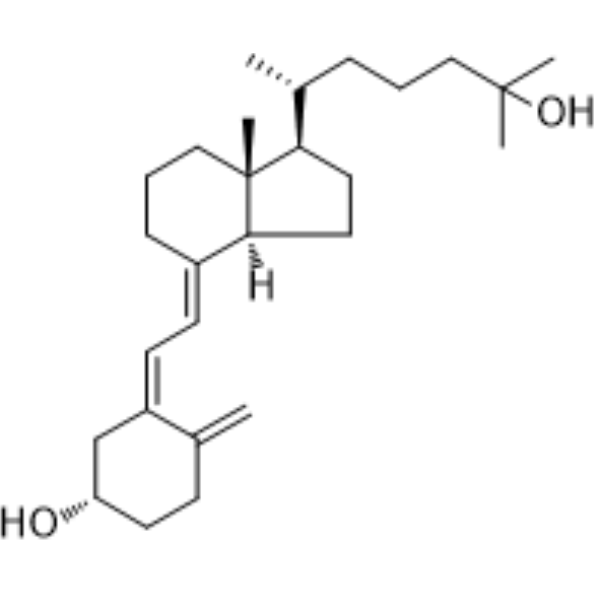
Calcifediol (25-hydroxy Vitamin D3) is an effective VDR ligand and VD supplement. Calcifediol is a prohormone of the vitamin D endocrine system (VDES) and is hydroxylated in the liver to produce the active form, calcitriol. Calcifediol can rapidly increase serum VD levels [2] .
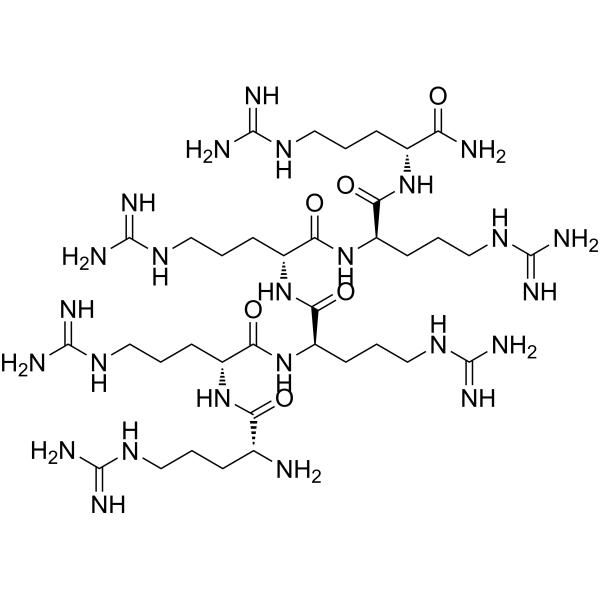
Hexa-D-arginine (Furin Inhibitor II) is a stable furin inhibitor with Ki values 106 nM, 580 nM and 13.2 μM for furin, PACE4 and prohormoneconvertase-1 (PC1), respectively. Hexa-D-arginine blocks Pseudomonas exotoxin A and anthrax toxins toxicity in vitro and in vivo [2] .
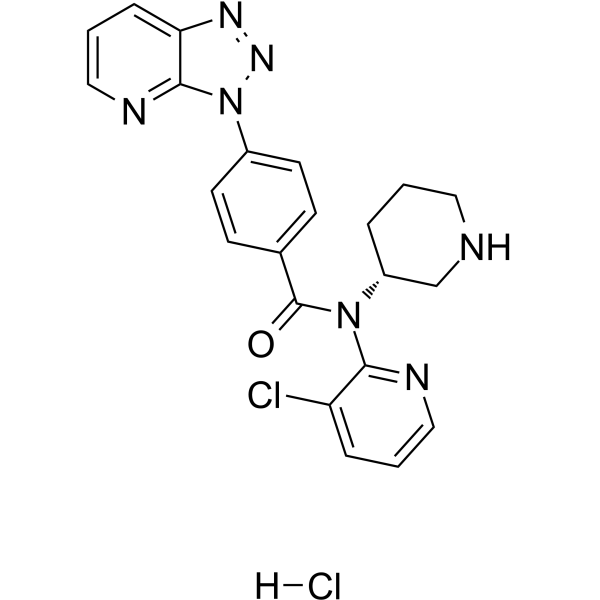
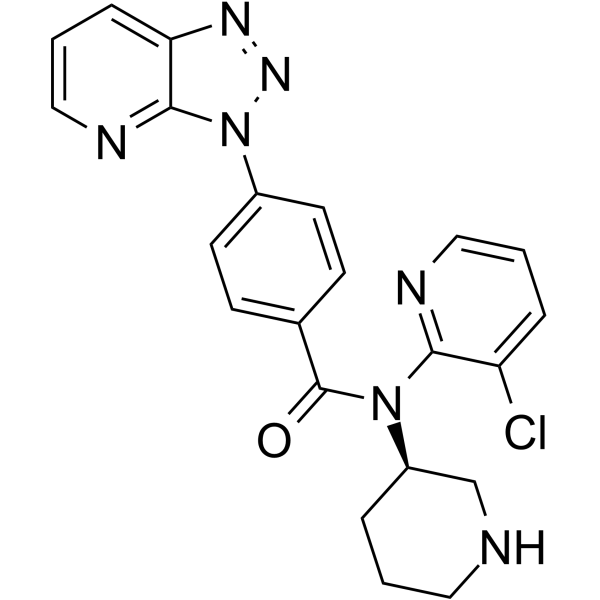
PF-06446846 hydrochloride is an orally active and highly selective inhibitor of translation of Proprotein convertase subtilisin/kexin type 9 (PCSK9). PF-06446846 hydrochloride inhibits PCSK9 by inducing the ribosome to stall around codon 34 .
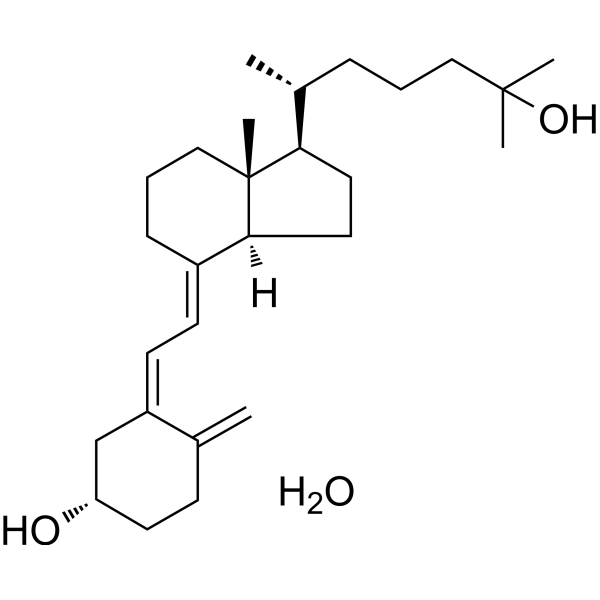
Calcifediol monohydrate (25-hydroxy Vitamin D3 monohydrate), is an effective VDR ligand and VD supplement. Calcifediol is a prohormone of the vitamin D endocrine system (VDES) and is hydroxylated in the liver to produce the active form, calcitriol. Calcifediol can rapidly increase serum VD levels [2] .
Crovalimab (SKY59; RO7112689) is a novel humanized antibody against C5 in a pH-dependent manner with KDs of 15.2 nM and 16.8 μM at pH 7.4 and 5.8, respectively. Crovalimab binds human FcRn with great affinity (KD: 17 μM at pH 6.0). Crovalimab can block cleavage of C5 by the C5 convertase and inhibite the activity of a C5 variant (p.Arg885His). Crovalimab inhibits C5b-9 formation significantly in all three complement pathways, the classical pathway (CP), lectin pathway (LP), and alternative pathway (AP). Crovalimab has the potential for paroxysmal nocturnal hemoglobinuria (PNH) and complement-mediated diseases research [2].
Cobra Venom Factor (CVF) is a selective activator targeting complement components C3, C5, and factor B in the complement system. After binding to factor B, Cobra Venom Factor is cleaved by factor D, forming a stable C3/C5convertase resistant to regulatory proteins H and I. This continuously hydrolyzes C3 and C5, depleting serum complement while inducing neutrophil migration, vascular leakage, and increased TNF-α levels. Cobra Venom Factor can be used to deplete complement and mimic complement activation-related pathological states, and is applied in animal models of complement-mediated diseases such as acute respiratory distress syndrome (ARDS), sepsis, and shock. Cobra Venom Factor can be isolated from the venom of cobras (e.g., Naja atra, Naja melanoleuca, Naja kaouthia, etc.) [2] .
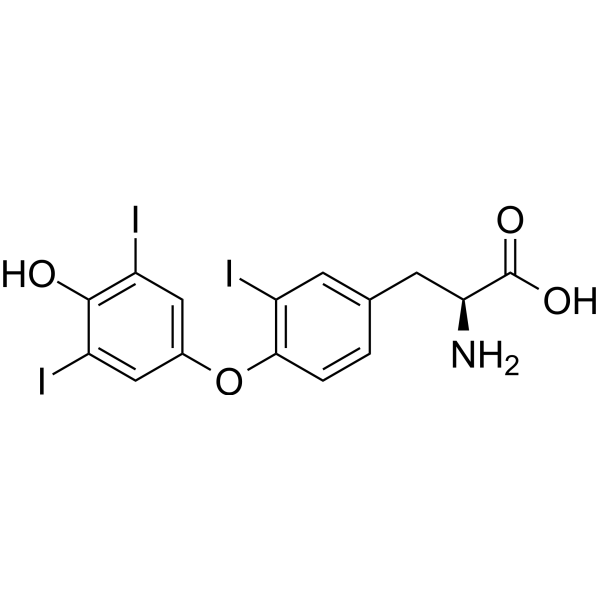
Reverse T3 is a thyroid hormone that can be generated by deiodination of the prohormone thyroxine . Reverse T3 inhibits the increase of sodium current generated by other thyroid hormone analogs in neonatal rat myocytes [2].
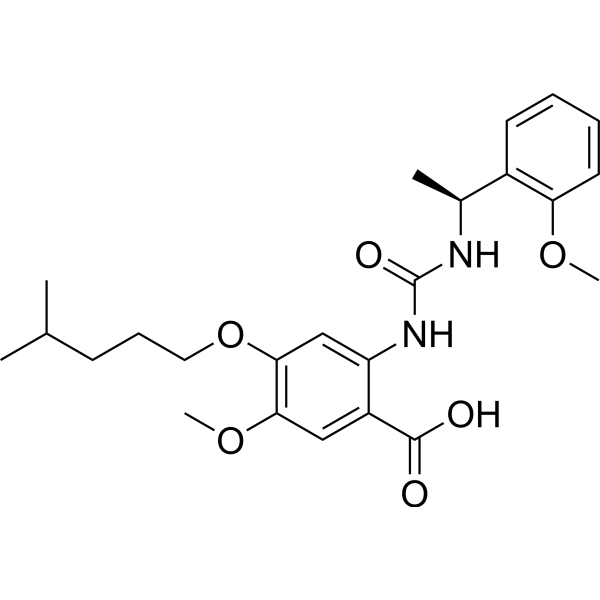
SBC-115076 is a potent proprotein convertase subtilisin/kexin type 9 (PCSK9) inhibitor. PCSK9 is a proprotein convertase, which plays a crucial role in LDL receptor metabolism [2].
Calcifediol-d3 is a deuterium labeled Calcifediol. Calcifediol, is an effective VDR ligand and VD supplement. Calcifediol is a prohormone of the vitamin D endocrine system (VDES) and is hydroxylated in the liver to produce the active form, calcitriol. Calcifediol can rapidly increase serum VD levels [2] .
Brain Natriuretic Peptide-45, mouse (BNP-45, mouse) is a 45-amino-acid peptide derived from the mouse BNP prohormone, which exhibits natriuretic, diuretic, and vasoactive effects. Brain Natriuretic Peptide-45, mouse contains all amino acid residues deemed critical for the biological activity of natriuretic peptides. Brain Natriuretic Peptide-45, mouse possesses hypotensive and diuretic activities [2].
SPC5001 sodium is a locked nucleic acid (LNA)-modifed antisense oligonucleotide (ASO) complementary to human PCSK9 (proprotein convertase subtilisin/kexin type 9) mRNA. SPC5001 sodium can be used for the research of hypercholesterolemia. SPC5001 sodium sequence: 5′-TGmCTACAAAACmCmCA-3′ .
Riliprubart (SAR 445088) is an anti-C1s humanized IgG4 monoclonal antibody that inhibits activated C1s in the proximal portion of the classical complement system. Riliprubart selectively inhibits activated C1s and prevents the enzymatic action of C1 on its substrates C4 and C2, thus inhibiting the formation of the classical pathway C3 convertase, C4b2a. Riliprubart can be used to study complement-mediated diseases such as systemic lupus erythematosus. Recommend Isotype Controls: Human IgG4 (S228P) kappa, Isotype Control (HY-P99003) .
Empasiprubar (ARGX-117) is a humanized inhibitory monoclonal antibody targeting complement C2. Empasiprubar binds to the Sushi-2 domain of C2, preventing the formation of C3 pre convertase and inhibiting the activation of classical and lectin pathways upstream of C3 activation. Empasiprubar can prevent complement mediated autoimmune hemolytic anemia and antibody mediated organ transplant rejection. Empasiprubar can prevent neuroglial lymphoconjunctival injury in GM1 antibody mediated mouse models [2].
Compound C5-IN-1 (Compound 7) is a selective allosteric inhibitor of complement component protein C5. Compound C5-IN-1 prevents C5 from being cleaved by C5 convertase, inhibits the cleavage of C5 into C5a and C5b, and thus blocks the formation of membrane attack complex (MAC). Compound C5-IN-1 has an IC50 of 0.77 μM and 5 nM in 50% human whole blood and 2% human serum to block MAC deposition induced by zymosan, respectively. Compound C5-IN-1 can be used to study diseases related to complement overactivation, such as paroxysmal nocturnal hemoglobinuria (PNH) and atypical hemolytic uremic syndrome (aHUS) .
PCSK9 degrader 1 (Compound 16) is a small molecule ligand for proprotein convertase substilisin-like/kexin type 9 (PCSK9) and shows high affinity to PCSK9 with a Ki of 107 nM. PCSK9 degrader 1 can involve in a protein-protein interaction with the low-density lipoprotein (LDL) receptor .
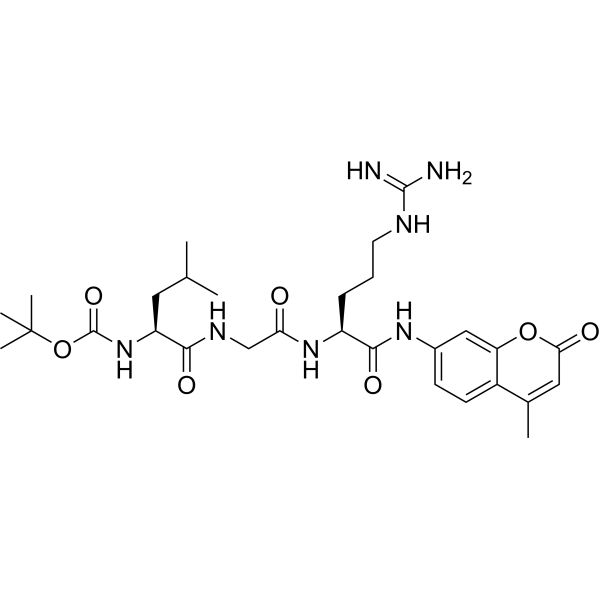
Pyr-Arg-Thr-Lys-Arg-AMC TFA is a AMC peptide, and a fluorescent substrate. Pyr-Arg-Thr-Lys-Arg-AMC TFA can be used to detect the activity of specific proteases, such as Furin, Trypsin, and Thrombin [2] .
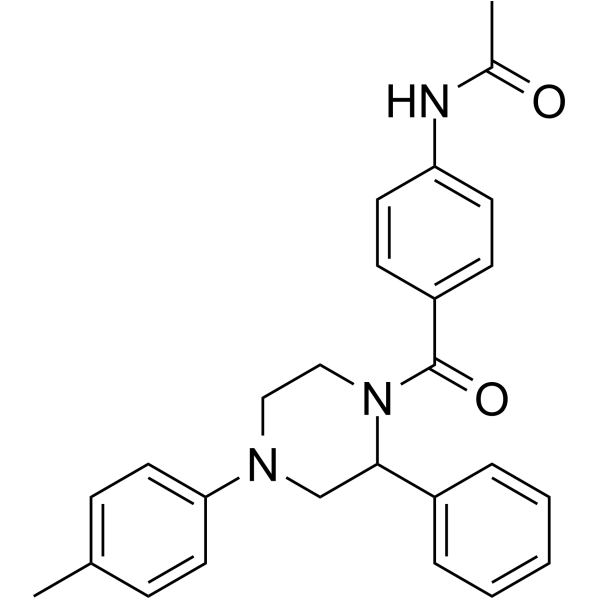
PF-06446846 is an orally active proprotein convertase subtilisin/kexin type 9 (PCSK9) inhibitor. PF-06446846 directly and selectively inhibits translation of PCSK9 by stalling the 80S ribosome in the proximity of codon region .
Calcifediol (Standard) is the analytical standard of Calcifediol. This product is intended for research and analytical applications. Calcifediol (25-hydroxy Vitamin D3) is an effective VDR ligand and VD supplement. Calcifediol is a prohormone of the vitamin D endocrine system (VDES) and is hydroxylated in the liver to produce the active form, calcitriol. Calcifediol can rapidly increase serum VD levels [2] .
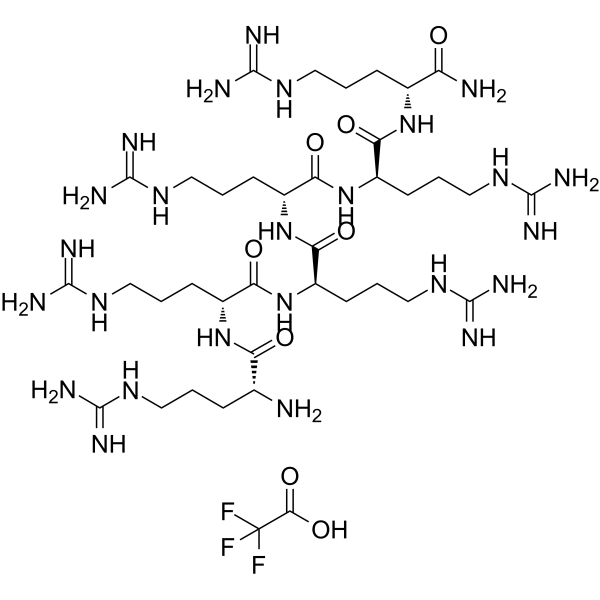
Hexa-D-arginine TFA (Furin Inhibitor II TFA) is a stable furin inhibitor with Ki values 106 nM, 580 nM and 13.2 μM for furin, PACE4 and prohormoneconvertase-1 (PC1), respectively. Hexa-D-arginine TFA blocks Pseudomonas exotoxin A and anthrax toxins toxicity in vitro and in vivo [2] .
Histatin-3 TFA, a 32 amino acid peptide, possesses powerful antimicrobial properties. Histatin-3 TFA behaves as a substrate for proprotein convertase 1 (PC1), being cleaved by this endoprotease primarily at a site carboxy terminal to the single Arg25 residue (HRGYR decrease SN). Histatin-3 TFA is a moderately potent, reversible and competitive inhibitor of the furin-mediated cleavage of the pentapeptide pGlu-Arg-Thr-Lys-Arg-MCA fluorogenic substrate, with an estimated inhibition constant Ki of 1.98 μM .
PF-06815345 hydrochloride is an orally active and potent inhibitor of proprotein convertase subtilisin/kexin type 9 (PCSK9) with an IC50 value of 13.4 μM. PF-06815345 hydrochloride significantly decreases the PCSK9 level in vivo in mouse [2].
Calcifediol-d6 monohydrate is the deuterium labeled Calcifediol monohydrate. Calcifediol monohydrate (25-hydroxy Vitamin D3 monohydrate), is an effective VDR ligand and VD supplement. Calcifediol is a prohormone of the vitamin D endocrine system (VDES) and is hydroxylated in the liver to produce the active form, calcitriol. Calcifediol can rapidly increase serum VD levels [2] .
Reverse T3 (Standard) is the analytical standard of Reverse T3. This product is intended for research and analytical applications. Reverse T3 is a thyroid hormone that can be generated by deiodination of the prohormone thyroxine . Reverse T3 inhibits the increase of sodium current generated by other thyroid hormone analogs in neonatal rat myocytes [2].
SPC5001 is a locked nucleic acid (LNA)-modifed antisense oligonucleotide (ASO) complementary to human PCSK9 (proprotein convertase subtilisin/kexin type 9) mRNA. SPC5001 can be used for the research of hypercholesterolemia. SPC5001 sequence: 5′-TGmCTACAAAACmCmCA-3′ .
Pyr-Arg-Thr-Lys-Arg-AMC is a AMC peptide, and a fluorescent substrate. Pyr-Arg-Thr-Lys-Arg-AMC can be used to detect the activity of specific proteases, such as Furin, Trypsin, and Thrombin [2] .
Cepadacursen sodium is a liver-targeting antisense oligonucleotide (ASO), inhibits proprotein convertase subtilisin/kexin type 9 (PCSK9) protein synthesis. Cepadacursen sodium can be used for hypercholesterolemia research and the prevention of atherosclerotic cardiovascular disease (ASCVD).
ARC186 (sodium) is an unconjugated 40KDa PEG aptamer with a sequence identical to HY-147080 Avacincaptad pegol (ARC1905) sodium. ARC1905 is highly potent complement inhibitors that function by blocking the convertase-catalyzed activation of C5.
PF-06815345 is an orally active and potent inhibitor of proprotein convertase subtilisin/kexin type 9 (PCSK9) with an IC50 value of 13.4 μM. PF-06815345 significantly decreases the PCSK9 level in vivo in mouse [2].
AZD8233, a liver-targeting antisense oligonucleotide (ASO), inhibits proprotein convertase subtilisin/kexin type 9 (PCSK9) protein synthesis. AZD8233 increases the available LDL receptors by reducing PCSK9 levels, thereby clearing LDL from the blood and decreasing LDL-C levels.
Prepro-TRH-(160-169) is one of the connecting peptides of thyrotropin-releasing hormoneprohormone (pro-TRH), potentiates TRH-induced thyrotropin (TSH) release .
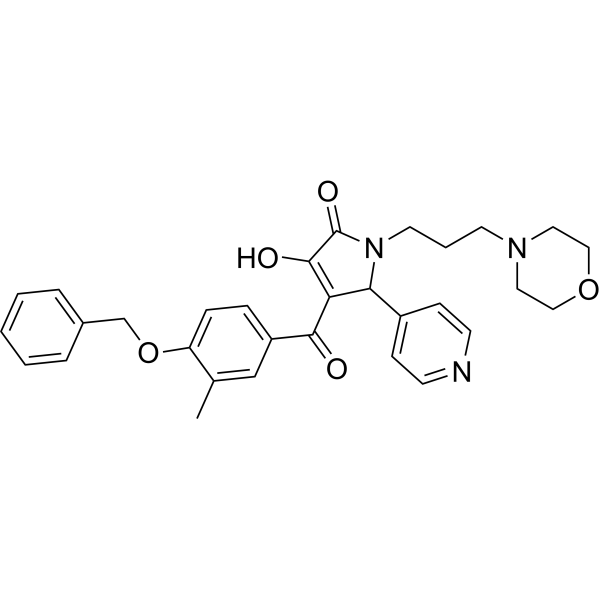
PCSK9-IN-15 (compound 5) is a potent inhibitor of proprotein convertase subtilisin/kexin 9 (PCSK9, KD <200 nM). PCSK9 is involved in cholesterol metabolism and regulates levels of low-density lipoprotein cholesterol (LDL-C) in the blood. PCSK9- in -15 can be used to study cholesterol-lowering and dyslipidemia .
ARC186 (sodium) is an unconjugated 40KDa PEG aptamer with a sequence identical to HY-147080 Avacincaptad pegol (ARC1905) sodium. ARC1905 is highly potent complement inhibitors that function by blocking the convertase-catalyzed activation of C5.
Calcifediol- 13C5 monohydrate is the 13C-labeled Calcifediol monohydrate. Calcifediol monohydrate (25-hydroxy Vitamin D3 monohydrate), is an effective VDR ligand and VD supplement. Calcifediol is a prohormone of the vitamin D endocrine system (VDES) and is hydroxylated in the liver to produce the active form, calcitriol. Calcifediol can rapidly increase serum VD levels [2] .
Calcifediol monohydrate (Standard) is the analytical standard of Calcifediol (monohydrate). This product is intended for research and analytical applications. Calcifediol monohydrate (25-hydroxy Vitamin D3 monohydrate), is an effective VDR ligand and VD supplement. Calcifediol is a prohormone of the vitamin D endocrine system (VDES) and is hydroxylated in the liver to produce the active form, calcitriol. Calcifediol can rapidly increase serum VD levels [2] .
Complement factor D is a serine protease. Complement factor D activates C3 convertase by specifically cleaving complement Factor B. Complement factor D is promising for research of autoimmune diseases (e.g., paroxysmal nocturnal hemoglobinuria, C3 glomerulopathy), age-related macular degeneration, and thrombotic microangiopathies .
PCSK9-IN-9 is an isocoumarins of natural origin. PCSK9-IN-9 can inhibit proprotein convertase subtilisin-kexin type 9 (PCSK9), IDOL, and SREBP2 mRNA expression. PCSK9-IN-9 inhibits PCSK9 with an IC50 value of 11.9 μM .
NH2-C6-ARC186 sodium is a modified ARC186 (HY-153098) with NH2-C6 that can be coupled to other peptides or molecules. ARC186 is a aptamer and a highly potent complement inhibitor that function by blocking the convertase-catalyzed activation of C5 .
(R,R)-PCSK9 degrader 1 is the isomer of PCSK9 degrader 1 (HY-130245). PCSK9 degrader 1 (Compound 16) is a small molecule ligand for proprotein convertase substilisin-like/kexin type 9 (PCSK9) and shows high affinity to PCSK9 with a Ki of 107 nM. PCSK9 degrader 1 can involve in a protein-protein interaction with the low-density lipoprotein (LDL) receptor .
Ruxoprubart (NM8074) is an inhibitor of complement factor B (Bbsubunit). Ruxoprubart selectively binds to active Bb to inhibit the alternative complement pathway without affecting the classical complement pathway. By blocking the activities of AP C3 and C5convertases, Ruxoprubart effectively inhibits red blood cell hemolysis and reduces C3b deposition, thereby preventing intravascular and extravascular hemolysis. Ruxoprubart can be used in research related to paroxysmal nocturnal hemoglobinuria, atypical hemolytic uremic syndrome, C3 glomerulopathy, and IgA nephropathy [2] .
SBC-110736 (Standard) is the analytical standard of SBC-110736 (HY-101832). This product is intended for research and analytical applications. SBC-110736 is a proprotein convertase subtilisin kexin type 9 (PCSK9) inhibitor extracted from patent WO2014150395A1 .
Calcifediol-d9 (25-hydroxy Vitamin D3-d9) is the deuterium labeled Calcifediol (HY-32351). Calcifediol (25-hydroxy Vitamin D3) is an effective VDR ligand and VD supplement. Calcifediol is a prohormone of the vitamin D endocrine system (VDES) and is hydroxylated in the liver to produce the active form, calcitriol. Calcifediol can rapidly increase serum VD levels [2] .
Chlorambucyl-proline is a chloroplatinyl amino acid derivative with inhibitory activity against bovine pulmonary vasoconstrictor enzyme. Chlorambucyl-proline reacts with the convertase in a 1:1 ratio, and the removal of its radiolabel indicates that the compound has an irreversible inhibitory effect on the enzyme activity. Chlorambucyl-proline binds to the aspartic acid or glutamic acid side chain of the enzyme by forming an ester bond, resulting in irreversible inactivation of the enzyme. The inactivation rate constant of chlororambucyl-proline increases in the pH range of 5-8, indicating that its effect on the enzyme activity is affected by the pH environment .
Furin-IN-3 (Compound 9) is a potent and selective proprotein convertasefurin inhibitor with a Ki of 12.4 nM. Furin-IN-3 shows a Ki of 278 nM for PC7. Furin-IN-3 shows a significant antiviral effect on the Furin-dependent H7N7 influenza A virus strain SC35M. Furin-IN-3 can inhibit the cleavage and activation of the viral hemagglutinin (HA), prevent the fusion of the viral membrane with the host cell membrane, and thereby inhibit viral replication and proliferation. Furin-IN-3 can be used for the research of infection, such as influenza virus infection .
Factor B-IN-8 (Compound (3R ,4R )-15) is a potent, selective and orally active factor B inhibitor with an IC50 of 10.2 nM. Factor B-IN-8 can effectively inhibit the binding of factor B to C3b and the subsequent formation of C3 convertase (C3bBb). Factor B-IN-8 can inhibit the deposition of membrane attack complex (MAC) mediated by alternativepathway with an IC50 of 59.3 nM. Factor B-IN-8 can reduce the cleavage of factor B protein and decrease the deposition of complement C3d in the glomeruli and renal tubules. Factor B-IN-8 can be used for researches of arthritis and paroxysmal nocturnal hemoglobinuria (PNH) .
MEDI-4166 is an antibody-peptide gene fusion molecule of a PCSK9 antibody and a GLP-1 analog. MEDI-4166 is applicable to research related to type 2 diabetes .
Cobra Venom Factor (CVF) is a selective activator targeting complement components C3, C5, and factor B in the complement system. After binding to factor B, Cobra Venom Factor is cleaved by factor D, forming a stable C3/C5convertase resistant to regulatory proteins H and I. This continuously hydrolyzes C3 and C5, depleting serum complement while inducing neutrophil migration, vascular leakage, and increased TNF-α levels. Cobra Venom Factor can be used to deplete complement and mimic complement activation-related pathological states, and is applied in animal models of complement-mediated diseases such as acute respiratory distress syndrome (ARDS), sepsis, and shock. Cobra Venom Factor can be isolated from the venom of cobras (e.g., Naja atra, Naja melanoleuca, Naja kaouthia, etc.) [2] .
Hexa-D-arginine (Furin Inhibitor II) is a stable furin inhibitor with Ki values 106 nM, 580 nM and 13.2 μM for furin, PACE4 and prohormoneconvertase-1 (PC1), respectively. Hexa-D-arginine blocks Pseudomonas exotoxin A and anthrax toxins toxicity in vitro and in vivo [2] .
Brain Natriuretic Peptide-45, mouse (BNP-45, mouse) is a 45-amino-acid peptide derived from the mouse BNP prohormone, which exhibits natriuretic, diuretic, and vasoactive effects. Brain Natriuretic Peptide-45, mouse contains all amino acid residues deemed critical for the biological activity of natriuretic peptides. Brain Natriuretic Peptide-45, mouse possesses hypotensive and diuretic activities [2].
Pyr-Arg-Thr-Lys-Arg-AMC TFA is a AMC peptide, and a fluorescent substrate. Pyr-Arg-Thr-Lys-Arg-AMC TFA can be used to detect the activity of specific proteases, such as Furin, Trypsin, and Thrombin [2] .
Hexa-D-arginine TFA (Furin Inhibitor II TFA) is a stable furin inhibitor with Ki values 106 nM, 580 nM and 13.2 μM for furin, PACE4 and prohormoneconvertase-1 (PC1), respectively. Hexa-D-arginine TFA blocks Pseudomonas exotoxin A and anthrax toxins toxicity in vitro and in vivo [2] .
Histatin-3 TFA, a 32 amino acid peptide, possesses powerful antimicrobial properties. Histatin-3 TFA behaves as a substrate for proprotein convertase 1 (PC1), being cleaved by this endoprotease primarily at a site carboxy terminal to the single Arg25 residue (HRGYR decrease SN). Histatin-3 TFA is a moderately potent, reversible and competitive inhibitor of the furin-mediated cleavage of the pentapeptide pGlu-Arg-Thr-Lys-Arg-MCA fluorogenic substrate, with an estimated inhibition constant Ki of 1.98 μM .
Spexin-2 (53-70), human,mouse,rat (NPQ 53-70) is a biological active peptide. (This is Spexin-2 (53-70), non-amidated version of the novel peptide hormone that is derived from prohormone proNPQ and is conserved amongst mammalian species. It is a central modulator of cardiovascular and renal function. Spexin-2, when administered to rats, decreases heart rate and increases urine flow rate)
Pyr-Arg-Thr-Lys-Arg-AMC is a AMC peptide, and a fluorescent substrate. Pyr-Arg-Thr-Lys-Arg-AMC can be used to detect the activity of specific proteases, such as Furin, Trypsin, and Thrombin [2] .
Prepro-TRH-(160-169) is one of the connecting peptides of thyrotropin-releasing hormoneprohormone (pro-TRH), potentiates TRH-induced thyrotropin (TSH) release .
γ-bag cell peptide is a peptide. γ-bag cell peptide is located near the N-terminus of the egg laying prohormone, the vesicle is released upon insulin stimulation. γ-bag cell peptide can be used for the research of the central and peripheral nervous systems .
Crovalimab (SKY59; RO7112689) is a novel humanized antibody against C5 in a pH-dependent manner with KDs of 15.2 nM and 16.8 μM at pH 7.4 and 5.8, respectively. Crovalimab binds human FcRn with great affinity (KD: 17 μM at pH 6.0). Crovalimab can block cleavage of C5 by the C5 convertase and inhibite the activity of a C5 variant (p.Arg885His). Crovalimab inhibits C5b-9 formation significantly in all three complement pathways, the classical pathway (CP), lectin pathway (LP), and alternative pathway (AP). Crovalimab has the potential for paroxysmal nocturnal hemoglobinuria (PNH) and complement-mediated diseases research [2].
Riliprubart (SAR 445088) is an anti-C1s humanized IgG4 monoclonal antibody that inhibits activated C1s in the proximal portion of the classical complement system. Riliprubart selectively inhibits activated C1s and prevents the enzymatic action of C1 on its substrates C4 and C2, thus inhibiting the formation of the classical pathway C3 convertase, C4b2a. Riliprubart can be used to study complement-mediated diseases such as systemic lupus erythematosus. Recommend Isotype Controls: Human IgG4 (S228P) kappa, Isotype Control (HY-P99003) .
Empasiprubar (ARGX-117) is a humanized inhibitory monoclonal antibody targeting complement C2. Empasiprubar binds to the Sushi-2 domain of C2, preventing the formation of C3 pre convertase and inhibiting the activation of classical and lectin pathways upstream of C3 activation. Empasiprubar can prevent complement mediated autoimmune hemolytic anemia and antibody mediated organ transplant rejection. Empasiprubar can prevent neuroglial lymphoconjunctival injury in GM1 antibody mediated mouse models [2].
Ruxoprubart (NM8074) is an inhibitor of complement factor B (Bbsubunit). Ruxoprubart selectively binds to active Bb to inhibit the alternative complement pathway without affecting the classical complement pathway. By blocking the activities of AP C3 and C5convertases, Ruxoprubart effectively inhibits red blood cell hemolysis and reduces C3b deposition, thereby preventing intravascular and extravascular hemolysis. Ruxoprubart can be used in research related to paroxysmal nocturnal hemoglobinuria, atypical hemolytic uremic syndrome, C3 glomerulopathy, and IgA nephropathy [2] .
MEDI-4166 is an antibody-peptide gene fusion molecule of a PCSK9 antibody and a GLP-1 analog. MEDI-4166 is applicable to research related to type 2 diabetes .
Calcifediol (25-hydroxy Vitamin D3) is an effective VDR ligand and VD supplement. Calcifediol is a prohormone of the vitamin D endocrine system (VDES) and is hydroxylated in the liver to produce the active form, calcitriol. Calcifediol can rapidly increase serum VD levels [2] .
Calcifediol monohydrate (25-hydroxy Vitamin D3 monohydrate), is an effective VDR ligand and VD supplement. Calcifediol is a prohormone of the vitamin D endocrine system (VDES) and is hydroxylated in the liver to produce the active form, calcitriol. Calcifediol can rapidly increase serum VD levels [2] .
Calcifediol (Standard) is the analytical standard of Calcifediol. This product is intended for research and analytical applications. Calcifediol (25-hydroxy Vitamin D3) is an effective VDR ligand and VD supplement. Calcifediol is a prohormone of the vitamin D endocrine system (VDES) and is hydroxylated in the liver to produce the active form, calcitriol. Calcifediol can rapidly increase serum VD levels [2] .
Calcifediol monohydrate (Standard) is the analytical standard of Calcifediol (monohydrate). This product is intended for research and analytical applications. Calcifediol monohydrate (25-hydroxy Vitamin D3 monohydrate), is an effective VDR ligand and VD supplement. Calcifediol is a prohormone of the vitamin D endocrine system (VDES) and is hydroxylated in the liver to produce the active form, calcitriol. Calcifediol can rapidly increase serum VD levels [2] .
PCSK9-IN-9 is an isocoumarins of natural origin. PCSK9-IN-9 can inhibit proprotein convertase subtilisin-kexin type 9 (PCSK9), IDOL, and SREBP2 mRNA expression. PCSK9-IN-9 inhibits PCSK9 with an IC50 value of 11.9 μM .
The PCSK1 protein is a proprotein convertase that plays a key role in processing hormone and protein precursors at sites with basic amino acid residues. It targets multiple substrates such as POMC, renin, enkephalin, dynorphin, somatostatin, insulin and AGRP. PCSK1 Protein, Human (HEK293, His) is the recombinant human-derived PCSK1 protein, expressed by HEK293 , with C-His labeled tag.
Furin/PCSK3 protein is an endoprotease with RX(K/R)R cleavage activity and is widely expressed in the constitutive secretory pathway.It plays a crucial role in processing various substrates, including TGFB1, and activating TGF-β-1.Furin/PCSK3 Protein, Mouse (HEK293, His) is the recombinant mouse-derived Furin/PCSK3 protein, expressed by HEK293 , with C-10*His labeled tag.
The PCSK9 protein is an important regulator of plasma cholesterol homeostasis, affecting LDL receptor family members such as LDLR and VLDLR. It promotes their intracellular degradation and enhances hepatic LDLR degradation through non-proteolytic mechanisms. PCSK9 Protein, Human (Biotinylated, V474I, G670E, HEK293, Avi) is the recombinant human-derived PCSK9 protein, expressed by HEK293 , with C-Avi labeled tag and V474I, G670E mutation.
The PCSK9 protein regulates cholesterol levels by degrading LDLR, VLDLR, LRP1/APOER, and LRP8/APOER2 receptors. It promotes LDLR degradation, inhibits recycling, induces ubiquitination, and affects APOB degradation. Additionally, PCSK9 influences BACE1 intermediates, ENaC surface expression, and neuronal apoptosis by modulating LRP8/APOER2 levels and anti-apoptotic signaling pathways. PCSK9 Protein, Mouse (HEK293, His) is the recombinant mouse-derived PCSK9 protein, expressed by HEK293, with C-6*His labeled tag.
The PCSK9 protein is an important regulator of plasma cholesterol homeostasis, affecting LDL receptor family members such as LDLR and VLDLR. It promotes their intracellular degradation and enhances hepatic LDLR degradation through non-proteolytic mechanisms. PCSK9 Protein, Human (HEK293, C-His) is the recombinant human-derived PCSK9 protein, expressed by HEK293 , with C-6*His labeled tag.
The PCSK9 protein regulates cholesterol levels by degrading LDLR, VLDLR, LRP1/APOER, and LRP8/APOER2 receptors. It promotes LDLR degradation, inhibits recycling, induces ubiquitination, and affects APOB degradation. Additionally, PCSK9 influences BACE1 intermediates, ENaC surface expression, and neuronal apoptosis by modulating LRP8/APOER2 levels and anti-apoptotic signaling pathways. PCSK9 Protein, Mouse (HEK293, His, solution) is the recombinant mouse-derived PCSK9 protein, expressed by HEK293, with C-6*His labeled tag.
The PCSK9 protein is an important regulator of plasma cholesterol homeostasis, affecting LDL receptor family members such as LDLR and VLDLR. It promotes their intracellular degradation and enhances hepatic LDLR degradation through non-proteolytic mechanisms. PCSK9 Protein, Human (419a.a, HEK293, His) is the recombinant human-derived PCSK9 protein, expressed by HEK293, with C-His labeled tag.
The PCSK9 protein is an important regulator of plasma cholesterol homeostasis, affecting LDL receptor family members such as LDLR and VLDLR. It promotes their intracellular degradation and enhances hepatic LDLR degradation through non-proteolytic mechanisms. PCSK9 Protein, Human (HEK293, V474I, G670E, His) is the recombinant human-derived PCSK9 protein, expressed by HEK293 , with C-6*His labeled tag and V474I, G670E mutation.
PPY, a pancreatic hormone, regulates pancreatic and gastrointestinal functions. Its action may involve signaling through the G protein-coupled receptor NPY4R2, coordinating processes for homeostasis in both systems. PPY Protein, Human (HEK293, His) is the recombinant human-derived PPY protein, expressed by HEK293 , with C-6*His labeled tag.
The PCSK9 protein is an important regulator of plasma cholesterol homeostasis, affecting LDL receptor family members such as LDLR and VLDLR. It promotes their intracellular degradation and enhances hepatic LDLR degradation through non-proteolytic mechanisms. PCSK9 Protein, Human (Biotinylated, V474I, G670E, HEK293, His-HA-Avi) is the recombinant human-derived PCSK9 protein, expressed by HEK293 , with C-Avi, C-HA, C-8*His labeled tag and V474I, G670E mutation.
The PCSK9 protein controls plasma cholesterol levels by interacting with LDLR, VLDLR, LRP1/APOER, and LRP8/APOER2 to promote their degradation. It prevents LDLR recycling and directs it to lysosomes for degradation. PCSK9 induces LDLR ubiquitination, inhibits APOB degradation, disposes of BACE1 intermediates, reduces ENaC surface expression, and regulates neuronal apoptosis through LRP8/APOER2. PCSK9 Protein, Macaca nemestrina (HEK293, His) is the recombinant cynomolgus-derived PCSK9 protein, expressed by HEK293, with C-6*His labeled tag.
The PCSK6 protein is a serine endoprotease that plays a key role in preprotein processing by cleavage at sites with paired basic amino acids, specifically recognizing the RXXX[KR]R consensus motif. Its function may be involved in the constitutive secretory pathway, with a unique and limited distribution in neuroendocrine and non-neuroendocrine tissues. PCSK6 Protein, Human (His) is the recombinant human-derived PCSK6 protein, expressed by E. coli , with C-6*His labeled tag.
The PCSK6 protein is a serine endoprotease that plays a key role in preprotein processing by cleavage at sites with paired basic amino acids, specifically recognizing the RXXX[KR]R consensus motif. Its function may be involved in the constitutive secretory pathway, with a unique and limited distribution in neuroendocrine and non-neuroendocrine tissues. PCSK6 Protein, Human (HEK293, hFc) is the recombinant human-derived PCSK6 protein, expressed by HEK293 , with C-hFc labeled tag.
Caspase-1/CASP1 is a thiol protease complex involved in inflammation by catalyzing the cleavage of IL1B, IL18, and Gasdermin-D (GSDMD). It activates a pro-inflammatory response, releases mature cytokines IL1B and IL18, and initiates pyroptosis through cleavage of GSDMD. Caspase-1/CASP1 Protein, Human (GST) is the recombinant human-derived Caspase-1/CASP1 protein, expressed by E. coli , with N-GST labeled tag.
Caspase-1/CASP1 subunit p10 and p20 protein is a thiol protease complex involved in inflammation by catalyzing the cleavage of IL1B, IL18, and Gasdermin-D (GSDMD). It activates a pro-inflammatory response, releases mature cytokines IL1B and IL18, and initiates pyroptosis through cleavage of GSDMD. Caspase-1/CASP1 Protein, Human (T388A, His) is the recombinant human-derived Caspase-1/CASP1, expressed by E. coli, with N-His labeled tag.
Complement C2 is a component of the classical pathway of the complement system and is cleaved by activated factor C1, resulting in the formation of two distinct fragments: C2b and C2a. The subsequent serine protease activity of C2a is critical for its subsequent interaction with the complement factor C4b, leading to the formation of C3 or C5 convertase. C2/Complement C2 Protein, Mouse (HEK293, His) is the recombinant mouse-derived C2/Complement C2 protein, expressed by HEK293 , with C-His labeled tag.
C2/Complement C2 protein is essential in the classical pathway of the complement system. Activated by factor C1, C2 is cleaved into C2b and C2a. As a serine protease, C2a interacts with C4b, generating the C3 or C5 convertase. This crucial process activates and amplifies the complement cascade. C2/Complement C2 Protein, Human (HEK293, His) is the recombinant human-derived C2/Complement C2 protein, expressed by HEK293 , with C-His labeled tag.
C2/Complement C2 protein is essential in the classical pathway of the complement system. Activated by factor C1, C2 is cleaved into C2b and C2a. As a serine protease, C2a interacts with C4b, generating the C3 or C5 convertase. This crucial process activates and amplifies the complement cascade. C2/Complement C2 Protein, Human (HEK293, Fc) is the recombinant human-derived C2/Complement C2 protein, expressed by HEK293 , with C-hFc labeled tag.
The PCSK9 protein regulates cholesterol levels by interacting with LDLR, VLDLR, LRP1/APOER, and LRP8/APOER2. It promotes their degradation and inhibits their recycling, leading to enhanced LDLR degradation. PCSK9 also affects APOB degradation, BACE1 intermediates, ENaC surface expression, and neuronal apoptosis via LRP8/APOER2. PCSK9 Protein, Rat (HEK293, His) is the recombinant rat-derived PCSK9 protein, expressed by HEK293 , with C-6*His labeled tag.
The PCSK9 protein is an important regulator of plasma cholesterol homeostasis, affecting LDL receptor family members such as LDLR and VLDLR. It promotes their intracellular degradation and enhances hepatic LDLR degradation through non-proteolytic mechanisms. PCSK9 Protein, Human (HEK293, mFc) is the recombinant human-derived PCSK9 protein, expressed by HEK293 , with C-mFc labeled tag.
Complement C2 is a component of the classical pathway of the complement system and is cleaved by activated factor C1, resulting in the formation of two distinct fragments: C2b and C2a. The subsequent serine protease activity of C2a is critical for its subsequent interaction with the complement factor C4b, leading to the formation of C3 or C5 convertase. C2/Complement C2 Protein, Cynomolgus (HEK293, His) is the recombinant cynomolgus-derived C2/Complement C2 protein, expressed by HEK293 , with C-His labeled tag.
ADAM17/TACE Protein, a pivotal enzyme, cleaves TNF-alpha and activates various cell-surface proteins like p75 TNF-receptor. It also mediates the cleavage of Notch, activates the Notch pathway, and contributes to hemostasis by shedding GP1BA. ADAM17/TACE further facilitates the cleavage of LAG3, IL6R, and FCGR3A, showcasing its significance in diverse cellular functions. ADAM17/TACE Protein, Rat (HEK293, His) is the recombinant rat-derived ADAM17/TACE protein, expressed by HEK293 , with C-10*His labeled tag.
Complement factor D, also known as Adipsin, plays a crucial role in the alternative pathway of the complement system and when complexed with factor C3b, it cleaves factor B. This cleavage activates the C3bbb complex, converting it to the C3 convertase of the alternative pathway. Complement Factor D/Adipsin Protein, Human (HEK293, His) is the recombinant human-derived Complement Factor D/Adipsin protein, expressed by HEK293 , with C-10*His labeled tag.
Complement factor D, also known as Adipsin, plays a crucial role in the alternative pathway of the complement system and when complexed with factor C3b, it cleaves factor B. This cleavage activates the C3bbb complex, converting it to the C3 convertase of the alternative pathway. Complement Factor D/Adipsin Protein, Human (HEK293, His, Solution) is the recombinant human-derived Complement Factor D/Adipsin protein, expressed by HEK293 , with C-10*His labeled tag.
Complement Factor D/Adipsin Protein is pivotal, cleaving factor B within the factor C3b complex to activate the C3bbb complex, serving as the C3 convertase in the alternate pathway—analogous to C1s in the classical pathway. Complement Factor D/Adipsin Protein, Rat (P.pastoris, His) is the recombinant rat-derived Complement Factor D/Adipsin protein, expressed by P. pastoris , with N-6*His labeled tag.
Complement Factor D/Adipsin Protein cleaves factor B in complex with factor C3b, activating the C3bbb complex to form the C3 convertase in the alternate pathway, analogous to C1s in the classical pathway. Complement Factor D/Adipsin Protein, Mouse (HEK293, His) is the recombinant mouse-derived Complement Factor D/Adipsin protein, expressed by HEK293 , with C-6*His labeled tag.
CFB is an important component of the alternative pathway of the complement system and is cleaved by factor D, producing two fragments: Ba and Bb. The Bb fragment is characterized as a serine protease and subsequently forms a complex with complement factor 3b, ultimately producing a C3 or C5 convertase. Complement Factor B/CFB Protein, Mouse (His) is the recombinant mouse-derived CFB protein, expressed by E. coli , with N-6*His labeled tag.
Complement Factor B/CFB Protein, Human (HEK293, His) is the recombinant human-derived Complement Factor B/CFB protein, expressed by HEK293, with C-6*His labeled tag.
Complement Factor D/Adipsin Protein cleaves factor B in complex with factor C3b, activating the C3bbb complex to form the C3 convertase in the alternate pathway, analogous to C1s in the classical pathway. Complement Factor D/Adipsin Protein, Mouse (HEK293, Fc) is the recombinant mouse-derived Complement Factor D/Adipsin protein, expressed by HEK293 , with C-hFc labeled tag.
Complement factor D, also known as Adipsin, plays a crucial role in the alternative pathway of the complement system and when complexed with factor C3b, it cleaves factor B. This cleavage activates the C3bbb complex, converting it to the C3 convertase of the alternative pathway. Complement Factor D/Adipsin Protein, Human (HEK293, Fc) is the recombinant human-derived Complement Factor D/Adipsin protein, expressed by HEK293 , with C-hFc labeled tag.
Complement Factor D/Adipsin Protein is a member of the S1, or chymotrypsin, family of serine peptidases. Complement Factor D is expressed by adipose cells, plays an important role in both physiology and pathophysiology, where it plays a regulatory role in the complement system. Complement Factor D cleaves factor B when the latter is complexed with factor C3b, activating the C3bbb complex, which then becomes the C3 convertase of the alternate pathway. Complement Factor D/Adipsin Protein, Rhesus macaque (HEK293, His) is the recombinant Rhesus Macaque-derived Complement Factor D/Adipsin protein, expressed by HEK293 , with C-His labeled tag.
Complement Factor D/Adipsin Protein is a member of the S1, or chymotrypsin, family of serine peptidases. Complement Factor D is expressed by adipose cells, plays an important role in both physiology and pathophysiology, where it plays a regulatory role in the complement system. Complement Factor D cleaves factor B when the latter is complexed with factor C3b, activating the C3bbb complex, which then becomes the C3 convertase of the alternate pathway. Complement Factor D/Adipsin Protein, Rhesus macaque (HEK293, Fc) is the recombinant mouse-derived Complement Factor D/Adipsin protein, expressed by HEK293, with C-hFc labeled tag.
The carboxylesterase 1C protein is essential for xenobiotic detoxification and ester/amide prodrug activation, as well as participating in extracellular metabolism. Its multifunctional effects include processing of pulmonary surfactant. Carboxylesterase 1C Protein, Mouse (P.pastoris, His) is the recombinant mouse-derived Carboxylesterase 1C protein, expressed by P. pastoris , with N-6*His labeled tag.
Calcifediol-d3 is a deuterium labeled Calcifediol. Calcifediol, is an effective VDR ligand and VD supplement. Calcifediol is a prohormone of the vitamin D endocrine system (VDES) and is hydroxylated in the liver to produce the active form, calcitriol. Calcifediol can rapidly increase serum VD levels [2] .
Calcifediol-d6 monohydrate is the deuterium labeled Calcifediol monohydrate. Calcifediol monohydrate (25-hydroxy Vitamin D3 monohydrate), is an effective VDR ligand and VD supplement. Calcifediol is a prohormone of the vitamin D endocrine system (VDES) and is hydroxylated in the liver to produce the active form, calcitriol. Calcifediol can rapidly increase serum VD levels [2] .
Calcifediol- 13C5 monohydrate is the 13C-labeled Calcifediol monohydrate. Calcifediol monohydrate (25-hydroxy Vitamin D3 monohydrate), is an effective VDR ligand and VD supplement. Calcifediol is a prohormone of the vitamin D endocrine system (VDES) and is hydroxylated in the liver to produce the active form, calcitriol. Calcifediol can rapidly increase serum VD levels [2] .
Calcifediol-d9 (25-hydroxy Vitamin D3-d9) is the deuterium labeled Calcifediol (HY-32351). Calcifediol (25-hydroxy Vitamin D3) is an effective VDR ligand and VD supplement. Calcifediol is a prohormone of the vitamin D endocrine system (VDES) and is hydroxylated in the liver to produce the active form, calcitriol. Calcifediol can rapidly increase serum VD levels [2] .
SPC5001 sodium is a locked nucleic acid (LNA)-modifed antisense oligonucleotide (ASO) complementary to human PCSK9 (proprotein convertase subtilisin/kexin type 9) mRNA. SPC5001 sodium can be used for the research of hypercholesterolemia. SPC5001 sodium sequence: 5′-TGmCTACAAAACmCmCA-3′ .
SPC5001 is a locked nucleic acid (LNA)-modifed antisense oligonucleotide (ASO) complementary to human PCSK9 (proprotein convertase subtilisin/kexin type 9) mRNA. SPC5001 can be used for the research of hypercholesterolemia. SPC5001 sequence: 5′-TGmCTACAAAACmCmCA-3′ .
Cepadacursen sodium is a liver-targeting antisense oligonucleotide (ASO), inhibits proprotein convertase subtilisin/kexin type 9 (PCSK9) protein synthesis. Cepadacursen sodium can be used for hypercholesterolemia research and the prevention of atherosclerotic cardiovascular disease (ASCVD).
ARC186 (sodium) is an unconjugated 40KDa PEG aptamer with a sequence identical to HY-147080 Avacincaptad pegol (ARC1905) sodium. ARC1905 is highly potent complement inhibitors that function by blocking the convertase-catalyzed activation of C5.
AZD8233, a liver-targeting antisense oligonucleotide (ASO), inhibits proprotein convertase subtilisin/kexin type 9 (PCSK9) protein synthesis. AZD8233 increases the available LDL receptors by reducing PCSK9 levels, thereby clearing LDL from the blood and decreasing LDL-C levels.
NH2-C6-ARC186 sodium is a modified ARC186 (HY-153098) with NH2-C6 that can be coupled to other peptides or molecules. ARC186 is a aptamer and a highly potent complement inhibitor that function by blocking the convertase-catalyzed activation of C5 .
Inquiry Online
Your information is safe with us. * Required Fields.
Western blot analysis of extracts from THP-1(lane 2(20μg), Jurkat (lane 3(20μg) and NIH3T3(lane 4(20μg) using FOXO1A (HY-P80132) Rabbit mAb. Proteins were transferred
to a PVDF membrane and blocked with 5% non-fat milk in TBST for 2 hour at room temperature. The primary antibody (1/1000) and Loading control antibody (Beta Actin, HY-P80438, 1/10000) was
used in 5% non-fat milk in TBST at 4°C overnight. Goat Anti-Mouse/Rabbit IgG-HRP Secondary Antibody (1/10000) was used for 1 hour at room temperature.
Western blot analysis of extracts from THP-1(lane 2(20μg), Jurkat (lane 3(20μg) and NIH3T3(lane 4(20μg) using FOXO1A (HY-P80132) Rabbit mAb. Proteins were transferred
to a PVDF membrane and blocked with 5% non-fat milk in TBST for 2 hour at room temperature. The primary antibody (1/1000) and Loading control antibody (Beta Actin, HY-P80438, 1/10000) was
used in 5% non-fat milk in TBST at 4°C overnight. Goat Anti-Mouse/Rabbit IgG-HRP Secondary Antibody (1/10000) was used for 1 hour at room temperature.
Western blot analysis of extracts from THP-1(lane 2(20μg), Jurkat (lane 3(20μg) and NIH3T3(lane 4(20μg) using FOXO1A (HY-P80132) Rabbit mAb. Proteins were transferred
to a PVDF membrane and blocked with 5% non-fat milk in TBST for 2 hour at room temperature. The primary antibody (1/1000) and Loading control antibody (Beta Actin, HY-P80438, 1/10000) was
used in 5% non-fat milk in TBST at 4°C overnight. Goat Anti-Mouse/Rabbit IgG-HRP Secondary Antibody (1/10000) was used for 1 hour at room temperature.
Western blot analysis of extracts from THP-1(lane 2(20μg), Jurkat (lane 3(20μg) and NIH3T3(lane 4(20μg) using FOXO1A (HY-P80132) Rabbit mAb. Proteins were transferred
to a PVDF membrane and blocked with 5% non-fat milk in TBST for 2 hour at room temperature. The primary antibody (1/1000) and Loading control antibody (Beta Actin, HY-P80438, 1/10000) was
MedchemExpress Validation 03
Western blot analysis of extracts from THP-1(lane 2(20μg), Jurkat (lane 3(20μg) and NIH3T3(lane 4(20μg) using FOXO1A (HY-P80132) Rabbit mAb. Proteins were transferred
MedchemExpress Validation 04
Western blot analysis of extracts from THP-1(lane 2(20μg), Jurkat (lane 3(20μg) and NIH3T3(lane 4(20μg) using FOXO1A (HY-P80132) Rabbit mAb. Proteins were transferred
to a PVDF membrane and blocked with 5% non-fat milk in TBST for 2 hour at room temperature. The primary antibody (1/1000) and Loading control antibody (Beta Actin, HY-P80438, 1/10000) was
used in 5% non-fat milk in TBST at 4°C overnight. Goat Anti-Mouse/Rabbit IgG-HRP Secondary Antibody (1/10000) was used for 1 hour at room temperature.
MedchemExpress Validation
Western blot analysis of extracts from THP-1(lane 2(20μg), Jurkat (lane 3(20μg) and NIH3T3(lane 4(20μg) using FOXO1A (HY-P80132) Rabbit mAb. Proteins were transferred
to a PVDF membrane and blocked with 5% non-fat milk in TBST for 2 hour at room temperature. The primary antibody (1/1000) and Loading control antibody (Beta Actin, HY-P80438, 1/10000) was
used in 5% non-fat milk in TBST at 4°C overnight. Goat Anti-Mouse/Rabbit IgG-HRP Secondary Antibody (1/10000) was used for 1 hour at room temperature.
Western blot analysis of extracts from THP-1(lane 2(20μg), Jurkat (lane 3(20μg) and NIH3T3(lane 4(20μg) using FOXO1A (HY-P80132) Rabbit mAb. Proteins were transferred
to a PVDF membrane and blocked with 5% non-fat milk in TBST for 2 hour at room temperature. The primary antibody (1/1000) and Loading control antibody (Beta Actin, HY-P80438, 1/10000) was
used in 5% non-fat milk in TBST at 4°C overnight. Goat Anti-Mouse/Rabbit IgG-HRP Secondary Antibody (1/10000) was used for 1 hour at room temperature.
MedchemExpress Validation
Western blot analysis of extracts from THP-1(lane 2(20μg), Jurkat (lane 3(20μg) and NIH3T3(lane 4(20μg) using FOXO1A (HY-P80132) Rabbit mAb. Proteins were transferred
to a PVDF membrane and blocked with 5% non-fat milk in TBST for 2 hour at room temperature. The primary antibody (1/1000) and Loading control antibody (Beta Actin, HY-P80438, 1/10000) was
used in 5% non-fat milk in TBST at 4°C overnight. Goat Anti-Mouse/Rabbit IgG-HRP Secondary Antibody (1/10000) was used for 1 hour at room temperature.
MedchemExpress Validation
Western blot analysis of extracts from THP-1(lane 2(20μg), Jurkat (lane 3(20μg) and NIH3T3(lane 4(20μg) using FOXO1A (HY-P80132) Rabbit mAb. Proteins were transferred
to a PVDF membrane and blocked with 5% non-fat milk in TBST for 2 hour at room temperature. The primary antibody (1/1000) and Loading control antibody (Beta Actin, HY-P80438, 1/10000) was
used in 5% non-fat milk in TBST at 4°C overnight. Goat Anti-Mouse/Rabbit IgG-HRP Secondary Antibody (1/10000) was used for 1 hour at room temperature.
MedchemExpress Validation
Western blot analysis of extracts from THP-1(lane 2(20μg), Jurkat (lane 3(20μg) and NIH3T3(lane 4(20μg) using FOXO1A (HY-P80132) Rabbit mAb. Proteins were transferred
to a PVDF membrane and blocked with 5% non-fat milk in TBST for 2 hour at room temperature. The primary antibody (1/1000) and Loading control antibody (Beta Actin, HY-P80438, 1/10000) was
used in 5% non-fat milk in TBST at 4°C overnight. Goat Anti-Mouse/Rabbit IgG-HRP Secondary Antibody (1/10000) was used for 1 hour at room temperature.
MedchemExpress Validation
Western blot analysis of extracts from THP-1(lane 2(20μg), Jurkat (lane 3(20μg) and NIH3T3(lane 4(20μg) using FOXO1A (HY-P80132) Rabbit mAb. Proteins were transferred
to a PVDF membrane and blocked with 5% non-fat milk in TBST for 2 hour at room temperature. The primary antibody (1/1000) and Loading control antibody (Beta Actin, HY-P80438, 1/10000) was
used in 5% non-fat milk in TBST at 4°C overnight. Goat Anti-Mouse/Rabbit IgG-HRP Secondary Antibody (1/10000) was used for 1 hour at room temperature.
MedchemExpress Validation
Western blot analysis of extracts from THP-1(lane 2(20μg), Jurkat (lane 3(20μg) and NIH3T3(lane 4(20μg) using FOXO1A (HY-P80132) Rabbit mAb. Proteins were transferred
to a PVDF membrane and blocked with 5% non-fat milk in TBST for 2 hour at room temperature. The primary antibody (1/1000) and Loading control antibody (Beta Actin, HY-P80438, 1/10000) was
used in 5% non-fat milk in TBST at 4°C overnight. Goat Anti-Mouse/Rabbit IgG-HRP Secondary Antibody (1/10000) was used for 1 hour at room temperature.
MedchemExpress Validation
Western blot analysis of extracts from THP-1(lane 2(20μg), Jurkat (lane 3(20μg) and NIH3T3(lane 4(20μg) using FOXO1A (HY-P80132) Rabbit mAb. Proteins were transferred
to a PVDF membrane and blocked with 5% non-fat milk in TBST for 2 hour at room temperature. The primary antibody (1/1000) and Loading control antibody (Beta Actin, HY-P80438, 1/10000) was
used in 5% non-fat milk in TBST at 4°C overnight. Goat Anti-Mouse/Rabbit IgG-HRP Secondary Antibody (1/10000) was used for 1 hour at room temperature.
MedChemExpress values your privacy and your trust is important to us. We use cookies to enhance your website experience. Some cookies are necessary to run the website.
Privacy and Cookie Policy

