1. Search Result
Search Result
Results for "

synergistic effects

" in MedChemExpress (MCE) Product Catalog:

114

Inhibitors & Agonists

1

Bibliotecas de Screening

6

Peptides

1

MCE Kits

3

Inhibitory Antibodies

12

Natural
Products

1

Isotope-Labeled Compounds

Cat. No. Nombre del producto Target Áreas de investigación Chemical Structure
  • HY-B0022
    Flutamide
    10+ Cited Publications

    SCH 13521

    Androgen Receptor Cancer
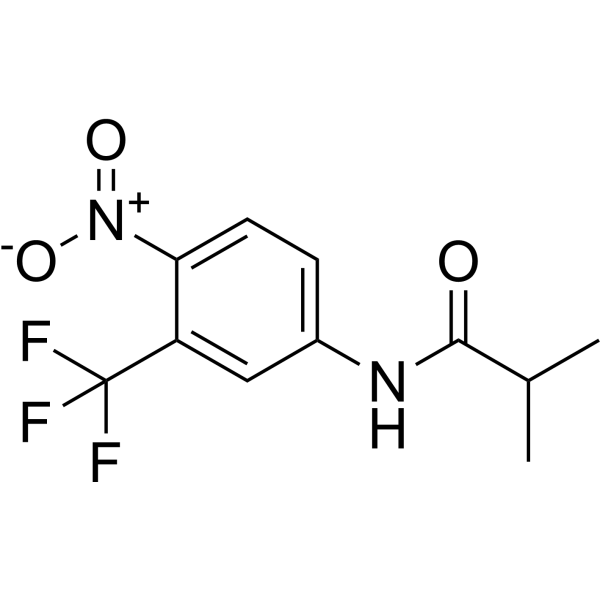
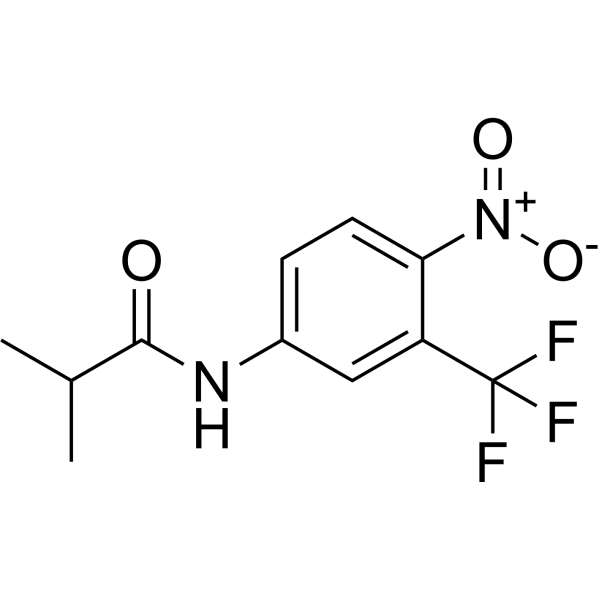
    Flutamide is an Androgen Receptor antagonist with Ki=55 nM. Flutamide inhibits prostate cancer progression and has synergistic effects with Docetaxel (HY-B0011). Flutamide also has the potential to protect against hyperthermia-induced multiple organ dysfunction syndrome .
    Flutamide
  • HY-12403
    Talfirastide
    15+ Cited Publications

    TXA127; Angiotensin (1-7); Ang-(1-7)

    Angiotensin Receptor Angiotensin-converting Enzyme (ACE) Endogenous Metabolite Cardiovascular Disease Inflammation/Immunology Endocrinology Cancer
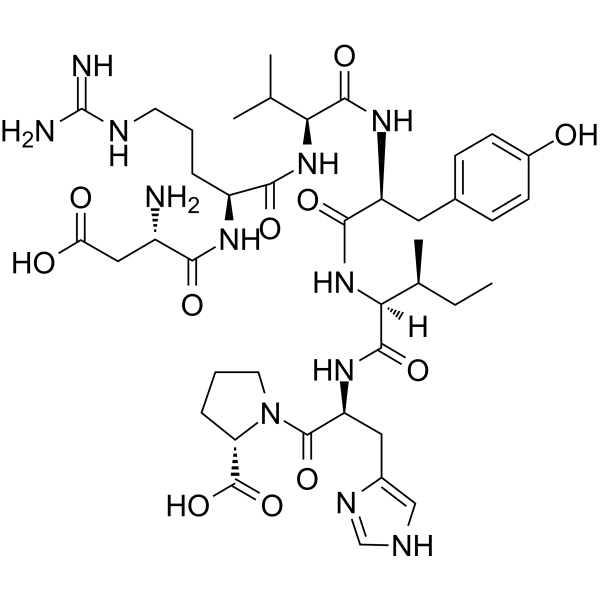
    Angiotensin 1-7 (Ang-(1-7)) is an endogenous heptapeptide from the renin-angiotensin system (RAS) with a cardioprotective role due to its anti-inflammatory and anti-fibrotic activities in cardiac cells. Angiotensin 1-7 inhibits purified canine ACE activity (IC50=0.65 μM). Angiotensin 1-7 acts as a local synergistic modulator of kinin-induced vasodilation by inhibiting ACE and releasing nitric oxide. Angiotensin 1-7 blocks Ang II-induced smooth muscle cell proliferation and hypertrophy and shows antiangiogenic and growth-inhibitory effects on the endothelium. Angiotensin 1-7 shows anti-inflammatory activity .
    Talfirastide
  • HY-132844

    HL-085

    MEK Cancer
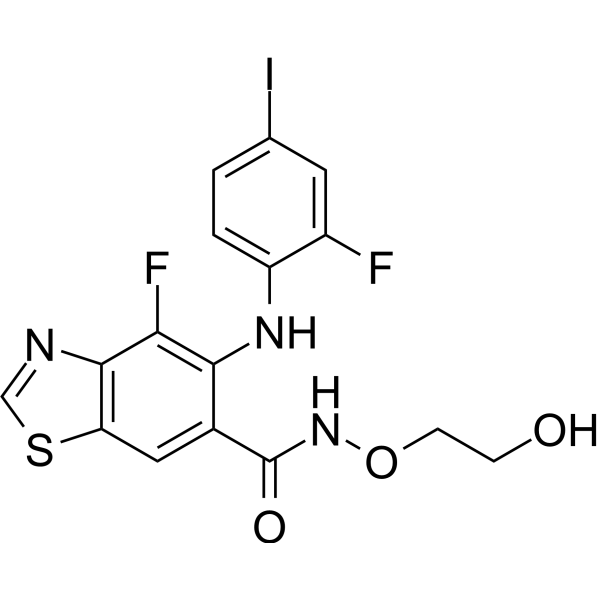
    Tunlametinib is a highly selective, orally active MEK1/2 inhibitor (IC50=1.9 nM, MEK1). Tunlametinib blocks the RAS-RAF-MEK-ERK signaling pathway, arrests tumor cell cycle and promotes apoptosis. Tunlametinib potently inhibits the proliferation of RAS/RAF mutant cancer cells (such as BRAF V600E, KRAS G12C mutant cells). Tunlametinib shows synergistic anti-tumor effects with BRAF/KRASG12C/SHP2 inhibitors, Docetaxel (HY-B0011). Tunlametinib can be used to study targeted therapy for RAS/RAF mutation-driven malignancies (such as melanoma, colorectal cancer, and non-small cell lung cancer) .
    Tunlametinib
  • HY-N1934

    Potassium Channel HSP Cardiovascular Disease Inflammation/Immunology Cancer
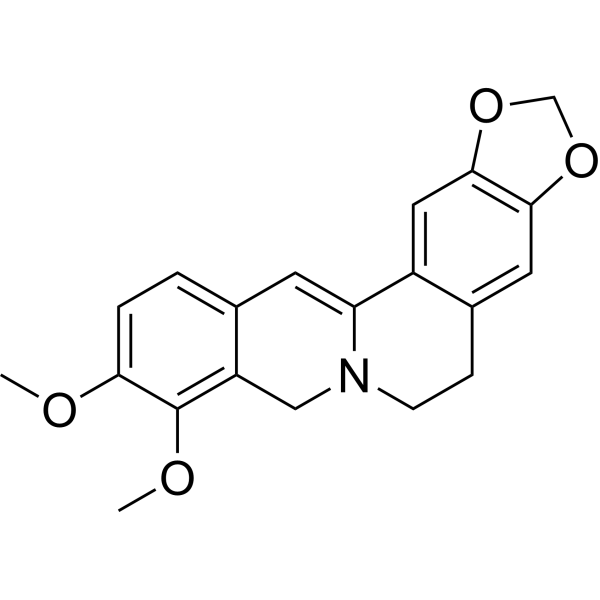
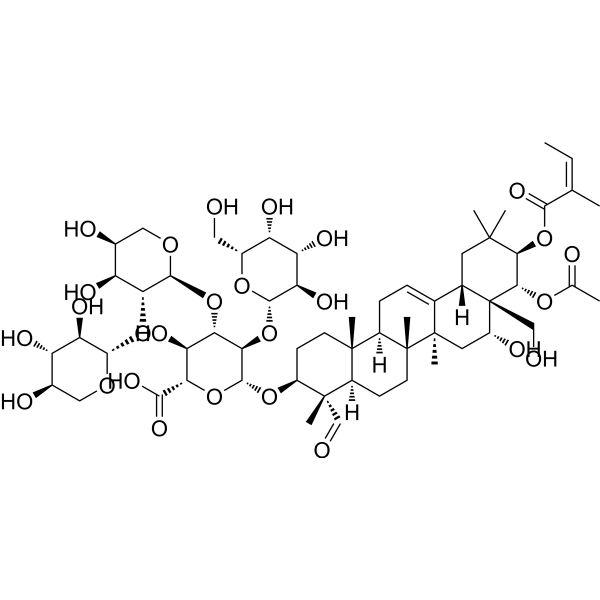
    Dihydroberberine is a naturally occurring isoquinoline alkaloid with anti-inflammatory, anti-atherosclerotic, hypolipidemic and anti-tumor activities. Dihydroberberine inhibits the human ether-related gene (hERG) channel and significantly reduces the expression of heat shock protein 90 (Hsp90) and its interaction with hERG. Dihydroberberine also blocks the TLR4/MyD88/NF-κB signaling pathway to reduce pro-inflammatory cytokines and immunoglobulins, and has inhibitory effects on DSS (HY-116282C)-induced experimental colitis. Dihydroberberine also increases the sensitivity of lung cancer to sunitinib (HY-10255A), with synergistic efficacy .
    Dihydroberberine
  • HY-30270

    p-Hydroxyanisole

    HSP Estrogen Receptor/ERR Endocrinology
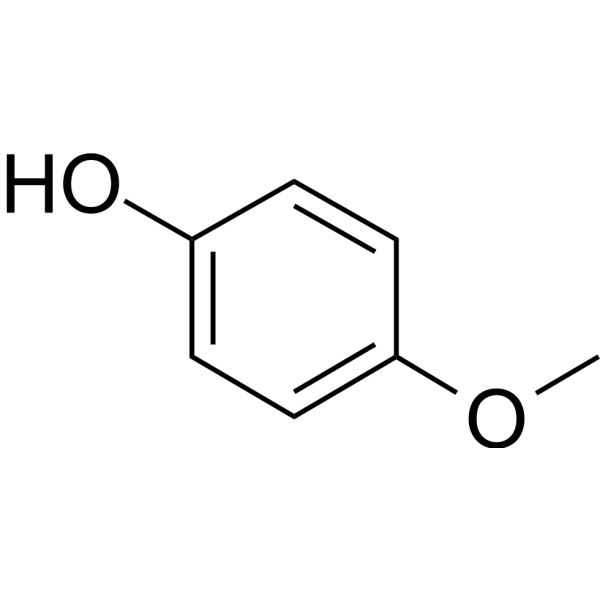
    Mequinol (4-Methoxyphenol)yes MercurialisOne of the bioactive ingredients, mainly used for skin discoloration . MequinolIs an antioxidant that has additive/synergistic effects on carcinogenesis when combined with other phenolic antioxidants. Mequinolalso promote hERαDependent chaperone production with potential estrogenic activity .
    Mequinol
  • HY-N0417
    Cucurbitacin E
    5+ Cited Publications

    α-Elaterin; α-Elaterine

    CDK Autophagy PANoptosis Metabolic Disease Inflammation/Immunology Cancer
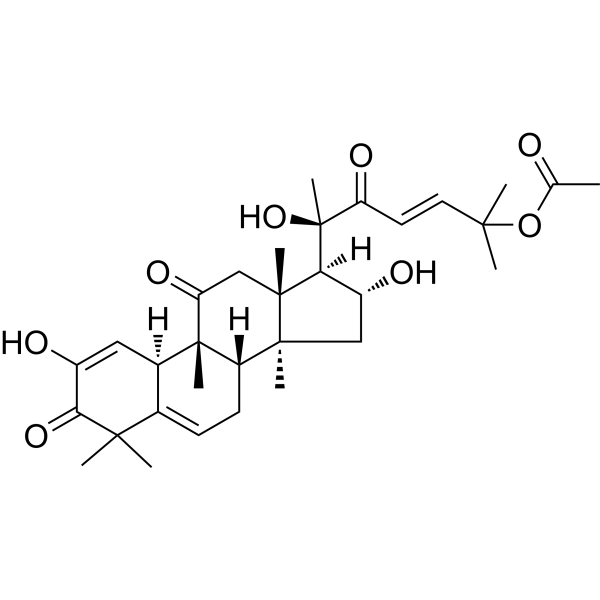
    Cucurbitacin E is a CDK1 inhibitor that significantly inhibits the activity of the cyclin B1/CDC2 complex. Cucurbitacin E also induces PANoptosis in adrenocortical carcinoma cells in a ZBP1-dependent manner. Cucurbitacin E exhibits synergistic effects with Mitotane (HY-13690); when used in combination, they effectively eliminate tumors .
    Cucurbitacin E
  • HY-103019A

    (±)-BAY-1251152; (±)-VIP152

    CDK Apoptosis DNA/RNA Synthesis Cancer
    (±)-Enitociclib ((±)-BAY-1251152) is the racemic mixture of Enitociclib (HY-103019E). Enitociclib is a selective CDK9 inhibitor and apoptosis inducer. Enitociclib inhibits CDK9 activity and reduces the phosphorylation of Ser2 in the carboxyl-terminal domain (CTD) of RNA polymerase Pol II, thereby downregulating the transcription of key oncogenes such as MYC and MCL1. Enitociclib has anti-proliferative activity targeting MYC + lymphoma and multiple myeloma (MM) cells, and has synergistic effects with Bortezomib (HY-10227) and Lenalidomide (HY-A0003), and can be used in the research of hematological malignancies .
    (±)-Enitociclib
  • HY-152293

    VEGFR ERK Cancer
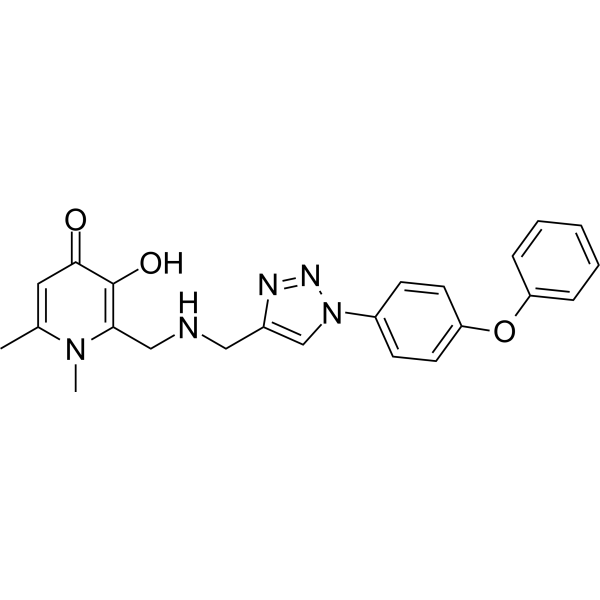
    EVT801 is an orally active and selective inhibitor of VEGFR-3 (IC50=11 nM), which has antitumor effects. EVT801 inhibits not only VEGF-C-induced human endothelial cell proliferation, but also tumor (lymphatic) angiogenesis in tumor mouse models. EVT801 can reduce tumor hypoxia, immunosuppressive cytokines (CCL4, CCL5) and myeloid derived suppressor cells (MDSC) production. EVT801 has synergistic effect with immune checkpoint therapy (ICT), which improves ICT response rate and has better inhibitory effect on cancer mouse models . EVT801 is a click chemistry reagent, it contains an Alkyne group and can undergo copper-catalyzed azide-alkyne cycloaddition (CuAAc) with molecules containing Azide groups.
    EVT801
  • HY-B0515
    Ibandronate Sodium Monohydrate
    1 Publications Verification

    BM-210955; RPR-102289A

    Apoptosis Metabolic Disease Cancer
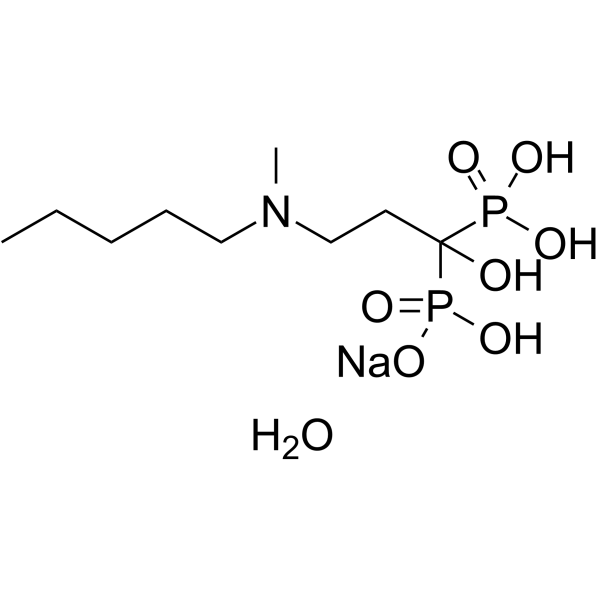
    Ibandronate Sodium Monohydrate (BM-210955; RPR-102289A) is an orally active, selective inhibitor of farnesyl pyrophosphate synthase (FPP synthase). Ibandronate Sodium Monohydrate can block the mevalonate pathway to inhibit the isoprenylation modification of small GTPases (such as RAS, RHO family proteins), induce tumor cell apoptosis and inhibit bone resorption. Ibandronate Sodium Monohydrate inhibits tumor cell proliferation (such as ER + breast cancer cells), promotes the expression of the pro-apoptotic gene FAS, and can produce synergistic anti-tumor effects with anti-estrogen compounds. Ibandronate Sodium Monohydrate is used in the study of osteoporosis and bone metastatic tumors (such as breast cancer bone metastasis) .
    Ibandronate Sodium Monohydrate
  • HY-W012009
    2'-Deoxy-2'-fluorocytidine
    1 Publications Verification

    Influenza Virus Infection
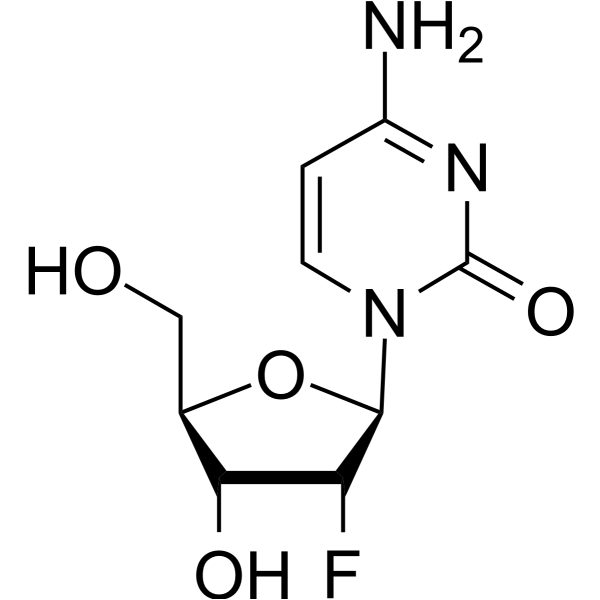
    2'-Deoxy-2'-fluorocytidine, an nucleoside analog, is a potent inhibitor of Crimean-Congo hemorrhagic fever virus (CCHFV) replication. 2′-deoxy-2′-fluorocytidine can act synergistically with T705 to increase the potency of both compounds antiviral effects on CCHFV replication .
    2'-Deoxy-2'-fluorocytidine
  • HY-16160
    Cysmethynil
    1 Publications Verification

    Autophagy ICMT Neurological Disease Cancer
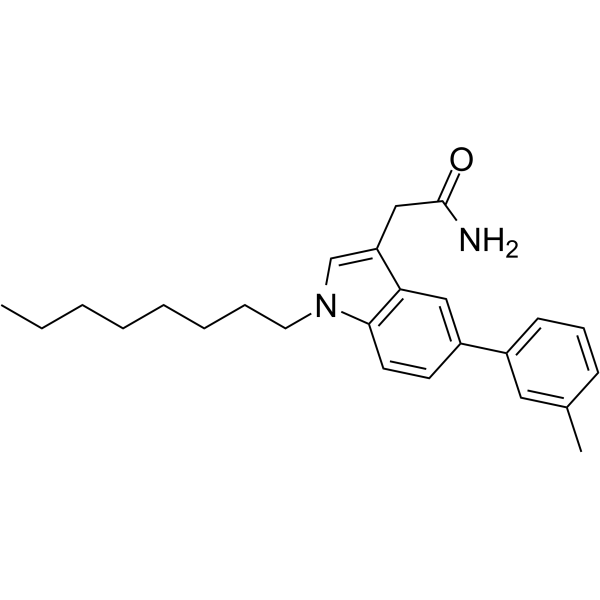
    Cysmethynil is an Icmt inhibitor(IC50 = 2.4 μM). Cysmethynil inhibites RAS membrane binding and EGF signal transduction. Cysmethynil prevents the cells in the G1 phase and induces autophagy. Cysmethynil inhibits PC3 cells proliferation, has synergistic effect with Paclitaxel (HY-B0015) and Doxorubicin (HY-15142A). Cysmethynil has anti-tumor effects and can be used for solid tumor (such as prostate cancer et al.) research .
    Cysmethynil
  • HY-18257

    Antibiotic Bacterial Dengue Virus Amyloid-β HIV Integrase Infection Neurological Disease Inflammation/Immunology
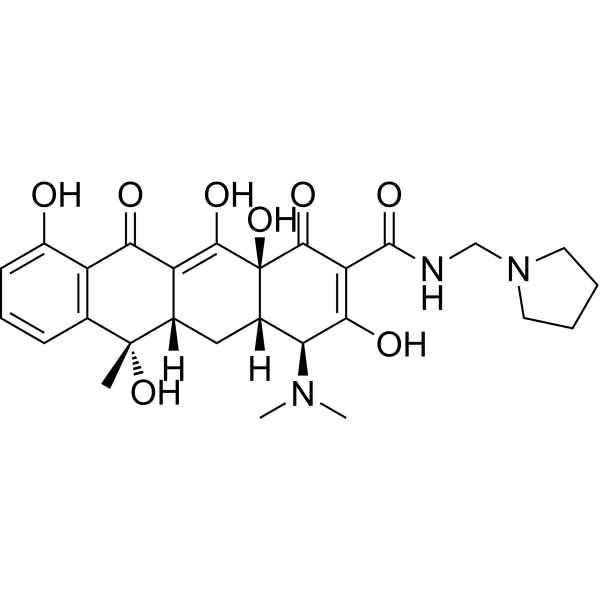
    Rolitetracycline is a highly soluble, broad-spectrum antibiotic derived from tetracycline. Rolitetracycline binds to and stabilizes bovine serum albumin, and also inhibits HIV-1 integrase, blocks Aβ fibril formation and suppresses dengue virus proliferation. Rolitetracycline mediates the inhibition of Aβ fibrils via a specific three-dimensional pharmacophore conformation, and exerts bacteriostatic and bactericidal activities. Rolitetracycline acts synergistically with Penicillin G (HY-N7139) or Cephalothin (HY-B1275A) to alter the effects on microbial growth. Rolitetracycline serves as an important tool compound for the study of bacterial infections (urinary tract infections, sepsis), HIV-1 and dengue virus infections, as well as Alzheimer's disease .
    Rolitetracycline
  • HY-111772A

    (R)-VX-445

    Drug Isomer CFTR Inflammation/Immunology
    (R)-Elexacaftor ((R)-VX-445) is the enantiomer of Elexacaftor (HY-111772). Elexacaftor is an orally active CFTR modulator that targets nucleotide-binding domain 1. Elexacaftor stabilizes misfolded F508del-CFTR protein, enhances its trafficking to the plasma membrane, and significantly improves metabolic stability, thermal stability and ion conductivity. Elexacaftor not only restores chloride transport function in nasal epithelial cells and rescues multiple CFTR mutation subtypes, but also exerts multiplicative synergistic effects with Ivacaftor (HY-13017), and is often used in a triple combination therapy with Tezacaftor (HY-15448). Elexacaftor is widely used in basic and clinical translational research on cystic fibrosis .
    (R)-Elexacaftor
  • HY-P990951

    REGN-5381

    Natriuretic Peptide Receptor (NPR) Cardiovascular Disease
    Vixticibart (REGN-5381) is a fully human IgG4 monoclonal antibody and NPR1 agonist that targets NPR1. Vixticibart stabilizes the receptor in an activated conformation by binding to the N-terminal domain of NPR1, and enhances the activity of endogenous ligands ANP and BNP without blocking ligand binding when these ligands are present. Vixticibart exerts vasodilatory and hypotensive effects by inducing cGMP production, preferentially dilating venous vessels to reduce systolic and venous pressure, but does not induce diuresis and may trigger a compensatory increase in heart rate. Vixticibart produces a synergistic hypotensive effect when combined with angiotensin-converting enzyme inhibitors or angiotensin receptor blockers, and is currently mainly used in research related to heart failure and hypertension .
    Vixticibart
  • HY-158039

    Deubiquitinase Apoptosis Cancer
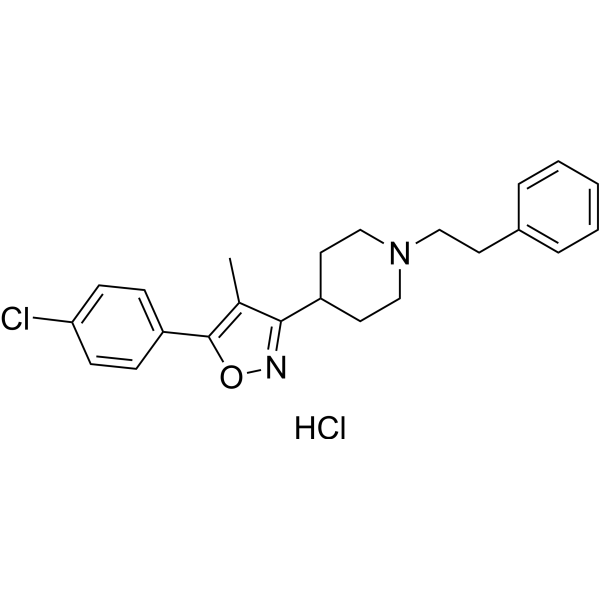
    YCH2823 is an inhibitor of USP7 (IC50 = 49.6 nM; Kd = 0.117 μM). YCH2823 shows significant efficacy in inhibiting TP53 wild-type and mutant tumors, with approximately 5-fold higher potency than FT671. YCH2823 induce apoptosis. YCH2823 synergistic effects with mTOR inhibitors .
    YCH2823
  • HY-12403A
    Talfirastide acetate
    15+ Cited Publications

    TXA127 acetate; Angiotensin (1-7) acetate; Ang-(1-7) acetate

    Angiotensin Receptor Angiotensin-converting Enzyme (ACE) Endogenous Metabolite Cardiovascular Disease Inflammation/Immunology Endocrinology Cancer
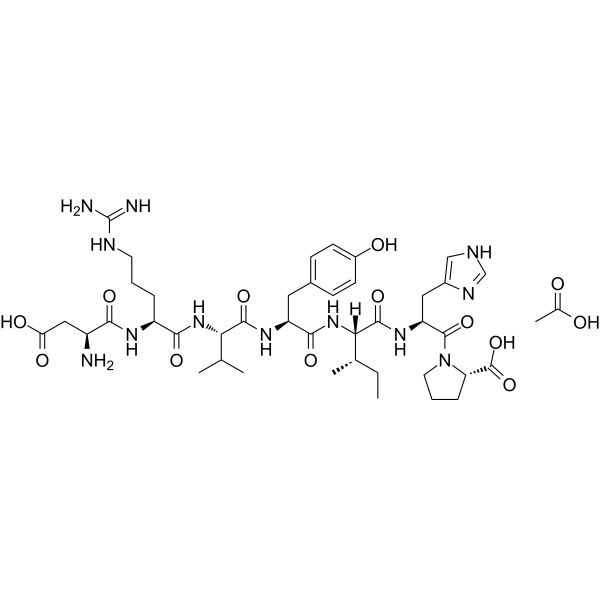
    Angiotensin 1-7 (Ang-(1-7)) acetate is an endogenous heptapeptide from the renin-angiotensin system (RAS) with a cardioprotective role due to its anti-inflammatory and anti-fibrotic activities in cardiac cells. Angiotensin 1-7 acetate inhibits purified canine ACE activity (IC50=0.65 μM). Angiotensin 1-7 acetate acts as a local synergistic modulator of kinin-induced vasodilation by inhibiting ACE and releasing nitric oxide. Angiotensin 1-7 acetate blocks Ang II-induced smooth muscle cell proliferation and hypertrophy and shows antiangiogenic and growth-inhibitory effects on the endothelium .
    Talfirastide acetate
  • HY-103019B
    (-)-Enitociclib
    2 Publications Verification

    (R)-Enitociclib; (-)-BAY-1251152; (-)-VIP152

    Drug Isomer CDK Apoptosis DNA/RNA Synthesis Cancer
    (-)-Enitociclib ((R)-Enitociclib) is an enantiomer of Enitociclib (HY-103019E) with an optical rotation of (-). Enitociclib is a selective CDK9 inhibitor and apoptosis inducer. Enitociclib inhibits CDK9 activity and reduces the phosphorylation of Ser2 in the carboxyl-terminal domain (CTD) of RNA polymerase Pol II, thereby downregulating the transcription of key oncogenes such as MYC and MCL1. Enitociclib has anti-proliferative activity targeting MYC + lymphoma and multiple myeloma (MM) cells, and has synergistic effects with Bortezomib (HY-10227) and Lenalidomide (HY-A0003), and can be used in the research of hematological malignancies .
    (-)-Enitociclib
  • HY-14744
    Levamlodipine
    2 Publications Verification

    (S)-Amlodipine; Levoamlodipine

    Calcium Channel MMP Cardiovascular Disease Neurological Disease
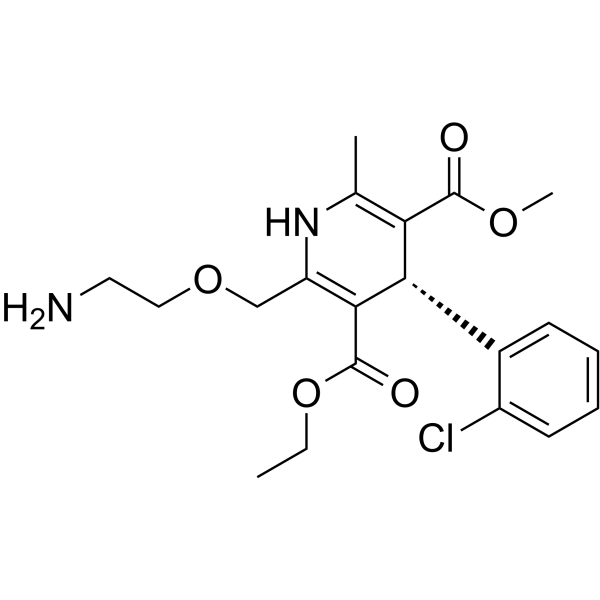
    Levamlodipine ((S)-Amlodipine; Levoamlodipin) is an orally active L-type calcium channel blocker and MMP-9 modulator with high permeability and retention properties. Levamlodipine significantly enhances plaque stability and improves lipid profiles by reducing blood pressure, decreasing systolic blood pressure variability, and inhibiting MMP-9 expression in atherosclerotic plaques. Levamlodipine not only alleviates cardiac and aortic hypertrophy and prevents renal atrophy, but also produces synergistic effects in blood pressure reduction and organ protection when combined with bisoprolol (HY-129029). Levamlodipine exerts no significant inhibitory effect on abdominal aortic intimal hyperplasia. When excessively accumulated in the epidermis, Levamlodipine may induce changes in keratin structure, impair the skin barrier and trigger inflammation; long-term use further exacerbates skin irritation caused by local administration. Levamlodipine can be used in research related to hypertension and atherosclerosis .
    Levamlodipine
  • HY-114170
    ML604440
    3 Publications Verification

    Proteasome Inflammation/Immunology
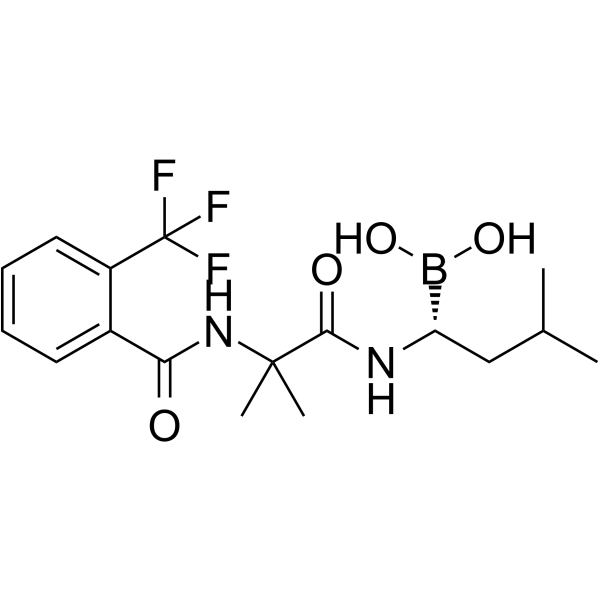
    ML604440 is a specific and cell-permeable Proteasome β1i (LMP2) subunit inhibitor. ML604440 can be used in experimental colitis, EAE and autoimmune disease research. ML604440 shows synergistic effects and advantageous when combined with LMP7 inhibitor .
    ML604440
  • HY-144691

    PROTACs CDK Cancer
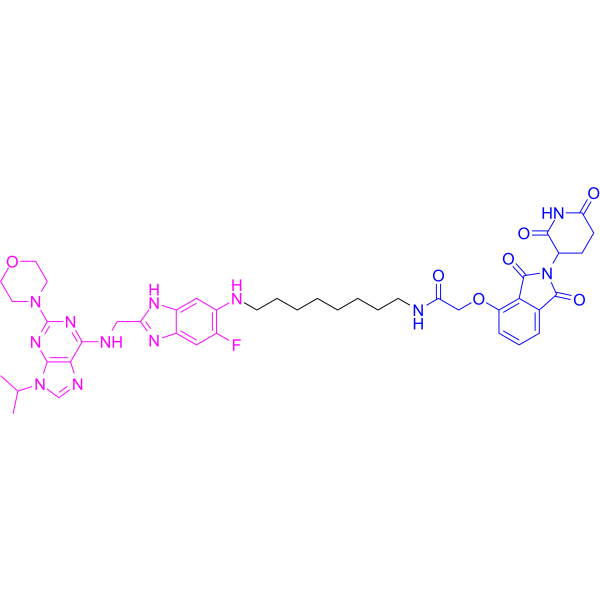
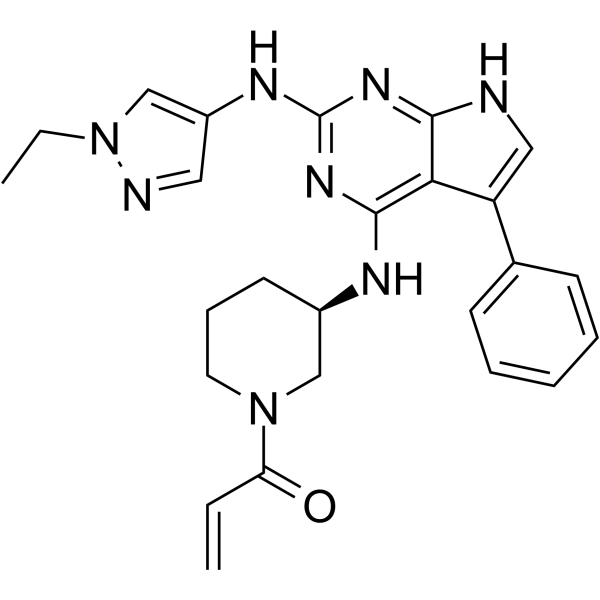
    PP-C8 is a potent and selective PROTAC CDK12-Cyclin K degrader. PP-C8 induces CDK12-Cyclin K degradation with DC50s of 416 and 412 nM for CDK12 and Cyclin K, respectively. PP-C8 demonstrates profound synergistic antiproliferative effects with PARP inhibitor in triple-negative breast cancer (TNBC) .
    PP-C8
  • HY-B0515B
    Ibandronate Sodium
    1 Publications Verification

    Apoptosis Metabolic Disease Cancer
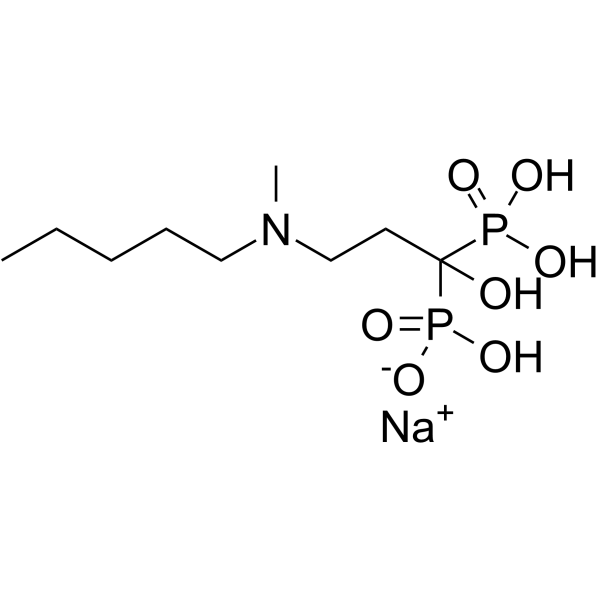
    Ibandronate Sodium is an orally active, selective inhibitor of farnesyl pyrophosphate synthase (FPP synthase). Ibandronate Sodium can block the mevalonate pathway to inhibit the isoprenylation modification of small GTPases (such as RAS, RHO family proteins), induce tumor cell apoptosis and inhibit bone resorption. Ibandronate Sodium inhibits tumor cell proliferation (such as ER+ breast cancer cells), promotes the expression of the pro-apoptotic gene FAS, and can produce synergistic anti-tumor effects with anti-estrogen compounds. Ibandronate Sodium is used in the study of osteoporosis and bone metastatic tumors (such as breast cancer bone metastasis) .
    Ibandronate Sodium
  • HY-176798

    Lactate Dehydrogenase Reactive Oxygen Species (ROS) Apoptosis Cancer
    NCI-006 is an orally active lactate dehydrogenase (LDH) inhibitor (LDHA IC50 = 0.06 μM; LDHB IC50 = 0.03 μM). NCI-006 inhibits intratumoral LDH activity, lactate production, and tumor growth in a mouse pancreatic cancer model. NCI-006 inhibits glycolysis and induces apoptosis in vitro. NCI-006 enhances the radiosensitivity of glycolytic tumor cell lines while sparing non-glycolytic/normal cells (1522, skin fibroblasts) in combination with ionizing radiation (IR). NCI-006 exhibits synergistic antitumor effects in combination with IACS-010759 (HY-112037) against colorectal and gastric cancers. NCI-006 targets glycolysis by inhibiting lactate dehydrogenase impairs tumor growth in an Ewing sarcoma model .
    NCI-006
  • HY-W109754

    2',4'-DHC

    Bacterial Infection
    2',4'-Dihydroxychalcone, in combination with nalidixic acid (HY-B0398), exhibits synergistic effects against E. coli by reducing membrane permeability .
    2',4'-Dihydroxylchalcone
  • HY-161152

    DNA/RNA Synthesis Apoptosis Cancer
    DNA relaxation-IN-1 (Compound 27) is a DNA ligase 1 DNA Lig1) inhibitor. DNA relaxation-IN-1 inhibits DNA ligation and disrupts the DNA relaxing activity of DNA Lig1. DNA relaxation-IN-1 induces Apoptosis. DNA relaxation-IN-1, in combination with Topotecan (HY-13768), exhibits synergistic antiproliferative effects against colorectal cancer .
    DNA relaxation-IN-1
  • HY-119062

    MetAP CDK Cancer
    A-800141 is an orally active, selective, sulfonamide-based MetAP2 inhibitor (IC50=12 nM) that binds reversibly to MetAP2 and interacts with its manganese ions. A-800141 induces the production of N-terminal methionine-unprocessed GAPDH variants, which in turn triggers G1-phase cell cycle arrest, elevates p21 levels, and reduces the levels of phosphorylated Rb and total cyclin A. A-800141 exhibits anti-angiogenic and tumor growth inhibitory effects, and produces synergistic effects when combined with cytotoxic inhibitors or BCL-2 inhibitors. A-800141 has been widely used in scientific research related to B-cell lymphoma, neuroblastoma, prostate cancer, colon cancer, melanoma and other fields .
    A-800141
  • HY-15266

    PRI 2202; Impurity D of Calcipotriol

    Drug Derivative VD/VDR Cancer
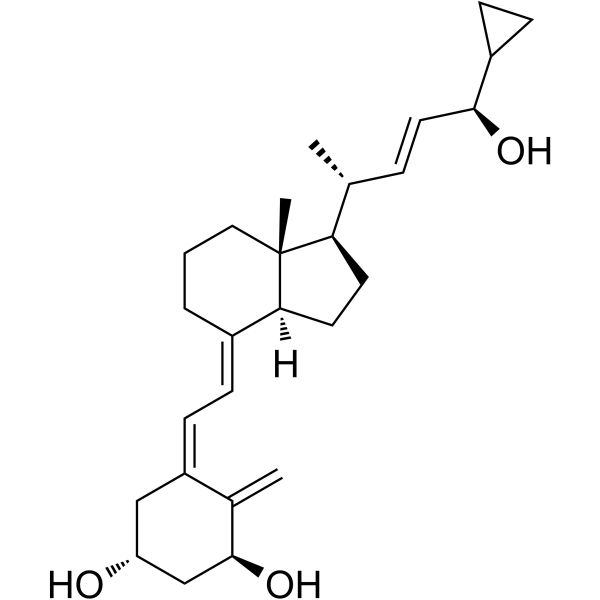
    24R-Calcipotriol (PRI 2202; Impurity D of Calcipotriol), an isomer of Calcipotriol (HY-10001), is a synthetic vitamin D analog. 24R-Calcipotriol exhibits synergistic antiproliferative effects with low-dose cytostatics in in vitro. 24R-Calcipotriol produces tumor growth inhibition when combined with Cyclophosphamide (HY-17420) and Cisplatin (HY-17394) in mice models. 24R-Calcipotriol can increase serum calcium levels and reduce blood leukocyte counts . 24R-Calcipotriol can be used for the research of mammary cancer and Lewis lung cancer .
    24R-Calcipotriol
  • HY-107461

    Glucocorticoid Receptor Cardiovascular Disease
    LY2623091 is a mineralocorticoid receptor antagonist for the treatment of refractory hypertension. LY2623091 exhibits CYP3A4-dependent clearance and synergistic effects with CYP3A4 inhibitors .
    LY2623091
  • HY-117778B

    Enolase Bacterial Antibiotic ATP Synthase Infection Cancer
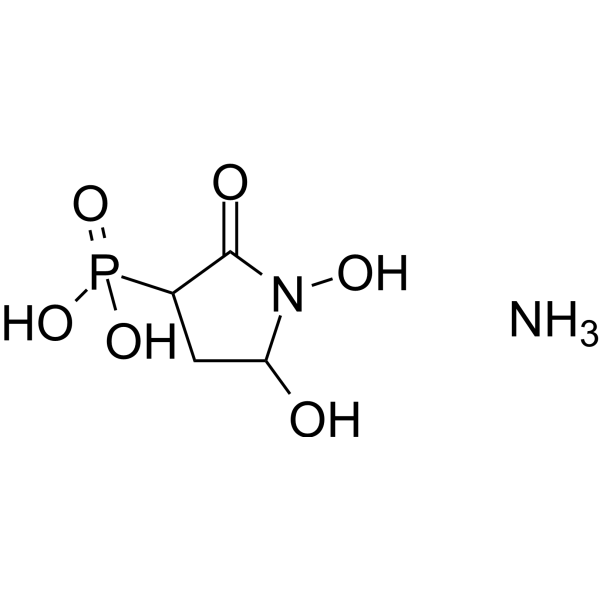
    SF2312 ammonium is a phosphonate Antibiotic and Enolase inhibitor, with an IC50 of 18.4 nM against E. coli enolase. SF2312 ammonium reduces intracellular ATP levels and inhibits glycolytic flux. SF2312 ammonium exhibits activity against both Gram-positive and Gram-negative bacteria, and exerts synergistic effects against E. coli when combined with Fosfomycin (HY-B1075A). SF2312 ammonium shows selective toxicity toward gliomas with ENO1 gene knockout. SF2312 ammonium can be used in research related to bacterial infections and gliomas .
    SF2312 ammonium
  • HY-137340

    PROTACs Casein Kinase Cancer
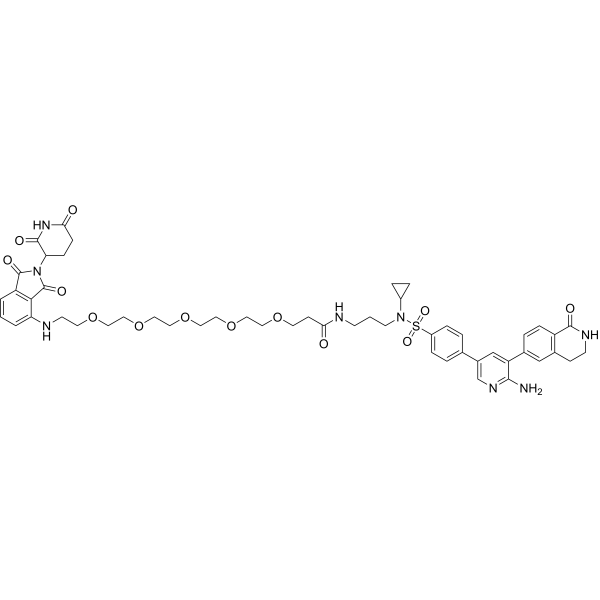
    WH-10417-099 is a CRBN-based PROTAC multi-kinase degrader that induces the degradation of the maximum number of unique kinases (over 125 unique kinases, such as CSNK1E and PI3Kγ) simultaneously. WH-10417-099 induces protein degradation via the ubiquitin biotinylation (E-STUB) pathway, exhibits synergistic effects with SB-405483 (HY-W1135319). The E3 ligase ligand and linker of WH-10417-099 can form the conjugate Pomalidomide 4'-PEG5-acid (HY-131647) .
    WH-10417-099
  • HY-161989

    PROTACs BCL6 Cancer
    DZ-837 (compound 3d) is a PROTAC targeting BCL6 with a DC50 of approximately 600 nM. DZ-837 can induce cell cycle arrest and exert synergistic anticancer effects with Ibrutinib (HY-10997). DZ-837 is composed of PROTAC target protein ligand BCL6 ligand-2 (HY-161990) (red part), E3 ubiquitin ligase ligand Thalidomide-4-OH (HY-103596) (blue part), and PROTAC Linker (HY-W245803) (black part), among which the conjugate of E3 ubiquitin ligase ligand + Linker is 2-(2,6-Dioxopiperidin-3-yl)-4-((2-(2-hydroxyethoxy)ethyl)amino)isoindoline-1,3-dione (HY-W924949) [1] .
    DZ-837
  • HY-162324

    Survivin Cancer
    MX106-4C is a survivin inhibitor that selectively kills ABCB1-positive colorectal cancer cells. MX106-4C can exert synergistic anticancer effects with Doxorubicin or resensitize drug-resistant ABCB1 cells to Doxorubicin .
    MX106-4C
  • HY-N1934R

    Reference Standards Potassium Channel HSP Cardiovascular Disease Inflammation/Immunology Cancer
    Dihydroberberine (Standard) is the analytical standard of Dihydroberberine. This product is intended for research and analytical applications. Dihydroberberine is a naturally occurring isoquinoline alkaloid with anti-inflammatory, anti-atherosclerotic, hypolipidemic and anti-tumor activities. Dihydroberberine inhibits the human ether-related gene (hERG) channel and significantly reduces the expression of heat shock protein 90 (Hsp90) and its interaction with hERG. Dihydroberberine also blocks the TLR4/MyD88/NF-κB signaling pathway to reduce pro-inflammatory cytokines and immunoglobulins, and has inhibitory effects on DSS (HY-116282C)-induced experimental colitis. Dihydroberberine also increases the sensitivity of lung cancer to sunitinib (HY-10255A), with synergistic efficacy .
    Dihydroberberine (Standard)
  • HY-179047

    Toll-like Receptor (TLR) MyD88 IKK p38 MAPK ERK TNF Receptor Interleukin Related Inflammation/Immunology Cancer
    SMU-L11-R is a selective TLR7 agonist with an EC50 of 0.012 μM for human TLR7. SMU-L11-R specifically activates TLR7, recruits  MyD88, and triggers MAPK/NF-κB pathways, leading to TNF-α/IL-1β/IL-6 secretion in both mouse and human peripheral blood mononuclear cells. SMU-L11-R promotes M1-like macrophage polarization. SMU-L11-R exhibits excellent synergistic anti-tumor effects with PD-L1 inhibitors by upregulating CD8 +T cells. SMU-L11-R shows potential in colorectal cancer studies .
    SMU-L11-R
  • HY-150583

    Fungal Inflammation/Immunology
    Chitin synthase inhibitor 2 (compound 2b) is a potent inhibitor of chitin synthase with the IC50 value of 0.09 mM and the Ki value of 0.12 mM. Chitin synthase inhibitor 2 has antimicrobial activities in vitro and shows synergistic or additive effects with fluconazole or polyoxin B .
    Chitin synthase inhibitor 2
  • HY-W102510

    Glycosidase Metabolic Disease
    Gallacetophenone is an inhibitor of α-glucosidase with an IC50 value of 408.6 μM. When combined with 1-Deoxynojirimycin (HY-14860), Gallacetophenone exhibits synergistic inhibitory effects on mammalian α-glucosidase at high concentrations. Gallacetophenone can be used in the study of diseases such as type 2 diabetes .
    Gallacetophenone
  • HY-B0317F

    Calcium Channel Infection
    Amlodipine hydrochloride is a biologically active drug used to lower blood pressure and prevent chest pain. Amlodipine hydrochloride has shown synergistic effects with antimicrobial drugs in in vitro studies, especially against carbene peptide-resistant Acinetobacter baumannii. Amlodipine hydrochloride can be used in combination with other antibiotics to enhance the inhibitory effect against resistant bacteria. The use of amlodipine hydrochloride helps reduce the dosage requirements of the drug, reduce toxic effects, and delay the emergence of drug resistance .
    Amlodipine hydrochloride
  • HY-117404

    MEK ERK Cancer
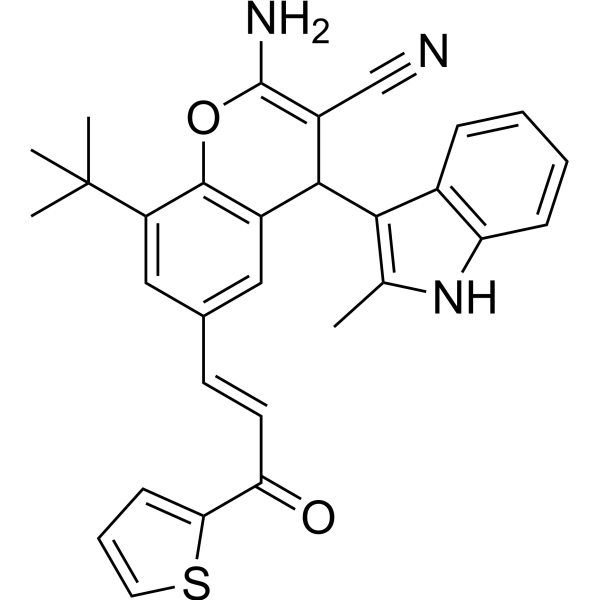
    LLS30 is an anticancer agent. LLS30 suppresses MEK/ERK pathway. LLS30 has anti-cancer effects against ovarian cancer, prostate cancer, and malignant peripheral nerve sheath tumors. LLS30 shows synergistic anti-cancer effect with Enzalutamide (HY-70002) or Docetaxel (HY-B0011) .
    LLS30
  • HY-161383

    Checkpoint Kinase (Chk) Cancer
    CHK1-IN-9 (compound 11) is an orally active CHK1 inhibitor with an IC50 value of 0.55 nM. CHK1-IN-9 can enhance the effect of DNA-damaging drugs on tumor cells. CHK1-IN-9 has synergistic anticancer effects with Gemcitabine (HY-17026) .
    CHK1-IN-9
  • HY-30270R

    p-Hydroxyanisole (Standard)

    HSP Estrogen Receptor/ERR Reference Standards Endocrinology
    Mequinol (Standard) is the analytical standard of Mequinol. This product is intended for research and analytical applications. Mequinol (4-Methoxyphenol)yes MercurialisOne of the bioactive ingredients, mainly used for skin discoloration . MequinolIs an antioxidant that has additive/synergistic effects on carcinogenesis when combined with other phenolic antioxidants. Mequinolalso promote hERαDependent chaperone production with potential estrogenic activity .
    Mequinol (Standard)
  • HY-164492

    Raf Cancer
    LSN3074753, an analog of LY3009120 (HY-12558), is a pan-RAF and Raf dimer inhibitor. LSN3074753 demonstrates activity against tumor cells with MAPK pathway activation driven by BRAF monomer or RAF dimers including BRAF- or KRAS-mutant colorectal cancer. LSN3074753 combined with Cetuximab (HY-P9905) shows additive and synergistic effects for colorectal cancer PDX models, particularly those with KRAS or BRAF mutation .
    LSN3074753
  • HY-178111

    Bacterial Infection
    AcrB-IN-6 is an effective AcrB inhibitor. AcrB-IN-6 The compound inhibits the function of bacterial multidrug efflux pumps, thereby significantly enhancing the antibacterial activity of various antibiotics. AcrB-IN-6 achieves 32-fold MIC reductions in wild-type E. coli BW25113. AcrB-IN-6 exhibits excellent synergistic antibacterial effects, low cytotoxicity and hemolytic properties. AcrB-IN-6 can be used for researching anti-resistant bacteria .
    AcrB-IN-6
  • HY-173273

    CDK Apoptosis DNA/RNA Synthesis Akt Cancer
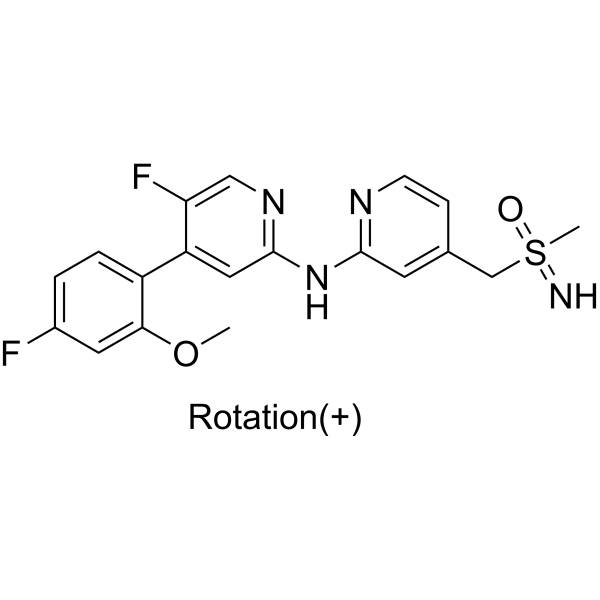
    YJZ5118 is a selective CDK12/CDK13 inhibitor with IC50 values of 39.5 nM and 26.4 nM. YJZ5118 suppresses transcription of DNA damage response genes and induces DNA damage in tumor cells. YJZ5118 inhibits proliferation and triggers apoptosis. YJZ5118 inhibits RNA polymerase II Ser2 phosphorylation and increases Akt pathway activity. YJZ5118 exhibits synergistic effects with Akt inhibitors. YJZ5118 can be used for the research of cancer, such as prostate cancer .
    YJZ5118
  • HY-149155

    Bacterial Infection
    o-Cymen-5-ol is a broad-spectrum antimicrobial agent with direct antimicrobial activity. o-Cymen-5-ol showed effective minimum inhibitory concentrations (MICs) against a variety of bacteria and fungi, such as Streptococcus mutans and Candida albicans. The combination of o-Cymen-5-ol and zinc showed synergistic effects, enhancing the inhibitory effect against oral pathogens. o-Cymen-5-ol was able to inhibit the glycolysis process and co-enhanced this effect with zinc. o-Cymen-5-ol showed a stronger antibacterial effect in toothpaste than placebo .
    o-Cymen-5-ol
  • HY-174301

    Deubiquitinase DNA Methyltransferase MDM-2/p53 Cancer
    USP7-IN-18 is a naphthalene derivative. USP7-IN-18 is a selective USP7 inhibitor (IC50 : 130.9 nM), with no or very weak inhibition of the other 8 DUBs including USP47. USP7-IN-18 specifically binds to the catalytic domain of USP7, blocking its deubiquitinase activity. USP7-IN-18 causes degradation of the oncogenic proteins MDM2 and DNMT1, and also degrades the novel target PCLAF. USP7-IN-18 activates the p53-p21 pathway. USP7-IN-18 exerts anti-tumor effects in colon cancer animal models and reshapes the tumor immune microenvironment. USP7-IN-18 achieves both direct cytotoxic and immune-synergistic anti-tumor actions.
    USP7-IN-18
  • HY-168357

    Drug Derivative Neurological Disease
    Cannabiphorol (compound 4d) is a rare cannabinoid closely related to cannabinol. Cannabiphorol has the potential for the research of synergistic effects when combined with other cannabinoids .
    Cannabiphorol
  • HY-163070

    Parasite Infection
    Antimalarial agent 35 (compound QP11) is a selective inhibitor FP2. Antimalarial agent 35 has antimalarial activity and shows synergistic effects when combined with chloroquine(HY-17589A) .
    Antimalarial agent 35
  • HY-154971

    Apoptosis Cancer
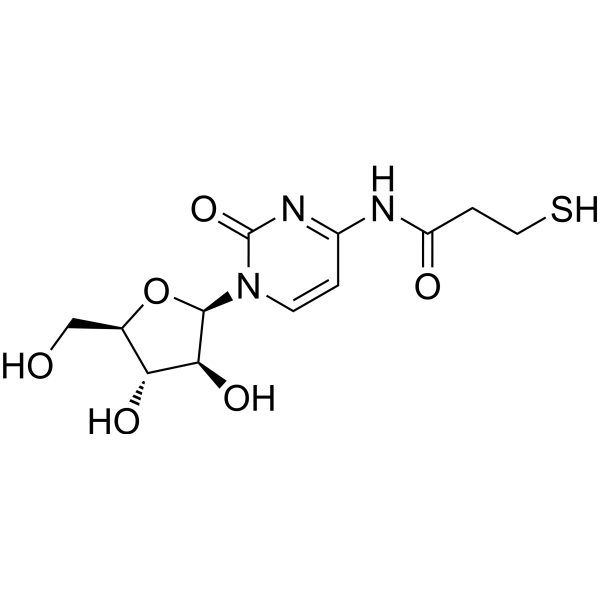
    Ara-SH is a Cytarabine mercaptopropionic acid-substituted derivative. Ara-SH is used as the trigger to fabricate a smart Cytarabine and Venetoclax-coloaded nanoparticle (AV-NP) through self-assembly. Ara-SH exhibits remarkable synergistic antileukemia effects in vitro and in vivo .
    Ara-SH
  • HY-W400801

    G-749 hydrochloride

    TAM Receptor Cancer
    Denfivontinib (G-749) hydrochloride is an AXL inhibitor that has synergistic antitumor effects with the PD-1 inhibitor Pembrolizumab (HY-P9902). Denfivontinib can enhance the NOD-like receptor pathway, thereby promoting the formation of the NLRP3 inflammasome .
    Denfivontinib hydrochloride
  • HY-156573

    DGK Cancer
    DGKα/ζ-IN-1 (Compound II) is a DGK target inhibitor. DGKα/ζ-IN-1 can enhance the function of T cells, and has a synergistic effect with PD-1, which has therapeutic effects IN both immune and tumor .
    DGKα/ζ-IN-1
  • HY-118894

    DNA/RNA Synthesis
    AB-182 is an aziridine derivative and antitumor agent.AB-182 shows synergistic antitumor effects in conjunction with x-irradiation. Intermediate hydrolysis products of AB-182 may block the repair of x-irradiation-induced breaks in the DNA strands by phosphorylating their free 3'-OH end groups.
    AB182

Consulta en línea

Your information is safe with us. * Required Fields.

Saludo


Country or Region *

Nombre del solicitante *


Nombre de la Organizaciòn *

Department *


Direcciòn del E-mail *


Nombre del producto *

Cat. No.


Requested quantity *

Número de teléfono *


Observaciones

Consulta en línea

Inquiry Information

Nombre del producto:
Cat. No.:
Cantidad:
MCE Japan Authorized Agent: