Search Result
Results for "
'Russet Burbank' potato tubers
" in MedChemExpress (MCE) Product Catalog:
9
Biochemical Assay Reagents
12
Isotope-Labeled Compounds
| Cat. No. |
Product Name |
Target |
Research Areas |
Chemical Structure |
-
- HY-113449
-
-
-
- HY-N0325
-
-
-
- HY-B2225A
-
|
Edible corn starch (from potato)
|
Environmental Pollutants
Biochemical Assay Reagents
|
Others
|
|
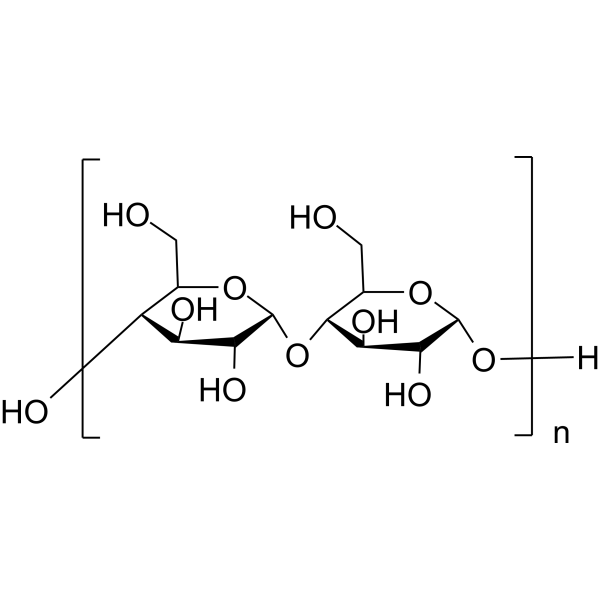
Starch (from potato) (Edible corn starch (from potato)) is a type of starch derived from potatoes. Starch (from potato) consists of amylose and amylopectin, and has properties such as easy gelatinization and high viscosity. Starch (from potato) is the main carbohydrate in potatoes and an important raw material for the food industry .
|
-
-
- HY-N6570
-
|
|
Others
|
Others
|
|
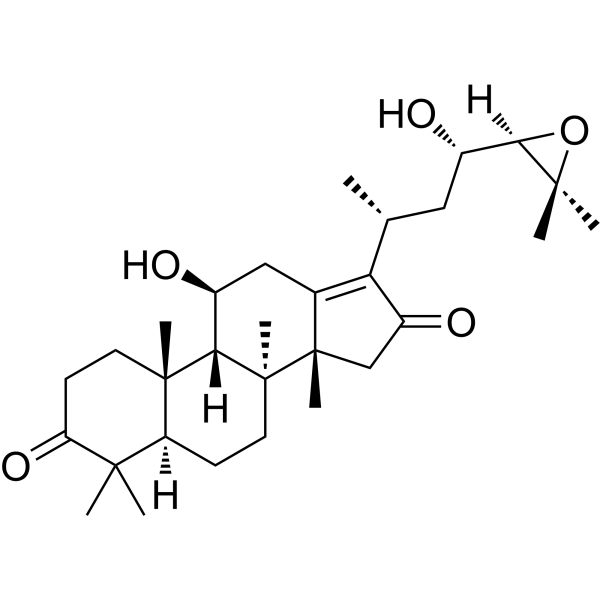
Alisol C is a triterpenoid that can be found in the tuber of Alisma orientale (Sam.) Juzep .
|
-
-
- HY-N7398
-
-
-
- HY-W145520
-
|
|
Biochemical Assay Reagents
|
Others
|
|
Amylopectin is a branched glucan polymer and one of the two principal components of starch, found in botanical sources including corn, amaranth, and potato .
|
-

-
- HY-N7271
-
|
|
RAD51
MDM-2/p53
|
Cardiovascular Disease
Cancer
|
|
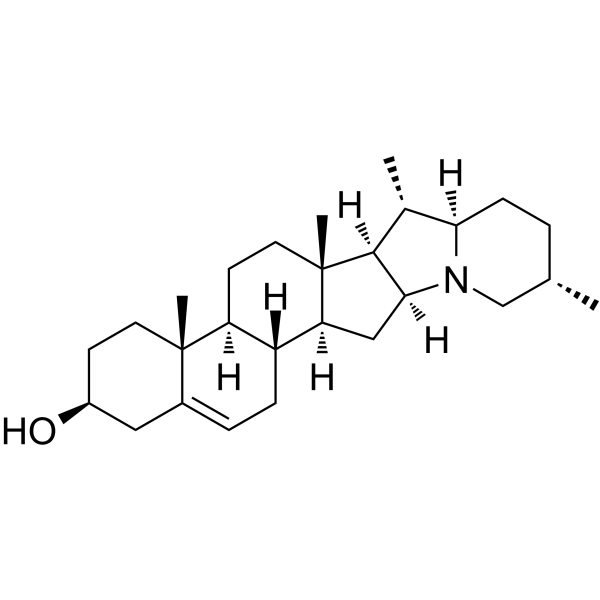
Solanidine is an orally active cholestane alkaloid. Solanidine can be isolated from potato. Solanidine decreases RAD51 and increases γH2AX and p53. Solanidine has anti-tumor effects on LLC tumors and lung cancer. Solanidine promotes breast cancer cell proliferation. Solanidine reduces neovascularization. Solanidine causes abortion in some pregnant mice .
|
-
-
- HY-N11630
-
|
|
Influenza Virus
Biochemical Assay Reagents
|
Infection
|
|
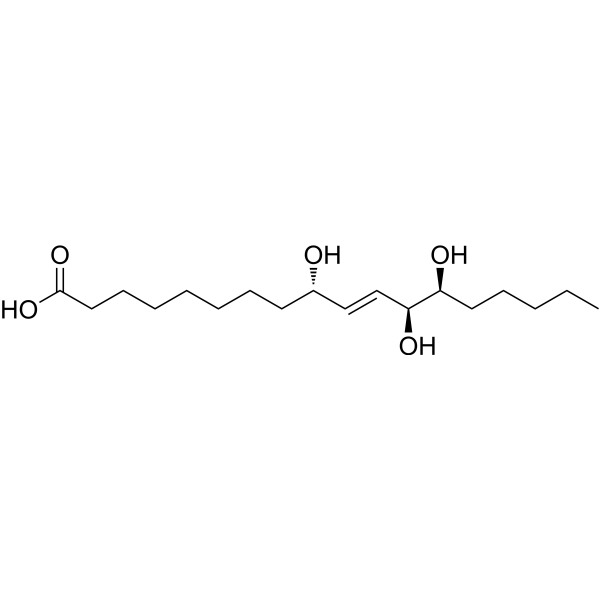
Pinellic acid is an orally active adjuvant for intranasal influenza vaccines. Pinellic acid can be extracted from the tubers of Pinellia ternata Breitenbach. When administered intranasally in combination with influenza HA vaccine, Pinellic acid slightly increases the titers of antiviral IgG antibodies in bronchoalveolar lavage fluid and serum. Pinellic acid shows no hemolytic activity. Pinellic acid can be used in studies related to influenza virus infection .
|
-
-
- HY-W744966
-
|
|
Environmental Pollutants
Antibiotic
|
Infection
|
|
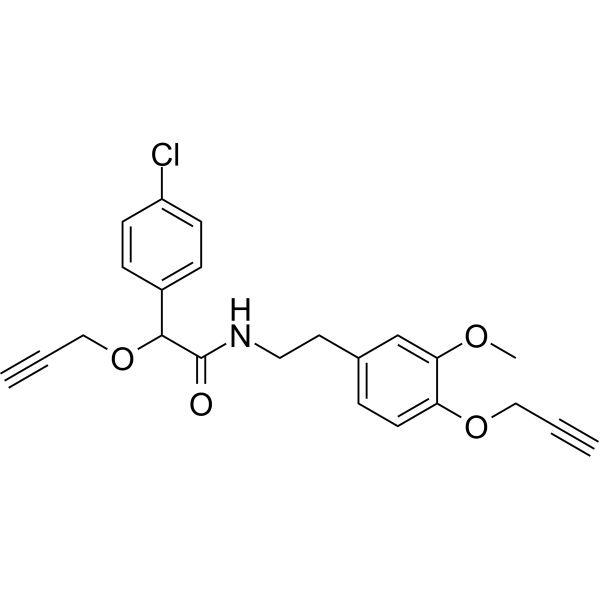
Mandipropamid displays outstanding activity against late blight diseases of potato and tomato, combined with excellent efficacy on downy mildew diseases of grape and cucumber .
|
-
-
- HY-N0654
-
|
|
Drug Isomer
|
Others
|
|
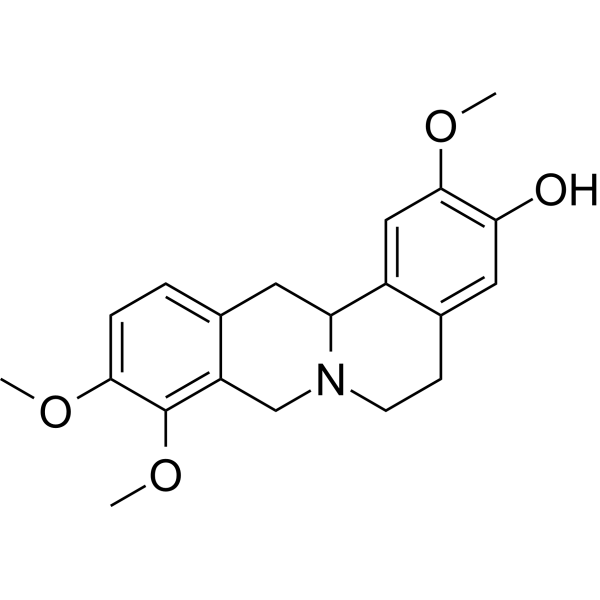
Corypalmine is an alkaloid identified in the dried tubers of Corydalis Decumbens Pers, with an oral bioavailability of 4.6% in mice. Corypalmine exhibits poor gastrointestinal absorption properties, which correlate with its high hydrophilicity and low permeability .
|
-
-
- HY-W115789
-
|
|
Environmental Pollutants
Reactive Oxygen Species (ROS)
|
Others
|
|
Sodium silicate is a water-soluble silicate. Sodium silicate is widely used as a binder, particularly in the production of detergents, soaps, and cleaners. Sodium silicate promotes the deposition of suberin polyphenols and lignin at wound sites of potato tubers, accelerates callus structure formation, enhances ROS production, and induces the synthesis of total phenols and flavonoids. Sodium silicate reduces the weight loss rate and disease index of wounded potato tubers during storage .
|
-

-
- HY-Y1004
-
|
Decyl alcohol
|
Environmental Pollutants
Biochemical Assay Reagents
Parasite
Apoptosis
|
Infection
|
|
1-Decanol (Decyl alcohol) is a nematicidal agent derived from Houttuynia cordata, with an LC50 of 31.5 μg/mL against potato cyst nematodes (PCN). 1-decanol directly damages nematode surface structures, induces cellular apoptosis, and disrupts the oxidative stress regulation system, while also downregulating defense-related metabolic pathways in potato, thereby promoting the reallocation of metabolic resources from defense to growth. 1-Decanol can be used for the research of potato cyst nematode infestation .
|
-

-
- HY-N1033
-
|
|
Phytohormone
Drug Metabolite
Glycosyltransferase
|
Infection
|
|
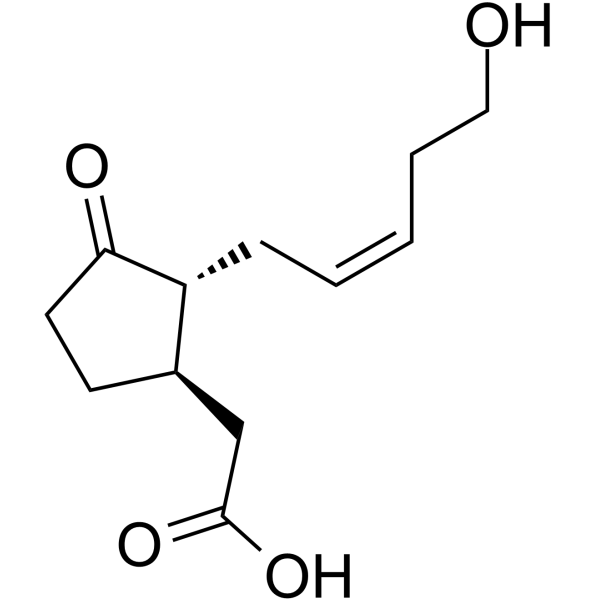
12-Hydroxyjasmonic acid is a metabolite of Jasmonic acid (HY-122464A) and an inducer of defense responses. 12-Hydroxyjasmonic acid can be isolated from potato leaflets. During the response of sugar beet plants to Cercospora beticola infection, 12-Hydroxyjasmonic acid is released through deglycosylation of its glucoside form and participates in the Jasmonic acid-mediated defense signaling pathway. 12-Hydroxyjasmonic acid mediates changes in source-sink relationships during pathogen infection, prioritizing the activation of defense processes over growth processes. 12-Hydroxyjasmonic acid serves as a substrate for salicylic acid Glycosyltransferases in tobacco and rice. 12-Hydroxyjasmonic acid can induce leaflet closure in Samanea saman. 12-Hydroxyjasmonic acid acts as a potato tuber-inducing substance. 12-Hydroxyjasmonic acid does not induce protoplast shrinkage in extensor motor cells of Samanea saman. 12-Hydroxyjasmonic acid can be used in studies related to brown spot disease .
|
-
-
- HY-B2008
-
|
DPX-JE874
|
Environmental Pollutants
Fungal
|
Infection
|
|
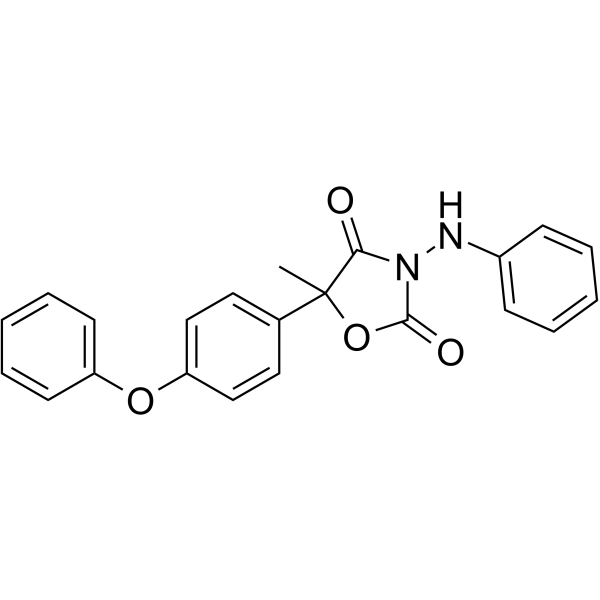
Famoxadone is a fungicide active against various oomycetes. Famoxadone induces rapid lysis of zoospores of P. viticola and P. infestans, and inhibits sporangial differentiation, zoospore release, sporangial germination and mycelial growth. Famoxadone exerts a preventive control effect on plant diseases. Famoxadone can be used in research related to grape downy mildew, potato late blight, tomato late blight and plant oomycete diseases .
|
-
-
- HY-W040141
-
|
|
Endogenous Metabolite
|
Metabolic Disease
|
|
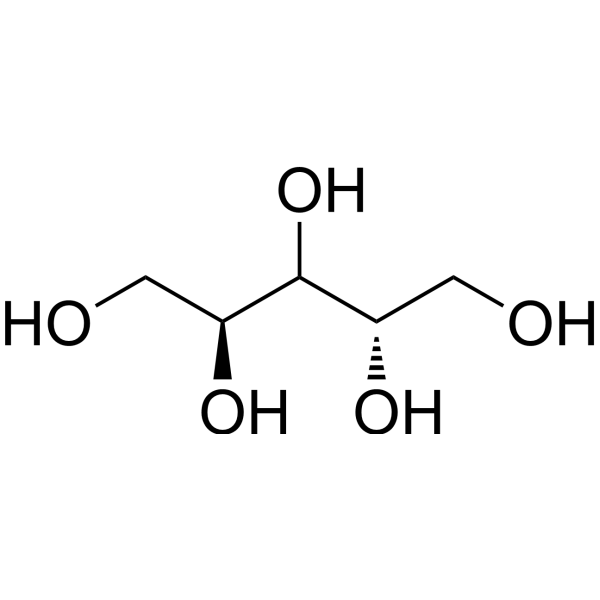
L-Arabinitol is a potential biomarker for the comsuption of the food products such as sweet potato, deerberry, moth bean, and is also associated with Alzheimer's disease and ribose-5-phosphate isomerase deficiency.
|
-
-
- HY-121935
-
|
|
Environmental Pollutants
Fungal
|
Infection
|
|
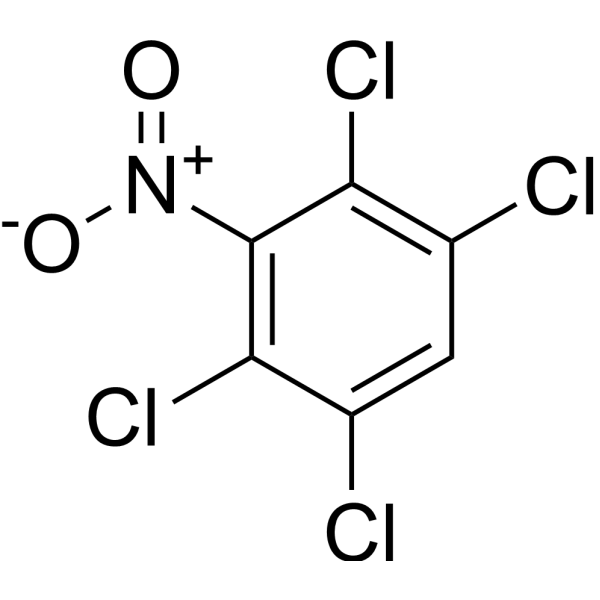
Tecnazene is a dinitroaromatic fungicide and plant growth regulator. Tecnazene binds irreversibly to human skin tissues and exhibits acute toxicity in Rattus norvegicus (brown rat). Tecnazene exerts sprouting-inhibiting and antifungal activities by inhibiting the sprouting of potato tuber buds and blocking the growth and reproduction of fungi that cause dry rot. Tecnazene has significant antifungal and sprouting-inhibiting activities, and shows high toxicity to aquatic organisms such as freshwater fish and crustaceans. Tecnazene is used for sprouting inhibition and dry rot control during potato storage .
|
-
-
- HY-139161
-
|
|
Environmental Pollutants
Fungal
|
Infection
|
|
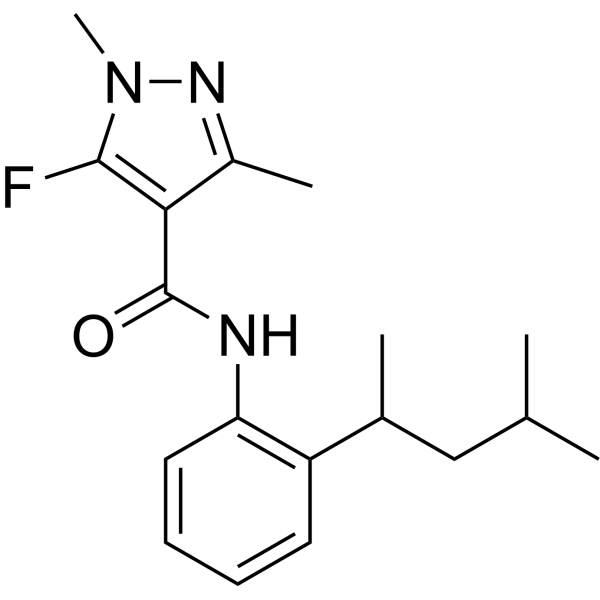
Penflufen is a highly efficient, broad-spectrum succinate dehydrogenase inhibitor (SDHI). Penflufen can be used as a fungicide and has broad bioactivity against many fungal diseases, including potato black scurf, wheat sharp eyespot, rice sheath blight, and root rot in peanut and other similar fungal diseases .
|
-
-
- HY-N9142
-
|
Ergosterol 3-O-β-D-glucopyranoside
|
Others
|
Others
|
|
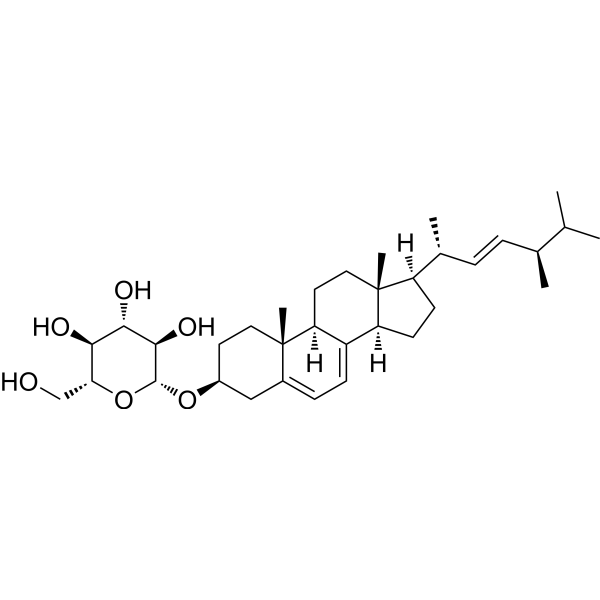
Ergosterol glucoside is a steroid that can be isolated from Tuber spp. truffles .
|
-
-
- HY-118149
-
|
9-D-Hydroperoxylinoleic acid
|
Endogenous Metabolite
|
Metabolic Disease
|
|
9(S)-HpODE is produced by the action of arachidonate 5-LO on linoleic acid. It can be further metabolized by potato hydroperoxide dehydratase to colneleic acid.
|
-

-
- HY-172183
-
-

-
- HY-E70360
-
|
Non-prostatic acid phosphatase, ACP, Orthophosphoric-monoester phosphohydrolase acid optimum, Acid Phosphatase, AcPase, Apase
|
Others
|
Others
|
|
Acid Phosphatase (ACP), Sweet Potato (Non-prostatic acid phosphatase, ACP, Orthophosphoric-monoester phosphohydrolase acid optimum, Acid Phosphatase, AcPase, Apase) is a biological material or organic compound that can be used in life science research .
|
-

-
- HY-W142437
-
|
|
Phytohormone
|
Others
|
|
1,4-Dimethylnaphthalen is a non-competitive potato tuber sprouting inhibitor. 1,4-Dimethylnaphthalen blocks cell cycle progression (G1/S arrest) by inducing PP2A phosphatase and oxygen metabolism-related genes. 1,4-Dimethylnaphthalen is promising for research of fungistatic activity during potato storage and sprout control under abiotic stress .
|
-

-
- HY-N11086
-
|
|
Others
|
Metabolic Disease
|
|
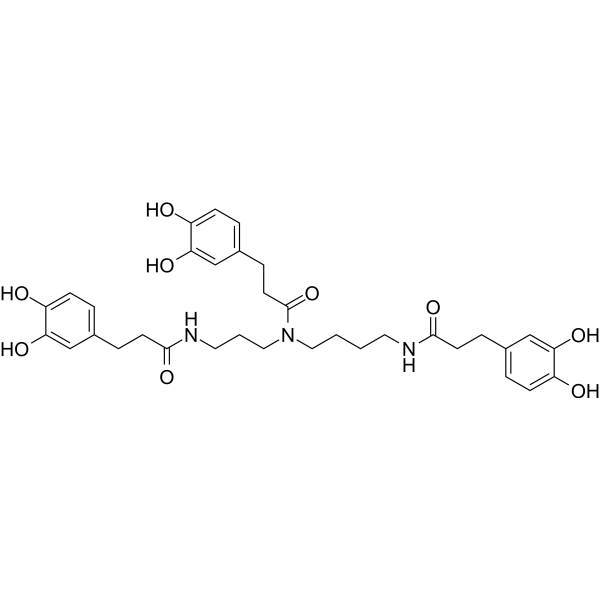
Tris(dihydrocaffeoyl)spermidine is an active compound. Tris(dihydrocaffeoyl)spermidine can be isolated from potato (Solanum tuberosum) tubers. Tris(dihydrocaffeoyl)spermidine can be used for the research of metabolism .
|
-
-
- HY-N6822
-
|
|
Others
|
Others
|
|
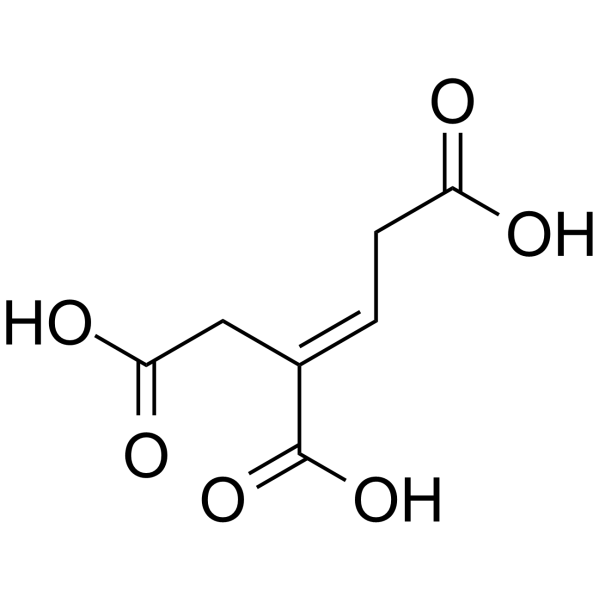
Triglochinic acid is a monomeric compound isolated from tubers of Pinellia pedatisecta Schott .
|
-
-
- HY-N11985
-
|
|
Others
|
Others
|
|
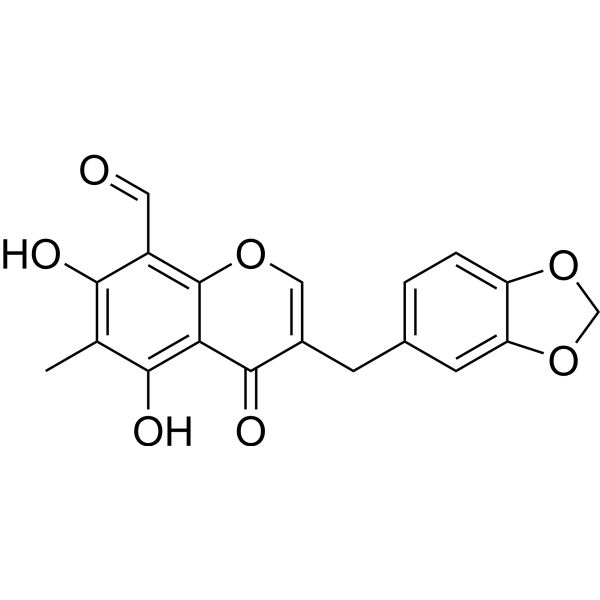
Ophiopogonone C (compound 3) is an isoflavone compound isolated from the ethanol extract of Ophiopogon japonicus tubers .
|
-
-
- HY-W762060
-
|
|
Fungal
|
Infection
|
|
Metiram is a polymeric dithiocarbamate pesticide active as a fungicide. Metiram is widely used to protect crops such as tomatoes, potatoes, apples, grapevines, etc. Human and environmental exposure from the representative use of Metiram on potatoes is considered non-negligible. Metiram is considered necessary in the control of serious threats to plant health that cannot be suppressed by other available means, including non-chemical methods .
|
-

-
- HY-N0924A
-
|
Tetrahydrocoptisine hydrochloride
|
Parasite
|
Inflammation/Immunology
|
|
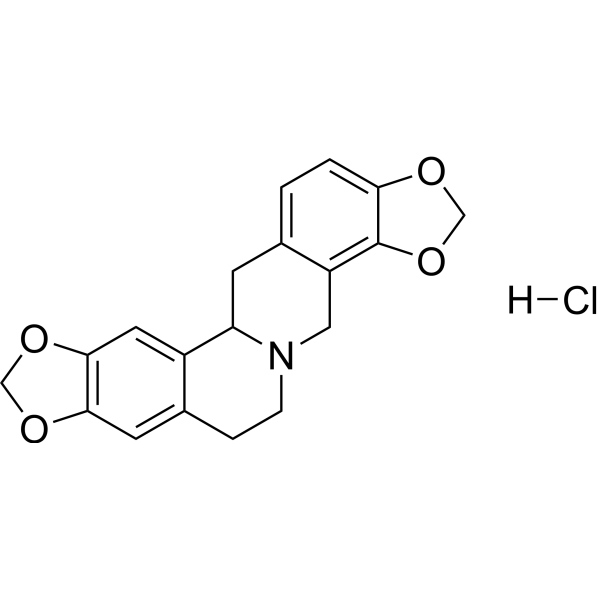
(±)-Stylopine (Tetrahydrocoptisine) hydrochloride is an alkaloid compound originally isolated from Corydalis tubers that exhibits anti-inflammatory and anti-parasitic activities .
|
-
-
- HY-N6894A
-
|
Isocoptisine chloride
|
Cholinesterase (ChE)
|
Inflammation/Immunology
|
|
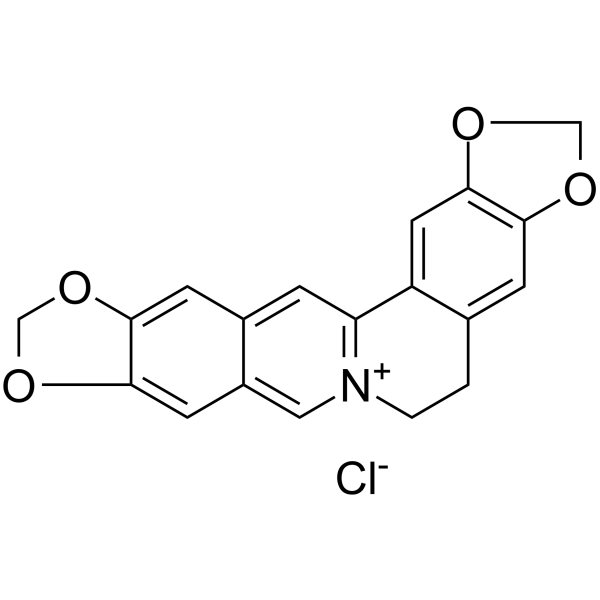
Pseudocoptisine (Isocoptisine) chloride is a quaternary alkaloid with benzylisoquinoline skeleton, was isolated from Corydalis Tuber. Pseudocoptisine chloride inhibits acetylcholinesterase (AChE) activity with an IC50 of 12.8 μM. Anti-inflammatory and anti-amnestic effects .
|
-
-
- HY-121935R
-
|
|
Reference Standards
Fungal
|
Infection
|
|
Tecnazene (Standard) is the analytical standard of Tecnazene. This product is intended for research and analytical applications. Tecnazene is a dinitroaromatic fungicide and plant growth regulator. Tecnazene binds irreversibly to human skin tissues and exhibits acute toxicity in Rattus norvegicus (brown rat). Tecnazene exerts sprouting-inhibiting and antifungal activities by inhibiting the sprouting of potato tuber buds and blocking the growth and reproduction of fungi that cause dry rot. Tecnazene has significant antifungal and sprouting-inhibiting activities, and shows high toxicity to aquatic organisms such as freshwater fish and crustaceans. Tecnazene is used for sprouting inhibition and dry rot control during potato storage .
|
-

-
- HY-N12216
-
|
|
Others
|
Others
|
|
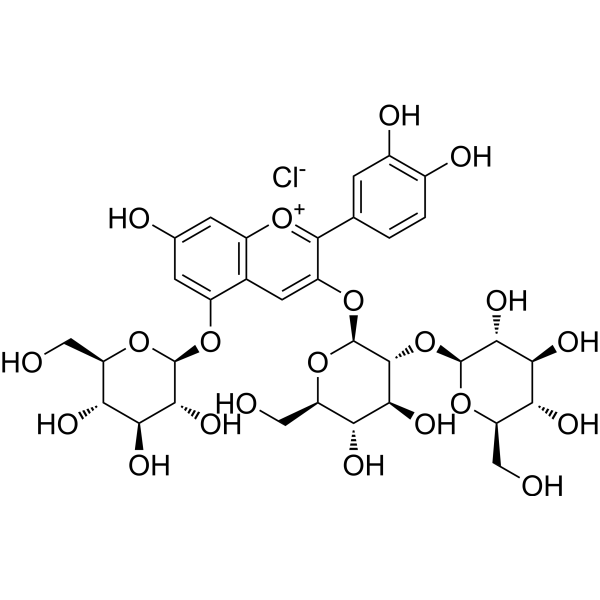
Cyanidin 3-sophoroside-5-glucoside is the main anthocyanin in purple-fleshed sweet potato and affects the antioxidant activity of purple-fleshed sweet potato .
|
-
-
- HY-N6059
-
|
|
Others
|
Others
|
|
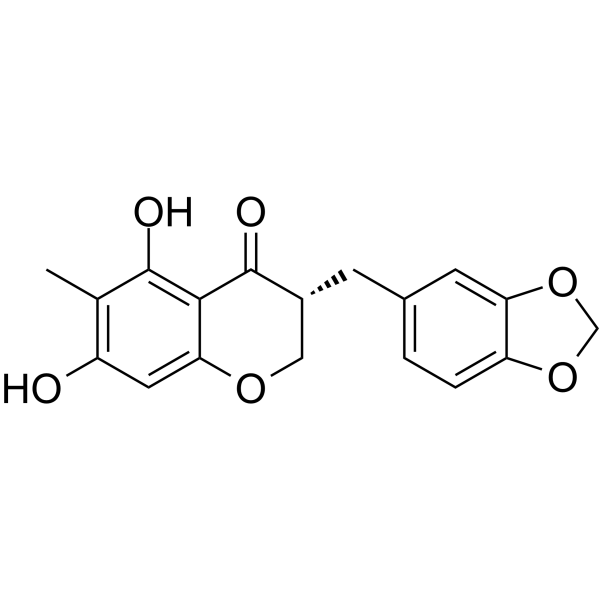
Ophiopogonanone A is a homoisoflavonoidal compound isolated as a constitutent of Ophiopogonis tuber .
|
-
-
- HY-N15369
-
-

-
- HY-119419
-
-
-
- HY-W750129
-
|
|
Sex Pheromone
|
Endocrinology
|
|
(3E,8Z)-3,8-Tetradecadienyl acetate is an insect sex pheromone that can be isolated from unmated female South American potato tuber moths (Scrobipalpula absoluta) .
|
-

-
- HY-B2221S
-
|
|
Isotope-Labeled Compounds
Endogenous Metabolite
|
Others
|
|
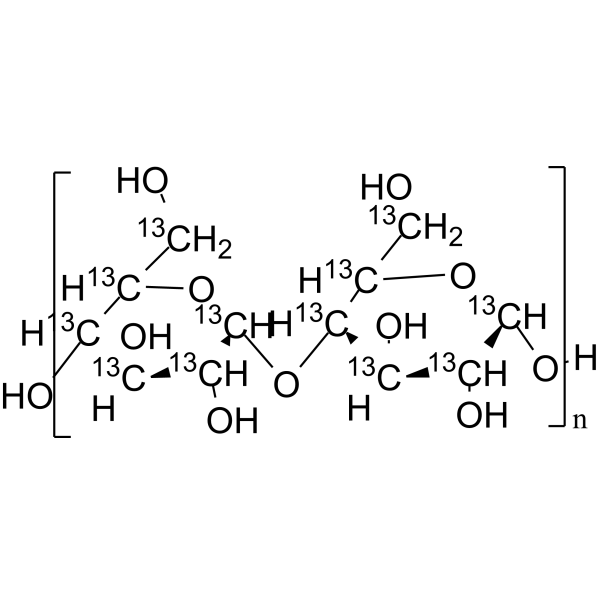
U- 13C Cellulose high DP from potato is the 13C labeled Cellulose (HY-B2221). Cellulose (Pectin glycosidase) is a natural high molecular weight polysaccharide found in many plants and organisms. It is widely used in manufacturing industries, such as in paper making, textiles, food and medicine, etc. As a renewable resource, Cellulose is biodegradable and sustainable, and can also be used to manufacture chemicals such as Cellulose Esters, Cellulose Acetate and Cellulose Nitrate. In addition, Cellulose is often used as a food additive to increase the stability and quality of food .
|
-
-
- HY-N7673
-
|
|
Others
|
Others
|
|
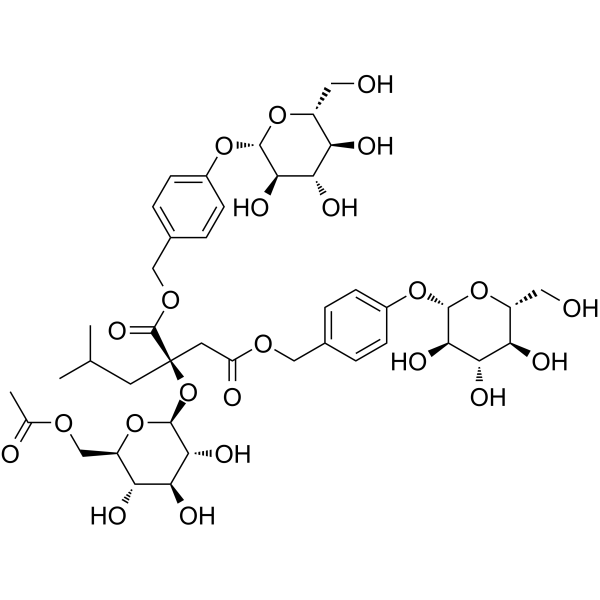
Gymnoside III is a glucosyloxybenzyl 2-isobutylmalate isolated from the tubers of Gymnadenia conopsea .
|
-
-
- HY-N8890
-
|
|
Beta-secretase
γ-secretase
|
Others
|
|
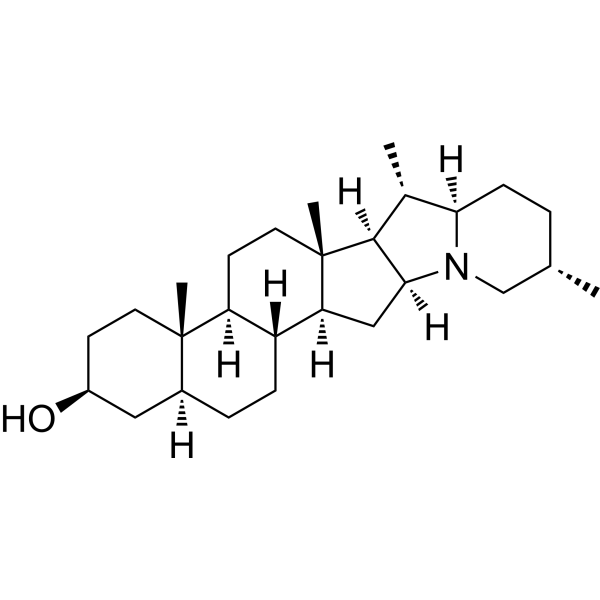
Demissidine is an alkaloid that can be isolated from potato . Demissidine is a promising dual inhibitors against β- and γ-secretase proteins in silico .
|
-
-
- HY-N12574
-
|
|
Others
|
Others
|
|
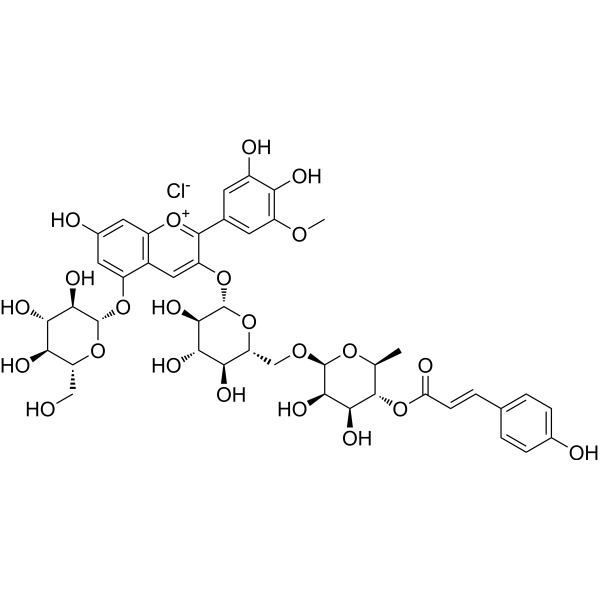
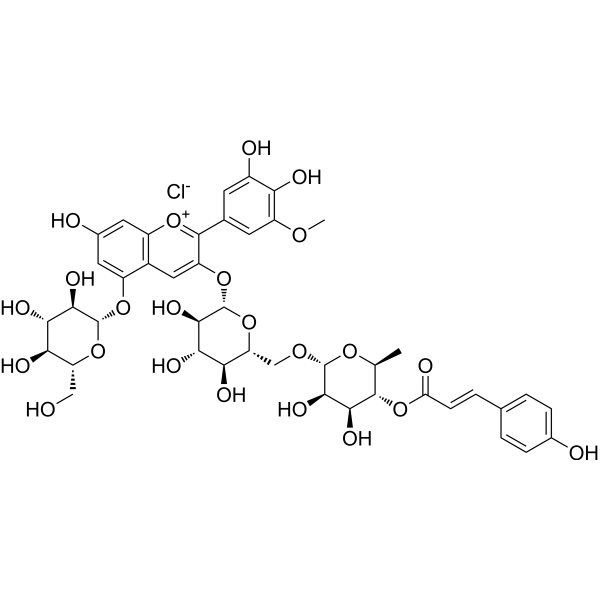
Petunidin-3-(p-coumaroyl-rutinoside)-5-glucoside is an anthocyanin that can be isolated from potatoes (Solanum tuberosum L.) .
|
-
-
- HY-N7399
-
|
|
Environmental Pollutants
|
Others
|
|
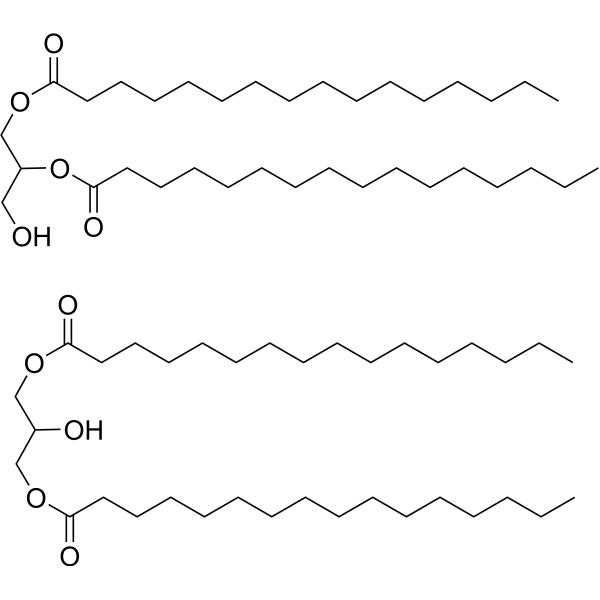
Dipalmitin is an active product that can be extracted from root tuber of Typhonium giganteum Engl. Dipalmitin is a diacylglycerol that contains the saturated 16-carbon fatty acid Palmitic acid (HY-N0830) at two positions .
|
-
-
- HY-B2225AS
-
-
-
- HY-NP081
-
|
STL
|
Fluorescent Dye
|
Others
|
|
Solanum Tuberosum (Potato) Lectin (STL) is a plant lectin that can be used as a probe to specifically bind biomolecules (such as polysaccharides, peptides, etc.).Solanum Tuberosum (Potato) Lectin (STL) is a biological material or organic compound that can be used in life science research .
|
-

-
- HY-158034S
-
-
-
- HY-NP0187
-
|
STL (Biotinylated)
|
Fluorescent Dye
|
Others
|
|
Solanum Tuberosum (Potato) Lectin (STL) Biotinylated is a plant lectin that can be used as a probe to specifically bind biomolecules (such as polysaccharides, peptides, etc.).Solanum Tuberosum (Potato) Lectin (STL) Biotinylated is a biological material or organic compound that can be used in life science research .
|
-

-
- HY-N12270
-
|
|
Others
|
Others
|
|
Petanin (chloride) is a p-coumaroyl anthocyanin from the tuber epidermis of colored potato (Solanum tuberosum L. cv JAYOUNG) .
|
-
-
- HY-W751431
-
|
|
Sex Pheromone
|
Endocrinology
|
|
(E,Z)-4,7-Tridecadienyl acetate is a sex pheromone that can be isolated from potato tuber moths (Phthorimaea opercucella) .
|
-

-
- HY-N7398R
-
|
|
Reference Standards
Phytohormone
|
Others
|
|
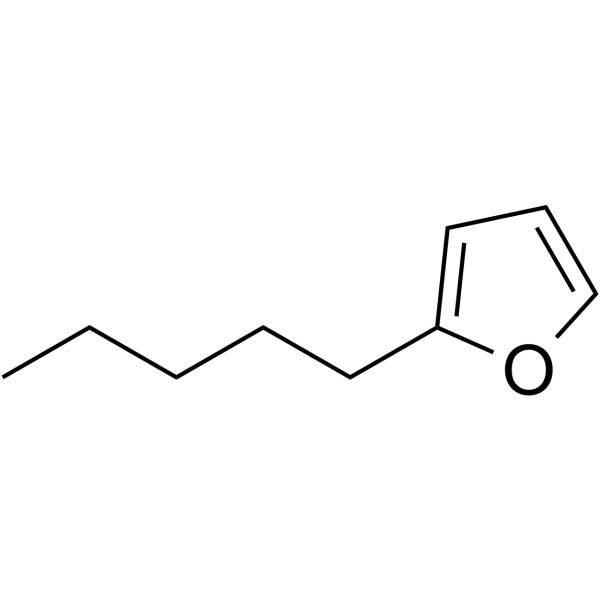
2-Pentylfuran (Standard) is the analytical standard of 2-Pentylfuran (HY-N7398). This product is intended for research and analytical applications. 2-Pentylfuran is the compound isolated from steam volatile oils obtained from potatoes at atmospheric pressure. 2-Pentylfuran is a phytohormone .
|
-

-
- HY-W328719
-
|
Dec-3-en-2-one
|
Drug Derivative
|
Others
|
|
3-Decen-2-one (Dec-3-en-2-one) is a ketone compound and is a sprout growth inhibitor. 3-Decen-2-one induces rapid necrosis of etiolated sprout tissue in potato tubers and suppresses subsequent sprout growth. 3-Decen-2-one can be used for the research of potato tuber sprout growth .
|
-

-
- HY-N7271R
-
|
|
Reference Standards
RAD51
MDM-2/p53
|
Cardiovascular Disease
Cancer
|
|
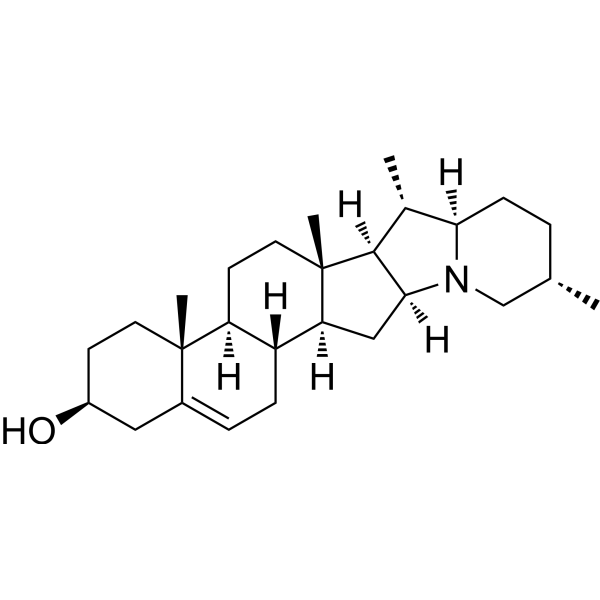
Solanidine (Standard) is the analytical standard of Solanidine. This product is intended for research and analytical applications. Solanidine is an orally active cholestane alkaloid. Solanidine can be isolated from potato. Solanidine decreases RAD51 and increases γH2AX and p53. Solanidine has anti-tumor effects on LLC tumors and lung cancer. Solanidine promotes breast cancer cell proliferation. Solanidine reduces neovascularization. Solanidine causes abortion in some pregnant mice .
|
-
-
- HY-139161R
-
|
|
Fungal
Reference Standards
|
Infection
|
|
Penflufen (Standard) is the analytical standard of Penflufen. This product is intended for research and analytical applications. Penflufen is a highly efficient, broad-spectrum succinate dehydrogenase inhibitor (SDHI). Penflufen can be used as a fungicide and has broad bioactivity against many fungal diseases, including potato black scurf, wheat sharp eyespot, rice sheath blight, and root rot in peanut and other similar fungal diseases .
|
-

-
- HY-N3164
-
-
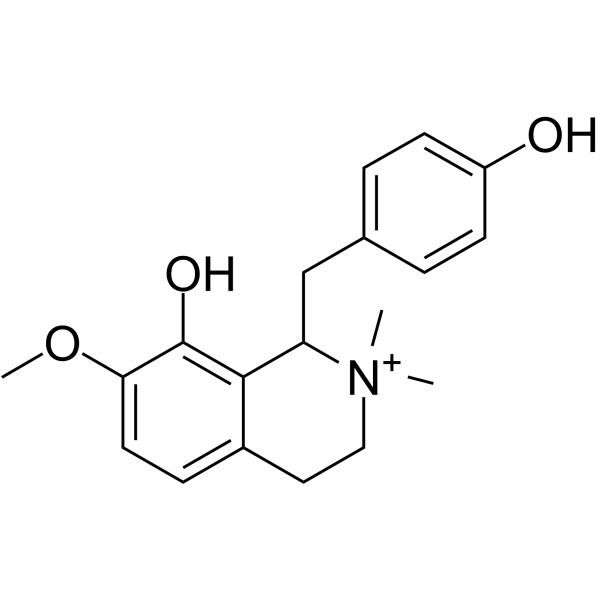
- HY-N3133
-
|
(R)-Ophiopogonanone C; 8-Formylophiopogonanone A
|
Others
|
Others
|
|
Ophiopogonanone C is a homoisoflavonoidal compound isolated as a constitutent from the tuber of Ophiopogon japonicas .
|
-
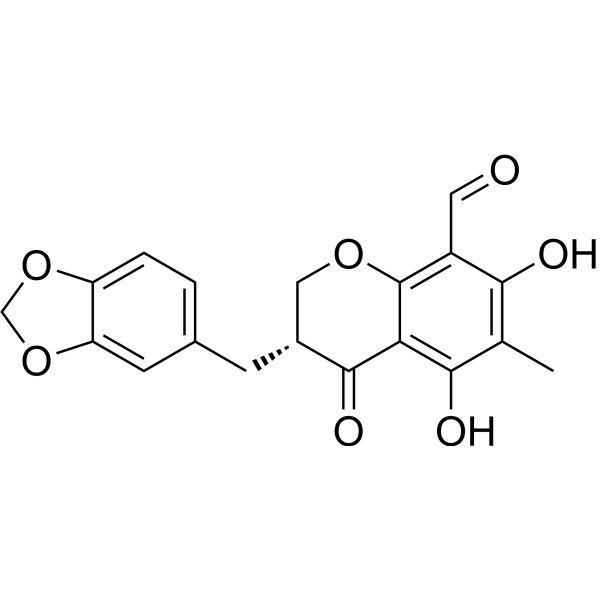
- HY-N0851
-
|
Vilmorrianine C
|
Others
|
Others
|
|
Foresaconitine(Vilmorrianine C) is a norditerpenoid alkaloid isolated from the processed tubers of Aconitum carmichaeli.
|
-
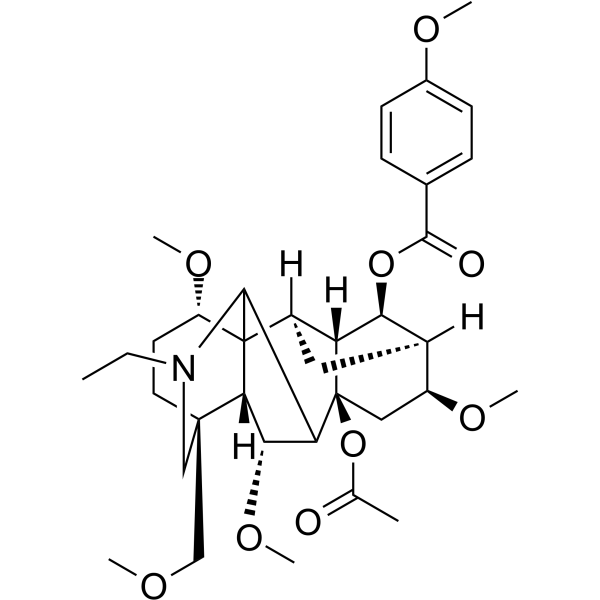
- HY-N3100
-
|
|
Others
|
Others
|
|
Pedatisectine F is a Alkaloids product that can be isolated from the tubers of Pinellia pedatisecta Schott .
|
-

- HY-N8953
-
|
|
Others
|
Others
|
|
Bisacurone C is a Sesquiterpenoids product that can be isolated from the root tubers of Curcuma longa. .
|
-

- HY-N12475
-
|
|
Fungal
Cytochrome P450
|
Infection
|
|
Solavetivone is a Sesquiterpenoid phytoalexin and Antifungal agent. Solavetivone is isolated from stress-challenged potato plants. Solavetivone is hydroxylated by sesquiterpenoid phytoalexin hydroxylase (SPH/CYP76A2L). Solavetivone helps solanaceous plants defend against pathogens, damages plant cells after pathogen threat, and inhibits mycelial growth of Rhizoctonia solani. Solavetivone is applicable to studies related to Rhizoctonia solani infection .
|
-

- HY-114501
-
|
|
Parasite
|
Endocrinology
|
|
Z3-Dodecenyl E2-butenoate is a female sex pheromone produced by the sweet potato weevil, C. formicarius. It has been used to bait and trap male sweet potato weevils to manage population counts in agriculture fields with reduced use of insecticides.
|
-

- HY-B0843S1
-
|
|
Isotope-Labeled Compounds
Fungal
|
Infection
|
|
Metalaxyl-d6 is the deuterium labeled Metalaxyl. Metalaxyl is a fungicide that inhibits protein synthesis in fungi. Metalaxyl inhibits the growth of potato blight (P. infestans) fungal isolates from Serbian potato fields (EC50s=0.3-3.9 μg/mL).
|
-
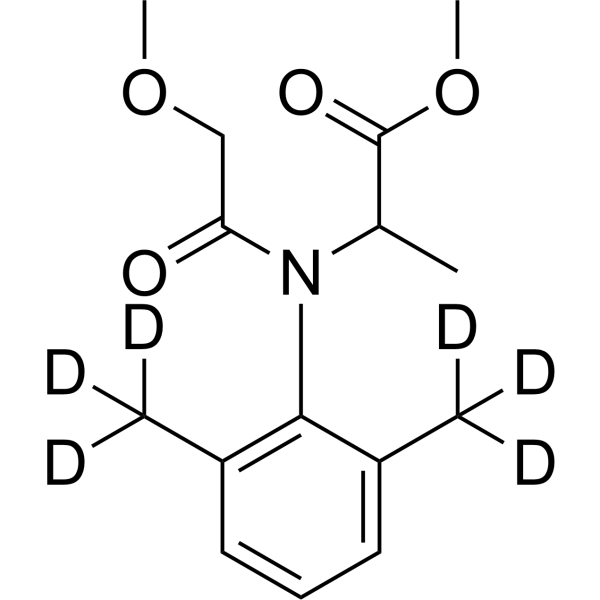
- HY-N1832
-
|
|
Others
|
Others
|
|
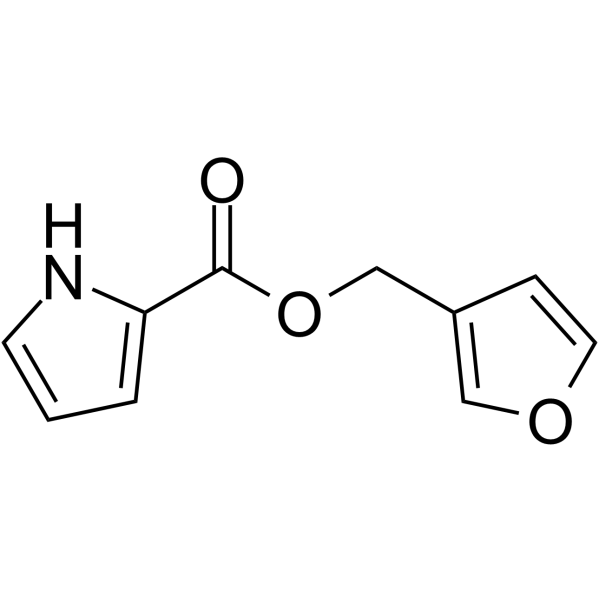
3-Furfuryl 2-pyrrolecarboxylate is isolated from the root tuber of Pseudostellaria heterophylla .
|
-
- HY-126365
-
|
|
Apoptosis
Caspase
PI3K
Akt
|
Others
|
|
Alisol B acetate is a Triterpenoids product that can be isolated from the tubers of Alisma plantago-aquatica Linn. .
|
-

- HY-B0843S
-
|
|
Isotope-Labeled Compounds
Fungal
|
Infection
|
|
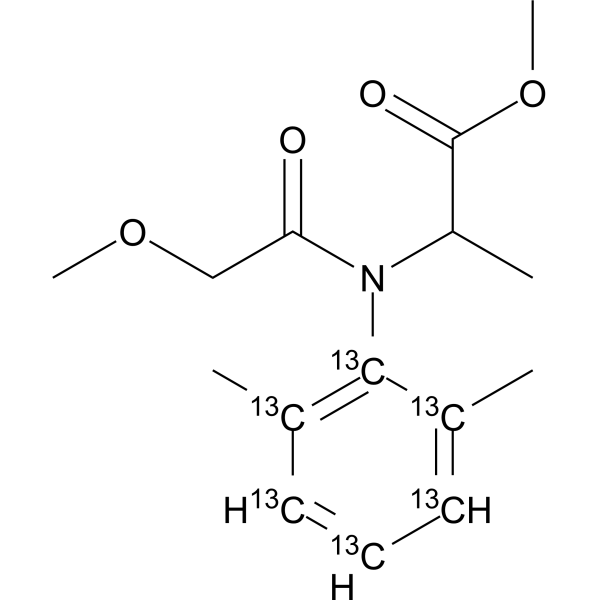
Metalaxyl- 13C6 is the 13C-labeled Metalaxyl. Metalaxyl is a fungicide that inhibits protein synthesis in fungi. Metalaxyl inhibits the growth of potato blight (P. infestans) fungal isolates from Serbian potato fields (EC50s=0.3-3.9 μg/mL).
|
-
- HY-N1962
-
|
|
Others
|
Others
|
|
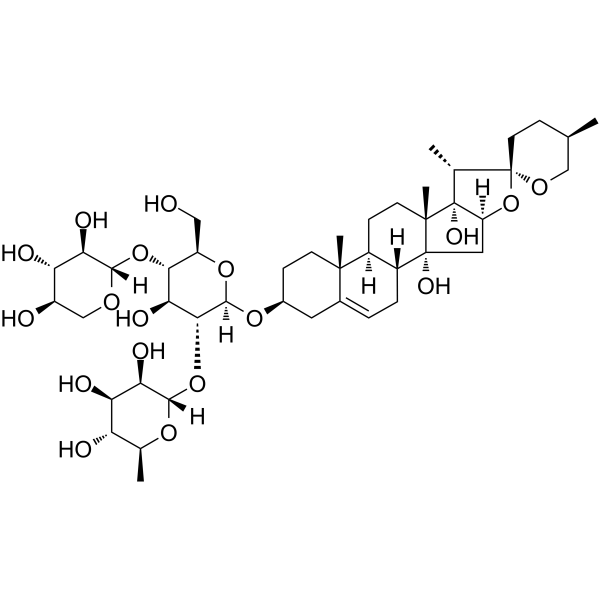
Ophiopojaponin C is a naturally occurring C29 steroidal glycoside isolated from the tubers of O. japonicas .
|
-
- HY-N3131
-
|
|
Others
|
Others
|
|
Ophiopogonanone F is a Flavonoids product that can be isolated from the tubers of Ophiopogon japonicus(Thunb) Ker-Gawl. .
|
-

- HY-N8635
-
|
|
Others
|
Others
|
|
Alisol E 23-acetate is a Triterpenoids product that can be isolated from the tubers of Alisma plantago-aquatica Linn. .
|
-

- HY-N10821A
-
|
(-)-Blestriarene A
|
Others
|
Inflammation/Immunology
|
|
Blestriarene A ((-)-Blestriarene A) is a active product that can beextracts from the tubers of Gymnadenia conopsea. Blestriarene A shows an antiallergic effect .
|
-
- HY-W014277
-
|
|
Drug Metabolite
|
Others
|
|
2,6-Diisopropylnaphthalene is a substituted naphthalene compound, metabolite precursor and potato sprout inhibitor. 2,6-Diisopropylnaphthalene is metabolized in rats only via oxidation of its isopropyl chains, producing five major unconjugated urinary metabolites, glucuronide conjugates of these metabolites, while a small amount of the parent drug is excreted in urine. 2,6-Diisopropylnaphthalene inhibits sprouting of stored potato tubers; when used alone, it only provides a short-term sprout-inhibiting effect .
|
-

- HY-N7795
-
|
|
Others
|
Others
|
|
16,23-Oxidoalisol B is a Triterpenoids product that can be isolated from the tubers of Alisma plantago-aquatica Linn. .
|
-

- HY-N3709
-
|
|
Others
|
Cancer
|
|
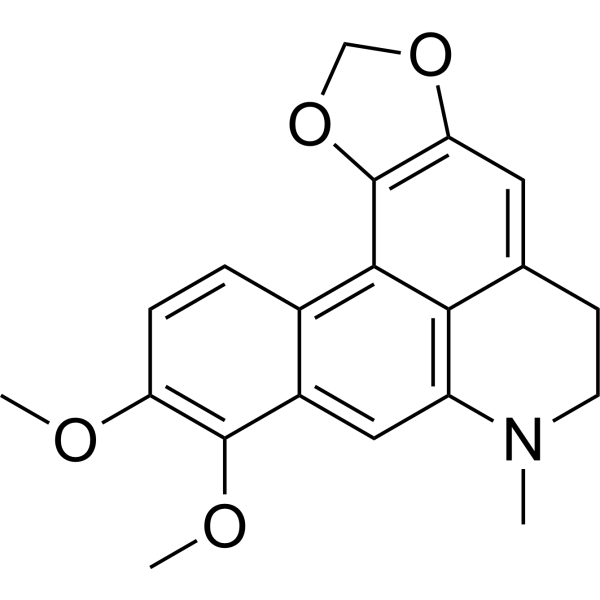
Dehydrocrebanine is an alkaloid that can be isolated from the tuber and leaves of Stephania venosa. Dehydrocrebanine has in vitro anti-cancer activity .
|
-
- HY-142013
-
|
(-)-Blestriarene B
|
Microtubule/Tubulin
|
Others
|
|
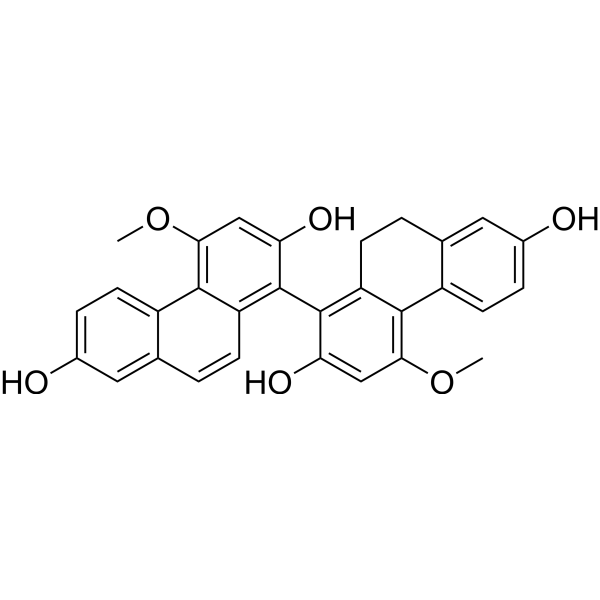
Blestriarene B ((-)-Blestriarene B) a stilbenoid isolated by the guidance of inhibitory effect of tubulin polymerization from the tubers of Bletilla striata (Orchidaceae) .
|
-
- HY-N0924R
-
-

- HY-154871
-
|
|
Drug Derivative
Biochemical Assay Reagents
|
Others
|
|
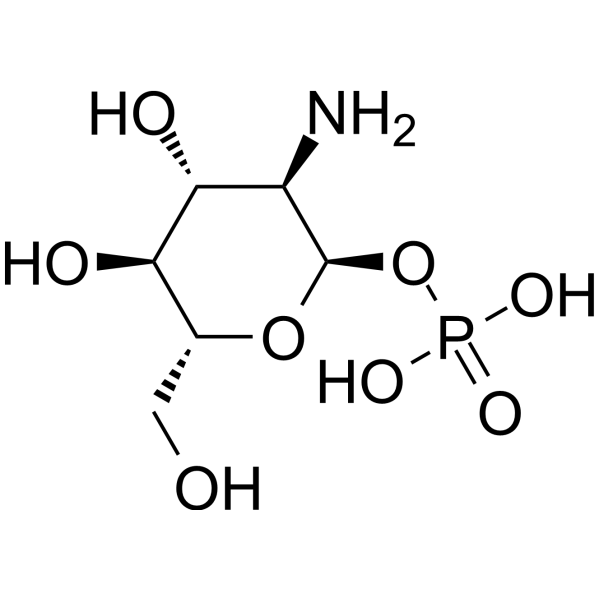
α-D-Glucosamine 1-phosphate is a glycosyl donor analog of Glc-1-P. α-D-Glucosamine 1-phosphate acts as a glycosyl donor to produce α(1→4)-linked glucosamine chains in the enzyme-catalyzed polymerization reaction mediated by thermostable α-glucan phosphorylase. α-D-Glucosamine 1-phosphate serves as a glycosyl donor analog to generate a pentasaccharide with a glucosamine residue at the non-reducing end in the maltotetraose glucosamination reaction catalyzed by potato α-glucan phosphorylase. α-D-Glucosamine 1-phosphate is used for the synthesis of amphiphilic block polysaccharides with pH-responsive assembly/disassembly properties .
|
-
- HY-N12575
-
|
|
Others
|
Others
|
|
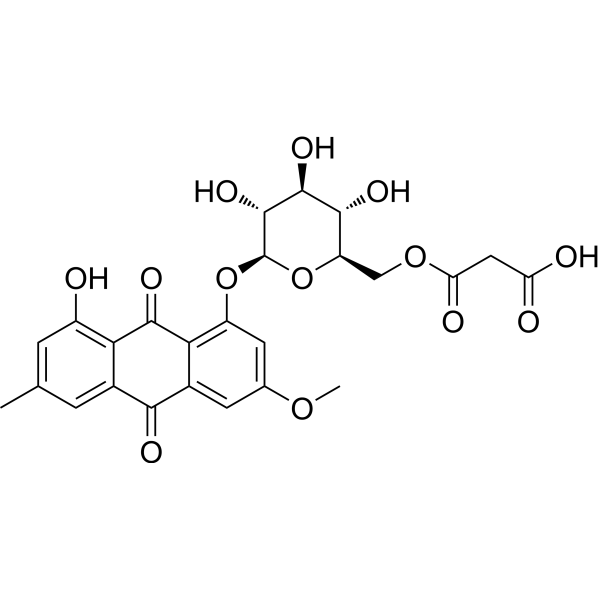
Physcion-8-O-(6'-O-malonyl)-glucoside can be extracted from the root tuber of Polygonum multiflorum Thunb .
|
-
- HY-W674057
-
|
|
Sex Pheromone
|
Endocrinology
|
|
(Z)-3-Dodecen-1-ol is an insect sex pheromone capable of attracting male sweet potato weevils (Cylas formicarius elegantulus) .
|
-

- HY-163891
-
|
|
Fungal
|
Infection
|
|
Antifungal agent 107 (compound b24) is an OSBP inhibitor with antifungal activity. Antifungal agent 107 can be used to control cucumber downy mildew and potato late blight in greenhouse .
|
-

- HY-N6894
-
|
Isocoptisine acetate
|
Cholinesterase (ChE)
|
Inflammation/Immunology
|
|
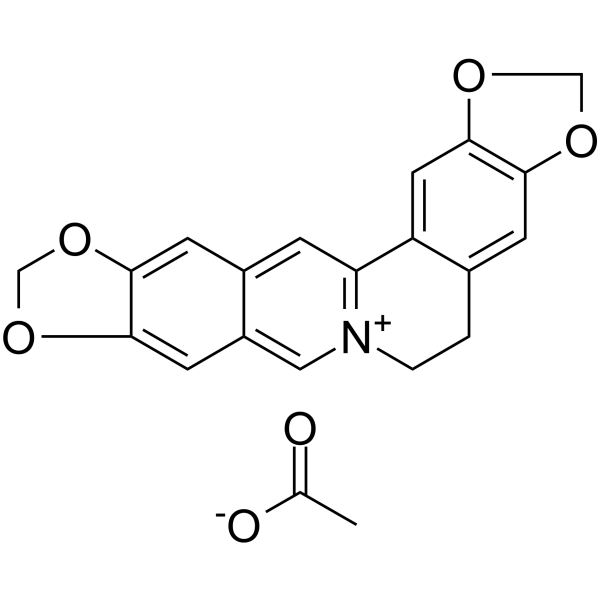
Pseudocoptisine (Isocoptisine) acetate is a quaternary alkaloid with benzylisoquinoline skeleton, was isolated from Corydalis Tuber. Pseudocoptisine acetate inhibits acetylcholinesterase (AChE) activity with an IC50 of 12.8 μM. Anti-inflammatory and anti-amnestic effects .
|
-
- HY-131310
-
|
|
Endogenous Metabolite
|
Metabolic Disease
|
|
9(S)-HpOTrE is a monohydroperoxy polyunsaturated fatty acid produced by the action of 5-lipoxygenase (5-LO) on α-linolenic acid. It can be further metabolized to colnelenic acid by a divinyl ether synthase activity found in garlic and potato microsomal fractions. 9(S)-HpOTrE also serves as a substrate for further oxidation by both soybean and potato LOs, resulting in the formation of 9,16-dihydroperoxy acid.The suicide inactivation of LOs when 9(S)-HpOTrE is used as a substrate is thought to occur via formation of an unstable epoxide.
|
-

- HY-N9720
-
|
|
Antibiotic
Bacterial
Fungal
|
Infection
|
|
Herbarin is a quinone antibiotic. Herbarin complex has anti-Gram-positive bacteria, negative bacteria, Citrus Canker xanthomonas, potato early blight, Aspergillus Niger, Decaprous and other fungal activities .
|
-

- HY-106315
-
|
|
Cytochrome P450
|
Inflammation/Immunology
|
|
4-Ipomeanol is a pneumotoxin. 4-Ipomeanol can be produced by the common sweet potato, Ipomoea batatas, in the presence of Fusarium solani. 4-Ipomeanol can be bioactivated by CYP4B1 .
|
-

- HY-N17464
-
|
|
Drug Derivative
|
Metabolic Disease
|
|
Methyl (9Z,12Z,14E)-16-hydroxy-9,12,14-octadecatrienoate is an esterified oxylipin and esterified hydroxy linolenic acid (HOT-Me) that can be found in potato tubers (Solanum tuberosum L. cv. Bintje) .
|
-

- HY-N17988
-
|
|
Others
|
Others
|
|
Hemslonin A is a triterpenoid found in the tubers of Hemsleya chinensis .
|
-

- HY-P2770A
-
-

- HY-137838
-
|
|
Fluorescent Dye
Tyrosine Hydroxylase
|
Infection
|
|
H-Tyr-AMC is a fluorogenic substrate for tyrosine aminopeptidases. H-Tyr-AMC is an inhibitor of tobacco and potato hydroxycinnamoyl-CoA:tyramine N-(hydroxycinnamoyl)transferase (THT) with Ki values of 0.72 μM (tobacco) and 0.42 μM (potato) .
|
-

- HY-W540078
-
|
|
Others
|
Others
|
|
1,2,3-Trimethylcyclohexane is a volatile compound found in potato tubers (Solanum tuberosum CV: Maris Piper) .
|
-

- HY-E70932
-
|
|
Phosphatase
|
Metabolic Disease
|
|
Non-Prostatic Acid Phosphatase, Sweet Potato (EC 3.1.3.2), a type of enzyme, used to free attached phosphoryl groups from other molecules during digestion. Acid phosphatase is stored in lysosomes and functions when these fuse with endosomes, which are acidified while they function; therefore, it has an acid pH optimum. This enzyme is present in many animal and plant species.
|
-

- HY-N17945
-
|
|
|
Others
|
|
(25S)-Ruscogenin is a steroidal sapogenin found in the tubers of Liriope spicata .
|
-

- HY-N18030
-
|
|
Others
|
Others
|
|
Shancidin is a stilbene compound that can be isolated from the tubers of Pleione bulbocodioides .
|
-

- HY-179569
-
|
|
TMV
|
Infection
|
|
Antiviral agent 73 (compound D13) is a potent intercellular movement inhibitor with antiviral activity. Antiviral agent 73 shows inactivation activity against potato virus Y (PVY) with an EC50 of 79.5 μg/mL. Antiviral agent 73 effectively inhibits virus infection by forming stable hydrogen bonds with Pro154 of PVY coat protein. Antiviral agent 73 can interfere with the process of Pro154-mediated viral intercellular trafficking in plasmodesmata. Antiviral agent 73 can be used for plant virus prevention and control .
|
-

- HY-176531
-
|
|
Others
|
Infection
|
|
Antiviral agent 69 (Compound L2) is a capsid protein residue THR155-targeting inhibitor of phytoviral intercellular traffic. Antiviral agent 69 has an excellent antiviral activity against Potato virus Y (PVY) with an EC50 of 128.10 μg/mL for inactivation effect. Antiviral agent 69 effectively decreases viral accumulation in host plant Nicotiana benthamiana, promising for novel pesticide research and development .
|
-

- HY-N17879
-
-

- HY-114529
-
|
|
Others
|
Others
|
|
Yuanhunine is a Alkaloids product that can be isolated from the tubers of Corydalis ambigua .
|
-

- HY-129161
-
|
|
Others
|
Others
|
|
Alisol O is a Triterpenoids product that can be isolated from the tubers of Alisma plantago-aquatica Linn. .
|
-

- HY-N1721
-
|
|
Others
|
Others
|
|
2β-Hydroxykolavelool is a Diterpenoids product that can be isolated from the tubers of Sagittaria trifolia .
|
-

- HY-N12251
-
|
|
Others
|
Others
|
|
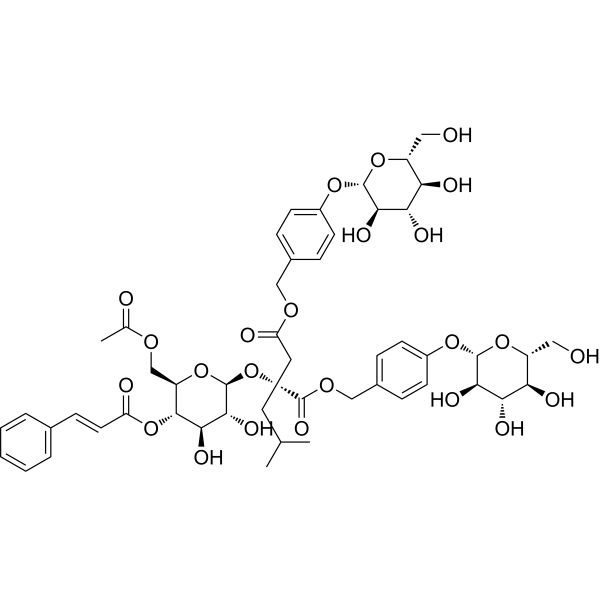
Gymnoside IX (compound 2) can be isolated from the methanolic extract from the tubers of Gymnadenia conopsea .
|
-
- HY-N3599
-
|
|
Others
|
Others
|
|
Cleroindicin C is a potentially active compound that can be isolated from the chemical constituents of the tubers of Sinningia allagophylla .
|
-

- HY-N1816
-
|
|
Others
|
Others
|
|
3-Dehydro-15-deoxoeucosterol is a Triterpenoids product that can be isolated from the tubers of Scilla scilloides .
|
-

- HY-N17890
-
|
|
Others
|
Inflammation/Immunology
|
|
Bletimalate D is a 2-isobutylmalate found in the tubers of Bletilla striata. Bletimalate D shows no significant anti-pulmonary fibrosis activity and has cytotoxicity .
|
-

- HY-N19046
-
|
|
Others
|
Others
|
|
Rehmannia Root Extract is derived from the root tuber of Rehmannia glutinosa Libosch. It contains catalpol, a variety of amino acids and sugars, mannitol, β-sitosterol and campesterol.
|
-

- HY-N18657
-
|
|
Others
|
Metabolic Disease
|
|
Wild Yam Extract is derived from the dried tubers of Dioscorea oppositae thunb. It has the functions of invigorating the spleen, tonifying the lungs, strengthening the kidney, and replenishing vital essence.
|
-

- HY-N13764
-
-

- HY-N16905
-
|
|
Others
|
Endocrinology
Cancer
|
|
Diosbulbin I is a furan-type nor-diterpenoid compound that can be naturally extracted from the tubers of Dioscorea bulbifera L. Dioscorea bulbifera L. is traditionally used to research thyroid diseases and tumors .
|
-

- HY-N17957
-
|
|
Others
|
Cancer
|
|
Homoisopogon B is a homoisoflavane found in the tubers of Ophiopogon japonicus. Homoisopogon B shows cytotoxic activity against cancer cells. Homoisopogon B can be used for the research of cancer, such as human lung adenocarcinoma and human melanoma .
|
-

- HY-W744966R
-
|
|
Reference Standards
Fungal
|
Infection
|
|
Mandipropamid (Standard) is the analytical standard of Mandipropamid. This product is intended for research and analytical applications. Mandipropamid displays outstanding activity against late blight diseases of potato and tomato, combined with excellent efficacy on downy mildew diseases of grape and cucumber .
|
-

- HY-N8393
-
|
|
Bacterial
Fungal
|
Infection
|
|
Ascr#18, an ascaroside, is a hormone of nematodes. Ascr#18 is expressed during nematode development. Ascr#18 increases resistance in Arabidopsis, tomato, potato and barley to viral, bacterial, oomycete, fungal and nematode infections .
|
-
- HY-W250120
-
|
|
Environmental Pollutants
Biochemical Assay Reagents
|
Others
|
|
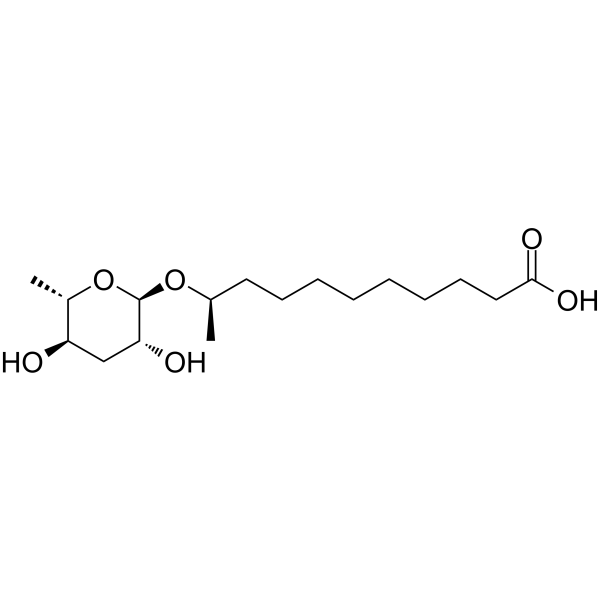
Konjac glucomannan (Viscosity≥15000mPa.s) is an acetylated (1-4)-beta-D-glucomannan extracted from the tuber of konjac or konjac root. In Japan, it is a dietary supplement intended to reduce calorie intake because it swells in water.
|
-

- HY-N17772
-
|
|
Others
|
Inflammation/Immunology
|
|
Gymnoside VI is a glucosyloxybenzyl 2-isobutylmalate compound that regulates allergy-related pathways. Gymnoside VI can be used in the study of diseases such as asthma, neurasthenia, and chronic hepatitis. Gymnoside VI can be isolated from the tubers of the orchid Gymnadenia conopsea R. Br.
|
-

- HY-N6060A
-
|
|
Drug Derivative
|
Cancer
|
|
(Rac)-Ophiopogonanone B is a homoisoflavonoid that can be found in the tubers of Liriope graminifolia (Linn.) Baker. (Rac)-Ophiopogonanone B exhibits cytotoxic activity against Hela cells with an IC50 of 14.0 μg/mL. (Rac)-Ophiopogonanone B can be used in the research of cancer .
|
-

- HY-119419S
-
|
|
Cholinesterase (ChE)
Parasite
Isotope-Labeled Compounds
|
Others
|
|
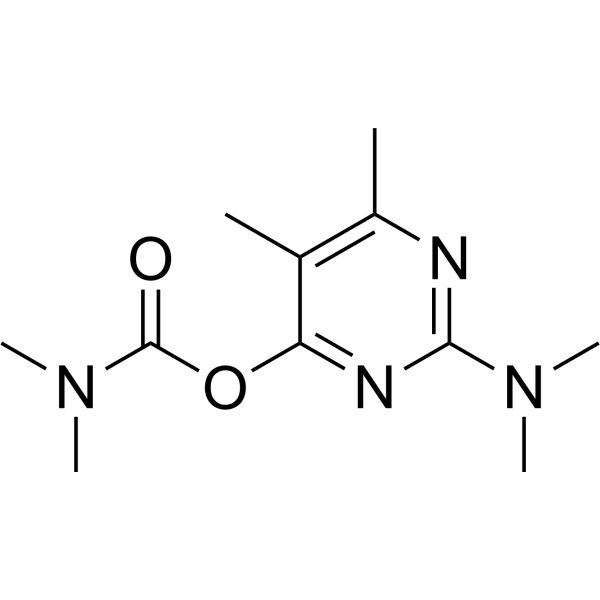
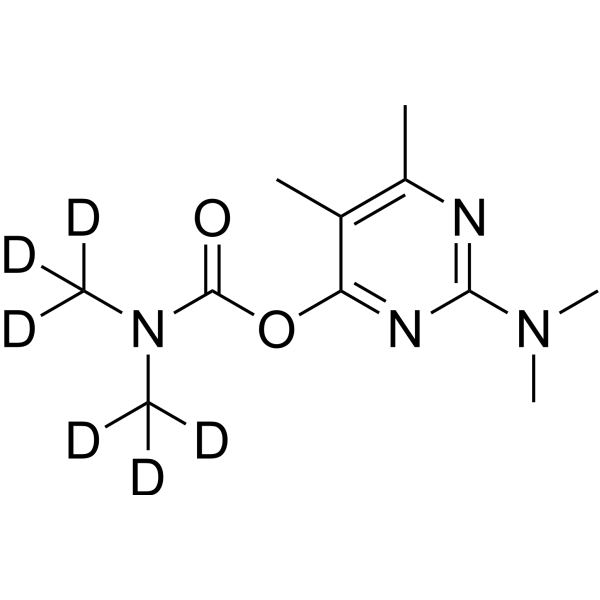
Pirimicarb-d6 is the deuterium labeled Pirimicarb (HY-119419). Pirimicarb is a fast-acting selective carbamate insecticide on a wide range of crops including cereals, sugar beet, potatoes, fruits and vegetables. Pirimicarb is an AChE inhibitor and an acaricide .
|
-
- HY-119419R
-
|
|
Reference Standards
Cholinesterase (ChE)
Parasite
|
Neurological Disease
|
|
Pirimicarb (Standard) is the analytical standard of Pirimicarb. This product is intended for research and analytical applications. Pirimicarb is a fast-acting selective carbamate insecticide on a wide range of crops including cereals, sugar beet, potatoes, fruits and vegetables. Pirimicarb is an AChE inhibitor and an acaricide .
|
-

- HY-N4271
-
|
|
Others
|
Cardiovascular Disease
|
|
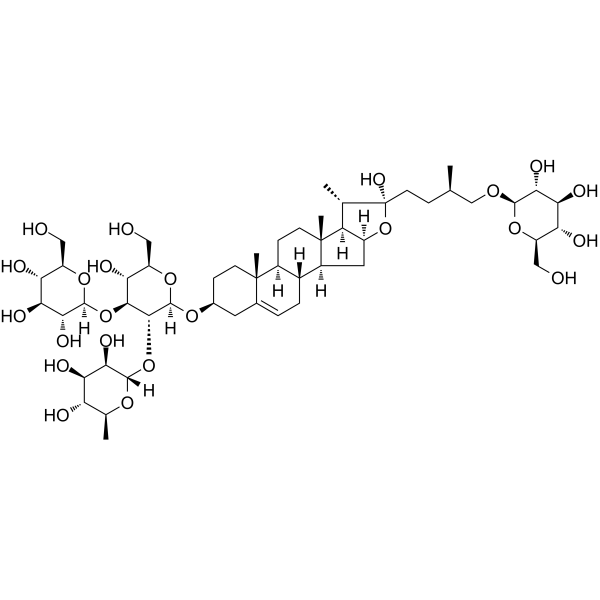
Protogracillin is a steroidal furostanol saponin. Protogracillin can be isolated from the rhizomes and tubers of Dioscorea zingiberensis C.H. Wright. Protogracillin is hydrolyzable to Prosapogenin A (HY-N6940). Protogracillin exhibits antithrombotic activity. Protogracillin can be used in research related to cardiovascular diseases .
|
-
- HY-148441
-
|
|
Drug Derivative
Bacterial
|
Metabolic Disease
|
|
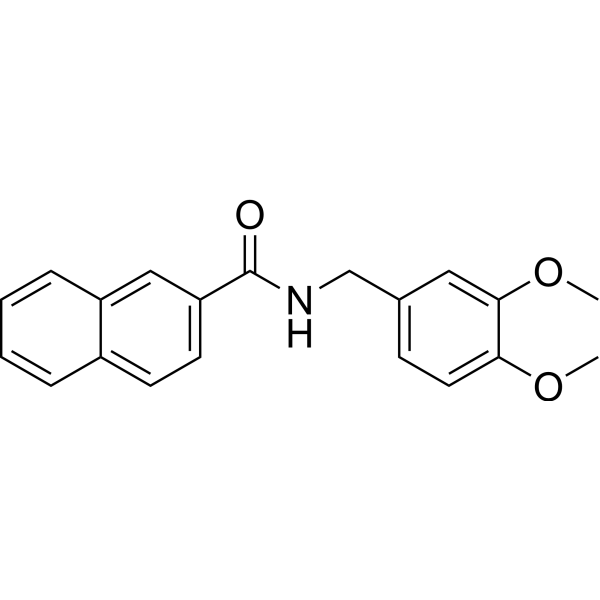
NDH-1 inhibitor-1 (compound 27) is a potent NDH-1 inhibitor with pI50 values of <4, 5.40, 6.15 µM for Bovine SMP (submitochondrial particles), Potato SMP and E. coli, respectively .
|
-
- HY-W040141R
-
|
|
Reference Standards
Endogenous Metabolite
|
Metabolic Disease
|
|
L-Arabinitol (Standard) is the analytical standard of L-Arabinitol. This product is intended for research and analytical applications. L-Arabinitol is a potential biomarker for the comsuption of the food products such as sweet potato, deerberry, moth bean, and is also associated with Alzheimer's disease and ribose-5-phosphate isomerase deficiency.
|
-

- HY-N9885
-
|
|
Others
|
Cancer
|
|
Xuedanencins D is a cucurbitane-type triterpenoid natural product without significant cytotoxicity against human cervical cancer HeLa cells (IC50 >100 μM). Xuedanencins D can be naturally extracted from the 95% ethanol extract of the tubers of Hemsleya penxianensis (a plant of the Hemsleya genus in the Cucurbitaceae family) .
|
-

- HY-N0325S1
-
|
|
Isotope-Labeled Compounds
Parasite
|
Infection
Inflammation/Immunology
|
|
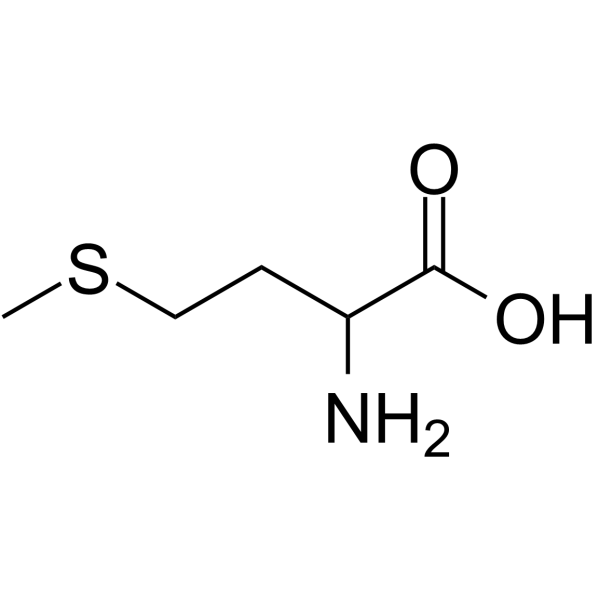
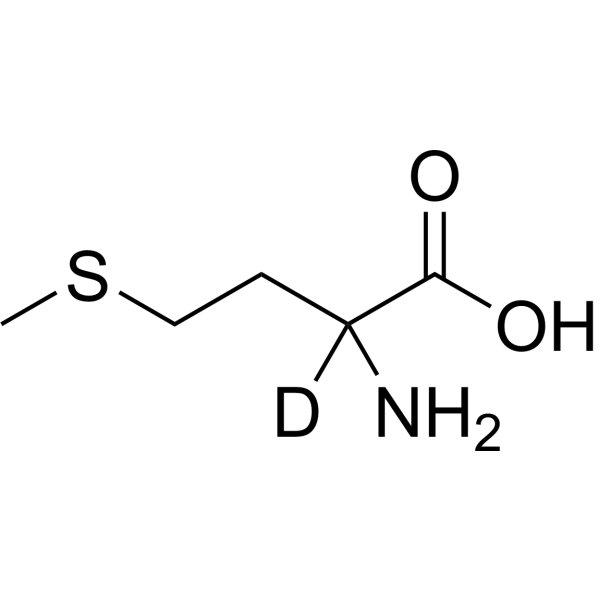
DL-Methionine-d is the deuterium labeled DL-Methionine. DL-Methionine is an essential amino acid containing sulfur with oxidative stress defense effects. DL-Methionine can be used for animal natural feed. DL-Methionine also kills H. rostochiensis on potato plants .
|
-
- HY-N2459
-
|
YGM-6 chloride
|
Interleukin Related
|
Neurological Disease
Inflammation/Immunology
Cancer
|
|
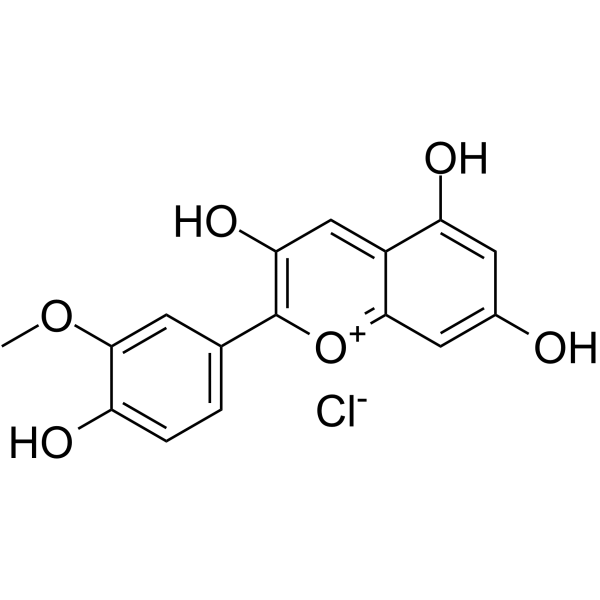
Peonidin (YGM-6) chloride is an anthocyanin compound found in plants such as grapes and purple-fleshed sweet potatoes. Peonidin chloride alone exerts no stable inhibitory effect on LPS (HY-D1056)-mediated inflammatory gene expression. The acylated form of Peonidin chloride exhibits antimutagenic activity .
|
-
- HY-N0325S4
-
|
|
Parasite
|
Cancer
|
|
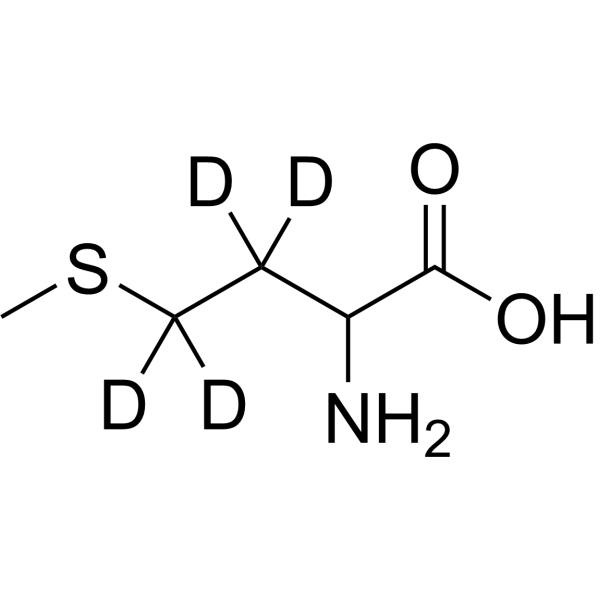
DL-Methionine-d4 is the deuterium labeled DL-Methionine. DL-Methionine is an essential amino acid containing sulfur with oxidative stress defense effects. DL-Methionine can be used for animal natural feed. DL-Methionine also kills H. rostochiensis on potato plants .
|
-
- HY-N7398S
-
|
|
Isotope-Labeled Compounds
Phytohormone
|
Others
|
|
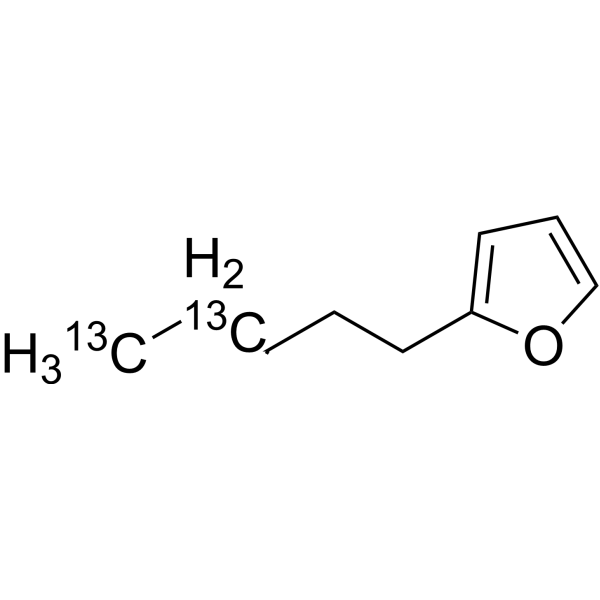
2-Pentylfuran- 13C2 is the 13C2 labeled 2-Pentylfuran (HY-N7398). 2-Pentylfuran is the compound isolated from steam volatile oils obtained from potatoes at atmospheric pressure. 2-Pentylfuran is a phytohormone .
|
-
- HY-121487
-
|
|
Herbicide
|
Others
|
|
Etobenzanid is a herbicide for control of weeds in rice. Etobenzanid can be used for the research of rice weed management .
|
-

- HY-N6061
-
|
|
Others
|
Cancer
|
|
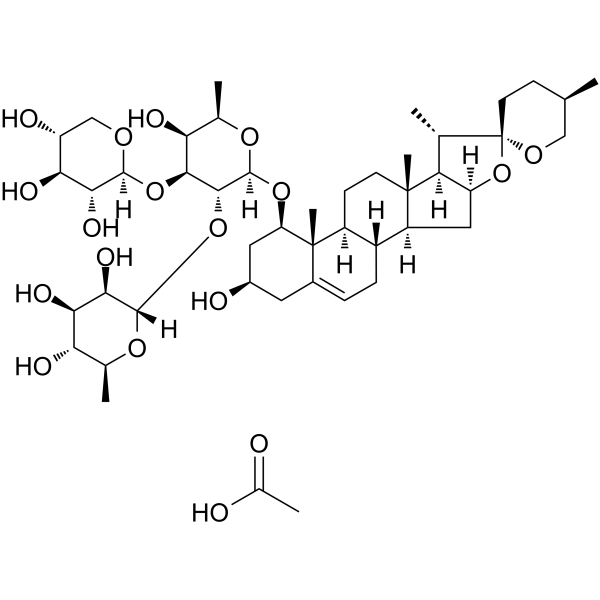
Ophiopogonin C, isolated from the tubers of Ophiopogon japonicus, is a rare naturally occurring C29 steroidal glycoside. Ophiopogonin C shows cytotoxic activity against two human tumor cell lines MG-63 and SNU387 with IC50s of 19.76 μM and 15.51 μM, respectively .
|
-
- HY-N0325S3
-
|
|
Isotope-Labeled Compounds
Parasite
|
Infection
|
|
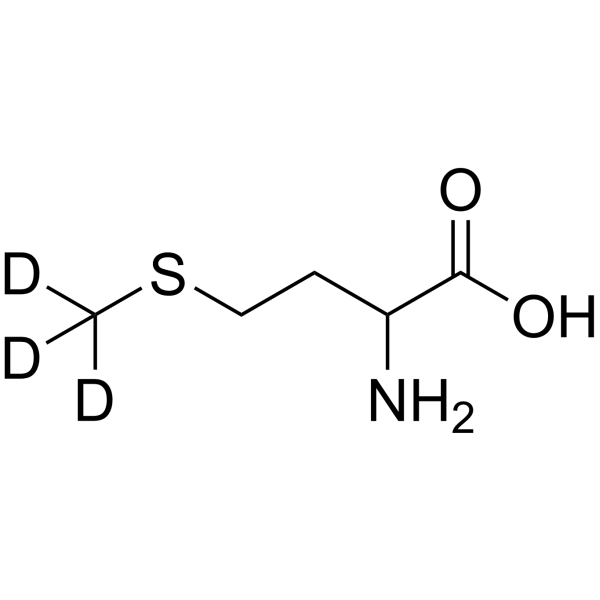
DL-Methionine-d3 is the deuterium labeled DL-Methionine. DL-Methionine is an essential amino acid containing sulfur with oxidative stress defense effects. DL-Methionine can be used for animal natural feed. DL-Methionine also kills H. rostochiensis on potato plants .
|
-
- HY-N0325S
-
|
|
Isotope-Labeled Compounds
Parasite
|
Infection
Inflammation/Immunology
|
|
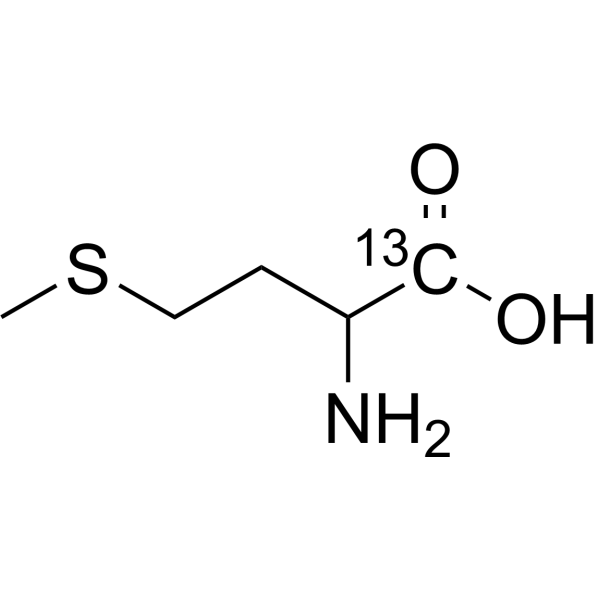
DL-Methionine- 13C is the 13C-labeled DL-Methionine. DL-Methionine is an essential amino acid containing sulfur with oxidative stress defense effects. DL-Methionine can be used for animal natural feed. DL-Methionine also kills H. rostochiensis on potato plants .
|
-
- HY-N17880
-
|
|
Drug Derivative
|
Inflammation/Immunology
Cancer
|
|
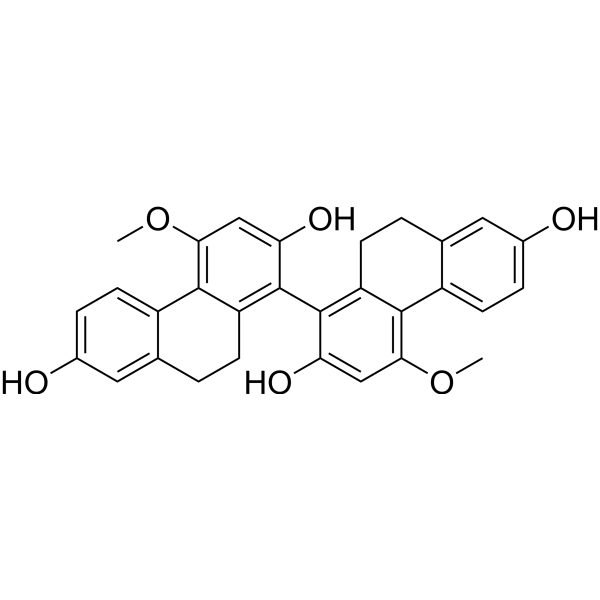
Monbarbatain C is a biphenanthrene compound found in the tubers of Monomeria barbata Lindl. Monbarbatain C induces cytotoxic activity against liver carcinoma and promyelocytic leukaemia cells in vitro. Monbarbatain C mediates DPPH radical scavenging activity in vitro. Monbarbatain C can be used for the research of liver carcinoma, promyelocytic leukaemia, ovarian carcinoma, and epidermoid carcinoma .
|
-

- HY-N0325R
-
|
|
Reference Standards
Parasite
|
Infection
Inflammation/Immunology
|
|
DL-Methionine (Standard) is the analytical standard of DL-Methionine. This product is intended for research and analytical applications. DL-Methionine is an essential amino acid containing sulfur with oxidative stress defense effects. DL-Methionine can be used for animal natural feed. DL-Methionine also kills H. rostochiensis on potato plants .
|
-

- HY-N17906
-
|
|
Collagen
|
Inflammation/Immunology
|
|
Bletimalate C is a 2-isobutyl malate ester present in the tubers of Bletilla striata. Bletimalate C potently inhibits the production of total Collagen in TGF-β1-activated NIH/3T3 cells, with an IC50 of 22.16 μM. Bletimalate C can be used for the research of pulmonary fibrosis .
|
-

- HY-N18083
-
|
|
Drug Derivative
|
Cancer
|
|
Gweicurculactone is a sesquiterpene and cytotoxin found in the root tuber of Curcuma wenyujin Y. H. Chen et C. Ling. Gweicurculactone exerts cytotoxic effects against human promyelocytic leukemia, hepatocellular carcinoma, chronic myelogenous leukemia, epidermoid carcinoma, and breast adenocarcinoma cells. Gweicurculactone can be used for the research of leukemia, hepatocellular carcinoma, epidermoid carcinoma of the mouth, breast adenocarcinoma .
|
-

- HY-N14548
-
|
|
Antibiotic
Bacterial
|
Infection
|
|
Cryptosporiopsin can be isolated from the strain of Cryptosporiopsis sp. and Sporormia affinis. Cryptosporiopsin has antibacterial activity to many kinds of basidiomycetes, algal fungi, ascomycetes and hemiplegia fungi that cause wood rot, and can inhibit spore germination of Phytophthora potatoes. Cryptosporiopsin also has certain activity against gram-positive bacteria and negative bacteria .
|
-

- HY-162403
-
|
|
Reactive Oxygen Species (ROS)
|
Infection
|
|
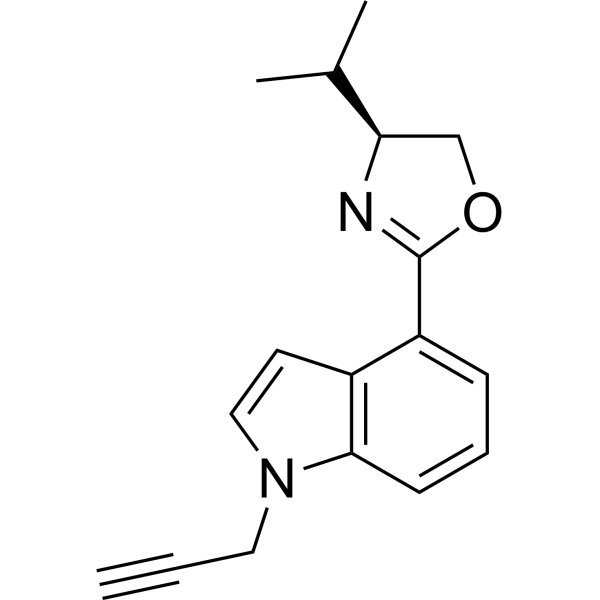
Antiviral agent 53 (Compound (S)-4v) is an antiviral agent that can inhibit the activity of Potato virus Y (PVY) and exhibit excellent curative and protective effects against PVY with EC50 values of 328.6 and 256.1 μg/mL, respectively. Antiviral agent 53 can be used in the research and development of novel pesticides .
|
-
- HY-121497
-
|
3-MBA
|
PARP
Bacterial
|
Cancer
|
|
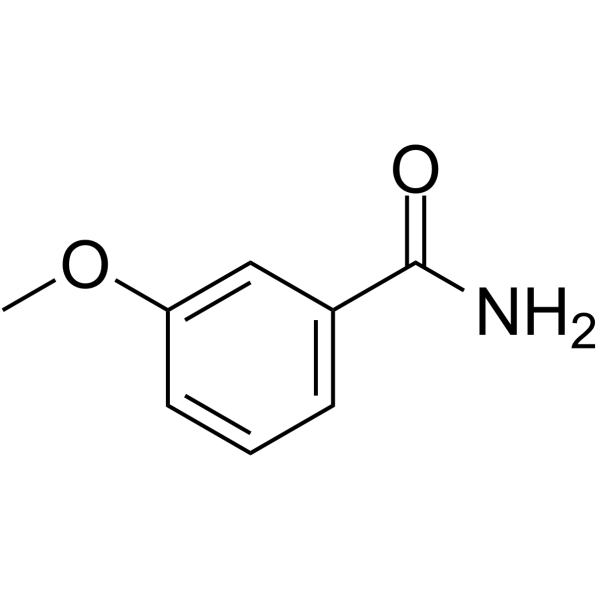
3-Methoxybenzamide (3-MBA), an inhibitor of ADP-ribosyltransferase (ADPRTs) and PARP, inhibits cell division in Bacillus subtilis, leading to filamentation and eventually lysis of cells . 3-Methoxybenzamide (3-MBA) enhances in vitro plant growth, microtuberization, and transformation efficiency of blue potato (Solanum tuberosum L. subsp. andigenum) .
|
-
- HY-114117
-
|
GF-3242
|
Environmental Pollutants
Insecticide
|
Infection
|
|
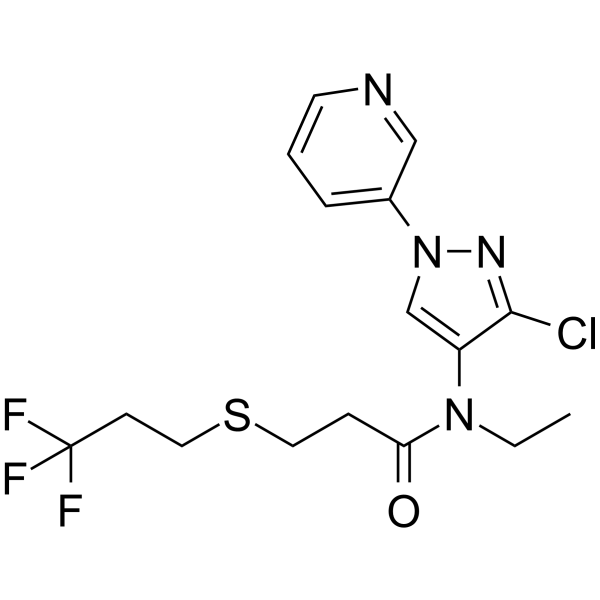
Tyclopyrazoflor (GF-3242) is a pyridylpyrazole Insecticide. Tyclopyrazoflor exhibits excellent insecticidal efficacy against sap-sucking insects. Tyclopyrazoflor effectively controls insect pests caused by Myzus persicae and Bemisia tabaci larvae .\n
|
-
- HY-N8177
-
|
|
NO Synthase
|
Inflammation/Immunology
Cancer
|
|
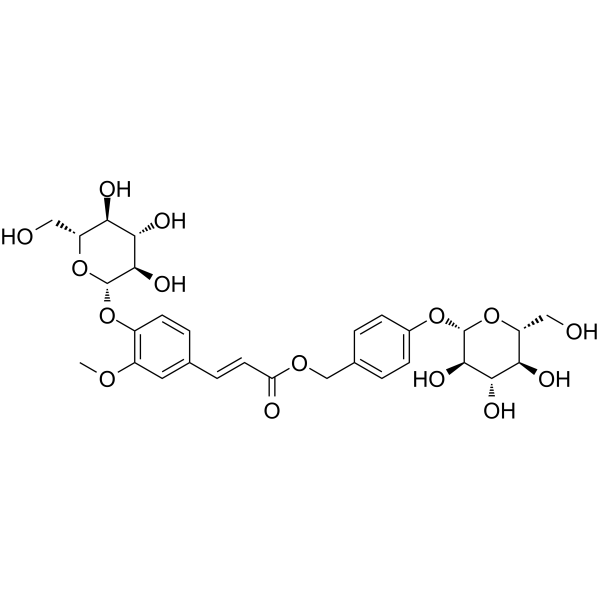
Bletilloside A is a glycoside. Bletilloside A can be isolated from the tubers of Bletilla striata. Bletilloside A inhibits the expression of the TCL1A protein. When evaluated for its inhibitory activity against LPS-induced NO, Bletilloside A shows an IC50 of >70 μM. Bletilloside A exhibits anticancer activity against acute myeloid leukemia. Bletilloside A can be used in studies related to acute myeloid leukemia .
|
-
- HY-130406
-
|
|
Fungal
|
Infection
|
|
Benthiavalicarb isopropyl is a fungicide with specific activity against downy mildew and blight. Benthiavalicarb isopropyl is evaluated for use where necessary to control a serious threat to plant health that cannot be treated by other methods, including non-chemical methods. The use of Benthiavalicarb isopropyl can be considered representative of field applications in potatoes. Environmental and human exposures of Benthiavalicarb isopropyl are considered to be negligible .
|
-

- HY-N8393R
-
|
|
Bacterial
Reference Standards
Fungal
|
Infection
|
|
Ascr#18 (Standard) is the analytical standard of Ascr#18 (HY-N8393). This product is intended for research and analytical applications. Ascr#18, an ascaroside, is a hormone of nematodes. Ascr#18 is expressed during nematode development. Ascr#18 increases resistance in Arabidopsis, tomato, potato and barley to viral, bacterial, oomycete, fungal and nematode infections .
|
-

- HY-N2459R
-
|
YGM-6 chloride (Standard)
|
Reference Standards
Interleukin Related
|
Neurological Disease
Inflammation/Immunology
Cancer
|
|
Peonidin (YGM-6) chloride Standard is the analytical standard of Peonidin chloride (HY-N2459). This product is intended for research and analytical applications. Peonidin chloride is an anthocyanin compound found in plants such as grapes and purple-fleshed sweet potatoes. Peonidin chloride alone exerts no stable inhibitory effect on LPS (HY-D1056)-mediated inflammatory gene expression. The acylated form of Peonidin chloride exhibits antimutagenic activity.
|
-

- HY-151862
-
|
|
ADC Linker
|
Others
|
|
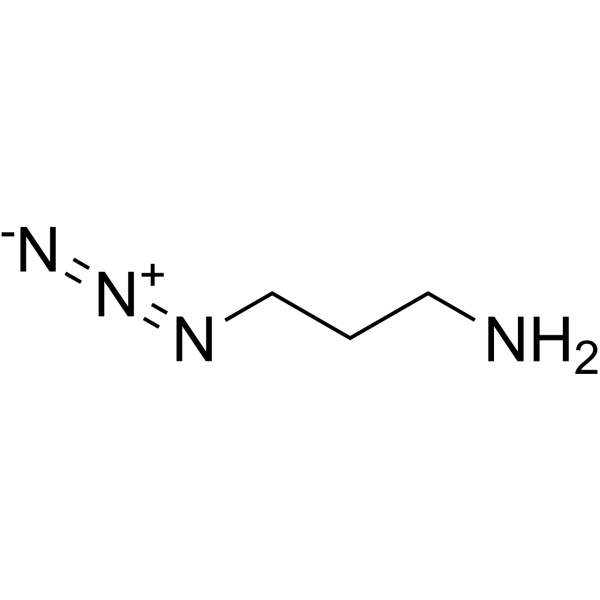
3-Azidopropylamine is a click chemistry reagent containing an azide group. 3-Azidopropylamine can react with the starch sugar of potato starch for complexation and transfection of plasmid DNA . It contains an azide group and can undergo copper-catalyzed azide-alkyne cycloaddition (CuAAc) with molecules containing alkyne groups. It can also undergo ring strain-promoted alkyne-azide cycloaddition (SPAAC) with molecules containing DBCO or BCN groups.
|
-
- HY-128371
-
|
|
Biochemical Assay Reagents
|
Others
|
|
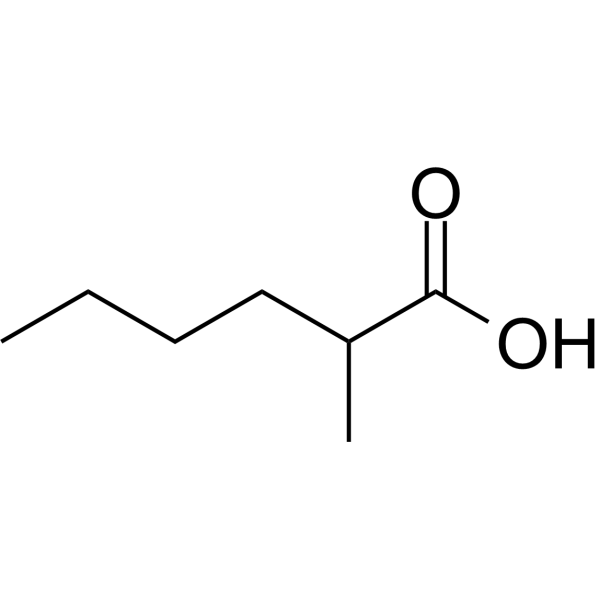
2-Methylhexanoic acid is a saturated branched-chain carboxylic acid with a strong "fatty" or "oily" odor. At high concentrations, it is often described as having the smell of lard, chicken fat or sweat; when diluted, it exhibits a dairy, cream or cheese aroma. Therefore, it is commonly used in the formulation of milk, meat (pork/chicken) and baked food flavors. 2-Methylhexanoic acid occurs naturally in fresh apples, cheese, grape brandy, lamb, potatoes and tea .
|
-
- HY-N0924
-
|
Tetrahydrocoptisine
|
Interleukin Related
NO Synthase
p38 MAPK
PERK
NF-κB
|
Neurological Disease
Inflammation/Immunology
|
|
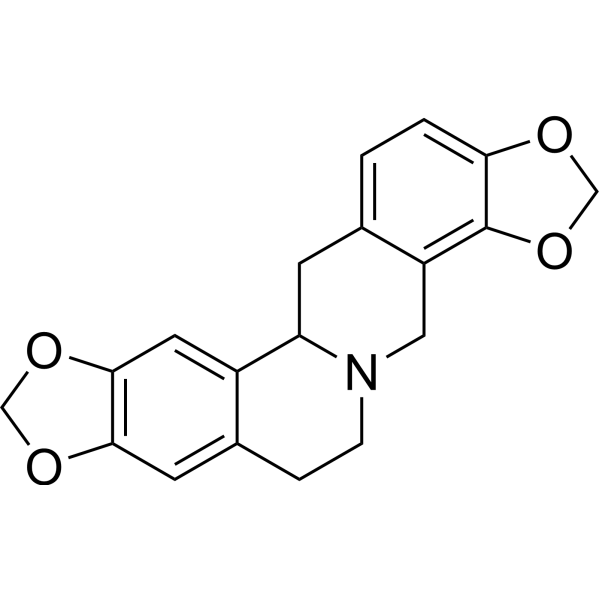
(±)-Stylopine (Tetrahydrocoptisine) is an alkaloid compound. (±)-Stylopine can be isolated from the tubers of the plant Corydalis. (±)-Stylopine inhibits TNF-α, IL-6, and NO production, and attenuates phosphorylation of p38 MAPK, ERK1/2. (±)-Stylopine inhibits NF-κB expression. (±)-Stylopine exhibits anti-inflammatory activity. (±)-Stylopine has protective effects against foot edema, gastric ulcers, anxiety, depression, and acute lung injury .
|
-
- HY-121497R
-
|
3-MBA (Standard)
|
PARP
Bacterial
Reference Standards
|
Cancer
|
|
3-Methoxybenzamide (Standard) is the analytical standard of 3-Methoxybenzamide. This product is intended for research and analytical applications. 3-Methoxybenzamide (3-MBA), an inhibitor of ADP-ribosyltransferase (ADPRTs) and PARP, inhibits cell division in Bacillus subtilis, leading to filamentation and eventually lysis of cells . 3-Methoxybenzamide (3-MBA) enhances in vitro plant growth, microtuberization, and transformation efficiency of blue potato (Solanum tuberosum L. subsp. andigenum) .
|
-

- HY-B2008R
-
|
DPX-JE874 (Standard)
|
Reference Standards
Fungal
|
Infection
|
|
Famoxadone (Standard) is the analytical standard of Famoxadone. This product is intended for research and analytical applications. Famoxadone is a fungicide active against various oomycetes. Famoxadone induces rapid lysis of zoospores of P. viticola and P. infestans, and inhibits sporangial differentiation, zoospore release, sporangial germination and mycelial growth. Famoxadone exerts a preventive control effect on plant diseases. Famoxadone can be used in research related to grape downy mildew, potato late blight, tomato late blight and plant oomycete diseases .
|
-

- HY-B2228
-
|
|
Biochemical Assay Reagents
|
Cancer
|
|
Proteinase, Aspergillus oryzae is a serine protease that hydrolyzes peptide bonds in protein substrates, preferring alkaline conditions (optimal pH 10.5). It efficiently degrades casein, poly-L-glutamic acid, and poly-L-lysine, with activity irreversibly inhibited by diisopropylfluorophosphate (DFP) and potato inhibitor. This enzyme catalyzes proteolysis via serine residues in its active site, finding applications in food processing (e.g., soy sauce fermentation), detergents, and leather industries due to its high yield in solid-state fermentation and cost-effective production.
|
-
- HY-W097929
-
|
2,4,6-Trichloroanisole
|
Olfactory Receptor
Drug Metabolite
Biochemical Assay Reagents
HCN Channel
|
Others
|
|
Tyrene (2,4,6-Trichloroanisole) is an off-flavor compound, cyclic nucleotide-gated (CNG) channel inhibitor, and olfactory transduction attenuator. Tyrene is formed by microbial O-methylation of 2,4,6-trichlorophenol. Tyrene inhibits channel activity in olfactory receptor cells by partitioning into the plasma membrane lipid bilayer, and also suppresses odorant- and cAMP-induced currents in individual olfactory receptor cells. Tyrene causes cork taint in wine. Tyrene also produces off-flavors in potato chips, dried fruits, coffee, and drinking water .
|
-

- HY-180506
-
|
|
Tyrosinase
Glycosidase
Cholinesterase (ChE)
|
Others
|
|
Tyrosinase-IN-47 (compound 6a) is a potent competitive tyrosinase inhibitor with an IC50 of 1.43 µM and a Ki of 0.1142 μM. Tyrosinase-IN-47 also shows inhibition activity in α-Glucosidase (IC50 = 36.26 μM) and acetylcholinesterase (IC50 = 8.26 μM). Tyrosinase-IN-47 exhibits in vitro antioxidant activity, with good scavenging ability for DPPH (IC50 = 4.75 μM) and ABTS (IC50 = 0.04 μM). Tyrosinase-IN-47 displays anti-browning effect on freshly cut potatoes. Tyrosinase-IN-47 can be used for pharmaceutical research .
|
-

- HY-N13047
-
|
|
TMV
SOD
|
Infection
|
|
Ningnanmycin is a plant antiviral agent. Ningnanmycin binds to specific residues on the TMV CP disc, inhibits CP assembly, disassembles the CP disc into monomers, and disrupts the structure of the TMV CP disc to reduce pathogenicity. Ningnanmycin binds to key amino acids of PVY CP, interferes with CP-CP interactions, inhibits CP assembly and virion formation, and blocks PVY replication. Ningnanmycin induces the expression of antiviral response genes PRXIIB, PRXIIE, PUB4 and PER42, thereby activating the host defense system. Ningnanmycin can be used in studies related to Tobacco Mosaic Virus infection and Potato Virus Y infection .
|
-

- HY-Y1083C
-
|
Salt of lemery, for cell culture
|
Biochemical Assay Reagents
|
Others
|
|
Potassium sulfate, for cell culture (Salt of lemery, for cell culture) can be used in plant cell culture and as a potassium source in media preparation, promoting cell growth and maintaining osmotic balance .
|
-

- HY-113038AR
-
|
2-Hydroxyglutarate disodium (Standard); 2-Hydroxyglutaric acid disodium (Standard); 2-Hydroxypentanedioic acid disodium (Standard)
|
Reference Standards
Histone Demethylase
Endogenous Metabolite
|
Cancer
|
|
Ophiopogonin D (Standard) is the analytical standard of Ophiopogonin D. This product is intended for research and analytical applications. Ophiopogonin D, isolated from the tubers of Ophiopogon japonicus, is a rare naturally occurring C29 steroidal glycoside . Ophiopogonin D is a CYP2J3 inducer that significantly inhibits Ang II induced NF-κB nuclear translocation, IκBα down-regulation, intracellular Ca2+ overload and activation of pro-inflammatory cytokines by increasing the expression of CYP2J2/EETs and PPARα in human umbilical vein endothelial cells (HUVECs). Ophiopogonin D has been used to treat inflammatory and cardiovascular diseases for thousands of years .
|
-

- HY-N9804
-
-

- HY-116954
-
|
|
DNA/RNA Synthesis
|
Others
|
|
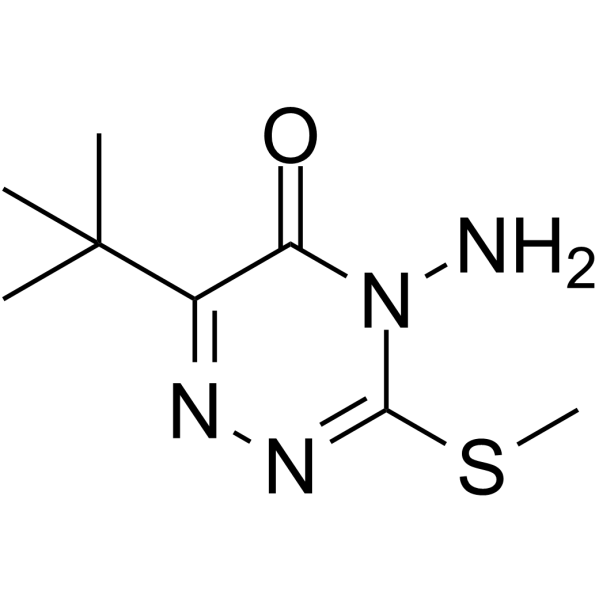
Metribuzin is a low-cost non-selective herbicide belonging to the chemical class of triazinones. Metribuzin inhibits plant DNA synthesis and acts on photosystem II, ultimately suppressing photosynthesis. Metribuzin provides excellent control of important annual grass and broadleaf weeds .
|
-
- HY-164128
-
|
|
Bacterial
|
Infection
|
|
AHL modulator-1 is a N-acylated L-homoserine lactone (AHL) modulator that modulating bacteria quorum sensing (QS). AHL modulator-1 can be used for the research of plant soft rot .
|
-

- HY-N15436
-
|
|
GABA Receptor
|
Neurological Disease
|
|
5-Deoxykievitone, an isoflavanone found in Phaseolus species, is a GABA receptor modulator. 5-Deoxykievitone potentiates GABA-induced chloride current through α1β2γ2s GABAA receptors. 5-Deoxykievitone can be used for the research of epilepsy and anxiety .
|
-

- HY-B1953
-
|
|
Environmental Pollutants
Insecticide
nAChR
|
Infection
|
|
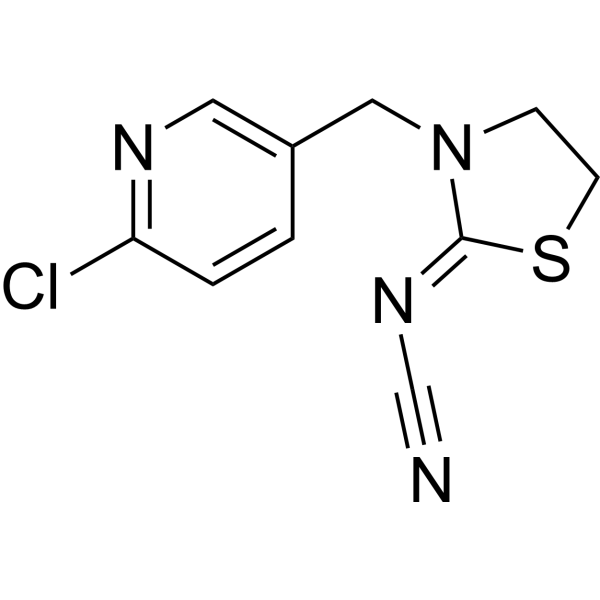
Thiacloprid is an orally active neurotoxic insecticide and also a nAChR agonist. Thiacloprid reduces the viability of healthy cells, depletes reduced glutathione, and increases MDA levels, thereby inducing cytotoxicity and oxidative stress damage. In practical applications, Thiacloprid has lower acute toxicity to honeybees than other compounds of the same class such as Imidacloprid (HY-B0838), but it still significantly impairs the learning and memory function, immune capacity and survival status of honeybees. Thiacloprid induces intestinal microbial dysbiosis and reduces survival rate in middle-aged honeybees, increases the risk of premature collapse in bumblebee colonies, and significantly decreases the final colony weight and reproductive output. Thiacloprid is used in broad-spectrum agricultural pest control, often alone or in combination with Deltamethrin (HY-B1971), and meets the pest management needs of various crops including potatoes, cabbages, various fruits and vegetables, and nuts .
|
-
- HY-E70425
-
|
|
Glycosyltransferase
|
Metabolic Disease
|
|
Sucrose synthase belongs to glycosyltransferases and is a reversible catalyst present in plants, which catalyzes the conversion of sucrose into fructose and UDP-G or ADP-G. Sucrose synthase localizes to the cytoplasm, plasma membrane, cell wall, vacuole and mitochondria of plants. Sucrose synthase regulates sugar metabolism, supports the development of taproots, fruits, seeds and vascular tissues, drives the synthesis of starch, cellulose and callose, and enhances nitrogen fixation capacity. Sucrose synthase mediates signal transduction in plant meristems. Sucrose synthase is associated with plant growth, anaerobic stress tolerance, as well as shoot apical meristem and leaf morphology; overexpression of this enzyme promotes plant growth, increases xylem size, and elevates cellulose and starch contents .
|
-

- HY-B1953S
-
|
|
nAChR
Insecticide
|
Infection
|
|
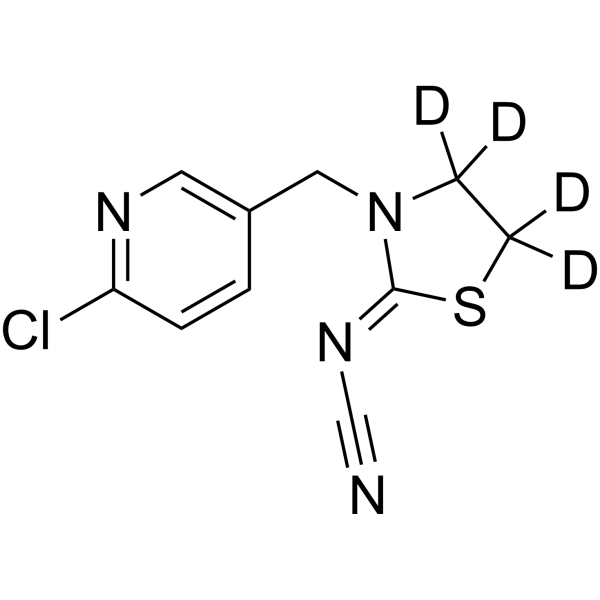
Thiacloprid-d4 is the deuterium labeled Thiacloprid. Thiacloprid is an orally active neurotoxic insecticide and also a nAChR agonist. Thiacloprid reduces the viability of healthy cells, depletes reduced glutathione, and increases MDA levels, thereby inducing cytotoxicity and oxidative stress damage. In practical applications, Thiacloprid has lower acute toxicity to honeybees than other compounds of the same class such as Imidacloprid (HY-B0838), but it still significantly impairs the learning and memory function, immune capacity and survival status of honeybees. Thiacloprid induces intestinal microbial dysbiosis and reduces survival rate in middle-aged honeybees, increases the risk of premature collapse in bumblebee colonies, and significantly decreases the final colony weight and reproductive output. Thiacloprid is used in broad-spectrum agricultural pest control, often alone or in combination with Deltamethrin (HY-B1971), and meets the pest management needs of various crops including potatoes, cabbages, various fruits and vegetables, and nuts .
|
-
- HY-150033
-
|
|
Photosystem II
Herbicide
|
Others
|
|
Sorgoleone is a photosystem II inhibitor found in sorghum. Sorgoleone binds to the QB niche of the D1 protein, inhibits photosynthetic electron transport, and does not affect photosystem I reactions. Sorgoleone reduces radicle elongation and stunts growth. Sorgoleone inhibits CO2-dependent oxygen evolution, photosynthetic O2 evolution, and mitochondrial respiration. Sorgoleone can be used as a herbicide .
|
-

- HY-N0515
-
|
|
PPAR
NF-κB
Calcium Channel
Reactive Oxygen Species (ROS)
ERK
|
Cardiovascular Disease
Metabolic Disease
Inflammation/Immunology
|
|
Ophiopogonin D can be isolated from the tubers of Ophiopogon japonicus, is a rare naturally occurring C29 steroidal glycoside. Ophiopogonin D is a CYP2J3 inducer that significantly inhibits Ang II induced NF-κB nuclear translocation, IκBα down-regulation, intracellular Ca 2+ overload and activation of pro-inflammatory cytokines by increasing the expression of CYP2J2/EETs and PPARα in human umbilical vein endothelial cells (HUVECs). Ophiopogonin D can inhibit isteoclastic differentiation in RAW264.7 cells. Ophiopogonin D has protective effect as an antioxidant in H2O2-induced endothelial injury. Ophiopogonin D blocks ERK signaling cascades. Ophiopogonin D alleviates high-fat diet-induced metabolic syndrome and changes the structure of gut microbiota in mice. Ophiopogonin D has been used against inflammatory, metabolic and cardiovascular diseases .
|
-
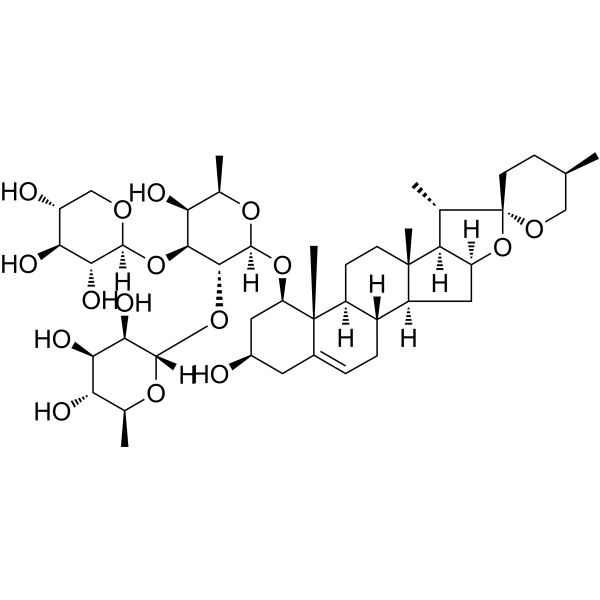
- HY-B1953R
-
|
|
Reference Standards
nAChR
Insecticide
|
Infection
|
|
Thiacloprid (Standard) is the analytical standard of Thiacloprid. This product is intended for research and analytical applications. Thiacloprid is an orally active neurotoxic insecticide and also a nAChR agonist. Thiacloprid reduces the viability of healthy cells, depletes reduced glutathione, and increases MDA levels, thereby inducing cytotoxicity and oxidative stress damage. In practical applications, Thiacloprid has lower acute toxicity to honeybees than other compounds of the same class such as Imidacloprid (HY-B0838), but it still significantly impairs the learning and memory function, immune capacity and survival status of honeybees. Thiacloprid induces intestinal microbial dysbiosis and reduces survival rate in middle-aged honeybees, increases the risk of premature collapse in bumblebee colonies, and significantly decreases the final colony weight and reproductive output. Thiacloprid is used in broad-spectrum agricultural pest control, often alone or in combination with Deltamethrin (HY-B1971), and meets the pest management needs of various crops including potatoes, cabbages, various fruits and vegetables, and nuts .
|
-

- HY-N0515R
-
|
|
Reference Standards
PPAR
NF-κB
Calcium Channel
ERK
Reactive Oxygen Species (ROS)
|
Cardiovascular Disease
Metabolic Disease
Inflammation/Immunology
|
|
Ophiopogonin D (Standard) is the analytical standard of Ophiopogonin D. This product is intended for research and analytical applications. Ophiopogonin D can be isolated from the tubers of Ophiopogon japonicus, is a rare naturally occurring C29 steroidal glycoside. Ophiopogonin D is a CYP2J3 inducer that significantly inhibits Ang II induced NF-κB nuclear translocation, IκBα down-regulation, intracellular Ca2+ overload and activation of pro-inflammatory cytokines by increasing the expression of CYP2J2/EETs and PPARα in human umbilical vein endothelial cells (HUVECs). Ophiopogonin D can inhibit isteoclastic differentiation in RAW264.7 cells. Ophiopogonin D has protective effect as an antioxidant in H2O2-induced endothelial injury. Ophiopogonin D blocks ERK signaling cascades. Ophiopogonin D alleviates high-fat diet-induced metabolic syndrome and changes the structure of gut microbiota in mice. Ophiopogonin D has been used against inflammatory, metabolic and cardiovascular diseases .
|
-

- HY-W281071
-
|
|
Fungal
|
Infection
|
|
Antifungal agent 150 is an antifungal agent with activity against phytopathogenic fungi and in planta lesion suppression. Antifungal agent 150 inhibits ergosterol biosynthesis via targeted enzyme interaction. Antifungal agent 150 can be used for the research of plant diseases caused by Rhizoctonia solani, including banded leaf and sheath blight of maize .
|
-

| Cat. No. |
Product Name |
Type |
-
- HY-B2228
-
|
|
Biochemical Assay Reagents
|
|
Proteinase, Aspergillus oryzae is a serine protease that hydrolyzes peptide bonds in protein substrates, preferring alkaline conditions (optimal pH 10.5). It efficiently degrades casein, poly-L-glutamic acid, and poly-L-lysine, with activity irreversibly inhibited by diisopropylfluorophosphate (DFP) and potato inhibitor. This enzyme catalyzes proteolysis via serine residues in its active site, finding applications in food processing (e.g., soy sauce fermentation), detergents, and leather industries due to its high yield in solid-state fermentation and cost-effective production.
|
-
- HY-B2225A
-
|
Edible corn starch (from potato)
|
Biochemical Assay Reagents
|
|
Starch (from potato) (Edible corn starch (from potato)) is a type of starch derived from potatoes. Starch (from potato) consists of amylose and amylopectin, and has properties such as easy gelatinization and high viscosity. Starch (from potato) is the main carbohydrate in potatoes and an important raw material for the food industry .
|
-
- HY-W145520
-
|
|
Biochemical Assay Reagents
|
|
Amylopectin is a branched glucan polymer and one of the two principal components of starch, found in botanical sources including corn, amaranth, and potato .
|
-
- HY-W250120
-
|
|
Biochemical Assay Reagents
|
|
Konjac glucomannan (Viscosity≥15000mPa.s) is an acetylated (1-4)-beta-D-glucomannan extracted from the tuber of konjac or konjac root. In Japan, it is a dietary supplement intended to reduce calorie intake because it swells in water.
|
-
- HY-W115789
-
|
|
Biochemical Assay Reagents
|
|
Sodium silicate is a water-soluble silicate. Sodium silicate is widely used as a binder, particularly in the production of detergents, soaps, and cleaners. Sodium silicate promotes the deposition of suberin polyphenols and lignin at wound sites of potato tubers, accelerates callus structure formation, enhances ROS production, and induces the synthesis of total phenols and flavonoids. Sodium silicate reduces the weight loss rate and disease index of wounded potato tubers during storage .
|
-
- HY-172183
-
|
|
Biochemical Assay Reagents
|
|
Potato Dextrose agar is a commonly used culture medium, suitable for culturing yeast, mold, mushrooms and other fungi .
|
-
- HY-Y1083C
-
|
Salt of lemery, for cell culture
|
Biochemical Assay Reagents
|
|
Potassium sulfate, for cell culture (Salt of lemery, for cell culture) can be used in plant cell culture and as a potassium source in media preparation, promoting cell growth and maintaining osmotic balance .
|
-
- HY-NP081
-
|
STL
|
Biochemical Assay Reagents
|
|
Solanum Tuberosum (Potato) Lectin (STL) is a plant lectin that can be used as a probe to specifically bind biomolecules (such as polysaccharides, peptides, etc.).Solanum Tuberosum (Potato) Lectin (STL) is a biological material or organic compound that can be used in life science research .
|
-
- HY-NP0187
-
|
STL (Biotinylated)
|
Biochemical Assay Reagents
|
|
Solanum Tuberosum (Potato) Lectin (STL) Biotinylated is a plant lectin that can be used as a probe to specifically bind biomolecules (such as polysaccharides, peptides, etc.).Solanum Tuberosum (Potato) Lectin (STL) Biotinylated is a biological material or organic compound that can be used in life science research .
|
| Cat. No. |
Product Name |
Category |
Target |
Chemical Structure |
-
- HY-113449
-
-
-
- HY-N0515
-
-
-
- HY-N0325
-
-
-
- HY-N6570
-
-
-
- HY-N8393
-
-
-
- HY-N0924
-
-
-
- HY-N7398
-
-
-
- HY-W145520
-
-
-
- HY-N7271
-
-
-
- HY-N11630
-
-
-
- HY-N0654
-
-
-
- HY-N2459
-
-
-
- HY-Y1004
-
|
Decyl alcohol
|
Source Classification
|
Environmental Pollutants
Biochemical Assay Reagents
Parasite
Apoptosis
|
|
1-Decanol (Decyl alcohol) is a nematicidal agent derived from Houttuynia cordata, with an LC50 of 31.5 μg/mL against potato cyst nematodes (PCN). 1-decanol directly damages nematode surface structures, induces cellular apoptosis, and disrupts the oxidative stress regulation system, while also downregulating defense-related metabolic pathways in potato, thereby promoting the reallocation of metabolic resources from defense to growth. 1-Decanol can be used for the research of potato cyst nematode infestation .
|
-
-
- HY-W040141
-
-
-
- HY-N4271
-
-
-
- HY-N13047
-
|
|
Structural Classification
Microorganisms
Antibiotics
Other Antibiotics
Source Classification
|
TMV
SOD
|
|
Ningnanmycin is a plant antiviral agent. Ningnanmycin binds to specific residues on the TMV CP disc, inhibits CP assembly, disassembles the CP disc into monomers, and disrupts the structure of the TMV CP disc to reduce pathogenicity. Ningnanmycin binds to key amino acids of PVY CP, interferes with CP-CP interactions, inhibits CP assembly and virion formation, and blocks PVY replication. Ningnanmycin induces the expression of antiviral response genes PRXIIB, PRXIIE, PUB4 and PER42, thereby activating the host defense system. Ningnanmycin can be used in studies related to Tobacco Mosaic Virus infection and Potato Virus Y infection .
|
-
-
- HY-N9142
-
-
-
- HY-118149
-
-
-
- HY-W142437
-
-
-
- HY-N11086
-
-
-
- HY-N6822
-
-
-
- HY-N11985
-
-
-
- HY-N0924A
-
-
-
- HY-N6894A
-
-
-
- HY-N0515R
-
|
|
Ophiopogon japonicus (L. f.) Ker-Gawl.
Liliaceae
Plants
Steroids
Source Classification
|
Reference Standards
PPAR
NF-κB
Calcium Channel
ERK
Reactive Oxygen Species (ROS)
|
|
Ophiopogonin D (Standard) is the analytical standard of Ophiopogonin D. This product is intended for research and analytical applications. Ophiopogonin D can be isolated from the tubers of Ophiopogon japonicus, is a rare naturally occurring C29 steroidal glycoside. Ophiopogonin D is a CYP2J3 inducer that significantly inhibits Ang II induced NF-κB nuclear translocation, IκBα down-regulation, intracellular Ca2+ overload and activation of pro-inflammatory cytokines by increasing the expression of CYP2J2/EETs and PPARα in human umbilical vein endothelial cells (HUVECs). Ophiopogonin D can inhibit isteoclastic differentiation in RAW264.7 cells. Ophiopogonin D has protective effect as an antioxidant in H2O2-induced endothelial injury. Ophiopogonin D blocks ERK signaling cascades. Ophiopogonin D alleviates high-fat diet-induced metabolic syndrome and changes the structure of gut microbiota in mice. Ophiopogonin D has been used against inflammatory, metabolic and cardiovascular diseases .
|
-
-
- HY-N12216
-
-
-
- HY-N6059
-
-
-
- HY-N15369
-
-
-
- HY-W750129
-
-
-
- HY-N7673
-
-
-
- HY-N8890
-
-
-
- HY-N12574
-
-
-
- HY-N7399
-
-
-
- HY-N0325R
-
-
-
- HY-N12270
-
-
-
- HY-W751431
-
-
-
- HY-N7398R
-
-
-
- HY-N7271R
-
-
-
- HY-N3164
-
-
-
- HY-N3133
-
-
-
- HY-N0851
-
-
-
- HY-N3100
-
-
-
- HY-N8953
-
-
-
- HY-N12475
-
-
-
- HY-N1832
-
-
-
- HY-126365
-
-
-
- HY-N1962
-
-
-
- HY-N3131
-
-
-
- HY-N8635
-
-
-
- HY-N10821A
-
-
- HY-N7795
-
-
- HY-N3709
-
-
- HY-142013
-
-
- HY-N0924R
-
-
- HY-154871
-
-
- HY-N12575
-
-
- HY-W674057
-
-
- HY-N6894
-
-
- HY-N9720
-
-
- HY-W040141R
-
-
- HY-N6061
-
-
- HY-N14548
-
|
|
Natural Products
Microorganisms
Source Classification
|
Antibiotic
Bacterial
|
|
Cryptosporiopsin can be isolated from the strain of Cryptosporiopsis sp. and Sporormia affinis. Cryptosporiopsin has antibacterial activity to many kinds of basidiomycetes, algal fungi, ascomycetes and hemiplegia fungi that cause wood rot, and can inhibit spore germination of Phytophthora potatoes. Cryptosporiopsin also has certain activity against gram-positive bacteria and negative bacteria .
|
-
- HY-N8177
-
-
- HY-N2459R
-
-
- HY-N17464
-
-
- HY-113038AR
-
|
2-Hydroxyglutarate disodium (Standard); 2-Hydroxyglutaric acid disodium (Standard); 2-Hydroxypentanedioic acid disodium (Standard)
|
Ketones, Aldehydes, Acids
Endogenous metabolite
Source Classification
|
Reference Standards
Histone Demethylase
Endogenous Metabolite
|
|
Ophiopogonin D (Standard) is the analytical standard of Ophiopogonin D. This product is intended for research and analytical applications. Ophiopogonin D, isolated from the tubers of Ophiopogon japonicus, is a rare naturally occurring C29 steroidal glycoside . Ophiopogonin D is a CYP2J3 inducer that significantly inhibits Ang II induced NF-κB nuclear translocation, IκBα down-regulation, intracellular Ca2+ overload and activation of pro-inflammatory cytokines by increasing the expression of CYP2J2/EETs and PPARα in human umbilical vein endothelial cells (HUVECs). Ophiopogonin D has been used to treat inflammatory and cardiovascular diseases for thousands of years .
|
-
- HY-N17988
-
-
- HY-W540078
-
-
- HY-N17945
-
-
- HY-N18030
-
-
- HY-N17879
-
-
- HY-114529
-
-
- HY-129161
-
-
- HY-N1721
-
-
- HY-N12251
-
-
- HY-N3599
-
-
- HY-N1816
-
-
- HY-N17890
-
-
- HY-N19046
-
|
|
Structural Classification
Extract
|
Others
|
|
Rehmannia Root Extract is derived from the root tuber of Rehmannia glutinosa Libosch. It contains catalpol, a variety of amino acids and sugars, mannitol, β-sitosterol and campesterol.
|
-
- HY-N18657
-
|
|
Structural Classification
Extract
|
Others
|
|
Wild Yam Extract is derived from the dried tubers of Dioscorea oppositae thunb. It has the functions of invigorating the spleen, tonifying the lungs, strengthening the kidney, and replenishing vital essence.
|
-
- HY-N13764
-
-
- HY-N16905
-
-
- HY-N17957
-
-
- HY-N17772
-
-
- HY-N6060A
-
-
- HY-N9885
-
-
- HY-N17880
-
-
- HY-N17906
-
-
- HY-N18083
-
-
- HY-N8393R
-
-
- HY-N9804
-
-
- HY-N15436
-
-
- HY-150033
-
-
| Cat. No. |
Product Name |
Chemical Structure |
-
- HY-N0325S4
-
|
|
|
DL-Methionine-d4 is the deuterium labeled DL-Methionine. DL-Methionine is an essential amino acid containing sulfur with oxidative stress defense effects. DL-Methionine can be used for animal natural feed. DL-Methionine also kills H. rostochiensis on potato plants .
|
-
-
- HY-B2221S
-
|
|
|
U- 13C Cellulose high DP from potato is the 13C labeled Cellulose (HY-B2221). Cellulose (Pectin glycosidase) is a natural high molecular weight polysaccharide found in many plants and organisms. It is widely used in manufacturing industries, such as in paper making, textiles, food and medicine, etc. As a renewable resource, Cellulose is biodegradable and sustainable, and can also be used to manufacture chemicals such as Cellulose Esters, Cellulose Acetate and Cellulose Nitrate. In addition, Cellulose is often used as a food additive to increase the stability and quality of food .
|
-
-
- HY-N0325S
-
|
|
|
DL-Methionine- 13C is the 13C-labeled DL-Methionine. DL-Methionine is an essential amino acid containing sulfur with oxidative stress defense effects. DL-Methionine can be used for animal natural feed. DL-Methionine also kills H. rostochiensis on potato plants .
|
-
-
- HY-B2225AS
-
|
|
|
Starch from potato- 13C12 is the 13C-labeled Starch from potato .
|
-
-
- HY-158034S
-
|
|
|
U-13C Hemicellulose from potato is the 13C labeled Hemicellulose .
|
-
-
- HY-B0843S1
-
|
|
|
Metalaxyl-d6 is the deuterium labeled Metalaxyl. Metalaxyl is a fungicide that inhibits protein synthesis in fungi. Metalaxyl inhibits the growth of potato blight (P. infestans) fungal isolates from Serbian potato fields (EC50s=0.3-3.9 μg/mL).
|
-
-
- HY-B0843S
-
|
|
|
Metalaxyl- 13C6 is the 13C-labeled Metalaxyl. Metalaxyl is a fungicide that inhibits protein synthesis in fungi. Metalaxyl inhibits the growth of potato blight (P. infestans) fungal isolates from Serbian potato fields (EC50s=0.3-3.9 μg/mL).
|
-
-
- HY-119419S
-
|
|
|
Pirimicarb-d6 is the deuterium labeled Pirimicarb (HY-119419). Pirimicarb is a fast-acting selective carbamate insecticide on a wide range of crops including cereals, sugar beet, potatoes, fruits and vegetables. Pirimicarb is an AChE inhibitor and an acaricide .
|
-
-
- HY-N0325S1
-
|
|
|
DL-Methionine-d is the deuterium labeled DL-Methionine. DL-Methionine is an essential amino acid containing sulfur with oxidative stress defense effects. DL-Methionine can be used for animal natural feed. DL-Methionine also kills H. rostochiensis on potato plants .
|
-
-
- HY-N7398S
-
|
|
|
2-Pentylfuran- 13C2 is the 13C2 labeled 2-Pentylfuran (HY-N7398). 2-Pentylfuran is the compound isolated from steam volatile oils obtained from potatoes at atmospheric pressure. 2-Pentylfuran is a phytohormone .
|
-
-
- HY-N0325S3
-
|
|
|
DL-Methionine-d3 is the deuterium labeled DL-Methionine. DL-Methionine is an essential amino acid containing sulfur with oxidative stress defense effects. DL-Methionine can be used for animal natural feed. DL-Methionine also kills H. rostochiensis on potato plants .
|
-
-
- HY-B1953S
-
|
|
|
Thiacloprid-d4 is the deuterium labeled Thiacloprid. Thiacloprid is an orally active neurotoxic insecticide and also a nAChR agonist. Thiacloprid reduces the viability of healthy cells, depletes reduced glutathione, and increases MDA levels, thereby inducing cytotoxicity and oxidative stress damage. In practical applications, Thiacloprid has lower acute toxicity to honeybees than other compounds of the same class such as Imidacloprid (HY-B0838), but it still significantly impairs the learning and memory function, immune capacity and survival status of honeybees. Thiacloprid induces intestinal microbial dysbiosis and reduces survival rate in middle-aged honeybees, increases the risk of premature collapse in bumblebee colonies, and significantly decreases the final colony weight and reproductive output. Thiacloprid is used in broad-spectrum agricultural pest control, often alone or in combination with Deltamethrin (HY-B1971), and meets the pest management needs of various crops including potatoes, cabbages, various fruits and vegetables, and nuts .
|
-
| Cat. No. |
Product Name |
|
Classification |
-
- HY-151862
-
|
|
|
Azide
|
|
3-Azidopropylamine is a click chemistry reagent containing an azide group. 3-Azidopropylamine can react with the starch sugar of potato starch for complexation and transfection of plasmid DNA . It contains an azide group and can undergo copper-catalyzed azide-alkyne cycloaddition (CuAAc) with molecules containing alkyne groups. It can also undergo ring strain-promoted alkyne-azide cycloaddition (SPAAC) with molecules containing DBCO or BCN groups.
|
| Cat. No. |
Product Name |
|
Classification |
-
- HY-B2225A
-
|
Edible corn starch (from potato)
|
|
Binders
|
|
Starch (from potato) (Edible corn starch (from potato)) is a type of starch derived from potatoes. Starch (from potato) consists of amylose and amylopectin, and has properties such as easy gelatinization and high viscosity. Starch (from potato) is the main carbohydrate in potatoes and an important raw material for the food industry .
|
Your information is safe with us. * Required Fields.
Inquiry Information
- Product Name:
- Cat. No.:
- Quantity:
- MCE Japan Authorized Agent:








