Search Result
Results for "
AML1
" in MedChemExpress (MCE) Product Catalog:
| Cat. No. |
Product Name |
Target |
Research Areas |
Chemical Structure |
-
- HY-134836
-
STM2457
Maximum Cited Publications
104 Publications Verification
|
Apoptosis
METTL3
|
Cancer
|
|
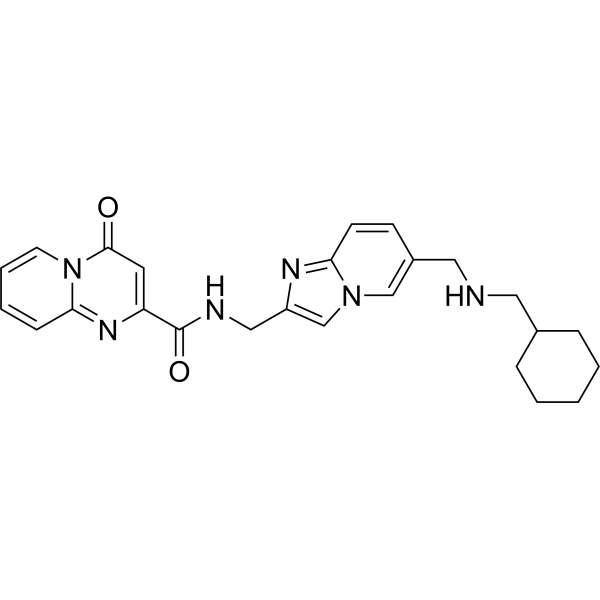
STM2457 is a first-in-class, highly potent, selective and orally active METTL3 inhibitor with an IC50 of 16.9 nM. STM2457 can be used for the research of acute myeloid leukaemia (AML) .
|
-
-
- HY-136175
-
|
SNDX-5613
|
Epigenetic Reader Domain
|
Cancer
|
|
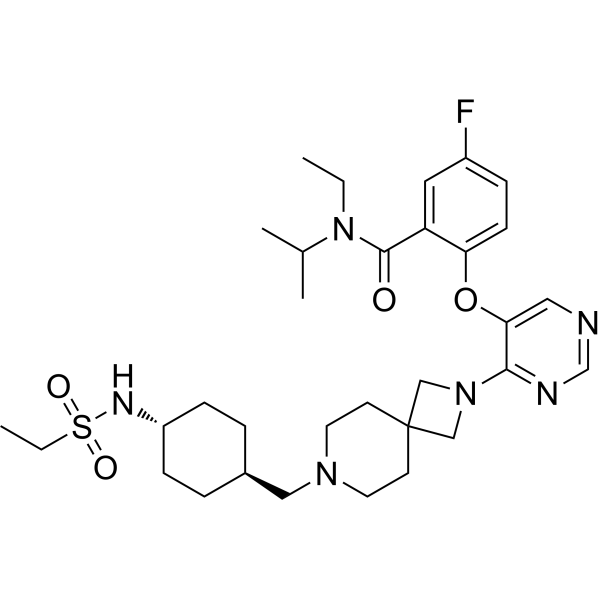
Revumenib (SNDX-5613) is a potent and specific Menin-MLL inhibitor with a binding Ki of 0.149 nM and a cell based IC50 of 10-20 nM. Revumenib can be used for the research of MLL-rearranged (MLL-r) acute leukemias, including acute lymphoblastic leukemia (ALL) and acute myeloid leukemia (AML) .
|
-
-
- HY-127103
-
|
|
Apoptosis
|
Cancer
|
|
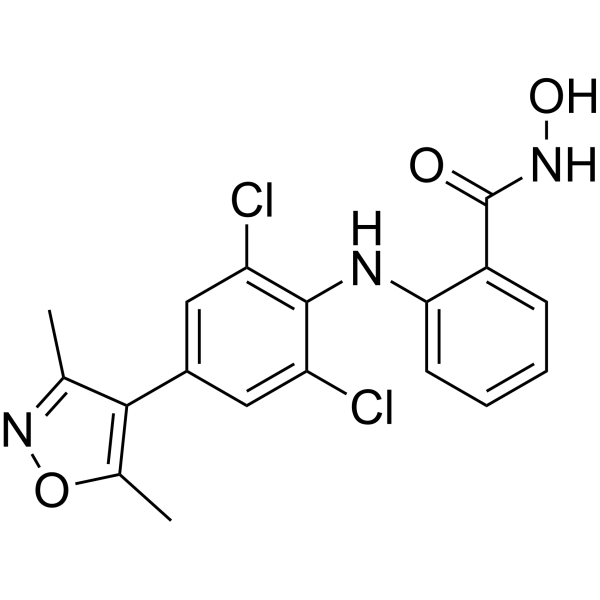
FB23-2 is a potent and selective inhibitor of mRNA N 6-methyladenosine (m 6A) demethylase FTO, with an IC50 of 2.6 μM. FB23-2 has anti-proliferation activity. FB23-2 can be used for the research of acute myeloid leukemia (AML) .
|
-
-
- HY-109539
-
|
|
Antibody-Drug Conjugates (ADCs)
Apoptosis
|
Cancer
|
|
Gemtuzumab ozogamicin is an antibody-drug conjugate (ADC) consisting of a humanized immunoglobulin (IgG4) antibody directed against CD33 that is conjugated to the cytotoxic agent Calicheamicin (HY-19609). The antibody portion is Gemtuzumab (HY-P99971), and the drug-linker conjugate for ADC is N-Ac-γ-Calicheamicin-AcBut-NHS ester (HY-103688). Gemtuzumab ozogamicin can be used for the research of acute myeloid leukemia (AML) .
|
-

-
- HY-164607
-
|
|
DNA/RNA Synthesis
Apoptosis
|
Cancer
|
|
YL-5092 is a selective YT521-B homology (YTH) domain-containing protein 1 (YTHDC1) inhibitor with an IC50 of 7.4 nM and a KD of 29.6 nM. YL-5092 can suppress cancer cell proliferation and induce cell G0/G1 phase arrest and apoptosis. YL-5092 can be used for the research of cancer, such as acute myeloid leukemia (AML) .
|
-

-
- HY-N0564
-
-
-
- HY-N0071
-
|
Isoguanosine
|
FLT3
HDAC
|
Cancer
|
|
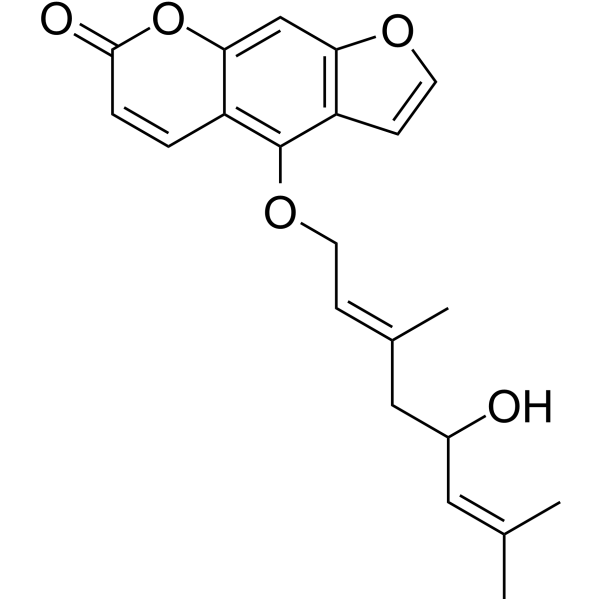
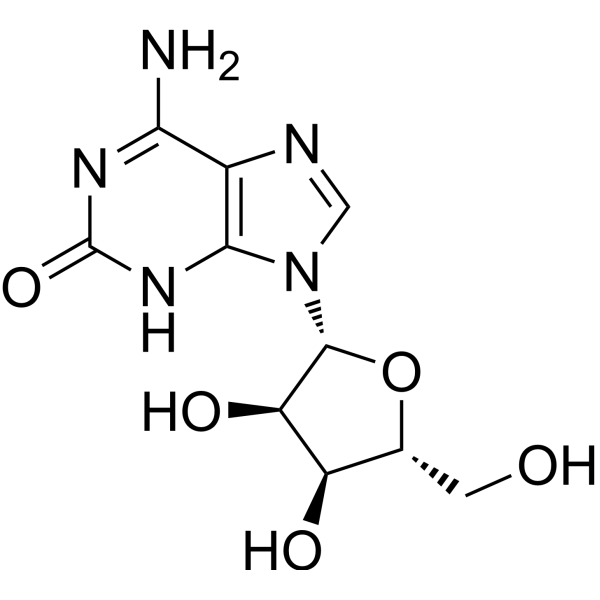
Crotonoside is isolated from Chinese medicinal herb, Croton. Crotonoside inhibits FLT3 and HDAC3/6, exhibits selective inhibition in acute myeloid leukemia (AML) cells. Crotonoside could be a promising new lead compound for the research of AML .
|
-
-
- HY-124500
-
|
|
STAT
Apoptosis
|
Cancer
|
|
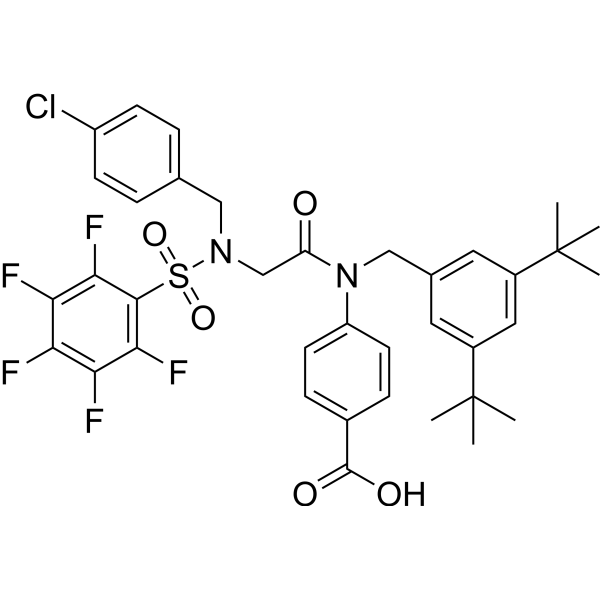
AC-4-130 is a potent STAT5 SH2 domain inhibitor. AC-4-130 directly binds to STAT5 and disrupts STAT5 activation, dimerization, nuclear translocation, and STAT5-dependent gene transcription. AC-4-130 induces cell cycle arrest and apoptosis in FLT3-ITD-driven leukemic cells. AC-4-130 has anti-cancer activity and can efficiently block pathological levels of STAT5 activity in acute myeloid leukemia (AML) .
|
-
-
- HY-101025
-
|
|
Keap1-Nrf2
|
Cancer
|
|
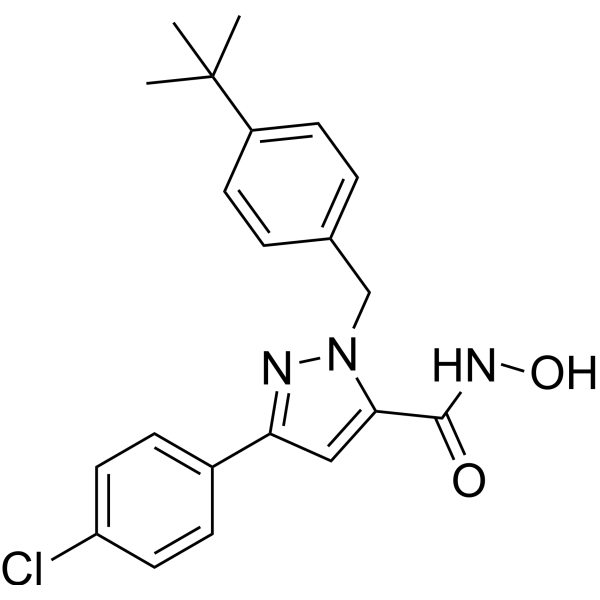
Nrf2-IN-1 is an inhibitor of nuclear factor-erythroid 2-related factor 2 (Nrf2). Nrf2-IN-1 is developed for the research of acute myeloid leukemia (AML) .
|
-
-
- HY-10202
-
|
MLN518; CT53518
|
FLT3
c-Kit
PDGFR
Apoptosis
|
Cancer
|
|
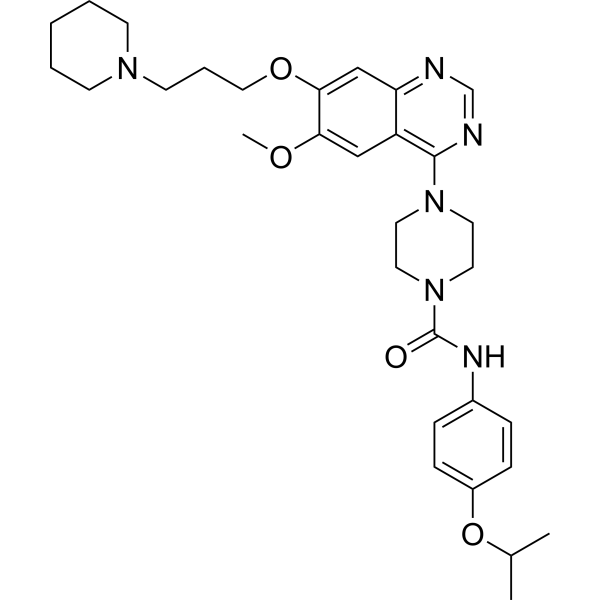
Tandutinib (MLN518) is a potent and selective inhibitor of the FLT3 with an IC50 of 0.22 μM, and also inhibits c-Kit and PDGFR with IC50s of 0.17 μM and 0.20 μM, respectively. Tandutinib can be used for acute myelogenous leukemia (AML) . Tandutinib has the ability to cross the blood-brain barrier .
|
-
-
- HY-171792
-
|
ORM-6151
|
Transmembrane Glycoprotein
|
Cancer
|
|
BMS-986497 (ORM-6151) is a CD33-targeting antibody-conjugated GSPT1 degrader. BMS-986497 delivers the GSPT1 degrader SMol006 to CD33-expressing cells and induces GSPT1 protein degradation. BMS-986497 shows potential for research on acute myeloid leukemia (AML) .
|
-

-
- HY-P99623
-
|
MGD006; S80880
|
CD3
|
Cancer
|
|
Flotetuzumab (MGD006; S80880) is an investigational CD123/CD3 bispecific dual-affinity retargeting antibody (DART) molecule. Flotetuzumab reactivates T cells by simultaneously binding to CD123 in target cells and CD3 in effector T cells, leading to T-cell-mediated cytotoxicity in target cells. Flotetuzumab shows inhibitory effect on a mouse model of patient-derived xenograft (PDX) in acute myeloid leukemia (AML) .
|
-

-
- HY-12333
-
|
G-749
|
FLT3
Apoptosis
|
Cancer
|
|
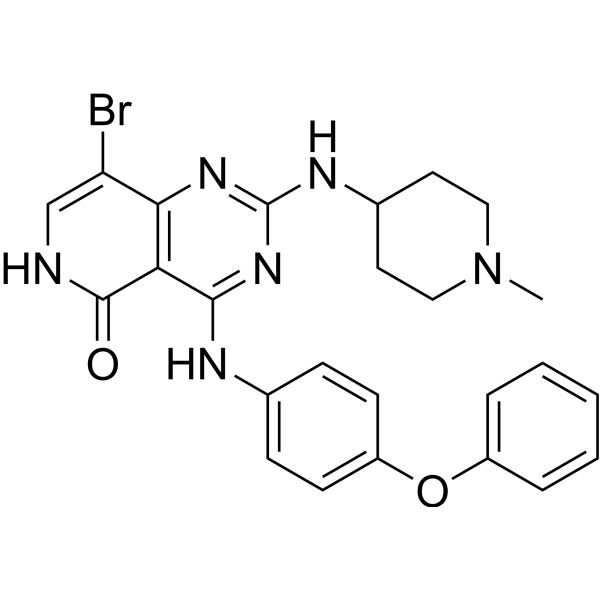
Denfivontinib (G-749) is a potent, oral active and ATP competitive FLT3 inhibitor, with IC50s of 0.4 nM and 0.6 nM for FLT3 wild type and FLT3-D835Y, respectively. Denfivontinib can be used for the research of agent resistance for acute myeloid leukemia (AML) .
|
-
-
- HY-172931
-
|
|
Molecular Glues
Casein Kinase
IKZF Family
|
Cancer
|
|
DEG-35 is a CRBN-dependent, dual IKZF2 and CK1α molecule glue degrader, with DC50 values of 1.4 nM and 4.4 nM for CK1α and IKZF2, respectively. DEG-35 activates the p53 apoptosis pathway. DEG-35 can be used in the research for Acute Myeloid Leukemia (AML) .
|
-

-
- HY-174979
-
|
|
Fat Mass and Obesity-associated Protein (FTO)
Apoptosis
|
Inflammation/Immunology
Cancer
|
|
Dac590 is an orally active and selective obesity-associated protein (FTO) inhibitor with an IC50 of 6.06 nM. Dac590 shows highly selective over ALKBH5 and ALKBH3. Dac590 suppresses oncogenic FTO signaling, induces myeloid differentiation, G1-phase cell cycle arrest, and apoptosis in acute myeloid leukemia (AML) cells. Dac590 inhibits xenograft tumor growth and prolongs survival in acute myeloid leukemia mouse models with no observed toxicity. Dac590 can be used for the research of AML .
|
-

-
- HY-148422
-
|
|
Eukaryotic Initiation Factor (eIF)
Apoptosis
|
Cancer
|
|
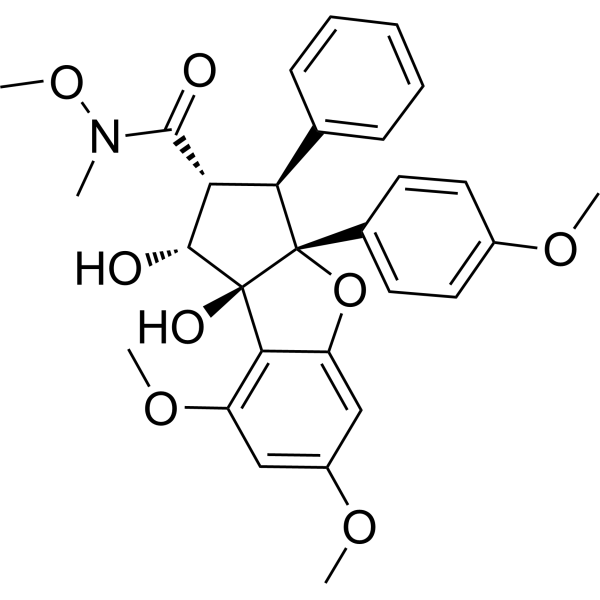
Rohinitib is a potent and specific eIF4A inhibitor. Rohinitib induces cell apoptosis of acute myeloid leukemia (AML) cell lines and reduces the leukemia burden of AML xenograft model. Rohinitib can be used for the research of AML .
|
-
-
- HY-P99958
-
|
AMV-564; TandAb T564
|
Transmembrane Glycoprotein
|
Cancer
|
|
Vixtimotamab (AMV-564; TandAb T564) is a bispecific tetravalent tandem diabody (TandAb) that targets human CD33 and human CD3 antigens. Vixtimotamab can be used for the research of acute myeloid leukemia (AML) .
|
-

-
- HY-145940
-
|
BRD3727
|
Casein Kinase
|
Cancer
|
|
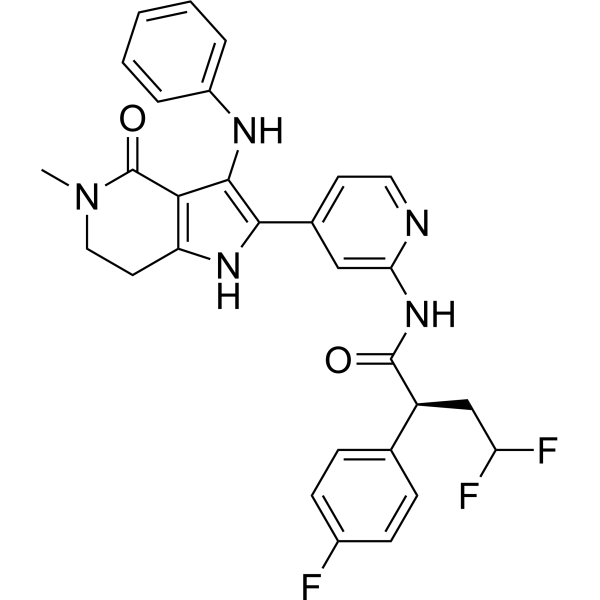
BAY-204 (BRD3727) is a potent, ATP-competitive, and selective CSNK1α inhibitor (IC50 = 2 nM at 10 μM ATP; 12 nM at 1 mM ATP). BAY-204 can be used for the study of acute myeloid leukemia (AML) .
|
-
-
- HY-P991699
-
|
AZD9829 antibody; INT-020
|
ADC Antibody
Interleukin Related
|
Cancer
|
|
Lixarkitug (AZD9829 antibody; INT-020) is a humanized IgG1κ antibody targeting IL-3Ra/CD123. Lixarkitug can be conjugated with Samrotecan to form the intact ADC molecule lixarkitug samrotecan (AZD9829), which is used in studies of acute myeloid leukemia (AML) . The isotype control corresponding to Lixarkitug is Human IgG1 kappa, Isotype Control (HY-P99001).
|
-

-
- HY-129079A
-
|
|
DNA Methyltransferase
Wnt
β-catenin
|
Endocrinology
Cancer
|
|
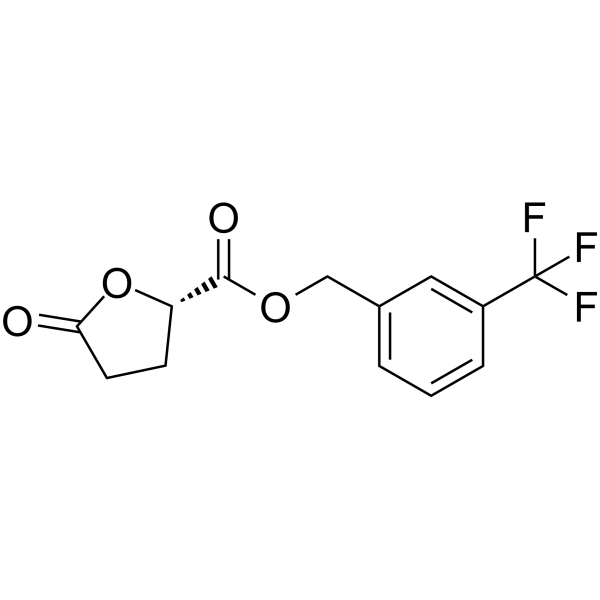
TFMB-(S)-2-HG is a potent TET2 inhibitor. TFMB-(S)-2-HG also inhibits the EglN prolyl hydroxylases. TFMB-(S)-2-HG downregulates Wnt3a, β-catenin (intranuclear) protein expression. TFMB-(S)-2-HG inhibits osteogenic differentiation of cells. TFMB-(S)-2-HG has the potential for the research of acute myeloid leukemia (AML) .
|
-
-
- HY-145723
-
|
|
FLT3
FGFR
|
Inflammation/Immunology
Cancer
|
|
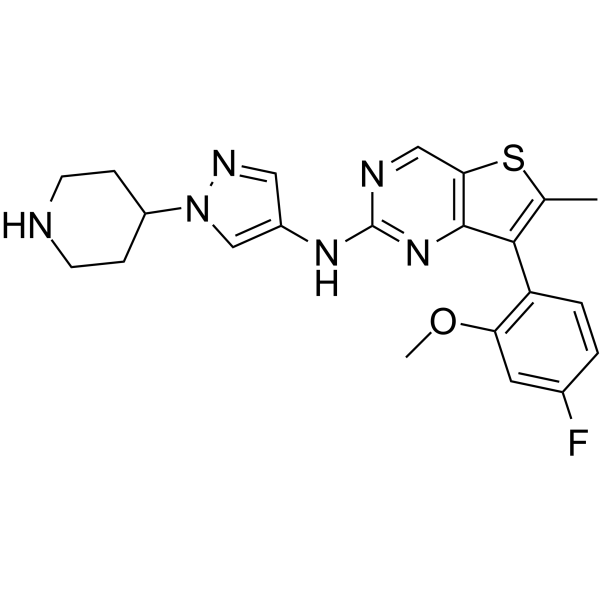
MAX-40279 is a dual and orally active inhibitor of FLT3 kinase and FGFR kinase. MAX-40279 is also effective against the FLT3 mutants such as FLT3 D835Y, suggesting that it can overcome resistance to Quizartinib (HY-13001) and Sorafenib (HY-10201). MAX-40279 inhibits NDRG1 phosphorylation at Ser330 and suppresses endothelial-to-mesenchymal transition (EndMT). MAX-40279 can be used for the research of acute myelogenous leukemia (AML) .
|
-
-
- HY-164515
-
|
|
Apoptosis
Mitochondrial Metabolism
Caspase
PARP
|
Cancer
|
|
ONC213 is an orally active αKGDH inhibitor. ONC213 can suppress mitochondrial respiration and elevate α-ketoglutarate levels by inhibiting αKGDH activity. ONC213 can induce cells apoptosis by inducing mitochondrial stress response and inhibiting translation of MCL-1. ONC213 can be used for the research of cancer, such as acute myeloid leukemia research (AML) .
|
-

-
- HY-RS12349
-
|
|
Small Interfering RNA (siRNA)
|
Others
|
|
RUNX1 Human Pre-designed siRNA Set A contains three designed siRNAs for RUNX1 gene (Human), as well as a negative control, a positive control, and a FAM-labeled negative control.
|
-
RUNX1 Human Pre-designed siRNA Set A
RUNX1 Human Pre-designed siRNA Set A
-
- HY-161920
-
|
|
Sirtuin
Apoptosis
|
Cancer
|
|
SIRT3-IN-1 (compound 17f) is a SIRT3 inhibitor, with IC50 of 0.043 μM. SIRT3-IN-1 can be used in the research of acute leukemia (AML) .
|
-

-
- HY-10202A
-
|
MLN518 hydrochloride; CT53518 hydrochloride
|
FLT3
c-Kit
PDGFR
Apoptosis
|
Cancer
|
|
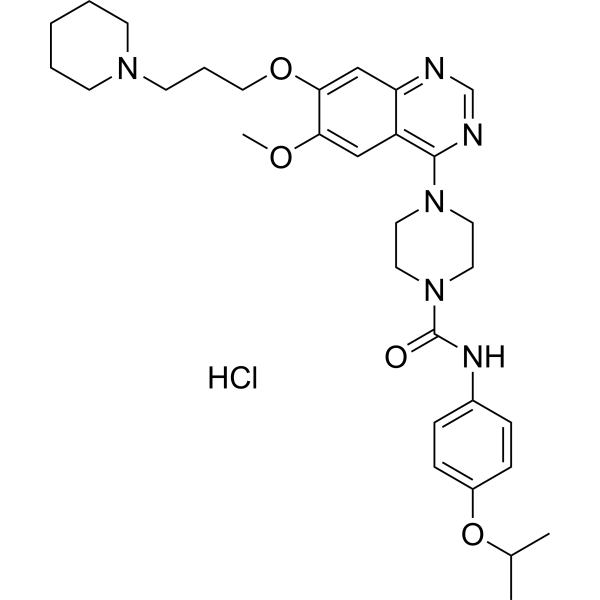
Tandutinib hydrochloride (MLN518 hydrochloride) is a potent and selective inhibitor of the FLT3 with an IC50 of 0.22 μM, and also inhibits c-Kit and PDGFR with IC50s of 0.17 μM and 0.20 μM, respectively. Tandutinib hydrochloride can be used for acute myelogenous leukemia (AML) . Tandutinib hydrochloride has the ability to cross the blood-brain barrier .
|
-
-
- HY-P991517
-
|
|
Transmembrane Glycoprotein
Reactive Oxygen Species (ROS)
|
Cardiovascular Disease
Cancer
|
|
BI-836858 is a fully human anti-CD33 monoclonal antibody. BI-836858 reduces CD33+ cells via antibody-dependent cellular cytotoxicity (ADCC), blocks downstream signaling of S100A9/CD33, decreases the secretion of immunosuppressive cytokines and reactive oxygen species-induced genomic instability, and restores bone marrow hematopoietic function. BI-836858 is applicable to the research of myelodysplastic syndrome (MDS) and AML .
|
-

-
- HY-142690A
-
|
|
Apoptosis
HDAC
|
Cancer
|
|
HDAC-IN-27 dihydrochloride (Compound 11h) is a potent, orally active class I HDAC-selective inhibitor with IC50 values ranging from 0.43 to 3.01 nM against HDAC1-3. HDAC-IN-27 dihydrochloride exhibits both in vivo and in vitro antitumor activity. HDAC-IN-27 dihydrochloride demonstrates significant anti-proliferative activity against acute myeloid leukemia (AML) cell lines by inducing apoptosis and histone acetylation (AcHH3 and AcHH4). HDAC-IN-27 dihydrochloride can be used for research in acute myeloid leukemia (AML) .
|
-

-
- HY-142690
-
|
|
HDAC
Apoptosis
|
Cancer
|
|
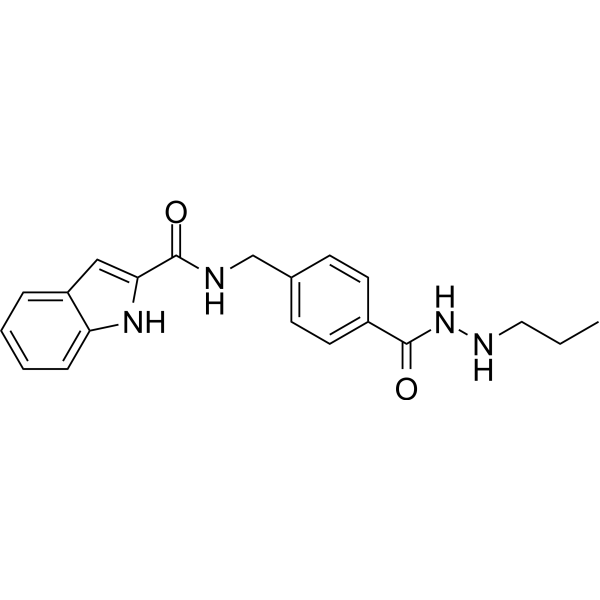
HDAC-IN-27 (Compound 11h) is a potent, orally active class I HDAC-selective inhibitor with IC50 values ranging from 0.43 to 3.01 nM against HDAC1-3. HDAC-IN-27 exhibits both in vivo and in vitro antitumor activity. HDAC-IN-27 demonstrates significant anti-proliferative activity against acute myeloid leukemia (AML) cell lines by inducing apoptosis and histone acetylation (AcHH3 and AcHH4). HDAC-IN-27 can be used for research in acute myeloid leukemia (AML) .
|
-
-
- HY-128068
-
|
|
Dihydroorotate Dehydrogenase
|
Cancer
|
|
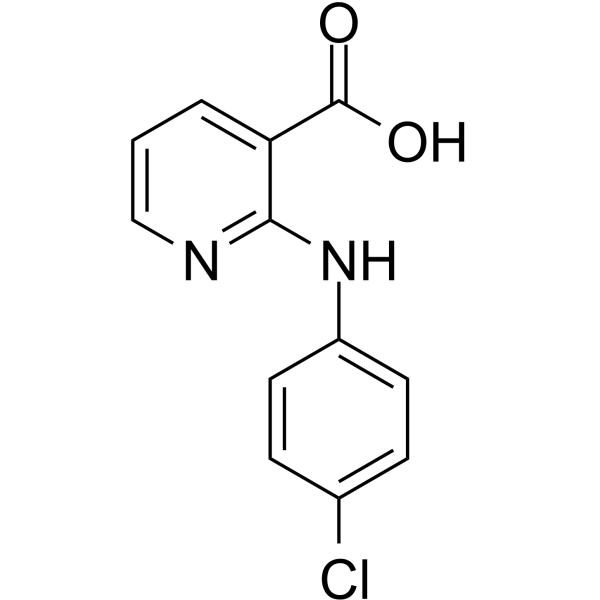
DHODH-IN-17, a 2-anilino nicotinic acid, is a human DHODH inhibitor (IC50=0.40 μM). DHODH-IN-17 can be used for theresearch of acute myeloid leukemia (AML) .
|
-
-
- HY-177467
-
|
|
Apoptosis
FLT3
|
Cancer
|
|
P0064 is a selective inhibitor targeting the PR domain of PRDM16. P0064 selectively reduces proliferation and survival of FLT3-ITD+ leukemia cells and induces cell apoptosis. P0064 is promising for research of acute myeloid leukemia (AML) .
|
-

-
- HY-P991665
-
|
OBT357NF; OBT357
|
Transmembrane Glycoprotein
|
Cancer
|
|
MEN1112 (OBT357NF) is a selective humanized monoclonal antibody targeting the Bst1/CD157 antigen (EC50=1 nM). MEN1112 exerts potent antitumor activity against acute myeloid leukemia (AML) cells. MEN1112 is promising for research of hematological malignancies such as AML .
|
-

-
- HY-108263B
-
|
(R)-CGP52421
|
FLT3
Drug Metabolite
|
Cancer
|
|
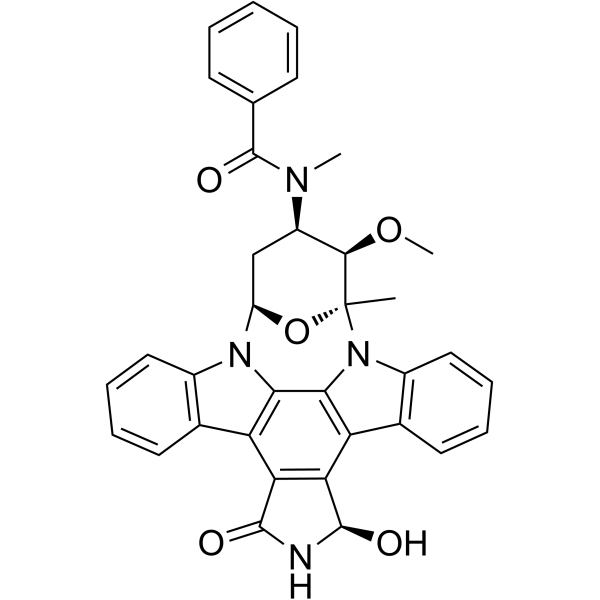
(R)-3-Hydroxy Midostaurin ((R)-CGP52421) is a potent kinases inhibitor. (R)-3-Hydroxy Midostaurin is a major metabolite of midostaurin (PKC412; HY-10230) undergoing by the hepatic CYP3A4 enzyme. (R)-3-Hydroxy Midostaurin has the potential for acute myeloid leukemia (AML) .
|
-
-
- HY-149819
-
|
|
HDAC
CDK
|
Cancer
|
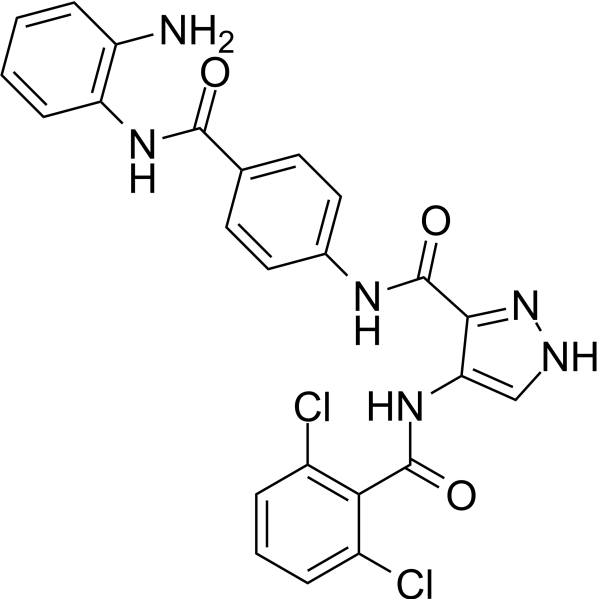
CDK/HDAC-IN-3 is an orally active HDACs/CDKs dual inhibitor. CDK/HDAC-IN-3 has potent and selective inhibition of CDK9, CDK12, CDK13, HDAC1, HDAC2 and HDAC3 with IC50 values of 98.32 nM, 98.85 nM, 100 nM, 62.12 nM, 93.28nM and 82.87 nM. CDK/HDAC-IN-3 can be used for the acute myeloid leukemia (AML) .
|
-
-
- HY-P11451
-
|
|
CXCR
|
Cancer
|
|
Pentixather is a radiolabeled peptide that can target CXCR4. Pentixather can disrupt the interaction between leukemic cells and the bone marrow microenvironment by targeting the CXCR4/CXCL12 signaling axis, reduce the retention of leukemic cells in the protective bone marrow niche, and thereby enhance the sensitivity of leukemic cells to treatment. Pentixather can be used for the study of acute lymphoblastic leukemia (ALL) and acute myeloid leukemia (AML) .
|
-

-
- HY-173284
-
|
|
Discoidin Domain Receptor
|
Cancer
|
|
DDR1-IN-11 (Compound 4) is an inhibitor of Discoidin domain receptor 1 (DDR1) with an IC50 of 46.16 nM. DDR1-IN-11 can achieve an inhibition rate of 99.86% against Z-138 cells at a concentration of 10 μM, and it can be used in the research of acute myeloid leukemia (AML) .
|
-

-
- HY-179267
-
|
|
Fat Mass and Obesity-associated Protein (FTO)
c-Myc
RAR/RXR
Apoptosis
|
Cancer
|
|
FTO-IN-16 (Compound 8a-1), a FTO-IN-15 (HY-179266) prodrug, is a potent FTO inhibitor. FTO-IN-16 suppresses acute myeloid leukemia (AML) cell viability, increases m 6A levels, downregulates c-Myc and CEBPA, and upregulates ASB2 and RARA. FTO-IN-16 induces apoptosis. FTO-IN-16 demonstrates strong in vivo efficacy in AML mouse xenografts. FTO-IN-16 can be used for the research of AML .
|
-

-
- HY-148521
-
|
|
CDK
FLT3
PROTACs
Apoptosis
|
Cancer
|
|
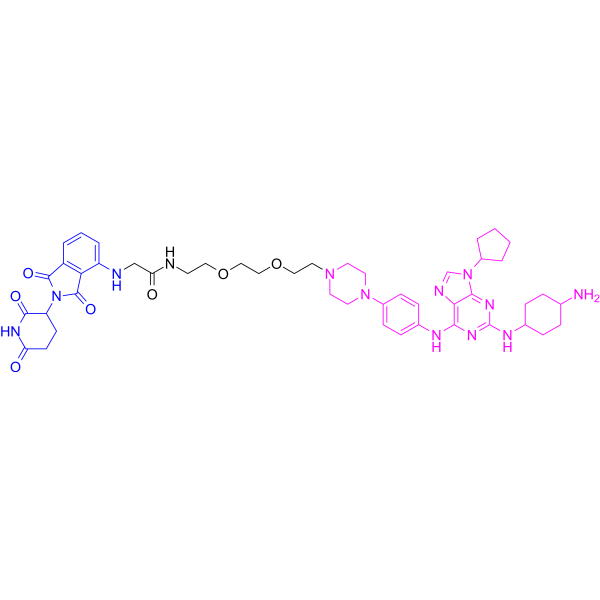
PROTAC FLT3/CDK9 degrader-1 is a potent FLT3 and CDK9 dual PROTAC degrader. PROTAC FLT3/CDK9 degrader-1 induces apoptosis and effective degradation of target proteins FLT3 and CDK9. PROTAC FLT3/CDK9 degrader-1 has the potential for the research of FLT3-ITD mutated AML .
|
-
-
- HY-178908
-
|
|
FLT3
Apoptosis
|
Cancer
|
|
FLT3-IN-35 (Compound 4K) is an orally active, covalent, irreversible FLT3 inhibitor. FLT3-IN-35 inhibits the phosphorylation of FLT3 and its downstream signaling factors, as well as induces cell cycle arrest and apoptosis. FLT3-IN-35 inhibits the phosphorylation of FLT3 and its downstream signaling factors, as well as induced cell cycle arrest and apoptosis. FLT3-IN-35 can be used for the study of acute myeloid leukemia (AML) .
|
-

-
- HY-B1336R
-
|
|
Reference Standards
Bacterial
Apoptosis
Antibiotic
Parasite
|
Infection
Cancer
|
|
Furazolidone (Standard) is the analytical standard of Furazolidone. This product is intended for research and analytical applications. Furazolidone is a nitrofuran derivative with antiprotozoal and antibacterial activity. It inhibits AML1-ETO transformed cells with an IC50 of 12.7 μM.
|
-

-
- HY-RS16650
-
|
|
Small Interfering RNA (siRNA)
|
Cancer
|
|
Runx1 Mouse Pre-designed siRNA Set A contains three designed siRNAs for Runx1 gene (Mouse), as well as a negative control, a positive control, and a FAM-labeled negative control.
|
-
Runx1 Mouse Pre-designed siRNA Set A
Runx1 Mouse Pre-designed siRNA Set A
-
- HY-101150A
-
|
|
DNA Alkylator/Crosslinker
ADC Payload
|
Cancer
|
|
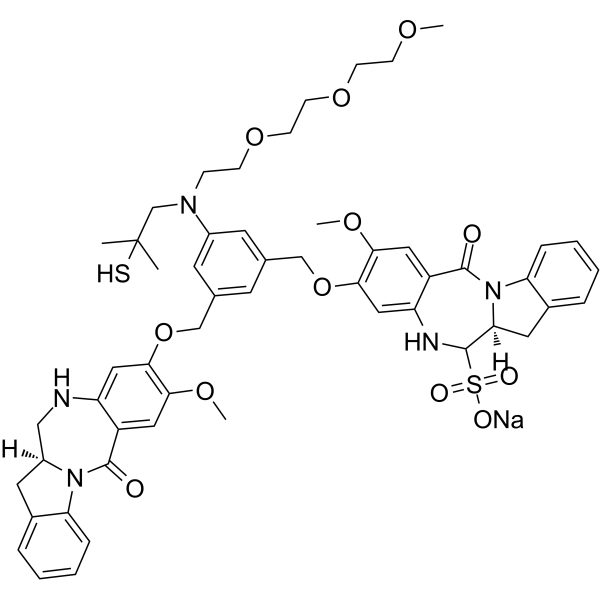
sulfo-DGN462 sodium is degraded to DGN462 in culture medium and plasma. DGN462, a potent DNA-alkylating agent, shows anti-tumor activity, such as acute myeloid leukemia (AML) .
|
-
-
- HY-134481
-
|
|
FLT3
|
Cancer
|
|
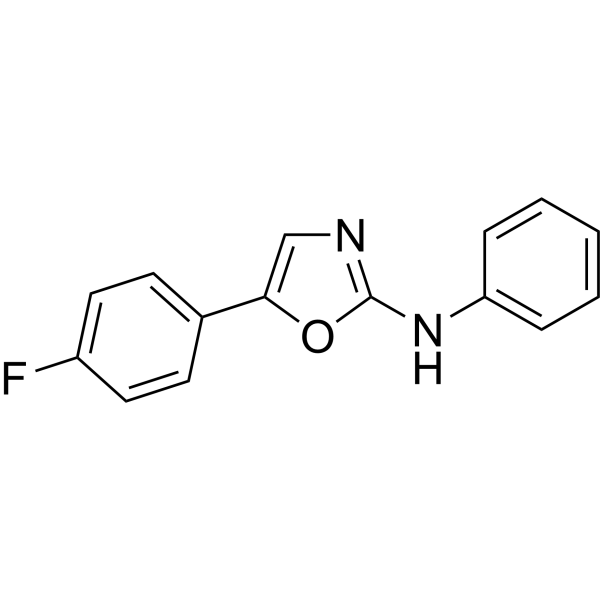
FLT3-IN-10 (compound 7c) is a potent inhibitor of FMS-like tyrosine kinase 3 (FLT3). FLT3-IN-10 has the potential for the research of FLT3-mutated acute myeloid leukemia (AML) .
|
-
-
- HY-174844
-
|
|
p97
|
Cancer
|
|
p97-IN-1 is an orally active p97 inhibitor (IC50 = 26 nM). p97-IN-1 can significantly inhibit the proliferation of tumor cells. p97-IN-1 can be used for research on acute myeloid leukemia (AML) .
|
-

-
- HY-174827
-
|
|
Mitochondrial Metabolism
Reactive Oxygen Species (ROS)
Apoptosis
|
Cancer
|
|
POLRMT-IN-2 is a potent POLRMT inhibitor. POLRMT-IN-2 exhibits strong antiproliferative activity in MOLM-13 cells, with an IC50 of 1.01 μM. POLRMT-IN-2 disrupts mitochondrial function and induces apoptosis in MOLM-13cells. POLRMT-IN-2 can be used for the study of acute myeloid leukemia(AML) .
|
-

-
- HY-162265
-
|
|
Apoptosis
|
Cancer
|
|
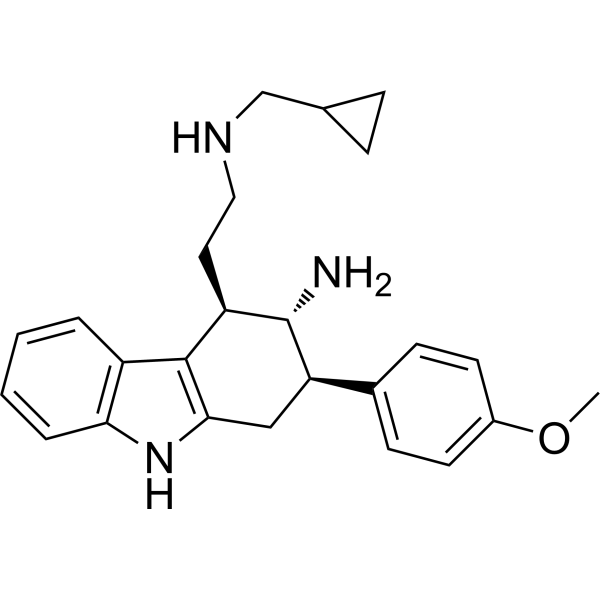
UCM-13369 (Compound 4b) is a NPM1 inhibitor. UCM-13369 downregulates the pathway associated with mutant NPM1 C+, and specifically recognizes the C-end DNA-binding domain of NPM1 C+. UCM-13369 induces apoptosis in AML cell lines and primary cells, that can be used for the research of AML .
|
-
-
- HY-10202B
-
|
|
FLT3
c-Kit
PDGFR
Apoptosis
|
Cancer
|
|
Tandutinib (MLN518) sulfate is a potent and selective inhibitor of the FLT3 with an IC50 of 0.22 μM, and also inhibits c-Kit and PDGFR with IC50s of 0.17 μM and 0.20 μM, respectively. Tandutinib sulfate can be used for acute myelogenous leukemia (AML) . Tandutinib sulfate has the ability to cross the blood-brain barrier .
|
-

-
- HY-175274
-
|
|
FLT3
|
Cancer
|
|
MolPort-002-705-878 is a highly selective FMS-like tyrosine kinase 3 (FLT3) inhibitor with a binding affinity of −11.33 kcal/mol. MolPort-002-705-878 inhibits the proliferation of FLT3-mutated acute myeloid leukemia (AML) cells. MolPort-002-705-878 is promising for research of FLT3-mutated AML .
|
-

-
- HY-10202AR
-
|
MLN518 hydrochloride (Standard); CT53518 hydrochloride (Standard)
|
Reference Standards
FLT3
c-Kit
PDGFR
Apoptosis
|
Cancer
|
|
Tandutinib (hydrochloride) (Standard) is the analytical standard of Tandutinib (hydrochloride). This product is intended for research and analytical applications. Tandutinib hydrochloride (MLN518 hydrochloride) is a potent and selective inhibitor of the FLT3 with an IC50 of 0.22 μM, and also inhibits c-Kit and PDGFR with IC50s of 0.17 μM and 0.20 μM, respectively. Tandutinib hydrochloride can be used for acute myelogenous leukemia (AML) . Tandutinib hydrochloride has the ability to cross the blood-brain barrier .
|
-

-
- HY-10202R
-
|
MLN518 (Standard); CT53518 (Standard)
|
Reference Standards
FLT3
c-Kit
PDGFR
Apoptosis
|
Cancer
|
|
Tandutinib (Standard) is the analytical standard of Tandutinib. This product is intended for research and analytical applications. Tandutinib (MLN518) is a potent and selective inhibitor of the FLT3 with an IC50 of 0.22 μM, and also inhibits c-Kit and PDGFR with IC50s of 0.17 μM and 0.20 μM, respectively. Tandutinib can be used for acute myelogenous leukemia (AML) . Tandutinib has the ability to cross the blood-brain barrier .
|
-

-
- HY-118304
-
|
|
FLT3
Apoptosis
Caspase
|
Cancer
|
|
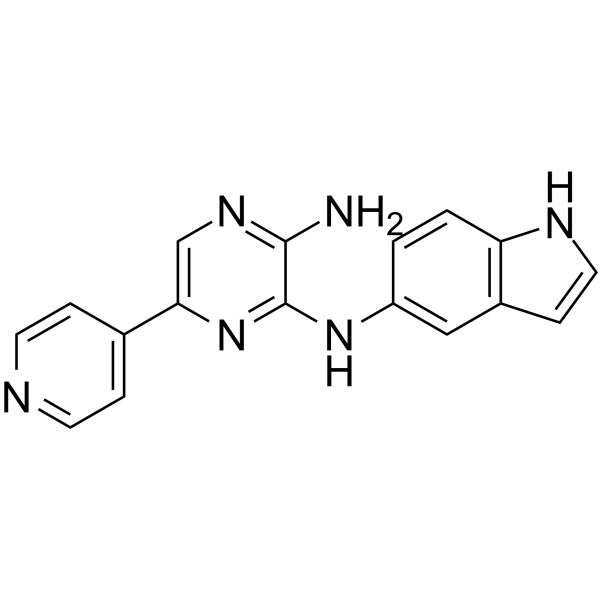
AKN-028, a novel tyrosine kinase (TK) inhibitor, is a potent, orally active FMS-like receptor tyrosine kinase 3 (FLT3) inhibitor with an IC50 value of 6 nM. AKN-028 inhibits FLT3 autophosphorylation. AKN-028 induces dose-dependent cytotoxic response (mean IC50=1 μM). AKN-028 induces apoptosisby activation of caspase 3. AKN-028 can be used in research of acute myeloid leukemia (AML) .
|
-
- HY-173212
-
|
|
Polo-like Kinase (PLK)
c-Myc
Apoptosis
|
Cancer
|
|
PLK1-IN-13 is a selective and orally active PLK1 inhibitor (IC50: 0.27 nM). PLK1-IN-13 also inhibits PLK2 (IC50: 12.72 nM) and PLK3 (IC50: 4.12 nM). PLK1-IN-13 arrests cell at G2 phase, induces apoptosis and down-regulates the transcription of the proliferation-related oncogene c-MYC. PLK1-IN-13 inhibits tumor growth, and can be used for research of acute myeloid leukemia (AML) .
|
-

- HY-145723C
-
|
|
FLT3
FGFR
|
Inflammation/Immunology
Cancer
|
|
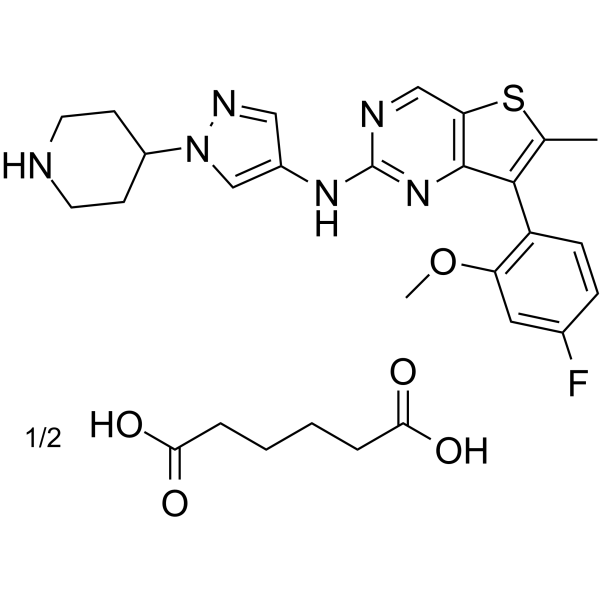
MAX-40279 hemiadipate is a dual and orally active inhibitor of FLT3 kinase and FGFR kinase. MAX-40279 hemiadipate is also effective against the FLT3 mutants such as FLT3 D835Y, suggesting that it can overcome resistance to Quizartinib (HY-13001) and Sorafenib (HY-10201). MAX-40279 hemiadipate inhibits NDRG1 phosphorylation at Ser330 and suppresses endothelial-to-mesenchymal transition (EndMT). MAX-40279 hemiadipate can be used for the research of acute myelogenous leukemia (AML) .
|
-
- HY-P990928
-
|
APVO-436
|
CD3
Interleukin Related
|
Inflammation/Immunology
Cancer
|
|
Mipletamig (APVO-436) is a bispecific CD123 x CD3 monoclonal antibody. Mipletamig simultaneously binds to both CD3-expressing T cells and CD123-expressing cancer cells, thereby crosslinking CD123-expressing tumor cells and cytotoxic T lymphocytes (CTLs). This results in the activation and proliferation of T-cells and causes CTL-mediated cell lysis of CD123-expressing tumor cells. Mipletamig can be used for the study of acute myeloid leukemia (AML) .
|
-

- HY-132231
-
|
|
PI3K
Apoptosis
|
Cancer
|
|
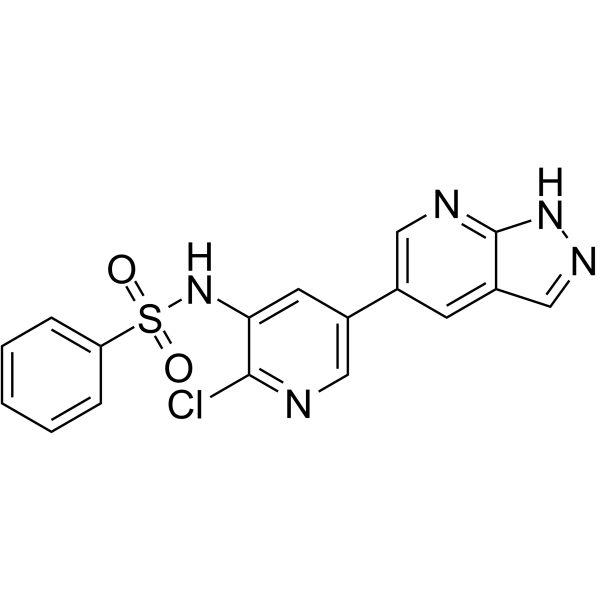
FD223 is a potent and selective phosphoinositide 3-kinase delta (PI3Kδ) inhibitor. FD223 displays high potency (IC50=1 nM) and good selectivity over other isoforms (IC50s of 51 nM, 29 nM and 37 nM, respectively for α, β and γ). FD223 exhibits efficient inhibition of the proliferation of acute myeloid leukemia (AML) cell lines by suppressing p-AKT Ser473 thus causing G1 phase arrest during the cell cycle. FD223 has potential for the research of leukemia such as AML .
|
-
- HY-123577
-
|
|
Histone Demethylase
Apoptosis
|
Cancer
|
|
TPC-144 is a LSD1/KDM1A inhibitor. TPC-144 inhibits LSD1, and leads to a decrease in the protein level of DNMT1, causing low methylation of the LINE-1 element. TPC-144 can also produce a synergistic effect with Decitabine (HY-A0004) (a DNMT inhibitor), jointly promoting DNA demethylation and thereby inducing differentiation and apoptosis of leukemia cells. TPC-144 has also demonstrated anti-tumor efficacy in acute myeloid leukemia (AML) models. TPC-144 can be used for the study of AML .
|
-

- HY-RS23085
-
|
|
Small Interfering RNA (siRNA)
|
Others
|
|
Runx1 Rat Pre-designed siRNA Set A contains three designed siRNAs for Runx1 gene (Rat), as well as a negative control, a positive control, and a FAM-labeled negative control.
|
-
Runx1 Rat Pre-designed siRNA Set A
Runx1 Rat Pre-designed siRNA Set A
- HY-173363
-
|
|
FLT3
|
Cancer
|
|
CHEMBL4444839 is an inhibitor of FLT3 and can be used in the research of acute myeloid leukemia (AML) .
|
-

- HY-N10221
-
|
|
Apoptosis
|
Cancer
|
|
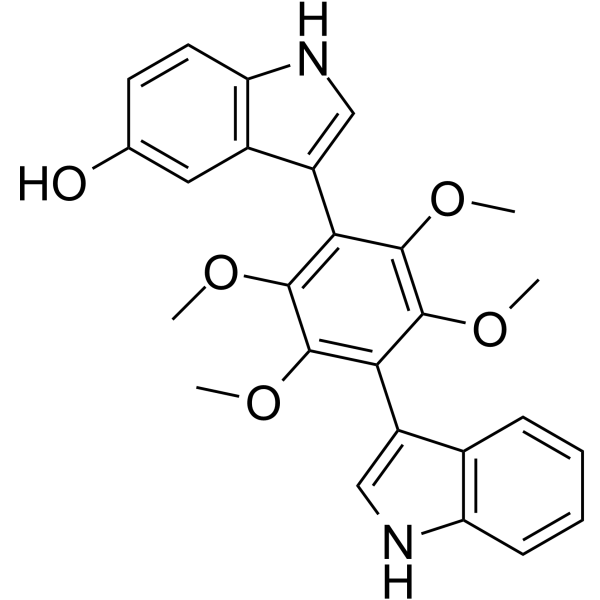
Petromurin C is a bisindolylbenzenoid compound isolated from the ascostromata of Petromycesmuricatus. Petromurin C induces protective autophagy and apoptosis in FLT3-ITD-positive AML .
|
-
- HY-122240
-
|
|
FLT3
|
Cancer
|
|
AAE871 is a potent type I FLT3 inhibitor with an IC50 value of 0.034 µM. AE871 has the potential for the research of acute myeloid leukemia (AML) .
|
-

- HY-168464
-
|
|
Epigenetic Reader Domain
|
Cancer
|
|
Y16526 is a potent inhibitor of CBP/p300 bromodomain , with the IC50 of 0.03 μM. Y16524 has the potential for the research of acute myeloid leukemia (AML) .
|
-

- HY-149031
-
|
|
Dihydroorotate Dehydrogenase
|
Cancer
|
|
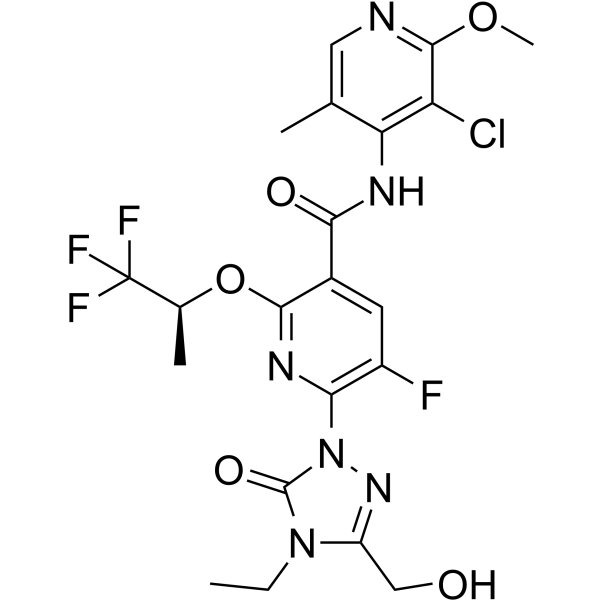
DHODH-IN-22 is a potent, selective and orally active dihydroorotate dehydrogenase (DHODH) inhibitor with an IC50 value of 0.3 nM. DHODH-IN-22 can be used for researching acute myelogenous leukemia (AML) .
|
-
- HY-157134
-
|
|
Epigenetic Reader Domain
|
Cancer
|
|
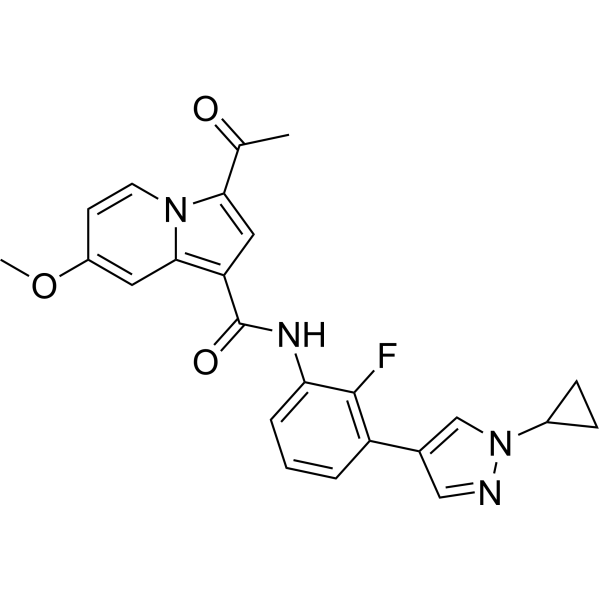
Y08262 is a potent and selective CBP bromodomain inhibitor. Y08262 selectively inhibits the CBP bromodomain with an IC50 value of 73.1 nM. Y08262 can be used for the research of acute myeloid leukemia (AML) .
|
-
- HY-163328
-
|
|
Dihydroorotate Dehydrogenase
DNA/RNA Synthesis
|
Cancer
|
|
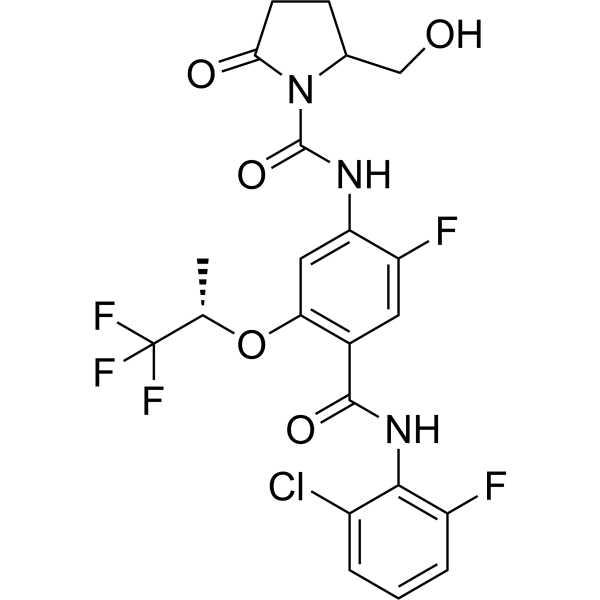
DHODH-IN-25 (Compound 25) is an orally active dihydroorotate dehydrogenase (DHODH) inhibitor with an IC50 value of 5.4 nM for human DHODH. DHODH-IN-25 can be used for the study of acute myeloid leukemia (AML) .
|
-
- HY-151560
-
|
|
Dihydroorotate Dehydrogenase
|
Cancer
|
|
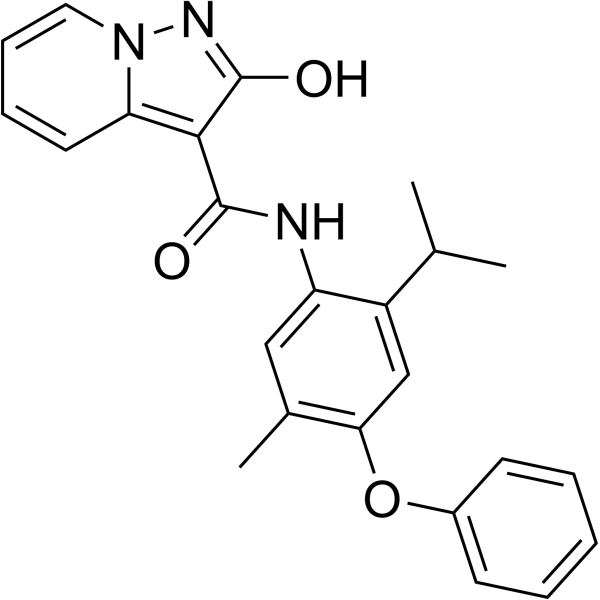
hDHODH-IN-11 is a potent human dihydroorotate dehydrogenase (hDHODH) inhibitor with an IC50 value of 7.2 nM. hDHODH-IN-11 has low cytotoxicity. hDHODH-IN-11 can be used in research of acute myeloid leukemia (AML) .
|
-
- HY-149030
-
|
|
Dihydroorotate Dehydrogenase
|
Cancer
|
|
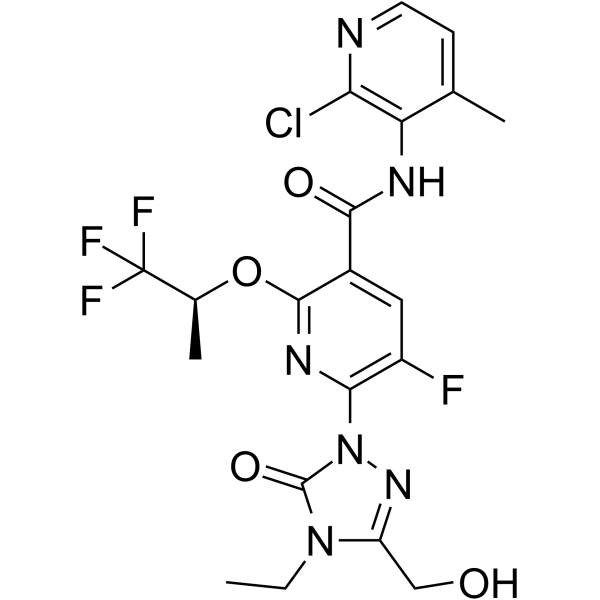
DHODH-IN-21 (compound 19) is an orally active selective dihydroorotate dehydrogenase (DHODH) inhibitor with an IC50 value of 1.1 nM. DHODH-IN-21 has anticancer activity and can be used in studies of acute myeloid leukaemia (AML) .
|
-
- HY-N10079
-
|
Jatrophan
|
SHP2
|
Cancer
|
|
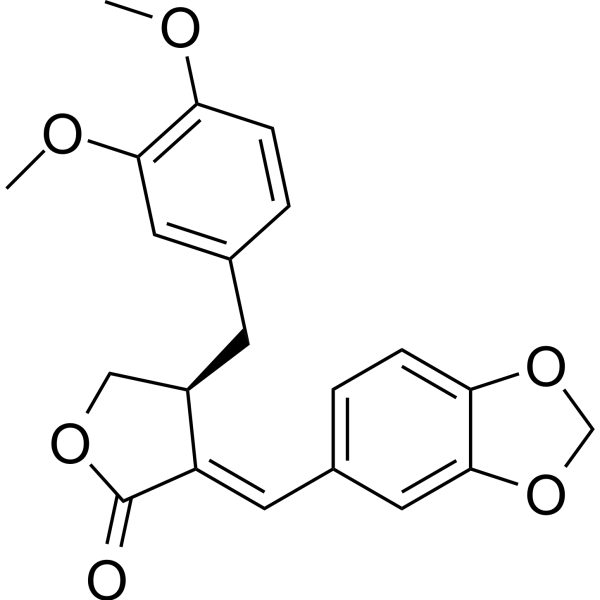
Suchilactone (Jatrophan) is a lignan extracted from Monsonia angustifolia E.Mey. Suchilactone binds to SHP2 and inhibits SHP2 activation, thereby inhibiting ERK-mediated cell proliferation. Suchilactone can be ued in acute myeloid leukaemia (AML) .
|
-
- HY-N0564R
-
|
|
Reference Standards
Apoptosis
|
Neurological Disease
Inflammation/Immunology
Cancer
|
|
Notopterol (Standard) is the analytical standard of Notopterol. This product is intended for research and analytical applications. Notopterol is a coumarin extracted from N. incisum. Notopterol induces apoptosis and has antipyretic, analgesic and anti-inflammatory effects. Notopterol is used for acute myeloid leukemia (AML) .
|
-

- HY-175886
-
-

- HY-175520
-
|
|
SHP2
Phosphatase
Apoptosis
|
Cancer
|
|
SHP2-IN-42 is a src homology 2 domain-containing phosphatase 2 (SHP2) inhibitor with an IC50 of 15 nM. SHP2-IN-42 inhibits cell proliferation and induces apoptosis and G1 phase cell cycle arrest. SHP2-IN-42 can be used for the research of cancer, such as acute myeloid leukemia (AML) .
|
-

- HY-W965550
-
|
|
Apoptosis
|
Cancer
|
|
Apoptosis inducer 40 is an apoptosis inducer. Apoptosis inducer 40 exhibits potent cytotoxic effects against jurkat and NB4 cells with IC50 values of 4.5 μM and 3.6μM. Apoptosis inducer 40 induces apoptosis and arrests cell cycle. Apoptosis inducer 40 can be used for the research of cancer, such as acute myeloid leukemia (AML) .
|
-

- HY-116830A
-
|
|
GSK-3
|
Cancer
|
|
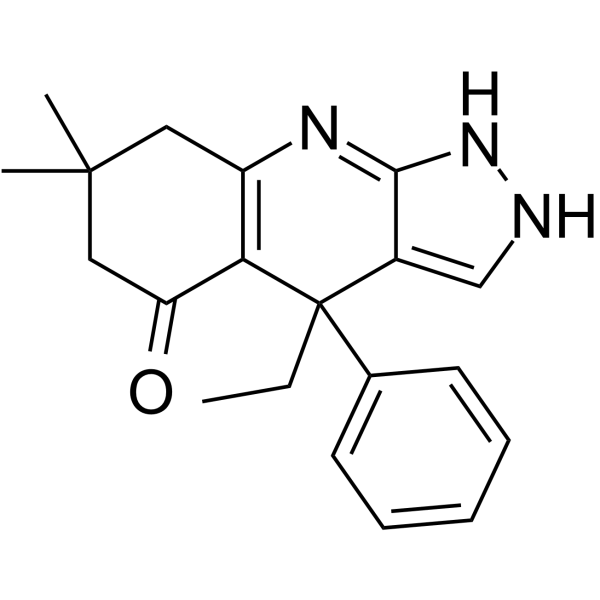
(Rac)-BRD0705 is a less active racemate of BRD0705. BRD0705 is a potent, paralog selective and orally active GSK3α inhibitor with an IC50 of 66 nM and a Kd of 4.8 μM. BRD0705 displays increased selectivity for GSK3α (8-fold) versus GSK3β (IC50 of 515 nM). BRD0705 can be used for acute myeloid leukemia (AML) .
|
-
- HY-179266
-
|
|
Fat Mass and Obesity-associated Protein (FTO)
|
Cancer
|
|
FTO-IN-15 (Compound 8a) is a potent and selective dual-competitive FTO inhibitor with an IC50 of 43.7 nM, showing high selectivity over ALKBH3 and ALKBH5. FTO-IN-15 substantially inhibits FTO demethylation by simultaneously occupying the substrate and 2-oxoglutarate (2-OG) pockets. FTO-IN-15 can be used for the research of acute myeloid leukemia (AML) .
|
-

- HY-116830B
-
|
(R)-BRD0705
|
GSK-3
|
Cancer
|
|
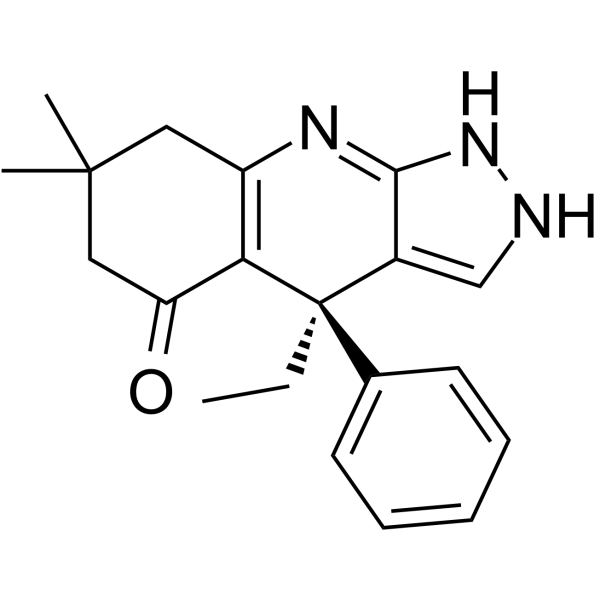
BRD5648 ((R)-BRD0705) is a negative control of BRD0705. BRD0705 is a potent, paralog selective and orally active GSK3α inhibitor with an IC50 of 66 nM and a Kd of 4.8 μM. BRD0705 displays increased selectivity for GSK3α (8-fold) versus GSK3β (IC50 of 515 nM). BRD0705 can be used for acute myeloid leukemia (AML) .
|
-
- HY-162032
-
|
|
FLT3
|
Cancer
|
|
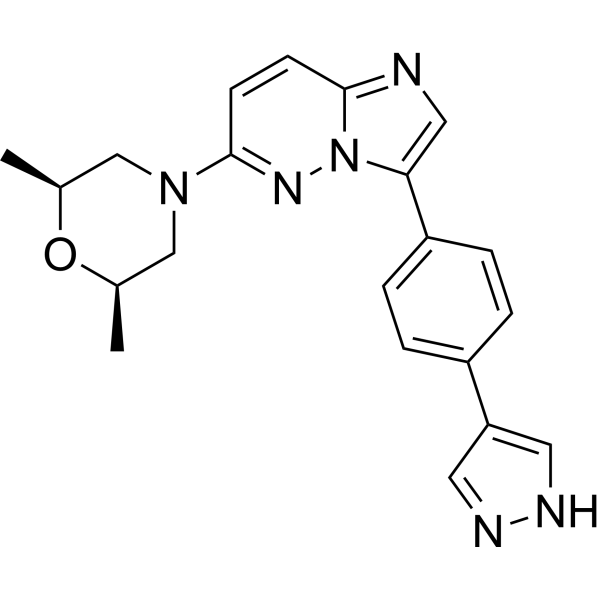
FLT3-IN-25 (compound 17) is a potent inhibitor of FLT3, with IC50s of 1.2 nM, 1.4 nM and 1.1 nM for FLT3-WT, FLT3-D835Y and FLT3-ITD, respectively. FLT3-IN-25 plays an important role in acute myeloid leukemia (AML) .
|
-
- HY-148522
-
|
|
FLT3
|
Cancer
|
|
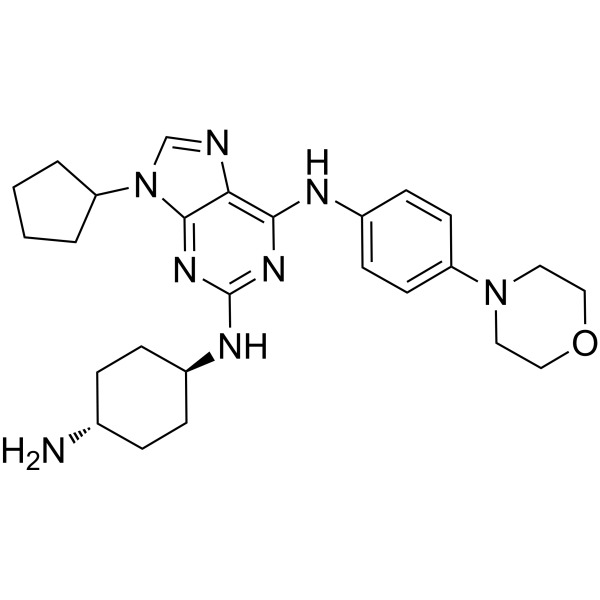
FLT3-IN-18 is a potent and selective FLT3 inhibitor with an IC50 value of 0.003 μM. FLT3-IN-18 induces apoptosis and cell cycle arrest at G1 phase. FLT3-IN-18 inhibits FLT3 and STAT5 phosphorylation. FLT3-IN-18 has the potential for the research of acute myeloid leukemia (AML) .
|
-
- HY-164526
-
|
|
Isocitrate Dehydrogenase (IDH)
|
Cancer
|
|
SH1573 is an orally active mIDH2 inhibitor. SH1573 has a strong and selective inhibitory effect on mIDH2 R140Q protein (IC50=4.78 nmol/L), and can effectively reduce the production of the carcinogenic metabolite 2-hydroxyglutarate (2-HG) in animal models, cell lines, serum and tumors. SH1573 can be used for the study of acute myeloid leukemia (AML) .
|
-

- HY-173214
-
|
|
FLT3
Apoptosis
|
Cancer
|
FLT3-ITD-IN-3 (13v), an orally active FLT3-ITD (FLT3 internal tandem duplication) inhibitor, disrupts FLT3 signal transduction and induced G0/G1 cell cycle arrest and apoptosis. FLT3-ITD-IN-3 (13v) is used in the research of acute myeloid leukemia (AML) .
|
-

- HY-N12641
-
|
|
Apoptosis
Pyroptosis
|
Cancer
|
|
Ardisianone is a component with an alkyl benzoquinone structure that can be isolated from Ardisia virens Kurz and Ardisia compressa tea extract. Ardisianone exhibits potent antileukemic activity, particularly against HL-60 cells, with IC50 values of 1.87 μM (24 h) and 1.67 μM (48 h). Ardisianone induces caspase-dependent apoptosis and triggers pyroptosis. Ardisianone can be used for the study of acute myeloid leukemia (AML) .
|
-

- HY-108263A
-
|
(S)-CGP52421
|
FLT3
Drug Metabolite
|
Cancer
|
|
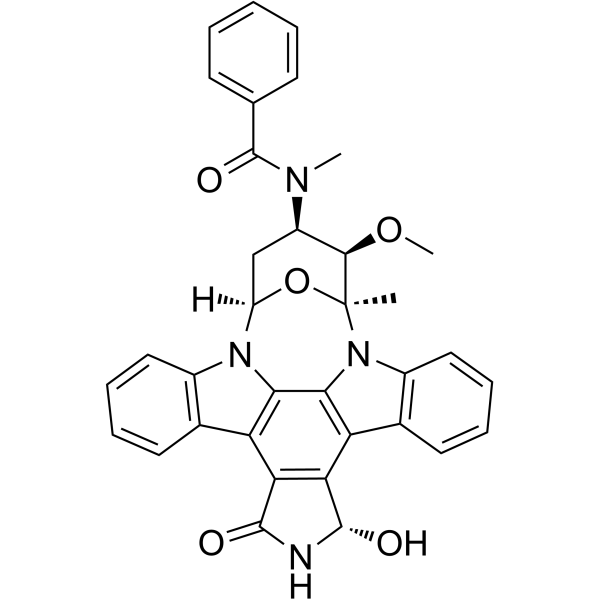
(S)-3-Hydroxy Midostaurin ((S)-CGP52421) is a potent kinases inhibitor with IC50 values of <400 nM for 13 kinases (VEGFR-2, TRK-A, FLT3, et). (S)-3-Hydroxy Midostaurin is a minor metabolite of midostaurin (PKC412; HY-10230) undergoing by the hepatic CYP3A4 enzyme. (S)-3-Hydroxy Midostaurin has the potential for acute myeloid leukemia (AML) .
|
-
- HY-149474
-
|
|
FLT3
HDAC
Apoptosis
|
Cancer
|
|
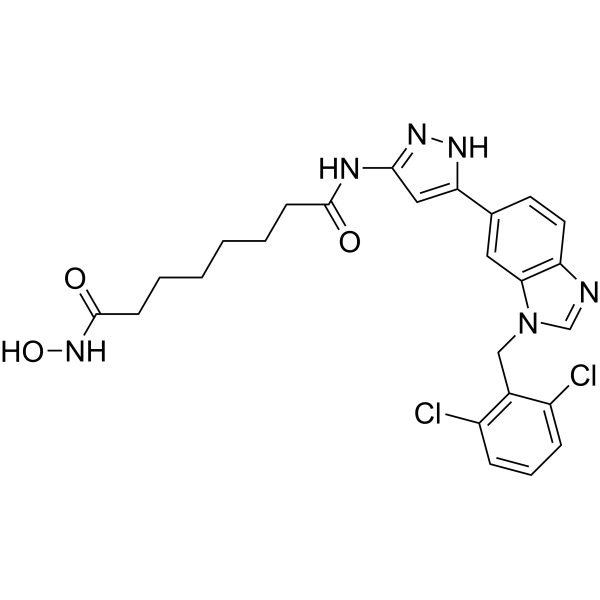
HDAC-IN-63 (Compound 63) is a dual FLT3/HDAC inhibitor (IC50: 0.844 and 30.0 nM for FLT3 and HDAC1 respectively). HDAC-IN-63 inhibits MV4-11 cell proliferation (IC50: 92 nM. HDAC-IN-63 induces apoptosis and arrests cell cycle in MV4-11 cells. HDAC-IN-63 can be used for research of acute myeloid leukemia (AML) .
|
-
- HY-150562
-
|
|
CDK
|
Cancer
|
|
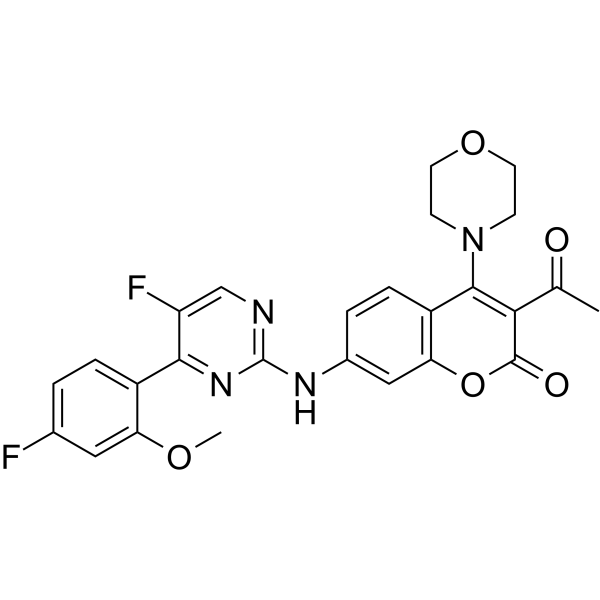
CDK9-IN-19 is a highly potent and selective CDK9 inhibitor with an IC50 value of 2.0 nM. CDK9-IN-19 has excellent cellular antiproliferative activity, moderate pharmacokinetic property and low hERG inhibition. CDK9-IN-19 significantly induces tumour growth inhibition in an MV4-11 xenograft mice model. CDK9-IN-19 can be used for researching acute myeloid leukaemia (AML) .
|
-
- HY-145723A
-
|
|
FLT3
FGFR
|
Inflammation/Immunology
Cancer
|
|
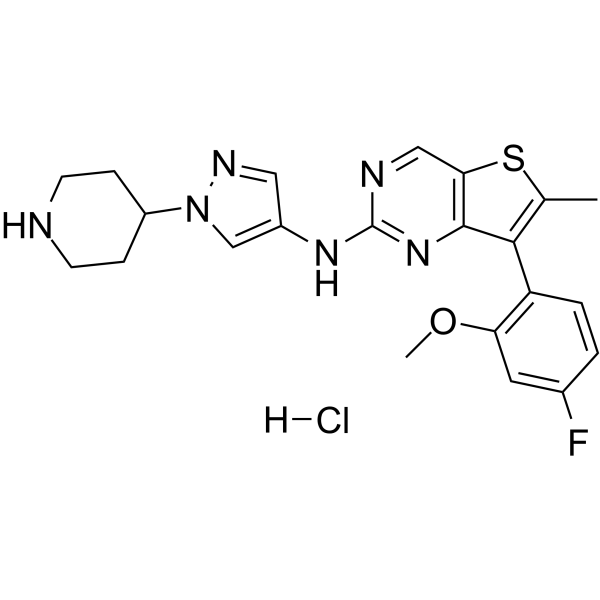
MAX-40279 hydrochloride is a dual and orally active inhibitor of FLT3 kinase and FGFR kinase. MAX-40279 hydrochloride is also effective against the FLT3 mutants such as FLT3 D835Y, suggesting that it can overcome resistance to Quizartinib (HY-13001) and Sorafenib (HY-10201). MAX-40279 hydrochloride inhibits NDRG1 phosphorylation at Ser330 and suppresses endothelial-to-mesenchymal transition (EndMT). MAX-40279 hydrochloride can be used for the research of acute myelogenous leukemia (AML) .
|
-
- HY-161323
-
|
|
FLT3
Bcr-Abl
Apoptosis
|
Cancer
|
|
FLT3-ITD/D835Y-IN-1 (Compound 1) is a FLT3-ITD and BCR-ABL inhibitor. FLT3-ITD/D835Y-IN-1 mediates proapoptosis by inhibiting the FLT3 and BCR-ABL pathways, as well as other possible targets. FLT3-ITD/D835Y-IN-1 can be used in the study of acute myeloid leukemia (AML) .
|
-
- HY-174437A
-
|
|
FLT3
|
Cancer
|
|
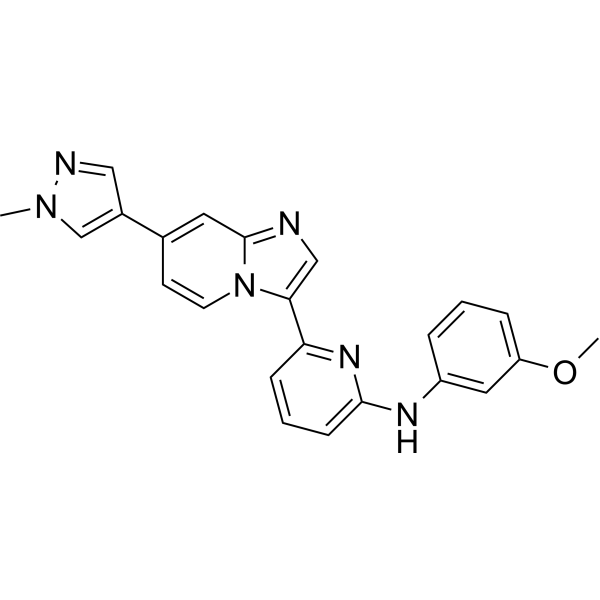
FLT3-IN-32 TFA is a potent FLT3 inhibitor with an IC50s of 2.40 nM and 3.83 nM against FLT3-ITD and FLT3-D835Y. FLT3-IN-32 TFA inhibits proliferation/survival of human MV4-11 cells with an IC50 of 0.07 nM. FLT3-IN-32 TFA can be used for the study of acute myeloid leukemia (AML) .
|
-

- HY-145723B
-
|
|
FLT3
FGFR
|
Inflammation/Immunology
Cancer
|
|
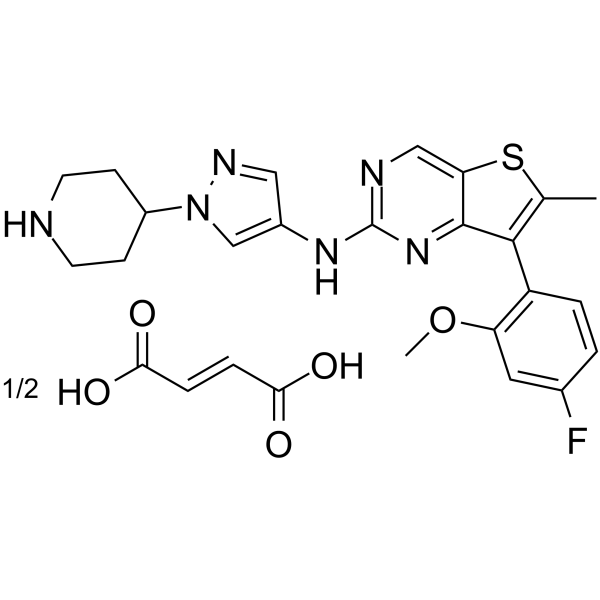
MAX-40279 hemifumarate is a dual and orally active inhibitor of FLT3 kinase and FGFR kinase. MAX-40279 hemifumarate is also effective against the FLT3 mutants such as FLT3 D835Y, suggesting that it can overcome resistance to Quizartinib (HY-13001) and Sorafenib (HY-10201). MAX-40279 hemifumarate inhibits NDRG1 phosphorylation at Ser330 and suppresses endothelial-to-mesenchymal transition (EndMT). MAX-40279 hemifumarate can be used for the research of acute myelogenous leukemia (AML) .
|
-
- HY-118304A
-
|
|
FLT3
Apoptosis
Caspase
|
Cancer
|
|
AKN-028 TFA, a novel tyrosine kinase (TK) inhibitor, is a potent, orally active FMS-like receptor tyrosine kinase 3 (FLT3) inhibitor with an IC50 value of 6 nM. AKN-028 TFA inhibits FLT3 autophosphorylation. AKN-028 TFA induces dose-dependent cytotoxic response (mean IC50=1 μM). AKN-028 TFA induces apoptosisby activation of caspase 3. AKN-028 TFA can be used in research of acute myeloid leukemia (AML) .
|
-

- HY-162367
-
|
|
FLT3
Checkpoint Kinase (Chk)
|
Cancer
|
|
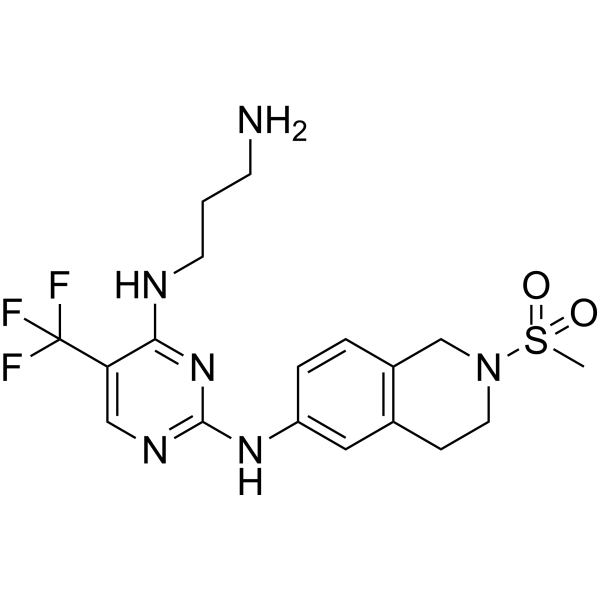
FLT3/CHK1-IN-2 (Compound 30) is a dual inhibitor of FLT3 and CHK1, with IC50s of 25.63, 16.39, 22.80 nM for CHK1, FLT3-WT, and FLT-D835Y respectively. FLT3/CHK1-IN-2 has favorable oral PK properties and kinase selectivity. FLT3/CHK1-IN-2 can be used for research of acute myeloid leukemia (AML) .
|
-
- HY-175473
-
|
|
FLT3
Apoptosis
|
Cancer
|
|
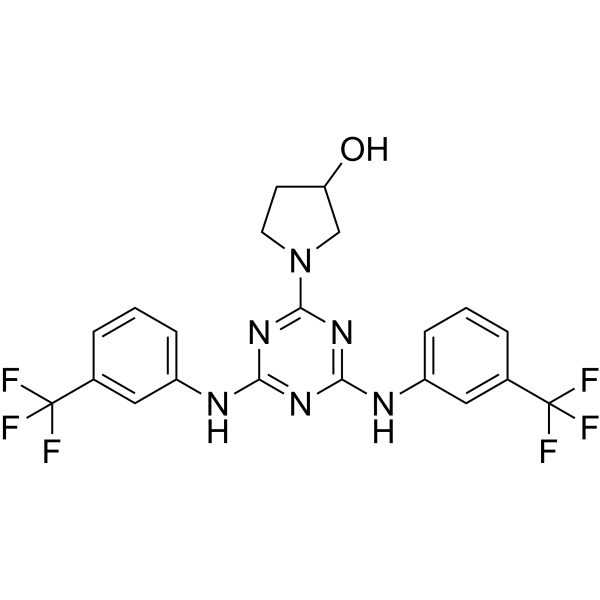
HI042 is a FMS-like Tyrosine Kinase 3 (FLT3) inhibitor. HI042 shows IC50 values of 0.62 μM for MOLM-13, 0.33 μM for MV4-11, and 0.89 μM for OCI-AML3 cells. HI042 selectively reduces the viability of FLT3-internal tandem duplication
(FLT3-|TD) mutations-positive cell lines, induces apoptosis, disrupts cell cycle progression, and diminishes the clonogenic potential. HI042 can be used for the research of acute myeloid leukemia (AML) .
|
-

- HY-156158
-
|
|
Isocitrate Dehydrogenase (IDH)
|
Cancer
|
|
IDH2 R140Q-IN-2 (compound 36) is an an orally active IDH2 R140Q inhibitor (IC50: 29 nM). IDH2 R140Q-IN-2 reduces D2HG production in TF-1 cell lines expressing mutant IDH2 R140Q (IC50: 10 nM). IDH2 R140Q-IN-2 suppresses D2HG levels in tumor tissue. IDH2 R140Q-IN-2 can be used for research of acute myeloid leukemia (AML) .
|
-
- HY-168463
-
|
|
Epigenetic Reader Domain
|
Cancer
|
|
Y16524 is a potent inhibitor of CBP/p300 bromodomain , with the IC50 of 0.01 μM. Y16524 has the potential for the research of acute myeloid leukemia (AML) .
|
-

- HY-106326
-
|
FAD 104
|
Others
|
Cancer
|
|
ME 2303 (FAD 104) is a fluoro-pyranosyl adriamycin analogue with anti-tumor potential. ME 2303 can inhibit the proliferation of acute undifferentiated myeloblastic leukemia (AML) blast cells in a dose-dependent manner. ME 2303 can be used for the study of acute undifferentiated myeloblastic leukemia (AML) .
|
-

- HY-136175B
-
|
cis-SNDX-5613
|
Epigenetic Reader Domain
|
Cancer
|
|
cis-Revumenib (cis-SNDX-5613) is an isomer of Revumenib (HY-136175). Revumenib (SNDX-5613) is a potent and specific Menin-MLL inhibitor with a binding Ki of 0.149 nM and a cell based IC50 of 10-20 nM. Revumenib can be used for the research of MLL-rearranged (MLL-r) acute leukemias, including acute lymphoblastic leukemia (ALL) and acute myeloid leukemia (AML) .
|
-

- HY-181834
-
|
|
PROTACs
Epigenetic Reader Domain
|
Cancer
|
|
PROTAC MLLT1 Degrader-1 is a PROTAC degrader targeting MLLT1. PROTAC MLLT1 Degrader-1 inhibits AML cell proliferation and viability, suppresses tumor growth in human AML xenograft models, and can block the oncogene transcriptional program. PROTAC MLLT1 Degrader-1 can be used for the research of MLL-rearranged acute myeloid leukemia (AML) .
|
-

- HY-118970
-
|
|
VD/VDR
TGF-β Receptor
Interleukin Related
|
Cancer
|
|
LG190155 is a nonsteroidal vitamin D receptor (VDR) agonist. LG190155 activates VDR in mesenchymal stem cells, thereby upregulating the BMP6-IL6 autocrine axis. Pretreatment of mesenchymal stem cells with LG190155 significantly enhances their ability to induce differentiation of acute myeloid leukemia cells, without inducing hypercalcemia. LG190155 is applicable to research related to acute myeloid leukemia (AML) .
|
-

- HY-182766
-
|
|
Molecular Glues
Epigenetic Reader Domain
|
Cancer
|
|
AMX-883 a selective and orally active BRD9 molecular glue degrader that drives differentiation in acute myeloid leukaemia. AMX-883 shows selectivity over all other bromodomain containing proteins and proteome wide. AMX-883 does not employ the commonly used E3 ligases (cereblon, VHL) but instead drives degradation via DCAF16 as a targeted glue. AMX-883 can be used for the study of acute myeloid leukaemia (AML) .
|
-

- HY-181690
-
|
|
Epigenetic Reader Domain
|
Cancer
|
|
Menin-MLL-IN-37 is an orally active Menin-MLL protein complex inhibitor with an IC50 of 820.50 nM. Menin-MLL-IN-37 disrupts the interaction between menin and MLL proteins. Menin-MLL-IN-37 induces differentiation of acute myeloid leukemia cells and selectively inhibits the proliferation of MLL-rearranged and DNMT3A/NPM1-mutant leukemia cells. Menin-MLL-IN-37 can be used for the research of acute myeloid leukemia (AML) .
|
-

- HY-181735
-
|
|
Ligands for Target Protein for PROTAC
Epigenetic Reader Domain
|
Cancer
|
|
BET-IN-30 (Compound 11d) is a BTE family protein inhibitor, which can act as a BRD2/BRD3/BRD4 target protein ligand and be used for the synthesis of PROTACs, such as PROTAC BET Degrader-15 (HY-181729). BET-IN-30 exhibits potent anti-proliferative activity against acute myeloid leukemia (AML) cells such as MV4-11. BET-IN-30 can be used for the study of AML .
|
-

- HY-179466
-
|
|
Microtubule/Tubulin
Apoptosis
Caspase
|
Cancer
|
|
BKT300 is a potent and selective protein regulator of cytokinesis 1 (PRC1) inhibitor. BKT300 inhibits PRC1 dephosphorylation at T481, disrupts actin and microtubule formation, induces G2/M cell cycle arrest, triggers mitotic catastrophe, and promotes apoptosis, thereby inhibiting proliferation and migration of acute myeloid leukemia (AML) cells while sparing normal cells. BKT300 inhibits tumor growth in mouse xenograft AML models. BKT300 can be used for the research of AML .
|
-

- HY-181768
-
|
|
Ligands for Target Protein for PROTAC
HDAC
|
Cancer
|
|
HDAC3-IN-8 is a selective inhibitor targeting HDAC1, HDAC2 and HDAC3, with IC50 values of 3.52 nM for HDAC1, 15.14 nM for HDAC2 and 0.38 nM for HDAC3. HDAC3-IN-8 shows high selectivity for HDAC3 and exerts its effect by inhibiting histone deacetylase activity. HDAC3-IN-8 can be used to construct HDAC3-targeted PROTAC degrader (HY-181767) and is suitable for the research of acute myeloid leukemia (AML) .
|
-

- HY-185207
-
|
|
Pyroptosis
|
Infection
Cancer
|
|
CQ80 is a PEPD/XPNPEP1 inhibitor and selective CARD8 inflammasome activator. CQ80 has IC50 values of 0.91 μM for PEPD, 43 μM for XPNPEP1. CQ80 promotes the accumulation of Xaa-Pro peptides by inhibiting PEPD and XPNPEP1, releases the fragment of CARD8 for inflammasome formation, and induces pyroptosis via GSDMD cleavage. CQ80 can be used for research on inflammasome, CARD8-expressing cancer cells, HIV-1-infected cell clearance, acute myeloid leukemia (AML) .
|
-

- HY-146749
-
|
|
FLT3
Trk Receptor
Apoptosis
|
Cancer
|
|
FLT3/TrKA-IN-1 is a potent FLT3/TrKA dual kinase inhibitor with the IC50s of 43.8 nM, 97.2 nM, 92.5 nM and 23.6 nM for FLT3, FLT3-ITD, FLT3-TKD and TrKA, respectively. FLT3/TrKA-IN-1 induces cell cycle arrest at the G0/G1 phase as well as apoptosis and shows antiproliferative activity in vitro. FLT3/TrKA-IN-1 has the potential for the research of Acute myeloid leukemia (AML) .
|
-
- HY-115443
-
|
|
FLT3
|
Cancer
|
|
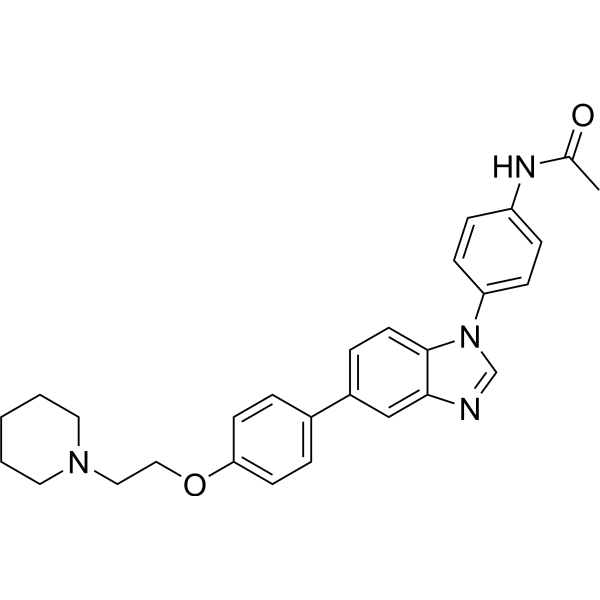
MZH29 is a potent and orally active FLT3 inhibitor. MZH29 shows inhibitory effects on wild-type and mutant FLT3, including the FLT3-ITD, FLT3-D835H/Y/V and FLT3-K663Q mutants. MZH29 retains its potent inhibitory effect against the FLT3-ITD/F691L mutation, a drug resistance mutation against the well-known FLT3 inhibitor, AC220 (HY-13001). MZH29 can be used for the research of cancer, such as acute myeloid leukemia (AML) .
|
-

- HY-173481
-
|
|
CDK
|
Cancer
|
|
CDK9-IN-37 (Compound 24) is a CDK9 inhibitor (EC50: 5.5 nM) with weak inhibition on other CDK isoforms, showing high selectivity. CDK9-IN-37 has significant antiproliferative activity against acute myeloid leukemia MOLM-13 cells (IC50: 0.034 μM). CDK9-IN-37 inhibits the CDK9 signaling pathway, reduces the phosphorylation level of RNAP II CTD (Ser2), downregulates the anti-apoptotic protein McI-1, induces cell apoptosis, and arrests the cell cycle at the G2/M phase. CDK9-IN-37 can be used in the study of acute myeloid leukemia (AML) .
|
-

- HY-179497
-
|
|
FLT3
VEGFR
Akt
STAT
ERK
Apoptosis
|
Cancer
|
FLT3-IN-37 (Compound 6z) is a potent inhibitor of FLT3-ITD, with IC50 values of 1.5 and 3.4 nM for FLT3-ITD and TEL-VEGFR2, respectively. FLT3-IN-37 exhibits high selectivity for wild-type FLT3 (WT) and c-Kit. FLT3-IN-37 inhibits FLT3 phosphorylation and downregulates the expression of p-Akt, p-STAT5, and p-ERK. FLT3-IN-37 exerts anti-leukemia effects by blocking the cell cycle and inducing apoptosis (apoptosis). FLT3-IN-37 can be used for research on acute myeloid leukemia (AML) .
|
-

- HY-180277
-
|
|
PROTACs
CDK
Apoptosis
|
Cancer
|
|
PROTAC CDK6 Degrader 1 (compound 48a) is a potent and selective PROTAC CDK6 degrader with a DC50 of 0.037 μM. PROTAC CDK6 Degrader 1 exhibits selectivity over CDK4 (DC50 > 10 μM). PROTAC CDK6 Degrader 1 induces G0/G1 cell-cycle arrest and apoptosis through inhibition of CDK6 downstream signaling. PROTAC CDK6 Degrader 1 reduces tumor burden and CDK6 levels in a MOLM-14 xenograft mouse model. PROTAC CDK6 Degrader 1 can be used for CDK6-driven cancers research, such as acute myeloid leukemia (AML) .
|
-

- HY-179094
-
|
|
PROTACs
IRAK
NF-κB
Enolase
|
Inflammation/Immunology
Cancer
|
|
PSP-0119 is a highly efficient and effective PROTAC degrader targeting IRAK4 (IC50 = 2.83 nM). PSP-0119 can inhibit IRAK4 kinase activity, NF-κβ activity, and IL-1β-induced IRAK4 phosphorylation. PSP-0119 degrades IRAK4 in FLT3-mutant AML cell lines, sparing FLT3-wild-type AML cells, FLT3-wild-type samples, and normal bone marrow. PSP-0119 downregulates alpha-enolase (eNOS) of MOLM-13 cells. PSP-0119 can be used for the study of Acute Myeloid Leukemia (AML) .
|
-

- HY-176735
-
|
|
IRAK
FLT3
Apoptosis
|
Cancer
|
FLT3/IRAK4-IN-1 is a selective FLT3/IRAK4 inhibitor with the remarkable activity towards FLT3-WT (IC50 = 1.95 nM), FLT3-D835Y (IC50 = 3.22 nM) and IRAK4 (IC50 = 53.72 nM). LT3/IRAK4-IN-1 has relatively low toxicity to normal bone marrow cells, can effectively promote cell apoptosis, and has the potential to overcome drug resistance. FLT3/IRAK4-IN-1 can be used for research on acute myeloid leukemia (AML) .
|
-

- HY-175885
-
|
|
PROTACs
Fat Mass and Obesity-associated Protein (FTO)
Apoptosis
Caspase
PARP
YTHDF
|
Cancer
|
|
PROTAC FTO degrader 1 is a Fat Mass and Obesity-associated Protein (FTO) PROTAC degrader. PROTAC FTO degrader 1 selectively degrades FTO depending on VHL E3 ligase and ubiquitin-proteasome system. PROTAC FTO degrader 1 can increase m6A modifications on mRNAs associated with ribosome biogenesis and promote their YTHDF2-mediated decay. PROTAC FTO degrader 1 can inhibit cancer cells proliferation and induce apoptosis. PROTAC FTO degrader 1 can be used for the research of cancer, such as acute myeloid leukemia (AML) . (Structure Note: Pink: FTO ligand (HY-175886); Blue: VHL ligand (HY-112078); Black: linker (HY-W002042); VHL ligand-Linker: (HY-139218))
|
-

- HY-174437B
-
|
|
FLT3
Apoptosis
STAT
p38 MAPK
Akt
|
Cancer
|
|
FLT3-IN-32 hydrochloride is a potent and orally active FLT3 inhibitor with an IC50s of 0.29 nM, 0.77 nM and 2.07 nM against FLT3-ITD, FLT3-D835Y and FLT-N676K. FLT3-IN-32 hydrochloride reduces the phosphorylation of FLT3 and its downstream signaling molecules (STAT5, MAPK, AKT) to induce FLT3-mutated Ba/F3 cells apoptosis. FLT3-IN-32 hydrochloride shows significant anti-tumor efficacy in n the MV4-11 xenograft model. FLT3-IN-32 hydrochloride can be used for the study of acute myeloid leukemia (AML) .
|
-

- HY-178020
-
|
|
FLT3
ERK
Akt
Apoptosis
|
Cancer
|
|
FLT3-IN-34 is a FLT3 inhibitor, with an IC50 value of 1.4 nM. FLT3-IN-34 blocks the phosphorylation of FLT3 and its downstream signaling molecules AKT and ERK1/2. FLT3-IN-34 induces concentration-dependent G0/G1 phase arrest and mild apoptosis in FLT3-ITD-positive MV4-11 cells. FLT3-IN-34 shows potent anti-proliferative activity against FLT3-ITD-positive MV4-11 cells (IC50 = 14.95 nM) and MOLM-13 (IC50 = 18.5 nM). FLT3-IN-34 can be used for the study of FLT3-positive acute myeloid leukemia (AML) .
|
-

- HY-179272
-
|
|
Wee1
HDAC
Apoptosis
|
Cancer
|
|
Wee1/HDAC-IN-1 is a dual Wee1/HDAC inhibitor with an IC50 of 1.2 nM for Wee1 and IC50 values of 196 nM for HDAC1, 156 nM for HDAC3, and 55 nM for HDAC6. Wee1/HDAC-IN-1 exhibits strong antiproliferative activity against MV4-11 cells with an IC50 of 0.076 μM. Wee1/HDAC-IN-1 selectively binds to Wee1 and HDACs. Wee1/HDAC-IN-1 interferes with DNA damage repair pathways and induces apoptosis in MV4-11 cells. Wee1/HDAC-IN-1 Wee1/HDAC-IN-1 can be used for the research of acute myeloid leukemia (AML) .
|
-

- HY-169067
-
|
Mtx-C
|
DNA/RNA Synthesis
p38 MAPK
Bacterial
|
Infection
Cancer
|
|
10-Methoxy-canthin-6-one (Mtx-C) is analkaloid derivative. 10-Methoxy-canthin-6-one can induce DNA damage by intercalating into DNA. 10-Methoxy-canthin-6-one can inhibit cancer cells proliferation, cause G2/M phase arrest and induce myeloid differentiation. T10-Methoxy-canthin-6-one can upregulate the expression of myeloperoxidase, CD15, CD11b, and CD14, as well as activation of p38 MAPK. 10-Methoxy-canthin-6-one also exhibits anti-bacterial activity. 10-Methoxy-canthin-6-one can be used for the researches of cancer and infection, such as acute myeloid leukemias (AML) .
|
-

- HY-14571
-
E7820
5 Publications Verification
ER68203-00
|
Molecular Glues
Integrin
|
Infection
Metabolic Disease
Cancer
|
|
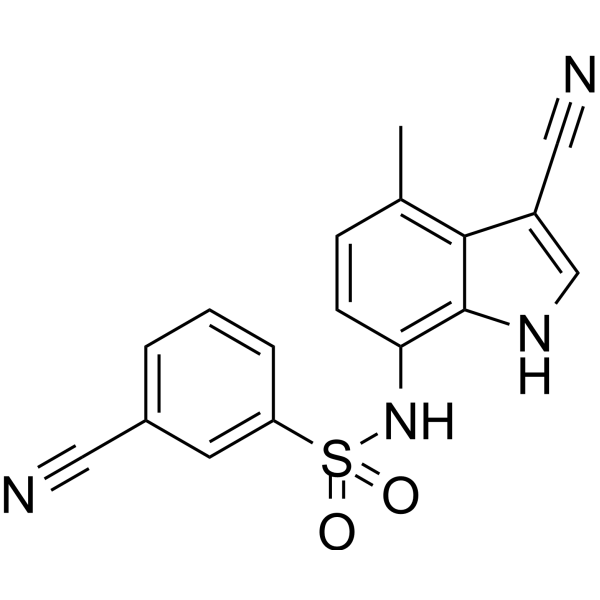
E7820 (ER68203-00), an orally active aromatic sulfonamide derivative, is a molecular glue that induces the targeted degradation of splicing factor RBM39 by recruiting the E3 ubiquitin ligase CUL4-RBX1-DDB1-DCAF15 (CRL4 DCAF15). E7820 is an angiogenesis inhibitor suppressing an expression of integrin alpha2 subunit on endothelium. E7820 inhibits rat aorta angiogenesis with an IC50 of 0.11 μg/ml. E7820 modulates α-1, α-2, α-3, and α-5 integrin mRNA expression. E7820 can be used for the study of acute myeloid leukemia (AML) .
|
-
- HY-13559A
-
|
Azaspirane dimaleate; SKF 106615-12 dimaleate; SKF 106615A12 dimaleate
|
STAT
Apoptosis
Caspase
Interleukin Related
Autophagy
Reactive Oxygen Species (ROS)
Atg8/LC3
p62
JAK
|
Cardiovascular Disease
Inflammation/Immunology
Cancer
|
|
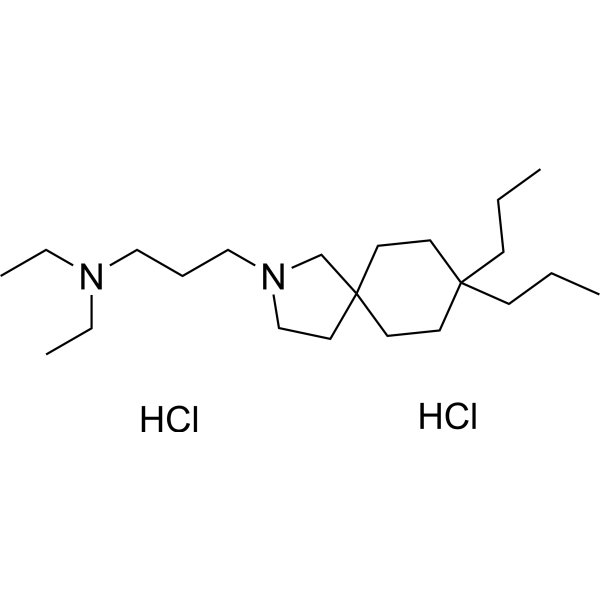
Atiprimod (Azaspirane) (dimaleate) is a STAT3 inhibitor with antitumor, anti-inflammatory, and anti-angiogenic activities. Atiprimod blocks the signaling pathways of IL-6 and VEGF by inhibiting the phosphorylation of signal transducer and activator of STAT3. Atiprimod blocks the JAK-STAT signaling pathway by inhibiting the phosphorylation of JAK2 and JAK3. Atiprimod also inhibits cell proliferation, induces cell cycle arrest, and induces autophagy and apoptosis. Atiprimod triggers persistent ER stress-mediated apoptosis in breast cancer cells by activating the PERK/eIF2α/ATF4/CHOP axis and inhibiting the nuclear translocation of STAT3/NF-κB. Atiprimod shows great anti-tumor activities in tumor xenograft mouse models. Atiprimod can be used for the study of pituitary adenoma, breast cancer, multiple myeloma and acute myeloid leukemia (AML) .
|
-

- HY-13559
-
|
Azaspirane ; SKF 106615-12; SKF 106615A12
|
STAT
Apoptosis
Autophagy
Reactive Oxygen Species (ROS)
Caspase
Bcl-2 Family
p62
Atg8/LC3
PARP
NF-κB
PERK
JAK
|
Cardiovascular Disease
Inflammation/Immunology
Cancer
|
|
Atiprimod (Azaspirane) is a STAT3 inhibitor with antitumor, anti-inflammatory, and anti-angiogenic activities. Atiprimod blocks the signaling pathways of IL-6 and VEGF by inhibiting the phosphorylation of signal transducer and activator of STAT3. Atiprimod blocks the JAK-STAT signaling pathway by inhibiting the phosphorylation of JAK2 and JAK3. Atiprimod also inhibits cell proliferation, induces cell cycle arrest, and induces autophagy and apoptosis. Atiprimod triggers persistent ER stress-mediated apoptosis in breast cancer cells by activating the PERK/eIF2α/ATF4/CHOP axis and inhibiting the nuclear translocation of STAT3/NF-κB. Atiprimod shows great anti-tumor activities in tumor xenograft mouse models. Atiprimod can be used for the study of pituitary adenoma, breast cancer, multiple myeloma and acute myeloid leukemia (AML) .
|
-

- HY-110102
-
|
Azaspirane hydrochloride; SKF 106615-12 hydrochloride; SKF 106615
|
JAK
STAT
Apoptosis
Autophagy
Reactive Oxygen Species (ROS)
Caspase
Atg8/LC3
p62
|
Cardiovascular Disease
Inflammation/Immunology
Cancer
|
|
Atiprimod (Azaspirane) hydrochloride is a STAT3 inhibitor with antitumor, anti-inflammatory, and anti-angiogenic activities. Atiprimod blocks the signaling pathways of IL-6 and VEGF by inhibiting the phosphorylation of signal transducer and activator of STAT3. Atiprimod blocks the JAK-STAT signaling pathway by inhibiting the phosphorylation of JAK2 and JAK3. Atiprimod also inhibits cell proliferation, induces cell cycle arrest, and induces autophagy and apoptosis. Atiprimod triggers persistent ER stress-mediated apoptosis in breast cancer cells by activating the PERK/eIF2α/ATF4/CHOP axis and inhibiting the nuclear translocation of STAT3/NF-κB. Atiprimod shows great anti-tumor activities in tumor xenograft mouse models. Atiprimod can be used for the study of pituitary adenoma, breast cancer, multiple myeloma and acute myeloid leukemia (AML) .
|
-
- HY-P99014
-
|
ARGX-110
|
Fc Receptor (FcR)
NF-κB
|
Inflammation/Immunology
Cancer
|
|
Cusatuzumab (ARGX-110) is a selective competitive blocker targeting CD70 (with an equilibrium dissociation constant of 17 pM for binding to human CD70). Cusatuzumab also possesses enhanced antibody-dependent cell-mediated cytotoxicity (ADCC) activity. It is a humanized IgG1 monoclonal antibody, artificially synthesized through humanization and genetic engineering modifications (CH2 region mutation to enhance effector function). Cusatuzumab has a dual mechanism of action: firstly, it competitively blocks the interaction between CD70 and CD27, inhibiting the CD27-NF-κB signaling pathway, reducing regulatory T cell (Treg) activation and tumor cell proliferation; secondly, by enhancing binding to FcγRIIIa, it mediates ADCC and antibody-dependent cellular phagocytosis (ADCP), directly lysing CD70-positive tumor cells. Cusatuzumab can efficiently eliminate leukemia stem cells (LSCs), induce tumor cell differentiation and apoptosis, restore immune surveillance, and target CD70-positive tumors. Cusatuzumab is used in the study of acute myeloid leukemia (AML) .
|
-

- HY-153803
-
|
|
PROTACs
Molecular Glues
Btk
|
Cancer
|
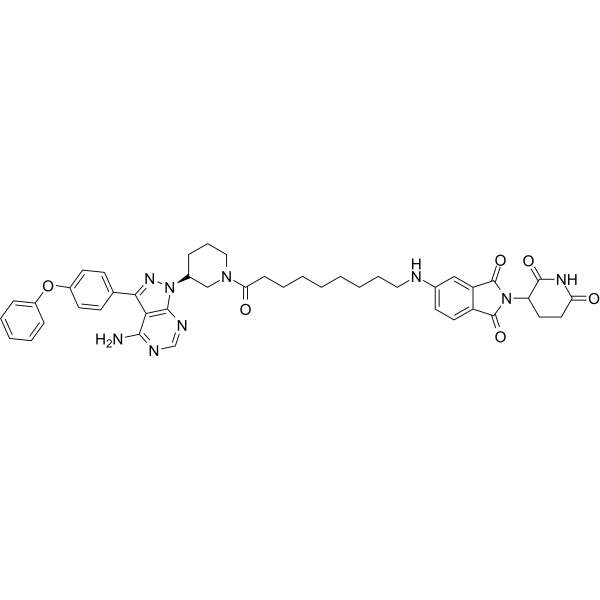
GBD-9 is a degrader based on the E3 ubiquitin ligase CRBN that targets BTK and the G1 to S phase transition protein GSPT1. GBD-9 has both PROTAC and molecular glue properties by inducing ubiquitination and proteasomal degradation of target proteins. GBD-9 can efficiently degrade wild-type and mutant BTK (such as C481S mutation) and GSPT1. GBD-9 significantly inhibits tumor cell proliferation by inducing G1 phase arrest in cancer cells, downregulating anti-apoptotic proteins (BCL-2, MCL-1) and activating Caspase-3 to induce apoptosis. GBD-9 is mainly used in the research of hematological tumors such as diffuse large B-cell lymphoma (DLBCL) and acute myeloid leukemia (AML) .
GBD-9 is composed of E3 ubiquitin ligase ligand (pink part) 5-Aminothalidomide (HY-W023573), target protein ligand (blue part) Btk Inhibitor: IBT6A (HY-13036A), and PROTAC linker (black part) Nonanoic acid (HY-N7057).
|
-
| Cat. No. |
Product Name |
Target |
Research Area |
-
- HY-P11451
-
|
|
CXCR
|
Cancer
|
|
Pentixather is a radiolabeled peptide that can target CXCR4. Pentixather can disrupt the interaction between leukemic cells and the bone marrow microenvironment by targeting the CXCR4/CXCL12 signaling axis, reduce the retention of leukemic cells in the protective bone marrow niche, and thereby enhance the sensitivity of leukemic cells to treatment. Pentixather can be used for the study of acute lymphoblastic leukemia (ALL) and acute myeloid leukemia (AML) .
|
| Cat. No. |
Product Name |
Target |
Research Area |
Image |
-
- HY-P99014
-
|
ARGX-110
|
Fc Receptor (FcR)
NF-κB
|
Inflammation/Immunology
Cancer
|
|
Cusatuzumab (ARGX-110) is a selective competitive blocker targeting CD70 (with an equilibrium dissociation constant of 17 pM for binding to human CD70). Cusatuzumab also possesses enhanced antibody-dependent cell-mediated cytotoxicity (ADCC) activity. It is a humanized IgG1 monoclonal antibody, artificially synthesized through humanization and genetic engineering modifications (CH2 region mutation to enhance effector function). Cusatuzumab has a dual mechanism of action: firstly, it competitively blocks the interaction between CD70 and CD27, inhibiting the CD27-NF-κB signaling pathway, reducing regulatory T cell (Treg) activation and tumor cell proliferation; secondly, by enhancing binding to FcγRIIIa, it mediates ADCC and antibody-dependent cellular phagocytosis (ADCP), directly lysing CD70-positive tumor cells. Cusatuzumab can efficiently eliminate leukemia stem cells (LSCs), induce tumor cell differentiation and apoptosis, restore immune surveillance, and target CD70-positive tumors. Cusatuzumab is used in the study of acute myeloid leukemia (AML) .
|
-

(5)
-
- HY-P99623
-
|
MGD006; S80880
|
CD3
|
Cancer
|
|
Flotetuzumab (MGD006; S80880) is an investigational CD123/CD3 bispecific dual-affinity retargeting antibody (DART) molecule. Flotetuzumab reactivates T cells by simultaneously binding to CD123 in target cells and CD3 in effector T cells, leading to T-cell-mediated cytotoxicity in target cells. Flotetuzumab shows inhibitory effect on a mouse model of patient-derived xenograft (PDX) in acute myeloid leukemia (AML) .
|
-
(5)
-
- HY-P99958
-
|
AMV-564; TandAb T564
|
Transmembrane Glycoprotein
|
Cancer
|
|
Vixtimotamab (AMV-564; TandAb T564) is a bispecific tetravalent tandem diabody (TandAb) that targets human CD33 and human CD3 antigens. Vixtimotamab can be used for the research of acute myeloid leukemia (AML) .
|
-
(5)
-
- HY-P991699
-
|
AZD9829 antibody; INT-020
|
ADC Antibody
Interleukin Related
|
Cancer
|
|
Lixarkitug (AZD9829 antibody; INT-020) is a humanized IgG1κ antibody targeting IL-3Ra/CD123. Lixarkitug can be conjugated with Samrotecan to form the intact ADC molecule lixarkitug samrotecan (AZD9829), which is used in studies of acute myeloid leukemia (AML) . The isotype control corresponding to Lixarkitug is Human IgG1 kappa, Isotype Control (HY-P99001).
|
-
(5)
-
- HY-P991517
-
|
|
Transmembrane Glycoprotein
Reactive Oxygen Species (ROS)
|
Cardiovascular Disease
Cancer
|
|
BI-836858 is a fully human anti-CD33 monoclonal antibody. BI-836858 reduces CD33+ cells via antibody-dependent cellular cytotoxicity (ADCC), blocks downstream signaling of S100A9/CD33, decreases the secretion of immunosuppressive cytokines and reactive oxygen species-induced genomic instability, and restores bone marrow hematopoietic function. BI-836858 is applicable to the research of myelodysplastic syndrome (MDS) and AML .
|
-
(5)
-
- HY-P991665
-
|
OBT357NF; OBT357
|
Transmembrane Glycoprotein
|
Cancer
|
|
MEN1112 (OBT357NF) is a selective humanized monoclonal antibody targeting the Bst1/CD157 antigen (EC50=1 nM). MEN1112 exerts potent antitumor activity against acute myeloid leukemia (AML) cells. MEN1112 is promising for research of hematological malignancies such as AML .
|
-
(5)
-
- HY-P990928
-
|
APVO-436
|
CD3
Interleukin Related
|
Inflammation/Immunology
Cancer
|
|
Mipletamig (APVO-436) is a bispecific CD123 x CD3 monoclonal antibody. Mipletamig simultaneously binds to both CD3-expressing T cells and CD123-expressing cancer cells, thereby crosslinking CD123-expressing tumor cells and cytotoxic T lymphocytes (CTLs). This results in the activation and proliferation of T-cells and causes CTL-mediated cell lysis of CD123-expressing tumor cells. Mipletamig can be used for the study of acute myeloid leukemia (AML) .
|
-
(5)
| Cat. No. |
Product Name |
Category |
Target |
Chemical Structure |
| Cat. No. |
Compare |
Product Name |
Species |
Source |
Image |
Compare Products
|
| Products |
|
| Cat. No. |
|
| Species |
|
| Source |
|
| Tag |
|
| Accession |
|
| Gene ID |
|
| Molecular Weight |
|
| Purity |
|
| Endotoxin Level |
|
| Biological Activity |
|
| Appearance |
|
| Formulation |
|
| Storage & Stability |
|
| Shipping |
|
| Free Sample |
Yes
No
|
| Size |
* This product has been "discontinued".
Optimized version of product available:
|
| Cat. No. |
Product Name |
|
Classification |
-
- HY-RS12349
-
|
|
|
siRNAs
Human Pre-designed siRNA Sets
|
|
RUNX1 Human Pre-designed siRNA Set A contains three designed siRNAs for RUNX1 gene (Human), as well as a negative control, a positive control, and a FAM-labeled negative control.
|
-
- HY-RS16650
-
|
|
|
siRNAs
Mouse Pre-designed siRNA Sets
|
|
Runx1 Mouse Pre-designed siRNA Set A contains three designed siRNAs for Runx1 gene (Mouse), as well as a negative control, a positive control, and a FAM-labeled negative control.
|
-
- HY-RS23085
-
|
|
|
siRNAs
Rat Pre-designed siRNA Sets
|
|
Runx1 Rat Pre-designed siRNA Set A contains three designed siRNAs for Runx1 gene (Rat), as well as a negative control, a positive control, and a FAM-labeled negative control.
|
Your information is safe with us. * Required Fields.
Inquiry Information
- Product Name:
- Cat. No.:
- Quantity:
- MCE Japan Authorized Agent:











