Search Result
Results for "
Androgen receptor inhibitor
" in MedChemExpress (MCE) Product Catalog:
13
Isotope-Labeled Compounds
| Cat. No. |
Product Name |
Target |
Research Areas |
Chemical Structure |
-
- HY-16985
-
|
ODM-201; BAY-1841788
|
Androgen Receptor
|
Cancer
|
|
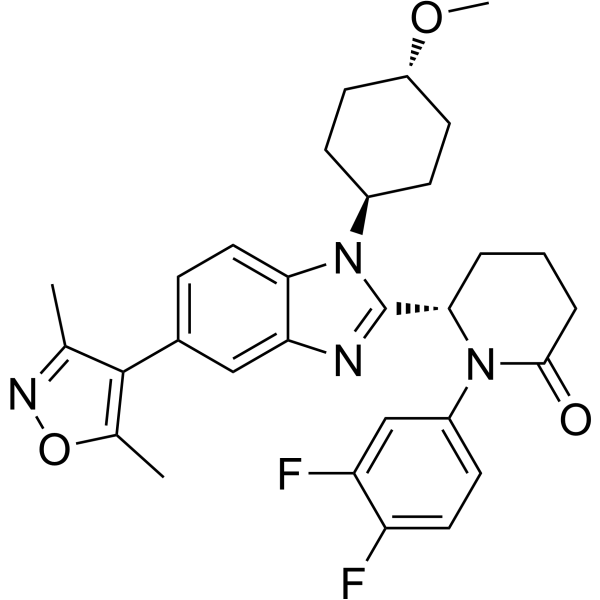
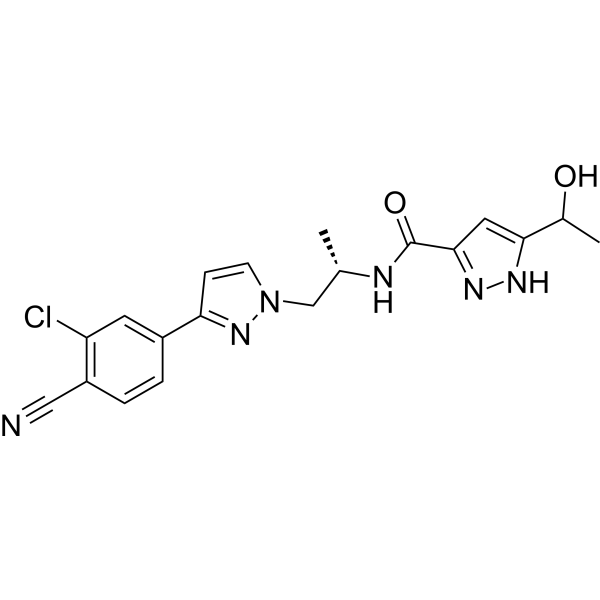
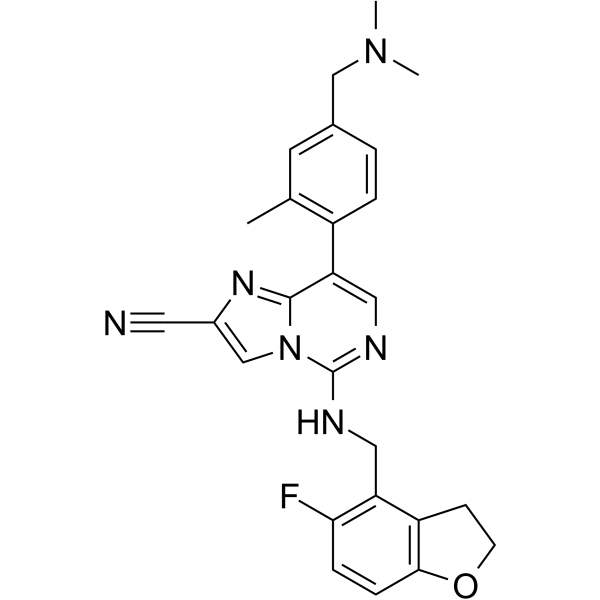
Darolutamide (ODM-201) is an orally active competitive androgen receptor (AR) antagonist. Darolutamide has a Ki of 11 nM for rat wild-type AR (wtAR) and IC50 of 26 nM for human wild-type AR (hAR)-mediated transcriptional activation . Darolutamide inhibits testosterone-induced AR nuclear translocation and transcriptional activation . Darolutamide exerts selective effects on AR-positive cells by inhibiting AR-dependent signaling pathways, and its active metabolite retains full antagonistic activity against AR mutants . Darolutamide can be used for the research of prostate cancer, including androgen receptor-dependent prostate cancer .
|
-
-
- HY-158101
-
|
CC-94676
|
PROTACs
Androgen Receptor
|
Cancer
|
|
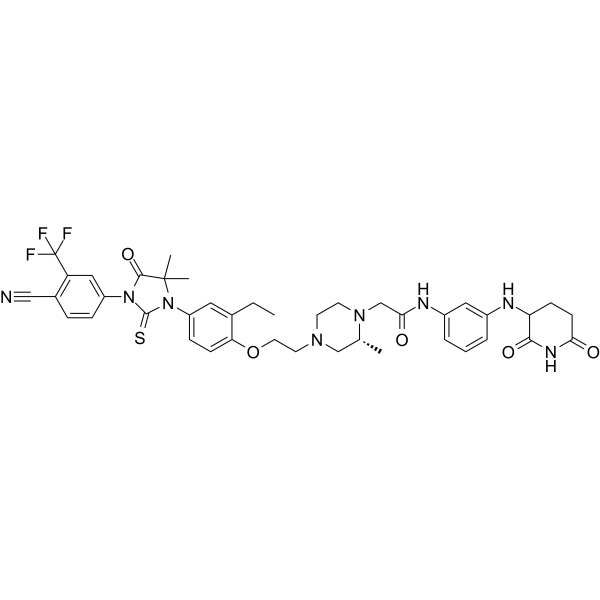
BMS-986365 (CC-94676) is an orally active and selective targeted androgen receptor (AR) PROTAC degrader (DC50 of 10-40 nM). BMS-986365 is capable of inducing cereblon (CRBN) E3 ligase-dependent ubiquitination and degradation of the androgen receptor (AR), as well as various AR mutants. BMS-986365 shows no degradation of the close AR family members estrogen receptor (ER), progesterone receptor (PR), and glucocorticoid receptor (GR). BMS-986365 shows significant in vivo potency, degrading AR, inhibiting AR signaling, and restricting tumor growth in animal models of advanced prostate cancer. BMS-986365 can be used for the study of metastatic castration-resistant prostate cancer (mCRPC) .
|
-
-
- HY-B0022
-
Flutamide
Maximum Cited Publications
12 Publications Verification
SCH 13521
|
Androgen Receptor
|
Cancer
|
|
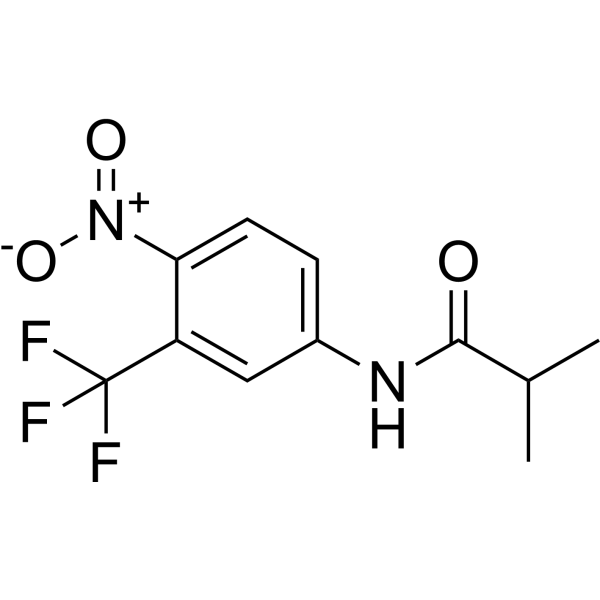
Flutamide is an Androgen Receptor antagonist with Ki=55 nM. Flutamide inhibits prostate cancer progression and has synergistic effects with Docetaxel (HY-B0011). Flutamide also has the potential to protect against hyperthermia-induced multiple organ dysfunction syndrome .
|
-
-
- HY-13613
-
|
GG 745; GI 198745
|
5 alpha Reductase
Apoptosis
|
Cancer
|
|
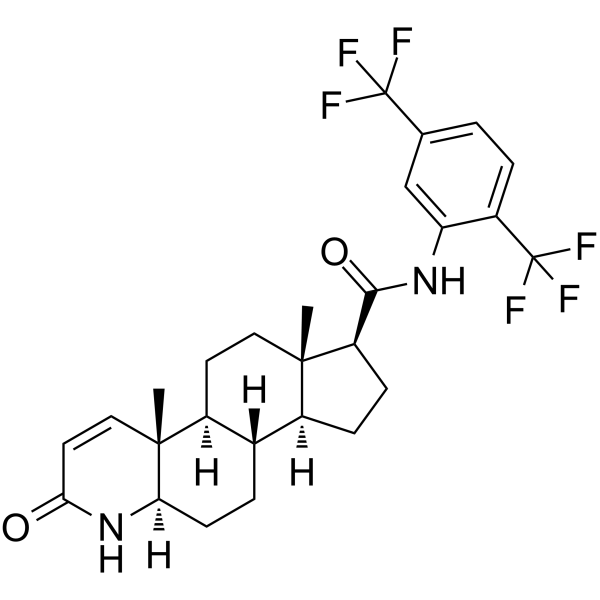
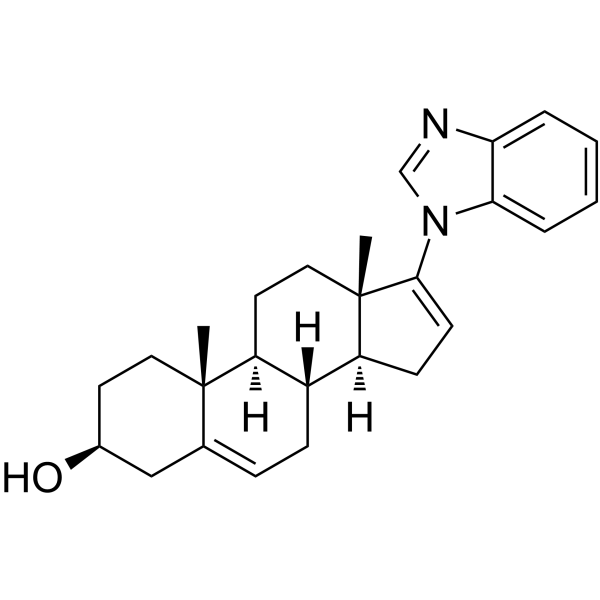
Dutasteride (GG745) is a potent inhibitor of both 5α-reductase isozymes. Dutasteride may possess off-target effects on the androgen receptor (AR) due to its structural similarity to DHT .
|
-
-
- HY-N0790
-
Lupeol
5 Publications Verification
Clerodol; Monogynol B; Fagarasterol
|
Androgen Receptor
Apoptosis
|
Cancer
|
|
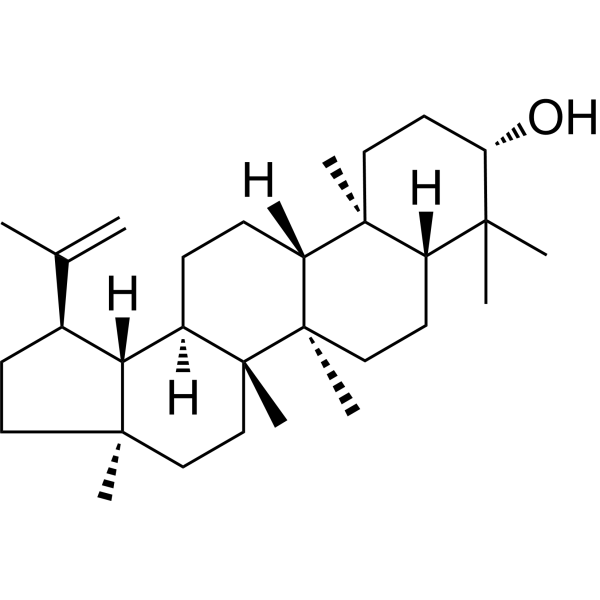
Lupeol (Clerodol; Monogynol B; Fagarasterol) is an active pentacyclic triterpenoid, has anti-oxidant, anti-mutagenic, anti-tumor and anti-inflammatory activity. Lupeol is a potent androgen receptor (AR) inhibitor and can be used for cancer research, especially prostate cancer of androgen-dependent phenotype (ADPC) and castration resistant phenotype (CRPC) .
|
-
-
- HY-158102
-
|
ORIC-944
|
Histone Methyltransferase
|
Cancer
|
|
Rinzimetostat (ORIC-944) is a selective, orally active, allosteric inhibitor targeting the EED subunit of polycomb repressive complex 2 (PRC2). Rinzimetostat is synergistic with androgen receptor pathway inhibitors (ARPIs) for the study of metastatic prostate cancer.
|
-
-
- HY-N1943
-
|
Δ13-Dehydrochaparrinone
|
Androgen Receptor
|
Inflammation/Immunology
Cancer
|
|
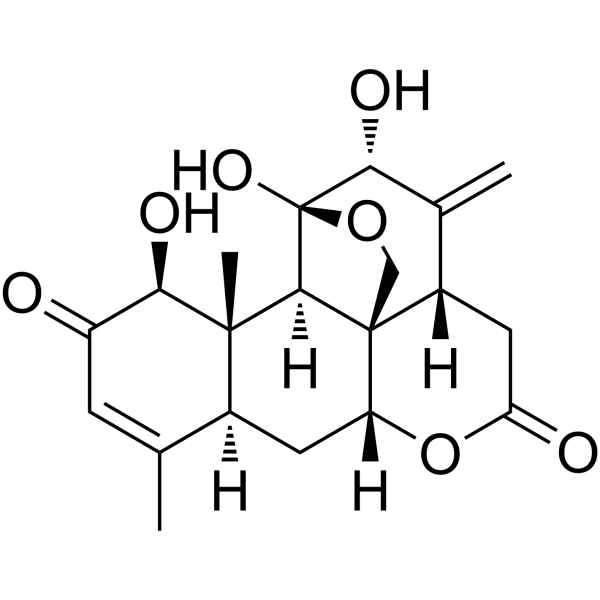
Ailanthone (Δ13-Dehydrochaparrinone) is a potent inhibitor of both full-length androgen receptor (AR) (IC50=69 nM) and constitutively active truncated AR splice variants (AR1-651 IC50=309 nM).
|
-
-
- HY-136582
-
|
Androgen receptor-IN-2
|
Androgen Receptor
|
Cancer
|
|
Masofaniten (Androgen receptor-IN-2) is a potent and orally active androgen receptor inhibitor. Masofaniten has antitumor activity against prostate cancer .
|
-
-
- HY-N2345
-
|
|
Histone Acetyltransferase
Toll-like Receptor (TLR)
Androgen Receptor
|
Inflammation/Immunology
Cancer
|
|
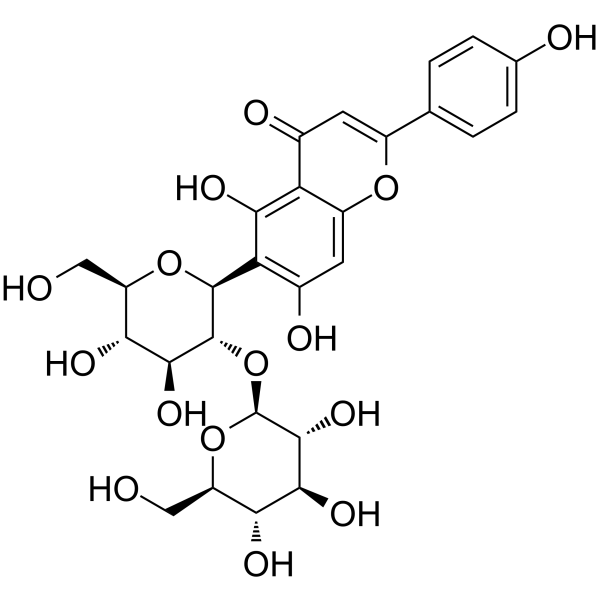
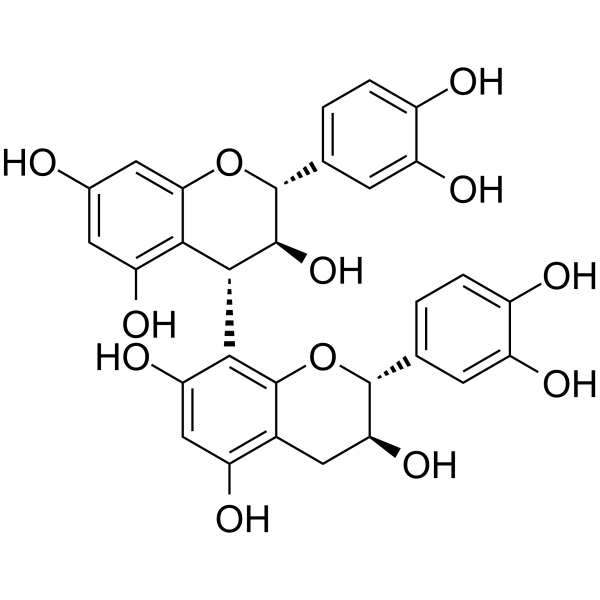
Procyanidin B3 is a natural product with antioxidant activity and oral bioavailability, possessing good blood-brain barrier penetration. Procyanidin B3 is a selective inhibitor of histone acetyltransferase (HAT). By inhibiting p300 HAT-mediated acetylation of the androgen receptor (androgen receptor). Procyanidin B3 alleviates intervertebral disc degeneration (IVDD) by inhibiting the formation of the TLR4/MD-2 complex. Procyanidin B3 can be used in research on prostate cancer and arthritis .
|
-
-
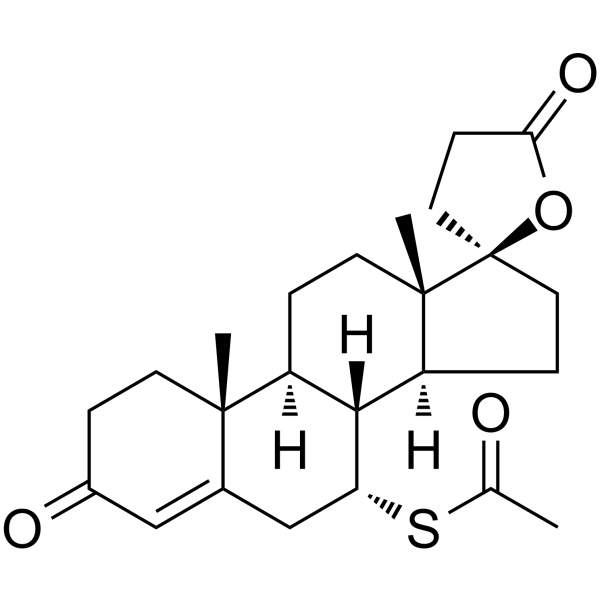
- HY-B0845
-
-
-
- HY-B0111
-
|
Dihydrospirorenone
|
Progesterone Receptor
Androgen Receptor
|
Endocrinology
Cancer
|
|
Drospirenone (Dihydrospirorenone) is an orally active fourth-generation progestin that interacts with the progesterone receptor (PR) and androgen receptor (AR). Drospirenone significantly decreases both plasminogen activator inhibitor-1 (PAI-1) and tissue plasminogen activator (tPA) via the AR. Drospirenone can produce DNA damage in bone marrow cells of female mice. .
|
-
-
- HY-153918
-
|
|
Androgen Receptor
|
Cancer
|
|
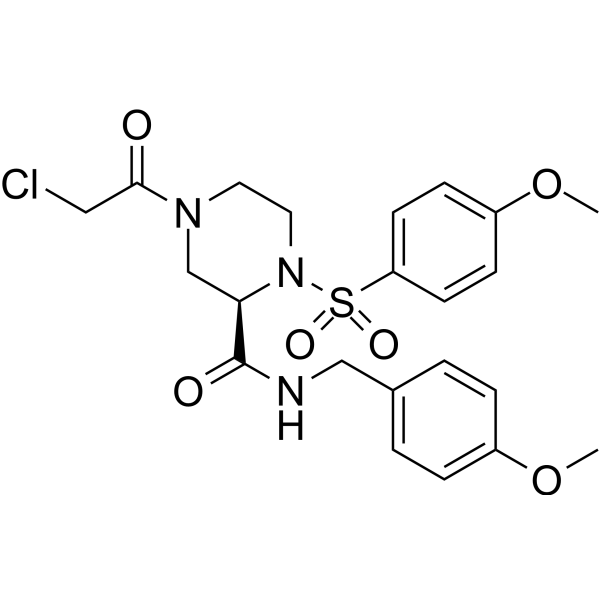
(R)-SKBG-1 is a covalent inhibitor targeting the RNA binding protein NONO. (R)-SKBG-1 can reduce the expression of androgen receptor (AR) and its splice variants, inhibiting cancer cell proliferation. (R)-SKBG-1 inhibits androgen receptor expression with IC50 of 3.1 μM and 5.5 μM for AR-FL mRNA and AR-V7 mRNA, respectively. (R)-SKBG-1 interferes with the gene regulatory network of cancer cells and inhibits cancer cell growth by stabilizing the interaction between NONO and mRNA. (R)-SKBG-1 can be used in the study of cancers related to NONO dysfunction, such as prostate cancer .
|
-
-
- HY-15103
-
|
|
PTHR
Androgen Receptor
|
Cancer
|
|
AH3960 (compound 16c) is an antagonist of androgen receptor. AH3960 binds wild as well as T877 mutant type androgen receptors. AH3960 selectively inhibits T877 with an IC50 value of 0.82 μM. AH3960 also serves as an agonist of parathyroid hormone receptor-1 (PTHR1) .
|
-
-
- HY-B1095
-
|
|
Progesterone Receptor
Androgen Receptor
Glucocorticoid Receptor
GABA Receptor
|
Neurological Disease
Metabolic Disease
|
|
Chlormadinone acetate is a progestogen with potent progestogenic activity and antiandrogenic effects. Chlormadinone acetate acts on glucocorticoid receptor, progesterone receptor, androgen receptor, and GABAA receptor. Chlormadinone acetate induces endometrial proliferation in estrogen-pretreated rabbits, inhibits testosterone-stimulated growth of the prostate and seminal vesicles in castrated rats, and reduces the thymus and adrenal weights in juvenile rats. Chlormadinone acetate is applicable to research related to diseases such as depression and reproductive metabolic disorders .
|
-
-
- HY-16079
-
AZD3514
3 Publications Verification
|
Androgen Receptor
|
Cancer
|
|
AZD3514 is an orally activie and selective androgen receptor (AR) inhibitor. AZD3514 androgen-dependently and -independently inhibits AR signal. AZD351 down-regulates nuclear AR levels in human LNCaP prostate cancer cells in the absence of androgen with an pIC50 value of 5.75. AZD3514 can be used for the research of prostate cancer .
|
-
-
- HY-N6714
-
|
|
Topoisomerase
Androgen Receptor
Estrogen Receptor/ERR
Apoptosis
|
Infection
Cancer
|
|
Alternariol is an orally ingested mycotoxin produced by Alternaria, capable of inhibiting the activity of topoisomerase I and II (topoisomerase I, topoisomerase II). Alternariol has weak estrogenic (Estrogen Receptor/ERR) and androgen/antiandrogen (Androgen Receptor) effects. Alternariol can induce apoptosis, trigger cell cycle arrest, suppress innate immune responses, and exhibit anti-tumor activity. Alternariol has genotoxic, mutagenic, and endocrine-disrupting effects .
|
-
-
- HY-19337
-
|
BAY 1896953; ORM-15341
|
Androgen Receptor
|
Cancer
|
|
Ketodarolutamide (ORM-15341) is a potent, high-affinity nonsteroidal competitive full antagonist of androgen receptor (AR). Ketodarolutamide displays a Ki value of 8 nM for rat wild-type AR and an IC50 value of 38 nM in AR-HEK293 cells . Ketodarolutamide inhibits testosterone-induced nuclear translocation of the AR and antagonizes both overexpressed and mutant ARs . Ketodarolutamide specifically suppresses the proliferation of AR-dependent prostate cancer cells and exhibits antitumor activity in models of castration-resistant prostate cancer (CRPC) . Ketodarolutamide is suitable for the mechanistic and therapeutic research of prostate cancer .
|
-
-
- HY-B0846
-
-
-
- HY-109070
-
|
EPI-002
|
Androgen Receptor
|
Cancer
|
|
Ralaniten (EPI-002) is a potent and orally active antagonist of the androgen receptor-N-terminal domain (AR-NTD). Ralaniten inhibits AR transcriptional activity, with IC50 of 7.4 μM. Ralaniten can be used for the research of castration-resistant prostate cancer (CRPC) .
|
-
-
- HY-123875A
-
|
EPI-506
|
Androgen Receptor
|
Cancer
|
|
Ralaniten triacetate (EPI-506), the pro-agent of Ralaniten, is a first-in-class, orally active androgen receptor (AR) N-terminal domain (NTD) inhibitor. Ralaniten triacetate shows activity against both full length and resistance-related AR species, including AR-v7 .
|
-
-
- HY-149433
-
|
|
PROTACs
Androgen Receptor
Apoptosis
|
Cancer
|
|
BWA-522 is an orally active PROTAC degrader targeting full-length androgen receptor (AR-FL) and androgen receptor splice variant 7 (AR-V7). BWA-522 antagonizes the N-terminal domain (AR-NTD) of the androgen receptor, suppresses AR downstream signaling proteins and induces cancer cells apoptosis. BWA-522 inhibits tumor growth in LNCaP xenograft mouse model. BWA-522 can be used for the research of prostate cancer .
|
-
-
- HY-110028
-
|
|
Cannabinoid Receptor
Fatty Acid Synthase (FASN)
Androgen Receptor
|
Endocrinology
Cancer
|
|
Leelamine hydrochloride is a tricyclic diterpene molecule that is extracted from the bark of pine trees . Leelamine hydrochloride is a cannabinoid receptor type 1 (CB1) agonist and a inhibitor of SREBP1-regulated fatty acid/lipid synthesis in prostate cancer cells that is not affected by androgen receptor status. Leelamine hydrochloride suppresses transcriptional activity of androgen receptor, which is known to regulate fatty acid synthesis [2,3].
|
-
-
- HY-160020
-
|
|
Androgen Receptor
|
Cancer
|
|
ET516 is a potent inhibitor of Androgen Receptor. ET516 significantly inhibits the proliferation and tumor growth of prostate cancer cells expressing AR-resistant mutants .
|
-
-
- HY-156111
-
|
|
PROTACs
Androgen Receptor
|
Cancer
|
|
ARD-1676 is an orally available androgen receptor (AR) PROTAC degrader, consisting of AR ligand and cereblon ligand. ARD-1676 has AR-degrading activity in vitro and in vivo and inhibits VCaP tumor growth in mouse xenograft tumor models .
|
-
-
- HY-109619
-
|
Δ4-Abiraterone; CB-7627; Abiraterone D4A metabolite
|
Androgen Receptor
Cytochrome P450
|
Cancer
|
|
D4-abiraterone is a major metabolite of abiraterone. D4-abiraterone is an inhibitor of CYP17A1, 3b-hydroxysteroid dehydrogenase (3βHSD) and steroid-5a-reductase (SRD5A) and also an antagonist of androgen receptor.
|
-
-
- HY-132292
-
|
|
PROTACs
Androgen Receptor
|
Cancer
|
|
ARD-2128 is a highly potent, orally bioavailable PROTAC androgen receptor (AR) degrader. ARD-2128 effectively reduces AR protein, suppresses AR-regulated genes in tumor tissues, and inhibits growth of tumor without signs of toxicity. ARD-2128 has the potential for the research of the prostate cancer .
|
-
-
- HY-124292
-
|
Honokiol dichloroacetate
|
Androgen Receptor
|
Cancer
|
|
Honokiol DCA (Honokiol dichloroacetate) is a dichloroacetate analog of Honokiol. Honokiol DCA can inhibit the growth of human prostate cancer cells in vitro and suppress the androgen receptor (AR) protein level .
|
-
-
- HY-141487
-
-
-
- HY-N15686
-
|
Torulin
|
Apoptosis
Androgen Receptor
Bcl-2 Family
MMP
|
Cancer
|
|
Torulene (Torulin) is an orally active carotenoid with anti-cancer activity. Torulene inhibits proliferation and induces apoptosis of tumor cells via a mitochondrial signal pathway and the down-regulation of androgen receptor (AR) expression. Torulene can be used for the study of prostate cancer .
|
-
-
- HY-164373
-
|
|
Androgen Receptor
Apoptosis
|
Cancer
|
|
SC428 is an androgen receptor (AR) inhibitor that targets the N-terminal domain. SC428 potently decrease the transactivation of (AR)-V7, (AR)v567es, as well as full-length ( AR ) (AR-FL) and its LBD mutants, substantially. SC428 inhibits androgen-stimulated (AR)-FL nuclear translocation, chromatin binding, and (AR) -regulated gene transcription. SC428 inhibits the proliferation of tumor cells in vitro. SC428 inhibits tumor cell growth by inducing apoptosis in mice transplanted with 22RV1 .
|
-
-
- HY-158102A
-
|
ORIC-944 TFA
|
Histone Methyltransferase
|
Cancer
|
|
Rinzimetostat (ORIC-944) TFA is the TFA salt form of ORIC (HY-158102). Rinzimetostat TFA is a selective, orally active, allosteric inhibitor targeting the EED subunit of polycomb repressive complex 2 (PRC2). Rinzimetostat TFA is synergistic with androgen receptor pathway inhibitors (ARPIs) for the study of metastatic prostate cancer .
|
-
-
- HY-16985S
-
|
ODM-201-d4; BAY-1841788-d4
|
Isotope-Labeled Compounds
Androgen Receptor
|
Cancer
|
|
Darolutamide-d4 (ODM-201-d4) is deuterium labeled Darolutamide (HY-16985). Darolutamide (ODM-201) is an orally active competitive androgen receptor (AR) antagonist, with a Ki of 11 nM for rat wild-type AR (wtAR) and an IC50 of 26 nM for human wild-type AR (hAR)-mediated transcriptional activation . Darolutamide inhibits testosterone-induced AR nuclear translocation and transcriptional activation . Darolutamide exerts selective effects on AR-positive cells by inhibiting AR-dependent signaling pathways, and its active metabolite retains full antagonistic activity against AR mutants . Darolutamide can be used for the research of prostate cancer, including androgen receptor-dependent prostate cancer .
|
-
-
- HY-155478
-
|
|
Androgen Receptor
|
Cancer
|
|
Androgen receptor-IN-6 (compound 16) is an orally available androgen receptor (Androgen Receptor) potent inhibitor (IC50=0.12 μM in vitro), targeting the disordered N-terminal domain (NTD). Androgen receptor-IN-6 has good Caco2 cell membrane permeability and has an oral activity (F/%) of 16% in male CD-1 mice .
|
-
-
- HY-103245
-
|
|
Androgen Receptor
|
Cancer
|
|
Cl-4AS-1, a potent steroidal androgen receptor (AR) agonist (IC50 = 12 nM), is also an inhibitor of 5α-reductase types I and II (IC50 = 6 and 10 nM, respectively) .
|
-
-
- HY-163340
-
|
|
Glucocorticoid Receptor
Androgen Receptor
|
Cancer
|
|
GA32 (compound 58r) is potent androgen receptor (AR)/glucocorticoid receptor (GR) dual inhibitor with IC50 values of 0.13 μM and 0.83 μM for AR and GR, respectively. GA32 inhibits the proliferation of Enzalutamide (HY-70002) resistance castration-resistant prostate cancer both in vitro and in vivo .
|
-
-
- HY-156530
-
|
|
Cytochrome P450
|
Endocrinology
|
|
CYP11A1-IN-1 (compound 30) is an inhibitor of CYP11A1, with IC50 value of 201-2000 nM. CYP11A1-IN-1 can be used for research in steroid receptor, particularly androgen receptor, dependent diseases and conditions, such as prostate cancer .
|
-
-
- HY-16985R
-
|
ODM-201 (Standard); BAY-1841788 (Standard)
|
Reference Standards
Androgen Receptor
|
Cancer
|
|
Darolutamide (Standard) is the analytical standard of Darolutamide (HY-16985). This product is intended for research and analytical applications. Darolutamide (ODM-201) is an orally active competitive androgen receptor (AR) antagonist, with a Ki of 11 nM for rat wild-type AR (wtAR) and an IC50 of 26 nM for human wild-type AR (hAR)-mediated transcriptional activation . Darolutamide inhibits testosterone-induced AR nuclear translocation and transcriptional activation . Darolutamide exerts selective effects on AR-positive cells by inhibiting AR-dependent signaling pathways, and its active metabolite retains full antagonistic activity against AR mutants . Darolutamide can be used for the research of prostate cancer, including androgen receptor-dependent prostate cancer .
|
-
-
- HY-139623
-
|
|
Androgen Receptor
|
Cancer
|
|
A4B17 is an androgen receptor N-terminal inhibitor for researching androgen-responsive prostate cancer.
|
-
-
- HY-152524
-
|
|
Androgen Receptor
|
Cancer
|
|
Androgen receptor antagonist 7 is an effective androgen receptor (AR) antagonist with an IC50 value of 1.18 µM. Androgen receptor antagonist 7 has biological activity in vitro and inhibits the expression of AR target in a time and dose dependent manner with an GI50 value of 7.9 µM .
|
-
-
- HY-121094
-
|
|
Estrogen Receptor/ERR
|
Cancer
|
|
Androgen receptor allosteric antagonist 1(compound D36)is a a llosteric, competitive androgen receptor (AR) antagonist with the Ki of 9 μM. Androgen receptor allosteric antagonist 1 inhibits R1881-mediated transcription and proliferation and can be used for study of prostate cancer .
|
-
-
- HY-B2058
-
|
|
Fungal
Androgen Receptor
|
Infection
|
|
Triticonazole is an orally active triazole fungicide and androgen receptor antagonist. Triticonazole inhibits testosterone-induced androgen receptor activation and reduces basal testosterone secretion. Prenatal exposure to Triticonazole causes shortened anogenital distance in male rat fetuses and induces organ-specific histopathological changes in pigs. Triticonazole can be used for detoxification of seeds contaminated with fungal pathogens, but there is a risk of animal poisoning if the treated seeds are used as animal feed .
|
-
-
- HY-P11007
-
|
|
β-catenin
Wnt
Androgen Receptor
|
Cancer
|
|
β-catenin inhibitory peptoid (compound 13) inhibits the β-catenin:TCF interaction with an IC50 of 5.44 µM. β-catenin inhibitory peptoid inhibits both Wnt (IC50 of 0.105 µM) and androgen receptor (AR)-signaling (IC50 of 1.02 µM) in prostate cancer cell lines. β-catenin inhibitory peptoid markedly diminishes cell proliferation of prostate cancer cell lines .
|
-
-
- HY-111421
-
-
-
- HY-106614
-
|
|
Androgen Receptor
5 alpha Reductase
|
Endocrinology
|
|
Osaterone acetate is an orally active steroid anti-androgen agent, mainly used for benign prostatic hyperplasia (BPH) in dogs. Osaterone acetate competitively antagonizes androgen receptor and inhibits 5α-reductase, reducing the concentration of dihydrotestosterone (DHT) while blocking the growth-stimulating effects of testosterone and DHT on prostate cells. Osaterone acetate can rapidly alleviate the symptoms of BPH in dogs without affecting the fertility of breeding dogs .
|
-
-
- HY-N0790R
-
|
Clerodol (Standard); Monogynol B (Standard); Fagarasterol (Standard)
|
Reference Standards
Androgen Receptor
Apoptosis
|
Cancer
|
|
Lupeol (Standard) is the analytical standard of Lupeol. This product is intended for research and analytical applications. Lupeol (Clerodol; Monogynol B; Fagarasterol) is an active pentacyclic?triterpenoid, has anti-oxidant, anti-mutagenic, anti-tumor and anti-inflammatory activity. Lupeol is a potent?androgen receptor (AR)?inhibitor and can be used for cancer research, especially prostate cancer of androgen-dependent phenotype (ADPC) and castration resistant phenotype (CRPC) .
|
-
-
- HY-W653896
-
|
|
Isotope-Labeled Compounds
Androgen Receptor
Apoptosis
Topoisomerase
Estrogen Receptor/ERR
|
Infection
|
|
Alternariol-d2 is deuterium labeled Alternariol. Alternariol is an orally ingested mycotoxin produced by Alternaria, capable of inhibiting the activity of topoisomerase I and II (topoisomerase I, topoisomerase II). Alternariol has weak estrogenic (Estrogen Receptor/ERR) and androgen/antiandrogen (Androgen Receptor) effects. Alternariol can induce apoptosis, trigger cell cycle arrest, suppress innate immune responses, and exhibit anti-tumor activity. Alternariol has genotoxic, mutagenic, and endocrine-disrupting effects .
|
-
-
- HY-123163
-
|
RWJ-66826; RTI-6617-003
|
Progesterone Receptor
Glucocorticoid Receptor
Androgen Receptor
Estrogen Receptor/ERR
|
Endocrinology
Cancer
|
|
JNJ-1250132 (RWJ-66826) is an orally active and potent steroidal progesterone receptor (PR) antagonist, with an IC50 of 1.3 nM. JNJ-1250132 inhibits binding of the receptor to DNA in vitro. JNJ-1250132 is a potent competitive inhibitor of binding to the human glucocorticoid receptor (GR) (IC50=0.50 nM) and the rat androgen receptor (AR) (IC50=5.6 nM), and was a weak inhibitor of binding to human Estrogen receptor (ER) (IC50 >3000 nM) .
|
-
-
- HY-13613R
-
|
GG 745 (Standard); GI 198745 (Standard)
|
Reference Standards
5 alpha Reductase
Apoptosis
|
Cancer
|
|
Dutasteride (Standard) is the analytical standard of Dutasteride. This product is intended for research and analytical applications. Dutasteride (GG745) is a potent inhibitor of both 5α-reductase isozymes. Dutasteride may possess off-target effects on the androgen receptor (AR) due to its structural similarity to DHT .
|
-
-
- HY-174908
-
|
|
Histone Methyltransferase
11β-HSD
Androgen Receptor
|
Cancer
|
|
SJL2-1 is a PRMT5 inhibitor, with an IC50 of 1.56 μM. SJL2-1 suppresses proliferation, migration, and invasion in prostate cancer cells. SJL2-1 promotes apoptosis and blocks the cell cycle at the G0/G1 phase. SJL2-1 can target the binding of PRMT5 in cells and inhibit the methylation and expression of the androgen receptor. SJL2-1 can be used for the study of early androgen-sensitive prostate cancer and advanced castration-resistant prostate cancer (CRPC) .
|
-
-
- HY-118409
-
|
|
Androgen Receptor
|
Endocrinology
Cancer
|
|
VPC-3033 is an androgen receptor antagonist. VPC-3033 has a strong androgen DHT replacement potency (IC50: 0.625-2.5 μM), can effectively inhibit androgen receptor transcriptional activity (IC50=0.3 μM), and has a strong androgen receptor degradation ability. In addition, VPC-3033 exhibits significant anti-androgen receptor activity against prostate cancer cells resistant to Enzalutamide (HY-70002) .
|
-
- HY-173640
-
|
|
Androgen Receptor
Phosphodiesterase (PDE)
|
Cancer
|
|
ID11916 is an orally active androgen receptor (AR) antagonist and a phosphodiesterase 5 (PDE5) inhibitor. ID11916 blocks androgen binding to AR, nuclear translocation, and androgen-dependent transcriptional activity of AR, while increasing intracellular cGMP levels and activating PKG via inhibition. ID11916 shows potent anti-cancer effect in prostate cancer cell lines VCaP and 22Rv1 and in AR-positive breast cancer cell lines SK-BR-3 .
|
-
- HY-131953
-
|
|
Androgen Receptor
|
Cancer
|
|
Androgen receptor-IN-3 (Compound 22) is an androgen receptor inhibitor. Androgen receptor-IN-3 inhibits AR-driven transcriptional activity in LNCaP cells, with an IC50 of 5.04 μM .
|
-
- HY-153772
-
|
|
Androgen Receptor
|
Cancer
|
|
Androgen receptor antagonist 8 (Example 13) is an androgen receptor antagonist. Androgen receptor antagonist 8 inhibits prostate specific antigen secretion in LNcap cell (IC50: 88 nM). Androgen receptor antagonist 8 can be used for prostate cancer research .
|
-
- HY-169349
-
|
|
Androgen Receptor
|
Cancer
|
|
Androgen receptor antagonist 12 (Compound EF2) is an orally active Androgen receptor (AR) antagonist (IC50: 0.30 μM). Androgen receptor antagonist 12 inhibits transcriptional activity of variant AR mutants and and the proliferation of AR-positive PCa cell lines. Androgen receptor antagonist 12 blocks AR nuclear translocation. Androgen receptor antagonist 12 inhibits tumor growth in a C4-2B xenograft mouse model. Androgen receptor antagonist 12 can be used for prostate cancer (PCa) research .
|
-
- HY-151220
-
|
|
Androgen Receptor
|
Others
|
|
Androgen receptor-IN-4 (Compound 206) is an androgen receptor inhibitor, and can be used for research of Kennedy's disease .
|
-
- HY-179050
-
|
|
Androgen Receptor
Reactive Oxygen Species (ROS)
|
Cancer
|
|
Androgen receptor-IN-7 is a potent androgen receptor (AR) inhibitor. Androgen receptor-IN-7 exhibits potent anticancer activity against PC-3 cells (IC50 =370.37 nM) and LNCaP cells via both AR-dependent and AR-independent pathways. Androgen receptor-IN-7 induces ROS production in PC-3 cells. Androgen receptor-IN-7 can be used for prostate cancer research .
|
-
- HY-153276
-
|
|
Androgen Receptor
|
Cancer
|
|
Androgen receptor-IN-5 is an androgen receptor inhibitor with potent anticancer effects. Androgen receptor-IN-5 also inhibits the production of IL-17A, IL- 17F and INF-γ (WO2023281097A1,Example 1/1) .
|
-
- HY-105122
-
|
WIN 49596
|
Androgen Receptor
|
Endocrinology
Cancer
|
|
Zanoterone is an orally active antagonist of the androgen receptor (AR) with a Ki of 2.2 μM. Zanoterone blocks the binding of androgens such as testosterone and dihydrotestosterone (DHT), inhibiting the androgen signaling pathway, thereby reducing androgen-dependent prostate hyperplasia and prostate cancer growth .
|
-
- HY-P2413
-
|
|
Androgen Receptor
Src
|
Others
|
|
Ac-PPPHPHARIK-NH2 (compound S1) is a compound that inhibits the interaction between androgen receptor and Src. It can inhibit the binding of androgen or estrogen-induced receptor and Src in cancer cells, as well as the activation of related signaling pathways, and can also inhibit cell cycle progression and tumor growth.
|
-
- HY-143535
-
|
|
Androgen Receptor
|
Cancer
|
|
HG122 promotes androgen receptor (AR) degradation through the proteasome pathway inhibiting the castration-resistant prostate cancer.
|
-
- HY-164371
-
|
|
Androgen Receptor
|
Cancer
|
|
(+)-JJ-74-138, a novel non-competitive androgen receptor (AR) antagonist, is capable of inhibiting Enzalutamide-resistant CRPC .
|
-
- HY-123308
-
|
|
Androgen Receptor
|
Cancer
|
|
VPC13163 is a potent androgen receptor (AR) BF3 inhibitor with an IC50 of 0.31 µM. VPC13163 has anticancer effects .
|
-
- HY-142923
-
|
|
Androgen Receptor
|
Cancer
|
|
AR antagonist 2 (compound 58) is a potent androgen receptor (AR) inhibitor with an IC50 of 0.95 μM. AR antagonist 2 has the potential for cancer research .
|
-
- HY-172612
-
|
|
Androgen Receptor
|
Cancer
|
|
AR antagonist 13 (compound 19) is an androgen receptor antagonist with inhibition rates exceeding 71.5% at 10 μM. AR antagonist 13 inhibits prostate cancer cell growth .
|
-
- HY-W744741
-
|
|
Isotope-Labeled Compounds
Androgen Receptor
Apoptosis
|
Cancer
|
|
Lupeol-d3 is the deuterium labeled Lupeol (HY-N0790). Lupeol is an active pentacyclic triterpenoid, has anti-oxidant, anti-mutagenic, anti-tumor and anti-inflammatory activity. Lupeol is a potent?androgen receptor?(AR)?inhibitor and can be used for?cancer?research, especially prostate?cancer?of androgen-dependent phenotype (ADPC) and castration resistant phenotype (CRPC) .
|
-
- HY-114246
-
|
|
Androgen Receptor
|
Cancer
|
|
ONC1-13B is a potent androgen receptor (AR) antagonist with the activity of effectively inhibiting PSA expression in prostate cancer cells. ONC1-13B can effectively inhibit PSA expression and prostate cancer cell proliferation under DHT stimulation. ONC1-13B exerts its anti-tumor effect by preventing androgen from binding to AR and its nuclear translocation .
|
-
- HY-114913
-
|
EL 222
|
Androgen Receptor
Bacterial
|
Infection
Endocrinology
|
|
Fenarimol (EL 222) is a potent and orally active fungicide. Fenarimol also is a androgen receptor inhibitor with an IC50 value of 19 µM. Fenarimol decreases the mRNA expression of PBP C3, ODC, IGF-1 .
|
-
- HY-N6714R
-
|
|
Reference Standards
Topoisomerase
Androgen Receptor
Estrogen Receptor/ERR
Apoptosis
|
Infection
Cancer
|
|
Alternariol (Standard) is the analytical standard of Alternariol. This product is intended for research and analytical applications. Alternariol is an orally ingested mycotoxin produced by Alternaria, capable of inhibiting the activity of topoisomerase I and II (topoisomerase I, topoisomerase II). Alternariol has weak estrogenic (Estrogen Receptor/ERR) and androgen/antiandrogen (Androgen Receptor) effects. Alternariol can induce apoptosis, trigger cell cycle arrest, suppress innate immune responses, and exhibit anti-tumor activity. Alternariol has genotoxic, mutagenic, and endocrine-disrupting effects .
|
-
- HY-N2345R
-
|
|
Reference Standards
Histone Acetyltransferase
Toll-like Receptor (TLR)
Androgen Receptor
|
Inflammation/Immunology
Cancer
|
|
Procyanidin B3 (Standard) is the analytical standard of Procyanidin B3. This product is intended for research and analytical applications. Procyanidin B3 is a natural product with antioxidant activity and oral bioavailability, possessing good blood-brain barrier penetration. Procyanidin B3 is a selective inhibitor of histone acetyltransferase (HAT). By inhibiting p300 HAT-mediated acetylation of the androgen receptor (androgen receptor). Procyanidin B3 alleviates intervertebral disc degeneration (IVDD) by inhibiting the formation of the TLR4/MD-2 complex. Procyanidin B3 can be used in research on prostate cancer and arthritis .
|
-
- HY-403733B
-
|
|
Androgen Receptor
Prostaglandin Receptor
|
Cancer
|
|
(+)-JJ-450 is a non-competitive antagonist targeting the androgen receptor (AR) that inhibits AR nuclear localization and transcriptional activity in the absence of androgen. (+)-JJ-450 is less active than (-)-JJ-450 (HY-403733A) in inhibiting prostate-specific antigen (PSA) expression in LN95 cells, possibly because (+)-JJ-450 targets the ligand binding domain (LBD) of AR. (+)-JJ-450 inhibits the transcriptional activity of AR and its splice variants (e.g., ARv7) by promoting the degradation of unliganded AR in the nucleus and reducing the binding of AR to androgen response elements (AREs). (+)-JJ-450 can be used in castration-resistant prostate cancer (CRPC) studies that are resistant to enzalutamide (MDV3100) (HY-70003) .
|
-
- HY-B0845R
-
|
BTS 40542 (Standard)
|
Reference Standards
Fungal
Estrogen Receptor/ERR
Androgen Receptor
Aryl Hydrocarbon Receptor
|
Infection
Endocrinology
|
|
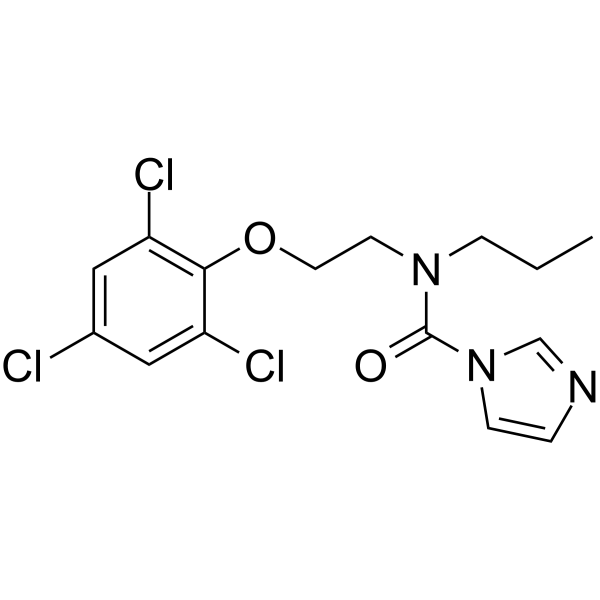
Prochloraz (Standard) is the analytical standard of Prochloraz. This product is intended for research and analytical applications. Prochloraz is an imidazole antifungal. Prochloraz is as an estrogen receptor (ER) and androgen receptor (AR) antagonist and an aromatase inhibitor with IC50 values of 25 μM, 4 μM and 0.3 μM, respectively. Prochloraz is able to activate the aryl hydrocarbon receptor (AhR) having an EC50 of 1 μM .
|
-
- HY-13613S
-
|
GG 745-13C6; GI 198745-13C6
|
Apoptosis
5 alpha Reductase
|
Cancer
|
|
Dutasteride- 13C6 is the 13C labeled Dutasteride . Dutasteride (GG745) is a potent inhibitor of both 5α-reductase isozymes. Dutasteride may possess off-target effects on the androgen receptor (AR) due to its structural similarity to DHT .
|
-
- HY-118375
-
|
ISC-4
|
Apoptosis
|
Cancer
|
|
Phenylbutyl isoselenocyanate (ISC-4) is a selective apoptosis inducer that increases reactive oxygen species levels to inhibit androgen receptor (AR) and activate p53 pathway. Phenylbutyl isoselenocyanate induces apoptosis in LNCaP prostate cancer cells and has anti-prostate cancer properties.
|
-
- HY-W716464
-
-
- HY-111231
-
|
|
Androgen Receptor
|
Cancer
|
|
CH4933468 is a thiohydantoin derivative, shows androgen receptor (AR) pure antagonist activity in vitro. CH4933468 inhibits AR-mediated transactivation and proliferation of LNCaP and LNCaP-BC2 cells. CH4933468 can be used for castration-resistant prostate cancer (CRPC) research .
|
-
- HY-123664
-
|
LY133314
|
Estrogen Receptor/ERR
|
Cancer
|
|
Trioxifene mesylate (LY133314) is an orally active and selective estrogen receptor (ER) modulator with human ERα IC50 of 203.49 nM and Ki of 20.84 nM. Trioxifene mesylate binds estradiol receptors, inhibits ERα-mediated gene expression, reduces circulating gonadotrophin levels. Trioxifene mesylate can be used for the research of advanced breast cancer and androgen-independent, metastatic prostatic adenocarcinoma .
|
-
- HY-B0846S
-
|
|
Fungal
Androgen Receptor
Parasite
|
Infection
|
|
Dimethomorph-d8 is the deuterium labeled Dimethomorph . Dimethomorph is a fungicide belongs to the fungicide group of sterol biosynthesis inhibitor. Dimethomorph can inhibit fungal cell wall formation. Dimethomorph also inhibits androgen receptor (AR) activity in MDA-kb2 cells with an IC20 of 0.263 μM .
|
-
- HY-B1095S1
-
|
|
Isotope-Labeled Compounds
Progesterone Receptor
|
Neurological Disease
Metabolic Disease
|
|
Chlormadinone acetate-d6-1 is deuterium labeled Chlormadinone acetate (HY-B1095). Chlormadinone acetate is a progestogen with potent progestogenic activity and antiandrogenic effects. Chlormadinone acetate acts on glucocorticoid receptor, progesterone receptor, androgen receptor, and GABAA receptor. Chlormadinone acetate induces endometrial proliferation in estrogen-pretreated rabbits, inhibits testosterone-stimulated growth of the prostate and seminal vesicles in castrated rats, and reduces the thymus and adrenal weights in juvenile rats. Chlormadinone acetate is applicable to research related to diseases such as depression and reproductive metabolic disorders .
|
-
- HY-B1095R
-
|
|
Reference Standards
Progesterone Receptor
|
Neurological Disease
Metabolic Disease
|
|
Chlormadinone acetate (Standard) is the analytical standard of Chlormadinone acetate (HY-B1095). This product is intended for research and analytical applications. Chlormadinone acetate is a progestogen with potent progestogenic activity and antiandrogenic effects. Chlormadinone acetate acts on glucocorticoid receptor, progesterone receptor, androgen receptor, and GABAA receptor. Chlormadinone acetate induces endometrial proliferation in estrogen-pretreated rabbits, inhibits testosterone-stimulated growth of the prostate and seminal vesicles in castrated rats, and reduces the thymus and adrenal weights in juvenile rats. Chlormadinone acetate is applicable to research related to diseases such as depression and reproductive metabolic disorders.
|
-
- HY-B1095S2
-
|
|
Isotope-Labeled Compounds
Progesterone Receptor
|
Neurological Disease
Metabolic Disease
|
|
Chlormadinone acetate-d3 is the deuterium labeled Chlormadinone acetate (HY-B1095). Chlormadinone acetate is a progestogen with potent progestogenic activity and antiandrogenic effects. Chlormadinone acetate acts on glucocorticoid receptor, progesterone receptor, androgen receptor, and GABAA receptor. Chlormadinone acetate induces endometrial proliferation in estrogen-pretreated rabbits, inhibits testosterone-stimulated growth of the prostate and seminal vesicles in castrated rats, and reduces the thymus and adrenal weights in juvenile rats. Chlormadinone acetate is applicable to research related to diseases such as depression and reproductive metabolic disorders .
|
-
- HY-139970
-
|
|
Androgen Receptor
|
Endocrinology
Cancer
|
|
VPC-13789 is a potent, selective, and orally bioavailable antiandrogen. VPC-13789 can be used for the research of castration-resistant prostate cancer (CRPC) therapeutics. VPC-13789 inhibits androgen receptor (AR) transcriptional activity in LNCaP cells (IC50=0.19 μM) .
|
-
- HY-B0846R
-
|
|
Reference Standards
Fungal
Androgen Receptor
Parasite
|
Infection
|
|
Dimethomorph (Standard) is the analytical standard of Dimethomorph. This product is intended for research and analytical applications. Dimethomorph is a fungicide belongs to the fungicide group of sterol biosynthesis inhibitor. Dimethomorph can inhibit fungal cell wall formation. Dimethomorph also inhibits androgen receptor (AR) activity in MDA-kb2 cells with an IC20 of 0.263 µM .
|
-
- HY-155543
-
|
|
Androgen Receptor
|
Cancer
|
|
Anticancer agent 135 (compound 26h) is a potent androgen receptor (AR) antagonist. Anticancer agent 135 can effectively block AR nuclear translocation and inhibit AR/AR-V7 heterodimerization, thereby inhibiting downstream gene transcription. Anticancer agent 135 displays potent robust efficacy in prostate cancer xenograft models .
|
-
- HY-121588
-
|
|
Adrenergic Receptor
|
Cancer
|
|
IMTPPE is an inhibitor of the androgen receptor (AR) in C4-2 prostate cancer cells, inhibiting its transcriptional activity and protein levels. IMTPPE inhibited the proliferation of AR-positive prostate cancer cells but had no effect on AR-negative prostate cancer cells. IMTPPE also inhibited the growth of enzalutamide-resistant 22Rv1 xenograft tumors .
|
-
- HY-13613S2
-
|
GG 745-13C,15N,d; GI 198745-13C,15N,d
|
5 alpha Reductase
Apoptosis
Isotope-Labeled Compounds
|
Cancer
|
|
Dutasteride- 13C, 15N,d is 15N and deuterated labeled Dutasteride (HY-13613). Dutasteride (GG745) is a potent inhibitor of both 5α-reductase isozymes. Dutasteride may possess off-target effects on the androgen receptor (AR) due to its structural similarity to DHT .
|
-
- HY-159739
-
|
|
Androgen Receptor
|
Cancer
|
|
M17-B15 is an androgen receptor dimerization inhibitor with an IC50 of 30 nM. M17-B15 effectively disrupts AR self-association, thereby suppressing AR signaling. M17-B15 exhibits extraordinary anti- prostate cancer (PCa) efficacy in vitro and in mouse xenograft tumor models.M17-B15 can be used for the study of prostate cancer .
|
-
- HY-182809
-
|
|
Androgen Receptor
HSP
|
Neurological Disease
Cancer
|
|
Androgen receptor degrader-6 is a blood-brain barrier-permeable AR degrader. Androgen receptor degrader-6 inhibits the chaperone activity of HSP27 and disrupts the HSP27-AR complex. Androgen receptor degrader-6 promotes the degradation of wild-type and mutant AR, reduces AR protein levels, and inhibits the growth of glioblastoma cells. Androgen receptor degrader-6 can be used in glioblastoma research .
|
-
- HY-181427
-
|
|
Androgen Receptor
|
Cancer
|
|
UT-143 is an orally active, selective irreversible covalent antagonist of androgen receptor (AR). UT-143 inhibits the proliferation of AR-positive prostate cancer cells, reduces the weight of androgen target tissues in rats, and suppresses the growth of AR-positive xenograft tumors. UT-143 can be used for the research of prostate cancer .
|
-
- HY-180410
-
|
|
Androgen Receptor
|
Endocrinology
|
|
YM-1758735 is an orally active androgen receptor (AR) antagonist with an IC50 of 0.2 μM. YM-1758735 inhibits AR-mediated transcriptional activation. YM-1758735 can be used for the research of prostate .
|
-
- HY-119436
-
|
|
Androgen Receptor
|
Metabolic Disease
|
|
LG-120907 is a selective androgen receptor (AR) antagonist with a Ki value of 26 nM. LG-120907 inhibits Testosterone-induced increases in ventral prostate (VP) tissue weight and seminal vesicles (SV) tissue weight in vivo .
|
-
- HY-179442
-
-
- HY-183667
-
|
|
Androgen Receptor
Kallikrein
|
Cancer
|
|
JNJ-pan-AR is an orally active androgen receptor (AR) inhibitor with an IC50 of 19 nM and a Ki of 8.4 nM against human wild-type AR. JNJ-pan-AR abolishes androgen-induced KLK2 and KLK3 mRNA expression and reduces androgen-dependent colony formation in prostate cancer cells. JNJ-pan-AR blocks AR nuclear translocation, inhibits PSA protein expression, and represses the growth of AR-dependent tumor cells and ARF877L-driven tumor xenografts. JNJ-pan-AR blocks transactivation and signaling of wild-type AR and various mutant AR variants. JNJ-pan-AR is applicable for research on castration-resistant prostate cancer .
|
-
- HY-184126
-
|
|
Androgen Receptor
|
Cancer
|
|
JZY3221 is an androgen receptor (AR) inhibitor. JZY3221 binds to the AR ligand-binding domain to inhibit AR function. JZY3221 constitutes the AR inhibitory moiety of DALTAC JZY3032 (HY-184124). JZY3221 is applicable to research related to prostate cancer .
|
-
- HY-19337S1
-
|
BAY 1896953-d6; ORM-15341-d6
|
Isotope-Labeled Compounds
Androgen Receptor
|
Cancer
|
|
Ketodarolutamide-d6 (BAY 1896953-d6) is the deuterium labeled Ketodarolutamide (HY-19337). Ketodarolutamide (ORM-15341) is a potent, high-affinity nonsteroidal competitive full antagonist of androgen receptor (AR). Ketodarolutamide displays a Ki value of 8 nM for rat wild-type AR and an IC50 value of 38 nM in AR-HEK293 cells . Ketodarolutamide inhibits testosterone-induced nuclear translocation of the AR and antagonizes both overexpressed and mutant ARs . Ketodarolutamide specifically suppresses the proliferation of AR-dependent prostate cancer cells and exhibits antitumor activity in models of castration-resistant prostate cancer (CRPC) . Ketodarolutamide is suitable for the mechanistic and therapeutic research of prostate cancer .
|
-
- HY-19337S
-
|
BAY 1896953-d3; ORM-15341-d3
|
Isotope-Labeled Compounds
Androgen Receptor
|
Cancer
|
|
Ketodarolutamide-d3 (BAY 1896953-d3) is the deuterium labeled Ketodarolutamide (HY-19337). Ketodarolutamide (ORM-15341) is a potent, high-affinity nonsteroidal competitive full antagonist of androgen receptor (AR). Ketodarolutamide displays a Ki value of 8 nM for rat wild-type AR and an IC50 value of 38 nM in AR-HEK293 cells . Ketodarolutamide inhibits testosterone-induced nuclear translocation of the AR and antagonizes both overexpressed and mutant ARs . Ketodarolutamide specifically suppresses the proliferation of AR-dependent prostate cancer cells and exhibits antitumor activity in models of castration-resistant prostate cancer (CRPC) . Ketodarolutamide is suitable for the mechanistic and therapeutic research of prostate cancer .
|
-
- HY-181670
-
|
|
Androgen Receptor
c-Myc
Akt
mTOR
ERK
PDK-1
PI3K
Apoptosis
|
Metabolic Disease
Cancer
|
|
WH23 is a dehydrogenase/reductase SDR family member 11 (DHRS11) inhibitor with IC50 values of 0.037 μM. WH23 binds to DHRS11, forming a hydrogen bond with the enzyme’s His210 residue. WH23 suppresses androgen receptor mRNA and protein expression, reduces c-Myc expression, and inhibits cancer cell proliferation. WH23 inhibits PI3K/AKT signaling by reducing phosphorylation of PDK1, AKT, mTOR, and ERK. WH23 enhances Capivasertib (HY-15431)-induced cytotoxicity and apoptosis. WH23 can be used for the research of luminal androgen receptor-positive triple-negative breast cancer .
|
-
- HY-182722
-
|
|
Androgen Receptor
|
Cancer
|
|
UT-105 is an orally active androgen receptor (AR) degrader. UT-105 binds to the N-terminal domain of AR and promotes its degradation. UT-105 inhibits the growth of enzalutamide-resistant breast cancer xenografts and reduces tumor cell proliferation. UT-105 can be used in the research of estrogen receptor-positive breast cancer .
|
-
- HY-181971
-
|
|
Orphan Nuclear Receptor
Androgen Receptor
c-Myc
|
Cancer
|
|
XY25028 is an orally active LRH-1 inhibitor with an IC50 of 0.30 μM. XY25028 inhibits the proliferation of androgen receptor (AR)-positive prostate cancer cells and suppresses the expression of AR target genes KLK2 and KLK3. XY25028 can be used in the research of castration-resistant prostate cancer .
|
-
- HY-135529
-
|
LY133314 free base
|
Estrogen Receptor/ERR
|
Cancer
|
|
Trioxifene (LY133314 free base) is an orally active and selective estrogen receptor (ER) modulator with human ERα IC50 of 203.49 nM and Ki of 20.84 nM. Trioxifene binds estradiol receptors, inhibits ERα-mediated gene expression, reduces circulating gonadotrophin levels. Trioxifene can be used for the research of advanced breast cancer and androgen-independent, metastatic prostatic adenocarcinoma .
|
-
- HY-181970
-
|
|
Orphan Nuclear Receptor
Androgen Receptor
c-Myc
|
Cancer
|
|
XY25026 is an orally active LRH-1 inhibitor with an IC50 of 0.28 μM. XY25026 inhibits the proliferation of androgen receptor (AR)-positive prostate cancer cells, suppresses the expression of AR target genes KLK2 and KLK3, and inhibits tumor growth in xenograft models. XY25026 is applicable to the research of castration-resistant prostate cancer .
|
-
- HY-B2061
-
|
|
Fungal
Androgen Receptor
|
Infection
Cancer
|
|
Vinclozolin is a non-systemic dicarboximide fungicide. Vinclozolin is also an antagonist of the androgen receptor, exerting anti-androgenic effects through its metabolites. Vinclozolin inhibits spore germination and can be used to control fungi in plants such as vegetables and fruits. Vinclozolin is toxic to the reproductive system of rats and possesses certain anti-tumor activity .
|
-
- HY-403733A
-
|
|
Androgen Receptor
|
Cancer
|
|
(-)-JJ-450 is a non-competitive antagonist targeting the androgen receptor (AR). (-)-JJ-450 is more potent than (+)-JJ-450 (HY-403733B) in inhibiting androgen-induced AR activity, and the mechanism of AR inhibition by (+)-JJ-450 is different from that of Enzalutamide (MDV3100) (HY-70003), which may target the ligand binding domain (LBD) of AR. (-)-JJ-450 inhibits the transcriptional activity of wild-type AR and mutant AR F876L by inhibiting AR nuclear translocation and promoting nuclear degradation of unbound AR. (-)-JJ-450 can be used in the study of castration-resistant prostate cancer (CRPC) resistant to Enzalutamide .
|
-
- HY-403733C
-
|
|
Androgen Receptor
|
Cancer
|
|
JJ-450 is a non-competitive antagonist androgen receptor (AR) that inhibits the transcriptional activity of wild-type AR and mutant AR F876L. JJ-450 has an IC50 of approximately 1-10 μM in inhibiting AR transcriptional activity in PC3 cells. It is selective for AR binding and does not compete with androgens for binding to the ligand binding domain (LBD) of AR. JJ-450 inhibits the transcriptional activity of AR and its splice variants (such as AR F876L) by inhibiting AR nuclear translocation and promoting the degradation of unliganded AR in the nucleus. JJ-450 can be used in castration-resistant prostate cancer (CRPC) studies that are resistant to Enzalutamide (MDV3100) (HY-70003) .
|
-
- HY-149914
-
|
|
Androgen Receptor
|
Cancer
|
|
WCA-814 is an androgen receptor (AR) antagonist-Hsp90 inhibitor conjugate. WCA-814 induces the degradation of full-length and AR-V7. WCA-814 has cytotoxic effect in prostatic cancer cells (IC50: 171.2 nM, 26.5 nM for LNCaP, 22Rv1 cell) .
|
-
- HY-147261
-
|
|
Histone Acetyltransferase
|
Cancer
|
|
B026 is a selective, potent, orally active p300/CBP histone acetyltransferase (HAT) inhibitor with IC50 values of 1.8 nM and 9.5 nM for p300 and CBP enzyme, respectively. B026 has anticancer activity for androgen receptor-positive (AR+) prostate cancer cell lines .
|
-
- HY-117435
-
|
|
mTOR
|
Cancer
|
|
CIDD-0067106 is a selective mTORC1 pathway inhibitor targeting androgen receptor-positive (AR+) triple-negative breast cancer (TNBC). CIDD-0067106 demonstrates potent inhibition of AR+ TNBC cell lines with an GI50 value of 0.8 μM. CIDD-0067106 is promising for research of AR+ TNBC .
|
-
- HY-119080
-
|
|
Progesterone Receptor
|
Endocrinology
Cancer
|
|
CP8754 is an orally active, selective human progesterone receptor (hPR) antagonist that blocks progesterone-mediated signaling pathways. CP8754 competitively inhibits the binding of [ 3H]-progesterone to hPR. And in vitro, CP8754 inhibits progesterone-dependent exogenous luciferase and endogenous alkaline phosphatase expression; while in vivo, CP8754 inhibits rabbit endometrial transformation. CP8754 does not significantly bind to human glucocorticoid receptors (hGR), estrogen receptors (hER), or rat androgen receptors (rAR). CP8754 can be used in the study of progesterone-related diseases such as breast cancer, endometriosis, uterine fibroids, and meningioma, as well as hormone-dependent tumors .
|
-
- HY-120018
-
|
|
Androgen Receptor
|
Cancer
|
|
VPC-13566, a BF3-specific small molecule, is an androgen receptor (AR) inhibitor. VPC-13566 is effective in inhibiting AR transcriptional activity in vitro as well as the growth of AR-dependent PCa cell lines. VPC-13566 can be used as a chemical probe to help identify unknown AR partners.VPC-13566 can be used for the research of cancer.
|
-
- HY-125065
-
|
|
Androgen Receptor
5 alpha Reductase
|
Endocrinology
Cancer
|
|
MK-4541 is an orally active and selective androgen receptor (AR) modulator. MK-4541 acts as an antagonist to inhibit 5α-reductase. MK-4541 inhibits proliferation and induces apoptosis in AR positive prostate cancer cells. MK-4541 significantly inhibited the growth of R3327-G prostate tumors in xenograft mouse model .
|
-
- HY-174244
-
|
|
3β-HSD
Androgen Receptor
|
Cancer
|
|
3βHSD1-IN-1 (Compound 46) is a 3β-hydroxysteroid dehydrogenase 1 (3βHSD1) inhibitor with an IC50 of 55 nM. 3βHSD1-IN-1 can effectively inhibit androgen receptor activity. 3βHSD1-IN-1 can be used in the research of diseases such as prostate cancer .
|
-
- HY-116501
-
|
|
Androgen Receptor
|
Cancer
|
|
VPC-14449 is a potent and selective inhibitor of the DNA-binding domain of the androgen receptor (AR-DBD), with IC50 of 0.34 μM for full-length human AR. VPC-14449 reduces the ability of full-length AR as well as AR variants to interact with chromatin. VPC-14449 can be used for the research of prostate cancer .
|
-
- HY-N5124
-
-
- HY-100348
-
|
|
Androgen Receptor
PPAR
Apoptosis
|
Cancer
|
|
EPI-001, a selective inhibitor of Androgen Receptor (AR), targets transactivation unit 5 (Tau-5) of the AR. EPI-001 can inhibit transactivation of the AR amino-terminal domain (NTD), with an IC50 of ~6 μM. EPI-001 is also a selective modulator of PPARγ. EPI-001 is active against castration-resistant prostate cancer .
|
-
- HY-145709
-
|
|
Androgen Receptor
|
Cancer
|
|
Ar-V7-IN-1 is a potent inhibitor of Ar-V7. Ar-V7-IN-1 inhibits the transcriptional activity of androgen receptor (AR) and the secretion of prostate-specific antigen (PSA) with an eGFP IC50 of 1232 nM and the PSA IC50 of 1391 μM. Ar-V7-IN-1 has the potential for the research of various indications, in particular cancers such as prostate cancer .
|
-
- HY-116267
-
|
|
HDAC
Apoptosis
PARP
Bcl-2 Family
Androgen Receptor
|
Cancer
|
|
MHY219 is a histone deacetylase (HDAC) inhibitor with an IC50 of 0.276 μM. MHY219 inhibits total HDAC enzyme activity, increases histone H3 and H4 hyperacetylation. MHY219 induces cance cells phase arrest, apoptosis and inhibits proliferationin. MHY219 increases cleavage of PARP, Bax, cytochrome c levels, androgen receptor expression and decreases Bcl-2 expression. MHY219 can be used for the research of prostate cancer .
|
-
- HY-117669
-
|
|
Androgen Receptor
|
Cancer
|
|
VPC-14228 is an inhibitor that selectively targets androgen receptor DNA binding domain (AR-DBD). VPC-14228 inhibits the interaction between AR and DNA, thereby blocking AR-mediated transcriptional activation. VPC-14228 does not rely on nuclear localization inhibition, but rather inhibits the activity of full-length AR and splice variant AR-V7 by interfering with AR binding to chromatin. And VPC-14228 has high selectivity for other nuclear receptors such as ER and PR. VPC-14228 can be used in the study of prostate cancer [2].
|
-
- HY-109070R
-
|
EPI-002 (Standard)
|
Reference Standards
Androgen Receptor
|
Cancer
|
|
Ralaniten (Standard) is the analytical standard of Ralaniten (HY-109070). This product is intended for research and analytical applications. Ralaniten (EPI-002) is a potent and orally active antagonist of the androgen receptor-N-terminal domain (AR-NTD). Ralaniten inhibits AR transcriptional activity, with IC50 of 7.4 μM. Ralaniten can be used for the research of castration-resistant prostate cancer (CRPC) .
|
-
- HY-N2908
-
|
Methyl atrarate
|
Environmental Pollutants
NF-κB
Androgen Receptor
p38 MAPK
NO Synthase
|
Inflammation/Immunology
Cancer
|
|
Atraric acid (Methyl atrarate) is a specific androgen receptor (AR) antagonist with anti-inflammatory and anticancer effects. Atraric acid represses the expression of the endogenous prostate specific antigen gene in both LNCaP and C4-2 cells. Atraric acid can also inhibit the synthesis of NO and cytokine, and suppress the MAPK-NFκB signaling pathway. Atraric acid can be used to research prostate diseases and inflammatory diseases .
|
-
- HY-103245R
-
|
|
Reference Standards
Androgen Receptor
|
Cancer
|
|
Cl-4AS-1 (Standard) is the analytical standard of Cl-4AS-1 (HY-103245). This product is intended for research and analytical applications. Cl-4AS-1, a potent steroidal androgen receptor (AR) agonist (IC50 = 12 nM), is also an inhibitor of 5α-reductase types I and II (IC50 = 6 and 10 nM, respectively) .
|
-
- HY-113701
-
|
|
Androgen Receptor
|
Cancer
|
|
CH5137291 is an orally active pure antagonist of the androgen receptor (AR), without generating agonist metabolites. CCH5137291 directly blocks the transfer of AR from the cytoplasm to the nucleus. H5137291 can completely inhibit tumor growth in cells and mouse models of castration-resistant prostate cancer models. CH5137291 can be used for the study of castration-resistant prostate cancer (CRPC) .
|
-
- HY-122611
-
|
|
Androgen Receptor
Apoptosis
|
Cancer
|
|
CSRM617 is a selective small-molecule inhibitor of the transcription factor ONECUT2 (OC2, a master regulator of androgen receptor) with a Kd of 7.43 uM in SPR assays, binding to OC2-HOX domain directly. CSRM617 induces apoptosis by appearance of cleaved Caspase-3 and PARP. CSRM617 is well tolerated in the prostate cancer mouse model
|
-
- HY-B1866R
-
|
|
Reference Standards
Androgen Receptor
|
Endocrinology
|
|
Linuron (Standard) is the analytical standard of Linuron. This product is intended for research and analytical applications. Linuron is a phenylurea herbicide that is widely used to control the growth of grass and weeds in various agriculture crops and in orchards. Linuron is a photosystem II inhibitor. Linuron is also a competitive androgen receptor (AR) antagonist with a Ki of 100 μM. Linuron shows reproductive toxicity in animals that acts as an endocrine disruptor .
|
-
- HY-122611A
-
|
|
Androgen Receptor
Apoptosis
|
Cancer
|
|
CSRM617 hydrochloride is a selective small-molecule inhibitor of the transcription factor ONECUT2 (OC2, a master regulator of androgen receptor) with a Kd of 7.43 uM in SPR assays, binding to OC2-HOX domain directly. CSRM617 hydrochloride induces apoptosis by appearance of cleaved Caspase-3 and PARP. CSRM617 hydrochloride is well tolerated in the prostate cancer mouse model
|
-
- HY-B0022R
-
|
SCH 13521 (Standard)
|
Reference Standards
Androgen Receptor
|
Cancer
|
|
Flutamide (Standard) is the analytical standard of Flutamide. This product is intended for research and analytical applications. Flutamide is an Androgen Receptor antagonist with Ki=55 nM. Flutamide inhibits prostate cancer progression and has synergistic effects with Docetaxel (HY-B0011). Flutamide also has the potential to protect against hyperthermia-induced multiple organ dysfunction syndrome .
|
-
- HY-B1866S
-
|
|
Androgen Receptor
Isotope-Labeled Compounds
|
Others
|
|
Linuron-d6 is the deuterium labeled Linuron (HY-B1866). Linuron is a phenylurea herbicide that is widely used to control the growth of grass and weeds in various agriculture crops and in orchards. Linuron is a photosystem II inhibitor. Linuron is also a competitive androgen receptor (AR) antagonist with a Ki of 100 μM. Linuron shows reproductive toxicity in animals that acts as an endocrine disruptor .
|
-
- HY-113289
-
|
|
Akt
Androgen Receptor
Bacterial
Drug Metabolite
HSV
|
Infection
Cardiovascular Disease
Neurological Disease
Cancer
|
|
Brassicasterol is a metabolite of Ergosterol and has cardiovascular protective effects. Brassicasterol exerts anticancer effects in prostate cancer through dual targeting of AKT and androgen receptor signaling pathways. Brassicasterol inhibits HSV-1 (IC50=1.2 μM) and Mycobacterium tuberculosis. Brassicasterol also inhibits sterol δ 24-reductase, slowing the progression of atherosclerosis. Brassicasterol is also a cerebrospinal fluid biomarker for Alzheimer's disease .
|
-
- HY-111784
-
|
CCS1477
|
Epigenetic Reader Domain
|
Cancer
|
|
Inobrodib (CCS1477) is an orally active, potent, and selective inhibitor of the p300/CBP bromodomain. Inobrodib binds to p300 and CBP with Kd values of 1.3 and 1.7 nM, respectively, and with 170/130-fold selectivity compared with BRD4 with a Kd of 222 nM. CCS1477 inhibits cell proliferation in prostate cancer cell lines and decreases androgen receptor (AR)- and C-MYC-regulated gene expression .
|
-
- HY-135319
-
|
|
Bacterial
Antibiotic
ERK
JNK
NF-κB
ROR
Apoptosis
Caspase
GSK-3
Akt
PI3K
|
Infection
Metabolic Disease
Inflammation/Immunology
Cancer
|
|
Strictinin is an orally active phenolic compound. Strictinin reduces xanthine oxidase activity, uric acid production, and the activation of ERK1/2, JNK, NF-κB, and NLRP3 inflammasome components in hepatocytes treated with Xanthine (HY-W017389). Strictinin decreases elevated serum uric acid levels and enhanced xanthine oxidase activity in mice treated with potassium oxonate. Strictinin acts as a ROR1 inhibitor and exhibits anticancer activity against highly aggressive non-androgen-dependent prostate cancer. Strictinin induces cancer cell apoptosis (apoptosis), arrests cell cycle, and inhibits cancer cell migration, invasion, and epithelial-mesenchymal transition. Strictinin modulates gut microbiota, inhibits bacterial growth and biofilm formation, accelerates small intestinal transit, and blocks viral entry and replication. Strictinin can be used in research related to hyperuricemia, androgen receptor-negative non-androgen-dependent prostate cancer, triple-negative breast cancer, bacterial infections, constipation, coronavirus infections, dental caries, and infections caused by influenza A, influenza B, and human parainfluenza virus type 1 .
|
-
- HY-124056
-
|
|
CXCR
|
Cancer
|
|
AZ10397767 is an orally active, selective CXCR2 receptor antagonist with an IC50 of 1 nM. AZ10397767 attenuates the Oxaliplatin (HY-17371)-induced NF-κB transcriptional activity and potentiates Oxaliplatin-induced apoptosis in androgen-independent prostate cancer (AIPC) cells. AZ10397767 significantly inhibits neutrophil recruitment into tumors which then adversely affects tumor growth in vitro and in vivo .
|
-
- HY-175652
-
|
|
PROTACs
Adenosine Receptor
|
Cancer
|
|
AZD9750 is an orally active, Cereblon (CRBN)-recruiting, androgen receptor (AR)-targeted PROTAC degrader. AZD9750 induces the proteasome-dependent degradation of both wild-type AR and the drug-resistant mutant AR L702H, thereby inhibiting the AR signaling pathway. AZD9750 suppresses tumor growth in mouse prostate cancer xenograft models and has been utilized in prostate cancer research .
|
-
- HY-B1866
-
Linuron
1 Publications Verification
|
Environmental Pollutants
Androgen Receptor
Herbicide
|
Infection
Metabolic Disease
Cancer
|
|
Linuron is a phenylurea herbicide widely used to control the growth of grasses and weeds in various crops and orchards. Linuron acts as a photosystem II inhibitor. It also functions as a competitive androgen receptor (AR) antagonist, with an EC50 of 200 μM and a Ki of 100 μM against rat AR, and an EC50 of 20 μM against human AR. Linuron exhibits reproductive toxicity in animals and acts as an endocrine disruptor .\n
|
-
- HY-163940
-
|
|
Aldose Reductase
Androgen Receptor
|
Cancer
|
|
LX1 is an anti-prostate cancer compound that targets androgen receptor (AR), AR variants and steroidogenic enzyme AKR1C3. LX1 inhibits the enzymatic activity of AKR1C3, reduces the conversion of androstenedione to testosterone and reduces the expression of AR and AR-V7 and downregulates their target genes. LX1 overcomes the resistance of tumor cells to Enzalutamide (HY-70002), and the combination with Enzalutamide (HY-70002) further inhibits tumor growth .
|
-
- HY-W013272
-
|
HFT
|
Androgen Receptor
Drug Metabolite
Akt
PI3K
Gap Junction Protein
Integrin
|
Cancer
|
|
Hydroxyflutamide (HFT) is the active metabolite of Flutamide (HY-B0022) and exhibits oral activity. Hydroxyflutamide is a potent androgen receptor antagonist with an IC50 of 700 nM. Hydroxyflutamide can affect embryonic development and reproductive tract development in mice. Additionally, Hydroxyflutamide can enhance the efficacy of Bacillus Calmette-Guérin (BCG) to better inhibit the progression of bladder cancer. Hydroxyflutamide can be used in research related to tumors and reproductive diseases .
|
-
- HY-161741
-
|
|
AUTOTACs
Androgen Receptor
|
Cancer
|
|
VinclozolinM2-2204 is a androgen receptor (AR) AUTOTAC degrader, with an DC50 of 200 nM in LNCaP prostate cancer cells. VinclozolinM2-2204 induces the formation of AR +LC3 + autophagic membranes. VinclozolinM2-2204 can be used for the research of cancer .(Pink: AR inhibitor (HY-168296); Black: linker (HY-128833); Blue: CRBN Ligand (HY-168293))
|
-
- HY-184124
-
|
|
Androgen Receptor
Histone Acetyltransferase
|
Cancer
|
|
JYZ3032 is an orally active super inhibitor of androgen receptor (AR) and p300/CBP. JYZ3032 redirects the catalytic activity of p300 and locks the complex in a transcriptionally inactive state, thereby inhibiting AR-driven transcription and proliferation. JYZ3032 induces deep and durable tumor regression in castration-resistant and patient-derived xenograft models, and exhibits good tolerability. JYZ3032 can be used in research related to metastatic castration-resistant prostate cancer and prostate cancer .
|
-
- HY-100348R
-
|
|
Reference Standards
Androgen Receptor
PPAR
Apoptosis
|
Cancer
|
|
EPI-001 (Standard) is the analytical standard of EPI-001. This product is intended for research and analytical applications. EPI-001, a selective inhibitor of Androgen Receptor (AR), targets transactivation unit 5 (Tau-5) of the AR. EPI-001 can inhibit transactivation of the AR amino-terminal domain (NTD), with an IC50 of ~6 μM. EPI-001 is also a selective modulator of PPARγ. EPI-001 is active against castration-resistant prostate cancer .
|
-
- HY-N1486R
-
|
3-Ketoursolic acid (Standard)
|
Reference Standards
Apoptosis
Endogenous Metabolite
NF-κB
|
Inflammation/Immunology
Cancer
|
|
CSRM617 (Standard) is the analytical standard of CSRM617. This product is intended for research and analytical applications. CSRM617 is a selective small-molecule inhibitor of the transcription factor ONECUT2 (OC2, a master regulator of androgen receptor) with a Kd of 7.43 uM in SPR assays, binding to OC2-HOX domain directly. CSRM617 induces apoptosis by appearance of cleaved Caspase-3 and PARP. CSRM617 is well tolerated in the prostate cancer mouse model
|
-
- HY-122611R
-
|
|
Reference Standards
Androgen Receptor
Apoptosis
|
Cancer
|
|
CSRM617 (Standard) is the analytical standard of CSRM617. This product is intended for research and analytical applications. CSRM617 is a selective small-molecule inhibitor of the transcription factor ONECUT2 (OC2, a master regulator of androgen receptor) with a Kd of 7.43 uM in SPR assays, binding to OC2-HOX domain directly. CSRM617 induces apoptosis by appearance of cleaved Caspase-3 and PARP. CSRM617 is well tolerated in the prostate cancer mouse model
|
-
- HY-N2908R
-
|
Methyl atrarate (Standard)
|
Reference Standards
Androgen Receptor
NO Synthase
p38 MAPK
NF-κB
|
Inflammation/Immunology
Cancer
|
|
Atraric acid (Standard) is the analytical standard of Atraric acid. This product is intended for research and analytical applications. Atraric acid (Methyl atrarate) is a specific androgen receptor (AR) antagonist with anti-inflammatory and anticancer effects. Atraric acid represses the expression of the endogenous prostate specific antigen gene in both LNCaP and C4-2 cells. Atraric acid can also inhibit the synthesis of NO and cytokine, and suppress the MAPK-NFκB signaling pathway. Atraric acid can be used to research prostate diseases and inflammatory diseases[1][2].
|
-
- HY-179123
-
|
|
Androgen Receptor
Apoptosis
|
Cancer
|
|
ZC9 is a novel androgen receptor (AR) degrader. ZC9 directly binds to AR and inhibits Dihydrotestosterone-induced nuclear translocation of AR. ZC9 promotes AR degradation via the ubiquitin-proteasome system and suppresses AR transcriptional activity. ZC9 significantly decreases the mRNA levels of other AR downstream genes, including PSA, TMPRSS2, and PMEPA1. ZC9 promotes Apoptosis. ZC9 exhibits anticancer activity against prostate cancer .
|
-
- HY-70006A
-
|
TOK-001 hydrochloride; VN-124-1 hydrochloride
|
Molecular Glues
Androgen Receptor
MNK
Cytochrome P450
Apoptosis
|
Cancer
|
|
Galeterone (TOK-001) hydrochloride is a potent, orally active molecular glue degrader, which degrades androgen receptor (AR) and its splice variants (AR-Vs) and MAP kinase-interacting serine/threonine protein kinase Mnk1/2. Galeterone hydrochloride also functions as a CYP17 inhibitor (IC50 = 47 nM). Galeterone hydrochloride induces cell apoptosis. Galeterone hydrochloride inhibits tumor growth in human prostate cancer xenograft mouse models. Galeterone hydrochloride can be used for castration resistant prostate cancer (CRPC) and pancreatic ductal adenocarcinoma (PDAC) research [1][2].
|
-
- HY-70006
-
|
TOK-001; VN-124-1
|
Molecular Glues
Androgen Receptor
MNK
Cytochrome P450
Apoptosis
|
Cancer
|
|
Galeterone (TOK-001) is a potent, orally active molecular glue degrader, which degrades androgen receptor (AR) and its splice variants (AR-Vs) and MAP kinase-interacting serine/threonine protein kinase Mnk1/2. Galeterone also functions as a CYP17 inhibitor (IC50 = 47 nM). Galeterone induces cell apoptosis. Galeterone inhibits tumor growth in human prostate cancer xenograft mouse models. Galeterone can be used for castration resistant prostate cancer (CRPC) and pancreatic ductal adenocarcinoma (PDAC) research [1][2].
|
-
- HY-13981
-
|
LGD-4033
|
Androgen Receptor
Apoptosis
Insulin Receptor
Caspase
|
Metabolic Disease
Endocrinology
|
|
Ligandrol is an orally active, selective androgen receptor (AR) agonist. Ligandrol enhances protein synthesis, inhibits muscle breakdown and oxidative stress, improves muscle cell viability and bone tissue microstructure, and reduces Cisplatin (HY-17394)-induced muscle toxicity and apoptosis. Ligandrol promotes muscle growth, protects bone structure, and has anti-diabetic, anti-apoptotic and antioxidant effects. Ligandrol can antagonize Streptozotocin (HY-13753) damage to pancreatic islets and improve the symptoms of type 2 diabetes .
|
-
- HY-114402
-
|
|
PROTACs
Androgen Receptor
|
Cancer
|
ARD-69 is a PROTAC degrader based on the E3 ubiquitin ligase VHL and targeting the androgen receptor, which can induce androgen receptor (AR) protein degradation in AR-positive prostate cancer cells. ARD-69 inhibits AR-regulated gene expression, binds to the AR ligand binding domain at one end and binds to VHL at the other end, prompting AR to be recruited to the E3 ubiquitin ligase complex, triggering proteasome degradation, thereby inhibiting AR signaling pathways and downstream gene expression (such as PSA, TMPRSS2). ARD-69 can be used to study of castration-resistant prostate cancer (mCRPC) . ARD-69 is composed of a target protein ligand (pink part) AR antagonist 14 (HY-172624), a PROTAC linker (black part) tert-Butyl 4-ethynyl-[1,4'-bipiperidine]-1'-carboxylate (HY-W442074), and a VHL-type E3 ubiquitinase ligand (blue part) VH 101, acid (HY-47070); among them, the VHL ligand and the linker can form a conjugate VH 101-amide-piperidine-Pip-alkyne (HY-172625).
|
-
- HY-161369
-
|
|
PROTACs
Histone Acetyltransferase
|
Cancer
|
|
CBPD-268 is a potent and orally active CBP/p300 PROTAC degrader with an DC50 value of ≤ 0.03 nM. CBPD-268 induces CBP/p300 degradation and inhibits cell growth. CBPD-268 shows antitumor activity. CBPD-268 has the potential for the research of AR-positive prostate cancer (Structure Note: Red, Androgen receptor degrader (HY-W248665A); Blue, CBP/p300 ligand (HY-161483); Black, Linker) .
|
-
- HY-156751A
-
|
RO7656594
|
PROTACs
Androgen Receptor
|
Cancer
|
|
GDC-2992 (Compound 28A) is an orally bioavailable androgen receptor (AR) PROTAC degrader. GDC-2992 degrads AR with a DC50 value of 2.7 nM and inhibits proliferation with an IC50 valude of 9.7 nM in VCaPcells. GDC-2992 can be used for prostatic cancer study. (Structure Note: Pink: target protein ligand (HY-130845); Blue: E3 ligase ligand (HY-W1003189A); Black: linker (HY-169975); E3 ligase ligand +linker (HY-169976A)) .
|
-
- HY-W013272R
-
|
HFT (Standard)
|
Reference Standards
Androgen Receptor
Drug Metabolite
Akt
PI3K
Gap Junction Protein
Integrin
|
Cancer
|
|
Hydroxyflutamide (Standard) (HFT (Standard)) is the analytical standard of Hydroxyflutamide (HY-W013272). This product is intended for research and analytical applications. Hydroxyflutamide (HFT) is the active metabolite of Flutamide (HY-B0022) and exhibits oral activity. Hydroxyflutamide is a potent androgen receptor antagonist with an IC50 of 700 nM. Hydroxyflutamide can affect embryonic development and reproductive tract development in mice. Additionally, Hydroxyflutamide can enhance the efficacy of Bacillus Calmette-Guérin (BCG) to better inhibit the progression of bladder cancer. Hydroxyflutamide can be used in research related to tumors and reproductive diseases .
|
-
- HY-178148
-
|
|
Androgen Receptor
|
Endocrinology
Cancer
|
|
AR antagonist 17 is a selective, orally active, low brain-penetrant Androgen Receptor (AR) antagonist (IC50 = 0.010 μM), effectively blocking AR dimerization and nuclear translocation, and demonstrating potent efficacy in several castration-resistant prostate cancer (CRPC) cells. AR antagonist 17 showed superior efficacy against variant drug-resistant AR mutants. AR antagonist 17 can inhibit tumor growth in an LNCaP xenograft model without apparent toxicity. AR antagonist 17 can be used for the study of castration-resistant prostate cancer (CRPC) .
|
-
- HY-176521
-
|
|
Androgen Receptor
Epigenetic Reader Domain
|
Cancer
|
|
AR/BRD4 RIPTAC-1 (Compound II-5) is an orally active Regulatory-inducible proximity-targeting chimera (RIPTAC). AR/BRD4 RIPTAC-1 induces the formation of a stable ternary complex between the androgen receptor (AR) and BRD4, thereby blocking BRD4 function. AR/BRD4 RIPTAC-1 inhibits the growth and proliferation of tumor cells. AR/BRD4 RIPTAC-1 holds promise for use in prostate cancer research .
|
-
- HY-162702
-
|
|
PROTACs
Androgen Receptor
|
Cancer
|
|
AZ‘3137 is an orally active PROTAC-type androgen receptor (AR) degrader with a DC50 value of 22 nM. AZ‘3137 can degrade L702H mutant AR (DC50 of 92 nM). AZ'3137 can inhibit cell proliferation of LNCaP, with a GI50 value of 74 nM. AZ'3137 can inhibit AR signaling and tumor growth in prostate cancer mice (Pink: AR Ligand (HY-172954); Blue: CRBN ligand (HY-172955); Black: linker (HY-W262798); E3 Ligand+Linker: HY-172956) .
|
-
- HY-171808
-
|
|
Androgen Receptor
PROTACs
Apoptosis
|
Cancer
|
|
ITRI-90 is an orally active androgen receptor (AR) PROTAC degrader. ITRI-90 effectively degrades both full-length AR (AR-FL) and the splice variant AR-V7 protein via the ubiquitin-proteasome system, thereby inhibiting AR transcriptional activity and the target gene expression. ITRI-90 significantly inhibits the proliferation of prostate cancer cells and induces apoptosis, include Enzalutamide-resistant growth cell. ITRI-90 exhibits favorable pharmacokinetic properties and demonstrates potent antitumor efficacy in vivo. ITRI-90 can be used for prostate cancer research .
|
-
- HY-B0561
-
|
SC9420
|
Mineralocorticoid Receptor
Androgen Receptor
Autophagy
Calcium Channel
|
Cardiovascular Disease
Metabolic Disease
Endocrinology
Cancer
|
|
Spironolactone is an aldosterone antagonist that acts on the aldosterone mineralocorticoid receptor (IC50=24 nM) and androgen receptor (IC50=77 nM), promotes podocyte autophagy and regulates pain. Spironolactone improves hypertension-related vascular hypertrophy and remodeling by reducing angiotensin II (Ang II)-induced inflammation, reduces aldosterone-induced vascular and soft tissue calcification through PIT1-dependent signaling, and alleviates vascular dysfunction in type II diabetic mice by reducing oxidative stress and restoring NO/GC signaling; at low concentrations, it and its metabolites can interfere with aldosterone biosynthesis in the adrenal cortex and inhibit voltage-dependent Ca 2+ channels to exert antihypertensive effects .
|
-
- HY-N8504
-
|
NSC 260179; Spectinabilin
|
Bacterial
|
Infection
|
|
Neoaureothin is a bacterial metabolite that has been found in Streptomyces. It is an androgen receptor (AR) antagonist that inhibits binding of dihydrotestosterone (DHT) to ARs (IC50=13 μM) and inhibits DHT-induced expression of prostate-specific antigen in LNCaP cells (IC50=1.75 nM). Neoaureothin is cytotoxic to A549, HCT116, and HepG2 cells (IC50s=34.3, 47, and 37.2 μg/mL, respectively). It also has nematocidal activity against the pine wood nematode B. xylophilus (LC50=0.84 μg/mL) and increases survival of P. densiflora trees inoculated with B. xylophilus.
|
-
- HY-176521A
-
|
|
Androgen Receptor
Epigenetic Reader Domain
|
Cancer
|
|
AR/BRD4 RIPTAC-1 (Compound II-5) TFA is an orally active Regulatory-inducible proximity-targeting chimera (RIPTAC). AR/BRD4 RIPTAC-1 TFA induces the formation of a stable ternary complex between the androgen receptor (AR) and BRD4, thereby blocking BRD4 function. AR/BRD4 RIPTAC-1 TFA inhibits the growth and proliferation of tumor cells. AR/BRD4 RIPTAC-1 TFA holds promise for use in prostate cancer research .
|
-
- HY-164477
-
|
|
Androgen Receptor
|
Cancer
|
|
FL442 is an Androgen Receptor (AR) modulator. FL442 exhibits strong inhibitory effects in AR-dependent prostate cancer cells, showing similar inhibitory efficiency to traditional antiandrogen drugs Bicalutamide (HY-14249) and Enzalutamide (HY-70002), while maintaining antiandrogenic activity against the AR mutant F876L, which is highly resistant to Enzalutamide. Pharmacokinetic studies of FL442 in mice reveal a long half-life (8 hours), good targeting (prostate tissue), and metabolic stability, and it effectively inhibits LNCaP tumor growth at low plasma concentrations (30 ng/mL) .
|
-
- HY-179476
-
|
|
Androgen Receptor
Endogenous Metabolite
|
Inflammation/Immunology
Cancer
|
|
3-Oxochol-5-en-24-oic acid is a rare bile acid produced by the intestinal microbiota. 3-Oxochol-5-en-24-oic acid is a potent antagonist of the human androgen receptor (hAR), with an IC50 of 119.4 nM. 3-Oxochol-5-en-24-oic acid has no significant agonistic or antagonistic effects on estrogen receptors (ER) or glucocorticoid receptors (GR). 3-Oxochol-5-en-24-oic acid effectively inhibits the growth of prostate cancer cells. In animal models, it enhances the efficacy of anti-PD-1 therapy by regulating the differentiation of CD8 + T cells. 3-Oxochol-5-en-24-oic acid can be used for research on regulating host immunity and anti-tumor studies .
|
-
- HY-N0475
-
|
Hypolide; (+)-Triptophenolide
|
Androgen Receptor
Pyroptosis
Caspase
Bcl-2 Family
Apoptosis
|
Inflammation/Immunology
Cancer
|
|
Triptophenolide (Hypolide) is a colorless crystal isolated from the ethyl acetate extract of Tripterygium wilfordii. Triptophenolide is an orally active pan‑antagonist of the androgen receptor (AR) with an IC50 of 467 nM against human wild‑type AR. Triptophenolide reduces AR expression, inhibits AR nuclear translocation, downregulates prostate‑specific antigen mRNA levels, and suppresses the growth of AR‑positive prostate cancer cells. Triptophenolide shows anti-tumor effects against breast cancer by inhibiting cell proliferation and migration, inducing G1-phase arrest and apoptosis, repressing xenograft tumor growth. Triptophenolide inhibits pyroptosis, alleviates tissue inflammation, and ameliorates synovial injury. Triptophenolide can be used for the study of prostate cancer, rheumatoid arthritis and breast cancer .
|
-
- HY-149127
-
|
ASC-JM17; ALZ-003
|
Keap1-Nrf2
Androgen Receptor
HSP
Mitophagy
Ferroptosis
Apoptosis
Reactive Oxygen Species (ROS)
Autophagy
|
Metabolic Disease
|
|
Rosolutamide (ASC-JM17) is an orally active Nrf1/Nrf2 activator. Rosolutamide activates Hsf1 pathways, upregulates proteasome subunits and antioxidant enzymes, induces proteasome complex structural rearrangement, and enhances ubiquitin-proteasome system-mediated degradation. Rosolutamide reduces mutant androgen receptor and ataxin-3 aggregates, restores mitochondrial function, attenuates reactive oxygen species (ROS) levels, induces apoptosis and ferroptosis, and inhibits cancer cell growth. Rosolutamide can be used for the research of spinal and bulbar muscular atrophy, Huntington’s disease, and temozolomide-resistant glioblastoma .
|
-
- HY-160777
-
|
Galeterone 3β-imidazole
|
Molecular Glues
Androgen Receptor
MNK
Apoptosis
|
Cancer
|
|
VNPP433-3β (Galeterone 3β-imidazole) is an orally active molecular glue degrader, which degrades androgen receptor (AR) and its splice variants (AR-Vs) and MAP kinase-interacting serine/threonine protein kinase Mnk1/2. VNPP433-3β induces cell apoptosis. VNPP433-3β inhibits tumor growth in the CWR22Rv1 xenograft mouse model. VNPP433-3β can be used for the study of castration resistant prostate cancer (CRPC) and pancreatic ductal adenocarcinoma (PDAC) .
|
-
- HY-B0530A
-
|
γ-pipradol hydrochloride
|
Reactive Oxygen Species (ROS)
mAChR
NADPH Oxidase
|
Cancer
|
|
Azacyclonol (γ-pipradol) hydrochloride is a compound with promising anticancer activity, showing effectiveness in inhibiting NOX-derived ROS in A549 human lung cancer cells. Azacyclonol hydrochloride exhibits enhanced proliferation inhibition against androgen-refractory cancer cell lines, specifically DU145 and PC-3. Azacyclonol hydrochloride demonstrates antitumor activity in DU145-xenografted chorioallantoic membrane tumor models. Azacyclonol hydrochloride also acts as a ligand for the M3 muscarinic acetylcholine receptor, which is overexpressed in ARPC. Azacyclonol hydrochloride effectively blocks carbachol-induced proliferation and NOX activity in DU145 cells. Azacyclonol hydrochloride can also be utilized for the treatment of chronic schizophrenia.
|
-
- HY-160777A
-
|
Galeterone 3β-imidazole dihydrochloride
|
Molecular Glues
Androgen Receptor
MNK
Apoptosis
|
Cancer
|
|
VNPP433-3β (Galeterone 3β-imidazole) dihydrochloride is an orally active molecular glue degrader, which degrades androgen receptor (AR) and its splice variants (AR-Vs) and MAP kinase-interacting serine/threonine protein kinase Mnk1/2. VNPP433-3β dihydrochloride induces cell apoptosis. VNPP433-3β dihydrochloride inhibits tumor growth in the CWR22Rv1 xenograft mouse model. VNPP433-3β dihydrochloride can be used for the study of castration resistant prostate cancer (CRPC) and pancreatic ductal adenocarcinoma (PDAC) .
|
-
- HY-160777B
-
|
Galeterone 3β-imidazole hydrochloride
|
Molecular Glues
Androgen Receptor
MNK
Apoptosis
|
Cancer
|
|
VNPP433-3β (Galeterone 3β-imidazole) hydrochloride is an orally active molecular glue degrader, which degrades androgen receptor (AR) and its splice variants (AR-Vs) and MAP kinase-interacting serine/threonine protein kinase Mnk1/2. VNPP433-3β hydrochloride induces cell apoptosis. VNPP433-3β hydrochloride inhibits tumor growth in the CWR22Rv1 xenograft mouse model. VNPP433-3β hydrochloride can be used for the study of castration resistant prostate cancer (CRPC) and pancreatic ductal adenocarcinoma (PDAC) .
|
-
- HY-138089
-
|
|
Androgen Receptor
Estrogen Receptor/ERR
LDLR
|
Metabolic Disease
Cancer
|
|
17β-Hydroxy exemestane (17-H-EXE) is the primary active metabolite of Exemestane (HY-13632). 17β-Hydroxy exemestane is an aromatase inhibitor (IC50 = 69 nM) and an androgen receptor (AR) agonist (IC50 = 39.6 nM) that is selective for AR over estrogen receptor α (ERα; IC50 = 21.2 μM). 17β-Hydroxy exemestane stimulates growth of AR- and ERα-positive MCF-7 (EC50= 2.7 μM) and T47D breast cancer cells (EC50s = 0.43 and 1500 nM for AR- and ER-mediated growth, respectively) and inhibits proliferation of testosterone-treated aromatase-overexpressing MCF-7 cells. 17β-Hydroxy exemestane inhibits increases in serum cholesterol and LDL levels and prevents decreases in bone mineral density in the lumbar vertebrae and femur, as well as femoral bending strength and compressive strength of the fifth lumbar vertebrae in ovariectomized rats .
|
-
- HY-B0561S4
-
|
|
Isotope-Labeled Compounds
Mineralocorticoid Receptor
Androgen Receptor
Autophagy
Calcium Channel
|
Cardiovascular Disease
Metabolic Disease
Cancer
|
|
Spironolactone-d6-1 is the deuterium labeled Spironolactone (HY-B0561). Spironolactone is an aldosterone antagonist that acts on the aldosterone mineralocorticoid receptor (IC50=24 nM) and androgen receptor (IC50=77 nM), promotes podocyte autophagy and regulates pain. Spironolactone improves hypertension-related vascular hypertrophy and remodeling by reducing angiotensin II (Ang II)-induced inflammation, reduces aldosterone-induced vascular and soft tissue calcification through PIT1-dependent signaling, and alleviates vascular dysfunction in type II diabetic mice by reducing oxidative stress and restoring NO/GC signaling; at low concentrations, it and its metabolites can interfere with aldosterone biosynthesis in the adrenal cortex and inhibit voltage-dependent Ca 2+ channels to exert antihypertensive effects .
|
-
- HY-N0475R
-
|
Hypolide (Standard); (+)-Triptophenolide (Standard)
|
Reference Standards
Androgen Receptor
Pyroptosis
Caspase
Bcl-2 Family
Apoptosis
|
Inflammation/Immunology
Cancer
|
|
Triptophenolide (Standard) (Hypolide) is the analytical standard of Triptophenolide (HY-N0475). This product is intended for research and analytical applications. Triptophenolide is a colorless crystal isolated from the ethyl acetate extract of Tripterygium wilfordii. Triptophenolide is an orally active pan‑antagonist of the androgen receptor (AR) with an IC50 of 467 nM against human wild‑type AR. Triptophenolide reduces AR expression, inhibits AR nuclear translocation, downregulates prostate‑specific antigen mRNA levels, and suppresses the growth of AR‑positive prostate cancer cells. Triptophenolide shows anti-tumor effects against breast cancer by inhibiting cell proliferation and migration, inducing G1-phase arrest and apoptosis, repressing xenograft tumor growth. Triptophenolide inhibits pyroptosis, alleviates tissue inflammation, and ameliorates synovial injury. Triptophenolide can be used for the study of prostate cancer, rheumatoid arthritis and breast cancer .
|
-
- HY-175455
-
|
|
PROTACs
Androgen Receptor
Akt
|
Cancer
|
|
LYA914 is an orally active AR/AR-V7 PROTAC degrader. LYA914 targets the proteolytic degradation of the conserved DNA binding domain (DBD) of the androgen receptor (AR). LYA914 exhibits potent antiproliferative effects in Enzalutamide (HY-70002)-insensitive/resistant cells. LYA914 inhibits tumor growth in VCaP/LNCaP tumor mouse models. LYA914 can be used to study castration-resistant prostate cancer (CRPC). (Pink: AR-DBD ligand-1: HY-175456, Blue: Thalidomide: HY-14658, Pink + Black: AR-DBD ligand-Linker Conjugate 1: HY-175457, Black: Boc-piperidine-oxopiperidin: HY-175458) .
|
-
- HY-176863
-
|
|
Androgen Receptor
|
Neurological Disease
|
|
Di(5-(methylsulfonyl)-1,3,4-oxadiazol-2-yl)-benzene-amide-PEG4-ester-2,3,5,6-F-Ph (Compound L-1026) is a linker that connects Androgen Receptor (AR) RNAi agent to targeting ligands (such as antibodies). The conjugation can inhibit AR gene expression and reduce AR activity. Di(5-(methylsulfonyl)-1,3,4-oxadiazol-2-yl)-benzene-amide-PEG4-ester-2,3,5,6-F-Ph can be used for spinal and bulbar muscular atrophy (SBMA) research .
|
-
- HY-153718
-
|
|
Ligands for Target Protein for PROTAC
CDK
c-Myc
|
Cancer
|
|
KI-ARv-03 is a potent and selective ATP-competitive CDK9 inhibitor with an IC₅₀ of 0.15 μM (at 45 μM ATP), exhibiting over 130-fold selectivity against other CDKs (including CDK1-7). KI-ARv-03 reduces androgen receptor (AR)-driven transcription and proliferation in prostate cancer cells. KI-ARv-03 can be used for leukemia, pancreatic cancer, alveolar rhabdomyosarcoma (ARMS) and castration-resistant prostate cancer (CRPC) research. KI-ARv-03 is a ligand for target protein for PROTAC. KI-ARv-03 can be used to synthesize PROTAC KI-CDK9d-32 (HY-173523) [1][2].
|
-
- HY-180553
-
|
|
Histone Methyltransferase
|
Cancer
|
|
NSD2-IN-6 is a selective and orally active NSD2 inhibitor with IC50s of 3.8 and 274 nM for NSD2 and NSD1 respectively. NSD2-IN-6 reduces H3K36me2 levels, reverses cell plasticity by restoring the androgen receptor ( AR) signaling pathway. NSD2-IN-6 reduces a shift from cluster 2 and 3 states towards the cluster 1 state in organoids. NSD2-IN-6 exerts antitumor activity by reversing tumor cell plasticity, suppressing growth, and promoting apoptosis in vivo. NSD2-IN-6 can be used for prostate cancer research .
|
-
- HY-176225
-
|
|
PROTACs
Src
Estrogen Receptor/ERR
Apoptosis
|
Cancer
|
|
BY13 is a SRC-3 PROTAC degrader with a DC50 of 0.031 μM. BY13 selectively blocks the ER signaling pathway over that of androgen receptor (AR)) through down-regulating ERα level. BY13 potently overcomes endocrine resistance in breast cancer by inducing cell cycle arrest in G1 phase and apoptosis, with superior effect over Fulvestrant (HY-13636). BY13 significantly inhibits the growth of drug-resistant breast tumors without obvious toxicity in LCC2 xenograft mice model . Pink: SRC-3 ligand (SI-2) (HY-101447); Blue: CRBN ligase ligand (HY-41547); Black: linker (HY-176226)
|
-
- HY-164552
-
|
|
Apoptosis
Androgen Receptor
|
Cancer
|
|
ZNU-IMB-Z15 (Compound Z15) is an antagonist of the androgen receptor (AR) and also a selective degrader of AR and ARV7. ZNU-IMB-Z15 can directly bind to the ligand-binding domain (LBD) and activation function-1 region of AR, and promote AR degradation through the proteasome pathway. ZNU-IMB-Z15 effectively inhibits the transcriptional activity of AR, AR mutants, and AR splice variants (ARVs), downregulating the mRNA and protein levels of AR downstream target genes, thereby overcoming the resistance to second-generation antiandrogen drugs induced by AR LBD mutations, AR amplification, and ARVs in castration-resistant prostate cancer (CRPC). ZNU-IMB-Z15 can inhibit the proliferation of AR-positive CRPC cell lines and induce their apoptosis, demonstrating anticancer activity both in vivo and in vitro .
|
-
- HY-W657887
-
|
|
Histone Methyltransferase
GSK-3
Tau Protein
Amyloid-β
Glucocorticoid Receptor
Androgen Receptor
Adrenergic Receptor
|
Neurological Disease
|
|
GSK-3β/G9a-IN-1 (Compound T2) is an orally active, selective, blood-brain-barrier permeable, competitive G9a (substrate-competitive, IC50: 1.1 μM) and GSK-3β (ATP competitive, IC50: 0.8 μM) inhibitor. GSK-3β/G9a-IN-1 is a potent H3K9me2 inhibitor that reshapes chromatin landscape. GSK-3β/G9a-IN-1 lowers tau phosphorylation, reduces Aβ aggregation. GSK-3β/G9a-IN-1 displays inhibition toward glucocorticoid receptor, androgen receptor, and alpha-2A adrenergic receptor. GSK-3β/G9a-IN-1 also upregulates SAGA complex members such as Eny2 and Sgf29. GSK-3β/G9a-IN-1 markedly improves memory, restores social behaviors, and increases synaptic complexity in late-onset Alzheimer’s disease .
|
-
- HY-170329
-
|
|
PROTACs
Androgen Receptor
Apoptosis
|
Cancer
|
|
PROTAC AR Degrader-8 is the PROTAC degrader for androgen receptor (AR) that degrades AR-FL with DC50s of 0.018 μM and 0.14 μM in 22Rv1 cell and LNCaP cell, degrades AR-V7 with DC50 of 0.026 μM in 22Rv1 cell. PROTAC AR Degrader-8 inhibits the proliferation of cancer cell 22Rv1 and LNCaP with IC50 values of 0.038 μM and 1.11 μM. PROTAC AR Degrader-8 arrests cell cycle at G2/M phase, induces apoptosis in 22Rv1 cell. PROTAC AR Degrader-8 exhibits anticancer efficacy in mouse and zebrafish model. PROTAC AR Degrader-8 can be used for the research of prostate cancer, castration-resistant prostate cancer .
|
-
- HY-P11642
-
|
|
ERK
Androgen Receptor
Opioid Receptor
Enteropeptidase
mTOR
Aminopeptidase
|
Neurological Disease
Inflammation/Immunology
Cancer
|
|
Sialorphin is a neutral endopeptidase (NEP) and aminopeptidase N (APN) inhibitor that responds to androgen signals. Sialorphin blocks the degradation of endogenous opioid peptides and interacts with μ-, δ-, κ-opioid receptors. Sialorphin regulates the ERK/mTOR signaling pathway by inducing cell cycle arrest, enhancing ERK1/2 activity, and reducing the phosphorylation levels of mTOR, 4E-BP1, p70S6K; accordingly, Sialorphin exhibits antiproliferative activity against colorectal cancer, glioma and prostate cancer cells without cytotoxicity. In addition, Sialorphin also produces antinociceptive responses, regulates sexual behavior, relaxes corpus cavernosum smooth muscle, and alleviates experimental colitis. Sialorphin is also a copper (II) ion-binding ligand. Sialorphin has been used in mechanistic studies related to cancer, pain management and inflammatory bowel disease .
|
-
- HY-P11642A
-
|
|
Enteropeptidase
Aminopeptidase
Opioid Receptor
ERK
mTOR
Androgen Receptor
|
Inflammation/Immunology
|
|
Sialorphin TFA is a neutral endopeptidase (NEP) and aminopeptidase N (APN) inhibitor that responds to androgen signals. Sialorphin TFA blocks the degradation of endogenous opioid peptides and interacts with μ-, δ-, κ-opioid receptors. Sialorphin TFA regulates the ERK/mTOR signaling pathway by inducing cell cycle arrest, enhancing ERK1/2 activity, and reducing the phosphorylation levels of mTOR, 4E-BP1, p70S6K; accordingly, Sialorphin TFA exhibits antiproliferative activity against colorectal cancer, glioma and prostate cancer cells without cytotoxicity. In addition, Sialorphin TFA also produces antinociceptive responses, regulates sexual behavior, relaxes corpus cavernosum smooth muscle, and alleviates experimental colitis. Sialorphin TFA is also a copper (II) ion-binding ligand. Sialorphin TFA has been used in mechanistic studies related to cancer, pain management and inflammatory bowel disease .
|
-
-
-
HY-L126
-
|
|
1,040 compounds
|
|
Nuclear receptors (NR) are proteins found in cells that sense androgen and thyroid hormones and certain other molecules. They are ligand-activated transcription factors that participate in many aspects of human physiology and pathology, and regulate the expression of various important genes.
Nuclear receptors have become one of the main targets in the development of new drug strategies, providing a unique type of receptors for studying a variety of human diseases, such as breast cancers, skin disorders and diabetes. 13% of U.S. Food and Drug Administration (FDA) approved drugs target nuclear receptors.
MCE supplies a unique collection of 1,040 nuclear receptor inhibitors and activators, all of which have the identified inhibitory or activated effect on nuclear receptor. MCE Nuclear Receptor Library is a useful tool for drugs research related to cancer, skin disease and diabetes.
|
| Cat. No. |
Product Name |
Target |
Research Area |
-
- HY-P11007
-
|
|
β-catenin
Wnt
Androgen Receptor
|
Cancer
|
|
β-catenin inhibitory peptoid (compound 13) inhibits the β-catenin:TCF interaction with an IC50 of 5.44 µM. β-catenin inhibitory peptoid inhibits both Wnt (IC50 of 0.105 µM) and androgen receptor (AR)-signaling (IC50 of 1.02 µM) in prostate cancer cell lines. β-catenin inhibitory peptoid markedly diminishes cell proliferation of prostate cancer cell lines .
|
-
- HY-P11642A
-
|
|
Enteropeptidase
Aminopeptidase
Opioid Receptor
ERK
mTOR
Androgen Receptor
|
Inflammation/Immunology
|
|
Sialorphin TFA is a neutral endopeptidase (NEP) and aminopeptidase N (APN) inhibitor that responds to androgen signals. Sialorphin TFA blocks the degradation of endogenous opioid peptides and interacts with μ-, δ-, κ-opioid receptors. Sialorphin TFA regulates the ERK/mTOR signaling pathway by inducing cell cycle arrest, enhancing ERK1/2 activity, and reducing the phosphorylation levels of mTOR, 4E-BP1, p70S6K; accordingly, Sialorphin TFA exhibits antiproliferative activity against colorectal cancer, glioma and prostate cancer cells without cytotoxicity. In addition, Sialorphin TFA also produces antinociceptive responses, regulates sexual behavior, relaxes corpus cavernosum smooth muscle, and alleviates experimental colitis. Sialorphin TFA is also a copper (II) ion-binding ligand. Sialorphin TFA has been used in mechanistic studies related to cancer, pain management and inflammatory bowel disease .
|
-
- HY-P2413
-
|
|
Androgen Receptor
Src
|
Others
|
|
Ac-PPPHPHARIK-NH2 (compound S1) is a compound that inhibits the interaction between androgen receptor and Src. It can inhibit the binding of androgen or estrogen-induced receptor and Src in cancer cells, as well as the activation of related signaling pathways, and can also inhibit cell cycle progression and tumor growth.
|
-
- HY-P11642
-
|
|
ERK
Androgen Receptor
Opioid Receptor
Enteropeptidase
mTOR
Aminopeptidase
|
Neurological Disease
Inflammation/Immunology
Cancer
|
|
Sialorphin is a neutral endopeptidase (NEP) and aminopeptidase N (APN) inhibitor that responds to androgen signals. Sialorphin blocks the degradation of endogenous opioid peptides and interacts with μ-, δ-, κ-opioid receptors. Sialorphin regulates the ERK/mTOR signaling pathway by inducing cell cycle arrest, enhancing ERK1/2 activity, and reducing the phosphorylation levels of mTOR, 4E-BP1, p70S6K; accordingly, Sialorphin exhibits antiproliferative activity against colorectal cancer, glioma and prostate cancer cells without cytotoxicity. In addition, Sialorphin also produces antinociceptive responses, regulates sexual behavior, relaxes corpus cavernosum smooth muscle, and alleviates experimental colitis. Sialorphin is also a copper (II) ion-binding ligand. Sialorphin has been used in mechanistic studies related to cancer, pain management and inflammatory bowel disease .
|
| Cat. No. |
Product Name |
Category |
Target |
Chemical Structure |
-
- HY-N0790
-
-
-
- HY-N1943
-
-
-
- HY-113289
-
-
-
- HY-N2345
-
-
-
- HY-N2908
-
-
-
- HY-N6714
-
-
-
- HY-110028
-
-
-
- HY-N5124
-
-
-
- HY-N0475
-
-
-
- HY-N15686
-
-
-
- HY-135319
-
|
|
Structural Classification
Phenols
Polyphenols
Camellia sinensis (L.) O. Ktze.
Plants
Source Classification
Theaceae
|
Bacterial
Antibiotic
ERK
JNK
NF-κB
ROR
Apoptosis
Caspase
GSK-3
Akt
PI3K
|
|
Strictinin is an orally active phenolic compound. Strictinin reduces xanthine oxidase activity, uric acid production, and the activation of ERK1/2, JNK, NF-κB, and NLRP3 inflammasome components in hepatocytes treated with Xanthine (HY-W017389). Strictinin decreases elevated serum uric acid levels and enhanced xanthine oxidase activity in mice treated with potassium oxonate. Strictinin acts as a ROR1 inhibitor and exhibits anticancer activity against highly aggressive non-androgen-dependent prostate cancer. Strictinin induces cancer cell apoptosis (apoptosis), arrests cell cycle, and inhibits cancer cell migration, invasion, and epithelial-mesenchymal transition. Strictinin modulates gut microbiota, inhibits bacterial growth and biofilm formation, accelerates small intestinal transit, and blocks viral entry and replication. Strictinin can be used in research related to hyperuricemia, androgen receptor-negative non-androgen-dependent prostate cancer, triple-negative breast cancer, bacterial infections, constipation, coronavirus infections, dental caries, and infections caused by influenza A, influenza B, and human parainfluenza virus type 1 .
|
-
-
- HY-N0790R
-
|
Clerodol (Standard); Monogynol B (Standard); Fagarasterol (Standard)
|
Triterpenes
Structural Classification
other families
Terpenoids
Plants
Source Classification
|
Reference Standards
Androgen Receptor
Apoptosis
|
|
Lupeol (Standard) is the analytical standard of Lupeol. This product is intended for research and analytical applications. Lupeol (Clerodol; Monogynol B; Fagarasterol) is an active pentacyclic?triterpenoid, has anti-oxidant, anti-mutagenic, anti-tumor and anti-inflammatory activity. Lupeol is a potent?androgen receptor (AR)?inhibitor and can be used for cancer research, especially prostate cancer of androgen-dependent phenotype (ADPC) and castration resistant phenotype (CRPC) .
|
-
-
- HY-N6714R
-
-
-
- HY-N2345R
-
-
-
- HY-N1486R
-
-
-
- HY-N2908R
-
|
Methyl atrarate (Standard)
|
Microorganisms
Phenols
Plants
|
Reference Standards
Androgen Receptor
NO Synthase
p38 MAPK
NF-κB
|
|
Atraric acid (Standard) is the analytical standard of Atraric acid. This product is intended for research and analytical applications. Atraric acid (Methyl atrarate) is a specific androgen receptor (AR) antagonist with anti-inflammatory and anticancer effects. Atraric acid represses the expression of the endogenous prostate specific antigen gene in both LNCaP and C4-2 cells. Atraric acid can also inhibit the synthesis of NO and cytokine, and suppress the MAPK-NFκB signaling pathway. Atraric acid can be used to research prostate diseases and inflammatory diseases[1][2].
|
-
-
- HY-N0475R
-
|
Hypolide (Standard); (+)-Triptophenolide (Standard)
|
Structural Classification
Monophenols
Terpenoids
Celastraceae
Phenols
Diterpenoids
Tripterygium wilfordii Hook. f.
Plants
Source Classification
|
Reference Standards
Androgen Receptor
Pyroptosis
Caspase
Bcl-2 Family
Apoptosis
|
|
Triptophenolide (Standard) (Hypolide) is the analytical standard of Triptophenolide (HY-N0475). This product is intended for research and analytical applications. Triptophenolide is a colorless crystal isolated from the ethyl acetate extract of Tripterygium wilfordii. Triptophenolide is an orally active pan‑antagonist of the androgen receptor (AR) with an IC50 of 467 nM against human wild‑type AR. Triptophenolide reduces AR expression, inhibits AR nuclear translocation, downregulates prostate‑specific antigen mRNA levels, and suppresses the growth of AR‑positive prostate cancer cells. Triptophenolide shows anti-tumor effects against breast cancer by inhibiting cell proliferation and migration, inducing G1-phase arrest and apoptosis, repressing xenograft tumor growth. Triptophenolide inhibits pyroptosis, alleviates tissue inflammation, and ameliorates synovial injury. Triptophenolide can be used for the study of prostate cancer, rheumatoid arthritis and breast cancer .
|
-
| Cat. No. |
Product Name |
Chemical Structure |
-
- HY-16985S
-
|
|
|
Darolutamide-d4 (ODM-201-d4) is deuterium labeled Darolutamide (HY-16985). Darolutamide (ODM-201) is an orally active competitive androgen receptor (AR) antagonist, with a Ki of 11 nM for rat wild-type AR (wtAR) and an IC50 of 26 nM for human wild-type AR (hAR)-mediated transcriptional activation . Darolutamide inhibits testosterone-induced AR nuclear translocation and transcriptional activation . Darolutamide exerts selective effects on AR-positive cells by inhibiting AR-dependent signaling pathways, and its active metabolite retains full antagonistic activity against AR mutants . Darolutamide can be used for the research of prostate cancer, including androgen receptor-dependent prostate cancer .
|
-
-
- HY-B1866S
-
|
|
|
Linuron-d6 is the deuterium labeled Linuron (HY-B1866). Linuron is a phenylurea herbicide that is widely used to control the growth of grass and weeds in various agriculture crops and in orchards. Linuron is a photosystem II inhibitor. Linuron is also a competitive androgen receptor (AR) antagonist with a Ki of 100 μM. Linuron shows reproductive toxicity in animals that acts as an endocrine disruptor .
|
-
-
- HY-W653896
-
|
|
|
Alternariol-d2 is deuterium labeled Alternariol. Alternariol is an orally ingested mycotoxin produced by Alternaria, capable of inhibiting the activity of topoisomerase I and II (topoisomerase I, topoisomerase II). Alternariol has weak estrogenic (Estrogen Receptor/ERR) and androgen/antiandrogen (Androgen Receptor) effects. Alternariol can induce apoptosis, trigger cell cycle arrest, suppress innate immune responses, and exhibit anti-tumor activity. Alternariol has genotoxic, mutagenic, and endocrine-disrupting effects .
|
-
-
- HY-B0561S4
-
|
|
|
Spironolactone-d6-1 is the deuterium labeled Spironolactone (HY-B0561). Spironolactone is an aldosterone antagonist that acts on the aldosterone mineralocorticoid receptor (IC50=24 nM) and androgen receptor (IC50=77 nM), promotes podocyte autophagy and regulates pain. Spironolactone improves hypertension-related vascular hypertrophy and remodeling by reducing angiotensin II (Ang II)-induced inflammation, reduces aldosterone-induced vascular and soft tissue calcification through PIT1-dependent signaling, and alleviates vascular dysfunction in type II diabetic mice by reducing oxidative stress and restoring NO/GC signaling; at low concentrations, it and its metabolites can interfere with aldosterone biosynthesis in the adrenal cortex and inhibit voltage-dependent Ca 2+ channels to exert antihypertensive effects .
|
-
-
- HY-W744741
-
|
|
|
Lupeol-d3 is the deuterium labeled Lupeol (HY-N0790). Lupeol is an active pentacyclic triterpenoid, has anti-oxidant, anti-mutagenic, anti-tumor and anti-inflammatory activity. Lupeol is a potent?androgen receptor?(AR)?inhibitor and can be used for?cancer?research, especially prostate?cancer?of androgen-dependent phenotype (ADPC) and castration resistant phenotype (CRPC) .
|
-
-
- HY-13613S
-
|
|
|
Dutasteride- 13C6 is the 13C labeled Dutasteride . Dutasteride (GG745) is a potent inhibitor of both 5α-reductase isozymes. Dutasteride may possess off-target effects on the androgen receptor (AR) due to its structural similarity to DHT .
|
-
-
- HY-W716464
-
|
|
|
Prochloraz-d7 (BTS 40542-d7) is the deuterium labeled Prochloraz (HY-B0845). Prochloraz is an imidazole antifungal. Prochloraz is as an estrogen receptor (ER) and androgen receptor (AR) antagonist and an aromatase inhibitor with IC50 values of 25 μM, 4 μM and 0.3 μM, respectively. Prochloraz is able to activate the aryl hydrocarbon receptor (AhR) having an EC50 of 1 μM .
|
-
-
- HY-B0846S
-
|
|
|
Dimethomorph-d8 is the deuterium labeled Dimethomorph . Dimethomorph is a fungicide belongs to the fungicide group of sterol biosynthesis inhibitor. Dimethomorph can inhibit fungal cell wall formation. Dimethomorph also inhibits androgen receptor (AR) activity in MDA-kb2 cells with an IC20 of 0.263 μM .
|
-
-
- HY-B1095S1
-
|
|
|
Chlormadinone acetate-d6-1 is deuterium labeled Chlormadinone acetate (HY-B1095). Chlormadinone acetate is a progestogen with potent progestogenic activity and antiandrogenic effects. Chlormadinone acetate acts on glucocorticoid receptor, progesterone receptor, androgen receptor, and GABAA receptor. Chlormadinone acetate induces endometrial proliferation in estrogen-pretreated rabbits, inhibits testosterone-stimulated growth of the prostate and seminal vesicles in castrated rats, and reduces the thymus and adrenal weights in juvenile rats. Chlormadinone acetate is applicable to research related to diseases such as depression and reproductive metabolic disorders .
|
-
-
- HY-B1095S2
-
|
|
|
Chlormadinone acetate-d3 is the deuterium labeled Chlormadinone acetate (HY-B1095). Chlormadinone acetate is a progestogen with potent progestogenic activity and antiandrogenic effects. Chlormadinone acetate acts on glucocorticoid receptor, progesterone receptor, androgen receptor, and GABAA receptor. Chlormadinone acetate induces endometrial proliferation in estrogen-pretreated rabbits, inhibits testosterone-stimulated growth of the prostate and seminal vesicles in castrated rats, and reduces the thymus and adrenal weights in juvenile rats. Chlormadinone acetate is applicable to research related to diseases such as depression and reproductive metabolic disorders .
|
-
-
- HY-13613S2
-
|
|
|
Dutasteride- 13C, 15N,d is 15N and deuterated labeled Dutasteride (HY-13613). Dutasteride (GG745) is a potent inhibitor of both 5α-reductase isozymes. Dutasteride may possess off-target effects on the androgen receptor (AR) due to its structural similarity to DHT .
|
-
-
- HY-19337S1
-
|
|
|
Ketodarolutamide-d6 (BAY 1896953-d6) is the deuterium labeled Ketodarolutamide (HY-19337). Ketodarolutamide (ORM-15341) is a potent, high-affinity nonsteroidal competitive full antagonist of androgen receptor (AR). Ketodarolutamide displays a Ki value of 8 nM for rat wild-type AR and an IC50 value of 38 nM in AR-HEK293 cells . Ketodarolutamide inhibits testosterone-induced nuclear translocation of the AR and antagonizes both overexpressed and mutant ARs . Ketodarolutamide specifically suppresses the proliferation of AR-dependent prostate cancer cells and exhibits antitumor activity in models of castration-resistant prostate cancer (CRPC) . Ketodarolutamide is suitable for the mechanistic and therapeutic research of prostate cancer .
|
-
-
- HY-19337S
-
|
|
|
Ketodarolutamide-d3 (BAY 1896953-d3) is the deuterium labeled Ketodarolutamide (HY-19337). Ketodarolutamide (ORM-15341) is a potent, high-affinity nonsteroidal competitive full antagonist of androgen receptor (AR). Ketodarolutamide displays a Ki value of 8 nM for rat wild-type AR and an IC50 value of 38 nM in AR-HEK293 cells . Ketodarolutamide inhibits testosterone-induced nuclear translocation of the AR and antagonizes both overexpressed and mutant ARs . Ketodarolutamide specifically suppresses the proliferation of AR-dependent prostate cancer cells and exhibits antitumor activity in models of castration-resistant prostate cancer (CRPC) . Ketodarolutamide is suitable for the mechanistic and therapeutic research of prostate cancer .
|
-
| Cat. No. |
Product Name |
|
Classification |
-
- HY-114402
-
|
|
|
PROTAC Synthesis
|
ARD-69 is a PROTAC degrader based on the E3 ubiquitin ligase VHL and targeting the androgen receptor, which can induce androgen receptor (AR) protein degradation in AR-positive prostate cancer cells. ARD-69 inhibits AR-regulated gene expression, binds to the AR ligand binding domain at one end and binds to VHL at the other end, prompting AR to be recruited to the E3 ubiquitin ligase complex, triggering proteasome degradation, thereby inhibiting AR signaling pathways and downstream gene expression (such as PSA, TMPRSS2). ARD-69 can be used to study of castration-resistant prostate cancer (mCRPC) . ARD-69 is composed of a target protein ligand (pink part) AR antagonist 14 (HY-172624), a PROTAC linker (black part) tert-Butyl 4-ethynyl-[1,4'-bipiperidine]-1'-carboxylate (HY-W442074), and a VHL-type E3 ubiquitinase ligand (blue part) VH 101, acid (HY-47070); among them, the VHL ligand and the linker can form a conjugate VH 101-amide-piperidine-Pip-alkyne (HY-172625).
|
| Cat. No. |
Product Name |
|
Classification |
-
- HY-113289
-
|
|
|
Cholesterol
|
|
Brassicasterol is a metabolite of Ergosterol and has cardiovascular protective effects. Brassicasterol exerts anticancer effects in prostate cancer through dual targeting of AKT and androgen receptor signaling pathways. Brassicasterol inhibits HSV-1 (IC50=1.2 μM) and Mycobacterium tuberculosis. Brassicasterol also inhibits sterol δ 24-reductase, slowing the progression of atherosclerosis. Brassicasterol is also a cerebrospinal fluid biomarker for Alzheimer's disease .
|
Your information is safe with us. * Required Fields.
Inquiry Information
- Product Name:
- Cat. No.:
- Quantity:
- MCE Japan Authorized Agent:

