
Search Result
Results for "
Gram-negative Escherichia coli
" in MedChemExpress (MCE) Product Catalog:
6
Biochemical Assay Reagents
5
Isotope-Labeled Compounds
| Cat. No. |
Product Name |
Target |
Research Areas |
Chemical Structure |
-
- HY-D1056
-
|
LPS, from Escherichia coli (O55:B5)
|
Toll-like Receptor (TLR)
|
Infection
Neurological Disease
Inflammation/Immunology
Cancer
|
Lipopolysaccharides, from E. coli O55:B5 (LPS, from Escherichia coli (O55:B5)) are endotoxins and TLR4 activators extracted from Escherichia coli (E. coli O55:B5) and are classified as S (smooth) type LPS. Lipopolysaccharides, from E. coli O55:B5 possess the typical three-part structure: O-antigen, core oligosaccharide, and lipid A. Lipopolysaccharides, from E. coli O55:B5 activate TLR-4 in immune cells, exhibit high pyrogenicity, and demonstrate dose and serotype specificity. Lipopolysaccharides, from E. coli O55:B5 can be widely used to induce cellular inflammation and establish animal models related to inflammation .
It is recommended to prepare a solution with concentration ≥2 mg/mL. Vortex thoroughly for more than 10 minutes. Due to the adsorption characteristics of LPS, silanized container or low adsorption centrifuge tubes should be used for aliquoting and storage, and mix thoroughly before use.
|
-
-
- HY-B0438
-
|
|
Bacterial
Antibiotic
|
Infection
|
|
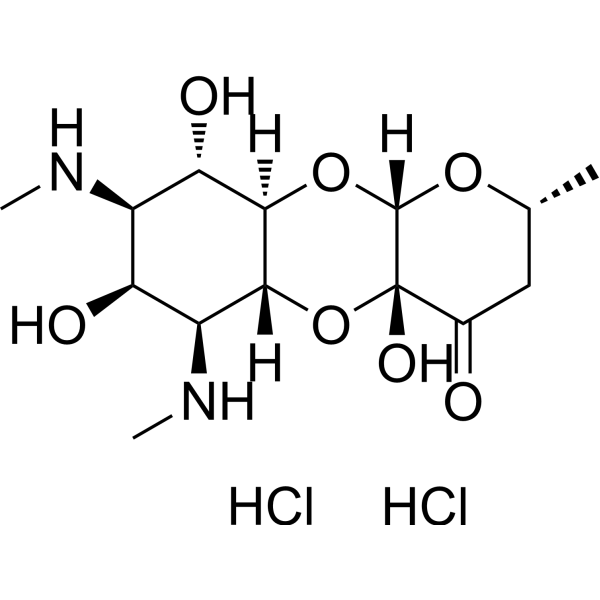
Spectinomycin dihydrochloride is a broad-spectrum antibiotic and inhibits the growth of a variety of gram-positive and gram-negative organisms. Spectinomycin dihydrochloride acts by selectively targeting to the bacterial ribosome and interrupting protein synthesis. Spectinomycin dihydrochloride is also a noncompetitive inhibitor of td intron RNA with an Ki value of 7.2 mM - .
|
-
-
- HY-164036
-
|
|
Antibiotic
Bacterial
|
Infection
|
|
Lolamicin is an orally effective inhibitor that specifically targets the Gram-negative bacteria lipoprotein transport system LolCDE complex. It selectively inhibits the transmembrane transport of outer membrane lipoproteins by competitively binding to lipoprotein binding sites. Lolamicin destroys the integrity of the bacterial outer membrane, leading to cell death, and has both bactericidal and antibacterial activity. It has significant effects on multidrug-resistant Enterobacteriaceae pathogens (such as Escherichia coli and Klebsiella pneumoniae). Lolamicin can be used to inhibit the study of acute pneumonia, sepsis and other infections caused by Gram-negative bacteria .
|
-
-
- HY-B1828A
-
|
Spectinomycin hydrochloride hydrate
|
Bacterial
Antibiotic
|
Infection
|
|
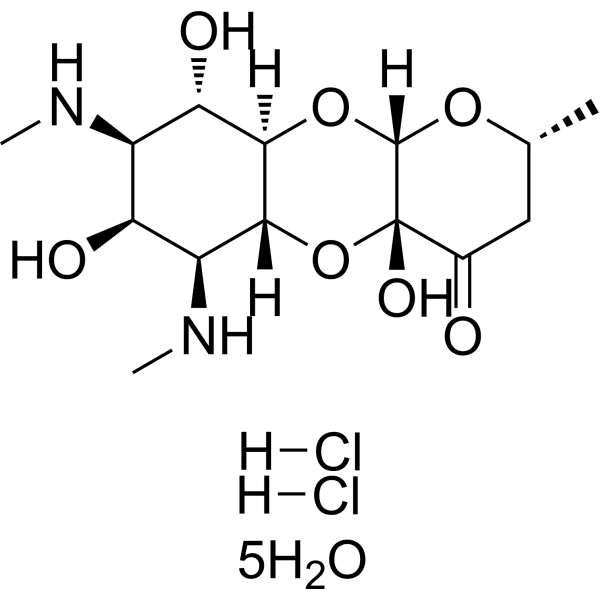
Spectinomycin dihydrochloride pentahydrate is a broad-spectrum antibiotic and inhibits the growth of a variety of gram-positive and gram-negative organisms. Spectinomycin dihydrochloride pentahydrate acts by selectively targeting to the bacterial ribosome and interrupting protein synthesis. Spectinomycin dihydrochloride pentahydrate is also a noncompetitive inhibitor of td intron RNA with an Ki value of 7.2 mM - .
|
-
-
- HY-109008
-
|
OP0595 free acid
|
Beta-lactamase
Bacterial
|
Infection
|
|
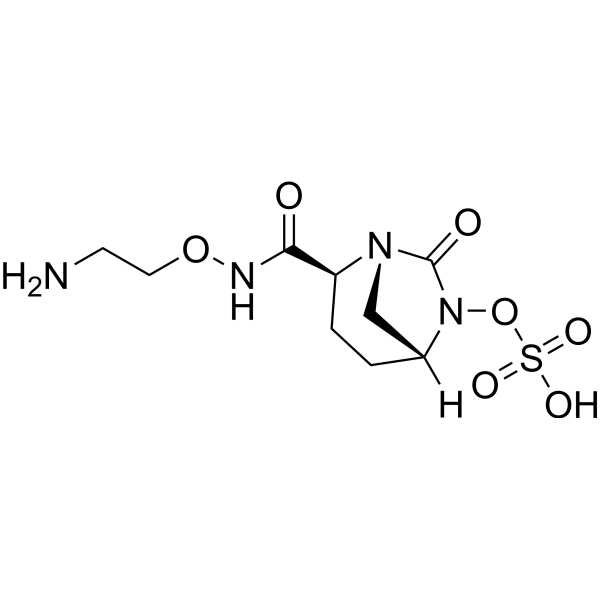
Nacubactam (OP0595 free acid) is a potent non-β-lactam-β-lactamase inhibitor with activity against class A and C β-lactamases. Nacubactam acts as a penicillin binding protein (PBP) 2-active antibacterial, and gives β-lactamase-independent potentiation of β-lactams targeting other PBPs. Nacubactam potentiates the antimicrobial activities of Piperacillin (HY-B1923), Cefepime (HY-B0692), and Meropenem (HY-13678) against CTX-M-15-positive Escherichia coli and KPC-positive Klebsiella pneumoniae .
|
-
-
- HY-A0086
-
|
SCH-20569 sulfate
|
Bacterial
Antibiotic
|
Infection
|
|
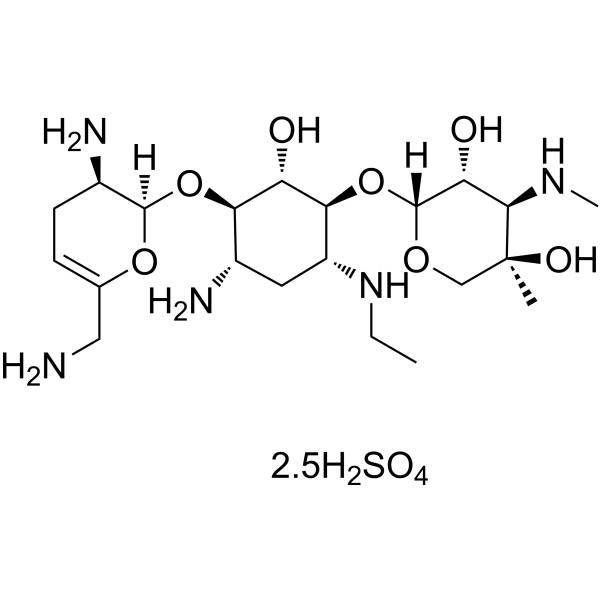
Netilmicin (Sch 20569) sulfate is a broad-spectrum semisynthetic aminoglycoside antibiotic. Netilmicin sulfate exhibits antibacterial activity against aminoglycoside-susceptible gram-negative strains and aminoglycoside-resistant strain, such as Escherichia coli, Pseudomonas aeruginosa, Proteus, Staphylococcus aureus, Streptococcus, Serratia, and Enterobacter, with MIC of 0.125-8 μg/mL .
|
-
-
- HY-128525
-
|
|
Bacterial
Reactive Oxygen Species (ROS)
|
Infection
Inflammation/Immunology
|
|
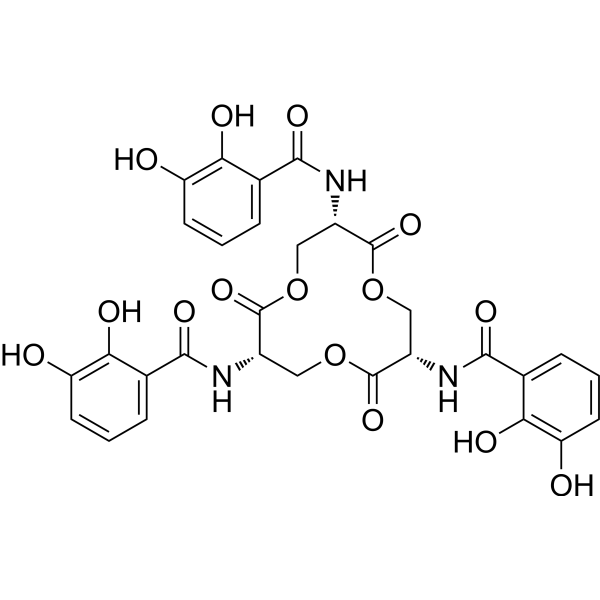
Enterobactin is a siderophore produced by Gram-negative bacteria and has an extremely high affinity for iron. During the process of Salmonella typhimurium infecting macrophages, Enterobactin can not only help bacteria uptake iron but also reduce the antibacterial activity of macrophages. In addition, Enterobactin is also involved in the oxidative stress response of Escherichia coli. Enterobactin can be hydrolyzed by Fes in the cell and exert antioxidant effects by scavenging free radicals .
|
-
-
- HY-A0111
-
|
Ro 15-8074; Deacetoxycefotaxime
|
Antibiotic
Bacterial
Penicillin-binding protein (PBP)
Drug Metabolite
|
Infection
|
|
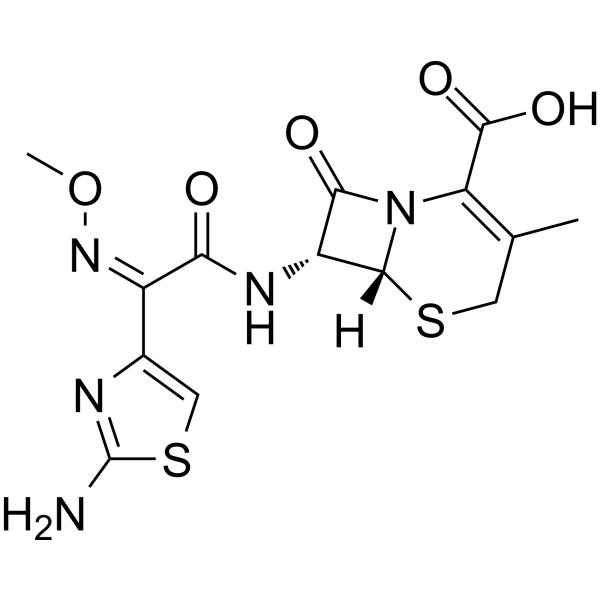
Cefetamet (Ro 15-8074) is a cephalosporin antibiotic and the active metabolite of Cefetamet pivoxil (HY-B1894A). Cefetamet binds to bacterial penicillin-binding protein (PBP) (IC50 for PBP3 in Escherichia coli W3110 is 2.5 μg/mL). Cefetamet has significant activity against Gram-negative bacteria such as Enterobacteriaceae, Neisseria species, and Haemophilus influenzae, as well as Gram-positive bacteria such as Streptococcus. Cefetamet kills and lyses Treponema pallidum. Cefetamet can be used in the research of respiratory tract, urinary tract, ear, nose and throat infections, and syphilis .
|
-
-
- HY-W012444
-
|
|
Antibiotic
Fungal
|
Infection
|
|
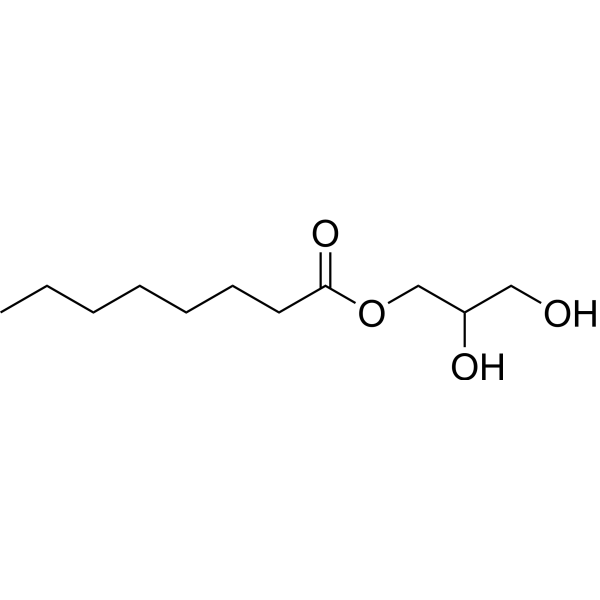
Glyceryl 1-monooctanoate is a glycerol monolaurate derivative. Glyceryl 1-monooctanoate is a broad-spectrum antimicrobial, suppresses the growth of pathogenic yeast (Candida albicans and Candida parapsilosis), as well as Gram-positive (Staphylococcus aureus) and Gram-negative (Escherichia coli, Klebsiella pneumoniae) bacteria .
|
-
-
- HY-122071
-
|
|
Antibiotic
Bacterial
|
Infection
|
|
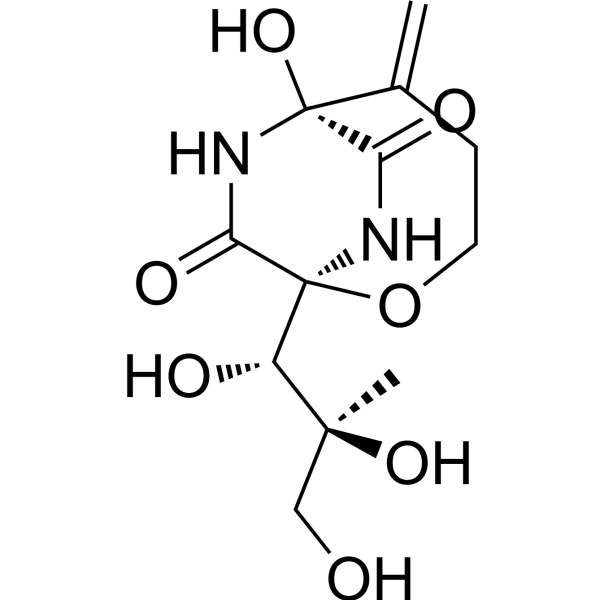
Bicyclomycin is an antibiotic. Bicyclomycin exhibits selective antibacterial activity against Gram-negative bacteria such as Escherichia coli and Klebsiella spp., with no cross-resistance. Bicyclomycin is applicable to the research of infectious diseases .
|
-
-
- HY-N7101
-
|
U-76,252; CS-807
|
Bacterial
Antibiotic
Penicillin-binding protein (PBP)
|
Infection
|
|
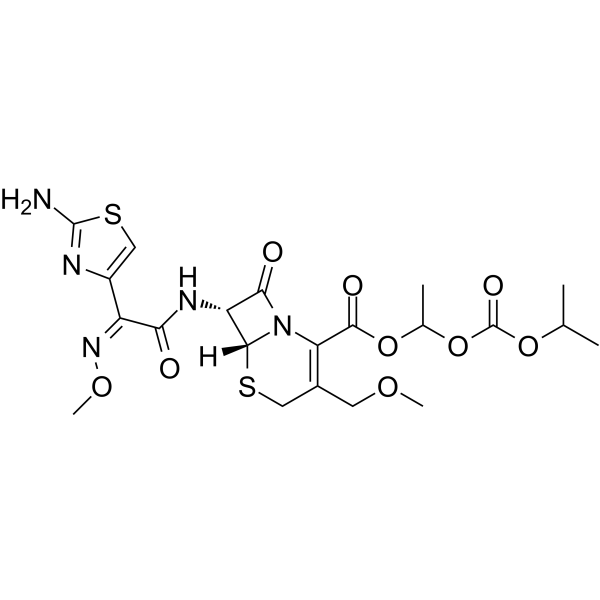
Cefpodoxime Proxetil is an orally active broad spectrum third-generation cephalosporin with potent antibacterial activity against both Gram-positive and Gram-negative bacteria including staphylococci, streptococci, Haemophilus influenzae, Neisseria gonorrhoeae, Escherichia coli, Klebsiella pnuemoniae, Citrobacter spp, and Proteus spp. Cefpodoxime Proxetil binds to penicillin binding proteins (PBPs), which inhibits peptidoglycan synthesis, finally results in interfering bacterial cell wall biosynthesis. Cefpodoxime Proxetil can be used against skin structure infections, acute otitis media, pharyngitis, tonsillitis, upper respiratory tract infection, urinary tract infections and sexually transmitted diseases .
|
-
-
- HY-W250308A
-
|
Epsilon-polylysine hydrochloride (MV 2000-5000); ε-Polylysine hydrochloride (MV 2000-5000); ε-PL hydrochloride (MV 2000-5000)
|
Bacterial
Fungal
Reactive Oxygen Species (ROS)
|
Infection
|
|
ε-Poly-L-lysine (Epsilon-polylysine; ε-Polylysine) hydrochloride (MV 2000-5000) is a polycationic antibacterial agent with broad-spectrum activity against Gram-positive bacteria, Gram-negative bacteria, fungi, yeasts and specific bacteriophages. ε-Poly-L-lysine hydrochloride (MV 2000-5000) exerts bactericidal effects through mechanisms such as disrupting microbial membranes, inducing ROS production, inhibiting metabolism and spore germination. ε-Poly-L-lysine hydrochloride (MV 2000-5000) also regulates the expression of multiple key genes including sodA, oxyR and recA. ε-Poly-L-lysine hydrochloride (MV 2000-5000) exhibits properties such as low eukaryotic cytotoxicity, thermal stability and pH stability, and supports tissue regeneration and anti-tumor applications. ε-Poly-L-lysine hydrochloride (MV 2000-5000) can be applied in research fields including bacterial and fungal infections, diabetic ulcers, and methicillin-resistant Staphylococcus aureus infections .
|
-
-
- HY-141633
-
|
|
Bacterial
|
Infection
|
|
Sucrose monolaurate is a glycolipid surfactant . Sucrose monolaurate interacts with bacterial DNA, disrupts cell membrane permeability, and exerts excellent inhibitory and bactericidal effects against a variety of foodborne pathogens (especially Gram-positive bacteria). Sucrose monolaurate significantly reduces liquid surface tension, and acts as a synergist for chlorine-based disinfectants in food cleaning and disinfection to improve the removal efficiency of pathogens on the surface of agricultural products .
|
-
-
- HY-B1828
-
|
|
Antibiotic
Bacterial
|
Infection
|
|
Spectinomycin is a broad-spectrum antibiotic and inhibits the growth of a variety of gram-positive and gram-negative organisms. Spectinomycin acts by selectively targeting to the bacterial ribosome and interrupting protein synthesis. Spectinomycin is also a noncompetitive inhibitor of td intron RNA .
|
-
-
- HY-116872
-
|
|
Bacterial
|
Infection
|
|
MAC13772 is a BioA inhibitor with an IC50 of 0.28 μM against E. coli and an IC50 of 0.269 μM against A. baumannii. MAC13772 inhibits bacterial growth by targeting the biotin biosynthesis pathway. MAC13772 can be used in studies related to bacterial infections .
|
-
-
- HY-Y1106
-
|
|
Environmental Pollutants
Biochemical Assay Reagents
Bacterial
|
Infection
|
|
Tripotassium phosphate is a Bactericid with bactericidal activity primarily against Gram-negative bacteria. Tripotassium phosphate reduces the population counts of Enterobacteriaceae and Campylobacter in poultry skin rinsates. Tripotassium phosphate fails to reduce the population count of Enterococcus in poultry skin rinsates .
|
-
-
- HY-124658
-
|
|
Bacterial
|
Infection
|
|
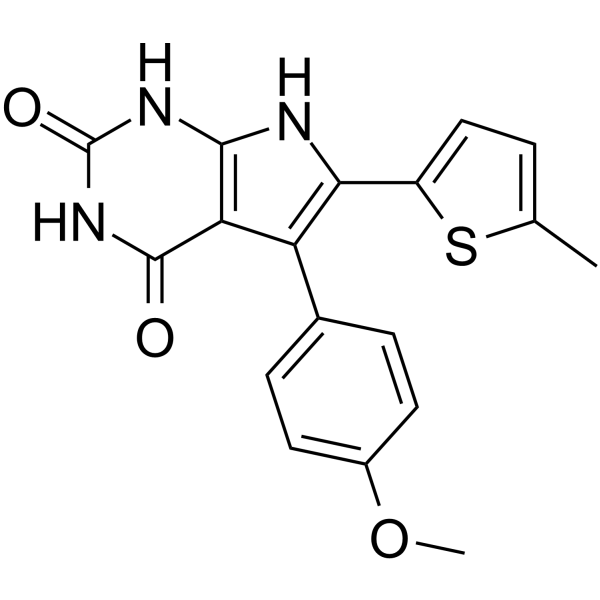
G0507, a pyrrolopyrimidinedione compound, is a potent LolCDE ABC Transporter inhibitor. G0507 is a inhibitor of Escherichia coli growth and induces the extracytoplasmic σE stress response. G0507 acts as a chemical probe to dissect lipoprotein trafficking in Gram-negative bacteria .
|
-
-
- HY-P11085
-
|
|
Bacterial
|
Infection
|
|
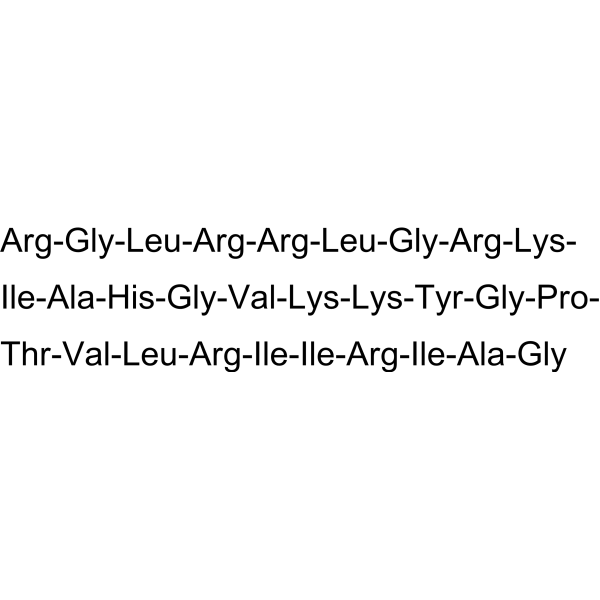
WLBU2 is a engineered cationic antimicrobial peptide (eCAP) that overcomes the environmental sensitivity of natural antimicrobial peptides (AMPs). WLBU2 exhibits rapid bactericidal effect, with the MIC values of ≤ 10 μM against both Gram-negative and Gram-positive bacteria including MRSA, vancomycin-resistant enterococci, K. pneumoniae, E.aerogenes, E. cloacae, Escherichia coli, et, al. WLBU2 prevents P. aeruginosa biofilm growth and retains its activity in an environment rich in mucus, low pH and high salt concentrations without negative effects on human airway epithelial cells. WLBU2 can be used for the studies of cystic fibrosis (CF) and Pseudomonas aeruginosa infections .
|
-
-
- HY-W014316
-
|
|
Bacterial
Fungal
|
Infection
|
|
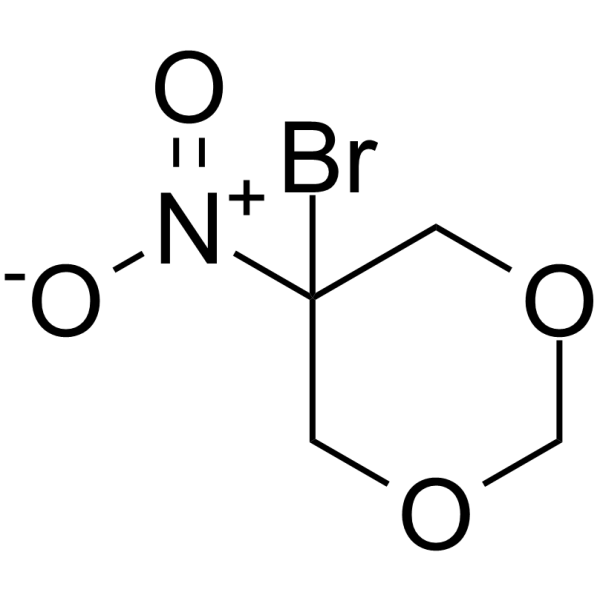
5-Bromo-5-nitro-1,3-dioxane is a broad-spectrum antimicrobial agent active against Gram-positive bacteria, Gram-negative bacteria and fungi. 5-Bromo-5-nitro-1,3-dioxane oxidizes free thiol groups to their corresponding disulfides. 5-Bromo-5-nitro-1,3-dioxane induces intracellular substance leakage in Escherichia coli and Staphylococcus aureus. 5-Bromo-5-nitro-1,3-dioxane modulates the oxygen consumption of Escherichia coli and Staphylococcus aureus .
|
-
-
- HY-123515
-
|
|
|
Infection
|
|
Clorobiocin is an antibacterial agent with an IC50 of 0.21 μM against the B subunit of E. coli DNA gyrase. Clorobiocin targets the mLaC protein of Gram-negative bacteria. Clorobiocin potently inhibits bacterial DNA replication. Clorobiocin can be used in studies on Gram-negative bacterial infections, such as Acinetobacter baumannii and E. coli infections .
|
-
-
- HY-124679
-
|
|
Bacterial
|
Infection
|
|
DS86760016 is a potent leucyl-tRNA synthetase (LeuRS) inhibitor with activity against multidrug-resistant (MDR) Gram-negative bacteria, such as Escherichia coli, Klebsiella pneumoniae, and Pseudomonas aeruginosa. DS86760016 inhibits LeuRS enzymes from Escherichia coli, Pseudomonas aeruginosa, and Acinetobacter baumannii, with IC50s of 0.38, 0.62, and 0.16 μM, respectively .
|
-
-
- HY-127054
-
|
Sch 20569
|
Antibiotic
Bacterial
|
Infection
|
|
Netilmicin (Sch 20569) is a broad-spectrum semisynthetic aminoglycoside antibiotic. Netilmicin exhibits antibacterial activity against aminoglycoside-susceptible gram-negative strains and aminoglycoside-resistant strain, such as Escherichia coli, Pseudomonas aeruginosa, Proteus, Staphylococcus aureus, Streptococcus, Serratia, and Enterobacter, with MIC of 0.125-8 μg/mL .
|
-
-
- HY-126463
-
|
|
Bacterial
|
Infection
|
|
LolCDE-IN-4 (Compound 1) is exhibits antibacterial efficacy against gram negative bacteria Escherichia coli (MIC of 0.25-32 µg/ml) and Haemophilus influenzae, through inhibition LolCDE complex and disruption of lipoproteins release from the inner membrane .
|
-
-
- HY-P10980
-
|
|
DNA/RNA Synthesis
Bacterial
|
Infection
|
|
Citrocin is a potent bacterial RNA polymerase (RNAP) inhibitor. Citrocin shows significant inhibitory activity against Escherichia coli RNAP with an MIC range of 16-125 μM. Citrocin specifically binds to and inhibits RNA polymerase to block bacterial transcription and enters cells mainly through inner membrane protein SbmA. Citrocin is promising for research of Gram-negative bacterial infections, such as enterohemorrhagic E. coli .
|
-
-
- HY-U00380
-
|
|
Antibiotic
Beta-lactamase
Bacterial
|
Infection
|
|
Tigemonam is an orally active monobactam antibiotic with a Ki of 0.86 μM against Enterobacter cloacae P99 β-lactamase and 50.8 μM against Escherichia coli TEM-1 β-lactamase. Tigemonam binds to penicillin-binding proteins 1a, 3, and 4, inhibits bacterial cell wall synthesis, and exhibits bactericidal activity against aerobic gram-negative bacteria including Enterobacteriaceae, Haemophilus influenzae, and Neisseria gonorrhoeae. Tigemonam resists hydrolysis by multiple β-lactamase enzymes, reduces bacterial load in systemic, pyelonephritic, lung, and thigh muscle infections in rodents, and shows minimal difference between minimum inhibitory and bactericidal concentrations. Tigemonam can be used for the research of gram-negative bacterial infections, acute pyelonephritis, lung infection, and thigh muscle infection .
|
-
-
- HY-W018629
-
|
|
Bacterial
Drug Intermediate
|
Infection
|
|
Antibacterial agent 265 (Compound 2) is an antibacterial agent. Antibacterial agent 265 shows antibacterial activity against Staphylococcus Aureus, Micrococcus Luteus, Bacillus subtilis, gram-negative Escherichia coli, Pseudomonas aeruginosa and Flavobacterium devorans .
|
-
-
- HY-114860
-
|
|
Bacterial
|
Inflammation/Immunology
|
|
LY 215891 (compound 6a) exhibits potent Gram-positive and Gram-negative antibacterial activity with MICs of 0.015 μg/mL and 0.06 μg/mL for Klebsiella pneumoniae X26 and Escherichia coli EC14, respectively .
|
-
-
- HY-P10996
-
|
Human Neutrophil Peptide-4 TFA
|
Bacterial
SARS-CoV
|
Infection
|
|
Corticostatin, human (Human Neutrophil Peptide-4) TFA is an antimicrobial peptide with demonstrated antiviral activity. Corticostatin, human TFA can kill Escherichia coli, Streptococcus faecalis, and Candida albicans. Corticostatin, human (HNP-4) TFA is more bactericidal against Gram-negative bacteria than any of HNP-1-3. Corticostatin, human TFA can be isolated from the azurophil granule fraction of discontinuous Percoll gradients .
|
-
-
- HY-Y1826
-
|
|
Bacterial
Antibiotic
|
Infection
|
|
IITR01324 is an antimicrobial agent. IITR01324 has antimicrobial activity against Escherichia coli (MIC = 3.58 mg/L) and other Gram-negative bacteria (Shigella flexneri: MIC = 3.58 mg/L; Cronobacter sakazakii: MIC = 28.63 mg/L). IITR01324 exerts its antimicrobial activity by destroying bacterial DNA after activation of intracellular reductases. IITR01324 can be used to study the development of new antimicrobial drugs, especially against multidrug-resistant (MDR) pathogens .
|
-
-
- HY-N7505
-
|
|
Bacterial
|
Infection
|
|
Norchelerythrine is an alkaloid isolated from the roots of Zanthoxylum capense with antibacterial activity against gram-positive and gram-negative bacteria. Norchelerythrine exhibits inhibitory activity against Staphylococcus aureus, Pseudomonas aeruginosa, and Enterococcus faecalis and Escherichia coli with MIC values >50 µg/mL .
|
-
-
- HY-106095
-
|
|
Antibiotic
Bacterial
Penicillin-binding protein (PBP)
|
Infection
|
DQ 2556 is a semi-synthetic cephalosporin antibiotic. DQ-2556 exhibits significant activity against both Gram-positive and Gram-negative bacteria, particularly Gram-positive bacteria and Enterobacteriaceae infections. DQ 2556 exerts its bactericidal effect by interfering with cell division. DQ-2556 has a strong affinity for the penicillin-binding proteins (PBPs) of Escherichia coli: PBP1A/1B (IC₅₀ = 0.57-0.73 μg/mL) and PBP3 (IC₅₀ = 0.088 μg/mL). DQ-2556 demonstrates significant in vivo protective effects. DQ-2556 can be used in the development of injectable cephalosporins .
|
-
-
- HY-W743473
-
|
Ro 15-8074-d3; Deacetoxycefotaxime-d3
|
Isotope-Labeled Compounds
Bacterial
Antibiotic
Penicillin-binding protein (PBP)
Drug Metabolite
|
Infection
|
|
Cefetamet-d3 (Ro 15-8074-d3; Deacetoxycefotaxime-d3) is the deuterium labeled Cefetamet (HY-A0111). Cefetamet (Ro 15-8074) is a cephalosporin antibiotic and the active metabolite of Cefetamet pivoxil (HY-B1894A). Cefetamet binds to bacterial penicillin-binding protein (PBP) (IC50 for PBP3 in Escherichia coli W3110 is 2.5 μg/mL). Cefetamet has significant activity against Gram-negative bacteria such as Enterobacteriaceae, Neisseria species, and Haemophilus influenzae, as well as Gram-positive bacteria such as Streptococcus. Cefetamet kills and lyses Treponema pallidum. Cefetamet can be used in the research of respiratory tract, urinary tract, ear, nose and throat infections, and syphilis .
|
-
-
- HY-124679A
-
|
|
Bacterial
|
Others
|
|
(R)-DS86760016 is the R-enantiomer of DS86760016 (HY-124679). DS86760016 is a potent leucyl-tRNA synthetase (LeuRS) inhibitor with activity against multidrug-resistant (MDR) Gram-negative bacteria, such as Escherichia coli, Klebsiella pneumoniae, and Pseudomonas aeruginosa .
|
-
-
- HY-178952
-
|
|
Bacterial
|
Infection
|
|
Anti-infective agent 12 (Compound A09) is a competitive inhibitor of type I signal peptidease (SPase I), with an IC50 of 4.475 μM and a Kd of 16.3 μM. Anti-infective agent 12 has the ability to disrupt bacterial membranes and remove biofilms. Anti-infective agent 12 exhibits potent bactericidal activity against Gram-positive bacteria, with MIC values of 4, 4, 8, and 8 μg/mL for Staphylococcus aureus, Enterococcus faecalis, Enterococcus faecium, and Streptococcus suis, respectively. Anti-infective agent 12 remains effective against multi-drug resistant strains, but has weaker activity against Gram-negative bacteria (such as Escherichia coli and Salmonella), with MIC values > 64 μg/mL. Anti-infective agent 12 has low hemolytic activity and shows significant efficacy in mouse skin infection models .
|
-
-
- HY-121195
-
|
PC-904
|
Bacterial
|
Infection
|
|
Apalcillin (PC-904) in combination with Ro 48-1220, a penam sulfone β-lactamase inhibitor, demonstrated broad-spectrum activity against gram-negative aerobic and anaerobic bacteria, excluding Klebsiella oxytoca. It exhibited potent activity against β-lactamase-producing Moraxella catarrhalis, Haemophilus influenzae, and Neisseria gonorrhoeae, with effective MICs (11 μg/mL). The combination also inhibited Pseudomonas aeruginosa, Stenotrophomonas maltophilia, and Acinetobacter species at low MICs (0.25 to 4 μg/mL). However, its efficacy against oxacillin-resistant staphylococci and certain gram-positive organisms was limited. Apalcillin/Ro 48-1220 showed comparable efficacy to piperacillin/tazobactam against some extended-spectrum β-lactamase-producing Escherichia coli but was less effective against SHV-type β-lactamases .
|
-
-
- HY-P11102
-
|
|
Bacterial
Fungal
HIV
Parasite
|
Infection
Cancer
|
|
Temporin-Sha is an antibacterial peptide with extensive biological activity. Temporin-Sha exhibits broad-spectrum antibacterial activity (e.g., against L. ivanovii, MIC = 6.25 μM), and is effective against Gram-negative bacteria (such as Escherichia coli, MIC = 10 μM), including drug-resistant strains (such as Methicillin (HY-121544)-resistant Staphylococcus aureus). Temporin-Sha also has inhibitory effects on Candida albicans (MIC = 25 μM), Saccharomyces cerevisiae (MIC = 12 μM), the pre-flagellated and non-flagellated forms of Leishmania infantum (IC50 = 5-20 μM), and Trypanosoma cruzi (IC50 = 17 μM). Temporin-Sha exhibits antiviral activity against HSV-1 and has anti-cancer effects (cytotoxicity against breast cancer cells MCF-7 and lung cancer cells H460, etc.) .
|
-
-
- HY-111190
-
|
|
Antibiotic
Bacterial
|
Infection
|
|
Thiotropocin is a tropothione Antibiotic with antibacterial activities against Gram-positive and Gram-negative bacteria, some phytopathogens and mycoplasma. Thiotropocin causes morphological changes of Proteus mirabilis and Escherichia coli .
|
-
-
- HY-N13949
-
|
|
Antibiotic
Bacterial
|
Infection
|
|
Seitomycin is an anthraquinone antibiotic. Seitomycin has moderate activity against Gram-positive bacteria such as Staphylococcus aureus and Bacillus subtilis, Gram-negative bacteria such as Escherichia coli and green Streptomyces chlorophyllus .
|
-
-
- HY-N10097
-
|
|
Na+/K+ ATPase
Bacterial
|
Infection
|
|
Chamigrenol is a Na +/K +-ATPase inhibitor with an IC50 value of 15.9 μg/mL. Chamigrenol shows strong inhibitory activities against Gram-positive and Gram-negative bacteria except Escherichia coli, with MIC values of 50 µg/mL .
|
-
-
- HY-126462
-
|
|
Bacterial
|
Infection
|
|
Lantic acid is a triterpenoid compound possessing antimicrobial activity. Lantic acid exhibits inhibitory effects on a broad range of both Gram-positive and Gram-negative bacteria, with particular potency against Escherichia coli and Bacillus subtilis. Lantic acid is utilized in the research and development of antimicrobial agents .
|
-
-
- HY-107120
-
|
|
Drug Derivative
Antibiotic
Bacterial
|
Infection
|
|
CB-182804, Polymyxin B (HY-149179) analogue, is a polypeptide antibiotic. CB-182804 has inhibitory activity against all Gram-negative pathogenic bacteria, including Escherichia coli, Klebsiella pneumoniae, Acinetobacter baumannii, and Pseudomonas aeruginosa with MIC50 values of 2 μg/mL. CB-182804 is mainly used for the research on refractory infections caused by multidrug-resistant (MDR) Gram-negative bacteria .
|
-
-
- HY-129252
-
|
|
Antibiotic
Bacterial
|
Infection
Cancer
|
|
Prothracarcin is an antibiotic with antitumor activity that exerts its tumor cell toxicity by covalently binding to the C-2 amino group of guanine residues in the minor groove of DNA. Prothracarcin also shows antibacterial activity against Gram-positive bacteria and some Gram-negative bacteria such as Escherichia coli .
|
-
-
- HY-P10538
-
|
|
Bacterial
Fungal
|
Infection
|
|
Balteatide is an antimicrobial peptide, which can be found in skin secretion of Phyllomedusa baltea. Balteatide inhibits the gram-positive Staphylococcus aureus (MIC=435 μM), the gram-negative Escherichia coli (MIC=109 μM), and Candida albicans (MIC=27 μM). Balteatide lacks hemolytic activity (at 512 mg/L) and myotropic activity .
|
-
-
- HY-172229
-
|
|
Topoisomerase
Bacterial
|
Infection
|
|
NBTI 5463 is a bacterial type II topoisomerases (topoisomerase II) inhibitor with antibacterial activity. NBTI 5463 inhibits GyrA and TopoIV in Pseudomonas aeruginosa and Escherichia coli. NBTI 5463 binds to topoisomerase II to prevent DNA cleavage and religation, inhibiting bacterial DNA replication and transcription. NBTI 5463 is promising for research of Gram-negative bacterial infection .
|
-
-
- HY-122260
-
|
|
Bacterial
|
Infection
|
|
S-25932 is a potent 4-quinolones antibacterial agent. S-25932 shows broad gram-negative antibacterial activity. S-25932 shows inhibition for Enterobacter aerogenes, Enterobacter addlomerans, Enterobacter coloacae, Escherichia coli with MIC90 values of 1.0, 2.0, 1.0, 0.25 µg/mL, respectively .
|
-
-
- HY-115159
-
|
|
Bacterial
|
Infection
|
|
Ro 14-9578 is a tricyclic quinolone analog with antibacterial activity. Ro 14-9578 inhibits DNA biosynthesis (IC50=117 μM) and DNA supercoiling (IC50=66.8 μM) in Escherichia coli. Furthermore, Ro 14-9578 exhibits inhibitory effects against various Gram-negative bacteria and Staphylococcus aureus .
|
-
-
- HY-161404
-
|
|
Bacterial
|
Infection
|
|
Antibacterial agent 202 (compound 45c) is a low cytotoxicity bacterial inhibitor with good activity against Gram-negative bacteria, including Escherichia coli, Klebsiella pneumonia, especially Pseudomonas aeruginosa, (MIC (minimum inhibitory concentration)=7.8-31.25 μM). Antibacterial agent 202 can exert antibacterial activity by destroying the integrity of cell membranes and can be used in the research of bacterial infections .
|
-
-
- HY-130004
-
|
|
Antibiotic
Bacterial
|
Infection
|
|
MsbA-IN-6 is a potent inhibitor of MsbA. MsbA-IN-6 is an antibiotic. Gram-negative ATP-binding cassette (ABC) transporter MsbA, an essential inner membrane protein, transports lipopolysaccharide from the inner leaflet to the periplasmic face of the inner membrane. MsbA-IN-6 kills Escherichia coli through inhibition of its ATPase and transport activity, with no loss of activity against clinical multidrug-resistant strains .
|
-
-
- HY-A0086R
-
|
SCH-20569 sulfate (Standard)
|
Reference Standards
Bacterial
Antibiotic
|
Infection
|
|
Netilmicin sulfate (Standard) is the analytical standard of Netilmicin sulfate (HY-A0086). This product is intended for research and analytical applications. Netilmicin (Sch 20569) sulfate is a broad-spectrum semisynthetic aminoglycoside antibiotic. Netilmicin sulfate exhibits antibacterial activity against aminoglycoside-susceptible gram-negative strains and aminoglycoside-resistant strain, such as Escherichia coli, Pseudomonas aeruginosa, Proteus, Staphylococcus aureus, Streptococcus, Serratia, and Enterobacter, with MIC of 0.125-8 μg/mL .
|
-
-
- HY-143408
-
|
|
Bacterial
|
Infection
|
|
OYYF-175, an antimicrobial antifolate, is a dihydrofolate reductase (DHFR) inhibitor with an IC50 of 2.36 nM for Escherichia coli DHFR. OYYF-175 exhibits potent broad-spectrum antibacterial activities, especially against multi-drug resistant Gram-Negative-strains .
|
-
- HY-172962
-
|
|
DNA/RNA Synthesis
Bacterial
|
Infection
|
|
DNA Gyrase-IN-17 (Compound 5C) is a DNA Gyrase inhibitor. DNA Gyrase-IN-17 exhibits significant antibacterial activity against a variety of Gram-positive and Gram-negative strains (such as Enterococcus faecalis, Escherichia coli, Pseudomonas aeruginosa, etc.), with a MIC value of 62.5 μg/mL. DNA Gyrase-IN-17 interferes with DNA replication by inhibiting bacterial DNA gyrase. DNA Gyrase-IN-17 can be used in the development of antibacterial drugs, especially for the study of drug-resistant strains .
|
-
- HY-128525R
-
|
|
Bacterial
Reference Standards
Reactive Oxygen Species (ROS)
|
Infection
Inflammation/Immunology
|
|
Enterobactin (Standard) is the analytical standard of Enterobactin. This product is intended for research and analytical applications. Enterobactin is a siderophore produced by Gram-negative bacteria and has an extremely high affinity for iron. During the process of Salmonella typhimurium infecting macrophages, Enterobactin can not only help bacteria uptake iron but also reduce the antibacterial activity of macrophages. In addition, Enterobactin is also involved in the oxidative stress response of Escherichia coli. Enterobactin can be hydrolyzed by Fes in the cell and exert antioxidant effects by scavenging free radicals .
|
-
- HY-120583A
-
|
|
Bacterial
|
Infection
|
|
LY 255262 is an antibacterial agent. LY 255262 exhibits potent inhibitory effects against a variety of Gram-positive and Gram-negative bacteria in vitro. LY 255262 has MIC values of 64, 0.25, 0.5, 0.25, 0.25, 1, and 1 μg/mL for Staphylococcus aureus, Streptococcus pneumoniae, Haemophilus influenza, Escherichia coli, Klebsiella, Enterobacter aerogenes, and Serratia, respectively. LY 255262 has a relatively weak inhibitory effect on Pseudomonas (MIC >128 μg/mL). LY 255262 can be used in antibacterial research .
|
-
- HY-P11168
-
|
|
Bacterial
|
Infection
|
|
Diptericin is an antibacterial peptide, originally isolated from Phormia terranovae. Diptericin exhibits potent and selective activity against specific Gram-negative bacteria, such as Escherichia coli and Salmonella typhimurium. Diptericin kills bacteria within 1 hour. Diptericin can be used for antibacterial research .
|
-
- HY-N19291
-
|
D-Perosamine
|
Drug Derivative
|
Others
|
|
Perosamine is a dideoxysugar that can be isolated from the O-antigens of Gram-negative bacteria, including Vibrio cholerae O1 and Escherichia coli O157:H7 .
|
-
- HY-181751
-
|
|
Bacterial
|
Infection
|
|
FabI-IN-1 is a FabI (enoyl-acyl carrier protein reductase) inhibitor with a Ki of 0.32 μM against E. coli FabI. FabI-IN-1 inhibits exhibits activity against Gram-negative bacteria including Escherichia coli (MIC = 6.25 μM) and Klebsiella pneumoniae. FabI-IN-1 rescues Galleria mellonella larvae from lethal Escherichia coli infection. FabI-IN-1 exerts a synergistic effect with Colistin (HY-113678) against Escherichia coli. FabI-IN-1 can be used for the research of gram-negative bacterial infection .
|
-
- HY-170835
-
|
|
Beta-lactamase
Bacterial
|
Infection
Inflammation/Immunology
|
|
NDM-1 inhibitor-7 (Compound A8) is a NDM-1 inhibitor, with IC50 of 10.284 μM. NDM-1 inhibitor-7 restores the ability of MEM to penetrate the cell wall of gram-negative bacteria. NDM-1 inhibitor-7 effectively restores the antibacterial activity of MEM against NDM-1-positive Escherichia coli. NDM-1 inhibitor-7 demonstrates strong efficacy in both the Galleria mellonella infection model and murine peritonitis infection model .
|
-
- HY-A0111A
-
|
Ro15-8074/001; Deacetoxycefotaxime sodium
|
Antibiotic
Bacterial
Penicillin-binding protein (PBP)
Drug Metabolite
|
Infection
|
|
Cefetamet (Ro 15-8074) sodium is a cephalosporin antibiotic and the active metabolite of Cefetamet pivoxil (HY-B1894A). Cefetamet sodium binds to bacterial penicillin-binding protein (PBP) (IC50 for PBP3 in Escherichia coli W3110 is 2.5 μg/mL). Cefetamet sodium has significant activity against Gram-negative bacteria such as Enterobacteriaceae, Neisseria species, and Haemophilus influenzae, as well as Gram-positive bacteria such as Streptococcus. Cefetamet sodium kills and lyses Treponema pallidum. Cefetamet sodium can be used in the research of respiratory tract, urinary tract, ear, nose and throat infections, and syphilis .
|
-
- HY-A0111B
-
|
Ro 15-8074 hydrochloride; Deacetoxycefotaxime hydrochloride
|
Antibiotic
Bacterial
Penicillin-binding protein (PBP)
Drug Metabolite
|
Infection
|
|
Cefetamet (Ro 15-8074) hydrochloride is a cephalosporin antibiotic and the active metabolite of Cefetamet pivoxil (HY-B1894A). Cefetamet hydrochloride binds to bacterial penicillin-binding protein (PBP) (IC50 for PBP3 in Escherichia coli W3110 is 2.5 μg/mL). Cefetamet hydrochloride has significant activity against Gram-negative bacteria such as Enterobacteriaceae, Neisseria species, and Haemophilus influenzae, as well as Gram-positive bacteria such as Streptococcus. Cefetamet hydrochloride kills and lyses Treponema pallidum. Cefetamet hydrochloride can be used in the research of respiratory tract, urinary tract, ear, nose and throat infections, and syphilis .
|
-
- HY-W014316R
-
|
|
Reference Standards
Bacterial
Fungal
|
Infection
|
|
5-Bromo-5-nitro-1,3-dioxane (Standard) is the analytical standard of 5-Bromo-5-nitro-1,3-dioxane (HY-W014316). This product is intended for research and analytical applications. 5-Bromo-5-nitro-1,3-dioxane is a broad-spectrum antimicrobial agent active against Gram-positive bacteria, Gram-negative bacteria and fungi. 5-Bromo-5-nitro-1,3-dioxane oxidizes free thiol groups to their corresponding disulfides. 5-Bromo-5-nitro-1,3-dioxane induces intracellular substance leakage in Escherichia coli and Staphylococcus aureus. 5-Bromo-5-nitro-1,3-dioxane modulates the oxygen consumption of Escherichia coli and Staphylococcus aureus .
|
-
- HY-144284
-
|
|
Bacterial
|
Infection
|
|
MsbA-IN-5 (compound 40) is a potent and highly selective MsbA inhibitor with an IC50 value of 2 nM. MsbA-IN-5 has inhibitory activity against Escherichia coli, Klebsiella pneumoniae, and Enterobacter cloacae with MICs of 12 μM, 12 μM and 25 μM, respectively. MsbA-IN-5 can be used for researching anti-Gram-negative bacteria .
|
-
- HY-Y1826R
-
|
|
Reference Standards
Bacterial
Antibiotic
|
Infection
|
|
IITR01324 (Standard) is the analytical standard of IITR01324. This product is intended for research and analytical applications. IITR01324 is an antimicrobial agent. IITR01324 has antimicrobial activity against Escherichia coli (MIC=3.58 mg/L) and other Gram-negative bacteria (Shigella flexneri: MIC=3.58 mg/L; Cronobacter sakazakii: MIC=28.63 mg/L). IITR01324 exerts its antimicrobial activity by destroying bacterial DNA after activation of intracellular reductases. IITR01324 can be used to study the development of new antimicrobial drugs, especially against multidrug-resistant (MDR) pathogens .
|
-
- HY-N14344
-
|
|
Bacterial
|
Infection
|
|
Manumycin G has anti-Gram-positive bacteria and Escherichia coli effects, but the effect is very weak against other anti-Gram-negative bacteria, and has no effect on fungi. Manumycin G inhibits RAS Faraday base transfer and has weak cytotoxic activity against human cloned cancer cell lines HCT-116 (IC50 is 15.6 μg/mL) .
|
-
- HY-W756467
-
|
1-Cyclopropyl-6,7-difluoro-8-methoxy-4-oxo-1,4-dihydroquinoline-3-carboxylic Acid-13C,d3
|
Isotope-Labeled Compounds
Bacterial
Drug Intermediate
|
Infection
|
|
Antibacterial agent 265- 13C,d3 (1-Cyclopropyl-6,7-difluoro-8-methoxy-4-oxo-1,4-dihydroquinoline-3-carboxylic Acid- 13C,d3) is the deuterium labeled and 13C-labeled Antibacterial agent 265 (HY-W018629). Antibacterial agent 265 (Compound 2) is an antibacterial agent. Antibacterial agent 265 shows antibacterial activity against Staphylococcus Aureus, Micrococcus Luteus, Bacillus subtilis, gram-negative Escherichia coli, Pseudomonas aeruginosa and Flavobacterium devorans .
|
-
- HY-N17858
-
|
|
Bacterial
|
Infection
|
|
Guajaphenone A is a benzophenone glycoside antibacterial agent that can be found in the leaves of Psidium guajava L. Guajaphenone A inhibits the growth of Gram-positive Staphylococcus aureus and Gram-negative Escherichia coli. Guajaphenone A is applicable to research related to bacterial infections .
|
-
- HY-A0111R
-
|
Ro 15-8074 (Standard); Deacetoxycefotaxime (Standard)
|
Reference Standards
Antibiotic
Bacterial
Penicillin-binding protein (PBP)
Drug Metabolite
|
Infection
|
|
Cefetamet (Standard) is the analytical standard of Cefetamet (HY-A0111). This product is intended for research and analytical applications. Cefetamet (Ro 15-8074) is a cephalosporin antibiotic and the active metabolite of Cefetamet pivoxil (HY-B1894A). Cefetamet binds to bacterial penicillin-binding protein (PBP) (IC50 for PBP3 in Escherichia coli W3110 is 2.5 μg/mL). Cefetamet has significant activity against Gram-negative bacteria such as Enterobacteriaceae, Neisseria species, and Haemophilus influenzae, as well as Gram-positive bacteria such as Streptococcus. Cefetamet kills and lyses Treponema pallidum. Cefetamet can be used in the research of respiratory tract, urinary tract, ear, nose and throat infections, and syphilis .
|
-
- HY-113718
-
|
|
Bacterial
Topoisomerase
DNA/RNA Synthesis
|
Infection
|
|
DS21412020 is a fluoroquinolone antibacterial agent. DS21412020 inhibits bacterial DNA gyrase (GyrA) and topoisomerase IV, leading to DNA breaks. DS21412020 exhibits significant activity against Gram-positive bacteria such as Staphylococcus aureus (MIC = 0.006 μg/mL), Streptococcus pneumoniae (MIC = 0.05 μg/mL), and Methicillin (HY-121544)-resistant Staphylococcus aureus (MIC = 0.2 μg/mL), and Gram-negative bacteria such as Escherichia coli (MIC = 0.006 μg/mL) and Pseudomonas aeruginosa (MIC = 0.78 μg/mL). DS21412020 significantly reduces bacterial load in mouse pneumonia and MRSA infection models. DS21412020 can be used in the development of next-generation quinolone antibiotics .
|
-
- HY-N7101R
-
|
U-76,252 (Standard); CS-807 (Standard)
|
Reference Standards
Bacterial
Antibiotic
Penicillin-binding protein (PBP)
|
Infection
|
|
Cefpodoxime Proxetil (Standard) is the analytical standard of Cefpodoxime Proxetil. This product is intended for research and analytical applications. Cefpodoxime Proxetil is an orally active broad spectrum third-generation cephalosporin with potent antibacterial activity against both Gram-positive and Gram-negative bacteria including staphylococci, streptococci, Haemophilus influenzae, Neisseria gonorrhoeae, Escherichia coli, Klebsiella pnuemoniae, Citrobacter spp, and Proteus spp. Cefpodoxime Proxetil binds to penicillin binding proteins (PBPs), which inhibits peptidoglycan synthesis, finally results in interfering bacterial cell wall biosynthesis. Cefpodoxime Proxetil can be used against skin structure infections, acute otitis media, pharyngitis, tonsillitis, upper respiratory tract infection, urinary tract infections and sexually transmitted diseases .
|
-
- HY-123722
-
|
|
DNA/RNA Synthesis
Bacterial
|
Infection
|
|
NusB-NusE interaction IN-1 is a NusB-NusE protein-protein interaction inhibitor and growth inhibitor with a Bacillus subtilis IC50 of 6.1 μM.NusB-NusE interaction IN-1 inhibits growth of Gram-positive Bacillus subtilis.NusB-NusE interaction IN-1 inhibits growth of Gram-negative Escherichia coli .
|
-
- HY-181892
-
|
|
Bacterial
|
Infection
|
|
LpxC-IN-17 (Compound a5) is a non-covalent LpxC inhibitor and Antibacterial agent. LpxC-IN-17 chelates catalytic zinc ions and forms extensive non-covalent interactions within the LpxC active site, thereby functionally inhibiting the enzyme. LpxC-IN-17 exhibits antibacterial activity against Gram-negative pathogens including Escherichia coli, Klebsiella pneumoniae and Pseudomonas aeruginosa. LpxC-IN-17 is applicable to research related to Gram-negative bacterial infections .
|
-
- HY-N7101S
-
|
U-76-d7,252-d7; CS-807-d7
|
Isotope-Labeled Compounds
Bacterial
Antibiotic
Penicillin-binding protein (PBP)
|
Infection
|
|
Cefpodoxime proxetil-d7 (U-76-d7,252-d7; CS-807-d7) is the deuterium labeled Cefpodoxime Proxetil (HY-N7101). Cefpodoxime Proxetil is an orally active broad spectrum third-generation cephalosporin with potent antibacterial activity against both Gram-positive and Gram-negative bacteria including staphylococci, streptococci, Haemophilus influenzae, Neisseria gonorrhoeae, Escherichia coli, Klebsiella pnuemoniae, Citrobacter spp, and Proteus spp. Cefpodoxime Proxetil binds to penicillin binding proteins (PBPs), which inhibits peptidoglycan synthesis, finally results in interfering bacterial cell wall biosynthesis. Cefpodoxime Proxetil can be used against skin structure infections, acute otitis media, pharyngitis, tonsillitis, upper respiratory tract infection, urinary tract infections and sexually transmitted diseases .
|
-
- HY-180459
-
|
|
Bacterial
|
Infection
|
|
FabH-IN-3 (Compound 12) is an inhibitor of FabH. FabH-IN-3 exhibits MIC against Bacillus subtilis, Escherichia coli, Pseudomonas fluorescens, and Staphylococcus aureus are all 50 μg/mL. FabH-IN-3 can be used for research on Gram-negative bacterial infections .
|
-
- HY-P11242
-
|
|
Bacterial
NF-κB
p38 MAPK
JNK
ERK
TNF Receptor
Interleukin Related
|
Infection
|
Cm-CATH2 is an antimicrobial peptide discovered from Chelonia mydas. Cm-CATH2 has a potent, broad-spectrum and rapid bactericidal ability by rapidly destroying the integrity of bacterial cell membranes. It shows strong activity against Gram-positive bacteria (such as VREF, Staphylococcus aureus), Gram-negative bacteria (such as Escherichia coli, Klebsiella pneumoniae), and fungi (such as Candida albicans) with MICs ranges from 1.17 to 18.75 μg/mL. Cm-CATH2 is also effective against various aquatic pathogenic bacteria. Cm-CATH2 not only inhibits biofilm formation but can also remove the formed biofilms. Cm-CATH2 has immunomodulatory functions and chemotactic effects on immune cells, and can inhibit the production of pro-inflammatory cytokines by macrophages stimulated by LPS (HY-D1056). Cm-CATH2 prevents the activation of NF-κB by inhibiting the degradation of IκBα, and also inhibits the phosphorylation of MAPK signaling pathways (p38, JNK, ERK). Cm-CATH2 demonstrates strong anti-infective ability in mouse peritonitis models and pneumonia models .
|
-
- HY-W928617
-
|
|
Antibiotic
Bacterial
|
Infection
|
|
Spectinomycin sulfate hydrate is a broad-spectrum antibiotic and inhibits the growth of a variety of gram-positive and gram-negative organisms. Spectinomycin sulfate hydrate acts by selectively targeting to the bacterial ribosome and interrupting protein synthesis. Spectinomycin sulfate hydrate is also a noncompetitive inhibitor of td intron RNA with an Ki value of 7.2 mM - .
|
-
- HY-B0438R
-
|
|
Reference Standards
Bacterial
Antibiotic
|
Infection
|
|
Spectinomycin (dihydrochloride) (Standard) is the analytical standard of Spectinomycin (dihydrochloride). This product is intended for research and analytical applications. Spectinomycin dihydrochloride is a broad-spectrum antibiotic and inhibits the growth of a variety of gram-positive and gram-negative organisms. Spectinomycin dihydrochloride acts by selectively targeting to the bacterial ribosome and interrupting protein synthesis. Spectinomycin dihydrochloride is also a noncompetitive inhibitor of td intron RNA with an Ki value of 7.2 mM[1]-[5].
|
-
- HY-177012
-
|
ADP-heptose; ADP-L-β-D-heptose
|
Drug Intermediate
|
Infection
|
|
ADP-Hep (ADP-heptose) is a precursor for lipopolysaccharide assembly in Gram-negative bacteria. ADP-Hep is used in studies of Escherichia coli infection .
|
-
- HY-P11657
-
|
|
Bacterial
|
Infection
|
|
GN-2 peptoid is a 9-mer cationic amphipathic peptoid and bactericidal agent with an overall net charge of +4, broad-spectrum antimicrobial activity, and low hemolytic and cytotoxic activity against mammalian cells. GN-2 peptoid exerts bactericidal action against Escherichia coli in a concentration-dependent manner. GN-2 peptoid exhibits antimicrobial activity against Gram-positive Staphylococcus aureus and Gram-negative Escherichia coli, Pseudomonas aeruginosa strains. GN-2 peptoid shows low toxicity against human red blood cells and HeLa cells. GN-2 peptoid maintains antimicrobial activity in the presence of 50% human blood plasma. GN-2 peptoid can be used for the research of bacterial infections .
|
-
- HY-181674
-
|
|
Aminopeptidase
Bacterial
|
Infection
|
|
ZHO-197 is a dual bacterial peptide deformylase and methionine aminopeptidase inhibitor with antibacterial activity. ZHO-197 exhibits an Escherichia coli peptide deformylase IC50 of 0.021 μM and a human peptide deformylase IC50 of 3.289 μM. ZHO-197 displays broad-spectrum antibacterial activity against gram-positive and gram-negative bacterial strains. ZHO-197 can be used for the research of bacterial infection .
|
-
- HY-178368
-
|
|
Bacterial
|
Infection
|
|
Antibacterial agent 293 (Compound 5) is an antibacterial agent, exhibiting potent anti-Gram-negative bacterial activity. Antibacterial agent 293 shows activity against Escherichia coli, Acinetobacter baumannii and Klebsiella pneumonia. Antibacterial agent 293 can be used for the research of diseases related to Gram-negative bacterial infections .
|
-
- HY-W093378
-
|
|
Biochemical Assay Reagents
Bacterial
|
Infection
|
|
Silver (I) sulfide is a biochemical reagent. Silver (I) sulfide nanoparticles exert Antibacterial effects against a variety of resistant bacteria, including Gram-positive and Gram-negative bacteria. Silver (I) sulfide can be used in the research of bacterial infections, such as infections caused by Staphylococcus aureus, Streptococcus agalactiae, Escherichia coli and Pseudomonas species .
|
-
- HY-186020
-
|
L-4-Aminoarabinose-BP
|
Endogenous Metabolite
|
Infection
|
|
L-4-Aminoarabinose-bactoprenyl phosphate (L-4-Aminoarabinose-BP) is a substrate of the ArnT enzyme and participates in lipid A modification through covalent bonding. L-4-Aminoarabinose-bactoprenyl phosphate transfers L-4-aminoarabinose (Ara4N) to the lipid A portion of lipopolysaccharide (LPS), mediating cationic modification of lipid A, thereby conferring resistance to cationic antimicrobial peptides (CAMPs) in Gram-negative bacteria. L-4-Aminoarabinose-bactoprenyl phosphate is an endogenous intermediate synthesized in vivo by a series of enzymes such as ArnC and ArnD encoded by the arn operon in Gram-negative bacteria such as Escherichia coli .
|
-
- HY-W012444S
-
|
|
Isotope-Labeled Compounds
Antibiotic
Fungal
|
Infection
|
|
Glyceryl 1-monooctanoate-d15 is the deuterium labeled Glyceryl 1-monooctanoate (HY-W012444). Glyceryl 1-monooctanoate is a glycerol monolaurate derivative. Glyceryl 1-monooctanoate is a broad-spectrum antimicrobial, suppresses the growth of pathogenic yeast (Candida albicans and Candida parapsilosis), as well as Gram-positive (Staphylococcus aureus) and Gram-negative (Escherichia coli, Klebsiella pneumoniae) bacteria .
|
-
- HY-W704402
-
|
|
Isotope-Labeled Compounds
Antibiotic
Fungal
|
Infection
|
|
Glyceryl 1-monooctanoate-d5 is the deuterium labeled Glyceryl 1-monooctanoate (HY-W012444). Glyceryl 1-monooctanoate is a glycerol monolaurate derivative. Glyceryl 1-monooctanoate is a broad-spectrum antimicrobial, suppresses the growth of pathogenic yeast (Candida albicans and Candida parapsilosis), as well as Gram-positive (Staphylococcus aureus) and Gram-negative (Escherichia coli, Klebsiella pneumoniae) bacteria .
|
-
- HY-183700
-
|
|
DNA/RNA Synthesis
Topoisomerase
Bacterial
|
Infection
|
|
DNA gyrase/Topo IV-IN-3 is an inhibitor of Escherichia coli DNA gyrase and Topoisomerase IV, with IC50 values of 1.75 μM and 3.47 μM, respectively. DNA gyrase/Topo IV-IN-3 acts as a biofilm inhibitor and exhibits antibacterial activity against both Gram-negative and Gram-positive bacteria. DNA gyrase/Topo IV-IN-3 can be used in studies related to bacterial infections .
|
-
- HY-180330
-
|
|
Bacterial
|
Infection
|
|
Antimicrobial agent-46 is a inhibitor of Salmonella typhimurium serine acetyltransferase (StSAT) with an IC50 of 48.6 μM. Antimicrobial agent-46 inhibits bacterial growth in minimal medium lacking cysteine (LB 20%). Antimicrobial agent-46 exerts its effect by targeting the cysteine biosynthesis pathway, which is crucial for bacterial persistence and adaptability. Antimicrobial agent-46 exhibits antibacterial activity against the Gram-negative bacterium Escherichia coli. Antimicrobial agent-46 can be used in infection-related research .
|
-
- HY-111034
-
|
|
Antibiotic
Bacterial
|
Infection
|
|
CGP 31523A is a broad-spectrum aminothiazole cephalosporin. CGP 31523A exhibits potent inhibitory effects on Enterobacteriaceae, Neisseria, Haemophilus influenzae, and Streptococcus (except Enterococcus faecalis), among others. CGP 31523A can be hydrolyzed by the common Escherichia coli type Ic β-lactamase, but is stable against the Ia type enzyme. CGP 31523A is neither an effective β-lactamase inhibitor nor does it induce the production of β-lactamase. CGP 31523A can be used for studying infections caused by Gram-negative bacteria (including drug-resistant strains) .
|
-
- HY-N14342
-
|
|
Bacterial
|
Infection
|
|
Manumycin E has anti-Gram-positive bacteria and Escherichia coli effects, but the effect is very weak against other anti-Gram-negative bacteria, and has no effect on fungi. Manumycin E inhibits RAS Faraday base transfer and has weak cytotoxic activity against human cloned cancer cell lines HCT-116 (IC50 is 15.6 μg/mL) .
|
-
- HY-N14343
-
|
|
Bacterial
|
Infection
|
|
Manumycin F has anti-Gram-positive bacteria and Escherichia coli effects, but the effect is very weak against other anti-Gram-negative bacteria, and has no effect on fungi. Manumycin F inhibits RAS Faraday base transfer and has weak cytotoxic activity against human cloned cancer cell lines HCT-116 (IC50 is 15.6 μg/mL) .
|
-
- HY-P11085A
-
|
|
Bacterial
|
Infection
|
|
WLBU2 acetate is a engineered cationic antimicrobial peptide (eCAP) that overcomes the environmental sensitivity of natural antimicrobial peptides (AMPs). WLBU2 acetate exhibits rapid bactericidal effect, with the MIC values of ≤ 10 μM against both Gram-negative and Gram-positive bacteria including MRSA, vancomycin-resistant enterococci, K. pneumoniae, E.aerogenes, E. cloacae, Escherichia coli, et, al. WLBU2 acetate prevents P. aeruginosa biofilm growth and retains its activity in an environment rich in mucus, low pH and high salt concentrations without negative effects on human airway epithelial cells. WLBU2 acetate can be used for the studies of cystic fibrosis (CF) and Pseudomonas aeruginosa infections .
|
-
- HY-185351
-
|
Ampicillin/Sulbactam combination
|
Bacterial
Antibiotic
|
Infection
|
|
Ampicillin sodium and Sulbactam sodium are formed by mixing HY-B0522A Ampicillin sodium with HY-B0334A Sulbactam sodium (each 1.5 g of this product contains 1 g amoxicillin sodium and 0.5 g sulbactam sodium). Ampicillin is a β-lactam antimicrobial, whereas sulbactam is a β-lactamase inhibitor. Ampicillin has a broad spectrum of bactericidal activity against many gram-positive and gram-negative aerobic and anaerobic bacteria. However, ampicillin is degraded by beta-lactamases. The combination of ampicillin and sulbactam demonstrates synergy in addressing bacterial strains resistant to ampicillin, thus providing broader coverage. Bacteria susceptible to ampicillin/sulbactam include Haemophilus influenzae, Escherichia coli, Acinetobacter, Klebsiella, Staphylococcus aureus, Enterobacter, and anaerobes.
|
-
- HY-109008R
-
|
OP0595 free acid (Standard)
|
Beta-lactamase
Reference Standards
Bacterial
|
Infection
|
|
Nacubactam (Standard) is the analytical standard of Nacubactam (HY-109008). This product is intended for research and analytical applications. Nacubactam (OP0595 free acid) is a potent non-β-lactam-β-lactamase inhibitor with activity against class A and C β-lactamases. Nacubactam acts as a penicillin binding protein (PBP) 2-active antibacterial, and gives β-lactamase-independent potentiation of β-lactams targeting other PBPs. Nacubactam potentiates the antimicrobial activities of Piperacillin (HY-B1923), Cefepime (HY-B0692), and Meropenem (HY-13678) against CTX-M-15-positive Escherichia coli and KPC-positive Klebsiella pneumoniae .
|
-
- HY-D1737
-
|
|
Bacterial
|
Infection
|
|
RADA is a fluorescent D-amino acid (FDAA) with high photostability and thermostability, which emits yellow-to-orange fluorescence. RADA shows low outer membrane permeability in wild-type Gram-negative Escherichia coli, but it targets penicillin-binding proteins and L,D-transpeptidases, mimics the interaction between acyl acceptors and enzyme intermediates, and integrates into peptidoglycan during biosynthesis. As a peptidoglycan labeling reagent, RADA metabolically integrates into the nascent peptidoglycan of live bacterial cells, labels the peptidoglycan at the poles and lateral walls of mycobacteria, and enables visualization of peptidoglycan synthesis and remodeling processes. RADA serves as a non-specific stain for fixed cells, is non-toxic to bacterial cells, and its red-shifted excitation/emission spectra reduce phototoxicity. RADA also supports virtual pulse-chase labeling experiments and stochastic optical reconstruction microscopy for sub-diffraction-limited imaging of bacterial cell walls .
|
-
- HY-P11600
-
|
|
Bacterial
Reactive Oxygen Species (ROS)
Interleukin Related
DNA/RNA Synthesis
|
Infection
|
|
SGNLTKYWKKIWKPGIKKWIK is a thymidylate kinase (TMK)-targeting antimicrobial peptide with a KD value of 4.721 μM. SGNLTKYWKKIWKPGIKKWIK exerts antimicrobial effects through multiple mechanisms, including membrane disruption, induction of ROS, and DNA binding. SGNLTKYWKKIWKPGIKKWIK shows remarkable activity against Gram-negative bacteria, possesses good biocompatibility, and rarely induces drug resistance. SGNLTKYWKKIWKPGIKKWIK can be used for research on Gram-negative bacterial infections .
|
-
- HY-183702
-
|
|
Antibiotic
Bacterial
|
Infection
|
|
BDM91531 is a AcrB inhibitor with an EC50 of 0.16 μM against E. coli. BDM91531 acts as an antibiotic potentiator to restore the sensitivity of wild-type Escherichia coli to multiple AcrB substrate antibiotics. BDM91531 exhibits antibacterial activity. BDM91531 can be used in the research of bacterial infections .
|
-
- HY-W783358
-
|
Pefloxacin impurity B
|
Bacterial
|
Infection
|
|
Pefloxacin impurity 1 (Pefloxacin impurity B) is an antibacterial agent. Pefloxacin impurity 1 exhibits in vitro antibacterial activity against Gram-positive and Gram-negative bacteria .
|
-
- HY-183176
-
|
|
Bacterial
Fungal
|
Infection
|
|
Laurolinium acetate is a cationic antimicrobial agent. Laurolinium acetate exerts activity against Gram-positive and Gram-negative bacteria, and fungi. Laurolinium acetate can be used for the research of microbial infection .
|
-
- HY-P10519A
-
|
|
Bacterial
Reactive Oxygen Species (ROS)
|
Infection
|
|
Brevicidine TFA is an antimicrobial peptide with selective bactericidal activity against Gram-negative pathogens. Brevicidine TFA disrupts bacterial morphology by binding to lipopolysaccharide (LPS) on the bacterial cell membrane to form pores. Brevicidine TFA causes dissipation of intracellular proton motive force, outer membrane damage, inhibition of ATP biosynthesis and reactive oxygen species accumulation in bacterial cells. As a sensitizer, Brevicidine TFA exerts synergistic activity when combined with a variety of conventional antibiotics .
|
-
- HY-116228A
-
|
Caderofloxacin (hydrochloride); CS-940 (hydrochloride)
|
Bacterial
|
Infection
|
|
Cadrofloxacin (Caderofloxacin; CS-940) hydrochloride is an orally active antibacterial agent with significant bactericidal activity against quinolone-resistant Staphylococcus aureus, Gram-positive bacteria, Gram-negative bacteria and anaerobic bacteria. Cadrofloxacin hydrochloride effectively improves systemic infection and experimental Klebsiella pneumoniae pneumonia in mice. Cadrofloxacin hydrochloride can be widely used in research related to systemic bacterial infections and bacterial pneumonia .
|
-
- HY-182396
-
|
|
Penicillin-binding protein (PBP)
Bacterial
|
Infection
|
|
YU253434 is a PBP3 inhibitor with an IC50 of 2.5 μM against Pseudomonas aeruginosa PBP3. YU253434 contains a siderophore domain that facilitates its uptake into the periplasmic space of Gram-negative bacilli. YU253434 exhibits antibacterial activity against multidrug-resistant Gram-negative bacilli. YU253434 can be used in studies of multidrug-resistant Gram-negative bacterial infections .
|
-
- HY-N17413
-
|
|
Bacterial
Na+/K+ ATPase
NF-κB
Nuclear Factor of activated T Cells (NFAT)
|
Cardiovascular Disease
Infection
Inflammation/Immunology
|
|
(-)-γ-Cuparenol is a sesquiterpene compound with an IC50 of 23.6 μg/mL against porcine Na +/K +-ATPase. (-)-γ-Cuparenol reduces phytohemagglutinin (PHA)-induced activation of NF-AT and NF-κB in Jurkat cells. (-)-γ-Cuparenol inhibits the growth of Gram-positive bacteria and some Gram-negative bacteria. (-)-γ-Cuparenol exhibits weak inhibitory activity against Candida albicans. (-)-γ-Cuparenol is applicable for research related to immunoregulation, cardiovascular diseases and bacterial infections .
|
-
- HY-W012346
-
|
|
Drug Derivative
Bacterial
|
Infection
|
|
Geranyl isobutyrate is a synthetic α,β‑unsaturated branched‑chain aliphatic ester and a geraniol derivative. Geranyl isobutyrate acts as a food and feed flavouring agent and a biologically active antimicrobial compound. Geranyl isobutyrate shows antimicrobial activity against Gram‑positive and most Gram‑negative bacteria .
|
-
- HY-Y0492
-
|
|
Bacterial
Fungal
|
Infection
|
|
2-Cyanothioacetamide is an antimicrobial agent with activity against Gram-positive bacteria, Gram-negative bacteria, and fungi. 2-Cyanothioacetamide inhibits essential microbial enzymes and disrupts microbial cell membrane integrity.2-Cyanothioacetamide can be used for the research of bacterial infections and fungal infections .
|
-
- HY-159688
-
|
|
Antibiotic
Bacterial
Penicillin-binding protein (PBP)
Interleukin Related
|
Infection
|
|
Cefditoren is a broad-spectrum oral active cephalosporin that acts as a penicillin-binding protein (PBP) inhibitor. Cefditoren binds to specific PBPs in Gram-positive and Gram-negative bacteria, thereby inhibiting cell wall synthesis. Cefditoren also reduces serum levels of the inflammatory biomarkers IL-6 and KL-6. Cefditoren can be used in research related to acute exacerbation of chronic bronchitis, pharyngitis-tonsillitis, uncomplicated skin and skin structure infections, respiratory tract infections, acute pyelonephritis, and enterococcal endocarditis .
|
-
- HY-182823
-
|
|
Drug Derivative
Bacterial
|
Infection
|
|
N-Nitrosovancomycin is an antibacterial agent and an N-terminal nitrosated derivative of vancomycin. N-Nitrosovancomycin exhibits antibacterial activity against Gram-positive bacteria in vitro, but shows no activity against Gram-negative E. coli. The modified N-terminal amino group of N-Nitrosovancomycin cannot be protonated, yet the compound still retains in vitro antibacterial activity. N-Nitrosovancomycin can be used in studies related to Gram-positive bacterial infections .
|
-
- HY-170333
-
|
CICL1
|
Liposome
|
Inflammation/Immunology
|
|
Lipid A-11 (Compound A-11) (CICL1) is an ionizable cationic lipid. Lipid A-11 can be used to prepare lipid nanoparticles. Lipid A-11 can be used in research involving T cell-targeted transfection .
|
-
- HY-P11615
-
|
|
Bacterial
|
Infection
|
|
FuK is a WK2-analog antimicrobial peptide modified with fluorinated unnatural amino acids. FuK has an LD50 of 72.34 mg/kg in mice, shows no hemolytic activity, with high stability against trypsin, chymotrypsin, and saline environments. FuK exerts bactericidal effects by enhancing the permeability of bacterial outer membranes, inducing depolarization of cytoplasmic membranes, and disrupting membrane potential balance against bacterias such as Staphylococcus aureus, Escherichia coli, Klebsiella pneumoniae, and MRSA. FuK exhibits synergistic antimicrobial activity with polymyxin B (HY-149179), vancomycin (HY-B0671), and ciprofloxacin (HY-B0356), and also inhibits Ciprofloxacin-induced bacterial drug resistance. FuK has in vivo safety, effectively reduces bacterial load and inflammatory cell infiltration in a mouse MRSA model, and promotes collagen fiber formation in skin wounds .
|
-
- HY-116558
-
|
|
Bacterial
|
Infection
|
|
E-4441 is an orally active Antibacterial agent. E-4441 exerts broad-spectrum in vitro antibacterial activity against Gram-positive bacteria and aerobic bacteria. E-4441 exhibits protective effects against Staphylococcus aureus, Escherichia coli, and Pseudomonas aeruginosa infections. E-4441 can be used in the research of systemic bacterial infections (Staphylococcus aureus, Escherichia coli, and Pseudomonas aeruginosa infections) .
|
-
- HY-W077690
-
|
|
Bacterial
|
Infection
|
|
3-(2-Hydroxyethyl)quinazoline-2,4(1H,3H)-dione is an metal chelating agent and anti-bacterial agent. 3-(2-Hydroxyethyl)quinazoline-2,4(1H,3H)-dione shows inhibitory activity against gram-positive and gram-negative bacterial strains .
|
-
- HY-P2460
-
|
|
Bacterial
Fungal
Interleukin Related
TNF Receptor
|
Infection
Inflammation/Immunology
|
|
SMAP‑29 is a cathelicidin antimicrobial peptide with LPS‑binding and anti‑inflammatory properties. SMAP‑29 exerts broad‑spectrum antimicrobial activity against bacteria, fungi and multidrug‑resistant isolates. SMAP‑29 kills pathogens by permeabilizing bacterial membranes, inducing depolarization and cell lysis, and also inhibits inflammatory cytokines while reducing lethality in septic shock and pneumonia models. SMAP-29 can be used for research on bacterial infections, drug-resistant infections, septic shock .
|
-
- HY-W010790
-
|
|
Bacterial
Fungal
|
Infection
|
|
Dimethyloctadecyl[3-(trimethoxysilyl) propyl]ammonium chloride is a quaternary ammonium silane monomer-based disinfectant/antimicrobial agent. Dimethyloctadecylammonium chloride exhibits bactericidal activity against Gram-positive and Gram-negative bacteria, as well as fungicidal activity against Candida albicans in solution; it can form a hydrophobic glass coating that displays bactericidal activity against Gram-positive and Gram-negative bacteria but has limited fungicidal activity against Candida albicans .
|
-
- HY-N13274
-
|
Lacceroic acid
|
Bacterial
|
Infection
|
|
Dotriacontanoic acid (Lacceroic acid) is a fatty acid found in Limnophila polystachya Benth. Dotriacontanoic acid exhibits anti-bacterial activity against multiple gram-negative bacteria .
|
-
- HY-165460
-
|
|
Antibiotic
Beta-lactamase
Bacterial
Penicillin-binding protein (PBP)
|
Infection
|
|
AM-112 is a β-lactamase (β-lactamase) inhibitor and antibacterial agent, with IC50 values ranging from 0.0002 μg/mL to 0.67 μg/mL against class A, C, and D β-lactamase. By inhibiting PBP2, the penicillin-binding protein of E. coli, and protecting Ceftazidime (HY-B0593) from enzymatic hydrolysis, AM-112 significantly enhances the antibacterial efficacy of Ceftazidime against Gram-negative bacteria, enterococci, and staphylococci. AM-112 exhibits favorable pharmacokinetic properties and acid-base stability. AM-112 can be used for the research of bacterial infections .
|
-
- HY-126929
-
|
TXN-B
|
DNA Alkylator/Crosslinker
Apoptosis
Bacterial
Parasite
Fungal
|
Infection
Cancer
|
|
Trioxacarcin B (TXN-B) is a potent cytotoxic agent and DNA-targeted inhibitor. Trioxacarcin B disrupts DNA function and induces apoptosis in cancer cells. Trioxacarcin B not only effectively inhibits the growth of various Gram-positive and Gram-negative bacteria as well as Plasmodium falciparum, but also blocks the colony formation of cancer stem cells, significantly reduces tumor volume and prolongs survival in preclinical in vivo models. The activity of Trioxacarcin B is highly dependent on its intact spiro-epoxide structure; it loses efficacy once this moiety undergoes hydrolysis, and Trioxacarcin B shows no activity against fungi, microalgae and small RNA viruses. Trioxacarcin B can be used for research on bacterial infections, malaria, and various cancers including colon cancer and melanoma .
|
-
- HY-B1894
-
|
Ro 15-8075 free base
|
Antibiotic
Bacterial
|
Infection
|
|
Cefetamet pivoxyl (Ro 15-8075 free base) is an orally active cephalosporin Antibiotic and a prodrug of Cefetamet (HY-A0111). After ingestion, Cefetamet pivoxyl is hydrolyzed by gastrointestinal esterases to form Cefetamet. Cefetamet pivoxyl is primarily active against aerobic Gram-negative bacteria (such as Enterobacteriaceae, *Neisseria*, *Haemophilus*) and some Gram-positive bacteria (such as non-enterococcal streptococci). Cefetamet pivoxyl exhibits potent in vivo antibacterial activity against strains of Gram-positive bacteria (S. pyogenes) and Gram-negative bacteria (E. coli, K. pneumoniae, S. marcescens, P. vulgaris, P. mirabilis, H. influenzae) .
|
-
- HY-149734
-
|
|
Bacterial
|
Infection
|
|
MA220607 is a FtsZ protein inhibitor with activity against both Gram-positive and Gram-negative bacteria. MA220607 inhibits bacterial growth and shows low bacterial resistance frequency. MA220607 increases bacterial membrane permeability and alters proton gradients. MA220607 blocks the formation of bacterial biofilms. MA220607 can be used in studies of bacterial infections .
|
-
- HY-181819
-
|
|
Bacterial
Topoisomerase
|
Infection
|
|
Antibacterial agent 327 (Compound 6f) is an Antibacterial agent. Antibacterial agent 327 potently inhibits the supercoiling activity of Staphylococcus aureus DNA gyrase with an IC50 of 0.28 μM. It also inhibits the ATPase activities of DNA gyrase and Topoisomerase IV, as well as the decatenation activity of Topoisomerase IV (IC50: 0.43 μM, 0.73 μM, and 2.31 μM, respectively). Antibacterial agent 327 potently inhibits Clostridioides difficile and methicillin-resistant Staphylococcus aureus (HY-121544), with an MIC of 0.78 μg/mL for both. Antibacterial agent 327 inhibits Escherichia coli with an MIC50 of 0.78 μg/mL .
|
-
- HY-W116336B
-
|
|
Biochemical Assay Reagents
Fungal
Bacterial
|
Infection
Cancer
|
|
Zinc oxide, 99.99% metals basis is a versatile wide-bandgap semiconductor with superior comprehensive properties. Zinc oxide, 99.99% metals basis serves as raw material for Schottky diodes, functional nanostructures, sensors, energy harvesters and photocatalysts for hydrogen production. Zinc oxide, 99.99% metals basis acts as a non-toxic antibacterial agent and selective cytotoxin against multiple bacteria, fungi and spores. Zinc oxide, 99.99% metals basis induces cancer cell death. Zinc oxide, 99.99% metals basis is applicable to drug delivery, biosensing, bioimaging and researches on cancer, microbial infections and skin diseases .
|
-
- HY-N7066
-
|
A-56619 hydrochloride
|
Bacterial
DNA/RNA Synthesis
|
Infection
|
|
Difloxacin hydrochloride (A-56619 hydrochloride) is an orally active bactericidal agent. Difloxacin hydrochloride inhibits bacterial DNA gyrase. Difloxacin hydrochloride exhibits concentration-dependent bactericidal activity. Difloxacin hydrochloride shows strong in vitro activity against a variety of Gram-positive and Gram-negative bacteria. Difloxacin hydrochloride can be used in research related to colibacillosis and *Staphylococcus aureus* infections .
|
-
- HY-N19846
-
|
|
Bacterial
Fungal
Reactive Oxygen Species (ROS)
|
Infection
|
|
Pithecolobine is a saponin-like alkaloid found in the bark, seeds, and leaves of Samanea saman. Pithecolobine can inhibit the growth of Gram-positive bacteria, Gram-negative bacteria, and pathogenic yeasts. Pithecolobine scavenges DPPH radicals. Pithecolobine can be used for the research of infections caused by pathogenic bacteria and yeasts .
|
-
- HY-W012880
-
|
Hexane-1,2-diol
|
Environmental Pollutants
Bacterial
Fungal
|
Infection
|
|
1,2-Hexanediol (Hexane-1,2-diol) is a broad-spectrum antibacterial agent. 1,2-Hexanediol exhibits bactericidal activity against Gram-positive and Gram-negative bacteria, as well as antifungal activity against fungal organisms. 1,2-Hexanediol disrupts the cytoplasmic membrane potential of bacteria. 1,2-Hexanediol can be used in research on bacterial and fungal infections, as well as cosmetic preservation .
|
-
- HY-102072
-
|
|
Bacterial
DNA/RNA Synthesis
|
Infection
|
|
GKL003 is a bacterial transcription inhibitor that targets the RNAP-σ interaction interface, with a Ki of 5.79 nM. GKL003 specifically binds to the RNAP β' clamp helix region at the σ A factor binding site, blocks the formation of RNAP holoenzyme, and inhibits the formation of bacterial transcription initiation complexes. GKL003 inhibits the growth of both Gram-positive and Gram-negative bacterial cells, and also exhibits activity against drug-resistant strains .
|
-
- HY-111664A
-
|
(-)-Citronellal
|
Drug Isomer
|
Cancer
|
|
(S)-(-)-Citronellal ((-)-Citronellal) is an oxygenated monoterpenoid found in Citrus limon (L.) Burm. F. essential oils. (S)-(-)-Citronellal is a chiral isomers of (R)-(+)-Citronellal (HY-111664) and does not possess microtubule-disrupting activity. (S)-(-)-Citronellal can be used for cancer research .
|
-
- HY-W012669
-
|
Phthaldialdehyde
|
Environmental Pollutants
Biochemical Assay Reagents
|
Infection
|
|
Phthalaldehyde (Phthaldialdehyde) reacts with proteins containing primary amines and blocked amino-terminal peptides of amino acids. Phthalaldehyde stabilizes bacterial outer membranes and cell walls, increases the optical density of bacterial cell suspensions, and inhibits bacterial lysis induced by ethylenediaminetetraacetic acid and sodium dodecyl sulfate. Phthalaldehyde exhibits bactericidal activity against Gram-negative vegetative bacteria .
|
-
| Cat. No. |
Product Name |
Type |
-
- HY-D1737
-
|
|
Fluorescent Dyes
|
|
RADA is a fluorescent D-amino acid (FDAA) with high photostability and thermostability, which emits yellow-to-orange fluorescence. RADA shows low outer membrane permeability in wild-type Gram-negative Escherichia coli, but it targets penicillin-binding proteins and L,D-transpeptidases, mimics the interaction between acyl acceptors and enzyme intermediates, and integrates into peptidoglycan during biosynthesis. As a peptidoglycan labeling reagent, RADA metabolically integrates into the nascent peptidoglycan of live bacterial cells, labels the peptidoglycan at the poles and lateral walls of mycobacteria, and enables visualization of peptidoglycan synthesis and remodeling processes. RADA serves as a non-specific stain for fixed cells, is non-toxic to bacterial cells, and its red-shifted excitation/emission spectra reduce phototoxicity. RADA also supports virtual pulse-chase labeling experiments and stochastic optical reconstruction microscopy for sub-diffraction-limited imaging of bacterial cell walls .
|
| Cat. No. |
Product Name |
Type |
-
- HY-D1056
-
|
LPS, from Escherichia coli (O55:B5)
|
Biochemical Assay Reagents
|
Lipopolysaccharides, from E. coli O55:B5 (LPS, from Escherichia coli (O55:B5)) are endotoxins and TLR4 activators extracted from Escherichia coli (E. coli O55:B5) and are classified as S (smooth) type LPS. Lipopolysaccharides, from E. coli O55:B5 possess the typical three-part structure: O-antigen, core oligosaccharide, and lipid A. Lipopolysaccharides, from E. coli O55:B5 activate TLR-4 in immune cells, exhibit high pyrogenicity, and demonstrate dose and serotype specificity. Lipopolysaccharides, from E. coli O55:B5 can be widely used to induce cellular inflammation and establish animal models related to inflammation .
It is recommended to prepare a solution with concentration ≥2 mg/mL. Vortex thoroughly for more than 10 minutes. Due to the adsorption characteristics of LPS, silanized container or low adsorption centrifuge tubes should be used for aliquoting and storage, and mix thoroughly before use.
|
-
- HY-W012669
-
|
Phthaldialdehyde
|
Biochemical Assay Reagents
|
|
Phthalaldehyde (Phthaldialdehyde) reacts with proteins containing primary amines and blocked amino-terminal peptides of amino acids. Phthalaldehyde stabilizes bacterial outer membranes and cell walls, increases the optical density of bacterial cell suspensions, and inhibits bacterial lysis induced by ethylenediaminetetraacetic acid and sodium dodecyl sulfate. Phthalaldehyde exhibits bactericidal activity against Gram-negative vegetative bacteria .
|
-
- HY-W250308A
-
|
Epsilon-polylysine hydrochloride (MV 2000-5000); ε-Polylysine hydrochloride (MV 2000-5000); ε-PL hydrochloride (MV 2000-5000)
|
Biochemical Assay Reagents
|
|
ε-Poly-L-lysine (Epsilon-polylysine; ε-Polylysine) hydrochloride (MV 2000-5000) is a polycationic antibacterial agent with broad-spectrum activity against Gram-positive bacteria, Gram-negative bacteria, fungi, yeasts and specific bacteriophages. ε-Poly-L-lysine hydrochloride (MV 2000-5000) exerts bactericidal effects through mechanisms such as disrupting microbial membranes, inducing ROS production, inhibiting metabolism and spore germination. ε-Poly-L-lysine hydrochloride (MV 2000-5000) also regulates the expression of multiple key genes including sodA, oxyR and recA. ε-Poly-L-lysine hydrochloride (MV 2000-5000) exhibits properties such as low eukaryotic cytotoxicity, thermal stability and pH stability, and supports tissue regeneration and anti-tumor applications. ε-Poly-L-lysine hydrochloride (MV 2000-5000) can be applied in research fields including bacterial and fungal infections, diabetic ulcers, and methicillin-resistant Staphylococcus aureus infections .
|
-
- HY-141633
-
|
|
Biochemical Assay Reagents
|
|
Sucrose monolaurate is a glycolipid surfactant . Sucrose monolaurate interacts with bacterial DNA, disrupts cell membrane permeability, and exerts excellent inhibitory and bactericidal effects against a variety of foodborne pathogens (especially Gram-positive bacteria). Sucrose monolaurate significantly reduces liquid surface tension, and acts as a synergist for chlorine-based disinfectants in food cleaning and disinfection to improve the removal efficiency of pathogens on the surface of agricultural products .
|
-
- HY-Y1106
-
|
|
Biochemical Assay Reagents
|
|
Tripotassium phosphate is a Bactericid with bactericidal activity primarily against Gram-negative bacteria. Tripotassium phosphate reduces the population counts of Enterobacteriaceae and Campylobacter in poultry skin rinsates. Tripotassium phosphate fails to reduce the population count of Enterococcus in poultry skin rinsates .
|
-
- HY-W116336B
-
|
|
Biochemical Assay Reagents
|
|
Zinc oxide, 99.99% metals basis is a versatile wide-bandgap semiconductor with superior comprehensive properties. Zinc oxide, 99.99% metals basis serves as raw material for Schottky diodes, functional nanostructures, sensors, energy harvesters and photocatalysts for hydrogen production. Zinc oxide, 99.99% metals basis acts as a non-toxic antibacterial agent and selective cytotoxin against multiple bacteria, fungi and spores. Zinc oxide, 99.99% metals basis induces cancer cell death. Zinc oxide, 99.99% metals basis is applicable to drug delivery, biosensing, bioimaging and researches on cancer, microbial infections and skin diseases .
|
| Cat. No. |
Product Name |
Target |
Research Area |
-
- HY-P2460
-
|
|
Bacterial
Fungal
Interleukin Related
TNF Receptor
|
Infection
Inflammation/Immunology
|
|
SMAP‑29 is a cathelicidin antimicrobial peptide with LPS‑binding and anti‑inflammatory properties. SMAP‑29 exerts broad‑spectrum antimicrobial activity against bacteria, fungi and multidrug‑resistant isolates. SMAP‑29 kills pathogens by permeabilizing bacterial membranes, inducing depolarization and cell lysis, and also inhibits inflammatory cytokines while reducing lethality in septic shock and pneumonia models. SMAP-29 can be used for research on bacterial infections, drug-resistant infections, septic shock .
|
-
- HY-P11085
-
|
|
Bacterial
|
Infection
|
|
WLBU2 is a engineered cationic antimicrobial peptide (eCAP) that overcomes the environmental sensitivity of natural antimicrobial peptides (AMPs). WLBU2 exhibits rapid bactericidal effect, with the MIC values of ≤ 10 μM against both Gram-negative and Gram-positive bacteria including MRSA, vancomycin-resistant enterococci, K. pneumoniae, E.aerogenes, E. cloacae, Escherichia coli, et, al. WLBU2 prevents P. aeruginosa biofilm growth and retains its activity in an environment rich in mucus, low pH and high salt concentrations without negative effects on human airway epithelial cells. WLBU2 can be used for the studies of cystic fibrosis (CF) and Pseudomonas aeruginosa infections .
|
-
- HY-P10980
-
|
|
DNA/RNA Synthesis
Bacterial
|
Infection
|
|
Citrocin is a potent bacterial RNA polymerase (RNAP) inhibitor. Citrocin shows significant inhibitory activity against Escherichia coli RNAP with an MIC range of 16-125 μM. Citrocin specifically binds to and inhibits RNA polymerase to block bacterial transcription and enters cells mainly through inner membrane protein SbmA. Citrocin is promising for research of Gram-negative bacterial infections, such as enterohemorrhagic E. coli .
|
-
- HY-P10996
-
|
Human Neutrophil Peptide-4 TFA
|
Bacterial
SARS-CoV
|
Infection
|
|
Corticostatin, human (Human Neutrophil Peptide-4) TFA is an antimicrobial peptide with demonstrated antiviral activity. Corticostatin, human TFA can kill Escherichia coli, Streptococcus faecalis, and Candida albicans. Corticostatin, human (HNP-4) TFA is more bactericidal against Gram-negative bacteria than any of HNP-1-3. Corticostatin, human TFA can be isolated from the azurophil granule fraction of discontinuous Percoll gradients .
|
-
- HY-P11102
-
|
|
Bacterial
Fungal
HIV
Parasite
|
Infection
Cancer
|
|
Temporin-Sha is an antibacterial peptide with extensive biological activity. Temporin-Sha exhibits broad-spectrum antibacterial activity (e.g., against L. ivanovii, MIC = 6.25 μM), and is effective against Gram-negative bacteria (such as Escherichia coli, MIC = 10 μM), including drug-resistant strains (such as Methicillin (HY-121544)-resistant Staphylococcus aureus). Temporin-Sha also has inhibitory effects on Candida albicans (MIC = 25 μM), Saccharomyces cerevisiae (MIC = 12 μM), the pre-flagellated and non-flagellated forms of Leishmania infantum (IC50 = 5-20 μM), and Trypanosoma cruzi (IC50 = 17 μM). Temporin-Sha exhibits antiviral activity against HSV-1 and has anti-cancer effects (cytotoxicity against breast cancer cells MCF-7 and lung cancer cells H460, etc.) .
|
-
- HY-P10538
-
|
|
Bacterial
Fungal
|
Infection
|
|
Balteatide is an antimicrobial peptide, which can be found in skin secretion of Phyllomedusa baltea. Balteatide inhibits the gram-positive Staphylococcus aureus (MIC=435 μM), the gram-negative Escherichia coli (MIC=109 μM), and Candida albicans (MIC=27 μM). Balteatide lacks hemolytic activity (at 512 mg/L) and myotropic activity .
|
-
- HY-P11168
-
|
|
Bacterial
|
Infection
|
|
Diptericin is an antibacterial peptide, originally isolated from Phormia terranovae. Diptericin exhibits potent and selective activity against specific Gram-negative bacteria, such as Escherichia coli and Salmonella typhimurium. Diptericin kills bacteria within 1 hour. Diptericin can be used for antibacterial research .
|
-
- HY-P11242
-
|
|
Bacterial
NF-κB
p38 MAPK
JNK
ERK
TNF Receptor
Interleukin Related
|
Infection
|
Cm-CATH2 is an antimicrobial peptide discovered from Chelonia mydas. Cm-CATH2 has a potent, broad-spectrum and rapid bactericidal ability by rapidly destroying the integrity of bacterial cell membranes. It shows strong activity against Gram-positive bacteria (such as VREF, Staphylococcus aureus), Gram-negative bacteria (such as Escherichia coli, Klebsiella pneumoniae), and fungi (such as Candida albicans) with MICs ranges from 1.17 to 18.75 μg/mL. Cm-CATH2 is also effective against various aquatic pathogenic bacteria. Cm-CATH2 not only inhibits biofilm formation but can also remove the formed biofilms. Cm-CATH2 has immunomodulatory functions and chemotactic effects on immune cells, and can inhibit the production of pro-inflammatory cytokines by macrophages stimulated by LPS (HY-D1056). Cm-CATH2 prevents the activation of NF-κB by inhibiting the degradation of IκBα, and also inhibits the phosphorylation of MAPK signaling pathways (p38, JNK, ERK). Cm-CATH2 demonstrates strong anti-infective ability in mouse peritonitis models and pneumonia models .
|
-
- HY-P11657
-
|
|
Bacterial
|
Infection
|
|
GN-2 peptoid is a 9-mer cationic amphipathic peptoid and bactericidal agent with an overall net charge of +4, broad-spectrum antimicrobial activity, and low hemolytic and cytotoxic activity against mammalian cells. GN-2 peptoid exerts bactericidal action against Escherichia coli in a concentration-dependent manner. GN-2 peptoid exhibits antimicrobial activity against Gram-positive Staphylococcus aureus and Gram-negative Escherichia coli, Pseudomonas aeruginosa strains. GN-2 peptoid shows low toxicity against human red blood cells and HeLa cells. GN-2 peptoid maintains antimicrobial activity in the presence of 50% human blood plasma. GN-2 peptoid can be used for the research of bacterial infections .
|
-
- HY-P11085A
-
|
|
Bacterial
|
Infection
|
|
WLBU2 acetate is a engineered cationic antimicrobial peptide (eCAP) that overcomes the environmental sensitivity of natural antimicrobial peptides (AMPs). WLBU2 acetate exhibits rapid bactericidal effect, with the MIC values of ≤ 10 μM against both Gram-negative and Gram-positive bacteria including MRSA, vancomycin-resistant enterococci, K. pneumoniae, E.aerogenes, E. cloacae, Escherichia coli, et, al. WLBU2 acetate prevents P. aeruginosa biofilm growth and retains its activity in an environment rich in mucus, low pH and high salt concentrations without negative effects on human airway epithelial cells. WLBU2 acetate can be used for the studies of cystic fibrosis (CF) and Pseudomonas aeruginosa infections .
|
-
- HY-P11600
-
|
|
Bacterial
Reactive Oxygen Species (ROS)
Interleukin Related
DNA/RNA Synthesis
|
Infection
|
|
SGNLTKYWKKIWKPGIKKWIK is a thymidylate kinase (TMK)-targeting antimicrobial peptide with a KD value of 4.721 μM. SGNLTKYWKKIWKPGIKKWIK exerts antimicrobial effects through multiple mechanisms, including membrane disruption, induction of ROS, and DNA binding. SGNLTKYWKKIWKPGIKKWIK shows remarkable activity against Gram-negative bacteria, possesses good biocompatibility, and rarely induces drug resistance. SGNLTKYWKKIWKPGIKKWIK can be used for research on Gram-negative bacterial infections .
|
-
- HY-P10519A
-
|
|
Bacterial
Reactive Oxygen Species (ROS)
|
Infection
|
|
Brevicidine TFA is an antimicrobial peptide with selective bactericidal activity against Gram-negative pathogens. Brevicidine TFA disrupts bacterial morphology by binding to lipopolysaccharide (LPS) on the bacterial cell membrane to form pores. Brevicidine TFA causes dissipation of intracellular proton motive force, outer membrane damage, inhibition of ATP biosynthesis and reactive oxygen species accumulation in bacterial cells. As a sensitizer, Brevicidine TFA exerts synergistic activity when combined with a variety of conventional antibiotics .
|
-
- HY-P11615
-
|
|
Bacterial
|
Infection
|
|
FuK is a WK2-analog antimicrobial peptide modified with fluorinated unnatural amino acids. FuK has an LD50 of 72.34 mg/kg in mice, shows no hemolytic activity, with high stability against trypsin, chymotrypsin, and saline environments. FuK exerts bactericidal effects by enhancing the permeability of bacterial outer membranes, inducing depolarization of cytoplasmic membranes, and disrupting membrane potential balance against bacterias such as Staphylococcus aureus, Escherichia coli, Klebsiella pneumoniae, and MRSA. FuK exhibits synergistic antimicrobial activity with polymyxin B (HY-149179), vancomycin (HY-B0671), and ciprofloxacin (HY-B0356), and also inhibits Ciprofloxacin-induced bacterial drug resistance. FuK has in vivo safety, effectively reduces bacterial load and inflammatory cell infiltration in a mouse MRSA model, and promotes collagen fiber formation in skin wounds .
|
| Cat. No. |
Product Name |
Category |
Target |
Chemical Structure |
-
- HY-D1056
-
|
LPS, from Escherichia coli (O55:B5)
|
Structural Classification
Natural Products
Microorganisms
Classification of Application Fields
Inflammation/Immunology
Disease Research Fields
Source Classification
|
Toll-like Receptor (TLR)
|
Lipopolysaccharides, from E. coli O55:B5 (LPS, from Escherichia coli (O55:B5)) are endotoxins and TLR4 activators extracted from Escherichia coli (E. coli O55:B5) and are classified as S (smooth) type LPS. Lipopolysaccharides, from E. coli O55:B5 possess the typical three-part structure: O-antigen, core oligosaccharide, and lipid A. Lipopolysaccharides, from E. coli O55:B5 activate TLR-4 in immune cells, exhibit high pyrogenicity, and demonstrate dose and serotype specificity. Lipopolysaccharides, from E. coli O55:B5 can be widely used to induce cellular inflammation and establish animal models related to inflammation .
It is recommended to prepare a solution with concentration ≥2 mg/mL. Vortex thoroughly for more than 10 minutes. Due to the adsorption characteristics of LPS, silanized container or low adsorption centrifuge tubes should be used for aliquoting and storage, and mix thoroughly before use.
|
-
-
- HY-B0438
-
-
-
- HY-128525
-
|
|
Microorganisms
Phenols
Polyphenols
Source Classification
|
Bacterial
Reactive Oxygen Species (ROS)
|
|
Enterobactin is a siderophore produced by Gram-negative bacteria and has an extremely high affinity for iron. During the process of Salmonella typhimurium infecting macrophages, Enterobactin can not only help bacteria uptake iron but also reduce the antibacterial activity of macrophages. In addition, Enterobactin is also involved in the oxidative stress response of Escherichia coli. Enterobactin can be hydrolyzed by Fes in the cell and exert antioxidant effects by scavenging free radicals .
|
-
-
- HY-122071
-
-
-
- HY-B1828
-
|
|
Microorganisms
Source Classification
|
Antibiotic
Bacterial
|
|
Spectinomycin is a broad-spectrum antibiotic and inhibits the growth of a variety of gram-positive and gram-negative organisms. Spectinomycin acts by selectively targeting to the bacterial ribosome and interrupting protein synthesis. Spectinomycin is also a noncompetitive inhibitor of td intron RNA .
|
-
-
- HY-111664A
-
-
-
- HY-N7505
-
-
-
- HY-111190
-
-
-
- HY-N13949
-
-
-
- HY-N10097
-
-
-
- HY-126462
-
-
-
- HY-129252
-
|
|
Alkaloids
Microorganisms
Pyrrole Alkaloids
Source Classification
|
Antibiotic
Bacterial
|
|
Prothracarcin is an antibiotic with antitumor activity that exerts its tumor cell toxicity by covalently binding to the C-2 amino group of guanine residues in the minor groove of DNA. Prothracarcin also shows antibacterial activity against Gram-positive bacteria and some Gram-negative bacteria such as Escherichia coli .
|
-
-
- HY-128525R
-
|
|
Microorganisms
Phenols
Polyphenols
Source Classification
|
Bacterial
Reference Standards
Reactive Oxygen Species (ROS)
|
|
Enterobactin (Standard) is the analytical standard of Enterobactin. This product is intended for research and analytical applications. Enterobactin is a siderophore produced by Gram-negative bacteria and has an extremely high affinity for iron. During the process of Salmonella typhimurium infecting macrophages, Enterobactin can not only help bacteria uptake iron but also reduce the antibacterial activity of macrophages. In addition, Enterobactin is also involved in the oxidative stress response of Escherichia coli. Enterobactin can be hydrolyzed by Fes in the cell and exert antioxidant effects by scavenging free radicals .
|
-
-
- HY-N19291
-
-
-
- HY-N14344
-
|
|
Microorganisms
Antibiotics
Other Antibiotics
Source Classification
|
Bacterial
|
|
Manumycin G has anti-Gram-positive bacteria and Escherichia coli effects, but the effect is very weak against other anti-Gram-negative bacteria, and has no effect on fungi. Manumycin G inhibits RAS Faraday base transfer and has weak cytotoxic activity against human cloned cancer cell lines HCT-116 (IC50 is 15.6 μg/mL) .
|
-
-
- HY-N17858
-
-
-
- HY-B0438R
-
-
-
- HY-N14342
-
|
|
Microorganisms
Antibiotics
Other Antibiotics
Source Classification
|
Bacterial
|
|
Manumycin E has anti-Gram-positive bacteria and Escherichia coli effects, but the effect is very weak against other anti-Gram-negative bacteria, and has no effect on fungi. Manumycin E inhibits RAS Faraday base transfer and has weak cytotoxic activity against human cloned cancer cell lines HCT-116 (IC50 is 15.6 μg/mL) .
|
-
-
- HY-N14343
-
|
|
Microorganisms
Antibiotics
Other Antibiotics
Source Classification
|
Bacterial
|
|
Manumycin F has anti-Gram-positive bacteria and Escherichia coli effects, but the effect is very weak against other anti-Gram-negative bacteria, and has no effect on fungi. Manumycin F inhibits RAS Faraday base transfer and has weak cytotoxic activity against human cloned cancer cell lines HCT-116 (IC50 is 15.6 μg/mL) .
|
-
-
- HY-N17413
-
-
-
- HY-W012346
-
-
-
- HY-N13274
-
-
-
- HY-N19846
-
-
| Cat. No. |
Product Name |
Chemical Structure |
-
- HY-W743473
-
|
|
|
Cefetamet-d3 (Ro 15-8074-d3; Deacetoxycefotaxime-d3) is the deuterium labeled Cefetamet (HY-A0111). Cefetamet (Ro 15-8074) is a cephalosporin antibiotic and the active metabolite of Cefetamet pivoxil (HY-B1894A). Cefetamet binds to bacterial penicillin-binding protein (PBP) (IC50 for PBP3 in Escherichia coli W3110 is 2.5 μg/mL). Cefetamet has significant activity against Gram-negative bacteria such as Enterobacteriaceae, Neisseria species, and Haemophilus influenzae, as well as Gram-positive bacteria such as Streptococcus. Cefetamet kills and lyses Treponema pallidum. Cefetamet can be used in the research of respiratory tract, urinary tract, ear, nose and throat infections, and syphilis .
|
-
-
- HY-W756467
-
|
|
|
Antibacterial agent 265- 13C,d3 (1-Cyclopropyl-6,7-difluoro-8-methoxy-4-oxo-1,4-dihydroquinoline-3-carboxylic Acid- 13C,d3) is the deuterium labeled and 13C-labeled Antibacterial agent 265 (HY-W018629). Antibacterial agent 265 (Compound 2) is an antibacterial agent. Antibacterial agent 265 shows antibacterial activity against Staphylococcus Aureus, Micrococcus Luteus, Bacillus subtilis, gram-negative Escherichia coli, Pseudomonas aeruginosa and Flavobacterium devorans .
|
-
-
- HY-N7101S
-
|
|
|
Cefpodoxime proxetil-d7 (U-76-d7,252-d7; CS-807-d7) is the deuterium labeled Cefpodoxime Proxetil (HY-N7101). Cefpodoxime Proxetil is an orally active broad spectrum third-generation cephalosporin with potent antibacterial activity against both Gram-positive and Gram-negative bacteria including staphylococci, streptococci, Haemophilus influenzae, Neisseria gonorrhoeae, Escherichia coli, Klebsiella pnuemoniae, Citrobacter spp, and Proteus spp. Cefpodoxime Proxetil binds to penicillin binding proteins (PBPs), which inhibits peptidoglycan synthesis, finally results in interfering bacterial cell wall biosynthesis. Cefpodoxime Proxetil can be used against skin structure infections, acute otitis media, pharyngitis, tonsillitis, upper respiratory tract infection, urinary tract infections and sexually transmitted diseases .
|
-
-
- HY-W012444S
-
|
|
|
Glyceryl 1-monooctanoate-d15 is the deuterium labeled Glyceryl 1-monooctanoate (HY-W012444). Glyceryl 1-monooctanoate is a glycerol monolaurate derivative. Glyceryl 1-monooctanoate is a broad-spectrum antimicrobial, suppresses the growth of pathogenic yeast (Candida albicans and Candida parapsilosis), as well as Gram-positive (Staphylococcus aureus) and Gram-negative (Escherichia coli, Klebsiella pneumoniae) bacteria .
|
-
-
- HY-W704402
-
|
|
|
Glyceryl 1-monooctanoate-d5 is the deuterium labeled Glyceryl 1-monooctanoate (HY-W012444). Glyceryl 1-monooctanoate is a glycerol monolaurate derivative. Glyceryl 1-monooctanoate is a broad-spectrum antimicrobial, suppresses the growth of pathogenic yeast (Candida albicans and Candida parapsilosis), as well as Gram-positive (Staphylococcus aureus) and Gram-negative (Escherichia coli, Klebsiella pneumoniae) bacteria .
|
-
| Cat. No. |
Product Name |
|
Classification |
-
- HY-170333
-
|
CICL1
|
|
Cationic Lipids
|
|
Lipid A-11 (Compound A-11) (CICL1) is an ionizable cationic lipid. Lipid A-11 can be used to prepare lipid nanoparticles. Lipid A-11 can be used in research involving T cell-targeted transfection .
|
Your information is safe with us. * Required Fields.
Inquiry Information
- Product Name:
- Cat. No.:
- Quantity:
- MCE Japan Authorized Agent:

