1. Search Result
Search Result
Results for "

Irreversible covalent inhibitor
" in MedChemExpress (MCE) Product Catalog:

147

Inhibitors & Agonists

4

Screening Libraries

1

Biochemical Assay Reagents

3

Peptides

2

Natural
Products

8

Isotope-Labeled Compounds

4

Click Chemistry

Cat. No. Product Name Target Research Areas Chemical Structure
  • HY-15772
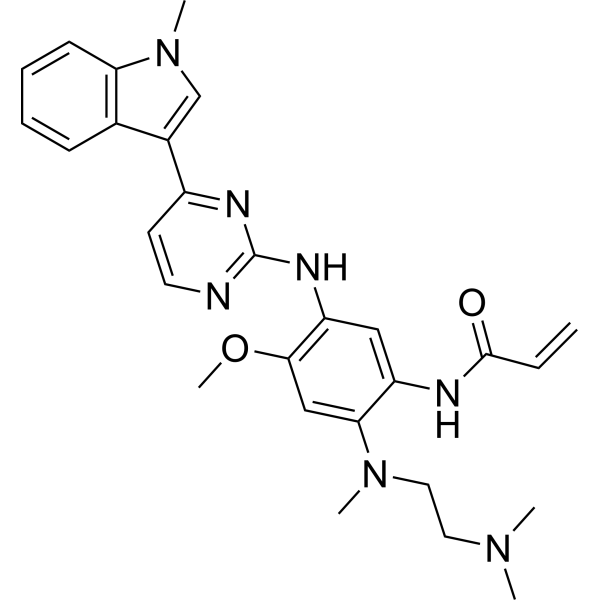
    Osimertinib
    Maximum Cited Publications
    185 Publications Verification

    AZD-9291; Mereletinib

    EGFR Cancer
    Osimertinib (AZD9291) is a covalent, orally active, irreversible, and mutant-selective EGFR inhibitor with an apparent IC50 of 12 nM against L858R and 1 nM against L858R/T790M, respectively. Osimertinib overcomes T790M-mediated resistance to EGFR inhibitors in lung cancer .
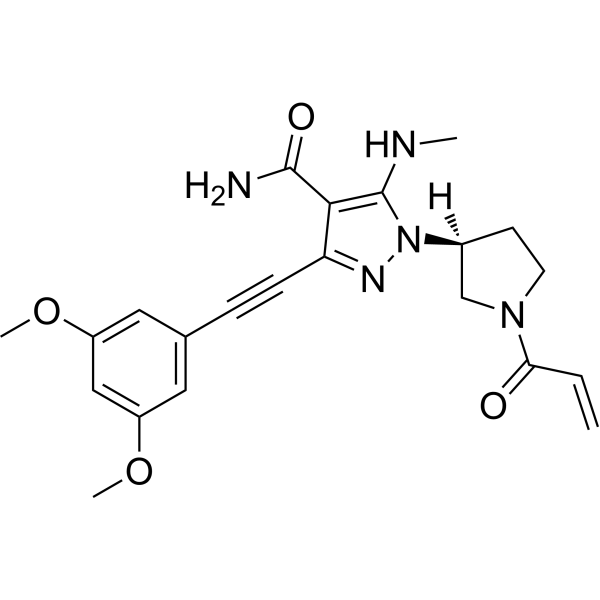
    Osimertinib
  • HY-A0004
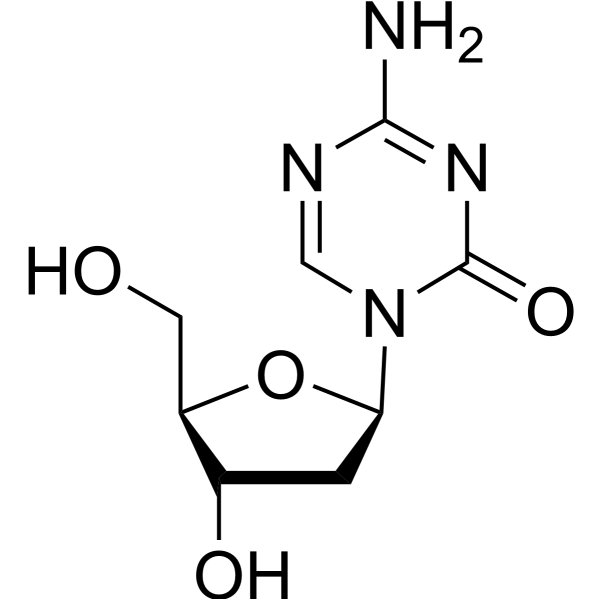
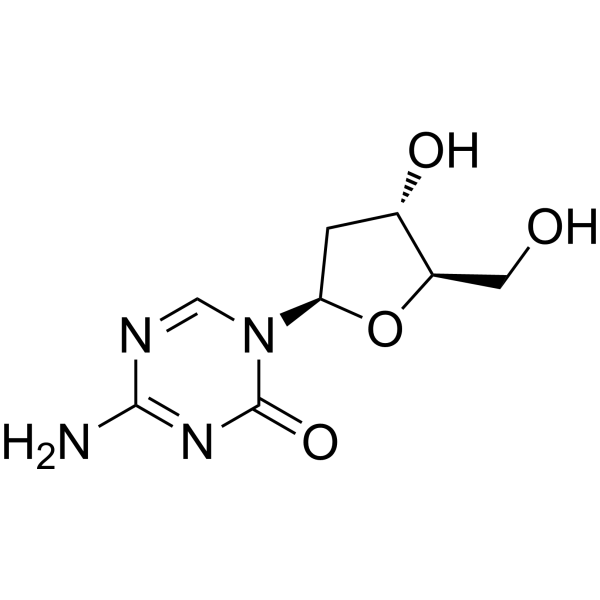
    Decitabine
    165+ Cited Publications

    5-Aza-2'-deoxycytidine; 5-AZA-CdR; NSC 127716

    DNA Methyltransferase Apoptosis Nucleoside Antimetabolite/Analog Cancer
    Decitabine (NSC 127716) is an orally active deoxycytidine analogue antimetabolite and a DNA methyltransferase inhibitor. Decitabine incorporates into DNA in place of cytosine can covalently trap DNA methyltransferase to DNA causing irreversible inhibition of the enzyme. Decitabine induces cell G2/M arrest and cell apoptosis. Decitabine has potent anticancer activity .
    Decitabine
  • HY-114277
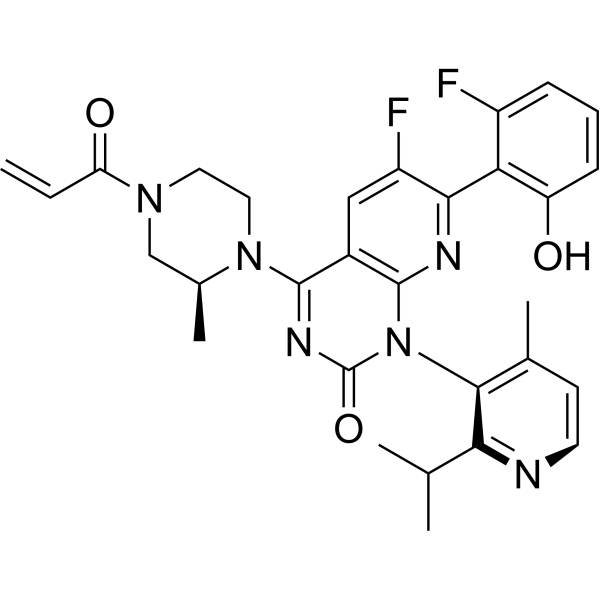
    Sotorasib
    105+ Cited Publications

    AMG-510

    Ras Cancer
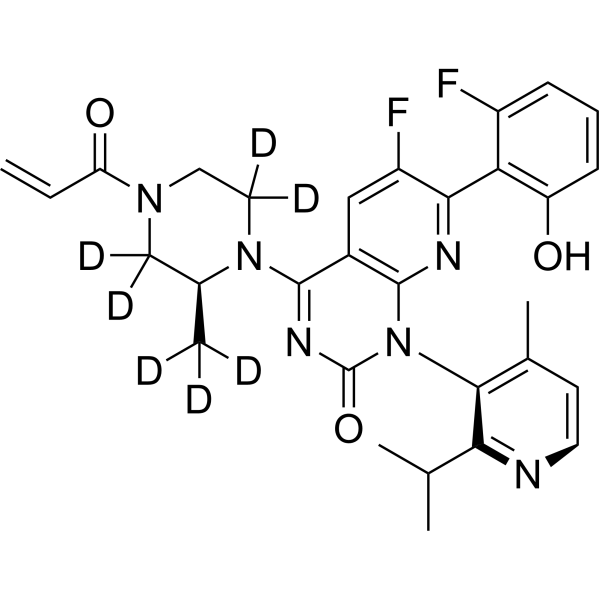
    Sotorasib (AMG-510) is a first-in-class, orally bioavailable, and selective KRAS G12C covalent inhibitor. Sotorasib irreversibly inhibits KRAS G12C by locking it in an inactive GDP-bound state. Sotorasib leads to the regression of KRAS G12C‑mutated locally advanced or metastatic non‑small cell lung cancer (NSCLC) .
    Sotorasib
  • HY-100944
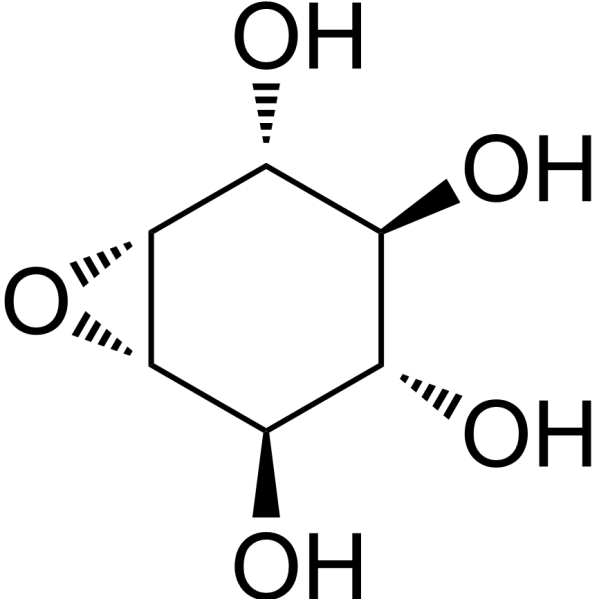
    Conduritol B epoxide
    10+ Cited Publications

    Glycosidase Neurological Disease
    Conduritol B epoxide is an irreversible covalently bound acid β-glucosidase (GCase) inhibitor.
    Conduritol B epoxide
  • HY-15772A
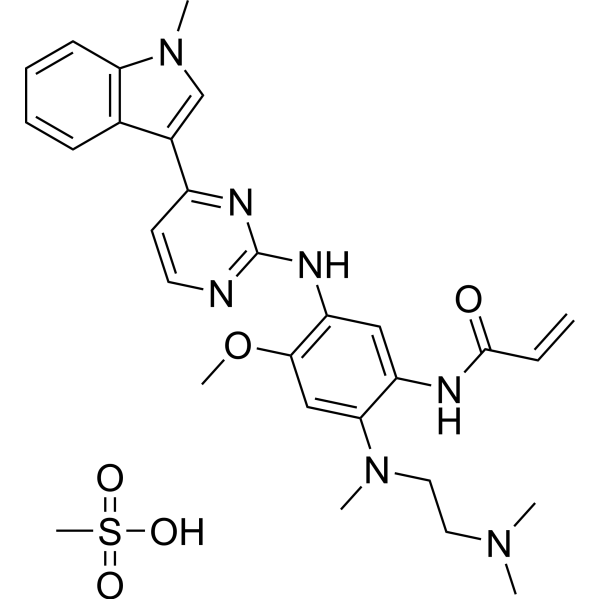
    Osimertinib mesylate
    Maximum Cited Publications
    185 Publications Verification

    AZD-9291 mesylate; Mereletinib mesylate

    EGFR Cancer
    Osimertinib mesylate (AZD9291 mesylate) is a covalent, orally active, irreversible, and mutant-selective EGFR inhibitor with an apparent IC50 of 12 nM against L858R and 1 nM against L858R/T790M. Osimertinib overcomes T790M-mediated resistance to EGFR inhibitors in lung cancer .
    Osimertinib mesylate
  • HY-147250
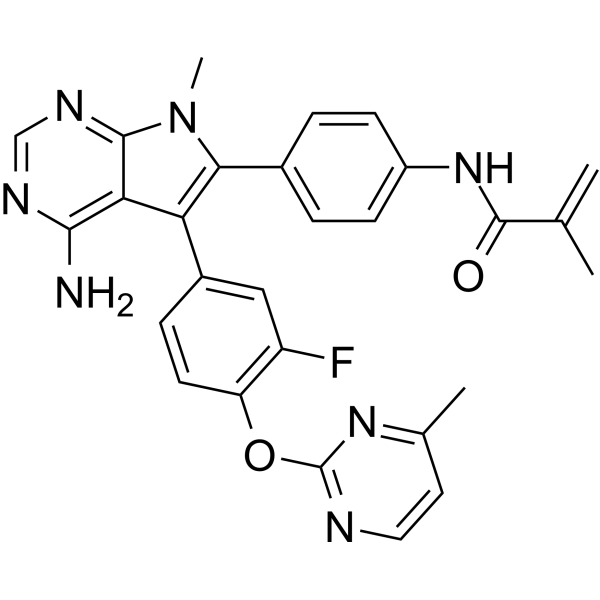
    Lirafugratinib
    1 Publications Verification

    RLY-4008

    FGFR Cancer
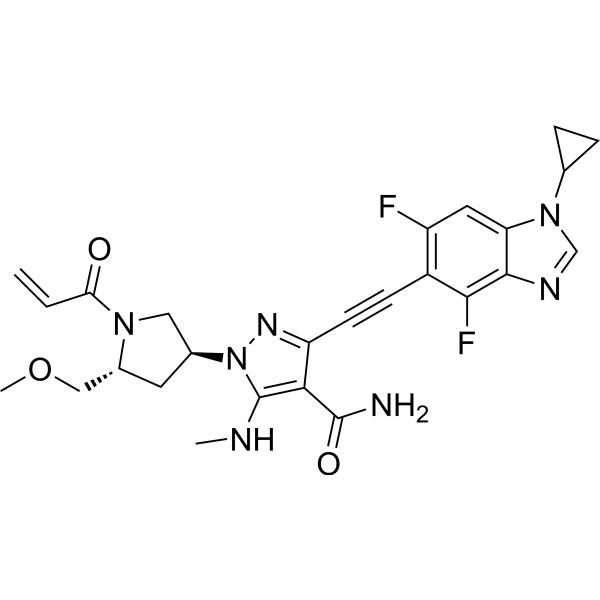
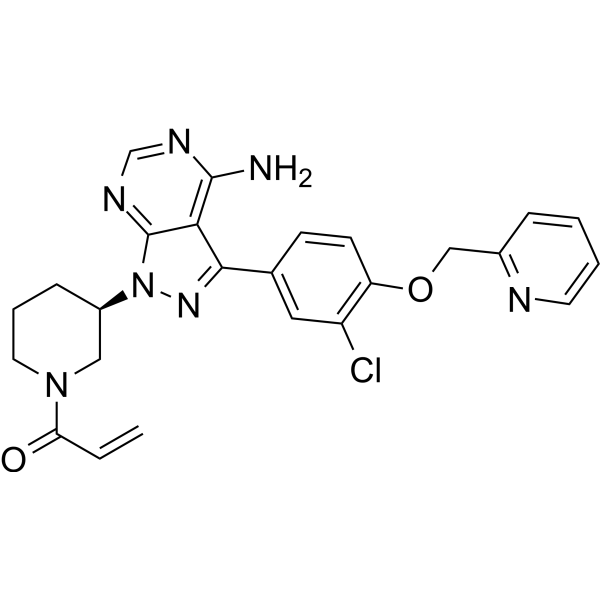
    Lirafugratinib (RLY-4008) is an orally active, irreversible and highly selective FGFR2 inhibitor with an IC50 of 3 nM. Lirafugratinib covalently binds to Cys491. Lirafugratinib targets FGFR2 primary alterations and resistance mutations and induces tumor regression while sparing other FGFRs .
    Lirafugratinib
  • HY-13821
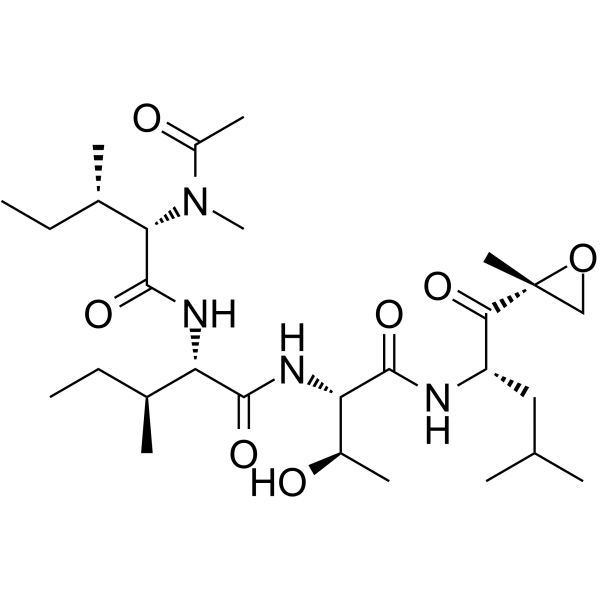
    Epoxomicin
    20+ Cited Publications

    BU-4061T

    Proteasome Apoptosis Inflammation/Immunology Cancer
    Epoxomicin (BU-4061T) is an epoxyketone-containing natural product and a potent, selective and irreversible proteasome inhibitor. Epoxomicin covalently binds to the LMP7, X, MECL1, and Z catalytic subunits of the proteasome and potently inhibits primarily the chymotrypsin-like activity. Epoxomicin can cross the blood-brain barrier. Epoxomicin has strongly antitumor and anti-inflammatory activity .
    Epoxomicin
  • HY-14645
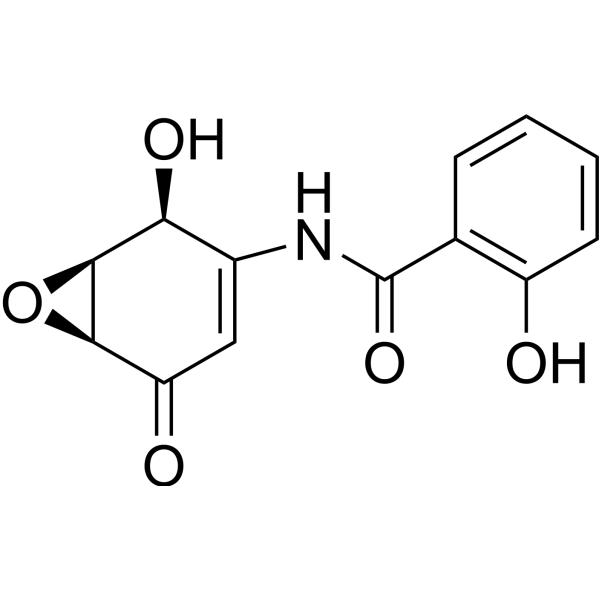
    (-)-DHMEQ
    30+ Cited Publications

    Dehydroxymethylepoxyquinomicin

    NF-κB Inflammation/Immunology Cancer
    (-)-DHMEQ (Dehydroxymethylepoxyquinomicin) is a potent, selective and irreversible NF-κB inhibitor that covalently binds to a cysteine residue. (-)-DHMEQ inhibits nuclear translocation of NF-κB and shows anti-inflammatory and anticancer activity .
    (-)-DHMEQ
  • HY-15771
    Tirabrutinib
    5+ Cited Publications

    ONO-4059; GS-4059

    Btk Apoptosis Inflammation/Immunology Cancer
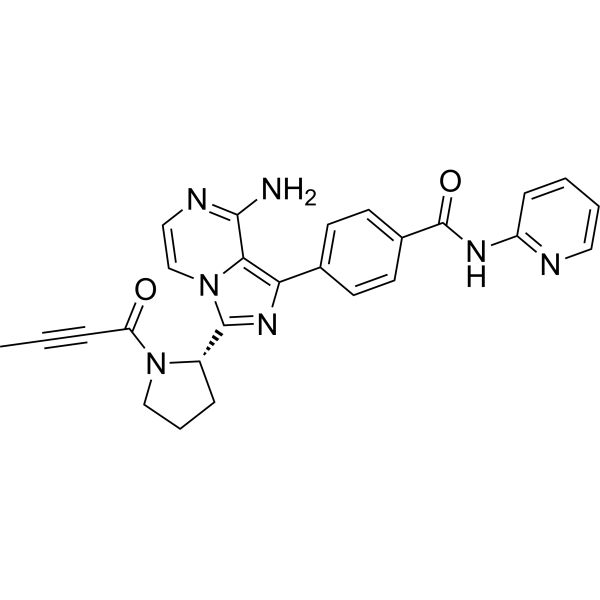
    Tirabrutinib (ONO-4059) is an orally active Bruton’s Tyrosine Kinase (BTK) inhibitor (can cross the blood-brain barrier (BBB)), with an IC50 of 6.8 nM. Tirabrutinib irreversibly and covalently binds to BTK and inhibits aberrant B cell receptor signaling. Tirabrutinib can be used in studies of autoimmune diseases and hematological malignancies .
    Tirabrutinib
  • HY-18930

    CDK Cancer
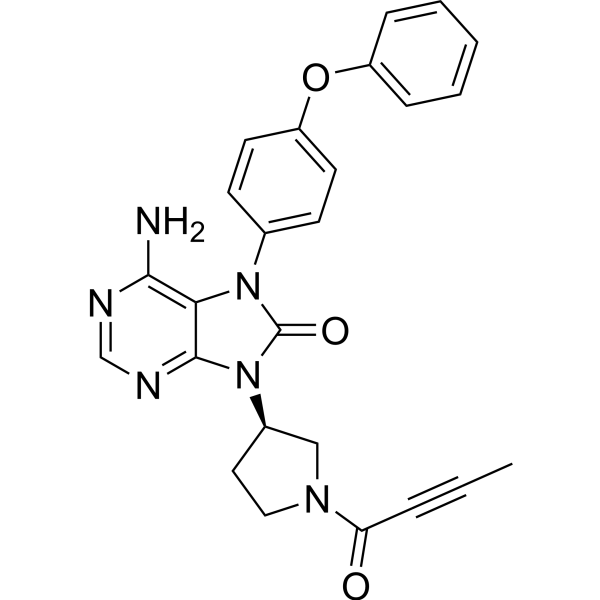
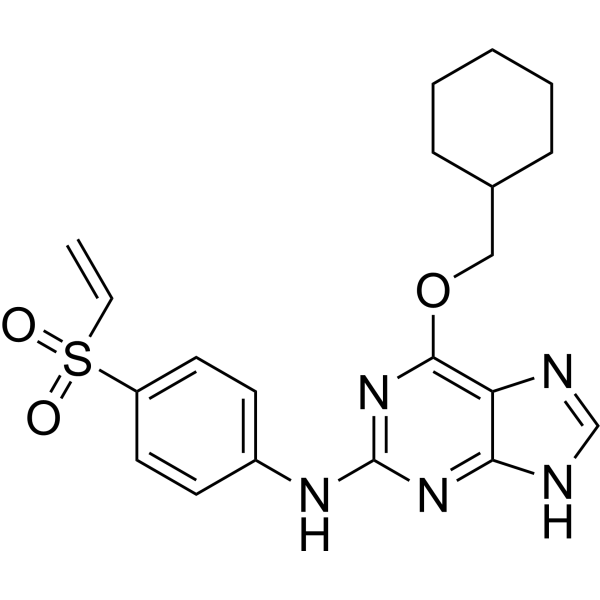
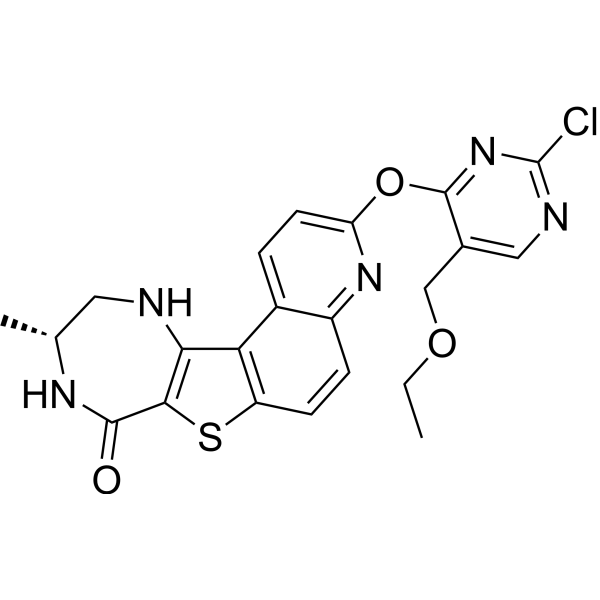
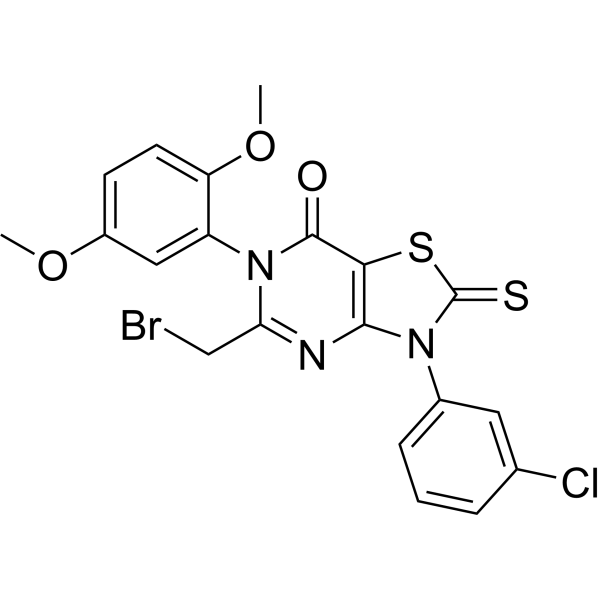
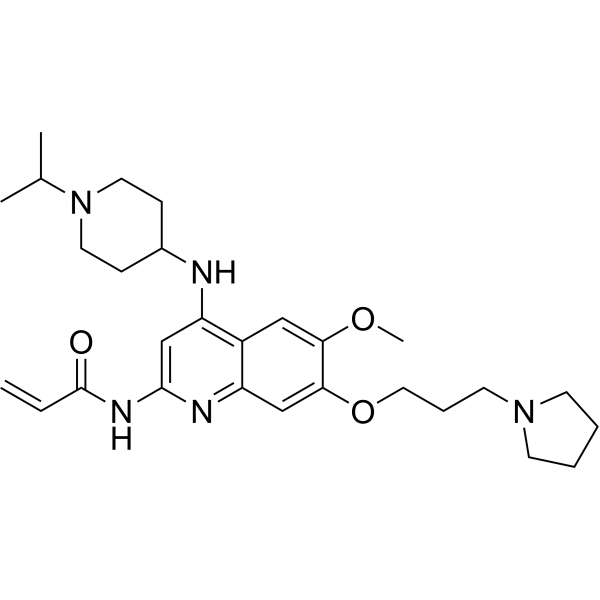
    NU6300 is a covalent, irreversible and ATP-competitive CDK2 inhibitor with an IC50 value of 0.16 μM. NU6300 can be used for the research of eukaryotic cell cycle- and transcription-related .
    NU6300
  • HY-150105

    BMF-219; Menin-MLL inhibitor 21

    Epigenetic Reader Domain Metabolic Disease Inflammation/Immunology Cancer
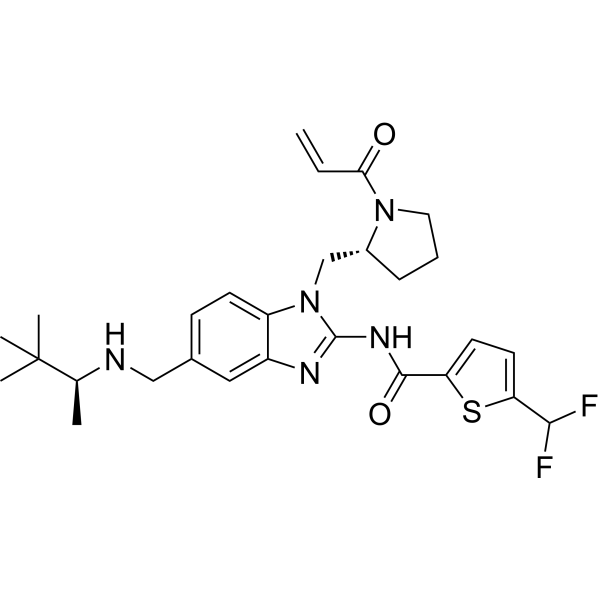
    Icovamenib (BMF-219) is a selective, orally active, irreversible Menin inhibitor. Icovamenib forms a stable and irreversible covalent bond with Menin. Icovamenib promotes selective and controlled proliferation of beta cells and improvement of beta cell function in ex vivo human islet cultures. Icovamenib enhances glycemic control in animal diabetic models. Icovamenib induces a dose-dependent enhancement in insulin secretion potentiated by the GLP-1 RA. Icovamenib can be used for the study of multiple hematologic malignancies, solid tumors, and diabetes mellitus, such as diffuse large B-cell lymphoma (DLBCL), multiple myeloma (MM) and chronic lymphocytic leukemia and type 2 diabetes .
    Icovamenib
  • HY-15772R

    AZD-9291 (Standard); Mereletinib (Standard)

    Reference Standards EGFR Cancer
    Osimertinib (Standard) is the analytical standard of Osimertinib. This product is intended for research and analytical applications. Osimertinib (AZD9291) is a covalent, orally active, irreversible, and mutant-selective EGFR inhibitor with an apparent IC50 of 12 nM against L858R and 1 nM against L858R/T790M, respectively. Osimertinib overcomes T790M-mediated resistance to EGFR inhibitors in lung cancer .
    Osimertinib (Standard)
  • HY-100848
    TX1-85-1
    2 Publications Verification

    EGFR Cancer
    TX1-85-1 is an irreversible Her3 (ErbB3) inhibitor with an IC50 of 23 nM. TX1-85-1 is also the first selective Her3 ligand, which forms a covalent bond with Cys721 located in the ATP-binding site of Her3. TX1-85-1 induces partial degradation of Her3 protein and attenuates Her3-dependent signaling .
    TX1-85-1
  • HY-101215
    Evobrutinib
    5+ Cited Publications

    M2951; MSC2364447C

    Btk Inflammation/Immunology Cancer
    Evobrutinib (M2951) is an orally active, potent, highly selective and irreversibly covalent BTK inhibitor, with an IC50 of 8.9 nM. Evobrutinib (M2951) can be used for the research of autoimmune diseases .
    Evobrutinib
  • HY-125269
    TED-347
    10+ Cited Publications

    YAP Cancer
    TED-347 is a potent, irreversible, covalent and allosteric inhibitor at YAP-TEAD protein-protein interaction with an EC50 of 5.9 μM for TEAD4⋅Yap1 protein-protein interaction. TED-347 specifically and covalently bonds with Cys-367 within the central pocket of TEAD4 with a Ki of 10.3 μM. TED-347 blocks TEAD transcriptional activity and has antitumor activity .
    TED-347
  • HY-14380
    PF-3845
    2 Publications Verification

    FAAH Autophagy Inflammation/Immunology Cancer
    PF-3845 is a potent, selective, irreversible and orally active inhibitor of fatty acid amide hydrolase (FAAH), with a Ki of 0.23 μM. PF-3845 is a covalent inhibitor that carbamylates FAAH's serine nucleophile. PF-3845 can reduce pain sensation, inflammation, and anxiety/depression without substantial effects on motility or cognition .
    PF-3845
  • HY-116090
    Conoidin A
    3 Publications Verification

    Parasite Infection Cardiovascular Disease Neurological Disease
    Conoidin A is a cell permeable inhibitor of T. gondii enzyme peroxiredoxin II (TgPrxII) with nematicidal properties. Conoidin A covalently binds to the peroxidatic Cys47 of TgPrxII, irreversibly inhibiting its hyperperoxidation activity with an IC50 of 23 μM. Conoidin A also inhibits hyperoxidation of mammalian PrxI and PrxII (but not PrxIII) . Conoidin A has antioxidant, neuroprotective effects and can be used for the research of ischaemic heart disease .
    Conoidin A
  • HY-116856
    SRPKIN-1
    5+ Cited Publications

    SRPK Cardiovascular Disease Cancer
    SRPKIN-1 is a covalent and irreversible SRPK1/2 inhibitor with IC50s of 35.6 and 98 nM, respectively. Anti-angiogenesis effect .
    SRPKIN-1
  • HY-19564
    JX06
    5+ Cited Publications

    PDHK Apoptosis Cancer
    JX06 is a potent, selective and covalent inhibitor of PDK. JX06 inhibits PDK1, PDK2 and PDK3 with IC50s of 49 nM, 101 nM, and 313 nM, respectively. JX06 inhibits PDK1 activity via covalently binding to a cysteine residue in an irreversible manner. JX06 shows significant antitumor activity .
    JX06
  • HY-114436
    MRTX-1257
    5 Publications Verification

    Ras Cancer
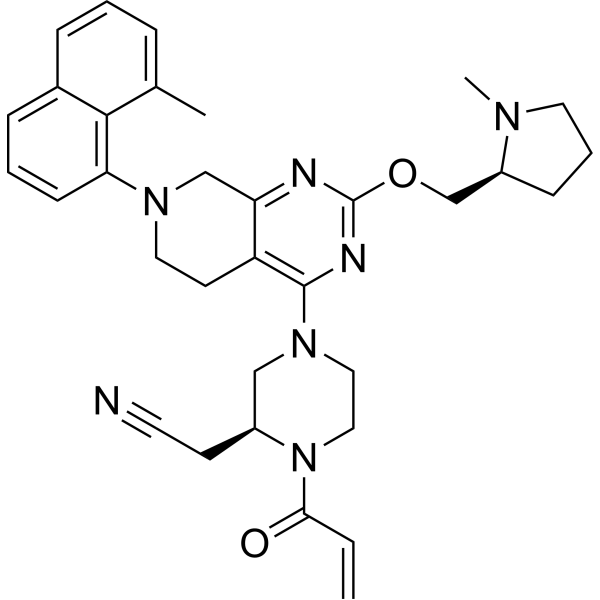
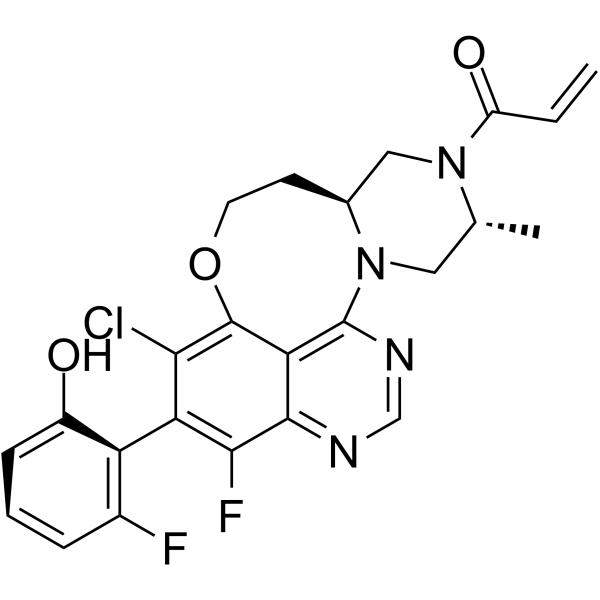
    MRTX-1257 is a selective, irreversible, covalent and orally active KRAS G12C inhibitor, with an IC50 of 900 pM for KRAS dependent ERK phosphorylation in H358 cells .
    MRTX-1257
  • HY-147250A
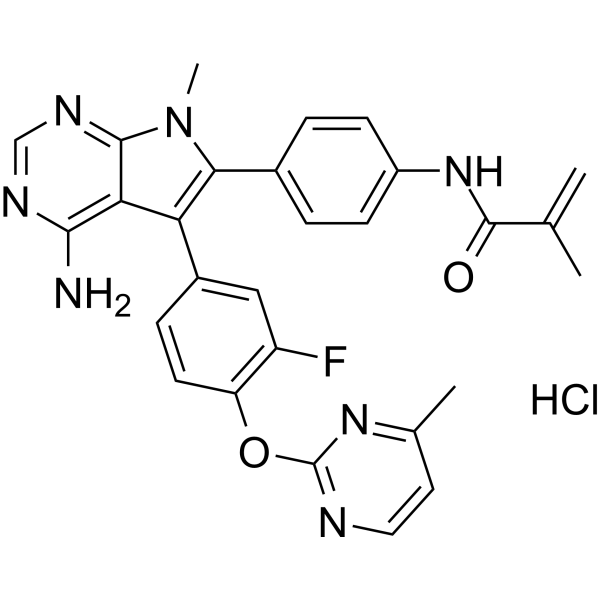
    Lirafugratinib hydrochloride
    1 Publications Verification

    RLY-4008 hydrochloride

    FGFR Cancer
    Lirafugratinib (RLY-4008) hydrochloride is an orally active, irreversible and highly selective FGFR2 inhibitor with an IC50 of 3 nM. Lirafugratinib hydrochloride covalently binds to Cys491. Lirafugratinib hydrochloride targets FGFR2 primary alterations and resistance mutations and induces tumor regression while sparing other FGFRs .
    Lirafugratinib hydrochloride
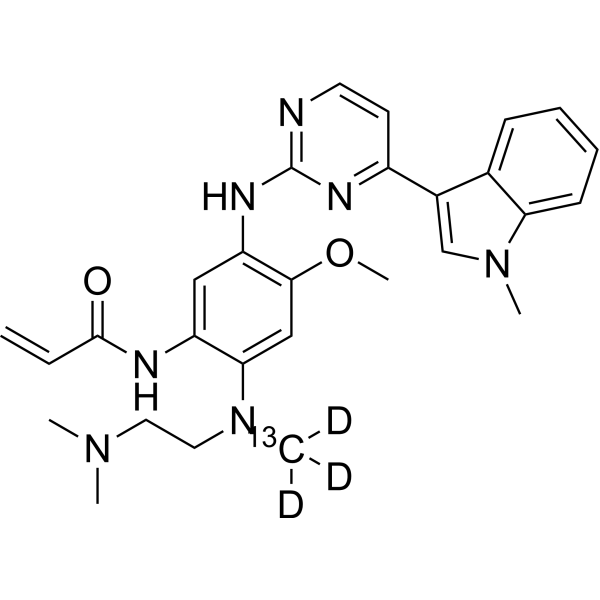
  • HY-15772S1

    AZD-9291-13C,d3; Mereletinib-13C,d3

    EGFR Cancer
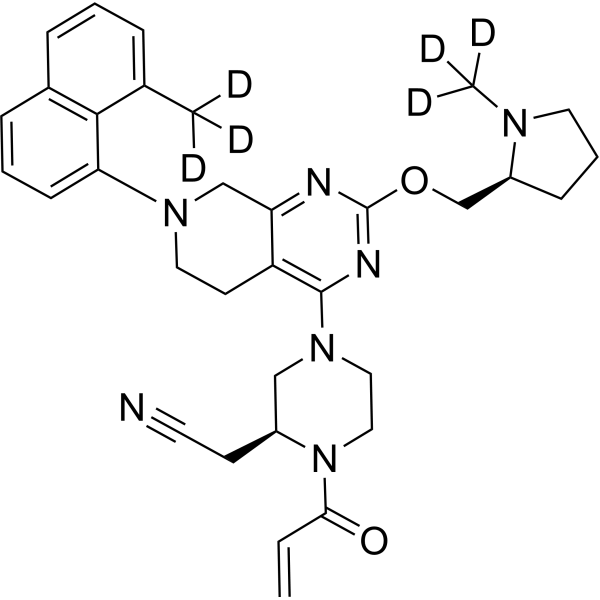
    Osimertinib- 13C,d3 is the deuterium and 13C labeled Osimertinib. Osimertinib (AZD9291) is a covalent, orally active, irreversible, and mutant-selective EGFR inhibitor with an apparent IC50 of 12 nM against L858R and 1 nM against L858R/T790M, respectively.
    Osimertinib-13C,d3
  • HY-139504

    CC-99677

    MAPKAPK2 (MK2) Inflammation/Immunology
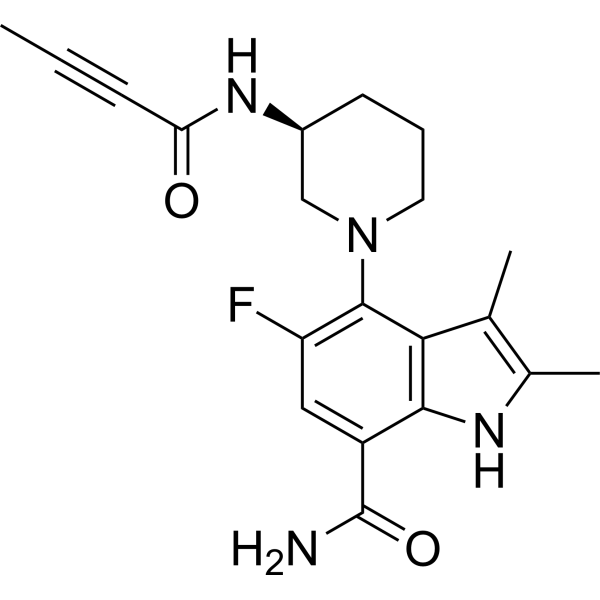
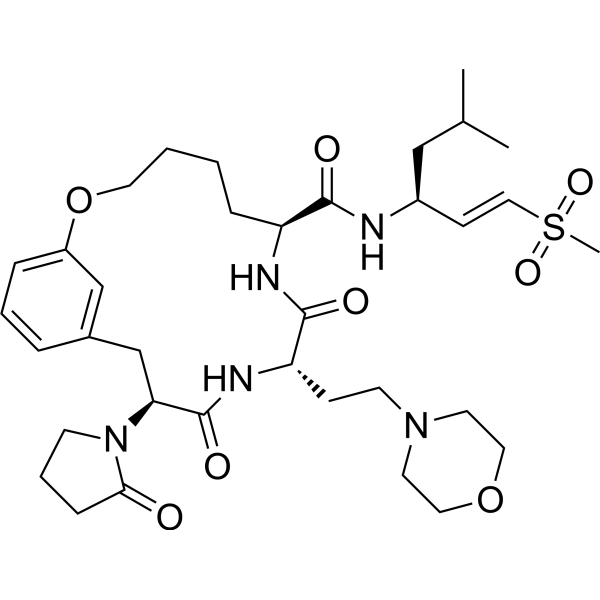
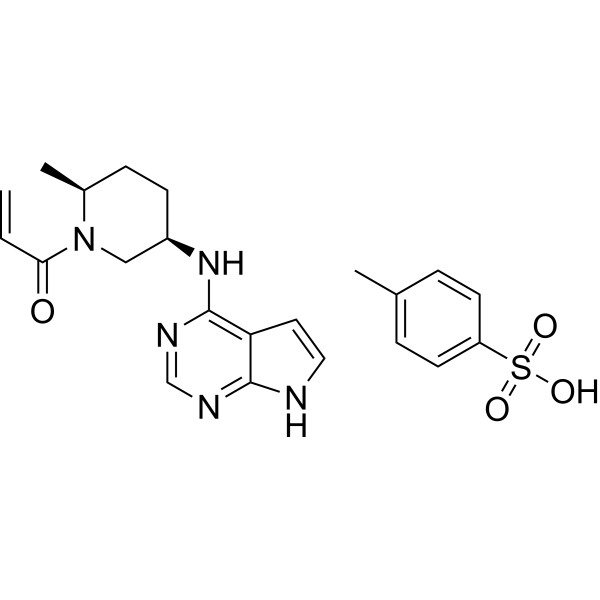
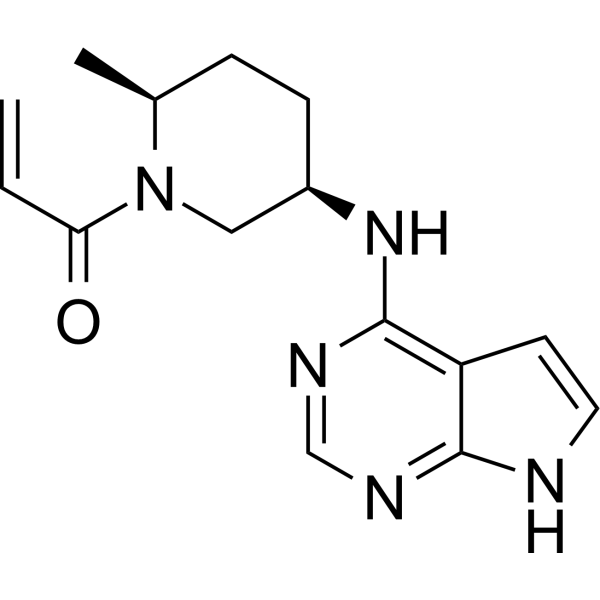
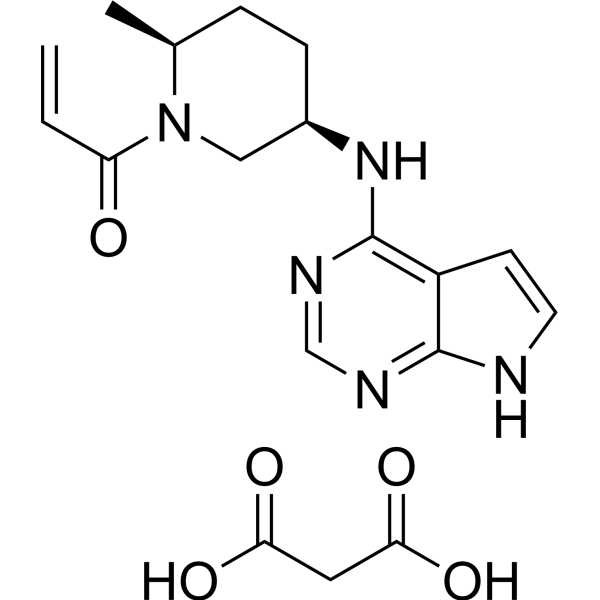
    Gamcemetinib (CC-99677) is a potent, covalent, and irreversible inhibitor of the mitogen-activated protein (MAP) kinase-activated protein kinase-2 (MK2) pathway in both biochemical (IC50=156.3 nM) and cell based assays (EC50=89 nM). Gamcemetinib is extracted from patent WO2020236636, compound 1 .
    Gamcemetinib
  • HY-12680
    PRN694
    3 Publications Verification

    Itk Inflammation/Immunology
    PRN694 is an irreversible, highly selective and potent covalent interleukin-2-inducible T-cell kinase (ITK) and resting lymphocyte kinase (RLK) dual inhibitor with IC50s of 0.3 nM and 1.4 nM, respectively. PRN694 exhibits extended target residence time on ITK and RLK, enabling durable attenuation of effector cells in vitro and in vivo .
    PRN694
  • HY-114304
    COH000
    2 Publications Verification

    E1/E2/E3 Enzyme Cancer
    COH000 is an allosteric, covalent and irreversible inhibitor of ubiquitin-like 1-activating enzyme (SUMO-activating enzyme) (E1), with an IC50 of 0.2 μM for SUMOylation in vitro .
    COH000
  • HY-133118
    6RK73
    4 Publications Verification

    Deubiquitinase Cancer
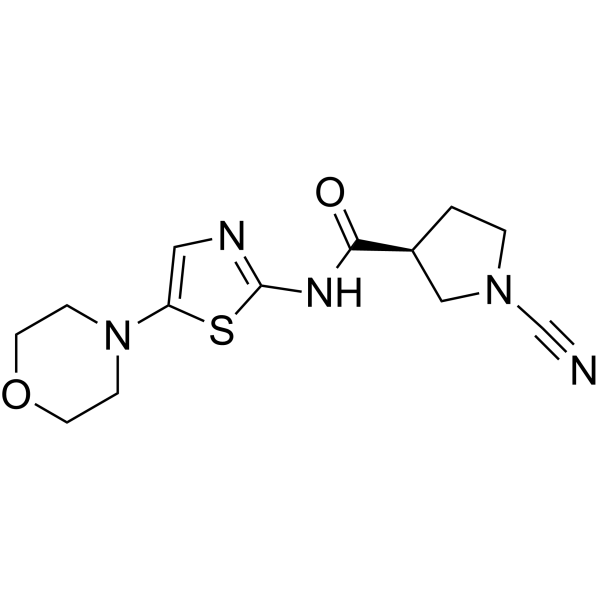
    6RK73 is a covalent irreversible and specific UCHL1 inhibitor with an IC50 of 0.23 µM. 6RK73 shows almost no inhibition of UCHL3 (IC50=236 µM). 6RK73 specifically inhibit UCHL1 activity in breast cancer .
    6RK73
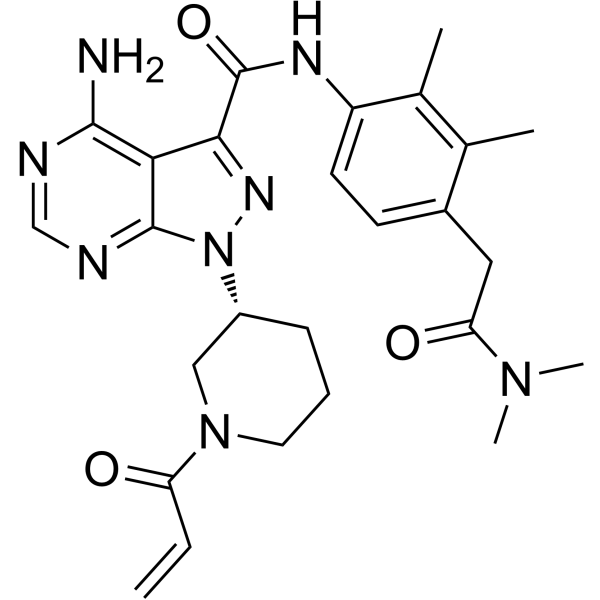
  • HY-112161
    Branebrutinib
    3 Publications Verification

    BMS-986195

    Btk Cancer
    Branebrutinib (BMS-986195) is a highly potent, selective covalent, irreversible inhibitor of Bruton’s tyrosine kinase (BTK), with an IC50 of 0.1 nM . Branebrutinib is a click chemistry reagent, it contains an Alkyne group and can undergo copper-catalyzed azide-alkyne cycloaddition (CuAAc) with molecules containing Azide groups.
    Branebrutinib
  • HY-15771A
    Tirabrutinib hydrochloride
    5+ Cited Publications

    ONO-4059 hydrochloride; GS-4059 hydrochloride

    Btk Apoptosis Inflammation/Immunology Cancer
    Tirabrutinib (ONO-4059) hydrochloride is an orally active Bruton’s Tyrosine Kinase (BTK) inhibitor (can cross the blood-brain barrier (BBB)), with an IC50 of 6.8 nM. Tirabrutinib hydrochloride irreversibly and covalently binds to BTK and inhibits aberrant B cell receptor signaling. Tirabrutinib hydrochloride can be used in studies of autoimmune diseases and hematological malignancies .
    Tirabrutinib hydrochloride
  • HY-Z0816
    Dehydronitrosonisoldipine
    3 Publications Verification

    Calcium Channel Others
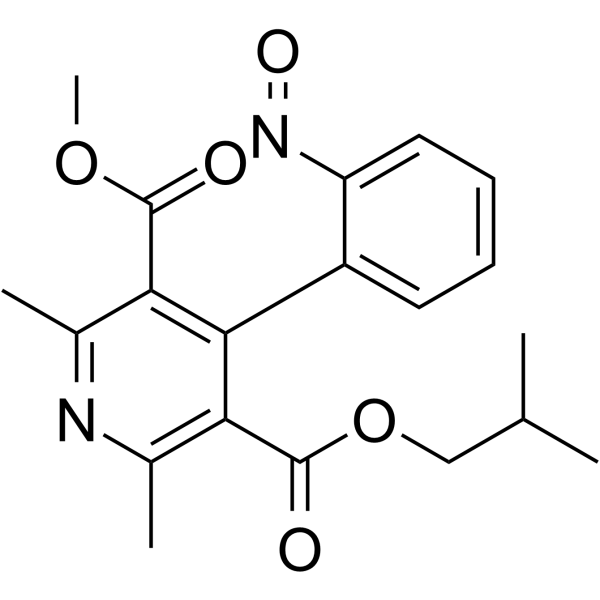
    Dehydronitrosonisoldipine, a derivative of Nisoldipine (HY-17402), is an irreversible and cell-permeant sterile alpha and TIR motif-containing 1 (SARM1) inhibitor. Dehydronitrosonisoldipine acts mainly by blocking SARM1 activation but not its enzymatic activities. Dehydronitrosonisoldipine inhibits SARM1 and axon degenration (AxD) by covalently modifying cysteines, also inhibits the Vincristine-activated cADPR production in neurons. Dehydronitrosonisoldipine can be used for researching neurodegenerative disorders .
    Dehydronitrosonisoldipine
  • HY-52101A
    FMK
    4 Publications Verification

    Ribosomal S6 Kinase (RSK) Cancer
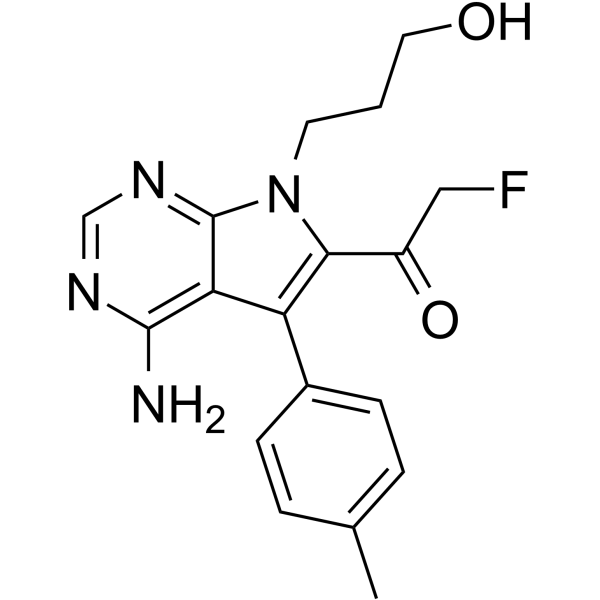
    FMK is a an irreversible RSK2 kinase inhibitor, that covalently modifies the C-terminal kinase domain of RSK.
    FMK
  • HY-136605
    DGY-06-116
    2 Publications Verification

    Src Cancer
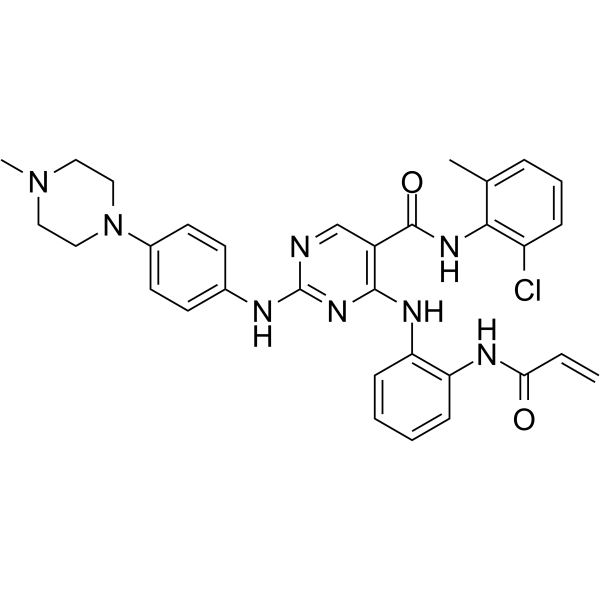
    DGY-06-116 is an irreversible covalent, selective Src inhibitor with an IC50 of 3nM. DGY-06-116 inhibits FGFR1 with an IC50 of 8340 nM .
    DGY-06-116
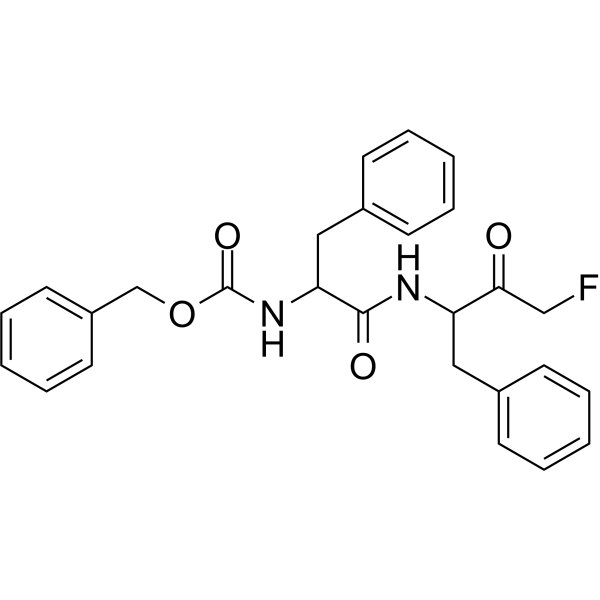
  • HY-102087
    JPM-OEt
    3 Publications Verification

    Cathepsin Cancer
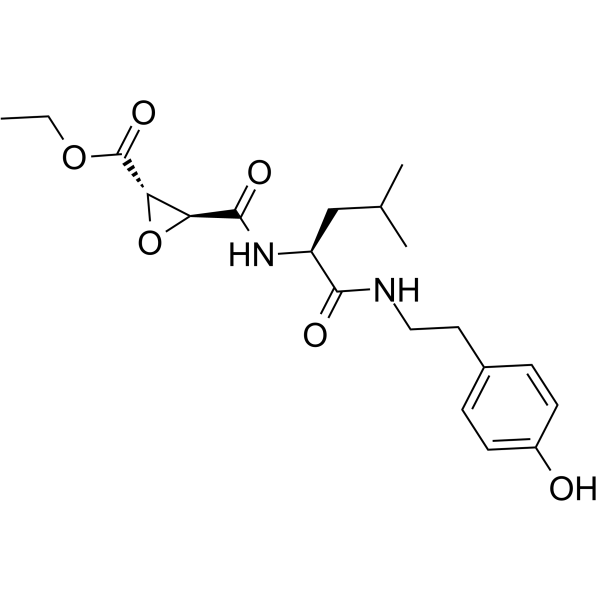
    JPM-OEt is a broad spectrum cysteine cathepsin inhibitor. JPM-OEt binds covalently in the active site, and irreversibly inhibits the cysteine cathepsin family. Antitumor activity .
    JPM-OEt
  • HY-13943
    CNX-774
    2 Publications Verification

    Btk Cancer
    CNX-774 is an orally active, irreversible and selective BTK inhibitor, with an IC50 of < 1 nM. CNX-774 specifically targets Cysteine 481 of Btk for covalent modification .
    CNX-774
  • HY-128867
    bio-THZ1
    1 Publications Verification

    CDK Cancer
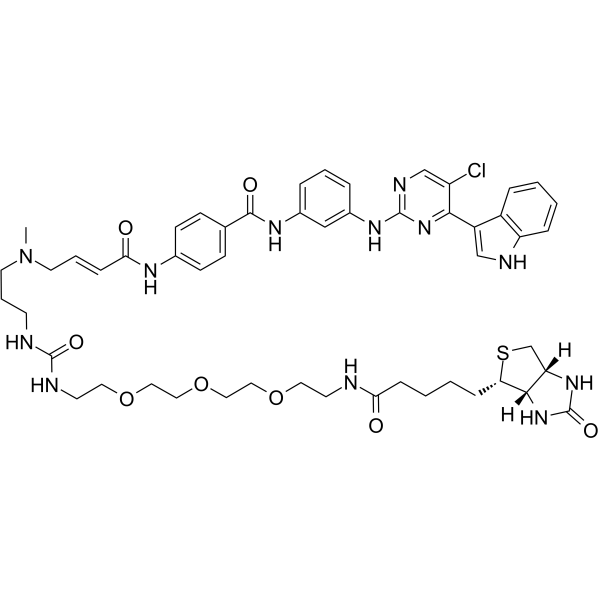
    bio-THZ1 is a biotinylated version of THZ1 and binds irreversibly to CDK7. THZ1 is a selective and potent covalent CDK7 inhibitor with an IC50 of 3.2 nM .
    bio-THZ1
  • HY-156632

    KIN-3248

    FGFR Cancer
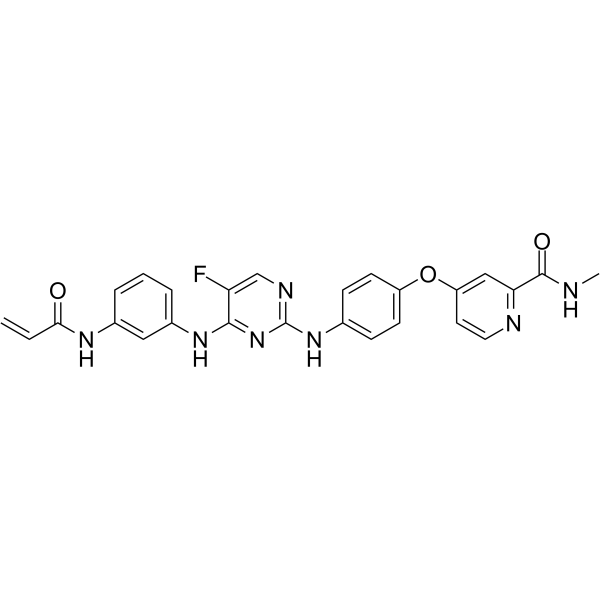
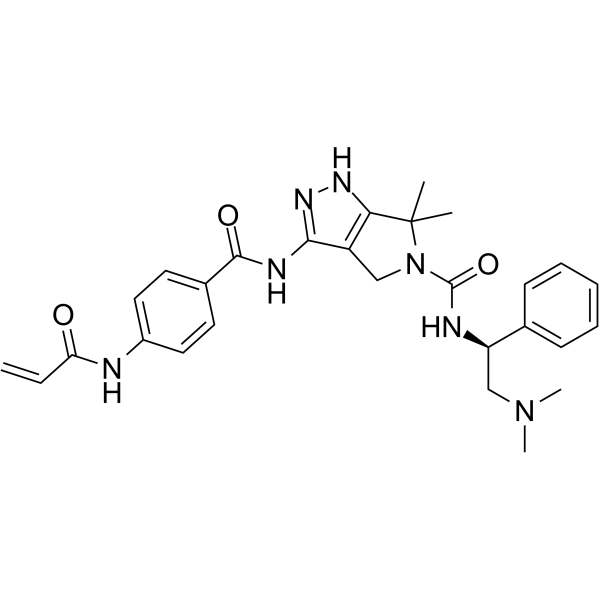
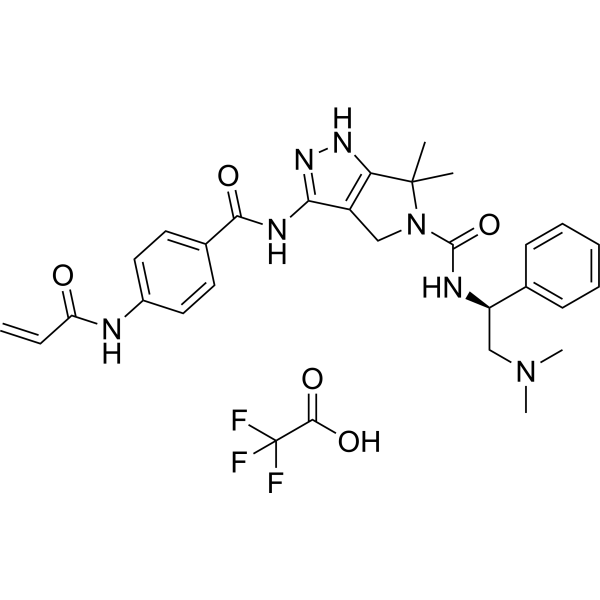
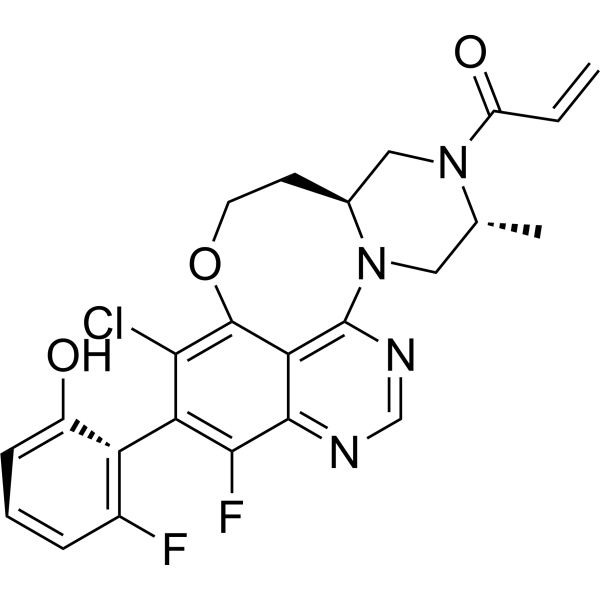
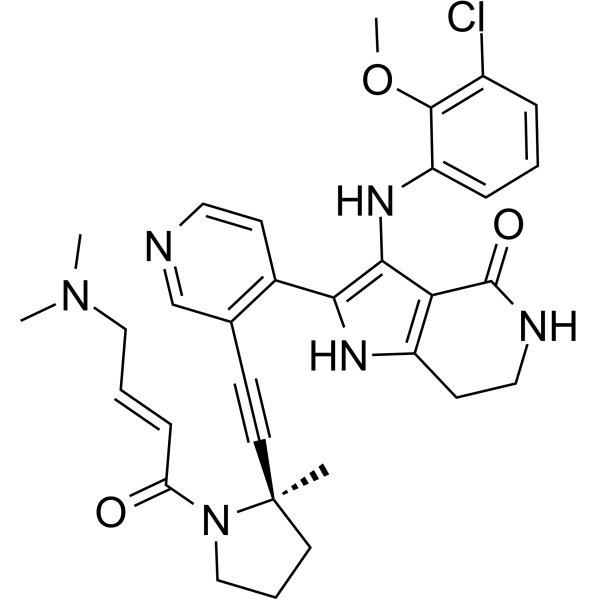
    Resigratinib (KIN-3248) is an irreversible and orally active covalent inhibitor of FGFR1-4 that effectively inhibits wild-type and drug-resistant mutations (such as FGFR2 V565F, FGFR3 V555M). Resigratinib covalently binds to the Cys492 site of FGFR, blocks the FGFR signaling pathway, inhibits tumor cell proliferation and induces apoptosis. Resigratinib can be used for the study of FGFR2/3-driven solid tumors (such as cholangiocarcinoma and bladder cancer) .
    Resigratinib
  • HY-15772S

    AZD-9291-d6; Mereletinib-d6

    EGFR Cancer
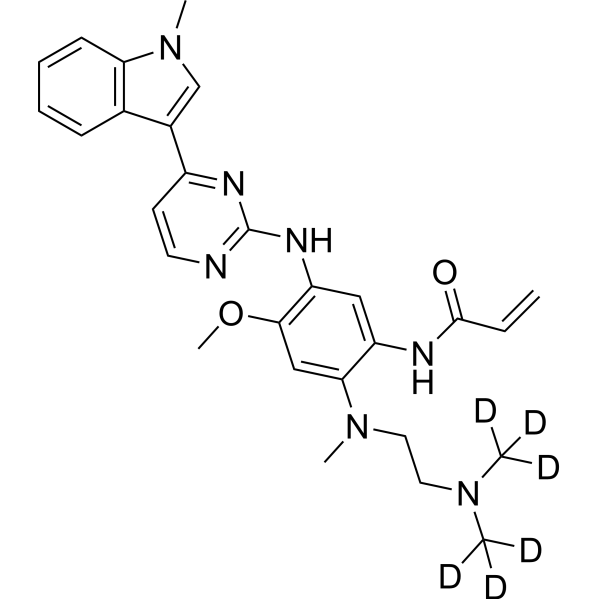
    Osimertinib-d6 is a deuterium labeled osimertinib. Osimertinib is a covalent, orally active, irreversible, and mutant-selective EGFR inhibitor with an apparent IC50 of 12 nM against L858R and 1 nM against L858R/T790M. Osimertinib overcomes T790M-mediated resistance to EGFR inhibitors in lung cancer .
    Osimertinib-d6
  • HY-141677

    Histone Demethylase Cancer
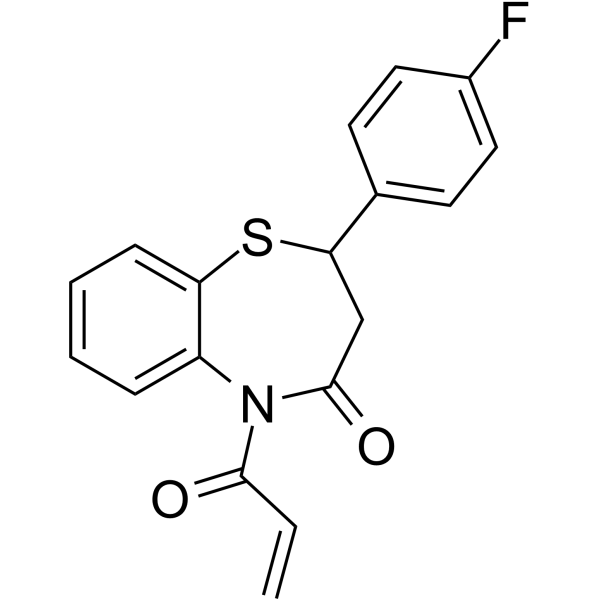
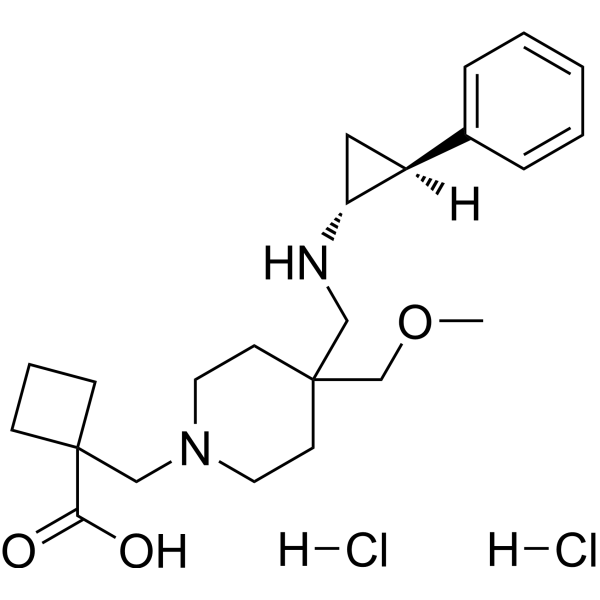
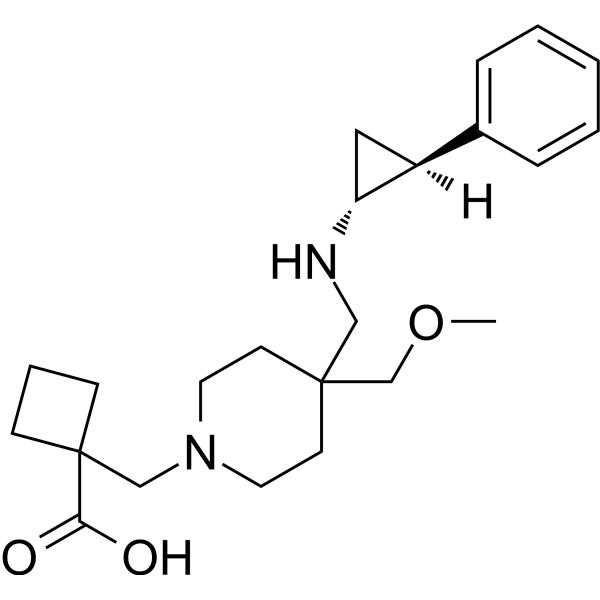
    INCB059872 is a potent, orally active, selective and irreversible Lysine-Specific Demethylase 1 (LSD1) inhibitor that achieves inhibitory activity through the formation of covalent FAD-adducts. INCB059872 can inhibit cell proliferation and induce cell differentiation by upregulating the expression of myeloid differentiation markers CD86 and CD11b. INCB059872 can be used for the research of myeloid leukemia .
    INCB059872
  • HY-132817
    Gunagratinib
    1 Publications Verification

    ICP-192

    FGFR Cancer
    Gunagratinib (ICP-192) is a low toxicity and orally active pan-FGFR (fibroblast growth factor receptors) inhibitor that potently and selectively inhibits FGFR activities irreversibly by covalent binding. Gunagratinib can be used for the research of cancer . Gunagratinib is a click chemistry reagent, it contains an Alkyne group and can undergo copper-catalyzed azide-alkyne cycloaddition (CuAAc) with molecules containing Azide groups .
    Gunagratinib
  • HY-A0004R

    5-Aza-2'-deoxycytidine (Standard); 5-AZA-CdR (Standard); NSC 127716 (Standard)

    Reference Standards DNA Methyltransferase Apoptosis Nucleoside Antimetabolite/Analog Cancer
    Decitabine (Standard) is the analytical standard of Decitabine. This product is intended for research and analytical applications. Decitabine (NSC 127716) is an orally active deoxycytidine analogue antimetabolite and a DNA methyltransferase inhibitor. Decitabine incorporates into DNA in place of cytosine can covalently trap DNA methyltransferase to DNA causing irreversible inhibition of the enzyme. Decitabine induces cell G2/M arrest and cell apoptosis. Decitabine has potent anticancer activity .
    Decitabine (Standard)
  • HY-133740

    Histone Methyltransferase Cancer
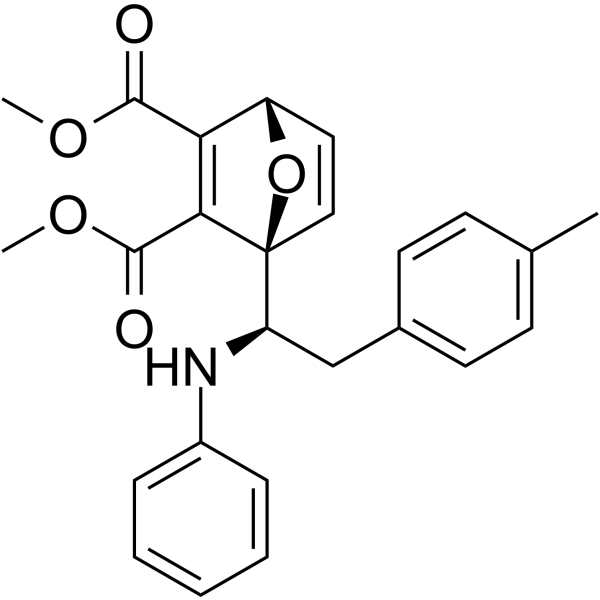
    MS117 is a first-in-class and cell-active irreversible protein arginine methyltransferase 6 (PRMT6) covalent inhibitor, with an IC50 of 18 nM .
    MS117
  • HY-153245

    Btk Inflammation/Immunology Cancer
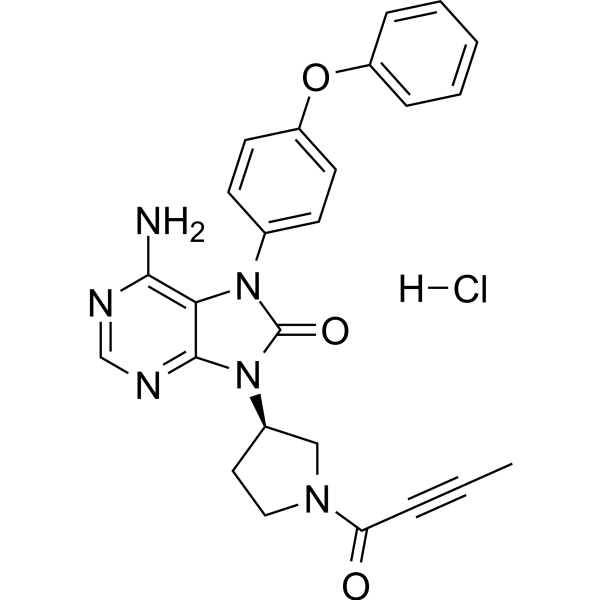
    JNJ-64264681 is a potent, orally active, selective and irreversible covalent BTK inhibitor. JNJ-64264681 exhibits good pharmacokinetic characteristics and can be used for cancer and autoimmune diseases research .
    JNJ-64264681
  • HY-12679

    Btk Cancer
    PF-06658607 is an alkynylated irreversible Brutons tyrosine kinase (BTK) inhibitor that covalently reacts with active site cysteines in the ATP-binding pocket. PF-06658607 can be used to detect "off "-targets for covalent kinase inhibitors in cancer cells. The alkyne moiety allows for azide-based detection probe via copper-catalyzed click chemistry .
    PF-06658607
  • HY-W143698

    Bcr-Abl c-Kit PDGFR Cancer
    PDGFRα kinase inhibitor 2 (compound 1), an Imatinib (HY-15463) analogue, is a covalent and irreversible kinase inhibitor with IC50s of 6.95 μM, 2.45 μM, 1.39 μM for ABL1 wt, KIT wt, PDGFRR wt .
    PDGFRα kinase inhibitor 2
  • HY-141480
    GSK-3β inhibitor 3
    1 Publications Verification

    GSK-3 Apoptosis Cancer
    GSK-3β inhibitor 3 is a potent, selective, irreversible and covalent inhibitor of Glycogen Synthase Kinase 3β (GSK-3β), with an IC50 of 6.6 μM. GSK-3β inhibitor 3 can be used for the research of acute promyelocytic leukemia .
    GSK-3β inhibitor 3
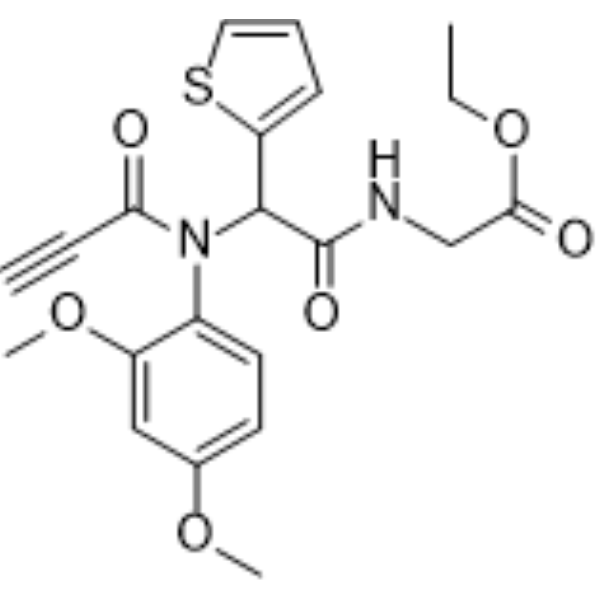
  • HY-151523

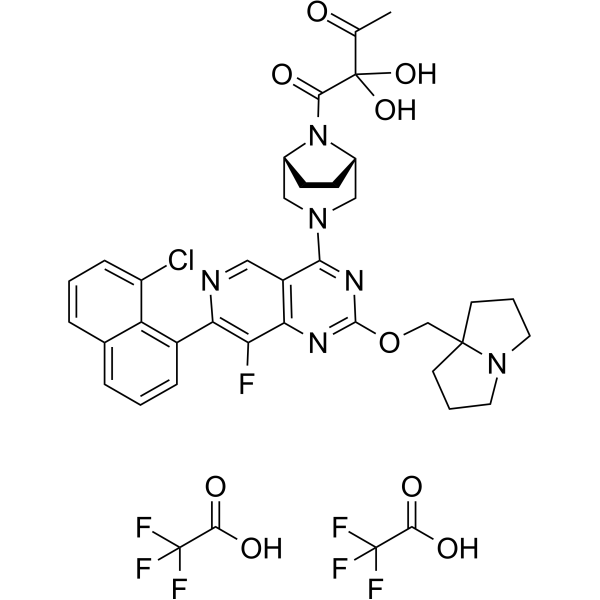
    Ras Cancer
    KRas G12R inhibitor 1 is a covalent inhibitor targeting the common oncogenic mutant KRas G12R with selectivity for the mutant arginine. KRas G12R inhibitor 1 possesses an α,β-diketoamide and exploits strong nucleophilicity of the mutant cysteine and irreversibly binds in the Switch II region of KRas. KRas G12R inhibitor 1 can be researched for K-Ras (G12R)-driven cancer such as pancreatic ductal adenocarcinoma (PDAC) .
    KRas G12R inhibitor 1
  • HY-114277R

    AMG-510 (Standard)

    Ras Reference Standards Cancer
    Sotorasib (Standard) is the analytical standard of Sotorasib. This product is intended for research and analytical applications. Sotorasib (AMG-510) is a first-in-class, orally bioavailable, and selective KRAS G12C covalent inhibitor. Sotorasib irreversibly inhibits KRAS G12C by locking it in an inactive GDP-bound state. Sotorasib leads to the regression of KRAS G12C‑mutated locally advanced or metastatic non‑small cell lung cancer (NSCLC) .
    Sotorasib (Standard)
  • HY-125273

    Fluorescent Dye Phosphoglycerate Dehydrogenase (PHGDH) Others
    DNS-pE is a 3-phosphoglycerate dehydrogenase (PHGDH) inhibitor with a Ki of 7.4 μM. DNS-pE selectively and irreversibly covalently modifies endogenous PHGDH in live mammalian cells, its vinyl sulfone moiety acts as a fluorescence quencher that becomes highly fluorescent upon covalent modification of PHGDH. DNS-pE can be used as a fluorescent dye for live-cell imaging .
    DNS-pE
  • HY-141677A

    Histone Demethylase Cancer
    INCB059872 dihydrochloride is a potent, orally active, selective and irreversible Lysine-Specific Demethylase 1 (LSD1) inhibitor that achieves inhibitory activity through the formation of covalent FAD-adducts. INCB059872 dihydrochloride can inhibit cell proliferation and induce cell differentiation by upregulating the expression of myeloid differentiation markers CD86 and CD11b. INCB059872 dihydrochloride can be used for the research of myeloid leukemia .
    INCB059872 dihydrochloride
  • HY-120709

    Dipeptidyl Peptidase Inflammation/Immunology
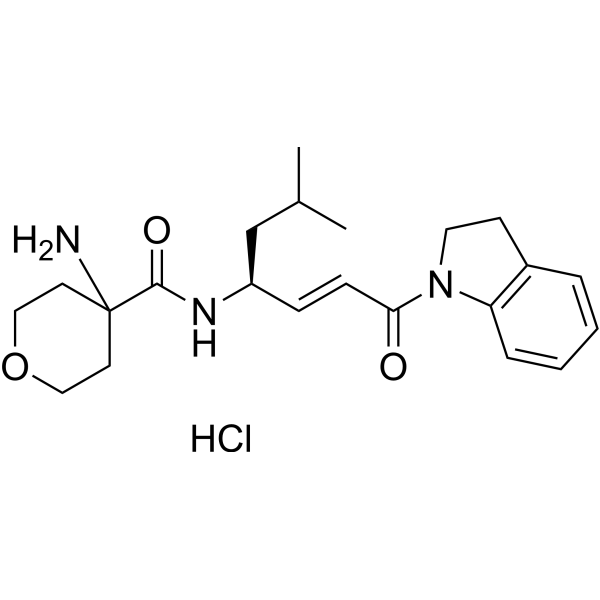
    Propyl-GSK-2793660 hydrochloride (compound 1) is a irreversible and covalent DPP1 inhibitor. Propyl-GSK-2793660 hydrochloride can be used for the study of bronchiectasis .
    Propyl-GSK-2793660 hydrochloride
  • HY-164725

    Radionuclide-Drug Conjugates (RDCs) FAP Cancer
    FAPI-mFS is an irreversible fibroblast activation protein (FAP) inhibitor, that enhances the uptake and retention time in cancer cells through its covalent binding property for FAP. FAPI-mFS can be used for cancer imaging the therapy, when labeled with radioactive 68Ga or 177Lu . FAPI-mFS can be used for the synthesis/research of Radionuclide-Drug Conjugates (RDCs).
    FAPI-mFS

Inquiry Online

Your information is safe with us. * Required Fields.

Salutation


Country or Region *

Applicant Name *


Organization Name *

Department *


Email Address *


Product Name *

Cat. No.


Requested quantity *

Phone Number *


Remarks

Inquiry Online

Inquiry Information

Product Name:
Cat. No.:
Quantity:
MCE Japan Authorized Agent: