1. Search Result
Search Result
Pathways Recommended: Vitamin D Related/Nuclear Receptor
Results for "

Protein kinase D

" in MedChemExpress (MCE) Product Catalog:

92

阻害剤およびアゴニスト

1

スクリーニングライブラリ

4

ペプチド

17

天然物

37

組換えタンパク質

20

同位体標識化合物

7

抗体

2

オリゴヌクレオチド

製品番号 製品名 Target 研究分野 構造式
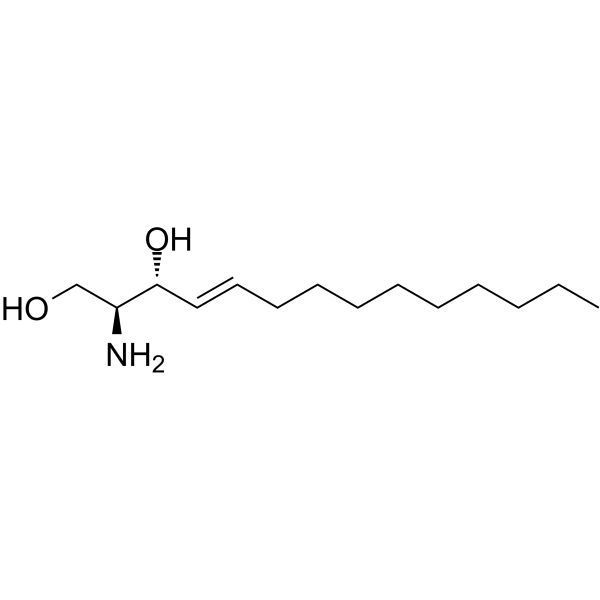
  • HY-101047
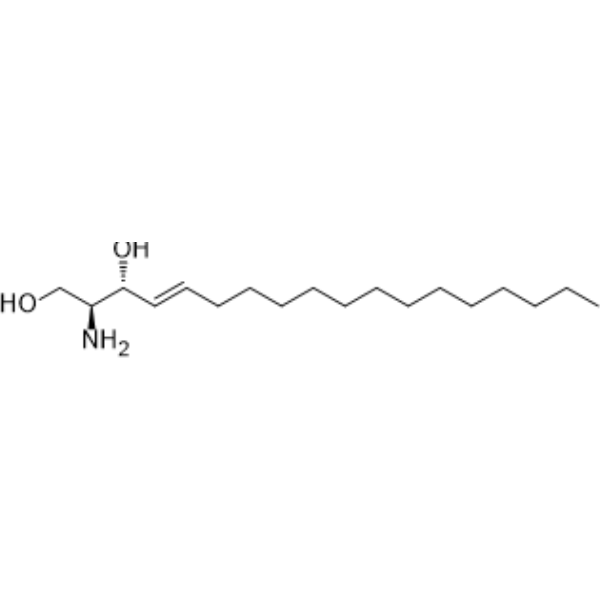
    D-erythro-Sphingosine
    4 Publications Verification

    Erythrosphingosine; erythro-C18-Sphingosine; trans-4-Sphingenine

    PKC Phosphatase Endogenous Metabolite Cancer
    D-erythro-Sphingosine (Erythrosphingosine) is a very potent activator of p32-kinase with an EC50 of 8 μM, and inhibits protein kinase C (PKC). D-erythro-Sphingosine (Erythrosphingosine) is also a PP2A activator .
    D-erythro-Sphingosine
  • HY-128574

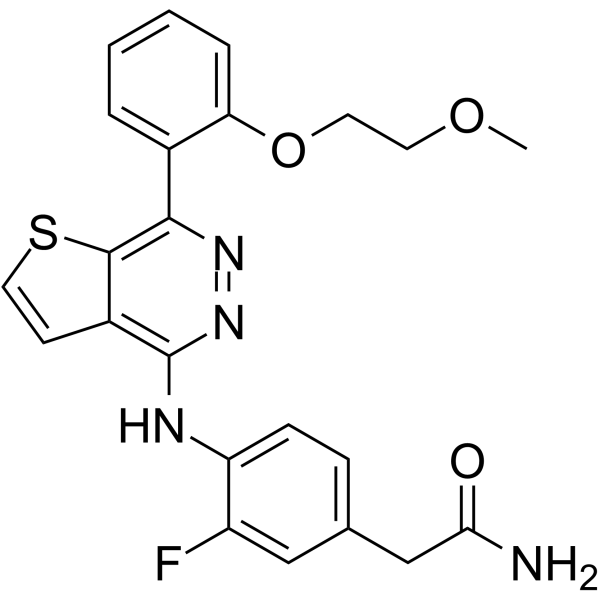
    DS11252927

    GLUT PI3K Akt Metabolic Disease
    D927 (DS11252927) is an orally active glucose transporter type 4 (GLUT4) translocation activator with an EC50 of 0.14 μM. D927 enhances the binding affinity of PI3Kα catalytic subunit p110α to canonical RAS proteins (KRAS4A, KRAS4B) and RRAS, RRAS2, MRAS. D927 activates the PI3Kα-AKT pathway (increasing phosphorylation of AKT, p70S6 kinase) without affecting the RAF-ERK1/2 pathway. D927 improves hyperglycemia in type 1 and type 2 diabetes mice model. D927 can be used for the study of glucose homeostasis disorders and diabetes .
    D927
  • HY-18981
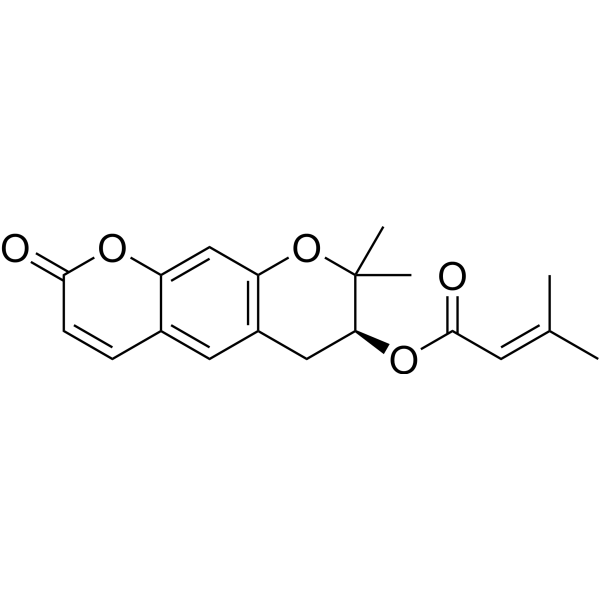
    Decursin
    2 Publications Verification

    (+)-Decursin

    PKC Apoptosis CXCR Neurological Disease Inflammation/Immunology Cancer
    Decursin ((+)-Decursin) is a potent anti-tumor agent. Decursin also is a cytotoxic agent and a potent protein kinase C activator. Decursin induces apoptosis and cell cycle arrest at G1 phase. Decursin decreases the expression of CDK2, CDK4, CDK6, cyclin D1 protein at 48 h. Decursin inhibits cell proliferation and migration. Decursin shows anti-tumor, anti-inflammatory and analgesic activities .
    Decursin
  • HY-N1441
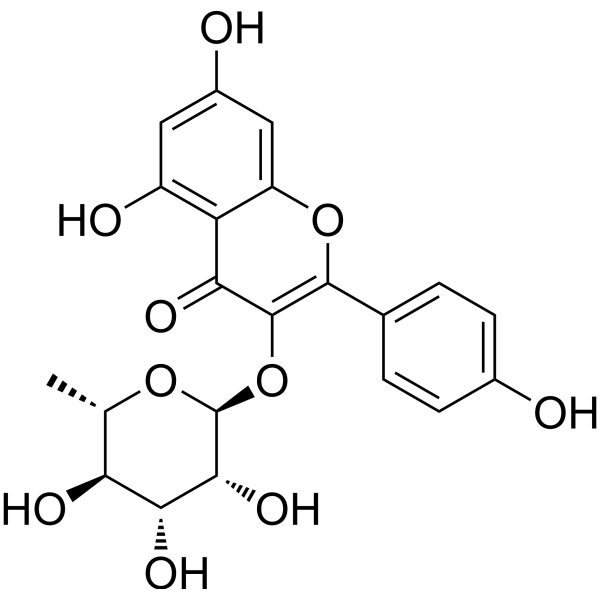
    Afzelin
    Maximum Cited Publications
    8 Publications Verification

    Kaempferol-3-O-rhamnoside

    Mitochondrial Metabolism PTEN Autophagy Bacterial Infection Cardiovascular Disease Neurological Disease Inflammation/Immunology
    Afzelin (Kaempferol-3-O-rhamnoside)It is a flavonol glycoside that has anti-inflammatory, anti-oxidative stress response, anti-apoptotic, and anti-cardiac cytotoxic effects. AfzelinIt can reduce mitochondrial damage, enhance mitochondrial biosynthesis, and reduce mitochondria-related proteins. Parkinand PTENinduced putative kinase 1 (putative kinase 1)s level. AfzelinCan be improved D-galactosamine(GalN)/LPSSurvival rate of mice treated with doxorubicin prophylaxis (HY-15142A)Induced cardiotoxicity and scopolamine (HY-N0296)-induced neurological injury. AfzelinAlso inhibits asthma and allergies caused by ovalbumin .
    Afzelin
  • HY-107574
    TC-E 5003
    3 Publications Verification

    Histone Methyltransferase AP-1 NF-κB PKA Metabolic Disease Inflammation/Immunology Cancer
    TC-E 5003 is a selective protein arginine methyltransferase 1 (PRMT1) inhibitor with an IC50 of 1.5 µM against hPRMT1. TC-E 5003 modulates the lipopolysaccharide (LPS) (HY-D1056)-induced AP-1 and NF-κB signaling pathways with anti-inflammatory properties. TC-E 5003 also upregulates the expression of Ucp1 and Fgf21, activates protein kinase A signaling and lipolysis in primary subcutaneous adipocytes from both mouse and humans. TC-E 5003 is promising for research of obesity and associated metabolic disorders, oxidative stress, inflammation and cancers .
    TC-E 5003
  • HY-139374
    Zabedosertib
    2 Publications Verification

    BAY 1834845

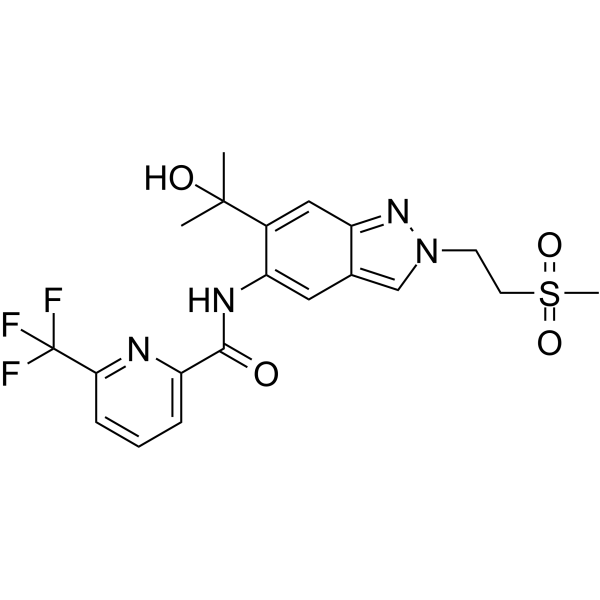
    IRAK Inflammation/Immunology
    Zabedosertib (BAY 1834845) is a selective, orally active IRAK4 inhibitor with immunomodulatory potential, IC50 is 3.55 nM. IRAK4 is a protein kinase involved in signaling innate immune responses from Toll-like receptors . Zabedosertib exhibits anti-inflammatory property against IL-β, LPS (HY-D1056) and Imiquimod (HY-B1080) induced inflammation .
    Zabedosertib
  • HY-B1165

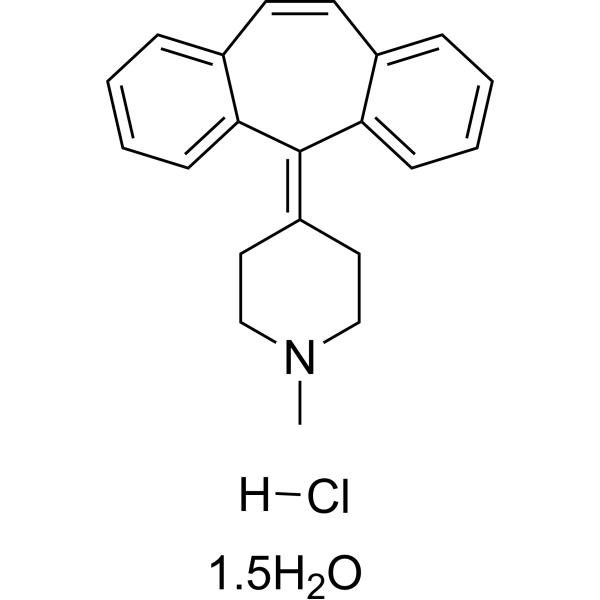
    p38 MAPK Checkpoint Kinase (Chk) Histamine Receptor 5-HT Receptor CDK PARP Apoptosis Cancer
    Cyproheptadine hydrochloride sesquihydrate acts as a p38 MAP kinase activator, CHK2 activator, histamine H1 receptor inhibitor and serotonin receptor inhibitor. Cyproheptadine hydrochloride sesquihydrate mediates cell cycle arrest via G1 phase arrest, G1/S transition arrest, G0/G1 phase arrest, reduced expression of cyclins D1/D2/D3, upregulated expression of HBP1, p16, p21, p27, and decreased phosphorylation of retinoblastoma protein. Cyproheptadine hydrochloride sesquihydrate induces Apoptosis by increasing PARP and cleaved PARP, as well as activating the mitochondrial caspase pathway. Cyproheptadine hydrochloride sesquihydrate inhibits tumor growth with extremely low toxicity to normal cells. Cyproheptadine hydrochloride sesquihydrate can be used in research related to hepatocellular carcinoma, multiple myeloma and acute myeloid leukemia .
    Cyproheptadine (hydrochloride sesquihydrate)
  • HY-13941
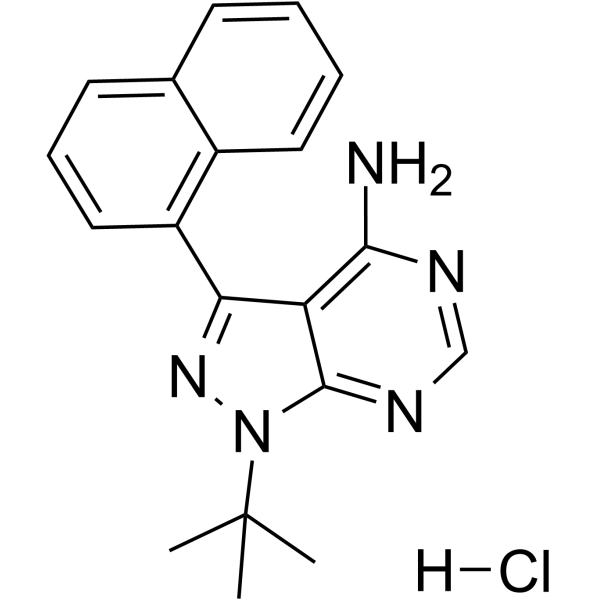
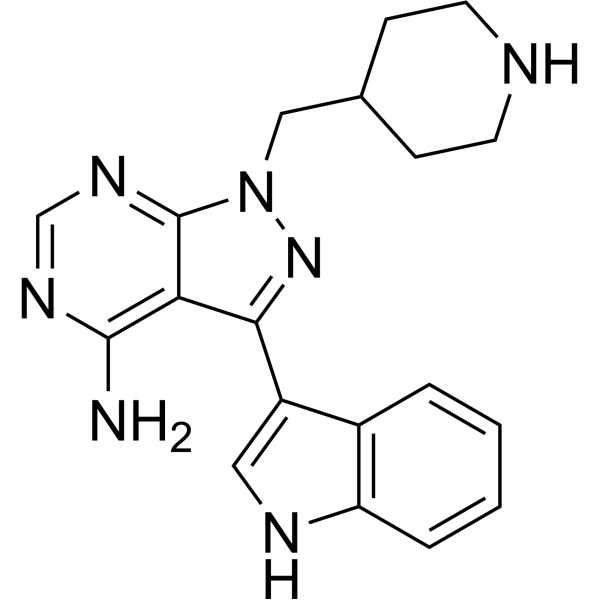
    1-Naphthyl PP1
    3 Publications Verification

    1-NA-PP 1

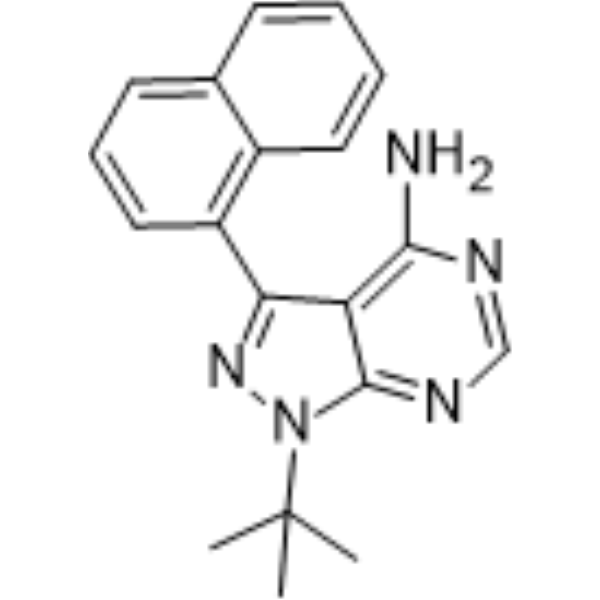
    Src PKD Neurological Disease Inflammation/Immunology Cancer
    1-Naphthyl PP1 (1-NA-PP 1) is a selective inhibitor of src family kinases and Protein Kinase D. 1-Naphthyl PP1 inhibits v-Src and c-Fyn, c-Abl, CDK2 and CAMK II with IC50s of 1.0, 0.6, 0.6, 18 and 22 μM, respectively .
    1-Naphthyl PP1
  • HY-N5063
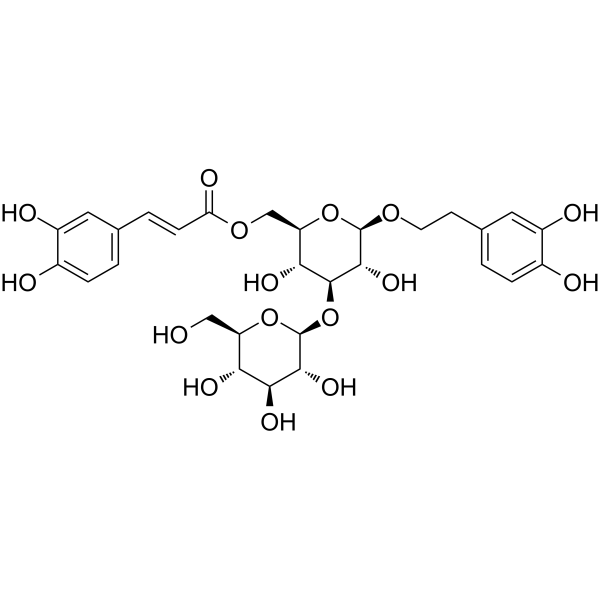
    Plantainoside D
    2 Publications Verification

    Angiotensin-converting Enzyme (ACE) IKK Calcium Channel PKC Reactive Oxygen Species (ROS) NF-κB Apoptosis Sirtuin NOD-like Receptor (NLR) Cardiovascular Disease Neurological Disease Inflammation/Immunology
    Plantainoside D, a phenylethanoid glycosides, is a IKK-β inhibitor with diverse biological activities. Plantainoside D shows inhibitory activity of angiotensin-converting enzyme (ACE) with an IC50 of 2.17 mM. Plantainoside D significantly reduces the release of glutamate from nerve terminals in the cerebral cortex of rats by inhibiting the voltage-dependent calcium channel (VDCCs) and protein kinase C (PKC) signaling cascade. Plantainoside D significantly alleviates cell apoptosis by inhibiting the generation of ROS and the activation of NF-κB. Plantainoside D significantly improves acute lung injury (ALI) induced by sepsis by regulating the Sirt3/NLRP3 signaling pathway. Plantainoside D can be used for the study of neuroprotection, antioxidant, anti-inflammation, antihypertension .
    Plantainoside D
  • HY-148907

    CaMK MEK Mixed Lineage Kinase RIP kinase Tau Protein Neurological Disease
    CS640 (Compound 19) is a chemical probe and a calmodulin-dependent kinase inhibitor. CS640 inhibits CaMK1D, CaMK1B, CaMK1A, CaMK1G, MEK5, RIPK4, mLK3 and PIP5K1, with IC50 values of 8, 3, 1, 1, 25 nM, 5.69, 2.75 and 11.2 μM, respectively. CS640 blocks Aβ-induced hyperphosphorylation of tau protein at the Thr181 site, but fails to protect primary mouse cortical neurons from Aβ-induced toxic damage. CS640 is applicable to research related to Alzheimer's disease .
    CS640
  • HY-13941B
    1-Naphthyl PP1 hydrochloride
    3 Publications Verification

    1-NA-PP 1 hydrochloride

    Src PKD Neurological Disease Inflammation/Immunology Cancer
    1-Naphthyl PP1 hydrochloride (1-NA-PP 1 hydrochloride) is a selective inhibitor of src family kinases and Protein Kinase D. 1-Naphthyl PP1 hydrochloride inhibits v-Src and c-Fyn, c-Abl, CDK2 and CAMK II with IC50s of 1.0, 0.6, 0.6, 18 and 22 μM, respectively .
    1-Naphthyl PP1 hydrochloride
  • HY-136265
    BC-LI-0186
    1 Publications Verification

    Aminoacyl-tRNA Synthetase Cancer
    BC-LI-0186 is a potent and selective inhibitor of Leucyl-tRNA synthetase (LRS; LeuRS) and Ras-related GTP-binding protein D (RagD) interaction (IC50=46.11 nM). BC-LI-0186 competitively binds to the RagD interacting site of LRS (Kd=42.1 nM) and has on effects on LRS-Vps34, LRS-EPRS, RagB-RagD association, mTORC1 complex formation or the activities of 12 kinases. BC-LI-0186 can effectively suppress the activity of cancer-associated?MTOR?mutants and the growth of rapamycin-resistant cancer cells.?BC-LI-0186 is a promising agent for lung cancer research .
    BC-LI-0186
  • HY-151374

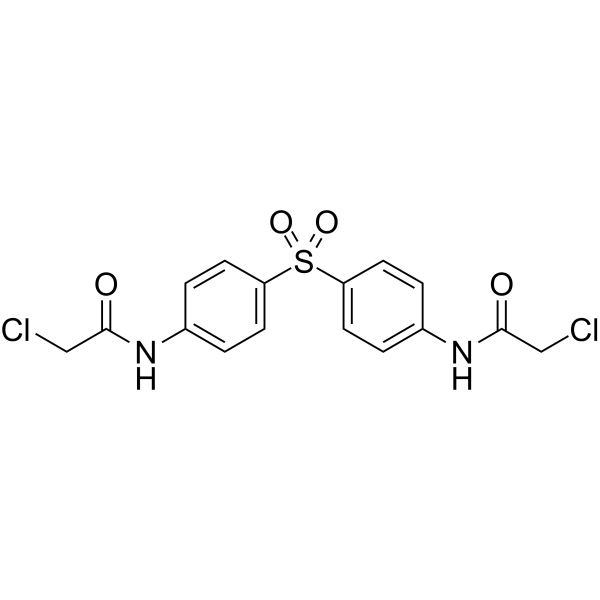
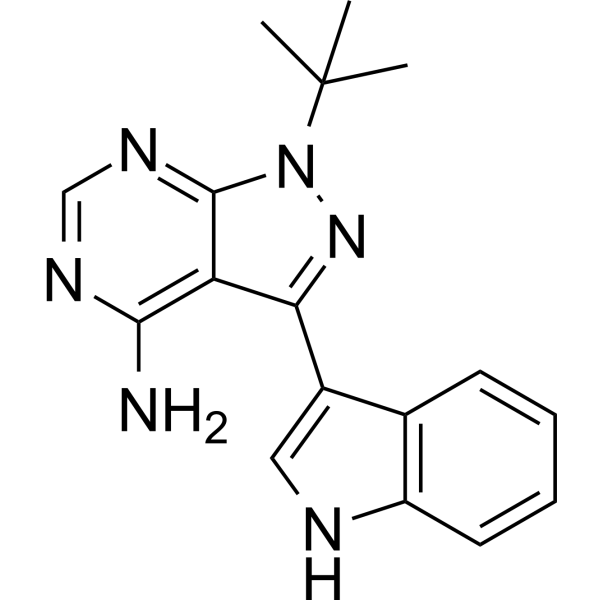
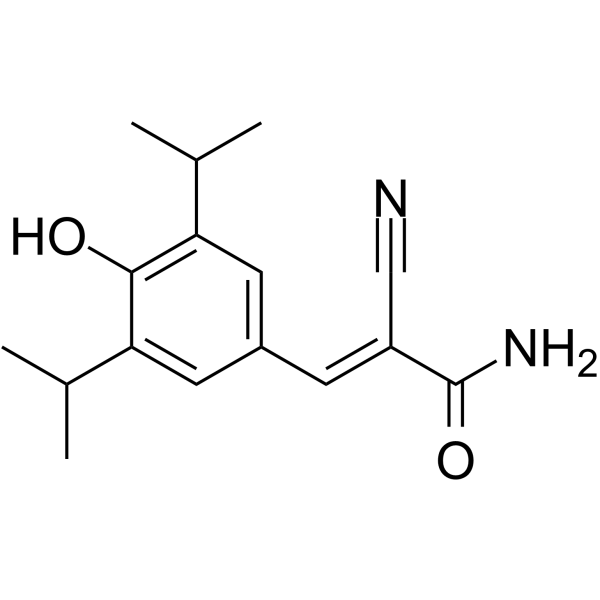
    PKD Cancer
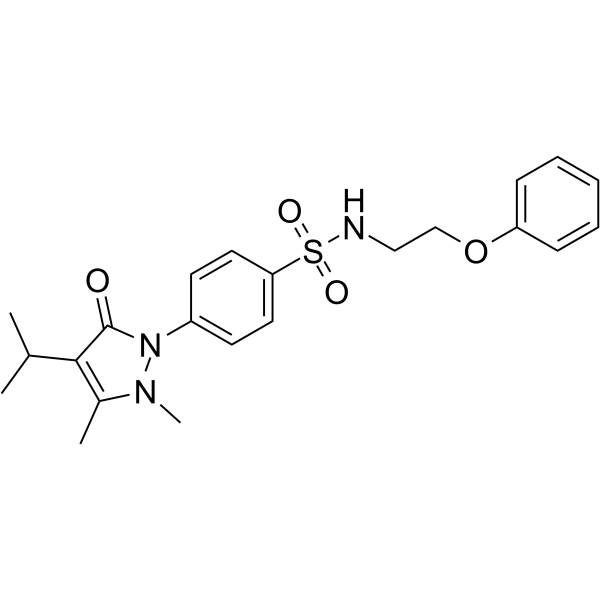
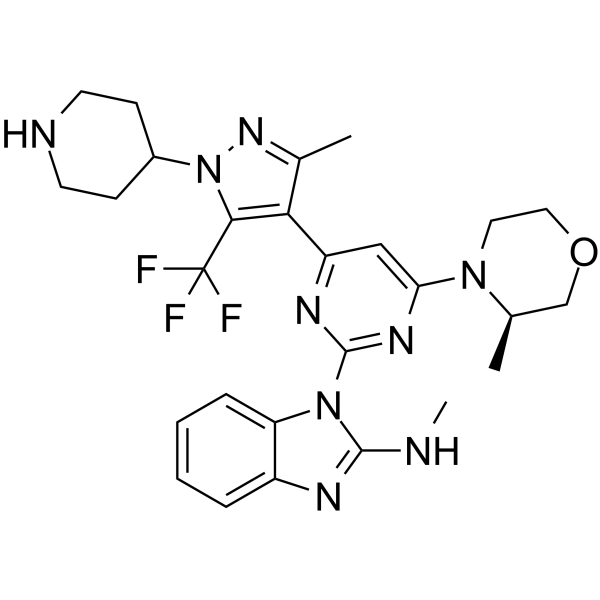
    3-IN-PP1 is a protein kinase D (PKD) inhibitor. 3-IN-PP1 has potent pan-PKD inhibitory activity for PKD1, PKD2 and PKD3 with IC50 values of 108, 94 and 108 nM, respectively. 3-IN-PP1 also is a broad spectrum anticancer agent and has inhibition of several tumor cells growth. 3-IN-PP1 can be used for the research of cancer .
    3-IN-PP1
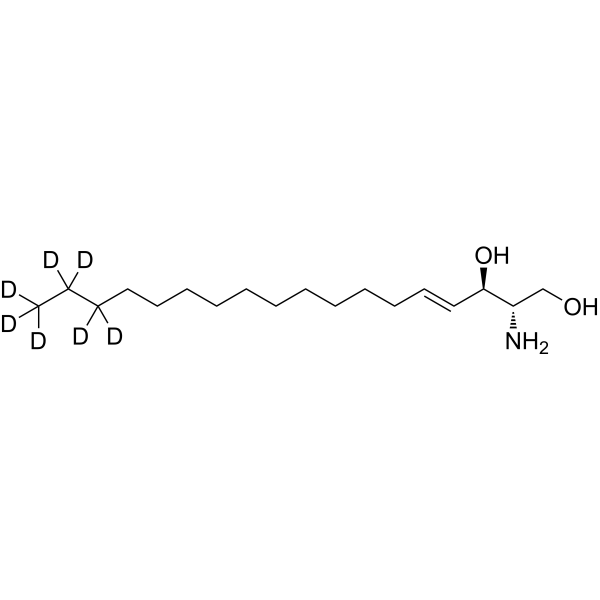
  • HY-101047S
    D-erythro-Sphingosine-d7
    1 Publications Verification

    Erythrosphingosine-d7; erythro-C18-Sphingosine-d7; trans-4-Sphingenine-d7

    PKC Phosphatase Endogenous Metabolite Cancer
    D-erythro-Sphingosine-d7 is the deuterium labeled D-erythro-Sphingosine. D-erythro-Sphingosine (Erythrosphingosine) is a very potent activator of p32-kinase with an EC50 of 8 μM, and inhibits protein kinase C (PKC). D-erythro-Sphingosine (Erythrosphingosine) is also a PP2A activator .
    D-erythro-Sphingosine-d7
  • HY-153830

    C16 Lactosylceramide (d18:1/16:0)

    Endogenous Metabolite Neurological Disease Metabolic Disease
    LacCer (d18:1/16:0) (C16 Lactosylceramide (d18:1/16:0)) is an endogenous bioactive sphingolipid that can form membrane microdomains with Lyn kinase and the αi subunits of inhibitory G protein-coupled receptors (GPCRs). The levels of LacCer (d18:1/16:0) are elevated in the plasma of insulin-resistant cattle. In a mouse model of Niemann-Pick type C1 disease (a neurodegenerative cholesterol-sphingolipid lysosomal storage disorder), the expression of LacCer (d18:1/16:0) is also upregulated. LacCer (d18:1/16:0) can be used in research on metabolic diseases and neurodegenerative diseases .
    LacCer (d18:1/16:0)
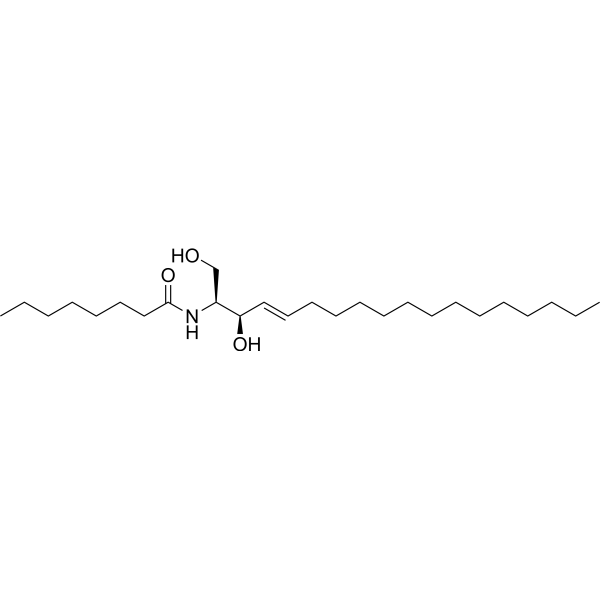
  • HY-108391

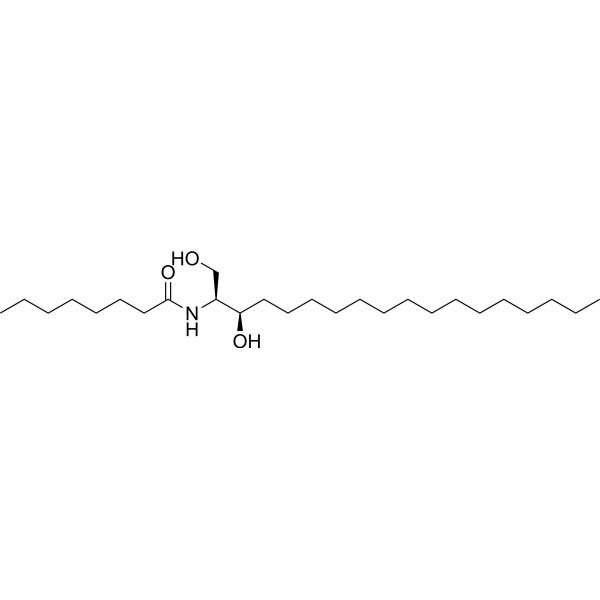
    N-Octanoyl-D-erythro-sphingosine

    Apoptosis PKC Autophagy Inflammation/Immunology Cancer
    C8-Ceramide (N-Octanoyl-D-erythro-sphingosine) is a cell-permeable analog of naturally occurring ceramides. C8-Ceramide has anti-proliferation properties and acts as a potent chemotherapeutic agent. C8-Ceramide stimulates dendritic cells to promote T cell responses upon virus infections. C8-Ceramide induces slight activation of protein kinase (PKC) in vitro .
    C8-Ceramide
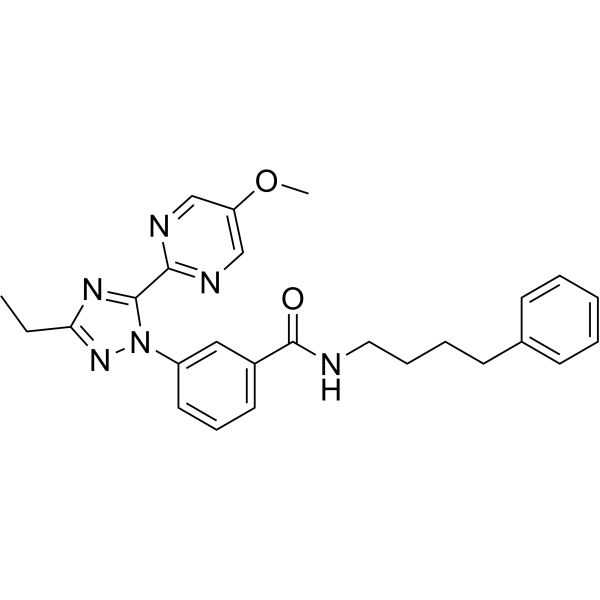
  • HY-143657

    Myosin Ferlin Family MMP Cancer
    Myoferlin inhibitor 1 is a compound that exhibits reversible, concentration-dependent binding to the myoferlin MYOF-C2D protein, with a KD of 0.094 μM. Myoferlin inhibitor 1 shows potent anti-invasion and anti-migration activities against different pancreatic cancer cells. Myoferlin inhibitor 1 inhibits pancreatic cancer metastasis through reversing mesenchymal transition (EMT), inhibiting the secretions of MMP1 and MMP2 and blocking the receptor tyrosine kinases. Myoferlin inhibitor 1 displays effective antimetastatic activities in pancreatic cancer in vitro and in vivo. Myoferlin inhibitor 1 can be used in research on preventing pancreatic cancer metastasis .
    Myoferlin inhibitor 1
  • HY-W100287

    NF-κB p38 MAPK Interleukin Related IKK JNK β-catenin Wnt Neurological Disease Inflammation/Immunology Cancer
    Murrayafoline A is a carbazole alkaloid that can be extracted from Murraya tetramera. Murrayafoline A directly targets Specificity protein 1 (Sp1), thereby inhibiting NF-κB and MAPK signaling pathways. Murrayafoline a induces a G0/G1-phase arrest in platelet-derived growth factor (PDGF)-stimulated vascular smooth muscle cells. Murrayafoline A attenuates the Wnt/β-catenin pathway by promoting the degradation of intracellular β-catenin proteins. Murrayafoline A enhances the contraction of rat ventricular myocytes and L-type calcium current by activating protein kinase C. Murrayafoline A inhibits LPS (HY-D1056)-induced neuroinflammation in vivo. Murrayafoline A can be used for the study of inflammation, vascular complications and colon cancer .
    Murrayafoline A
  • HY-P1109

    CDK Cancer
    [Ala92]-p16 (84-103) is a peptide derived from the p16CDKN2/INK4a (p16) tumor suppressor protein. [Ala92]-p16 (84-103) binds to both cdk4 and cdk6 and inhibits cdk4-cyclin D1 kinase activity in vitro (IC50: 1.5 μM). [Ala92]-p16 (84-103) blocks cell cycle progression through the G1 phase .
    [Ala92]-p16 (84-103)
  • HY-103097

    Phospholipase Others
    ST271 is a potent inhibitor of protein tyrosine kinase (PTK), inhibits phospholipase D activation stimulated by fMet-Leu-Phe and PAF, with IC50s of 6.7 and 9 μM, respectively.
    ST271
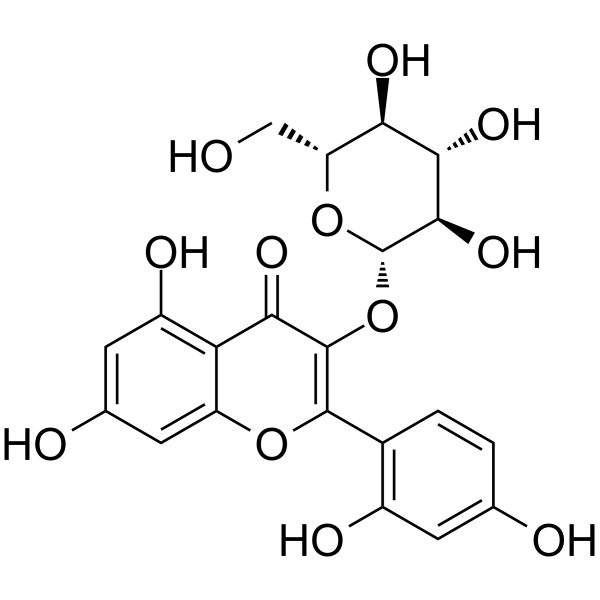
  • HY-N10411

    Reverse Transcriptase HIV Xanthine Oxidase Infection Cardiovascular Disease Cancer
    Morin 3-O-β-D-glucopyranoside is a natural flavonoid with antifungal, anticancer and antioxidant activities. Morin 3-O-β-D-glucopyranoside inhibits reverse transcriptase, protein-tyrosine kinase and xanthine oxidase, and also shows anti-HIV, antiarteriosclerotic, and superoxide scavenging activities .
    Morin 3-O-β-D-glucopyranoside
  • HY-146268

    CaMK Neurological Disease
    CaMKIIα-IN-1 (Compound 4d) is an orally active Ca 2+/calmodulin-dependent protein kinase II α (CaMKIIα) inhibitor with a KD of 219 nM for CaMKIIα WT hub. CaMKIIα-IN-1 has good metabolic stability .
    CaMKIIα-IN-1
  • HY-128142

    PKD PKC Cardiovascular Disease
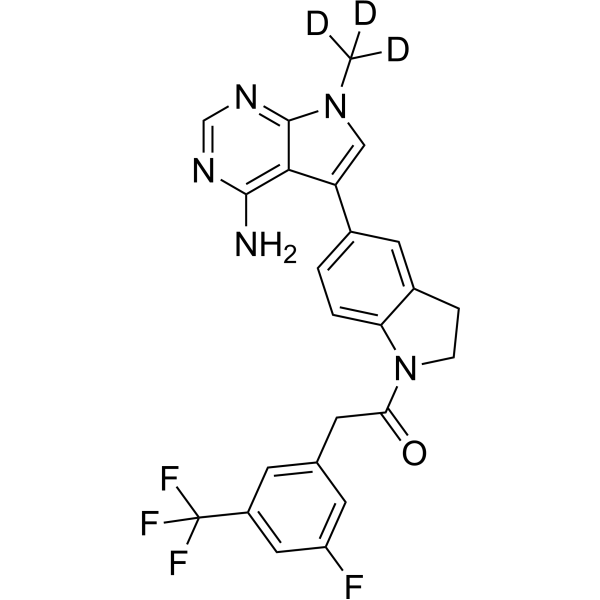
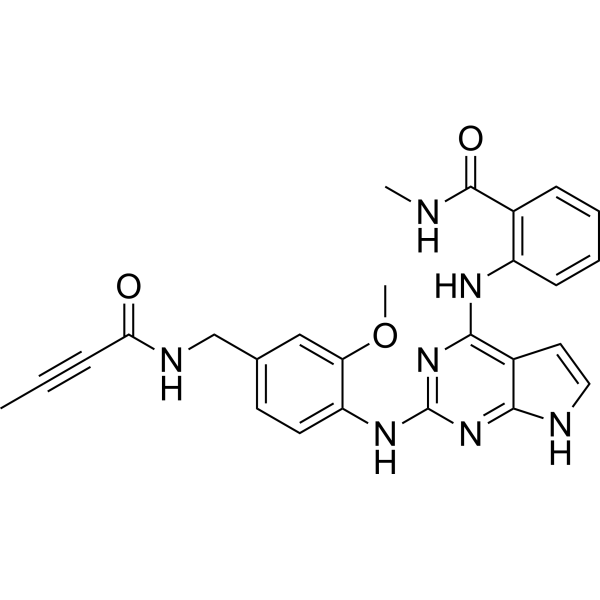
    PKC/PKD-IN-1 (Compound 13C) is an orally active dual protein kinase C/D (PKC/PKD) inhibitor with an IC50 value of 0.6 nM for PKD1. PKC/PKD-IN-1 can attenuate high-salt diet-induced cardiac hypertrophy and can be used in the study of heart failure .
    PKC/PKD-IN-1
  • HY-N1441R

    Kaempferol-3-O-rhamnoside (Standard)

    Mitochondrial Metabolism PTEN Autophagy Bacterial Reference Standards Infection Cardiovascular Disease Neurological Disease Inflammation/Immunology
    Afzelin (Standard) is the analytical standard of Afzelin. This product is intended for research and analytical applications. Afzelin (Kaempferol-3-O-rhamnoside)It is a flavonol glycoside that has anti-inflammatory, anti-oxidative stress response, anti-apoptotic, and anti-cardiac cytotoxic effects. AfzelinIt can reduce mitochondrial damage, enhance mitochondrial biosynthesis, and reduce mitochondria-related proteins. Parkinand PTENinduced putative kinase 1 (putative kinase 1)s level. AfzelinCan be improved D-galactosamine(GalN)/LPSSurvival rate of mice treated with doxorubicin prophylaxis (HY-15142A)Induced cardiotoxicity and scopolamine (HY-N0296)-induced neurological injury. AfzelinAlso inhibits asthma and allergies caused by ovalbumin .
    Afzelin (Standard)
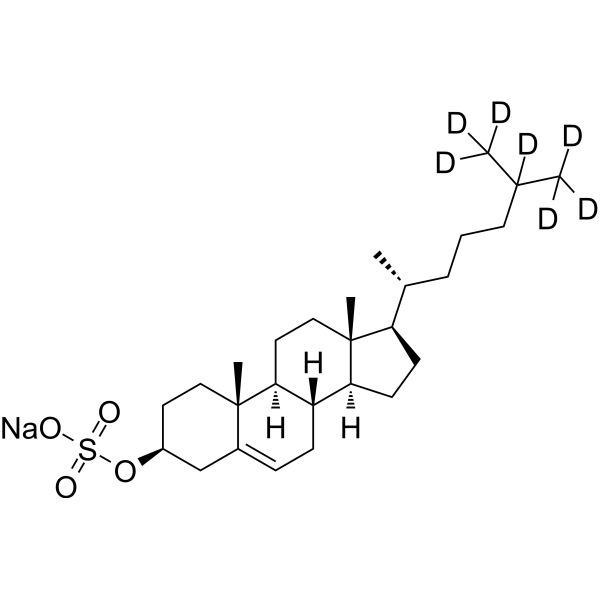
  • HY-111355S

    Isotope-Labeled Compounds Sirtuin Endogenous Metabolite PKC AMPK DOCK Metabolic Disease Inflammation/Immunology Cancer
    Cholesterol sulfate sodium-d7 is the deuterium labeled Cholesterol sulfate sodium. Cholesterol sulfate sodium is a naturally occurring, orally active cholesterol derivative that is widely distributed in various tissues and body fluids. Cholesterol sulfate sodium acts as a DOCK2 inhibitor, with IC50 values of 2 μM and 2.9 μM against mouse and human targets, respectively. Cholesterol sulfate sodium restricts excessive neutrophil infiltration and alleviates intestinal inflammation and damage. Cholesterol sulfate sodium serves as an activator of protein kinase C (PKC), which promotes squamous cell differentiation and inhibits skin carcinogenesis. Cholesterol sulfate sodium regulates cholesterol homeostasis and cellular metabolism by activating the AMPK-Sirt1 pathway. Cholesterol sulfate sodium can be used in research related to actinic keratitis, ulcerative colitis, skin cancer, and other conditions.
    Cholesterol sulfate-d7 sodium
  • HY-N12188

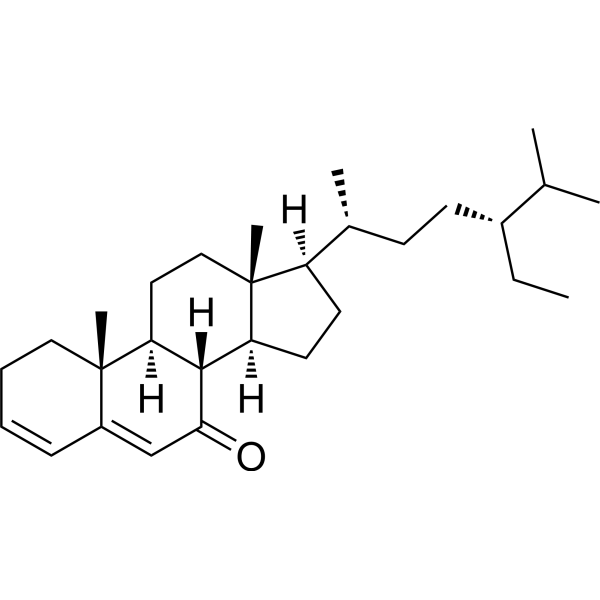
    NF-κB TNF Receptor Interleukin Related p38 MAPK Inflammation/Immunology
    Stigmasta-3,5-dien-7-one is a steroid compound that can be isolated from Harrisonia abyssinica. Stigmasta-3,5-dien-7-one blocks the NF-κB signaling pathway via down-regulation of phospho-p38 mitogen-activated protein kinase and phosphorylation and degradation of inhibitor of NF-κB α. Stigmasta-3,5-dien-7-one reduces LPS (HY-D1056)-induced nitric oxide, PGE2, and pro-inflammatory cytokine levels in macrophages. Stigmasta-3,5-dien-7-one can be used for inflammation diseases .
    Stigmasta-3,5-dien-7-one
  • HY-101047R

    Erythrosphingosine (Standard); erythro-C18-Sphingosine (Standard); trans-4-Sphingenine (Standard)

    Reference Standards PKC Phosphatase Endogenous Metabolite Cancer
    D-erythro-Sphingosine (Standard) is the analytical standard of D-erythro-Sphingosine. This product is intended for research and analytical applications. D-erythro-Sphingosine (Erythrosphingosine) is a very potent activator of p32-kinase with an EC50 of 8 μM, and inhibits protein kinase C (PKC). D-erythro-Sphingosine (Erythrosphingosine) is also a PP2A activator[1][2][3][4].
    D-erythro-Sphingosine (Standard)
  • HY-118442

    Tetradecasphing-4-enine

    PKC Cancer
    Sphingosine (d14:1) (Tetradecasphing-4-enine), a sphingolipid, is a potent Protein kinase C (PKC) inhibitor. Sphingosine (d14:1) prevents its interaction with sn-1,2-diacylglycerol (DAG)/Phorbol esters .
    Sphingosine (d14:1)
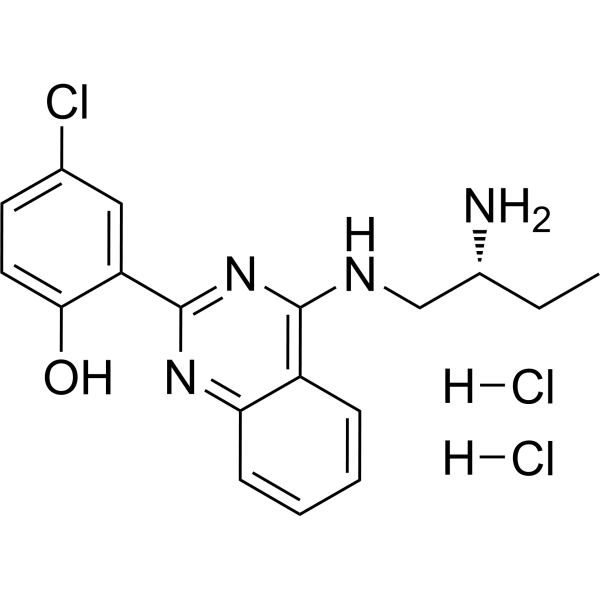
  • HY-131962A

    PDK-1 Metabolic Disease Cancer
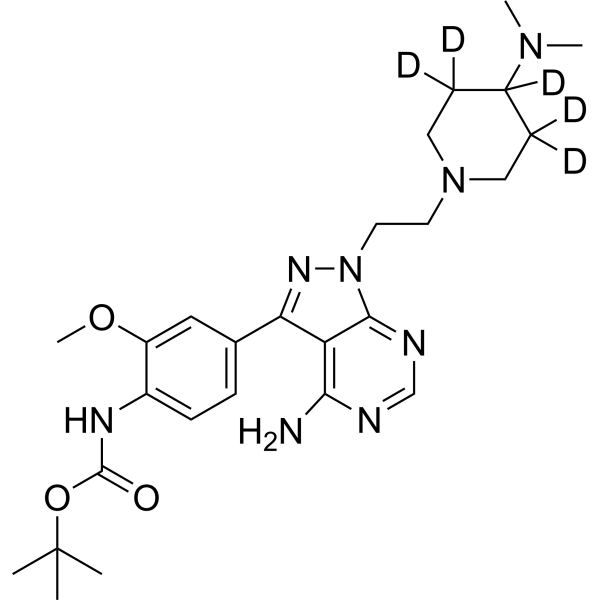
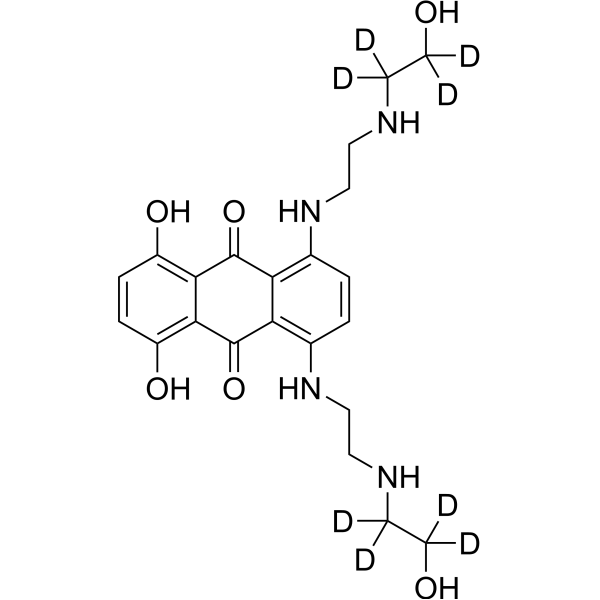
    PKD-IN-1 dihydrochloride (compound 32), an aminoethylamino-aryl (AEAA) compound, acts as PKD-1 inhibitor. PKD-IN-1 can be used for protein kinase D (PKD)-mediated diseases research .
    PKD-IN-1 dihydrochloride
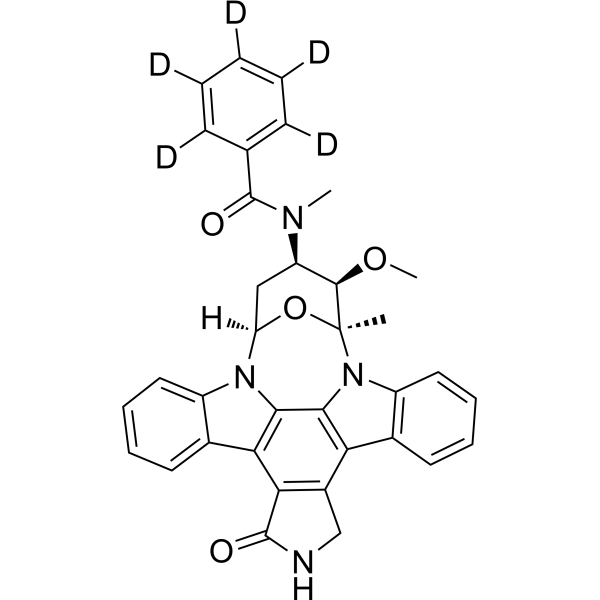
  • HY-10230S

    PKC412-d5; CGP 41251-d5

    Isotope-Labeled Compounds PKC Syk Akt PKA c-Kit Cancer
    Midostaurin-d5 (PKC412-d5) is a deuterium labeled Midostaurin. Midostaurin is a multi-targeted protein kinase inhibitor which inhibits PKCα/β/γ, Syk, Flk-1, Akt, PKA, c-Kit, c-Fgr, c-Src, FLT3, PDFRβ and VEGFR1/2 with IC50s ranging from 22-500 nM .
    Midostaurin-d5
  • HY-121037

    EGM1

    Phosphodiesterase (PDE) Cancer
    Eggmanone (EGM1) is a potent and selective phosphodiesterase 4 (PDE4) antagonist with an IC50 of 72 nM for PDE4D3. Eggmanone shows approximately 40- to 50-fold selective for PDE4D3 over other PDEs. Eggmanone exerts its Hh-inhibitory effects through selective antagonism of PDE4, leading to protein kinase A activation and subsequent Hh blockade .
    Eggmanone
  • HY-N1074

    Scandenolone

    Parasite PKA Infection Inflammation/Immunology
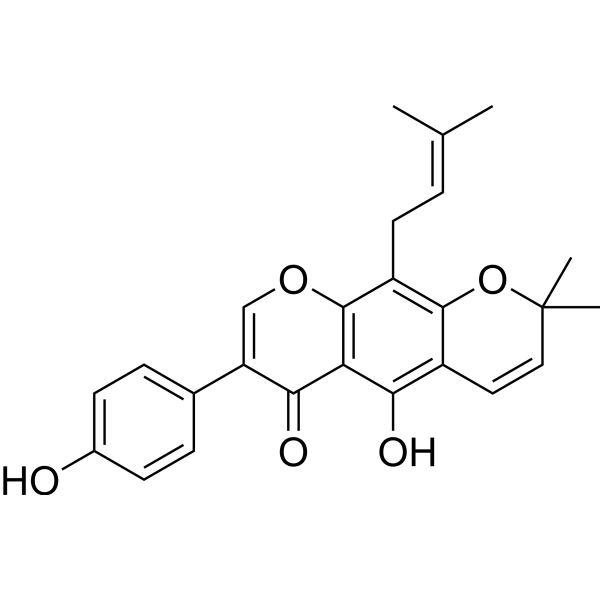
    Warangalone is an anti-malarial compound which can inhibit the growth of both strains of parasite 3D7 (chloroquine sensitive) and K1 (chloroquine resistant) with IC50s of 4.8 μg/mL and 3.7 μg/mL, respectively. Warangalone can also inhibit cyclic AMP-dependent protein kinase catalytic subunit (cAK) with an IC50 of 3.5 μM.
    Warangalone
  • HY-117057S

    Isotope-Labeled Compounds Endogenous Metabolite Metabolic Disease
    Hexaenoic acid-d6 is deuterium labeled Hexaenoic acid. Very long chain polyunsaturated fatty acids (VLCPUFAs) are important components of ceramides and sphingomyelin and are present in retina, sperm, and brain. Tetratriaconta-16(Z),19(Z),22(Z),25(Z),28(Z),31(Z)-hexaenoic acid is a C34:6 VLCPUFA whose specific biological actions are largely unknown. This VLCPUFA, along with others, has been investigated for its role in activating protein kinase C .
    Hexaenoic acid-d6
  • HY-E70758

    c-Met/HGFR Cancer
    Mesenchymal-to-epithelial transition (MET) is a receptor tyrosine kinase for hepatocyte growth factor (HGF). MET overactivation is strongly associated with angiogenesis, cellular motility, growth, and invasion. Aberrant MET signaling can drive tumorigenesis in several cancer types through various molecular mechanisms, including MET amplification, MET exon 14 skipping mutation, MET overexpression, and MET fusions. MET Y1235D is a mutant of MET. MET Y1235D Recombinant Human Active Protein Kinase is a recombinant MET Y1235D protein that can be used to study MET Y1235D-related functions .
    MET Y1235D Recombinant Human Active Protein Kinase
  • HY-129330

    PKC Others
    Sapintoxin D is a fluorescent phorbol ester that can be used to study the activation of protein kinase C (PKC). Sapintoxin D is a calcium-dependent PKC activator .
    Sapintoxin D
  • HY-142671

    ATM/ATR Cancer
    ATR-IN-5 is a potent inhibitor of ATR. ATR is a class of protein kinases involved in genome stability and DNA damage repair, and is a member of the PIKK family. ATR-IN-5 has the potential for the research of ATR kinase-mediated diseases such as proliferative diseases and cancer (extracted from patent CN112047938A, compound D24) .
    ATR-IN-5
  • HY-112096S

    NXP900-d5

    Src Isotope-Labeled Compounds Cancer
    eCF506-d5 (NXP900-d5) is deuterated labeled eCF506 (HY-112096). eCF506 is a highly potent and orally active YES1/SRC kinase inhibitor with an IC50 of 0.47 nM. eCF506 locks its target into its native “closed” conformation, thereby inhibiting both kinase activity and complex formation with protein partners. eCF506 can be used for the study of esophageal squamous cancer and breast cancer .
    eCF506-d5
  • HY-179098

    Raf c-Met/HGFR Pim EGFR VEGFR Apoptosis Cancer
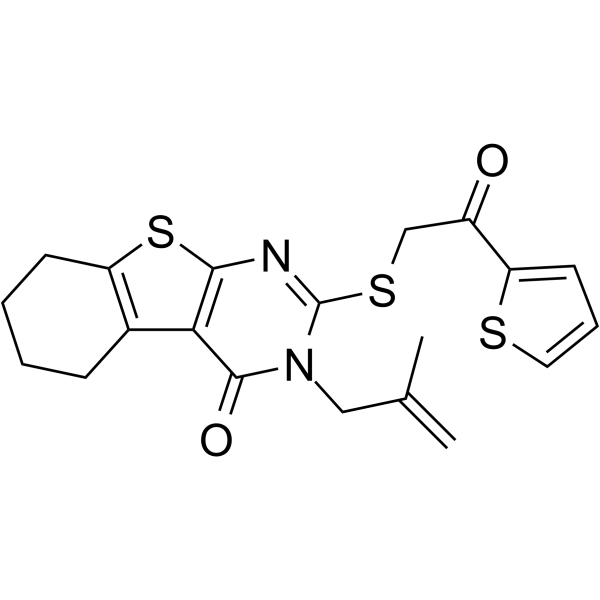
    Multi-target kinase-IN-8 (3d) is an anti-cancer agent. Multi-target kinase-IN-8 exhibits inhibitory activity against various protein kinases (B-Raf V600E (IC50 = 0.078 µg/mL), c-Met (IC50 = 0.405 µg/mL), Pim-1 (IC50 = 1.053 µg/mL), EGFR WT (IC50 = 0.177 µg/mL), VEGFR-2 (IC50 = 0.275 µg/mL)). Multi-target kinase-IN-8 can induce cell cycle arrest and promote early and late apoptosis. Multi-target kinase-IN-8 is commonly used in cancer research .
    Multi-target kinase-IN-8
  • HY-15463S3

    STI571-13C,d3; CGP-57148B-13C,d3

    Isotope-Labeled Compounds Autophagy SARS-CoV Bcr-Abl PDGFR c-Kit Cancer
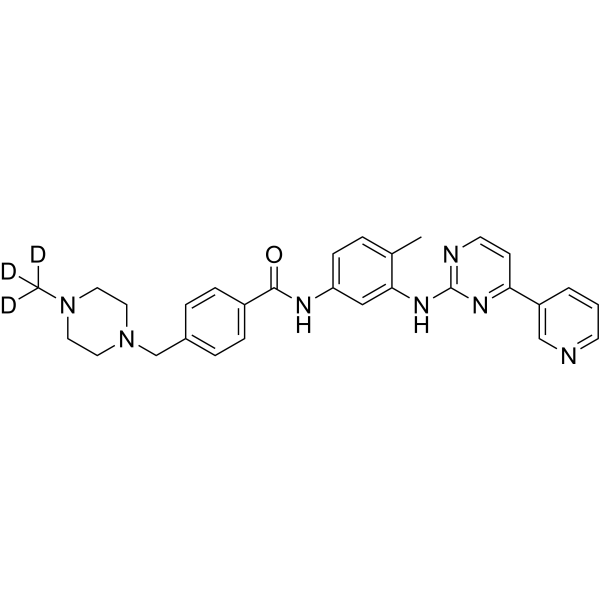
    Imatinib- 13C,d3 (STI571- 13C,d3) is 13C labeled Imatinib. Imatinib (STI571) is an orally bioavailable tyrosine kinases inhibitor that selectively inhibits BCR/ABL, v-Abl, PDGFR and c-kit kinase activity. Imatinib (STI571) works by binding close to the ATP binding site, locking it in a closed or self-inhibited conformation, therefore inhibiting the enzyme activity of the protein semicompetitively . Imatinib also is an inhibitor of SARS-CoV and MERS-CoV .
    Imatinib-13C,d3
  • HY-153830S

    C16 Lactosylceramide (d18:1/16:0)-d3

    Isotope-Labeled Compounds Endogenous Metabolite Neurological Disease Metabolic Disease
    LacCer (d18:1/16:0) (C16 Lactosylceramide (d18:1/16:0))-d3 is the deuterium labeled LacCer (d18:1/16:0) (HY-153830). LacCer (d18:1/16:0) is an endogenous bioactive sphingolipid that can form membrane microdomains with Lyn kinase and the αi subunits of inhibitory G protein-coupled receptors (GPCRs). LacCer (d18:1/16:0) are elevated in the plasma of insulin-resistant cattle. LacCer (d18:1/16:0) is also upregulated in a mouse model of Niemann-Pick type C1 disease (a neurodegenerative cholesterol-sphingolipid lysosomal storage disorder). LacCer (d18:1/16:0) can be used in research on metabolic diseases and neurodegenerative diseases .
    LacCer (d18:1/16:0)-d3
  • HY-P5452

    PKC Others
    PKCd (8-17) is a biological active peptide. (This peptide is derived from the V1 domain of protein kinase C (PKC)d. It inhibits phorbol 12-myristate 13-acetate (PMA)-induced PKCd translocation and activation. Inhibition of PKCd reduces ischemia damage in cardiac and cerebral cells, induces proliferation of fibroblasts, and inhibits graft coronary artery disease in mice.)
    PKCd (8-17)
  • HY-P10319

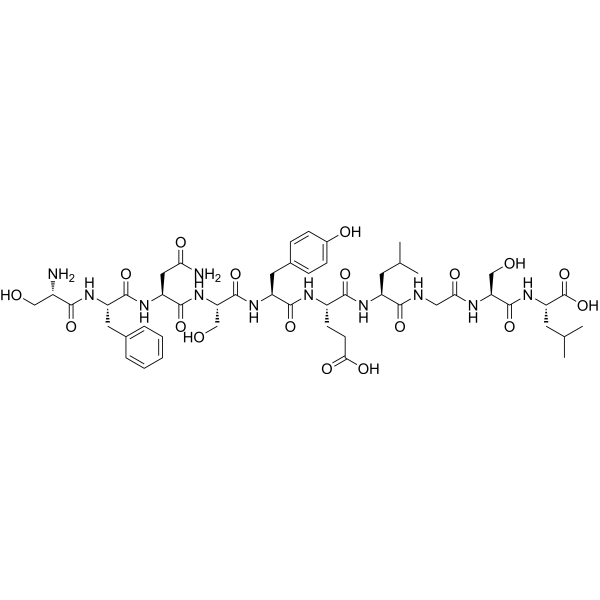
    PKA Cardiovascular Disease Cancer
    RI-STAD-2 is a high-affinity interfering peptide that regulates the subunit RI of protein kinase A (PKA). RI-STAD-2 interferes with the binding of AKAPs and PKA-RI by simulating the interaction between AKAPs' α-helix domain and PKA-RI's dimerization/anchoration (D/D) domain, thereby affecting PKA activity and intracellular localization. RI-STAD-2 can be used to study the role of AKAPs interaction with PKA-RI in pathological processes such as cardiovascular disease and cancer .
    RI-STAD-2
  • HY-14393S

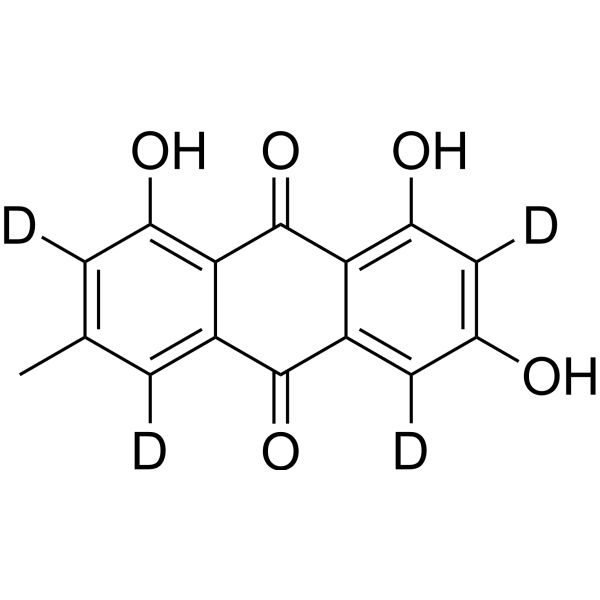
    Frangula emodin-d4

    Isotope-Labeled Compounds SARS-CoV Casein Kinase Autophagy 11β-HSD Cancer
    Emodin-d4 is the deuterium labeled Emodin. Emodin (Frangula emodin), an anthraquinone derivative, is an anti-SARS-CoV compound. Emodin blocks the SARS coronavirus spike protein and angiotensin-converting enzyme 2 (ACE2) interaction . Emodin inhibits casein kinase-2 (CK2). Anti-inflammatory and anticancer effects . Emodin is a potent selective 11β-HSD1 inhibitor with the IC50 of 186 and 86 nM for human and mouse 11β-HSD1, respectively. Emodin ameliorates metabolic disorder in diet-induced obese mice .
    Emodin-d4
  • HY-P11405

    Neurotensin Receptor Neurological Disease Cancer
    [D-Arg1, D-Trp5, 7, 9, Leu11]-Substance P is a potent inhibitor of cell growth in small cell lung cancer (SCLC). [D-Arg1, D-Trp5, 7, 9, Leu11]-Substance P is also a neuropeptide antagonist, capable of blocking colony formation stimulated by various neuropeptides (including vasopressin and bradykinin). [D-Arg1, D-Trp5, 7, 9, Leu11]-Substance P inhibits the mobilization of Ca 2+ and the activation of mitogen-activated protein kinases induced by vasopressin or bradykinin. [D-Arg1, D-Trp5, 7, 9, Leu11]-Substance P inhibits the growth of H-69 xenograft tumors in nude mice .
    [D-Arg1,D-Trp5,7,9,Leu11]-Substance P
  • HY-119312

    PKC Cancer
    C8 Dihydroceramide is a negative control of C8 Ceramide. C8-Ceramide (N-Octanoyl-D-erythro-sphingosine) is a cell-permeable analog of naturally occurring ceramides. C8-Ceramide has anti-proliferation properties and acts as a potent chemotherapeutic agent. C8-Ceramide stimulates dendritic cells to promote T cell responses upon virus infections. C8-Ceramide induces slight activation of protein kinase (PKC) in vitro .
    C8 Dihydroceramide
  • HY-151372

    PKD Cancer
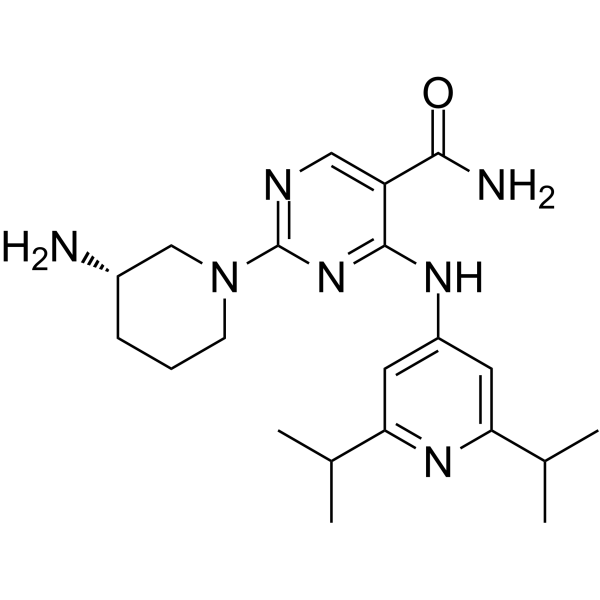
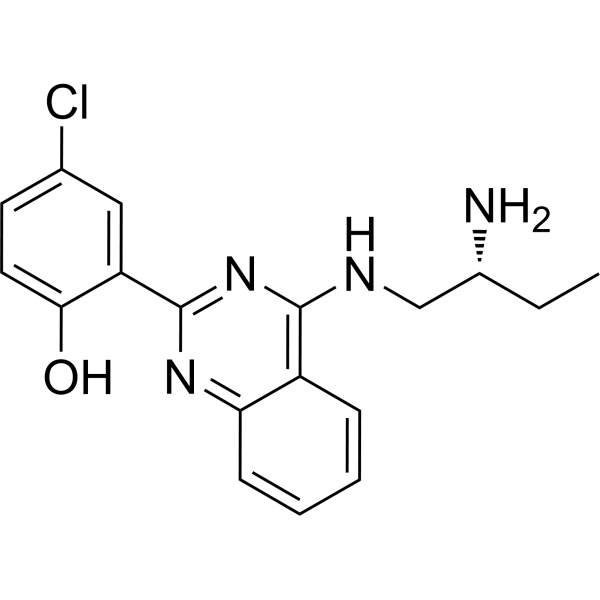
    Protein kinase D inhibitor 1 (compound 17m) is a pan-PKD inhibitor, with IC50 values ranging from 17 to 35 nM. Protein kinase D inhibitor 1 inhibits PKD-dependent cortactin phosphorylation .
    Protein kinase D inhibitor 1
  • HY-E70762

    PDGFR Cancer
    PDGFRalpha is a receptor tyrosine kinases that stimulate cell survival, proliferation and motility. Upon PDGF binding, the receptor dimerizes and undergoes a conformational change, which activates the kinase domain. PDGFRalpha D842V is a mutant of PDGFRalpha. PDGFRalpha D842V Recombinant Human Active Protein Kinase is a recombinant PDGFRalpha D842V protein that can be used to study PDGFRalpha D842V-related functions .
    PDGFRalpha D842V Recombinant Human Active Protein Kinase
  • HY-E70764

    PDGFR Cancer
    PDGFRalpha is a receptor tyrosine kinases that stimulate cell survival, proliferation and motility. Upon PDGF binding, the receptor dimerizes and undergoes a conformational change, which activates the kinase domain. PDGFRalpha V561D is a mutant of PDGFRalpha. PDGFRalpha V561D Recombinant Human Active Protein Kinase is a recombinant PDGFRalpha V561D protein that can be used to study PDGFRalpha V561D-related functions .
    PDGFRalpha V561D Recombinant Human Active Protein Kinase
  • HY-E70723

    FLT3 Cancer
    FLT3 (FMS-like tyrosine kinase 3, CD135) is a type 3 receptor tyrosine kinase that plays important roles in cell survival, proliferation, and differentiation during normal hematopoiesis. FLT3 is one of the most frequently mutated genes in acute myeloid leukemia (AML). FLT3 D835Y is the most frequent kinase domain mutation, converting aspartic acid to tyrosine. FLT3 D835Y Recombinant Human Active Protein Kinase is a recombinant FLT3 D835Y protein that can be used to study FLT3 D835Y-related functions .
    FLT3 D835Y Recombinant Human Active Protein Kinase
  • HY-E70749

    c-Met/HGFR Cancer
    Mesenchymal-to-epithelial transition (MET) is a receptor tyrosine kinase for hepatocyte growth factor (HGF). MET overactivation is strongly associated with angiogenesis, cellular motility, growth, and invasion. Aberrant MET signaling can drive tumorigenesis in several cancer types through various molecular mechanisms, including MET amplification, MET exon 14 skipping mutation, MET overexpression, and MET fusions. MET D1228N is a mutant of MET. MET D1228N Recombinant Human Active Protein Kinase is a recombinant MET D1228N protein that can be used to study MET D1228N-related functions .
    MET D1228N Recombinant Human Active Protein Kinase

オンラインお問い合わせ

入力情報は安全に管理されます. 必須入力項目.

タイトル


国或いは地域 *

お名前 *


組纖名 *

デパートメント *


メールアドレス *


製品名 *

製品番号


カスタマ需要量 *

電話番号 *


必ず会社名を記載ください。個人への返信は行いません。

備考

バルクお問い合わせ

Inquiry Information

製品名:
製品番号:
数量:
MCE 日本正規代理店: