

1. Search Result
Search Result
Results for "

cAMP production

" in MedChemExpress (MCE) Product Catalog:

137

Inhibitors & Agonists

1

Screening Libraries

22

Peptides

10

Natural
Products

8

Isotope-Labeled Compounds

1

Click Chemistry

1

Oligonucleotides

Cat. No. Product Name Target Research Areas Chemical Structure
  • HY-P0036
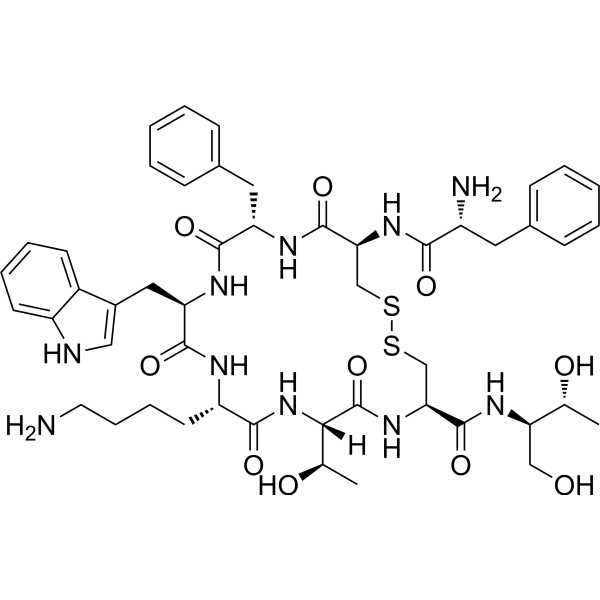
    Octreotide
    Maximum Cited Publications
    16 Publications Verification

    SMS 201-995

    Somatostatin Receptor Apoptosis Cardiovascular Disease Inflammation/Immunology Endocrinology Cancer
    Octreotide (SMS 201-995) is a somatostatin receptor agonist and synthetic octapeptide endogenous somatostatin analogue. Octreotide (SMS 201-995) can bind to the somatostatin receptor and mainly subtypes 2, 3, and 5, increases Gi activity, and reduces intracellular cAMP production. Octreotide (SMS 201-995) has antitumor activity, mediates apoptosis and may also be used in disease studies in acromegaly .
    Octreotide
  • HY-15498
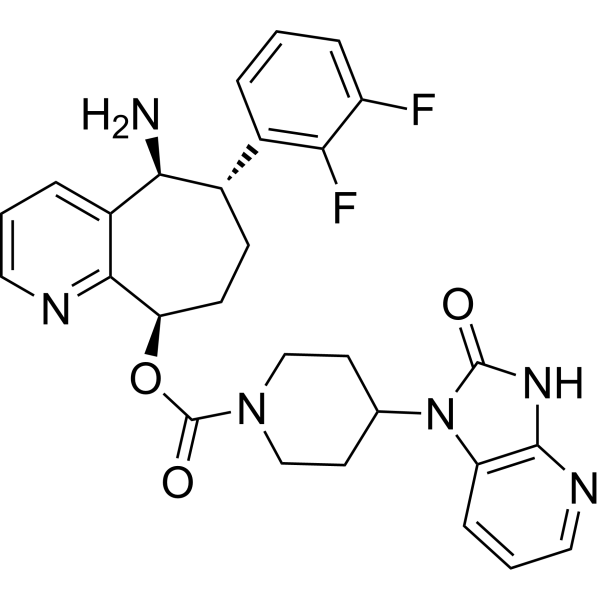
    Rimegepant
    5+ Cited Publications

    BMS-927711; BHV-3000

    CGRP Receptor Neurological Disease
    Rimegepant (BMS-927711; BHV-3000) is an orally bioavailable and blood-brain barrier permeable antagonist of CGRP and AMY1 receptors, with a pIC50 of 8.01 and a Ki of 0.027 nM for human CGRP receptors. Rimegepant antagonizes cAMP production induced by αCGRP, βCGRP and amylin at CGRP and AMY1 receptors in humans, rats and mice, as well as at rat AMY3 receptors. Rimegepant can be used in research related to migraine .
    Rimegepant
  • HY-P4860
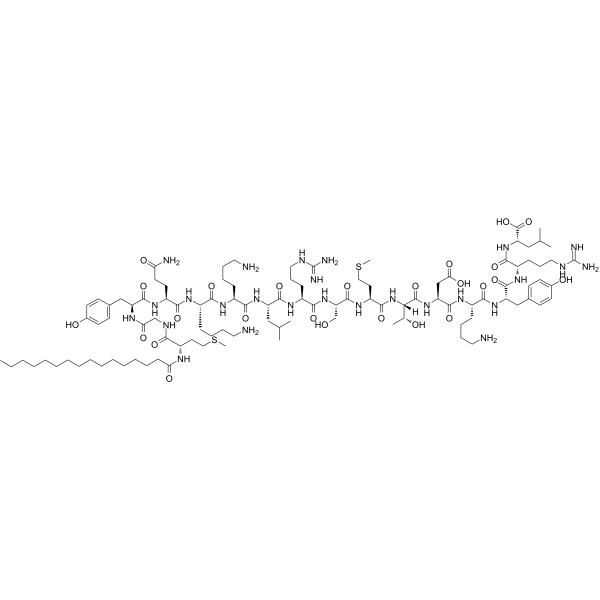
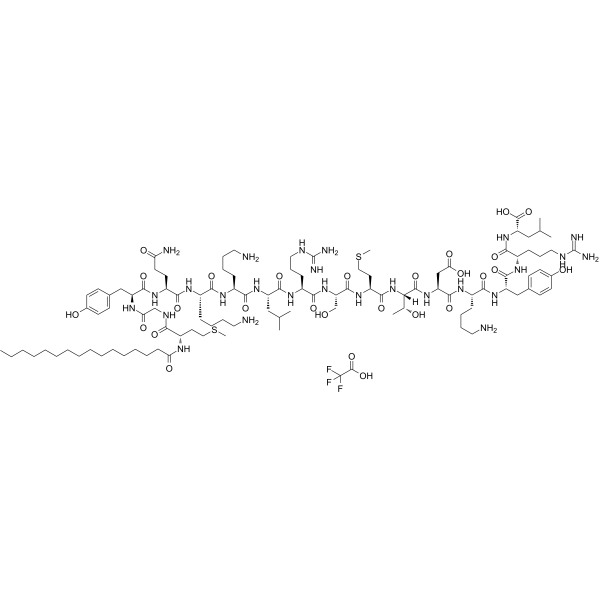
    Adropin (34-76) (human, mouse, rat)
    1 Publications Verification

    Akt Gli JNK PKA Metabolic Disease
    Adropin (34-76) is a secretory domain of Adropin. Adropin (34-76) can inhibit cAMP level and glucose production in hepatocytes, and has a hypoglycemic effect. Adropin (34-76) plays an antifibrotic role by inhibiting the GLI1 signaling pathway .
    Adropin (34-76) (human, mouse, rat)
  • HY-N0113
    Hordenine
    1 Publications Verification

    Ordenina; Peyocactine

    Bacterial Antibiotic Infection Cardiovascular Disease
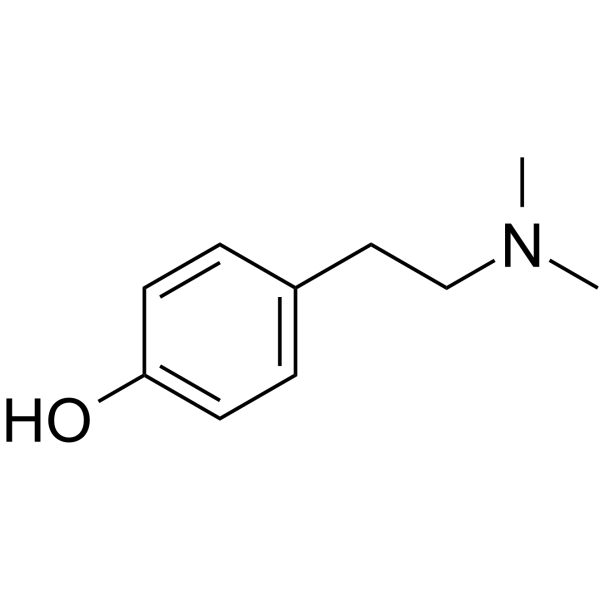
    Hordenine, an alkaloid found in plants, inhibits melanogenesis by suppression of cyclic adenosine monophosphate (cAMP) production .
    Hordenine
  • HY-B0531

    COX Phosphodiesterase (PDE) NF-κB NO Synthase Prostaglandin Receptor Infection Neurological Disease Inflammation/Immunology Cancer
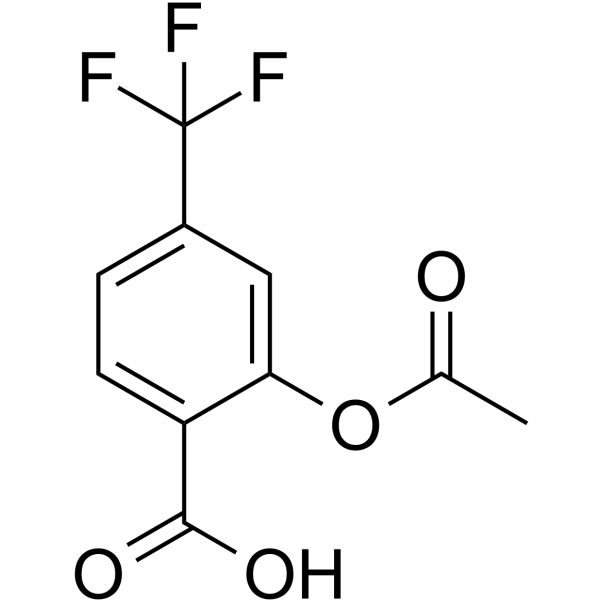
    Triflusal is an orally bioavailable, blood-brain barrier-permeable dual Cyclooxygenase-1 (COX-1)/cAMP phosphodiesterase inhibitor. Triflusal inhibits platelet aggregation, NF-κB activation, iNOS activity, and prostaglandin synthesis in ischaemic tissue. Triflusal stimulates neutrophil nitric oxide production, eNOS protein expression, and cNOS activity. Triflusal alleviates cerebral ischemic injury in rats and ameliorates pathological lesions and related gene expression in transgenic Alzheimer’s disease models. Triflusal can be used for the research of thromboembolic/ischemic cardiovascular and cerebrovascular diseases, and Alzheimer’s disease .
    Triflusal
  • HY-P0097
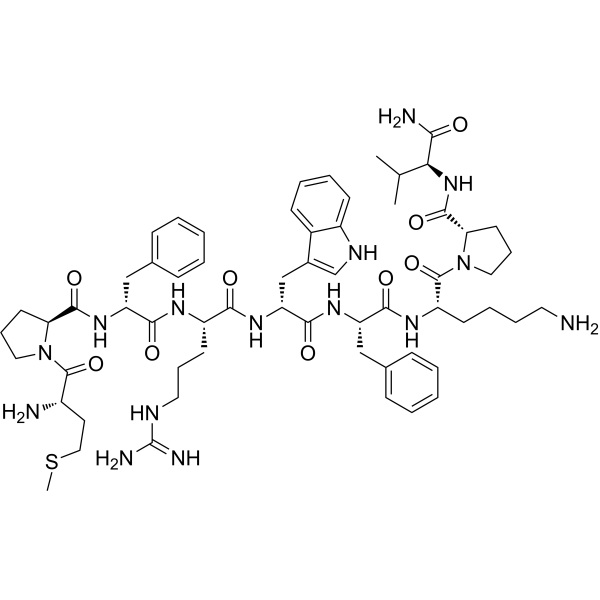
    Nonapeptide-1
    2 Publications Verification

    Melanostatine-5

    Melanocortin Receptor Metabolic Disease Endocrinology Cancer
    Nonapeptide-1 (Melanostatine-5), a peptide hormone, is a selective antagonist of MC1R (Ki: 40 nM). Nonapeptide-1 is a competitive α-MSH antagonist that potently inhibits intracellular cAMP and melanosome dispersion induced by α-MSH in melanocytes (IC50: 2.5 nM and 11 nM, respectively). Nonapeptide-1 inhibits melanin synthesis, and can be used in the research of skin pigmentation and regulation of steroid production in the adrenal gland, skin cancer .
    Nonapeptide-1
  • HY-B0327
    Irsogladine
    3 Publications Verification

    Dicloguamine

    Phosphodiesterase (PDE) NF-κB AP-1 TRP Channel Interleukin Related Inflammation/Immunology Cancer
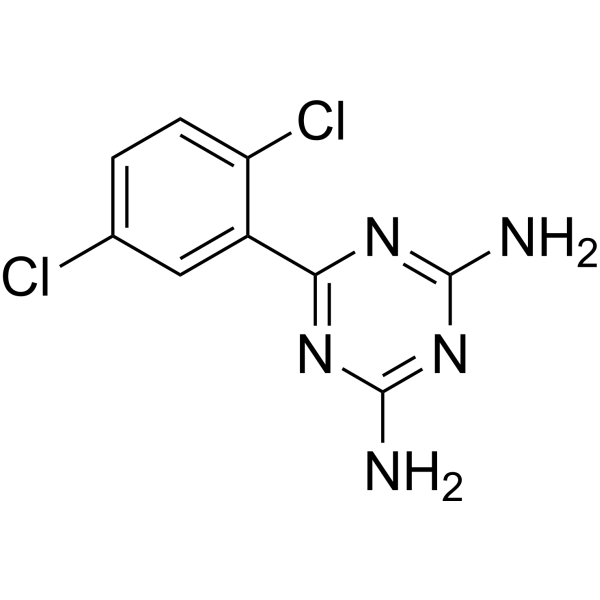
    Irsogladine (Dicloguamine) is an orally active gastric mucosal protective agent. Irsogladine inhibits breast cancer recurrence and lung metastasis in nude mice . Irsogladine inhibits the transcriptional activities of NF-κB and AP-1, suppresses the activities of PDE and PDE4 to elevate intracellular cAMP levels, and activates TRPV1 and KATP channels. Irsogladine enhances iNOS expression, NO production, and the activation of cAMP-responsive elements. Irsogladine inhibits the development and progression of intestinal polyps in Apc-mutant mice. Irsogladine alleviates oxidative stress, increases gastric mucosal blood flow, and stimulates the production of endogenous prostaglandins. Irsogladine promotes insulin secretion in MIN6 cells. Irsogladine inhibits tumor angiogenesis, cancer cell proliferation, and the production of proinflammatory cytokines. Irsogladine exerts protective effects on astrocytes in ethanol/hydrochloric acid-induced gastric ulcers in mice. Irsogladine prevents colitis in IL-10 gene-deficient mice by reducing the production of IL-12 and IL-23. Irsogladine upregulates gap junction intercellular communication in pancreatic cancer cells via the PKA pathway. Irsogladine is applicable to research related to breast cancer, intestinal polyposis, gastric ulcer, spontaneous colitis, glioma, liver cancer, and pancreatic cancer [5][6] .
    Irsogladine
  • HY-101572

    Methyl caprooyl tyrosinate

    SphK Inflammation/Immunology Cancer
    MHP (Methyl caprooyl tyrosinate) is an activator of sphingosine kinase (SPHK1), and significantly stimulates CAMP mRNA and protein production. MHP (Methyl caprooyl tyrosinate) enhances antimicrobial defense and innate immunity .
    MHP
  • HY-108618
    BC11-38
    2 Publications Verification

    Phosphodiesterase (PDE) Endocrinology
    BC11-38 is a potent, selective, and biologically active PDE11 inhibitor, with IC50s of 0.28 µM and >100 µM for PDE11 and PDE1-10, respectively. BC11-38 elevates cAMP levels, PKA-mediated ATF-1 phosphorylation, and cortisol production in H295R cells .
    BC11-38
  • HY-111385
    UNC9994 hydrochloride
    2 Publications Verification

    Dopamine Receptor 5-HT Receptor Arrestin Neurological Disease
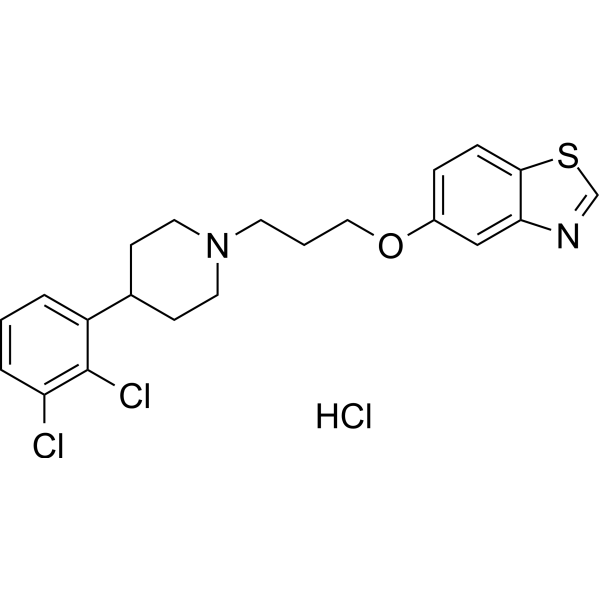
    UNC9994 hydrochloride is a functionally selective, β-arrestin–biased dopamine D2 receptor (D2R) agonist that selectively activates β-arrestin recruitment and signaling. UNC9994 hydrochloride shows a binding affinity with a Ki of 79 nM for D2R. UNC9994 hydrochloride is also an antagonist of Gi-regulated cAMP production and partial agonist for D2R/β-arrestin-2 interactions. UNC9994 hydrochloride shows antipsychotic-like activity .
    UNC9994 hydrochloride
  • HY-100013C

    GPR88 Neurological Disease
    2-PCCA hydrochloride is a GPR88 receptor agonist, and inhibits GPR88-mediated cAMP production, with an EC50 of 116 nM in HEK293 cells.
    2-PCCA hydrochloride
  • HY-124151

    2'-AMP; Adenosine 2'-phosphate; AMP 2'-phosphate

    Adenosine Receptor Endogenous Metabolite Neurological Disease
    Adenosine-2'-monophosphate (2'-AMP) is converted by extracellular 2’,3'-CAMP. Adenosine-2'-monophosphate is further metabolized to extracellular adenosine (a mechanism called the extracellular 2’,3’-cAMP-adenosine pathway). Adenosine-2'-monophosphate inhibits LPS-induced TNF-α and CXCL10 production via A2A receptor activation .
    Adenosine-2'-monophosphate
  • HY-B0392

    (+)-Rolipram; (S)-Rolipram

    Phosphodiesterase (PDE) Apoptosis Neurological Disease Inflammation/Immunology Cancer
    (S)-(+)-Rolipram ((+)-Rolipram) is a cyclic AMP(cAMP)-specific phosphodiesterase 4 (PDE4) inhibitor, with an IC50 of 1100 nM. (S)-(+)-Rolipram can suppresse tumor necrosis factor-alpha (TNFα) production by human mononuclear cells .
    (S)-(+)-Rolipram
  • HY-116874
    SKF 83822
    1 Publications Verification

    Dopamine Receptor Neurological Disease
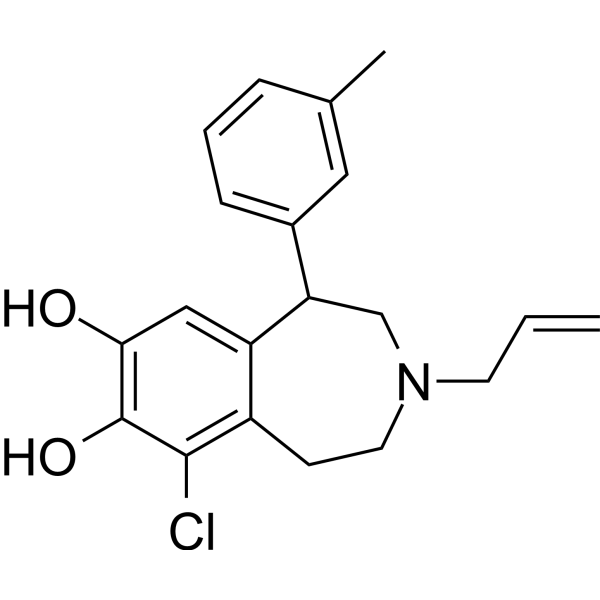
    SKF 83822 is an atypical agonist of dopamine D1 receptor. SKF 83822 activates adenylyl cyclase (AC), but not phospholipase C (PLC). SKF 83822 is also proved to stimulate AC via cAMP production. SKF 83822 can be used for research of schizophrenia .
    SKF 83822
  • HY-128932
    Cefminox sodium
    1 Publications Verification

    MT-141

    Antibiotic Bacterial PPAR Prostaglandin Receptor PTEN Akt mTOR Infection Cardiovascular Disease Endocrinology
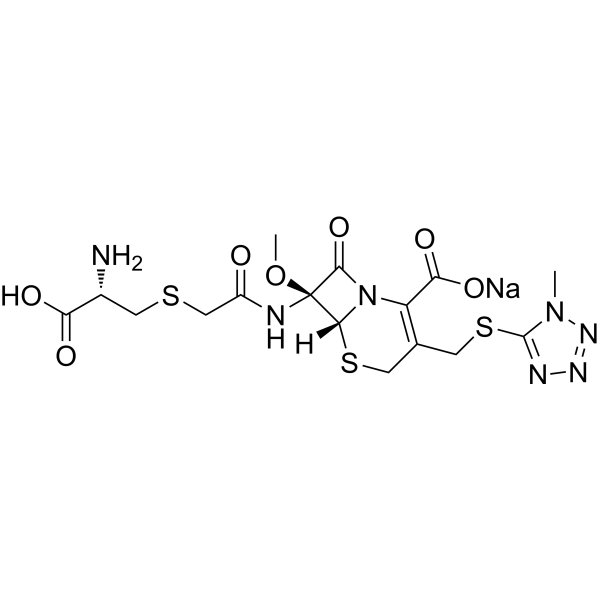
    Cefminox sodium (MT-141) is a semisynthetic cephamycin, which exhibits antibacterial activity. Cefminox sodium is a broad-spectrum, bactericidal cephalosporin antibiotic. Cefminox sodium also acts as a dual agonist of prostacyclin receptor (IP) and PPARγ. Cefminox sodium upregulates cAMP production and PTEN expression and inhibits Akt/mTOR signaling. Cefminox sodium also prevents pulmonary arterial hypertension in rat model .
    Cefminox sodium
  • HY-P0097A
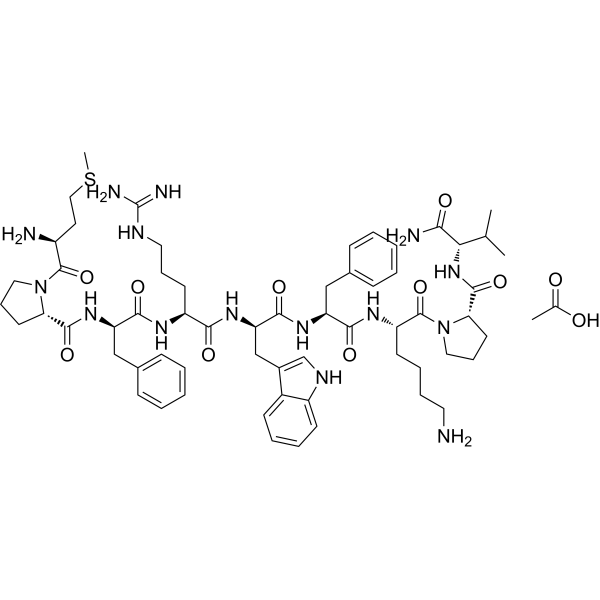
    Nonapeptide-1 acetate salt
    2 Publications Verification

    Melanostatine-5 acetate salt

    Melanocortin Receptor Metabolic Disease Endocrinology Cancer
    Nonapeptide-1 (Melanostatine-5) acetate salt, a peptide hormone, is a selective antagonist of MC1R (Ki: 40 nM). Nonapeptide-1 acetate salt is a competitive α-MSH antagonist that potently inhibits intracellular cAMP and melanosome dispersion induced by α-MSH in melanocytes (IC50: 2.5 nM and 11 nM, respectively). Nonapeptide-1 acetate salt inhibits melanin synthesis, and can be used in the research of skin pigmentation and regulation of steroid production in the adrenal gland, skin cancer .
    Nonapeptide-1 acetate salt
  • HY-162734

    GPR65 Inflammation/Immunology
    BRD5075 is a selective GPR65 activator. BRD5075 enhances GPR65 activity under acidic conditions, promotes Gαs-dependent signaling pathways, including cAMP production and G protein recruitment. BRD5075 regulates the cytokine and chemokine expression network in dendritic cells, and inhibits the expression of pro-inflammatory cytokines and chemokines in a GPR65-dependent manner. BRD5075 is applicable to research related to inflammatory bowel disease .
    BRD5075
  • HY-117829
    UNC9994
    2 Publications Verification

    Dopamine Receptor 5-HT Receptor Histamine Receptor Arrestin Neurological Disease
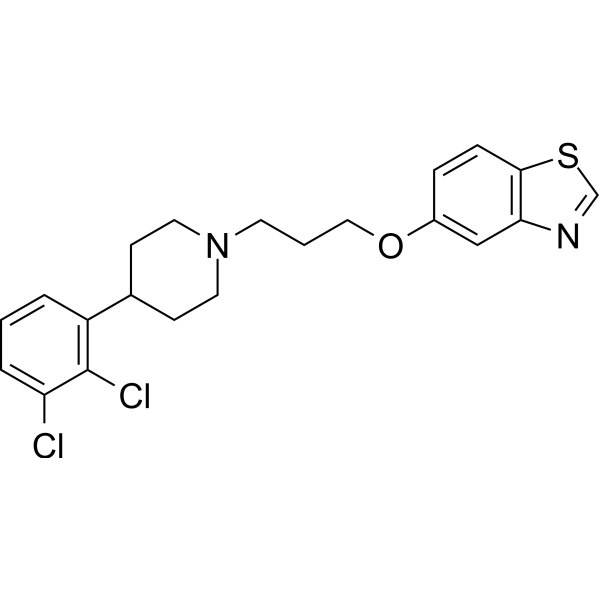
    UNC9994, an analog of Aripiprazole, is a functionally selective β-arrestin-biased dopamine D2 receptor (D2R) agonist with EC50 <10 nM for β-arrestin-2 recruitment to D2 receptors. UNC9994 is simultaneously partial agonists of β-arrestin-2 translocation and antagonists of Gi-regulated cAMP production. Antipsychotic Activity .
    UNC9994
  • HY-119168

    GPR139 Neurological Disease
    LP-471756 is a potent GPR139 antagonist with an IC50 value of 640 nM. LP-471756 inhibits LP-360924-stimulated cAMP production .
    LP-471756
  • HY-P2197

    Apelin Receptor (APJ) Arrestin Inflammation/Immunology
    ELA-11(human), a peptide, is a full agonist of human apelin receptor, with a pKi of 7.85. ELA-11(human) completely inhibits Forskolin-induced cAMP production and stimulates β-arrestin recruitment .
    ELA-11(human)
  • HY-123335A

    Somatostatin Receptor Neurological Disease
    L-796778 acetate is a selective agonist of the sst3 receptor. In CHO-K1 cells expressing the hsst3 receptor, L-796778 acetate is a partial agonist that inhibits Forskolin (HY-15371)-stimulated cAMP production with an IC50 value of 18 nM. L-796778 acetate has anticonvulsant effect .
    L-796778 acetate
  • HY-173178

    Estrogen Receptor/ERR Cancer
    LNS8801 is an orally active agonist of the G protein-coupled estrogen receptor (GPER). By activating GPER, LNS8801 mediates downstream signaling pathways, such as promoting the production of cyclic adenosine monophosphate (cAMP) and activating the cAMP response element-binding protein (CREB) signaling, thereby exerting anti-tumor activities including inhibiting tumor cell proliferation, inducing cell differentiation, and enhancing tumor immunogenicity. LNS8801 can be used in the research of various cancers (e.g., melanoma, pancreatic cancer, colorectal cancer, lung cancer, etc.) and relevant studies exploring the roles of GPER in normal physiological and pathological processes .
    LNS8801
  • HY-161106

    GPR84 Inflammation/Immunology Cancer
    OX04528 (compound 68) is a potent, G-protein biased, and orally active GPR84 agonist. OX04528 no cytotoxicity. OX04528 inhibits cAMP production with an EC50 value of 0.00598 nM .
    OX04528
  • HY-110003
    Arachidonylcyclopropylamide
    2 Publications Verification

    ACPA

    Cannabinoid Receptor Neurological Disease
    Arachidonylcyclopropylamide (ACPA) is a potent and selective CB1 receptors agonist. Arachidonylcyclopropylamide inhibits forskolin-stimulated cAMP production in CHO cells transfected with human cannabinoid CB1 receptors (IC50=2 nM) .
    Arachidonylcyclopropylamide
  • HY-50158

    GCGR Metabolic Disease Inflammation/Immunology
    Glucagon receptor antagonist-2 is a glucagon receptor antagonist. Glucagon receptor antagonist-2 functionally inhibits receptor activity via reduced cAMP production. Glucagon receptor antagonist-2 can be used for the research of type 2 diabetes .
    Glucagon receptor antagonist-2
  • HY-P2249

    Arrestin Apelin Receptor (APJ) Cardiovascular Disease
    ELA-21 (human) is an apelin receptor agonist with a pKi of 8.52. ELA-21 (human) completely inhibits Forskolin-induced cAMP production and stimulates β-arrestin recruitment with subnanomolar potencies. ELA-21 (human) is an agonist in G-protein-dependent and -independent pathways .
    ELA-21 (human)
  • HY-B1481

    Isoetarine mesylate

    Adrenergic Receptor Cardiovascular Disease Inflammation/Immunology
    Isoetharine (Isoetarine) mesylate is an orally active selective agonist of β-adrenergic receptors. Isoetharine mesylate is a catechol-like agent and catechol O-methyltransferase (COMT) mediates its methylation. Isoetharine mesylate can promote the production of cAMP which stimulates the relaxation of smooth muscle cells and can be used as an emphysema, bronchitis and bronchodilator .
    Isoetharine mesylate
  • HY-P1250

    Neuropeptide VF(124-131)(human); Neuropeptide NPVF (human)

    Neuropeptide Y Receptor Neurological Disease
    RFRP-3 (Neuropeptide VF(124-131))(human), a human GnIH peptide homolog, is a potent inhibitor of gonadotropin secretion by inhibiting Ca 2+ mobilization. RFRP-3(human) is a NPFF1 receptor agonist, it inhibits forskolin-induced production of cAMP with an IC50 of 0.7 nM .
    RFRP-3(human)
  • HY-19946

    F 11440

    5-HT Receptor Neurological Disease
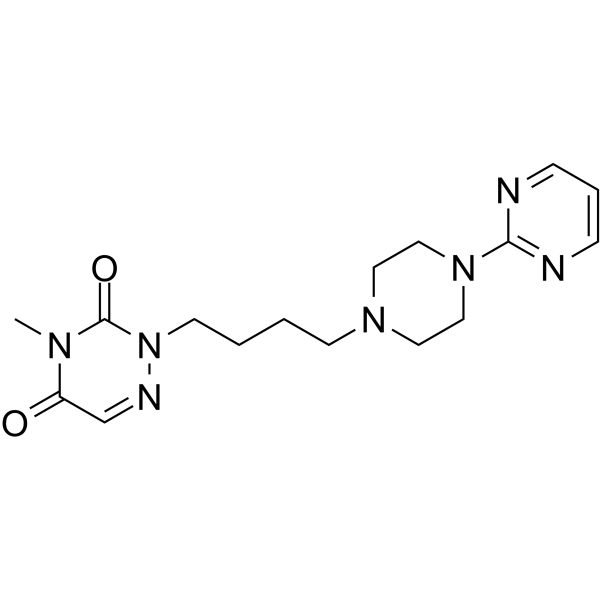
    Eptapirone (F11440) is a potent, selective and orally active 5-HT1A receptor agonist (pKi = 8.33). Eptapirone can inhibit cAMP production. Eptapirone can reduce 5-HT levels and increase corticosterone levels. Eptapirone shows potent anxiolytic and antidepressant potential. Eptapirone can be used for the research of neurological disease, such as anxiety and depression .
    Eptapirone
  • HY-P10716

    GLP Receptor Metabolic Disease
    Exendin-P5 is a selective agonist that targets the GLP-1R. Exendin-P5 promotes rapid activation of G proteins by transient interactions with the transmembrane domain of GLP-1R, enhancing its potency in G protein-mediated signaling and accelerating cAMP production. This mechanism suggests the potential application of Exendin-P5 in the study of metabolic diseases .
    Exendin-P5
  • HY-100936

    SQ 20009; EHT 0202 hydrochloride

    Phosphodiesterase (PDE) GABA Receptor Neurological Disease Inflammation/Immunology
    Etazolate hydrochloride (SQ 20009) is an orally active, selective inhibitor of type 4 phosphodiesterase (PDE4) with an IC50 of 2 μM. Etazolate hydrochloride is a γ-aminobutyric acid A (GABAA) receptor regulator. Etazolate hydrochloride is an α-secretase activator and induced the production of soluble amyloid precursor protein (sAPPα). Etazolate hydrochloride, a pyrazolopyridine class derivative, increases cAMP levels. Etazolate hydrochloride has anxiolyticlike, antidepressant-like and anti-inflammatory effects .
    Etazolate hydrochloride
  • HY-N0113B
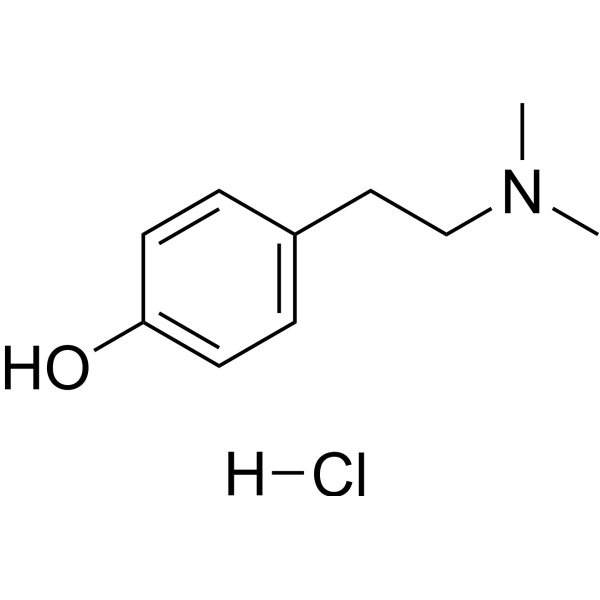
    Hordenine hydrochloride
    1 Publications Verification

    Ordenina hydrochloride; Peyocactine hydrochloride

    Bacterial Infection
    Hordenine (hydrochloride), an alkaloid found in plants, inhibits melanogenesis by suppression of cyclic adenosine monophosphate (cAMP) production .
    Hordenine hydrochloride
  • HY-N0113S

    Ordenina-d6; Peyocactine-d6

    Isotope-Labeled Compounds Bacterial Antibiotic Infection Cardiovascular Disease
    Hordenine-d6 (Ordenina-d6) is the deuterium labeled Hordenine. Hordenine, an alkaloid found in plants, inhibits melanogenesis by suppression of cyclic adenosine monophosphate (cAMP) production .
    Hordenine-d6
  • HY-123335

    Somatostatin Receptor Others
    L-796778 is an agonist of the hsst3 receptor. In CHO-K1 cells expressing the hsst3 receptor, L-796778 is a partial agonist that inhibits forskolin (HY-15371)-stimulated cAMP production with an IC50 value of 18 nM .
    L-796778
  • HY-P0036A

    SMS 201-995 dihydrochloride

    Somatostatin Receptor Apoptosis Inflammation/Immunology Endocrinology Cancer
    Octreotide (SMS 201-995) hydrochloride is a somatostatin receptor agonist and synthetic octapeptide endogenous somatostatin analogue. Octreotide hydrochloride can bind to the somatostatin receptors which are mainly subtypes 2, 3 and 5. Octreotide hydrochloride increases Gi activity and reduces intracellular cAMP production. Octreotide hydrochloride has antitumor activity, mediates apoptosis and may also be used in disease studies in acromegaly .
    Octreotide dihydrochloride
  • HY-103178

    Adenosine Receptor Inflammation/Immunology
    MRE3008F20 is a highly efficient, highly selective and radioactive adenosine A3 receptor (AA3R) antagonist (Ki=1.8 nM). MRE3008F20 effectively antagonises Cl-IB-MECA-induced cAMP production in resting lymphocytes with an IC50 value of 5 nM. MRE3008F20 can be used in the study of AA3R .
    MRE3008F20
  • HY-139486

    Apelin Receptor (APJ) Cardiovascular Disease
    AM-8123 is an orally active and potent APJ agonist. AM-8123 inhibits Forskolin-stimulated cAMP production and promotes Gα protein activation. AM-8123 can be used for the research of cardiovascular disease .
    AM-8123
  • HY-B1481A

    Isoetarine

    Adrenergic Receptor Cardiovascular Disease Inflammation/Immunology
    Isoetharine (Isoetarine) is an orally active selective agonist of β-adrenergic receptors. Isoetharine is a catechol-like agent and catechol O-methyltransferase (COMT) mediates its methylation. Isoetharine can promote the production of cAMP which stimulates the relaxation of smooth muscle cells and can be used as an emphysema, bronchitis and bronchodilator .
    Isoetharine
  • HY-107506

    mGluR Neurological Disease
    Ro 67-4853 is a positive allosteric modulator (PAM) of mGluR1 (pEC50=7.16 for rmGlu1a receptor). Ro67-4853 exhibits activity at all group I mGlu receptors including hmGlu1, rmGlu1, and rmGlu5. Ro 67-4853 enhances the potency of L-Glu by interacting with the transmembrane domain (TMD) of the receptor. Ro 67-4853 potentiates sensory synaptic responses to repetitive vibrissa stimulation .
    Ro 67-4853
  • HY-123534

    Opioid Receptor Neurological Disease
    CYT-1010 is a mu-opioid receptor agonist extracted from patent WO2013173730A2, with EC50s of 13.1 nM and 0.0053 nM on beta-arrestin recruitment and inhibition of cAMP production, respectively .
    CYT-1010
  • HY-123534A

    Opioid Receptor Neurological Disease
    CYT-1010 hydrochloride is a mu-opioid receptor agonist extracted from patent WO2013173730A2, with EC50s of 13.1 nM and 0.0053 nM on beta-arrestin recruitment and inhibition of cAMP production, respectively .
    CYT-1010 hydrochloride
  • HY-161107

    GPR84 Inflammation/Immunology
    OX04529 (compound 69) is a potent, selective and orally active agonist of GPR84. OX04529 inhibits FSK-induced cAMP production with an EC50 of 0.0185 nM. OX04529 displayed excellent potency, high G-protein signaling bias .
    OX04529
  • HY-174986

    CGRP Receptor Cardiovascular Disease
    CGRP antagonist 7 is a potent calcitonin gene-related peptide receptor (CGRP) antagonist with a Ki of 0.029 nM. CGRP antagonist 7 Inhibit the production of cyclic adenosine monophosphate (cAMP) with an IC50 of 1.5 nM. CGRP antagonist 7 can be used for the study of migraine .
    CGRP antagonist 7
  • HY-156536

    RXFP Receptor Cardiovascular Disease Inflammation/Immunology
    RXFP1 receptor agonist-1 (Example 2 peak2) is a RXFP1 receptor agonist. RXFP1 receptor agonist-1 stimulates cAMP production in HEK293 cells stably expressing human RXFP1, with an EC50 value of 300 nM .
    RXFP1 receptor agonist-1
  • HY-P5950

    Adrenocorticotropic hormone (6-24)

    Mineralocorticoid Receptor Cardiovascular Disease
    ACTH (6-24) (human) (Adrenocorticotropic hormone (6-24)) is an ACTH fragment. ACTH (6-24) (human) is a competitive inhibitor of steroidogenesis induced by ACTH (1-39) and ACTH (5-24) (Kd:13.4 and 3.4 nM). ACTH (6-24) (human) inhibits corticosterone production and cAMP accumulation induced by hPTH 1-34 .
    ACTH (6-24) (human)
  • HY-P0036B

    SMS 201-995 pamoate

    Somatostatin Receptor Apoptosis Cardiovascular Disease Inflammation/Immunology Endocrinology Cancer
    Octreotide (SMS 201-995) pamoate is a somatostatin receptor agonist and synthetic octapeptide endogenous somatostatin analogue. Octreotide pamoate can bind to the somatostatin receptors which are mainly subtypes 2, 3 and 5. Octreotide pamoate increases Gi activity and reduces intracellular cAMP production. Octreotide pamoate has antitumor activity, mediates apoptosis and may also be used in disease studies in acromegaly .
    Octreotide pamoate
  • HY-179241

    Dopamine Receptor Neurological Disease
    UNC10062 is a dopamine D1 receptor (D1R) positive allosteric modulator. UNC10062 specifically binds to the extracellular allosteric pocket (upper pocket) at the interface of transmembrane helices (TM) 1 and 7 of D1R. UNC10062 can increase dopamine potency and D1R-mediated cAMP production. UNC10062 can be used for the research of neurological disease, such as Parkinson's disease .
    UNC10062
  • HY-137370

    HENECA; 2-Hexynyl-NECA

    Adenosine Receptor Amyloid-β Neurological Disease
    2-Hexynyl-5′-N-ethylcarboxamidoadenosine (HENECA) is a selective A2A adenosine receptor agonist. 2-Hexynyl-5′-N-ethylcarboxamidoadenosine increases intracellular cAMP level, and inhibits TNFα-evoked MMP-3 release. 2-Hexynyl-5′-N-ethylcarboxamidoadenosine induces Aβ42 production in SH-SY5Y cells .
    2-Hexynyl-5′-N-ethylcarboxamidoadenosine
  • HY-150057

    Cannabinoid Receptor Others
    CB1R Allosteric modulator 4 is a positive allosteric modulator of cannabinoid type-1 (CB1R) with good biological activity. CB1R Allosteric modulator 4 inhibits cAMP production and shows robust activity in β-arrestin-2 recruitment .
    CB1R Allosteric modulator 4
  • HY-N0113BR

    Ordenina hydrochloride (Standard); Peyocactine hydrochloride (Standard)

    Reference Standards Bacterial Infection
    Hordenine (hydrochloride) (Standard) is the analytical standard of Hordenine (hydrochloride). This product is intended for research and analytical applications. Hordenine (hydrochloride), an alkaloid found in plants, inhibits melanogenesis by suppression of cyclic adenosine monophosphate (cAMP) production[1].
    Hordenine hydrochloride (Standard)

Inquiry Online

Your information is safe with us. * Required Fields.

Salutation


Country or Region *

Applicant Name *


Organization Name *

Department *


Email Address *


Product Name *

Cat. No.


Requested quantity *

Phone Number *


Remarks

Inquiry Online

Inquiry Information

Product Name:
Cat. No.:
Quantity:
MCE Japan Authorized Agent:

