

Search Result
Results for "
calmodulin inhibitor
" in MedChemExpress (MCE) Product Catalog:
1
Isotope-Labeled Compounds
| Cat. No. |
Product Name |
Target |
Research Areas |
Chemical Structure |
-
- HY-15465
-
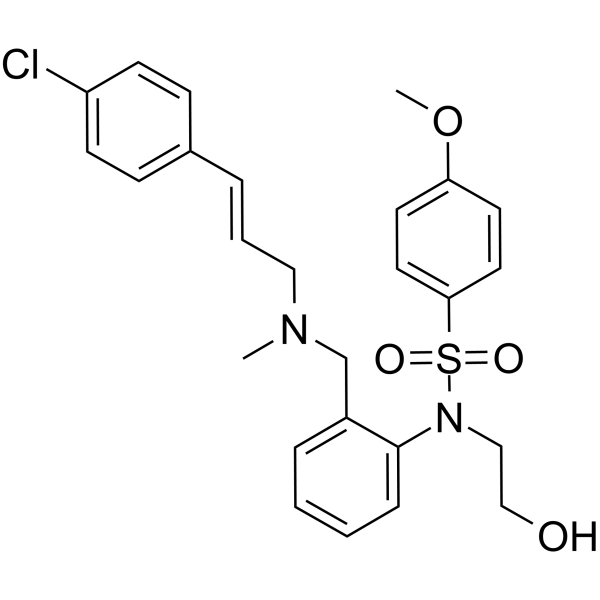
KN-93
Maximum Cited Publications
95 Publications Verification
|
CaMK
Autophagy
|
Cancer
|
|
KN-93 is a cell-permeable, reversible and competitive inhibitor calmodulin-dependent kinase type II (CaMKII) with a Ki of 370 nM.
|
-
-
- HY-19805
-
|
|
CaMK
AMPK
Autophagy
|
Metabolic Disease
|
|
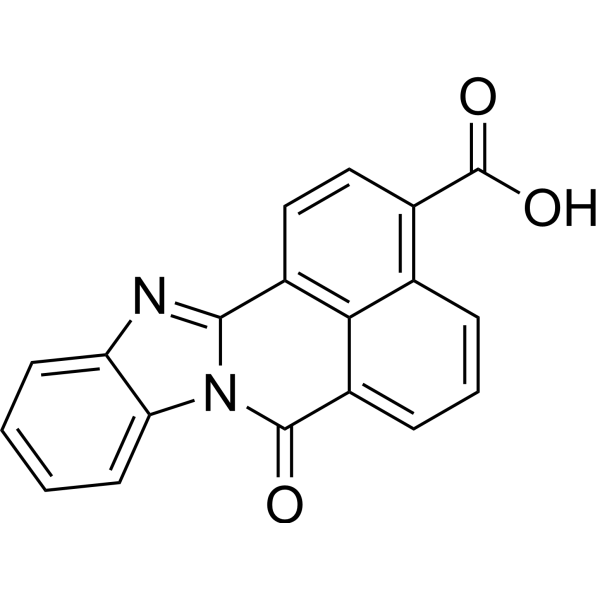
STO-609 is a selective and cell-permeable inhibitor of the Ca 2+/calmodulin-dependent protein kinase kinase (CaM-KK), with Ki values of 80 and 15 ng/mL for recombinant CaM-KKα and CaM-KKβ, respectively. STO-609 inhibits AMP-activated protein kinase kinase (AMPKK) activity in HeLa cell lysates with an IC50 ~0.02 g/ml.
|
-
-
- HY-N6732
-
|
SF2370; Antibiotic K 252a; Antibiotic SF 2370
|
Autophagy
PKA
PKC
Trk Receptor
CaMK
|
Infection
Inflammation/Immunology
|
|
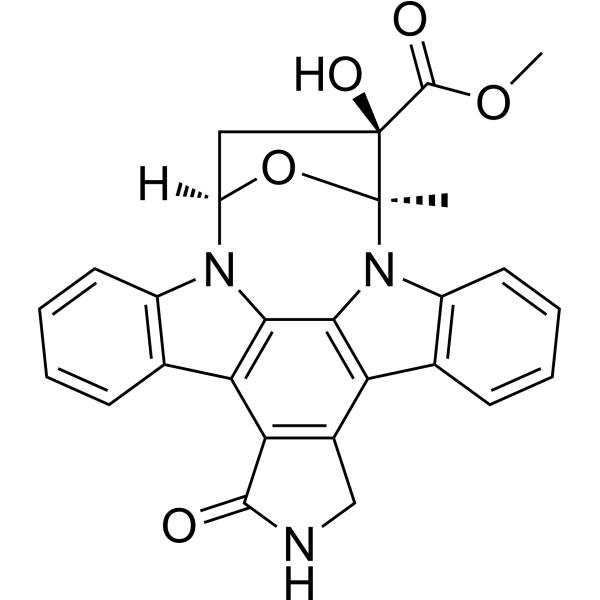
K-252a, a staurosporine analog, inhibits protein kinase, with IC50 values of 470 nM, 140 nM, 270 nM, and 1.7 nM for PKC, PKA, Ca 2+/calmodulin-dependent kinase type II, and phosphorylase kinase, respectively . K-252a is a potent inhibitor (IC50 of 3 nM) of the tyrosine protein kinase (TRK) activity of the NGF receptor gp140trk, the product of the trk protooncogene .
|
-
-
- HY-B1077
-
|
R-16341
|
Calcium Channel
Dopamine Receptor
Autophagy
Apoptosis
|
Neurological Disease
Inflammation/Immunology
Cancer
|
|
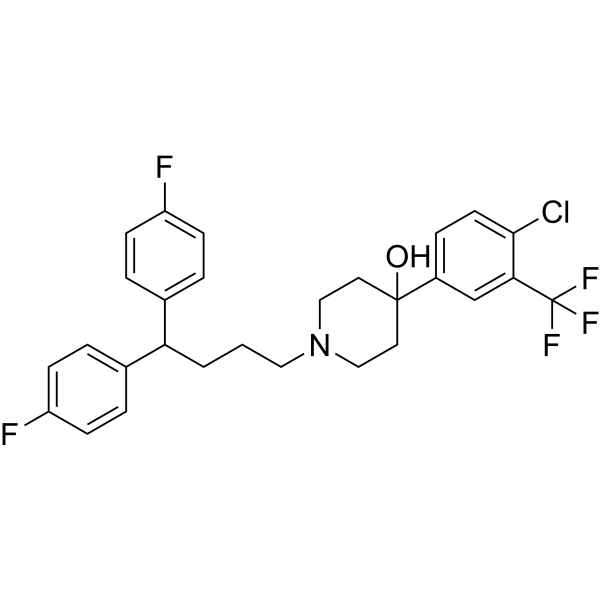
Penfluridol (R-16341) is a potent, long-acting, first-generation, oral diphenylbutylpiperidine antipsychotic agent by targeting D2-like dopamine receptor. Penfluridol effectively inhibits TNFα-induced NF-κB activation and alleviates the severity of arthritis and colitis in vivo. Penfluridol is a Ca2+-calmodulin inhibitor. Penfluridol induces apoptosis and autophagy. Penfluridol is used for chronic schizophrenia, acute psychosis, Tourette syndrome and autoimmune diseases. Penfluridol inhibites the growth of E. faecalis planktonic cells with the MIC of 7.81 μg/ml .
|
-
-
- HY-13290
-
|
|
CaMK
P2X Receptor
|
Metabolic Disease
Cancer
|
|
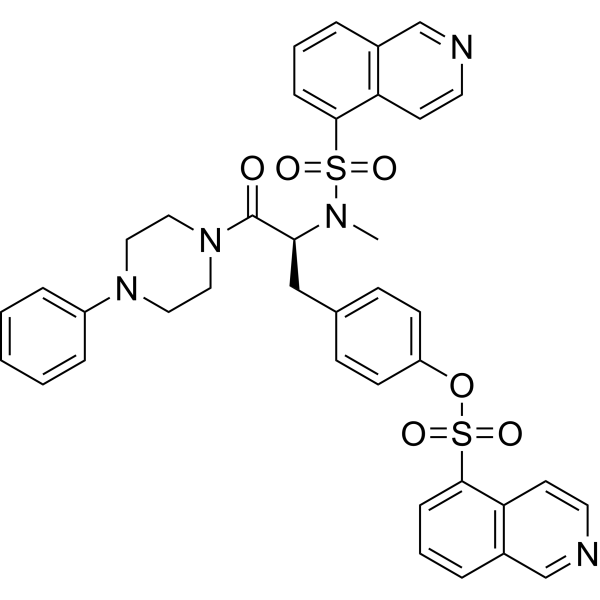
KN-62 is a selective and reversible inhibitor of calmodulin-dependent protein kinase II (CaMK-II) with a Ki of 0.9 μM for rat brain CaMK-II. KN-62 directly binds to the calmodulin binding site of CaMK-II. KN-62 displays noncompetitive antagonism at P2X7 receptors in HEK293 cells, with an IC50 value of approximately 15 nM.
|
-
-
- HY-100912
-
|
|
Phosphodiesterase (PDE)
Myosin
Apoptosis
Calmodulin
Potassium Channel
|
Cancer
|
|
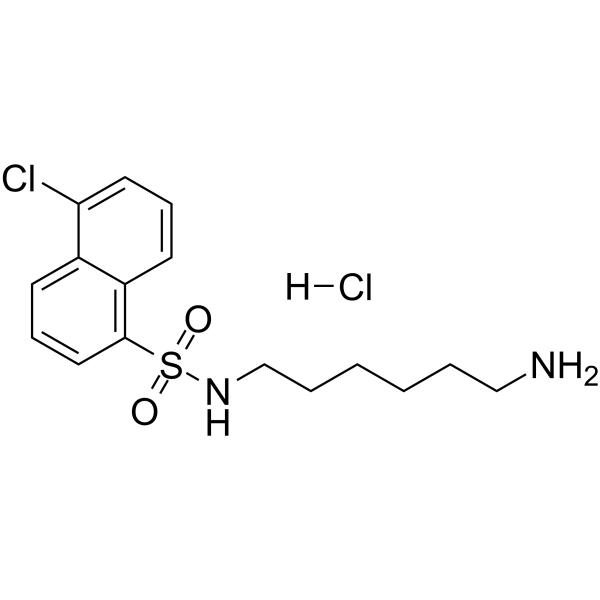
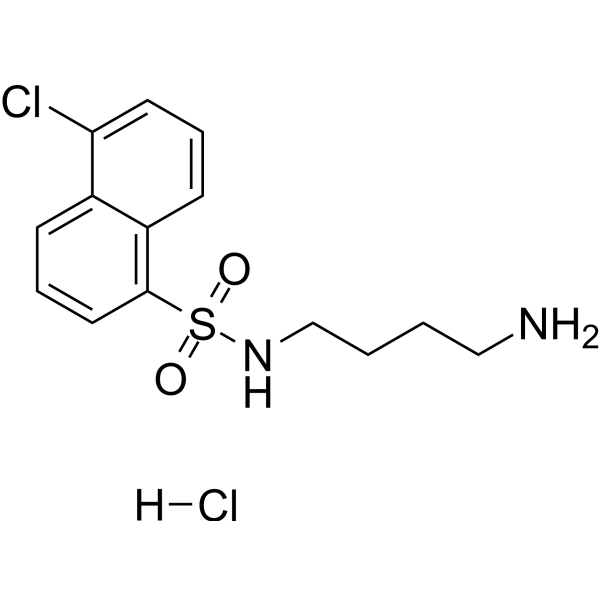
W-7 hydrochloride is a selective calmodulin antagonist. W-7 hydrochloride inhibits the Ca 2+-calmodulin-dependent phosphodiesterase and myosin light chain kinase with IC50 values of 28 μM and 51 μM, respectively. W-7 hydrochloride induces apoptosis and has antitumor and vascular relaxing activity. W-7 hydrochloride is a blocker of Kv4.3 and can be used for research of arrhythmias .
|
-
-
- HY-Z0478
-
|
(S)-(-)-Limonene
|
Bacterial
Antibiotic
CaMK
|
Infection
Cardiovascular Disease
Metabolic Disease
|
|
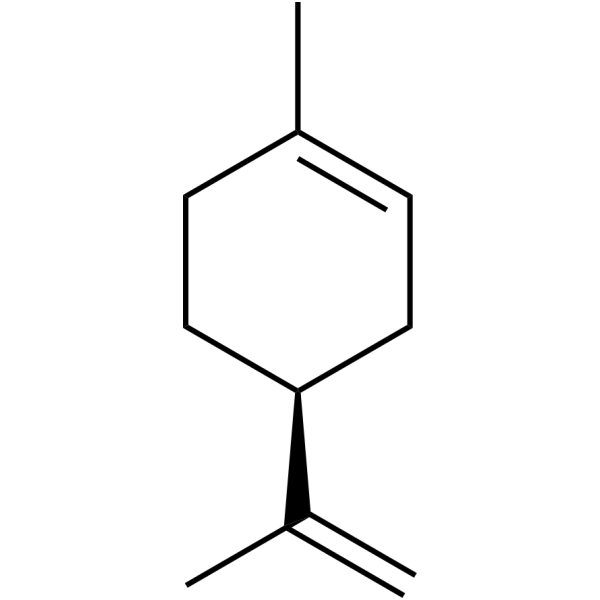
(-)-Limonene ((S)-(-)-Limonene) is orally active and can cause mild bronchoconstriction. (-)-Limonene alleviates cytosolic and mitochondrial oxidative stress by inhibiting the increase of calcium ions (Ca 2+) and Ca 2+/calmodulin-dependent protein kinase II (CaMKII). It also exerts anti-stress effects by inhibiting the activity of the hypothalamic-pituitary-adrenal (HPA) axis. Additionally, (-)-Limonene can be used as an antibacterial agent in aquaculture .
|
-
-
- HY-108599
-
|
FR236924
|
PKC
CaMK
Phosphatase
Apoptosis
|
Neurological Disease
|
|
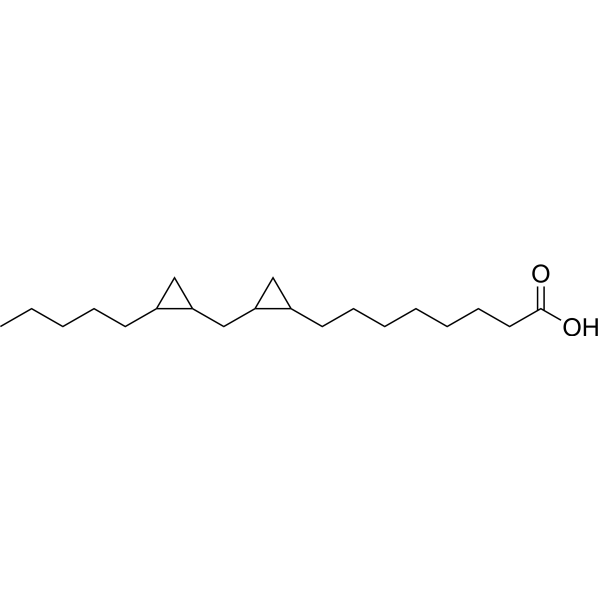
DCP-LA (FR236924), a linoleic acid derivative, selectively and directly activates PKCε. DCP-LA activates Ca( 2+)/calmodulin-dependent protein kinase II (CaMKII) and inhibits protein phosphatase-1 (PP-1) to stimulate AMPA receptor exocytosis. DCP-LA inhibits activation of caspase-3/-9 and protects neurons at least in part from oxidative stress-induced apoptosis .
|
-
-
- HY-B0532
-
|
|
Dopamine Receptor
Adrenergic Receptor
P-glycoprotein
CaMK
Influenza Virus
Autophagy
|
Neurological Disease
|
|
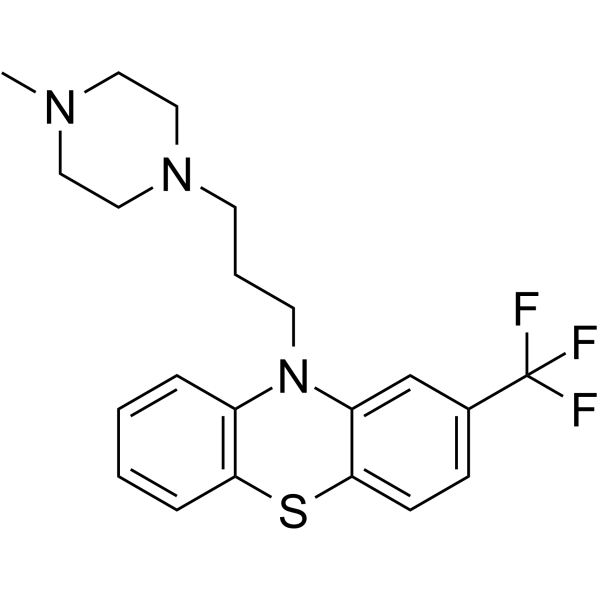
Trifluoperazine, an antipsychotic agent, acts by blocking central dopamine receptors. Trifluoperazine is a potent α1-adrenergic receptor antagonist. Trifluoperazine is a potent NUPR1 inhibitor exerting anticancer activity. Trifluoperazine is a calmodulin inhibitor, and also inhibits P-glycoprotein. Trifluoperazine can be used for the research of schizophrenia. Trifluoperazine acts as a reversible inhibitor of influenza virus morphogenesis .
|
-
-
- HY-15465B
-
|
|
CaMK
Autophagy
|
Cancer
|
|
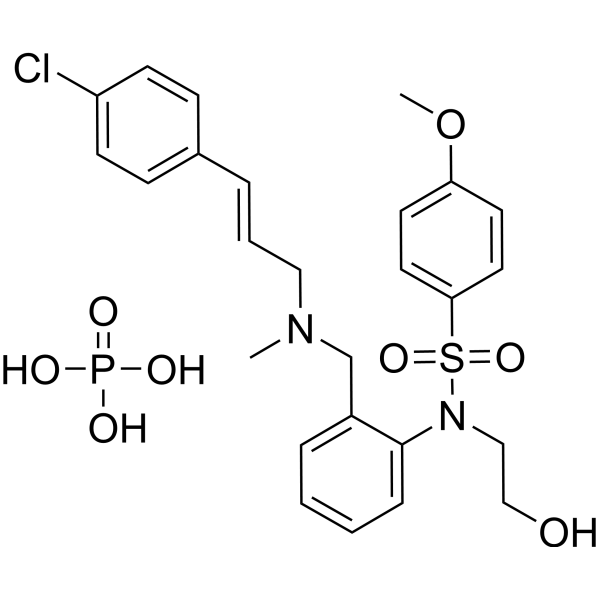
KN-93 phosphate is a cell-permeable, reversible and competitive inhibitor calmodulin-dependent kinase type II (CaMKII) with a Ki of 370 nM .
|
-
-
- HY-B0532A
-
|
|
Dopamine Receptor
Adrenergic Receptor
CaMK
P-glycoprotein
Influenza Virus
Autophagy
|
Neurological Disease
Cancer
|
|
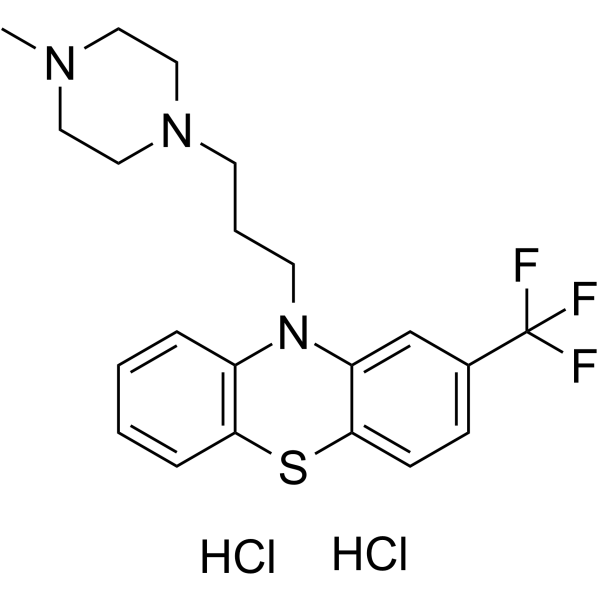
Trifluoperazine dihydrochloride, an antipsychotic agent, acts by blocking central dopamine receptors. Trifluoperazine dihydrochloride is a potent α1-adrenergic receptor antagonist. Trifluoperazine dihydrochloride is a potent NUPR1 inhibitor exerting anticancer activity. Trifluoperazine dihydrochloride is a calmodulin inhibitor, and also inhibits P-glycoprotein. Trifluoperazine dihydrochloride can be used for the research of schizophrenia. Trifluoperazine dihydrochloride acts as a reversible inhibitor of influenza virus morphogenesis .
|
-
-
- HY-B0020
-
|
SDZ-ICS-930
|
5-HT Receptor
nAChR
|
Neurological Disease
Inflammation/Immunology
Cancer
|
|
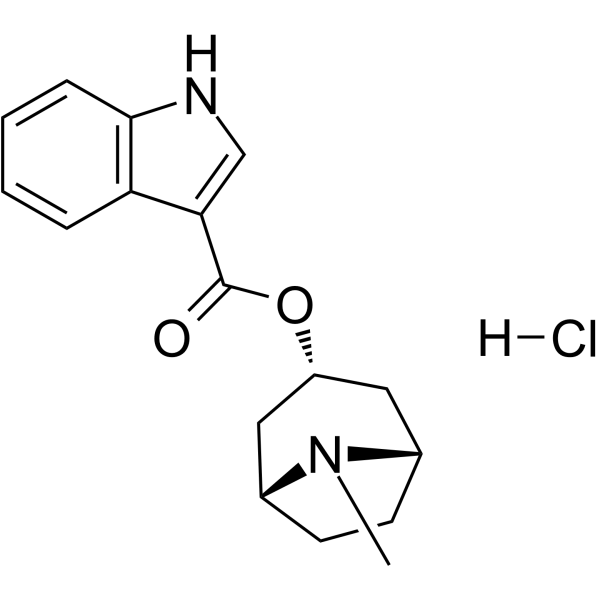
Tropisetron Hydrochloride (SDZ-ICS-930) is an effective neuroprotective agent that acts as a 5-HT3 receptor antagonist, a calmodulin inhibitor, and an α7-nAChRreceptor agonist, with an IC50 of 70.1 nM for the 5-HT3 receptor. Tropisetron Hydrochloride has anti-inflammatory properties and immune-regulating functions, effectively alleviating symptoms associated with chemotherapy and post-surgery. Tropisetron Hydrochloride reduces Ab (HY-P4867)-induced hippocampal neuroinflammation .
|
-
-
- HY-148907
-
|
|
CaMK
MEK
Mixed Lineage Kinase
RIP kinase
Tau Protein
|
Neurological Disease
|
|
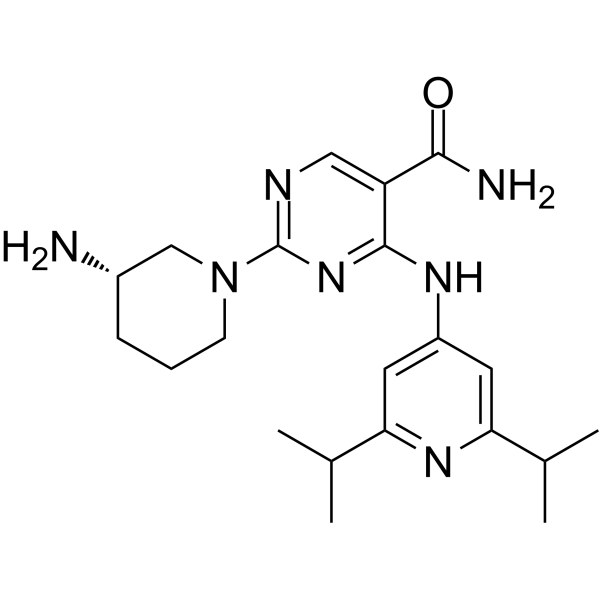
CS640 (Compound 19) is a chemical probe and a calmodulin-dependent kinase inhibitor. CS640 inhibits CaMK1D, CaMK1B, CaMK1A, CaMK1G, MEK5, RIPK4, mLK3 and PIP5K1, with IC50 values of 8, 3, 1, 1, 25 nM, 5.69, 2.75 and 11.2 μM, respectively. CS640 blocks Aβ-induced hyperphosphorylation of tau protein at the Thr181 site, but fails to protect primary mouse cortical neurons from Aβ-induced toxic damage. CS640 is applicable to research related to Alzheimer's disease .
|
-
-
- HY-P10638
-
|
|
CaMK
|
Cardiovascular Disease
Neurological Disease
|
|
TAT-CN21 is a potent CaMKII inhibitor with an IC50 of 77.2 nM. TAT-CN21 inhibits both calcium/calmodulin-dependent and autonomously activated CaMKII, blocks glutamate-induced translocation of CaMK IIα, and reverses the enhanced phosphorylation of CaMKII at Thr286 following excitotoxic injury. TAT-CN21 shows application potential in studies related to ischemic stroke by reducing neuronal excitotoxicity and exacerbating pre-existing long-term neuronal death prior to injury. TAT-CN21 improves definitive behaviors in rats with residual nerve injury without altering indicators such as mechanical/thermal hyperalgesia or spatial memory. TAT-CN21 can also be used in studies related to neuropathic pain .
|
-
-
- HY-15465A
-
|
|
CaMK
Autophagy
|
Cancer
|
|
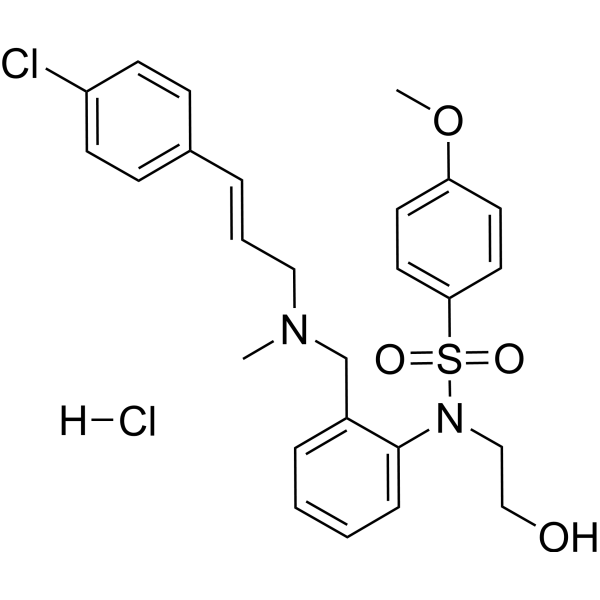
KN-93 hydrochloride is a cell-permeable, reversible and competitive inhibitor calmodulin-dependent kinase type II (CaMKII) with a Ki of 370 nM.
|
-
-
- HY-N6781
-
|
|
Phosphodiesterase (PDE)
|
Infection
Cancer
|
|
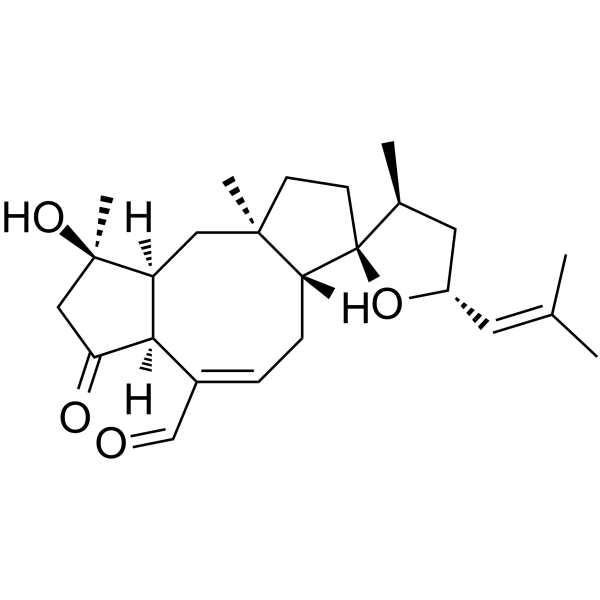
Ophiobolin A, a fungal metabolite and a phytotoxin, is a potent and irreversibly inhibitor of calmodulin-activated cyclic nucleotide phosphodiesterase, with an IC50 value of 9 μM. Ophiobolin A antimicrobial and anticancer activity .
|
-
-
- HY-115719
-
|
|
Ser/Thr Kinase
|
Neurological Disease
|
|
NR162 is a selective CASK (Ca 2+/calmodulin-dependent Ser/Thr kinase) inhibitor with an IC50 of 80 nM and a Kd of 22 nM. NR162 shows about 50-fold selectivity for CASK than TYRO3. NR162 targets the unique GFG motif of CASK and has excellent shape complementarity to the CASK ATP binding pocket. NR162 can be used for the research of neurological diseases .
|
-
-
- HY-103322
-
|
|
PKA
Potassium Channel
|
Metabolic Disease
Cancer
|
|
6-Bnz-cAMP sodium, a derivative of cyclic adenosine monophosphate (cAMP), is a selective PKA activator with inhibitory activity against the bTREK-1 K + channel. 6-Bnz-cAMP sodium does not activate the Epac signaling pathway. It inhibits the bTREK-1 K + channel via a voltage-independent, ATP-dependent mechanism that is independent of the PKA/Epac/calmodulin kinase/MAP kinase pathway. 6-Bnz-cAMP sodium activates CREB phosphorylation to regulate osteoblast-specific gene expression, induces osteoblast differentiation, promotes extracellular matrix mineralization, supports osteoblast proliferation, and shows no cytotoxicity toward osteoblasts. It can be used in studies related to bone tissue repair and regeneration .
|
-
-
- HY-105118A
-
|
CGS-9343B; KW 5617
|
Calmodulin
|
Neurological Disease
Metabolic Disease
Inflammation/Immunology
|
|
Zaldaride maleate (CGS-9343B) is a potent, orally active and selective inhibitor of calmodulin. Zaldaride maleate inhibits CaM (calmodulin)-stimulated cAMP phosphodiesterase activity, with an IC50 of 3.3 nM . Zaldaride maleate prevents estrogen-induced transcription activation by ER, reversibly blocks voltage-activated Na +, Ca 2+ and K + currents in PC12 cells and inhibits nAChR .
|
-
-
- HY-110140
-
|
|
CaMK
|
Cardiovascular Disease
Neurological Disease
|
|
(E)-KN-93 phosphate is a Ca 2+/calmodulin-dependent protein kinase II (CaMKII) inhibitor with IC50 values of 9 μM and 3 μM against CaMKIIδMonomer and CaMKIIδDodecamer, respectively. (E)-KN-93 phosphate can be used in research on epilepsy, depression, and arrhythmias. .
|
-
-
- HY-P1805
-
|
|
Calmodulin
|
Neurological Disease
|
|
Calmodulin Binding Peptide 1 is a high-affinity (pM) CaM-binding peptide derived from smooth muscle myosin light chain kinase (MLCK peptide). The interface of the complex formed by Calmodulin Binding Peptide 1 and Ca 2+-CaM can be specifically bound by small-molecule inhibitors, serving as a key target for selective regulation of smooth muscle contraction and development of anti-CaM drugs .
|
-
-
- HY-100910
-
|
|
CaMK
|
Cancer
|
|
W-13 hydrochloride is a calmodulin antagonist. W-13 hydrochloride can inhibit Tamoxifen (HY-13757A)-resistant human breast cancer cell growth .
|
-
-
- HY-100779
-
|
SMP 114
|
CaMK
Autophagy
|
Metabolic Disease
|
|
Rimacalib (SMP 114) is a Ca 2+/calmodulin-dependent protein kinase II (CaMKII) inhibitor, with IC50s of ~1 μM for CaMKIIα to ~30 μM for CaMKIIγ .
|
-
-
- HY-W039943
-
|
|
Molecular Glues
|
Cancer
|
|
Acetyl-cyclosporin A aldehyde is an acetylated Cyclosporin A (HY-B0579) derivative with a reducing aldehyde group. Cyclosporin A is a potent calmodulin inhibitor and cyclophilin binder that can target the nuclear translocation of NF-AT and cause mitochondrial damage.
|
-
-
- HY-P1247
-
|
|
Phosphatase
|
Neurological Disease
|
|
Calcineurin autoinhibitory peptide is a selective inhibitor of Ca 2+/calmodulin-dependent protein phosphatase (calcineurin), with an IC50 of ~10 μM. Calcineurin autoinhibitory peptide could protect neurons from excitatory neuronal death .
|
-
-
- HY-W181102
-
|
|
Calcineurin
|
Cardiovascular Disease
Neurological Disease
Inflammation/Immunology
|
|
NFAT Inhibitor-2 is a potent inhibitor of calcineurin NFAT signalling. Calcineurin is a serine/threonine protein phosphatase regulated by Ca2+ and calmodulin. NFAT Inhibitor-2 has the potential for the research of inflammatory disease, an autoimmune disorder, a cardiovascular disease, a neurodegenerative disease, a disease occurring with uncontrolled cell proliferation and/or differentiation, an angiogenesis-related disease, an allergy, anaphylaxis and alopecia (extracted from patent WO2016207212A1, compound 17) .
|
-
-
- HY-16129
-
|
|
Calmodulin
Checkpoint Kinase (Chk)
MAPKAPK2 (MK2)
MAP3K
|
Cancer
|
|
CBP-501, a cell-permeable calmodulin-binding peptide and a G2-abrogating drug candidate, inhibits the activity of multiple Ser 216-specific kinases, such as MAPKAP-K2, C-Tak1, CHK1 and CHK2, with IC50 values of 0.9 μM, 1.4 μM 3.4 μM and 6.5 μM, respectively. CBP-501 is used for various types of cancer .
|
-
-
- HY-131900
-
|
|
PKC
PKA
PKG
Arp2/3 Complex
|
Others
|
|
Protein kinase inhibitor H-7 is a selective inhibitor of PKC and cyclic nucleotide-dependent protein kinases, with a Ki value of 6.0 μM for rabbit protein kinase C, a Ki value of 3.0 μM for rabbit cAMP-dependent protein kinase, and a Ki value of 5.8 μM for porcine cGMP-dependent protein kinase. Protein kinase inhibitor H-7 has no effect on Ca 2+-calmodulin-dependent enzymes. Protein kinase inhibitor H-7 regulates the Actin cytoskeleton, inhibits contractility, disrupts stress fibers, induces protrusive activity, stabilizes intercellular junctions, and triggers rapid and reversible cytoskeletal reorganization. Protein kinase inhibitor H-7 serves as a research tool for elucidating the functions of protein kinase C-mediated signaling systems .
|
-
-
- HY-B1726
-
|
Holocaine
|
Phosphodiesterase (PDE)
|
Metabolic Disease
|
|
Phenacaine (Holocaine) is a local agent that can suppress or relieve pain. Phenacaine inhibits the specific calmodulin-dependent stimulation of erythrocyte Ca 2+-ATPase and cyclic nucleotide phosphodiesterases from brain and heart .
|
-
-
- HY-100911
-
|
|
Calmodulin
|
Neurological Disease
|
|
W-5 hydrochloride is a calmodulin antagonist. W-5 hydrochloride inhibits phosphodiesterase activation with an IC50 value of 240 µM. W-5 hydrochloride can be used as a negative control for W-7 (HY-100912) .
|
-
-
- HY-168905
-
|
|
Calmodulin
|
Cancer
|
|
SGC-CAMKK2-1, a chemical probe, is the selective, inhibitor for calcium/calmodulin-dependent protein kinase kinase 2 (CAMKK2) with an IC50 of 30 nM. SGC-CAMKK2-1 inhibits AMPK phosphorylation in cell C4-2 with an IC50 of 1.6 μM .
|
-
-
- HY-120997
-
|
Berbamine p-nitrobenzoate
|
Calmodulin
Myosin
Phosphodiesterase (PDE)
|
Cardiovascular Disease
Cancer
|
|
E6 Berbamine (Berbamine p-nitrobenzoate) is a potent calmodulin (CaM) antagonist. E6 Berbamine inhibits the activities of calmodulin-dependent myosin light chain kinase (MLCK) and phosphodiesterase (PDE). E6 Berbamine exhibits anti-leukemic activity. E6 Berbamine can be used in research related to cardiovascular abnormalities and chronic myeloid leukemia .
|
-
-
- HY-130368
-
-
-
- HY-P0271A
-
|
|
CaMK
|
Neurological Disease
|
|
Syntide 2 (TFA), a Ca 2+- and calmodulin (CaM)-dependent protein kinase II (CaMKII) substrate peptide, selectively inhibits the gibberellin (GA) response, leaving constitutive and abscisic acid-regulated events unaffected .
|
-
-
- HY-W013857
-
|
|
CaMK
EGFR
Src
|
Cancer
|
|
Lavendustin C is a potent Ca 2+ calmodulin-dependent kinase II (CaMK II) inhibitor with an IC50 of 0.2 µM. Lavendustin C inhibits EGFR-associated tyrosine kinase (IC50=0.012 µM) and pp60 c-src(+) kinase (IC50=0.5 µM) .
|
-
-
- HY-146268
-
|
|
CaMK
|
Neurological Disease
|
|
CaMKIIα-IN-1 (Compound 4d) is an orally active Ca 2+/calmodulin-dependent protein kinase II α (CaMKIIα) inhibitor with a KD of 219 nM for CaMKIIα WT hub. CaMKIIα-IN-1 has good metabolic stability .
|
-
-
- HY-P1076A
-
|
|
Calmodulin
|
Inflammation/Immunology
|
|
CALP2 TFA is a calmodulin (CaM) antagonist (Kd of 7.9 µM) with high affinity for binding to the CaM EF-hand/Ca 2+-binding site. CALP2 TFA inhibits CaM-dependent phosphodiesterase activity and increases intracellular Ca 2+ concentrations. CALP2 TFA potently inhibits of adhesion and degranulation. CALP2 TFA is also a strong activator of alveolar macrophages .
|
-
-
- HY-100263
-
-
-
- HY-125957
-
|
|
PKA
Casein Kinase
CaMK
PKC
|
Others
|
|
A-3 hydrochloride is a potent, cell-permeable, reversible, ATP-competitive non-selective antagonist of various kinases. It against PKA (Ki=4.3 µM), casein kinase II (Ki=5.1 µM) and myosin light chain kinase (MLCK) (Ki=7.4 µM). A-3 hydrochloride also inhibits PKC and casein kinase I with Ki values of 47 µM and 80 µM, respectively .
|
-
-
- HY-19230
-
|
|
Calmodulin
NO Synthase
CaMK
Calcineurin
Proteasome
Caspase
|
Cardiovascular Disease
|
|
DY-9760e is a calmodulin (CaM) inhibitor. DY-9760e selectively inhibits the activity of various calmodulin-dependent enzymes by antagonizing the Ca²⁺/CaM complex, exhibiting the strongest inhibitory activity against nNOS, CaM kinase II, and calcineurin (Ki: 0.9, 1.4, and 2.0 μM, respectively). DY-9760e inhibits excessive nitric oxide production and protein tyrosine nitration, as well as the activation of calpain and caspase-3. DY-9760e reduces infarct size, improves cardiac function, and inhibits oxidative stress and cell death. DY-9760e can be used in research on the treatment of myocardial infarction, cerebral ischemia, and other diseases .
|
-
-
- HY-19805A
-
|
|
CaMK
AMPK
Autophagy
|
Metabolic Disease
|
|
STO-609 acetate is a selective and cell-permeable inhibitor of the Ca 2+/calmodulin-dependent protein kinase kinase (CaM-KK), with Ki values of 80 and 15 ng/mL for recombinant CaM-KKα and CaM-KKβ, respectively. STO-609 acetate inhibits AMP-activated protein kinase kinase (AMPKK) activity in HeLa cell lysates with an IC50 ~0.02 g/ml.
|
-
-
- HY-115745
-
|
|
Calmodulin
|
Cardiovascular Disease
|
|
Calmodulin antagonist-1 (A-5) is a calmodulin (CaM) antagonist. Calmodulin antagonist-1 inhibits calmodulin-activated Ca 2+-phosphodiesterase (PDE) (IC50=66 μM). Calmodulin antagonist-1 also inhibits trypsin-treated Ca 2+-PDE (IC50=560 μM) in a competitive fashion with respect to cyclic GMP .
|
-
-
- HY-P0271
-
|
|
CaMK
Autophagy
|
Neurological Disease
|
|
Syntide 2, a Ca 2+- and calmodulin (CaM)-dependent protein kinase II (CaMKII) substrate peptide, selectively inhibits the gibberellin (GA) response, leaving constitutive and abscisic acid-regulated events unaffected .
|
-
-
- HY-137658
-
|
PTP
|
Nucleoside Antimetabolite/Analog
DNA/RNA Synthesis
CaMK
|
Metabolic Disease
|
|
Purine riboside-5'-O-triphosphate, an active metabolite of Nebularine (HY-103694), acts as an inhibitor of DNA primase ATP and GTP polymerization activities, with IC50 values of 35 µM and 28 µM for the human enzyme, respectively. Purine riboside-5'-O-triphosphate also inhibits calmodulin-dependent protein kinase II (CaMKII) with a Ki value of 590 µM .
|
-
-
- HY-P5525
-
|
Autocamtide-3 Derived inhibitory Peptide
|
CaMK
|
Others
|
|
AC3-I, myristoylated is a biological active peptide. (This is a myristoylated form of Autocamtide-3-Derived Inhibitory Peptide (AC3-I), a highly specific inhibitor of Calmodulin-Dependent Protein Kinase ll (CaMKII) that is resistant to proteolysis. AC3-I is derived from Autocamtide-3, a substrate for CaMKII, with the Thr-9 phosphorylation site substituted with Ala.)
|
-
-
- HY-16129A
-
|
|
Calmodulin
MAP3K
MAPKAPK2 (MK2)
Checkpoint Kinase (Chk)
|
Cancer
|
|
CBP-501 acetate, a cell-permeable calmodulin-binding peptide and a G2-abrogating drug candidate, inhibits the activity of multiple Ser 216-specific kinases, such as MAPKAP-K2, C-Tak1, CHK1 and CHK2, with IC50 values of 0.9 μM, 1.4 μM 3.4 μM and 6.5 μM, respectively. CBP-501 acetate is used for various types of cancer .
|
-
-
- HY-N12405
-
|
|
Calmodulin
|
Others
|
|
Encecalinol, extracted from aerial parts of Ageratina grandifolia, is a potent inhibitor of calmodulin inhibitor .
|
-
-
- HY-N10198
-
-
-
- HY-137045
-
|
|
Calmodulin
|
Others
Neurological Disease
Cancer
|
|
Bisindolylmaleimide VII is a potent inhibitor of calmodulin with high affinity for calmodulin (Kd=186.2 nM). Bisindolylmaleimide VII is used to study the role of calmodulin in cancer, neurodegenerative diseases, and muscle dysfunction .
|
-
-
- HY-105118
-
|
CGS-9343B free base; KW 5617 free base
|
Calmodulin
|
Neurological Disease
Metabolic Disease
Inflammation/Immunology
|
|
Zaldaride (CGS-9343B free base) is a potent, orally active and selective inhibitor of calmodulin. Zaldaride inhibits CaM (calmodulin)-stimulated cAMP phosphodiesterase activity, with an IC50 of 3.3 nM . Zaldaride prevents estrogen-induced transcription activation by ER, reversibly blocks voltage-activated Na +, Ca 2+ and K + currents in PC12 cells and inhibits nAChR .
|
-
- HY-100263B
-
-
- HY-P10499
-
|
|
CaMK
|
Others
|
|
[Ala286]-Calmodulin-Dependent Protein Kinase II (281-302) is a modified fragment of calcium/calmodulin-dependent protein kinase II that contains the active domain of CaMKII and has an alanine substitution at position 286. [Ala286]-Calmodulin-Dependent Protein Kinase II (281-302) can be used to develop more potent CaMKII inhibitors .
|
-
- HY-P5987
-
|
Myr-CaMKIINtide
|
CaMK
|
Neurological Disease
|
|
Calmodulin Kinase IINtide, Myristoylated (Myr-CaMKIINtide) is a selective and noncompetitive inhibitor of CaMKII .
|
-
- HY-124176
-
|
|
Phosphodiesterase (PDE)
Calmodulin
|
Cardiovascular Disease
|
|
L-6355 is an Amiodarone (HY-14187) related compound, which inhibits Ca 2+/calmodulin activated cyclic nucleotide phosphodiesterase with an IC50 value of 0.65 μM. L-6355 is promising for research of antiarrhythmic and antianginal agent .
|
-
- HY-118242
-
|
|
Estrogen Receptor/ERR
Calmodulin
|
Others
|
|
RU 45144 is an anti-estrogen compound that has the activity of antagonizing the binding of estrogen receptors to calmodulin. RU 45144 can inhibit the binding of estrogen receptors to calmodulin, and its effect is similar to that of tamoxifen. Its anti-estrogen effect may be related to specific side chains in the molecular structure, and the steroid skeleton may be involved in its anti-proliferative activity.
|
-
- HY-P0184
-
|
|
NO Synthase
|
Neurological Disease
|
|
Camstatin, a functionally active 25-residue fragment of PEP-19's IQ motif, binds calmodulin and inhibits neuronal nitric oxide (NO) synthase .
|
-
- HY-P0184A
-
|
|
NO Synthase
|
Neurological Disease
|
|
Camstatin TFA, a functionally active 25-residue fragment of PEP-19's IQ motif, binds calmodulin and inhibits neuronal nitric oxide (NO) synthase .
|
-
- HY-142087
-
|
|
Calmodulin
Endogenous Metabolite
|
Neurological Disease
|
|
Beauverolide Ja, a cyclotetradepsipeptide, is a potent calmodulin (CaM) inhibitor with a Kd of 0.078 μM and a Ki of 0.39 μM for Ca 2+-CaM. Beauverolide Ja is a secondary metabolite of Isaria fumosorosea .
|
-
- HY-106745
-
|
Ro 22-4839
|
Calmodulin
|
Cardiovascular Disease
|
|
Elziverine (Ro 22-4839) is a brain circulation improvement agent with vasospasm antispasmodic effects. Elziverine is a calmodulin antagonist. Elziverine inhibits erythrocyte cell membrane rupture, platelet aggregation and lipid peroxidation .
|
-
- HY-P1247A
-
|
|
Phosphatase
|
Neurological Disease
|
|
Calcineurin autoinhibitory peptide TFA is a selective inhibitor of Ca 2+/calmodulin-dependent protein phosphatase (calcineurin), with an IC50 of ~10 μM. Calcineurin autoinhibitory peptide TFA could protect neurons from excitatory neuronal death .
|
-
- HY-130748
-
|
|
PKC
Phosphodiesterase (PDE)
|
Infection
|
|
K-252d is an indolocarbazole alkaloid found in Nocardiopsis. It is a PKC inhibitor that inhibits PKC isolated from rat brain (IC50=350 nM). It also inhibits calcium- and calmodulin-dependent phosphodiesterase isolated from bovine heart (IC50=46.2 μM).
|
-
- HY-B1077R
-
|
R-16341 (Standard)
|
Reference Standards
Calcium Channel
Dopamine Receptor
Autophagy
Apoptosis
|
Neurological Disease
Inflammation/Immunology
Cancer
|
|
Penfluridol (Standard) is the analytical standard of Penfluridol. This product is intended for research and analytical applications. Penfluridol (R-16341) is a potent, long-acting, first-generation, oral diphenylbutylpiperidine antipsychotic agent by targeting D2-like dopamine receptor. Penfluridol effectively inhibits TNFα-induced NF-κB activation and alleviates the severity of arthritis and colitis in vivo. Penfluridol is a Ca2+-calmodulin inhibitor. Penfluridol induces apoptosis and autophagy. Penfluridol is used for chronic schizophrenia, acute psychosis, Tourette syndrome and autoimmune diseases. Penfluridol inhibites the growth of E. faecalis planktonic cells with the MIC of 7.81 μg/ml .
|
-
- HY-111093
-
|
|
CaMK
|
Neurological Disease
|
|
Protein kinase inhibitor 8 (Compound CK59) is a calmodulin-dependent protein kinase II (CaMKII) inhibitor. By inhibiting the activity of CaMKII, Protein kinase inhibitor 8 can attenuate the cytotoxicity induced by perfluorooctane sulfonic acid (PFOS) and alleviate the downregulation of GLT-1 expression caused by PFOS, thereby reducing neuronal damage. Protein kinase inhibitor 8 may be useful in research related to neurodegenerative diseases .
|
-
- HY-P1076
-
|
|
Calmodulin
|
Inflammation/Immunology
|
|
CALP2 is a calmodulin (CaM) antagonist ( (Kd of 7.9 µM)) with high affinity for binding to the CaM EF-hand/Ca 2+-binding site. CALP2 inhibits CaM-dependent phosphodiesterase activity and increases intracellular Ca 2+ concentrations. CALP2 potently inhibits of adhesion and degranulation. CALP2 is also a strong activator of alveolar macrophages .
|
-
- HY-B0532B
-
|
|
Dopamine Receptor
Adrenergic Receptor
P-glycoprotein
CaMK
Influenza Virus
Autophagy
|
Infection
Neurological Disease
Cancer
|
|
Trifluoperazine dimaleate, an antipsychotic agent, acts by blocking central dopamine receptors. Trifluoperazine dimaleate is a potent α1-adrenergic receptor antagonist. Trifluoperazine dimaleate is a potent NUPR1 inhibitor exerting anticancer activity. Trifluoperazine dimaleate is a calmodulin inhibitor, and also inhibits P-glycoprotein. Trifluoperazine dimaleate can be used for the research of schizophrenia. Trifluoperazine dimaleate acts as a reversible inhibitor of influenza virus morphogenesis .
|
-
- HY-B0532AS
-
|
|
Isotope-Labeled Compounds
Dopamine Receptor
Adrenergic Receptor
CaMK
P-glycoprotein
Influenza Virus
Autophagy
|
Neurological Disease
Cancer
|
|
Trifluoperazine-d3 (dihydrochloride) is deuterium labeled Trifluoperazine (dihydrochloride). Trifluoperazine dihydrochloride, an antipsychotic agent, acts by blocking central dopamine receptors. Trifluoperazine dihydrochloride is a potent α1-adrenergic receptor antagonist. Trifluoperazine dihydrochloride is a potent NUPR1 inhibitor exerting anticancer activity. Trifluoperazine dihydrochloride is a calmodulin inhibitor, and also inhibits P-glycoprotein. Trifluoperazine dihydrochloride can be used for the research of schizophrenia. Trifluoperazine dihydrochloride acts as a reversible inhibitor of influenza virus morphogenesis .
|
-
- HY-137658A
-
|
PTP tetrasodium
|
Nucleoside Antimetabolite/Analog
DNA/RNA Synthesis
CaMK
|
Metabolic Disease
|
|
Purine riboside-5'-O-triphosphate sodium, an active metabolite of Nebularine (HY-103694), acts as an inhibitor of DNA primase ATP and GTP polymerization activities, with IC50 values of 35 µM and 28 µM for the human enzyme, respectively. Purine riboside-5'-O-triphosphate sodium inhibits calmodulin-dependent protein kinase II (CaMKII) with a Ki value of 590 µM .
|
-
- HY-B0532AR
-
|
|
Reference Standards
Dopamine Receptor
Adrenergic Receptor
CaMK
P-glycoprotein
Influenza Virus
Autophagy
|
Neurological Disease
Cancer
|
|
Trifluoperazine (dihydrochloride) (Standard) is the analytical standard of Trifluoperazine (dihydrochloride). This product is intended for research and analytical applications. Trifluoperazine dihydrochloride, an antipsychotic agent, acts by blocking central dopamine receptors. Trifluoperazine dihydrochloride is a potent α1-adrenergic receptor antagonist. Trifluoperazine dihydrochloride is a potent NUPR1 inhibitor exerting anticancer activity. Trifluoperazine dihydrochloride is a calmodulin inhibitor, and also inhibits P-glycoprotein. Trifluoperazine dihydrochloride can be used for the research of schizophrenia. Trifluoperazine dihydrochloride acts as a reversible inhibitor of influenza virus morphogenesis .
|
-
- HY-W030796R
-
|
|
Taste Receptor
Reference Standards
|
Metabolic Disease
|
|
Trifluoperazine (dihydrochloride) (Standard) is the analytical standard of Trifluoperazine (dihydrochloride). This product is intended for research and analytical applications. Trifluoperazine dihydrochloride, an antipsychotic agent, acts by blocking central dopamine receptors. Trifluoperazine dihydrochloride is a potent α1-adrenergic receptor antagonist. Trifluoperazine dihydrochloride is a potent NUPR1 inhibitor exerting anticancer activity. Trifluoperazine dihydrochloride is a calmodulin inhibitor, and also inhibits P-glycoprotein. Trifluoperazine dihydrochloride can be used for the research of schizophrenia. Trifluoperazine dihydrochloride acts as a reversible inhibitor of influenza virus morphogenesis .
|
-
- HY-108599R
-
|
FR236924 (Standard)
|
Reference Standards
PKC
CaMK
Phosphatase
Apoptosis
|
Neurological Disease
|
|
DCP-LA (Standard) is the analytical standard of DCP-LA. This product is intended for research and analytical applications. DCP-LA (FR236924), a linoleic acid derivative, selectively and directly activates PKCε. DCP-LA activates Ca(2+)/calmodulin-dependent protein kinase II (CaMKII) and inhibits protein phosphatase-1 (PP-1) to stimulate AMPA receptor exocytosis. DCP-LA inhibits activation of caspase-3/-9 and protects neurons at least in part from oxidative stress-induced apoptosis[1][2][3].
|
-
- HY-B0020R
-
|
SDZ-ICS-930 (Standard)
|
5-HT Receptor
Reference Standards
nAChR
|
Neurological Disease
Cancer
|
|
Tropisetron (Hydrochloride) (Standard) is the analytical standard of Tropisetron (Hydrochloride). Tropisetron Hydrochloride (SDZ-ICS-930) is an effective neuroprotective agent that acts as a 5-HT3 receptor antagonist, a calmodulin inhibitor, and an α7-nAChRreceptor agonist, with an IC50 of 70.1 nM for the 5-HT3 receptor. Tropisetron Hydrochloride has anti-inflammatory properties and immune-regulating functions, effectively alleviating symptoms associated with chemotherapy and post-surgery. Tropisetron Hydrochloride reduces Ab (HY-P4867)-induced hippocampal neuroinflammation .
|
-
- HY-P10393
-
|
ERα (295-311)
|
Apoptosis
|
Cancer
|
|
ERα17p (ERα 295-311) is the epitope of the CaM binding site on the estrogen receptor α (ER), which interacts with calmodulin (CaM) in a calcium-dependent manner. ERα17p regulates the migration of cancer cells MCF-7, SK-BR-3, T47D, and MDA-MB-231 through Rho/ROCK and PI3K/Akt signaling pathways. ERα17p inhibits proliferations of breast cancer cells, induces apoptosis, and inhibits tumor growth in mouse models .
|
-
- HY-137381
-
|
N6-Benzoyl-cAMP
|
PKA
Potassium Channel
|
Metabolic Disease
|
|
6-Bnz-cAMP, a derivative of cyclic adenosine monophosphate (cAMP), is a selective PKA activator with inhibitory activity against the bTREK-1 K + channel. 6-Bnz-cAMP does not activate the Epac signaling pathway. 6-Bnz-cAMP inhibits the bTREK-1 K + channel via a voltage-independent, ATP-dependent mechanism that is independent of the PKA/Epac/calmodulin kinase/MAP kinase pathway. 6-Bnz-cAMP activates CREB phosphorylation to regulate osteoblast-specific gene expression, induces osteoblast differentiation, promotes extracellular matrix mineralization, supports osteoblast proliferation, and shows no cytotoxicity toward osteoblasts. 6-Bnz-cAMP can be used in studies related to bone tissue repair and regeneration .
|
-
- HY-117232
-
|
|
Calmodulin
|
Cancer
|
|
KS 501 is a potent and selective calmodulin inhibitor. KS 501 inhibits the activation of calmodulin kinase I and II, but has less effect against cyclic adenosine 3’,5’-monophosphate (cyclic AMP)-sensitive kinase. KS 501 inhibits the enzyme through interfering with calmodulin activation rather than through a direct effect on the enzyme. KS 501 can be used for the study of leukemia .
|
-
- HY-P2209
-
|
Daechuine S27; N-Demethylamphibine H
|
Parasite
Phosphodiesterase (PDE)
|
Infection
|
|
Nummularine B (Daechuine S27; N-Demethylamphibine H) is an anti-parasite agent. Nummularine B inhibits calmodulin-dependent phosphodiesterase activity with an IC50 of 16.8 μM. Nummularine B inhibits the growth of Plasmodium and Leishmania donovani in vitro. Nummularine B inhibits the calmodulin-dependent activity of actomyosin Ca 2+-ATPase. Nummularine B is applicable to research related to malaria and visceral leishmaniasis .
|
-
- HY-114554
-
|
|
Phosphodiesterase (PDE)
PKC
Bacterial
|
Infection
|
|
KS 619-1 is a Ca 2+/calmodulin-dependent cyclic nucleotide phosphodiesterase inhibitor. KS 619-1 exhibits strong inhibitory activity against this enzyme derived from bovine brain and heart, but shows weak inhibitory effects on calmodulin-independent phosphodiesterase and protein kinase C. KS 619-1 displays weak antibacterial activity against Staphylococcus aureus .
|
-
- HY-100912R
-
|
|
Reference Standards
Phosphodiesterase (PDE)
Myosin
Apoptosis
Calmodulin
Potassium Channel
|
Cancer
|
|
W-7 (hydrochloride) (Standard) is the analytical standard of W-7 (hydrochloride) (HY-100912). This product is intended for research and analytical applications. W-7 hydrochloride is a selective calmodulin antagonist. W-7 hydrochloride inhibits the Ca2+-calmodulin-dependent phosphodiesterase and myosin light chain kinase with IC50 values of 28 μM and 51 μM, respectively. W-7 hydrochloride induces apoptosis and has antitumor and vascular relaxing activity. W-7 hydrochloride is a blocker of Kv4.3 and can be used for research of arrhythmias .
|
-
- HY-117759
-
|
KAR-2
|
Microtubule/Tubulin
|
Cancer
|
|
Deacetoxyvinzolidine (KAR-2) is a bis-indol derivative with high anti-microtubular and anti-tumour activities. Deacetoxyvinzolidine exhibits high affinity for bovine purified brain tubulin (Kd of 3 μM) and inhibits microtubule assembly at a concentration of 10 nM. Deacetoxyvinzolidine does not possess anti-calmodulin activity. Deacetoxyvinzolidine can be used for the study of leukaemia .
|
-
- HY-N18114
-
|
|
Calcium Channel
|
Metabolic Disease
|
|
rel-(E)-6,7-Transdihydroxyligustilide is a compound found in the dried tuberous roots of Polygonum multiflorum. rel-(E)-6,7-Transdihydroxyligustilide inhibits Ca 2+‑ATPase in calmodulin-deficient human erythrocyte membranes. rel-(E)-6,7-Transdihydroxyligustilide is used for the research of hyperlipidemia .
|
-
- HY-N18431
-
|
ST-A TFA
|
Fungal
|
Infection
|
|
Stellettamide A TFA is a marine toxin found in a marine sponge. Stellettamide A TFA is a calmodulin inhibitor. Stellettamide A TFA can inhibit Ca 2+/Mg 2+ ATPase, phosphodiesterase, myosin light chain , and Mg 2+-ATPase. Stellettamide A TFA inhibits high K +- and Ca 2+-induced contraction in permeabilized smooth muscle. Stellettamide A TFA exhibits antifungal activity against Mortierella remannianus. Stellettamide A TFA can be used for the research of fungal infection .
|
-
- HY-129980A
-
|
|
|
Neurological Disease
Cancer
|
|
NPC-15437 is a selective PKC inhibitor with an IC50 of 19 µM. NPC-15437 competitively inhibits phorbol ester- (Ki of 5 µM) and phosphatidylserine-induced (Ki of 12 µM) PKC activity. NPC-15437 does not inhibits cAMP-dependent or calcium/calmodulin-dependent protein kinases. NPC-15437 augments TRAIL-induced cell death in non-small cell lung cancer and medulloblastoma cells. NPC-15437 can be used for the research of non-small cell lung cancer, medulloblastoma, and neurological disease .
|
-
- HY-116153
-
|
|
Cholinesterase (ChE)
|
Neurological Disease
|
|
HUHS2002 is a free fatty acid derivative with the ability to enhance α7 cholinergic receptor activity. HUHS2002 enhances whole-cell membrane currents of α7 ACh receptors expressed in Xenopus oocytes in a concentration-dependent manner. The effects of HUHS2002 were blocked in the presence of the Ca2 /calmodulin-dependent protein kinase II (CaMKII) inhibitor KN-93. HUHS2002 activated CaMKII in cultured rodent hippocampal neurons, and this activation was abolished by KN-93. HUHS2002 also partially inhibited the activity of protein phosphatase 1 (PP1) in a cell-free PP1 activity assay .
|
-
| Cat. No. |
Product Name |
Target |
Research Area |
-
- HY-P10638
-
|
|
CaMK
|
Cardiovascular Disease
Neurological Disease
|
|
TAT-CN21 is a potent CaMKII inhibitor with an IC50 of 77.2 nM. TAT-CN21 inhibits both calcium/calmodulin-dependent and autonomously activated CaMKII, blocks glutamate-induced translocation of CaMK IIα, and reverses the enhanced phosphorylation of CaMKII at Thr286 following excitotoxic injury. TAT-CN21 shows application potential in studies related to ischemic stroke by reducing neuronal excitotoxicity and exacerbating pre-existing long-term neuronal death prior to injury. TAT-CN21 improves definitive behaviors in rats with residual nerve injury without altering indicators such as mechanical/thermal hyperalgesia or spatial memory. TAT-CN21 can also be used in studies related to neuropathic pain .
|
-
- HY-P1805
-
|
|
Calmodulin
|
Neurological Disease
|
|
Calmodulin Binding Peptide 1 is a high-affinity (pM) CaM-binding peptide derived from smooth muscle myosin light chain kinase (MLCK peptide). The interface of the complex formed by Calmodulin Binding Peptide 1 and Ca 2+-CaM can be specifically bound by small-molecule inhibitors, serving as a key target for selective regulation of smooth muscle contraction and development of anti-CaM drugs .
|
-
- HY-P1247
-
|
|
Phosphatase
|
Neurological Disease
|
|
Calcineurin autoinhibitory peptide is a selective inhibitor of Ca 2+/calmodulin-dependent protein phosphatase (calcineurin), with an IC50 of ~10 μM. Calcineurin autoinhibitory peptide could protect neurons from excitatory neuronal death .
|
-
- HY-16129
-
|
|
Calmodulin
Checkpoint Kinase (Chk)
MAPKAPK2 (MK2)
MAP3K
|
Cancer
|
|
CBP-501, a cell-permeable calmodulin-binding peptide and a G2-abrogating drug candidate, inhibits the activity of multiple Ser 216-specific kinases, such as MAPKAP-K2, C-Tak1, CHK1 and CHK2, with IC50 values of 0.9 μM, 1.4 μM 3.4 μM and 6.5 μM, respectively. CBP-501 is used for various types of cancer .
|
-
- HY-P0271A
-
|
|
CaMK
|
Neurological Disease
|
|
Syntide 2 (TFA), a Ca 2+- and calmodulin (CaM)-dependent protein kinase II (CaMKII) substrate peptide, selectively inhibits the gibberellin (GA) response, leaving constitutive and abscisic acid-regulated events unaffected .
|
-
- HY-P1076A
-
|
|
Calmodulin
|
Inflammation/Immunology
|
|
CALP2 TFA is a calmodulin (CaM) antagonist (Kd of 7.9 µM) with high affinity for binding to the CaM EF-hand/Ca 2+-binding site. CALP2 TFA inhibits CaM-dependent phosphodiesterase activity and increases intracellular Ca 2+ concentrations. CALP2 TFA potently inhibits of adhesion and degranulation. CALP2 TFA is also a strong activator of alveolar macrophages .
|
-
- HY-P0271
-
|
|
CaMK
Autophagy
|
Neurological Disease
|
|
Syntide 2, a Ca 2+- and calmodulin (CaM)-dependent protein kinase II (CaMKII) substrate peptide, selectively inhibits the gibberellin (GA) response, leaving constitutive and abscisic acid-regulated events unaffected .
|
-
- HY-P5525
-
|
Autocamtide-3 Derived inhibitory Peptide
|
CaMK
|
Others
|
|
AC3-I, myristoylated is a biological active peptide. (This is a myristoylated form of Autocamtide-3-Derived Inhibitory Peptide (AC3-I), a highly specific inhibitor of Calmodulin-Dependent Protein Kinase ll (CaMKII) that is resistant to proteolysis. AC3-I is derived from Autocamtide-3, a substrate for CaMKII, with the Thr-9 phosphorylation site substituted with Ala.)
|
-
- HY-16129A
-
|
|
Calmodulin
MAP3K
MAPKAPK2 (MK2)
Checkpoint Kinase (Chk)
|
Cancer
|
|
CBP-501 acetate, a cell-permeable calmodulin-binding peptide and a G2-abrogating drug candidate, inhibits the activity of multiple Ser 216-specific kinases, such as MAPKAP-K2, C-Tak1, CHK1 and CHK2, with IC50 values of 0.9 μM, 1.4 μM 3.4 μM and 6.5 μM, respectively. CBP-501 acetate is used for various types of cancer .
|
-
- HY-P10499
-
|
|
CaMK
|
Others
|
|
[Ala286]-Calmodulin-Dependent Protein Kinase II (281-302) is a modified fragment of calcium/calmodulin-dependent protein kinase II that contains the active domain of CaMKII and has an alanine substitution at position 286. [Ala286]-Calmodulin-Dependent Protein Kinase II (281-302) can be used to develop more potent CaMKII inhibitors .
|
-
- HY-P5987
-
|
Myr-CaMKIINtide
|
CaMK
|
Neurological Disease
|
|
Calmodulin Kinase IINtide, Myristoylated (Myr-CaMKIINtide) is a selective and noncompetitive inhibitor of CaMKII .
|
-
- HY-P0184
-
|
|
NO Synthase
|
Neurological Disease
|
|
Camstatin, a functionally active 25-residue fragment of PEP-19's IQ motif, binds calmodulin and inhibits neuronal nitric oxide (NO) synthase .
|
-
- HY-P0184A
-
|
|
NO Synthase
|
Neurological Disease
|
|
Camstatin TFA, a functionally active 25-residue fragment of PEP-19's IQ motif, binds calmodulin and inhibits neuronal nitric oxide (NO) synthase .
|
-
- HY-P1247A
-
|
|
Phosphatase
|
Neurological Disease
|
|
Calcineurin autoinhibitory peptide TFA is a selective inhibitor of Ca 2+/calmodulin-dependent protein phosphatase (calcineurin), with an IC50 of ~10 μM. Calcineurin autoinhibitory peptide TFA could protect neurons from excitatory neuronal death .
|
-
- HY-P1076
-
|
|
Calmodulin
|
Inflammation/Immunology
|
|
CALP2 is a calmodulin (CaM) antagonist ( (Kd of 7.9 µM)) with high affinity for binding to the CaM EF-hand/Ca 2+-binding site. CALP2 inhibits CaM-dependent phosphodiesterase activity and increases intracellular Ca 2+ concentrations. CALP2 potently inhibits of adhesion and degranulation. CALP2 is also a strong activator of alveolar macrophages .
|
-
- HY-P10393
-
|
ERα (295-311)
|
Apoptosis
|
Cancer
|
|
ERα17p (ERα 295-311) is the epitope of the CaM binding site on the estrogen receptor α (ER), which interacts with calmodulin (CaM) in a calcium-dependent manner. ERα17p regulates the migration of cancer cells MCF-7, SK-BR-3, T47D, and MDA-MB-231 through Rho/ROCK and PI3K/Akt signaling pathways. ERα17p inhibits proliferations of breast cancer cells, induces apoptosis, and inhibits tumor growth in mouse models .
|
-
- HY-P2209
-
|
Daechuine S27; N-Demethylamphibine H
|
Parasite
Phosphodiesterase (PDE)
|
Infection
|
|
Nummularine B (Daechuine S27; N-Demethylamphibine H) is an anti-parasite agent. Nummularine B inhibits calmodulin-dependent phosphodiesterase activity with an IC50 of 16.8 μM. Nummularine B inhibits the growth of Plasmodium and Leishmania donovani in vitro. Nummularine B inhibits the calmodulin-dependent activity of actomyosin Ca 2+-ATPase. Nummularine B is applicable to research related to malaria and visceral leishmaniasis .
|
| Cat. No. |
Product Name |
Category |
Target |
Chemical Structure |
-
- HY-N6732
-
|
SF2370; Antibiotic K 252a; Antibiotic SF 2370
|
Alkaloids
Structural Classification
Microorganisms
Classification of Application Fields
Inflammation/Immunology
Disease Research Fields
Indole Alkaloids
Source Classification
|
Autophagy
PKA
PKC
Trk Receptor
CaMK
|
|
K-252a, a staurosporine analog, inhibits protein kinase, with IC50 values of 470 nM, 140 nM, 270 nM, and 1.7 nM for PKC, PKA, Ca 2+/calmodulin-dependent kinase type II, and phosphorylase kinase, respectively . K-252a is a potent inhibitor (IC50 of 3 nM) of the tyrosine protein kinase (TRK) activity of the NGF receptor gp140trk, the product of the trk protooncogene .
|
-
-
- HY-Z0478
-
-
-
- HY-N6781
-
-
-
- HY-N12405
-
-
-
- HY-N10198
-
-
-
- HY-142087
-
-
-
- HY-P2209
-
-
-
- HY-114554
-
-
-
- HY-N18114
-
-
-
- HY-N18431
-
-
| Cat. No. |
Product Name |
Chemical Structure |
-
- HY-B0532AS
-
|
|
|
Trifluoperazine-d3 (dihydrochloride) is deuterium labeled Trifluoperazine (dihydrochloride). Trifluoperazine dihydrochloride, an antipsychotic agent, acts by blocking central dopamine receptors. Trifluoperazine dihydrochloride is a potent α1-adrenergic receptor antagonist. Trifluoperazine dihydrochloride is a potent NUPR1 inhibitor exerting anticancer activity. Trifluoperazine dihydrochloride is a calmodulin inhibitor, and also inhibits P-glycoprotein. Trifluoperazine dihydrochloride can be used for the research of schizophrenia. Trifluoperazine dihydrochloride acts as a reversible inhibitor of influenza virus morphogenesis .
|
-
Your information is safe with us. * Required Fields.
Inquiry Information
- Product Name:
- Cat. No.:
- Quantity:
- MCE Japan Authorized Agent:

