1. Search Result
Search Result
Pathways Recommended: Stem Cell/Wnt Cell Cycle/DNA Damage
Results for "

cell mediated immunity

" in MedChemExpress (MCE) Product Catalog:

133

Inhibitors & Agonists

4

Screening Libraries

4

Biochemical Assay Reagents

16

Peptides

36

Inhibitory Antibodies

10

Natural
Products

2

Isotope-Labeled Compounds

10

Oligonucleotides

Cat. No. Product Name Target Research Areas Chemical Structure
  • HY-146244
    Agatolimod
    1 Publications Verification

    ODN 2006; PF-3512676; CpG 7909; ODN 7909

    Toll-like Receptor (TLR) Bacterial NO Synthase Apoptosis Infection Cancer
    Agatolimod ((ODN 2006; PF-3512676; CpG 7909)) is a TLR9 agonist and immunomodulator with an EC50 of 180 nM against human TLR9. Agatolimod activates and upregulates the expression of both TLR9 and TLR6, and mediates downstream signaling pathways via IRAK4, IRF5, IRF7. Agatolimod induces Th1-type innate and adaptive immune responses, activates various immune cells and promotes antigen presentation, regulates antibody levels and immune cell infiltration, upregulates the secretion of multiple cytokines, induces apoptosis and cell cycle arrest, enhances cytotoxicity, and clears intracellular Salmonella. Agatolimod is applicable to research on COVID-19, breast cancer, lung adenocarcinoma, HPV-related tumors, melanoma, and salmonellosis .

    Agatolimod
  • HY-101092
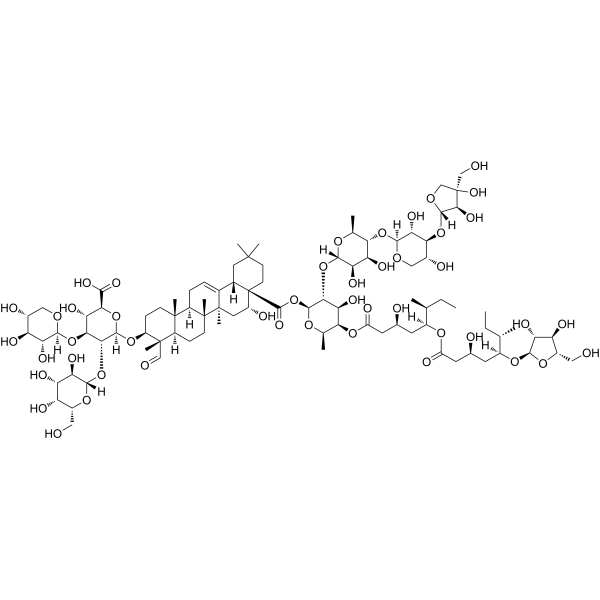
    QS-21-Api
    5+ Cited Publications

    Stimulon

    NOD-like Receptor (NLR) Inflammation/Immunology Cancer
    QS-21-Api, an immunostimulatory saponin, could be used as a potent vaccine adjuvant. QS-21-Api stimulates Th2 humoral and Th1 cell-mediated immune responses through action on antigen presenting cells (APCs) and T cells. QS-21-Api can activate the NLRP3 inflammasome with subsequent release of caspase-1 dependent cytokines, IL-1β and IL-18 .
    QS-21-Api
  • HY-150298
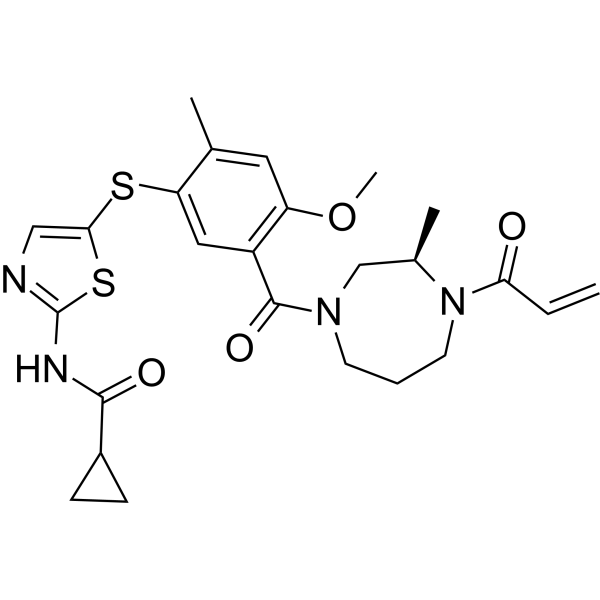
    Soquelitinib
    3 Publications Verification

    CPI-818

    Itk Inflammation/Immunology Cancer
    Soquelitinib (CPI-818) is an orally active and highly selective covalent interleukin-2-inducible kinase (ITK) inhibitor. Soquelitinib is active in six different models of T cell-mediated inflammatory and immune disease, including acute and chronic asthma, pulmonary fibrosis, systemic sclerosis (scleroderma), psoriasis, and acute graft versus host disease with Th2 cytokine product inhibition. Soquelitinib increases tumor infiltration of normal CD8 + cells that possess enhanced T effector function .
    Soquelitinib
  • HY-161111

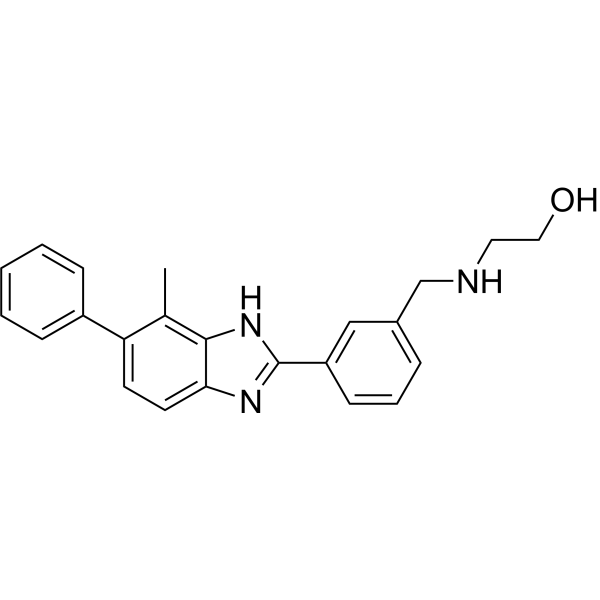
    Ser/Thr Kinase Cancer
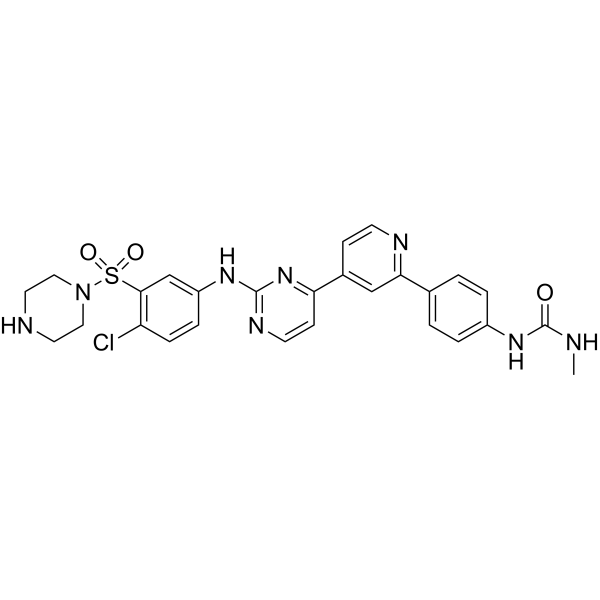
    KVS0001 is a selective SMG1 inhibitor. KVS0001 elevates the expression of transcripts and proteins resulting from truncating mutations. KVS0001 increased the presentation of immune-targetable HLA class I-associated peptides from nonsense-mediated decay (NMD)-downregulated proteins on the surface of cancer cells. KVS0001 exerts anti-tumor properties and can be studied in research for NMD-related diseases, including cancer and inherited diseases .
    KVS0001
  • HY-N1372A
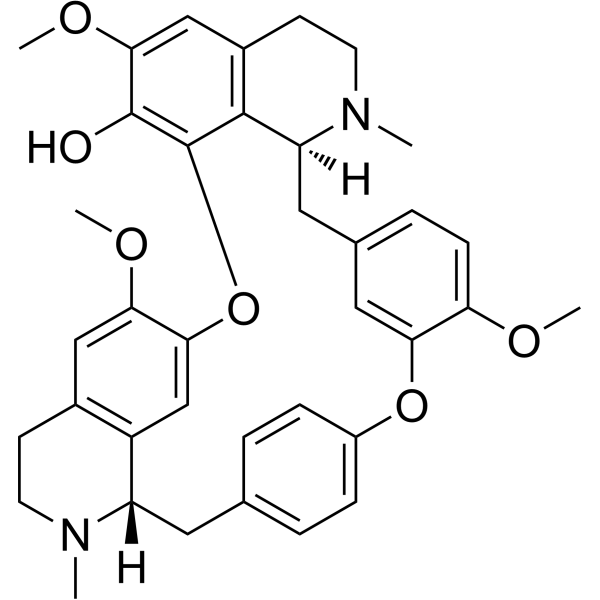
    Fangchinoline
    Maximum Cited Publications
    10 Publications Verification

    HIV FAK Apoptosis Autophagy Infection Cancer
    Fangchinoline is isolated from Stephania tetrandra with extensive biological activities, such as enhancing immunity, anti-inflammatory sterilization and anti-atherosclerosis. Fangchinoline, a novel HIV-1 inhibitor, inhibits HIV-1 replication by impairing gp160 proteolytic processing . Fangchinoline targets Focal adhesion kinase (FAK) and suppresses FAK-mediated signaling pathway in tumor cells which highly expressed FAK . Fangchinoline induces apoptosis and adaptive autophagy in bladder cancer .
    Fangchinoline
  • HY-P99014
    Cusatuzumab
    1 Publications Verification

    ARGX-110

    Fc Receptor (FcR) NF-κB Inflammation/Immunology Cancer
    Cusatuzumab (ARGX-110) is a selective competitive blocker targeting CD70 (with an equilibrium dissociation constant of 17 pM for binding to human CD70). Cusatuzumab also possesses enhanced antibody-dependent cell-mediated cytotoxicity (ADCC) activity. It is a humanized IgG1 monoclonal antibody, artificially synthesized through humanization and genetic engineering modifications (CH2 region mutation to enhance effector function). Cusatuzumab has a dual mechanism of action: firstly, it competitively blocks the interaction between CD70 and CD27, inhibiting the CD27-NF-κB signaling pathway, reducing regulatory T cell (Treg) activation and tumor cell proliferation; secondly, by enhancing binding to FcγRIIIa, it mediates ADCC and antibody-dependent cellular phagocytosis (ADCP), directly lysing CD70-positive tumor cells. Cusatuzumab can efficiently eliminate leukemia stem cells (LSCs), induce tumor cell differentiation and apoptosis, restore immune surveillance, and target CD70-positive tumors. Cusatuzumab is used in the study of acute myeloid leukemia (AML) .
    Cusatuzumab
  • HY-P99653

    VAY-736

    TNF Receptor Cancer
    Ianalumab (VAY-736) is a human, decarboxylated antibody against BAFF-R. Ianalumab can block the interaction between BAFF and BAFF-R and antagonize the apoptosis protection mediated by BAFF. Ianalumab exerts antibody-dependent cytotoxic (ADCC), depending on effector cell activation mediated by immune receptor tyrosine activation motif (ITAM) .
    Ianalumab
  • HY-107999
    CADD522
    5 Publications Verification

    Reactive Oxygen Species (ROS) Cancer
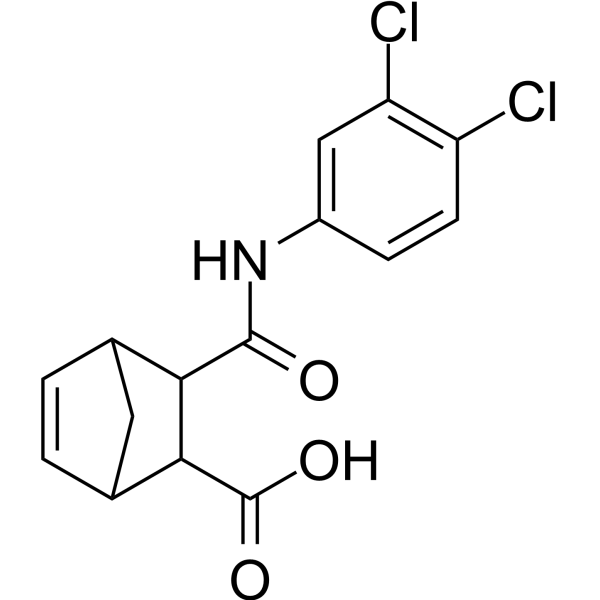
    CADD522 is a RUNX2-DNA binding inhibitor (downregulates RUNX2-mediated transcription of downstream target genes), with an IC50 of 10 nM. CADD522 inhibits primary tumor growth and experimental metastasis of tumor cells in the lungs of immune-compromised mice. CADD522 can be used in study of cancer .
    CADD522
  • HY-P4744
    LL-37 amide
    2 Publications Verification

    Formyl Peptide Receptor (FPR) Bacterial Infection Cancer
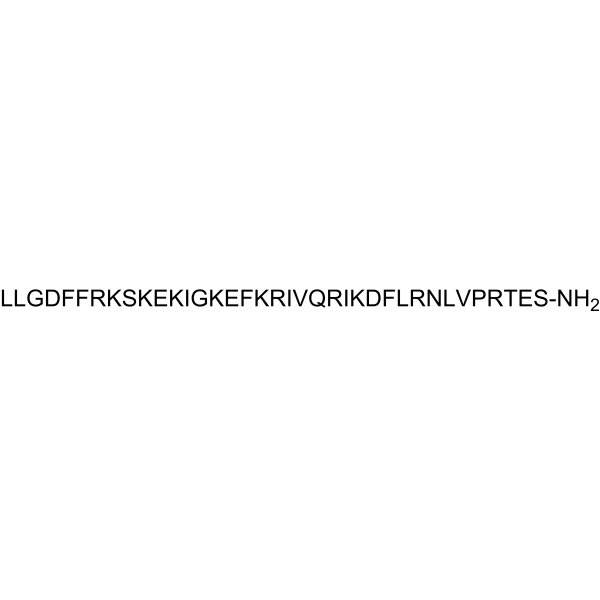
    LL-37 amide is a selective agonist of formyl peptide receptor-like FPRL1, effectively inhibiting periodontal pathogens (ED99=8.5-8.7 μg/mL). LL-37 amide exerts its bactericidal effect by activating FPRL1-mediated immune cell chemotaxis and disrupting bacterial cell membrane integrity. It can also regulate inflammatory responses (inhibiting the release of factors such as TNF-α) and promote angiogenesis. Amidation modification reduces its sensitivity to serum inhibition and improves its stability. LL-37 amide possesses key activities in bactericidal action, immunomodulation, and wound healing, and is mainly used in research on infection-related diseases such as periodontal disease and deep tissue injuries (pressure ulcers), and wound healing .
    LL-37 amide
  • HY-W127575

    delta-3,5-Cholestadiene

    PI3K Akt Inflammation/Immunology
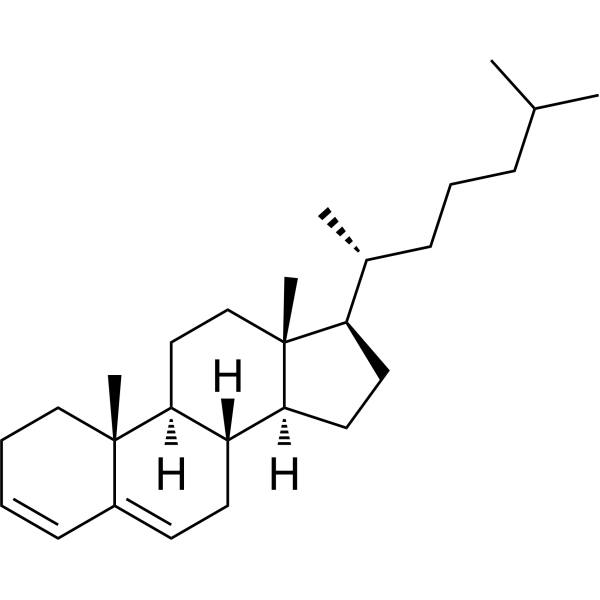
    Cholesta-3,5-diene is an inflammatory modulator that targets immune cells such as neutrophils and accelerates wound healing by promoting neutrophil chemotaxis and fibroblast migration. Cholesta-3,5-diene enhances immune cell recruitment and extracellular matrix deposition by activating chemokine receptor-mediated signaling pathways such as PI3K/Akt. Cholesta-3,5-diene can be applied topically to wound repair and has potential therapeutic value in chronic ulcers or skin lesions .
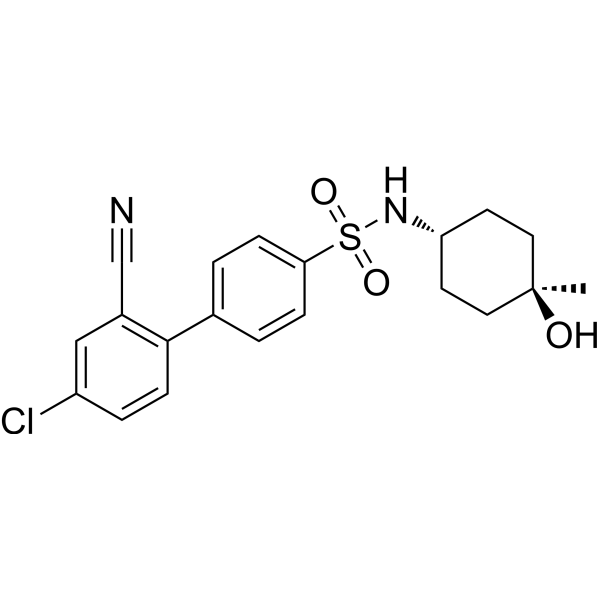
    Cholesta-3,5-diene
  • HY-125474
    Carrageenan
    1 Publications Verification

    Environmental Pollutants HIV HSV Infection Cancer
    Carrageenan is an antiviral and anticancer agent. Carrageenan inhibits herpes simplex virus (HSV), HIV, and hepatitis A virus (HAV) by directly binding to the viral capsid to block the attachment of viruses such as HPV to HSPG factors on the cell surface. Carrageenan delays and arrests cell cycle progression, exhibits cytotoxicity against HeLa cancer cells, and can be applied to studies related to cervical cancer, genital warts, hepatitis A, and other conditions. Carrageenan also induces acute non-immune inflammation, triggers a three-phase inflammatory response involving the release of multiple proinflammatory mediators, and causes persistent edema, hyperalgesia, and neutrophil recruitment in mice .
    Carrageenan
  • HY-P990083

    AT-1501

    TNF Receptor Inflammation/Immunology
    Tegoprubart (AT-1501) is a CD40 ligand inhibitor (EC50=100 ng/mL) and immunosuppressant that selectively inhibits the CD40 ligand, a co-stimulatory molecule involved in T cell activation. Tegoprubart suppresses immune rejection, prevents rejection in animal transplantation models, and reduces cell-mediated and antibody-mediated immune responses to create a more immunotolerant environment. Tegoprubart preserves renal function when combined with Mycophenolate (HY-B0421) and Corticosteroids, and maintains graft function in preclinical studies. Tegoprubart is applicable to research related to kidney transplantation and kidney transplant rejection .
    Tegoprubart
  • HY-NP137

    Biochemical Assay Reagents Inflammation/Immunology
    NP-PE (Phycoerythrin) is a complex formed by 4-Hydroxy-3-nitrophenylacetyl (NP, a hapten) with Phycoerythrin (PE, a carrier protein). NP-PE (Phycoerythrin) can induce the formation of specific immune complexes and mediate the targeted encounter and activation of B cells with antigens. NP-PE (Phycoerythrin) can be used to study the mechanisms by which B cells capture and transport immune complexes in lymph nodes .
    NP-PE (Phycoerythrin)
  • HY-P10373

    JAK IFNAR Interleukin Related Infection Inflammation/Immunology
    pJAK2(1001-1013) is a cell-penetrating peptide that corresponds to the activation loop of JAK2 tyrosine kinase and functions as a SOCS1/3antagonist. pJAK2 (1001-1013) blocks SOCS1-mediated negative regulation of immune function, and enhances the biological activity of cytokines such as IFNγ and IL6. pJAK2(1001-1013) inhibits the replication of a broad range of viruses and exerts dose-dependent protective efficacy against lethal viral infections. pJAK2(1001-1013) can be used for the study of immune regulation and infection .
    pJAK2(1001-1013)
  • HY-162065
    N6F11
    1 Publications Verification

    Ferroptosis Cancer
    N6F11 is a selective ferroptosis inducer, and can selectively induce ferroptosis by targeting TRIM25-mediated GPX4 degradation in cancer cells while sparing immune cells. N6F11 initiates HMGB1-dependent antitumor immunity mediated by CD8 + T cells .
    N6F11
  • HY-113446

    Endogenous Metabolite Cardiovascular Disease Inflammation/Immunology
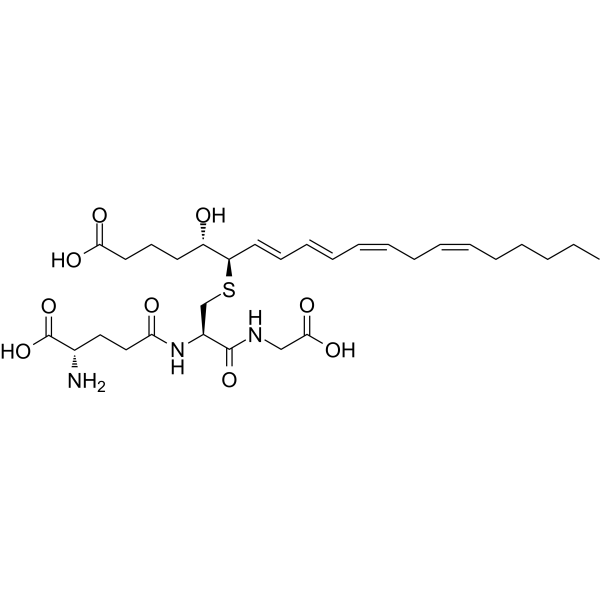
    Leukotriene C4 is a eicosanoid lipid mediator and produced by immune cells during type 2 inflammation. Leukotriene C4 can mediate inflammation,allergy, bronchoconstriction, and vascular leakage .
    Leukotriene C4
  • HY-P99152

    Muromanab-CD3

    CD3 Interleukin Related IFNAR Inflammation/Immunology Cancer
    Muromonab (Muromonab-CD3; OKT3) is a mouse monoclonal antibody targeting the CD3 antigen. Muromonab specifically binds to the CD3 antigen on the surface of human and higher primate T cells. Muromonab blocks the function of T cell receptors to recognize foreign antigens and inhibits T cell-mediated immune responses, including cell-mediated lymphocyte lysis and T cell proliferation responses. Muromonab can be used to study acute kidney, liver, heart and combined kidney-pancreas transplant rejection, and can also be used to study graft-versus-host disease in bone marrow transplant patients .
    Muromonab
  • HY-173189

    2′,5′-ApApA; 2′,5′-trioligoadenylate; 5'-O-Triphosphoryladenylyl-(2'→5')-adenylyl-(2'→5')-adenosine

    DNA/RNA Synthesis RSV Infection Cancer
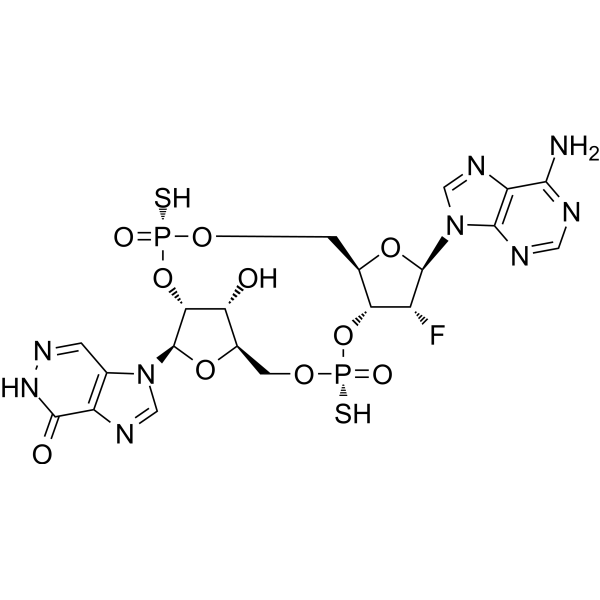
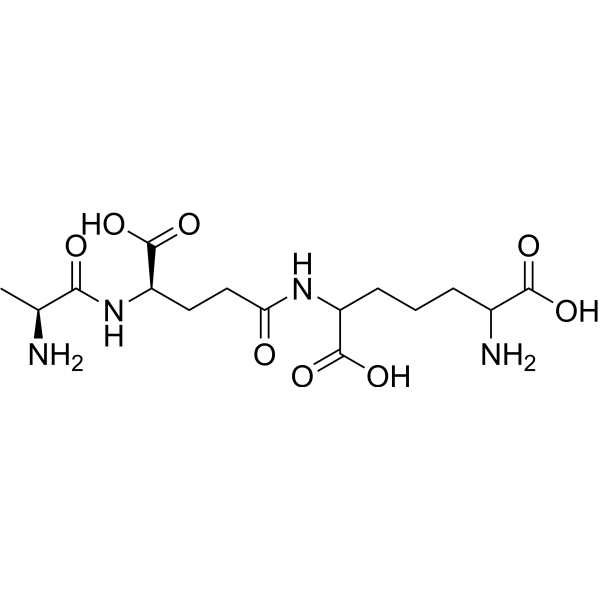
    2-5A is a RNase L activator, signal mediator and innate immune second messenger. 2-5A induces the expression of interferons and interferon-stimulated genes in recipient cells in a RNase L-dependent manner. 2-5A inhibits tumor growth in mouse models via paracrine RNase L activation derived from cancer cells. 2-5A can be used in studies related to viral infection and cancer .


    2-5A
  • HY-P991149

    YH32367; ABL105

    TNF Receptor Cancer
    Nesfrotamig (YH32367; ABL105) is a bispecific activator targeting HER2 and 4-1BB. The Kd values of Nesfrotamig for human HER2 and human 4-1BB are 0.48 nM and 3.36 nM, respectively. By blocking tumor cell growth signals, activating HER2-dependent local 4-1BB in tumors to maintain T cell survival, and inducing NK cell-mediated antibody-dependent cellular cytotoxicity, Nesfrotamig enhances the cytotoxicity and tumor infiltration ability of immune cells. Nesfrotamig promotes the generation of tumor-specific memory T cells, drives T cell-mediated tumor lysis, exhibits significant anti-tumor efficacy against both HER2-positive and HER2-low-expressing tumors, and shows synergistic activity when combined with anti-PD-1 antibodies. In cynomolgus monkey studies, Nesfrotamig demonstrates good safety and is suitable for research related to HER2-positive and HER2-low-expressing tumors .
    Nesfrotamig
  • HY-150736
    ODN 20844
    1 Publications Verification

    Toll-like Receptor (TLR) Infection Inflammation/Immunology
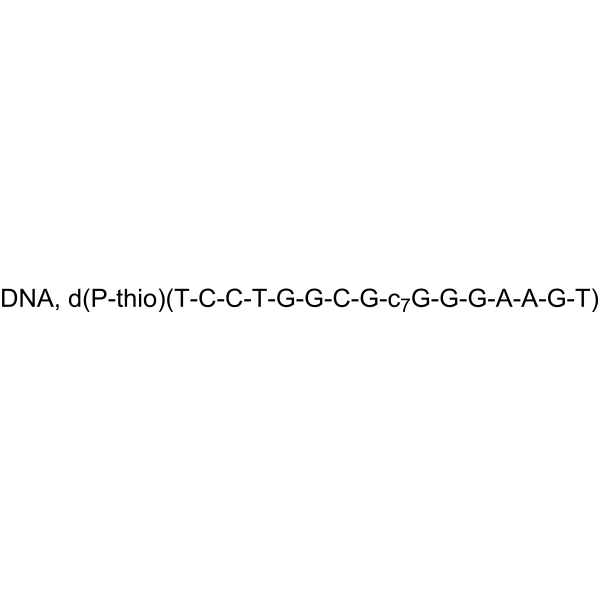
    ODN 20844, a guanine-modified inhibitory oligonucleotide (INH-ODN), is a TLR7 and TLR9 (Toll-like receptor) inhibitor, and its parent is INH-ODN 2088. ODN 20844 disrupts TLR7- and TLR9-mediated immune cell immune responses. ODN 20844 sequence: 5'-TCCTGGCGc7GGGAAGT-3' .
    ODN 20844
  • HY-P991480

    Transmembrane Glycoprotein Tau Protein Amyloid-β Neurological Disease Cancer
    ONC-841 is a blood-brain barrier-permeable, humanized monoclonal antibody targeting SIGLEC10. As an immune checkpoint inhibitor, ONC-841 restores the functions of immune effector cells such as T cells and enhances anti-tumor immune responses by blocking inhibitory signals mediated by SIGLEC10. ONC-841 restores the phagocytic and migratory activities of microglia, and promotes the phagocytosis of Amyloid-β and Tau protein aggregates by microglia. ONC-841 is applicable to research related to solid tumors and Alzheimer's disease .
    ONC-841
  • HY-108693

    Leukotriene Receptor Apoptosis Inflammation/Immunology
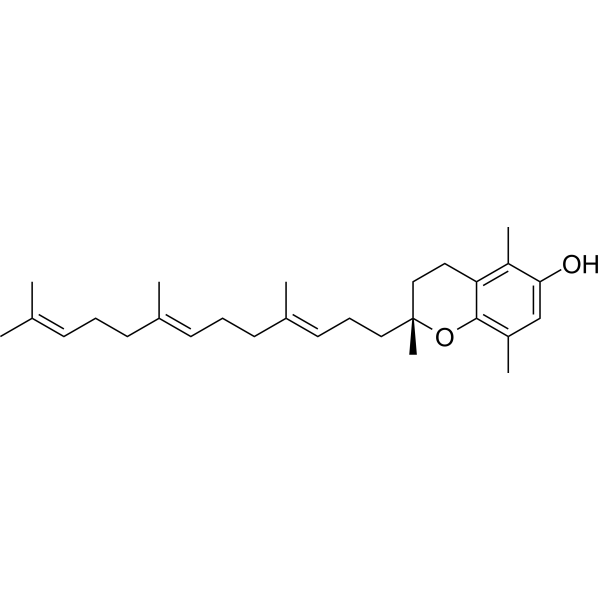
    β-Tocotrienol is an isomer of vitamin E. β-Tocotrienol is a less potent antioxidant than α-tocotrienol. β-Tocotrienol can be found in the tocotrienol-rich fraction (TRF) of palm oil, which possesses anti-carcinogenic effects in vitro on human colon carcinoma and prostate cancer cells. β-Tocotrienol inhibits the growth of A549 (GI50 = 1.38 μM) and U87MG (GI50 = 2.53 μM) cells. β-Tocotrienol also induces apoptosis in cancer cells. β-Tocotrienol can inhibit PD-L1 expression and mitigates PD-L1-mediated immune suppression in vitro and in vivo .
    β-Tocotrienol
  • HY-P99157

    CD276/B7-H3 Cancer
    Omburtamab is a humanized monoclonal antibody targeting B7-H3 (CD276). Omburtamab selectively binds to B7-H3 highly expressed on the surface of tumor cells and activates anti-tumor immune responses mediated by T cells and natural killer (NK) cells. Omburtamab can promote the specific infiltration of CAR-T cells into tumors, enhance the killing function of NK cells through the CD16 signaling pathway, and regulate tumor cell glucose metabolism (such as inhibiting the Warburg effect). Omburtamab has the potential to inhibit solid tumors such as non-small cell lung cancer (NSCLC) .
    Omburtamab
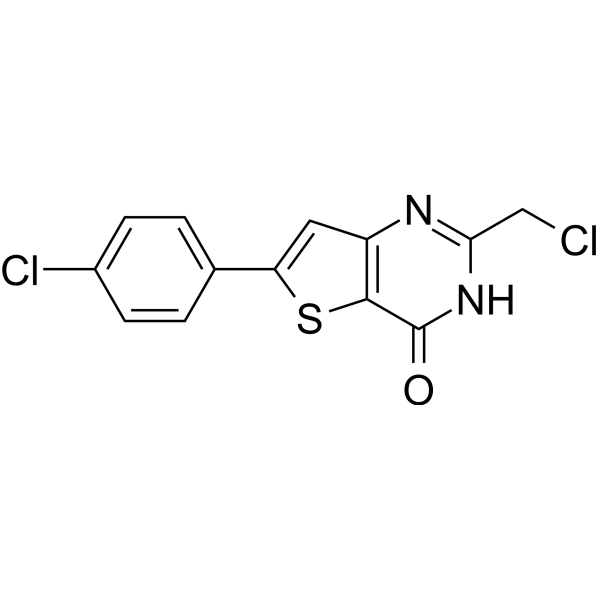
  • HY-160215

    TGF-β Receptor p38 MAPK TGF-beta/Smad Interleukin Related Cancer
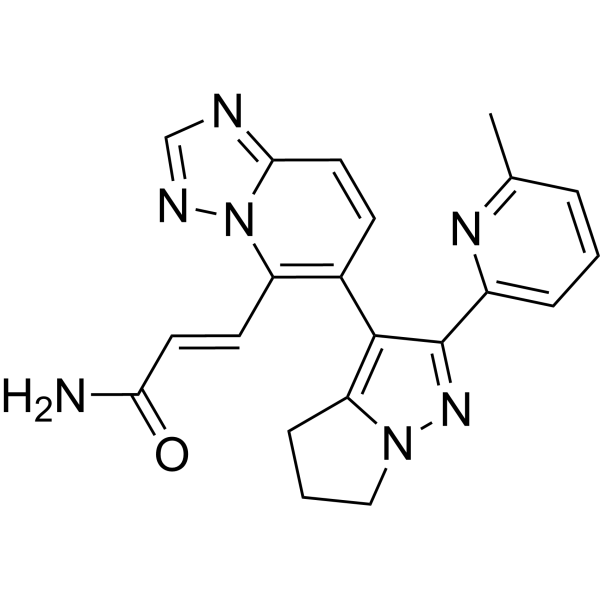
    GFH018 is an orally active, selective and ATP-competitive TGF-βR1 inhibitor with an IC50 of 40 nM. GFH018 reactivates the immune system by blocking the immunosuppression mediated by regulatory T cells and M2 macrophages. GFH018 inhibits tumor angiogenesis. GFH018 suppresses tumor growth in mouse tumor models. GFH018 can be used for the research of solid tumors, hepatocellular carcinoma, colorectal cancer, breast cancer, and relapsed/metastatic nasopharyngeal carcinoma .
    GFH018
  • HY-P991023

    6MW3211

    CD47 PD-1/PD-L1 Cancer
    Safimestomig (6MW3211) is an CD47/PD-L1-targeting bispecific antibody. Safimestomig blocks CD47-mediated 'don't eat me' signaling and selectively binds to CD47 on tumor cells. Safimestomig blocks PD-L1-mediated immune checkpoint signaling. Safimestomig can be used for the research of cancer .
    Safimestomig
  • HY-P10719

    MyD88 Infection Inflammation/Immunology
    Pepinh-MYD is a MyD88 inhibitor that contains a domain sequence from MyD88 TIR and a protein transduction sequence, enabling it to penetrate the cell membrane. Pepinh-MYD interferes with MyD88-mediated TLR signaling pathways, thereby inhibiting related immune responses. It holds potential for studying the role of MyD88 in viral infections .
    Pepinh-MYD
  • HY-P991201

    Interleukin Related Inflammation/Immunology
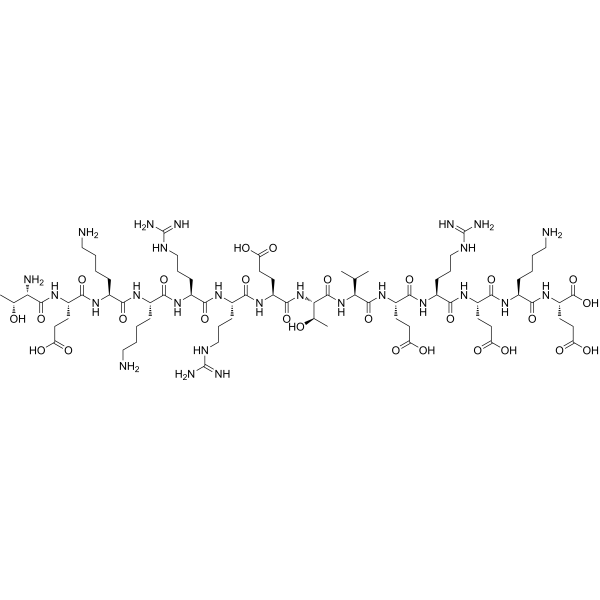
    REGN-7257 is a humanized monoclonal antibody targeting IL2RG. REGN-7257 blocks the signal transduction induced by common gamma chain (γc) cytokines via the IL2RG chain of the γc cytokine receptor complex. REGN-7257 is applicable for research on immune-mediated diseases and T cell-mediated diseases . Its corresponding isotype control is Human IgG4 kappa, Isotype Control (HY-P99003).
    REGN-7257
  • HY-P991061

    CHS-114; SRF-114

    CCR Cancer
    Tagmokitug (CHS-114; SRF-114) is a fully human IgG1 antibody targeting CCR8. Tagmokitug selectively binds to human CCR8 (Kd = 502 pM) and mediates the death of CCR8-expressing cells via antibody-dependent cellular cytotoxicity and antibody-dependent cellular phagocytosis. Tagmokitug selectively eliminates intratumoral regulatory T cells, induces tumor growth inhibition, remodels the tumor immune microenvironment, and promotes the differentiation of cytotoxic CD8 + T cell subsets. Tagmokitug can be used for the research of solid tumors .
    Tagmokitug
  • HY-P10056

    Human ezrin peptide (324-337)

    HIV HCV HPV Influenza Virus Interleukin Related Infection Inflammation/Immunology
    HEP-1 (Human ezrin peptide (324 - 337)) is an orally active peptide with antiviral, anti-inflammatory, and immunomodulatory activities. HEP-1 is effective against infections by various viruses such as HIV, HCV, herpes viruses, HPV, and influenza viruses. As an immunomodulator, HEP-1 can enhance the adaptive immunity mediated by B cells and T cells. HEP-1 can also increase the antibody titers after hepatitis B vaccination. HEP-1 can be used in the research of viral infections and inflammation-related diseases .
    HEP-1
  • HY-P1684
    Peptide P60
    1 Publications Verification

    FOXP3 inhibitor P60

    NF-κB Nuclear Factor of activated T Cells (NFAT) Infection Inflammation/Immunology Cancer
    Peptide P60 is a FOXP3 inhibitor. Peptide P60 reduces the nuclear translocation of FOXP3 and impairs FOXP3-mediated inhibition of NF-κB and NFAT activity. Peptide P60 inhibits the immunosuppressive activity of regulatory T cells and restores the proliferation and activation of effector T cells. Peptide P60 induces lymphoproliferative autoimmune syndrome in neonatal ICR mice and reduces the number of CD4 +CD25 +Foxp3 + T cells in the spleen. Peptide P60 enhances the efficacy of AH1 (HY-P4193) peptide vaccine and recombinant adenovirus-based HCV NS3 vaccine in BALB/c mice, including protective effects against CT26 tumor implantation. Peptide P60 can be used in studies related to tumor immunity, viral infection and lymphoproliferative autoimmune syndrome .
    Peptide P60
  • HY-114504

    Epigenetic Reader Domain Inflammation/Immunology
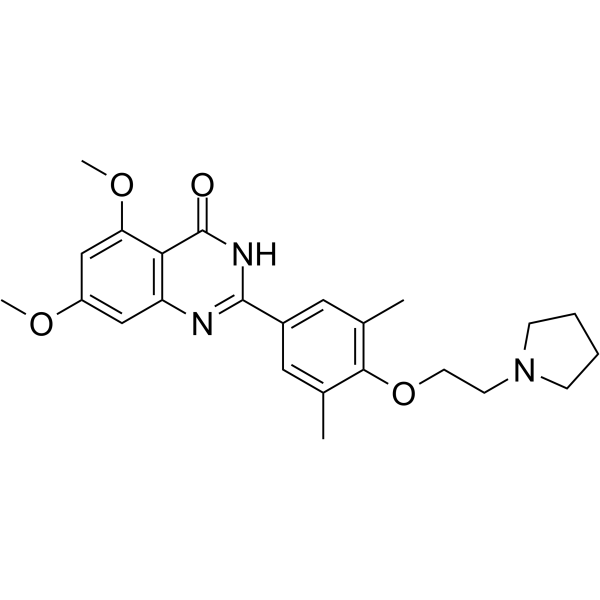
    RVX-297 is a potent, orally active BET bromodomain inhibitor with selectivity for BD2. RVX-297 shows IC50s of 0.08, 0.05, and 0.02 μM for BRD2(BD2), BRD3(BD2), and BRD4(BD2), respectively. RVX-297 suppresses inflammatory gene expression in multiple immune cell types. RVX-297 is effective in acute inflammation and autoimmunity models .
    RVX-297
  • HY-150746

    Toll-like Receptor (TLR) Inflammation/Immunology
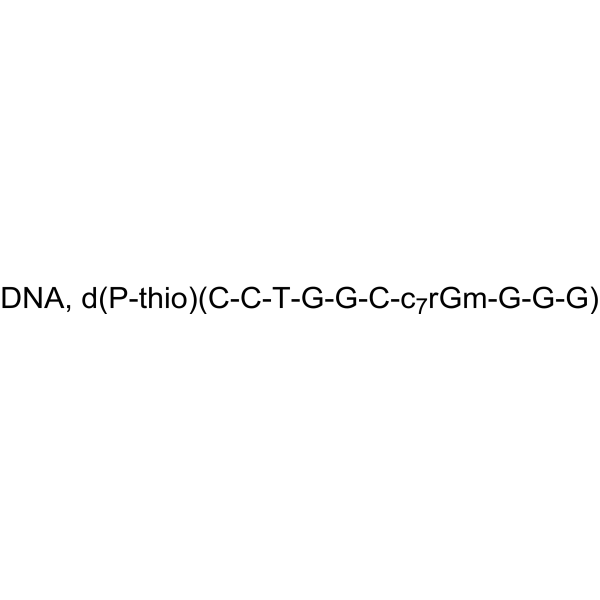
    ODN 24991, a guanine-modified inhibitory oligonucleotide (INH-ODN), is a TLR3, TLR7 and TLR9 (Toll-like receptor) inhibitor, and its parent is INH-ODN 2088. ODN 24991 disrupts TLR3-, TLR7- and TLR9-mediated immune cell immune responses. ODN 24991 sequence: 5'-C-C-T-G-G-C-c7rGm-G-G-G-3' .
    ODN 24991
  • HY-P990961

    IMM-2510; SYN-2510

    VEGFR PD-1/PD-L1 Cardiovascular Disease Inflammation/Immunology Cancer
    Palverafusp alfa (IMM-2510; SYN-2510) is a PD-L1/VEGF-targeting IgG1κ type humanized antibody. Palverafusp alfa blocks PD-1/PD-L1 binding, relieves immune suppression, mediates PD-L1-directed antibody-dependent cellular cytotoxicity (ADCC). Palverafusp alfa blocks VEGF/VEGFR binding, inhibits angiogenic signaling, relieves VEGF-induced immune suppression. Palverafusp alfa reduces endothelial cell proliferation, enhances ADCC and antibody-dependent cellular phagocytosis (ADCP), inhibits tumor growth, reverses T cell immune suppression. Palverafusp alfa exhibits immune stimulatory, antiangiogenic, and anti-tumor activity in the tumor microenvironment. Palverafusp alfa can be used for the research of cancer, such as solid tumors, non-small cell lung cancer .
    Palverafusp alfa
  • HY-P99687

    AMG 256

    PD-1/PD-L1 Cancer
    Latikafusp (AMG 256) is a bifunctional fusion protein comprising a PD-1-targeting antibody and IL-21 mutein designed to deliver IL-21 pathway stimulation to PD-1+ cells. Latikafusp is designed to prime and extend the activity of cytotoxic and memory T cells and induce anti-tumor immunity. Latikafusp has the potential for solid tumors research .Latikafusp may lead to the development of immunogenicity-mediated responses .
    Latikafusp
  • HY-156622

    HMC-C-01-A; MBS2320

    Mitochondrial Metabolism Cancer
    Leramistat (HMC-C-01-A; MBS2320) is a mitochondrial complex 1 inhibitor, involving in cell metabolism immune metabolism regulation. Leramistat also inhibits ATP production in Thp1 human monocytes (IC50: 0.63 μM). Leramistat inhibits atopic dermatitis and other skin diseases autoimmune diseases, inflammatory diseases, cancer; and also inhibits osteoclast mediated disease .
    Leramistat
  • HY-N6958
    2-O-β-D-Glucopyranosyl-L-ascorbic acid
    1 Publications Verification

    AA-2βG

    Apoptosis HSP Reactive Oxygen Species (ROS) Keap1-Nrf2 Heme Oxygenase (HO) Inflammation/Immunology Cancer
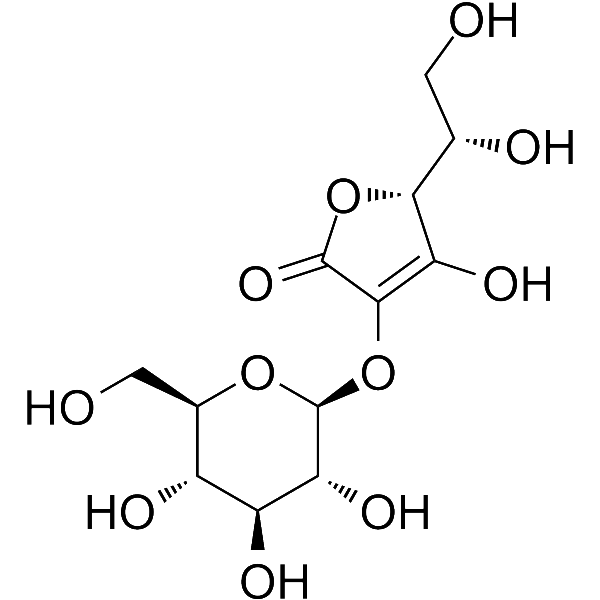
    2-O-β-D-Glucopyranosyl-L-ascorbic acid (AA-2βG) is an orally active vitamin C derivative. 2-O-β-D-Glucopyranosyl-L-ascorbic acid exhibits multiple activities including antioxidant, anti-tumor and immunomodulatory effects. 2-O-β-D-Glucopyranosyl-L-ascorbic acid mediates tumor cell apoptosis, induces cell cycle arrest, scavenges free radicals and eliminates oxidative stress. 2-O-β-D-Glucopyranosyl-L-ascorbic acid can be used in studies related to cancer, inflammation and immunity .
    2-O-β-D-Glucopyranosyl-L-ascorbic acid
  • HY-P3012

    Cathepsin ERK p38 MAPK PKC Protease Activated Receptor (PAR) MMP Inflammation/Immunology
    Cathepsin G is a pH-dependent serine protease. Cathepsin G hydrolyzes diverse synthetic and protein substrates and remodels extracellular matrix. Cathepsin G exerts immunomodulatory effects via recruiting phagocytes, enhancing T cell motility, activating ERK1/2 and p38 MAPK signaling, and mediating PKCζ membrane translocation. Cathepsin G regulates inflammatory responses by cleaving inflammatory mediators. Cathepsin G participates in vascular regulation by converting angiotensin I to angiotensin II. Cathepsin G induces PAR4-dependent platelet activation, facilitates platelet-neutrophil aggregation, and mediates VITT-related NETosis, thrombus formation. Cathepsin G can be used for the research of immune thrombotic thrombocytopenia, cardiovascular disease, and select autoimmune and inflammatory diseases .
    Cathepsin G
  • HY-P4744A
    LL-37 amide TFA
    2 Publications Verification

    Formyl Peptide Receptor (FPR) Bacterial Infection Cancer
    LL-37 amide TFA is a selective agonist of formyl peptide receptor-like FPRL1, effectively inhibiting periodontal pathogens (ED99=8.5-8.7 μg/mL). LL-37 amide TFA exerts its bactericidal effect by activating FPRL1-mediated immune cell chemotaxis and disrupting bacterial cell membrane integrity. It can also regulate inflammatory responses (inhibiting the release of factors such as TNF-α) and promote angiogenesis. Amidation modification reduces its sensitivity to serum inhibition and improves its stability. LL-37 amide TFA possesses key activities in bactericidal action, immunomodulation, and wound healing, and is mainly used in research on infection-related diseases such as periodontal disease and deep tissue injuries (pressure ulcers), and wound healing .
    LL-37 amide TFA
  • HY-150736A
    ODN 20844 sodium
    1 Publications Verification

    Toll-like Receptor (TLR) Infection
    ODN 20844 sodium, a guanine-modified inhibitory oligonucleotide (INH-ODN), is a TLR7 and TLR9 (Toll-like receptor) inhibitor, and its parent is INH-ODN 2088. ODN 20844 sodium disrupts TLR7- and TLR9-mediated immune cell immune responses. ODN 20844 sequence: 5'-TCCTGGCGc7GGGAAGT-3' .
    ODN 20844 sodium
  • HY-113512

    Influenza Virus Inflammation/Immunology
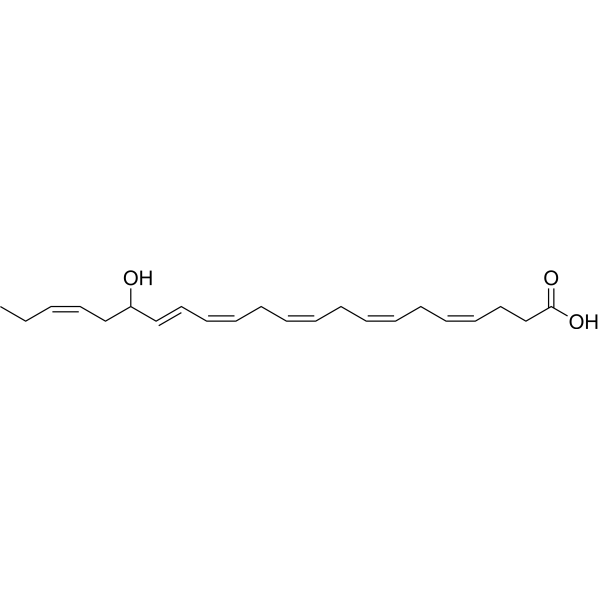
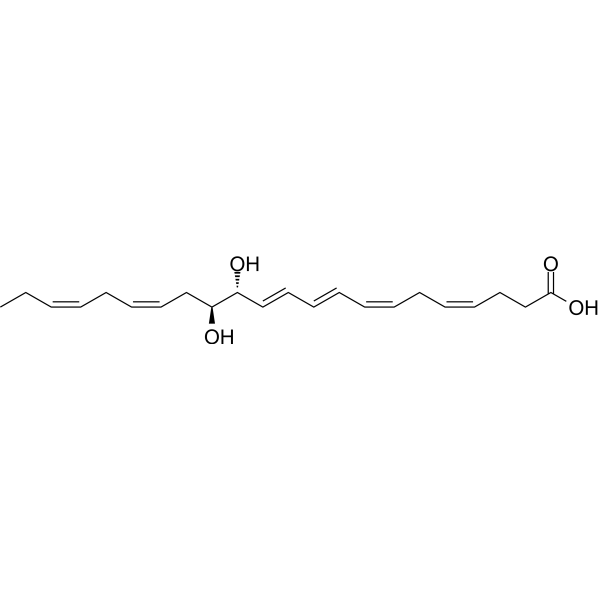
    17-HDHA is a DHA-derived specialized proresolving mediator (SPM). 17-HDHA enhances the antibody-mediated immune response against influenza virus. 17-HDHA enhances the differentiation of B cells toward the CD27 + CD38 + antibody-secreting cell phenotype, thereby strongly increasing IgM and IgG production by activated B cells .
    17-HDHA
  • HY-155971

    Autophagy Inflammation/Immunology Cancer
    VISTA-IN-2 (Compound 1) is an inhibitor of V-domain Ig suppressor of T-cell activation (VISTA). VISTA-IN-2 induces VISTA degradation in cells through an autophagic mechanism. VISTA-IN-2 rescues VISTA-mediated immunosuppression, and enhances antitumor activity of immune cells. VISTA-IN-2 also activates the antitumor immunity and inhibits tumor growth in a CT26 mouse model .
    VISTA-IN-2
  • HY-150746A

    Toll-like Receptor (TLR) Inflammation/Immunology
    ODN 24991 sodium, a guanine-modified inhibitory oligonucleotide (INH-ODN), is a TLR3, TLR7 and TLR9 (Toll-like receptor) inhibitor, and its parent is INH-ODN 2088. ODN 24991 sodium disrupts TLR3-, TLR7- and TLR9-mediated immune cell immune responses. ODN 24991 sequence: 5'-C-C-T-G-G-C-c7rGm-G-G-G-3' .
    ODN 24991 sodium
  • HY-159643

    MAP4K IFNAR Interleukin Related Inflammation/Immunology Cancer
    NDI-101150 is an orally active, potent and selective hematopoietic progenitor cell kinase 1 (HPK1) inhibitor with an IC50 of 0.7 nM. NDI-101150 blocks HPK1-mediated negative regulation of immune receptor signaling, inhibits immunosuppression of T cell activation, enhances antigen-specific antibody production and augments B-cell activation. NDI-101150 inhibits tumor growth in syngeneic tumor models, establishes durable antitumor immune memory, and synergizes with anti-PD1 to enhance exhausted T cell activity and drive tumor regressions. NDI-101150 can be used for the research of cancer, such as breast cancer and colon cancer .
    NDI-101150
  • HY-P991364

    PYX-106; BSI-060T

    Transmembrane Glycoprotein Cancer
    Aldastotug (PYX-106; BSI-060T) is a human monoclonal antibody (mAb) targeting Siglec-15/CD33L3. Aldastotug reverses Siglec-15-mediated immunosuppression and enhances T-cell proliferation. Aldastotug induces significantly increased levels of IFNγ and TNFα in T cells. Aldastotug can be used in cancer immunity research. Recommended isotype control: Human IgG1 kappa, Isotype Control (HY-P99001) .
    Aldastotug
  • HY-P991198

    Tim3 Cancer
    M6903 is a humanized monoclonal IgG2 antibody targeting T cell immunoglobulin and mucin domain-3 (TIM-3) (KD for human TIM-3 is 2.3 nM). M6903 binds to TIM-3, blocking the binding of TIM-3 to phosphatidylserine (PtdSer), carcinoembryonic antigen cell adhesion-related molecule 1 (CEACAM1), and galectin 9 (Gal-9), thus relieving TIM-3-mediated T cell inhibition and exerting the activities of activating antigen-specific T cells and enhancing anti-tumor immunity. M6903 is promising for research of cancers .
    M6903
  • HY-P991309

    C-type Lectin-like Receptors (CTLRs) Cancer
    ZM-008 is an anti-LLT1 monoclonal antibody. ZM-008 blocks the interaction between LLT1 and CD161 on the surface of NK cells and T cells. ZM-008 restores anti-tumor immune activity, shifts the tumor microenvironment to an immune-responsive state, and recovers NK cell-mediated cytotoxicity against tumor cells, thereby reversing immunosuppression in immune-resistant "cold" tumors. ZM-008 is applicable to the research of immune-resistant solid tumors .
    ZM-008
  • HY-P10719A

    MyD88 Infection Inflammation/Immunology
    Pepinh-MYD TFA is a MyD88 inhibitor that contains a domain sequence from MyD88 TIR and a protein transduction sequence, enabling it to penetrate the cell membrane. Pepinh-MYD TFA interferes with MyD88-mediated TLR signaling pathways, thereby inhibiting related immune responses. Pepinh-MYD TFA holds potential for studying the role of MyD88 in viral infections .
    Pepinh-MYD TFA
  • HY-P99027

    LAG525; IMP701; Hu5A8

    LAG-3 Cancer
    Ieramilimab (LAG525; IMP701) is a humanized IgG4 monoclonal antibody that binds to LAG-3, resulting in inhibition of LAG-3 interaction with MHC-II molecules. Ieramilimab restores T-cell and NK-cell-mediated antileukemic immunity by reducing exhaustion and augmenting cytokine output and cytotoxicity. Ieramilimab increases the infiltration of cytotoxic T lymphocytes and reduces baseline densities of regulatory T cells (Tregs) and ADAM10-expressing tumor cells. Ieramilimab can be used for the study of various malignancies including melanoma, RCC, and advanced solid tumors .
    Ieramilimab
  • HY-153358A

    HDAC Cancer
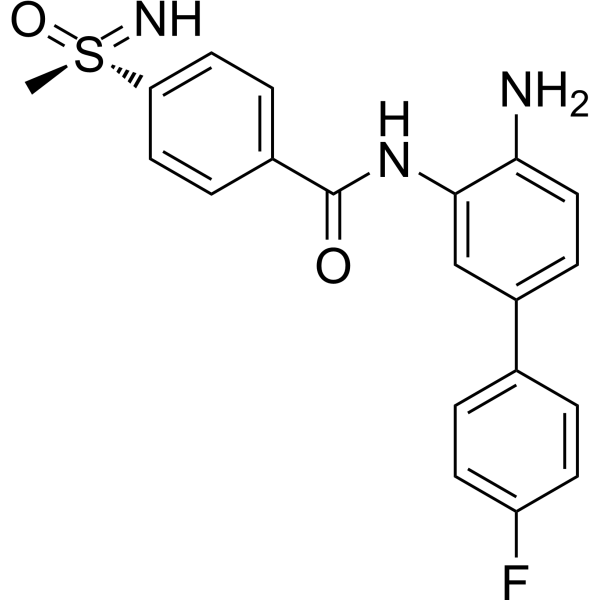
    (S)-TNG260 is an isomer of TNG260 (HY-153358). TNG260 is a CoREST selective deacetylase (CoreDAC) inhibitor. TNG260 inhibits HDAC1 with 10-fold selectivity over HDAC3. TNG260 causes HDAC1 inhibition and reverses anti-PD1 resistance driven by STK11 deletion. TNG260 reduces intratumoral infiltration of neutrophils. TNG260 exhibits immune-mediated cell killing.
    (S)-TNG260
  • HY-N0349S1

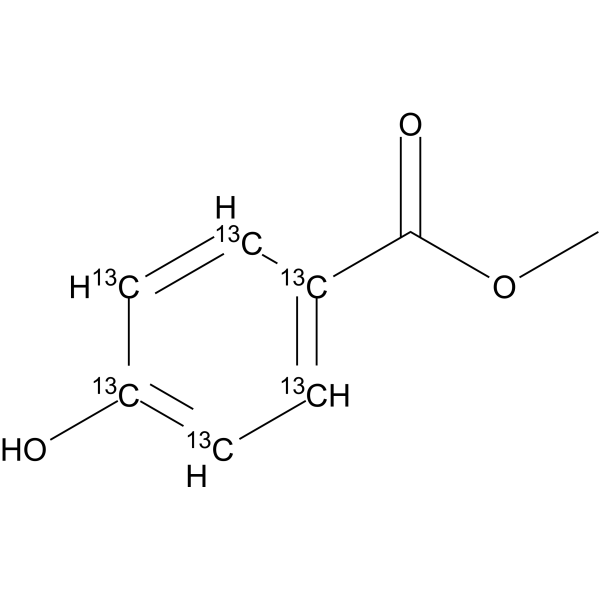
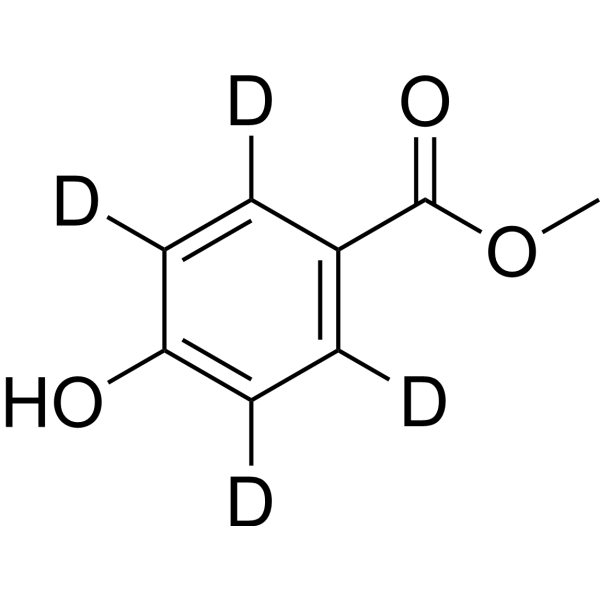
    Methyl 4-hydroxybenzoate-13C6

    Isotope-Labeled Compounds Bacterial Endogenous Metabolite Infection
    Methyl Paraben- 13C6 (Methyl 4-hydroxybenzoate- 13C6) is a 13C labeled Methyl Paraben (HY-N0349) . Methyl Paraben, isolated from the barks of Tsuga dumosa the methyl ester of p-hydroxybenzoic acid, is a standardized chemical allergen. Methyl Paraben is a stable, non-volatile compound used as an antimicrobial preservative in foods, agents and cosmetics. The physiologic effect of Methyl Paraben is by means of increased histamine release, and cell-mediated immunity .
    Methyl paraben-13C6

Inquiry Online

Your information is safe with us. * Required Fields.

Salutation


Country or Region *

Applicant Name *


Organization Name *

Department *


Email Address *


Product Name *

Cat. No.


Requested quantity *

Phone Number *


Remarks

Inquiry Online

Inquiry Information

Product Name:
Cat. No.:
Quantity:
MCE Japan Authorized Agent: