Search Result
Results for "
enzyme+inhibitor
" in MedChemExpress (MCE) Product Catalog:
3
Biochemical Assay Reagents
8
Isotope-Labeled Compounds
| Cat. No. |
Product Name |
Target |
Research Areas |
Chemical Structure |
-
- HY-18206
-
-
-
- HY-118660
-
|
|
Antibiotic
Bacterial
|
Infection
|
|
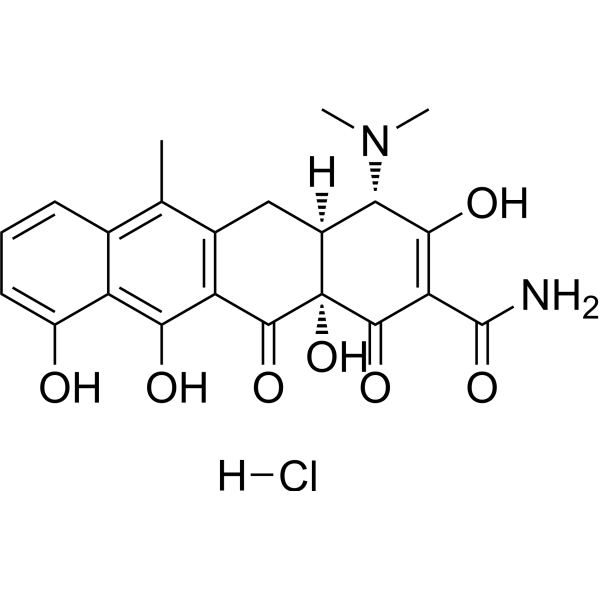
Anhydrotetracycline hydrochloride, a tetracycline biosynthetic precursor, is a potent competitive broad-spectrum tetracycline destructase enzymes inhibitor. Anhydrotetracycline hydrochloride is an effector for tetracycline controlled gene expression systems in eukaryotic cells .
|
-
-
- HY-B0130
-
-
-
- HY-N0499
-
|
IdB 1027
|
Prostaglandin Receptor
|
Inflammation/Immunology
|
|
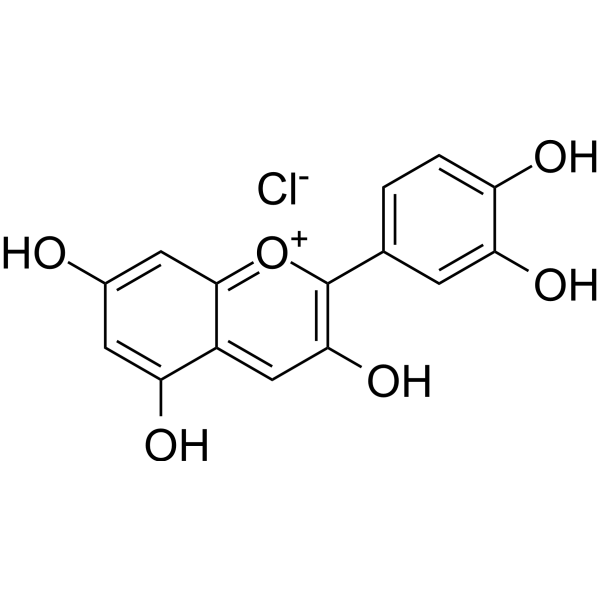
Cyanidin Chloride (IdB 1027) is an orally active antioxidant and enzyme inhibitor. Cyanidin Chloride has IC50 values of 90 μM and 60 μM against PGHS-1 and PGHS-2, respectively. Cyanidin Chloride exhibits excellent antioxidant and anti-inflammatory activities, scavenges free radicals, inhibits lipid peroxidation, and protects DNA from cleavage. Cyanidin Chloride can be used in the research of inflammatory diseases .
|
-
-
- HY-W015007
-
|
|
COX
|
Cardiovascular Disease
|
|
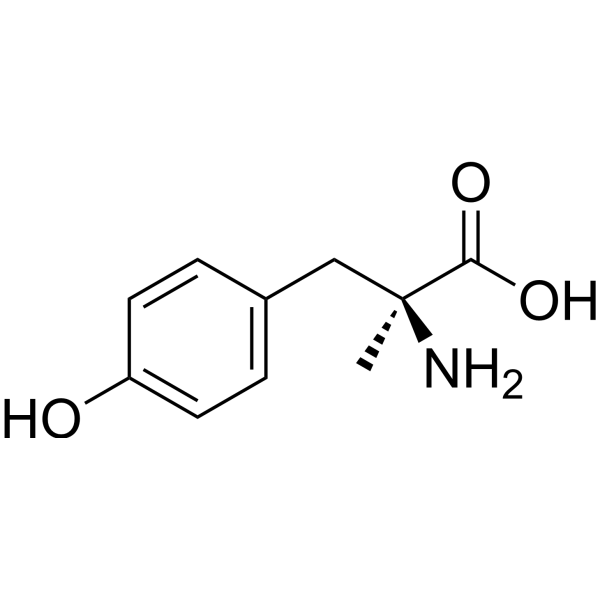
Metyrosine is a selective tyrosine hydroxylase enzyme inhibitor. Metyrosine exerts anti-inflammatory and anti-ulcerative effects. Metyrosine significantly inhibits high COX-2 activity . Metyrosine is a very effective agent for blood pressure control .
|
-
-
- HY-117275
-
-
-
- HY-124861
-
-
-
- HY-101255
-
|
|
Guanylate Cyclase
Apoptosis
|
Cancer
|
|
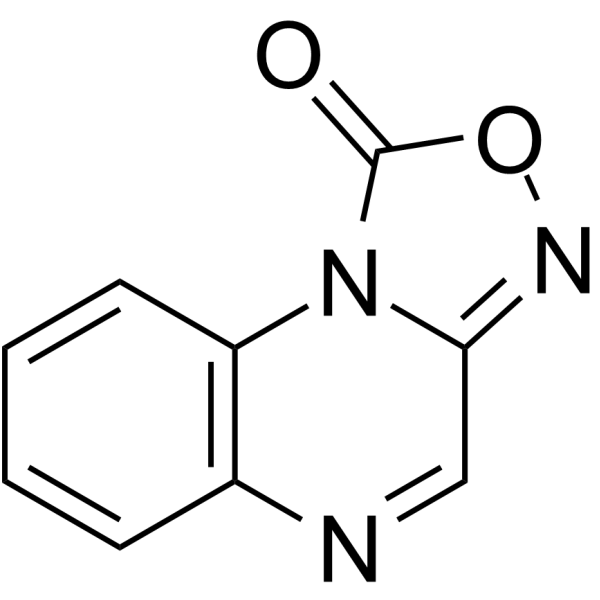
ODQ is a potent and selective soluble guanylyl cyclase (sGC, nitric oxide-activated enzyme) inhibitor. ODQ enhances the pro-apoptotic effects of Cisplatin in human mesothelioma cells .
|
-
-
- HY-P1315
-
|
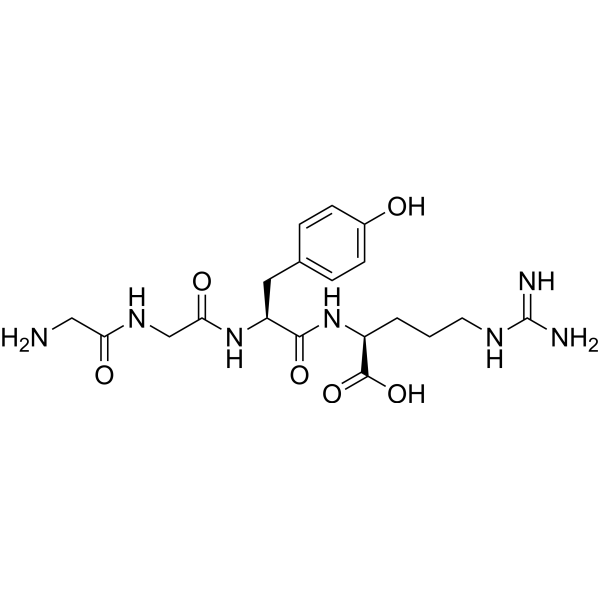
Glycylglycyl-L-tyrosyl-L-arginine
|
Cathepsin
|
Others
|
|
Papain inhibitor (Glycylglycyl-L-tyrosyl-L-arginine) is a competitive papain-targeting enzyme inhibitor with a Ki of 9 μM. Papain inhibitor binds directly to the substrate binding site of papain, inhibiting substrate hydrolysis by the enzyme. Papain inhibitor functions as a component of an electrochemical probe for the detection of papain .
|
-
-
- HY-18206A
-
-
-
- HY-D0843S
-
|
NEM-d5
|
Cathepsin
Deubiquitinase
|
Others
|
|
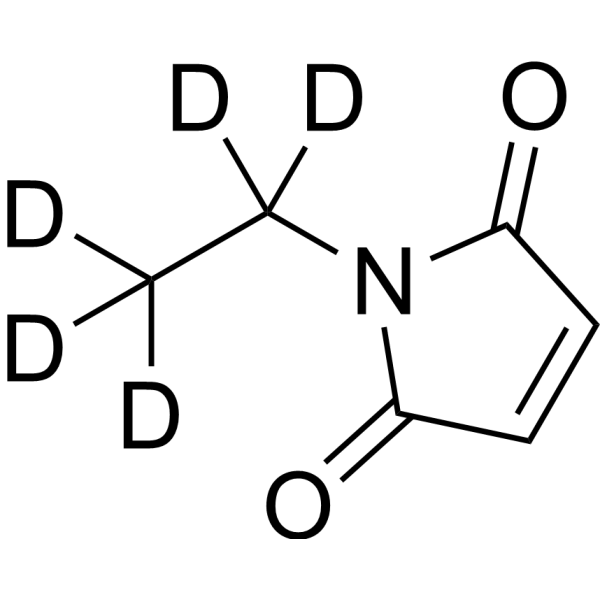
N-Ethylmaleimide-d5 is the deuterium labeled N-Ethylmaleimide. N-Ethylmaleimide (NEM), a reagent that alkylates free sulfhydryl groups, is a cysteine protease inhibitor . N-ethylmaleimide specific inhibits phosphate transport in mitochondria . N-Ethylmaleimide is also a deubiquitinating enzyme inhibitor .
|
-
-
- HY-W027592
-
|
|
Environmental Pollutants
MOFs
|
Others
|
|
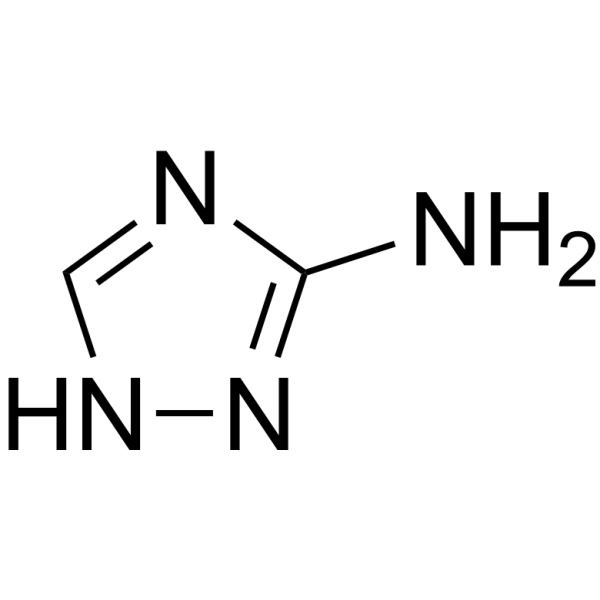
1H-1,2,4-Triazol-3-amine consists of a triazole ring system and an amino group attached to carbon atom 3. The compound has potential applications in various fields such as medicinal chemistry, agrochemicals and material science. In medicinal chemistry, 1H-1,2,4-Triazol-3-amine is used as a starting material for the synthesis of pharmaceutical compounds such as antifungal agents, anticancer agents, and enzyme inhibitors associated with cardiovascular disease. In agrochemicals, it can be used as a raw material for the synthesis of herbicides, fungicides and insecticides. Furthermore, 1H-1,2,4-Triazol-3-amine is used as a ligand in coordination chemistry and as a precursor for the production of new functional materials such as polymers and metal-organic frameworks.
|
-
-
- HY-B0130A
-
|
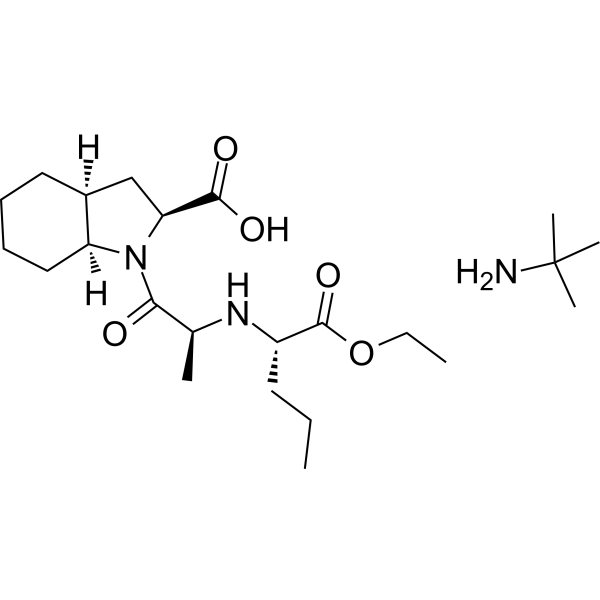
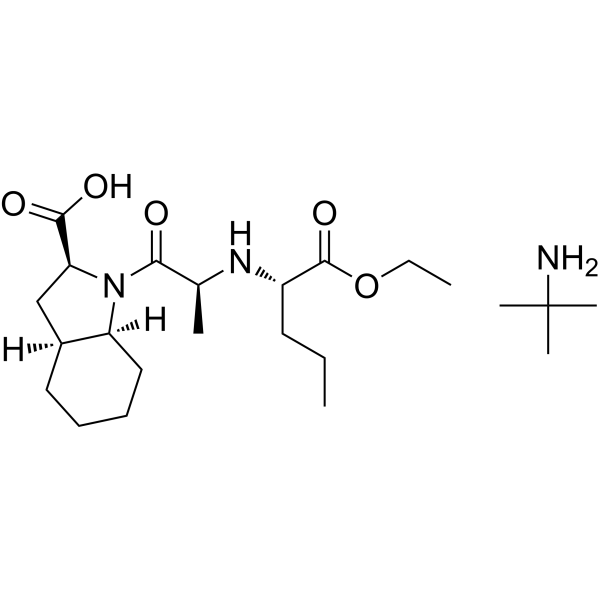
Perindopril (tert-butylamine salt); S-9490 erbumine
|
Sirtuin
NF-κB
STAT
Angiotensin-converting Enzyme (ACE)
|
Cardiovascular Disease
Cancer
|
|
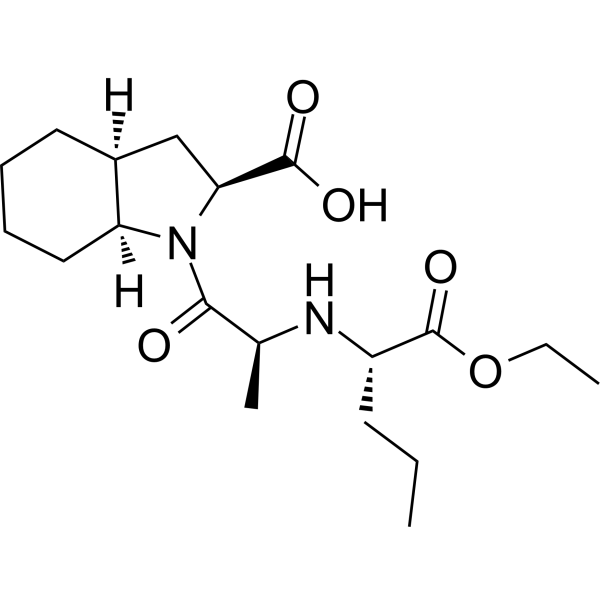
Perindopril erbumine is an angiotensin-converting enzyme inhibitor. Perindopril erbumine modulates NF-κB and STAT3 signaling and inhibits glial activation and neuroinflammation. Perindopril erbumine can be used for the research of Chronic Kidney Disease and high blood pressure .
|
-
-
- HY-17564
-
|
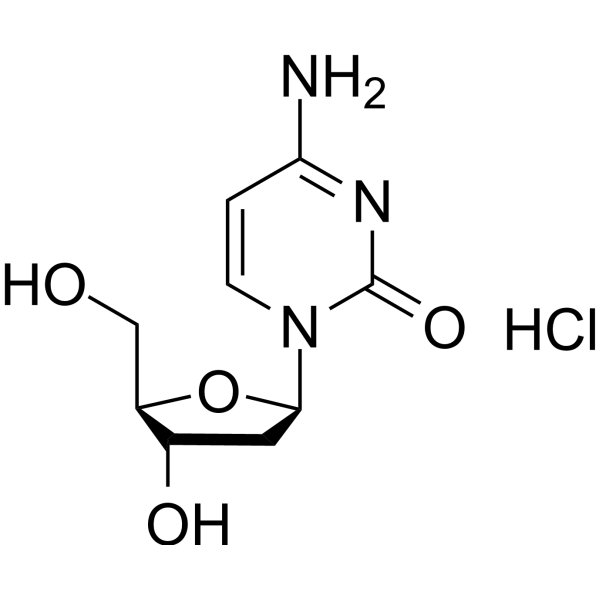
2'-Deoxycytidine monohydrochloride; Deoxycytidine hydrochloride; NSC 83251
|
Endogenous Metabolite
Nucleoside Antimetabolite/Analog
|
Cancer
|
|
2'-Deoxycytidine hydrochloride (2'-Deoxycytidine monohydrochloride; NSC 83251) is an orally active nucleic acid biosynthesis enzyme inhibitor. 2'-Deoxycytidine hydrochloride competes with nucleic acid biosynthesis enzymes and nucleoside transporters, thereby reducing the toxicity of cytarabine. 2'-Deoxycytidine hydrochloride can be used in the research of L1210 lymphoblastic leukemia .
|
-
-
- HY-A0278
-
-
-
- HY-112205
-
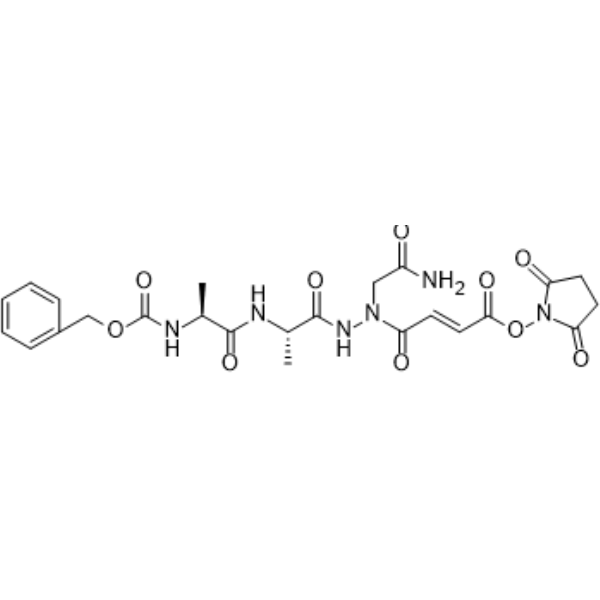
RR-11a
3 Publications Verification
|
Legumain
|
Cancer
|
|
RR-11a is a synthetic enzyme inhibitor of Legumain (IC50=31-55 nM). RR-11a can be used for the research of cancer and acute myocardial infarction (AMI) .
|
-
-
- HY-136211
-
|
|
Biochemical Assay Reagents
|
Metabolic Disease
Inflammation/Immunology
|
|
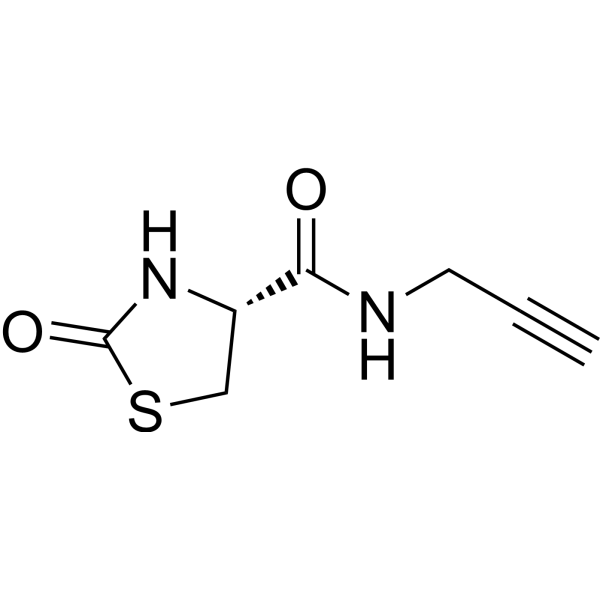
Cystathionine-γ-lyase-IN-1 is a selective cystathionine γ-lyase (CSE) enzyme inhibitor with an IC50 of 6.3 μM . Cystathionine-γ-lyase-IN-1 is a click chemistry reagent, it contains an Alkyne group and can undergo copper-catalyzed azide-alkyne cycloaddition (CuAAc) with molecules containing Azide groups.
|
-
-
- HY-145270
-
|
|
ELOVL
|
Metabolic Disease
|
|
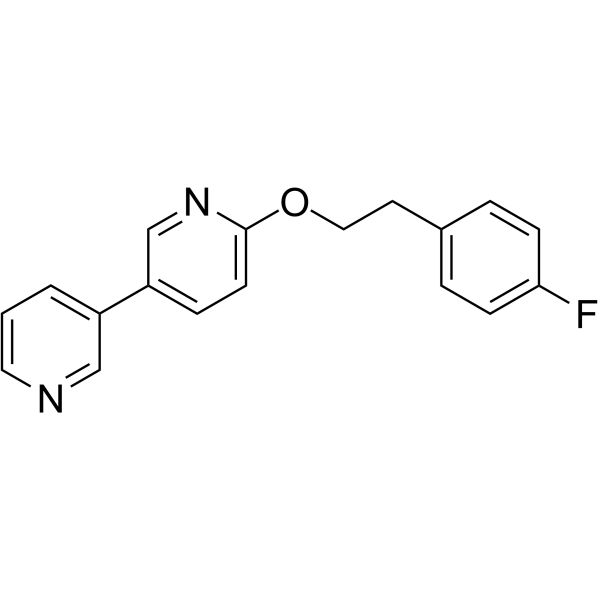
ELOVL1-IN-2 is an elongation of very long chain fatty acid 1 (ELOVL1) enzyme inhibitor, ELOVL1-IN-2 shows weak ELOVL1 inhibition (IC50=21 μM) and moderate potency in a primary cellular assay (HEK293 C26 IC50=6.7 μM) .
|
-
-
- HY-N10361
-
|
|
RAR/RXR
PPAR
Aldose Reductase
|
Cancer
|
|
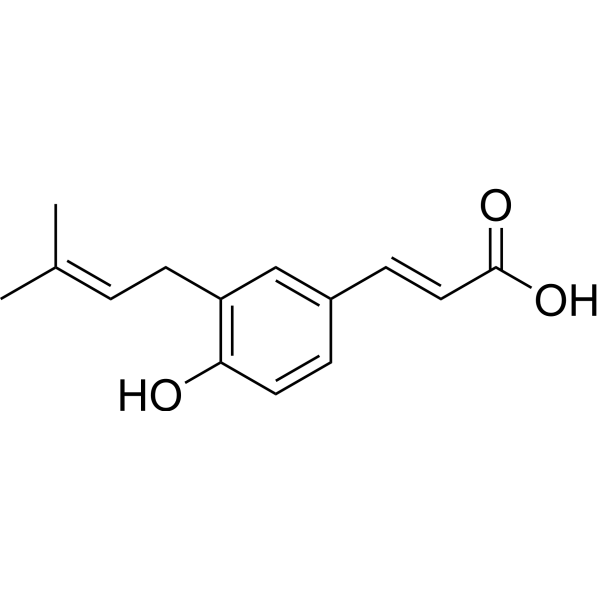
Drupanin is an orally active and selective AKR1C3 enzyme inhibitor and an RXRα agonist with an EC50 value of 4.8 μM, which is found in green propolis. Drupanin also activates PPARγ moderately. Drupanin induces adipogenesis and elevates aP2 mRNA levels in 3T3-L1 fibroblasts Drupanin has the potential for the research of breast and prostate cancers .
|
-
-
- HY-P990951
-
|
REGN-5381
|
Natriuretic Peptide Receptor (NPR)
|
Cardiovascular Disease
|
|
Vixticibart (REGN-5381) is a fully human IgG4 monoclonal antibody and NPR1 agonist that targets NPR1. Vixticibart stabilizes the receptor in an activated conformation by binding to the N-terminal domain of NPR1, and enhances the activity of endogenous ligands ANP and BNP without blocking ligand binding when these ligands are present. Vixticibart exerts vasodilatory and hypotensive effects by inducing cGMP production, preferentially dilating venous vessels to reduce systolic and venous pressure, but does not induce diuresis and may trigger a compensatory increase in heart rate. Vixticibart produces a synergistic hypotensive effect when combined with angiotensin-converting enzyme inhibitors or angiotensin receptor blockers, and is currently mainly used in research related to heart failure and hypertension .
|
-

-
- HY-W010538
-
|
|
Parasite
|
Infection
|
|
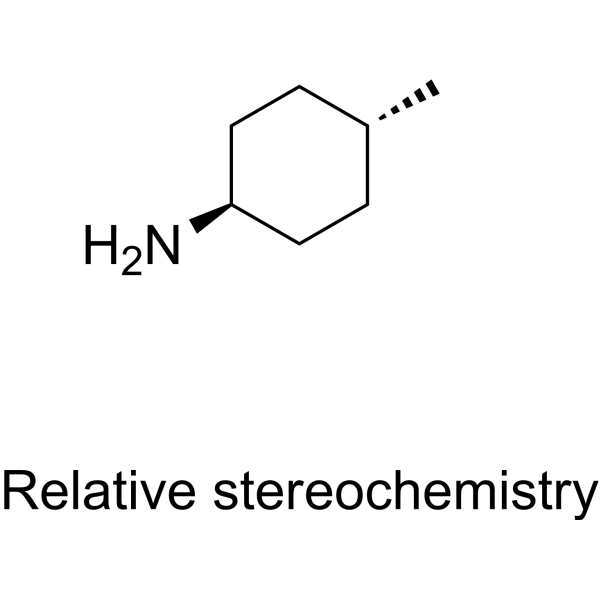
trans-4-Methylcyclohexanamine is an intermediate and can be used for the development of T. cruzi enzyme inhibitor .
|
-
-
- HY-144681
-
|
LY3372689
|
OGA
Tau Protein
|
Neurological Disease
|
|
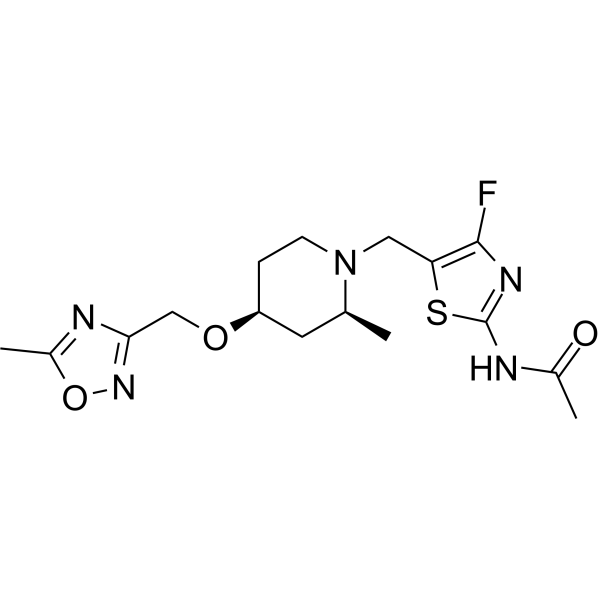
Ceperognastat (LY3372689) is an orally active O-GlcNAcase (OGA) enzyme inhibitor. Ceperognastat can be used for tauopathies research, including Alzheimer’s disease .
|
-
-
- HY-12988
-
C527
1 Publications Verification
|
Deubiquitinase
|
Cancer
|
|
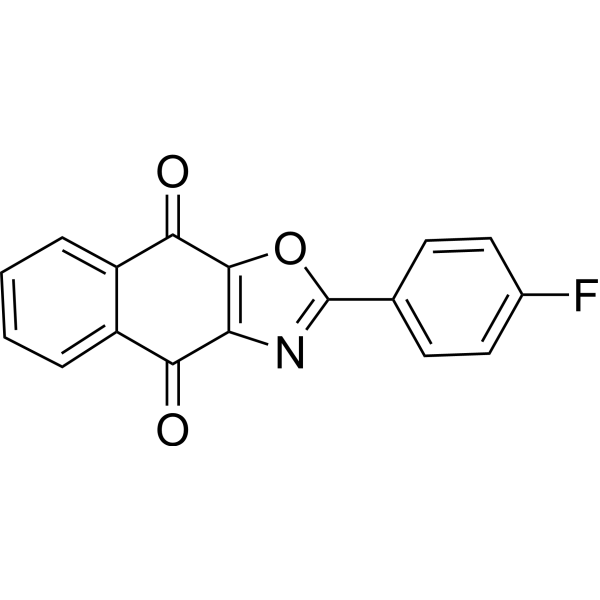
C527 is a is a pan DUB enzyme inhibitor, with a high potency for the USP1/UAF1 complex (IC50=0.88 μM).
|
-
-
- HY-138830
-
TAK-418
2 Publications Verification
|
Histone Demethylase
|
Neurological Disease
|
|
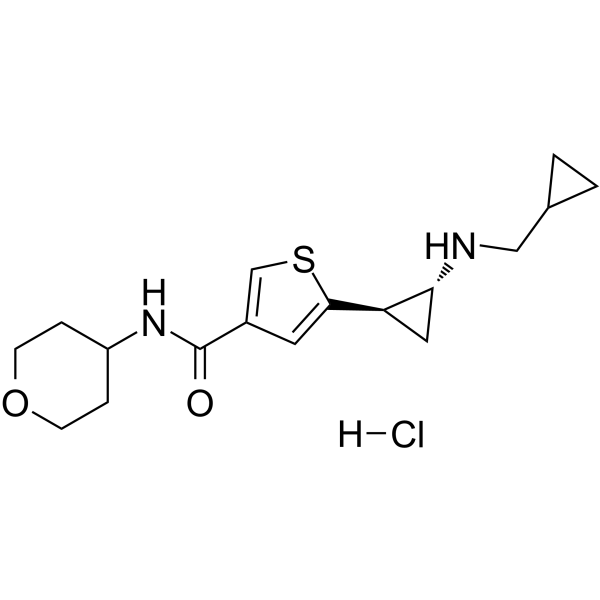
TAK-418 is a selective, orally active LSD1 (KDM1A) enzyme inhibitor with an IC50 of 2.9 nM. TAK-418 unlocks aberrant epigenetic machinery and improves autism symptoms in neurodevelopmental disorder models .
|
-
-
- HY-156586
-
|
ASN90
|
OGA
Tau Protein
|
Neurological Disease
|
|
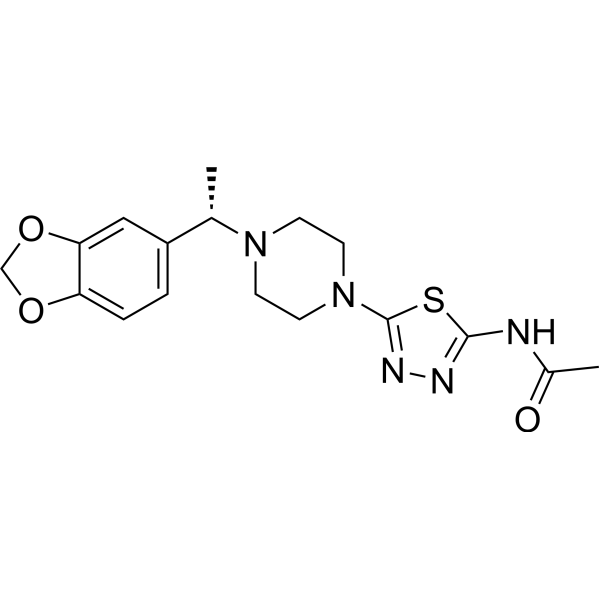
Egalognastat (ASN90) is a selective, brain-penetrant and orally active O-GlcNAcase (OGA) enzyme inhibitor with an IC50 value of 10.2 nM. Egalognastat increases O-GlcNAcylation of intracellular proteins like tau and α-synuclein, preventing their aggregation and toxicity. Egalognastat does not inhibit hexosaminidase (Hex). Egalognastat can be used for the research of neurodegenerative diseases, such as tauopathies and α-synucleinopathies (e.g., Alzheimer’s disease and Parkinson’s disease) .
|
-
-
- HY-N2512
-
|
|
Environmental Pollutants
Endogenous Metabolite
FAAH
Autophagy
Bacterial
Fungal
|
Infection
Cancer
|
|
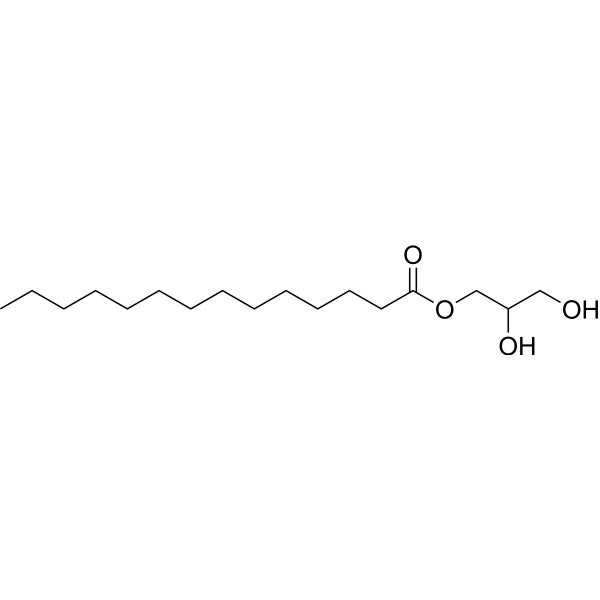
1-Monomyristin acts as an insecticide, enzyme inhibitor, antibacterial and antifungal agent, with an IC50 of 18 μM against rat FAAH and an IC50 of 32 μM against rat MAGL. 1-Monomyristin inhibits 2-oleoylglycerol hydrolysis via MAGL. 1-Monomyristin suppresses the growth of Staphylococcus aureus, Aggregatibacter actinomycetemcomitans and Candida albicans. 1-Monomyristin is lethal to brine shrimp . 1-Monomyristin exhibits marginal cytotoxicity against prostate cancer cells. 1-Monomyristin is applicable to research related to bacterial infections, fungal infections, renal cancer, prostate adenocarcinoma and pancreatic cancer .
|
-
-
- HY-122591
-
PTUPB
1 Publications Verification
|
COX
|
Metabolic Disease
Cancer
|
|
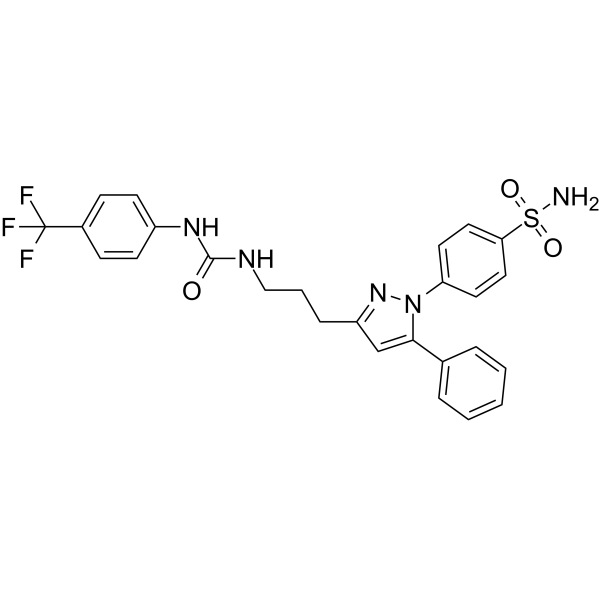
PTUPB is a potent and dual sEH and COX-2 enzymes inhibitor with IC50 of 0.9 nM and 1.26 μM, respectively .
|
-
-
- HY-125999
-
|
|
Reactive Oxygen Species (ROS)
|
Neurological Disease
|
|
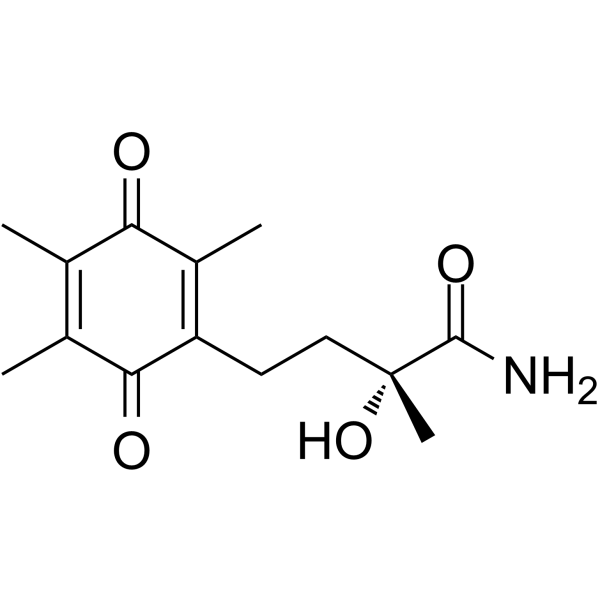
EPI-589, a quinone derivative, is a safe and well tolerated oxidoreductase enzyme inhibitor and a free radical scavenger, with blood-brain barrier permeable and orally available. EPI-589 is a redox-active neuroprotectant that effectively delays the symptoms of motor neuron disease in wobbler mice. EPI-589 can be used in amyotrophic lateral sclerosis (ALS) research .
|
-
-
- HY-N0499A
-
|
|
Prostaglandin Receptor
|
Inflammation/Immunology
|
|
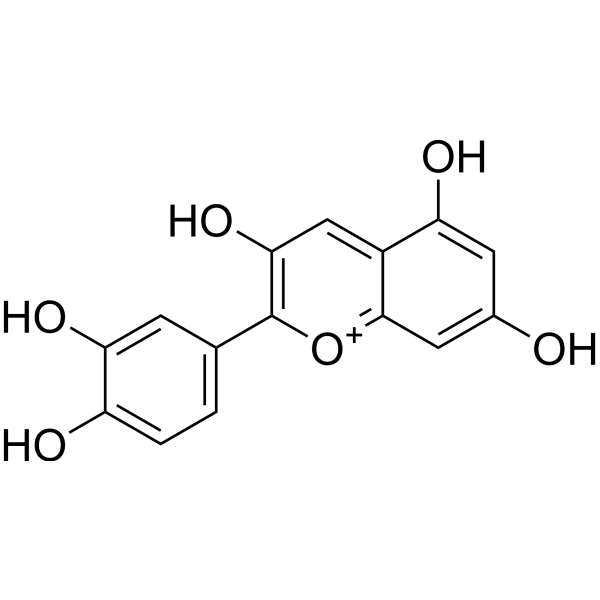
Cyanidin is an orally active antioxidant and enzyme inhibitor. Cyanidin has IC50 values of 90 μM and 60 μM against PGHS-1 and PGHS-2, respectively. Cyanidin exhibits excellent antioxidant and anti-inflammatory activities, scavenges free radicals, inhibits lipid peroxidation, and protects DNA from cleavage. Cyanidin can be used in the research of inflammatory diseases .
|
-
-
- HY-N10159
-
|
|
E1/E2/E3 Enzyme
|
Cancer
|
|
1-Benzyl-I3C is a NEDD4-1 inhibitor with significant anticancer activity. 1-Benzyl-I3C can directly inhibit the ubiquitination activity of NEDD4-1 with an IC50 of 12.3μM, which is significantly better than its precursor compound I3C of 284μM. 1-Benzyl-I3C and its analogs showed good effects in inhibiting the proliferation of human melanoma cells, which is roughly related to their potency as NEDD4-1 enzyme inhibitors. By combining in vitro ubiquitination experiments and thermal stability analysis, 1-Benzyl-I3C was shown to be able to bind to the catalytic HECT domain of NEDD4-1 .
|
-

-
- HY-W012595A
-
|
trans-Benzalacetone
|
Environmental Pollutants
Phospholipase
|
Inflammation/Immunology
|
|
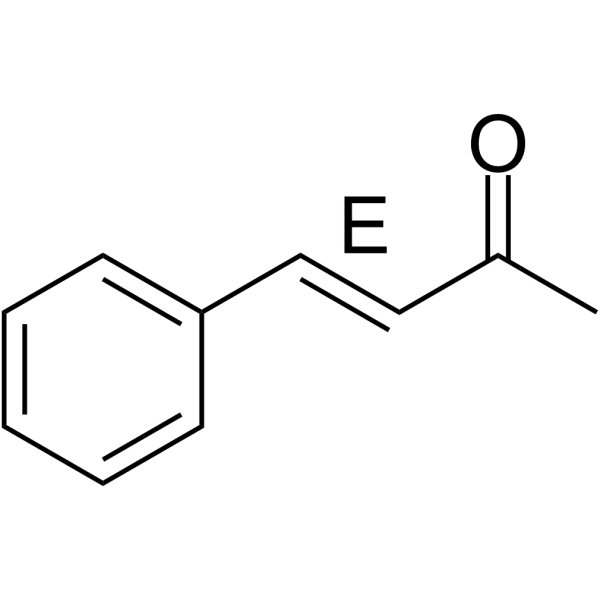
trans-Benzylideneacetone (trans-Benzalacetone), a metabolite of gram-negative entomopathogenic bacterium Xenorhabdus nematophila, is an enzyme inhibitor against phospholipase A2 (PLA2). trans-Benzylideneacetone is an immunosuppressant .
|
-
-
- HY-111383
-
-
-
- HY-N4309
-
|
|
Amylases
Glycosidase
|
Neurological Disease
Metabolic Disease
Cancer
|
|
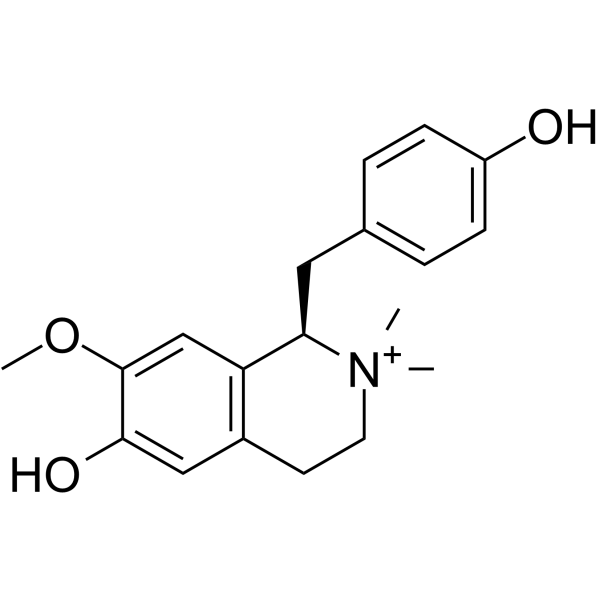
Lotusine is an orally active signaling pathway modulator and enzyme inhibitor, with an IC50 of 30.60 μg/mL against α-amylase and an IC50 of 36.15 μg/mL against α-glucosidase. Lotusine inhibits the EGFR-Akt-ERK signaling pathway by reducing the levels of phosphorylated EGFR, Akt and ERK. Lotusine induces apoptosis, triggers G0/G1 cell cycle arrest and inhibits cancer cell proliferation. Lotusine reduces lipid peroxidation and increases the activities of SOD, CAT and GPx. Lotusine is applicable to researches related to non-small cell lung cancer, type 2 diabetes and autism spectrum disorder .
|
-
-
- HY-132824
-
-
-
- HY-W045990
-
|
|
Cytochrome P450
|
Metabolic Disease
|
|
2,7-Dimethylnaphthalene is a selective cytochrome P450 1A2 (CYP1A2) enzyme inhibitor with an IC50 of 65 μM. 2,7-Dimethylnaphthalene can be used for the research of metabolic disease .
|
-

-
- HY-13506G
-
|
D 237 (GMP); MS 344 (GMP)
|
HDAC
|
Cancer
|
|
M344 (GMP) (D 237) (GMP) is the GMP level of M344 (HY-13506). GMP level of small molecules can be used as auxiliary reagents in cell therapy. M344 is a kind of histone acetylation enzyme inhibitor .
|
-

-
- HY-12812
-
|
|
Phosphodiesterase (PDE)
|
Neurological Disease
Cancer
|
|
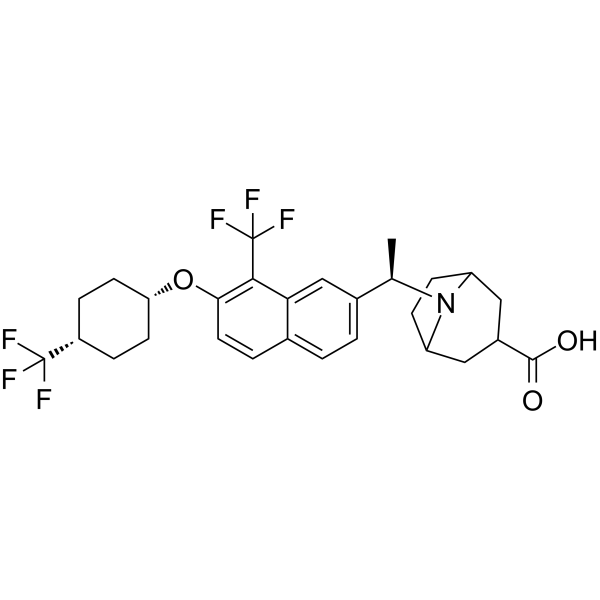
Autotaxin modulator 1 is an autotaxin (ATX) enzyme inhibitor, extracted from patent WO 2014018881 A1, Compound Example 12b. Autotaxin modulator 1 is expected to be useful for researching demyelination due to injury or disease, as well as for researching proliferative disorders such as cancer .
|
-
-
- HY-N3542
-
|
|
Glycosidase
|
Cancer
|
|
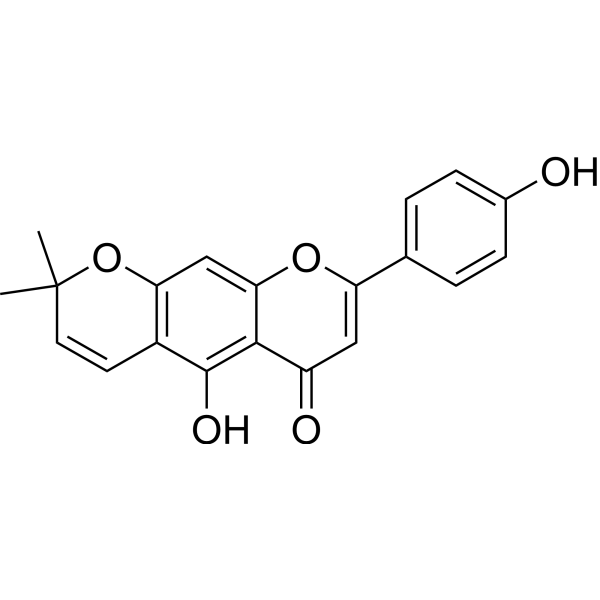
Carpachromene is a potent α-glucosidase enzyme inhibitor. Carpachromene ameliorates insulin resistance in HepG2 cells via modulating IR/IRS1/PI3k/Akt/GSK3/FoxO1 pathway .
|
-
-
- HY-132884
-
|
|
Mps1
|
Cancer
|
|
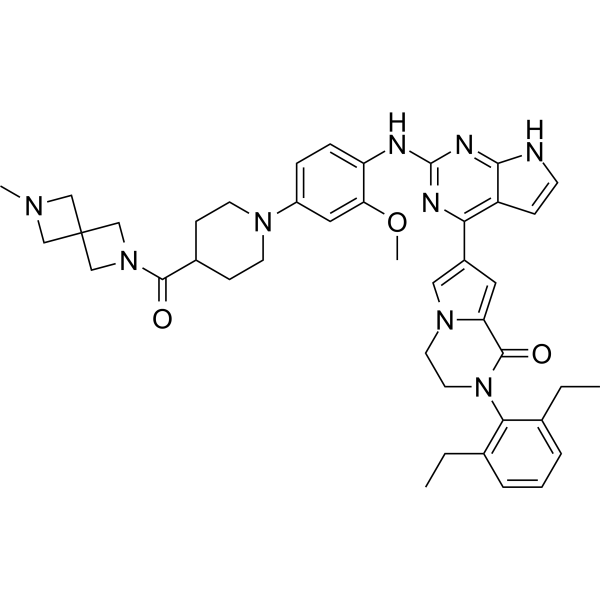
TTK inhibitor 3 is a potent and selective TTK (an essential spindle assembly checkpoint enzyme) inhibitor with an IC50 value of 3.0 nM.
|
-
-
- HY-18206S
-
-
-
- HY-144800
-
|
|
SARS-CoV
|
Infection
|
|
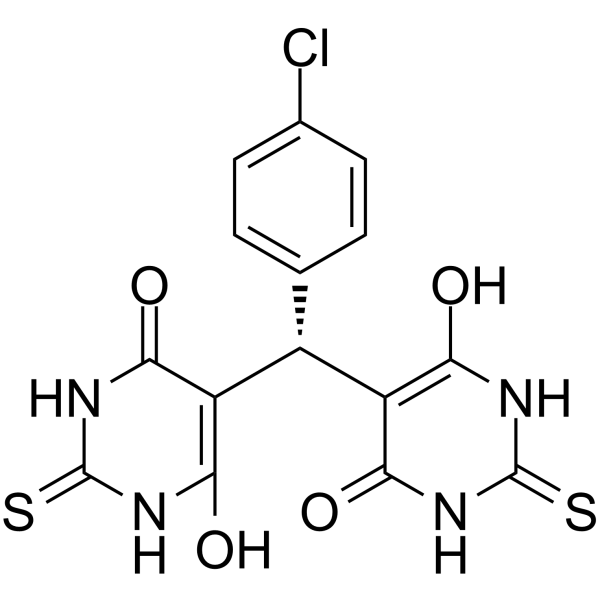
FWM-1 is a potent SARS-COV-2 NSP13 helicase enzyme inhibitor with binding free energy equals -328.6 kcal/mol. FWM-1 effectively disrupts the binding of ATP to the SARS-COV2 helicase enzyme .
|
-
-
- HY-N0499R
-
|
IdB 1027 (Standard)
|
Reference Standards
Prostaglandin Receptor
|
Inflammation/Immunology
|
|
Cyanidin Chloride (IdB 1027) (Standard) is the analytical standard of Cyanidin Chloride (IdB 1027). This product is intended for research and analytical applications. Cyanidin Chloride (IdB 1027) is an orally active antioxidant and enzyme inhibitor. Cyanidin Chloride has IC50 values of 90 μM and 60 μM against PGHS-1 and PGHS-2, respectively. Cyanidin Chloride exhibits excellent antioxidant and anti-inflammatory activities, scavenges free radicals, inhibits lipid peroxidation, and protects DNA from cleavage. Cyanidin Chloride can be used in the research of inflammatory diseases.
|
-

-
- HY-175816
-
|
|
5-HT Receptor
FAAH
Apoptosis
Reactive Oxygen Species (ROS)
|
Neurological Disease
|
|
5-HT6R/FAAH modulator 1 is a selective serotonin 5-HT6 receptor ligand and the fatty acid amide hydrolase (FAAH) enzyme inhibitor. 5-HT6R/FAAH modulator 1 shows a pKi of 6.33 (5-HT6) and a pIC50 valuesof 6.29 (FAAH). 5-HT6R/FAAH modulator 1 also slightly inhibits acetylcholinesterase (AChE) or butyrylcholinesterase (BChE) enzymes (pIC50 = 5.12). 5-HT6R/FAAH modulator 1 can inhibit apoptosis and reduce ROS levels. 5-HT6R/FAAH modulator 1 can be used for the research of neurological disease, such as Alzheimer’s disease (AD) .
|
-

-
- HY-161306
-
|
|
HDAC
|
Cancer
|
|
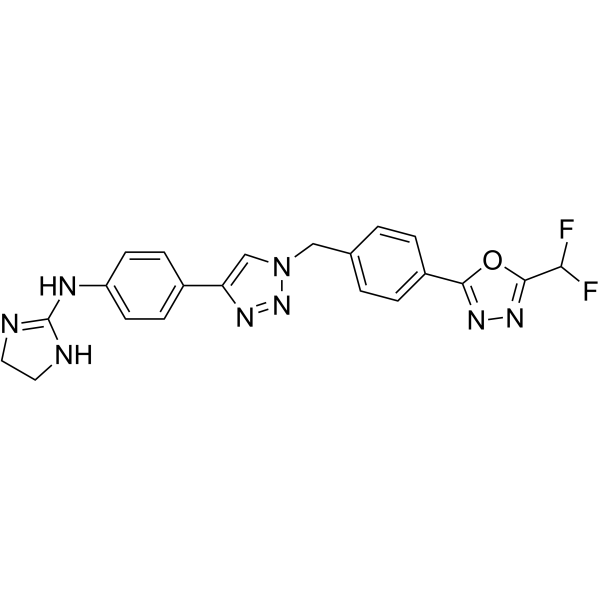
ITF5924 (compound 1) is a potent and highly selective HDAC6 inhibitor with an IC50 of 7.7 nM. ITF5924 shows greater than 104-fold selectivity for HDAC6 over all other HDAC subtypes. ITF5924 containing a difluoromethyl-1,3,4-oxadiazole (DFMO) moiety is slow-binding substrate analog of HDAC6 that undergo an enzyme-catalyzed ring opening reaction, forming a tight and long-lived enzyme-inhibitor complex .
|
-
-
- HY-153973
-
|
|
DNA/RNA Synthesis
|
Cancer
|
|
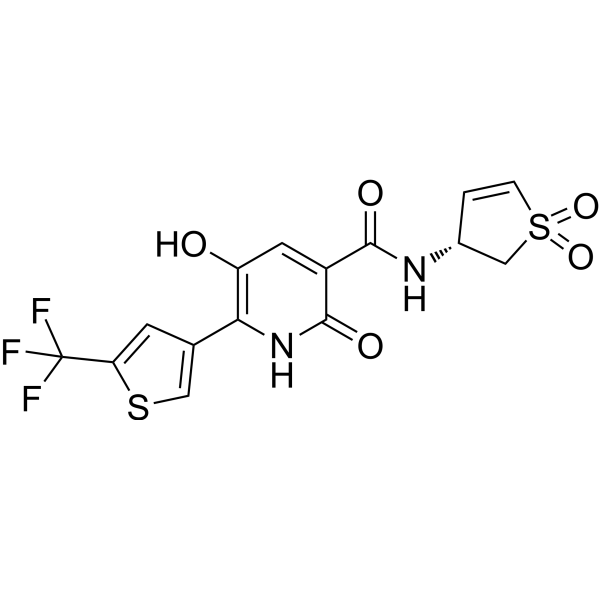
WRN inhibitor 2 (example 118) is a WRN (Werner Syndrome ATP dependent helicase enzyme) inhibitor, with pIC50 ≥ 7.0 .
|
-
-
- HY-177023
-
|
|
Nucleoside Antimetabolite/Analog
|
Cancer
|
|
Ap5dT is a cytosolic thymidine kinase and mitochondrial enzyme inhibitor with Kis of 0.12 μM and 0.50 μM, respectively. Ap5dT can be used for the study of acute myelocytic leukemia .
|
-

-
- HY-169221
-
|
|
Angiotensin Receptor
|
Cardiovascular Disease
|
|
Perindopril arginine is an angiotensin-converting enzyme inhibitor with hypotensive activity. Perindopril arginine is used to inhibit hypertension to lower blood pressure. Perindopril arginine, when used in combination with indapamide and amlodipine, can effectively lower blood pressure and provide better target organ protection .
|
-

-
- HY-W010282
-
|
|
Drug Derivative
|
Cancer
|
|
1,2-Dimethylindole is an indole derivative. 1,2-Dimethylindole involves cytochrome P450-mediated oxidative reactions (e.g., hydroxylation, oxidative demethylation). 1,2-Dimethylindole is promising for research of antitumor agents and enzyme inhibitors .
|
-

-
- HY-W009689
-
|
|
Parasite
|
Infection
|
|
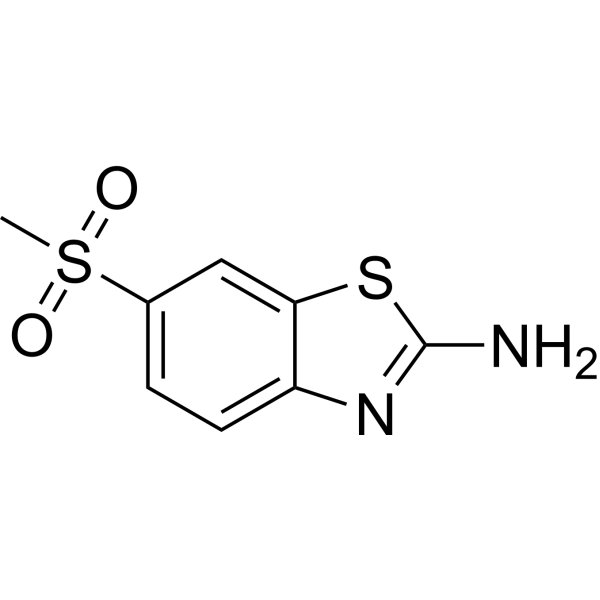
TbPTR1 inhibitor 2 (Compound 3a) is a PTR1 enzyme inhibitor, with IC50s of 34.2 and 32.9 μM for TbPTR1 and LmPTR1. TbPTR1 inhibitor 2 has anti-parasitic activity against T. brucei (IC50: 34.2 μM) .
|
-
-
- HY-117275A
-
-
- HY-W671129
-
|
|
Antibiotic
Fungal
|
Infection
|
|
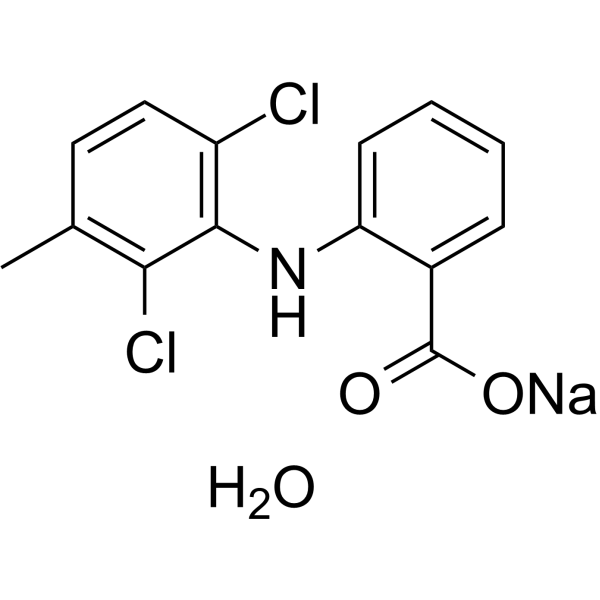
Frenolicin B is a covalent enzyme inhibitor and an orally active antiparasitic agent, with an IC50 of 0.2 μM against human Prx1. Frenolicin B selectively inhibits Glutaredoxin 3 via covalent modification of the active-site cysteines Cys159/Cys261. Frenolicin B selectively inhibits Peroxiredoxin 1 via covalent modification of the active-site cysteines Cys83/Cys173. Frenolicin B can be used in research related to colon cancer, breast cancer, lung cancer and malaria .
|
-

- HY-155288
-
|
|
Bcr-Abl
|
Cancer
|
|
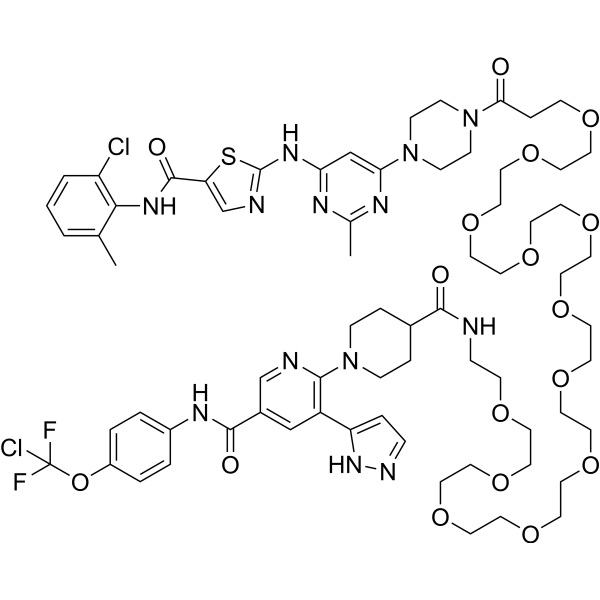
DosatiLink-1 is an Abelson murine leukemia (ABL) enzyme inhibitor .
|
-
- HY-155289
-
|
|
Bcr-Abl
|
Cancer
|
|
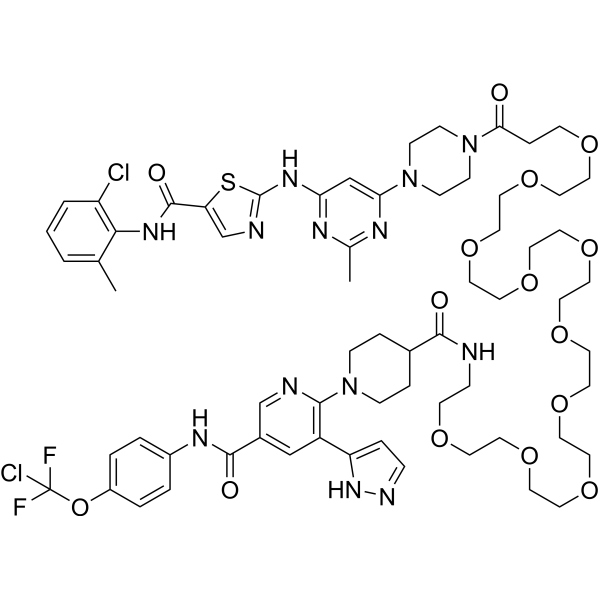
DosatiLink-2 is an Abelson murine leukemia (ABL) enzyme inhibitor .
|
-
- HY-155290
-
|
|
Bcr-Abl
|
Cancer
|
|
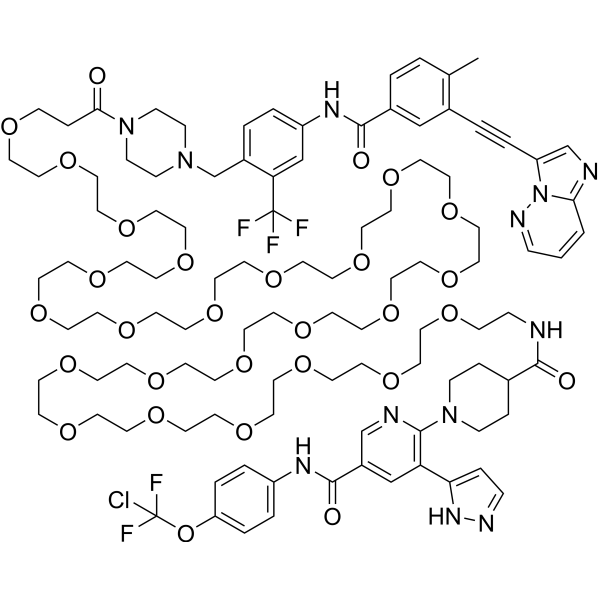
PonatiLink-1-24 is an Abelson murine leukemia (ABL) enzyme inhibitor .
|
-
- HY-119025
-
-

- HY-144799
-
-
- HY-W995439
-
|
|
Others
|
Others
|
|
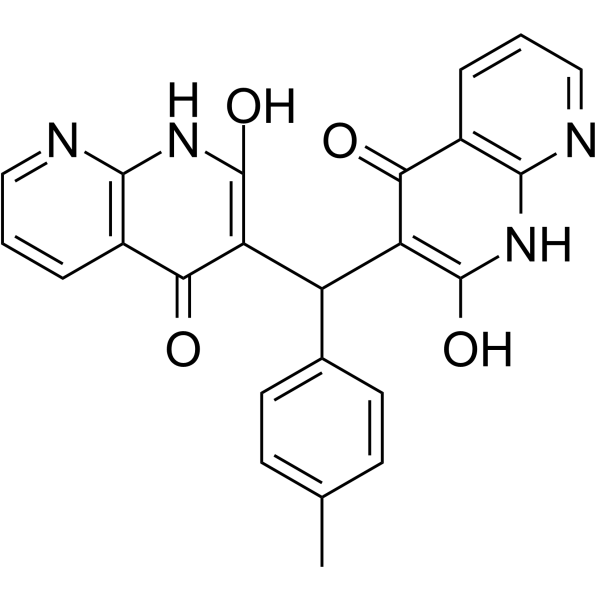
Eduleine is an alkaloid found in Lunasia quercifolia in the Australian Rutaceae family. Eduleine is promising for research of antioxidants and enzyme inhibitors .
|
-

- HY-169796
-
|
|
E1/E2/E3 Enzyme
|
Cancer
|
|
Panepophenanthrin is a compound that can be isolated from the mushroom strain, Panus rudis Fr. IFO 8994. Panepophenanthrin is a ubiquitin-activating enzyme inhibitor .
|
-

- HY-156447
-
|
|
Glycosidase
|
Metabolic Disease
|
|
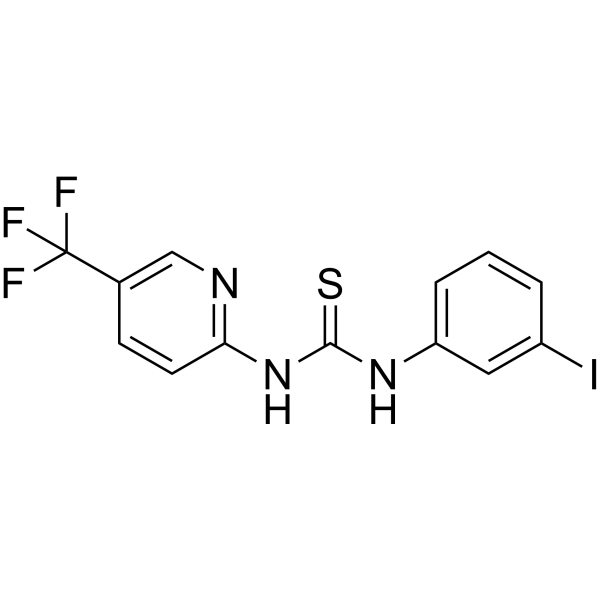
α-Glucosidase-IN-40 (compound 5) is a noncompetitive α-glucosidase enzyme inhibitor with an IC50 of 24.62 μM .
|
-
- HY-105163
-
|
MPV-2213ad
|
Cytochrome P450
|
Endocrinology
|
|
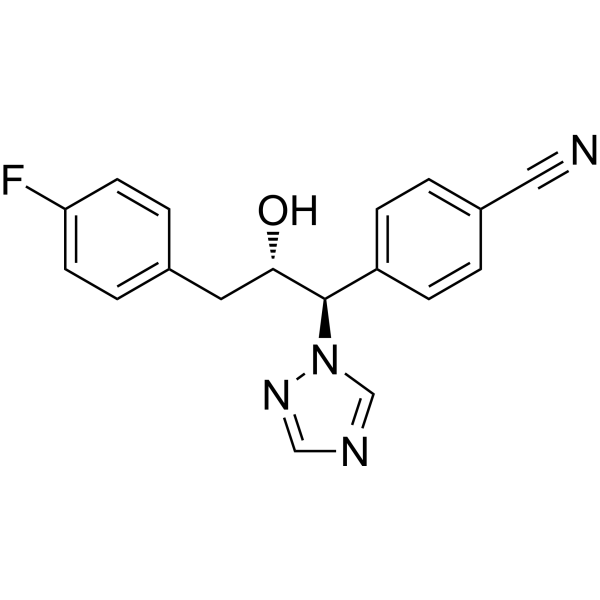
Finrozole (MPV-2213ad) is a nonsteroidal, orally active and competitive aromatase enzyme inhibitor. Finrozole can be used for urinary symptoms research .
|
-
- HY-145326
-
|
|
Fungal
|
Others
|
|
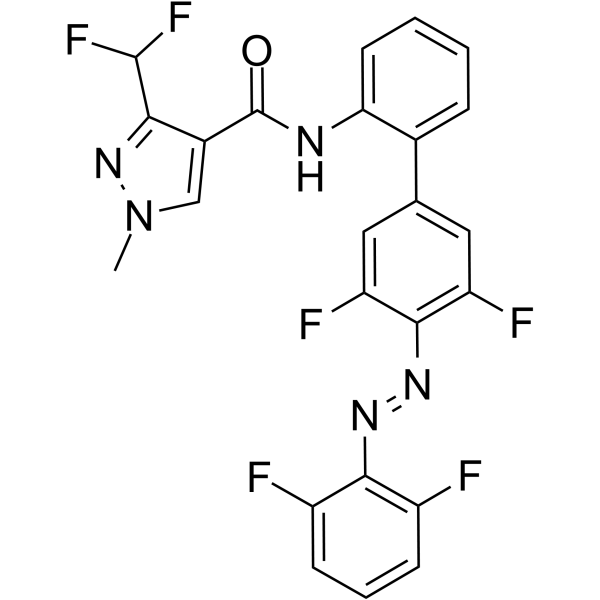
Antibacterial agent 67 (IC50 = 0.03 μM) has a great enzyme-inhibiting activity increase toward succinate dehydrogenase in comparison with fluxapyroxad (IC50 = 4.40 μM).
|
-
- HY-137593A
-
|
ε-NADP+ trisodium
|
Drug Derivative
|
Metabolic Disease
|
|
N6-Etheno-nicotinamide dinucleotide phosphate (ε-NADP+) trisodium, a structural analogue of the NADP(+), is a maize malic enzyme inhibitor with a Ki of 1.01 μM .
|
-

- HY-106857A
-
|
HOE 065
|
Drug Derivative
|
Neurological Disease
|
|
RA-octil is a derivative related to angiotensin-converting enzyme inhibitors. RA-octil exhibits a memory promoting effect. RA-octil can be used for research on neurological conditions .
|
-

- HY-120303
-
|
|
Lipoxygenase
|
Inflammation/Immunology
|
|
LY269415, is an anti-oxidant agent, is a potent and orally active iron dependent lipid peroxidation and 5-lipoxygenase enzyme inhibitor. LY269415 has anti-inflammatory effects .
|
-

- HY-113702
-
|
|
Angiotensin-converting Enzyme (ACE)
|
Cardiovascular Disease
|
|
PD 113413 is formed by subsequent hydrolysis of the diketopiperazine quinapril analog. PD 113413 is a potent angiotensin-converting enzyme inhibitor. PD 113413 can be used for research of hypertension and congestive heart failure .
|
-
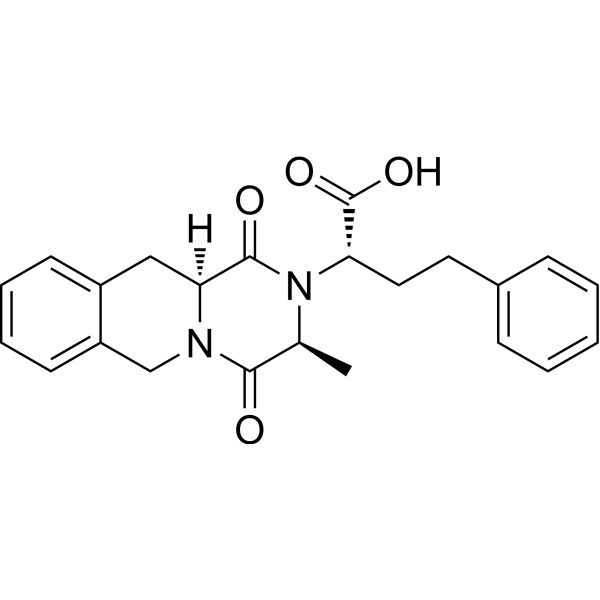
- HY-18206AR
-
|
MK-521 dihydrate (Standard)
|
Reference Standards
Angiotensin-converting Enzyme (ACE)
|
Cardiovascular Disease
Cancer
|
|
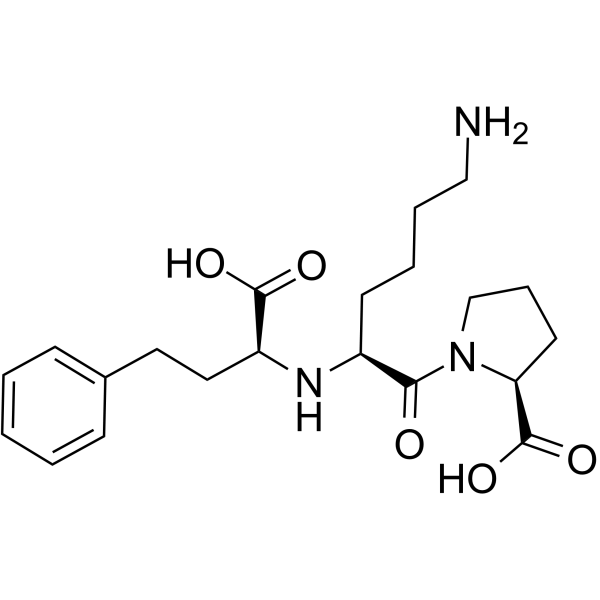
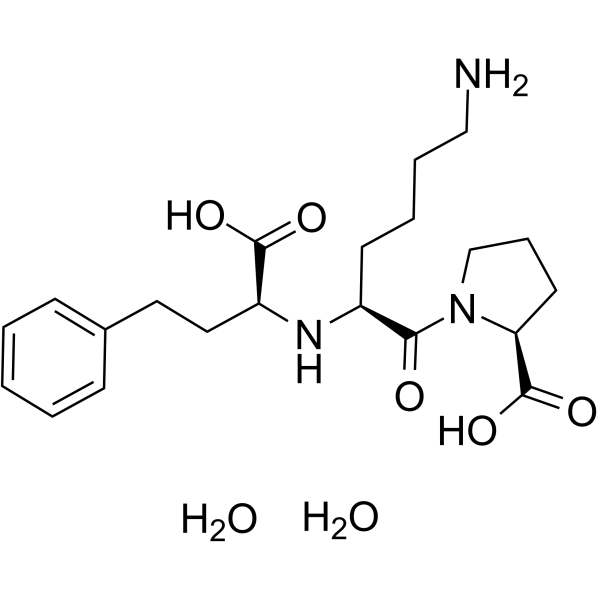
Lisinopril (dihydrate) (Standard) is the analytical standard of Lisinopril (dihydrate). This product is intended for research and analytical applications. Lisinopri dihydrate (MK-521 dihydrate) is angiotensin-converting enzyme inhibitor, used in treatment of hypertension, congestive heart failure, and heart attacks.
|
-

- HY-18206S1
-
-

- HY-101255R
-
|
|
Reference Standards
Guanylate Cyclase
Apoptosis
|
Cancer
|
|
ODQ (Standard) is the analytical standard of ODQ. This product is intended for research and analytical applications. ODQ is a potent and selective soluble guanylyl cyclase (sGC, nitric oxide-activated enzyme) inhibitor. ODQ enhances the pro-apoptotic effects of Cisplatin in human mesothelioma cells .
|
-

- HY-118660R
-
|
|
Reference Standards
Antibiotic
Bacterial
|
Infection
|
|
Anhydrotetracycline (hydrochloride) (Standard) is the analytical standard of Anhydrotetracycline (hydrochloride). This product is intended for research and analytical applications. Anhydrotetracycline hydrochloride, a tetracycline biosynthetic precursor, is a potent competitive broad-spectrum tetracycline destructase enzymes inhibitor. Anhydrotetracycline hydrochloride is an effector for tetracycline controlled gene expression systems in eukaryotic cells .
|
-

- HY-113748
-
|
|
Angiotensin-converting Enzyme (ACE)
|
Cardiovascular Disease
|
|
Rev 6207 (free base) is a potent non-thiol angiotensin I converting enzyme inhibitor. Rev 6207 (free base) has comparable antihypertensive activity to Enalapril (HY-B0331) in awake monkeys with high renin activity and can be used in the study of hypertensive diseases .
|
-

- HY-W012595AR
-
|
trans-Benzalacetone (Standard)
|
Reference Standards
Phospholipase
|
Inflammation/Immunology
|
|
trans-Benzylideneacetone (Standard) is the analytical standard of trans-Benzylideneacetone. This product is intended for research and analytical applications. trans-Benzylideneacetone (trans-Benzalacetone), a metabolite of gram-negative entomopathogenic bacterium Xenorhabdus nematophila, is an enzyme inhibitor against phospholipase A2 (PLA2). trans-Benzylideneacetone is an immunosuppressant[1].
|
-

- HY-18206S2
-
|
MK-521-13C5,15N
|
Isotope-Labeled Compounds
|
Cardiovascular Disease
Cancer
|
|
Lisinopril- 13C5, 15N (MK-521- 13C5, 15N) is 13C and 15N labeled Lisinopril. Lisinopril (MK-521) is angiotensin-converting enzyme inhibitor, used in treatment of hypertension, congestive heart failure, and heart attacks.
|
-

- HY-119195
-
-

- HY-152112
-
|
|
Monoamine Oxidase
Cholinesterase (ChE)
|
Neurological Disease
|
|
AChE/BChE/MAO-B-IN-2 is a potent AChE, BChE, and MAO-B enzymes inhibitor with IC50 values of 48.2 nM, 83.9 nM, and 31.2 nM, respectively. AChE/BChE/MAO-B-IN-2 has significant antioxidant activity, and can be used for Parkinson’s disease research .
|
-
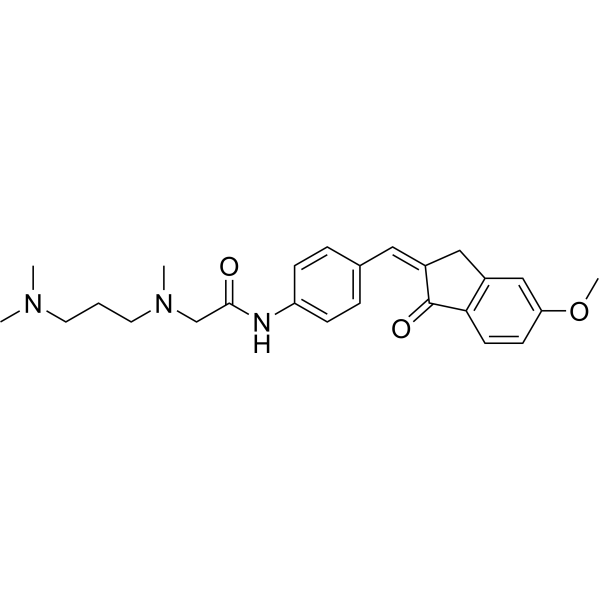
- HY-W015007R
-
|
|
Reference Standards
COX
|
Cardiovascular Disease
|
|
Metyrosine (Standard) is the analytical standard of Metyrosine. This product is intended for research and analytical applications. Metyrosine is a selective tyrosine hydroxylase enzyme inhibitor. Metyrosine exerts anti-inflammatory and anti-ulcerative effects. Metyrosine significantly inhibits high COX-2 activity . Metyrosine is a very effective agent for blood pressure control .
|
-

- HY-117275S1
-
|
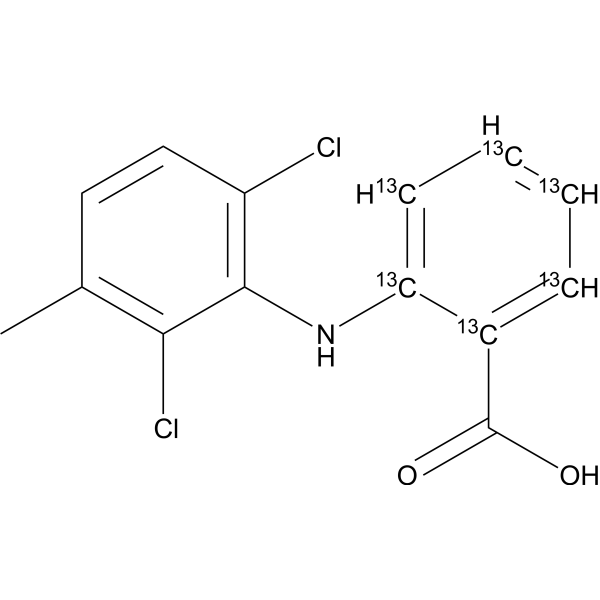
Meclofenamate-13C6
|
Isotope-Labeled Compounds
Gap Junction Protein
Endogenous Metabolite
|
Inflammation/Immunology
|
|
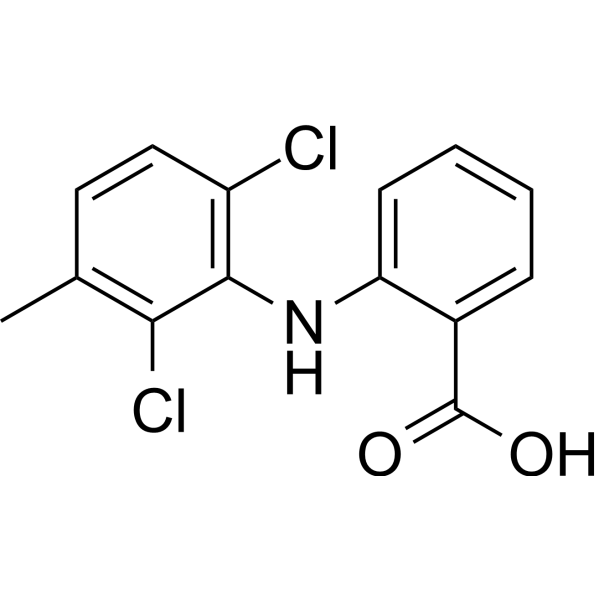
Meclofenamic acid- 13C6 is the 13C6 labeled Meclofenamic acid. Meclofenamic Acid (Meclofenamate), a non-steroidal, anti-inflammatory agent, is a highly selective fat mass and obesity-associated (FTO) enzyme inhibitor. Meclofenamic Acid competes with FTO binding for the m(6)A-containing nucleic acid. Meclofenamic acid is a non-selective gap-junction blocker.
|
-
- HY-117275S
-
|
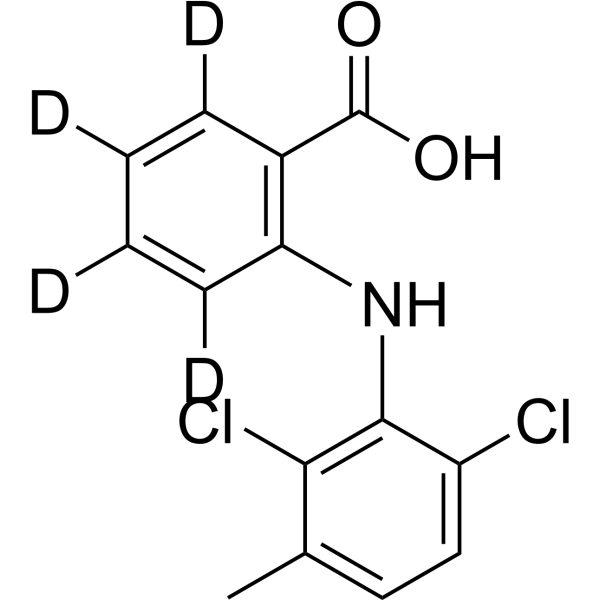
Meclofenamate-d4
|
Isotope-Labeled Compounds
Gap Junction Protein
Endogenous Metabolite
|
Inflammation/Immunology
|
|
Meclofenamic acid-d4 is the deuterium labeled Meclofenamic acid. Meclofenamic Acid (Meclofenamate), a non-steroidal, anti-inflammatory agent, is a highly selective fat mass and obesity-associated (FTO) enzyme inhibitor. Meclofenamic Acid competes with FTO binding for the m(6)A-containing nucleic acid. Meclofenamic acid is a non-selective gap-junction blocker .
|
-
- HY-117798
-
|
|
Thrombin
|
Cardiovascular Disease
|
|
LY 806303 is a potent and selective inhibitor of human α-thrombin. LY 806303 specifically acylates Ser-205 within the catalytic triad of α-thrombin on the heavy chain and a key site involved in the enzymatic activity of thrombin. The mechanism of action of LY 806303 as an enzyme inhibitor is through the specific acylation of this catalytic serine residue .
|
-

- HY-170914
-
|
|
HIF/HIF Prolyl-Hydroxylase
|
Metabolic Disease
|
|
JPHM-2-167 (Compound 11) is a selective PHD (prolyl hydroxylase domain enzyme) inhibitor. JPHM-2-167 inhibits PHD2, PHD3 with IC50s of 0.253 μM and 3.95 μM, respectively. JPHM-2-167 can be used for chronic kidney disease .
|
-

- HY-18938A
-
|
GS-4997 hydrochloride
|
Apoptosis
MAP3K
|
Cancer
|
|
Selonsertib hydrochloride (GS-4997 hydrochloride) is an orally bioavailable enzyme inhibitor with potential anti-inflammatory, anti-tumor and anti-fibrotic activities. Selonsertib hydrochloride blocks ASK1 phosphorylation and activation by binding to the catalytic kinase domain. Selonsertib hydrochloride prevents the production of inflammatory cytokines and reduces the expression of genes associated with fibrosis. Selonsertib hydrochloride inhibits excessive apoptosis and limits cell proliferation .
|
-

- HY-B0130AR
-
|
Perindopril (tert-butylamine salt) (Standard); S-9490 erbumine (Standard)
|
Reference Standards
Sirtuin
NF-κB
STAT
Angiotensin-converting Enzyme (ACE)
|
Cardiovascular Disease
Cancer
|
|
Perindopril (erbumine) (Standard) is the analytical standard of Perindopril (erbumine). This product is intended for research and analytical applications. Perindopril erbumine is an angiotensin-converting enzyme inhibitor. Perindopril erbumine modulates NF-κB and STAT3 signaling and inhibits glial activation and neuroinflammation. Perindopril erbumine can be used for the research of Chronic Kidney Disease and high blood pressure .
|
-
- HY-155098
-
|
|
SHP2
|
Cancer
|
|
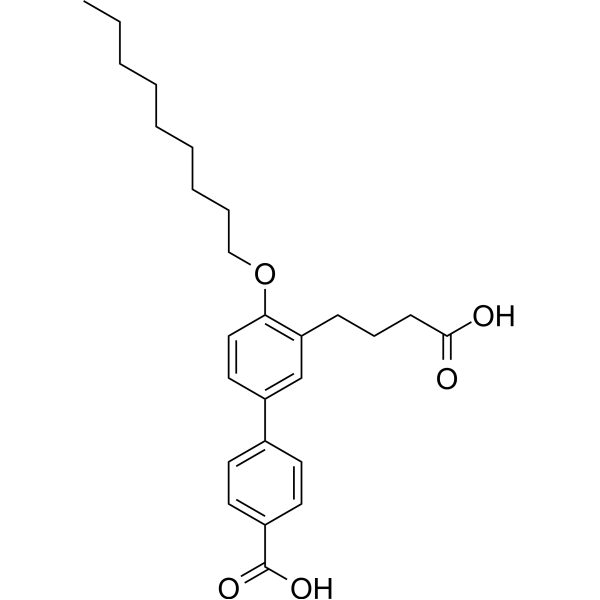
CNBCA is a potent, selective, competitive SHP2 enzyme inhibitor, with the IC50 of 0.87 μM. CNBCA binds to full-length SHP2 and inhibits enzyme activity. CNBCA inhibits pAkt and pERK1/2, and the cell growth of BT474 and MDA-MB468 cells. CNBCA can be used for breast cancer study .
|
-
- HY-105711
-
|
|
Lipoxygenase
|
Inflammation/Immunology
|
|
RBx-7796 sodium is a competitive, highly selective, orally active 5-LO (IC50 = 3.5 mM for human 5-LO enzyme) inhibitor. RBx-7796 sodium can effectively inhibit 5-LO activity and LTB4 release. RBx-7796 sodium can significantly inhibit airway inflammation and bronchial constriction .
|
-

- HY-W015007S
-
|
|
COX
|
Cardiovascular Disease
|
|
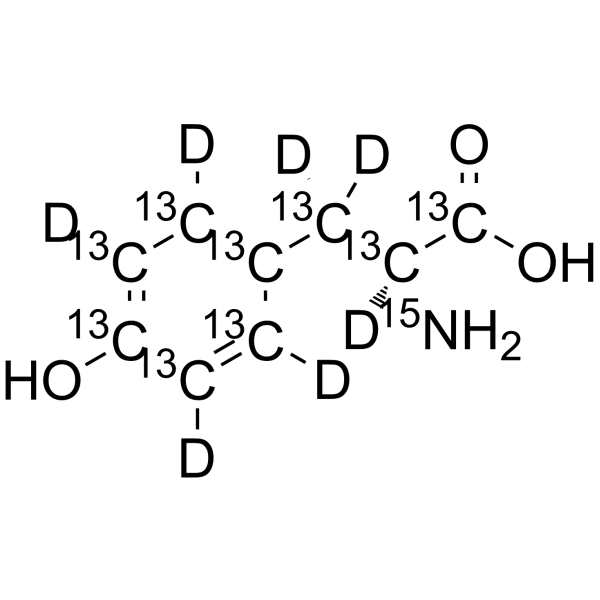
Metyrosine- 13C9, 15N,d7 is the deuterium, 13C-, and 15-labeled Metyrosine. Metyrosine is a selective tyrosine hydroxylase enzyme inhibitor. Metyrosine exerts anti-inflammatory and anti-ulcerative effects. Metyrosine significantly inhibits high COX-2 activity . Metyrosine is a very effective agent for blood pressure control .
|
-
- HY-B0130AS
-
|
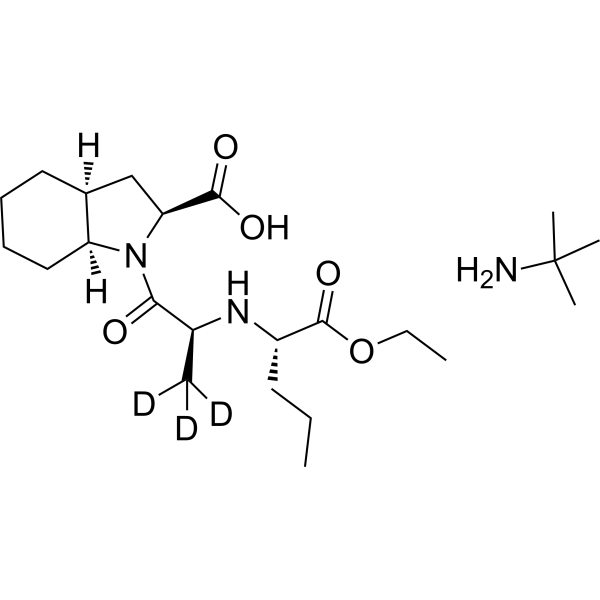
Perindopril-d3 (tert-butylamine salt); S-9490-d3 erbumine
|
NF-κB
STAT
Sirtuin
Angiotensin-converting Enzyme (ACE)
Isotope-Labeled Compounds
|
Cardiovascular Disease
Cancer
|
|
Perindopril-d3 (erbumine) is deuterated labeled Perindopril (erbumine) (HY-B0130A). Perindopril erbumine is an angiotensin-converting enzyme inhibitor. Perindopril erbumine modulates NF-κB and STAT3 signaling and inhibits glial activation and neuroinflammation. Perindopril erbumine can be used for the research of Chronic Kidney Disease and high blood pressure .
|
-
- HY-15163A
-
|
|
FLT3
JAK
CDK
|
Cancer
|
|
Zotiraciclib hydrochloride is a novel small molecule multi-target enzyme inhibitor with activity in inhibiting tumor growth. Zotiraciclib hydrochloride exerts its anti-tumor effect by reducing the level of Myc through inhibiting cyclin-dependent kinase 9 (CDK9). Zotiraciclib hydrochloride may be useful for inhibiting cancers that cross the blood-brain barrier. The high protein level of MCL-1 of Zotiraciclib hydrochloride is associated with survival, suggesting that it may serve as a prognostic factor and inhibitory target in further studies .
|
-

- HY-116264
-
|
|
Ser/Thr Protease
|
Cancer
|
|
CatB-IN-1 is an enzyme inhibitor with significant inhibitory activity against tumor invasion. CatB-IN-1 may reduce the invasiveness of tumor cells by regulating intracellular protein metabolism. CatB-IN-1 demonstrates effective anti-invasive ability in cell models and can significantly reduce the invasive ability of MCF-10A neoT cells. The structure-activity relationship study of CatB-IN-1 shows that its design can target multiple functions of cat hepsin B .
|
-

- HY-162036
-
|
|
Glycosidase
Amylases
Cholinesterase (ChE)
|
Neurological Disease
Metabolic Disease
|
|
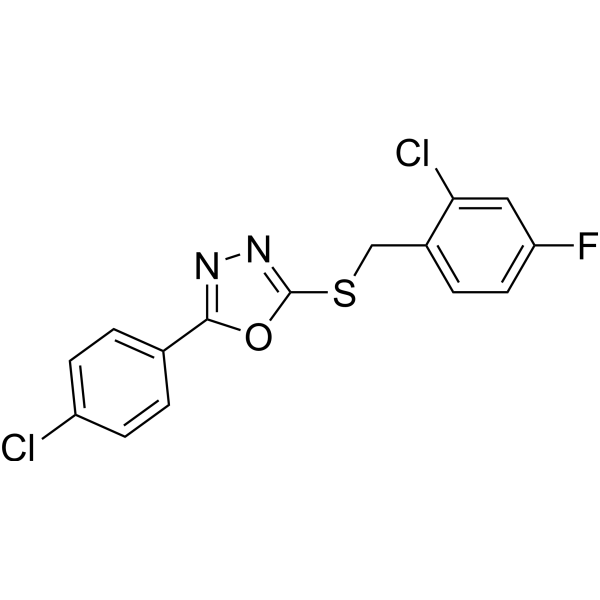
α-Amylase/α-Glucosidase-IN-7 (Compound 3f) is a competitive α-glucosidase and α-amylase enzyme inhibitor with IC50 values of 18.52 and 20.25 µM, respectively. α-Amylase/α-Glucosidase-IN-7 can also effectively inhibit AChE and BChE, with IC50 values of 9.25 and 10.06 µM respectively. α-Amylase/α-Glucosidase-IN-7 can be used in diabetes and Alzheimer’s research .
|
-
- HY-152113
-
|
|
Monoamine Oxidase
Cholinesterase (ChE)
|
Neurological Disease
|
|
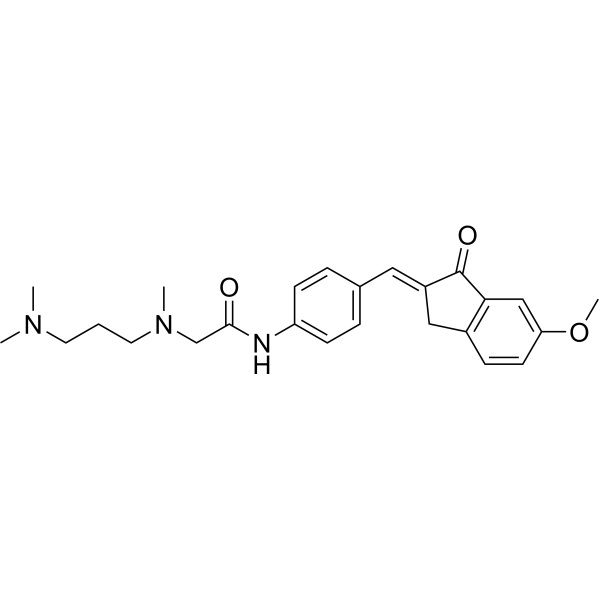
AChE/BChE/MAO-B-IN-3, an indan-1-one derivative, is a potent MAO-B inhibitor with an IC50 of 0.0359 μM for human MAO-B. AChE/BChE/MAO-B-IN-3 is a potent AChE and BChE enzyme inhibitor, with IC50s of 0.0473 μM and 0.0782 μM for human AChE and BChE enzyme, respectively. AChE/BChE/MAO-B-IN-3 shows significant antioxidant activity and has the potential for Alzheimer's disease (AD) research .
|
-
- HY-117275R
-
-

- HY-152114
-
|
|
Monoamine Oxidase
Cholinesterase (ChE)
|
Neurological Disease
|
|
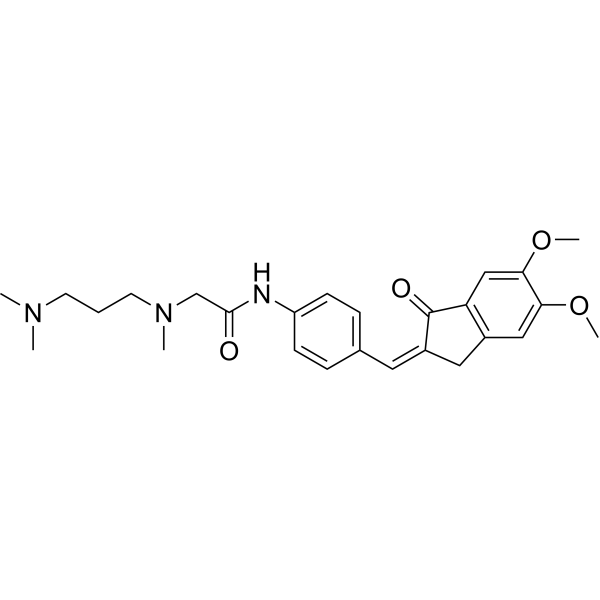
AChE/BChE/MAO-B-IN-4, an indan-1-one derivative, is a potent MAO-B inhibitor with an IC50 of 0.0393 μM for human MAO-B. AChE/BChE/MAO-B-IN-4 is a potent AChE and BChE enzyme inhibitor, with IC50s of 0.0458 μM and 0.075 μM for human AChE and BChE enzyme, respectively. AChE/BChE/MAO-B-IN-4 shows significant antioxidant activity and prevent β-amyloid plaque aggregation. AChE/BChE/MAO-B-IN-4 has the potential for Alzheimer's disease (AD) research .
|
-
- HY-N4309A
-
|
|
Amylases
Glycosidase
|
Cardiovascular Disease
|
|
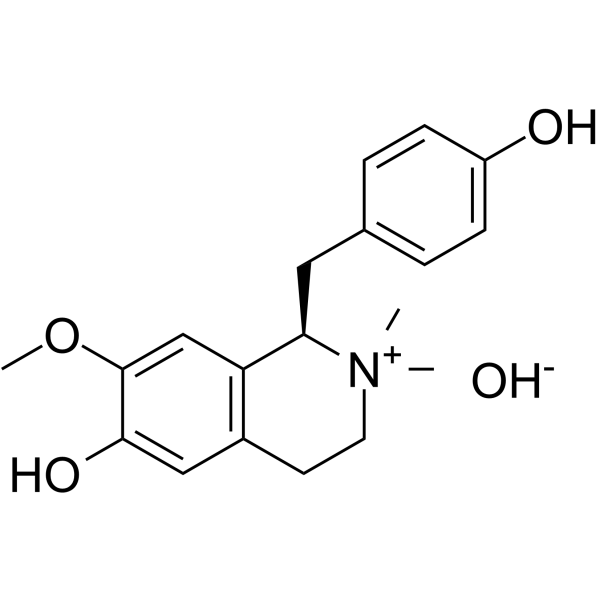
Lotusine hydroxide is an orally active signaling pathway modulator and enzyme inhibitor, with an IC50 of 30.60 μg/mL against α-amylase and an IC50 of 36.15 μg/mL against α-glucosidase. Lotusine hydroxide inhibits the EGFR-Akt-ERK signaling pathway by reducing the levels of phosphorylated EGFR, Akt and ERK. Lotusine hydroxide induces apoptosis, triggers G0/G1 cell cycle arrest and inhibits cancer cell proliferation. Lotusine hydroxide reduces lipid peroxidation and increases the activities of SOD, CAT and GPx. Lotusine hydroxide is applicable to researches related to non-small cell lung cancer, type 2 diabetes and autism spectrum disorder .
|
-
- HY-129500
-
|
|
Endogenous Metabolite
|
Cardiovascular Disease
|
|
Zofenoprilat arginine is an antihypertensive agent that enhances the effect of bradykinin on coronary flow, particularly in the presence of sulfhydryl-containing converting enzyme inhibitors.
|
-

- HY-N17580
-
|
|
Renin
|
Cardiovascular Disease
|
|
Lyciumin D acts as an angiotensin-converting enzyme inhibitor and renin inhibitor. Lyciumin D can be used for the research of hypertension .
|
-

- HY-P11571
-
-

- HY-W187463
-
|
3-HPT
|
Drug Derivative
|
Others
|
|
2-Mercaptopyridin-3-ol (3-HPT) is a natural product with strong metal coordination ability. 2-Mercaptopyridin-3-ol can be used as a metal enzyme inhibitor .
|
-

- HY-P1998
-
|
|
Others
|
Others
|
|
Pepsinostreptin is an enzyme inhibitor with the activity of inhibiting pepsin. Pepsinostreptin can form a 1:1 complex with pepsin and significantly inhibit its activity. The activity of pepsinostreptin makes it have important application potential in the study of protease inhibition and related biological processes .
|
-

- HY-185556
-
|
|
Parasite
|
Infection
|
|
14-Hydroxydehydroabietane is a ribosomal enzyme inhibitor. 14-Hydroxydehydroabietane exhibits in vitro antileishmanial activity against promastigotes, amastigotes and intracellular amastigotes of Leishmania infantum and Leishmania braziliensis. 14-Hydroxydehydroabietane induces ultrastructural changes in Leishmania braziliensis promastigotes. 14-Hydroxydehydroabietane reduces the infection rate of macrophages by Leishmania infantum and Leishmania braziliensis. 14-Hydroxydehydroabietane can be used for the research of leishmaniasis .
|
-

- HY-167952
-
|
|
PI3K
|
Cancer
|
|
mTOR inhibitor-25 is an enzyme inhibitor that is more selective than PI3K and has good anticancer activity. mTOR inhibitor-25 shows strong inhibitory effects on mTOR and may be used to study leukemia, skin cancer, breast cancer, lung cancer and colon cancer. mTOR inhibitor-25 showed excellent activity in cell proliferation experiments, but its inhibitory ability on PI3K was relatively weak .
|
-

- HY-182037
-
|
|
DNA/RNA Synthesis
Pyruvate Kinase
|
Cancer
|
|
Multi-target kinase-IN-9 is a multi-target enzyme inhibitor with antiproliferative and antiangiogenic activities, and exhibits remarkable selectivity against hepatocellular carcinoma cells. By broadly binding to the active sites or ATP-binding regions of multiple key enzymes including DNA polymerase β, Pyruvate Kinase M2 (PKM2), Multi-target kinase-IN-9 comprehensively disrupts DNA repair and replication, glycolysis, chromatin dynamics and transcriptional programs, and blocks the self-renewal of cancer stem cells. Multi-target kinase-IN-9 induces genomic instability, lysosomal dysfunction and autophagic flux impairment, thereby triggering tumor cell death, effectively inhibiting tumor proliferation, invasion, metastasis and angiogenesis, and significantly reducing tumor volume in xenograft models. Multi-target kinase-IN-9 is applicable to hepatocellular carcinoma-related research .
|
-

- HY-W027592R
-
|
|
Biochemical Assay Reagents
Reference Standards
|
Others
|
|
1H-1,2,4-Triazol-3-amine (Standard) is the analytical standard of 1H-1,2,4-Triazol-3-amine. This product is intended for research and analytical applications. 1H-1,2,4-Triazol-3-amine consists of a triazole ring system and an amino group attached to carbon atom 3. The compound has potential applications in various fields such as medicinal chemistry, agrochemicals and material science. In medicinal chemistry, 1H-1,2,4-Triazol-3-amine is used as a starting material for the synthesis of pharmaceutical compounds such as antifungal agents, anticancer agents, and enzyme inhibitors associated with cardiovascular disease. In agrochemicals, it can be used as a raw material for the synthesis of herbicides, fungicides and insecticides. Furthermore, 1H-1,2,4-Triazol-3-amine is used as a ligand in coordination chemistry and as a precursor for the production of new functional materials such as polymers and metal-organic frameworks.
|
-

-
-
HY-L001V
-
|
|
32,710 compounds
|
|
A unique collection of 32,710 bioactive compounds including natural products, enzyme inhibitors, receptor ligands, and drugs for high throughput screening (HTS) and high content screening (HCS).
|
-
-
HY-L001
-
|
|
26,192 compounds
|
|
Bioactive compounds are a general term for a class of substances that can cause certain biological effects in the body, which are the main source of small molecule drugs. These compounds generally penetrate cell membranes, act on specific target proteins in cells, regulate intracellular signaling pathways, and cause some changes in cell phenotype.
MCE owns a unique collection of 26,192 compounds with confirmed biological activities and clear targets. These compounds include natural products, innovative compounds, approved compounds, and clinical compounds. These can also be used for signal pathway research, drug discovery and drug repurposing, etc.
|
-
-
HY-L084
-
|
|
914 compounds
|
|
Nature has been a source of medicinal products for millennia, with many useful active substances developed from plant sources. In the 20th century, the discovery of the penicillin was the starting point for drug discovery from microbial sources. Microorganisms, which have been considered to be a rich source of unique bioactive compounds, play an important role in the development of the chemistry of natural products and medical therapy. Microbial metabolites have proved to be affective antimicrobial agents, anti-tumor agents, enzyme inhibitors, anti-inflammatory agents, etc. Today, many microbial-originated antibiotics are available in the mark, and a large number of bioactive metabolites are used in medicine.
MCE provides a unique collection of 914 microbial metabolites, which is an important source of lead compounds and can be used for drug discovery.
|
| Cat. No. |
Product Name |
Type |
-
- HY-13506G
-
|
D 237 (GMP); MS 344 (GMP)
|
Fluorescent Dyes
|
|
M344 (GMP) (D 237) (GMP) is the GMP level of M344 (HY-13506). GMP level of small molecules can be used as auxiliary reagents in cell therapy. M344 is a kind of histone acetylation enzyme inhibitor .
|
| Cat. No. |
Product Name |
Type |
-
- HY-W027592
-
|
|
Biochemical Assay Reagents
|
|
1H-1,2,4-Triazol-3-amine consists of a triazole ring system and an amino group attached to carbon atom 3. The compound has potential applications in various fields such as medicinal chemistry, agrochemicals and material science. In medicinal chemistry, 1H-1,2,4-Triazol-3-amine is used as a starting material for the synthesis of pharmaceutical compounds such as antifungal agents, anticancer agents, and enzyme inhibitors associated with cardiovascular disease. In agrochemicals, it can be used as a raw material for the synthesis of herbicides, fungicides and insecticides. Furthermore, 1H-1,2,4-Triazol-3-amine is used as a ligand in coordination chemistry and as a precursor for the production of new functional materials such as polymers and metal-organic frameworks.
|
-
- HY-13506G
-
|
D 237 (GMP); MS 344 (GMP)
|
Biochemical Assay Reagents
|
|
M344 (GMP) (D 237) (GMP) is the GMP level of M344 (HY-13506). GMP level of small molecules can be used as auxiliary reagents in cell therapy. M344 is a kind of histone acetylation enzyme inhibitor .
|
-
- HY-W027592R
-
|
|
Biochemical Assay Reagents
|
|
1H-1,2,4-Triazol-3-amine (Standard) is the analytical standard of 1H-1,2,4-Triazol-3-amine. This product is intended for research and analytical applications. 1H-1,2,4-Triazol-3-amine consists of a triazole ring system and an amino group attached to carbon atom 3. The compound has potential applications in various fields such as medicinal chemistry, agrochemicals and material science. In medicinal chemistry, 1H-1,2,4-Triazol-3-amine is used as a starting material for the synthesis of pharmaceutical compounds such as antifungal agents, anticancer agents, and enzyme inhibitors associated with cardiovascular disease. In agrochemicals, it can be used as a raw material for the synthesis of herbicides, fungicides and insecticides. Furthermore, 1H-1,2,4-Triazol-3-amine is used as a ligand in coordination chemistry and as a precursor for the production of new functional materials such as polymers and metal-organic frameworks.
|
| Cat. No. |
Product Name |
Target |
Research Area |
-
- HY-P1315
-
|
Glycylglycyl-L-tyrosyl-L-arginine
|
Cathepsin
|
Others
|
|
Papain inhibitor (Glycylglycyl-L-tyrosyl-L-arginine) is a competitive papain-targeting enzyme inhibitor with a Ki of 9 μM. Papain inhibitor binds directly to the substrate binding site of papain, inhibiting substrate hydrolysis by the enzyme. Papain inhibitor functions as a component of an electrochemical probe for the detection of papain .
|
-
- HY-N17580
-
|
|
Renin
|
Cardiovascular Disease
|
|
Lyciumin D acts as an angiotensin-converting enzyme inhibitor and renin inhibitor. Lyciumin D can be used for the research of hypertension .
|
-
- HY-P11571
-
| Cat. No. |
Product Name |
Target |
Research Area |
Image |
-
- HY-P990951
-
|
REGN-5381
|
Natriuretic Peptide Receptor (NPR)
|
Cardiovascular Disease
|
|
Vixticibart (REGN-5381) is a fully human IgG4 monoclonal antibody and NPR1 agonist that targets NPR1. Vixticibart stabilizes the receptor in an activated conformation by binding to the N-terminal domain of NPR1, and enhances the activity of endogenous ligands ANP and BNP without blocking ligand binding when these ligands are present. Vixticibart exerts vasodilatory and hypotensive effects by inducing cGMP production, preferentially dilating venous vessels to reduce systolic and venous pressure, but does not induce diuresis and may trigger a compensatory increase in heart rate. Vixticibart produces a synergistic hypotensive effect when combined with angiotensin-converting enzyme inhibitors or angiotensin receptor blockers, and is currently mainly used in research related to heart failure and hypertension .
|
-

(5)
| Cat. No. |
Product Name |
Category |
Target |
Chemical Structure |
| Cat. No. |
Product Name |
Chemical Structure |
-
- HY-D0843S
-
|
|
|
N-Ethylmaleimide-d5 is the deuterium labeled N-Ethylmaleimide. N-Ethylmaleimide (NEM), a reagent that alkylates free sulfhydryl groups, is a cysteine protease inhibitor . N-ethylmaleimide specific inhibits phosphate transport in mitochondria . N-Ethylmaleimide is also a deubiquitinating enzyme inhibitor .
|
-
-
- HY-18206S
-
|
|
|
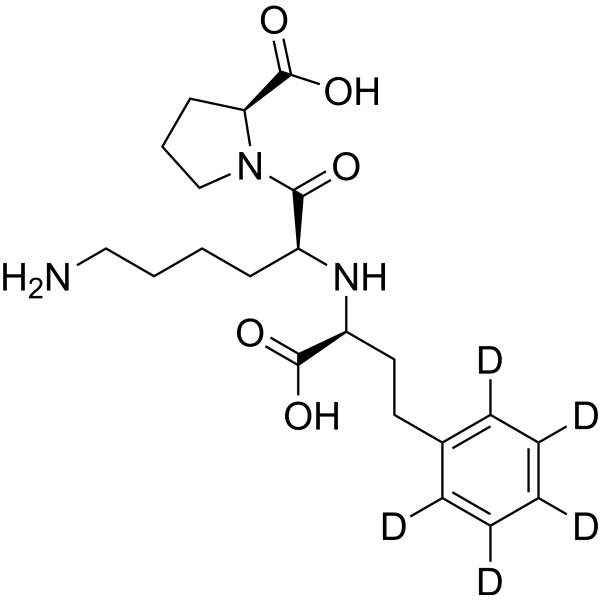
Lisinopril-d5 is the deuterium labeled Lisinopril. Lisinopril (MK-521) is angiotensin-converting enzyme inhibitor, used in treatment of hypertension, congestive heart failure, and heart attacks.
|
-
-
- HY-18206S1
-
|
|
|
(S)-Lisinopril-d5 (sodium) (MK-521-d5 (sodium)) is deuterium labeled Lisinopril. Lisinopril (MK-521) is angiotensin-converting enzyme inhibitor, used in treatment of hypertension, congestive heart failure, and heart attacks.
|
-
-
- HY-18206S2
-
|
|
|
Lisinopril- 13C5, 15N (MK-521- 13C5, 15N) is 13C and 15N labeled Lisinopril. Lisinopril (MK-521) is angiotensin-converting enzyme inhibitor, used in treatment of hypertension, congestive heart failure, and heart attacks.
|
-
-
- HY-117275S1
-
|
|
|
Meclofenamic acid- 13C6 is the 13C6 labeled Meclofenamic acid. Meclofenamic Acid (Meclofenamate), a non-steroidal, anti-inflammatory agent, is a highly selective fat mass and obesity-associated (FTO) enzyme inhibitor. Meclofenamic Acid competes with FTO binding for the m(6)A-containing nucleic acid. Meclofenamic acid is a non-selective gap-junction blocker.
|
-
-
- HY-117275S
-
|
|
|
Meclofenamic acid-d4 is the deuterium labeled Meclofenamic acid. Meclofenamic Acid (Meclofenamate), a non-steroidal, anti-inflammatory agent, is a highly selective fat mass and obesity-associated (FTO) enzyme inhibitor. Meclofenamic Acid competes with FTO binding for the m(6)A-containing nucleic acid. Meclofenamic acid is a non-selective gap-junction blocker .
|
-
-
- HY-W015007S
-
|
|
|
Metyrosine- 13C9, 15N,d7 is the deuterium, 13C-, and 15-labeled Metyrosine. Metyrosine is a selective tyrosine hydroxylase enzyme inhibitor. Metyrosine exerts anti-inflammatory and anti-ulcerative effects. Metyrosine significantly inhibits high COX-2 activity . Metyrosine is a very effective agent for blood pressure control .
|
-
-
- HY-B0130AS
-
|
|
|
Perindopril-d3 (erbumine) is deuterated labeled Perindopril (erbumine) (HY-B0130A). Perindopril erbumine is an angiotensin-converting enzyme inhibitor. Perindopril erbumine modulates NF-κB and STAT3 signaling and inhibits glial activation and neuroinflammation. Perindopril erbumine can be used for the research of Chronic Kidney Disease and high blood pressure .
|
-
| Cat. No. |
Product Name |
|
Classification |
-
- HY-136211
-
|
|
|
Alkynes
|
|
Cystathionine-γ-lyase-IN-1 is a selective cystathionine γ-lyase (CSE) enzyme inhibitor with an IC50 of 6.3 μM . Cystathionine-γ-lyase-IN-1 is a click chemistry reagent, it contains an Alkyne group and can undergo copper-catalyzed azide-alkyne cycloaddition (CuAAc) with molecules containing Azide groups.
|
| Cat. No. |
Product Name |
|
Classification |
-
- HY-17564
-
|
2'-Deoxycytidine monohydrochloride; Deoxycytidine hydrochloride; NSC 83251
|
|
Nucleoside Analogs
Cytidine
|
|
2'-Deoxycytidine hydrochloride (2'-Deoxycytidine monohydrochloride; NSC 83251) is an orally active nucleic acid biosynthesis enzyme inhibitor. 2'-Deoxycytidine hydrochloride competes with nucleic acid biosynthesis enzymes and nucleoside transporters, thereby reducing the toxicity of cytarabine. 2'-Deoxycytidine hydrochloride can be used in the research of L1210 lymphoblastic leukemia .
|
Your information is safe with us. * Required Fields.
Inquiry Information
- Product Name:
- Cat. No.:
- Quantity:
- MCE Japan Authorized Agent:








