1. Search Result
Search Result
Pathways Recommended: Metabolic Enzyme/Protease
Results for "

free enzyme

" in MedChemExpress (MCE) Product Catalog:

104

Inhibitors & Agonists

1

Bibliotecas de Screening

5

Fluorescent Dyes

5

Biochemical Assay Reagents

1

Peptides

4

MCE Kits

27

Natural
Products

2

Isotope-Labeled Compounds

1

Click Chemistry

1

GMP Molecules

Cat. No. Nombre del producto Target Áreas de investigación Chemical Structure
  • HY-12591B
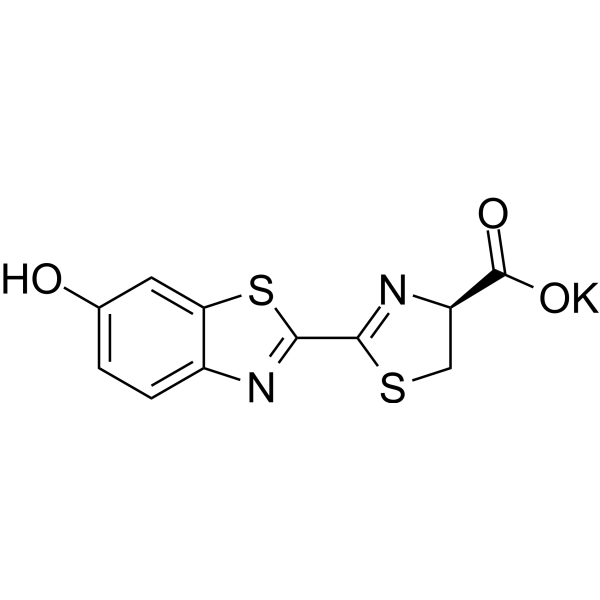
    D-Luciferin potassium
    Maximum Cited Publications
    110 Publications Verification

    D-(-)-Luciferin potassium; Firefly luciferin potassium; Beetle Luciferin potassium

    Fluorescent Dye Others
    D-luciferin potassium is the natural substrate of the enzyme luciferase (Luc) that catalyzes the production of the typical yellowgreen light of fireflies. The 560 nm chemiluminescence from this reaction peaks within seconds, with light output that is proportional to luciferase concentration when the substrate luciferin is present in excess. The luciferase (luc) gene is a popular reporter gene for research and agent screening. Chemiluminescent techniques are virtually background-free, making the luc reporter gene ideal for detecting low-level gene expression. As little as 0.02 pg of luciferase can be reliably measured in a standard scintillation counter. In addition to its role as a reporter of gene expression, luciferase is commonly used in an extremely sensitive assay for ATP . We offer the firefly luciferase (HY-P1004A), luciferin free acid (HY-12591A), as well as its water-soluble sodium salts (HY-12591) and potassium salts (HY-12591B) .
    D-Luciferin potassium
  • HY-12591
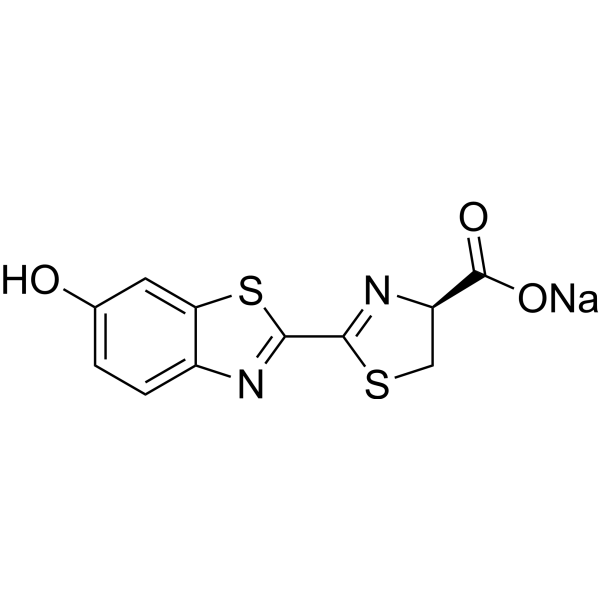
    D-Luciferin sodium
    Maximum Cited Publications
    110 Publications Verification

    D-(-)-Luciferin sodium; Firefly luciferin sodium; Beetle Luciferin sodium

    Fluorescent Dye Others
    D-luciferin sodium is the natural substrate of the enzyme luciferase (Luc) that catalyzes the production of the typical yellowgreen light of fireflies. The 560 nm chemiluminescence from this reaction peaks within seconds, with light output that is proportional to luciferase concentration when the substrate luciferin is present in excess. The luciferase (luc) gene is a popular reporter gene for research and agent screening. Chemiluminescent techniques are virtually background-free, making the luc reporter gene ideal for detecting low-level gene expression. As little as 0.02 pg of luciferase can be reliably measured in a standard scintillation counter. In addition to its role as a reporter of gene expression, luciferase is commonly used in an extremely sensitive assay for ATP . We of er the firefly luciferase (HY-P1004A), luciferin free acid (HY-12591A), as well as its water-soluble sodium salts (HY-12591) and potassium salts (HY-12591B) .
    D-Luciferin sodium
  • HY-12591A
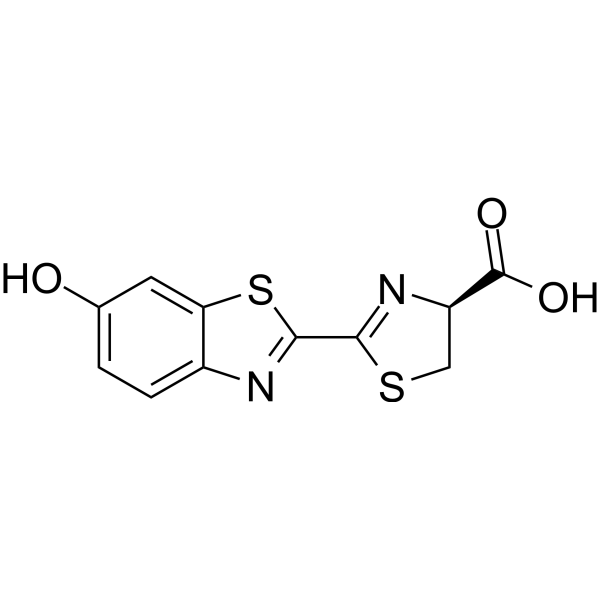
    D-Luciferin
    Maximum Cited Publications
    110 Publications Verification

    D-(-)-Luciferin; Firefly luciferin; Beetle Luciferin

    Fluorescent Dye Others
    D-luciferin is the natural substrate of the enzyme luciferase (Luc) that catalyzes the production of the typical yellowgreen light of fireflies. The 560 nm chemiluminescence from this reaction peaks within seconds, with light output that is proportional to luciferase concentration when the substrate luciferin is present in excess. The luciferase (luc) gene is a popular reporter gene for research and agent screening. Chemiluminescent techniques are virtually background-free, making the luc reporter gene ideal for detecting low-level gene expression. As little as 0.02 pg of luciferase can be reliably measured in a standard scintillation counter. In addition to its role as a reporter of gene expression, luciferase is commonly used in an extremely sensitive assay for ATP . We of er the firefly luciferase (HY-P1004A), luciferin free acid (HY-12591A), as well as its water-soluble sodium salts (HY-12591) and potassium salts (HY-12591B) .
    D-Luciferin
  • HY-135849
    Catalase, Aspergillus niger
    4 Publications Verification

    Reactive Oxygen Species (ROS) Cancer
    Catalase, Aspergillus niger is a key enzyme in the metabolism of H2O2 and reactive oxygen species (ROS), and its expression and localization is markedly altered in tumors . Free oxygen radical scavenger.
    Catalase, Aspergillus niger
  • HY-N7075
    Inulin
    4 Publications Verification

    Endogenous Metabolite Infection Neurological Disease Metabolic Disease Cancer
    Inulin is an orally active prebiotic targeting the intestinal microbiota, selectively promoting the proliferation and activity of beneficial bacteria such as bifidobacteria and lactic acid bacteria, and playing a role in regulating the intestinal microecology. The functions of Inulin include: Fermentation by probiotics in the colon to produce short-chain fatty acids (such as butyrate and propionate), lowering the intestinal pH and inhibiting the overgrowth of harmful bacteria; Enhancing the intestinal barrier function and reducing endotoxin translocation; Directly scavenging free radicals (such as superoxide free radicals, hydroxyl free radicals) and activating antioxidant enzymes (SOD, CAT) to reduce oxidative stress. Inulin can also be used in the study of intestinal diseases (constipation, IBD), metabolic syndrome (diabetes, obesity) and liver damage by regulating glucose and lipid metabolism (such as reducing triglycerides, improving insulin sensitivity) and immune response (enhancing NK cell activity, inhibiting inflammatory factors)[1][2][3][4].
    Inulin
  • HY-E70069

    Others Others
    Endo-β-N-acetylglucosaminidase (Endo S2) is a key enzyme involved in the processing of free oligosaccharides in the cytosol. Endo-β-N-acetylglucosaminidase catalyzes hydrolysis of N-linked oligosaccharides .
    Endo S2, Streptococcus pyogenes
  • HY-N0499
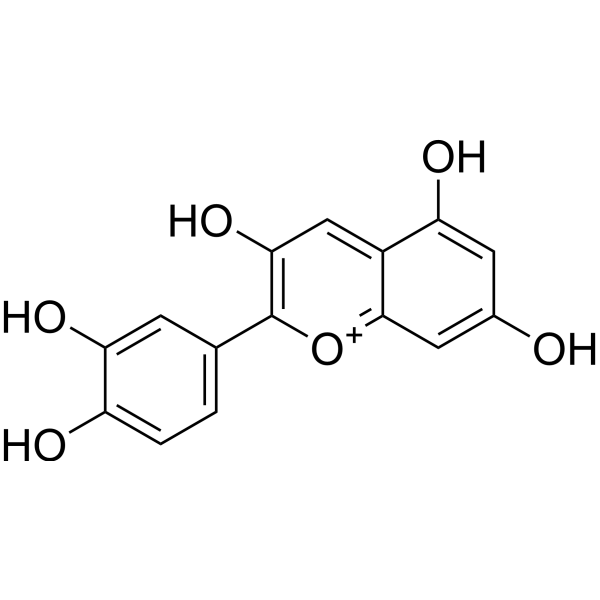
    Cyanidin Chloride
    4 Publications Verification

    IdB 1027

    Prostaglandin Receptor Inflammation/Immunology
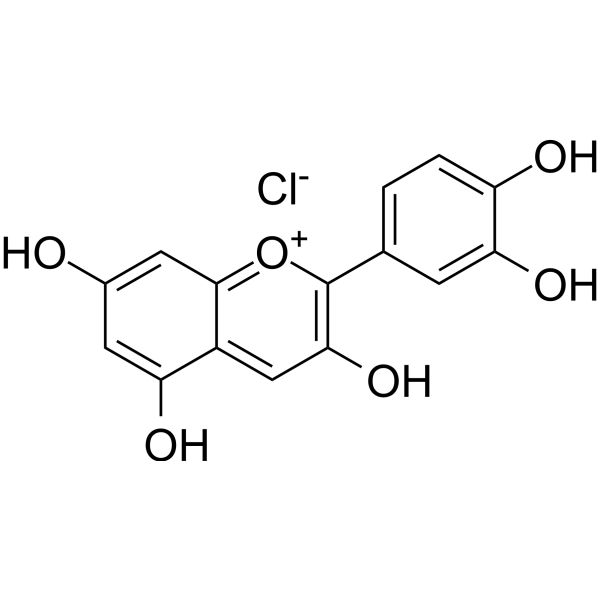
    Cyanidin Chloride (IdB 1027) is an orally active antioxidant and enzyme inhibitor. Cyanidin Chloride has IC50 values of 90 μM and 60 μM against PGHS-1 and PGHS-2, respectively. Cyanidin Chloride exhibits excellent antioxidant and anti-inflammatory activities, scavenges free radicals, inhibits lipid peroxidation, and protects DNA from cleavage. Cyanidin Chloride can be used in the research of inflammatory diseases .
    Cyanidin Chloride
  • HY-134816

    Toll-like Receptor (TLR) Metabolic Disease Inflammation/Immunology Cancer
    D-Glucan is an orally effective Dectin-1 receptor immune activator with antioxidant properties (reducing TNF-α). D-Glucan activates macrophages and neutrophils to scavenge free radicals, inhibit oxidative stress and inflammatory responses, and improve insulin sensitivity. D-Glucan promotes glycolysis by enhancing the activity of the antioxidant enzyme glutathione, inhibiting gluconeogenesis and activating GK. D-Glucan can be used in the research of liver damage protection (antagonizing Acetaminophen (HY-66005) toxicity), radiation protection (synergistic with vitamin E) and diabetes (improving glucose metabolism) .
    D-Glucan
  • HY-W020780

    mPEG5000-Maleimide

    Biochemical Assay Reagents Cancer
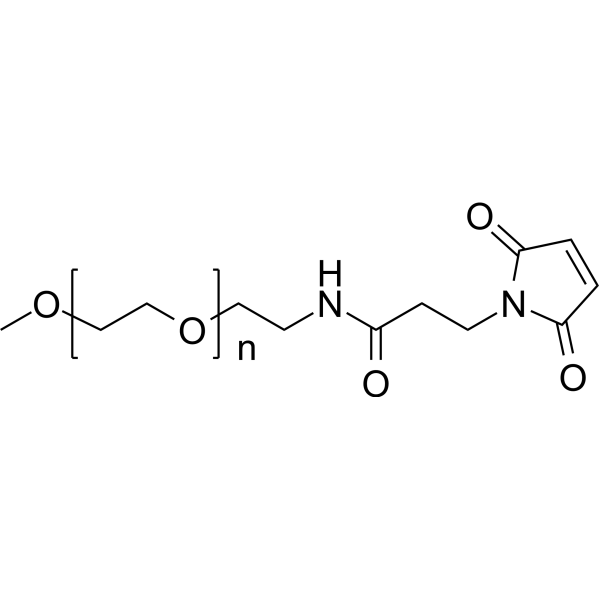
    mPEG5000-Mal (mPEG5000-Maleimide) is a PEG-derived selective covalent binding agent for sulfhydryl groups (RSGs), which can form irreversible thioether bonds with sulfhydryl groups under near-neutral conditions via the maleimide group. The mechanism of action of mPEG5000-Mal can be divided into two categories: firstly, as an enzyme modifier, it binds to target proteins through hydrophobic interactions, hydrogen bonds, and van der Waals forces, altering the protein's secondary structure; secondly, as a nanoparticle surface modifier, it covalently binds to sulfhydryl groups on the surface of red blood cells, changing the surface properties and morphology of the red blood cells, leading to their phagocytosis by macrophages of the reticuloendothelial system. mPEG5000-Mal can react with free cysteine in proteins, increasing the apparent molecular weight of the modified protein by 10-15 kDa for detection purposes. mPEG5000-Mal can enhance the thermal stability and catalytic activity of enzymes, and improve the macrophage targeting of nanoparticles, enabling targeted drug delivery. mPEG5000-Mal can be applied in enzyme engineering research in the food industry and in oncology, assisting radiotherapy by inhibiting tumor-associated macrophage infiltration and enhancing anti-tumor immune responses .
    mPEG5000-Mal
  • HY-129064

    SOD

    SOD Inflammation/Immunology Cancer
    Superoxide dismutase, Porcine erythrocytes (SOD) is the only antioxidant enzyme that scavenges the superoxide anion by converting this free radical to oxygen and hydrogen peroxide, thus preventing peroxynitrite production and further damage. Superoxide dismutase, Porcine erythrocytes is extensively researched and used in anti-inflammatory, antitumor, radiation protection, and antisenility applications .
    Superoxide dismutase, Porcine erythrocytes
  • HY-W015239
    KAT8-IN-1
    3 Publications Verification

    Acyltransferase Inflammation/Immunology Cancer
    KAT8-IN-1 is a lysine (K) acetyltransferase 8 (KAT8) inhibitor, with IC50s of 141 μM (KAT8), 221 μM (KAT2B), 106 μM (KAT3B), respectively. KAT8 inhibits histone acetyltransferases (HATs), and could result in disease states, such as cancer or inflammatory diseases .
    KAT8-IN-1
  • HY-113149A

    Endogenous Metabolite Reactive Oxygen Species (ROS) Neurological Disease Metabolic Disease Inflammation/Immunology
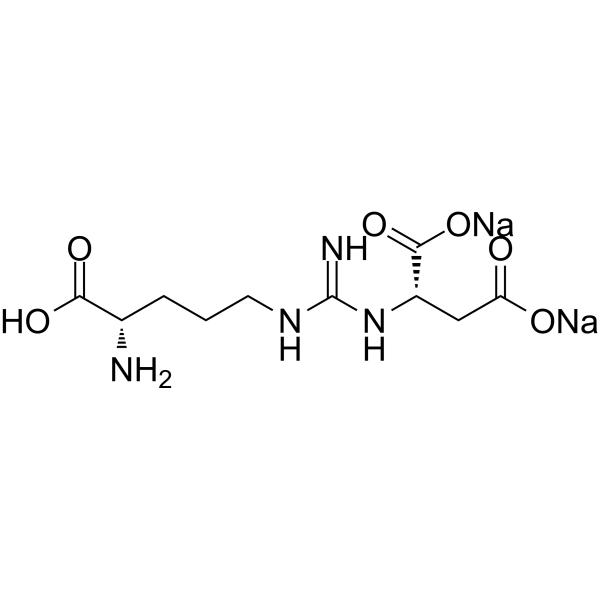
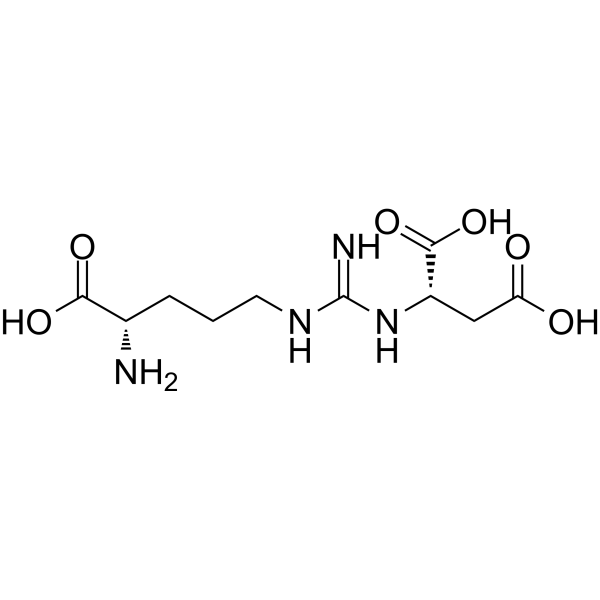
    Argininosuccinic acid disodium is an intermediate metabolite in the urea cycle, and its level is associated with argininosuccinic aciduria. Argininosuccinic acid disodium can induce oxidative stress, leading to lipid and protein oxidation, reduction of glutathione, and decrease in antioxidant enzyme activity. Argininosuccinic acid disodium can be converted into guanidinosuccinic acid, a nitric oxide mimic, under the action of nitric oxide-derived free radicals. Argininosuccinic acid disodium can be used in the research of metabolic diseases, renal failure, nervous system diseases, etc .
    Argininosuccinic acid disodium
  • HY-17543
    ML-323
    15+ Cited Publications

    Deubiquitinase Cancer
    ML-323 is a reversible, potent USP1-UAF1 inhibitor with IC50 of 76 nM in a Ub-Rho assay. The measured inhibition constants of ML-323 for the free enzyme (Ki) is 68 nM.
    ML-323
  • HY-50722
    NNC 55-0396
    5 Publications Verification

    NNC 55-0396 dihydrochloride

    Calcium Channel Cytochrome P450 Cardiovascular Disease Neurological Disease Cancer
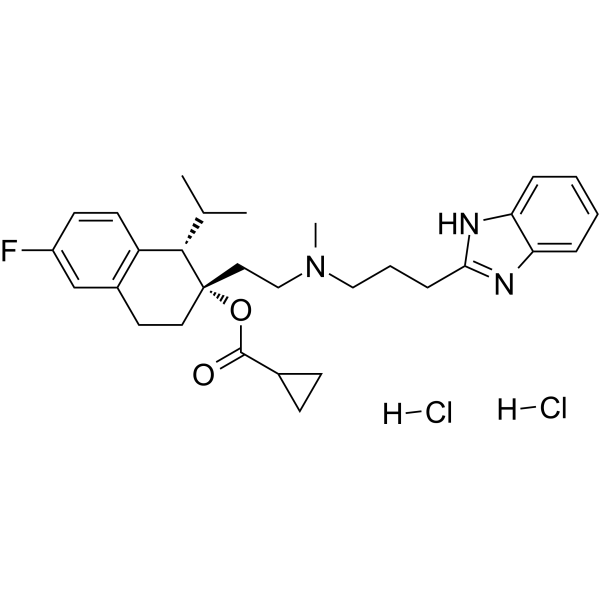
    NNC 55-0396 (NNC 55-0396 dihydrochloride) is a blood-brain-barrier-permeable T-type Ca 2+ channel inhibitor and pan-P450 inhibitor. NNC 55-0396 selectively inhibits T-type Ca 2+ channels, suppresses HIF-1α expression and stability and inhibits Kv currents. NNC 55-0396 reduces brain infarct and attenuates neurological dysfunction. NNC 55-0396 inhibits the activity of multiple P450 enzymes. NNC 55-0396 (free base) can be used for the research of brain injury, hypertension, and glioblastoma .
    NNC 55-0396
  • HY-E70024

    Sialyltransferase Others
    CMP-sialic acid synthetase (NmCSS) is an essential enzyme involved in the biosynthesis of carbohydrates and glycoconjugates containing sialic acids. CMP-sialic acid synthetase (NmCSS) activates free Sia, converting it to CMP-Sia, which is the only donor substrate for all sialyltransferases .
    CMP-sialic acid synthetase (NmCSS)
  • HY-D0843S

    NEM-d5

    Cathepsin Deubiquitinase Others
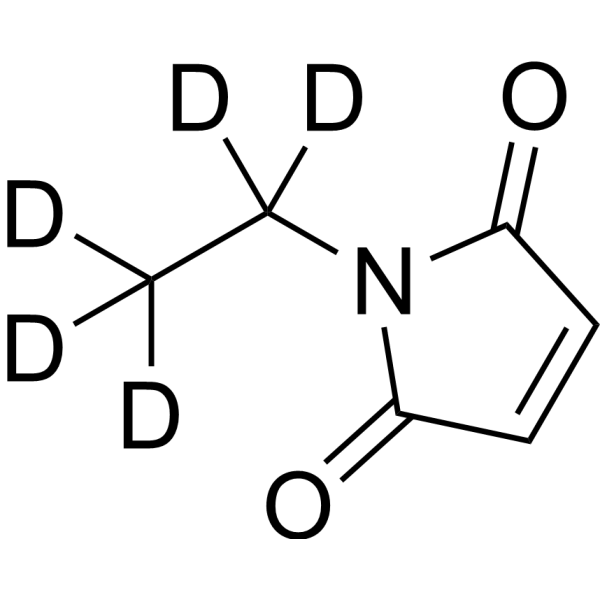
    N-Ethylmaleimide-d5 is the deuterium labeled N-Ethylmaleimide. N-Ethylmaleimide (NEM), a reagent that alkylates free sulfhydryl groups, is a cysteine protease inhibitor . N-ethylmaleimide specific inhibits phosphate transport in mitochondria . N-Ethylmaleimide is also a deubiquitinating enzyme inhibitor .
    N-Ethylmaleimide-d5
  • HY-126404

    Environmental Pollutants Interleukin Related Angiotensin-converting Enzyme (ACE) Cardiovascular Disease
    Casein hydrolysate is an orally effective, multi-functional mixture of bioactive peptides, a hydrolysis product of casein (HY-125865), containing ACE inhibitors and immunomodulatory target regulators, among others. Casein hydrolysate releases short-chain bioactive peptides through enzymatic hydrolysis of casein, increasing cellular glutathione and catalase levels, enhancing ConA-induced IL-2 production, and exhibiting metal ion chelation, free radical scavenging, antibacterial, and mineral absorption-promoting effects. Casein hydrolysate lowers blood pressure by inhibiting angiotensin-converting enzyme (ACE) and reducing bradykinin degradation .
    Casein hydrolysate
  • HY-E70005K

    Proteasome Others
    Collagenase (Type A, animal free) is a proteolytic enzyme targeting collagen, capable of releasing corneal endothelial cells (CECs) without damaging cell junctions .
    Collagenase (Type A, animal free)
  • HY-P2879

    Endogenous Metabolite Metabolic Disease
    Cholesterol esterase, Pseudomonas is an enzyme that hydrolyzes cholesterol ester to cholesterol and free fatty acid in the intestinal lumen. Cholesterol synthesized in the acinar cells and is stored in zymogen granules. Cholesterol esterase is also known as bile salt-stimulated lipase and carboxy ester lipasea, acts function for acceleration of cholesterol absorption .
    Cholesterol esterase, Pseudomonas
  • HY-113149

    Endogenous Metabolite Reactive Oxygen Species (ROS) Neurological Disease Metabolic Disease Inflammation/Immunology
    Argininosuccinic acid is an intermediate metabolite in the urea cycle, and its level is associated with argininosuccinic aciduria. Argininosuccinic acid can induce oxidative stress, leading to lipid and protein oxidation, reduction of glutathione, and decrease in antioxidant enzyme activity. Argininosuccinic acid can be converted into guanidinosuccinic acid, a nitric oxide mimic, under the action of nitric oxide-derived free radicals. Argininosuccinic acid can be used in the research of metabolic diseases, renal failure, nervous system diseases, etc .
    Argininosuccinic acid
  • HY-107825
    Flavonol
    2 Publications Verification

    Endogenous Metabolite Bacterial Cholinesterase (ChE) Cardiovascular Disease Metabolic Disease Inflammation/Immunology Cancer
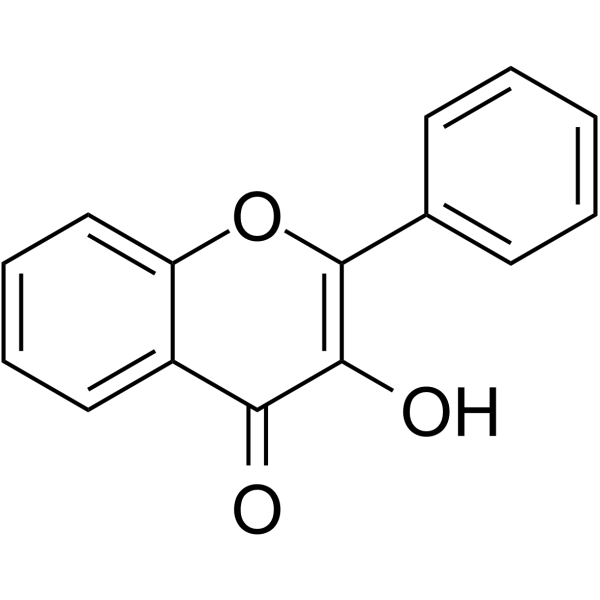
    Flavonol is a cholinesterase (ChE) inhibitor, with an IC50 value of 120 μM and a Ki value of 74 μM. Flavonol has antioxidant, free radical-scavenging, antibacterial properties, and immune modulation functions. Flavonol inhibits the PriA helicase of Staphylococcus aureus. Flavonol can suppress the production of NO in LPS-activated RAW 264.7 cells by inhibiting the expression of the iNOS enzyme. Flavonol shows protective and analgesic effects in mice through various neuronal pathways. Flavonol can be used in research related to tumors and atherosclerosis diseases .
    Flavonol
  • HY-108882B
    DNase I RNase & Protease free
    25+ Cited Publications

    DNA/RNA Synthesis Inflammation/Immunology
    DNase I is an enzyme that degrades DNA. DNase I is mainly produced by digestive system organs, such as the pancreas and parotid gland. Three types of DNase I are known in mammals: pancreatic type, parotid type, and pancreatico-parotid type. DNase I plays a key role in the cleavage of extracellular DNA, and is critical for limiting inflammatory responses and maintaining homeostasis. DNase I is responsible for digesting extracellular nucleoproteins, which may be essential for preventing autoimmune responses. Decreased DNase I activity may be associated with the onset and progression of systemic lupus erythematosus (SLE). DNase I (RNase & Protease free) is a molecular biology-grade DNase I purified by chromatography to remove RNase and protease .
    DNase I RNase & Protease free
  • HY-P2834

    PGA

    Biochemical Assay Reagents Others
    Penicillin amidase, E. coli (Immobilized) (PGA) is an amidohydrolase commonly used in industrial biocatalysis. Penicillin amidase, E. coli (Immobilized) serves as a starting material in the synthesis of semi-synthetic penicillins. Penicillin amidase, E. coli (Immobilized) promotes the production of semi-synthetic β-lactam antibiotics, participates in peptide synthesis, and catalyzes the formation of chiral compounds. Penicillin amidase, E. coli (Immobilized) is regulated by temperature and phenylacetic acid in E. coli. In free E. coli, it participates in the assimilation of aromatic compounds as a carbon source. Penicillin amidase, E. coli (Immobilized) is hypothesized to act as a scavenging enzyme for phenylacetyl-containing compounds in microbial metabolism and is associated with bacterial quorum sensing .
    Penicillin amidase, E. coli (Immobilized)
  • HY-E70005M

    Proteasome Others
    Collagenase (Type C, animal free) is a proteolytic enzyme targeting collagen, capable of releasing corneal endothelial cells (CECs) without damaging cell junctions .
    Collagenase (Type C, animal free)
  • HY-13297
    PYZD-4409
    2 Publications Verification

    E1/E2/E3 Enzyme Cancer
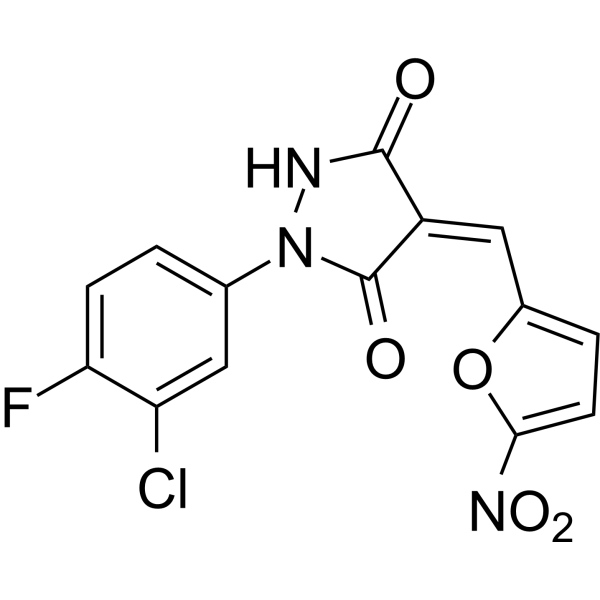
    PYZD-4409 is a specific inhibitor of the ubiquitin-activating enzyme UBA1 with an IC50 of 20 μM (cell-free enzymatic assay). PYZD-4409 induces cell death in malignant cells and preferentially inhibits the clonogenic growth of primary acute myeloid leukemia cells .
    PYZD-4409
  • HY-P2797A

    AMCase, Streptomyces griseus

    Biochemical Assay Reagents Others
    Chitinase, Streptomyces griseus is a chitinase from Streptomyces griseus. Chitinase is a chitin-targeting enzyme with chitin hydrolysis activity. Chitinase inhibits chitin-induced innate type 2 inflammation in the lung. Chitinase augments chitin-free, allergen-induced Th2 inflammation. Chitinase mediates effector functions of IL-13 .
    Chitinase, Streptomyces griseus
  • HY-B0093
    Benazepril
    2 Publications Verification

    CGS14824A free base

    Angiotensin-converting Enzyme (ACE) Apoptosis Reactive Oxygen Species (ROS) Cardiovascular Disease Cancer
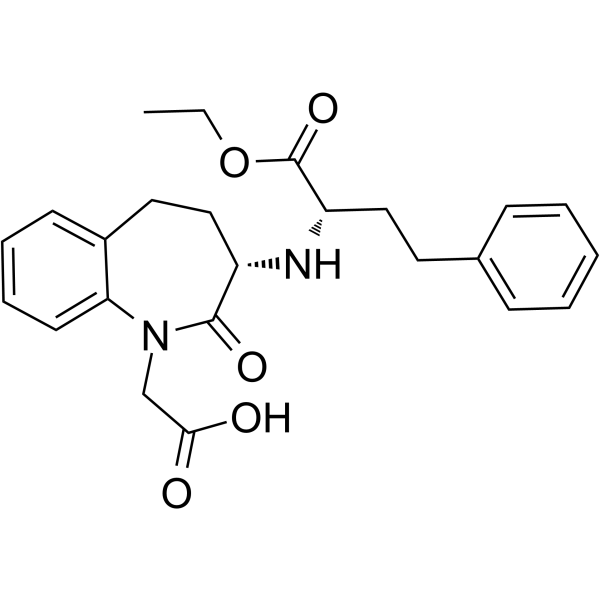
    Benazepril (CGS14824A free base) is an orally active angiotensin-converting enzyme (ACE) inhibitor to reduce angiotensin-II production. Benazepril inhibits oxidative stress and inhibits apoptosis by the PI3K/Akt signaling pathway. Benazepril improves diabetic nephropathy and decreases proteinuria. Benazepril can be used in the study of hypertension, heart failure and diabetic nephropathy .
    Benazepril
  • HY-164159

    Reactive Oxygen Species (ROS) MMP Inflammation/Immunology
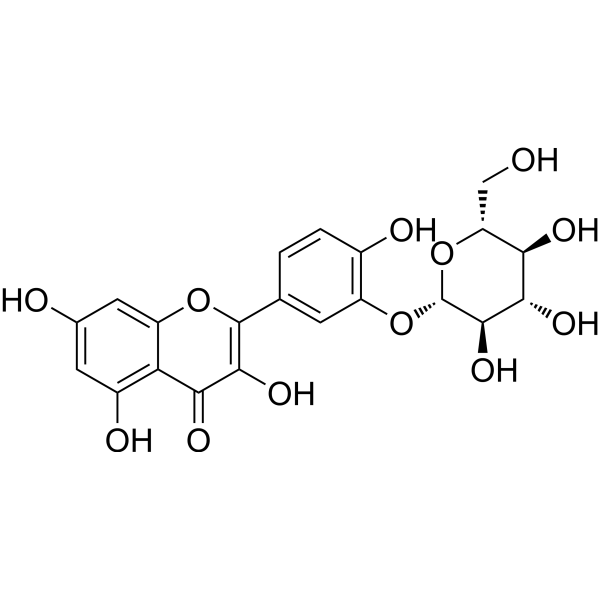
    α-Glucosylrutin, a flavonoid, is a potent antioxidant with free radical scavenging activity. α-Glucosylrutin reduces MMP-1 gene expression, protein expression, and enzyme activity, and reduces MMP-2 protein expression and enzyme activity in UVA-irradiated human dermal fibroblasts. α-Glucosylrutin prevents oxidative stress-induced intracellular tyrosine residue phosphorylation and counteracts intracellular thiol level depletion in human skin cells. α-Glucosylrutin is effective in the prevention of dermatologic diseases in which oxidative stress is of pathogenetic relevance, e.g. in polymorphous light eruption (PLE). α-Glucosylrutin can be used for the research of UV-induced skin photodamage/photoaging .
    α-Glucosylrutin
  • HY-112487

    Acyltransferase Metabolic Disease
    Sandoz 58-035 is a selective acyl-CoA:cholesterol acyltransferase (ACAT) inhibitor. Sandoz 58-035 inhibits this enzyme in intact cells and isolated microsomal fractions. Sandoz 58-035 blocks the esterification of exogenous vesicle-derived cholesterol and the incorporation of oleic acid into cellular cholesterol esters, reducing the formation and accumulation of cholesterol esters. Sandoz 58-035 causes a slight increase in cellular free cholesterol, and at high concentrations, it also causes a slight reduction in overall cellular protein synthesis. Sandoz 58-035 can be used in studies related to cellular cholesterol regulation .
    Sandoz 58-035
  • HY-P2879A

    Biochemical Assay Reagents Metabolic Disease
    Cholesterol esterase, Porcine pancreas is an enzyme that hydrolyzes cholesteryl esters into cholesterol and free fatty acids in the intestine. Cholesterol esterase, also known as bile salt-stimulated lipase or carboxyl ester lipase, functions to promote cholesterol absorption .
    Cholesterol esterase, Porcine pancreas
  • HY-E70005L

    Proteasome Others
    Collagenase (Type B, animal free) is a proteolytic enzyme targeting collagen, capable of releasing corneal endothelial cells (CECs) without damaging cell junctions .
    Collagenase (Type B, animal free)
  • HY-P2797

    AMCase, Serratia marcescens

    Biochemical Assay Reagents Metabolic Disease Inflammation/Immunology
    Chitinase, Serratia marcescens is a chitinase from Serratia marcescens. Chitinase is a chitin-targeting enzyme with chitin hydrolysis activity. Chitinase inhibits chitin-induced innate type 2 inflammation in the lung. Chitinase augments chitin-free, allergen-induced Th2 inflammation. Chitinase mediates effector functions of IL-13 .
    Chitinase, Serratia marcescens
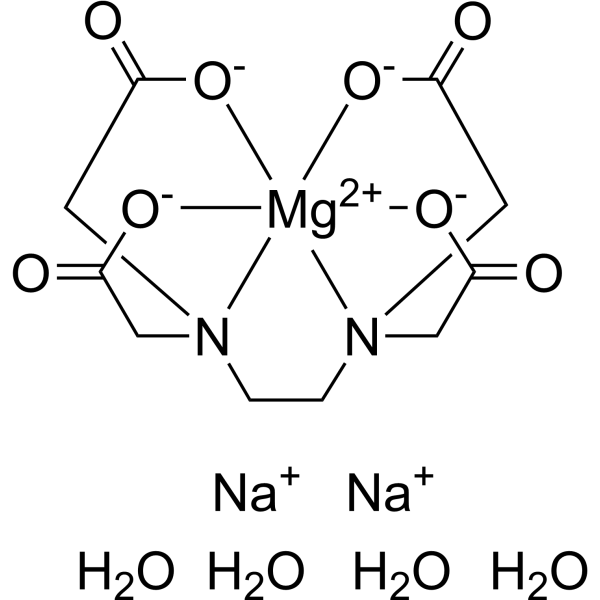
  • HY-W134005

    Ethylenediaminetetraacetic acid magnesium disodium tetrahydrate

    Phosphatase Others
    Mg(Ⅱ)-EDTA disodium tetrahydrate is a reversible non-covalent activator of fructose diphosphatase (Km=0.9 μM). Mg(Ⅱ)-EDTA disodium tetrahydrate synergistically activates fructose diphosphatase with free Mg 2+, promotes the hydrolysis of fructose-1,6-bisphosphate at pH≤8, and plays a role in enhancing the activity of key enzymes in gluconeogenesis .
    Mg(Ⅱ)-EDTA disodium tetrahydrate
  • HY-174400

    SGLT SOD Na+/H+ Exchanger (NHE) Autophagy Cardiovascular Disease
    SGLT2-IN-2 (Compound E9) is an inhibitor of SGLT2. SGLT2-IN-2 significantly enhances the inhibition of SGLT2, NHE1, and SOD enzyme activity. SGLT2-IN-2 has protective effect on the glucose-free DMEM-induced injured cardiomyocytes. SGLT2-IN-2 significantly improves cardiac function in TAC-induced HF mice and inhibits cardiomyocyte hypertrophy as well as collagen deposition. SGLT2-IN-2 can ameliorate myocardial tissue damage and enhance mitochondrial autophagy in injured cardiomyocytes, thereby increasing survival rates in HF mice .
    SGLT2-IN-2
  • HY-P2797B

    Biochemical Assay Reagents Inflammation/Immunology
    Chitinase is a chitin-targeting enzyme with chitin hydrolysis activity. Chitinase inhibits chitin-induced innate type 2 inflammation in the lung. Chitinase augments chitin-free, allergen-induced Th2 inflammation. Chitinase mediates effector functions of IL-13 .
    Chitinase
  • HY-125999

    Reactive Oxygen Species (ROS) Neurological Disease
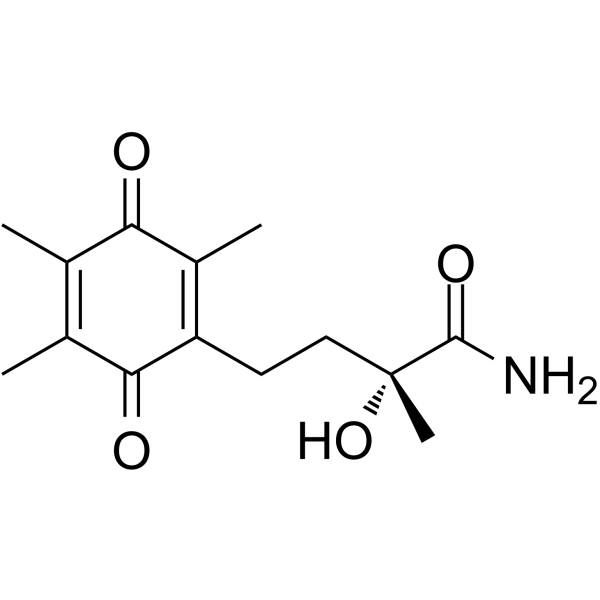
    EPI-589, a quinone derivative, is a safe and well tolerated oxidoreductase enzyme inhibitor and a free radical scavenger, with blood-brain barrier permeable and orally available. EPI-589 is a redox-active neuroprotectant that effectively delays the symptoms of motor neuron disease in wobbler mice. EPI-589 can be used in amyotrophic lateral sclerosis (ALS) research .
    EPI-589
  • HY-N0499A

    Prostaglandin Receptor Inflammation/Immunology
    Cyanidin is an orally active antioxidant and enzyme inhibitor. Cyanidin has IC50 values of 90 μM and 60 μM against PGHS-1 and PGHS-2, respectively. Cyanidin exhibits excellent antioxidant and anti-inflammatory activities, scavenges free radicals, inhibits lipid peroxidation, and protects DNA from cleavage. Cyanidin can be used in the research of inflammatory diseases .
    Cyanidin
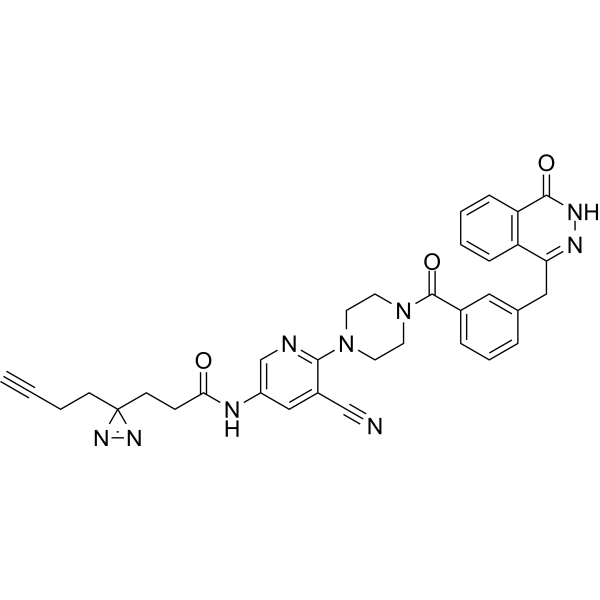
  • HY-145749

    PARP Cancer
    PARPYnD is a PARP enzyme photoaffinity probe (AfBP) based on the triple PARP1/2/6 inhibitor AZ9482 (HY-119653), which induces breast cancer Formation of multipolar spindles (MPS) in cells. PARPYnD inhibits PAPR wih IC50 of 38 nM (PARP1), 6 nM (PARP2), 230 nM (PARP6), respectively. PARPYnD enriches recombinant PARP6 incorporated into cell lysates and inhibits PARP6 in cell-free assays, but it does not label PARP6 in intact cells .
    PARPYnD
  • HY-78035

    Methylmaleic anhydride

    Biochemical Assay Reagents Others
    Citraconic anhydride (Methylmaleic anhydride) is a derivative of maleic anhydride (HY-Z0060) and novel antigen retrieval solution. Citraconic anhydride reversibly blocks protein amino groups, stabilizing specific enzymes and improving their catalytic performance. Citraconic anhydride reacts with free amino groups on proteins (especially lysine residues), converting positively charged NH3 + into carboxyl groups, thereby disrupting methylene bridge crosslinks caused by Formaldehyde during antigen retrieval. Citraconic anhydride functionalizes Isotactic polypropylene. Citraconic anhydride precisely responds to pH changes to achieve reversible modification. Citraconic anhydride is irritating to skin and eyes .
    Citraconic anhydride
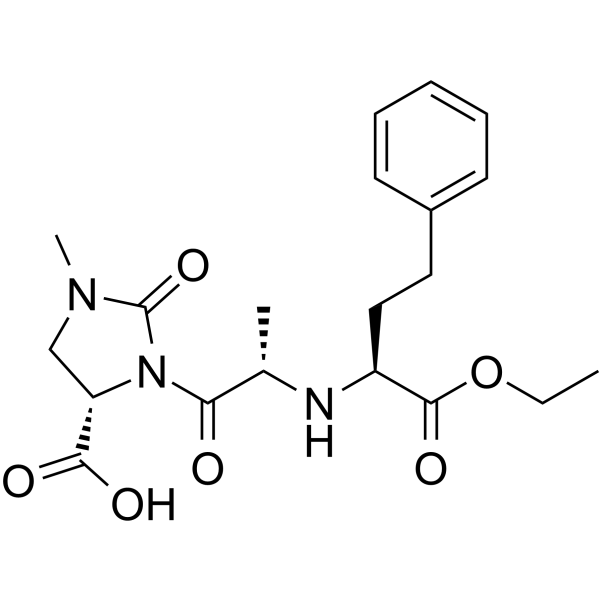
  • HY-B1451A

    TA-6366 free base

    Angiotensin-converting Enzyme (ACE) MMP JNK Cardiovascular Disease Metabolic Disease
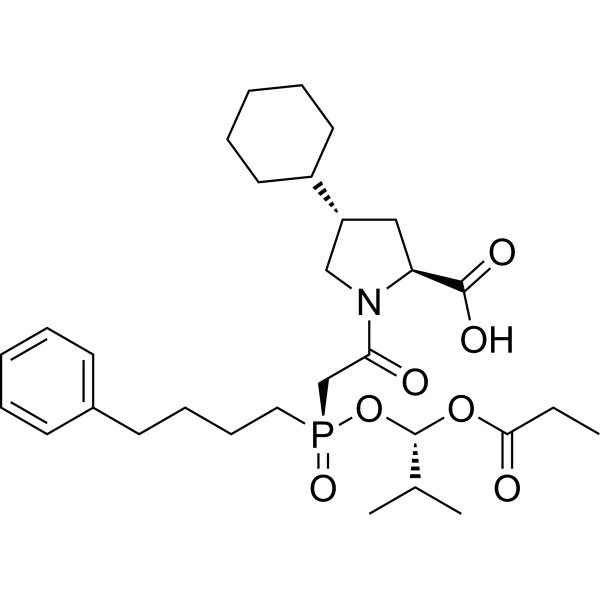
    Imidapril (TA-6366 free base) is an orally active dual inhibitor of angiotensin-converting enzyme (ACE) and MMP-9. Imidapril inhibits lipopolysaccharide-induced phosphorylation of c-Jun, MKK4 and JNK in monocytes, and downregulates the production of specific inflammatory factors such as TNF-α and IP-10, thereby exerting anti-inflammatory activity. Imidapril also effectively ameliorates mesangial expansion and reduces urinary albumin excretion by inhibiting angiotensin AngII production, lowering glomerular pressure and oxidative stress, thus delaying disease progression. Imidapril can also directly bind to the active site of MMP-9 to inhibit gelatinase activity, and suppress the enlargement of cerebral aneurysms without altering systemic blood pressure. Imidapril is widely applicable to related studies on autoimmune glomerulonephritis, diabetic nephropathy, cerebral aneurysms and other conditions .
    Imidapril
  • HY-W015616

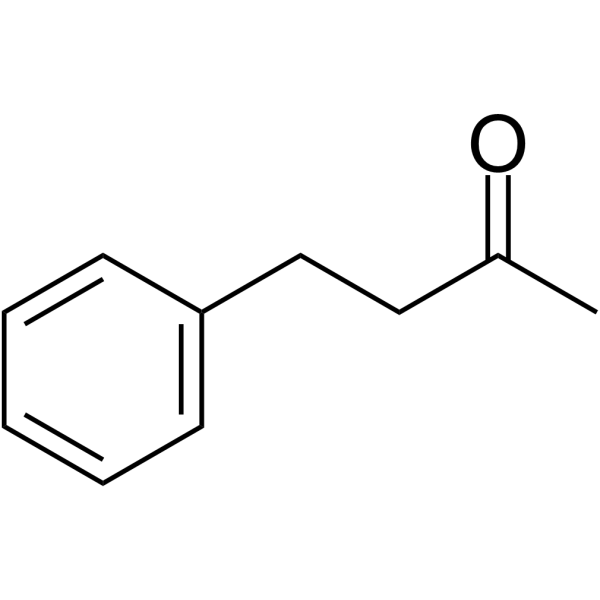
    4-Penylbutan-2-one

    Environmental Pollutants Tyrosinase Infection Metabolic Disease
    Benzylacetone (4-Penylbutan-2-one) is an aromatic compound. Benzylacetone is a mushroom tyrosinase inhibitor with an IC50 of 2.8 mM, a Ki of 1.25 mM for monophenolase and an IC50 of 0.6 mM, a Ki of 0.39 mM for diphenolase. Benzylacetone inhibits free mushroom tyrosinase and enzyme-substrate complex. Benzylacetone acts as an appetite enhancer via olfactory stimulation, reduces spontaneous locomotor activity, induces weight gain. Benzylacetone exhibits repellent, fumigant, and contact toxicity against Tribolium castaneum adults .
    Benzylacetone
  • HY-158189

    Photosensitizer Reactive Oxygen Species (ROS) Apoptosis Neurological Disease Cancer
    TPP-Ce6 is a mitochondria-targeted photosensitizer formed by the ester bond conjugation of chlorophyll e6 (Ce6) with triphenylphosphine (TPP). Under light irradiation or ultrasound exposure, TPP-Ce6 generates reactive oxygen species, induces cell apoptosis, and triggers immunogenic cell death. TPP-Ce6 can serve as a component of carrier-free co-delivery systems, undergo enzyme-induced self-assembly within tumors, and modulate tumor hypoxia. TPP-Ce6 is applicable to research on breast cancer and glioblastoma .
    TPP-Ce6
  • HY-E70005O

    Proteasome Others
    Collagenase (Type A, filtered, animal free) is a proteolytic enzyme targeting collagen, capable of releasing corneal endothelial cells (CECs) without damaging cell junctions .
    Collagenase (Type A, filtered, animal free)
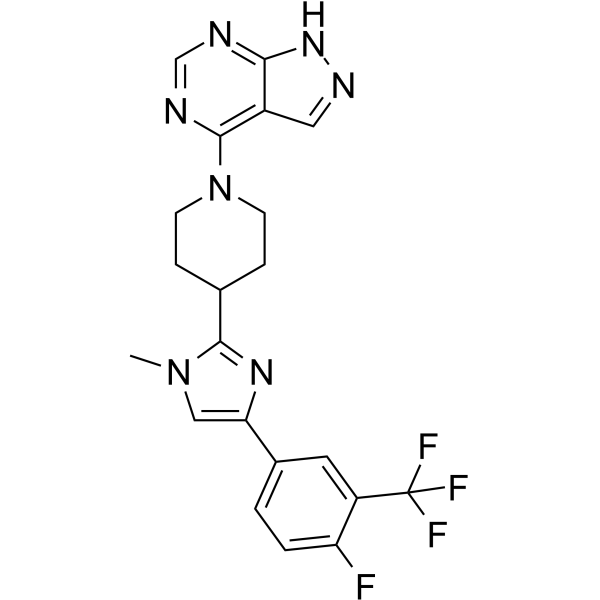
  • HY-12493

    Ribosomal S6 Kinase (RSK) Cancer
    LY-2584702 free base is a selective ATP competitive inhibitor of p70S6K with an IC50 of 4 nM. In S6K1 enzyme assay, the IC50 of LY-2584702 is 2 nM.
    LY-2584702 free base
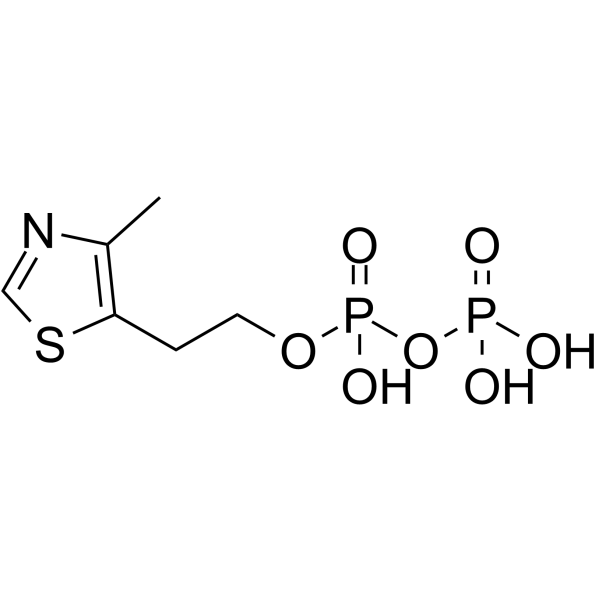
  • HY-128606

    Endogenous Metabolite Transketolase Neurological Disease Metabolic Disease
    Thiamine diphosphate analog 1 is an analog of thiamine diphosphate. Thiamine diphosphate is the active metabolite of vitamin B1 in organisms. Thiamine diphosphate targets ThDP-dependent enzymes such as transketolase and pyruvate dehydrogenase complex, acting as an essential coenzyme to exert an activating effect. Thiamine diphosphate assists in catalytic reactions in free form and initiates the catalytic cycles of various glucose-metabolizing enzymes. Thiamine diphosphate serves as a diagnostic biomarker and protective factor for Alzheimer's disease. Thiamine diphosphate can be used in research related to metabolism and Alzheimer's disease .
    Thiamine diphosphate analog 1
  • HY-76632

    Cholinesterase (ChE) SOD Neurological Disease
    4-Hydroxyisophthalic acid activates antioxidant enzymes (such as catalase CAT and superoxide dismutase SOD), scavenges free radicals, and exhibits antioxidant property. 4-Hydroxyisophthalic acid activates AChE and BChE, enhances neuronal function and improves Tau-induced neurobehavioral defects. 4-Hydroxyisophthalic acid improves the cognitive defects, and ameliorates circadian rhythm disorders of fruit flies .
    4-Hydroxyisophthalic acid
  • HY-E70069GL

    Biochemical Assay Reagents Infection
    Endo S2, Streptococcus pyogenes (GMP Like) is Endo S2, Streptococcus pyogenes (HY-E70069) produced by using GMP like guidelines. Endo-β-N-acetylglucosaminidase (Endo S2) is a key enzyme involved in the processing of free oligosaccharides in the cytosol. Endo-β-N-acetylglucosaminidase catalyzes hydrolysis of N-linked oligosaccharides .
    Endo S2, Streptococcus pyogenes (GMP Like)
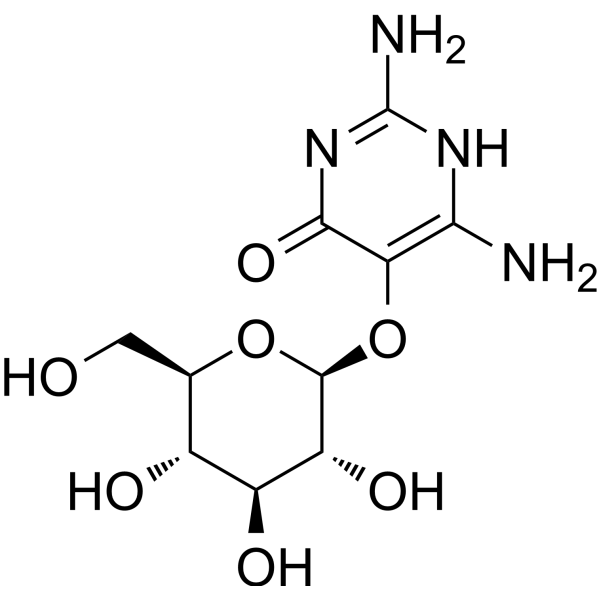
  • HY-N2093
    Vicine
    2 Publications Verification

    Drug Metabolite Cardiovascular Disease Metabolic Disease
    Vicine, an alkaloid glycoside found mainly in fava beans, is toxic in individuals who have a hereditary loss of the enzyme glucose-6-phosphate dehydrogenase and may cause haemolytic anaemia.Vicine is an inactive compound that is hydrolysed by the intestinal microflora to a highly reactive free radical generating compound, the aglycone divicine when Vicine enters the body through food .
    Vicine
  • HY-117085

    Phosphatase TMV Lipoxygenase Cancer
    Lobaric acid is a depsipeptide metabolite isolated from Stereocaulon lichen with antioxidant, antiproliferative, antiviral and enzyme inhibitory activities. Lobaric acid scavenges superoxide free radicals (IC50=97.9 μM) and inhibits cancer cell proliferation (EC50 of 15.2-63.9 μg/mL against leukemia, colorectal, gastric, breast, ovarian, prostate, pancreatic and lung cancer cell lines). Lobaric acid inhibits protein tyrosine phosphatase 1B (PTP1B; IC50=0.87 μM for human recombinant enzyme) and 12(S)-HETE produced by 12(S)-lipoxygenase (IC50=28.5 μM). Lobaric acid (250 μM) also reduced pathological changes in tobacco leaves infected with tobacco mosaic virus (TMV).
    Lobaric acid
  • HY-N9551

    Cytochrome P450 Parasite COX Lipoxygenase Infection Neurological Disease Cancer
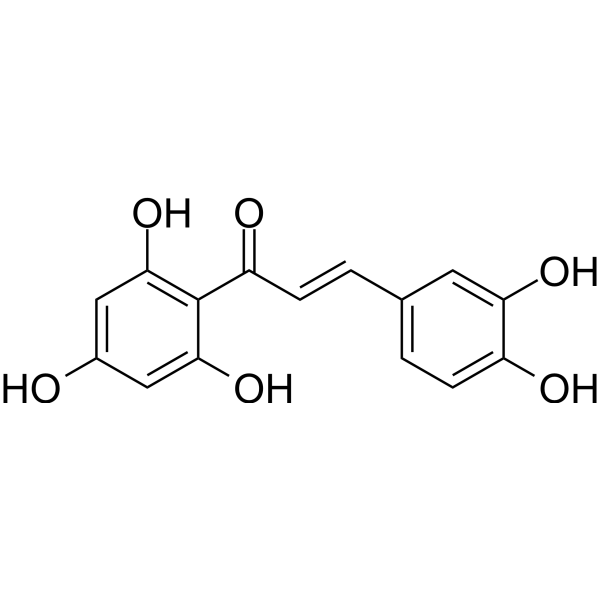
    Eriodictyol chalcone is an antioxidant that inhibits multiple key enzymes including 5-LOX (IC50=0.043 μM), aromatase/CYP19A1 (IC50=2.8 μM), PTPase 1B (IC50=1.26 μM), and COX (IC50=34 μM). Eriodictyol chalcone exhibits excellent free radical scavenging activity. Eriodictyol chalcone not only inhibits the growth of plasmodia and enhances the efficacy of Artemisinin (HY-B0094), but also reduces depression-like behaviors in animal models. Eriodictyol chalcone serves as a biosynthetic precursor for Aureusidin (HY-N9834). Eriodictyol chalcone is a potential dietary supplement and herbicide, and it can be applied to research on malaria, depression, breast cancer and other related diseases .
    Eriodictyol chalcone

Consulta en línea

Your information is safe with us. * Required Fields.

Saludo


Country or Region *

Nombre del solicitante *


Nombre de la Organizaciòn *

Department *


Direcciòn del E-mail *


Nombre del producto *

Cat. No.


Requested quantity *

Número de teléfono *


Observaciones

Consulta en línea

Inquiry Information

Nombre del producto:
Cat. No.:
Cantidad:
MCE Japan Authorized Agent: