



1. Search Result
Search Result
Results for "

intestinal epithelial

" in MedChemExpress (MCE) Product Catalog:

71

Inhibitors & Agonists

1

Fluorescent Dye

5

Biochemical Assay Reagents

4

Peptides

1

MCE Kits

1

Inhibitory Antibodies

23

Natural
Products

12

Isotope-Labeled Compounds

2

Oligonucleotides

1

GMP Molecules

Cat. No. Product Name Target Research Areas Chemical Structure
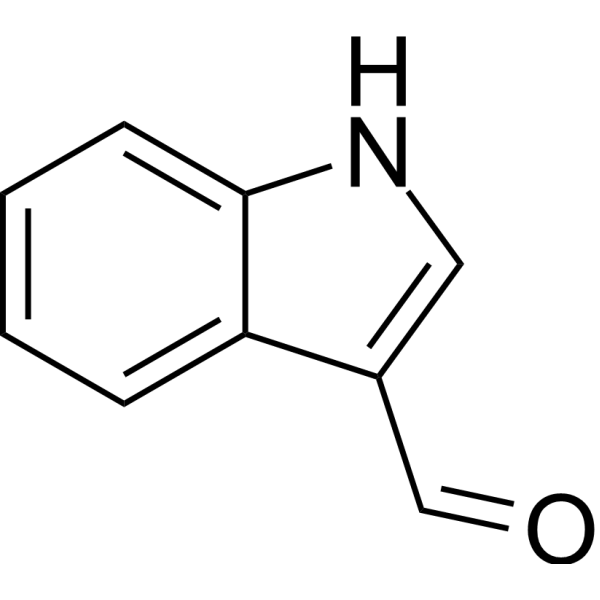
  • HY-W007376
    Indole-3-carboxaldehyde
    3 Publications Verification

    3-Formylindole

    Endogenous Metabolite Others
    Indole-3-carboxaldehyde (3-Formylindole), a banlangen extract, is the product of the oxidative degradation of indole-3-acetic acid (IAA) by crude enzyme preparations from etiolated pea seedlings. Indole-3-carboxaldehyde is a biochemical used to prepare analogs of the indole phytoalexin cyclobrassinin. Indole-3-carboxaldehyde also enhances the epithelial barrier and anti-inflammatory activity in the intestinal tract .
    Indole-3-carboxaldehyde
  • HY-148033

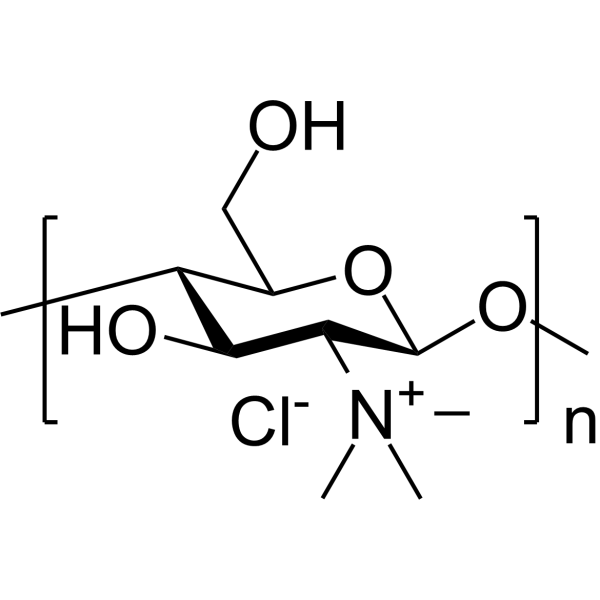
    N,N,N-Trimethylchitosan

    Drug Derivative Others
    Trimethyl chitosan (N,N,N-Trimethylchitosan) is a multifunctional polymer and a derivative of Chitosan (HY-B2144A). Trimethyl chitosan targets the absorption enhancing proteins of tight junctions of intestinal and mucosal epithelial cells, induces tight junction protein rearrangement, and increases intercellular permeability. Trimethyl chitosan can stimulate the activity of promoting transmembrane transport of hydrophilic drugs (such as peptides and proteins) and can be used for drug delivery and synthesis of nanoparticles .
    Trimethyl chitosan
  • HY-17623
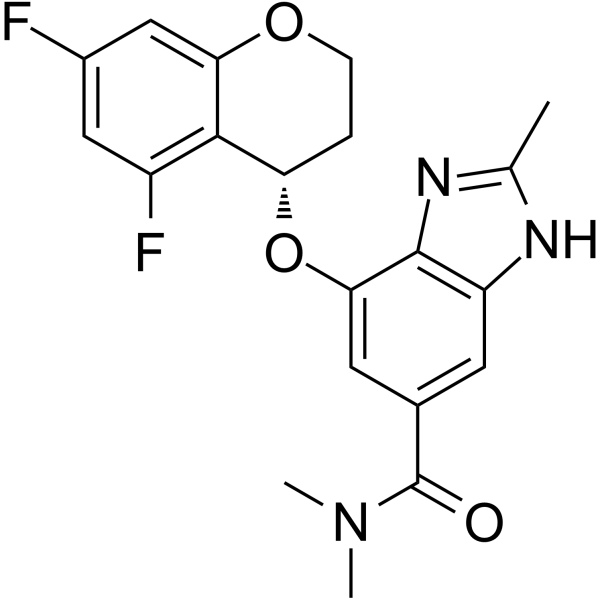
    Tegoprazan
    2 Publications Verification

    CJ-12420; RQ-00000004

    Proton Pump Potassium Channel Na+/K+ ATPase Inflammation/Immunology
    Tegoprazan (CJ-12420), a potassium-competitive acid blocker, is a reversible, orally active and highly selective inhibitor of gastric H +/K +-ATPase. Tegoprazan inhibits gastric acid secretion and motility against porcine, canine and human H +/K +-ATPase with IC50 values ranging from 0.29-0.52 μM in vitro. Tegoprazan significantly improves colitis and enhances the intestinal epithelial barrier function in mice. Tegoprazan is promising for research of Inflammatory bowel, gastric acid-related, motilityimpaired diseases .
    Tegoprazan
  • HY-101981
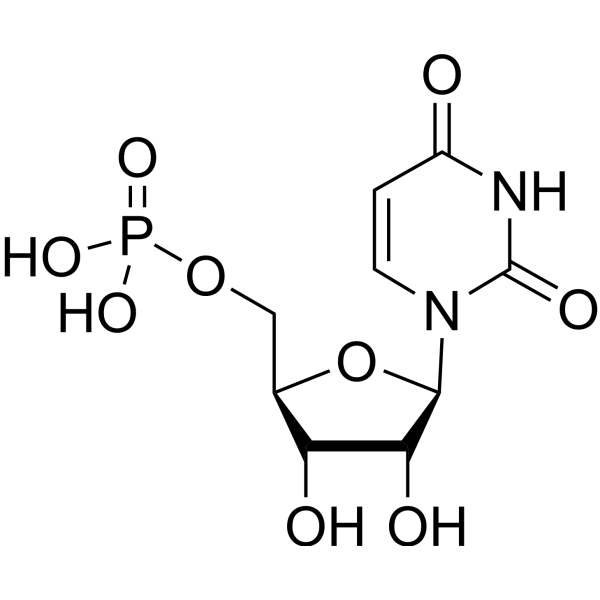
    Uridine 5'-monophosphate
    2 Publications Verification

    5'-​Uridylic acid

    Endogenous Metabolite Cholinesterase (ChE) Potassium Channel Apoptosis Cardiovascular Disease Metabolic Disease
    Uridine 5'-monophosphate (5'-Uridylic acid) is an orally active mitochondrial ATP-dependent potassium channel activator that has a protective effect on the heart. Uridine 5'-monophosphate can promote the synthesis of CDP-choline and induce apoptosis in intestinal epithelial cells, which is beneficial for gut development and reduces diarrhea .
    Uridine 5'-monophosphate
  • HY-W011053

    Taste Receptor Apoptosis Drug Derivative Metabolic Disease
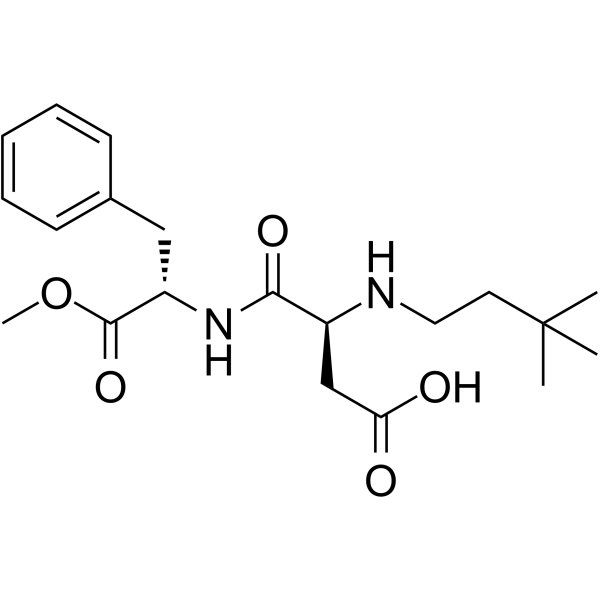
    Neotame is a derivative of Aspartame (HY-B0361) and is a flavor enhancer and low-caloric, non-nutritive, high-intensity artificial sweetener that is 7000-13,000 times sweeter than sugar. Neotame causes intestinal epithelial cell death at high concentrations. Neotame induces Apoptosis of Caco-2 cells .
    Neotame
  • HY-W127512
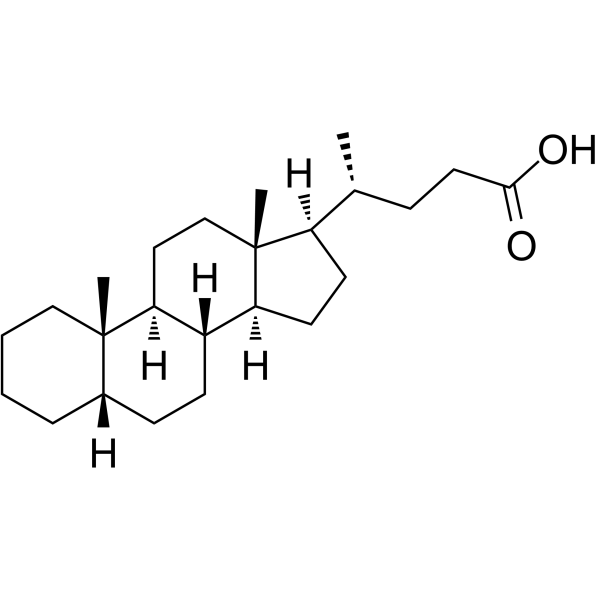
    5β-Cholanic acid
    1 Publications Verification

    Drug Intermediate Others
    5β-Cholanic acid is a hydrophobic modifier used to modify polymer carriers. 5β-Cholanic acid can improve the acid stability, cell penetration efficiency and drug sustained release ability of nanocarriers, and optimize the oral effectiveness of delivered molecules. 5β-Cholanic acid can covalently bind to Glycol chitosan (GC) to form a GC-CA conjugate, which optimizes the hydrophobic anchoring ability of nanoparticles and enables them to be stably adsorbed on the surface of PLGA nanoparticles. Such nanoparticles can resist dissociation in the gastric acid environment and maintain positive charge to enhance endocytic uptake by intestinal epithelial cells (such as Caco-2 cells). 5β-Cholanic acid can be used in the development of drug delivery systems .
    5β-Cholanic acid
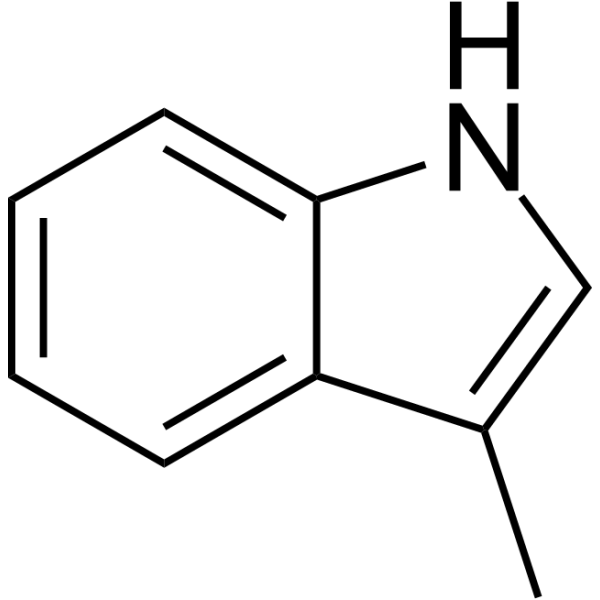
  • HY-W007355
    Skatole
    Maximum Cited Publications
    6 Publications Verification

    3-Methylindole; 3-Methyl-1H-indole

    Environmental Pollutants Apoptosis Endogenous Metabolite p38 MAPK Aryl Hydrocarbon Receptor Others
    Skatole (3-methylindole) is a heterocyclic compound naturally found in the feces of vertebrates and can be found in certain plants. Skatole can be produced by intestinal bacteria, inducing apoptosis of intestinal epithelial cells through activating aryl hydrocarbon receptors (AhR) and p38. Skatole has been used in specific products of the perfume industry or as a flavor additive in ice cream .
    Skatole
  • HY-134570
    ZINC40099027
    3 Publications Verification

    FAK Metabolic Disease Inflammation/Immunology
    ZINC40099027 is a selective FAK activator. ZINC40099027 promotes FAK phosphorylation, without activating its paralogs Pyk2 and Src. ZINC40099027 promotes the wound closure of human intestinal epithelial monolayers and the healing of mouse ulcers by activating FAK. ZINC40099027 can be used for diseases related to gastrointestinal mucosal injury research .
    ZINC40099027
  • HY-N3018

    6-O-α-D-Glucopyranosyl-D-glucose; D-Isomaltose

    Endogenous Metabolite Parasite Infection Metabolic Disease
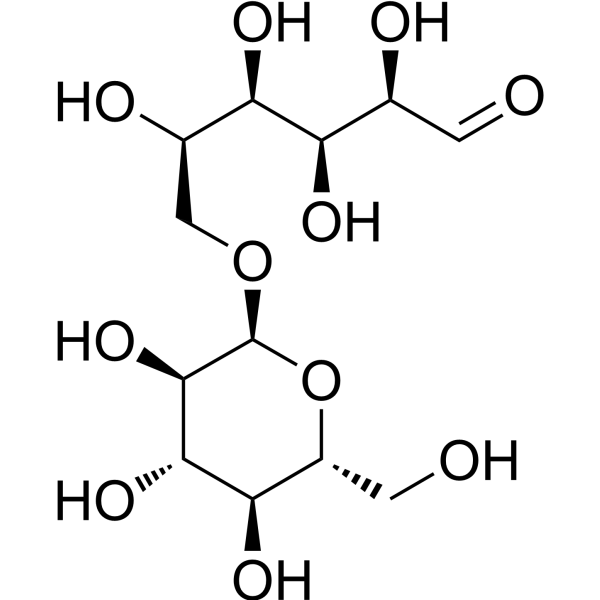
    Isomaltose (6-O-α-D-Glucopyranosyl-D-glucose) is a glucose disaccharide. Isomaltose induces G-CSF secretion via heat-induced oxidative polymerization of glucose groups into high-molecular-weight compounds. Isomaltose modulates cecal bacterial cluster structure in mice. Isomaltose exhibits low glycemic index, slow hydrolysis, and prebiotic properties. Isomaltose reduces in vivo Cryptosporidium parvum colonization in neonatal mice. Isomaltose can be used for the research of Cryptosporidium parvum infection .
    Isomaltose
  • HY-W013175
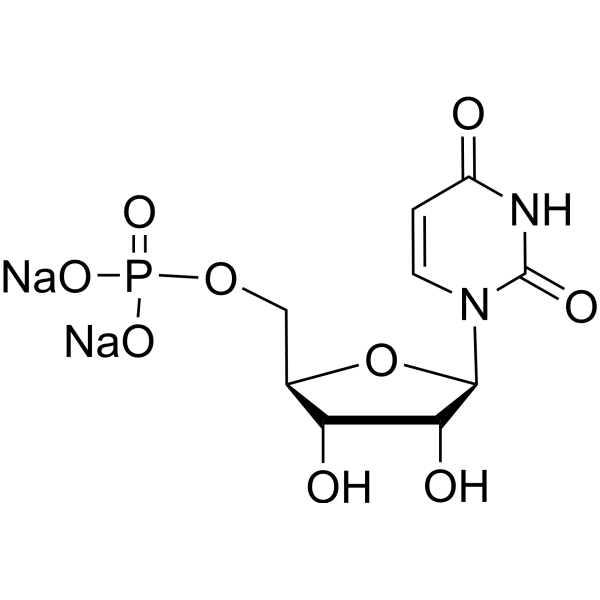
    Uridine 5'-monophosphate disodium salt
    2 Publications Verification

    5'-​Uridylic acid disodium salt

    Endogenous Metabolite Cholinesterase (ChE) Potassium Channel Apoptosis Cardiovascular Disease Metabolic Disease
    Uridine 5'-monophosphate (5'-Uridylic acid) disodium salt is an orally active mitochondrial ATP-dependent potassium channel activator that has a protective effect on the heart. Uridine 5'-monophosphate disodium salt can promote the synthesis of CDP-choline and induce apoptosis in intestinal epithelial cells, which is beneficial for gut development and reduces diarrhea .
    Uridine 5'-monophosphate disodium salt
  • HY-112624I

    Dextran 3; Dextran D3; Dextran T3(MW 2400-3600)

    Bacterial Others
    Dextran T3 (Dextran 3; Dextran T3(MW 2400-3600)) is a neural tracer and intestinal permeability probe that can move anterogradely and retrogradely in neuronal axons by passive diffusion. Dextran T3 (MW 3,000) is able to permeate across the intestinal epithelial cell membrane in the presence of cholera toxin-induced cytoskeletal disturbance. Dextran T3 (MW 3,000) is used as a fluorescent marker to rapidly label developing neurons (such as Xenopus retinal ganglion cells) and to assess intestinal barrier function. It can be used to study axonal transport in neuroanatomy and permeability changes in intestinal pathophysiology. The Dextran series of compounds are also natural polysaccharide drug carriers that can be connected to drugs through covalent bonding methods such as ester bonds, amide bonds or click chemistry, or self-assembled to form carriers such as nanoparticles and hydrogels. Dextran is biodegradable and biocompatible, and can achieve targeted delivery and controlled release of drugs. Dextran derivatives can prolong the half-life of drugs, increase local concentrations, and reduce the activity of immune clearance .
    Dextran T3 (MW 3,000)
  • HY-N0671
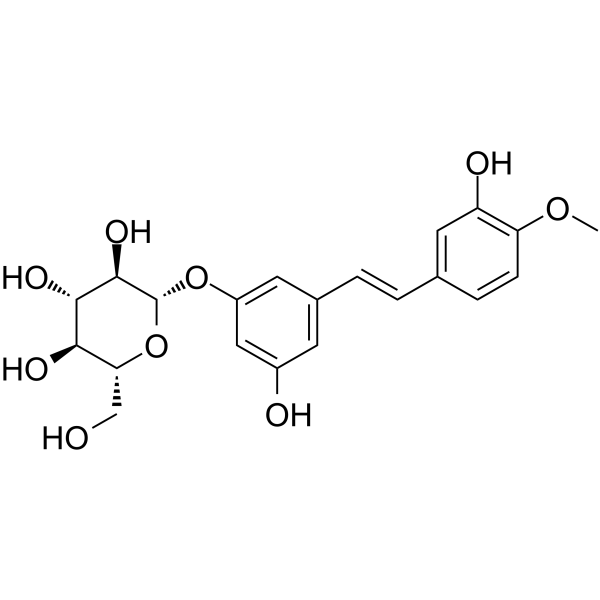
    Rhapontin
    2 Publications Verification

    Rhaponiticin

    Apoptosis Cardiovascular Disease Metabolic Disease Inflammation/Immunology Cancer
    Rhapontin (Rhaponiticin) is an orally aactive SIRT1 agonist and AMPK activator with anti-inflammatory and anti-fibrotic activities. Rhapontin inhibits NLRP3 inflammasome activation by activating SIRT1 and inhibits TGF-β/Smad signaling via the AMPK pathway. Rhapontin reduces intestinal and lung inflammation, inhibits fibroblast differentiation and extracellular matrix deposition, and enhances tight junction protein expression to repair epithelial barriers. Rhapontin can be used in the study of inflammatory bowel diseases (such as ulcerative colitis) and pulmonary fibrosis .
    Rhapontin
  • HY-Y1325I

    Environmental Pollutants Biochemical Assay Reagents Apoptosis NO Synthase p38 MAPK Heme Oxygenase (HO) Keap1-Nrf2 Wnt β-catenin Metabolic Disease Inflammation/Immunology Cancer
    Sodium acetate trihydrate, 99.5% is a short-chain fatty acid salt with multiple biological activities. Sodium acetate trihydrate, 99.5% serves as a direct precursor of acetyl-CoA, and it extensively affects gene expression by promoting histone acetylation. Sodium acetate trihydrate, 99.5% can activate the p38 MAPK pathway to induce cancer cell apoptosis. Sodium acetate trihydrate, 99.5% can activate the Wnt/β-catenin signaling pathway to stimulate the proliferation and migration of cecal epithelial cells, thereby improving intestinal health. Sodium acetate trihydrate, 99.5% alleviates lead accumulation and oxidative damage by upregulating the testosterone-dependent eNOS/NO/cGMP signaling pathway, as well as activating the Nrf2/HO-1 pathway and its downstream antioxidant enzymes .
    Sodium acetate trihydrate, 99.5%
  • HY-P3954

    Somatostatin Receptor Metabolic Disease
    Somatostatin-28 (sheep, human rat mouse) is a biologically active polypeptide, synthesised in the proximal intestinal epithelial cells. Somatostatin-28 (sheep, human rat mouse) suppresses glucose-stimulated insulin secretion without affecting circulating basal insulin concentration. Somatostatin-28 (sheep, human rat mouse) also targets to somatostatin receptor subtype 5 (SSTR5) to regulate GLP-1 secretion .
    Somatostatin-28 (sheep, human rat mouse)
  • HY-N0886
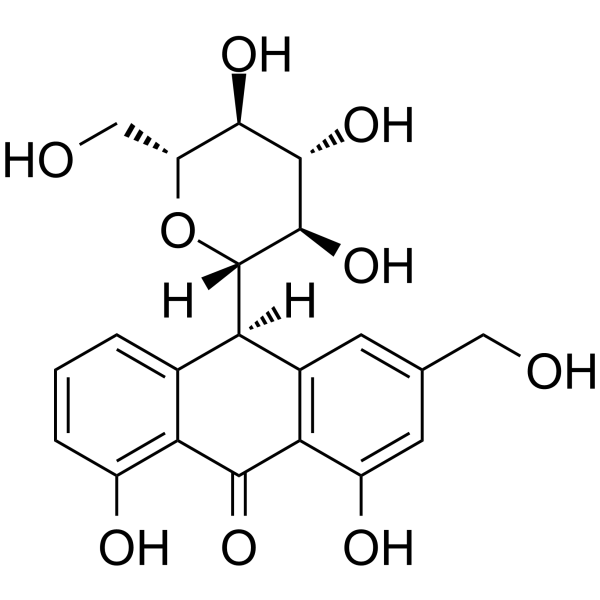
    Aloin B
    3 Publications Verification

    Isobarbaloin

    SARS-CoV Virus Protease Infection Endocrinology Cancer
    Aloin B (Isobarbaloin) is an orally active SARS-CoV-2 papain-like protease (PLpro) inhibitor with an IC50 of 16.08 μM (hydrolytic activity) and 17.51 μM (deubiquitinase activity). Aloin B is metabolized by rat intestinal flora into aloe-emodin-9-anthrone to exert laxative effects. Aloin B inhibits TPA (HY-18739)-induced ear edema, putrescine elevation, and tumor promotion in mouse skin. Aloin B can be used in research related to anti-inflammation, tumor promotion inhibition, coronavirus disease 2019 (COVID-19) and constipation .
    Aloin B
  • HY-N3415
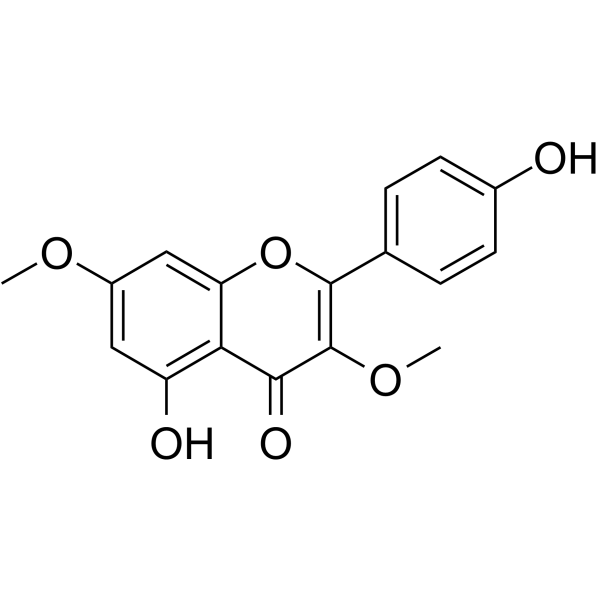
    Kumatakenin
    1 Publications Verification

    Apoptosis Autophagy Caspase Ferroptosis SARS-CoV Neurological Disease Inflammation/Immunology Cancer
    Kumatakenin is an orally active apoptosis inducer and autophagy inhibitor, with a Kd value of 2.94 μM for mouse ATG5. Kumatakenin increases the activities of caspase-3, caspase-8 and caspase-9, thereby inducing caspase-dependent apoptosis in ovarian cancer cells. Kumatakenin reduces the expression of chemokines and pro-oncogenic factors in ovarian cancer cells, and inhibits M2 macrophage polarization. Kumatakenin inactivates TRIM65 function, reduces the expression and stability of FASN, and thus inhibits the proliferation, migration, invasion and tumor progression of esophageal cancer cells. Kumatakenin interacts with ATG5 to reduce its protein level, decrease LC3 level, and reduce the number of autophagosomes in the hippocampus. Kumatakenin binds to Eno3 to upregulate its expression, reduce the stability and expression level of IRP1 mRNA, inhibit ferroptosis, alleviate intestinal inflammation, and restore epithelial barrier function. Kumatakenin enhances the efficacy of antibiotics against pathogenic bacteria, inhibits SARS-CoV-2 replication, and reduces cytokine production. Kumatakenin is applicable to research related to ovarian cancer, esophageal cancer, depression and colitis .
    Kumatakenin
  • HY-106449

    DA-6034 free acid

    NF-κB COX Apoptosis ERK Calcium Channel Inflammation/Immunology Cancer
    Recoflavone (DA-6034 (free acid)), a synthetic derivative of the flavonoid Eupatilin (HY-N0783), is orally active. Recoflavone can inhibit the NF-κB pathway and induce [Ca( 2+)]i increase in epithelial cells. Recoflavone exhibits activities such as anti-inflammation, anti-tumor effects, protection of gastric and intestinal mucosa, and promotion of secretion in the ocular surface and salivary glands. Recoflavone can be used for the research of diseases such as dry eye, gastric injury, and intestinal injury .
    Recoflavone
  • HY-P1108A
    Astressin 2B TFA
    1 Publications Verification

    CRFR Neurological Disease Inflammation/Immunology
    Astressin 2B TFA is a blood-brain barrier-impermeable, highly selective CRFR2 antagonist (rCRFR2, IC50=0.57 nM). Astressin 2B TFA blocks the protective effects mediated by CRFR2, thereby exacerbating indomethacin (HY-14397)-induced hemorrhagic intestinal injury in rats. Astressin 2B TFA reverses the protective effects of Urocortin 1 against intestinal hypermotility, bacterial invasion and upregulation of inflammatory mediators. Astressin 2B TFA also blocks the anxiogenic effect of Urocortin 2 and attenuates stress-induced anxiety-related behaviors. In the Clostridioides difficile toxin A (C. difficile toxin A)-mediated enteritis model, Astressin 2B TFA mimics the phenotype of CRFR2-deficient mice, significantly exacerbating intestinal epithelial damage, edema, neutrophil migration and the expression of multiple proinflammatory cytokines. Astressin 2B TFA is an important tool molecule for investigating the intestinal protective mechanisms of CRFR2 .
    Astressin 2B TFA
  • HY-N6625
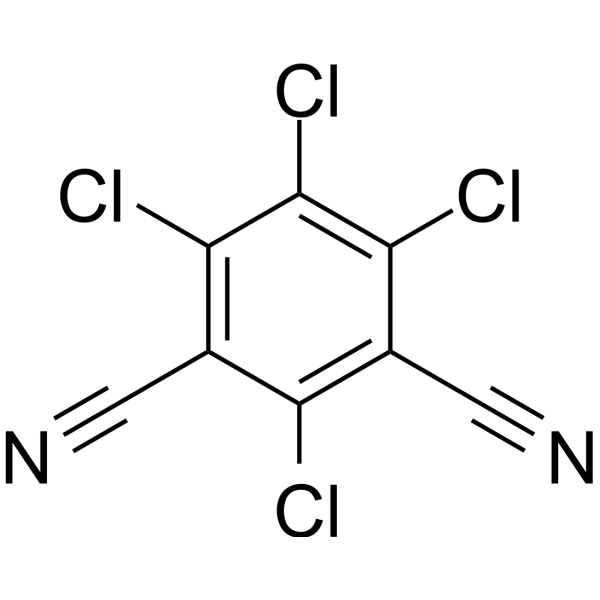
    Chlorothalonil
    1 Publications Verification

    Environmental Pollutants Estrogen Receptor/ERR Fungal Infection
    Chlorothalonil is a broad-spectrum foliar fungicide with oral activity. Chlorothalonil can be used to combat fungal diseases in vegetable and crop leaves. Chlorothalonil can alter the microbial community in the soil. Chlorothalonil inhibits spermatogenesis. Chlorothalonil can cause intestinal epithelial barrier dysfunction and fetal toxicity .
    Chlorothalonil
  • HY-P9929
    Bezlotoxumab
    1 Publications Verification

    BLA761046; MBL-CDB1; MDX-1388

    Bacterial Infection
    Bezlotoxumab (BLA761046; MBL-CDB1; MDX-1388) is a fully humanized IgG1/kappa monoclonal antibody directed against Clostridium difficile toxin B. Bezlotoxumab mediates the early reconstitution of gut microbiota to reduce the risk of recurrent Clostridium difficile infection (CDI). Bezlotoxumab can be used for the study of recurrent Clostridium difficile infection prevention .
    Bezlotoxumab
  • HY-P1108
    Astressin 2B
    1 Publications Verification

    CRFR Neurological Disease Inflammation/Immunology
    Astressin 2B is a blood-brain barrier-impermeable, highly selective CRFR2 antagonist (rCRFR2, IC50=0.57 nM). Astressin 2B blocks the protective effects mediated by CRFR2, thereby exacerbating indomethacin (HY-14397)-induced hemorrhagic intestinal injury in rats. Astressin 2B reverses the protective effects of Urocortin 1 against intestinal hypermotility, bacterial invasion and upregulation of inflammatory mediators. Astressin 2B also blocks the anxiogenic effect of Urocortin 2 and attenuates stress-induced anxiety-related behaviors. In the Clostridioides difficile toxin A (C. difficile toxin A)-mediated enteritis model, Astressin 2B mimics the phenotype of CRFR2-deficient mice, significantly exacerbating intestinal epithelial damage, edema, neutrophil migration and the expression of multiple proinflammatory cytokines. Astressin 2B is an important tool molecule for investigating the intestinal protective mechanisms of CRFR2 .
    Astressin 2B
  • HY-P11017

    p38 MAPK Cadherin Inflammation/Immunology
    LNSMGQD is a cyclic peptide fragment derived from desmoglein 1 (amino acids 81-86), which mimics trans-interactions and acts as part of the tandem peptide binding interface of desmoglein 2. LNSMGQD not only binds to desmoglein 1 and 3, but also effectively inhibits their homophilic trans-interactions, while reducing the probability of homophilic or heterophilic binding between desmoglein 2 and Dsc2, N-cadherin and E-cadherin. LNSMGQD is applicable to the research on disease mechanisms such as Crohn's disease and pemphigus vulgaris .
    LNSMGQD
  • HY-112465

    PKA PKC PKG Neurological Disease Cancer
    H-8 dihydrochloride is a selective Cyclic nucleotide-dependent protein kinase inhibitor. H-8 dihydrochloride potently inhibits cGMP- and cAMP-dependent protein phosphorylation. H-8 dihydrochloride enhances the vasodilatory effect induced by 8-bromo-cAMP (HY-12306A). H-8 dihydrochloride fails to attenuate the vasodilatory effects induced by 8-bromo-cGMP (HY-101379A), atrial natriuretic peptide II, or Sodium nitroprusside (HY-B0564) in rat aorta .
    H-8 dihydrochloride
  • HY-W010162

    L-Alanyl-L-alanine; Ala-Ala

    Amino Acid Derivatives Others
    H-Ala-Ala-OH is a substrate of human intestinal oligopeptide transporter (PEPT1/SLC15A1), with an IC50 of 0.25 mM and an EC50 of 0.08 mM against human PEPT1. When used as a dipeptide linker in antibody-drug conjugates (ADCs) loaded with glucocorticoid receptor regulator payloads, H-Ala-Ala-OH enables efficient intracellular payload release .
    H-Ala-Ala-OH
  • HY-119684

    NOD-like Receptor (NLR) Interleukin Related Neurological Disease Inflammation/Immunology
    Maresin 2 is an anti-inflammatory and pro-resolving mediator. Maresin 2 drives intestinal epithelial cell migration by activating the focal cell-matrix adhesion signaling pathway in primary human intestinal epithelial cells, thereby promoting mucosal wound repair. Maresin 2 alleviates nociceptive and anxiety-like behaviors in rats with type 1 diabetes by inhibiting IL-1β in the spinal cord and prefrontal cortex. Maresin 2 attenuates allergic airway inflammation in mice by inhibiting the activation of the NLRP3 inflammasome, Th2-type immune responses, and oxidative stress. Maresin 2 inhibits inflammatory and neuropathic trigeminal neuralgia and reduces neuronal activation in the trigeminal ganglion. Maresin 2 promotes inflammation resolution and mucosal repair after DSS-induced colitis or biopsy-induced colonic mucosal injury .
    Maresin 2
  • HY-123879

    Interleukin Related Inflammation/Immunology
    BAA473 is a bile acid analog and is a potent activator of the pyrin inflammasome that induces the secretion of interleukin 18 (IL-18) through activation of the inflammasome in both myeloid and intestinal epithelial cells .
    BAA473
  • HY-170704

    Liposome Metabolic Disease Cancer
    DSPE-PEG2000-TCO is a click chemistry coupling partner. DSPE-PEG2000-TCO undergoes a reverse electron-demand Diels-Alder click reaction to form a covalent linkage with tetrazine-modified Cetuximab (HY-P9905). DSPE-PEG2000-TCO maintains the stability of lipid nanoparticles (LNPs) and has high mRNA encapsulation efficiency, which supports cellular uptake and mRNA transfection. DSPE-PEG2000-TCO is used to prepare EGFR-targeted and APN-targeted mRNA-loaded LNPs, mediating receptor-dependent endocytosis, mRNA delivery, and intestinal epithelial transcytosis .
    DSPE-PEG2000-TCO
  • HY-W007355S

    3-Methylindole-d3; 3-Methyl-1H-indole-d3

    Aryl Hydrocarbon Receptor p38 MAPK Endogenous Metabolite Autophagy Bacterial Fungal Others
    Skatole-d3 is the deuterium labeled Skatole. Skatole is produced by intestinal bacteria, regulates intestinal epithelial cellular functions through activating aryl hydrocarbon receptors and p38 .
    Skatole-d3
  • HY-N4031

    Anaplastic lymphoma kinase (ALK) METTL3 Inflammation/Immunology
    Humantenine is a highly toxic indole alkaloid from Gelsemium elegans (Gardn. & Champ.) Benth. that binds to RNA m6A modification regulatory proteins (ALKBH5, METTL). Humantenine stably binds via hydrogen bonding and hydrophobic interactions and disrupts the m6A methylation level of target genes, thereby impairing the expression of intestinal epithelial cell tight junction and cytoskeleton-related genes, causing intestinal barrier dysfunction and significant intestinal cytotoxicity. The intraperitoneal injection LD50 values of Humantenine are <1 mg/kg in mice, 1.2 mg/kg in male rats and 1.5 mg/kg in female rats, respectively. Species differences exist in the metabolism of Humantenine in human, porcine, goat and rat liver microsomes, and demethylation, dehydrogenation and oxidation occur in liver microsomes .
    Humantenine
  • HY-W007376R

    3-Formylindole (Standard)

    Reference Standards Endogenous Metabolite Others
    Indole-3-carboxaldehyde (Standard) is the analytical standard of Indole-3-carboxaldehyde. This product is intended for research and analytical applications. Indole-3-carboxaldehyde (3-Formylindole), a banlangen extract, is the product of the oxidative degradation of indole-3-acetic acid (IAA) by crude enzyme preparations from etiolated pea seedlings. Indole-3-carboxaldehyde is a biochemical used to prepare analogs of the indole phytoalexin cyclobrassinin. Indole-3-carboxaldehyde also enhances the epithelial barrier and anti-inflammatory activity in the intestinal tract[1][2].
    Indole-3-carboxaldehyde (Standard)
  • HY-P2758

    DAO

    Biochemical Assay Reagents Metabolic Disease Inflammation/Immunology Cancer
    Diamine oxidase (DAO) is an orally active enzyme. Diamine oxidase catalyzes oxidative deamination of various polyamines. Diamine oxidase degrades histamine and polyamines to maintain the metabolic balance of amines in the body. Diamine oxidase is a key regulatory enzyme in rapidly proliferating tissues such as bone marrow and intestinal mucosa. Diamine oxidase can be used in research related to intestinal diseases, small bowel transplant rejection, histamine intolerance, and other conditions .
    Diamine oxidase
  • HY-121811

    Lanceolatin C

    Glycosidase Phosphatase Interleukin Related TNF Receptor COX Beclin1 GLUT FAK Akt mTOR p38 MAPK Keap1-Nrf2 Apoptosis Amyloid-β Tau Protein Autophagy Neurological Disease Inflammation/Immunology Cancer
    Pongamol is an orally active flavonoid with an IC50 of 75 μM and a Ki of 58 μM against PTPase-1B, and an IC50 of 103.5 μM against intestinal α-Glycosidase. Pongamol reduces the release of IL‑1β, TNF‑α, COX‑2 and iNOS in cells, reverses the nuclear translocation of NF‑κB, and upregulates the levels of Beclin 1 and LC3 Ⅱ/LC3 Ⅰ. Pongamol promotes glucose uptake by increasing the level of GLUT4 on the surface of skeletal muscle cells. Pongamol inhibits epithelial-mesenchymal transition by suppressing the FAK/Akt-mTOR signaling pathway. Pongamol inhibits neuronal cytotoxicity, suppresses cell apoptosis and extends the lifespan of Caenorhabditis elegans by activating the MAPKs/Nrf2 signaling pathway. Pongamol exerts hypoglycemic effects in diabetic mouse models. Pongamol alleviates oxidative stress, neuroinflammation, deposition and excessive phosphorylation of Tau Protein, and restores autophagy function in Alzheimer's disease mouse models by inhibiting the Akt/mTOR signaling pathway. Pongamol is applicable to research related to Alzheimer's disease, type 2 diabetes, non-small cell lung cancer and postprandial hyperglycemia .
    Pongamol
  • HY-W007355S1

    3-Methylindole-d8; 3-Methyl-1H-indole-d8

    Isotope-Labeled Compounds Aryl Hydrocarbon Receptor p38 MAPK Endogenous Metabolite Autophagy Bacterial Fungal Others
    Skatole-d8 is the deuterium labeled Skatole. Skatole is produced by intestinal bacteria, regulates intestinal epithelial cellular functions through activating aryl hydrocarbon receptors and p38 .
    Skatole-d8
  • HY-W007355R

    3-Methylindole (Standard); 3-Methyl-1H-indole (Standard)

    Reference Standards Aryl Hydrocarbon Receptor p38 MAPK Endogenous Metabolite Apoptosis Others
    Skatole (Standard) is the analytical standard of Skatole. This product is intended for research and analytical applications. Skatole (3-methylindole) is a heterocyclic compound naturally found in the feces of vertebrates and can be found in certain plants. Skatole can be produced by intestinal bacteria, inducing apoptosis of intestinal epithelial cells through activating aryl hydrocarbon receptors (AhR) and p38. Skatole has been used in specific products of the perfume industry or as a flavor additive in ice cream .
    Skatole (Standard)
  • HY-139149

    Histone Acetyltransferase Cancer
    NiCur is a potent and selective CBP histone acetyltransferase (HAT) inhibitor with an IC50 value of 0.35 μΜ. NiCur, which blocks CBP HAT activity and downregulates p53 activation upon genotoxic stress. NiCur can be used for performing mechanistic studies without affecting the expression of target proteins .
    NiCur
  • HY-101981R

    5'-​Uridylic acid (Standard)

    Reference Standards Endogenous Metabolite Cardiovascular Disease Metabolic Disease
    Uridine 5'-monophosphate (Standard) is the analytical standard of Uridine 5'-monophosphate. This product is intended for research and analytical applications. Uridine 5'-monophosphate (5'-Uridylic acid) is an orally active mitochondrial ATP-dependent potassium channel activator that has a protective effect on the heart. Uridine 5'-monophosphate can promote the synthesis of CDP-choline and induce apoptosis in intestinal epithelial cells, which is beneficial for gut development and reduces diarrhea.
    Uridine 5'-monophosphate (Standard)
  • HY-W013175S2

    5'-​Uridylic acid-13C9,15N2 disodium

    Isotope-Labeled Compounds Endogenous Metabolite Cholinesterase (ChE) Potassium Channel Apoptosis Cardiovascular Disease Metabolic Disease
    Uridine 5'-monophosphate- 13C9, 15N2 disodium is the 13C and 15N labeled Uridine 5'-monophosphate disodium salt (HY-W013175). Uridine 5'-monophosphate (5'-Uridylic acid) disodium salt is an orally active mitochondrial ATP-dependent potassium channel activator that has a protective effect on the heart. Uridine 5'-monophosphate disodium salt can promote the synthesis of CDP-choline and induce apoptosis in intestinal epithelial cells, which is beneficial for gut development and reduces diarrhea .
    Uridine 5'-monophosphate-13C9,15N2 disodium
  • HY-N0671R
    Rhapontin (Standard)
    2 Publications Verification

    Rhaponiticin (Standard)

    Reference Standards Apoptosis Cardiovascular Disease Metabolic Disease Inflammation/Immunology Cancer
    Rhapontin (Standard) is the analytical standard of Rhapontin (HY-N0671). This product is intended for research and analytical applications. Rhapontin (Rhaponiticin) is an orally aactive SIRT1 agonist and AMPK activator with anti-inflammatory and anti-fibrotic activities. Rhapontin inhibits NLRP3 inflammasome activation by activating SIRT1 and inhibits TGF-β/Smad signaling via the AMPK pathway. Rhapontin reduces intestinal and lung inflammation, inhibits fibroblast differentiation and extracellular matrix deposition, and enhances tight junction protein expression to repair epithelial barriers. Rhapontin can be used in the study of inflammatory bowel diseases (such as ulcerative colitis) and pulmonary fibrosis .
    Rhapontin (Standard)
  • HY-N7635

    β-D-Glucopyranosyl oleanolate

    NO Synthase COX Interleukin Related Claudin p38 MAPK Akt PI3K Inflammation/Immunology
    Oleanolic acid 28-O-β-D-glucopyranoside (β-D-Glucopyranosyl oleanolate) is an orally active pentacyclic triterpenoid compound. Oleanolic acid 28-O-β-D-glucopyranoside has anti-inflammatory effects. In ulcerative colitis models, Oleanolic acid 28-O-β-D-glucopyranoside can inhibit the inflammatory response, enhance the intestinal epithelial barrier function, and modulate the gut microbiota. Its mechanism of action is related to the PI3K-AKT and MAPK signaling pathways. Oleanolic acid 28-O-β-D-glucopyranoside can be used in the research of diseases such as colitis .
    Oleanolic acid 28-O-β-D-glucopyranoside
  • HY-N12378

    NF-κB Toll-like Receptor (TLR) PKA Epigenetic Reader Domain Keap1-Nrf2 Sirtuin AMPK Caspase FASTK ERK ROCK Apoptosis Metabolic Disease Inflammation/Immunology Cancer
    β-Patchoulene is an orally active anti-inflammatory, antioxidant, and anti-apoptotic agent. β-Patchoulene inhibits the NF-κB, TLR4, and cAMP/PKA/CREB signaling pathways; activates the Sirt1/Nrf2 and AMPK signaling pathways; and targets Fas/FasL, Caspase-3, ERK1/2, ROCK1/MLC2 for inhibition. β-Patchoulene regulates cytokine secretion, inflammatory cell infiltration, lipid peroxidation, cell polarization, gut microbiota, and lipid metabolism, restores barrier function, mitochondrial function, and cell viability, and exhibits repellent activity against Spodoptera exigua larvae. β-Patchoulene can be used in research related to various inflammatory, ischemic, fibrosis-associated diseases, as well as hepatocellular carcinoma .
    β-Patchoulene
  • HY-135319

    Bacterial Antibiotic ERK JNK NF-κB ROR Apoptosis Caspase GSK-3 Akt PI3K Infection Metabolic Disease Inflammation/Immunology Cancer
    Strictinin is an orally active phenolic compound. Strictinin reduces xanthine oxidase activity, uric acid production, and the activation of ERK1/2, JNK, NF-κB, and NLRP3 inflammasome components in hepatocytes treated with Xanthine (HY-W017389). Strictinin decreases elevated serum uric acid levels and enhanced xanthine oxidase activity in mice treated with potassium oxonate. Strictinin acts as a ROR1 inhibitor and exhibits anticancer activity against highly aggressive non-androgen-dependent prostate cancer. Strictinin induces cancer cell apoptosis (apoptosis), arrests cell cycle, and inhibits cancer cell migration, invasion, and epithelial-mesenchymal transition. Strictinin modulates gut microbiota, inhibits bacterial growth and biofilm formation, accelerates small intestinal transit, and blocks viral entry and replication. Strictinin can be used in research related to hyperuricemia, androgen receptor-negative non-androgen-dependent prostate cancer, triple-negative breast cancer, bacterial infections, constipation, coronavirus infections, dental caries, and infections caused by influenza A, influenza B, and human parainfluenza virus type 1 .
    Strictinin
  • HY-W097994

    2,3-Dihydroxy-4-methoxybenzaldehyde

    Fungal Infection Inflammation/Immunology
    DHMB (2,3-Dihydroxy-4-methoxybenzaldehyde) is a small organic molecule with anti-fungal and anti-inflammatory activity. DHMB has protective effect on intestinal epithelial cells .
    DHMB
  • HY-I0746

    m-Aminobenzoic acid; 3ABA

    Endogenous Metabolite Neurological Disease Inflammation/Immunology
    3-Aminobenzoic acid (3-ABA) is an orally active anti-inflammatory agent targeting the tight junction (TJ) regulatory pathways in intestinal epithelial cells. 3-Aminobenzoic acid improves intestinal inflammation by enhancing intestinal barrier integrity and reducing epithelial permeability. It can be used in studies related to improving gut health. Additionally, 3-Aminobenzoic acid analogs can act as γ-aminobutyric acid transaminase (GABA-AT) inhibitors, exhibiting anticonvulsant effects .
    3-Aminobenzoic acid
  • HY-N6625R

    Reference Standards Fungal Estrogen Receptor/ERR Infection
    Chlorothalonil (Standard) is the analytical standard of Chlorothalonil. This product is intended for research and analytical applications. Chlorothalonil is a broad-spectrum foliar fungicide with oral activity. Chlorothalonil can be used to combat fungal diseases in vegetable and crop leaves. Chlorothalonil can alter the microbial community in the soil. Chlorothalonil inhibits spermatogenesis. Chlorothalonil can cause intestinal epithelial barrier dysfunction and fetal toxicity .
    Chlorothalonil (Standard)
  • HY-101981S

    5'-Uridylic acid-15N2

    Endogenous Metabolite Isotope-Labeled Compounds Cholinesterase (ChE) Potassium Channel Apoptosis Cardiovascular Disease Metabolic Disease
    Uridine 5'-monophosphate- 15N2 (5'-​Uridylic acid- 15N2) is the 15N labeled Uridine 5'-monophosphate (HY-101981). Uridine 5'-monophosphate (5'-Uridylic acid) is an orally active mitochondrial ATP-dependent potassium channel activator that has a protective effect on the heart. Uridine 5'-monophosphate can promote the synthesis of CDP-choline and induce apoptosis in intestinal epithelial cells, which is beneficial for gut development and reduces diarrhea .
    Uridine 5'-monophosphate-15N2
  • HY-17623S

    CJ-12420-d6; RQ-00000004-d6

    Proton Pump Na+/K+ ATPase Metabolic Disease
    Tegoprazan (CJ-12420; RQ-00000004), a potassium-competitive acid blocker, is a reversible, oral active and highly selective inhibitor of gastric H+/K+-ATPase that could control gastric acid secretion and motility, with IC50 values ranging from 0.29-0.52 μM for porcine, canine, and human H +/K +-ATPases in vitro. Tegoprazan significantly improves colitis in mice and enhances the intestinal epithelial barrier function. Tegoprazan is promising for research of Inflammatory bowel, gastric acid-related, motilityimpaired diseases .
    Tegoprazan-d6
  • HY-W011053GL

    Taste Receptor Apoptosis Drug Derivative Metabolic Disease
    Neotame (GMP Like) is the GMP Like class Neotame (HY-W011053) that can be used as pharmaceutical excipients. Neotame is a derivative of Aspartame (HY-B0361) and is a flavor enhancer and low-caloric, non-nutritive, high-intensity artificial sweetener that is 7000-13,000 times sweeter than sugar. Neotame causes intestinal epithelial cell death at high concentrations. Neotame induces Apoptosis of Caco-2 cells .
    Neotame (GMP Like)
  • HY-W750674

    3-Formylindole-C13C8

    Isotope-Labeled Compounds Inflammation/Immunology
    Indole-3-carboxaldehyde- 13C8 (3-Formylindole- 13C8) is the 13C-labeled Indole-3-carboxaldehyde (HY-W007376). Indole-3-carboxaldehyde, a banlangen extract, is the product of the oxidative degradation of indole-3-acetic acid (IAA) by crude enzyme preparations from etiolated pea seedlings. Indole-3-carboxaldehyde is a biochemical used to prepare analogs of the indole phytoalexin cyclobrassinin. Indole-3-carboxaldehyde also enhances the epithelial barrier and anti-inflammatory activity in the intestinal tract .
    Indole-3-carboxaldehyde-13C8
  • HY-I0746R

    m-Aminobenzoic acid (Standard); 3ABA (Standard)

    Reference Standards Endogenous Metabolite Neurological Disease Inflammation/Immunology
    3-Aminobenzoic acid (Standard) is the analytical standard of 3-Aminobenzoic acid. This product is intended for research and analytical applications. 3-Aminobenzoic acid (3-ABA) is an orally active anti-inflammatory agent targeting the tight junction (TJ) regulatory pathways in intestinal epithelial cells. 3-Aminobenzoic acid improves intestinal inflammation by enhancing intestinal barrier integrity and reducing epithelial permeability. It can be used in studies related to improving gut health. Additionally, 3-Aminobenzoic acid analogs can act as γ-aminobutyric acid transaminase (GABA-AT) inhibitors, exhibiting anticonvulsant effects .
    3-Aminobenzoic acid (Standard)
  • HY-N1516R

    Reference Standards Apoptosis Cancer
    3-Aminobenzoic acid (Standard) is the analytical standard of 3-Aminobenzoic acid. This product is intended for research and analytical applications. 3-Aminobenzoic acid (3-ABA) is an orally active anti-inflammatory agent targeting the tight junction (TJ) regulatory pathways in intestinal epithelial cells. 3-Aminobenzoic acid improves intestinal inflammation by enhancing intestinal barrier integrity and reducing epithelial permeability. It can be used in studies related to improving gut health. Additionally, 3-Aminobenzoic acid analogs can act as γ-aminobutyric acid transaminase (GABA-AT) inhibitors, exhibiting anticonvulsant effects .
    Ganoderenic acid D (Standard)

Inquiry Online

Your information is safe with us. * Required Fields.

Salutation


Country or Region *

Applicant Name *


Organization Name *

Department *


Email Address *


Product Name *

Cat. No.


Requested quantity *

Phone Number *


Remarks

Inquiry Online

Inquiry Information

Product Name:
Cat. No.:
Quantity:
MCE Japan Authorized Agent:

