



ZINC40099027
Based on 5 publication(s) in Google Scholar
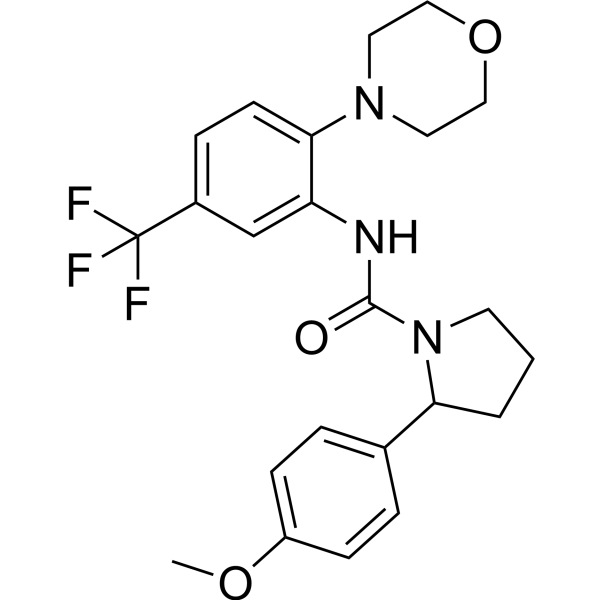
ZINC40099027 is a selective FAK activator. ZINC40099027 promotes FAK phosphorylation, without activating its paralogs Pyk2 and Src. ZINC40099027 promotes the wound closure of human intestinal epithelial monolayers and the healing of mouse ulcers by activating FAK. ZINC40099027 can be used for diseases related to gastrointestinal mucosal injury research.
Nos produits utilisent uniquement pour la recherche. Nous ne vendons pas aux patients.
- Pureté : 99.64%
- CAS No.: 1211825-25-0
- Formule: C23H26F3N3O3
- Masse moléculaire:449.47
-
Stockage:Powder -20°C, 3 years , 4°C, 2 years ; In solvent -80°C, 6 months , -20°C, 1 month

To place orders, for customer services and technical support, please contact: MedChemExpress USA
Tel: 609-228-6898 E-mail: [email protected] [email protected]


-
 Activité biologique
-
Chemical Information
-
Solvant et solubilité
- Protocole
- Pureté et documentation
- Références
-
 Help & FAQs


-
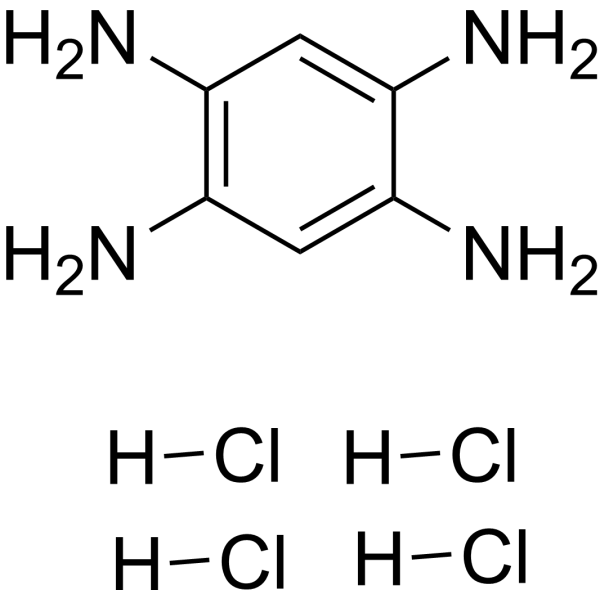
HY-12444
Y15FAK Inhibitor -
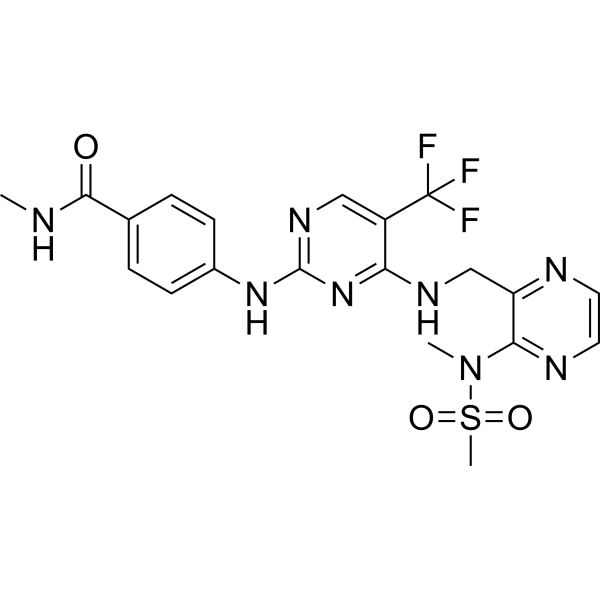
HY-12289
DefactinibFAK Inhibitor -
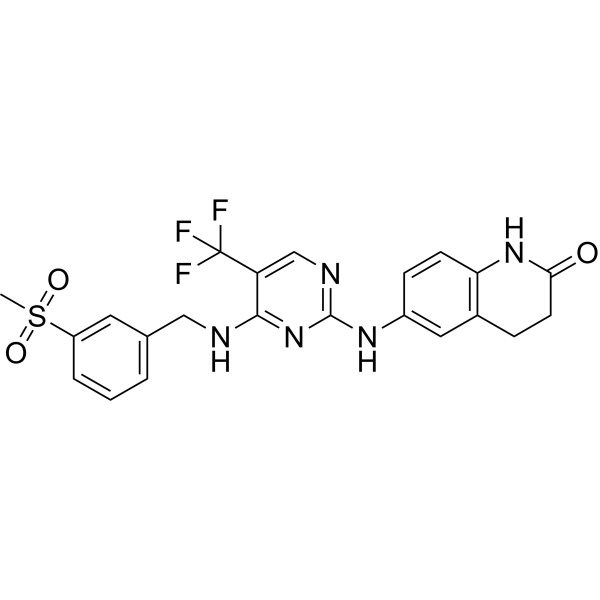
HY-10461
PF-573228FAK Inhibitor -
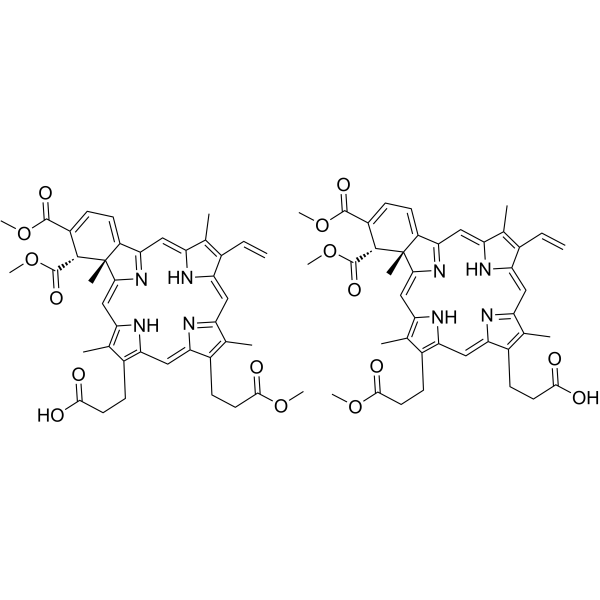
HY-B0146
VerteporfinYAP Inhibitor -
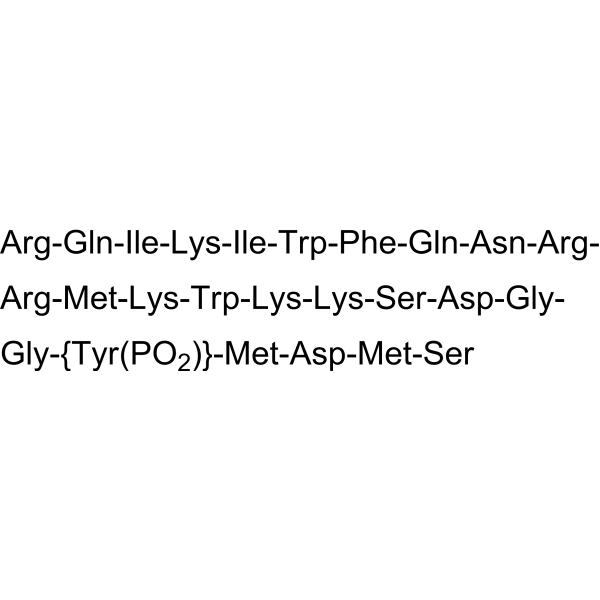
HY-P0175
740 Y-PPI3K Activator -
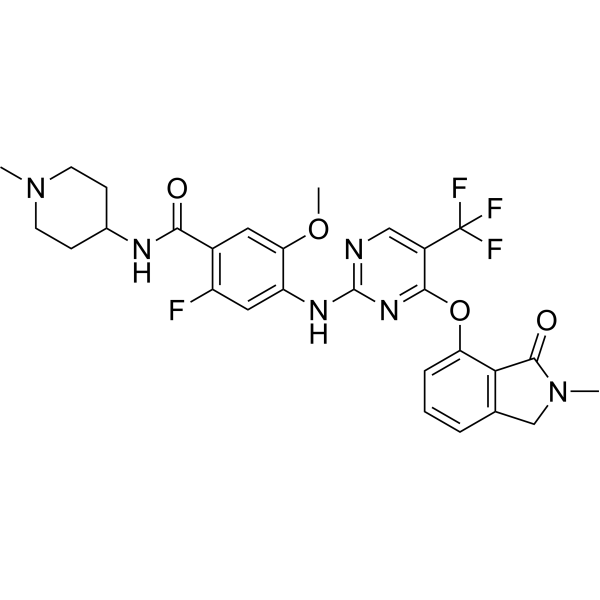
HY-122844
IfebemtinibFAK Inhibitor -
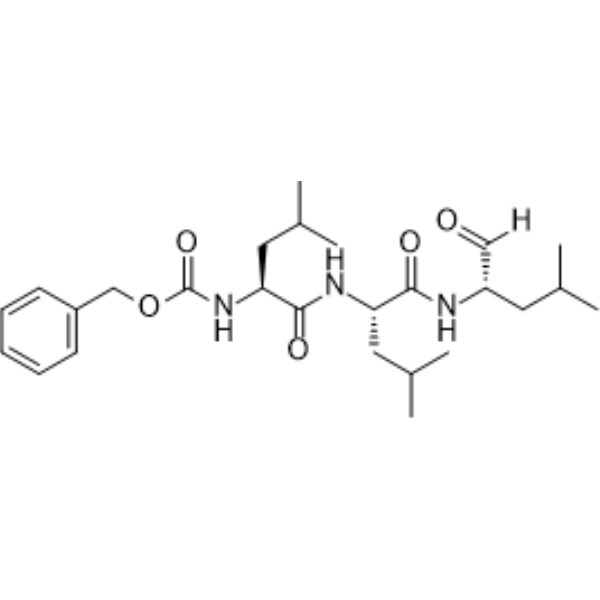
HY-13259
MG-132Proteasome Inhibitor -
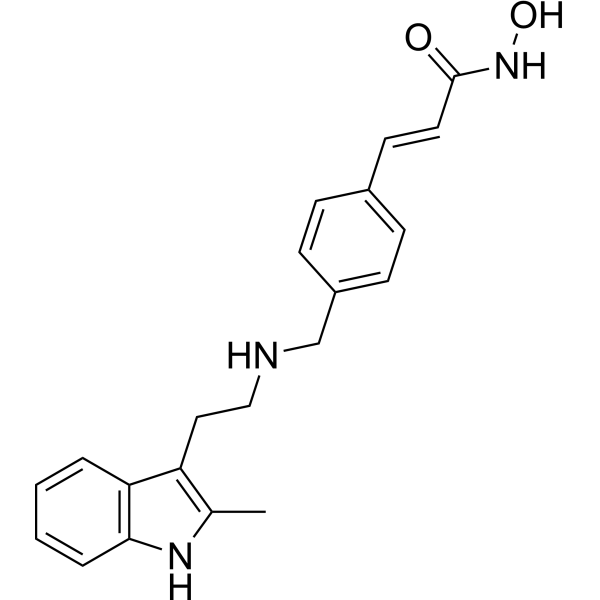
HY-10224
PanobinostatHDAC Inhibitor -
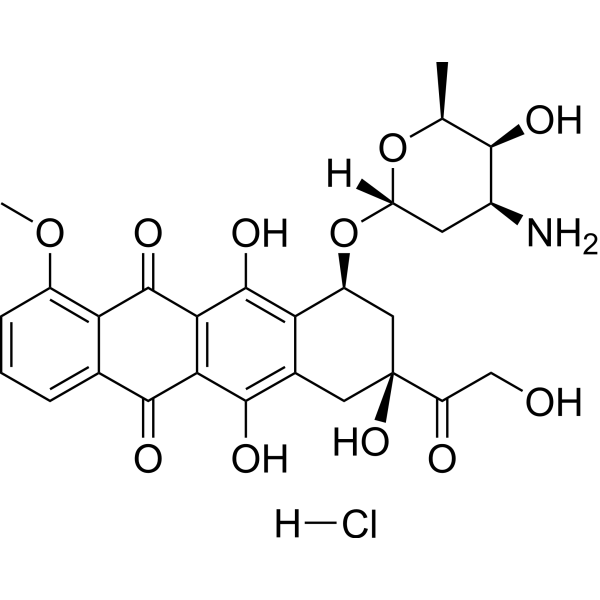
HY-15142
Doxorubicin hydrochlorideTopoisomerase Inhibitor -
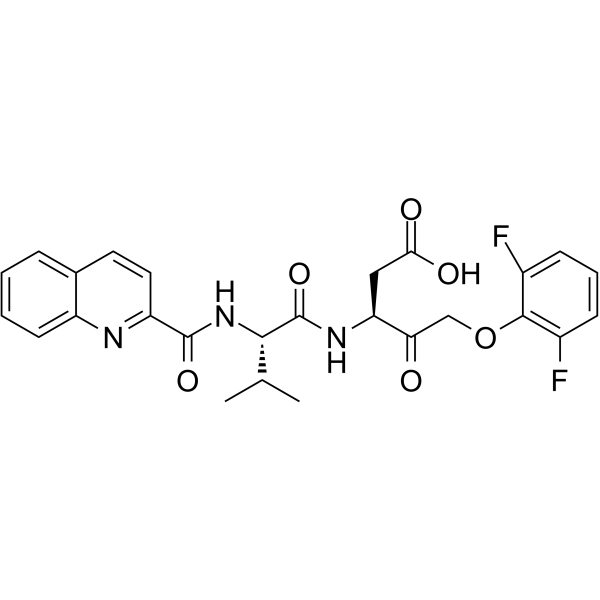
HY-12305
Q-VD-OPhPan-caspase Inhibitor -
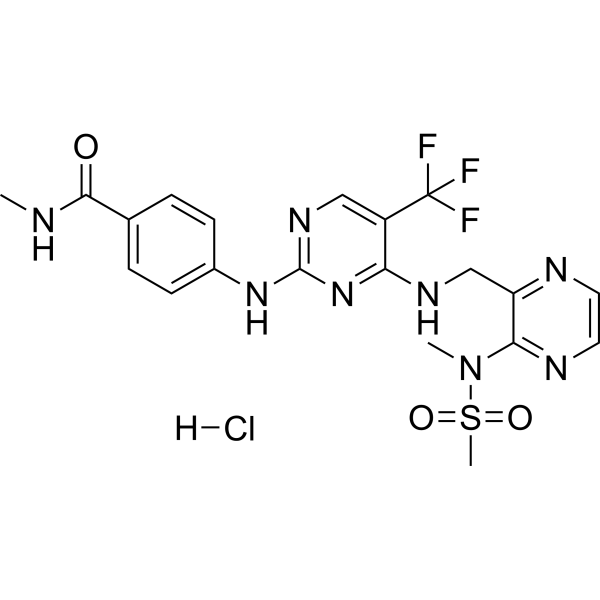
HY-12289A
Defactinib hydrochlorideFAK Inhibitor -
HY-126410
Petunidin chloridePEN Inhibitor
Publications Citing Use of MedChemExpress (MCE) ZINC40099027
More Customer Validation & Images

-
WB
-
Cell Imaging/Staining
-
Bio/Physico-chemical Assay
-
WB
-
Cell Imaging/Staining


Activité biologique
Description
In Vitro
ZINC40099027 (10-1000 nM, 1 h) promotes FAK phosphorylation in Caco-2 intestinal epithelial cells[1].
ZINC40099027 (10 nM; 24 hours) accelerates the wound closure of Caco-2 epithelial monolayers[1].
MedChemExpress (MCE) has not independently confirmed the accuracy of these methods. They are for reference only.
-
Cell Line:Caco-2 intestinal epithelial cells
-
Concentration:10 nM, 100 nM, 1000 nM
-
Incubation Time:1 h
-
Result:Specifically increased FAK-Tyr 397 phosphorylation within intact cells while activating neither Pyk2, a close paralogue of FAK, nor Src, another key nonreceptor kinase within the focal adhesion complex.
In Vivo
ZINC40099027 (900 µg/kg; intraperitoneal injection; once every 6 hours; treatment for 3 days) promotes ulcer healing, reduces the total ulcer area, and has no significant effect on the morphology of the kidneys and liver in the Indomethacin (HY-14397)-induced small intestine injury model in mice[1].
MedChemExpress (MCE) has not independently confirmed the accuracy of these methods. They are for reference only.
-
Animal Model:C57BL/6J mice (both male and female, 8-10 weeks old), the ischemic ulcer model was induced by placing a 75% Acetic acid-saturated circular filter disk on the antimesenteric serosa of the jejunum for 15 seconds[1]
-
Dosage:900 µg/kg
-
Administration:Intraperitoneal injection, once every 6 hours, for 3 days
-
Result:Had smaller ulcers than those receiving the DMSO control.
The percentage of wound closure was markedly higher.
Showed higher immunoreactivity for phosphorylated FAK in the epithelium at the edge.
-
Animal Model:C57BL/6J mice (both male and female, 8-10 weeks old), the Indomethacin-induced ulcer model was induced by subcutaneous injection of 15 mg/kg Indomethacin dissolved in 100% ethanol[1]
-
Dosage:900 µg/kg
-
Administration:Intraperitoneal injection, once every 6 hours, for 3 days
-
Result:Reduced the total ulcer area compared to the DMSO control.


Chemical Information
-
CAS No. 1211825-25-0
-
Appearance Solid
-
Masse moléculaire 449.47
-
Formule C23H26F3N3O3
-
Color White to off-white
-
SMILES
O=C(N1C(C2=CC=C(OC)C=C2)CCC1)NC3=CC(C(F)(F)F)=CC=C3N4CCOCC4
-
Livraison
Room temperature in continental US; may vary elsewhere.
-
Stockage
Powder -20°C 3 years 4°C 2 years In solvent -80°C 6 months -20°C 1 month


Publications (5)
-
Journal Impact Factor
-
Most Recent
-
Cell Death Discov
Non-enzymatic function of QSOX2 directly regulates the JUNB-ITGB4 axis and enhanced resistance to osimertinib in EGFR-mutation lung adenocarcinoma. [Abstract]2026 Apr 1;12(1):215. PMID: 41922310 -
Free Radic Biol Med
Targeting DUSP26 to drive cardiac mitochondrial dynamics via FAK-ERK signaling in diabetic cardiomyopathy. [Abstract]2024 Nov 5:225:856-870. PMID: 39510451
ZINC40099027 purchased from MedChemExpress. Usage Cited in: Free Radic Biol Med. 2024 Nov 5:225:856-870. [Abstract]
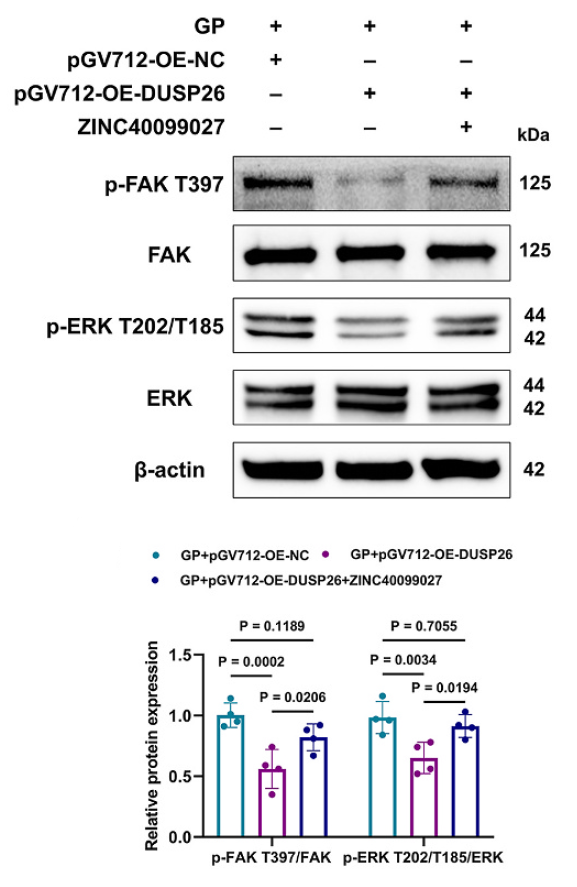
ZINC40099027 (10 nM; 2 h) significantly reversed the suppression of FAK and ERK phosphorylation induced by DUSP26 overexpression in H9c2 cells exposed to GP. β-actin.
ZINC40099027 purchased from MedChemExpress. Usage Cited in: Free Radic Biol Med. 2024 Nov 5:225:856-870. [Abstract]
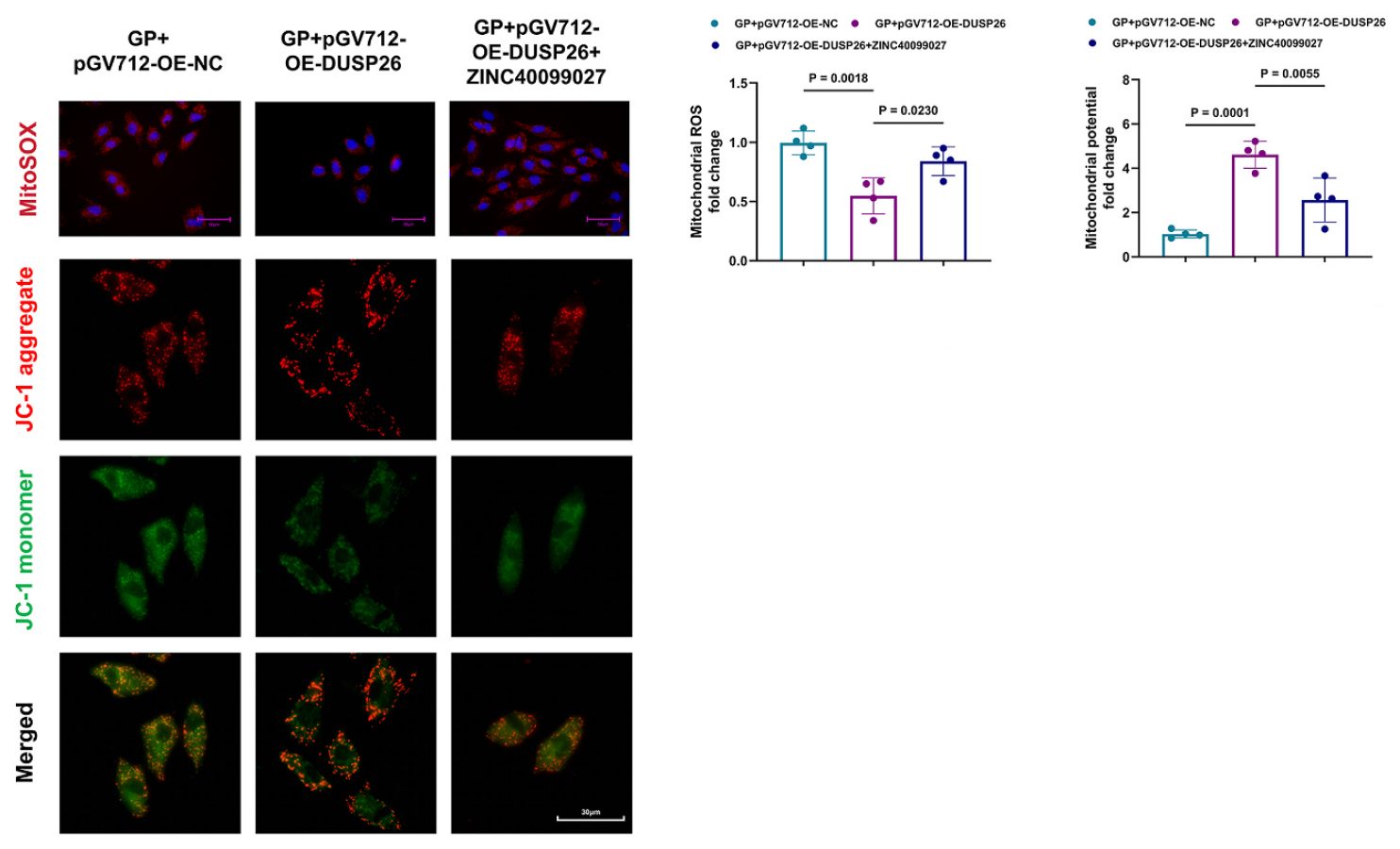
ZINC40099027 (10 nM; 2 h) treatment led to significant changes in mitochondrial ROS and membrane potential in H9c2 cells, as evidenced by MitoSOX and JC-1 staining.
ZINC40099027 purchased from MedChemExpress. Usage Cited in: Free Radic Biol Med. 2024 Nov 5:225:856-870. [Abstract]
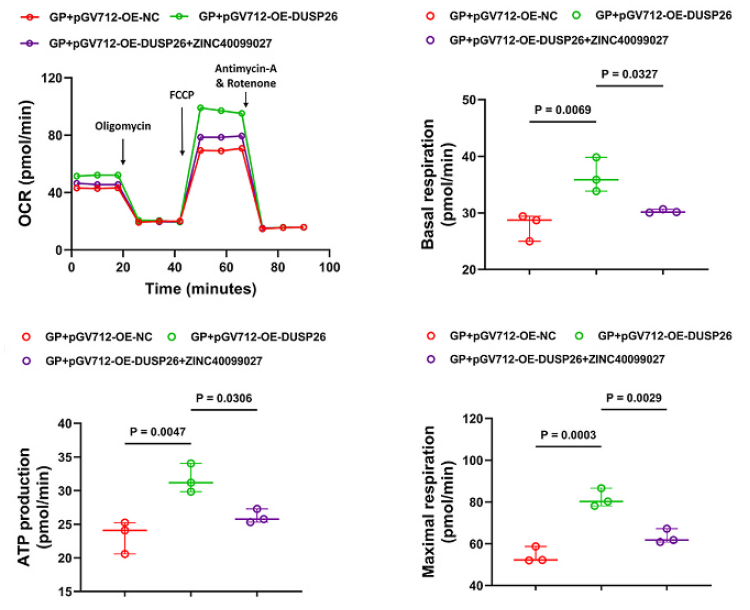
ZINC40099027 (10 nM; 2 h), a potent FAK activator, altered basal respiration, ATP production, and maximal respiration in DUSP26-overexpressing H9c2 cells.
ZINC40099027 purchased from MedChemExpress. Usage Cited in: Free Radic Biol Med. 2024 Nov 5:225:856-870. [Abstract]
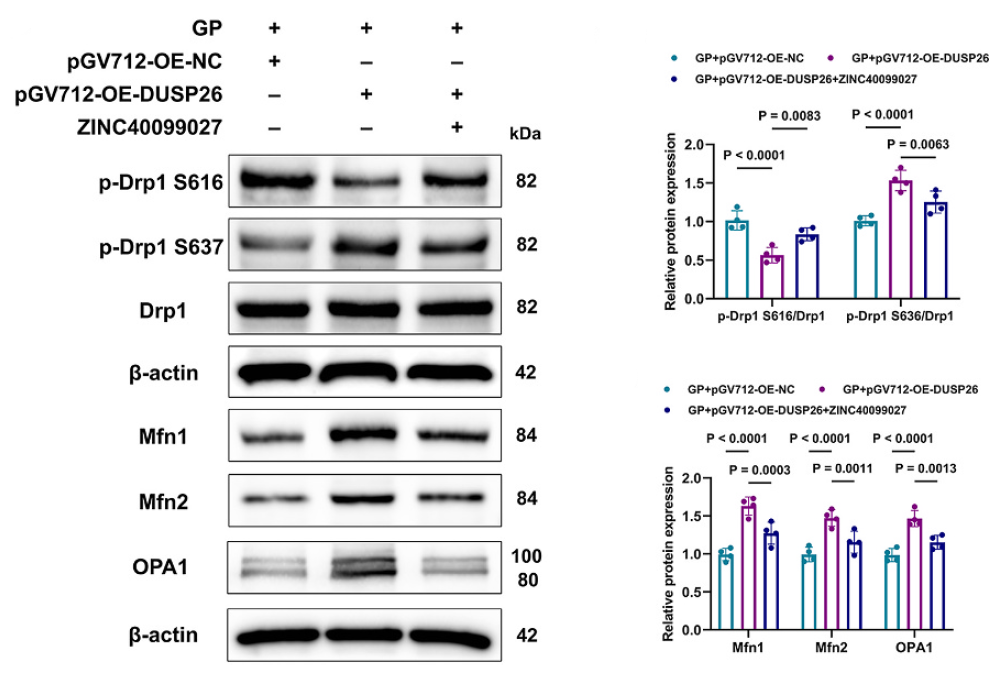
ZINC40099027 (10 nM; 2 h) reversed the changes of mitochondrial dynamic proteins (Drp1, Mfn1, Mfn2, and OPA1) in H9c2 cells induced by DUSP26 overexpression.
ZINC40099027 purchased from MedChemExpress. Usage Cited in: Free Radic Biol Med. 2024 Nov 5:225:856-870. [Abstract]
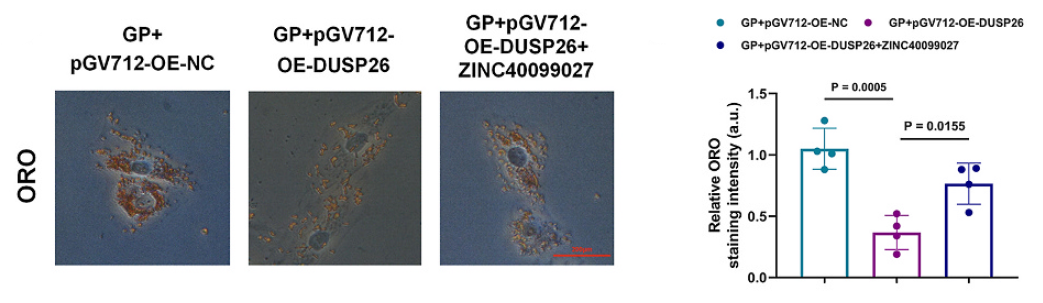
FAK activator ZINC40099027 (10 nM; 2 h) caused a significant increase in lipid droplet accumulation in DUSP26-overexpressing H9c2 cells under glucolipotoxic conditions.
-
-
-


Solvant et solubilité
In Vitro:
DMSO : 100 mg/mL (222.48 mM; Need ultrasonic; Hygroscopic DMSO has a significant impact on the solubility of product, please use newly opened DMSO)
Please refer to the solubility information to select the appropriate solvent. Once prepared, please aliquot and store the solution to prevent product inactivation from repeated freeze-thaw cycles.
Storage method and period of stock solution: -80°C, 6 months; -20°C, 1 month. When stored at -80°C, please use it within 6 months. When stored at -20°C, please use it within 1 month.
Please refer to the solubility information to select the appropriate solvent. Once prepared, please aliquot and store the solution to prevent product inactivation from repeated freeze-thaw cycles.
Storage method and period of stock solution: -80°C, 6 months; -20°C, 1 month. When stored at -80°C, please use it within 6 months. When stored at -20°C, please use it within 1 month.
Concentration (start) × Volume (start) = Concentration (final) × Volume (final)
In Vivo:
Select the appropriate dissolution method based on your experimental animal and administration route.
- For the following dissolution methods, please ensure to first prepare a clear stock solution using an In Vitro approach and then sequentially add co-solvents:
- To ensure reliable experimental results, the clarified stock solution can be appropriately stored based on storage conditions. As for the working solution for In Vivo experiments, it is recommended to prepare freshly and use it on the same day.
- The percentages shown for the solvents indicate their volumetric ratio in the final prepared solution. If precipitation or phase separation occurs during preparation, heat and/or sonication can be used to aid dissolution.
Add each solvent one by one: 10% DMSO 40% PEG300 5% Tween-80 45% Saline
Solubility: 2.5 mg/mL (5.56 mM); Clear solution; Need ultrasonic
This protocol yields a clear solution of 2.5 mg/mL.
Taking 1 mL working solution as an example, add 100 μL DMSO stock solution (25.0 mg/mL) to 400 μL PEG300, and mix evenly; then add 50 μL Tween-80 and mix evenly; then add 450 μL Saline to adjust the volume to 1 mL.
Preparation of Saline: Dissolve 0.9 g sodium chloride in ddH₂O and dilute to 100 mL to obtain a clear Saline solution.
In Vivo Dissolution Calculator
Please enter the basic information of animal experiments:
-
-
-
-
Recommended: Prepare an additional quantity of animals to account for potential losses during experiments.
Please enter your animal formula composition:
-
%DMSO +
Recommended: Keep the proportion of DMSO in working solution below 2% if your animal is weak.
-
%+
-
+%Tween-80 + +
-
%Saline +
The co-solvents required include: DMSO, . All of co-solvents are available by MedChemExpress (MCE). , Tween 80. All of co-solvents are available by MedChemExpress (MCE).
Working solution concentration: 0.22 mg/mL
Method for preparing stock solution: mg drug dissolved in μL DMSO. Stock solution concentration: mg/mL.
1. Take μL DMSO stock solution;
2. Add μL .
μL , mix evenly;
3. Then add μL Tween 80, mix evenly;
4. Then add μL
Please ensure that the stock solution in the first step is dissolved to a clear state, and add co-solvents in sequence. You can use ultrasonic heating (ultrasonic cleaner, recommended frequency 20-40 kHz), vortexing, etc. to assist dissolution.


Pureté et documentation
-
Fiche technique (282 KB)
-
SDS (396 KB)
- English - EN (396 KB)
- Français - FR (396 KB)
- Deutsch - DE (396 KB)
- Norwegian - NO (396 KB)
- Español - ES (396 KB)
- Swedish - SV (396 KB)
- Italian - IT (396 KB)
- Korean - KR (396 KB)
- Portuguese - PT (396 KB)
-
Instruction de manipulation (2659 KB)
Références


Complete Stock Solution Preparation Table
Please refer to the solubility information to select the appropriate solvent. Once prepared, please aliquot and store the solution to prevent product inactivation from repeated freeze-thaw cycles.
Storage method and period of stock solution: -80°C, 6 months; -20°C, 1 month. When stored at -80°C, please use it within 6 months. When stored at -20°C, please use it within 1 month.
| Optional Solvent | Concentration Solvent Mass | 1 mg | 5 mg | 10 mg | 25 mg |
|---|---|---|---|---|---|
| DMSO | 1 mM | 2.2248 mL | 11.1242 mL | 22.2484 mL | 55.6211 mL |
| 5 mM | 0.4450 mL | 2.2248 mL | 4.4497 mL | 11.1242 mL | |
| 10 mM | 0.2225 mL | 1.1124 mL | 2.2248 mL | 5.5621 mL | |
| 15 mM | 0.1483 mL | 0.7416 mL | 1.4832 mL | 3.7081 mL | |
| 20 mM | 0.1112 mL | 0.5562 mL | 1.1124 mL | 2.7811 mL | |
| 25 mM | 0.0890 mL | 0.4450 mL | 0.8899 mL | 2.2248 mL | |
| 30 mM | 0.0742 mL | 0.3708 mL | 0.7416 mL | 1.8540 mL | |
| 40 mM | 0.0556 mL | 0.2781 mL | 0.5562 mL | 1.3905 mL | |
| 50 mM | 0.0445 mL | 0.2225 mL | 0.4450 mL | 1.1124 mL | |
| 60 mM | 0.0371 mL | 0.1854 mL | 0.3708 mL | 0.9270 mL | |
| 80 mM | 0.0278 mL | 0.1391 mL | 0.2781 mL | 0.6953 mL | |
| 100 mM | 0.0222 mL | 0.1112 mL | 0.2225 mL | 0.5562 mL |


ZINC40099027 Related Classifications
HY-134570 Related Classifications
 Powered by Bioz