1. Search Result
Search Result
Results for "

mitochondrial dehydrogenase

" in MedChemExpress (MCE) Product Catalog:

61

Inhibitors & Agonists

1

Screening Libraries

2

Fluorescent Dyes

4

Biochemical Assay Reagents

18

Natural
Products

21

Recombinant Proteins

3

Isotope-Labeled Compounds

36

Antibodies

1

Oligonucleotides

Cat. No. Product Name Target Research Areas Chemical Structure
  • HY-D0714
    Tetrazolium Red
    5+ Cited Publications

    2,3,5-Triphenyltetrazolium chloride; TPTZ; TTC

    Biochemical Assay Reagents Cardiovascular Disease
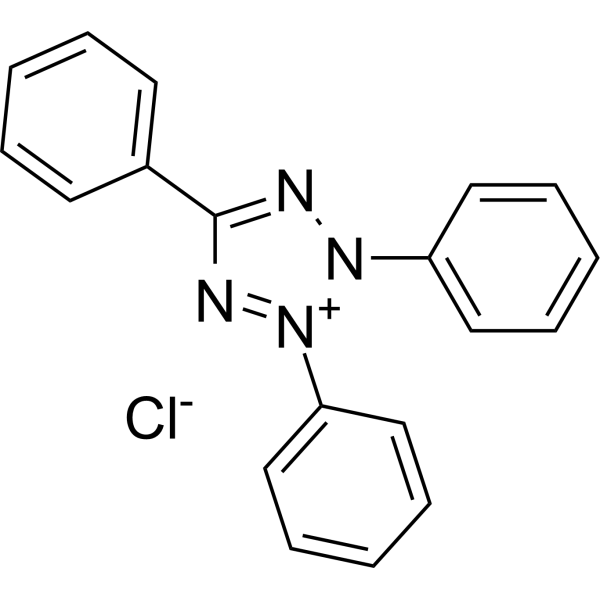
    Tetrazolium Red (2,3,5-Triphenyltetrazolium chloride; TTC) is a not brain-penetrant, colorless, water-soluble dye that is reduced by mitochondrial enzymes to a deep red, water-insoluble compound (formazan) mainly in the mitochondria of living cells. Tetrazolium Red is used to observe the activity of dehydrogenase, and it turns colorless to red when exposed to hydrogen. Tetrazolium Red distinguishes between surviving and infarcted brain tissue after stroke. Tetrazolium Red has been used to stain heart tissue to measure the extent of acute lesions and also used to stain brain tissue to detect the size of the infarcted area. The absorption wavelength of Tetrazolium Red is 570 nm .
    Tetrazolium Red
  • HY-136976
    WST-1
    3 Publications Verification

    Fluorescent Dye Cancer
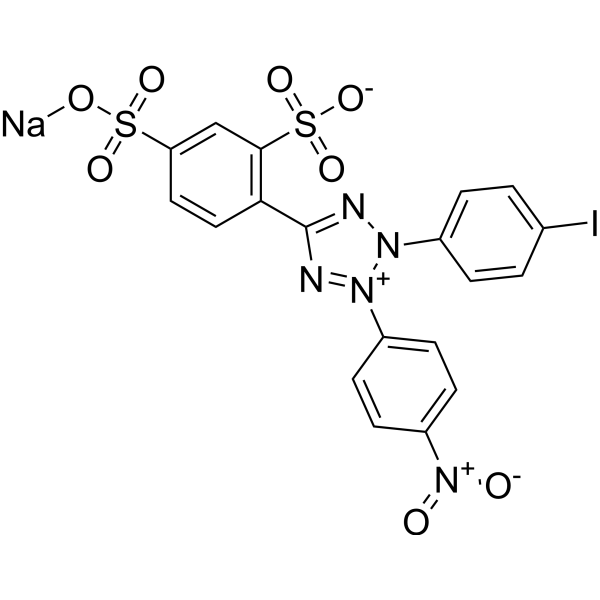
    WST-1 is a kind of water-soluble tetrazolium salt. WST induces the intracellular mitochondrial dehydrogenase to conduct NADH-dependent enzyme digestion reaction, releasing the water-soluble methyl benzene product. WST-1 can be used for the detection of cell proliferation and cytotoxicity, via the determination of the light absorption value at 450 nm .
    WST-1
  • HY-N0157
    Orotic acid
    3 Publications Verification

    6-Carboxyuracil; Vitamin B13

    Nucleoside Antimetabolite/Analog Endogenous Metabolite Metabolic Disease
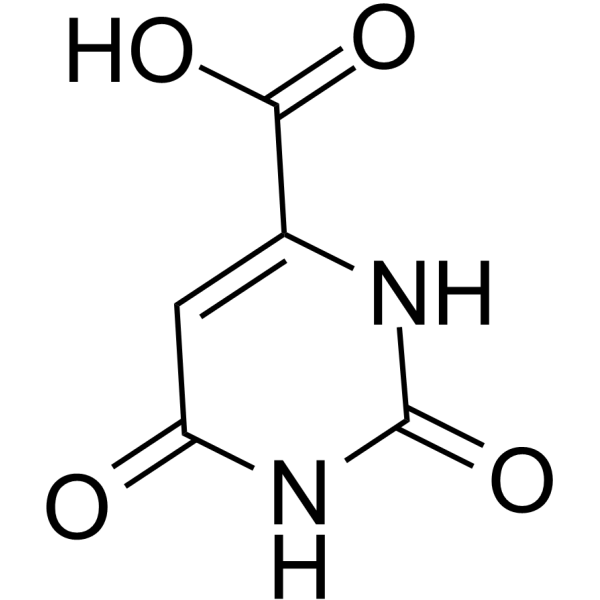
    Orotic acid (6-Carboxyuracil), a precursor in biosynthesis of pyrimidine nucleotides and RNA, is released from the mitochondrial dihydroorotate dehydrogenase (DHODH) for conversion to UMP by the cytoplasmic UMP synthase enzyme. Orotic acid is a marker for measurement in routine newborn screening for urea cycle disorders. Orotic acid can induce hepatic steatosis and hepatomegaly in rats .
    Orotic acid
  • HY-119976
    Boscalid
    1 Publications Verification

    Environmental Pollutants Apoptosis Fungal Mitochondrial Metabolism Succinate Dehydrogenase Infection
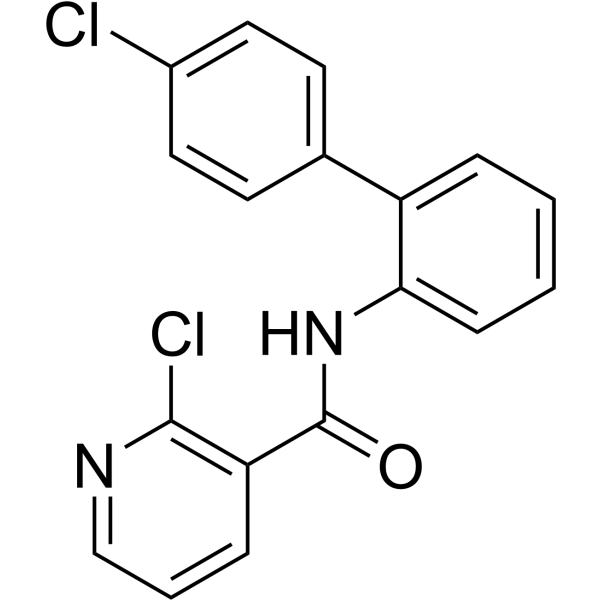
    Boscalid is a succinate dehydrogenase (SDHI) inhibitor with antifungal activity. Boscalid binds to the ubiquinone-binding site of fungal mitochondrial complex II, blocks ATP production and aerobic respiration, exhibits good control efficacy against a variety of plant fungal diseases including gray mold, sclerotinia rot and powdery mildew, and is widely used for disease control in agriculture. Boscalid induces apoptosis, altered lipid metabolism, mitochondrial dysfunction, respiratory impairment, oxidative stress, ROS accumulation and neurodevelopmental disorders in zebrafish. Boscalid reduces foraging ability, shortens median death time and causes chronic toxicity in exposed honeybees. Boscalid also possesses genotoxicity, cytotoxicity, elevated mitochondrial superoxide levels and early-stage apoptosis .
    Boscalid
  • HY-N10574
    Queuine
    1 Publications Verification

    Bacterial Metabolic Disease Cancer
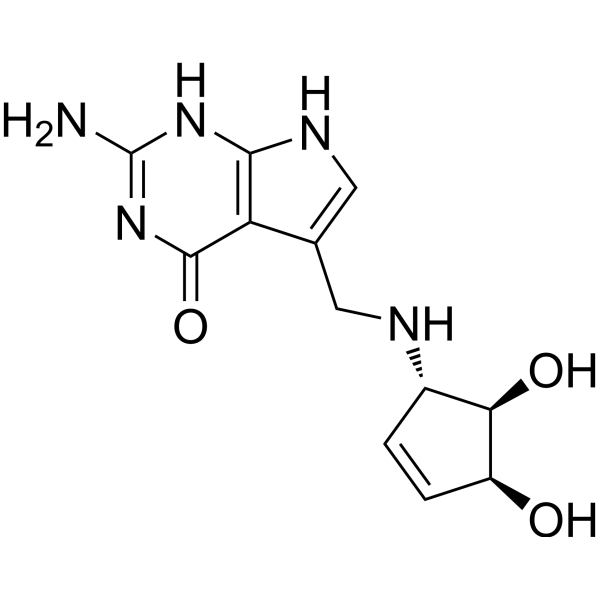
    Queuine is a selective substrate for tRNA guanine transglycosylase (TGT) and can be incorporated into eukaryotic tRNA. Queuine promotes tRNA modification, affecting mitochondrial function and Warburg metabolic phenotype. If Queuine is deficient, aerobic glycolysis can be enhanced, oxidative phosphorylation can be inhibited, and Warburg metabolism can be promoted, accompanied by increased ammonia and lactate production and increased lactate dehydrogenase activity. Queuine can be used for autoimmune diseases (such as experimental models of multiple sclerosis) and cancer metabolic regulation, and its deficiency is associated with low tRNA modification in tumor cells .
    Queuine
  • HY-113166
    Dodecanoylcarnitine
    1 Publications Verification

    (-)-Lauroylcarnitine

    Endogenous Metabolite Metabolic Disease Inflammation/Immunology
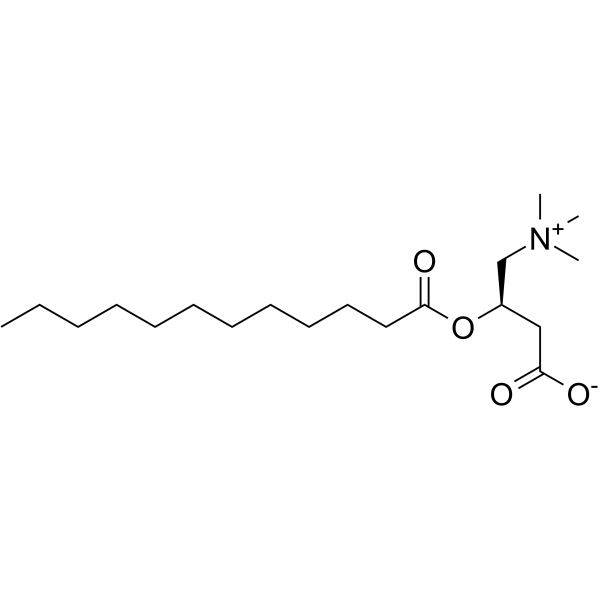
    Dodecanoylcarnitine ((-)-Lauroylcarnitine) is a medium long-chain acylcarnitine, an intermediate product in key energy metabolic pathways of fatty acid β-oxidation and amino acids catabolism. The abnormal decrease in the Dodecanoylcarnitine levels indicats that mitochondrial fuel metabolism, including fatty acid oxidation is significantly disturbed. Changes in plasma concentrations of Dodecanoylcarnitine are not only associated with type II diabetes, but also with pre-diabetes status. Dodecanoylcarnitine is present in fatty acid oxidation disorders such as long-chain acyl CoA dehydrogenase deficiency, carnitine palmitoyltransferase I/II deficiency, and is also associated with celiac disease. Dodecanoylcarnitine deomonstrates high sensitivities and specificities in predicting asthma. Combined model of Decanoylcarnitine (HY-113069), Dodecanoylcarnitine, PC (16:0/0:0), and Asp Arg Pro can be used as a potential biomarker for the diagnosis of Yin-deficiency-heat syndrome .
    Dodecanoylcarnitine
  • HY-121970

    Phosphoglycerate Dehydrogenase (PHGDH) Reactive Oxygen Species (ROS) HIF/HIF Prolyl-Hydroxylase Metabolic Disease
    iGP-1 is a cell-permeable, selective mixed inhibitor of mitochondrial sn-glycerol-3-phosphate dehydrogenase (mGPDH), with IC50s of 6.3 μM and 13.6 μM for rat mGPDH activity and H2O2 production, respectively. iGP-1 specifically blocks the mitochondrial component of the glycerophosphate shuttle without affecting cytosolic GPDH. iGP-1 not only inhibits cell proliferation and glutaminolysis, and enhances glycolysis, but also significantly alters key cellular physiological processes such as apoptosis, ROS production, HIF-1α stability and mitochondrial membrane potential. iGP-1 remains active in neutrophil cultures under both normoxic and hypoxic conditions, and serves as an ideal probe for glycerol-3-phosphate metabolic mechanisms. iGP-1 has been applied to studies on prostate cancer and related metabolic pathways .
    iGP-1
  • HY-113201

    Endogenous Metabolite Neurological Disease
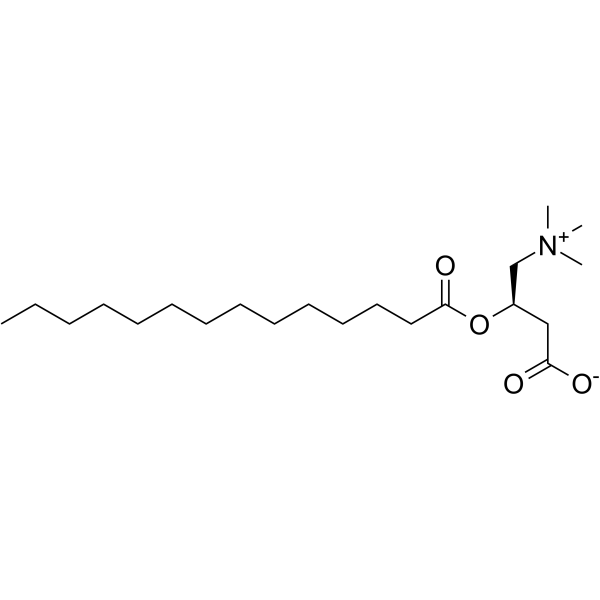
    Tetradecanoylcarnitine is an acylcarnitine involved in mitochondrial β-oxidation of long-chain saturated fatty acids and fatty acid metabolism. Tetradecanoylcarnitine serves as a biomarker for very long-chain acyl-CoA dehydrogenase deficiency and MPTP (HY-15608)-induced Parkinson's disease. Tetradecanoylcarnitine exhibits a characteristic significant elevation in plasma levels in patients with sarcopenia, including those complicated with hypertension, and this elevation is closely associated with an increased risk of death. Tetradecanoylcarnitine is widely used in research on the pathological mechanisms of diseases such as Parkinson's disease and sarcopenia .
    Tetradecanoylcarnitine
  • HY-W040307
    Saccharopine
    1 Publications Verification

    L-Saccharopine

    Endogenous Metabolite Metabolic Disease
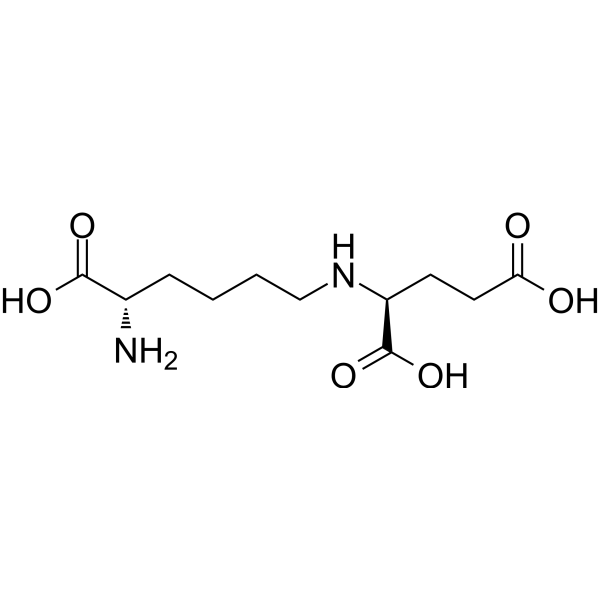
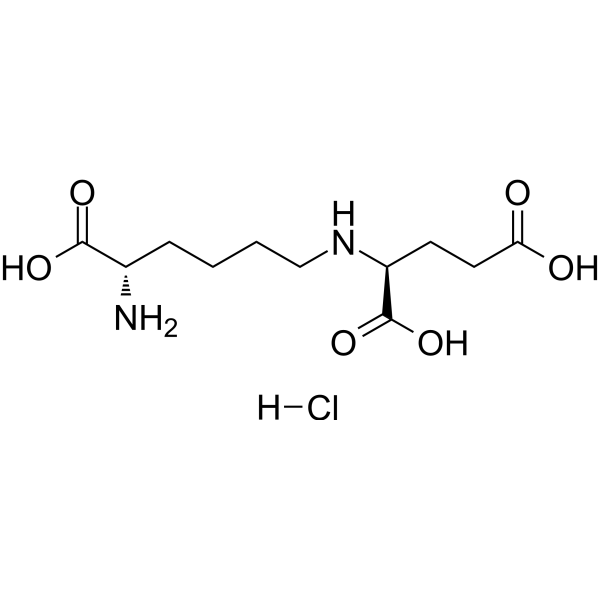
    Saccharopine (L-Saccharopine), a lysine degradation intermediate, is a mitochondrial toxin. Lysine and α-ketoglutarate are converted into Saccharopine by the lysine-ketoglutarate reductase. Saccharopine is then oxidized to α-aminoapidate semialdehyde and glutamate by the saccharopine dehydrogenase. Saccharopine impairs development by disrupting mitochondrial homeostasis .
    Saccharopine
  • HY-P2994

    3-HBDH

    Endogenous Metabolite Metabolic Disease
    3-Hydroxybutyrate dehydrogenase (3-HBDH), a mitochondrial enzyme, is a key enzyme in the ketone body metabolism pathway. 3-Hydroxybutyrate dehydrogenase is the last enzyme for ketone synthesis in the liver and the first enzyme for ketone breakdown in extracellular tissues. The absence of 3-Hydroxybutyrate dehydrogenase leads to the inhibition of fatty acid oxidation in the liver during fasting in mice, resulting in lipid accumulation and the development of fatty liver .
    3-Hydroxybutyrate dehydrogenase
  • HY-N1255

    (-)-Scoulerine; Discretamine

    Bcl-2 Family Apoptosis mTOR GABA Receptor PI3K Adrenergic Receptor Beta-secretase Akt Cancer
    Scoulerine ((-)-Scoulerine; Discretamine) hydrochloride is a multi-target inhibitor with anti-tumor and antioxidant activities. Scoulerine mainly targets the PI3K/Akt/mTOR signaling axis and α1D-adrenergic receptor, disrupts microtubule structure, and induces cell cycle arrest and apoptosis. Scoulerine effectively inhibits mitochondrial dehydrogenase activity, targets GABA receptors and BACE1, and suppresses the proliferation, migration, invasion, epithelial-mesenchymal transition and stem cell properties of cancer cells. Scoulerine also exhibits multiple pharmacological activities including anti-Plasmodium falciparum, antibacterial, antiemetic and antitussive effects, and regulates endoplasmic reticulum stress and mitochondrial function (modulates Bax, Bcl-2 and cytochrome c). Scoulerine is applicable to research related to leukemia, ovarian cancer, and colorectal cancer .
    Scoulerine
  • HY-P2914

    Biochemical Assay Reagents Metabolic Disease Inflammation/Immunology
    Carnitine acetyltransferase is a mitochondrial matrix enzyme that catalyzes the interconversion of Acetyl-CoA and Acetylcarnitine (HY-126358). Carnitine acetyltransferase functions as a positive regulator of total body glucose tolerance and muscle activity of pyruvate dehydrogenase. Carnitine acetyltransferase is responsible for mitochondrial acetyl-CoA balance and regulation of fatty acid oxidation by utilizing short- and medium- chain fatty acids and their corresponding acylcarnitines as substrates. Carnitine acetyltransferase plays a crucial role in regulating glucose homeostasis. Carnitine acetyltransferase can be utilized in the research of aging, obesity, and diabetes .
    Carnitine acetyltransferase
  • HY-B0817
    Pyridaben
    1 Publications Verification

    Environmental Pollutants Parasite Infection
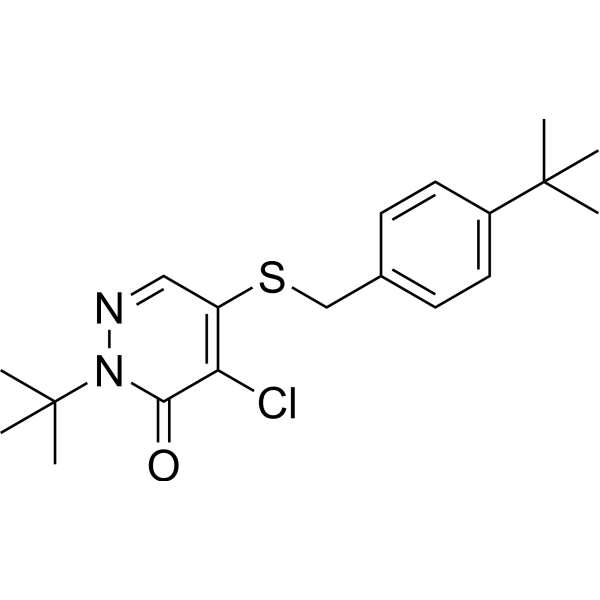
    Pyridaben is a mitochondrial electron transport inhibitor (METI) acaricide that promotes the formation of damaging oxygen and nitrogen radicals. Pyridaben selectively inhibits complex I (NADH dehydrogenase) with an IC50 value of 2.4 nM (assay sites: rat liver and bovine heart mitochondria). Pyridaben also significantly inhibits rat mitochondrial mtNOS function .
    Pyridaben
  • HY-135549
    Fluxapyroxad
    1 Publications Verification

    Environmental Pollutants Antibiotic Cytochrome P450 Fungal Succinate Dehydrogenase Infection Inflammation/Immunology
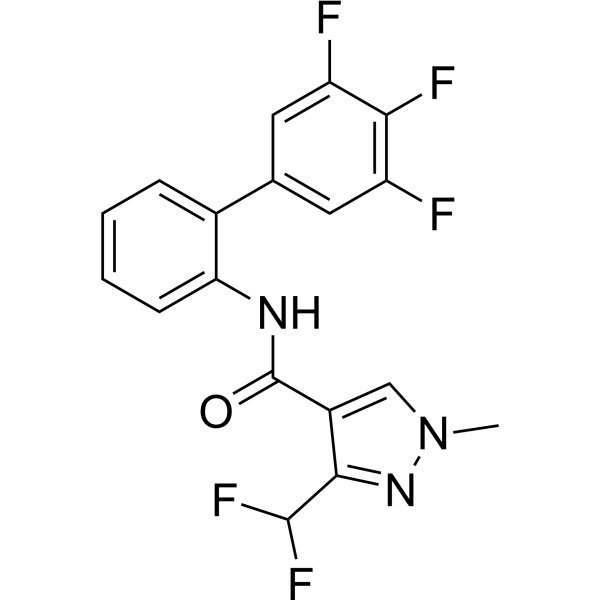
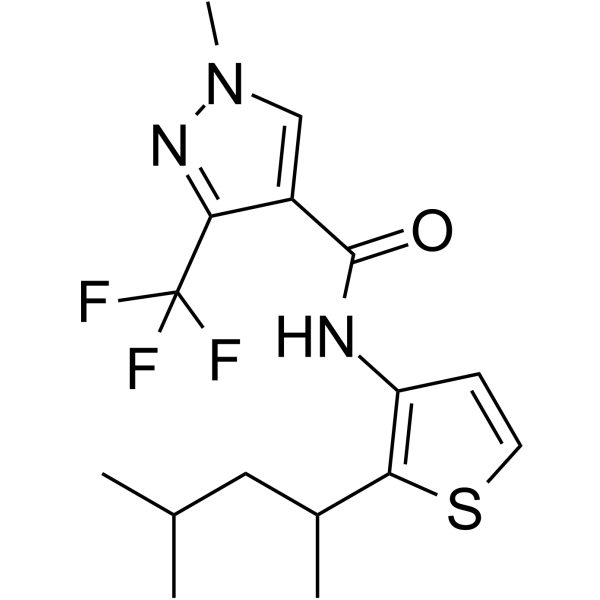
    Fluxapyroxad is a synthetic broad-spectrum fungicide for the control of fungal diseases. Fluxapyroxad inhibits succinate dehydrogenase in complex II of the mitochondrial respiratory chain, resulting in inhibition of spore germination, germ tubes and mycelia growth within the fungus target species .
    Fluxapyroxad
  • HY-17520
    Penthiopyrad
    1 Publications Verification

    MTF-753

    Environmental Pollutants Fungal Infection
    Penthiopyrad (MTF-753) is a carboxamide Fungicide. Penthiopyrad inhibits SDH. Penthiopyrad exhibits broad-spectrum antifungal activity, being effective not only against Basidiomycetes, but also against Ascomycetes and Deuteromycetes. Penthiopyrad inhibits the mycelial growth of Alternaria mali, Botrytis cinerea, Monilinia mali, Rhizoctonia solani and Sclerotinia sclerotiorum on PDA medium, with EC50 values ranging from <0.4 ppm to 0.34 ppm and MIC values ranging from 6.6 ppm to 47.9 ppm .
    Penthiopyrad
  • HY-P2911

    GLDH

    Mitochondrial Metabolism Others
    Glutamate dehydrogenase NAD(P) (GLDH) can be found in hepatocytes, renal tissue, brain, muscle, and intestinal cells. Glutamate dehydrogenase NAD(P) is often used in biochemical studies. Glutamate dehydrogenase is a mitochondrial enzyme, it catalyzes the reversible oxidative deamination of glutamate to α-ketoglutarate (α-KG) as part of the urea cycle .
    Glutamate dehydrogenase (NAD(P))
  • HY-128578
    KPLH1130
    2 Publications Verification

    PDHK NO Synthase Interleukin Related HIF/HIF Prolyl-Hydroxylase Metabolic Disease Inflammation/Immunology
    KPLH1130 is a pyruvate dehydrogenase kinase (PDK) inhibitor. KPLH1130 potently inhibits M1 macrophage polarization by reducing the expression of pro-inflammatory cytokines, decreasing the levels of M1 phenotype markers (HIF-1α, iNOS) and nitric oxide (NO) production. KPLH1130 prevents the reduction of mitochondrial oxygen consumption rate (OCR) induced by inflammatory stimuli (LPS ((HY-D1056) + IFN-γ) in various macrophage types. KPLH1130 improves glucose tolerance in HFD-fed mice. KPLH1130 can be used for the study of obesity-associated metabolic disorders and other inflammatory conditions .
    KPLH1130
  • HY-W040307B
    Saccharopine hydrochloride
    1 Publications Verification

    L-Saccharopine hydrochloride

    Endogenous Metabolite Metabolic Disease
    Saccharopine (L-Saccharopine) hydrochloride, a lysine degradation intermediate, is a mitochondrial toxin. Lysine and α-ketoglutarate are converted into Saccharopine hydrochloride by the lysine-ketoglutarate reductase. Saccharopine hydrochloride is then oxidized to α-aminoapidate semialdehyde and glutamate by the saccharopine dehydrogenase. Saccharopine hydrochloride impairs development by disrupting mitochondrial homeostasis .
    Saccharopine hydrochloride
  • HY-N0157R

    6-Carboxyuracil (Standard); Vitamin B13 (Standard)

    Reference Standards Nucleoside Antimetabolite/Analog Endogenous Metabolite Metabolic Disease
    Orotic acid (Standard) is the analytical standard of Orotic acid. This product is intended for research and analytical applications. Orotic acid (6-Carboxyuracil), a precursor in biosynthesis of pyrimidine nucleotides and RNA, is released from the mitochondrial dihydroorotate dehydrogenase (DHODH) for conversion to UMP by the cytoplasmic UMP synthase enzyme. Orotic acid is a marker for measurement in routine newborn screening for urea cycle disorders. Orotic acid can induce hepatic steatosis and hepatomegaly in rats .
    Orotic acid (Standard)
  • HY-CE02028

    Glutaconyl-coenzyme A

    Endogenous Metabolite Metabolic Disease
    Glutaconyl-CoA (Glutaconyl-coenzyme A) is a key metabolic intermediate in the mitochondrial catabolic pathways of lysine, hydroxylysine and tryptophan. Glutaconyl-CoA competitively inhibits wild-type glutaryl-CoA dehydrogenase (GCDH) with a Ki value of 1.1 µM. Glutaconyl-CoA is generated via the oxidative decarboxylation of glutaryl-CoA catalyzed by GCDH, and is subsequently further metabolized. Glutaconyl-CoA can be used in the research of type I glutaric aciduria .
    Glutaconyl-CoA
  • HY-N10574A
    Queuine dihydrochloride
    1 Publications Verification

    Others Metabolic Disease Cancer
    Queuine dihydrochloride is a selective substrate for tRNA guanine transglycosylase (TGT) and can be incorporated into eukaryotic tRNA. Queuine dihydrochloride promotes tRNA modification, affecting mitochondrial function and Warburg metabolic phenotype. If Queuine dihydrochloride is deficient, aerobic glycolysis can be enhanced, oxidative phosphorylation can be inhibited, and Warburg metabolism can be promoted, accompanied by increased ammonia and lactate production and increased lactate dehydrogenase activity. Queuine dihydrochloride can be used for autoimmune diseases (such as experimental models of multiple sclerosis) and cancer metabolic regulation, and its deficiency is associated with low tRNA modification in tumor cells .
    Queuine dihydrochloride
  • HY-120338

    Mitochondrial Metabolism Parasite Infection
    RYL-552, a mitochondrial electron transport chain (ETC) inhibitor, is a P. falciparum NADH dehydrogenase 2 (PfNDH2) inhibtor .
    RYL-552
  • HY-117897
    CK-2-68
    1 Publications Verification

    Parasite Infection
    CK-2-68 is an inhibitor for complex III in protozoan mitochondrial respiratory chain, by targeting the alternative NADH dehydrogenase (NDH2) of the malarial parasite Plasmodium. CK-2-68 exhibits antimalaria efficacy, that inhibits Plasmodium falciparum infected erythrocytes with an IC50 of 40 nM .
    CK-2-68
  • HY-Y1890B

    Biochemical Assay Reagents Others
    Cremophor EL-10 is a nonionic polyoxyethylene castor oil surfactant with multiple functions including organic solubilizer, mixed zinc anode corrosion inhibitor and dendrite growth inhibitor. By forming a physical barrier to block electrolyte contact and constructing oriented hydration channels to reduce the desolvation energy barrier of Zn 2+ , Cremophor EL-10 achieves a corrosion inhibition efficiency of over 99%. Cremophor EL-10 exerts no significant effects on the mitochondrial activity and cell viability of epithelial cells, making it suitable for in vitro drug delivery and biopharmaceutical research at concentrations ≤10% v/v. However, Cremophor EL-10 may induce sustained non-endothelium-dependent contraction in rat aortic rings and exert concentration-dependent inhibitory effects on acetylcholine-induced endothelium-dependent relaxation responses .
    Cremophor EL-10
  • HY-N0157A
    Orotic acid zinc
    3 Publications Verification

    6-Carboxyuracil zinc; Vitamin B13 zinc

    Nucleoside Antimetabolite/Analog Endogenous Metabolite Metabolic Disease
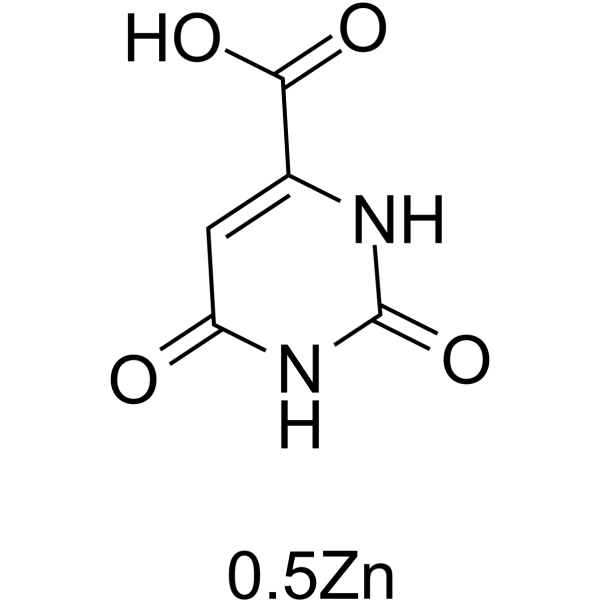
    Orotic acid (zinc), a precursor in biosynthesis of pyrimidine nucleotides and RNA, is released from the mitochondrial dihydroorotate dehydrogenase (DHODH) for conversion to UMP by the cytoplasmic UMP synthase enzyme. Orotic acid (zinc) is a marker for measurement in routine newborn screening for urea cycle disorders. Orotic acid (zinc) can induce hepatic steatosis and hepatomegaly in rats .
    Orotic acid zinc
  • HY-155534

    17β-HSD Others
    17β-HSD10-IN-1 (compound 9) is an orally active inhibitor of 17β-hydroxysteroid dehydrogenase type 10 (17β-HSD10) with blood-brain permeability. 17β-HSD10-IN-1 doesn't result additional effects for mitochondrial off-targets and cytotoxic or neurotoxic effects .
    17β-HSD10-IN-1
  • HY-N0157S1

    6-Carboxyuracil-13C,15N2 monohydrate; Vitamin B13-13C,15N2 monohydrate

    Nucleoside Antimetabolite/Analog Endogenous Metabolite Metabolic Disease
    Orotic acid- 13C, 15N2 (monohydrate) is the 13C and 15N labeled Orotic acid . Orotic acid (6-Carboxyuracil), a precursor in biosynthesis of pyrimidine nucleotides and RNA, is released from the mitochondrial dihydroorotate dehydrogenase (DHODH) for conversion to UMP by the cytoplasmic UMP synthase enzyme. Orotic acid is a marker for measurement in routine newborn screening for urea cycle disorders. Orotic acid can induce hepatic steatosis and hepatomegaly in rats .
    Orotic acid-13C,15N2 monohydrate
  • HY-W134163

    trans-2-Octenal

    Fungal Reactive Oxygen Species (ROS) Mitochondrial Metabolism Phosphatase Pyruvate Kinase Infection
    (E)-2-Octenal is an Antifungal agent. (E)-2-Octenal disrupts cell membrane integrity and causes ROS accumulation. (E)-2-Octenal decreases the activities of phosphofructokinase and pyruvate kinase. (E)-2-Octenal inhibits Neofusicoccum parvum growth by disrupting mitochondrial energy metabolism. (E)-2-Octenal suppresses the growth of a Prochloraz (HY-B0845)-resistant Penicillium italicum strain. (E)-2-octenal exerts a broad-spectrum and potent inhibitory effect on various fungi, including Sclerotium rolfsii, Metarhizium anisopliae sensu lato, and Aspergillus flavus, etc. (E)-2-Octenal can be used for the research of citrus blue mold and mango stem-end rot .
    (E)-2-Octenal
  • HY-19688B

    WR 6026 tosylate

    Parasite Mitochondrial Metabolism Infection
    Sitamaquine (WR6026) tosylate, an orally active 8-aminoquinoline analog, is an antileishmanial agent. Sitamaquine tosylate inhibits mitochondrial complex II (succinate dehydrogenase). Sitamaquine tosylate is a lipophilic weak base that rapidly accumulates in acidic compartments of Leishmania spp., mainly in acidocalcisomes .
    Sitamaquine tosylate
  • HY-178778

    Fungal Infection
    SDH-IN-38 (Compound IIIe) is a Succinate dehydrogenase inhibitor. SDH-IN-38 is an antifungal agent, with an EC50 value of 0.009 μg/mL against R. solani mycelia. SDH-IN-38 inhibits mycelial growth by affecting mycelial respiration. SDH-IN-38 induces cellular senescenc and reduces mitochondrial membrane potential in mycelia .
    SDH-IN-38
  • HY-173298

    PDHK Inflammation/Immunology Cancer
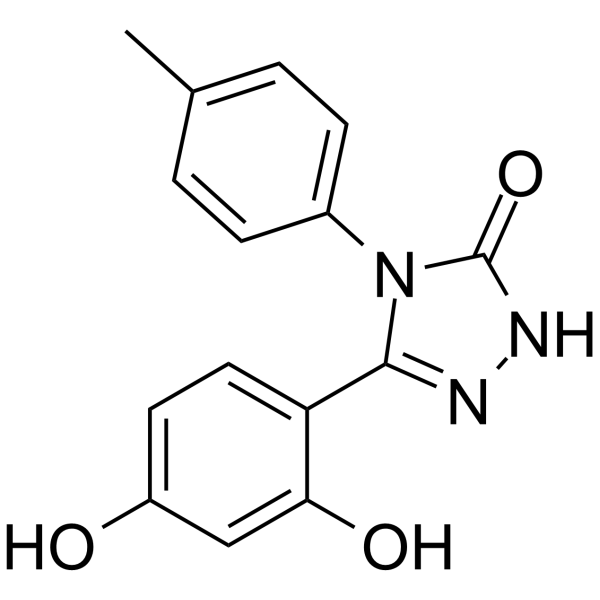
    PDHK1-IN-2 (Compound 24) is an ATP-competitive dual inhibitor of pyruvate dehydrogenase kinases 1/2 (PDHK1/2), with an IC50 of 0.007 μM for PDHK1 and an IC50 of 0.015 μM for PDHK2. PDHK1-IN-2 can regulate immune cell metabolism and correct mitochondrial dysfunction, and is expected to be used in the research of autoimmune diseases, inflammatory diseases, cancers, and other conditions .
    PDHK1-IN-2
  • HY-123659

    Na+/H+ Exchanger (NHE) Apoptosis Cardiovascular Disease Cancer
    KR-33028 is a selective NHE1 inhibitor. KR-33028 reduces hypoxia-induced necrosis and apoptosis in H9c2 cells. KR-33028 inhibits hypoxia-induced increases in cytoplasmic and mitochondrial Ca 2+ levels and cytochrome c release. KR-33028 improves cardiac contractility, reduces lactate dehydrogenase release, and increases tissue ATP, creatine phosphate, and glycogen levels. KR-33028 can be used in research on cancers such as cardioblastoma and cardiovascular diseases such as ischemic stroke .
    KR-33028
  • HY-145751

    7α-Hydroxydehydroepiandrosterone; 3β,7α-Dihydroxy-Δ5-androsten-17-one

    Cytochrome P450 Mitochondrial Metabolism Metabolic Disease Cancer
    7α-Hydroxy-DHEA (7α-Hydroxydehydroepiandrosterone) is a 7α-hydroxylated metabolite of DHEA (HY-14650), catalyzed by intracellular steroid 7α-hydroxylases such as P450 2A1. 7α-Hydroxy-DHEA exhibits biological activity comparable to DHEA but does not convert into compounds with androgenic or estrogenic activity. It induces the activity of thermogenic enzymes such as mitochondrial sn-glycerol-3-phosphate dehydrogenase and cytosolic malic enzyme, enhancing heat production and reducing food utilization efficiency. As a more efficient and safer metabolite compared to DHEA, 7α-Hydroxy-DHEA holds potential for studies in the fields of obesity, metabolic diseases, and adrenal carcinoma .
    7α-Hydroxy-DHEA
  • HY-162500

    Fungal Infection
    Antifungal agent 99 (Compound E1) is a fungal succinate dehydrogenase (SDH) inhibitor. Antifungal agent 99 reduces mycelial density and significantly increase the mitochondrial number in mycelia cytoplasm .
    Antifungal agent 99
  • HY-B0817S

    Parasite Infection
    Pyridaben-d13 is the deuterium labeled Pyridaben . Pyridaben is a mitochondrial electron transport inhibitor (METI) acaricide that promotes the formation of damaging oxygen and nitrogen radicals. Pyridaben selectively inhibits complex I (NADH dehydrogenase) with an IC50 value of 2.4 nM (assay sites: rat liver and bovine heart mitochondria). Pyridaben also significantly inhibits rat mitochondrial mtNOS function .
    Pyridaben-d13
  • HY-114886

    Mitochondrial Metabolism Metabolic Disease
    IGP-5 is a mitochondrial sn-Glycerol 3-phosphate Dehydrogenase (mGPDH) inhibitor with the IC50 of 0.7 μM aganist mGPDH H2O2 production . IGP-5 can be used for study of energy metabolism .
    IGP-5
  • HY-19688A

    WR 6026 hydrochloride

    Parasite Mitochondrial Metabolism Infection
    Sitamaquine (WR6026) hydrochloride, an orally active 8-aminoquinoline analog, is an antileishmanial agent. Sitamaquine hydrochloride inhibits mitochondrial complex II (succinate dehydrogenase). Sitamaquine hydrochloride is a lipophilic weak base that rapidly accumulates in acidic compartments of Leishmania spp., mainly in acidocalcisomes .
    Sitamaquine hydrochloride
  • HY-B0817R

    Reference Standards Parasite Infection
    Pyridaben (Standard) is the analytical standard of Pyridaben. This product is intended for research and analytical applications. Pyridaben is a mitochondrial electron transport inhibitor (METI) acaricide that promotes the formation of damaging oxygen and nitrogen radicals. Pyridaben selectively inhibits complex I (NADH dehydrogenase) with an IC50 value of 2.4 nM (assay sites: rat liver and bovine heart mitochondria). Pyridaben also significantly inhibits rat mitochondrial mtNOS function .
    Pyridaben (Standard)
  • HY-158321

    Fungal Succinate Dehydrogenase Infection
    SDH-IN-15 (Compound 5e) is an inhibitor of succinate dehydrogenase (SDH) (IC50=2.04 μM). SDH-IN-15 has significant antifungal activity. SDH-IN-15 blocks the mitochondrial respiratory chain of the fungus through inhibition of SDH, resulting in fungal death .
    SDH-IN-15
  • HY-14257

    Potassium Channel Lactate Dehydrogenase Cardiovascular Disease
    BMS-191095 hydrochloride is a mitochondrial KATP channel opener. BMS-191095 hydrochloride can protect the myocardium without causing vasodilation or affecting electrophysiology, by prolonging the contraction time during ischemia, improving contractile function after reperfusion, and reducing lactate dehydrogenase (LDHM) release, thereby exerting its cardioprotective effects .
    BMS-191095 hydrochloride
  • HY-135549R

    Reference Standards Antibiotic Fungal Succinate Dehydrogenase Cytochrome P450 Infection Inflammation/Immunology
    Fluxapyroxad (Standard) is the analytical standard of Fluxapyroxad. This product is intended for research and analytical applications. Fluxapyroxad is a synthetic broad-spectrum fungicide for the control of fungal diseases. It works by inhibiting succinate dehydrogenase in complex II of the mitochondrial respiratory chain, resulting in inhibition of spore germination, germ tubes and mycelia growth within the fungus target species .
    Fluxapyroxad (Standard)
  • HY-155535

    17β-HSD Neurological Disease
    17β-HSD10-IN-2 (compound 11) is a benzothiazolylurea-based inhibitor,targeting to 17β-hydroxysteroid dehydrogenase type 10 (17β-HSD10),a multifunctional mitochondrial enzyme. 17β-HSD10-IN-2 don't lead to mitochondrial off-targets and cytotoxic or neurotoxic effects. 17β-HSD10 inhibitors can be used for research in Alzheimer's disease (AD) and hormone-dependent cancer .
    17β-HSD10-IN-2
  • HY-119976S

    Isotope-Labeled Compounds Apoptosis Fungal Mitochondrial Metabolism Succinate Dehydrogenase Others
    Boscalid-d4 is the deuterium labeled Boscalid. Boscalid is a succinate dehydrogenase (SDHI) inhibitor with antifungal activity. Boscalid binds to the ubiquinone-binding site of fungal mitochondrial complex II, blocks ATP production and aerobic respiration, exhibits good control efficacy against a variety of plant fungal diseases including gray mold, sclerotinia rot and powdery mildew, and is widely used for disease control in agriculture. Boscalid induces apoptosis, altered lipid metabolism, mitochondrial dysfunction, respiratory impairment, oxidative stress, ROS accumulation and neurodevelopmental disorders in zebrafish. Boscalid reduces foraging ability, shortens median death time and causes chronic toxicity in exposed honeybees. Boscalid also possesses genotoxicity, cytotoxicity, elevated mitochondrial superoxide levels and early-stage apoptosis .
    Boscalid-d4
  • HY-119976R

    Reference Standards Apoptosis Fungal Mitochondrial Metabolism Succinate Dehydrogenase Infection
    Boscalid (Standard) is the analytical standard of Boscalid. This product is intended for research and analytical applications. Boscalid is a succinate dehydrogenase (SDHI) inhibitor with antifungal activity. Boscalid binds to the ubiquinone-binding site of fungal mitochondrial complex II, blocks ATP production and aerobic respiration, exhibits good control efficacy against a variety of plant fungal diseases including gray mold, sclerotinia rot and powdery mildew, and is widely used for disease control in agriculture. Boscalid induces apoptosis, altered lipid metabolism, mitochondrial dysfunction, respiratory impairment, oxidative stress, ROS accumulation and neurodevelopmental disorders in zebrafish. Boscalid reduces foraging ability, shortens median death time and causes chronic toxicity in exposed honeybees. Boscalid also possesses genotoxicity, cytotoxicity, elevated mitochondrial superoxide levels and early-stage apoptosis .
    Boscalid (Standard)
  • HY-172804

    Succinate Dehydrogenase Fungal Apoptosis Infection
    SDH-IN-26 (Compound C3) is a succinate dehydrogenase (SDH) inhibitor. SDH-IN-26 exhibits significant inhibitory activity against multiple phytopathogenic fungi, such as Rhizoctonia solani and Botrytis cinerea, with an EC50 value of 0.270 μg/mL against Rhizoctonia solani. SDH-IN-26 damages the integrity of the fungal cell membrane, increases membrane permeability, disrupts cell structure, and reduces the number of mitochondria, thus affecting the normal growth of mycelia. SDH-IN-26 leads to a decrease in mitochondrial membrane potential, and induces cell apoptosis. SDH-IN-26 is promising for research of plant diseases caused by fungi .
    SDH-IN-26
  • HY-172777

    Succinate Dehydrogenase Fungal Reactive Oxygen Species (ROS) MMP Infection
    SDH-IN-25 is a succinate dehydrogenase (SDH) inhibitor (IC50 = 4.82 mg/L). SDH-IN-25 exhibited broad-spectrum and potent antifungal activity. SDH-IN-25 mimics the interaction pattern of commercial fungicide Fluxapyroxad (HY-135549) through binding to SDH amino acid residues (TRP173, TYR58, and ARG43). SDH-IN-25 can induce hyphal morphology, interfere with respiratory metabolism by binding to complex II, generate reactive oxygen species (ROS), and affect mitochondrial membrane potential (MMP) in mycelia. SDH-IN-25 can be studied in research for agricultural disease control .
    SDH-IN-25
  • HY-113166R

    (-)-Lauroylcarnitine (Standard)

    Reference Standards Endogenous Metabolite Metabolic Disease Inflammation/Immunology
    Dodecanoylcarnitine (Standard) is the analytical standard of Dodecanoylcarnitine (HY-113166). This product is intended for research and analytical applications. Dodecanoylcarnitine ((-)-Lauroylcarnitine) is a medium long-chain acylcarnitine, an intermediate product in key energy metabolic pathways of fatty acid β-oxidation and amino acids catabolism. The abnormal decrease in the Dodecanoylcarnitine levels indicats that mitochondrial fuel metabolism, including fatty acid oxidation is significantly disturbed. Changes in plasma concentrations of Dodecanoylcarnitine are not only associated with type II diabetes, but also with pre-diabetes status. Dodecanoylcarnitine is present in fatty acid oxidation disorders such as long-chain acyl CoA dehydrogenase deficiency, carnitine palmitoyltransferase I/II deficiency, and is also associated with celiac disease. Dodecanoylcarnitine deomonstrates high sensitivities and specificities in predicting asthma. Combined model of Decanoylcarnitine (HY-113069), Dodecanoylcarnitine, PC (16:0/0:0), and Asp Arg Pro can be used as a potential biomarker for the diagnosis of Yin-deficiency-heat syndrome .
    Dodecanoylcarnitine (Standard)
  • HY-DY1100

    Fluorescent Dye Others
    WST-1 (solution) is a kind of water-soluble tetrazolium salt. WST induces the intracellular mitochondrial dehydrogenase to conduct NADH-dependent enzyme digestion reaction, releasing the water-soluble methyl benzene product. WST-1 can be used for the detection of cell proliferation and cytotoxicity, via the determination of the light absorption value at 450 nm .
    Solvent and concentration: ddH2O: 10 mg/mL
    WST-1 (solution)
  • HY-W725177

    Fungal Mitochondrial Metabolism Infection
    Inpyrfluxam is a succinate dehydrogenase (SDH) inhibitor. Inpyrfluxam targets the ubiquinone binding pocket of mitochondrial SDH complex subunits ViSDHB, ViSDHC, ViSDHD, interfering with cellular respiration. Inpyrfluxam inhibits conidial germination and mycelial growth of Venturia inaequalis in vitro. Inpyrfluxam can be used for the research of apple scab .
    Inpyrfluxam
  • HY-183722

    Fungal Succinate Dehydrogenase Infection
    SDH-IN-46 is a succinate dehydrogenase (SDH) inhibitor with an IC50 of 1.21 μM. SDH-IN-46 disrupts fungal respiration via mitochondrial respiratory chain enzyme targeting and exhibits broad-spectrum antifungal activity. SDH-IN-46 exhibits substantial protective effects against S. sclerotiorum on oilseed rape leaves, Rhizoctonia solani on rice leaves, and Valsa mali on apple fruits .
    SDH-IN-46

Inquiry Online

Your information is safe with us. * Required Fields.

Salutation


Country or Region *

Applicant Name *


Organization Name *

Department *


Email Address *


Product Name *

Cat. No.


Requested quantity *

Phone Number *


Remarks

Inquiry Online

Inquiry Information

Product Name:
Cat. No.:
Quantity:
MCE Japan Authorized Agent:

