


Search Result
Results for "
neonate
" in MedChemExpress (MCE) Product Catalog:
5
Biochemical Assay Reagents
9
Isotope-Labeled Compounds
| Cat. No. |
Product Name |
Target |
Research Areas |
Chemical Structure |
-
- HY-16637
-
-
-
- HY-17468
-
|
Ro 10-6338; PF 1593
|
NKCC
|
Cardiovascular Disease
Metabolic Disease
|
|
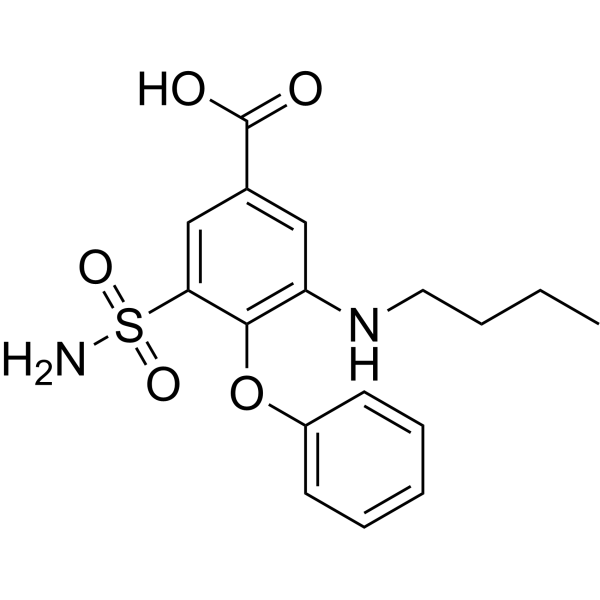
Bumetanide (Ro 10-6338; PF 1593), a highly potent loop diuretic, is a Na +-K +-Cl + cotransporter (NKCC) blocker. Bumetanide is a selective NKCC1 inhibitor, but also inhibits NKCC2, with IC50s of 0.68 μM and 4.0 μM for hNKCC1A and hNKCC2A, respectively .
|
-
-
- HY-W013375
-
|
|
Neprilysin
|
Neurological Disease
|
|
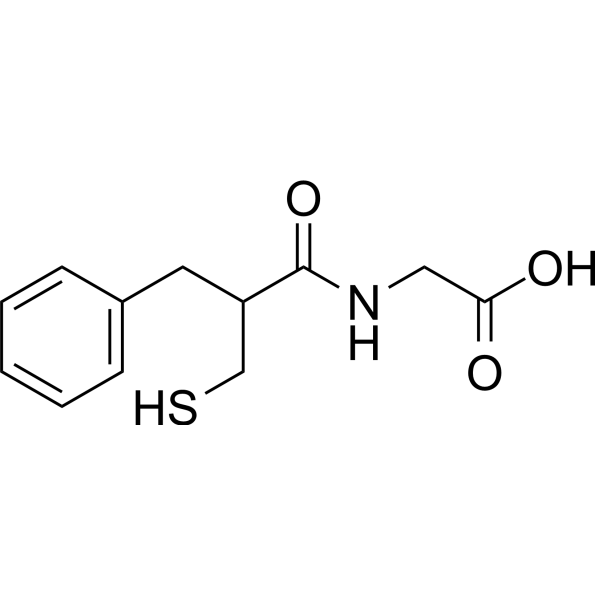
Thiorphan is a selective neprilysin (NEP) inhibitor with an IC50 of 6.9 nM. Thiorphan competitively binds to NEP and blocks its activity, preventing the degradation of neuropeptides such as substance P (SP) and neurokinin NKA. In the field of neonatal brain injury research, Thiorphan can increase the levels of SP and NKA, activate NK1 and NK2 receptors and downstream transduction pathways, and inhibit excessive activation of NMDA receptors. Thus, Thiorphan can protect neocortical neurons from excitotoxic cell death. Thiorphan may also inhibit NEP from enhancing bronchoconstriction and can be used in the study of respiratory diseases .
|
-
-
- HY-W015061
-
-
-
- HY-P99037
-
|
M281
|
Fc Receptor (FcR)
|
Inflammation/Immunology
|
|
Nipocalimab (M281) is a fully humanized, recombinant, and non-glycosylated IgG1 monoclonal antibody. Nipocalimab can bind to the IgG-binding site of FcRn with high affinity and inhibit the transplacental transfer of IgG. Nipocalimab can be used in the research of fetal and neonatal hemolytic disease, myasthenia gravis, and various IgG-mediated autoimmune diseases .
|
-
-
- HY-B0762
-
|
O-Acetyl-L-carnitine hydrochloride; ALCAR hydrochloride
|
Caspase
Apoptosis
|
Neurological Disease
|
|
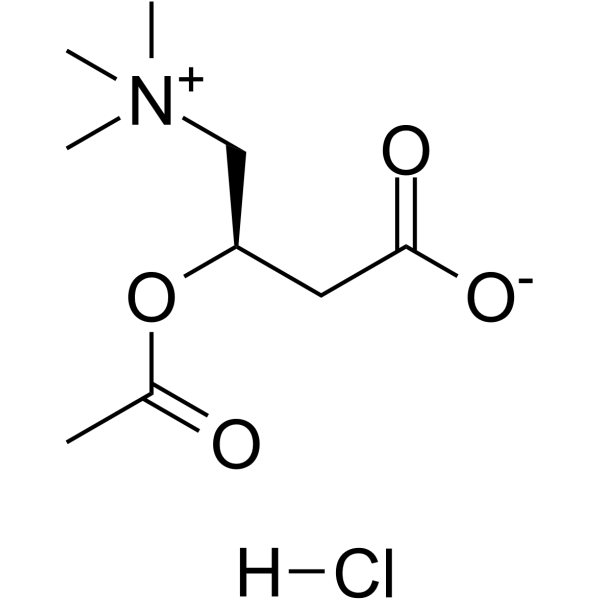
Acetyl-L-carnitine (O-Acetyl-L-carnitine; ALCAR) hydrochloride is an orally active mitochondrial energy metabolism regulator and neuroprotectant that can penetrate the blood-brain barrier. Acetyl-L-carnitine hydrochloride selectively enters cells and the brain through the organic cation transporter OCTN2. Acetyl-L-carnitine hydrochloride can participate in fatty acid β-oxidation, promote acetylcholine synthesis, regulate mitochondrial function and inhibit oxidative stress as an acetyl donor. Acetyl-L-carnitine hydrochloride exerts its activity by enhancing energy metabolism, protecting neurons and improving synaptic plasticity. Acetyl-L-carnitine hydrochloride is mainly used in the study of neurodegenerative diseases and metabolic disorder-related diseases such as neonatal hypoxic-ischemic brain damage, Alzheimer's disease, and depression .
|
-
-
- HY-N10528
-
-
-
- HY-P9979
-
|
UCB7665
|
TNF Receptor
|
Inflammation/Immunology
|
|
Rozanolixizumab (UCB7665), a humanized high-affinity anti-human neonatal Fc receptor (FcRn) monoclonal antibody (IgG4P), is used to the research of reducing pathogenic IgG in autoimmune and alloimmune diseases .
|
-
-
- HY-W012734
-
|
H-HoPro-OH
|
Endogenous Metabolite
|
Metabolic Disease
|
|
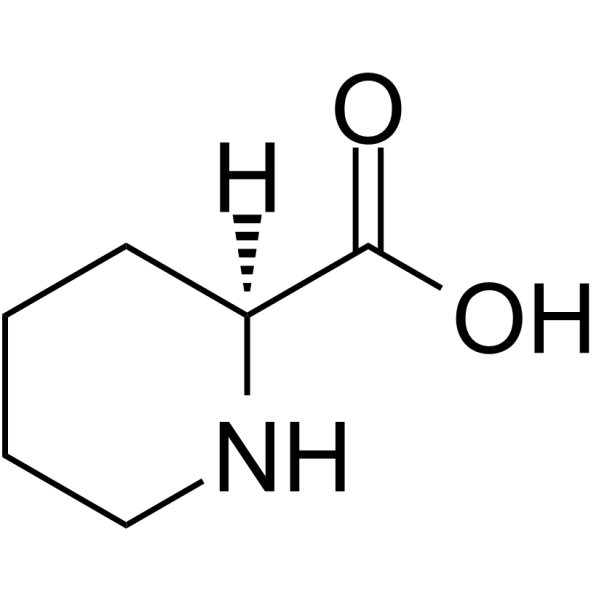
L-Pipecolic acid (H-HoPro-OH) is an oral active metabolite of Lysine and can accumulate in the bodily fluids of infants with autosomal inherited diseases, such as Zellweger syndrome and neonatal adrenal insufficiency. L-Pipecolic acid can promote muscle cell health and growth by enhancing protein synthesis, and plays a role in promoting gut health. L-Pipecolic acid holds promise for research in the fields of metabolic disorders, muscle growth disorders, and intestinal diseases .
|
-
-
- HY-N3018
-
|
6-O-α-D-Glucopyranosyl-D-glucose; D-Isomaltose
|
Endogenous Metabolite
Parasite
|
Infection
Metabolic Disease
|
|
Isomaltose (6-O-α-D-Glucopyranosyl-D-glucose) is a glucose disaccharide. Isomaltose induces G-CSF secretion via heat-induced oxidative polymerization of glucose groups into high-molecular-weight compounds. Isomaltose modulates cecal bacterial cluster structure in mice. Isomaltose exhibits low glycemic index, slow hydrolysis, and prebiotic properties. Isomaltose reduces in vivo Cryptosporidium parvum colonization in neonatal mice. Isomaltose can be used for the research of Cryptosporidium parvum infection .
|
-
-
- HY-113218
-
|
O-Acetyl-L-carnitine; ALCAR
|
Caspase
Apoptosis
|
Neurological Disease
|
|
Acetyl-L-carnitine (O-Acetyl-L-carnitine; ALCAR) is an orally active mitochondrial energy metabolism regulator and neuroprotectant that can penetrate the blood-brain barrier. Acetyl-L-carnitine selectively enters cells and the brain through the organic cation transporter OCTN2. Acetyl-L-carnitine can participate in fatty acid β-oxidation, promote acetylcholine synthesis, regulate mitochondrial function and inhibit oxidative stress as an acetyl donor. Acetyl-L-carnitine exerts its activity by enhancing energy metabolism, protecting neurons and improving synaptic plasticity. Acetyl-L-carnitine is mainly used in the study of neurodegenerative diseases and metabolic disorder-related diseases such as neonatal hypoxic-ischemic brain damage, Alzheimer's disease, and depression .
|
-
-
- HY-103530
-
|
|
GABA Receptor
|
Neurological Disease
|
|
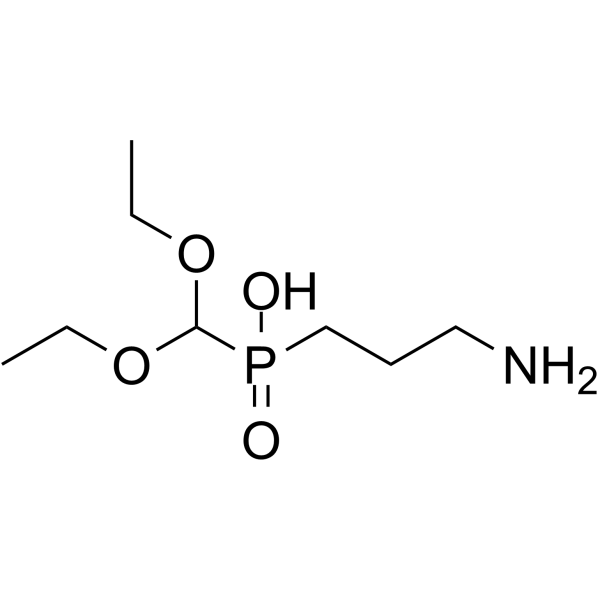
CGP 35348 is a selective, brain penetrant, centrally active GABAB receptor antagonist with an EC50 of 34 μM. CGP 35348 shows affinity for the GABAB receptor only . CGP 35348 has a potential to improve neuromuscular coordination and spatial learning in albino mouse following neonatal brain damage .
|
-
-
- HY-W010696
-
|
3′,5′,3-Triiodothyronine
|
Thyroid Hormone Receptor
|
Cardiovascular Disease
|
|
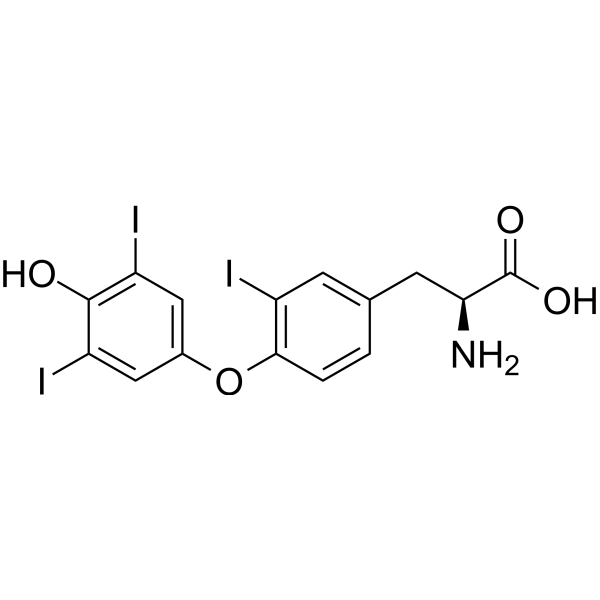
Reverse T3 is a thyroid hormone that can be generated by deiodination of the prohormone thyroxine . Reverse T3 inhibits the increase of sodium current generated by other thyroid hormone analogs in neonatal rat myocytes .
|
-
-
- HY-113315
-
|
|
Endogenous Metabolite
|
Metabolic Disease
|
|
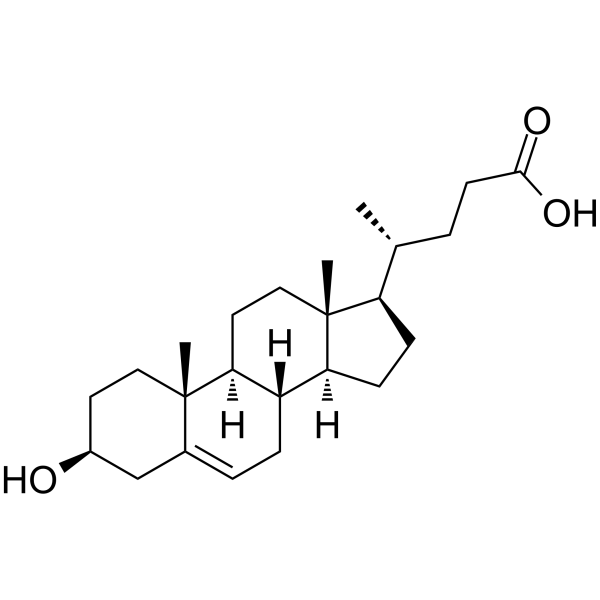
3β-Hydroxy-5-cholenoic acid is a steroidal monohydroxy bile acid and serves as a substrate for sulfation reactions. It is applicable to the research of extrahepatic biliary atresia and recurrent intrahepatic cholestasis of pregnancy .
|
-
-
- HY-148826
-
|
ARC 183; BC 007
|
G Protein-coupled Receptor Kinase (GRK)
|
Cardiovascular Disease
|
|
Rovunaptabin (ARC 183) is an aptamer, a single-stranded DNA molecule composed of 15 deoxynucleotides. It acts as a broad-spectrum neutralizer of pathogenic G-protein-coupled receptor autoantibodies. Rovunaptabin can be used in research related to cardiomyopathy and pulmonary hypertension .
|
-
-
- HY-P1714
-
|
FE 203799
|
GLP Receptor
|
Metabolic Disease
|
|
Apraglutide (FE 203799), a synthetic 33-amino-acid peptide and a long-acting GLP-2 analogue, enhances adaptation and linear intestinal growth in a neonatal piglet model of short bowel syndrome with total resection of the ileum .
|
-
-
- HY-16637R
-
|
Vitamin B9 (Standard); Vitamin M (Standard)
|
Reference Standards
DNA/RNA Synthesis
Endogenous Metabolite
|
Neurological Disease
Cancer
|
|
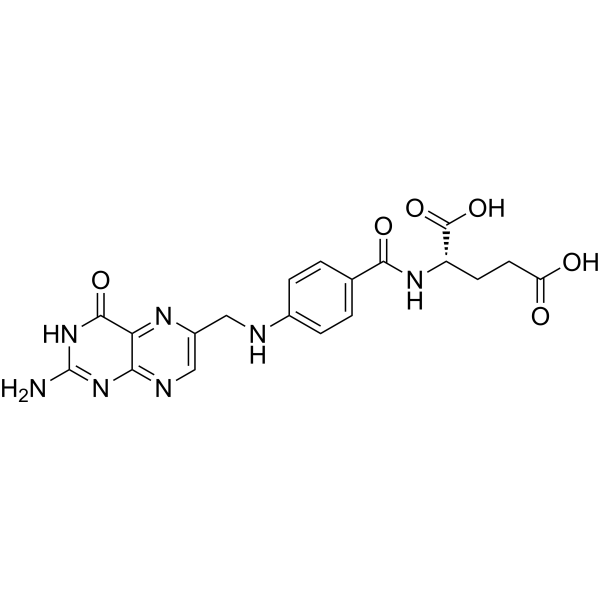
Folic acid (Standard) is the analytical standard of Folic acid. This product is intended for research and analytical applications. Folic acid (Vitamin B9) is a orally active essential nutrient from the B complex group of vitamins. Folic acid shows antidepressant-like effect. Folic acid sodium reduces the risk of neonatal neural tube defects. Folic acid can be used to the research of megaloblastic and macrocytic anemias due to folic deficiency .
|
-
-
- HY-B0762S
-
|
O-Acetyl-L-carnitine-d3 hydrochloride
|
Isotope-Labeled Compounds
Caspase
Apoptosis
|
Neurological Disease
|
|
Acetyl-L-carnitine-d3 (O-Acetyl-L-carnitine-d3) hydrochloride is the deuterium labeled Acetyl-L-carnitine hydrochloride (HY-B0762). Acetyl-L-carnitine (O-Acetyl-L-carnitine; ALCAR) hydrochloride is an orally active mitochondrial energy metabolism regulator and neuroprotectant that can penetrate the blood-brain barrier. Acetyl-L-carnitine hydrochloride selectively enters cells and the brain through the organic cation transporter OCTN2. Acetyl-L-carnitine hydrochloride can participate in fatty acid β-oxidation, promote acetylcholine synthesis, regulate mitochondrial function and inhibit oxidative stress as an acetyl donor. Acetyl-L-carnitine hydrochloride exerts its activity by enhancing energy metabolism, protecting neurons and improving synaptic plasticity. Acetyl-L-carnitine hydrochloride is mainly used in the study of neurodegenerative diseases and metabolic disorder-related diseases such as neonatal hypoxic-ischemic brain damage, Alzheimer's disease, and depression .
|
-
-
- HY-143248
-
|
|
G Protein-coupled Receptor Kinase (GRK)
HDAC
|
Cardiovascular Disease
|
|
KR-39038 is an orally active and potent GRK5 (G protein-coupled receptor kinase 5) inhibitor, with an IC50 of 0.02 μM. KR-39038 significantly inhibits angiotensin II-induced cellular hypertrophy through suppression of HDAC5 pathway in neonatal cardiomyocytes. KR-39038 shows profound anti-hypertrophic effects and improved cardiac function. KR-39038 can be used for heart failure research .
|
-
-
- HY-14785
-
|
NLX-112; F13640
|
5-HT Receptor
|
Neurological Disease
|
|
Befiradol (NLX-112) is a highly selective 5-HT1A receptor agonist that acts on both presynaptic and postsynaptic sites. Befiradol attenuates fentanyl-induced respiratory depression in neonatal and adult rats. Befiradol reduces the duration of fentanyl-induced analgesia and sedation in adult rats. Befiradol can be used in studies related to opioid-induced respiratory depression .
|
-
-
- HY-100371
-
|
alpha-MCPG
|
mGluR
|
Neurological Disease
|
|
(RS)-MCPG (alpha-MCPG) is a competitive and selective group I/group II metabotropic glutamate receptor (mGluR) antagonist. (RS)-MCPG blocks theta-burst stimulation (TBS)-induced shifts in both juvenile and neonatal rat hippocampal neurons .
|
-
-
- HY-P990129
-
|
|
Transferrin Receptor
|
Infection
|
|
Anti-Mouse CD71/TfR1 Antibody (8D3) is a rat-derived anti-mouse CD71/TfR1 IgG2a type antibody inhibitor. Anti-Mouse CD71/TfR1 Antibody (8D3) depletes of CD71+ erythroid cells but does not change percentages of Tregs in neonatal mice. Anti-Mouse CD71/TfR1 Antibody (8D3) enhances neonatal mice defence against infection .
|
-
-
- HY-W203683
-
|
PFNA; Heptadecafluorononanoic acid
|
PPAR
PERK
|
Metabolic Disease
|
|
Perfluorononanoic acid (PFNA) is an orally active PPARα activator. Perfluorononanoic acid activates PPARα-mediated gene expression, including upregulating target genes associated with lipid metabolism and triglyceride storage. Perfluorononanoic acid exhibits certain developmental and reproductive toxicity. Perfluorononanoic acid causes hepatomegaly in pregnant mice, induces high postnatal mortality in neonatal mice, and leads to dose-dependent delays in eye-opening time and puberty onset in mouse offspring .
|
-
-
- HY-D1056A4
-
|
LPS, from Escherichia coli (O128:B12)
|
Toll-like Receptor (TLR)
|
Inflammation/Immunology
|
Lipopolysaccharides, from E. coli O128:B12 (LPS, from Escherichia coli (O128:B12)) are endotoxins and TLR4 activators extracted from Escherichia coli (E. coli O128:B12) and are classified as S (smooth) type LPS. Lipopolysaccharides, from E. coli O128:B12 possess the typical three-part structure: O-antigen, R3-type core oligosaccharide, and lipid A. Lipopolysaccharides, from E. coli O128:B12 activate TLR-4 in immune cells, can be used to construct animal models of neonatal brain inflammation, and may influence preterm birth in neonates .
It is recommended to prepare a solution with concentration ≥2 mg/mL. Vortex thoroughly for more than 10 minutes. Due to the adsorption characteristics of LPS, silanized container or low adsorption centrifuge tubes should be used for aliquoting and storage, and mix thoroughly before use.
|
-
-
- HY-149648
-
|
|
RSV
DNA/RNA Synthesis
|
Infection
|
|
JNJ-8003 is a potent and orally active non-nucleoside RSV polymerase inhibitor with an IC50 of 0.29 nM. JNJ-8003 targets the L protein polymerase complex of RSV (IC50 = 0.67 nM), and blocks the transcription and replication of the viral genome by inhibiting the activity of RNA-dependent RNA polymerase (RdRp). JNJ-8003 displays subnanomolar activity in vitro as well as prominent efficacy in mice and a neonatal lamb models. JNJ-8003 can be used for the study of respiratory syncytial virus (RSV) .
|
-
-
- HY-P991055
-
|
RG-6234; RO-7425781
|
CD3
|
Inflammation/Immunology
|
|
Forimtamig (RG-6324) is a GPRC5DxCD3 T-cell-engaging bispecific antibody. Forimtamig has a 2 + 1 format, comprising two high-affinity GPRC5D binding moieties and one CD3 binder. Forimtamig further features a P329G LALA mutated Fc domain that inhibits Fcγ receptor and C1q binding, yet retains binding to the neonatal Fc receptor. The isotype control for Forimtamig can refer to Human IgG1 kappa, Isotype Control (HY-P99001) .
|
-
-
- HY-112460
-
|
|
CDK
|
Cancer
|
|
CDK2-IN-3 (compound 3) is a potent and selective CDK2 inhibitor with an IC50 of 60 nM .
|
-
-
- HY-P1684
-
|
FOXP3 inhibitor P60
|
NF-κB
Nuclear Factor of activated T Cells (NFAT)
|
Infection
Inflammation/Immunology
Cancer
|
|
Peptide P60 is a FOXP3 inhibitor. Peptide P60 reduces the nuclear translocation of FOXP3 and impairs FOXP3-mediated inhibition of NF-κB and NFAT activity. Peptide P60 inhibits the immunosuppressive activity of regulatory T cells and restores the proliferation and activation of effector T cells. Peptide P60 induces lymphoproliferative autoimmune syndrome in neonatal ICR mice and reduces the number of CD4 +CD25 +Foxp3 + T cells in the spleen. Peptide P60 enhances the efficacy of AH1 (HY-P4193) peptide vaccine and recombinant adenovirus-based HCV NS3 vaccine in BALB/c mice, including protective effects against CT26 tumor implantation. Peptide P60 can be used in studies related to tumor immunity, viral infection and lymphoproliferative autoimmune syndrome .
|
-
-
- HY-N10530
-
|
Difucosyllactose ; 2′,3-Difucosyllactose
|
Endogenous Metabolite
|
Inflammation/Immunology
|
|
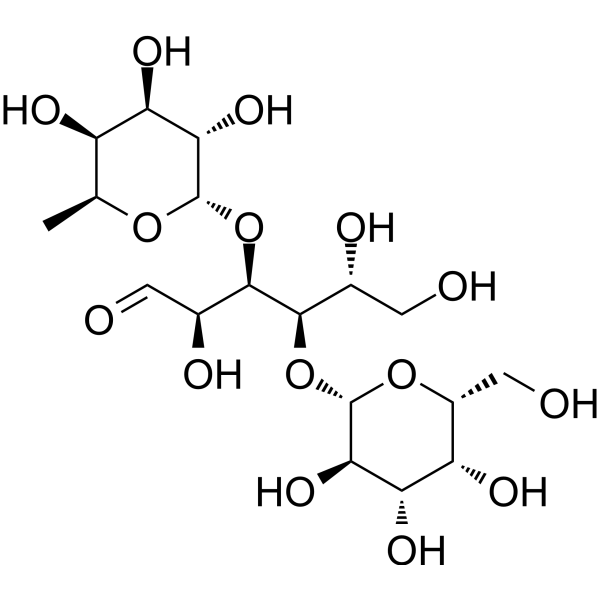
Lactodifucotetraose is a difucosylated human milk oligosaccharide. Lactodifucotetraose inhibits platelet function and the release of inflammatory factors. Lactodifucotetraose can be used for the research of *Campylobacter jejuni*-associated diarrhea and platelet-induced inflammatory processes .
|
-
-
- HY-108667
-
|
|
P2X Receptor
Interleukin Related
Fluorescent Dye
|
Neurological Disease
|
|
TNP-ATP triethylammonium is a P2X receptor antagonist with an IC50 of 0.010 μM for P2X3 and an IC50 of 0.062 μM for P2X2/3. TNP-ATP triethylammonium acts as an inhibitor of CheA autophosphorylation, with a Ki of 0.7 µM. TNP-ATP triethylammonium blocks the functional activation of P2X1-7 receptors. TNP-ATP triethylammonium attenuates hypoxia-induced IL-1β expression and release. TNP-ATP triethylammonium alleviates visceral pain, and improves hypoxia-induced cognitive impairment, insufficient myelination and neuroinflammation. Binding of TNP-ATP triethylammonium to CheA enhances the fluorescence of the TNP group. TNP-ATP triethylammonium can be used in studies related to visceral pain. NP-ATP triethylammonium can be used in studies related to hypoxia-induced insufficient myelination and cognitive decline .
|
-
-
- HY-P99976
-
|
|
CD19
|
Inflammation/Immunology
|
|
Anti-Mouse CD19 Antibody (1D3) is an IgG2a antibody inhibitor targeting mouse CD19. Anti-Mouse CD19 Antibody (1D3) reduces CD19 expression levels on the surface of B cells. Anti-Mouse CD19 Antibody (1D3) inhibits the replication of peritoneal B-1a cells .
|
-
-
- HY-N11503
-
-
-
- HY-P5345
-
|
|
Apoptosis
Antibiotic
Caspase
Mitochondrial Metabolism
|
Cardiovascular Disease
Infection
Neurological Disease
Metabolic Disease
|
|
KLA peptide is a naturally occurring Antibiotic peptide that is nontoxic outside of cells but is toxic when it enters into the interior of targeted cells. KLA peptide can induce cell Apoptosis by disrupting mitochondrial membranes and activating Caspase. MG1-KLA, formed by the coupling of KLA peptide with MG1, can selectively induce apoptosis in pro-inflammatory microglia. KLA peptide can be used for the research of liver fibrosis. KLA peptide can be used for the research of neonatal hypoxic-ischemic encephalopathy.
|
-
-
- HY-136066
-
|
TωMCA sodium
|
Endogenous Metabolite
|
Metabolic Disease
|
|
Tauro-ω-muricholic acid sodium (TωMCA sodium) is a bile acid released by the liver and an analog of tauro-α-muricholic acid. Tauro-ω-muricholic acid sodium is investigated as a potential marker in plasma for early-onset neonatal sepsis (EOS) and cholestasis studies
|
-
-
- HY-103197
-
|
RX821002 hydrochloride
|
Adrenergic Receptor
|
Neurological Disease
|
|
2-Methoxyidazoxan monohydrochloride (RX821002 hydrochloride) is a highly selective alpha 2-adrenoceptor antagonist with little or no imidazoline antagonist effect. RX 821002 has markedly higher affinity for (guinea-pig) alpha 2D-adrenoceptors (pKd 9.7) than for (rabbit) alpha 2A-adrenoceptors (pKd 8.2) .
|
-
-
- HY-172705
-
|
|
Liposome
nAChR
|
Neurological Disease
|
|
DSPE-PEG2000-RVG29 is a PEG conjugate composed of DSPE and rabies virus glycoprotein 29 (RVG29). RVG29 specifically binds to nicotinic acetylcholine receptors (nAChR) at the blood-brain barrier (BBB), crosses the BBB, and mediates receptor-dependent transcytosis. DSPE-PEG2000-RVG29 can be used for brain-targeted drug delivery, surface modification of nanocarriers, as well as gene and nucleic acid delivery. DSPE-PEG2000-RVG29 is applicable to research related to hypoxic-ischemic brain injury, Parkinson's disease, and other conditions .
|
-
-
- HY-145726
-
|
|
TNF Receptor
|
Cardiovascular Disease
Inflammation/Immunology
|
|
ISIS 104838 is an antisense oligonucleotide targeting TNF-α. ISIS 104838 specifically binds to human TNF-α mRNA via Watson-Crick base pairing to form a DNA:RNA hybrid duplex, thereby recruiting the ubiquitously expressed intracellular enzyme RNase H to degrade the target mRNA and inhibit TNF-α protein synthesis at the transcriptional level. ISIS 104838 induces moderate, self-limiting thrombocytopenia in cynomolgus monkeys. ISIS 104838 can be used for the study of inflammatory diseases .
|
-
-
- HY-N9496
-
|
|
Insecticide
|
Infection
|
|
Piperitone is as a powerful repellent and antiappetent agent. Piperitone is very toxic to Cymbopogon schoenanthus (C. schoenanthus) adults, newly laid eggs and to neonate larvae. Insecticidal activity .
|
-
-
- HY-W012980S1
-
-
-
- HY-W015061R
-
-
-
- HY-16637A
-
|
Vitamin B9 sodium; Vitamin M sodium
|
DNA/RNA Synthesis
Endogenous Metabolite
|
Neurological Disease
|
|
Folic acid (Vitamin B9) sodium is a orally active essential nutrient from the B complex group of vitamins. Folic acid sodium shows antidepressant-like effect. Folic acid sodium reduces the risk of neonatal neural tube defects. Folic acid sodium can be used to the research of megaloblastic and macrocytic anemias due to folic deficiency .
|
-
-
- HY-P1256C
-
|
|
Neurotensin Receptor
|
Neurological Disease
|
|
JMV 449 acetate is a potent neurotensin receptor agonist. JMV 449 acetate shows an IC50 of 0.15 nM for inhibition of 125I-neurotensin binding to neonatal mouse brain and an EC50 of 1.9 nM in contracting the guinea-pig ileum. JMV 449 acetate has highly potent and long-lasting hypothermic and analgesic effects in the mouse .
|
-
-
- HY-B0762S1
-
|
O-Acetyl-L-carnitine-d3-1 hydrochloride
|
Isotope-Labeled Compounds
Caspase
Apoptosis
|
Neurological Disease
|
|
Acetyl-L-carnitine-d3-1 (O-Acetyl-L-carnitine-d3-1) hydrochloride is the deuterium labeled Acetyl-L-carnitine hydrochloride (HY-B0762). Acetyl-L-carnitine (O-Acetyl-L-carnitine; ALCAR) hydrochloride is an orally active mitochondrial energy metabolism regulator and neuroprotectant that can penetrate the blood-brain barrier. Acetyl-L-carnitine hydrochloride selectively enters cells and the brain through the organic cation transporter OCTN2. Acetyl-L-carnitine hydrochloride can participate in fatty acid β-oxidation, promote acetylcholine synthesis, regulate mitochondrial function and inhibit oxidative stress as an acetyl donor. Acetyl-L-carnitine hydrochloride exerts its activity by enhancing energy metabolism, protecting neurons and improving synaptic plasticity. Acetyl-L-carnitine hydrochloride is mainly used in the study of neurodegenerative diseases and metabolic disorder-related diseases such as neonatal hypoxic-ischemic brain damage, Alzheimer's disease, and depression .
|
-
-
- HY-113040A
-
|
17(R),18(S)-EETeTr
|
Calcium Channel
|
Cardiovascular Disease
|
|
(17R,18S)-Epoxyeicosatetraenoic acid (17 (R),18 (S)-EETeTr) is a physiologically active fatty acid metabolite and also a vasodilator targeting BKα. (17R,18S)-Epoxyeicosatetraenoic acid activates the outward potassium current mediated by BK channels, and this effect is independent of the BKβ1 subunit, intracellular/extracellular calcium levels, and sarcoplasmic reticulum calcium release regulated by RyR3. (17R,18S)-Epoxyeicosatetraenoic acid is produced by the epoxidation of eicosapentaenoic acid mediated by CYP1A1 variants. (17R,18S)-Epoxyeicosatetraenoic acid is applicable to research related to arrhythmia .
|
-
-
- HY-164826
-
|
|
Interleukin Related
Reactive Oxygen Species (ROS)
MMP
Pyroptosis
Ferroptosis
Notch
Keap1-Nrf2
PINK1/Parkin
Mitophagy
Caspase
Apoptosis
|
Inflammation/Immunology
Cancer
|
|
Acetyl zingerone is an analog of Zingerone (HY-14621). Acetyl zingerone downregulates the expression of ROS metabolism-related genes, fibroblast senescence-related genes, keratinocyte differentiation-related genes, and IL-17A target genes. Acetyl zingerone inhibits the activities of MMP-1, MMP-3, and MMP-12, as well as the activation of NLRP3 inflammasome, pyroptosis (pyroptosis), ferroptosis (ferroptosis), cartilage destruction, and UVA-induced cyclobutane pyrimidine dimer formation. Acetyl zingerone upregulates the expression of collagen, proteoglycan, extracellular matrix glycoprotein, Notch pathway, and GPX4 gene, activates Nrf2 and HO-1, induces extracellular matrix synthesis and PINK1/Parkin-mediated mitophagy (mitophagy), and promotes chondrocyte survival. Acetyl zingerone alleviates the progression of osteoarthritis in mice . Acetyl zingerone can be used in research related to skin aging, inflammatory skin diseases, osteoarthritis, melanoma, and non-melanoma skin cancer .
|
-
-
- HY-N9496R
-
|
|
Insecticide
Reference Standards
|
Infection
|
|
Piperitone (Standard) is the analytical standard of Piperitone. This product is intended for research and analytical applications. Piperitone is as a powerful repellent and antiappetent agent. Piperitone is very toxic to Cymbopogon schoenanthus (C. schoenanthus) adults, newly laid eggs and to neonate larvae. Insecticidal activity .
|
-
-
- HY-W012980S3
-
|
|
Endogenous Metabolite
|
Metabolic Disease
|
|
Isovaleric acid-d7 is the deuterium labeled Isovaleric acid . Isovaleric acid is a natural fatty acid and known to effect on neonatal death and possible Jamaican vomiting sickness in human .
|
-
-
- HY-101241
-
|
|
mGluR
|
Neurological Disease
|
|
MPPG is a potent and selective L-AP4-sensitive receptor antagonist with an kD value of 9.2 μM, being tested on the neonatal rat spinal cord .
|
-
-
- HY-16637S5
-
|
Vitamin B9-13C6; Vitamin M-13C6
|
Isotope-Labeled Compounds
DNA/RNA Synthesis
Endogenous Metabolite
|
Cancer
|
|
Folic acid-13C6 is a deuterated labeled Folic acid . Folic acid (Vitamin B9) is a orally active essential nutrient from the B complex group of vitamins. Folic acid shows antidepressant-like effect. Folic acid sodium reduces the risk of neonatal neural tube defects. Folic acid can be used to the research of megaloblastic and macrocytic anemias due to folic deficiency .
|
-
-
- HY-W012734R
-
|
H-HoPro-OH (Standard)
|
Reference Standards
Endogenous Metabolite
|
Metabolic Disease
|
|
L-Pipecolic acid (Standard) is an analytical standard of L-Pipecolic acid. This product is used for research and analytical applications. L-Pipecolic acid (H-HoPro-OH) is an oral active metabolite of Lysine and can accumulate in the bodily fluids of infants with autosomal inherited diseases, such as Zellweger syndrome and neonatal adrenal insufficiency. L-Pipecolic acid can promote muscle cell health and growth by enhancing protein synthesis, and plays a role in promoting gut health. L-Pipecolic acid holds promise for research in the fields of metabolic disorders, muscle growth disorders, and intestinal diseases .
|
-
- HY-W012980S2
-
|
|
Endogenous Metabolite
|
Metabolic Disease
|
|
Isovaleric acid-d2 is the deuterium labeled Isovaleric acid . Isovaleric acid is a natural fatty acid and known to effect on neonatal death and possible Jamaican vomiting sickness in human .
|
-
- HY-113073
-
|
|
Endogenous Metabolite
|
Others
|
|
2,4-Dihydroxybutanoic acid is typically absent in normal human urine extracts and is found only in trace amounts in neonates, while cases of succinic semialdehyde dehydrogenase deficiency consistently exhibit elevated levels of this metabolite.
|
-
- HY-P1714A
-
|
FE 203799 TFA
|
GLP Receptor
|
Metabolic Disease
|
|
Apraglutide TFA (FE 203799 TFA), a synthetic 33-amino-acid peptide and a long-acting GLP-2 analogue, enhances adaptation and linear intestinal growth in a neonatal piglet model of short bowel syndrome with total resection of the ileum .
|
-
- HY-W010696R
-
|
3′,5′,3-Triiodothyronine (Standard)
|
Reference Standards
Thyroid Hormone Receptor
|
Cardiovascular Disease
|
|
Reverse T3 (Standard) is the analytical standard of Reverse T3. This product is intended for research and analytical applications. Reverse T3 is a thyroid hormone that can be generated by deiodination of the prohormone thyroxine . Reverse T3 inhibits the increase of sodium current generated by other thyroid hormone analogs in neonatal rat myocytes .
|
-
- HY-P1256
-
|
|
Neurotensin Receptor
|
Neurological Disease
|
|
JMV 449 is a potent neurotensin receptor agonist. JMV 449 shows an IC50 of 0.15 nM for inhibition of [ 125I]-neurotensin binding to neonatal mouse brain and an EC50 of 1.9 nM in contracting the guinea-pig ileum. JMV 449 has highly potent and long-lasting hypothermic and analgesic effects in the mouse .
|
-
- HY-W127357
-
|
|
Biochemical Assay Reagents
|
Others
|
|
Glyceryl trinonanoate is a triacylglycerol containing nonanoic acid at the sn-1, sn-2 and sn-3 positions. It has been found in Schizochytrium biomass. 1 1,2,3-Trinonanoyl-rac-glycerol increases blood levels of the ketone body D-(-)-3-hydroxybutyrate in neonatal rhesus monkeys. 2|1. Mioso, R., Toledo Marante, FJ, González, JE, et al. Schizochytrium sp. metabolite analysis. Oleaginous microbial sources of biodiesel by GC-MS. braz. J. Microbiology. 45(2), 403-409 (2014).|2. Tetrick, MA, Greer, FR and Benevenga, NJ Blood D- ( )-3-Hydroxybutyric acid concentration. Compare. medicine. 60(6), 486-490 (2010).
|
-
- HY-33015A
-
|
trans-p-Chlorocinnamaldehyde
|
Enterovirus
|
Infection
|
|
4-Chlorocinnamaldehyde (trans-p-Chlorocinnamaldehyde) is an antiviral agent. 4-Chlorocinnamaldehyde inhibits the replication of Coxsackievirus B3 in cardiomyocytes, but shows poor efficacy in animal experiments. 4-Chlorocinnamaldehyde can be used in studies related to viral myocarditis .
|
-
- HY-W012980S
-
|
|
Endogenous Metabolite
|
Metabolic Disease
|
|
Isovaleric acid-d9 is the deuterium labeled Isovaleric acid. Isovaleric acid is a natural fatty acid and known to effect on neonatal death and possible Jamaican vomiting sickness in human.
|
-
- HY-129410
-
|
|
Endogenous Metabolite
|
Others
|
|
ADR-925 is an active chelated iron metabolite with the ability to protect neonatal rat cardiomyocytes from doxorubicin (HY-15142A)-induced damage .
|
-
- HY-145775
-
|
|
Fc Receptor (FcR)
|
Inflammation/Immunology
|
|
hIgG–hFc receptor-IN-1 (comp 66) is a human immunoglobulin G–human neonatal Fc receptor (hIgG–hFcRn) protein-protein interaction inhibitor, with an IC50 of 2 μM .
|
-
- HY-123230S
-
|
CGA 279202-d6
|
Isotope-Labeled Compounds
Fungal
|
Infection
|
|
Trifloxystrobin-d6 is the deuterium labeled Trifloxystrobin. Trifloxystrobin (CGA 279202) is a fungicide, with EC50s of 23.0 μg/L and 1.7 μg/L for Daphnia magna neonate and embryos, respectively, after treatment for 48 h .
|
-
- HY-118565
-
|
|
Endogenous Metabolite
Bacterial
|
Infection
|
|
Rhizocarpic acid (Compound 2) is a secondary metabolite of lichen. Rhizocarpic acid effectively inhibits the growth of bacteria, such as Bacillus subtilis and Staphylococcus aureus, as well as murine myeloma NS-1 cells. Rhizocarpic acid is an antioxidant and an insect antifeedant with an ED50 of 71 μmol/g dry weight against neonate larvae of the Egyptian cotton leaf worm Spodoptera littoralis .
|
-
- HY-14785A
-
|
NLX-112 hydrochloride; F 13640 hydrochloride
|
5-HT Receptor
|
Neurological Disease
Metabolic Disease
|
|
Befiradol (NLX-112) hydrochloride is a highly selective 5-HT1A receptor agonist that acts on both presynaptic and postsynaptic sites. Befiradol hydrochloride attenuates fentanyl-induced respiratory depression in neonatal and adult rats. Befiradol reduces the duration of fentanyl-induced analgesia and sedation in adult rats. Befiradol hydrochloride can be used in studies related to opioid-induced respiratory depression .
|
-
- HY-A0114
-
|
RS 10029
|
Angiotensin-converting Enzyme (ACE)
|
Cardiovascular Disease
|
|
Moexiprilat is an inhibitor of angiotensin-converting enzyme (ACE; IC50=2.1 nM) and an active metabolite of the prodrug Moexipril (HY-117281). It is formed from moexipril in vivo by side chain ester hydrolysis. Moexiprilat (10 nM) prevents the estrone- or angiotensin II-stimulated proliferation of primary neonatal rat cardiac fibroblasts. It reduces mean arterial blood pressure and increases the levels of atrial natriuretic peptide, a marker of hypertension, in ovariectomized mice when administered at a dose of 50 mg/kg per day.
|
-
- HY-A0113
-
|
Ro 31-3113
|
Angiotensin-converting Enzyme (ACE)
|
Cardiovascular Disease
|
|
Cilazaprilat is an inhibitor of angiotensin-converting enzyme (ACE; IC50=0.7 nM for the rat enzyme) and an active metabolite of Cilazapril (HY-A0043). It decreases creatine kinase release in primary neonatal rat cardiac myocytes in an in vitro model of ischemia-reperfusion injury induced by hypoxia and reoxygenation when used at a concentration of 10 μM.3 Intra-arterial administration of cilazaprilat (3 μg/kg per minute) increases coronary blood flow and fractional shortening in a dog model of coronary hypoperfusion-induced myocardial ischemia.
|
-
- HY-175165
-
|
|
Enterovirus
|
Infection
|
|
Jun6504 is an enterovirus 2C inhibitor. Jun6504 shows potent and broad-spectrum antiviral activity against multiple strains of EV-D68 (EC50 = 250 nM), EV-A71 (EC50 = 502.4 nM), and CVB3 (EC50 = 1049 nM). Jun6504 improves paralysis score and weight gain in a neonatal mouse model of EV-D68 infection. Jun6504 reduces viral titers in the spinal cord and the infected quadriceps muscle. Jun6504 can be used for EV-D68 antiviral research .
|
-
- HY-P10110
-
|
|
Autophagy
|
Neurological Disease
|
|
retro-inverso TAT-Beclin 1 D-amino acid is has higher activity and resistance to proteolytic degradation in vivo compared to L-amino acids peptide. TAT-Beclin 1 can induce autophagy in peripheral tissues in adult mice as well as in the central nervous system of neonatal mice .
|
-
- HY-103530R
-
|
|
Reference Standards
GABA Receptor
|
Neurological Disease
|
|
CGP35348 (Standard) is the analytical standard of CGP35348. This product is intended for research and analytical applications. CGP 35348?is a selective, brain penetrant, centrally active GABAB receptor antagonist with an EC50 of 34 μM.?CGP 35348 shows affinity for the GABAB receptor only . CGP 35348 has a potential to improve neuromuscular coordination and spatial learning in albino mouse following neonatal brain damage .
|
-
- HY-126005
-
|
|
Sodium Channel
|
Cancer
|
|
VGSC blocker-1 is a potent and small molecule blocker of neonatal isoform of the VGSC subtype, Nav1.5 (nNav1.5). VGSC blocker-1 blocks INa peak currents 34.9% at 1 μM and inhibits cell invasion 0.3% at 1 μM in human breast cancer cell line MDA-MB-231, without affecting the cell viability .
|
-
- HY-P10237
-
|
|
Calcium Channel
|
Others
|
|
Calcitonin chicken is a hormone, that regulates calcium metabolism. Calcitonin chicken suppresses the cell motility and bone resorption in neonatal rat osteoclasts .
|
-
- HY-N11449
-
|
|
Others
|
Others
|
|
Nardoaristolone B, a non-sesquiterpene compound isolated from the root of Nardostachys jatamansi, has protective effects on cardiomyocyte injury in neonatal rats .
|
-
- HY-155709
-
|
|
Fungal
|
Infection
|
|
Antifungal agent 67 (compound 9) is an imidazole antifungal agent that is effective against Candida. Antifungal agent 67 has a CC50 value of 33.6 μM on healthy neonatal rat cardiomyoblasts .
|
-
- HY-103276
-
-
- HY-137970
-
|
A-83543D aglycone
|
Parasite
|
Infection
|
|
Spinosyn D aglycone is an aglycone form of the insecticide Spinosyn D (HY-125326). Unlike spinosyn D, spinosyn D aglycone is not lethal to H. virescens (tobacco budworm) neonate larvae (LC50=>64 ppm).
|
-
- HY-130448
-
|
|
Prostaglandin Receptor
ROCK
|
Cardiovascular Disease
|
|
8-iso Prostaglandin F1β is an isoprostane, that exhibits vasoconstrictive effect in neonatal porcine pulmonary arteries, pulmonary veins, and mesenteric arteries. 8-iso Prostaglandin F1β targets TXA2 receptor and exhibits the blood vessel contractile efficacy under the influence of tyrosine kinase and Rho kinase .
|
-
- HY-12773A
-
|
GPV-129 hydrochloride
|
Drug Metabolite
|
Cardiovascular Disease
|
|
5-Hydroxy Propafenone (hydrochloride) is an inhibitor of cardiac myocyte repolarizing currents. 5-Hydroxy Propafenone is an active metabolite of propafenone. 5-Hydroxy Propafenone (hydrochloride) inhibits transient outward potassium current (Ito) in isolated human arterial myocytes with an IC50 of 1.5 μM. 5-Hydroxy Propafenone (hydrochloride) is potent Ito inhibitor in neonatal rat ventricular myocytes .
|
-
- HY-107518
-
|
(R,S)-3,4-DCPG
|
iGluR
|
Neurological Disease
|
|
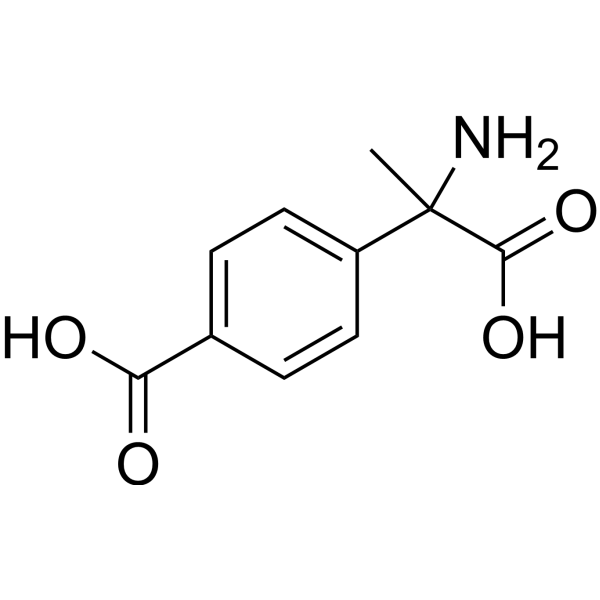
(R,S)-3,4-Dicarboxyphenylglycine ((RS)-3,4-DCPG) is an AMPA receptor antagonist. (R,S)-3,4-Dicarboxyphenylglycine antagonizes AMPA-mediated depolarization of motor neurons in neonatal rats. (R,S)-3,4-Dicarboxyphenylglycine can be used in the study of neurological diseases .
|
-
- HY-103197R
-
|
RX821002 hydrochloride (Standard)
|
Reference Standards
Adrenergic Receptor
|
Neurological Disease
|
|
2-Methoxyidazoxan (monohydrochloride) (Standard) is the analytical standard of 2-Methoxyidazoxan (monohydrochloride). This product is intended for research and analytical applications. 2-Methoxyidazoxan monohydrochloride (RX821002 hydrochloride) is a highly selective alpha 2-adrenoceptor antagonist with little or no imidazoline antagonist effect. RX 821002 has markedly higher affinity for (guinea-pig) alpha 2D-adrenoceptors (pKd 9.7) than for (rabbit) alpha 2A-adrenoceptors (pKd 8.2) .
|
-
- HY-100371R
-
|
alpha-MCPG (Standard)
|
Reference Standards
mGluR
|
Neurological Disease
|
|
(RS)-MCPG (Standard) is the analytical standard of (RS)-MCPG. This product is intended for research and analytical applications. (RS)-MCPG (alpha-MCPG) is a competitive and selective group I/group II metabotropic glutamate receptor (mGluR) antagonist. (RS)-MCPG blocks theta-burst stimulation (TBS)-induced shifts in both juvenile and neonatal rat hippocampal neurons .
|
-
- HY-157082
-
|
|
Enterovirus
|
Infection
|
|
ZHSI-1 is an EV71 (Enterovirus 71) inhibitor that inhibits EV71/CVA16 replication and virus-induced pyroptosis associated with viral pathogenesis. ZHSI-1 effectively prevents EV71 infection in neonatal and young mice in animal models. ZHSI-1 can be used to study viral infections such as hand, foot and mouth disease (HFMD) .
|
-
- HY-W402074
-
|
Butenolide
|
Mitochondrial Metabolism
Reactive Oxygen Species (ROS)
|
Metabolic Disease
|
|
5-Acetamide-Butenolide (Butenolide) is a mycotoxin with pro-oxidant activity, which is found in Fusarium. 5-Acetamide-Butenolide disrupts the mitochondrial membrane potential in primary neonatal rat cardiomyocytes. 5-Acetamide-Butenolide also induces the production of thiobarbituric acid reactive substances (TBARS) in isolated rat myocardial mitochondria. 5-Acetamide-Butenolide increases the production of reactive oxygen species (ROS), decreases the levels of GSH and reduces the viability of HepG2 cells .
|
-
- HY-106761
-
|
|
Calcium Channel
|
Cardiovascular Disease
Others
|
|
Oxodipine, a dihydropyridine-type calcium antagonist, inhibits KCl-induced aortic contraction in rabbits and reduces cardiac force in less potent rat ventricular test-paper contractions. In rat cultured neonatal ventricular myocytes, Oxodipine reduces L-type Ca currents (I) with an IC50 of 0.24 μM, and against T-type Ca currents (I) with an IC50 of 0.41 μM. Oxodipine causes constipation in mice and gingival hyperplasia in dogs .
|
-
- HY-N3018R
-
|
6-O-α-D-Glucopyranosyl-D-glucose (Standard); D-Isomaltose (Standard)
|
Reference Standards
Endogenous Metabolite
Parasite
|
Infection
Metabolic Disease
|
|
Isomaltose (Standard) is the analytical standard of Isomaltose (HY-N3018). This product is intended for research and analytical applications. Isomaltose induces G-CSF secretion via heat-induced oxidative polymerization of glucose groups into high-molecular-weight compounds. Isomaltose modulates cecal bacterial cluster structure in mice. Isomaltose exhibits low glycemic index, slow hydrolysis, and prebiotic properties. Isomaltose reduces in vivo Cryptosporidium parvum colonization in neonatal mice. Isomaltose can be used for the research of Cryptosporidium parvum infection .
|
-
- HY-162729
-
|
|
Histone Demethylase
Monoamine Oxidase
TGF-beta/Smad
|
Cardiovascular Disease
|
|
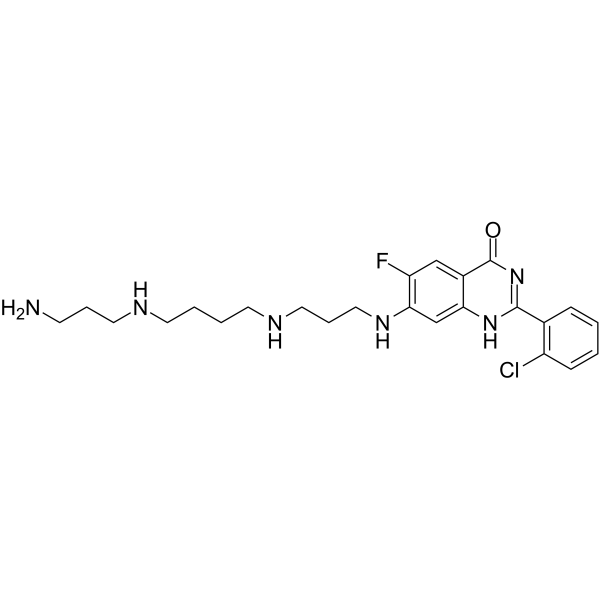
LSD1-IN-34 (Compound 7d) is the orally active inhibitor for Lysine-specific demethylase (LSD) and monoamine oxidase (MAO), with IC50 of 4.51 and 18.46 nM, for LSD1 and MAO A. LSD1-IN-34 inhibits the Ang II-induced neonatal rat myocardial fibroblasts (NRCFs) activation, without significant toxicity (20 μM). LSD1-IN-34 inhibits TGFβ/Smad signaling pathway, and ameliorates heart failure in mice. LSD1-IN-34 exhibits good pharmacokinetic characteristics in rats .
|
-
- HY-17468A
-
|
Ro 10-6338 sodium; PF 1593 sodium
|
NKCC
|
Cardiovascular Disease
Metabolic Disease
|
|
Bumetanide sodium, a highly potent loop diuretic, is a Na +-K +-Cl + cotransporter (NKCC) blocker. Bumetanide sodium is a selective NKCC1 inhibitor, and also inhibits NKCC2, with IC50s of 0.68 and 4.0 μM for hNKCC1A and hNKCC2A, respectively .
|
-
- HY-118200
-
|
|
Adrenergic Receptor
|
Neurological Disease
|
BRL-41992 is a selective α₂B-adrenergic receptor antagonist. BRL-41992 exhibits 94-fold higher selectivity for the α₂B-receptor than for the α₂A-receptor with Kᵢ values in neonatal rat lung tissue (expressing the α₂B-receptor) and in human platelet membranes (expressing the α₂A-receptor) of 1.1 and 103.3 nM. BRL-41992 can be used to verify the functional differences of α₂ receptor subtypes .
|
-
- HY-B0762R
-
|
O-Acetyl-L-carnitine hydrochloride (Standard); ALCAR hydrochloride (Standard)
|
Endogenous Metabolite
Caspase
Reference Standards
Apoptosis
|
Neurological Disease
|
|
Acetyl-L-carnitine hydrochloride (Standard) is the analytical standard of Acetyl-L-carnitine hydrochloride. This product is intended for research and analytical applications. Acetyl-L-carnitine (O-Acetyl-L-carnitine; ALCAR) hydrochloride is an orally active mitochondrial energy metabolism regulator and neuroprotectant that can penetrate the blood-brain barrier. Acetyl-L-carnitine hydrochloride selectively enters cells and the brain through the organic cation transporter OCTN2. Acetyl-L-carnitine hydrochloride can participate in fatty acid β-oxidation, promote acetylcholine synthesis, regulate mitochondrial function and inhibit oxidative stress as an acetyl donor. Acetyl-L-carnitine hydrochloride exerts its activity by enhancing energy metabolism, protecting neurons and improving synaptic plasticity. Acetyl-L-carnitine hydrochloride is mainly used in the study of neurodegenerative diseases and metabolic disorder-related diseases such as neonatal hypoxic-ischemic brain damage, Alzheimer's disease, and depression .
|
-
- HY-D1056C4
-
|
LPS, from Salmonella enterica (Serotype abortus equi)
|
Toll-like Receptor (TLR)
|
Inflammation/Immunology
|
Lipopolysaccharides, from S. enterica (Salmonella enterica) serotype Abortusequi are lipopolysaccharide endotoxins and TLR-4 activators derived from the Abortusequi serotype of S. enterica, classified as a mutated R-type LPS, which can activate pathogen-associated molecular patterns (PAMP) of the immune system and induce cellular secretion of migrasomes. Lipopolysaccharides, from S. enterica serotype abortus equi consist of core oligosaccharide (core oligosaccharide) and lipid A (Lipid A). S. enterica serotype Abortusequi is a major pathogen causing abortion in mares and is also associated with neonatal sepsis, multiple abscesses, orchitis, and polyarthritis in equids. It is primarily grouped based on lipopolysaccharides (O-antigen) and flagellin (H-antigen) .
It is recommended to prepare a solution with concentration ≥2 mg/mL. Vortex thoroughly for more than 10 minutes. Due to the adsorption characteristics of LPS, silanized container or low adsorption centrifuge tubes should be used for aliquoting and storage, and mix thoroughly before use.
|
-
- HY-W765177
-
|
O-Acetyl-L-carnitine hydrochloride-13C3; ALCAR hydrochloride-13C3
|
Isotope-Labeled Compounds
Apoptosis
Caspase
|
Neurological Disease
|
|
Acetyl-L-carnitine hydrochloride- 13C3 (O-Acetyl-L-carnitine hydrochloride- 13C3) is the 13C-labeled Acetyl-L-carnitine hydrochloride (HY-B0762). Acetyl-L-carnitine (O-Acetyl-L-carnitine; ALCAR) hydrochloride is an orally active mitochondrial energy metabolism regulator and neuroprotectant that can penetrate the blood-brain barrier. Acetyl-L-carnitine hydrochloride selectively enters cells and the brain through the organic cation transporter OCTN2. Acetyl-L-carnitine hydrochloride can participate in fatty acid β-oxidation, promote acetylcholine synthesis, regulate mitochondrial function and inhibit oxidative stress as an acetyl donor. Acetyl-L-carnitine hydrochloride exerts its activity by enhancing energy metabolism, protecting neurons and improving synaptic plasticity. Acetyl-L-carnitine hydrochloride is mainly used in the study of neurodegenerative diseases and metabolic disorder-related diseases such as neonatal hypoxic-ischemic brain damage, Alzheimer's disease, and depression .
|
-
- HY-182435
-
|
|
Potassium Channel
|
Neurological Disease
|
|
CLE-030 is a KCNQ2 agonist with non-gating-dependent current-modulating activity . CLE-030 modulates neuronal network activity. CLE-030 can be used in studies related to pain, epilepsy and benign familial neonatal convulsions .
|
-
- HY-112005G
-
|
Dioleoylphosphatidylethanolamine; 1,2-Dioleoyl-sn-glycero-3-phosphoethanolamine
|
Ferroptosis
Glutathione Peroxidase
ACSL Family
Amino acid Transporter
|
Neurological Disease
Inflammation/Immunology
|
|
DOPE GMP is DOPE (HY-112005) produced by using GMP guidelines. GMP small molecules works appropriately as an auxiliary reagent for cell therapy manufacture. DOPE (Dioleoylphosphatidylethanolamine; 1,2-Dioleoyl-sn-glycero-3-phosphoethanolamine) is an orally active inhibitor of ferroptosis with anti-inflammatory and intestinal barrier maintenance activities. DOPE regulates the expression of ACSL4, SLC7A11 and GPX4 to restore the redox system balance, thereby reducing the levels of lipid peroxides, iron ions and intestinal inflammatory factors (IL-1β and IL-6). DOPE promotes the migration and proliferation of intestinal epithelial cells and increases the level of tight junction proteins; it also destabilizes endosomal membranes, mediates the conjugation of RVG peptides with mesenchymal stem cell-derived exosomes to enhance brain targeting. DOPE can be applied to research related to neonatal necrotizing enterocolitis and Alzheimer's disease .
|
-
- HY-150306B
-
|
(R)-IM-250
|
HSV
DNA/RNA Synthesis
|
Infection
|
|
(R)-Adibelivir ((R)-IM-250) is a blood-brain barrier-permeable HSV helicase-primase inhibitor. (R)-Adibelivir specifically inhibits the activity of the HSV UL5-UL52-UL8 helicase-primase complex. (R)-Adibelivir affects viral reactivation and significantly reduces the reactivation capacity of latent neuronal HSV reservoirs. (R)-Adibelivir can be used in studies related to herpes simplex virus infection, herpes encephalitis, neonatal herpes, and other related conditions .
|
-
- HY-120291
-
|
|
Phosphodiesterase (PDE)
|
Neurological Disease
|
|
ASP9436 is an orally active and blood-brain barrier permeable PDE10A inhibitor with an IC50 of 8 nM against human PDE10A. ASP9436 attenuates locomotor activity in mouse hyperactivity models and ameliorates visual recognition memory impairment in neonatal mice. ASP9436 is applicable to research related to schizophrenia .
|
-
- HY-P5345A
-
|
|
Apoptosis
Antibiotic
Caspase
Mitochondrial Metabolism
|
Cardiovascular Disease
Infection
Neurological Disease
Metabolic Disease
|
|
KLA peptide acetate is a naturally occurring Antibiotic peptide that is nontoxic outside of cells but is toxic when it enters into the interior of targeted cells. KLA peptide acetate can induce cell Apoptosis by disrupting mitochondrial membranes and activating Caspase. MG1-KLA acetate, formed by the coupling of KLA peptide acetate with MG1, can selectively induce apoptosis in pro-inflammatory microglia. KLA peptide acetate can be used for the research of liver fibrosis. KLA peptide acetate can be used for the research of neonatal hypoxic-ischemic encephalopathy .
|
-
- HY-B0368B
-
|
|
Beta-lactamase
Antibiotic
Bacterial
|
Infection
Inflammation/Immunology
|
|
D-Captopril is a NDM-1 inhibitor and a competitive BlaB inhibitor, with an IC50 value of 21.8 µM against NDM-1 and a Ki of 70-100 µM against BlaB. D-Captopril synergistically reduces the minimum inhibitory concentration of Meropenem (HY-13678) against NDM-1-expressing bacteria. D-Captopril binds to BcII via its thiolate sulfur atom and carboxylate group, altering metal ion occupancy and modulating Cd 2+ binding affinity. D-Captopril can be used in the research of neonatal meningitis, sepsis and bacterial infections .
|
-
- HY-N19294
-
|
|
Others
|
Cancer
|
|
Hancockiamide A is a compound found in the Australian soil fungus Aspergillus hancockii. Hancockiamide A inhibits tumor cell viability and inactivity against fibroblasts. Hancockiamide A can be used for the research of myeloma .
|
-
- HY-182476
-
|
|
Fc Receptor (FcR)
|
Inflammation/Immunology
|
|
Z223-2027 is a FcRn inhibitor. Z223-2027 competitively blocks the binding of immunoglobulin G (IgG) to FcRn. Z223-2027 can be used in the research of IgG-mediated autoimmune diseases .
|
-
- HY-P992034
-
|
PR001
|
Interleukin Related
|
Inflammation/Immunology
|
|
APG808 (PR001) is an anti-human IL-4Rα monoclonal antibody. APG808 binds to IL-4Rα, prevents IL-13Rα1/IL-4Rα heterodimer formation, and disrupts IL-13 and IL-4 mediated signaling. APG808 ablates Fc and complement effector functions. APG808 can be used for the research of chronic obstructive pulmonary disease, asthma, atopic dermatitis .
|
-
- HY-P992482
-
|
|
Drug Derivative
Influenza Virus
Fc Receptor (FcR)
Complement System
|
Infection
|
|
VIR-2482 is a monoclonal antibody targeting influenza A hemagglutinin (HA). VIR-2482 is generated by introducing LS mutations (M428L/N434S) into the Fc region of MEDI8852 (HY-P991446). VIR-2482 binds to the conserved HA stem epitope across all 18 influenza A HA subtypes, neutralizes a broad spectrum of H1N1 and H3N2 strains, binds to FcγRIIIa, FcγRIIa and C1q, and induces antibody-dependent cellular cytotoxicity and complement-dependent cytotoxicity. VIR-2482 reduces morbidity and mortality caused by seasonal influenza A strains and provides prophylactic protection in mice. VIR-2482 can be used in research related to influenza A disease .
|
-
- HY-B1778C
-
|
Suxamethonium iodide
|
nAChR
mAChR
|
Neurological Disease
|
|
Succinylcholine iodide is a depolarizing neuromuscular blocker with rapid onset and short duration of action. Succinylcholine iodide also acts as an agonist of the Acetylcholine receptor. Succinylcholine iodide is used for emergency airway management .
|
-
- HY-17355B
-
|
(R)-Pramipexole; R-(+)-Pramipexole; KNS-760704
|
PINK1/Parkin
Glutathione Peroxidase
Sodium Channel
ATP Synthase
NOD-like Receptor (NLR)
Mitophagy
Ferroptosis
Autophagy
Apoptosis
Reactive Oxygen Species (ROS)
|
Cardiovascular Disease
Neurological Disease
Inflammation/Immunology
|
|
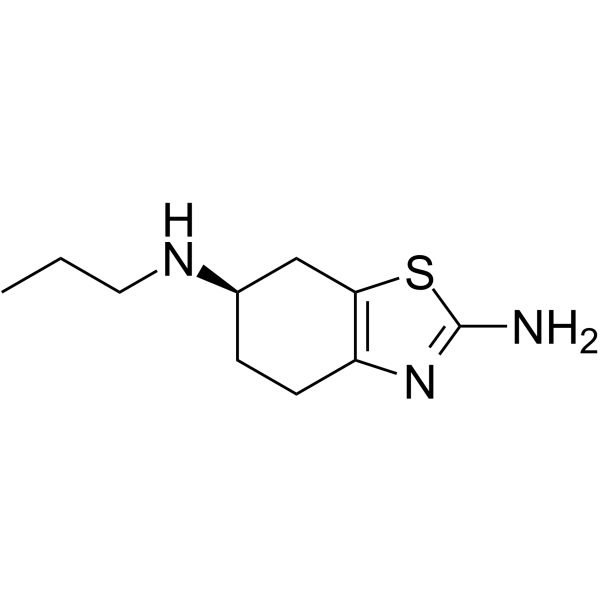
Dexpramipexole ((R)-Pramipexole) is an orally active, blood-brain barrier permeable mitochondrial protective agent. Dexpramipexole upregulates the expression of Parkin, PINK1, GPX4 and FSP1; binds to mitochondrial F1/Fo-ATP synthase; blocks the Nav1.8 sodium channel; and inhibits the activation of the NLRP3 inflammasome. Dexpramipexole induces mitophagy, inhibits ferroptosis, pyroptosis, apoptosis, neuroinflammation and eosinophilopoiesis; maintains mitochondrial function and redox homeostasis; reduces reactive oxygen species production; and decreases myocardial infarct size. Dexpramipexole is applicable to studies on eosinophilic asthma, myocardial ischemia/reperfusion injury, sepsis-associated encephalopathy, analgesia, and more .
|
-
- HY-B0277A
-
|
ara-AMP; ara-A 5'-monophosphate
|
EBV
HSV
Fungal
DNA/RNA Synthesis
Apoptosis
Drug Intermediate
Reactive Oxygen Species (ROS)
|
Infection
|
|
Vidarabine phosphate (ara-AMP; ara-A 5'-monophosphate) is a purine nucleoside antiviral agent and a prodrug of Vidarabine (HY-B0277). Vidarabine phosphate is rapidly converted into the antiviral active Vidarabine in vivo, which selectively inhibits viral DNA polymerase and cellular ribonucleotide reductase, thereby blocking viral replication. Vidarabine phosphate also exhibits antifungal activity, induces late-stage cellular apoptosis, and causes cell cycle arrest. Vidarabine phosphate can be used in research related to severe chronic active Epstein-Barr virus (EBV) infection, herpes infection, and candidiasis .
|
-
- HY-N18035
-
|
|
Insecticide
|
Infection
|
|
Spinosyn K is an insecticide found in the actinomycete Saccharopolyspora spinosa. Spinosyn K shows strong insecticidal activity .
|
-
- HY-P99804
-
|
MK1654
|
RSV
|
Infection
|
|
Clesrovimab (MK1654) is a humanized IgG1 monoclonal antibody targeting the respiratory syncytial virus (RSV) protein F. Clesrovimab binds to pre-fusion and post-fusion forms of RSV-A fusion protein with high affinity, with corresponding KD values of 71 pM and 480 pM, respectively. Clesrovimab is applicable for the research of RSV infection .
|
-
- HY-B0384
-
|
|
Angiotensin-converting Enzyme (ACE)
|
Cardiovascular Disease
|
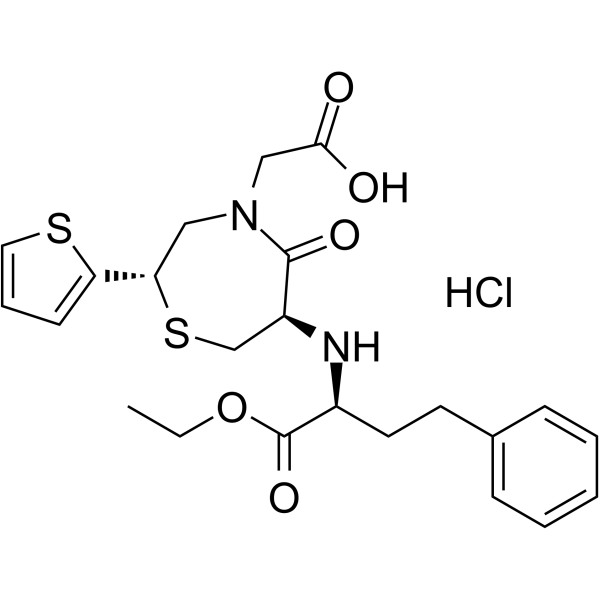
|
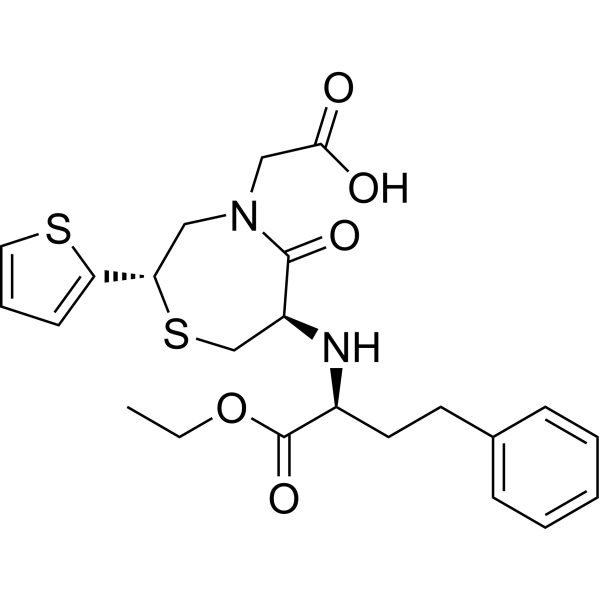
Temocapril hydrochloride is an orally active angiotensin-converting enzyme (ACE) inhibitor. Temocapril hydrochloride can be used for the research of hypertension, congestive heart failure, acute myocardial infarction, insulin resistance, and renal diseases .
|
-
- HY-100713
-
|
|
Angiotensin-converting Enzyme (ACE)
|
Cardiovascular Disease
|
|
Temocapril is an orally active angiotensin-converting enzyme (ACE) inhibitor. Temocapril can be used for the research of hypertension, congestive heart failure, acute myocardial infarction, insulin resistance, and renal diseases .
|
-
- HY-100713R
-
|
|
Reference Standards
Angiotensin-converting Enzyme (ACE)
|
Cardiovascular Disease
|
|
Temocapril (Standard) is the analytical standard of Temocapril. This product is intended for research and analytical applications. Temocapril is an orally active angiotensin-converting enzyme (ACE) inhibitor. Temocapril can be used for the research of hypertension, congestive heart failure, acute myocardial infarction, insulin resistance, and renal diseases .
|
-
- HY-B0384R
-
|
|
Angiotensin-converting Enzyme (ACE)
Reference Standards
|
Cardiovascular Disease
|
|
Temocapril (hydrochloride) (Standard) is the analytical standard of Temocapril (hydrochloride). This product is intended for research and analytical applications. Temocapril hydrochloride is an orally active angiotensin-converting enzyme (ACE) inhibitor. Temocapril hydrochloride can be used for the research of hypertension, congestive heart failure, acute myocardial infarction, insulin resistance, and renal diseases .
|
-
- HY-P992152
-
|
|
Factor VIIa
Drug Derivative
|
Cardiovascular Disease
|
|
Vatreptacog alfa is a recombinant hFVIIa analog, differing from native FVIIa by three amino acid substitutions (V158D, E296V and M298Q) in the protease domain. Vatreptacog alfa exhibits enhanced tissue factor-independent enzymatic activity toward activated platelets. Vatreptacog alfa can be used in the research of hemophilia .
|
-
- HY-133240
-
|
|
DNA Alkylator/Crosslinker
Calcium Channel
Potassium Channel
Sodium Channel
|
Infection
|
|
trans-AzoTAB is a photoresponsive potassium/sodium/calcium channel modulator and DNA-binding agent. trans-AzoTAB undergoes trans-cis isomerization driven by light, with variable polarity and DNA affinity. trans-AzoTAB also enhances voltage-gated potassium currents and inhibits sodium and calcium currents in cardiomyocytes, thereby reducing spontaneous electrical activity and excitation conduction velocity. In addition, trans-AzoTAB induces compaction and frozen conformation of λ-phage DNA, and non-sequence-dependently inhibits transcription and translation processes in the dark; its activity can be reversed and restored by visible light after activation with ultraviolet irradiation. trans-AzoTAB can serve as a probe for two-photon optical regulation of myocardial excitability, and is used to construct photoresponsive interfacial polymer structures .
|
-
- HY-164295A
-
|
|
Drug Derivative
|
Cardiovascular Disease
Neurological Disease
|
|
U-78517 dihydrochloride, a Trolox (HY-101445) analog, is a potent antioxidant. U-78517 dihydrochloride inhibits DCVC (HY-19717)-induced lipid peroxidation, scavenges DPPH, oxygen- and nitrogen-based free radicals. U-78517 dihydrochloride attenuates hypoxic injury in iaolated cardiac myocytes. U-78517 dihydrochloride can be used for the research of hypoxic injury, cerebral ischemia, and cardiovascular disease .
|
-
| Cat. No. |
Product Name |
Type |
-
- HY-112005G
-
|
Dioleoylphosphatidylethanolamine; 1,2-Dioleoyl-sn-glycero-3-phosphoethanolamine
|
Fluorescent Dyes
|
|
DOPE GMP is DOPE (HY-112005) produced by using GMP guidelines. GMP small molecules works appropriately as an auxiliary reagent for cell therapy manufacture. DOPE (Dioleoylphosphatidylethanolamine; 1,2-Dioleoyl-sn-glycero-3-phosphoethanolamine) is an orally active inhibitor of ferroptosis with anti-inflammatory and intestinal barrier maintenance activities. DOPE regulates the expression of ACSL4, SLC7A11 and GPX4 to restore the redox system balance, thereby reducing the levels of lipid peroxides, iron ions and intestinal inflammatory factors (IL-1β and IL-6). DOPE promotes the migration and proliferation of intestinal epithelial cells and increases the level of tight junction proteins; it also destabilizes endosomal membranes, mediates the conjugation of RVG peptides with mesenchymal stem cell-derived exosomes to enhance brain targeting. DOPE can be applied to research related to neonatal necrotizing enterocolitis and Alzheimer's disease .
|
| Cat. No. |
Product Name |
Type |
-
- HY-D1056A4
-
|
LPS, from Escherichia coli (O128:B12)
|
Biochemical Assay Reagents
|
Lipopolysaccharides, from E. coli O128:B12 (LPS, from Escherichia coli (O128:B12)) are endotoxins and TLR4 activators extracted from Escherichia coli (E. coli O128:B12) and are classified as S (smooth) type LPS. Lipopolysaccharides, from E. coli O128:B12 possess the typical three-part structure: O-antigen, R3-type core oligosaccharide, and lipid A. Lipopolysaccharides, from E. coli O128:B12 activate TLR-4 in immune cells, can be used to construct animal models of neonatal brain inflammation, and may influence preterm birth in neonates .
It is recommended to prepare a solution with concentration ≥2 mg/mL. Vortex thoroughly for more than 10 minutes. Due to the adsorption characteristics of LPS, silanized container or low adsorption centrifuge tubes should be used for aliquoting and storage, and mix thoroughly before use.
|
-
- HY-172705
-
|
|
Biochemical Assay Reagents
|
|
DSPE-PEG2000-RVG29 is a PEG conjugate composed of DSPE and rabies virus glycoprotein 29 (RVG29). RVG29 specifically binds to nicotinic acetylcholine receptors (nAChR) at the blood-brain barrier (BBB), crosses the BBB, and mediates receptor-dependent transcytosis. DSPE-PEG2000-RVG29 can be used for brain-targeted drug delivery, surface modification of nanocarriers, as well as gene and nucleic acid delivery. DSPE-PEG2000-RVG29 is applicable to research related to hypoxic-ischemic brain injury, Parkinson's disease, and other conditions .
|
-
- HY-W127357
-
|
|
Biochemical Assay Reagents
|
|
Glyceryl trinonanoate is a triacylglycerol containing nonanoic acid at the sn-1, sn-2 and sn-3 positions. It has been found in Schizochytrium biomass. 1 1,2,3-Trinonanoyl-rac-glycerol increases blood levels of the ketone body D-(-)-3-hydroxybutyrate in neonatal rhesus monkeys. 2|1. Mioso, R., Toledo Marante, FJ, González, JE, et al. Schizochytrium sp. metabolite analysis. Oleaginous microbial sources of biodiesel by GC-MS. braz. J. Microbiology. 45(2), 403-409 (2014).|2. Tetrick, MA, Greer, FR and Benevenga, NJ Blood D- ( )-3-Hydroxybutyric acid concentration. Compare. medicine. 60(6), 486-490 (2010).
|
-
- HY-D1056C4
-
|
LPS, from Salmonella enterica (Serotype abortus equi)
|
Biochemical Assay Reagents
|
Lipopolysaccharides, from S. enterica (Salmonella enterica) serotype Abortusequi are lipopolysaccharide endotoxins and TLR-4 activators derived from the Abortusequi serotype of S. enterica, classified as a mutated R-type LPS, which can activate pathogen-associated molecular patterns (PAMP) of the immune system and induce cellular secretion of migrasomes. Lipopolysaccharides, from S. enterica serotype abortus equi consist of core oligosaccharide (core oligosaccharide) and lipid A (Lipid A). S. enterica serotype Abortusequi is a major pathogen causing abortion in mares and is also associated with neonatal sepsis, multiple abscesses, orchitis, and polyarthritis in equids. It is primarily grouped based on lipopolysaccharides (O-antigen) and flagellin (H-antigen) .
It is recommended to prepare a solution with concentration ≥2 mg/mL. Vortex thoroughly for more than 10 minutes. Due to the adsorption characteristics of LPS, silanized container or low adsorption centrifuge tubes should be used for aliquoting and storage, and mix thoroughly before use.
|
-
- HY-112005G
-
|
Dioleoylphosphatidylethanolamine; 1,2-Dioleoyl-sn-glycero-3-phosphoethanolamine
|
Biochemical Assay Reagents
|
|
DOPE GMP is DOPE (HY-112005) produced by using GMP guidelines. GMP small molecules works appropriately as an auxiliary reagent for cell therapy manufacture. DOPE (Dioleoylphosphatidylethanolamine; 1,2-Dioleoyl-sn-glycero-3-phosphoethanolamine) is an orally active inhibitor of ferroptosis with anti-inflammatory and intestinal barrier maintenance activities. DOPE regulates the expression of ACSL4, SLC7A11 and GPX4 to restore the redox system balance, thereby reducing the levels of lipid peroxides, iron ions and intestinal inflammatory factors (IL-1β and IL-6). DOPE promotes the migration and proliferation of intestinal epithelial cells and increases the level of tight junction proteins; it also destabilizes endosomal membranes, mediates the conjugation of RVG peptides with mesenchymal stem cell-derived exosomes to enhance brain targeting. DOPE can be applied to research related to neonatal necrotizing enterocolitis and Alzheimer's disease .
|
| Cat. No. |
Product Name |
Target |
Research Area |
-
- HY-P1714
-
|
FE 203799
|
GLP Receptor
|
Metabolic Disease
|
|
Apraglutide (FE 203799), a synthetic 33-amino-acid peptide and a long-acting GLP-2 analogue, enhances adaptation and linear intestinal growth in a neonatal piglet model of short bowel syndrome with total resection of the ileum .
|
-
- HY-P1684
-
|
FOXP3 inhibitor P60
|
NF-κB
Nuclear Factor of activated T Cells (NFAT)
|
Infection
Inflammation/Immunology
Cancer
|
|
Peptide P60 is a FOXP3 inhibitor. Peptide P60 reduces the nuclear translocation of FOXP3 and impairs FOXP3-mediated inhibition of NF-κB and NFAT activity. Peptide P60 inhibits the immunosuppressive activity of regulatory T cells and restores the proliferation and activation of effector T cells. Peptide P60 induces lymphoproliferative autoimmune syndrome in neonatal ICR mice and reduces the number of CD4 +CD25 +Foxp3 + T cells in the spleen. Peptide P60 enhances the efficacy of AH1 (HY-P4193) peptide vaccine and recombinant adenovirus-based HCV NS3 vaccine in BALB/c mice, including protective effects against CT26 tumor implantation. Peptide P60 can be used in studies related to tumor immunity, viral infection and lymphoproliferative autoimmune syndrome .
|
-
- HY-P5345
-
|
|
Apoptosis
Antibiotic
Caspase
Mitochondrial Metabolism
|
Cardiovascular Disease
Infection
Neurological Disease
Metabolic Disease
|
|
KLA peptide is a naturally occurring Antibiotic peptide that is nontoxic outside of cells but is toxic when it enters into the interior of targeted cells. KLA peptide can induce cell Apoptosis by disrupting mitochondrial membranes and activating Caspase. MG1-KLA, formed by the coupling of KLA peptide with MG1, can selectively induce apoptosis in pro-inflammatory microglia. KLA peptide can be used for the research of liver fibrosis. KLA peptide can be used for the research of neonatal hypoxic-ischemic encephalopathy.
|
-
- HY-P1256C
-
|
|
Neurotensin Receptor
|
Neurological Disease
|
|
JMV 449 acetate is a potent neurotensin receptor agonist. JMV 449 acetate shows an IC50 of 0.15 nM for inhibition of 125I-neurotensin binding to neonatal mouse brain and an EC50 of 1.9 nM in contracting the guinea-pig ileum. JMV 449 acetate has highly potent and long-lasting hypothermic and analgesic effects in the mouse .
|
-
- HY-P1714A
-
|
FE 203799 TFA
|
GLP Receptor
|
Metabolic Disease
|
|
Apraglutide TFA (FE 203799 TFA), a synthetic 33-amino-acid peptide and a long-acting GLP-2 analogue, enhances adaptation and linear intestinal growth in a neonatal piglet model of short bowel syndrome with total resection of the ileum .
|
-
- HY-P1256
-
|
|
Neurotensin Receptor
|
Neurological Disease
|
|
JMV 449 is a potent neurotensin receptor agonist. JMV 449 shows an IC50 of 0.15 nM for inhibition of [ 125I]-neurotensin binding to neonatal mouse brain and an EC50 of 1.9 nM in contracting the guinea-pig ileum. JMV 449 has highly potent and long-lasting hypothermic and analgesic effects in the mouse .
|
-
- HY-P10110
-
|
|
Autophagy
|
Neurological Disease
|
|
retro-inverso TAT-Beclin 1 D-amino acid is has higher activity and resistance to proteolytic degradation in vivo compared to L-amino acids peptide. TAT-Beclin 1 can induce autophagy in peripheral tissues in adult mice as well as in the central nervous system of neonatal mice .
|
-
- HY-P10237
-
|
|
Calcium Channel
|
Others
|
|
Calcitonin chicken is a hormone, that regulates calcium metabolism. Calcitonin chicken suppresses the cell motility and bone resorption in neonatal rat osteoclasts .
|
-
- HY-103276
-
-
- HY-P5345A
-
|
|
Apoptosis
Antibiotic
Caspase
Mitochondrial Metabolism
|
Cardiovascular Disease
Infection
Neurological Disease
Metabolic Disease
|
|
KLA peptide acetate is a naturally occurring Antibiotic peptide that is nontoxic outside of cells but is toxic when it enters into the interior of targeted cells. KLA peptide acetate can induce cell Apoptosis by disrupting mitochondrial membranes and activating Caspase. MG1-KLA acetate, formed by the coupling of KLA peptide acetate with MG1, can selectively induce apoptosis in pro-inflammatory microglia. KLA peptide acetate can be used for the research of liver fibrosis. KLA peptide acetate can be used for the research of neonatal hypoxic-ischemic encephalopathy .
|
| Cat. No. |
Product Name |
Target |
Research Area |
Image |
-
- HY-P99037
-
|
M281
|
Fc Receptor (FcR)
|
Inflammation/Immunology
|
|
Nipocalimab (M281) is a fully humanized, recombinant, and non-glycosylated IgG1 monoclonal antibody. Nipocalimab can bind to the IgG-binding site of FcRn with high affinity and inhibit the transplacental transfer of IgG. Nipocalimab can be used in the research of fetal and neonatal hemolytic disease, myasthenia gravis, and various IgG-mediated autoimmune diseases .
|
-
(5)
-
- HY-P9979
-
|
UCB7665
|
TNF Receptor
|
Inflammation/Immunology
|
|
Rozanolixizumab (UCB7665), a humanized high-affinity anti-human neonatal Fc receptor (FcRn) monoclonal antibody (IgG4P), is used to the research of reducing pathogenic IgG in autoimmune and alloimmune diseases .
|
-
(5)
-
- HY-P99804
-
|
MK1654
|
RSV
|
Infection
|
|
Clesrovimab (MK1654) is a humanized IgG1 monoclonal antibody targeting the respiratory syncytial virus (RSV) protein F. Clesrovimab binds to pre-fusion and post-fusion forms of RSV-A fusion protein with high affinity, with corresponding KD values of 71 pM and 480 pM, respectively. Clesrovimab is applicable for the research of RSV infection .
|
-
(5)
-
- HY-P990129
-
|
|
Transferrin Receptor
|
Infection
|
|
Anti-Mouse CD71/TfR1 Antibody (8D3) is a rat-derived anti-mouse CD71/TfR1 IgG2a type antibody inhibitor. Anti-Mouse CD71/TfR1 Antibody (8D3) depletes of CD71+ erythroid cells but does not change percentages of Tregs in neonatal mice. Anti-Mouse CD71/TfR1 Antibody (8D3) enhances neonatal mice defence against infection .
|
-
(5)
-
- HY-P991055
-
|
RG-6234; RO-7425781
|
CD3
|
Inflammation/Immunology
|
|
Forimtamig (RG-6324) is a GPRC5DxCD3 T-cell-engaging bispecific antibody. Forimtamig has a 2 + 1 format, comprising two high-affinity GPRC5D binding moieties and one CD3 binder. Forimtamig further features a P329G LALA mutated Fc domain that inhibits Fcγ receptor and C1q binding, yet retains binding to the neonatal Fc receptor. The isotype control for Forimtamig can refer to Human IgG1 kappa, Isotype Control (HY-P99001) .
|
-
(5)
-
- HY-P99976
-
|
|
CD19
|
Inflammation/Immunology
|
|
Anti-Mouse CD19 Antibody (1D3) is an IgG2a antibody inhibitor targeting mouse CD19. Anti-Mouse CD19 Antibody (1D3) reduces CD19 expression levels on the surface of B cells. Anti-Mouse CD19 Antibody (1D3) inhibits the replication of peritoneal B-1a cells .
|
-
(5)
-
- HY-P992034
-
|
PR001
|
Interleukin Related
|
Inflammation/Immunology
|
|
APG808 (PR001) is an anti-human IL-4Rα monoclonal antibody. APG808 binds to IL-4Rα, prevents IL-13Rα1/IL-4Rα heterodimer formation, and disrupts IL-13 and IL-4 mediated signaling. APG808 ablates Fc and complement effector functions. APG808 can be used for the research of chronic obstructive pulmonary disease, asthma, atopic dermatitis .
|
-
(5)
-
- HY-P992482
-
|
|
Drug Derivative
Influenza Virus
Fc Receptor (FcR)
Complement System
|
Infection
|
|
VIR-2482 is a monoclonal antibody targeting influenza A hemagglutinin (HA). VIR-2482 is generated by introducing LS mutations (M428L/N434S) into the Fc region of MEDI8852 (HY-P991446). VIR-2482 binds to the conserved HA stem epitope across all 18 influenza A HA subtypes, neutralizes a broad spectrum of H1N1 and H3N2 strains, binds to FcγRIIIa, FcγRIIa and C1q, and induces antibody-dependent cellular cytotoxicity and complement-dependent cytotoxicity. VIR-2482 reduces morbidity and mortality caused by seasonal influenza A strains and provides prophylactic protection in mice. VIR-2482 can be used in research related to influenza A disease .
|
-
(5)
-
- HY-P992152
-
|
|
Factor VIIa
Drug Derivative
|
Cardiovascular Disease
|
|
Vatreptacog alfa is a recombinant hFVIIa analog, differing from native FVIIa by three amino acid substitutions (V158D, E296V and M298Q) in the protease domain. Vatreptacog alfa exhibits enhanced tissue factor-independent enzymatic activity toward activated platelets. Vatreptacog alfa can be used in the research of hemophilia .
|
-
(5)
| Cat. No. |
Product Name |
Category |
Target |
Chemical Structure |
-
- HY-16637
-
-
-
- HY-W015061
-
-
-
- HY-B0762
-
|
O-Acetyl-L-carnitine hydrochloride; ALCAR hydrochloride
|
Alkaloids
Structural Classification
Other Alkaloids
Endogenous metabolite
Source Classification
|
Caspase
Apoptosis
|
|
Acetyl-L-carnitine (O-Acetyl-L-carnitine; ALCAR) hydrochloride is an orally active mitochondrial energy metabolism regulator and neuroprotectant that can penetrate the blood-brain barrier. Acetyl-L-carnitine hydrochloride selectively enters cells and the brain through the organic cation transporter OCTN2. Acetyl-L-carnitine hydrochloride can participate in fatty acid β-oxidation, promote acetylcholine synthesis, regulate mitochondrial function and inhibit oxidative stress as an acetyl donor. Acetyl-L-carnitine hydrochloride exerts its activity by enhancing energy metabolism, protecting neurons and improving synaptic plasticity. Acetyl-L-carnitine hydrochloride is mainly used in the study of neurodegenerative diseases and metabolic disorder-related diseases such as neonatal hypoxic-ischemic brain damage, Alzheimer's disease, and depression .
|
-
-
- HY-N10528
-
-
-
- HY-W012734
-
-
-
- HY-N3018
-
-
-
- HY-113218
-
|
O-Acetyl-L-carnitine; ALCAR
|
Natural Products
Animals
Source Classification
|
Caspase
Apoptosis
|
|
Acetyl-L-carnitine (O-Acetyl-L-carnitine; ALCAR) is an orally active mitochondrial energy metabolism regulator and neuroprotectant that can penetrate the blood-brain barrier. Acetyl-L-carnitine selectively enters cells and the brain through the organic cation transporter OCTN2. Acetyl-L-carnitine can participate in fatty acid β-oxidation, promote acetylcholine synthesis, regulate mitochondrial function and inhibit oxidative stress as an acetyl donor. Acetyl-L-carnitine exerts its activity by enhancing energy metabolism, protecting neurons and improving synaptic plasticity. Acetyl-L-carnitine is mainly used in the study of neurodegenerative diseases and metabolic disorder-related diseases such as neonatal hypoxic-ischemic brain damage, Alzheimer's disease, and depression .
|
-
-
- HY-113315
-
-
-
- HY-16637R
-
-
-
- HY-N10530
-
-
-
- HY-N11503
-
-
-
- HY-N9496
-
-
-
- HY-W015061R
-
-
-
- HY-16637A
-
-
-
- HY-N9496R
-
-
-
- HY-W012734R
-
-
-
- HY-118565
-
-
-
- HY-N11449
-
-
-
- HY-W402074
-
-
-
- HY-N3018R
-
-
-
- HY-B0762R
-
|
O-Acetyl-L-carnitine hydrochloride (Standard); ALCAR hydrochloride (Standard)
|
Structural Classification
Alkaloids
Other Alkaloids
Endogenous metabolite
Source Classification
|
Endogenous Metabolite
Caspase
Reference Standards
Apoptosis
|
|
Acetyl-L-carnitine hydrochloride (Standard) is the analytical standard of Acetyl-L-carnitine hydrochloride. This product is intended for research and analytical applications. Acetyl-L-carnitine (O-Acetyl-L-carnitine; ALCAR) hydrochloride is an orally active mitochondrial energy metabolism regulator and neuroprotectant that can penetrate the blood-brain barrier. Acetyl-L-carnitine hydrochloride selectively enters cells and the brain through the organic cation transporter OCTN2. Acetyl-L-carnitine hydrochloride can participate in fatty acid β-oxidation, promote acetylcholine synthesis, regulate mitochondrial function and inhibit oxidative stress as an acetyl donor. Acetyl-L-carnitine hydrochloride exerts its activity by enhancing energy metabolism, protecting neurons and improving synaptic plasticity. Acetyl-L-carnitine hydrochloride is mainly used in the study of neurodegenerative diseases and metabolic disorder-related diseases such as neonatal hypoxic-ischemic brain damage, Alzheimer's disease, and depression .
|
-
-
- HY-N19294
-
-
-
- HY-N18035
-
-
| Cat. No. |
Product Name |
Chemical Structure |
-
- HY-B0762S
-
|
|
|
Acetyl-L-carnitine-d3 (O-Acetyl-L-carnitine-d3) hydrochloride is the deuterium labeled Acetyl-L-carnitine hydrochloride (HY-B0762). Acetyl-L-carnitine (O-Acetyl-L-carnitine; ALCAR) hydrochloride is an orally active mitochondrial energy metabolism regulator and neuroprotectant that can penetrate the blood-brain barrier. Acetyl-L-carnitine hydrochloride selectively enters cells and the brain through the organic cation transporter OCTN2. Acetyl-L-carnitine hydrochloride can participate in fatty acid β-oxidation, promote acetylcholine synthesis, regulate mitochondrial function and inhibit oxidative stress as an acetyl donor. Acetyl-L-carnitine hydrochloride exerts its activity by enhancing energy metabolism, protecting neurons and improving synaptic plasticity. Acetyl-L-carnitine hydrochloride is mainly used in the study of neurodegenerative diseases and metabolic disorder-related diseases such as neonatal hypoxic-ischemic brain damage, Alzheimer's disease, and depression .
|
-
-
- HY-W012980S1
-
|
|
|
Isovaleric acid- 13C is the 13C labeled Isovaleric acid. Isovaleric acid is a natural fatty acid and known to effect on neonatal death and possible Jamaican vomiting sickness in human.
|
-
-
- HY-B0762S1
-
|
|
|
Acetyl-L-carnitine-d3-1 (O-Acetyl-L-carnitine-d3-1) hydrochloride is the deuterium labeled Acetyl-L-carnitine hydrochloride (HY-B0762). Acetyl-L-carnitine (O-Acetyl-L-carnitine; ALCAR) hydrochloride is an orally active mitochondrial energy metabolism regulator and neuroprotectant that can penetrate the blood-brain barrier. Acetyl-L-carnitine hydrochloride selectively enters cells and the brain through the organic cation transporter OCTN2. Acetyl-L-carnitine hydrochloride can participate in fatty acid β-oxidation, promote acetylcholine synthesis, regulate mitochondrial function and inhibit oxidative stress as an acetyl donor. Acetyl-L-carnitine hydrochloride exerts its activity by enhancing energy metabolism, protecting neurons and improving synaptic plasticity. Acetyl-L-carnitine hydrochloride is mainly used in the study of neurodegenerative diseases and metabolic disorder-related diseases such as neonatal hypoxic-ischemic brain damage, Alzheimer's disease, and depression .
|
-
-
- HY-W012980S3
-
|
|
|
Isovaleric acid-d7 is the deuterium labeled Isovaleric acid . Isovaleric acid is a natural fatty acid and known to effect on neonatal death and possible Jamaican vomiting sickness in human .
|
-
-
- HY-16637S5
-
|
|
|
Folic acid-13C6 is a deuterated labeled Folic acid . Folic acid (Vitamin B9) is a orally active essential nutrient from the B complex group of vitamins. Folic acid shows antidepressant-like effect. Folic acid sodium reduces the risk of neonatal neural tube defects. Folic acid can be used to the research of megaloblastic and macrocytic anemias due to folic deficiency .
|
-
-
- HY-W012980S2
-
|
|
|
Isovaleric acid-d2 is the deuterium labeled Isovaleric acid . Isovaleric acid is a natural fatty acid and known to effect on neonatal death and possible Jamaican vomiting sickness in human .
|
-
-
- HY-W012980S
-
|
|
|
Isovaleric acid-d9 is the deuterium labeled Isovaleric acid. Isovaleric acid is a natural fatty acid and known to effect on neonatal death and possible Jamaican vomiting sickness in human.
|
-
-
- HY-123230S
-
|
|
|
Trifloxystrobin-d6 is the deuterium labeled Trifloxystrobin. Trifloxystrobin (CGA 279202) is a fungicide, with EC50s of 23.0 μg/L and 1.7 μg/L for Daphnia magna neonate and embryos, respectively, after treatment for 48 h .
|
-
-
- HY-W765177
-
|
|
|
Acetyl-L-carnitine hydrochloride- 13C3 (O-Acetyl-L-carnitine hydrochloride- 13C3) is the 13C-labeled Acetyl-L-carnitine hydrochloride (HY-B0762). Acetyl-L-carnitine (O-Acetyl-L-carnitine; ALCAR) hydrochloride is an orally active mitochondrial energy metabolism regulator and neuroprotectant that can penetrate the blood-brain barrier. Acetyl-L-carnitine hydrochloride selectively enters cells and the brain through the organic cation transporter OCTN2. Acetyl-L-carnitine hydrochloride can participate in fatty acid β-oxidation, promote acetylcholine synthesis, regulate mitochondrial function and inhibit oxidative stress as an acetyl donor. Acetyl-L-carnitine hydrochloride exerts its activity by enhancing energy metabolism, protecting neurons and improving synaptic plasticity. Acetyl-L-carnitine hydrochloride is mainly used in the study of neurodegenerative diseases and metabolic disorder-related diseases such as neonatal hypoxic-ischemic brain damage, Alzheimer's disease, and depression .
|
-
| Cat. No. |
Product Name |
|
Classification |
-
- HY-B0762
-
|
O-Acetyl-L-carnitine hydrochloride; ALCAR hydrochloride
|
|
Cationic Lipids
|
|
Acetyl-L-carnitine (O-Acetyl-L-carnitine; ALCAR) hydrochloride is an orally active mitochondrial energy metabolism regulator and neuroprotectant that can penetrate the blood-brain barrier. Acetyl-L-carnitine hydrochloride selectively enters cells and the brain through the organic cation transporter OCTN2. Acetyl-L-carnitine hydrochloride can participate in fatty acid β-oxidation, promote acetylcholine synthesis, regulate mitochondrial function and inhibit oxidative stress as an acetyl donor. Acetyl-L-carnitine hydrochloride exerts its activity by enhancing energy metabolism, protecting neurons and improving synaptic plasticity. Acetyl-L-carnitine hydrochloride is mainly used in the study of neurodegenerative diseases and metabolic disorder-related diseases such as neonatal hypoxic-ischemic brain damage, Alzheimer's disease, and depression .
|
-
- HY-148826
-
|
ARC 183; BC 007
|
|
Aptamers
|
|
Rovunaptabin (ARC 183) is an aptamer, a single-stranded DNA molecule composed of 15 deoxynucleotides. It acts as a broad-spectrum neutralizer of pathogenic G-protein-coupled receptor autoantibodies. Rovunaptabin can be used in research related to cardiomyopathy and pulmonary hypertension .
|
-
- HY-172705
-
|
|
|
Pegylated Lipids
|
|
DSPE-PEG2000-RVG29 is a PEG conjugate composed of DSPE and rabies virus glycoprotein 29 (RVG29). RVG29 specifically binds to nicotinic acetylcholine receptors (nAChR) at the blood-brain barrier (BBB), crosses the BBB, and mediates receptor-dependent transcytosis. DSPE-PEG2000-RVG29 can be used for brain-targeted drug delivery, surface modification of nanocarriers, as well as gene and nucleic acid delivery. DSPE-PEG2000-RVG29 is applicable to research related to hypoxic-ischemic brain injury, Parkinson's disease, and other conditions .
|
-
- HY-145726
-
|
|
|
Antisense Oligonucleotides
|
|
ISIS 104838 is an antisense oligonucleotide targeting TNF-α. ISIS 104838 specifically binds to human TNF-α mRNA via Watson-Crick base pairing to form a DNA:RNA hybrid duplex, thereby recruiting the ubiquitously expressed intracellular enzyme RNase H to degrade the target mRNA and inhibit TNF-α protein synthesis at the transcriptional level. ISIS 104838 induces moderate, self-limiting thrombocytopenia in cynomolgus monkeys. ISIS 104838 can be used for the study of inflammatory diseases .
|
| Cat. No. |
Product Name |
Target |
Research Areas |
Chemical Structure |
-
- HY-112005G
-
|
Dioleoylphosphatidylethanolamine; 1,2-Dioleoyl-sn-glycero-3-phosphoethanolamine
|
Ferroptosis
Glutathione Peroxidase
ACSL Family
Amino acid Transporter
|
Neurological Disease
Inflammation/Immunology
|
|
DOPE GMP is DOPE (HY-112005) produced by using GMP guidelines. GMP small molecules works appropriately as an auxiliary reagent for cell therapy manufacture. DOPE (Dioleoylphosphatidylethanolamine; 1,2-Dioleoyl-sn-glycero-3-phosphoethanolamine) is an orally active inhibitor of ferroptosis with anti-inflammatory and intestinal barrier maintenance activities. DOPE regulates the expression of ACSL4, SLC7A11 and GPX4 to restore the redox system balance, thereby reducing the levels of lipid peroxides, iron ions and intestinal inflammatory factors (IL-1β and IL-6). DOPE promotes the migration and proliferation of intestinal epithelial cells and increases the level of tight junction proteins; it also destabilizes endosomal membranes, mediates the conjugation of RVG peptides with mesenchymal stem cell-derived exosomes to enhance brain targeting. DOPE can be applied to research related to neonatal necrotizing enterocolitis and Alzheimer's disease .
|
-
Your information is safe with us. * Required Fields.
Inquiry Information
- Product Name:
- Cat. No.:
- Quantity:
- MCE Japan Authorized Agent:

