1. Search Result
Search Result
Results for "

4-methyl-2,3,5,6-tetrafluorobenzyl alcohol

" in MedChemExpress (MCE) Product Catalog:

100

Inhibitors & Agonists

3

Screening Libraries

14

Biochemical Assay Reagents

4

Peptides

52

Natural
Products

42

Recombinant Proteins

7

Isotope-Labeled Compounds

28

Antibodies

2

Click Chemistry

10

Oligonucleotides

Cat. No. Product Name Target Research Areas Chemical Structure
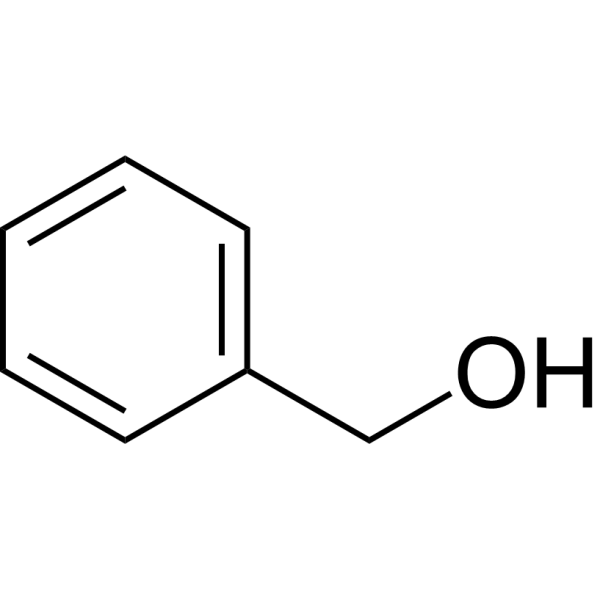
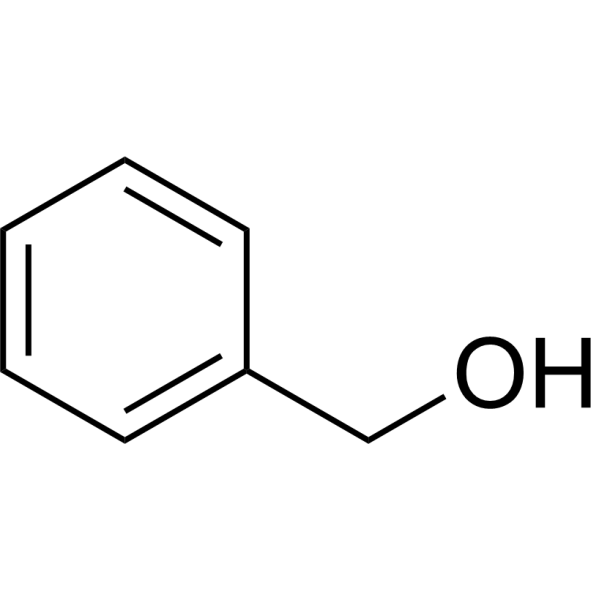
  • HY-B0892
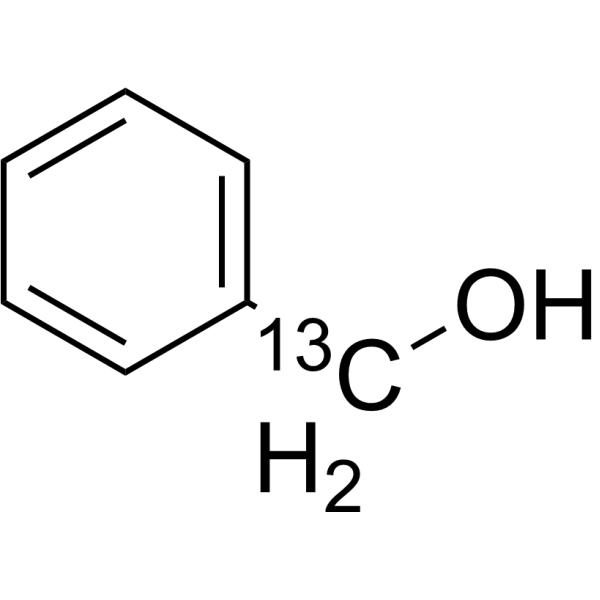
    Benzyl alcohol
    3 Publications Verification

    Benzenemethanol

    Environmental Pollutants Toll-like Receptor (TLR) Cytochrome P450 Inflammation/Immunology
    Benzyl alcohol is an aromatic alcohol, a colorless liquid with a mild aromatic odor. Benzyl alcohol is an inhibitor of P450 enzyme. Benzyl alcohol mediated Toll-Like Receptor 4 to reduce the inflammatory response of liver injury in mice .
    Benzyl alcohol
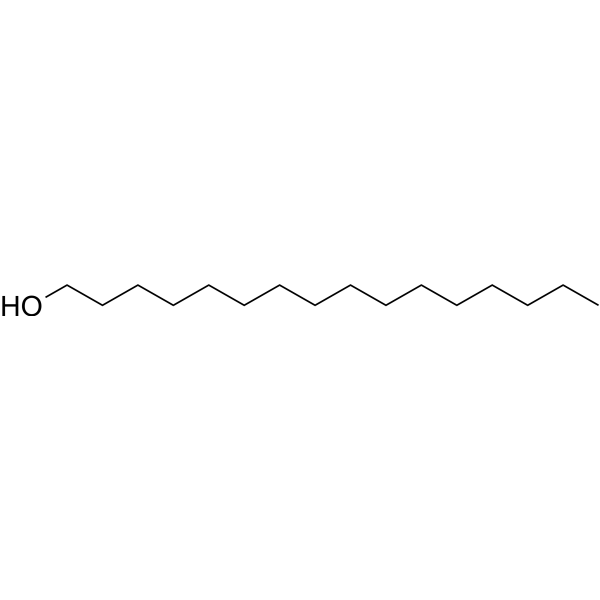
  • HY-B1465

    Palmityl alcohol

    Environmental Pollutants Endogenous Metabolite Others
    1-Hexadecanol is a fatty alcohol, a lipophilic substrate. 1-Hexadecanol can be used for the research of ferroptosis .
    1-Hexadecanol
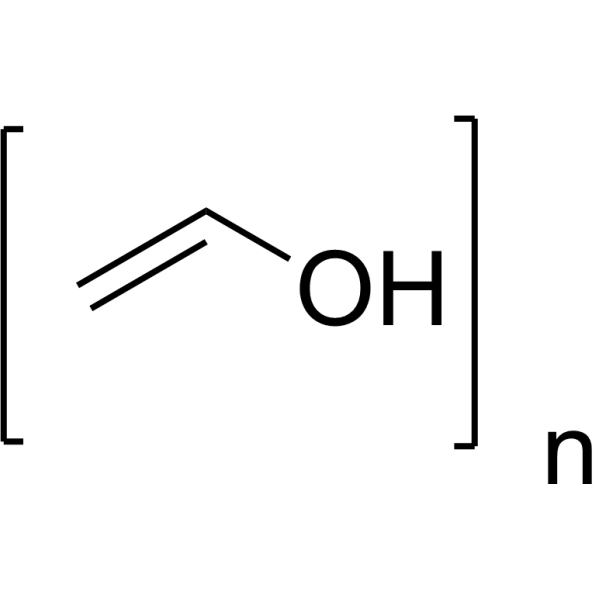
  • HY-Y0850J

    PVA (Mw 13000-23000, 87-89% hydrolyzed); Poly(Ethenol) (Mw 13000-23000, 87-89% hydrolyzed)

    Environmental Pollutants Biochemical Assay Reagents Cancer
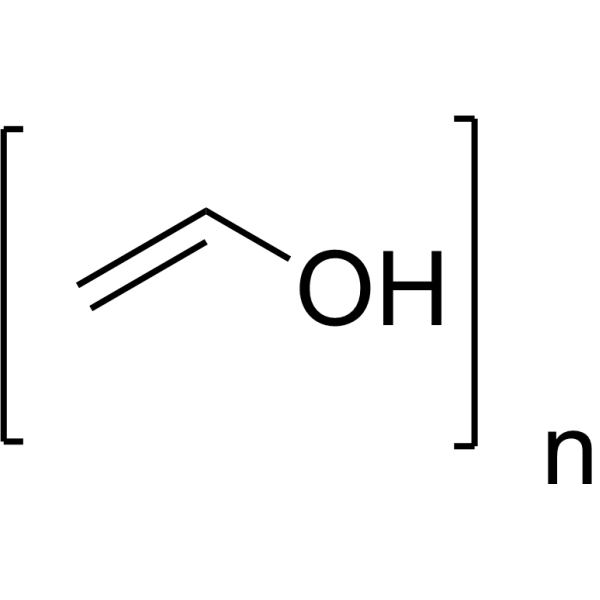
    Polyvinyl alcohol (Mw 13000-23000, 87-89% hydrolyzed) is a polyvinyl alcohol with a molecular weight of 130000-23000 and hydrolytic properties. Polyvinyl alcohol (Mw 13000-23000, 87-89% hydrolyzed) is the hydrolysis and removal of acetate groups after the polymerization of ethylene acetate and polyvinyl alcohol is obtained. A degree of hydrolysis of 87-89% indicates that a large part of the acetate groups have been removed, resulting in a large number of hydroxyl groups in the PVA structure. Polyvinyl alcohol with different degrees of hydrolysis can be used to self-crosslink to form cryogel, which can be used as biological excipient. Polyvinyl alcohol can be used in tissue engineering by electrospinning. Polyvinyl alcohol can achieve high cellular density, infiltration, and uniform distribution, facilitating functional connections between cells. Polyvinyl alcohol can improve cell vitality through in vitro cultivation. Polyvinyl alcohol demonstrates promising inhibition of ostersarcoma cancer cells with Doxorubicin (HY-15142A) .
    Polyvinyl alcohol (Mw 13000-23000, 87-89% hydrolyzed)
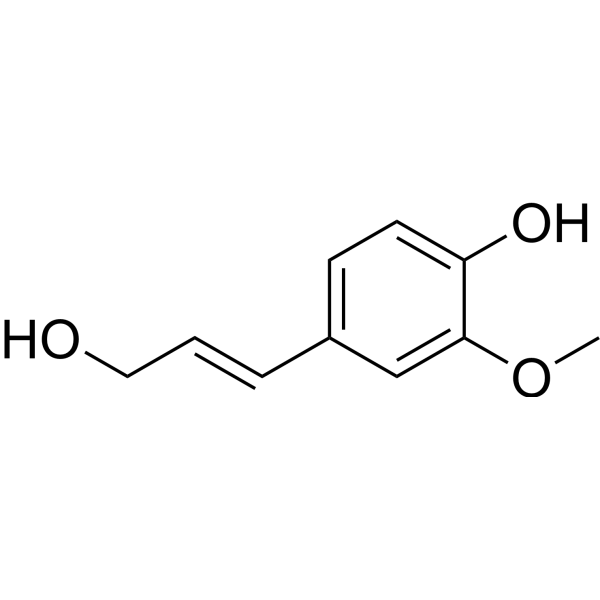
  • HY-N4283

    Drug Intermediate Fungal Infection Cardiovascular Disease Inflammation/Immunology
    Coniferyl alcohol is an orally active lignin biosynthesis intermediate and antifungal agent. Coniferyl alcohol specifically inhibits the growth of fungi (Verticillium longisporum). Coniferyl alcohol inhibits the growth of Nicotiana benthamiana seedlings. Coniferyl alcohol improves cardiac dysfunction in renovascular hypertension and cardiac inflammation .
    Coniferyl alcohol
  • HY-W005627

    Drug Derivative Metabolic Disease
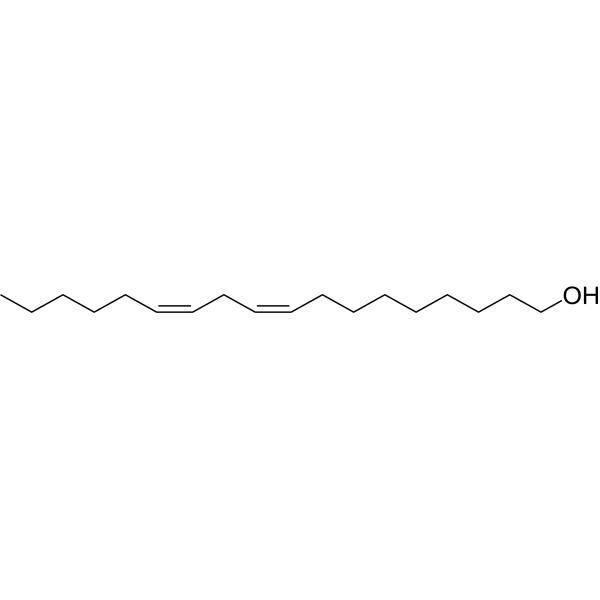
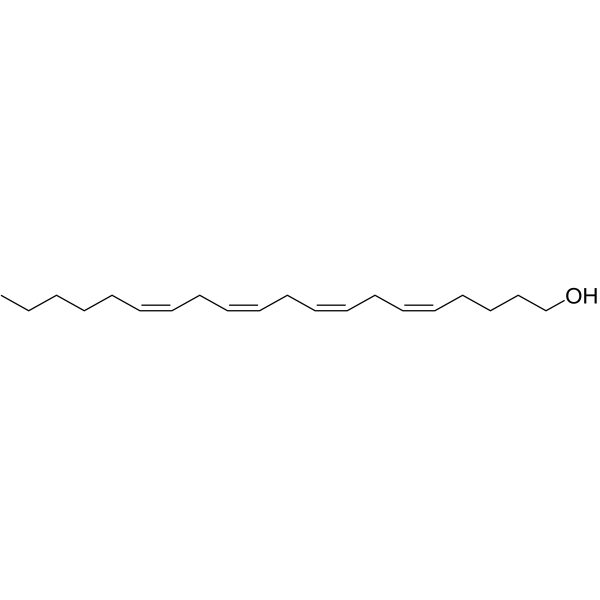
    Linoleyl alcohol, a structural analog of Linoleic acid with no a-carboxyl group, is a fatty alcohol .
    Linoleyl alcohol
  • HY-W011688
    Methyl palmitoleate
    1 Publications Verification

    (Z)-methyl hexadec-9-enoate; methyl cis-9-Hexadecenoate

    Drug Isomer Others
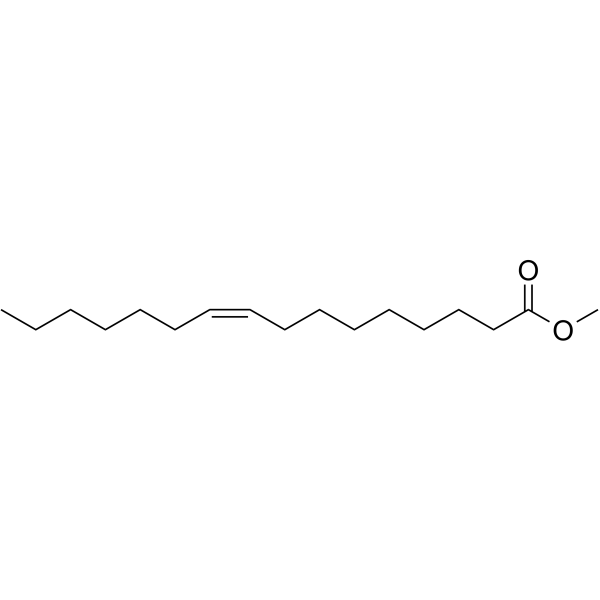
    Methyl palmitoleate ((Z)-Methyl hexadec-9-enoate), a fatty acid methyl ester, is an analogue of Palmitoleate with cytoprotective and growth-promoting properties .
    Methyl palmitoleate
  • HY-Y0850P

    PVA (Mw 146000-186000, 87-89% hydrolyzed); Poly(Ethenol) (Mw 146000-186000, 87-89% hydrolyzed)

    Environmental Pollutants Biochemical Assay Reagents Cancer
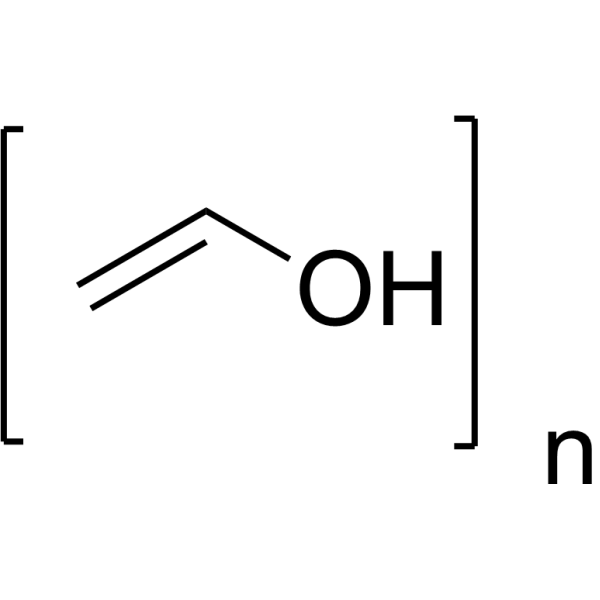
    Polyvinyl alcohol (Mw 146000-186000, 87-89% hydrolyzed) is a polyvinyl alcohol with a molecular weight of 146000-186000 and hydrolytic properties. Polyvinyl alcohol (Mw 146000-186000, 87-89% hydrolyzed) is the hydrolysis and removal of acetate groups after the polymerization of ethylene acetate. And polyvinyl alcohol is obtained. Polyvinyl alcohol with different degrees of hydrolysis can be used to self-crosslink to form cryogel, which can be used as biological excipient. Polyvinyl alcohol can be used in tissue engineering by electrospinning. Polyvinyl alcohol can achieve high cellular density, infiltration, and uniform distribution, facilitating functional connections between cells. Polyvinyl alcohol can improve cell vitality through in vitro cultivation. Polyvinyl alcohol demonstrates promising inhibition of ostersarcoma cancer cells with Doxorubicin (HY-15142A) .
    Polyvinyl alcohol (Mw 146000-186000, 87-89% hydrolyzed)
  • HY-Y0850L

    PVA (Mw 85000-124000, 99+% hydrolyzed); Poly(Ethenol) (Mw 85000-124000, 99+% hydrolyzed)

    Environmental Pollutants Biochemical Assay Reagents Cancer
    Polyvinyl alcohol (Mw 85000-124000, 99+% hydrolyzed) is a polyvinyl alcohol with a molecular weight of 85000-124000 and hydrolytic properties. Polyvinyl alcohol (Mw 85000-124000, 99+% hydrolyzed) forms hydrogels that can be used to simulate digestive organs and lesion models for the training of endoscopic ultrasound (EUS) and endoscopic ultrasound elastography (EUS-E). Polyvinyl alcohol with different degrees of hydrolysis can be used to self-crosslink to form cryogel, which can be used as biological excipients .
    Polyvinyl alcohol (Mw 85000-124000, 99+% hydrolyzed)
  • HY-W004290

    methyl margarate

    Environmental Pollutants Biochemical Assay Reagents Others
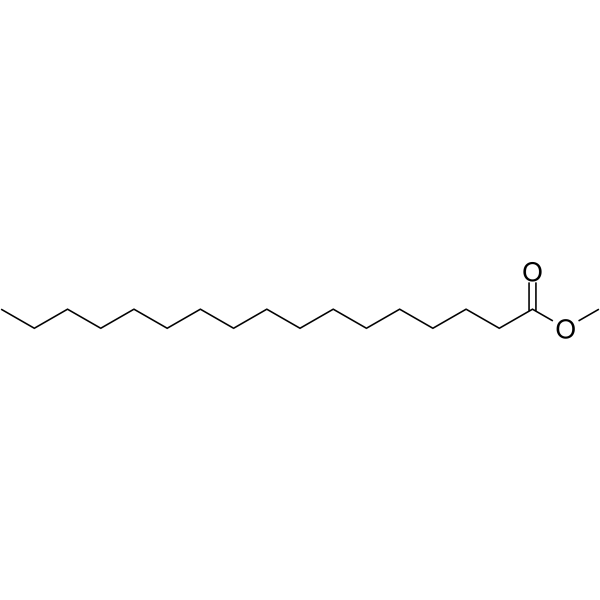
    Methyl heptadecanoate (Methyl margarate) is a methyl ester derivative of heptadecanoic acid (HY-W004284). Methyl heptadecanoate is used as an internal standard for the quantitative calibration of fatty acids in GC-MS analysis .
    Methyl heptadecanoate
  • HY-N7000

    Environmental Pollutants Caspase Reactive Oxygen Species (ROS) Apoptosis Akt Ras Cardiovascular Disease Neurological Disease Inflammation/Immunology Cancer
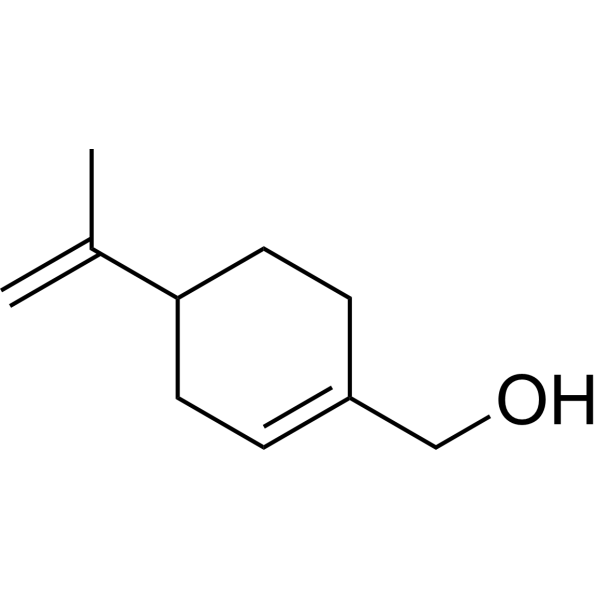
    Perillyl alcohol is an orally active monoterpene. Perillyl alcohol exhibits multiple activities such as analgesic, anti-inflammatory, anti-tumor, anti-angiogenic, and anti-nociceptive effects. Perillyl alcohol can induce apoptosis and cell cycle arrest in tumor cells .
    Perillyl alcohol
  • HY-22340

    PROTAC Linkers Cancer
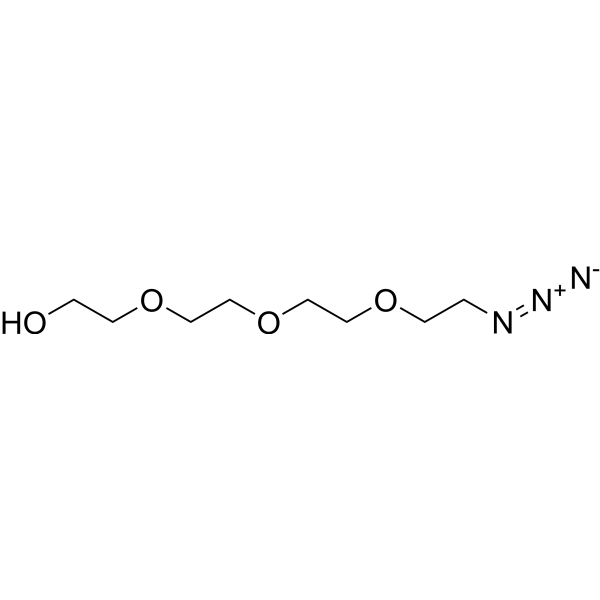
    Azido-PEG4-alcohol is a PEG-based PROTAC linker can be used in the synthesis of PROTACs . Azido-PEG4-alcohol is a click chemistry reagent, it contains an Azide group and can undergo copper-catalyzed azide-alkyne cycloaddition reaction (CuAAc) with molecules containing Alkyne groups. It can also undergo strain-promoted alkyne-azide cycloaddition (SPAAC) reactions with molecules containing DBCO or BCN groups.
    Azido-PEG4-alcohol
  • HY-W101391

    2'-O-Me-U Phosphoramidite

    Phosphoramidites DNA/RNA Synthesis Others
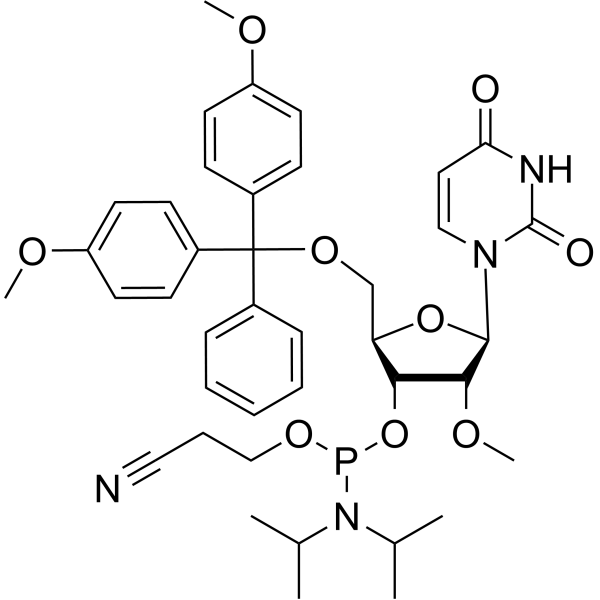
    DMT-2'O-Methyl-rU Phosphoramidite (2'-O-Me-U Phosphoramidite) is a 2'-O-Me derivative, and can be used for oligonucleotide synthesis .
    DMT-2'O-Methyl-rU Phosphoramidite
  • HY-141217

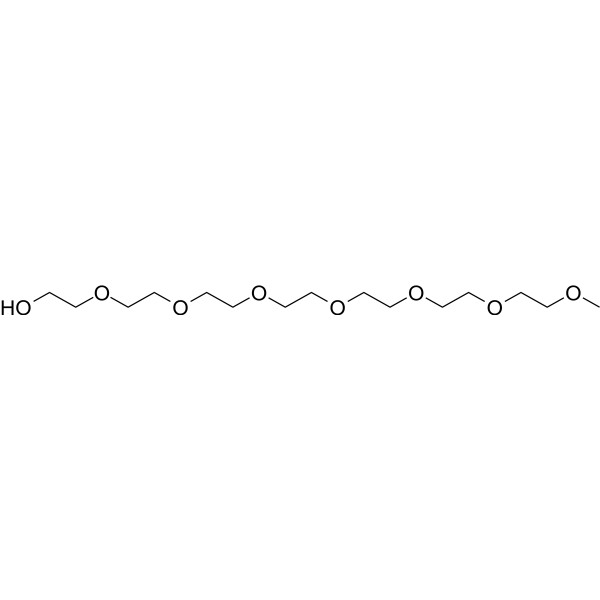
    O-methyl-heptaethylene glycol

    PROTAC Linkers Cancer
    m-PEG7-alcohol is a PEG-based PROTAC linker that can be used in the synthesis of PROTACs .
    m-PEG7-alcohol
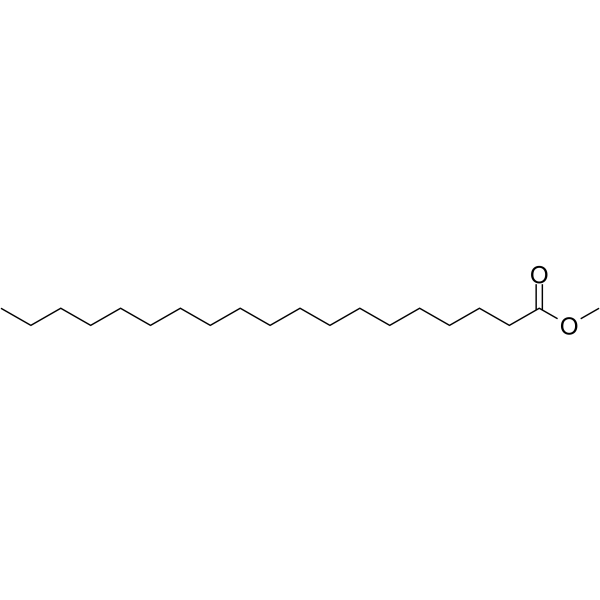
  • HY-W004262

    Biochemical Assay Reagents Others
    Methyl nonadecanoate is an internal standard. Methyl nonadecanoate can be used to determine the content of fatty acid methyl esters (FAME) in biodiesel .
    Methyl nonadecanoate
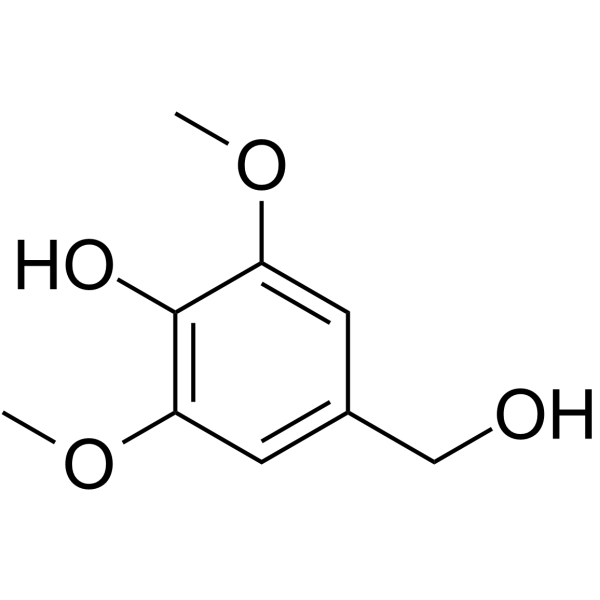
  • HY-N6654
    Syringyl Alcohol
    1 Publications Verification

    Syringic alcohol

    Drug Derivative Others
    Syringyl Alcohol (Syringic Alcohol) is a derivate of phenol comprises both phenolic and alcoholic functional groups. Syringyl Alcohol is a probe molecule for the evaluation of the catalytic performance of various carbonaceous nanomaterials (CNMs) .
    Syringyl Alcohol
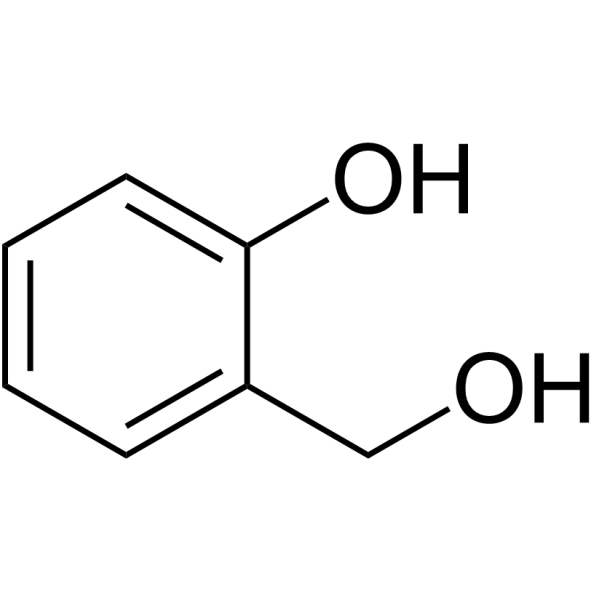
  • HY-B1419

    2-Hydroxybenzyl alcohol; Saligenin

    Drug Intermediate Bacterial Others
    Salicyl alcohol (2-Hydroxybenzyl alcohol; Saligenin) is a phenolic alcohol-type topical anesthetic and strong sensitizer with antiseptic, antibacterial and antipyretic activities. Salicyl alcohol serves as a precursor for salicin synthesis. Salicyl alcohol induces contact dermatitis and eczematous skin reactions, and is a well-known allergen identified in phenolic resins. Salicyl alcohol is isolated from the barks of European aspen (Populus tremula), rowan (Sorbus aucuparia) and willow (Salix spp.). Salicyl alcohol is used in studies related to allergic contact dermatitis .
    Salicyl alcohol
  • HY-P1108A
    Astressin 2B TFA
    1 Publications Verification

    CRFR Neurological Disease Inflammation/Immunology
    Astressin 2B TFA is a blood-brain barrier-impermeable, highly selective CRFR2 antagonist (rCRFR2, IC50=0.57 nM). Astressin 2B TFA blocks the protective effects mediated by CRFR2, thereby exacerbating indomethacin (HY-14397)-induced hemorrhagic intestinal injury in rats. Astressin 2B TFA reverses the protective effects of Urocortin 1 against intestinal hypermotility, bacterial invasion and upregulation of inflammatory mediators. Astressin 2B TFA also blocks the anxiogenic effect of Urocortin 2 and attenuates stress-induced anxiety-related behaviors. In the Clostridioides difficile toxin A (C. difficile toxin A)-mediated enteritis model, Astressin 2B TFA mimics the phenotype of CRFR2-deficient mice, significantly exacerbating intestinal epithelial damage, edema, neutrophil migration and the expression of multiple proinflammatory cytokines. Astressin 2B TFA is an important tool molecule for investigating the intestinal protective mechanisms of CRFR2 .
    Astressin 2B TFA
  • HY-P1108
    Astressin 2B
    1 Publications Verification

    CRFR Neurological Disease Inflammation/Immunology
    Astressin 2B is a blood-brain barrier-impermeable, highly selective CRFR2 antagonist (rCRFR2, IC50=0.57 nM). Astressin 2B blocks the protective effects mediated by CRFR2, thereby exacerbating indomethacin (HY-14397)-induced hemorrhagic intestinal injury in rats. Astressin 2B reverses the protective effects of Urocortin 1 against intestinal hypermotility, bacterial invasion and upregulation of inflammatory mediators. Astressin 2B also blocks the anxiogenic effect of Urocortin 2 and attenuates stress-induced anxiety-related behaviors. In the Clostridioides difficile toxin A (C. difficile toxin A)-mediated enteritis model, Astressin 2B mimics the phenotype of CRFR2-deficient mice, significantly exacerbating intestinal epithelial damage, edema, neutrophil migration and the expression of multiple proinflammatory cytokines. Astressin 2B is an important tool molecule for investigating the intestinal protective mechanisms of CRFR2 .
    Astressin 2B
  • HY-107858
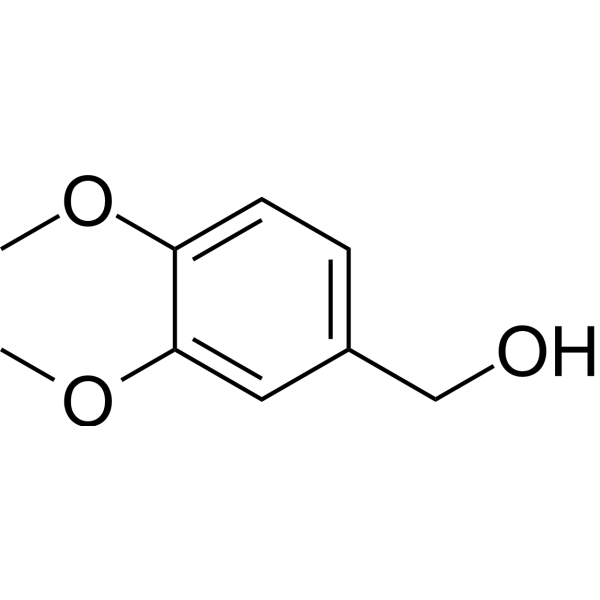
    Veratryl alcohol
    1 Publications Verification

    3,4-Dimethoxybenzyl alcohol

    Endogenous Metabolite Bacterial Infection
    Veratryl alcohol (3,4-Dimethoxybenzyl alcohol) is a secondary metabolite of lignin-degrading fungi, commonly used as a substrate for lignin peroxidase (LiP) to measure lignin degradation activity. Veratryl alcohol protects LiP from inactivation by H2O2 and prevents the accumulation of LiP III compounds. Veratryl alcohol also acts as a stabilizer for manganese-dependent peroxidases (MnP). Veratryl alcohol is a quorum-sensing inhibitor (QSI) and exhibits antibacterial efficacy .
    Veratryl alcohol
  • HY-126942

    ADC Linker PROTAC Linkers Cancer
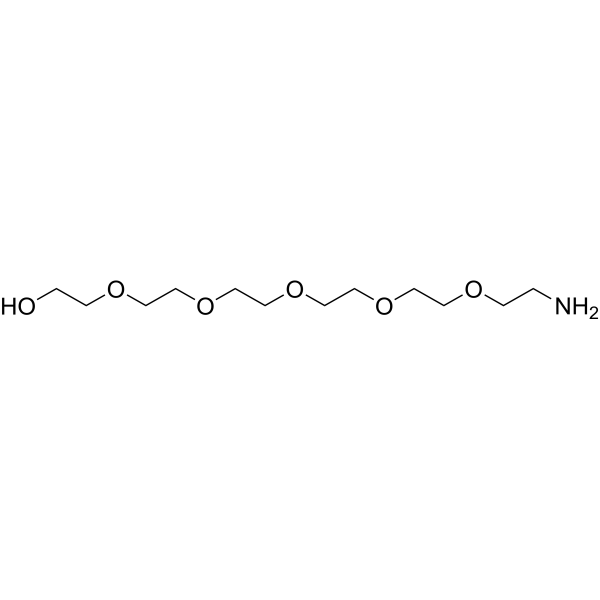
    Amino-PEG6-alcohol is a non-cleavable 6 unit PEG ADC linker used in the synthesis of antibody-drug conjugates (ADCs). Amino-PEG6-alcohol is also a PEG-based PROTAC linker that can be used in the synthesis of PROTACs .
    Amino-PEG6-alcohol
  • HY-N1867

    PPAR Metabolic Disease
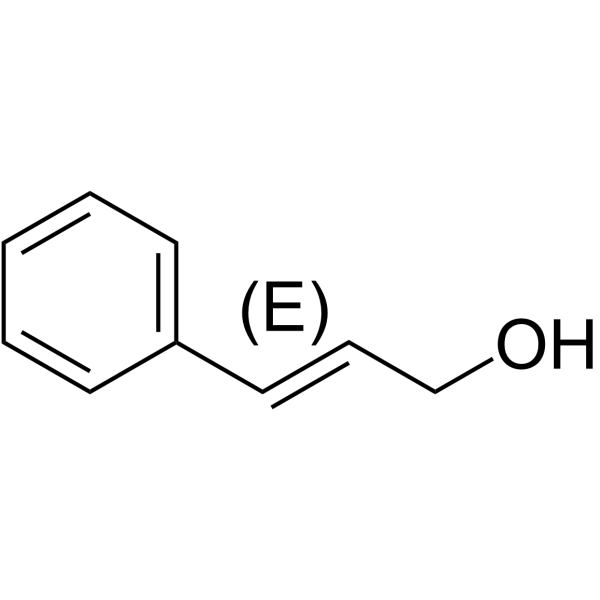
    trans-Cinnamyl alcohol is a trans-isomer of Cinnamyl alcohol. Cinnamyl Alcohol is an active component from chestnut flower, inhibits increased PPARγ expression, with anti-obesity activity. trans-Cinnamyl alcohol, belongs to the class of organic compounds known as cinnamyl alcohols, is a primary metabolite .
    trans-Cinnamyl alcohol
  • HY-W016735

    PROTAC Linkers Cancer
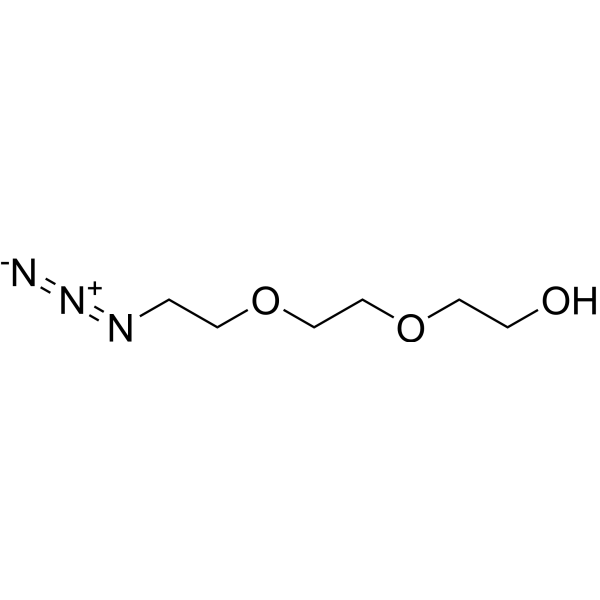
    Azido-PEG3-alcohol is a PEG-based PROTAC linker can be used in the synthesis of PROTACs . Azido-PEG3-alcohol is a click chemistry reagent, it contains an Azide group and can undergo copper-catalyzed azide-alkyne cycloaddition reaction (CuAAc) with molecules containing Alkyne groups. It can also undergo strain-promoted alkyne-azide cycloaddition (SPAAC) reactions with molecules containing DBCO or BCN groups.
    Azido-PEG3-alcohol
  • HY-W009082
    Methyl behenate
    1 Publications Verification

    methyl docosanoate

    Biochemical Assay Reagents Others
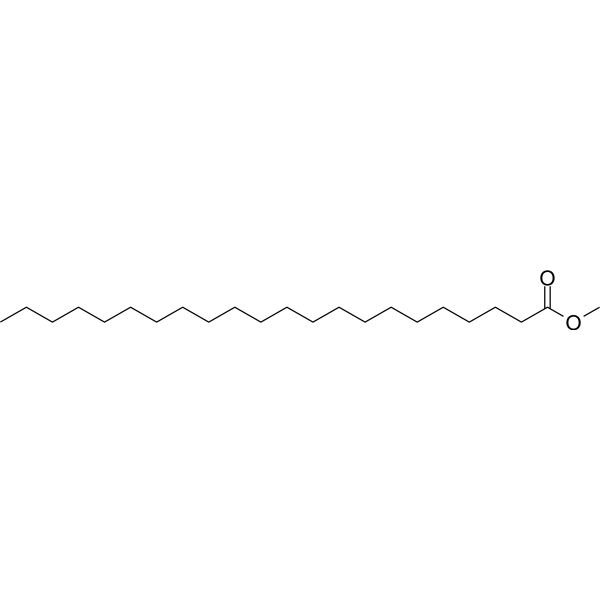
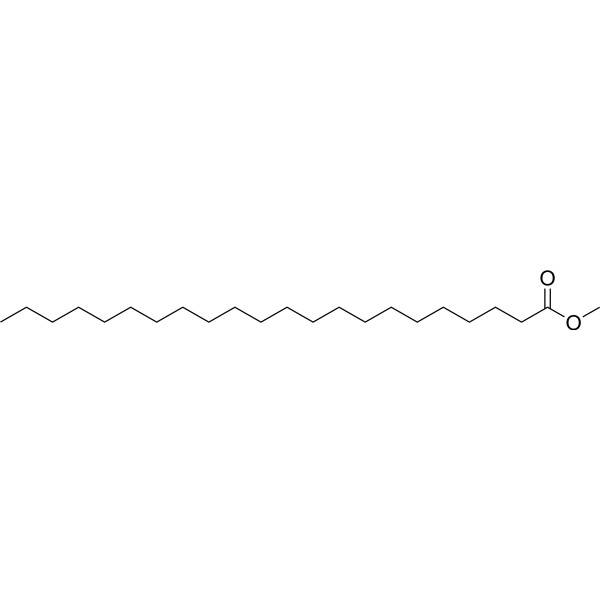
    Methyl behenate (Methyl docosanoate) is a fatty acid methyl ester, can be found in the plant Aspidopterys obcordata Lemsl. Methyl behenate can be used as a phase change material .
    Methyl behenate
  • HY-W004286

    methyl dodecanoate

    Environmental Pollutants Drug Derivative Others
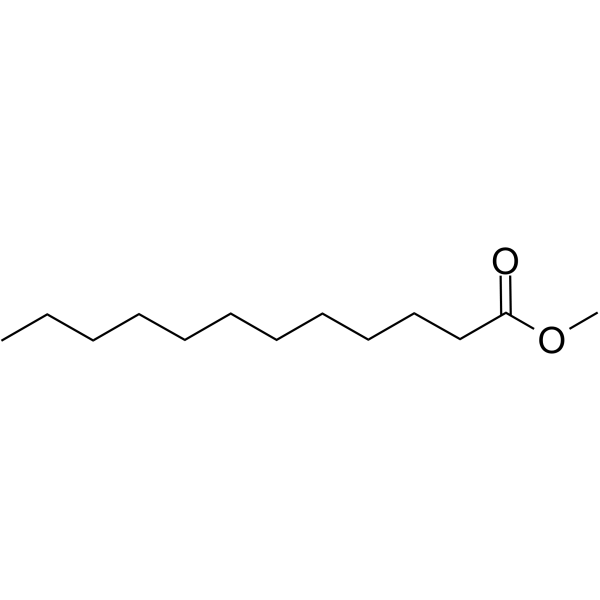
    Methyl laurate (Methyl dodecanoate) is a fatty acid methyl ester. Methyl laurate can serve as a raw material to produce sucrose monolaurate via transesterification with sucrose .
    Methyl laurate
  • HY-152899

    Endogenous Metabolite Cardiovascular Disease
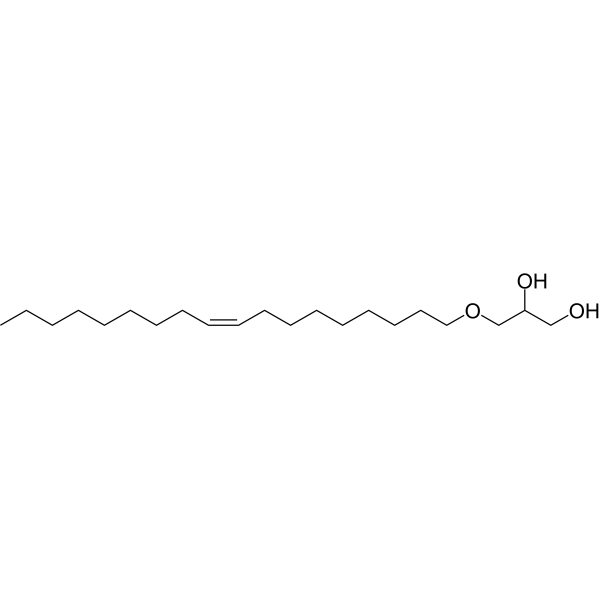
    Selachyl alcohol is an orally active antihypertensive agent. Selachyl alcohol has similar activities with antihypertensive neutral renomedullary lipid (ANRL). Selachyl alcohol is an alkylglycerol compound in shark liver oil mixture with properties that reduce lung metastasis. Selachyl alcohol can be used for cardiovascular disease research .
    Selachyl alcohol
  • HY-W016393

    Endogenous Metabolite Others
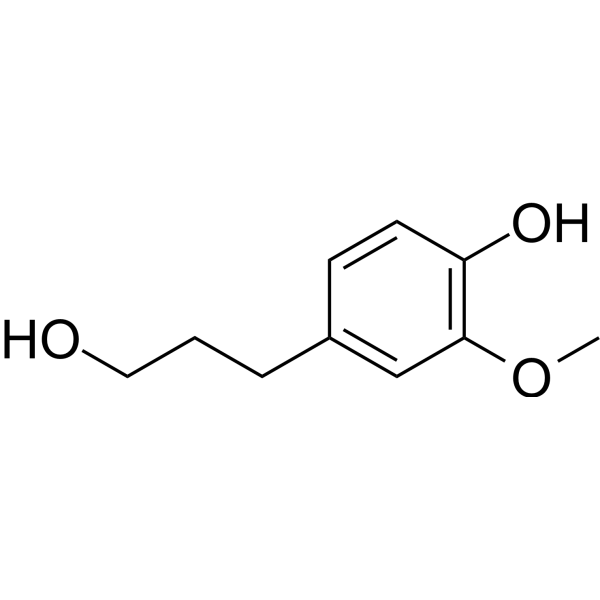
    Dihydroconiferyl alcohol is a cell division factor. Dihydroconiferyl alcohol can be isolated from the American sycamore (Acer pseudoplatanus L.). Dihydroconiferyl alcohol inhibits the degradation of Indole-3-acetic acid (HY-18569). Dihydroconiferyl alcohol can stimulate the growth of soybean and tobacco callus tissue and synergistically enhance Indole-3-acetic acid-induced hypocotyl elongation in cucumber. Dihydroconiferyl alcohol can be used in the research of plant growth regulation .
    Dihydroconiferyl alcohol
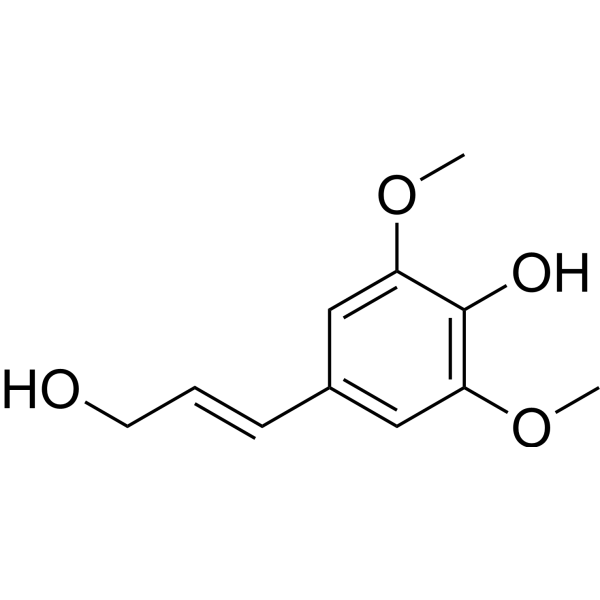
  • HY-W109812
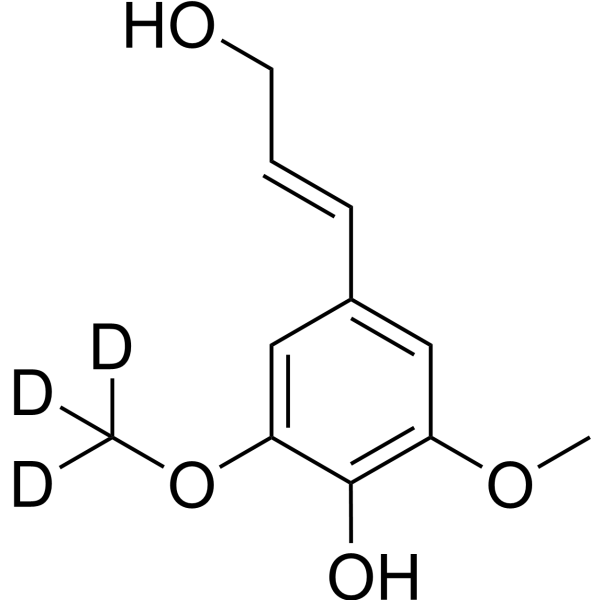
    Sinapyl alcohol
    1 Publications Verification

    COX Inflammation/Immunology
    Sinapyl alcohol is an orally active anti-inflammatory and antinociceptive agent. Sinapyl alcohol reduces the expression level of inducible NO synthase and COX-2 .
    Sinapyl alcohol
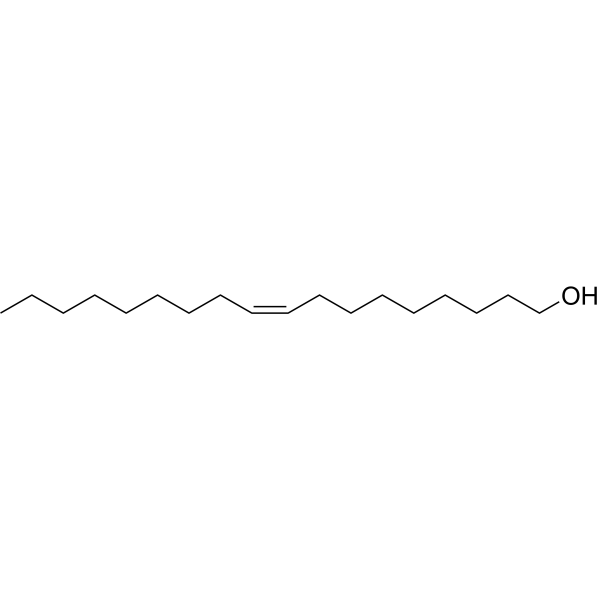
  • HY-141573

    Environmental Pollutants Drug Derivative Others
    Oleyl alcohol is an active compound. Oleyl alcohol can be used for various studies .
    Oleyl alcohol
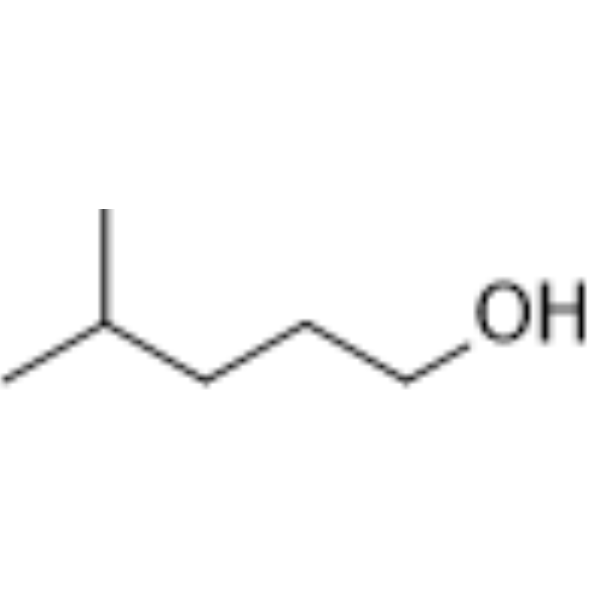
  • HY-W007511

    Isohexanol; Isohexyl alcohol

    Drug Derivative Neurological Disease
    4-Methyl-1-pentanol is a volatile aroma component of red wine, which is often used in the production and blending of wine. 4-Methyl-1-pentanol can also be used as an alcohol antagonist to antagonize the effects of ethanol and 1-butanol on cell-cell adhesion, and is used in the study of fetal alcohol syndrome .
    4-Methyl-1-pentanol
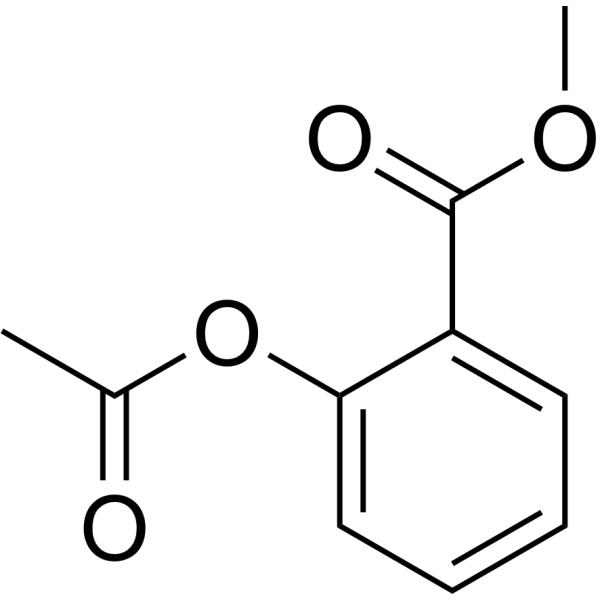
  • HY-W209628

    methyl acetylsalicylate

    Drug Intermediate Inflammation/Immunology
    Methyl 2-acetoxybenzoate (Methyl acetylsalicylate) is a safe and simple anti-inflammatory aspirin prodrug. Methyl 2-acetoxybenzoate (Methyl acetylsalicylate) can be chemical or enzymatically hydrolysed to methyl 2-hydroxy benzoate. Methyl 2-acetoxybenzoate (Methyl acetylsalicylate) can be used as analgesic agent in liniments and also inflammatory diseases research .
    Methyl 2-acetoxybenzoate
  • HY-P10143

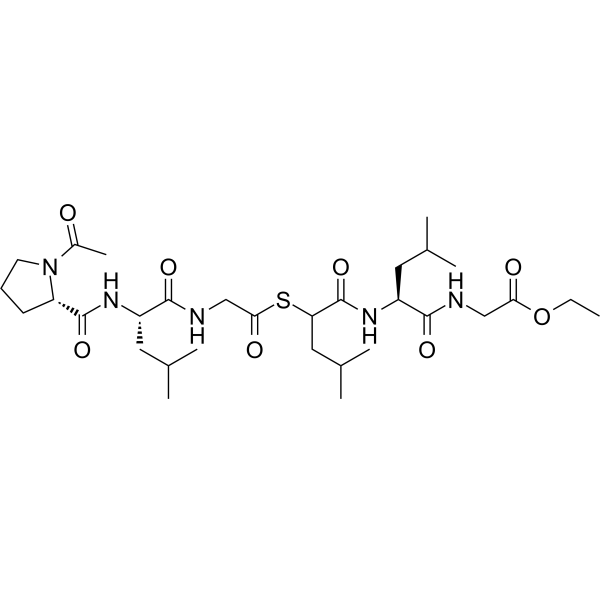
    Ac-Pro-Leu-Gly-[(S)-2-mercapto-4-methyl-pentanoyl]-Leu-Gly-OEt

    MMP Others
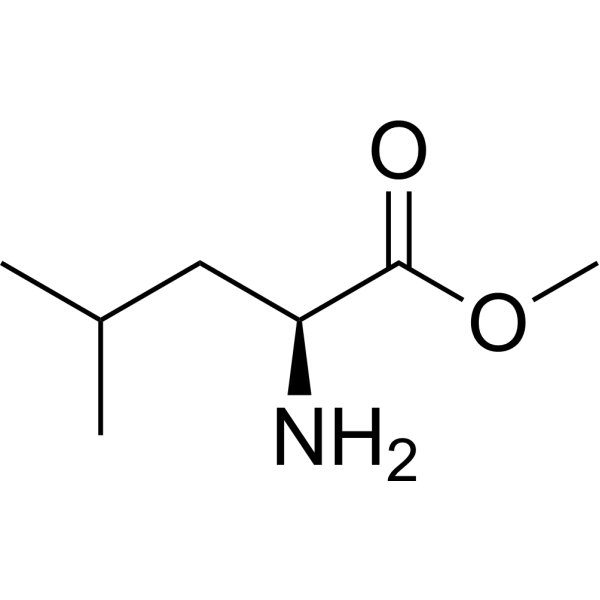
    MMP-2/MMP-9 Substrate (Ac-Pro-Leu-Gly-[(S)-2-mercapto-4-methyl-pentanoyl]-Leu-Gly-OEt) is a synthetic chromogenic polypeptide substrate whose core structure mimics the cleavage sites of MMP-2 and MMP-9 (gelatinase A and B) in collagen. After being hydrolyzed by collagenase, MMP-2/MMP-9 Substrate reacts with 4,4'-dithiodipyridine or Ellman's Reagent via its thiol fragment to produce a product with ultraviolet absorption properties .
    MMP-2/MMP-9 Substrate
  • HY-N7868

    Biochemical Assay Reagents Others
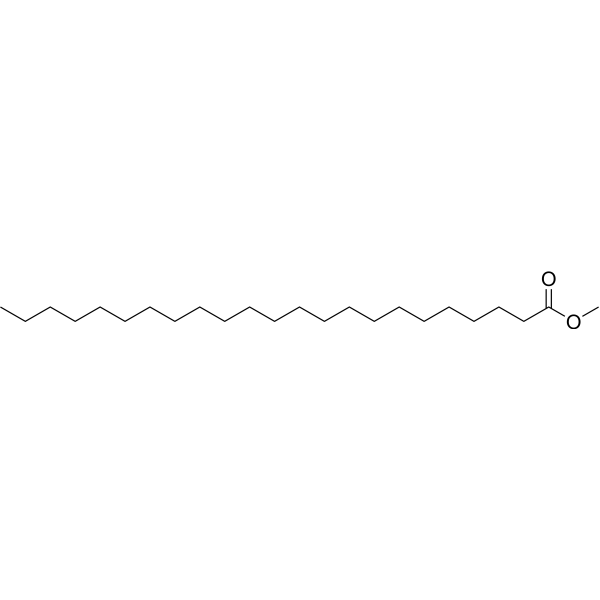
    Methyl tricosanoate is a saturated fatty acid methyl ester and also serves as an internal standard, which can be used for the quantitative analysis of neuraminic acid (NA) concentration .
    Methyl tricosanoate
  • HY-N4283A

    Fungal Infection
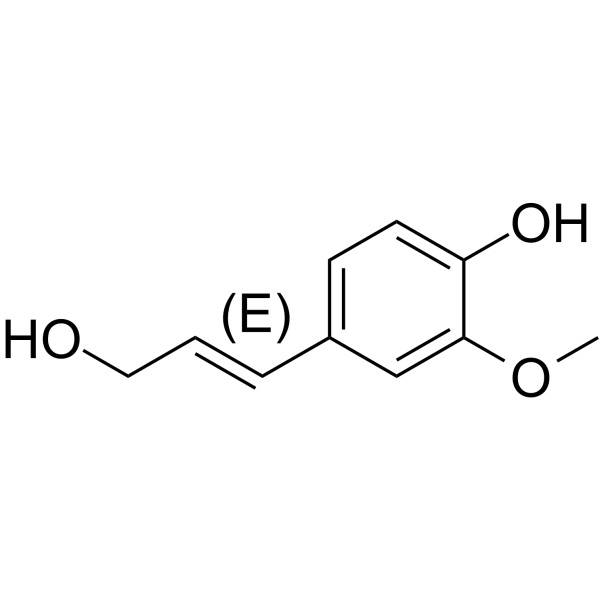
    (E)-Coniferyl alcohol is the isomer of Coniferyl alcohol. Coniferyl alcohol is an intermediate in biosynthesis of eugenol and of stilbenoids and coumarin. Coniferyl alcohol specifically inhibits fungal growth .
    (E)-Coniferyl alcohol
  • HY-N7107

    Environmental Pollutants Fungal Infection Metabolic Disease
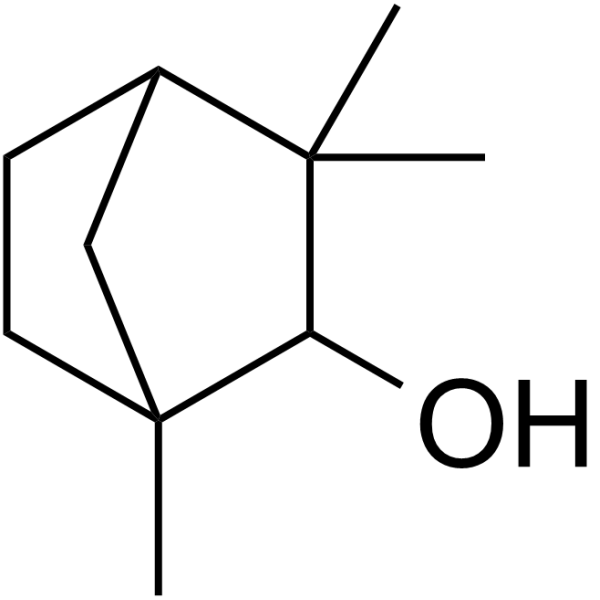
    Fenchyl alcohol is a monoterpene alcohol that can be used as a fragrance. Fenchyl alcohol has antifungal activity and can inhibit the formation of biofilms and hyphae of Candida albicans. Fenchyl alcohol also has a strong inhibitory effect on the rumen microbial activity of sheep and deer .
    Fenchyl alcohol
  • HY-B0892R
    Benzyl alcohol (Standard)
    3 Publications Verification

    Benzenemethanol (Standard)

    Toll-like Receptor (TLR) Cytochrome P450 Reference Standards Inflammation/Immunology
    Benzyl alcohol (Standard) is the analytical standard of Benzyl alcohol. This product is intended for research and analytical applications. Benzyl alcohol is an aromatic alcohol, a colorless liquid with a mild aromatic odor.
    Benzyl alcohol (Standard)
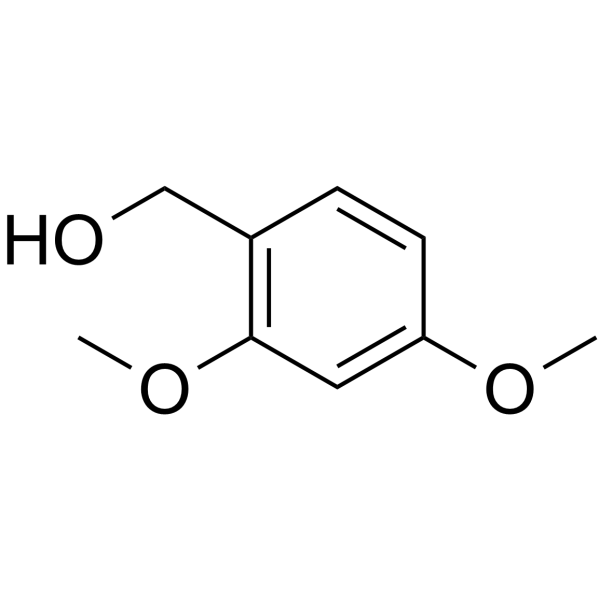
  • HY-W007584

    Drug Intermediate Others
    2,4-Dimethoxybenzyl alcohol, an aromatic alcohol, is a substrate of glucose-methanol-choline (GMC) oxidoreductase. GMC oxidoreductase displays the characteristics of an aryl-alcohol oxidase. 2,4-Dimethoxybenzyl alcohol can be used as a drug intermediate .
    2,4-Dimethoxybenzyl alcohol
  • HY-W015570

    4-Nitrobenzenemathanol; 4-Nitrobenzyl alcohol

    Biochemical Assay Reagents Others
    4-Nitrobenzyl alcohol (4-Nitrobenzenemathanol) is a nitro compound used as a reactant in drug synthesis. 4-Nitrobenzyl alcohol can be catalyzed to 4-nitrobenzaldehyde by the enzyme encoded by the benzyl alcohol dehydrogenase gene (ntnD) .
    4-Nitrobenzyl alcohol (4-Nitrobenzenemathanol)
  • HY-W012862

    Environmental Pollutants PROTAC Linkers Cancer
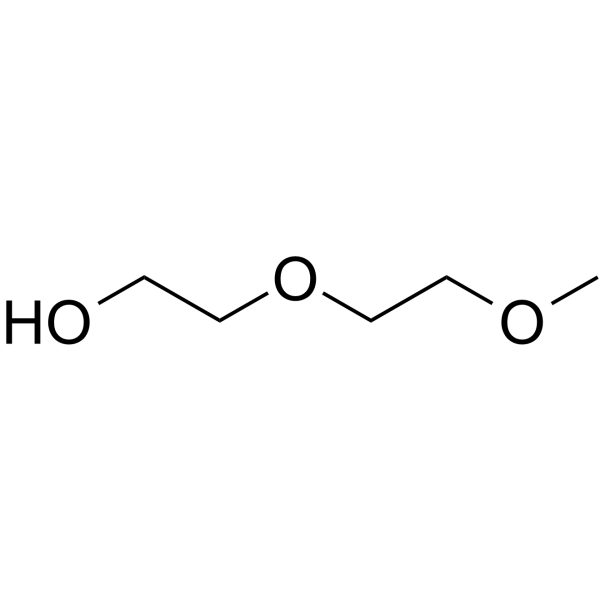
    Methyl-PEG2-alcohol is a PEG-based PROTAC linker that can be used in the synthesis of PROTACs .
    Methyl-PEG2-alcohol
  • HY-W747572

    (R)-(+)-Perillyl alcohol

    Ras Cancer
    (+)-Perillyl alcohol is the enantiomer of S-(-)-Perillyl alcohol (HY-116514). (+)-Perillyl alcohol can inhibit the growth of polypeptides and block the cell cycle in the G0/G1 phase. (+)-Perillyl alcohol induces cell signaling that is associated with changes in cytoskeletal actin organization and reduced protein expression of growth regulatory proteins such as Ras and CDC2 kinase .
    (+)-Perillyl alcohol
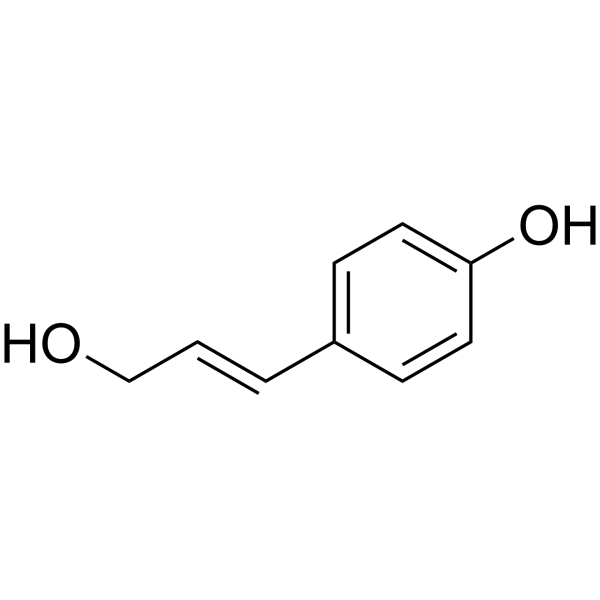
  • HY-N3102A

    (E)-p-Hydroxycinnamyl alcohol

    Others Inflammation/Immunology
    (E)-p-Coumaryl alcohol is a metabolite of coumarin that has significant cytotoxicity. (E)-p-Coumaryl alcohol can be isolated from Alpinia officinarum and Rhodiola rosea and can be used for inflammation research .
    (E)-p-Coumaryl alcohol
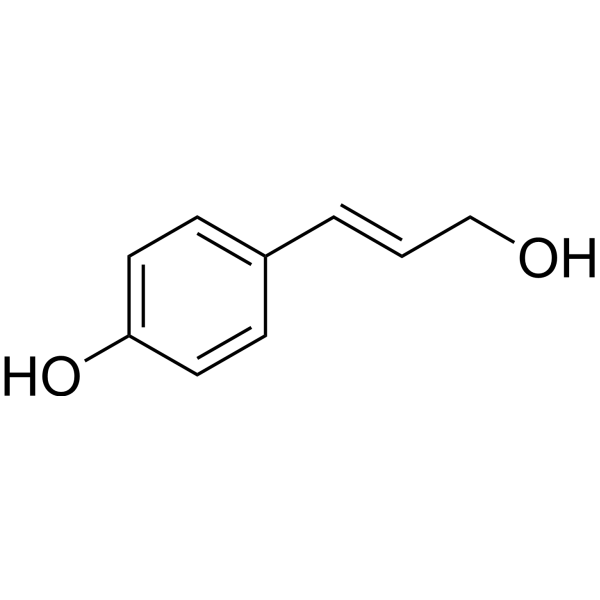
  • HY-N3102

    p-Hydroxycinnamyl alcohol

    Others Others
    p-Coumaryl alcohol is an antioxidant that can be isolated from Alpinia officinarum Hance. p-Coumaryl alcohol has inhibitory effect during the autoxidation of methyl linoleate .
    p-Coumaryl alcohol
  • HY-113972

    Others Inflammation/Immunology
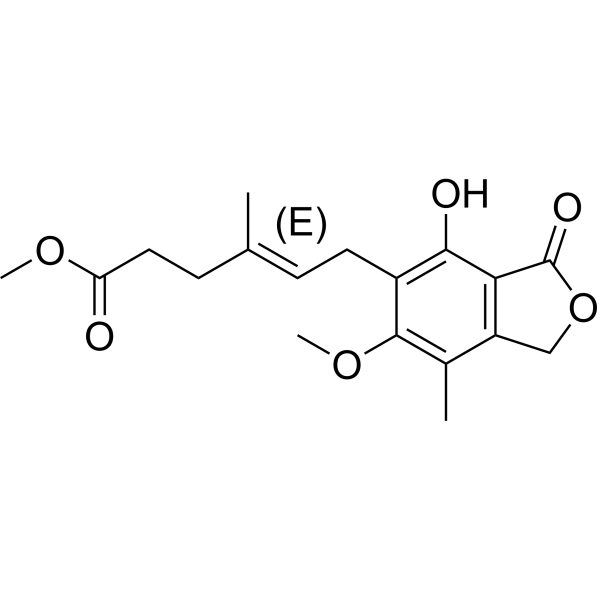
    Methyl mycophenolate is a methyl ester of mycophenolic acid and is also found in marine-derived fungus Phaeosphaeria spartinae .
    Methyl mycophenolate
  • HY-N8064

    methyl nervonate; methyl (Z)-tetracos-15-enoate; Nervonic acid methyl este

    Drug Derivative Neurological Disease
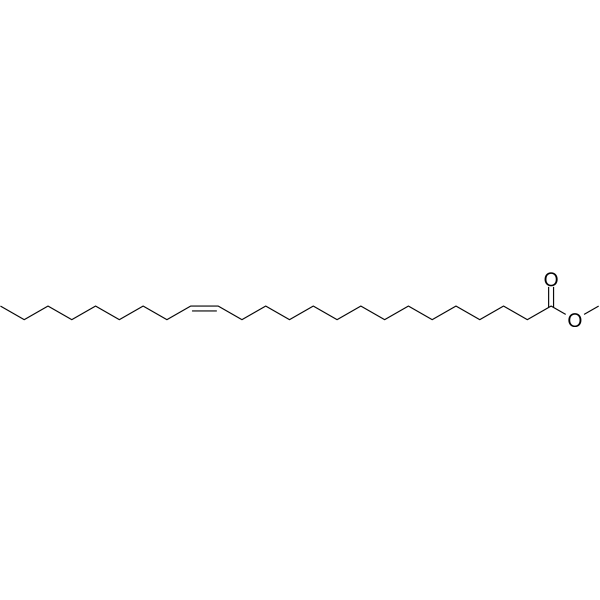
    Methyl cis-15-tetracosenoate (Methyl nervonate; Methyl (Z)-tetracos-15-enoate; Nervonic acid methyl ester) is the methyl ester form of nervonic acid (Nervonic acid, HY-N2526). Nervonic acid is an orally active monounsaturated fatty acid. Nervonic acid exerts anti-inflammatory activity by inhibiting the NF-κB signaling pathway. Nervonic acid can be used in the research of neurodegenerative diseases .
    Methyl cis-15-tetracosenoate
  • HY-W099643

    Erucyl alcohol

    Endogenous Metabolite Others
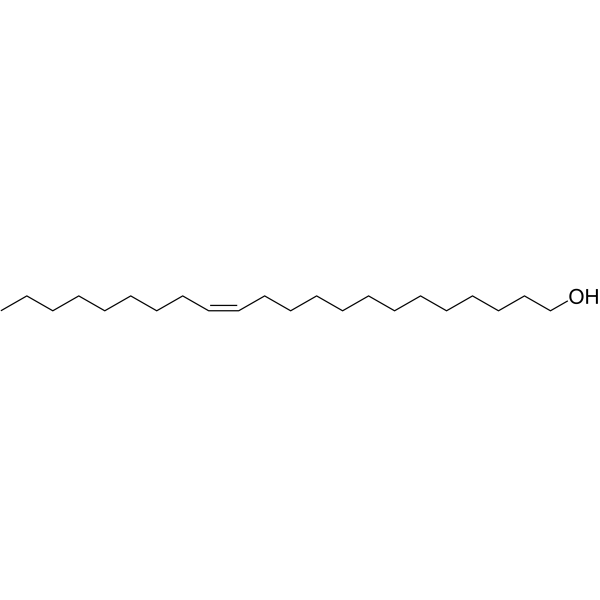
    Cis-13-docosenol (Erucyl alcohol) is a long-chain alcohol pheromone in insects. Cis-13-docosenol exhibits attractive effects on both male and female adult Holotrichia parallela. Cis-13-docosenol can be used for the monitoring and control of adult Holotrichia parallela .
    Cis-13-docosenol
  • HY-N10373

    Others Others
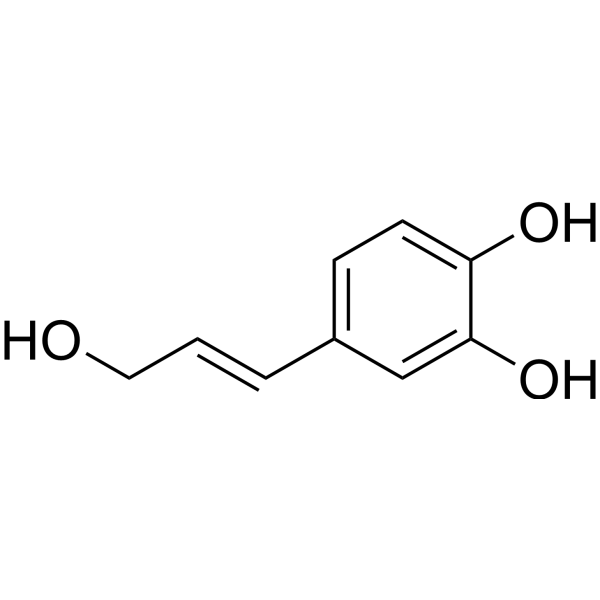
    Caffeoyl alcohol is a monomer constituting Catechyl lignin. Catechyl lignin is a linear homopolymer of caffeyl alcohol, a natural source of carbon fiber and high-value chemicals .
    Caffeoyl alcohol
  • HY-W004056

    Environmental Pollutants Bacterial DNA/RNA Synthesis Infection
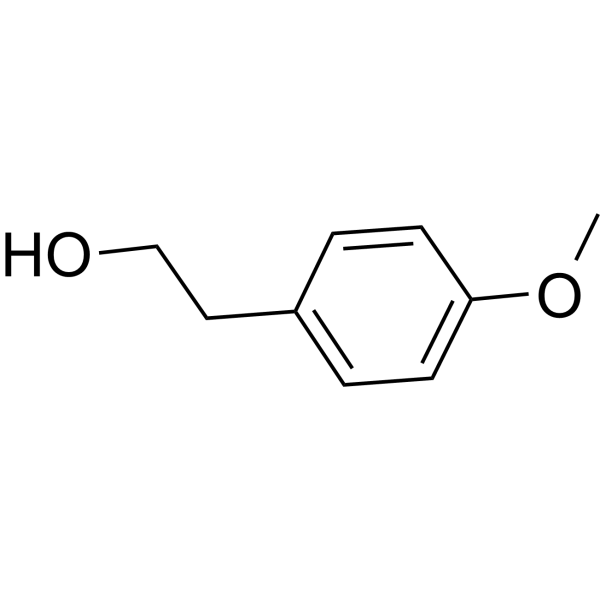
    4-Methoxyphenethyl alcohol, an aromatic alcohol, is the major component in the anise-like odour produced by Amorphophallus. 4-Methoxyphenethyl alcohol can inhibits the protein, RNA and DNA synthesis in Escherichia coli .
    4-Methoxyphenethyl alcohol
  • HY-W250169

    Biochemical Assay Reagents Others
    Secondary alcohol polyoxyethylene ether is a sedimentation accelerator. Secondary alcohol polyoxyethylene ether improves the sedimentation performance of carbon black, iron powder, grinding wheel dust and their mixtures in fully synthetic grinding fluids. Secondary alcohol polyoxyethylene ether is compatible with anionic surfactants and does not have a negative impact on the rust prevention of parts .
    Secondary alcohol polyoxyethylene ether
  • HY-B1465R

    Palmityl alcohol (Standard)

    Reference Standards Endogenous Metabolite Others
    1-Hexadecanol (Standard) is the analytical standard of 1-Hexadecanol. This product is intended for research and analytical applications. 1-Hexadecanol is a fatty alcohol, a lipophilic substrate. 1-Hexadecanol can be used for the research of ferroptosis .
    1-Hexadecanol (Standard)
  • HY-129144

    TNF Receptor Cancer
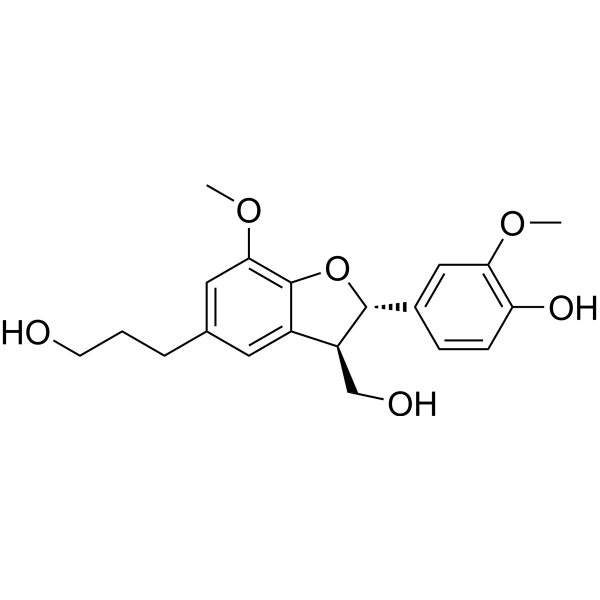
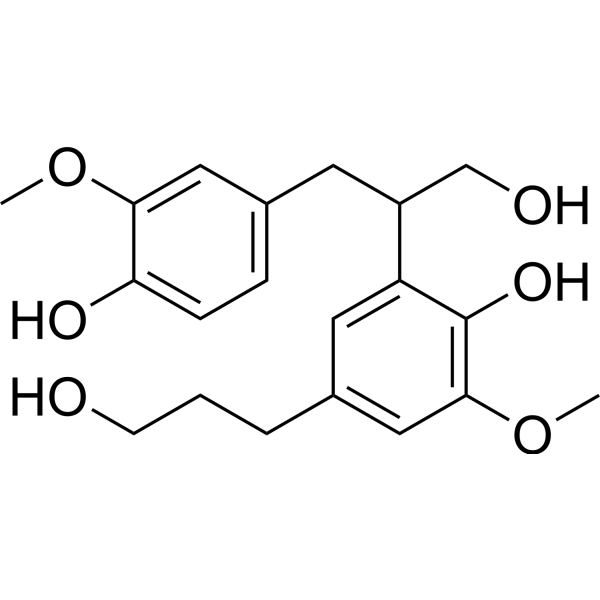
    Dihydrodehydrodiconiferyl alcohol (compound 2) is a kind of neolignan. Dihydrodehydrodiconiferyl alcohol can be isolated from Anogeissus acuminata. Dihydrodehydrodiconiferyl alcohol has specific cytotoxic activity on melanoma cancer cell line .
    Dihydrodehydrodiconiferyl alcohol
  • HY-12770

    Mebeverine metabolite Mebeverine alcohol

    Drug Metabolite Neurological Disease
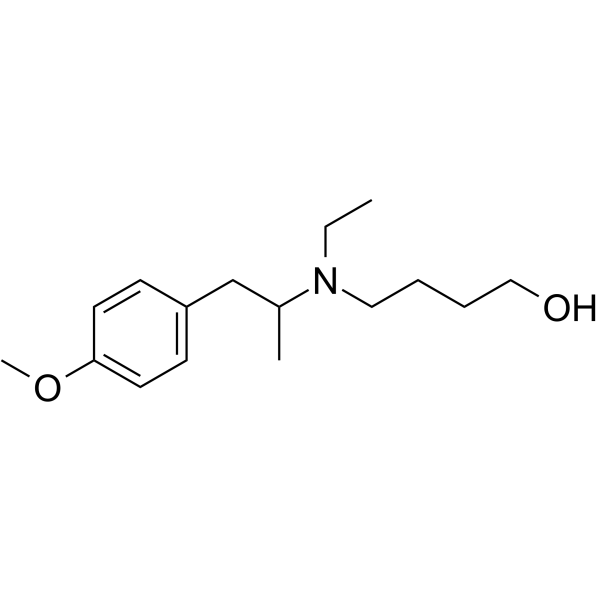
    Mebeverine alcohol is a metabolite of Mebeverine, which is a musculotropic antispasmodic drug.
    Mebeverine alcohol

Inquiry Online

Your information is safe with us. * Required Fields.

Salutation


Country or Region *

Applicant Name *


Organization Name *

Department *


Email Address *


Product Name *

Cat. No.


Requested quantity *

Phone Number *


Remarks

Inquiry Online

Inquiry Information

Product Name:
Cat. No.:
Quantity:
MCE Japan Authorized Agent: