1. Search Result
Search Result
Results for "

Inflammatory+pain

" in MedChemExpress (MCE) Product Catalog:

123

Inhibitors & Agonists

13

Peptides

1

Inhibitory Antibodies

13

Natural
Products

4

Isotope-Labeled Compounds

1

Oligonucleotides

Cat. No. Product Name Target Research Areas Chemical Structure
  • HY-B0464
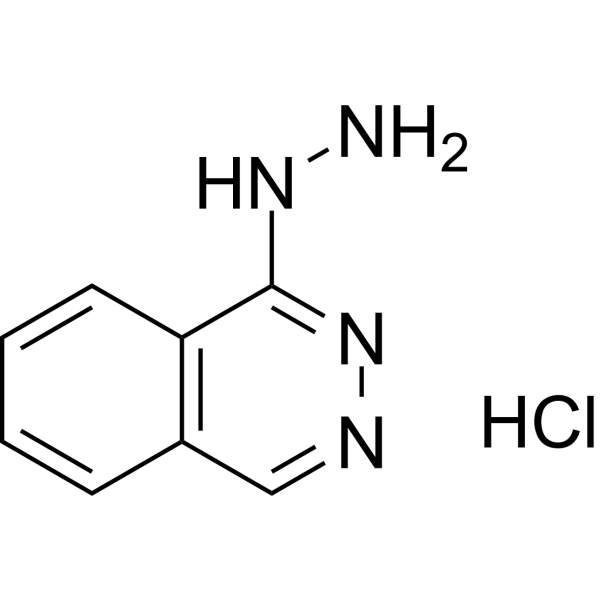
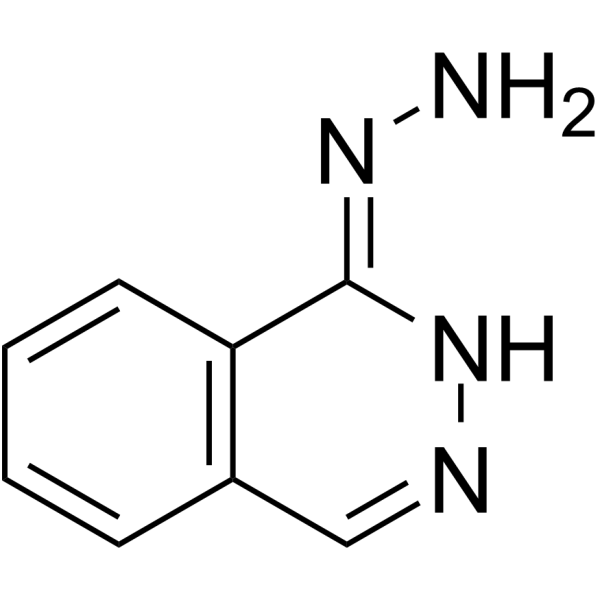
    Hydralazine hydrochloride
    3 Publications Verification

    PGE synthase NO Synthase Reactive Oxygen Species (ROS) DNA Methyltransferase COX Cardiovascular Disease Inflammation/Immunology Cancer
    Hydralazine hydrochloride is an orally active, blood-brain barrier-permeable DNA methyltransferase inhibitor with vasodilatory, arterial smooth muscle relaxant and hypotensive activities. Hydralazine hydrochloride reactivates silenced tumor suppressor genes via mediating DNA demethylation, while exerting neuroprotective and anti-inflammatory properties. Hydralazine hydrochloride inhibits NOS-2 (iNOS) and COX-2, and reduces the production of NO and PGEE2; meanwhile, Hydralazine hydrochloride scavenges reactive oxygen species and inhibits macrophage activation. Hydralazine hydrochloride alleviates motor dysfunction, neuropathic inflammatory pain, and formalin-induced somatic and emotional pain responses. In addition, Hydralazine hydrochloride directly induces DNA strand breaks and sister chromatid exchange, exhibiting certain mutagenic characteristics. Hydralazine hydrochloride has been widely used in studies on hypertension, various cancers (such as cervical cancer, leukemia), spinal cord injury and the mechanisms of inflammatory pain .
    Hydralazine hydrochloride
  • HY-N0826
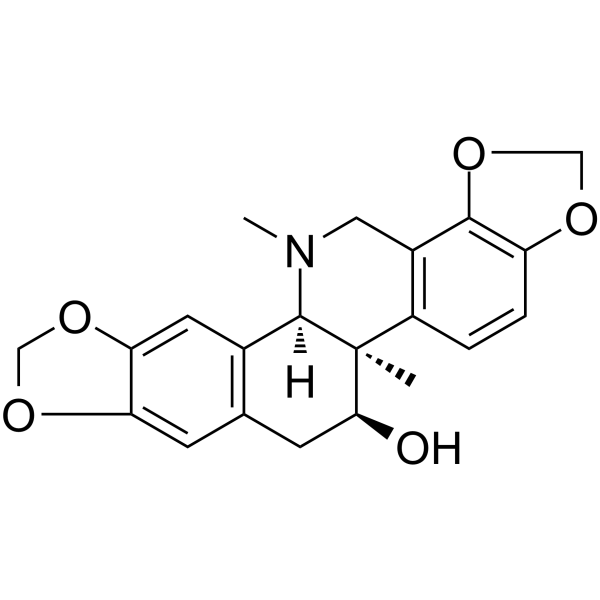
    Corynoline
    Maximum Cited Publications
    6 Publications Verification

    Cholinesterase (ChE) Keap1-Nrf2 Heme Oxygenase (HO) COX NO Synthase p38 MAPK JNK Apoptosis Bcl-2 Family Caspase STAT Interleukin Related Neurological Disease Inflammation/Immunology Cancer
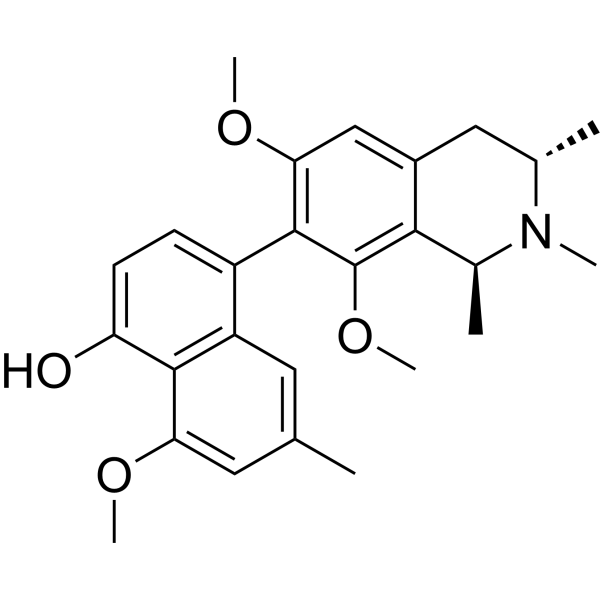
    Corynoline is an orally active acetylcholinesterase (AChE) inhibitor with an IC50 of 30.6 μM. Corynoline exhibits multiple activities including anti-inflammatory, antinociceptive, antitumor and analgesic effects. Corynoline can be used in the research of diseases such as tumors and inflammatory pain .
    Corynoline
  • HY-11079
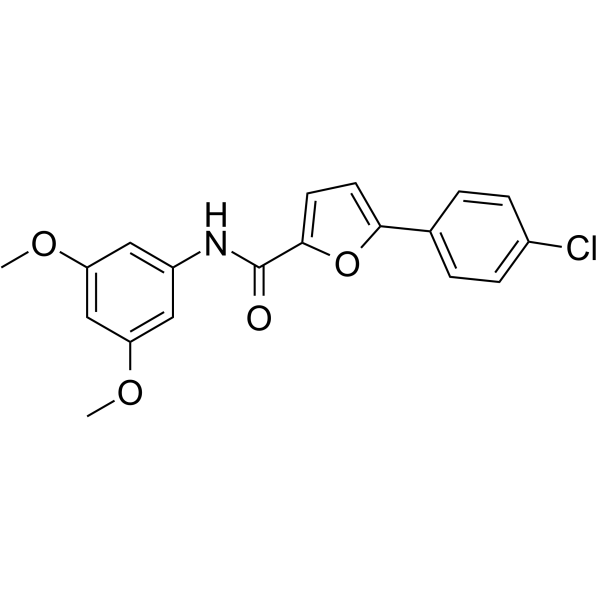
    A-803467
    3 Publications Verification

    Sodium Channel Neurological Disease Inflammation/Immunology Cancer
    A-803467 is a potent and selective tetrodotoxin-resistant Nav1.8 sodium channel blocker (IC50=8 nM). A-803467 has shown significant anti-nociception in neuropathic and inflammatory pain models. A-803467 enhances the chemosensitivity of conventional anticancer agents through interaction with the ATP-binding cassette subfamily G member 2 (ABCG2) transporter .
    A-803467
  • HY-N0576
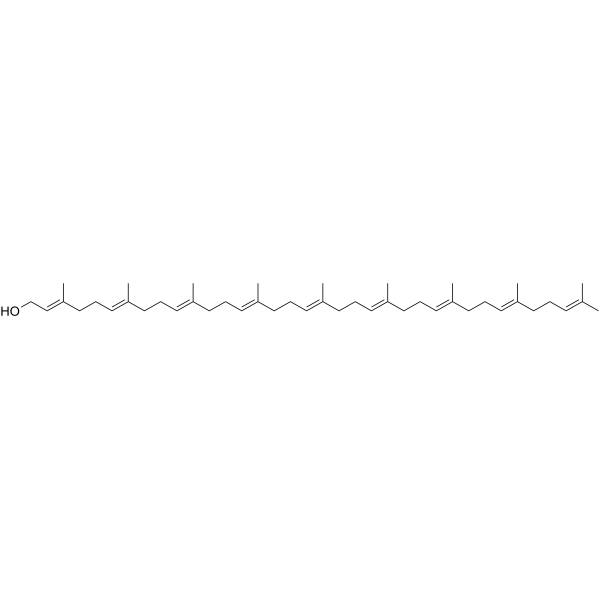
    Solanesol
    2 Publications Verification

    Endogenous Metabolite Heme Oxygenase (HO) HSP p38 MAPK Akt Apoptosis Caspase PARP Neurological Disease Metabolic Disease Inflammation/Immunology
    Solanesol is an orally active aliphatic terpene alcohol. Solanesol is mainly found in tobacco and other Solanaceae plants. Solanesol induces HO-1 and Hsp70 expression, activates p38 and Akt signaling pathways, and inhibits Apoptosis (reduces caspase-3 and PARP cleavage). Solanesol has antioxidant, anti-inflammatory, and neuroprotective activities. Solanesol can be used in the research of Huntington's disease, alcoholic liver disease, chronic inflammatory pain, anxiety, Alzheimer's disease, and bipolar disorder .
    Solanesol
  • HY-142240

    HSK16149

    Calcium Channel Neurological Disease
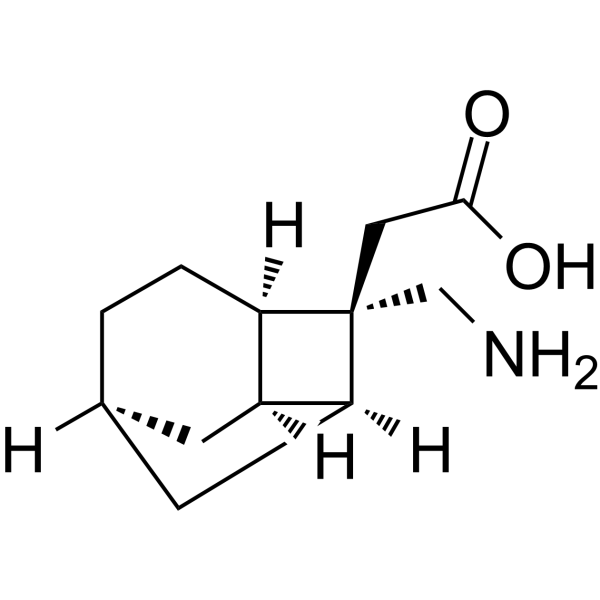
    Crisugabalin is an orally active, selective ligand for the α2δ subunit of voltage-gated calcium channels, with a target IC50 of 3.96 nM in rats. Crisugabalin inhibits the binding of [ 3H]gabapentin to the α2δ subunit, reduces calcium influx, decreases neuronal excitability, and impairs nociceptive transmission. Crisugabalin alleviates mechanical allodynia, neuropathic pain and inflammatory pain in rats, and reduces phase II pain behaviors. Crisugabalin can be used in research related to chronic pain, neuropathic pain, diabetic neuropathy, fibromyalgia, inflammatory pain, diabetic peripheral neuropathy and postherpetic neuralgia.
    Crisugabalin
  • HY-107794
    Clodronate disodium tetrahydrate
    4 Publications Verification

    Disodium clodronate tetrahydrate

    Apoptosis Neurological Disease Inflammation/Immunology Cancer
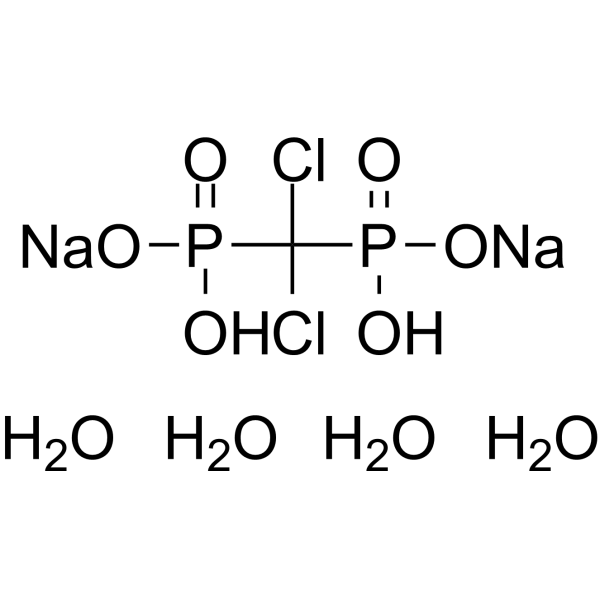
    Clodronate disodium tetrahydrate (Disodium clodronate tetrahydrate) is first-generation bisphosphonate, with anti-osteoporotic, anti-inflammatory and analgesic effects. Clodronate disodium tetrahydrate is a selective, potent, reversible and Cl - competitive vesicular nucleotide transporter (VNUT) inhibitor, with an IC50 of 15.6 nM. Clodronate disodium tetrahydrate inhibits vesicular ATP release from neurons and reduces chronic neuropathic and inflammatory pain .
    Clodronate disodium tetrahydrate
  • HY-N2258
    Poncirin
    4 Publications Verification

    Apoptosis Inflammation/Immunology
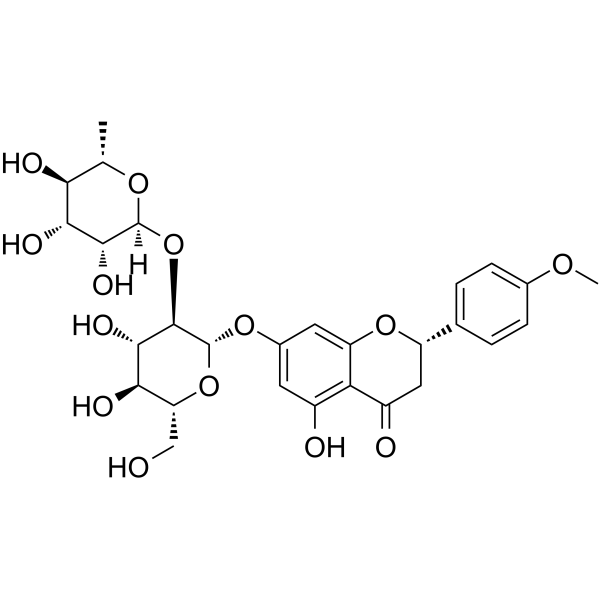
    Poncirin is isolated from Poncirus trifoliata with anti-inflammory activites. Poncirin significantly reduces mechanical hyperalgesia and allodynia in Complete Freund’s Adjuvant (CFA)-induced inflammatory pain models .
    Poncirin
  • HY-N0313

    MAGL Endogenous Metabolite Inflammation/Immunology
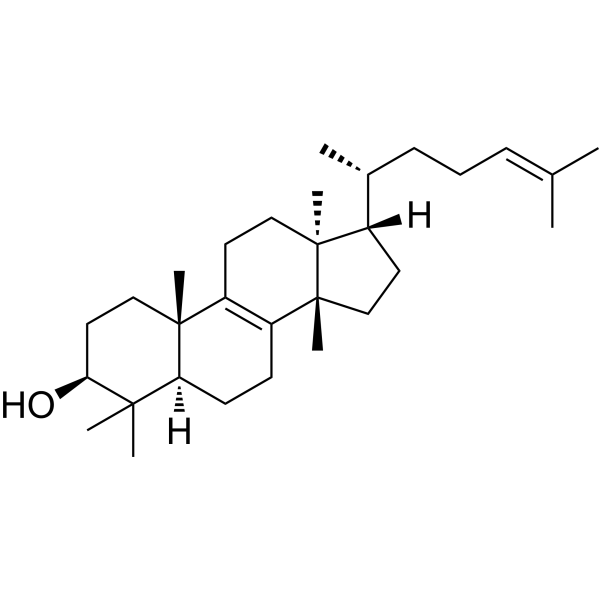
    Euphol is a tetracyclic triterpene alcohol isolated from the sap of Euphorbia tirucalli with anti-mutagenic, anti-inflammatory and immunomodulatory effects, orally active. Euphol inhibits the monoacylglycerol lipase (MGL) activity via a reversible mechanism (IC50=315 nM). MGL inhibition in the periphery modulates the endocannabinoid system to block the development of inflammatory pain .
    Euphol
  • HY-111664

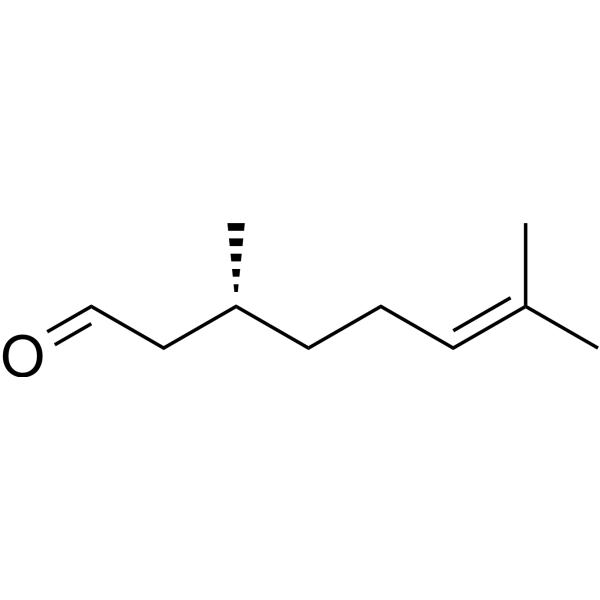
    (+)-Citronellal

    Bacterial Fungal Insecticide Taste Receptor Opioid Receptor Infection Neurological Disease Inflammation/Immunology
    (R)-(+)-Citronellal ((+)-Citronellal) is a monoterpenoid compound and is one of the main components of essential oils from plants such as lemon grass. (R)-(+)-Citronellal has antibacterial, antifungal, and insecticidal activities. (R)-(+)-Citronellal alleviates the bitterness of caffeine by antagonizing the bitter taste receptors Tas2r43 (IC50 = 84 μM) and Tas2R46. (R)-(+)-Citronellal generates analgesic activity by activating the opioid receptor (broad-spectrum opioid receptor) pathway, and its effect is particularly significant for inflammatory pain .
    (R)-(+)-Citronellal
  • HY-145628

    Sigma Receptor Neurological Disease Inflammation/Immunology
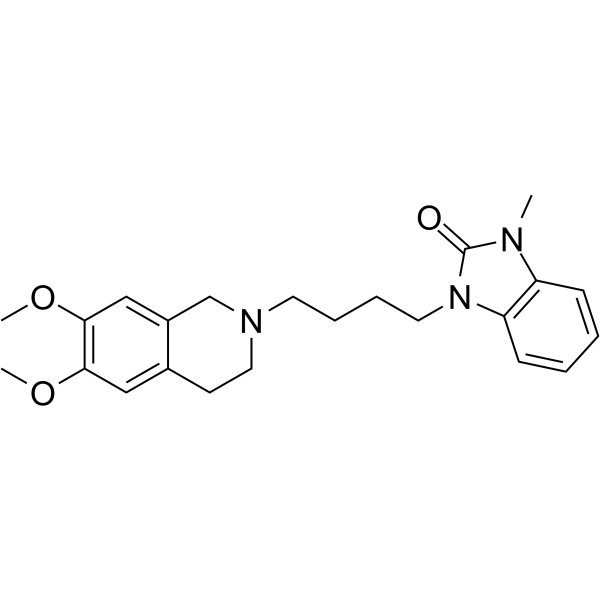
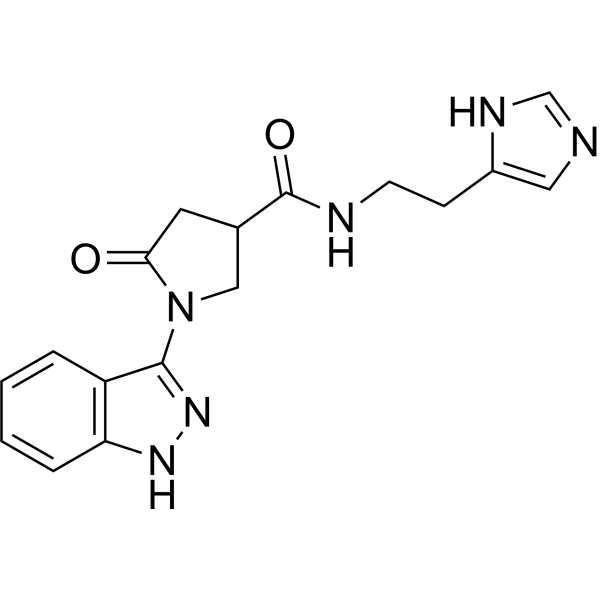
    CM398 is a highly selective, orally active Sigma-2 receptor ligand with a Ki value of 0.43 nM. CM398 ameliorates age-related macular degeneration. CM398 exerts analgesic effects on visceral pain, inflammatory pain and neuropathic pain. CM398 can be used in research related to age-related macular degeneration, neuropathic pain and inflammatory pain .
    CM398
  • HY-105283

    Sodium Channel Neurological Disease
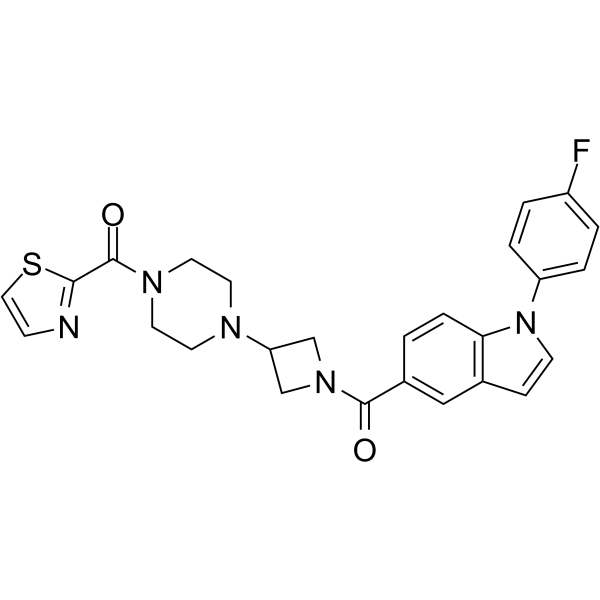
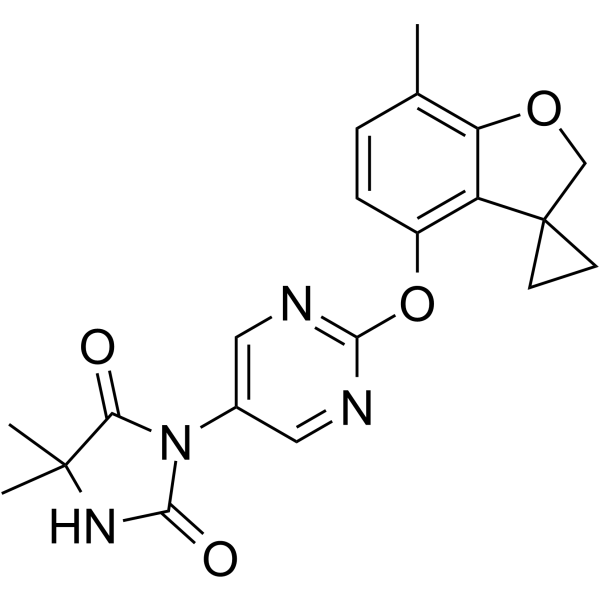
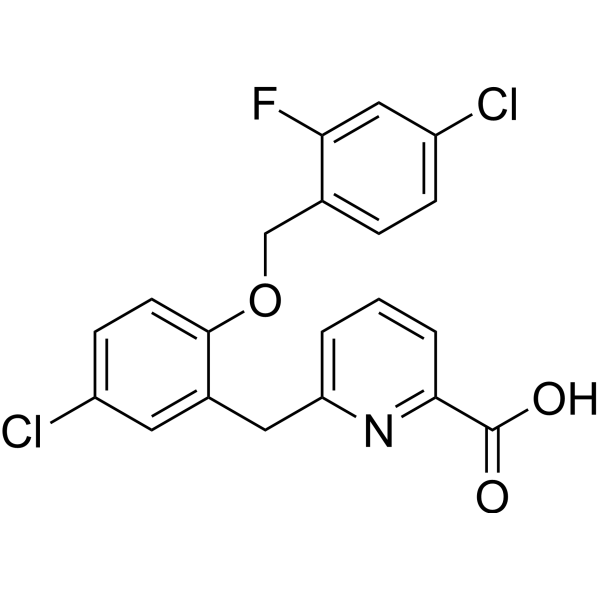
    PF 04531083 is an orally active and selective NaV1.8 blocker with an IC50 of 0.7 μM. PF 04531083 is a blood-brain barrier (BBB) penetrant compound. PF 04531083 can be used for the research of respiratory system and neuropathic/inflammatory pain .
    PF 04531083
  • HY-B0619
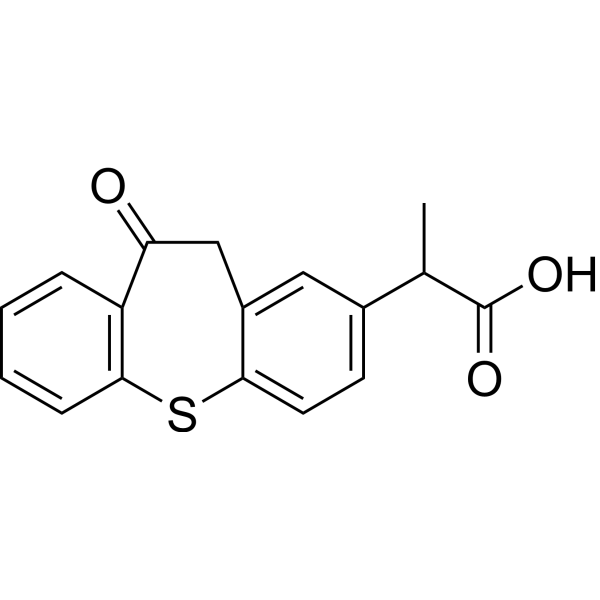
    Zaltoprofen
    2 Publications Verification

    CN100

    COX Inflammation/Immunology
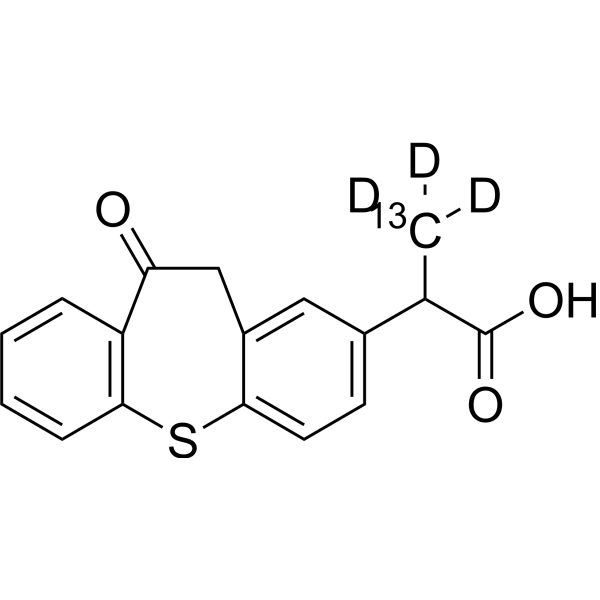
    Zaltoprofen (CN100), a non-steroidal anti-inflammatory drug (NSAID), is a preferential and orally active COX-2 inhibitor, with IC50s of 1.3 and 0.34 μM for COX-1 and COX-2, respectively. Zaltoprofen exhibits powerful anti-inflammatory effects as well as an analgesic action on inflammatory pain .
    Zaltoprofen
  • HY-B0464A
    Hydralazine
    3 Publications Verification

    DNA Methyltransferase Reactive Oxygen Species (ROS) COX NO Synthase PGE synthase Cardiovascular Disease Neurological Disease Inflammation/Immunology Cancer
    Hydralazine is an orally active, blood-brain barrier-permeable DNA methyltransferase inhibitor with vasodilatory, arterial smooth muscle relaxant and hypotensive activities. Hydralazine reactivates silenced tumor suppressor genes via mediating DNA demethylation, while exerting neuroprotective and anti-inflammatory properties. Hydralazine inhibits NOS-2 (iNOS) and COX-2, and reduces the production of NO and PGEE2; meanwhile, Hydralazine scavenges reactive oxygen species and inhibits macrophage activation. Hydralazine alleviates motor dysfunction, neuropathic inflammatory pain, and formalin-induced somatic and emotional pain responses. In addition, Hydralazine directly induces DNA strand breaks and sister chromatid exchange, exhibiting certain mutagenic characteristics. Hydralazine has been widely used in studies on hypertension, various cancers (such as cervical cancer, leukemia), spinal cord injury and the mechanisms of inflammatory pain .
    Hydralazine
  • HY-W013331
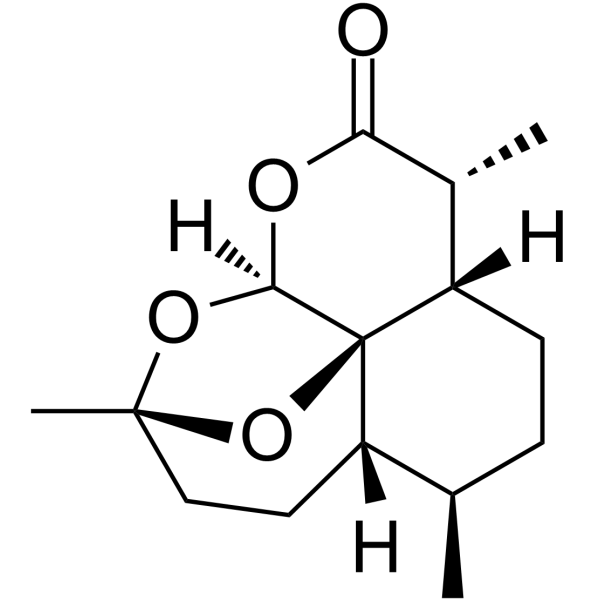
    Deoxyartemisinin
    1 Publications Verification

    2-Deoxyartemisinin

    TNF Receptor Neurological Disease Inflammation/Immunology
    Deoxyartemisinin (2-Deoxyartemisinin) is an orally active anti-inflammatory and analgesic agent. Deoxyartemisinin selectively reduces the level of the pro-inflammatory cytokine TNF-α. Deoxyartemisinin alleviates neuropathic pain, inflammatory pain, and croton oil-induced ear edema.\nDeoxyartemisinin exerts an analgesic effect against thermal stimulation. Deoxyartemisinin has anti-ulcer activity. Deoxyartemisinin can be used in research related to inflammatory diseases, pain, and gastric ulcers .
    Deoxyartemisinin
  • HY-115510
    SPR inhibitor 3
    1 Publications Verification

    SPRi3

    Carbonyl Reductase Inflammation/Immunology
    SPR inhibitor 3 (SPRi3) is a potent sepiapterin reductase (SPR) inhibitor. SPR inhibitor 3 (SPRi3) displays high binding affinity to human SPR in a cell-free assay (IC50=74 nM) and efficiently reduces biopterin levels in a cell-based assay (IC50=5.2 μM). SPR inhibitor 3 (SPRi3) reduces neuropathic and inflammatory pain through a reduction of BH4 levels .
    SPR inhibitor 3
  • HY-13283
    MF63
    1 Publications Verification

    PGE synthase Inflammation/Immunology
    MF63 is a selective and orally active inhibitor of mPGES-1. MF63 reduces the accumulation of PGE2, relieves pyresis, hyperalgesia, and inflammatory pain by inhibiting mPGES-1 .
    MF63
  • HY-133130
    JNJ-42226314
    1 Publications Verification

    MAGL Neurological Disease
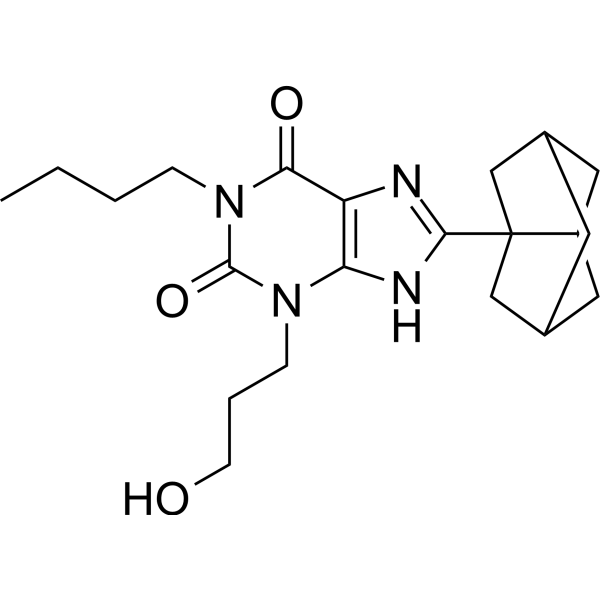
    JNJ-42226314, a chemical probe, is a competitive, highly selective and reversible non-covalent monoacylglycerol lipase (MAGL) inhibitor. JNJ-42226314 demonstrates dose-dependent enhancement of the major endocannabinoid 2-arachidonoylglycerol (2-AG) as well as efficacy in models of neuropathic and inflammatory pain .
    JNJ-42226314
  • HY-146334

    Chloride Channel Neurological Disease Inflammation/Immunology
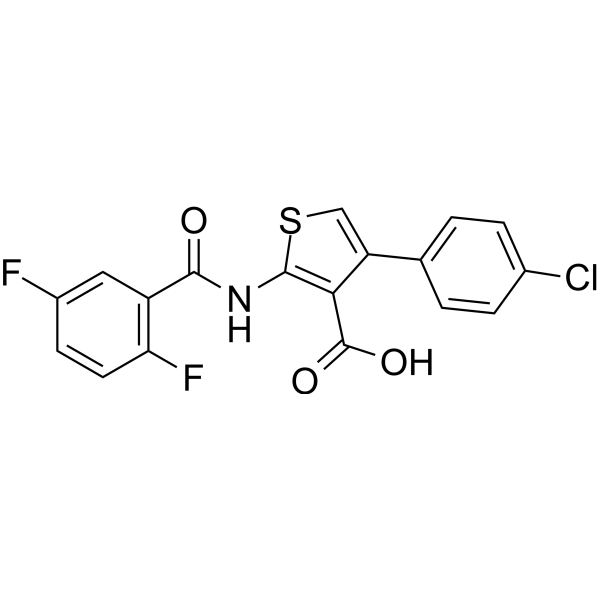
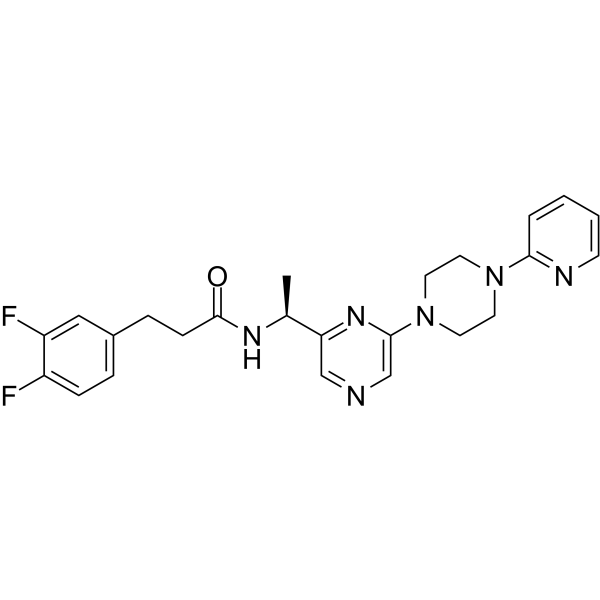
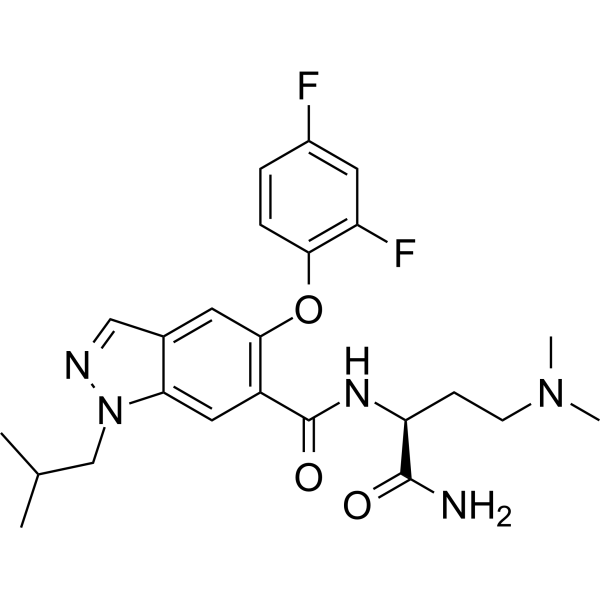
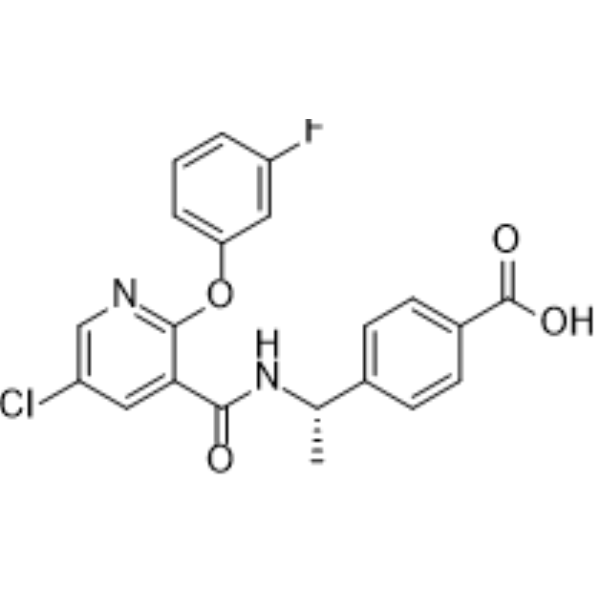
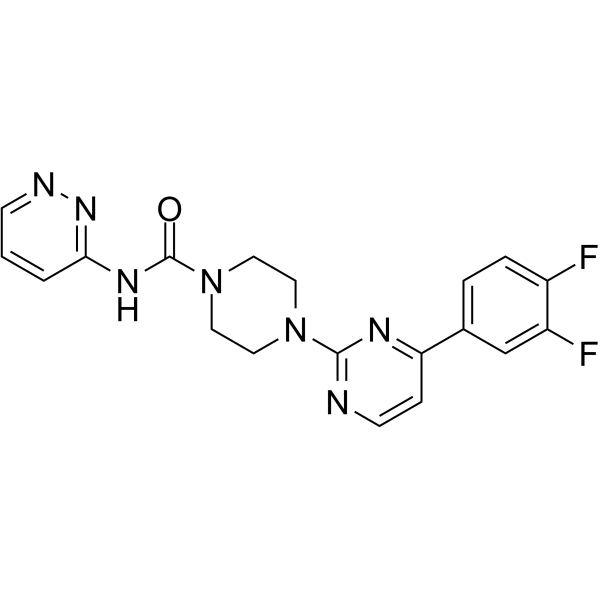
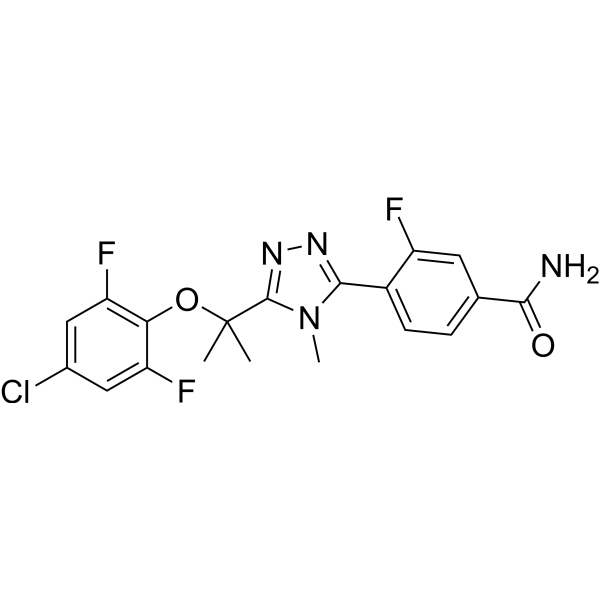
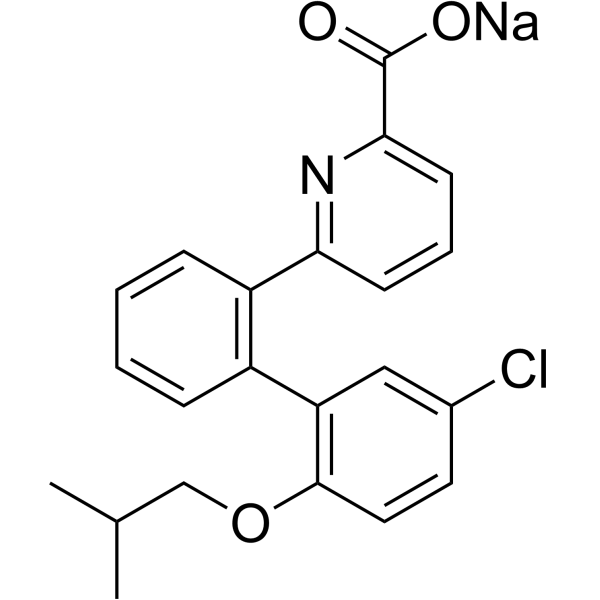
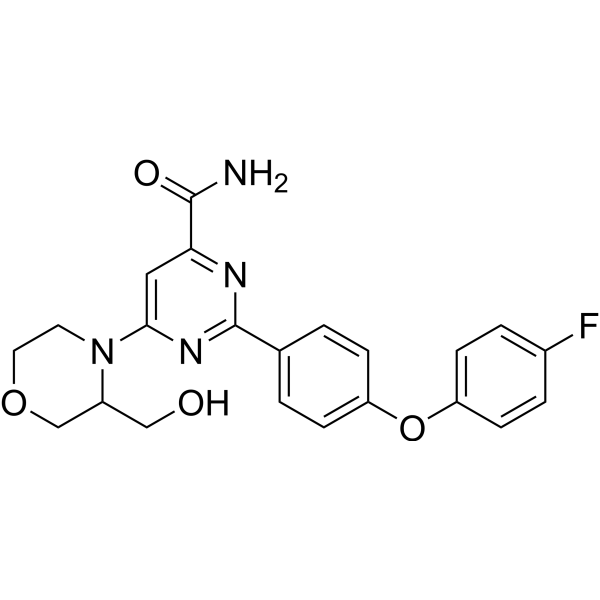
    DFBTA is an orally active and potent ANO1 (Calcium-activated chloride channel anoctamin-1) inhibitor, with an IC50 of 24 nM. DFBTA shows analgesic efficacy for inflammatory pain .
    DFBTA
  • HY-13985

    Sodium Channel Neurological Disease Inflammation/Immunology
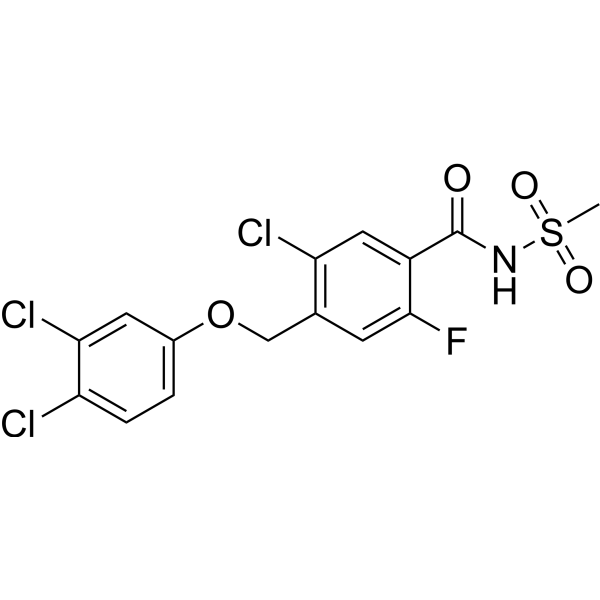
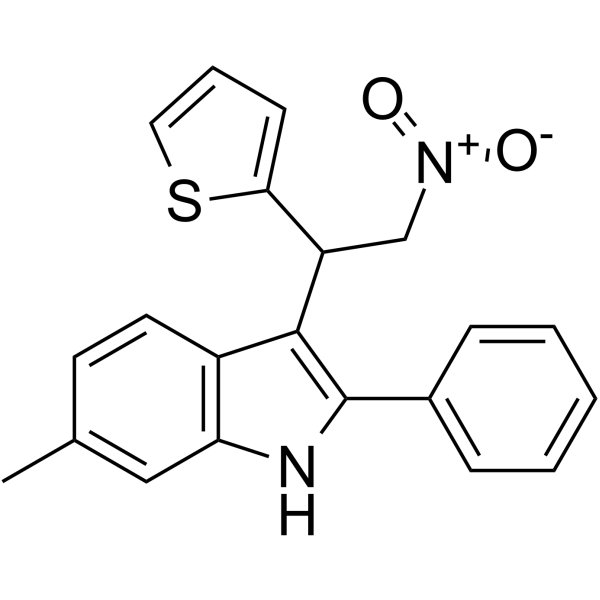
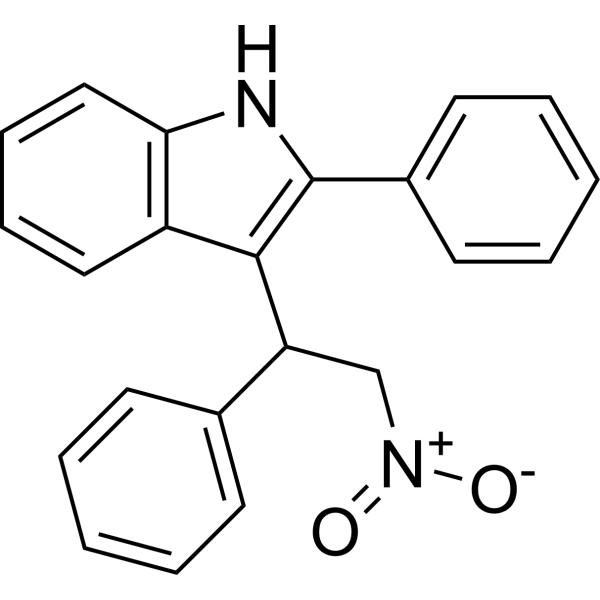
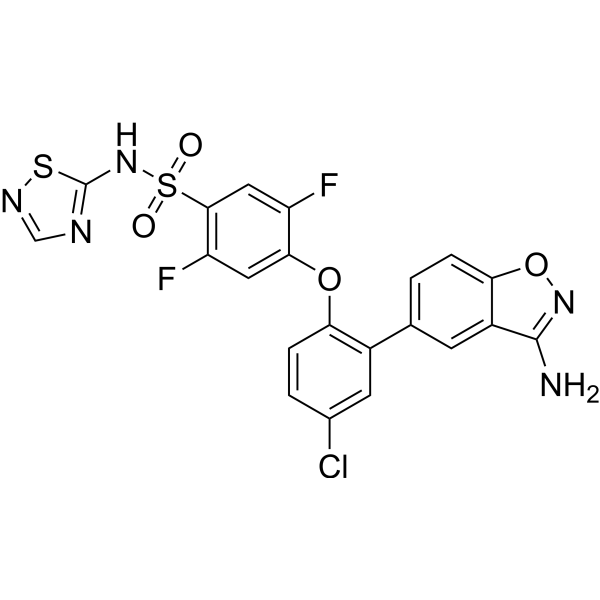
    Nav1.7 inhibitor (compound II), a sulfonamide, is a potent Nav1.7 inhibitor. Nav1.7 inhibitor has the potential for a wide range of disorders, particularly pain, including acute pain, inflammatory pain and/or neuropathic pain .
    Nav1.7 inhibitor
  • HY-P1091

    Cannabinoid Receptor Neurological Disease
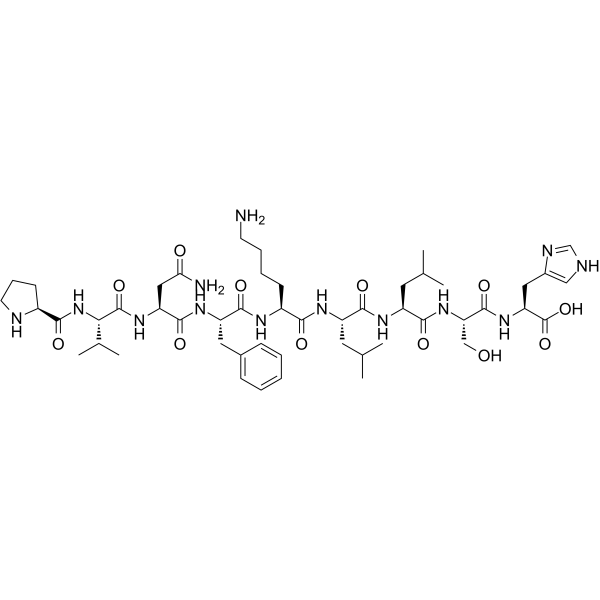
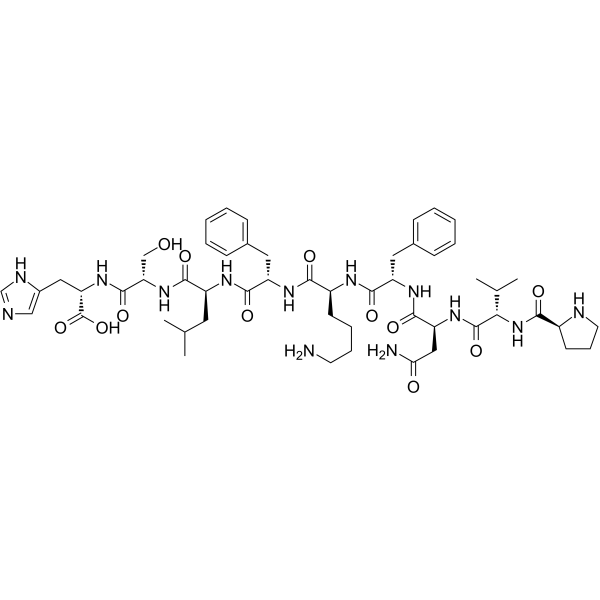
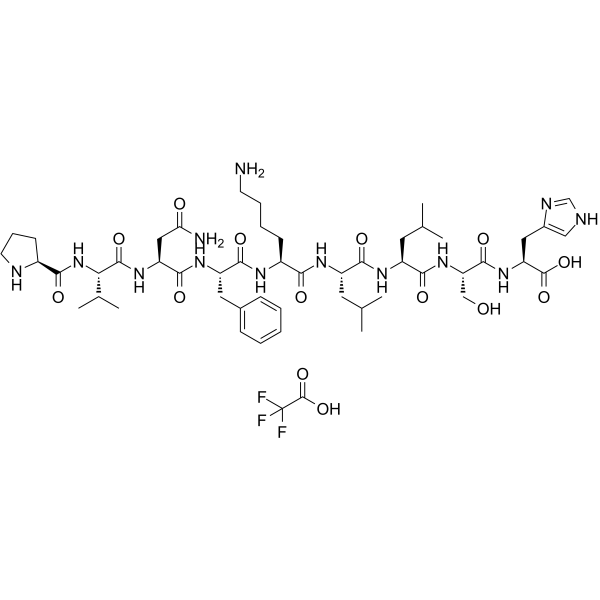
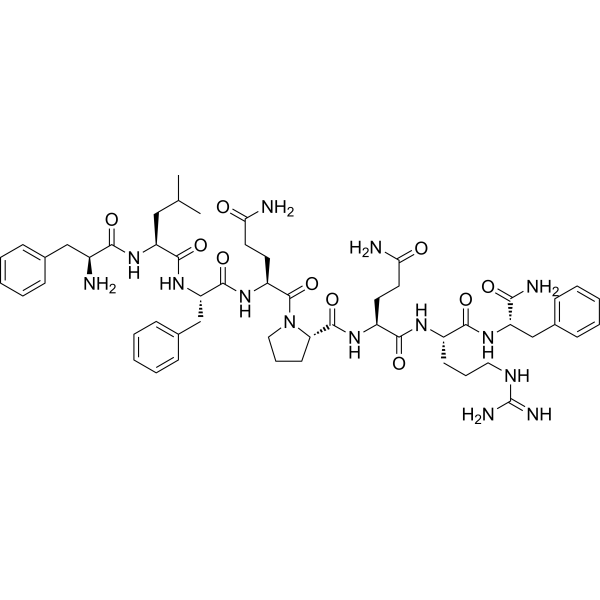
    Hemopressin is a nonapeptide derived from the α1-chain of hemoglobin, is originally isolated from rat brain homogenates. Hemopressin is orally active, selective and inverse agonist of CB1 cannabinoid receptors. Hemopressin exerts antinociceptive action in inflammatory pain models .
    Hemopressin (human, mouse)
  • HY-114269

    nAChR Neurological Disease Inflammation/Immunology
    (-)-(S)-B-973B is an allosteric activator of α7 nicotinic acetylcholine receptor (α7 nAChR). (-)-(S)-B-973B alleviates pain behaviors. (-)-(S)-B-973B can be used for the research of inflammatory pain .
    (-)-(S)-B-973B
  • HY-119033

    MAGL Inflammation/Immunology
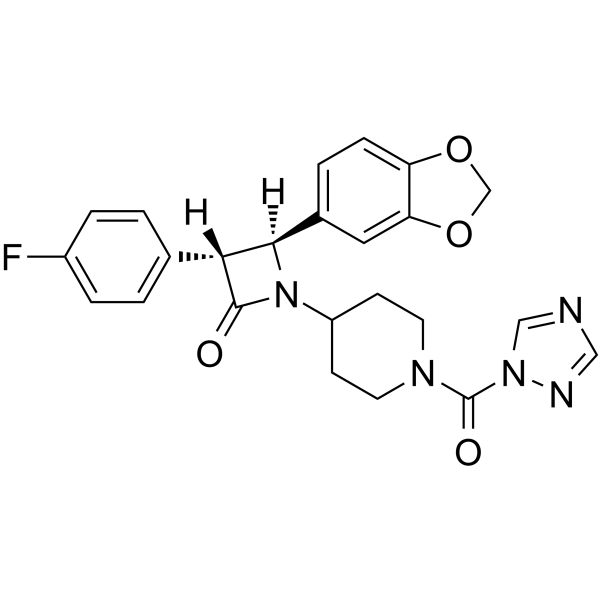
    MGL-IN-1 is a potent and selective irreversible MGL (β-lactam-based monoacylglycerol lipase) inhibitor. MGL-IN-1 alleviates symptoms in a MS model in vivo and exhibits analgesic effects in an acute inflammatory pain model in vivo. MGL-IN-1 displays high membrane permeability and brain penetrant .
    MGL-IN-1
  • HY-164803

    Calcium Channel Inflammation/Immunology
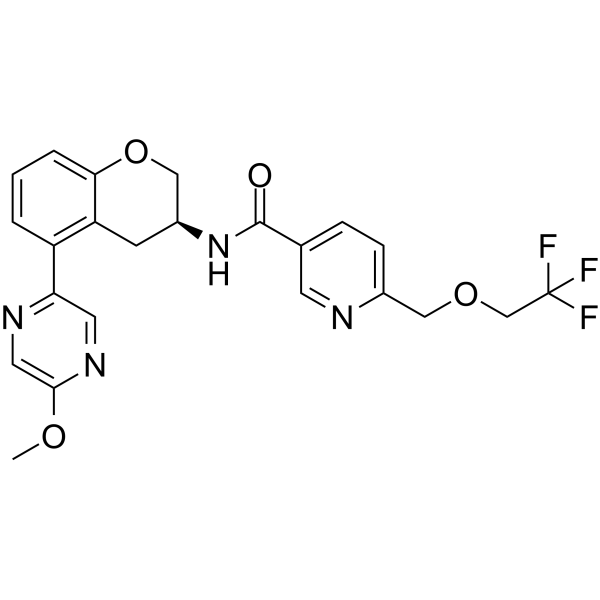
    CBD3063 is a selective modulator of collapsin response mediator protein 2 (CRMP2). CBD3063 uncouples Cav2.2 from CRMP2. CBD3063 reverses neuropathic and inflammatory pain by reducing membrane expression of CaV2.2 .
    CBD3063
  • HY-P1346

    Sodium Channel Neurological Disease Inflammation/Immunology
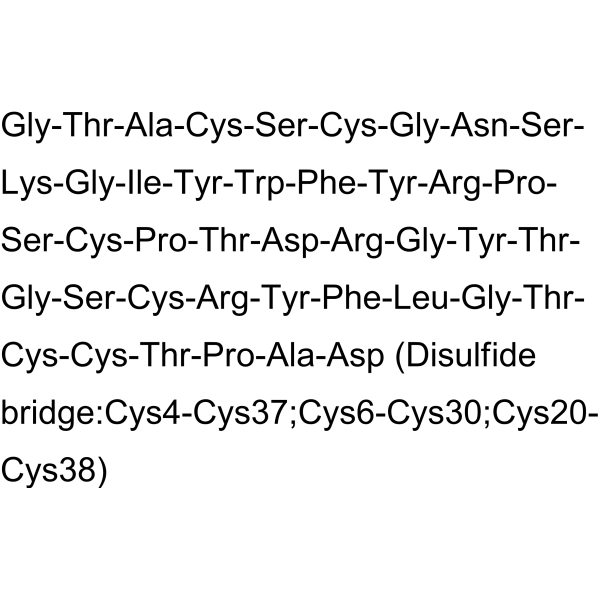
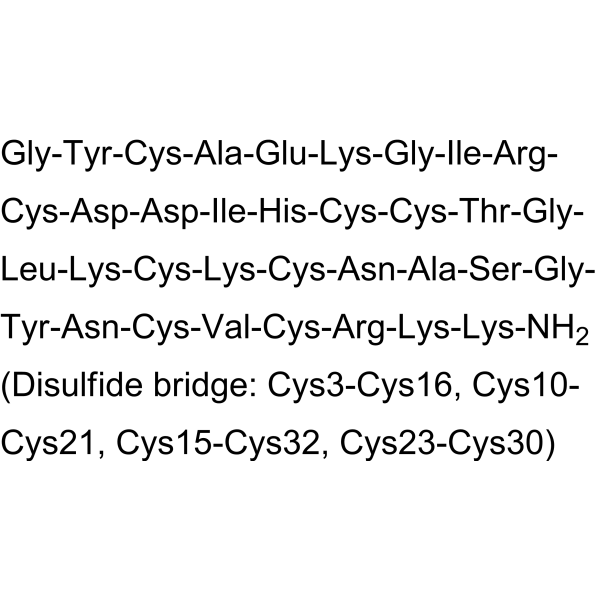
    APETx2, a sea anemone peptide from Anthopleura elegantissima, is a selective and reversible ASIC3 inhibitor, with an IC50 of 63 nM. APETx2 directly inhibits the ASIC3 channel by acting at its external side. APETx2 could reverses acid‐induced and inflammatory pain .
    APETx2
  • HY-P1346A

    Sodium Channel Neurological Disease Inflammation/Immunology
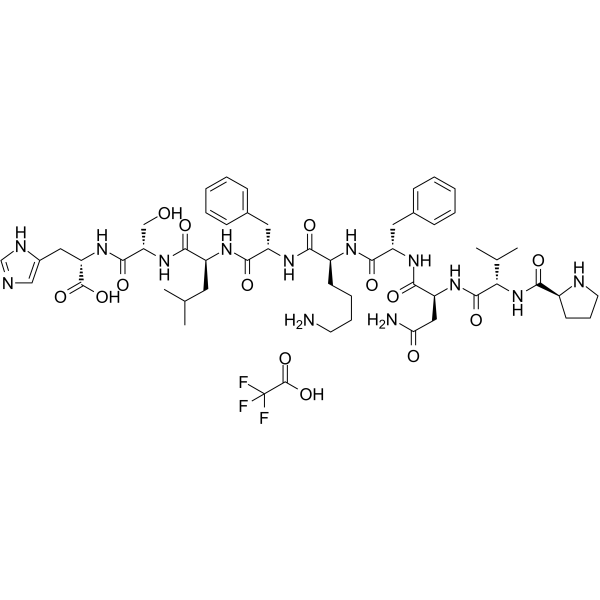
    APETx2 TFA, a sea anemone peptide from Anthopleura elegantissima, is a selective and reversible ASIC3 inhibitor, with an IC50 of 63 nM. APETx2 directly inhibits the ASIC3 channel by acting at its external side. APETx2 could reverses acid‐induced and inflammatory pain .
    APETx2 TFA
  • HY-129421

    PACAP Receptor Neurological Disease Inflammation/Immunology
    PA-9 is a pituitary adenylate cyclase-activating polypeptide (PACAP) type I (PAC1) receptor antagonist. PA-9 dose dependently inhibits PACAP-induced cAMP elevation with an IC50 of 5.6 nM. PA-9 can be used for the research of neuropathic and/or inflammatory pain .
    PA-9
  • HY-P1090

    Cannabinoid Receptor Neurological Disease
    Hemopressin(rat) is a nonapeptide derived from the α1-chain of hemoglobin, is originally isolated from rat brain homogenates. Hemopressin(rat) is orally active, selective and inverse agonist of CB1 cannabinoid receptors. Hemopressin(rat) exerts antinociceptive action in inflammatory pain models .
    Hemopressin(rat)
  • HY-145564

    PF-07265803

    p38 MAPK Cardiovascular Disease Inflammation/Immunology
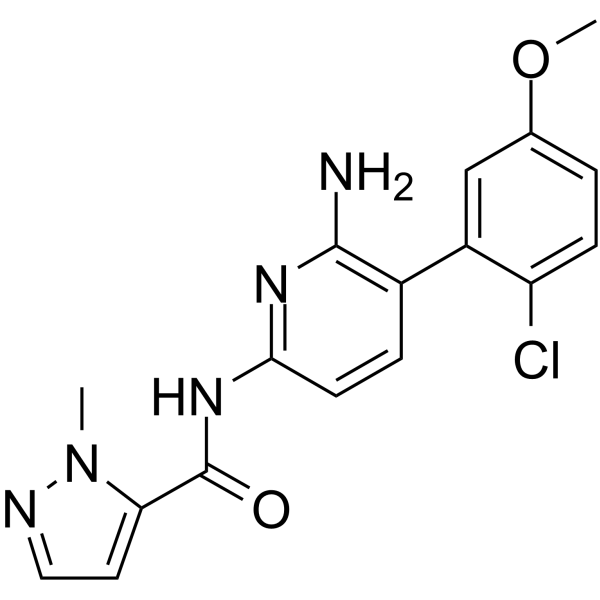
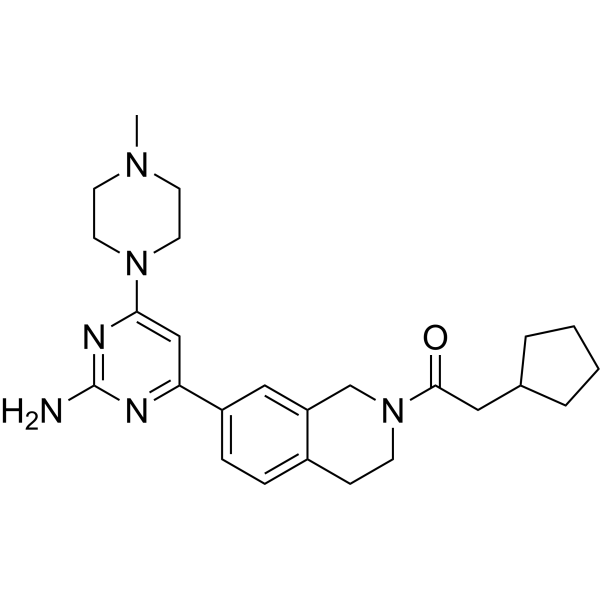
    Emprumapimod (PF-07265803) is a potent, orally active and selective inhibitor of p38α MAPK directly inhibits LPS-induced IL-6 production from RPMI-8226 cell (IC50=100 pM). Emprumapimod can be used for the research of dilated cardiomyopathy and acute inflammatory pain .
    Emprumapimod
  • HY-111996

    Potassium Channel Neurological Disease Inflammation/Immunology
    Kv3 activator-1 is a Kv3 family voltage-gated potassium channel activator. Kv3 activator-1 reverses mechanical hyperalgesia in rat models of neuropathic and inflammatory pain, with rapid onset and long-lasting, dose-related effects. Kv3 activator-1 can be used for the research of pain .
    Kv3 activator-1
  • HY-101188

    Histamine Receptor Infection
    INCB38579 is an orally active, highly brain penetrable, and selective histamine H4 receptor (HH4R) antagonist (hH4R IC50=4.8 nM, mH4R IC50=42 nM, rH4R IC50=32 nM). INCB38579 shows anti-inflammatory pain and anti-pruritic activities .
    INCB38579
  • HY-118140

    Cannabinoid Receptor Neurological Disease Inflammation/Immunology
    ZCZ011 is a potent and brain-penetrant cannabinoid 1 (CB1) receptor positive allosteric modulator. ZCZ011 potentiates binding of CP55,940 to the CB1 receptor, enhances anandamide (AEA)-stimulated GTPγS binding in mouse brain membranes. ZCZ011 increases β-arrestin recruitment and ERK phosphorylation in hCB1 cells. ZCZ011 can be used for researching neuropathic and inflammatory pain .
    ZCZ011
  • HY-122168

    Prostaglandin Receptor Inflammation/Immunology Cancer
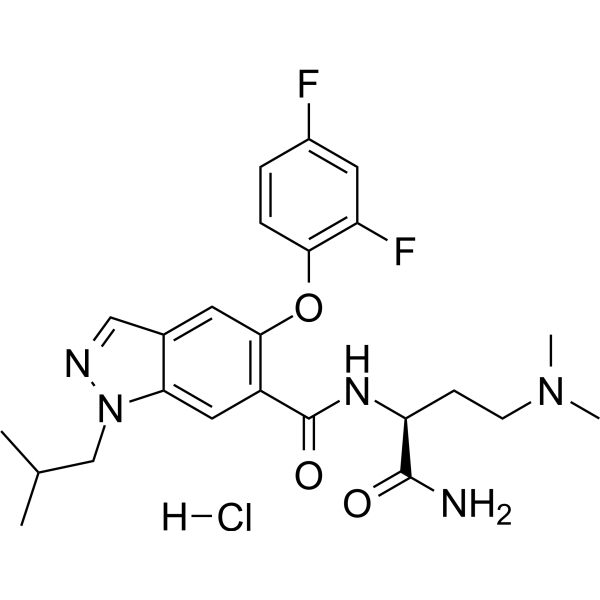
    AAT-008 is a potent, selective, and orally active prostaglandin EP4 receptor antagonist with Kis of 0.97 and 6.1 nM for recombinant human EP4 and recombinant rat EP4, respectively. AAT-008 exerts tumor growth delay in mice bearing CT26WT colon tumors when combined with radiotherapy. AAT-008 can be used for the study of acute and chronic inflammatory pain and cancer .
    AAT-008
  • HY-103344

    Aminopeptidase Carboxypeptidase mGluR Neurological Disease
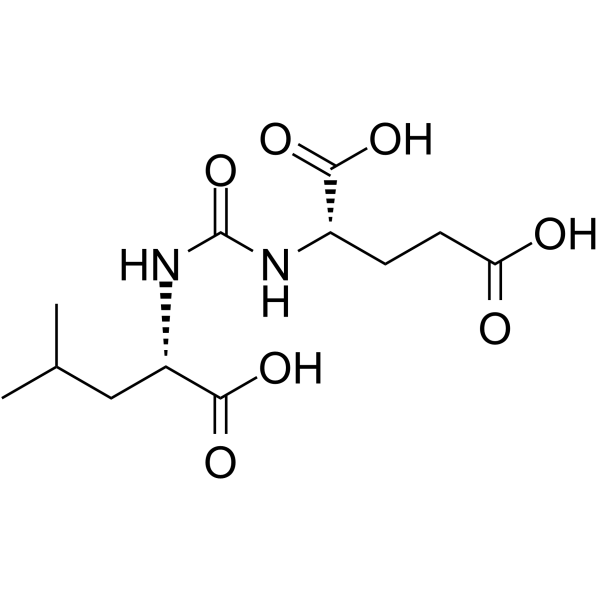
    ZJ43 is a NAAG peptidase inhibitor and glutamate carboxypeptidase II/III (GCP II/III) inhibitor with human GCP II IC50 of 2.4 nM and Ki of 0.8 nM. ZJ43 blocks N-acetylaspartylglutamate hydrolysis, elevates extracellular N-acetylaspartylglutamate levels, and activates group II metabotropic glutamate receptors (mGluR). ZJ43 can be used for the research of schizophrenia, inflammatory pain, neuropathic pain, and traumatic brain injury .
    ZJ43
  • HY-117714

    Sodium Channel Neurological Disease
    AZD-3161 is a potent and selective blocker of NaV1.7 channel, with a pIC50 of 7.1. AZD-3161 can be used for the research of neuropathic and inflammatory pain .
    AZD-3161
  • HY-145830

    Adenylate Cyclase Neurological Disease
    AC1-IN-1 is a potent and selective Adenylyl cyclase type 1 (AC1) inhibitor with an IC50 of 0.54 μM. AC1-IN-1 displays modest antiallodynic effects in a mouse model of inflammatory pain .
    AC1-IN-1
  • HY-B0464S1

    Isotope-Labeled Compounds PGE synthase NO Synthase Reactive Oxygen Species (ROS) DNA Methyltransferase COX Cancer
    Hydralazine-d5 (hydrochloride) is deuterium-labeled Hydralazine (hydrochloride) (HY-B0464). Hydralazine hydrochloride is an orally active, blood-brain barrier-permeable DNA methyltransferase inhibitor with vasodilatory, arterial smooth muscle relaxant and hypotensive activities. Hydralazine hydrochloride reactivates silenced tumor suppressor genes via mediating DNA demethylation, while exerting neuroprotective and anti-inflammatory properties. Hydralazine hydrochloride inhibits NOS-2 (iNOS) and COX-2, and reduces the production of NO and PGEE2; meanwhile, Hydralazine hydrochloride scavenges reactive oxygen species and inhibits macrophage activation. Hydralazine hydrochloride alleviates motor dysfunction, neuropathic inflammatory pain, and formalin-induced somatic and emotional pain responses. In addition, Hydralazine hydrochloride directly induces DNA strand breaks and sister chromatid exchange, exhibiting certain mutagenic characteristics. Hydralazine hydrochloride has been widely used in studies on hypertension, various cancers (such as cervical cancer, leukemia), spinal cord injury and the mechanisms of inflammatory pain .
    Hydralazine-d5 hydrochloride
  • HY-145491

    ERK NF-κB CCR Inflammation/Immunology
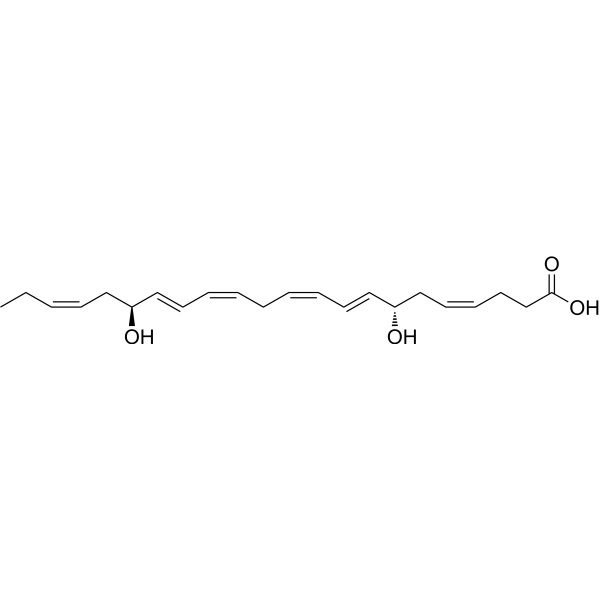
    Resolvin D5 is an anti-inflammatory and analgesic agent produced in M2 macrophages. Resolvin D5 alleviates Paclitaxel (HY-B0015)-induced mechanical allodynia and inflammatory pain by activating the GPR32 receptor, with gender specificity (effective only in male mice) and independence from TRPV1 or TRPA1 channels. Resolvin D5 attenuates LPS-induced ERK phosphorylation and NF-κB nuclear translocation, downregulates proinflammatory mediators such as IL-6 and CCL5, inhibits Th17 cell differentiation and osteoclastogenesis, promotes regulatory T cell differentiation, and shows no cytotoxicity to human monocytes. The level of Resolvin D5 is elevated in arthritic SKG mice, but Resolvin D5 has no effect on dendritic cell differentiation or M1 macrophage polarization, nor does it prevent ZyA-induced arthritis progression. Resolvin D5 is suitable for research related to chemotherapy-induced peripheral neuropathy, inflammatory pain and rheumatoid arthritis .
    Resolvin D5
  • HY-175231

    5-HT Receptor Neurological Disease
    ST171 is a bitopic 5-HT1AR agonist with an Ki of 0.41  nM. ST171 selectively activates Gi/o signaling pathway and inhibits 5-HT1AR-mediated cAMP accumulation without Gs activation and marginal β-arrestin recruitment. T171 reduces hypersensitivity in chronic neuropathic and inflammatory pain mice model. ST171 can be used for pain research .
    ST171
  • HY-178259

    Adrenergic Receptor Neurological Disease Inflammation/Immunology
    α2AR agonist 2 is a selective α2B adrenergic receptor antagonist (IC50 = 1.2 µM). α2AR agonist 2 can be used for research on inflammatory pain and neuropathic pain .
    α2AR agonist 2
  • HY-103461

    FAAH Neurological Disease
    FAAH-IN-6 (compound 21d) is a potent, orally active and cross the blood-brain barrier fatty acid amide hydrolase (FAAH) inhibitor with IC50s of 0.72, 0.28 nM for hFAAH, rFAAH, respectively. FAAH-IN-6 shows dose-dependent analgesic efficacy in animal models of both neuropathic and inflammatory pain .
    FAAH-IN-6
  • HY-B0464S

    Isotope-Labeled Compounds PGE synthase NO Synthase Reactive Oxygen Species (ROS) DNA Methyltransferase COX Cardiovascular Disease
    Hydralazine-d4 hydrochloride is the deuterium labeled Hydralazine hydrochloride. Hydralazine hydrochloride is an orally active, blood-brain barrier-permeable DNA methyltransferase inhibitor with vasodilatory, arterial smooth muscle relaxant and hypotensive activities. Hydralazine hydrochloride reactivates silenced tumor suppressor genes via mediating DNA demethylation, while exerting neuroprotective and anti-inflammatory properties. Hydralazine hydrochloride inhibits NOS-2 (iNOS) and COX-2, and reduces the production of NO and PGEE2; meanwhile, Hydralazine hydrochloride scavenges reactive oxygen species and inhibits macrophage activation. Hydralazine hydrochloride alleviates motor dysfunction, neuropathic inflammatory pain, and formalin-induced somatic and emotional pain responses. In addition, Hydralazine hydrochloride directly induces DNA strand breaks and sister chromatid exchange, exhibiting certain mutagenic characteristics. Hydralazine hydrochloride has been widely used in studies on hypertension, various cancers (such as cervical cancer, leukemia), spinal cord injury and the mechanisms of inflammatory pain .
    Hydralazine-d4 hydrochloride
  • HY-N0313R

    MAGL Endogenous Metabolite Reference Standards Inflammation/Immunology
    Euphol (Standard) is the analytical standard of Euphol. This product is intended for research and analytical applications. Euphol is a tetracyclic triterpene alcohol isolated from the sap of Euphorbia tirucalli with anti-mutagenic, anti-inflammatory and immunomodulatory effects, orally active. Euphol inhibits the monoacylglycerol lipase (MGL) activity via a reversible mechanism (IC50=315 nM). MGL inhibition in the periphery modulates the endocannabinoid system to block the development of inflammatory pain .
    Euphol (Standard)
  • HY-120496

    ASP3662

    11β-HSD Neurological Disease Metabolic Disease
    Clofutriben (ASP3662) is a selective, orally active and brain-penetrant 11β-hydroxysteroid dehydrogenase type 1 (11β-HSD1) inhibitor with Ki values of 5.3 nM (human), 2.6 nM (mouse), and 23 nM (rat). Clofutriben inhibits conversion of inactive glucocorticoids to active glucocorticoids, reducing intracellular glucocorticoid exposure. Clofutriben ameliorates neuropathic pain, and restores muscle pressure thresholds in rodent models, while lacking effects in inflammatory pain .
    Clofutriben
  • HY-177691

    Prostaglandin Receptor Neurological Disease Inflammation/Immunology
    CCI17464 is a selective, orally active EP4 partial agonist with a pKi of 7.1. CCI17464 can be used in a Freund's complete adjuvant (FCA) acute rat inflammatory pain model and shows complete reversal of allergic reactions .
    CCI17464
  • HY-P10767

    Neurotensin Receptor Neurological Disease
    MD01-67 is a selective macrocyclic compound targeting the neurotensin receptor type 2 (NTS2), with Ki of 2.9 nM. MD01-67 exhibits analgesic and tactile hypersensitivity reducing activity in rats acute/persistent/chronic inflammatory pain models .
    MD01-67
  • HY-119121

    TRP Channel Neurological Disease
    JNJ-38893777 is an orally active and highly selective transient receptor potential vanilloid type 1 (TRPV1) channel antagonist. JNJ-38893777 inhibits neuronal hyperactivation and reduces inflammatory hyperalgesia. JNJ-38893777 is promising for research of migraine headaches, neuropathic and inflammatory pain .
    JNJ-38893777
  • HY-113689

    Cannabinoid Receptor Neurological Disease
    GAT211 is a cannabinoid 1 receptor (CB1R) positive allosteric modulator (PAM). GAT211 activates cAMP and β-arrestin2 with EC50 values of 260 nM and 650 nM, respectively. GAT211 inhibits GAT211 can be used for neuropathic and/or inflammatory pain research .
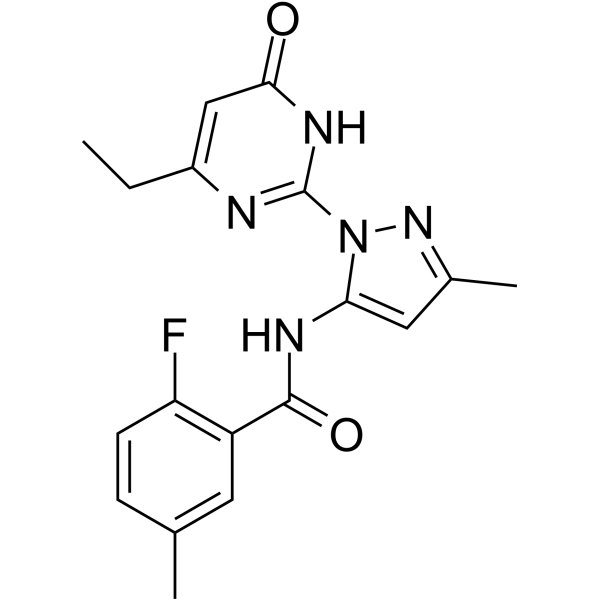
    GAT211
  • HY-159171

    Epoxide Hydrolase HDAC Neurological Disease Inflammation/Immunology
    sEH/HDAC6-IN-2 is a potent dual soluble epoxide hydrolase (sEH) and HDAC6 inhibitor with IC50s of 0.9 nM, 46.8 nM, and 8 nM for human sEH, mouse sEH, and HDAC6, respectively. sEH/HDAC6-IN-2 can be used for the study of inflammatory pain .
    sEH/HDAC6-IN-2
  • HY-137090

    BP 2.94

    Histamine Receptor Neurological Disease
    BP 2-94 (BP 2.94) is an orally active and highly selective prodrug targeting the histamine H3 receptor. BP 2-94 exerts anti-inflammatory, analgesic and antinociceptive effects by inhibiting histamine release and modulating neurogenic inflammation. BP 2-94 is promising for research of asthma, migraines, and inflammatory pain-related disorders .
    BP 2-94
  • HY-172774

    TRP Channel URAT1 GLUT Cytochrome P450 Interleukin Related TNF Receptor Neurological Disease Inflammation/Immunology Endocrinology
    TRPV1 antagonist 10 is an orally active and potent TRPV1 antagonist (IC50 = 33.06 nM), moderate to weak URAT1 (IC50 = 22.51 μM) and GLUT9 (60.25% at 50 μM) inhibitor. TRPV1 antagonist 10 has analgesic and urate-lowering effect. TRPV1 antagonist 10 can be studied for research in hyperuricemia and inflammatory pain .
    TRPV1 antagonist 10

Inquiry Online

Your information is safe with us. * Required Fields.

Salutation


Country or Region *

Applicant Name *


Organization Name *

Department *


Email Address *


Product Name *

Cat. No.


Requested quantity *

Phone Number *


Remarks

Inquiry Online

Inquiry Information

Product Name:
Cat. No.:
Quantity:
MCE Japan Authorized Agent: