Search Result
Results for "
glutamate NMDA receptors
" in MedChemExpress (MCE) Product Catalog:
32
Isotope-Labeled Compounds
| Cat. No. |
Product Name |
Target |
Research Areas |
Chemical Structure |
-
- HY-100714A
-
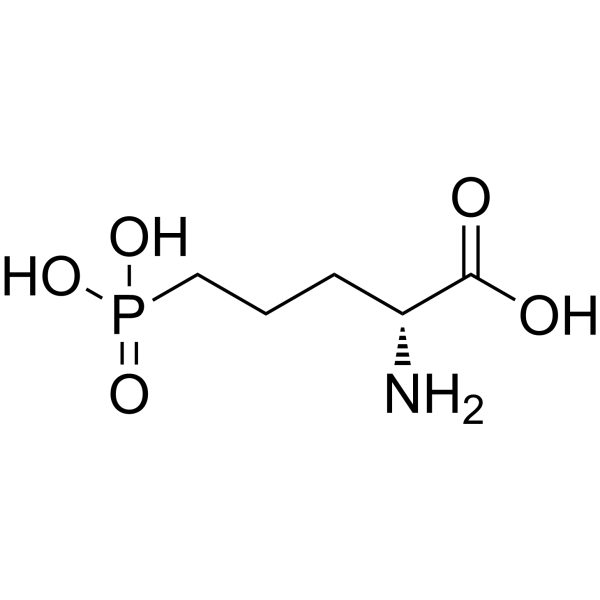
D-AP5
Maximum Cited Publications
29 Publications Verification
D-APV; D-2-Amino-5-phosphonovaleric acid
|
iGluR
|
Neurological Disease
|
|
D-AP5 (D-APV) is a selective and competitive NMDA receptor antagonist with a Kd of 1.4 μM. D-AP5 (D-APV) inhibits the glutamate binding site of NMDA receptors .
|
-
-
- HY-14608
-
|
|
Environmental Pollutants
Endogenous Metabolite
iGluR
Ferroptosis
Apoptosis
|
Neurological Disease
|
|
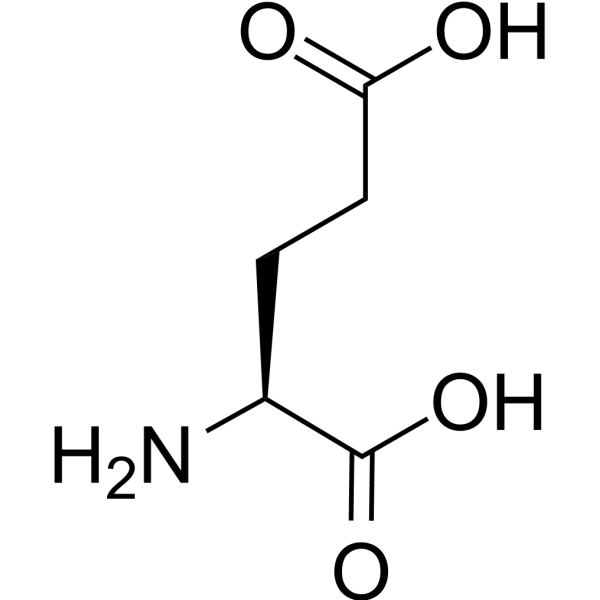
L-Glutamic acid is an excitatory amino acid neurotransmitter that acts as an agonist for all subtypes of glutamate receptors (metabolic rhodophylline, NMDA, and AMPA). L-Glutamic acid has an agonist effect on the release of DA from dopaminergic nerve endings. L-Glutamic acid can be used in the study of neurological diseases. L-Glutamic acid acts at ionotropic and metabotropic glutamate receptors .
|
-
-
- HY-Y0966
-
-
-
- HY-17551
-
NMDA
Maximum Cited Publications
29 Publications Verification
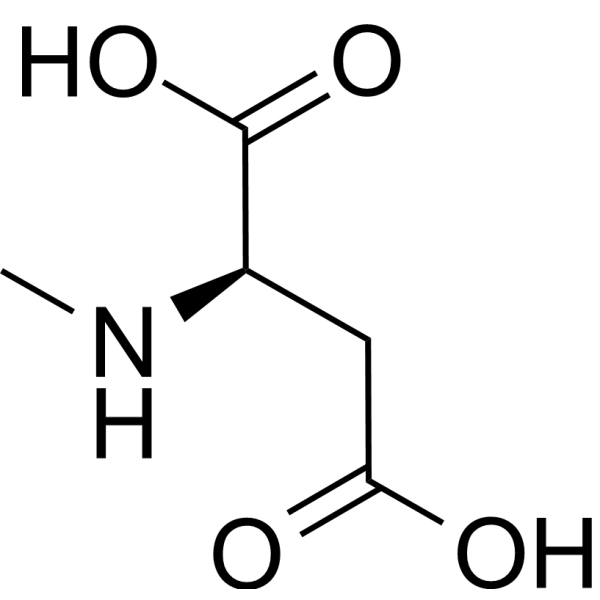
N-Methyl-D-aspartic acid
|
iGluR
Endogenous Metabolite
|
Neurological Disease
|
|
NMDA is a specific agonist for NMDA receptor mimicking the action of glutamate, the neurotransmitter which normally acts at that receptor.
|
-
-
- HY-100806
-
-
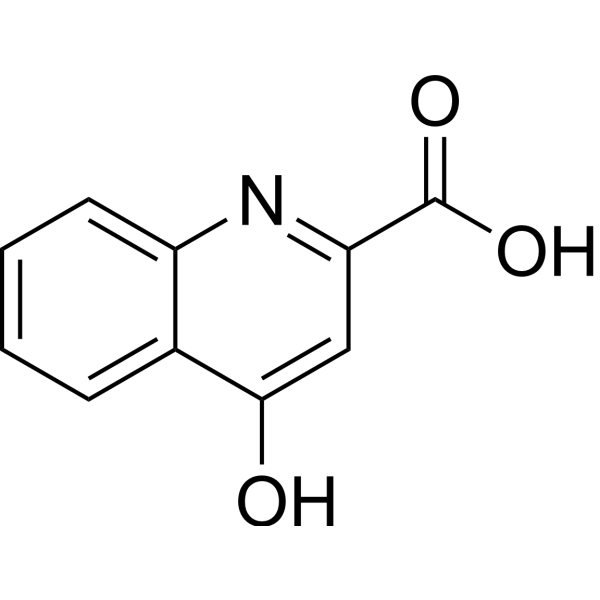
-
- HY-14608A
-
|
|
Environmental Pollutants
iGluR
Apoptosis
Ferroptosis
Endogenous Metabolite
|
Neurological Disease
|
|
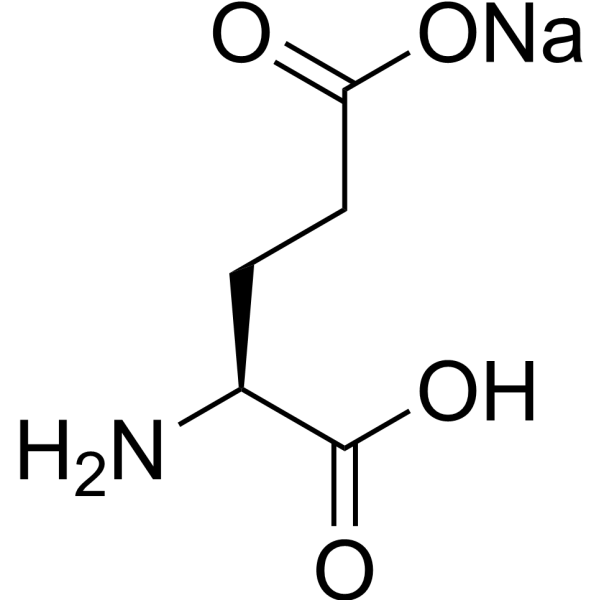
L-Glutamic acid monosodium salt is an excitatory amino acid neurotransmitter that acts as an agonist for all subtypes of glutamate receptors (metabolic rhodophylline, NMDA, and AMPA). L-Glutamic acid monosodium salt has an agonist effect on the release of DA from dopaminergic nerve endings. L-Glutamic acid monosodium salt can be used in the study of neurological diseases. L-Glutamic acid monosodium salt acts at ionotropic and metabotropic glutamate receptors .
|
-
-
- HY-100807
-
-
-
- HY-100808
-
|
(R)-Serine
|
iGluR
Endogenous Metabolite
|
Neurological Disease
|
|
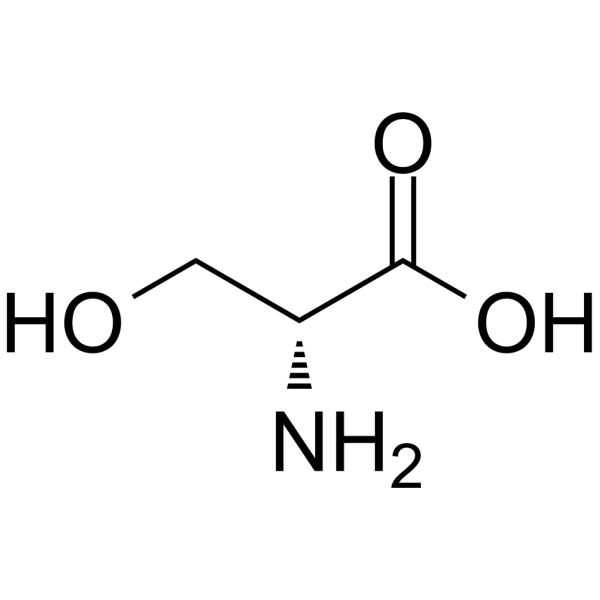
D-Serine ((R)-Serine), an endogenous amino acid involved in glia-synapse interactions that has unique neurotransmitter characteristics, is a potent co-agonist at the NMDA glutamate receptor. D-Serinee has a cardinal modulatory role in major NMDAR-dependent processes including NMDAR-mediated neurotransmission, neurotoxicity, synaptic plasticity, and cell migration .
|
-
-
- HY-15067
-
|
FG 9041
|
iGluR
|
Cancer
|
|
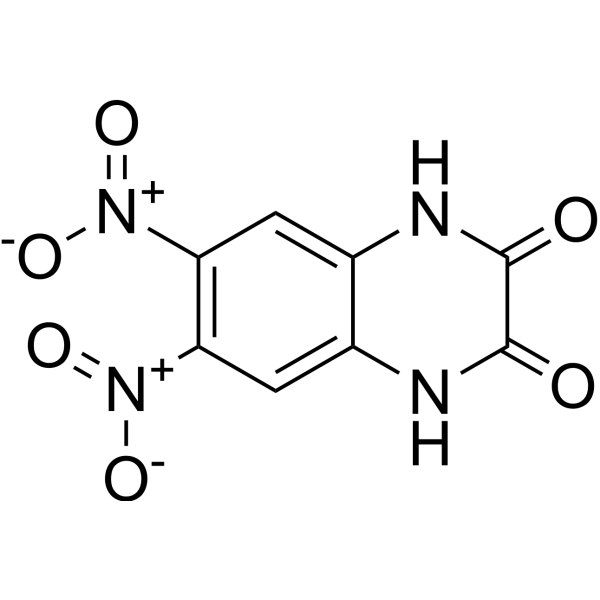
DNQX (FG 9041), a quinoxaline derivative, is a selective, potent competitive non-NMDA glutamate receptor antagonist (IC50s = 0.5, 2 and 40 μM for AMPA, kainate and NMDA receptors, respectively) .
|
-
-
- HY-30004
-
|
|
Environmental Pollutants
Endogenous Metabolite
|
Cardiovascular Disease
Metabolic Disease
|
|
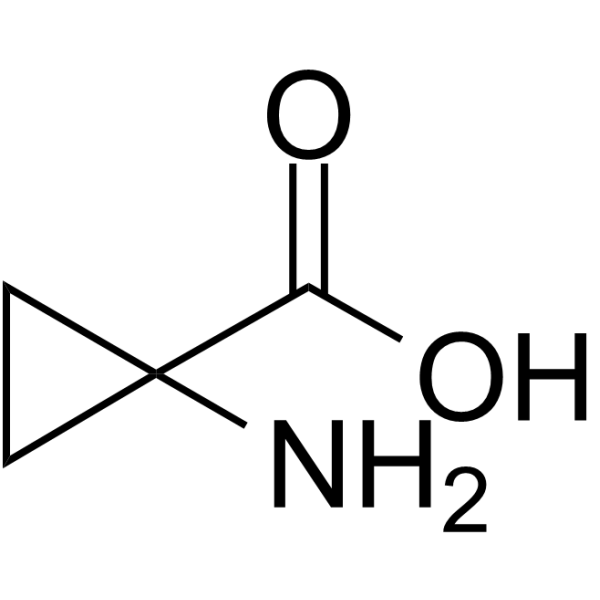
1-Aminocyclopropane-1-carboxylic acid is an endogenous metabolite. In the presence of low concentrations (1 μM) of glutamate, 1-Aminocyclopropane-1-carboxylic acid acts as a small molecule agonist of NMDA receptors with an EC50 of 0.7-0.9 μM. At high concentrations (10 μM) of glutamate, 1-Aminocyclopropane-1-carboxylic acid acts as a competitive antagonist of NMDA receptors with an EC50 of 81.6 nM. 1-Aminocyclopropane-1-carboxylic acid exerts neuroprotective activity by moderately activating NMDA receptors to prevent neuronal cell death in ischemic animal models. Additionally, 1-Aminocyclopropane-1-carboxylic acid is an antagonist of NMDA receptors, inducing blood pressure reduction and antioxidant effects in stroke-prone hypertensive rats. 1-Aminocyclopropane-1-carboxylic acid enhances object recognition memory and cognitive flexibility dependent on the prefrontal cortex, but does not affect impulsivity nor exhibit an antipsychotic-like profile. 1-Aminocyclopropane-1-carboxylic acid shows promise for research in the field of neurotoxicity. .
|
-
-
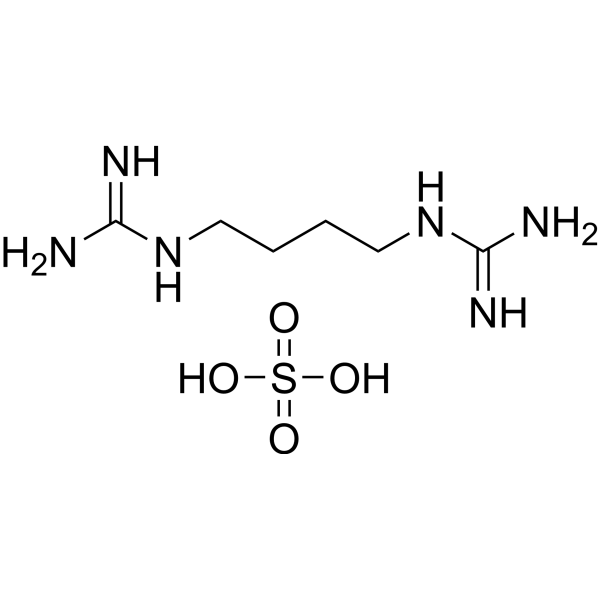
- HY-100806S
-
-
-
- HY-14608S5
-
|
|
Endogenous Metabolite
iGluR
Ferroptosis
Apoptosis
|
Neurological Disease
|
|
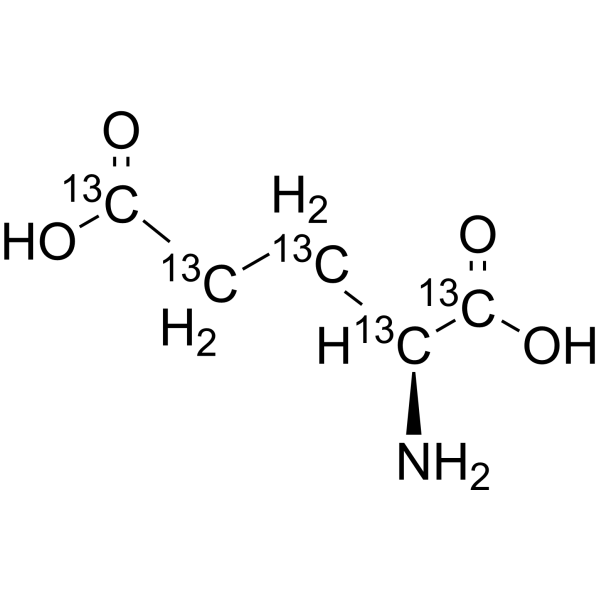
L-Glutamic acid- 13C5 is the 13C-labeled L-Glutamic acid. L-Glutamic acid acts as an excitatory transmitter and an agonist at all subtypes of glutamate receptors (metabotropic, kainate, NMDA, and AMPA). L-Glutamic acid shows a direct activating effect on the release of DA from dopaminergic terminals.
|
-
-
- HY-100815B
-
|
(±)-AMPA
|
iGluR
|
Neurological Disease
|
|
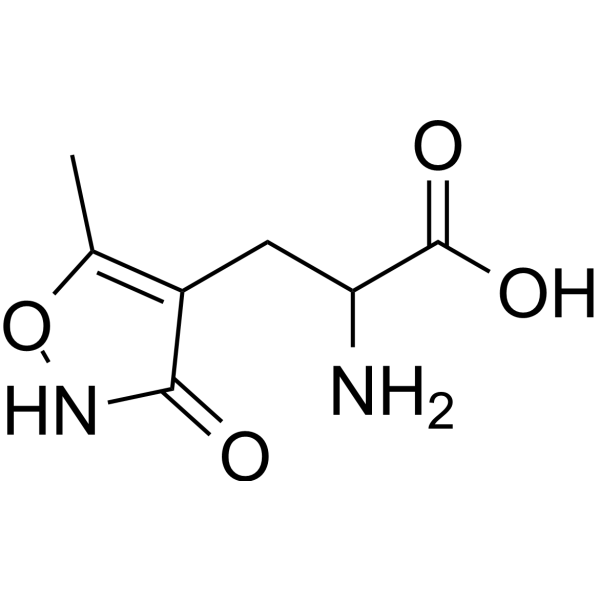
(RS)-AMPA ((±)-AMPA) is a glutamate analogue and a potent and selective excitatory neurotransmitter L-glutamic acid agonist. (RS)-AMPA does not interfere with binding sites for kainic acid or NMDA receptors .
|
-
-
- HY-107512
-
-
-
- HY-Y0966S8
-
|
|
Endogenous Metabolite
iGluR
|
Neurological Disease
|
|
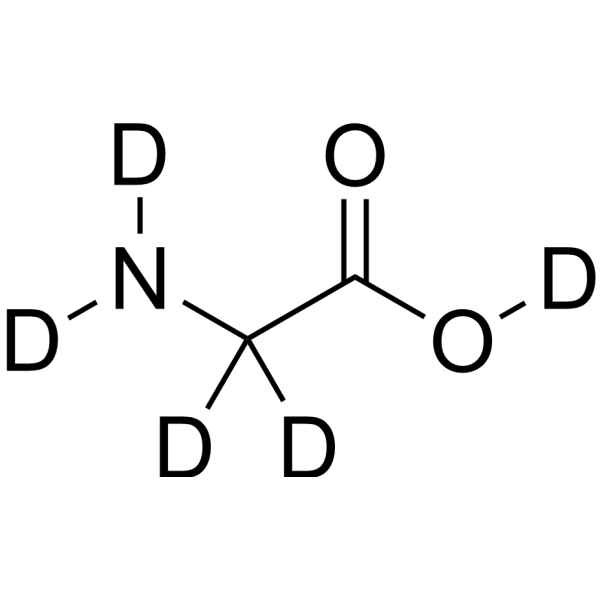
Glycine-d5 is the deuterium labeled Glycine. Glycine is an inhibitory neurotransmitter in the CNS and also acts as a co-agonist along with glutamate, facilitating an excitatory potential at the glutaminergic N-methyl-D-aspartic acid (NMDA) receptors.
|
-
-
- HY-14608S7
-
|
|
Endogenous Metabolite
iGluR
Ferroptosis
Apoptosis
|
Neurological Disease
|
|
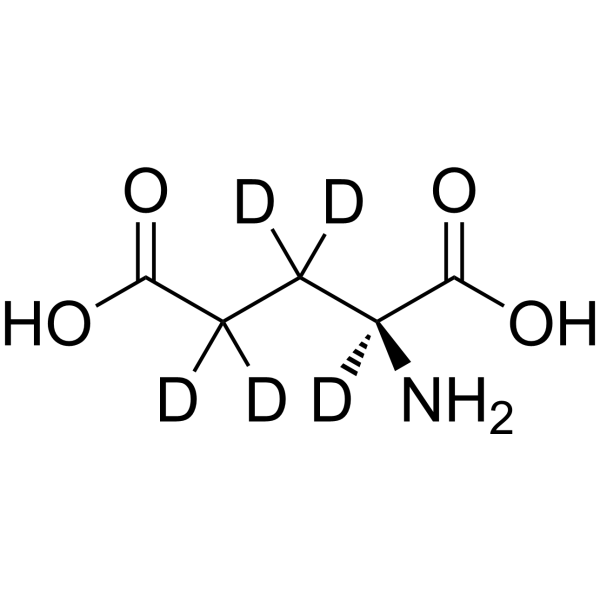
L-Glutamic acid-d5 is the deuterium labeled L-Glutamic acid. L-Glutamic acid acts as an excitatory transmitter and an agonist at all subtypes of glutamate receptors (metabotropic, kainate, NMDA, and AMPA). L-Glutamic acid shows a direct activating effect on the release of DA from dopaminergic terminals.
|
-
-
- HY-Y0966R
-
|
|
Reference Standards
Endogenous Metabolite
iGluR
VEGFR
|
Neurological Disease
|
|
Glycine (Standard) is the analytical standard of Glycine. This product is intended for research and analytical applications. Glycine is an inhibitory neurotransmitter in the CNS and also acts as a co-agonist along with glutamate, facilitating an excitatory potential at the glutaminergic N-methyl-D-aspartic acid (NMDA) receptors. Glycine is orally active. Glycine can be used to study cell protection, cancer, neurological diseases, and angiogenesis .
|
-

-
- HY-100807S
-
-
-
- HY-14608S8
-
|
|
Endogenous Metabolite
iGluR
Ferroptosis
Apoptosis
|
Neurological Disease
|
|
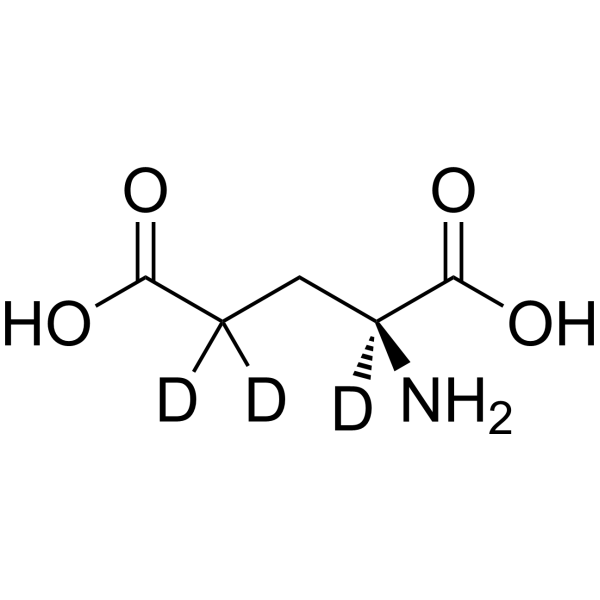
L-Glutamic acid-d3 is the deuterium labeled L-Glutamic acid. L-Glutamic acid acts as an excitatory transmitter and an agonist at all subtypes of glutamate receptors (metabotropic, kainate, NMDA, and AMPA). L-Glutamic acid shows a direct activating effect on the release of DA from dopaminergic terminals.
|
-
-
- HY-14608S3
-
-
-
- HY-17387
-
|
Huperzine A
|
Cholinesterase (ChE)
iGluR
|
Infection
Neurological Disease
Inflammation/Immunology
|
|
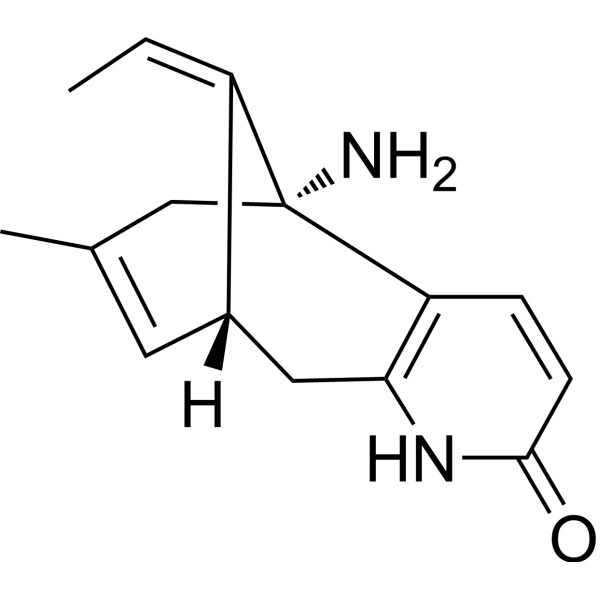
(-)-Huperzine A (Huperzine A) is an alkaloid isolated from Huperzia serrata, with neuroprotective activity. (-)-Huperzine A is a potent, highly specific, reversible and blood-brain barrier penetrant inhibitor of acetylcholinesterase (AChE), with an IC50 of 82 nM. (-)-Huperzine A also is non-competitive antagonist of N-methyl-D-aspartate glutamate (NMDA) receptor. (-)-Huperzine A is developed for the research of neurodegenerative diseases, including Alzheimer’s disease .
|
-
-
- HY-90003
-
|
|
Opioid Receptor
iGluR
MMP
PI3K
Akt
NF-κB
|
Neurological Disease
Inflammation/Immunology
|
|
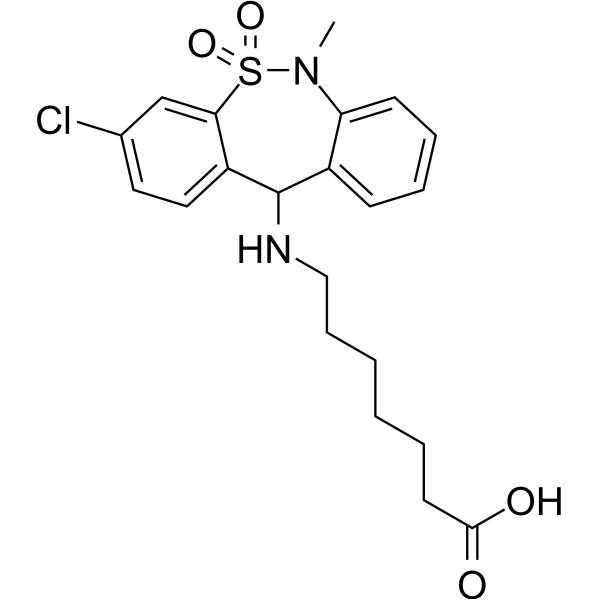
Tianeptine is an atypical antidepressant. Tianeptine is a moderate-intensity agonist of the μ-opioid receptor (MOR), and to a lesser extent, is an agonist of the δ-opioid receptor (DOR). Tianeptine is a glutamate modulator that can enhance AMPA receptor and antagonize NMDA receptor. tianeptine increases sensitivity of the α1 adrenergic receptor, which only manifests in chronic treatment. Tianeptine exerts neuroprotective effects under stress/inflammation-induced conditions, exhibiting anti-inflammatory and antioxidant properties. Tianeptine inhibits MMP-9 by suppressing the PI3K/Akt-mediated NF-κB pathway. Tianeptine can be used to alleviate symptoms of depression and anxiety, but does not cause sedative effects .
|
-
-
- HY-106467B
-
|
|
iGluR
|
Neurological Disease
|
|
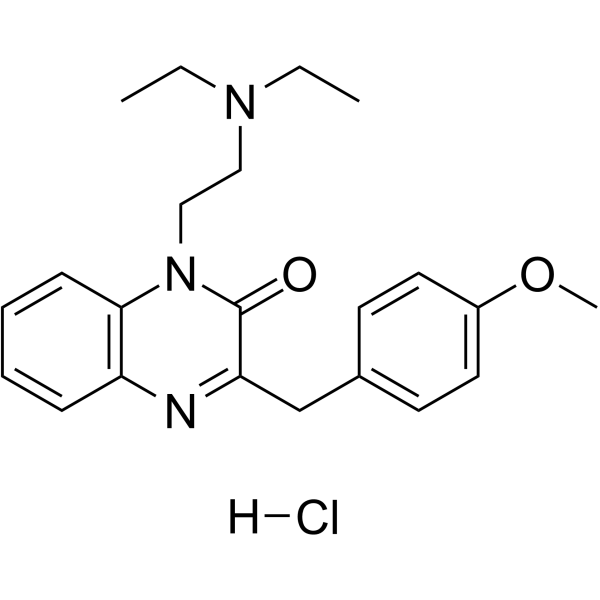
Caroverine hydrochloride is a potent, competitive and reversible antagonist of NMDA and AMPA glutamate receptor. Caroverine hydrochloride is also an antioxidant and calcium-blocking agent that exhibits vasorelaxant action. Caroverine hydrochloride can be used for the research of inner ear tinnitus .
|
-
-
- HY-Y0966S3
-
-
-
- HY-100811
-
|
7-CKA
|
iGluR
|
Neurological Disease
|
|
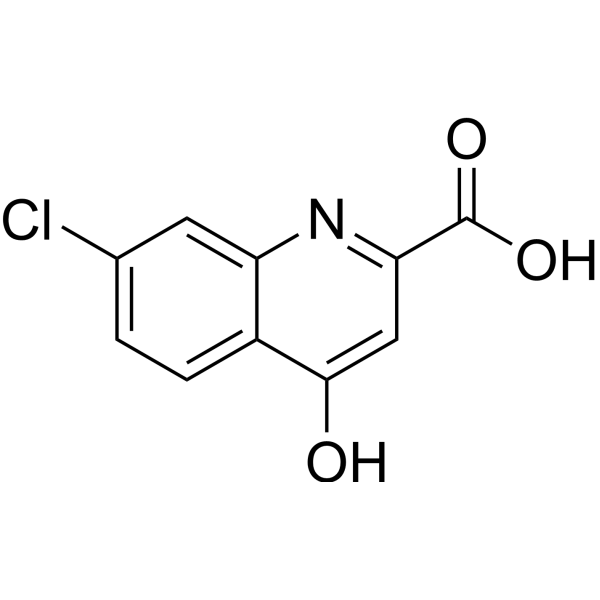
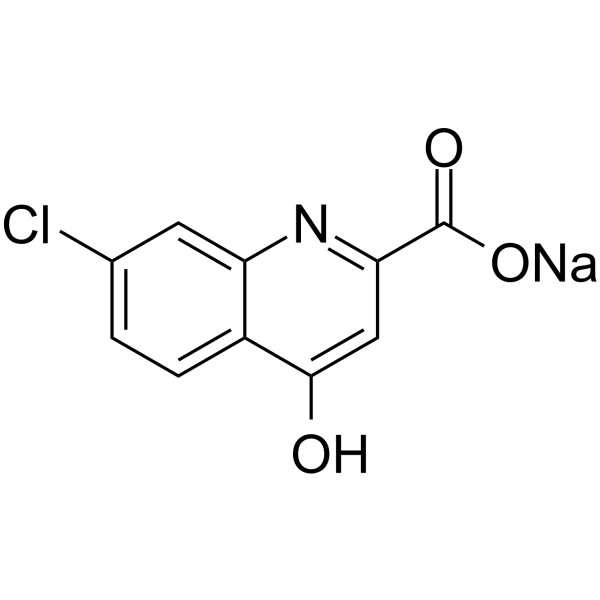
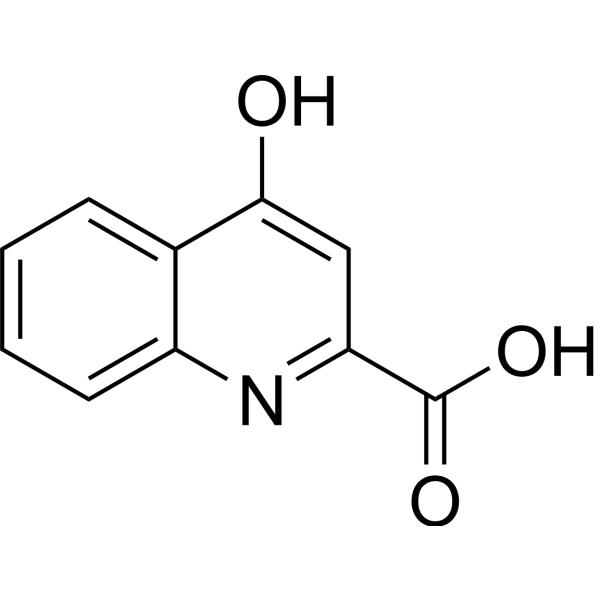
7-Chlorokynurenic acid (7-CKA) is a potent and selective antagonist of the glycine B coagonist site of the N-methyl-D-aspartate (NMDA) receptor (IC50=0.56 μM). 7-Chlorokynurenic acid is also a potent inhibitor of the reuptake of glutamate into synaptic vesicles with a Ki of 0.59 μM. 7-Chlorokynurenic acid has potent antinociceptive actions after neuraxial delivery .
|
-
-
- HY-100811A
-
|
7-CKA sodium salt
|
iGluR
|
Neurological Disease
|
|
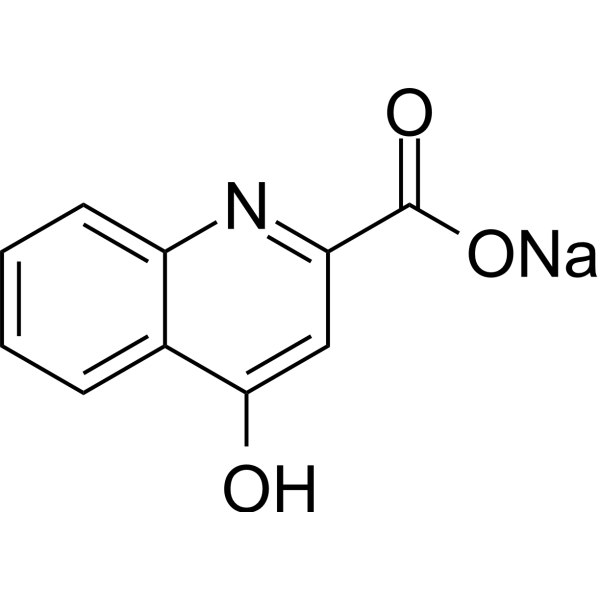
7-Chlorokynurenic acid sodium salt (7-CKA sodium salt) is a potent and selective antagonist of the glycine B coagonist site of the N-methyl-D-aspartate (NMDA) receptor (IC50=0.56 μM). 7-Chlorokynurenic acid sodium salt is also a potent inhibitor of the reuptake of glutamate into synaptic vesicles with a Ki of 0.59 μM. 7-Chlorokynurenic acid sodium salt has potent antinociceptive actions after neuraxial delivery .
|
-
-
- HY-Y0966S1
-
-
-
- HY-W419700
-
|
|
Endogenous Metabolite
iGluR
Ferroptosis
Apoptosis
|
Neurological Disease
|
|
L-Glutamic acid ammonium is an excitatory amino acid neurotransmitter that acts as an agonist for all subtypes of glutamate receptors (metabolic rhodophylline, NMDA, and AMPA). L-Glutamic acid ammonium has an agonist effect on the release of DA from dopaminergic nerve endings. L-Glutamic acid can be used in the study of neurological diseases. L-Glutamic acid ammonium acts at ionotropic and?metabotropic glutamate receptors .
|
-

-
- HY-Y0966S
-
|
|
Endogenous Metabolite
iGluR
|
Neurological Disease
|
|
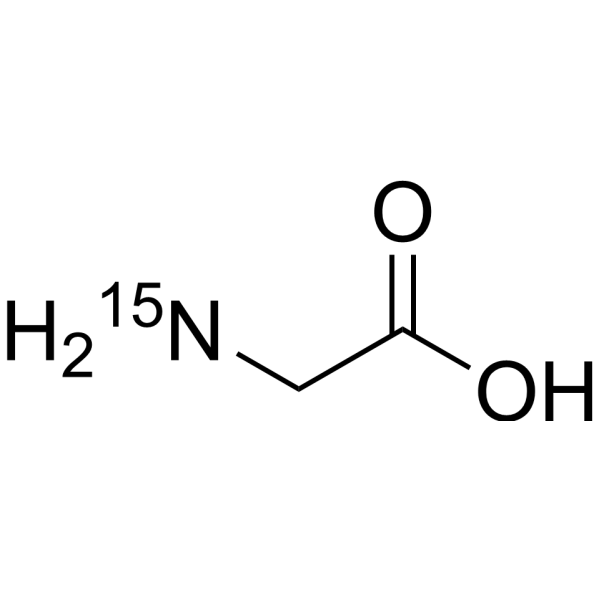
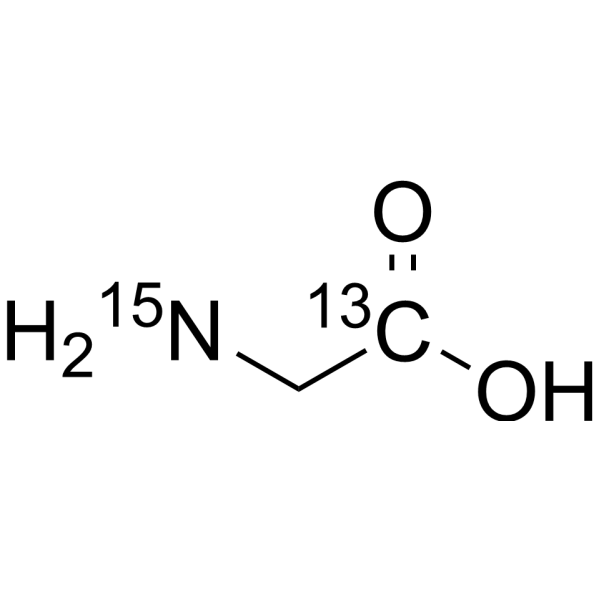
Glycine- 15N is the 15N-labeled Glycine. Glycine is an inhibitory neurotransmitter in the CNS and also acts as a co-agonist along with glutamate, facilitating an excitatory potential at the glutaminergic N-methyl-D-aspartic acid (NMDA) receptors .
|
-
-
- HY-100807R
-
-
-
- HY-100806R
-
-
-
- HY-17388
-
|
|
Drug Isomer
Cholinesterase (ChE)
iGluR
|
Neurological Disease
|
|
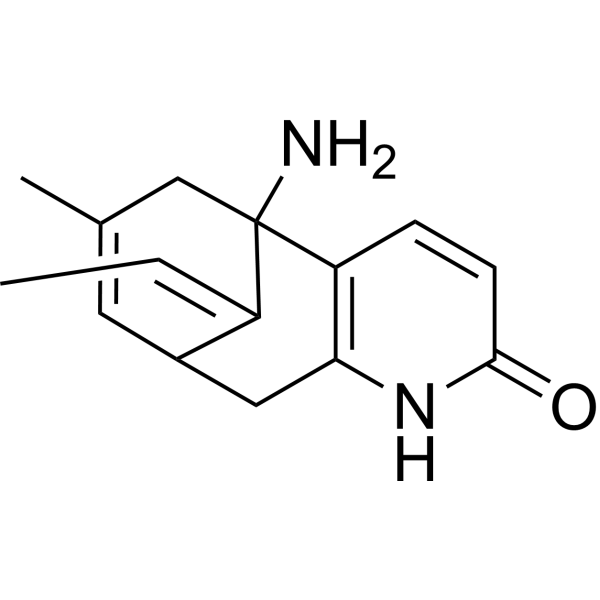
(±)-Huperzine A is the racemate of (-)-Huperzine A (HY-17387). (-)-Huperzine A is an alkaloid isolated from Huperzia serrata, with neuroprotective activity. (-)-Huperzine A is a potent, highly specific, reversible and blood-brain barrier penetrant inhibitor of acetylcholinesterase (AChE), with an IC50 of 82 nM. (-)-Huperzine A also is non-competitive antagonist of N-methyl-D-aspartate glutamate (NMDA) receptor. (-)-Huperzine A is developed for the research of neurodegenerative diseases, including Alzheimer’s disease .
|
-
-
- HY-W016145
-
|
|
Endogenous Metabolite
iGluR
Ferroptosis
Apoptosis
|
Neurological Disease
Metabolic Disease
Inflammation/Immunology
Cancer
|
|
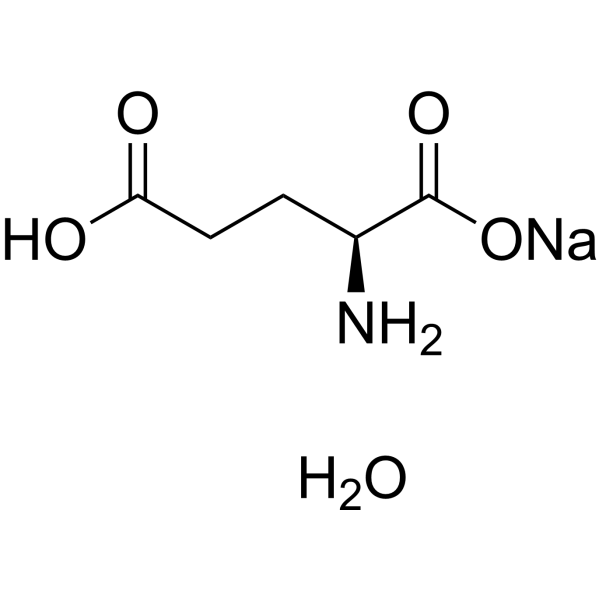
L-Glutamic acid monosodium hydrate is an excitatory amino acid neurotransmitter that acts as an agonist for all subtypes of glutamate receptors (metabolic rhodophylline, NMDA, and AMPA). L-Glutamic acid monosodium hydrate has an agonist effect on the release of DA from dopaminergic nerve endings. L-Glutamic acid monosodium hydrate can be used in the study of neurological diseases. L-Glutamic acid monosodium hydrate acts at ionotropic and?metabotropic glutamate receptors .
|
-
-
- HY-Y0966S6
-
|
|
Endogenous Metabolite
iGluR
|
Neurological Disease
|
|
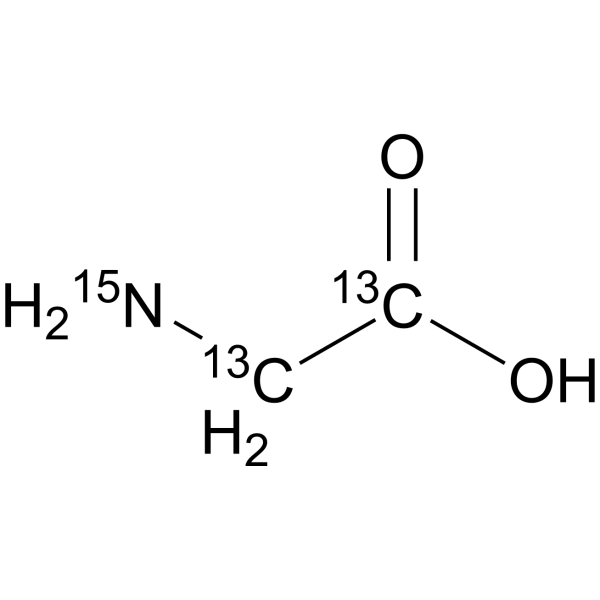
Glycine- 13C2, 15N is the 13C- and 15N-labeled Glycine. Glycine is an inhibitory neurotransmitter in the CNS and also acts as a co-agonist along with glutamate, facilitating an excitatory potential at the glutaminergic N-methyl-D-aspartic acid (NMDA) receptors.
|
-
-
- HY-14608S
-
|
|
Endogenous Metabolite
iGluR
Ferroptosis
Apoptosis
|
Neurological Disease
|
|
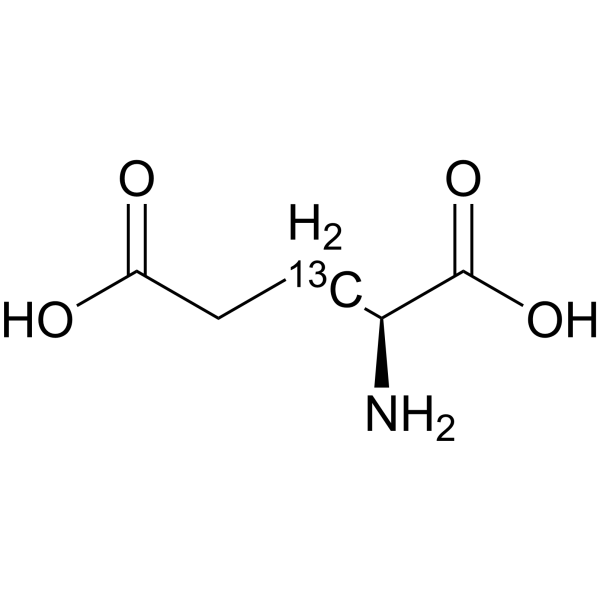
L-Glutamic acid- 13C is the 13C-labeled L-Glutamic acid. L-Glutamic acid acts as an excitatory transmitter and an agonist at all subtypes of glutamate receptors (metabotropic, kainate, NMDA, and AMPA). L-Glutamic acid shows a direct activating effect on the release of DA from dopaminergic terminals.
|
-
-
- HY-111973
-
|
|
Phytohormone
iGluR
|
Neurological Disease
|
|
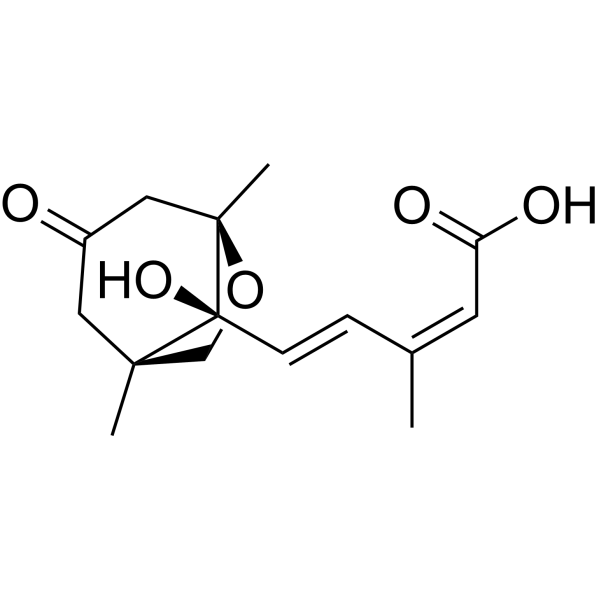
Phaseic acid is a Abscisic acid terpenoid catabolite that can able to activate a subset of Abscisic acid repectors. Phaseic acid is a plant hormone associated with photosynthesis arrest and abscission. Phaseic acid is the antagonist for NMDA-type glutamate receptor (NMDAR) that inhibits NMDAR currents with an IC50 of 34.37 μM. Phaseic acid reduces intracellular calcium influx, and exhibits neuroprotective effect .
|
-
-
- HY-117483
-
|
|
iGluR
|
Neurological Disease
|
|
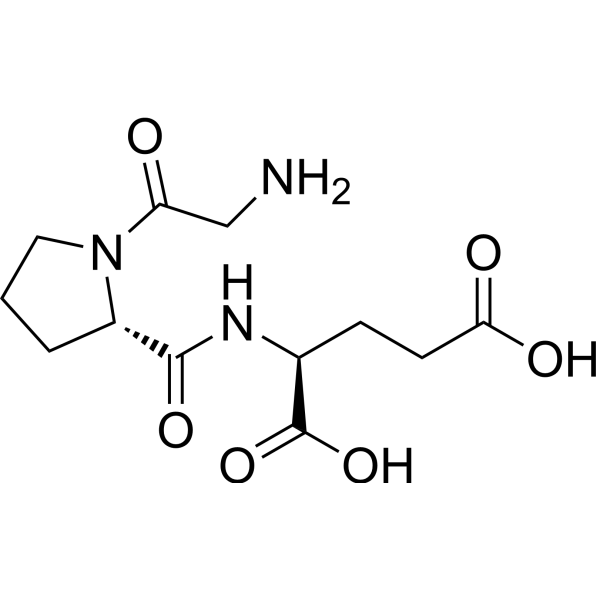
Gly-Pro-Glu is a neuroactive peptide with a potent action on acetylcholine release. Gly-Pro-Glu is the N-terminal tripeptide of insulin-like growth factor-I. Gly-Pro-Glu inhibits glutamate binds to N-methyl-D-aspartate (NMDA) receptor with an IC50 value of 14.7 μM. Gly-Pro-Glu can be used for the research of neuroprotection .
|
-
-
- HY-107520
-
|
|
Drug Derivative
|
Neurological Disease
|
|
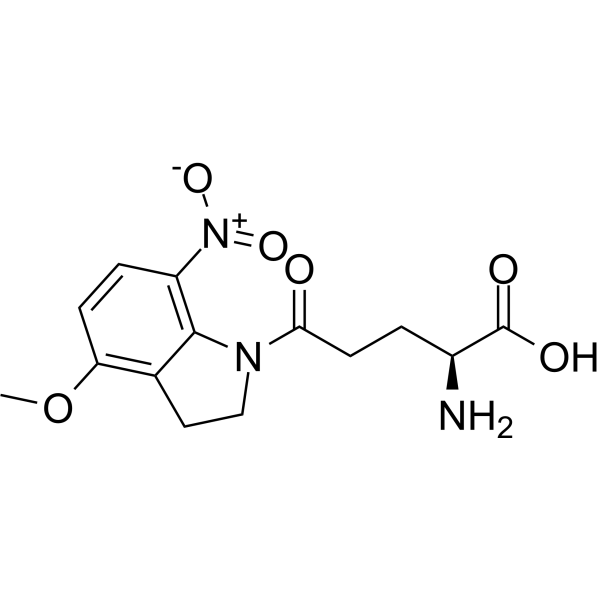
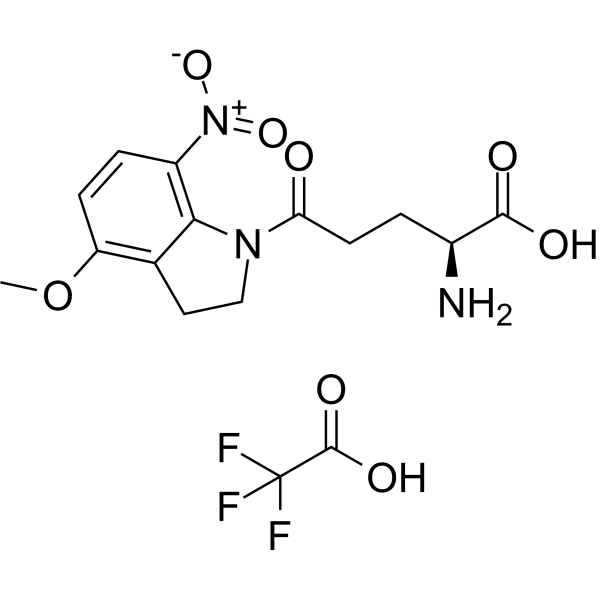
MNI-caged-L-glutamate is an inert photolabile glutamate precursor. MNI-caged-L-glutamate does not modulate NMDA and AMPA receptor function in cultured neurones. MNI-caged-L-glutamate can be used for research on neurotransmitters .
|
-
-
- HY-103230
-
-
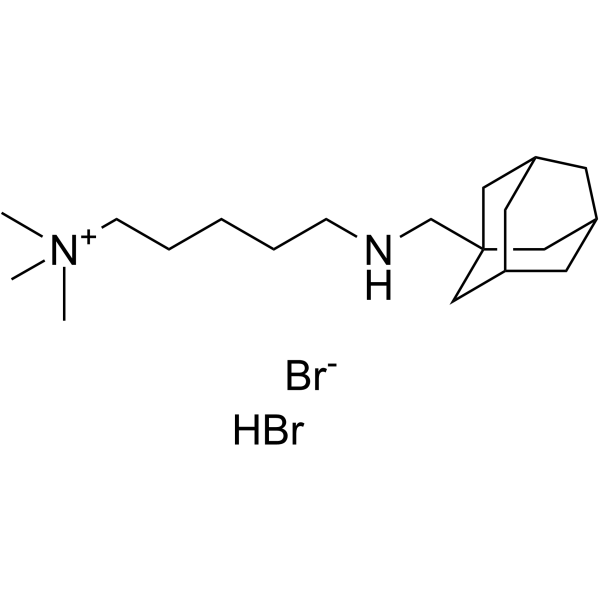
-
- HY-W017500
-
|
|
iGluR
|
Neurological Disease
|
|
N-Methyl-DL-aspartic acid is a glutamate analogue and a NMDA receptor agonist and can be used for neurological diseases research .
|
-
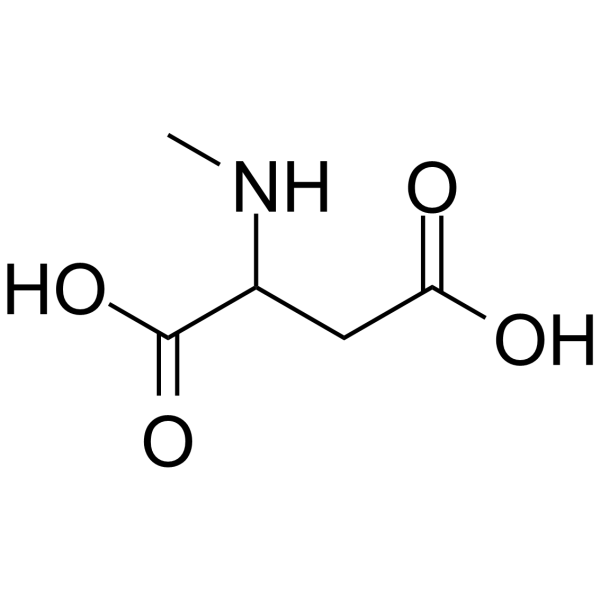
-
- HY-Y0966S10
-
|
|
Isotope-Labeled Compounds
Endogenous Metabolite
iGluR
|
Cancer
|
|
Glycine-d3 is the deuterium labeled Glycine. Glycine is an inhibitory neurotransmitter in the CNS and also acts as a co-agonist along with glutamate, facilitating an excitatory potential at the glutaminergic N-methyl-D-aspartic acid (NMDA) receptors.
|
-
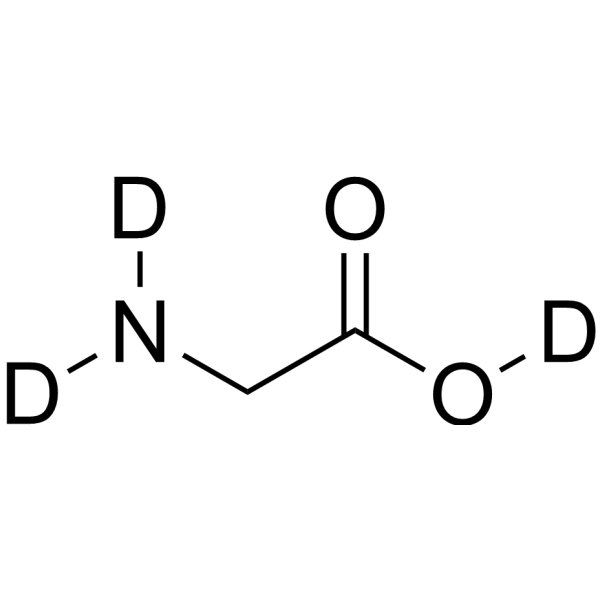
-
- HY-Y0966S2
-
|
|
Endogenous Metabolite
iGluR
|
Neurological Disease
|
|
Glycine-2- 13C is the 13C-labeled Glycine. Glycine is an inhibitory neurotransmitter in the CNS and also acts as a co-agonist along with glutamate, facilitating an excitatory potential at the glutaminergic N-methyl-D-aspartic acid (NMDA) receptors.
|
-
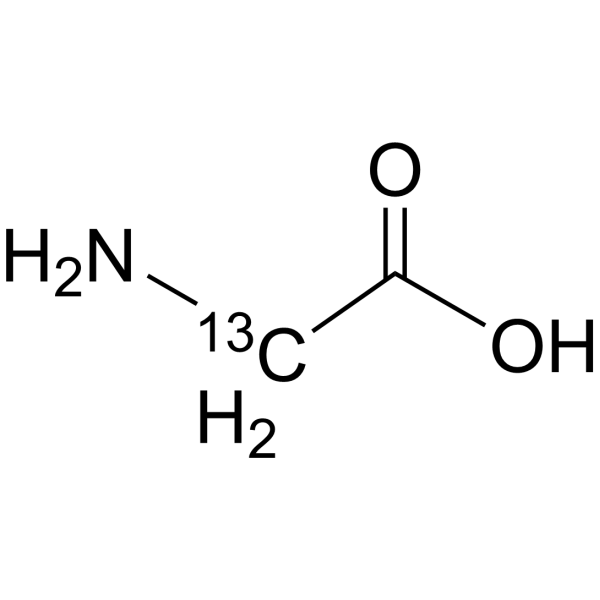
-
- HY-Y0966S4
-
|
|
Endogenous Metabolite
iGluR
|
Neurological Disease
|
|
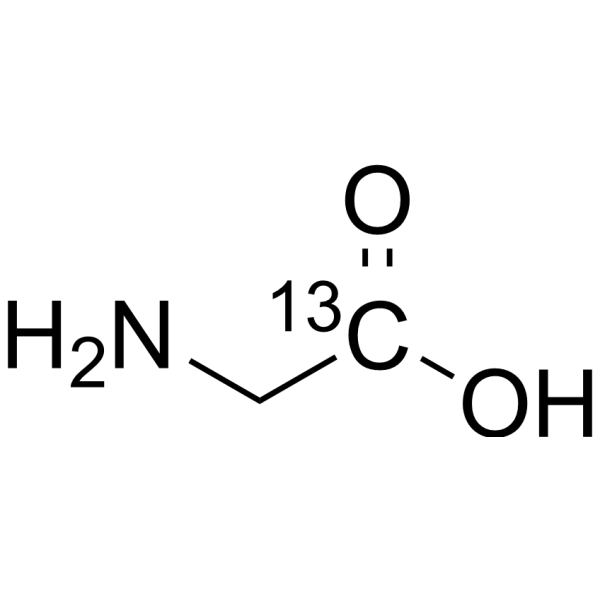
Glycine-1- 13C is the 13C-labeled Glycine. Glycine is an inhibitory neurotransmitter in the CNS and also acts as a co-agonist along with glutamate, facilitating an excitatory potential at the glutaminergic N-methyl-D-aspartic acid (NMDA) receptors.
|
-
-
- HY-14608S2
-
|
|
Endogenous Metabolite
iGluR
Ferroptosis
Apoptosis
|
Neurological Disease
|
|
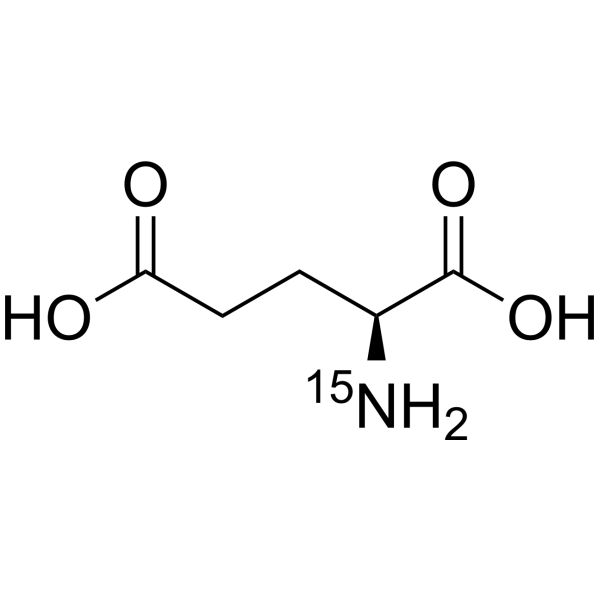
L-Glutamic acid- 15N is the 15N-labeled L-Glutamic acid. L-Glutamic acid acts as an excitatory transmitter and an agonist at all subtypes of glutamate receptors (metabotropic, kainate, NMDA, and AMPA). L-Glutamic acid shows a direct activating effect on the release of DA from dopaminergic terminals .
|
-
-
- HY-14608S1
-
|
|
Endogenous Metabolite
iGluR
Ferroptosis
Apoptosis
|
Neurological Disease
|
|
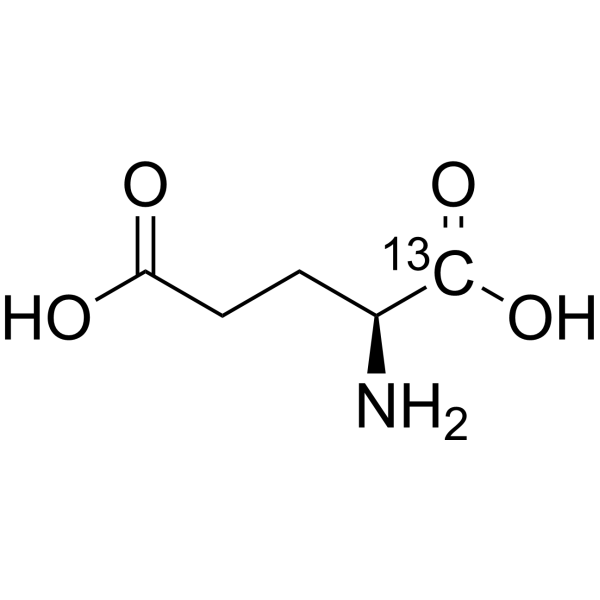
L-Glutamic acid-1- 13C is the 13C-labeled L-Glutamic acid. L-Glutamic acid acts as an excitatory transmitter and an agonist at all subtypes of glutamate receptors (metabotropic, kainate, NMDA, and AMPA). L-Glutamic acid shows a direct activating effect on the release of DA from dopaminergic terminals.
|
-
-
- HY-100807S2
-
-
-
- HY-103233
-
|
FG 9041 disodium salt
|
iGluR
|
Cancer
|
|
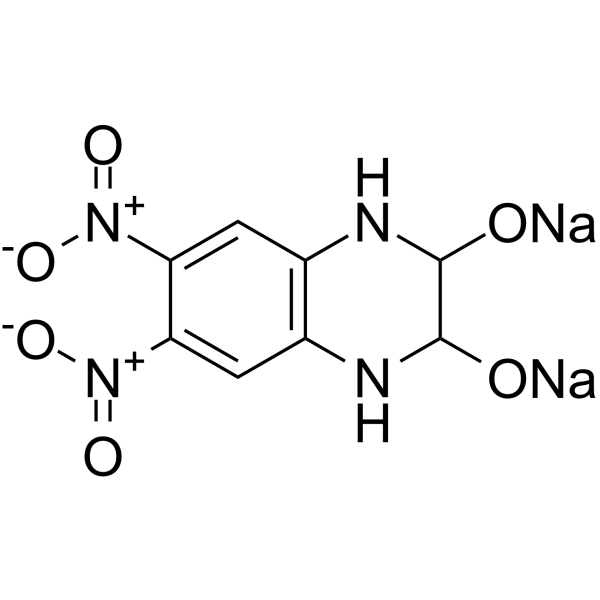
DNQX (FG 9041) disodium salt, a quinoxaline derivative, is a selective, potent competitive non-NMDA glutamate receptor antagonist (IC50s = 0.5, 2 and 40 μM for AMPA, kainate and NMDA receptors, respectively) .
|
-
-
- HY-Y0966S7
-
-
-
- HY-14608S6
-
-
-
- HY-30004R
-
|
|
Reference Standards
Endogenous Metabolite
|
Cardiovascular Disease
Metabolic Disease
|
|
1-Aminocyclopropane-1-carboxylic acid (Standard) is the analytical standard of 1-Aminocyclopropane-1-carboxylic acid. This product is intended for research and analytical applications. 1-Aminocyclopropane-1-carboxylic acid is an endogenous metabolite. In the presence of low concentrations (1 μM) of glutamate, 1-Aminocyclopropane-1-carboxylic acid acts as a small molecule agonist of NMDA receptors with an EC50 of 0.7-0.9 μM. At high concentrations (10 μM) of glutamate, 1-Aminocyclopropane-1-carboxylic acid acts as a competitive antagonist of NMDA receptors with an EC50 of 81.6 nM. 1-Aminocyclopropane-1-carboxylic acid exerts neuroprotective activity by moderately activating NMDA receptors to prevent neuronal cell death in ischemic animal models. Additionally, 1-Aminocyclopropane-1-carboxylic acid is an antagonist of NMDA receptors, inducing blood pressure reduction and antioxidant effects in stroke-prone hypertensive rats. 1-Aminocyclopropane-1-carboxylic acid enhances object recognition memory and cognitive flexibility dependent on the prefrontal cortex, but does not affect impulsivity nor exhibit an antipsychotic-like profile. 1-Aminocyclopropane-1-carboxylic acid shows promise for research in the field of neurotoxicity. .
|
-

- HY-16713A
-
|
(5S)-Fluorowillardiine hydrochloride; (S)-5-Fluorowillardiine hydrochloride
|
iGluR
|
Neurological Disease
|
|
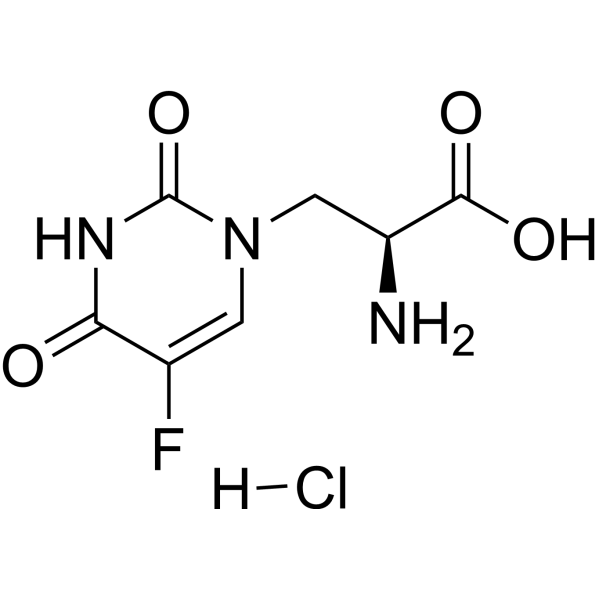
(S)-(-)-5-Fluorowillardiine ((5S)-Fluorowillardiine; (S)-5-Fluorowillardiine) hydrochloride is a potent, highly selective non-NMDA ionotropic glutamate receptor (iGluR, AMPA/Kainate receptor) agonist . (S)-(-)-5-Fluorowillardiine hydrochloride activates high-affinity AMPA-preferring receptors (EC50 = 0.70 μM) and low-affinity kainate-preferring receptors (EC50 = 170 μM), thereby inducing biphasic dose-dependent neurotoxicity/excitotoxicity. (S)-(-)-5-Fluorowillardiine hydrochloride is applicable to research related to schizophrenia, temporal lobe epilepsy, and bipolar disorder .
|
-
- HY-100808S
-
|
(R)-Serine-d3
|
Isotope-Labeled Compounds
Endogenous Metabolite
iGluR
|
Neurological Disease
|
|
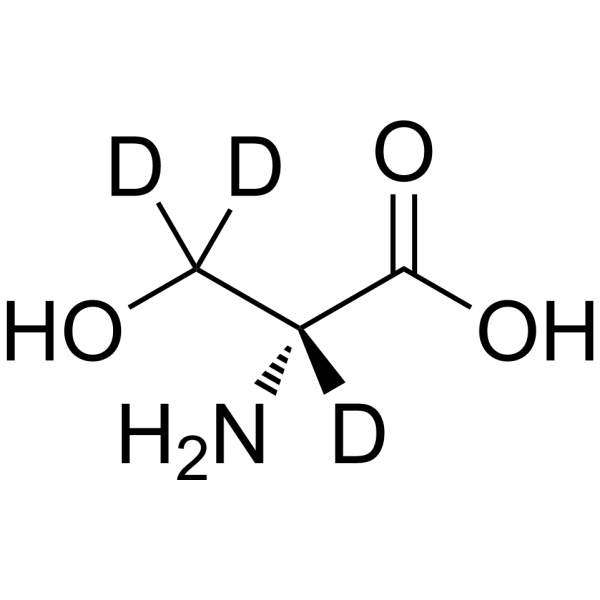
D-Serine-d3 ((R)-Serine-d3) is a deuterium labeled D-Serine (HY-100808). D-Serine ((R)-Serine), an endogenous amino acid involved in glia-synapse interactions that has unique neurotransmitter characteristics, is a potent co-agonist at the NMDA glutamate receptor. D-Serinee has a cardinal modulatory role in major NMDAR-dependent processes including NMDAR-mediated neurotransmission, neurotoxicity, synaptic plasticity, and cell migration .
|
-
- HY-110152
-
|
|
mGluR
|
Neurological Disease
|
|
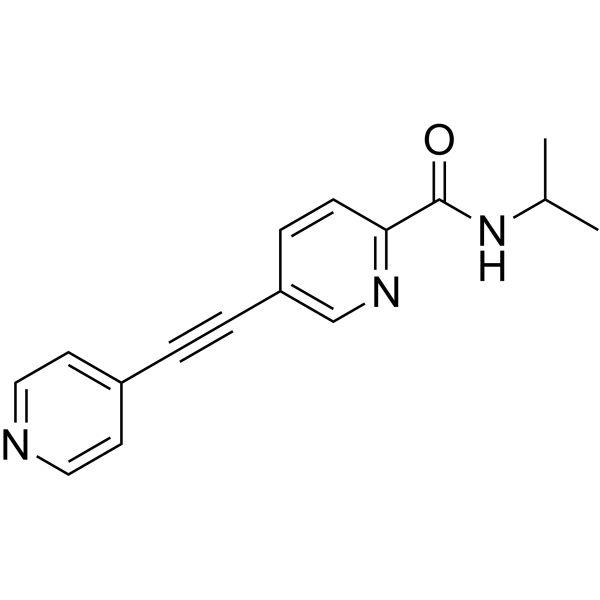
LSN2463359 is positive allosteric modulator of metabotropic glutamate 5 (mGlu5). LSN2463359 attenuates aspects of the behavioral response to administration of the competitive NMDA receptor antagonist. LSN2463359 selectively attenuates reversal learning deficits observed in the neurodevelopmental MAM E17 model . LSN2463359 is a click chemistry reagent, it contains an Alkyne group and can undergo copper-catalyzed azide-alkyne cycloaddition (CuAAc) with molecules containing Azide groups.
|
-
- HY-19168
-
|
EAA-090
|
iGluR
|
Neurological Disease
|
|
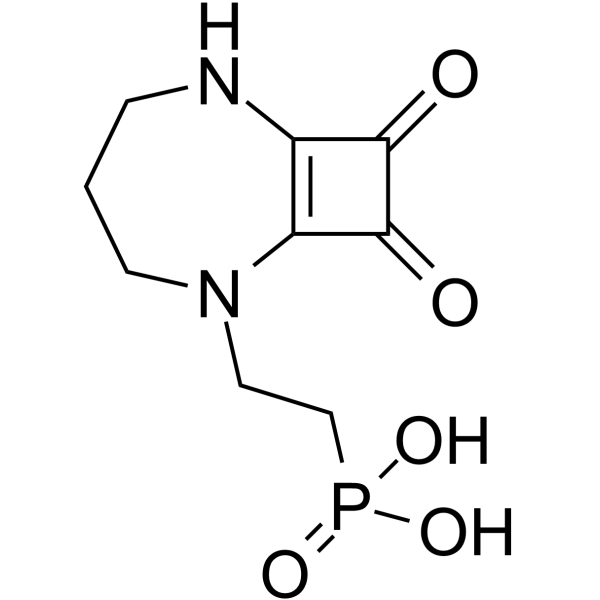
Perzinfotel (EAA-090) is a potent, selective, and competitive NMDA receptor antagonist with neuroprotective effects. Perzinfotel (EAA-090) shows high affinity (IC50=30 nM) for the glutamate site .
|
-
- HY-100807S1
-
-
- HY-14608S4
-
-
- HY-101809A
-
|
|
iGluR
|
Cardiovascular Disease
|
|
CNS-5161 is a novel NMDA ion-channel antagonist that interacts with the NMDA receptor/ion channel site to produce a noncompetitive blockade of the actions of glutamate.
|
-
- HY-106969A
-
|
|
Glycine Receptor (GlyR)
iGluR
|
Cardiovascular Disease
Neurological Disease
|
|
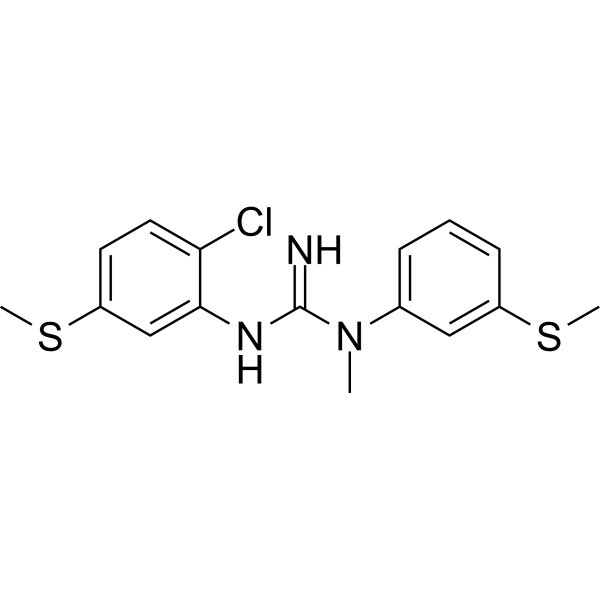
ZD 9379 sodium is a competitive glycine/NMDA receptor antagonist, with an IC50 value of 75 nM (glutamate site). ZD 9379 sodium selectively antagonizes the glycine binding site (GlyB site) on the NMDA receptor, inhibiting the binding of glycine to the NMDA receptor and alleviating excitotoxicity. ZD 9379 sodium reduces the frequency of cortical spreading depression (SDs), alleviates energy depletion in the ischemic penumbra, and delays the expansion of infarction. ZD 9379 sodium reduces the infarct volume and improves neurological function in mouse models. ZD 9379 sodium can be used in studies of acute ischemic stroke, etc .
|
-

- HY-14608S10
-
|
|
Apoptosis
iGluR
Ferroptosis
Endogenous Metabolite
|
Neurological Disease
|
|
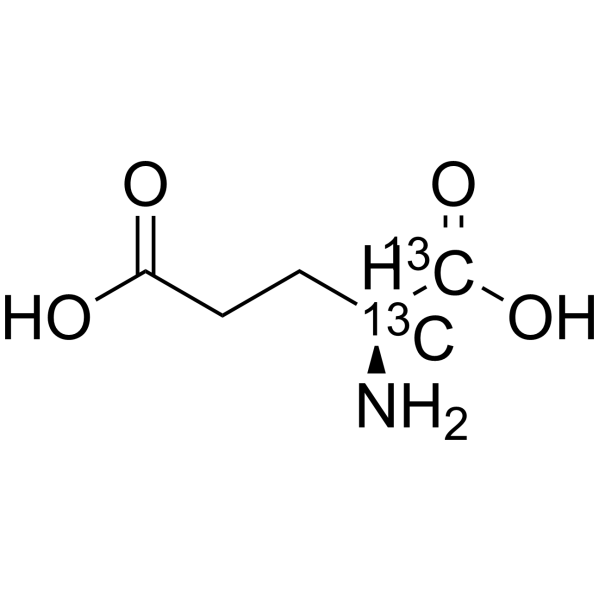
L-Glutamic acid- 13C2 is the 13C labeled L-Glutamic acid . L-Glutamic acid acts as an excitatory transmitter and an agonist at all subtypes of glutamate receptors (metabotropic, kainate, NMDA, and AMPA). L-Glutamic acid shows a direct activating effect on the release of DA from dopaminergic terminals .
|
-
- HY-120970
-
|
|
Cholinesterase (ChE)
GABA Receptor
iGluR
|
Neurological Disease
|
|
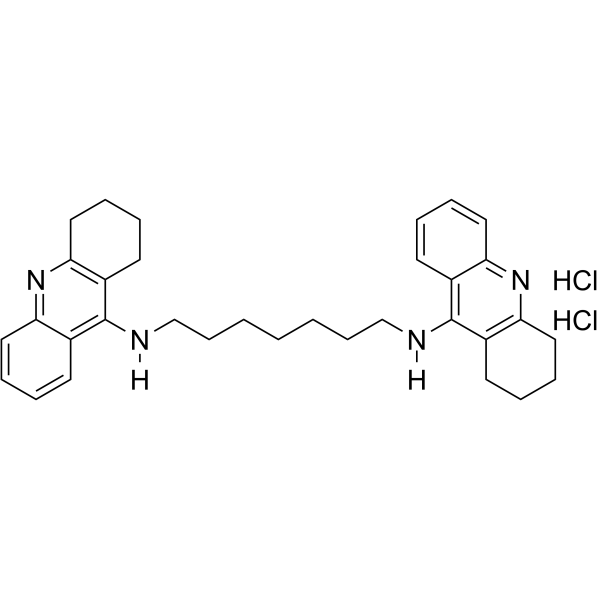
Bis(7)-tacrine dihydrochloride is a dimeric AChE inhibitor derived from tacrine. Bis(7)-tacrine dihydrochloride prevents glutamate-induced neuronal apoptosis by blocking NMDA receptors. Bis(7)-tacrine dihydrochloride is a potent GABAAreceptor antagonist. Bis(7)-tacrine dihydrochloride has the potential for the research of Alzheimer's disease .
|
-
- HY-100920
-
-
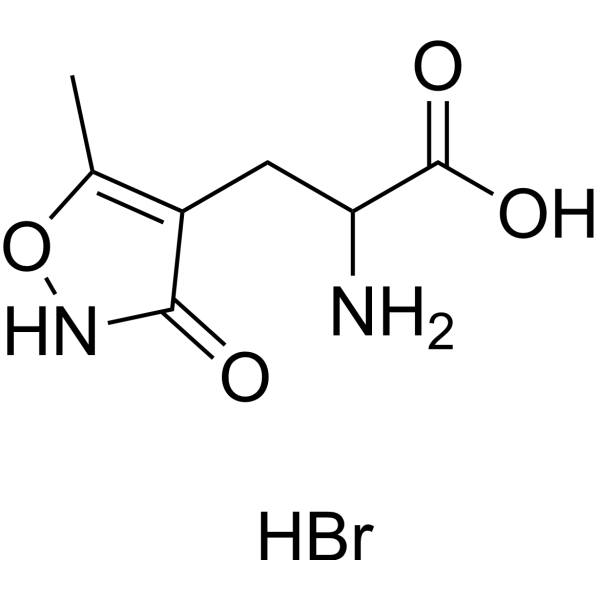
- HY-100815C
-
|
(±)-AMPA hydrobromide
|
iGluR
|
Neurological Disease
|
|
(RS)-AMPA ((±)-AMPA) hydrobromide is a glutamate analogue and a potent and selective excitatory neurotransmitter L-glutamic acid agonist. (RS)-AMPA hydrobromide does not interfere with binding sites for kainic acid or NMDA receptors .
|
-
- HY-14608AR
-
|
|
Reference Standards
iGluR
Apoptosis
Ferroptosis
Endogenous Metabolite
|
Neurological Disease
|
|
L-Glutamic acid (monosodium salt) (Standard) is the analytical standard of L-Glutamic acid (monosodium salt). This product is intended for research and analytical applications. L-Glutamic acid monosodium salt is an excitatory amino acid neurotransmitter that acts as an agonist for all subtypes of glutamate receptors (metabolic rhodophylline, NMDA, and AMPA). L-Glutamic acid monosodium salt has an agonist effect on the release of DA from dopaminergic nerve endings. L-Glutamic acid monosodium salt can be used in the study of neurological diseases .
|
-

- HY-117734
-
|
|
iGluR
|
Neurological Disease
|
|
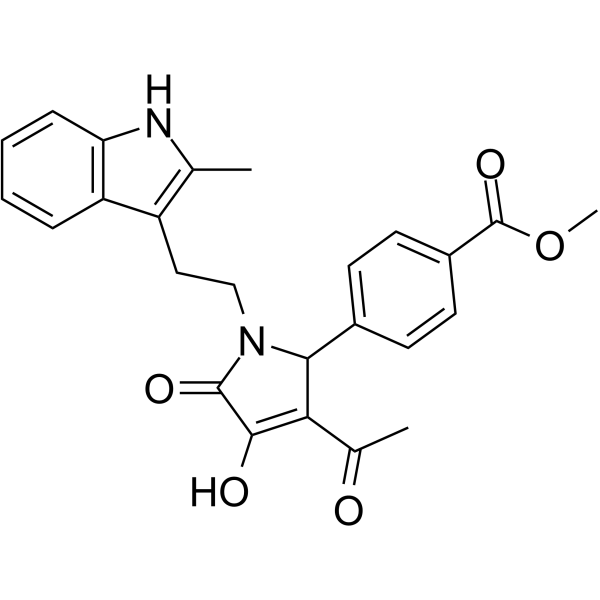
PYD-106 is a stereoselective pyrrolidinone (PYD) positive allosteric modulator for GluN2C-containing NMDA receptors. PYD-106 increases opening frequency and open time of single channel currents activated by maximally effective concentrations of agonist but only has modest effects on glutamate and glycine EC50. PYD-106 selectively enhances the responses of diheteromeric GluN1/GluN2C receptors but not triheteromeric GluN1/GluN2A/GluN2C receptors .
|
-
- HY-120155
-
|
|
Sigma Receptor
iGluR
|
Neurological Disease
|
|
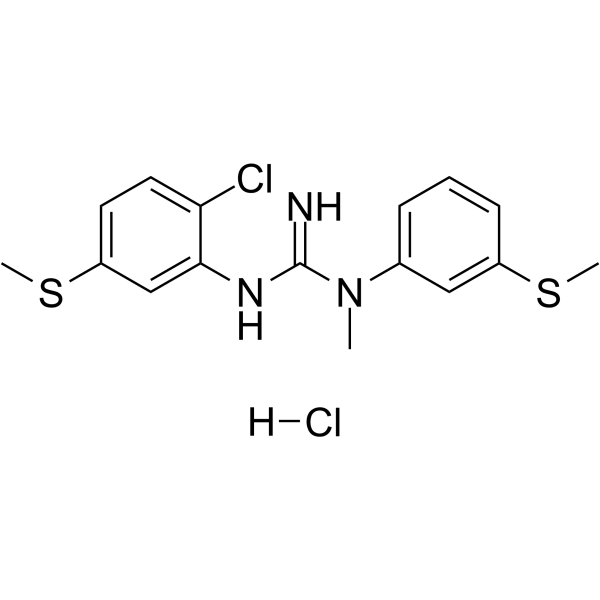
MS-377 is a selective and orally active sigma-1 receptor ligand (Ki=73 nM) with weak affinity for sigma-2 receptor (Ki=6900 nM) and no affinity for any other receptors including dopamine, serotonin, PCP site, glutamate, γ-aminobutylic acid, adenosine, adrenergic receptors, etc. (Ki: >10 μM). MS-377 indirectly modulates the NMDA receptor ion-channel complex. MS-377 is a antipsychotic agent. MS-377 inhibits PCP-induced behaviors by inhibition of the increase in dopamine and serotonin release in the rat medial prefrontal cortex. MS-377 can be used for research of schizophrenia .
|
-

- HY-101809
-
|
CNS 5161A
|
iGluR
|
Cardiovascular Disease
|
|
CNS-5161 hydrochloride is a novel NMDA ion-channel antagonist that interacts with the NMDA receptor/ion channel site to produce a noncompetitive blockade of the actions of glutamate.
|
-
- HY-107520A
-
|
|
Drug Derivative
|
Neurological Disease
|
|
MNI-caged-L-glutamate TFA is an inert photolabile glutamate precursor. MNI-caged-L-glutamate TFA does not modulate NMDA and AMPA receptor function in cultured neurones. MNI-caged-L-glutamate TFA can be used for research on neurotransmitters .
|
-
- HY-120524
-
|
|
iGluR
|
Neurological Disease
|
|
CGP 31358 is an anticonvulsant agent that binds to a site on the NMDA receptor complex that is coupled to both the transmitter recognition site and to the channel domain. CGP 31358 inhibits the binding of L-Glutamate to the NMDA receptor complex with an IC50 of 53 μM .
|
-

- HY-123602
-
|
|
iGluR
|
Neurological Disease
|
|
CGP 55802A is a novel photoaffinity ligand for in situ labeling of NMDA receptors with high selectivity for the glutamate recognition site .
|
-

- HY-W017500R
-
-

- HY-100815D
-
|
(±)-AMPA monohydrate
|
iGluR
|
Neurological Disease
|
|
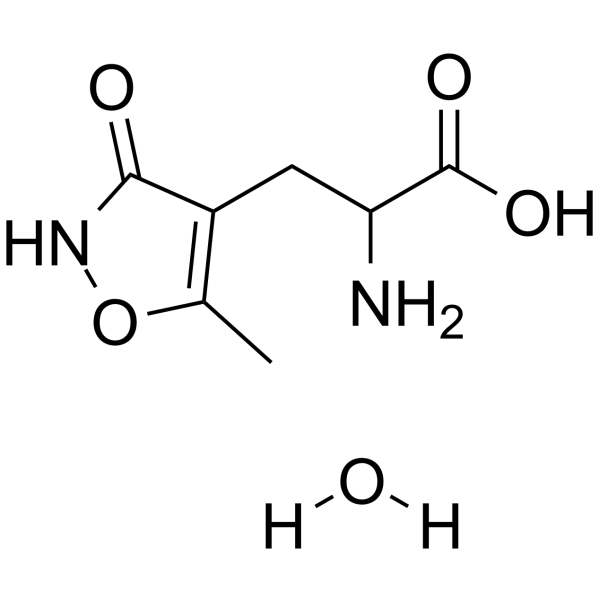
(RS)-AMPA ((±)-AMPA) monohydrate is a glutamate analogue and a potent and selective excitatory neurotransmitter L-glutamic acid agonist. (RS)-AMPA monohydrate does not interfere with binding sites for kainic acid or NMDA receptors .
|
-
- HY-100815E
-
|
(±)-AMPA hydrochloride
|
iGluR
|
Neurological Disease
|
|
(RS)-AMPA ((±)-AMPA) hydrochloride is a glutamate analogue and a potent and selective excitatory neurotransmitter L-glutamic acid agonist. (RS)-AMPA hydrobromide does not interfere with binding sites for kainic acid or NMDA receptors .
|
-

- HY-106467
-
|
|
iGluR
|
Neurological Disease
|
|
Caroverine is a potent, competitive and reversible antagonist of NMDA and AMPA glutamate receptor. Caroverine is also an antioxidant and calcium-blocking agent that exhibits vasorelaxant action. Caroverine can be used for the research of inner ear tinnitus .
|
-

- HY-W016145S
-
|
|
Isotope-Labeled Compounds
Endogenous Metabolite
iGluR
Ferroptosis
Apoptosis
|
Neurological Disease
Metabolic Disease
Inflammation/Immunology
Cancer
|
|
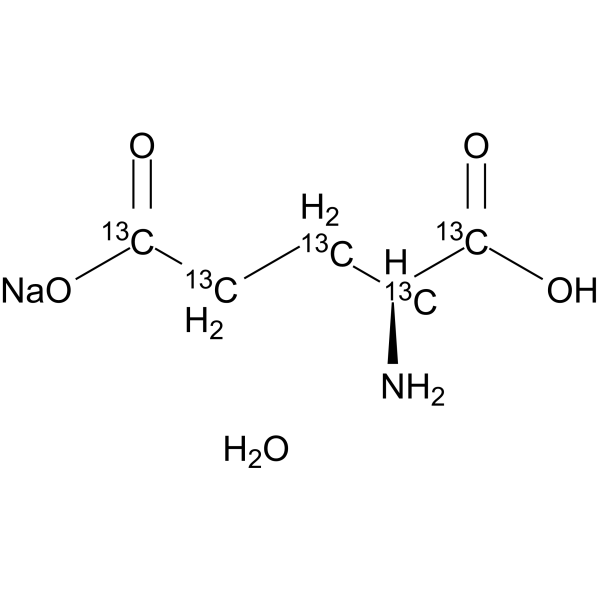
L-Glutamic acid- 13C5 hydrate salt is the 13C labeled L-Glutamic acid hydrate salt. L-Glutamic acid monosodium hydrate is an excitatory amino acid neurotransmitter that acts as an agonist for all subtypes of glutamate receptors (metabolic rhodophylline, NMDA, and AMPA). L-Glutamic acid monosodium hydrate has an agonist effect on the release of DA from dopaminergic nerve endings. L-Glutamic acid monosodium hydrate can be used in the study of neurological diseases. L-Glutamic acid monosodium hydrate acts at ionotropic and?metabotropic glutamate receptors.
|
-
- HY-Y0966S9
-
-
- HY-Y0966S5
-
-
- HY-107703
-
|
|
iGluR
|
Neurological Disease
|
|
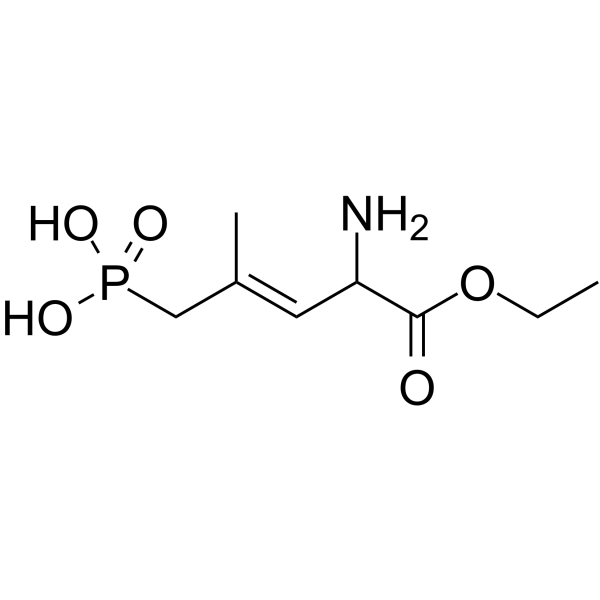
CGP 39551 is a potent, orally active, competitive N-methyl-D-aspartate (NMDA) receptor antagonist with potent anticonvulsant activity . CGP 39551 shows measurable inhibitory activity at both L-[ 3H]-glutamate (Ki=8.4 μM) .
|
-
- HY-100815BR
-
|
(±)-AMPA (Standard)
|
Reference Standards
iGluR
|
Neurological Disease
|
|
(RS)-AMPA (Standard) is the analytical standard of (RS)-AMPA. This product is intended for research and analytical applications. (RS)-AMPA ((±)-AMPA) is a glutamate analogue and a potent and selective excitatory neurotransmitter L-glutamic acid agonist. (RS)-AMPA does not interfere with binding sites for kainic acid or NMDA receptors .
|
-

- HY-107512R
-
-

- HY-106467BR
-
|
|
Reference Standards
iGluR
|
Neurological Disease
|
|
Caroverine (hydrochloride) (Standard) is the analytical standard of Caroverine (hydrochloride). This product is intended for research and analytical applications. Caroverine hydrochloride is a potent, competitive and reversible antagonist of NMDA and AMPA glutamate receptor. Caroverine hydrochloride is also an antioxidant and calcium-blocking agent that exhibits vasorelaxant action. Caroverine hydrochloride can be used for the research of inner ear tinnitus .
|
-

- HY-Y0966S11
-
|
|
iGluR
Endogenous Metabolite
|
Neurological Disease
|
|
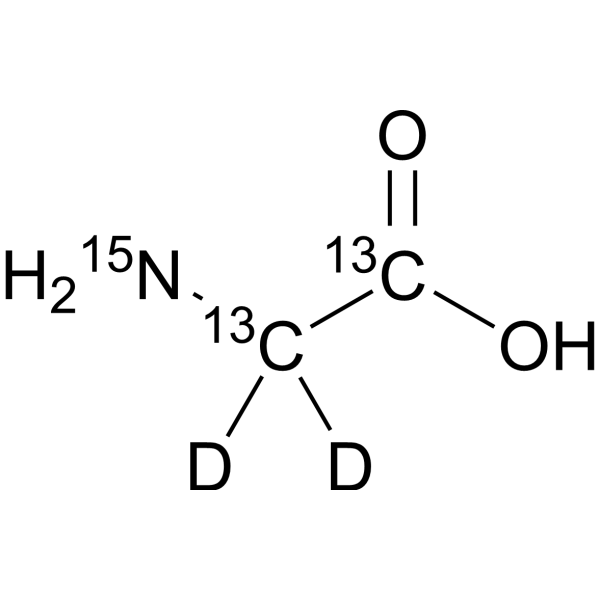
Glycine- 13C2, 15N,d2 is the deuterium, 13C and 15N labeled Glycine . Glycine is an inhibitory neurotransmitter in the CNS and also acts as a co-agonist along with glutamate, facilitating an excitatory potential at the glutaminergic N-methyl-D-aspartic acid (NMDA) receptors .
|
-
- HY-14608S9
-
-
- HY-148611
-
|
|
iGluR
|
Neurological Disease
|
|
NSC339614 potassium is a selective GluN1/GluN2C and GluN1/GluN2D receptor enhancer with the activity of enhancing neuronal responses to specific NMDA receptors. NSC339614 potassium can selectively enhance the signaling of GluN1/GluN2C and GluN1/GluN2D receptors without affecting other NMDA receptors. The mechanism of action of NSC339614 potassium does not compete with agonists of L-glutamate or glycine, nor does it depend on membrane potential. The activity of NSC339614 potassium depends on the specific structure of the agonist ligand binding domain, showing its potential as a novel pharmacological agent for studying the function of NMDA receptor subtypes and providing new lead compounds for a variety of neurological diseases .
|
-

- HY-N5159
-
|
|
iGluR
|
Neurological Disease
|
|
Ampullosporin A is a peptaibol-type polypeptide that can be isolated from the fungus Sepedonium ampullosporum HKI-0053, exhibiting neuroleptic-like activity. Ampullosporin A can inhibit hyperactivity induced by NMDA receptor antagonist MK-801 (HY-15084B) and ameliorate social behavior abnormalities caused by subchronic drug treatment. Ampullosporin A alters the activity of glutamate receptors without affecting dopamine D1 and D2 receptors .
|
-

- HY-135131
-
|
|
iGluR
|
Neurological Disease
|
|
Synthalin hydrochloride is a K+ channel blocker with neuronal excitability modulating activity. Synthalin hydrochloride has an effect on NMDA-mediated depolarization, possibly through receptor-mediated modulation of L-glutamate and serotonin (5-HT). The use of Synthalin hydrochloride can enhance the understanding of changes in membrane potential of different neurons and help study the role of polyamines in neuronal excitability .
|
-

- HY-14608S12
-
|
L-Glutamic acid-14C
|
iGluR
Ferroptosis
Apoptosis
|
Neurological Disease
|
|
L-Glutamic acid-14C is L-Glutamic acid (HY-14608) labeled with the radioactive isotope carbon-14. L-Glutamic acid is an excitatory amino acid neurotransmitter and an agonist for all subtypes of glutamate receptors (metabotropic, NMDA, and AMPA). L-Glutamic acid acts as an agonist in the release of DA from dopaminergic nerve terminals and can be used in the study of neurological diseases .
|
-

- HY-100781
-
|
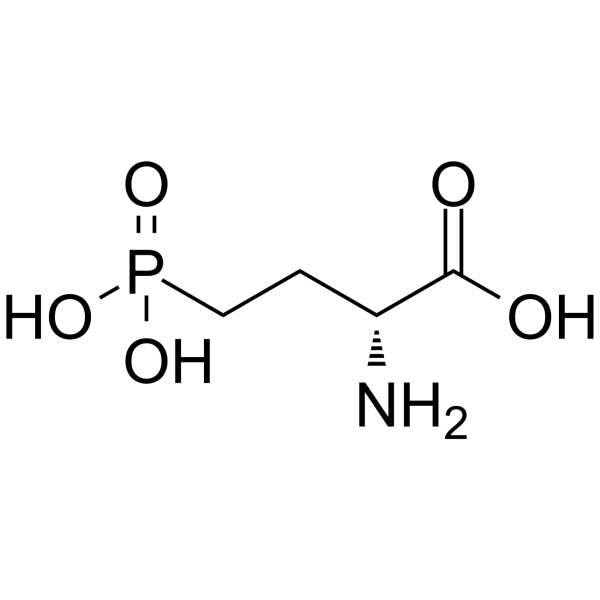
D-APB; D-2-Amino-4-phosphonobutyric acid
|
iGluR
|
Neurological Disease
|
|
D-AP4 (D-APB; D-2-Amino-4-phosphonobutyric acid), a phosphono analogue of glutamate, is an NMDA broad spectrum excitatory amino acid receptor antagonist. D-AP4 also is an agonist for a quisqualate-sensitized AP6 site in hippocampus. D-AP4 inhibits AMPA receptor-stimulated 57Co 2+ influx in cultured cerebellar granule cells (IC50 ≥ 100 μM) .
|
-
- HY-16713
-
|
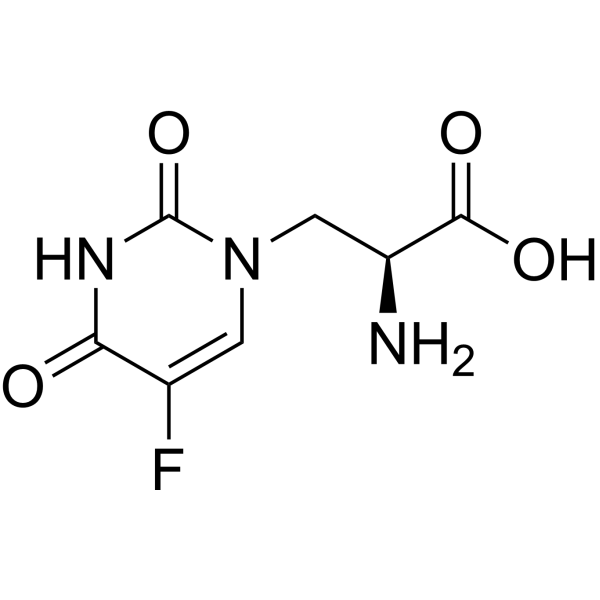
(5S)-Fluorowillardiine; (S)-5-Fluorowillardiine
|
iGluR
|
Neurological Disease
|
|
(S)-(-)-5-Fluorowillardiine ((5S)-Fluorowillardiine; (S)-5-Fluorowillardiine) is a potent, highly selective non-NMDA ionotropic glutamate receptor (iGluR, AMPA/Kainate receptor) agonist . (S)-(-)-5-Fluorowillardiine activates high-affinity AMPA-preferring receptors (EC50 = 0.70 μM) and low-affinity kainate-preferring receptors (EC50 = 170 μM), thereby inducing biphasic dose-dependent neurotoxicity/excitotoxicity. (S)-(-)-5-Fluorowillardiine is applicable to research related to schizophrenia, temporal lobe epilepsy, and bipolar disorder .
|
-
- HY-100808R
-
|
(R)-Serine (Standard)
|
Reference Standards
iGluR
Endogenous Metabolite
|
Neurological Disease
|
|
D-Serine (Standard) is the analytical standard of D-Serine. This product is intended for research and analytical applications. D-Serine ((R)-Serine), an endogenous amino acid involved in glia-synapse interactions that has unique neurotransmitter characteristics, is a potent co-agonist at the NMDA glutamate receptor. D-Serinee has a cardinal modulatory role in major NMDAR-dependent processes including NMDAR-mediated neurotransmission, neurotoxicity, synaptic plasticity, and cell migration[1][2].
|
-

- HY-17387S1
-
|
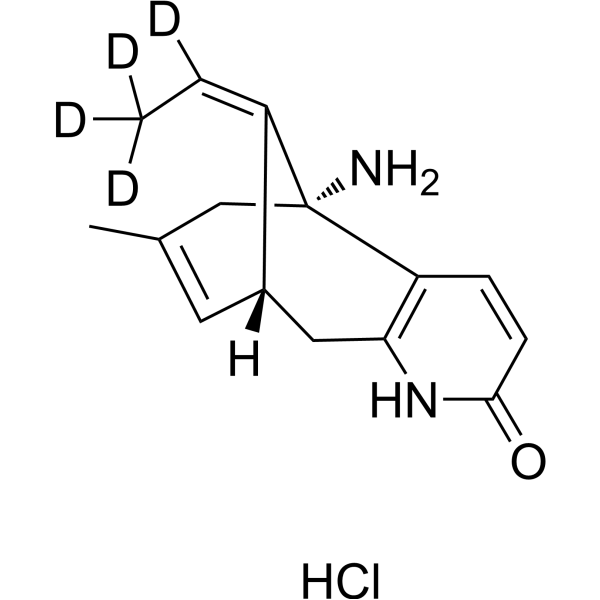
Huperzine A-d4
|
iGluR
Cholinesterase (ChE)
Apoptosis
Isotope-Labeled Compounds
|
Neurological Disease
|
|
(-)-Huperzine A-d4 hydrochloride is deuterated labeled (-)-Huperzine A (HY-17387). (-)-Huperzine A (Huperzine A) is an alkaloid isolated from Huperzia serrata, with neuroprotective activity. (-)-Huperzine A is a potent, highly specific, reversible and blood-brain barrier penetrant inhibitor of acetylcholinesterase (AChE), with an IC50 of 82 nM. (-)-Huperzine A also is non-competitive antagonist of N-methyl-D-aspartate glutamate (NMDA) receptor. (-)-Huperzine A is developed for the research of neurodegenerative diseases, including Alzheimer’s disease .
|
-
- HY-182479
-
|
|
iGluR
|
Others
Neurological Disease
|
|
MDL 100748 is an NMDA receptor glycine site antagonist. MDL 100748 modulates NMDA receptor function by acting at the strychnine-insensitive glycine site, which is required for NMDA receptor activation alongside glutamate. MDL 100748 decreases response rates in operant conditioning sessions in phencyclidin (PCP)-trained rats. MDL 100748 can be used for reserach on dementias and schizophrenia .
|
-

- HY-120681
-
|
|
iGluR
|
Neurological Disease
|
|
CGP39653 is a competitive NMDA receptor antagonist that inhibits receptor function by competing with glutamate for the binding site .
|
-

- HY-126939
-
|
|
Reactive Oxygen Species (ROS)
Calcium Channel
iGluR
|
Neurological Disease
|
|
MN-05 is a dual neuroprotective and vasodilatory NMDA receptor inhibitor.MN-05 blocks calcium influx, reduces free radical production, and maintains mitochondrial membrane potential in cortical neurons exposed to glutamate.MN-05 dilates aortic rings against phenylephrine-induced contraction.MN-05 protects neurons against glutamate-induced injury in vitro.MN-05 can be used for the research of neurodegenerative diseases .
|
-

- HY-15067R
-
|
FG 9041 (Standard)
|
iGluR
Reference Standards
|
Cancer
|
|
DNQX (Standard) is the analytical standard of DNQX. This product is intended for research and analytical applications. DNQX (FG 9041), a quinoxaline derivative, is a selective, potent competitive non-NMDA glutamate receptor antagonist (IC50s = 0.5, 2 and 40 μM for AMPA, kainate and NMDA receptors, respectively) .
|
-

- HY-100714AR
-
|
D-APV (Standard); D-2-Amino-5-phosphonovaleric acid (Standard)
|
iGluR
Reference Standards
|
Neurological Disease
|
|
D-AP5 (Standard) is the analytical standard of D-AP5 (HY-100714A). This product is intended for research and analytical applications. D-AP5 (D-APV) is a selective and competitive NMDA receptor antagonist with a Kd of 1.4 μM. D-AP5 (D-APV) inhibits the glutamate binding site of NMDA receptors .
|
-

- HY-131691
-
|
|
iGluR
Calcium Channel
|
Neurological Disease
|
|
NMDAR blocker 1 is an NMDA receptor channel blocker with an IC50 of 5.0 μM. NMDAR blocker 1 exhibits fast on-off blockade kinetics and strong voltage dependence, and does not compete with glutamate or glycine. NMDAR blocker 1 prevents glutamate/NMDA-induced intracellular Ca 2+ overload, modulates the glutamate-nitric oxide-cGMP pathway. NMDAR blocker 1 prevents in vitro excitotoxic neurodegeneration of cultured cerebellar and hippocampal neurons. NMDAR blocker 1 attenuates excitotoxic insult in an mouse model of hyperammonemia-induced excitotoxicity. NMDAR blocker 1 can be used for the research of neurodegenerative diseases .
|
-

- HY-103230R
-
|
|
Reference Standards
iGluR
|
Neurological Disease
|
|
IEM-1460 (Standard) is the analytical standard of IEM-1460 (HY-103230). This product is intended for research and analytical applications. IEM-1460 blocks both AMPA and NMDA glutamate receptor with anticonvulsant effect in vivo .
|
-

- HY-182548
-
|
|
GABA Receptor
Sodium Channel
iGluR
|
Cardiovascular Disease
Neurological Disease
|
|
BTS 72664 is a broad-spectrum, non-sedating, orally effective anticonvulsant. Its anticonvulsant effect mainly arises from enhancing GABAA receptor (GABAA receptor)-mediated chloride channel currents, while it exerts weak blocking effects on Na + channels (Ki = 350 μM) and NMDA receptors (NMDA receptor) (IC50 = 43 μM). BTS 72664 prevents the elevation of extracellular glutamate, glycine and serine concentrations in neurons, reduces cerebral infarct size, promotes functional recovery, prevents multiple types of epileptic seizures, and has low sedative potential. BTS 72664 can be used for the research of epilepsy, stroke and migraine .
|
-

- HY-156505A
-
|
|
iGluR
|
Neurological Disease
|
|
R-(+)-EU-1180-453 is a positive allosteric modulator targeting NMDA receptors containing GluN2C and GluN2D subunits, with a pEC50 value of 5.5 for both rat receptor subtypes, and it can cross the blood-brain barrier. R-(+)-EU-1180-453 increases the potency of glutamate, enhances receptor responses to maximally effective concentrations of agonists, and acts only on receptors bound to both co-agonists. R-(+)-EU-1180-453 is applicable to research related to Alzheimer's disease, Parkinson's disease, epilepsy, and neuropathic pain .
|
-

- HY-182484
-
|
|
GlyT
|
Neurological Disease
|
|
Org 24461 is a selective and brain-penetrant GlyT-1 inhibitor. Org 24461 blocks glycine uptake, reuptake, reverse operation, [ 3H]glycine efflux and release. Org 24461 enhances NMDA receptor function, modulates striatal monoamine/glutamate levels, and reverses PCP-induced behavioral and electrographic abnormalities. Org 24461 can be used for the research of retinal hypoxia/ischemia, and schizophrenia .
|
-

- HY-90003A
-
|
|
Opioid Receptor
iGluR
MMP
PI3K
Akt
NF-κB
|
Neurological Disease
Inflammation/Immunology
|
|
Tianeptine sodium salt is an atypical antidepressant. Tianeptine sodium salt is a moderate-intensity agonist of the μ-opioid receptor (MOR), and to a lesser extent, is an agonist of the δ-opioid receptor (DOR). Tianeptine sodium salt is a glutamate modulator that can enhance AMPA receptor and antagonize NMDA receptor. Tianeptine sodium salt increases sensitivity of the α1 adrenergic receptor, which only manifests in chronic treatment. Tianeptine sodium salt exerts neuroprotective effects under stress/inflammation-induced conditions, exhibiting anti-inflammatory and antioxidant properties. Tianeptine sodium salt inhibits MMP-9 by suppressing the PI3K/Akt-mediated NF-κB pathway. Tianeptine sodium salt can be used to alleviate symptoms of depression and anxiety, but does not cause sedative effects .
|
-
- HY-144224S
-
|
|
Isotope-Labeled Compounds
Opioid Receptor
iGluR
MMP
PI3K
Akt
NF-κB
|
Neurological Disease
Inflammation/Immunology
Cancer
|
|
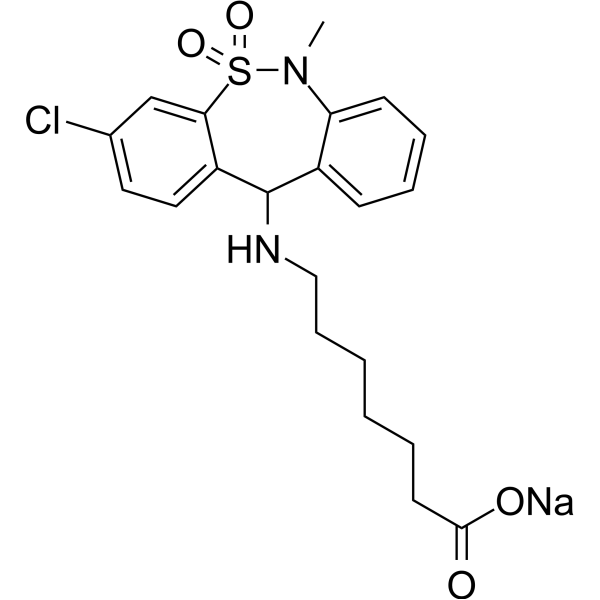
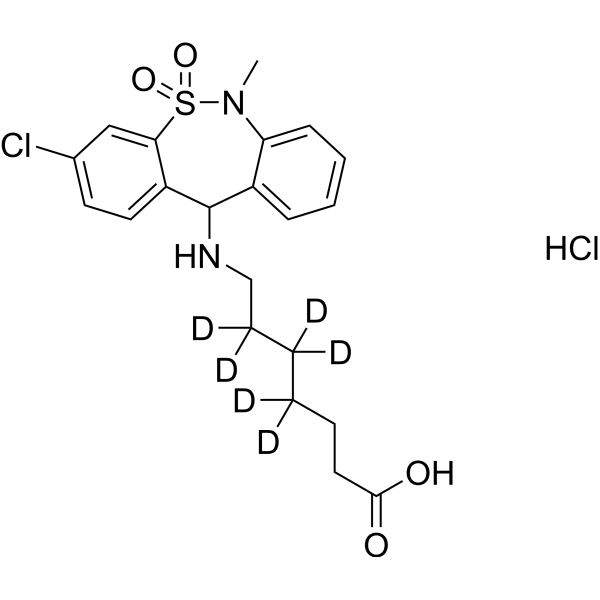
Tianeptine-d6 hydrochloride is the deuterium labeled Tianeptine hydrochloride. Tianeptine hydrochloride is an atypical antidepressant. Tianeptine hydrochloride is a moderate-intensity agonist of the μ-opioid receptor (MOR), and to a lesser extent, is an agonist of the δ-opioid receptor (DOR). Tianeptine hydrochloride is a glutamate modulator that can enhance AMPA receptor and antagonize NMDA receptor. Tianeptine hydrochloride increases sensitivity of the α1 adrenergic receptor, which only manifests in chronic treatment. Tianeptine hydrochloride exerts neuroprotective effects under stress/inflammation-induced conditions, exhibiting anti-inflammatory and antioxidant properties. Tianeptine hydrochloride inhibits MMP-9 by suppressing the PI3K/Akt-mediated NF-κB pathway. Tianeptine hydrochloride can be used to alleviate symptoms of depression and anxiety, but does not cause sedative effects.
|
-
- HY-183871
-
|
|
iGluR
Apoptosis
Calcium Channel
|
Neurological Disease
Metabolic Disease
|
|
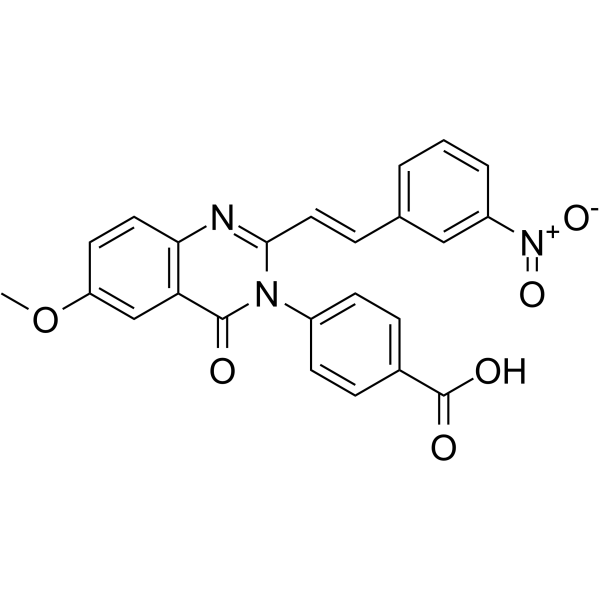
WMS-1410 is a selective GluN2B-containing NMDA receptor inhibitor with an IC50 of 18.4 nM. WMS-1410 regulates intracellular calcium levels and protects cells from Apoptosis. WMS-1410 inhibits glutamate-induced excitotoxicity. WMS-1410 reverses NMDA/glycine-induced reduction in glucose-stimulated insulin secretion without altering physiological insulin secretion or baseline redox status, but fails to counteract insulin content loss induced by glucolipotoxicity. WMS-1410 exhibits analgesic activity against advanced neuropathic pain. WMS-1410 can be used in studies related to stroke, brain injury, Alzheimer's disease, Parkinson's disease, type 2 diabetes, and neuropathic pain .
|
-

- HY-100811AR
-
|
7-CKA sodium salt (Standard)
|
Reference Standards
iGluR
|
Neurological Disease
|
|
7-Chlorokynurenic acid (sodium salt) (Standard) is the analytical standard of 7-Chlorokynurenic acid (sodium salt). This product is intended for research and analytical applications. 7-Chlorokynurenic acid sodium salt (7-CKA sodium salt) is a potent and selective antagonist of the glycine B coagonist site of the N-methyl-D-aspartate (NMDA) receptor (IC50=0.56 μM). 7-Chlorokynurenic acid sodium salt is also a potent inhibitor of the reuptake of glutamate into synaptic vesicles with a Ki of 0.59 μM. 7-Chlorokynurenic acid sodium salt has potent antinociceptive actions after neuraxial delivery .
|
-

- HY-100811R
-
|
7-CKA (Standard)
|
Reference Standards
iGluR
|
Neurological Disease
|
|
7-Chlorokynurenic acid (Standard) is the analytical standard of 7-Chlorokynurenic acid. This product is intended for research and analytical applications. 7-Chlorokynurenic acid (7-CKA) is a potent and selective antagonist of the glycine B coagonist site of the N-methyl-D-aspartate (NMDA) receptor (IC50=0.56 μM). 7-Chlorokynurenic acid is also a potent inhibitor of the reuptake of glutamate into synaptic vesicles with a Ki of 0.59 μM. 7-Chlorokynurenic acid has potent antinociceptive actions after neuraxial delivery .
|
-

- HY-90003S
-
|
|
Isotope-Labeled Compounds
Opioid Receptor
iGluR
MMP
PI3K
Akt
NF-κB
|
Neurological Disease
Inflammation/Immunology
|
|
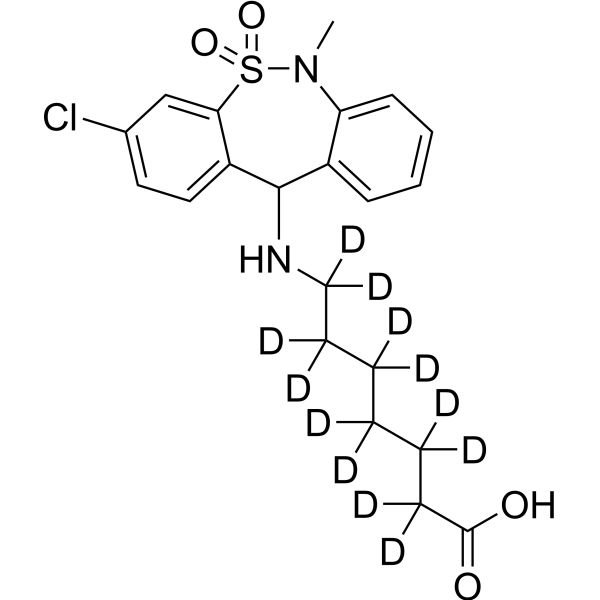
Tianeptine-d12 is a deuterated analog of Tianeptine (HY-90003).Tianeptine is an atypical antidepressant. Tianeptine is a moderate-intensity agonist of the μ-opioid receptor (MOR), and to a lesser extent, is an agonist of the δ-opioid receptor (DOR). Tianeptine is a glutamate modulator that can enhance AMPA receptor and antagonize NMDA receptor. Tianeptine increases sensitivity of the α1 adrenergic receptor, which only manifests in chronic treatment. Tianeptine exerts neuroprotective effects under stress/inflammation-induced conditions, exhibiting anti-inflammatory and antioxidant properties. Tianeptine inhibits MMP-9 by suppressing the PI3K/Akt-mediated NF-κB pathway. Tianeptine can be used to alleviate symptoms of depression and anxiety, but does not cause sedative effects.
|
-
- HY-90003AR
-
|
|
Reference Standards
Opioid Receptor
iGluR
MMP
PI3K
Akt
NF-κB
|
Neurological Disease
Inflammation/Immunology
|
|
Tianeptine sodium salt (Standard) is the analytical standard of Tianeptine sodium salt (HY-90003A). This product is intended for research and analytical applications. Tianeptine sodium salt is an atypical antidepressant. Tianeptine sodium salt is a moderate-intensity agonist of the μ-opioid receptor (MOR), and to a lesser extent, is an agonist of the δ-opioid receptor (DOR). Tianeptine sodium salt is a glutamate modulator that can enhance AMPA receptor and antagonize NMDA receptor. Tianeptine sodium salt increases sensitivity of the α1 adrenergic receptor, which only manifests in chronic treatment. Tianeptine sodium salt exerts neuroprotective effects under stress/inflammation-induced conditions, exhibiting anti-inflammatory and antioxidant properties. Tianeptine sodium salt inhibits MMP-9 by suppressing the PI3K/Akt-mediated NF-κB pathway. Tianeptine sodium salt can be used to alleviate symptoms of depression and anxiety, but does not cause sedative effects.
|
-

- HY-103344
-
|
|
Aminopeptidase
Carboxypeptidase
mGluR
|
Neurological Disease
|
|
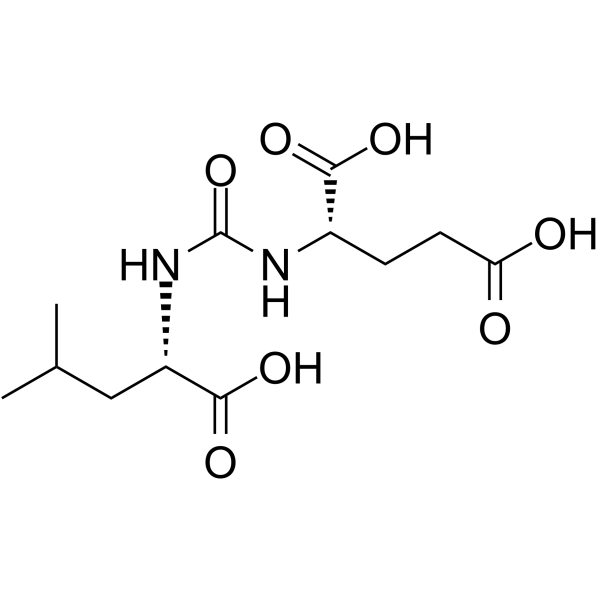
ZJ43 is a NAAG peptidase inhibitor and glutamate carboxypeptidase II/III (GCP II/III) inhibitor with human GCP II IC50 of 2.4 nM and Ki of 0.8 nM. ZJ43 blocks N-acetylaspartylglutamate hydrolysis, elevates extracellular N-acetylaspartylglutamate levels, and activates group II metabotropic glutamate receptors (mGluR). ZJ43 can be used for the research of schizophrenia, inflammatory pain, neuropathic pain, and traumatic brain injury .
|
-
- HY-W073501
-
|
trans-2-Pentenedioic acid
|
Drug Isomer
Endogenous Metabolite
|
Cardiovascular Disease
Metabolic Disease
|
|
trans-Glutaconic acid (trans-2-Pentenedioic acid) is the trans isomer of Glutaconic acid (HY-W073501A). trans-Glutaconic acid is a neurotoxic metabolite. trans-Glutaconic acid induces weak neurotoxicity in cultured cerebral neocortical neurons. trans-Glutaconic acid elicits significant electrophysiological responses in rat neocortical wedge preparations at high concentrations. trans-Glutaconic acid can be used in studies related to glutaric acidemia type 1 .
|
-

- HY-15703
-
QNZ46
1 Publications Verification
|
iGluR
|
Neurological Disease
|
|
QNZ46 is a highly selective noncompetitive NMDA receptor antagonist targeting GluN2C/D (IC50=3.9 μM), GluN1/GluN2C (IC50=7.1 μM), and GluN1/GluN2D (IC50=182 μM) subunits. QNZ46 inhibits glutamate-mediated calcium influx, thereby blocking excitotoxicity. QNZ46 is membrane permeable and can cross the blood-brain barrier, where it inhibits myelin damage and axonal degeneration .
|
-
- HY-119781
-
|
PF1191
|
iGluR
|
Neurological Disease
|
|
Kaitocephalin (PF1191) is an ionotropic glutamate receptor (NMDAR) antagonist with Ki values of 7.8, 590, and 14000 nM for NMDAR, AMPAR, and KAR, respectively. Kaitocephalin protects neurons by inhibiting excitotoxicity, exhibiting neuroprotective effects. Kaitocephalin can be used in research on neurological diseases such as Alzheimer's disease .
|
-

- HY-D3226
-
|
|
Fluorescent Dye
|
Neurological Disease
|
|
Zinc (II) probe-1 (Compound DNP) is a dual-color Fluorescent probe that can simultaneously monitor Zn 2+ and H +. Upon interaction with Zn 2+, Zinc (II) probe-1 produces bright blue fluorescence (excitation wavelength: 405 nm; blue channel wavelength: 420-500 nm). Upon interaction with H +, Zinc (II) probe-1 exhibits red fluorescence (excitation wavelength: 561 nm; red channel emission wavelength: 630-730 nm). Zinc (II) probe-1 can be used in studies related to depression .
|
-

- HY-14840
-
|
Carphedon
|
nAChR
Dopamine Transporter
GABA Receptor
iGluR
|
Neurological Disease
|
|
Phenylpiracetam (Carphedon) is a positive allosteric modulator of nicotinic acetylcholine receptors (nAChR) with an IC50 of 5.86 μM. Phenylpiracetam is applicable to studies on scopolamine (Scopolamine) (HY-N0296)-induced amnesia, depression and immune stress .
|
-

- HY-14608R
-
|
|
Reference Standards
Endogenous Metabolite
iGluR
Ferroptosis
Apoptosis
|
Neurological Disease
|
L-Glutamic acid (Standard) is the analytical standard of L-Glutamic acid. This product is intended for research and analytical applications. L-Glutamic acid is an excitatory amino acid neurotransmitter that acts as an agonist for all subtypes of glutamate receptors (metabolic rhodophylline, NMDA, and AMPA). L-Glutamic acid has an agonist effect on the release of DA from dopaminergic nerve endings. L-Glutamic acid can be used in the study of neurological diseases .
IC50 & Target:DA .
In Vitro: L-Glutamic acid (120, 500, 750, 1000 mg/dL) can reduce the harmful effect of lithium on the embryonic development of Xenopus Xenopus .
L-Glutamic acid (2, 5, 10, 20 mM, 24-48 h) can induce neuroexcitotoxicity in neuroblastoma .
In Vivo: L-Glutamic acid (3 g/kg, subcutaneous injection) can promote excitotoxic degeneration of retinal ganglion cells in mice .
L-Glutamic acid (750 mg/kg, intraperitoneal injection) can reduce and inhibit oxidative stress induced by chlorpyrifos (CPF) in rats .
|
-

- HY-W736861
-
|
|
iGluR
|
Neurological Disease
|
|
N-Phthaloylglutamic acid is a partial agonist NMDA receptor with a Ki of 13 μM targeting Glu binding-site .
|
-

| Cat. No. |
Product Name |
Type |
-
- HY-D3226
-
|
|
Fluorescent Dyes
|
|
Zinc (II) probe-1 (Compound DNP) is a dual-color Fluorescent probe that can simultaneously monitor Zn 2+ and H +. Upon interaction with Zn 2+, Zinc (II) probe-1 produces bright blue fluorescence (excitation wavelength: 405 nm; blue channel wavelength: 420-500 nm). Upon interaction with H +, Zinc (II) probe-1 exhibits red fluorescence (excitation wavelength: 561 nm; red channel emission wavelength: 630-730 nm). Zinc (II) probe-1 can be used in studies related to depression .
|
| Cat. No. |
Product Name |
Target |
Research Area |
-
- HY-117483
-
|
|
iGluR
|
Neurological Disease
|
|
Gly-Pro-Glu is a neuroactive peptide with a potent action on acetylcholine release. Gly-Pro-Glu is the N-terminal tripeptide of insulin-like growth factor-I. Gly-Pro-Glu inhibits glutamate binds to N-methyl-D-aspartate (NMDA) receptor with an IC50 value of 14.7 μM. Gly-Pro-Glu can be used for the research of neuroprotection .
|
| Cat. No. |
Product Name |
Category |
Target |
Chemical Structure |
-
- HY-14608
-
-
-
- HY-Y0966
-
-
-
- HY-17551
-
-
-
- HY-100806
-
-
-
- HY-14608A
-
-
-
- HY-100807
-
-
-
- HY-100808
-
-
-
- HY-30004
-
|
|
Structural Classification
Classification of Application Fields
Ketones, Aldehydes, Acids
Metabolic Disease
Endogenous metabolite
Disease Research Fields
Source Classification
|
Environmental Pollutants
Endogenous Metabolite
|
|
1-Aminocyclopropane-1-carboxylic acid is an endogenous metabolite. In the presence of low concentrations (1 μM) of glutamate, 1-Aminocyclopropane-1-carboxylic acid acts as a small molecule agonist of NMDA receptors with an EC50 of 0.7-0.9 μM. At high concentrations (10 μM) of glutamate, 1-Aminocyclopropane-1-carboxylic acid acts as a competitive antagonist of NMDA receptors with an EC50 of 81.6 nM. 1-Aminocyclopropane-1-carboxylic acid exerts neuroprotective activity by moderately activating NMDA receptors to prevent neuronal cell death in ischemic animal models. Additionally, 1-Aminocyclopropane-1-carboxylic acid is an antagonist of NMDA receptors, inducing blood pressure reduction and antioxidant effects in stroke-prone hypertensive rats. 1-Aminocyclopropane-1-carboxylic acid enhances object recognition memory and cognitive flexibility dependent on the prefrontal cortex, but does not affect impulsivity nor exhibit an antipsychotic-like profile. 1-Aminocyclopropane-1-carboxylic acid shows promise for research in the field of neurotoxicity. .
|
-
-
- HY-107512
-
-
-
- HY-Y0966R
-
-
-
- HY-17387
-
-
-
- HY-14608R
-
|
|
Structural Classification
Microorganisms
Disease markers
Endocrine diseases
Amino acids
Nervous System Disorder
Endogenous metabolite
Cardiovascular System Disorder
Cancer
Source Classification
|
Reference Standards
Endogenous Metabolite
iGluR
Ferroptosis
Apoptosis
|
L-Glutamic acid (Standard) is the analytical standard of L-Glutamic acid. This product is intended for research and analytical applications. L-Glutamic acid is an excitatory amino acid neurotransmitter that acts as an agonist for all subtypes of glutamate receptors (metabolic rhodophylline, NMDA, and AMPA). L-Glutamic acid has an agonist effect on the release of DA from dopaminergic nerve endings. L-Glutamic acid can be used in the study of neurological diseases .
IC50 & Target:DA .
In Vitro: L-Glutamic acid (120, 500, 750, 1000 mg/dL) can reduce the harmful effect of lithium on the embryonic development of Xenopus Xenopus .
L-Glutamic acid (2, 5, 10, 20 mM, 24-48 h) can induce neuroexcitotoxicity in neuroblastoma .
In Vivo: L-Glutamic acid (3 g/kg, subcutaneous injection) can promote excitotoxic degeneration of retinal ganglion cells in mice .
L-Glutamic acid (750 mg/kg, intraperitoneal injection) can reduce and inhibit oxidative stress induced by chlorpyrifos (CPF) in rats .
|
-
-
- HY-100807R
-
-
-
- HY-100806R
-
-
-
- HY-17388
-
-
-
- HY-30004R
-
|
|
Structural Classification
Microorganisms
Ketones, Aldehydes, Acids
Endogenous metabolite
Source Classification
|
Reference Standards
Endogenous Metabolite
|
|
1-Aminocyclopropane-1-carboxylic acid (Standard) is the analytical standard of 1-Aminocyclopropane-1-carboxylic acid. This product is intended for research and analytical applications. 1-Aminocyclopropane-1-carboxylic acid is an endogenous metabolite. In the presence of low concentrations (1 μM) of glutamate, 1-Aminocyclopropane-1-carboxylic acid acts as a small molecule agonist of NMDA receptors with an EC50 of 0.7-0.9 μM. At high concentrations (10 μM) of glutamate, 1-Aminocyclopropane-1-carboxylic acid acts as a competitive antagonist of NMDA receptors with an EC50 of 81.6 nM. 1-Aminocyclopropane-1-carboxylic acid exerts neuroprotective activity by moderately activating NMDA receptors to prevent neuronal cell death in ischemic animal models. Additionally, 1-Aminocyclopropane-1-carboxylic acid is an antagonist of NMDA receptors, inducing blood pressure reduction and antioxidant effects in stroke-prone hypertensive rats. 1-Aminocyclopropane-1-carboxylic acid enhances object recognition memory and cognitive flexibility dependent on the prefrontal cortex, but does not affect impulsivity nor exhibit an antipsychotic-like profile. 1-Aminocyclopropane-1-carboxylic acid shows promise for research in the field of neurotoxicity. .
|
-
-
- HY-14608AR
-
-
-
- HY-107512R
-
-
-
- HY-N5159
-
|
|
Structural Classification
Microorganisms
Antibiotics
Other Antibiotics
Source Classification
|
iGluR
|
|
Ampullosporin A is a peptaibol-type polypeptide that can be isolated from the fungus Sepedonium ampullosporum HKI-0053, exhibiting neuroleptic-like activity. Ampullosporin A can inhibit hyperactivity induced by NMDA receptor antagonist MK-801 (HY-15084B) and ameliorate social behavior abnormalities caused by subchronic drug treatment. Ampullosporin A alters the activity of glutamate receptors without affecting dopamine D1 and D2 receptors .
|
-
-
- HY-100808R
-
-
| Cat. No. |
Product Name |
Chemical Structure |
-
- HY-100806S
-
1 Publications Verification
|
|
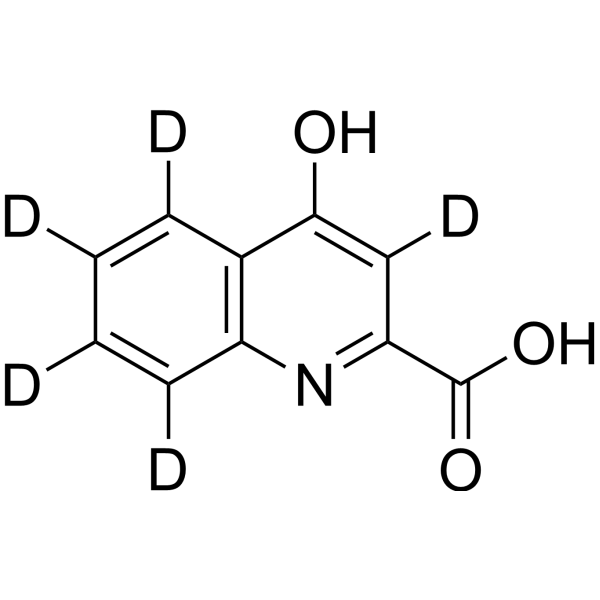
Kynurenic acid-d5 is the deuterium labeled Kynurenic acid. Kynurenic acid, an endogenous tryptophan metabolite, is a broad-spectrum antagonist targeting NMDA, glutamate, α7 nicotinic acetylcholine receptor. Kynurenic acid is also an agonist of GPR35/CXCR8 .
|
-
-
- HY-14608S5
-
1 Publications Verification
|
|
L-Glutamic acid- 13C5 is the 13C-labeled L-Glutamic acid. L-Glutamic acid acts as an excitatory transmitter and an agonist at all subtypes of glutamate receptors (metabotropic, kainate, NMDA, and AMPA). L-Glutamic acid shows a direct activating effect on the release of DA from dopaminergic terminals.
|
-
-
- HY-Y0966S8
-
|
|
|
Glycine-d5 is the deuterium labeled Glycine. Glycine is an inhibitory neurotransmitter in the CNS and also acts as a co-agonist along with glutamate, facilitating an excitatory potential at the glutaminergic N-methyl-D-aspartic acid (NMDA) receptors.
|
-
-
- HY-14608S7
-
|
|
|
L-Glutamic acid-d5 is the deuterium labeled L-Glutamic acid. L-Glutamic acid acts as an excitatory transmitter and an agonist at all subtypes of glutamate receptors (metabotropic, kainate, NMDA, and AMPA). L-Glutamic acid shows a direct activating effect on the release of DA from dopaminergic terminals.
|
-
-
- HY-100807S
-
2 Publications Verification
|
|
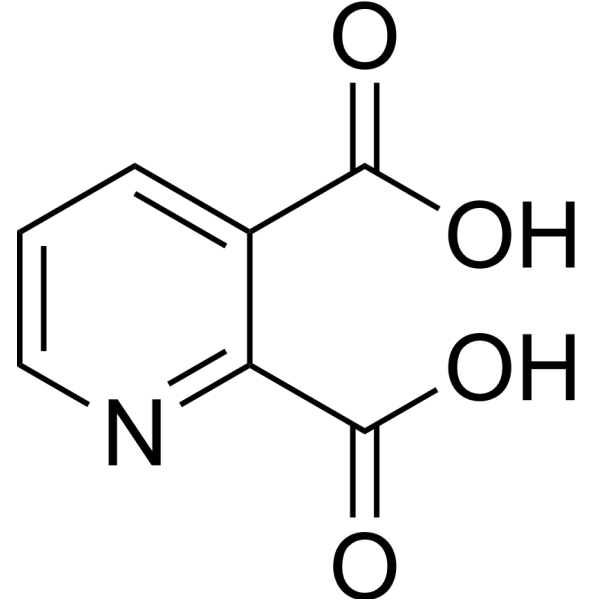
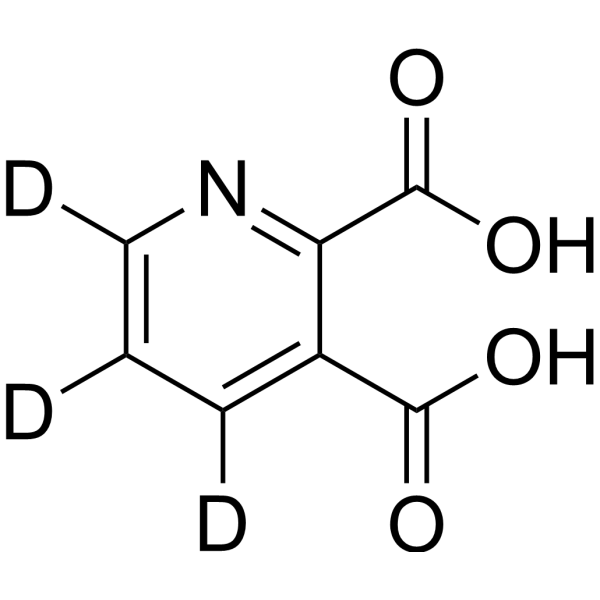
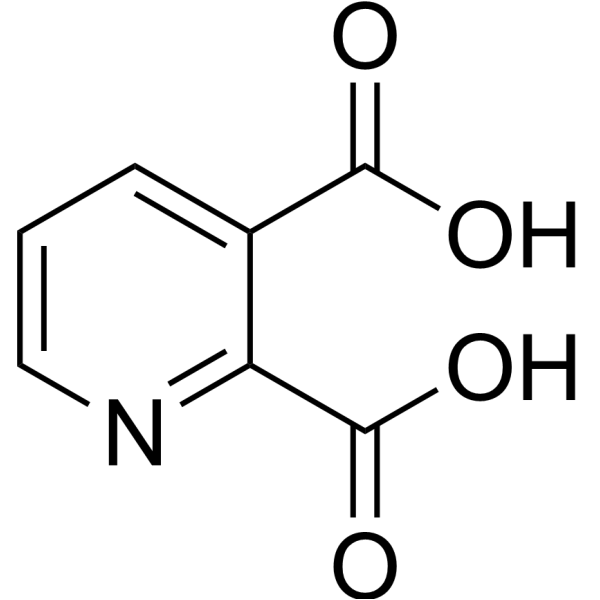
Quinolinic acid-d3 is the deuterium labeled Quinolinic acid. Quinolinic acid, an endogenous metabolite of tryptophan, is a N-methyl-D-aspartate receptor (NMDA receptor) agonist. Quinolinic acid increases glutamate efflux, induces the generation of ROS, activates nitric oxide synthase, produces excessive NO, leading to calcium ion influx and neuronal apoptosis.
|
-
-
- HY-14608S8
-
|
|
|
L-Glutamic acid-d3 is the deuterium labeled L-Glutamic acid. L-Glutamic acid acts as an excitatory transmitter and an agonist at all subtypes of glutamate receptors (metabotropic, kainate, NMDA, and AMPA). L-Glutamic acid shows a direct activating effect on the release of DA from dopaminergic terminals.
|
-
-
- HY-14608S3
-
|
|
|
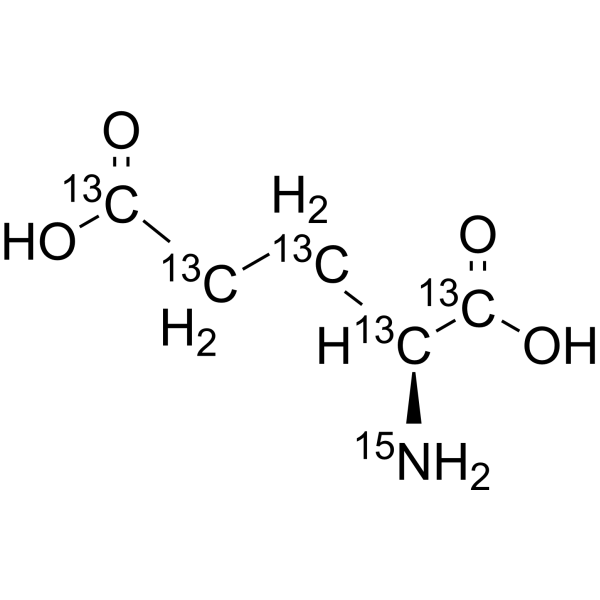
L-Glutamic acid- 13C5, 15N is the 13C- and 15N-labeled L-Glutamic acid. L-Glutamic acid acts as an excitatory transmitter and an agonist at all subtypes of glutamate receptors (metabotropic, kainate, NMDA, and AMPA). L-Glutamic acid shows a direct activating effect on the release of DA from dopaminergic terminals.
|
-
-
- HY-Y0966S3
-
|
|
|
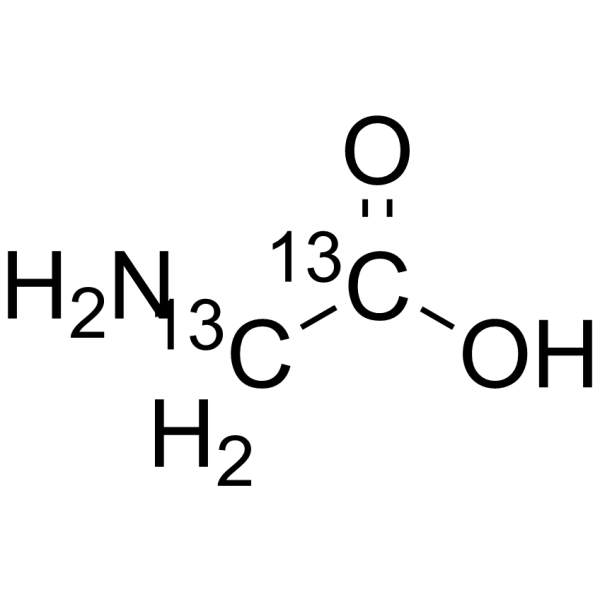
Glycine- 13C2 is the 13C-labeled Glycine. Glycine is an inhibitory neurotransmitter in the CNS and also acts as a co-agonist along with glutamate, facilitating an excitatory potential at the glutaminergic N-methyl-D-aspartic acid (NMDA) receptors.
|
-
-
- HY-Y0966S1
-
|
|
|
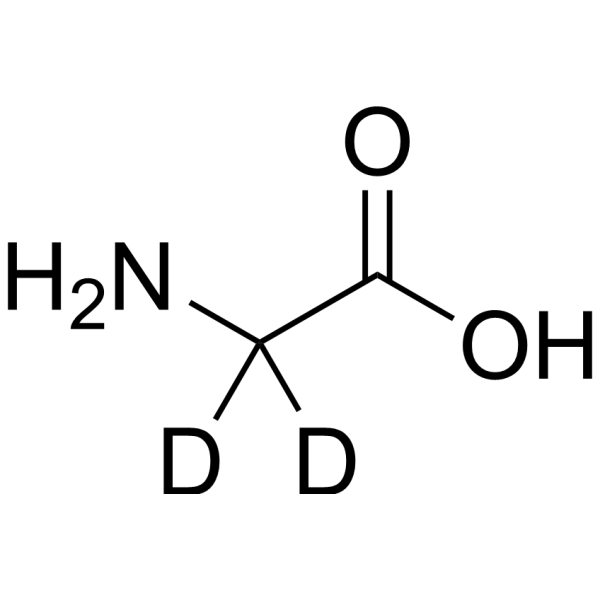
Glycine-d2 is the deuterium labeled Glycine. Glycine is an inhibitory neurotransmitter in the CNS and also acts as a co-agonist along with glutamate, facilitating an excitatory potential at the glutaminergic N-methyl-D-aspartic acid (NMDA) receptors.
|
-
-
- HY-Y0966S
-
|
|
|
Glycine- 15N is the 15N-labeled Glycine. Glycine is an inhibitory neurotransmitter in the CNS and also acts as a co-agonist along with glutamate, facilitating an excitatory potential at the glutaminergic N-methyl-D-aspartic acid (NMDA) receptors .
|
-
-
- HY-Y0966S6
-
|
|
|
Glycine- 13C2, 15N is the 13C- and 15N-labeled Glycine. Glycine is an inhibitory neurotransmitter in the CNS and also acts as a co-agonist along with glutamate, facilitating an excitatory potential at the glutaminergic N-methyl-D-aspartic acid (NMDA) receptors.
|
-
-
- HY-14608S
-
|
|
|
L-Glutamic acid- 13C is the 13C-labeled L-Glutamic acid. L-Glutamic acid acts as an excitatory transmitter and an agonist at all subtypes of glutamate receptors (metabotropic, kainate, NMDA, and AMPA). L-Glutamic acid shows a direct activating effect on the release of DA from dopaminergic terminals.
|
-
-
- HY-Y0966S10
-
|
|
|
Glycine-d3 is the deuterium labeled Glycine. Glycine is an inhibitory neurotransmitter in the CNS and also acts as a co-agonist along with glutamate, facilitating an excitatory potential at the glutaminergic N-methyl-D-aspartic acid (NMDA) receptors.
|
-
-
- HY-Y0966S2
-
|
|
|
Glycine-2- 13C is the 13C-labeled Glycine. Glycine is an inhibitory neurotransmitter in the CNS and also acts as a co-agonist along with glutamate, facilitating an excitatory potential at the glutaminergic N-methyl-D-aspartic acid (NMDA) receptors.
|
-
-
- HY-Y0966S4
-
|
|
|
Glycine-1- 13C is the 13C-labeled Glycine. Glycine is an inhibitory neurotransmitter in the CNS and also acts as a co-agonist along with glutamate, facilitating an excitatory potential at the glutaminergic N-methyl-D-aspartic acid (NMDA) receptors.
|
-
-
- HY-14608S2
-
|
|
|
L-Glutamic acid- 15N is the 15N-labeled L-Glutamic acid. L-Glutamic acid acts as an excitatory transmitter and an agonist at all subtypes of glutamate receptors (metabotropic, kainate, NMDA, and AMPA). L-Glutamic acid shows a direct activating effect on the release of DA from dopaminergic terminals .
|
-
-
- HY-14608S1
-
|
|
|
L-Glutamic acid-1- 13C is the 13C-labeled L-Glutamic acid. L-Glutamic acid acts as an excitatory transmitter and an agonist at all subtypes of glutamate receptors (metabotropic, kainate, NMDA, and AMPA). L-Glutamic acid shows a direct activating effect on the release of DA from dopaminergic terminals.
|
-
-
- HY-100807S2
-
|
|
|
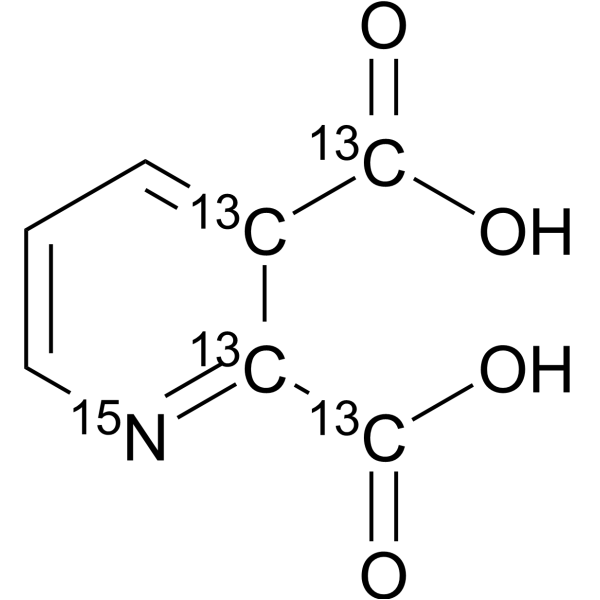
Quinolinic acid-13C4, 15N is an isotopic labeled Quinolinic acid (HY-100807). Quinolinic acid, an endogenous metabolite of tryptophan, is a N-methyl-D-aspartate receptor (NMDA receptor) agonist. Quinolinic acid increases glutamate efflux, induces the generation of ROS, activates nitric oxide synthase, produces excessive NO, leading to calcium ion influx and neuronal apoptosis.
|
-
-
- HY-Y0966S7
-
|
|
|
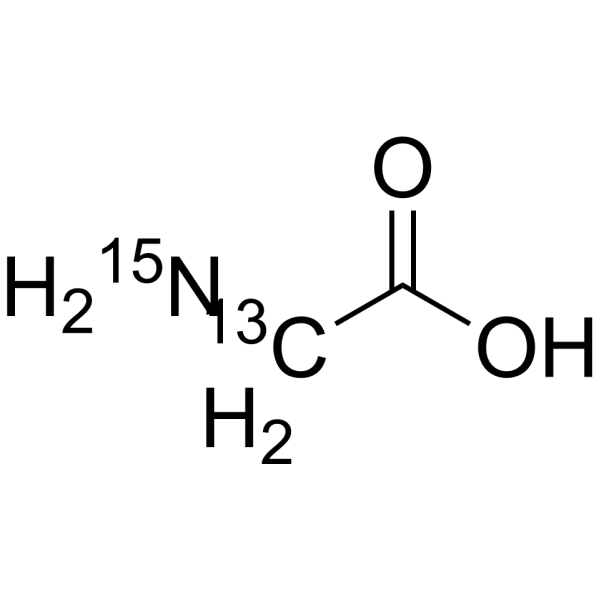
Glycine-2- 13C, 15N is the 13C- and 15N-labeled Glycine. Glycine is an inhibitory neurotransmitter in the CNS and also acts as a co-agonist along with glutamate, facilitating an excitatory potential at the glutaminergic N-methyl-D-aspartic acid (NMDA) receptors.
|
-
-
- HY-14608S6
-
|
|
|
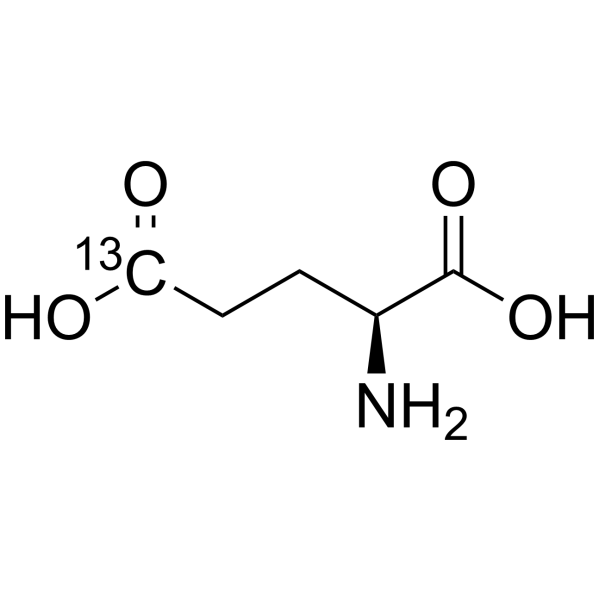
L-Glutamic acid-5- 13C is the 13C-labeled L-Glutamic acid. L-Glutamic acid acts as an excitatory transmitter and an agonist at all subtypes of glutamate receptors (metabotropic, kainate, NMDA, and AMPA). L-Glutamic acid shows a direct activating effect on the release of DA from dopaminergic terminals.
|
-
-
- HY-100808S
-
|
|
|
D-Serine-d3 ((R)-Serine-d3) is a deuterium labeled D-Serine (HY-100808). D-Serine ((R)-Serine), an endogenous amino acid involved in glia-synapse interactions that has unique neurotransmitter characteristics, is a potent co-agonist at the NMDA glutamate receptor. D-Serinee has a cardinal modulatory role in major NMDAR-dependent processes including NMDAR-mediated neurotransmission, neurotoxicity, synaptic plasticity, and cell migration .
|
-
-
- HY-100807S1
-
|
|
|
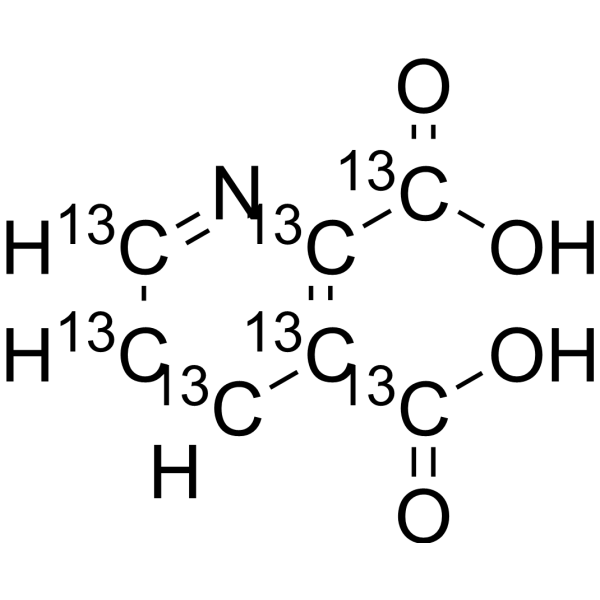
Quinolinic acid- 13C7 is the 13C labeled Quinolinic acid (HY-100807). Quinolinic acid, an endogenous metabolite of tryptophan, is a N-methyl-D-aspartate receptor (NMDA receptor) agonist. Quinolinic acid increases glutamate efflux, induces the generation of ROS, activates nitric oxide synthase, produces excessive NO, leading to calcium ion influx and neuronal apoptosis.
|
-
-
- HY-14608S4
-
|
|
|
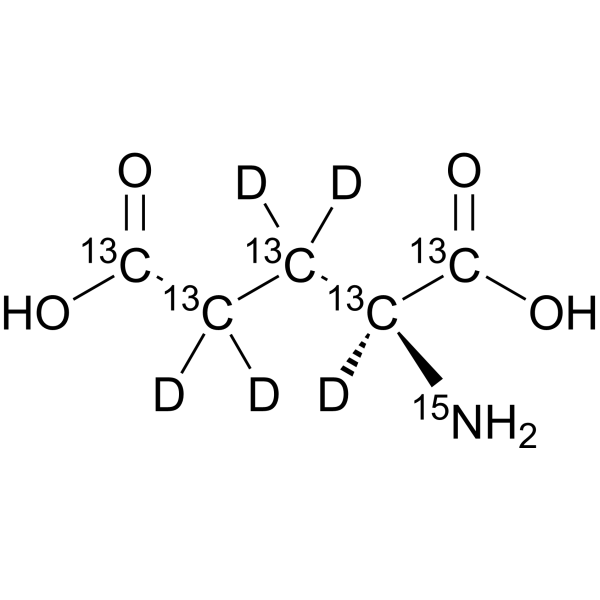
L-Glutamic acid- 13C5, 15N,d5 is the deuterium, 13C-, and 15-labeled L-Glutamic acid. L-Glutamic acid acts as an excitatory transmitter and an agonist at all subtypes of glutamate receptors (metabotropic, kainate, NMDA, and AMPA). L-Glutamic acid shows a direct activating effect on the release of DA from dopaminergic terminals.
|
-
-
- HY-14608S10
-
|
|
|
L-Glutamic acid- 13C2 is the 13C labeled L-Glutamic acid . L-Glutamic acid acts as an excitatory transmitter and an agonist at all subtypes of glutamate receptors (metabotropic, kainate, NMDA, and AMPA). L-Glutamic acid shows a direct activating effect on the release of DA from dopaminergic terminals .
|
-
-
- HY-90003S
-
|
|
|
Tianeptine-d12 is a deuterated analog of Tianeptine (HY-90003).Tianeptine is an atypical antidepressant. Tianeptine is a moderate-intensity agonist of the μ-opioid receptor (MOR), and to a lesser extent, is an agonist of the δ-opioid receptor (DOR). Tianeptine is a glutamate modulator that can enhance AMPA receptor and antagonize NMDA receptor. Tianeptine increases sensitivity of the α1 adrenergic receptor, which only manifests in chronic treatment. Tianeptine exerts neuroprotective effects under stress/inflammation-induced conditions, exhibiting anti-inflammatory and antioxidant properties. Tianeptine inhibits MMP-9 by suppressing the PI3K/Akt-mediated NF-κB pathway. Tianeptine can be used to alleviate symptoms of depression and anxiety, but does not cause sedative effects.
|
-
-
- HY-W016145S
-
|
|
|
L-Glutamic acid- 13C5 hydrate salt is the 13C labeled L-Glutamic acid hydrate salt. L-Glutamic acid monosodium hydrate is an excitatory amino acid neurotransmitter that acts as an agonist for all subtypes of glutamate receptors (metabolic rhodophylline, NMDA, and AMPA). L-Glutamic acid monosodium hydrate has an agonist effect on the release of DA from dopaminergic nerve endings. L-Glutamic acid monosodium hydrate can be used in the study of neurological diseases. L-Glutamic acid monosodium hydrate acts at ionotropic and?metabotropic glutamate receptors.
|
-
-
- HY-Y0966S9
-
|
|
|
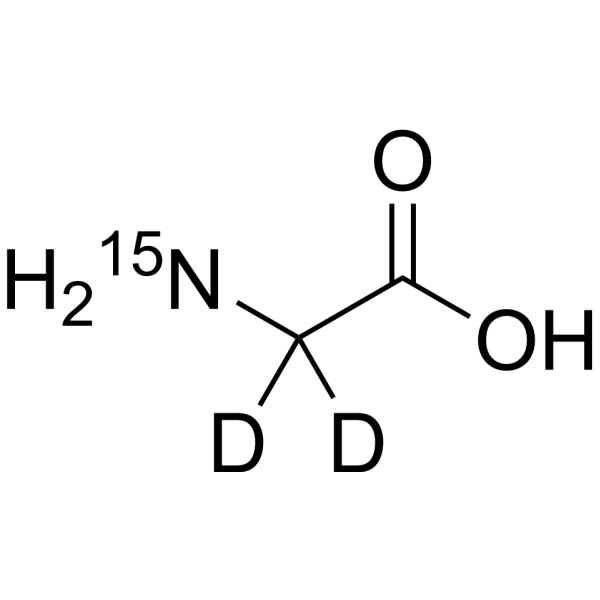
Glycine- 15N,d2 is the deuterium and 15N-labeled Glycine. Glycine is an inhibitory neurotransmitter in the CNS and also acts as a co-agonist along with glutamate, facilitating an excitatory potential at the glutaminergic N-methyl-D-aspartic acid (NMDA) receptors.
|
-
-
- HY-Y0966S5
-
|
|
|
Glycine-1- 13C, 15N is the 13C- and 15N-labeled Glycine. Glycine is an inhibitory neurotransmitter in the CNS and also acts as a co-agonist along with glutamate, facilitating an excitatory potential at the glutaminergic N-methyl-D-aspartic acid (NMDA) receptors.
|
-
-
- HY-Y0966S11
-
|
|
|
Glycine- 13C2, 15N,d2 is the deuterium, 13C and 15N labeled Glycine . Glycine is an inhibitory neurotransmitter in the CNS and also acts as a co-agonist along with glutamate, facilitating an excitatory potential at the glutaminergic N-methyl-D-aspartic acid (NMDA) receptors .
|
-
-
- HY-14608S9
-
|
|
|
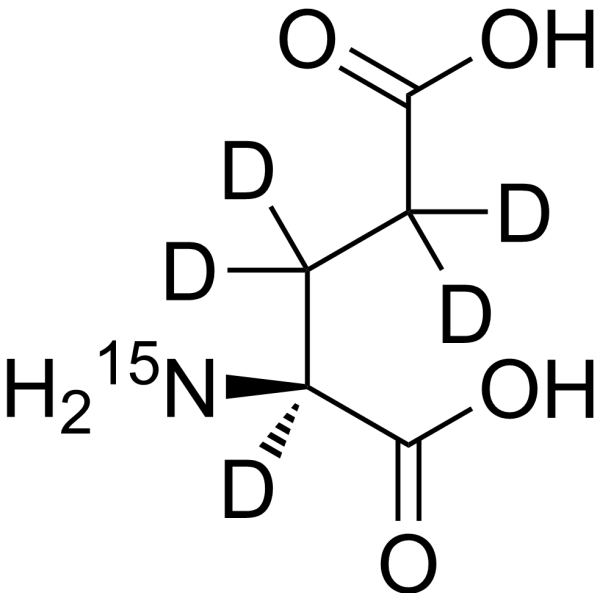
L-Glutamic acid- 15N,d5 is the deuterium and 15N-labeled L-Glutamic acid. L-Glutamic acid acts as an excitatory transmitter and an agonist at all subtypes of glutamate receptors (metabotropic, kainate, NMDA, and AMPA). L-Glutamic acid shows a direct activating effect on the release of DA from dopaminergic terminals.
|
-
-
- HY-17387S1
-
|
|
|
(-)-Huperzine A-d4 hydrochloride is deuterated labeled (-)-Huperzine A (HY-17387). (-)-Huperzine A (Huperzine A) is an alkaloid isolated from Huperzia serrata, with neuroprotective activity. (-)-Huperzine A is a potent, highly specific, reversible and blood-brain barrier penetrant inhibitor of acetylcholinesterase (AChE), with an IC50 of 82 nM. (-)-Huperzine A also is non-competitive antagonist of N-methyl-D-aspartate glutamate (NMDA) receptor. (-)-Huperzine A is developed for the research of neurodegenerative diseases, including Alzheimer’s disease .
|
-
-
- HY-144224S
-
|
|
|
Tianeptine-d6 hydrochloride is the deuterium labeled Tianeptine hydrochloride. Tianeptine hydrochloride is an atypical antidepressant. Tianeptine hydrochloride is a moderate-intensity agonist of the μ-opioid receptor (MOR), and to a lesser extent, is an agonist of the δ-opioid receptor (DOR). Tianeptine hydrochloride is a glutamate modulator that can enhance AMPA receptor and antagonize NMDA receptor. Tianeptine hydrochloride increases sensitivity of the α1 adrenergic receptor, which only manifests in chronic treatment. Tianeptine hydrochloride exerts neuroprotective effects under stress/inflammation-induced conditions, exhibiting anti-inflammatory and antioxidant properties. Tianeptine hydrochloride inhibits MMP-9 by suppressing the PI3K/Akt-mediated NF-κB pathway. Tianeptine hydrochloride can be used to alleviate symptoms of depression and anxiety, but does not cause sedative effects.
|
-
| Cat. No. |
Product Name |
|
Classification |
-
- HY-Y0966
-
|
|
|
Fillers
|
|
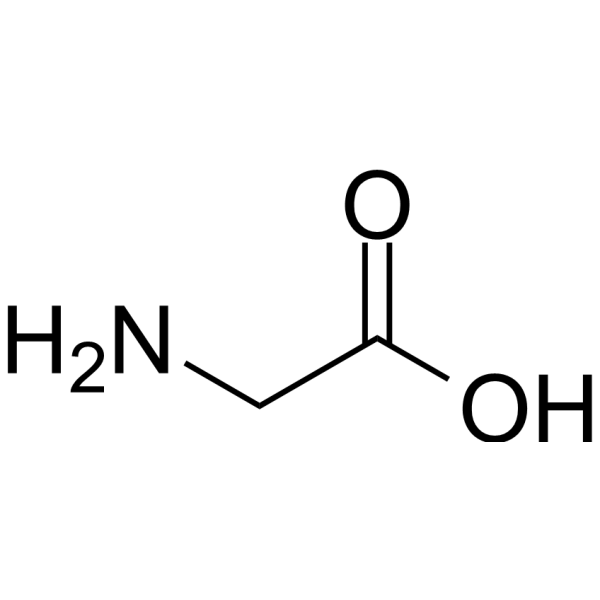
Glycine is an inhibitory neurotransmitter in the CNS and also acts as a co-agonist along with glutamate, facilitating an excitatory potential at the glutaminergic N-methyl-D-aspartic acid (NMDA) receptors. Glycine is orally active. Glycine inhibits the membrane aggregation of NINJ1 and prevents plasma membrane rupture during cell death. Glycine can be used to study cell protection, cancer, neurological diseases, and angiogenesis .
|
Your information is safe with us. * Required Fields.
Inquiry Information
- Product Name:
- Cat. No.:
- Quantity:
- MCE Japan Authorized Agent:








