
From 11:00 pm to 12:00 pm EST ( 8:00 pm to 9:00 pm PST ) on January 6th, the website will be under maintenance. We are sorry for the inconvenience. Please arrange your schedule properly.
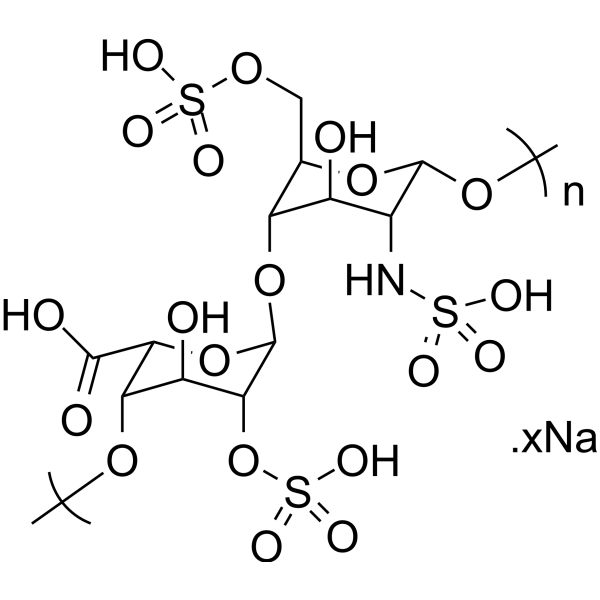
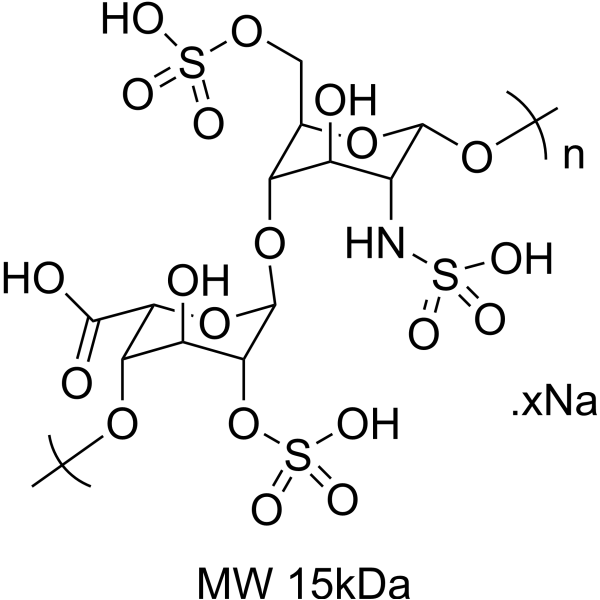
Heparin sodium salt (Sodium heparin) is an anticoagulant which binds reversibly to antithrombin III (ATIII) and greatly accelerates the rate at which ATIII inactivates coagulation enzymes thrombin factor IIa and factor Xa. Heparin sodium salt significantly inhibits exosome-cell interactions.
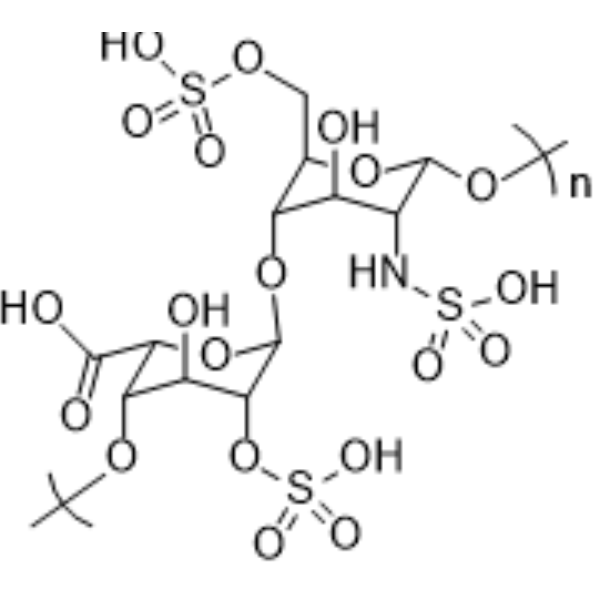
Heparin is a highly sulfated glycosaminoglycan,that is widely used as an injectable anticoagulant, and has the highest negative charge density of any known biological molecule. Heparin significantly inhibits exosome-cell interactions.
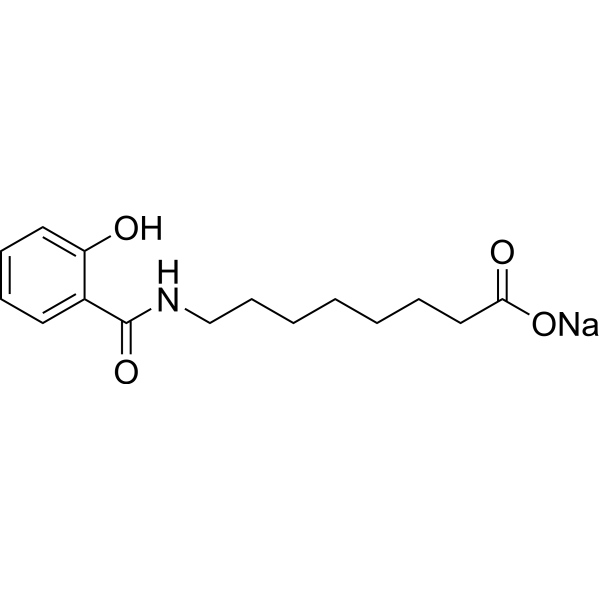
Salcaprozate sodium (SNAC), an oral absorption promoter, and has the potential as a delivery agent for oral forms of heparin and insulin. Salcaprozate sodium could increase passive transcellular permeation across small intestinal epithelia based on increased lipophilicity arising from non-covalent macromolecule complexation .
Protamine sulfate, polycationic peptide and a antiheparin agent, could neutralize the anticoagulant action of heparin and enhances lipid-mediated gene transfer .
Heparin sodium salt (MW 15kDa) (Sodium heparin (MW 15kDa)) is a polymer of Heparin with the molecular weight of 15kDa. Heparin sodium salt is an anticoagulant which binds reversibly to antithrombin III (ATIII) and greatly accelerates the rate at which ATIII inactivates coagulation enzymes thrombin factor IIa and factor Xa .
Enoxaparin (PK 10169), a low-molecular-weight heparin (LMWH) derivative. Enoxaparin exerts anticoagulant activity through antithrombin III, an endogenous inhibitor of factor Xa and thrombin IIa. Enoxaparin protect the rat hippocampus against TBI (traumatic brain injury) via antioxidant and anti-inflammatory properties. Enoxaparin can be used for the research of deep vein thrombosis (DVT), pulmonary embolism, TBI and COVID-19 .
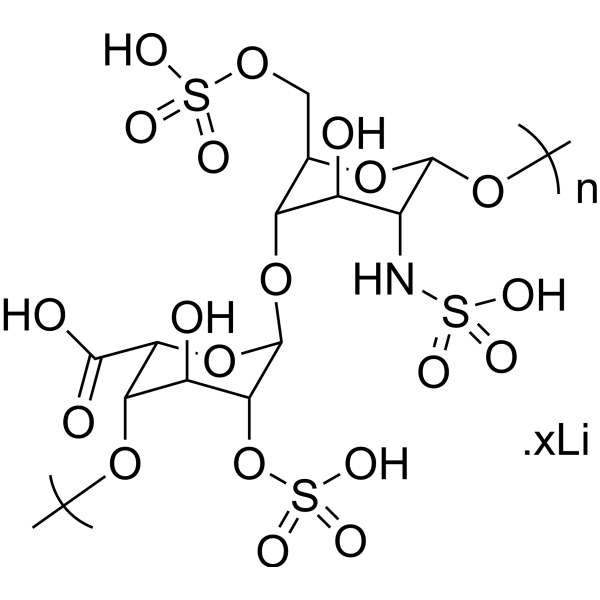
Heparin Lithium salt is an anticoagulant which binds reversibly to antithrombin III (ATIII). Heparin Lithium salt significantly inhibits exosome-cell interactions.
Heparinase (Heparinase I) degrades heparin to oligosaccharide or unsaturated disaccharide. Heparinase can be used in the preparation of low molecular weight heparin (LMWH) .
Sulodexide is a mixture of glycosaminoglycans available in soft capsule form for oral administration. It is composed of low molecular weight heparin (80%) and dermatan sulfate (20%). Sulodexide exhibits antithrombotic activity through interaction with antithrombin III (AT III) and heparin cofactor II (HC II), and inhibition of thrombin formation. Sulodexide exhibits profibrinolytic activity through release of tissue plasminogen activator (tPA). Sulodexide exhibits endothelial protective and anti-inflammatory effect, ameliorates chronic venous disease .
Sulodexide is a glycosaminoglycan mixture available in soft gelatin capsule form for oral administration.
H-D-Phe-Pip-Arg-pNA (S-2238) hydrochloride, a chromogenic substrate, is patterned after the N-terminal portion of the A alpha chain of fibrinogen, which is the natural substrate of thrombin. H-D-Phe-Pip-Arg-pNA hydrochloride is specific for thrombin and is used to measure antithrombin-heparin cofactor (AT-III). The AT-III assay using H-D-Phe-Pip-Arg-pNA hydrochloride is sensitive, accurate, and easy to perform .
H-D-Phe-Pip-Arg-pNA (S-2238) acetate, a chromogenic substrate, is patterned after the N-terminal portion of the A alpha chain of fibrinogen, which is the natural substrate of thrombin. H-D-Phe-Pip-Arg-pNA acetate is specific for thrombin and is used to measure antithrombin-heparin cofactor (AT-III). The AT-III assay using H-D-Phe-Pip-Arg-pNA acetate is sensitive, accurate, and easy to perform .
Dermatan sulphate sodium is an oral active glycosaminoglycan and thrombin inactivator with antithrombotic activity. It selectively catalyzes the heparin cofactor II-mediated inactivation of thrombin without interacting with antithrombin III. Dermatan sulphate sodium promotes stem cell differentiation, exhibits high bioavailability, and alleviates pulmonary fibrosis injury induced by Bleomycin (HY-108345). Dermatan sulphate sodium can be used in research related to cardiovascular diseases, inflammation, and stem cell differentiation .
PRT-060318 (PRT318) s a potent, selective and orally active tyrosine kinase Syk inhibitor with an IC50 of 3 nM. PRT-060318 suppresses chronic lymphocytic leukemia (CLL) B cell activation and migration, and induces apoptosis. PRT-060318 prevents Heparin (HY-17567)-induced thrombocytopenia and thrombosis in a transgenic mouse model. PRT-060318 dihydrochloride can be used for CLL and thrombus research .
Laminin (Engelbreth-Holm-Swarm murine sarcoma basement membrane) is a crucial structural element in animal tissues, forming part of the scaffolding that supports tissue architecture. It interacts with type IV collagen through entactin and perlecan, connects to cell membranes via integrin receptors, dystroglycan complexes, and Lutheran blood group glycoproteins, and contains functional domains that facilitate collagen binding, cell adhesion, heparin interaction, and promote neurite outgrowth.
Sulodexide solution is a mixture of glycosaminoglycans that can be administered by injection. It is composed of low molecular weight heparin (80%) and dermatan sulfate (20%). Sulodexide exhibits antithrombotic activity through interaction with antithrombin III (AT III) and heparin cofactor II (HC II), and inhibition of thrombin formation. Sulodexide exhibits profibrinolytic activity through release of tissue plasminogen activator (tPA). Sulodexide exhibits endothelial protective and anti-inflammatory effect, ameliorates chronic venous disease.
BMP-4 (15-24) is a cell-penetrating heparin-binding peptide with the sequence RKKNPNCRRH. BMP-4 (15-24) exhibits anti-inflammatory and anti-chondrogenic activities. BMP-4 (15-24) can be used in the research of arthritis .
Heparin Methacrylate (HepMA) is methacrylated heparin and is an ideal tissue engineering scaffold material and 3D printing bioink . Heparin Methacrylate needs to self-assemble into fibrous hydrogel under the action of photoinitiator LAP (HY-44076), and target bioactive adhesion sites, play an inherent supporting role for tissue cells and biodegradable activity. Application: cell culture, biological 3D printing, tissue engineering, etc.
Heparitin sulfate lyase (Heparinase III) is a glycosidic lyase targeting heparan sulfate and heparin. Heparitin sulfate lyase is promising for research of low-molecular-weight heparin production and cancers .
Protamine from salmon is a biochemical agent with antioxidant, antiheparin and antimicrobial activities. Protamine from salmon neutralizes the anticoagulant effect of heparin, thereby preventing the formation of antithrombin complexes in canine samples pretreated with heparin in vitro .
Heparinase II is a glycosidase targeting heparin and heparan sulfate. Heparinase II is promising for research of glycosaminoglycan structure-function analysis, anticoagulant agents and tumor microenvironment modulation .
BMP-4 (15-24) acetate is a cell-penetrating heparin-binding peptide with the sequence RKKNPNCRRH. BMP-4 (15-24) acetate exhibits anti-inflammatory and anti-chondrogenic activities. BMP-4 (15-24) acetate can be used in the research of arthritis .
Salcaprozate-d4 (sodium) is a deuterated labeled Salcaprozate (sodium) . Salcaprozate sodium (SNAC), an oral absorption promoter, and has the potential as a delivery agent for oral forms of heparin and insulin. Salcaprozate sodium could increase passive transcellular permeation across small intestinal epithelia based on increased lipophilicity arising from non-covalent macromolecule complexation .
Heparin-Cy5 is a fluorescent dye composed of CY5 (HY-D0821) and heparin. Heparin-CY5 is used to study the localization and distribution of heparin in vivo and its interaction with other biomolecules (Ex/Em = 633/670 nm).
Heparin (Nadroparin) calcium (MW 3600-5000) is an anticoagulant which binds reversibly to antithrombin III (ATIII) to form a heparin-antithrombin III complex. The complex binds to and irreversibly inactivates thrombin and other activated clotting factors IX, X, XI, and XII and prevents the transformation of fibrinogen to fibrin .
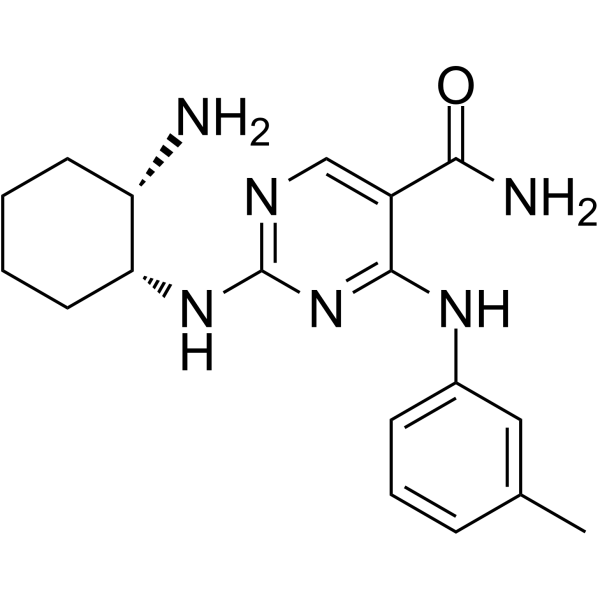
Ciraparantag (PER977) is a thrombin and factor Xa inhibitor. Ciraparantag is a broad-spectrum reversal agent for anticoagulants, including low-molecular-weight heparin, unfractionated heparin, and certain direct oral anticoagulants. It is reported to antagonize the effects of all coagulants except VKAs and agratroban .
Low molecular weight protamine (LMWP;TDSP5) is a truncated arginine-rich protamine peptide, as well as a heparin/low-molecular-weight heparin antidote and a cell-penetrating delivery carrier. Low molecular weight protamine neutralizes heparin-induced anticoagulant activities, including aPTT, anti-Xa and anti-IIa activities, and also neutralizes anti-Xa activity of commercially available low-molecular-weight heparin preparations. Low molecular weight protamine translocates across mammalian cell membranes, delivers conjugated impermeable molecules across tumor tissues, enhances skin permeability of conjugated epidermal growth factor, and accelerates wound healing when conjugated with epidermal growth factor. Low molecular weight protamine retains the in vitro cell proliferation activity of conjugated EGF, and also enables site-specific conjugation with peptides or proteins via genetic recombination. Low molecular weight protamine can be used in studies related to colon adenocarcinoma, skin wounds and diabetic skin wounds.
4-MU-α-GlcNS sodium is a fluorogenic substrate of heparin sulphamidase, is desulfurized into 4-MU-α-GlcNH2. 4-MU-α-GlcNH2 can liberate 4-methylumbelliferone (4-MU, fluorescent product) via α-glucosaminidase catalysis, with the emission wavelength maxima of 445-454 nm. 4-MU-α-GlcNS sodium can be used to heparin sulphamidase deficiencies associated with Mucopolisaccaridosis IIIA and other lysosomal disorders researches .
Salcaprozate (sodium) (Standard) is the analytical standard of Salcaprozate (sodium). This product is intended for research and analytical applications. Salcaprozate sodium (SNAC), an oral absorption promoter, and has the potential as a delivery agent for oral forms of heparin and insulin. Salcaprozate sodium could increase passive transcellular permeation across small intestinal epithelia based on increased lipophilicity arising from non-covalent macromolecule complexation .
H-D-Phe-Pip-Arg-pNA (S-2238) dihydrochloride, a chromogenic substrate, is patterned after the N-terminal portion of the A alpha chain of fibrinogen, which is the natural substrate of thrombin. H-D-Phe-Pip-Arg-pNA dihydrochloride is specific for thrombin and is used to measure antithrombin-heparin cofactor (AT-III). The AT-III assay using H-D-Phe-Pip-Arg-pNA dihydrochloride is sensitive, accurate, and easy to perform .
Keratin sulfate is a heparin-related proteoglycan that interacts with the receptor or alters its stability and function. Keratin sulfate does not enhance the mitogenic effect of FGF-2 .
H-D-Phe-Pip-Arg-pNA (S-2238), a chromogenic substrate, is patterned after the N-terminal portion of the A alpha chain of fibrinogen, which is the natural substrate of thrombin. H-D-Phe-Pip-Arg-pNA is specific for thrombin and is used to measure antithrombin-heparin cofactor (AT-III). The AT-III assay using H-D-Phe-Pip-Arg-pNA is sensitive, accurate, and easy to perform .
Heparin pentasaccharide (Fondaparinux) is a chemically synthesized selective factor Xa inhibitor with anticoagulant activity. Heparin pentasaccharide can be utilized in researches related to venous thromboembolic events .
De-N-sulfated heparin (Heparin I-H) sodium salt is a biochemical reagent that can be used as a biological material or organic compound for life science related research.
Heparin calcium (MW 15000-19000) is an anticoagulant which binds reversibly to antithrombin III (ATIII) to form a heparin-antithrombin III complex. The complex binds to and irreversibly inactivates thrombin and other activated clotting factors IX, X, XI, and XII and prevents the transformation of fibrinogen to fibrin .
Heparan sulfate proteoglycan (HSPG) is a glycoprotein composed of a core protein covalently bound to heparin sulfate chains. Heparan sulfate proteoglycan is an integral part of the basement membrane .
Low molecular weight protamine (LMWP) is a truncated arginine-rich protamine peptide, which also acts as an antidote for heparin/low molecular weight heparin and a cell-penetrating delivery vector. Low molecular weight protamine neutralizes heparin-induced anticoagulant activities, including aPTT, anti-Xa and anti-IIa activities. Low molecular weight protamine translocates across mammalian cell membranes, delivers conjugated impermeable molecules through tumor tissues, enhances the skin permeability of conjugated epidermal growth factor, and accelerates wound healing when conjugated with epidermal growth factor. Low molecular weight protamine retains the in vitro cell proliferation activity of conjugated EGF, and also enables site-specific conjugation with peptides or proteins via genetic recombination. Low molecular weight protamine can be used in studies related to colon cancer, skin wounds and diabetic skin wounds .
Heparin-Cy7 is a fluorescent dye composed of CY7 (HY-D0825) and heparin. Heparin-CY7 is used to study the localization and distribution of heparin in vivo and its interaction with other biomolecules (Ex/Em = 740/770 nm).
Heparin-Cy7.5 is a fluorescent dye composed of CY7.5 (HY-D0926) and heparin. Heparin-CY7.5 is used to study the localization and distribution of heparin in vivo and its interaction with other biomolecules (Ex/Em = 770/820 nm).
Heparin-Cy5.5 is a fluorescent dye composed of CY5.5 (HY-D0924) and heparin. Heparin-CY5.5 is used to study the localization and distribution of heparin in vivo and its interaction with other biomolecules (Ex/Em = 680/710 nm).
Heparin disaccharide I-A (sodium)is a class of biochemical reagents used in glycobiology research. Glycobiology studies the structure, synthesis, biology, and evolution of sugars. It involves carbohydrate chemistry, enzymology of glycan formation and degradation, protein-glycan recognition, and the role of glycans in biological systems. This field is closely related to basic research, biomedicine, and biotechnology .
Delparantag (PMX-60056) is a salicylamide derivative and an effective unfractionated heparin (UFH) and low molecular weight heparin (LMWH) reversing agent. Delparantag shows ability to neutralize the anticoagulation and bleeding effects of UFH and LMWH .
Ciraparantag (PER977) acetate is a thrombin and factor Xa inhibitor. Ciraparantag acetate is a broad-spectrum reversal agent for anticoagulants, including low molecular weight heparins, unfractionated heparins, and some direct oral anticoagulants, but not VKAs .
TP-2, a caltrop-like multicationic small molecule, is an antidote that can completely neutralize both unfractionated heparin (UFH) and low-molecular-weight heparins (LMWHs). TP-2 is not only superior to protamine, has higher neutralization activity, but is also biocompatible .
Ciraparantag (PER977) TFA is a thrombin and factor Xa inhibitor. Ciraparantag TFA is a broad-spectrum reversal agent for anticoagulants, including low-molecular-weight heparin, unfractionated heparin, and certain direct oral anticoagulants. It is reported to antagonize the effects of all coagulants except VKAs and agratroban .
L-Iduronic acid sodium salt is an important monosaccharide component of glycosaminoglycans (GAGs) such as Heparin, Heparan sulfate and Dermatan sulfate .
Ciraparantag-d8 (PER977-d8) tetrahydrochloride diacetate is the deuterium labeled Ciraparantag (HY-18660). Ciraparantag is a thrombin and factor Xa inhibitor. Ciraparantag is a broad-spectrum reversal agent for anticoagulants, including low-molecular-weight heparin, unfractionated heparin, and certain direct oral anticoagulants. It is reported to antagonize the effects of all coagulants except VKAs and agratroban .
Myo-Inositol hexasulfate hexapotassium is a sulfated derivative of inositol that has the activity of mimicking highly sulfated polysaccharides such as heparin, affecting many cell signaling pathways.
Human HBEGF mRNA encodes the human heparin binding EGF like growth factor (HBEGF) protein, a growth factor that mediates its effects via EGFR, ERBB2 and ERBB4. HBEGF may be involved in normal cardiac valve formation and normal heart function.
pCXCL8-1aa is an anti-inflammatory peptide. pCXCL8-1aa competitively inhibits the binding of CXCL8 to glycosaminoglycans such as heparin sulfate (HS) by binding with high affinity. This reduces the presentation of CXCL8 on the surface of vascular endothelial cells, thereby inhibiting neutrophil migration and inflammatory responses. pCXCL8-1aa can be used to study inflammatory diseases such as rheumatoid arthritis .
Heparin reversal agent-1 (Compound QA-1) is a reversal agent for Heparin (HY-17567). Heparin reversal agent-1 shows neutralization activity. Heparin reversal agent-1 completely reverses the anticoagulant activity of both unfractionated heparin and low-molecular-weight heparins, including Dalte, Enoxa, and Nadro .
Rhodamine B-Heparin is a Rhodamine B (HY-Y0016)-labeled heparin. Rhodamine B-Heparin is widely used in fluorescent labeling, molecular tracking, and visualization studies (Ex/Em = 546/610 nm) .
Heparin disaccharide IV-A sodium is an immune-modulatory heparin disaccharide sodium salt that can be attached to biodegradable polymeric particles to form carbohydrate-enhanced nanoparticles (CENPs) .
Heparin disaccharide III-S trisodium (Compound SHH-7) is a heparin-derived disaccharide. Heparin disaccharide III-S trisodium acts as an inhibitor of spontaneous IL-8 and IL-1β secretion by intestinal epithelial cells. Heparin disaccharide III-S trisodium functions at the post-translational stage and does not reduce mRNA or intracellular mediator levels .
Heparin disaccharide II-S trisodium (Compound HSH-9) is a heparin-derived disaccharide. Heparin disaccharide II-S trisodium inhibits the spontaneous secretion of proinflammatory mediators IL-8 and IL-1β in intestinal epithelial cells at the post-transcriptional stage .
Heparin disaccharide I-H trisodium (Compound SHS-5) is a heparin-derived disaccharide. Heparin disaccharide I-H trisodium blocks the spontaneous secretion of IL-8 and IL-1β in intestinal epithelial cells at the post-translational stage without reducing mRNA expression levels or intracellular contents. Heparin disaccharide I-H trisodium exhibits dose-dependent anti-inflammatory activity in intestinal epithelial cell models .
KHK-2866 is a recombinant humanized monoclonal antibody targeting heparin-binding epidermal growth factor-like growth factor (HB-EGF). The predicted molecular weight (MW) of KHK-2866 is 147.68 kDa. KHK-2866 can be used for tumor research .
L-Guluronic acid is a coagulation factor X inhibitor. L-Guluronic acid can replace L-Iduronic acid (HY-135197) in the anticoagulant pentasaccharide of heparin-like substances, while retaining the inhibitory activity against factor Xa. L-Guluronic acid can be used in the research of diseases with coagulation disorders such as deep vein thrombosis and pulmonary embolism .
2-Deoxy-2-sulfoamino-D-glucose (sodium) (Standard) is the analytical standard of 2-Deoxy-2-sulfoamino-D-glucose (sodium). This product is intended for research and analytical applications. 2-Deoxy-2-sulfoamino-D-glucose sodium (D-Glucosamine-2-N-sulfate sodium) is an endogenous metabolite. The main regulatory mechanism of 2-Deoxy-2-sulfoamino-D-glucose sodium involves the interaction of sulfuric acid groups with biomolecules. Sulfate groups can influence the charge density and configuration of polysaccharides, thereby regulating their ability to bind to proteins such as antithrombin. This combination can enhance the activity of antithrombin, which in turn inhibits key enzymes in the blood clotting process to achieve anti-clotting effects. 2-Deoxy-2-sulfoamino-D-glucose sodium can be used to study the selective removal of n-sulfate groups from Heparin (HY-17567) which has important implications for understanding the biological activity of heparin and developing related drugs .
PRT-060318 (PRT318) dihydrochloride is a potent, selective and orally active tyrosine kinase Syk inhibitor with an IC50 of 3 nM. PRT-060318 dihydrochloride suppresses chronic lymphocytic leukemia (CLL) B cell activation and migration, and induces apoptosis. PRT-060318 dihydrochloride prevents Heparin (HY-17567)-induced thrombocytopenia and thrombosis in a transgenic mouse model. PRT-060318 dihydrochloride can be used for CLL and thrombus research .
AG73 is a polypeptide. AG73 is derived from the G domain of the Laminin α1 chain. AG73 binds heparin, Syndecan-1 and Syndecan-4. AG73 promotes the adhesion of various cells, induces the differentiation of salivary gland acinar cells, stimulates neurite outgrowth, secretion of matrix metalloproteinases and angiogenesis. AG73 retains its angiogenic activity when conjugated to chitosan membranes. AG73 can be used in the research of melanoma and ischemic injury .
AGN-191659 is an orally active RAR/RXR agonist with EC50 values of 11 nM, 23 nM, and 37 nM for RXRα, RARβ, and RARγ, respectively. AGN-191659 activates RXRα, RARβ and RARγ to induce gene transcription. AGN-191659 induces tissue transglutaminase activity, inhibits ornithine decarboxylase activity induced by tumor promoters, and suppresses chondrogenesis. AGN-191659 reverses basic fibroblast growth factor-induced endothelial cell proliferation. AGN-191659 induces hypertriglyceridemia in rat models. AGN-191659 inhibits total heparin-releasable lipase activity. AGN-191659 can be used in research related to promyelocytic leukemia and hypertriglyceridemia .
Heparin-Cy5 is a fluorescent dye composed of CY5 (HY-D0821) and heparin. Heparin-CY5 is used to study the localization and distribution of heparin in vivo and its interaction with other biomolecules (Ex/Em = 633/670 nm).
4-MU-α-GlcNS sodium is a fluorogenic substrate of heparin sulphamidase, is desulfurized into 4-MU-α-GlcNH2. 4-MU-α-GlcNH2 can liberate 4-methylumbelliferone (4-MU, fluorescent product) via α-glucosaminidase catalysis, with the emission wavelength maxima of 445-454 nm. 4-MU-α-GlcNS sodium can be used to heparin sulphamidase deficiencies associated with Mucopolisaccaridosis IIIA and other lysosomal disorders researches .
Heparin-Cy7 is a fluorescent dye composed of CY7 (HY-D0825) and heparin. Heparin-CY7 is used to study the localization and distribution of heparin in vivo and its interaction with other biomolecules (Ex/Em = 740/770 nm).
Heparin-Cy7.5 is a fluorescent dye composed of CY7.5 (HY-D0926) and heparin. Heparin-CY7.5 is used to study the localization and distribution of heparin in vivo and its interaction with other biomolecules (Ex/Em = 770/820 nm).
Heparin-Cy5.5 is a fluorescent dye composed of CY5.5 (HY-D0924) and heparin. Heparin-CY5.5 is used to study the localization and distribution of heparin in vivo and its interaction with other biomolecules (Ex/Em = 680/710 nm).
Rhodamine B-Heparin is a Rhodamine B (HY-Y0016)-labeled heparin. Rhodamine B-Heparin is widely used in fluorescent labeling, molecular tracking, and visualization studies (Ex/Em = 546/610 nm) .
Laminin (Engelbreth-Holm-Swarm murine sarcoma basement membrane) is a crucial structural element in animal tissues, forming part of the scaffolding that supports tissue architecture. It interacts with type IV collagen through entactin and perlecan, connects to cell membranes via integrin receptors, dystroglycan complexes, and Lutheran blood group glycoproteins, and contains functional domains that facilitate collagen binding, cell adhesion, heparin interaction, and promote neurite outgrowth.
Heparin Methacrylate (HepMA) is methacrylated heparin and is an ideal tissue engineering scaffold material and 3D printing bioink . Heparin Methacrylate needs to self-assemble into fibrous hydrogel under the action of photoinitiator LAP (HY-44076), and target bioactive adhesion sites, play an inherent supporting role for tissue cells and biodegradable activity. Application: cell culture, biological 3D printing, tissue engineering, etc.
Protamine from salmon is a biochemical agent with antioxidant, antiheparin and antimicrobial activities. Protamine from salmon neutralizes the anticoagulant effect of heparin, thereby preventing the formation of antithrombin complexes in canine samples pretreated with heparin in vitro .
Heparin (Nadroparin) calcium (MW 3600-5000) is an anticoagulant which binds reversibly to antithrombin III (ATIII) to form a heparin-antithrombin III complex. The complex binds to and irreversibly inactivates thrombin and other activated clotting factors IX, X, XI, and XII and prevents the transformation of fibrinogen to fibrin .
Heparin pentasaccharide (Fondaparinux) is a chemically synthesized selective factor Xa inhibitor with anticoagulant activity. Heparin pentasaccharide can be utilized in researches related to venous thromboembolic events .
De-N-sulfated heparin (Heparin I-H) sodium salt is a biochemical reagent that can be used as a biological material or organic compound for life science related research.
Heparin calcium (MW 15000-19000) is an anticoagulant which binds reversibly to antithrombin III (ATIII) to form a heparin-antithrombin III complex. The complex binds to and irreversibly inactivates thrombin and other activated clotting factors IX, X, XI, and XII and prevents the transformation of fibrinogen to fibrin .
Heparan sulfate proteoglycan (HSPG) is a glycoprotein composed of a core protein covalently bound to heparin sulfate chains. Heparan sulfate proteoglycan is an integral part of the basement membrane .
Heparin disaccharide I-A (sodium)is a class of biochemical reagents used in glycobiology research. Glycobiology studies the structure, synthesis, biology, and evolution of sugars. It involves carbohydrate chemistry, enzymology of glycan formation and degradation, protein-glycan recognition, and the role of glycans in biological systems. This field is closely related to basic research, biomedicine, and biotechnology .
N-Deacetylase/N-Sulfotransferase 2 is a sulfotransferase. N-Deacetylase/N-Sulfotransferase 2 synthesizes serglycin-bound heparin chains in mast cells .
Myo-Inositol hexasulfate hexapotassium is a sulfated derivative of inositol that has the activity of mimicking highly sulfated polysaccharides such as heparin, affecting many cell signaling pathways.
2-Deoxy-2-sulfoamino-D-glucose (sodium) (Standard) is the analytical standard of 2-Deoxy-2-sulfoamino-D-glucose (sodium). This product is intended for research and analytical applications. 2-Deoxy-2-sulfoamino-D-glucose sodium (D-Glucosamine-2-N-sulfate sodium) is an endogenous metabolite. The main regulatory mechanism of 2-Deoxy-2-sulfoamino-D-glucose sodium involves the interaction of sulfuric acid groups with biomolecules. Sulfate groups can influence the charge density and configuration of polysaccharides, thereby regulating their ability to bind to proteins such as antithrombin. This combination can enhance the activity of antithrombin, which in turn inhibits key enzymes in the blood clotting process to achieve anti-clotting effects. 2-Deoxy-2-sulfoamino-D-glucose sodium can be used to study the selective removal of n-sulfate groups from Heparin (HY-17567) which has important implications for understanding the biological activity of heparin and developing related drugs .
H-D-Phe-Pip-Arg-pNA (S-2238) hydrochloride, a chromogenic substrate, is patterned after the N-terminal portion of the A alpha chain of fibrinogen, which is the natural substrate of thrombin. H-D-Phe-Pip-Arg-pNA hydrochloride is specific for thrombin and is used to measure antithrombin-heparin cofactor (AT-III). The AT-III assay using H-D-Phe-Pip-Arg-pNA hydrochloride is sensitive, accurate, and easy to perform .
H-D-Phe-Pip-Arg-pNA (S-2238) acetate, a chromogenic substrate, is patterned after the N-terminal portion of the A alpha chain of fibrinogen, which is the natural substrate of thrombin. H-D-Phe-Pip-Arg-pNA acetate is specific for thrombin and is used to measure antithrombin-heparin cofactor (AT-III). The AT-III assay using H-D-Phe-Pip-Arg-pNA acetate is sensitive, accurate, and easy to perform .
BMP-4 (15-24) is a cell-penetrating heparin-binding peptide with the sequence RKKNPNCRRH. BMP-4 (15-24) exhibits anti-inflammatory and anti-chondrogenic activities. BMP-4 (15-24) can be used in the research of arthritis .
Fibronectin Adhesion-promoting Peptide (Heparin Binding Peptide) is one of the heparin-binding amino acid sequences found in the carboxy-terminal heparin-binding domain of fibronectin. It promotes assembly of mesenchymal stem cell (MSC) spheroids into larger aggregates. Fibronectin Adhesion-promoting Peptide directly promotes the adhesion, spreading, and migration of endothelial cells by reacting with heparin binding domains of cells .
BMP-4 (15-24) acetate is a cell-penetrating heparin-binding peptide with the sequence RKKNPNCRRH. BMP-4 (15-24) acetate exhibits anti-inflammatory and anti-chondrogenic activities. BMP-4 (15-24) acetate can be used in the research of arthritis .
Low molecular weight protamine (LMWP;TDSP5) is a truncated arginine-rich protamine peptide, as well as a heparin/low-molecular-weight heparin antidote and a cell-penetrating delivery carrier. Low molecular weight protamine neutralizes heparin-induced anticoagulant activities, including aPTT, anti-Xa and anti-IIa activities, and also neutralizes anti-Xa activity of commercially available low-molecular-weight heparin preparations. Low molecular weight protamine translocates across mammalian cell membranes, delivers conjugated impermeable molecules across tumor tissues, enhances skin permeability of conjugated epidermal growth factor, and accelerates wound healing when conjugated with epidermal growth factor. Low molecular weight protamine retains the in vitro cell proliferation activity of conjugated EGF, and also enables site-specific conjugation with peptides or proteins via genetic recombination. Low molecular weight protamine can be used in studies related to colon adenocarcinoma, skin wounds and diabetic skin wounds.
H-D-Phe-Pip-Arg-pNA (S-2238) dihydrochloride, a chromogenic substrate, is patterned after the N-terminal portion of the A alpha chain of fibrinogen, which is the natural substrate of thrombin. H-D-Phe-Pip-Arg-pNA dihydrochloride is specific for thrombin and is used to measure antithrombin-heparin cofactor (AT-III). The AT-III assay using H-D-Phe-Pip-Arg-pNA dihydrochloride is sensitive, accurate, and easy to perform .
H-D-Phe-Pip-Arg-pNA (S-2238), a chromogenic substrate, is patterned after the N-terminal portion of the A alpha chain of fibrinogen, which is the natural substrate of thrombin. H-D-Phe-Pip-Arg-pNA is specific for thrombin and is used to measure antithrombin-heparin cofactor (AT-III). The AT-III assay using H-D-Phe-Pip-Arg-pNA is sensitive, accurate, and easy to perform .
Low molecular weight protamine (LMWP) is a truncated arginine-rich protamine peptide, which also acts as an antidote for heparin/low molecular weight heparin and a cell-penetrating delivery vector. Low molecular weight protamine neutralizes heparin-induced anticoagulant activities, including aPTT, anti-Xa and anti-IIa activities. Low molecular weight protamine translocates across mammalian cell membranes, delivers conjugated impermeable molecules through tumor tissues, enhances the skin permeability of conjugated epidermal growth factor, and accelerates wound healing when conjugated with epidermal growth factor. Low molecular weight protamine retains the in vitro cell proliferation activity of conjugated EGF, and also enables site-specific conjugation with peptides or proteins via genetic recombination. Low molecular weight protamine can be used in studies related to colon cancer, skin wounds and diabetic skin wounds .
Platelet Factor 4 (58-70), human, a peptide based on the amino acid sequence corresponding to residues 58-70 of platelet factor-4 (PF-4), contains the major heparin-binding domain, which is not sufficient for full antiangiogenic activity .
Fibronectin Adhesion-promoting Peptide (Heparin Binding Peptide) is one of the heparin-binding amino acid sequences found in the carboxy-terminal heparin-binding domain of fibronectin. It promotes assembly of mesenchymal stem cell (MSC) spheroids into larger aggregates. Fibronectin Adhesion-promoting Peptide directly promotes the adhesion, spreading, and migration of endothelial cells by reacting with heparin binding domains of cells .
Delparantag (PMX-60056) is a salicylamide derivative and an effective unfractionated heparin (UFH) and low molecular weight heparin (LMWH) reversing agent. Delparantag shows ability to neutralize the anticoagulation and bleeding effects of UFH and LMWH .
pCXCL8-1aa is an anti-inflammatory peptide. pCXCL8-1aa competitively inhibits the binding of CXCL8 to glycosaminoglycans such as heparin sulfate (HS) by binding with high affinity. This reduces the presentation of CXCL8 on the surface of vascular endothelial cells, thereby inhibiting neutrophil migration and inflammatory responses. pCXCL8-1aa can be used to study inflammatory diseases such as rheumatoid arthritis .
AG73 is a polypeptide. AG73 is derived from the G domain of the Laminin α1 chain. AG73 binds heparin, Syndecan-1 and Syndecan-4. AG73 promotes the adhesion of various cells, induces the differentiation of salivary gland acinar cells, stimulates neurite outgrowth, secretion of matrix metalloproteinases and angiogenesis. AG73 retains its angiogenic activity when conjugated to chitosan membranes. AG73 can be used in the research of melanoma and ischemic injury .
MCE Heparin Agarose 6FF is suitable for the separation and purification of heparin-binding biomolecules, including antithrombin III, coagulation factors, other plasma proteins, DNA-binding proteins, lipoproteins, protein synthesis factors, nucleic acid-related enzymes, and steroid receptors.
KHK-2866 is a recombinant humanized monoclonal antibody targeting heparin-binding epidermal growth factor-like growth factor (HB-EGF). The predicted molecular weight (MW) of KHK-2866 is 147.68 kDa. KHK-2866 can be used for tumor research .
Heparin is a highly sulfated glycosaminoglycan,that is widely used as an injectable anticoagulant, and has the highest negative charge density of any known biological molecule. Heparin significantly inhibits exosome-cell interactions.
Dermatan sulphate sodium is an oral active glycosaminoglycan and thrombin inactivator with antithrombotic activity. It selectively catalyzes the heparin cofactor II-mediated inactivation of thrombin without interacting with antithrombin III. Dermatan sulphate sodium promotes stem cell differentiation, exhibits high bioavailability, and alleviates pulmonary fibrosis injury induced by Bleomycin (HY-108345). Dermatan sulphate sodium can be used in research related to cardiovascular diseases, inflammation, and stem cell differentiation .
Heparin disaccharide III-S trisodium (Compound SHH-7) is a heparin-derived disaccharide. Heparin disaccharide III-S trisodium acts as an inhibitor of spontaneous IL-8 and IL-1β secretion by intestinal epithelial cells. Heparin disaccharide III-S trisodium functions at the post-translational stage and does not reduce mRNA or intracellular mediator levels .
Heparin disaccharide II-S trisodium (Compound HSH-9) is a heparin-derived disaccharide. Heparin disaccharide II-S trisodium inhibits the spontaneous secretion of proinflammatory mediators IL-8 and IL-1β in intestinal epithelial cells at the post-transcriptional stage .
Heparin disaccharide I-H trisodium (Compound SHS-5) is a heparin-derived disaccharide. Heparin disaccharide I-H trisodium blocks the spontaneous secretion of IL-8 and IL-1β in intestinal epithelial cells at the post-translational stage without reducing mRNA expression levels or intracellular contents. Heparin disaccharide I-H trisodium exhibits dose-dependent anti-inflammatory activity in intestinal epithelial cell models .
L-Guluronic acid is a coagulation factor X inhibitor. L-Guluronic acid can replace L-Iduronic acid (HY-135197) in the anticoagulant pentasaccharide of heparin-like substances, while retaining the inhibitory activity against factor Xa. L-Guluronic acid can be used in the research of diseases with coagulation disorders such as deep vein thrombosis and pulmonary embolism .
Pleiotrophin is a secreted growth factor that signals through cell surface proteoglycan and non-proteoglycan receptors to influence a variety of cellular processes. It binds to chondroitin sulfate (CS) groups, regulates proliferation, survival and differentiation, and inhibits long-term synaptic potentiation of neurons. Animal-Free Pleiotrophin Protein, Human (His) is the recombinant human-derived animal-FreePleiotrophin protein, expressed by E. coli , with C-His labeled tag. This product is for cell culture use only.
Heparinase III Protein is the unique member of the heparinase family of heparin-degrading lyases that recognizes the ubiquitous cell-surface heparan sulfate proteoglycans as its primary substrate. Heparinase III functions in cleaving metazoan heparan sulfate and providing carbon, nitrogen and sulfate sources for microorganisms. Furthermore, Heparinase III is cardioprotective in a dose-dependent manner, preserves endothelial function and attenuates PMN adherence to the coronary vascular endothelium. Heparinase III Protein, P. heparinus (His) is the recombinant Heparinase III protein, expressed by E. coli , with N-6*His labeled tag.
Serpin D1 protein is a thrombin inhibitor activated by glycosaminoglycans such as heparin or dermatan sulfate. It replaces antithrombin III and becomes the main thrombin inhibitor in the presence of dermatan sulfate. In addition to thrombin inhibition, serpin D1 also has glycosaminoglycan-independent chymotrypsin inhibitory activity. Serpin D1 Protein, Human (HEK293, His) is the recombinant human-derived Serpin D1 protein, expressed by HEK293 , with C-His labeled tag.
Pleiotrophin is a secreted growth factor that signals through cell surface proteoglycan and non-proteoglycan receptors to influence a variety of cellular processes. It binds to chondroitin sulfate (CS) groups, regulates proliferation, survival and differentiation, and inhibits long-term synaptic potentiation of neurons. Pleiotrophin Protein, Human is the recombinant human-derived Pleiotrophin protein, expressed by E. coli , with tag free. The total length of Pleiotrophin Protein, Human is 136 a.a., with molecular weight of ~15.3 kDa.
Serpin D1 is a thrombin inhibitor that is activated by glycosaminoglycans such as heparin or dermatan sulfate. In the presence of dermatan sulfate, HC-II surpasses antithrombin III (AT) as the primary thrombin inhibitor. Serpin D1 Protein, Mouse (HEK293, His) is the recombinant mouse-derived Serpin D1 protein, expressed by HEK293 , with C-6*His labeled tag.
Heparinase I protein is an enzyme that degrades heparin and heparan sulfate and can modify extracellular matrix components. In addition to degradation, it also releases growth factors that bind to heparin, affecting the extracellular environment. Heparinase I Protein, B. thetaiotaomicron (His) is the recombinant Heparinase I protein, expressed by E. coli , with N-His labeled tag.
Pleiotrophin (PTN) is a secreted growth factor that transduces signals through cell surface proteoglycan and non-proteoglycan receptors.PTN binds to chondroitin sulfate (CS) groups and regulates cell proliferation, survival, and differentiation, particularly inhibiting long-term synaptic potentiation of neurons.Pleiotrophin Protein, Mouse (HEK293, His) is the recombinant mouse-derived Pleiotrophin protein, expressed by HEK293 , with C-6*His labeled tag.
Azurocidin Protein, Human (HEK293, His), a recombinant human Azurocidin produced in HEK293 cells, has a His tag. Azurocidin is a protein that is mobilized rapidly from emigrating polymorphonuclear leukocytes (PMN). Azurocidin serves as an important mediator during the initiation of the immune response.
The FGF-4 protein coordinates embryonic development, cell proliferation and differentiation and is critical for normal limb and heart valve development. FGF-4 may promote embryonic molar tooth bud development by inducing key gene expression. FGF-4 Protein, Human (153a.a) is the recombinant human-derived FGF-4 protein, expressed by E. coli , with tag free.
The FGF-4 protein coordinates embryonic development, cell proliferation and differentiation and is critical for normal limb and heart valve development. FGF-4 may promote embryonic molar tooth bud development by inducing key gene expression. Animal-Free FGF-4 Protein, Human (His) is the recombinant human-derived animal-FreeFGF-4 protein, expressed by E. coli , with C-His labeled tag.This product is for cell culture use only.
The FGF-4 protein coordinates embryonic development, cell proliferation and differentiation and is critical for normal limb and heart valve development. FGF-4 may promote embryonic molar tooth bud development by inducing key gene expression. FGF-4 Protein, Human (136a.a) is the recombinant human-derived FGF-4 protein, expressed by E. coli , with tag free.
Animal-Free FGF-5 Protein, Human (His) is the recombinant human-derived animal-FreeFGF-5 protein, expressed by E. coli, with C-His labeled tag. This product is for cell culture use only.
KGF/FGF-7 Protein is an epithelial cell-specific mitogen secreted by normal stromal fibroblasts. KGF/FGF-7 Protein activates plasminogen activator (PA) activity to promote extracellular matrix degradation. KGF/FGF-7 Protein, Human has activities such as promoting the proliferation and differentiation of epithelial cells (such as keratinocytes, thymic epithelial cells), repairing tissue damage (such as intestinal ischemia/reperfusion injury, bone defects), and regulating immune function (such as improving thymus function in aged mice). KGF/FGF-7 Protein, Human is a recombinant KGF/FGF-7 protein expressed by E. coli without a tag.
KGF/FGF-7 proteins coordinate embryonic development and regulate basic processes such as cell proliferation and differentiation. Its critical role extends to normal branching morphogenesis. GMP KGF/FGF-7 Protein, Human is the recombinant human-derived KGF/FGF-7 protein, expressed by E. coli , with tag free.
KGF/FGF-7 proteins coordinate embryonic development and regulate basic processes such as cell proliferation and differentiation. Its critical role extends to normal branching morphogenesis. KGF/FGF-7 Protein, Human (HEK293, His) is the recombinant human-derived KGF/FGF-7 protein, expressed by HEK293 , with C-6*His labeled tag.
FGF-3 Protein orchestrates embryonic development, cell proliferation, and differentiation, crucial for normal ear development and tissue morphogenesis. Interactions with FGFR1 and FGFR2, along with heparan sulfate glycosaminoglycans, underpin FGF-3's diverse functions. The potentiated binding affinity emphasizes the multifaceted nature of FGF-3 in shaping essential developmental processes through intricate molecular interactions. Animal-Free FGF-3 Protein, Human (His) is the recombinant human-derived animal-FreeFGF-3 protein, expressed by E. coli , with C-His labeled tag. This product is for cell culture use only.
FGF2 Protein acts as a ligand for FGFR1-4 and an integrin ligand for FGF2 signaling. It regulates cell survival, division, differentiation, and migration. FGF2 Protein is a strong mitogen and can induce angiogenesis. FGF2 Protein, Chicken (His) is the recombinant FGF2 protein, expressed by E. coli , with C-6*His labeled tag.
FGF basic, or bFGF (fibroblast growth factor basic), initiates at an alternative CUG codon, marking a distinctive feature in translational initiation. This alternative start codon plays a pivotal role in regulating the expression and functional properties of FGF basic.Heat Stable FGF basic/bFGF Protein, Human, Human is the recombinant human-derived Heat Stable FGF-basic protein, expressed by E. coli , with tag free.
Animal-Free FGF-8b Protein, Human/Mouse (His) is the recombinant human-derived animal-FreeFGF-8b protein, expressed by E. coli, with C-His labeled tag. This product is for cell culture use only.
FGF-2 is a member of the fibroblast family involved in bone healing, cartilage repair, bone repair, and nerve regeneration. FGF-2 is also a mitotic promoter that accelerates cell proliferation. FGF-2 regulates immune processes by specifically targeting tyrosine kinase receptors and activating the FGF/FGFR signaling pathway. For example, FGF-2 is involved in the JAK-STAT signaling pathway to regulate cartilage metabolism and also activates ERK signaling to promote cartilage regeneration. FGF-2 combined with FGFR1/3 promoted degeneration and repair of articular cartilage, respectively. FGF-2 is also a known carcinogen in GBM, which contributes to glioma growth and vascularization.Animal-Free FGF-2 Protein, Pig (His), consists of 1 amino acids, produced by E.coli with tag free.This product is for cell culture use only.
FGF2 protein is a multifunctional ligand that can bind to FGFR1, FGFR2, FGFR3 and FGFR4. It is also a key integrin ligand for FGF2 signal transduction and has an important interaction with the integrin ITGAV:ITGB3. FGF2 plays a critical role in cell survival, division, differentiation, and migration, serves as a potent mitogen, and induces angiogenesis. FFGF basic/bFGF protein, Bovine (His)) is the recombinant bovine-derived FGF2 protein, expressed by E. coli , with N-6*His labeled tag.
MIP-1 alpha/CCL3 Protein, Mouse (His), an important chemokine, is a key regulator of immune microenvironment and primarily mediates the trafficking of immune cells in both inflammation and cancer. MIP-1 alpha/CCL3 Protein, Mouse (His) is a recombinant mouse CCL3 (A24-A92) expressed by E.coil with a N-6*His tag.
FGF-2 is a member of the fibroblast family involved in bone healing, cartilage repair, bone repair, and nerve regeneration. FGF-2 is also a mitotic promoter that accelerates cell proliferation. FGF-2 regulates immune processes by specifically targeting tyrosine kinase receptors and activating the FGF/FGFR signaling pathway. For example, FGF-2 is involved in the JAK-STAT signaling pathway to regulate cartilage metabolism and also activates ERK signaling to promote cartilage regeneration. FGF-2 combined with FGFR1/3 promoted degeneration and repair of articular cartilage, respectively. FGF-2 is also a known carcinogen in GBM, which contributes to glioma growth and vascularization.
FGF-2 protein is a member of the fibroblast growth factor family, involved in biological processes such as bone healing, cartilage repair, tumor development, and nerve regeneration. FGF-2 is also a mitogen that accelerates cell proliferation. It regulates immune processes by specifically targeting tyrosine kinase receptors and activating the FGF/FGFR signaling pathway. FGF-2 protein, Mouse (154 a.a.), is a recombinant protein produced in E. coli (Escherichia coli), consisting of 154 amino acids (M1-S154), and is untagged.
FGF-2 is a member of the fibroblast family involved in bone healing, cartilage repair, bone repair, and nerve regeneration. FGF-2 is also a mitotic promoter that accelerates cell proliferation. FGF-2 regulates immune processes by specifically targeting tyrosine kinase receptors and activating the FGF/FGFR signaling pathway. For example, FGF-2 is involved in the JAK-STAT signaling pathway to regulate cartilage metabolism and also activates ERK signaling to promote cartilage regeneration. FGF-2 combined with FGFR1/3 promoted degeneration and repair of articular cartilage, respectively. FGF-2 is also a known carcinogen in GBM, which contributes to glioma growth and vascularization.FGF basic/bFGF Protein, Human (157a.a), consists of 157 amino acids, produced by E.coli with tag free.
FGF2 Protein acts as a ligand for FGFR1-4 and an integrin ligand for FGF2 signaling. It regulates cell survival, division, differentiation, and migration. FGF2 Protein is a strong mitogen and can induce angiogenesis. FGF2 Protein, Chicken (N-His, C-Myc) is the recombinant FGF2 protein, expressed by E. coli , with C-Myc, N-10*His labeled tag.
FGF basic, or bFGF (fibroblast growth factor basic), initiates at an alternative CUG codon, marking a distinctive feature in translational initiation. This alternative start codon plays a pivotal role in regulating the expression and functional properties of FGF basic. FGF basic/bFGF Protein, Human (P. pastoris, N-His) is the recombinant human-derived FGF basic/bFGF protein, expressed by P. pastoris , with N-6*His labeled tag.
FGF2 protein is a multifunctional ligand that can bind to FGFR1, FGFR2, FGFR3 and FGFR4. It is also a key integrin ligand for FGF2 signal transduction and has an important interaction with the integrin ITGAV:ITGB3. FGF2 plays a critical role in cell survival, division, differentiation, and migration, serves as a potent mitogen, and induces angiogenesis. FGF basic/bFGF protein, Bovine (P. pastoris, N-His) is the recombinant bovine-derived FGF2 protein, expressed by P. pastoris , with N-6*His labeled tag.
FGF-1 protein complexly regulates cell survival, division, angiogenesis, differentiation, and migration. As a potent mitogen, it acts as a ligand for FGFR1 and integrins. FGF-1 Protein, Human (154a.a) is the recombinant human-derived FGF-1 protein, expressed by E. coli , with tag free.
The FGFR-3 protein is a tyrosine-protein kinase receptor for fibroblast growth factor that is critical for cellular processes, particularly in chondrocytes, osteoblasts, and inner ear development. Its effects span normal skeletal development and postnatal bone mineralization. FGFR-3 Protein, Human (His-B2M) is the recombinant human-derived FGFR-3 protein, expressed by E. coli , with N-6*His, N-B2M labeled tag.
Salcaprozate-d4 (sodium) is a deuterated labeled Salcaprozate (sodium) . Salcaprozate sodium (SNAC), an oral absorption promoter, and has the potential as a delivery agent for oral forms of heparin and insulin. Salcaprozate sodium could increase passive transcellular permeation across small intestinal epithelia based on increased lipophilicity arising from non-covalent macromolecule complexation .
Ciraparantag-d8 (PER977-d8) tetrahydrochloride diacetate is the deuterium labeled Ciraparantag (HY-18660). Ciraparantag is a thrombin and factor Xa inhibitor. Ciraparantag is a broad-spectrum reversal agent for anticoagulants, including low-molecular-weight heparin, unfractionated heparin, and certain direct oral anticoagulants. It is reported to antagonize the effects of all coagulants except VKAs and agratroban .
Human HBEGF mRNA encodes the human heparin binding EGF like growth factor (HBEGF) protein, a growth factor that mediates its effects via EGFR, ERBB2 and ERBB4. HBEGF may be involved in normal cardiac valve formation and normal heart function.
T18.3 aptamer sodium is an anticoagulant RNA aptamer targeting FV/Va and eliminates the interaction of FV/FVa with phospholipid membranes. T18.3 aptamer sodium exhibits clinically relevant anticoagulant activity in plasma and whole blood and acts synergistically with low molecular weight heparin. The anticoagulant activity of T18.3 aptamer sodium is effectively and rapidly reversed by protamine sulfate .
Inquiry Online
Your information is safe with us. * Required Fields.
Western blot analysis of extracts from THP-1(lane 2(20μg), Jurkat (lane 3(20μg) and NIH3T3(lane 4(20μg) using FOXO1A (HY-P80132) Rabbit mAb. Proteins were transferred
to a PVDF membrane and blocked with 5% non-fat milk in TBST for 2 hour at room temperature. The primary antibody (1/1000) and Loading control antibody (Beta Actin, HY-P80438, 1/10000) was
used in 5% non-fat milk in TBST at 4°C overnight. Goat Anti-Mouse/Rabbit IgG-HRP Secondary Antibody (1/10000) was used for 1 hour at room temperature.
Western blot analysis of extracts from THP-1(lane 2(20μg), Jurkat (lane 3(20μg) and NIH3T3(lane 4(20μg) using FOXO1A (HY-P80132) Rabbit mAb. Proteins were transferred
to a PVDF membrane and blocked with 5% non-fat milk in TBST for 2 hour at room temperature. The primary antibody (1/1000) and Loading control antibody (Beta Actin, HY-P80438, 1/10000) was
used in 5% non-fat milk in TBST at 4°C overnight. Goat Anti-Mouse/Rabbit IgG-HRP Secondary Antibody (1/10000) was used for 1 hour at room temperature.
Western blot analysis of extracts from THP-1(lane 2(20μg), Jurkat (lane 3(20μg) and NIH3T3(lane 4(20μg) using FOXO1A (HY-P80132) Rabbit mAb. Proteins were transferred
to a PVDF membrane and blocked with 5% non-fat milk in TBST for 2 hour at room temperature. The primary antibody (1/1000) and Loading control antibody (Beta Actin, HY-P80438, 1/10000) was
used in 5% non-fat milk in TBST at 4°C overnight. Goat Anti-Mouse/Rabbit IgG-HRP Secondary Antibody (1/10000) was used for 1 hour at room temperature.
Western blot analysis of extracts from THP-1(lane 2(20μg), Jurkat (lane 3(20μg) and NIH3T3(lane 4(20μg) using FOXO1A (HY-P80132) Rabbit mAb. Proteins were transferred
to a PVDF membrane and blocked with 5% non-fat milk in TBST for 2 hour at room temperature. The primary antibody (1/1000) and Loading control antibody (Beta Actin, HY-P80438, 1/10000) was
MedchemExpress Validation 03
Western blot analysis of extracts from THP-1(lane 2(20μg), Jurkat (lane 3(20μg) and NIH3T3(lane 4(20μg) using FOXO1A (HY-P80132) Rabbit mAb. Proteins were transferred
MedchemExpress Validation 04
Western blot analysis of extracts from THP-1(lane 2(20μg), Jurkat (lane 3(20μg) and NIH3T3(lane 4(20μg) using FOXO1A (HY-P80132) Rabbit mAb. Proteins were transferred
to a PVDF membrane and blocked with 5% non-fat milk in TBST for 2 hour at room temperature. The primary antibody (1/1000) and Loading control antibody (Beta Actin, HY-P80438, 1/10000) was
used in 5% non-fat milk in TBST at 4°C overnight. Goat Anti-Mouse/Rabbit IgG-HRP Secondary Antibody (1/10000) was used for 1 hour at room temperature.
MedchemExpress Validation
Western blot analysis of extracts from THP-1(lane 2(20μg), Jurkat (lane 3(20μg) and NIH3T3(lane 4(20μg) using FOXO1A (HY-P80132) Rabbit mAb. Proteins were transferred
to a PVDF membrane and blocked with 5% non-fat milk in TBST for 2 hour at room temperature. The primary antibody (1/1000) and Loading control antibody (Beta Actin, HY-P80438, 1/10000) was
used in 5% non-fat milk in TBST at 4°C overnight. Goat Anti-Mouse/Rabbit IgG-HRP Secondary Antibody (1/10000) was used for 1 hour at room temperature.
Western blot analysis of extracts from THP-1(lane 2(20μg), Jurkat (lane 3(20μg) and NIH3T3(lane 4(20μg) using FOXO1A (HY-P80132) Rabbit mAb. Proteins were transferred
to a PVDF membrane and blocked with 5% non-fat milk in TBST for 2 hour at room temperature. The primary antibody (1/1000) and Loading control antibody (Beta Actin, HY-P80438, 1/10000) was
used in 5% non-fat milk in TBST at 4°C overnight. Goat Anti-Mouse/Rabbit IgG-HRP Secondary Antibody (1/10000) was used for 1 hour at room temperature.
MedchemExpress Validation
Western blot analysis of extracts from THP-1(lane 2(20μg), Jurkat (lane 3(20μg) and NIH3T3(lane 4(20μg) using FOXO1A (HY-P80132) Rabbit mAb. Proteins were transferred
to a PVDF membrane and blocked with 5% non-fat milk in TBST for 2 hour at room temperature. The primary antibody (1/1000) and Loading control antibody (Beta Actin, HY-P80438, 1/10000) was
used in 5% non-fat milk in TBST at 4°C overnight. Goat Anti-Mouse/Rabbit IgG-HRP Secondary Antibody (1/10000) was used for 1 hour at room temperature.
MedchemExpress Validation
Western blot analysis of extracts from THP-1(lane 2(20μg), Jurkat (lane 3(20μg) and NIH3T3(lane 4(20μg) using FOXO1A (HY-P80132) Rabbit mAb. Proteins were transferred
to a PVDF membrane and blocked with 5% non-fat milk in TBST for 2 hour at room temperature. The primary antibody (1/1000) and Loading control antibody (Beta Actin, HY-P80438, 1/10000) was
used in 5% non-fat milk in TBST at 4°C overnight. Goat Anti-Mouse/Rabbit IgG-HRP Secondary Antibody (1/10000) was used for 1 hour at room temperature.
MedchemExpress Validation
Western blot analysis of extracts from THP-1(lane 2(20μg), Jurkat (lane 3(20μg) and NIH3T3(lane 4(20μg) using FOXO1A (HY-P80132) Rabbit mAb. Proteins were transferred
to a PVDF membrane and blocked with 5% non-fat milk in TBST for 2 hour at room temperature. The primary antibody (1/1000) and Loading control antibody (Beta Actin, HY-P80438, 1/10000) was
used in 5% non-fat milk in TBST at 4°C overnight. Goat Anti-Mouse/Rabbit IgG-HRP Secondary Antibody (1/10000) was used for 1 hour at room temperature.
MedchemExpress Validation
Western blot analysis of extracts from THP-1(lane 2(20μg), Jurkat (lane 3(20μg) and NIH3T3(lane 4(20μg) using FOXO1A (HY-P80132) Rabbit mAb. Proteins were transferred
to a PVDF membrane and blocked with 5% non-fat milk in TBST for 2 hour at room temperature. The primary antibody (1/1000) and Loading control antibody (Beta Actin, HY-P80438, 1/10000) was
used in 5% non-fat milk in TBST at 4°C overnight. Goat Anti-Mouse/Rabbit IgG-HRP Secondary Antibody (1/10000) was used for 1 hour at room temperature.
MedchemExpress Validation
Western blot analysis of extracts from THP-1(lane 2(20μg), Jurkat (lane 3(20μg) and NIH3T3(lane 4(20μg) using FOXO1A (HY-P80132) Rabbit mAb. Proteins were transferred
to a PVDF membrane and blocked with 5% non-fat milk in TBST for 2 hour at room temperature. The primary antibody (1/1000) and Loading control antibody (Beta Actin, HY-P80438, 1/10000) was
used in 5% non-fat milk in TBST at 4°C overnight. Goat Anti-Mouse/Rabbit IgG-HRP Secondary Antibody (1/10000) was used for 1 hour at room temperature.
MedchemExpress Validation
Western blot analysis of extracts from THP-1(lane 2(20μg), Jurkat (lane 3(20μg) and NIH3T3(lane 4(20μg) using FOXO1A (HY-P80132) Rabbit mAb. Proteins were transferred
to a PVDF membrane and blocked with 5% non-fat milk in TBST for 2 hour at room temperature. The primary antibody (1/1000) and Loading control antibody (Beta Actin, HY-P80438, 1/10000) was
used in 5% non-fat milk in TBST at 4°C overnight. Goat Anti-Mouse/Rabbit IgG-HRP Secondary Antibody (1/10000) was used for 1 hour at room temperature.
MedChemExpress values your privacy and your trust is important to us. We use cookies to enhance your website experience. Some cookies are necessary to run the website.
Privacy and Cookie Policy

