

1. Search Result
Search Result
Results for "

hydrophobic interactions

" in MedChemExpress (MCE) Product Catalog:

94

Inhibitors & Agonists

1

Screening Libraries

1

Fluorescent Dyes

9

Biochemical Assay Reagents

9

Peptides

13

Natural
Products

2

Isotope-Labeled Compounds

4

Oligonucleotides

Cat. No. Product Name Target Research Areas Chemical Structure
  • HY-W127378
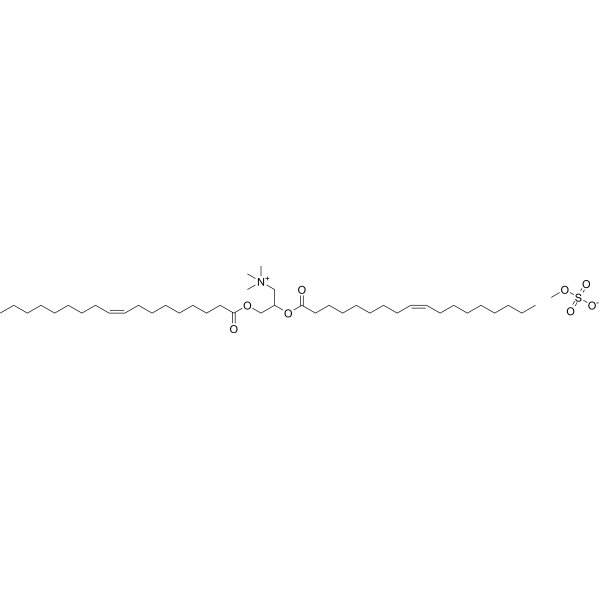
    DOTAP methylsulfate
    10+ Cited Publications

    1,2-Dioleoyl-3-trimethylammonium-propane methylsulfate

    Liposome Others
    DOTAP methylsulfat is a cationic lipid reagent, a cationic derivative of trimethylammonium, linked to two 18-carbon fatty acid tails, each with a single olefin group. DOTAP methylsulfat can self-assemble with negatively charged ions (such as DNA) to form complexes, which can be adsorbed to the cell membrane surface and enter the cell by electrostatic interaction and endocytosis, respectively. DOTAP methylsulfat promotes endosomal membrane fusion with its own hydrophobic domain, releases DNA into the cytoplasm, and exerts gene delivery function. DOTAP methylsulfat can be widely used in research fields such as gene therapy, cell transfection, and non-viral vector design .
    DOTAP methylsulfate
  • HY-P1902

    Apoptosis Cardiovascular Disease
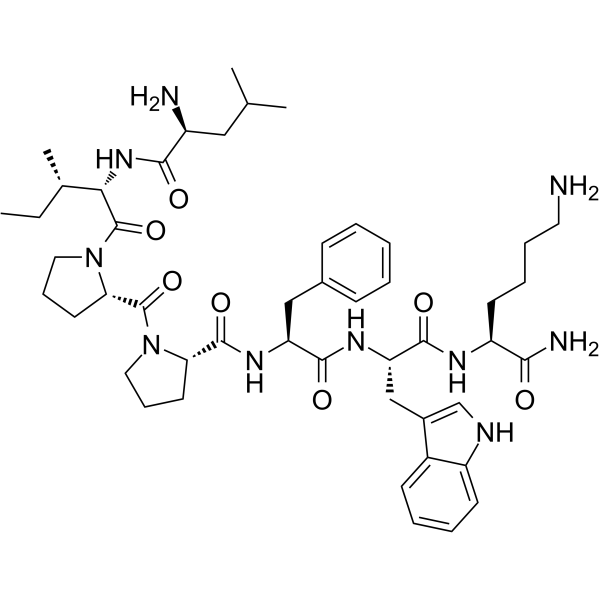
    Cardiotoxin Analog (CTX) IV (6-12) is a membrane active peptide that specifically targets negatively charged phospholipid membranes (such as phosphatidylserine and phosphatidylinositol). Cardiotoxin Analog (CTX) IV (6-12) was discovered in the venom of the Taiwan cobra. Cardiotoxin Analog (CTX) IV (6-12) is a chemically synthesized snake venom cardiotoxin that binds to cell membranes and embeds into lipid bilayers through hydrophobic interactions and electrostatic attraction, thereby destroying the stability of membrane structure. Cardiotoxin Analog (CTX) IV (6-12) can induce membrane lipid disorder and cell lysis, exhibiting hemolysis and cytotoxicity .
    Cardiotoxin Analog (CTX) IV (6-12)
  • HY-W020780

    mPEG5000-Maleimide

    Biochemical Assay Reagents Cancer
    mPEG5000-Mal (mPEG5000-Maleimide) is a PEG-derived selective covalent binding agent for sulfhydryl groups (RSGs), which can form irreversible thioether bonds with sulfhydryl groups under near-neutral conditions via the maleimide group. The mechanism of action of mPEG5000-Mal can be divided into two categories: firstly, as an enzyme modifier, it binds to target proteins through hydrophobic interactions, hydrogen bonds, and van der Waals forces, altering the protein's secondary structure; secondly, as a nanoparticle surface modifier, it covalently binds to sulfhydryl groups on the surface of red blood cells, changing the surface properties and morphology of the red blood cells, leading to their phagocytosis by macrophages of the reticuloendothelial system. mPEG5000-Mal can react with free cysteine in proteins, increasing the apparent molecular weight of the modified protein by 10-15 kDa for detection purposes. mPEG5000-Mal can enhance the thermal stability and catalytic activity of enzymes, and improve the macrophage targeting of nanoparticles, enabling targeted drug delivery. mPEG5000-Mal can be applied in enzyme engineering research in the food industry and in oncology, assisting radiotherapy by inhibiting tumor-associated macrophage infiltration and enhancing anti-tumor immune responses .
    mPEG5000-Mal
  • HY-P1902A

    Apoptosis Cardiovascular Disease
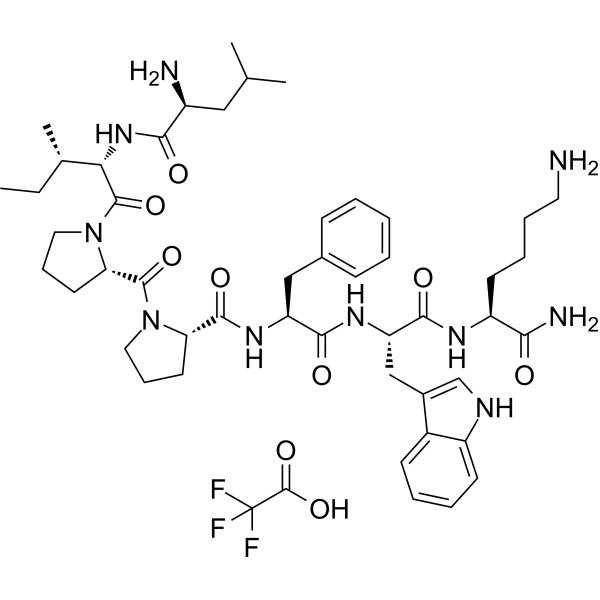
    Cardiotoxin Analog (CTX) IV (6-12) TFA is a membrane active peptide that specifically targets negatively charged phospholipid membranes (such as phosphatidylserine and phosphatidylinositol). Cardiotoxin Analog (CTX) IV (6-12) TFA was discovered in the venom of the Taiwan cobra. Cardiotoxin Analog (CTX) IV (6-12) TFA is a chemically synthesized snake venom cardiotoxin that binds to cell membranes and embeds into lipid bilayers through hydrophobic interactions and electrostatic attraction, thereby destroying the stability of membrane structure. Cardiotoxin Analog (CTX) IV (6-12) TFA can induce membrane lipid disorder and cell lysis, exhibiting hemolysis and cytotoxicity .
    Cardiotoxin Analog (CTX) IV (6-12) TFA
  • HY-W440896

    Liposome Others
    DSPE-PEG2000-SH is an amphiphilic thiol-functionalized DSPE-PEG molecule. DSPE-PEG2000-SH inserts into extracellular vesicle (EV) bilayer membranes via hydrophobic interactions, displaying surface thiol groups to form EV-SH crosslinkers.DSPE-PEG2000-SH enables crosslinking of EV-SH with 8-arm PEG-norbornene via thiol-ene photochemistry to construct hydrogels, with hydrogel mechanical properties tunable via PEG segment molecular weight variation.DSPE-PEG2000-SH can be used to encapsulate agents for drug delivery system, such as mRNA vaccine .
    DSPE-PEG2000-SH
  • HY-W250727
    TNS sodium
    1 Publications Verification

    6-(p-Tolylamino)naphthalene-2-sulfonate sodium

    Fluorescent Dye Others
    TNS (6-(p-Tolylamino) naphthalene-2-sulfonate) sodium is a fluorescent probe used to detect the conformational state of proteins. TNS sodium binds to the central hydrophobic calyx of β-lactoglobulin (β-LG) to form a 1:1 complex, which stabilizes the folded conformation of β-LG. TNS sodium shows weak fluorescent signals in aqueous solution, but its fluorescence intensity increases significantly upon binding to the hydrophobic domains of proteins, with the maximum excitation wavelength and maximum emission wavelength located at 321 nm and 446 nm, respectively .
    TNS sodium
  • HY-W145665

    Biochemical Assay Reagents Endogenous Metabolite Others
    Amylose is not a typical small-molecule ligand with a specific traditional receptor-binding target. It is a polysaccharide. In food science and biological systems, amylose can interact with proteins and free fatty acids through non-covalent forces like hydrophobic interactions and electrostatic interactions. For example, it can form a ternary complex with them, which is related to the structure and digestion of starch. It is widely studied in the fields of food science, carbohydrate metabolism, and is also relevant in research on controlling glycemic responses, as it affects starch digestion rate .
    Amylose
  • HY-N2204

    Tyrosinase Reactive Oxygen Species (ROS) Inflammation/Immunology
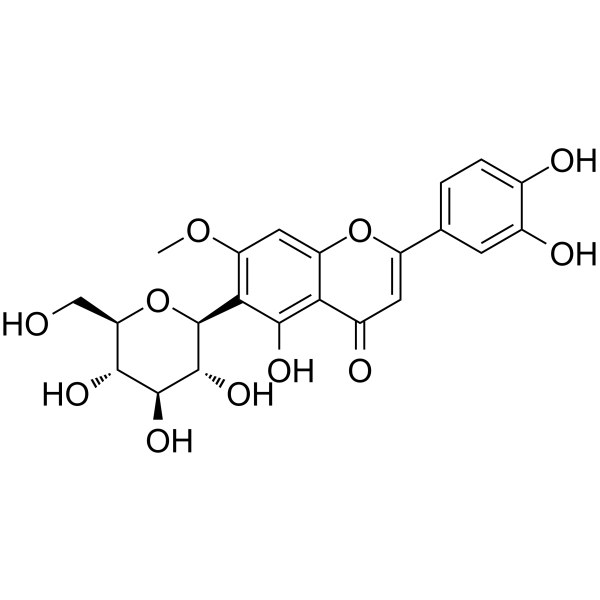
    Swertiajaponin is a tyrosinase inhibitor, forms multiple hydrogen bonds and hydrophobic interactions with the binding pocket of tyrosinase, with an IC50 of 43.47 μM. Swertiajaponin also inhibits oxidative stress-mediated MAPK/MITF signaling, leading to decrease in tyrosinase protein level. Swertiajaponin suppresses melanin accumulation and exhibits strong anti-oxidative activity .
    Swertiajaponin
  • HY-B0952
    2-Aminoheptane
    1 Publications Verification

    Tuaminoheptane

    Adrenergic Receptor Neurological Disease
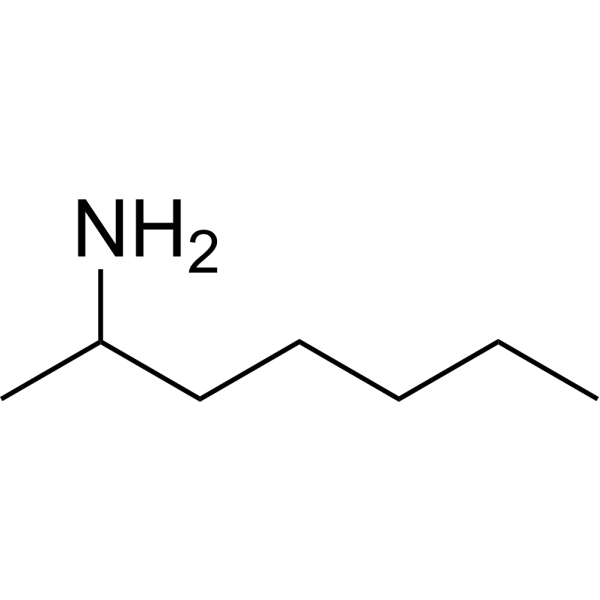
    2-Aminoheptane (Tuaminoheptane) is a norepinephrine transporter inhibitor. 2-Aminoheptane binds to norepinephrine transporter via ionic and hydrophobic interactions to block norepinephrine uptake. 2-Aminoheptane deactivates ω-TAmla enzyme, reduces recombinant whole cell stability, and acts as an amino group donor substrate for ω-TA and ω-TAmla enzymes. 2-Aminoheptane can be used in research on depression and Alzheimer's disease .
    2-Aminoheptane
  • HY-147255

    ZM-H1505R

    HBV Infection
    Canocapavir (ZM-H1505R) is an orally active HBV core protein-targeting antiviral agent. Canocapavir binds to the hydrophobic pocket at the dimer-dimer interface of HBV core protein (HBc), stimulating intracellular accumulation of nonfunctional HBV capsids, disrupting viral replication. Canocapavir interferes with the interaction between HBc and HBV large surface protein, resulting in diminished
    production of empty virionsis. Canocapavir can be used for the research of hepatitis B virus (HBV) infection .
    Canocapavir
  • HY-154970A

    TGF-β Receptor GSK-3 Cardiovascular Disease Neurological Disease Cancer
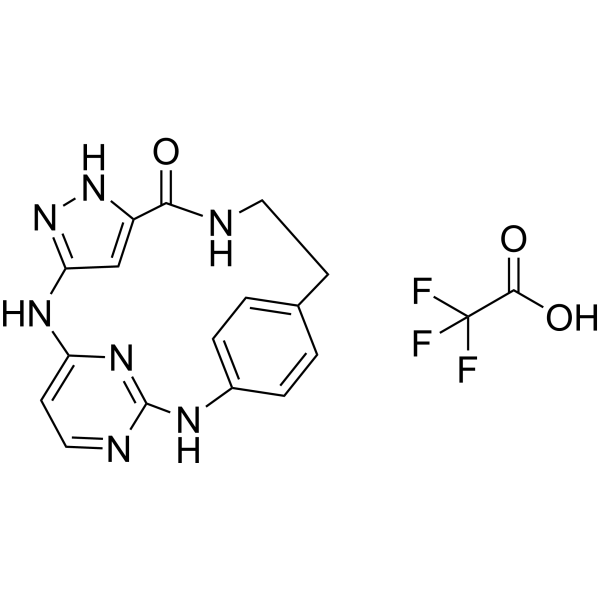
    BMPR2-IN-1 TFA is a selective BMPR2 inhibitor with a human BMPR2 IC50 of 506 nM and a Kd of 83.5 nM. BMPR2-IN-1 TFA functions as an ATP mimetic, forming hydrogen bonds with the BMPR2 kinase domain backbone and hydrophobic interactions with specific residues, and demonstrates high selectivity for BMPR2 over other kinases.BMPR2-IN-1 TFA can be used for the researches of cancer, pulmonary arterial hypertension and Alzheimer’s disease .
    BMPR2-IN-1 TFA
  • HY-113404

    Tyrosinase Dopamine Receptor Neurological Disease
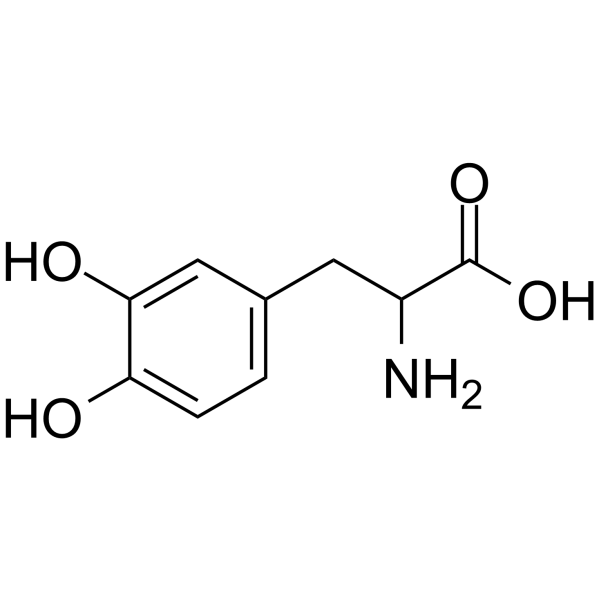
    DL-Dopa is a dopamine precursor. It serves as a substrate for Mushroom Tyrosinase, which oxidizes it to dopaquinone, an intermediate in the DOPA-melanin polymerization process, and this reaction can be detected at 475 nm. DL-Dopa also forms synergistic hydrophobic and π-π stacking interactions with cationic surfactants. Its binding to cetylpyridinium chloride (HY-B1464) is stronger and exhibits better thermodynamic stability than its binding to benzalkonium chloride (HY-B2232). DL-Dopa can compensate for dopamine depletion in the brain and is applicable to research related to Parkinson's disease .
    DL-Dopa
  • HY-P4076

    HIV DNA Alkylator/Crosslinker Infection
    MPG peptides, Pβ is an amphipathic cell-penetrating peptide. MPG peptides, Pβ consists of three components: the hydrophobic fusion sequence (GALFLGFLGAAGSTMGA) of HIV glycoprotein 41, a spacer domain (WSQP), and the nuclear localization signal (KKKRKV) of the large T antigen of Simian virus 40. MPG peptides, Pβ can form stable non-covalent complexes with nucleic acids (including DNA) through electrostatic interactions and improve their intracellular delivery. MPG peptides, Pβ can be used in studies of HIV-1-related immune responses .
    MPG peptides, Pβ
  • HY-107207
    Kaempferol 3-neohesperidoside
    3 Publications Verification

    Kaempferol 3-O-neohesperidoside

    Insulin Receptor PI3K PKC Metabolic Disease
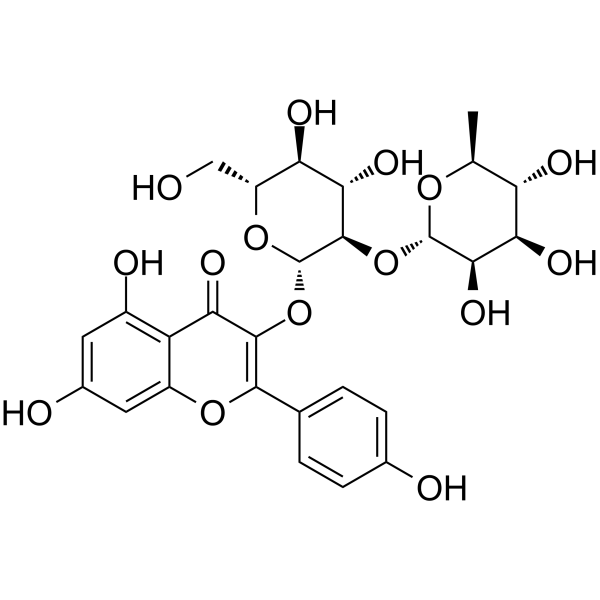
    Kaempferol 3-neohesperidoside (Kaempferol 3-O-neohesperidoside) is a flavonoid. Kaempferol 3-neohesperidoside mimics insulin action via the PI3K/PKC pathway, significantly promoting glucose uptake and increasing muscle glycogen content in rat soleus muscles. Kaempferol 3-neohesperidoside also exhibits anti-glycation activity. Kaempferol 3-neohesperidoside binds to albumin through hydrogen bonding and hydrophobic interactions, and inhibits the formation of advanced glycation end products. Kaempferol 3-neohesperidoside can be used in studies of diabetes and its related complications .
    Kaempferol 3-neohesperidoside
  • HY-157521

    Acyltransferase Neurological Disease Metabolic Disease
    AANAT-IN-1 is an arylalkylamine N-acetyltransferase (AANAT) inhibitor with a sheep AANAT IC50 of 9.9 μM. AANAT-IN-1 binds to the active site of sheep AANAT, interacting with amino acid residues via hydrogen bonds, hydrophobic interactions, ionic interactions, and water bridges, inhibiting the enzyme's catalytic activity. AANAT-IN-1 can be used for the researches of circadian rhythm-associated neuropsychiatric conditions, seasonal affective disorder, and other diseases associated with abnormally elevated melatonin levels .
    AANAT-IN-1
  • HY-19831A

    Eukaryotic Initiation Factor (eIF) Cancer
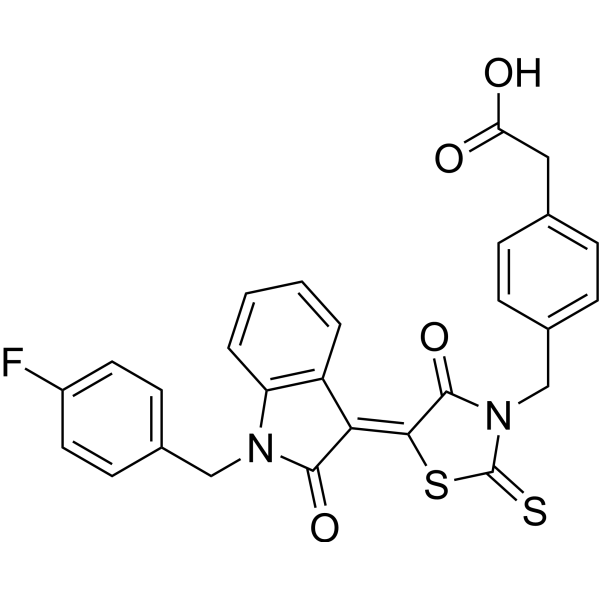
    (Z)-4EGI-1 is the Z-isomer of 4EGI-1 and is an inhibitor of eIF4E/eIF4G interaction and of translation initiation. (Z)-4EGI-1 effectively binds to eIF4E with an IC50 of 43.5 μM and a Kd value of 8.74 μM. (Z)-4EGI-1 has anticancer activity .
    (Z)-4EGI-1
  • HY-177063

    Interleukin Related Infection Inflammation/Immunology
    IL-6-IN-2 is an interleukin-6 (IL-6) inhibitor. IL-6-IN-2 binds to IL-6 at Lys66, Phe74, Gln175, Ser176, and Arg179 via π-π, π-alkyl, hydrogen bond, and hydrophobic interactions to block IL-6/IL-6R heterocomplex formation. IL-6-IN-2 exhibits low gastrointestinal absorption rate. IL-6-IN-2 can be used for the research of cytokine release syndrome, covid-19 .
    IL-6-IN-2
  • HY-173008

    Apoptosis YTHDF Cancer
    YTHDF2-IN-1 (Compound CK-75) is a selective YTHDF2 inhibitor (Kd = 26.2 μM). YTHDF2-IN-1 binds to a small hydrophobic pocket on the YTH domain of YTHDF2, disrupting the interaction between YTHDF2 and m 6A-modified RNA. YTHDF2-IN-1 induces cell cycle arrest and Apoptosis. YTHDF2-IN-1 is applicable to research on chronic myeloid leukemia, colon cancer and choriocarcinoma .
    YTHDF2-IN-1
  • HY-N4031

    Anaplastic lymphoma kinase (ALK) METTL3 Inflammation/Immunology
    Humantenine is a highly toxic indole alkaloid from Gelsemium elegans (Gardn. & Champ.) Benth. that binds to RNA m6A modification regulatory proteins (ALKBH5, METTL). Humantenine stably binds via hydrogen bonding and hydrophobic interactions and disrupts the m6A methylation level of target genes, thereby impairing the expression of intestinal epithelial cell tight junction and cytoskeleton-related genes, causing intestinal barrier dysfunction and significant intestinal cytotoxicity. The intraperitoneal injection LD50 values of Humantenine are <1 mg/kg in mice, 1.2 mg/kg in male rats and 1.5 mg/kg in female rats, respectively. Species differences exist in the metabolism of Humantenine in human, porcine, goat and rat liver microsomes, and demethylation, dehydrogenation and oxidation occur in liver microsomes .
    Humantenine
  • HY-N10423

    (-)-Cubebin

    Cholinesterase (ChE) Bacterial Fungal Parasite p38 MAPK Infection Neurological Disease Metabolic Disease Inflammation/Immunology Cancer
    Cubebin ((-)-Cubebin), a dibenzyl butyrolactone lignan, is an orally active AChE inhibitor. Cubebin binds to active sites of NF-κB, TNF-α, and TGF-β1 via hydrogen and hydrophobic interactions, obstructing critical residues to inhibit pro-inflammatory or renal fibrosis-related activity. Cubebin enhances p38 MAPK phosphorylation to increase tyrosinase gene expression, stimulating melanogenesis via elevated tyrosinase activity, expression, and mRNA levels. Cubebin reduces oxidative stress via enhanced endogenous antioxidant enzyme activity and inhibited lipid peroxidation, regulates lipid metabolism, improves glycemic control, and exerts renoprotective effects via reduced renal dysfunction markers and improved renal architecture. Cubebin shows antimicrobial activity. Cubebin exerts larvicidal activity against Angiostrongylus cantonensis larvae, with no cytotoxicity toward monkey or human cell lines or Caenorhabditis elegans. Cubebin can be used for the research of diabetic nephropathy, melanoma, colon adenocarcinoma, neuroangiostrongyliasis, Alzheimer’s disease (AD) and depression .
    Cubebin
  • HY-W105775

    Ammonium succinate

    Environmental Pollutants Biochemical Assay Reagents Others
    Diammonium succinate (Ammonium succinate) is a hydrophobic hydrocarbon compound that can be used to study its interaction with microbial cells, especially the mechanisms of degradation and bioavailability. Diammonium succinate is a biomaterial or organic compound that can be used as a biomaterial or organic compound related to life science research.
    Diammonium succinate
  • HY-176892

    Src Neurological Disease
    Papaveroline is an orally active Fyn tyrosine kinase inhibitor. Papaveroline stably binds to the active site of Fyn tyrosine kinase via hydrogen bonding and hydrophobic interactions, thereby inhibiting kinase activity associated with the pathogenesis of Alzheimer's disease. Papaveroline can be used for the research of Alzheimer's disease .
    Papaveroline
  • HY-175729

    CDK Cancer
    Cyclin A/B RxL-IN-1 is a inhibitor targeting the Cyclin A/B RxL interaction at the hydrophobic patch (HP). Cyclin A/B RxL-IN-1 inhibits Cyclin A with an IC50 of 0.12 μM. Cyclin A/B RxL-IN-1 demonstrates antitumor efficacy in mouse cell line-derived xenograft (CDX) models. CDK-IN-19 can be used for the study of E2F-driven cancers such as small-cell lung cancer (SCLC) .
    Cyclin A/B RxL-IN-1
  • HY-176976

    Drug-Linker Conjugates for ADC Cancer
    Exatecan-mpGNNG (Compound 10a) is the linker-payload component of an antibody-drug conjugate (ADC). Exatecan-mpGNNG is composed of Exatecan (HY-13631), a potent topoisomerase I inhibitor, and the linker .
    Exatecan-mpGNNG
  • HY-N2452

    GLP Receptor Cardiovascular Disease Infection Metabolic Disease
    Cochinchinenin C is a GLP-1R agonist that binds to the extracellular domain of the receptor via hydrophobic interactions and hydrogen bonds, and promotes glucose-dependent insulin secretion from pancreatic β-cells. Cochinchinenin C also increases intracellular cAMP and ATP levels. At low concentrations, Cochinchinenin C binds to human serum albumin, alters its microenvironment, and induces dominant static fluorescence quenching. Cochinchinenin C shows almost no cytotoxicity to pancreatic β-cells, and exerts a synergistic effect with Loureirin A (HY-N1505) when binding to human serum albumin. Cochinchinenin C has been widely used in studies of type 2 diabetes, Helicobacter pylori infection, thrombotic diseases, and other conditions .
    Cochinchinenin C
  • HY-W276164

    Sodium stearyl sulfate

    Biochemical Assay Reagents Others
    Sodium octadecyl sulfate (Sodium stearyl sulfate) is a long-chain alkyl sodium sulfate that functions as an emulsifier, crosslinking agent, and regulator. Sodium octadecyl sulfate has high safety, with a LD50 greater than 3.00 Gm./Kg for both intraperitoneal injection in mice and oral administration in rats. Sodium octadecyl sulfate enhances continuous contraction of the gastrocnemius muscle in frogs and boosts intestinal smooth muscle activity in albino rats. However, Sodium octadecyl sulfate exerts no significant effect on isolated tortoise myocardium and does not alter the conduction function of frog sciatic nerves. Sodium octadecyl sulfate can also be used to coat the surface of starch aggregates, promote crosslinking and increase aggregate size through hydrophobic and electrostatic interactions, and further form a coexistent B-V type crystalline structure with acid-hydrolyzed gelatinized starch, thereby effectively modifying the structure and surface properties of high-starch systems .
    Sodium octadecyl sulfate
  • HY-W001952

    Fluorescent Dye Drug Intermediate Others
    6-Bromo-2-naphthol is an RTP (real-time polymerase chain reaction) probe that forms a 1:1 or 2:1 complex with β-cyclodextrin (β-CD). 6-Bromo-2-naphthol is capable of real-time monitoring of PCR reactions and quantification of specific nucleic acid sequences. RTP probes are a class of small DNA or RNA sequences labeled with fluorescent dyes and quencher molecules, which can be widely used in gene expression analysis, SNP genotyping, and pathogen detection. 6-Bromo-2-naphthol embeds into the cyclodextrin cavity through hydrophobic interactions, inhibits the oxygen quenching effect, and emits a phosphorescent signal at room temperature. 6-Bromo-2-naphthol can also be used as an intermediate for the synthesis of antibacterial azo dyes, and its derivatives show antibacterial activity against Staphylococcus aureus, Escherichia coli and other bacteria .
    6-Bromo-2-naphthol
  • HY-139031

    Aldehyde Dehydrogenase (ALDH) Endocrinology
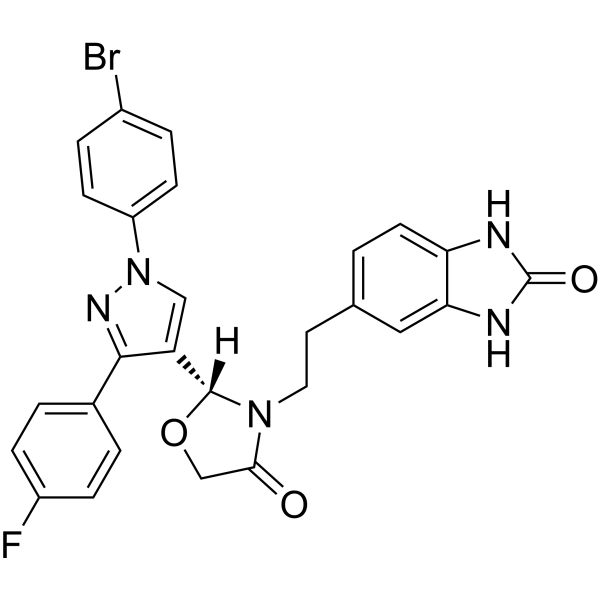
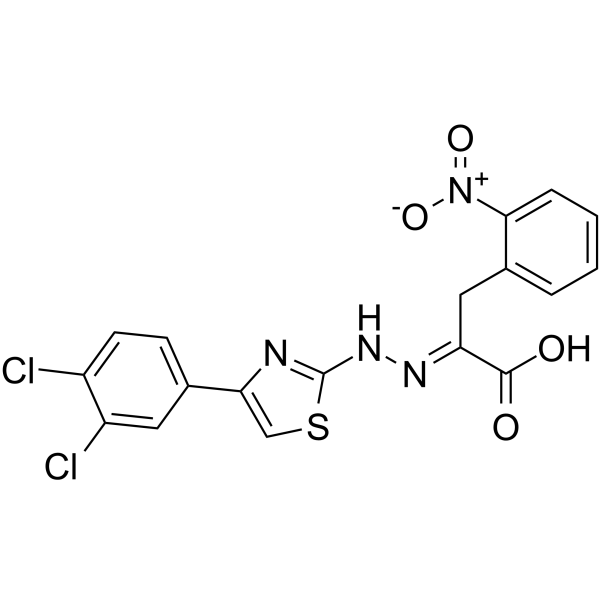
    ALDH1A2-IN-1 is an active site-directed reversible ALDH1A2 inhibitor (IC50=0.91 μM; Kd=0.26 μM) with several hydrophobic interactions .
    ALDH1A2-IN-1
  • HY-123045

    CDK Cancer
    PNU-292137 is an orally active, potent CDK2 inhibitor with IC50s of 37 nM and 92 nM for CDK2/cyclin A and CDK2/cyclin E, respectively. PNU-292137 makes interactions with the hydrophobic pocket at the back of the CDK2 ATP pocket. PNU-292137 efficiently inhibits tumor cell proliferation in human colon and prostate tumor cell lines. PNU-292137 exhibits antitumor activity (TGI>50%) in a mouse xenograft model .
    PNU-292137
  • HY-144741

    Beta-secretase Neurological Disease
    BACE1-IN-9 (compound 82b) is a potent BACE1 (β-site APP cleaving enzyme 1) inhibitor, with an IC50 of 1.2 µM .
    BACE1-IN-9
  • HY-33821

    LXR Others
    LXRβ ligand 1 is a LXR β ligand-binding domain agonist, with an EC50 of 57 μM and a Ki of 28 μM against human LXR β. LXRβ ligand 1 forms hydrogen bonds with His435, stabilizes the His-Trp activation switch, and locks the ligand-binding domain in an agonist conformation; its tert-butyl moiety occupies a hydrophobic subpocket, while its phenyl moiety forms a π-π stacking interaction with Phe329. LXRβ ligand 1 serves as a structural unit for the development of LXRβ modulators .
    LXRβ ligand 1
  • HY-139032

    Aldehyde Dehydrogenase (ALDH) Others
    CM121 is an active site-directed reversible ALDH1A2 inhibitor (IC50=0.54 μM;Kd=1.1 μM) with a variety of hydrophobic interactions .
    CM121
  • HY-W154333

    Bacterial Infection
    H-Arg-OtBu (dihydrochloride) is a membrane-targeting antimicrobial. H-Arg-OtBu (dihydrochloride) targets the negatively charged bacterial membrane via a combination of electrostatic and hydrophobic interactions. H-Arg-OtBu (dihydrochloride) can be used for bacterial infections diseases research .
    H-Arg-OtBu dihydrochloride
  • HY-162512

    CCR HIV Infection
    CB-0821 is a high affinity CCR5 inhibitor with a Ki of 0.04 nM. CB-0821 binds efficiently to the hydrophobic pocket of the CCR5 protein, to inhibit the interactions between viral protein and CCR5, thereby inhibiting viral entry. CB-0821 has the potential for anti-HIV research .
    CB-0821
  • HY-129265

    Polo-like Kinase (PLK) Cancer
    Poloxin-2 is a small molecule Plk1 PBD inhibitor that can effectively induce cell mitotic arrest with an EC50 of approximately 15 μM in HeLa cells. Poloxin-2HT was developed by conjugating a hydrophobic tag (HT) to Poloxin-2, a new application of inhibitors targeting protein-protein interactions. Poloxin-2HT significantly enhanced the effects on cell viability and apoptosis by selectively degrading Plk1 protein, and its effect was stronger than that of untagged Poloxin-2. These data validate hydrophobic tags as a new strategy for targeting and disrupting disease-associated proteins.
    Poloxin-2
  • HY-174254

    Akt Apoptosis Caspase PARP β-catenin Cancer
    AKT-IN-28 is an Akt allosteric inhibitor, a derivative of Shikonin (HY-N0822). AKT-IN-28 effectively binds to the allosteric site of Akt through hydrophobic and hydrogen interactions with Kd of 2.07 μM. AKT-IN-28 significantly inhibits Akt activity, induces cell apoptosis, arrests cell cycle in G2/M phase, and suppresses proliferation, migration and metabolism of KRAS mutant colorectal cancer cells .
    AKT-IN-28
  • HY-178343

    Aurora Kinase Apoptosis Cancer
    Aurora A-IN-5 is a potent and highly selective Aurora A inhibitor (IC50 = 0.02 μM), showing 362-fold selectivity for over Aurora B. Aurora A-IN-5 shows its selectivity through unique C−H/π interactions, enhanced hydrophobic contacts, an open binding pocket, and tighter protein packing. Aurora A-IN-5 suppresses Aurora A autophosphorylation, thereby inhibiting cancer cell proliferation by inducing G2/M phase arrest, triggering apoptosis, and suppressing colony formation. Aurora A-IN-5 inhibits tumor growth in MDA-MB-231 xenograft mouse models. Aurora A-IN-5 can be used for breast, cervical, prostate, and lymphoma cancer research .
    Aurora A-IN-5
  • HY-164645

    Ras Cancer
    pan-KRAS-IN-16 (Compound 3344) is an anti-RAS small molecule derived from an intracellular antibody fragment with pan-RAS-effector protein-protein interaction inhibitor properties. pan-KRAS-IN-16 binds to a hydrophobic pocket near to the effector-binding switch regions of RAS. pan-KRAS-IN-16 prevents endogenous RAS-dependent signaling in tumor cell lines .
    pan-KRAS-IN-16
  • HY-157245

    Biochemical Assay Reagents Others
    Hydrophobic polishing resin is an agarose filler that can be used in hydrophobic interaction chromatography (The average particle size: 40 μm) .
    Hydrophobic polishing resin
  • HY-157244

    Biochemical Assay Reagents Others
    Proteins separation resin is a hydrophobic interaction chromatography resin that can be used in the monoclonal antibody purification (Particle size: 65 μm) .
    Proteins separation resin
  • HY-147879

    Glycosidase Metabolic Disease
    α-Glucosidase-IN-8 (Compound 4k) is a competitive α-glucosidase inhibitor with an IC50 of 0.18 µg/mL .
    α-Glucosidase-IN-8
  • HY-163201

    TMV Infection
    TMV-IN-7 (compound G2) is a potent inhibitor of tobacco mosaic virus (TMV). TMV-IN-7 exhibits strong hydrophobic interactions to obstructing the virus’s self-assembly .
    TMV-IN-7
  • HY-130671A

    (R)-1,2-Dipalmitoyl-sn-glycero-3-phosphoglycerol sodium

    Liposome Others
    L-DPPG ((R)-1,2-Dipalmitoyl-sn-glycero-3-phosphoglycerol sodium) is a phospholipid targeting biological membranes. L-DPPG interacts with lipid bilayers through hydrophobic and electrostatic interactions. L-DPPG is used in research on drug delivery systems .
    L-DPPG
  • HY-121571

    Insecticide Infection Cancer
    Prallethrin, a spatial mosquito repellent, is a non-fluorinated pyrethroid targeting lung surfactant proteins (SPs). prallethrin has vapor toxicity and can bind with the lung SPs by hydrogen and hydrophobic interactions, impairing functions of SPs. Prallethrin can be used for respiratory illness, pathogenic infections and malignancy research .
    Prallethrin
  • HY-160478

    Bcr-Abl Cancer
    GNF-6 (Compound 14) inhibits the gatekeeper threonine residue mutation of BCR-ABL-T315I with IC50s of 0.25 μM, 0.09 μM and 0.590 μM for c-ABL-T334I, BCR-ABL and BCR-ABL-T315I variants, respectively. GNF-6, an ATP competitive inhibitor, disrupts the assembly of the hydrophobic spine (a network of hydrophobic interactions), thereby locking the kinase in an inactive ‘DFG-out’ conformation .
    GNF-6
  • HY-130671B

    (S,S)-1,2-Dipalmitoyl-sn-glycero-3-phosphoglycerol sodium

    Liposome Others
    (S,S)-DPPG is an enantiomeric isomer of L-DPPG. L-DPPG ((R)-1,2-Dipalmitoyl-sn-glycero-3-phosphoglycerol (sodium)) is a phospholipid targeting biological membranes. L-DPPG interacts with lipid bilayers through hydrophobic and electrostatic interactions. L-DPPG is used in research on drug delivery systems .
    (S,S)-DPPG
  • HY-120465

    HIV Infection
    ZINC36617540 is a novel Nef protein inhibitor with anti-HIV activity. ZINC36617540 exhibits superior binding affinity by binding to Nef protein. ZINC36617540 shows a similar binding mode to the prototype molecule B9 in molecular docking. The mechanism of action of ZINC36617540 mainly depends on its hydrophobic and electrostatic interactions with Nef protein .
    ZINC36617540
  • HY-W440556

    4-Sulfocalix[8]arene

    Amyloid-β Neurological Disease
    GL-522 (4-Sulfocalix[8]arene) is a Aβ42 inhibitor. GL-522 bind to Aβ42 through nonspecific and multipoint hydrophobic interactions with a Kd of 276  μM. GL-522 effectively inhibits Aβ42 fibrillation and reduces amyloid cytotoxicity. GL-522 can be used for Alzheimer's disease research .
    GL-522
  • HY-16035A

    DNA/RNA Synthesis Antibiotic Infection
    Alatrofloxacin mesylate is an antibiotic with antibacterial activity. Alatrofloxacin mesylate exhibits significant hydrophilicity in the aqueous phase, forming a very stable suspension. The degradation products of Alatrofloxacin mesylate become hydrophobic upon exposure, causing aggregation of its particles. The long-term stability of Alatrofloxacin mesylate is closely related to its polar interaction. The changes in surface tension characteristics of Alatrofloxacin mesylate particles under different lighting conditions affect their physical and chemical properties .
    Alatrofloxacin mesylate
  • HY-156405

    Fat Mass and Obesity-associated Protein (FTO) Autophagy Metabolic Disease
    FTO-IN-10 (compound 7) is a potent human demethylase FTO (the fat mass and obesity-associated protein) inhibitor with an IC50 of 4.5 μM. FTO-IN-10 enters the FTO’s structural domain II binding pocket through hydrophobic and hydrogen bonding interactions. FTO-IN-10 induces DNA damage and autophagic cell death in A549 cells .
    FTO-IN-10

Inquiry Online

Your information is safe with us. * Required Fields.

Salutation


Country or Region *

Applicant Name *


Organization Name *

Department *


Email Address *


Product Name *

Cat. No.


Requested quantity *

Phone Number *


Remarks

Inquiry Online

Inquiry Information

Product Name:
Cat. No.:
Quantity:
MCE Japan Authorized Agent:

