Search Result
Results for "
nicotinic acetylcholine receptors (nAChRs)
" in MedChemExpress (MCE) Product Catalog:
5
Biochemical Assay Reagents
12
Isotope-Labeled Compounds
| Art. -Nr. |
Produktname |
Target |
Forschungsgebiete |
Chemical Structure |
-
- HY-B0282
-
|
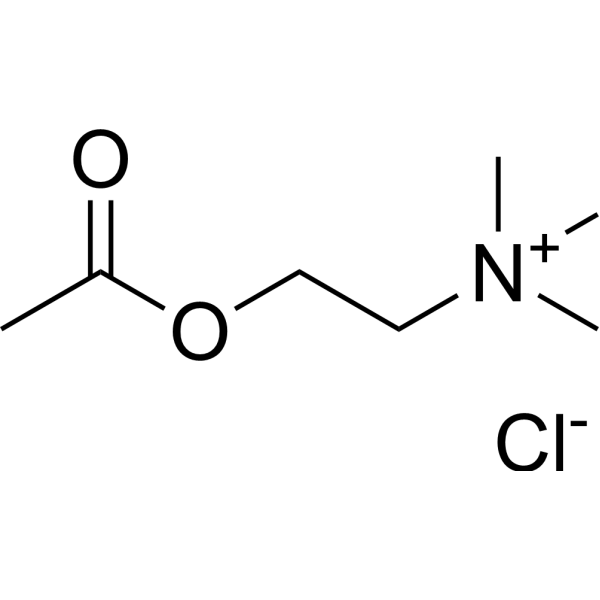
ACh chloride
|
nAChR
Calcium Channel
Endogenous Metabolite
|
Infection
Neurological Disease
Cancer
|
|
Acetylcholine chloride (ACh chloride), a neurotransmitter, is a potent and BBB-permeable cholinergic agonist. Acetylcholine chloride is a modulator of the activity of dopaminergic (DAergic) neurons through the stimulation of nicotinic acetylcholine receptors (nAChRs) . Acetylcholine chloride inhibits p53 mutant peptide aggregation in vitro .
|
-
-
- HY-10019
-
|
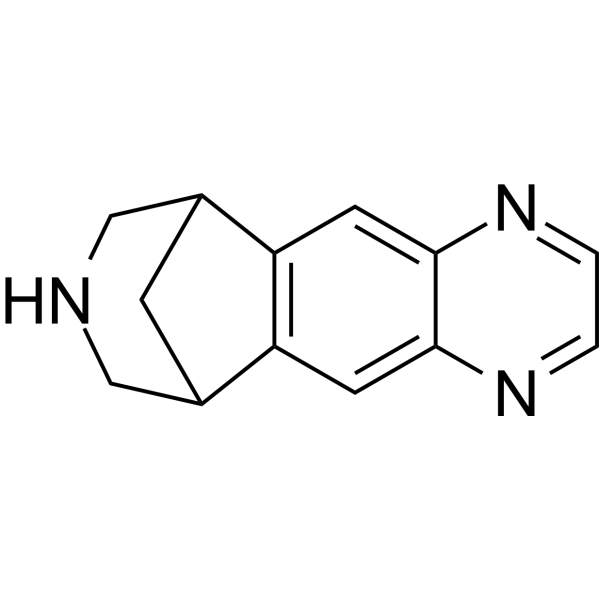
CP 526555
|
nAChR
|
Neurological Disease
Inflammation/Immunology
Cancer
|
|
Varenicline (CP 526555) is an orally active partial agonist of α4β2 nicotinic acetylcholine receptor (α4β2 nAChR, IC50 = 250 nM), which is the principal mediator of nicotine dependence. Varenicline is also a partial agonist of α6β2 nAChR and a full agonist of α7β2 nAChR. Varenicline blocks the direct agonist effects of nicotine on nAChR while stimulates nAChR in a more moderate way, being widely used as an aid of smoking cessation .
|
-
-
- HY-12560A
-
|
|
nAChR
5-HT Receptor
|
Neurological Disease
|
|
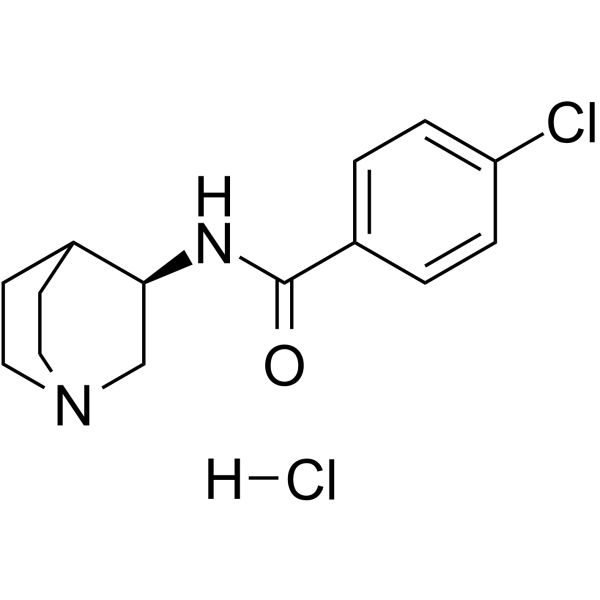
PNU-282987 is a potent α7 nicotinic acetylcholine receptor (nAChR) agonist with an EC50 of 154 nM. PNU-282987 is also a functional antagonist of the 5-HT3 receptor with an IC50 of 4541 nM. PNU-282987 can be used for the research of central and peripheral nervous systems .
|
-
-
- HY-P1264
-
|
|
nAChR
|
Neurological Disease
|
|
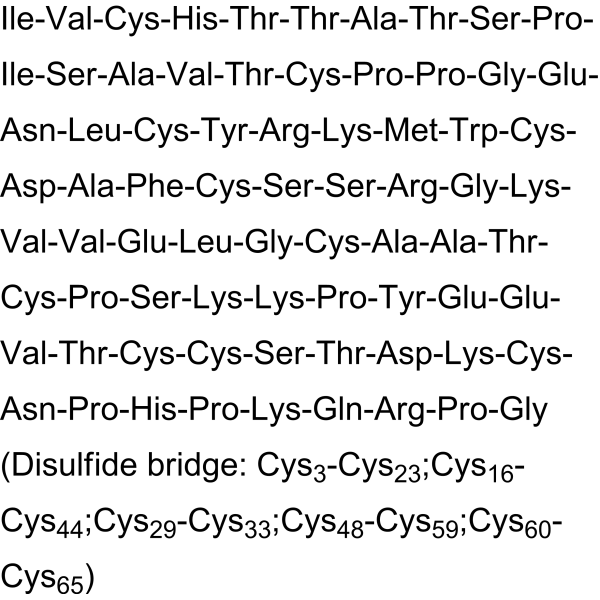
α-Bungarotoxin is a competitive antagonist at nicotinic acetylcholine receptors (nAChRs). α-Bungarotoxin, a selective α7 receptor blocker, blocks α7 currents with an IC50 of 1.6 nM and has no effects on α3β4 currents at concentrations up to 3 μM .
|
-
-
- HY-10021
-
|
CP 526555-18
|
nAChR
ERK
p38 MAPK
|
Others
Neurological Disease
Cancer
|
|
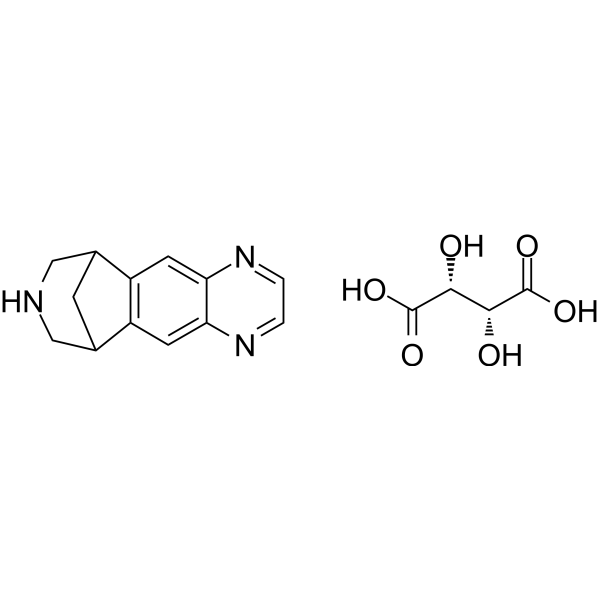
Varenicline (CP 526555) is an orally active partial agonist of α4β2 nicotinic acetylcholine receptor (α4β2 nAChR, IC50 = 250 nM), which is the principal mediator of nicotine dependence. Varenicline is also a partial agonist of α6β2 nAChR and a full agonist of α6β2 nAChR. Varenicline blocks the direct agonist effects of nicotine on nAChR while stimulates nAChR in a more moderate way, being widely used as an aid of smoking cessation .
|
-
-
- HY-B0282S
-
|
ACh-d4 chloride
|
nAChR
Calcium Channel
Endogenous Metabolite
|
Neurological Disease
Cancer
|
|
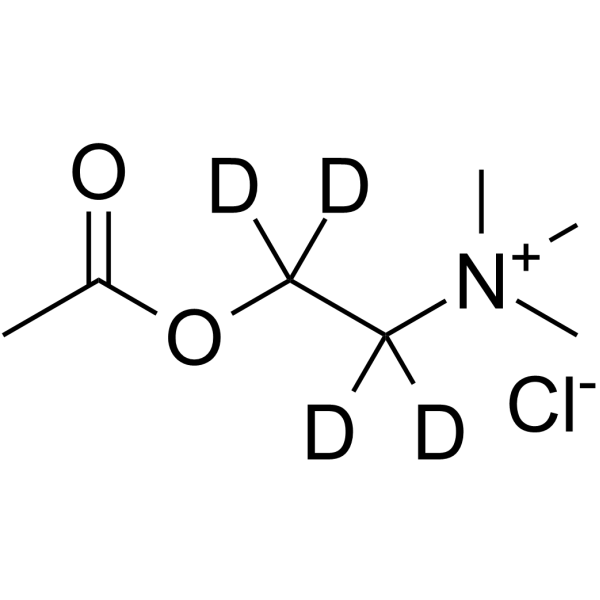
Acetylcholine-d4 (chloride) is the deuterium labeled Acetylcholine chloride. Acetylcholine chloride (ACh chloride), a neurotransmitter, is a potent and BBB-permeable cholinergic agonist. Acetylcholine chloride is a modulator of the activity of dopaminergic (DAergic) neurons through the stimulation of nicotinic acetylcholine receptors (nAChRs) . Acetylcholine chloride inhibits p53 mutant peptide aggregation in vitro .
|
-
-
- HY-B0118A
-
|
ORG NC 45
|
nAChR
|
Neurological Disease
Cancer
|
|
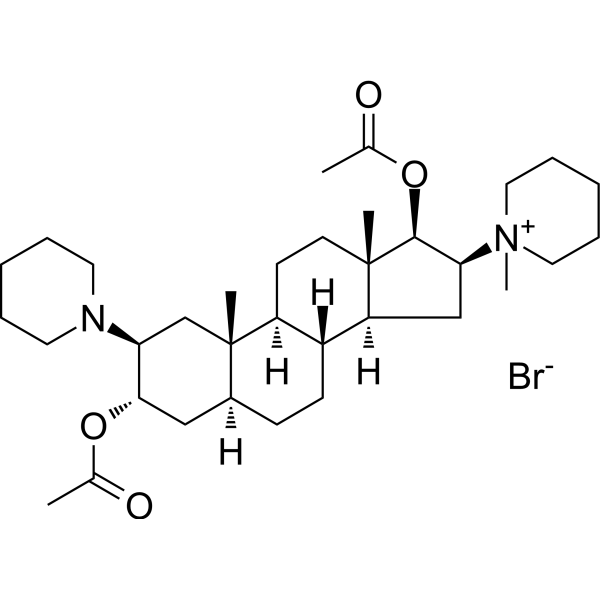
Vecuronium (ORG NC 45) bromide is a non-depolarizing neuromuscular blocking agent that also acts as a nicotinic acetylcholine receptor (nAChR) inhibitor, a muscle relaxant, and can be used for pre-surgical anesthesia .
|
-
-
- HY-145298
-
|
|
nAChR
|
Infection
|
|
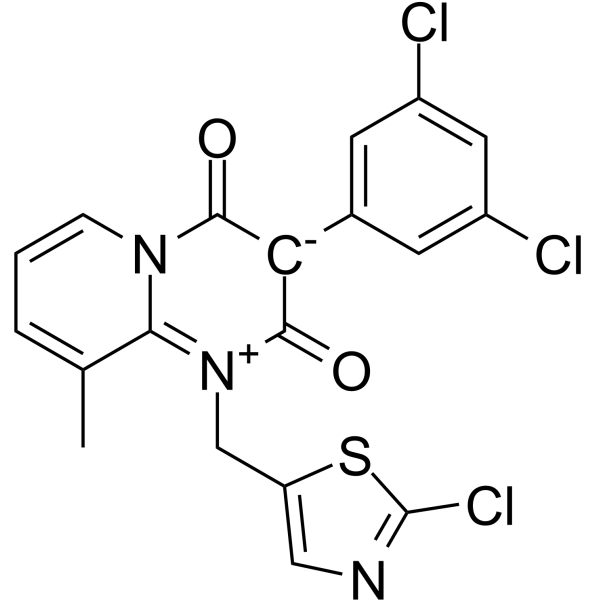
Dicloromezotiaz is a potent insecticide acting on nicotinic acetylcholine receptors (nAChRs). Dicloromezotiaz can be used to control a broad range of lepidoptera .
|
-
-
- HY-B0823
-
|
|
Environmental Pollutants
nAChR
|
Neurological Disease
|
|
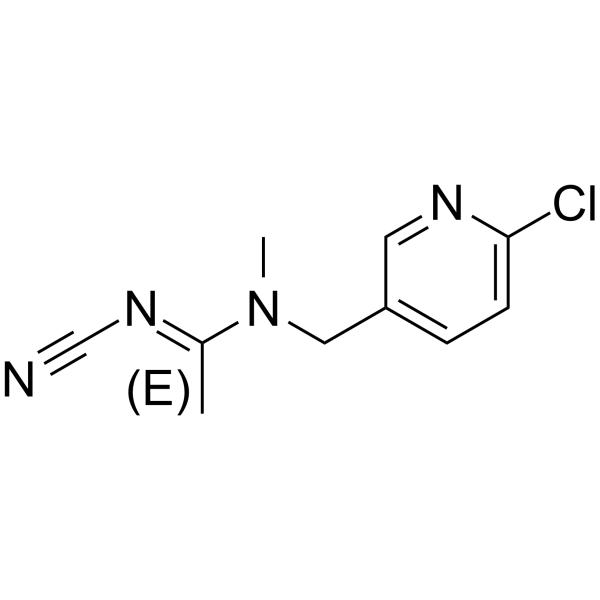
Acetamiprid is a neonicotinoid insecticide used worldwide. Acetamiprid is a nicotinic acetylcholine receptor (nAChR) agonist, and is shown to be associated with neuromuscular and reproductive disorders .
|
-
-
- HY-B0820
-
|
|
nAChR
Parasite
|
Neurological Disease
|
|
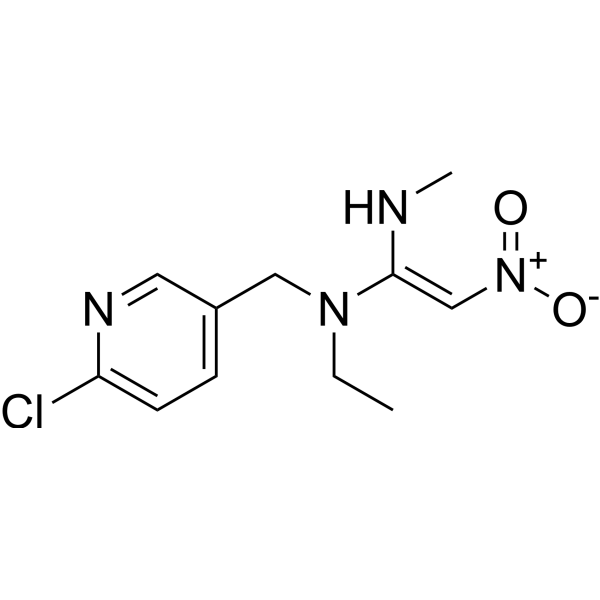
Nitenpyram is a calss of neonicotinoid and an insect nicotinic acetylcholine receptor (nAChR) agonist with an IC50 of 14 nM. Nitenpyram is an oral fast-acting insecticide used to suppress sucking insects on companion animals .
|
-
-
- HY-P1264F
-
|
|
nAChR
|
Neurological Disease
|
|
FITC-labeled α-Bungarotoxin is FITC-conjugated α-Bungarotoxin (HY-P1264). α-Bungarotoxin acts as a competitive antagonist of nicotinic acetylcholine receptors (nAChRs) .
|
-

-
- HY-118504
-
|
|
Environmental Pollutants
nAChR
|
Neurological Disease
|
|
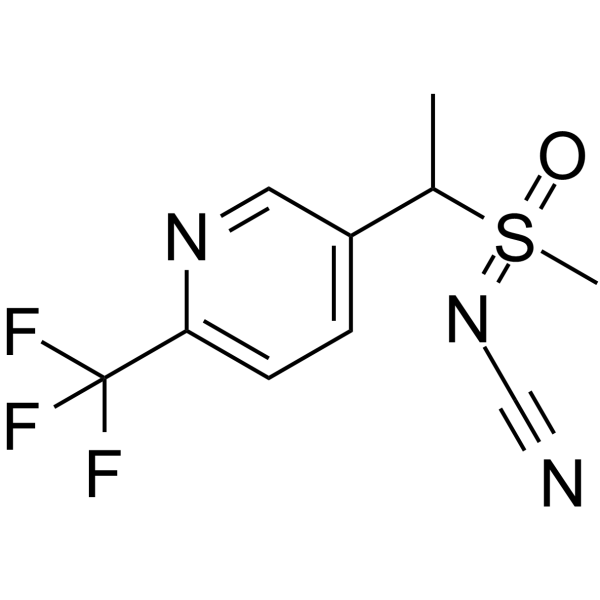
Sulfoxaflor is an orally active full agonist of insect nicotinic acetylcholine receptors (nAChRs), targeting the α-bungarotoxin-insensitive nAChR1 and nAChR2 subtypes. Sulfoxaflor binding to nACh is not inhibited by d-Tubocurarine (HY-125901), but is partially inhibited by Mecamylamine (HY-B1395A). Sulfoxaflor induces inward currents by activating nAChRs, leading to insect neurotoxicity. Sulfoxaflor can be used in the research of agricultural pest control, pesticide toxicology, insect neural receptor pharmacology, etc .
|
-
-
- HY-15430A
-
|
EVP-6124 hydrochloride
|
nAChR
|
Neurological Disease
|
|
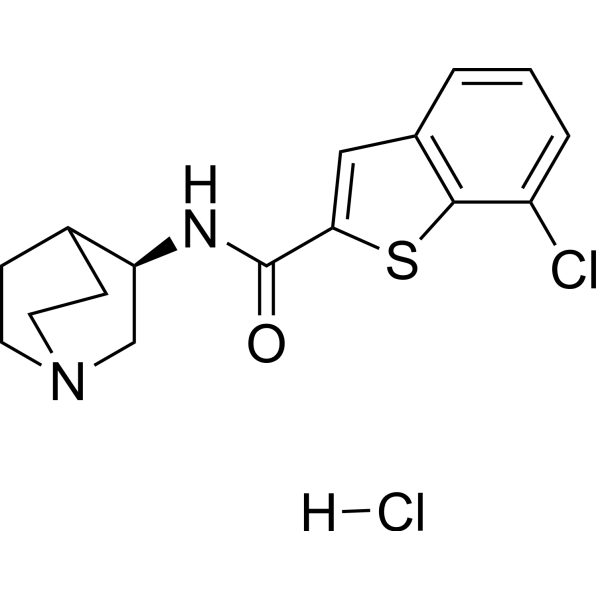
Encenicline hydrochloride (EVP-6124 hydrochloride) is a novel partial agonist of α7 neuronal nicotinic acetylcholine receptors (nAChRs).
|
-
-
- HY-101347
-
|
|
nAChR
|
Neurological Disease
|
|
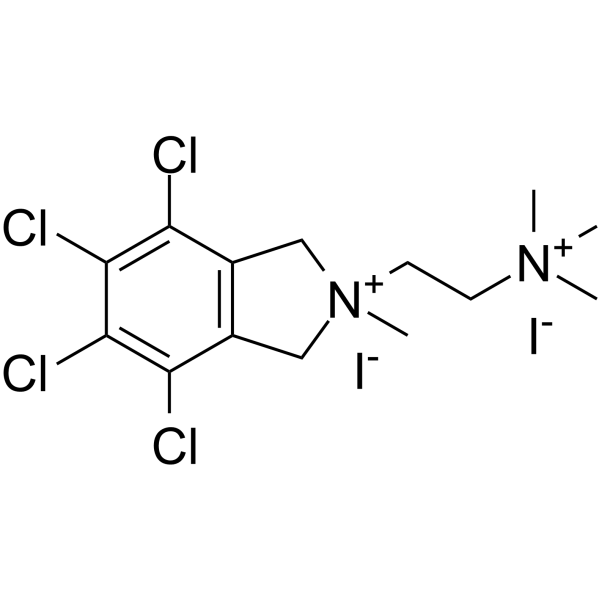
Chlorisondamine (diiodide) is a potent nicotinic acetylcholine receptor (nAChR) antagonist and a ganglion blocker. Chlorisondamine antagonizes some of nicotine's central actions in a potent, long-lasting and pharmacologically selective way .
|
-
-
- HY-B1532
-
|
(S)-Anabasine; (+)-Anabasine
|
Environmental Pollutants
nAChR
|
Neurological Disease
|
|
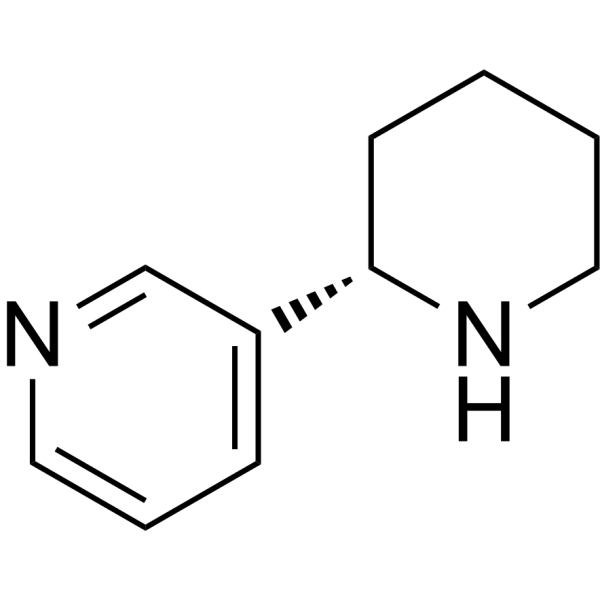
Anabasine ((S)-Anabasine) is an alkaloid that found as a minor component in tobacco (Nicotiana). Anabasine is a botanical pesticide nicotine, acts as a full agonist of nicotinic acetylcholine receptors (nAChRs). Anabasine induces depolarization of TE671 cells endogenously expressing human fetal muscle-type nAChRs (EC50=0.7 μM) .
|
-
-
- HY-10020
-
|
CP 526555 hydrochloride
|
nAChR
|
Neurological Disease
Inflammation/Immunology
Cancer
|
|
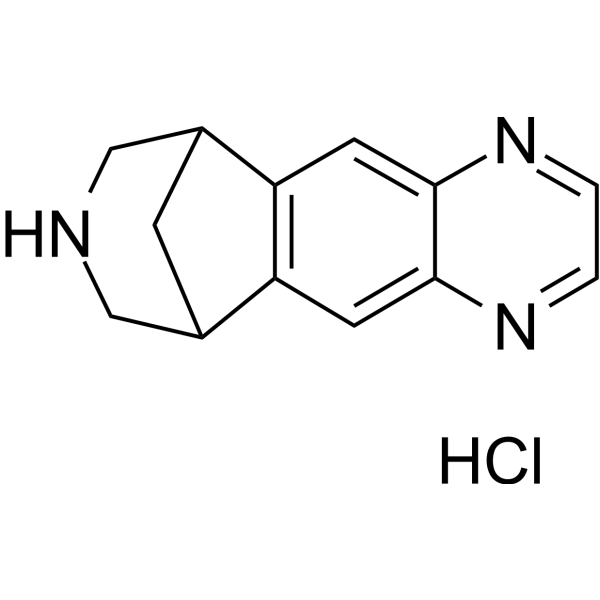
Varenicline (CP 526555) is an orally active partial agonist of α4β2 nicotinic acetylcholine receptor (α4β2 nAChR, IC50 = 250 nM), which is the principal mediator of nicotine dependence. Varenicline is also a partial agonist of α6β2 nAChR and a full agonist of α6β2 nAChR. Varenicline blocks the direct agonist effects of nicotine on nAChR while stimulates nAChR in a more moderate way, being widely used as an aid of smoking cessation .
|
-
-
- HY-N0443
-
|
Caulophylline
|
nAChR
|
Inflammation/Immunology
|
|
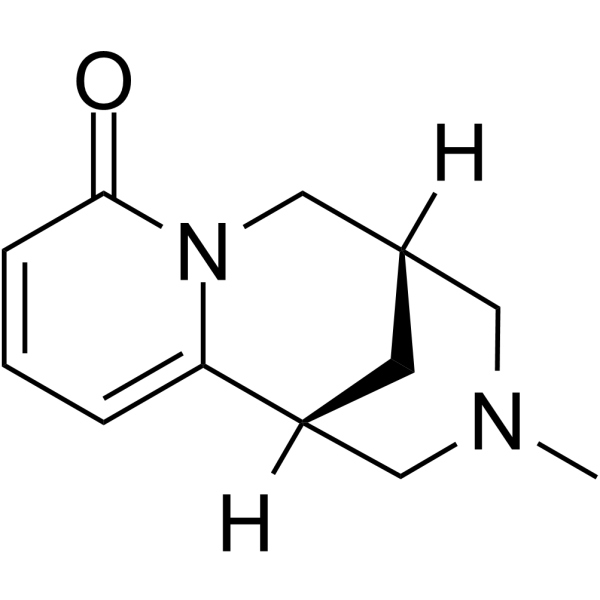
N-Methylcytisine (Caulophylline), a tricyclic quinolizidine alkaloid, exerts hypoglycaemic, analgesic and anti-inflammatory activities. N-methylcytisine is a selective ligand of nicotinic receptors of acetylcholine in the central nervous system and has a high affinity (Kd = 50 nM) to nicotinic acetylcholine receptors (nAChR) from squid optical ganglia .
|
-
-
- HY-B0282S1
-
|
ACh-d9 chloride
|
nAChR
Calcium Channel
Endogenous Metabolite
|
Neurological Disease
Cancer
|
|
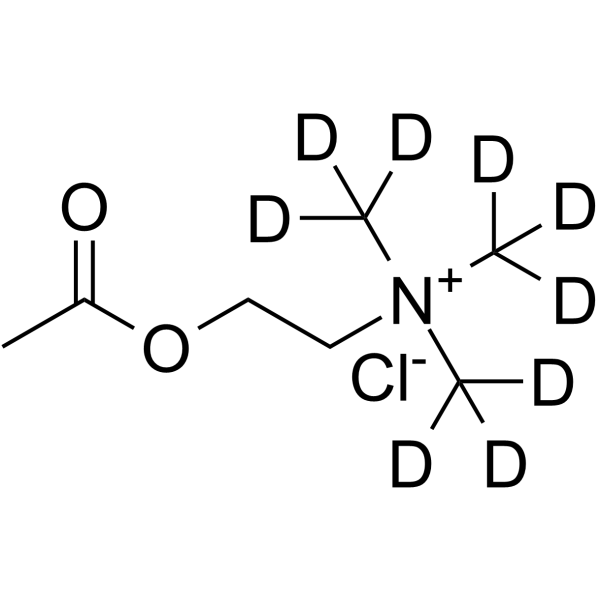
Acetylcholine-d9 (chloride) is the deuterium labeled Acetylcholine chloride. Acetylcholine chloride (ACh chloride), a neurotransmitter, is a potent and BBB-permeable cholinergic agonist. Acetylcholine chloride is a modulator of the activity of dopaminergic (DAergic) neurons through the stimulation of nicotinic acetylcholine receptors (nAChRs) . Acetylcholine chloride inhibits p53 mutant peptide aggregation in vitro .
|
-
-
- HY-14824
-
|
ABT 894
|
nAChR
|
Neurological Disease
|
|
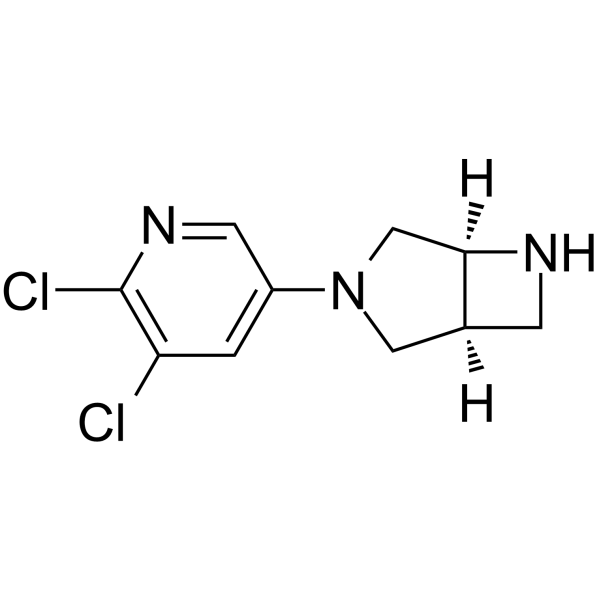
Sofiniclin (ABT 894), an agonist of nicotinic acetylcholine receptor (nAChR), is used as a potential non-stimulant research for attention-deficit/hyperactivity disorder (ADHD) .
|
-
-
- HY-14840
-
|
Carphedon
|
nAChR
Dopamine Transporter
GABA Receptor
iGluR
|
Neurological Disease
|
|
Phenylpiracetam (Carphedon) is a positive allosteric modulator of nicotinic acetylcholine receptors (nAChR) with an IC50 of 5.86 μM. Phenylpiracetam is applicable to studies on scopolamine (Scopolamine) (HY-N0296)-induced amnesia, depression and immune stress .
|
-

-
- HY-145296
-
|
|
Environmental Pollutants
nAChR
|
Infection
|
|
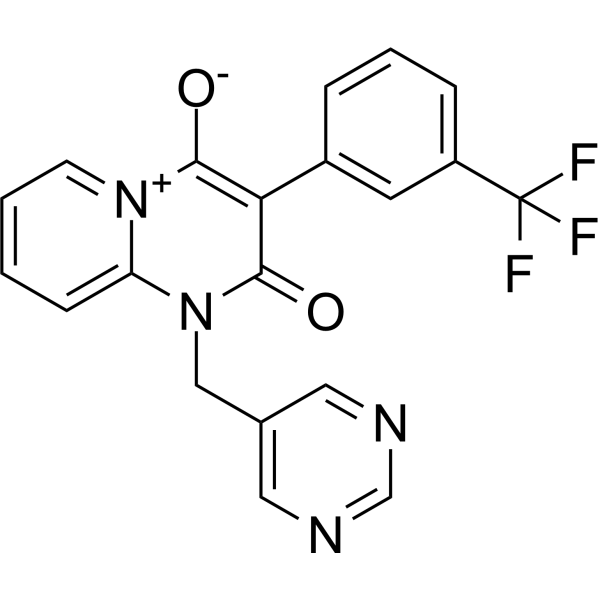
Triflumezopyrim, a mesoionic insecticide, has high efficiency at a low dosage, and is mainly used to control hopper species. Triflumezopyrim mainly acts on the nicotinic acetylcholine receptor (nAChR) inhibition, which is very highly efficient, rapidly effective, and nearly nontoxic to nontarget arthropods .
|
-
-
- HY-19490
-
|
AQW-051
|
nAChR
|
Neurological Disease
|
|
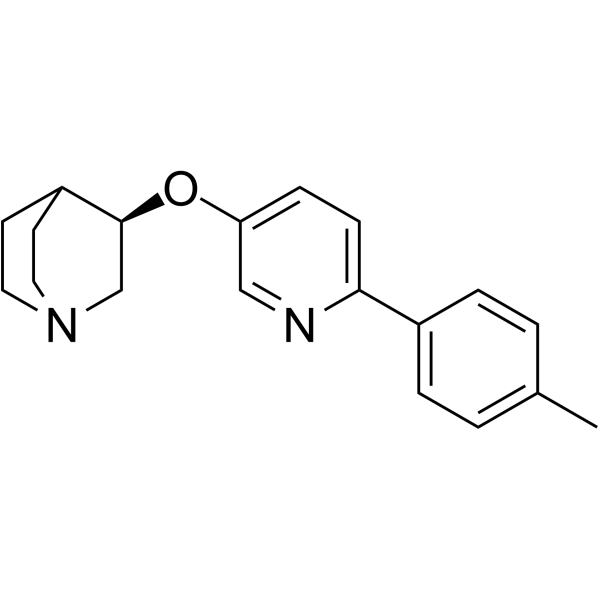
VQW-765 (AQW-051) is a selective and orally active alpha-7 nicotinic acetylcholine receptor (α7-nAChR) agonist with a pKD value of 7.56 to recombinantly expressed human α7-nAChR. VQW-765 shows anxiolytic-like effect in vivo. VQW-765 can be used for the research of anxiety disorder and acute performance anxiety .
|
-
-
- HY-101955
-
|
(2S,6S)-HNK hydrochloride
|
mTOR
nAChR
|
Neurological Disease
|
|
(2S,6S)-Hydroxynorketamine hydrochloride is a neurorelaxant with potential antidepressant and analgesic effects. (2S,6S)-Hydroxynorketamine hydrochloride can activate the mTOR pathway, increase the phosphorylation level of downstream targets, and antagonize α7-nicotinic acetylcholine receptor (nAChR) to exert neuroactive properties .
|
-

-
- HY-172706
-
|
|
Liposome
nAChR
|
Neurological Disease
|
|
DSPE-PEG5000-RVG29 is a PEG compound which composed of DSPE and a Rabies virus glycoprotein 29 (RVG29). RVG29 can bind specifically to the nicotinic acetylcholine receptor (nAChR) at the blood-brain barrier (BBB) and cross over the BBB .
|
-

-
- HY-107675
-
|
Deformylflustrabromine hydrochloride; dFBr hydrochloride
|
nAChR
|
Neurological Disease
|
|
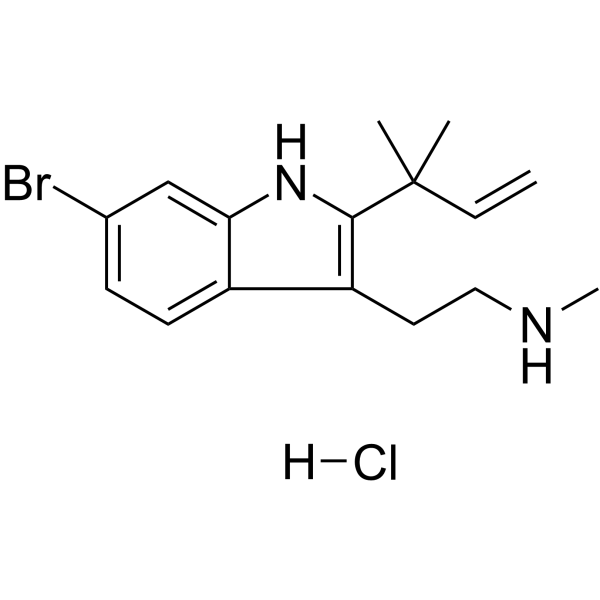
Desformylflustrabromine hydrochloride is a selective agonist of α4β2 neuronal nicotinic acetylcholine receptor (nAChR) with a pEC50 of 6.48.
|
-
-
- HY-107682
-
-
-
- HY-B0282R
-
|
ACh chloride (Standard)
|
Reference Standards
nAChR
Calcium Channel
Endogenous Metabolite
|
Neurological Disease
Cancer
|
|
Acetylcholine (chloride) (Standard) is the analytical standard of Acetylcholine (chloride). This product is intended for research and analytical applications. Acetylcholine chloride (ACh chloride), a neurotransmitter, is a potent and BBB-permeable cholinergic agonist. Acetylcholine chloride is a modulator of the activity of dopaminergic (DAergic) neurons through the stimulation of nicotinic acetylcholine receptors (nAChRs) . Acetylcholine chloride inhibits p53 mutant peptide aggregation in vitro .
|
-

-
- HY-10019A
-
|
CP 526555 dihydrochloride
|
nAChR
|
Neurological Disease
Inflammation/Immunology
Cancer
|
|
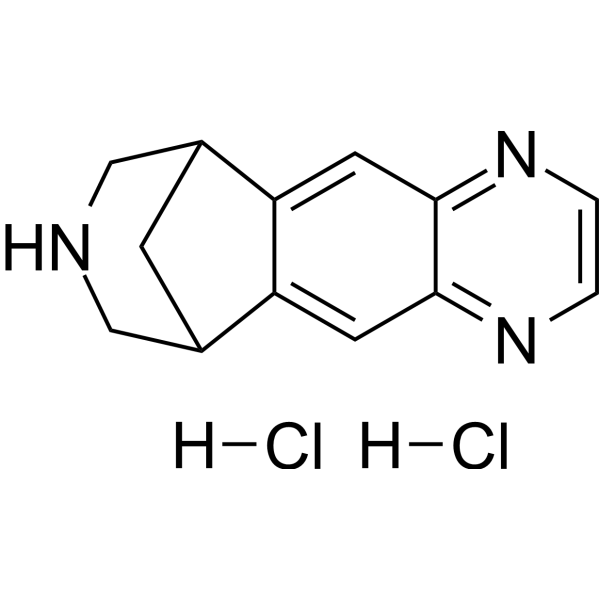
Varenicline (CP 526555-18) is an orally active partial agonist of α4β2 nicotinic acetylcholine receptor (α4β2 nAChR, IC50 = 250 nM), which is the principal mediator of nicotine dependence. Varenicline is also a partial agonist of α6β2 nAChR and a full agonist of α7β2 nAChR. Varenicline blocks the direct agonist effects of nicotine on nAChR while stimulates nAChR in a more moderate way, being widely used as an aid of smoking cessation .
|
-
-
- HY-P1271
-
|
Catestatin (cattle)
|
nAChR
|
Cardiovascular Disease
|
|
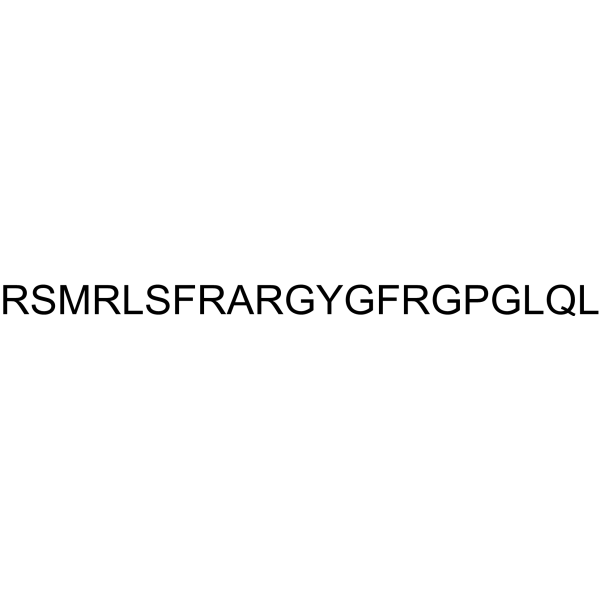
Catestatin is a 21-amino acid residue, cationic and hydrophobic peptide. Catestatin is an endogenous peptide that regulates cardiac function and blood pressure . Catestatin is a non-competitive nicotinic antagonist acting through nicotinic acetylcholine receptors (nAChRs) to inhibit catecholamine release .
|
-
-
- HY-147360
-
|
|
nAChR
|
Infection
|
|
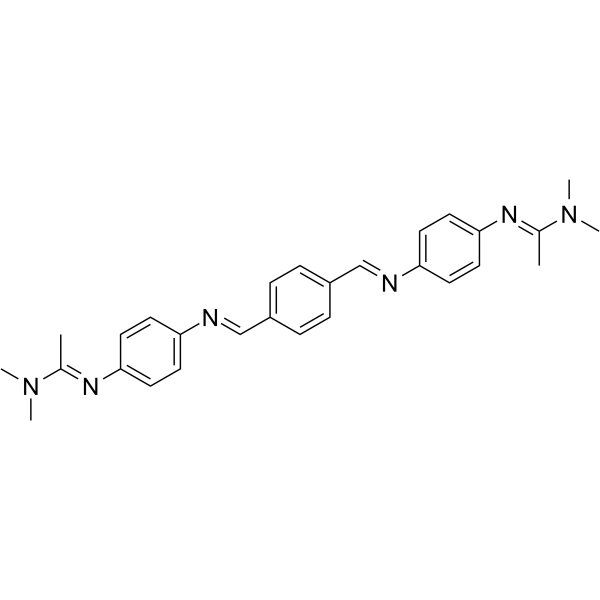
Tribendimidine is an orally active, broad-spectrum anthelmintic agent, with particularly high activity against A. lumbricoides and N. americanus. Tribendimidine is also an L-type nicotinic acetylcholine receptor (nAChR) agonist .
|
-
-
- HY-121027
-
|
(-)-Anagyrine; Monolupine; Rhombinine
|
mAChR
nAChR
|
Neurological Disease
|
|
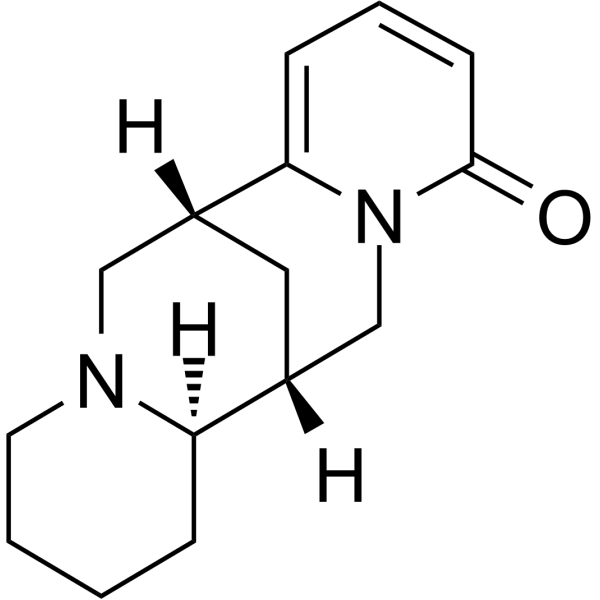
Anagyrine ((-)-Anagyrine) is a quinolizidine alkaloid that has been found in Lupinus albus. Anagyrine binds to muscarinic and nicotinic acetylcholine receptors with IC50 values of 132 and 2096 µM respectively. Anagyrine is a potent and effective desensitizer of nAChR, and Anagyrine can directly, without metabolism, desensitize nAChR .
|
-
-
- HY-110160
-
|
ABT-089 dihydrochloride
|
nAChR
|
Neurological Disease
|
|
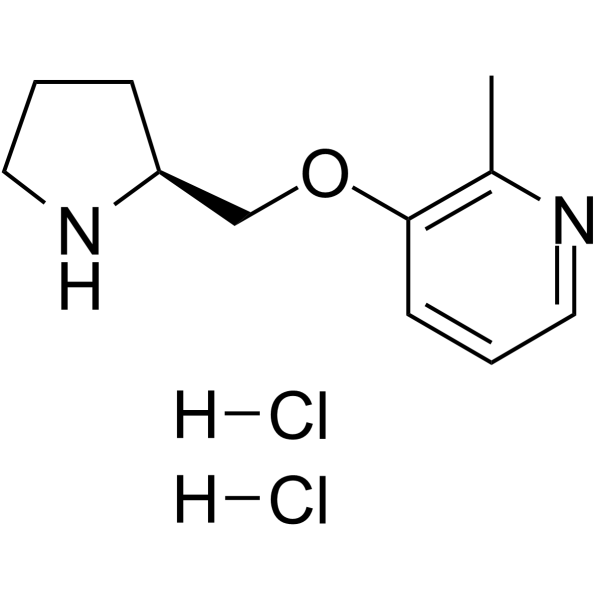
Pozanicline dihydrochloride (ABT-089 dihydrochloride) is an orally bioavailable nicotinic acetylcholine receptor (nAChR) agonist with a Ki of 16.7 nM for binding to [ 3H]cytisine sites . Pozanicline is an α4β2-selective nAChR agonist, which binds to rat brain α4β2 nAChR with a Ki of 17 nM while binding to α7 nAChR is insignificant .
|
-
-
- HY-110121A
-
NS3861
1 Publications Verification
|
nAChR
|
Neurological Disease
|
|
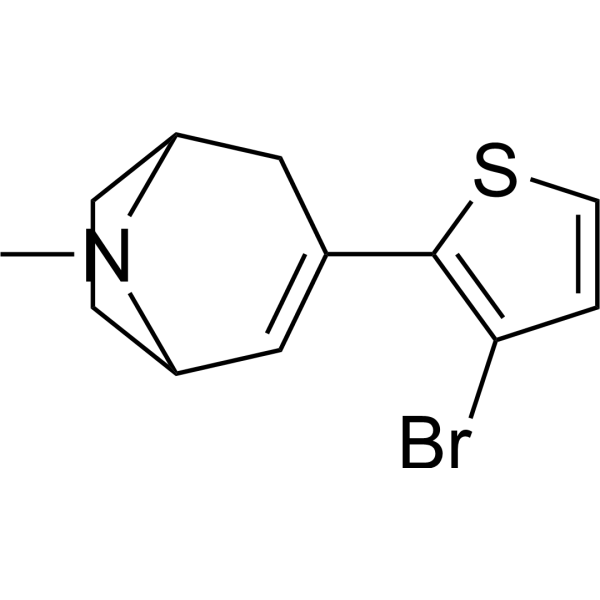
NS3861 is an agonist of nicotinic acetylcholine receptors (nAChRs) and binds with high affinity to heteromeric α3β4 nAChR. The binding Ki values of 0.62, 25, 7.8, 55 nM for α3β4, α3β2, α4β4, α4β2, respectively .
|
-
-
- HY-W705106
-
|
(-)-(S)-Coclaurine hydrochloride; L-Coclaurine hydrochloride
|
nAChR
|
Neurological Disease
|
|
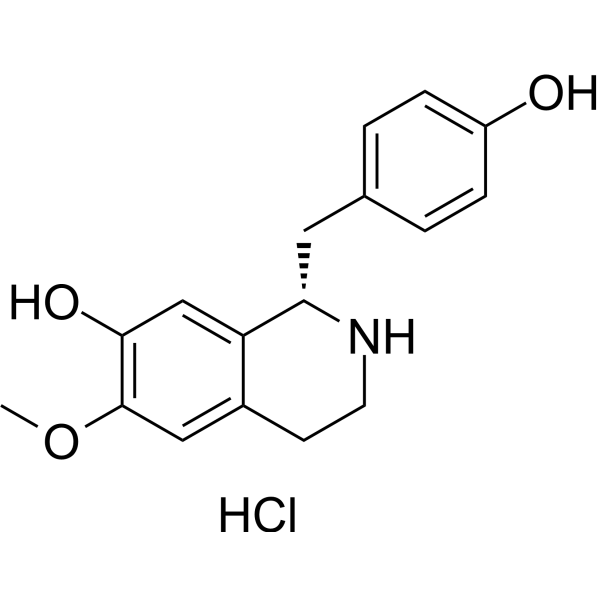
(-)-Coclaurine hydrochloride (compound I) is a class of tetrahydroisoquinoline alkaloids that can be isolated from Sarcopetalum harveyanum. (-)-Coclaurine hydrochloride is a nicotinic acetylcholine receptor (nAChRs) antagonist .
|
-
-
- HY-110131
-
|
|
nAChR
|
Neurological Disease
|
|
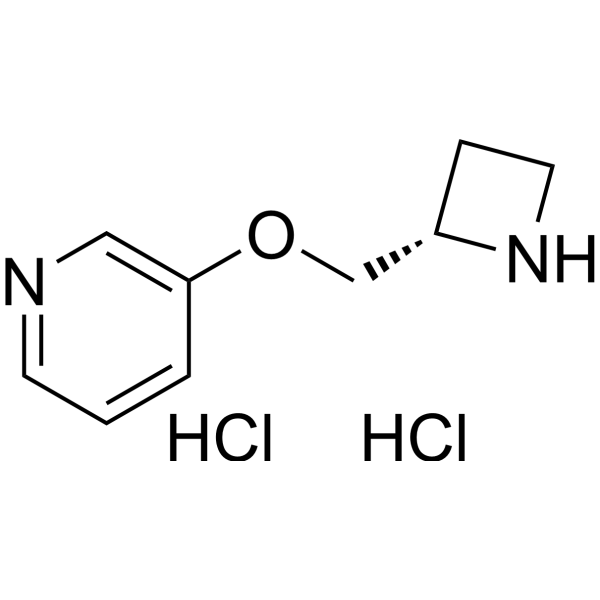
A 85380 hydrochloride is a novel, high affinity neuronal nicotinic acetylcholine receptor (nAChR) agonist. A 85380 hydrochloride exhibits selectivity for the α4β2 nAChR subtypes. A 85380 hydrochloride has a broad-spectrum analgesic profile .
|
-
-
- HY-14774S1
-
|
|
nAChR
|
Cancer
|
|
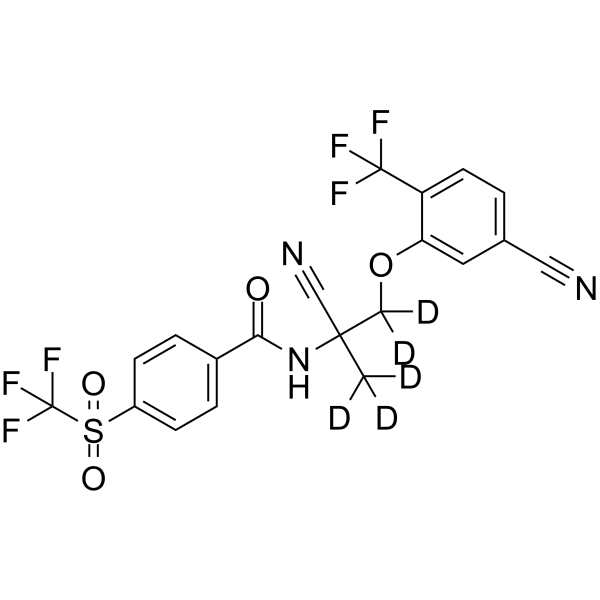
(Rac)-Monepantel sulfone-d5 is deuterium labeled Monepantel. Monepantel is organic anthelmintic, and acts as a positive allosteric modulator of a nematode-specific clade of nicotinic acetylcholine receptor (nAChR) subunits.
|
-
-
- HY-12149
-
|
|
nAChR
|
Neurological Disease
|
|
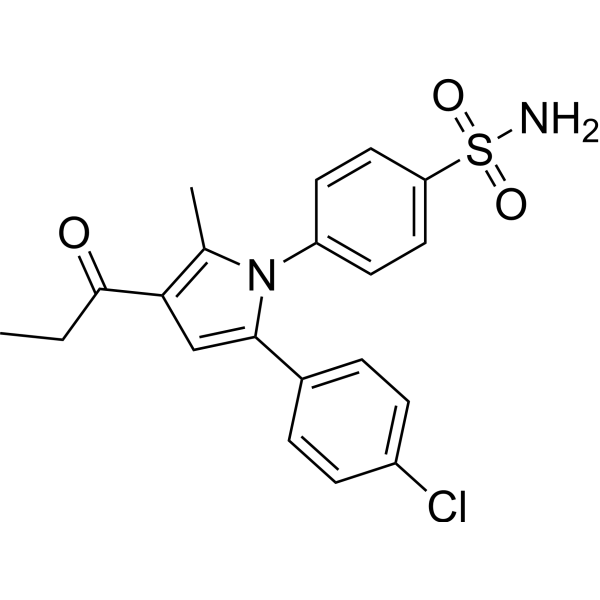
A-867744 is a highly potent and selective type II positive allosteric modulator (PAM) of the alpha7 nicotinic acetylcholine receptors (nAChR) with an EC50 of 1.0 μM .
|
-
-
- HY-14774R
-
|
AAD1566 (Standard); NUZ-001 (Standard)
|
Reference Standards
nAChR
|
Cancer
|
|
Monepantel (Standard) is the analytical standard of Monepantel. This product is intended for research and analytical applications. Monepantel is organic anthelmintic, and acts as a positive allosteric modulator of a nematode-specific clade of nicotinic acetylcholine receptor (nAChR) subunits.
|
-

-
- HY-139582
-
|
OC-02
|
nAChR
SARS-CoV
|
Infection
|
|
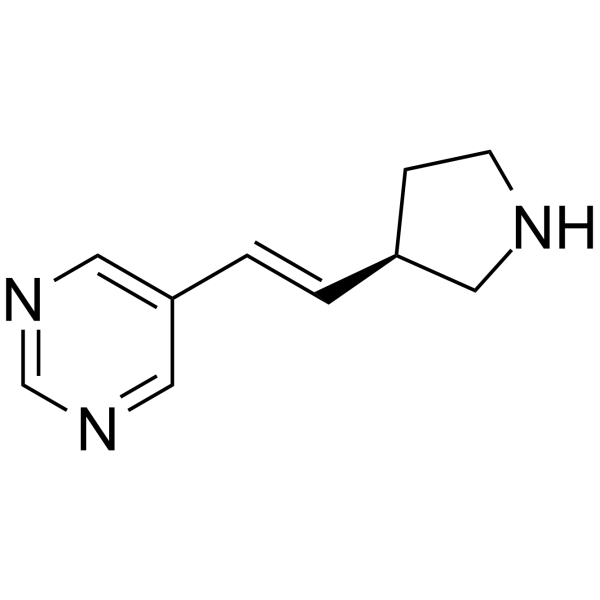
Simpinicline (OC-02), a highly selective nicotinic acetylcholine receptor (nAChR) agonist, shows potent antiviral activity against the SARS-CoV-2 variants in cell culture with an IC50 of 0.04 µM .
|
-
-
- HY-10063
-
|
TC-1734; ACD3480
|
nAChR
|
Neurological Disease
|
|
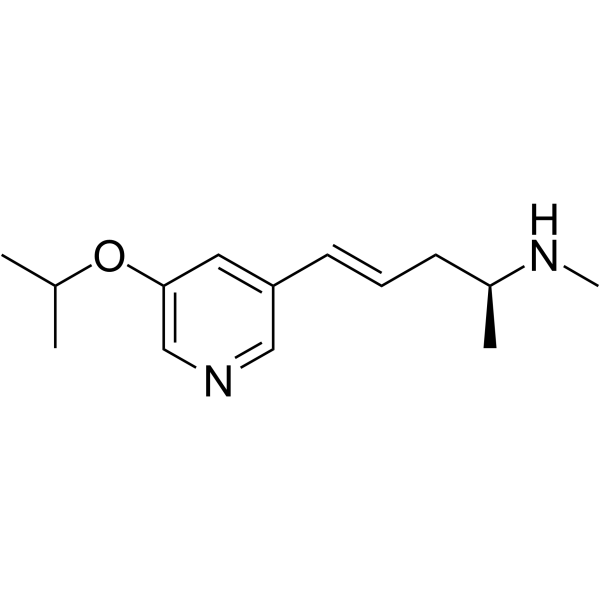
Ispronicline (TC-1734), an orally active, brain-selective α4β2 nicotine acetylcholine receptor (nAChR) partial agonist, has shown memory-enhancing properties in rodents and a good tolerability profile. Ispronicline binds to the α4β2 nAChR with high affinity (Ki=11 nM) and is highly selective to other nAChRs such as α7 nAChR and α3β4 nAChR .
|
-
-
- HY-15430
-
|
EVP-6124
|
nAChR
|
Neurological Disease
|
|
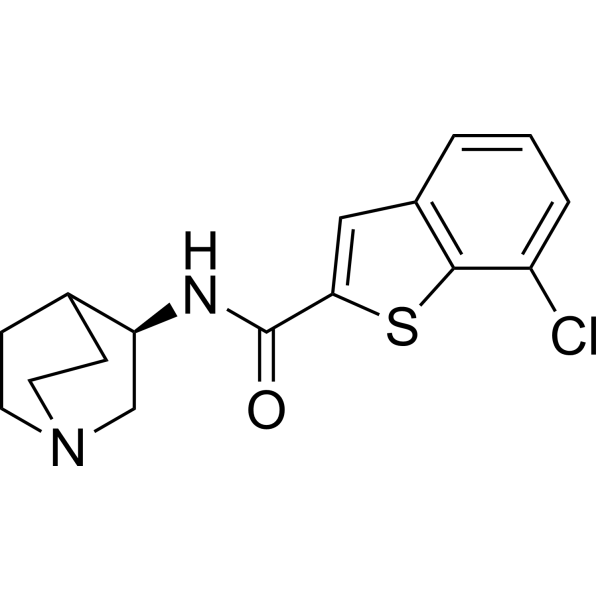
Encenicline (EVP-6124) is a novel partial agonist of α7 neuronal nicotinic acetylcholine receptors (nAChRs).
|
-
-
- HY-14774S
-
|
|
nAChR
|
Cancer
|
|
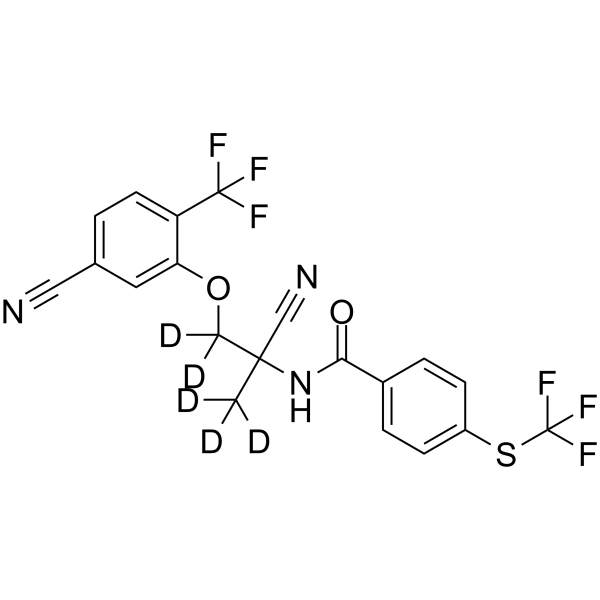
(Rac)-Monepantel-d5 is deuterium labeled Monepantel. Monepantel is organic anthelmintic, and acts as a positive allosteric modulator of a nematode-specific clade of nicotinic acetylcholine receptor (nAChR) subunits.
|
-
-
- HY-129674
-
|
|
nAChR
|
Neurological Disease
|
|
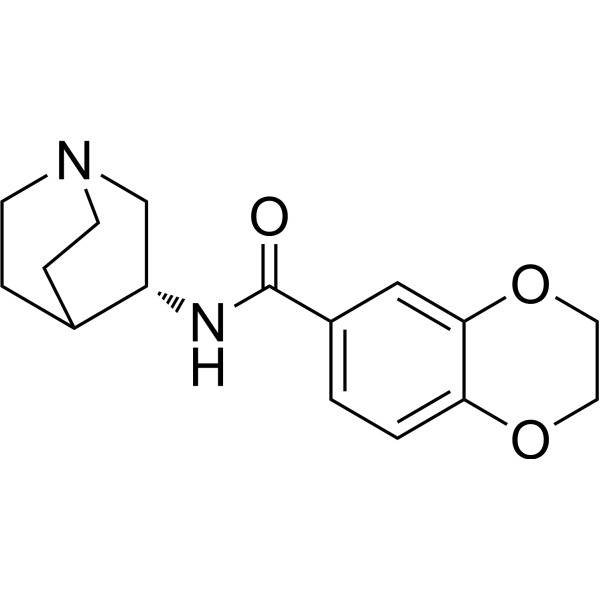
PHA 568487 free base is a selective alpha 7 nicotinic acetylcholine receptor (α-7 nAchR) agonist. PHA 568487 free base reduces neuroinflammation .
|
-
-
- HY-12560
-
|
|
nAChR
5-HT Receptor
|
Neurological Disease
|
|
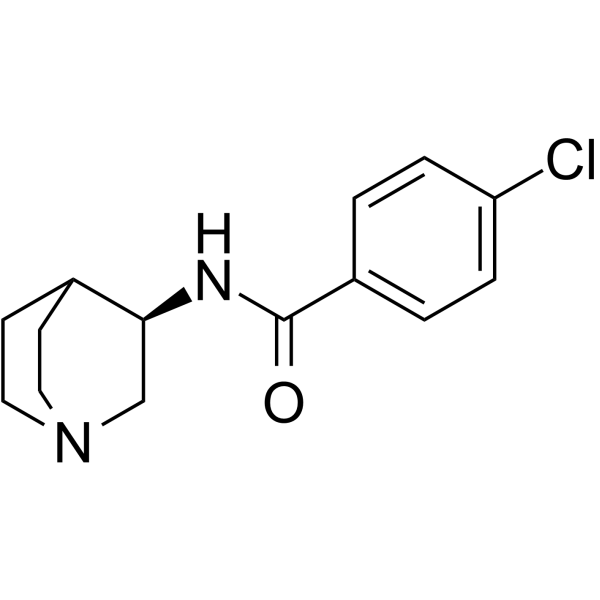
PNU-282987 (free base) is a potent α7 nicotinic acetylcholine receptor (nAChR) agonist with an EC50 of 154 nM. PNU-282987 (free base) is also a functional antagonist of the 5-HT3 receptor with an IC50 of 4541 nM. PNU-282987 (free base) can be used for the research of central and peripheral nervous systems .
|
-
-
- HY-108069
-
|
|
Potassium Channel
nAChR
|
Neurological Disease
|
|
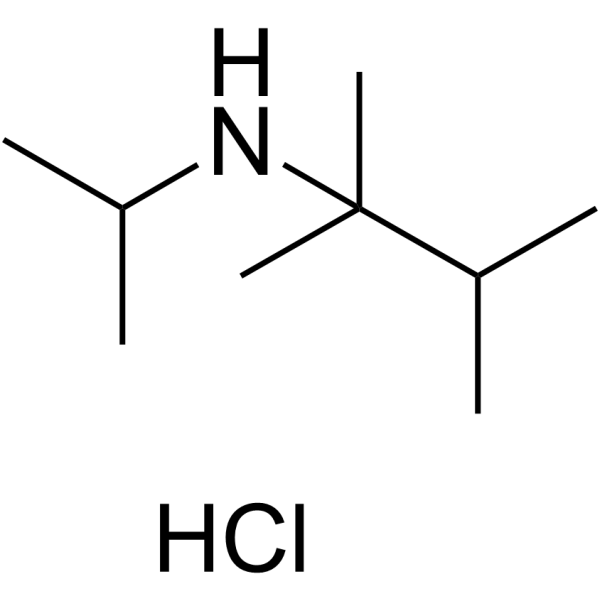
Iptakalim hydrochloride, a lipophilic para-amino compound, is a novel ATP-sensitive potassium channel (KATP) opener, as well as an α4β2-containing nicotinic acetylcholine receptor (nAChR) antagonist .
|
-
-
- HY-P5823
-
|
|
nAChR
|
Neurological Disease
|
|
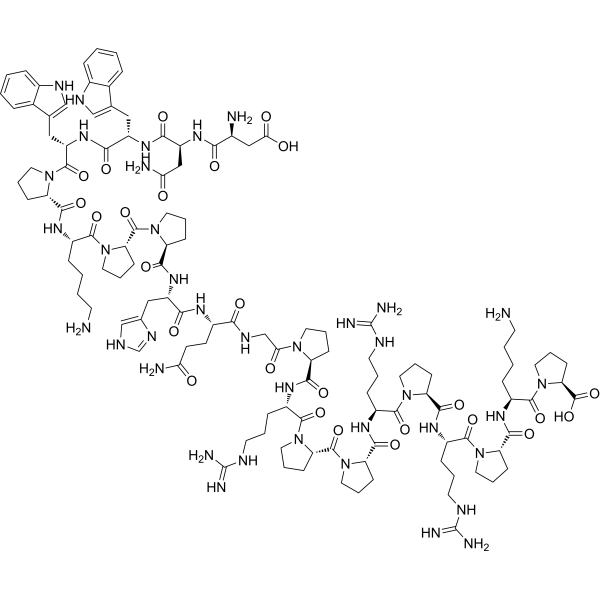
Azemiopsin is a potent nicotinic acetylcholine receptor (nAChR) inhibitor with IC50s of 0.18 μM and 22 μM against T. californica nAChR and human α7 nAChR, respectively. Azemiopsin blocks acetylcholine-induced currents in Xenopus oocytes heterologously expressing human muscle-type nAChR .
|
-
-
- HY-145297
-
|
|
nAChR
Insecticide
|
Neurological Disease
|
|
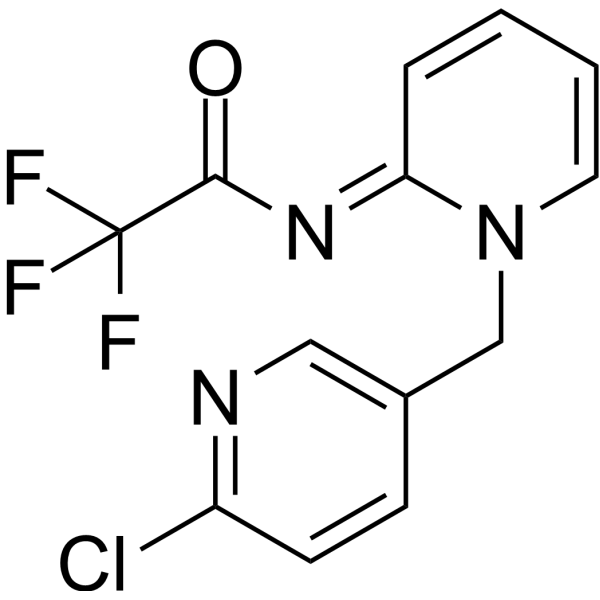
Flupyrimin is the antagonist for insect nicotinic acetylcholine receptor (nAChR) that exhibits insecticidal effect by targeting insect nervous system .
|
-
-
- HY-12560D
-
|
|
nAChR
|
Others
|
|
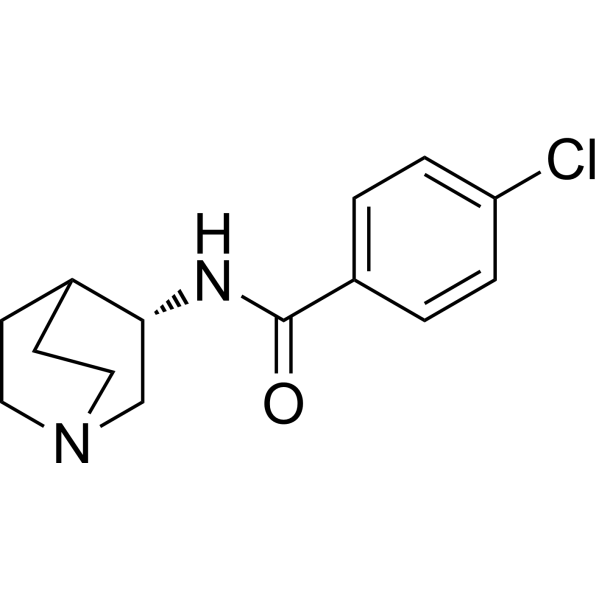
PNU-282987 S enantiomer free base is the S-enantiomer of PNU-282987 free base. PNU-282987 is an α7 nicotinic acetylcholine receptor (α7 nAChR) agonist.
|
-
-
- HY-P1271A
-
|
|
nAChR
|
Cardiovascular Disease
|
|
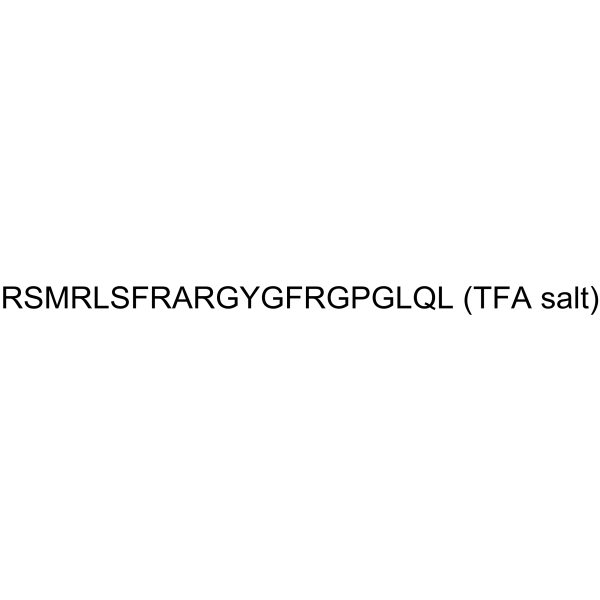
Catestatin TFA is a 21-amino acid residue, cationic and hydrophobic peptide. Catestatin TFA is an endogenous peptide that regulates cardiac function and blood pressure . Catestatin TFA is a non-competitive nicotinic antagonist acting through nicotinic acetylcholine receptors (nAChRs) to inhibit catecholamine release .
|
-
-
- HY-107676
-
|
|
nAChR
|
Neurological Disease
|
|
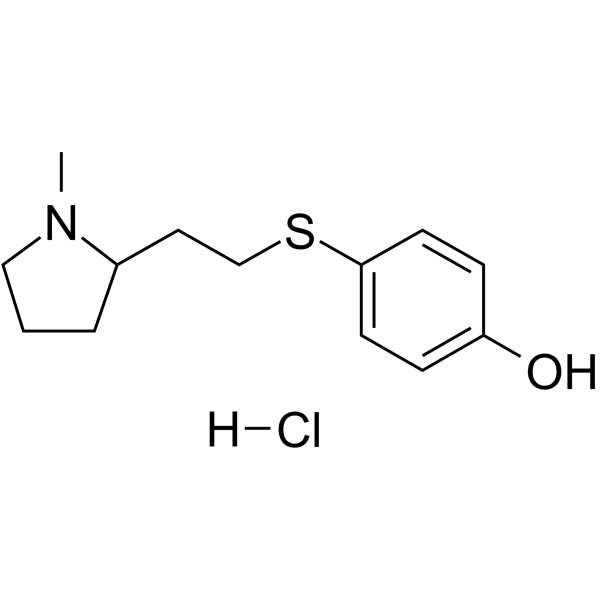
SIB-1553A is an orally bioavailable nicotinic acetylcholine receptors (nAChRs) agonist, with selectivity for β4 subunit-containing nAChRs. SIB-1553A is also a selective neuronal nAChR ligand. SIB-1553A is a cognitive enhancer, and has therapeutic potential for the symptomatic treatment of Alzheimer’s disease and other cognitive disorders .
|
-
- HY-133011
-
|
|
nAChR
|
Neurological Disease
|
|
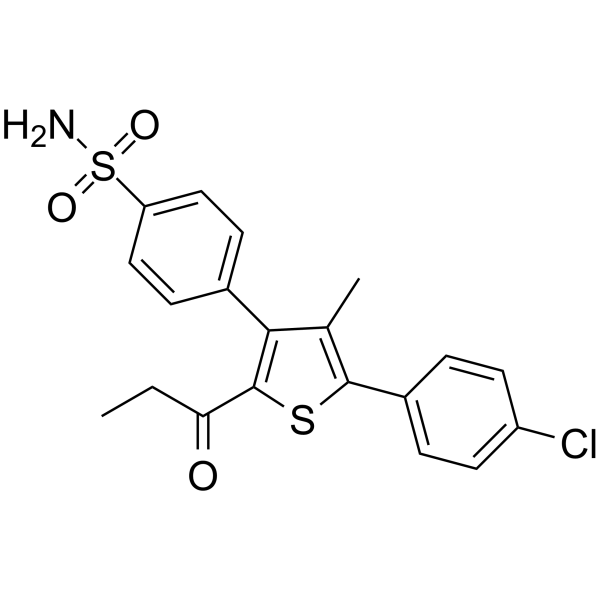
nAChR agonist 1 is a potent, blood-brain-barrier-permeable, and orally active allosteric modulator of α7 nicotinic acetylcholine receptor (α7 nAChR). nAChR agonist 1 has the EC50 of 0.32 μM in a Ca 2+ mobilization assay (PNU-282987-induced, FLIPR based) in human IMR-32 neuroblastoma cells that endogenously express α7 nAChR. nAChR agonist 1 can be develpoped for the treatment of Alzheimer’s disease .
|
-
- HY-110121
-
|
|
nAChR
|
Neurological Disease
|
|
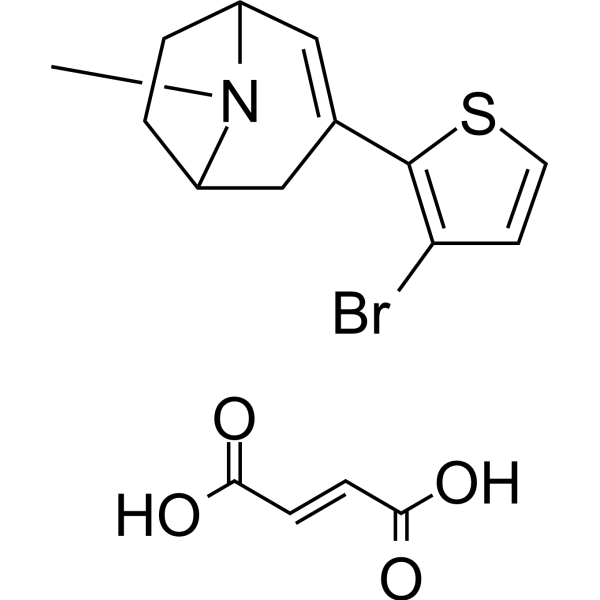
NS3861 fumarate is an agonist of nicotinic acetylcholine receptors (nAChRs) and binds with high affinity to heteromeric α3β4 nAChR. The binding Ki values of 0.62, 25, 7.8, 55 nM for α3β4, α3β2, α4β4, α4β2, respectively .
|
-
- HY-151129
-
|
|
nAChR
|
Neurological Disease
|
|
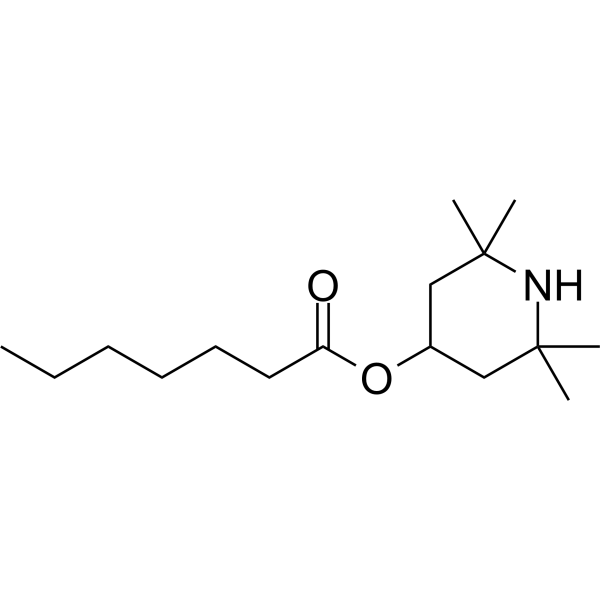
nAChR-IN-1 (2,2,6,6-Tetramethylpiperidin-4-yl heptanoate) is a tetramethylpiperidine heptanoate, a selective nicotinic acetylcholine receptor (nAChR) inhibitor that inhibits nAChRs lacking α5, α6, or β3 subunits. nAChR-IN-1 has the effect of preventing nerve disorder, can be used for nicotinic acetylcholine receptor dysfunction or neurological disorders research .
|
-
- HY-N16475
-
|
|
nAChR
|
Infection
|
|
Spinosyn L is a selective nicotinic acetylcholine receptors (nAChR) agonist. Spinosyn L causes sustained neural excitation and paralysis in insects. Spinosyn L is promising for research of pesticides for controlling Lepidoptera, Diptera, and other agricultural pests .
|
-

- HY-114791
-
|
|
nAChR
|
Neurological Disease
|
|
Lobelanidine is an antagonist for nicotinic acetylcholine receptor (nAChR), which inhibits α7 nAChR response and α3β2/α3β4 nAChR responses, with IC50 of 2.8 and 8.2 μM .
|
-

- HY-B0823R
-
|
|
Reference Standards
nAChR
|
Neurological Disease
|
|
Acetamiprid (Standard) is the analytical standard of Acetamiprid. This product is intended for research and analytical applications. Acetamiprid is a neonicotinoid insecticide used worldwide. Acetamiprid is a nicotinic acetylcholine receptor (nAChR) agonist, and is shown to be associated with neuromuscular and reproductive disorders .
|
-

- HY-10021R
-
|
CP 526555-18 (Standard)
|
Reference Standards
nAChR
ERK
p38 MAPK
|
Others
Neurological Disease
|
|
Varenicline (Tartrate) (Standard) is the analytical standard of Varenicline (Tartrate). This product is intended for research and analytical applications. Varenicline (CP 526555) is an orally active partial agonist of α4β2 nicotinic acetylcholine receptor (α4β2 nAChR, IC50 = 250 nM), which is the principal mediator of nicotine dependence. Varenicline is also a partial agonist of α6β2 nAChR and a full agonist of α6β2 nAChR. Varenicline blocks the direct agonist effects of nicotine on nAChR while stimulates nAChR in a more moderate way, being widely used as an aid of smoking cessation .
|
-

- HY-14565
-
|
ABT-089
|
nAChR
|
Neurological Disease
|
|
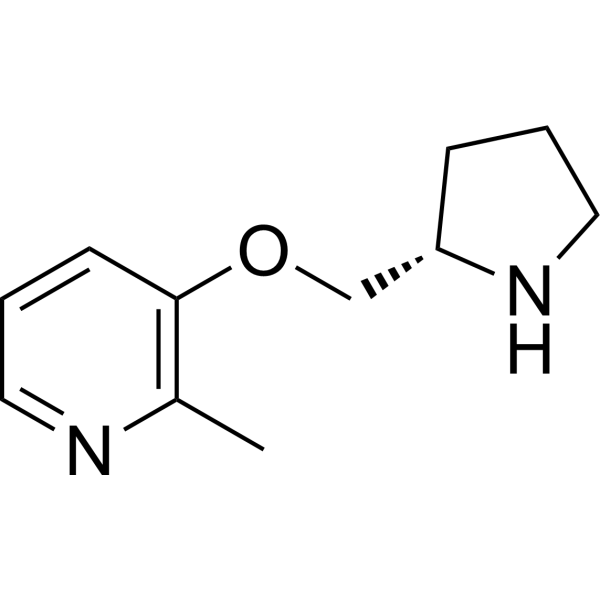
Pozanicline (ABT-089) selectively activate neuronal nicotinic acetylcholine receptor (nAChR) subtypes, is a novel cholinergic agent that is a partial agonist at α4β2* nAChRs (Ki=16 nM) and shows high selectivity for α6β2* and α4α5β2 nAChR subtypes, the binding affinity (Ki, rat) for Pozanicline to [ 3H] cytisine sites is 16.7 nM.
Pozanicline reverses nicotine withdrawal-induced cognitive deficits, may be an effective component of novel therapeutic strategies for nicotine addiction .
|
-
- HY-12641A
-
|
|
nAChR
Parasite
Antibiotic
|
Infection
|
|
Pyrantel is an orally active anthelmintic and an agonist of the nicotinic acetylcholine receptor (nAChR). Pyrantel can cause spasmodic muscle paralysis in parasites. Pyrantel can be used in the study of parasitic infections such as ascariasis, hookworm infections, intestinal worms (pinworm infections), trichinosis and trichinosis .
|
-
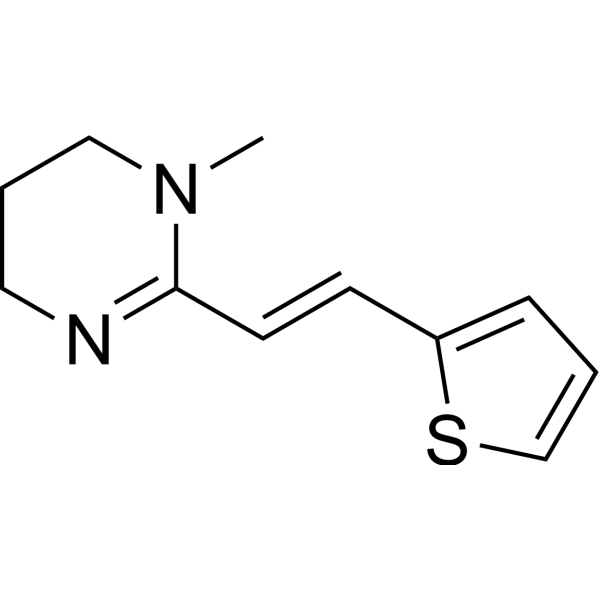
- HY-107669
-
|
|
nAChR
|
Neurological Disease
|
|
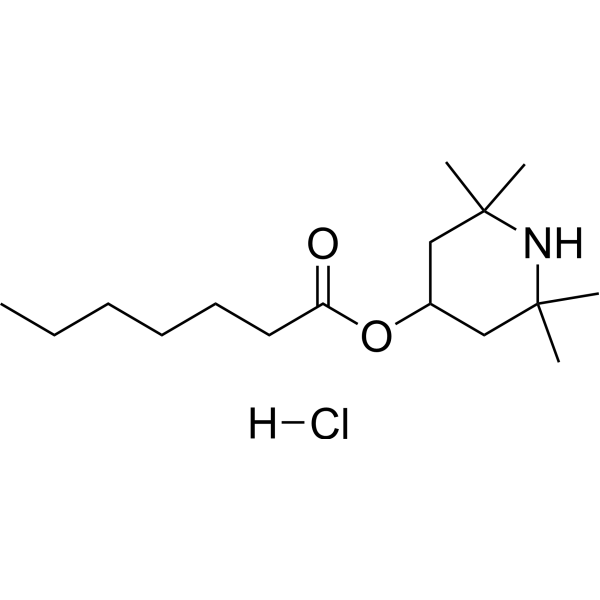
nAChR-IN-1 (hydrochloride) is a tetramethylpiperidine heptanoate, a selective nicotinic acetylcholine receptor (nAChR) inhibitor that inhibits nAChRs lacking α5, α6, or β3 subunits. nAChR-IN-1 has the effect of preventing nerve disorder, can be used for nicotinic acetylcholine receptor dysfunction or neurological disorders research .
|
-
- HY-114736
-
|
2-Hydroxyvarenicline
|
nAChR
|
Neurological Disease
|
|
Hydroxy varenicline (2-Hydroxyvarenicline) is a metabolite of varenicline (HY-10019), a nicotinic acetylcholine receptor (nAChR) agonist.
|
-

- HY-130432
-
|
|
nAChR
|
Neurological Disease
|
|
DBO-83 dihydrochloride is a brain-penetrant nicotinic acetylcholine receptor (nAChR) agonist. DBO-83 dihydrochloride activates peripheral nicotinic acetylcholine receptors to evoke non-stimulated ileum contractions. DBO-83 dihydrochloride shows antinociceptive and anti-amnesic activities .
|
-

- HY-124540B
-
|
|
nAChR
|
Neurological Disease
|
|
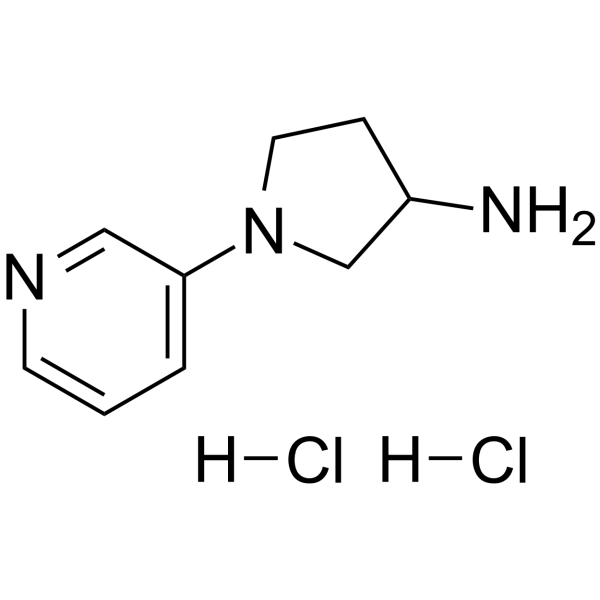
(Rac)-ABT-202 dihydrochloride is a racemate of ABT-202. ABT-202 is an agonist of nicotinic acetylcholine receptors (nAChRs) and can be used as an analgesic .
|
-
- HY-14312
-
|
|
nAChR
|
Neurological Disease
|
|
A 85380 is a novel, high affinity neuronal nicotinic acetylcholine receptor (nAChR) agonist. A 85380 exhibits selectivity for the α4β2 nAChR subtypes. A 85380 has a broad-spectrum analgesic profile .
|
-

- HY-167896
-
|
|
nAChR
|
Neurological Disease
|
|
Hepzidine (compound 40) is a novel nicotinic acetylcholine receptor (nAChR) ligand. Hepzidine can bind to AChBP. Hepzidine can be used in neuro-related research .
|
-

- HY-B1552B
-
|
|
nAChR
|
Neurological Disease
|
|
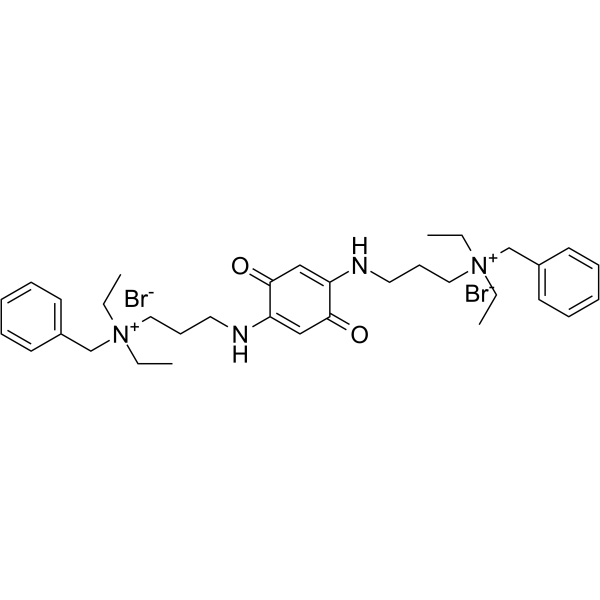
Benzoquinonium dibromide is a nicotinic acetylcholine receptors (nAChRs) antagonist, with an IC50 of 0.46 μM. Benzoquinonium dibromide can block neuromuscular and ganglionic transmission .
|
-
- HY-N16476
-
|
|
GABA Receptor
nAChR
|
Infection
|
|
Spinosyn J is a non-competitive insect nicotinic acetylcholine receptor (nAChR) and γ-aminobutyric acid (GABA) receptor modulator with insecticidal activity. Spinosyn J is promising for research of agricultural pests .
|
-

- HY-W014928
-
|
(S)-Anabasine hydrochloride; (+)-Anabasine hydrochloride
|
nAChR
|
Neurological Disease
|
|
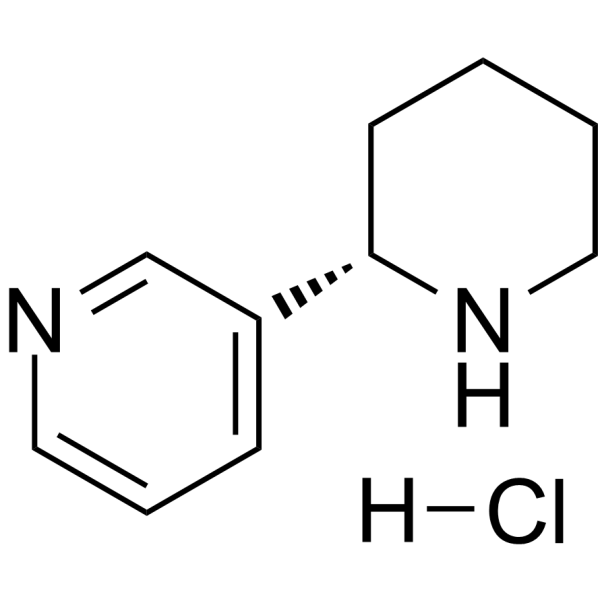
Anabasine ((S)-Anabasine) hydrochloride is an alkaloid that found as a minor component in tobacco (Nicotiana). Anabasine is a botanical pesticide nicotine, acts as a full agonist of nicotinic acetylcholine receptors (nAChRs). Anabasine induces depolarization of TE671 cells endogenously expressing human fetal muscle-type nAChRs (EC50=0.7 µM) .
|
-
- HY-100906
-
|
|
nAChR
|
Neurological Disease
|
|
1,1-Dimethyl-4-acetylpiperazinium iodide is an agonist for nicotinic acetylcholine receptor (nAChR) that open ion channels and causes cell membrane depolarization .
|
-

- HY-N0443R
-
|
Caulophylline (Standard)
|
Reference Standards
nAChR
|
Inflammation/Immunology
|
|
N-Methylcytisine (Standard) is the analytical standard of N-Methylcytisine. This product is intended for research and analytical applications. N-Methylcytisine (Caulophylline), a tricyclic quinolizidine alkaloid, exerts hypoglycaemic, analgesic and anti-inflammatory activities. N-methylcytisine is a selective ligand of nicotinic receptors of acetylcholine in the central nervous system and has a high affinity (Kd = 50 nM) to nicotinic acetylcholine receptors (nAChR) from squid optical ganglia .
|
-

- HY-120609
-
|
|
nAChR
|
Neurological Disease
|
|
BMS-902483 is a quinuclidine-containing spirooxazolidine that is a partial agonist of the α7 nicotinic acetylcholine receptor (nAChR). BMS-902483 improves cognitive ability in preclinical rodent models. .
|
-

- HY-145297R
-
|
|
Reference Standards
nAChR
Insecticide
|
Neurological Disease
|
|
Flupyrimin (Standard) is the analytical standard of Flupyrimin. This product is intended for research and analytical applications. Flupyrimin is the antagonist for insect nicotinic acetylcholine receptor (nAChR) that exhibits insecticidal effect by targeting insect nervous system .
|
-

- HY-121027A
-
|
(-)-Anagyrine hydrochloride; Monolupine hydrochloride; Rhombinine hydrochloride
|
mAChR
nAChR
|
Neurological Disease
|
|
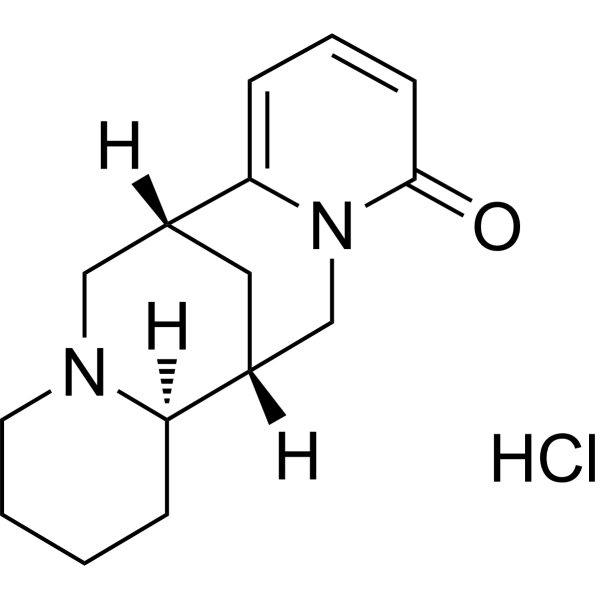
Anagyrine ((-)-Anagyrine) hydrochloride is a quinolizidine alkaloid that has been found in Lupinus albus. Anagyrine hydrochloride binds to muscarinic and nicotinic acetylcholine receptors with IC50 values of 132 and 2096 µM respectively. Anagyrine hydrochloride is a potent and effective desensitizer of nAChR, and Anagyrine hydrochloride can directly, without metabolism, desensitize nAChR .
|
-
- HY-118751
-
|
Bancol
|
nAChR
|
Others
Neurological Disease
|
|
Bensultap (Bancol) is an insecticide, which can control Colorado beetle and some other insect pests. Bensultap is a modulator for nicotinic acetylcholine receptor (nAChR), and exhibits mild and temporary neuromodulatory efficacy on rat nervous system .
|
-

- HY-B0823A
-
|
|
nAChR
Drug Isomer
|
Neurological Disease
|
|
(E/Z)-Acetamiprid is the E/Z mixture of Acetamiprid (HY-B0823). Acetamiprid is a neonicotinoid insecticide used worldwide. Acetamiprid is a nicotinic acetylcholine receptor (nAChR) agonist, and is shown to be associated with neuromuscular and reproductive disorders .
|
-

- HY-10019R
-
|
CP 526555 (Standard)
|
Reference Standards
nAChR
|
Neurological Disease
Inflammation/Immunology
Cancer
|
|
Varenicline (Standard) is the analytical standard of Varenicline. This product is intended for research and analytical applications. Varenicline (CP 526555) is an orally active partial agonist of α4β2 nicotinic acetylcholine receptor (α4β2 nAChR, IC50 = 250 nM), which is the principal mediator of nicotine dependence. Varenicline is also a partial agonist of α6β2 nAChR and a full agonist of α7β2 nAChR. Varenicline blocks the direct agonist effects of nicotine on nAChR while stimulates nAChR in a more moderate way, being widely used as an aid of smoking cessation .
|
-

- HY-10019AR
-
|
CP 526555 dihydrochloride (Standard)
|
Reference Standards
nAChR
|
Neurological Disease
Inflammation/Immunology
Cancer
|
|
Varenicline (dihydrochloride) (Standard) is the analytical standard of Varenicline (dihydrochloride). This product is intended for research and analytical applications. Varenicline (CP 526555-18) is an orally active partial agonist of α4β2 nicotinic acetylcholine receptor (α4β2 nAChR, IC50 = 250 nM), which is the principal mediator of nicotine dependence. Varenicline is also a partial agonist of α6β2 nAChR and a full agonist of α7β2 nAChR. Varenicline blocks the direct agonist effects of nicotine on nAChR while stimulates nAChR in a more moderate way, being widely used as an aid of smoking cessation .
|
-

- HY-10020R
-
|
CP 526555 hydrochloride (Standard)
|
Reference Standards
nAChR
|
Neurological Disease
Inflammation/Immunology
Cancer
|
|
Varenicline (Hydrochloride) (Standard) is the analytical standard of Varenicline (Hydrochloride). This product is intended for research and analytical applications. Varenicline (CP 526555) is an orally active partial agonist of α4β2 nicotinic acetylcholine receptor (α4β2 nAChR, IC50 = 250 nM), which is the principal mediator of nicotine dependence. Varenicline is also a partial agonist of α6β2 nAChR and a full agonist of α6β2 nAChR. Varenicline blocks the direct agonist effects of nicotine on nAChR while stimulates nAChR in a more moderate way, being widely used as an aid of smoking cessation .
|
-

- HY-B1532R
-
|
(S)-Anabasine (Standard); (+)-Anabasine (Standard)
|
Reference Standards
nAChR
|
Neurological Disease
|
|
Anabasine (Standard) is the analytical standard of Anabasine. This product is intended for research and analytical applications. Anabasine ((S)-Anabasine) is an alkaloid that found as a minor component in tobacco (Nicotiana). Anabasine is a botanical pesticide nicotine, acts as a full agonist of nicotinic acetylcholine receptors (nAChRs). Anabasine induces depolarization of TE671 cells endogenously expressing human fetal muscle-type nAChRs (EC50=0.7 μM) .
|
-

- HY-10019S2
-
|
CP 526555-13C,15N
|
Isotope-Labeled Compounds
nAChR
|
Neurological Disease
Inflammation/Immunology
Cancer
|
|
Varenicline- 13C 15N (CP 526555- 13C 15N) is 13C and 15N labeled Varenicline. Varenicline (CP 526555) is an orally active partial agonist of α4β2 nicotinic acetylcholine receptor (α4β2 nAChR, IC50 = 250 nM), which is the principal mediator of nicotine dependence. Varenicline is also a partial agonist of α6β2 nAChR and a full agonist of α7β2 nAChR. Varenicline blocks the direct agonist effects of nicotine on nAChR while stimulates nAChR in a more moderate way, being widely used as an aid of smoking cessation .
|
-

- HY-10019S1
-
|
CP 526555-15N,13C,d2
|
nAChR
Isotope-Labeled Compounds
|
Neurological Disease
Inflammation/Immunology
Cancer
|
|
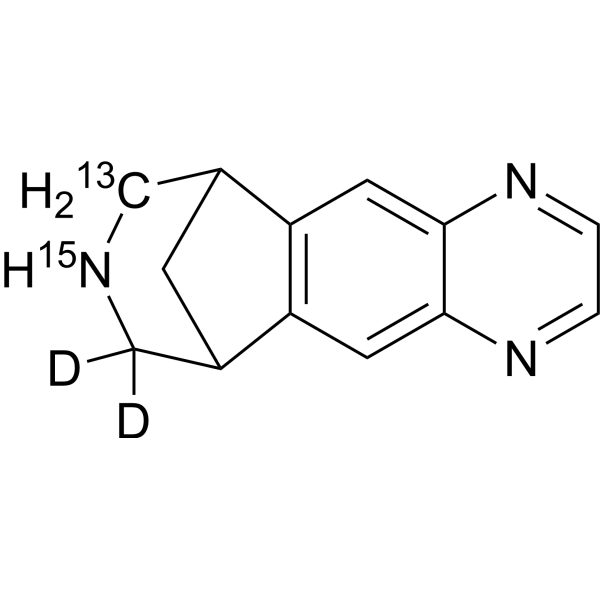
Varenicline- 15N, 13C,d2 is 15N and deuterated labeled Varenicline (HY-10019). Varenicline (CP 526555) is an orally active partial agonist of α4β2 nicotinic acetylcholine receptor (α4β2 nAChR, IC50=250 nM), which is the principal mediator of nicotine dependence. Varenicline is also a partial agonist of α6β2 nAChR and a full agonist of α7β2 nAChR. Varenicline blocks the direct agonist effects of nicotine on nAChR while stimulates nAChR in a more moderate way, being widely used as an aid of smoking cessation .
|
-
- HY-10020S
-
|
CP 526555-15N3 Hydrochloride
|
nAChR
Isotope-Labeled Compounds
|
Neurological Disease
Inflammation/Immunology
Cancer
|
|
Varenicline-15N3 Hydrochloride (CP 526555-15N3 Hydrochloride) is the 15N labeled isotope of Varenicline hydrochloride (HY-10020). Varenicline (CP 526555) is an orally active partial agonist of α4β2 nicotinic acetylcholine receptor (α4β2 nAChR, IC50 = 250 nM), which is the principal mediator of nicotine dependence. Varenicline is also a partial agonist of α6β2 nAChR and a full agonist of α6β2 nAChR. Varenicline blocks the direct agonist effects of nicotine on nAChR while stimulates nAChR in a more moderate way, being widely used as an aid of smoking cessation .
|
-

- HY-10019S
-
|
CP 526555-d4
|
Isotope-Labeled Compounds
nAChR
|
Neurological Disease
|
|
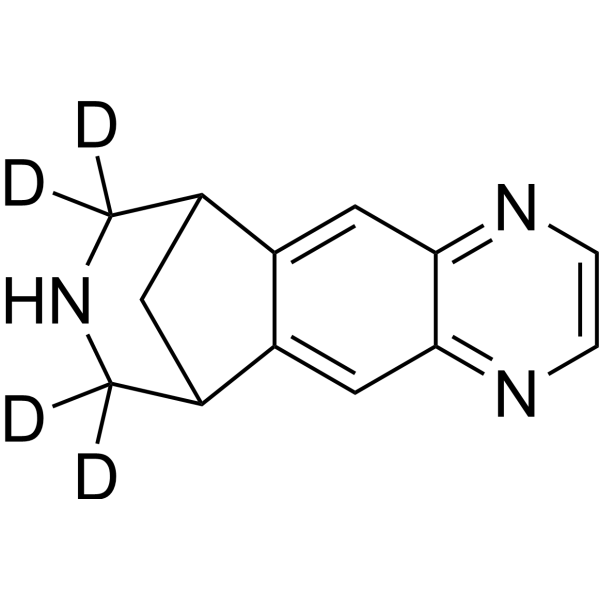
Varenicline-d4 is deuterium labeled Varenicline. Varenicline (CP 526555) is a potent partial agonist for α4β2 nicotinic acetylcholine receptor (nAChR) with an EC50 value of 2.3 μM. Varenicline is a full agonist for α3β4 and α7 nAChRs with EC50 values of 55 μM and 18 μM, respectively . Varenicline is a nicotinic ligand based on the structure of cytisine, has the potential for smoking cessation treatment .
|
-
- HY-111161
-
|
|
nAChR
Parasite
|
Infection
|
|
GSK575594A is a modulator of the nicotinic acetylcholine receptor (nAChR) in Ascaris suum. GSK575594A enhances muscle contractions induced by acetylcholine (ACh) by binding to the allosteric binding site between subunits within the transmembrane domain of nAChR. At a concentration of 3 μM, GSK575594A significantly increased the contraction induced by ACh in Ascaris suum (Emax increased from 1.19 g to 1.51 g). GSK575594A may be used in research within the field of antiparasitic studies .
|
-

- HY-W127670
-
|
|
Biochemical Assay Reagents
|
Others
|
|
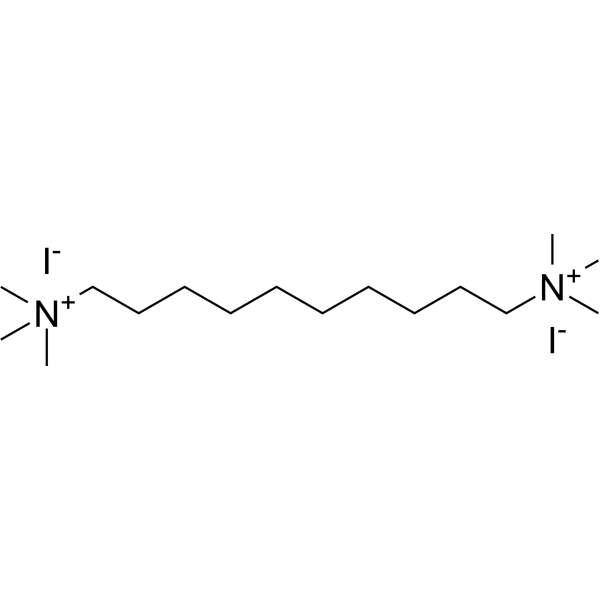
Decamethonium (iodide) is an organic compound containing ammonium and iodide ions. It is commonly used as a neuromuscular blocking agent in anesthesia to induce muscle relaxation during surgery. Decamethonium Iodide acts by binding to nicotinic acetylcholine receptors (nAChRs) in the neuromuscular junction, causing depolarization block and subsequent skeletal muscle paralysis. In addition, it can also serve as a reference standard for pharmacological studies of nAChRs.
|
-
- HY-107676A
-
|
|
nAChR
|
Neurological Disease
|
|
SIB-1553A free base is an orally bioavailable nicotinic acetylcholine receptors (nAChRs) agonist, with selectivity for β4 subunit-containing nAChRs. SIB-1553A free base is also a selective neuronal nAChR ligand. SIB-1553A free base is a cognitive enhancer, and has therapeutic potential for the symptomatic treatment of Alzheimer’s disease and other cognitive disorders .
|
-

- HY-B0820R
-
|
|
Reference Standards
nAChR
Parasite
|
Neurological Disease
|
|
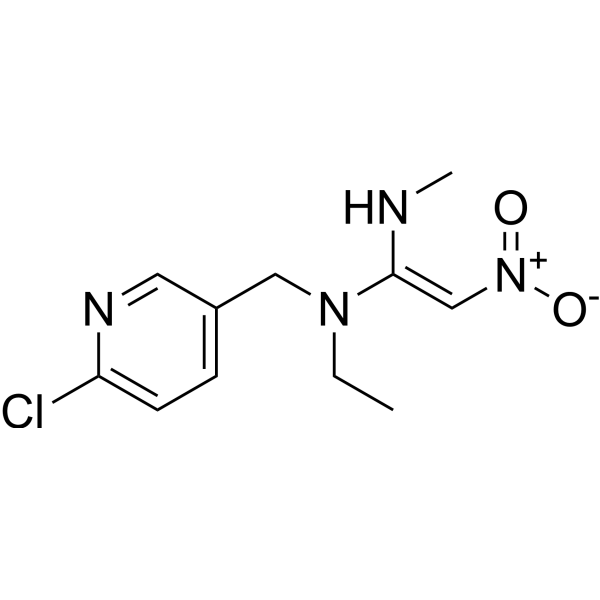
Nitenpyram (Standard) is the analytical standard of Nitenpyram. This product is intended for research and analytical applications. Nitenpyram is a calss of neonicotinoid and an insect nicotinic acetylcholine receptor (nAChR) agonist with an IC50 of 14 nM. Nitenpyram is an oral fast-acting insecticide used to suppress sucking insects on companion animals .
|
-
- HY-10019AS1
-
|
|
Isotope-Labeled Compounds
nAChR
|
Inflammation/Immunology
|
|
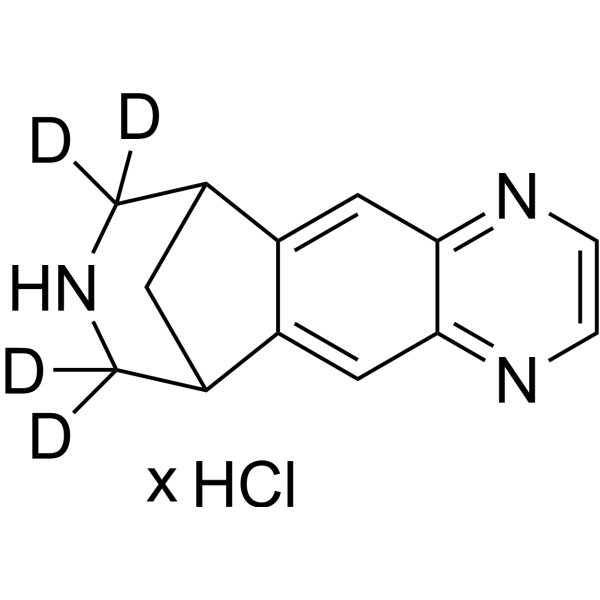
Varenicline-d4 hydrochloride is a deuterium labeled Varenicline (dihydrochloride) (HY-10019A) . Varenicline (CP 526555) dihydrochloride is a potent partial agonist for α4β2 nicotinic acetylcholine receptor (nAChR) with an EC50 value of 2.3 μM. Varenicline dihydrochloride is a full agonist for α3β4 and α7 nAChRs with EC50 values of 55 μM and 18 μM, respectively . Varenicline dihydrochloride is a nicotinic ligand based on the structure of cytosine, and has the potential for smoking cessation treatment .
|
-
- HY-14319A
-
|
|
nAChR
|
Neurological Disease
|
|
Sazetidine A hydrochloride is a potent ligand for the α4β2 nicotinic acetylcholine receptor, exhibiting high binding affinities and selectivity towards this subtype. Sazetidine A hydrochloride demonstrates promising pharmacological properties that could potentially contribute to the development of therapies targeting nicotinic receptor-related conditions. Sazetidine A hydrochloride has been implicated in studies examining the binding affinities of various analogs, highlighting its significance in understanding subtype selectivity among nAChR ligands.
|
-

- HY-118504S
-
|
|
Isotope-Labeled Compounds
nAChR
|
Neurological Disease
|
|
Sulfoxaflor-d3 is the deuterium labeled Sulfoxaflor (HY-118504). Sulfoxaflor is an orally active full agonist of insect nicotinic acetylcholine receptors (nAChRs), targeting the α-bungarotoxin-insensitive nAChR1 and nAChR2 subtypes. Sulfoxaflor binding to nACh is not inhibited by d-Tubocurarine (HY-125901), but is partially inhibited by Mecamylamine (HY-B1395A). Sulfoxaflor induces inward currents by activating nAChRs, leading to insect neurotoxicity. Sulfoxaflor can be used in the research of agricultural pest control, pesticide toxicology, insect neural receptor pharmacology, etc .
|
-

- HY-107666
-
-
- HY-18039
-
|
SEN15924
|
Cholinesterase (ChE)
|
Neurological Disease
|
|
WAY-361789 (SEN15924) is an orally active agonist for α7 nicotinic acetylcholine receptor (α7 nAChR) with an EC50 of 0.18 μM. WAY-361789 improves the cognitive function, exhibits potential in ameliorating Alzheimer’s Disease and schizophrenia .
|
-

- HY-172704
-
|
|
Liposome
nAChR
|
Cancer
|
|
DSPE-PEG1000-RVG29 is a PEG compound which composed of DSPE and a Rabies virus glycoprotein 29 (RVG29). RVG29 can bind specifically to the nicotinic acetylcholine receptor (nAChR) at the blood-brain barrier (BBB) and cross over the BBB .
|
-

- HY-W698445
-
|
|
Drug Isomer
nAChR
|
Neurological Disease
|
|
α-Nicotine is the α-isomer of Nicotine. Nicotine is a nicotinic acetylcholine receptor (nAChR) agonist. Nicotine is promising for research of neuropsychiatric disorders (e.g., schizophrenia, ADHD) .
|
-

- HY-167129
-
|
|
nAChR
|
Neurological Disease
|
|
DBO-83 free base is a brain-penetrant nicotinic acetylcholine receptor (nAChR) agonist. DBO-83 free base activates peripheral nicotinic acetylcholine receptors to evoke non-stimulated ileum contractions. DBO-83 free base shows antinociceptive and anti-amnesic activities .
|
-

- HY-175339
-
|
|
nAChR
|
Infection
|
|
Insecticidal agent 25 (Compound WZ18) is an insecticide targeting the nicotinic acetylcholine receptors (nAChRs) in insect nervous systems. Insecticidal agent 25 disrupts neurotransmission by competitively binding to nAChRs, leading to insect paralysis and death .
|
-

- HY-W070884
-
|
|
nAChR
|
Infection
|
|
nAChR-IN-2 (Compound 2) is an inhibitor of insect nicotinic acetylcholine receptors (nAChR). nAChR-IN-2 inhibits the binding of α-bungarotoxin (HY-P1264) to the ACh site of insect nAChR in honeybee heads, with an IC50 of 360 μM. nAChR-IN-2 also inhibits the binding of Phencyclidine to the NCB/PCP site of insect nAChR in honeybee heads, with an IC50 of 84 μM .
|
-

- HY-107675R
-
|
Deformylflustrabromine hydrochloride (Standard); dFBr hydrochloride (Standard)
|
Reference Standards
nAChR
|
Neurological Disease
|
|
Desformylflustrabromine hydrochloride (Standard) is the analytical standard of Desformylflustrabromine hydrochloride (HY-107675). This product is intended for research and analytical applications. Desformylflustrabromine hydrochloride is a selective agonist of α4β2 neuronal nicotinic acetylcholine receptor (nAChR) with a pEC50 of 6.48.
|
-

- HY-14318
-
|
SIB-1508Y free base
|
nAChR
|
Neurological Disease
|
|
Altinicline (SIB-1508Y free base) is a selective α4β2 nicotinic acetylcholine receptor (nAChR) agonist, with no activity against α7 or α1β1γδ nAChRs and only extremely low activity against α3β4 nAChRs. Altinicline reverses escape deficits and increases avoidance responses. Altinicline is applicable to research related to depression .
|
-

- HY-B0820S1
-
|
|
Isotope-Labeled Compounds
nAChR
Parasite
|
Neurological Disease
|
|
Nitenpyram-d3-1 is the deuterium labeled Nitenpyram (HY-B0820). Nitenpyram is a calss of neonicotinoid and an insect nicotinic acetylcholine receptor (nAChR) agonist with an IC50 of 14 nM. Nitenpyram is an oral fast-acting insecticide used to suppress sucking insects on companion animals .
|
-

- HY-12641
-
|
|
Parasite
nAChR
Antibiotic
|
Infection
|
|
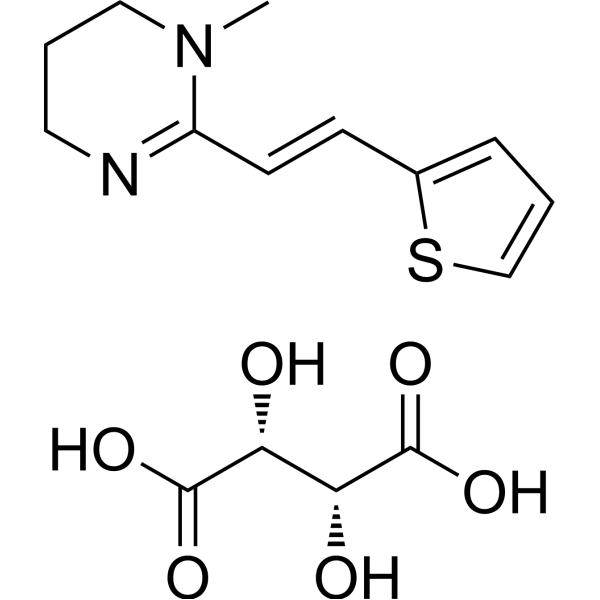
Pyrantel tartrate is an orally active anthelmintic and an agonist of the nicotinic acetylcholine receptor (nAChR). Pyrantel tartrate can cause spasmodic muscle paralysis in parasites. Pyrantel tartrate can be used in the study of parasitic infections such as ascariasis, hookworm infections, intestinal worms (pinworm infections), trichinosis and trichinosis .
|
-
- HY-19411
-
|
|
nAChR
|
Neurological Disease
|
|
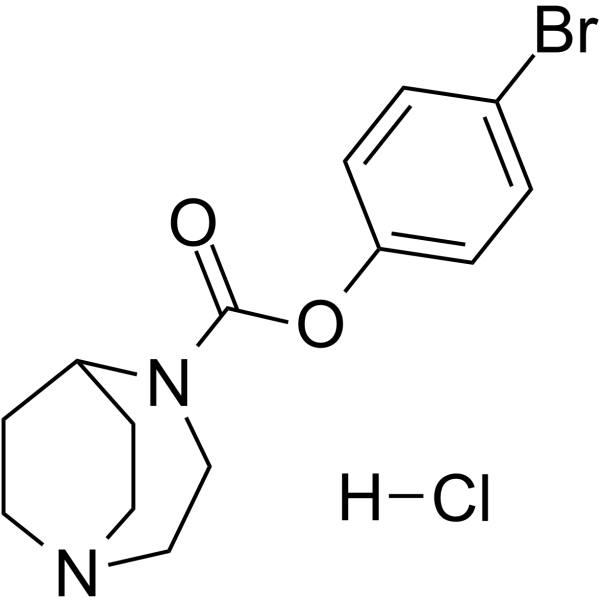
SSR180711 hydrochloride is an orally active, selective and reversible α7 acetylcholine nicotinic receptor (n-AChRs) partial agonist. SSR180711 hydrochloride can act on rat α7 n-AChR (Ki=22 nM; IC50=30 nM) and human α7 n-AChR (Ki=14 nM; IC50=18 nM). SSR180711 hydrochloride increases glutamatergic neurotransmission, ACh release and long-term potentiation (LTP) in the hippocampus .
|
-
- HY-124110
-
|
|
nAChR
|
Neurological Disease
|
|
TC299423 is an orally active, brain-penetrant, selective and potent agonist for α6β2 ? and α4β2 ? nicotinic acetylcholine receptors (nAChRs) with anxiolytic and antinociceptive properties. TC299423 acts primarily through α6β2 ? nAChRs that are implicated in the anxiolytic effects of nicotine. TC299423 elicits reward-related behavior mediated through α6β2 ? nAChRs in hypersensitive α6L90’S mice. TC299423 elicits dopamine release and dose not suppress nicotine self-administration in rats. TC299423 is proming for rasearch of addiction and Parkinson’s disease .
|
-

- HY-138879
-
|
|
nAChR
|
Neurological Disease
|
|
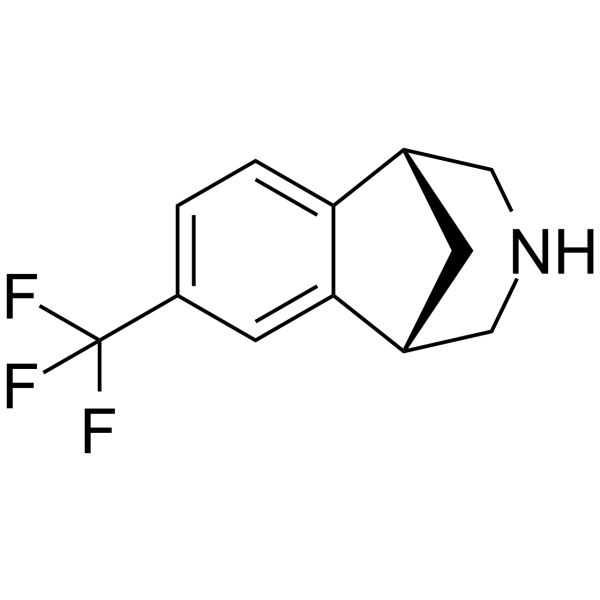
CP-601927 is a selective α4β2 nicotinic acetylcholine receptor (nAChR) partial agonist (Ki=1.2 nM; EC50=2.6 μM). CP-601927 shows good brain penetration and antidepressant-like properties .
|
-
- HY-125159
-
|
PF-00520904
|
Parasite
nAChR
|
Infection
|
|
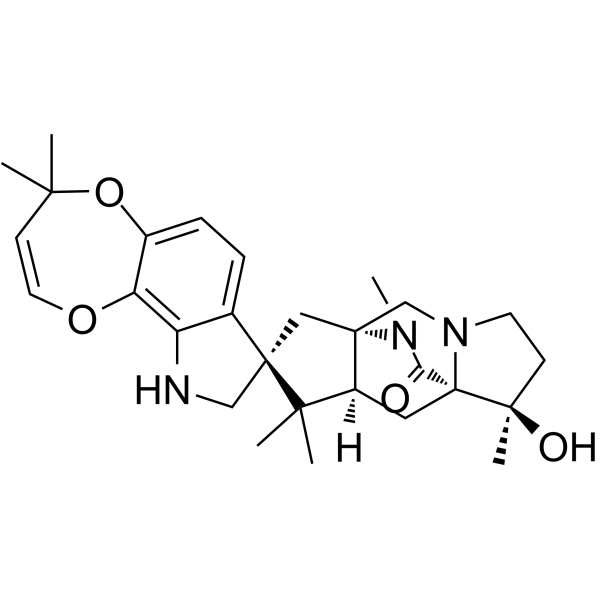
Derquantel, a spirocyclic anthelmintic, is a competitive, orally active nicotinic acetylcholine receptor (nAChR) antagonist. Derquantel inhibits ACh-induced depolarization with an IC50 of 0.22 μM. By selectively antagonizing nAChRs on the somatic muscles of nematodes, Derquantel causes flaccid paralysis of muscles, thereby dislodging parasites from the host's gastrointestinal tract. Derquantel is applicable to research related to Haemonchus contortus infection and Ascaris suum infection .
|
-
- HY-14564A
-
|
DMXB-A; DMBX-anabaseine
|
nAChR
5-HT Receptor
|
Inflammation/Immunology
|
|
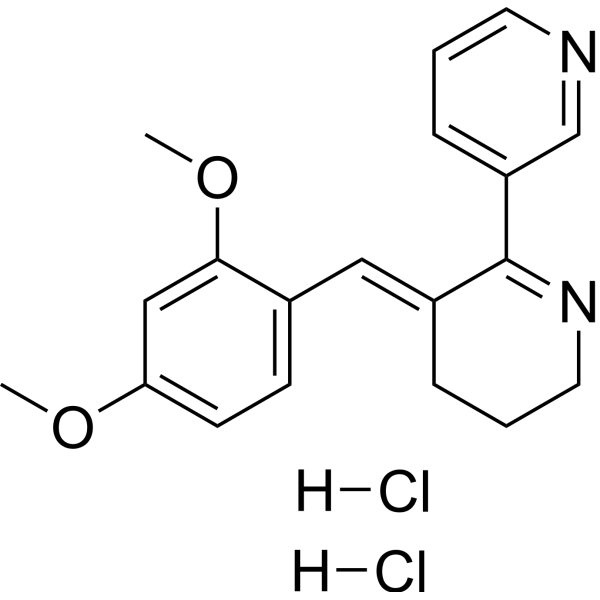
GTS-21 dihydrochloride is a selective alpha7 nicotinic acetylcholine receptor (α7-nAChR) agonist with anti inflammatory and cognition enhancing activities. GTS-21 dihydrochloride is also a α4β2 (Ki=20 nM for humanα4β2) and 5-HT3A receptor (IC50=3.1 μM) antagonist .
|
-
- HY-12640
-
|
Pyrantel embonate
|
Parasite
nAChR
Antibiotic
|
Infection
|
|
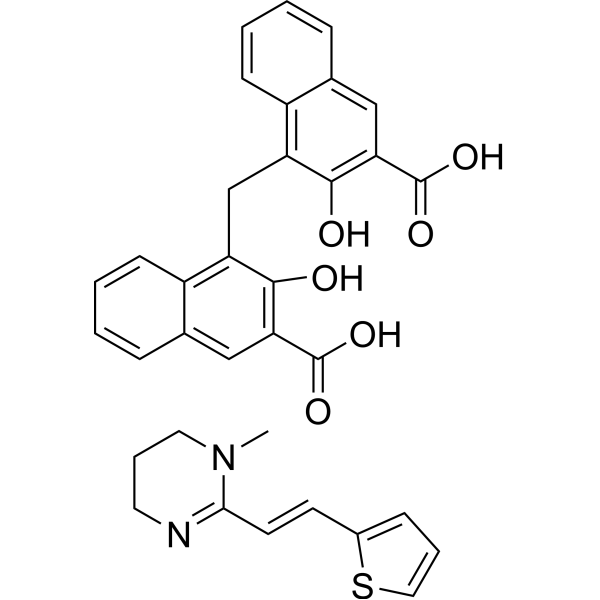
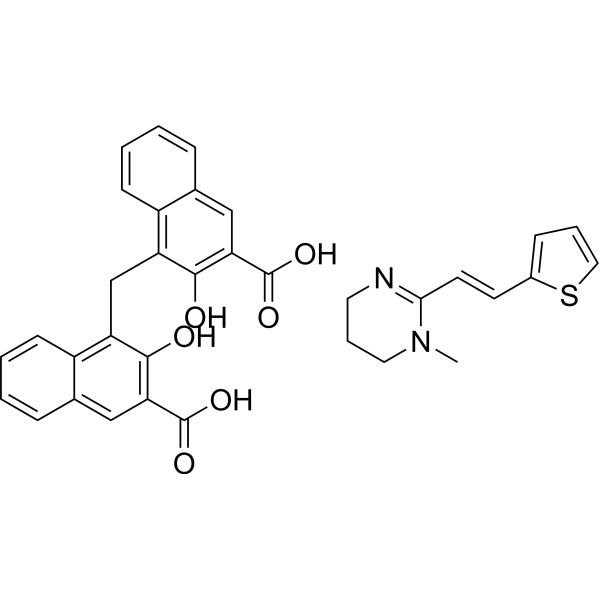
Pyrantel pamoate (Pyrantel embonate) is an orally active anthelmintic and an agonist of the nicotinic acetylcholine receptor (nAChR). Pyrantel pamoate can cause spasmodic muscle paralysis in parasites. Pyrantel pamoate can be used in the study of parasitic infections such as ascariasis, hookworm infections, intestinal worms (pinworm infections), trichinosis and trichinosis .
|
-
- HY-B0118AR
-
|
ORG NC 45 (Standard)
|
Reference Standards
nAChR
|
Neurological Disease
Cancer
|
|
Vecuronium (bromide) (Standard) is the analytical standard of Vecuronium (bromide). This product is intended for research and analytical applications. Vecuronium (ORG NC 45) bromide is a non-depolarizing neuromuscular blocking agent that also acts as a nicotinic acetylcholine receptor (nAChR) inhibitor, a muscle relaxant, and can be used for pre-surgical anesthesia .
|
-

- HY-138800
-
|
|
nAChR
|
Neurological Disease
|
|
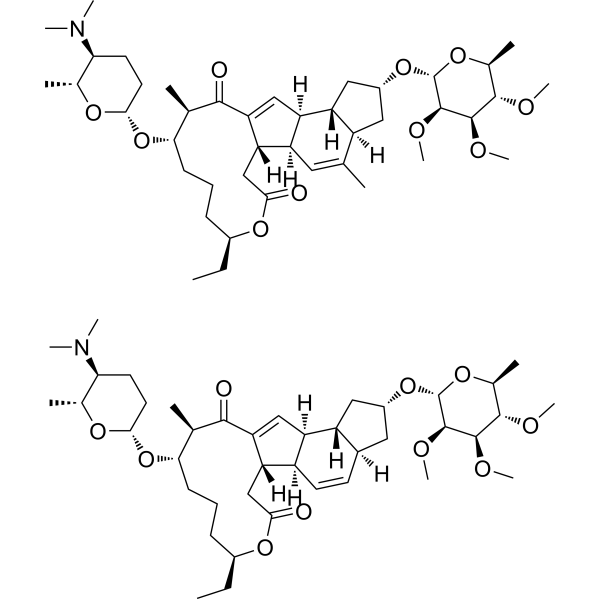
Spinosad, a mixture of spinosyns A and D known as fermentation products of a soil actinomycete (Saccharopolyspora spinosa), is a biological neurotoxic insecticide with a broader action spectrum. Spinosad targets the nicotinic acetylcholine receptor (nAChRs) of the insect nervous system. Spinosad has an excellent environmental and mammalian toxicological profile. Larvicidal activity .
|
-
- HY-135783
-
AT 1001
1 Publications Verification
|
nAChR
|
Neurological Disease
Metabolic Disease
Inflammation/Immunology
|
|
AT 1001 is an orally effective α3β4 nicotinic acetylcholine receptor (α3β4 nAChR) antagonist with a Ki value of 2.64 nM. AT 1001 reversibly blocks Epibatidine (HY-101078)-induced inward currents in HEK cells transfected with α3β4 nAChR. AT 1001 dose-dependently blocks nicotine self-administration behavior in rats, alleviates gluten-induced gastrointestinal symptoms, blocks tight junction toxin-induced immune responses, and reduces the incidence of type 1 diabetes in rats. AT 1001 can be used in the research of nicotine addiction and celiac disease .
|
-

- HY-114269
-
|
|
nAChR
|
Neurological Disease
Inflammation/Immunology
|
|
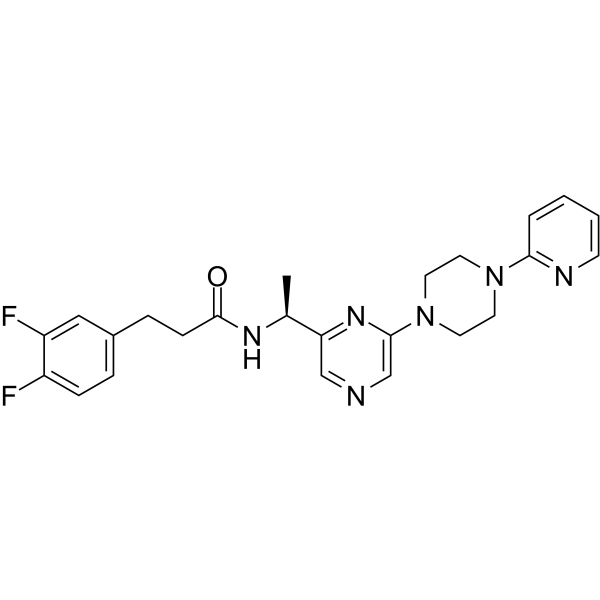
(-)-(S)-B-973B is an allosteric activator of α7 nicotinic acetylcholine receptor (α7 nAChR). (-)-(S)-B-973B alleviates pain behaviors. (-)-(S)-B-973B can be used for the research of inflammatory pain .
|
-
- HY-18159
-
|
AZD1446
|
nAChR
|
Neurological Disease
|
|
TC-6683 (AZD1446) is a selective α4β2 nicotinic acetylcholine receptor (nAChR) agonist. TC-6683 does not show significant therapeutic effects in the animal model of DYT1 dystonia.TC-6683 can be used for the research of neurological disease, such as cognitive disorder .
|
-

- HY-129591
-
|
PNU-97333
|
Parasite
nAChR
|
Infection
|
|
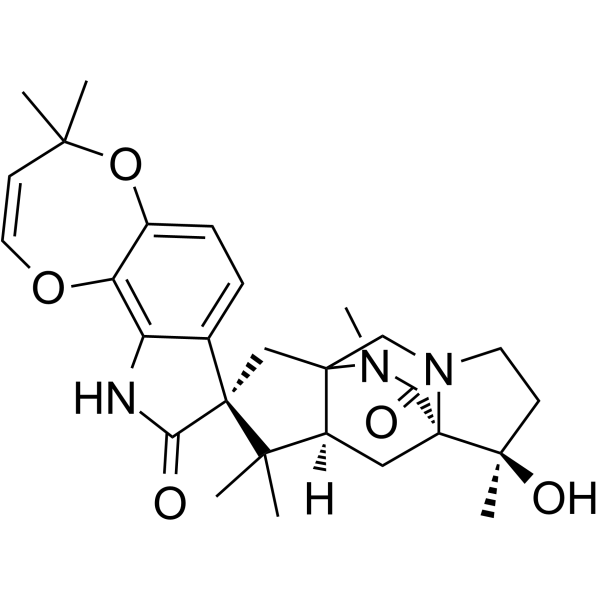
Paraherquamide A (PNU-97333) is an anthelmintic and nicotinic acetylcholine receptor (nAChR) antagonist, with pIC50 values ranging from 6.87 to 7.58 for L-type nAChR and from 4.84 to 5.54 for N-type nAChR. Paraherquamide A acts as a competitive antagonist against multiple nematode nAChR subtypes, as well as a mixed competitive-noncompetitive antagonist against nematode N-type nAChR. Paraherquamide A induces flaccid paralysis in parasitic nematodes without altering ATP levels, inhibits nematode motility, and antagonizes cholinergic agonist-induced muscle contraction in nematodes. Paraherquamide A can be used in studies related to nematode parasitic infections .
|
-
- HY-14824A
-
|
ABT 894 benzenesulfonate
|
nAChR
|
Neurological Disease
|
|
Sofinicline benzenesulfonate (ABT 894 benzenesulfonate) is a novel nicotinic acetylcholine receptor agonist, specifically acting on the α4β2 subtype of nAChR (IC50=0.1 nM). Sofinicline benzenesulfonate has the potential to improve cognitive function, including attention, memory and working memory. Sofinicline benzenesulfonate can be used in studies of attention deficit, hyperactivity disorder (ADHD) .
|
-

- HY-171746
-
|
4,5,6,7-Tetrafluoro-L-tryptophan
|
nAChR
|
Neurological Disease
|
|
F4-Trp (4,5,6,7-Tetrafluoro-L-tryptophan) is a ligand targeting the α3β4 nicotinic acetylcholine receptor (α3β4 nAChR). F4-Trp is promising for research of neurotransmission, addiction, and related diseases, such as neurological diseases .
|
-

- HY-B1178
-
|
(-)-Cotinine; (S)-Cotinine; NIH-10498
|
Endogenous Metabolite
nAChR
|
Cardiovascular Disease
Inflammation/Immunology
|
|
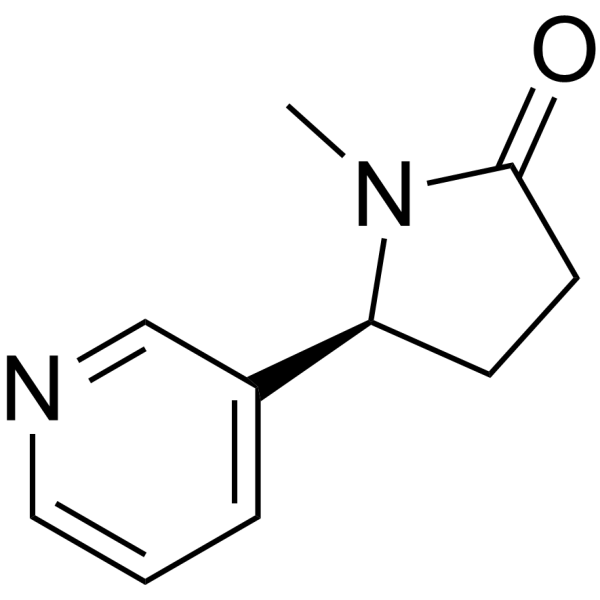
Cotinine ((-)-Cotinine) is an orally active alkaloid found in tobacco and is the primary metabolite of nicotine. Cotinine is metabolized by CYP2A13 into trans-3'-hydroxycotinine. Cotinine is used as a biomarker to measure exposure to tobacco smoke components. Cotinine has vasodepressor activity. The mixture of cotinine and nicotine (Nicotine) has antiproliferative activity against pterygium. (S)-(-)-Cotinine activates nicotinic acetylcholine receptors (nAChR) in a calcium-dependent manner, leading to the release of dopamine (Dopamine, HY-B0451). Cotinine ((-)-Cotinine) is used in research related to cardiovascular and inflammatory diseases .
|
-
- HY-P0099
-
|
|
nAChR
|
Others
|
|
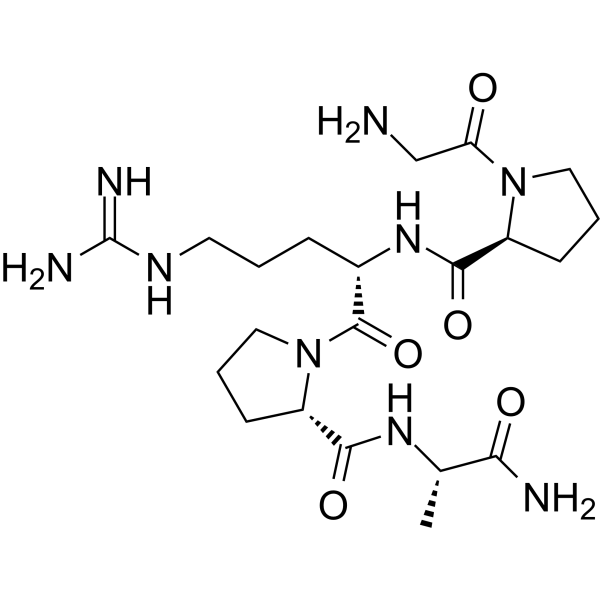
Pentapeptide-3 is a pentapeptide fragment of neurotoxin waglerin-1, it can be extracted from the venom of Temple Viper. Pentapeptide-3 is a competitive antagonist of nicotinic acetylcholine receptors (nAChRs), it can blocks nerves at the post-synaptic membrane. Pentapeptide-3 has anti-aging effects and it can be used together with other cosmetic peptides .
|
-
- HY-B0379A
-
|
|
nAChR
|
Neurological Disease
|
|
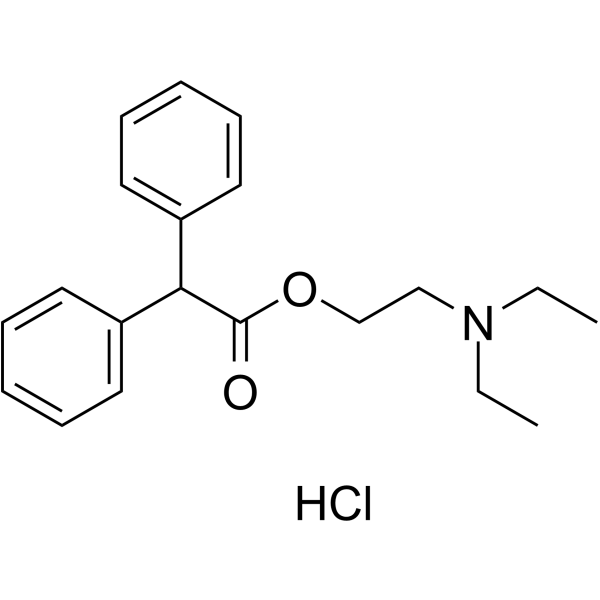
Adiphenine hydrochloride is a non-competitive inhibitor of nicotinic acetylcholine receptor (nAChR), with an IC50s of 1.9, 1.8, 3.7, and 6.3 μM for α1, α3β4, α4β2, and α4β4, respectively. Adiphenine hydrochloride has anticonvulsant effects .
|
-
- HY-115766
-
|
|
nAChR
|
Neurological Disease
|
|
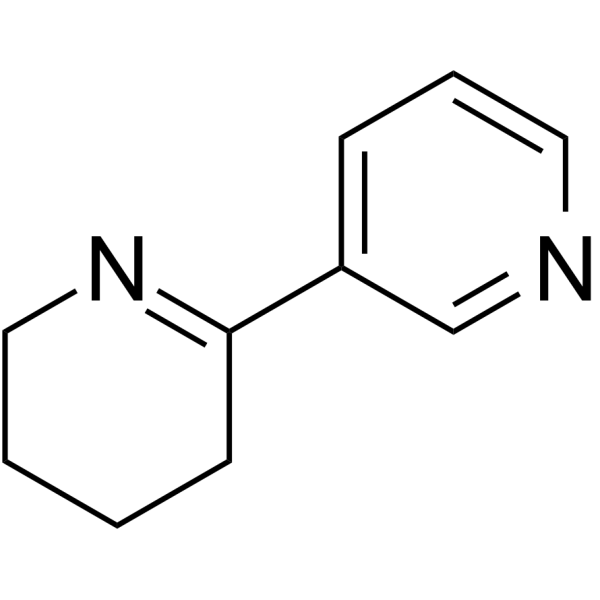
Anabaseine, a brain-penetrant occurring alkaloid toxin, is potent agonist of multiple nicotinic acetylcholine receptors (AChRs). Anabaseine stimulates the neuromuscular α12β1γδ or α12β1γɛ and α7 AChRs. Anabaseine is also a weak partial agonist at α4β2 nAChRs .
|
-
- HY-121141
-
|
|
nAChR
|
Neurological Disease
|
|
Adiphenine is a non-competitive inhibitor of nicotinic acetylcholine receptor (nAChR), with an IC50s of 1.9, 1.8, 3.7, and 6.3 μM for α1, α3β4, α4β2, and α4β4, respectively. Adiphenine has anticonvulsant effects .
|
-

- HY-183666
-
|
|
nAChR
Serotonin Transporter
|
Neurological Disease
|
|
NS3956 is a blood-brain barrier-permeable human α4β2-nicotinic acetylcholine receptor (nAChR) agonist (Ki = 0.36 nM). NS3956 induces dopamine release, produces analgesic effects, modulates rotational behavior in 6-OHDA-lesioned rats, and potentiates the effects of SSRI/SNRI in the forced swim test in mice. NS3956 can be used in research related to depression, Parkinson's disease, and acute pain .
|
-

- HY-14564
-
|
|
nAChR
5-HT Receptor
|
Inflammation/Immunology
|
|
GTS-21 dihydrochloride is a selective alpha7 nicotinic acetylcholine receptor (α7-nAChR) agonist with anti inflammatory and cognition enhancing activities. GTS-21 dihydrochloride is also a α4β2 (Ki=20 nM for humanα4β2) and 5-HT3A receptor (IC50=3.1 μM) antagonist. GTS-21 can be used in age-associated memory impairment (AAMI) and Alzheimer's disease research .
|
-

- HY-169870
-
|
(+)-Mecamylamine; TC-5214
|
nAChR
|
Neurological Disease
|
|
Dexmecamylamine ((+)-Mecamylamine) is the antagonist for nicotinic acetylcholine receptor (nAChR), that antagonises the α3β4/α4β2/α7/α1β1γδ receptor with IC50 of micromolare levels. Dexmecamylamine exhibits anxiolytic and antidepressant-like activities .
|
-

- HY-12641R
-
|
|
Reference Standards
Parasite
nAChR
Antibiotic
|
Infection
|
|
Pyrantel (tartrate) (Standard) is the analytical standard of Pyrantel (tartrate). This product is intended for research and analytical applications. Pyrantel tartrate is an orally active anthelmintic and an agonist of the nicotinic acetylcholine receptor (nAChR). Pyrantel tartrate can cause spasmodic muscle paralysis in parasites. Pyrantel tartrate can be used in the study of parasitic infections such as ascariasis, hookworm infections, intestinal worms (pinworm infections), trichinosis and trichinosis .
|
-

- HY-163980
-
|
|
Cholinesterase (ChE)
nAChR
|
Others
|
|
AChE-IN-73 (compound 6) is an insecticide with higher toxicity than HY-B0815. The LC50 for C. pipiens is 78.0 mg/L. AChE-IN-73 has high affinity for acetylcholinesterase (AChE) and nicotinic acetylcholine receptors (nAChR), with binding energies of -8.11 kcal/mol and -6.27 kcal/mol, respectively. AChE-IN-73 is a potentially potent mosquito inhibitor .
|
-

- HY-12640R
-
|
Pyrantel embonate (Standard)
|
Reference Standards
Parasite
nAChR
Antibiotic
|
Infection
|
|
Pyrantel (pamoate) (Standard) is the analytical standard of Pyrantel (pamoate). This product is intended for research and analytical applications. Pyrantel pamoate (Pyrantel embonate) is an orally active anthelmintic and an agonist of the nicotinic acetylcholine receptor (nAChR). Pyrantel pamoate can cause spasmodic muscle paralysis in parasites. Pyrantel pamoate can be used in the study of parasitic infections such as ascariasis, hookworm infections, intestinal worms (pinworm infections), trichinosis and trichinosis .
|
-
- HY-12560C
-
|
|
nAChR
5-HT Receptor
|
Neurological Disease
|
|
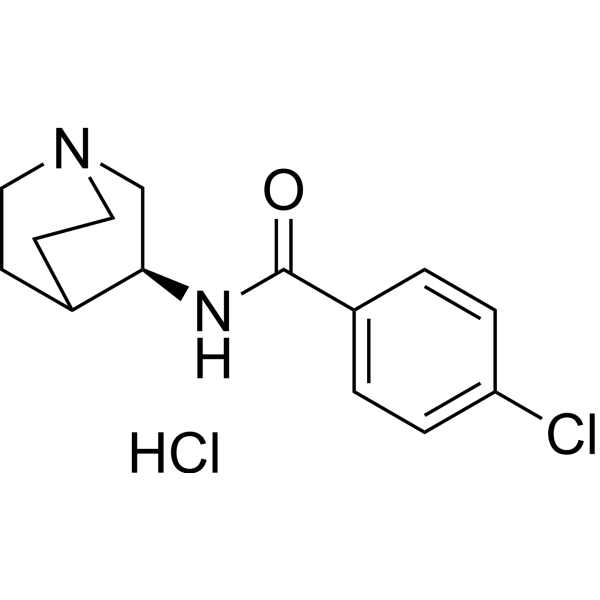
(S)-PNU-282987 hydrochloride is an isoform of PNU-282987 (HY-12560). PNU-282987 (free base) is a potent α7 nicotinic acetylcholine receptor (nAChR) agonist with an EC50 of 154 nM. PNU-282987 (free base) is also a functional antagonist of the 5-HT3 receptor with an IC50 of 4541 nM. PNU-282987 (free base) can be used for the research of central and peripheral nervous systems .
|
-
- HY-173413
-
|
|
Insecticide
Cholinesterase (ChE)
nAChR
Sodium Channel
GABA Receptor
|
Others
|
|
Insecticidal agent 21 (Compound 6) is an insecticide that is effective against Culex pipiens larvae (LC50: 0.4 μg/mL). Insecticidal agent 21 achieves multi-target neurotoxicity by inhibiting acetylcholinesterase (AChE) and simultaneously targeting other neural receptors (nicotinic acetylcholine receptors (nAChR), voltage-gated sodium channels (VGSC), and γ-aminobutyric acid receptors (GABAAR)). Insecticidal agent 21 has a strong insecticidal effect and can be used in the development of new insecticides to address the problem of mosquito resistance to traditional insecticides .
|
-

- HY-126638
-
|
NSC 324645
|
Parasite
|
Infection
|
|
Marcfortine A is an indole alkaloid originally isolated from P. roqueforti. It has nematocidal activity against the parasitic nematode H. contortus (LD99=0.06 μg/mL) and inhibits motility of adult worms (EC50=2 μM). Marcfortine A eliminates H. contortus, T. colubriformis, and O. ostertagi from experimentally infected jirds (ED95s=0.33, 0.11, and 2.5 mg/animal, respectively). It dose-dependently inhibits nicotine-induced calcium mobilization in SH-SY5Y and TE-671 cells expressing α3 subunit-containing human nicotinic acetylcholine receptors (nAChRs) and muscle-type nAChRs, respectively.
|
-

- HY-180582
-
|
|
nAChR
|
Neurological Disease
Inflammation/Immunology
|
|
QND8 is a selective and potent α7 nicotinic acetylcholine receptor (nAChR) agonist. QND8 can alleviate thermal hyperalgesia and mechanical hyperalgesia in carrageenan-induced inflammatory pain mouse model. QND8 can reduce the swelling of the mice feet, inhibit the release of pro-inflammatory factors at the inflammatory site, and prevent the infiltration of white blood cells. QND8 can be used for the research of inflammation and neurological disease, such as arthritis .
|
-

- HY-P0102
-
|
|
nAChR
|
Neurological Disease
Metabolic Disease
|
|
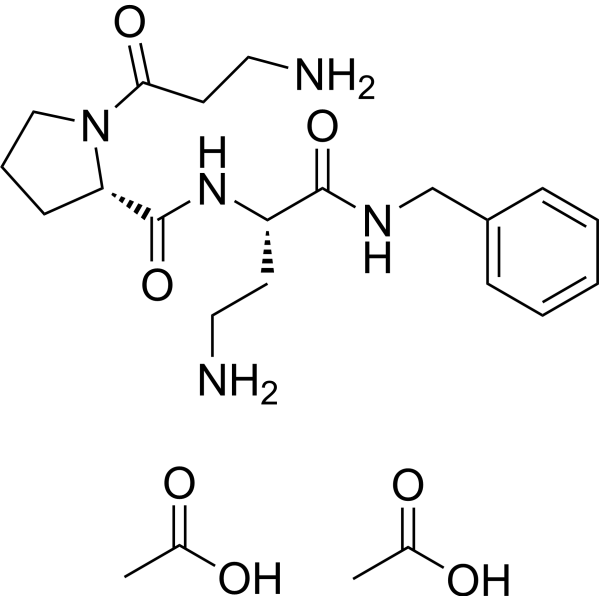
Dipeptide diaminobutyroyl benzylamide diacetate, a Wagerlin-1-mimicking peptide, is a nAChR antagonist. Dipeptide diaminobutyroyl benzylamide diacetate mimics Waglerin-1 to block neuromuscular junction nicotinic acetylcholine receptors, partially inhibits neuronal signal transduction, and relaxes muscles. Dipeptide diaminobutyroyl benzylamide diacetate reduces appearance of facial wrinkles linked to repeated muscle movement.Dipeptide diaminobutyroyl benzylamide diacetate can be used for the research of mild-to-moderate fine and coarse periocular and perioral wrinkles and periorbital ageing .
|
-
- HY-B0379AR
-
|
|
Reference Standards
nAChR
|
Neurological Disease
|
|
Adiphenine (hydrochloride) (Standard) is the analytical standard of Adiphenine (hydrochloride). This product is intended for research and analytical applications. Adiphenine hydrochloride is a non-competitive inhibitor of nicotinic acetylcholine receptor (nAChR), with an IC50s of 1.9, 1.8, 3.7, and 6.3 μM for α1, α3β4, α4β2, and α4β4, respectively. Adiphenine hydrochloride has anticonvulsant effects .
|
-

- HY-106901B
-
|
HI-6 dimesylate
|
Cholinesterase (ChE)
nAChR
|
Neurological Disease
|
|
Asoxime dimesylate (HI-6 dimesylate) is an orally active thiosemicarbazone-based antidote. Asoxime dimesylate is a reversible inhibitor of AChE, and its core mechanism of action is to re-activate AChE inhibited by nerve toxins, thereby restoring the cholinergic nerve function. Asoxime dimesylate significantly restores the function of poisoned muscles without reactivating AChE. Asoxime dimesylate is an antagonist of acetylcholine receptors (AChRs), including nicotinic receptor and α7 nAChR. Asoxime dimesylate can serve as an effective immunomodulator, improving the immune effect of the nervous system .
|
-

- HY-136207
-
|
|
nAChR
|
Neurological Disease
|
|
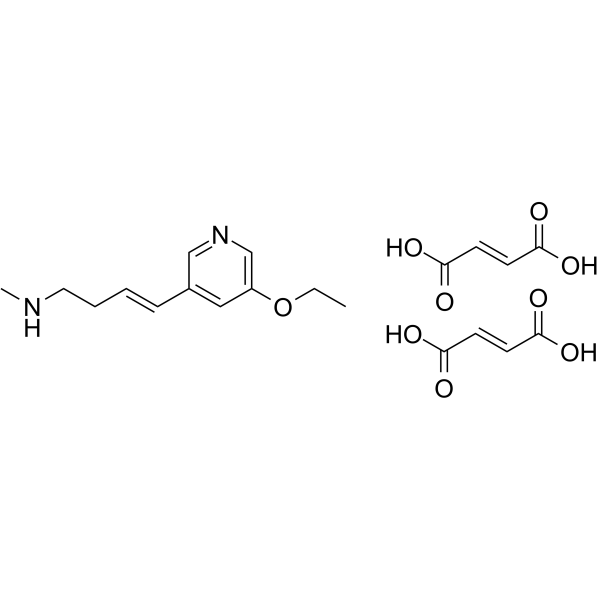
TC-2559 idifumarate is a CNS-selective, orally active α4β2 subtype of nicotinic acetylcholine receptor (nAChR) partial agonist (EC50=0.18 μM). TC-2559 difumarate shows selectivity for α4β2 over α2β4, α4β4 and α3β4 receptors, with EC50s in the range of 10-30 µM. Antinociceptive effect .
|
-
- HY-106901A
-
|
HI-6
|
Cholinesterase (ChE)
nAChR
|
Neurological Disease
|
|
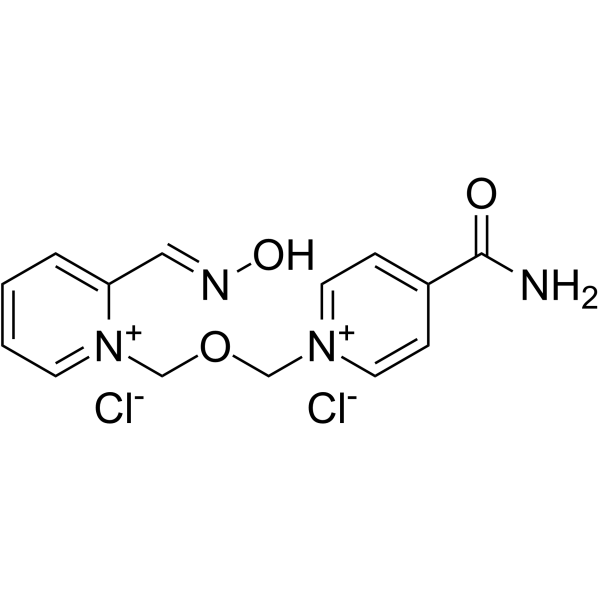
Asoxime dichloride (HI-6) is an orally active thiosemicarbazone-based antidote. Asoxime dichloride is a reversible inhibitor of AChE, and its core mechanism of action is to re-activate AChE inhibited by nerve toxins, thereby restoring the cholinergic nerve function. Asoxime dichloride significantly restores the function of poisoned muscles without reactivating AChE. Asoxime dichloride is an antagonist of acetylcholine receptors (AChRs), including nicotinic receptor and α7 nAChR. Asoxime dichloride can serve as an effective immunomodulator, improving the immune effect of the nervous system .
|
-
- HY-118646
-
|
|
nAChR
TNF Receptor
|
Neurological Disease
Inflammation/Immunology
|
|
NS-6740 is a partial agonist of α7 nicotinic acetylcholine receptor (α7 nAChR) with an IC50 of 3 nM. NS-6740 also acts as a potent modulator of the cholinergic anti-inflammatory pathway. NS-6740 alters the signaling pattern of α7 in an ion channel-independent manner, thereby reducing synaptic function. NS-6740 induces the desensitized state of α7 nAChR. NS-6740 generates robust nAChR-mediated currents. NS-6740 reduces LPS (HY-D1056)-induced TNF-α release from microglia. NS-6740 can be used in the research of neuroinflammation and neuropathic pain .
|
-

- HY-118646A
-
|
|
nAChR
TNF Receptor
|
Neurological Disease
Inflammation/Immunology
|
|
NS-6740 hydrochloride is a partial agonist of α7 nicotinic acetylcholine receptor (α7 nAChR) with an IC50 of 3 nM. NS-6740 hydrochloride also acts as a potent modulator of the cholinergic anti-inflammatory pathway. NS-6740 hydrochloride alters the signaling pattern of α7 in an ion channel-independent manner, thereby reducing synaptic function. NS-6740 hydrochloride induces the desensitized state of α7 nAChR. NS-6740 hydrochloride generates robust nAChR-mediated currents. NS-6740 hydrochloride reduces LPS (HY-D1056)-induced TNF-α release from microglia. NS-6740 hydrochloride can be used in the research of neuroinflammation and neuropathic pain .
|
-

- HY-W856819
-
|
|
Opioid Receptor
Cholinesterase (ChE)
Drug Metabolite
nAChR
|
Neurological Disease
|
|
Eseroline is a potent μ-opioid receptor agonist, which is the hydrolytic metabolite of Physostigmine (HY-N6608). Eseroline is a selective and competitive acetylcholinesterase (AChE) inhibitor, with its Ki values for AChE and BuChE being 0.1 μM and 200 μM respectively. Eseroline has nicotinic acetylcholine receptor allosteric enhancing ligand (nAChR-APL) activity, meaning it does not activate the receptor but significantly enhances the signal transduction of Ach triggered by the receptor. Eseroline is neurotoxic, causing cell membrane damage (LDH leakage) and energy metabolism collapse (ATP depletion). Eseroline can be used for the study of Alzheimer's disease .
|
-

- HY-172705
-
|
|
Liposome
nAChR
|
Neurological Disease
|
|
DSPE-PEG2000-RVG29 is a PEG conjugate composed of DSPE and rabies virus glycoprotein 29 (RVG29). RVG29 specifically binds to nicotinic acetylcholine receptors (nAChR) at the blood-brain barrier (BBB), crosses the BBB, and mediates receptor-dependent transcytosis. DSPE-PEG2000-RVG29 can be used for brain-targeted drug delivery, surface modification of nanocarriers, as well as gene and nucleic acid delivery. DSPE-PEG2000-RVG29 is applicable to research related to hypoxic-ischemic brain injury, Parkinson's disease, and other conditions .
|
-

- HY-106901AS
-
|
HI-6-d4
|
Isotope-Labeled Compounds
Cholinesterase (ChE)
nAChR
|
Neurological Disease
|
|
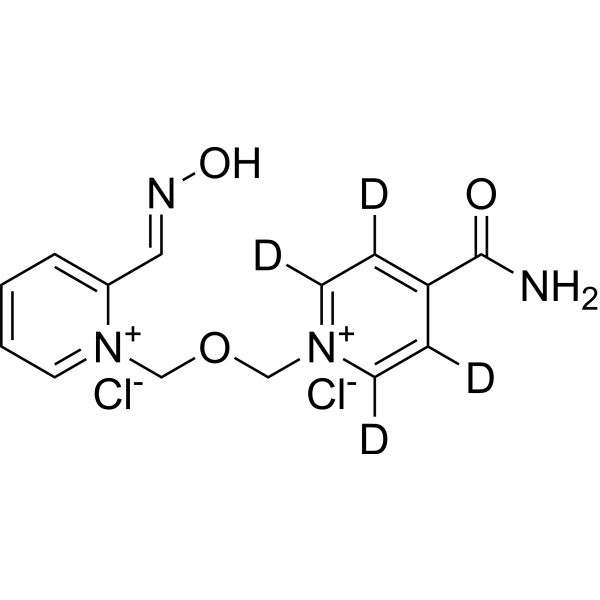
Asoxime-d4 dichloride (HI-6-d4) is the deuterium labeled Asoxime dichloride. Asoxime dichloride is an orally active thiosemicarbazone-based antidote. Asoxime dichloride is a reversible inhibitor of AChE, and its core mechanism of action is to re-activate AChE inhibited by nerve toxins, thereby restoring the cholinergic nerve function. Asoxime dichloride significantly restores the function of poisoned muscles without reactivating AChE. Asoxime dichloride is an antagonist of acetylcholine receptors (AChRs), including nicotinic receptor and α7 nAChR. Asoxime dichloride can serve as an effective immunomodulator, improving the immune effect of the nervous system.
|
-
- HY-172705A
-
|
|
Liposome
nAChR
|
Infection
|
|
DSPE-PEG3400-RVG29 is a PEG conjugate composed of DSPE and rabies virus glycoprotein 29 (RVG29). RVG29 specifically binds to nicotinic acetylcholine receptors (nAChR) at the blood-brain barrier (BBB), crosses the BBB, and mediates receptor-dependent transcytosis. DSPE-PEG3400-RVG29 can be used for brain-targeted drug delivery, surface modification of nanocarriers, as well as gene and nucleic acid delivery. DSPE-PEG3400-RVG29 is applicable to research related to hypoxic-ischemic brain injury, Parkinson's disease, and other conditions
|
-

- HY-160959
-
|
|
nAChR
|
Neurological Disease
|
|
AN317 is a selective agonist for α6β2-containing nicotinic acetylcholine receptor (nAChR) with Ki of 6.2 nM and 4.1 nM, for α6/α3β2β3 receptor and α4β2 receptor, respectively. AN317 induces dopamine release in the synaptosomes of the rat striatum, enhances dopaminergic neuronal activity in substantia nigra, and exhibits protective efficacy to rat neurons against dopamine neurotoxin MPP +. AN317 exhibits good pharmacokinetic characteristics in rats. AN317 penetrates the blood-brain barrier (BB) .
|
-

- HY-118990
-
|
|
Histone Methyltransferase
|
Neurological Disease
|
|
Lobelane hydrochloride is a biologically active compound that has the activity of inhibiting vesicular monoamine transporter-2 (VMAT2). Lobelane hydrochloride has a low affinity for nicotinic acetylcholine receptors (nAChR), thereby enhancing its selectivity for VMAT2. Synthetic structural changes of lobelane hydrochloride have led to some related analogs that show mild changes in affinity for VMAT2. The most potent synthetic lobelane hydrochloride obtained after structural modification has a K(i) value of 630 nM, showing significant VMAT2 selectivity. The biological activity of lobelane hydrochloride suggests that it has the potential to be used in the development of compounds to inhibit methamphetamine abuse .
|
-

- HY-N3610
-
|
|
nAChR
|
Cancer
|
|
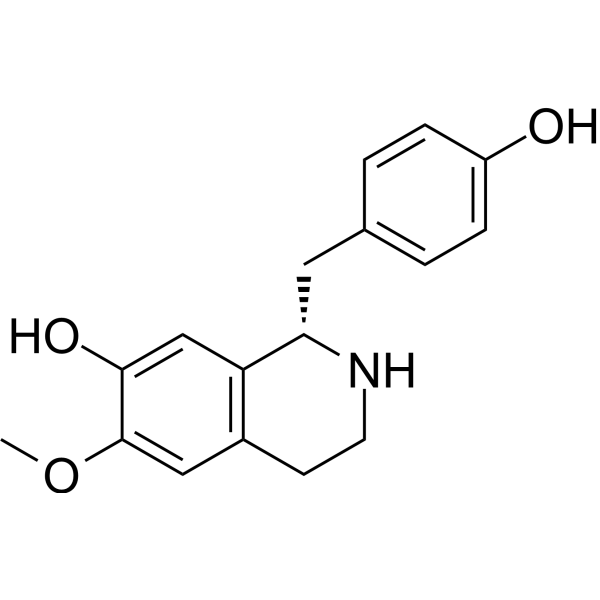
Coclaurine is a class of tetrahydroisoquinoline alkaloids that can be isolated from Sarcopetalum harveyanum with anticancer activity. Coclaurine is a nicotinic acetylcholine receptor (nAChRs) antagonist. Coclaurine is a key molecule in S. tetrandra responsible for EFHD2 inhibition. Coclaurine can downregulate EFHD2-related NOX4-ABCC1 signaling and enhanced Cisplatin (HY-17394) sensitivity. Coclaurine suppresses the stemness and metastatic properties of NSCLC cells. Coclaurine disrupts the interaction between the transcription factor FOXG1 and the EFHD2 promoter, leading to a reduction in EFHD2 transcription .
|
-
- HY-103066
-
|
|
nAChR
|
Neurological Disease
|
|
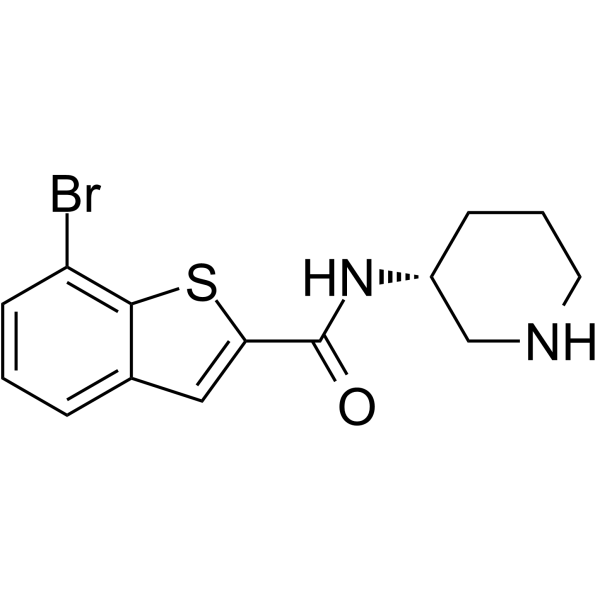
Br-PBTC is a potent, 2/4 subtype-selective positive allosteric modulator of nAChRs (nicotinic acetylcholine receptors) with α2β2, α2β4, α4β2, α4β4, (α4β2)2α4 and (α4β2)2β2 EC50 ranges from 0.1-0.6 μM. Br-PBTC acts from the c-tail of an α subunit .
|
-
- HY-171807
-
|
|
nAChR
STAT
|
Neurological Disease
Inflammation/Immunology
|
|
TC-2559 free base is a α4β2 nicotinic acetylcholine receptor (nAChR) agonists with an EC50 of 0.18 μM. TC-2559 free base shows much weaker potencies on the group of b4-containing nAChR subtypes, α2β4, α4β4 and α3β4 receptors, with EC50s in the range of 10-30 µM. TC-2559 free base can increase the discharge of dopamine cells in the ventral tegmental area (VTA) of rats in vitro, enhancing the excitability and aggressive behavior of VTA dopamine neurons. TC-2559 free base inhibits STAT3 to exert anti-inflammatory properties and relieves mice mechanical allodynia and improve rats cognitive deficits. TC-2559 free base can be used for the study of nerve pain .
|
-

- HY-15310
-
Ivermectin
Maximum Cited Publications
48 Publications Verification
MK-933; CD-5024; K-237
|
Environmental Pollutants
Antibiotic
Mitophagy
Bacterial
Parasite
Autophagy
Flavivirus
HSV
HIV
SARS-CoV
Dengue Virus
|
Infection
Cancer
|
|
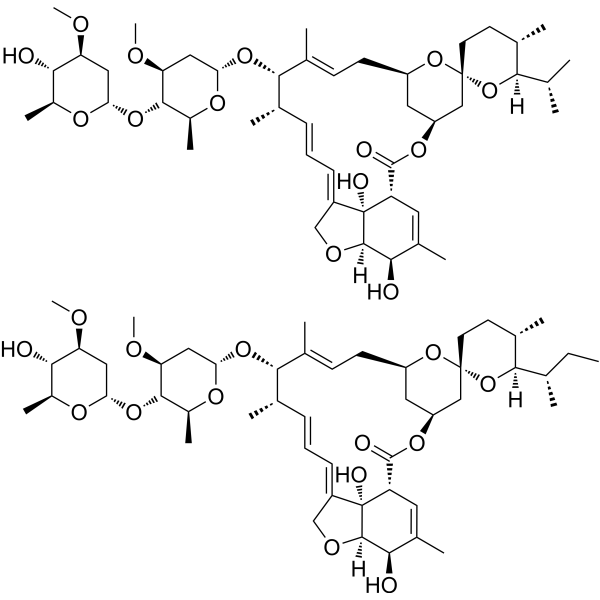
Ivermectin (MK-933) is a broad-spectrum anti-parasite agent. Ivermectin (MK-933) is a specific inhibitor of Impα/β1-mediated nuclear import and has potent antiviral activity towards both HIV-1 and dengue virus. It is a positive allosteric effector of P2X4 and the α7 neuronal nicotinic acetylcholine receptor (nAChRs). Ivermectin also inhibits bovine herpesvirus1 (BoHV-1) replication and inhibits BoHV-1 DNA polymerase nuclear import . Ivermectin is a candidate therapeutic against SARS-CoV-2/COVID-19 .
|
-
- HY-B0827
-
|
MTI-446
|
Environmental Pollutants
Parasite
nAChR
|
Infection
Cardiovascular Disease
|
|
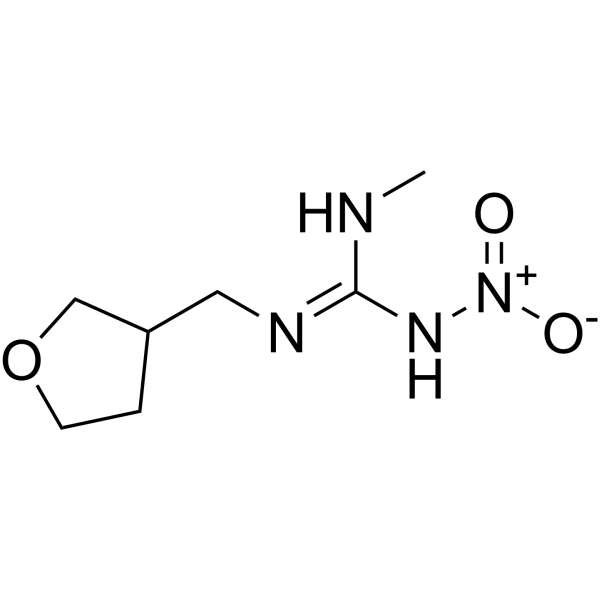
Dinotefuran is an orally active and competitive inhibitor and insecticide targeting insect nicotinic acetylcholine receptors (nAChRs). Dinotefuran blocks neural signaling and induces neural dysfunction in insects. Dinotefuran binds to [ 3H]epibatidine in the neural cord membrane of American cockroach with an IC50 of 890 nM and to [ 3H]α-bungarotoxin with an IC50 of 36.1 μM. Dinotefuran exhibits knockdown activity (KD50=0.351 nmol/g) and lethal activity (LD50=0.173 nmol/g) against German cockroach. Dinotefuran is mainly used for agricultural pest control, such as field control of piercing-sucking and chewing insects (e.g., aphids, planthoppers), while its environmental toxicological effects (e.g., oxidative stress and reproductive neurotoxicity on earthworms) are also a research focus to assess ecological risks .
|
-
| Art. -Nr. |
Produktname |
Type |
-
- HY-172706
-
|
|
Biochemical Assay Reagents
|
|
DSPE-PEG5000-RVG29 is a PEG compound which composed of DSPE and a Rabies virus glycoprotein 29 (RVG29). RVG29 can bind specifically to the nicotinic acetylcholine receptor (nAChR) at the blood-brain barrier (BBB) and cross over the BBB .
|
-
- HY-172705
-
|
|
Biochemical Assay Reagents
|
|
DSPE-PEG2000-RVG29 is a PEG conjugate composed of DSPE and rabies virus glycoprotein 29 (RVG29). RVG29 specifically binds to nicotinic acetylcholine receptors (nAChR) at the blood-brain barrier (BBB), crosses the BBB, and mediates receptor-dependent transcytosis. DSPE-PEG2000-RVG29 can be used for brain-targeted drug delivery, surface modification of nanocarriers, as well as gene and nucleic acid delivery. DSPE-PEG2000-RVG29 is applicable to research related to hypoxic-ischemic brain injury, Parkinson's disease, and other conditions .
|
-
- HY-W127670
-
|
|
Biochemical Assay Reagents
|
|
Decamethonium (iodide) is an organic compound containing ammonium and iodide ions. It is commonly used as a neuromuscular blocking agent in anesthesia to induce muscle relaxation during surgery. Decamethonium Iodide acts by binding to nicotinic acetylcholine receptors (nAChRs) in the neuromuscular junction, causing depolarization block and subsequent skeletal muscle paralysis. In addition, it can also serve as a reference standard for pharmacological studies of nAChRs.
|
-
- HY-172704
-
|
|
Biochemical Assay Reagents
|
|
DSPE-PEG1000-RVG29 is a PEG compound which composed of DSPE and a Rabies virus glycoprotein 29 (RVG29). RVG29 can bind specifically to the nicotinic acetylcholine receptor (nAChR) at the blood-brain barrier (BBB) and cross over the BBB .
|
-
- HY-172705A
-
|
|
Biochemical Assay Reagents
|
|
DSPE-PEG3400-RVG29 is a PEG conjugate composed of DSPE and rabies virus glycoprotein 29 (RVG29). RVG29 specifically binds to nicotinic acetylcholine receptors (nAChR) at the blood-brain barrier (BBB), crosses the BBB, and mediates receptor-dependent transcytosis. DSPE-PEG3400-RVG29 can be used for brain-targeted drug delivery, surface modification of nanocarriers, as well as gene and nucleic acid delivery. DSPE-PEG3400-RVG29 is applicable to research related to hypoxic-ischemic brain injury, Parkinson's disease, and other conditions
|
| Art. -Nr. |
Produktname |
Target |
Research Area |
-
- HY-P1264
-
|
|
nAChR
|
Neurological Disease
|
|
α-Bungarotoxin is a competitive antagonist at nicotinic acetylcholine receptors (nAChRs). α-Bungarotoxin, a selective α7 receptor blocker, blocks α7 currents with an IC50 of 1.6 nM and has no effects on α3β4 currents at concentrations up to 3 μM .
|
-
- HY-P0102
-
|
|
nAChR
|
Neurological Disease
Metabolic Disease
|
|
Dipeptide diaminobutyroyl benzylamide diacetate, a Wagerlin-1-mimicking peptide, is a nAChR antagonist. Dipeptide diaminobutyroyl benzylamide diacetate mimics Waglerin-1 to block neuromuscular junction nicotinic acetylcholine receptors, partially inhibits neuronal signal transduction, and relaxes muscles. Dipeptide diaminobutyroyl benzylamide diacetate reduces appearance of facial wrinkles linked to repeated muscle movement.Dipeptide diaminobutyroyl benzylamide diacetate can be used for the research of mild-to-moderate fine and coarse periocular and perioral wrinkles and periorbital ageing .
|
-
- HY-P1264F
-
|
|
nAChR
|
Neurological Disease
|
|
FITC-labeled α-Bungarotoxin is FITC-conjugated α-Bungarotoxin (HY-P1264). α-Bungarotoxin acts as a competitive antagonist of nicotinic acetylcholine receptors (nAChRs) .
|
-
- HY-P1271
-
|
Catestatin (cattle)
|
nAChR
|
Cardiovascular Disease
|
|
Catestatin is a 21-amino acid residue, cationic and hydrophobic peptide. Catestatin is an endogenous peptide that regulates cardiac function and blood pressure . Catestatin is a non-competitive nicotinic antagonist acting through nicotinic acetylcholine receptors (nAChRs) to inhibit catecholamine release .
|
-
- HY-P0099
-
|
|
nAChR
|
Others
|
|
Pentapeptide-3 is a pentapeptide fragment of neurotoxin waglerin-1, it can be extracted from the venom of Temple Viper. Pentapeptide-3 is a competitive antagonist of nicotinic acetylcholine receptors (nAChRs), it can blocks nerves at the post-synaptic membrane. Pentapeptide-3 has anti-aging effects and it can be used together with other cosmetic peptides .
|
-
- HY-P5823
-
|
|
nAChR
|
Neurological Disease
|
|
Azemiopsin is a potent nicotinic acetylcholine receptor (nAChR) inhibitor with IC50s of 0.18 μM and 22 μM against T. californica nAChR and human α7 nAChR, respectively. Azemiopsin blocks acetylcholine-induced currents in Xenopus oocytes heterologously expressing human muscle-type nAChR .
|
-
- HY-P1271A
-
|
|
nAChR
|
Cardiovascular Disease
|
|
Catestatin TFA is a 21-amino acid residue, cationic and hydrophobic peptide. Catestatin TFA is an endogenous peptide that regulates cardiac function and blood pressure . Catestatin TFA is a non-competitive nicotinic antagonist acting through nicotinic acetylcholine receptors (nAChRs) to inhibit catecholamine release .
|
-
- HY-171746
-
|
4,5,6,7-Tetrafluoro-L-tryptophan
|
nAChR
|
Neurological Disease
|
|
F4-Trp (4,5,6,7-Tetrafluoro-L-tryptophan) is a ligand targeting the α3β4 nicotinic acetylcholine receptor (α3β4 nAChR). F4-Trp is promising for research of neurotransmission, addiction, and related diseases, such as neurological diseases .
|
| Art. -Nr. |
Produktname |
Category |
Target |
Chemical Structure |
-
- HY-B0282
-
-
-
- HY-15310
-
-
-
- HY-B1178
-
-
-
- HY-138800
-
-
-
- HY-N3610
-
|
|
Alkaloids
Structural Classification
Phenols
Polyphenols
Plants
Lauraceae
Isoquinoline Alkaloids
Lindera aggregata (Sims) Kosterm.
Source Classification
|
nAChR
|
|
Coclaurine is a class of tetrahydroisoquinoline alkaloids that can be isolated from Sarcopetalum harveyanum with anticancer activity. Coclaurine is a nicotinic acetylcholine receptor (nAChRs) antagonist. Coclaurine is a key molecule in S. tetrandra responsible for EFHD2 inhibition. Coclaurine can downregulate EFHD2-related NOX4-ABCC1 signaling and enhanced Cisplatin (HY-17394) sensitivity. Coclaurine suppresses the stemness and metastatic properties of NSCLC cells. Coclaurine disrupts the interaction between the transcription factor FOXG1 and the EFHD2 promoter, leading to a reduction in EFHD2 transcription .
|
-
-
- HY-B1532
-
-
-
- HY-N0443
-
-
-
- HY-B0282R
-
-
-
- HY-121027
-
-
-
- HY-W705106
-
-
-
- HY-N16475
-
-
-
- HY-114791
-
-
-
- HY-N16476
-
-
-
- HY-N0443R
-
-
-
- HY-121027A
-
|
(-)-Anagyrine hydrochloride; Monolupine hydrochloride; Rhombinine hydrochloride
|
Alkaloids
Piperidine Alkaloids
Leguminosae
Plants
Sophora flavescens Aiton
Source Classification
|
mAChR
nAChR
|
|
Anagyrine ((-)-Anagyrine) hydrochloride is a quinolizidine alkaloid that has been found in Lupinus albus. Anagyrine hydrochloride binds to muscarinic and nicotinic acetylcholine receptors with IC50 values of 132 and 2096 µM respectively. Anagyrine hydrochloride is a potent and effective desensitizer of nAChR, and Anagyrine hydrochloride can directly, without metabolism, desensitize nAChR .
|
-
-
- HY-B1532R
-
-
-
- HY-126638
-
|
NSC 324645
|
Human Gut Microbiota Metabolites
Microorganisms
Endogenous metabolite
Source Classification
|
Parasite
|
|
Marcfortine A is an indole alkaloid originally isolated from P. roqueforti. It has nematocidal activity against the parasitic nematode H. contortus (LD99=0.06 μg/mL) and inhibits motility of adult worms (EC50=2 μM). Marcfortine A eliminates H. contortus, T. colubriformis, and O. ostertagi from experimentally infected jirds (ED95s=0.33, 0.11, and 2.5 mg/animal, respectively). It dose-dependently inhibits nicotine-induced calcium mobilization in SH-SY5Y and TE-671 cells expressing α3 subunit-containing human nicotinic acetylcholine receptors (nAChRs) and muscle-type nAChRs, respectively.
|
-
| Art. -Nr. |
Produktname |
Chemical Structure |
-
- HY-B0282S
-
|
|
|
Acetylcholine-d4 (chloride) is the deuterium labeled Acetylcholine chloride. Acetylcholine chloride (ACh chloride), a neurotransmitter, is a potent and BBB-permeable cholinergic agonist. Acetylcholine chloride is a modulator of the activity of dopaminergic (DAergic) neurons through the stimulation of nicotinic acetylcholine receptors (nAChRs) . Acetylcholine chloride inhibits p53 mutant peptide aggregation in vitro .
|
-
-
- HY-B0282S1
-
|
|
|
Acetylcholine-d9 (chloride) is the deuterium labeled Acetylcholine chloride. Acetylcholine chloride (ACh chloride), a neurotransmitter, is a potent and BBB-permeable cholinergic agonist. Acetylcholine chloride is a modulator of the activity of dopaminergic (DAergic) neurons through the stimulation of nicotinic acetylcholine receptors (nAChRs) . Acetylcholine chloride inhibits p53 mutant peptide aggregation in vitro .
|
-
-
- HY-14774S1
-
|
|
|
(Rac)-Monepantel sulfone-d5 is deuterium labeled Monepantel. Monepantel is organic anthelmintic, and acts as a positive allosteric modulator of a nematode-specific clade of nicotinic acetylcholine receptor (nAChR) subunits.
|
-
-
- HY-14774S
-
|
|
|
(Rac)-Monepantel-d5 is deuterium labeled Monepantel. Monepantel is organic anthelmintic, and acts as a positive allosteric modulator of a nematode-specific clade of nicotinic acetylcholine receptor (nAChR) subunits.
|
-
-
- HY-106901AS
-
1 Publications Verification
|
|
Asoxime-d4 dichloride (HI-6-d4) is the deuterium labeled Asoxime dichloride. Asoxime dichloride is an orally active thiosemicarbazone-based antidote. Asoxime dichloride is a reversible inhibitor of AChE, and its core mechanism of action is to re-activate AChE inhibited by nerve toxins, thereby restoring the cholinergic nerve function. Asoxime dichloride significantly restores the function of poisoned muscles without reactivating AChE. Asoxime dichloride is an antagonist of acetylcholine receptors (AChRs), including nicotinic receptor and α7 nAChR. Asoxime dichloride can serve as an effective immunomodulator, improving the immune effect of the nervous system.
|
-
-
- HY-10019S2
-
|
|
|
Varenicline- 13C 15N (CP 526555- 13C 15N) is 13C and 15N labeled Varenicline. Varenicline (CP 526555) is an orally active partial agonist of α4β2 nicotinic acetylcholine receptor (α4β2 nAChR, IC50 = 250 nM), which is the principal mediator of nicotine dependence. Varenicline is also a partial agonist of α6β2 nAChR and a full agonist of α7β2 nAChR. Varenicline blocks the direct agonist effects of nicotine on nAChR while stimulates nAChR in a more moderate way, being widely used as an aid of smoking cessation .
|
-
-
- HY-10019S1
-
|
|
|
Varenicline- 15N, 13C,d2 is 15N and deuterated labeled Varenicline (HY-10019). Varenicline (CP 526555) is an orally active partial agonist of α4β2 nicotinic acetylcholine receptor (α4β2 nAChR, IC50=250 nM), which is the principal mediator of nicotine dependence. Varenicline is also a partial agonist of α6β2 nAChR and a full agonist of α7β2 nAChR. Varenicline blocks the direct agonist effects of nicotine on nAChR while stimulates nAChR in a more moderate way, being widely used as an aid of smoking cessation .
|
-
-
- HY-10020S
-
|
|
|
Varenicline-15N3 Hydrochloride (CP 526555-15N3 Hydrochloride) is the 15N labeled isotope of Varenicline hydrochloride (HY-10020). Varenicline (CP 526555) is an orally active partial agonist of α4β2 nicotinic acetylcholine receptor (α4β2 nAChR, IC50 = 250 nM), which is the principal mediator of nicotine dependence. Varenicline is also a partial agonist of α6β2 nAChR and a full agonist of α6β2 nAChR. Varenicline blocks the direct agonist effects of nicotine on nAChR while stimulates nAChR in a more moderate way, being widely used as an aid of smoking cessation .
|
-
-
- HY-10019S
-
|
|
|
Varenicline-d4 is deuterium labeled Varenicline. Varenicline (CP 526555) is a potent partial agonist for α4β2 nicotinic acetylcholine receptor (nAChR) with an EC50 value of 2.3 μM. Varenicline is a full agonist for α3β4 and α7 nAChRs with EC50 values of 55 μM and 18 μM, respectively . Varenicline is a nicotinic ligand based on the structure of cytisine, has the potential for smoking cessation treatment .
|
-
-
- HY-10019AS1
-
|
|
|
Varenicline-d4 hydrochloride is a deuterium labeled Varenicline (dihydrochloride) (HY-10019A) . Varenicline (CP 526555) dihydrochloride is a potent partial agonist for α4β2 nicotinic acetylcholine receptor (nAChR) with an EC50 value of 2.3 μM. Varenicline dihydrochloride is a full agonist for α3β4 and α7 nAChRs with EC50 values of 55 μM and 18 μM, respectively . Varenicline dihydrochloride is a nicotinic ligand based on the structure of cytosine, and has the potential for smoking cessation treatment .
|
-
-
- HY-118504S
-
|
|
|
Sulfoxaflor-d3 is the deuterium labeled Sulfoxaflor (HY-118504). Sulfoxaflor is an orally active full agonist of insect nicotinic acetylcholine receptors (nAChRs), targeting the α-bungarotoxin-insensitive nAChR1 and nAChR2 subtypes. Sulfoxaflor binding to nACh is not inhibited by d-Tubocurarine (HY-125901), but is partially inhibited by Mecamylamine (HY-B1395A). Sulfoxaflor induces inward currents by activating nAChRs, leading to insect neurotoxicity. Sulfoxaflor can be used in the research of agricultural pest control, pesticide toxicology, insect neural receptor pharmacology, etc .
|
-
-
- HY-B0820S1
-
|
|
|
Nitenpyram-d3-1 is the deuterium labeled Nitenpyram (HY-B0820). Nitenpyram is a calss of neonicotinoid and an insect nicotinic acetylcholine receptor (nAChR) agonist with an IC50 of 14 nM. Nitenpyram is an oral fast-acting insecticide used to suppress sucking insects on companion animals .
|
-
| Art. -Nr. |
Produktname |
|
Classification |
-
- HY-14318
-
|
SIB-1508Y free base
|
|
Alkynes
|
|
Altinicline (SIB-1508Y free base) is a selective α4β2 nicotinic acetylcholine receptor (nAChR) agonist, with no activity against α7 or α1β1γδ nAChRs and only extremely low activity against α3β4 nAChRs. Altinicline reverses escape deficits and increases avoidance responses. Altinicline is applicable to research related to depression .
|
| Art. -Nr. |
Produktname |
|
Classification |
-
- HY-172706
-
|
|
|
Pegylated Lipids
|
|
DSPE-PEG5000-RVG29 is a PEG compound which composed of DSPE and a Rabies virus glycoprotein 29 (RVG29). RVG29 can bind specifically to the nicotinic acetylcholine receptor (nAChR) at the blood-brain barrier (BBB) and cross over the BBB .
|
-
- HY-172705
-
|
|
|
Pegylated Lipids
|
|
DSPE-PEG2000-RVG29 is a PEG conjugate composed of DSPE and rabies virus glycoprotein 29 (RVG29). RVG29 specifically binds to nicotinic acetylcholine receptors (nAChR) at the blood-brain barrier (BBB), crosses the BBB, and mediates receptor-dependent transcytosis. DSPE-PEG2000-RVG29 can be used for brain-targeted drug delivery, surface modification of nanocarriers, as well as gene and nucleic acid delivery. DSPE-PEG2000-RVG29 is applicable to research related to hypoxic-ischemic brain injury, Parkinson's disease, and other conditions .
|
-
- HY-172704
-
|
|
|
Pegylated Lipids
|
|
DSPE-PEG1000-RVG29 is a PEG compound which composed of DSPE and a Rabies virus glycoprotein 29 (RVG29). RVG29 can bind specifically to the nicotinic acetylcholine receptor (nAChR) at the blood-brain barrier (BBB) and cross over the BBB .
|
Your information is safe with us. * Required Fields.
Inquiry Information
- Produktname:
- Art. -Nr.:
- Menge:
- MCE Japan Authorized Agent:








