


1. Search Result
Search Result
Results for "

rat lungs

" in MedChemExpress (MCE) Product Catalog:

74

Inhibitors & Agonists

2

Fluorescent Dyes

4

Biochemical Assay Reagents

5

Peptides

5

Inhibitory Antibodies

9

Natural
Products

1

Click Chemistry

1

GMP Molecules

Cat. No. Product Name Target Research Areas Chemical Structure
  • HY-10201
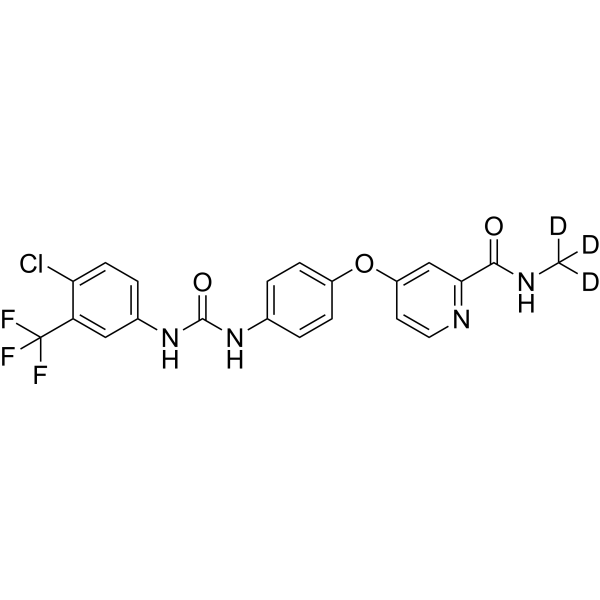
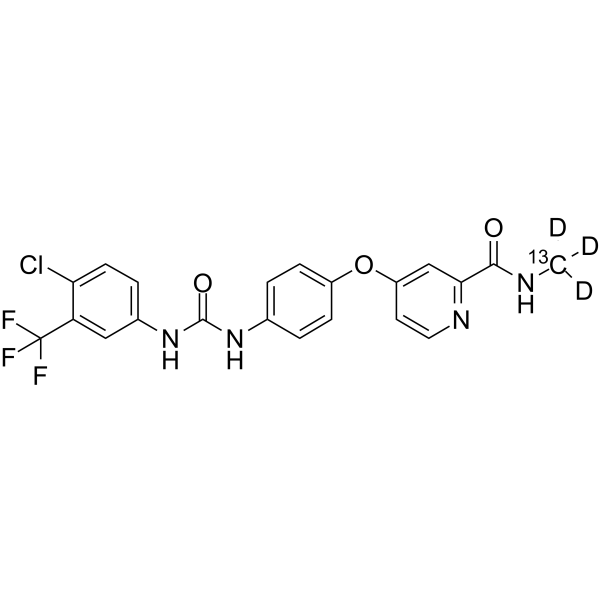
    Sorafenib
    Maximum Cited Publications
    283 Publications Verification

    Bay 43-9006

    Raf VEGFR FLT3 Autophagy Apoptosis STAT Akt MMP Cadherin p38 MAPK ERK MEK PI3K PARP Bcl-2 Family Infection Neurological Disease Metabolic Disease Inflammation/Immunology Cancer
    Sorafenib (Bay 43-9006) is a potent oral active multikinase inhibitor. Sorafenib blocks autophosphorylation and activity of receptor tyrosine kinases (VEGFR-2, VEGFR-3) and RAF family kinases, thereby suppressing the RAF/MEK/ERK and PI3K/Akt pathways, inhibiting STAT3 phosphorylation, and selectively inhibiting the MAPK pathway in cancer cells. Sorafenib induces cell cycle arrest, autophagy, apoptosis, and PARP cleavage, reduces Bcl-2, Bcl-XL, cyclin D1 levels, and activates Bak and Bax. Sorafenib inhibits tumor growth and metastasis in mouse and rat models. Sorafenib can be used for cancer research, such as colon, breast, non-small-cell lung cancer (NSCLC), ovarian, pancreatic, melanoma, colorectal and hepatocellular carcinoma .
    Sorafenib
  • HY-P1098
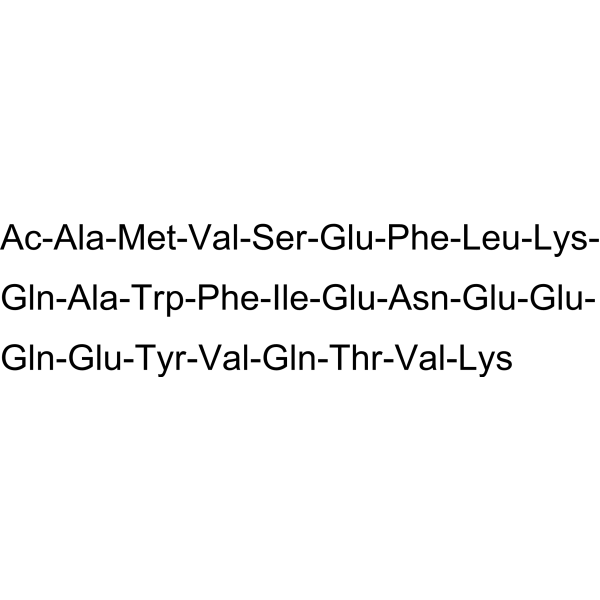
    Ac2-26
    Maximum Cited Publications
    8 Publications Verification

    Annexin A NF-κB Inflammation/Immunology
    Ac2-26 is the N-terminal peptide of annexin 1, and has anti-inflammatory activity. Ac2-26 induces a decrease in IKKβ protein in lysosomes by chaperone-mediated autophagy (CMA). Ac2-26 ameliorates lung ischemia-reperfusion injury. Ac2-26 also inhibits airway inflammation and hyperresponsiveness in an asthma rat model .
    Ac2-26
  • HY-103193

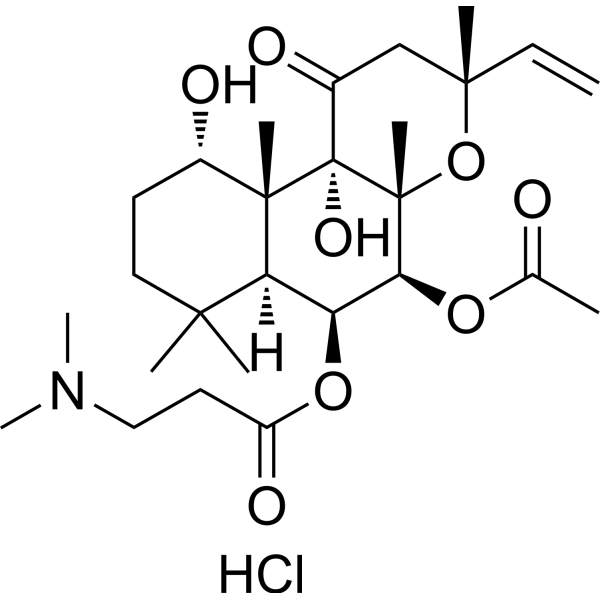
    Colforsin dapropate hydrochloride

    Adenylate Cyclase Cardiovascular Disease
    NKH477 (Colforsin dapropate hydrochloride) directly activates the catalytic unit of adenylate cyclase and increases intracellular cAMP. NKH477 is a forskolin derivative that improves cardiac failure mainly through its beneficial effects on diastolic cardiac function. NKH477 exerts an antiproliferative effect in vivo with an altered cytokine profile to inhibit the acute rejection of rat orthotopic lung allografts .
    NKH477
  • HY-B0182
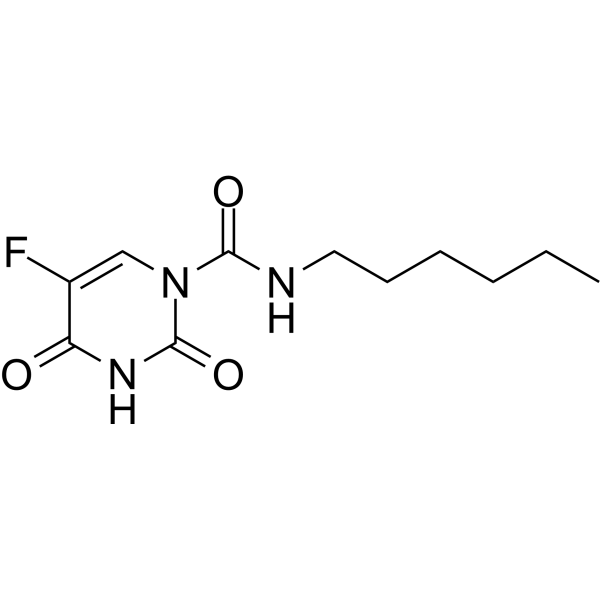
    Carmofur
    5+ Cited Publications

    HCFU

    Nucleoside Antimetabolite/Analog SARS-CoV Virus Protease FAAH Ceramidase Glutathione Peroxidase Infection Inflammation/Immunology Cancer
    Carmofur (HCFU) is a rat recombinant acid ceramidase inhibitor with an IC50 of 29 nM. Carmofur is also a protease inhibitor of SARS-CoV-2 main protease (Mpro), fatty acid amide hydrolase (FAAH) and N-acylethanolamine acid amidase (NAAA). Carmofur has anti-cancer, anti-inflammatory and anti-virus activities, and can be used for the study of COVID-19 and acute lung injury (ALI) .
    Carmofur
  • HY-10201A
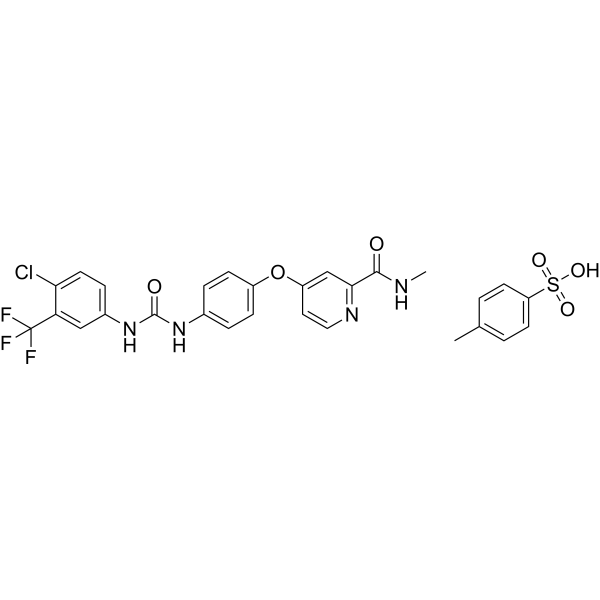
    Sorafenib tosylate
    Maximum Cited Publications
    283 Publications Verification

    Bay 43-9006 tosylate

    Raf VEGFR FLT3 Autophagy Apoptosis STAT Akt MMP Cadherin p38 MAPK ERK MEK PI3K PARP Bcl-2 Family Infection Neurological Disease Metabolic Disease Inflammation/Immunology Cancer
    Sorafenib (Bay 43-9006) tosylate is a potent oral active multikinase inhibitor. Sorafenib blocks autophosphorylation and activity of receptor tyrosine kinases (VEGFR-2, VEGFR-3) and RAF family kinases, thereby suppressing the RAF/MEK/ERK and PI3K/Akt pathways, inhibiting STAT3 phosphorylation, and selectively inhibiting the MAPK pathway in cancer cells. Sorafenib tosylate induces cell cycle arrest, autophagy, apoptosis, and PARP cleavage, reduces Bcl-2, Bcl-XL, cyclin D1 levels, and activates Bak and Bax. Sorafenib tosylate inhibits tumor growth and metastasis in mouse and rat models. Sorafenib tosylate can be used for cancer research, such as colon, breast, non-small-cell lung cancer (NSCLC), ovarian, pancreatic, melanoma, colorectal and hepatocellular carcinoma .
    Sorafenib tosylate
  • HY-N1462
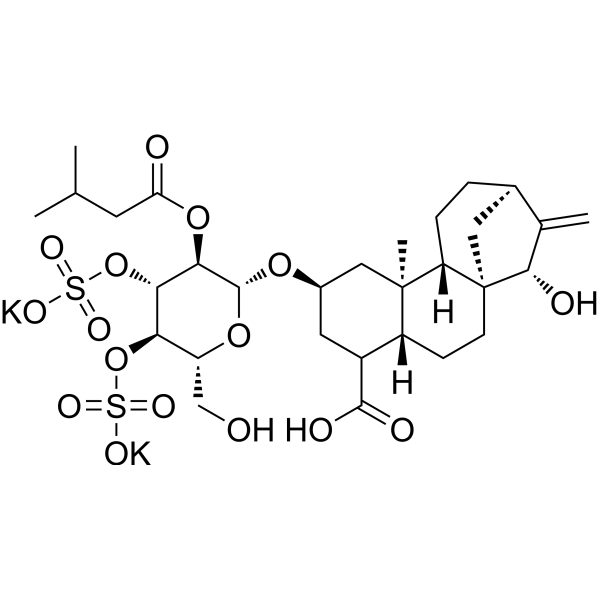
    Atractyloside potassium salt
    4 Publications Verification

    Chloride Channel Autophagy mTOR AMPK Cardiovascular Disease Metabolic Disease Cancer
    Atractyloside potassium salt is a powerful and specific inhibitor of mitochondrial ADP/ATP transport. Atractyloside potassium salt inhibits chloride channels from mitochondrial membranes of rat heart. Atractyloside potassium salt activates autophagy, inhibits ANT2, mTOR and promotes the activation of p-AMPK. Atractyloside potassium salt has anti-cancer effects on non-small cell lung cancer and can inhibit liver steatosis. Atractylodesin potassium salt has nephrotoxicity .
    Atractyloside potassium salt
  • HY-P990106

    VEGFR Apoptosis Inflammation/Immunology Cancer
    Anti-Mouse VEGFR-2 Antibody (DC101) is a rat anti-mouse VEGFR2 monoclonal antibody. Anti-Mouse VEGFR-2 Antibody (DC101) inhibits tumor angiogenesis by blocking the binding of VEGF and VEGFR2. Anti-Mouse VEGFR-2 Antibody (DC101) promotes immune cell infiltration and induces tumor cell apoptosis. Anti-Mouse VEGFR-2 Antibody (DC101) can be used for researches on various types of cancer such as melanoma, lung cancer and breast cancer .
    Anti-Mouse VEGFR-2 Antibody (DC101)
  • HY-177475

    1-Arachidonoyl-sn-glycero-3-phosphocholine

    Endogenous Metabolite Metabolic Disease Cancer
    LysoPC 20:4 (20:4) (1-Arachidonoyl-sn-glycero-3-phosphocholine) is a serum metabolite. LysoPC 20:4 (20:4) decreases in tumor-bearing mice, but the reduction is not significant. LysoPC (20:4) can be used in cancer and obesity-related research .
    LysoPC(20:4)
  • HY-129630

    Microtubule/Tubulin Neurological Disease Cancer
    Tetrahydrocortisol is a cortisol metabolite that inhibits dexamethasone-induced formation of cross-linked actin networks. Tetrahydrocortisol can be used in the research of primary open-angle glaucoma, glucocorticoid-induced ocular hypertension, Lewis lung carcinoma, and EMT-6 mouse breast cancer .
    Tetrahydrocortisol
  • HY-101381
    Otenzepad
    2 Publications Verification

    AF-DX 116

    mAChR Neurological Disease Metabolic Disease
    Otenzepad (AF-DX 116) is a selective and competitive M2 muscarinic acetylcholine receptor antagonist, with IC50 values of 640 nM and 386 nM for rabbit peripheral lung and rat heart, respectively .
    Otenzepad
  • HY-148226

    Apoptosis Reactive Oxygen Species (ROS) Cardiovascular Disease
    20-5,14-HEDGE is a 20-HETE analog. 20-5,14-HEDGE induces cell death in organotypic hippocampal slice cultures (OHSCs). 20-5,14-HEDGE enhances ROS production and reduces hypoxia-reoxygenation (HR)-induced apoptosis in ex vivo rat lung slices. 20-5,14-HEDGE protects against lung ischemic reperfusion injury in rats. 20-5,14-HEDGE can be used for the study of pulmonary vascular signaling and lung injury-related research .
    20-5,14-HEDGE
  • HY-12119
    GW274150
    2 Publications Verification

    NO Synthase Neurological Disease Inflammation/Immunology
    GW274150 is a potent, selective, orally active and NADPH-dependent inhibitor of human inducible nitric oxide synthase (iNOS) (IC50=2.19 μM; Kd=40 nM) and rat iNOS (ED50=1.15 μM). GW274150 also displays less potency for both humans or rats endothelial NOS (eNOS) and neuronal NOS (nNOS). GW274150 exerts a protective role in an acute model of lung injury inflammation .
    GW274150
  • HY-B1505
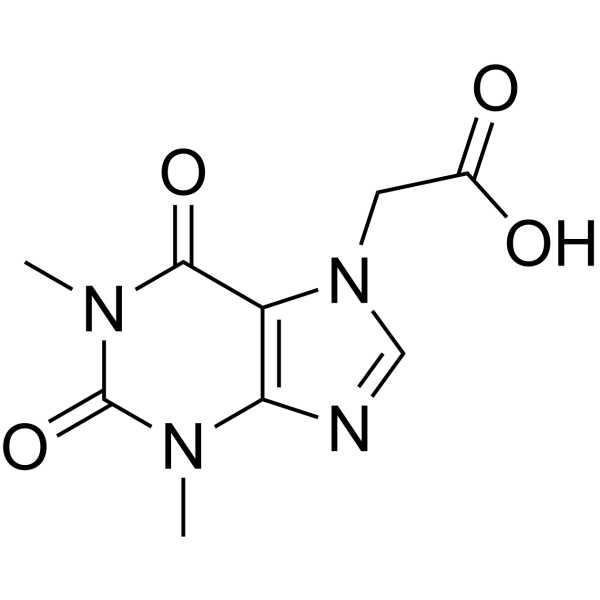
    Acefylline
    1 Publications Verification

    Theophyllineacetic acid; Theophylline-7-acetic acid

    Adenosine Receptor Protein Arginine Deiminase Phosphodiesterase (PDE) Cardiovascular Disease Neurological Disease Inflammation/Immunology
    Acefylline (Theophyllineacetic acid), a xanthine derivative, is an Adenosine Receptor antagonist. Acefylline is a peptidylarginine deiminase (PAD) activator. Acefylline is also a bronchodilator and cardiac stimulant that inhibits rat lung cAMP phosphodiesterase isoenzymes. Acefylline can be used in asthma research .
    Acefylline
  • HY-112465

    PKA PKC PKG Neurological Disease Cancer
    H-8 dihydrochloride is a selective Cyclic nucleotide-dependent protein kinase inhibitor. H-8 dihydrochloride potently inhibits cGMP- and cAMP-dependent protein phosphorylation. H-8 dihydrochloride enhances the vasodilatory effect induced by 8-bromo-cAMP (HY-12306A). H-8 dihydrochloride fails to attenuate the vasodilatory effects induced by 8-bromo-cGMP (HY-101379A), atrial natriuretic peptide II, or Sodium nitroprusside (HY-B0564) in rat aorta .
    H-8 dihydrochloride
  • HY-D1078

    Fluorescent Dye Reactive Oxygen Species (ROS) P-glycoprotein Others
    5 (6)-Carboxy-2',7'-dichlorofluorescein diacetate is a fluorescein-based reactive oxygen species (ROS) probe and also a MRP2 substrate. 5 (6)-Carboxy-2',7'-dichlorofluorescein diacetate serves as a substrate for intracellular esterases, which cleave its acetate groups to generate a fluorescent product capable of detecting intracellular ROS. 5 (6)-Carboxy-2',7'-dichlorofluorescein diacetate is ATP-dependent and is transported via a single MRP2 binding site; it competes with LTC4 for MRP2 binding sites and inhibits MRP2-mediated LTC4 transport (Ex/Em = 496/525 nm) .
    5(6)-Carboxy-2',7'-dichlorofluorescein diacetate
  • HY-P99296

    CNTO 95; Anti-Human CD51 Recombinant Antibody

    Integrin Apoptosis Cancer
    Intetumumab (CNTO 95) is a human monoclonal antibody targeting αv integrin, with a Kd value of 1-24 nM. Through high-affinity binding to αv integrin, Intetumumab inhibits its interaction with extracellular matrix proteins (such as vitronectin and fibronectin), thereby blocking the downstream focal adhesion kinase signaling pathway. This further inhibits the adhesion, migration and invasion of tumor cells as well as the proliferation of vascular endothelial cells, promotes cell apoptosis, and exerts anti-tumor and anti-angiogenic effects. Intetumumab can be used in research related to head and neck cancer, non-small cell lung cancer and uterine serous papillary carcinoma .
    Intetumumab
  • HY-N0430

    Coptisin

    Indoleamine 2,3-Dioxygenase (IDO) NF-κB p38 MAPK PI3K Akt Apoptosis Reactive Oxygen Species (ROS) Mitochondrial Metabolism DNA/RNA Synthesis ROCK LDLR Cardiovascular Disease Neurological Disease Metabolic Disease Inflammation/Immunology Cancer
    Coptisine is an orally active and brain-penetrant alkaloid found in Coptis chinensis. Coptisine is a reversible, uncompetitive IDO inhibitor with a Ki of 5.8 μM and an IC50 of 6.3 μM. Coptisine suppresses neuroinflammation, reduces Aβ plaque burden and shows neuroprotective activity. Coptisine shows anti-inflammation activity by blocking NF-κB, MAPK, and PI3K/Akt activation. Coptisine inhibits cancer cells proliferation, induces DNA damage, G2/M phase cell cycle arrest, apoptosis, ROS production and mitochondrial dysfunction. Coptisine inhibits Rho/ROCK pathway activation, reduces arrhythmia, limits cardiac injury marker release, reduces infarct size, and preserves cardiac function in rat myocardial ischemia/reperfusion models. Coptisine downregulates HMGCR and upregulates LDLR and CYP7A1 to modulate cholesterol metabolism, reduces abnormal serum lipid levels, and promotes fecal bile acid excretion. Coptisine can be used for the research of cancer, hypercholesterolemia, Alzheimer’s disease, inflammatory disorders and cardiovascular disease .
    Coptisine
  • HY-48917

    Phospholipase Apoptosis Inflammation/Immunology
    C10 Bisphosphonate is an acid sphingomyelinase (aSMase) inhibitor with an IC50 of 0.02 μM in rats. C10 Bisphosphonate inhibits Dexamethasone (HY-14648)-induced cell apoptosis (apoptosis) and alleviates platelet-activating factor (PAF)-induced pulmonary edema. C10 Bisphosphonate can be used for the research of pulmonary edema .
    C10 Bisphosphonate
  • HY-P1098A
    Ac2-26 TFA
    Maximum Cited Publications
    8 Publications Verification

    Annexin A NF-κB Inflammation/Immunology
    Ac2-26 TFA is the N-terminal peptide of annexin 1, and has anti-inflammatory activity. Ac2-26 induces a decrease in IKKβ protein in lysosomes by chaperone-mediated autophagy (CMA). Ac2-26 ameliorates lung ischemia-reperfusion injury. Ac2-26 also inhibits airway inflammation and hyperresponsiveness in an asthma rat model .
    Ac2-26 TFA
  • HY-124211

    Environmental Pollutants MDM-2/p53 Aryl Hydrocarbon Receptor Cancer
    Dibenzo (a,i) pyrene is a polycyclic aromatic hydrocarbon and also a carcinogenic ligand of the TCDD (Ah) receptor. Dibenzo (a,i) pyrene binds to the TCDD (Ah) receptor in rat liver. Dibenzo (a,i) pyrene induces DNA adduct formation and upregulates the protein levels of p53 and p21 WAF1 in diploid lung fibroblasts. Dibenzo (a,i) pyrene alters the cell cycle distribution of diploid lung fibroblasts, increasing the proportion of cells in the S phase, decreasing the proportions of cells in the G0/G1 and G2/M phases, and causing S phase delay/arrest. Dibenzo (a,i) pyrene is applicable for cancer research .
    Dibenzo(a,i)pyrene
  • HY-12119A
    GW274150 phosphate
    2 Publications Verification

    NO Synthase Neurological Disease Inflammation/Immunology
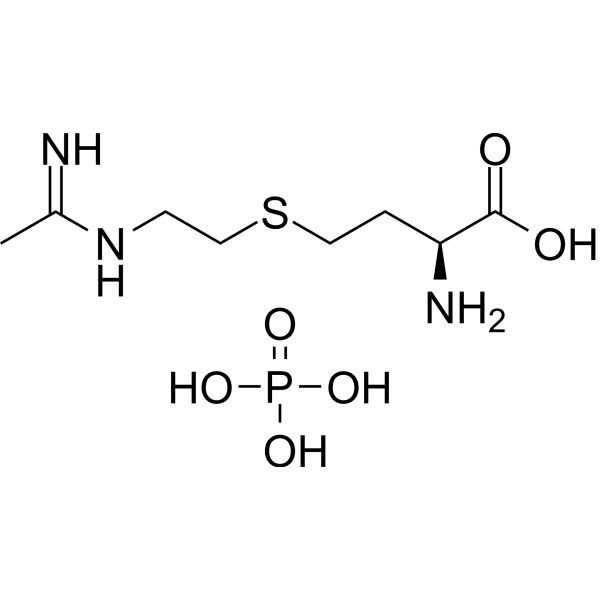
    GW274150 phosphate is a potent, selective, orally active and NADPH-dependent inhibitor of human inducible nitric oxide synthase (iNOS) (IC50=2.19 μM; Kd=40 nM) and rat iNOS (ED50=1.15 μM). GW274150 phosphate displays less potency for both humans or rats endothelial NOS (eNOS) and neuronal NOS (nNOS). GW274150 phosphate exerts a protective role in an acute model of lung injury inflammation .
    GW274150 phosphate
  • HY-116749

    BBSKE

    TrxR Cancer
    Ethaselen (BBSKE) is an orally active, selective thioredoxin reductase (TrxR) inhibitor with IC50s of 0.5 and 0.35 μM for the wild-type human TrxR1 and rat TrxR1, respectively. Ethaselen specifically binds to the unique selenocysteine-cysteine redox pair in the C-terminal active site of mammalian TrxR1. Ethaselen, an organoselenium compound, is a potent antitumor candidate that exerts potent inhibition on non-small cell lung cancer (NSCLC) by targeting TrxR .
    Ethaselen
  • HY-14218
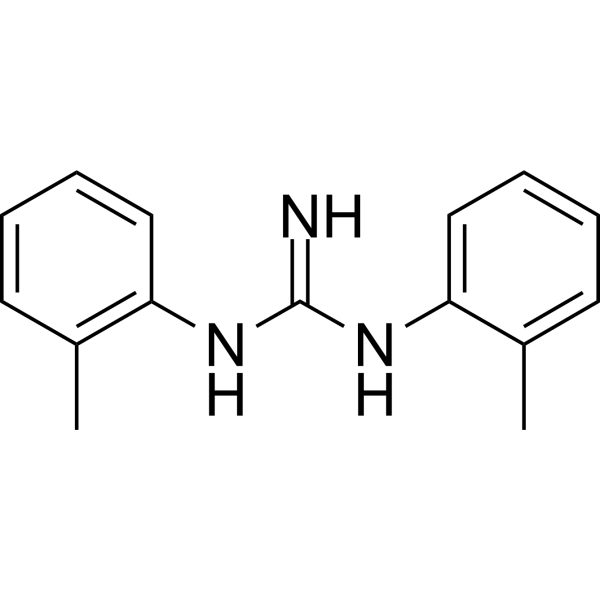
    Ditolylguanidine
    2 Publications Verification

    1,3-Di-o-tolylguanidine; DTG

    Sigma Receptor Neurological Disease
    Ditolylguanidine (1,3-Di-o-tolylguanidine) is an agonist of sigma receptor (σ1/σ2 receptor) with Ki values of 69 and 21 nM for σ1 and σ2 receptors, respectively. Ditolylguanidine effectively inhibits the growth of small cell lung cancer cells. Ditolylguanidine can be used for the research of lung cancer .
    Ditolylguanidine
  • HY-123068

    SQ 14551

    Drug Derivative Cardiovascular Disease
    Captopril disulfide (SQ 14551) is an orally active disulfide dimer prodrug. Captopril disulfide is metabolized to Captopril and acts as a Bradykinin potentiator. Captopril disulfide enhances the vasodilatory effect of Bradykinin in anesthetized rats and the contractile response of isolated guinea pig ileum to Bradykinin. Captopril disulfide exhibits antihypertensive activity in spontaneously hypertensive rats. Captopril disulfide can be used in hypertension-related research .
    Captopril disulfide
  • HY-135115

    3,4-DHPEA-EA

    α-synuclein HDAC Adrenergic Receptor Inflammation/Immunology
    Oleuropein Aglycone (3,4-DHPEA-EA) is a polyphenol and the aglycone form of oleuropein (HY-N0292), formed by enzymatic, acidic or acetylated hydrolysis of oleuropein. Dietary intake of oleuropein Aglycone (50 mg/kg diet) increases the number of neuronal autophagic vesicles, reverses cognitive deficits in the TgCRND8 transgenic mouse model of Alzheimer's disease, and reduces the levels of histone deacetylase 2 (HDAC2) in the cortex and hippocampus. Oleuropein Aglycone increases urinary norepinephrine, interscapular brown adipose tissue epinephrine, and UCP1 protein levels, and reduced plasma leptin levels and total abdominal adipose tissue weight in a rat model of high-fat diet-induced obesity. Oleuropein Aglycone also reduced lung neutrophil infiltration, lipid peroxidation, and IL-1β levels in a mouse model of carrageenan-induced pleurisy.
    Oleuropein Aglycone
  • HY-W014134

    p-Amidinophenylmethylsulfonylfluoride hydrochloride

    Ser/Thr Protease Inflammation/Immunology
    p-APMSF (p-Amidinophenylmethylsulfonylfluoride) hydrochloride is a serine protease and trypsin inhibitor with the characteristic of rapid onset of action. p-APMSF hydrochloride reduces the enzymatic hydrolysis of recombinant human G-CSF in rat pulmonary mucosa. Combined intratracheal treatment with p-APMSF hydrochloride and Laureth-9 significantly enhances its absorption efficiency in rat lungs. Following intranasal administration, p-APMSF hydrochloride does not increase the concentration of recombinant human G-CSF in rat plasma, nor does it alter the effect of G-CSF on inducing an increase in total white blood cell count .
    p-APMSF hydrochloride
  • HY-121811

    Lanceolatin C

    Glycosidase Phosphatase Interleukin Related TNF Receptor COX Beclin1 GLUT FAK Akt mTOR p38 MAPK Keap1-Nrf2 Apoptosis Amyloid-β Tau Protein Autophagy Neurological Disease Inflammation/Immunology Cancer
    Pongamol is an orally active flavonoid with an IC50 of 75 μM and a Ki of 58 μM against PTPase-1B, and an IC50 of 103.5 μM against intestinal α-Glycosidase. Pongamol reduces the release of IL‑1β, TNF‑α, COX‑2 and iNOS in cells, reverses the nuclear translocation of NF‑κB, and upregulates the levels of Beclin 1 and LC3 Ⅱ/LC3 Ⅰ. Pongamol promotes glucose uptake by increasing the level of GLUT4 on the surface of skeletal muscle cells. Pongamol inhibits epithelial-mesenchymal transition by suppressing the FAK/Akt-mTOR signaling pathway. Pongamol inhibits neuronal cytotoxicity, suppresses cell apoptosis and extends the lifespan of Caenorhabditis elegans by activating the MAPKs/Nrf2 signaling pathway. Pongamol exerts hypoglycemic effects in diabetic mouse models. Pongamol alleviates oxidative stress, neuroinflammation, deposition and excessive phosphorylation of Tau Protein, and restores autophagy function in Alzheimer's disease mouse models by inhibiting the Akt/mTOR signaling pathway. Pongamol is applicable to research related to Alzheimer's disease, type 2 diabetes, non-small cell lung cancer and postprandial hyperglycemia .
    Pongamol
  • HY-101316

    NO Synthase Neurological Disease
    TRIM is a potent nitric oxide synthase inhibitor. TRIM inhibits mouse cerebellar nNOS and rat lung iNOS in vitro with IC50 values of 28.2 and 27.0 µM, respectively. Antidepressant- and anxiolytic-like effects .
    TRIM
  • HY-P1098B
    Ac2-26 ammonium
    Maximum Cited Publications
    8 Publications Verification

    IKK Inflammation/Immunology
    Ac2-26 ammonium is the N-terminal peptide of annexin 1, and has anti-inflammatory activity. Ac2-26 ammonium induces a decrease in IKKβ protein in lysosomes by chaperone-mediated autophagy (CMA). Ac2-26 ammonium ameliorates lung ischemia-reperfusion injury. Ac2-26 ammonium also inhibits airway inflammation and hyperresponsiveness in an asthma rat model .
    Ac2-26 ammonium
  • HY-Y1269D

    Salmiac, for molecular biology

    TGF-beta/Smad Apoptosis Chloride Channel Neurological Disease Cancer
    Ammonium chloride (Salmiac), for molecular biology is an inhibitor of Slc26a4 and SMAD2. Ammonium chloride, for molecular biology reduces the protein expression level of Slc26a4 in lung tissue, and attenuates ozone-induced increases in proinflammatory cytokines, inflammatory cells, pulmonary resistance, goblet cell hyperplasia, peribronchial inflammation and thiocyanate levels in mouse tissues and bronchoalveolar lavage fluid. Ammonium chloride, for molecular biology decreases the level of phosphorylated SMAD2, inhibits autophagy by reducing autophagy-related proteins, and enhances Cisplatin (HY-17394)-induced cancer cell apoptosis and DNA double-strand breaks. Ammonium chloride, for molecular biology also inhibits the TCA cycle, reduces ATP production, increases glucose utilization, regulates the levels of lactic acid, glutamic acid and ATP, and induces morphological degeneration of neuroblastoma cells. Ammonium chloride, for molecular biology can be used in studies related to ozone-induced airway injury, hepatocellular carcinoma, human cervical cancer, hepatic encephalopathy, Reye syndrome, epilepsy and neurodegenerative diseases .
    Ammonium chloride, for molecular biology
  • HY-N12378

    NF-κB Toll-like Receptor (TLR) PKA Epigenetic Reader Domain Keap1-Nrf2 Sirtuin AMPK Caspase FASTK ERK ROCK Apoptosis Metabolic Disease Inflammation/Immunology Cancer
    β-Patchoulene is an orally active anti-inflammatory, antioxidant, and anti-apoptotic agent. β-Patchoulene inhibits the NF-κB, TLR4, and cAMP/PKA/CREB signaling pathways; activates the Sirt1/Nrf2 and AMPK signaling pathways; and targets Fas/FasL, Caspase-3, ERK1/2, ROCK1/MLC2 for inhibition. β-Patchoulene regulates cytokine secretion, inflammatory cell infiltration, lipid peroxidation, cell polarization, gut microbiota, and lipid metabolism, restores barrier function, mitochondrial function, and cell viability, and exhibits repellent activity against Spodoptera exigua larvae. β-Patchoulene can be used in research related to various inflammatory, ischemic, fibrosis-associated diseases, as well as hepatocellular carcinoma .
    β-Patchoulene
  • HY-B1505A

    Theophyllineacetic acid piperazine; Theophylline-7-acetic acid piperazine

    Adenosine Receptor Protein Arginine Deiminase Phosphodiesterase (PDE) Cardiovascular Disease Neurological Disease Inflammation/Immunology
    Acefylline (Theophyllineacetic acid) piperazine, a xanthine derivative, is an Adenosine Receptor antagonist. Acefylline piperazine is a peptidylarginine deiminase (PAD) activator. Acefylline piperazine is also a bronchodilator and cardiac stimulant that inhibits rat lung cAMP phosphodiesterase isoenzymes. Acefylline piperazine can be used in asthma research .
    Acefylline piperazine
  • HY-N1964A

    Drug Derivative Metabolic Disease
    Gibberellic acid, suitable for plant cell culture (GA3, suitable for plant cell culture) is a natural plant growth regulator with oral bioactivity. Gibberellic acid, suitable for plant cell culture governs multiple plant developmental events, including seed germination, cell elongation, floral organ formation, and rice spikelet fertility. Gibberellic acid, suitable for plant cell culture optimizes root morphology and secondary metabolite production in Echinacea purpurea hairy roots, and serves as a bioactive seed priming agent to improve chilling stress tolerance in chickpea. Gibberellic acid, suitable for plant cell culture mediates modulation of enzyme activity and secondary metabolism in plants and exerts tissue-specific regulatory effects on antioxidant systems and lipid peroxidation in rats. Gibberellic acid, suitable for plant cell culture can be used in studies of plant growth, metabolism, and abiotic stress responses .
    Gibberellic acid, suitable for plant cell culture
  • HY-162640

    ROR Cancer
    LDR102 (Compound 19h) is an inhibitor for receptor tyrosine kinase-like orphan receptor 1 (ROR 1) with Ki of 0.10 μM. LDR102 inhibits proliferation of cancer cells H1975, A549 and MDA-MB-231, with IC50 of 0.36 μM, 1.37 μM and 0.47 μM. LDR102 exhibits antitumor efficacy in mice and good pharmacokinetic characteristics in rat models .
    LDR102
  • HY-P990264

    Transmembrane Glycoprotein Inflammation/Immunology
    Anti-Mouse CD70 Antibody (FR70) is a rat-derived ant-mouse CD70 IgG2b κ type antibody inhibitor. Anti-Mouse CD70 Antibody (FR70) decreases CD4 +, CD8 + T cells and eosinophils. Anti-Mouse CD70 Antibody (FR70) shows potent anti-inflammatory and anti-immune effects on allergic lung inflammation and cardiac transplant mice models .
    Anti-Mouse CD70 Antibody (FR70)
  • HY-P990791

    Transferrin Receptor Infection Inflammation/Immunology Cancer
    Anti-Mouse CD71/TfR1 Antibody (R17 217.1.3) is a rat-derived IgG2a κ type antibody inhibitor, targeting to mouse CD71/TfR1. Anti-Mouse CD71/TfR1 Antibody (R17 217.1.3) can deplete CD71 + cells and inhibit transferrin receptor. Anti-Mouse CD71/TfR1 Antibody (R17 217.1.3) can be used for the researches of cancer, infection, inflammation and immunology, such as lung cancer, lymphocytic choriomeningitis virus (LCMV) infection and Cardiac allograft .
    Anti-Mouse CD71/TfR1 Antibody (R17 217.1.3)
  • HY-P990275

    Transmembrane Glycoprotein Cancer
    Anti-Mouse CD326/EpCAM Antibody (G8.8) is a rat-derived IgG2a κ type antibody inhibitor, targeting to mouse CD326/EpCAM. Anti-Mouse CD326/EpCAM Antibody (G8.8) reacts with CD326 also known as EpCAM (Epithelial Cell Adhesion Molecule). Anti-Mouse CD326/EpCAM Antibody (G8.8) can be used for cancer research, such as lung carcinoma and colorectal carcinoma. Anti-Mouse CD326/EpCAM Antibody (G8.8) can be used for detections of western blot, immunohistochemistry, immunofluorescence and flow cytometry .
    Anti-Mouse CD326/EpCAM Antibody (G8.8)
  • HY-P2636

    Prepro CCK Fragment V-9-M

    Histamine Receptor Metabolic Disease
    Cholecystokinin Precursor (24-32) (rat) is a cholecystokinin precursor that can be expressed in the heart, lungs, and kidneys as well as in the gastrointestinal tract and brain. Cholecystokinin is a brain-gut peptide that stimulates gallbladder contraction and pancreatic exocrine secretion and also acts as a neurotransmitter .
    Cholecystokinin Precursor (24-32) (rat)
  • HY-177304

    TNF Receptor Inflammation/Immunology
    Anti-inflammatory agent 104 (Compound 26) is an anti-inflammatory compound. The IC50 of Anti-inflammatory agent 104 for the inhibition of TNF-α synthesis and release in the human macrophage cell line U937 is 0.024 nM. Anti-inflammatory agent 104 can reduce eosinophils in rat lungs by 63% .
    Anti-inflammatory agent 104
  • HY-B1505R

    Theophyllineacetic acid (Standard); Theophylline-7-acetic acid (Standard)

    Reference Standards Adenosine Receptor Protein Arginine Deiminase Phosphodiesterase (PDE) Cardiovascular Disease Neurological Disease Inflammation/Immunology
    Acefylline (Theophyllineacetic acid) (Standard) is the analytical standard of Acefylline (HY-B1505). This product is intended for research and analytical applications. Acefylline (Theophyllineacetic acid), a xanthine derivative, is an Adenosine Receptor antagonist. Acefylline is a peptidylarginine deiminase (PAD) activator. Acefylline is also a bronchodilator and cardiac stimulant that inhibits rat lung cAMP phosphodiesterase isoenzymes. Acefylline can be used in asthma research .
    Acefylline (Standard)
  • HY-B0182R

    HCFU (Standard)

    Reference Standards Nucleoside Antimetabolite/Analog SARS-CoV Virus Protease FAAH Ceramidase Glutathione Peroxidase Infection Inflammation/Immunology Cancer
    Carmofur (Standard) is the analytical standard of Carmofur. This product is intended for research and analytical applications. Carmofur (HCFU) is a rat recombinant acid ceramidase inhibitor with an IC50 of 29 nM. Carmofur is also a protease inhibitor of SARS-CoV-2 main protease (Mpro), fatty acid amide hydrolase (FAAH) and N-acylethanolamine acid amidase (NAAA). Carmofur has anti-cancer, anti-inflammatory and anti-virus activities, and can be used for the study of COVID-19 and acute lung injury (ALI) .
    Carmofur (Standard)
  • HY-178342

    Xanthine Oxidase Reactive Oxygen Species (ROS) SOD Metabolic Disease Inflammation/Immunology Cancer
    Xanthine oxidase-IN-18 is a potent orally activeXanthine oxidase (XO) inhibitor (IC50 = 0.263 μM). Xanthine oxidase-IN-18 exerts inhibition by directly and stably binding to the xanthine oxidase Mo-co active site. Xanthine oxidase-IN-18 exhibits reactive oxygen species (ROS) scavenging activity. Xanthine oxidase-IN-18 shows anti-hyperuricemia effects in a Potassium oxonate (HY-17511)-induced hyperuricemic rat model. Xanthine oxidase-IN-18 can be used for hyperuricemia, breast and lung cancer research .
    Xanthine oxidase-IN-18
  • HY-165407

    Elastase CFTR Inflammation/Immunology
    Neltenexine, a mucolytic agent, is an Elastase inhibitor. Neltenexine diminishes anion secretion in in bronchial epithelial cells by inhibiting the Cl− and HCO3- uptake via Na/K/2Cl++− and Na+/HCO3- cotransporter without blockade of the CFTR channel, and also diminishes anion secretion via stimulation of Cl−/HCO3- exchanger. Neltenexine significantly prevents pulmonary emphysema with a reduction of alveolar deformation in rat models induced by Elastase. Neltenexine can be used for lung diseases such as chronic obstructive pulmonary disease (COPD) research .
    Neltenexine
  • HY-161618

    JAK EGFR PI3K IGF-1R GSK-3 Inflammation/Immunology Endocrinology
    MJ04 is a selective inhibitor for Janus Kinase 3 (JAK 3) with an IC50 of 2.03 nM. MJ04 inhibits T cell differentation and inhibits the proinfammatory cytokines in Lipopolysaccharides (HY-D1056)‑induced macrophages. MJ04 exhibits good pharmacokinetic characters in mice, promotes hair growth in DHT-induced androgenetic alopecia (AGA) in athymic mice model, without significant toxicity (LD50 >2 g/kg) .
    MJ04
  • HY-108623

    CP-80,633

    Phosphodiesterase (PDE) Inflammation/Immunology
    Atizoram (CP-80,633) is an orally active phosphodiesterase type 4 (PDE4) inhibitor. Atizoram blocks cAMP degradation, thereby increasing intracellular and plasma cAMP levels. Atizoram inhibits TNFα release. Atizoram can be used in research related to acute respiratory distress syndrome .
    Atizoram
  • HY-157796

    Adrenergic Receptor Metabolic Disease
    β2AR agonist 4 (compound A19) is a potent and selective β2-Adrenoceptor agonist with an EC50 of 3.7 pM. β2AR agonist 4 suppresses the inflammatory cytokines and leukocytes upregulation and improves lung function in COPD rat model .
    β2AR agonist 4
  • HY-W110138

    DNA/RNA Synthesis Cytochrome P450 ROCK Cancer
    Chloroxoquinoline is an anticancer agent. Chloroxoquinoline damages the DNA templates of cancer cells, inducing DNA breaks and cell death, and inhibits cell invasion via down-regulating Rho/Rho kinase signaling pathway. Chloroxoquinoline enhances the radiation sensitivity of Lewis lung cancer cells and xenograft tumors in tumor-bearing mouse models but decreases efficacy after long term exposure in rat models by auto-induction effects on CYP1A and CYP3A. Chloroxoquinoline has a broad-spectrum anticancer activity, such as non-small-cell lung carcinoma (NSCLC), breast cancer and gastric cancer .
    Chloroxoquinoline
  • HY-163061

    Histamine Receptor Inflammation/Immunology
    Quinotolast is an orally active antiallergic agent. Quinotolast inhibits histamine release from rat peritoneal cells. Quinotolast inhibits cutaneous cromoglycate in guinea pig model. Quinotolast has inhibitory effect on histamine and peptide leukotrienes release from guinea pig lung fragments and mouse cultured mast cells. Quinotolast can be studied in allergy-related research .
    Quinotolast
  • HY-105572

    MC-838 calcium

    Angiotensin-converting Enzyme (ACE) Cardiovascular Disease
    Moveltipril calcium (MC-838 calcium) is an orally active angiotensin converting enzyme (ACE) inhibitor with antihypertensive activity. Moveltipril calcium binds via a stable thioester bond and exhibits relative resistance to enzymatic hydrolysis in rat liver homogenate. Moveltipril calcium effectively inhibits ACE extracted from rabbit lung in a concentration-dependent manner. Moveltipril calcium is able to highly specifically inhibit the contractile response to angiotensin-I (AI) in free rat aortic rings and guinea pig ileum preparations, while enhancing the contractile response to calcitonin .
    Moveltipril calcium
  • HY-106365A

    Endogenous Metabolite Inflammation/Immunology
    Rofleponide epimer is a compound with anti-inflammatory activity. Rofleponide epimer has shown high selectivity in the lungs in experiments. Rofleponide epimer exhibits excellent pharmacological properties by efficiently binding to the rat thymic glucocorticoid receptor. The biotransformation rate of Rofleponide epimer is 10 times higher than that of other known similar drugs, indicating that it has potential application value in inhibiting inflammatory diseases involving mucosa .
    Rofleponide epimer

Inquiry Online

Your information is safe with us. * Required Fields.

Salutation


Country or Region *

Applicant Name *


Organization Name *

Department *


Email Address *


Product Name *

Cat. No.


Requested quantity *

Phone Number *


Remarks

Inquiry Online

Inquiry Information

Product Name:
Cat. No.:
Quantity:
MCE Japan Authorized Agent:

