


1. Search Result
Search Result
Pathways Recommended: Stem Cell/Wnt Cell Cycle/DNA Damage
Results for "

tumor endothelial cells

" in MedChemExpress (MCE) Product Catalog:

94

Inhibitors & Agonists

2

Screening Libraries

1

Fluorescent Dyes

2

Biochemical Assay Reagents

17

Peptides

15

Inhibitory Antibodies

11

Natural
Products

4

Isotope-Labeled Compounds

2

Oligonucleotides

1

GMP Molecules

Cat. No. Product Name Target Research Areas Chemical Structure
  • HY-13016
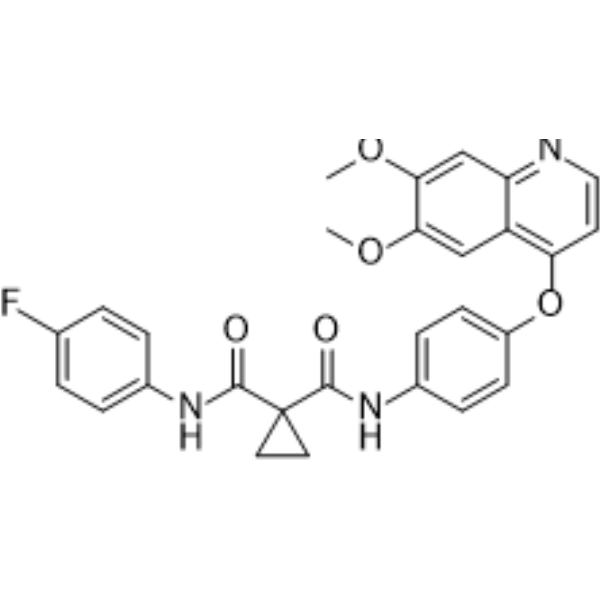
    Cabozantinib
    Maximum Cited Publications
    57 Publications Verification

    XL184; BMS-907351

    VEGFR c-Met/HGFR c-Kit TAM Receptor FLT3 Apoptosis Cancer
    Cabozantinib is a potent and orally active inhibitor of VEGFR2 and MET, with IC50 values of 0.035, and 1.3 nM, respectively. Cabozantinib displays strong inhibition of KIT, RET, AXL, TIE2, and FLT3 (IC50=4.6, 5.2, 7, 14.3, and 11.3 nM, respectively). Cabozantinib shows antiangiogenic activity. Cabozantinib disrupts tumor vasculature and promotes tumor and endothelial cell apoptosis .
    Cabozantinib
  • HY-N0194
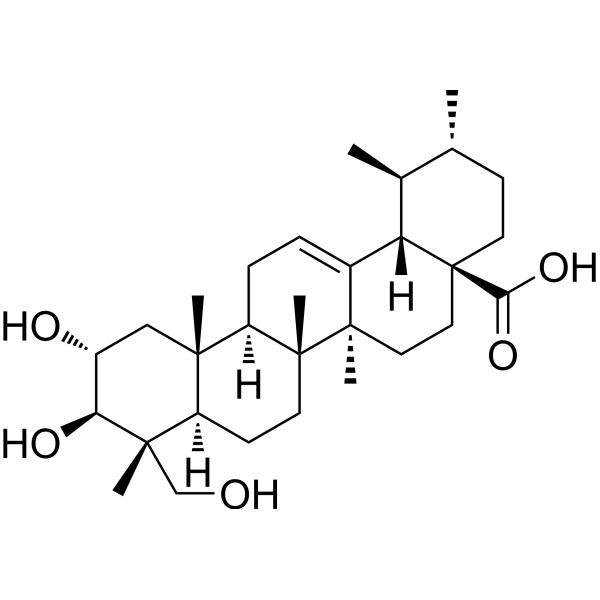
    Asiatic acid
    4 Publications Verification

    Apoptosis Parasite Inflammation/Immunology Cancer
    Asiatic acid, a pentacyclic triterpene found in Centella asiatica (Centella asiatica), has anticancer activity. Asiatic acid induces apoptosis in melanoma cells and has barrier protective effects on human aortic endothelial cells (HAEC). Asiatic acid also has anti-inflammatory activity and inhibits tumor necrosis factor (TNF)-α-induced endothelial barrier dysfunction. Asiatic acid also inhibits NLRP3 inflammasome activation and NF-κB pathway, effectively inhibits inflammation in rats, and has neuroprotective effects in rat spinal cord injury (SCI) model .
    Asiatic acid
  • HY-N0784
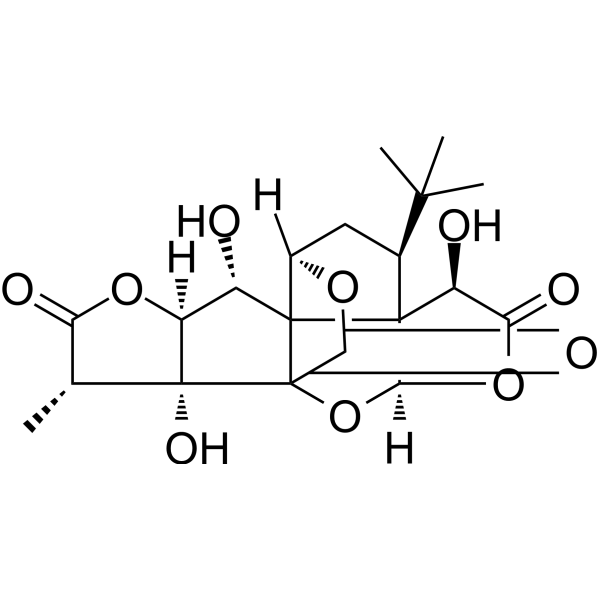
    Ginkgolide B
    Maximum Cited Publications
    11 Publications Verification

    BN-52021

    Platelet-activating Factor Receptor (PAFR) Apoptosis Cardiovascular Disease Neurological Disease Inflammation/Immunology Cancer
    Ginkgolide B (BN-52021), a terpene lactone, is a potent platelet activating factor antagonist. Ginkgolide B protects endothelial cells via the activation of PXR from injuries induced by xeno- and endobiotics. Ginkgolide B can pass through the brain-blood barrier. Ginkgolide B has anti-oxidant, anti-inflammatory, anti-tumor, and anti-apoptotic activity. Ginkgolide B has marked neuroprotective effects against ischemia-induced impairments .
    Ginkgolide B
  • HY-19542
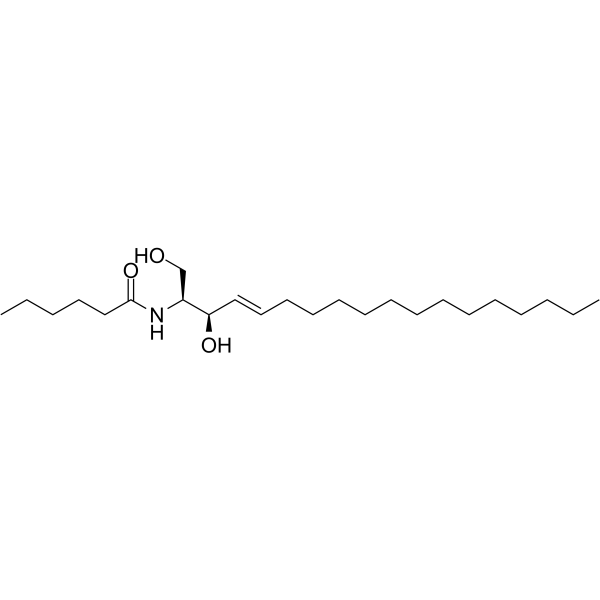
    C6 Ceramide
    3 Publications Verification

    C6-Cer; N-Hexanoylsphingosine

    Apoptosis Cancer
    C6 Ceramide (C6-Cer) is a short-chain, cell-permeable ceramide pathway activator with anticancer activity. C6 Ceramide-mediated miR-29b expression participates in the progression of multiple myeloma through suppressing the proliferation, migration and angiogenesis of endothelial cells by targeting Akt signal pathway. C6 Ceramide exhibits multiple anti-cancer properties including cell cycle arrest, Apoptosis, inhibition of tumor growth and enhances the effects of chemotherapy in drug-resistant cancer cells. C6-ceramide can be used as an adjuvant for chemotherapeutic agents, to enhance anti-tumor effects .
    C6 Ceramide
  • HY-14668
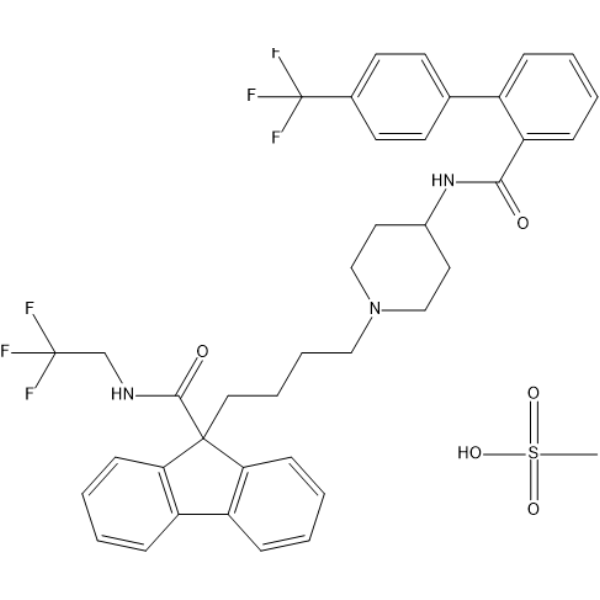
    Lomitapide mesylate
    5+ Cited Publications

    AEGR-733 mesylate; BMS-201038 mesylate

    Microsomal Triglyceride Transfer Protein (MTP) mTOR LDLR Autophagy Apoptosis Cardiovascular Disease Neurological Disease Metabolic Disease Cancer
    Lomitapide (AEGR-733; BMS-201038) mesylate is an orally active microsomal triglyceride transfer protein (MTP) inhibitor and a selective mTORC1 inhibitor with lipid-lowering activity and BBB permeability. Lomitapide mesylate significantly reduces plasma LDL levels by blocking the assembly and secretion of very-low-density lipoprotein (VLDL). Lomitapide mesylate inhibits mTORC1 in an ATP-dependent manner, thereby inducing AMPK-independent autophagic cell death and suppressing cancer cell growth and apoptosis. Lomitapide mesylate also enhances tumor infiltration of CD8 + T cells. In addition, Lomitapide mesylate inhibits HDAC, improves endothelial function, effectively alleviates vascular inflammation and oxidative stress, and exerts neuroprotective effects in a cerebral ischemia/reperfusion injury model. Lomitapide mesylate can be used in research on related diseases such as colorectal cancer, breast cancer, melanoma, ischemic stroke, and familial hypercholesterolemia .
    Lomitapide mesylate
  • HY-152293

    VEGFR ERK Cancer
    EVT801 is an orally active and selective inhibitor of VEGFR-3 (IC50=11 nM), which has antitumor effects. EVT801 inhibits not only VEGF-C-induced human endothelial cell proliferation, but also tumor (lymphatic) angiogenesis in tumor mouse models. EVT801 can reduce tumor hypoxia, immunosuppressive cytokines (CCL4, CCL5) and myeloid derived suppressor cells (MDSC) production. EVT801 has synergistic effect with immune checkpoint therapy (ICT), which improves ICT response rate and has better inhibitory effect on cancer mouse models . EVT801 is a click chemistry reagent, it contains an Alkyne group and can undergo copper-catalyzed azide-alkyne cycloaddition (CuAAc) with molecules containing Azide groups.
    EVT801
  • HY-12246
    XEN445
    1 Publications Verification

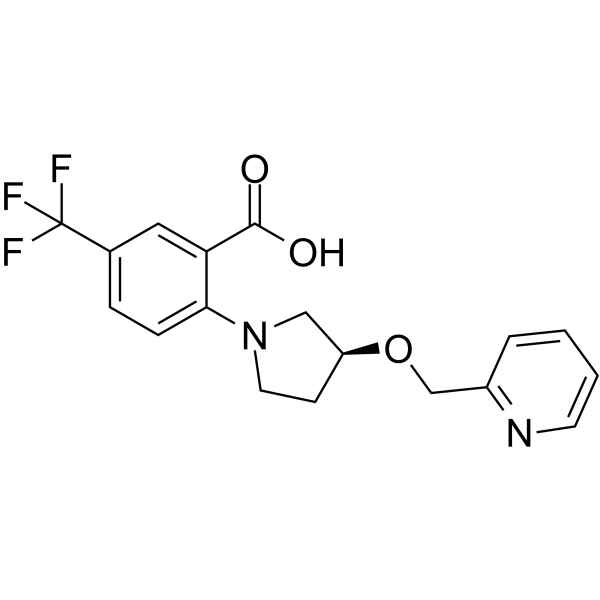
    Lipase Cardiovascular Disease Metabolic Disease Cancer
    XEN445 is a potent, selective and orally active endothelial lipase (EL) inhibitor with an IC50 value of 0.237 μM. XEN445 selectively inhibits phospholipase enzymatic activity of LIPG. XEN445 raises plasma HDL and cholesterol levles. XEN445 induces G1 cell cycle arrest, reduces cell viability, suppresses cancer stem cell self-renewal, and inhibits tumor formation in LIPG-expressing triple-negative breast cancer cells, while showing no inhibitory effect on invasiveness or cancer stem cell stemness in these cells. XEN445 can be used for the research of cancer and metabolic disease, such as triple-negative breast cancer .
    XEN445
  • HY-P1408
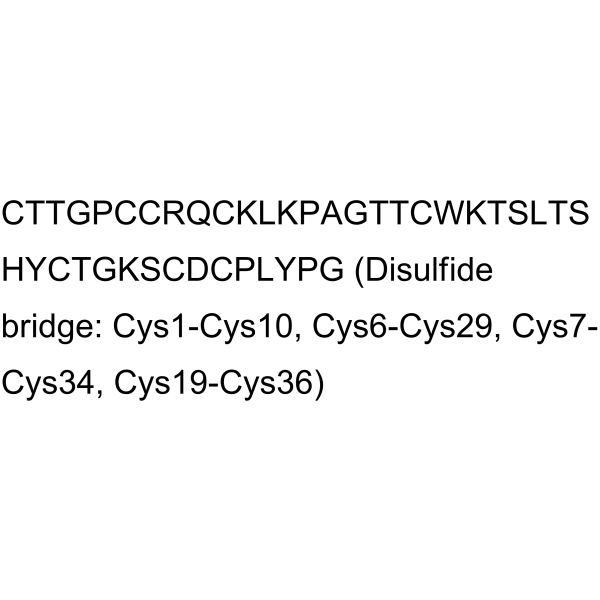
    Obtustatin
    4 Publications Verification

    Integrin VEGFR Cancer
    Obtustatin is a non-RGD disintegrin consisting of 41 residues. Obtustatin inhibits the adhesion of α1β1 integrin to type IV Collagen (HY-NP003), blocks α1β1 integrin signaling in endothelial cells, and suppresses FGF2-induced angiogenesis. Obtustatin inhibits tumor progression in mouse models and upregulates VEGF expression in sarcoma-bearing mice. Obtustatin can be used in research related to Lewis lung carcinoma and S-180 sarcoma .
    Obtustatin
  • HY-W015490
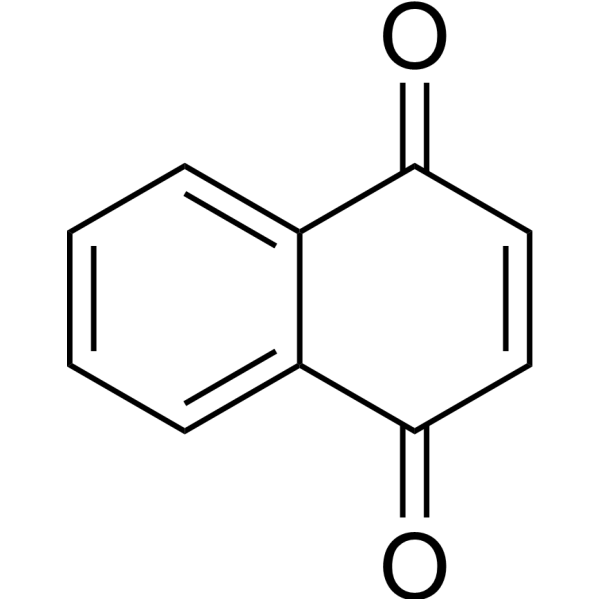
    1,4-Naphthoquinone
    3 Publications Verification

    Environmental Pollutants DNA/RNA Synthesis NF-κB Monoamine Oxidase TNF Receptor Bacterial Infection Inflammation/Immunology Cancer
    1,4-Naphthoquinone is an inhibitor with broad-spectrum inhibitory activity targeting DNA polymerase, NF-κB and monoamine oxidase (MAO-A/B), with antibacterial and anti-biofilm efficacy. 1,4-Naphthoquinone is a competitive inhibitor of MAO-B (Ki=1.4 μM) and a non-competitive inhibitor of MAO-A (Ki=7.7 μM). 1,4-Naphthoquinone inhibits DNA polymerase pol α, β, γ, δ, ε, λ with IC50 ranging from 5.57-128 μM. 1,4-Naphthoquinone inhibits tumor cell proliferation, induces apoptosis and necrosis, and has anti-angiogenic and anti-inflammatory activities by inducing oxidative stress, depleting glutathione (GSH), inhibiting DNA polymerase-mediated DNA synthesis and blocking NF-κB nuclear translocation. 1,4-Naphthoquinone can be used in anti-bacterial , anti-tumor and anti-inflammatory studies, including inhibition of melanoma and colon cancer cell growth and endothelial cell function, as well as LPS-induced inflammation models .
    1,4-Naphthoquinone
  • HY-P5133
    Synstatin (92-119)
    1 Publications Verification

    SSTN92-119

    Integrin Cancer
    Synstatin (92-119) is an inhibitor of αvβ3/αvβ5 integrins and IGF1R with anti-angiogenic, anti-proliferative, antioxidant and anti-tumor activities. Synstatin (92-119) competitively blocks the capture of αvβ3/αvβ5 integrins and IGF1R by syndecan-1, disrupts the formation of the syndecan-1 : integrin : IGF1R ternary complex, inhibits integrin activation and talin-mediated signaling pathways, and blocks VEGF-induced angiogenesis. Synstatin (92-119) is applicable to research related to cancer and hepatocellular carcinoma .
    Synstatin (92-119)
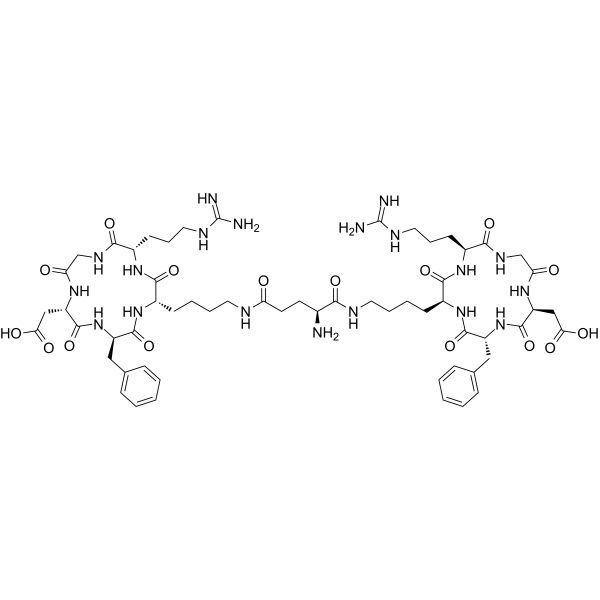
  • HY-P5098

    Integrin Neurological Disease Cancer
    E (c (RGDfK)) 2 is a αvβ3 integrin ligand and tumor-targeting agent. E (c (RGDfK)) 2 binds to αvβ3 integrin, mediates receptor-mediated endocytosis of conjugated payloads, and inhibits integrin-dependent cell adhesion to fibrinogen. E (c (RGDfK)) 2 inhibits the proliferation of cancer cells and endothelial cells. E (c (RGDfK)) 2 preferentially accumulates in orthotopic mouse breast tumors and human ovarian cancer xenograft tumors. E (c (RGDfK)) 2 can be used in research related to glioblastoma, lung cancer, breast adenocarcinoma and ovarian cancer .
    E(c(RGDfK))2
  • HY-P0132
    YIGSR
    1 Publications Verification

    Laminin Fragment 929-933

    NO Synthase Cancer
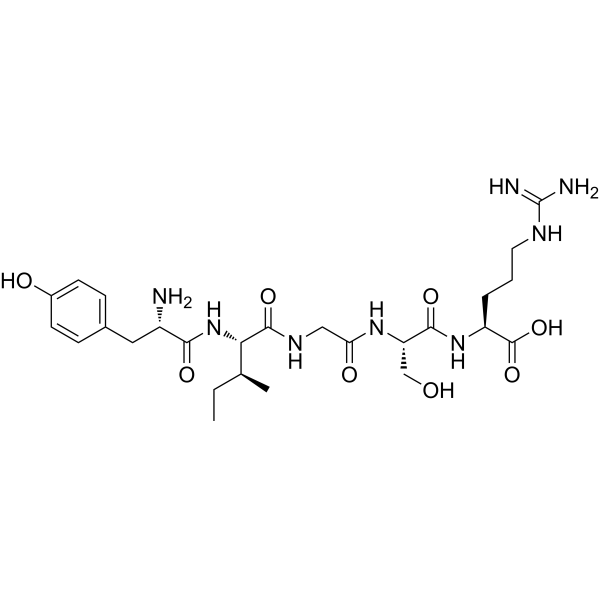
    YIGSR (Laminin Fragment 929-933) is a polypeptide that inhibits tumor growth and metastasis of leukemia cells. YIGSR specifically binds to the 67kDa laminin receptor and regulates the expression of eNOS in endothelial cells. YIGSR can be used in leukemia-related research .
    YIGSR
  • HY-P99296

    CNTO 95; Anti-Human CD51 Recombinant Antibody

    Integrin Apoptosis Cancer
    Intetumumab (CNTO 95) is a human monoclonal antibody targeting αv integrin, with a Kd value of 1-24 nM. Through high-affinity binding to αv integrin, Intetumumab inhibits its interaction with extracellular matrix proteins (such as vitronectin and fibronectin), thereby blocking the downstream focal adhesion kinase signaling pathway. This further inhibits the adhesion, migration and invasion of tumor cells as well as the proliferation of vascular endothelial cells, promotes cell apoptosis, and exerts anti-tumor and anti-angiogenic effects. Intetumumab can be used in research related to head and neck cancer, non-small cell lung cancer and uterine serous papillary carcinoma .
    Intetumumab
  • HY-P99291

    LM609; MEDI-522

    Integrin Apoptosis Akt Cancer
    Etaracizumab (LM 609) is an αvβ3 integrin IgG mAb. Etaracizumab is developed to target αvβ3+ cancer cells via NK cell-mediated cytotoxicity. Etaracizumab sterically hinders access of large ligands to the RGD-binding pocket, without obstructing it. Etaracizumab decreases p-Akt in vitro. Etaracizumab can decrease cancer proliferation and invasion. Etaracizumab induces tumor cell apoptosis, and inhibition ofαvβ3-mediated cell adhesion, endothelial cell migration and osteoclast-mediated bone resorption. Etaracizumab can be studied in anti-tumor research against cancers such as ovarian cancer, metastatic melanoma as well as advanced solid tumors. Recommend Isotype Control: Human IgG1 kappa, Isotype Control (HY-P99001) .
    Etaracizumab
  • HY-W040055
    Neopterin
    1 Publications Verification

    D-(+)-Neopterin; D-erythro-Neopterin

    NF-κB PPAR ERK Raf Src Cardiovascular Disease Inflammation/Immunology
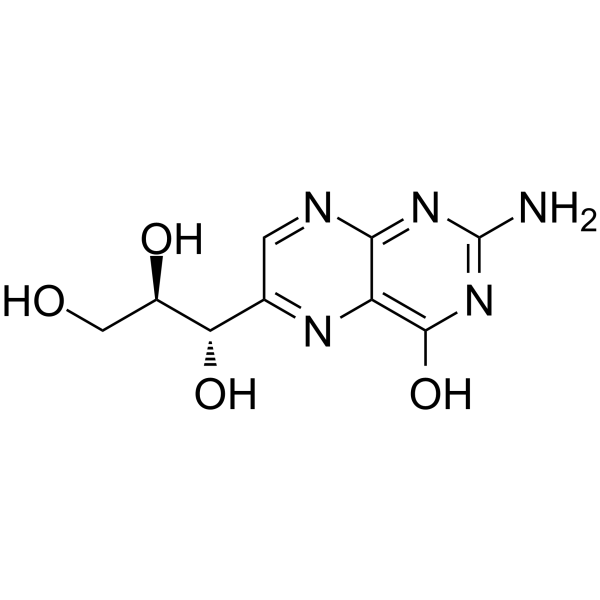
    Neopterin is an immune system activator metabolized by GTP and can be produced by activated macrophages. Neopterin has the potential to resist vascular inflammation and atherosclerosis. Neopterin inhibits the phosphorylation of NF-κB and promotes the expression of PPAR-γ, thereby suppressing the inflammatory response of vascular endothelial cells, reducing the formation of macrophage foam cells, and regulating the migration and proliferation of vascular smooth muscle cells. Neopterin can be used in research fields such as cardiovascular diseases (such as atherosclerosis), inflammation-related diseases and tumor immunomonitoring .
    Neopterin
  • HY-150229

    Liposome Cancer
    306-N16B is a selective lung-targeted lipid nanoparticle that reversibly targets lung endothelial cells and specific immune cells through selective adsorption of a protein corona mediated by differences in tail structure (such as fibrinogen β/γ chain). 306-N16B binds to specific plasma proteins in the blood to form a protein corona, which guides the particles to be enriched in the lungs, releases mRNA and promotes target cell gene expression, exerts efficient lung cell transfection activity, and can precisely regulate gene delivery of different cell types in the lungs (such as endothelial cells and macrophages). 306-N16B can be used in gene therapy technologies for hereditary lung diseases including pulmonary lymphangioleiomyomatosis (LAM), restoring tumor suppressor function by delivering Tsc2 mRNA, and can also be used for lung-specific mRNA vaccines and gene editing therapies .
    306-N16B
  • HY-P1181A
    Pam2CSK4 TFA
    1 Publications Verification

    Toll-like Receptor (TLR) NO Synthase IKK Akt PKC NF-κB p38 MAPK Interleukin Related Cardiovascular Disease Infection Inflammation/Immunology Cancer
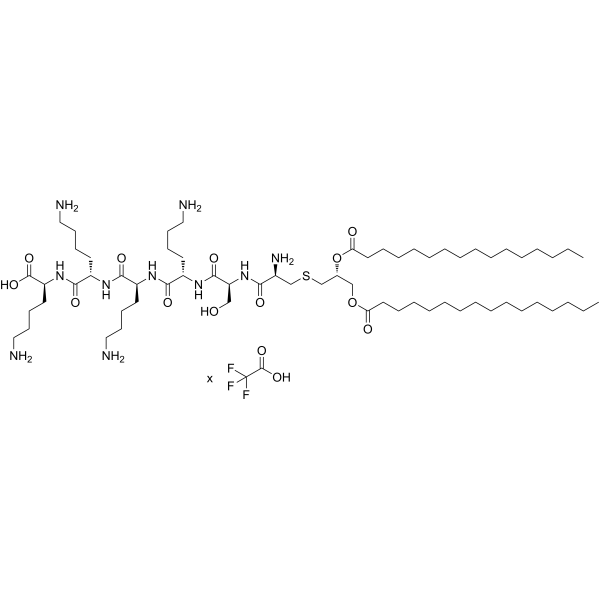
    Pam2CSK4 TFA is a TLR2 agonist. Pam2CSK4 TFA induces the expression of iNOS and NO in macrophage cell lines via TBK1 and MyD88 molecules. Pam2CSK4 TFA activates the NF-κB and Bruton's tyrosine kinase signaling pathways in platelets, and promotes platelet-endothelial cell interactions. TLR2 activation triggered by Pam2CSK4 TFA expands myeloid-derived suppressor cells (MDSCs) and suppresses anti-tumor immune responses in the tumor microenvironment. Pam2CSK4 TFA acts as a Th2-polarizing adjuvant in mouse vaccine models against Leishmania major and Brugia malayi. Pam2CSK4 TFA can be used in the research of various diseases, including thromboinflammatory diseases, sepsis, atherosclerosis, heart failure, influenza, lymphoma, melanoma, cutaneous leishmaniasis and lymphatic filariasis .
    Pam2CSK4 TFA
  • HY-N2445
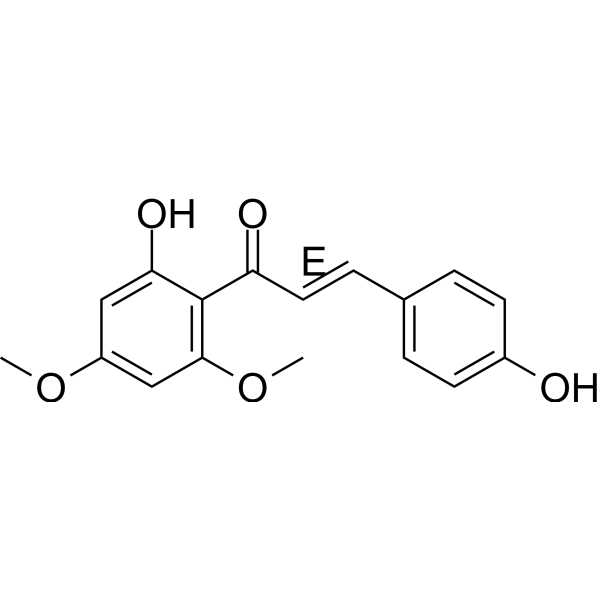
    Flavokawain C
    4 Publications Verification

    Apoptosis Akt JNK PERK Caspase PARP MDM-2/p53 IAP Reactive Oxygen Species (ROS) SOD FABP Autophagy AMPK mTOR GLUT EGFR PI3K HSP VEGFR FAK Cancer
    Flavokawain C is an orally active natural chalcone. Flavokawain C inhibits the proliferation of various cancer cells. Flavokawain C upregulates GADD153 in cancer cells, inhibits the phosphorylation of Akt and JNK, suppresses early ERK phosphorylation, activates late ERK phosphorylation, activates caspase related subtypes, induces PARP-1 cleavage, causes upregulation of p21 and p27, downregulation of mutant p53 and anti-apoptotic IAP proteins, elevates intracellular ROS levels, reduces SOD activity, and induces apoptosis. Flavokawain C downregulates FABP4, induces autophagy in cancer cells, and activates the AMPK/mTOR pathway . Flavokawain C decreases the expression of glycolysis-related proteins GLUT1 and HK2, and inhibits glycolysis in nasopharyngeal carcinoma cells. Flavokawain C inhibits the activation of the EGFR/PI3K/Akt/mTOR signaling pathway and reduces the expression of HSP90B1. Flavokawain C inhibits angiogenesis by decreasing the expression of angiogenic proteins Ang-1 and VEGF in human umbilical vein endothelial cells. Flavokawain C increases γ-H2AX levels in cells, inhibits the phosphorylation of FAK, PI3K and AKT in cells, and induces DNA damage in cells. Flavokawain C exerts anti-tumor activity in multiple tumor xenograft mouse models. Flavokawain C is applicable to research related to colorectal cancer, colon adenocarcinoma, nephroblastoma, nasopharyngeal carcinoma and liver cancer .
    Flavokawain C
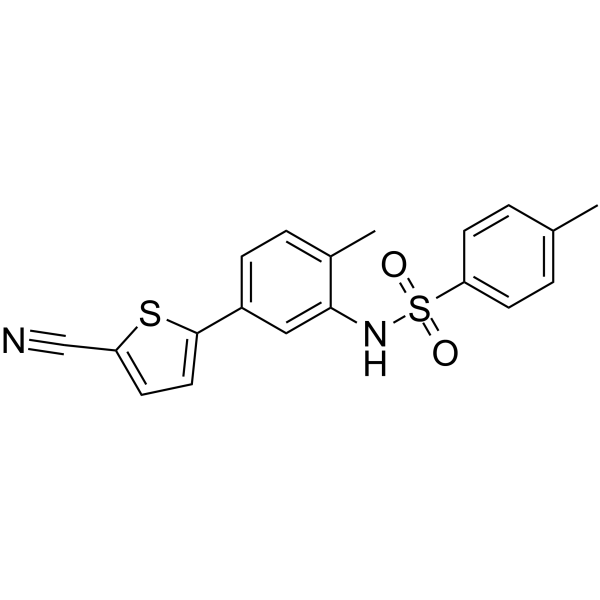
  • HY-18614

    Notch γ-secretase Cancer
    LY900009 is a potent and orally active, First-in-class inhibitor of Notch signaling via selective inhibition of the γ-secretase protein (GSI). LY900009 inhibits Notch signalling in tumor cell lines and endothelial cells (IC50=0.005-20 nM). LY900009 can be used for advanced cancer research .
    LY900009
  • HY-B0708
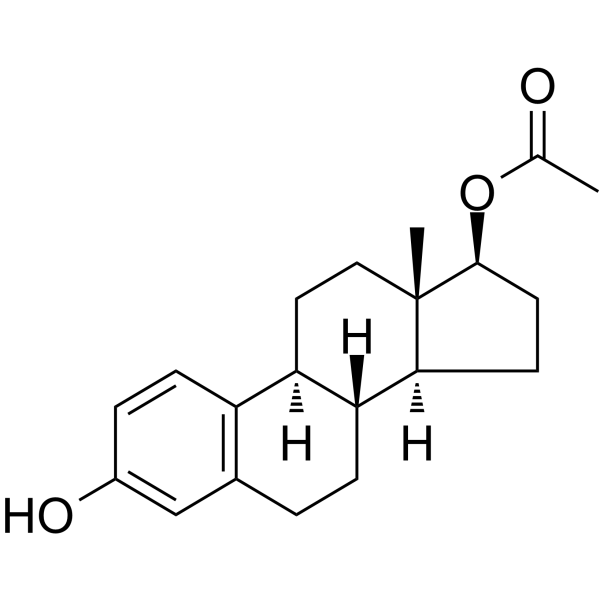
    β-Estradiol 17-acetate
    1 Publications Verification

    1,3,5(10)-Estratriene-3,17β-diol 17-acetate

    Estrogen Receptor/ERR Endocrinology
    β-Estradiol 17-acetate (1,3,5(10)-Estratriene-3,17β-diol 17-acetate) is a long-acting endogenous estrogen precursor and also a cell viability and proliferation enhancer. β-Estradiol 17-acetate promotes the adhesion and proliferation of freshly isolated and revived female-derived human brain microvascular endothelial cells, and reverses the decreased viability of revived male-derived human brain microvascular endothelial cells. β-Estradiol 17-acetate exerts the microvascular protective effect of estrogen, enabling non-tumor human brain microvascular endothelial cells to be cultured in vitro for 2 months after cryopreservation. β-Estradiol 17-acetate is biotransformed into β-estradiol via hydrolase action in the in vitro skin of humans, hairless dogs, rats and hairless mice .
    β-Estradiol 17-acetate
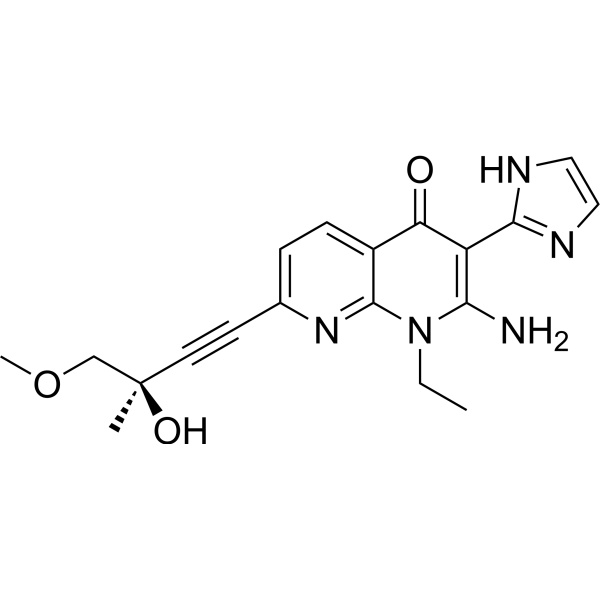
  • HY-133016

    MetAP Cardiovascular Disease Cancer
    M8891 is an orally active, reversible and brain penetrant Methionine Aminopeptidase-2 (MetAP-2) inhibitor with an IC50 of 54 nM and a Ki of 4.33 nM. M8891 does not inhibit MetAP-1 (IC50>10 µM) . M8891 inhibits growth of primary endothelial cells as well as tumor cells and demonstrates antiangiogenic and antitumoral activity .
    M8891
  • HY-P1181

    Toll-like Receptor (TLR) NO Synthase IKK Akt PKC NF-κB p38 MAPK Interleukin Related Cardiovascular Disease Infection Inflammation/Immunology Cancer
    Pam2CSK4 is a TLR2 agonist. Pam2CSK4 induces the expression of iNOS and NO in macrophage cell lines via TBK1 and MyD88 molecules. Pam2CSK4 activates the NF-κB and Bruton's tyrosine kinase signaling pathways in platelets, and promotes platelet-endothelial cell interactions. TLR2 activation triggered by Pam2CSK4 expands myeloid-derived suppressor cells (MDSCs) and suppresses anti-tumor immune responses in the tumor microenvironment. Pam2CSK4 acts as a Th2-polarizing adjuvant in mouse vaccine models against Leishmania major and Brugia malayi. Pam2CSK4 can be used in the research of various diseases, including thromboinflammatory diseases, sepsis, atherosclerosis, heart failure, influenza, lymphoma, melanoma, cutaneous leishmaniasis and lymphatic filariasis .
    Pam2CSK4
  • HY-P990961

    IMM-2510; SYN-2510

    VEGFR PD-1/PD-L1 Cardiovascular Disease Inflammation/Immunology Cancer
    Palverafusp alfa (IMM-2510; SYN-2510) is a PD-L1/VEGF-targeting IgG1κ type humanized antibody. Palverafusp alfa blocks PD-1/PD-L1 binding, relieves immune suppression, mediates PD-L1-directed antibody-dependent cellular cytotoxicity (ADCC). Palverafusp alfa blocks VEGF/VEGFR binding, inhibits angiogenic signaling, relieves VEGF-induced immune suppression. Palverafusp alfa reduces endothelial cell proliferation, enhances ADCC and antibody-dependent cellular phagocytosis (ADCP), inhibits tumor growth, reverses T cell immune suppression. Palverafusp alfa exhibits immune stimulatory, antiangiogenic, and anti-tumor activity in the tumor microenvironment. Palverafusp alfa can be used for the research of cancer, such as solid tumors, non-small cell lung cancer .
    Palverafusp alfa
  • HY-P4896

    Integrin Cancer
    FITC-Ahx Gly Arg Gly Asp Ser Pro is a GRGDSP (HY-P0290) coupled to FITC. GRGDSP is an integrin inhibitor that can inhibit the adherence of tumor cells to endothelial cells of blood vessels and limit its metastasis .
    FITC-Ahx-Gly-Arg-Gly-Asp-Ser-Pro
  • HY-P1435

    NADPH Oxidase Cardiovascular Disease Cancer
    NoxA1ds is a potent and highly selective NADPH oxidase 1 (NOX1) inhibitor (IC50=20 nM). NoxA1ds inhibits NOX1-derived O 2- production in HT-29 human colon cancer cells. NoxA1ds attenuates VEGF-induced human pulmonary artery endothelial cell migration under hypoxic conditions in vitro. NoxA1ds can be used in the study of hypertension, atherosclerosis and tumors .
    NoxA1ds
  • HY-176886

    Large Tumor Suppressor (LATS) YAP Others
    LATS-IN-2 is an efficiently acting LATS (large tumor suppressor kinase) inhibitor. LATS-IN-2 shows potent inhibitory activity against LATS1 with an IC50 value of 1.3 nM. LATS-IN-2 suppresses the phosphorylation of YAP by inhibiting LATS kinase activity. LATS-IN-2 increases the thickness of the epidermis in mice. LATS-IN-2 can be used for the study of ocular diseases such as limbal stem cell deficiency and corneal endothelial dysfunction .
    LATS-IN-2
  • HY-148877

    HSP HSV HIF/HIF Prolyl-Hydroxylase VEGFR NF-κB ERK Akt FAK Infection Inflammation/Immunology Cancer
    AT-533 is a potent Hsp90 and HSV inhibitor. AT-533 suppresses tumor growth and angiogenesis by blocking the HIF-1α/VEGF/VEGFR-2 signaling pathway. AT-533 also inhibits the activation of the downstream pathways, including Akt/mTOR/p70S6K, Erk1/2 and FAK. AT-533 inhibits the tube formation, cell migration, and invasion of human umbilical vein endothelial cells (HUVECs) .
    AT-533
  • HY-W015490S

    Isotope-Labeled Compounds DNA/RNA Synthesis NF-κB Monoamine Oxidase TNF Receptor Bacterial Infection Inflammation/Immunology Cancer
    1,4-Naphthoquinone-d6 is the deuterium labeled 1,4-Naphthoquinone. 1,4-Naphthoquinone is an inhibitor with broad-spectrum inhibitory activity targeting DNA polymerase, NF-κB and monoamine oxidase (MAO-A/B), with antibacterial and anti-biofilm efficacy. 1,4-Naphthoquinone is a competitive inhibitor of MAO-B (Ki=1.4 μM) and a non-competitive inhibitor of MAO-A (Ki=7.7 μM). 1,4-Naphthoquinone inhibits DNA polymerase pol α, β, γ, δ, ε, λ with IC50 ranging from 5.57-128 μM. 1,4-Naphthoquinone inhibits tumor cell proliferation, induces apoptosis and necrosis, and has anti-angiogenic and anti-inflammatory activities by inducing oxidative stress, depleting glutathione (GSH), inhibiting DNA polymerase-mediated DNA synthesis and blocking NF-κB nuclear translocation. 1,4-Naphthoquinone can be used in anti-bacterial , anti-tumor and anti-inflammatory studies, including inhibition of melanoma and colon cancer cell growth and endothelial cell function, as well as LPS-induced inflammation models .
    1,4-Naphthoquinone-d6
  • HY-16191
    ELR510444
    1 Publications Verification

    Microtubule/Tubulin Apoptosis HIF/HIF Prolyl-Hydroxylase Mitosis Cancer
    ELR510444 is an orally active tubulin inhibitor with an IC50 of 10 μM. ELR510444 binds to the colchicine-binding site on β-tubulin, inhibits tubulin assembly, depolymerizes microtubules and blocks HIF activity. ELR510444 induces cellular microtubule loss, abnormal mitotic spindle, mitotic arrest, apoptosis, morphological changes in tumor endothelial cells, and inhibits cancer cell proliferation, angiogenesis and tumor growth. ELR510444 can be used in research related to various cancers such as renal cell carcinoma .
    ELR510444
  • HY-N0194R

    Reference Standards Apoptosis Parasite Inflammation/Immunology Cancer
    Asiatic acid (Standard) is the analytical standard of Asiatic acid. This product is intended for research and analytical applications. Asiatic acid, a pentacyclic triterpene found in Centella asiatica (Centella asiatica), has anticancer activity. Asiatic acid induces apoptosis in melanoma cells and has barrier protective effects on human aortic endothelial cells (HAEC). Asiatic acid also has anti-inflammatory activity and inhibits tumor necrosis factor (TNF)-α-induced endothelial barrier dysfunction. Asiatic acid also inhibits NLRP3 inflammasome activation and NF-κB pathway, effectively inhibits inflammation in rats, and has neuroprotective effects in rat spinal cord injury (SCI) model .
    Asiatic acid (Standard)
  • HY-13016R

    XL184 (Standard); BMS-907351 (Standard)

    Reference Standards VEGFR c-Met/HGFR c-Kit TAM Receptor FLT3 Apoptosis Cancer
    Cabozantinib (Standard) is the analytical standard of Cabozantinib. This product is intended for research and analytical applications. Cabozantinib is a potent and orally active inhibitor of VEGFR2 and MET, with IC50 values of 0.035, and 1.3 nM, respectively. Cabozantinib displays strong inhibition of KIT, RET, AXL, TIE2, and FLT3 (IC50=4.6, 5.2, 7, 14.3, and 11.3 nM, respectively). Cabozantinib shows antiangiogenic activity. Cabozantinib disrupts tumor vasculature and promotes tumor and endothelial cell apoptosis .
    Cabozantinib (Standard)
  • HY-P10323

    Tumstatin (74-98), human

    Integrin FAK mTOR Apoptosis Cancer
    T7 Peptide is a protein synthesis inhibitor and anti-angiogenic agent, with a Kd of 10 nM for human transferrin receptor. T7 Peptide inhibits the phosphorylation of focal adhesion kinase, the activation of phosphatidylinositol 3-kinase and Akt, the kinase activity of mTOR, as well as the phosphorylation of 4E-BP1 in endothelial cells. T7 Peptide induces G0/G1 cell cycle arrest, apoptosis and protective autophagy in hepatocellular carcinoma cells, and suppresses tumor growth in mouse models. T7 Peptide is applicable to research related to cancer, glioblastoma, hepatocellular carcinoma and glioma .
    T7 Peptide
  • HY-P10323A

    Tumstatin (74-98), human TFA

    Integrin FAK mTOR Apoptosis Cancer
    T7 Peptide TFA is a protein synthesis inhibitor and anti-angiogenic agent, with a Kd of 10 nM for human transferrin receptor. T7 Peptide TFA inhibits the phosphorylation of focal adhesion kinase, the activation of phosphatidylinositol 3-kinase and Akt, the kinase activity of mTOR, as well as the phosphorylation of 4E-BP1 in endothelial cells. T7 Peptide TFA induces G0/G1 cell cycle arrest, apoptosis and protective autophagy in hepatocellular carcinoma cells, and suppresses tumor growth in mouse models. T7 Peptide TFA is applicable to research related to cancer, glioblastoma, hepatocellular carcinoma and glioma .
    T7 Peptide TFA
  • HY-P990189

    MHC Apoptosis Reactive Oxygen Species (ROS) Infection Cancer
    Anti-Monkey/Human MHC class II (HLA-DR) Antibody (L243) is a mouse-derived IgG2a κ type antibody inhibitor, targeting to monkey/human MHC class II. Anti-Monkey/Human MHC class II (HLA-DR) Antibody (L243) can inhibits tumor cells proliferation and induce apoptosis. Anti-Monkey/Human MHC class II (HLA-DR) Antibody (L243) increases cellular reactive oxygen species (ROS) and loss of mitochondrial membrane potential in human endothelial cells. Anti-Monkey/Human MHC class II (HLA-DR) Antibody (L243) can be used for the researches of cancer and infection, such as lymphoma .
    Anti-Monkey/Human MHC class II (HLA-DR) Antibody (L243)
  • HY-W440983

    PC(18:0/22:6); DHA-PC; 1-Stearoyl-2-docosahexaenoyl-sn-glyerco-3-phosphocholine

    PPAR Cardiovascular Disease Cancer
    SDPC (DHA-PC) is a new generation of omega-3 lipids, which contains an ester bond linking DHA at the sn-2 position of phospholipid. 1-Stearoyl-2-docosahexaenoyl-sn-glyerco-3-phosphocholine exerts anti-angiogenesis effect through activating PPARγ. 1-Stearoyl-2-docosahexaenoyl-sn-glyerco-3-phosphocholine significantly declines the proliferation, migration, tube formation of human umbilical vein endothelial cells. 1-Stearoyl-2-docosahexaenoyl-sn-glyerco-3-phosphocholine has the potential for anti-tumor angiogenesis research .
    SDPC
  • HY-P990277

    Transmembrane Glycoprotein Cancer
    Anti-Mouse CD31/PECAM-1 Antibody (390) is a rat-derived IgG2a κ type antibody inhibitor, targeting to mouse CD31/PECAM-1. Anti-Mouse CD31/PECAM-1 Antibody (390) reacts with mouse CD31, also known as PECAM-1 (platelet endothelial cell adhesion molecule). Anti-Mouse CD31/PECAM-1 Antibody (390) inhibits angiogenesis. Anti-Mouse CD31/PECAM-1 Antibody (390) can be used for the research of cancer, such as A549 tumor .
    Anti-Mouse CD31/PECAM-1 Antibody (390)
  • HY-P991423

    21H3RK

    Notch Cancer
    MEDI0639 (21H3RK) is a human monoclonal antibody (mAb) targeting DLL4. MEDI0639 inhibits Notch1 binding to Dll4. MEDI0639 reverses Notch1-mediated growth inhibition of human umbilical vein endothelial cells in vitro. MEDI0639 promotes human angiogenesis and reduces the number of vessels covered by smooth muscle actin-positive mural cells. MEDI0639 can be used in Small cell lung cancer and solid tumors research .
    MEDI0639
  • HY-P99516

    HLX-06

    VEGFR Cancer
    Vulinacimab (HLX-06) is a human monoclonal antibody directed against human vascular endothelial growth factor receptor 2 (VEGFR-2). Vulinacimab specifically binds to and inhibits VEGFR-2, which may inhibit tumor angiogenesis and tumor cell proliferation. Vulinacimab can be used for the research of solid tumors and non-small cell lung cancer .
    Vulinacimab
  • HY-P991042

    IGF-1R Cancer
    Anti-IGFBP2 Antibody (M14) is an human anti-IGFBP2 monoclonal inhibitory antibody, which binds IGFBP2 with high affinity and blocks its binding with IGF1. Anti-IGFBP2 Antibody (M14) inhibits human endothelial cell recruitment, thus blocks the tumor progression of human metastatic cancer .
    Anti-IGFBP2 Antibody (M14)
  • HY-19827
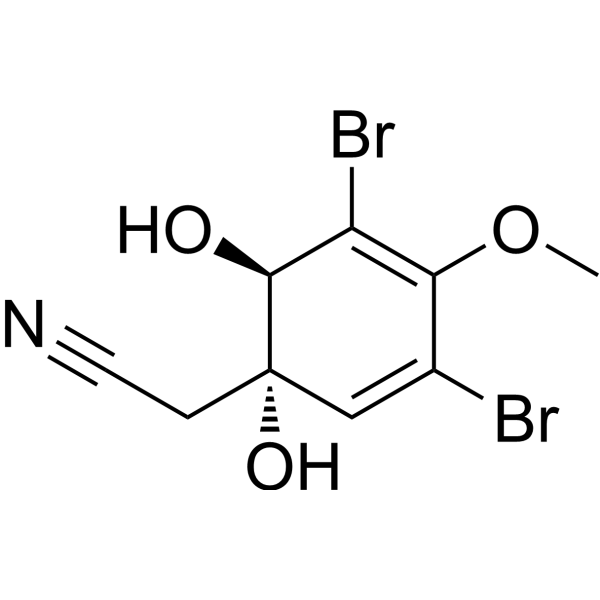
    Aeroplysinin 1
    1 Publications Verification

    (+)-Aeroplysinin-1

    Bacterial HIV Apoptosis Infection Cancer
    Aeroplysinin 1 ((+)-Aeroplysinin-1), a secondary metabolite isolated from marine sponges, shows potent antibiotic effects on Gram-positive bacteria and exerts antiviral activity against HIV-1 (IC50=14.6 μM). Aeroplysinin 1 has anti-inflammatory, anti-angiogenic and anti-tumor activities. Aeroplysinin 1 induces apoptosis in endothelial cells .
    Aeroplysinin 1
  • HY-N0784R

    BN-52021 (Standard)

    Reference Standards Platelet-activating Factor Receptor (PAFR) Apoptosis Cardiovascular Disease Neurological Disease Inflammation/Immunology Cancer
    Ginkgolide B (Standard) is the analytical standard of Ginkgolide B. This product is intended for research and analytical applications. Ginkgolide B (BN-52021), a terpene lactone, is a potent platelet activating factor antagonist. Ginkgolide B protects endothelial cells via the activation of PXR from injuries induced by xeno- and endobiotics. Ginkgolide B can pass through the brain-blood barrier. Ginkgolide B has anti-oxidant, anti-inflammatory, anti-tumor, and anti-apoptotic activity. Ginkgolide B has marked neuroprotective effects against ischemia-induced impairments .
    Ginkgolide B (Standard)
  • HY-119340

    Flavoneacetic acid

    Reactive Oxygen Species (ROS) Cancer
    Mitoflaxone (flavoneacetic acid) is a synthetic flavonoid compound with vascular targeting properties. Mitoflaxone exerts anti-proliferative effects on endothelial cells through a superoxide-dependent mechanism, this effect leads to changes in the permeability of tumor blood vessels, thereby exerting anti-tumor effects [1] [2] .
    Mitoflaxone
  • HY-13016A

    XL184 hydrochloride; BMS-907351 hydrochloride

    VEGFR c-Met/HGFR c-Kit TAM Receptor FLT3 Apoptosis Cancer
    Cabozantinib hydrochloride is a potent and orally active inhibitor of VEGFR2 and MET, with IC50 values of 0.035 and 1.3 nM, respectively. Cabozantinib hydrochloride displays strong inhibition of KIT, RET, AXL, TIE2, and FLT3 (IC50=4.6, 5.2, 7, 14.3, and 11.3 nM, respectively). Cabozantinib hydrochloride shows antiangiogenic activity. Cabozantinib hydrochloride disrupts tumor vasculature and promotes tumor and endothelial cell apoptosis .
    Cabozantinib hydrochloride
  • HY-175818

    Apelin Receptor (APJ) Cancer
    APJ antagonist-1 is an apelin receptor (APJ) antagonist. APJ antagonist-1 shows strong β-arrestin inhibition with an IC50 of 3.1 μM. APJ antagonist-1 selectively inhibits APJ-overexpressing cancer cells and suppresses apelin-induced endothelial cell migration. APJ antagonist-1exhibits high metabolic stability. APJ antagonist-1 can used for the studies of ovarian cancer and tumor angiogenesis .
    APJ antagonist-1
  • HY-116861

    MetAP Cancer
    A-357300 is a reversible and selective MetAP2 inhibitor with IC50s of 0.12 and 57 μM against MetAP2 and MetAP1. A-357300 induces cytostasis by cell cycle arrest at the G1 phase selectively in endothelial cells and in a subset of tumor cells. A-357300 inhibits angiogenesis both in vitro and in vivo and shows potent antitumor efficacy in carcinoma, sarcoma, and neuroblastoma murine models. A-357300 can be used for the studies of neuroblastoma, fibrosarcoma and breast cancer .
    A-357300
  • HY-124397

    ZD-6126; AZD-6126; ANG-453

    Microtubule/Tubulin Cancer
    N-Acetylcolchinol phosphate is an inhibitor of tubulin polymerisation. N-Acetylcolchinol phosphate can bind to tubulin cytoskeleton of the endothelial cells in blood vessels of tumor. N-Acetylcolchinol phosphate can be studied in anti-cancer research .
    N-Acetylcolchinol phosphate
  • HY-177134

    VEGFR c-Met/HGFR Cancer
    Taligantinib (Compound Example 70) is an orally active and selective dual inhibitor targeting vascular endothelial growth factor receptor 2 (VEGFR-2) and hepatocyte growth factor receptor (c-Met). Taligantinib suppresses tumor angiogenesis and cell proliferation. Taligantinib is promising for research of solid tumors such as non-small cell lung cancer and hepatocellular carcinoma .
    Taligantinib
  • HY-10338A

    c-Met/HGFR VEGFR Cancer
    Foretinib phosphate is an orally bioavailable small molecule with potential anti-tumor activity. Foretinib phosphate can selectively inhibit hepatocyte growth factor (HGF) receptor c-MET and vascular endothelial growth factor receptor 2 (VEGFR2), thereby potentially inhibiting tumor angiogenesis, tumor cell proliferation and metastasis. Foretinib phosphate shows different anti-cancer activity from cabozantinib in lung cancer cells and has stronger inhibitory effects on targets such as MEK1/2, FER and AURKB .
    Foretinib phosphate
  • HY-145820

    Apoptosis Microtubule/Tubulin Cancer
    Tubulin inhibitor 14 is a potent NQO2 (quinone oxidoreductase 2) inhibitor with an IC50 of 1.0 μM. Tubulin inhibitor 14 also inhibits tubulin polymerization and the formation of endothelial cell capillary-like tubes. Tubulin inhibitor 14 is a microtubule-destabilizing agent with potential tumor-selectivity and antiangiogenic and vascular disrupting features .
    Tubulin inhibitor 14
  • HY-164387

    EGFR PDGFR VEGFR Cancer
    Sutetinib is an orally active inhibitor for tyrosine kinase, that is associated with tumor growth and angiogenesis, such as VEGFR (Ki= 0.009 µM for VEGFR-1/2/3), PDGFR (Ki= 0.008 µM for PDGFR-α/β) and proto-oncogene cKIT. Sutetinib inhibits the proliferation, migration, and tubular structure formation of endothelial cells and fibroblasts, and exhibits board-spectrum antitumor efficacy in vitro and in vivo .
    Sutetinib

Inquiry Online

Your information is safe with us. * Required Fields.

Salutation


Country or Region *

Applicant Name *


Organization Name *

Department *


Email Address *


Product Name *

Cat. No.


Requested quantity *

Phone Number *


Remarks

Inquiry Online

Inquiry Information

Product Name:
Cat. No.:
Quantity:
MCE Japan Authorized Agent:

