Search Result
Results for "
ubiquitin+proteasome
" in MedChemExpress (MCE) Product Catalog:
1
Isotope-Labeled Compounds
| Cat. No. |
Product Name |
Target |
Research Areas |
Chemical Structure |
-
- HY-156730
-
|
|
Molecular Glues
STAT
|
Cancer
|
|
KT-333 is a molecular glues that degrades STAT3 protein. KT-333 mediates the selective degradation of STAT3 through the ubiquitin-proteasome system by binding to STAT3 protein and E3 ubiquitin ligase von Hippel-Lindau protein (VHL). KT-333 has strong selectivity for STAT3 protein degradation and good antitumor activity. KT-333 can be used in the study of hematologic malignancies such as large granular lymphocytic leukemia (LGL-L), peripheral T-cell lymphoma (PTCL), and cutaneous T-cell lymphoma (CTCL) .
|
-

-
- HY-141432
-
|
Cbl-b-IN-3
|
E1/E2/E3 Enzyme
|
Cancer
|
|
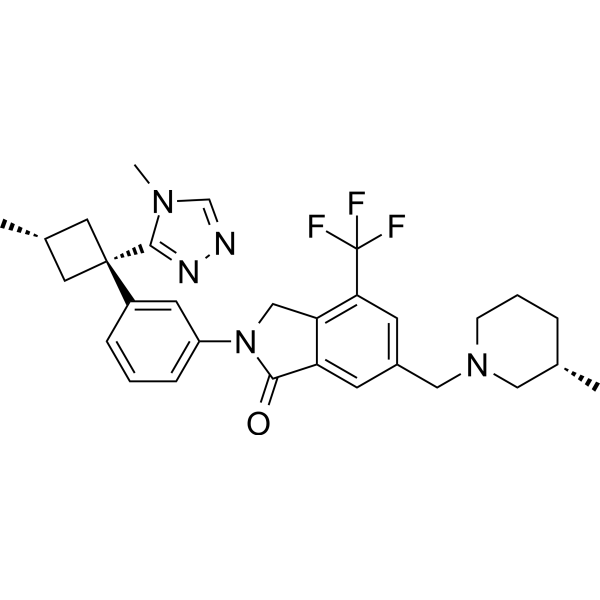
NX-1607 (Compound 23) is an inhibitor of Cbl-b, an E3 enzyme in the ubiquitin-proteasome pathway, with an IC50 value of less than 1 nM. NX-1607 can be used in cancer research .
|
-
-
- HY-152154
-
|
|
PROTACs
NAMPT
|
Cancer
|
|
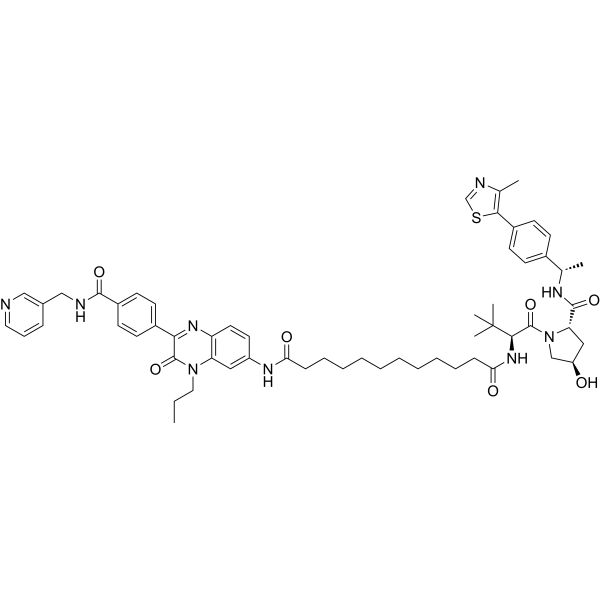
Nampt degrader-2 is a fluorescent PROTAC, which efficiently degrades NAMPT with an IC50 of 41.9 nM. Nampt degrader-2 binds to NAMPT and VHL to form a ternary complex and subsequently induced NAMPT degradation via ubiquitin-proteasome system (UPS). Nampt degrader-2 leads to significant reduction of NAD + and exerts potent antitumor activities .
|
-
-
- HY-172162
-
|
|
Molecular Glues
NEKs
Interleukin Related
|
Inflammation/Immunology
Cancer
|
|
LC-04-045 is a selective NIMA-related kinase 7 (NEK7) molecular glue degrader. LC-04-045 induces NEK7 degradation via the CRBN-based ubiquitin-proteasome system, dependent on the glycine 57-containing degron motif. LC-04-045 inhibits secretion of downstream cytokines IL-1β and IL-18. LC-04-045 can be used for the research of lymphoblastic leukemia .
|
-

-
- HY-155008
-
|
|
PROTACs
Hexokinase
|
Cancer
|
|
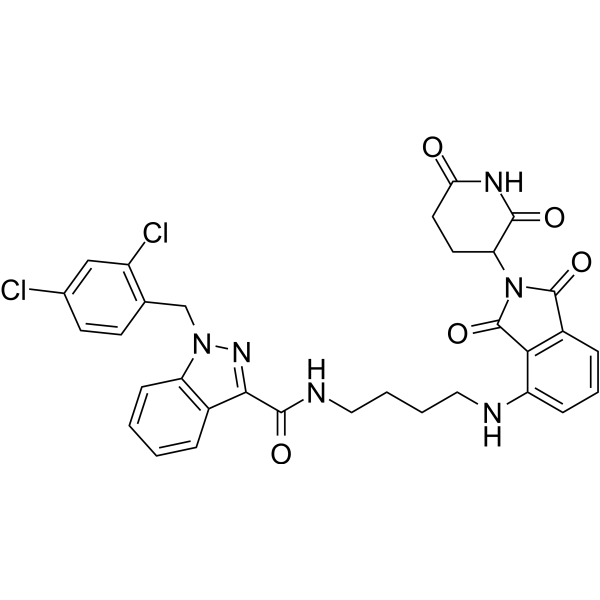
PROTAC HK2 Degrader-1 is a PROTAC consisting of Lonidamine (HY-B0486) as a target protein Hexokinase 2 (HK2) inhibitor and Thalidomide (HY-14658) as a CRBN ligand-linked PROTAC. PROTAC HK2 Degrader-1 selectively inhibits the proliferation of breast cancer cells by forming a ternary complex through the ubiquitin-proteasome system to degrade Hexokinase 2 (HK2) protein leading to mitochondrial damage and cell death. PROTAC HK2 Degrader-1 effectively inhibits breast tumor growth and reduces the colonic side effects of cisplatin for breast cancer research .
|
-
-
- HY-148523
-
|
|
Molecular Glues
CDK
|
Cancer
|
|
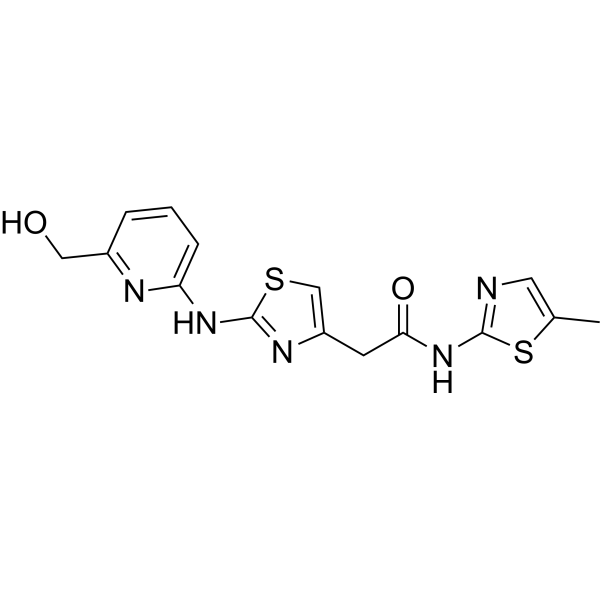
HQ005 is a potent CCNK degrader with an DC50 value of 0.041 µM. HQ005 is a molecular-glue degrader that mediates interactions between target proteins and components of the ubiquitin-proteasome system to cause selective protein degradation .
|
-
-
- HY-19726
-
|
|
MDM-2/p53
|
Cancer
|
|
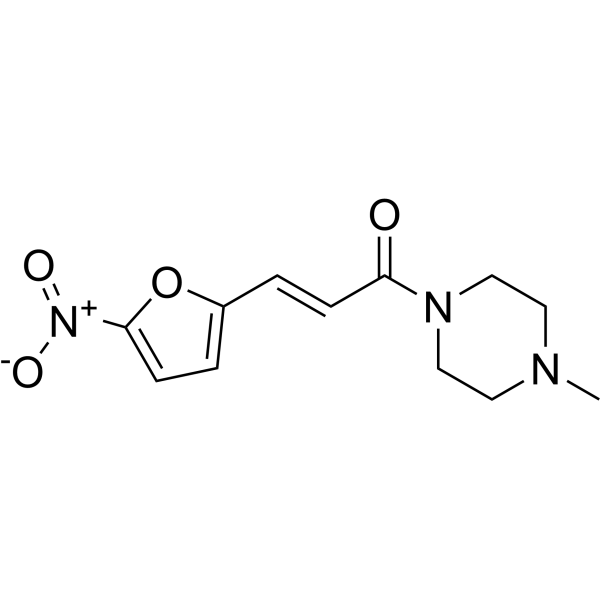
NSC59984 induces mutant p53 protein degradation via MDM2 and the ubiquitin-proteasome pathway . NSC59984 acts by targeting GOF-mutant p53 and stimulates p73 to restore the p53 pathway signaling .
|
-
-
- HY-69220
-
|
|
PROTAC Linkers
|
Cancer
|
|
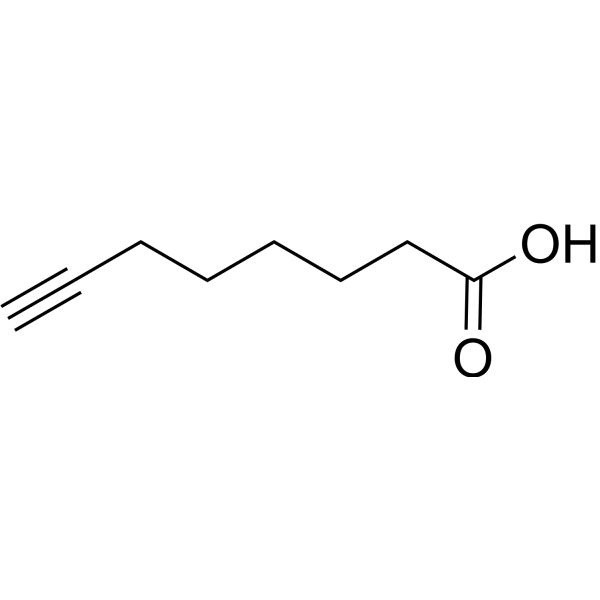
7-Octynoic acid (compound 42) is a PROTAC linker and can be used in the synthesis of a series of PROTACs. PROTACs contain two different ligands connected by a linker; one is a ligand for an E3 ubiquitin ligase and the other is for the target protein. PROTACs exploit the intracellular ubiquitin-proteasome system to selectively degrade target proteins . 7-Octynoic acid is a click chemistry reagent, it contains an Alkyne group and can undergo copper-catalyzed azide-alkyne cycloaddition (CuAAc) with molecules containing Azide groups.
|
-
-
- HY-162250
-
|
|
PROTACs
Histone Methyltransferase
|
Cancer
|
|
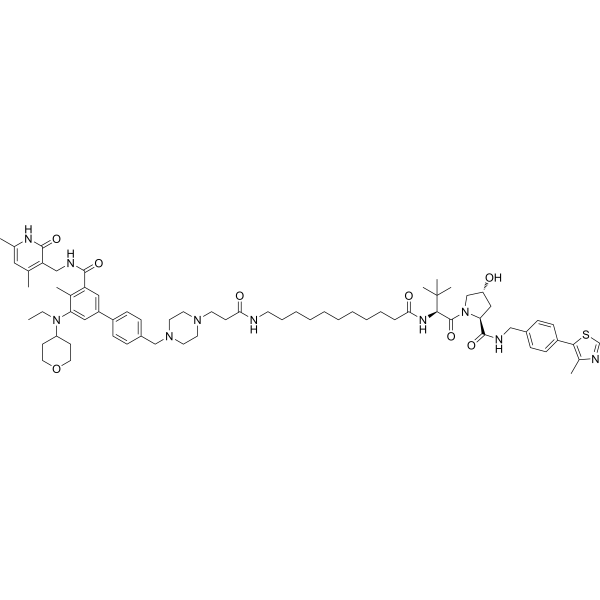
MS8847 is a PROTAC degrader and antiproliferative agent targeting EZH2 (DC50=34.4 nM in EOL-1 MLL-rAML cells). MS8847 recruits the E3 ligase von Hippel-Lindau (VHL) to mediate the degradation of EZH2 via the ubiquitin-proteasome system. MS8847 induces antiproliferative effects in MLL-rearranged acute myeloid leukemia cells and inhibits the growth of triple-negative breast cancer cell lines or 3D triple-negative breast cancer models. MS8847 is applicable to research related to MLL-rearranged acute myeloid leukemia and triple-negative breast cancer .
|
-
-
- HY-40178
-
|
|
PROTAC Linkers
|
Cancer
|
|
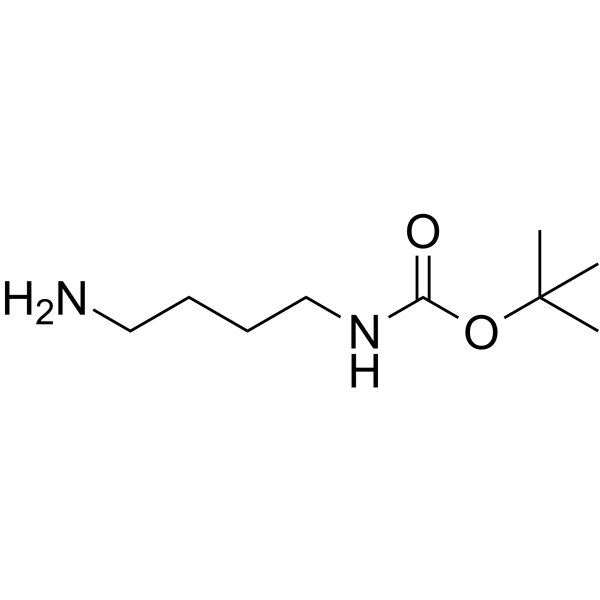
NH2-C4-NH-Boc (compound 15) is a PROTAC linker, which refers to the Alkyl/ether composition. NH2-C4-NH-Boc can be used in the synthesis of a series of PROTACs. PROTACs contain two different ligands connected by a linker; one is a ligand for an E3 ubiquitin ligase and the other is for the target protein. PROTACs exploit the intracellular ubiquitin-proteasome system to selectively degrade target proteins .
|
-
-
- HY-136242
-
|
|
Estrogen Receptor/ERR
|
Endocrinology
Cancer
|
|
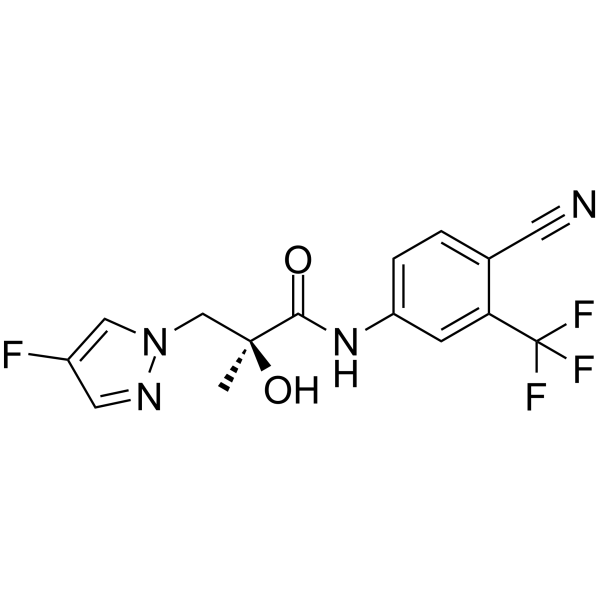
UT-34 is a potent, selective, orally bioactive second-generation pan-androgen receptor (AR) antagonist and degrader, with IC50 values of 211.7 nM, 262.4 nM, and 215.7 nM for wild-type AR, F876L-AR, and W741L-AR, respectively. UT-34 binds to the ligand-binding domain (LBD) and functional 1 (AF-1) domain of AR and requires the ubiquitin-proteasome pathway for AR degradation. UT-34 has anti-prostate cancer effects.
|
-
-
- HY-152261
-
|
|
PROTACs
|
Cancer
|
|
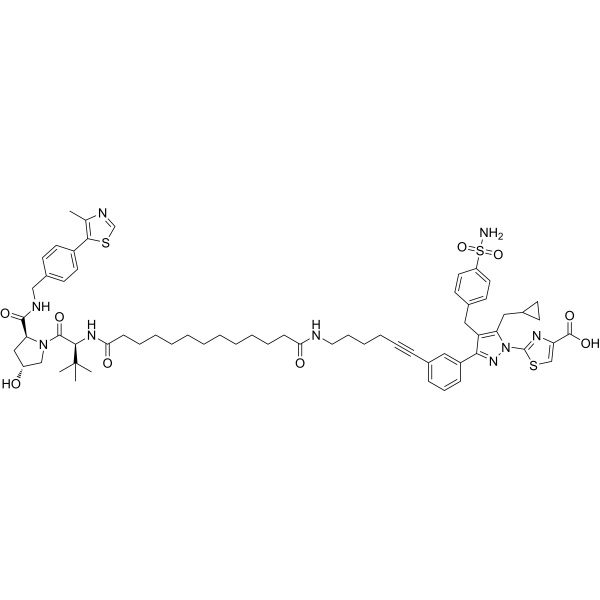
MS6105 is an LDH protein hydrolysis-targeted chimera (PROTAC) that effectively degrades LDHA and LDHB in a time- and ubiquitin-proteasome system-dependent manner and has anticancer activity . MS6105 is a click chemistry reagent, it contains an Alkyne group and can undergo copper-catalyzed azide-alkyne cycloaddition (CuAAc) with molecules containing Azide groups.
|
-
-
- HY-152134
-
|
|
HDAC
PROTACs
|
Cancer
|
|
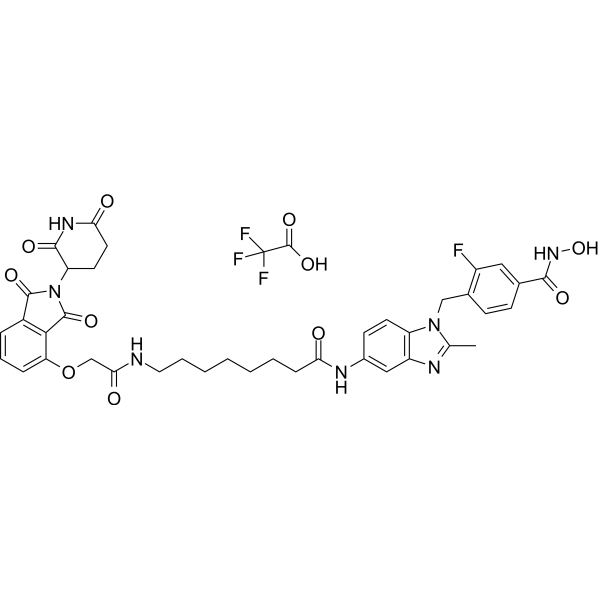
HDAC6 degrader-3 is a potent and selective HDAC6 degrader via ternary complex formation and the ubiquitin-proteasome pathway with a DC50 value of 19.4 nM. HDAC6 degrader-3 has IC50s of 4.54 nM and 0.647 μM for HDAC6 and HDAC1, respectively. HDAC6 degrader-3 causes strong hyperacetylation of α-tubulin .
|
-
-
- HY-176792
-
|
|
PROTACs
Ras
|
Cancer
|
|
ACBI-4 is a selective GTP-loaded active state of KRAS (KRAS(on)) PROTAC degrader, with Kd values of 141 nM against KRAS G12R. ACBI-4 forms a stable ternary complex with VHL, triggering ubiquitination and KRAS degradation via the ubiquitin-proteasome system. ACBI-4 induces antiproliferative effects in KRAS mutant-driven cancer cells. ACBI-4 can be used for the research of KRAS mutant-driven cancer .
|
-

-
- HY-173351
-
|
|
Epigenetic Reader Domain
|
Cancer
|
|
G-6599 is a monovalent molecular glue-like degrader of SMARCA2/SMARCA4. G-6599 covalently binds to a specific cysteine residue of the E3 ligase FBXO22 in a biotransformation-independent manner, promotes the formation of a ternary complex with SMARCA2/A4, and achieves efficient and specific degradation of the two proteins via the ubiquitin-proteasome pathway. G-6599 is applicable to the research of androgen-dependent prostate cancer and mutant non-small cell lung cancer .
|
-

-
- HY-162562
-
|
|
PCSK9
|
Metabolic Disease
Inflammation/Immunology
|
|
E28362 is an orally active lipid-lowering agent and a selective PCSK9 antagonist. E28362 blocks the interaction between PCSK9 and LDLR, and induces PCSK9 degradation via the ubiquitin-proteasome pathway. E28362 significantly increases the levels of cell surface and total LDLR proteins, enhances low-density lipoprotein uptake, thereby effectively reducing plasma lipids, hepatic cholesterol and triglyceride levels. E28362 shows no obvious cytotoxicity at high concentrations, and significantly attenuates atherosclerotic lesions in animal models. E28362 is an important molecule in research of hyperlipidemia and atherosclerosis .
|
-

-
- HY-P11228
-
|
|
PROTACs
Apoptosis
DNA/RNA Synthesis
|
Cancer
|
|
FPP29 is a potent peptide-based FOXM1 PROTAC degrader. FPP29 induces ubiquitination and degradation of FOXM1. FPP29 inhibits FOXM1 via the ubiquitin-proteasome degradation pathway. FPP29 induces Apoptosis. FPP29 suppresses tumor growth in hepatocellular carcinoma xenograft models. FPP29 can be used in the research of hepatocellular carcinoma (cell-penetrating peptide: (HY-P0133); VHL ligase ligand: (HY-P11493); linker: (HY-W013664); FOXM1 ligand: (HY-P11494)) .
|
-

-
- HY-149230
-
|
|
Deubiquitinase
|
Cancer
|
|
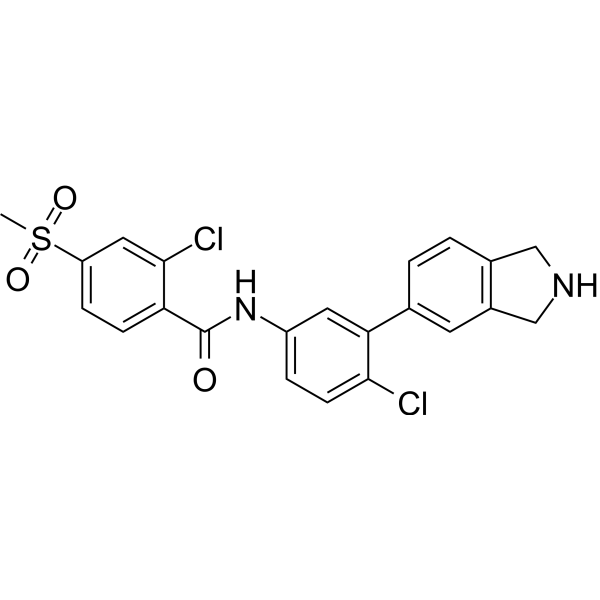
USP28-IN-4 is a USP28 inhibitor (IC50=0.04 μM) with high selectivity over USP2, USP7, USP8, USP9x, UCHL3 and UCHL5. USP28-IN-4 shows cytotoxicity against cancer cells, down-regulates the cellular level of c-Myc through ubiquitin-proteasome system. USP28-IN-4 also decreases the ankyrase-1/2 level in vitro. USP28-IN-4 enhance the sensitivity of colorectal cancer cells to Regorafenib (HY-10331) .
|
-
-
- HY-111876
-
|
|
SNIPERs
|
Cancer
|
|
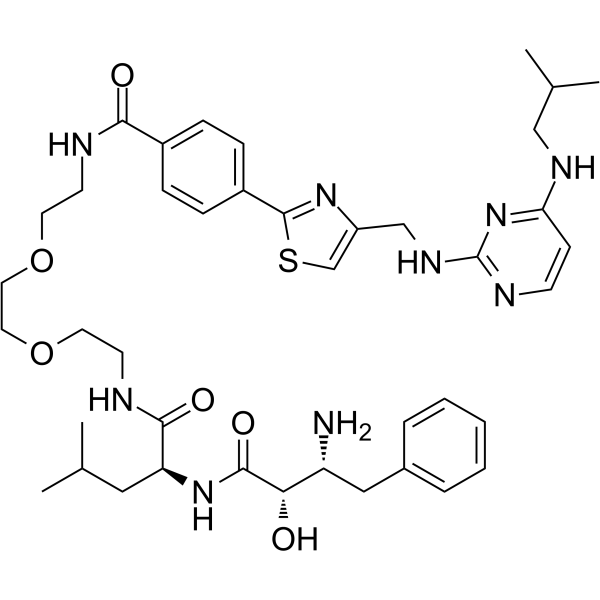
SNIPER(TACC3)-1 targets the TACC3 protein for degradation via the ubiquitin-proteasome pathway based on IAP ligand. SNIPER(TACC3)-1 induces cancer cell death .
|
-
-
- HY-N7695
-
|
|
Apoptosis
Autophagy
|
Cancer
|
|
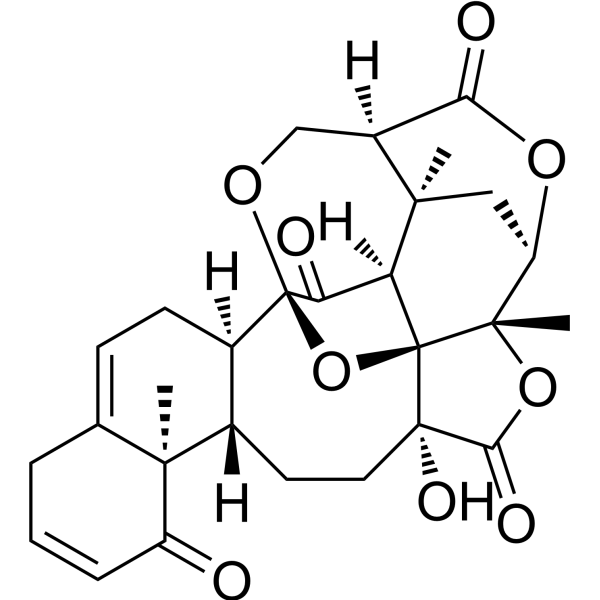
Physalin B, one of the major active steroidal constituents of Cape gooseberry, induces cell cycle arrest and triggers apoptosis in breast cancer cells through modulating p53-dependent apoptotic pathway. Physalin B inhibits the ubiquitin-proteasome pathway and induces incomplete autophagic response in human colon cancer cells in vitro .
|
-
-
- HY-143883
-
|
|
PROTACs
Akt
|
Cancer
|
|
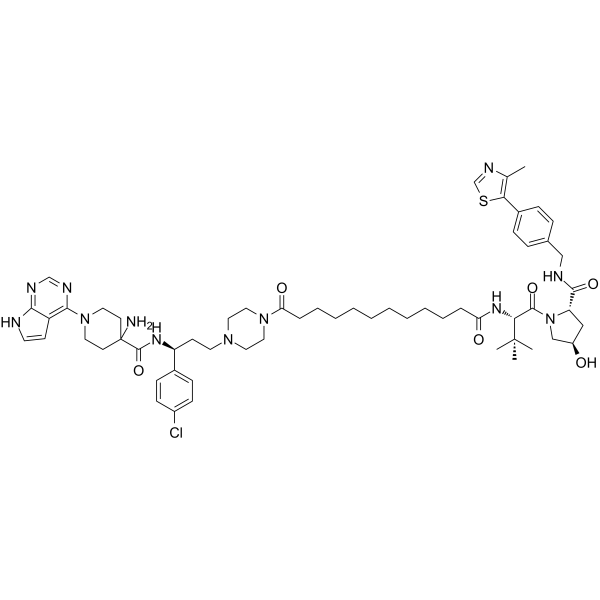
MS143 is a potent PROTAC AKT degrader (DC50=46 nM and GI50=0.8 μM in PC3 cells). MS143 induces rapid and robust AKT degradation in a concentration- and time-dependent manner via hijacking the ubiquitin-proteasome system. MS143 can suppress cancer cell growth (Pink: AKT ligand (HY-15431); Blue: E3 ligase ligand (HY-125845); Black: linker) .
|
-
-
- HY-153896
-
|
|
c-Met/HGFR
|
Cancer
|
|
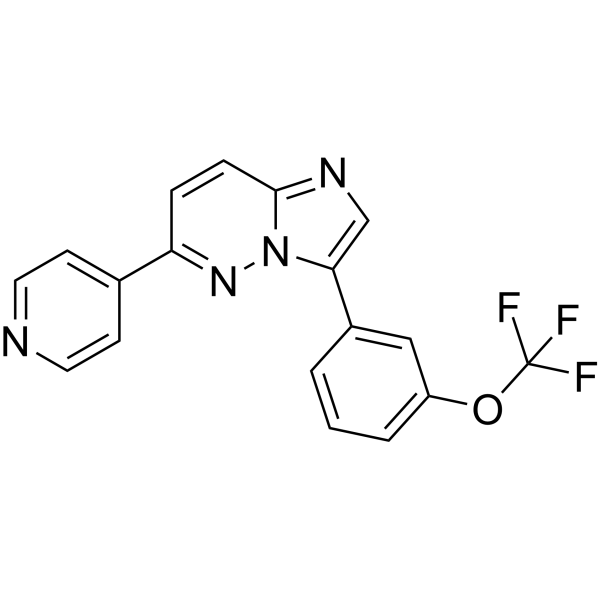
LMTK3-IN-1 (compound C28) is an ATP-competitive inhibitor of lemur tyrosine kinase 3 (LMTK3) (Kd=2.5 μM),that acts by degrading LMTK3 via the ubiquitin-proteasome pathway. LMTK3-IN-1 shows anticancer activity in a variety of cancer cell lines and in vivo BC mouse models. LMTK3-IN-1 induces apoptosis in BC cell lines at 10-20 μM .
|
-
-
- HY-173414
-
|
|
PROTACs
STING
NF-κB
|
Inflammation/Immunology
|
|
PROTAC STING degrader-3 is a STING PROTAC degrader (DC50: 0.62 μM). PROTAC STING degrader-3 induces STING degradation via the ubiquitin-proteasome pathway. PROTAC STING degrader-3 exerts anti-inflammatory effects by inhibiting STING/TBK1/NF-κB signaling. PROTAC STING degrader-3 has renal protective effects and can be used in the study of acute kidney injury (AKI) .
|
-

-
- HY-168566
-
|
|
HSP
|
Cancer
|
|
EV206 is a Hsp70 binder and apoptosis inducer that binds to the N-terminal domain of Hsp70, promotes Hsp70 degradation via the ubiquitin-proteasome system, and reduces Hsp70 protein stability. EV206 induces apoptotic cell death, inhibits colony formation, and downregulates the expression of cancer stem cell-related markers in non-small cell lung cancer cells. EV206 inhibits the growth of H460 xenograft tumors in nude mice and can be used for the research of non-small cell lung cancer .
|
-

-
- HY-111877
-
|
|
SNIPERs
|
Cancer
|
|
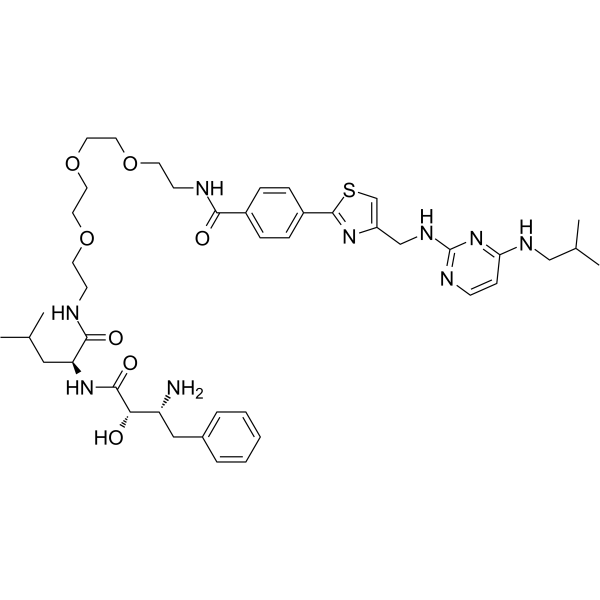
SNIPER(TACC3)-2 targets the TACC3 protein for degradation via the ubiquitin-proteasome pathway based on IAP ligand. SNIPER(TACC3)-2 induces cancer cell death .
|
-
-
- HY-161696
-
|
|
Apoptosis
|
Cancer
|
|
AN5777 is a GSPT1 degrader. AN5777 significantly reduces GSPT1 through the ubiquitin-proteasome system. AN5777 induces G1 block and Apoptosis. AN5777 has antitumor activity .
|
-

-
- HY-139606
-
|
|
p97
|
Cancer
|
|
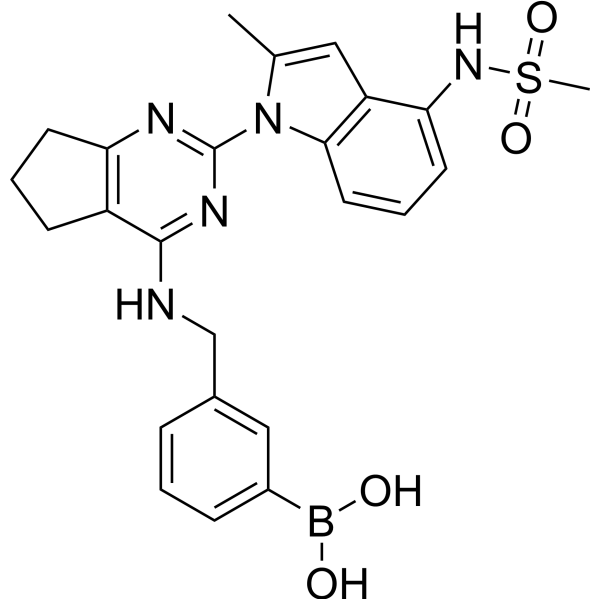
VCP/p97 inhibitor-1 is a potent inhibitor of VCP/p97 (also called Cdc48, CDC-. 48, or Ter94) with an IC50 of 54.7 nM. VCP/p97 inhibitor-1 causes the dysregulation of protein homeostasis and disturbs the degradation of misfolded polypeptides by the ubiquitin-proteasome system (UPS) .
|
-
-
- HY-147942
-
|
|
PROTACs
EGFR
|
Cancer
|
|
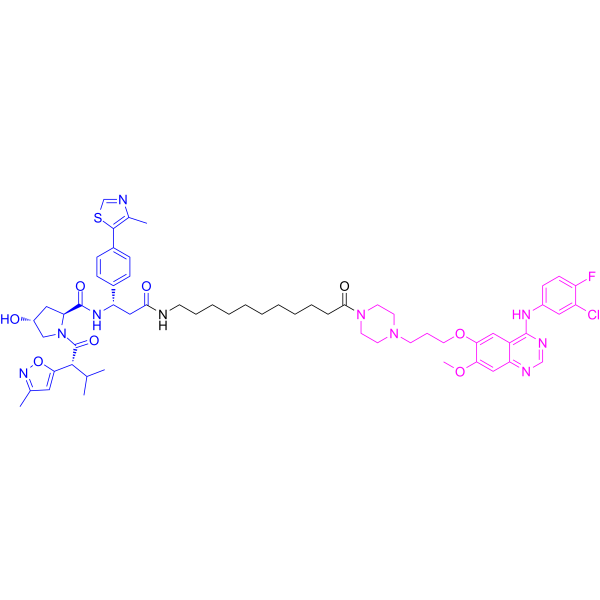
MS9449 is a potent PROTAC EGFR degrader with Kds of 17 nM and 10 nM for EGFR WT and EGFR L858R, respectively. MS9449 effectively induces degradation of mutant EGFRs through both the ubiquitin/proteasome system (UPS) and autophagy/lysosome pathways. MS9449 potently inhibits the proliferation of NSCLC cells. MS9449 can be used for researching anticancer .
|
-
-
- HY-171825
-
|
|
PROTACs
Anaplastic lymphoma kinase (ALK)
|
Cancer
|
|
SIAIS001 is a CRBN-dependent ALK PROTAC degrader with a DC50 of 3.9 nM. SIAIS001 induces ALK protein degradation via the ubiquitin-proteasome system. SIAIS001 induces G1/S phase cell cycle arrest and inhibits proliferation of cancer cells. SIAIS001 can be used for the research of anaplastic large-cell lymphomas .
|
-

-
- HY-147941
-
|
|
PROTACs
EGFR
|
Inflammation/Immunology
Cancer
|
|
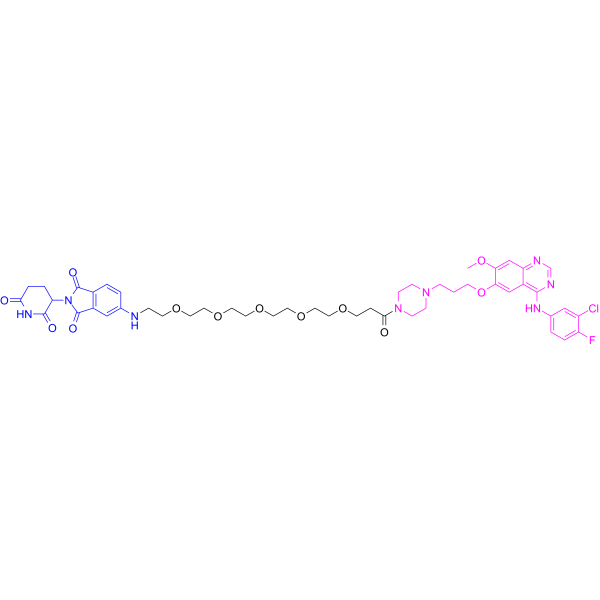
MS9427 is a potent PROTAC EGFR degrader with Kds of 7.1 nM and 4.3 nM for EGFR WT and EGFR L858R, respectively. MS9427 selectively degrades the mutant but not the WT EGFR through both the ubiquitin/proteasome system (UPS) and autophagy/lysosome pathways. MS9427 potently inhibits the proliferation of NSCLC cells. MS9427 can be used for researching anticancer .
|
-
-
- HY-P1259A
-
|
|
Proteasome
Bacterial
|
Inflammation/Immunology
|
|
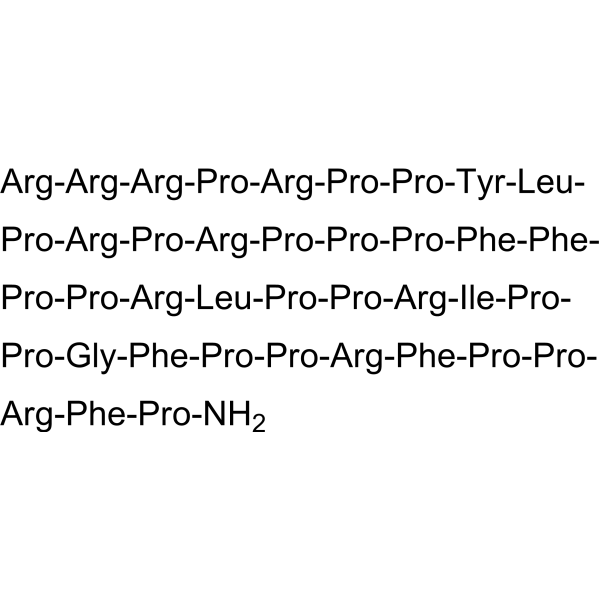
PR-39 TFA, a natural proline- and arginine-rich antibacterial peptide, is a noncompetitive, reversible and allosteric proteasome inhibitor. PR-39 TFAreversibly binds to the α7 subunit of the proteasome and blocks degradation of NF-κB inhibitor IκBα by the ubiquitin-proteasome pathway. PR-39 TFA stimulates angiogenesis, inhibits inflammatory responses and significant reduces myocardial infarct size in mice .
|
-
-
- HY-155552
-
|
|
Apoptosis
CDK
Caspase
|
Cancer
|
|
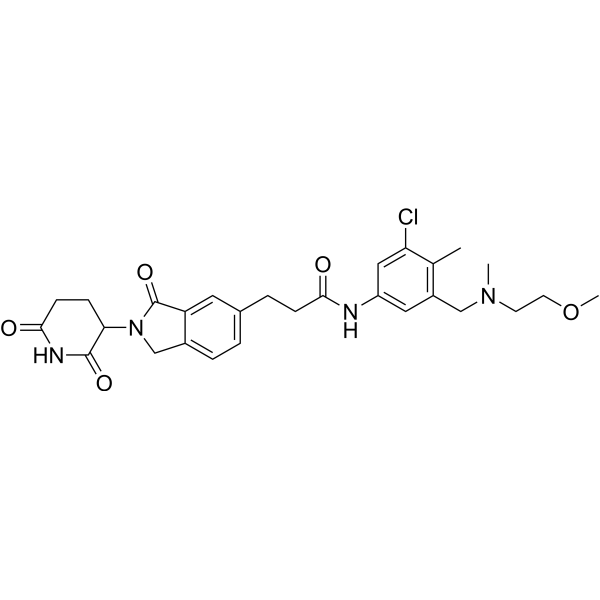
GSPT1 degrader-1 is a highly selective degrader targeting GSPT1. GSPT1 degrader-1 induces degradation via the ubiquitin-proteasome system. GSPT1 degrader-1 induces G0/G1 phase arrest, apoptosis (apoptosis) and inhibits proliferation in leukemia cells. GSPT1 degrader-1 reduces the levels of CDK6 and Cyclin B1, while increases the levels of activated caspase-3 and caspase-9 in leukemia cells. GSPT1 degrader-1 can be used in leukemia research .
|
-
-
- HY-153322
-
|
|
PROTACs
Itk
|
Inflammation/Immunology
Cancer
|
|
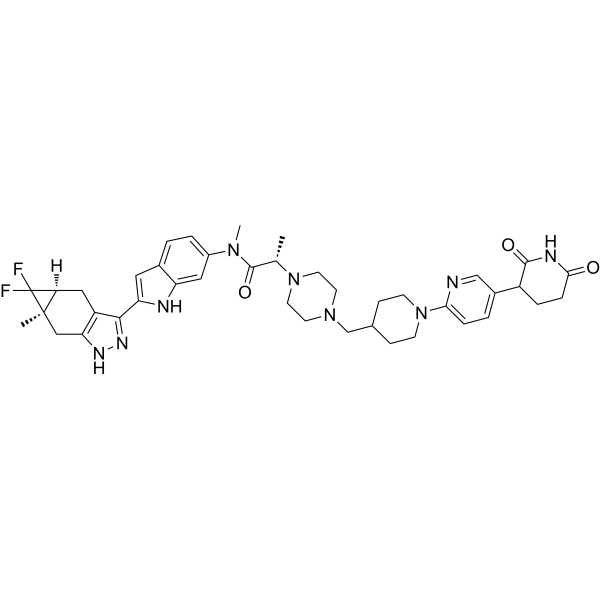
ITK degrader 2 is an orally active ITK PROTAC degrader with a DC50 < 0.001 nM. ITK degrader 2 degrades ITK via the ubiquitin-proteasome pathway. ITK degrader 2 can be used in the research of cancer, autoimmune diseases and inflammatory diseases .
|
-
-
- HY-173002
-
|
|
DNA Methyltransferase
|
Cancer
|
|
MS9024 is the degrader for DNA methyltransferase 1 that degrades DNMT1 in cell HCT116 through the ubiquitin-proteasome pathway with a DC50 of 35 nM (DC50 in MDA-MB-468 and H1299 is 254 nM and 101 nM). MS9024 also inhibits DNMT1 with an IC50 of 0.43 μM .
|
-

-
- HY-161597
-
|
|
PROTACs
DYRK
|
Cancer
|
|
PROTAC DYRK2 degrader 1 is a DYRK2 PROTAC degrader with DC50 values of 1.607 μM (MDA-MB-231 cells) and 3.265 μM (HeLa cells), respectively. PROTAC DYRK2 degrader 1 induces DYRK2 degradation via the ubiquitin-proteasome system. It is applicable to the research of triple-negative breast cancer and cervical cancer .
|
-

-
- HY-130715
-
|
|
PROTAC Linkers
|
Cancer
|
|
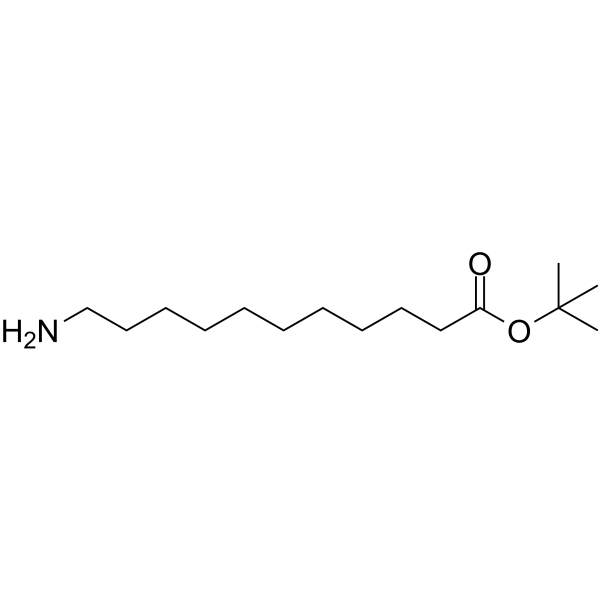
tert-Butyl 11-aminoundecanoate (compound 6b) is a PROTAC linker, which refers to the PEG composition. tert-Butyl 11-aminoundecanoate can be used in the synthesis of a series of PROTACs. PROTACs contain two different ligands connected by a linker; one is a ligand for an E3 ubiquitin ligase and the other is for the target protein. PROTACs exploit the intracellular ubiquitin-proteasome system to selectively degrade target proteins .
|
-
-
- HY-175453
-
|
|
Molecular Glues
|
Neurological Disease
Cancer
|
|
MRT-23227 is a molecular glue degrader that targets cereblon (CRBN). MRT-23227 forms a ternary complex with CRBN and G3BP2, activating the ubiquitin-proteasome system, leading to G3BP2 degradation. MRT-23227 has potential applications in the research of G3BP2-related cancers (such as breast and lung cancer) and neurodegenerative diseases .
|
-

-
- HY-169358
-
|
|
PROTACs
Epigenetic Reader Domain
|
Cancer
|
|
L134 is a potent PROTAC BRD4 degrader with a DC50 value of 7.36 nM. L134 mediates the degradation of BRD4 via the ubiquitin-proteasome system in a DCAF11-dependent manner (Blue: JQ-1 (carboxylic acid) (HY-78695), Black: linker (HY-W004640); Pink: E3 ligase ligand, L321 (HY-169359)) .
|
-

-
- HY-179512
-
|
|
PROTACs
FAK
|
Cancer
|
|
BSJ-04-146 is a highly efficient and selective PROTAC targeting focal adhesion kinase (FAK) inhibitor(IC50 = 26 nM). BSJ-04-146 achieves rapid and potent FAK degradation with high proteome-wide specificity in cancer cells and induces durable degradation in mice. BSJ-04-146 binds FAK and requires the ubiquitin-proteasome machinery to achieve FAK degradation. BSJ-04-146 can be used for the study of pancreatic cancer and triple-negative breast cancer .
|
-

-
- HY-158985A
-
|
|
Autophagy
AUTACs
|
Cancer
|
|
Amino-PEG3-2G degrader-1 hydrochloride is the hydrochloride salt form of Amino-PEG3-2G degrader-1 (HY-158985). Amino-PEG3-2G degrader-1 hydrochloride is a conjugate of a PEG Linker and a pyrazole-linked FBnG tag for ubiquitin-proteasome system (UPS) induction. Amino-PEG3-2G degrader-1 hydrochloride can be used to synthesize autophagy-targeting chimeras (AUTACs) .
|
-

-
- HY-170574
-
|
|
Molecular Glues
Apoptosis
RIO Kinase
|
Cancer
|
|
CQ627 is a molecular glue targeting the degradation of RIOK2. It effectively induces the degradation of RIOK2 in the MOLT4 leukemia cell line via the ubiquitin-proteasome system (UPS) by recruiting the E3 ubiquitin ligase RNF126, with a DC50 value of 410 nM. CQ627 dose-dependently induces apoptosis in MOLT4 leukemia cells, blocks their cell cycle in the G2/M phase, and exhibits antiproliferative activities in various cancer cell lines. CQ627 also demonstrates in vivo anticancer activity in a MOLT4 xenograft mouse model .
|
-

-
- HY-179243
-
|
|
PROTACs
STAT
MDM-2/p53
|
Cancer
|
|
S3D5 is a highly efficient and selective PROTAC degrader targeting STAT3 (KD = 4.35 μM). S3D5 induces degradation of STAT3 in HepG2 cells without significant effects on other STAT proteins. S3D5 exhibits good anti-hepatocellular carcinoma cell proliferation activity, which can be explained by activating the p53 pathway. S3D5 degradation of the STAT3 protein is mediated by the ubiquitin–proteasome system (UPS). S3D5 can be used for the study of hepatocellular carcinoma .
|
-

-
- HY-156730A
-
|
|
Molecular Glues
STAT
|
Cancer
|
|
KT-333 ammonium (Compound A) is a molecular glues that degrades STAT3 protein. KT-333 ammonium mediates the selective degradation of STAT3 through the ubiquitin-proteasome system by binding to STAT3 protein and E3 ubiquitin ligase von Hippel-Lindau protein (VHL). KT-333 ammonium has strong selectivity for STAT3 protein degradation and good antitumor activity. KT-333 ammonium can be used in the study of hematologic malignancies such as large granular lymphocytic leukemia (LGL-L), peripheral T-cell lymphoma (PTCL), and cutaneous T-cell lymphoma (CTCL) .
|
-

-
- HY-W054146
-
RAMB4
1 Publications Verification
|
Proteasome
|
Cancer
|
|
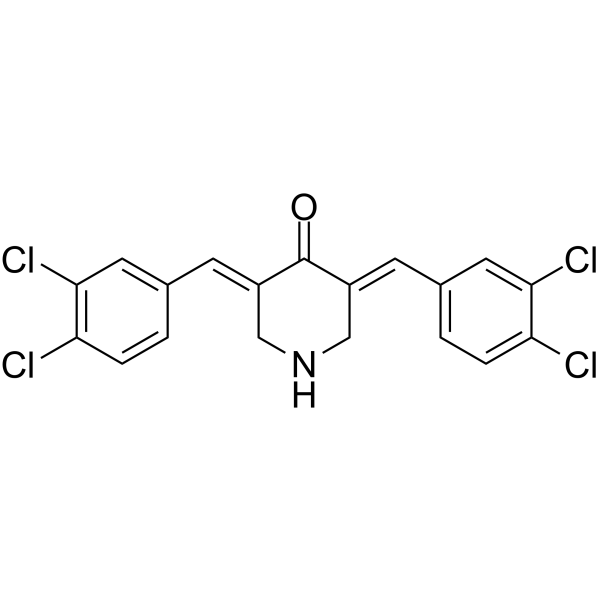
RAMB4 is a ubiquitin-proteasome system (UPS)-stressor. RAMB4 inhibits ubiquitin-mediated protein degradation upstream of the 20S proteasomal catalytic activites. RAMB4 triggers a ubiquitin-proteasome-system (UPS)-stress response without affecting 20S proteasome catalytic activities. Anticancer activity .
|
-
-
- HY-152145
-
|
|
SOS1
PROTACs
Ras
|
Cancer
|
|
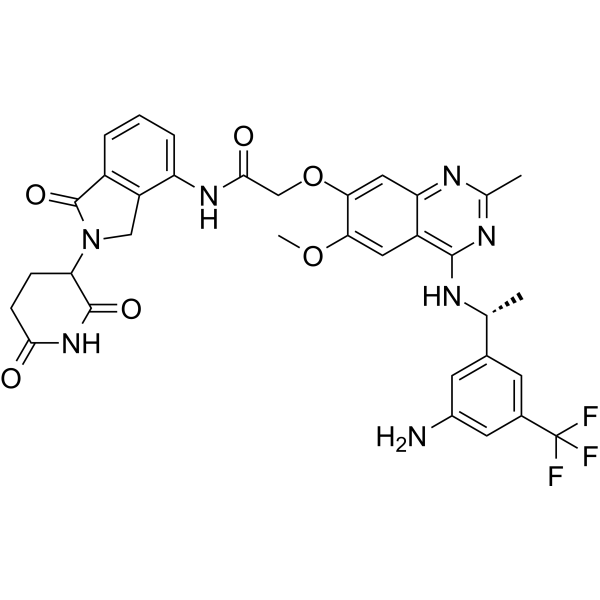
PROTAC SOS1 degrader-3 is a potent PROTAC SOS1 degrader. PROTAC SOS1 degrader-3 effectively targeted SOS1 for degradation through the ubiquitin-proteasome system .
|
-
-
- HY-173599
-
|
|
PNPLA3
|
Cancer
|
|
NUV-244 is a PNPLA3 I148M degrader. NUV-244 reduces PNPLA3 I148M levels on lipid droplets via BFAR-mediated ubiquitin-proteasome degradation .
|
-

-
- HY-179035
-
|
|
Molecular Glues
CXCR
|
Cancer
|
|
TBS6b is a potent and selective ACKR3 molecular glue degrader. TBS6b degrades ACKR3 via the ubiquitin-proteasome pathway. TBS6b inhibits hepatocellular carcinoma cell proliferation, migration, and invasion. TBS6b is relevant to hepatocellular carcinoma (HCC) research .
|
-

-
- HY-P1259
-
|
|
Proteasome
Bacterial
|
Inflammation/Immunology
|
|
PR-39, a natural proline- and arginine-rich antibacterial peptide, is a noncompetitive, reversible and allosteric proteasome inhibitor. PR-39 reversibly binds to the α7 subunit of the proteasome and blocks degradation of NF-κB inhibitor IκBα by the ubiquitin-proteasome pathway. PR-39 stimulates angiogenesis, inhibits inflammatory responses and significant reduces myocardial infarct size in mice .
|
-

-
- HY-147941A
-
|
|
PROTACs
EGFR
|
Infection
Inflammation/Immunology
Cancer
|
|
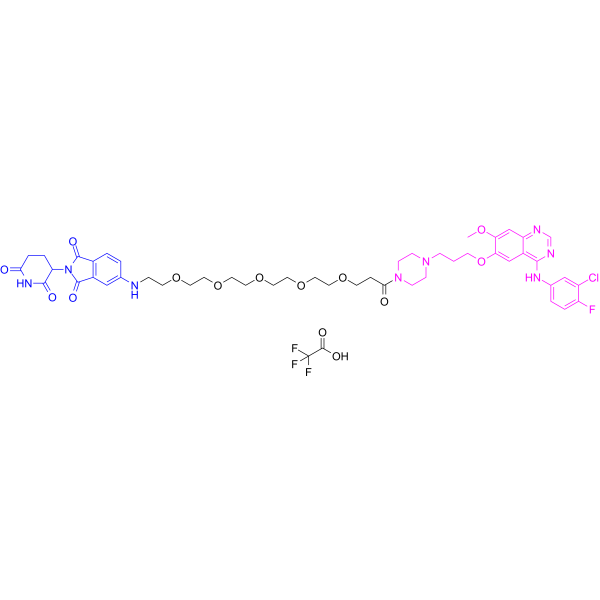
MS9427 TFA is a potent PROTAC EGFR degrader with Kds of 7.1 nM and 4.3 nM for EGFR WT and EGFR L858R, respectively. MS9427 TFA selectively degrades the mutant but not the WT EGFR through both the ubiquitin/proteasome system (UPS) and autophagy/lysosome pathways. MS9427 TFA potently inhibits the proliferation of NSCLC cells. MS9427 TFA can be used for researching anticancer .
|
-
-
- HY-174329
-
|
|
Molecular Glues
|
Neurological Disease
Cancer
|
|
MRT-5702D is a G3BP2 molecular glue degrader. MRT-5702D forms a CRBN-MRT-5702D-G3BP2 ternary complex to activate the ubiquitin-proteasome system for G3BP2 degradation. MRT-5702D can be used for research of G3BP2-related cancers and neurodegenerative diseases .
|
-

- HY-168274
-
|
|
PROTACs
Apoptosis
|
Cancer
|
|
PROTAC TRIB2 degrader-1 (Compound 5k) is an effective TRIB2 degrader that selectively induces TRIB2 degradation through the CRBN-dependent ubiquitin-proteasome pathway. PROTAC TRIB2 degrader-1 can inhibit cell proliferation and induce cell apoptosis, and can be used in cancer research. (Target protein ligand (Pink): HY-168275; linker (black): HY-168276; E3 Ligase Ligand-Linker Conjugates: HY-168277; E3 ligase (Blue): HY-W023573) .
|
-

- HY-175036
-
|
|
PROTACs
Histone Demethylase
Apoptosis
Caspase
PARP
|
Cancer
|
|
YTHu78 is a KDM5B PROTAC-type degrader. YTHu78 induces KDM5B degradation via the ubiquitin-proteasome system and triggers apoptosis in MV-4-11 and MM.1S cell lines. YTHu78 exhibits significant antiproliferative activity against a variety of hematological cancer cell lines and can be used to study hematological cancers. (Pink: KDM5B ligand: (HY-116761); Blue: Thalidomide ligand: (HY-14658), Black + Pink: KDM5B ligand + linker: (HY-175145)) .
|
-

- HY-179562
-
|
|
Btk
|
Cancer
|
|
BTK degrader-2 (Example 2) is a BTK dual-functional degrading agent, which causes the degradation of BTK through the ubiquitin-proteasome pathway. BTK degrader-2 can be used for the study of B-cell-related diseases .
|
-

- HY-177783
-
|
|
Molecular Glues
Indoleamine 2,3-Dioxygenase (IDO)
|
Cancer
|
|
iDeg-1 is a molecular glucose degrading agent that targets the IDO1 protein. iDeg-1 relies on the ubiquitin-proteasome degradation pathway mediated by its natural E3 ligase KLHDC3. iDeg-1 can be used for cancer research .
|
-

- HY-158985
-
|
|
AUTACs
Autophagy
|
Cancer
|
|
Amino-PEG3-2G degrader-1 (compound ) is a conjugate of a PEG Linker and a pyrazole-linked FBnG tag for ubiquitin-proteasome system (UPS) induction. Amino-PEG3-2G degrader-1 can be used to synthesize autophagy-targeting chimeras (AUTACs) .
|
-

- HY-157788
-
|
|
PROTACs
Reactive Oxygen Species (ROS)
Ferroptosis
Glutathione Peroxidase
|
Cancer
|
|
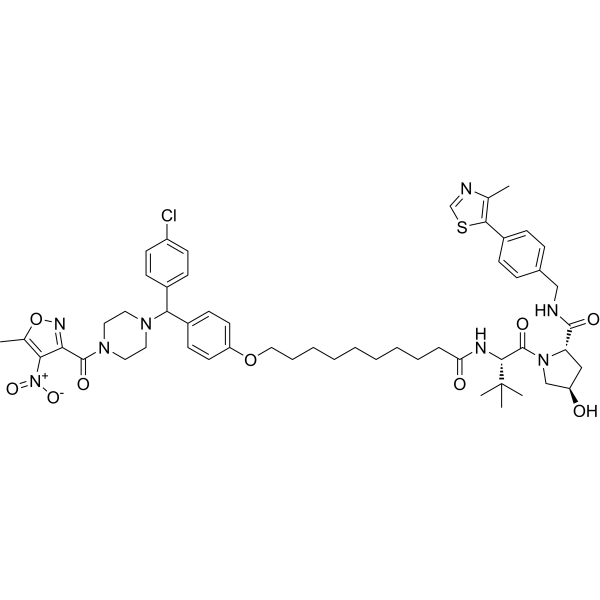
ZX703 (compound 5I) is a PROTAC that significantly degrades GPX4 in a dose- and time-dependent manner through the ubiquitin-proteasome and autophagy-lysosome pathways (DC50=0.315 µM). ZX703 induces ferroptosis by inducing Reactive Oxygen Species (ROS) accumulation in cells. ZX703 can be used for cancer research .
|
-
- HY-177948
-
|
|
G Protein-coupled Receptor Kinase (GRK)
|
Cardiovascular Disease
|
|
GRK2 degrader-1 (compound 1) is a potent and orally active GRK2 degrader. GRK2 degrader-1 degrades GRK2 via the ubiquitin-proteasome pathway. GRK2 degrader-1 inhibits right ventricular remodeling and elevation of pulmonary artery pressure in a pulmonary artery hypertension (PAH) mouse model. GRK2 degrader-1 can be used for PAH research .
|
-

- HY-158325
-
|
|
PROTACs
FLT3
Apoptosis
|
Cancer
|
|
PROTAC FLT-3 degrader 4 is an orally active CRBN-based FLT3-PROTAC degrader that potently induces FLT3-ITD degradation through the ubiquitin-proteasome system. PROTAC FLT-3 degrader 4 shows highly selective to FLT3-ITD mutant acute myeloid leukemia (AML) cells. (Blue: CRBN ligand, Black: linker; Pink: FLT3 inhibitor) .
|
-

- HY-158331
-
|
|
PROTACs
Epigenetic Reader Domain
Apoptosis
|
Cancer
|
|
Gal-ARV-771, PROTAC prodrug, is a gal modified ARV-771 (HY-100972). Gal-ARV-771 can be activated in SA-β-Gal-expressed cancer senescent cells to release ARV-771. Gal-ARV-771 induces selective degradation of BRD4 protein by the ubiquitin-proteasome pathway in senescent cells. Gal-ARV-771 promotes apoptosis of senescent cancer cells .
|
-

- HY-168869
-
|
|
PROTACs
Estrogen Receptor/ERR
|
Cancer
|
|
Tamoxifen-PEG-Clozapine is an estrogen receptor α (ERα) PROTAC degrader. Tamoxifen-PEG-Clozapine degrades ERα via a ubiquitin-proteasome system that uses the ubiquitin protein ligase E3 component N-recognin 5. Tamoxifen-PEG-Clozapine can be used for the research of cancer . (Pink: ERα inhibitor (HY-W271653); Black: linker (HY-168870); Blue: CRBN Ligand (HY-G0021))
|
-

- HY-179123
-
|
|
Androgen Receptor
Apoptosis
|
Cancer
|
|
ZC9 is a novel androgen receptor (AR) degrader. ZC9 directly binds to AR and inhibits Dihydrotestosterone-induced nuclear translocation of AR. ZC9 promotes AR degradation via the ubiquitin-proteasome system and suppresses AR transcriptional activity. ZC9 significantly decreases the mRNA levels of other AR downstream genes, including PSA, TMPRSS2, and PMEPA1. ZC9 promotes Apoptosis. ZC9 exhibits anticancer activity against prostate cancer .
|
-

- HY-144983
-
|
|
Ligands for E3 Ligase
|
Cancer
|
|
E3 ligase Ligand 22 (compound 139) is a cereblon binder for the degradation of Ikaros or Aiolos by the ubiquitin proteasome pathway .
|
-
- HY-156730B
-
|
|
Molecular Glues
STAT
|
Cancer
|
|
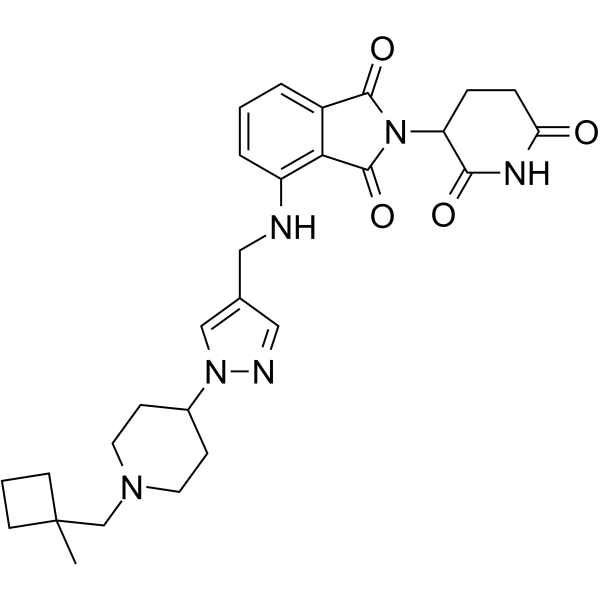
KT-333 diammonium is a molecular glues that degrades STAT3 protein. KT-333 diammonium mediates the selective degradation of STAT3 through the ubiquitin-proteasome system by binding to STAT3 protein and E3 ubiquitin ligase von Hippel-Lindau protein (VHL). KT-333 diammonium has strong selectivity for STAT3 protein degradation and good antitumor activity. KT-333 diammonium can be used in the study of hematologic malignancies such as large granular lymphocytic leukemia (LGL-L), peripheral T-cell lymphoma (PTCL), and cutaneous T-cell lymphoma (CTCL) .
|
-

- HY-174862
-
|
|
PROTACs
ASK1
|
Inflammation/Immunology
|
|
dASK1 is a selective and cereblon (CRBN)-based PROTAC degrader of apoptosis signal-regulating kinase 1 (ASK1). dASK1 forms a stable ternary complex with ASK1, facilitating ASK1 rapid and sustained degradation via the ubiquitin-proteasome pathway. dASK1 demonstrates potent ASK1 degradation. dASK1 can be used for the research of steatohepatitis . (Structure Note: Pink: ASK1 ligand (HY-174860); Blue: CRBN ligand (HY-10984); Black: linker; E3-linker (HY-174863))
|
-

- HY-157230
-
|
|
IAP
|
Cancer
|
|
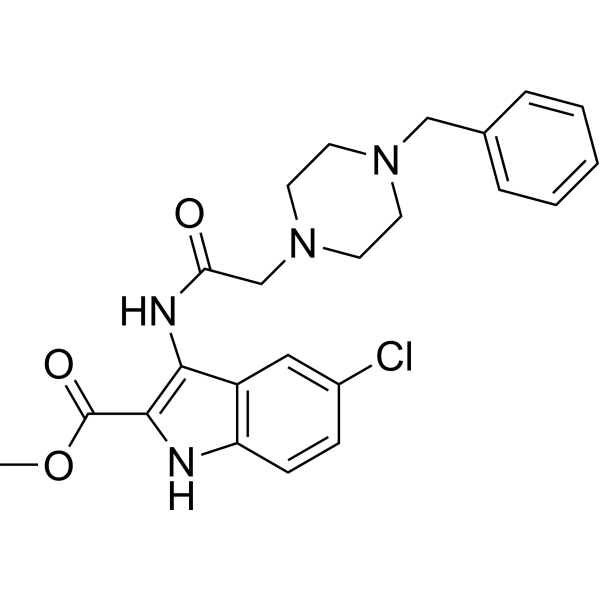
XIAP antagonist 1 degrades rather than inhibits XIAP, catalyzing rapid degradation of XIAP through the ubiquitin-proteasome pathway [2].
|
-
- HY-111876A
-
|
|
SNIPERs
|
Cancer
|
|
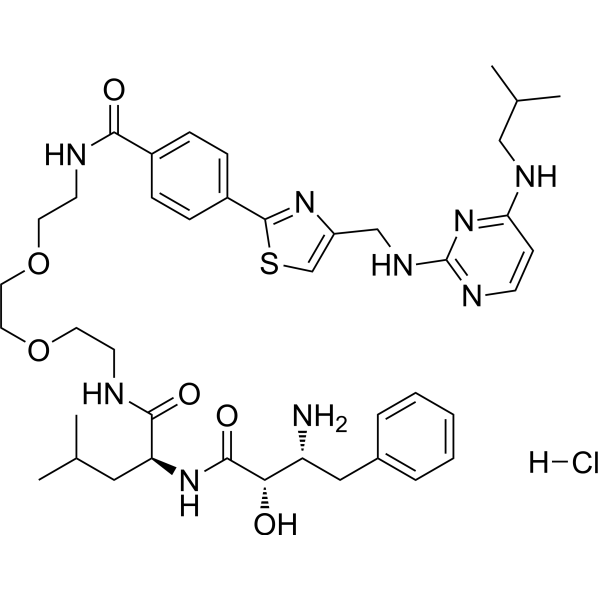
SNIPERTACC3-1 hydrochloride targets the TACC3 protein for degradation via the ubiquitin-proteasome pathway based on IAP ligand. SNIPERTACC3-1 hydrochloride induces cancer cell death .
|
-
- HY-N10332
-
|
|
Proteasome
|
Cancer
|
|
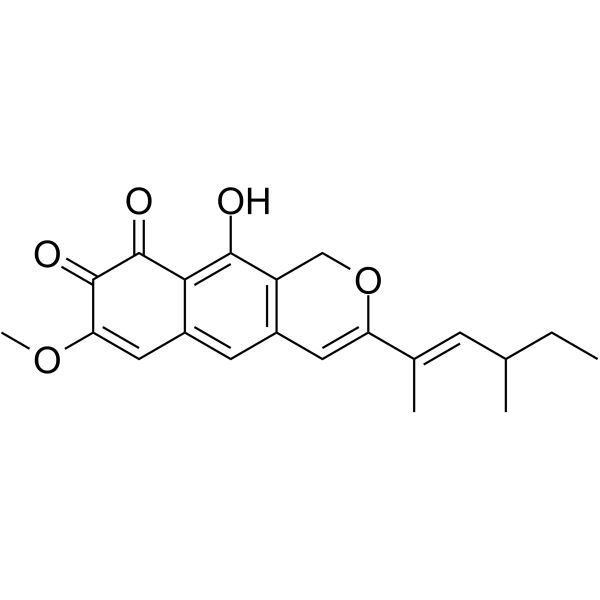
Leptosphaerodione, isolated from Remotididymella sp. Fungus, is a potent ubiquitin-proteasome system (UPS) inhibitor. Leptosphaerodione exhibits cytotoxicity in HeLa cells with IC50 value of 3.2 μM. Anti-tumor agent .
|
-
- HY-111877A
-
|
|
SNIPERs
|
Cancer
|
|
SNIPER(TACC3)-2 hydrochloride targets the TACC3 protein for degradation via the ubiquitin-proteasome pathway based on IAP ligand. SNIPER(TACC3)-2 hydrochloride induces cancer cell death .
|
-
- HY-172595
-
|
|
Apoptosis
E1/E2/E3 Enzyme
|
Cancer
|
|
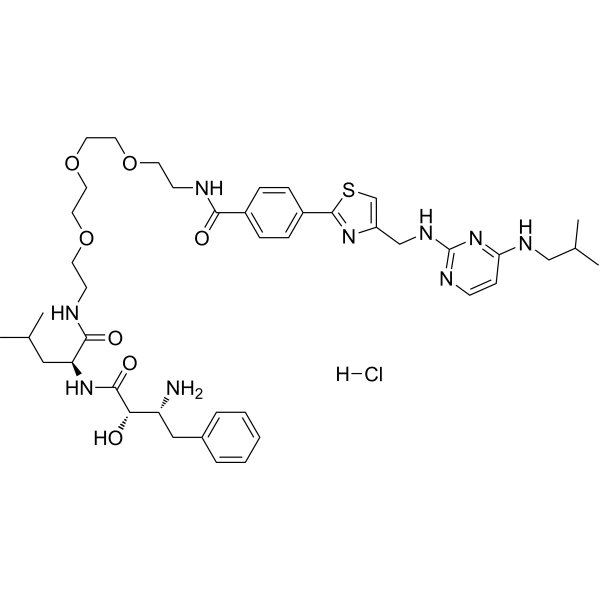
Apoptosis inducer 48 (5d) is an apoptotic agent. Apoptosis inducer 48 inhibits the growth of triple-negative breast cancer cells. Apoptosis inducer 48 attenuates proteasomal degradation via the ubiquitin-proteasome pathway, leading to G2/M phase cell cycle arrest and the induction of apoptotic .
|
-

- HY-129774
-
|
|
PROTAC Linkers
|
Cancer
|
|
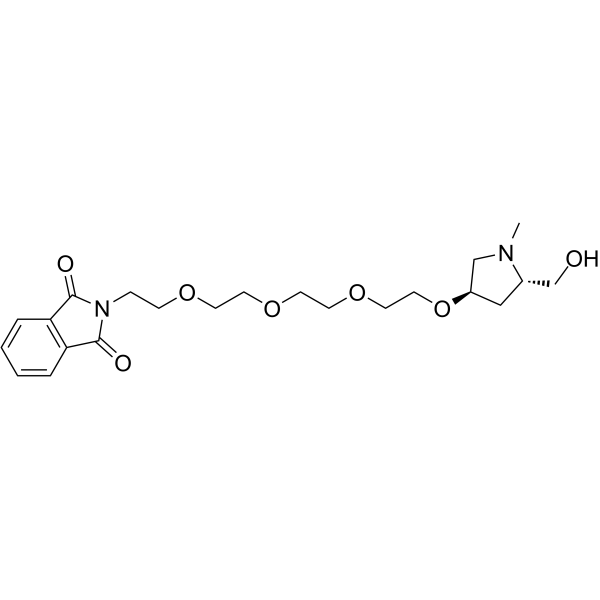
Phthalimide-PEG4-MPDM-OH is a PROTAC linker, which refers to the PEGs composition. Phthalimide-PEG4-MPDM-OH can be used in the synthesis of a series of PROTACs. PROTACs contain two different ligands connected by a linker; one is a ligand for an E3 ubiquitin ligase and the other is for the target protein. PROTACs exploit the intracellular ubiquitin-proteasome system to selectively degrade target proteins .
|
-
- HY-173256
-
|
|
Epigenetic Reader Domain
PROTACs
|
Cancer
|
|
Hyp-dBET1 is a PROTAC degrader targeting BRD4. Hyp-dBET1 has an IC50 value of 3.4 μM in MDA-MB-231 cells. Hyp-dBET1 can be activated by hypoxia and recruit the E3 ubiquitin ligase and degrade BRD4 through ubiquitin-proteasome system. Hyp-dBET1 can be used for anti-tumor study .
|
-

- HY-129773
-
|
|
PROTAC Linkers
|
Cancer
|
|
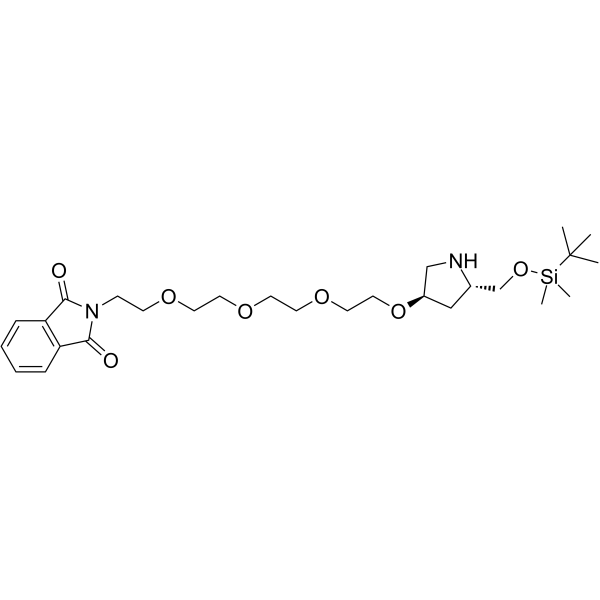
Phthalimide-PEG4-PDM-OTBS is a PROTAC linker, which refers to the PEGs composition. Phthalimide-PEG4-PDM-OTBS can be used in the synthesis of a series of PROTACs. PROTACs contain two different ligands connected by a linker; one is a ligand for an E3 ubiquitin ligase and the other is for the target protein. PROTACs exploit the intracellular ubiquitin-proteasome system to selectively degrade target proteins .
|
-
- HY-173257
-
|
|
Epigenetic Reader Domain
PROTACs
|
Cancer
|
|
Cath-L-dBET1 is a PROTAC degrader targeting BRD4. Cath-L-dBET1 has an IC50 value of 2.8 μM in MDA-MB-231 cells. Cath-L-dBET1 can be activated by cathepsin L (Cath-L) and recruit the E3 ubiquitin ligase and degrade BRD4 through ubiquitin-proteasome system. Hyp-dBET1 can be used for anti-tumor study .
|
-

- HY-129772
-
|
|
PROTAC Linkers
|
Cancer
|
|
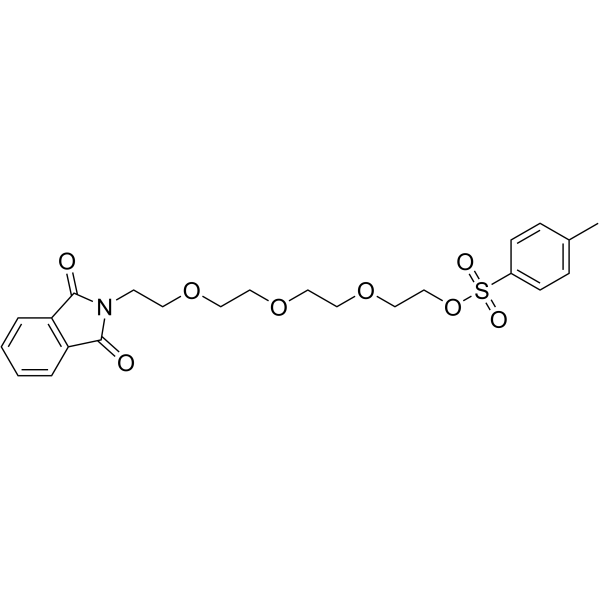
Phthalimide-PEG3-C2-OTs (Compound 5) is a PROTAC linker, which refers to the PEGs composition. Phthalimide-PEG3-C2-OTs can be used in the synthesis of a series of PROTACs. PROTACs contain two different ligands connected by a linker; one is a ligand for an E3 ubiquitin ligase and the other is for the target protein. PROTACs exploit the intracellular ubiquitin-proteasome system to selectively degrade target proteins .
|
-
- HY-130618
-
|
|
PROTAC Linkers
|
Cancer
|
|
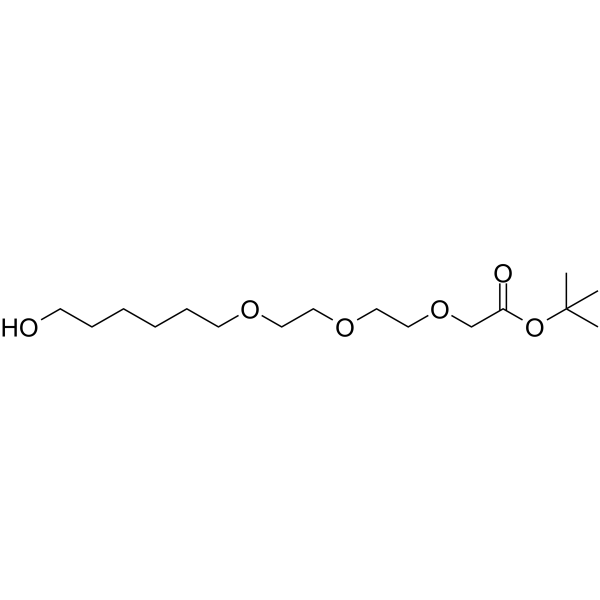
Boc-C1-PEG3-C4-OH is a PROTAC linker, which refers to the Alkyl/ether composition. Boc-C1-PEG3-C4-OH can be used in the synthesis of a series of PROTACs. PROTACs contain two different ligands connected by a linker; one is a ligand for an E3 ubiquitin ligase and the other is for the target protein. PROTACs exploit the intracellular ubiquitin-proteasome system to selectively degrade target proteins .
|
-
- HY-170951
-
|
|
Androgen Receptor
|
Cancer
|
AR antagonist 10 (Compound Y5) is potent and orally active androgen receptor (AR) antagonist with an IC50 of 0.04 μM. AR antagonist 10 demonstrates dual mechanisms of action, antagonizes AR by disrupting AR dimerization, and induces AR degradation via the ubiquitin-proteasome pathway. AR antagonist 10 exhibits excellent activity against variant drug-resistant AR mutants. AR antagonist 10 effectively suppresses the tumor growth of the LNCaP xenograft. AR antagonist 10 is potential to be used for drug-resistant prostate cancer .
|
-

- HY-144980
-
|
|
Ligands for E3 Ligase
|
Cancer
|
|
E3 ligase Ligand 21 (compound 2) is a cereblon binder for the degradation of Ikaros or Aiolos by the ubiquitin proteasome pathway .
|
-
- HY-144985
-
|
|
Ligands for E3 Ligase
|
Cancer
|
|
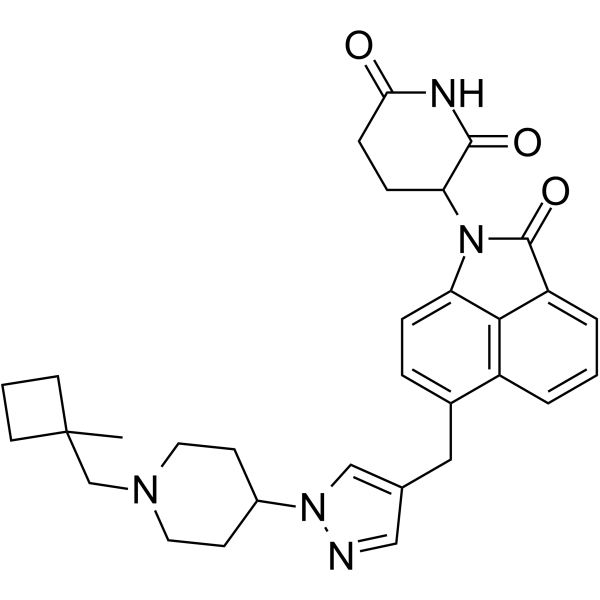
E3 ligase Ligand 23 (compound 17-6) is a cereblon binder for the degradation of Ikaros or Aiolos by the ubiquitin proteasome pathway .
|
-
- HY-180538
-
|
|
Molecular Glues
E1/E2/E3 Enzyme
|
Others
|
|
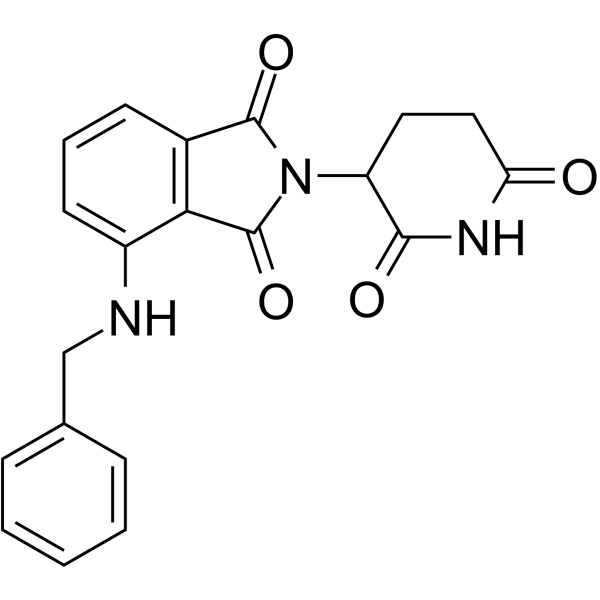
MRT-31619 is a molecular gel degrader (MGD) targeting CRBN. MRT-31619 drives the self-dimerization of the E3 ligase by mimicking the degradation subunit, and promotes its rapid, effective and selective degradation through the ubiquitin-proteasome system .
|
-

- HY-181972
-
|
|
PROTACs
WDR5
|
Cancer
|
|
PROTAC WDR5 degrader 2 is a WDR5 PROTAC degrader. PROTAC WDR5 degrader 2 induces WDR5 degradation via the ubiquitin-proteasome system by forming a ternary complex with WDR5 and an E3 ligase. PROTAC WDR5 degrader 2 can be used in leukemia-related research .
|
-

- HY-183799
-
|
|
PROTACs
IRAK
NF-κB
p38 MAPK
|
Inflammation/Immunology
|
|
GSI526 is a IRAK4 PROTAC degrader (DC50=40.17 nM, Dmax=97%; THP-1) based on the VHL ubiquitin-proteasome system. GSI526 inhibits IRAK4-mediated NF-κB and MAPK inflammatory signaling pathways, and induces IRAK4 degradation in myeloid cells. GSI526 is applicable to inflammation-related research .
|
-

- HY-181153
-
|
|
PROTACs
FGFR
|
Cancer
|
|
PROTAC FGFR3 Degrader-1 is a fibroblast growth factor receptor 3 (FGFR3) PROTAC degrader, promotes FGFR3 degradation via the ubiquitin-proteasome pathway, and inhibits the downstream FGFR3/PI3K/AKT signaling pathway. PROTAC FGFR3 Degrader-1 can be used for the research of hepatocellular carcinoma .
|
-

- HY-181895
-
|
|
RET
|
Cancer
|
|
PROTAC HyTTD Degrader-1 (Compound B2) is a hydrophobic tag tethered degrader (HyTTD) targeting RET, as well as a degrader of the CCDC6-RET fusion protein. PROTAC HyTTD Degrader-1 induces the degradation of the CCDC6-RET fusion protein via the ubiquitin-proteasome pathway. PROTAC HyTTD Degrader-1 is applicable to the research of RET-driven cancers .
|
-

- HY-183555
-
|
|
PROTACs
Epigenetic Reader Domain
|
Cancer
|
|
MS108 is a selective VHL-based eleven-nineteen leukemia protein (ENL) PROTAC degrader with DC50 of 0.6 nM. MS108 recruits VHL E3 ligase to induce ENL degradation in a VHL- and ubiquitin-proteasome system (UPS)-dependent manner. MS108 degrades the ENL paralog AF9, which shares a highly conserved YEATS domain with ENL. MS108 suppresses proliferation of cancer cells .
|
-

- HY-181692
-
|
|
PROTACs
Epigenetic Reader Domain
E1/E2/E3 Enzyme
Apoptosis
|
Cancer
|
|
PROTAC RNF4 degrader-1 is a RNF4 PROTAC degrader (Kd = 64.5 nM) that degrades RNF4 via the ubiquitin-proteasome system. PROTAC RNF4 degrader-1 induces DNA damage, apoptosis, and exhibits antiproliferative activity in cancer cells. PROTAC RNF4 degrader-1 displays antitumor activity with no obvious side effects in mouse models. PROTAC RNF4 degrader-1 is applicable to the research of hepatocellular carcinoma .
|
-

- HY-183785
-
|
|
PROTACs
Anaplastic lymphoma kinase (ALK)
|
Inflammation/Immunology
|
|
PROTAC ALK5 Degrader-1 is a selective ALK5 PROTAC degrader. PROTAC ALK5 Degrader-1 induces ALK5 degradation via ALK5 ATP-binding pocket engagement, CRBN recruitment, and the ubiquitin-proteasome system.PROTAC ALK5 Degrader-1 inhibits ALK5 downstream signaling. PROTAC ALK5 Degrader-1 can be used for the research of pulmonary fibrosis .
|
-

- HY-181951
-
|
|
PROTACs
Epigenetic Reader Domain
|
Cancer
|
|
PROTAC BRD9 Degrader-11 is a VHL-based BRD9 PROTAC degraderwith an IC50 of 0.66 μM. PROTAC BRD9 Degrader-11 induces selective, proteasome-dependent degradation of BRD9 via the ubiquitin-proteasome system. PROTAC BRD9 Degrader-11 impairs cell viability, suppresses proliferation, and arrests growth of acute myeloid leukemia cells. PROTAC BRD9 Degrader-11 can be used for the research of acute myeloid leukemia .
|
-

- HY-181653
-
|
|
PROTACs
E1/E2/E3 Enzyme
DNA/RNA Synthesis
JAK
STAT
Apoptosis
|
Cancer
|
|
PROTAC SKP2 Degrader-1 is a PROTAC degrader targeting SKP2, with a Kd value of 6.28 μM. PROTAC SKP2 Degrader-1 induces targeted degradation of SKP2 via the ubiquitin-proteasome system. PROTAC SKP2 Degrader-1 stabilizes the expression of SOCS1 and regulates the expression of immunoproteasomes through the JAK/STAT pathway, thereby inhibiting tumor cell proliferation. PROTAC SKP2 Degrader-1 is applicable for cancer-related research .
|
-

- HY-181767
-
|
|
PROTACs
HDAC
Bcl-2 Family
Apoptosis
|
Cancer
|
|
PROTAC HDAC3 degrader-1 is a selective PROTAC degrader targeting HDAC3 with a DC50 of 30.73 nM. PROTAC HDAC3 degrader-1 induces degradation of HDAC3 via the ubiquitin-proteasome system. PROTAC HDAC3 degrader-1 promotes apoptosis, induces DNA damage, and downregulates anti-apoptotic proteins Mcl-1 and Bcl-xL. PROTAC HDAC3 degrader-1 can be used for the research of acute myeloid leukemia .
|
-

- HY-182797
-
|
|
Molecular Glues
IKZF Family
IFNAR
|
Cancer
|
|
NHWL071065 is a CRBN-targeting IKZF1/IKZF3 molecular glues degrader. NHWL071065 selectively degrades IKZF1 and IKZF3 in lymphoma cells via the ubiquitin-proteasome pathway. NHWL071065 inhibits the proliferation of lymphoma cells. NHWL071065 downregulates proteins involved in cytoskeleton assembly, cell adhesion and immune regulation in cells, while upregulating proteins related to the type I IFN signaling pathway. NHWL071065 can be used in the research of lymphoma .
|
-

- HY-181949
-
|
|
PROTACs
Epigenetic Reader Domain
|
Cancer
|
|
PROTAC BRD9 Degrader-10 is a PROTAC degrader targeting BRD9, with an IC50 of 2.97 μM against BRD9. PROTAC BRD9 Degrader-10 induces BRD9 degradation via the ubiquitin-proteasome system by recruiting the VHL E3 ubiquitin ligase. PROTAC BRD9 Degrader-10 reduces the viability and inhibits the proliferation of myeloid leukemia cells. PROTAC BRD9 Degrader-10 is applicable for the research of acute myeloid leukemia .
|
-

- HY-182350
-
|
|
DUBTACs
Deubiquitinase
|
Metabolic Disease
|
|
FXR DUBTAC modulator-1 is a deubiquitinase-targeting chimeric molecule (DUBTAC) that targets FXR, with a Ka value of 2.12e-5 M for FXR. FXR DUBTAC modulator-1 recruits the deubiquitinase OTUB1, binds to OTUB1 and forms a ternary complex with FXR, reduces the polyubiquitination level of FXR, prevents FXR degradation via the ubiquitin-proteasome pathway, and elevates the protein level of FXR. FXR DUBTAC modulator-1 can be used in the research of cholestatic liver injury .
|
-

- HY-183441
-
|
|
Ligands for Target Protein for PROTAC
Anaplastic lymphoma kinase (ALK)
|
Inflammation/Immunology
|
|
ALK5 ligand-1 (a31's ALK5 ligand) is a ligand of Anaplastic lymphoma kinase ALK5 with higher selectivity for ALK5 than for ALK4. ALK5 ligand-1 can be used to synthesize PROTAC degraders targeting ALK5. ALK5 PROTACs induce ALK5 degradation dependent on the ubiquitin-proteasome system and exert antifibrotic activity. ALK5 ligand-1 can be used in studies of pulmonary fibrosis .
|
-

- HY-183995
-
-

- HY-181506
-
|
|
Fluorescent Dye
Molecular Glues
CaMK
c-Myc
Bcl-2 Family
Cadherin
|
Cancer
|
|
TYMJ-01 is a fluorescent probe and eEF2K degrader. TYMJ-01 induces dose-dependent and specific degradation of eEF2K via the ubiquitin-proteasome pathway, with a DC50 of 82 nM. TYMJ-01 inhibits the proliferation, migration and invasion of triple-negative breast cancer cells. TYMJ-01 enables dynamic fluorescent imaging of eEF2K degradation in triple-negative breast cancer cells; it enhances the anti-tumor activity of Paclitaxel (HY-B0015). TYMJ-01 can be used for the research of triple-negative breast cancer .
|
-

- HY-182796
-
|
|
HyT
JNK
|
Cancer
|
|
JNK1 degrader-1 is a JNK1 HyT degrader. JNK1 degrader-1 can induce JNK1 degradation through the HyT-mediated ubiquitin-proteasome system and autophagy-lysosome pathway. JNK1 degrader-1 inhibits TGF-β1-induced epithelial-mesenchymal transition (EMT). JNK1 degrader-1 can be used for research on fibrotic diseases and cancer metastasis. (Pink: JNK1 ligand (HY-183006); Blue: Hyt hydrophobic group (HY-W037848); Black: Linker (HY-B1008)) .
|
-

- HY-171808
-
|
|
Androgen Receptor
PROTACs
Apoptosis
|
Cancer
|
|
ITRI-90 is an orally active androgen receptor (AR) PROTAC degrader. ITRI-90 effectively degrades both full-length AR (AR-FL) and the splice variant AR-V7 protein via the ubiquitin-proteasome system, thereby inhibiting AR transcriptional activity and the target gene expression. ITRI-90 significantly inhibits the proliferation of prostate cancer cells and induces apoptosis, include Enzalutamide-resistant growth cell. ITRI-90 exhibits favorable pharmacokinetic properties and demonstrates potent antitumor efficacy in vivo. ITRI-90 can be used for prostate cancer research .
|
-

- HY-182799
-
|
|
PROTACs
Molecular Glues
IKZF Family
|
Cancer
|
|
IBA-12 is a IKZF2 molecular glue/PROTAC degrader with a DC50 of 276.2 nM (Jurkat cells) and 461.8 nM (Mino cells), and an IC50 of 179.9 nM. IBA-12 binds to the canonical tryptophan triad pocket of CRBN to form a ternary complex with IKZF2. IBA-12 induces IKZF2 degradation mediated by the CRBN-dependent ubiquitin-proteasome system, with no effect on other CRBN substrates. IBA-12 induces the production of interleukin-2 (IL-2) through degrading IKZF2. IBA-12 is applicable to cancer immunology research .
|
-

- HY-182800
-
|
|
Molecular Glues
Casein Kinase
|
Cancer
|
|
IBA-11 is a selective CRBN-dependented CK1α molecular glue degrader. IBA-11 binds to the canonical tri-tryptophan pocket of CRBN, forming a ternary complex with CK1α to mediate its degradation. IBA-11 induces CRBN-dependent ubiquitin-proteasome system-mediated degradation of CK1α. IBA-11 exhibits cytotoxicity against cancer cells. IBA-11 demonstrates in vitro metabolic stability in rat liver microsomes and minimal hERG inhibition. IBA-11 can be used for the research of cancer, such as acute myeloid leukemia .
|
-

- HY-181867
-
|
|
PROTACs
Epigenetic Reader Domain
Apoptosis
|
Cancer
|
|
PROTAC BET Degrader-16 (Compound A10) is a BET PROTAC degrader with a DC50 of 0.31 nM against BRD4, and it preferentially targets BRD4 over other BET family members. PROTAC BET Degrader-16 degrades BRD2, BRD3 and BRD4 via the ubiquitin-proteasome system, a process that requires target binding and recruitment of the CRBN E3 ligase. PROTAC BET Degrader-16 induces cell cycle arrest and promotes apoptosis. PROTAC BET Degrader-16 exerts anti-tumor activity against acute myeloid leukemia .
|
-

- HY-149127
-
|
ASC-JM17; ALZ-003
|
Keap1-Nrf2
Androgen Receptor
HSP
Mitophagy
Ferroptosis
Apoptosis
Reactive Oxygen Species (ROS)
Autophagy
|
Metabolic Disease
|
|
Rosolutamide (ASC-JM17) is an orally active Nrf1/Nrf2 activator. Rosolutamide activates Hsf1 pathways, upregulates proteasome subunits and antioxidant enzymes, induces proteasome complex structural rearrangement, and enhances ubiquitin-proteasome system-mediated degradation. Rosolutamide reduces mutant androgen receptor and ataxin-3 aggregates, restores mitochondrial function, attenuates reactive oxygen species (ROS) levels, induces apoptosis and ferroptosis, and inhibits cancer cell growth. Rosolutamide can be used for the research of spinal and bulbar muscular atrophy, Huntington’s disease, and temozolomide-resistant glioblastoma .
|
-

- HY-181460
-
|
|
HyT
PARP
|
Cancer
|
|
PARP1 degrader-2 (Compound 11e) is a potent, selective PARP1 HYT degrader (DC50: 2.16 μM). PARP1 degrader-2 selectively binds to and degrades PARP1 but not PARP2. PARP1 degrader-2 mediates the degradation of PARP1 via the ubiquitin-proteasome system (UPS). PARP1 degrader-2 exhibits anticancer activity against triple-negative breast cancer and colon cancer (hydrophobic tag: (HY-W022007); PARP1 ligand: (HY-75706); Linker: (HY-W015300)) .
|
-

- HY-149229
-
|
|
Deubiquitinase
|
Cancer
|
|
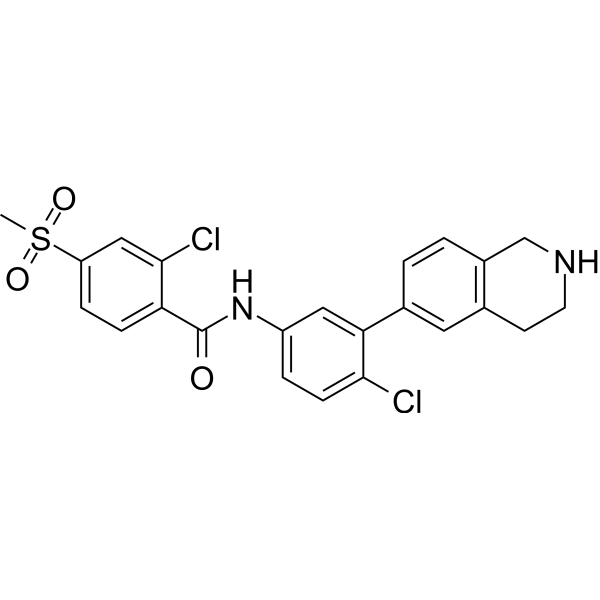
USP28-IN-3 is a USP28 inhibitor (IC50=0.1 μM) with high selectivity over USP2, USP7, USP8, USP9x, UCHL3 and UCHL5. USP28-IN-3 shows cytotoxicity against cancer cells, down-regulates the cellular level of c-Myc through ubiquitin-proteasome system. USP28-IN-3 also decreases the ankyrase-1/2 level in vitro. USP28-IN-3 enhance the sensitivity of colorectal cancer cells to Regorafenib (HY-10331) .
|
-
- HY-181134
-
|
|
PROTACs
|
Cancer
|
|
PROTAC HMGCR Degrader-2 is a HMGCR PROTAC degrader with an IC50 value of 0.25 μM. PROTAC degrades HMGCR-2 in Insig-silenced HepG2 cells with a DC50 of 0.12 μM. PROTAC HMGCR Degrader-2 takes PROTAC HMGCR Degrader-1 (HY-171823) as the oral prodrug. PROTAC HMGCR Degrader-2 degrades HMGCR by the VHL-dependent ubiquitin-proteasome system and reduces cellular cholesterol in HepG2 cells. PROTAC CDK2/4/6 Degrader-2 can be used for hyperlipidemia research .
|
-

- HY-149228
-
|
|
Deubiquitinase
|
Cancer
|
|
USP28-IN-2 is a USP28 inhibitor (IC50=0.3 μM) with high selectivity over USP2, USP7, USP8, USP9x, UCHL3 and UCHL5. USP28-IN-2 shows cytotoxicity against cancer cells, down-regulates the cellular level of c-Myc through ubiquitin-proteasome system. USP28-IN-2 also decreases the ankyrase-1/2 level in vitro. USP28-IN-2 enhance the sensitivity of colorectal cancer cells to Regorafenib (HY-10331) .
|
-
- HY-130619
-
|
|
PROTAC Linkers
|
Cancer
|
|
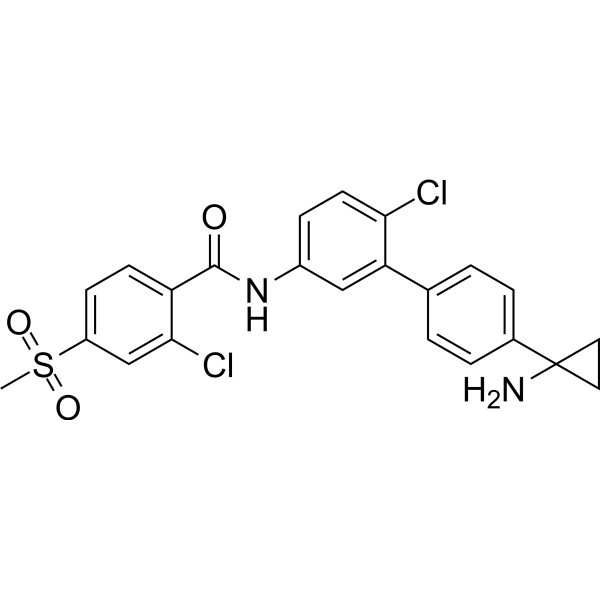
Boc-C1-PEG3-C4-OBn (PROTAC Linker 15) is a PROTAC linker, which refers to the PEG composition. Boc-C1-PEG3-C4-OBn can be used in the synthesis of a series of PROTACs, such as PROTAC SGK3 degrader-1 (HY-125878). PROTACs contain two different ligands connected by a linker; one is a ligand for an E3 ubiquitin ligase and the other is for the target protein. PROTACs exploit the intracellular ubiquitin-proteasome system to selectively degrade target proteins .
|
-
- HY-175525
-
|
|
PROTACs
Aurora Kinase
|
Cancer
|
|
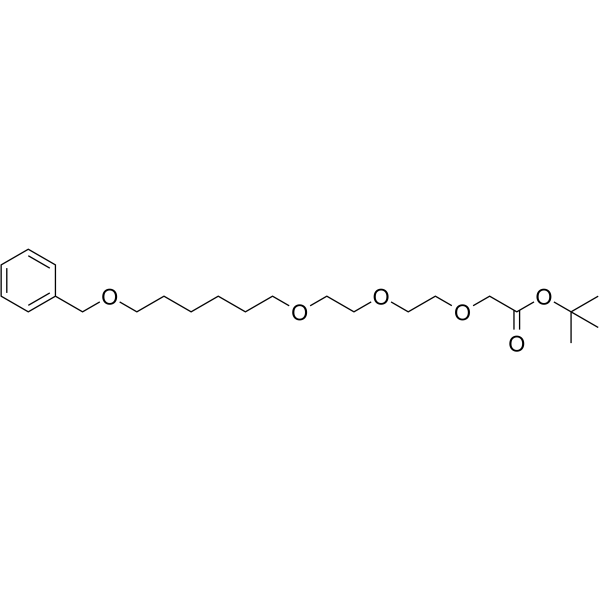
MS44 is a potent aurora kinase B (AURKB PROTAC) degrader (DC50 = 103 nM). MS44 effectively degrades AURKB in a time- and ubiquitin-proteasome system (UPS)-dependent manner and is selective for AURKB over AURKA and AURKC. MS44 effectively inhibits the proliferation in multiple cancer cell lines and potently induces G2/M arrest. MS44 can be used for the study of AURKB-dependent tumors (Pink: Target protein ligand (HY-175526); Blue: E3 ligand (HY-112078); Black: Linker; E3 ligand + Linker (HY-132938)) .
|
-

- HY-183098
-
|
|
PROTACs
IKK
Apoptosis
|
Cancer
|
|
UNC8209 is a selective PROTAC-based TANK-binding kinase 1 (TBK1) degrader. UNC8209 recruits cereblon (CRBN) to mediate ubiquitin-proteasome pathway-dependent TBK1 degradation and reduces AAK1, GAK, and AURKA abundance. UNC8209 suppresses tumor cell proliferation, impairs in vivo tumor growth, inhibits colony and clonogenic growth and enhances tumor cell sensitivity to TNFα or IFN-γ. UNC8209 modulates cell cycle and induces mild apoptosis. UNC8209 can be used for the research of clear cell renal cell carcinoma, non-small cell lung cancer, pancreatic ductal adenocarcinoma .
|
-

- HY-108374
-
|
|
PROTAC Linkers
|
Cancer
|
|
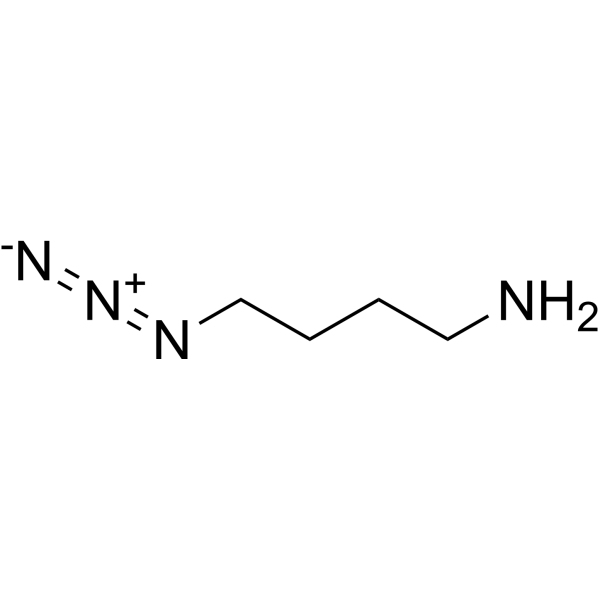
4-Azidobutylamine is a PROTAC linker, which refers to the alkyl chain composition. 4-Azidobutylamine can be used in the synthesis of a series of PROTACs. PROTACs contain two different ligands connected by a linker; one is a ligand for an E3 ubiquitin ligase and the other is for the target protein. PROTACs exploit the intracellular ubiquitin-proteasome system to selectively degrade target proteins . 4-Azidobutylamine is a click chemistry reagent, it contains an Azide group and can undergo copper-catalyzed azide-alkyne cycloaddition reaction (CuAAc) with molecules containing Alkyne groups. It can also undergo strain-promoted alkyne-azide cycloaddition (SPAAC) reactions with molecules containing DBCO or BCN groups.
|
-
- HY-183783
-
|
|
PROTACs
RET
STAT
ERK
Apoptosis
|
Endocrinology
Cancer
|
|
PROTAC RET Degrader 2 is a RET degrader with a target IC50 of 0.36 nM. PROTAC RET Degrader 2 is mainly composed of RET-IN-34 (HY-183729) and Thalidomide (HY-14658). PROTAC RET Degrader 2 mediates RET degradation via the ubiquitin-proteasome system. PROTAC RET Degrader 2 induces apoptosis, inhibits colony-forming ability, and exhibits antiproliferative activity in cancer cells. PROTAC RET Degrader 2 suppresses tumor growth in xenograft models. PROTAC RET Degrader 2 can be used in research related to medullary thyroid carcinoma, papillary thyroid carcinoma, and RET fusion-positive lung adenocarcinoma .
|
-

- HY-P10899
-
|
|
PROTACs
TGF-beta/Smad
|
Endocrinology
|
|
ETTAC-2 is a LRG1 PROTAC degrader, degrading LRG1 via the ubiquitin-proteasome pathway with a DC50 value of 8.38 μM. ETTAC-2 penetrates damaged renal cells to reduce the extracellular secretion of LRG1. ETTAC-2 effectively inhibits the TGF-β-Smad3 signaling pathway and diminishes the secretion of fibrosis-associated extracellular matrix proteins. ETTAC-2 degrades LRG1 within fibrotic kidneys and the efficacy in inhibiting the TGF-β-Smad3 pathway both in vitro and vivo. ETTAC-2 can be used for renal fibrosis research .
|
-

- HY-175764
-
|
|
PROTACs
IRAK
NF-κB
p38 MAPK
TNF Receptor
Interleukin Related
|
Inflammation/Immunology
|
|
FIP22 is a potent and selective IRAK4 PROTAC degrader (HEK293T cells: DC50 = 3.2 nM; THP-1 cells: DC50 = 10.6 nM). FIP22 induces the ubiquitin-proteasome system by forming an IRAK4-FIP22-CRBN ternary complex (EC50 = 12.63 nM), thereby potently blocking IRAK4-mediated NF-κB and MAPK signaling pathways. FIP22 can be used for the study of atopic dermatitis (Pink: IRAK4 ligand (HY-175765); Blue: CRBN ligand (HY-W087383); Black: Linker (HY-46871)) .
|
-

- HY-182331
-
|
|
PROTACs
RAR/RXR
Androgen Receptor
Apoptosis
Caspase
MDM-2/p53
|
Cancer
|
|
WCF-598 is a RXRγ (Kd: 234.2 nM) PROTAC degrader. WCF-598 induces RXRγ degradation via the ubiquitin-proteasome pathway and binds directly to RXRγ. WCF-598 indirectly induces AR-V7 degradation, impairs the stability of the RXRγ-AR-V7 complex, downregulates AR-V7 levels, and inhibits the transcription of downstream target genes of AR-V7. WCF-598 induces tumor cell apoptosis, inhibits cell proliferation, activates the p53 signaling pathway, and suppresses cell cycle progression. WCF-598 can be used for the research of prostate cancer .
|
-

- HY-155361
-
|
|
PROTACs
Epigenetic Reader Domain
|
Cancer
|
|
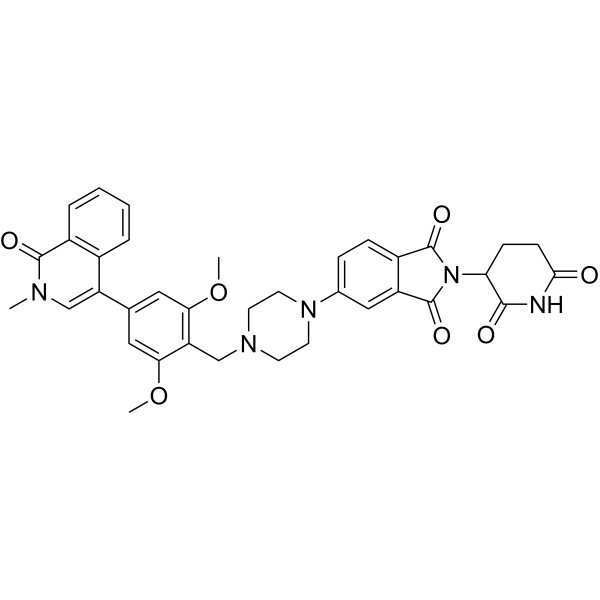
PROTAC BRD9 Degrader-7 is an orally active, selective BRD9 PROTAC degrader (DC50 = 1.02 nM). PROTAC BRD9 Degrader-7 mediates BRD9 degradation via the ubiquitin-proteasome system. PROTAC BRD9 Degrader-7 exhibits proliferation inhibitory activity in the MV4-11 cells. PROTAC BRD9 Degrader-7 can be used in the research of acute myeloid leukemia and other related malignancies. (Pink: BI 7271: HY-123616, Blue: 5-Aminothalidomide: HY-W023573, Blue + Black: Thalidomide-5-piperazine: HY-W834174, Black: N,N'-Dimethylpiperazine: HY-W539783) .
|
-
- HY-181967
-
|
|
PROTACs
PARP
DNA/RNA Synthesis
PD-1/PD-L1
|
Cancer
|
|
PROTAC PARP1 degrader-5 is a PARP1 PROTAC degrader with a DC50 of 0.12 μM. PROTAC PARP1 degrader-5 hijacks the ubiquitin-proteasome system via catalytic ternary complex formation to drive sustained PARP1 degradation. PROTAC PARP1 degrader-5 induces DNA damage, drives marginal cytosolic double-stranded DNA accumulation in tumor cells, and up-regulates PD-L1 surface expression in tumor cells. PROTAC PARP1 degrader-5 shows tumor growth inhibition activity in murine melanoma models when encapsulated in lipid nanoparticles. PROTAC PARP1 degrader-5 can be used for the research of cancer, such as melanoma .
|
-

- HY-182924
-
|
|
PROTACs
Enterovirus
|
Infection
|
|
Jun15702 is a PROTAC degrader targeting the capsid protein VP1 of enterovirus D68. Jun15702 recruits the Cereblon (CRBN) E3 ligase and activates the ubiquitin-proteasome pathway. Jun15702 inhibits viral entry and exerts inhibitory effects during the early, middle and late stages of viral replication. Jun15702 exhibits antiviral activity against multiple wild-type enterovirus D68 strains, and also shows submicromolar antiviral activity against the Pleconaril (HY-19952)-resistant enterovirus D68 variant rMO-VP1 F159V. Jun15702 can be used in studies related to enterovirus D68 (EV-D68) infection .
|
-

- HY-40178S
-
|
|
Isotope-Labeled Compounds
PROTAC Linkers
|
Cancer
|
|
NH2-C4-NH-Boc-d8 is the deuterium labeled NH2-C4-NH-Boc (HY-40178). NH2-C4-NH-Boc (compound 15) is a PROTAC linker, which refers to the Alkyl/ether composition. NH2-C4-NH-Boc can be used in the synthesis of a series of PROTACs. PROTACs contain two different ligands connected by a linker; one is a ligand for an E3 ubiquitin ligase and the other is for the target protein. PROTACs exploit the intracellular ubiquitin-proteasome system to selectively degrade target proteins .
|
-

- HY-182958
-
|
|
Hsp-targeting Chimeras
Epigenetic Reader Domain
HSP
|
Cancer
|
|
Hsp70TAC BRD4 Degrader-1 is a degrader targeting BRD4, with a KD value of 0.22 μM. Hsp70TAC BRD4 Degrader-1 forms a ternary complex with Hsp70 (KD: 5.13 μM), and specifically and efficiently degrades intracellular BRD4 via the ubiquitin-proteasome pathway. Hsp70TAC BRD4 Degrader-1 exhibits potent anti-tumor proliferative activity. Hsp70TAC BRD4 Degrader-1 can be used in studies related to triple-negative breast cancer and glioblastoma multiforme. (Pink: BRD4 ligand (HY-78695); Blue: HSP70 ligand (HY-182979); Black: linker (HY-B0236)) .
|
-

- HY-178176
-
|
|
PROTACs
Cannabinoid Receptor
Akt
ERK
Bcl-2 Family
Apoptosis
|
Cancer
|
|
PROTAC CB1R Degrader-1 is a potent and selective CB1R PROTAC degrader that exploits the ubiquitin-proteasome system (UPS) achieving a DC50 of 3.37 μM in MCF-7 cells and showing no impact on CB2R. PROTAC CB1R Degrader-1 reduces CB1R-associated downstream signaling (p-AKT, p-ERK, BCL2, and MCM5), thereby inhibiting breast cancer cell proliferation and inducing apoptosis. PROTAC CB1R Degrader-1 can be used for breast cancer research. (Blue: CRBN ligand (HY-41547); Black: linker (HY-178198); Pink: CB1R ligand (HY-134497)) .
|
-

- HY-174428
-
|
|
PROTACs
JAK
STAT
Apoptosis
|
Cancer
|
|
PROTAC JAK2 degrader-1 is a JAK2 PROTAC degrader, with a DC50 of 27.35 nM. PROTAC JAK2 degrader-1 induces JAK2 degradation via the ubiquitin-proteasome pathway. PROTAC JAK2 degrader-1 inhibits the JAK2-STAT signaling pathway. PROTAC JAK2 degrader-1 induces G2/M phase arrest and apoptosis in cancer cells. PROTAC JAK2 degrader-1 exhibits antiproliferative activity against cancer cells. PROTAC JAK2 degrader-1 inhibits recombinant human erythropoietin (rhEPO)-mediated polycythemia and splenomegaly in mice. PROTAC JAK2 degrader-1 can be used for research on myeloproliferative neoplasms, including polycythemia vera .
|
-

- HY-182902
-
|
|
BMX Kinase
Apoptosis
|
Cancer
|
|
IHMT-15137 is a BMX inhibitor with an IC50 of 26.97 nM. IHMT-15137 covalently binds to BMX Cys496 within the ATP-binding pocket, inhibits BMX phosphorylation at Tyr566, and disrupts the BMX-ERK1/2-Cyclin D1/CDK4/6-E2F1 signaling axis. IHMT-15137 reduces E2F1 protein stability via decreased Ser332/337 phosphorylation, increased ubiquitination, and ubiquitin-proteasome pathway degradation. IHMT-15137 induces cell cycle arrest, apoptosis, DNA damage, and suppresses cell migration and invasion. IHMT-15137 can be used for the research of small cell lung cancer .
|
-

- HY-175885
-
|
|
PROTACs
Fat Mass and Obesity-associated Protein (FTO)
Apoptosis
Caspase
PARP
YTHDF
|
Cancer
|
|
PROTAC FTO degrader 1 is a Fat Mass and Obesity-associated Protein (FTO) PROTAC degrader. PROTAC FTO degrader 1 selectively degrades FTO depending on VHL E3 ligase and ubiquitin-proteasome system. PROTAC FTO degrader 1 can increase m6A modifications on mRNAs associated with ribosome biogenesis and promote their YTHDF2-mediated decay. PROTAC FTO degrader 1 can inhibit cancer cells proliferation and induce apoptosis. PROTAC FTO degrader 1 can be used for the research of cancer, such as acute myeloid leukemia (AML) . (Structure Note: Pink: FTO ligand (HY-175886); Blue: VHL ligand (HY-112078); Black: linker (HY-W002042); VHL ligand-Linker: (HY-139218))
|
-

- HY-179588
-
|
|
PROTACs
Epigenetic Reader Domain
c-Myc
|
Cancer
|
|
PROTAC BET Degrader-14 is a highly efficient PROTAC targeting BET (bromodomain and extra-terminal domain). PROTAC BET Degrader-14 can degrade all BET (BRD2, BRD3, BRD4) family proteins. PROTAC BET Degrader-14 potently degrades BET proteins in U2OS osteosarcoma cell lines (BRD4 DC50 = 130 nM) and KYSE180 esophageal squamous cell carcinoma cell lines (DC50 = 40 nM). PROTAC BET Degrader-14’s dependence on the ubiquitin-proteasome system. PROTAC BET Degrader-14 decreases levels of BET-regulated gene products c-Myc, RUNX2, and KRT14. PROTAC BET Degrader-14 can be used for the study of osteosarcoma .
|
-

- HY-108374R
-
|
|
Reference Standards
PROTAC Linkers
|
Cancer
|
|
4-Azidobutylamine (Standard) is the analytical standard of 4-Azidobutylamine (HY-108374). This product is intended for research and analytical applications. 4-Azidobutylamine is a PROTAC linker, which refers to the alkyl chain composition. 4-Azidobutylamine can be used in the synthesis of a series of PROTACs. PROTACs contain two different ligands connected by a linker; one is a ligand for an E3 ubiquitin ligase and the other is for the target protein. PROTACs exploit the intracellular ubiquitin-proteasome system to selectively degrade target proteins . 4-Azidobutylamine is a click chemistry reagent, it contains an Azide group and can undergo copper-catalyzed azide-alkyne cycloaddition reaction (CuAAc) with molecules containing Alkyne groups. It can also undergo strain-promoted alkyne-azide cycloaddition (SPAAC) reactions with molecules containing DBCO or BCN groups.
|
-

- HY-157839
-
|
|
PROTACs
α-synuclein
Tau Protein
|
Neurological Disease
|
|
PROTAC α-Synuclein/Tau degrader 1 is a blood-brain barrier-penetrant dual PROTAC degrader of α-synuclein (α-Syn) and tau, with DC50 of 1.57 μM and 4.09 μM, respectively. PROTAC α-Synuclein/Tau degrader 1 binds to α-Syn and tau PFF, with KDs of 0.47 and 2.78 μM, respectively. PROTAC α-Synuclein/Tau degrader 1 exhibits degradation effect mediated by the ubiquitin-proteasome system (UPS). PROTAC α-Synuclein/Tau degrader 6 can be used for the study of Parkinson’s disease (PD) (Pink: α-Synuclein/Tau ligand (HY-151035); Blue: CRBN ligase ligand (HY-14658); Black: Linker (HY-128803)) .
|
-
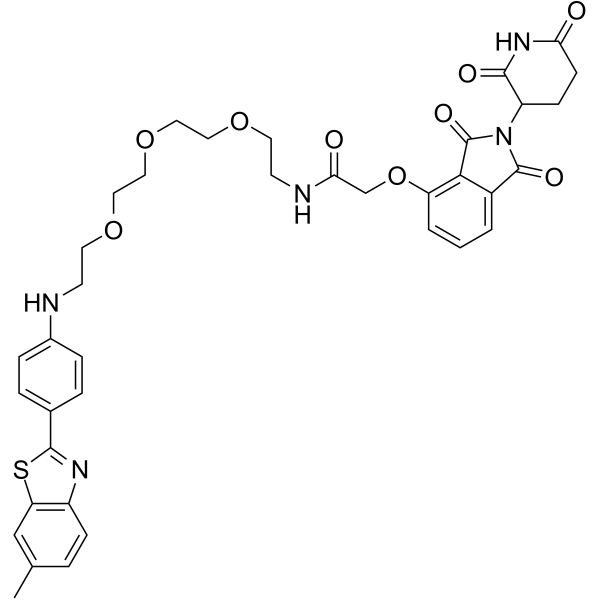
- HY-173679
-
|
|
PROTACs
PARP
Interleukin Related
STAT
Integrin
HSV
VSV
|
Infection
Cancer
|
|
RBN012811 is a highly selective PROTAC-based PARP14 degrader. RBN012811 forms a ternary complex with cereblon by binding to the NAD + site of PARP14, and mediates the specific degradation of PARP14 via the ubiquitin-proteasome pathway (IC50=10 nM). RBN012811 effectively depletes endogenous PARP14 in various cell lines and primary human macrophages, thereby downregulating IL-10 production and IFN-β mRNA levels, increasing phosphorylated STAT1 levels to enhance inflammatory signaling, and inhibiting interferon-induced ADPr condensate formation. RBN012811 also modulates viral replication, exhibiting increased HSV1 replication while reducing VSV replication. RBN012811 has important application value in research related to cancer and viral infections .
|
-

- HY-186212
-
|
|
PROTACs
Survivin
PARP
|
Neurological Disease
Cancer
|
|
PROTAC survivin degrader-1 is an orally active, CNS-penetrant survivin-targeting PROTAC. PROTAC survivin degrader-1 induces degradation of survivin via the ubiquitin proteasome system. PROTAC survivin degrader-1 can be used for the research of glioblastoma .
|
-

- HY-161180
-
|
|
NAMPT
|
Cancer
|
|
Antitumor Agent-136 (Compound 17) is a potent broad-spectrum antitumor agent and a NAMPT inhibitor with an IC50 of 9.5 nM. Antitumor Agent-136 can reduce the levels of intracellular and extracellular NAMPT protein through the ubiquitin proteasome pathway, thus achieving tumor inhibition .
|
-
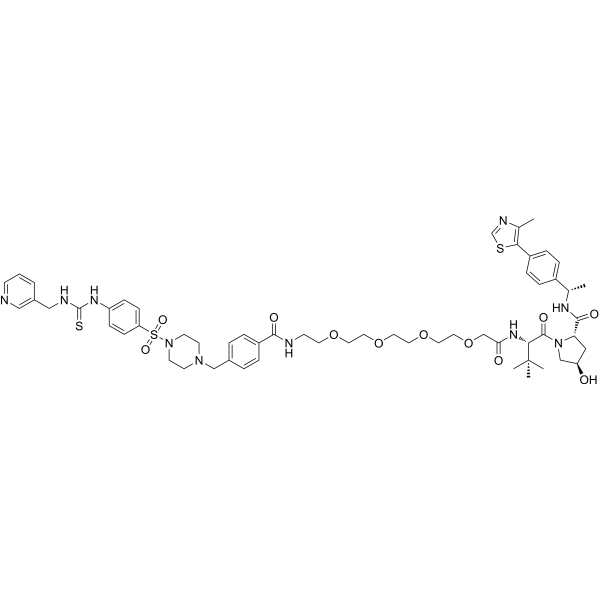
- HY-182971
-
|
|
PROTACs
Enterovirus
|
Infection
|
|
PROTAC EV-A71 Degrader-1 is a PROTAC degrader targeting EV-A71 3D polymerase, with broad-spectrum activity against a variety of enteroviruses. PROTAC EV-A71 Degrader-1 induces the degradation of EV-A71 3D polymerase through the ubiquitin-proteasome and autophagy-lysosome pathways, and blocks viral replication. PROTAC EV-A71 Degrader-1 protects infected mice from death, alleviates tissue damage, and exhibits safety profiles. PROTAC EV-A71 Degrader-1 can be used in the research of enterovirus infections. (Pink: EV-A71 ligand (HY-19339); Blue: E3 ligase ligand (HY-W012479); Black: linker (HY-W105744)) .
|
-

- HY-182239
-
|
|
PD-1/PD-L1
|
Cancer
|
|
PDL1 degrader-3 (compound e24) is a DUBTAC-like PD-L1 degrader. PDL1 degrader-3 inhibits CSN5 enzymatic activity, increases PD-L1 ubiquitination, and induces PD-L1 degradation via the ubiquitin-proteasome pathway, reducing PD-L1 expression on tumor cell membranes. PDL1 degrader-3 blocks PD-1/PD-L1 interaction, activates the tumor immune microenvironment, enhances tumor-infiltrating T-cell immunity, and inhibits activation of immunosuppressive MDSCs and Tregs. PDL1 degrader-3 exerts antitumor effects in mouse tumor models. PDL1 degrader-3 can be used for the research of colorectal cancer, lung cancer .
|
-

- HY-175025
-
|
|
PROTACs
Ras
Apoptosis
|
Cancer
|
|
CH091138 is a potent and selective KRASG12D PROTAC degrader with DC50s of 148.3 nM in HeLa cells and 469.8 nM in AsPC-1 cells. CH091138 selectively degrades exogenous and endogenous KRASG12D but not KRAS WT or other KRAS mutants (G12C/G12S/G12V), depending on the VHL-mediated ubiquitin-proteasome system. CH091138 exhibits potent anti-tumor activity and induces cancer cell apoptosis. CH091138 can be used for the studies of pancreatic cancer and colon cancer. (Pink: KRASG12D ligand (HY-175144); Blue: VHL E3 ligase ligand (HY-138678); Black: Linker; VHL E3 ligase ligand + Linker (HY-136006B)) .
|
-

- HY-175527
-
|
|
HyT
Anaplastic lymphoma kinase (ALK)
Apoptosis
|
Inflammation/Immunology
Cancer
|
|
ALK degrader 2 is an orally active ALK HyT degrader that degrades EML4-ALK levels (DC50 = 8 nM) and nucleophosmin (NPM)-ALK protein levels (DC50 = 102 nM). ALK degrader 2 mediates ALK degradation via the Hsp70 chaperone system and ubiquitin-proteasome pathway. ALK degrader 2 induces significant S-phase cell cycle arrest and apoptosis in H3122 cells. ALK degrader 2 shows anti-tumor activity in mice bearing H3122 xenografts. ALK degrader 2 can be used for the study of non-small cell lung cancer (NSCLC). (Pink: ALK ligand (HY-W754809), Blue: Hyt (HY-W013021), Black: Linker (HY-Y1760), ALK ligand-linker conjugate (HY-175528)) .
|
-

- HY-175849
-
|
|
HyT
Anaplastic lymphoma kinase (ALK)
Apoptosis
STAT
|
Cancer
|
|
ALK degrader 1 is a potent, hydrophobic tag (HyT)-based degrader that induces ubiquitin-proteasome system (UPS)-dependent EML4-ALK degradation (DC50 = 0.13 μM). ALK degrader 1 demonstrates potent ALK degradation and antiproliferative effects in ALK-dependent cell lines, while showing minimal cytotoxicity in ALK fusion-negative cells. ALK degrader 1 triggers cell cycle arrest at the G0/G1 phase and stimulates apoptosis. ALK degrader 1 not only facilitates efficient degradation of the ALK protein but also disrupts key downstream effectors, including the STAT3 signaling axis. ALK degrader 1 mediates robust EML4-ALK degradation in vivo. ALK degrader 1 can be used for ALK-related diseases research .
|
-

- HY-180261
-
|
|
PROTACs
mTOR
PI3K
Apoptosis
|
Cancer
|
GP262 is a PI3K/mTOR PROTAC degrader targeting PI3Kγ, PI3Kα and mTOR with DC50 values of 42.23 nM, 227.4 nM and 45.4 nM, respectively in MDA-MB-231 cells. GP262 induces degradation of p110α and p110γ with a DC50 of 227.4 and 42.23 nM. GP262 efficient modulates the PI3K/AKT/mTOR pathway, achieving degradation through the ubiquitin-proteasome system (UPS). GP262 also exhibits robust antiproliferative activity and induces apoptosis in vitro. GP262 exhibits tumor growth suppression capability and biosafety profile. GP262 can be used for leukemia and triple-negative breast cancer (TNBC) .
|
-

- HY-182760
-
|
|
DNA Alkylator/Crosslinker
Bcl-2 Family
Caspase
Apoptosis
Topoisomerase
|
Cancer
|
|
MN33-63 is a Bcl-2 inhibitor, caspase-3 activator and DNA crosslinker with broad-spectrum anticancer activity. MN33-63 improves the water solubility of SN-38 (HY-13704), inhibits tumor growth and proliferation in a dose-dependent manner, and causes no obvious toxicity. MN33-63 relieves the inhibition of the mitochondrial apoptotic pathway, initiates the apoptosis program, inhibits Topo I activity, and promotes its degradation via the ubiquitin-proteasome and autophagy-lysosome pathways. MN33-63 induces DNA crosslinking, G2/M cell cycle arrest, inhibition of cancer cell migration, and cancer cell apoptosis through the mitochondrial pathway. MN33-63 can be used in the research of colorectal cancer, cervical cancer, hepatocellular carcinoma, lung adenocarcinoma and gastric cancer .
|
-

- HY-178938
-
|
|
Molecular Glues
Androgen Receptor
Caspase
Apoptosis
|
Endocrinology
Cancer
|
AR Degrader-3 is an orally active molecular glue that targets AR/ARV7 and induces the degradation of AR and ARV7 through the ubiquitin-proteasome pathway (UPP). AR Degrader-3 directly interacts with the ligand-binding domain (LBD) and the N-terminal domain (NTD) of AR. AR Degrader-3 effectively suppresses the transcriptional activity of wild-type AR (AR-WT), AR mutants, and ARV7. AR Degrader-3 downregulates the mRNA and protein levels of downstream AR target genes, thereby overcoming antiandrogen resistance mediated by ARV7 and AR point mutations. AR Degrader-3 induces apoptosis in Enzalutamide (HY-70002) (ENZa)-resistant cells and increases cleaved caspase-3 protein levels. AR Degrader-3 can be used for the study of castration-resistant prostate cancer (CRPC) .
|
-

- HY-179424
-
|
|
PROTACs
HIF/HIF Prolyl-Hydroxylase
p38 MAPK
Akt
PI3K
MEK
Apoptosis
|
Cancer
|
|
PROTAC HIF-1α degrader-2 is a highly efficient and selective PROTAC degrader targeting HIF-1α. PROTAC HIF-1α degrader-2 promotes HIF-1α degradation via the ubiquitin-proteasome pathway by facilitating the formation of a HIF-1α/VHL ternary complex. PROTAC HIF-1α degrader-2 inhibits HeLa cell proliferation, migration, and colony formation, and induces apoptosis. PROTAC HIF-1α degrader-2 reduces p-MEK and p-AKT expression in the MAPK and PI3K/AKT pathways. PROTAC HIF-1α degrader-2 can be used for the study of cervical cancer .
|
-

- HY-181164
-
|
|
PROTACs
Epigenetic Reader Domain
HIV
|
Infection
|
|
PROTAC BRD4 Degrader-43 is a BRD4 PROTAC degrader. PROTAC BRD4 Degrader-43 recruits the DCAF1-DDB1-Cul4A E3 ligase complex via a Vpr-derived peptide moiety to induce BRD4 ubiquitination and degradation through the ubiquitin-proteasome system. PROTAC BRD4 Degrader-43 exhibits potent HIV latency-reversing activity. PROTAC BRD4 Degrader-43 can be used for the research of HIV-1 latent infection . (Pink: BRD4 ligand (HY-13030); Blue: Cul4A-DDB1-DCAF1 ligand (HY-P11640); Black: conjugate of PEG linker + cell-penetrating peptide (HY-P2483))
|
-

- HY-163944
-
|
|
DNA/RNA Synthesis
Molecular Glues
CDK
Apoptosis
RAD51
ATM/ATR
PARP
|
Cancer
|
LL-K12-18 is a CDK12 kinase inhibitor and a dual-site molecular glue. LL-K12-18 inhibits human CDK12 with an IC50 value of 283.9 nM, and selectively degrades cyclin K via the ubiquitin-proteasome system by stabilizing the CDK12-DDB1 complex. LL-K12-18 downregulates DNA damage response genes, reduces the phosphorylation level of CTD Ser2 in RNA polymerase II, and modulates biomarkers such as ATM, RAD51, γ-H2AX and cleaved PARP, thereby effectively inducing apoptosis and inhibiting proliferation of breast cancer cells. LL-K12-18 exhibits high target selectivity and serves as a research tool for studies on triple-negative breast cancer .
|
-

- HY-168996
-
|
|
CDK
Apoptosis
|
Cancer
|
|
LA-CB1 is an Abemaciclib (HY-16297A) derivative that targets CDK4/6 and promotes its degradation via the ubiquitin-proteasome pathway, thereby disrupting the CDK4/6-Cyclin D1-Rb-E2F axis and inducing G0/G1 cell cycle arrest and apoptosis. LA-CB1 exhibits antiproliferative activity against MDA-MB-231 cells, with an IC50 of 0.27 µM, and effectively inhibits epithelial-mesenchymal transition (EMT), cell migration, invasion, and angiogenesis. In highly aggressive models such as triple-negative breast cancer (TNBC), LA-CB1 significantly suppresses tumor growth in a dose-dependent manner. LA-CB1 holds potential for research in the field of breast cancer .
|
-

- HY-158345
-
|
|
PROTACs
ATM/ATR
DNA/RNA Synthesis
Apoptosis
|
Cancer
|
|
PROTAC ATM degrader-1 is a ATM PROTAC degrader with a KD value of 1.17 nM. PROTAC ATM degrader-1 triggers DNA damage response, cell cycle arrest, and apoptosis in cancer cells via the ubiquitin-proteasome-dependent degradation pathway. PROTAC ATM degrader-1 can be used for research on colorectal cancer .
|
-

- HY-137487
-
|
|
PROTACs
Raf
|
Cancer
|
|
PROTAC BRAF-V600E degrader-1 (compound 23) is a potent PROTAC BRAF-V600E degrader whlie no degradation activity against BRAF-WT. PROTAC BRAF-V600E degrader-1 exhibits Kd values of 2.4 nM and 2 nM for BRAF and BRAF-V600E, respectively. PROTAC BRAF-V600E degrader-1 degrades BRAF-V600E via the ubiquitin-proteasome system (UPS) and inhibits the growth of melanoma cells . (In the molecular structure, target protein ligand: BI-882370 (HY-107779), red part; E3 ubiquitin enzyme ligand: Pomalidomide (HY-10984), blue part; PROTAC linker: G007-LK (HY-12438), black part.
|
-
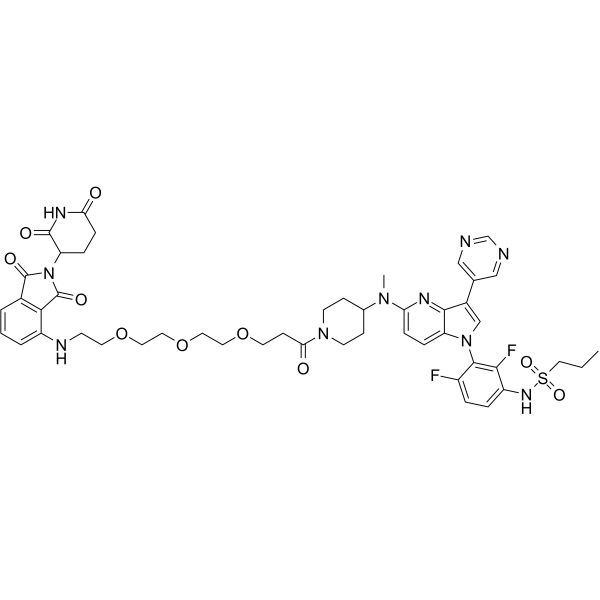
- HY-175459
-
|
|
PROTACs
FAK
|
Inflammation/Immunology
Cancer
|
|
PROTAC FAK degrader 3 is a selective FAK PROTAC degrader (DC50 = 1.08 nM). PROTAC FAK degrader 3 induces FAK degradation dependent on the ubiquitin-proteasome system and its binding to FAK and CRBN. PROTAC FAK degrader 3 upregulates MHC-I gene transcription and tumor cell surface expression by inhibiting the non-catalytic activity of FAK, leading to increased antigen presentation and activation of cytotoxic CD8 T cells. PROTAC FAK degrader 3 enhances in vivo anti-tumor activity by promoting MHC-I expression and enhancing T cell activation. PROTAC FAK degrader 3 can be used in cancer research targeting FAK degradation in ovarian cancer, hepatocellular carcinoma, and other cancers. (Pink: FAK-IN-3:HY-143407, Blue: Thalidomide-4-OH:HY-103596, Blue + Black: FAK ligand-3: HY-W939883, Black: Linker) .
|
-

- HY-179499
-
|
|
PROTACs
Histone Methyltransferase
Apoptosis
|
Cancer
|
|
PROTAC EZH2 Degrader-9 is orally active EZH2 PROTAC degrader degrading EZH2 via the ubiquitin-proteasome pathway. PROTAC EZH2 Degrader-9 downregulates PRC2 core subunits and potent inhibition of H3K27me3 without affecting common CRBN neosubstrates while it was selective over GSp'T1 and ikZF1/3. PROTAC EZH2 Degrader-9 exhibits potent antiproliferative activity against multiple cancer cell lines by inducing cell cycle and apoptosis. PROTAC EZH2 Degrader-9 reverses PRC2-mediated gene silencing and inhibiting EZH2 non-catalytic target gene activation. PROTAC EZH2 Degrader-9 can be used for leukemia, lymphoma, and non-small cell lung cancer research .
|
-

- HY-181907
-
|
|
HyT
Keap1-Nrf2
HSP
|
Inflammation/Immunology
|
NBE5 is an orally active hydrophobic tag-targeting (Hyt) degrader (HyTTD) that targets Keap1. NBE5 mimics protein misfolding and recruits the molecular chaperone Hsp90, while achieving targeted degradation of Keap1 through both the ubiquitin-proteasome system and the autophagy-lysosome system. Consequently, NBE5 relieves the inhibition of the transcription factor Nrf2 by Keap1, potently activates the Nrf2-mediated endogenous antioxidant pathway, and upregulates the expression of downstream antioxidant proteins such as HO-1 and GCLM. NBE5 effectively alleviates oxidative stress and inflammatory damage, and exhibits excellent in vivo activity in a mouse model of acute colitis induced by DSS (HY-116282C) .
NBE5 consists of a hydrophobic tag (HY-W022007), a Keap1-Nrf2 ligand (HY-14909), and a linker (HY-W014831).
|
-

- HY-139997
-
|
|
PROTACs
EGFR
|
Cancer
|
|
DDC-01-163 is an allosteric PROTAC degrader targeting EGFR. DDC-01-163 is dependent on the ubiquitin–proteasome system. DDC-01-163 can selectively inhibit the proliferation of L858R/T790M (L/T) mutant Ba/F3 cells. DDC-01-163 is effective against Osimertinib (HY-15772)-resistant cells with L/T/C797S and L/T/L718Q EGFR mutations. DDC-01-163 exhibits enhanced anti-proliferative activity against L858R/T790M EGFR-Ba/F3 cells when combined with the ATP-site EGFR inhibitor Osimertinib. DDC-01-163 can be used for the study of non-small cell lung cancer .
|
-

- HY-160864
-
|
HWA 448
|
Phosphodiesterase (PDE)
|
Cancer
|
|
Torbafylline is a PDE inhibitor. Torbafylline mitigates protein breakdown in rat skeletal muscle following burns by activating the PDE4/cAMP/EPAC/PI3K/Akt signaling pathway. Torbafylline suppresses the increased ubiquitin-proteasome-dependent protein degradation observed in the skeletal muscles of rats susceptible to cancer and sepsis .
|
-
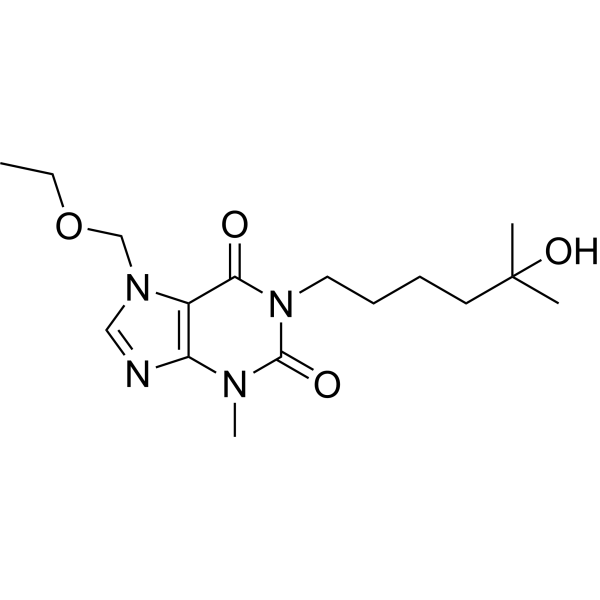
- HY-175236
-
|
|
PD-1/PD-L1
Apoptosis
ERK
JNK
Cadherin
p38 MAPK
GSK-3
IFNAR
Caspase
Bcl-2 Family
|
Cancer
|
|
SF-9-2 is a PD-L1/PD-1 binding inhibitor (IC50 = 24.9 nM). SF-9-2 inhibits epithelial-mesenchymal transition, migration, invasion, and proliferation of SK-N-SH cells, and also induces apoptosis and cell cycle arrest. SF-9-2 blocks PD-L1-induced SK-N-SH cell growth through the MAPK signaling pathway. SF-9-2 restores GSK-3β activity and enhances PD-L1 degradation through the ubiquitin-proteasome pathway. SF-9-2 inhibits tumor growth in the SK-N-SH NOG mouse model without significant toxicity. SF-9-2 also acts as an immune checkpoint inhibitor, blocking PD-L1 to restore T cell function. SF-9-2 can be used in neuroblastoma research .
|
-

- HY-181193
-
|
|
PROTACs
SARS-CoV
Virus Protease
|
Infection
|
|
PROTAC SARS-CoV-2 Mpro degrader-7 is a SARS-CoV-2 main protease (Mpro) PROTAC degrader with a DC50 of 0.985 μM. PROTAC SARS-CoV-2 Mpro degrader-7 promotes K48-linked polyubiquitination of SARS-CoV-2 Mpro, leading to proteasome-dependent degradation via the ubiquitin-proteasome system.PROTAC SARS-CoV-2 Mpro degrader-7 forms a ternary complex with SARS-CoV-2 Mpro and CRBN E3 ubiquitin ligase to enable viral protease ubiquitination.PROTAC SARS-CoV-2 Mpro degrader-7 exhibits a high selectivity index, and induces dose-dependent degradation of SARS-CoV-2 Mpro in stable cells expressing the viral protease.PROTAC SARS-CoV-2 Mpro degrader-7 can be used for the research of COVID-19 .
|
-

- HY-180262
-
|
|
PROTACs
CDK
|
Cancer
|
|
PROTAC CDK6 Degrader 2 (compound 48b), the active form of PROTAC CDK6 Degrader 1 (HY-180277), is a potent and selective PROTAC CDK6 degrader that binds strongly to KLHDC2 (KD = 0.005 μM). PROTAC CDK6 Degrader 2 functions through a KLHDC2-dependent and ubiquitin-proteasome-mediated mechanism. PROTAC CDK6 Degrader 2 can be used for cancer research .
|
-

- HY-178825B
-
|
|
PROTACs
Histone Demethylase
Apoptosis
|
Cancer
|
|
LD-110 trihydrochloride is a highly efficient and effective LSD1 PROTAC degrader (DC50 = 0.44 μM). LD-110 trihydrochloride promotes LSD1 degradation and increases the level of H3K4 dimethylation in a ubiquitin-proteasome-dependent manner. LD-110 trihydrochloride inhibits the growth and survival of multiple esophagus squamous cancer cell (ESCC) lines by inducing apoptosis. LD-110 trihydrochloride can be used for the study of esophagus squamous cancer .
|
-

- HY-178825
-
|
|
PROTACs
Histone Demethylase
Apoptosis
|
Cancer
|
|
LD-110 is a highly efficient and effective LSD1 PROTAC degrader (DC50 = 0.44 μM). LD-110 promotes LSD1 degradation and increases the level of H3K4 dimethylation in a ubiquitin-proteasome-dependent manner. LD-110 inhibits the growth and survival of multiple esophagus squamous cancer cell (ESCC) lines by inducing apoptosis. LD-110 can be used for the study of esophagus squamous cancer .
|
-

- HY-13817
-
IU1
Maximum Cited Publications
25 Publications Verification
|
Deubiquitinase
Autophagy
Apoptosis
|
Cardiovascular Disease
Neurological Disease
Endocrinology
Cancer
|
|
IU1 is a selective, reversible USP14 inhibitor with an IC50 of 4-5 μM. IU1 binds USP14’s catalytic cleft to block deubiquitinase activity. IU1 induces calpain-dependent Tau cleavage, causes ATP deficits, reduces E1~Ub thioester levels and 26S proteasome assembly. IU1 enhances 26S proteasome chymotrypsin-like activity, modulates LC3B-dependent autophagy flux, reduces cancer cell proliferation and migration, and blocks G0/G1 to S phase cell cycle transition in follicular thyroid cancer cells. IU1 activates autophagy-lysosomal and ubiquitin-proteasome pathways, triggers apoptosis, and reduces cervical cancer cell growth. IU1 enhances degradation of proteasome substrates linked to neurodegenerative disease, accelerates oxidized protein degradation, and increases oxidative stress resistance. IU1 can be used for the research of Alzheimer’s disease, follicular thyroid cancer, ischemic stroke, cervical cancer, and neurodegenerative disease .
|
-
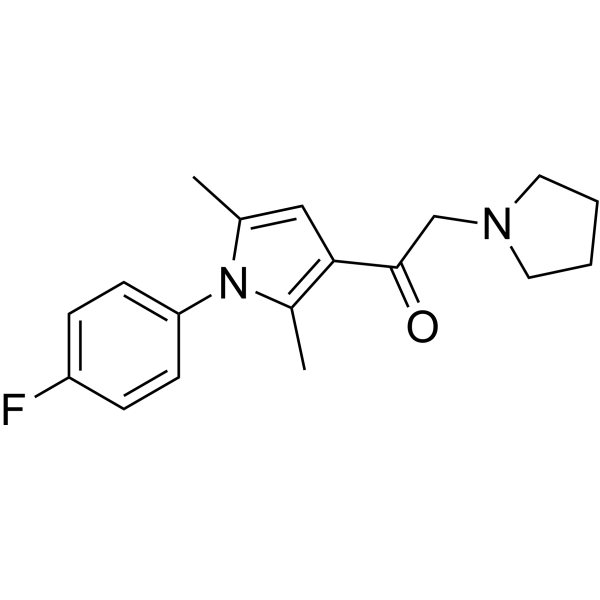
- HY-182759
-
|
|
DNA Alkylator/Crosslinker
Topoisomerase
Caspase
Bcl-2 Family
Apoptosis
|
Cancer
|
|
MN33-47 is a multi-target anti-tumor compound with broad-spectrum anti-proliferative activity. MN33-47 relieves the inhibition of the mitochondrial apoptosis pathway by downregulating the anti-apoptotic protein Bcl-2, while activating caspase-3 and inhibiting Topoisomerase I activity, thereby promoting its degradation through the ubiquitin-proteasome and autophagy-lysosome pathways. MN33-47 can also induce DNA cross-linking and G2/M cell cycle arrest, inhibit cancer cell migration and activate the mitochondrial apoptosis pathway, thus exerting potent anti-tumor effects. MN33-47 can improve the water solubility of SN-38 (HY-13704), and exhibits dose-dependent tumor growth inhibition effects in CT26 tumor-bearing mouse models without obvious toxic and side effects. MN33-47 can be used in related studies on colorectal adenocarcinoma, cervical adenocarcinoma, hepatocellular carcinoma, alveolar basal epithelial adenocarcinoma, gastric cancer and colon cancer .
|
-

- HY-178825A
-
|
|
Histone Demethylase
Apoptosis
PROTACs
|
Cancer
|
|
LD-110 triTFA is a highly efficient and effective LSD1 PROTAC degrader (DC50 = 0.44 μM). LD-110 triTFA promotes LSD1 degradation and increases the level of H3K4 dimethylation in a ubiquitin-proteasome-dependent manner. LD-110 triTFA inhibits the growth and survival of multiple esophagus squamous cancer cell (ESCC) lines by inducing apoptosis. LD-110 triTFA can be used for the study of esophagus squamous cancer .
|
-

- HY-162679
-
|
|
c-Met/HGFR
Apoptosis
|
Cancer
|
|
c-Met degrader-1 (Compound H11) is an orally active c-Met degrader (through the ubiquitin proteasome system). c-Met degrader-1 has anti-hepatocellular carcinoma activity (HCC) and inhibits tumor growth in MHCC97H xenografts. c-Met degrader-1 inhibits HCC cell growth, arrests cell cycle, and induces apoptosis. c-Met degrader-1 may overcome resistance to type Ib inhibitors .
|
-

- HY-141431
-
|
|
E1/E2/E3 Enzyme
|
Inflammation/Immunology
Cancer
|
|
Cbl-b-IN-2 (Example 8) is an orally bioavailable compound, can inhibit the E3 enzyme Casitas B-lineage lymphoma proto-oncogene-b (Cbl-b) in the ubiquitin proteasome pathway. Cbl-b-IN-2 can be used to modulate the immune system and diseases amenable to immune system modulation. Cbl-b-IN-2 (Example 8) also may be administered to an individual with cancer, either alone or as part of a combination, with one or more of an immune checkpoint inhibitor, an anti-neoplastic agent, and radiation agent .
|
-
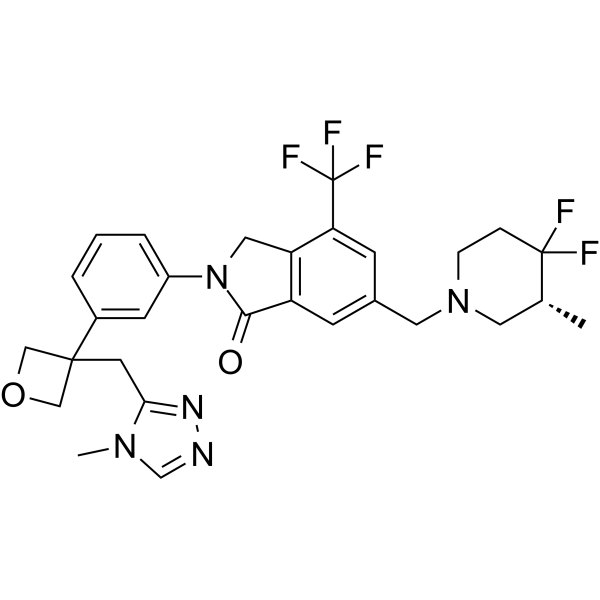
- HY-179602
-
|
|
PROTACs
11β-HSD
|
Metabolic Disease
|
|
PROTAC 11β-HSD1 Degrader 1 is a highly efficient PROTAC targeting 11β-HSD1 (Hydroxysteroid 11-beta dehydrogenase 1). PROTAC 11β-HSD1 Degrader 1 demonstrates ubiquitin-proteasome-dependent degradation of 11β-HSD1. PROTAC 11β-HSD1 Degrader 1 can be used for the study of type 2 diabetes mellitus (T2DM) .
|
-

- HY-158432
-
|
|
Histone Demethylase
PROTACs
|
Cancer
|
|
GT-653 is a PROTAC degrader for lysine-specific demethylase 5B (KDM5B). GT-653 degrades 68.35% KDM5B at 10 μM in a ubiquitin proteasome-dependent manner, upregulates H3K4me3 levels, and activates the type-I interferon signaling pathway in prostate cancer cells 22RV1. (Pink: KDM5B ligand (HY-158433); Black: Linker (HY-W004896); Blue: E3 ligase ligand (HY-103596))
|
-

- HY-176184
-
|
|
PROTACs
Discoidin Domain Receptor
MMP
|
Cancer
|
|
PROTAC DDR1 degrader-1 is a potent and selective DDR1-targeting PROTAC degrader. PROTAC DDR1 degrader-1 selectively induces full-length DDR1 degradation via the ubiquitin proteasome system, blocking downstream signaling pathways. PROTAC DDR1 degrader-1 inhibits tumor cell migration and invasion. PROTAC DDR1 degrader-1 exhibits anti-tumor activity in mice. PROTAC DDR1 degrader-1 can be used for the research of DDR1-driven cancers .
|
-

- HY-125834
-
|
|
PROTACs
Bcr-Abl
Apoptosis
STAT
JAK
|
Cancer
|
|
GMB-475 is a potent BCR-ABL1 PROTAC based on Von Hippel-Lindau (VHL). GMB-475 targets the nutmeg pocket of ABL1 in an ectopic manner and degrades BCR-ABL1 protein through the ubiquitin proteasome pathway. GMB-475 inhibits the proliferation of human K562 cells and mouse Ba/F3 cells, and is used for the study of chronic myeloid leukemia. (Blue: VHL ligand (HY-125845); Black: Linker; Pink: BCR-ABL1 ligand (HY-11007)) .
|
-
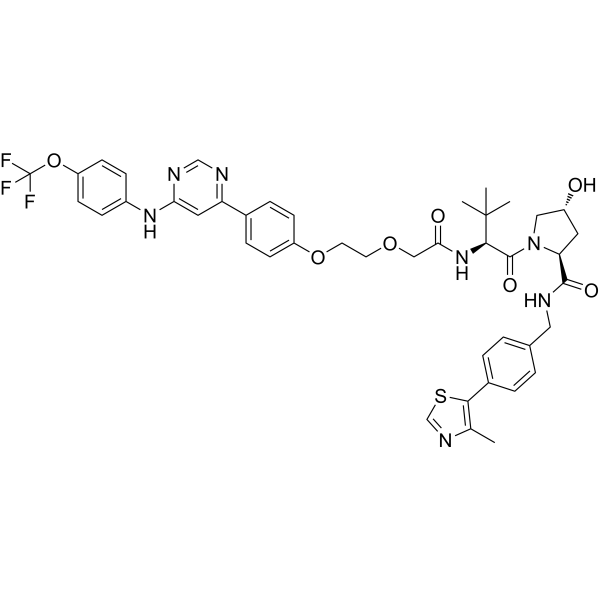
- HY-180964
-
|
|
PROTACs
Anaplastic lymphoma kinase (ALK)
EGFR
|
Cancer
|
|
Lys-PEG3-BA is an EML4-ALK/EGFR PROTAC degrader with DC50 values of 1.32 and 19.66 μM for H3122 (EML4-ALK) and H1975 (EGFR-L858R/T790M) cells, respectively. Lys-PEG3-BA hinders proliferation via rewiring the ubiquitin- proteasome system in vitro. Lys-PEG3-BA can be used for non-small cell lung cancer research .
|
-

- HY-139996
-
|
|
PROTACs
Apoptosis
FLT3
c-Kit
FGFR
VEGFR
PDGFR
c-Fms
|
Cancer
|
|
Pomalidomide-C5-Dovitinib (compound 2) is a PROTAC containing Pomalidomide, Dovitinib and connected with CRBN. Pomalidomide-C5-Dovitinib shows enhanced antiproliferative effects against FLT3-ITD+ AML cells. Pomalidomide-C5-Dovitinib induces the degradation of the FLT3-ITD and KIT proteins in a ubiquitin-proteasome-dependent manner and completely blocks their downstream signaling pathway. Pomalidomide-C5-Dovitinib has the potential for the research of FLT3-ITD + acute myeloid leukemia .
|
-
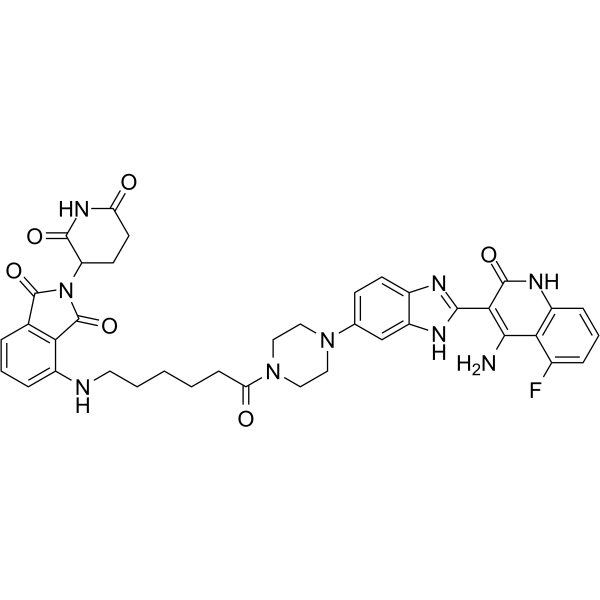
- HY-133159
-
|
(-)-Resolvin E2
|
Endogenous Metabolite
Leukotriene Receptor
Chemerin Receptor
COX
Lipoxygenase
|
Neurological Disease
Inflammation/Immunology
|
|
Resolvin E2 ((-)-Resolvin E2) is an endogenous lipid mediator produced from eicosapentaenoic acid (EPA) under the catalysis of 5-lipoxygenase (5-LOX), and its production increases in hypoxic environments. Resolvin E2 antagonizes BLT1, partially activates ChemR23, and promotes ubiquitin-proteasome-mediated degradation of COX-2. Resolvin E2 reduces the production of prostaglandin E2, blocks polymorphonuclear leukocyte infiltration, and promotes the resolution of airway inflammation. Resolvin E2 ameliorates lipopolysaccharide (LPS) (HY-D1056)-induced depressive-like behaviors . Resolvin E2 can be used in research related to depression, murine peritonitis, neonatal asthma, and other conditions .
|
-
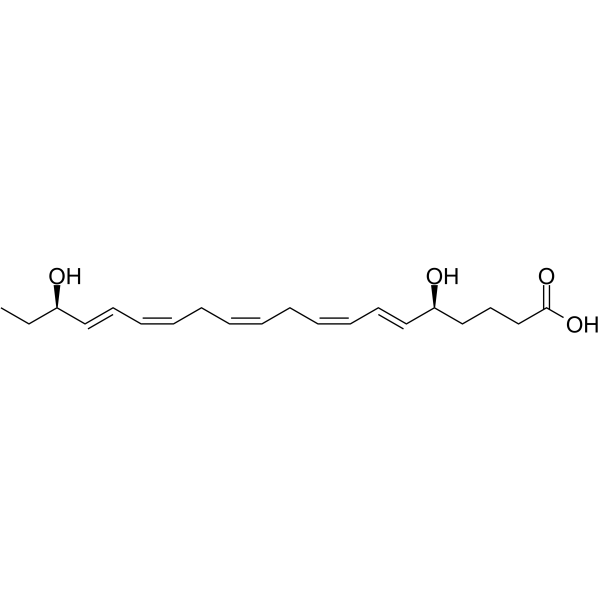
- HY-180965
-
|
|
PROTACs
Anaplastic lymphoma kinase (ALK)
EGFR
Apoptosis
|
Cancer
|
|
Pro-PEG3-BA is an EML4-ALK/EGFR PROTAC degrader, degrading EML4 ALK and EGFR mutant (L858R/T790M) with DC 50 values of 0.42 and 13.50 μM, respectively. Pro-PEG3-BA hinders proliferation and induces cell cycle arrest and apoptosis of NSCLC cells in vitro. Pro-PEG3-BA shows safety profile and decreases EML4-ALK protein via rewiring the ubiquitin- proteasome system in vivo. Pro-PEG3-BA can be used for non-small cell lung cancer research .
|
-

- HY-175839
-
|
|
PROTACs
EGFR
ATP Synthase
|
Cancer
|
|
PROTAC EGFR degrader 15 is a Pomalidomide (HY-10984)-based Gefitinib (HY-50895) EGFR PROTAC degrader. PROTAC EGFR degrader 15 triggers EGFR degradation via ubiquitin-proteasome-dependent proteolysis and autophagy-lysosome activation pathways. PROTAC EGFR degrader 15 targets ETFA to enhance ATP production. PROTAC EGFR degrader 15 significantly suppresses tumor growth in a Gefitinib-acquired resistant HCC-827 xenograft model. PROTAC EGFR degrader 15 can be used for the study of non-small cell lung cancer (NSCLC) (Pink: EGFR ligand (HY-W109039); Blue: CRBN ligand (HY-10984); Black: Linker (HY-W679737)) .
|
-

- HY-183070
-
|
|
PROTACs
CDK
Apoptosis
|
Cancer
|
|
CXJ2080 is a selective PROTAC-based CDK7 degrader with a DC50 of 0.88 nM. CXJ2080 recruits VHL E3 ligase to induce ubiquitin-proteasome-dependent CDK7 degradation, disrupts the CDK7-cyclin H-MAT1 complex, suppresses CDK7-dependent phosphorylation of RNA polymerase II CTD Ser5, CDK1 Thr161, and CDK2 Thr160. CXJ2080 activates the p53-p21 axis, suppresses MYC-driven signaling, induces leukemia cell cycle arrest, apoptosis, and differentiation, reduces CD117 expression, spares platelets and normal PBMCs, maintains sustained CDK7 degradation post-washout. CXJ2080 can be used for the research of acute leukemia .
|
-

- HY-179433
-
|
|
PROTACs
Androgen Receptor
Estrogen Receptor/ERR
Src
|
Cancer
|
|
PROTAC AR Degrader-12 is a highly efficient PROTAC targeting AR coactivator binding site (AR-CBS). PROTAC AR Degrader-12 induces AR degradation in a ubiquitin proteasome system (UPS) pathway-dependent manner. PROTAC AR Degrader-12 inhibits tumor cell growth by affecting DNA replication and cell division PROTAC AR Degrader-12 could not only effectively degrade AR, but also potently inhibit the proliferation of MCF-7 and multiple mutant or resistant BC cells. PROTAC AR Degrader-12 effectively blocked estrogen receptor α (ERα) signaling through a dual mechanism involving ERα protein downregulation and suppression of its transcriptional activity. PROTAC AR Degrader-12 significantly inhibits the mRNA expression of FOXA1, GREB1, SRC, and PELP1. PROTAC AR Degrader-12 can be used for the study of breast cancer .
|
-

-
-
HY-L151
-
|
|
515 compounds
|
|
PROTACs (Proteolysis-targeting chimeras) is a class of molecules that utilize ubiquitin-proteasome system (UPS) to ubiquitinate and degrade target proteins. The PROTACs molecule consists of two ligands joined by a linker. The one-to-one interaction between PROTACs and target proteins determines the high efficiency of PROTACs, making it a potential molecule for targeted protein degradation (TPD) therapy.
MCE supplies a unique collection of 515 PROTACs that effectively degrade target proteins with more powerful screening capability. MCE PROTAC Library is a useful tool for signal pathway research, protein degradation therapy research, drug discovery and drug repurposing, etc.
|
-
-
HY-L934
-
|
|
125 compounds
|
|
CRBN, namely cereblon, is the substrate recognition subunit of the E3 ubiquitin ligase complex in the ubiquitin-proteasome system. A CRBN ligand library refers to a collection of numerous fragments that can specifically bind to the CRBN protein.
These ligands are mostly designed based on validated CRBN-binding warheads and modified through AI-driven molecular generation optimization systems. They not only include classic lenalidomide-derived structures but also cover novel non-lenalidomide scaffolds. After drug-likeness filtering, these ligands exhibit structural diversity and favorable druggable properties. They can be further optimized and modified to facilitate the development of novel molecular glue degraders, accelerate the discovery of molecular glues that induce interactions between CRBN and new substrate proteins, and enable the exploration of novel CRBN substrates for identifying previously unknown CRBN-binding proteins.
MCE compiles 125 fragments that can specifically bind to the CRBN protein, with molecular weights ranging from 200 to 500. Compounds developed based on the library ligands target multiple disease targets such as cancer and autoimmune diseases, further advancing the development of Molecular Glues and PROTACs therapeutic agents.
|
| Cat. No. |
Product Name |
Target |
Research Area |
-
- HY-P10899
-
|
|
PROTACs
TGF-beta/Smad
|
Endocrinology
|
|
ETTAC-2 is a LRG1 PROTAC degrader, degrading LRG1 via the ubiquitin-proteasome pathway with a DC50 value of 8.38 μM. ETTAC-2 penetrates damaged renal cells to reduce the extracellular secretion of LRG1. ETTAC-2 effectively inhibits the TGF-β-Smad3 signaling pathway and diminishes the secretion of fibrosis-associated extracellular matrix proteins. ETTAC-2 degrades LRG1 within fibrotic kidneys and the efficacy in inhibiting the TGF-β-Smad3 pathway both in vitro and vivo. ETTAC-2 can be used for renal fibrosis research .
|
-
- HY-P11228
-
|
|
PROTACs
Apoptosis
DNA/RNA Synthesis
|
Cancer
|
|
FPP29 is a potent peptide-based FOXM1 PROTAC degrader. FPP29 induces ubiquitination and degradation of FOXM1. FPP29 inhibits FOXM1 via the ubiquitin-proteasome degradation pathway. FPP29 induces Apoptosis. FPP29 suppresses tumor growth in hepatocellular carcinoma xenograft models. FPP29 can be used in the research of hepatocellular carcinoma (cell-penetrating peptide: (HY-P0133); VHL ligase ligand: (HY-P11493); linker: (HY-W013664); FOXM1 ligand: (HY-P11494)) .
|
-
- HY-P1259A
-
|
|
Proteasome
Bacterial
|
Inflammation/Immunology
|
|
PR-39 TFA, a natural proline- and arginine-rich antibacterial peptide, is a noncompetitive, reversible and allosteric proteasome inhibitor. PR-39 TFAreversibly binds to the α7 subunit of the proteasome and blocks degradation of NF-κB inhibitor IκBα by the ubiquitin-proteasome pathway. PR-39 TFA stimulates angiogenesis, inhibits inflammatory responses and significant reduces myocardial infarct size in mice .
|
-
- HY-P1259
-
|
|
Proteasome
Bacterial
|
Inflammation/Immunology
|
|
PR-39, a natural proline- and arginine-rich antibacterial peptide, is a noncompetitive, reversible and allosteric proteasome inhibitor. PR-39 reversibly binds to the α7 subunit of the proteasome and blocks degradation of NF-κB inhibitor IκBα by the ubiquitin-proteasome pathway. PR-39 stimulates angiogenesis, inhibits inflammatory responses and significant reduces myocardial infarct size in mice .
|
| Cat. No. |
Product Name |
Category |
Target |
Chemical Structure |
| Cat. No. |
Product Name |
Chemical Structure |
-
- HY-40178S
-
|
|
|
NH2-C4-NH-Boc-d8 is the deuterium labeled NH2-C4-NH-Boc (HY-40178). NH2-C4-NH-Boc (compound 15) is a PROTAC linker, which refers to the Alkyl/ether composition. NH2-C4-NH-Boc can be used in the synthesis of a series of PROTACs. PROTACs contain two different ligands connected by a linker; one is a ligand for an E3 ubiquitin ligase and the other is for the target protein. PROTACs exploit the intracellular ubiquitin-proteasome system to selectively degrade target proteins .
|
-
| Cat. No. |
Product Name |
|
Classification |
-
- HY-69220
-
|
|
|
PROTAC Synthesis
Alkynes
|
|
7-Octynoic acid (compound 42) is a PROTAC linker and can be used in the synthesis of a series of PROTACs. PROTACs contain two different ligands connected by a linker; one is a ligand for an E3 ubiquitin ligase and the other is for the target protein. PROTACs exploit the intracellular ubiquitin-proteasome system to selectively degrade target proteins . 7-Octynoic acid is a click chemistry reagent, it contains an Alkyne group and can undergo copper-catalyzed azide-alkyne cycloaddition (CuAAc) with molecules containing Azide groups.
|
-
- HY-152261
-
|
|
|
PROTAC Synthesis
|
|
MS6105 is an LDH protein hydrolysis-targeted chimera (PROTAC) that effectively degrades LDHA and LDHB in a time- and ubiquitin-proteasome system-dependent manner and has anticancer activity . MS6105 is a click chemistry reagent, it contains an Alkyne group and can undergo copper-catalyzed azide-alkyne cycloaddition (CuAAc) with molecules containing Azide groups.
|
-
- HY-108374
-
|
|
|
Azide
PROTAC Synthesis
|
|
4-Azidobutylamine is a PROTAC linker, which refers to the alkyl chain composition. 4-Azidobutylamine can be used in the synthesis of a series of PROTACs. PROTACs contain two different ligands connected by a linker; one is a ligand for an E3 ubiquitin ligase and the other is for the target protein. PROTACs exploit the intracellular ubiquitin-proteasome system to selectively degrade target proteins . 4-Azidobutylamine is a click chemistry reagent, it contains an Azide group and can undergo copper-catalyzed azide-alkyne cycloaddition reaction (CuAAc) with molecules containing Alkyne groups. It can also undergo strain-promoted alkyne-azide cycloaddition (SPAAC) reactions with molecules containing DBCO or BCN groups.
|
Your information is safe with us. * Required Fields.
Inquiry Information
- Product Name:
- Cat. No.:
- Quantity:
- MCE Japan Authorized Agent:








