
1. Search Result
Search Result
Results for "

xenograft studies

" in MedChemExpress (MCE) Product Catalog:

146

Inhibitors & Agonists

3

Fluorescent Dyes

5

Peptides

10

Inhibitory Antibodies

8

Natural
Products

4

Isotope-Labeled Compounds

2

Click Chemistry

Cat. No. Product Name Target Research Areas Chemical Structure
  • HY-P10925

    FOG-001; I-66

    β-catenin Cancer
    Zolucatetide (FOG-001;I-66) is a potent β-catenin inhibitor with an IC50 of <50 nM. Zolucatetide can inhibits β-catenin and T-cell factor (TCF) transcription factor interaction. Zolucatetide inhibits cell proliferation and induces cell cycle arrest in target cells. Zolucatetide exhibits anti-tumor efficacy in mice bearing COLO320DM colon cancer cell (with APC, TP53 mutations) xenografts. Zolucatetide can be used for the study of colon cancer .
    Zolucatetide
  • HY-148273

    ASP-3082; KRAS G12D inhibitor 17

    PROTACs Ras ERK Akt Cancer
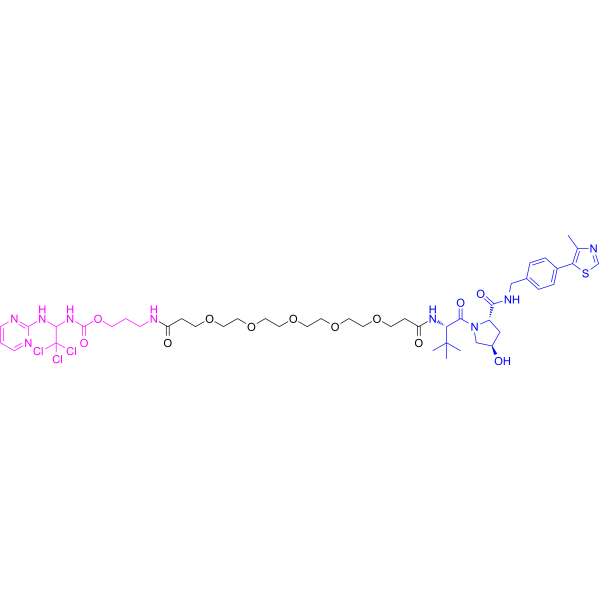
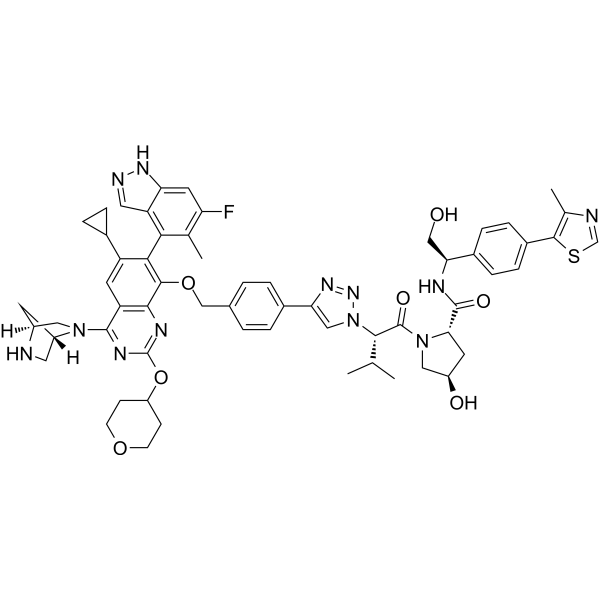
    Setidegrasib (KRAS G12D inhibitor 17, ASP3082) is a PROTAC KRAS degrader (DC50: 37 nM). Setidegrasib induces the degradation of G12D-mutation KRAS protein. Setidegrasib suppresses p-ERK, p-AKT, p-S6 levels in AsPC-1 cells. Setidegrasib exhibits anti-tumor activity in various cancer xenograft models in mice. Setidegrasib can be used for the study of KRAS(G12D)-mutated solid tumors. (Blue: VHL ligase ligand (HY-168699); Black: linker (HY-168698); Pink: G12D ligand (HY-168700)) .
    Setidegrasib
  • HY-164202

    Antibody-Drug Conjugates (ADCs) Cancer
    ORM-5029 is a first-in-class human epidermal growth factor receptor 2 (HER2)-targeted antibody-drug conjugate (ADC) comprised of SMol006, a highly potent GSPT1 degrader, conjugated to Pertuzumab (HY-P9912). ORM-5029 exhibits robust efficacy across 14 HER2-positive breast cancer cell lines, with IC50 values ranging from 0.3 to 14.4 nM.ORM-5029 demonstrates anti-tumor activity in the BT474 xenograft model. ORM-5029 can be used for study of breast cancer .
    ORM-5029
  • HY-100367

    Quinone Reductase NF-κB Cancer
    ES 936 is a potent and specific NQO1 inhibitor. ES 936 inhibits the growth of MIA PaCa-2 and BxPC-3 cells, with IC50 values of 108 nM and 365 nM, respectively. ES936 significantly inhitbits the growth rate of MIA PaCa-2 xenograft tumors in mice. ES 936 can be used for the study of pancreatic cancer .
    ES 936
  • HY-124727

    JAK Apoptosis Cancer
    ZT55 is an orally active and highly-selective JAK2 inhibitor with an IC50 value of 0.031 μM. ZT55 inhibits the proliferation of JAK2 V617F-expressing HEL cell lines and induces apoptosis and cycle arrest. ZT-55 also effectively inhibits the growth of HEL xenograft tumours in a mice model. ZT-55 can be used in studies of myeloproliferative neoplasms, polycythemia vera and primary thrombocythemia .
    ZT55
  • HY-175842

    CDK Cancer
    CDK2 degrader 7 is an orally active CDK2 degrader, with DC50 values of 13 nM (MKN1cells) and 17 nM (TOV21G cells). CDK2 degrader 7 induces G1 phase arrest in MKN1 cells. CDK2 degrader 7 achieves tumor stasis in HCC1569 (CCNE1-amplified) xenograft models. CDK2 degrader 7 can be used for the study of CCNE1-amplified cancers .
    CDK2 degrader 7
  • HY-P10761

    Radionuclide-Drug Conjugates (RDCs) Carbonic Anhydrase Cancer
    DPI-4452 is a CAIX-targeting cyclic peptide with a DOTA cage, and can be chelated with radionuclide for CAIX-expressing tumor PET-CT imaging and study. DPI-4452 specifically and selectively binds CAIX without interaction with an in vitro off-target receptor panel of 55 targets (IC50 for recombinant hCAIX: 130 nM). Radiolabeled DPI-4452 inhibits tumor growth in HT-29 and SK-RC-52 xenograft mouse models . DPI-4452 can be used for the synthesis/research of Radionuclide-Drug Conjugates (RDCs).
    DPI-4452
  • HY-175282

    Apoptosis Caspase CDK PARP Akt Autophagy Atg8/LC3 Cancer
    ASX-173 is an orally active inhibitor of asparagine synthetase (ASNS) (IC50 = 0.113 μM, Ki = 0.4 nM). ASX-173 enhances the anticancer activity of L-asparaginase (ASNase) (HY-P1923). ASX-173 disrupts nucleotide synthesis and induces leukemia cell cycle arrest, apoptosis and autophagy in leukemia cells in combination with ASNase. ASX-173 slows the growth of OCI-AML2 xenografts in combination with ASNase. ASX-173 is indicated for the study of acute lymphoblastic leukemia, acute myeloid leukemia, colorectal cancer, and other cancers .
    ASX-173
  • HY-156618

    ABSK011

    FGFR Cancer
    Irpagratinib (ABSK011) is an orally active FGFR4 inhibitor (IC50<10 nM). Irpagratinib inhibits FGFR4 autophosphorylation and blocks signaling from FGFR4 to downstream pathway activation. Irpagratinib has shown high exposure in PK studies in mice, rats, and dogs, and also demonstrated antitumor activity in a subcutaneous xenograft tumor model .
    Irpagratinib
  • HY-150072

    PKA Cancer
    DS89002333 is an orally active and potent PRKACA inhibitor, with an IC50 of 0.3 nM. DS89002333 shows good anti-tumor activity in an FL-HCC patient-derived xenograft model (expressing the DNAJB1-PRKACA fusion gene). DS89002333 can be used in study of fibrolamellar hepatocellular carcinoma (FL-HCC) .
    DS89002333
  • HY-N0754

    YAP HSP Reactive Oxygen Species (ROS) ERK Autophagy Apoptosis Tyrosinase DNA/RNA Synthesis Neurological Disease Inflammation/Immunology Cancer
    Eupalinolide A is a Yes-associated protein (YAP) degrader and HSP70 inducer. Eupalinolide A inhibits osteogenic differentiation of tendon-derived stem cells (TDSCs). Eupalinolide A induces autophagy in hepatocellular carcinoma cells via activating the ROS/ERK signaling pathway. Eupalinolide A protects PAM212 cells from UVB-, Menadione (HY-B0332)-, or heat shock-induced apoptosis. Eupalinolide A alleviates trauma-induced heterotopic ossification (HO) of Achilles tendon and inhibits growth of MHCC97-L and HCCLM3 hepatocellular carcinoma xenograft tumors in mice. Eupalinolide A can be used for the study of traumatic heterotopic ossification of tendons and hepatocellular carcinoma .
    Eupalinolide A
  • HY-P99320

    OMP 59R5; Anti-Human NOTCH2 Recombinant Antibody

    Notch Cancer
    Tarextumab (OMP-59R5) is a cross-reactive, fully human IgG2 antibody that selectively inhibits Notch2 and Notch3 signaling. Tarextumab demonstrates broad-spectrum antitumor efficacy in xenograft models of epithelial tumors. Tarextumab can be used for the study of pancreatic cancer .
    Tarextumab
  • HY-154984

    Histone Acetyltransferase PROTACs Cancer
    JET-209 is a potent CBP/p300 PROTAC degrader, with DC50 values of 0.05 nM and 0.2 nM for CBP and p300. JET-209 demonstrates remarkable anti-tumor activity against various acute leukemia cell lines and effectively inhibits tumor growth in xenograft tumor models. JET-209 can be used for the study of acute leukemia .
    JET-209
  • HY-124813

    113B7

    FAK EGFR MMP NF-κB SDCBP Cancer
    PDZ1i (113B7) is a inhibitor of MDA-9/Syntenin, with selective binding to the PDZ1 domain. PDZ1i inhibits radiation-induced invasion of glioblastoma (GBM) cells, radiosensitizes GBM cells, and impairs GBM-related signaling pathways (including Src/EphA2, EGFRvIII/FAK, and NF-κB). PDZ1i reduces radiation-induced secretion of invasion-related proteases (MMP-2, MMP-9, ADAM9). PDZ1i shows anti-tumor effects in nude mice bearing intracranial U1242-luc xenografts or GBM xenografts. PDZ1i can be used for the study of glioblastoma (GBM), breast cancer and prostate cancer .
    PDZ1i
  • HY-160142

    PROTACs Btk Syk MEK ERK Cancer
    UBX-382 is an orally active BTK PROTAC degrader with a DC50 of 4.56 nM. UBX-382 inhibits B-cell receptor signaling by targeting BTK. UBX-382 shows superior degradation activity for wild-type and mutant BTK proteins. UBX-382 inhibits tumor growth in murine xenograft models harboring wild-type or C481S mutant BTK-expressing TMD-8 cells. UBX-382 can be used for the study of B-cell-related blood cancers .
    UBX-382
  • HY-160777

    Galeterone 3β-imidazole

    Molecular Glues Androgen Receptor MNK Apoptosis Cancer
    VNPP433-3β (Galeterone 3β-imidazole) is an orally active molecular glue degrader, which degrades androgen receptor (AR) and its splice variants (AR-Vs) and MAP kinase-interacting serine/threonine protein kinase Mnk1/2. VNPP433-3β induces cell apoptosis. VNPP433-3β inhibits tumor growth in the CWR22Rv1 xenograft mouse model. VNPP433-3β can be used for the study of castration resistant prostate cancer (CRPC) and pancreatic ductal adenocarcinoma (PDAC) .
    VNPP433-3β
  • HY-175783

    Apoptosis Cancer
    MM927 is a potent NVL inhibitor, with an IC50 of 0.053 μM. MM927 blocks 60S ribosomal subunit biogenesis in the nucleolus. MM927 induces half-mer polysomes, cell cycle arrest at G1/S and G2/M and apoptosis in cells. MM927 demonstrates antitumor efficacy in MOLM-13 AML and HCT116 CRC xenograft models. MM927 can be used for the study of cancers such as acute myeloid leukemia (AML) and colorectal cancer (CRC) .
    MM927
  • HY-106031

    Topoisomerase DNA/RNA Synthesis Cancer
    F-14512 is an anticancer agent that utilizes the polyamine transport system (PTS) to selectively deliver polyamine-containing drugs to cancer cells. F-14512 enhances the affinity of polyamines for DNA, thereby inhibiting topoisomerase II and achieving selective cellular uptake. F-14512 exhibits significant cytotoxicity against cells with high PTS activity and induces DNA damage. F-14512 demonstrates potent antitumor activity in the MX1 breast tumor xenograft model. F-14512 can be used to study breast cancer .
    F-14512
  • HY-N3389
    Licoisoflavone A
    2 Publications Verification

    SARS-CoV Sirtuin CDK Apoptosis Infection Metabolic Disease Cancer
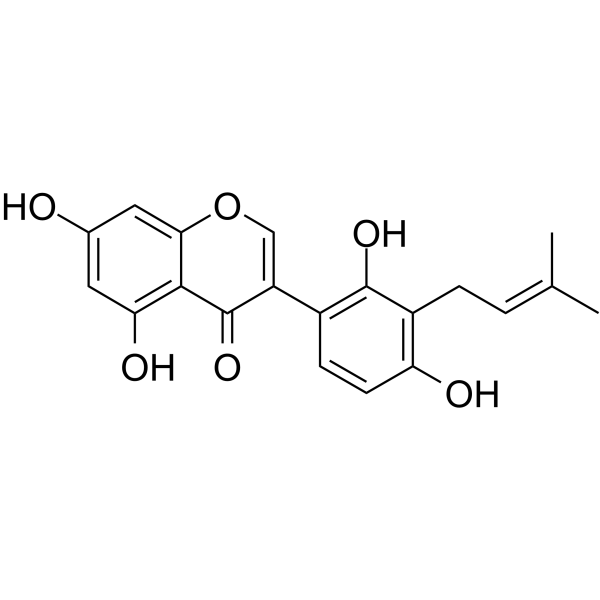
    Licoisoflavone A is an orally active isoflavone. Licoisoflavone A inhibits proliferation, induces apoptosis, and causes G1/S phase arrest in colorectal cancer (CRC) cells. Licoisoflavone A inhibits the CDK2-Cyclin E1 axis. Licoisoflavone A inhibits lipid peroxidation with an IC50 of 7.2 μM. Licoisoflavone A shows a dose-dependent inhibition effect on SARS-CoV-2 infection. Licoisoflavone A exhibits significant anti-tumor efficacy in mice bearing CT26 cell subcutaneous xenografts. Licoisoflavone A can be used for the study of colorectal cancer and SARS-CoV-2 infection .
    Licoisoflavone A
  • HY-P990068

    SRF617

    NTPDase Inflammation/Immunology Cancer
    Perenostobart (SRF617) is a human IgG4 antibody with inhibitory activity against CD39 ATPase. Perenostobart inhibits CD39-mediated hydrolysis of extracellular ATP to AMP, with IC50 values of 1.9 nM (HEK293 OE cells), 0.7 nM (MOLP-8 cells), and 1.2 nM (RBC-lysed whole blood). Perenostobart enhances CD4 + T-cell proliferation, promotes dendritic cell maturation, and boosts inflammasome activation in macrophages in the presence of ATP. Perenostobart demonstrates significant single-agent anti-tumor efficacy in MOLP-8 and H520 xenograft models. Perenostobart can be used for the study of cancer .
    Perenostobart
  • HY-N7694
    Isotoosendanin
    1 Publications Verification

    TGF-β Receptor JAK STAT Apoptosis Inflammation/Immunology Cancer
    Isotoosendanin is an orally active TGFβR1 inhibitor and abrogating its kinase activity (IC50 = 6732 nM). Isotoosendanin inhibits the JAK/STAT3 signaling pathway by directly targeting SHP-2, enhancing its stability, and reducing its ubiquitination. Isotoosendanin inhibits TGF-β-induced reduces the migration, invasion, and metastasis in triple-negative breast cancer (TNBC) cells. Isotoosendanin exhibits anti-tumor efficacy in TNBC xenograft models and A549 xenograft tumors. Isotoosendanin exhibits significant anti-inflammatory effects in acetic acid-induced vascular permeability and λ-carrageenan-induced hind paw edema tests. Isotoosendanin can be used for the study of non-small cell lung cancer (NSCLC), TNBC and inflammation .
    Isotoosendanin
  • HY-175729

    CDK Cancer
    Cyclin A/B RxL-IN-1 is a inhibitor targeting the Cyclin A/B RxL interaction at the hydrophobic patch (HP). Cyclin A/B RxL-IN-1 inhibits Cyclin A with an IC50 of 0.12 μM. Cyclin A/B RxL-IN-1 demonstrates antitumor efficacy in mouse cell line-derived xenograft (CDX) models. CDK-IN-19 can be used for the study of E2F-driven cancers such as small-cell lung cancer (SCLC) .
    Cyclin A/B RxL-IN-1
  • HY-176537

    Microtubule/Tubulin Cancer
    RGN6024 is a brain-penetrant, orally active and reversible small molecule tubulin destabilizer. RGN6024 inhibits microtubule polymerization both in biochemical and cellular assays, binds to the colchicine binding pocket of β-tubulin (SPR: Kd = 6.7 μM; tryptophan assay: Kd = 7.4 μM), and triggers G2/M arrest in glioblastoma (GB) cells. RGN6024 retains activity in βIII-tubulin overexpressing cells. RGN6024 inhibits tumor growth in a GB xenograft mouse model. RGN6024 can be used for the study of glioblastoma (GB) .
    RGN6024
  • HY-P99712

    hz208F2-4

    IGF-1R Apoptosis ADC Antibody Cancer
    Lonigutamab (hz208F2-4) is a humanized anti-IGF-1R monoclonal antibody, serveing as a targeting vector for antibody-drug conjugates (ADCs). Lonigutamab causes G2-M phase cell cycle arrest and increases apoptosis in IGF-1R-overexpressing tumor cells. Lonigutamab demonstrates potent antitumor efficacy in IGF-1R-overexpressing xenograft models. Lonigutamab can be used for the study of Solid tumors with overexpression of IGF-1R and thyroid eye diseases .
    Lonigutamab
  • HY-116269

    Ras Apoptosis PAK ERK Cancer
    AZA197 is a selective small molecule inhibitor of Cdc42.AZA197 suppresses colon cancer cell proliferation, cell migration, invasion and increases apoptosis by down-regulating the PAK1 and ERK signaling pathways in vitro. AZA197 reduces tumor growth and significantly increases mouse survival in SW620 tumor xenografts. AZA197 can be used for the study of colon cancer .
    AZA197
  • HY-175988

    DNA Methyltransferase HDAC Cancer
    DNMT/HDAC-IN-2 (Compound Y7) is a DNMT and HDAC inhibitor with IC50 values for DNMT1, HDAC1, and HDAC6 of 365, 0.2, and 8.91 nM respectively. DNMT/HDAC-IN-2 inhibits the proliferation of breast cancer cells. DNMT/HDAC-IN-2 significantly reduces tumor growth in xenografts and transgenic breast cancer mouse models. DNMT/HDAC-IN-2 can be used for the study of breast cancer .
    DNMT/HDAC-IN-2
  • HY-204056

    Telomerase Cancer
    Telomerase-IN-8 is an orally active telomerase inhibitor, with an IC50 value of 0.98 μM. Telomerase-IN-8 exhibits potent antiproliferative activity against multiple tumor cell lines, including PC3, Bcap-37, MGC-803 and HepG2. Telomerase-IN-8 demonstrates potent antitumor efficacy in S180 sarcoma or HepG2 hepatoma xenograft mice. Telomerase-IN-8 can be used for the study of telomerase-targeted anticancer .
    Telomerase-IN-8
  • HY-106777
    Cyclopentenylcytosine
    1 Publications Verification

    CPEC; NSC 375575

    DNA/RNA Synthesis Nucleoside Antimetabolite/Analog Apoptosis Necroptosis Influenza Virus HSV Infection Cancer
    Cyclopentenylcytosine (CPEC), a carbocyclic nucleoside analog of cytosine, is a potent inhibitor of CTP synthetase and causes depletion of CTP and dCTP pools. Cyclopentenylcytosine shows broad-spectrum (both DNA and RNA viruses) antiviral activity. Cyclopentenyl cytosine increases Gemcitabine (HY-17026) radiosensitisation in human pancreatic cancer cells. Cyclopentenylcytosine shows effective antiviral activity in the Ad5/NZW rabbit ocular replication model and shows anti-tumor activity in various tumor xenografts model. Cyclopentenylcytosine can be used for the study of infection and cancer .
    Cyclopentenylcytosine
  • HY-175208

    Hippo (MST) Caspase Bcl-2 Family Apoptosis Cancer
    MST3-IN-1 is a selective and orally active MST3 inhibitor, with an IC50 of 122.4 nM. MST3-IN-1 shows antiproliferative activity against HepG2 cell. MST3-IN-1 effectively induces apoptosis in HepG2 cells, and halts the cell cycle at the G2/M transition. MST3-IN-1 significantly suppressed tumor growth in HepG2 xenograft mice. MST3-IN-1 can be used for the study of liver cancer .
    MST3-IN-1
  • HY-175502

    Molecular Glues IKZF Family Apoptosis Cancer
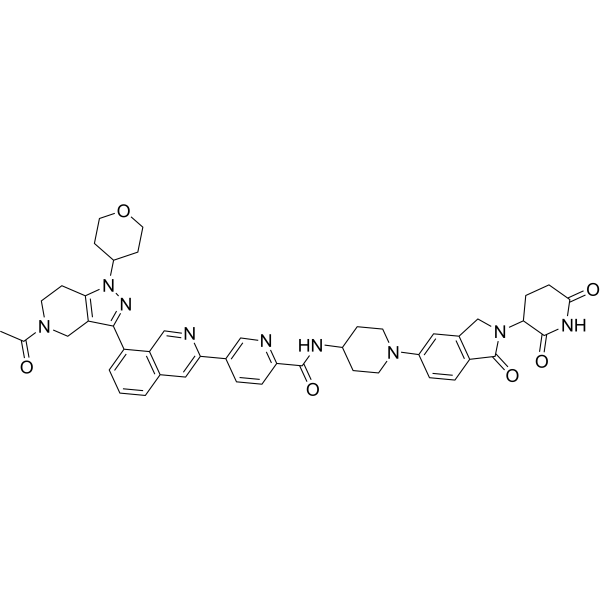
    MGD-22, a molecular glue, is an orally active IKZF1/2/3 degrader with DC50 values of 8.33 nM, 9.91 nM, and 5.74 nM, respectively. MGD-22 exhibits extremely potent anti-proliferative activity against diverse hematological cancer cells. MGD-22 induces apoptosis in cancer cells. MGD-22 demonstrates potent anti-tumor efficacy in mice bearing NCI-H929 xenografts or WSU-DLCL-2 xenografts. MGD-22 can be used for the study of hematological cancers, including multiple myeloma (MM), acute myeloid leukemia (AML), and diffuse large B-cell lymphoma (DLBCL) .
    MGD-22
  • HY-171745

    ATM/ATR Cancer
    ATR-IN-32 is an orally active ATR inhibitor. ATR-IN-32 potently inhibits the proliferation of MIA PaCa-2 cells. ATR-IN-32 exerts significant tumor growth inhibition in mice bearing LOVO and HT-29 xenografts. ATR-IN-32 can be used for the study of cancers mediated by ATR protein kinase, such as colorectal cancer, pancreatic cancer .
    ATR-IN-32
  • HY-179219S

    DNA/RNA Synthesis Cancer
    RTx-303 is an orally active, selective DNA polymerase θ (Polθ) inhibitor (IC50 = 5.1 nM). RTx-303 exhibits significantly high cellular potency and strongly potentiates PARPi in BRCA1/2 mutant cells and patient-derived xenograft models. RTx-303 can be used for the study of BRCA2-mutated breast cancer .
    RTx-303
  • HY-179395

    YAP Cancer
    TEAD-IN-23 (Compound 22) is an efficient pan-TEAD inhibitor with an IC50 of 10 nM. TEAD-IN-23 exhibits potent anti-proliferative activity in both NCI-H226 and MSTO-211H. TEAD-IN-23 causes complete tumor regression in the MSTO-211H xenograft tumor model. TEAD-IN-23 can be used for the study of mesothelioma and hepatocellular carcinoma .
    TEAD-IN-23
  • HY-178909

    c-Myc Apoptosis Reactive Oxygen Species (ROS) Cancer
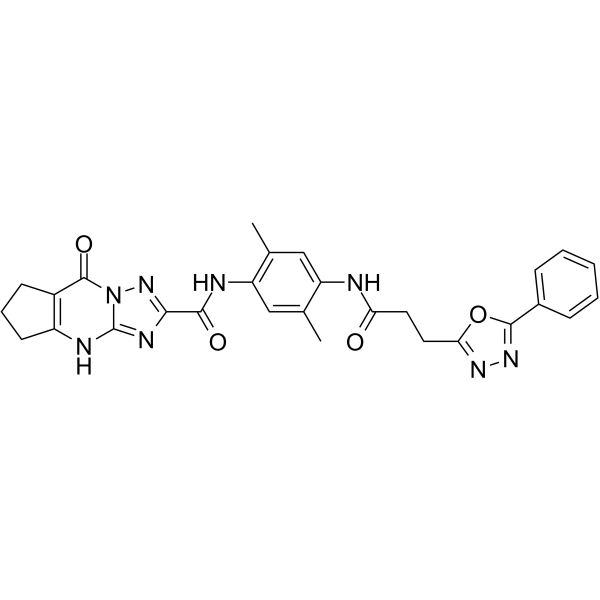
    Y502-2304 is a c-Myc G-quadruplex stabilizer. Y502-2304 exhibits potent antiproliferative activity in multiple myeloma (MM) cells. Y502–2304 downregulates c-Myc mRNA and protein expression. Y502-2304 induces apoptosis in MM cells, characterizes by elevated γH2AX levels, increases reactive oxygen species (ROS) generation, and mitochondrial dysfunction. Y502-2304 significantly inhibits tumor growth in a xenograft MM model. Y502-2304 can be used for the study of multiple myeloma .
    Y502-2304
  • HY-179228

    CTLA-4 TGF-beta/Smad Cancer
    AN02 is a derivative of Curcumin (HY-N0005). AN02 inhibits the proliferation and clonogenicity, migration and invasion of ovarian cancer cells. AN02 dose-dependently upregulates the expression of APC and mediates the degradation of CTLA-4 through SMAD4. In the small xenograft model, AN02 significantly inhibits tumor growth and reverses the tumor immune-suppressive microenvironment. AN02, when combined with Ipilimumab (HY-P9901), can enhance efficacy and inhibit epithelial-mesenchymal transition. AN02 can be used for the study of ovarian cancer .
    AN02
  • HY-161751

    GSK-3 Cancer
    MJ34 is a potent inhibitor of GSK-3β and GSK-3α, with the IC50s of 15.4 nM and 31.5 nM, respectively. MJ34 plays an important role in cancer research
    MJ34
  • HY-175260

    Estrogen Receptor/ERR Cancer
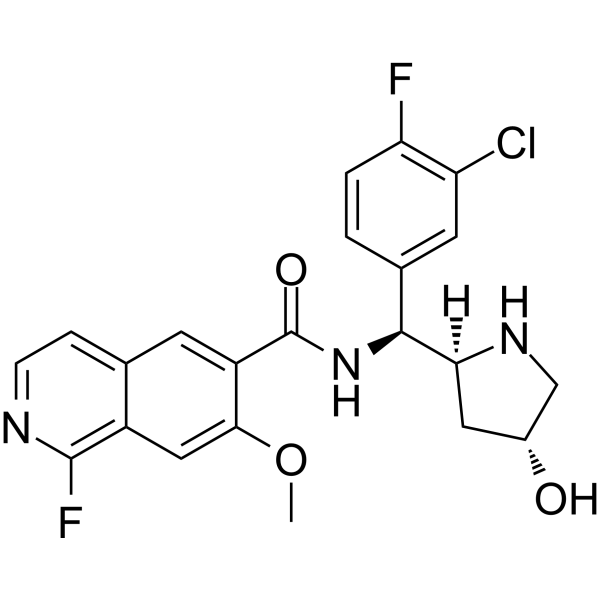
    ZN-c5 is a selective and orally active estrogen receptor degrader. ZN-c5 exhibits high potency in the cellular assay (MCF-7, IC50 = 0.3 nM) and binds with high affinity to ERα and ERβ (IC50 = 0.4 nM and 0.8 nM, respectively). ZN-c5 inhibits tumor growth in MCF-7 mouse xenograft model and WHIM20 xenograft model. ZN-c5 can be used for the study of breast cancer .
    ZN-c5
  • HY-176907

    E1/E2/E3 Enzyme Cancer
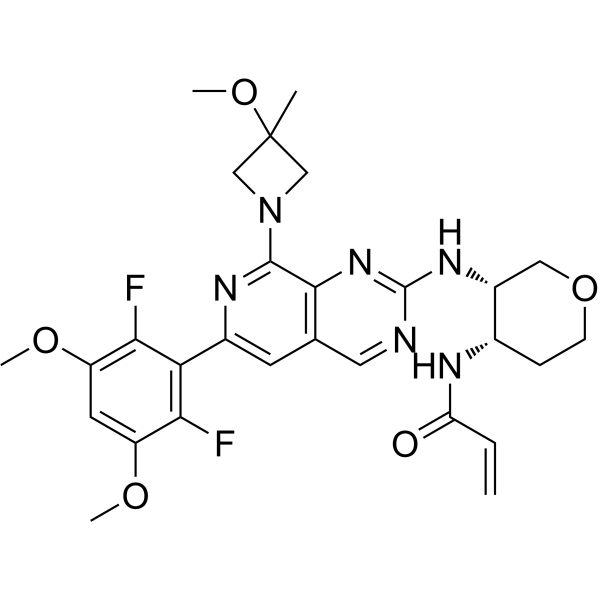
    ML-93 is an orally active SAE inhibitor, with an IC50 value of 0.4 μM. ML-93 inhibits the SUMOylation pathway in HCT116 cells. ML-93 shows robust antitumor activity in the HCT116 colorectal carcinoma xenograft model. ML-93 can be used for the study of colorectal cancer .
    ML-93
  • HY-175017

    Survivin Cancer
    Survivin-IN-2 is a survivin inhibitor. Survivin-IN-2 shows cytotoxicity in cells with IC50s of 0.53 μM (C4-2 cells) and 1.06 μM (PC-3 cells). Survivin-IN-2 effectively suppresses xenograft tumor growth without apparent toxicity and eliminates survivin in the tumors. Survivin-IN-2 can be used for the study of prostate cancer .
    Survivin-IN-2
  • HY-178918

    Acetyl-CoA Carboxylase Cancer
    XZA-1 is a 3-hydroxyacyl-coenzyme A dehydrogenase (HADH) activator. XZA-1 increases the intracellular level of acetoacetyl-CoA, which in turn induces acetoacetylation modification of Chromobox Protein Homolog 4 (CBX4) at lysine 106 (K106). XZA-1 exhibits antitumor effects in a xenograft model of human hepatocellular carcinoma SMMC7721 cells overexpressing CBX4. XZA-1 can be used for the study of hepatocellular carcinoma .
    XZA-1
  • HY-120372

    Notch Cancer
    BMS-871 is an orally active pan-Notch inhibitor with IC50 values ​​of 4/1/4/3 nM for Notch1/2/3/4, respectively. BMS-871 significantly inhibited the proliferation of TALL-1 and MDA-MB-157 cells and demonstrated significant antitumor activity in T-acute lymphoblastic leukemia and triple-negative breast cancer xenograft models. BMS-871 can be used to study leukemia and breast cancer .
    BMS-871
  • HY-103043

    Others Cancer
    Pz 285 is an anti-cancer agent. Pz 285 shows significant inhibitory effect on the viability of MDA-MB-231 breast cancer cells, with an IC50 of 15.0 μM. Pz 285 exhibits remarkable antitumor effects in the mouse tumor xenograft model constructed with highly lung-metastatic MDA-MB-231 LM24 Her2+ breast cancer cells. Pz 285 can be used for the study of breast cancer, especially metastatic breast cancer .
    Pz 285
  • HY-175318S

    MDM-2/p53 Cancer
    p53 Activator 15 is an orally active p53 Y220C activator. p53 Activator 15 enhances the DNA binding of p53 Y220C (SC50 = 0.58 nM) and significantly inhibits NUGC-3 cell proliferation. p53 Activator 15 effectively inhibits tumor growth in NUGC-3 xenograft mouse and rat models. p53 Activator 15 can be used to study gastric cancer .
    p53 Activator 15
  • HY-175555

    Microtubule/Tubulin Apoptosis Cancer
    Tubulin-IN-54 is a tubulin inhibitor. Tubulin-IN-54 exhibits anti-proliferative activity against various cancer cells. Tubulin-IN-54 inhibits tubulin polymerization, disrupts microtubule networks, induces G2/M cell cycle arrest, and promotes cancer cell apoptosis. Tubulin-IN-54 demonstrates significant anti-tumor efficacy in mice bearing PC-3/TxR xenografts. Tubulin-IN-54 can be used for the study of taxane-resistant cancers (prostate cancer, melanoma) .
    Tubulin-IN-54
  • HY-175257

    PARP Reactive Oxygen Species (ROS) Apoptosis NF-κB ERK Bcl-2 Family TGF-β Receptor EGFR Cadherin Cancer
    Theophylline-platinum(IV) prodrug-1 is a PARP-1 inhibitor. Theophylline-platinum(IV) prodrug-1 enhances DNA damage, ROS production, mitochondrial dysfunction, apoptosis and S-phase arrest, along with reducing invasion and metastasis in cells. Theophylline-platinum(IV) prodrug-1 exhibits superior antitumor activity in the xenograft SKOV3-BRCA1-KD tumor model. Theophylline-platinum(IV) prodrug-1 can be used for the study of ovarian cancer .
    Theophylline-platinum(IV) prodrug-1
  • HY-148291

    LPL Receptor Phosphodiesterase (PDE) Cancer
    BrP-LPA sodium is a pan-opposite agent for lysophosphatidic acid (LPA). It has antagonistic activity against LPA1 (IC50 = 4520 nM), LPA2 (IC50 = 468 nM), LPA3, and LPA4. BrP-LPA sodium also has partial agonistic activity for LPA5, with its EC50 being 1282 nM. BrP-LPA sodium has ATX inhibitory activity. BrP-LPA sodium effectively inhibits the migration and invasion of breast cancer cells. BrP-LPA sodium achieves tumor regression and anti-angiogenesis in mice breast cancer xenograft model. BrP-LPA sodium can be used for the study of breast cancer .
    BrP-LPA sodium
  • HY-175030

    HDAC Apoptosis Pyroptosis Necroptosis PANoptosis Cancer
    TNI-97 is a selective and orally active HDAC6 inhibitor, with an IC50 of 0.2 nM. TNI-97 potently inhibited TNBC cell MDA-MB-453 growth and clonogenicity. TNI-97 induces PANoptosis including apoptosis, necroptosis and pyroptosis in MDA-MB-453 cells. TNI-97 shows antitumor activity in the mice carrying the MDA-MB-453 xenograft or carrying murine-derived TNBC cell allografts. TNI-97 can be used for the study of triple-negative breast cancer .
    TNI-97
  • HY-175291

    MMP Cadherin Cancer
    Cystatin B agonist 1 is an orally active MMP-2/9 inhibitor. Cystatin B agonist 1 exhibits inhibitory effects with IC50 values of 3.95 and 3.43 μM against U87 and T98G cells, respectively. Cystatin B agonist 1 induces the cell-cycle arrest at S phase, inhibits angiogenesis, and suppresses migration and invasion of MG cells. Cystatin B agonist 1 inhibits tumor growth in U87 MG xenograft model. Cystatin B agonist 1 can be used for the study of malignant glioma (MG) .
    Cystatin B agonist 1
  • HY-175757

    ClpP Apoptosis Reactive Oxygen Species (ROS) Inflammation/Immunology Cancer
    HsClpP activator-2 is an orally active HsClpP agonist with a KD of 40 nM. HsClpP activator-2 potently inhibits SCLC cells including H69 (IC50 = 0.17 μM) and H82 (IC50 = 0.19 μM). HsClpP activator-2 disrupts mitochondrial membrane potential (MMP), as well as induces apoptosis and ROS in H82 cells. HsClpP activator-2 significantly inhibits tumor growth in non-SMC xenograft models with a tumor growth inhibition. HsClpP activator-2 can be used for the study of small cell lung carcinoma (SCLC) .
    HsClpP activator-2
  • HY-163510

    Androgen Receptor Cancer
    AR/AR-V7-IN-1 (Compound 20i) is an AR/ARV7 inhibitor (IC50 = 172.85 nM). AR/AR-V7-IN-1 potently inhibits cell growth with IC50 values of 4.87 and 2.07 μM in the LNCaP and 22RV1 cell lines, respectively. AR/AR-V7-IN-1 exhibits effective tumor growth inhibition in the 22RV1 xenograft study. AR/AR-V7-IN-1 can be used for the research of prostate cancer .
    AR/AR-V7-IN-1

Inquiry Online

Your information is safe with us. * Required Fields.

Salutation


Country or Region *

Applicant Name *


Organization Name *

Department *


Email Address *


Product Name *

Cat. No.


Requested quantity *

Phone Number *


Remarks

Inquiry Online

Inquiry Information

Product Name:
Cat. No.:
Quantity:
MCE Japan Authorized Agent:

