1. Apoptosis NF-κB Metabolic Enzyme/Protease Immunology/Inflammation PI3K/Akt/mTOR MAPK/ERK Pathway Neuronal Signaling
  2. Apoptosis Reactive Oxygen Species (ROS) Akt mTOR PI3K NO Synthase COX p38 MAPK Toll-like Receptor (TLR) Amyloid-β
  3. Isoacteoside

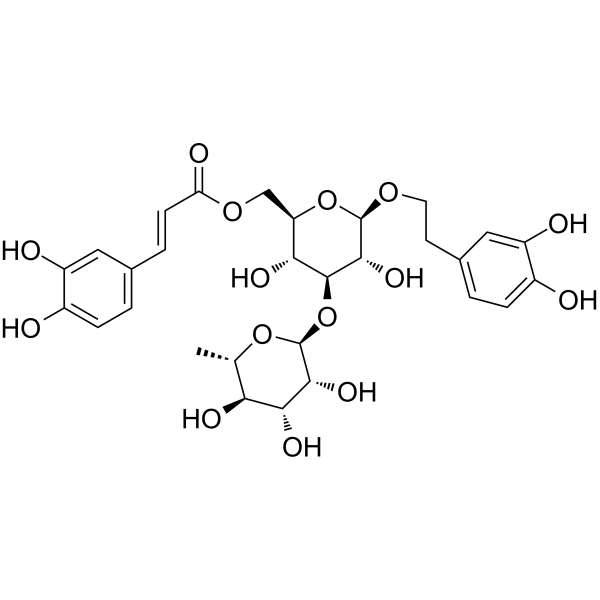
Isoacteoside  (Synonyms: Isoverbascoside)

Cat. No.: HY-N0022 Purity: 99.73%
Handling Instructions Technical Support

Isoacteoside is a natural product that can significantly inhibit the formation of glycation end products. Isoacteoside regulates the AKT/PI3K/m-TOR/NF-κB signaling pathway, induces apoptosis in OVCAR-3 cell. Isoacteoside exhibits antitumor, anti-inflammatory, anti-obesity and neuroprotective activities.

For research use only. We do not sell to patients.

CAS No. : 61303-13-7

Size Price Stock Quantity
Free Sample (0.1 - 0.2 mg)   Apply Now  
Solid + Solvent (Highly Recommended)
10 mM * 1 mL in DMSO
ready for reconstitution
In-stock
Solution
10 mM * 1 mL in DMSO In-stock
Solid
5 mg In-stock
10 mg In-stock
25 mg In-stock
50 mg In-stock
100 mg In-stock
200 mg   Get quote  
500 mg   Get quote  

* Please select Quantity before adding items.

This product is a controlled substance and not for sale in your territory.

Customer Review

Based on 7 publication(s) in Google Scholar

Other Forms of Isoacteoside:

Top Publications Citing Use of Products

    Isoacteoside purchased from MedChemExpress. Usage Cited in: Commun Biol. 2025 Feb 8;8(1):205.  [Abstract]

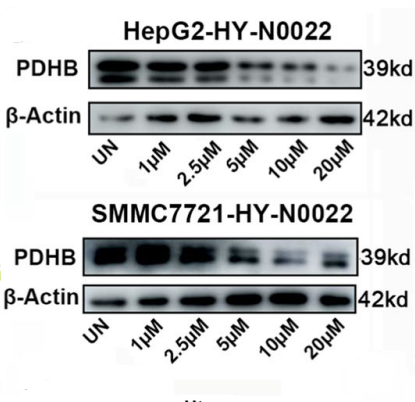
    The effect of Isoacteoside on PDHB expression in hepatocellular carcinoma cells was detected by Western blot.

    Isoacteoside purchased from MedChemExpress. Usage Cited in: Commun Biol. 2025 Feb 8;8(1):205.  [Abstract]

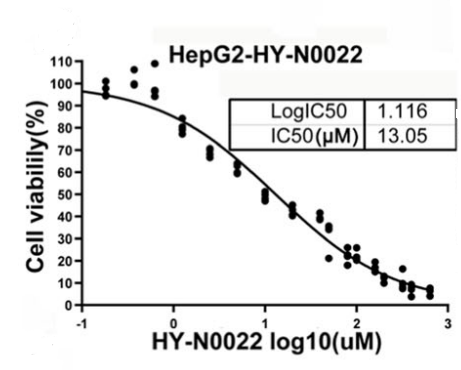
    The IC50 value of HepG2 cells after Isoacteoside treatment was determined using a cytotoxicity assay.

    Isoacteoside purchased from MedChemExpress. Usage Cited in: Commun Biol. 2025 Feb 8;8(1):205.  [Abstract]

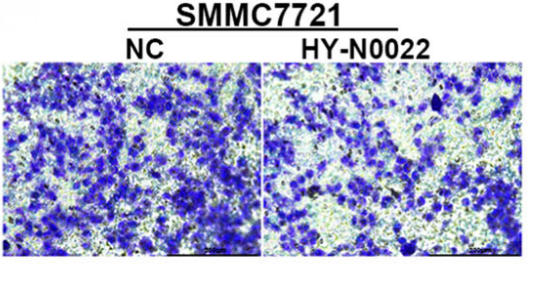
    The effect of Isoacteoside on the invasive ability of hepatocellular carcinoma cells was detected using the Transwell chamber invasion assay.

    Isoacteoside purchased from MedChemExpress. Usage Cited in: Commun Biol. 2025 Feb 8;8(1):205.  [Abstract]

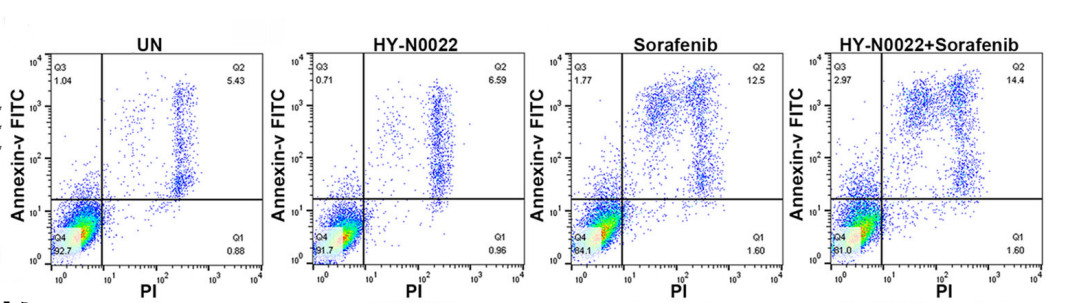
    Flow cytometry was used to detect the effects of Isoacteoside(30 mg/kg), sorafenib monotherapy, and combination therapy on apoptosis in liver cancer cells.

    Isoacteoside purchased from MedChemExpress. Usage Cited in: Behav Brain Funct. 2025 Sep 29;21(1):30.  [Abstract]

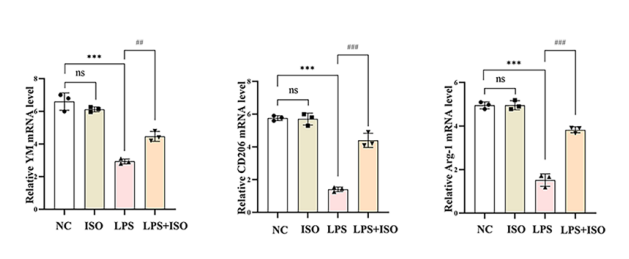
    ISO (Isoacteoside: 40 mg/kg) modulated microglia polarization in mice showing depressive-like behaviors. A Expression of M2 microglia markers (YM, CD206 and Arg-1) in the hippocampus of different groups determined by qPCR.

    View All Akt Isoform Specific Products:

    View All mTOR Isoform Specific Products:

    View All PI3K Isoform Specific Products:

    View All NO Synthase Isoform Specific Products:

    View All COX Isoform Specific Products:

    View All p38 MAPK Isoform Specific Products:

    View All Toll-like Receptor (TLR) Isoform Specific Products:

    • Biological Activity

    • Purity & Documentation

    • References

    • Customer Review

    Description

    Isoacteoside is a natural product that can significantly inhibit the formation of glycation end products. Isoacteoside regulates the AKT/PI3K/m-TOR/NF-κB signaling pathway, induces apoptosis in OVCAR-3 cell. Isoacteoside exhibits antitumor, anti-inflammatory, anti-obesity and neuroprotective activities[1][2][3][4][5].

    Cellular Effect
    Cell Line Type Value Description References
    HEp-2 EC50
    0.17 μg/mL
    Compound: 2, isoverbascoside
    Antiviral activity against RSV infected in human Hep2 cells assessed as virus-induced cytopathic effect administered 3 hrs postinfection
    Antiviral activity against RSV infected in human Hep2 cells assessed as virus-induced cytopathic effect administered 3 hrs postinfection
    [PMID: 9599250]
    HEp-2 EC50
    0.62 μg/mL
    Compound: 2, isoverbascoside
    Antiviral activity against RSV long infected in human Hep2 cells assessed as virus-induced cytopathic effect after 3 days
    Antiviral activity against RSV long infected in human Hep2 cells assessed as virus-induced cytopathic effect after 3 days
    [PMID: 9599250]
    HEp-2 EC50
    1.1 μg/mL
    Compound: 2, isoverbascoside
    Antiviral activity against RSV A-2 infected in human Hep2 cells after 3 days by plaque neutralization assay
    Antiviral activity against RSV A-2 infected in human Hep2 cells after 3 days by plaque neutralization assay
    [PMID: 9599250]
    HEp-2 IC50
    125 μg/mL
    Compound: 2, isoverbascoside
    Cytotoxicity against human Hep2 cells administered 3 hrs postinfection
    Cytotoxicity against human Hep2 cells administered 3 hrs postinfection
    [PMID: 9599250]
    HEp-2 IC50
    27 μg/mL
    Compound: 2, isoverbascoside
    Cytotoxicity against HSV2 infected human Hep2 cells after 3 days
    Cytotoxicity against HSV2 infected human Hep2 cells after 3 days
    [PMID: 9599250]
    HEp-2 IC50
    30 μg/mL
    Compound: 2, isoverbascoside
    Cytotoxicity against HSV1 infected human Hep2 cells after 3 days
    Cytotoxicity against HSV1 infected human Hep2 cells after 3 days
    [PMID: 9599250]
    HEp-2 IC50
    51.4 μg/mL
    Compound: 2, isoverbascoside
    Cytotoxicity against RSV long infected human Hep2 cells after 3 days
    Cytotoxicity against RSV long infected human Hep2 cells after 3 days
    [PMID: 9599250]
    HEp-2 IC50
    75 μg/mL
    Compound: 2, isoverbascoside
    Cytotoxicity against VZV 3CV-1 infected human Hep2 cells after 3 days
    Cytotoxicity against VZV 3CV-1 infected human Hep2 cells after 3 days
    [PMID: 9599250]
    HEp-2 IC50
    89 μg/mL
    Compound: 2, isoverbascoside
    Cytotoxicity against mCMV RM-461 infected human Hep2 cells after 3 days
    Cytotoxicity against mCMV RM-461 infected human Hep2 cells after 3 days
    [PMID: 9599250]
    Hepatocyte IC50
    5.3 μM
    Compound: 6
    Hepatoprotective activity in ddY mouse primary cultured hepatocytes assessed as inhibition of D-galactosamine-induced cytotoxicity after 44 hrs by MTT assay
    Hepatoprotective activity in ddY mouse primary cultured hepatocytes assessed as inhibition of D-galactosamine-induced cytotoxicity after 44 hrs by MTT assay
    [PMID: 20159656]
    L929 IC50
    22.7 μg/mL
    Compound: 6
    Cytoprotective activity in mouse L929 cells assessed as inhibition of TNF-alpha-induced cytotoxicity after 44 hrs by MTT assay
    Cytoprotective activity in mouse L929 cells assessed as inhibition of TNF-alpha-induced cytotoxicity after 44 hrs by MTT assay
    [PMID: 20159656]
    P388 ED50
    10 μg/mL
    Compound: 2
    Cytotoxicity against mouse P388 cells
    Cytotoxicity against mouse P388 cells
    [PMID: 2380718]
    Peritoneal macrophage cell IC50
    > 100 μM
    Compound: 6
    Inhibition of LPS-induced TNFalpha production in ddY mouse peritoneal macrophages
    Inhibition of LPS-induced TNFalpha production in ddY mouse peritoneal macrophages
    [PMID: 20159656]
    Peritoneal macrophage cell IC50
    > 100 μM
    Compound: 6
    Inhibition of LPS-induced nitric oxide production in ddY mouse peritoneal macrophages
    Inhibition of LPS-induced nitric oxide production in ddY mouse peritoneal macrophages
    [PMID: 20159656]
    In Vitro

    Isoacteoside (20-80 μM, 24 h) inhibits the expression of iNOS and COX-2 in RAW264.7, inhibits LPS (HY-D1056)-induced release of TNF-α, IL-6, and IL-1β, as well as the activation of NF-κB[2].
    Isoacteoside (15-30 μM, 24-48 h) inhibits the proliferation, invasion and migration of cancer cell OVCAR-3 (IC50=15 μM), arrests the cell cycle at sub-G1 phase, and induces the generation of ROS[3].
    Isoacteoside (15-30 μM, 48 h) inhibits the phosphorylation of AKT, mTOR, p38 MAPK, and PI3K without affecting their total protein expression[2][3].
    Isoacteoside (75-150 μM, 24-48 h) reduces the formation of lipid droplets and inhibits the expression of genes and proteins related to adipogenesis and lipid synthesis[4].

    MedChemExpress (MCE) has not independently confirmed the accuracy of these methods. They are for reference only.

    Western Blot Analysis[3]

    Cell Line: OVCAR-3
    Concentration: 15-30 μM
    Incubation Time: 24 h
    Result: Inhibited p-AKT, p-mTOR and p-PI3K.

    Real Time qPCR[4]

    Cell Line: 3T3-L1
    Concentration: 75-150 μM
    Incubation Time: 24-48 h
    Result: Reduced the expression of PPARγ, C/EBPα and PLIN1.
    In Vivo

    Isoacteoside (25-100 mg/kg, ip, single dose) exhibits anti-inflammatory efficacy in mouse xylene-induced ear edema models, LPS (HY-D1056)-induced endotoxin shock models, and LPS (HY-D1056)-induced acute kidney injury (AKI) models[2].
    Isoacteoside (30 mg/kg, ip, three times a week for 5 weeks) exhibits antitumor efficacy in mouse OVCAR-3 xenograft models[3].
    Isoacteoside (2.5-5 mg/kg, icv for 15 days) exhibits neuroprotective effect against Aβ 1-42-induced neurotoxicity and cognitive impairment in SD rats models[5].

    MedChemExpress (MCE) has not independently confirmed the accuracy of these methods. They are for reference only.

    Animal Model: Acute kidney injury (AKI) model[2]
    Dosage: 25-100 mg/kg
    Administration: ip, single dose
    Result: Ameliorated LPS induced acute kidney injury.
    Animal Model: Mouse OVCAR-3 xenograft model[3]
    Dosage: 30 mg/kg
    Administration: ip, three times a week for 5 weeks
    Result: Reduced the tumor weight and volume.
    Animal Model: Aβ 1-42 induced neurotoxicity in Sprague-Dawley rats models[5]
    Dosage: 2.5-5 mg/kg
    Administration: icv for 15 days
    Result: Increased the exploratory behavior, shortened the escape latency.
    Molecular Weight

    624.59

    Formula

    C29H36O15

    CAS No.
    Appearance

    Solid

    Color

    White to yellow

    SMILES

    OC1=CC(/C=C/C(OC[C@@H]2[C@@H](O)[C@H](O[C@@H]3O[C@@H](C)[C@H](O)[C@@H](O)[C@H]3O)[C@@H](O)[C@H](OCCC4=CC=C(O)C(O)=C4)O2)=O)=CC=C1O

    Structure Classification
    Initial Source
    Shipping

    Room temperature in continental US; may vary elsewhere.

    Storage

    4°C, protect from light

    *In solvent : -80°C, 6 months; -20°C, 1 month (protect from light)

    Solvent & Solubility
    In Vitro: 

    DMSO : 175 mg/mL (280.18 mM; Need ultrasonic; Hygroscopic DMSO has a significant impact on the solubility of product, please use newly opened DMSO)

    H2O : ≥ 100 mg/mL (160.11 mM)

    *"≥" means soluble, but saturation unknown.

    Preparing
    Stock Solutions
    Concentration Solvent Mass 1 mg 5 mg 10 mg
    1 mM 1.6011 mL 8.0053 mL 16.0105 mL
    5 mM 0.3202 mL 1.6011 mL 3.2021 mL
    View the Complete Stock Solution Preparation Table

    * Please refer to the solubility information to select the appropriate solvent. Once prepared, please aliquot and store the solution to prevent product inactivation from repeated freeze-thaw cycles.
    Storage method and period of stock solution: -80°C, 6 months; -20°C, 1 month (protect from light). When stored at -80°C, please use it within 6 months. When stored at -20°C, please use it within 1 month.

    * Note: If you choose water as the stock solution, please dilute it to the working solution, then filter and sterilize it with a 0.22 μm filter before use.

    • Molarity Calculator

    • Dilution Calculator

    Mass (g) = Concentration (mol/L) × Volume (L) × Molecular Weight (g/mol)

    Mass
    =
    Concentration
    ×
    Volume
    ×
    Molecular Weight *

    Concentration (start) × Volume (start) = Concentration (final) × Volume (final)

    This equation is commonly abbreviated as: C1V1 = C2V2

    Concentration (start)

    C1

    ×
    Volume (start)

    V1

    =
    Concentration (final)

    C2

    ×
    Volume (final)

    V2

    In Vivo:

    Select the appropriate dissolution method based on your experimental animal and administration route.

    For the following dissolution methods, please ensure to first prepare a clear stock solution using an In Vitro approach and then sequentially add co-solvents:
    To ensure reliable experimental results, the clarified stock solution can be appropriately stored based on storage conditions. As for the working solution for in vivo experiments, it is recommended to prepare freshly and use it on the same day.
    The percentages shown for the solvents indicate their volumetric ratio in the final prepared solution. If precipitation or phase separation occurs during preparation, heat and/or sonication can be used to aid dissolution.

    • Protocol 1

      Add each solvent one by one:  10% DMSO    40% PEG300    5% Tween-80    45% Saline

      Solubility: ≥ 2.08 mg/mL (3.33 mM); Clear solution

      This protocol yields a clear solution of ≥ 2.08 mg/mL (saturation unknown).

      Taking 1 mL working solution as an example, add 100 μL DMSO stock solution (20.8 mg/mL) to 400 μL PEG300, and mix evenly; then add 50 μL Tween-80 and mix evenly; then add 450 μL Saline to adjust the volume to 1 mL.

      Preparation of Saline: Dissolve 0.9 g sodium chloride in ddH₂O and dilute to 100 mL to obtain a clear Saline solution.
    • Protocol 2

      Add each solvent one by one:  10% DMSO    90% (20% SBE-β-CD in Saline)

      Solubility: ≥ 2.08 mg/mL (3.33 mM); Clear solution

      This protocol yields a clear solution of ≥ 2.08 mg/mL (saturation unknown).

      Taking 1 mL working solution as an example, add 100 μL DMSO stock solution (20.8 mg/mL) to 900 μL 20% SBE-β-CD in Saline, and mix evenly.

      Preparation of 20% SBE-β-CD in Saline (4°C, storage for one week): 2 g SBE-β-CD powder is dissolved in 10 mL Saline, completely dissolve until clear.

    For the following dissolution methods, please prepare the working solution directly. It is recommended to prepare fresh solutions and use them promptly within a short period of time.
    The percentages shown for the solvents indicate their volumetric ratio in the final prepared solution. If precipitation or phase separation occurs during preparation, heat and/or sonication can be used to aid dissolution.

    • Protocol 1

      Add each solvent one by one:  0.5% CMC-Na/saline water

      Solubility: ≥ 10 mg/mL (16.01 mM); Clear solution

    In Vivo Dissolution Calculator
    Please enter the basic information of animal experiments:

    Dosage

    mg/kg

    Animal weight
    (per animal)

    g

    Dosing volume
    (per animal)

    μL

    Number of animals

    Recommended: Prepare an additional quantity of animals to account for potential losses during experiments.
    Calculation results:
    Working solution concentration: mg/mL
    This product has good water solubility, please refer to the measured solubility data in water/PBS/Saline for details.
    The concentration of the stock solution you require exceeds the measured solubility. The following solution is for reference only.If necessary, please contact MedChemExpress (MCE).
    Purity & Documentation

    Purity: 99.73%

    References

    Complete Stock Solution Preparation Table

    * Please refer to the solubility information to select the appropriate solvent. Once prepared, please aliquot and store the solution to prevent product inactivation from repeated freeze-thaw cycles.
    Storage method and period of stock solution: -80°C, 6 months; -20°C, 1 month (protect from light). When stored at -80°C, please use it within 6 months. When stored at -20°C, please use it within 1 month.

    Optional Solvent Concentration Solvent Mass 1 mg 5 mg 10 mg 25 mg
    H2O / DMSO 1 mM 1.6011 mL 8.0053 mL 16.0105 mL 40.0263 mL
    5 mM 0.3202 mL 1.6011 mL 3.2021 mL 8.0053 mL
    10 mM 0.1601 mL 0.8005 mL 1.6011 mL 4.0026 mL
    15 mM 0.1067 mL 0.5337 mL 1.0674 mL 2.6684 mL
    20 mM 0.0801 mL 0.4003 mL 0.8005 mL 2.0013 mL
    25 mM 0.0640 mL 0.3202 mL 0.6404 mL 1.6011 mL
    30 mM 0.0534 mL 0.2668 mL 0.5337 mL 1.3342 mL
    40 mM 0.0400 mL 0.2001 mL 0.4003 mL 1.0007 mL
    50 mM 0.0320 mL 0.1601 mL 0.3202 mL 0.8005 mL
    60 mM 0.0267 mL 0.1334 mL 0.2668 mL 0.6671 mL
    80 mM 0.0200 mL 0.1001 mL 0.2001 mL 0.5003 mL
    100 mM 0.0160 mL 0.0801 mL 0.1601 mL 0.4003 mL

    * Note: If you choose water as the stock solution, please dilute it to the working solution, then filter and sterilize it with a 0.22 μm filter before use.

    • No file chosen (Maximum size is: 1024 Kb)
    • If you have published this work, please enter the PubMed ID.
    • Your name will appear on the site.
    Help & FAQs
    • Do most proteins show cross-species activity?

      Species cross-reactivity must be investigated individually for each product. Many human cytokines will produce a nice response in mouse cell lines, and many mouse proteins will show activity on human cells. Other proteins may have a lower specific activity when used in the opposite species.

    Your Recently Viewed Products:

    Inquiry Online

    Your information is safe with us. * Required Fields.

    Product Name


    Requested Quantity *

    Applicant Name *


    Salutation

    Email Address *


    Phone Number *

    Department


    Organization Name *

    City

    State

    Country or Region *


    Remarks

    Bulk Inquiry

    Inquiry Information

    Product Name:
    Isoacteoside
    Cat. No.:
    HY-N0022
    Quantity:
    MCE Japan Authorized Agent: