
Search Result
Results for "
Blood Pressure Lowering
" in MedChemExpress (MCE) Product Catalog:
1
Biochemical Assay Reagents
19
Isotope-Labeled Compounds
| Cat. No. |
Product Name |
Target |
Research Areas |
Chemical Structure |
-
- HY-P0206
-
-
-
- HY-A0119
-
|
Sodium nitroprusside dihydrate; Sodium Nitroferricyanide(III) Dihydrate
|
Autophagy
|
Cardiovascular Disease
Cancer
|
|
Nitroprusside disodium dehydrate (Sodium nitroprusside dihydrate) is a vasodilator that available for the research of acute hypertension, heart failure. Nitroprusside disodium dehydrate induces autophagy in glutathione-depleted osteoblasts. Nitroprusside disodium dehydrate acts as a nitric oxide (NO) donor in a rat intestinal ischemia reperfusion model .
|
-
-
- HY-B0309
-
|
|
Calcium Channel
Autophagy
|
Cardiovascular Disease
|
|
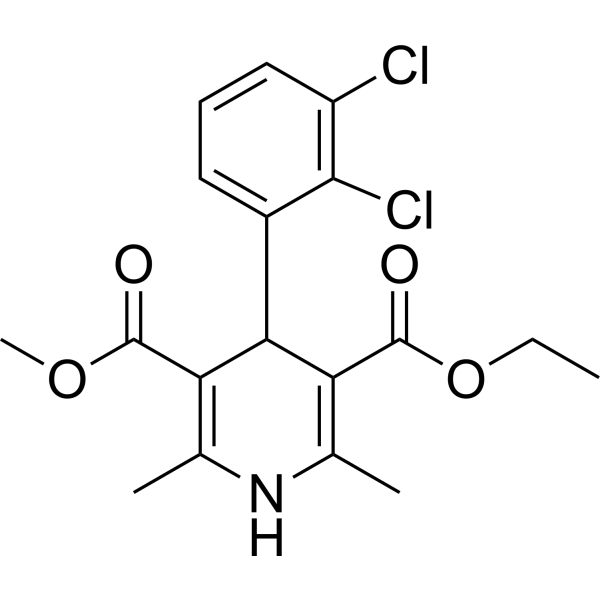
Felodipine, a dihydropyridine, is a potent, vasoselective calcium channel antagonist. Felodipine lowers blood pressure (BP) by selective action on vascular smooth muscle, especially in the resistance vessels. Felodipine, an anti-hypertensive agent, induces autophagy. Felodipine can cross the blood-brain barrier .
|
-
-
- HY-12378
-
BQ-123
3 Publications Verification
|
Endothelin Receptor
|
Cardiovascular Disease
|
|
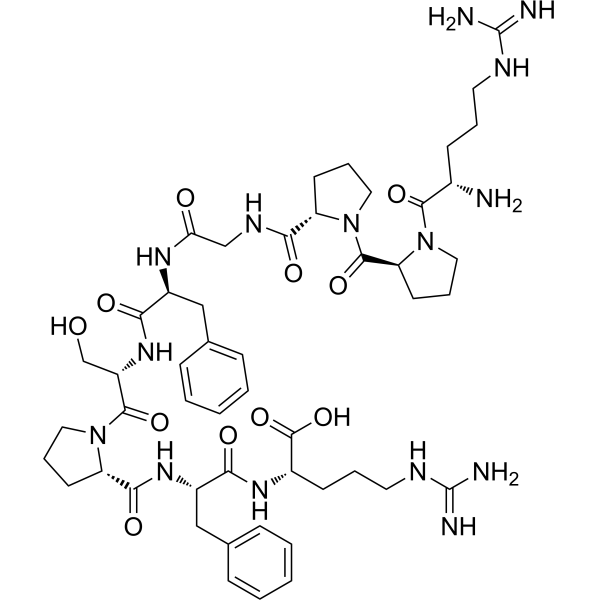
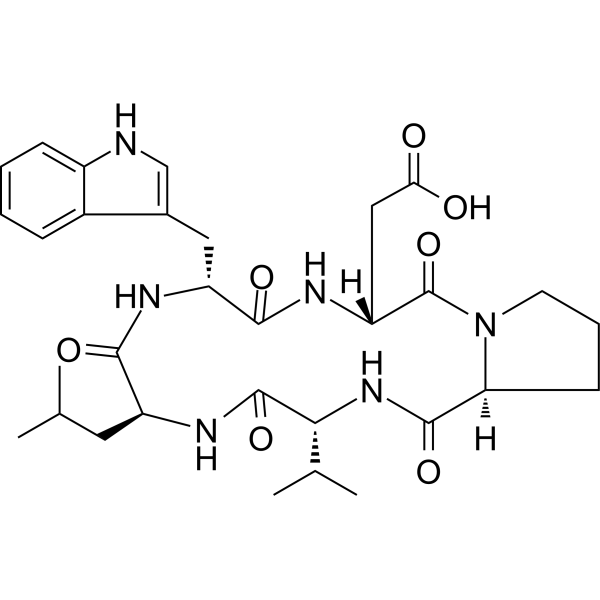
BQ-123 is a potent and selective endothelin A (ETA) receptor antagonist with an IC50 of 7.3 nM and a Ki of 25 nM. BQ-123 inhibits endothelin-1-mediated proliferation of human pulmonary artery smooth muscle cells and lowers blood pressure in different rat models of hypertension .
|
-
-
- HY-W001083
-
-
-
- HY-B0642
-
|
Isosorbide-5-mononitrate
|
Autophagy
Endogenous Metabolite
Apoptosis
|
Cardiovascular Disease
Cancer
|
|
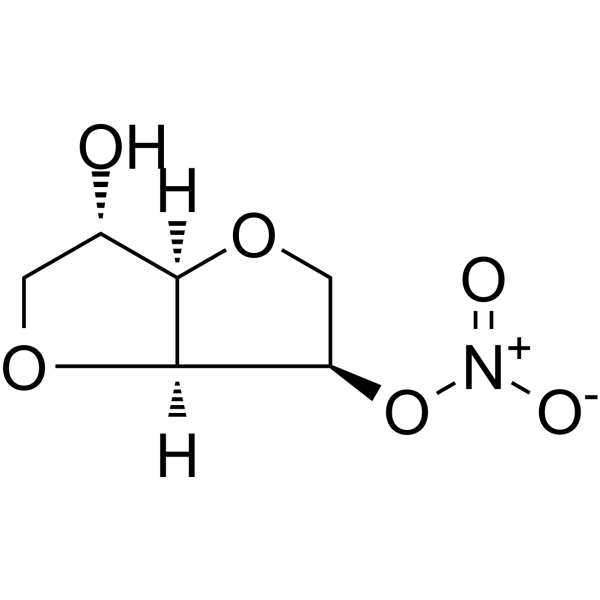
Isosorbide mononitrate (Isosorbide-5-mononitrate) is an orally active nitric acid compound used for angina pectoris by dilating blood vessels and lowering blood pressure. Isosorbide mononitrate increases the viability and proliferation of HUVECs by decreasing Apoptosis and elevated the expressions of vedf, kdrl, pdgfr in zebrafish embryos. Isosorbide mononitrate is promising for research of heart failure and coronary heart disease .
|
-
-
- HY-N0252
-
|
(+)-3,4-Didehydrocoronaridine
|
Calcium Channel
|
Cardiovascular Disease
Neurological Disease
Cancer
|
|
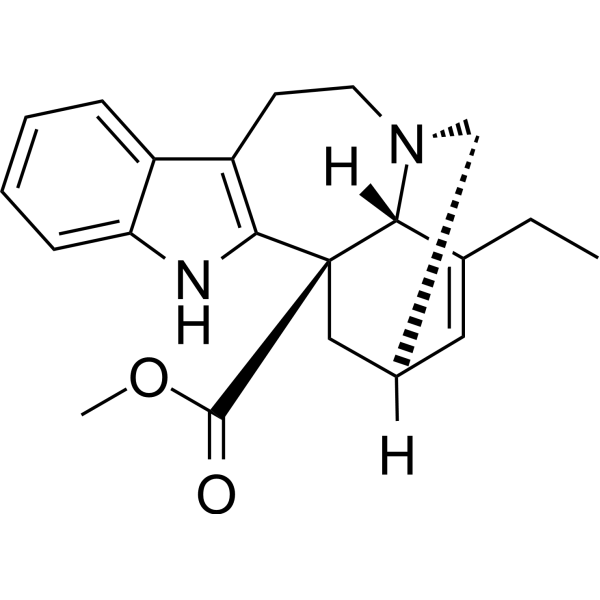
Catharanthine ((+)-3,4-Didehydrocoronaridine), a constituent of anticancer vinca alkaloids, inhibits voltage-operated L-type Ca 2+ channel (VOCC). Catharanthine has IC50s of 220 μM and 8 μM for VOCC currents in cardiomyocytes and vascular smooth muscle cells (VSMCs), respectively. Catharanthine lowers blood pressure (BP), heart rate (HR). Catharanthine has anti-cancer activity .
|
-
-
- HY-B0023
-
|
CS 905
|
Calcium Channel
MEK
|
Cardiovascular Disease
Neurological Disease
Inflammation/Immunology
Cancer
|
|
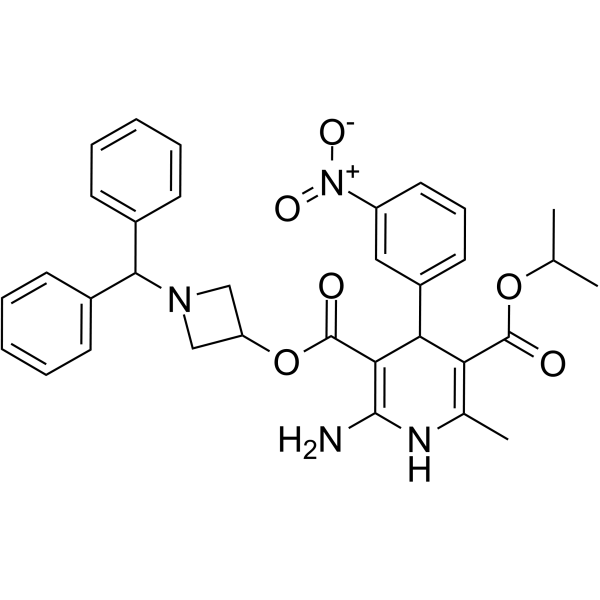
Azelnidipine (CS 905) is a dihydropyridine calcium channel blocker that is effective orally. Azelnidipine inhibits the intracellular calcium ion flow and lower blood pressure by selectively blocking L-type calcium channel on the membrane of vascular smooth muscle. Azelnidipine inhibits esophageal squamous cell carcinoma proliferation by targeting MEK1/2. Azelnidipine also has anti-inflammatory, antioxidant and neuroprotective effects .
|
-
-
- HY-108518
-
|
|
ROCK
|
Cardiovascular Disease
Inflammation/Immunology
|
|
SB-772077B dihydrochloride is an orally active aminofuran-based Rho kinase ((ROCK)) inhibitor with IC50 values of 5.6 nM and 6 nM for ROCK1 and ROCK2, respectively. SB-772077B dihydrochloride reduces inflammatory cytokines (TNF-α and IL-6). SB-772077B dihydrochloride relaxes aortic rings and lowers blood pressure. SB-772077B dihydrochloride can be used in the research of inflammatory diseases .
|
-
-
- HY-16276A
-
|
LCI699 phosphate
|
Mineralocorticoid Receptor
|
Cardiovascular Disease
Cancer
|
|
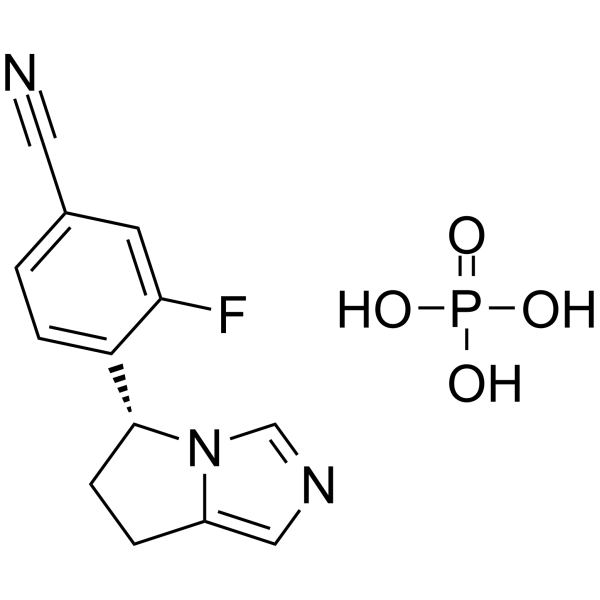
Osilodrostat (LCI699) phosphate is a potent, orally active11β-hydroxylase (CYP11B1) inhibitor with an IC50 value of 35 nM. Osilodrostat phosphate is a potent, orally aldosterone synthase (CYP11B2) inhibitor with IC50 values of 0.7 nM and 160 nM for human aldosterone synthase and rat aldosterone synthase, respectively. Osilodrostat phosphate inhibits aldosterone and corticosterone synthesis. Osilodrostat phosphate has blood pressure lowering ability. Osilodrostat phosphate can be used for research of Cushing syndrome (CS) .
|
-
-
- HY-B1363
-
|
Bendrofluazide
|
NKCC
|
Cardiovascular Disease
|
|
Bendroflumethiazide (Bendrofluazide) is an orally available diuretic. Bendroflumethiazide inhibits the electroneutral sodium-chloride symporter located in the apical membrane of the early segment of the distal convoluted tubule and can effectively lower blood pressure. Bendroflumethiazide is used in the study of hypertension and edema. Bendroflumethiazide has an antidiuretic effect in diabetes insipidus .
|
-
-
- HY-111655
-
SKA-31
4 Publications Verification
|
Potassium Channel
|
Cardiovascular Disease
|
|
SKA-31 is a potent potassium channel activator with EC50s of 260 nM, 1.9 μM, 2.9 μM, and 2.9 μM for KCa3.1, KCa2.2, KCa2.1 and KCa2.3, respectively. SKA-31 potentiates endothelium-derived hyperpolarizing factor response and lowers blood pressure .
|
-
-
- HY-W010435
-
-
-
- HY-B0374
-
|
BDF5895
|
Imidazoline Receptor
Adrenergic Receptor
LDLR
|
Cardiovascular Disease
Neurological Disease
|
|
Moxonidine (BDF5895) is an orally active imidazoline type 1 receptor (I1-R) agonist. Moxonidine activates imidazoline I1 receptors and α2 adrenoceptors, affecting oxidized low-density lipoprotein uptake. Moxonidine reduces atherosclerotic lesions and lowers blood pressure. Moxonidine can be used in the study of hypertension, heart failure, and atherosclerosis .
|
-
-
- HY-113459
-
-
-
- HY-147323
-
|
Ferulic acid 4-sulfate
|
Drug Metabolite
|
Cardiovascular Disease
|
|
Ferulic acid 4-O-sulfate (Ferulic acid 4-sulfate) is a metabolite of Ferulic acid (HY-N0060). Ferulic acid 4-O-sulfate relaxes arteries and lowers blood pressure in mice .
|
-
-
- HY-P0206A
-
-
-
- HY-130345
-
|
|
Platelet-activating Factor Receptor (PAFR)
|
Cardiovascular Disease
|
|
C18-PAF, octadecane PAF, is the ligand of platelet-activating factor and PAF G protein-coupled receptor (PAFR). C18-PAF has renovasodilator properties and antihypertensive lipid properties. C18-PAF increases renal blood flow and causes dose-dependent systemic hypotension .
|
-
-
- HY-B0374A
-
|
BDF5895 hydrochloride
|
Imidazoline Receptor
Adrenergic Receptor
LDLR
|
Cardiovascular Disease
Neurological Disease
|
|
Moxonidine (BDF5895) hydrochloride is an orally active imidazoline type 1 receptor (I1-R) agonist. Moxonidine hydrochloride activates imidazoline I1 receptors and α2 adrenoceptors, affecting oxidized low-density lipoprotein uptake. Moxonidine hydrochloride reduces atherosclerotic lesions and lowers blood pressure. Moxonidine hydrochloride can be used in the study of hypertension, heart failure, and atherosclerosis .
|
-
-
- HY-118941
-
|
|
Prostaglandin Receptor
|
Cardiovascular Disease
|
|
BAY 73-1449 is a selective antagonist of prostacyclin receptor (IP), with high potency (IC50 of less than 0.1 nM) in cAMP assays in Human HEL cells and rat DRG. BAY 73-1449 can be used in the research of lowering blood pressure .
|
-
-
- HY-B1219
-
|
|
nAChR
|
Neurological Disease
|
|
Pentolinium tartrate is a ganglionic blocking agent. Pentolinium tartrate lowers blood pressure and permits regression of the signs and symptoms associated with severe hypertension .
|
-
-
- HY-W013989
-
|
|
Epoxide Hydrolase
|
Cardiovascular Disease
|
|
1,3-Dicyclohexylurea (DCU) is an orally active and potent sEH (soluble epoxide hydrolase) inhibitor. Oral Delivery of 1,3-Dicyclohexylurea nanosuspension enhances exposure and lowers blood pressure in hypertensive Rats .
|
-
-
- HY-W098792
-
|
|
Angiotensin Receptor
|
Cardiovascular Disease
|
|
Candesartan methyl ester (compound 14) is an antagonist for angiotensin II (AII) receptor with an IC50 of 66 nM. Candesartan methyl ester exhibits blood pressure lowering activity in rats models .
|
-
-
- HY-112197
-
|
|
PKG
|
Cardiovascular Disease
|
|
PKG agent G1 targets C42 of PKG Iα. PKG agent G1 can couple to vasodilation and blood pressure lowering by a C42 PKG Iα-independent mechanism.
|
-
-
- HY-W013989R
-
|
|
Reference Standards
Epoxide Hydrolase
|
Cardiovascular Disease
|
|
1,3-Dicyclohexylurea (Standard) is the analytical standard of 1,3-Dicyclohexylurea. This product is intended for research and analytical applications. 1,3-Dicyclohexylurea (DCU) is an orally active and potent sEH (soluble epoxide hydrolase) inhibitor. Oral Delivery of 1,3-Dicyclohexylurea nanosuspension enhances exposure and lowers blood pressure in hypertensive Rats .
|
-
-
- HY-P2281A
-
|
Atrial natriuretic peptide (1-28) TFA
|
Endogenous Metabolite
|
Cardiovascular Disease
Metabolic Disease
|
|
Atrial natriuretic factor (1-28) (human, porcine) TFA exhibits blood pressure lowering activity by increasing sodium and urine excretion. Atrial natriuretic factor (1-28) (human, porcine) TFA inhibits the release of pituitary adrenocorticotropic hormone (ACTH) and beta-endorphin through inhibition of pro-opiomelanocortin (POMC) expression. Atrial natriuretic factor (1-28) (human, porcine) TFA increases cGMP levels in RMIC cells with an IC50 of 1.2 nM .
|
-
-
- HY-B0642R
-
|
Isosorbide-5-mononitrate (Standard)
|
Reference Standards
Autophagy
Endogenous Metabolite
|
Cardiovascular Disease
Cancer
|
|
Isosorbide mononitrate (Standard) is the analytical standard of Isosorbide mononitrate. This product is intended for research and analytical applications. Isosorbide mononitrate (Isosorbide-5-mononitrate) is a nitric acid compound used for angina pectoris by dilating blood vessels and lowering blood pressure.
|
-
-
- HY-P11300A
-
-
-
- HY-P3388
-
|
|
GLP Receptor
|
Cardiovascular Disease
Metabolic Disease
|
Utreglutide is an effective glucagon-like peptide 1 (GLP-1) receptor agonist. Utreglutide can lower blood pressure, blood lipids and body weight, and improve cardiovascular metabolism. Utreglutide can be used for research on type 2 diabetes or non-type 2 diabetes obesity .
|
-
-
- HY-B1363S
-
|
Bendrofluazide-d5
|
Isotope-Labeled Compounds
NKCC
|
Cardiovascular Disease
|
|
Bendroflumethiazide-d5 (Bendrofluazide-d5) is the deuterium labeled Bendroflumethiazide (HY-B1363).Bendroflumethiazide (Bendrofluazide) is an orally available diuretic. Bendroflumethiazide inhibits the electroneutral sodium-chloride symporter located in the apical membrane of the early segment of the distal convoluted tubule and can effectively lower blood pressure. Bendroflumethiazide is used in the study of hypertension and edema. Bendroflumethiazide has an antidiuretic effect in diabetes insipidus .
|
-
-
- HY-B1363R
-
|
Bendrofluazide (Standard)
|
NKCC
Reference Standards
|
Cardiovascular Disease
|
|
Bendroflumethiazide (Standard) (Bendrofluazide (Standard)) is the analytical standard of Bendroflumethiazide (HY-B1363). This product is intended for research and analytical applications. Bendroflumethiazide (Bendrofluazide) is an orally available diuretic. Bendroflumethiazide inhibits the electroneutral sodium-chloride symporter located in the apical membrane of the early segment of the distal convoluted tubule and can effectively lower blood pressure. Bendroflumethiazide is used in the study of hypertension and edema. Bendroflumethiazide has an antidiuretic effect in diabetes insipidus .
|
-
-
- HY-121354
-
-
-
- HY-P3976
-
|
|
Angiotensin-converting Enzyme (ACE)
|
Cardiovascular Disease
|
|
Lactalbumin B (50-53) Alpha [Lactorphin Alpha], bovine is a blood pressure lowering peptide containing 4 amino acids. Lactalbumin B (50-53) Alpha [Lactorphin Alpha], bovine is an angiotensin-converting Enzyme (ACE) inhibitor. Lactalbumin B (50-53) Alpha [Lactorphin Alpha], bovine can be used in research of high blood pressure .
|
-
-
- HY-Z7082
-
|
|
Angiotensin-converting Enzyme (ACE)
|
Cardiovascular Disease
|
|
Perindopril L-arginine is an orally active and selective angiotensin-converting enzyme (ACE) inhibitor. Perindopril L-arginine reduces the production of angiotensin II by inhibiting ACE, thereby dilating blood vessels, lowering blood pressure, and also exerting activities such as vasculoprotection and antithrombosis. Perindopril L-arginine is promising for research of cardiovascular diseases .
|
-
-
- HY-B0309S2
-
|
|
Calcium Channel
Autophagy
|
Cardiovascular Disease
|
|
Felodipine-d3 is the deuterium labeled Felodipine. Felodipine, a dihydropyridine, is a potent, vasoselective calcium channel antagonist. Felodipine lowers blood pressure (BP) by selective action on vascular smooth muscle, especially in the resistance vessels. Felodipine, an anti-hypertensive agent, induces autophagy. Felodipine can cross the blood-brain barrier .
|
-
-
- HY-19165
-
|
|
Angiotensin Receptor
|
Cardiovascular Disease
|
|
CI-996 is a potent, selective, orally active angiotensin II (Ang II) type 1 (AT1) receptor antagonist. In rat liver membranes CI-996 displaces specifically bind [ 125I]Ang II with an IC50 of 0.8 nM. CI-996 has blood pressure-lowering activity .
|
-
-
- HY-145552
-
|
QR-01019
|
Angiotensin Receptor
|
Cardiovascular Disease
|
|
Azilsartan mepixetil is the antagonist of angiotensin II receptor. Azilsartan mepixetil has stronger and longer blood pressure effect, more abvious and longer lasting heart rate lowering effect and high safety. Azilsartan mepixetil achieves ideal protective effect for heart and kidney functions. Azilsartan mepixetil has the potential for the research of hypertension, chronic heart failure and diabetic nephropathy (extracted from patent CN107400122A) .
|
-
-
- HY-135795
-
|
CDU; N-Cyclohexyl-N-dodecyl urea; NCND
|
Epoxide Hydrolase
|
Cardiovascular Disease
Metabolic Disease
|
|
1-Cyclohexyl-3-dodecyl urea (CDU; N-Cyclohexyl-N-dodecyl urea; NCND) is a highly selective soluble epoxide hydrolase (sEH) inhibitor. 1-Cyclohexyl-3-dodecyl urea (CDU; N-Cyclohexyl-N-dodecyl urea; NCND) increases epoxyeicosatrienoic acids (EETs) levels and lowers blood pressure in angiotensin II (Ang II) hypertension .
|
-
-
- HY-N0252A
-
|
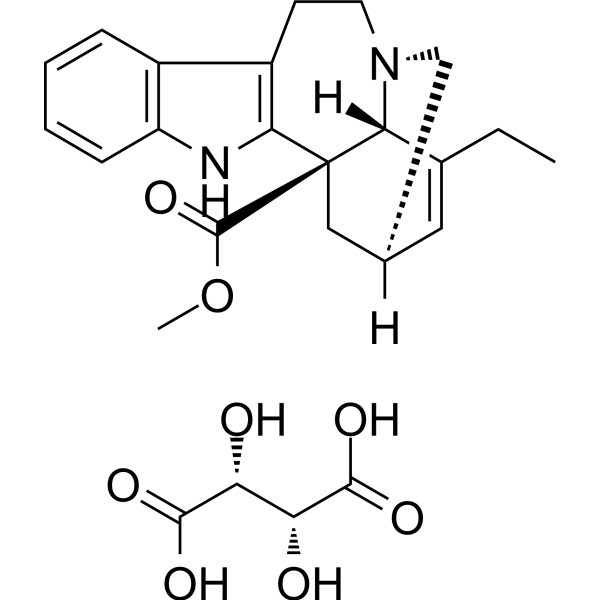
(+)-3,4-Didehydrocoronaridine Tartrate
|
Calcium Channel
|
Cardiovascular Disease
Neurological Disease
Cancer
|
|
Catharanthine ((+)-3,4-Didehydrocoronaridine) Tartrate, a constituent of anticancer vinca alkaloids, inhibits voltage-operated L-type Ca 2+ channel (VOCC). Catharanthine Tartrate has IC50s of 220 μM and 8 μM for VOCC currents in cardiomyocytes and vascular smooth muscle cells (VSMCs), respectively. Catharanthine Tartrate lowers blood pressure (BP), heart rate (HR). Catharanthine Tartrate has anti-cancer activity .
|
-
-
- HY-U00147
-
-
-
- HY-169221
-
|
|
Angiotensin Receptor
|
Cardiovascular Disease
|
|
Perindopril arginine is an angiotensin-converting enzyme inhibitor with hypotensive activity. Perindopril arginine is used to inhibit hypertension to lower blood pressure. Perindopril arginine, when used in combination with indapamide and amlodipine, can effectively lower blood pressure and provide better target organ protection .
|
-
-
- HY-127152
-
|
Pratorine
|
Endogenous Metabolite
|
Cardiovascular Disease
|
|
Hippadine (Pratorine) is an alkaloid, which can be isolated from the plant Crinum macowanii. Hippadine exhibits heart-rate lowering and blood-pressure lowering effects in rats models with spontaneously hypertensive .
|
-
-
- HY-119544
-
|
UP-2696
|
Angiotensin Receptor
|
Cardiovascular Disease
|
|
Ripisartan (UP-2696) is an angiotensin II receptor antagonist. Ripisartan is orally available. Ripisartan binds to angiotensin II receptors, dilates blood vessels, and lowers blood pressure .
|
-
-
- HY-90009D
-
-
-
- HY-W752502
-
|
|
Dopamine Receptor
Vasopressin Receptor
Adrenergic Receptor
|
Cardiovascular Disease
|
|
Docarpamine is an orally active dopamine prodrug that can be hydroxylated in the small intestine and liver to form active dopamine. Docarpamine mainly activates D1-like receptors in peripheral blood vessels to lower blood pressure and heart rate in a state of spontaneous hypertension. Docarpamine exerts a pressor and tachycardic effect by activating D1-like receptors, vasopressin V1 receptors, and α-adrenergic receptors in normal blood pressure conditions. Docarpamine can be used for research on renal vascular dilation and diuresis .
|
-
-
- HY-123563
-
-
-
- HY-105866
-
|
|
Calcium Channel
Prostaglandin Receptor
|
Cardiovascular Disease
|
|
Wy 27569 is an orally active vascular selective calcium channel blocker that can effectively lower blood pressure. Wy 27569 is a thromboxane synthase inhibitor that can reshape prostaglandin balance, reduce pro thrombotic TXA2, and increase anti thrombotic PGI2. Wy 27569 can be used for research on cardiovascular diseases such as hypertension and angina .
|
-
-
- HY-W585934
-
|
Fru-Phe
|
Angiotensin-converting Enzyme (ACE)
|
Cardiovascular Disease
|
|
Fructose-phenylalanine (Fru-Phe) is a non-competitive angiotensin-converting enzyme (ACE) inhibitor (IC50 =0.19 mM) with antioxidant activities. Fructose-phenylalanine forms a stable complex with Zn 2+ ions at the ACE active site, blocking the conversion of angiotensin I to II and thereby lowering blood pressure. Fructose-phenylalanine is promising for research of cardiovascular diseases .
|
-
-
- HY-129278
-
|
|
Parasite
|
Infection
Cardiovascular Disease
Neurological Disease
|
|
Lunarine is an alkaloid, which can be isolated from the seeds of kale (Lunaria annua). Lunarine lowers the blood pressure, stimulates small intestinal motility, inhibits spontaneous contractions of uterus and nervous system, and exhibits an acute toxicity with LD50 of 62.3 mg/kg in dogs and rabbits. Lunarine exhibits antiparasitic activity through a competitive inhibition of protozoan oxidoreductase trypanothione reductase (TryR) with Ki of 304 μM .
|
-
-
- HY-121311
-
|
|
Serotonin Transporter
Adrenergic Receptor
|
Cardiovascular Disease
|
|
Metrenperone is an inhibitor for 5-HT2 receptor. Metrenperone exhibits α1 and α2 antagonist activity as well as anti-H1 and anti-dopaminergic efficacy. Metrenperone can lower the blood pressure, enhances bradycardia in peripheral ischemia, inhibits serotonin-induced platelet aggregation, and antagonizes serotonin-mediated vasoconstriction. Metrenperone promotes the repair of acutely damaged collagen tissue .
|
-
- HY-B0317F
-
|
|
Calcium Channel
|
Infection
|
|
Amlodipine hydrochloride is a biologically active drug used to lower blood pressure and prevent chest pain. Amlodipine hydrochloride has shown synergistic effects with antimicrobial drugs in in vitro studies, especially against carbene peptide-resistant Acinetobacter baumannii. Amlodipine hydrochloride can be used in combination with other antibiotics to enhance the inhibitory effect against resistant bacteria. The use of amlodipine hydrochloride helps reduce the dosage requirements of the drug, reduce toxic effects, and delay the emergence of drug resistance .
|
-
- HY-106123
-
|
|
Angiotensin Receptor
|
Cardiovascular Disease
|
|
Pomisartan is an orally active angiotensin II receptor type AT1 antagonist (IC50=0.26 μM). Pomisartan works by inhibiting the binding of angiotensin II to the AT1 receptor, thereby blocking the vasoconstriction and aldosterone release caused by this interaction. Pomisartan results in a blood pressure-lowering effect .
|
-
- HY-B0612ES
-
-
- HY-16506
-
|
Ro 2-2222; Thiophanium derivatives
|
Adrenergic Receptor
|
Cardiovascular Disease
Others
|
|
Trimethaphan camsylate is an arterial blood pressure lowering agent that has been shown to reduce pulmonary venous pressure in experimental pulmonary edema.
|
-
- HY-120405
-
|
|
Dopamine Receptor
|
Others
|
|
RS-12254 is a compound with hypotensive, diuretic and sympathostatic effects, and has the activity of regulating blood pressure, water and salt metabolism and sympathetic nerve activity. RS-12254 can lower blood pressure, reduce plasma norepinephrine levels, has diuretic and natriuretic effects, and has sympathostatic properties.
|
-
- HY-120147
-
|
|
Natriuretic Peptide Receptor (NPR)
|
Cardiovascular Disease
|
|
Ethiazide is a thiazole diuretic which inhibits renal reabsorption of sodium and water, thereby increasing urine excretion, reducing fluid retention, and lowering blood volume and blood pressure. Ethiazide can be used for cardiovascular research .
|
-
- HY-107037
-
|
RX71107
|
Vasopressin Receptor
Angiotensin Receptor
Adrenergic Receptor
|
Cardiovascular Disease
|
|
Tolmesoxide (RX71107) is a peripheral vascular dilator with blood pressure lowering activity. Tolmesoxide has shown direct vasodilation in the human forearm arterial bed and dorsal hand vein. Tolmesoxide can dose-dependently increase blood flow in the forearm and produce dilation during contraction of the dorsal hand veins. Tolmesoxide can be used to study high blood pressure and angina .
|
-
- HY-N0766R
-
|
|
SOD
Reference Standards
|
Others
|
|
Isorhynchophylline (Standard) is the analytical standard of Isorhynchophylline. This product is intended for research and analytical applications. Isorhynchophylline is an alkaloid compound isolated from Uncaria. It can lower blood pressure, relax blood vessels, and protect nerves from damage caused by local ischemia.
|
-
- HY-117928
-
|
|
Potassium Channel
|
Cardiovascular Disease
|
|
BRL 55834 is an orally and potent potassium channel activator. BRL 55834 exhibits great bronchodilator potency but reduces tendency to lower arterial blood pressure. BRL 55834 has the potential to use as a bronchodilator .
|
-
- HY-B1660
-
|
|
Adrenergic Receptor
|
Cardiovascular Disease
|
|
Guanadrel sulfate is an orally active, potent and postganglionic sympathetic inhibitor. Guanadrel sulfate lowers blood pressure by reducing systemic vascular resistance with little effect on cardiac output. Guanadrel sulfate is promising for research of hypertension .
|
-
- HY-106113
-
|
U 71038
|
Renin
|
Cardiovascular Disease
|
|
Ditekiren (U 71038) is a pseudohexapeptide renin inhibitor. Renin is an enzyme that plays a crucial role in regulating blood pressure and fluid balance. By inhibiting the activity of renin, ditekiren slows down the formation of angiotensin II, a potent vasoconstrictor that can raise blood pressure. Ditekiren can be used for research in the field of blood pressure reduction .
|
-
- HY-19155A
-
|
ZD-8731
|
Angiotensin Receptor
|
Cardiovascular Disease
|
|
ICI-D 8731 (compound 5g) is a angiotensin II receptor antagonist with the IC50 of 0.031 μM. ICI-D 8731 shows a rapid and sustained lowering of blood pressure in a renal hypertensive rat model .
|
-
- HY-114666
-
|
NDR-5523A
|
Endogenous Metabolite
|
Cardiovascular Disease
|
|
Trimoxamine hydrochloride (NDR-5523A) is an antihypertensive drug with hypotensive activity. Trimoxamine hydrochloride can be used to inhibit hypertension-related diseases. Trimoxamine hydrochloride lowers blood pressure by inhibiting vasoconstriction. Trimoxamine hydrochloride plays an important role in the management of cardiovascular diseases .
|
-
- HY-P0206B
-
-
- HY-B0309S1
-
|
|
Isotope-Labeled Compounds
Calcium Channel
Autophagy
|
Cardiovascular Disease
|
|
Felodipine-d5 is deuterium labeled Felodipine. Felodipine, a dihydropyridine, is a potent, vasoselective calcium channel antagonist. Felodipine lowers blood pressure (BP) by selective action on vascular smooth muscle, especially in the resistance vessels. Felodipine, an anti-hypertensive agent, induces autophagy. Felodipine can cross the blood-brain barrier .
|
-
- HY-139803
-
|
|
Prolyl Endopeptidase (PREP)
Neprilysin
|
Cardiovascular Disease
|
|
SCH-39370 is a potent and specific inhibitor of neutral metalloendopeptidase (NEP) from rabbit kidney with an IC50 value of 11.2 nM. SCH-39370 potentiates biological responses to atrial natriuretic factor and lowers blood pressure in desoxycorticosterone acetate-sodium hypertensive rats .
|
-
- HY-123641
-
|
Way 120491
|
Potassium Channel
|
Cardiovascular Disease
|
|
Celikalim (Way 120491) is an antihypertensive agent. Celikalim lowers blood pressure through opening potassium channelsin vascular smooth muscle. Celikalim can inhibit white thrombus formation. Celikalim is a potent potassium opener in dog model. Celikalim can be studied in thrombosis-related research .
|
-
- HY-126907
-
-
- HY-B0309R
-
|
|
Reference Standards
Calcium Channel
Autophagy
|
Cardiovascular Disease
|
|
Felodipine (Standard) is the analytical standard of Felodipine. This product is intended for research and analytical applications. Felodipine, a dihydropyridine, is a potent, vasoselective calcium channel antagonist. Felodipine lowers blood pressure (BP) by selective action on vascular smooth muscle, especially in the resistance vessels. Felodipine, an anti-hypertensive agent, induces autophagy. Felodipine can cross the blood-brain barrier .
|
-
- HY-106667
-
|
|
Adrenergic Receptor
|
Cardiovascular Disease
Endocrinology
|
|
DL 071IT is a potent non-selective beta-adrenergic receptor blocker. DL 071IT exhibits intrinsic sympathomimetic activity and weak membrane stabilizing activity. DL 071IT reduces exercise heart rate and systolic blood pressure, and even significantly lowers resting heart rate .
|
-
- HY-132670S
-
|
|
Isotope-Labeled Compounds
Calcium Channel
Autophagy
|
Cardiovascular Disease
|
|
(R)-(-)-Felodipine-d5 is the deuterium labeled (R)-(-)-Felodipine. (R)-(-)-Felodipine is the S enantiomer of Felodipine. Felodipine, a dihydropyridine, is a potent, vasoselective calcium channel antagonist. Felodipine lowers blood pressure (BP) by selective action on vascular smooth muscle, especially in the resistance vessels. Felodipine, an anti-hypertensive agent, induces autophagy. Felodipine can cross the blood-brain barrier .
|
-
- HY-106418A
-
|
|
Adrenergic Receptor
5-HT Receptor
|
Cardiovascular Disease
|
|
SGB-1534 hydrochloride is an orally active, selective and competitive antagonist of the alpha 1-adrenoceptor and the 5-HT2 receptor. SGB-1534 hydrochloride can inhibit vasoconstriction and lower blood pressure. SGB-1534 hydrochloride can be used for the research of cardiovascular disease, such as hypertension .
|
-
- HY-B0284A
-
|
|
Sodium Channel
|
Cardiovascular Disease
|
|
Nifedipine hydrochloride is a potent vasodilator with calcium antagonist activity. Nifedipine hydrochloride is a useful antianginal compound that can also lower blood pressure. Nifedipine hydrochloride exhibits comparable antihypertensive properties to some new compounds, especially in calcium channel blockade. Nifedipine hydrochloride is used in biological activity studies to develop new antihypertensive and/or antianginal compounds .
|
-
- HY-107339A
-
|
Harmonyl hydrochloride
|
Angiotensin-converting Enzyme (ACE)
|
Cardiovascular Disease
|
|
Deserpidine hydrochloride (Harmonyl hydrochloride) is an antihypertensive compound that competitively inhibits the activity of angiotensin converting enzyme (ACE). Deserpidine hydrochloride competes with angiotensin I for ACE, preventing the conversion of angiotensin I to angiotensin II, thereby lowering blood pressure. Deserpidine hydrochloride can also reduce angiotensin II-induced aldosterone secretion from the adrenal cortex .
|
-
- HY-12378A
-
|
|
Endothelin Receptor
|
Cardiovascular Disease
|
|
BQ-123 TFA is a potent and selective endothelin A (ETA) receptor antagonist with an IC50 of 7.3 nM and a Ki of 25 nM. BQ-123 TFA inhibits endothelin-1-mediated proliferation of human pulmonary artery smooth muscle cells and lowers blood pressure in different rat models of hypertension .
|
-
- HY-P10617
-
|
|
Endogenous Metabolite
|
Cardiovascular Disease
|
|
Salusin-β is an endogenous bioactive peptide with significant hemodynamic and mitogenic activity. Salusin-β can stimulate the proliferation of quiescent vascular smooth muscle cells (VSMCs) and fibroblasts, leading to a rapid and significant decrease in blood pressure and heart rate. In addition, Salusin-β can stimulate the release of arginine vasopressin from the pituitary gland in rats. This makes Salusin-β have important application potential in cardiovascular disease research .
|
-
- HY-12172
-
|
ACT-077825
|
Renin
|
Cardiovascular Disease
|
|
MK-8141 (ACT-077825) is a renin inhibitor that significantly increases levels of immunoreactive renin (ir-AR) by sevenfold but does not result in sustained reductions in blood renin activity (PRA). This study evaluated the antihypertensive efficacy of MK-8141 in hypertensive disease. Despite its effects on ir-AR, MK-8141 (ACT-077825) did not produce significant blood pressure-lowering effects in the absence of sustained PRA inhibition.
|
-
- HY-145552A
-
|
QR-01019K
|
Angiotensin Receptor
|
Cardiovascular Disease
Metabolic Disease
|
|
Azilsartan mepixetil potassium (QR-01019K) is the antagonist of angiotensin II receptor. Azilsartan mepixetil potassium has stronger and longer blood pressure effect, more abvious and longer lasting heart rate lowering effect and high safety. Azilsartan mepixetil potassium has the potential for the research of hypertension, chronic heart failure and diabetic nephropathy (extracted from patent CN107400122A) .
|
-
- HY-147323R
-
|
Ferulic acid 4-sulfate (Standard)
|
Reference Standards
Drug Metabolite
|
Cardiovascular Disease
|
|
Ferulic acid 4-O-sulfate (Standard) is the analytical standard of Ferulic acid 4-O-sulfate. This product is intended for research and analytical applications. Ferulic acid 4-O-sulfate (Ferulic acid 4-sulfate) is a metabolite of Ferulic acid (HY-N0060). Ferulic acid 4-O-sulfate relaxes arteries and lowers blood pressure in mice[1].
|
-
- HY-165495
-
|
|
Adrenergic Receptor
|
Cardiovascular Disease
|
|
Pafenolol is a selectively oral-active β1 adrenergic receptor (β1-adrenergic receptor) antagonist that effectively lowers blood pressure. Pharmacokinetic studies in rats indicate that the absorption of Pafenolol is influenced by gastrointestinal contents, with food intake reducing the bioavailability of Pafenolol in rats. Pafenolol can be used in research related to cardiovascular diseases and asthma .
|
-
- HY-B1661
-
|
Hexone chloride
|
Biochemical Assay Reagents
|
Cardiovascular Disease
Others
|
|
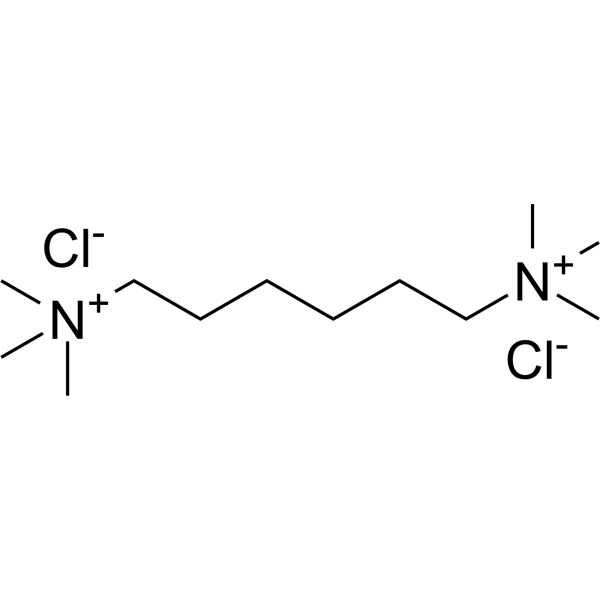
Hexamethonium Chloride Dihydrate is a synthetic organic compound commonly used as a ganglion blocking agent, which means it blocks the transmission of nerve impulses between ganglion cells in the autonomic nervous system. Hexamethonium Chloride Dihydrate is used in various medical applications such as lowering blood pressure or inhibiting certain types of neuropathic pain. It works by inhibiting the release of acetylcholine, a neurotransmitter that plays a key role in regulating many bodily functions.
|
-
- HY-129213
-
|
|
Angiotensin-converting Enzyme (ACE)
|
Cardiovascular Disease
Others
|
|
CL-242817 is an orally available angiotensin converting enzyme (ACE) inhibitor. CL-242817 inhibits the conversion of angiotensin I to angiotensin II and has blood pressure lowering activity. CL-242817 can also improve Monocrotaline (HY-N0750) induced lung injury. CL-242817 can be used in the study of pulmonary fibrosis and hypertension-related diseases .
|
-
- HY-P0206S1
-
-
- HY-B0098B
-
|
(R)-UK 33274
|
Adrenergic Receptor
|
Metabolic Disease
|
|
(R)-Doxazosin ((R)-UK 33274) is an isomer of Doxazosin, a selective and orally active a1-adrenoceptor agonist. Doxazosin can be used for systemic antihypertensive and ocular hypotensive. Doxazosin exerts its antihypertensive effect by reducing total peripheral resistance by selective postsynaptic a1-blockade, without reducing cardiac output. Doxazosin can significantly lower both standing and supine blood pressure .
|
-
- HY-B1363S1
-
|
Bendrofluazide-d7
|
Isotope-Labeled Compounds
NKCC
|
Cardiovascular Disease
|
|
Bendroflumethiazide-d7 (Bendrofluazide-d7) is deuterium labeled Bendroflumethiazide (HY-B1363). Bendroflumethiazide (Bendrofluazide) is an orally available diuretic. Bendroflumethiazide inhibits the electroneutral sodium-chloride symporter located in the apical membrane of the early segment of the distal convoluted tubule and can effectively lower blood pressure. Bendroflumethiazide is used in the study of hypertension and edema. Bendroflumethiazide has an antidiuretic effect in diabetes insipidus .
|
-
- HY-N0252B
-
|
(+)-3,4-Didehydrocoronaridine Sulfate
|
Calcium Channel
|
Cardiovascular Disease
Neurological Disease
Cancer
|
|
Catharanthine ((+)-3,4-Didehydrocoronaridine) Sulfate, a constituent of anticancer vinca alkaloids, inhibits voltage-operated L-type Ca 2+ channel (VOCC). Catharanthine Sulfate has IC50s of 220 μM and 8 μM for VOCC currents in cardiomyocytes and vascular smooth muscle cells (VSMCs), respectively. Catharanthine Sulfate lowers blood pressure (BP), heart rate (HR). Catharanthine Sulfate has anti-cancer activity .
|
-
- HY-P2281
-
|
Atrial natriuretic peptide (1-28)
|
Endogenous Metabolite
|
Cardiovascular Disease
Metabolic Disease
|
|
Atrial natriuretic factor (1-28) (human, porcine) exhibits blood pressure lowering activity by increasing sodium and urine excretion. Atrial natriuretic factor (1-28) (human, porcine) inhibits the release of pituitary adrenocorticotropic hormone (ACTH) and beta-endorphin through inhibition of pro-opiomelanocortin (POMC) expression. Atrial natriuretic factor (1-28) (human, porcine) increases cGMP levels in RMIC cells with an IC50 of 1.2 nM .
|
-
- HY-119379
-
|
HOE-720 free acid
|
Angiotensin Receptor
|
Cardiovascular Disease
|
|
Fonsartan (HOE-720) free acid is an orally active angiotensin II receptor (AT1R) antagonist with an IC50 value of 0.48 nM, exhibiting potent antihypertensive activity. Fonsartan free acid dose-dependently inhibits angiotensin II-induced pressor response in rats (ID50 = 0.11 mg/kg) and shows significant long-lasting blood pressure-lowering effects in high-renin animal models. Fonsartan free acid is primarily used in research on hypertension and cardiovascular diseases .
|
-
- HY-159802
-
|
|
Adrenergic Receptor
|
Endocrinology
|
|
Tolamolol is a selective beta-adrenergic antagonist with significant activity in reducing exercise-induced ST-segment depression. Tolamolol is clinically equivalent to propranolol in suppressing angina and exhibits greater cardiac selectivity. Tolamolol is effective in reducing the frequency of angina attacks and the amount of glyceryl trinitrate used. Tolamolol is effective in lowering blood pressure and has a positive effect on increasing the amount of exercise that can be performed before angina attacks. The use of Tolamolol also helps improve the suppression of arrhythmias .
|
-
- HY-111655R
-
|
|
Potassium Channel
|
Cardiovascular Disease
|
|
SKA-31 (Standard) is the analytical standard of SKA-31. This product is intended for research and analytical applications. SKA-31 is a potent potassium channel activator with EC50s of 260 nM, 1.9 μM, 2.9 μM, and 2.9 μM for KCa3.1, KCa2.2, KCa2.1 and KCa2.3, respectively. SKA-31 potentiates endothelium-derived hyperpolarizing factor response and lowers blood pressure .
|
-
- HY-N0252R
-
|
(+)-3,4-Didehydrocoronaridine (Standard)
|
Reference Standards
Calcium Channel
|
Cardiovascular Disease
Neurological Disease
Cancer
|
|
Catharanthine (Standard) is the analytical standard of Catharanthine. This product is intended for research and analytical applications. Catharanthine ((+)-3,4-Didehydrocoronaridine), a constituent of anticancer vinca alkaloids, inhibits voltage-operated L-type Ca2+ channel (VOCC). Catharanthine has IC50s of 220 μM and 8 μM for VOCC currents in cardiomyocytes and vascular smooth muscle cells (VSMCs), respectively. Catharanthine lowers blood pressure (BP), heart rate (HR). Catharanthine has anti-cancer activity .
|
-
- HY-N18773
-
|
|
Others
|
Cardiovascular Disease
|
|
Coleus forskohlii extract can promote fat reduction and improve weight management, and also has the effect of lowering blood pressure and improving blood circulation, thereby maintaining heart health.
|
-
- HY-171798
-
|
|
Drug Derivative
|
Cardiovascular Disease
|
|
BAM-2101 is an ergoline derivative with antihypertensive activity. BAM-2101 is orally active and lowers blood pressure in spontaneously hypertensive rats .
|
-
- HY-N19078
-
|
|
Others
|
Neurological Disease
|
|
Rauvolfia vomitoria extract has sedative, blood pressure-lowering, and antipsychotic properties. The main active ingredients of Rauvolfia vomitoria extract include reserpine, amygdalin, and other alkaloids.
|
-
- HY-N17200
-
|
|
Others
|
Cardiovascular Disease
Metabolic Disease
|
|
Cyclocarioside K is a triterpene glycoside compound that can be naturally extracted from the dried leaves of Cyclocarya paliurus (Batal.) Iljinsk (Chinese wingnut) from Bozhou, Anhui, China. The leaves of this plant are traditionally used to lower blood sugar and blood pressure .
|
-
- HY-N18764
-
|
|
Bacterial
|
Infection
Inflammation/Immunology
|
|
Parsley extract has a natural diuretic effect, which helps relieve bloating and lower blood pressure. It also has antibacterial and antifungal properties and can be used in research on the prevention of infections and foodborne illnesses.
|
-
- HY-N17764
-
|
|
Others
|
Infection
Neurological Disease
Metabolic Disease
Inflammation/Immunology
|
|
Meliasendanin D 4'-O-β-D-glucopyranoside (Example 1) is a neolignan-type lignan that may have potential functions in controlling blood sugar, lowering blood pressure, and exhibiting antibacterial, anti-inflammatory, analgesic, or immunomodulatory effects, which require further experimental verification.
|
-
- HY-N18732
-
|
|
Others
|
Cardiovascular Disease
|
|
Terminalia arjuna extract is a precious natural compound derived from the bark of the Terminalia arjuna tree, rich in bioactive components such as triterpenoids, flavonoids, tannins, and polyphenols. Terminalia arjuna extract has cardioprotective effects, helping to strengthen the heart muscle, lower cholesterol levels, stabilize blood pressure, and prevent thrombosis.
|
-
- HY-W700354
-
|
|
Calcium Channel
|
Cardiovascular Disease
Metabolic Disease
|
|
(S)-(-)-Felodipine is a S-enantiomer of Felodipine. (S)-(-)-Felodipine is an antihypertensive agent. Felodipine is a 1,4-dihydropyridine derivative and a vasoselective calcium antagonist. Felodipine can prevent the activation of the vascular effector cells and interfere with the contractile process in vitro. Felodipine lowers mean arterial blood pressure by 20% in dog model. (S)-(-)-Felodipine shows high metabolic rate in rat and dog liver microsomes .
|
-
- HY-183978
-
|
|
Renin
|
Cardiovascular Disease
|
|
KRI-1314 is an orally active human renin inhibitor with selectivity for primate renin over non-primate renin. KRI-1314 competitively inhibits the binding of recombinant human renin to its substrate, reduces plasma renin activity, lowers blood pressure, and exhibits high stability in tissue homogenates. KRI-1314 is applicable to research on renin-dependent hypertension and hypertension-related studies .
|
-
- HY-121670
-
|
|
Others
|
Neurological Disease
|
|
Ambenoxan is a central nervous system-acting skeletal muscle relaxant that is effective in mice, rats, rabbits, dogs, and monkeys without loss of the righting reflex. It has no peripheral neuromuscular blocking effects and significantly reduces or eliminates decerebrate rigidity in rabbits, but does not antagonize the effects of strychnine, leptazol, or tremorine. Like other central nervous system depressants, ambenoxan prolongs sleep duration with hexobarbitone, but it has no local anesthetic effects. In anesthetized cats, the agent lowers blood pressure and reduces the pressor response to epinephrine, but has no effect on norepinephrine.
|
-
- HY-16276
-
|
LCI699
|
Mineralocorticoid Receptor
|
Cardiovascular Disease
Inflammation/Immunology
Cancer
|
|
Osilodrostat (LCI699) is a potent, orally active11β-hydroxylase (CYP11B1) inhibitor with an IC50 value of 35 nM. Osilodrostat is a potent, orally aldosterone synthase (CYP11B2) inhibitor with IC50 values of 0.7 nM and 160 nM for human aldosterone synthase and rat aldosterone synthase, respectively. Osilodrostat inhibits aldosterone and corticosterone synthesis. Osilodrostat has blood pressure lowering ability. Osilodrostat can be used for research of Cushing syndrome (CS) .
|
-
- HY-121670A
-
|
|
Adrenergic Receptor
|
Neurological Disease
|
|
Ambenoxan hydrochloride is a central nervous system-acting skeletal muscle relaxant that is effective in mice, rats, rabbits, dogs, and monkeys without loss of the righting reflex. It has no peripheral neuromuscular blocking effects and significantly reduces or eliminates decerebrate rigidity in rabbits, but does not antagonize the effects of strychnine, leptazol, or tremorine. Like other central nervous system depressants, ambenoxan prolongs sleep duration with hexobarbitone, but it has no local anesthetic effects. In anesthetized cats, the agent lowers blood pressure and reduces the pressor response to epinephrine, but has no effect on norepinephrine.
|
-
- HY-W001083R
-
-
- HY-B0098C
-
|
(S)-UK 33274
|
Adrenergic Receptor
|
Cardiovascular Disease
Neurological Disease
|
|
(S)-Doxazosin is a long-acting selective α1-adrenoceptor antagonist. (S)-Doxazosin exhibits antihypertensive activity through lowering total perioheral resistance by selective postsynaptic α1-blockade. (S)-Doxazosin reduces blood pressure in dog model with experimentally induced renal hypertension. (S)-Doxazosin can alleviate bladder outflow obstruction. (S)-Doxazosin can also be studied in mental health disorder-related research .
|
-
- HY-W343043
-
|
PZG
|
Drug Derivative
|
Cardiovascular Disease
Metabolic Disease
|
|
Pyrazinoylguanidine (PZG) is an analogue of the potassium sparing diuretic, Amiloride (HY-B0285). Pyrazinoylguanidine can lower the systolic and diastolic blood pressure of patients with primary hypertension, has a certain effect on reducing heart rate, and does not affect the concentrations of electrolytes such as sodium, potassium, and chloride in the blood serum. Pyrazinoylguanidine can reduce the hyperglycemia and hyperinsulinemia in type 2 diabetes, reduce the levels of triglycerides, cholesterol, and free fatty acids, and reverse the hyperglycemia and hyperlipidemia induced by thiazide diuretics, such as Hydrochlorothiazide (HY-B0252). Pyrazinoylguanidine ican nhibit the reabsorption of urea by the renal tubules, thereby increasing the clearance rate and excretion volume of urea, reducing the serum urea concentration, and minimizing its toxic accumulation .
|
-
- HY-120321
-
|
|
Mineralocorticoid Receptor
Carbonic Anhydrase
|
Cardiovascular Disease
|
|
DSR-71167 is an orally active mineralocorticoid receptor (MR) antagonist with an IC50 of 0.26 μM. DSR-71167 exhibits weak carbonic anhydrase (CA) inhibitory activity with an IC50 of 19 μM. DSR-71167 can dose-dependently increase urinary sodium excretion in rat models and has a very low risk of hyperkalemia in potassium-loading rat models. DSR-71167 lowers systolic blood pressure in hypertensive rat models. DSR-71167 can be used for research on hypertension and heart failure .
|
-
- HY-145552S
-
|
QR-01019-d-d5
|
Isotope-Labeled Compounds
Angiotensin Receptor
|
Cardiovascular Disease
|
|
Azilsartan mepixetil-d5 (QR-01019-d5) is deuterium labeled Azilsartan mepixetil. Azilsartan mepixetil is the antagonist of angiotensin II receptor. Azilsartan mepixetil has stronger and longer blood pressure effect, more abvious and longer lasting heart rate lowering effect and high safety. Azilsartan mepixetil achieves ideal protective effect for heart and kidney functions. Azilsartan mepixetil has the potential for the research of hypertension, chronic heart failure and diabetic nephropathy (extracted from patent CN107400122A) .
|
-
- HY-B0374R
-
|
BDF5895 (Standard)
|
Reference Standards
Imidazoline Receptor
Adrenergic Receptor
LDLR
|
Cardiovascular Disease
Neurological Disease
|
|
Moxonidine (Standard) is the analytical standard of Moxonidine (HY-B0374). This product is intended for research and analytical applications. Moxonidine (BDF5895) is an orally active imidazoline type 1 receptor (I1-R) agonist. Moxonidine activates imidazoline I1 receptors and α2 adrenoceptors, affecting oxidized low-density lipoprotein uptake. Moxonidine reduces atherosclerotic lesions and lowers blood pressure. Moxonidine can be used in the study of hypertension, heart failure, and atherosclerosis .
|
-
- HY-B0374S1
-
-
- HY-B0374AR
-
|
BDF5895 hydrochloride (Standard)
|
Imidazoline Receptor
Adrenergic Receptor
LDLR
Reference Standards
|
Cardiovascular Disease
Neurological Disease
|
|
Moxonidine hydrochloride (Standard) is the analytical standard of Moxonidine hydrochloride (HY-B0374A). This product is intended for research and analytical applications. Moxonidine (BDF5895) is an orally active imidazoline type 1 receptor (I1-R) agonist. Moxonidine activates imidazoline I1 receptors and α2 adrenoceptors, affecting oxidized low-density lipoprotein uptake. Moxonidine reduces atherosclerotic lesions and lowers blood pressure. Moxonidine can be used in the study of hypertension, heart failure, and atherosclerosis .
|
-
- HY-W012814
-
|
|
Endogenous Metabolite
Apoptosis
Reactive Oxygen Species (ROS)
|
Cardiovascular Disease
Inflammation/Immunology
Cancer
|
|
4-Methylcatechol is an intermediate in the degradation of some alkylbenzenes and an orally active suicide inhibitor of catechol 2,3-dioxygenase (C23O). 4-Methylcatechol induces apoptosis in melanoma cells through oxidative stress, but some studies have also shown that 4-Methylcatechol is carcinogenic. In addition, 4-Methylcatechol has antiplatelet and blood pressure-lowering activities. 4-Methylcatechol can also inhibit protein oxidation in beef but does not disulfide formation .
|
-
- HY-133829
-
|
|
Angiotensin-converting Enzyme (ACE)
NO Synthase
Reactive Oxygen Species (ROS)
|
Cardiovascular Disease
|
|
Zofenoprilat is an angiotensin-converting enzyme (ACE) inhibitor with an IC50 of 1.7 nM. Zofenoprilat exerts cardioprotective and renoprotective effects by inhibiting angiotensin II expression and lowering blood pressure. Zofenoprilat promotes NO production and reduces endothelin-1 (ET-1) expression. Zofenoprilat decreases TNFα-induced ROS production and protects vascular endothelial function. Zofenoprilat regulates oxidative stress-related molecules and possesses antioxidant activity. Zofenoprilat can be used in studies related to hypertension and congestive heart failure .
|
-
- HY-101823A
-
|
Abbott 81282
|
Angiotensin Receptor
|
Cardiovascular Disease
|
|
A-81282 (Abbott 81282) is an antagonist of angiotensin II's AT1 receptor, with a pA2 value of 9.64 at the AT1 receptor in rabbit aorta. A-81282 also demonstrates significant inhibitory action on the binding of [125i]_Sar1_lle8_Angiotensin_ll to rat liver membranes, with a pKI value of 8.505. A-81282 has antihypertensive activity and can effectively lower blood pressure in renal artery-ligated rats .
|
-
- HY-W001083S2
-
-
- HY-B0374AS
-
|
BDF5895-13C,d3 hydrochloride
|
Imidazoline Receptor
Isotope-Labeled Compounds
Adrenergic Receptor
LDLR
|
Cardiovascular Disease
Neurological Disease
|
|
Moxonidine- 13C,d3 hydrochloride is 13C and deuterated labeled Moxonidine hydrochloride (HY-B0374A). Moxonidine (BDF5895) is an orally active imidazoline type 1 receptor (I1-R) agonist. Moxonidine activates imidazoline I1 receptors and α2 adrenoceptors, affecting oxidized low-density lipoprotein uptake. Moxonidine reduces atherosclerotic lesions and lowers blood pressure. Moxonidine can be used in the study of hypertension, heart failure, and atherosclerosis .
|
-
- HY-W010435R
-
-
- HY-B1052
-
|
Baq-168; MDL-14042
|
Adrenergic Receptor
Imidazoline Receptor
|
Neurological Disease
Metabolic Disease
|
|
Lofexidine hydrochloride (Baq-168) is an orally active agonist of the imidazoline I1 receptor (imidazoline I1 receptor) (Ki: 1.9 nM) and α2-adrenergic receptor (α2-adrenergic receptor). Lofexidine hydrochloride binds to the α2A-adrenergic receptor, reduces sympathetic outflow, lowers blood pressure, and exhibits vasoconstrictive effects. Lofexidine hydrochloride regulates the expression of c-fos and alleviates opioid withdrawal symptoms. Lofexidine hydrochloride is applicable to research on opioid addiction and withdrawal .
|
-
- HY-B1052A
-
|
Baq-168 free base; MDL-14042 free base
|
Imidazoline Receptor
Adrenergic Receptor
|
Neurological Disease
Metabolic Disease
|
|
Lofexidine (Baq-168 free base) is an orally active agonist of the imidazoline I1 receptor (imidazoline I1 receptor) (Ki: 1.9 nM) and α2-adrenergic receptor (α2-adrenergic receptor). Lofexidine binds to the α2A-adrenergic receptor, reduces sympathetic outflow, lowers blood pressure, and exhibits vasoconstrictive effects. Lofexidine regulates the expression of c-fos and alleviates opioid withdrawal symptoms. Lofexidine is applicable to research on opioid addiction and withdrawal .
|
-
- HY-B0374S2
-
|
BDF5895-d3
|
Isotope-Labeled Compounds
Imidazoline Receptor
Adrenergic Receptor
LDLR
|
Cardiovascular Disease
Neurological Disease
|
|
Moxonidine-d3 (BDF5895-d3) is deuterium labeled Moxonidine (HY-B0374). Moxonidine (BDF5895) is an orally active imidazoline type 1 receptor (I1-R) agonist. Moxonidine activates imidazoline I1 receptors and α2 adrenoceptors, affecting oxidized low-density lipoprotein uptake. Moxonidine reduces atherosclerotic lesions and lowers blood pressure. Moxonidine can be used in the study of hypertension, heart failure, and atherosclerosis .
|
-
- HY-B1451
-
|
TA-6366
|
Angiotensin-converting Enzyme (ACE)
MMP
JNK
|
Cardiovascular Disease
Neurological Disease
Metabolic Disease
Inflammation/Immunology
|
|
Imidapril hydrochloride (TA-6366) is an orally active dual inhibitor of angiotensin-converting enzyme (ACE) and MMP-9. Imidapril hydrochloride inhibits lipopolysaccharide-induced phosphorylation of c-Jun, MKK4 and JNK in monocytes, and downregulates the production of specific inflammatory factors such as TNF-α and IP-10, thereby exerting anti-inflammatory activity. Imidapril hydrochloride also effectively ameliorates mesangial expansion and reduces urinary albumin excretion by inhibiting angiotensin AngII production, lowering glomerular pressure and oxidative stress, thus delaying disease progression. Imidapril hydrochloride can also directly bind to the active site of MMP-9 to inhibit gelatinase activity, and suppress the enlargement of cerebral aneurysms without altering systemic blood pressure. Imidapril hydrochloride is widely applicable to related studies on autoimmune glomerulonephritis, diabetic nephropathy, cerebral aneurysms and other conditions .
|
-
- HY-19870C
-
|
RM-493 monoacetate; BIM-22493 monoacetate; IRC-022493 monoacetate
|
Melanocortin Receptor
Calmodulin
AMPK
|
Cardiovascular Disease
Metabolic Disease
Inflammation/Immunology
|
|
Setmelanotide monoacetate (RM-493 monoacetate) is a blood-brain barrier-permeable, selective MC4R agonist with a Ki value of 2.1 nM for hMC4R. Setmelanotide monoacetate activates the CaMKK2/AMPK signaling pathway. Setmelanotide monoacetate mediates body weight homeostasis, feeding regulation and energy expenditure modulation; it reduces food intake, induces weight loss, decreases obesity severity, increases daytime activity and energy expenditure, lowers levels of leptin, triglycerides, fasting insulin and diastolic blood pressure, improves insulin sensitivity, glucose tolerance and fatty liver condition, and reverses respiratory depression. Setmelanotide monoacetate is applicable to research related to obesity, hyperinsulinemia, fatty liver and respiratory depression .
|
-
- HY-B0374S
-
|
|
Isotope-Labeled Compounds
Imidazoline Receptor
Adrenergic Receptor
LDLR
|
Cardiovascular Disease
Neurological Disease
|
|
Moxonidine-d4 (BDF5895-d4) is the deuterium labeled Moxonidine (HY-B0374). Moxonidine (BDF5895) is an orally active imidazoline type 1 receptor (I1-R) agonist. Moxonidine activates imidazoline I1 receptors and α2 adrenoceptors, affecting oxidized low-density lipoprotein uptake. Moxonidine reduces atherosclerotic lesions and lowers blood pressure. Moxonidine can be used in the study of hypertension, heart failure, and atherosclerosis .
|
-
- HY-126404
-
|
|
Environmental Pollutants
Interleukin Related
Angiotensin-converting Enzyme (ACE)
|
Cardiovascular Disease
|
|
Casein hydrolysate is an orally effective, multi-functional mixture of bioactive peptides, a hydrolysis product of casein (HY-125865), containing ACE inhibitors and immunomodulatory target regulators, among others. Casein hydrolysate releases short-chain bioactive peptides through enzymatic hydrolysis of casein, increasing cellular glutathione and catalase levels, enhancing ConA-induced IL-2 production, and exhibiting metal ion chelation, free radical scavenging, antibacterial, and mineral absorption-promoting effects. Casein hydrolysate lowers blood pressure by inhibiting angiotensin-converting enzyme (ACE) and reducing bradykinin degradation .
|
-
- HY-W001083S1
-
-
- HY-W782193
-
-
- HY-16276R
-
|
LCI699 (Standard)
|
Mineralocorticoid Receptor
Reference Standards
|
Cardiovascular Disease
Inflammation/Immunology
Cancer
|
|
Osilodrostat (Standard) is the analytical standard of Osilodrostat. This product is intended for research and analytical applications. Osilodrostat (LCI699) is a potent, orally active11β-hydroxylase (CYP11B1) inhibitor with an IC50 value of 35 nM. Osilodrostat is a potent, orally aldosterone synthase (CYP11B2) inhibitor with IC50 values of 0.7 nM and 160 nM for human aldosterone synthase and rat aldosterone synthase, respectively. Osilodrostat inhibits aldosterone and corticosterone synthesis. Osilodrostat has blood pressure lowering ability. Osilodrostat can be used for research of Cushing syndrome (CS) .
|
-
- HY-101390A
-
|
(R)-Niguldipine hydrochloride
|
Calcium Channel
|
Cardiovascular Disease
|
|
(-)-Niguldipine ((R)-Niguldipine) hydrochloride is a calcium channel antagonist. (-)-Niguldipine hydrochloride exerts a vasodilatory effect by blocking calcium channels and reducing the transmembrane influx of calcium ions. (-)-Niguldipine can inhibit U-46619 (HY-108566)-induced coronary artery contraction in guinea pig Langendorff hearts (pID50 of 9.93), has high affinity for calcium channel binding sites on guinea pig skeletal muscle membranes (Ki of 8.10), and lowers blood pressure in spontaneously hypertensive rats (pED30 of 5.55). (-)-Niguldipine hydrochloride can improve cardiovascular diseases such as hypertension, angina pectoris, and arrhythmias .
|
-
- HY-B1451A
-
|
TA-6366 free base
|
Angiotensin-converting Enzyme (ACE)
MMP
JNK
|
Cardiovascular Disease
Metabolic Disease
|
|
Imidapril (TA-6366 free base) is an orally active dual inhibitor of angiotensin-converting enzyme (ACE) and MMP-9. Imidapril inhibits lipopolysaccharide-induced phosphorylation of c-Jun, MKK4 and JNK in monocytes, and downregulates the production of specific inflammatory factors such as TNF-α and IP-10, thereby exerting anti-inflammatory activity. Imidapril also effectively ameliorates mesangial expansion and reduces urinary albumin excretion by inhibiting angiotensin AngII production, lowering glomerular pressure and oxidative stress, thus delaying disease progression. Imidapril can also directly bind to the active site of MMP-9 to inhibit gelatinase activity, and suppress the enlargement of cerebral aneurysms without altering systemic blood pressure. Imidapril is widely applicable to related studies on autoimmune glomerulonephritis, diabetic nephropathy, cerebral aneurysms and other conditions .
|
-
- HY-132184S
-
|
5,6-EET-d11; (±)5,6-EpETrE-d11
|
Isotope-Labeled Compounds
Adrenergic Receptor
|
Cardiovascular Disease
Neurological Disease
|
|
5,6-Epoxyeicosatrienoic acid-d11 (5,6-EET-d11) is deuterium labeled 5,6-Epoxyeicosatrienoic acid. 5,6-Epoxyeicosatrienoic acid is one of the four major epoxyeicosatrienoic acid (EET) isomers metabolized from Arachidonic acid (HY-109590). 5,6-Epoxyeicosatrienoic acid induces peripheral vasodilation and lowers blood pressure by inhibiting T-type calcium channels (Cav3.2: IC50 = 0.54 μM). 5,6-Epoxyeicosatrienoic acid causes vasoconstriction in hypoxic pulmonary blood vessels via activating Rho kinase in a membrane depolarization-dependent manner. 5,6-Epoxyeicosatrienoic acid induces mechanical pain by activating TRPA1. 5,6-Epoxyeicosatrienoic acid can be used in studies related to hypoxic pulmonary vasoconstriction, mechanical hyperalgesia and hypertension.
|
-
- HY-118264
-
|
|
Angiotensin-converting Enzyme (ACE)
Neprilysin
|
Cardiovascular Disease
|
|
MDL-100240 is a dual-acting angiotensin-converting enzyme (ACE) and neutral endopeptidase (NEP) inhibitor. MDL-100240 can significantly lower blood pressure, reverse left ventricular hypertrophy, and effectively prevent hypertrophy and dilatation of the aorta and resistance arteries, with an effect comparable to that of ramipril (HY-B0279). In addition, MDL-100240 can also reduce aldosterone levels, but has no significant effect on atrial natriuretic peptide and cGMP. In 3-month-old transgenic rats, MDL-100240 can reduce adrenomedullin concentrations, prevent and reverse severe hypertension and cardiovascular damage, and enhance bradykinin effects.
|
-
- HY-108518R
-
|
|
Reference Standards
ROCK
|
Cardiovascular Disease
Inflammation/Immunology
|
|
SB-772077B dihydrochloride (Standard) is the analytical standard of SB-772077B (dihydrochloride) (HY-108518). This product is intended for research and analytical applications. SB-772077B dihydrochloride is an orally active aminofuran-based Rho Kinase ((ROCK)) inhibitor with IC50 values of 5.6 nM and 6 nM for ROCK1 and ROCK2, respectively. SB-772077B dihydrochloride reduces inflammatory cytoKines (TNF-α and IL-6). SB-772077B dihydrochloride relaxes aortic rings and lowers blood pressure. SB-772077B dihydrochloride can be used in the research of inflammatory diseases .
|
-
- HY-W012814R
-
|
|
Reference Standards
Endogenous Metabolite
Apoptosis
Reactive Oxygen Species (ROS)
|
Cardiovascular Disease
Inflammation/Immunology
Cancer
|
|
4-Methylcatechol (Standard) is the analytical standard of 4-Methylcatechol. This product is intended for research and analytical applications. 4-Methylcatechol is an intermediate in the degradation of some alkylbenzenes and an orally active suicide inhibitor of catechol 2,3-dioxygenase (C23O). 4-Methylcatechol induces apoptosis in melanoma cells through oxidative stress, but some studies have also shown that 4-Methylcatechol is carcinogenic. In addition, 4-Methylcatechol has antiplatelet and blood pressure-lowering activities. 4-Methylcatechol can also inhibit protein oxidation in beef but does not disulfide formation[1][2][3][4][5][6].
|
-
- HY-B1451S
-
|
|
Isotope-Labeled Compounds
Angiotensin-converting Enzyme (ACE)
MMP
JNK
|
Cardiovascular Disease
|
|
Imidapril-d3 hydrochloride (TA-6366-d3) is the deuterium labeled Imidapril hydrochloride. Imidapril hydrochloride (TA-6366) is an orally active dual inhibitor of angiotensin-converting enzyme (ACE) and MMP-9. Imidapril hydrochloride inhibits lipopolysaccharide-induced phosphorylation of c-Jun, MKK4 and JNK in monocytes, and downregulates the production of specific inflammatory factors such as TNF-α and IP-10, thereby exerting anti-inflammatory activity. Imidapril hydrochloride also effectively ameliorates mesangial expansion and reduces urinary albumin excretion by inhibiting angiotensin AngII production, lowering glomerular pressure and oxidative stress, thus delaying disease progression. Imidapril hydrochloride can also directly bind to the active site of MMP-9 to inhibit gelatinase activity, and suppress the enlargement of cerebral aneurysms without altering systemic blood pressure. Imidapril hydrochloride is widely applicable to related studies on autoimmune glomerulonephritis, diabetic nephropathy, cerebral aneurysms and other conditions .
|
-
- HY-B1451R
-
|
TA-6366 (Standard)
|
Reference Standards
Angiotensin-converting Enzyme (ACE)
MMP
JNK
|
Cardiovascular Disease
Metabolic Disease
|
|
Imidapril (hydrochloride) (Standard) is the analytical standard of Imidapril (hydrochloride). This product is intended for research and analytical applications. Imidapril hydrochloride (TA-6366) is an orally active dual inhibitor of angiotensin-converting enzyme (ACE) and MMP-9. Imidapril hydrochloride inhibits lipopolysaccharide-induced phosphorylation of c-Jun, MKK4 and JNK in monocytes, and downregulates the production of specific inflammatory factors such as TNF-α and IP-10, thereby exerting anti-inflammatory activity. Imidapril hydrochloride also effectively ameliorates mesangial expansion and reduces urinary albumin excretion by inhibiting angiotensin AngII production, lowering glomerular pressure and oxidative stress, thus delaying disease progression. Imidapril hydrochloride can also directly bind to the active site of MMP-9 to inhibit gelatinase activity, and suppress the enlargement of cerebral aneurysms without altering systemic blood pressure. Imidapril hydrochloride is widely applicable to related studies on autoimmune glomerulonephritis, diabetic nephropathy, cerebral aneurysms and other conditions .
|
-
- HY-B1052R
-
|
Baq-168 (Standard); MDL-14042 (Standard)
|
Adrenergic Receptor
Reference Standards
|
Neurological Disease
Metabolic Disease
|
|
Lofexidine (Baq-168) hydrochloride Standard is the analytical standard of Lofexidine hydrochloride (HY-B1052). This product is intended for research and analytical applications. Lofexidine hydrochloride (Baq-168) is an orally active agonist of the imidazoline I1 receptor (imidazoline I1 receptor) (Ki: 1.9 nM) and α2-adrenergic receptor (α2-adrenergic receptor). Lofexidine hydrochloride binds to the α2A-adrenergic receptor, reduces sympathetic outflow, lowers blood pressure, and exhibits vasoconstrictive effects. Lofexidine hydrochloride regulates the expression of c-fos and alleviates opioid withdrawal symptoms. Lofexidine hydrochloride is applicable to research on opioid addiction and withdrawal .
|
-
- HY-101390D
-
|
|
Calcium Channel
|
Cardiovascular Disease
|
|
(R)-Niguldipine, a R-epimer of Niguldipine (HY-101390B), is a calcium channel antagonist. (R)-Niguldipine exerts a vasodilatory effect by blocking calcium channels and reducing the transmembrane influx of calcium ions. (R)-Niguldipine can inhibit U-46619 (HY-108566)-induced coronary artery contraction in guinea pig Langendorff hearts (pID50 of 9.93), has high affinity for calcium channel binding sites on guinea pig skeletal muscle membranes (Ki of 8.10), and lowers blood pressure in spontaneously hypertensive rats (pED30 of 5.55). (R)-Niguldipine can improve cardiovascular diseases such as hypertension, angina pectoris, and arrhythmias .
|
-
- HY-15195
-
|
Ro 67-0565; SPP-301
|
Endothelin Receptor
|
Cardiovascular Disease
Endocrinology
|
|
Avosentan (Ro 67-0565; SPP-301) is an orally active endothelin (ETA) receptor antagonist. Avosentan can block the ETA receptor, thereby reducing vascular contraction and exerting a renal protective effect. Avosentan inhibits vascular contraction caused by ET-1 and alleviates the reduction in retinal and optic nerve head blood flow induced by it, lowering intraocular pressure in the glaucoma monkey model. Avosentan non-specifically blocks ETB receptors at high doses, inhibiting ETB-mediated diuresis and natriuresis, and may cause fluid retention. Avosentan can be used to reduce proteinuria with diabetic nephropathy, but induces significant fluid overload and congestive heart failure .
|
-
- HY-N3980
-
Guaiol
1 Publications Verification
Champacol; Guaiac alcohol
|
Autophagy
RAD51
|
Infection
Cardiovascular Disease
Inflammation/Immunology
Cancer
|
|
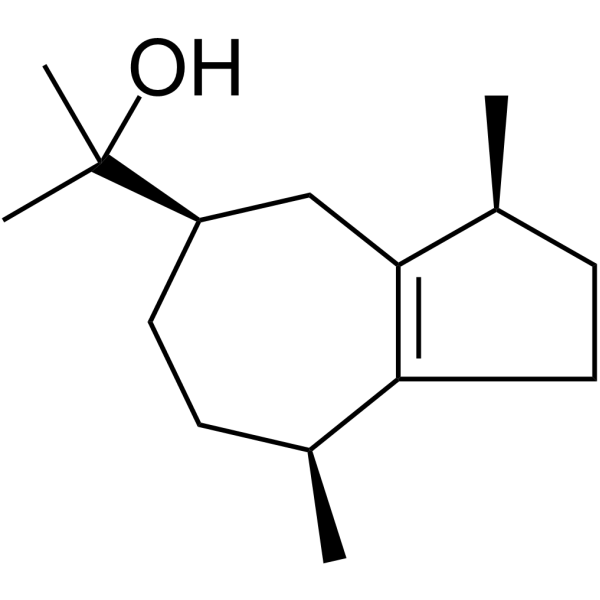
Guaiol is a sesquiterpenoid alcohol with oral activity found in various traditional Chinese medicines, exhibiting biological activities such as anti-proliferative, autophagy-promoting, insecticidal, anti-anxiety, anti-inflammatory, diuretic, and blood pressure-lowering effects. Guaiol induces apoptosis in non-small cell lung cancer cells by regulating the stability of RAD51 through autophagy modulation. Guaiol can also act directly on parasites, inhibiting their growth by affecting the kinetoplast, mitochondrial matrix and plasma membrane of the promastigotes. Guaiol kills amastigotes at an IC50 of 0.01 µg/mL. Guaiol can be used in research related to cancer, infections, cardiovascular diseases, and inflammatory conditions [4]
|
-
- HY-B1052S
-
|
Baq-168-d4; MDL-14042-d4
|
Isotope-Labeled Compounds
Imidazoline Receptor
Adrenergic Receptor
|
Neurological Disease
Metabolic Disease
|
|
Lofexidine-d4 hydrochloride (Baq-168-d4) is the deuterium labeled Lofexidine hydrochloride (HY-B1052). Lofexidine hydrochloride (Baq-168) is an orally active agonist of the imidazoline I1 receptor (imidazoline I1 receptor) (Ki: 1.9 nM) and α2-adrenergic receptor (α2-adrenergic receptor). Lofexidine hydrochloride binds to the α2A-adrenergic receptor, reduces sympathetic outflow, lowers blood pressure, and exhibits vasoconstrictive effects. Lofexidine hydrochloride regulates the expression of c-fos and alleviates opioid withdrawal symptoms. Lofexidine hydrochloride is applicable to research on opioid addiction and withdrawal .
|
-
- HY-15195R
-
|
Ro 67-0565 (Standard); SPP-301 (Standard)
|
Reference Standards
Endothelin Receptor
|
Cardiovascular Disease
Endocrinology
|
|
Avosentan (Standard) is the analytical standard of Avosentan (HY-15195). This product is intended for research and analytical applications. Avosentan is an orally active endothelin (ETA) receptor antagonist. Avosentan can block the ETA receptor, thereby reducing vascular contraction, and exerting a renal protective effect. Avosentan inhibits vascular contraction caused by ET-1 and alleviates the reduction in retinal and optic nerve head blood flow induced by it, lowering intraocular pressure in the glaucoma monkey model. Avosentan non-specifically blocks ETB receptors at high doses, inhibiting ETB-mediated diuresis and natriuresis, and may cause fluid retention. Avosentan can be used to reduce proteinuria with diabetic nephropathy, but induces significant fluid overload and congestive heart failure.
|
-
- HY-N3980R
-
|
Champacol (Standard); Guaiac alcohol (Standard)
|
Reference Standards
Autophagy
RAD51
|
Infection
Cardiovascular Disease
Inflammation/Immunology
Cancer
|
|
Guaiol (Standard) is the analytical standard of Guaiol. This product is intended for research and analytical applications. Guaiol is a sesquiterpenoid alcohol with oral activity found in various traditional Chinese medicines, exhibiting biological activities such as anti-proliferative, autophagy-promoting, insecticidal, anti-anxiety, anti-inflammatory, diuretic, and blood pressure-lowering effects. Guaiol induces apoptosis in non-small cell lung cancer cells by regulating the stability of RAD51 through autophagy modulation. Guaiol can also act directly on parasites, inhibiting their growth by affecting the kinetoplast, mitochondrial matrix and plasma membrane of the promastigotes. Guaiol kills amastigotes at an IC50 of 0.01 µg/mL. Guaiol can be used in research related to cancer, infections, cardiovascular diseases, and inflammatory conditions [4]
|
-
- HY-134061
-
|
|
Apoptosis
Mitosis
|
Cancer
|
|
Arecaidine propargyl ester hydrobromide is an agonist of M2 muscarinic acetylcholine receptors and has the activity of inhibiting tumor cell proliferation. The application of arecaidine propargyl ester hydrobromide has shown that it can reduce the number of ovarian cancer cells in vitro and induce apoptosis and the production of reactive oxygen species (ROS) at specific concentrations. Arecaidine propargyl ester hydrobromide can also arrest cells at the G2/M phase of the cell cycle and increase the percentage of abnormal mitosis. Arecaidine propargyl ester hydrobromide is more sensitizing to ovarian surface epithelial cells with higher M2 receptor levels than to cancer cells. Arecaidine propargyl ester hydrobromide exhibits the effect of lowering arterial blood pressure when interacting with the cardiovascular system in a natural physiological state, indicating its potential pharmacological application .
|
-
- HY-B1052S1
-
|
Baq-168 free base-d4; MDL-14042 free base-d4
|
Isotope-Labeled Compounds
Imidazoline Receptor
Adrenergic Receptor
|
Neurological Disease
Metabolic Disease
|
|
Lofexidine-d4 (Baq-168 free base-d4) is deuterium labeled Lofexidine (HY-B1052A). Lofexidine (Baq-168 free base) is an orally active agonist of the imidazoline I1 receptor (imidazoline I1 receptor) (Ki: 1.9 nM) and α2-adrenergic receptor (α2-adrenergic receptor). Lofexidine binds to the α2A-adrenergic receptor, reduces sympathetic outflow, lowers blood pressure, and exhibits vasoconstrictive effects. Lofexidine regulates the expression of c-fos and alleviates opioid withdrawal symptoms. Lofexidine is applicable to research on opioid addiction and withdrawal .
|
-
- HY-15193
-
|
|
SGK
NOD-like Receptor (NLR)
Interleukin Related
Apoptosis
|
Cardiovascular Disease
Cancer
|
|
EMD638683 is an orally active SGK1 inhibitor with an IC50 of 3 μM. EMD638683 exhibits strong inhibition against SGK1, moderate inhibition against SGK2 and SGK3, and shows excellent selectivity for other AGC kinase family members. EMD638683 has antihypertensive activity by inhibiting SGK1, and independently of the blood pressure-lowering effect, it effectively prevents heart inflammation and fibrosis caused by hypertension by inhibiting the cardiac NLRP3 inflammation body/ IL-1β axis. EMD638683 promotes apoptosis of colon cancer cells and sensitizes radiotherapy. EMD638683 (S-Form) can be used in research related to hypertension, hypertensive heart damage, and colon cancer .
|
-
- HY-15193R
-
|
|
Reference Standards
SGK
NOD-like Receptor (NLR)
Interleukin Related
Apoptosis
|
Cardiovascular Disease
Cancer
|
|
EMD638683 (Standard) is the analytical standard of EMD638683. This product is intended for research and analytical applications. EMD638683 is an orally effective SGK1 inhibitor with an IC50 of 3 μM. EMD638683 exhibits strong inhibition against SGK1, moderate inhibition against SGK2 and SGK3, and shows excellent selectivity for other AGC kinase family members. EMD638683 has antihypertensive activity by inhibiting SGK1, and independently of the blood pressure-lowering effect, it effectively prevents heart inflammation and fibrosis caused by hypertension by inhibiting the cardiac NLRP3 inflammation body/ IL-1β axis. EMD638683 promotes apoptosis of colon cancer cells and sensitizes radiotherapy. EMD638683 (S-Form) can be used in research related to hypertension, hypertensive heart damage, and colon cancer.
|
-
- HY-15193B
-
|
|
SGK
Drug Isomer
|
Cardiovascular Disease
Cancer
|
|
EMD638683 (S-Form) (Compound 1a), the S-enantiomer of EMD638683 (HY-15193), is a SGK1 inhibitor with an IC50 value > 300 nM. EMD638683 is an orally active SGK1 inhibitor with an IC50 of 3 μM. EMD638683 exhibits strong inhibition against SGK1, moderate inhibition against SGK2 and SGK3, and shows excellent selectivity for other AGC kinase family members. EMD638683 has antihypertensive activity by inhibiting SGK1, and independently of the blood pressure-lowering effect, it effectively prevents heart inflammation and fibrosis caused by hypertension by inhibiting the cardiac NLRP3 inflammation body/ IL-1β axis. EMD638683 promotes apoptosis of colon cancer cells and sensitizes radiotherapy. EMD638683 (S-Form) can be used in research related to hypertension, hypertensive heart damage, and colon cancer .
|
-
- HY-114986
-
|
6-keto-Prostaglandin E1
|
β-glucuronidase
|
Cardiovascular Disease
|
|
6-Keto-PGE1 (6-keto-Prostaglandin E1) is a biologically active derivative of PGE1. 6-Keto-PGE1 inhibits adenosine diphosphate-induced platelet aggregation. 6-Keto-PGE1 reduces cardiac afterload, decreases the accumulation of plasma myocardial depressant factor (MDF), lowers arterial blood pressure, dilates vascular beds, inhibits the vasoconstrictive response of vascular smooth muscle, and increases pulmonary compliance. 6-Keto-PGE1 directly stabilizes isolated cat liver lysosomes and significantly reduces the release of β-glucuronidase and cathepsin D. 6-Keto-PGE1 prolongs the survival time of traumatized rats and exerts protective effects through hemodynamic and cytoprotective actions. 6-Keto-PGE1 reduces central airway resistance. 6-Keto-PGE1 can be used in studies related to traumatic shock .
|
-
-
-
HY-L117
-
|
|
217 compounds
|
|
Calcium channel blockers (CCBs), also called calcium antagonists are compounds that slow the movement of calcium (Ca2+) through calcium channels into the cells of the heart and blood vessel walls. Calcium causes the heart and arteries to squeeze more strongly. By blocking calcium, calcium channel blockers allow blood vessels to relax and open. So calcium channel blockers are usually used to lower blood pressure, relieve chest pain (angina) and control an irregular heartbeat.
MCE supplies a unique collection of 217 calcium channel blockers and antagonists, all of which have the identified inhibitory effect on calcium channel. MCE Calcium Channel Blocker Library is a useful tool for discovery of antihypertensive drugs and cardiovascular disease research.
|
| Cat. No. |
Product Name |
Type |
-
- HY-B1661
-
|
Hexone chloride
|
Biochemical Assay Reagents
|
|
Hexamethonium Chloride Dihydrate is a synthetic organic compound commonly used as a ganglion blocking agent, which means it blocks the transmission of nerve impulses between ganglion cells in the autonomic nervous system. Hexamethonium Chloride Dihydrate is used in various medical applications such as lowering blood pressure or inhibiting certain types of neuropathic pain. It works by inhibiting the release of acetylcholine, a neurotransmitter that plays a key role in regulating many bodily functions.
|
| Cat. No. |
Product Name |
Target |
Research Area |
-
- HY-P0206
-
-
- HY-12378
-
BQ-123
3 Publications Verification
|
Endothelin Receptor
|
Cardiovascular Disease
|
|
BQ-123 is a potent and selective endothelin A (ETA) receptor antagonist with an IC50 of 7.3 nM and a Ki of 25 nM. BQ-123 inhibits endothelin-1-mediated proliferation of human pulmonary artery smooth muscle cells and lowers blood pressure in different rat models of hypertension .
|
-
- HY-P0206A
-
-
- HY-19870C
-
|
RM-493 monoacetate; BIM-22493 monoacetate; IRC-022493 monoacetate
|
Melanocortin Receptor
Calmodulin
AMPK
|
Cardiovascular Disease
Metabolic Disease
Inflammation/Immunology
|
|
Setmelanotide monoacetate (RM-493 monoacetate) is a blood-brain barrier-permeable, selective MC4R agonist with a Ki value of 2.1 nM for hMC4R. Setmelanotide monoacetate activates the CaMKK2/AMPK signaling pathway. Setmelanotide monoacetate mediates body weight homeostasis, feeding regulation and energy expenditure modulation; it reduces food intake, induces weight loss, decreases obesity severity, increases daytime activity and energy expenditure, lowers levels of leptin, triglycerides, fasting insulin and diastolic blood pressure, improves insulin sensitivity, glucose tolerance and fatty liver condition, and reverses respiratory depression. Setmelanotide monoacetate is applicable to research related to obesity, hyperinsulinemia, fatty liver and respiratory depression .
|
-
- HY-P2281A
-
|
Atrial natriuretic peptide (1-28) TFA
|
Endogenous Metabolite
|
Cardiovascular Disease
Metabolic Disease
|
|
Atrial natriuretic factor (1-28) (human, porcine) TFA exhibits blood pressure lowering activity by increasing sodium and urine excretion. Atrial natriuretic factor (1-28) (human, porcine) TFA inhibits the release of pituitary adrenocorticotropic hormone (ACTH) and beta-endorphin through inhibition of pro-opiomelanocortin (POMC) expression. Atrial natriuretic factor (1-28) (human, porcine) TFA increases cGMP levels in RMIC cells with an IC50 of 1.2 nM .
|
-
- HY-P11300A
-
-
- HY-P3388
-
|
|
GLP Receptor
|
Cardiovascular Disease
Metabolic Disease
|
Utreglutide is an effective glucagon-like peptide 1 (GLP-1) receptor agonist. Utreglutide can lower blood pressure, blood lipids and body weight, and improve cardiovascular metabolism. Utreglutide can be used for research on type 2 diabetes or non-type 2 diabetes obesity .
|
-
- HY-P3976
-
|
|
Angiotensin-converting Enzyme (ACE)
|
Cardiovascular Disease
|
|
Lactalbumin B (50-53) Alpha [Lactorphin Alpha], bovine is a blood pressure lowering peptide containing 4 amino acids. Lactalbumin B (50-53) Alpha [Lactorphin Alpha], bovine is an angiotensin-converting Enzyme (ACE) inhibitor. Lactalbumin B (50-53) Alpha [Lactorphin Alpha], bovine can be used in research of high blood pressure .
|
-
- HY-P4260
-
-
- HY-P0206B
-
-
- HY-P10617
-
|
|
Endogenous Metabolite
|
Cardiovascular Disease
|
|
Salusin-β is an endogenous bioactive peptide with significant hemodynamic and mitogenic activity. Salusin-β can stimulate the proliferation of quiescent vascular smooth muscle cells (VSMCs) and fibroblasts, leading to a rapid and significant decrease in blood pressure and heart rate. In addition, Salusin-β can stimulate the release of arginine vasopressin from the pituitary gland in rats. This makes Salusin-β have important application potential in cardiovascular disease research .
|
-
- HY-P0206S1
-
-
- HY-P2281
-
|
Atrial natriuretic peptide (1-28)
|
Endogenous Metabolite
|
Cardiovascular Disease
Metabolic Disease
|
|
Atrial natriuretic factor (1-28) (human, porcine) exhibits blood pressure lowering activity by increasing sodium and urine excretion. Atrial natriuretic factor (1-28) (human, porcine) inhibits the release of pituitary adrenocorticotropic hormone (ACTH) and beta-endorphin through inhibition of pro-opiomelanocortin (POMC) expression. Atrial natriuretic factor (1-28) (human, porcine) increases cGMP levels in RMIC cells with an IC50 of 1.2 nM .
|
| Cat. No. |
Product Name |
Category |
Target |
Chemical Structure |
-
- HY-P0206
-
-
-
- HY-W001083
-
-
-
- HY-B0642
-
-
-
- HY-N0252
-
-
-
- HY-W012814
-
-
-
- HY-N3980
-
Guaiol
1 Publications Verification
Champacol; Guaiac alcohol
|
Infection
Structural Classification
Classification of Application Fields
Terpenoids
Sesquiterpenes
Distemonanthus benthamianus Baill.
Plants
Compositae
Disease Research Fields
Source Classification
|
Autophagy
RAD51
|
|
Guaiol is a sesquiterpenoid alcohol with oral activity found in various traditional Chinese medicines, exhibiting biological activities such as anti-proliferative, autophagy-promoting, insecticidal, anti-anxiety, anti-inflammatory, diuretic, and blood pressure-lowering effects. Guaiol induces apoptosis in non-small cell lung cancer cells by regulating the stability of RAD51 through autophagy modulation. Guaiol can also act directly on parasites, inhibiting their growth by affecting the kinetoplast, mitochondrial matrix and plasma membrane of the promastigotes. Guaiol kills amastigotes at an IC50 of 0.01 µg/mL. Guaiol can be used in research related to cancer, infections, cardiovascular diseases, and inflammatory conditions [4]
|
-
-
- HY-W010435
-
-
-
- HY-B0642R
-
-
-
- HY-N0252A
-
-
-
- HY-W010435R
-
-
-
- HY-W012814R
-
-
-
- HY-127152
-
-
-
- HY-129278
-
|
|
Alkaloids
Lunaria annua L.
Other Alkaloids
Plants
Brassicaceae
Source Classification
|
Parasite
|
|
Lunarine is an alkaloid, which can be isolated from the seeds of kale (Lunaria annua). Lunarine lowers the blood pressure, stimulates small intestinal motility, inhibits spontaneous contractions of uterus and nervous system, and exhibits an acute toxicity with LD50 of 62.3 mg/kg in dogs and rabbits. Lunarine exhibits antiparasitic activity through a competitive inhibition of protozoan oxidoreductase trypanothione reductase (TryR) with Ki of 304 μM .
|
-
-
- HY-W001083R
-
-
-
- HY-N0766R
-
-
-
- HY-N0252B
-
-
-
- HY-N0252R
-
-
-
- HY-N3980R
-
|
Champacol (Standard); Guaiac alcohol (Standard)
|
Structural Classification
Natural Products
Distemonanthus benthamianus Baill.
Plants
Compositae
Source Classification
|
Reference Standards
Autophagy
RAD51
|
|
Guaiol (Standard) is the analytical standard of Guaiol. This product is intended for research and analytical applications. Guaiol is a sesquiterpenoid alcohol with oral activity found in various traditional Chinese medicines, exhibiting biological activities such as anti-proliferative, autophagy-promoting, insecticidal, anti-anxiety, anti-inflammatory, diuretic, and blood pressure-lowering effects. Guaiol induces apoptosis in non-small cell lung cancer cells by regulating the stability of RAD51 through autophagy modulation. Guaiol can also act directly on parasites, inhibiting their growth by affecting the kinetoplast, mitochondrial matrix and plasma membrane of the promastigotes. Guaiol kills amastigotes at an IC50 of 0.01 µg/mL. Guaiol can be used in research related to cancer, infections, cardiovascular diseases, and inflammatory conditions [4]
|
-
-
- HY-N18773
-
|
|
Structural Classification
Extract
|
Others
|
|
Coleus forskohlii extract can promote fat reduction and improve weight management, and also has the effect of lowering blood pressure and improving blood circulation, thereby maintaining heart health.
|
-
-
- HY-N19078
-
|
|
Structural Classification
Extract
|
Others
|
|
Rauvolfia vomitoria extract has sedative, blood pressure-lowering, and antipsychotic properties. The main active ingredients of Rauvolfia vomitoria extract include reserpine, amygdalin, and other alkaloids.
|
-
-
- HY-N17200
-
-
-
- HY-N18764
-
|
|
Structural Classification
Extract
|
Bacterial
|
|
Parsley extract has a natural diuretic effect, which helps relieve bloating and lower blood pressure. It also has antibacterial and antifungal properties and can be used in research on the prevention of infections and foodborne illnesses.
|
-
-
- HY-N17764
-
-
-
- HY-N18732
-
|
|
Structural Classification
Extract
|
Others
|
|
Terminalia arjuna extract is a precious natural compound derived from the bark of the Terminalia arjuna tree, rich in bioactive components such as triterpenoids, flavonoids, tannins, and polyphenols. Terminalia arjuna extract has cardioprotective effects, helping to strengthen the heart muscle, lower cholesterol levels, stabilize blood pressure, and prevent thrombosis.
|
-
| Cat. No. |
Product Name |
Chemical Structure |
-
- HY-B1363S
-
|
|
|
Bendroflumethiazide-d5 (Bendrofluazide-d5) is the deuterium labeled Bendroflumethiazide (HY-B1363).Bendroflumethiazide (Bendrofluazide) is an orally available diuretic. Bendroflumethiazide inhibits the electroneutral sodium-chloride symporter located in the apical membrane of the early segment of the distal convoluted tubule and can effectively lower blood pressure. Bendroflumethiazide is used in the study of hypertension and edema. Bendroflumethiazide has an antidiuretic effect in diabetes insipidus .
|
-
-
- HY-B0309S2
-
|
|
|
Felodipine-d3 is the deuterium labeled Felodipine. Felodipine, a dihydropyridine, is a potent, vasoselective calcium channel antagonist. Felodipine lowers blood pressure (BP) by selective action on vascular smooth muscle, especially in the resistance vessels. Felodipine, an anti-hypertensive agent, induces autophagy. Felodipine can cross the blood-brain barrier .
|
-
-
- HY-B1052S
-
|
|
|
Lofexidine-d4 hydrochloride (Baq-168-d4) is the deuterium labeled Lofexidine hydrochloride (HY-B1052). Lofexidine hydrochloride (Baq-168) is an orally active agonist of the imidazoline I1 receptor (imidazoline I1 receptor) (Ki: 1.9 nM) and α2-adrenergic receptor (α2-adrenergic receptor). Lofexidine hydrochloride binds to the α2A-adrenergic receptor, reduces sympathetic outflow, lowers blood pressure, and exhibits vasoconstrictive effects. Lofexidine hydrochloride regulates the expression of c-fos and alleviates opioid withdrawal symptoms. Lofexidine hydrochloride is applicable to research on opioid addiction and withdrawal .
|
-
-
- HY-B0374S
-
|
|
|
Moxonidine-d4 (BDF5895-d4) is the deuterium labeled Moxonidine (HY-B0374). Moxonidine (BDF5895) is an orally active imidazoline type 1 receptor (I1-R) agonist. Moxonidine activates imidazoline I1 receptors and α2 adrenoceptors, affecting oxidized low-density lipoprotein uptake. Moxonidine reduces atherosclerotic lesions and lowers blood pressure. Moxonidine can be used in the study of hypertension, heart failure, and atherosclerosis .
|
-
-
- HY-W001083S1
-
|
|
|
2-(3-Hydroxyphenyl-2,4,6-d3)acetic-2,2-d2 acid is the deuterium labeled 3-Hydroxyphenylacetic acid (HY-W001083). 3-Hydroxyphenylacetic acid is an orally active flavonoid metabolite produced by intestinal flora, with blood pressure-lowering activity. 3-Hydroxyphenylacetic acid can also inhibit ferroptosis by upregulating the expression of GPX4, thereby improving spermatogenic dysfunction in aged mice. In addition, abnormal levels of 3-Hydroxyphenylacetic acid are closely related to certain diseases, such as autism spectrum disorders.
|
-
-
- HY-B0612ES
-
|
|
|
(S)-Lercanidipine-d3 hydrochloride is a deuterium labeled Lercanidipine D3 hydrochloride. (S)-Lercanidipine hydrochloride is an antihypertensive agent .
|
-
-
- HY-B0309S1
-
|
|
|
Felodipine-d5 is deuterium labeled Felodipine. Felodipine, a dihydropyridine, is a potent, vasoselective calcium channel antagonist. Felodipine lowers blood pressure (BP) by selective action on vascular smooth muscle, especially in the resistance vessels. Felodipine, an anti-hypertensive agent, induces autophagy. Felodipine can cross the blood-brain barrier .
|
-
-
- HY-132670S
-
|
|
|
(R)-(-)-Felodipine-d5 is the deuterium labeled (R)-(-)-Felodipine. (R)-(-)-Felodipine is the S enantiomer of Felodipine. Felodipine, a dihydropyridine, is a potent, vasoselective calcium channel antagonist. Felodipine lowers blood pressure (BP) by selective action on vascular smooth muscle, especially in the resistance vessels. Felodipine, an anti-hypertensive agent, induces autophagy. Felodipine can cross the blood-brain barrier .
|
-
-
- HY-P0206S1
-
|
|
|
RPP-(Gly-1 13C2, 15N)-FSPFR TFA is 13C- and 15N-labeled Bradykinin (HY-P0206). Bradykinin is an effective endothelium-dependent vasodilator that can lower blood pressure. Bradykinin can induce contraction of bronchial and intestinal non-vascular smooth muscle, increase vascular permeability, and participate in the mechanism of pain .
|
-
-
- HY-B1363S1
-
|
|
|
Bendroflumethiazide-d7 (Bendrofluazide-d7) is deuterium labeled Bendroflumethiazide (HY-B1363). Bendroflumethiazide (Bendrofluazide) is an orally available diuretic. Bendroflumethiazide inhibits the electroneutral sodium-chloride symporter located in the apical membrane of the early segment of the distal convoluted tubule and can effectively lower blood pressure. Bendroflumethiazide is used in the study of hypertension and edema. Bendroflumethiazide has an antidiuretic effect in diabetes insipidus .
|
-
-
- HY-145552S
-
|
|
|
Azilsartan mepixetil-d5 (QR-01019-d5) is deuterium labeled Azilsartan mepixetil. Azilsartan mepixetil is the antagonist of angiotensin II receptor. Azilsartan mepixetil has stronger and longer blood pressure effect, more abvious and longer lasting heart rate lowering effect and high safety. Azilsartan mepixetil achieves ideal protective effect for heart and kidney functions. Azilsartan mepixetil has the potential for the research of hypertension, chronic heart failure and diabetic nephropathy (extracted from patent CN107400122A) .
|
-
-
- HY-B0374S1
-
|
|
|
Moxonidine-d7 is deuterated labeled Moxonidine (HY-B0374). Moxonidine (BDF5895) is an orally active imidazoline type 1 receptor (I1-R) agonist. Moxonidine activates imidazoline I1 receptors and α2 adrenoceptors, affecting oxidized low-density lipoprotein uptake. Moxonidine reduces atherosclerotic lesions and lowers blood pressure. Moxonidine can be used in the study of hypertension, heart failure, and atherosclerosis .
|
-
-
- HY-B0374AS
-
|
|
|
Moxonidine- 13C,d3 hydrochloride is 13C and deuterated labeled Moxonidine hydrochloride (HY-B0374A). Moxonidine (BDF5895) is an orally active imidazoline type 1 receptor (I1-R) agonist. Moxonidine activates imidazoline I1 receptors and α2 adrenoceptors, affecting oxidized low-density lipoprotein uptake. Moxonidine reduces atherosclerotic lesions and lowers blood pressure. Moxonidine can be used in the study of hypertension, heart failure, and atherosclerosis .
|
-
-
- HY-B0374S2
-
|
|
|
Moxonidine-d3 (BDF5895-d3) is deuterium labeled Moxonidine (HY-B0374). Moxonidine (BDF5895) is an orally active imidazoline type 1 receptor (I1-R) agonist. Moxonidine activates imidazoline I1 receptors and α2 adrenoceptors, affecting oxidized low-density lipoprotein uptake. Moxonidine reduces atherosclerotic lesions and lowers blood pressure. Moxonidine can be used in the study of hypertension, heart failure, and atherosclerosis .
|
-
-
- HY-W782193
-
|
|
|
Sulcatone-d5 (6-Methyl-5-hepten-2-one-d5) is the deuterium labeled Sulcatone (HY-W010435). Sulcatone (6-Methyl-5-hepten-2-one) is a plant-derived volatile organic compound with activities such as insecticidal, antifungal, and blood pressure-lowering effects. Sulcatone also serves as an insect pheromone and an endogenous metabolite, which can be found in feces. Changes in Sulcatone levels can be used for the auxiliary diagnosis of ulcerative colitis .
|
-
-
- HY-132184S
-
|
|
|
5,6-Epoxyeicosatrienoic acid-d11 (5,6-EET-d11) is deuterium labeled 5,6-Epoxyeicosatrienoic acid. 5,6-Epoxyeicosatrienoic acid is one of the four major epoxyeicosatrienoic acid (EET) isomers metabolized from Arachidonic acid (HY-109590). 5,6-Epoxyeicosatrienoic acid induces peripheral vasodilation and lowers blood pressure by inhibiting T-type calcium channels (Cav3.2: IC50 = 0.54 μM). 5,6-Epoxyeicosatrienoic acid causes vasoconstriction in hypoxic pulmonary blood vessels via activating Rho kinase in a membrane depolarization-dependent manner. 5,6-Epoxyeicosatrienoic acid induces mechanical pain by activating TRPA1. 5,6-Epoxyeicosatrienoic acid can be used in studies related to hypoxic pulmonary vasoconstriction, mechanical hyperalgesia and hypertension.
|
-
-
- HY-B1451S
-
|
|
|
Imidapril-d3 hydrochloride (TA-6366-d3) is the deuterium labeled Imidapril hydrochloride. Imidapril hydrochloride (TA-6366) is an orally active dual inhibitor of angiotensin-converting enzyme (ACE) and MMP-9. Imidapril hydrochloride inhibits lipopolysaccharide-induced phosphorylation of c-Jun, MKK4 and JNK in monocytes, and downregulates the production of specific inflammatory factors such as TNF-α and IP-10, thereby exerting anti-inflammatory activity. Imidapril hydrochloride also effectively ameliorates mesangial expansion and reduces urinary albumin excretion by inhibiting angiotensin AngII production, lowering glomerular pressure and oxidative stress, thus delaying disease progression. Imidapril hydrochloride can also directly bind to the active site of MMP-9 to inhibit gelatinase activity, and suppress the enlargement of cerebral aneurysms without altering systemic blood pressure. Imidapril hydrochloride is widely applicable to related studies on autoimmune glomerulonephritis, diabetic nephropathy, cerebral aneurysms and other conditions .
|
-
-
- HY-B1052S1
-
|
|
|
Lofexidine-d4 (Baq-168 free base-d4) is deuterium labeled Lofexidine (HY-B1052A). Lofexidine (Baq-168 free base) is an orally active agonist of the imidazoline I1 receptor (imidazoline I1 receptor) (Ki: 1.9 nM) and α2-adrenergic receptor (α2-adrenergic receptor). Lofexidine binds to the α2A-adrenergic receptor, reduces sympathetic outflow, lowers blood pressure, and exhibits vasoconstrictive effects. Lofexidine regulates the expression of c-fos and alleviates opioid withdrawal symptoms. Lofexidine is applicable to research on opioid addiction and withdrawal .
|
-
-
- HY-W001083S2
-
|
|
|
3-Hydroxyphenylacetic acid-d6 is the deuterium labeled 3-Hydroxyphenylacetic acid (HY-W001083). 3-Hydroxyphenylacetic acid is an orally active flavonoid metabolite produced by intestinal flora, with blood pressure-lowering activity. 3-Hydroxyphenylacetic acid can also inhibit ferroptosis by upregulating the expression of GPX4, thereby improving spermatogenic dysfunction in aged mice. In addition, abnormal levels of 3-Hydroxyphenylacetic acid are closely related to certain diseases, such as autism spectrum disorders .
|
-
| Cat. No. |
Product Name |
|
Classification |
-
- HY-134061
-
|
|
|
Alkynes
|
|
Arecaidine propargyl ester hydrobromide is an agonist of M2 muscarinic acetylcholine receptors and has the activity of inhibiting tumor cell proliferation. The application of arecaidine propargyl ester hydrobromide has shown that it can reduce the number of ovarian cancer cells in vitro and induce apoptosis and the production of reactive oxygen species (ROS) at specific concentrations. Arecaidine propargyl ester hydrobromide can also arrest cells at the G2/M phase of the cell cycle and increase the percentage of abnormal mitosis. Arecaidine propargyl ester hydrobromide is more sensitizing to ovarian surface epithelial cells with higher M2 receptor levels than to cancer cells. Arecaidine propargyl ester hydrobromide exhibits the effect of lowering arterial blood pressure when interacting with the cardiovascular system in a natural physiological state, indicating its potential pharmacological application .
|
| Cat. No. |
Product Name |
|
Classification |
-
- HY-130345
-
|
|
|
Phospholipids
|
|
C18-PAF, octadecane PAF, is the ligand of platelet-activating factor and PAF G protein-coupled receptor (PAFR). C18-PAF has renovasodilator properties and antihypertensive lipid properties. C18-PAF increases renal blood flow and causes dose-dependent systemic hypotension .
|
Your information is safe with us. * Required Fields.
Inquiry Information
- Product Name:
- Cat. No.:
- Quantity:
- MCE Japan Authorized Agent:

