


Search Result
Results for "
I-As-1
" in MedChemExpress (MCE) Product Catalog:
1
Biochemical Assay Reagents
6
Isotope-Labeled Compounds
| Cat. No. |
Product Name |
Target |
Research Areas |
Chemical Structure |
-
- HY-75161
-
-
-
- HY-101037
-
|
N-Methylglycine; Sarcosin
|
Endogenous Metabolite
GlyT
|
Cancer
|
|
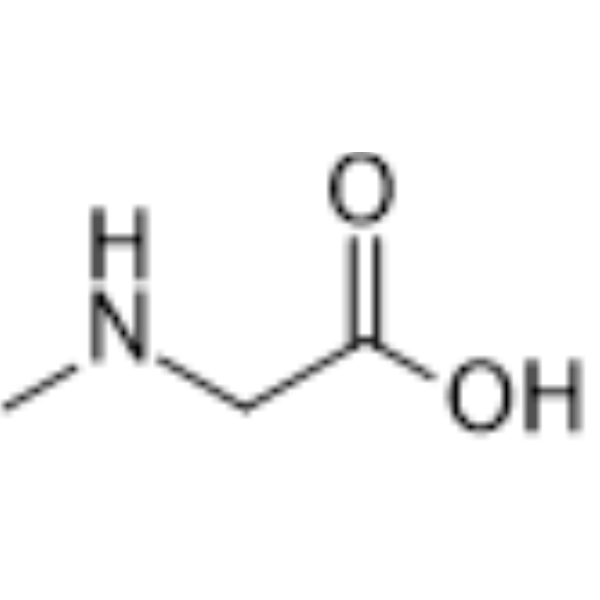
Sarcosine (N-Methylglycine), an endogenous amino acid, is a competitive glycine transporter type I (GlyT1) inhibitor and N-methyl-D-aspartate (NMDA) receptor co-agonist. Sarcosine increases the glycine concentration, resulting in an indirect potentiation of the NMDA receptor. Sarcosine is commonly used for the research of schizophrenia [1] .
|
-
-
- HY-P99509
-
-
-
- HY-177456
-
|
|
STAT
|
Inflammation/Immunology
|
|
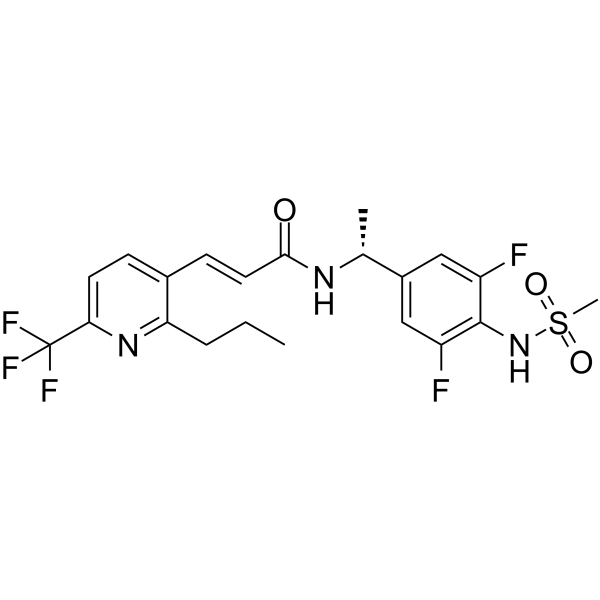
STAT6 degrader-3 (Compound I-1) is a potent and selective STAT6 degrader with a DC50 of <1 nM. STAT6 degrader-3 can be used in the research of Type 2 immune and allergic responses [1].
|
-
-
- HY-P1656
-
|
|
Angiotensin Receptor
Mas-related G-protein-coupled Receptor (MRGPR)
|
Cardiovascular Disease
|
|
(D-Pro7)-Angiotensin I/II (1-7) is a potent Mas receptor inhibitor with a Ki of 0.001 μM for rat receptors. (D-Pro7)-Angiotensin I/II (1-7) competitively blocks the binding of Angiotensin-(1-7) to the Mas receptor and attenuates the vasodilatory effect of rat aortas under physiological and hypertensive conditions. (D-Pro7)-Angiotensin I/II (1-7) can be used for studies on the function of the renin-angiotensin system and the pathological mechanisms of hypertension [1] .
|
-
-
- HY-12777
-
-
-
- HY-U00248A
-
|
MJ-III65 hydrochloride; NSC706744 hydrochloride
|
Topoisomerase
|
Cancer
|
|
LMP744 hydrochloride (MJ-III65 hydrochloride) is a DNA intercalator and Topoisomerase I (Top1) inhibitor with antitumor activity [1].
|
-
-
- HY-175203
-
-
-
- HY-139909A
-
|
|
Drug-Linker Conjugates for ADC
|
Cancer
|
|
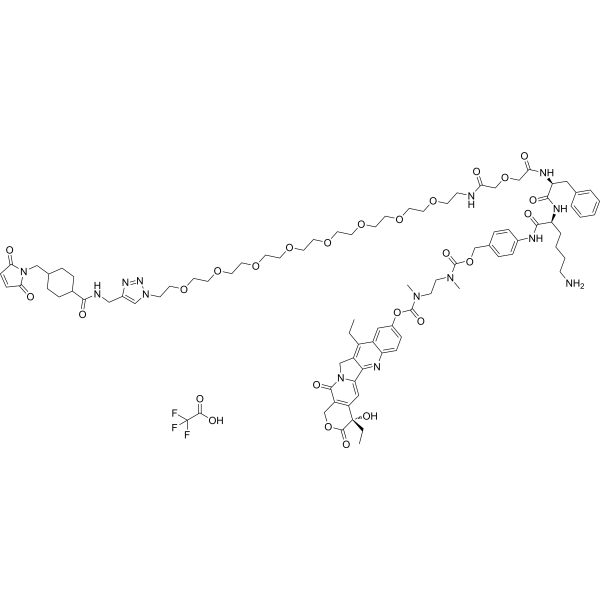
CL2E-SN-38 TFA, a highly releasable and structurally stable antibody-SN-38-conjugate, is a part of the antibody drug conjugate (ADC). SN-38, the active metabolite of Irinotecan from camptothecins, is an Topoisomerase I inhibitor .
|
-
-
- HY-U00248
-
|
MJ-III65; NSC706744
|
Topoisomerase
|
Cancer
|
|
LMP744 (MJ-III65) is a DNA intercalator and Topoisomerase I (Top1) inhibitor with antitumor activity [1].
|
-
-
- HY-P1104A
-
|
|
CXCR
HIV
|
Infection
|
|
FC131 TFA is a CXCR4 antagonist, inhibits [ 125I]-SDF-1 binding to CXCR4, with an IC50 of 4.5 nM. Anti-HIV activity [1].
|
-
-
- HY-145707
-
|
|
Mitochondrial Metabolism
|
Cancer
|
|
BAY-179, a chemical probe, is a potent, selective, and species cross-reactive complex I inhibitor. BAY-179 shows IC50 values of 79 nM, 38 nM, 27 nM, and 47 nM for human, mouse, rat, and dog complex I, respectively .
|
-
-
- HY-U00159
-
-
-
- HY-18350
-
|
LMP776
|
Topoisomerase
|
Cancer
|
|
Indimitecan (LMP776) is a topoisomerase I (Top1) inhibitor with anticancer activities [1].
|
-
-
- HY-132893
-
|
|
TAM Receptor
|
Cancer
|
|
AZ14145845 is a highly selective type I1/2 dual Mer/Axl kinase inhibitor with in vivo efficacy.
|
-
-
- HY-N7089
-
|
quinazolinedione
|
Bacterial
|
Infection
|
|
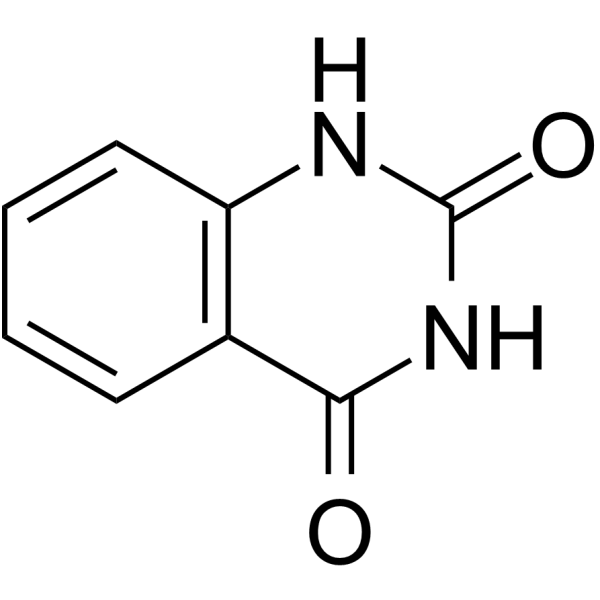
Benzoyleneurea possesses anti-bacterial activity. Benzoyleneurea scaffold can be used in the synthesis of novel protein geranylgeranyltransferase-I (PGGTase-I) inhibitors .
|
-
-
- HY-123052
-
-
-
- HY-127167
-
|
|
Histamine Receptor
|
Inflammation/Immunology
|
|
3',4'-Dihydroxyflavone is a flavonoid. 3',4'-Dihydroxyflavone has antiallergic activity with an IC50 value of 30 μM. 3',4'-Dihydroxyflavone can be used for the research of type I allergy .
|
-
-
- HY-N6905
-
-
-
- HY-159783
-
-
-
- HY-N6854
-
|
|
Others
|
Metabolic Disease
Cancer
|
|
Mogroside I A1 is a triterpenoid glycoside and a nonsugar sweetener. Mogrosides are sweeter than sucrose. Mogrosides exhibit antioxidant, antidiabetic and anticancer activities [1].
|
-
-
- HY-N6853
-
|
|
DNA/RNA Synthesis
AMPK
|
Metabolic Disease
Cancer
|
|
Mogroside I E1 is a triterpenoid glycoside and a nonsugar sweetener. Mogrosides are sweeter than sucrose. Mogrosides exhibit antioxidant, antidiabetic and anticancer activities [1].
|
-
-
- HY-19990
-
-
-
- HY-19529
-
-
-
- HY-15778A
-
|
|
Angiotensin Receptor
|
Cardiovascular Disease
Endocrinology
|
|
AVE 0991 sodium salt is a nonpeptide and orally active Ang-(1-7) receptor Mas agonist. AVE 0991 competes for high-affinity binding of [ 125I]-Ang-(1-7) to bovine aortic endothelial cell membranes with IC50 of 21 nM [1].
|
-
-
- HY-158412
-
|
|
Proteasome
Apoptosis
|
Cancer
|
|
BT317 is a blood-brain transmissible mitochondrial Lon peptidase I (LonP1) and CT-L proteasome inhibitor. BT317 can increase the production of reactive oxygen species (ROS) and induce apoptosis in astrocytoma cells. BT317 has antitumor activity [1].
|
-
-
- HY-129421
-
|
|
PACAP Receptor
|
Neurological Disease
Inflammation/Immunology
|
|
PA-9 is a pituitary adenylate cyclase-activating polypeptide (PACAP) type I (PAC1) receptor antagonist. PA-9 dose dependently inhibits PACAP-induced cAMP elevation with an IC50 of 5.6 nM. PA-9 can be used for the research of neuropathic and/or inflammatory pain [1].
|
-
-
- HY-118911
-
|
|
ATM/ATR
|
Cancer
|
|
ATM Inhibitor-10 (compound 74), a 3-quinoline carboxamide, is a highly selective and orally active ATM inhibitor (IC50: 0.6 nM). ATM Inhibitor-10 has anti-tumor activity in SW620 xenograft models. ATM Inhibitor-10 is synergistic with Top I inhibitors .
|
-
-
- HY-162407
-
|
|
Btk
|
Cancer
|
|
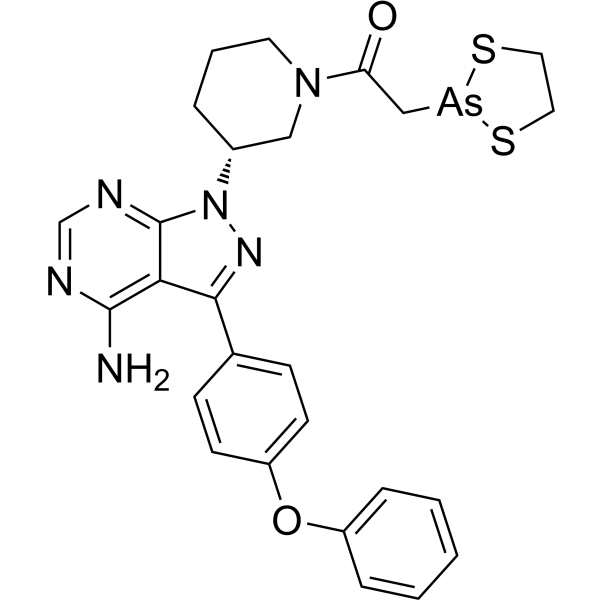
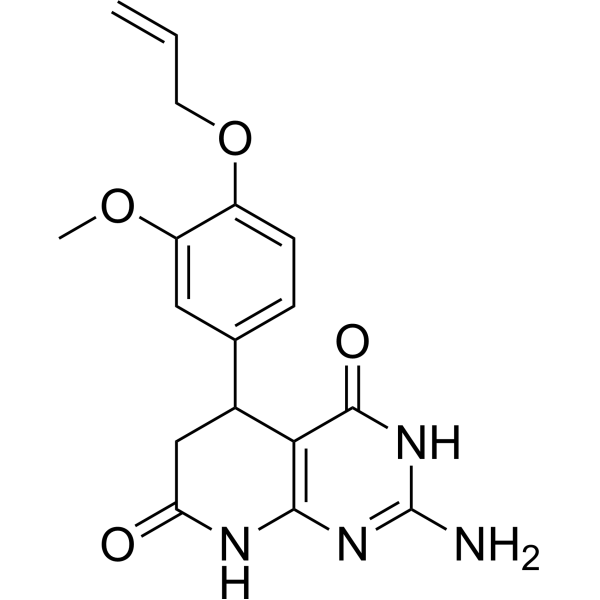
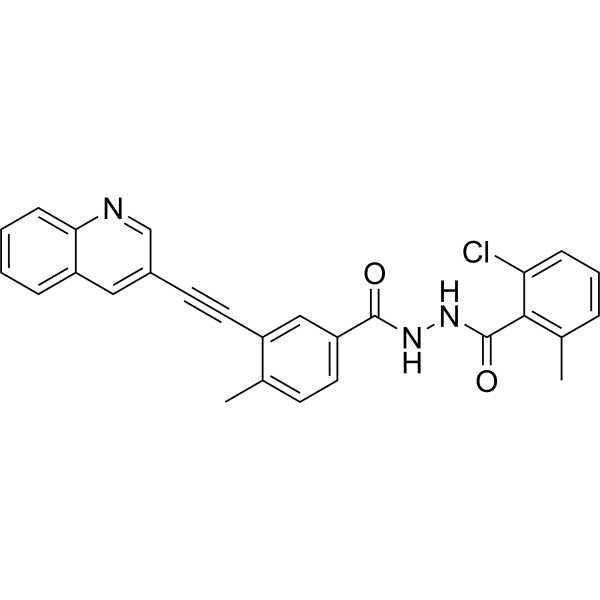
I-As-1 is a potent inhibitor of Bruton’s tyrosine kinase (BTK), with the IC50 of 2.35 nM. I-As-1 shows antiproliferative activities among Ramos cells and OCI-LY10 cells with IC50s of 0.52 μM and 0.11 μM, respectively [1].
|
-
-
- HY-126142
-
-
-
- HY-148974
-
|
|
Polo-like Kinase (PLK)
|
Cancer
|
|
PLK1-IN-5 is a potent PLK1 inhibitor with an IC50 of < 500 nM. PLK1-IN-5 shows anticancer effects (WO2008113711A1; compound I-4) .
|
-
-
- HY-163684
-
|
|
Complement System
|
Inflammation/Immunology
|
|
Zoracopan is a selective complement factor D (CFD) inhibitor. When administered systemically (orally or intravenously), Zoracopan accumulates and is sustained-released in ocular tissues, primarily in the choroid-retinal pigment epithelium (C-RPE) and/or iridociliary body (I-CB) .
|
-
-
- HY-B1411S1
-
-
-
- HY-N10414
-
|
PrimulAsaponin 1; Primula acid I
|
Bacterial
|
Others
|
|
Primulic acid I (Primulasaponin 1) is a plant-derived triterpenoid saponin with one sugar chain (monodesmoid) [1].
|
-
-
- HY-175660
-
|
|
Heme Oxygenase (HO)
|
Cancer
|
|
KCL-HO-1i is an orally active heme oxygenase-1 (HO-1) inhibitor (rat HO-1: IC50 = 123 nM) and human HO-1: IC50 = 128 nM). KCL-HO-1i targets immunosuppressive LYVE-1 + perivascular tumor-associated macrophages (PvTAMs) in the tumor microenvironment (TME), reduces PvTAM-mediated immune exclusion. KCL-HO-1i demonstrates synergistic anti-tumor efficacy with chemotherapy in MMTV-PyMT spontaneous breast cancer mice or C57Bl/6 mice bearing subcutaneous MN-MCA1 sarcomas. KCL-HO-1i can be used for the study of cancer [1].
|
-
-
- HY-126752A
-
-
-
- HY-P4812
-
-
-
- HY-139316
-
|
|
IRAK
PROTACs
|
Cancer
|
|
PROTAC IRAK4 degrader-5 is a Cereblon-based IRAK4 degrader extracted from patent US20190192668A1, compound I-171 .
|
-
-
- HY-176462
-
|
|
Drug Derivative
|
Cancer
|
|
Gly-Dasatinib (compound I-7-1), an amino acid analog of Dasatinib (HY-10181), is a tyrosine kinase inhibitor. Gly-Dasatinib can be used for the study of cancer [1].
|
-
-
- HY-172973
-
|
|
Tau Protein
|
Neurological Disease
|
|
TAU-IN-4 (compound I1.21) is a potent Tau aggregation inhibitor with a KD of 1.58 μM. TAU-IN-4 can be used in the study of Alzheimer’s disease [1].
|
-
-
- HY-118942
-
|
ARC 111
|
Topoisomerase
|
Cancer
|
|
Topovale (ARC 111) is a topoisomerase I inhbitor. Topovale is an antitumor agent, and shows low nM cytotoxicity against a panel of cancer cells. Topovale induces reversible topoisomerase I (TOP1) cleavage complexes in tumor cells [1].
|
-
-
- HY-P1104
-
|
|
CXCR
HIV
|
Infection
|
|
FC131 is a potent CXCR4 antagonist. FC131 inhibits [ 125I]-SDF-1 binding to CXCR4 with an IC50 of 4.5 nM. FC131 has anti-HIV activity [1].
|
-
-
- HY-N12127
-
|
|
Others
|
Others
|
|
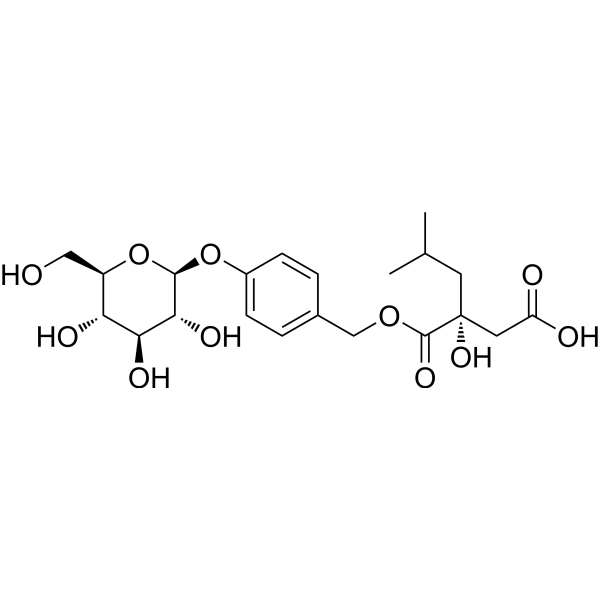
Gymnoside I (compound 1) is a glycosidoxybenzyl 2-isobutylmalic acid. Gymnoside I shows antiallergic activity in passive cutaneous allergic reaction (PCA) in mice. Gymnoside I can be used in research to research asthma, neurasthenia and chronic hepatitis [1].
|
-
-
- HY-139315
-
|
|
PROTACs
IRAK
|
Cancer
|
|
PROTAC IRAK4 degrader-4 is a Cereblon-based PROTAC as interleukin-1 receptor-associated kinase 4 (IRAK4) degrader extracted from patent US20190192668A1, compound I-127 .
|
-
-
- HY-N11537
-
|
|
Others
|
Others
|
|
2-Methoxy-6-pentadecyl-1,4-benzoquinone (1c) is a pentadecyl derivative that can be isolated from seed oils of different iris plants such as I. pseudacorus, I. missouriensis and I. sibirica .
|
-
-
- HY-147985
-
|
|
Carbonic Anhydrase
|
Cancer
|
|
hCA I-IN-1 (Compound 6q) is a human carbonic anhydrase I (hCA I) inhibitor with Ki values of 38.3, 716.4, 940.1 and 192.8 nM against hCA I, hCA II, hCAIX and hCAXII, respectively [1].
|
-
-
- HY-139909
-
|
|
Drug-Linker Conjugates for ADC
|
Cancer
|
|
CL2E-SN-38, a highly releasable and structurally stable antibody-SN-38-conjugate, is a part of the antibody drug conjugate (ADC). SN-38, the active metabolite of Irinotecan from camptothecins, is an Topoisomerase I inhibitor .
|
-
-
- HY-W008874
-
|
|
Topoisomerase
|
Cancer
|
|
meso-Tetra(4-pyridyl)porphine (Compound 10) is a porphyrin derivative. meso-Tetra(4-pyridyl)porphine is a weak inhibitor of human topoisomerase I (Top1) with an EC50 value greater than 50 µM. meso-Tetra(4-pyridyl)porphine can be used in tumor research [1].
|
-
-
- HY-146653
-
|
|
Glyoxalase (GLO)
|
Cancer
|
|
Glyoxalase I inhibitor 1 (compound 23) is a potent glyoxalase I (GLO1) inhibitor with an IC50 of 26 nM [1]. Glyoxalase I inhibitor 1 is a click chemistry reagent, itcontains an Alkyne group and can undergo copper-catalyzed azide-alkyne cycloaddition (CuAAc) with molecules containing Azide groups.
|
-
-
- HY-163200
-
|
|
Cuproptosis
|
Neurological Disease
|
|
Cu(I) chelator 1 (Compound LH2) is a chelator which targets the Cu(I) redox state. Cu(I) chelator 1 prevents ROS production [1].
|
-
- HY-177622
-
|
|
IGF-1R
|
Metabolic Disease
|
|
Cibrigirsen is an antisense oligonucleotide targeted to the insulin-like growth factor I receptor(IGF-1R).
|
-
- HY-146657
-
|
|
Glyoxalase (GLO)
|
Cancer
|
|
4BAB (compound 29) is an irreversible glyoxalase I (GLO1) inhibitor. 4BAB has anticancer effects [1].
|
-
- HY-145840
-
|
|
DNA/RNA Synthesis
|
Cancer
|
|
Pol I-IN-1 is a potent RNA polymerase I (Pol I) inhibitor with IC50 0.21 µM for the Pol I large catalytic subunit RPA194 [1].
|
-
- HY-139317
-
|
|
PROTACs
IRAK
|
Cancer
|
|
PROTAC IRAK4 degrader-6 is a Cereblon-based PROTAC as interleukin-1 receptor-associated kinase 4 (IRAK4) degrader extracted from patent US20190192668A1, compound I-172 .
|
-
- HY-164151
-
|
|
ERK
|
Cancer
|
|
ERK-IN-8 (compound I-1) is an aniline pyrimidine derivative that acts as an ERK inhibitor. ERK-IN-8 has a strong inhibitory effect on ERK2 in vitro (IC50≤50 nM). ERK-IN-8 can be used in cancer research [1].
|
-
- HY-120271
-
|
|
Ras
|
Cancer
|
|
GGTI-297 is a geranylgeranyl transferase I (GGTase-1) inhibitor with IC50 values of 56 nM and 203 nM for GGTase-1 and fanesyl transferase (FTase), respectively. GGTI-297 inhibits the processing of the geranylgeranylated protein Rap1A without affecting the farnesylated protein H-Ras [1] .
|
-
- HY-145859
-
-
- HY-157035
-
|
|
Proteasome
|
Others
|
|
Proteasome β2c/i-IN-1 (compound 37) is a subunit-selective human proteasome β2c and β2i inhibitor
.
|
-
- HY-145046
-
|
|
SOS1
Ras
|
Cancer
|
|
SOS1-IN-3 is a potent SOS1 (son of sevenless homolog 1) inhibitor with an IC50 of 5 nM. SOS1-IN-3 has anticancer effects (WO2019122129A1; compound I-1) .
|
-
- HY-156297
-
|
|
Proteasome
|
Inflammation/Immunology
|
|
β5i-IN-1 is a potent and selective inhibitor of β5i with a IC50 of 8.463 nM. β5i-IN-1 releases TNF-α and IL-6 and influences the transcriptional activity of NF-κB. β5i-IN-1 can be used in study idiopathic pulmonary fibrosis [1].
|
-
- HY-168603
-
-
- HY-18350A
-
|
LMP776 hydrochloride
|
Topoisomerase
|
Cancer
|
|
Indimitecan hydrochloride is a topoisomerase I (Top1) inhibitor with anticancer activities [1].
|
-
- HY-143766
-
|
|
Influenza Virus
|
Infection
|
|
Cap-dependent endonuclease-IN-13 is a potent inhibitor of cap-dependent endonuclease (CEN). Cap-dependent endonuclease-IN-13 has the potential for the research of influenza virus infection (only influenza A) (extracted from patent WO2021180147A1, compound I-1) .
|
-
- HY-N3983
-
|
|
Others
|
Others
|
|
Gynosaponin I (compound 1) is a natural product that can be found in Gynostemma pentaphyllum [1].
|
-
- HY-N1628
-
|
1-Hydroxybaccatin I
|
Others
|
Others
|
|
1β-Hydroxybaccatin I (1-Hydroxybaccatin I) can be extracted from Taxus wallichiana [1].
|
-
- HY-177622A
-
|
|
IGF-1R
|
Metabolic Disease
|
|
Cibrigirsen sodium is an antisense oligonucleotide targeted to the insulin-like growth factor I receptor(IGF-1R).
|
-
- HY-N8614
-
|
|
Others
|
Others
|
|
Peucedanocoumarin I (compound 1) is a kind of dihydropyranocoumarin. Peucedanocoumarin I can be isolated from the root of f Peucedanum praeruptorum [1].
|
-
- HY-113681
-
-
- HY-N7089R
-
|
quinazolinedione (Standard)
|
Reference Standards
Bacterial
|
Infection
|
|
Benzoyleneurea possesses anti-bacterial activity. Benzoyleneurea scaffold can be used in the synthesis of novel protein geranylgeranyltransferase-I (PGGTase-I) inhibitors .
|
-
- HY-144466
-
-
- HY-P4044
-
|
|
HBV
|
Infection
|
|
HBV Seq2 aa:28-39 is a HBsAg peptide, which binds to major histocompatibility complex (MHC) class I molecules .
|
-
- HY-P10296
-
|
|
Endogenous Metabolite
|
Infection
|
|
p60 (217–225) is the subdominant epitope of Listeria monocytogenes, which combines with H-2K d MHC class I molecules .
|
-
- HY-N14563
-
|
|
Bacterial
HSV
|
Infection
|
|
Cycloviracin B1 has anti-herpes simplex virus Type I (HSV-1) activity and has weak anti-Gram-positive bacterial activity [1].
|
-
- HY-117584
-
|
|
GHSR
|
Endocrinology
|
|
L-163255 free base is an orally active spiropiperidine GH secretagogue. L-163255 (free base) can also increase plasma IGF-I level .
|
-
- HY-113623
-
|
|
Others
|
Others
|
|
Pyrenophorol is a C9H12O3 compound isolated in low yield from culture filtrates of the phytopathogenic fungus Stemphylium radicinum, C.M.I. 105654 .
|
-
- HY-N10414R
-
|
PrimulAsaponin 1 (Standard); Primula acid I (Standard)
|
Insecticide
Reference Standards
|
Others
|
|
Primulic acid I (Standard) is the analytical standard of Primulic acid I. This product is intended for research and analytical applications. Primulic acid I (Primulasaponin 1) is a plant-derived triterpenoid saponin with one sugar chain (monodesmoid) [1].
|
-
- HY-126752R
-
|
|
Reactive Oxygen Species (ROS)
Reference Standards
|
Inflammation/Immunology
|
|
Ophthalmic acid (Standard) is the analytical standard of Ophthalmic acid. This product is intended for research and analytical applications. Ophthalmic acid, an analogue of GSH, is a marker of oxidative stress and hepatic GSH consumption. Ophthalmic acid is an inhibitor of Glyoxalase I reaction .
|
-
- HY-146654
-
|
|
Glyoxalase (GLO)
|
Cancer
|
|
Glyoxalase I inhibitor 2 (compound 26) is a potent glyoxalase I (GLO1) inhibitor with an IC50 of 0.5 µM. Glyoxalase I inhibitor 2 has the potential for the research of depression and anxiety [1].
|
-
- HY-170560
-
-
- HY-146655
-
|
|
Glyoxalase (GLO)
|
Cancer
|
|
Glyoxalase I inhibitor 3 (compound 22g) is a potent glyoxalase I (GLO1) inhibitor with an IC50 of 0.011 µM. Glyoxalase I inhibitor 3 has the potential for the research of depression and anxiety [1].
|
-
- HY-143545
-
|
|
RET
|
Cancer
|
|
RET-IN-8 is a rearranged during transfection (RET) kinase inhibitor extracted from patent WO2021093720A1 compound I-1. RET-IN-8 can be used for the research of cancer [1].
|
-
- HY-168465
-
|
|
Glycosidase
|
Metabolic Disease
|
|
α-Glucosidase-IN-83 (compound I-1) is a potent inhibitor of α-Glucosidase, with the IC50 of 1.49 μg/mL. α-Glucosidase-IN-83 shows reduction in blood glucose levels in vivo [1].
|
-
- HY-N12200
-
|
|
Others
|
Cancer
|
|
Mollicellin I (compound 1) is a depsidone. The growth inhibitory activity of Mollicellin I on human breast cancer (Bre04), human lung (Lu04) and human neuroma (N04) cell lines is not significant, with GI50s >10 μg/mL [1].
|
-
- HY-144641
-
|
|
Carbonic Anhydrase
|
Cancer
|
|
Carbonic anhydrase inhibitor 7 (compound 5b) is a potent inhibitor of human carbonic anhydrase (hCA), with Kis of 6.5 nM, 7.1 nM, 72.1 nM, and 255.8 nM for hCA IX, hCA II, hCA XII and hCA I, respectively .
|
-
- HY-144640
-
|
|
Carbonic Anhydrase
|
Cancer
|
|
Carbonic anhydrase inhibitor 6 (compound 9b) is a potent inhibitor of human carbonic anhydrase (hCA), with Kis of 9.7 nM, 35.2 nM, 88.5 nM, and 91.8 nM for hCA IX, hCA II, hCA XII and hCA I, respectively .
|
-
- HY-15544
-
|
|
CCR
|
Inflammation/Immunology
|
|
CCR1 antagonist 10 (example 1) is a potent and orally active CCR1 antagonist. CCR1 antagonist 10 inhibits 125I-MIP-1α binding to THP-1 cell membranes with an Ki value of 2.3 nM [1].
|
-
- HY-143752
-
|
|
Influenza Virus
|
Infection
|
|
Cap-dependent endonuclease-IN-8 is a potent inhibitor of cap-dependent endonuclease (CEN). Cap-dependent endonuclease-IN-8 inhibits replication of orthomyxoviruses (including influenza A, influenza B and influenza C) (extracted from patent CN111410661A, compound I-196) .
|
-
- HY-146094
-
|
|
Topoisomerase
|
Cancer
|
|
Antitumor agent-63 (Compound 40), a 20 (S)-O-linked camptothecin (CPT) glycoconjugate, is an antitumor agent without toxicity towards normal cells. Antitumor agent-63 shows high stability and very weak direct topoisomerase I (Topo I) inhibition .
|
-
- HY-170544
-
|
|
RIP kinase
|
Inflammation/Immunology
|
|
RIPK1-IN-28 (compound 13) is an orally active RIPK1 inhibitor. RIPK1-IN-28 inhibits human I2.1 and Hepa1‐6 cells with IC50s of 0.4 and 1.2 nM, respectively [1].
|
-
- HY-P5526
-
|
|
Casein Kinase
|
Others
|
|
CCK1-specific peptide substrate is a biological active peptide. (This peptide sequence is based on rabbit muscle glycogen synthase with Ser7 phosphorylated. It is a peptide substrate for Casein Kinase I (CK1). CK1 phosphorylates Ser10. Ser7 is phosphorylated by PKA in vivo.)
|
-
- HY-N18238
-
|
|
EBV
|
Cancer
|
|
11-Oxomogroside I A1 is a cucurbitane-type triterpenoid glycoside and also an EBV-EA inhibitor. 11-Oxomogroside I A1 exerts 100% inhibitory effect on the induction of EBV-EA. 11-Oxomogroside I A1 can be used for cancer research [1].
|
-
- HY-181129
-
|
|
DNA/RNA Synthesis
IFNAR
Apoptosis
Necroptosis
|
Cancer
|
|
ADAR1i-124 is an A-to-I RNA editing inhibitor by inhibiting the catalytic activities of both ADAR1p150 and ADAR1p110. ADAR1i-124 activates type I interferon (IFN) and ZBP1 pathways and dose-dependently inhibits viability across different types of cancer cell lines. ADAR1i-124 can induce cells apoptosis and necroptosis. ADAR1i-124 can be used for the research of cancer, such as cutaneous melanoma and ovarian cancer [1].
|
-
- HY-P11553B
-
|
|
Radionuclide-Drug Conjugates (RDCs)
CCR
|
Cardiovascular Disease
Inflammation/Immunology
Cancer
|
|
DOTA-ECL1i is a conjugate of the CCR2 inhibitor ECL1i (HY-P11553) and DOTA. When radiolabeled with 68Ga, DOTA-ECL1i serves as a PET tracer that targets CCR2 expression. DOTA-ECL1i can be used in research related to pulmonary fibrosis, cardiac injury, abdominal aortic aneurysm inflammation, atherosclerosis, head and neck cancer, and pancreatic cancer [1].
|
-
- HY-124211S
-
-
- HY-180303
-
-
- HY-N19718
-
|
|
Drug Derivative
|
Infection
|
|
Betavulgaroside I (Compound 1) is a triterpene saponin found in sugar beet (Beta vulgaris) and beetroot. Betavulgaroside I can be used for research on antifungal activity [1].
|
-
- HY-171894
-
-
- HY-D3447
-
|
|
Fluorescent Dye
Ferroptosis
|
Others
|
|
LPd peroxida probe-2 (Compound I-1) is a lipid peroxidation fluorescent indicator (Ex = 488 nm, Em = 535 nm). LPd peroxida probe-2 undergoes fluorescence spectral changes in response to lipid hydroperoxides and can be used for Ferroptosis detection and cell imaging.
|
-
- HY-180615
-
|
15-Dehydro-prostaglandin I2
|
Drug Derivative
|
Others
|
|
(5Z,13E)-6,9Alpha-epoxy-11alpha-hydroxy-15-oxoprosta-5,13-dienoate (15-Dehydro-prostaglandin I2) is an analogue of prostaglandin I2 .
|
-
- HY-P11649
-
|
|
Integrin
VEGFR
|
Cancer
|
|
NYLTHRQ is a peptide. NYLTHRQ specifically blocks the interaction between sVEGFR1-i13 and β1 integrin, and inhibits the activation of VEGFR1 and VEGFR2. NYLTHRQ inhibits cancer cell proliferation. NYLTHRQ can be used in the research of tumors such as lung squamous cell carcinoma [1].
|
-
- HY-P4109
-
|
NT21MP; V1 peptide
|
CXCR
|
Inflammation/Immunology
Cancer
|
|
vMIP-II (1-21) (NT21MP) is an inhibitor of CXCR4. vMIP-II (1-21) interacts broadly with CC and CXC chemokine receptors. vMIP-II (1-21) inhibits CXCR4 by competing with 125I-SDF-1R for binding sites (IC50=190 nM) [1].
|
-
- HY-145424
-
|
|
CDK
|
Others
|
|
CDK7-IN-10 is a CDK7 inhibitor with an IC50 of less than 100 nM, extracted from patent WO2021016388A1, compound I-1. CDK7-IN-10 is useful in inhibiting the activity of a kinase. CDK7-IN-10 has the potential of inhibiting cell growth and inducing cell apoptosis [1].
|
-
- HY-101037S1
-
|
N-Methylglycine-d3; Sarcosin-d3
|
Isotope-Labeled Compounds
Endogenous Metabolite
GlyT
|
Cancer
|
|
Sarcosine-d3 is the deuterium labeled Sarcosine. Sarcosine (N-Methylglycine), an endogenous amino acid, is a competitive glycine transporter type I (GlyT1) inhibitor and N-methyl-D-aspartate (NMDA) receptor co-agonist. Sarcosine increases the glycine concentration, resulting in an indirect potentiation of the NMDA receptor. Sarcosine is commonly used for the research of schizophrenia [1] .
|
-
- HY-143265
-
|
|
Topoisomerase
Apoptosis
Caspase
|
Cancer
|
|
Topoisomerase I inhibitor 2 (ZML-8) is a highly selective inhibitor of DNA topoisomerase I (Top1). Topoisomerase I inhibitor 2 inhibits Top1 activity and results DNA damage. Topoisomerase I inhibitor 2 blocks G2/M phase and induces apoptosis, exhibits anti-tumor effect [1].
|
-
- HY-66047
-
|
|
Biochemical Assay Reagents
|
Others
|
|
2,4-Dihydroxypyrimidine-5-carboxylic acid (Uracil-5-carboxylic acid) is a linker. 2,4-Dihydroxypyrimidine-5-carboxylic acid can be assembled with various metal ions. 2,4-Dihydroxypyrimidine-5-carboxylic acid can be enzymatically converted to Uracil (HY-I0960) .
|
-
- HY-133529
-
PA-8
2 Publications Verification
|
PACAP Receptor
|
Neurological Disease
Inflammation/Immunology
|
|
PA-8 is a potent, selective and orally active PACAP type I (PAC1) receptor antagonist. PA-8 inhibits the phosphorylation of CREB induced by PACAP in PAC1-, but not VPAC1- or VPAC2-receptor. PA-8 also inhibits PACAP-induced cAMP elevation with an IC50 of 2 nM [1] .
|
-
- HY-P10135
-
|
|
Endothelin Receptor
|
Cardiovascular Disease
|
|
RES-701-1 is a cyclic peptide composed of 16 common L-amino acids, acting as a specific antagonist for the ETB receptor. RES-701-1 can inhibit the binding of 125I-ET-1 (125I-labeled Endothelin (ET)-1) to the ETB receptor, with an IC50 value of 10 nM [1] .
|
-
- HY-173058
-
|
|
Herbicide
Protoporphyrinogen IX oxidase
|
Others
|
|
NtPPO-IN-1 (Compound A4) is the inhibitor for Nicotiana tabacum PPO (NtPPO) with a Ki of 9.05 nM. NtPPO-IN-1 exhibits herbicidal activity against Setaria viridis, Echinochloa crus-galli, Digitaria sanguinalis, Amaranthus retroflexus, Abutilon theophrasti and Portulaca oleracea, and exhibits 30-50% injury to corn and rice (150 g a.i./ha) .
|
-
- HY-162551
-
|
|
Protoporphyrinogen IX oxidase
|
Others
|
|
PPO-IN-13 (compound B16) is a potent inhibitor of protoporphyrinogen IX oxidase (PPO), with the Ki of 32.14 nM. PPO-IN-13 exhibits broad-spectrum and excellent 100% herbicidal effects to Echinochloa crusgalli, Digitaria sanguinalis, Setaria faberii, Abutilon juncea, Amaranthus retroflexus, and Portulaca oleracea at a concentration of 37.5 g a.i./ha .
|
-
- HY-101037S
-
|
N-Methylglycine-15N; Sarcosin-15N
|
Endogenous Metabolite
GlyT
|
Cancer
|
|
Sarcosine- 15N is the 15N-labeled Sarcosine. Sarcosine (N-Methylglycine), an endogenous amino acid, is a competitive glycine transporter type I (GlyT1) inhibitor and N-methyl-D-aspartate (NMDA) receptor co-agonist. Sarcosine increases the glycine concentration, resulting in an indirect potentiation of the NMDA receptor. Sarcosine is commonly used for the research of schizophrenia [1] .
|
-
- HY-101037R
-
|
N-Methylglycine (Standard); Sarcosin (Standard)
|
Reference Standards
Endogenous Metabolite
GlyT
|
Cancer
|
|
Sarcosine (Standard) is the analytical standard of Sarcosine. This product is intended for research and analytical applications. Sarcosine (N-Methylglycine), an endogenous amino acid, is a competitive glycine transporter type I (GlyT1) inhibitor and N-methyl-D-aspartate (NMDA) receptor co-agonist. Sarcosine increases the glycine concentration, resulting in an indirect potentiation of the NMDA receptor. Sarcosine is commonly used for the research of schizophrenia [1] .
|
-
- HY-P1016
-
|
|
Endothelin Receptor
|
Cardiovascular Disease
|
|
BQ-3020 is a selective endothelin receptor (ETB receptor) agonist that displaces [ 125I] ET-1 binding to ETB receptors, with an IC50 value of 0.2 nM. BQ-3020 elicits vasoconstriction in the rabbit pulmonary artery. BQ-3020 makes relaxation of the pig urinary bladder neck and can be used for cardiovascular disease research 1 2.
|
-
- HY-P4109A
-
|
NT21MP TFA; V1 peptide TFA
|
CXCR
|
Inflammation/Immunology
Cancer
|
|
vMIP-II (1-21) (NT21MP) TFA is an inhibitor of CXCR4. vMIP-II (1-21) TFA interacts broadly with CC and CXC chemokine receptors. vMIP-II (1-21) TFA inhibits CXCR4 by competing with 125I-SDF-1R for binding sites (IC50=190 nM) [1].
|
-
- HY-N18220
-
|
|
Others
|
Others
|
|
Naringenin-7-O-(3″,6″-di-O-p-E-coumaroyl)-β-glucopyranoside (Compound 7) is a flavonoid found in Cnidoscolus texanus. Naringenin-7-O-(3″,6″-di-O-p-E-coumaroyl)-β-glucopyranoside does not functionally modulate DNA topoisomerase I activity .
|
-
- HY-40041
-
|
|
Biochemical Assay Reagents
Drug Intermediate
|
Cancer
|
|
(R)-1-Boc-3-methyl-piperazine (Compound I3-1) is a chemical intermediate. (R)-1-Boc-3-methyl-piperazine can be used for the preparation of Compound I3. Compound I3 exhibits anticancer activity against colorectal adenocarcinoma with BRCA2 gene deletion [1].
|
-
- HY-124234
-
|
|
Endothelin Receptor
|
Cardiovascular Disease
|
|
TA-0201 is a novel orally active, competitive, non-peptide endothelin receptor antagonist. TA-0201 antagonizes the specific binding of [ 125I]ET-1 to cloned human receptors of ETA and ETB with Ki values of 15 pM and 41 nM, respectively. TA-0201 inhibits the pressor response to the exogenous big ET-1 [1].
|
-
- HY-P1839A
-
|
|
Angiotensin Receptor
|
Cardiovascular Disease
|
|
Angiotensin I/II 1-5 TFA is a peptide that contains the amino acids 1-5, which is converted from Angiotensin I/II. Angiotensin I is formed by the action of renin on angiotensinogen. Angiotensin II is produced from angiotensin I. Angiotensin II has been investigated for the treatment, basic science, and diagnostic of Hypertension, Renin Angiotensin System, and Idiopathic Membranous Nephropathy [1] .
|
-
- HY-P1839
-
|
|
Angiotensin Receptor
|
Cardiovascular Disease
|
|
Angiotensin I/II 1-5 is a peptide that contains the amino acids 1-5, which is converted from Angiotensin I/II. Angiotensin I is formed by the action of renin on angiotensinogen. Angiotensin II is produced from angiotensin I. Angiotensin II has been investigated for the treatment, basic science, and diagnostic of Hypertension, Renin Angiotensin System, and Idiopathic Membranous Nephropathy [1] .
|
-
- HY-163570
-
|
|
Protoporphyrinogen IX oxidase
|
Others
|
|
PPO-IN-11 (Compound 10bh) is an inhibitor for protoporphyrinogen IX oxidase (PPO), that inhibits nicotiana tabacum PPO (NtPPO) with Ki of 0.0603 μM. PPO-IN-11 exhibits herbicidal activities against dicot weeds Leaf mustard, Chickweed, Chenopodium serotinum and monocot weeds Alopecurus aequalis, Poa annua, and Polypogon fugax with a dose of 150 g a.i./ha .
|
-
- HY-148819
-
|
|
ADC Payload
Topoisomerase
|
Cancer
|
|
NH2-bicyclopentane-7-MAD-MDCPT (Formula I) is a topoisomerase I (TOP1) inhibitor. NH2-bicyclopentane-7-MAD-MDCPT is applicable to the synthesis of the ADC ABBV-969. NH2-bicyclopentane-7-MAD-MDCPT is used in research on lung adenocarcinoma and melanoma [1].
|
-
- HY-139015
-
|
5-Aza-T-dCyd; NTX-301
|
DNA Methyltransferase
|
Cancer
|
|
5-Aza-4'-thio-2'-deoxycytidine (5-Aza-T-dCyd) is an orally active DNA methyltransferase I (DNMT1) inhibitor. 5-Aza-4'-thio-2'-deoxycytidine, a sulfur-containing deoxy-cytidine analog, has the potential for DNA hypomethylating and has antitumor effects [1].
|
-
- HY-148819A
-
|
|
ADC Payload
Topoisomerase
|
Cancer
|
|
NH2-bicyclopentane-7-MAD-MDCPT hydrochloride (Formula I) is a topoisomerase I (TOP1) inhibitor. NH2-bicyclopentane-7-MAD-MDCPT hydrochloride is applicable to the synthesis of the ADC ABBV-969. NH2-bicyclopentane-7-MAD-MDCPT hydrochloride is used in research on lung adenocarcinoma and melanoma [1].
|
-
- HY-183358
-
|
|
Anaplastic lymphoma kinase (ALK)
Apoptosis
|
Cancer
|
|
ALK-IN-37 is an orally active type I1/2 allosteric inhibitor of anaplastic lymphoma kinase (ALK) with an IC50 of 9.58 nM. ALK-IN-37 induces cell apoptosis, inhibits colony formation, suppresses cell migration, and exerts antiproliferative effects in cancer cells overexpressing ALK. ALK-IN-37 can be used in research related to non-small cell lung cancer [1].
|
-
- HY-106994A
-
|
YM598
|
Endothelin Receptor
|
Cardiovascular Disease
Inflammation/Immunology
Cancer
|
|
Nebentan potassium (YM598) is a potent, selective and orally active non-peptide endothelin ETA receptor antagonist through the modification of Bosentan (HY-A0013). Nebentan potassium inhibits [ 125I] endothelin-1 binding to cloned human endothelin ETA and ETB receptor, with Ki of 0.697 nM and 569 nM, respectively [1]. YM598 can ameliorate the progression of cor pulmonale and myocardial infarction in vivo .
|
-
- HY-106994
-
|
YM598 free bAse
|
Endothelin Receptor
|
Cardiovascular Disease
Inflammation/Immunology
Cancer
|
|
Nebentan (YM598 free base) is a potent, selective and orally active non-peptide endothelin ETA receptor antagonist through the modification of Bosentan (HY-A0013). Nebentan inhibits [ 125I] endothelin-1 binding to cloned human endothelin ETA and ETB receptor, with Ki of 0.697 nM and 569 nM, respectively [1]. YM598 can ameliorate the progression of cor pulmonale and myocardial infarction in vivo .
|
-
- HY-P1016B
-
|
|
Endothelin Receptor
|
Cardiovascular Disease
|
|
BQ-3020 ammonium is a selective endothelin receptor (ETB receptor) agonist. BQ-3020 ammonium inhibits [ 125I] ET-1 binding to ETB receptors, with an IC50 value of 0.2 nM. BQ-3020 ammonium elicits vasoconstriction in the rabbit pulmonary artery. BQ-3020 ammonium makes relaxation of the pig urinary bladder neck and can be used for cardiovascular disease research [1] . .
|
-
- HY-W035150
-
|
|
Biochemical Assay Reagents
|
Cancer
|
|
Chloro[1,3-bis(2,6-diisopropylphenyl)imidazol-2-ylidene]copper(I) (Compound 1) is a NHC copper complex and anticancer agent. Chloro[1,3-bis(2,6-diisopropylphenyl)imidazol-2-ylidene]copper(I) exhibits cytotoxic activity against breast cancer, lung cancer, melanoma, and glioma cells [1].
|
-
- HY-180220
-
|
|
GLP Receptor
|
Metabolic Disease
|
|
GLP-1R agonist 40 (Compound I-1) is an orally active, potent and selective GLP-1R agonist (EC50 = 26.7 pM for cAMP accumulation). GLP-1R agonist 40 shows significant decrease in blood glucose levels. GLP-1R agonist 40 can be used in the research of type 2 diabetes [1].
|
-
- HY-158301
-
MY-1B
1 Publications Verification
|
DNA Methyltransferase
RNA MTase
|
Others
|
|
MY-1B is a covalent inhibitor of the RNA Methyltransferase NSUN2 (IC50: 1.3 μM). MY-1B stereoselectively ligands active-site cysteine residues (C271) of NSUN2. MY-1B can stereoselectively and covalently bind to PSME1, disrupting the proteasome regulatory complex and downregulating the presentation of specific MHC-I subtypes .
|
-
- HY-10456
-
|
|
p38 MAPK
Casein Kinase
Wnt
|
Inflammation/Immunology
|
|
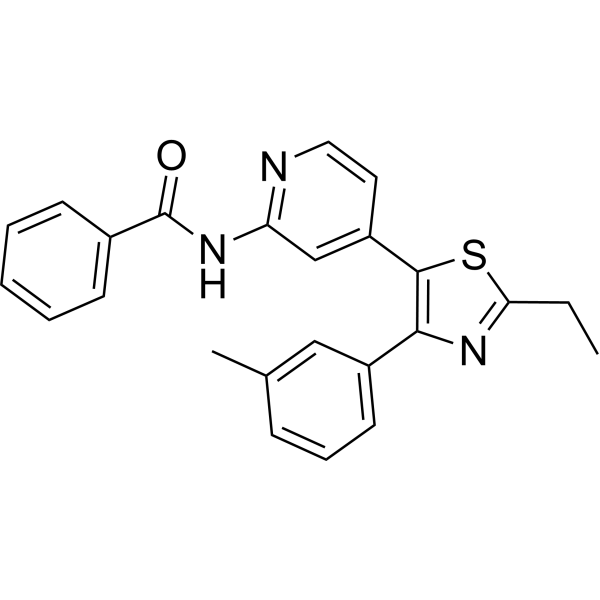
TAK-715 is an orally active and potent p38 MAPK inhibitor with IC50s of 7.1 nM, 200 nM for p38α and p38β, respectively. TAK-715 inhibits casein kinase I (CK1δ/ε) to regulate activation of Wnt/β-catenin signaling. TAK-715 shows good significant efficacy in a rat arthritis model [1] .
|
-
- HY-P1829
-
|
|
Angiotensin Receptor
|
Cardiovascular Disease
|
|
Angiotensin I/II 1-6 contains the amino acids 1-6 and is converted from Angiotensin I/II peptide. The precursor angiotensinogen is cleaved by renin to form angiotensin I. Angiotensin I ishydrolyzed by angiotensin-converting enzyme (ACE) to form the biologically active angiotensin II. Angiotensin II has been investigated for the treatment, basic science, and diagnostic of Hypertension, Renin Angiotensin System, and Idiopathic Membranous Nephropathy [1] .
|
-
- HY-P1829A
-
|
|
Angiotensin Receptor
|
Cardiovascular Disease
|
|
Angiotensin I/II (1-6) TFA contains the amino acids 1-6 and is converted from Angiotensin I/II peptide. The precursor angiotensinogen is cleaved by renin to form angiotensin I. Angiotensin I ishydrolyzed by angiotensin-converting enzyme (ACE) to form the biologically active angiotensin II. Angiotensin II has been investigated for the treatment, basic science, and diagnostic of Hypertension, Renin Angiotensin System, and Idiopathic Membranous Nephropathy [1] .
|
-
- HY-113143
-
|
|
Endogenous Metabolite
|
Infection
Metabolic Disease
|
|
Galactose 1-phosphate acts as a competitive substrate inhibitor of galactose-1-phosphate uridylyltransferase (GALT). Galactose 1-phosphate is a competitive inhibitor of Phosphoglucomutase, yet the rate at which this enzyme converts Galactose 1-phosphate to Galactose-6-phosphate is 400 times slower than the rate of converting Glucose-1-phosphate. Galactose 1-phosphate can be used in studies related to Saccharomyces cerevisiae infection and type I galactosemia .
|
-
- HY-153795
-
|
|
Drug-Linker Conjugates for ADC
Topoisomerase
|
Cancer
|
|
Mal-PEG2-Gly-Gly-Phe-Gly-Exatecan is a bioactive drug-linker conjugate for ADC (Drug-Linker Conjugates for ADC). Mal-PEG2-Gly-Gly-Phe-Gly-Exatecan consists of Exatecan (HY-13631) and a linker. Mal-PEG2-Gly-Gly-Phe-Gly-Exatecan is applicable to ADC synthesis and cancer research. Exatecan acts as a DNA Topoisomerase I inhibitor .
|
-
- HY-W748519
-
|
N-Methylglycine-13C3; Sarcosin-13C3
|
Isotope-Labeled Compounds
GlyT
Endogenous Metabolite
|
Cancer
|
|
Sarcosine- 13C3 (N-Methylglycine- 13C3; Sarcosin- 13C3) is the 13C-labeled Sarcosine (HY-101037). Sarcosine (N-Methylglycine), an endogenous amino acid, is a competitive glycine transporter type I (GlyT1) inhibitor and N-methyl-D-aspartate (NMDA) receptor co-agonist. Sarcosine increases the glycine concentration, resulting in an indirect potentiation of the NMDA receptor. Sarcosine is commonly used for the research of schizophrenia [1] .
|
-
- HY-113143A
-
|
|
Endogenous Metabolite
|
Infection
Metabolic Disease
Inflammation/Immunology
|
|
Galactose 1-phosphate Potassium salt acts as a competitive substrate inhibitor of galactose-1-phosphate uridylyltransferase (GALT). Galactose 1-phosphate Potassium salt is a competitive inhibitor of Phosphoglucomutase, yet the rate at which this enzyme converts Galactose 1-phosphate to Galactose-6-phosphate is 400 times slower than the rate of converting Glucose-1-phosphate. Galactose 1-phosphate Potassium salt can be used in studies related to Saccharomyces cerevisiae infection and type I galactosemia .
|
-
- HY-119939
-
|
CHDI00390576
|
HDAC
|
Cancer
|
|
CHDI-390576, a potent, cell permeable and CNS penetrant class IIa histone deacetylase (HDAC) inhibitor with IC50s of 54 nM, 60 nM, 31 nM, 50 nM for class IIa HDAC4, HDAC5, HDAC7, HDAC9, respectively, shows >500-fold selectivity over class I HDACs (1, 2, 3) and ~150-fold selectivity over HDAC8 and the class IIb HDAC6 isoform [1].
|
-
- HY-P99171
-
|
|
Interleukin Related
|
Inflammation/Immunology
Cancer
|
|
Gevokizumab is a potent anti-IL-1β antibody, negatively modulates IL-1β signaling through an allosteric mechanism. Gevokizumab selectively decreases the binding affinity of IL-1β for the IL-1 receptor type I (IL-1RI) signaling receptor instead of IL-1 counter-regulatory decoy receptor (IL-1 receptor type II) [1] .
|
-
- HY-130538
-
|
|
HDAC
|
Cancer
|
|
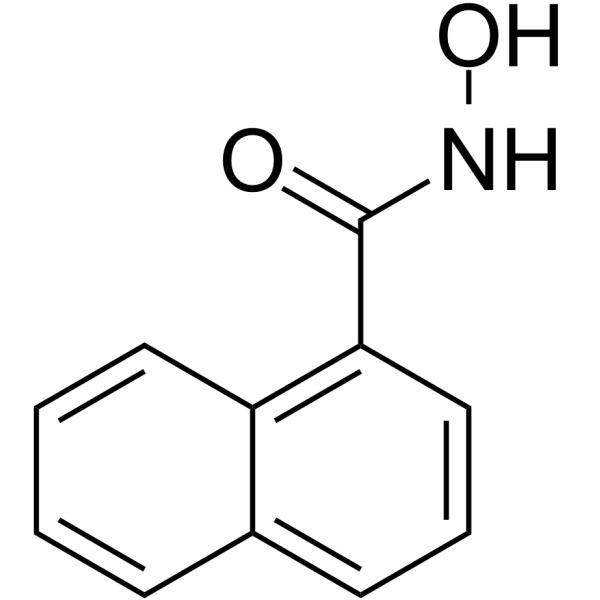
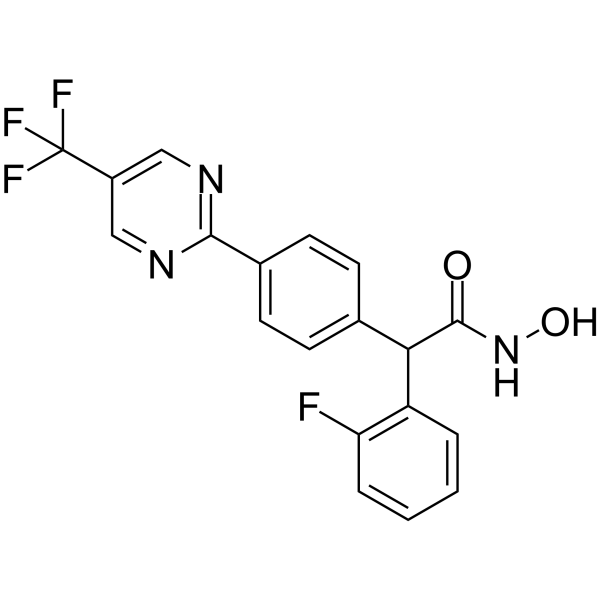
1-Naphthohydroxamic acid (Compound 2) is a potent and selective HDAC8 inhibitor with an IC50 of 14 μM. 1-Naphthohydroxamic acid is more selectively for HDAC8 than class I HDAC1 and class II HDAC6 (IC50 >100 μM). 1-Naphthohydroxamic acid does not increase global histone H4 acetylation and also does not reduce total intracellular HDAC activity [1] [2].1-Naphthohydroxamic acid can induce tubulin acetylation .
|
-
- HY-N15424
-
|
|
Apoptosis
Bcl-2 Family
|
|
|
Himachalol, a sesquiterpene, is an orally active antispasmodic and anticancer constituent found in the wood of Cedrus deodara. Himachalol has anti-proliferative activity against the melanoma cells, and induces apoptosis (decreases Bcl-2 level and increases Bax level). Himachalol has systemic hypotension and peripheral vasodilation effect. Himachalol inhibits Carbachol-induced spasm of the intestine. The LD50 of Himachalol in mice is 265 mg/kg (p.o.) and 247 mg/kg (i.p.) .
|
-
- HY-135283
-
|
A-216546
|
Endothelin Receptor
|
Cardiovascular Disease
Endocrinology
|
|
ABT-546 (A-216546), a chemical probe, is a potent, highly selective and active endothelin ETA receptor antagonist with a Ki of 0.46 nM for [ 125I]endothelin-1 binding to cloned human endothelin ETA. ABT-546 is >25,000-fold more selective for the ETA receptor than for the ETB receptor. ABT-546 blocks endothelin-1-induced arachidonic acid release and phosphatidylinositol hydrolysis with IC50 of 0.59 nM and 3 nM, respectively [1].
|
-
- HY-W249514
-
|
|
Isotope-Labeled Compounds
|
Others
|
|
1-Methyl-1H-pyrazole-4-boronic acid pinacol ester-d3 is the deuterium labeled 1-Methyl-1H-pyrazole-4-boronic acid pinacol ester (HY-I0308). 1-Methyl-1H-pyrazole-4-boronic acid pinacol ester is a biochemical reagent that can be used as a biological material or organic compound for life science related research.
|
-
- HY-N15663
-
|
EGCG4′′Me
|
Drug Derivative
|
Inflammation/Immunology
|
|
(-)-Epigallocatechin-3-O-(4-O-methyl)gallate is an orally active catechin derivative found in Taiwanese oolong tea. (-)-Epigallocatechin-3-O-(4-O-methyl)gallate can inhibit histamine release and exhibits anti-inflammation and anti-allergic effect. (-)-Epigallocatechin-3-O-(4-O-methyl)gallate can be used for the researches of immunology and inflammation, such as type I allergic .
|
-
- HY-176862A
-
|
|
FGFR
ERK
|
Inflammation/Immunology
|
|
TCB-32 (Compound I-1) hydrochloride is a FGFR1 agonist with an EC50 of 0.88 μM. TCB-32 hydrochloride significantly increases cell proliferation through activating FGFR1 signaling pathway as bFGF and its downstream ERK1/2 with excellent thermal stability. TCB-32 hydrochloride can replace bFGF in serum-free cell culture media. TCB-32 hydrochloride can be used for tissue repair and wound healing related diseases like psoriasis and eczema research [1] .
|
-
- HY-145448
-
|
|
E3 Ligase Ligand-Linker Conjugates
|
Cancer
|
|
MC-VC-PABC-amide-PEG1-CH2-CC-885 (compound I-1) is a neoDegrader-Linker conjugate, consists of the GSPT1 degrader/molecular glue CC-885 (HY-101488) and a linker. MC-VC-PABC-amide-PEG1-CH2-CC-885 can be conjugated to the antibody DAR3.7 that specifically targets CD56 to synthesize Antibody-Drug Conjugates (ADCs) [1].
|
-
- HY-176862
-
|
|
FGFR
ERK
|
Inflammation/Immunology
|
|
TCB-32 (Compound I-1) is a FGFR1 agonist with an EC50 of 0.88 μM. TCB-32 significantly increases cell proliferation through activating FGFR1 signaling pathway as bFGF and its downstream ERK1/2 with excellent thermal stability. TCB-32 can replace bFGF in serum-free cell culture media. TCB-32 can be used for tissue repair and wound healing related diseases like psoriasis and eczema research [1] .
|
-
- HY-W103463
-
|
1-Phenylpyrrolidin-2-one
|
GABA Receptor
|
Neurological Disease
|
|
1-Phenyl-2-pyrrolidinone (1-Phenylpyrrolidin-2-one) is a phenyl analogue of GABA with sedative effect, decreasing the exploratory behavior of rats at 50-100 mg/kg (i.v.). 1-Phenyl-2-pyrrolidinone also has been proved to inhibit emotional reactions in dogs and cats. 1-Phenyl-2-pyrrolidinone induces decreases in the pressor reaction to emotional stress without accompanied by normalization of the function of baroreceptor reflexes [1] .
|
-
- HY-106994AR
-
|
YM598 (Standard)
|
Reference Standards
Endothelin Receptor
|
Cardiovascular Disease
Inflammation/Immunology
Cancer
|
|
Nebentan potassium (Standard) (GT-2331 maleate (Standard)) is the analytical standard of Nebentan (potassium) (HY-106994A). This product is intended for research and analytical applications. Nebentan potassium (YM598) is a potent, selective and orally active non-peptide endothelin ETA receptor antagonist through the modification of Bosentan (HY-A0013). Nebentan potassium inhibits [125I] endothelin-1 binding to cloned human endothelin ETA and ETB receptor, with Ki of 0.697 nM and 569 nM, respectively [1]. YM598 can ameliorate the progression of cor pulmonale and myocardial infarction in vivo .
|
-
- HY-101823A
-
|
Abbott 81282
|
Angiotensin Receptor
|
Cardiovascular Disease
|
|
A-81282 (Abbott 81282) is an antagonist of angiotensin II's AT1 receptor, with a pA2 value of 9.64 at the AT1 receptor in rabbit aorta. A-81282 also demonstrates significant inhibitory action on the binding of [125i]_Sar1_lle8_Angiotensin_ll to rat liver membranes, with a pKI value of 8.505. A-81282 has antihypertensive activity and can effectively lower blood pressure in renal artery-ligated rats [1].
|
-
- HY-10456R
-
|
|
Reference Standards
p38 MAPK
Casein Kinase
Wnt
|
Inflammation/Immunology
|
|
TAK-715 (Standard) is the analytical standard of TAK-715 (HY-10456). This product is intended for research and analytical applications. TAK-715 is an orally active and potent p38 MAPK inhibitor with IC50s of 7.1 nM, 200 nM for p38α and p38β, respectively. TAK-715 inhibits casein kinase I (CK1δ/ε) to regulate activation of Wnt/β-catenin signaling. TAK-715 shows good significant efficacy in a rat arthritis model [1] .
|
-
- HY-125990
-
|
|
Sodium Channel
|
Cardiovascular Disease
Metabolic Disease
|
|
SLC13A5-IN-1 is a selective sodium-citrate co-transporter (SLC13A5) inhibitor. SLC13A5-IN-1 completely blocks the uptake of 14C-citrate with an IC50 value of 0.022 μM in HepG2 cells. SLC13A5-IN-1 has the potential for the treatment of metabolic and/or cardiovascular diseases. SLC13A5-IN-1 is extracted from patent WO2018104220A1, Compound I-5 .
|
-
- HY-163117
-
|
|
COX
Carbonic Anhydrase
|
Neurological Disease
Inflammation/Immunology
|
|
Anti-inflammatory agent 68 (compound 7b) is a dual inhibitor of carbonic anhydrase and COX-2, a sulfonamide derivative of Polmacoxib (HY-16726), with anti-inflammatory properties and analgesic activity. Anti-inflammatory agent 68 has IC50s of 12.6 μM and 60 nM for COX-1 and COX-2, respectively. The Ki of anti-inflammatory agent 68 binding to different isoforms of carbonic anhydrase are 52.6 nM (CA I), 79.1 nM (CA II), 58.1 nM (CA IX), and 17.2 nM (CA XII) [1].
|
-
- HY-137460
-
|
K0706
|
Bcr-Abl
|
Cancer
|
|
Vodobatinib (K0706) is a potent, third generation and orally active Bcr-Abl1 tyrosine kinase inhibitor with an IC50 of 7 nM. Vodobatinib exhibits activity against most BCR-ABL1 point mutants, and has no activity against BCR-ABL1T315I. Vodobatinib can be used for chronic myeloid leukemia (CML) research [1] . Vodobatinib is a click chemistry reagent, it contains an Alkyne group and can undergo copper-catalyzed azide-alkyne cycloaddition (CuAAc) with molecules containing Azide groups.
|
-
- HY-175182
-
|
|
Indoleamine 2,3-Dioxygenase (IDO)
TNF Receptor
Interleukin Related
|
Inflammation/Immunology
Cancer
|
|
IDO1-IN-27 (Compound I-1) is a Indoleamine 2,3-Dioxygenase 1 (IDO1) inhibitor with an IC50 of 0.3951 μM for recombinant hIDO1. IDO1-IN-27 also inhibits hIDO1 expression in HeLa cells (EC50: 62 nM). IDO1-IN-27 effectively stimulates T cell proliferation by reducing the mRNA expression of pro-inflammatory factors (TNF-α, IL-6, and IL-1β) while concurrently inhibiting LLC cells growth [1].
|
-
- HY-178362
-
|
|
Carbonic Anhydrase
NKCC
mTOR
|
Neurological Disease
|
|
CAII/VII-IN-1 is an orally active hCA II (KI = 12.3 nM), and hCA VII (KI = 22.6 nM) inhibitor, showing no significant activity against hCA I. CAII/VII-IN-1 shows excellent neuroprotective activity in vivo Pilocarpine (HY-B0726A)-induced seizure model. CAII/VII-IN-1 can upregulate KCC2 and inhibit mTOR, exerting neuroprotective effects. CAII/VII-IN-1 does not show any significant neurotoxic effects or alterations in liver and kidney function. CAII/VII-IN-1 can be used for the study of epilepsy [1].
|
-
- HY-107202A
-
-
- HY-W031757
-
|
|
Influenza Virus
Bacterial
Dipeptidyl Peptidase
COX
NF-κB
AP-1
RIG-I-like receptor (RLR)
STAT
|
Infection
Neurological Disease
Inflammation/Immunology
|
|
Anthraquinone-2-carboxylic acid is an orally active anthraquinone compound and Antibacterial agent. Anthraquinone-2-carboxylic acid can be isolated from Bajitian. Anthraquinone-2-carboxylic acid inhibits the activation of DPP-IV, COX-2, NF-κB and AP-1. Anthraquinone-2-carboxylic acid blocks IAV-induced activation of the RIG-I/STAT1 pathway, alleviates IAV-mediated weight loss, and protects against lethal IAV infection. Anthraquinone-2-carboxylic acid inhibits the growth of various Staphylococcus strains. It possesses potent anti-inflammatory, immunomodulatory, analgesic and antibacterial activities [1] .\n
|
-
- HY-171124
-
|
AZD9592
|
Antibody-Drug Conjugates (ADCs)
EGFR
c-Met/HGFR
Topoisomerase
DNA/RNA Synthesis
|
Cancer
|
|
Tilatamig samrotecan (AZD9592) is an anti-EGFR/c-MET antibody-drug conjugate (ADC). Tilatamig samrotecan consists of an anti-EGFR/c-MET antibody with the drug-linker conjugate being AZ14170133 (HY-145399) (a topoisomerase I (TOP1i) inhibitor payload). Tilatamig samrotecan induces multiple DNA damage response pathway markers (like ATM, ATR, γH2AX). Tilatamig samrotecan selectively binds to EGFR and c-MET, delivering the cytotoxic payload. Tilatamig samrotecan exerts anti-tumor activity in vivo. Tilatamig samrotecan can be used for non-small cell lung cancer (NSCLC) and head and neck squamous cell carcinoma (HNSCC) research [1] .
|
-
- HY-P1110
-
AF12198
4 Publications Verification
|
Interleukin Related
|
Inflammation/Immunology
|
|
AF12198 is a potent, selective and specific peptide antagonist for human type I interleukin-1 receptor (IL1-R1) (IC50=8 nM) but not the human type II receptor (IC50=6.7 µM) or the murine type I receptor (IC50>200 µM). AF12198 inhibits IL-1-induced IL-8 production (IC50=25 nM) and IL-1-induced intercellular adhesion molecule-1 (ICAM-1) expression (IC50=9 nM) in vitro. AF12198 has anti-inflammatory activities and blocks responses to IL-1 in vivo [1].
|
-
- HY-168739
-
|
|
Topoisomerase
Reactive Oxygen Species (ROS)
Apoptosis
Survivin
Bcl-2 Family
IAP
DNA/RNA Synthesis
|
Cancer
|
|
Topoisomerase I inhibitor 17 (Compound 7h) is a Topoisomerase I (Top1) inhibitor. Topoisomerase I inhibitor 17 reduces DDX5 and reverses the locking of Top1 activity by DDX5. Topoisomerase I inhibitor 17 induces Top1-mediated DNA damage and promotes reactive oxygen species (ROS) production. Topoisomerase I inhibitor 17 induces Apoptosis (reduces antiapoptotic proteins XIAP, Bcl-2, Survivin and up-regulates pro-apoptotic proteins Bax, γH2AX). Topoisomerase I inhibitor 17 also blocks the progression of the G2/M checkpoint and induces cell cycle arrest. Topoisomerase I inhibitor 17 significantly inhibits colony formation and cell migration in colorectal cancer cells. Topoisomerase I inhibitor 17 effectively reduces tumors in human PDX tumor mice [1].
|
-
- HY-174252
-
|
|
DNA/RNA Synthesis
HSV
|
Infection
|
|
HSV-1/HSV-2-IN-3 inhibits the herpes-simplex-virus (HSV) helicase-primase complex, blocking the coordinated DNA-unwinding and primer-synthesis steps required for viral genome replication. HSV-1/HSV-2-IN-3 exhibits an EC50 of 7.0 nM against HSV-2 in a gD-immunofluorescence cell assay containing 2 % FBS and 57.5 nM when 10 % human serum is present. HSV-1/HSV-2-IN-3 achieves an EC50 of 1.1 nM in a qPCR replication assay. HSV-1/HSV-2-IN-3 shows strong selectivity over human carbonic-anhydrase off-targets (IC50 ≈ 2.9 µM for hCA II and > 35 µM for hCA I). HSV-1/HSV-2-IN-3 can be studied in anti-HSV research [1].
|
-
| Cat. No. |
Product Name |
Type |
-
- HY-40041
-
|
|
Biochemical Assay Reagents
|
|
(R)-1-Boc-3-methyl-piperazine (Compound I3-1) is a chemical intermediate. (R)-1-Boc-3-methyl-piperazine can be used for the preparation of Compound I3. Compound I3 exhibits anticancer activity against colorectal adenocarcinoma with BRCA2 gene deletion [1].
|
| Cat. No. |
Product Name |
Target |
Research Area |
-
- HY-P1656
-
|
|
Angiotensin Receptor
Mas-related G-protein-coupled Receptor (MRGPR)
|
Cardiovascular Disease
|
|
(D-Pro7)-Angiotensin I/II (1-7) is a potent Mas receptor inhibitor with a Ki of 0.001 μM for rat receptors. (D-Pro7)-Angiotensin I/II (1-7) competitively blocks the binding of Angiotensin-(1-7) to the Mas receptor and attenuates the vasodilatory effect of rat aortas under physiological and hypertensive conditions. (D-Pro7)-Angiotensin I/II (1-7) can be used for studies on the function of the renin-angiotensin system and the pathological mechanisms of hypertension [1] .
|
-
- HY-P1104A
-
|
|
CXCR
HIV
|
Infection
|
|
FC131 TFA is a CXCR4 antagonist, inhibits [ 125I]-SDF-1 binding to CXCR4, with an IC50 of 4.5 nM. Anti-HIV activity [1].
|
-
- HY-P1110
-
AF12198
4 Publications Verification
|
Interleukin Related
|
Inflammation/Immunology
|
|
AF12198 is a potent, selective and specific peptide antagonist for human type I interleukin-1 receptor (IL1-R1) (IC50=8 nM) but not the human type II receptor (IC50=6.7 µM) or the murine type I receptor (IC50>200 µM). AF12198 inhibits IL-1-induced IL-8 production (IC50=25 nM) and IL-1-induced intercellular adhesion molecule-1 (ICAM-1) expression (IC50=9 nM) in vitro. AF12198 has anti-inflammatory activities and blocks responses to IL-1 in vivo [1].
|
-
- HY-P1839A
-
|
|
Angiotensin Receptor
|
Cardiovascular Disease
|
|
Angiotensin I/II 1-5 TFA is a peptide that contains the amino acids 1-5, which is converted from Angiotensin I/II. Angiotensin I is formed by the action of renin on angiotensinogen. Angiotensin II is produced from angiotensin I. Angiotensin II has been investigated for the treatment, basic science, and diagnostic of Hypertension, Renin Angiotensin System, and Idiopathic Membranous Nephropathy [1] .
|
-
- HY-P4109
-
|
NT21MP; V1 peptide
|
CXCR
|
Inflammation/Immunology
Cancer
|
|
vMIP-II (1-21) (NT21MP) is an inhibitor of CXCR4. vMIP-II (1-21) interacts broadly with CC and CXC chemokine receptors. vMIP-II (1-21) inhibits CXCR4 by competing with 125I-SDF-1R for binding sites (IC50=190 nM) [1].
|
-
- HY-P1016B
-
|
|
Endothelin Receptor
|
Cardiovascular Disease
|
|
BQ-3020 ammonium is a selective endothelin receptor (ETB receptor) agonist. BQ-3020 ammonium inhibits [ 125I] ET-1 binding to ETB receptors, with an IC50 value of 0.2 nM. BQ-3020 ammonium elicits vasoconstriction in the rabbit pulmonary artery. BQ-3020 ammonium makes relaxation of the pig urinary bladder neck and can be used for cardiovascular disease research [1] . .
|
-
- HY-P1829A
-
|
|
Angiotensin Receptor
|
Cardiovascular Disease
|
|
Angiotensin I/II (1-6) TFA contains the amino acids 1-6 and is converted from Angiotensin I/II peptide. The precursor angiotensinogen is cleaved by renin to form angiotensin I. Angiotensin I ishydrolyzed by angiotensin-converting enzyme (ACE) to form the biologically active angiotensin II. Angiotensin II has been investigated for the treatment, basic science, and diagnostic of Hypertension, Renin Angiotensin System, and Idiopathic Membranous Nephropathy [1] .
|
-
- HY-P4812
-
-
- HY-P1104
-
|
|
CXCR
HIV
|
Infection
|
|
FC131 is a potent CXCR4 antagonist. FC131 inhibits [ 125I]-SDF-1 binding to CXCR4 with an IC50 of 4.5 nM. FC131 has anti-HIV activity [1].
|
-
- HY-P1016
-
|
|
Endothelin Receptor
|
Cardiovascular Disease
|
|
BQ-3020 is a selective endothelin receptor (ETB receptor) agonist that displaces [ 125I] ET-1 binding to ETB receptors, with an IC50 value of 0.2 nM. BQ-3020 elicits vasoconstriction in the rabbit pulmonary artery. BQ-3020 makes relaxation of the pig urinary bladder neck and can be used for cardiovascular disease research 1 2.
|
-
- HY-P1829
-
|
|
Angiotensin Receptor
|
Cardiovascular Disease
|
|
Angiotensin I/II 1-6 contains the amino acids 1-6 and is converted from Angiotensin I/II peptide. The precursor angiotensinogen is cleaved by renin to form angiotensin I. Angiotensin I ishydrolyzed by angiotensin-converting enzyme (ACE) to form the biologically active angiotensin II. Angiotensin II has been investigated for the treatment, basic science, and diagnostic of Hypertension, Renin Angiotensin System, and Idiopathic Membranous Nephropathy [1] .
|
-
- HY-P4109A
-
|
NT21MP TFA; V1 peptide TFA
|
CXCR
|
Inflammation/Immunology
Cancer
|
|
vMIP-II (1-21) (NT21MP) TFA is an inhibitor of CXCR4. vMIP-II (1-21) TFA interacts broadly with CC and CXC chemokine receptors. vMIP-II (1-21) TFA inhibits CXCR4 by competing with 125I-SDF-1R for binding sites (IC50=190 nM) [1].
|
-
- HY-P1839
-
|
|
Angiotensin Receptor
|
Cardiovascular Disease
|
|
Angiotensin I/II 1-5 is a peptide that contains the amino acids 1-5, which is converted from Angiotensin I/II. Angiotensin I is formed by the action of renin on angiotensinogen. Angiotensin II is produced from angiotensin I. Angiotensin II has been investigated for the treatment, basic science, and diagnostic of Hypertension, Renin Angiotensin System, and Idiopathic Membranous Nephropathy [1] .
|
-
- HY-P4044
-
|
|
HBV
|
Infection
|
|
HBV Seq2 aa:28-39 is a HBsAg peptide, which binds to major histocompatibility complex (MHC) class I molecules .
|
-
- HY-P10296
-
|
|
Endogenous Metabolite
|
Infection
|
|
p60 (217–225) is the subdominant epitope of Listeria monocytogenes, which combines with H-2K d MHC class I molecules .
|
-
- HY-P5526
-
|
|
Casein Kinase
|
Others
|
|
CCK1-specific peptide substrate is a biological active peptide. (This peptide sequence is based on rabbit muscle glycogen synthase with Ser7 phosphorylated. It is a peptide substrate for Casein Kinase I (CK1). CK1 phosphorylates Ser10. Ser7 is phosphorylated by PKA in vivo.)
|
-
- HY-P10135
-
|
|
Endothelin Receptor
|
Cardiovascular Disease
|
|
RES-701-1 is a cyclic peptide composed of 16 common L-amino acids, acting as a specific antagonist for the ETB receptor. RES-701-1 can inhibit the binding of 125I-ET-1 (125I-labeled Endothelin (ET)-1) to the ETB receptor, with an IC50 value of 10 nM [1] .
|
-
- HY-P11553B
-
|
|
Radionuclide-Drug Conjugates (RDCs)
CCR
|
Cardiovascular Disease
Inflammation/Immunology
Cancer
|
|
DOTA-ECL1i is a conjugate of the CCR2 inhibitor ECL1i (HY-P11553) and DOTA. When radiolabeled with 68Ga, DOTA-ECL1i serves as a PET tracer that targets CCR2 expression. DOTA-ECL1i can be used in research related to pulmonary fibrosis, cardiac injury, abdominal aortic aneurysm inflammation, atherosclerosis, head and neck cancer, and pancreatic cancer [1].
|
-
- HY-P11649
-
|
|
Integrin
VEGFR
|
Cancer
|
|
NYLTHRQ is a peptide. NYLTHRQ specifically blocks the interaction between sVEGFR1-i13 and β1 integrin, and inhibits the activation of VEGFR1 and VEGFR2. NYLTHRQ inhibits cancer cell proliferation. NYLTHRQ can be used in the research of tumors such as lung squamous cell carcinoma [1].
|
| Cat. No. |
Product Name |
Target |
Research Area |
Image |
-
- HY-P99509
-
-
(5)
-
- HY-P99171
-
|
|
Interleukin Related
|
Inflammation/Immunology
Cancer
|
|
Gevokizumab is a potent anti-IL-1β antibody, negatively modulates IL-1β signaling through an allosteric mechanism. Gevokizumab selectively decreases the binding affinity of IL-1β for the IL-1 receptor type I (IL-1RI) signaling receptor instead of IL-1 counter-regulatory decoy receptor (IL-1 receptor type II) [1] .
|
-
(5)
| Cat. No. |
Product Name |
Category |
Target |
Chemical Structure |
| Cat. No. |
Product Name |
Chemical Structure |
-
- HY-101037S1
-
|
|
|
Sarcosine-d3 is the deuterium labeled Sarcosine. Sarcosine (N-Methylglycine), an endogenous amino acid, is a competitive glycine transporter type I (GlyT1) inhibitor and N-methyl-D-aspartate (NMDA) receptor co-agonist. Sarcosine increases the glycine concentration, resulting in an indirect potentiation of the NMDA receptor. Sarcosine is commonly used for the research of schizophrenia [1] .
|
-
-
- HY-101037S
-
|
|
|
Sarcosine- 15N is the 15N-labeled Sarcosine. Sarcosine (N-Methylglycine), an endogenous amino acid, is a competitive glycine transporter type I (GlyT1) inhibitor and N-methyl-D-aspartate (NMDA) receptor co-agonist. Sarcosine increases the glycine concentration, resulting in an indirect potentiation of the NMDA receptor. Sarcosine is commonly used for the research of schizophrenia [1] .
|
-
-
- HY-B1411S1
-
|
|
|
i-Inositol-d is the deuterium labeled i-Inositol .
|
-
-
- HY-W748519
-
|
|
|
Sarcosine- 13C3 (N-Methylglycine- 13C3; Sarcosin- 13C3) is the 13C-labeled Sarcosine (HY-101037). Sarcosine (N-Methylglycine), an endogenous amino acid, is a competitive glycine transporter type I (GlyT1) inhibitor and N-methyl-D-aspartate (NMDA) receptor co-agonist. Sarcosine increases the glycine concentration, resulting in an indirect potentiation of the NMDA receptor. Sarcosine is commonly used for the research of schizophrenia [1] .
|
-
-
- HY-W249514
-
|
|
|
1-Methyl-1H-pyrazole-4-boronic acid pinacol ester-d3 is the deuterium labeled 1-Methyl-1H-pyrazole-4-boronic acid pinacol ester (HY-I0308). 1-Methyl-1H-pyrazole-4-boronic acid pinacol ester is a biochemical reagent that can be used as a biological material or organic compound for life science related research.
|
-
-
- HY-124211S
-
|
|
|
Dibenzo(a,i)pyrene-d14 is the deuterium labeled Dibenzo(a,i)pyrene .
|
-
| Cat. No. |
Product Name |
|
Classification |
-
- HY-146653
-
|
|
|
Alkynes
|
|
Glyoxalase I inhibitor 1 (compound 23) is a potent glyoxalase I (GLO1) inhibitor with an IC50 of 26 nM [1]. Glyoxalase I inhibitor 1 is a click chemistry reagent, itcontains an Alkyne group and can undergo copper-catalyzed azide-alkyne cycloaddition (CuAAc) with molecules containing Azide groups.
|
| Cat. No. |
Product Name |
|
Classification |
-
- HY-75161
-
|
|
|
Flavoring Agents
|
|
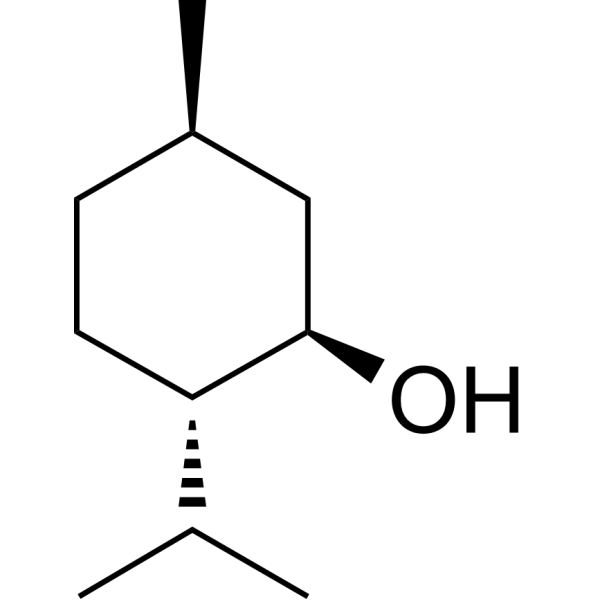
(-)-Menthol is a key component of peppermint oil that binds and activates transient receptor potential melastatin 8 (TRPM8), a Ca 2+-permeable nonselective cation channel, to increase [Ca 2+]i . Antitumor activity [1].
|
-
- HY-177622
-
|
|
|
Antisense Oligonucleotides
|
|
Cibrigirsen is an antisense oligonucleotide targeted to the insulin-like growth factor I receptor(IGF-1R).
|
-
- HY-177622A
-
|
|
|
Antisense Oligonucleotides
|
|
Cibrigirsen sodium is an antisense oligonucleotide targeted to the insulin-like growth factor I receptor(IGF-1R).
|
Your information is safe with us. * Required Fields.
Inquiry Information
- Product Name:
- Cat. No.:
- Quantity:
- MCE Japan Authorized Agent:

